Tag Archives: Beauty

Face Value

Faces are the silent storytellers of human experience. Before a word is spoken, a glance, a smile, or a frown conveys personality, mood, and intention. Our brains are wired to interpret these cues almost instantaneously, a process critical for social interaction and survival (Willis & Todorov, 2006).

The concept of “face value” goes beyond superficial beauty. It encompasses perceived trustworthiness, competence, and warmth—all traits inferred from facial features and expressions (Oosterhof & Todorov, 2016). These judgments shape our social interactions in subtle but powerful ways.

First impressions are formed remarkably quickly. Studies show that exposure to a face for as little as 100 milliseconds is sufficient for observers to make consistent judgments about traits such as dominance and friendliness (Willis & Todorov, 2006). The rapidity of these impressions underscores the influence of visual cues on human behavior.

Facial symmetry is often associated with attractiveness and perceived health. Symmetrical features signal genetic quality, which has evolutionary roots in mate selection (Zebrowitz & Montepare, 2008). Yet symmetry alone is insufficient; expression and context shape perception as much as physical proportions.

The eyes are central to social communication. Eye contact conveys attention, engagement, and emotional openness. A steady gaze can project confidence, while avoidance may indicate discomfort or deception (Hietanen, 2018). These cues operate on both conscious and subconscious levels.

Microexpressions, fleeting facial movements lasting only a fraction of a second, reveal emotions that words may attempt to hide. Observing these subtle cues can help decode sincerity, embarrassment, or hostility (Hehman, Stolier, Keller, & Freeman, 2018).

Faces are processed along social dimensions such as trustworthiness, competence, and dominance. These dimensions are consistent across cultures, suggesting that certain facial cues universally convey social meaning (Todorov, Said, Engell, & Oosterhof, 2008).

Cultural norms influence the interpretation of facial expressions. While some expressions are universally understood, subtleties in gaze, eyebrow movement, and lip tension can carry different meanings in distinct cultural contexts (Matsumoto & Hwang, 2017).

Perceived trustworthiness is critical in both personal and professional interactions. Faces judged as more trustworthy are associated with greater cooperation in economic games and higher social influence (Little, Burriss, Jones, & Roberts, 2011). This demonstrates the functional importance of first impressions.

Dominance and leadership are also inferred from facial cues. Features such as jawline strength, brow prominence, and eye gaze influence perceptions of authority and competence (Todorov, 2017). These judgments can affect hiring decisions, voting behavior, and social hierarchies.

Emotional expression adds nuance to facial perception. Smiles increase perceived warmth and likability, while anger or frowns can signal threat or dissatisfaction (Adams & Kleck, 2005). Subtlety matters: exaggerated expressions may be dismissed as insincere.

Facial features interact with context to shape impressions. A neutral expression may appear approachable in one setting and stern in another. Lighting, posture, and background all modulate the social signal conveyed by a face (Conty & Grèzes, 2017).

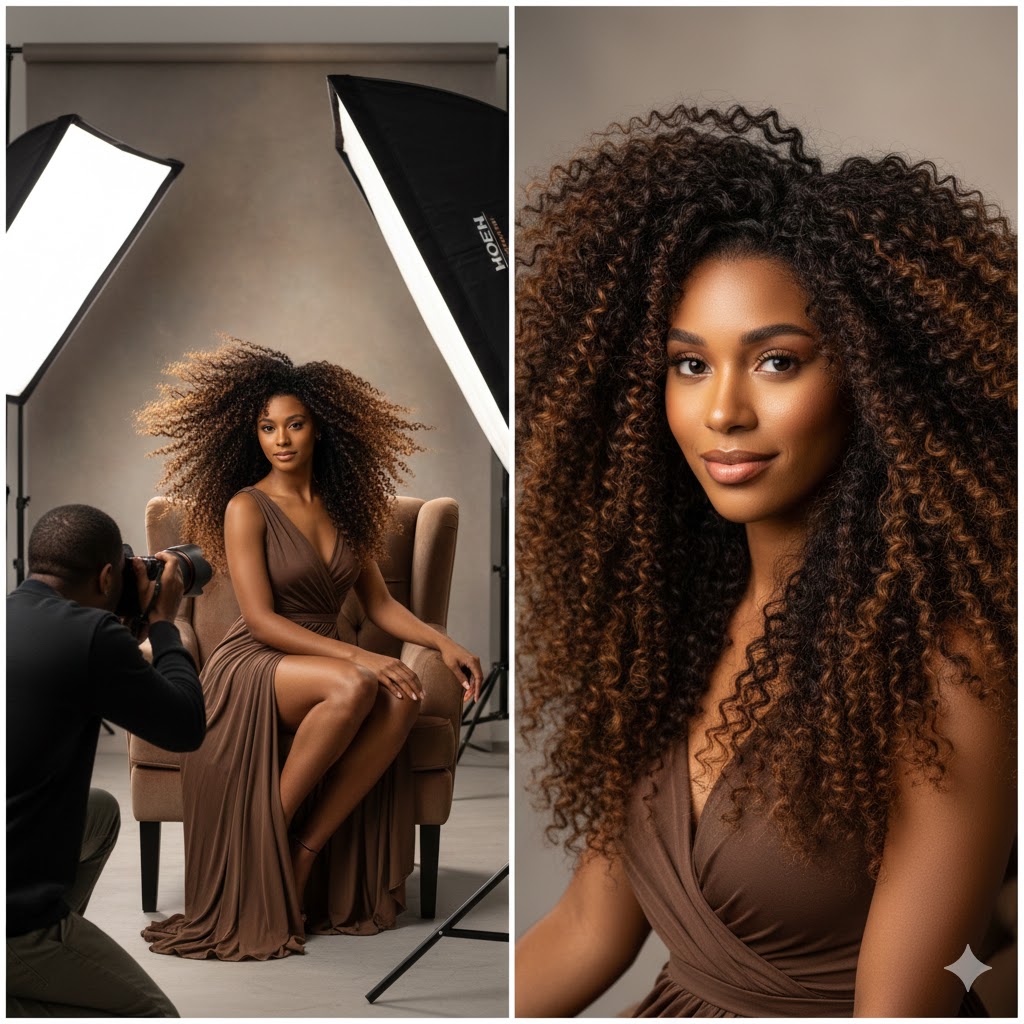
The face is also a medium for identity and self-expression. Hairstyles, makeup, and adornments complement natural features and communicate personality, creativity, and cultural affiliation (Hehman & Freeman, 2023). This layering of cues enriches the social message of the face.

Perceptions of competence from faces can influence real-world outcomes. Politicians, educators, and executives with “competent-looking” faces often enjoy advantages in elections, negotiations, and leadership selection (Oosterhof & Todorov, 2016). First impressions extend far beyond casual encounters.

Faces can signal health and vitality. Skin clarity, eye brightness, and facial tone contribute to judgments of attractiveness and robustness (Zebrowitz & Montepare, 2008). These cues are processed automatically and often unconsciously.

Digital communication challenges traditional facial perception. Video calls preserve many cues, but text and emoji can only approximate the subtleties of expression. Despite this, people still infer personality traits based on avatars and profile images (Rule & Ambady, 2008).

Children develop sensitivity to facial cues early. Infants can discriminate between emotional expressions and respond to gaze direction, indicating that face-based social evaluation is innate and foundational for human interaction (Hehman et al., 2018).

Biases in facial judgment are persistent. People may stereotype or make assumptions based on facial features, which can perpetuate inequality in social and professional contexts (Todorov, 2017). Awareness of these biases is essential for fair decision-making.

Facial perception evolves with experience and social learning. Repeated interactions refine the accuracy of judgments, allowing observers to distinguish between superficial cues and genuine personality traits (Hehman & Freeman, 2023).

Ultimately, “face value” reflects a complex interplay of biology, psychology, and culture. Faces convey emotion, intention, and identity, shaping human relationships in profound ways. Understanding this silent language enhances empathy, communication, and social insight (Zebrowitz & Montepare, 2008).


References

  • Adams, R. B., & Kleck, R. E. (2005). Effects of direct and averted gaze on the perception of facially expressed emotion. Emotion, 5(1), 3–11.
  • Conty, L., & Grèzes, J. (2017). Eye contact effects on social preference and face recognition in normal ageing and in Alzheimer’s disease. Psychological Research. https://doi.org/10.1007/s00426-017-0955-6
  • Hehman, E., Stolier, R. M., Keller, M. C., & Freeman, J. B. (2018). The conceptual structure of face impressions. PNAS, 115(50), 12703–12708. https://doi.org/10.1073/pnas.1806764115
  • Hehman, E., & Freeman, J. B. (2023). The observer’s lens: The impact of personality traits and gaze on facial impression inferences. Electronics, 17(3), 17. https://doi.org/10.3390/electronics17030017
  • Hietanen, J. K. (2018). Affective eye contact: An integrative review. Frontiers in Psychology, 9, 1587. https://doi.org/10.3389/fpsyg.2018.01587
  • Little, A. C., Burriss, R. P., Jones, B. C., & Roberts, S. C. (2011). Facial appearance affects trustworthiness judgments of anonymous partners in an investment game. Evolution and Human Behavior, 32(6), 361–366.
  • Matsumoto, D., & Hwang, H. C. (2017). Cultural bases of nonverbal communication. In APA Handbook of Nonverbal Communication (pp. …). American Psychological Association.
  • Oosterhof, N. N., & Todorov, A. (2016). Personality at face value: Facial appearance predicts self and other personality judgments among strangers and spouses. Psychological Science, 27(5), 605–618. https://doi.org/10.1177/0956797616638655
  • Rule, N. O., & Ambady, N. (2008). First impressions of the face: predicting success. Social and Personality Psychology Compass, 2(3), 1498–1517.
  • Todorov, A. (2017). Face Value: The Irresistible Influence of First Impressions. Princeton University Press.
  • Todorov, A., Said, C. P., Engell, A. D., & Oosterhof, N. N. (2008). Understanding evaluation of faces on social dimensions. Trends in Cognitive Sciences, 12(12), 455–460.
  • Willis, J., & Todorov, A. (2006). First impressions: Making up your mind after a 100-ms exposure to a face. Psychological Science, 17(7), 592–598.
  • Zebrowitz, L. A., & Montepare, J. M. (2008). Social psychological face perception: Why appearance matters. Social and Personality Psychology Compass, 2(3), 1497–1517.
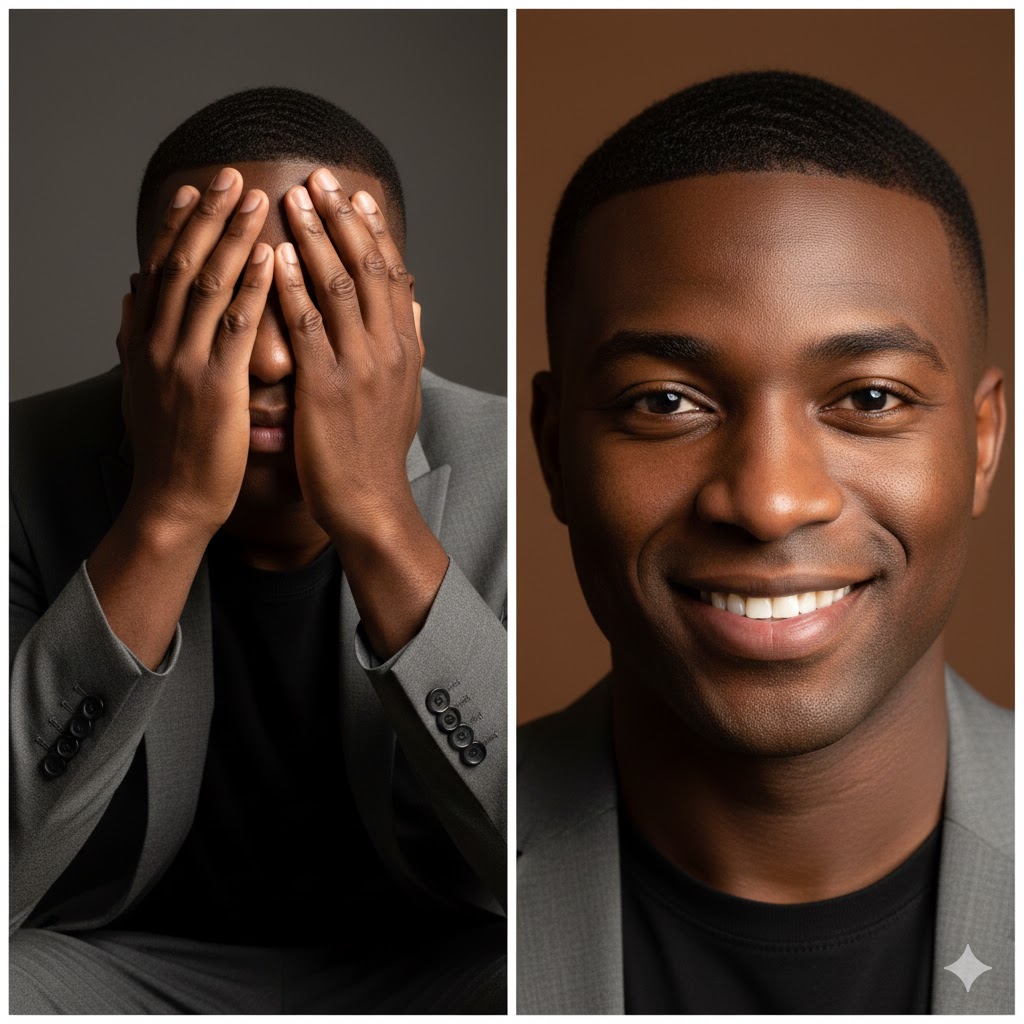
The Modern Muse

A muse is no longer confined to the marble halls of ancient mythology or the canvases of Renaissance painters. The modern muse transcends classical definitions, embodying creativity, influence, and inspiration in ways that resonate with today’s culture. She—or he—exists not merely as a passive object of admiration, but as an active participant in the creative process.

In contemporary society, the modern muse is often a symbol of empowerment. Artists, writers, and innovators seek inspiration in individuals who embody confidence, authenticity, and resilience. The muse is admired not for perfection alone, but for a unique presence that sparks imagination and drives artistic expression.

Social media has redefined the dynamics of inspiration. The modern muse can be anyone who inspires through storytelling, style, or digital content. Platforms like Instagram, TikTok, and YouTube allow creativity to circulate globally, turning everyday people into sources of inspiration and catalysts for cultural trends.

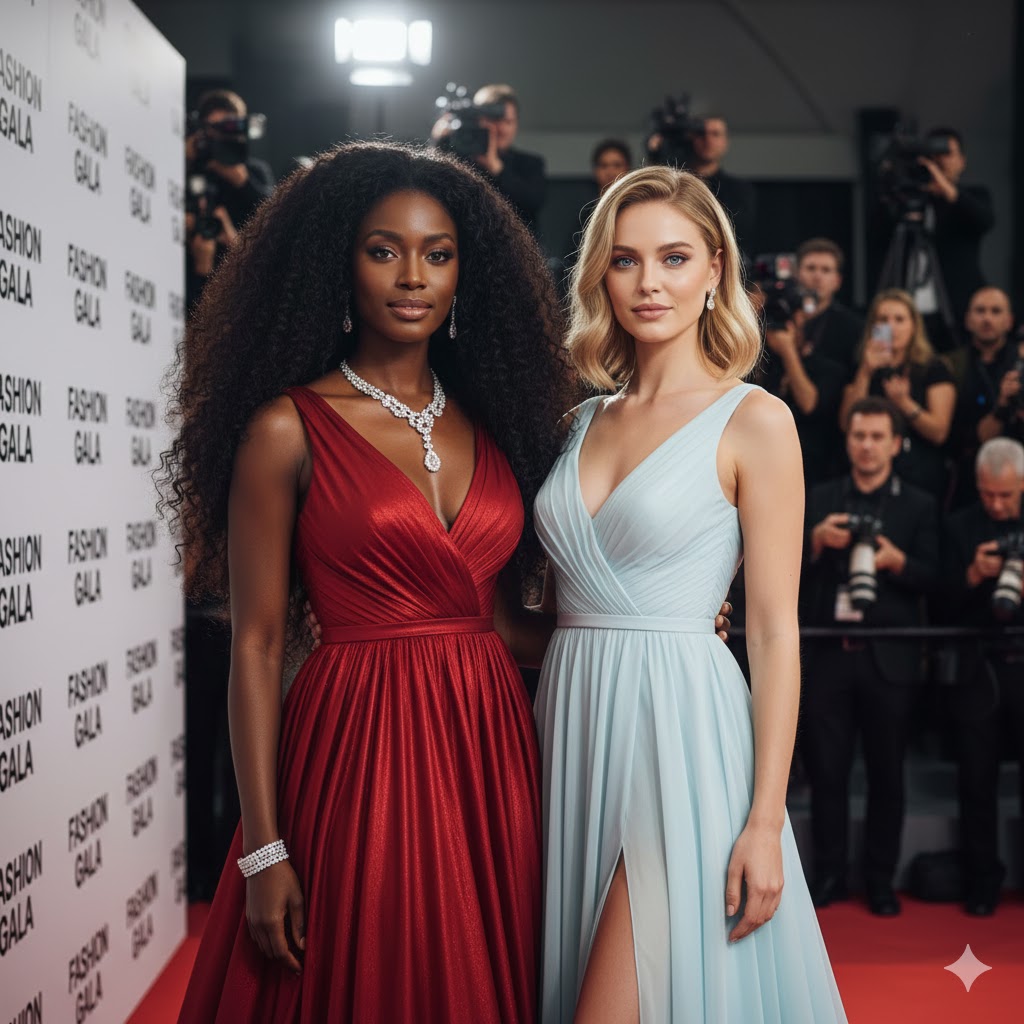
Fashion plays a crucial role in the identity of a modern muse. Style becomes a visual language through which personality, mood, and social commentary are communicated. Designers, photographers, and influencers often collaborate with muses to create imagery that captures contemporary aesthetics and cultural resonance.

Artistic muses are no longer passive figures; they are collaborators. Musicians, choreographers, and visual artists often co-create with their inspirations, recognizing that creative synergy produces richer outcomes. This shift emphasizes respect, agency, and mutual influence in modern artistic endeavors.

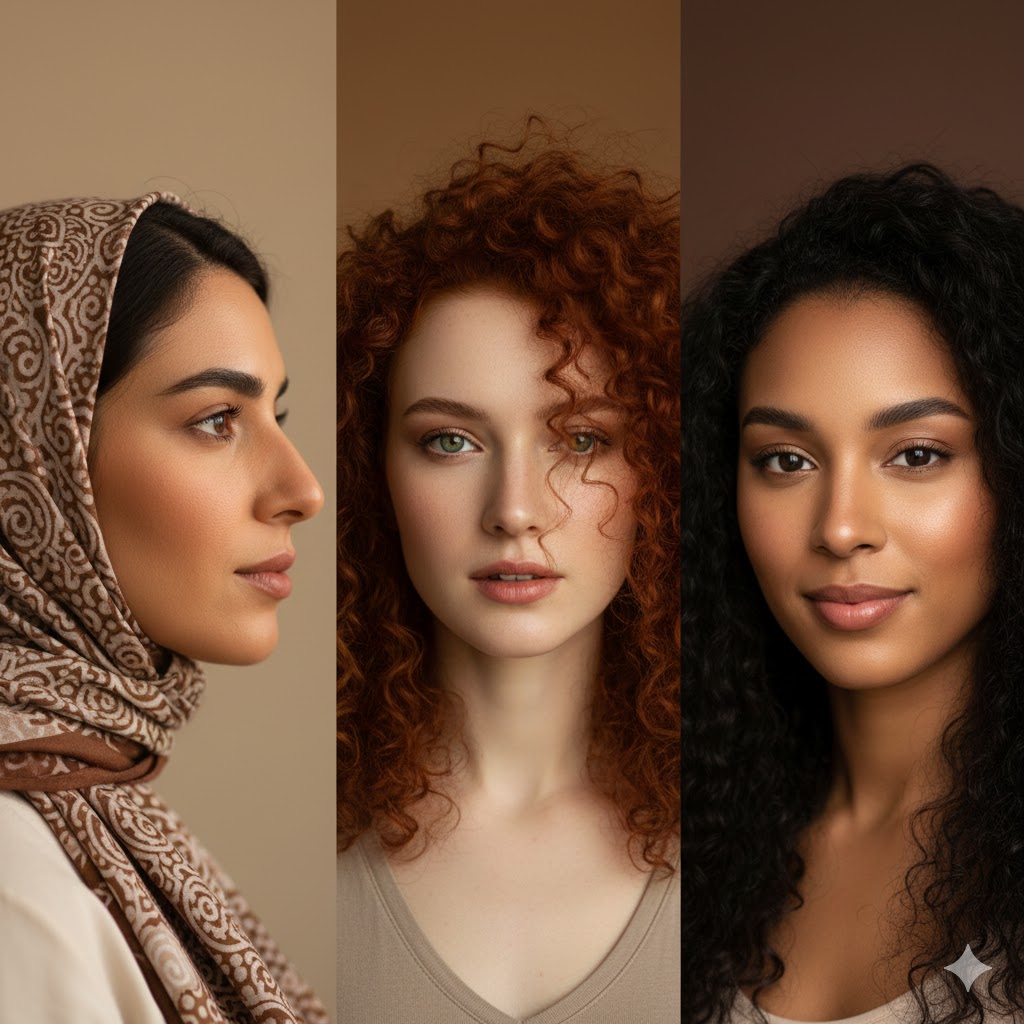
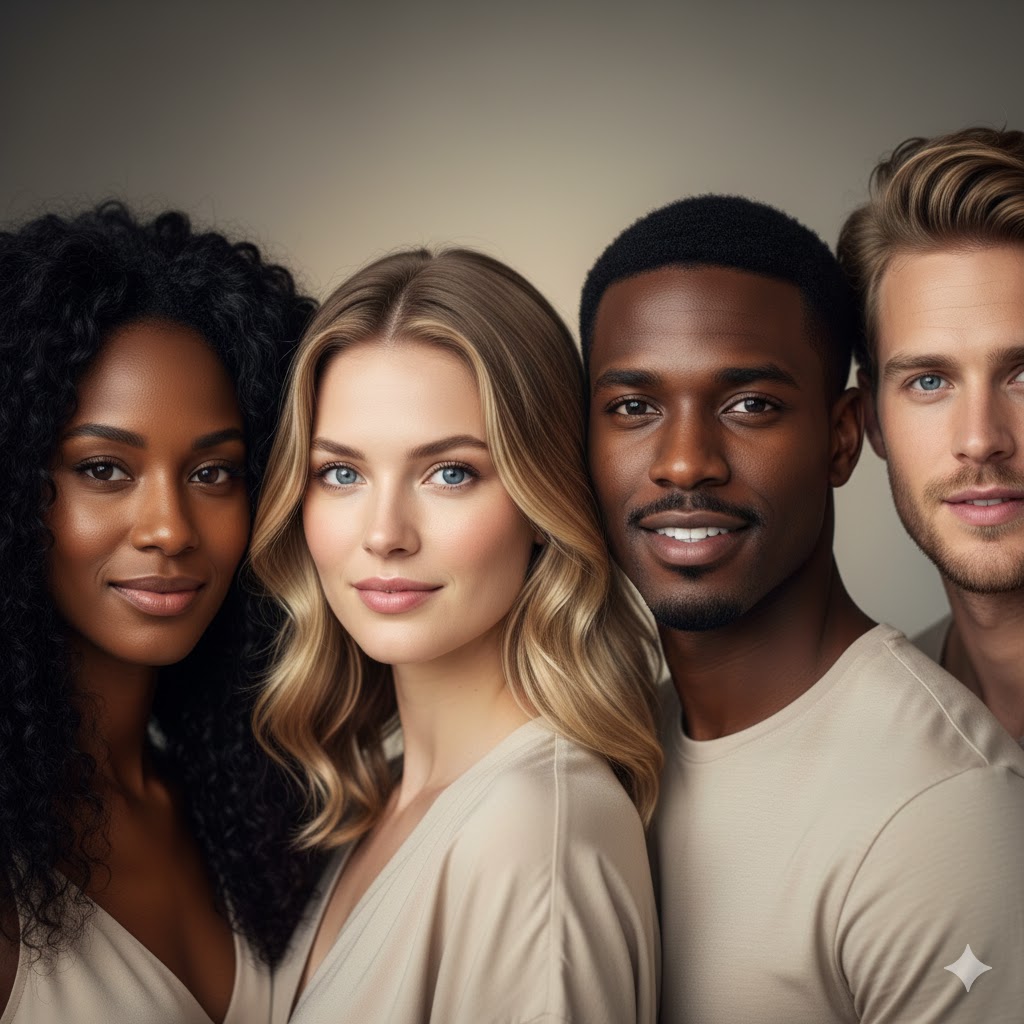
Representation and diversity shape the modern muse. Beauty standards are expanding to include all skin tones, body types, and identities. Cultural heritage, personal stories, and lived experiences add depth to the muse’s influence, making inspiration more inclusive and reflective of contemporary society.

In literature, the modern muse inspires narratives that are complex, multi-dimensional, and socially conscious. Writers often draw from muses whose courage, intelligence, and resilience challenge societal norms, giving rise to characters and stories that resonate with modern readers.

The concept of a muse extends beyond human forms. Cities, landscapes, social movements, and even technology can act as muses. The modern artist finds inspiration in the rhythm of urban life, the colors of a city skyline, or the innovation within artificial intelligence, demonstrating that musehood is dynamic and expansive.

Emotional depth is central to modern muses. Vulnerability, strength, and authenticity captivate artists and audiences alike. A muse who demonstrates raw honesty in thought, expression, or emotion encourages art that speaks to the heart, creating work that resonates across cultural and emotional boundaries.

Creativity today thrives on collaboration and feedback. The modern muse is often a community of influences rather than a singular figure. Social movements, online collectives, and peer networks act as catalysts for inspiration, reflecting the interconnectedness of contemporary creativity.

The modern muse also challenges norms and provokes thought. Political activists, cultural icons, and boundary-pushing performers inspire not only through beauty or talent but through courage and conviction. Inspiration becomes a tool for social commentary and transformative art.

Technology allows the modern muse to transcend physical presence. Virtual muses, digital avatars, and AI-generated personas offer new ways to inspire, allowing artists to experiment with form, interaction, and narrative in ways previously unimaginable. The digital age expands the definition of influence and inspiration.

Fashion icons are classic examples of modern muses. Figures like Rihanna, Zendaya, and Timothée Chalamet not only set trends but also inspire conversations about culture, identity, and self-expression. They embody aesthetic innovation while challenging expectations of traditional beauty and style.

In film and theater, modern muses inspire performances that explore complex human experiences. Directors and actors often draw inspiration from muses whose depth and charisma allow for nuanced storytelling, creating art that resonates across global audiences.

The modern muse’s power lies in authenticity. Audiences are drawn to individuals who remain true to themselves, regardless of trends or societal pressure. Authenticity generates trust, admiration, and emotional connection, amplifying the muse’s influence on creativity and culture.

Social consciousness has become integral to modern musehood. Individuals who combine talent with advocacy inspire art that is meaningful and purposeful. From environmentalism to civil rights, the muse engages artists in works that reflect the urgent narratives of our times.

The modern muse is also a mentor, guiding emerging artists and creators. By sharing knowledge, experiences, and perspectives, the muse fosters growth, collaboration, and innovation, ensuring that inspiration perpetuates and evolves within communities.

Personal stories enhance the allure of the modern muse. Overcoming adversity, embracing cultural roots, or pursuing unconventional paths adds layers of meaning to their influence. Art inspired by such muses resonates deeply, creating work that is both intimate and universal.

In music, the modern muse often blurs the line between subject and collaborator. Songwriters and performers draw from muses whose creativity, rhythm, and passion shape melodies, lyrics, and performances, demonstrating the fluidity of inspiration in contemporary culture.

Ultimately, the modern muse embodies the intersection of presence, authenticity, and impact. They inspire creativity that is reflective, transformative, and inclusive. Unlike classical muses, whose influence was often idealized and passive, today’s muses actively shape the art, culture, and narratives of the world, leaving an indelible mark on society.

References

  1. Gabora, L. (2016). Honing theory: A complex systems framework for creativity. Retrieved from arXiv. arXiv
  2. Jordanous, A., & Keller, B. (2016). Modelling creativity: Identifying key components through a corpus‑based approach. Retrieved from arXiv. arXiv
  3. Thoben, B., & et al. (2020). The artist as innovation muse: Findings from a residence program in the fuzzy front end. Business, 10(4), 88. MDPI. MDPI
  4. Tutter, A. (Ed.). (2003). The Muse: Psychoanalytic explorations of creative inspiration. Routledge. Barnes & Noble+1
  5. Mathäs, A. (2011). The Self as Muse: Narcissism and Creativity in the German Imagination, 1750–1830. Bloomsbury Academic. Bloomsbury Publishing
  6. Goldie, P., & Schellekens, E. (Eds.). (2011). The Aesthetic Mind: Philosophy and Psychology. Oxford University Press. Wikipedia
  7. Murray, P. (2008). Reclaiming the Muse. In Laughing with Medusa: Classical Myth and Feminist Thought (pp. 327–354). Oxford University Press. OUP Academic
  8. Weiser, M. E. (2018). Crafting a Poetic Museology. In ICOFOM Study Series, 46, 215–229. OpenEdition Journals
  9. Moszumańska-Nazar, J., & Miklaszewska, J. (2019). Literature and visual arts as a source of inspiration. Musicology Today, 16(1), 113–121. Paradigm
  10. Malraux, A. (1948/1953). La Psychologie de l’Art (The Imaginary Museum; The Artistic Creation; Aftermath of the Absolute). (S. Gilbert, Trans.) Princeton University Press. Wikipedia
  11. Jung, C. G. (1966). Spirit in Man, Art, and Literature (Vol. 15 of The Collected Works of C. G. Jung). Princeton University Press. Wikipedia
  12. Doss, E. (2023). Spiritual Moderns: Twentieth‐Century American Artists & Religion. University of Chicago Press. Wikipedia
  13. Epstein, Z., Hertzmann, A., Herman, L., Mahari, R., Frank, M. R., Groh, M., Schroeder, H., Smith, A., Akten, M., Fjeld, J., Farid, H., Leach, N., Pentland, A., & Russakovsky, O. (2023). Art and the science of generative AI: A deeper dive. arXiv. arXiv
  14. Weiser, M. E. (2018). Crafting a Poetic Museology: A poetics of museology. ICOFOM Study Series, 46, 215–229. OpenEdition Journals (Note: This is similar to #8 but listed to emphasize museology in both creative and institutional contexts.)

The Visual Identity

Visual identity is more than aesthetics; it is the deliberate curation of appearance to communicate who we are to the world. It encompasses fashion, grooming, posture, and symbolic choices that together create a cohesive personal or professional presence.

In a society that often emphasizes first impressions, visual identity becomes a language of its own. Every choice—from clothing colors to hairstyle—speaks before words are exchanged. It is a silent introduction that conveys confidence, values, and creativity.

Fashion is a core element of visual identity. The garments we choose reflect personal taste, cultural affiliation, and aspirational values. A tailored suit, a flowing dress, or casual streetwear signals social cues and communicates the wearer’s intention, mood, and personality.

Hairstyle and grooming complement clothing as part of an integrated visual presentation. Hair, skin, and posture reflect discipline, self-respect, and attention to detail. These elements shape perception and can reinforce authenticity and credibility.

Accessories and adornments add nuance to visual identity. Jewelry, watches, bags, or scarves provide additional layers of meaning, allowing individuals to express subtle facets of personality and status. Each accessory can amplify the story of the self.

Color plays a psychological role in shaping perception. Warm tones may convey approachability, cool tones professionalism, and bold hues creativity. Understanding the impact of color allows one to craft an identity that aligns with intention and desired reception.

Cultural and historical influences inform visual identity. Traditional garments, hairstyles, and symbolic motifs connect individuals to heritage and ancestry, allowing expression of pride and belonging while maintaining modern relevance.

Visual identity extends beyond the individual. Brands, institutions, and movements employ visual elements—logos, colors, typography, and imagery—to project ethos and narrative. Consistency strengthens recognition and conveys authority or innovation.

In professional environments, visual identity shapes opportunities. Leaders, presenters, and public figures use visual cues strategically to inspire trust, convey expertise, and reinforce personal or organizational narratives. The visual self often precedes spoken communication.

Photography and digital media amplify visual identity. Social media, professional profiles, and creative portfolios allow curation of image and story. Online presentation now shapes reputation and perception as much as in-person interaction.

Visual identity communicates emotional tone. Subtle gestures, posture, and facial expression enhance or contradict clothing and style, adding complexity to the message. Alignment of these elements signals authenticity and intentionality.

Fashion cycles and trends intersect with personal identity. While trends provide inspiration, true visual identity is consistent, reflecting personal taste rather than mere conformity. Individuality emerges through selective adoption of trends that resonate with self-perception.

Lighting and environment influence the impact of visual identity. A well-lit room, natural sunlight, or carefully staged backdrop enhances colors, textures, and posture, ensuring the intended message is communicated effectively.

Visual identity can convey power and influence. Strategic choices in appearance, posture, and demeanor assert authority and inspire respect. Individuals who master these elements project presence that commands attention and engagement.

Subtlety and minimalism are powerful aspects of visual identity. Restraint in design, accessories, and expression communicates sophistication, thoughtfulness, and confidence. Sometimes less is more when crafting a compelling visual narrative.

Visual identity evolves with experience and context. Life stages, career shifts, and personal growth influence stylistic choices, reflecting changing priorities and self-perception. Adaptability demonstrates awareness and intentional self-presentation.

Art and performance often explore visual identity as a form of expression. Costume, makeup, and stage presence contribute to character development and storytelling, revealing layers of meaning that words alone cannot convey.

Psychology and perception studies underscore the importance of visual identity. Humans naturally assess trustworthiness, competence, and attractiveness based on appearance. Understanding these mechanisms enables intentional and effective self-presentation.

Personal branding is an extension of visual identity in professional spheres. Entrepreneurs, creatives, and public figures cultivate visual consistency to reinforce values, mission, and influence, ensuring alignment between appearance and message.

Ultimately, visual identity is the intersection of art, psychology, and self-expression. It communicates who we are, what we value, and how we wish to be perceived. A thoughtfully crafted visual presence is a powerful tool for connection, influence, and self-realization.

References

  • Andrade, B., Morais, R., & Soares de Lima, E. (2024). The Personality of Visual Elements: A Framework for the Development of Visual Identity Based on Brand Personality Dimensions. The International Journal of Visual Design, 18(1), 67–98. edirlei.com
  • Kim, Y.-K., & Sullivan, P. (2019). Emotional branding speaks to consumers’ heart: the case of fashion brands. Fashion and Textiles, 6, Article 2. https://doi.org/10.1186/s40691‑018‑0164‑y SpringerOpen
  • Gorbatov, S., Khapova, S. N., & Lysova, E. I. (2018). Personal branding: Interdisciplinary systematic review and research agenda. Frontiers in Psychology, 9, 2238. https://doi.org/10.3389/fpsyg.2018.02238 PMC+1
  • Lieven, T. (2022). How behavioral branding affects brand equity. Frontiers in Psychology, 13. https://doi.org/10.3389/fpsyg.2022.904736 Frontiers
  • Sollerhed, A.-C., & Bringsén, Å. (2023). Appearance between professionalism and work‑related stress among marketing employees. Work, 75(4), 1231–1242. https://doi.org/10.3233/WOR-220307 PMC
  • Zhang, L. (Year). Doctor of Business Administration Dissertation: Visual Identity for Personal Branding. Nottingham Trent University. (Doctoral dissertation). IRep
  • Sirgy, M. J. (in How Does Self‑concept and Brand Personality Affect Luxury Consumers’ Purchasing Decisions, Springer). In Self-congruity and luxury brand choice. In Luxury Brand Management (pp. …). https://doi.org/10.1007/978‑981‑10‑2976‑9_3 SpringerLink

The Look that Speaks

A look can say more than words ever could. Eyes, facial expressions, and subtle gestures communicate emotion, intent, and personality in ways that language often cannot. The power of a look lies in its immediacy and universality, transcending barriers of culture, language, and time.

From a smile that radiates warmth to a gaze that commands attention, the look is a form of silent storytelling. It conveys mood, confidence, and vulnerability simultaneously, allowing others to perceive the depth of one’s inner world without uttering a single word.

In human interaction, the eyes are central. Eye contact fosters trust, connection, and engagement. A sustained gaze can signal interest or intimacy, while avoidance may indicate discomfort or disinterest. The subtle dynamics of eye movement reveal emotional nuance and psychological state.

Facial microexpressions—brief, involuntary facial movements—reveal emotions that words may attempt to mask. A fleeting frown, raised eyebrow, or tightened lip communicates unspoken feelings, offering insight into sincerity, tension, or curiosity. The observant can “read” these silent signals to understand deeper truths.

The look can be a weapon or a shield. In social settings, it can intimidate, assert dominance, or deflect attention. The confident glance of a leader or performer projects authority and poise, commanding respect before a word is spoken. Conversely, a guarded gaze can maintain privacy, revealing little while still engaging others.

Cultural differences shape the interpretation of looks. In some societies, direct eye contact conveys honesty and confidence; in others, it may be considered disrespectful. Understanding these nuances is critical, as the meaning of a look is both biological and socially constructed.

In art and photography, the gaze is a powerful tool. A subject’s look toward or away from the camera can evoke emotion, tell a story, or create intimacy. Portraits such as those by Dorothea Lange or Annie Leibovitz capture the essence of human experience through the eyes, transcending context and time.

Fashion and styling amplify the message of a look. A striking outfit, carefully chosen colors, and deliberate posture complement the face, enhancing the visual story conveyed through expression. The ensemble becomes an extension of the gaze, giving it context and personality.

The power of the look extends to romantic connection. A glance can ignite attraction, communicate desire, or deepen intimacy. Shared eye contact in a moment of silence creates connection that words could dilute, establishing trust and emotional resonance between individuals.

Nonverbal communication is not limited to humans. Animals also convey emotion and intent through gaze and posture. Observing this behavior enhances understanding of instinctive communication, empathy, and shared emotional experience across species.

Confidence transforms a look. Individuals who carry themselves with assurance project clarity and presence through subtle expressions. The confident look conveys self-awareness and purpose, attracting attention naturally and commanding respect without explicit assertion.

A look can convey storytelling. Writers and filmmakers use characters’ expressions to reveal inner thoughts, tension, or narrative progression. A fleeting glance, a frown, or a soft smile can speak volumes about character, motivation, and relational dynamics.

In professional environments, the look is strategic. Negotiators, leaders, and educators use gaze and expression to influence, motivate, or calm. Understanding and controlling one’s nonverbal cues is as crucial as mastering spoken language, offering insight into influence and persuasion.

Emotional intelligence enhances the effectiveness of a look. Recognizing the signals of others’ expressions allows empathetic responses, deepening connection and understanding. The look becomes a dialogue, silent yet potent, between observer and observed.

The power of a look is amplified by context. Lighting, background, posture, and environment shape perception. A glance in a dimly lit room carries different weight than the same look under harsh lighting, demonstrating that expression interacts dynamically with setting.

Social media has redefined the way looks are displayed and interpreted. Selfies, videos, and curated images allow for deliberate expression of emotion and personality. The digital gaze invites engagement, interpretation, and feedback from a global audience.

Historical portraiture demonstrates that the look has always been a form of communication. From Renaissance paintings to royal photography, artists captured the essence of individuals through expression, revealing character, status, and emotional depth for posterity.

The subtlety of a look requires attention. Observers attuned to nuances perceive sincerity, deception, or passion that may elude casual notice. Cultivating this attentiveness enriches interpersonal relationships and deepens appreciation for the expressive power of the human face.

Beauty enhances but does not define the power of a look. While aesthetics can draw attention, it is the combination of authenticity, emotion, and intent that communicates meaning. A genuine glance carries more resonance than one crafted solely for appearance.

Ultimately, the look that speaks is a bridge between inner experience and outward expression. It conveys emotion, intention, and identity, transcending language while inviting connection. Mastering the art of expressive gaze is an enduring human skill, essential for communication, creativity, and intimacy.

References

  • Graham, R., & LaBar, K. S. (2012). Neurocognitive mechanisms of gaze‑expression interactions in face processing and social attention. Neuropsychologia, 50(5), 553–566. https://doi.org/10.1016/j.neuropsychologia.2012.01.019 PMC
  • Hietanen, J. K. (2018). Affective eye contact: An integrative review. Frontiers in Psychology, 9, Article 1587. https://doi.org/10.3389/fpsyg.2018.01587 PMC
  • Cañigueral, R., & Hamilton, A. F. de C. (2019). The role of eye gaze during natural social interactions in typical and autistic people. Frontiers in Psychology, 10, Article 560. https://doi.org/10.3389/fpsyg.2019.00560 Frontiers
  • Kleinke, C. L. (1986). Gaze and eye contact: A research review. Psychological Bulletin, 100(1), 78–100. https://doi.org/10.1037/0033-2909.100.1.78 Scinito
  • Adams, R. B., & Kleck, R. E. (2005). Effects of direct and averted gaze on the perception of facially expressed emotion. Emotion, 5(1), 3–11. (Discussed / built on in newer work.)
  • Liu, Y., Teng, F., Zhou, Z., & Fu, G. (2021). Emotional gaze: The effects of gaze direction on the perception of facial emotions. Frontiers in Psychology, 12, Article 684357. https://doi.org/10.3389/fpsyg.2021.684357 Frontiers
  • Conty, L., & Grèzes, J. (2017). Eye contact effects on social preference and face recognition in normal ageing and in Alzheimer’s disease. Psychological Research. https://doi.org/10.1007/s00426-017-0955-6 SpringerLink
  • Manusov, V., & (Ed.). (2016). APA Handbook of Nonverbal Communication. American Psychological Association. WorldCat
  • Argyle, M., & Cook, M. (1976). Gaze and mutual gaze. Cambridge University Press. (Classic work on gaze and social interaction — related to cultural studies.)
  • Matsumoto, D., & Hwang, H. C. (2017). Cultural bases of nonverbal communication. In APA Handbook of Nonverbal Communication (pp. …). American Psychological Association. WorldCat

The Outside Edit

The Outside Edit is the process of consciously refining and curating one’s external appearance to project identity, confidence, and intention. It is an intersection of fashion, grooming, posture, and nonverbal cues, communicating messages that words alone cannot.

Appearance is a silent language. The choices we make about clothing, accessories, and hairstyle speak volumes about our personality, mood, and social status (Andrade, Morais, & Soares de Lima, 2024). These visual cues shape first impressions and influence how others perceive competence and trustworthiness.

Grooming and hygiene are foundational to the Outside Edit. Clean, well-maintained hair, skin, and nails signal self-respect and discipline. Even minor details, like polished shoes or neat attire, can alter perceptions of credibility and professionalism (Sollerhed & Bringsén, 2023).

Color psychology plays a vital role in external presentation. Warm colors often convey approachability and energy, while cool colors suggest calm and professionalism. Understanding these subtle influences allows for strategic self-presentation (Kim & Sullivan, 2019).

Accessories and embellishments enhance personality expression. Jewelry, watches, handbags, and eyewear provide additional layers to a visual narrative, reinforcing individuality while complementing broader style choices.

Posture and body language are integral components of the Outside Edit. A confident stance, open gestures, and deliberate movement communicate self-assurance and engagement, while slouching or fidgeting can diminish perceived authority (Gorbatov, Khapova, & Lysova, 2018).

Fashion trends intersect with personal style, but the Outside Edit prioritizes individuality. Incorporating trends selectively ensures that presentation aligns with authentic identity rather than conformity to external pressures.

Cultural identity is expressed through clothing, accessories, and hairstyles. Traditional garments and symbolic motifs communicate heritage, values, and personal narrative, creating a bridge between ancestral roots and contemporary expression (Lieven, 2022).

Professional environments demand a calibrated Outside Edit. Leaders, educators, and public figures carefully curate visual cues to inspire trust, credibility, and influence. Their appearance often precedes verbal communication, reinforcing authority (Gorbatov et al., 2018).

Social media amplifies the reach and impact of visual presentation. Curated profiles, photographs, and videos allow individuals to control their image and convey intentional narratives to global audiences (Kim & Sullivan, 2019).

The Outside Edit extends beyond fashion; it encompasses nonverbal expression. Facial expression, eye contact, and microexpressions complement attire, creating a holistic impression of authenticity and emotional intelligence (Hietanen, 2018).

Lighting, setting, and environment influence how the Outside Edit is perceived. Subtle changes in illumination or backdrop can enhance or diminish colors, textures, and overall presence, affecting first impressions (Sollerhed & Bringsén, 2023).

Confidence is a key multiplier of the Outside Edit. Individuals who embody self-assurance convey competence and charisma, drawing attention naturally and creating a sense of presence that transcends appearance alone (Gorbatov et al., 2018).

Minimalism and restraint are powerful tools. Strategic simplicity in clothing, accessories, and styling communicates elegance, thoughtfulness, and sophistication, allowing the observer to focus on the essence of the individual (Andrade et al., 2024).

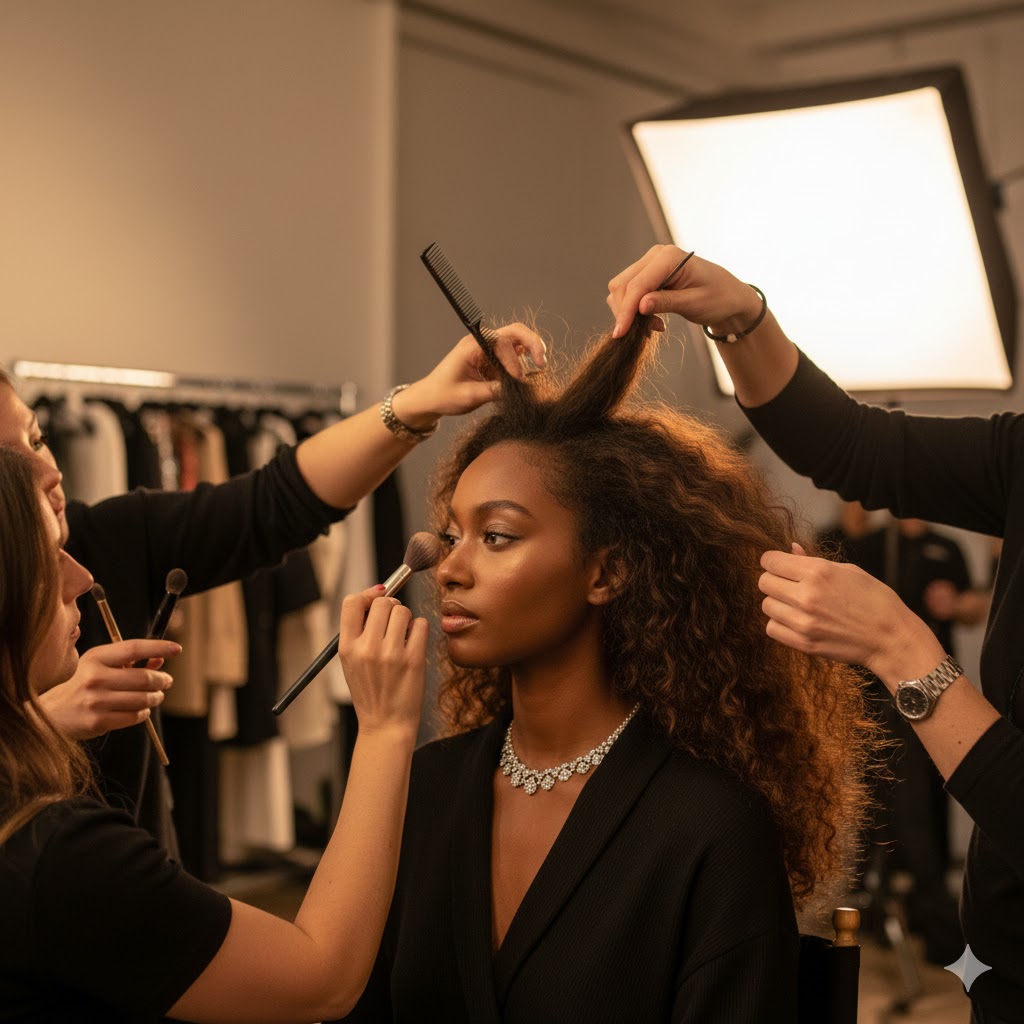
Facial grooming, skincare, and makeup are tools to highlight unique features rather than mask identity. Thoughtful presentation enhances natural beauty and communicates intentionality, reinforcing authenticity (Kim & Sullivan, 2019).

Visual storytelling is central to the Outside Edit. Each element of appearance—from color to texture to proportion—contributes to the narrative one presents to the world, creating a coherent, intentional persona (Lieven, 2022).

Adaptability allows the Outside Edit to respond to context. Social events, professional settings, and creative spaces require nuanced variations in presentation, demonstrating awareness and versatility (Gorbatov et al., 2018).

Art, photography, and media celebrate the Outside Edit as a form of expression. Iconic portraits and fashion editorials showcase how style, poise, and visual curation convey narrative, emotion, and identity (Kim & Sullivan, 2019).

Psychological research underscores the impact of appearance on perception. People make rapid judgments about competence, warmth, and status based on visual cues, highlighting the strategic importance of self-presentation (Andrade et al., 2024).

Ultimately, the Outside Edit is a deliberate, mindful practice. It integrates style, grooming, posture, and expression to communicate authenticity, creativity, and intention, shaping both perception and self-confidence in meaningful ways (Sollerhed & Bringsén, 2023).


References

  • Andrade, B., Morais, R., & Soares de Lima, E. (2024). The personality of visual elements: A framework for the development of visual identity based on brand personality dimensions. The International Journal of Visual Design, 18(1), 67–98.
  • Gorbatov, S., Khapova, S. N., & Lysova, E. I. (2018). Personal branding: Interdisciplinary systematic review and research agenda. Frontiers in Psychology, 9, 2238. https://doi.org/10.3389/fpsyg.2018.02238
  • Hietanen, J. K. (2018). Affective eye contact: An integrative review. Frontiers in Psychology, 9, 1587. https://doi.org/10.3389/fpsyg.2018.01587
  • Kim, Y.-K., & Sullivan, P. (2019). Emotional branding speaks to consumers’ heart: The case of fashion brands. Fashion and Textiles, 6, Article 2. https://doi.org/10.1186/s40691‑018‑0164‑y
  • Lieven, T. (2022). How behavioral branding affects brand equity. Frontiers in Psychology, 13. https://doi.org/10.3389/fpsyg.2022.904736
  • Sollerhed, A.-C., & Bringsén, Å. (2023). Appearance between professionalism and work‑related stress among marketing employees. Work, 75(4), 1231–1242. https://doi.org/10.3233/WOR-220307

Faces of Injustice: How Lookism Shapes Opportunity and Identity

Lookism is the preferential treatment of individuals based on physical appearance. This bias, often subtle and socially accepted, permeates workplaces, education, media, and social interactions, shaping both opportunities and identity.

At its core, lookism is a form of discrimination, privileging those who meet culturally defined standards of attractiveness while marginalizing those who do not (Hamermesh & Biddle, 1994). This bias intersects with race, gender, age, and socioeconomic status, compounding inequality.

The labor market reflects stark evidence of lookism. Research shows that attractive individuals are more likely to be hired, earn higher salaries, and receive favorable performance evaluations compared to their less conventionally attractive peers (Hamermesh & Parker, 2005).

Education is not immune. Studies suggest that teachers unconsciously favor students who appear attractive, often granting more attention, encouragement, and positive feedback. This early advantage shapes self-esteem and academic outcomes (Langlois et al., 2000).

Media perpetuates and normalizes lookism. Television, film, and social media elevate specific facial features, body types, and skin tones as ideal, creating a feedback loop where social value is linked to conformity with these norms (Dion et al., 1972).

Gendered pressures amplify lookism. Women, in particular, face scrutiny over facial aesthetics, body shape, and grooming. Men are increasingly subject to expectations of muscularity and fitness. Nonconformity often results in social or professional penalties (Cash & Pruzinsky, 2002).

Lookism intersects with race and colorism. Marginalized communities frequently face compounded biases, where attractiveness is measured against Eurocentric or socially dominant standards, resulting in systemic disadvantage (Hunter, 2007).

The concept of “beauty privilege” illustrates structural advantages. Attractive individuals receive preferential treatment in hiring, legal outcomes, social interactions, and romantic contexts, demonstrating how appearance influences life trajectories (Mobius & Rosenblat, 2006).

Implicit bias reinforces lookism. Even well-intentioned individuals may unconsciously favor attractive people, believing them to be more competent, friendly, or deserving, which perpetuates systemic inequity (Eagly et al., 1991).

Facial features influence perception of trustworthiness, dominance, and intelligence. Studies demonstrate that these snap judgments affect hiring, promotions, and social capital, often independently of actual skills or character (Todorov et al., 2005).

Cosmetic interventions highlight societal complicity. Individuals may alter appearance to conform to social norms, reflecting the pressure to negotiate identity within a lookist framework (Sarwer & Crerand, 2004). This underscores the pervasive impact of aesthetic standards.

Economic inequality intersects with lookism. Those lacking resources to enhance appearance—through grooming, wardrobe, or cosmetic treatments—often face compounded disadvantages in professional and social spheres (Hamermesh, 2011).

Lookism shapes identity from a young age. Children internalize messages about attractiveness, associating social approval and self-worth with appearance. This internalization influences self-esteem, aspirations, and interpersonal relationships (Grabe, Ward, & Hyde, 2008).

Employment discrimination based on appearance is often legally unaddressed. Unlike race, gender, or disability, attractiveness is not protected, leaving individuals vulnerable to systemic bias without formal recourse (Hamermesh & Biddle, 1994).

Media representation of beauty affects social identity. When marginalized groups are underrepresented or misrepresented, individuals may feel pressure to alter features or style to align with dominant ideals, impacting cultural and personal identity (Hunter, 2007).

Body image and facial aesthetics influence social mobility. Attractive individuals gain access to professional networks, mentorship, and client-facing roles more readily, highlighting the tangible impact of lookism on life outcomes (Mobius & Rosenblat, 2006).

The workplace often rewards appearance over performance. Attractive employees receive higher evaluations, even when performance metrics are identical, demonstrating systemic inequity rooted in visual bias (Hamermesh & Parker, 2005).

Digital media reinforces lookism through filters and editing. Altered images normalize unattainable beauty standards, perpetuating self-comparison, insecurity, and social stratification based on appearance (Fardouly et al., 2015).

Intersectionality compounds the effects of lookism. Women of color, LGBTQ+ individuals, and persons with disabilities face unique pressures, navigating societal ideals while confronting systemic discrimination on multiple fronts (Crenshaw, 1991).

Addressing lookism requires awareness, education, and systemic change. Policies, media literacy, and advocacy for inclusive representation can mitigate the inequities tied to appearance, fostering a more equitable society (Langlois et al., 2000).

Ultimately, the faces we see—and the judgments we make—carry consequences far beyond first impressions. Confronting lookism demands challenging societal biases, expanding definitions of beauty, and ensuring that opportunity and identity are determined by merit, not appearance.


References

  • Cash, T. F., & Pruzinsky, T. (2002). Body image: A handbook of theory, research, and clinical practice. Guilford Press.
  • Crenshaw, K. (1991). Mapping the margins: Intersectionality, identity politics, and violence against women of color. Stanford Law Review, 43(6), 1241–1299.
  • Dion, K., Berscheid, E., & Walster, E. (1972). What is beautiful is good. Journal of Personality and Social Psychology, 24(3), 285–290.
  • Eagly, A. H., Ashmore, R. D., Makhijani, M. G., & Longo, L. C. (1991). What is beautiful is good, but…: A meta-analytic review of research on the physical attractiveness stereotype. Psychological Bulletin, 110(1), 109–128.
  • Fardouly, J., Diedrichs, P. C., Vartanian, L. R., & Halliwell, E. (2015). Social comparisons on social media: The impact of Facebook on young women’s body image concerns and mood. Body Image, 13, 38–45.
  • Grabe, S., Ward, L. M., & Hyde, J. S. (2008). The role of the media in body image concerns among women: A meta-analysis of experimental and correlational studies. Psychological Bulletin, 134(3), 460–476.
  • Hamermesh, D. S. (2011). Beauty pays: Why attractive people are more successful. Princeton University Press.
  • Hamermesh, D. S., & Biddle, J. E. (1994). Beauty and the labor market. American Economic Review, 84(5), 1174–1194.
  • Hamermesh, D. S., & Parker, A. (2005). Beauty in the classroom: Instructors’ pulchritude and putative pedagogical productivity. Economics of Education Review, 24(4), 369–376.
  • Hunter, M. L. (2007). The persistent problem of colorism: Skin tone, status, and inequality. Sociology Compass, 1(1), 237–254.
  • Langlois, J. H., Kalakanis, L., Rubenstein, A. J., Larson, A., Hallam, M., & Smoot, M. (2000). Maxims or myths of beauty? A meta-analytic and theoretical review. Psychological Bulletin, 126(3), 390–423.
  • Mobius, M. M., & Rosenblat, T. S. (2006). Why beauty matters. American Economic Review, 96(1), 222–235.
  • Sarwer, D. B., & Crerand, C. E. (2004). Body image and cosmetic medical treatments. Body Image, 1(1), 99–111.
  • Todorov, A., Mandisodza, A. N., Goren, A., & Hall, C. C. (2005). Inferences of competence from faces predict election outcomes. Science, 308(5728), 1623–1626.

Beyond the Mirror: Confronting Society’s Obsession with Beauty

Society has long equated beauty with worth. From magazines to social media, advertising, and entertainment, physical appearance is amplified as a marker of success, desirability, and social acceptance. This fixation creates pressure to conform to often unattainable standards.

Beauty standards are culturally constructed. They vary across regions and eras, yet a consistent theme emerges: idealized symmetry, clear skin, and youthful features dominate the narrative. These ideals are reinforced by media, celebrity culture, and commercial industries (Wolf, 1991).

The psychology of beauty highlights the “halo effect,” where attractive individuals are perceived as more competent, intelligent, and trustworthy. This cognitive bias reinforces the societal obsession with physical appearance (Dion, Berscheid, & Walster, 1972).

Social media has intensified beauty fixation. Platforms like Instagram and TikTok promote curated images, filters, and cosmetic enhancements. Users internalize these images as normative, often comparing themselves unfavorably to digitally enhanced representations (Fardouly et al., 2015).

Advertising and marketing exploit insecurities. Skincare, cosmetics, and fashion industries profit by suggesting that happiness and social success are contingent on appearance. This commercial manipulation deepens the fixation on outward aesthetics (Etcoff, 1999).

Gender norms exacerbate the pressure. Women are often judged more harshly on appearance, while men are increasingly expected to conform to muscular or chiseled ideals. The result is a pervasive culture of scrutiny across genders (Cash & Pruzinsky, 2002).

Beauty fixation impacts mental health. Anxiety, depression, and low self-esteem correlate with internalization of societal beauty standards. Individuals often experience dissatisfaction with their natural appearance, seeking validation through external approval (Grabe, Ward, & Hyde, 2008).

The cosmetic surgery industry reflects society’s preoccupation with perfection. Millions pursue procedures to align their features with perceived ideals. While transformative for some, it underscores the belief that appearance is paramount to self-worth (Sarwer & Crerand, 2004).

Youthfulness is valorized, leading to ageism. Anti-aging products and cosmetic interventions perpetuate the notion that beauty diminishes with age. Older individuals may feel pressured to maintain a youthful appearance, reflecting society’s conflation of beauty and vitality (Hurd Clarke, 2010).

Colorism reinforces beauty hierarchy. Lighter skin tones are often idealized in media and popular culture, marginalizing darker complexions and perpetuating systemic discrimination within communities (Hunter, 2007).

The fashion industry dictates trends that shape beauty standards. Runway models, influencer endorsements, and magazine covers present a narrow spectrum of body types, creating unrealistic expectations for consumers (Tiggemann & Zaccardo, 2018).

Digital filters and AI-generated images distort perceptions of natural beauty. Augmented realities promote flawless skin, perfect symmetry, and exaggerated features, normalizing unrealistic ideals and complicating self-acceptance (Chae, 2017).

Celebrity culture amplifies the obsession. Public figures serve as aspirational benchmarks, with media coverage emphasizing appearance over achievement. Fans often emulate looks and lifestyle choices, reinforcing a cycle of comparison (Cash et al., 2004).

Beauty fixation intersects with race, gender, and class. Marginalized groups face compounded pressures, navigating ideals not reflective of their natural features or cultural identity (Hunter, 2007). Societal preference for Eurocentric features marginalizes diverse forms of beauty.

Education and media literacy can mitigate harmful effects. Critical awareness of marketing, filters, and digitally altered images helps individuals contextualize beauty messages and resist internalizing unattainable standards (Fardouly et al., 2015).

Empowerment movements challenge conventional beauty norms. Campaigns promoting body positivity, self-love, and diversity redefine standards, emphasizing confidence, health, and authenticity over superficial ideals (Tylka & Wood-Barcalow, 2015).

Psychological research suggests self-compassion buffers the negative impact of beauty pressure. Individuals cultivating acceptance of their natural appearance exhibit higher resilience and self-esteem (Neff, 2003).

Cultural shifts are visible in media representation. Inclusive campaigns, diverse casting, and promotion of natural beauty signal a slow transformation, expanding the definition of attractiveness beyond narrow conventions (Hall & Fields, 2013).

The fixation on beauty also intersects with consumerism. Industries profit from insecurities, from skincare routines to fitness regimens, perpetuating a cycle where self-worth is measured through appearance (Etcoff, 1999).

Ultimately, confronting society’s obsession with beauty requires awareness, education, and cultural reform. By valuing authenticity, diversity, and inner qualities, individuals and communities can move beyond the mirror, embracing a holistic understanding of self-worth (Wolf, 1991).


References

  • Cash, T. F., & Pruzinsky, T. (Eds.). (2002). Body image: A handbook of theory, research, and clinical practice. Guilford Press.
  • Cash, T. F., Melnyk, S. E., & Hrabosky, J. I. (2004). The assessment of body image investment: An extensive revision of the Appearance Schemas Inventory. International Journal of Eating Disorders, 35(3), 305–316.
  • Chae, J. (2017). Virtual makeover: The impact of digitally altered images on self-perception. Cyberpsychology, Behavior, and Social Networking, 20(5), 295–301.
  • Dion, K., Berscheid, E., & Walster, E. (1972). What is beautiful is good. Journal of Personality and Social Psychology, 24(3), 285–290.
  • Etcoff, N. (1999). Survival of the prettiest: The science of beauty. Anchor Books.
  • Fardouly, J., Diedrichs, P. C., Vartanian, L. R., & Halliwell, E. (2015). Social comparisons on social media: The impact of Facebook on young women’s body image concerns and mood. Body Image, 13, 38–45.
  • Grabe, S., Ward, L. M., & Hyde, J. S. (2008). The role of the media in body image concerns among women: A meta-analysis of experimental and correlational studies. Psychological Bulletin, 134(3), 460–476.
  • Hall, R. J., & Fields, B. (2013). Modeling the media’s influence on racial and gendered beauty standards. Sociology Compass, 7(11), 918–931.
  • Hunter, M. L. (2007). The persistent problem of colorism: Skin tone, status, and inequality. Sociology Compass, 1(1), 237–254.
  • Hurd Clarke, L. (2010). Aging and everyday life: The social construction of identity and age. Canadian Journal on Aging, 29(1), 39–49.
  • Neff, K. D. (2003). Self-compassion: An alternative conceptualization of a healthy attitude toward oneself. Self and Identity, 2(2), 85–101.
  • Sarwer, D. B., & Crerand, C. E. (2004). Body image and cosmetic medical treatments. Body Image, 1(1), 99–111.
  • Tiggemann, M., & Zaccardo, M. (2018). “Exercise to be fit, not skinny”: The effect of fitspiration imagery on women’s body image. Body Image, 26, 90–97.
  • Tylka, T. L., & Wood-Barcalow, N. L. (2015). The Body Appreciation Scale-2: Item refinement and psychometric evaluation. Body Image, 12, 53–67.
  • Wolf, N. (1991). The beauty myth: How images of beauty are used against women. HarperCollins.

The Evolution of Beauty: From Divine Design to Digital Deception.

Beauty, in its original and divine conception, was never meant to deceive. It was designed by God as a reflection of His glory and craftsmanship. From the creation of Adam and Eve, humanity was endowed with physical, spiritual, and moral beauty that mirrored divine harmony. Genesis 1:27 declares, “So God created man in his own image, in the image of God created he him; male and female created he them” (KJV). This verse reveals that beauty, at its purest form, is sacred—a manifestation of God’s image within humanity. Yet, over time, this divine design has been distorted into a tool of vanity, comparison, and deceit.

In the Garden of Eden, beauty was both divine and functional. Eve’s form was not merely aesthetic but purposeful—complementary to Adam and pleasing to the Creator. However, the fall introduced corruption into this design. The serpent used the allure of the forbidden fruit to deceive through visual appeal. Genesis 3:6 states, “And when the woman saw that the tree was good for food, and that it was pleasant to the eyes,” she partook. Thus began humanity’s complex relationship with beauty—where what was meant to inspire gratitude became an instrument of temptation.

Throughout Scripture, beauty is acknowledged as powerful yet fleeting. Proverbs 31:30 reminds us, “Favour is deceitful, and beauty is vain: but a woman that feareth the Lord, she shall be praised.” Here, the Bible draws a distinction between divine beauty, which flows from righteousness, and superficial allure, which fades with time. True beauty, therefore, is rooted in character and godliness rather than in external adornment.

As civilizations evolved, so did the cultural definitions of beauty. Ancient societies such as Egypt, Greece, and Rome exalted physical perfection, symmetry, and youth—echoing but distorting divine order. These standards birthed the first aesthetic hierarchies, separating the “ideal” from the “imperfect.” Yet the book of Samuel reminds us of God’s differing view: “For the Lord seeth not as man seeth; for man looketh on the outward appearance, but the Lord looketh on the heart” (1 Samuel 16:7, KJV).

The Hebrew understanding of beauty (Hebrew: yāpeh) was holistic—it encompassed the moral, spiritual, and physical. The Psalms often describe the beauty of holiness (Psalm 29:2), suggesting that beauty was once seen as sacred presence rather than surface appearance. When holiness departed from humanity, beauty became fragmented—reduced to sensuality and material display.

The New Testament further restores the divine perception of beauty through Christ. Isaiah’s prophecy declared that the Messiah had “no form nor comeliness” (Isaiah 53:2), emphasizing that divine purpose, not physical perfection, was the measure of worth. In this revelation, God dismantled the idol of appearance and redefined beauty as inner purity and sacrificial love.

In modern times, however, humanity has reconstructed new idols of beauty through technology and media. The digital age has birthed a form of deception unparalleled in history. Social media filters, cosmetic enhancements, and AI-generated images now redefine what is considered beautiful. People no longer seek to reflect the image of God but rather to edit, manipulate, and reconstruct their own. Ecclesiastes 1:9 reminds us, “There is no new thing under the sun,” for vanity has merely evolved in form, not in spirit.

This “digital deception” feeds on the same pride and insecurity that led to the fall. The serpent’s voice now speaks through screens, whispering, “You are not enough.” Comparison has become the new captivity, enslaving minds to false standards. Galatians 6:4 counsels, “But let every man prove his own work, and then shall he have rejoicing in himself alone, and not in another” (KJV). Yet the world measures beauty by likes, follows, and trends—metrics of validation that have replaced divine affirmation.

The psychology of beauty has become intertwined with self-worth. Studies show rising anxiety, depression, and body dysmorphia linked to social media exposure. Spiritually, this reflects idolatry—a worship of self-image over God’s image. Romans 1:25 warns, “Who changed the truth of God into a lie, and worshipped and served the creature more than the Creator.” Thus, the evolution of beauty mirrors humanity’s moral descent—from worshiping the Creator’s design to worshiping the reflection in the mirror.

Artificial intelligence and digital editing now create “perfect” faces that do not exist. This phenomenon erases the diversity God intended in His creation. Psalm 139:14 declares, “I will praise thee; for I am fearfully and wonderfully made.” Yet modern beauty culture implies that divine design must be “improved.” In doing so, the world insults the Creator’s craftsmanship and perpetuates spiritual deception disguised as empowerment.

Biblically, beauty was always meant to reveal God, not replace Him. The tabernacle, temple, and even the garments of priests were beautiful because they reflected holiness, order, and reverence. Exodus 28:2 commands, “And thou shalt make holy garments for Aaron thy brother for glory and for beauty.” Beauty in divine order was functional—it served worship, not ego. Today, beauty serves commerce, and the body has become a billboard of desire rather than a temple of the Holy Spirit (1 Corinthians 6:19).

This digital distortion of beauty has deeper implications for identity. When a person edits their appearance, they often unconsciously alter their sense of self. The more one conforms to synthetic ideals, the further they drift from divine authenticity. The enemy delights in this confusion, for it blurs the distinction between the Creator’s truth and man’s fabrication. John 8:44 describes Satan as the “father of lies,” and every filtered illusion perpetuates that lineage.

The Bible calls believers to “renew their minds” (Romans 12:2), suggesting that true beauty begins with inner transformation, not external modification. The renewed mind recognizes the deception of vanity and the peace of authenticity. To resist the digital illusion is to reclaim the dignity of divine creation and to see oneself as God originally intended—fearfully, wonderfully, and purposefully made.

In God’s economy, beauty has moral and spiritual weight. 1 Peter 3:3–4 teaches, “Whose adorning let it not be that outward adorning… but let it be the hidden man of the heart.” This reveals that the evolution of beauty should lead us inward—to the incorruptible beauty of a meek and quiet spirit. Such beauty cannot be photoshopped, filtered, or fabricated; it radiates from communion with the Holy Spirit.

The Church, too, must reclaim beauty from commercialism. Modern Christian culture often mirrors worldly aesthetics rather than setting a standard of divine elegance. True beauty in worship, art, and representation should point upward, not inward. It should inspire reverence, not envy. Philippians 4:8 reminds believers to think on “whatsoever things are lovely,” linking beauty to virtue rather than vanity.

Beauty, when aligned with divine truth, has redemptive power. It can heal, inspire, and draw souls to God. The psalmist declared, “Let the beauty of the Lord our God be upon us” (Psalm 90:17). This kind of beauty does not fade with age or trend—it grows brighter as the soul conforms to Christ’s image. True beauty, therefore, is not evolutionary in essence but eternal in origin.

Yet, God will hold the world accountable for the misuse of beauty. Just as Lucifer, once described as perfect in beauty (Ezekiel 28:17), fell through pride, so too will any society that exalts image over integrity. Beauty becomes corruption when divorced from truth. The final restoration of beauty will come only when the Lamb reigns, and all deception is destroyed (Revelation 21:4).

The call for this generation is to return to authenticity. To look into the mirror and see not distortion but divine reflection. To reject the deception that perfection is external and embrace the truth that beauty is spiritual. In doing so, humanity returns to Eden—not in geography, but in purpose: to glorify God through every feature, flaw, and fiber of their being.

Thus, the evolution of beauty must end where it began—in divine hands. The journey from design to deception reveals not the failure of beauty, but the corruption of perception. When believers rediscover beauty as God intended—truth wrapped in holiness—the world will once again see light in the face of humanity. For as Ecclesiastes 3:11 declares, “He hath made every thing beautiful in his time.”


References (KJV Bible)
Genesis 1:27; Genesis 3:6; Exodus 28:2; 1 Samuel 16:7; Psalm 29:2; Psalm 90:17; Psalm 139:14; Proverbs 31:30; Ecclesiastes 1:9; Ecclesiastes 3:11; Isaiah 53:2; Romans 1:25; Romans 12:2; Galatians 6:4; 1 Corinthians 6:19; Philippians 4:8; 1 Peter 3:3–4; Ezekiel 28:17; Revelation 21:4.

The Glow Up

A “glow up” is more than a change in appearance—it is a holistic transformation of mind, body, style, and spirit. It represents intentional growth, self-discovery, and refinement. While society often equates glowing up with external beauty, the most profound transformations begin internally. True glow-ups combine emotional maturity, spiritual grounding, physical wellness, and stylistic expression, creating an authentic radiance that shines from within.

At the heart of a glow-up is self-awareness. Understanding who you are, your values, and your goals provides clarity for how to present yourself to the world. Self-awareness informs choices about personal style, grooming, wellness routines, and even relationships. Without it, attempts to “upgrade” are superficial and temporary. Psychology shows that reflective self-awareness improves decision-making, resilience, and emotional regulation (Brown, 2012).

A spiritual foundation amplifies a glow-up. Many find that confidence, peace, and purpose are rooted in a relationship with God. Scripture teaches, “But the fruit of the Spirit is love, joy, peace, longsuffering, gentleness, goodness, faith” (Galatians 5:22, KJV). Spiritual growth brings clarity, patience, and balance, which naturally enhance beauty, poise, and overall presence.

Physical health is another pillar. Glow-ups are reflected in skin, hair, posture, and energy. Proper nutrition, hydration, exercise, and rest not only improve physical appearance but also elevate mental and emotional well-being. Studies show that self-care routines increase confidence and life satisfaction (Snyder et al., 2012). The body becomes a visible testament to care and discipline.

Skin care is central to modern glow-ups. Healthy skin communicates vitality, youthfulness, and self-respect. A consistent skincare regimen tailored to one’s skin type reflects discipline and investment in oneself. Beyond aesthetics, skin care routines encourage mindfulness and self-love.

Hair care also contributes to transformation. Hair is often a key aspect of identity, especially for Black women whose natural hair textures are culturally significant. Styling, protection, and regular maintenance create confidence and visibility. Hair becomes both a fashion statement and a symbol of heritage and pride.

Style and wardrobe transformation is another visible component. Fashion-forward choices, tailored fits, and curated color palettes reflect personal identity and creativity. Minimalist, bold, or trend-conscious aesthetics can all be part of a glow-up, provided they align with the individual’s values and self-expression. The wardrobe becomes a canvas for intentional communication.

Confidence is the glue that unites inner and outer transformation. Psychology research emphasizes that posture, eye contact, and body language impact how others perceive us and how we perceive ourselves (Carney et al., 2010). A confident person carries a glow that transcends material changes. Confidence rooted in competence and self-respect produces authentic magnetism.

A glow-up also involves emotional intelligence. The ability to regulate emotions, communicate effectively, and form healthy relationships adds depth to outer beauty. Emotional maturity enables graceful navigation of challenges and enhances interactions, which further contributes to a radiant presence.

Mindset plays a crucial role. Individuals who embrace growth, resilience, and gratitude often experience deeper glow-ups. A positive mindset fosters persistence through setbacks, encourages self-improvement, and nurtures humility alongside ambition. Joy, patience, and gratitude enhance radiance more than cosmetics alone ever could.

Goal setting is an actionable aspect of glow-ups. Intentional planning for personal, professional, and spiritual growth ensures consistent progress. Small, deliberate steps—like learning a new skill, adopting healthier habits, or refining a wardrobe—compound over time, leading to transformative results.

Glow-ups are not purely external. Inner beauty, character, and integrity matter greatly. Scripture instructs, “Whose adorning let it not be that outward adorning of plaiting the hair, and of wearing of gold, or of putting on of apparel; But let it be the hidden man of the heart” (1 Peter 3:3–4, KJV). Inner refinement complements outward aesthetics, creating holistic radiance.

Social influence and mentorship can accelerate transformation. Surrounding oneself with supportive, inspiring, and like-minded individuals encourages growth. Peer influence, when positive, reinforces discipline, style choices, and spiritual or emotional development.

Self-expression through creativity also contributes. Art, music, writing, and other forms of personal expression allow individuals to explore identity, values, and emotions. Creativity not only enhances mental well-being but also communicates personality, enhancing one’s public presence.

Balance is essential in a glow-up. Overemphasis on appearance without internal growth leads to superficiality. Conversely, focusing solely on character without attending to health, style, and presentation may limit opportunities and visibility. A well-rounded glow-up harmonizes inner and outer cultivation.

Resilience strengthens the glow-up journey. Setbacks, failures, and criticism are inevitable, but perseverance deepens transformation. Learning from challenges and adjusting strategies ensures sustainable improvement in personal, spiritual, and aesthetic domains.

Reflection is a key practice. Periodically evaluating progress helps refine goals, adjust strategies, and celebrate achievements. Journaling, meditation, and spiritual practices encourage continuous self-assessment and growth.

Gratitude enhances the glow-up experience. Appreciating one’s journey, accomplishments, and blessings reinforces confidence, humility, and joy. Gratitude nurtures a positive internal state that radiates externally, enriching all aspects of personal transformation.

Finally, a glow-up is ongoing. It is not a single event but a continual process of refinement, learning, and self-expression. Each season of life provides new opportunities for growth, whether in character, style, spiritual depth, or personal achievements. The glow evolves as the individual evolves, reflecting intentional living.

Ultimately, the glow-up reflects harmony between the internal and external, the spiritual and physical, and the timeless and contemporary. A woman who invests in herself, honors her body, nurtures her spirit, and expresses her creativity becomes a living testament to transformation and empowerment.


References

Brown, B. (2012). Daring greatly: How the courage to be vulnerable transforms the way we live, love, parent, and lead. Gotham Books.

Carney, D. R., Cuddy, A. J. C., & Yap, A. J. (2010). Power posing: Brief nonverbal displays affect neuroendocrine levels and risk tolerance. Psychological Science, 21(10), 1363–1368.

Galatians 5:22, KJV. Holy Bible, King James Version. (2017). Thomas Nelson. (Original work published 1611)

Snyder, C. R., Lopez, S. J., & Pedrotti, J. T. (2012). Positive psychology: The scientific and practical explorations of human strengths (3rd ed.). SAGE Publications.

1 Peter 3:3–4, KJV. Holy Bible, King James Version. (2017). Thomas Nelson. (Original work published 1611)

Acts 16:25, KJV. Holy Bible, King James Version. (2017). Thomas Nelson. (Original work published 1611)

Csikszentmihalyi, M. (1990). Flow: The psychology of optimal experience. Harper & Row.

Fredrickson, B. L. (2001). The role of positive emotions in positive psychology: The broaden-and-build theory of positive emotions. American Psychologist, 56(3), 218–226.

Davis, K., & Shuster, S. (2019). The science of glow: How lifestyle and mindset influence appearance. Routledge.

Watts, R. (2014). Joy as a theological category: An exploration of joy in Christian life. Journal of Christian Studies, 12(1), 45–62.

The Black Woman: The Barbie Doll Effect

The “Barbie Doll Effect” describes the psychological, social, and cultural pressure placed on Black women to conform to an ideal of beauty that was never designed with them in mind. For generations, society upheld Eurocentric features—straight hair, narrow noses, light skin, thin frames—as the universal standard for femininity. Black women, in turn, were expected to mold themselves into this unattainable blueprint just to be seen as worthy, beautiful, or acceptable.

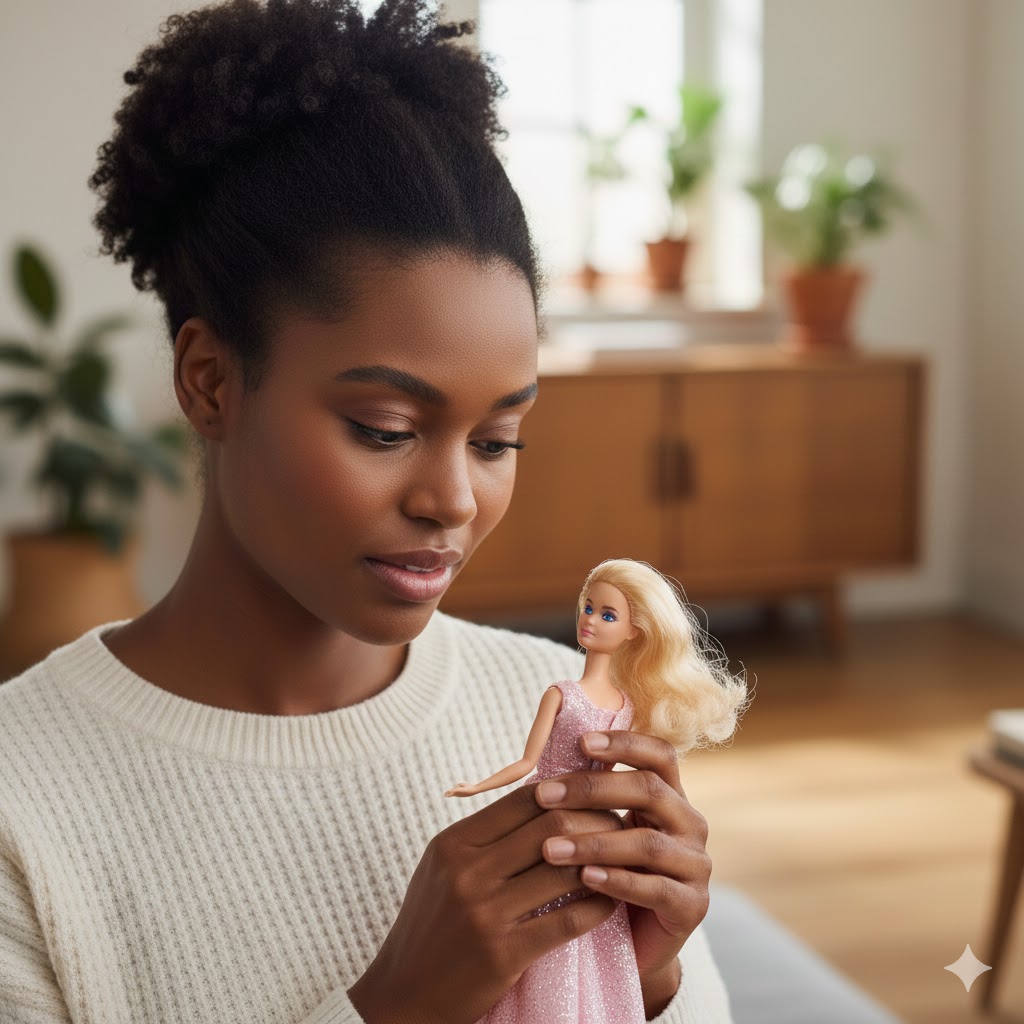
For many Black girls, the first doll they ever received didn’t look like them. Her hair swung in the wind, her eyes were light, her skin was pale, and her beauty was packaged as the “default.” This early conditioning planted seeds: To be beautiful is to be anything but yourself. The Barbie Doll Effect begins in childhood, but its impact often extends well into adulthood.

As Black women grow, society continues to whisper the same message through media, beauty industries, and Hollywood casting: straighten your hair, lighten your complexion, shrink your body, soften your presence, and quiet your voice. The closer you appear to the “Barbie ideal,” the more you are rewarded—professionally, socially, and romantically. The farther you are from it, the more you must fight unseen battles just to be acknowledged.

This creates a crisis of identity. Black women find themselves torn between self-love and societal acceptance, between honoring their ancestry and performing a version of femininity that dismisses their natural essence. This conflict isn’t superficial; it is deeply emotional. It shapes self-esteem, mental health, dating experiences, and even career opportunities.

In contemporary society, the concept of beauty is often dictated by narrow, Eurocentric standards that dominate media, fashion, and entertainment. Among these ideals, the “Barbie Doll Effect” has emerged as a prominent cultural phenomenon, shaping perceptions of attractiveness, self-worth, and femininity, particularly for Black women. This term describes the social and psychological pressures to embody perfection: flawless skin, slender physique, symmetrical features, and overall “marketable” beauty. While Barbie herself is a toy, her symbolic influence transcends playtime, impacting how young girls and women internalize their value.

Unrealistic Beauty and Colorism

For Black women, the Barbie Doll Effect is compounded by colorism—a preference for lighter skin within communities of color, perpetuated by societal and media portrayals. Darker-skinned Black women often face marginalization and exclusion from mainstream representations of beauty. In contrast, women with lighter complexions or features closer to Eurocentric ideals may be elevated, reinforcing internalized hierarchies of attractiveness. This phenomenon fosters self-doubt and a heightened focus on appearance, even as it undermines authentic identity.

Psychological Implications

The constant exposure to unrealistic images can lead to low self-esteem, body dysmorphia, and disordered eating habits. Research indicates that girls who internalize unattainable beauty standards often experience heightened anxiety, depression, and diminished self-worth (Grabe, Ward, & Hyde, 2008). The Barbie Doll Effect also conditions women to equate their value with their appearance, diverting attention from talents, intellect, and personal growth. For Black women navigating systemic bias, these pressures intersect with societal oppression, magnifying the psychological toll.

Media and Representation

Television, film, and social media amplify the Barbie Doll Effect by repeatedly showcasing idealized versions of Black femininity. Celebrities, influencers, and fashion icons are frequently curated to fit a specific aesthetic: smooth skin, exaggerated features, and slim bodies. While some Black women celebrate their beauty and achieve visibility, the overall narrative reinforces a narrow, homogenized ideal, often excluding darker skin tones, natural hair textures, or fuller body types. This limited representation affects how Black women perceive themselves and how society validates their beauty.

Beauty Standards vs. Authenticity

The pressure to conform to these ideals often leads Black women to alter their natural features through skin-lightening, hair straightening, cosmetic surgery, or extreme makeup routines. While personal choice plays a role, the underlying motivation is frequently social approval rather than self-expression. Rejecting the Barbie Doll Effect requires intentional cultivation of self-love, celebrating natural beauty, and fostering spaces where Black women see themselves represented authentically and holistically.

Societal Shifts and Empowerment

Despite pervasive pressures, there is a growing movement of empowerment. Black women are embracing natural hair, diverse body types, and culturally resonant fashion, challenging Eurocentric dominance in beauty standards. Organizations, social media campaigns, and influencers are redefining what beauty looks like, emphasizing resilience, intellect, and heritage alongside appearance. The message is clear: beauty is multifaceted, and self-worth cannot be measured solely by conformity to a doll’s proportions or societal ideals.

Conclusion

The Barbie Doll Effect illustrates the complex interplay between media, societal expectations, and personal identity. For Black women, it highlights the intersection of beauty standards, colorism, and systemic pressures. Breaking free from this effect requires acknowledgment of these pressures, intentional self-celebration, and a cultural shift that embraces diverse forms of beauty. By reclaiming narratives of worth, Black women can transcend superficial ideals and cultivate confidence rooted in authenticity, heritage, and individuality.

The Barbie Doll Effect also perpetuates colorism, where lighter skin is praised and darker skin is scrutinized. It fosters a beauty hierarchy that wounds Black women emotionally, dividing them into categories—“pretty for a dark-skinned girl,” “exotic,” “acceptable,” “too Black,” or “too ethnic.” These labels are weapons, not compliments, and they echo the painful legacy of colonization and slavery.

But despite these pressures, Black women continue to redefine beauty in their own image. From natural hair movements to melanin-positive campaigns, from darker-skinned models on magazine covers to actresses proudly wearing locs on red carpets, Black women are slowly reclaiming visibility and rewriting the standard. The world is watching—and following.

The Barbie Doll Effect is losing its power, not because the world suddenly changed, but because Black women refused to. They refused to shrink themselves to fit narrow beauty boxes. They refused to mask their features, mute their culture, or bleach away their heritage. Instead, they created their own lane—bold, regal, and authentically divine.

Today, the Black woman is not chasing the Barbie ideal; she is the standard. Her features have been copied, commercialized, and coveted. Full lips, curves, coils, melanin—everything once mocked is now monetized. But the true power lies not in being imitated, but in being unapologetically yourself.

The Barbie Doll Effect taught Black women to compare themselves to a plastic fantasy. But this generation is teaching the world that true beauty is not manufactured—it is inherited. It is ancestral. It is complex. It is alive.

The Black woman is not a doll—she is a blueprint.