Tag Archives: Beauty

💄 The Power of Pretty 💄

Beauty, Influence, and Societal Dynamics
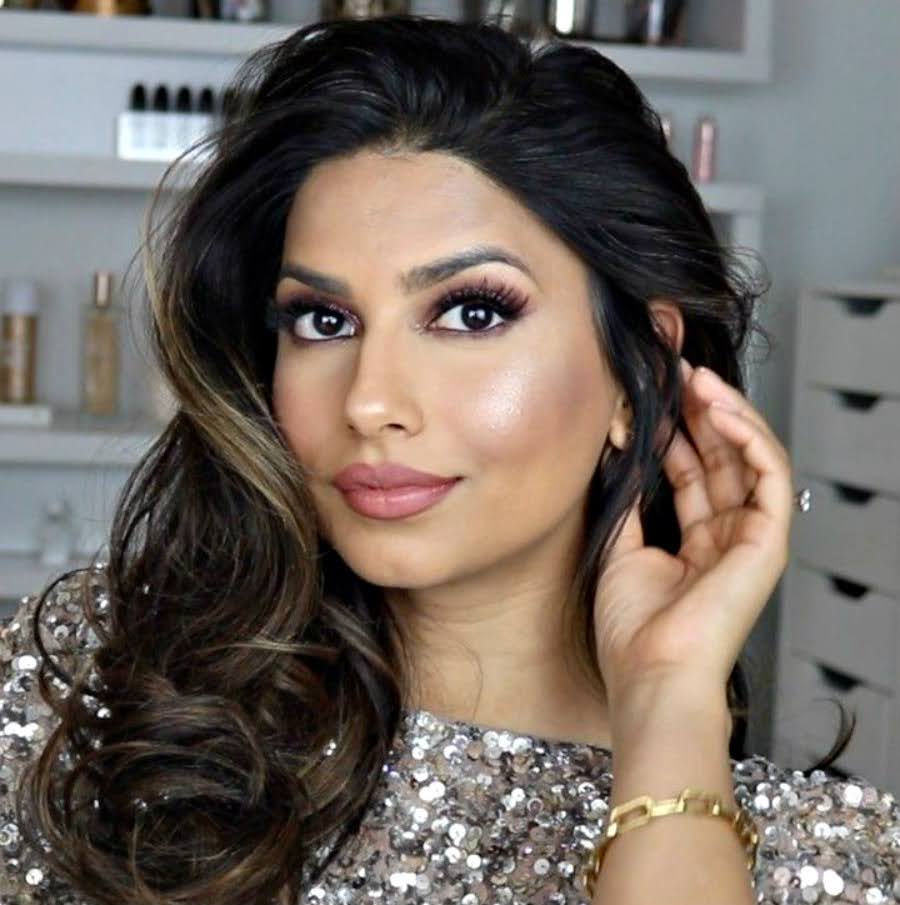
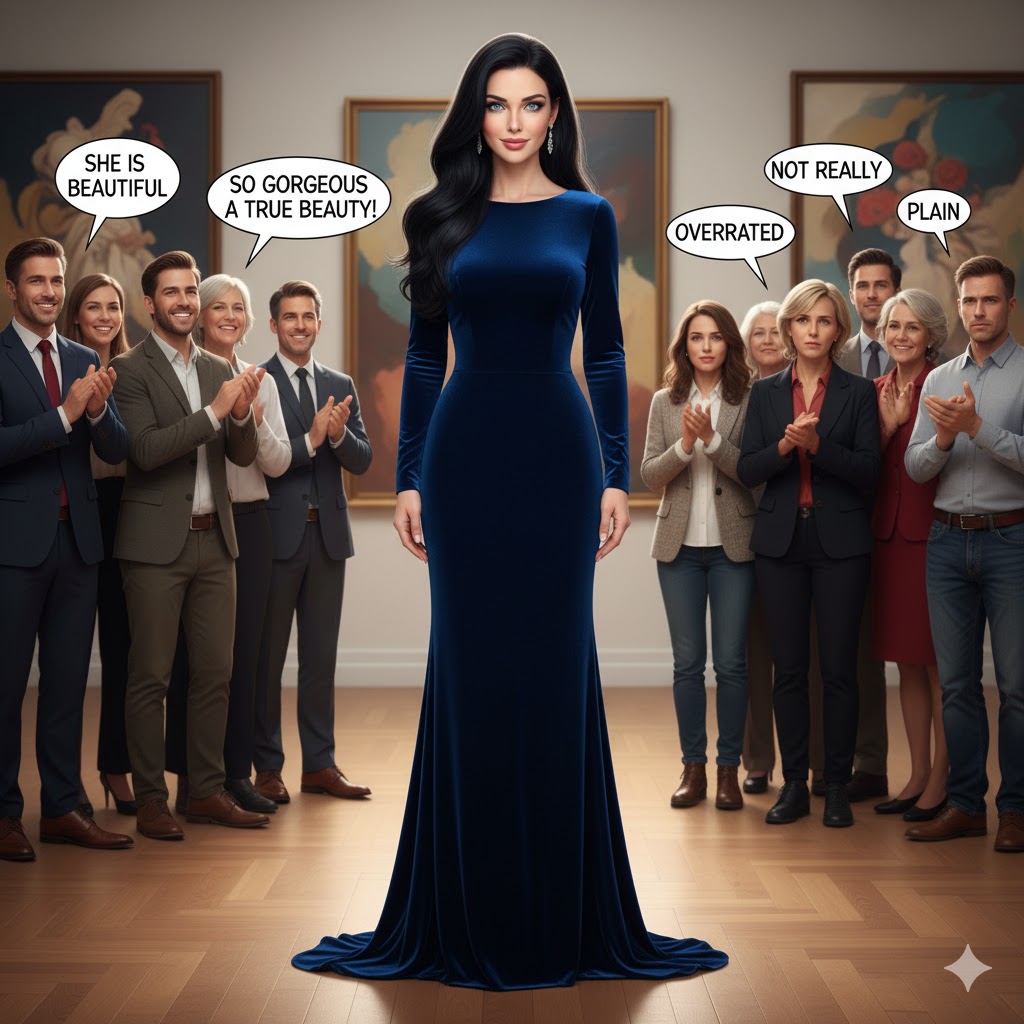
Beauty has always been more than skin deep. It functions as a subtle yet pervasive form of influence, shaping social dynamics, opportunities, and perceptions. What society labels as “pretty” carries weight, affecting lives in ways often unnoticed. From history to modern media, the influence of attractiveness impacts interpersonal relationships, professional advancement, and cultural status.

Historically, beauty standards have been codified and politicized. In Renaissance Europe, fair skin, delicate features, and symmetry were not simply aesthetic preferences but symbols of class, virtue, and morality. Across cultures, similar patterns emerge, showing that beauty consistently intersects with social capital.

Psychologically, humans respond instinctively to facial symmetry, clear skin, and proportional features, interpreting these cues as indicators of health and vitality. Pretty individuals often trigger positive biases, influencing how others perceive competence, trustworthiness, and likability.

Gender plays a significant role in how beauty is leveraged. Women, in particular, face societal pressures to maintain appearance, and attractiveness can function as social and economic currency. The “beauty premium” demonstrates that societal preference for attractive individuals can lead to higher likelihood of hiring, promotions, and social favor, yet it also subjects them to heightened scrutiny and objectification.

Appearance operates as a form of social signaling. Being conventionally attractive often conveys competence and social dominance, regardless of actual ability. This “halo effect” means pretty individuals are frequently treated more favorably, consciously or unconsciously.

Colorism adds another layer of complexity. Within communities, lighter skin and Eurocentric features are often favored, creating systemic hierarchies that reward certain appearances while marginalizing others. Beauty becomes both subjective and systemic, influencing social mobility and self-perception.

Modern media further amplifies narrow beauty ideals, presenting often unattainable standards through advertising, film, and social platforms. These images shape cultural perception, influence self-esteem, and dictate interpersonal dynamics, creating an environment where appearance is closely tied to societal validation.

Pretty individuals can consciously wield beauty as leverage. In politics, business, and entertainment, attractiveness can persuade, negotiate, and shape public opinion. Physical appearance can become an asset in both personal and professional spheres.

However, beauty also carries costs. Objectification, jealousy, and the pressure to maintain standards can create psychological and social burdens. The labor, expense, and attention required to maintain societal ideals illustrate that prettiness is as demanding as it is powerful.

Research shows that attractive individuals experience measurable advantages across professional, educational, and social contexts. In workplaces, appearance influences evaluations, promotions, and compensation. In education, students deemed attractive receive more attention and encouragement, demonstrating that beauty can affect trajectories from an early age.

In social networks, attractiveness functions as a form of social navigation. Pretty individuals often gain trust, allies, and influence more readily, using charm and appearance strategically. Digital platforms have quantified these dynamics, with likes, follows, and algorithmic visibility creating a new economy of beauty.

The psychological impact of beauty extends to both those deemed attractive and those outside dominant standards. Attractive individuals may internalize their social power, while others may experience marginalization or heightened self-awareness regarding appearance.

Leadership perception is also influenced by physical attractiveness. Attractive leaders are often judged as more competent, persuasive, and authoritative, showing a direct link between appearance and social influence. Gendered double standards exacerbate these dynamics, as women face greater scrutiny over age and deviations from beauty norms.

Contemporary movements challenging narrow Eurocentric beauty ideals empower individuals to reclaim the influence of appearance. By celebrating diverse skin tones, hair textures, body shapes, and facial features, society can begin to decouple prettiness from oppression and objectification.

Ultimately, beauty represents a form of social, psychological, and economic capital. Recognizing its influence allows individuals and communities to navigate the power of appearance with awareness, balancing advantages with responsibility and ethical consideration.

The power of pretty is undeniable, yet true liberation comes when influence is coupled with integrity, self-knowledge, and the dismantling of oppressive standards. Prettiness can empower, but its greatest expression arises when it aligns with wisdom, justice, and cultural consciousness.


References

Chou, H. T. G., & Edge, N. (2012). “They are happier and having better lives than I am”: The impact of using Facebook on perceptions of others’ lives. Cyberpsychology, Behavior, and Social Networking, 15(2), 117–121.

Dion, K., Berscheid, E., & Walster, E. (1972). What is beautiful is good. Journal of Personality and Social Psychology, 24(3), 285–290.

Elder, T., Goddeeris, J., & Williams, R. (2016). Beauty, bias, and student outcomes. Economics of Education Review, 51, 1–14.

Fredrickson, B. L., & Roberts, T. A. (1997). Objectification theory. Psychology of Women Quarterly, 21(2), 173–206.

Friedan, B. (1991). The Feminine Mystique. Norton.

Hamermesh, D. S., & Biddle, J. E. (1994). Beauty and the labor market. American Economic Review, 84(5), 1174–1194.

Hunter, M. (2007). The persistent problem of colorism: Skin tone, status, and inequality. Sociology Compass, 1(1), 237–254.

Langlois, J. H., et al. (2000). Maxims or myths of beauty? A meta-analytic and theoretical review. Psychological Bulletin, 126(3), 390–423.

Little, A. C., et al. (2007). Facial attractiveness and leadership perception. British Journal of Psychology, 98(1), 91–103.

Rhodes, G. (2006). The evolutionary psychology of facial beauty. Annual Review of Psychology, 57, 199–226.

Tiggemann, M. (2011). The impact of media on body image. In Body image: A handbook of science, practice, and prevention (pp. 169–175). Guilford Press.

Tiggemann, M., & Slater, A. (2013). NetGirls: The Internet, Facebook, and body image concern in adolescent girls. International Journal of Eating Disorders, 46(6), 630–643.

Verhulst, J., Lodge, M., & Lavine, H. (2010). The attractiveness halo: Why some candidates are more persuasive than others. Political Psychology, 31(1), 1–26.

Wolf, N. (1991). The Beauty Myth. HarperCollins.
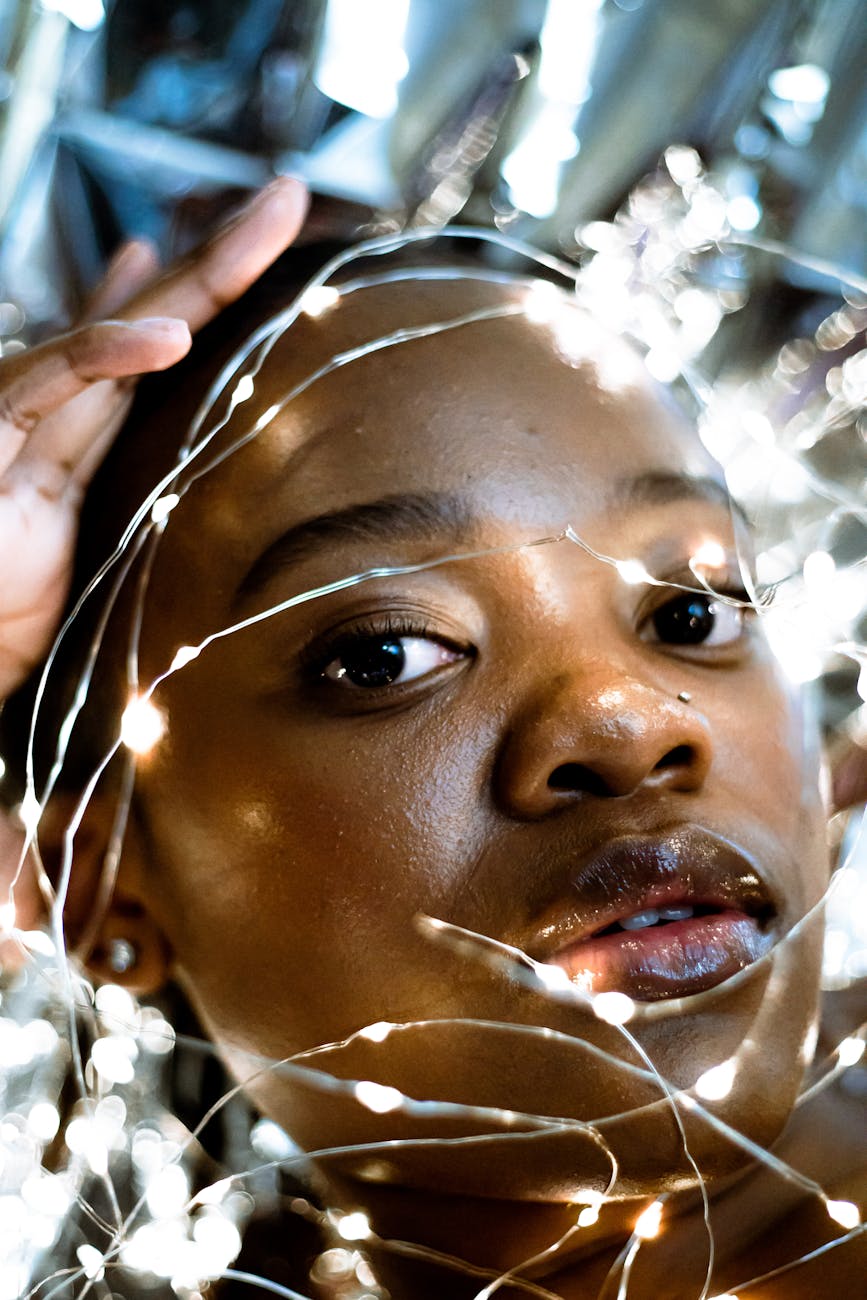
Glow in the Dark: Loving My Shade in a Pale World. #thebrowngirldilemma

Photo by Sean Nkomo on Pexels.com

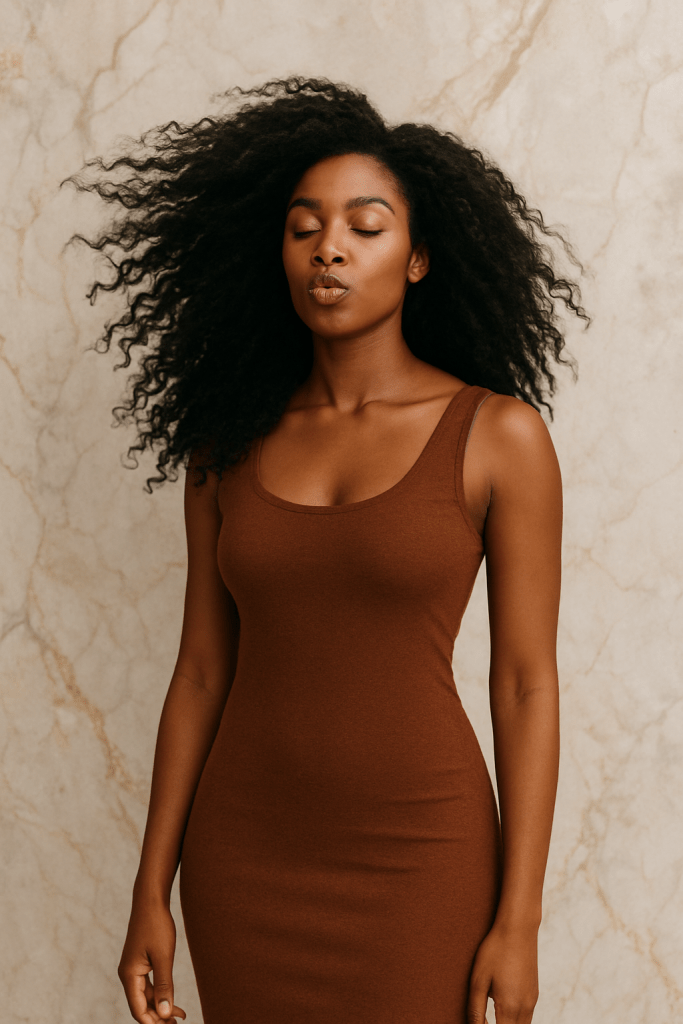
For individuals with dark skin, navigating a world that idealizes lightness is an enduring challenge. Society often elevates pale skin as the standard of beauty, success, and desirability, marginalizing darker complexions. Glow in the Dark is a celebration of dark-skinned identity, affirming beauty, resilience, and self-love in the face of systemic bias and colorism.

Historically, colonialism and slavery entrenched a hierarchy of skin tones. Lighter-skinned individuals were often granted privileges, while darker-skinned people were dehumanized, undervalued, and stigmatized (Hunter, 2007). These legacies persist today, influencing media representation, social perceptions, and self-image.

Colorism, the preferential treatment of lighter skin within racialized communities, compounds challenges for dark-skinned individuals. It can manifest subtly through microaggressions or overtly through exclusion from social, professional, and romantic opportunities. Understanding these dynamics is crucial to fostering resilience and self-acceptance (Russell, Wilson, & Hall, 1992).

Psychologically, living in a “pale world” can lead to internalized oppression. Many dark-skinned individuals are conditioned to view their complexion as less desirable, creating struggles with self-esteem, identity, and belonging. Reclaiming one’s narrative is an essential step toward healing and empowerment.

Media representation plays a powerful role in shaping perceptions. Historically, darker-skinned individuals were underrepresented or portrayed negatively in television, film, and advertising. When they were visible, they were often caricatured, reinforcing stereotypes. Today, increasing visibility of dark-skinned role models challenges these norms, affirming that beauty exists in all shades.

Beauty standards in fashion and advertising have long centered around lighter tones. Foundation shades, skincare marketing, and magazine covers have historically excluded dark skin, signaling to consumers that their complexion is less worthy. Expanding inclusivity is critical to affirming the worth of dark-skinned people (Glenn, 2008).

Dark-skinned women face a “double bind” of gendered and colorist biases. Their beauty is often undervalued compared to lighter peers, yet they are simultaneously hypersexualized in media narratives. Self-love becomes an act of resistance against a society that seeks to define their value through restrictive and prejudiced lenses.

Hair, an essential component of identity, intersects with skin tone. Natural hairstyles like afros, locs, and braids are often stigmatized in mainstream culture, yet they are powerful symbols of pride and self-expression. Embracing natural hair affirms cultural heritage and reinforces self-love.

Education is key to dismantling internalized biases. Learning about the historical and cultural significance of melanin-rich skin fosters appreciation and pride. Curricula that integrate Black history, cultural contributions, and positive representation help students develop resilience against pervasive societal prejudice.

Family and community support profoundly impact self-perception. Children who receive affirmation about their skin tone, hair, and heritage are more likely to embrace their identity confidently. Community initiatives that celebrate dark-skinned beauty reinforce belonging and self-worth.

Social media amplifies both challenges and opportunities. Platforms can perpetuate colorism through beauty filters and preference hierarchies, but they also provide spaces for empowerment. Campaigns like #DarkSkinIsBeautiful and #MelaninPoppin cultivate pride, representation, and collective affirmation.

Spiritual perspectives validate the inherent worth of dark-skinned individuals. Song of Solomon 1:5 celebrates dark skin: “I am black, but comely, O ye daughters of Jerusalem” (KJV). Such affirmations provide a framework for understanding beauty as divinely ordained rather than socially constructed.

Economic empowerment intersects with skin tone. Supporting Black-owned businesses and inclusive brands strengthens community wealth while reinforcing pride in identity. Economic agency becomes a form of self-affirmation and resistance against systems that marginalize dark-skinned individuals.

Art, literature, and film provide avenues for cultural expression and validation. Creators highlighting dark-skinned beauty, resilience, and achievement challenge dominant narratives, offering inspiration and affirmation to communities historically overlooked or misrepresented.

Interpersonal relationships also reflect colorism’s influence. Studies indicate that dark-skinned individuals often face bias in dating, friendships, and professional networks. Affirming self-worth requires both personal confidence and supportive social environments that counteract prejudice (Hill, 2002).

Mental health is profoundly affected by colorism. Therapy, mentorship, and community support help dark-skinned individuals process internalized biases, cope with societal pressures, and cultivate resilience. Prioritizing emotional well-being is essential to sustaining self-love in a pale-dominated culture.

Cultural pride strengthens identity and resilience. Celebrating heritage, learning ancestral histories, and participating in cultural practices provide a foundation of self-respect and belonging. These practices counteract societal narratives that devalue dark skin and marginalized communities.

Global movements for racial justice underscore the importance of self-love. Dark-skinned individuals who assert pride in their appearance and identity participate in broader efforts to dismantle systemic bias, affirming that visibility, representation, and advocacy are intertwined with personal empowerment.

Ultimately, glowing in a pale world is an act of defiance and affirmation. Loving one’s shade transcends aesthetics; it is a reclamation of dignity, a celebration of heritage, and a declaration of worth. Each individual who embraces their complexion challenges societal hierarchies and models resilience for future generations.

In conclusion, Glow in the Dark is both personal and revolutionary. Dark-skinned individuals who affirm their beauty resist systemic prejudice, nurture self-love, and inspire collective empowerment. Loving one’s shade in a pale world is a commitment to authenticity, pride, and the celebration of melanin as a source of strength, history, and beauty.


References

Glenn, E. N. (2008). Yearning for lightness: Transnational circuits in the marketing and consumption of skin lighteners. Gender & Society, 22(3), 281–302. https://doi.org/10.1177/0891243208316089

Hill, M. E. (2002). Skin color and the perception of attractiveness among African Americans: Does gender make a difference? Social Psychology Quarterly, 65(1), 77–91.

Hunter, M. (2007). The persistent problem of colorism: Skin tone, status, and inequality. Sociology Compass, 1(1), 237–254. https://doi.org/10.1111/j.1751-9020.2007.00014.x

Russell, K., Wilson, M., & Hall, R. (1992). The color complex: The politics of skin color among African Americans. Anchor Books.

The Holy Bible, King James Version. (n.d.). Song of Solomon 1:5. King James Bible Online. https://www.kingjamesbibleonline.org

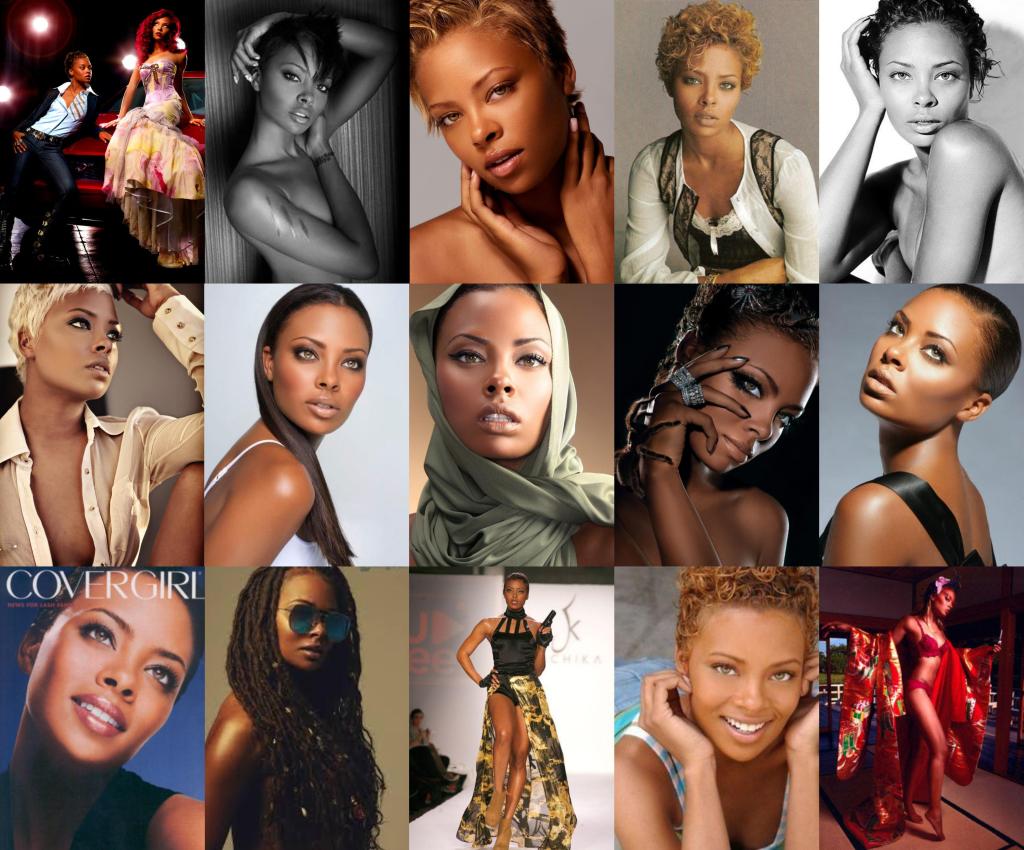
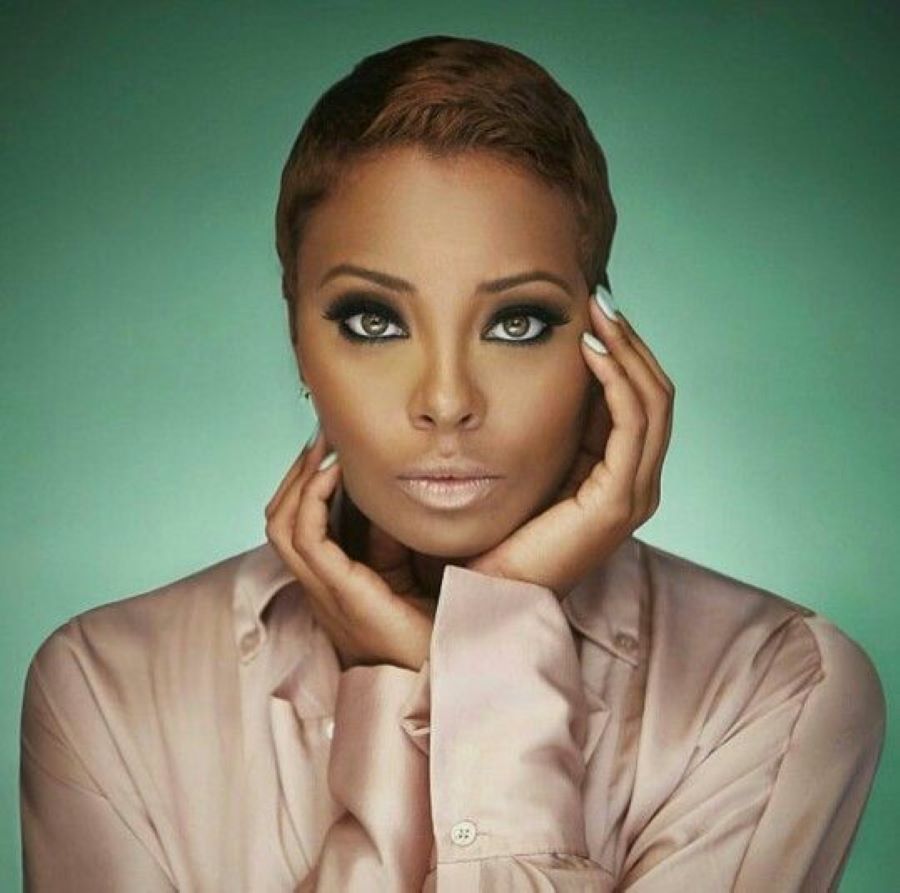
The Ebony Dolls: Eva Marcille

This photograph is the property of its respective owner. No copyright infringement intended.

She entered the world like a masterpiece brushed in melanin—a canvas of luminous light ebony-toned skin, warmed with golden undertones that seemed to glow without permission. Her eyes, a mesmerizing hazel-green ocean rimmed with amber, framed by elongated lashes, and her face sculpted in elegant symmetry, carried a porcelain-like softness yet striking angularity that photographers would later call exotic, rare, unforgettable. She was not just beautiful, but possessed an aesthetic harmony where Africa, Europe, and possibility met in one gaze.

Eva Marcille Pigford was born on October 30, 1984, in Los Angeles, California, to Evan Pigford and Michelle Pigford (IMDB, 2024). She identifies as African American and Puerto Rican, with additional European ancestry, making her widely recognized as multiracial/biracial or “mixed, though she embraces her Black identity as dominant in representation and cultural affiliation (Marcille in BET, 2022). She grew up in South Central Los Angeles, later attending Clark Atlanta University, where she studied broadcast journalism before entering the modeling world (Essence, 2020).

Her journey into Hollywood began on one of the most-watched runways on television—America’s Next Top Model (ANTM). In 2004, Eva auditioned for the third cycle of ANTM, impressing judges with her high-fashion potential, bone structure, presence, and magnetic eyes. She won the competition at age 19, securing a CoverGirl cosmetics contract and becoming the first winner with significantly darker skin and exotic features to take the mainstream commercial modeling crown (Banks et al., 2004; Tyra Show Archives).

This photograph is the property of its respective owner. No copyright infringement intended.

Following ANTM, she quickly transitioned into major print and commercial modeling campaigns. She signed with Ford Models, one of the most prestigious agencies globally (Models.com, 2010). Her early post-show momentum included high-profile spreads in Elle, Essence, King Magazine, GQ, and Cosmopolitan, elevating her beyond reality TV into fashion-editorial legitimacy (IMDB, 2024; Elle Archives, 2005).

Marcille became a campaign face for major brands. Her CoverGirl contract was followed by modeling partnerships and appearances in ad work for Samsung, Apple Bottoms, DKNY, Avon, and Macy’s commercials (Advertising Archives via Commercial Database; IMDB, 2024). She also became the face of shea-butter beauty and urban fashion aesthetics through co-signs with Apple Bottoms and beauty editorials celebrating deeper melanin-VS-Eurocentric glam balance (Essence, 2020).

She accumulated numerous accolades during her modeling years. In 2006, she received the Young Hollywood Award for Female Superstar of Tomorrow, marking her crossover potential beyond modeling into scripted media (Young Hollywood Awards, 2006). Her career trajectory would later include multiple NAACP media appearances and beauty acknowledgments for diversifying beauty representation for young Black and multiracial women (NAACP Image Awards Nominations Database).

Eva soon pursued acting, initially through guest television roles before securing recurring characters. Early appearances included roles on Smallville (2005), Everybody Hates Chris (2007), and House of Payne (2008), which helped transition her from model to actress in the early 2000s Hollywood pipeline (IMDB, 2024).

This photograph is the property of its respective owner. No copyright infringement intended.

She later earned significant screen attention in film, appearing in Crossover (2006), followed by roles in I Think I Love My Wife (2007) alongside comedian Chris Rock, and other Black-ensemble screen projects that positioned her as a staple face of the modern ebony Hollywood class (IMDB, 2024).

Her most culturally impactful work in scripted television came decades later. In 2021, she joined the cast of Tyler Perry’s drama-soap powerhouse All the Queen’s Men, portraying Madam’s rival, Marilyn “Ms. Noelle” Deville, a glamorous yet cunning boss-woman role that aligned her beauty with narrative authority, seduction, and psychological complexity (Perry, 2021). This role cemented her presence in the urban neo-noir glam queen archetype (IMDB, 2024).

Her career also expands into hosting, reality television, and brand ambassadorship. In 2018, she joined The Real Housewives of Atlanta (RHOA), increasing her cultural relevance in Black pop-culture media. She leveraged that visibility into business, advocacy, and television commentary (Bravo, 2018).

Her personal life became part of her public narrative. Eva is a mother to three children:

  • Marley Rae McCall (born 2014) with singer Kevin McCall,
  • Michael Todd Sterling Jr. (born 2018),
  • and Maverick Leonard Sterling (born 2019) with her ex-husband, attorney Michael Sterling (Sterling & Marcille in People, 2023).

She married Michael Sterling in 2018 in a star-studded Atlanta ceremony, widely praised for elegance, intimacy, and cultural grandeur (People, 2023). In 2023, she filed for divorce, citing irreconcilable differences, but has publicly maintained a co-parenting-forward family focus (People, 2023).

So what makes her an Ebony Doll archetype? The phrase “Ebony Doll” symbolizes more than skin tone—it represents exotic facial symmetry, soft-spoken glam power, and editorial beauty rooted in Black aesthetics but universal in appeal (Hunter, 2005; Hall, 1997). Eva embodies this through her deep-melanin foundation, mixed-heritage features, commercial runway legitimacy, and Hollywood endurance. But deeper still, an ideal Ebony Doll must influence beauty psychology—she did. Eva helped normalize hazel-green eyes on dark melanin, short-hairstyle femininity in Black fashion media, and soft yet dominant screen presence (Hooks, 1992; Hunter, 2005).

This photograph is the property of its respective owner. No copyright infringement intended.

Her features align with cross-cultural beauty science. Studies on beauty perception highlight the high impact of eye color contrast against deep skin, facial symmetry, upper-cheekbone prominence, oval face sculpting, and universal aesthetic ambiguity (“ethnically mixed facial harmonics”) being perceived as exotically attractive (Rhodes, 2006; Little, Jones, & DeBruine, 2011). This matches Eva’s visual profile and explains her path to fashion-campaign success and sustained camera appeal.

Thus, she is an Ebony Doll ideal not simply because she is beautiful, but because she is representative, aspirational, adaptable, culturally resonant, fashion-validated, screen-anchored, and psychologically unforgettable.


References

Bravo. (2018). The Real Housewives of Atlanta cast archives.

Banks, T., et al. (2004). America’s Next Top Model, Cycle 3 production and judging transcripts. UPN Archives.

Bet. (2022). Interview commentary on multiracial identity, ethnicity, and cultural affiliation archives.

Essence. (2020). Eva Marcille career editorial and modeling retrospective.

Hall, S. (1997). Representation: Cultural representations and signifying practices. Sage.

Hooks, B. (1992). Black looks: Race and representation. South End Press.

Hunter, M. (2005). Race, gender, and the politics of skin tone. Routledge.

IMDB. (2024). Eva Marcille professional filmography and career database archives.

Jones, B. C., DeBruine, L. M., & Little, A. C. (2011). Facial contrast and attractiveness. Psychological Science, 22(1), 57–62.

Marcille, E., Sterling, M. (2023). Marriage and co-parenting public statements. People Magazine Archives.

Perry, T. (2021). All the Queen’s Men production and casting archives.

Rhodes, G. (2006). The evolutionary psychology of facial beauty. Annual Review of Psychology, 57, 199–226.

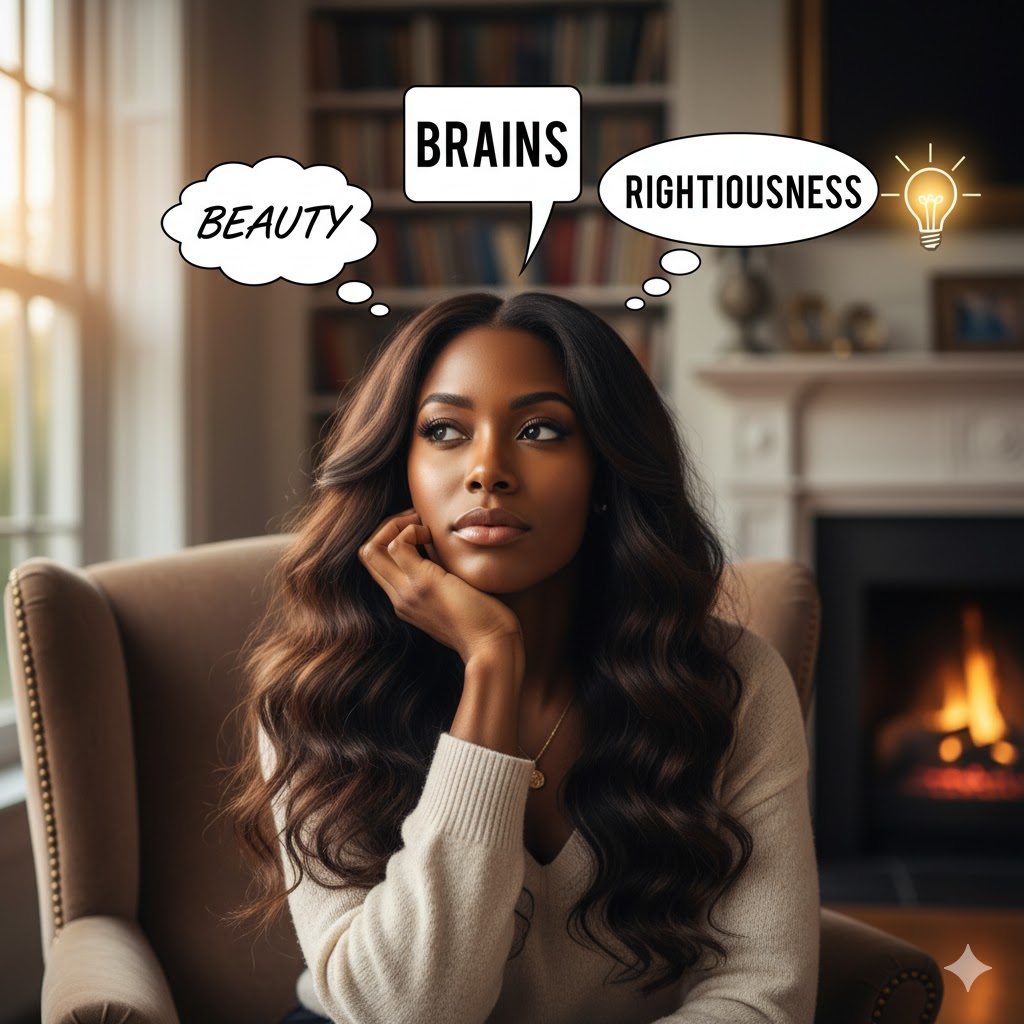
Girl Talk Series: What really matters Beauty, Brains, or Righteousness?

In a world that worships outward beauty, social validation, and intellect, many women find themselves asking: What truly matters most? Is it our appearance, our intelligence, or our righteousness before God? The truth is, while beauty and brains are gifts from the Most High, righteousness is the crown that endures forever. In a society obsessed with aesthetics and achievement, we must be reminded that our eternal worth is not measured by what others see, but by what God sees within.

Beloved daughters, before we polish the outside, we must build the inside. Our skin may glow and our minds may shine, but if our spirits are unclean, the beauty fades and the brilliance dims. The Most High looks beyond the surface—He searches the heart, the intentions, and the purity of our walk. As women of faith, we must learn to prioritize righteousness first, then allow our wisdom and beauty to flow from that divine foundation.

The order of importance, according to the Word of God, is:

  1. Righteousness (Spiritual Beauty)
  2. Brains (Wisdom and Understanding)
  3. Beauty (Outer Appearance)

When righteousness is the root, everything else blossoms in its rightful season.


Righteousness: The True Measure of a Woman

The Scriptures teach that righteousness—our right standing with God—is of eternal value. Proverbs 31:30 (KJV) reminds us:

“Favour is deceitful, and beauty is vain: but a woman that feareth the Lord, she shall be praised.”

This verse is the anchor for every virtuous woman. Physical beauty can captivate for a moment, but spiritual beauty sustains for eternity. When we live in obedience to God, clothed in humility, love, and holiness, we reflect a divine glow that no makeup or mirror can reproduce. The inner beauty of righteousness is the fragrance of heaven on earth—it pleases God and transforms others.


Brains: The Beauty of Wisdom

Next comes the mind—our intellect and understanding. The world celebrates intelligence as power, and in truth, wisdom is indeed a crown. But the Bible distinguishes between worldly knowledge and spiritual wisdom. Proverbs 3:13 (KJV) declares:

“Happy is the man that findeth wisdom, and the man that getteth understanding.”

True intelligence begins with the fear of the Lord (Proverbs 9:10). A woman may hold degrees and titles, but without godly wisdom, her knowledge lacks eternal fruit. Spiritual intelligence allows us to discern truth from deception, to walk in peace, and to make choices aligned with God’s will. The wise woman not only studies books—she studies the Word.


Beauty: A Fleeting Gift of Grace

Finally, we come to outward beauty—something every woman cherishes. Beauty is a divine gift, not a sin, but it was never meant to define us. 1 Samuel 16:7 (KJV) says:

“For the Lord seeth not as man seeth; for man looketh on the outward appearance, but the Lord looketh on the heart.”

While the world teaches us to contour, enhance, and perfect, God calls us to purify, renew, and transform. There is nothing wrong with taking care of our bodies, dressing beautifully, or expressing our femininity—but when appearance becomes an idol, we lose sight of who we are. True beauty flows from a righteous heart and a gentle spirit. As 1 Peter 3:3–4 (KJV) reminds us:

“Whose adorning let it not be that outward adorning of plaiting the hair, and of wearing of gold, or of putting on of apparel;
But let it be the hidden man of the heart, in that which is not corruptible, even the ornament of a meek and quiet spirit, which is in the sight of God of great price.”


Building the Inner Temple

Ladies, our true reflection is not in the mirror—it is in our spirit. We must build the inner temple with prayer, fasting, discipline, and faith. Outward beauty will fade, worldly intelligence will pass, but righteousness will lead us into eternal life.

When we walk in purity, kindness, humility, and obedience, we are building treasures in heaven (Matthew 6:19–21). That is the beauty that never dies. The Proverbs 31 woman was praised not just for her strength or skill, but because “she feareth the Lord.” Her beauty was holy; her intelligence, guided by wisdom; and her righteousness, eternal.


In God’s Eyes

So what really matters in the eyes of God?
It is not the flawless face, nor the perfect résumé—it is the pure heart.
It is not the crown we wear, but the character we keep.
It is not what we look like, but who we are becoming in Christ.

Righteousness is the essence of divine femininity. Brains and beauty will attract the world, but righteousness will attract heaven. When a woman walks in holiness, she walks in power.


Scripture References

  • Proverbs 31:30 – “Favour is deceitful, and beauty is vain: but a woman that feareth the Lord, she shall be praised.”
  • 1 Samuel 16:7 – “For the Lord seeth not as man seeth; for man looketh on the outward appearance, but the Lord looketh on the heart.”
  • 1 Peter 3:3–4 – “Let it be the hidden man of the heart… a meek and quiet spirit, which is in the sight of God of great price.”
  • Proverbs 9:10 – “The fear of the Lord is the beginning of wisdom.”
  • Matthew 6:19–21 – “Lay not up for yourselves treasures upon earth… but lay up for yourselves treasures in heaven.”
  • Proverbs 3:13 – “Happy is the man that findeth wisdom, and the man that getteth understanding.”

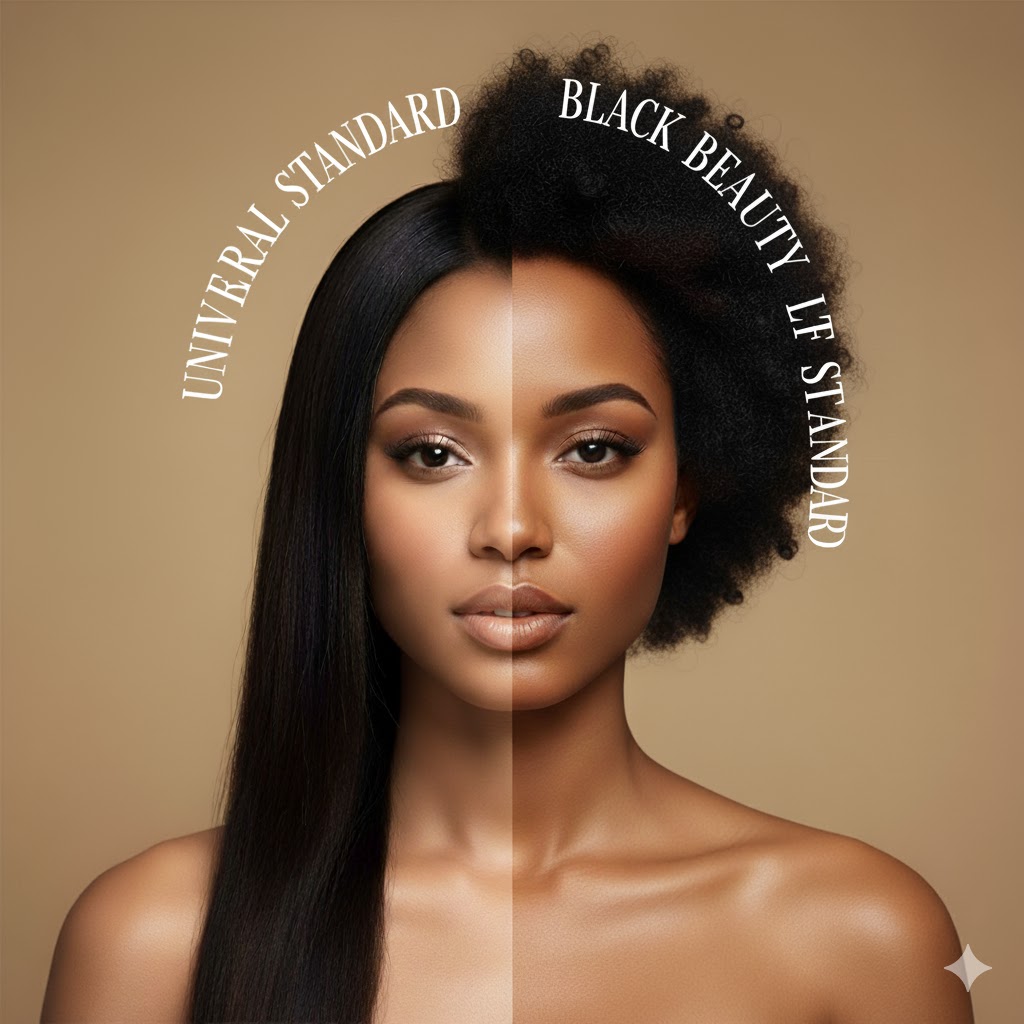
Eurocentric Beauty Standards VS Black Beauty Standards: The Brown Girl Dilemma

Eurocentric beauty standards have shaped global perceptions of attractiveness for centuries, creating a hierarchy that places whiteness at the top and all other features beneath it. For Black women—especially Brown-skinned and dark-skinned women—this hierarchy produces a dilemma that is both personal and generational. It affects identity, self-esteem, desirability, and even spiritual understanding of self-worth. This essay explores the history and psychology behind Eurocentric ideals—straight hair, light skin, narrow features, blue eyes—and contrasts them with the richness, diversity, and inherent value of Black beauty.

The Origins of Eurocentric Beauty Hierarchy

Eurocentric standards were born from colonialism, slavery, and racial pseudoscience. European colonizers declared their own features—pale skin, straight or wavy hair, slim noses, and light eyes—as “civilized,” “pure,” and “superior.” These traits became the global benchmark, not because they were inherently beautiful, but because they were associated with power, wealth, and dominance. Whiteness became the symbol of privilege.

Slavery and Color Hierarchies

During the transatlantic slave trade, enslaved Africans with lighter skin—often the product of sexual violence—were given preferential treatment. They worked in the house, wore better clothing, and at times received literacy or skilled labor training. This created the “house slave vs. field slave” hierarchy, embedding colorism deep into Black communities. Light skin became associated with safety, access, and acceptance—survival benefits. These dynamics later morphed into social preferences that still influence dating, media, and institutional biases today.

The Psychological Impact of Whiteness as the Default

Psychologists describe Eurocentric beauty standards as a “dominant cultural schema” (hooks, 1992). When one group controls media, education, and social narratives, their features become normalized as the ideal. This creates aesthetic assimilation pressure—the subconscious push to emulate the dominant group to gain approval, opportunity, and perceived worth.

The Brown Girl Dilemma

For Brown-skinned and dark-skinned girls, the psychological conflict is acute. They are often raised to love themselves spiritually, yet conditioned socially to see their features as less desirable. This creates cognitive dissonance:

  • “Why don’t I look like the women celebrated on TV?”
  • “Why is lighter skin described as beautiful, classy, or desirable?”
  • “Why do I feel too dark or too ‘ethnic’?”
    This tension affects self-esteem, dating prospects, opportunities, and even how young girls see their own reflection.

Hair: A Battleground for Identity

Straight hair has long been praised because it aligns closest to Eurocentric ideals. During Jim Crow and segregation, straightened or pressed hair was viewed as a means to “fit in” and reduce racial discrimination. The psychological message?
Natural coils = unprofessional, wild, unkempt
Straight hair = polished, acceptable, beautiful
This created internalized anti-Blackness, where girls learned that their natural features needed altering to be worthy.

Light Eyes and Light Skin as Social Capital

Blue or light eyes and pale skin carried symbolic power because they aligned with whiteness. The lighter a Black woman appeared, the closer she seemed to whiteness—and the more approval she gained from dominant society. Studies show that lighter-skinned Black women historically received better job opportunities, social mobility, and media representation (Hunter, 2007).
This ingrained the belief that beauty equals proximity to whiteness.

Media Reinforcement

For decades, magazines, movies, and fashion campaigns prioritized white women and lighter-skinned Black women. Black girls grew up with very few images that reflected their features, resulting in what some psychologists call identity starvation. Without representation, children struggle to form healthy self-esteem because they cannot see themselves as beautiful.

Colonial Psychology: The Beauty of the Conquered vs. the Conqueror

Colonialism taught the world that the conqueror’s traits were superior. European missionaries, scientists, and artists depicted African features as “primitive” or “animalistic.” Pseudoscientific works like those by Carl Linnaeus and Johann Blumenbach ranked races by beauty, placing Europeans at the top and Africans at the bottom. This scientific racism became the foundation for beauty discrimination.

Internalized Colorism in Black Communities

Over time, these external hierarchies became internal practices:

  • Favoring lighter-skinned women in family praise
  • Associating dark skin with aggression or masculinity
  • Assuming lighter skin equals innocence or refinement
    This internalization is generational trauma passed down from slavery.

Beauty as a Form of Resistance

The natural hair movement, melanin pride culture, and the resurgence of African aesthetics are forms of rebellion against Eurocentric standards. Black women have reclaimed what was once degraded—afros, braids, dark skin, wide noses, full lips—and declared them beautiful.

The Rise of Black Beauty Consciousness

Black beauty is diverse, rich, and multidimensional. Full lips, melanated skin, textured hair, and Afrocentric features are globally admired today—not because beauty standards changed by chance, but because Black women demanded visibility. “Black girl magic” is not a trend—it is a declaration of self-worth.

The Brown Girl’s Healing Journey

Healing from beauty-based trauma requires unlearning internalized biases. It means teaching young girls that their worth is not tied to proximity to whiteness. It means uplifting dark-skinned beauty publicly and consistently. It means dismantling old scripts tied to slavery’s residue.

Biblical Reflection

In Scripture, beauty is never defined by skin tone or European features. Instead, God calls His people beautiful, chosen, and precious.
“I will praise thee; for I am fearfully and wonderfully made” (Psalm 139:14, KJV).
Black women must reclaim this truth as identity—not as aspiration.

Reframing the Standard

Beauty standards are not neutral—they are political. They reflect power structures. To uplift Black beauty, society must redefine beauty in a way that centers inclusivity, diversity, and historical truth.

Colorism in Dating and Relationships

Studies show that lighter-skinned Black women are more likely to be preferred in dating apps and social settings because of centuries-old conditioning (Wilder, 2015). This creates insecurity among Brown girls who feel overshadowed. The imbalance is not personal—it is systemic.

Economic Value of Eurocentric Features

Mainstream industries profit from insecurity:

  • Skin-lightening creams
  • Straightening treatments
  • Colored contact lenses
    These industries make billions by selling whiteness as a product. The psychology: create insecurity → sell the solution.

Breaking the Cycle

Educators, parents, churches, and media creators must consciously highlight Afrocentric beauty. Brown girls need consistent affirmation—visual and verbal.

Honoring the Brown-Skinned Woman

Brown and dark-skinned beauty is unique, powerful, and breathtaking. The richness of melanin, the depth of brown skin tones, the strength of textured hair—all represent spiritual, genetic, and ancestral beauty.

The Future of Beauty

The beauty world is shifting, but the work is ongoing. True transformation requires dismantling the psychological chains inherited from colonialism and slavery. Brown girls deserve to grow up knowing they are enough as they are.

Conclusion

Eurocentric beauty standards are artificial constructs rooted in historical oppression, not truth. Black beauty—rich, diverse, and divine—stands in opposition to centuries of enforced inferiority. The Brown Girl Dilemma can be healed through representation, affirmation, education, and spiritual grounding. Black women must continue rewriting the narrative, reclaiming the beauty that was always theirs.


References

  • hooks, bell. Black Looks: Race and Representation. South End Press, 1992.
  • Hunter, M. (2007). “The Persistent Problem of Colorism.” Sociology Compass.
  • Wilder, J. (2015). Color Stories: Black Women and Colorism in the 21st Century.
  • Russell, K., Wilson, M., & Hall, R. (2013). The Color Complex: The Politics of Skin Color in a New Millennium.
  • Tate, S. (2009). Black Beauty: Aesthetics, Stylization, Politics.
  • Psalm 139:14 (KJV).

Beauty Is in the Eyes of the Beholder

Beauty has fascinated philosophers, scientists, and artists for centuries, yet it remains one of the most complex and debated concepts in human experience. When someone says, “Beauty is in the eyes of the beholder,” they acknowledge that what we find attractive is not universal. Two people can look at the same face—Brad Pitt, Denzel Washington, Aishwarya Rai Bachchan, or Kim Kardashian—and have completely different reactions. Some may see perfection, while others feel no attraction at all. This divergence raises a profound question: how can one object or person produce such opposite interpretations?

Human perception of beauty emerges from the interplay between biology, culture, psychology, and personal experience. While some elements of attractiveness are rooted in genetic preferences for health, symmetry, or fertility, these biological cues do not act alone. They are filtered through upbringing, environment, history, and learned values. Thus, beauty can be both subjective and objective at the same time—anchored in natural instincts yet shaped by social forces.

Beauty becomes subjective because each person’s mind interprets stimuli differently. The brain does not merely record what the eyes see; it interprets, edits, analyzes, and assigns meaning. Experiences from childhood, cultural exposure, family influences, societal ideals, and even personal insecurities shape how we judge attractiveness. Two people standing side-by-side may share the same visual input but generate entirely different emotional responses.

Opposing views arise because people possess individual histories that influence how they categorize beauty. Someone raised in a family that praises lighter skin may grow up prioritizing those features, while another who grows up surrounded by deep-toned beauty may find richness in melanin to be the ultimate ideal. In this sense, environment acts like a lens that shapes the raw genetic instincts built into us.

While some individuals find global icons like Brad Pitt or Aishwarya Rai incredibly attractive, others may not respond emotionally to their features. This does not diminish the beauty of the individual; it highlights the complexity of perception. Attraction depends not only on the features themselves but also on how a person’s brain interprets those features in relation to memories, associations, and internal biases.

Childhood plays a powerful role in shaping what we find attractive. Children absorb subtle messages from parents, television, social media, and peers. They observe which faces receive praise, who is considered desirable, and how beauty is talked about. These early impressions become mental templates—what psychologists call “imprinting”—that influence adult preferences. A child repeatedly exposed to a certain beauty ideal is more likely to absorb that ideal subconsciously.

Genetics contributes to attraction by shaping innate preferences. Humans across cultures tend to favor certain biological cues such as facial symmetry, clear skin, proportional features, and expressions of health. These cues signal good genes, fertility, and survival advantages. For example, symmetry suggests developmental stability, while clear skin signals health. However, genetics does not dictate which specific faces each person finds beautiful; it merely provides a blueprint for general tendencies.

Beauty is subjective because perception relies on neural pathways formed over time. The brain creates shortcuts known as heuristics to interpret attractiveness quickly. These heuristics depend heavily on exposure, conditioning, and familiarity. What one person recognizes as beautiful, another may interpret differently based on the mental filters they’ve developed. In other words, beauty is partly a reflection of the beholder’s inner world.

It is true that everyone who looks at you views you differently. Each observer applies their own criteria, experiences, social conditioning, and emotional states to the image before them. You do not appear the same to all people because people do not possess identical mental frameworks. Every face becomes a personal puzzle that each mind solves in its own way.

Opinions of beauty are formed through a mixture of biological impulses and cognitive associations. The brain’s reward pathway, especially the release of dopamine, influences how strongly we react to certain features. If a particular face or feature activates positive associations—perhaps it resembles a loved one or cultural icon—the viewer experiences attraction. If it triggers negative or unfamiliar associations, attraction diminishes.

Many of our thoughts about beauty originate from early exposure. Family shapes our initial ideals when we are young. Culture adds another layer by reinforcing images, standards, and expectations through media and tradition. Religion and community can shift perceptions by emphasizing modesty, purity, strength, or specific gender roles. These influences blend into a personal algorithm that defines what each person considers beautiful.

The subjectivity of beauty is amplified by social comparison. People learn to categorize faces through repeated exposure, and these categories evolve with societal values. When society celebrates a certain celebrity, body type, hairstyle, or skin tone, our understanding of beauty shifts along with it. Over time, these societal shifts influence how individuals form preferences.

In addition, personal experiences shape perception. A person who associates a specific facial type with a negative memory may feel aversion, even if that facial type is widely considered attractive. Conversely, someone who has positive emotional experiences associated with certain features may find those features beautiful regardless of societal standards.

Cultural diversity plays a tremendous role in shaping beauty standards. What is ideal in one society may be average or even unappealing in another. For example, some cultures prize fuller figures, while others emphasize slimness. Some value high cheekbones, while others prioritize softer features. Beauty does not exist in a vacuum—it is embedded in cultural narratives.

Genetics also influences how we perceive beauty through evolutionary psychology. Humans are drawn to cues that historically increased the likelihood of survival and reproduction. For example, certain facial ratios—like the distance between the eyes and mouth—are universally preferred because they signal youthfulness and health. Yet these universal preferences do not override cultural and personal variation.

Beauty appears subjective because the brain reacts not only to physical features but also to emotional meaning. A face can become more attractive to someone they love, admire, or trust, while it can become less attractive if associated with negative experiences. Attraction is not static; it evolves depending on emotional context.

Our reactions to beauty also stem from cognitive biases. Familiarity bias makes us favor what we already know. Similarity bias makes us find people more attractive if they resemble us or our loved ones. Novelty bias can make unfamiliar beauty thrilling or intimidating, depending on a person’s personality and past experiences.

Beauty can shift over time because the mind is adaptable. As people experience different cultures, travel, relationships, and life changes, their perceptions of beauty expand. What one considered unattractive years earlier may become appealing as they mature or as societal standards evolve.

Psychology suggests that beauty perception is linked to identity. People often gravitate toward beauty that validates their sense of self—culturally, racially, spiritually, or emotionally. Thus, beauty becomes a mirror reflecting not only the object being viewed but also the inner state of the viewer.

Opposing views on beauty are also influenced by environment and exposure. Someone raised in an environment where natural hair, melanated skin, or certain facial features were celebrated will grow up with different ideals than someone surrounded by Eurocentric standards. Beauty is a reflection of cultural conditioning.

Subjectivity in beauty is further shaped by emotional connection. A person may find someone more attractive after learning about their personality, kindness, or intelligence. Conversely, someone physically beautiful may become unattractive if their behavior is cruel. The emotional dimension modifies the visual perception.

Another contributor to beauty’s subjectivity is personal insecurity. People often project their desires, fears, or self-judgments onto their perception of others. A person insecure about their own appearance may judge beauty more harshly, while someone confident or emotionally balanced may find beauty in a wider range of faces.

Opinions about beauty also depend on social trends. Celebrities, influencers, and media continually reshape what is considered desirable. As trends evolve—from voluptuous bodies to slim waists, from tanned skin to porcelain tones—public preferences shift with them. Beauty becomes a moving target.

The neurological basis of attraction reveals that the brain rewards patterns it finds aesthetically pleasing. These patterns may include facial symmetry, proportionality, and the golden ratio. Yet the brain’s reward center can be trained to find new patterns beautiful with enough exposure.

Beauty remains subjective because no two people share identical life experiences. The emotional, genetic, cultural, and psychological ingredients that form a person’s preferences are unique. Thus, beauty varies as widely as personalities, languages, and worldviews.

The idea that everyone sees you differently is grounded in neuroscience. Each person’s brain processes visual stimuli through unique connections formed over the years. Thus, you exist in many forms—thirty people see thirty different versions of you, shaped by their internal narratives.

Ultimately, the subjectivity of beauty emphasizes the diversity of human experience. What one person finds breathtaking, another may overlook. This diversity enriches the human story, preventing beauty from becoming a rigid or uniform standard.

Beauty is both personal and universal. It is rooted in biology but refined by culture, shaped by childhood, altered by experience, and influenced by personality. This interplay ensures that no definition of beauty is final or absolute.

Our thoughts about beauty arise from a combination of instinct and experience. While evolutionary biology gives us a framework, the mind colors perception through memory, emotion, and environment. Therefore, beauty remains one of the most personal judgments a human can make.

In the end, beauty’s subjectivity is what makes it powerful. It reminds us that attraction is not a science to be perfected but a reflection of the beholder’s inner world. Beauty lives in perception, memory, culture, genetics, and soul. It is as varied and precious as the people who define it.

References

Bzdok, D., Langner, R., Schilbach, L., Jakobs, O., Roski, C., Caspers, S., … Eickhoff, S. B. (2011). Neural correlates of emotional valence judgments: A functional MRI meta-analysis. NeuroImage, 54(3), 2233–2244.

Darwin, C. (1871). The descent of man, and selection in relation to sex. London: John Murray.

DeBruine, L. M., & Jones, B. C. (2017). Face preferences. In Encyclopedia of evolutionary psychological science (pp. 1–12). Springer.

Etcoff, N. (1999). Survival of the prettiest: The science of beauty. Anchor Books.

Grammer, K., Fink, B, Møller, A. P., & Thornhill, R. (2003). Darwinian aesthetics: Sexual selection and the biology of beauty. Biological Reviews, 78(3), 385–407.

Jones, B. C., DeBruine, L. M., Little, A. C., & Feinberg, D. R. (2007). Social transmission of face preferences among humans. Proceedings of the Royal Society B, 274(1611), 899–903.

Langlois, J. H., Kalakanis, L., Rubenstein, A. J., Larson, A., Hallam, M., & Smoot, M. (2000). Maxims or myths of beauty? A meta-analytic and theoretical review. Psychological Bulletin, 126(3), 390–423.

Little, A. C., Jones, B. C., & DeBruine, L. M. (2011). Facial attractiveness: evolutionary based research. Philosophical Transactions of the Royal Society B, 366(1571), 1638–1659.

Rhodes, G. (2006). The evolutionary psychology of facial beauty. Annual Review of Psychology, 57, 199–226.

Said, C. P., & Todorov, A. (2011). A statistical model of facial attractiveness. Psychological Science, 22(9), 1183–1190.

Thornhill, R., & Gangestad, S. W. (1999). Facial attractiveness. Trends in Cognitive Sciences, 3(12), 452–460.

Zebrowitz, L. A. (1997). Reading faces: Window to the soul? Westview Press.

The Woman Who Defines Beauty

Beauty has always been a powerful force—celebrated, debated, pursued, and misunderstood. Yet there is a rare kind of woman who does not merely possess beauty; she defines it. Her presence shifts atmospheres, her character elevates the room, and her essence transcends trends, standards, and expectations. She is the woman whose beauty radiates from the inside out, whose worth is not measured by symmetry or style, but by the depth of her spirit and the truth of her heart, reflecting the truth of Psalm 139:14 that she is “fearfully and wonderfully made.”

Her beauty begins with her inner world. Society often teaches women that beauty is a surface experience—skin, shape, hair, clothes, and presentation—but true beauty is born in the unseen places. It is the quiet strength of a disciplined mind, the softness of a healed heart, and the courage of a woman who knows her value. Inner beauty is not fragile; it is the most enduring kind of beauty because it grows with wisdom, maturity, and purpose. It echoes 1 Peter 3:4 where the hidden woman of the heart carries “a meek and quiet spirit,” which God calls precious.

This woman understands that her worth is not in her appearance alone but in her identity. She knows who she is in God, who she is becoming, and who she refuses to be. Her confidence is rooted in truth, not applause. Her glow comes from peace, not pressure. Her beauty is consistent because it is anchored in something eternal. Proverbs 31:30 declares that “beauty is vain,” yet the woman who fears the Lord is praised not for her looks but for her spirit.

The woman who defines beauty walks with grace. She does not have to announce her presence; her presence announces her. She is gentle yet powerful, humble yet impactful. Her kindness leaves imprints, her compassion changes lives, and her wisdom lights paths for others. Her voice carries the same wisdom described in Proverbs 31:26, where a virtuous woman opens her mouth with wisdom and speaks with kindness.

Her inner beauty shapes her outer expression. She dresses with thought, not for validation but as an extension of who she is. Her smile carries warmth. Her eyes speak truth. Her posture shows dignity. Her voice brings calm or conviction depending on what is needed. In this, she fulfills Matthew 5:16 by letting her light shine before others through her character and presence.

What sets this woman apart is her heart. A beautiful heart is generous, forgiving, nurturing, discerning, and full of faith. She gives without expecting recognition, listens without judgment, and loves without manipulation. Her empathy is her superpower, and her character is her crown. She models the fruit of the Spirit described in Galatians 5:22–23 through love, peace, gentleness, and goodness.

The woman who defines beauty is also resilient. She has endured storms, disappointments, betrayals, and heartbreaks, yet she rises with dignity. Her scars do not make her bitter—they make her wiser. Her challenges did not destroy her—they refined her. She becomes living proof of Romans 8:28, that God works all things for her good.

Inner beauty demands self-awareness, emotional intelligence, and self-respect. This woman invests in herself—mind, body, and spirit. She practices self-care not as indulgence but as stewardship. She protects her peace, sets boundaries, and honors her worth. This aligns with Proverbs 4:23, which teaches her to guard her heart because it shapes the course of her life.

Her beauty also reveals itself through purpose. She is driven not by vanity but by vision. Whether she leads, teaches, creates, nurtures, or serves, she moves with intention. Her life leaves a mark, not because of what she looks like but because of what she builds, heals, and inspires in others. She walks as God’s workmanship, created for purpose as Ephesians 2:10 affirms.

For this woman, beauty is not a competition—it is a calling. It is a responsibility to walk in love, truth, and excellence. She does not compare herself to others because she understands that every woman carries her own kind of beauty. She celebrates others without losing herself, expressing the love found in 1 John 4:7.

In relationships, her beauty is felt deeply. She loves with loyalty, communicates with clarity, and supports with sincerity. She does not use beauty as manipulation but as ministry—her presence comforts, encourages, and uplifts. Her love flows from the truth of 1 John 4:19, that she loves because God first loved her.

Her inner beauty becomes a light that others gravitate toward. People feel safe around her, inspired by her, and strengthened by her presence. She radiates confidence without arrogance, elegance without pretension, and strength without hardness. Her beauty is balanced and rooted in the peace that Philippians 4:7 promises.

The woman who defines beauty also knows the value of silence. She is not loud, chaotic, or desperate for attention. Her peace speaks louder than her words. Her calm becomes a sanctuary for herself and others. Her spirit remains aligned, grounded, and spiritually centered.

Her life is a garden of virtues—faith, patience, kindness, humility, gratitude, and wisdom. These qualities shape the way she thinks, speaks, and moves. They create an atmosphere of grace around her. Her beauty is a reflection of this inner garden, cultivated with intention and prayer.

She understands that outward beauty may open doors, but inward beauty keeps them open. People may be drawn to her appearance, but they stay because of her spirit. Her character creates loyalty, trust, and admiration.

Ultimately, the woman who defines beauty is a reflection of God’s handiwork. She embodies both strength and softness, purpose and peace, elegance and endurance. Her beauty is not accidental; it is divinely designed. She carries the dignity of Proverbs 31:25—“Strength and honour are her clothing.”

She is the woman who defines beauty because she has learned to define herself—not by the world’s standards, but by God’s truth. She is a living example that real beauty is not something you see; it is something you feel. It is not temporary; it is eternal.

Her legacy will not be her appearance but her impact, her love, her wisdom, her faith, and her inner radiance. Her beauty will continue to shine long after physical looks fade. She will always be the woman who defines beauty—inside and out.

Melanin Manuscript: The Story Written in Brown Skin

The construct of “self” is multidimensional, but within melanated populations, selfhood is often somatically indexed—experienced and interpreted through embodied markers such as skin pigmentation, hair texture, and phenotypic inheritance. These markers operate both as identity anchors and sociopolitical targets within racialized hierarchies (Cross, 1991).

Human pigmentation is a product of evolutionary epigenetics, wherein melanin concentration reflects adaptive responses to ultraviolet radiation exposure across geographic lineages. The result is not a genetic defect or deviation from beauty, but a biological brilliance that protects DNA integrity and resists photodamage (Jablonski & Chaplin, 2010).

Despite its biological advantages, brownness has historically endured semiotic distortion, recoded within colonial discourse as inferior, primitive, or occupationally servant-bound. This manufactured semiology exemplifies the psychology of domination, where identity scriptwriting becomes an instrument of societal control (DiAngelo, 2018; Fanon, 1952/2008).

In developmental psychology, the internalization of color narratives begins early. The Clarks’ doll studies revealed that children within oppressed groups are psychologically conditioned to prefer dominant-group aesthetics, demonstrating the emotional and cognitive consequences of white supremacist value systems on self-image formation (Clark & Clark, 1947).

The psychological burden of being “othered” is especially pronounced for brown-skinned women, who frequently navigate contradictions between heritage-based belonging and global media infrastructures that elevate whiteness as normative femininity. This is not a deficit in brown women, but an indictment on systems that reward proximity to whiteness and punish distance from it (Hunter, 2007).

From a theological standpoint, Scripture presents a counter-archive to colonial identity distortion. Genesis records humanity being formed from the dust, rooting creation in the brownness of origin. Thus, melanated skin aligns ontologically with the earth-tone prototype of the first human form (Genesis 2:7, KJV).

Further, Psalmic anthropology affirms that God views His craftsmanship not through societal metrics but divine intentionality; melanation is not incidental but God-coded precision (Psalm 139:14, KJV).

Song of Solomon introduces a pivotal exegetical disruption to colorist beauty politics. The Bride self-identifies as “black, but comely,” confronting complexion prejudice with confidence, divine desirability, and aesthetic dignity long before modern identity theory conceptualized affirmation frameworks (Song of Solomon 1:5, KJV).

Melanin also operates symbolically as an ancestral quill, recording collective survival strategies, familial memory, spiritual inheritance, and psychological resistance. It is both ink and armor—a text written on and a shield defending the carriers of the narrative (DeGruy, 2005).

Psychological resilience literature contends that adversity generates identity expansion through adaptive compensation, emotional complexity, spiritual dependency, and cognitive reorganization. In this way, hardship becomes psychological weight-training for destiny (Masten, 2014; Duckworth, 2016).

Scripturally, identity outgrowth follows a death-to-self pattern. Paul’s theology of self-graduation instructs believers to put off the “old man,” implying transformation as identity departure, not identity addition (Ephesians 4:22-24, KJV; Colossians 3:9-10, KJV).

This reflects a divine psychology of change: growth is not the improvement of the old self but burial of it, so God-authentication can govern new existence (Galatians 2:20, KJV).

Cognitive psychology reveals that belief systems operate as identity scaffolding; replacing former mental strongholds reconstructs future self-behavior. Scripture preempts this through meditation and spoken-word cognition, showing that cognitive reframing is not new science but old Scripture (Joshua 1:8, KJV; Proverbs 23:7, KJV).

The racialization of skin tone also created intragroup class stratifications where enslaved Africans were divided by labor assignment and social access. Those in the field received the sun’s unfiltered glare, while those in the house received comparative visual proximity to whiteness, birthing the psychological pathology now called colorism (Byrd & Tharps, 2014).

Modern psychological literature affirms that colorism operates differently than racism, functioning intragroup and extracting value based on gradation rather than race membership itself, producing unique intimacy-based identity harm (Hunter, 2007).

Brown-skinned identity outgrowth constitutes psychological rebellion against narrated misreadings, external hierarchies, aesthetic excommunication, and internalized doubt.

Faith-based identity reclamation exemplifies the psychology of self-authorship; what is spoken over the self repeatedly becomes believed by the self eventually (Romans 10:17, KJV; Beck, 1976).

Suffering, identity contamination, and hiddenness often precede purpose unveiling in Scripture—Joseph was pit-pressed before palace-positioned, Job was stripped before doubled, Christ was crucified before coronated (Genesis 41, KJV; Job 42:10, KJV; Philippians 2:8-11, KJV).

Thus, brownness is both testimony and teleology. The biological ink is ancient, but the story is ongoing, edited by God, interrupted by glory, fortified by hardship, and reclaimed through divine language (Romans 8:28-18, KJV).

The manuscript of melanin cannot be erased—it can only be read, misread, or reclaimed. But the Author Himself is God, and He calls His work “very good” (Genesis 1:31, KJV).


References

Beck, A. T. (1976). Cognitive Therapy and Emotional Disorders. International Universities Press.

Byrd, A. D., & Tharps, L. L. (2014). Hair Story: Untangling the Roots of Black Hair in America. St. Martin’s Press.

Clark, K. B., & Clark, M. P. (1947). Racial identification and preference in Negro children. In T. M. Newcomb & E. L. Hartley (Eds.), Readings in Social Psychology (pp. 169–178). Holt.

Cross, W. E. (1991). Shades of Black: Diversity in African-American Identity. Temple University Press.

DeGruy, J. (2005). Post-Traumatic Slave Syndrome. Uptone Press.

Duckworth, A. L. (2016). Grit: The Power of Passion and Perseverance. Scribner.

Fanon, F. (2008). Black Skin, White Masks. Grove Press. (Original work published 1952)

Hunter, M. (2007). The persistent problem of colorism: Skin tone, status, and inequality. Sociology Compass, 1(1), 237–254.

Jablonski, N. G., & Chaplin, G. (2010). Human skin pigmentation as an adaptation to UV radiation. Journal of Human Evolution, 58(5), 390–397.

The Holy Bible: King James Version (Authorized 1611/1769).

The Room Fell Silent When Brown Walked In.

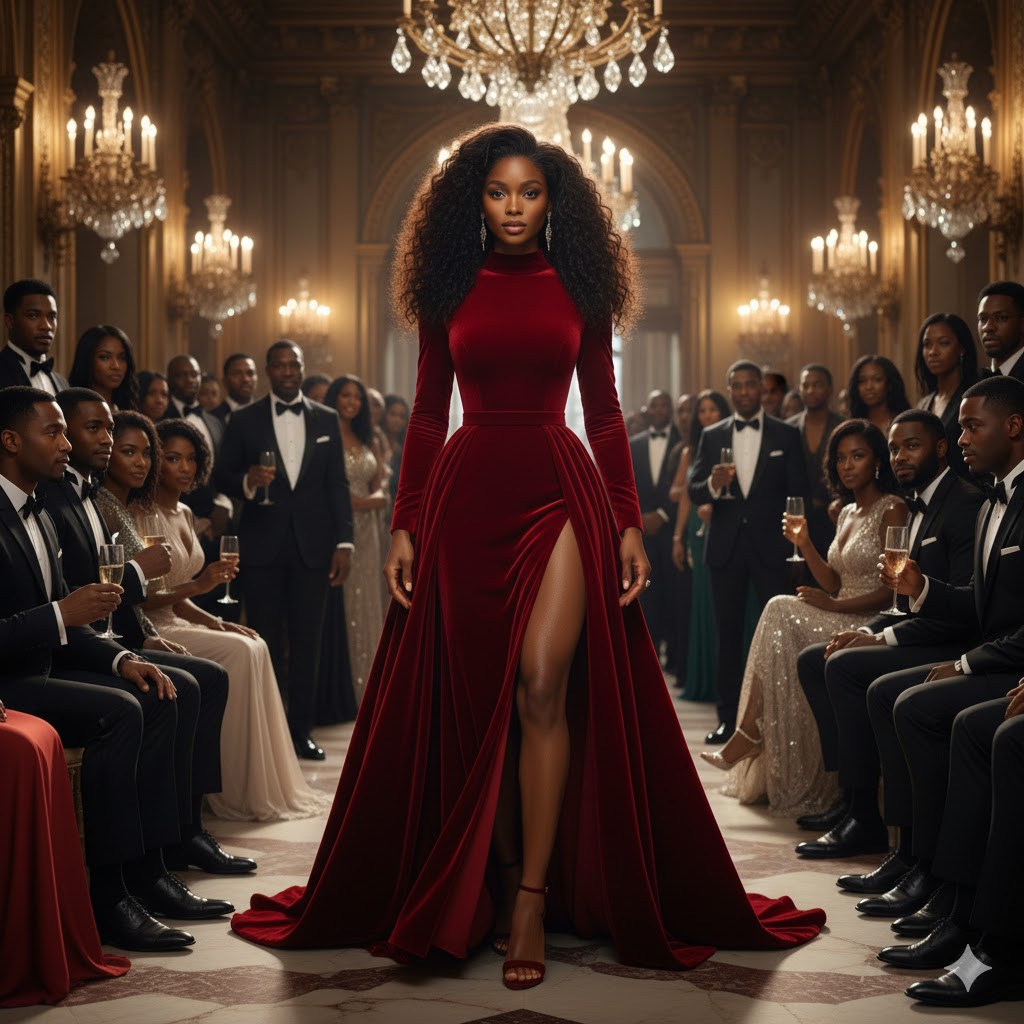
The room fell silent when Brown walked in—not because of fear, but because presence demanded recognition. Her brown skin radiated warmth and authority, a visual testament to a heritage that refused to be diminished. Scripture reminds us, “She is clothed with strength and dignity; and she laugheth without fear of the future” (Proverbs 31:25, KJV). In that instant, silence became respect.

Brown skin has always been more than pigment; it is history written on living canvas. Each shade carries stories of triumph, survival, and resilience. The African diaspora’s journey, marred by slavery and oppression, made beauty in brown skin revolutionary (Gates, 2011). When Brown entered, that history accompanied her quietly, demanding acknowledgment.

Her entrance defied societal norms. In a world obsessed with Eurocentric ideals of beauty, her presence challenged perceptions and reframed standards. Hunter (2007) notes that colorism often distorts self-worth, yet those who embody and embrace their melanin disrupt oppressive narratives. Brown walked in, a living refutation of shallow judgments.

Eyes turned not out of envy, but fascination. Her gaze carried a quiet authority, a recognition that she understood her worth. “For the LORD seeth not as man seeth; for man looketh on the outward appearance, but the LORD looketh on the heart” (1 Samuel 16:7, KJV). Her heart, confident and unshaken, was the source of her silent power.

Her hair crowned her with history. Coils, curls, and braids spoke to generations that survived through creativity and culture, transforming even adversity into beauty. Biblical accounts often describe hair as a symbol of strength and identity (1 Corinthians 11:15, KJV). Her hair proclaimed her ancestry without uttering a word.

Brown skin shone with subtle luminosity, reflecting both light and resilience. Social psychology suggests that self-confidence amplified by embracing one’s natural features affects perception in interpersonal dynamics (Ashikali & Dittmar, 2010). People instinctively recognized her value because she claimed it fully.

The room was not silent out of awe alone—it was humility. To see a woman wholly comfortable in her skin is rare in a society that constantly devalues her. The girl in brown skin reminds the world that authenticity is revolutionary. Her dignity demanded attention without demanding it.

In her walk, grace became power. Movement was measured, yet fluid; commanding, yet gentle. Scripture often equates poise with righteousness and moral strength (Proverbs 31:26, KJV). Brown’s entrance was a living sermon of dignity and self-possession.

Her presence transcended physicality; it was intellectual and spiritual. The room was silent because her mind radiated clarity, wisdom, and insight. In studies of leadership perception, presence and confidence are key determinants of influence (Goleman, 1998). Brown’s silence spoke louder than words.

The room’s stillness mirrored the reverence her ancestors deserved. Each step she took was imbued with lineage, a continuum from queens and scholars whose contributions were often erased (Davis, 1983). Her brown skin carried legacy with elegance.

Even the light seemed to honor her. Sunlight against her skin revealed depth and richness, symbolic of inner strength. In biblical terms, light often represents truth, divine favor, and revelation (John 8:12, KJV). Brown walked in like sunlight made flesh.

Her laughter, when it came, was deliberate and musical, breaking the silence gently. It reminded all present that while her presence commanded respect, it also invited connection. Joy radiates in those confident in their God-given beauty and purpose.

The room fell silent because the world often misunderstands such women. Strength paired with grace can intimidate, yet this is not vanity—it is an acknowledgment of God’s work in creation. “Thou art all fair, my love; there is no spot in thee” (Song of Solomon 4:7, KJV). Her beauty was complete and undeniable.

Brown’s fashion was not just adornment but declaration. Every color, pattern, and texture harmonized with her skin, asserting cultural pride and personal taste. Melanin-rich skin transforms aesthetics into statements of identity and visibility (Hunter, 2007).

In conversation, her voice commanded attention effortlessly. Eloquence, confidence, and knowledge made silence turn into listening. She embodied Proverbs 31:26: “She openeth her mouth with wisdom; and in her tongue is the law of kindness.” Words flowed, yet the room remembered the silence that preceded them.

Her impact was not temporary. Silence lingered even after she left, a testament to the lingering effect of authenticity. Leadership, presence, and identity have echoes; the room carried hers long after she passed.

Brown skin has historically been politicized, yet her presence reclaimed it as sacred and regal. The room’s silence became a microcosm of society finally seeing Black beauty as deserving of respect and admiration (Gates, 2011).

Even subtle gestures—the tilt of her head, a nod, a smile—spoke volumes. Nonverbal cues in psychology show that confidence without aggression often establishes authority (Goleman, 1998). Brown communicated power without confrontation.

The silence of the room was not emptiness; it was recognition, reflection, and reverence. It was a pause to acknowledge history, culture, and divine creation embodied in one person.

Finally, Brown’s presence affirmed a universal truth: to be wholly oneself is to command space. Her brown skin, intellect, grace, and poise reminded all that true beauty, strength, and legacy are inseparable. The room fell silent, but her story spoke loudly.


References

  • Ashikali, E., & Dittmar, H. (2010). Clothes, sex, and self-esteem: The impact of appearance-related social comparison on self-evaluation. Psychology of Women Quarterly, 34(2), 179–191.
  • Davis, A. Y. (1983). Women, race, & class. Random House.
  • Gates, H. L. Jr. (2011). Life upon these shores: Looking at African American history, 1513–2008. Knopf.
  • Goleman, D. (1998). Working with emotional intelligence. Bantam Books.
  • Hunter, M. L. (2007). The persistent problem of colorism: Skin tone, status, and inequality. Sociology Compass, 1(1), 237–254.
  • King James Bible. (1611). Proverbs 31:25-26; 1 Samuel 16:7; Song of Solomon 4:7; John 8:12; 1 Corinthians 11:15.

The Aesthetic Era

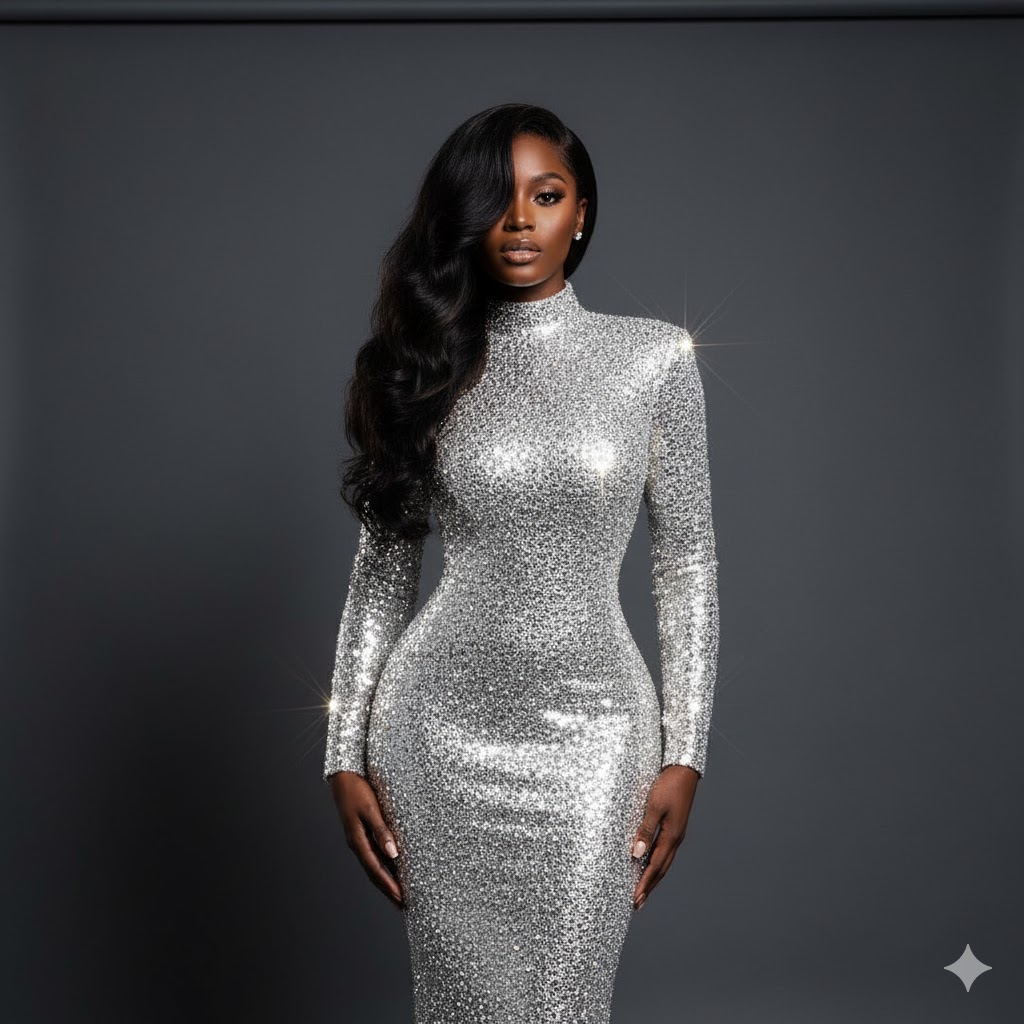
The Aesthetic Era represents a cultural shift where beauty, style, and visual presence have become central to personal identity. In this digital age, people curate their appearance with intention, crafting images that express personality, mood, and lifestyle. Beauty is no longer passive—it is a language spoken through color, texture, fashion, and design. This era celebrates innovation and individuality, making outer presentation an art form.

Social media platforms have amplified the importance of visuals. With every photo, reel, or story, individuals participate in a global exchange of aesthetics. This visibility has created new standards and new freedoms. For many, it has become a space to redefine what beauty looks like and to expand representation for people who have been historically excluded. The Aesthetic Era is not simply about looks—it is about being seen.

Fashion has become one of the leading drivers of modern aesthetics. Instead of rigid rules, style now exists on a spectrum of expression. Trends shift quickly, born from streetwear, influencers, and global culture. In this era, fashion encourages experimentation—mixing luxury with thrift finds, bold colors with neutrals, vintage with futuristic. Personal style is now a form of storytelling.

Skin and beauty care also dominate the aesthetic landscape. Wellness culture promotes glowing skin, self-care routines, and intentional grooming. The desire to look refreshed and radiant reflects a deeper desire for inner balance and mental well-being. Outer beauty has become intertwined with emotional health, reminding us that how we present ourselves often mirrors how we care for ourselves.

Technology has also shaped the Aesthetic Era. Filters, editing tools, and AI-powered enhancements create idealized versions of beauty. While these tools offer creative freedom, they also raise questions about authenticity. Many people feel pressure to meet digital standards that are often unattainable in real life. The tension between the real and the edited is one of the defining challenges of this era.

Despite the pressure, modern beauty is more inclusive than ever. Dark skin, natural hair, fuller features, diverse body shapes, and cultural aesthetics are gaining visibility. The global push for diversity in beauty campaigns has softened the rigid standards of the past. The Aesthetic Era celebrates people who look like themselves—unique, textured, and culturally rooted.

Minimalism has emerged as a major aesthetic trend. Clean lines, soft tones, and simplicity reflect a desire for calm in an overstimulated world. Many embrace minimal beauty routines, neutral palettes, and understated style as a form of emotional clarity. This minimalist aesthetic teaches that beauty doesn’t require excess—it requires intention.

In contrast, maximalism has also made a strong comeback. Bold prints, vibrant colors, layered textures, and expressive makeup appeal to those who find joy in visual abundance. This aesthetic rejects the idea of playing small, embracing color and creativity as sources of empowerment. In the Aesthetic Era, both minimalists and maximalists have room to shine.

The influence of psychology is undeniable. The way people present themselves affects how they are perceived and how they feel internally. Outer beauty boosts confidence, shapes self-perception, and influences mood. When someone feels aesthetically aligned with their identity, they walk with greater assurance. Beauty becomes a psychological anchor.

The Aesthetic Era also encourages personal branding. Individuals use color palettes, makeup styles, hair choices, and fashion to create a recognizable look. This branding is no longer limited to celebrities or influencers but is embraced by everyday people who want their appearance to reflect their values and lifestyle. Visual identity has become part of personal empowerment.

As beauty evolves, so does the concept of femininity. Modern femininity is fluid, diverse, and self-defined. Whether bold or subtle, glamorous or minimalist, women are reclaiming their right to shape their own image. The Aesthetic Era supports this freedom, allowing femininity to exist authentically without apology.

However, this era also brings pressure. Constant comparison, online judgment, and the pursuit of perfection can harm self-esteem. The same platforms that celebrate beauty can heighten insecurity. Many people struggle to balance self-expression with self-acceptance. The Aesthetic Era challenges us to enjoy beauty without losing ourselves in it.

There is a growing movement toward natural beauty. People are embracing their real skin, textured hair, freckles, and unique features. This shift supports authenticity and helps break the illusion that perfection is the standard. Natural beauty celebrates humanity in its raw and honest form.

Cultural aesthetics are also shaping this era. From Afrocentric prints to East Asian skincare trends, beauty has become global. This cross-cultural exchange enriches style, pushes innovation, and expands appreciation for diverse traditions. The world is borrowing, blending, and celebrating beauty collectively.

Men, too, are embracing aesthetics. Grooming, skincare, fashion, and self-care have become normalized for men in ways that break old stereotypes. The Aesthetic Era is not gender-limited—it is universal, inviting everyone to participate in visual identity and self-expression.

The rise of sustainable beauty reflects a shift toward responsibility. Eco-friendly products, ethical brands, and conscious consumption are influencing choices. Beauty is no longer just about looking good—it is about aligning actions with values. Sustainability has become part of the aesthetic philosophy.

In this era, outer beauty is both visual and emotional. It represents how people show up in the world, how they choose to be perceived, and how they express their inner selves. Beauty becomes a bridge between identity and visibility, between the internal and external world.

The Aesthetic Era encourages creativity. Every outfit, makeup look, hairstyle, and photograph becomes an opportunity to create art. This artistic freedom empowers individuals to reinvent themselves whenever they choose, without needing permission from society.

But above all, this era teaches that beauty is personal. There is no universal formula, no single ideal, and no wrong aesthetic. The modern world makes space for soft beauty, bold beauty, natural beauty, artistic beauty, cultural beauty, and everything in between.

Ultimately, the Aesthetic Era invites us to see beauty as a form of liberation. It is a celebration of self, a declaration of identity, and a testimony of confidence. Outer beauty, when embraced with balance and authenticity, becomes a powerful expression of who we are and who we are becoming.

And in embracing this era, we honor the truth that beauty is not merely something we wear—it is something we create. It is our invitation to the world to see us, understand us, and appreciate the art we carry on the outside.

References

Anderson, B. (2020). The beauty bias in the digital age. Routledge.

Cash, T. F. (2017). Cognitive-behavioral perspectives on body image. Guilford Press.

Chae, J. (2014). “Am I a better mother than you?” Media and the social comparison of idealized images of motherhood. Journal of Media Psychology, 26(4), 155–162.

Clay, D., Vignoles, V. L., & Dittmar, H. (2005). Body image and self-esteem among adolescent girls. Journal of Research on Adolescence, 15(4), 451–477.

Dittmar, H. (2008). Consumer culture, identity and well-being: The search for the “good life” and the “body perfect.” Psychology Press.

Fardouly, J., Diedrichs, P. C., Vartanian, L. R., & Halliwell, E. (2015). Social comparisons on social media: The impact of Facebook on young women’s body image concerns and mood. Body Image, 13, 38–45.

Fredrickson, B. L., & Roberts, T. (1997). Objectification theory: Toward understanding women’s lived experiences and mental health risks. Psychology of Women Quarterly, 21(2), 173–206.

Haferkamp, N., & Krämer, N. C. (2011). Social comparison on Facebook: A review. Computers in Human Behavior, 27(1), 251–257.

Jones, M. (2021). Minimalism and identity: The psychology of simplicity. Oxford University Press.

Karan, K., & Yang, K. C. C. (2022). Influencers and the rise of curated identity. Journal of Digital Culture, 6(2), 112–129.

Khamis, S., Ang, L., & Welling, R. (2017). Self-branding and the influencer economy. Media International Australia, 165(1), 66–76.

Liu, J. (2023). Aesthetics and the self: Modern beauty culture in a globalized world. University of California Press.

Mahmood, S. (2020). Cross-cultural aesthetics in contemporary fashion. International Journal of Fashion Studies, 7(1), 54–72.

Perloff, R. M. (2014). Social media use and body image disturbances: The role of internalization and social comparison. Sex Roles, 71(11–12), 363–377.

Tiggemann, M., & Slater, A. (2013). NetGirls: The Internet, Facebook, and body image concern in adolescent girls. International Journal of Eating Disorders, 46(6), 630–633.

Tufekci, Z. (2017). Twitter and tear gas: The power and fragility of networked protest. Yale University Press.

Ward, J. (2021). The new beauty culture: Identity and aesthetics in the digital age. Harvard University Press.

Winn, M. (2020). Aesthetic minimalism and emotional well-being. Journal of Humanistic Psychology, 60(3), 367–383.

Yoon, H. (2022). Cultural hybridity and global beauty trends. Journal of Aesthetic Studies, 10(2), 44–59.

Zhao, S. (2015). The selfie phenomenon: Visual communication and identity performance. International Journal of Communication, 9, 1733–1741.