Tag Archives: Beauty

The Psychology of Beauty: How Color Shapes Perception and Confidence.

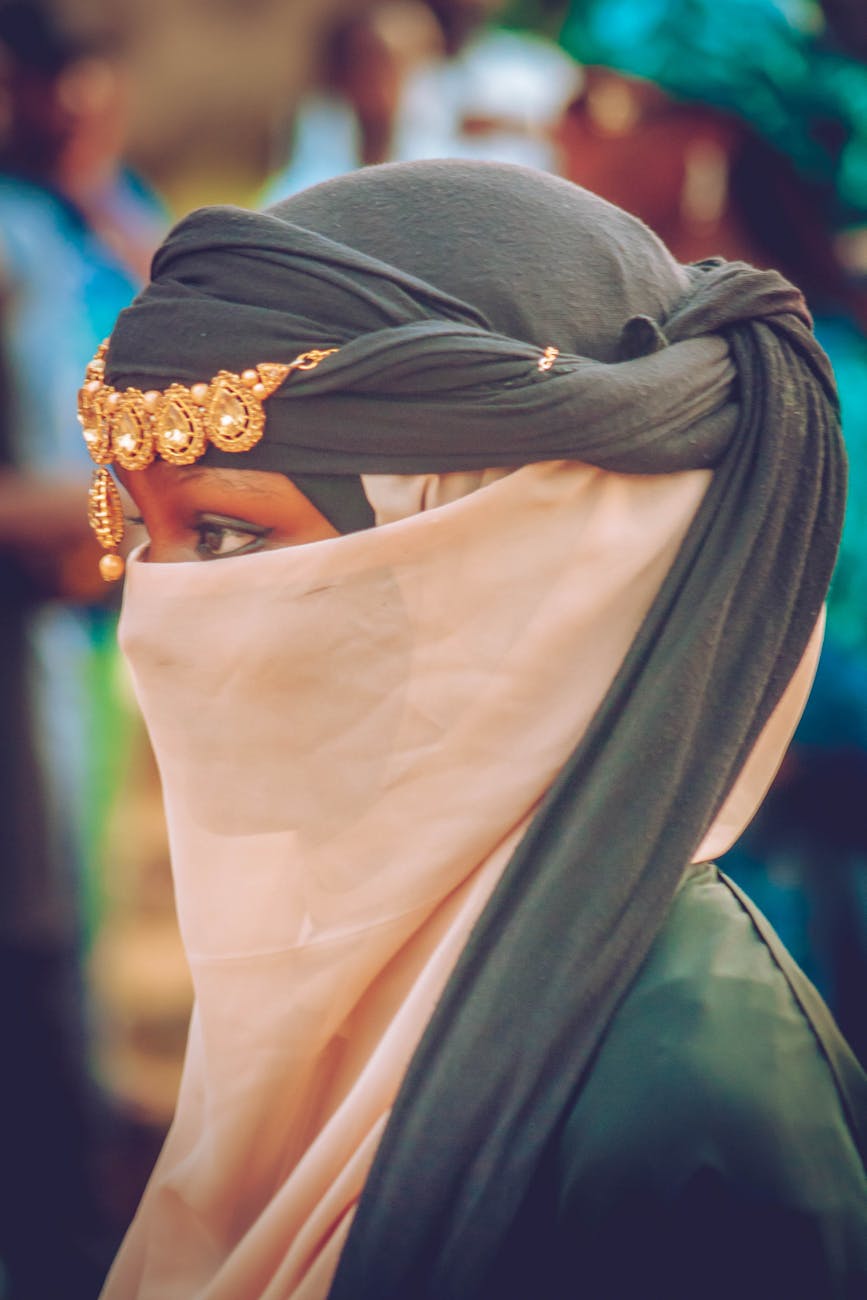
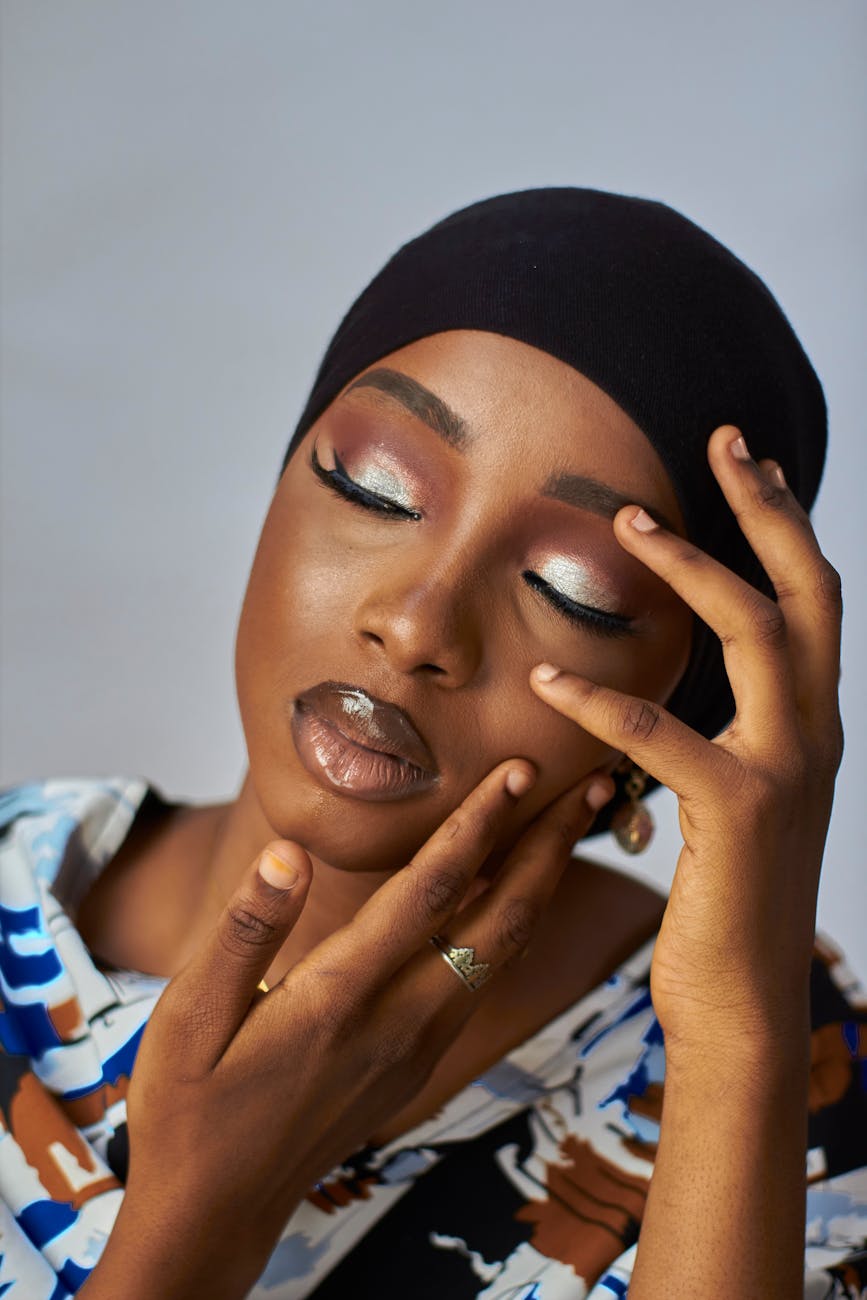
Photo by Express_photographyy Muhd sani abbas on Pexels.com

Beauty is often thought of as merely aesthetic, yet psychology reveals that color—especially skin tone—plays a profound role in shaping perception, identity, and self-confidence. Human beings subconsciously associate certain hues with traits, emotions, and social status, influencing both how individuals see themselves and how they are perceived by others. Understanding the interplay between color and psychology provides insight into cultural biases, self-esteem, and the lived experiences of those navigating societal beauty standards.

Color as a Psychological Signal

Color conveys meaning beyond its visual appeal. In psychology, it is established that lighter and darker shades can trigger different perceptions. For instance, lighter skin tones are often unconsciously associated with attractiveness, approachability, or social privilege in Eurocentric societies, whereas darker tones may face bias or negative stereotyping (Hunter, 2007). These perceptions are reinforced through media, literature, and cultural narratives, affecting both interpersonal interactions and self-image.

The Impact of Skin Tone on Self-Confidence

Color perception significantly affects self-esteem and confidence. Studies on colorism reveal that individuals with lighter skin often experience social advantages, while those with darker skin may face prejudice, impacting psychological well-being (Russell, Wilson, & Hall, 1992). Conversely, individuals who learn to embrace their natural skin tone and its cultural significance report higher self-esteem and a stronger sense of identity. This demonstrates the critical link between color acceptance and psychological empowerment.

Cultural and Historical Contexts

The meaning attached to skin tone is not innate but culturally constructed. Colonialism, slavery, and global media have historically elevated lighter skin as a standard of beauty, relegating darker tones to marginalization (Hunter, 2005). Across African and diasporic communities, these biases influence dating preferences, professional opportunities, and societal treatment. Recognizing this history is essential to addressing internalized perceptions and fostering authentic self-confidence.

Beauty, Color, and Social Perception

Color does more than shape self-perception—it also dictates social perception. People often unconsciously ascribe personality traits, competence, and attractiveness based on color cues. For example, in professional or social contexts, lighter skin may be associated with approachability or higher status, while darker skin may be unfairly linked to negative stereotypes (Russell et al., 1992). Awareness of these biases is the first step toward challenging them and redefining beauty standards on equitable terms.

Psychological Strategies for Embracing Color

Self-reflection, media literacy, and exposure to diverse representations are key strategies for building confidence in one’s natural hue. Affirmations, community support, and representation in media empower individuals to value their skin tone and resist societal pressures. Celebrating diversity in color not only enhances personal confidence but also shifts cultural narratives about beauty, making them more inclusive and representative.

Melanin and Power: Thriving with Confidence in a World of Color Bias

Melanin-rich skin is a source of natural beauty, resilience, and identity. Yet, across cultures and history, darker tones have often been devalued, creating psychological and social challenges for those who bear them. Understanding the intersection of melanin, perception, and confidence allows individuals to embrace their skin fully, redefine beauty standards, and thrive in environments shaped by bias.

The Science of Melanin and Its Beauty

Melanin, the pigment responsible for skin color, offers protection against UV radiation and contributes to youthful, resilient skin. Beyond its biological function, melanin-rich skin carries deep cultural and ancestral significance. It symbolizes survival, heritage, and the legacy of African and diasporic communities, reminding those who bear it of strength passed down through generations.

Psychological Effects of Color Bias

Colorism—the privileging of lighter skin tones over darker ones—has measurable effects on self-esteem and social confidence. Studies show that darker-skinned individuals may experience discrimination in education, employment, and social settings, impacting psychological well-being (Hunter, 2007). Internalizing societal bias can lead to diminished self-worth, while embracing one’s natural shade correlates with higher confidence and identity affirmation.

Empowerment Through Representation

Representation matters. Celebrities like Lupita Nyong’o, Viola Davis, Idris Elba, and Michaela Coel showcase the elegance, power, and beauty of melanin-rich skin on global platforms. Their visibility challenges stereotypes, promotes diversity, and provides role models for younger generations. When media reflects the richness of skin tones, it reinforces positive self-perception and inspires confidence.

Strategies for Thriving with Melanin-Rich Skin

  1. Self-Affirmation: Regularly celebrate your skin tone with affirmations and reflection. Recognize its uniqueness and beauty.
  2. Community Support: Surround yourself with mentors, friends, and communities that uplift all shades of melanin.
  3. Media Literacy: Critically assess media portrayals of beauty and seek diverse, inclusive representations.
  4. Cultural Reclamation: Learn and honor the history, heritage, and achievements of people with melanin-rich skin.
  5. Personal Presentation: Embrace hairstyles, fashion, and skincare routines that make you feel empowered and confident.

The Spiritual Dimension

Scripture celebrates the beauty of all skin tones. The Bible affirms that beauty and dignity are inherent, not contingent on societal approval (Song of Solomon 1:5 KJV: “I am black, but comely, O ye daughters of Jerusalem”). Recognizing the spiritual value of melanin-rich skin reinforces self-love and counters societal pressures that seek to devalue it.

Conclusion

The psychology of beauty underscores that color is more than an aesthetic feature—it is a social and psychological signal that shapes perception, confidence, and identity. By understanding how color influences both self-image and societal treatment, individuals and communities can challenge biases, embrace diversity, and cultivate authentic self-esteem. True empowerment lies in recognizing the inherent value of every shade and redefining beauty beyond narrow cultural constructs. Thriving with melanin-rich skin is both a personal and collective journey. By embracing color, challenging bias, and seeking representation, individuals cultivate self-confidence and redefine beauty standards. Every shade of melanin tells a story of resilience, legacy, and power—reminding the world that true beauty is not dictated by society, but by self-acceptance, pride, and celebration of heritage.


References

  • Hunter, M. (2005). Race, Gender, and the Politics of Skin Tone. Routledge.
  • Hunter, M. (2007). The Persistent Problem of Colorism: Skin Tone, Status, and Inequality. Sociology Compass, 1(1), 237–254.
  • Russell, K., Wilson, M., & Hall, R. E. (1992). The Color Complex: The Politics of Skin Color in a New Millennium. Anchor Books.
  • King James Bible

Sarah: The Most Beautiful Woman in the Bible.

Beauty, Faith, and Historical Context

Photo by Classiq pixel on Pexels.com

Sarah, originally named Sarai, is one of the most prominent women in the Hebrew Bible and is celebrated not only for her role as the matriarch of Israel but also for her exceptional beauty. Her story appears primarily in Genesis 11–23, where she is introduced as the wife of Abraham (then Abram) and mother of Isaac. The Bible emphasizes that her beauty was striking and influential, affecting the decisions and actions of powerful men, including Pharaoh in Egypt.

In Genesis 12:10–20 (KJV), Abraham and Sarah travel to Egypt due to a famine in Canaan. Fearing for his life because of Sarah’s beauty, Abraham instructs her to say she is his sister rather than his wife. Pharaoh takes Sarah into his palace, intending her for himself, but God intervenes, sending plagues upon Pharaoh’s household and revealing the truth. Pharaoh, realizing the deception and God’s hand, returns Sarah to Abraham unharmed. This episode underscores not only Sarah’s physical beauty but also the spiritual protection surrounding her and Abraham.

Sarah, originally Sarai, is celebrated in the Bible as one of the most beautiful women ever recorded. Her story appears in Genesis 12–23 (KJV), where her beauty plays a pivotal role in both her life and the unfolding of God’s covenant with Abraham. The Scriptures describe her as “fair to look upon” (Genesis 12:11), a phrase indicating extraordinary physical attractiveness that drew attention from kings and rulers.

One of the most striking examples of her beauty’s impact is the episode with Pharaoh in Egypt. During a famine, Abraham feared for his life because of Sarah’s appearance and told Pharaoh that she was his sister. Pharaoh took her into his palace, intending to marry her (Genesis 12:14–15, KJV). However, God intervened, sending plagues upon Pharaoh’s household, and ultimately, Sarah was returned safely to Abraham. This story illustrates that Sarah’s beauty could attract danger, yet God’s protection preserved her and the promise He had made to Abraham.

Sarah’s beauty was not only physical but symbolic of God’s favor. Her attractiveness reflected divine blessing and reinforced her role as the matriarch of the Hebrew people. In the ancient Near East, a woman’s beauty could influence social and political circumstances, as seen with Pharaoh’s interest. Yet Sarah’s story demonstrates that true security comes not from appearances alone but from faith and obedience to God.

Beyond physical allure, Sarah’s faith and character reveal the depth of her beauty. At age 90, she bore Isaac, fulfilling God’s promise despite her initial skepticism: “Therefore Sarah laughed within herself” (Genesis 18:12, KJV). Her life shows that inner beauty—faith, patience, and trust in God—is inseparable from outward grace. Sarah’s story encourages believers to cultivate integrity and trust in God alongside any gifts or talents they possess.

In practical terms, Sarah’s experience teaches several lessons: beauty can attract attention and even danger, yet God’s favor protects and sustains those who are faithful. Spiritual and moral qualities—obedience, faith, and patience—enhance and preserve true beauty. Her story encourages believers to seek God’s guidance in every situation and to trust Him even when circumstances seem threatening.

In conclusion, Sarah stands as a timeless example of how beauty, faith, and divine protection intersect. Her life reminds us that God’s favor can elevate and safeguard those He calls, and that outward attractiveness, when combined with inner virtue, becomes a powerful testimony of God’s blessing. Sarah’s legacy endures not only as the mother of nations but as a model of grace, trust, and beauty in both form and spirit.

The Bible consistently highlights Sarah’s beauty. Genesis 12:11 describes her as “fair to look upon,” which in Hebrew denotes exceptional physical attractiveness that commanded attention. This beauty is further linked to divine favor, as God’s blessing extends to Sarah and Abraham, promising descendants and the fulfillment of His covenant. Her beauty, therefore, is both literal and symbolic, reflecting the favor of God and her role in God’s plan.

Historically, Sarah’s beauty had significant social and political implications. In the ancient Near East, women’s beauty often influenced family alliances and power dynamics. Pharaoh’s interest in Sarah demonstrates how physical attractiveness could attract attention from rulers and affect the safety and status of families. Abraham’s fear of losing Sarah reveals the precarious nature of women’s roles in that era, where beauty could be both a blessing and a source of danger.

Beyond physical beauty, Sarah is celebrated for her spiritual and inner qualities. She demonstrated faith in God’s promises, particularly regarding her miraculous conception at the age of 90. “Therefore Sarah laughed within herself, saying, After I am waxed old shall I have pleasure, my lord being old also?” (Genesis 18:12, KJV). Her laughter, while initially skeptical, eventually becomes a testimony to God’s power and faithfulness. Her beauty, both outward and inward, represents the union of physical attractiveness and virtuous character.

In summary, Sarah is remembered in Scripture as a woman of extraordinary beauty whose life was intertwined with faith, covenant promises, and divine protection. Her story illustrates how beauty can attract attention and provoke danger but also how God’s favor preserves and elevates those who trust in Him. Sarah’s legacy as the matriarch of the Hebrew people and the mother of nations reflects a holistic view of beauty—physical allure, moral integrity, and unwavering faith.


References

  • The Holy Bible, King James Version.
  • Archer, G. L. (1996). A Survey of Old Testament Introduction. Moody Publishers.
  • Hamilton, V. P. (1990). The Book of Genesis, Chapters 1–17. Eerdmans.
  • Wenham, G. J. (1987). Genesis 1–15. Word Biblical Commentary.

The “It Girl” Series: Rihanna

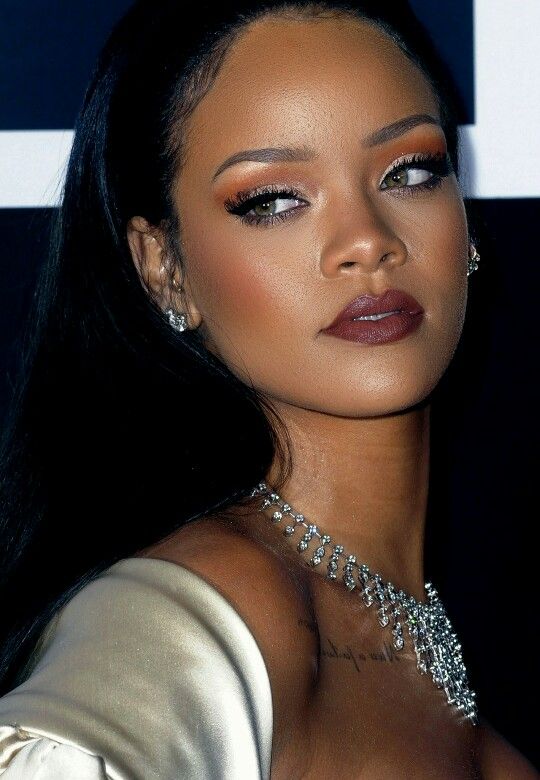
With mesmerizing hazel eyes, statuesque elegance, and an empire built on creativity and resilience, Rihanna embodies the modern “It Girl”—a global icon whose beauty, talent, and business acumen have reshaped music, fashion, and philanthropy.

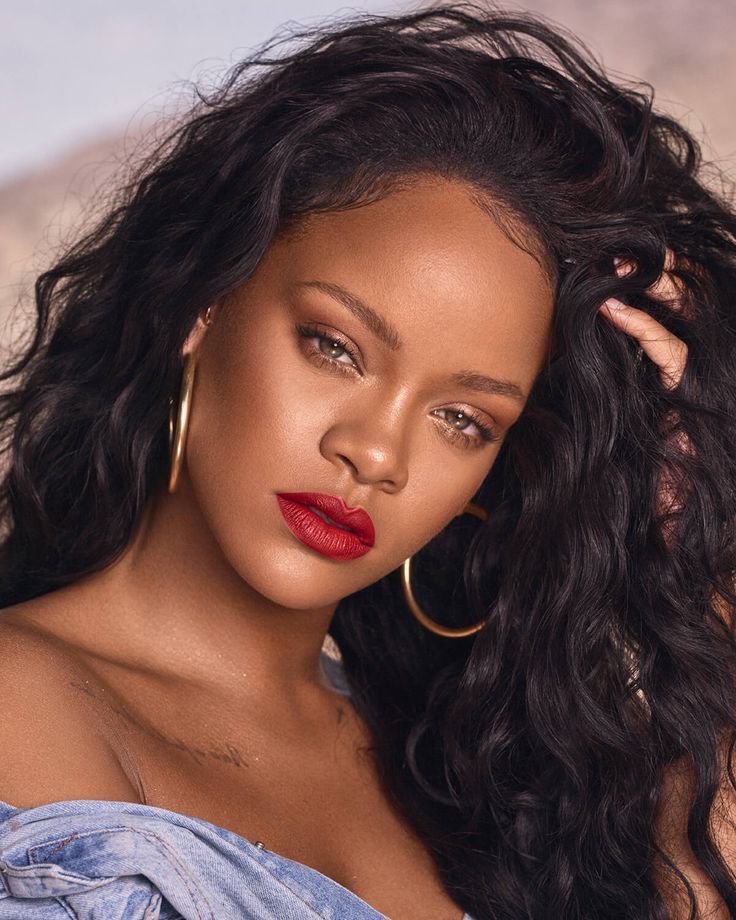
This photograph is the property of its respective owner.

Robyn Rihanna Fenty—known globally as Rihanna—stands as one of the most influential cultural figures of the twenty-first century. Celebrated for her distinctive beauty, entrepreneurial brilliance, and musical innovation, Rihanna has evolved from a teenage pop singer into a billionaire mogul whose impact extends far beyond entertainment. Her captivating hazel eyes, radiant complexion, and statuesque presence have made her one of the most recognizable women in the world, while her ambition and vision have transformed her into a pioneer of modern celebrity entrepreneurship.

Rihanna was born on February 20, 1988, in Saint Michael, Barbados, and raised in the Barbadian capital of Bridgetown. Her father, Ronald Fenty, worked as a warehouse supervisor, while her mother, Monica Braithwaite, was an accountant. Growing up in a modest household, Rihanna’s childhood was shaped by both the vibrant culture of Barbados and the challenges of family struggles. Despite these obstacles, she demonstrated remarkable confidence and talent at a young age, particularly in music and performance.

Rihanna’s life changed dramatically in 2003 when she formed a girl group with two classmates and auditioned for American music producer Evan Rogers, who was visiting Barbados. Impressed by her distinctive voice and magnetic presence, Rogers invited Rihanna to record demo tapes in the United States. These recordings eventually reached rapper and entrepreneur Jay-Z, then president of Def Jam Recordings. After auditioning for Jay-Z, Rihanna was offered a recording contract that launched her career into the global spotlight.

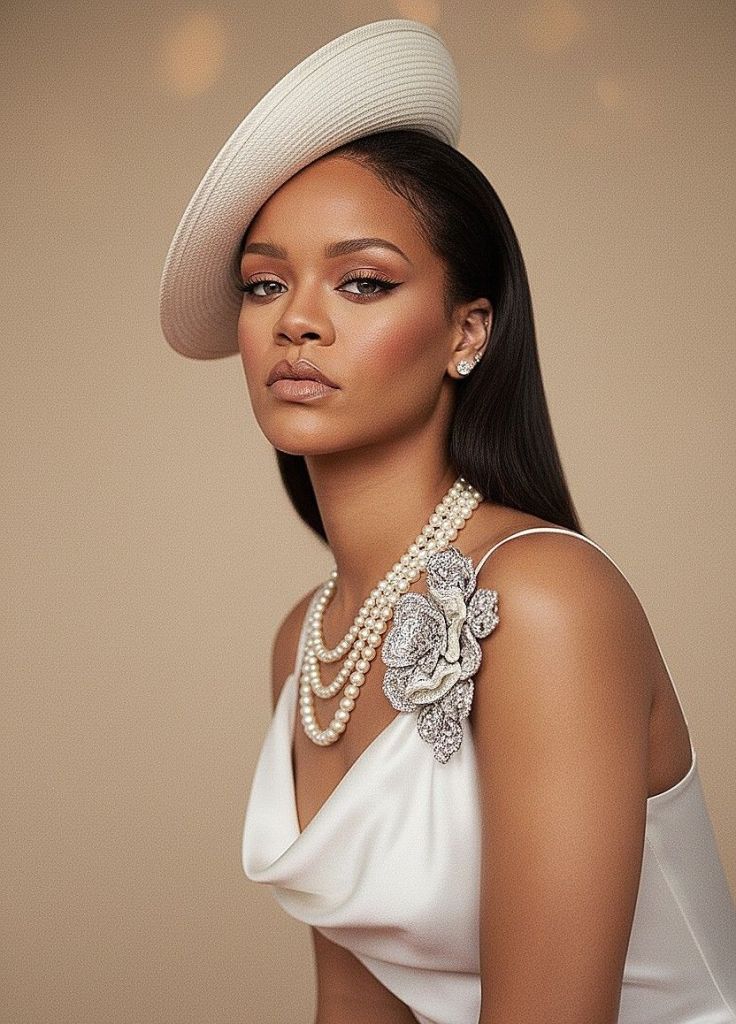
This photograph is the property of its respective owner.

Her debut album, Music of the Sun (2005), introduced Rihanna’s Caribbean-infused pop sound and produced the hit single Pon de Replay. She quickly followed with A Girl Like Me (2006), which included chart-topping hits such as SOS and established her as a rising pop star. However, it was her third studio album, Good Girl Gone Bad (2007), that catapulted her into superstardom. The album featured the global smash hit Umbrella, which earned Rihanna her first Grammy Award and solidified her status as one of the defining artists of her generation.

Throughout the late 2000s and 2010s, Rihanna continued to dominate the music industry with critically acclaimed albums such as Rated R, Loud, Talk That Talk, Unapologetic, and Anti. Her musical versatility allowed her to blend pop, R&B, reggae, dancehall, and electronic influences, creating a sound that resonated across cultures and continents. Over time, Rihanna accumulated more than a dozen number-one singles on the Billboard Hot 100 chart, making her one of the best-selling music artists in history.

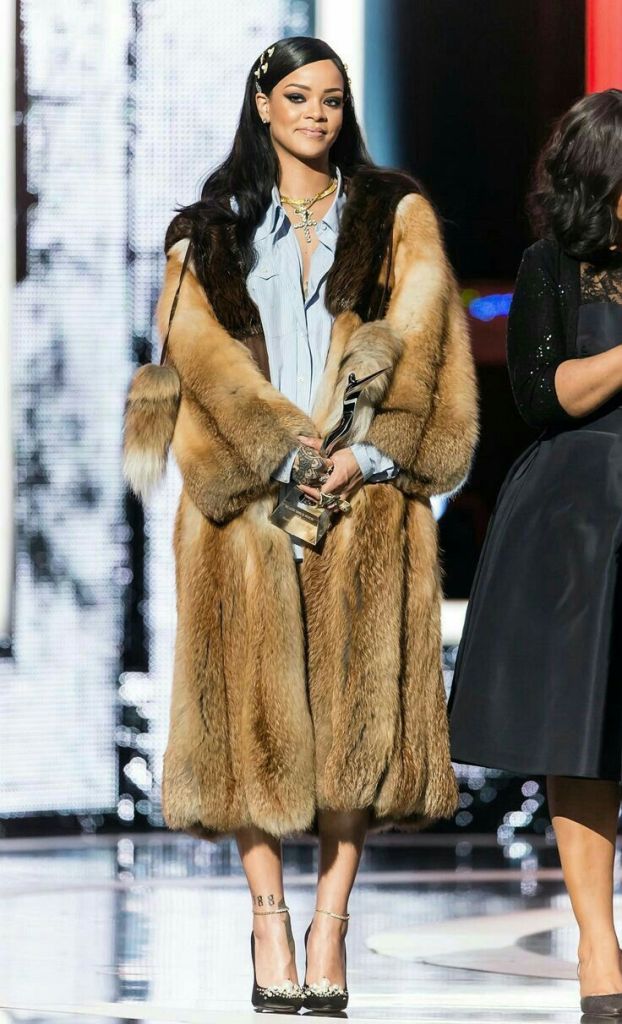
This photograph is the property of its respective owner.

Beyond music, Rihanna revolutionized the beauty industry with the launch of Fenty Beauty in 2017 in partnership with the luxury conglomerate LVMH. The brand was celebrated for its groundbreaking inclusivity, debuting with 40 foundation shades designed to accommodate a wide range of skin tones. This bold move challenged long-standing industry norms and sparked what many analysts called the “Fenty Effect,” prompting other cosmetics companies to expand their shade ranges and embrace diversity in beauty marketing.

Rihanna’s entrepreneurial ambitions did not stop with cosmetics. She later launched Savage X Fenty, a lingerie company celebrated for its inclusive sizing and diverse representation of women. She also created Fenty Skin and other fashion ventures, solidifying her reputation as a business visionary. By 2021, financial analysts estimated Rihanna’s net worth at over $1 billion, making her the wealthiest female musician in the world and one of the few entertainers to achieve billionaire status through business innovation.

Her physical beauty has also played a role in her iconic status. Rihanna’s luminous hazel eyes, symmetrical facial structure, and statuesque figure have made her a muse for fashion designers and photographers alike. She has graced the covers of leading fashion magazines, including Vogue and Harper’s Bazaar, and has become known for her fearless experimentation with style. Whether walking red carpets or appearing in editorial spreads, Rihanna’s presence exudes confidence, individuality, and elegance.

Rihanna’s influence extends deeply into philanthropy. In 2012, she founded the Clara Lionel Foundation, named after her grandparents. The foundation focuses on global education, emergency response, and climate resilience initiatives, particularly in underserved communities. Through scholarships, disaster relief efforts, and global partnerships, Rihanna has demonstrated a commitment to using her wealth and platform to uplift others.

This photograph is the property of its respective owner.

Her humanitarian efforts have been widely recognized. In 2017, she was named Harvard University’s Humanitarian of the Year for her philanthropic contributions and global advocacy. Rihanna has also supported initiatives related to healthcare, disaster recovery, and educational access, particularly in Caribbean nations and developing regions.

In her personal life, Rihanna shares a long-term relationship with rapper and entrepreneur A$AP Rocky. The couple welcomed their first son in 2022 and their second son in 2023, embracing parenthood while maintaining their influential careers in music and fashion. Their partnership has been widely admired as a union of two creative visionaries shaping contemporary culture.

Rihanna’s list of accolades is extensive. Over the course of her career, she has won nine Grammy Awards, numerous American Music Awards, Billboard Music Awards, and MTV Video Music Awards. Her achievements span music, fashion, beauty, and philanthropy—making her one of the most decorated entertainers of the modern era.

Perhaps Rihanna’s greatest legacy lies in how she has reshaped the concept of the “It Girl.” Traditionally associated with fleeting fame or fashionable allure, Rihanna transformed the archetype into something far more powerful. She represents a new generation of celebrity—one that blends artistry, entrepreneurship, activism, and cultural leadership.

From the sunlit streets of Barbados to the boardrooms of global fashion houses, Rihanna’s journey is a testament to ambition, resilience, and self-definition. Her beauty may first capture the world’s attention, but it is her vision, generosity, and fearless independence that truly define her legacy.

In every sense, Rihanna is not merely an “It Girl”—she is a phenomenon whose influence will shape music, fashion, and philanthropy for generations to come.


References

Forbes. (2021). Rihanna is now officially a billionaire thanks to Fenty Beauty.

IFPI. (2022). Global music report: Recording industry revenues and artists.

Billboard. (2023). Rihanna’s chart history and Billboard Hot 100 achievements.

Clara Lionel Foundation. (2023). Mission and philanthropic initiatives.

Britannica, T. Editors of Encyclopaedia. (2024). Rihanna: Barbadian singer, actress, and entrepreneur.

LVMH. (2017). Fenty Beauty brand launch and partnership announcement.

The Aesthetic of Black Beauty: Genetics, Psychology, and Divine Design.

Black beauty is not a single expression but a spectrum of genetic diversity that manifests in facial features, body composition, skin tone, hair texture, and overall presence. From African roots to diasporic populations across the globe, these features convey strength, resilience, and divine artistry. Understanding this beauty requires an exploration of genetics, psychology, history, and spirituality.

Melanin-rich skin is one of the most defining features of Black beauty. High melanin content provides natural protection against ultraviolet radiation, contributes to a radiant glow, and displays a spectrum of shades from deep ebony to golden brown. The Bible celebrates skin as a divine creation: “Thou art all fair, my love; there is no spot in thee” (Song of Solomon 4:7, KJV). This scripture underscores the inherent perfection of pigmentation.

Facial structure in Black populations varies widely but often includes high cheekbones, broad noses, and full lips, reflecting African and Egyptian ancestry. These features have evolved over millennia to adapt to environmental factors, providing functional benefits such as enhanced oxygenation and protection from the sun. Anthropologists note that these structures also contribute to facial symmetry, a key element of perceived beauty (Rhodes, 2006).

The eyes, often large and expressive, are framed by naturally arched brows and long eyelashes. Psychologically, eye contact conveys dominance, confidence, and emotional depth. “The eyes of the LORD are in every place, beholding the evil and the good” (Proverbs 15:3, KJV) reminds us that vision, both literal and figurative, carries spiritual significance.

Nose shapes within the Black diaspora range from wide and rounded to straight and sculpted, reflecting genetic variation and admixture. Broad noses historically helped with humid climates and enhanced nasal airflow. Full lips, often prominent, serve not only as markers of identity but are aesthetically celebrated in global beauty paradigms.

Hair is one of the most versatile and culturally significant features. Excessively curly or coiled hair, typical in many African-descended populations, reflects high genetic diversity in hair follicle shape (Powell et al., 2012). Hair texture has symbolic importance: it represents ancestry, resilience, and adaptability. In the Bible, hair often signifies strength and identity, as in Samson’s story (Judges 16:17, KJV).

The jawline and chin provide structural strength and character. Strong jawlines in Black populations are often linked to evolutionary pressures for durability and facial symmetry. This contributes to psychological perceptions of leadership, power, and assertiveness (Little et al., 2011).

Skin elasticity and body composition vary, with many Black populations exhibiting mesomorphic or athletic builds. Muscle density, bone strength, and proportionality have both functional and aesthetic implications, highlighting physical resilience and adaptability. Scripture recognizes the body as God’s creation: “I praise thee; for I am fearfully and wonderfully made” (Psalm 139:14, KJV).

Neck and shoulder structures contribute to posture and perceived presence. Broad shoulders and muscular necks convey strength and authority, signaling both evolutionary fitness and cultural ideals of masculinity.

Hand and finger morphology, often graceful yet strong, plays roles in artistry, physical labor, and nonverbal communication. In African cultures, hands are celebrated for their expressive and functional capacities, bridging work and identity.

Torso structure varies across African and diasporic populations. A well-proportioned torso, often associated with endurance and physical capability, is both aesthetically admired and functionally advantageous. The body becomes a living testament to evolutionary adaptation and divine engineering.

Legs and lower body features display powerful musculature and athleticism, reflective of both lifestyle and genetic adaptation. Longer limbs relative to the torso, common in certain African populations, facilitate agility and endurance. Psychologically, these features contribute to perceptions of vitality and grace.

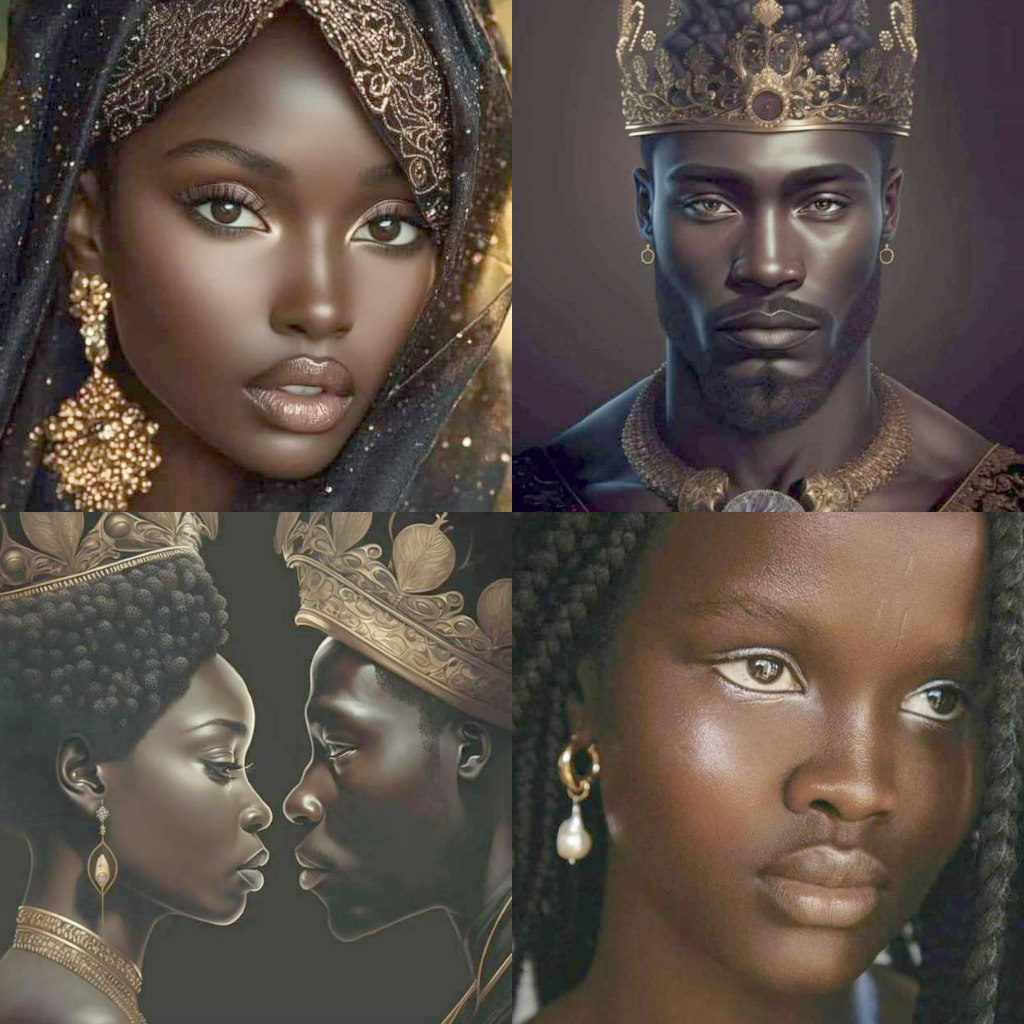
Visual “Feature Map” of Black Beauty

1. Skin Tone (Melanin Spectrum)

  • Deep ebony
  • Brown
  • Golden caramel
  • Tan/olive
    (Illustrates melanin diversity and natural protection)

2. Hair Texture

  • Coily / kinky (Type 4)
  • Curly (Type 3)
  • Wavy (Type 2)
    (Shows versatility and genetic variation across African and diasporic populations)

3. Facial Features

  • High cheekbones
  • Broad to medium noses
  • Full lips
  • Almond-shaped or rounded eyes
  • Defined jawline and chin
    (Highlights evolutionary adaptation, aesthetic symmetry, and Egyptian influence)

4. Body Proportions

  • Mesomorphic build (muscular, athletic)
  • Broad shoulders, strong neck
  • Proportional torso
  • Long, strong legs
    (Represents strength, endurance, and functional beauty)

5. Cultural and Historical Notes

  • Egyptian elongation of faces and noses
  • African sculpted features
  • Diaspora adaptations across Caribbean, Americas, and Europe

6. Psychological & Spiritual Layer

  • Confidence and presence linked to symmetry
  • Expressive eyes signaling emotional depth
  • Biblical affirmation: Psalm 139:13-14 (KJV)

Genetic diversity across the African continent explains the variation in features globally. From the Nilotic peoples of East Africa to West African populations and Egyptian descendants, phenotypes differ due to historical migration, environmental adaptation, and admixture. Melanin-rich skin, hair texture, and facial structure are markers of evolutionary resilience and aesthetic value.

Egyptian features, often admired historically and across cultures, include elongated faces, almond-shaped eyes, and slender noses. Art and sculpture from ancient Egypt preserve these features, which influenced Mediterranean and African aesthetics. The spread of Egyptian traits across Africa reflects both migration and intermixing of populations.

Beyond physiology, the psychology of Black beauty is tied to self-perception and societal validation. Internalized biases from colonialism and slavery have historically devalued African features, creating psychological stress and colorism. Embracing ancestral aesthetics restores dignity and affirms identity (Hunter, 2007).

Cultural adornments, including hair styling, body art, and jewelry, enhance perceived beauty while preserving heritage. Hairstyles such as braids, locs, and twists are both aesthetic expressions and cultural statements, linking identity to ancestry.

The symmetry of facial features plays a key role in attractiveness. Across populations, symmetrical faces are psychologically associated with health, genetic fitness, and beauty. African-descended populations often display facial symmetry enhanced by pronounced features, which contributes to aesthetic appeal (Rhodes, 2006).

Height and overall proportions vary widely, yet commonality lies in the harmony of features. Balanced proportions, combined with melanin-rich skin and expressive facial characteristics, create a sense of visual coherence and presence.

Eyes and facial expression are central to perceived beauty. Expressiveness conveys emotion, intelligence, and social engagement. Psychological studies show that expressive eyes increase interpersonal attraction and perceived trustworthiness.

Ultimately, Black beauty reflects a combination of genetics, evolutionary adaptation, cultural heritage, and divine design. As the Bible reminds us, each individual is crafted with intentionality and wonder: “Thou hast possessed my reins: thou hast covered me in my mother’s womb. I will praise thee; for I am fearfully and wonderfully made” (Psalm 139:13-14, KJV). Recognizing, celebrating, and understanding these features fosters pride, identity, and self-worth across the diaspora.


References

Clark, K., & Clark, M. (1947). Racial identification and preference in Negro children. Journal of Negro Education, 16(3), 169–175.

Hunter, M. (2007). The persistent problem of colorism: Skin tone, status, and inequality. Sociology Compass, 1(1), 237–254. https://doi.org/10.1111/j.1751-9020.2007.00006.x

Little, A. C., Jones, B. C., & DeBruine, L. M. (2011). Facial attractiveness: Evolutionary based research. Philosophical Transactions of the Royal Society B: Biological Sciences, 366(1571), 1638–1659. https://doi.org/10.1098/rstb.2010.0404

Powell, B., Shriver, M. D., & Parra, E. J. (2012). Genetic variation and the evolution of African hair texture. American Journal of Physical Anthropology, 149(1), 1–14. https://doi.org/10.1002/ajpa.22195

Rhodes, G. (2006). The evolutionary psychology of facial beauty. Annual Review of Psychology, 57, 199–226. https://doi.org/10.1146/annurev.psych.57.102904.190208

The Holy Bible, King James Version. (1611). Thomas Nelson.

Beauty on Display

Beauty is more than what meets the eye; it is the careful orchestration of presence, poise, and expression. It is the art of revealing oneself to the world, not merely to be seen, but to be felt, admired, and remembered. Displaying beauty requires intention, awareness, and confidence, creating a lasting impression beyond physical appearance.

In fashion, beauty is curated. Each choice—from color to silhouette—tells a story. A flowing dress against the sunset, a sharp suit at a gala, or a minimalist ensemble at a gallery; each display communicates identity, taste, and mood. The world of aesthetics is deeply intertwined with self-expression, and the act of display becomes an extension of the self.

Hairstyles, skin care, and grooming are equally vital in this exhibition of beauty. A carefully styled hairdo or radiant skin reflects discipline, self-respect, and cultural pride. In many communities, hair is a crown—a statement of individuality and heritage. When displayed thoughtfully, it becomes both a personal and collective symbol of identity.

Body language is another subtle yet powerful medium of display. Graceful gestures, posture, and the way one carries themselves amplify beauty. Confidence cannot be masked; it radiates, capturing attention naturally. Those who master the silent language of movement communicate elegance, even without uttering a word.

Beauty is also a dance of contrasts. Symmetry meets asymmetry, simplicity meets complexity, and light meets shadow. Displaying beauty is about balancing these elements, making the ordinary extraordinary. The human eye is drawn to harmony, but also intrigued by uniqueness that defies expectation.

Cultural heritage heavily influences the standards and forms of display. Traditional attire, ceremonial garb, and artistic ornamentation reveal histories and ancestral pride. When a woman in Ankara fabric steps into a room or a man dons a Kente cloth, the display is a narrative, connecting past and present in one visual statement.

In art, beauty of display transcends the physical. Paintings, sculptures, and performances capture emotion, philosophy, and spirit. The display of a piece of art evokes a visceral reaction, just as human presentation does. Both demand attention and appreciation, bridging aesthetic pleasure with intellectual engagement.

The digital age has transformed how beauty is displayed. Social media platforms allow for curated aesthetics, but also invite scrutiny. The balance between authenticity and performance becomes a challenge, as each image or post is both a declaration and a judgment. Here, beauty of display is as much about narrative as it is about appearance.

Beauty also intersects with purpose. A smile that comforts, eyes that express empathy, or gestures that uplift—these are intangible forms of display. True beauty engages others, leaving them feeling seen and valued. In this sense, display becomes an act of generosity rather than vanity.

Accessories and adornments are extensions of display. Jewelry, scarves, hats, and even shoes are deliberate choices that punctuate personal style. They offer glimpses into taste, creativity, and confidence. Just as a brushstroke completes a painting, these details complete the visual narrative of an individual.

Seasonal changes offer new canvases for display. Colors of autumn, the freshness of spring, or the crisp elegance of winter attire provide opportunities to adapt and evolve one’s aesthetic. Observing nature’s beauty inspires personal display, reminding us that beauty is ever-changing yet enduring.

Light plays a critical role in showcasing beauty. Natural sunlight, candlelight, and soft ambient illumination reveal textures and tones differently, enhancing visual impact. Photographers and painters understand this; so too do those who display themselves thoughtfully. Light can elevate, soften, or dramatize beauty.

Confidence amplifies display more than makeup or fashion ever could. The individual who walks into a room with assurance commands attention effortlessly. This type of beauty is magnetic because it emanates from inner strength rather than external validation. It is timeless and universally admired.

Beauty of display is not limited to youth or conventional standards. Age brings depth, experience, and narrative to the aesthetic. A woman with silver hair styled elegantly or a man with weathered hands and a confident gaze shows that beauty evolves and deepens over time. Display, in this context, is wisdom embodied.

Scent is another invisible yet potent medium. Perfume, essential oils, or natural body aroma complement visual display, creating a multisensory experience. People remember fragrance long after appearances fade, highlighting the holistic nature of beauty and its power to linger.

Public spaces serve as stages for beauty. Street style, everyday gestures, or casual elegance reveal artistry in the mundane. Observing a crowd becomes an appreciation of human creativity, diversity, and expression. Beauty thrives when shared, not confined to galleries or fashion runways.

Storytelling enhances display. The narratives behind clothing, art, or gestures imbue them with significance. A hand-stitched garment, a meaningful accessory, or a deliberate choice of pose tells observers who we are, where we come from, and what we value. Display becomes storytelling without words.

Even restraint can define beauty. Minimalism, subtlety, and understated elegance often create stronger impressions than extravagance. The art of doing less, yet saying more, demonstrates sophistication and intentionality. Beauty, when restrained, invites contemplation and respect.

Symmetry, proportion, and balance remain foundational to beauty. These principles, rooted in mathematics and nature, resonate universally. Whether in the human form, architecture, or visual composition, balance is reassuring, harmonious, and deeply pleasing. Display aligned with these principles often feels effortless.

Ultimately, the beauty of display is a conversation between the self and the world. It invites engagement, admiration, and reflection. When done authentically, it communicates confidence, creativity, and character. True display of beauty transcends vanity; it becomes a celebration of life, identity, and presence.

References

  1. Stanford Encyclopedia of Philosophy. (2024). Beauty.
  2. Santayana, G. (1896). The Sense of Beauty: Being the Outlines of Aesthetic Theory.
    • A foundational work in aesthetics, especially on “form” and “expression.” Wikipedia+1
  3. Hogarth, W. (1753). The Analysis of Beauty.
    • Introduces the “Line of Beauty” (serpentine S-curve) and discusses visual beauty, movement, and grace. Wikipedia
  4. Hegel, G. W. F.Lectures on Aesthetics (discussed in secondary source).
  5. Hume, D. (in his essays “Of the Standard of Taste” and “Of Tragedy”).
    • Emphasizes the role of “taste” and shared human nature in aesthetic judgments. Plato
  6. Perlovsky, L. (2010). Beauty and Art: Cognitive Function, Evolution, and Mathematical Models of the Mind.
    • A cognitive-science/mathematical model of beauty; argues aesthetic emotions are rooted in cognition and evolution. arXiv
  7. Perlovsky, L. (2010). Physics of the Mind: Concepts, Emotions, Language, Cognition, Consciousness, Beauty, Music, and Symbolic Culture.
    • Explores how beauty is related to cognition, consciousness, and symbolic culture. arXiv
  8. Jiang, B., & de Rijke, C. (2021). Structural Beauty: A Structure‑based Approach to Quantifying the Beauty of an Image.
    • Proposes a more “objective” model of beauty based on structure, hierarchy, and mathematical coherence. arXiv
  9. Rusnak, A. M. (2025). Representing Beauty: Towards a Participatory but Objective Latent Aesthetics.
    • Modern work that examines how beauty might be represented in machine learning / neural networks, bridging subjective experience and objective form. arXiv
  10. Cambridge Scholars.Aesthetics of Presence.
    • Focus on “presence” in performance and how the beholder’s attention / awareness is central in experiencing beauty. Cambridge Scholars Publishing
  11. Friedenberg, J. (2020). Understanding Aesthetics, Creativity, and the Arts: An Interdisciplinary Approach.
    • A modern interdisciplinary textbook combining philosophy, psychology, and art theory. PhilPapers
  12. Stanford Encyclopedia of Philosophy. (2024). The Concept of the Aesthetic.
  13. Studia Gilsoniana. (2018). Theories of Beauty in Western Culture.
    • Scholarly article about metaphysical conceptions of beauty, the problem of ugliness, and historical perspectives. Biblioteka Nauki

The Digital Mirror: Social Media, Beauty, and Self-Esteem.

Photo by George Milton on Pexels.com

In the modern era, social media has become a pervasive force shaping perceptions of beauty, self-worth, and identity. Platforms like Instagram, TikTok, and YouTube offer unprecedented opportunities for self-expression and connection, yet they also present unique challenges, particularly for Brown and Black women. The constant exposure to curated images, filtered content, and influencer culture creates what can be described as a “digital mirror,” reflecting societal ideals that are often unattainable or exclusionary. Understanding the impact of social media on beauty perception and self-esteem is essential for cultivating resilience and positive self-image.

Social Media and the Construction of Beauty

Social media operates as a cultural lens, magnifying dominant beauty standards while simultaneously offering a platform for diverse representation. Research shows that frequent exposure to idealized images online can lead to social comparison, self-criticism, and body dissatisfaction (Fardouly et al., 2015). For Brown women, these comparisons are compounded by colorism, where lighter skin tones are often favored and amplified in mainstream content. The digital mirror, therefore, can both empower and undermine, depending on the type of content consumed and the framing of beauty standards.

The Role of Influencers and Representation

Influencers who embrace diversity and authentic representation play a pivotal role in reshaping perceptions of beauty online. Figures like Issa Rae, Lupita Nyong’o, and Adut Akech challenge Eurocentric ideals and normalize melanin-rich beauty. Representation in social media feeds offers validation, encourages self-expression, and promotes self-esteem among viewers who see themselves reflected positively. Research indicates that media representation significantly affects self-perception, particularly in marginalized communities where societal standards have historically excluded them (Tiggemann & Slater, 2014).

Psychological Impacts of the Digital Mirror

While social media can affirm identity, it also exposes users to negative commentary, trolling, and colorist remarks. This can exacerbate anxiety, depressive symptoms, and feelings of inadequacy (Valkenburg et al., 2017). The digital mirror not only reflects societal beauty ideals but can also amplify internalized biases. For Brown women, this dual effect underscores the importance of critical engagement and media literacy: understanding the difference between curated content and reality is crucial for mental well-being.

Strategies for Healthy Engagement

Building resilience in the digital age requires intentional strategies. Curating social media feeds to prioritize diverse and affirming content, limiting screen time, and practicing mindfulness while online can mitigate negative impacts. Engaging with communities that celebrate melanin-rich beauty, such as hashtags like #BrownSkinPoppin or #MelaninMagic, fosters empowerment and self-affirmation. Additionally, creators and viewers alike benefit from remembering that digital portrayals are often filtered, edited, and idealized, and do not define one’s inherent beauty or worth.

Transforming Social Media into a Tool for Empowerment

Beyond personal self-esteem, social media can serve as a platform for advocacy, education, and cultural pride. Brown women can leverage their digital presence to challenge colorism, amplify underrepresented voices, and create content that affirms diverse beauty. By transforming social media from a potential source of insecurity into a tool for empowerment, users can assert agency over how their image and identity are represented.

Digital Self-Care Guide for Brown Girls: Maintaining Confidence on Social Media

  1. Curate Your Feed – Follow creators, influencers, and accounts that celebrate diversity, melanin-rich beauty, and positive representation. Unfollow or mute content that triggers comparison or insecurity.
  2. Limit Screen Time – Set intentional boundaries for social media usage to prevent fatigue and constant exposure to unrealistic standards.
  3. Practice Mindful Scrolling – Notice your emotional reactions while online. Pause or disengage if content negatively impacts your self-esteem.
  4. Engage with Affirming Communities – Participate in groups and hashtags like #MelaninMagic, #BrownSkinPoppin, or #NaturalBeauty, which promote self-love and cultural pride.
  5. Remember the Filter Effect – Understand that photos are often curated, edited, or staged. Real life is not always reflected online.
  6. Post Authentically – Share your experiences, natural beauty, and personal achievements. Authentic content fosters connection and counters unrealistic portrayals.
  7. Journal or Reflect – After browsing social media, write down affirmations or moments that celebrate your skin, hair, or cultural identity.
  8. Seek Support – Talk to friends, family, or mentors when online negativity affects your mood or self-perception.
  9. Use Social Media for Advocacy – Transform negative experiences into education or awareness campaigns, challenging colorism and stereotypes.
  10. Affirm Your Worth Daily – Regularly remind yourself that beauty is not dictated by likes, comments, or online trends.
  11. Balance Inspiration and Comparison – Follow accounts that inspire, but avoid measuring your worth against curated online highlights.
  12. Celebrate Every Shade – Embrace your unique tone and features as part of your identity. Share and celebrate them with pride.

Conclusion

The digital mirror of social media reflects both societal beauty standards and individual perceptions, shaping self-esteem in complex ways. For Brown and Black women, exposure to curated content can either reinforce colorist ideals or serve as a space for affirmation and representation. Through intentional engagement, media literacy, and community support, social media can become a tool for empowerment rather than harm. Understanding the dynamics of the digital mirror allows women to navigate online spaces with confidence, celebrate their unique beauty, and resist the pressures of unrealistic or exclusionary standards.


References

  • Fardouly, J., Diedrichs, P. C., Vartanian, L. R., & Halliwell, E. (2015). Social comparisons on social media: The impact of Facebook on young women’s body image concerns and mood. Body Image, 13, 38–45.
  • Tiggemann, M., & Slater, A. (2014). NetGirls: The Internet, Facebook, and body image concern in adolescent girls. International Journal of Eating Disorders, 47(6), 630–643.
  • Valkenburg, P. M., Meier, A., & Beyens, I. (2017). Social media use and adolescents’ self-esteem: A meta-analysis. Review of General Psychology, 21(4), 340–352.

The Hair Diaries: The Myth of Good Hair

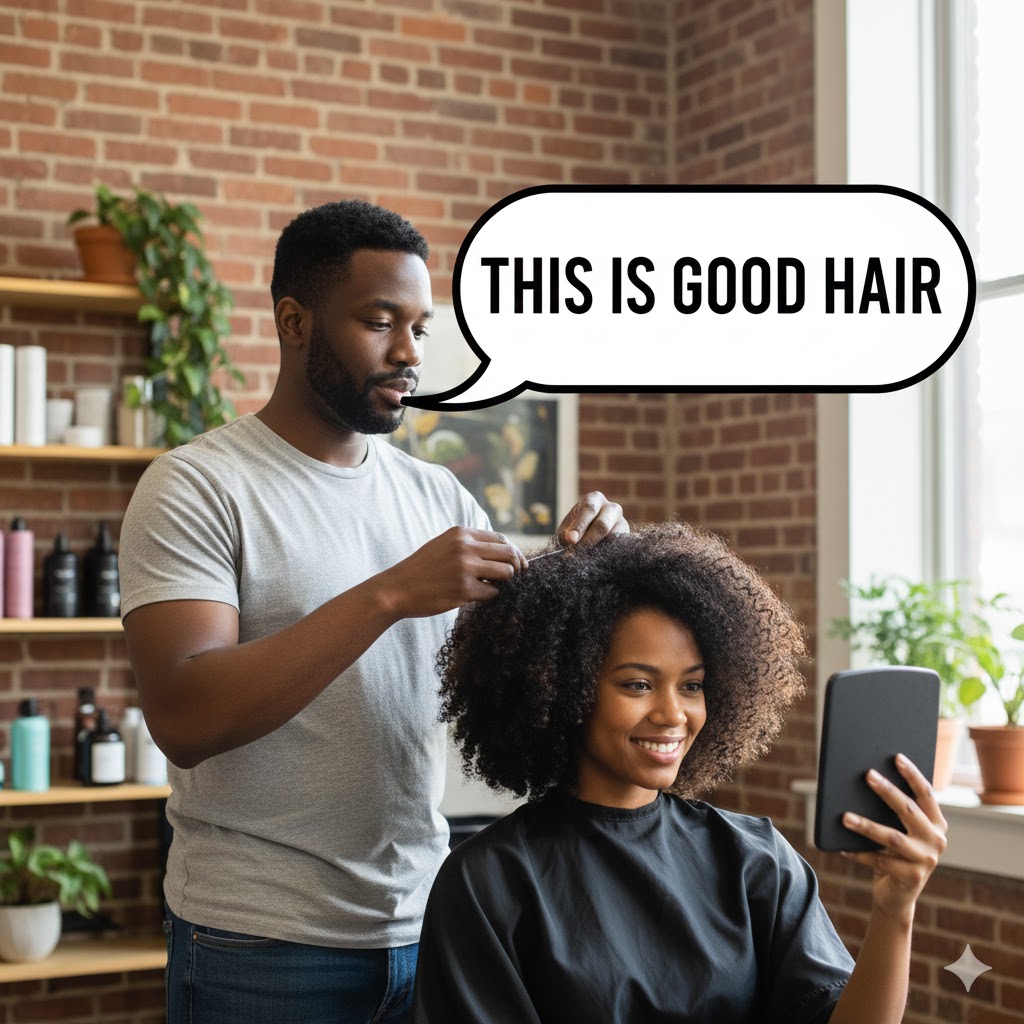
The idea of “good hair” is a myth rooted not in biology or beauty, but in power. Hair, in all its textures, is a natural extension of the human body, growing exactly as it was designed to grow. No strand that emerges from a healthy scalp is bad, defective, or inferior. Scripture affirms that God’s creation is intentional and good in every form (Genesis 1:31, KJV).

The “good hair versus bad hair” narrative emerged from colonialism and slavery, not from truth. European features were elevated as the standard of beauty, while African features were devalued to justify domination. Hair texture became a visible marker used to rank humanity along racial lines (Byrd & Tharps, 2014).

During slavery, hair texture was tied to social survival. Straighter hair was associated with proximity to whiteness and, in some cases, less brutal treatment. This produced a hierarchy within Black communities that persists today, even though its origin is rooted in trauma rather than preference.

Coily, kinky, and tightly curled hair was labeled “excessive” because it resisted assimilation. It could not easily conform to European grooming norms without chemical or mechanical alteration. Resistance, not inferiority, is what made this hair political.

Biologically, coily hair is a marvel of design. Its spiral structure helps protect the scalp from intense sun exposure and reduces heat absorption. These textures evolved as an adaptive strength, not a flaw (Jablonski, 2015).

Black hair also demonstrates incredible versatility. It can be braided, twisted, loc’d, coiled, stretched, sculpted, wrapped, and worn free. Few hair types carry such cultural, artistic, and functional range.

Historically, African hairstyles communicated age, marital status, tribe, spirituality, and social role. Hair was language before colonization disrupted these systems. To demean Black hair is to demean African knowledge systems (Thompson, 1983).

The hatred directed toward Black hair often reflects fear of difference rather than aesthetic judgment. What cannot be controlled is often labeled unprofessional, wild, or inappropriate. This language exposes anxiety, not truth.

The Bible does not rank hair textures. Scripture emphasizes modesty, order, and reverence—not conformity to Eurocentric appearance. God looks at the heart, not the curl pattern (1 Samuel 16:7, KJV).

Black hair has been policed in schools, workplaces, and public spaces, revealing how deeply the myth of “good hair” is institutionalized. Laws like the CROWN Act exist because natural hair was treated as a threat to order rather than a neutral human trait.

The pressure to alter Black hair has often been framed as professionalism. Yet professionalism is a social construct shaped by those in power. Hair that grows naturally from the head cannot be unprofessional by nature.

Internalized hair bias is one of the most painful legacies of colonialism. When Black children learn to dislike their own hair, it is not personal insecurity but inherited harm. Healing begins with truth-telling and affirmation.

Speaking positively about Black hair is not exclusionary; it is corrective. Affirmation restores balance where distortion has reigned. Celebrating Black hair does not diminish other hair types—it ends false hierarchy.

Coily hair teaches patience, care, and attentiveness. It thrives when treated gently and intentionally. This relationship fosters self-awareness and self-respect rather than shame.

The Bible describes God as a creator of diversity, not uniformity. If variety glorifies God in nature, it also glorifies Him in human appearance (Psalm 104:24, KJV).

The myth of “good hair” survives because it benefits systems that profit from insecurity. Entire industries were built on convincing Black people that their natural hair needed correction.

Black hair is not a trend, a rebellion, or a statement—it is a reality. Its presence does not require justification or explanation. It simply exists because God designed it to.

When Black people wear their hair freely, it is an act of self-acceptance, not defiance. Freedom should not be mistaken for aggression.

Restoring reverence for Black hair is part of restoring dignity. What was once mocked is now being reclaimed, not as fashion, but as truth.

All hair that grows from the head is good hair. Coily hair is not excessive; it is expressive. Kinky hair is not unmanageable; it is powerful. Curly hair is not a problem to solve, but a gift to honor.

The myth of good hair collapses when truth stands upright. Black hair needs no permission to exist beautifully—it already does.


References

Byrd, A. D., & Tharps, L. L. (2014). Hair story: Untangling the roots of Black hair in America. St. Martin’s Press.

Jablonski, N. G. (2015). Skin color: A natural history. University of California Press.

Thompson, R. F. (1983). Flash of the spirit: African and Afro-American art and philosophy. Vintage Books.

The Holy Bible, King James Version (Genesis 1:31; 1 Samuel 16:7; Psalm 104:24).

Pretty Privilege Series: Brothers at the Frontline — Black Men’s Role in Dismantling Colorism.

Photo by Mika Borgia on Pexels.com

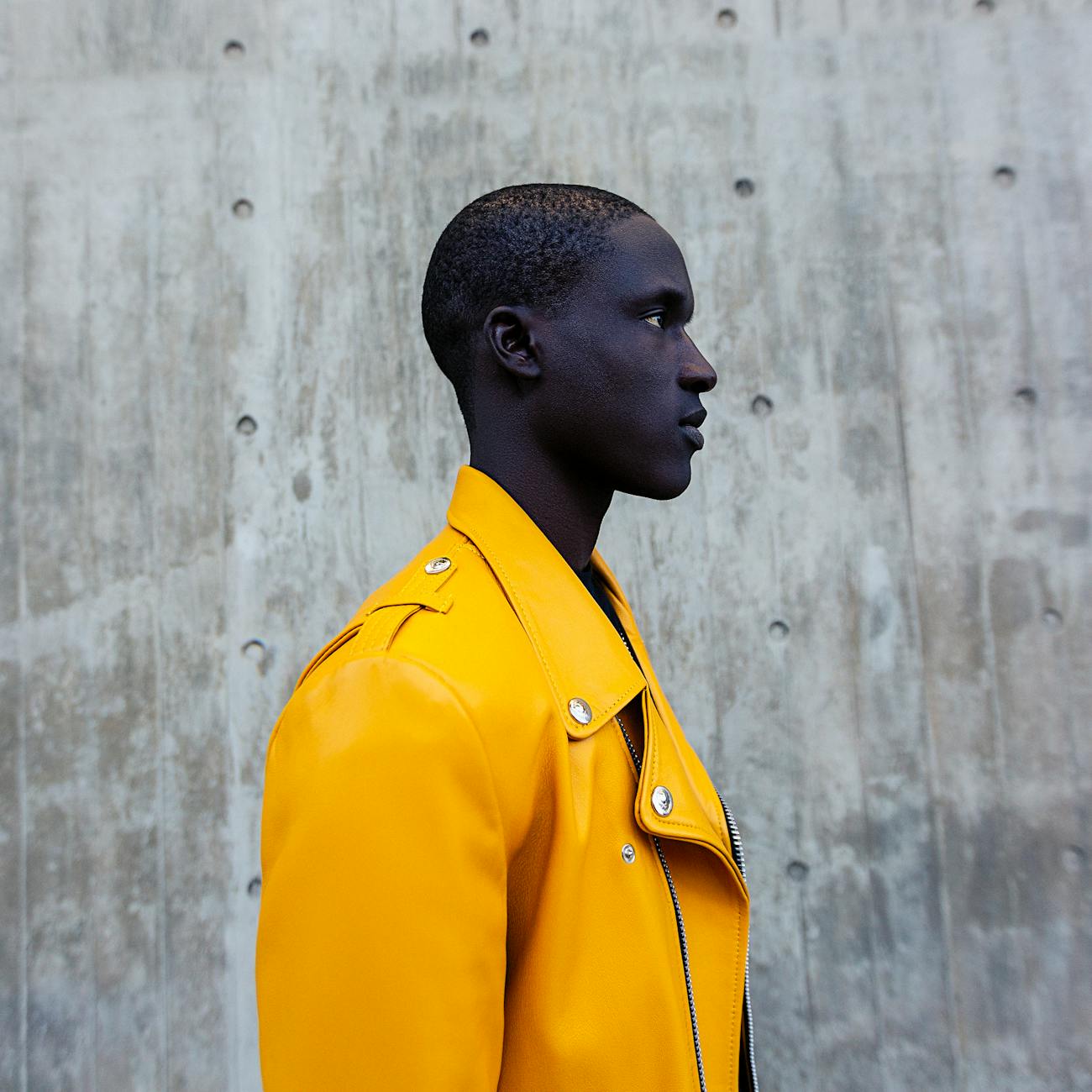
Colorism is not just a women’s issue — it is a community issue. Black men, in particular, play a critical role in shaping beauty standards, especially through dating choices, music, and cultural influence. To dismantle colorism, Black men must become allies and active participants in affirming dark-skinned women’s dignity and worth.

Historically, colorism was reinforced by systems that divided enslaved Black people based on skin tone. Lighter-skinned Black men and women were given preferential treatment, creating hierarchies that still influence dating and marriage patterns today (Hunter, 2007). Black men must examine how much of their preferences are rooted in this colonial history.

Many Black men have admitted to being told from a young age that lighter-skinned girls were more desirable. This conditioning is not merely personal taste but cultural programming that associates lightness with refinement and status (Wilder, 2010).

Rap lyrics and hip-hop culture have often glorified “redbones” or “yellow bones,” reinforcing the idea that lighter-skinned women are the ultimate prize. When influential Black men elevate only one type of beauty, it reinforces harmful hierarchies for the entire community (Neal, 2013).

The first step for Black men is introspection. Asking “Why do I find this skin tone more attractive?” can uncover unconscious biases. Recognizing that preferences can be shaped by media, colonialism, and white supremacy is essential to choosing love freely and without inherited prejudice.

Public affirmation matters. When Black men openly celebrate their dark-skinned wives, daughters, and partners, they send a powerful message to younger boys and the community at large. NBA player LeBron James, for example, often praises his dark-skinned wife Savannah publicly, providing representation that counters stereotypes.

Music artists can also be powerful agents of change. Kendrick Lamar famously rapped, “I want a real woman, not a Barbie doll” and has celebrated darker-skinned women in his videos. More male artists following suit would normalize seeing dark-skinned women as desirable and worthy of love songs.

Black fathers hold special influence. The way a father talks to his daughter about her beauty can shape her self-esteem for life. Fathers must affirm their daughters’ skin as beautiful, compliment them without comparing them to lighter peers, and teach them to embrace their natural hair and features (Harris, 2015).

Mentorship is another key area. Young Black boys must be taught early that beauty is not determined by proximity to whiteness. When mentors and role models praise women of all shades — especially darker-skinned women — they help undo cycles of internalized bias.

In barbershops and male-dominated spaces, colorist jokes and comments must be challenged. Black men can change the tone of conversation by refusing to laugh at insults aimed at dark-skinned women and calling out backhanded compliments like “She’s pretty for a dark-skinned girl.”

In families, brothers and male cousins can be protective allies. Instead of teasing their sisters or female relatives for being “too dark,” they can encourage them, compliment them, and shut down colorist remarks from others.

Spiritual leadership from Black men can be transformative. When pastors and male church leaders preach against favoritism (James 2:1-4) and affirm that every shade of Black skin reflects God’s image, they restore dignity to the women in their congregations.

Economically, Black male entrepreneurs, photographers, and designers can hire, feature, and celebrate dark-skinned women in their projects. This provides both representation and opportunity, counteracting decades of exclusion in business and media.

Black male directors, writers, and filmmakers must also tell stories that feature dark-skinned women as love interests and heroines. Barry Jenkins’ If Beale Street Could Talk and Ryan Coogler’s Black Panther are examples of films that present darker-skinned women with elegance and depth.

Men must also hold one another accountable in dating spaces. If a friend refuses to date dark-skinned women because they are “too ghetto” or “too masculine,” brothers must challenge those stereotypes and ask where those ideas originated.

Educating sons is critical. Parents can show their boys positive images of dark-skinned women in books, movies, and history lessons. When boys grow up seeing dark-skinned beauty celebrated, they are less likely to perpetuate colorism in adulthood.

Social media is another battleground. Black men with platforms should use them to uplift women of all shades, rather than fueling comparison or tearing down darker-skinned women. Positive representation online can reach millions of people and shift public perception.

Breaking cycles of colorism also means embracing healthy masculinity. When men heal from their own traumas, they stop projecting insecurities onto women by trying to control or police their appearance based on Eurocentric ideals.

Ultimately, Black men’s voices carry weight. When they reject colorism publicly, privately, and in relationships, they help dismantle a system that has harmed Black women for centuries. They become co-builders of a community where every shade is celebrated.

The fight against colorism is not just about aesthetics — it is about restoring unity, love, and respect between Black men and women. When Black men lead with intention, they can help rewrite beauty standards and leave a healthier legacy for generations to come.


References

  • Harris, A. (2015). The Influence of Fathers on the Self-Esteem of African American Daughters. Journal of Black Psychology, 41(3), 257–276.
  • Hunter, M. (2007). The Persistent Problem of Colorism: Skin Tone, Status, and Inequality. Sociology Compass, 1(1), 237–254.
  • Neal, M. A. (2013). What the Music Said: Black Popular Music and Black Public Culture. Routledge.
  • Wilder, J. (2010). Revisiting “Color Names and Color Notions”: A Contemporary Examination of the Language and Attitudes of Skin Color among Young Black Women. Journal of Black Studies, 41(1), 184–206.

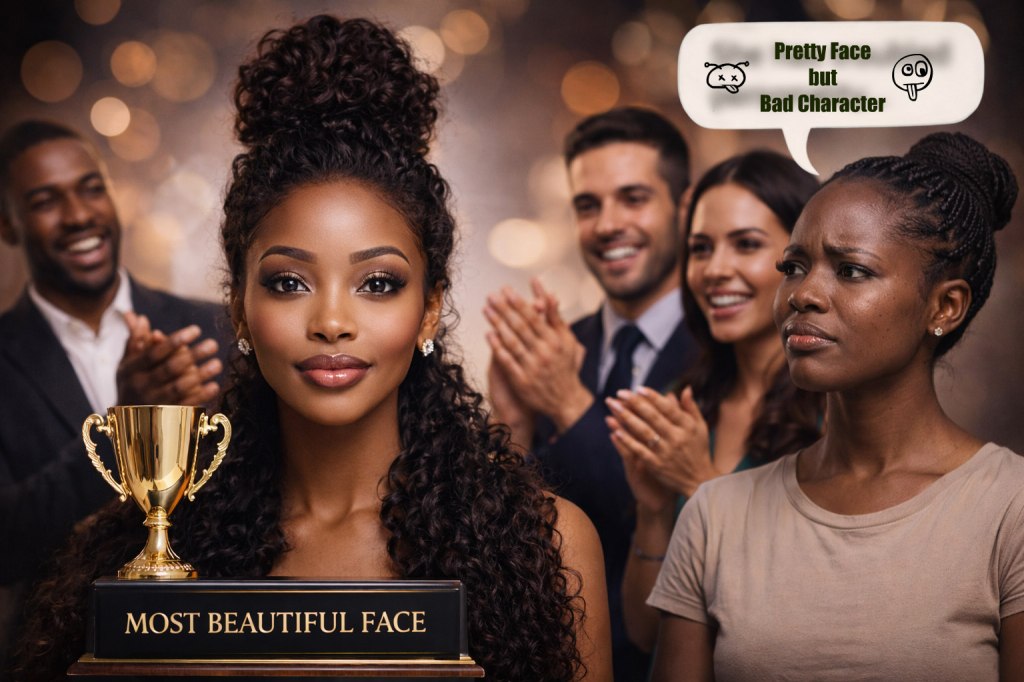
When the World Rewards the Face, Not the Character.

Modern society repeatedly demonstrates a troubling inversion of values: appearance is rewarded more consistently than integrity, charisma more than conscience, and beauty more than moral substance. This imbalance is not accidental but structural, reinforced through psychology, media, economics, and social conditioning. When the world rewards the face instead of the character, it reshapes how people define success, worth, and even goodness itself.

From early childhood, individuals learn that attractiveness carries social advantages. Attractive children are often perceived as smarter, kinder, and more capable by teachers and peers, receiving more encouragement and leniency. These early rewards create cumulative advantages that follow individuals into adulthood, long before character has a chance to speak for itself.

Psychological research identifies this phenomenon as the “halo effect,” where one positive trait—such as physical attractiveness—spills over into unrelated judgments about morality, intelligence, and trustworthiness. As a result, beauty becomes mistaken for virtue, and ethical credibility is quietly assigned based on appearance rather than conduct.

In professional spaces, this bias manifests in hiring, promotion, and compensation. Attractive individuals are more likely to be hired, earn higher wages, and receive favorable performance evaluations. Success is then framed as merit-based, obscuring the role appearance played in tilting opportunity. Character becomes secondary to presentation.

Justice systems are not immune. Studies consistently show that attractive defendants receive lighter sentences, are perceived as less dangerous, and are more likely to be believed. Conversely, those deemed unattractive or threatening—often racialized—face harsher punishment. Justice, while symbolically blind, is socially sighted.

Social media has amplified this imbalance by transforming visibility into currency. Algorithms reward faces that conform to dominant beauty norms, granting them influence, credibility, and economic opportunity. Moral authority increasingly follows aesthetic appeal, allowing those who look “right” to speak louder than those who act right.

This distortion is especially harmful to marginalized communities. Within Black communities, colorism compounds appearance bias, granting lighter skin and Eurocentric features greater social grace and moral assumption. Darker-skinned individuals are more likely to be scrutinized, distrusted, or required to prove their worth through exceptional behavior.

Character, by contrast, develops quietly. Integrity, empathy, discipline, and accountability do not photograph well. They do not go viral. In a culture driven by optics, character work often goes unnoticed, undervalued, and unrewarded, despite being essential to communal health.

The moral danger lies not only in rewarding beauty but in punishing those without it. When people learn that goodness does not protect them from exclusion or harm, cynicism grows. Ethical behavior begins to feel impractical in a world that prizes surface over substance.

This value inversion shapes desire as well. Romantic and social choices are influenced by perceived status attached to appearance. People with “beautiful” partners gain social validation, while those who choose character over aesthetics may be subtly devalued. Love itself becomes performative.

The long-term cost is cultural hollowness. Societies that reward faces over character cultivate leaders skilled in performance rather than principle. Charm replaces accountability, and image management substitutes for moral responsibility.

Undoing this distortion requires conscious resistance. Institutions must interrogate bias, media must expand representations of worth, and individuals must question their reflexive judgments. Character must be relearned as a visible form of beauty, even if it does not immediately gratify the eye.

Ultimately, a just society cannot survive on appearance alone. Faces age, trends fade, and filters fail. Character endures. When the world learns again to reward integrity over image, beauty will return to its rightful place—as adornment, not authority.

References

Eagly, A. H., Ashmore, R. D., Makhijani, M. G., & Longo, L. C. (1991). What is beautiful is good, but… A meta-analytic review of research on the physical attractiveness stereotype. Psychological Bulletin, 110(1), 109–128.

Hamermesh, D. S. (2011). Beauty pays: Why attractive people are more successful. Princeton University Press.

Hunter, M. (2007). The persistent problem of colorism: Skin tone, status, and inequality. Sociology Compass, 1(1), 237–254.

Langlois, J. H., Kalakanis, L., Rubenstein, A. J., Larson, A., Hallam, M., & Smoot, M. (2000). Maxims or myths of beauty? A meta-analytic and theoretical review. Psychological Bulletin, 126(3), 390–423.

Stewart, J. E. (1980). Defendant’s attractiveness as a factor in the outcome of criminal trials. Journal of Applied Social Psychology, 10(4), 348–361.

Zebrowitz, L. A. (2017). First impressions from faces. Oxford University Press.

Zuboff, S. (2019). The age of surveillance capitalism. PublicAffairs.

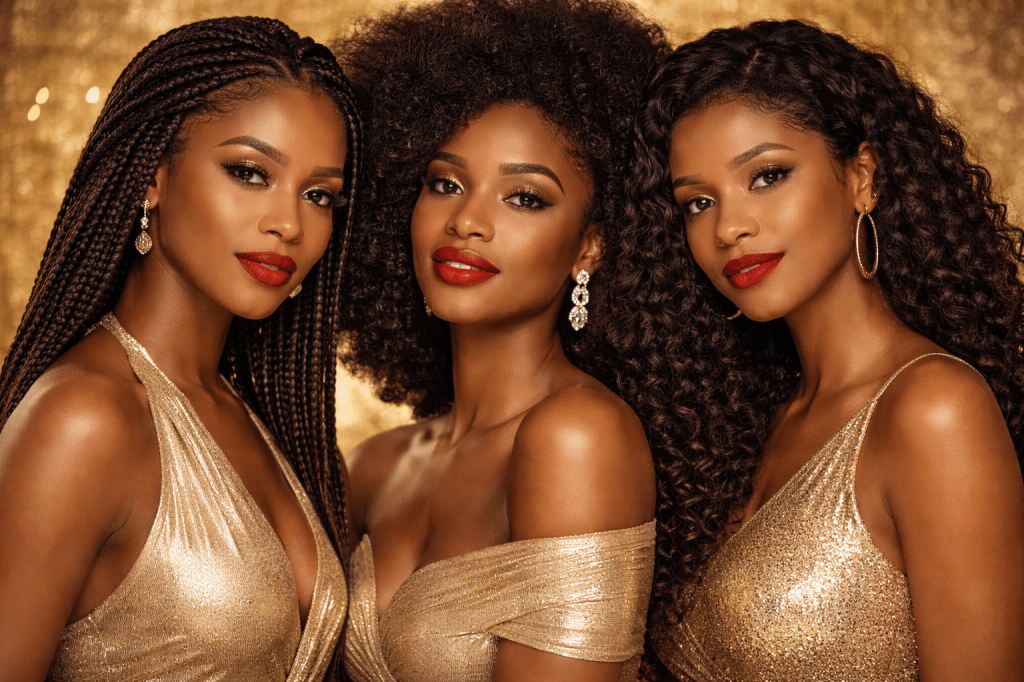
The Golden Girls: A Portrait of Black Excellence and Timeless Beauty

Black women embody a unique and unparalleled beauty that transcends physical appearance. Their elegance, strength, and resilience reflect centuries of history, culture, and triumph. From deep, rich ebony to sun-kissed brown and honey-toned skin, the spectrum of Black beauty is vast, vibrant, and powerful, carrying with it stories of survival, creativity, and legacy.

The beauty of Black women is not simply skin-deep; it is expressed in their presence, their confidence, and the ways they carry themselves. Hairstyles—from intricate braids to voluminous afros, flowing curls, and sleek straight styles—serve as both cultural symbols and personal statements, celebrating heritage while embracing individuality. Each strand tells a story, a connection to ancestors, and a declaration of self-love.

Facial features—high cheekbones, full lips, wide-set eyes, and diverse nose shapes—create a breathtaking tapestry of diversity. These features, celebrated in art, media, and fashion, challenge conventional beauty norms that have historically marginalized Black women. The modern reclamation of Black beauty is a radical act of self-affirmation and cultural pride.

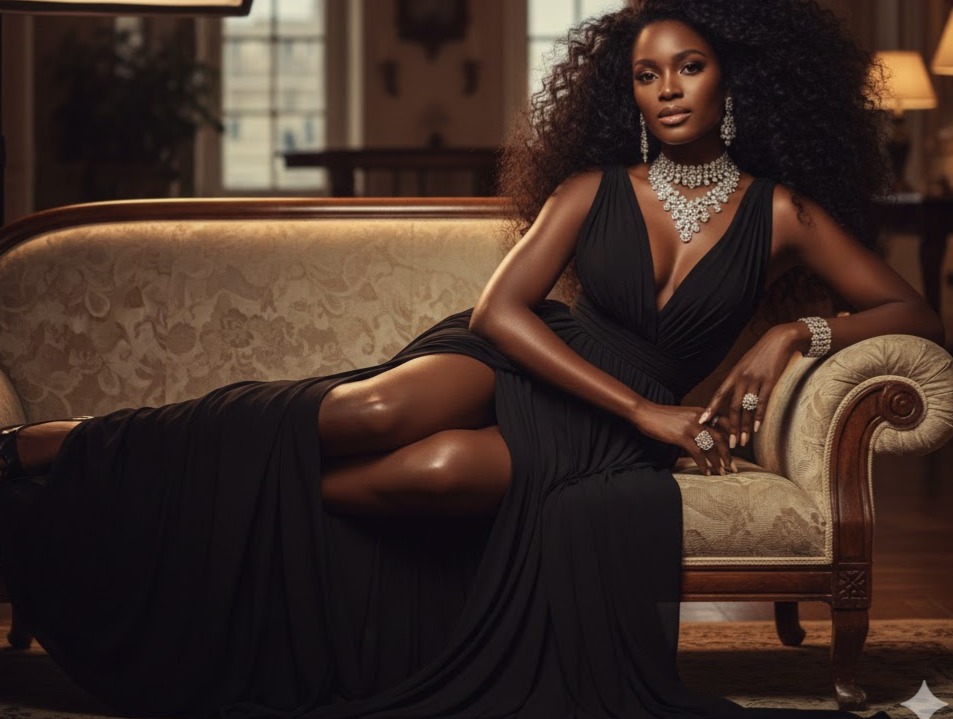
Dressing with elegance and style is another expression of this excellence. Clothing choices, whether bold or understated, allow Black women to communicate identity, creativity, and sophistication. From flowing gowns to tailored ensembles, fashion becomes a canvas for self-expression and empowerment. Accessories, makeup, and color choices further highlight individuality, enhancing features and radiance rather than masking them.

Red lipstick, for instance, is more than a cosmetic choice; it is a statement of power, confidence, and daring. Paired with gold, jewel-toned, or neutral ensembles, it draws attention to the wearer’s courage and poise. Makeup in the hands of Black women is an art form, celebrating rather than concealing their natural beauty.

The beauty of Black women extends beyond appearance; it is intertwined with character, intelligence, and spirit. Grace, empathy, resilience, and leadership form the foundation of this timeless elegance. Many Black women balance professional achievement, personal growth, and community involvement, demonstrating that true beauty lies in action, integrity, and impact.

Media representation plays a crucial role in how Black beauty is perceived. Historically, images of Black women have been limited or distorted. Today, artists, photographers, and creators are reclaiming narratives, producing portraits that honor Black women in their full complexity and dignity. Representation validates identity and inspires future generations to embrace themselves fully.

Hair, skin, and fashion intersect with culture and history, reflecting traditions passed down through generations. Cornrows, twists, afros, and protective styles connect women to their roots while serving as markers of resistance, pride, and artistry. Skin tones, melanin-rich and luminous, are celebrated through makeup, photography, and lighting that highlight natural radiance rather than obscure it.

Community and mentorship further amplify the beauty of Black women. Sisterhood, collaboration, and support networks provide spaces for affirmation, growth, and empowerment. In these circles, beauty is recognized holistically—embracing intelligence, courage, creativity, and authenticity alongside physical grace.

Black women continue to redefine elegance on global stages. From film, music, and literature to fashion and entrepreneurship, they challenge stereotypes, shape trends, and set standards for excellence. Their influence is undeniable, demonstrating that beauty is inseparable from strength, vision, and leadership.

The celebration of Black women’s beauty is also a call to action. It reminds society to honor diversity, reject narrow definitions of attractiveness, and value contributions beyond surface appearances. A portrait of Black excellence encompasses cultural heritage, personal achievement, and a commitment to lifting others.

Spirituality and faith often inform the confidence and poise of Black women. Belief in divine purpose, resilience in adversity, and gratitude for natural gifts enhance their presence and radiance. This spiritual dimension adds depth to outward beauty, connecting it to identity, purpose, and legacy.

Art and photography serve as powerful mediums to document and celebrate Black women. Visual storytelling captures elegance, personality, and emotion, preserving history while inspiring viewers. Portraits emphasize individuality while highlighting shared experiences, cultural pride, and the continuum of beauty across generations.

Education and professional accomplishments further amplify the brilliance of Black women. Intellectual achievement, creative innovation, and leadership roles contribute to the narrative of excellence, proving that beauty and brains coexist in harmony. Recognition of these accomplishments challenges reductive stereotypes and broadens societal understanding of worth.

Ultimately, the beauty of Black women is holistic, enduring, and transformative. It combines physical features, personal expression, intelligence, and spirit into a unique form of excellence. Each Black woman is a testament to resilience, creativity, and grace, a living portrait of beauty that inspires, uplifts, and endures.

References

Essien, A. (2019). Black beauty and identity: Cultural pride in visual arts. Journal of African Cultural Studies, 31(2), 145–160.

Hooks, B. (1992). Black looks: Race and representation. South End Press.

Patton, T. O. (2006). Beauty and Black identity: Examining African American women’s perceptions of self and society. Journal of Black Studies, 36(2), 166–190.

Sims, S. (2016). African American hair as cultural identity. Routledge.

White, R. (2020). The power of representation: Portraits of Black women in contemporary art. Arts & Culture Review, 14(3), 33–47.