Tag Archives: aesthetics

Epistemologies of the Black Aesthetic and Phenomenology of the Black Woman and Man.

The epistemologies of the Black aesthetic begin with the recognition that knowledge itself is not neutral but socially and historically constructed. Epistemology, as the study of how knowledge is produced and legitimized, reveals that Western systems of knowing have long excluded Black experiences from the category of universal truth. Within this framework, Black aesthetics emerge not merely as artistic expressions but as alternative ways of knowing, rooted in embodied history, cultural memory, and collective survival.

The Black aesthetic operates as a counter-epistemology, challenging dominant paradigms that privilege Eurocentric modes of perception. Rather than separating reason from emotion, or mind from body, Black aesthetic traditions often integrate feeling, rhythm, spirituality, and storytelling as legitimate sources of knowledge. Music, dance, oral tradition, fashion, and visual art function as epistemic practices—ways of interpreting reality and transmitting meaning across generations.

Phenomenology, the philosophical study of lived experience, provides a powerful lens for understanding the Black woman and man as subjects rather than objects of knowledge. Phenomenology asks how individuals experience the world from within their own consciousness. Applied to Black existence, it shifts attention from how Black people are represented to how Black people perceive, feel, and inhabit social reality.

The phenomenology of the Black subject is inseparable from history. Slavery, colonialism, segregation, and systemic racism have shaped not only material conditions but also modes of perception. Black embodiment carries historical memory within it, producing what Frantz Fanon described as a “racial epidermal schema,” where the body is experienced through the gaze of others before it is experienced as self.

For the Black woman, phenomenology is marked by intersectionality—the simultaneous experience of racialized and gendered embodiment. Her body is not only racialized but sexualized, politicized, and surveilled. She is often forced to see herself through external projections that define her as laborer, caretaker, object of desire, or symbol of strength. These imposed meanings distort self-perception and fracture subjectivity.

Yet Black women also generate epistemologies of resistance. Through intellectual traditions such as Black feminism, womanism, and Africana philosophy, Black women reclaim authority over their own experiences. Knowledge emerges from lived reality, testimony, and embodied wisdom. The Black woman becomes not an object of study but a producer of theory.

The phenomenology of the Black man is shaped by a different but equally complex symbolic structure. Black masculinity has historically been framed through stereotypes of hyperphysicality, aggression, criminality, or emotional absence. These representations shape how Black men experience their own bodies in public space—often as sites of threat rather than humanity.

Black male subjectivity is therefore marked by hypervisibility and invisibility at once. The Black man is seen as a body but not recognized as a mind. His presence is often interpreted through fear rather than empathy. This produces what phenomenologists describe as alienation—the feeling of being estranged from one’s own existence.

Despite these constraints, Black men also produce alternative epistemologies of selfhood. Through music, literature, spirituality, and political consciousness, Black men articulate modes of being that resist dehumanization. Hip-hop, blues, jazz, and spoken word become philosophical forms—ways of narrating reality and reclaiming interior life.

The Black aesthetic unites these experiences through symbolic form. It functions as a visual, sonic, and cultural language through which Black people encode knowledge. Aesthetic practices become epistemic tools—mechanisms for understanding suffering, joy, memory, and hope. Art becomes theory in motion.

Unlike Western aesthetics, which often prioritize abstraction and detachment, the Black aesthetic emphasizes embodiment and relationality. Meaning is not discovered through distance but through participation. Knowledge emerges from the body in motion, from rhythm, from ritual, from collective experience. The aesthetic becomes a site of epistemological authority.

Memory plays a central role in this framework. The Black body functions as an archive, carrying ancestral trauma and resilience within its gestures, postures, and expressions. Cultural memory is transmitted not only through texts but through performance, language, and social practice. Knowledge lives in movement and sound.

Spirituality also operates as an epistemic dimension of Black life. In many African and diasporic traditions, knowledge is inseparable from divine order. Truth is not merely rational but spiritual, intuitive, and communal. The sacred becomes a way of knowing that resists Western secular epistemology.

The Black aesthetic thus collapses the boundary between art and life. Fashion becomes philosophy. Music becomes metaphysics. Beauty becomes political theory. These practices are not decorative but constitutive of reality. They shape how Black people understand themselves and the world.

From an epistemological standpoint, the Black woman and man exist within what philosopher Sylvia Wynter calls a struggle over the definition of the human. Western modernity constructs a narrow model of humanity based on whiteness, rationality, and individualism. Black existence challenges this model by revealing its exclusions.

Phenomenologically, Black existence is defined by what it means to live in a world that questions one’s humanity. The everyday experience of navigating institutions, media, and social space becomes a philosophical problem. The Black subject lives philosophy before studying it.

The Black aesthetic offers a new grammar of being. It allows Black people to name themselves, see themselves, and know themselves outside of imposed frameworks. This is not merely cultural expression but epistemic sovereignty—the right to define reality from within one’s own experience.

Knowledge, in this context, becomes relational rather than hierarchical. Truth is produced through dialogue, community, and shared struggle. The Black aesthetic rejects the idea of detached objectivity in favor of situated knowledge grounded in lived experience.

Both the Black woman and man embody what can be called epistemic resistance. Their existence disrupts dominant systems of meaning by revealing contradictions within Western claims to universality. Their bodies become sites where philosophy, history, and politics intersect.

The phenomenology of Black life ultimately reveals that subjectivity itself is political. To exist as Black in a racialized world is to experience reality through layers of meaning imposed from outside and reclaimed from within. Consciousness becomes a space of struggle and creativity.

The Black aesthetic, therefore, operates as both epistemology and ontology. It does not simply describe how Black people know the world; it reveals how Black people are in the world. Being and knowing collapse into each other, producing a distinct philosophical tradition.

In this sense, the Black woman and man are not marginal figures within philosophy but central figures in redefining what philosophy can be. Their experiences generate new questions about knowledge, reality, beauty, and humanity itself.

Ultimately, epistemologies of the Black aesthetic and the phenomenology of Black existence assert a radical claim: that Black life is not an object of analysis but a source of knowledge. Black being becomes Black knowing, and Black knowing becomes a new foundation for understanding the human condition.


References

Fanon, F. (1967). Black skin, white masks. Grove Press.

hooks, b. (1990). Yearning: Race, gender, and cultural politics. South End Press.

Collins, P. H. (2000). Black feminist thought: Knowledge, consciousness, and the politics of empowerment. Routledge.

Wynter, S. (2003). Unsettling the coloniality of being/power/truth/freedom. The New Centennial Review, 3(3), 257–337.

Gordon, L. R. (1995). Bad faith and antiblack racism. Humanity Books.

Du Bois, W. E. B. (1903). The souls of Black folk. A. C. McClurg.

Weheliye, A. G. (2014). Habeas viscus: Racializing assemblages, biopolitics, and Black feminist theories of the human. Duke University Press.

Hall, S. (1997). Representation: Cultural representations and signifying practices. Sage.

Tate, S. A. (2015). Black beauty: Aesthetics, stylization, politics. Routledge.

Merleau-Ponty, M. (2012). Phenomenology of perception. Routledge.
The Aesthetic Era

The Aesthetic Era represents a cultural shift where beauty, style, and visual presence have become central to personal identity. In this digital age, people curate their appearance with intention, crafting images that express personality, mood, and lifestyle. Beauty is no longer passive—it is a language spoken through color, texture, fashion, and design. This era celebrates innovation and individuality, making outer presentation an art form.

Social media platforms have amplified the importance of visuals. With every photo, reel, or story, individuals participate in a global exchange of aesthetics. This visibility has created new standards and new freedoms. For many, it has become a space to redefine what beauty looks like and to expand representation for people who have been historically excluded. The Aesthetic Era is not simply about looks—it is about being seen.

Fashion has become one of the leading drivers of modern aesthetics. Instead of rigid rules, style now exists on a spectrum of expression. Trends shift quickly, born from streetwear, influencers, and global culture. In this era, fashion encourages experimentation—mixing luxury with thrift finds, bold colors with neutrals, vintage with futuristic. Personal style is now a form of storytelling.

Skin and beauty care also dominate the aesthetic landscape. Wellness culture promotes glowing skin, self-care routines, and intentional grooming. The desire to look refreshed and radiant reflects a deeper desire for inner balance and mental well-being. Outer beauty has become intertwined with emotional health, reminding us that how we present ourselves often mirrors how we care for ourselves.

Technology has also shaped the Aesthetic Era. Filters, editing tools, and AI-powered enhancements create idealized versions of beauty. While these tools offer creative freedom, they also raise questions about authenticity. Many people feel pressure to meet digital standards that are often unattainable in real life. The tension between the real and the edited is one of the defining challenges of this era.

Despite the pressure, modern beauty is more inclusive than ever. Dark skin, natural hair, fuller features, diverse body shapes, and cultural aesthetics are gaining visibility. The global push for diversity in beauty campaigns has softened the rigid standards of the past. The Aesthetic Era celebrates people who look like themselves—unique, textured, and culturally rooted.

Minimalism has emerged as a major aesthetic trend. Clean lines, soft tones, and simplicity reflect a desire for calm in an overstimulated world. Many embrace minimal beauty routines, neutral palettes, and understated style as a form of emotional clarity. This minimalist aesthetic teaches that beauty doesn’t require excess—it requires intention.

In contrast, maximalism has also made a strong comeback. Bold prints, vibrant colors, layered textures, and expressive makeup appeal to those who find joy in visual abundance. This aesthetic rejects the idea of playing small, embracing color and creativity as sources of empowerment. In the Aesthetic Era, both minimalists and maximalists have room to shine.

The influence of psychology is undeniable. The way people present themselves affects how they are perceived and how they feel internally. Outer beauty boosts confidence, shapes self-perception, and influences mood. When someone feels aesthetically aligned with their identity, they walk with greater assurance. Beauty becomes a psychological anchor.

The Aesthetic Era also encourages personal branding. Individuals use color palettes, makeup styles, hair choices, and fashion to create a recognizable look. This branding is no longer limited to celebrities or influencers but is embraced by everyday people who want their appearance to reflect their values and lifestyle. Visual identity has become part of personal empowerment.

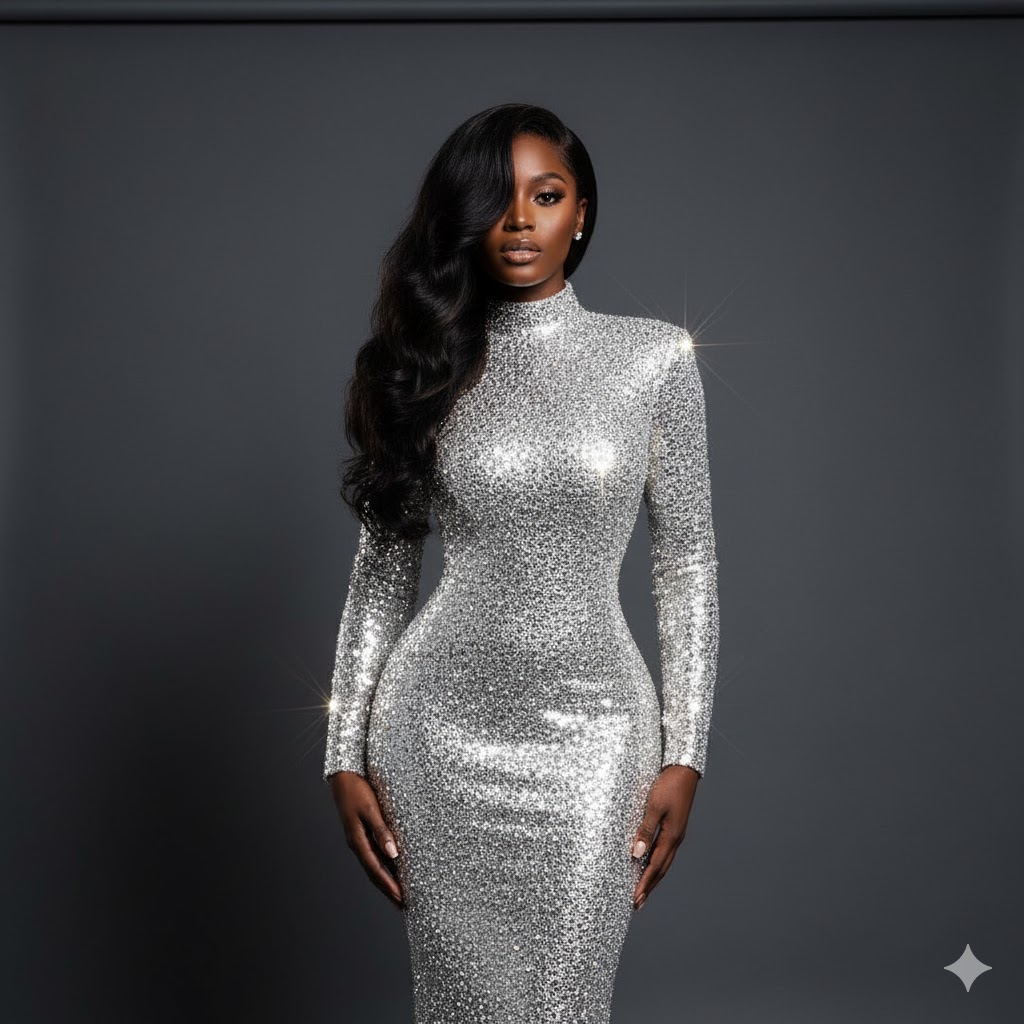
As beauty evolves, so does the concept of femininity. Modern femininity is fluid, diverse, and self-defined. Whether bold or subtle, glamorous or minimalist, women are reclaiming their right to shape their own image. The Aesthetic Era supports this freedom, allowing femininity to exist authentically without apology.

However, this era also brings pressure. Constant comparison, online judgment, and the pursuit of perfection can harm self-esteem. The same platforms that celebrate beauty can heighten insecurity. Many people struggle to balance self-expression with self-acceptance. The Aesthetic Era challenges us to enjoy beauty without losing ourselves in it.

There is a growing movement toward natural beauty. People are embracing their real skin, textured hair, freckles, and unique features. This shift supports authenticity and helps break the illusion that perfection is the standard. Natural beauty celebrates humanity in its raw and honest form.

Cultural aesthetics are also shaping this era. From Afrocentric prints to East Asian skincare trends, beauty has become global. This cross-cultural exchange enriches style, pushes innovation, and expands appreciation for diverse traditions. The world is borrowing, blending, and celebrating beauty collectively.

Men, too, are embracing aesthetics. Grooming, skincare, fashion, and self-care have become normalized for men in ways that break old stereotypes. The Aesthetic Era is not gender-limited—it is universal, inviting everyone to participate in visual identity and self-expression.

The rise of sustainable beauty reflects a shift toward responsibility. Eco-friendly products, ethical brands, and conscious consumption are influencing choices. Beauty is no longer just about looking good—it is about aligning actions with values. Sustainability has become part of the aesthetic philosophy.

In this era, outer beauty is both visual and emotional. It represents how people show up in the world, how they choose to be perceived, and how they express their inner selves. Beauty becomes a bridge between identity and visibility, between the internal and external world.

The Aesthetic Era encourages creativity. Every outfit, makeup look, hairstyle, and photograph becomes an opportunity to create art. This artistic freedom empowers individuals to reinvent themselves whenever they choose, without needing permission from society.

But above all, this era teaches that beauty is personal. There is no universal formula, no single ideal, and no wrong aesthetic. The modern world makes space for soft beauty, bold beauty, natural beauty, artistic beauty, cultural beauty, and everything in between.

Ultimately, the Aesthetic Era invites us to see beauty as a form of liberation. It is a celebration of self, a declaration of identity, and a testimony of confidence. Outer beauty, when embraced with balance and authenticity, becomes a powerful expression of who we are and who we are becoming.

And in embracing this era, we honor the truth that beauty is not merely something we wear—it is something we create. It is our invitation to the world to see us, understand us, and appreciate the art we carry on the outside.

References

Anderson, B. (2020). The beauty bias in the digital age. Routledge.

Cash, T. F. (2017). Cognitive-behavioral perspectives on body image. Guilford Press.

Chae, J. (2014). “Am I a better mother than you?” Media and the social comparison of idealized images of motherhood. Journal of Media Psychology, 26(4), 155–162.

Clay, D., Vignoles, V. L., & Dittmar, H. (2005). Body image and self-esteem among adolescent girls. Journal of Research on Adolescence, 15(4), 451–477.

Dittmar, H. (2008). Consumer culture, identity and well-being: The search for the “good life” and the “body perfect.” Psychology Press.

Fardouly, J., Diedrichs, P. C., Vartanian, L. R., & Halliwell, E. (2015). Social comparisons on social media: The impact of Facebook on young women’s body image concerns and mood. Body Image, 13, 38–45.

Fredrickson, B. L., & Roberts, T. (1997). Objectification theory: Toward understanding women’s lived experiences and mental health risks. Psychology of Women Quarterly, 21(2), 173–206.

Haferkamp, N., & Krämer, N. C. (2011). Social comparison on Facebook: A review. Computers in Human Behavior, 27(1), 251–257.

Jones, M. (2021). Minimalism and identity: The psychology of simplicity. Oxford University Press.

Karan, K., & Yang, K. C. C. (2022). Influencers and the rise of curated identity. Journal of Digital Culture, 6(2), 112–129.

Khamis, S., Ang, L., & Welling, R. (2017). Self-branding and the influencer economy. Media International Australia, 165(1), 66–76.

Liu, J. (2023). Aesthetics and the self: Modern beauty culture in a globalized world. University of California Press.

Mahmood, S. (2020). Cross-cultural aesthetics in contemporary fashion. International Journal of Fashion Studies, 7(1), 54–72.

Perloff, R. M. (2014). Social media use and body image disturbances: The role of internalization and social comparison. Sex Roles, 71(11–12), 363–377.

Tiggemann, M., & Slater, A. (2013). NetGirls: The Internet, Facebook, and body image concern in adolescent girls. International Journal of Eating Disorders, 46(6), 630–633.

Tufekci, Z. (2017). Twitter and tear gas: The power and fragility of networked protest. Yale University Press.

Ward, J. (2021). The new beauty culture: Identity and aesthetics in the digital age. Harvard University Press.

Winn, M. (2020). Aesthetic minimalism and emotional well-being. Journal of Humanistic Psychology, 60(3), 367–383.

Yoon, H. (2022). Cultural hybridity and global beauty trends. Journal of Aesthetic Studies, 10(2), 44–59.

Zhao, S. (2015). The selfie phenomenon: Visual communication and identity performance. International Journal of Communication, 9, 1733–1741.

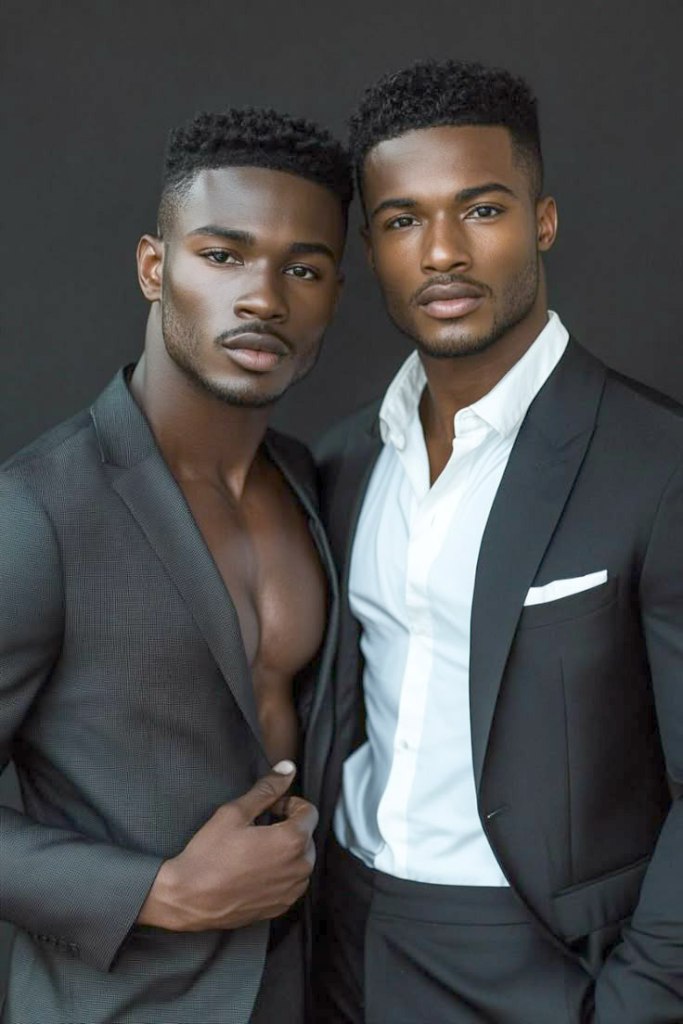
Masculine Grace: The Overlooked Beauty of the Black Man.

This photograph is the property of its respective owner. No copyright infringement intended.

The image of the Black man has long been distorted through colonial narratives, Eurocentric standards, and centuries of systemic dehumanization. Yet beneath the scars of history lies a quiet and powerful truth: the Black man embodies a form of beauty rarely celebrated—masculine grace. This grace transcends the mere physical, radiating through resilience, wisdom, emotional strength, and spiritual depth. It is the beauty of a being who has survived what was meant to destroy him and yet continues to create, lead, and love.

The world has often feared what it should have revered. From the plantation fields to the modern boardroom, the Black man’s physicality has been both fetishized and criminalized. His body—once deemed property—became a battleground for the projection of others’ fears and desires. But when seen through a lens untainted by bias, the symmetry of his form, the depth of his skin, and the fire of his eyes reflect divine craftsmanship, not danger (hooks, 2004).

To speak of masculine grace is to acknowledge that strength and softness are not opposites but complements. The Black man’s beauty rests in the balance between his power and gentleness—how he can protect without oppressing, lead without dominating, and love without losing himself. This duality challenges the Eurocentric masculine archetype that equates sensitivity with weakness (Majors & Billson, 1992).

Historically, Black men were denied the right to be seen as beautiful because beauty was defined through whiteness. The ideal male form was sculpted in marble—pale, rigid, and devoid of emotion. Yet the Black man’s presence, rich in rhythm and movement, exudes life. His grace is kinetic, a poetry of motion expressed in dance, labor, sport, and art—a beauty that moves rather than poses.

In African traditions, beauty was holistic. It encompassed virtue, spirit, and purpose, not merely appearance. The Yoruba concept of “iwa l’ewa” translates to “character is beauty,” suggesting that true beauty arises from inner moral substance (Abiodun, 2014). This philosophy restores the spiritual context that Western aesthetics stripped away. For the Black man, beauty is not vanity—it is dignity manifested.

Masculine grace can be seen in the tender way a father lifts his child, in the calm leadership of a pastor guiding his congregation, or in the perseverance of a man rebuilding his life after systemic injustice. It is the quiet confidence of knowing that one’s value is not defined by material success but by moral conviction and spiritual alignment (Kimbrough, 1997).

Yet media portrayals continue to undermine this beauty. The camera often captures the Black man as an aggressor, athlete, or entertainer, rarely as a scholar, lover, or thinker. This narrow visual vocabulary limits how society perceives Black masculinity. The absence of representation becomes a form of erasure—an aesthetic violence that teaches the world to see Black men as function rather than form (Dixon & Linz, 2000).

The reclamation of masculine grace, therefore, is an act of resistance. It says to the world: “You will not define my worth through stereotypes.” It also calls upon Black men to rediscover the divine artistry within themselves. To walk with grace is to carry both the weight of history and the light of redemption with balance and pride.

There is a sacred stillness in the Black man who knows his identity in God. His beauty reflects the imago Dei—the image of the Creator (Genesis 1:27). His walk is testimony; his voice, a melody of generations who refused to die in silence. This sacred reflection dismantles the notion that masculinity must be performative or domineering. In divine masculinity, grace and strength coexist.

Grace in the Black man also manifests in his intellectual and creative expressions. From Langston Hughes’s poetry to Chadwick Boseman’s cinematic brilliance, from Barack Obama’s eloquence to Marvin Gaye’s soul, Black men have continually shown that intellect and emotion are not contradictions but harmonies. They redefine what it means to be a man of grace—disciplined, dignified, and deeply human.

One cannot discuss the beauty of the Black man without addressing colorism’s shadow. Lighter tones have long been favored, even among people of African descent, a legacy of colonial conditioning. Yet, the deep hues of the Black man’s skin absorb light differently—reflecting warmth, history, and strength. His melanin is a masterpiece of biology and symbolism: protection and poetry in one (Blay, 2011).

To appreciate masculine grace requires decolonizing the gaze. This means rejecting the Eurocentric standards that measure beauty through whiteness and fragility. Instead, it calls for an aesthetic rooted in authenticity, where dark skin, broad noses, textured hair, and strong physiques are not liabilities but legacies—markers of ancestral power and divine design.

The modern world’s obsession with hypermasculinity has numbed emotional intelligence in men. But the Black man’s grace lies in his capacity to feel deeply—to weep, to heal, to forgive. This emotional courage is perhaps his most overlooked beauty. It takes strength to love after being unloved, to lead after being stripped of leadership, to rebuild after centuries of destruction (Akbar, 1996).

In contemporary culture, movements like “Black Boy Joy” have sought to reclaim this emotional space, celebrating the multifaceted beauty of Black men—laughing, learning, nurturing, and creating. These images disrupt toxic archetypes and reveal a truth long hidden: Black masculinity is not monolithic but mosaic.

The spiritual aspect of masculine grace cannot be overstated. The Black man’s relationship with faith—through prayer, perseverance, and praise—anchors his identity. His beauty radiates most when he walks in divine purpose. As the psalmist wrote, “The steps of a good man are ordered by the Lord” (Psalm 37:23, KJV). This divine choreography gives rhythm to his grace.

Every scar, every wrinkle, every muscle tells a story of endurance. The body of the Black man is a living archive—of battles fought, burdens carried, and victories won. His beauty is not cosmetic but cosmic, stitched with the threads of survival and hope.

In art, literature, and film, there is a growing movement to honor this beauty. Photographers like Kwame Brathwaite and writers like Ta-Nehisi Coates have reframed the Black male body as sacred rather than sinful, majestic rather than menacing. Through their work, masculine grace becomes visible again.

Ultimately, to honor the beauty of the Black man is to restore balance in a world that has long denied him softness. His grace teaches that masculinity is not the absence of vulnerability but the mastery of it. The true measure of a man lies not in his ability to dominate but in his capacity to love, forgive, and uplift.

Masculine grace, then, is both art and theology—a living testament that the Black man, made in the image of the Most High, is not merely beautiful; he is divinely composed. His existence challenges centuries of misrepresentation and stands as proof that beauty, when seen through truth, is revolutionary.


References

Abiodun, R. (2014). Yoruba art and language: Seeking the African in African art. Cambridge University Press.
Akbar, N. (1996). Breaking the chains of psychological slavery. Mind Productions.
Blay, Y. A. (2011). (1)ne Drop: Shifting the lens on race. Black Print Press.
Dixon, T. L., & Linz, D. (2000). Race and the misrepresentation of victimization on local television news. Communication Research, 27(5), 547–573.
hooks, b. (2004). We real cool: Black men and masculinity. Routledge.
Kimbrough, M. (1997). Faith and identity: African-American men in search of self. Orbis Books.
Majors, R., & Billson, J. M. (1992). Cool pose: The dilemmas of Black manhood in America. Simon & Schuster.
The Holy Bible, King James Version. (1611/2017). King James Bible Online. https://www.kingjamesbibleonline.org/

The Illusion of Beauty: When Aesthetics Overshadows Authenticity.

Photo by Anna Tarazevich on Pexels.com

Beauty, once seen as an emblem of divine order and natural harmony, has increasingly become a cultural illusion—a projection shaped by capitalism, social hierarchies, and the psychological pursuit of validation. In modern society, the notion of beauty has been commercialized and standardized, evolving from an expression of individuality into a form of currency that dictates value and belonging. This illusion operates within a framework where aesthetics overshadow authenticity, leading to a crisis of self-perception that affects both personal identity and collective consciousness.

The power of beauty lies in its ability to shape reality. Historically, philosophers like Plato associated beauty with truth and moral goodness, suggesting that what is beautiful must also be virtuous (Plato, Phaedrus). Yet, contemporary consumer culture has subverted this ideal, commodifying beauty as an external achievement rather than an internal virtue. Social media platforms and advertising industries perpetuate this distortion, using digitally altered images and algorithmic preferences to define what is desirable. The result is a global aesthetic homogenization that erases cultural diversity and authenticity.

Psychologically, the pursuit of beauty has become intertwined with self-worth. Studies have shown that individuals who perceive themselves as less attractive often experience lower self-esteem and increased social anxiety (Cash, 2004). This correlation reveals how beauty, though seemingly superficial, deeply influences mental health. The illusion of beauty thrives in this psychological vulnerability, offering temporary validation through appearance while undermining genuine self-acceptance and individuality.

For women and men alike, the pressure to conform to beauty standards creates a double bind. On one hand, conformity offers social rewards—admiration, attention, and perceived success. On the other, it reinforces systemic oppression, particularly for marginalized groups whose natural features deviate from Eurocentric ideals. Scholars such as hooks (1992) argue that this aesthetic hierarchy is an extension of colonialism, where whiteness becomes the dominant visual narrative of beauty. Thus, the illusion of beauty is not merely personal but political.

This dynamic is especially pronounced in the Black community, where colorism and texturism have long been tools of division. The privileging of lighter skin and European features within beauty culture has caused internalized self-rejection and a cycle of identity distortion (Russell, Wilson, & Hall, 1992). As a result, authenticity becomes a radical act of resistance. Embracing natural hair, melanin-rich skin, and ancestral features challenges the illusion and reclaims beauty as truth, not imitation.

From a sociological standpoint, the illusion of beauty is reinforced by capitalist structures that profit from insecurity. The global beauty industry, valued at over $500 billion, thrives on the perpetuation of dissatisfaction (Nash, 2019). Through constant marketing, it conditions consumers to believe that beauty is achievable only through products, surgeries, and external transformation. Authenticity, therefore, becomes unmarketable—a threat to industries built on self-doubt.

Philosopher Jean Baudrillard (1994) conceptualized this phenomenon as a form of hyperreality—a state in which representations replace reality. In this context, beauty ceases to reflect natural aesthetics and becomes a simulation. The “ideal” face and body are not real but digitally engineered composites, giving rise to a world where imitation precedes existence. As a result, individuals chase an unattainable ideal, losing connection with their authentic selves.

This detachment manifests not only in physical appearance but in emotional and relational authenticity. People begin to curate their personalities as meticulously as their faces, crafting identities for digital consumption. Authentic human connection diminishes as appearance becomes the primary metric of worth. The illusion of beauty, therefore, erodes both the individual psyche and the social fabric, replacing empathy with envy and presence with performance.

The obsession with aesthetics also influences professional and social mobility. Studies reveal that attractiveness can affect hiring decisions, salary levels, and even judicial outcomes (Langlois et al., 2000). This “beauty premium” reinforces inequality, privileging those who fit normative standards while marginalizing others. When beauty dictates opportunity, authenticity becomes a liability—punished rather than praised.

In art and media, the illusion of beauty has silenced diversity of expression. Models, actors, and influencers who conform to dominant beauty norms are celebrated, while those who embody natural variation are often tokenized or excluded. This selective visibility perpetuates the myth that beauty is exclusive rather than inclusive, fostering a culture of sameness rather than individuality.

The spiritual dimension of this illusion is equally significant. In many faith traditions, including Christianity, beauty was once understood as an emanation of divine truth—“the beauty of holiness” (Psalm 96:9, KJV). Yet, when aesthetics replace spiritual substance, beauty becomes idolatrous. The worship of external form over inner character reflects a moral inversion where appearance outweighs virtue. This pseudo-spirituality mirrors narcissism, as individuals elevate the self-image above the soul.

Psychologically, this illusion breeds perfectionism and self-objectification. Narcissistic culture thrives on appearance, encouraging people to view themselves and others as commodities. According to psychologist Malkin (2015), narcissism in modern society often emerges from insecurity rather than grandiosity—individuals seek beauty as a means to mask inadequacy. The result is emotional fragility hidden beneath polished surfaces.

For many, breaking free from the illusion requires an intentional process of deconstruction—unlearning false ideals and reestablishing a sense of inner truth. This process often involves self-compassion, therapy, and cultural reeducation. It challenges individuals to ask: What does it mean to be beautiful beyond what can be seen?

Educational and media reform play essential roles in restoring authenticity. When schools and cultural institutions promote diverse representations of beauty, they expand the collective imagination. Visibility of all skin tones, body types, and cultural aesthetics restores the link between authenticity and worth. Representation becomes not just symbolic but healing.

The illusion of beauty can also be resisted through art and storytelling. Artists and writers who portray beauty in its raw, unfiltered forms remind society of the power of imperfection. Authentic beauty carries emotional resonance because it reflects truth, not fabrication. This approach humanizes rather than idolizes.

Moreover, authenticity aligns with psychological well-being. Research shows that individuals who live authentically experience greater self-esteem and lower anxiety (Kernis & Goldman, 2006). By rejecting the illusion, they reclaim agency over self-definition and relationships. Authenticity becomes a psychological safeguard against the emptiness of performance-based identity.

Communities that cultivate authenticity also experience greater social cohesion. When people value character, creativity, and spirit over aesthetics, collective relationships strengthen. The illusion of beauty isolates; authenticity connects. This distinction has profound implications for how societies build empathy, belonging, and peace.

Ultimately, beauty should not be destroyed but redeemed. The challenge is not to reject aesthetics but to restore their connection to truth. When beauty serves authenticity, it becomes an instrument of healing rather than deception. It reflects the inner light that transcends surface form—a light that cannot be bought, filtered, or faked.

To dismantle the illusion of beauty is to liberate the human spirit. It invites individuals and societies to rediscover the sacred in the real—to find grace not in perfection but in presence. Only then can beauty regain its original purpose: to reveal, not to conceal, the truth of who we are.


References

Baudrillard, J. (1994). Simulacra and Simulation. University of Michigan Press.
Cash, T. F. (2004). Body Image: Past, Present, and Future. Body Image, 1(1), 1–5.
hooks, b. (1992). Black Looks: Race and Representation. South End Press.
Kernis, M. H., & Goldman, B. M. (2006). A Multicomponent Conceptualization of Authenticity: Theory and Research. Advances in Experimental Social Psychology, 38, 283–357.
Langlois, J. H., et al. (2000). Maxims or Myths of Beauty? A Meta-Analytic and Theoretical Review. Psychological Bulletin, 126(3), 390–423.
Malkin, C. (2015). Rethinking Narcissism: The Secret to Recognizing and Coping with Narcissists. HarperCollins.
Nash, J. C. (2019). Black Feminism Reimagined: After Intersectionality. Duke University Press.
Plato. (370 BCE). Phaedrus. In The Dialogues of Plato.
Russell, K., Wilson, M., & Hall, R. E. (1992). The Color Complex: The Politics of Skin Color Among African Americans. Anchor Books.

Masculine Perfection Series: LaKeith Stanfield, Ali Amin Carter & Louis Allen III

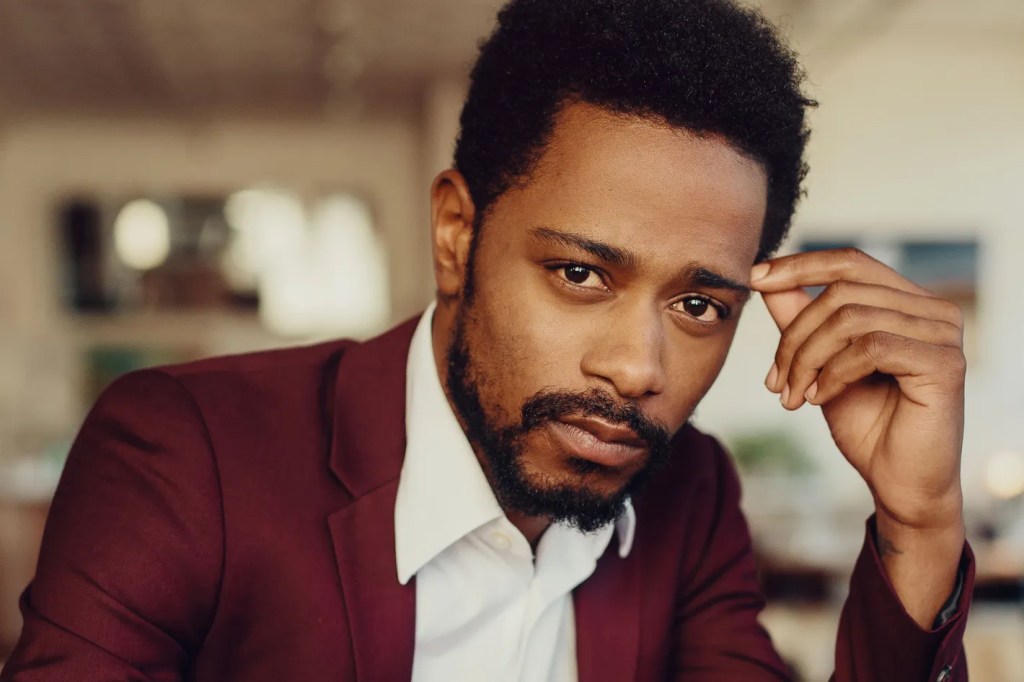
From the moment they enter a room, these three men command attention—LaKeith Stanfield with his piercing, soul-searching eyes that seem to look straight through you; Ali Amin Carter with his refined, boyish good looks that blend innocence and masculine poise; and Louis Allen III with his breathtaking green orbs and sculpted physique that define him as a genetic marvel. Their appearances alone make them unforgettable, but their talent, charisma, and artistic versatility elevate them into the realm of cinematic and modeling excellence.

LaKeith Stanfield

“The Enigmatic Soul: A gaze that speaks, a talent that transforms.”

LaKeith Stanfield stands as one of the most intriguing and enigmatic actors of his generation. Born in California, he began acting in high school before training at the John Casablancas Modeling & Career Center, where he developed the poise and facial precision that now define his screen presence. His breakout came with Short Term 12, which earned him an Independent Spirit Award nomination, and he continued rising with roles in Selma, Get Out, Sorry to Bother You, Knives Out, and Judas and the Black Messiah, for which he received an Academy Award nomination. Among his most captivating roles is his leading performance in The Photograph (2020), where his deep, expressive eyes created a magnetic intensity—particularly in the scene where he gazes at Issa Rae’s character with a mix of longing, vulnerability, and desire. The moment became iconic because Stanfield’s eyes communicate an entire emotional universe, piercing straight into the viewer’s heart just as they pierce Issa Rae’s.

On the personal front, Stanfield married model Kasmere Trice and together they welcomed a baby in 2023. He is also father to two daughters from previous relationships and describes fatherhood as “something that completely changes” you. His commitment to protecting the privacy of his family and framing the narrative of his own story underscores a grounded side to the actor’s life amid public visibility.

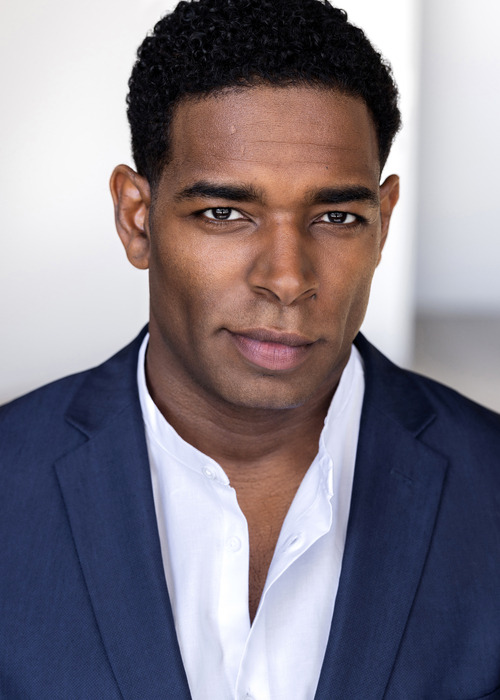
Ali Amin Carter

“Attractiveness in Motion: Where quiet masculinity meets undeniable screen presence.”

This photograph is the property of its respective owner. No copyright infringement intended.

Ali Amin Carter is a striking talent whose tall, elegant frame and natural good looks positioned him for success in both modeling and acting. Beginning his career on the runway, he eventually transitioned into theatre, earning recognition through the acclaimed stage production Ruined. His screen roles include appearances in Lovecraft Country and The Good Lord Bird, each showcasing his ability to blend emotional depth with quiet masculinity. More recently, Carter starred in the feature film Love Unexpected (2023/24), portraying Chase, a college-playboy figure whose world is challenged by love and transformation. His modeling roots gave him the visual confidence and stature that translate naturally to the screen, and he extended his reach further by starring in a music-video production by the singer Joe, demonstrating a versatility that spans modeling, film, and music.

Louis Allen III (LA3)

“The Green-Eyed Hunk: Athletic strength, masculine beauty, and unforgettable allure.”

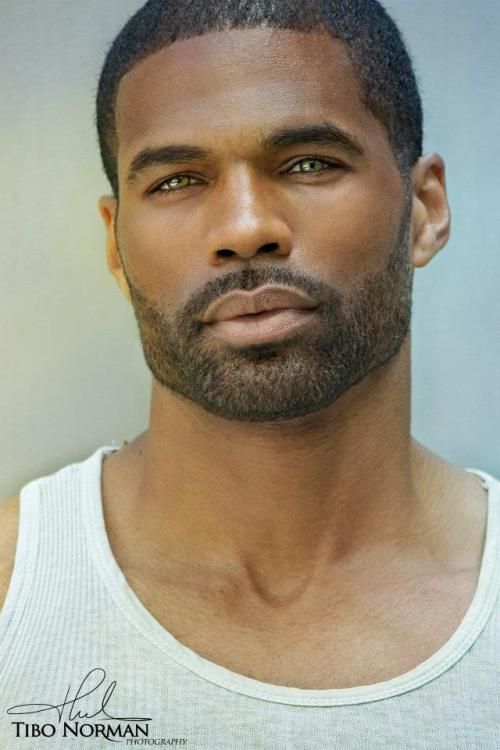
Photo Credit: Tibo Norman

Louis Allen III, known professionally as LA3, emerged from New Jersey as a modeling force defined by his remarkable green eyes, warm brown complexion, and athletic physique honed from his earlier years in minor-league football. His modeling journey began in high school, and he quickly became known for his commanding appearance in editorial spreads and grooming campaigns. Allen’s features made him a favorite for “Eye Candy” showcases and brand ambassador roles, where he represents the fusion of masculine beauty, athletic power, and classic photogenic appeal. Although his acting portfolio is smaller, he continues to expand his influence in fashion, fitness, and men’s grooming culture.

Together, these three men represent different dimensions of modern Black male beauty—intense, elegant, and powerfully photogenic. Their stories show how physical presence, combined with talent and ambition, opens doors across film, modeling, and public life. Each of them brings a unique energy to the screen or lens: Stanfield with soulful complexity, Carter with polished charm, and Allen with athletic grandeur. They reflect a new era in representation where Black men can embody sensitivity, strength, mystery, and beauty simultaneously. Their careers not only highlight their personal evolution but also expand the cultural imagination of what masculine perfection looks like in the twenty-first century.


References
“Ali Amin Carter – Biography,” IMDb.
“Love Unexpected,” IMDb.
“LaKeith Stanfield – Personal Life,” Essential Magazine.
“LaKeith Stanfield – Biography,” Wikipedia.

IMDb. LaKeith Stanfield – Biography.
Time Magazine. LaKeith Stanfield: Contemporary Chameleon.
Empire Magazine. LaKeith Stanfield Profile.
IMDb. Ali Amin Carter – Biography.
Essence Magazine. Eye Candy: Louis Allen III.
Blinging Beauty. The Face of Blinging Beauty’s Manly Man is LA

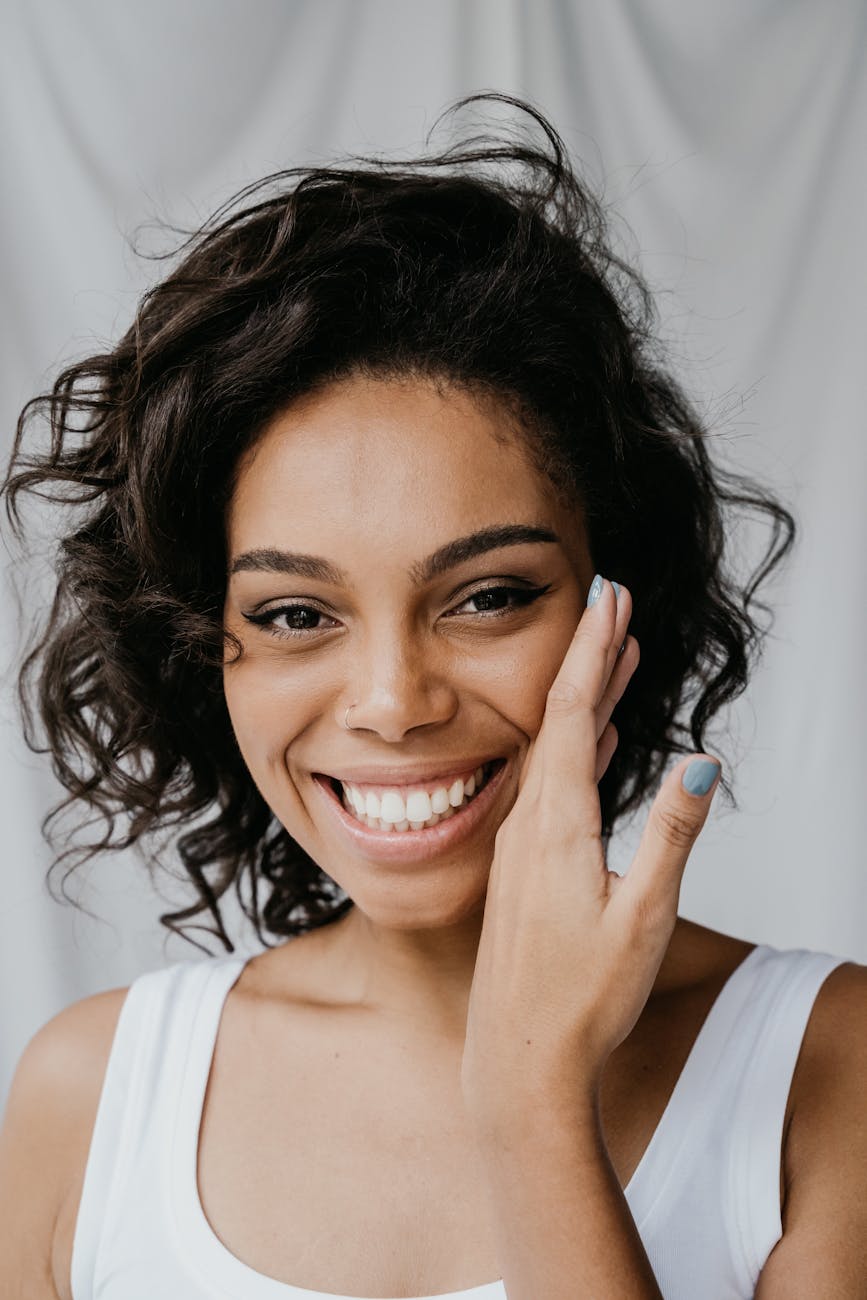
When Love Looks Different: Brown Girls and Men’s Standards. #thebrowngirldilemma

Photo by Diovana Pereira on Pexels.com

Love is often defined through cultural scripts, expectations, and standards—standards that rarely emerge in a vacuum. For Brown girls, these standards of love are shaped not only by individual men but also by legacies of racism, sexism, and colorism that have long dictated who is worthy of affection and how love should be expressed. When men’s standards collide with the lived realities of Brown girls, love can look very different—sometimes distorted by bias, sometimes strengthened by resilience.

Historically, the beauty and worth of Black and Brown women have been measured against Eurocentric ideals. Slavery and colonialism positioned lighter skin, straighter hair, and softer features as more “desirable,” leaving darker-skinned women devalued within both White and Black communities. These standards infiltrated love and partnership, creating hierarchies where Brown girls were too often overlooked or asked to compromise their selfhood to fit narrow molds of desirability. Thus, love for them has often come with an unspoken weight: proving they are “enough” in a world that tells them otherwise.

The Bible speaks against such partiality. James 2:9 (KJV) declares, “But if ye have respect to persons, ye commit sin, and are convinced of the law as transgressors.” Men’s standards that elevate some women while diminishing others based on skin tone or appearance reflect a bias that Scripture identifies as sinful. True love, biblically, is not bound by superficial preferences but by covenantal commitment, sacrifice, and respect (1 Corinthians 13:4–7). For Brown girls, this distinction is crucial: love must be measured not by societal validation but by the character and integrity of the one offering it.

Psychologically, the weight of biased standards creates what researchers call “internalized colorism.” Many Brown girls internalize messages that they are less attractive or less marriageable, leading to lower self-esteem and difficulties in relationships (Hunter, 2007). These psychological scars often surface when men, influenced by these same standards, express preference for lighter skin or Eurocentric beauty features. In such cases, Brown girls are not only navigating romantic rejection but also confronting centuries of systemic devaluation packaged as “personal preference.”

Yet, despite these wounds, Brown girls continue to redefine love on their own terms. Many resist the pressure to conform to men’s biased standards, instead embracing natural hair, deep skin tones, and cultural pride. In doing so, they model resilience and challenge the very hierarchies that once excluded them. Psychology affirms that this kind of self-acceptance can strengthen resilience and foster healthier relationships, since individuals with higher self-regard are less likely to settle for unhealthy or one-sided partnerships (Neff, 2011).

At the same time, some men are unlearning inherited biases and embracing broader, healthier definitions of love. They are recognizing that true beauty lies in authenticity, that a partner’s value is not determined by external standards but by inner strength, faith, and shared vision. When men remove the filter of bias, love between Brown girls and men becomes transformative, rooted not in the shadows of prejudice but in mutual respect and care.

For families and communities, the challenge lies in teaching young men and women to reject harmful standards and to build relationships grounded in God’s word rather than cultural distortions. Romans 12:2 (KJV) calls believers to resist conformity to worldly patterns and to be transformed by the renewing of the mind. When applied to love, this means rethinking how attraction, standards, and commitment are shaped—not by superficiality but by the spiritual and psychological health of both partners.

Ultimately, when love looks different for Brown girls, it is not a reflection of their lack but of the brokenness of societal standards. By unmasking the biases that shape men’s standards, embracing God’s vision for love, and practicing psychological resilience, Brown girls can step into relationships that affirm their worth rather than question it. In doing so, they not only heal personal wounds but also dismantle generational lies about who is worthy of love.


References

  • The Holy Bible, King James Version.
  • Hunter, M. (2007). The persistent problem of colorism: Skin tone, status, and inequality. Sociology Compass, 1(1), 237–254.
  • Neff, K. D. (2011). Self-compassion: The proven power of being kind to yourself. HarperCollins.