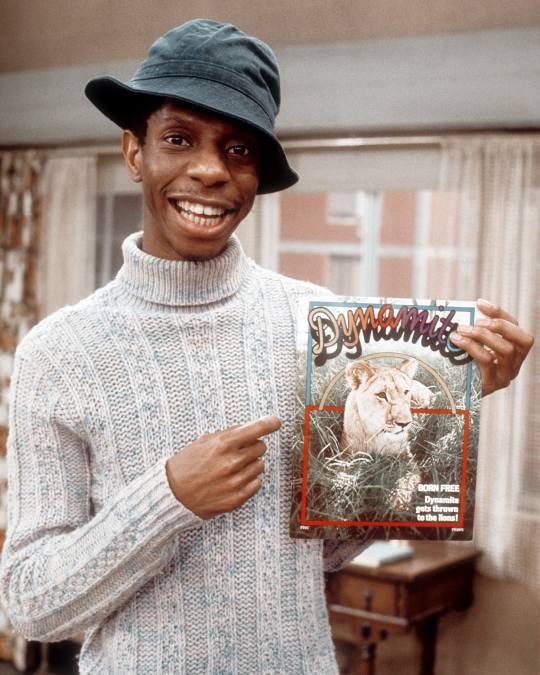
Celebrity Spotlight: Jimmy Walker

This photograph is the property of its respective owner.

“Dy-no-mite!”

That single word made Jimmy Walker one of the most recognizable faces and voices in American television history. Jimmy Walker, born James Carter Walker Jr. on June 25, 1947, in Brooklyn, New York, rose from humble beginnings to become a pop culture icon through his unforgettable role as J.J. Evans on the groundbreaking sitcom Good Times. His exaggerated energy, comedic timing, and charismatic delivery transformed him into one of the most famous Black comedians of the 1970s.

Walker was raised in the Bronx by a single mother who worked as a housekeeper. Growing up in a working-class environment deeply influenced his comedic style, which often blended humor with observations about urban life, poverty, and social struggle. He attended The Bronx High School of Science and later City College of New York, where he began developing his interest in performance and comedy.

Before television fame, Jimmy Walker built his career through stand-up comedy, performing in small clubs and on college campuses. His big break came when he joined the cast of Rowan & Martin’s Laugh-In as a writer and performer in the late 1960s, one of the most influential comedy shows of the era. This exposure introduced him to national audiences and established him as a rising comedic talent.

Walker’s defining role came in 1974 when he was cast as James “J.J.” Evans Jr. on Good Times. The show, a spin-off from Maude, followed a Black family living in a Chicago housing project and was one of the first sitcoms to address poverty, racism, unemployment, and systemic inequality from a Black perspective. J.J., the eldest son, was portrayed as a fast-talking, aspiring artist with an infectious personality and a tendency toward exaggerated humor.
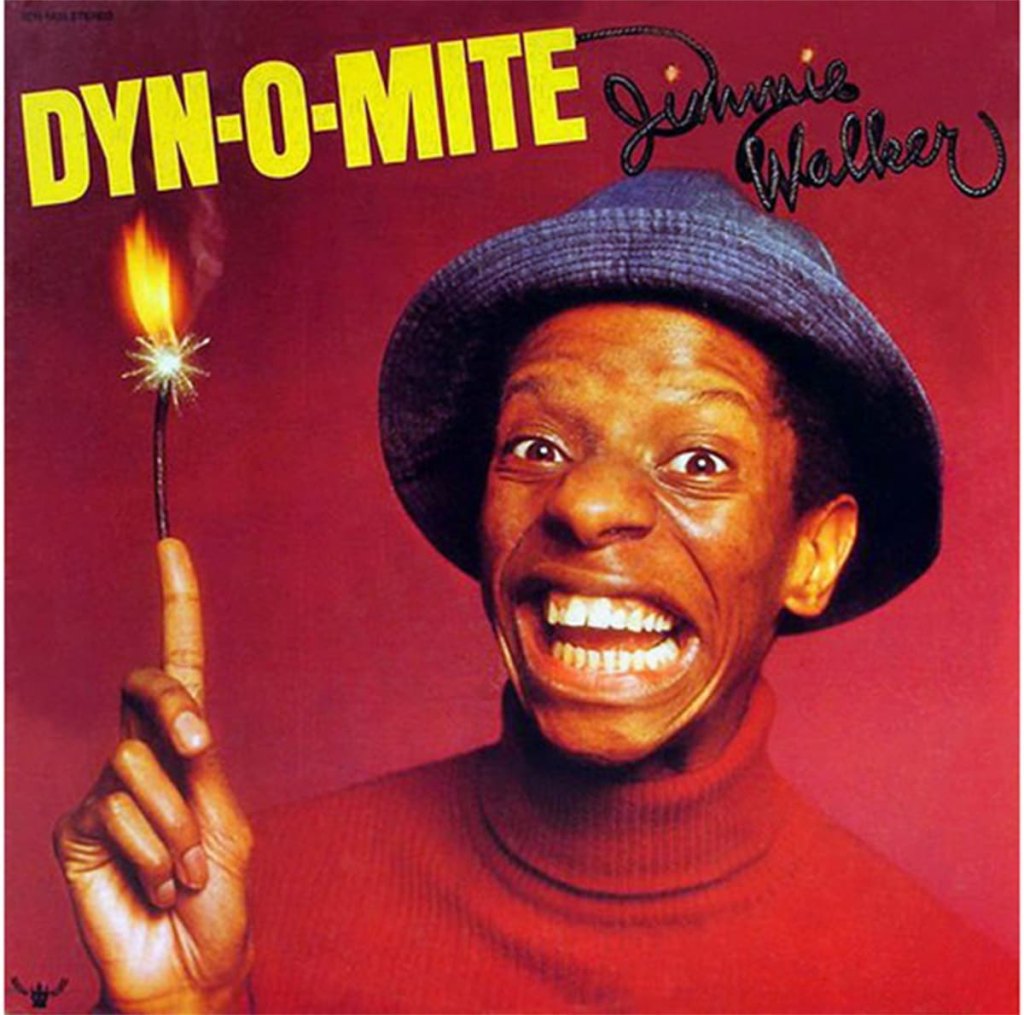
This photograph is the property of its respective owner.

Jimmy Walker’s portrayal of J.J. became both legendary and controversial. His character’s over-the-top behavior, wide-eyed expressions, and loud catchphrases made him the breakout star of the show. While audiences loved J.J., some critics and co-stars, including Esther Rolle and John Amos, felt the character drifted into stereotype and comic excess. Walker, however, defended the role, stating that J.J. represented real people he grew up with and that laughter itself was a form of survival in difficult conditions.

“Dy-no-mite!” became one of the most famous catchphrases in television history, rivaling phrases like “Whatchu talkin’ ’bout, Willis?” and “Kiss my grits.” The phrase entered American slang and was used in commercials, cartoons, films, and everyday speech throughout the 1970s and beyond. Walker became a walking brand, instantly recognizable by voice alone.

Despite being the comedic centerpiece, Walker’s role had deeper layers. J.J. was not just a clown; he was a young Black man trying to escape poverty through art, ambition, and creativity. His dreams of becoming a professional artist symbolized the broader struggle of Black youth seeking opportunity within limited social structures.
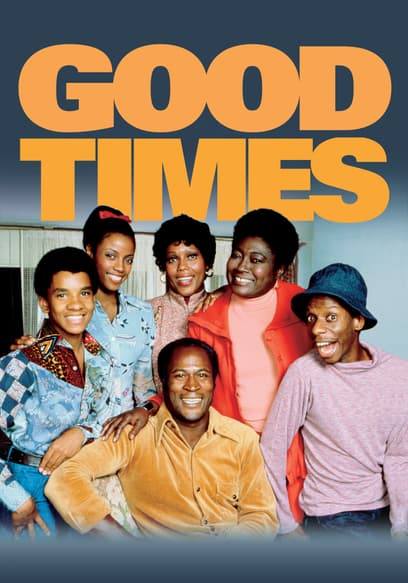
This photograph is the property of its respective owner.

After Good Times ended in 1979, Jimmy Walker continued acting across television and film. His filmography includes roles in Let’s Do It Again (1975), Airplane! (1980), The Concorde… Airport ’79, Tapeheads (1988), and appearances in cult classics like Repo Man. On television, he appeared in The Love Boat, Fantasy Island, The Tonight Show, Everybody Hates Chris, and Scrubs.

Walker also sustained a long career in stand-up comedy, touring nationally for decades and becoming a staple in comedy clubs, casinos, and Black entertainment circuits. Unlike many sitcom stars, he never abandoned live performance, seeing stand-up as his true artistic foundation.

In terms of personal life, Jimmy Walker has never been married and has no children. He has spoken openly about choosing independence and focusing on his career, lifestyle, and personal freedom. This made him somewhat unique among celebrities of his generation, as he maintained a largely private life outside the spotlight.

Walker’s fame extended beyond television into pop culture symbolism. He appeared in commercials, music videos, cartoons, and even political satire. His persona became shorthand for 1970s Black comedy, referenced in shows like Family Guy, In Living Color, The Simpsons, and Chappelle’s Show.

While Jimmy Walker did not receive major industry awards like Emmys, his cultural achievements are arguably greater. He received the NAACP Image Award recognition, multiple lifetime achievement honors from comedy organizations, and remains consistently listed among the most influential Black TV characters of all time.

Jimmy Walker’s impact lies in his role in expanding Black visibility in mainstream comedy. At a time when few Black actors had leading roles, Walker was one of the most famous faces on American television, crossing racial, class, and generational boundaries through humor.

His career also represents the tension between entertainment and representation. While some critics argue J.J. reinforced stereotypes, others recognize that Walker’s performance reflected authentic urban humor and gave voice to a segment of Black youth rarely seen on television.

This photograph is the property of its respective owner.

Walker himself has stated that his goal was never to be political but to be memorable, relatable, and funny. In that sense, his success is undeniable. He created one of the most iconic characters in TV history and shaped the comedic language of an entire era.

Today, Jimmy Walker is remembered not just for J.J., but for what he represented: the arrival of Black comedy into mainstream pop culture at full volume. His voice, style, and energy helped open doors for future comedians like Eddie Murphy, Chris Rock, Martin Lawrence, and Kevin Hart.

Jimmy Walker’s legacy is the legacy of laughter in the face of adversity. Through J.J. Evans, he turned poverty into punchlines, struggle into performance, and television into a cultural mirror for Black America in the 1970s. Few entertainers can claim to have created a phrase that still echoes across generations—but “Dy-no-mite!” remains eternal.


References

Bogle, D. (2016). Primetime blues: African Americans on network television. Farrar, Straus and Giroux.

Walker, J. J. (2012). Dyn-o-mite!: Good times, bad times, our times—A memoir. Chicago Review Press.

Smith, J. (2003). Black sitcoms and the politics of representation. Journal of African American Studies, 7(2), 33–49.

IMDb. (2024). Jimmy Walker filmography.

Encyclopedia Britannica. (2023). Jimmy Walker biography.

NAACP. (1999). Black television legacy awards.

Gray, H. (2005). Watching race: Television and the struggle for Blackness. University of Minnesota Press.
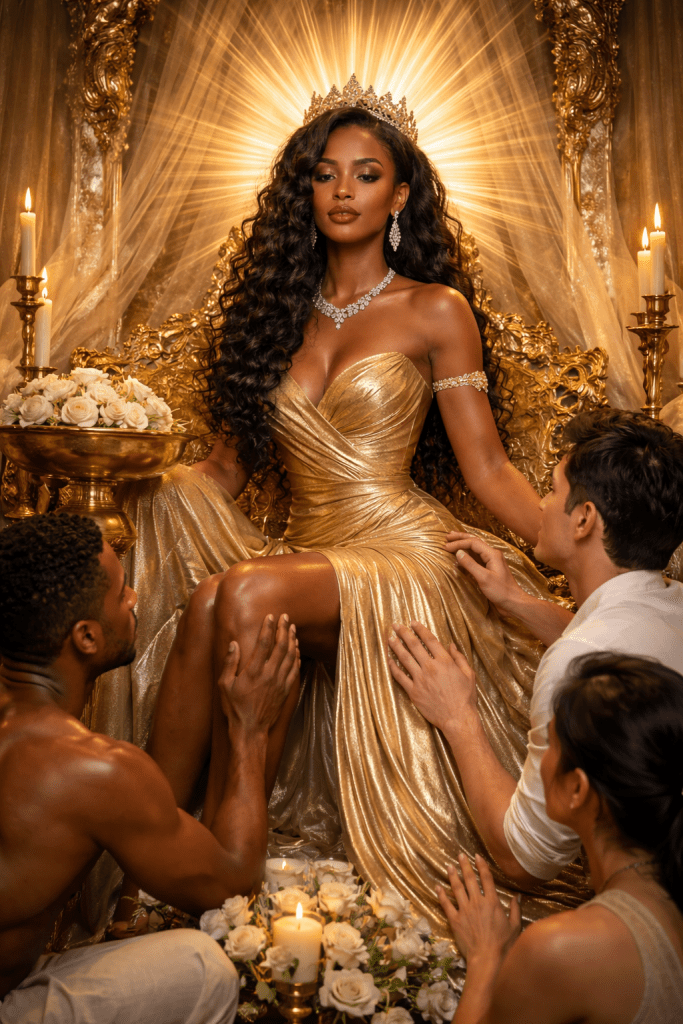
Beauty Series: When Beauty Becomes a False God.

In contemporary culture, beauty is often elevated to a form of worship. When physical appearance becomes the primary measure of worth, it transforms from an attribute into an idol. Beauty, when prioritized above character, wisdom, and spiritual integrity, can lead individuals to pursue self-glorification rather than meaningful purpose.

The concept of beauty sins arises when aesthetic appeal is used to manipulate, dominate, or deceive. Physical attractiveness becomes a tool for social leverage, economic advantage, or personal validation. Instead of serving as a reflection of God’s creation, beauty is exploited for personal gain.

One manifestation of beauty sins is vanity, where individuals obsess over their appearance to the exclusion of other virtues. Time, resources, and energy are devoted to maintaining an image, often leaving spiritual and emotional development neglected. Scripture warns against such preoccupation, emphasizing that the heart matters more than outward appearance (1 Samuel 16:7, KJV).

Pride is a natural companion to vanity. Those considered beautiful may develop a sense of superiority over others, believing that their worth is inherent and unquestionable. Pride in beauty can alienate friends, distort relationships, and foster isolation. Proverbs 16:18 warns, “Pride goeth before destruction, and a haughty spirit before a fall.”

Idolatry occurs when beauty becomes a false god. Just as the Israelites were admonished to worship God alone, modern idolization of appearance displaces the Creator with the created. Physical attractiveness, in this sense, becomes the ultimate authority, demanding attention, admiration, and devotion.

Beauty sins often involve manipulation. People may use their looks to influence others, secure favors, or gain wealth. Relationships founded on appearance rather than authenticity create dependency, mistrust, and moral compromise. This transactional use of beauty distorts human connection and diminishes both parties.

Narcissism is reinforced by beauty worship. Constant affirmation of appearance can cultivate grandiose self-perception, entitlement, and lack of empathy. Psychological research links excessive focus on looks with narcissistic traits, relational difficulties, and identity fragility.

Plastic surgery and cosmetic enhancement, while sometimes empowering, can become instruments of beauty sins when pursued obsessively or to attain societal approval. Dependence on altering one’s body to secure validation reflects a misplaced sense of worth.

The objectification of self and others is central to beauty sins. Treating the body as a commodity or evaluating individuals primarily on appearance reduces human beings to instruments of visual pleasure or social capital, undermining dignity and moral responsibility.

Social media exacerbates beauty sins. Platforms reward aesthetic performance, encouraging comparison, competition, and self-surveillance. Likes and follower counts become proxies for value, perpetuating insecurity and superficiality even among those deemed conventionally attractive.

Beauty sins often generate envy and resentment. Admiration for physical attractiveness can provoke jealousy, rivalry, and social tension. Cultural emphasis on beauty stratifies communities, creating hierarchies that are arbitrary and destructive.

The spiritual consequences of beauty sins are profound. When individuals place beauty at the center of their identity, they risk spiritual stagnation, misaligned priorities, and moral compromise. True worth becomes dependent on external perception rather than God’s affirmation.

Scripture repeatedly emphasizes the transient nature of beauty. “Favor is deceitful, and beauty is vain” (Proverbs 31:30, KJV). Relying on appearance for validation leads to instability, as youth fades and physical traits inevitably change.

The misuse of beauty also impacts relational dynamics. Romantic, professional, and social interactions can be tainted by superficiality. Those worship for appearance may struggle to form deep, authentic connections, while admirers may be misled into valuing aesthetics over substance.

Overcoming beauty sins requires self-awareness. Recognizing when attraction becomes idolatry allows individuals to realign priorities. Reflection, accountability, and spiritual guidance help maintain beauty in its proper context.

Humility is critical. Understanding that physical appearance is a temporary, God-given trait, rather than an ultimate source of authority or worth, counters pride and vanity. Humble individuals appreciate beauty without making it central to identity.

Discipline complements humility. Limiting obsessive focus on appearance, reducing time on comparison, and prioritizing inner growth redirect attention from external validation to lasting virtues.

Service and empathy provide a counterbalance. By using influence for good rather than self-glorification, individuals shift from self-centered beauty worship to contributing positively to others’ lives. Beauty becomes a tool, not a god.

Faith-based reflection reinforces proper perspective. Prayer, scripture study, and spiritual mentorship help individuals value moral character and divine purpose above temporal aesthetics. True beauty aligns with inner virtue and godly character.

Ultimately, when beauty becomes a false god, it enslaves rather than elevates. Recognition, admiration, and material advantage cannot replace spiritual fulfillment, moral integrity, or authentic human connection. Overcoming beauty sins restores balance and aligns identity with higher principles.

Beauty, when rightly ordered, celebrates creation rather than creating a hierarchy of worth. It can be enjoyed without idolatry, admired without exploitation, and expressed without manipulation. True liberation comes when beauty serves purpose rather than commands devotion.

References

Fredrickson, B. L., & Roberts, T. A. (1997). Objectification theory: Toward understanding women’s lived experiences and mental health risks. Psychology of Women Quarterly, 21(2), 173–206.

Calogero, R. M., Tantleff-Dunn, S., & Thompson, J. K. (2011). Self-objectification in women: Causes, consequences, and counteractions. American Psychological Association.

Twenge, J. M., & Campbell, W. K. (2009). The narcissism epidemic: Living in the age of entitlement. Free Press.

Langlois, J. H., Kalakanis, L., Rubenstein, A. J., Larson, A., Hallam, M., & Smoot, M. (2000). Maxims or myths of beauty? A meta-analytic and theoretical review. Psychological Bulletin, 126(3), 390–423.

Eagly, A. H., Ashmore, R. D., Makhijani, M. G., & Longo, L. C. (1991). What is beautiful is good, but… A meta-analytic review of research on the physical attractiveness stereotype. Psychological Bulletin, 110(1), 109–128.

Hunter, M. (2007). The persistent problem of colorism: Skin tone, status, and inequality. Sociology Compass, 1(1), 237–254.

Egypt: The Place of Bondage — Is it Babylon?

In the Bible, Egypt (Hebrew: Mitzrayim) is often used symbolically as the place of bondage, suffering, and enslavement for the children of Israel. Literally, it refers to the land where Israel was enslaved under Pharaoh until God delivered them through Moses (Exodus 12–14). However, later biblical writers often used “Egypt” metaphorically to represent any place of oppression and captivity.

For example, Deuteronomy 28:68 (KJV) says:

“And the Lord shall bring thee into Egypt again with ships, by the way whereof I spake unto thee, thou shalt see it no more again: and there ye shall be sold unto your enemies for bondmen and bondwomen, and no man shall buy you.”

This prophecy has been interpreted by many, especially within Black Hebraic and Israelite circles, as pointing not just to literal Egypt, but to a second bondage — one involving ships, mass enslavement, and dispersal. The transatlantic slave trade is often connected to this verse because millions of Africans were taken in slave ships and sold across the Americas.


Babylon: Symbol of Captivity

Babylon, on the other hand, represents a different type of bondage in Scripture. The historical Babylon was where Judah was exiled after the Babylonian conquest (2 Kings 25). Spiritually, Babylon is often used in the Bible as a symbol of worldly power, idolatry, and moral corruption. In Revelation, “Mystery Babylon” is described as a global power that seduces nations and persecutes the saints (Revelation 17–18).

Thus, Babylon often symbolizes spiritual captivity — being under the influence of a corrupt, ungodly world system — while Egypt often symbolizes physical captivity and hard labor.


Egypt and Babylon in Prophecy

Isaiah 52:4 (KJV) says:

“Thus saith the Lord God, My people went down aforetime into Egypt to sojourn there; and the Assyrian oppressed them without cause.”

This shows that God saw Egypt and later oppressors as part of the same narrative: foreign domination of His people.

Revelation 11:8 (KJV) offers a fascinating connection:

“And their dead bodies shall lie in the street of the great city, which spiritually is called Sodom and Egypt, where also our Lord was crucified.”

Here, Egypt is used spiritually to describe a future place of bondage. Some interpreters suggest that the modern systems of oppression, mass incarceration, debt slavery, and economic exploitation are a type of spiritual Egypt — a continuation of that same cycle of bondage.


Egypt vs. Babylon: A Biblical Comparison

AspectEgypt (Mitzrayim)Babylon
Meaning“Mitzrayim” in Hebrew means “narrow place, straits” — a place of confinement.“Babel/Babylon” means “confusion by mixing” — a place of spiritual corruption.
Historical RolePhysical place of slavery where Israel was held in bondage under Pharaoh (Exodus 1–14).Ancient empire that conquered Judah and exiled its people (2 Kings 25).
SymbolismRepresents physical captivity, forced labor, oppression, and hardship.Represents spiritual captivity, idolatry, worldliness, and moral decay.
Key ScriptureExodus 20:2 – “I am the LORD thy God, which have brought thee out of the land of Egypt, out of the house of bondage.”Revelation 17–18 – “Mystery, Babylon the Great, the Mother of Harlots and Abominations of the Earth.”
Prophetic MeaningIn Deuteronomy 28:68, Egypt can symbolize a future return to bondage, often linked to slavery via ships (transatlantic slave trade).In Revelation, Babylon is seen as a future or present global system of economic and spiritual oppression.
Form of BondagePhysical — slavery, chains, forced labor, economic exploitation (sharecropping, prison labor).Spiritual — false religion, cultural indoctrination, economic control, moral confusion.
Modern ParallelsDebt slavery, mass incarceration, racial oppression, systemic poverty.Consumerism, secularism, media manipulation, moral compromise.
End-Times RoleRepresents the final “house of bondage” from which God’s people must be delivered (Deut. 30:3).Represents the world empire God will judge before the Kingdom is restored (Rev. 18:2–4).
Call to ActionExodus 3:10 – “Come now therefore, and I will send thee unto Pharaoh, that thou mayest bring forth my people…” (Deliverance from oppression).Revelation 18:4 – “Come out of her, my people, that ye be not partakers of her sins…” (Separation from spiritual corruption).

This chart makes it clear that Egypt = physical bondage and Babylon = spiritual/worldly bondage — and that both still exist in different forms today.

Hebraic-Israelite Perspective

Many teachers in the Israelite movement equate Egypt in Deuteronomy 28 with America (or the West in general), viewing it as the modern “house of bondage.” Similarly, they sometimes equate America with “Mystery Babylon” in Revelation, because it is seen as a dominant empire that exports culture, idolatry, and economic exploitation worldwide.

From this view, Egypt = the condition of physical bondage, while Babylon = the system of spiritual, economic, and cultural captivity. Together, they describe both the external and internal struggles of the children of Israel in the modern era.


Summary

  • Egypt (Mitzrayim) = The house of bondage (Exodus 20:2), symbolizing physical slavery and hard labor.
  • Babylon = Spiritual captivity, idolatry, and global oppression, as seen in Revelation’s “Mystery Babylon.”
  • Today’s world can be seen as both Egypt (economic bondage through debt, wage slavery, mass incarceration) and Babylon (spiritual and cultural enslavement through media, moral decay, and false worship).

In short, Egypt in prophecy represents the condition of oppression, and Babylon represents the system of oppression. They overlap in meaning — both point to captivity, but one is physical and one is spiritual.

References

Biblical References

  • Exodus 1–14 – Narrative of Israel’s bondage in Egypt and deliverance through Moses.
  • Exodus 20:2 (KJV) – “I am the LORD thy God, which have brought thee out of the land of Egypt, out of the house of bondage.”
  • Deuteronomy 28:68 (KJV) – Prophecy of returning to Egypt “again with ships.”
  • Isaiah 52:4 (KJV) – Mentions Israel’s oppression in Egypt and by Assyria.
  • 2 Kings 25 – Historical account of Judah’s exile to Babylon.
  • Jeremiah 50:8 (KJV) – “Remove out of the midst of Babylon, and go forth out of the land of the Chaldeans.”
  • Revelation 11:8 (KJV) – Describes the “great city… spiritually called Sodom and Egypt.”
  • Revelation 17–18 (KJV) – Prophecy concerning Mystery Babylon and her final destruction.
  • Revelation 18:4 (KJV) – “Come out of her, my people, that ye be not partakers of her sins…”

Scholarly & Theological Sources

  • Assmann, J. (1997). Moses the Egyptian: The memory of Egypt in Western monotheism. Harvard University Press.
  • Collins, J. J. (2016). The Bible after Babel: Historical criticism in a postmodern age. Eerdmans.
  • Hayes, J. H., & Holladay, C. R. (2007). Biblical exegesis: A beginner’s handbook (3rd ed.). Westminster John Knox Press.
  • Keener, C. S. (2014). Revelation (NIV Application Commentary). Zondervan.
  • Wright, N. T. (2012). How God became King: The forgotten story of the Gospels. HarperOne.
  • Walton, J. H. (2006). Ancient Near Eastern thought and the Old Testament. Baker Academic.

The “It Girl” Series: Vivica A. Fox

The 90s bombshell who turned blockbuster beauty into enduring Black Hollywood power.

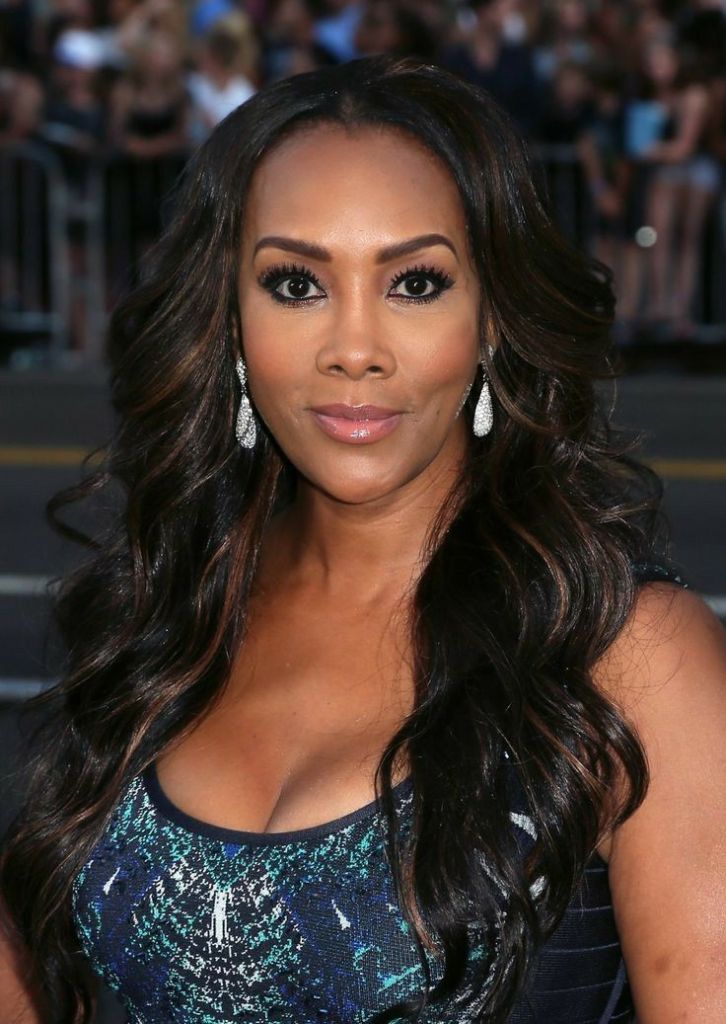
This photograph is the property of its respective owner.

In the pantheon of Black Hollywood glamour, few women have embodied resilience, sensuality, and business acumen quite like Vivica A. Fox. With her radiant smile, honey-brown complexion, and unmistakable screen presence, Fox emerged in the 1990s as one of the definitive “It Girls” of her era. She was not merely beautiful—she was bankable. At a time when Hollywood often limited roles for Black actresses, Fox carved out a space where glamour met grit, and vulnerability met strength.

Born July 30, 1964, in South Bend, Indiana, and raised in Indianapolis, Fox earned a degree in social sciences from Golden West College before pursuing acting. Her early career included soap operas such as Days of Our Lives and Generations, where she honed the discipline and stamina required in the entertainment industry. These formative years shaped her work ethic and prepared her for the breakout that would redefine her trajectory.

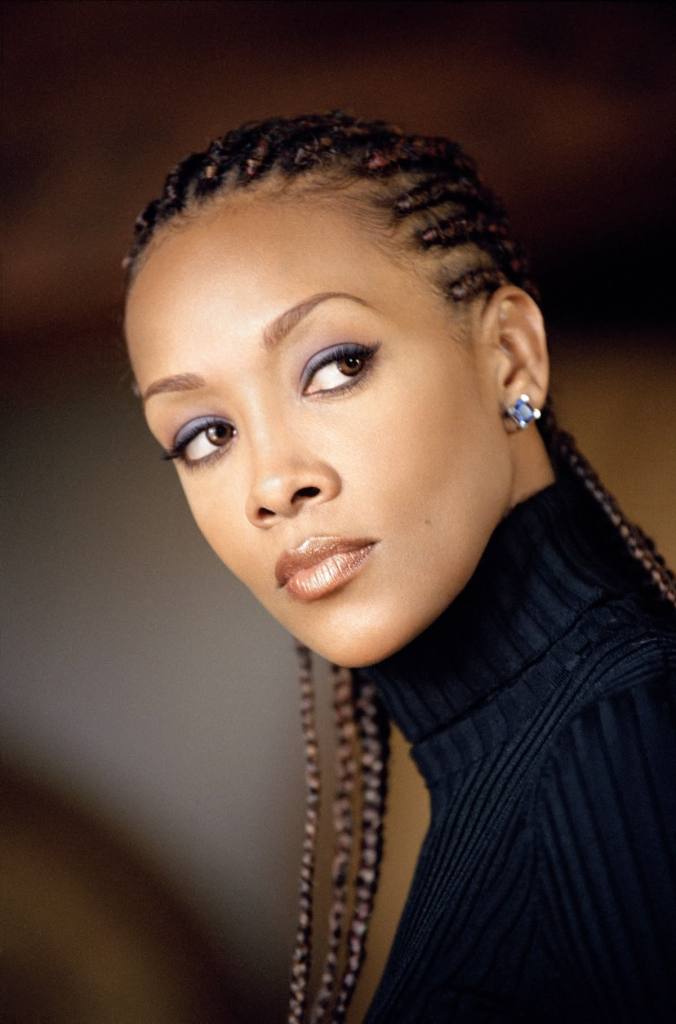
This photograph is the property of its respective owner.

Fox’s ascension to mainstream fame arrived with her role as Jasmine Dubrow in Independence Day (1996). Acting alongside Will Smith, she portrayed a devoted girlfriend and single mother navigating apocalyptic chaos. The film grossed over $800 million worldwide, cementing Fox as a recognizable face in blockbuster cinema. That same year, she starred opposite Jada Pinkett Smith and Queen Latifah in Set It Off, a cultural landmark that remains one of the most significant portrayals of Black female antiheroes in American film history. Her performance as Frankie Sutton—loyal, fierce, and tragically vulnerable—demonstrated dramatic range and emotional depth.

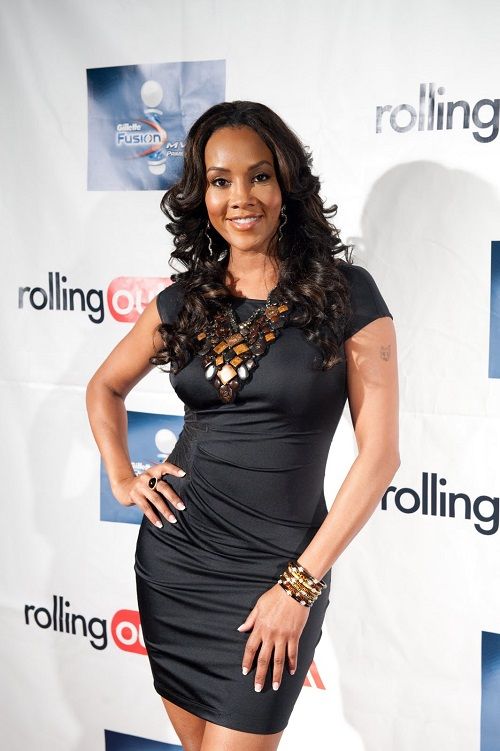
This photograph is the property of its respective owner.

Throughout the late 1990s and early 2000s, Fox became synonymous with box office consistency and romantic allure. She starred in Soul Food, a film adaptation of the television series’ precursor, highlighting Black family dynamics, and appeared in Why Do Fools Fall in Love, portraying Elizabeth Waters opposite Halle Berry. Fox also displayed comedic brilliance in Booty Call and dramatic intensity in Kill Bill: Vol. 1, directed by Quentin Tarantino. As Vernita Green (Copperhead), she embodied physical power and maternal complexity, proving she could dominate action cinema alongside global stars.

In the 2010s, Vivica A. Fox strategically expanded her brand through a prolific partnership with Lifetime, becoming one of the network’s most recognizable leading ladies and executive producers. She headlined and produced multiple entries in the popular thriller franchise commonly known as “The Wrong” series—including titles such as The Wrong Roommate and The Wrong Fiancé—which centered on suspense-driven narratives involving deception, obsession, and betrayal. In 2020, Fox solidified her relationship with Lifetime and its parent company, A+E Networks, by signing a first-look development and producing deal. The agreement positioned her to both star in and executive produce original films for the network, effectively transitioning her from on-screen talent to creative architect. This deal underscored her business acumen, granting her expanded influence over storytelling while ensuring sustained visibility in a competitive industry.

Beyond acting, Fox evolved into a producer and entrepreneur, founding Foxy Brown Productions. She later became a staple of television, starring in and producing projects for networks such as Lifetime, often portraying sophisticated, high-powered women. Her longevity in the industry reflects not only talent but adaptability—an essential attribute for Black actresses navigating Hollywood’s shifting landscape.

Culturally, Fox’s beauty represented the quintessential “All-American” glamour filtered through a distinctly Black aesthetic. Her softly arched brows, almond-shaped eyes, and luminous skin tone positioned her within mainstream beauty discourse at a time when representation was limited. Yet her appeal transcended aesthetics. She carried herself with confidence, humor, and unapologetic femininity, influencing a generation of actresses and audiences alike.

Vivica A. Fox is an “It Girl” not because of fleeting popularity, but because of sustained visibility, cultural impact, and professional endurance. She represents the archetype of the 1990s Black Hollywood starlet who matured into a mogul—gracefully, strategically, and unapologetically. In a world that often sidelines women as they age, Fox has maintained relevance, embodying elegance and resilience.

Her legacy is one of survival and success. She is not simply remembered for her roles; she is remembered for her presence—bold, beautiful, and enduring.


References

Bogle, D. (2016). Toms, Coons, Mulattoes, Mammies, and Bucks: An interpretive history of Blacks in American films (Updated ed.). Bloomsbury Academic.

Guerrero, E. (1993). Framing Blackness: The African American image in film. Temple University Press.

IMDb. (n.d.). Vivica A. Fox. Retrieved from https://www.imdb.com

Mask, M. (2009). Divas on screen: Black women in American film. University of Illinois Press.

A+E Networks. (2020). Vivica A. Fox signs first-look development deal with Lifetime. Press release.

Deadline. (2020). Vivica A. Fox inks first-look deal with Lifetime.

IMDb. (n.d.). Vivica A. Fox filmography. Retrieved from https://www.imdb.com

Lifetime. (n.d.). Original movies featuring Vivica A. Fox. Retrieved from https://www.mylifetime.com

The Representation of Black

The representation of Black people has never been neutral; it has been shaped by power, history, and ideology. From colonial narratives to modern media, images of Blackness have been constructed to serve political, economic, and psychological agendas rather than truth. Representation functions not merely as visibility, but as meaning-making—determining who is seen as human, valuable, intelligent, dangerous, beautiful, or disposable.

Historically, Western representation of Black people emerged through the lens of enslavement and colonial domination. Early depictions framed Africans as primitive, savage, and inferior, providing moral justification for conquest and exploitation. These narratives were not accidental but foundational to the racial hierarchy that undergirded the modern world-system (Fanon, 1952; Said, 1978).

During transatlantic slavery, Black bodies were represented as labor units rather than persons. Art, literature, and pseudoscience portrayed Black people as biologically suited for servitude, stripping them of complexity, spirituality, and intellect. These portrayals reinforced dehumanization and normalized violence against Black communities (Davis, 1981).

Biblical misrepresentation also played a role. Scripture was selectively interpreted to portray Blackness as cursed, despite no such racial designation existing in the biblical text. This theological distortion shaped Western Christian consciousness and cemented racialized representations that persist today (Haynes, 2002).

Post-emancipation representation did not immediately improve. Minstrelsy, caricatures, and early film continued to depict Black people as comic relief, criminals, or hypersexual figures. These images reassured white audiences of racial superiority while limiting Black social mobility (Bogle, 2016).

The rise of mass media in the twentieth century amplified these portrayals globally. Hollywood became a powerful tool for exporting distorted images of Black life, often disconnected from lived reality. Representation became repetition, and repetition hardened stereotype into assumed truth.

Black women faced a distinct burden within representation. Tropes such as the Jezebel, Mammy, Sapphire, and Welfare Queen confined Black womanhood to narrow, degrading roles. These images justified both sexual exploitation and social neglect while erasing vulnerability and dignity (Collins, 2000).

Black men were similarly constrained through representations of hypermasculinity, aggression, and criminality. Media narratives disproportionately linked Black male identity to violence and threat, shaping public perception and policy, including over-policing and mass incarceration (Alexander, 2010).

Representation also operates through absence. The exclusion of Black people from narratives of intellect, leadership, romance, and innocence communicates inferiority just as powerfully as negative imagery. What is not shown can be as damaging as what is shown.

In response, Black communities have consistently resisted imposed representations. From slave narratives to the Harlem Renaissance, Black creators reclaimed authorship and asserted humanity through literature, music, art, and theology. Representation became a site of survival and self-definition.

The Civil Rights and Black Power movements challenged not only legal inequality but symbolic domination. Slogans like “Black is Beautiful” directly confronted Eurocentric standards and re-centered Black aesthetics and self-worth. Representation shifted from apology to affirmation.

Contemporary media has seen increased Black visibility, yet representation remains contested. Tokenism, colorism, and commodified diversity often replace genuine inclusion. Visibility without power risks reproducing the same hierarchies under new language (hooks, 1992).

Colorism remains a critical issue within representation. Lighter skin, looser hair textures, and Eurocentric features continue to be privileged in media portrayals, reinforcing internalized anti-Blackness and stratification within Black communities (Hunter, 2007).

Social media has democratized representation, allowing Black individuals to tell their own stories outside institutional gatekeeping. However, it has also intensified surveillance, commodification, and performance pressures, complicating authenticity and agency.

Representation affects material outcomes. Studies show that media portrayals shape public opinion, educational expectations, employment opportunities, and criminal justice outcomes. Representation is not symbolic alone—it is structural (Entman & Rojecki, 2000).

Spiritual representation also matters. Depictions of God, holiness, and virtue overwhelmingly coded as white distort theological imagination and alienate Black believers. Reclaiming sacred representation is central to psychological and spiritual liberation.

Authentic representation requires more than inclusion; it demands narrative control. Who writes, directs, edits, funds, and distributes stories determines how Black life is framed and understood. Power behind the image is as important as the image itself.

True representation must reflect complexity—joy and pain, faith and doubt, intellect and emotion. Black people are not a monolith, and any representation that flattens diversity perpetuates harm, even when well-intentioned.

Decolonizing representation involves interrogating whose standards define excellence, beauty, and normalcy. It requires dismantling Eurocentric frameworks and honoring African diasporic histories, epistemologies, and aesthetics.

The future of Black representation depends on sustained cultural literacy, institutional accountability, and community self-definition. Representation must move from reaction to creation, from correction to sovereignty.

Ultimately, the representation of Black people is a moral issue. It reflects how society understands humanity itself. When Black life is represented truthfully and fully, it expands the moral imagination and affirms the dignity of all people.


References

Alexander, M. (2010). The new Jim Crow: Mass incarceration in the age of colorblindness. The New Press.

Bogle, D. (2016). Toms, coons, mulattoes, mammies, and bucks: An interpretive history of Blacks in American films. Bloomsbury.

Collins, P. H. (2000). Black feminist thought: Knowledge, consciousness, and the politics of empowerment. Routledge.

Davis, A. Y. (1981). Women, race & class. Vintage Books.

Entman, R. M., & Rojecki, A. (2000). The Black image in the white mind: Media and race in America. University of Chicago Press.

Fanon, F. (1952). Black skin, white masks. Grove Press.

Haynes, S. R. (2002). Noah’s curse: The biblical justification of American slavery. Oxford University Press.

hooks, b. (1992). Black looks: Race and representation. South End Press.

Hunter, M. (2007). The persistent problem of colorism. Sociology Compass, 1(1), 237–254.

Said, E. W. (1978). Orientalism. Pantheon Books.

The Plantation Palette: How Colorism Was Painted Into Our DNA.

Colorism is not simply a social construct—it is a historical wound written into the subconscious of the African diaspora. It is the shadow of slavery that lingers in how we perceive beauty, worth, and belonging. The plantation, once a site of brutal labor and exploitation, became the first workshop where shades of brown were turned into symbols of hierarchy. Within its cruel order, skin color was not just biology—it became social destiny.

The origins of colorism in the Americas lie in the cruel logic of white supremacy. During slavery, the European masters created a false dichotomy between “house slaves” and “field slaves.” Those with lighter complexions, often the offspring of rape and coercion by white men, were assigned domestic work and treated marginally better. Darker-skinned Africans, whose features reflected their full heritage, were confined to the fields. This system cultivated resentment, insecurity, and self-hatred—ingredients that would harden into generational trauma.

On the plantation, color became code. It signified proximity to whiteness and, therefore, proximity to privilege. The masters engineered this system deliberately, knowing that internal division among the enslaved would ensure control. This was psychological warfare disguised as social order. What began as survival-based favoritism evolved into a culture of comparative value, one that still haunts descendants today.

This plantation palette—the gradation of complexion from light to dark—became the foundation of a pigment hierarchy that endured long after slavery’s abolition. Freedmen’s societies, post-slavery fraternities, and even churches sometimes practiced exclusion based on complexion. The “paper bag test,” requiring one’s skin to be lighter than a brown paper bag, institutionalized colorism within Black spaces. The oppressor’s palette became the people’s poison.

In a cruel twist of history, this bias was internalized. Enslaved and freed Black communities began to mirror the hierarchies imposed upon them. The lighter the skin, the closer one appeared to the master class. The darker the tone, the further one was deemed from beauty, intelligence, and refinement. It was not merely prejudice—it was the plantation’s psychological residue replicated in every generation.

Science and pseudo-genetics in the 19th and 20th centuries gave colorism false legitimacy. Phrenologists and eugenicists claimed that lighter skin signified evolutionary advancement, while darker tones represented savagery. These racist pseudosciences seeped into textbooks, media, and art. Even after slavery, the plantation’s palette painted the world’s perception of Blackness in gradients of acceptance and rejection.

The entertainment industry perpetuated this pigment hierarchy. Early Hollywood refused to cast dark-skinned Black actors in leading roles, preferring “passing” or lighter-toned performers who could fit Eurocentric ideals. In music, Motown executives polished their artists’ images to appeal to white audiences, often selecting those whose skin was “marketable.” The plantation’s palette had evolved from whip to camera, from overseer to director’s chair.

In beauty culture, skin bleaching became a global epidemic. From the Caribbean to Africa to South Asia, the false promise of lighter skin as a ticket to success spread like a virus. Colonialism exported colorism as cultural infection, linking “fairness” to purity and status. Advertisements equating lightness with virtue were not new—they were modern echoes of the plantation’s visual code.

Psychologically, colorism is a form of inherited trauma. Epigenetic studies suggest that stress and oppression can influence gene expression across generations (Yehuda & Bierer, 2009). While color preference itself is cultural, the social stress tied to darker skin—exclusion, discrimination, invisibility—can shape self-perception at a cellular level. Thus, colorism is not merely learned; it is embodied.

The plantation painted identity with a cruel precision: lightness equaled potential, darkness equaled labor. This message infiltrated the bloodstream of the diaspora, turning self-recognition into self-negotiation. Every time a child is told they are “too dark” or “too light,” the plantation speaks again. Its brushstrokes still stain the canvas of our collective consciousness.

However, the story of the plantation palette is also one of resistance. Black communities have long challenged these hierarchies through cultural affirmation. The Harlem Renaissance, the Negritude Movement, and the Black Arts Movement reclaimed the beauty of darkness as divine. Writers like Langston Hughes and Aimé Césaire shattered the myth of inferiority by celebrating melanin as majesty.

Spiritually, the lie of colorism collapses under divine truth. Scripture declares, “I will praise thee; for I am fearfully and wonderfully made” (Psalm 139:14, KJV). The Creator did not craft shades of humanity to rank them, but to reflect His boundless creativity. Melanin is not a mistake—it is a masterpiece. To reclaim our beauty is to reclaim the truth of divine intention.

Sociologically, colorism continues to influence education, employment, and dating patterns. Studies show that lighter-skinned individuals often receive higher income, lighter sentencing, and more favorable treatment in professional and romantic contexts (Hochschild & Weaver, 2007). The plantation may be gone, but its paint still dries unevenly across modern institutions.

Media representation remains a battleground. When dark-skinned women like Lupita Nyong’o, Viola Davis, and Danai Gurira rise to prominence, they challenge centuries of aesthetic bias. Their visibility restores balance to the narrative, reminding the world that beauty does not fade with depth—it deepens. The plantation palette can be repainted when darker hues are centered, celebrated, and seen.

Education is one of the most powerful solvents against colorism. Teaching young people the origins of complexion bias empowers them to unlearn it. When students understand that colorism was manufactured to divide, they begin to heal. Knowledge restores agency; truth restores dignity. The palette can be reclaimed through re-education.

In the realm of relationships, colorism continues to distort love. Preferences shaped by colonial beauty ideals still define desirability in the modern age. Healing requires that both men and women confront these biases honestly—understanding that love conditioned by shade is not love at all, but indoctrination. Liberation begins with reprogramming affection to mirror authenticity.

Culturally, art has always been the great redeemer. Black painters, photographers, and filmmakers are repainting the narrative, giving dark skin the glory it was denied. Through rich tones, shadows, and light, they rewrite the visual language of worth. Every portrait of a dark-skinned figure bathed in golden light is an act of rebellion against the plantation palette.

Economically, industries that profit from color bias must be held accountable. The global skin-lightening market, projected to surpass $12 billion, thrives on the insecurity of colonized beauty ideals (Statista, 2023). Dismantling colorism means dismantling the profit systems built upon it. Freedom is not just emotional—it is financial.

Ultimately, the plantation palette reminds us that identity has been painted, but it can also be repainted. Each generation holds the brush. When we celebrate every shade of brown as sacred, we undo the work of centuries. Our skin becomes testimony, not tragedy. Our reflection becomes revolution.

Colorism was painted into our DNA through trauma, but through truth, it can be washed clean. The time has come to reclaim our palette—to turn shame into pride, division into unity, and pain into art. What was once used to divide us will now define us as divine. We are not products of the plantation; we are the pigments of paradise, unchained and unashamed.

References

  • The Holy Bible, King James Version (Psalm 139:14).
  • Hochschild, J. L., & Weaver, V. (2007). The Skin Color Paradox and the American Racial Order. Social Forces, 86(2), 643–670.
  • Yehuda, R., & Bierer, L. M. (2009). The Relevance of Epigenetics to PTSD: Implications for the DSM-V. Journal of Traumatic Stress, 22(5), 427–434.
  • hooks, b. (1992). Black Looks: Race and Representation. South End Press.
  • Russell, K., Wilson, M., & Hall, R. (1992). The Color Complex: The Politics of Skin Color Among African Americans. Doubleday.
  • Morrison, T. (1992). Playing in the Dark: Whiteness and the Literary Imagination. Vintage.
  • Tate, S. (2009). Black Beauty: Aesthetics, Stylization, Politics. Routledge.
  • Craig, M. L. (2002). Ain’t I a Beauty Queen?: Black Women, Beauty, and the Politics of Race. Oxford University Press.
  • Hall, S. (1997). Representation: Cultural Representations and Signifying Practices. Sage.
  • Davis, A. (1981). Women, Race, & Class. Random House.

Psychology Series: In Relationships, Be Careful Who You Choose.

Relationships don’t just reveal who we love — they reveal who we are still healing.

Many people are not choosing partners.
They are choosing patterns.
They are choosing familiar pain.
They are choosing what feels like home — even if home was unhealthy.

“Until you make the unconscious conscious, it will direct your life and you will call it fate.” – Carl Jung


1. The Baby Girl / Baby Boy: Parental Trauma & the Inner Child

Many adults are still operating from the wounds of the “baby girl” or “baby boy” inside.

  • The daughter who never felt protected looks for protection in a partner.
  • The son who never felt affirmed looks for validation in a woman.
  • The neglected child looks for someone to finally “see” them.

Psychology calls this the inner child — the part of us shaped in early development that still carries unmet needs, fear, and longing.

The Bible speaks to this brokenness:

“When my father and my mother forsake me, then the LORD will take me up.” – Psalm 27:10 (KJV)

When parental wounds go unhealed:

  • You may confuse intensity for love.
  • You may chase approval.
  • You may tolerate disrespect because it feels familiar.
  • You may become emotionally dependent instead of spiritually anchored.

Unhealed trauma says:

  • “Choose someone who feels familiar.”

Healing says:

  • “Choose someone who feels healthy.”

“We don’t see people as they are; we see them as we are.” – Anaïs Nin

If your inner child is wounded, you will attract someone who matches the wound — not the calling.


2. Trauma Within: What You Don’t Heal, You Repeat

Trauma is not only what happened to you.
Trauma is what happened inside you because of what happened.

The KJV reminds us:

“Keep thy heart with all diligence; for out of it are the issues of life.” – Proverbs 4:23

Unresolved trauma shows up as:

  • Fear of abandonment
  • Control issues
  • Jealousy
  • Emotional shutdown
  • People-pleasing
  • Attachment to chaos

Modern psychology confirms that attachment styles (anxious, avoidant, disorganized) are rooted in early relational trauma.

You cannot build a kingdom marriage with a wounded foundation.

“Hurt people hurt people.” – Often attributed to Will Bowen

Trauma bonding feels like:

  • Fast attachment
  • Deep emotional dependency
  • High highs and low lows
  • Confusing passion with peace

But the Bible gives a different standard for love:

“For God is not the author of confusion, but of peace…” – 1 Corinthians 14:33 (KJV)

If it’s constant confusion, instability, and anxiety — it may not be love.
It may be unhealed trauma looking for relief.


3. The Ego Persona: Remove Self, Put God There

Psychology speaks of the ego persona — the mask we wear to survive, impress, or protect ourselves.

  • The “strong independent” mask.
  • The “I don’t need anyone” mask.
  • The “I must always be right” mask.
  • The “fixer” mask.
  • The “savior” mask.

The ego protects wounds but blocks intimacy.

The Bible calls us to die to self:

“He must increase, but I must decrease.” – John 3:30 (KJV)

“Put off… the old man, which is corrupt according to the deceitful lusts.” – Ephesians 4:22 (KJV)

When ego leads:

  • You choose based on pride.
  • You stay to prove a point.
  • You fight to win, not to understand.
  • You attract someone who feeds your image, not your soul.

When God leads:

  • You choose based on peace.
  • You walk away when there is no alignment.
  • You seek healing, not validation.
  • You value character over chemistry.

Choosing Healing Over Trauma

You must decide:
Do I want familiar pain or unfamiliar peace?

Healing looks like:

  • Therapy or counseling
  • Honest self-reflection
  • Forgiving parents (even if they never apologize)
  • Breaking generational patterns
  • Learning secure attachment
  • Seeking God daily

“Be not conformed to this world: but be ye transformed by the renewing of your mind…” – Romans 12:2 (KJV)

Transformation is not automatic.
It is intentional.

When you put God in the place of the wound:

  • You stop expecting a partner to be your savior.
  • You stop demanding from others what only God can give.
  • You stop idolizing relationships.

“Create in me a clean heart, O God; and renew a right spirit within me.” – Psalm 51:10 (KJV)


Final Truth: Be Careful Who You Choose

You don’t just marry a person.
You marry:

  • Their trauma.
  • Their healing level.
  • Their self-awareness.
  • Their relationship with God.
  • Their ego or their surrender.

And they marry yours.

So before you choose someone else,
Choose healing.

Before you ask, “Is this the one?”
ask,
“Am I whole enough to recognize the one?”

Because the right relationship is not two wounded children clinging to each other.

It is two healed adults,
submitted to God,
choosing love from wholeness — not from lack.

References

The Holy Bible, King James Version. (1769/2017). Cambridge University Press. (Original work published 1611).


Bowlby, J. (1969). Attachment and loss: Vol. 1. Attachment. Basic Books.

Foundational work on attachment theory explaining how early parental relationships shape adult relational patterns.

Ainsworth, M. D. S., Blehar, M. C., Waters, E., & Wall, S. (1978). Patterns of attachment: A psychological study of the strange situation. Lawrence Erlbaum.

Identifies secure, anxious, and avoidant attachment styles relevant to adult romantic relationships.

Jung, C. G. (1953). Two essays on analytical psychology (R. F. C. Hull, Trans.). Princeton University Press. (Original work published 1928).

Discusses the ego, persona, and unconscious processes influencing relational behavior.

Freud, S. (1923/1961). The ego and the id (J. Strachey, Trans.). W. W. Norton.

Foundational psychoanalytic work on ego development and internal conflict.

Van der Kolk, B. A. (2014). The body keeps the score: Brain, mind, and body in the healing of trauma. Viking.

Explains how trauma is stored neurologically and physiologically, influencing adult relationships.

Levine, A., & Heller, R. (2010). Attached: The new science of adult attachment and how it can help you find—and keep—love. TarcherPerigee.

Applies attachment theory directly to romantic partnerships.

Bradshaw, J. (1990). Homecoming: Reclaiming and championing your inner child. Bantam Books.

Popular psychological work on the concept of the “inner child” and unresolved childhood wounds.

Bowen, M. (1978). Family therapy in clinical practice. Jason Aronson.

Introduces family systems theory and generational trauma transmission.

American Psychiatric Association. (2013). Diagnostic and statistical manual of mental disorders (5th ed.).

Clinical definitions of trauma-related disorders and attachment disruptions.


Jung, C. G. (1964). Man and his symbols. Doubleday.

“Until you make the unconscious conscious, it will direct your life and you will call it fate.”

Nin, A. (1961). Seduction of the minotaur. Swallow Press.

“We don’t see things as they are, we see them as we are.”

Bowen, M. (Attributed).

“Hurt people hurt people.” (Popular attribution; concept aligned with family systems theory.)

Beauty Series: Men, Masculinity, and the Face Value Fallacy

In modern society, physical attractiveness often carries disproportionate weight in social perception. For men, appearance can influence how they are perceived in both romantic and professional contexts. The “face value fallacy” refers to the assumption that outward appearance reflects inner character, abilities, or worth, a misconception that can mislead both men and women.

Masculinity is often intertwined with perceptions of physicality. Height, facial structure, muscle tone, and grooming can influence how men are judged socially, romantically, and professionally. Society frequently equates certain physical traits with strength, confidence, or success, creating pressure to conform to idealized standards.

However, the face value fallacy distorts understanding. While appearance may open doors or attract initial attention, it is not indicative of integrity, wisdom, or moral character. A man’s physical appeal does not guarantee faithfulness, responsibility, or emotional intelligence. Proverbs 31:30 reminds us, “Favor is deceitful, and beauty is vain: but a woman that feareth the Lord, she shall be praised.” This principle applies universally—outer attractiveness is transient and not a reliable measure of value.

For Black men, navigating societal standards of masculinity is compounded by cultural pressures and racialized stereotypes. Media, historical prejudice, and community expectations shape perceptions of what it means to be attractive, successful, or powerful. The pressure to embody both physical and social ideals can create internal conflict and influence behavior.

Romantic relationships are particularly impacted by the face value fallacy. Men may prioritize appearance when evaluating potential partners, while women may do the same when assessing men. Overemphasis on looks can obscure important qualities such as faithfulness, kindness, intelligence, and spiritual alignment.

Masculinity is more than appearance; it encompasses responsibility, integrity, and the ability to lead and protect. A godly man demonstrates strength through character, service, and faithfulness, not merely through aesthetics. Ephesians 5:25–28 emphasizes love expressed through action, highlighting the importance of inner virtue over superficial appeal.

The fallacy also affects self-perception. Men may equate their worth with how attractive they are or how favorably they are perceived by women or society. This can foster insecurity, anxiety, or unhealthy competition. True confidence is rooted in competence, character, and alignment with God’s purpose.

Social media amplifies the face value fallacy. Filters, curated images, and public comparison encourage judgment based on looks rather than substance. For men, this environment can distort priorities, fostering preoccupation with external validation instead of spiritual or personal growth.

The face value fallacy impacts decision-making in dating, career, and social interactions. Men who overemphasize appearance may overlook red flags, ignore character flaws, or invest in relationships that lack alignment with God’s principles. Discernment requires looking beyond the surface to evaluate behavior, integrity, and values.

Cultural influences play a role in shaping what is considered masculine and attractive. Historically, certain facial features, skin tone, or body types have been idealized, particularly within Western media. These standards often exclude diverse expressions of masculinity and contribute to pressure to conform.

Men may also experience fetishization, particularly in cross-cultural or interracial contexts. Certain physical traits—muscle, height, facial symmetry—can be objectified, reducing a man to aesthetic qualities rather than recognizing holistic character. This parallels how women are often evaluated primarily on appearance.

Faith provides a corrective lens. A man who prioritizes God’s guidance, integrity, and service embodies true masculinity. Appearance becomes secondary to spiritual alignment, moral responsibility, and relational fidelity. Psalm 37:23–24 underscores that the Lord directs the steps of the righteous, emphasizing guidance over outward perception.

Men who understand the face value fallacy cultivate authenticity. They invest in self-discipline, emotional intelligence, and godly character, ensuring that relationships and social interactions are grounded in substance rather than superficial attraction.

The fallacy also informs mentorship and leadership. Men who rise to positions of influence based solely on appearance or charm risk instability, ethical compromise, or relational discord. True leadership requires wisdom, empathy, and integrity, not merely aesthetic appeal.

Masculinity expressed through service rather than show fosters respect. Protecting, providing, and encouraging others reflects strength rooted in action rather than image. Proverbs 20:7 illustrates this principle: “The just man walketh in his integrity: his children are blessed after him.”

Romantic attraction must balance beauty with virtue. Physical appeal can initiate interest, but faithfulness, encouragement, and spiritual alignment sustain a lasting partnership. Women seeking godly men should look beyond appearance to assess character, values, and consistency.

Education, reflection, and accountability help men navigate pressures of appearance. Mentorship, community guidance, and scripture study reinforce the understanding that true masculinity is holistic, integrating physical, emotional, and spiritual dimensions.

Ultimately, the face value fallacy serves as a cautionary tale: appearances are temporary and often misleading. For men, prioritizing inner character, integrity, and godly principles creates enduring influence, meaningful relationships, and spiritual fulfillment.

Understanding this fallacy also benefits women. Recognizing that physical appearance does not guarantee fidelity, leadership, or moral alignment allows women to make informed choices in partners, fostering healthier relationships and spiritual growth.

Beauty, whether male or female, is a gift, but it should never define worth. Masculinity grounded in integrity, wisdom, and service endures beyond fleeting aesthetic standards. Godly men and women alike are called to evaluate relationships and social interactions through the lens of scripture, ensuring alignment with divine purpose rather than superficial perception.

References

The Holy Bible, King James Version.

Ephesians 5:25–28
Proverbs 31:30
Psalm 37:23–24
Twenge, J. M., & Campbell, W. K. (2009). The Narcissism Epidemic: Living in the Age of Entitlement. Free Press.

Hunter, M. (2007). The persistent problem of colorism: Skin tone, status, and inequality. Sociology Compass, 1(1), 237–254.

Anderson, E. (2012). The Social Dynamics of Black Male Attraction. Oxford University Press.

Psychology Today. (2016). Why physical attractiveness influences behavior.

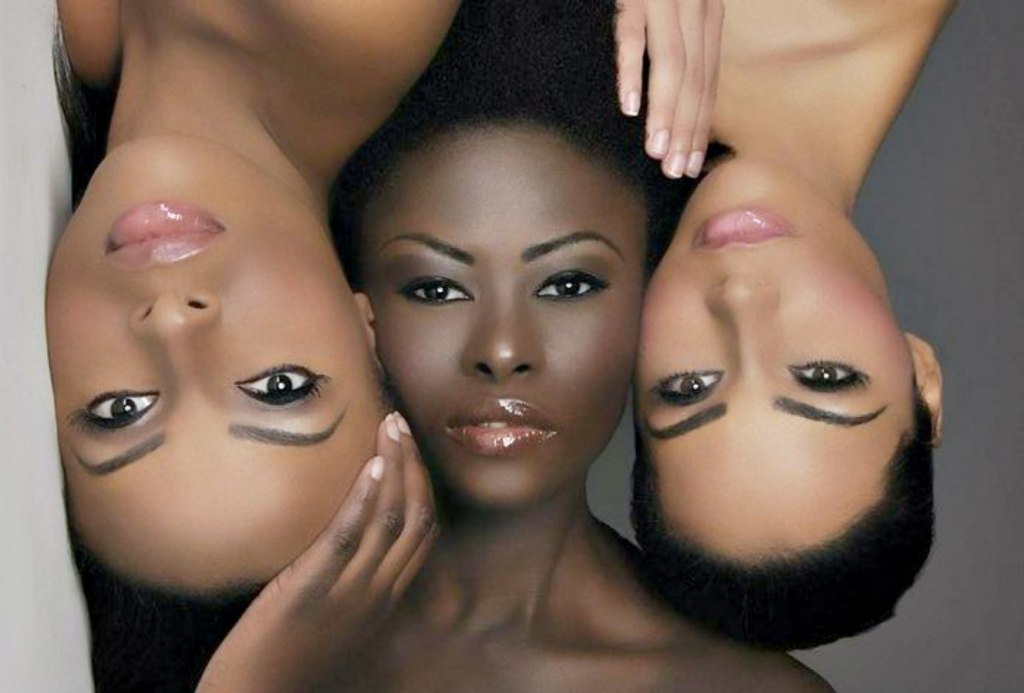
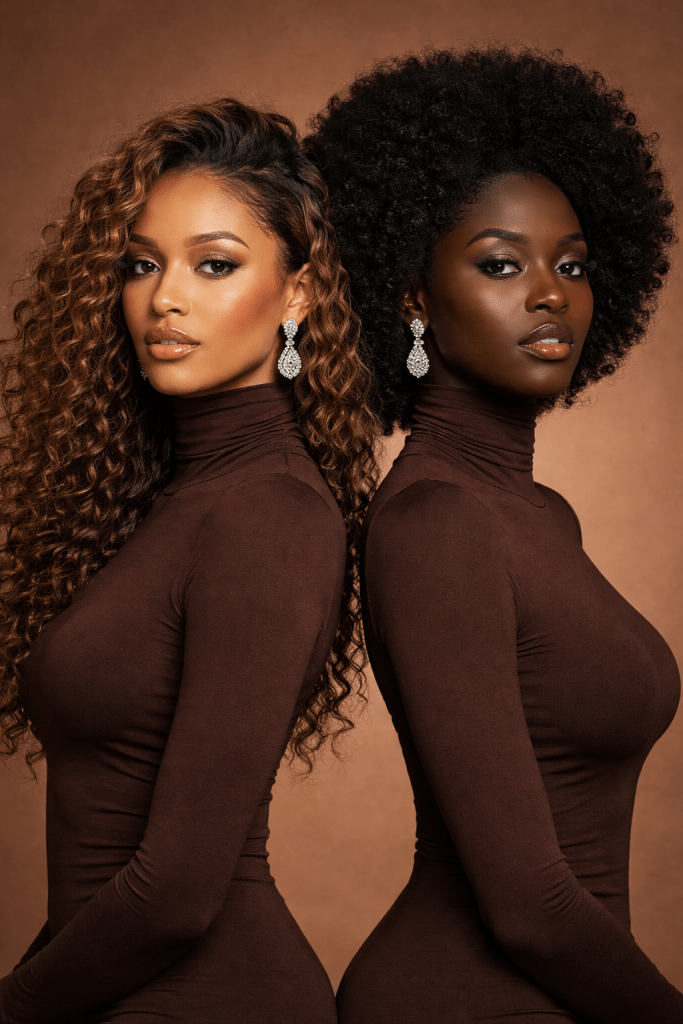
My Light-Skinned Privilege, Her Dark-Skinned Disadvantage.

From a Light Brown Girl, To all Brown Girls

I walk through doors,
They open wide for me,
A shade lighter, a step brighter,
The world smiles differently on me.

Her skin, kissed by night,
Absorbs the sun, absorbs the stares,
She carries the weight of centuries,
Of whispers, judgments, and unseen bars.

I’ve tasted doors that swung freely,
Opportunities served on silver plates,
She knocks, waits, sometimes bleeds,
The world is unsure if she belongs at all.

I see her in mirrors, in classrooms,
In magazines that promise beauty
But only echo my reflection back,
Ignoring her rich, radiant hue.

We share the same blood, the same roots,
But the world measures our worth differently,
She’s exotic, she’s dangerous, she’s wrong,
While I float, almost invisible, in favor.

I want to hug her, lift her, tell her—
The color of her skin is not a curse,
Though the world has learned to punish it,
We must learn to celebrate it.

Her darkness is not a shadow,
Not a fault, not a mistake;
It’s the soil from which strength blooms,
It’s the sun that refuses to fade.

I feel guilt in my privilege,
A heaviness I cannot ignore,
For every door that opens for me,
I remember one that stayed shut for her.

Still, we are sisters in melanin,
Bound by love and shared history,
I will use my lighter shade as leverage,
To fight for her, lift her, honor her.

Brown girl, do not bow to the bias,
Do not shrink, do not fade;
Your hue is power, your skin is glory,
And together, we rewrite the story.

Colorism, the preferential treatment of lighter-skinned individuals within the same racial or ethnic group, is a pervasive and often unspoken issue in society. Growing up as a light-skinned Black woman, I have noticed the subtle advantages afforded to me: from assumptions of intelligence and beauty to greater social acceptance and professional opportunities. My complexion has often allowed me to navigate spaces more easily, receiving compliments and access that my darker-skinned peers, particularly women, frequently do not. These advantages, though sometimes invisible to me, are real and cumulative, shaping opportunities and perceptions over a lifetime.

Conversely, darker-skinned Black women often face systemic biases that limit their visibility and opportunities. From media representation to workplace dynamics, society tends to privilege lighter complexions, equating them with beauty, sophistication, and competence. My darker-skinned sisters encounter microaggressions, exclusion, and negative stereotypes that are often justified as personal preference but rooted in historical oppression. This disparity highlights not only societal prejudice but also the internalized hierarchies that continue to divide and marginalize within our communities.

The tension between light and dark skin is further complicated by interpersonal relationships and professional networking. I have witnessed situations where lighter-skinned colleagues are promoted faster, receive more public recognition, or are perceived as more approachable, while darker-skinned peers are overlooked despite equal or superior skill. These inequities reinforce a system where privilege operates quietly yet powerfully, subtly shaping careers, friendships, and social mobility. Understanding this dynamic requires acknowledgment of both historical factors and contemporary manifestations of colorism, recognizing that the skin tone divide has tangible and lasting effects.

Addressing these disparities requires both awareness and action. Those of us with light-skinned privilege must consciously leverage our advantages to uplift darker-skinned peers rather than perpetuate subtle hierarchies. Celebrating the beauty, intellect, and leadership of darker-skinned individuals, challenging biased perceptions, and advocating for equity in representation and opportunity are essential steps. By examining the dual realities of light-skinned privilege and dark-skinned disadvantage, we can confront the insidious ways colorism shapes our communities and begin fostering a culture of genuine inclusivity.

References

Hunter, M. L. (2007). The persistent problem of colorism: Skin tone, status, and inequality. Sociology Compass, 1(1), 237–254. https://doi.org/10.1111/j.1751-9020.2007.00006.x

Keith, V. M., & Herring, C. (1991). Skin tone and stratification in the black community. American Journal of Sociology, 97(3), 760–778. https://doi.org/10.1086/229750

Russell-Cole, K., Wilson, M., & Hall, R. E. (2013). The color complex: The politics of skin color among African Americans (2nd ed.). Harper Perennial.

Maddox, K. B., & Gray, S. A. (2002). Cognitive representations of Black Americans: Re-examining the role of skin tone. Personality and Social Psychology Bulletin, 28(2), 250–259. https://doi.org/10.1177/0146167202282008

Hill, M. L. (2017). Beauty, privilege, and colorism in Black communities. Journal of African American Studies, 21(3), 243–262. https://doi.org/10.1007/s12111-017-9345-0

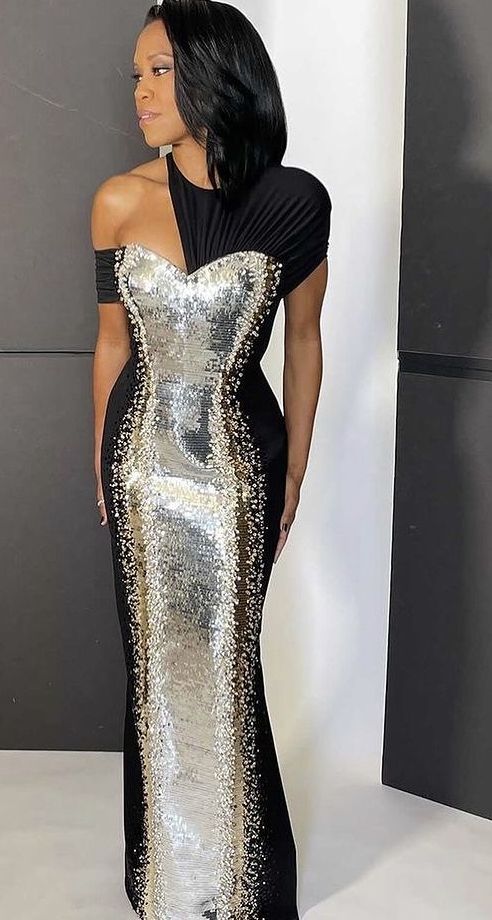
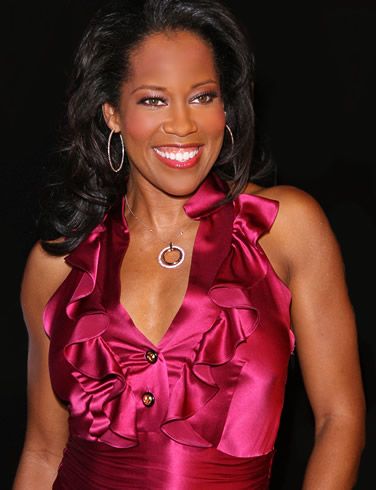
The “It Girl” Series: Regina King

With hazel eyes that see truth and talent that commands history, Regina King doesn’t follow eras — she defines them.

This photograph is the property of its respective owner.

There are actresses, there are auteurs, and then there is Regina King — a woman whose career arc reflects brilliance, endurance, evolution, and cultural gravitas. Regina King is not merely an “It Girl” because of a trend or visibility. She is an It Girl because she embodies excellence — consistently, intelligently, and unapologetically.

From child star to Academy Award winner to Emmy-winning television powerhouse and acclaimed director, King represents the rare Hollywood figure whose relevance deepens with time.


Early Life & How She Got Started

Born January 15, 1971, in Los Angeles, California, Regina King grew up in View Park–Windsor Hills, a historically Black middle-class enclave. After her parents divorced, King was raised primarily by her mother, Gloria, and encouraged to pursue both education and performance.

Her professional career began in 1985 when she was cast as Brenda Jenkins on the NBC sitcom 227. As the witty, sharp-tongued teenage daughter of Mary Jenkins (played by Marla Gibbs), King displayed natural comedic timing and emotional intelligence beyond her years. “227” ran for five seasons and established her as a household name in Black America.

Unlike many child actors, King did not disappear. She transitioned deliberately into film, starring in culturally defining projects such as Boyz n the Hood (1991), Poetic Justice (1993), and Friday (1995). Each role expanded her range — from socially conscious drama to romantic intensity to comedic realism.


This photograph is the property of its respective owner.

Becoming a Hollywood Force

By the 2000s, Regina King was no longer simply a former child star — she was a powerhouse performer. Her television performances in Southland and American Crime earned her critical acclaim and multiple Emmy Awards. In fact, she has won four Primetime Emmy Awards, making her one of the most decorated Black actresses in television history.

Her career-defining film role came in If Beale Street Could Talk, directed by Barry Jenkins. Her portrayal of Sharon Rivers — a fierce, protective mother — earned her the Academy Award for Best Supporting Actress in 2019. In her Oscar acceptance speech, King declared:

“I’m an example of what it looks like when support and love is poured into someone.”

That statement encapsulates her ethos: grounded, grateful, powerful.

She later directed the critically acclaimed film One Night in Miami…, becoming the first Black woman to direct a film selected for the Venice Film Festival in 2020. The film dramatized a fictionalized meeting between Malcolm X, Muhammad Ali, Jim Brown, and Sam Cooke — positioning King not only as an actress but as a cultural curator of Black history.


Portraying Shirley Chisholm

In 2024, King portrayed pioneering congresswoman Shirley Chisholm in the Netflix film Shirley. Chisholm, the first Black woman elected to Congress and the first Black candidate for a major party’s presidential nomination, required gravitas, discipline, and historical sensitivity. King brought both power and tenderness to the role, further solidifying her reputation for portraying strong, intelligent Black women rooted in political and emotional complexity.


Her Family, Marriage & Personal Loss

Regina King married record executive Ian Alexander Sr. in 1997. They divorced in 2007. Together, they had one son, Ian Alexander Jr.

In January 2022, Ian Alexander Jr. died by suicide at age 26. The tragedy stunned Hollywood and the public. King released a statement describing her son as “a bright light who cared so deeply about the happiness of others.”

Her strength in the aftermath was quiet but profound. She requested privacy while expressing gratitude for the outpouring of love. In interviews before his death, she had often described motherhood as her greatest joy. Afterward, she has spoken about grief as something that does not disappear but transforms.

Her resilience has deepened public admiration. She embodies a particular kind of Black maternal dignity — one that does not collapse under public pain but refuses spectacle. All the best to her.


This photograph is the property of its respective owner.

Beauty, Presence & Hollywood Appeal

Regina King’s beauty is understated yet magnetic. Her warm hazel eyes — often highlighted by minimal, elegant styling — convey intelligence and emotional awareness. Casting directors frequently praise her for her ability to “listen on camera,” a rare acting skill that makes her performances feel lived-in rather than performed.

Critics often describe her as:

  • Disciplined
  • Emotionally precise
  • Thoughtful
  • Commanding without arrogance

Viola Davis once publicly praised King’s range and fearlessness, and many directors note her preparation and leadership on set. Her appeal in Hollywood stems from three rare combinations:

  1. Talent across mediums (film, television, directing)
  2. Professional longevity without scandal-driven notoriety
  3. Intellectual depth paired with cultural authenticity

She is popular not because she is loud, but because she is consistently excellent.


This photograph is the property of its respective owner.

Why She Is an “It Girl”

The term “It Girl” is often associated with trendiness, youth, or fleeting fame. Regina King redefines it.

She is an It Girl because:

  • She began as a teenage sitcom star and evolved into an Oscar-winning actress.
  • She commands respect in both acting and directing.
  • She carries herself with moral and intellectual clarity.
  • She uplifts Black history through her work.
  • She balances glamour with groundedness.

She represents aspirational Black womanhood — educated, accomplished, emotionally complex, and culturally conscious.

Her favorites often include roles that explore justice, motherhood, and Black identity — themes aligned with her public values. She has stated in interviews that she chooses projects that matter socially, not merely financially.


Popularity & Cultural Position

Regina King is popular because she bridges generations:

  • Millennials remember her from Friday.
  • Gen X remembers her from 227.
  • Gen Z knows her from Watchmen.
  • Cinephiles respect her Oscar win.
  • Scholars respect her directorial contributions.

Few artists manage that breadth.

In a Hollywood system that often sidelines Black women after a certain age, King has grown more powerful, not less visible. She is the embodiment of sustained relevance.

Regina King is not simply an actress.
She is a cultural institution.

And in the It Girl Series, she stands as proof that brilliance, when cultivated with discipline and dignity, never fades — it evolves.


References

Academy of Motion Picture Arts and Sciences. (2019). 91st Academy Awards winners list.

Emmys. (n.d.). Regina King – Award history. Television Academy.

IMDb. (n.d.). Regina King filmography. Retrieved from https://www.imdb.com

Jenkins, B. (Director). (2018). If Beale Street Could Talk [Film]. Annapurna Pictures.

King, R. (Director). (2020). One Night in Miami… [Film]. Amazon Studios.

Netflix. (2024). Shirley [Film].

NBC. (1985–1990). 227 [Television series].

People Magazine. (2022). Regina King statement on the death of her son.

The Hollywood Reporter. (2019–2024). Interviews and coverage on Regina King’s directing and acting career.

Variety. (2018–2024). Coverage of Regina King’s awards and industry impact.

Where faith, history, and truth illuminate the Black experience.

THE BROWN GIRL DILEMMA

Where faith, history, and truth illuminate the Black experience.

Skip to content ↓