Category Archives: the science of black beauty

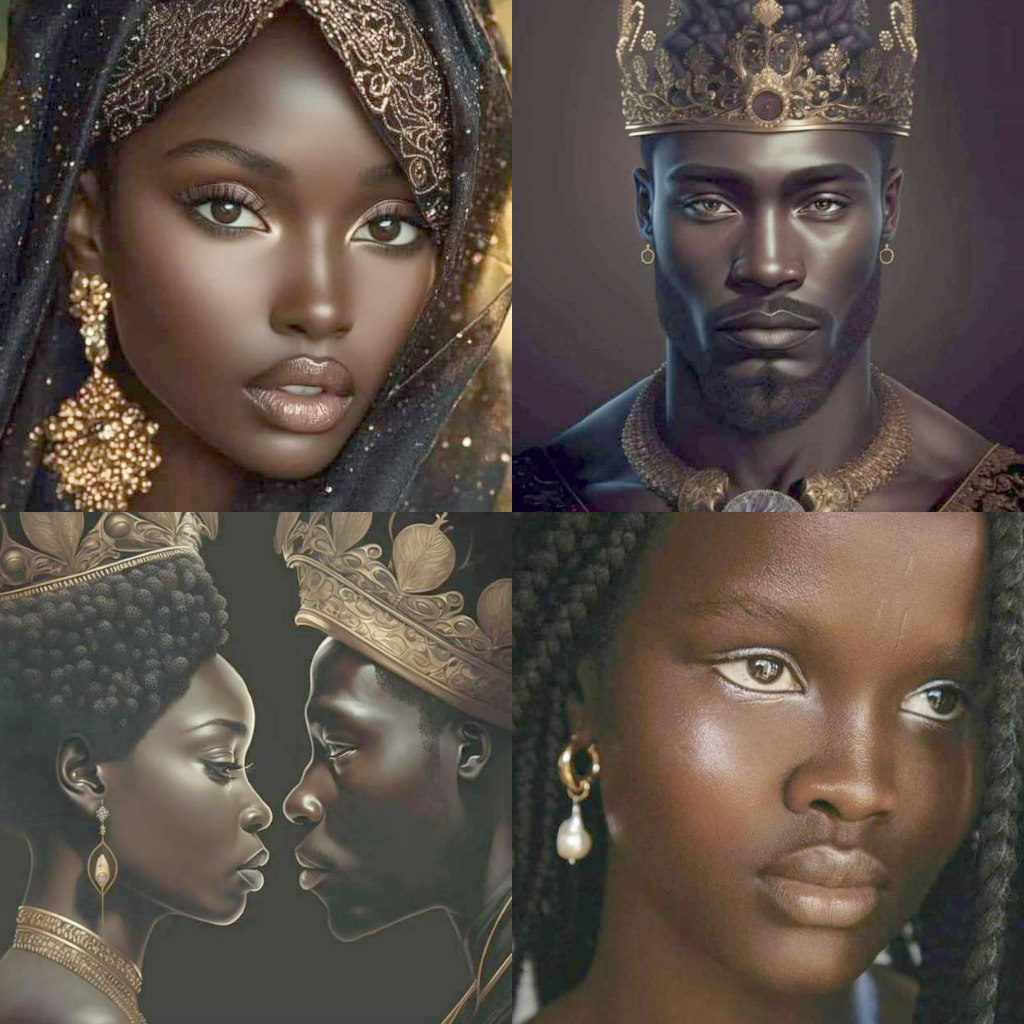
Ethereal Beauty of Brownness

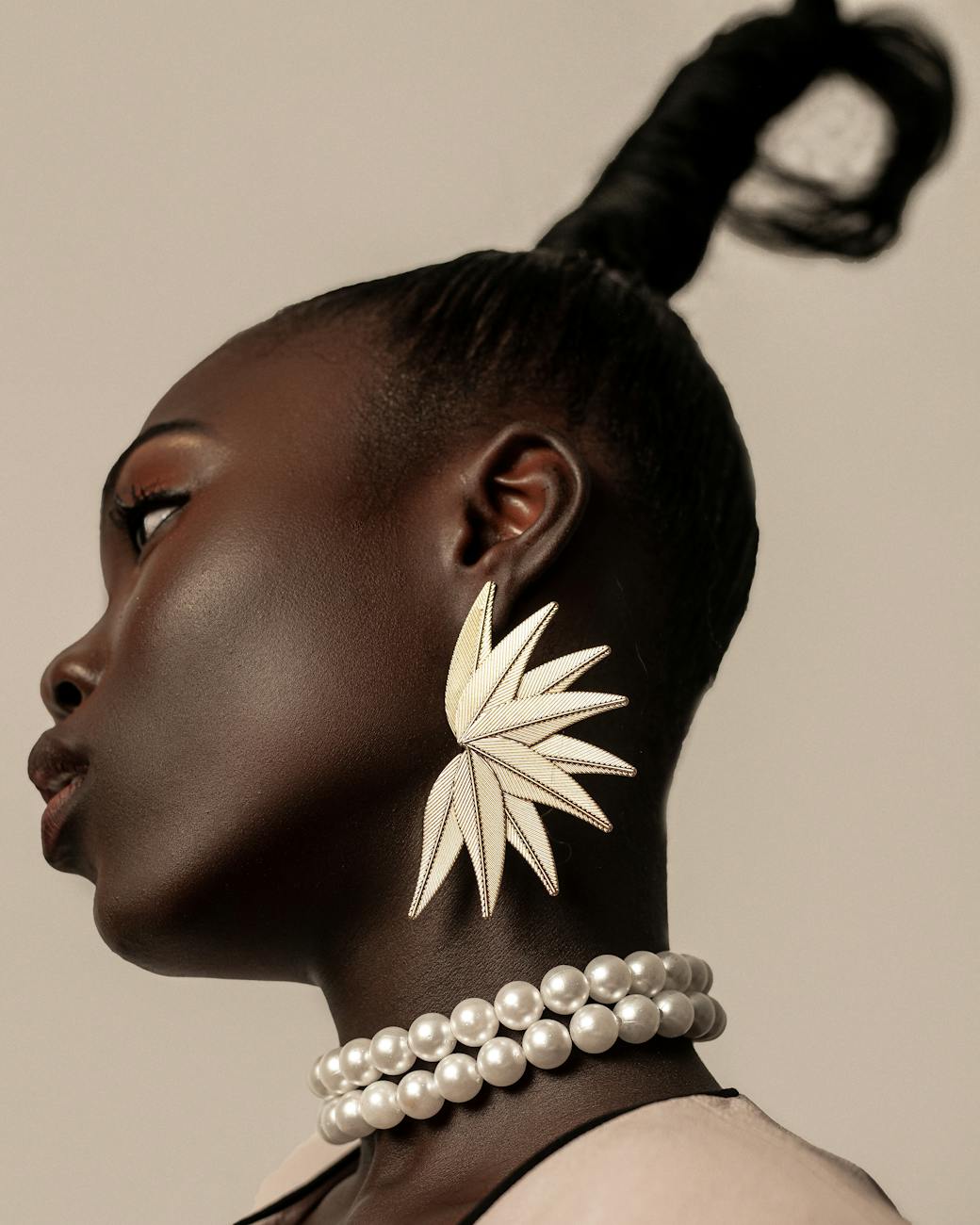
This photograph is the property of its respective owner. No copyright infringement intended.

The concept of “brownness” as beauty transcends mere pigmentation; it reflects a complex interplay of history, biology, culture, and aesthetic perception. Brown skin, whether light caramel, golden bronze, deep chestnut, or rich ebony, embodies a spectrum of human variation that has been historically undervalued yet remains one of the most genetically adaptive and visually striking expressions of humanity. In contemporary discourse, browness is increasingly recognized not as a deviation from a Eurocentric standard but as a distinct and ethereal form of beauty rooted in both science and lived experience.
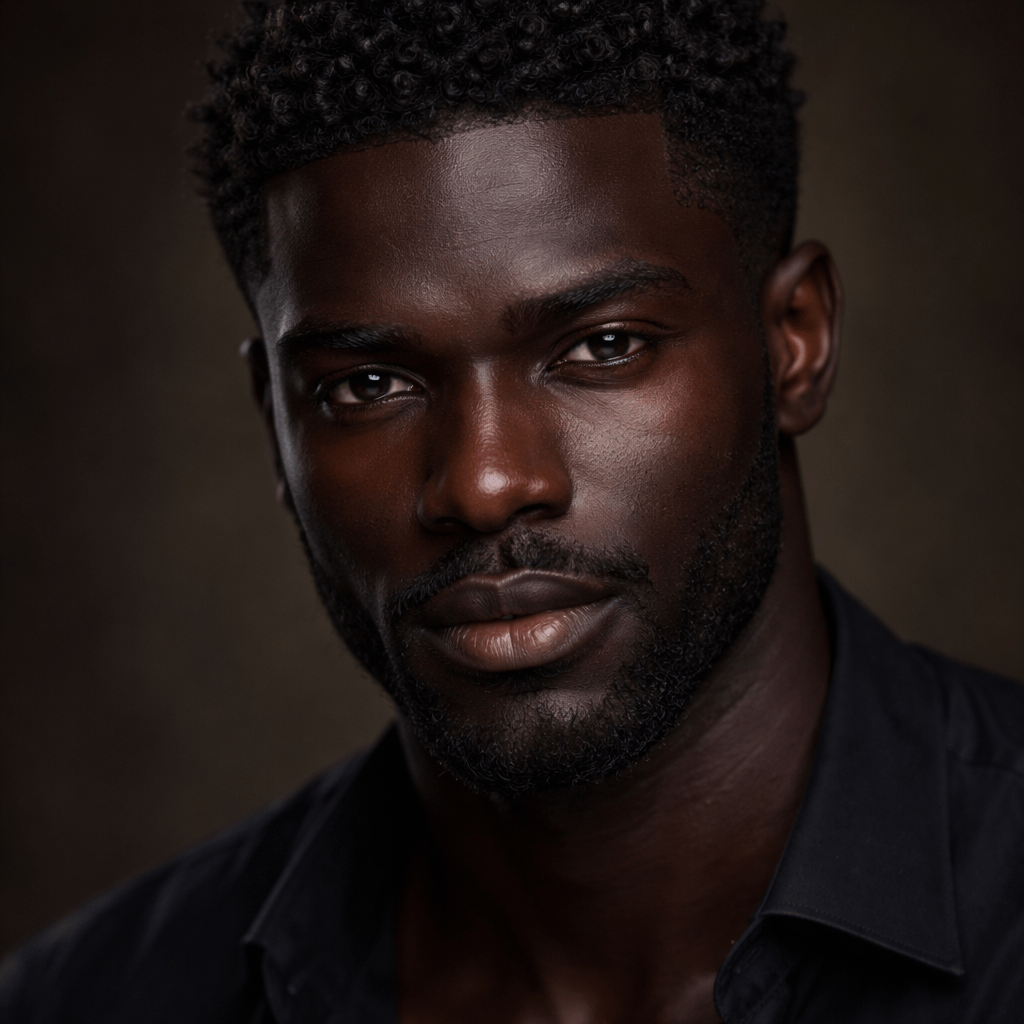
Outer beauty, though often dismissed as superficial, plays a powerful role in social identity and self-concept. Physical appearance shapes how individuals are perceived and how they navigate social spaces, including employment, romance, and media representation. For brown women and men, beauty has historically been filtered through systems of colorism and racial hierarchy, yet despite these barriers, brownness continues to produce some of the most globally celebrated faces, bodies, and aesthetic ideals.

From a genetic standpoint, brown skin is the result of higher concentrations of melanin, a natural pigment produced by melanocytes. Melanin is not only visually significant but biologically protective, shielding the skin from ultraviolet radiation and reducing the risk of skin cancers and premature aging (Jablonski & Chaplin, 2010). Thus, what society often labels as “darkness” is, in scientific terms, a sophisticated evolutionary advantage.

Melanin also contributes to what many describe as the “glow” of brown skin. This glow is not mystical but physiological—melanin reflects light differently, creating depth, warmth, and luminosity across the skin’s surface. Photographers and visual artists have long noted that brown skin captures light with a richness and dimensionality that lighter skin often cannot, making it especially striking in portraiture and cinema (Banks, 2015).

For women, brown beauty has historically been framed through contradiction—simultaneously exoticized and marginalized. Yet brown women possess a unique aesthetic versatility: their skin complements a wide range of colors, fabrics, and textures, from bold jewel tones to soft pastels. This chromatic harmony enhances the visual impact of brown femininity, making it both adaptable and visually powerful in the fashion and beauty industries.

Brown male beauty similarly reflects a blend of strength and softness. High melanin levels often correlate with strong bone density, facial symmetry, and robust physical features shaped by evolutionary adaptation (Jablonski, 2012). These traits contribute to widespread perceptions of brown men as physically striking, athletic, and visually commanding across global cultures.

Facial structure also plays a role in the aesthetics of browness. Many populations with brown skin display prominent cheekbones, fuller lips, broader nasal bridges, and almond-shaped eyes—features increasingly celebrated in contemporary beauty standards. Ironically, these traits were once stigmatized but are now widely emulated through cosmetic surgery and digital filters, revealing how brown features have been culturally appropriated while brown bodies themselves were marginalized (Hunter, 2007).

Hair texture further amplifies the ethereal quality of brown beauty. Coily, curly, wavy, and kinky hair patterns represent a vast genetic spectrum that allows for artistic expression, volume, and sculptural aesthetics. Afro-textured hair, in particular, is biologically engineered for heat regulation and protection, yet culturally functions as a powerful symbol of identity, creativity, and visual presence (Byrd & Tharps, 2014).

The eyes of brown individuals also carry unique aesthetic significance. Higher melanin often produces deep brown or near-black irises that convey intensity, emotional depth, and warmth. The most beautiful eyes are the large, dark, mirrored eyes. Psychologically, darker eyes are associated with perceptions of trustworthiness, strength, and emotional richness, beauty, adding another layer to the perceived beauty of brown populations (Swami & Furnham, 2008).

From an evolutionary psychology perspective, humans are naturally drawn to traits that signal health, fertility, and resilience. Brown skin, protected by melanin, resists environmental stressors more effectively, often maintaining elasticity and smoothness well into older age. This contributes to the common observation that brown individuals “age more slowly,” a phenomenon supported by dermatological research (Taylor, 2002).

Historically, civilizations across Africa, Asia, the Middle East, and the Americas celebrated brown bodies as divine, royal, and sacred. Ancient Egyptian art, for instance, consistently depicted deities and royalty with brown or bronze skin, associating these tones with power, fertility, and cosmic balance (Assmann, 2001). Thus, browness was once the default aesthetic of divinity itself.

Colonialism disrupted these perceptions by imposing Eurocentric standards that privileged paleness as a marker of status and beauty. Colorism emerged within non-white communities, creating internal hierarchies based on skin shade rather than shared humanity. Yet modern scholarship increasingly frames brownness not as a deficiency but as a site of resistance, resilience, and aesthetic sovereignty (Hill, 2009).

In media and popular culture, brown beauty is now reclaiming space. Models, actors, and influencers of brown complexion dominate global fashion campaigns, redefining desirability through representation. Figures such as Lupita Nyong’o, Idris Elba, Naomi Campbell, and Zendaya exemplify how brown skin commands visual attention without needing to conform to Eurocentric norms.

The term “ethereal” is often reserved for lightness and delicacy, yet brown beauty embodies an alternative ethereality—one rooted in warmth, depth, and radiance rather than fragility. This form of beauty feels grounded yet transcendent, earthly yet luminous, reflecting what many describe as a soulful presence rather than a sterile aesthetic.

Genetically, all humans originated from melanated populations in Africa, meaning browness is not an anomaly but the ancestral template of humanity itself (Stringer, 2016). In this sense, brown beauty is not a minority aesthetic but the original human aesthetic, from which all other variations emerged.

Psychologically, embracing brown beauty fosters healthier self-concept among brown individuals, countering internalized racism and color-based shame. Studies show that positive racial and physical identity correlate with higher self-esteem, emotional resilience, and mental well-being (Neblett et al., 2012).

Outer beauty also shapes romantic and social desirability. Despite systemic bias, research indicates growing cross-cultural attraction toward brown features, especially in globalized societies where beauty standards are becoming more diverse and less racially rigid (Rhodes, 2006). This shift reflects a broader cultural awakening to the richness of human variation.

Brown beauty is also dynamic rather than static. Skin tones shift with seasons, lighting, health, and emotional states, creating a living canvas that responds to life itself. This fluidity gives brown skin an organic, almost poetic quality—beauty that moves, adapts, and evolves.

For both women and men, brown beauty challenges the notion that attractiveness must align with narrow ideals. Instead, it affirms that beauty is plural, genetic, and culturally constructed, shaped by biology but interpreted through social meaning. Brownness stands as evidence that diversity itself is aesthetically superior to uniformity.

Ultimately, the ethereal beauty of browness lies not only in its visual qualities but in its symbolic power. Black people with brown skin carry ancestral memory, evolutionary brilliance, and cultural depth. It reflects humanity in its most original form—resilient, radiant, and irreducibly beautiful.


References

Assmann, J. (2001). The search for God in ancient Egypt. Cornell University Press.

Banks, T. L. (2015). Colorism: A darker shade of pale. UCLA Law Review, 47(6), 1705–1745.

Byrd, A. D., & Tharps, L. L. (2014). Hair story: Untangling the roots of Black hair in America. St. Martin’s Press.

Hill, M. E. (2009). Skin color and the perception of attractiveness among African Americans. Journal of Black Psychology, 35(3), 358–374.

Hunter, M. (2007). The persistent problem of colorism: Skin tone, status, and inequality. Sociology Compass, 1(1), 237–254.

Jablonski, N. G. (2012). Living color: The biological and social meaning of skin color. University of California Press.

Jablonski, N. G., & Chaplin, G. (2010). Human skin pigmentation as an adaptation to UV radiation. Proceedings of the National Academy of Sciences, 107(Supplement 2), 8962–8968.

Neblett, E. W., Rivas-Drake, D., & Umaña-Taylor, A. J. (2012). The promise of racial and ethnic protective factors in promoting ethnic minority youth development. Child Development Perspectives, 6(3), 295–303.

Rhodes, G. (2006). The evolutionary psychology of facial beauty. Annual Review of Psychology, 57, 199–226.

Stringer, C. (2016). The origin of our species. Penguin Books.

Swami, V., & Furnham, A. (2008). The psychology of physical attraction. In V. Swami & A. Furnham (Eds.), The body beautiful: Evolutionary and sociocultural perspectives (pp. 3–18). Palgrave Macmillan.

Taylor, S. C. (2002). Skin of color: Biology, structure, function, and implications for dermatologic disease. Journal of the American Academy of Dermatology, 46(2), S41–S62.
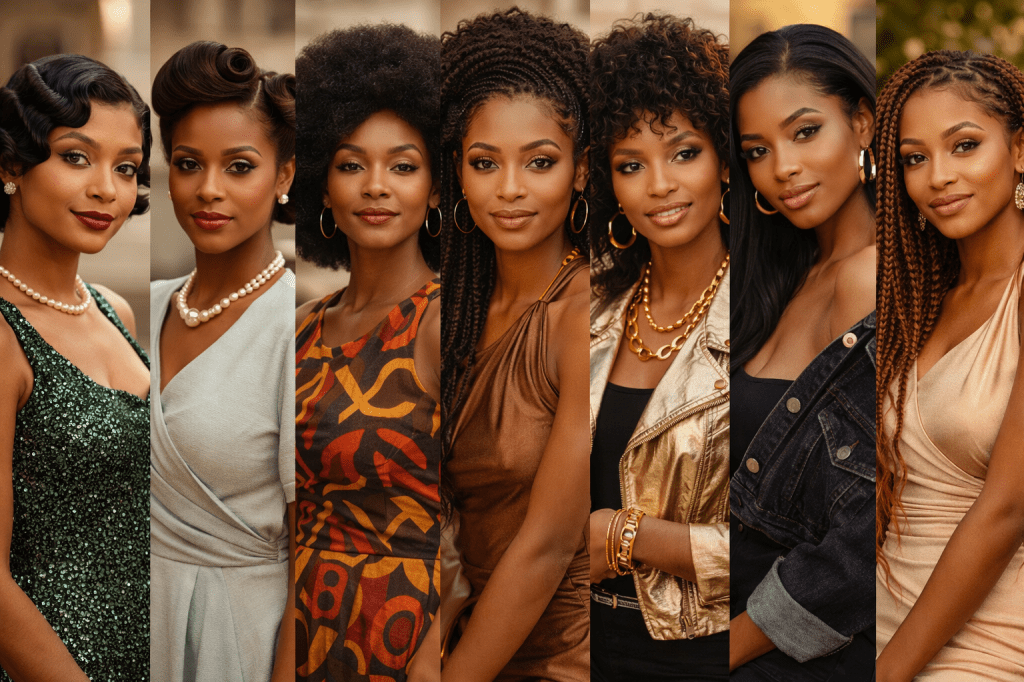
Black Beauty Through the Decades

Black beauty is not a trend, a season, or a reaction to outside validation. It is an inheritance—carried through ancestry, memory, and survival. From the earliest days of displacement and resistance, Black women have expressed beauty as a language of identity, dignity, and self-definition. Even when dominant societies attempted to erase, ridicule, or redefine Black features, Black women preserved their beauty through ritual, care, adornment, and community knowledge passed from generation to generation.

To speak of Black beauty is to speak of resilience made visible. Hair, skin, body, and style have long served as sites of both oppression and power, shaped by historical forces yet continuously reclaimed. In times when Eurocentric standards were enforced as the measure of worth, Black women transformed beauty into an act of resistance—refusing invisibility and asserting presence. Each braid, curl, wrap, and adornment carried meaning beyond aesthetics, reflecting survival, creativity, and cultural memory.

Black beauty has never been singular. It exists across a spectrum of skin tones, textures, facial features, and expressions that defy narrow definitions. It evolves across time while remaining rooted in African heritage and diasporic experience. Whether expressed through restraint or boldness, tradition or innovation, Black beauty has always reflected autonomy—the right to define oneself without permission.

In the modern era, the reclamation of Black beauty marks a profound cultural shift. What was once marginalized is now celebrated, studied, and emulated, yet its deepest meaning remains internal rather than performative. Black beauty is not merely what is seen, but what is carried—confidence forged through history, grace born of endurance, and a self-love that persists despite centuries of contradiction. It is both personal and collective, timeless and ever-renewing.

Ultimately, Black beauty is a testament. It testifies to the ability of Black women to remain radiant in the face of erasure, to create elegance from limitation, and to transform survival into art. It is not defined by approval, but by continuity—a living expression of identity that honors the past, affirms the present, and shapes the future.

All photographs are the property of their respective owners. No copyright infringement intended.

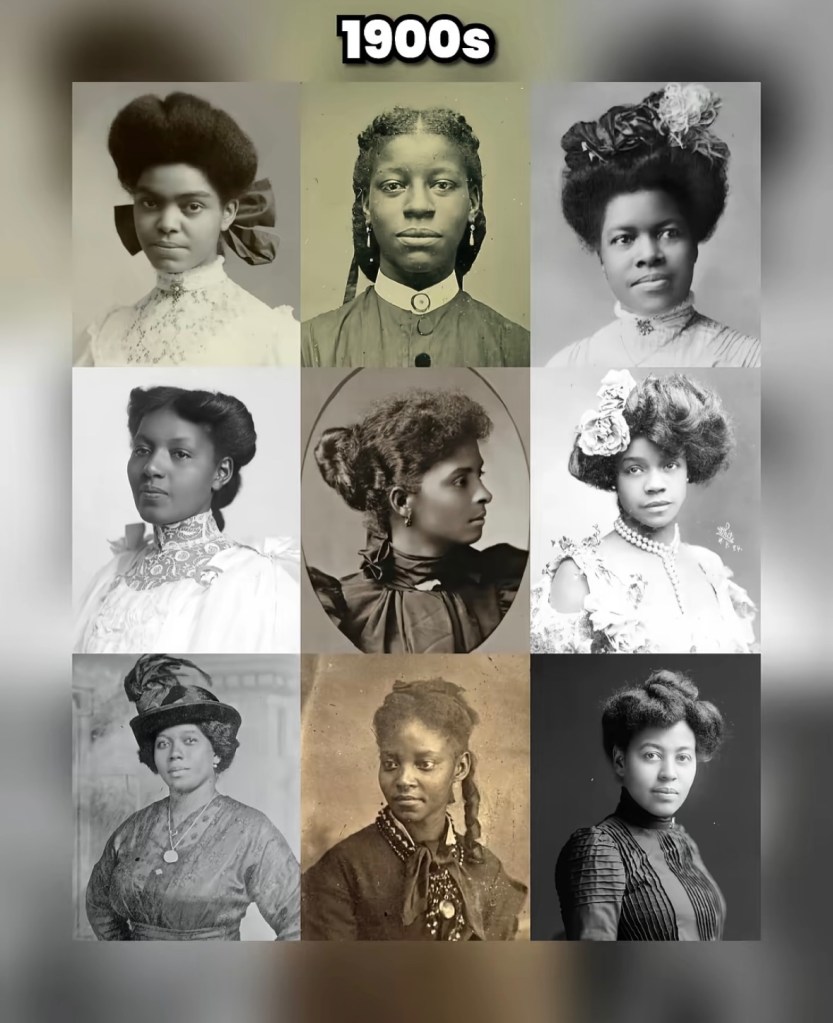
1900s1910s
At the turn of the twentieth century, Black women’s beauty was deeply shaped by resilience, modesty, and self-definition within a racially hostile society. Hairstyles were often practical and protective, including wraps, headscarves, and neatly pressed styles influenced by African traditions and Victorian norms. Despite social limitations, Black women maintained dignity through careful grooming, skin care using natural oils, and adornment that reflected pride and self-respect rather than excess.
During the 1910s, migration from rural Southern communities to urban centers began reshaping Black aesthetics. Hair was frequently styled in soft waves, buns, and pompadours, often achieved through hot combing—a controversial yet common tool of the era. Beauty culture expanded through Black-owned businesses, notably Madam C. J. Walker, who emphasized cleanliness, confidence, and economic independence rather than Eurocentric imitation.

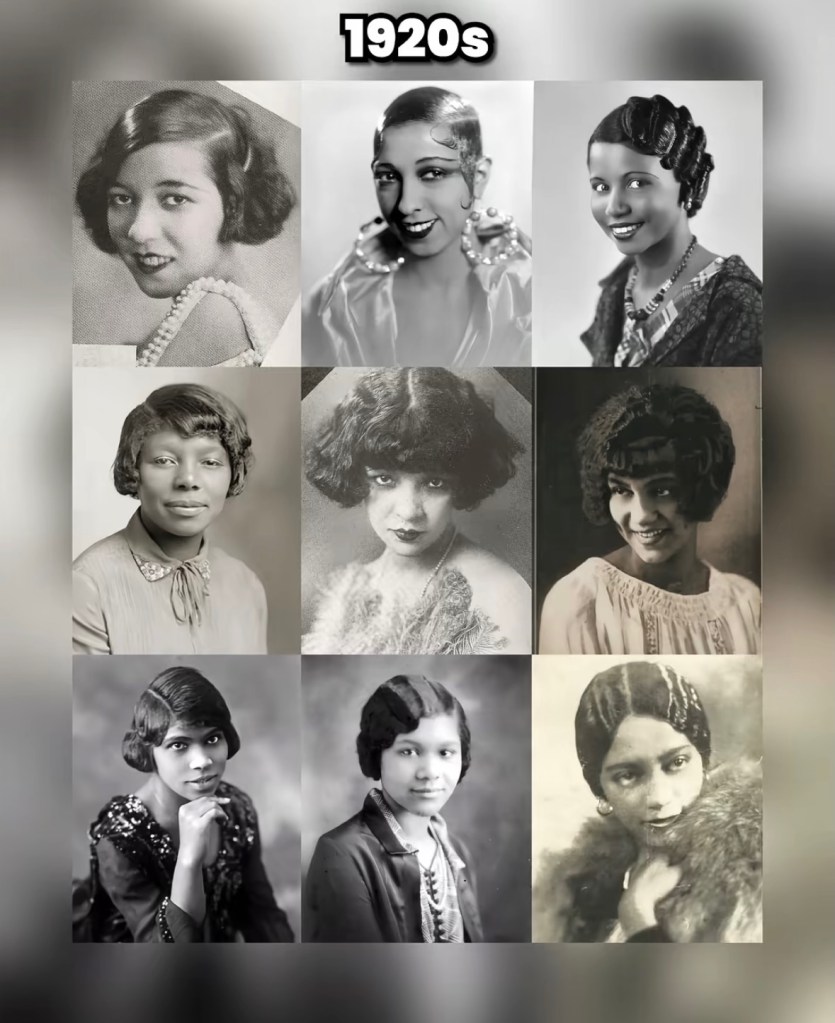
1920s
The Harlem Renaissance of the 1920s marked a cultural awakening in which Black beauty became visible, expressive, and artistic. Shorter hairstyles, finger waves, and sleek bobs emerged, paired with bold lipstick and refined fashion. Black women embodied modernity and glamour, asserting intellectual and aesthetic authority through music, literature, and visual style that celebrated sophistication and cultural pride.

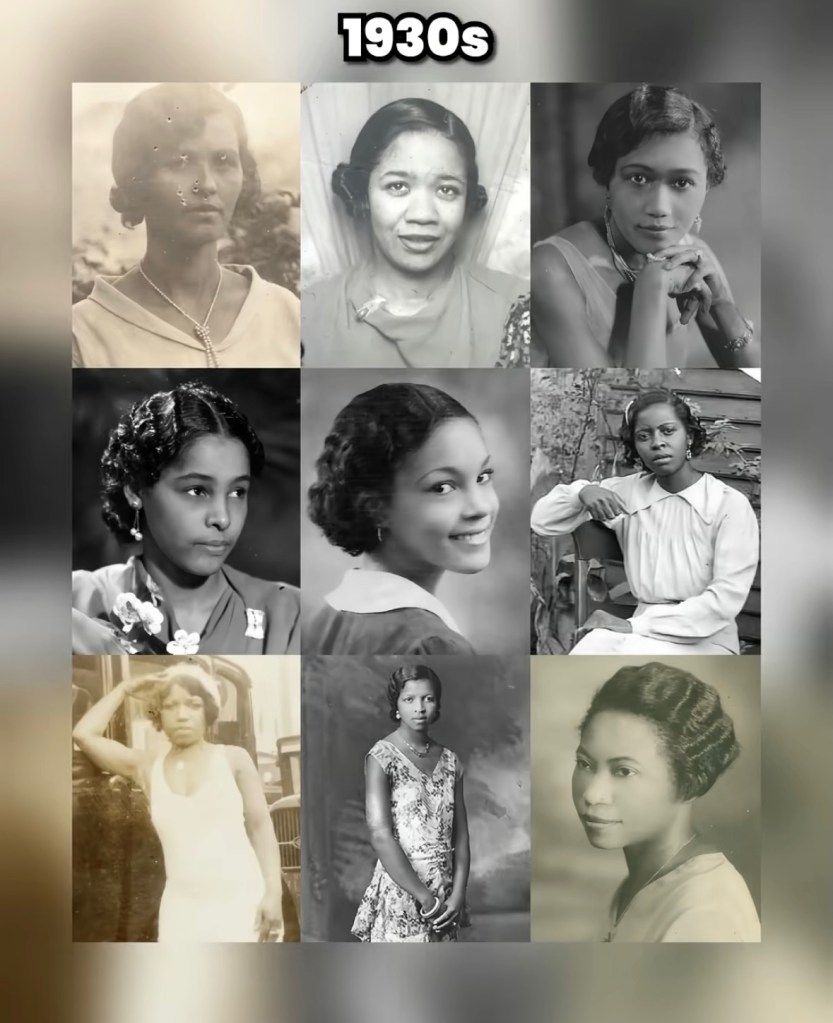
1930s
In the 1930s, amid the Great Depression, Black beauty reflected elegance under constraint. Hairstyles favored sculpted waves, rolls, and pinned curls, while makeup remained polished but understated. Beauty became an act of resistance—maintaining poise, femininity, and grace despite economic hardship. Hollywood films influenced aesthetics, though Black women adapted these styles to their own textures and features.

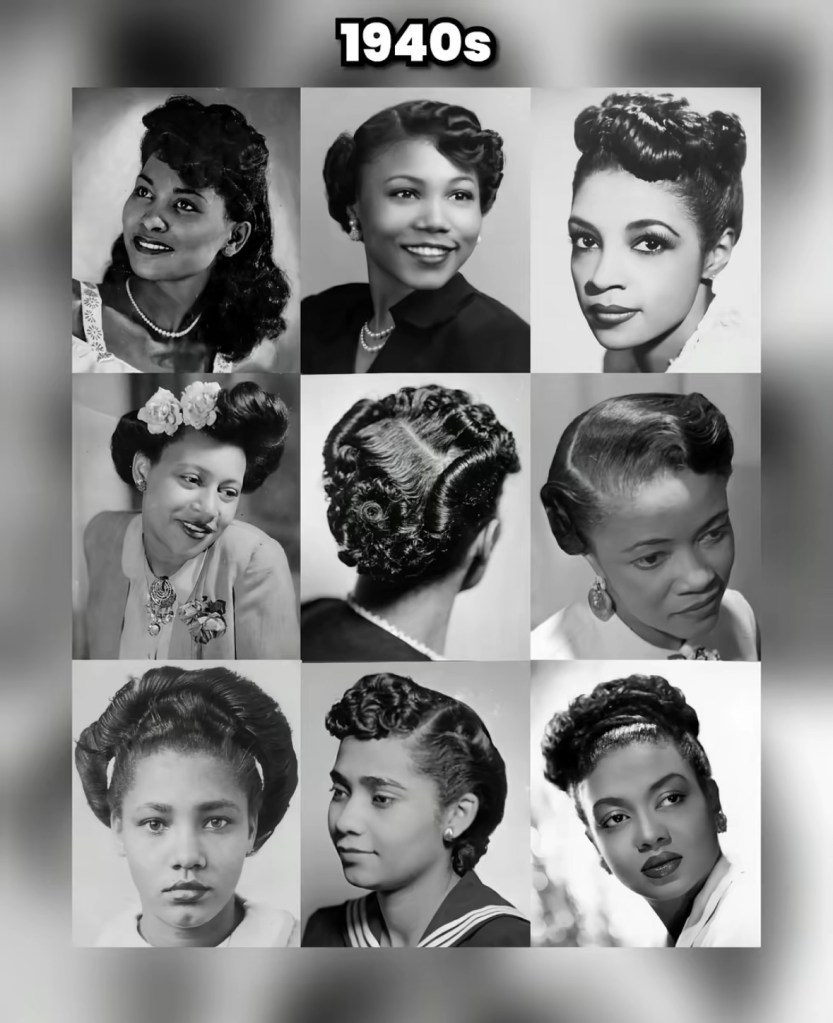
1940s
World War II reshaped Black womanhood and beauty in the 1940s as women entered industrial labor and military support roles. Hairstyles were practical yet stylish, including victory rolls, headscarves, and neatly set curls. Beauty symbolized strength and patriotism, with emphasis on clean lines, red lips, and confident posture reflecting both femininity and fortitude.

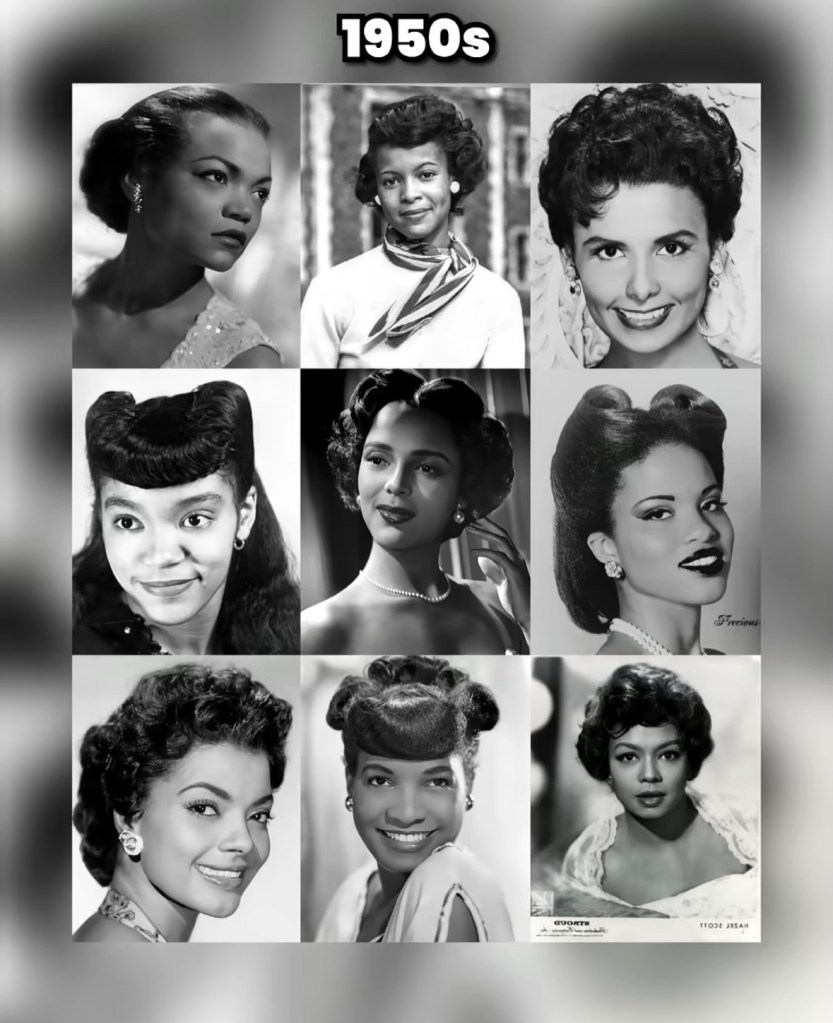
1950s
The 1950s emphasized polish, domestic elegance, and hyper-femininity. Black women wore structured dresses, gloves, and coiffed hairstyles, often straightened or softly curled. Beauty standards leaned toward refinement and respectability, particularly within Black middle-class communities, as appearance was closely tied to social mobility, morality, and dignity in a segregated society.

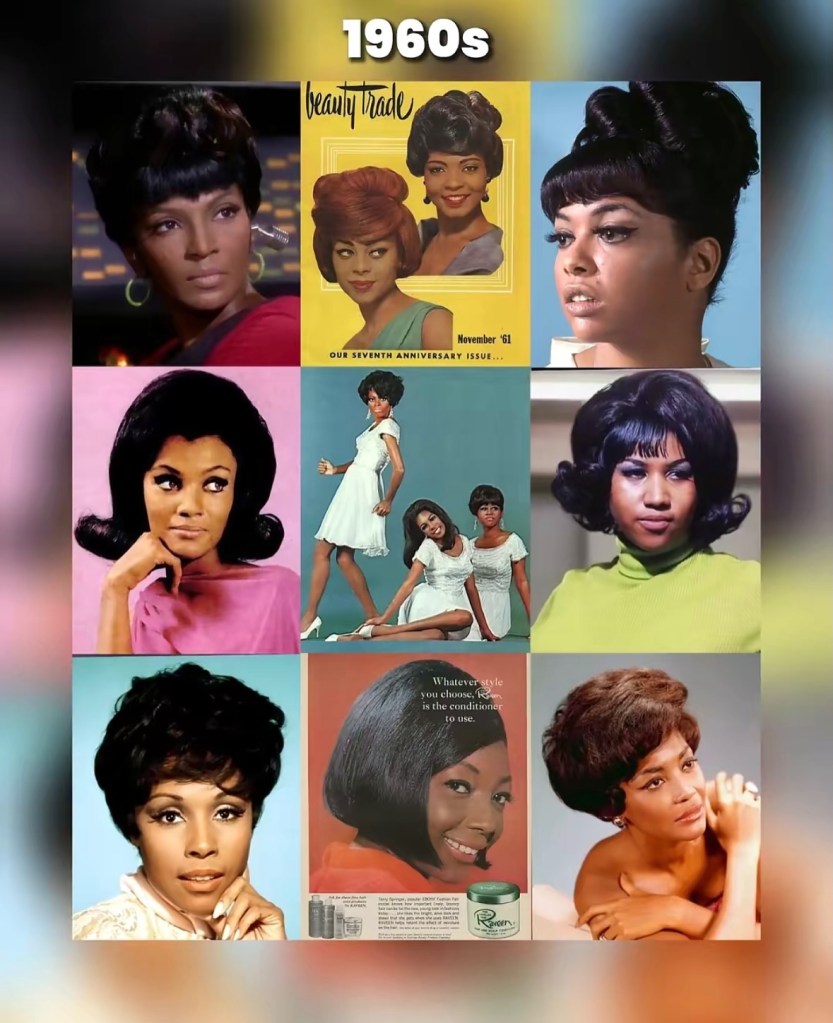
1960s
The 1960s ushered in a radical transformation as the Civil Rights and Black Power movements reframed beauty as political identity. The Afro emerged as a powerful symbol of self-acceptance and resistance, rejecting assimilationist standards. Natural hair, dark skin, and African-inspired clothing were embraced as declarations of pride, autonomy, and cultural truth.

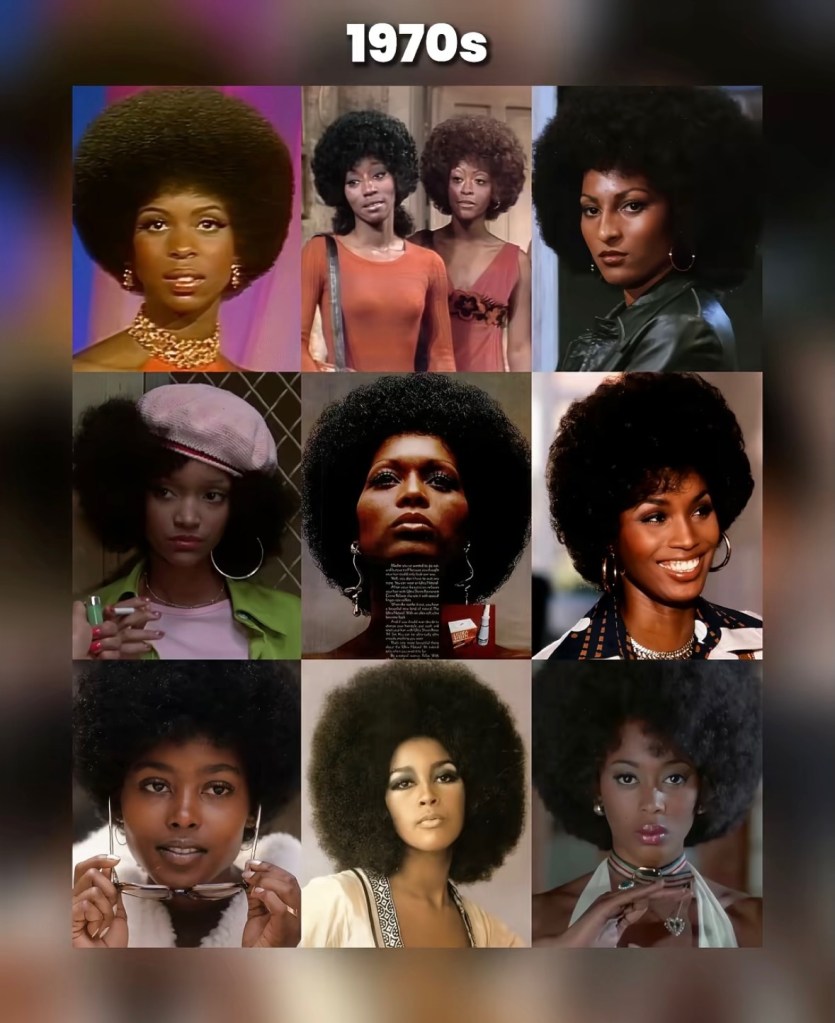
1970s
In the 1970s, Black beauty flourished in boldness, freedom, and Afrocentric expression. Large Afros, braids, cornrows, and natural textures dominated, paired with vibrant makeup and fashion. Icons like Pam Grier and Cicely Tyson embodied a confident sensuality rooted in authenticity rather than approval. Beauty became expansive, expressive, and unapologetically Black.

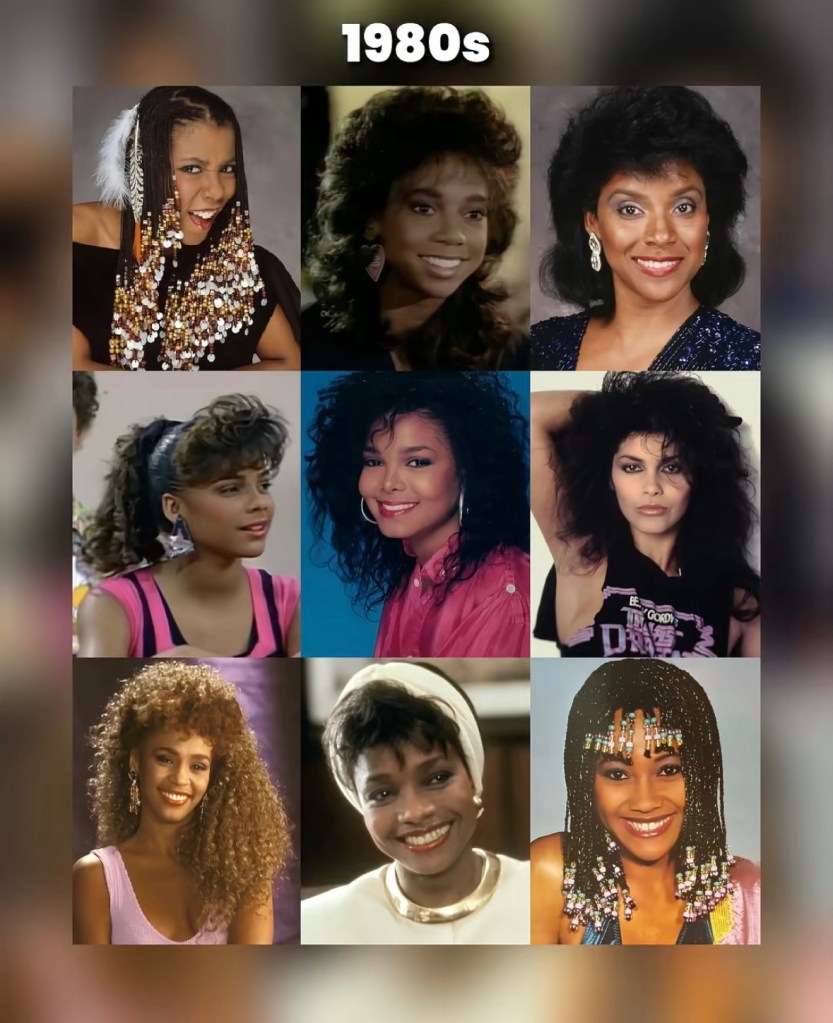
1980s
The 1980s brought excess, experimentation, and glamour. Black women embraced voluminous hairstyles, including jheri curls, blowouts, and elaborate braids. Makeup was bold, featuring strong eyes and glossy lips. Beauty aligned with success, visibility, and power, reflecting growing representation in music, television, and corporate spaces.

1990s
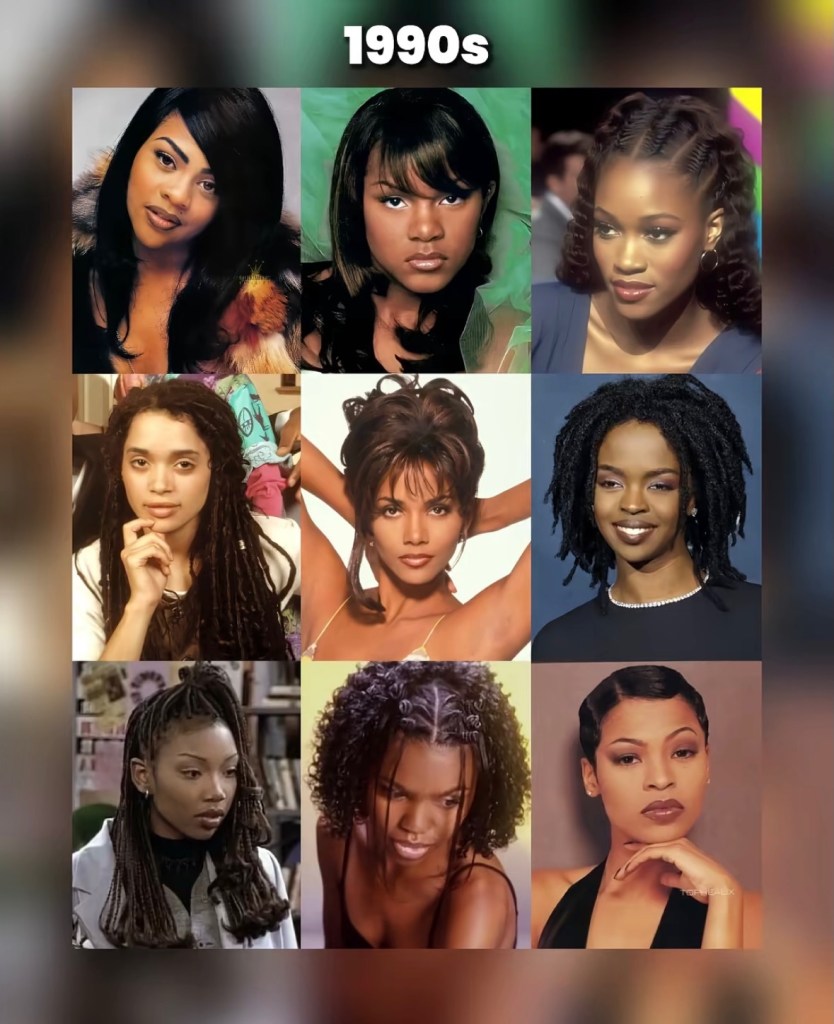
The 1990s balanced minimalism with cultural edge. Box braids, microbraids, finger waves, and sleek bobs coexisted alongside understated makeup and fashion. Black beauty icons such as Naomi Campbell and Angela Bassett represented strength, athleticism, and global elegance. Authenticity and individuality increasingly defined attractiveness.

2000s
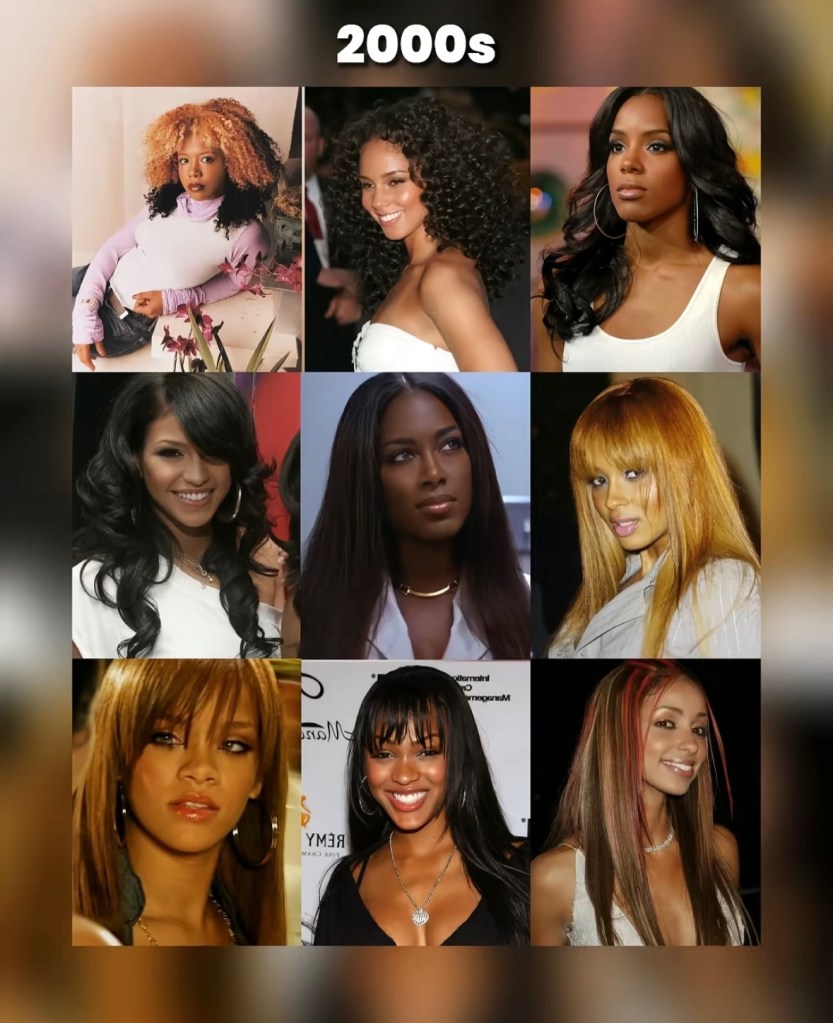
In the 2000s, Black beauty diversified across mainstream and niche aesthetics. Lace fronts, silk presses, locs, and protective styles gained popularity, alongside experimental makeup and fashion. Media visibility expanded through music videos, magazines, and early digital platforms, allowing Black women to define beauty on their own terms across multiple expressions.

2010s
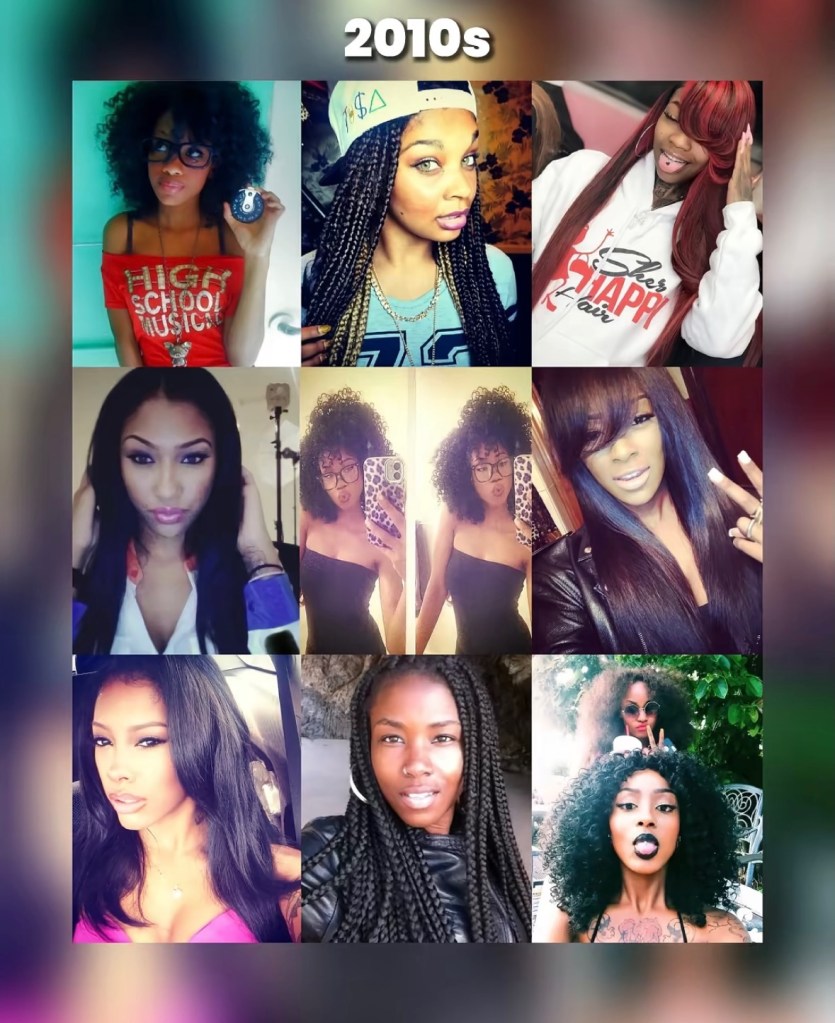
The 2010s marked a renaissance of natural hair and digital empowerment. Social media amplified Black women’s voices, celebrating coils, curls, dark skin, and wide features once marginalized. Beauty became inclusive, instructional, and affirming, with natural hair movements and makeup brands explicitly centering Black women’s needs and aesthetics.

2020s
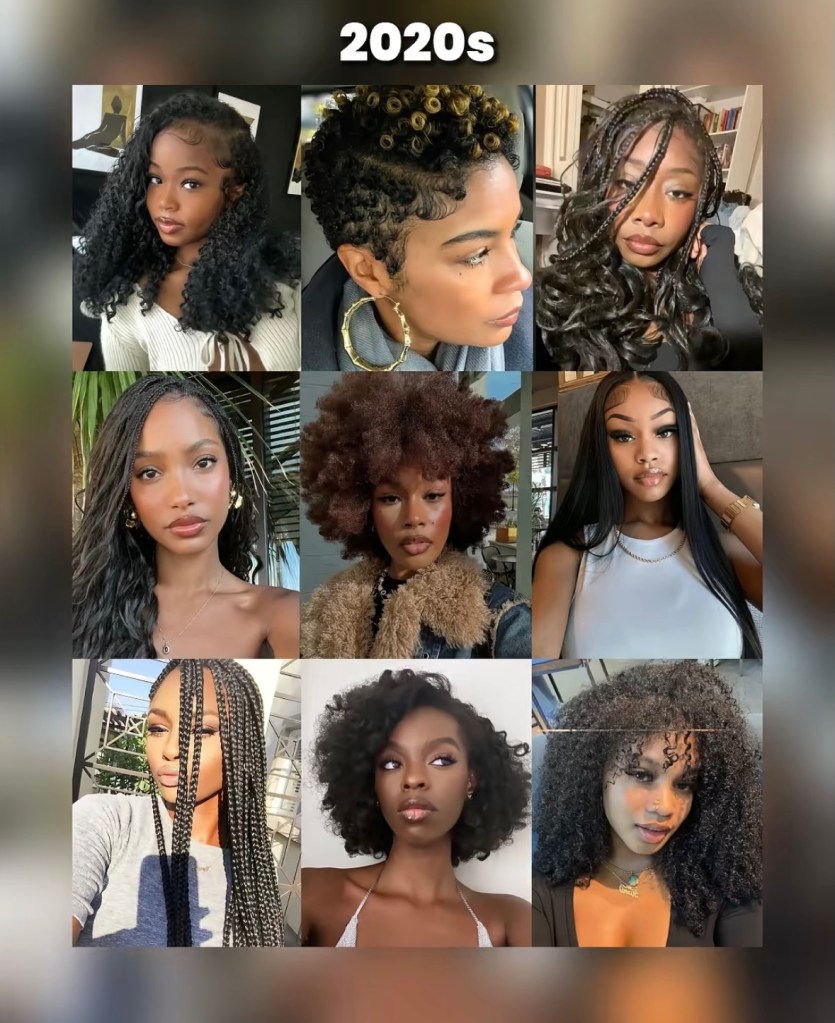
In the 2020s, Black beauty stands fully autonomous, expansive, and global. There is no single standard—locs, Afros, braids, shaved heads, bold colors, and minimalist looks coexist without hierarchy. Beauty is now framed as wellness, self-definition, and cultural inheritance. Black women lead beauty innovation, redefine luxury, and affirm that Blackness itself is timelessly beautiful.


Black beauty endures because it is rooted in truth rather than approval. It is not borrowed, diluted, or dependent on trends—it is ancestral, self-defined, and ever-evolving. Across centuries of challenge and transformation, Black beauty has remained a quiet force and a bold declaration, reflecting dignity, creativity, and spiritual strength. It is the beauty of survival refined into grace, of history carried with pride, and of identity claimed without apology. In every generation, Black beauty stands as living evidence that what was once denied has always been divine, whole, and worthy.

References

Byrd, A. D., & Tharps, L. L. (2014). Hair story: Untangling the roots of Black hair in America (2nd ed.). St. Martin’s Press.

Craig, M. L. (2002). Ain’t I a beauty queen? Black women, beauty, and the politics of race. Oxford University Press.

Hobson, J. (2005). Venus in the dark: Blackness and beauty in popular culture. Routledge.

Peiss, K. (2011). Hope in a jar: The making of America’s beauty culture. University of Pennsylvania Press.

Walker, S. B. (2007). Style and status: Selling beauty to African American women, 1920–1975. University Press of Kentucky.

Wilson, J. (2016). Black beauty: Aesthetic politics in modern African American culture. University of Illinois Press.

The Aesthetic of Black Beauty: Genetics, Psychology, and Divine Design.

Black beauty is not a single expression but a spectrum of genetic diversity that manifests in facial features, body composition, skin tone, hair texture, and overall presence. From African roots to diasporic populations across the globe, these features convey strength, resilience, and divine artistry. Understanding this beauty requires an exploration of genetics, psychology, history, and spirituality.

Melanin-rich skin is one of the most defining features of Black beauty. High melanin content provides natural protection against ultraviolet radiation, contributes to a radiant glow, and displays a spectrum of shades from deep ebony to golden brown. The Bible celebrates skin as a divine creation: “Thou art all fair, my love; there is no spot in thee” (Song of Solomon 4:7, KJV). This scripture underscores the inherent perfection of pigmentation.

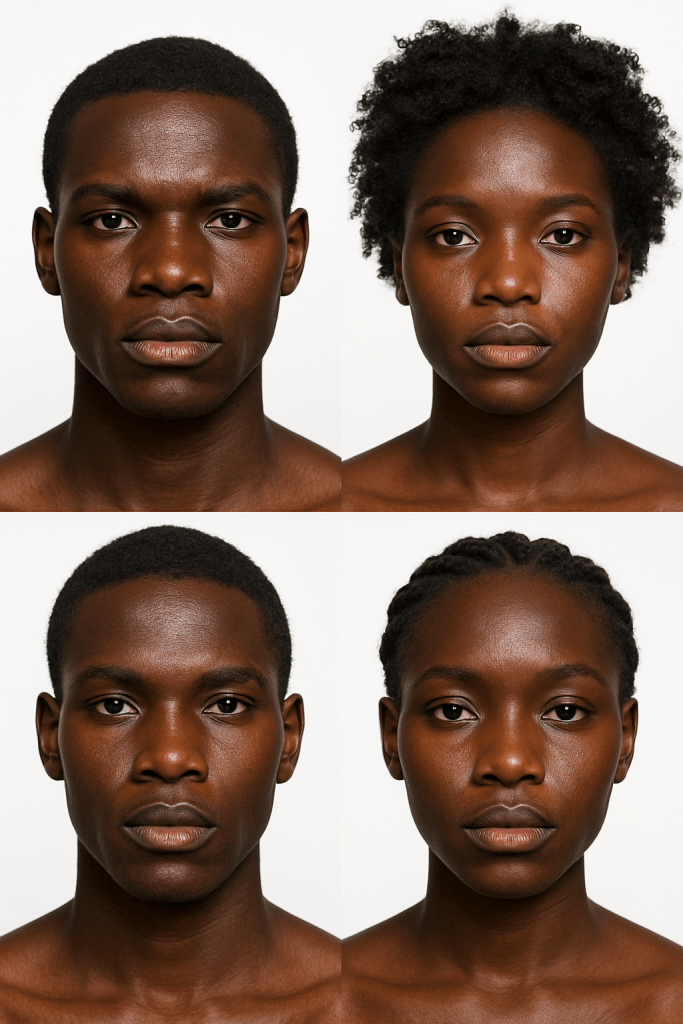
Facial structure in Black populations varies widely but often includes high cheekbones, broad noses, and full lips, reflecting African and Egyptian ancestry. These features have evolved over millennia to adapt to environmental factors, providing functional benefits such as enhanced oxygenation and protection from the sun. Anthropologists note that these structures also contribute to facial symmetry, a key element of perceived beauty (Rhodes, 2006).

The eyes, often large and expressive, are framed by naturally arched brows and long eyelashes. Psychologically, eye contact conveys dominance, confidence, and emotional depth. “The eyes of the LORD are in every place, beholding the evil and the good” (Proverbs 15:3, KJV) reminds us that vision, both literal and figurative, carries spiritual significance.

Nose shapes within the Black diaspora range from wide and rounded to straight and sculpted, reflecting genetic variation and admixture. Broad noses historically helped with humid climates and enhanced nasal airflow. Full lips, often prominent, serve not only as markers of identity but are aesthetically celebrated in global beauty paradigms.

Hair is one of the most versatile and culturally significant features. Excessively curly or coiled hair, typical in many African-descended populations, reflects high genetic diversity in hair follicle shape (Powell et al., 2012). Hair texture has symbolic importance: it represents ancestry, resilience, and adaptability. In the Bible, hair often signifies strength and identity, as in Samson’s story (Judges 16:17, KJV).

The jawline and chin provide structural strength and character. Strong jawlines in Black populations are often linked to evolutionary pressures for durability and facial symmetry. This contributes to psychological perceptions of leadership, power, and assertiveness (Little et al., 2011).

Skin elasticity and body composition vary, with many Black populations exhibiting mesomorphic or athletic builds. Muscle density, bone strength, and proportionality have both functional and aesthetic implications, highlighting physical resilience and adaptability. Scripture recognizes the body as God’s creation: “I praise thee; for I am fearfully and wonderfully made” (Psalm 139:14, KJV).

Neck and shoulder structures contribute to posture and perceived presence. Broad shoulders and muscular necks convey strength and authority, signaling both evolutionary fitness and cultural ideals of masculinity.

Hand and finger morphology, often graceful yet strong, plays roles in artistry, physical labor, and nonverbal communication. In African cultures, hands are celebrated for their expressive and functional capacities, bridging work and identity.

Torso structure varies across African and diasporic populations. A well-proportioned torso, often associated with endurance and physical capability, is both aesthetically admired and functionally advantageous. The body becomes a living testament to evolutionary adaptation and divine engineering.

Legs and lower body features display powerful musculature and athleticism, reflective of both lifestyle and genetic adaptation. Longer limbs relative to the torso, common in certain African populations, facilitate agility and endurance. Psychologically, these features contribute to perceptions of vitality and grace.

Visual “Feature Map” of Black Beauty

1. Skin Tone (Melanin Spectrum)

  • Deep ebony
  • Brown
  • Golden caramel
  • Tan/olive
    (Illustrates melanin diversity and natural protection)

2. Hair Texture

  • Coily / kinky (Type 4)
  • Curly (Type 3)
  • Wavy (Type 2)
    (Shows versatility and genetic variation across African and diasporic populations)

3. Facial Features

  • High cheekbones
  • Broad to medium noses
  • Full lips
  • Almond-shaped or rounded eyes
  • Defined jawline and chin
    (Highlights evolutionary adaptation, aesthetic symmetry, and Egyptian influence)

4. Body Proportions

  • Mesomorphic build (muscular, athletic)
  • Broad shoulders, strong neck
  • Proportional torso
  • Long, strong legs
    (Represents strength, endurance, and functional beauty)

5. Cultural and Historical Notes

  • Egyptian elongation of faces and noses
  • African sculpted features
  • Diaspora adaptations across Caribbean, Americas, and Europe

6. Psychological & Spiritual Layer

  • Confidence and presence linked to symmetry
  • Expressive eyes signaling emotional depth
  • Biblical affirmation: Psalm 139:13-14 (KJV)

Genetic diversity across the African continent explains the variation in features globally. From the Nilotic peoples of East Africa to West African populations and Egyptian descendants, phenotypes differ due to historical migration, environmental adaptation, and admixture. Melanin-rich skin, hair texture, and facial structure are markers of evolutionary resilience and aesthetic value.

Egyptian features, often admired historically and across cultures, include elongated faces, almond-shaped eyes, and slender noses. Art and sculpture from ancient Egypt preserve these features, which influenced Mediterranean and African aesthetics. The spread of Egyptian traits across Africa reflects both migration and intermixing of populations.

Beyond physiology, the psychology of Black beauty is tied to self-perception and societal validation. Internalized biases from colonialism and slavery have historically devalued African features, creating psychological stress and colorism. Embracing ancestral aesthetics restores dignity and affirms identity (Hunter, 2007).

Cultural adornments, including hair styling, body art, and jewelry, enhance perceived beauty while preserving heritage. Hairstyles such as braids, locs, and twists are both aesthetic expressions and cultural statements, linking identity to ancestry.

The symmetry of facial features plays a key role in attractiveness. Across populations, symmetrical faces are psychologically associated with health, genetic fitness, and beauty. African-descended populations often display facial symmetry enhanced by pronounced features, which contributes to aesthetic appeal (Rhodes, 2006).

Height and overall proportions vary widely, yet commonality lies in the harmony of features. Balanced proportions, combined with melanin-rich skin and expressive facial characteristics, create a sense of visual coherence and presence.

Eyes and facial expression are central to perceived beauty. Expressiveness conveys emotion, intelligence, and social engagement. Psychological studies show that expressive eyes increase interpersonal attraction and perceived trustworthiness.

Ultimately, Black beauty reflects a combination of genetics, evolutionary adaptation, cultural heritage, and divine design. As the Bible reminds us, each individual is crafted with intentionality and wonder: “Thou hast possessed my reins: thou hast covered me in my mother’s womb. I will praise thee; for I am fearfully and wonderfully made” (Psalm 139:13-14, KJV). Recognizing, celebrating, and understanding these features fosters pride, identity, and self-worth across the diaspora.


References

Clark, K., & Clark, M. (1947). Racial identification and preference in Negro children. Journal of Negro Education, 16(3), 169–175.

Hunter, M. (2007). The persistent problem of colorism: Skin tone, status, and inequality. Sociology Compass, 1(1), 237–254. https://doi.org/10.1111/j.1751-9020.2007.00006.x

Little, A. C., Jones, B. C., & DeBruine, L. M. (2011). Facial attractiveness: Evolutionary based research. Philosophical Transactions of the Royal Society B: Biological Sciences, 366(1571), 1638–1659. https://doi.org/10.1098/rstb.2010.0404

Powell, B., Shriver, M. D., & Parra, E. J. (2012). Genetic variation and the evolution of African hair texture. American Journal of Physical Anthropology, 149(1), 1–14. https://doi.org/10.1002/ajpa.22195

Rhodes, G. (2006). The evolutionary psychology of facial beauty. Annual Review of Psychology, 57, 199–226. https://doi.org/10.1146/annurev.psych.57.102904.190208

The Holy Bible, King James Version. (1611). Thomas Nelson.

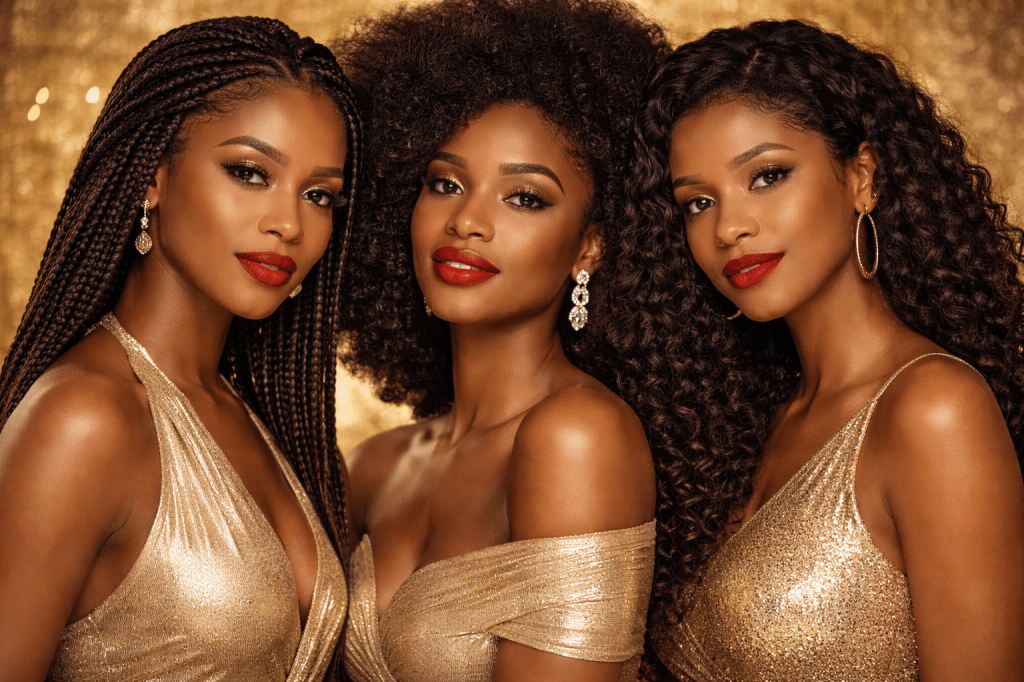
The Golden Girls: A Portrait of Black Excellence and Timeless Beauty

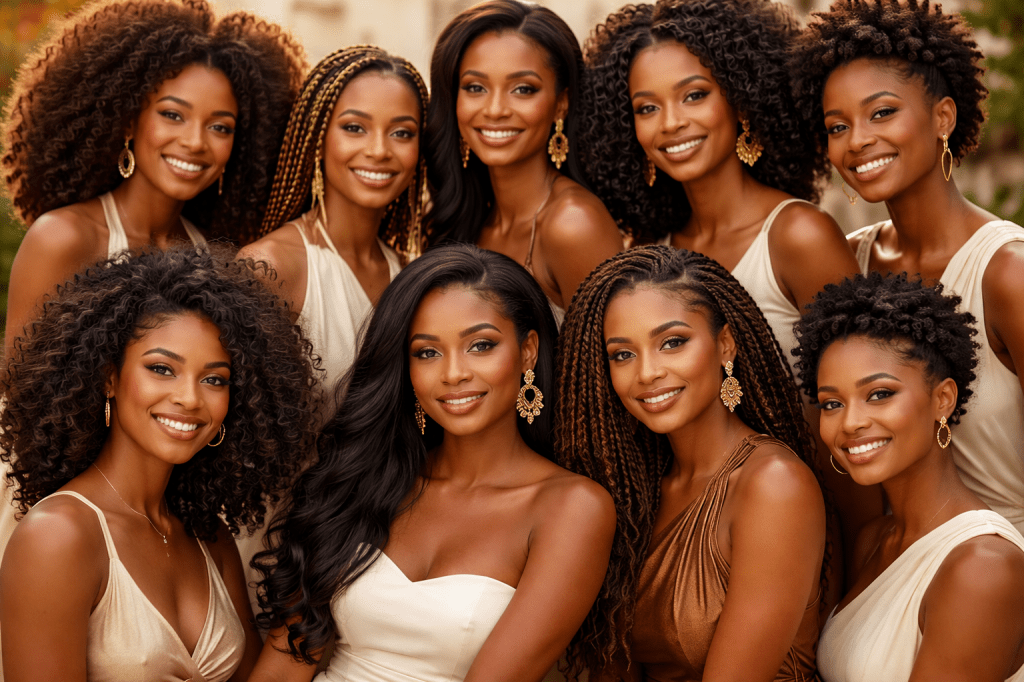
Black women embody a unique and unparalleled beauty that transcends physical appearance. Their elegance, strength, and resilience reflect centuries of history, culture, and triumph. From deep, rich ebony to sun-kissed brown and honey-toned skin, the spectrum of Black beauty is vast, vibrant, and powerful, carrying with it stories of survival, creativity, and legacy.

The beauty of Black women is not simply skin-deep; it is expressed in their presence, their confidence, and the ways they carry themselves. Hairstyles—from intricate braids to voluminous afros, flowing curls, and sleek straight styles—serve as both cultural symbols and personal statements, celebrating heritage while embracing individuality. Each strand tells a story, a connection to ancestors, and a declaration of self-love.

Facial features—high cheekbones, full lips, wide-set eyes, and diverse nose shapes—create a breathtaking tapestry of diversity. These features, celebrated in art, media, and fashion, challenge conventional beauty norms that have historically marginalized Black women. The modern reclamation of Black beauty is a radical act of self-affirmation and cultural pride.

Dressing with elegance and style is another expression of this excellence. Clothing choices, whether bold or understated, allow Black women to communicate identity, creativity, and sophistication. From flowing gowns to tailored ensembles, fashion becomes a canvas for self-expression and empowerment. Accessories, makeup, and color choices further highlight individuality, enhancing features and radiance rather than masking them.

Red lipstick, for instance, is more than a cosmetic choice; it is a statement of power, confidence, and daring. Paired with gold, jewel-toned, or neutral ensembles, it draws attention to the wearer’s courage and poise. Makeup in the hands of Black women is an art form, celebrating rather than concealing their natural beauty.

The beauty of Black women extends beyond appearance; it is intertwined with character, intelligence, and spirit. Grace, empathy, resilience, and leadership form the foundation of this timeless elegance. Many Black women balance professional achievement, personal growth, and community involvement, demonstrating that true beauty lies in action, integrity, and impact.

Media representation plays a crucial role in how Black beauty is perceived. Historically, images of Black women have been limited or distorted. Today, artists, photographers, and creators are reclaiming narratives, producing portraits that honor Black women in their full complexity and dignity. Representation validates identity and inspires future generations to embrace themselves fully.

Hair, skin, and fashion intersect with culture and history, reflecting traditions passed down through generations. Cornrows, twists, afros, and protective styles connect women to their roots while serving as markers of resistance, pride, and artistry. Skin tones, melanin-rich and luminous, are celebrated through makeup, photography, and lighting that highlight natural radiance rather than obscure it.

Community and mentorship further amplify the beauty of Black women. Sisterhood, collaboration, and support networks provide spaces for affirmation, growth, and empowerment. In these circles, beauty is recognized holistically—embracing intelligence, courage, creativity, and authenticity alongside physical grace.

Black women continue to redefine elegance on global stages. From film, music, and literature to fashion and entrepreneurship, they challenge stereotypes, shape trends, and set standards for excellence. Their influence is undeniable, demonstrating that beauty is inseparable from strength, vision, and leadership.

The celebration of Black women’s beauty is also a call to action. It reminds society to honor diversity, reject narrow definitions of attractiveness, and value contributions beyond surface appearances. A portrait of Black excellence encompasses cultural heritage, personal achievement, and a commitment to lifting others.

Spirituality and faith often inform the confidence and poise of Black women. Belief in divine purpose, resilience in adversity, and gratitude for natural gifts enhance their presence and radiance. This spiritual dimension adds depth to outward beauty, connecting it to identity, purpose, and legacy.

Art and photography serve as powerful mediums to document and celebrate Black women. Visual storytelling captures elegance, personality, and emotion, preserving history while inspiring viewers. Portraits emphasize individuality while highlighting shared experiences, cultural pride, and the continuum of beauty across generations.

Education and professional accomplishments further amplify the brilliance of Black women. Intellectual achievement, creative innovation, and leadership roles contribute to the narrative of excellence, proving that beauty and brains coexist in harmony. Recognition of these accomplishments challenges reductive stereotypes and broadens societal understanding of worth.

Ultimately, the beauty of Black women is holistic, enduring, and transformative. It combines physical features, personal expression, intelligence, and spirit into a unique form of excellence. Each Black woman is a testament to resilience, creativity, and grace, a living portrait of beauty that inspires, uplifts, and endures.

References

Essien, A. (2019). Black beauty and identity: Cultural pride in visual arts. Journal of African Cultural Studies, 31(2), 145–160.

Hooks, B. (1992). Black looks: Race and representation. South End Press.

Patton, T. O. (2006). Beauty and Black identity: Examining African American women’s perceptions of self and society. Journal of Black Studies, 36(2), 166–190.

Sims, S. (2016). African American hair as cultural identity. Routledge.

White, R. (2020). The power of representation: Portraits of Black women in contemporary art. Arts & Culture Review, 14(3), 33–47.

The Science of Beauty: Decoding the Biology, Psychology, and Perception of Aesthetics.

Beauty has long fascinated philosophers, scientists, and artists alike, as it intersects both the tangible and intangible aspects of human existence. While often considered subjective, beauty also possesses measurable biological and psychological dimensions that have been studied across disciplines such as evolutionary biology, neuroscience, and sociology. The science of beauty seeks to understand why certain features, forms, and proportions are universally regarded as attractive and how these perceptions influence human behavior and social dynamics.

Evolutionary biology offers a foundation for understanding beauty through the lens of survival and reproduction. Charles Darwin’s theory of sexual selection posits that beauty functions as a biological signal of health, fertility, and genetic fitness (Darwin, 1871). Facial symmetry, for instance, is often interpreted as an indicator of developmental stability and resistance to disease, leading individuals with symmetrical faces to be perceived as more attractive.

Symmetry is not merely an aesthetic ideal but a biological marker. Studies show that facial symmetry is associated with optimal hormone levels, fewer genetic mutations, and stronger immune systems (Rhodes, 2006). This biological alignment resonates subconsciously with observers, who interpret symmetry as a sign of good genes—a preference encoded over millennia of human evolution.

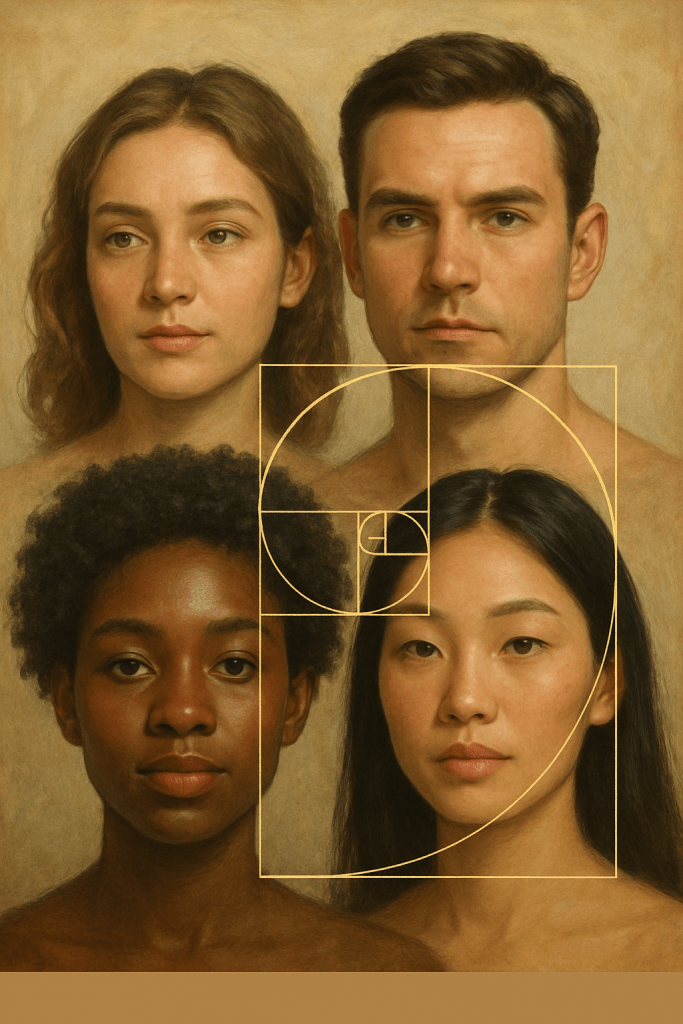
Another key concept in the science of beauty is the “golden ratio,” or phi (approximately 1.618), which describes a mathematical proportion found throughout nature, architecture, and the human body. Research has shown that faces approximating the golden ratio are consistently rated as more attractive (Marquardt, 2002). The Marquardt facial mask, designed to reflect these ideal proportions, has become a scientific model for analyzing facial harmony.

However, beauty extends beyond mathematics. Facial features such as full lips, clear skin, and high cheekbones also influence perceptions of attractiveness because they are subconsciously associated with youth, vitality, and reproductive capability (Etcoff, 1999). These traits act as visual cues that have guided human mate selection throughout history.

Neuroscience further enriches our understanding by exploring how the brain responds to beauty. Neuroimaging studies show that when individuals view faces they perceive as beautiful, the brain’s reward center—the medial orbitofrontal cortex—is activated (Aharon et al., 2001). This activation mirrors responses to pleasurable stimuli such as music or food, suggesting that beauty engages both cognitive and emotional circuits.

Psychological research has long examined the “halo effect,” a cognitive bias where physically attractive individuals are perceived as more intelligent, kind, and capable (Dion, Berscheid, & Walster, 1972). This effect reveals how deeply ingrained visual perception is in shaping human judgment and social hierarchies.

Cultural and racial variations complicate the notion of universal beauty. While certain traits are globally appreciated, cultural contexts shape aesthetic ideals. For example, Western media historically favored Eurocentric features—fair skin, narrow noses, and lighter eyes—whereas African, Asian, and Indigenous societies have celebrated diverse beauty markers such as darker skin tones, fuller bodies, and textured hair (Hunter, 2011).

In the modern era, beauty is also intertwined with media influence and technology. Social media platforms amplify specific beauty standards through filters, digital editing, and algorithms that reward particular looks. This digital aesthetic homogenization can distort self-perception and promote unrealistic ideals (Fardouly & Vartanian, 2016).

The cosmetics and fashion industries further reinforce the commercial side of beauty. The global beauty industry, valued at over $500 billion, capitalizes on insecurities by marketing transformation as empowerment. Yet this commodification raises ethical questions about authenticity and self-worth (Jones, 2021).

Beauty perception is also influenced by hormones and genetics. For example, testosterone levels are linked to masculine facial features such as a strong jawline, while estrogen contributes to features considered feminine, such as soft skin and fuller lips (Thornhill & Gangestad, 1999). These biological signals influence attraction subconsciously, reflecting reproductive compatibility.

Beyond physical features, behavioral expressions such as confidence, warmth, and kindness can enhance perceived attractiveness. Research suggests that beauty is dynamic—animated expressions, body language, and voice tone can transform how a person is viewed (O’Doherty et al., 2003).

The role of melanin in beauty has also been scientifically explored. Melanin not only determines skin tone but also provides photoprotection and age resistance (Kaidbey et al., 1979). Yet, despite its biological advantage, darker skin has often been devalued in societies shaped by colonial and colorist histories.

The psychological toll of beauty bias is profound. Studies link appearance-based discrimination to lower self-esteem, depression, and social anxiety (Rumsey & Harcourt, 2005). This underscores the importance of diversifying beauty ideals to promote psychological well-being and cultural inclusivity.

Beauty also intersects with moral and spiritual philosophy. Biblical and philosophical traditions have long grappled with whether beauty is a reflection of inner goodness or mere external vanity. As Proverbs 31:30 (KJV) reminds us, “Favor is deceitful, and beauty is vain: but a woman that feareth the Lord, she shall be praised.”

Modern science aligns with this idea by revealing that kindness, empathy, and positive energy can alter facial perception—literally making individuals appear more attractive through microexpressions and improved emotional resonance (Little, Burt, & Perrett, 2006).

Aesthetic medicine and cosmetic surgery have blurred the line between natural and artificial beauty. While technological advancements allow individuals to enhance or alter features, the psychological motivation often stems from conformity to societal pressures rather than personal fulfillment (Sarwer et al., 2005).

From a sociological perspective, beauty functions as a form of cultural capital. French sociologist Pierre Bourdieu (1984) argued that aesthetic preferences are tied to social class and education, reinforcing social hierarchies by defining what is considered “refined” or “desirable.”

The future of beauty science lies in inclusivity and authenticity. With increased awareness of genetic diversity, researchers are beginning to celebrate broader definitions of beauty that reflect global humanity rather than narrow ideals. This evolution aligns with the growing understanding that beauty is both innate and learned—an interplay of biology, culture, and consciousness.

Ultimately, the science of beauty reveals a profound truth: beauty is both a mirror and a mystery. It reflects our biological heritage while embodying the values of the societies we build. To understand beauty is to understand humanity itself—a species constantly seeking harmony between the seen and the unseen, the body and the soul.


References

Aharon, I., Etcoff, N., Ariely, D., Chabris, C. F., O’Connor, E., & Breiter, H. C. (2001). Beautiful faces have variable reward value: fMRI and behavioral evidence. Neuron, 32(3), 537–551.

Bourdieu, P. (1984). Distinction: A social critique of the judgement of taste. Harvard University Press.

Darwin, C. (1871). The descent of man, and selection in relation to sex. John Murray.

Dion, K., Berscheid, E., & Walster, E. (1972). What is beautiful is good. Journal of Personality and Social Psychology, 24(3), 285–290.

Etcoff, N. (1999). Survival of the prettiest: The science of beauty. Anchor Books.

Fardouly, J., & Vartanian, L. R. (2016). Social media and body image concerns: Current research and future directions. Current Opinion in Psychology, 9, 1–5.

Hunter, M. (2011). Race, gender, and the politics of skin tone. Routledge.

Jones, M. (2021). Beauty and capitalism: The cultural economy of aesthetics. Palgrave Macmillan.

Kaidbey, K. H., Agin, P. P., Sayre, R. M., & Kligman, A. M. (1979). Photoprotection by melanin—a comparison of black and Caucasian skin. Journal of the American Academy of Dermatology, 1(3), 249–260.

Little, A. C., Burt, D. M., & Perrett, D. I. (2006). Assortative mating for perceived facial personality traits. Personality and Individual Differences, 40(5), 973–984.

Marquardt, S. R. (2002). Dr. Stephen Marquardt’s Phi Mask: The mathematical formula of beauty. Journal of Aesthetic Dentistry, 12(2), 55–65.

O’Doherty, J., Winston, J., Critchley, H., Perrett, D., Burt, D. M., & Dolan, R. J. (2003). Beauty in a smile: The role of medial orbitofrontal cortex in facial attractiveness. Neuropsychologia, 41(2), 147–155.

Rhodes, G. (2006). The evolutionary psychology of facial beauty. Annual Review of Psychology, 57, 199–226.

Rumsey, N., & Harcourt, D. (2005). The psychology of appearance. Open University Press.

Sarwer, D. B., Crerand, C. E., & Didie, E. R. (2005). Body image and cosmetic medical treatments. Body Image, 2(4), 321–333.

Thornhill, R., & Gangestad, S. W. (1999). Facial attractiveness. Trends in Cognitive Sciences, 3(12), 452–460.

Negroid Type: From Pseudoscience to Sacred Heritage

The term Negroid has long been one of the most controversial concepts in the study of human variation. Once used by anthropologists to categorize people of African descent, it has since become emblematic of the pseudo-scientific ideologies that underpinned racism, colonialism, and slavery. Yet, beyond its misuse, the study of African physical diversity, genetics, and spirituality reveals a deeper truth: the African phenotype represents the foundation of humanity itself.

Origins of the Term
The classification “Negroid” emerged in the late eighteenth and nineteenth centuries as part of the typological system developed by European naturalists such as Johann Friedrich Blumenbach. Blumenbach (1779) divided humankind into five “races”: Caucasoid, Mongoloid, Malayan, American, and Negroid. These categories, though influential, were based on superficial physical traits such as skin color, hair texture, and cranial measurements—not on actual biological lineage.

Scientific Racism and Colonial Expansion
Throughout the nineteenth century, the concept of the Negroid type became weaponized to justify slavery, imperialism, and racial hierarchy. Scientists like Samuel George Morton and Josiah C. Nott collected skulls and measured crania, falsely concluding that Africans had smaller brains and thus lesser intelligence. These ideas, later termed “scientific racism,” provided a veneer of legitimacy to the transatlantic slave trade and segregationist ideologies (Gould, 1996).

The Myth of Racial Purity
Racial typologies assumed that human groups were biologically distinct and hierarchically ordered. However, modern genetics has decisively refuted the notion of “pure races.” The Human Genome Project revealed that all humans share over 99.9% of their DNA, and that genetic variation within Africa is greater than that found between all other continents combined (Tishkoff et al., 2009). Thus, Africa is not a singular type, but the cradle of all human diversity.

Anthropological Evolution
Contemporary anthropology has moved away from fixed racial typologies toward an understanding of clinal variation—continuous, overlapping patterns of traits shaped by environment and adaptation. Features once associated with the so-called Negroid type—broad noses, full lips, dark skin, and tightly curled hair—are now recognized as adaptive responses to tropical climates, offering protection against ultraviolet radiation and dehydration (Jablonski, 2004).

Reclaiming the African Image
Despite its colonial misuse, many Afrocentric scholars have sought to reclaim the imagery associated with African phenotypes. The so-called Negroid features are not markers of inferiority but signatures of ancestral distinction and beauty. From the pyramids of Kemet to the kingdoms of Mali, Songhai, and Benin, these features have been celebrated in sculpture, iconography, and divine representation (Diop, 1974).

Theological Dimensions
In biblical interpretation, several theologians and Hebraic scholars suggest that many of the ancient Israelites and patriarchal figures were people of African or Afro-Asiatic descent (Hotep, 2012). Scriptures such as Jeremiah 8:21 and Song of Solomon 1:5 (“I am black but comely”) reflect an awareness of dark skin within sacred contexts. The “Negroid” image thus becomes not merely anthropological but theological—a reflection of divine creation in melanin.

The Melanin Doctrine
Melanin, the pigment responsible for skin color, has become central to Afrocentric spirituality and scientific theology. It is viewed not only as a biological substance but as a symbol of resilience, energy absorption, and divine intelligence. Modern science supports its importance as a natural protector against solar radiation and free radicals, granting both physiological and psychological strength (Barnes, 1998).

The Role of Genetics
Genetic anthropology has revealed that haplogroups such as E1B1A, prevalent among West and Central Africans, trace back tens of thousands of years and connect to ancient migrations across the Nile Valley and the Levant. This lineage further challenges Eurocentric narratives by demonstrating that African ancestry is central to the genesis of civilization, language, and spirituality (Keita & Boyce, 2005).

African Beauty and the Divine Aesthetic
Throughout art, history, and media, features once denigrated under “Negroid typology” have reemerged as powerful symbols of divine beauty. Full lips, coiled hair, and rich melanin have become icons of aesthetic authenticity. Artists, scholars, and theologians alike now celebrate these traits as reflections of the Imago Dei—the image of God expressed through African physiognomy.

The Psychological Aftermath of Typology
The lasting effects of racial classification systems manifest in colorism, internalized racism, and self-rejection among people of African descent. The colonial distortion of beauty and worth has caused generational trauma. However, through education, cultural pride, and spiritual renewal, many communities are redefining blackness as a state of sacred dignity rather than inherited shame (hooks, 1992).

Decolonizing Anthropology
To move forward, anthropology must continue to deconstruct Eurocentric frameworks and amplify African epistemologies. Decolonized scholarship acknowledges that Africa is not a peripheral contributor to human evolution—it is the epicenter. This perspective redefines the so-called Negroid type not as a scientific label but as an ancestral spectrum of human origin and identity.

The Biblical Lineage of Nations
Several biblical genealogies align with African migrations. Ham, the progenitor of Cush, Mizraim, and Canaan, is traditionally associated with African civilizations. Afro-Hebraic interpretations propose that the original Israelites shared ancestral links with these Afro-Asiatic peoples, connecting scriptural heritage to African identity (Ben-Yehuda, 2018).

Africa as Mother of Civilization
Civilizations such as ancient Nubia, Egypt, and Ethiopia challenge Western assumptions of white antiquity. These empires exhibited complex governance, literacy, architecture, and theology millennia before Europe’s Renaissance. Thus, the “Negroid” type, once portrayed as primitive, is historically proven to be the architect of civilization itself (Diop, 1974).

The Curse Narrative Debunked
The misuse of the biblical “curse of Ham” narrative historically justified slavery and segregation. However, critical exegesis reveals no divine condemnation of blackness; rather, this interpretation was fabricated to sustain white supremacy (Goldenberg, 2003). Modern theology restores the African presence in scripture as one of blessing, innovation, and covenantal purpose.

The Beauty of Diversity Within Africa
The African continent hosts immense phenotypic and cultural diversity—from the tall Nilotic peoples to the compact Bantu and the ancient Khoisan. Such variety proves the inadequacy of “Negroid” as a unifying label. Instead, Africa embodies a mosaic of adaptation, creativity, and divine design, representing the full expression of human potential.

The Modern Genetic Synthesis
Modern population genetics reinforces that all non-African peoples descend from small groups of Africans who migrated out of the continent roughly 60,000 years ago. Thus, every human phenotype, whether European or Asian, carries ancestral African DNA. Humanity, in essence, is a global expression of African origin (Stringer, 2016).

Cultural Redemption and Reeducation
To reclaim African identity, education must confront the falsehoods of racial hierarchy. Cultural and genetic literacy can restore self-worth among diasporic peoples. The truth that humanity originated in Africa dismantles the lie of inferiority and honors the spiritual narrative of creation found in Genesis: “And God formed man of the dust of the ground.”

Spiritual Anthropology
Beyond science, spiritual anthropology recognizes that the human form is a vessel of divine wisdom. The so-called Negroid type, with its radiant melanin and ancestral features, becomes a living testimony to divine craftsmanship. Through faith, knowledge, and cultural restoration, African descendants rediscover their sacred lineage as both biological and spiritual heirs of humanity.

Conclusion
The term Negroid type should no longer signify a scientific category but a journey—from misclassification to reclamation, from pseudoscience to sacred truth. Africa is not merely the continent of blackness; it is the womb of the world. By reinterpreting the narrative through historical critique, Afrocentric pride, and theological revelation, we affirm that to study the African face is to gaze upon the mirror of creation itself.


References (APA 7th Edition)

Barnes, J. (1998). Melanin: The key to freedom. Black Classic Press.
Ben-Yehuda, Y. (2018). Hebrew Israelites and the African connection: An Afrocentric biblical interpretation. Africana Studies Review, 12(3), 45–62.
Blumenbach, J. F. (1779). On the natural varieties of mankind. Göttingen.
Diop, C. A. (1974). The African origin of civilization: Myth or reality. Lawrence Hill Books.
Goldenberg, D. M. (2003). The curse of Ham: Race and slavery in early Judaism, Christianity, and Islam. Princeton University Press.
Gould, S. J. (1996). The mismeasure of man. W. W. Norton & Company.
hooks, b. (1992). Black looks: Race and representation. South End Press.
Hotep, U. (2012). The African origins of the Hebrew people. Kemet University Journal of African Spirituality, 8(2), 33–58.
Jablonski, N. G. (2004). The evolution of human skin and skin color. Annual Review of Anthropology, 33, 585–623.
Keita, S. O. Y., & Boyce, A. J. (2005). Genetics, history, and identity: The case of the African peoples. American Anthropologist, 107(1), 12–23.
Stringer, C. (2016). The origin of our species. Penguin Books.
Tishkoff, S. A., et al. (2009). The genetic structure and history of Africans and African Americans. Science, 324(5930), 1035–1044.

Black Beauty: A Curse or a Blessing?

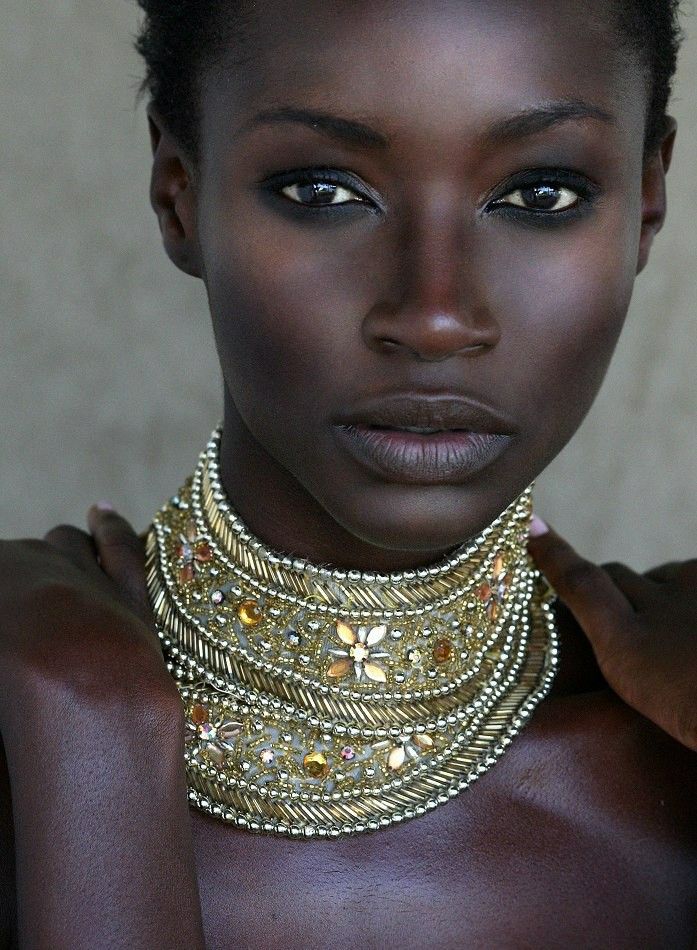
Photo by Adedamola Adetoyi on Pexels.com

The question of whether Black beauty is a curse or a blessing has haunted generations. For centuries, it has been both revered and reviled, celebrated and scorned. To grapple with this paradox is to acknowledge the deep history of how the world perceives Black bodies and how those perceptions have shaped the lived experience of Black people. What society has too often treated as a curse, Scripture and science reveal as a profound blessing.

Historically, the beauty of Black people has been weaponized against them. During slavery, enslaved Black women were simultaneously sexualized and dehumanized. Their features — full lips, wide noses, dark skin, and coiled hair — were ridiculed as evidence of inferiority while being exploited for labor and reproduction (Collins, 2000). This duality created a legacy of shame, where traits of Black beauty were framed as a curse, even while secretly desired.

From a sociological standpoint, the dominance of Eurocentric beauty standards reinforced this distortion. Pale skin, straight hair, and narrow features were upheld as the “universal” ideal, marginalizing African aesthetics. Black people were pressured to straighten their hair, lighten their skin, or alter their features to fit in. This erasure implied that natural Black beauty was somehow less worthy. Yet, these same features, when adopted by non-Black women through tanning, lip fillers, or curly hair perms, were suddenly praised. This contradiction reveals that the problem was never Black beauty itself, but society’s biased lens.

Psychologically, this tension has left deep scars. Colorism, a byproduct of racism, continues to divide communities, privileging lighter skin over darker tones (Hunter, 2007). Dark-skinned women often face harsher discrimination in dating, work, and media representation, while lighter-skinned women are deemed more “acceptable.” Black men, too, experience a contradictory dynamic: their athletic bodies and masculine strength are admired in sports and entertainment, yet feared in daily life. These contradictions fuel the perception that Black beauty is a burden, something to carry rather than something to celebrate.

Yet, when we turn to Scripture, a different narrative emerges. God’s Word affirms the value of every feature He created. In Genesis 1:27, it says: “So God created man in his own image, in the image of God created he him; male and female created he them” (KJV). Black beauty, like all human beauty, reflects the divine image. Song of Solomon 1:5 offers an even more direct affirmation, where the Shulamite woman proclaims, “I am black, but comely, O ye daughters of Jerusalem” (KJV). Her words echo across centuries as a declaration that Blackness and beauty are inseparable, divinely designed.

Biologically, Black beauty is also a blessing. Melanin, often celebrated as “Black gold,” is more than skin deep. It provides protection against the sun’s harmful rays, slows aging, and contributes to unique variations in skin tone, eye color, and hair texture (Jablonski, 2014). Strong bone density, muscular builds, and symmetrical facial features — often found in African-descended populations — align with what science recognizes as markers of physical health and attractiveness (Little et al., 2011). These genetic gifts are not curses but blessings of adaptation and survival.

The cultural reclamation of Black beauty further affirms its blessing. The natural hair movement, the rise of melanin-positive campaigns, and the increasing global embrace of African aesthetics reflect a turning tide. Traits once despised are now celebrated as fashionable and aspirational. What was once shamed is now crowned. Black beauty has become a movement of self-love and resistance against centuries of erasure.

Still, the struggles remain. The media often continues to underrepresent darker-skinned women, and when represented, they are frequently portrayed through stereotypes. Black men’s physiques are admired in sports but criminalized in society. These double standards illustrate how the world continues to twist Black beauty into something threatening or undesirable. The real curse, then, is not in Black beauty itself, but in the systems that refuse to honor it.

Spiritually, the enemy has always sought to distort what God made good. The same way sin corrupted creation, racism and colorism distort beauty. But Romans 8:28 reminds us that God works all things for good for those who love Him. Even in the face of rejection, Black beauty has been a source of resilience, creativity, and community pride. From gospel music to fashion to visual art, Black aesthetics have shaped global culture, often without due credit. What the world tried to curse, God turned into blessing.

To answer the question — Black beauty is not a curse, though it has been treated as one. It is a blessing, intricately woven into God’s creation, carrying strength, resilience, and elegance. The so-called curse lies in society’s refusal to embrace diversity, in the oppressive systems that shame what they do not understand.

For women, Black beauty is a crown that does not need the approval of Western standards. For men, it is the strength of kings and warriors written into their DNA. For children, it is a heritage to be celebrated, not hidden. The more we reclaim and affirm it, the more the illusion of the curse fades, and the truth of the blessing shines.

Psychology affirms this too. Studies show that self-acceptance and positive racial identity are linked to higher self-esteem and resilience among Black individuals (Mandara & Murray, 2000). Choosing to embrace one’s beauty is both an act of healing and defiance. Where society once defined Black beauty as “less than,” psychology and faith remind us it is more than enough.

In closing, the question itself reveals the depth of the struggle: to see oneself through the eyes of God rather than the eyes of a broken world. Black beauty is not a curse — it is a divine blessing, radiant with purpose. As the psalmist declares, “I will praise thee; for I am fearfully and wonderfully made” (Psalm 139:14, KJV). Black beauty is living proof of this truth.


References

  • Collins, P. H. (2000). Black feminist thought: Knowledge, consciousness, and the politics of empowerment. Routledge.
  • Hunter, M. (2007). The persistent problem of colorism: Skin tone, status, and inequality. Sociology Compass, 1(1), 237–254.
  • Jablonski, N. G. (2014). Living color: The biological and social meaning of skin color. University of California Press.
  • Little, A. C., Jones, B. C., & DeBruine, L. M. (2011). Facial attractiveness: Evolutionary based research. Philosophical Transactions of the Royal Society B, 366(1571), 1638–1659.
  • Mandara, J., & Murray, C. B. (2000). Effects of parental marital status, income, and education on the self-esteem of African American adolescents. Journal of Family Psychology, 14(3), 475–490.

The Politics of Pretty and the Brown Girl #thescienceofblackbeauty

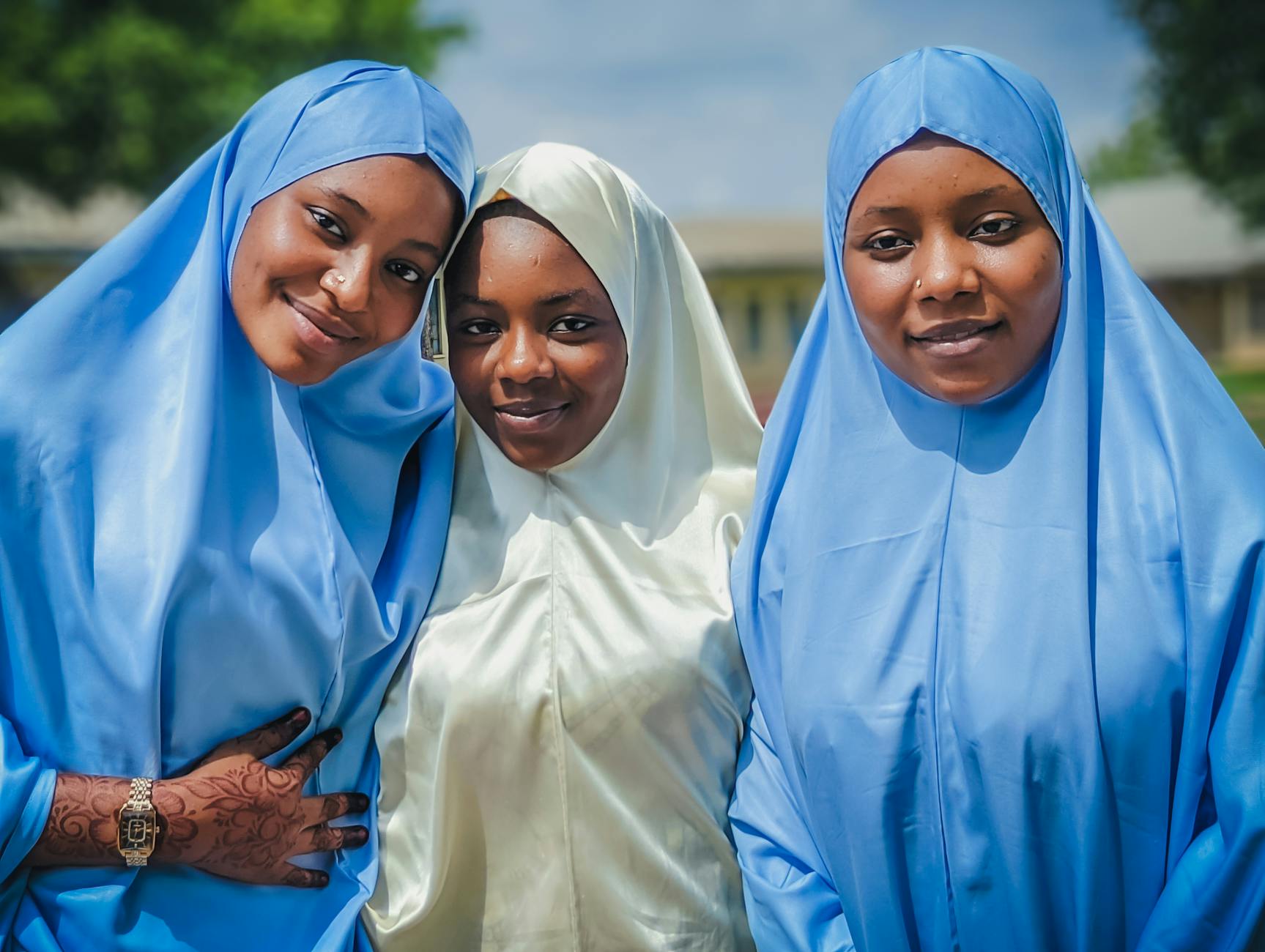
Photo by Giulia Freitas on Pexels.com

Beauty has never been a neutral concept. It has always been political, deeply intertwined with power, race, and identity. For the Brown girl, beauty is not simply a matter of style or preference—it is a site of negotiation, resistance, and survival. Living in a world where Eurocentric standards dominate, the Brown girl’s face, hair, and skin are often scrutinized, diminished, or exoticized. To be considered “pretty” in this context is not a simple compliment; it is a measure shaped by systemic bias, cultural narratives, and centuries of colonial influence.

The phrase “politics of pretty” captures the social and cultural forces that determine which bodies are valued and which are marginalized. For Brown girls—women of darker complexions, textured hair, and features often dismissed by dominant culture—beauty becomes less about personal choice and more about fitting into or rejecting the molds society constructs. Being told one is “pretty for a dark-skinned girl” is a backhanded compliment that reveals how beauty is still filtered through racial hierarchies. Such comments reinforce the notion that prettiness is not expected of the Brown girl but rather an exception to a biased rule.

Psychologically, these beauty politics can carry heavy consequences. Studies on colorism reveal how internalized bias leads to lower self-esteem, body image struggles, and even strained relationships among women of color (Hunter, 2007). The Brown girl may feel pressure to straighten her hair, lighten her skin, or alter her features to align more closely with accepted ideals. These acts are not merely aesthetic—they reflect deep systemic forces that punish authenticity while rewarding conformity. Yet, despite these pressures, many Brown girls have chosen reclamation over assimilation, celebrating melanin, curls, and natural features as radical acts of self-love.

Culture and media play central roles in shaping how the Brown girl is seen. Hollywood, fashion industries, and social media influencers often perpetuate narrow standards of beauty, elevating lighter skin, looser curls, and Eurocentric features. When Brown girls do appear, they are frequently cast as exotic, hypersexualized, or secondary characters. However, the rise of movements such as #MelaninMagic and #BlackGirlMagic has shifted this narrative, carving space for Brown girls to redefine “pretty” on their own terms. These campaigns celebrate diverse shades, textures, and features, challenging the idea that beauty must fit within Eurocentric boundaries.

Biblically, the politics of beauty are also addressed. Scripture reminds us that true worth is not measured by outward appearance but by the heart: “Whose adorning let it not be that outward adorning of plaiting the hair, and of wearing of gold, or of putting on of apparel; But let it be the hidden man of the heart” (1 Peter 3:3–4, KJV). For the Brown girl, this message affirms that while society may politicize her body and her beauty, her value in God’s eyes is rooted in character, wisdom, and faith. This spiritual truth provides a counterweight to cultural lies, offering grounding in divine affirmation.

The politics of pretty also extend into economics and social mobility. Research shows that lighter-skinned women often receive preferential treatment in hiring, salary, and even dating markets (Hersch, 2006). For Brown girls, this creates an additional layer of struggle: their looks can impact not only their social experiences but also their material opportunities. This demonstrates how beauty standards are not superficial but structurally impactful. They determine access, privilege, and even wealth distribution.

Yet within these struggles lies a profound resilience. Brown girls have historically been at the forefront of cultural innovation, from music and dance to style and language. What was once mocked or dismissed—from full lips to natural hairstyles—has often been appropriated and celebrated when adopted by others. This irony highlights the cultural hypocrisy of beauty politics, where features belonging to Brown girls are simultaneously devalued and commodified. Despite this, the Brown girl continues to set trends and reshape culture, forcing society to confront its contradictions.

The healing journey for the Brown girl involves unlearning toxic beauty scripts and embracing authenticity. Psychology emphasizes the importance of positive identity formation, affirmations, and community support (Cross, 1991). Spiritually, it involves resting in God’s truth rather than society’s approval. Culturally, it means celebrating diversity and rejecting monolithic beauty standards. When the Brown girl embraces her radiance, she not only heals herself but also challenges a system that has historically sought to erase her.

In the end, the politics of pretty reveals more about society than it does about the Brown girl. It exposes racialized hierarchies, systemic inequities, and cultural insecurities. Yet the Brown girl stands as a living testimony to resilience, creativity, and grace. She is not “pretty for a dark-skinned girl.” She is beautiful, period—because her beauty transcends comparison, rooted in history, faith, and the fullness of her identity.

The task for all of us is not to reshape the Brown girl to fit beauty politics, but to reshape politics to honor her as she is. When society expands its definition of beauty, it creates space for truth, healing, and justice. Until then, the Brown girl will continue to resist, radiate, and redefine what it means to be “pretty” on her own terms.


📖 References

Cross, W. E. (1991). Shades of Black: Diversity in African-American identity. Temple University Press.

Hersch, J. (2006). Skin tone effects among African Americans: Perceptions and reality. American Economic Review, 96(2), 251–255.

Hunter, M. L. (2007). The persistent problem of colorism: Skin tone, status, and inequality. Sociology Compass, 1(1), 237–254.

The Holy Bible, King James Version. (1769/2017). Cambridge University Press.

The Genetics of Black People #thescienceofblackbeauty

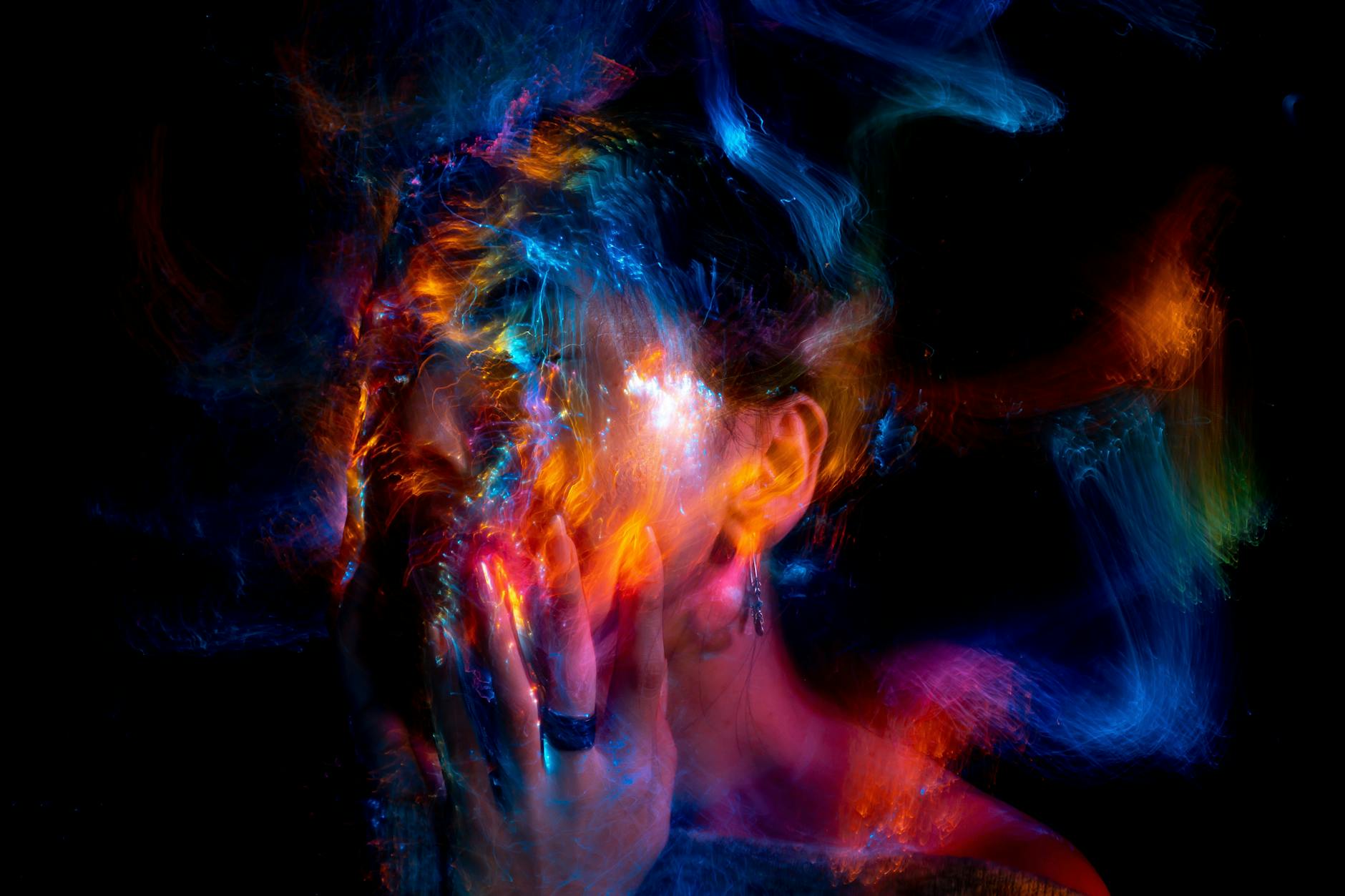
Photo by Merlin Lightpainting on Pexels.com

The genetics of Black people provides a profound window into human history, identity, and resilience. Through the lens of science, anthropology, and biblical reflection, one discovers that African-descended populations carry the richest genetic diversity on Earth. This diversity not only traces back to the earliest human origins but also tells the story of migration, adaptation, and survival. To understand Black genetics is to understand the foundations of humanity itself.

Africa as the Genetic Cradle

Modern genetics affirms what archaeology and anthropology have long suggested: Africa is the cradle of humanity. Studies of mitochondrial DNA (mtDNA) and Y-chromosome lineages confirm that all modern humans trace their ancestry to Africa approximately 200,000 years ago (Tishkoff et al., 2009). This means that the genetic diversity seen among Black people is not only vast but also foundational to the human story.

Haplogroups and Lineages

Among African and African diasporic populations, haplogroups such as E1b1a are highly prevalent. This Y-DNA lineage is especially common among West and Central Africans, as well as among African Americans and Afro-Caribbeans (Underhill et al., 2001). Such markers provide genetic evidence of ancestral ties that link dispersed Black populations back to Africa, particularly the regions most affected by the transatlantic slave trade.

Melanin as a Genetic Gift

One of the most visible genetic traits of Black people is melanin, the pigment responsible for skin color. Far from being a mere aesthetic trait, melanin serves as a protective adaptation against ultraviolet radiation. It reduces the risk of DNA damage while regulating vitamin D synthesis (Jablonski & Chaplin, 2000). In biblical reflection, one could argue that melanin symbolizes divine design: “I am black, but comely” (Song of Solomon 1:5, KJV).

Adaptation and Survival

Genetics reveals that traits common among African populations were shaped by evolutionary pressures. For example, the sickle cell trait—a genetic adaptation—provides resistance against malaria, a deadly disease endemic to parts of Africa. This illustrates how Black genetics embodies survival strategies written into DNA through centuries of environmental challenges.

The Transatlantic Slave Trade and Genetic Disruption

The forced displacement of millions of Africans through the transatlantic slave trade disrupted genetic continuity, yet it also created new diasporic lineages. African Americans, for example, typically show a mixture of West and Central African ancestry, with smaller proportions of European and Native American ancestry due to centuries of enslavement, coercion, and survival (Bryc et al., 2015). Genetics, therefore, serves as a testimony of trauma but also of resilience.

Diaspora Diversity

The African diaspora is far from monolithic. Afro-Caribbeans, Afro-Latinos, and African Americans all share African genetic roots but reflect distinct admixture histories. For instance, Afro-Brazilians often display higher proportions of African ancestry compared to African Americans, due to Brazil’s massive role in the slave trade (Telles, 2004). Yet across the diaspora, the shared thread is an undeniable African genetic legacy.

Health Implications in Genetics

The genetics of Black people also intersects with health in powerful ways. Certain conditions such as hypertension and diabetes are disproportionately prevalent among African-descended populations, influenced not only by genetics but also by systemic inequalities (Gravlee, 2009). Understanding genetic predispositions must go hand in hand with addressing structural racism in healthcare.

Misuse of Genetics in Racism

History has shown how genetics was misused to justify slavery, colonialism, and segregation. Pseudoscientific racism claimed that Black people were biologically inferior. Modern genetics refutes these falsehoods, affirming that race is a social construct, while genetic diversity within Africa surpasses that of all other continents combined (Lewontin, 1972).

Biblical Reflections on Ancestry

The Bible teaches that all humanity is made in the image of God (Genesis 1:27, KJV). Yet for Black people, genetics and scripture converge in unique ways. Deuteronomy 28 has been interpreted by some as prophetic, aligning the experiences of the African diaspora with the curses of Israel. While debated, this perspective connects genetics, history, and spiritual identity in profound ways.

Marriage of Science and Scripture

Rather than conflict, genetics and scripture can complement one another. Science reveals the pathways of migration and adaptation, while scripture reminds us of divine purpose. Acts 17:26 (KJV) declares: “And hath made of one blood all nations of men for to dwell on all the face of the earth.” This verse resonates deeply with the genetic truth that all humans share common African ancestry.

Genetics and Identity Formation

For many Black individuals, DNA testing has become a tool for reclaiming lost heritage. Commercial genetic tests allow descendants of the diaspora to trace their lineages back to specific African regions. This process provides not only scientific validation but also psychological healing from centuries of disconnection caused by slavery.

Psychology of Genetic Roots

Psychology suggests that knowing one’s ancestry strengthens self-esteem and identity formation (Phinney, 1990). For Black people, genetic awareness can counter narratives of erasure. By affirming African origins and resilience, genetics helps restore pride and a sense of belonging within the larger human family.

🧬 The Genetic Makeup of Black People

1. Genetic Diversity in Africa

Science shows that people of African descent carry the highest genetic diversity in the world. This is because Africa is the cradle of humankind, where modern Homo sapiens first evolved about 200,000 years ago (Tishkoff et al., 2009). Populations that migrated out of Africa carried only a subset of this genetic variation, which makes non-African groups less genetically diverse.


2. Haplogroups in African Populations

One of the most common paternal lineages in Sub-Saharan Africa is the Y-DNA haplogroup E1b1a. It is especially dominant among West and Central Africans and their descendants in the Americas due to the Transatlantic Slave Trade (Wood et al., 2005).

On the maternal side, African women often carry mtDNA haplogroups L0–L3, some of the oldest lineages in the world. These haplogroups trace directly back to the first mothers of humanity (Salas et al., 2002).


3. Skin Color and Melanin

The dark skin of Black people is due to high melanin production (specifically eumelanin). This adaptation evolved in Africa to protect against ultraviolet (UV) radiation, reducing risks of skin cancer and preserving folate, a vitamin essential for reproduction (Jablonski & Chaplin, 2010).


4. Health and Genetic Traits

Certain genetic traits in African populations arose as adaptations to local environments. For example:

  • The sickle-cell trait provides protection against severe malaria, which is widespread in Africa (Kwiatkowski, 2005).
  • Variants in the Duffy antigen receptor gene protect many West Africans from Plasmodium vivax malaria (Miller et al., 1976).

However, these adaptations can have trade-offs. For instance, carrying two sickle-cell alleles leads to sickle-cell disease.


5. Admixture and the Diaspora

Black populations outside Africa, especially in the Americas, often have mixed ancestry. African Americans, for example, typically have West and Central African ancestry but also varying degrees of European and Native American admixture due to historical slavery, colonization, and forced mixing (Bryc et al., 2015).


6. Genetics, Identity, and Misuse

Science has confirmed that while genetic diversity exists, race is not a strict biological category. Instead, it reflects clusters of ancestry shaped by migration and geography. Unfortunately, genetics has been historically misused to justify racism. Today, genetic studies highlight shared humanity and deep African origins of all people (Graves, 2005).


📖 Biblical Reflection (KJV)

  • “And hath made of one blood all nations of men for to dwell on all the face of the earth” (Acts 17:26).
  • “I will say to the north, Give up; and to the south, Keep not back: bring my sons from far, and my daughters from the ends of the earth” (Isaiah 43:6).

Genetic Continuity Across Generations

Despite centuries of oppression, African-descended people carry forward genetic continuity that cannot be erased. Each generation inherits not only biological traits but also stories of endurance. Psalm 139:14 (KJV) reminds us: “I will praise thee; for I am fearfully and wonderfully made.” Genetics affirms this biblical truth.

Cultural Implications of Genetics

Black culture—music, food, language, and spirituality—often reflects deep genetic memory. Anthropologists note that certain rhythms, agricultural practices, and even healing traditions among diasporic communities trace back to African roots. Genetics, therefore, is not only biological but also cultural.

The Ethics of Genetic Research

While genetic science holds promise, ethical considerations remain. Historically, Black communities have been exploited in medical and genetic research, such as the Tuskegee Syphilis Study. Thus, the pursuit of genetic knowledge must be grounded in justice, equity, and respect.

Future of Black Genetics

As technology advances, the genetics of Black people will play a central role in medicine, anthropology, and identity studies. Genetic research promises better healthcare outcomes when tailored to African ancestry. Moreover, it enriches global understanding of human origins and diversity.

Spiritual Continuity and Covenant

In scripture, covenant symbolizes continuity. Just as marriage is a covenant binding two into one flesh, so too does genetics bind generations into one continuous story (Genesis 2:24, KJV). For Black people, genetics reveals that despite historical fractures, divine continuity has preserved identity across centuries.

Walk Toward Eternal Truth

Genetics is not merely about physical lineage—it also points toward eternal truth. For believers, DNA testifies of God’s handiwork, inscribed into the very code of life. It calls humanity to unity rather than division, reminding us that science and scripture both declare the dignity of Black people.

Conclusion

The genetics of Black people is a narrative of origins, endurance, and divine purpose. From the haplogroups of Africa to the diasporic survival of slavery, from melanin’s protective gift to the misuse of science in racism, genetics tells a story of resilience. Scripture confirms this dignity, affirming that God’s covenant transcends race and history. To study Black genetics is not only to learn about biology but also to witness the unfolding of both science and spirit in one of humanity’s most profound stories. The genetics of Black people tells a story that stretches from the dawn of humanity in Africa to the present-day struggles for justice and identity. It encompasses haplogroups, slavery, melanin, health, psychology, and theology. More than science, genetics is a living testimony of survival, a record of God’s providence, and a foundation for future generations to reclaim both heritage and destiny.


📚 References

Bryc, K., Durand, E. Y., Macpherson, J. M., Reich, D., & Mountain, J. L. (2015). The genetic ancestry of African Americans, Latinos, and European Americans across the United States. The American Journal of Human Genetics, 96(1), 37–53. https://doi.org/10.1016/j.ajhg.2014.11.010

Gravlee, C. C. (2009). How race becomes biology: Embodiment of social inequality. American Journal of Physical Anthropology, 139(1), 47–57. https://doi.org/10.1002/ajpa.20983

Jablonski, N. G., & Chaplin, G. (2000). The evolution of human skin coloration. Journal of Human Evolution, 39(1), 57–106. https://doi.org/10.1006/jhev.2000.0403

Lewontin, R. C. (1972). The apportionment of human diversity. Evolutionary Biology, 6, 381–398. https://doi.org/10.1007/978-1-4684-9063-3_14

Phinney, J. S. (1990). Ethnic identity in adolescents and adults: Review of research. Psychological Bulletin, 108(3), 499–514. https://doi.org/10.1037/0033-2909.108.3.499

Telles, E. E. (2004). Race in another America: The significance of skin color in Brazil. Princeton University Press.

Tishkoff, S. A., et al. (2009). The genetic structure and history of Africans and African Americans. Science, 324(5930), 1035–1044. https://doi.org/10.1126/science.1172257

Underhill, P. A., et al. (2001). The phylogeography of Y chromosome binary haplotypes and the origins of modern human populations. Annals of Human Genetics, 65(1), 43–62. https://doi.org/10.1046/j.1469-1809.2001.6510043.x

Bryc, K., Durand, E. Y., Macpherson, J. M., Reich, D., & Mountain, J. L. (2015). The genetic ancestry of African Americans, Latinos, and European Americans across the United States. American Journal of Human Genetics, 96(1), 37–53. https://doi.org/10.1016/j.ajhg.2014.11.010

Graves, J. L. (2005). The race myth: Why we pretend race exists in America. Dutton.

Jablonski, N. G., & Chaplin, G. (2010). Human skin pigmentation as an adaptation to UV radiation. Proceedings of the National Academy of Sciences, 107(Supplement 2), 8962–8968. https://doi.org/10.1073/pnas.0914628107

Kwiatkowski, D. P. (2005). How malaria has affected the human genome and what human genetics can teach us about malaria. American Journal of Human Genetics, 77(2), 171–192. https://doi.org/10.1086/432519

Miller, L. H., Mason, S. J., Clyde, D. F., & McGinniss, M. H. (1976). The resistance factor to Plasmodium vivax in Blacks: The Duffy-blood-group genotype, FyFy. New England Journal of Medicine, 295(6), 302–304. https://doi.org/10.1056/NEJM197608052950602

Salas, A., Richards, M., De la Fe, T., Lareu, M. V., Sobrino, B., Sánchez-Diz, P., … & Carracedo, Á. (2002). The making of the African mtDNA landscape. American Journal of Human Genetics, 71(5), 1082–1111. https://doi.org/10.1086/344348

Tishkoff, S. A., Reed, F. A., Friedlaender, F. R., Ehret, C., Ranciaro, A., Froment, A., … & Williams, S. M. (2009). The genetic structure and history of Africans and African Americans. Science, 324(5930), 1035–1044. https://doi.org/10.1126/science.1172257

Wood, E. T., Stover, D. A., Ehret, C., Destro-Bisol, G., Spedini, G., McLeod, H., … & Hammer, M. F. (2005). Contrasting patterns of Y chromosome and mtDNA variation in Africa: Evidence for sex-biased demographic processes. European Journal of Human Genetics, 13(7), 867–876. https://doi.org/10.1038/sj.ejhg.5201370

The Science of Black Beauty: From Biology to Cultural Expression. #thescienceofblackbeauty

Photo by snazzy Photography on Pexels.com

Black beauty is a multifaceted phenomenon shaped by evolution, history, psychology, and cultural representation. It is both a biological inheritance and a cultural expression, a story of resilience inscribed in the body and articulated through identity and artistry. To examine the science of Black beauty is to recognize how biology and culture work together to produce a radiance that has endured despite systemic erasure and oppression.

From a biological standpoint, the features associated with African ancestry are the products of adaptation and survival. Melanin-rich skin evolved to protect against harmful ultraviolet rays, preserving essential nutrients like folate while allowing for sufficient vitamin D synthesis (Jablonski & Chaplin, 2010). Similarly, tightly coiled hair acts as a natural regulator, shielding the scalp from heat while allowing airflow for cooling (Robins, 2009). These traits, often marginalized in Western standards, reflect evolutionary brilliance and resilience.

Facial diversity within African-descended populations further illustrates this complexity. Broader nasal passages facilitate air regulation in warmer climates, while fuller lips and diverse bone structures reveal the genetic depth of African populations, which are the most genetically varied in the world (Tishkoff et al., 2009). This diversity highlights that Black beauty cannot be confined to a single standard, but instead exists as a spectrum of biological expressions foundational to humanity itself.

Psychology, however, reveals how beauty is experienced and judged in society. For centuries, Eurocentric standards have distorted perceptions of beauty, leading to colorism, hair discrimination, and internalized racism within Black communities (Hunter, 2007). Such biases caused lasting psychological harm, shaping how individuals viewed themselves. Yet movements such as “Black is Beautiful” and the natural hair renaissance have countered these narratives, reframing beauty as pride in melanin, hair texture, and African aesthetics (Byrd & Tharps, 2014).

Cultural representation plays a powerful role in this redefinition. Historically, Black people were excluded from mainstream beauty imagery or depicted through degrading stereotypes. Icons like Cicely Tyson and Angela Davis challenged these norms by embracing natural hair and Afrocentric styles that carried political meaning. In the 21st century, Lupita Nyong’o and Rihanna’s Fenty Beauty expanded global beauty standards, affirming darker skin tones and inclusive cosmetics as worthy of admiration (Tate, 2009). Representation thus shifts beauty from marginalization to empowerment.

Historically, beauty within Black communities has also functioned as survival and resistance. Enslaved Africans braided hair not only as an aesthetic practice but also as a means of preserving cultural memory and transmitting coded messages for liberation (Byrd & Tharps, 2014). In these contexts, beauty was never superficial but deeply tied to resilience, dignity, and the struggle for freedom. This historical reality underscores how Black beauty is inseparable from cultural expression and survival.

Spiritually, beauty is defined by values deeper than the physical. Biblical scripture emphasizes inner beauty: “Whose adorning let it not be that outward adorning… but the hidden man of the heart” (1 Peter 3:3–4, KJV). For Black people, whose beauty was historically devalued, spiritual strength and inner radiance provided a foundation for self-worth and endurance. Thus, Black beauty extends beyond the surface, embodying faith, character, and the divine imprint of creation.

In conclusion, the science of Black beauty reveals it as both biological and cultural. Evolution crafted traits that ensured survival, while cultural expression transformed those traits into symbols of pride, identity, and resistance. From biology to psychology, from history to spirituality, Black beauty reflects resilience and radiance. It is a testimony not only to adaptation but also to the enduring power of a people who continue to shape global definitions of what it means to be beautiful.


References

  • Byrd, A., & Tharps, L. (2014). Hair story: Untangling the roots of Black hair in America. St. Martin’s Press.
  • Hunter, M. (2007). The persistent problem of colorism: Skin tone, status, and inequality. Sociology Compass, 1(1), 237–254.
  • Jablonski, N. G., & Chaplin, G. (2010). Human skin pigmentation as an adaptation to UV radiation. Proceedings of the National Academy of Sciences, 107(Suppl 2), 8962–8968.
  • Robins, A. H. (2009). Biological perspectives on human pigmentation. Cambridge University Press.
  • Tate, S. A. (2009). Black beauty: Aesthetics, stylization, politics. Ashgate.
  • Tishkoff, S. A., et al. (2009). The genetic structure and history of Africans and African Americans. Science, 324(5930), 1035–1044.