

Colorism, often described as prejudice or discrimination based on skin tone, creates a hierarchy within the Black community that values lighter skin over darker shades. This “shade hierarchy” functions like an internal caste system, influencing beauty standards, social acceptance, and economic opportunities (Hunter, 2007).
The origins of this hierarchy are deeply entwined with colonialism and slavery. European colonizers created a system where proximity to whiteness equaled privilege. Lighter-skinned enslaved Africans were often assigned domestic work and given preferential treatment, while darker-skinned individuals labored in the fields, cementing a perception that lighter skin was inherently superior (Williams, 1987).
Media and pop culture perpetuated these notions over centuries. Hollywood films frequently cast light-skinned Black women in romantic or leading roles while relegating darker-skinned women to subservient, villainous, or hypersexualized stereotypes. This not only shaped public perception but also influenced self-image among Black women (Bogle, 2016).
The psychological impact of the shade hierarchy is profound. Dark-skinned individuals often experience lower self-esteem, body image dissatisfaction, and internalized racism. Being told, explicitly or implicitly, that one’s skin is “too dark” to be desirable produces lasting trauma (Hill, 2002).
Dating preferences also reveal the pervasiveness of this hierarchy. Studies show that lighter-skinned Black women are often perceived as more attractive and desirable for relationships, while darker-skinned women are marginalized in the dating market (Wilder, 2010). Men’s internalization of colorist standards reinforces systemic bias.
Colorism extends into education and professional opportunities. Research demonstrates that darker-skinned Black men and women earn less than lighter-skinned peers, even when controlling for education and experience. This colorism wage gap mirrors the historical privileging of lighter skin (Goldsmith, Hamilton, & Darity, 2006).
Schools are microcosms where colorism manifests early. Dark-skinned children are often subject to teasing, social exclusion, or disproportionate disciplinary actions. This reinforces societal hierarchies and internalized biases before adulthood (Monk, 2014).
Family and community can either reinforce or challenge the shade hierarchy. Favoring lighter-skinned relatives in compliments, marriage prospects, or inheritance decisions perpetuates the caste system. Conversely, affirming all shades equally fosters resilience and pride in melanin-rich identities (Russell, Wilson, & Hall, 2013).
Language plays a crucial role in perpetuating colorism. Terms like “redbone,” “high yellow,” and backhanded compliments such as “pretty for a dark-skinned girl” normalize hierarchy and shape self-perception. Challenging and changing this language is essential for liberation (Charles, 2003).
Social media has emerged as both a challenge and a solution. While platforms sometimes reinforce colorism through algorithmic biases and influencer culture, they also provide spaces for celebrating dark-skinned beauty, such as #MelaninPoppin and #DarkSkinIsBeautiful campaigns. These initiatives help counter harmful narratives and create visible representation.
Religious and spiritual frameworks can aid in dismantling the shade hierarchy. Scriptures such as Song of Solomon 1:5 — “I am black, but comely” — affirm that melanin is not a flaw but a feature worthy of pride. Church communities can preach against favoritism and celebrate beauty in all skin tones (James 2:1-4).
Media literacy is another tool. Teaching children and adults to critically assess representations in television, film, and advertising reduces the internalization of harmful beauty norms. Awareness of how light-skinned individuals are often elevated helps viewers resist accepting a biased standard unconsciously.
Empowerment programs targeting youth can directly counter colorism. Workshops that teach self-esteem, beauty appreciation, and historical knowledge about African ancestry encourage young people to embrace their skin tone with pride (Hall, 1992).
Feminist scholars emphasize that dismantling the shade hierarchy is not just about aesthetics; it is about power. Colorism intersects with sexism and racism, creating compounded oppression for dark-skinned women. Addressing these structural inequalities is critical for holistic liberation (Hunter, 2007).
Representation in professional and artistic spaces also matters. Featuring dark-skinned Black men and women in leadership roles, creative industries, and political office challenges societal hierarchies and normalizes their presence in positions of influence.
Black men’s participation is key in dismantling the hierarchy. By affirming dark-skinned women as desirable partners, celebrating them publicly, and rejecting societal pressure to prefer lighter skin, men can help erode internalized colorist standards in the community (Harris, 2015).
Economic interventions are also necessary. Organizations should prioritize diversity in hiring and promotion, ensuring that darker-skinned candidates are not overlooked due to unconscious bias. Equitable opportunities disrupt the cycle of privilege attached to lighter skin.
Education and mentorship programs should include historical context about colorism and practical strategies for resistance. Teaching children about African history, melanin-rich heroes, and cultural pride counteracts centuries of negative messaging about dark skin (Smedley, 1999).
Personal reflection and therapy can help individuals confront internalized colorism. Journaling, counseling, and group discussions offer spaces to unlearn harmful messages and rebuild self-worth, allowing people to embrace their natural complexion fully.
Breaking free from the color caste system requires sustained effort across generations. By challenging social norms, affirming diverse beauty, and creating supportive spaces, the Black community can replace hierarchical thinking with pride, dignity, and unity.
References
- Bogle, D. (2016). Toms, Coons, Mulattoes, Mammies, and Bucks: An Interpretive History of Blacks in American Films. Bloomsbury.
- Charles, C. (2003). Skin Bleaching, Self-Hate, and Black Identity in Jamaica. Journal of Black Studies, 33(6), 711–728.
- Goldsmith, A., Hamilton, D., & Darity, W. (2006). Shades of Discrimination: Skin Tone and Wages. American Economic Review, 96(2), 242–245.
- Hall, R. E. (1992). Bias Among African Americans Regarding Skin Color: Implications for Social Work Practice. Research on Social Work Practice, 2(4), 479–486.
- Harris, A. (2015). The Influence of Fathers on the Self-Esteem of African American Daughters. Journal of Black Psychology, 41(3), 257–276.
- Hunter, M. (2007). The Persistent Problem of Colorism: Skin Tone, Status, and Inequality. Sociology Compass, 1(1), 237–254.
- Monk, E. P. (2014). Skin Tone Stratification among Black Americans, 2001–2003. Social Forces, 92(4), 1313–1337.
- Russell, K., Wilson, M., & Hall, R. (2013). The Color Complex: The Politics of Skin Color Among African Americans. Anchor Books.
- Smedley, A. (1999). Race in North America: Origin and Evolution of a Worldview. Westview Press.
- Williams, E. (1987). Capitalism and Slavery. UNC Press.
- Wilder, J. (2010). Revisiting “Color Names and Color Notions”: A Contemporary Examination of the Language and Attitudes of Skin Color among Young Black Women. Journal of Black Studies, 41(1), 184–206.
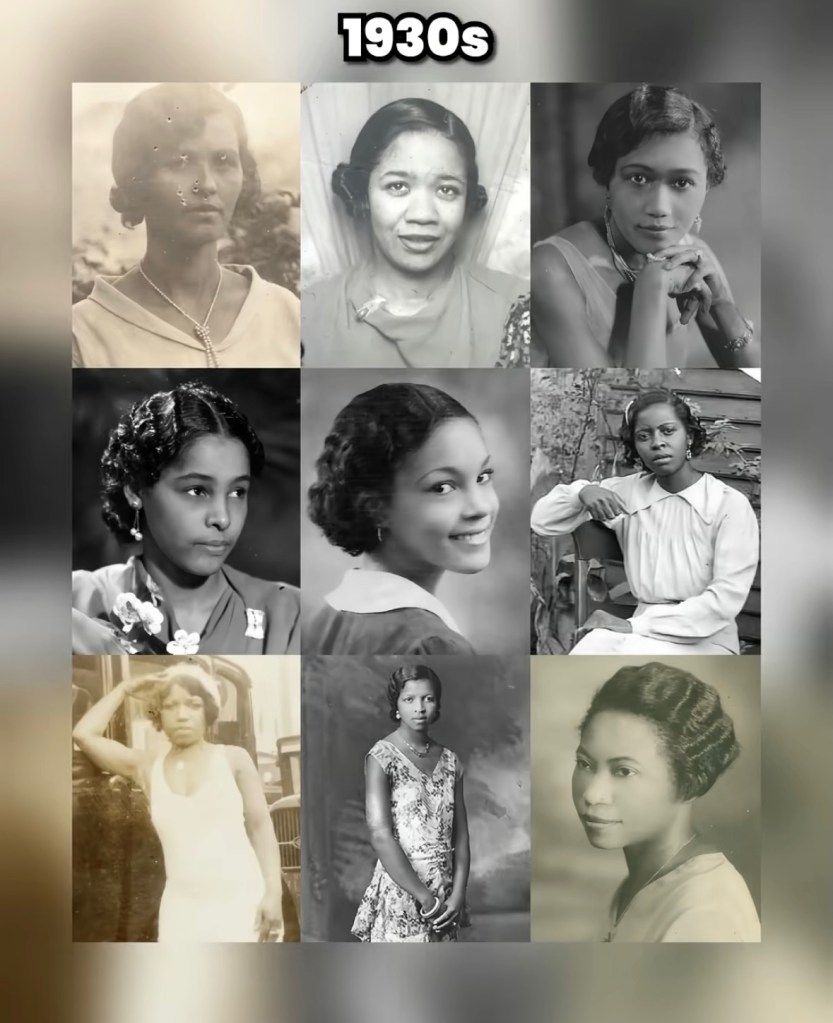
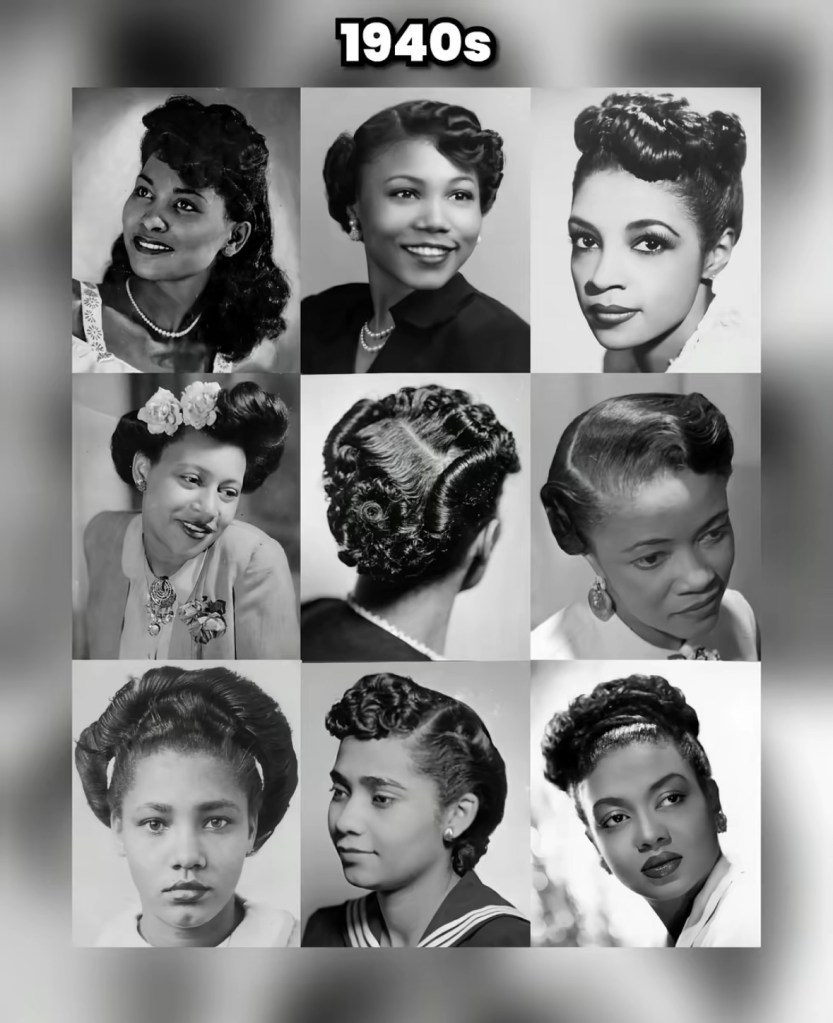
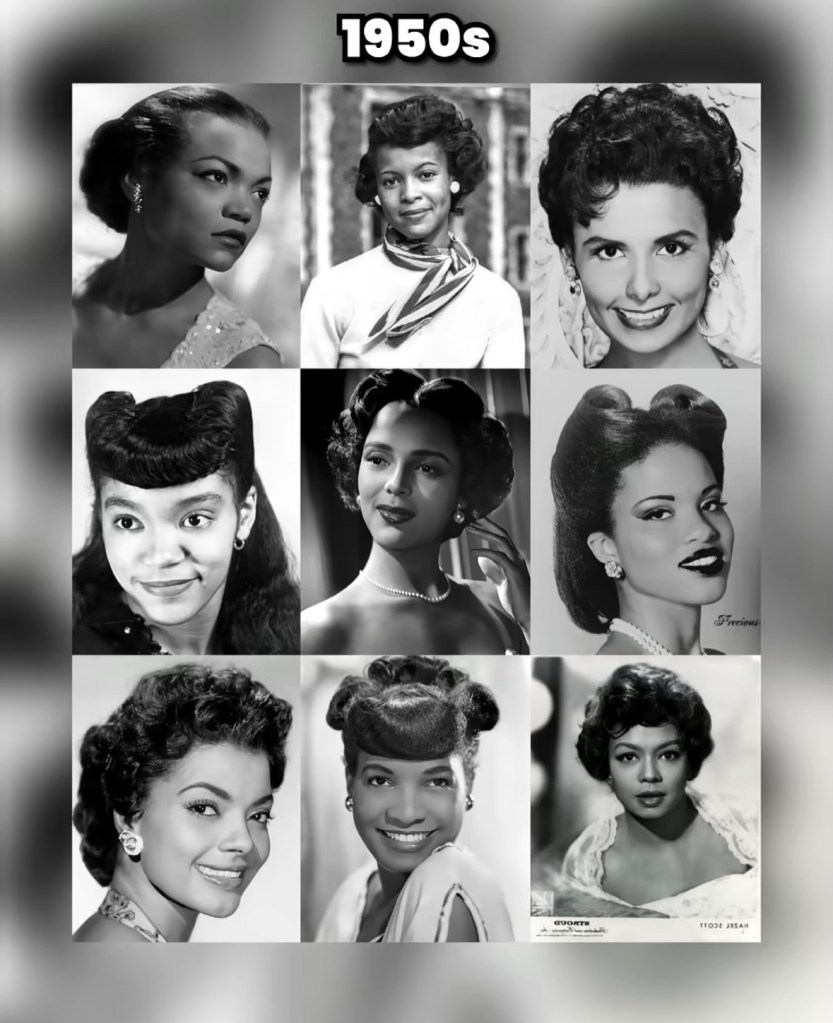
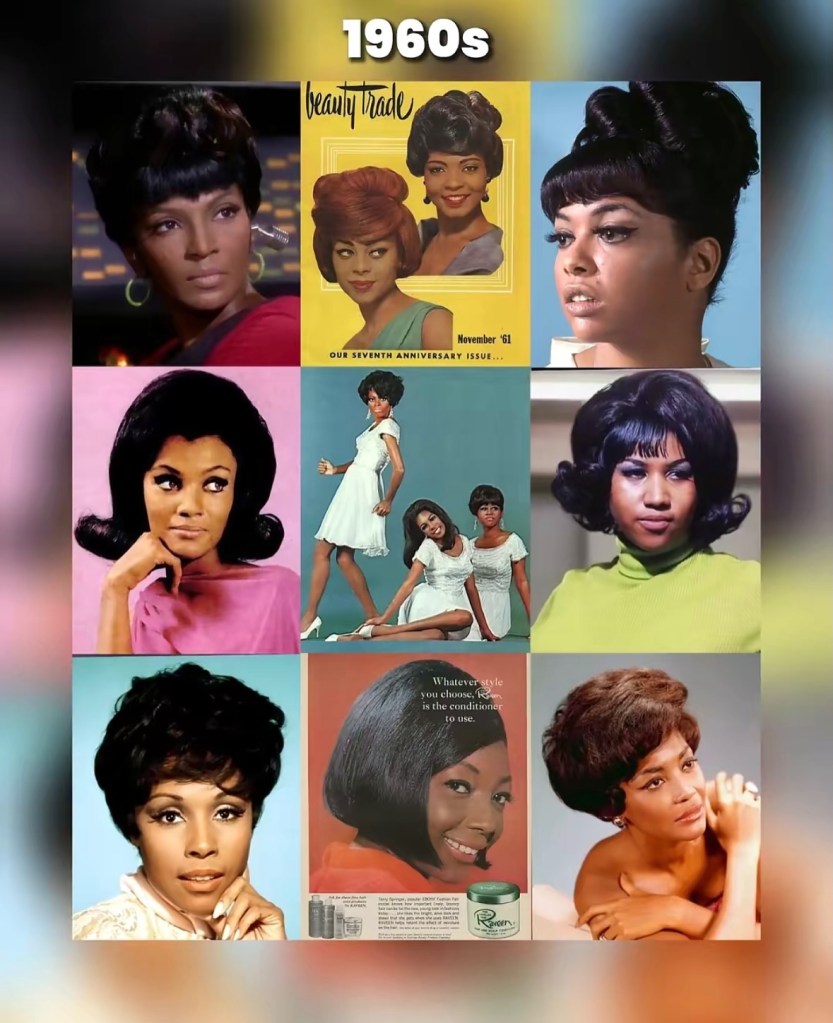

 THE BROWN GIRL DILEMMA