Misogynoir—a term coined by Moya Bailey (2010)—captures the specific intersection of racism and sexism that Black women face. Unlike generalized sexism or racism, misogynoir uniquely blends both to create social, cultural, and psychological burdens for Black women. It is manifested in harmful stereotypes that distort their humanity and confine them to demeaning roles. The “angry Black woman” trope frames Black women as hostile, aggressive, and perpetually dissatisfied, disregarding the legitimate roots of their frustration in systemic injustice. The hypersexualized “jezebel” stereotype objectifies Black women, reducing them to their bodies and marking them as sexually available. Meanwhile, the “mammy” archetype portrays Black women as self-sacrificing caretakers, expected to prioritize others’ needs at the expense of their own. These stereotypes have persisted from slavery into the present day, shaping workplace dynamics, media representation, and interpersonal relationships (Collins, 2000).
From a psychological standpoint, these stereotypes function as a form of “stereotype threat” (Steele, 1997), in which awareness of negative perceptions can hinder performance, increase stress, and damage self-concept. Black women often navigate “double consciousness” (Du Bois, 1903), a fractured identity where they see themselves through both their own cultural lens and the distorted gaze of a white, patriarchal society. This duality can lead to anxiety, depression, and diminished self-esteem (Watson-Singleton, 2017). Furthermore, the internalization of misogynoir reinforces cycles of silence, guilt, or perfectionism, where Black women feel compelled to “work twice as hard” to prove their worth. Psychology affirms that such sustained exposure to stress produces physical consequences, often termed “weathering” (Geronimus, 1992), leading to earlier onset of health disparities such as hypertension and heart disease.
The King James Bible reminds us that stereotypes and false witness are contrary to God’s commandments. Proverbs 31:10–31 exalts the virtuous woman, describing her as strong, wise, and industrious—not angry, oversexualized, or expendable. God calls women to be valued as His image-bearers (Genesis 1:27), not diminished by human prejudice. Ephesians 4:29 warns, “Let no corrupt communication proceed out of your mouth, but that which is good to the use of edifying.” Thus, speech and actions rooted in misogynoir are not only socially destructive but also spiritually sinful. The Bible underscores that all slander and demeaning words are falsehoods, and in God’s sight, women are honored creations with divine purpose.
Overcoming misogynoir requires both personal and collective strategies. Spiritually, Black women and communities are called to reclaim identity in God’s truth, remembering that liberation begins with obedience to His commandments and the refusal to internalize lies. As Romans 12:2 reminds, “Be not conformed to this world: but be ye transformed by the renewing of your mind.” Healing begins by rejecting false stereotypes and embracing God’s definition of worth. Psychologically, access to therapy, affirming spaces, and intergenerational support networks counter the damage of stereotype threat and provide avenues for resilience. Collective affirmation of beauty, intelligence, and dignity serves as a cultural shield against internalized oppression.
Socially, dismantling misogynoir means challenging media portrayals, workplace discrimination, and community dynamics that recycle harmful tropes. Black men in particular bear responsibility for rejecting narratives that demean Black women, while allies of all backgrounds must amplify voices that resist sexist-racist imagery. Policy reforms addressing wage gaps, healthcare disparities, and violence against Black women also play a crucial role in reducing the systemic roots of misogynoir. Building unity within the Black community, rooted in love and respect, strengthens collective resistance and ensures that oppressive frameworks are not perpetuated internally.
Ultimately, the dilemma of misogynoir is overcome by centering truth—biblical truth that affirms dignity, psychological truth that validates lived experiences, and social truth that reclaims narrative power. As Michelle Obama (2018) once said, “We need to do a better job of putting ourselves higher on our own ‘to-do list.’” Black women must be honored as full, complex beings, not limited by stereotypes. When society begins to see Black women through the lens of God’s truth and not historical lies, healing, restoration, and justice can emerge for future generations.
📚 References
Bailey, M. (2010). They aren’t talking about me… Misogynoir in hip-hop culture.
Collins, P. H. (2000). Black feminist thought. Routledge.
Du Bois, W. E. B. (1903). The Souls of Black Folk.
Geronimus, A. T. (1992). The weathering hypothesis. Ethnicity & Disease, 2(3), 207–221.
Steele, C. (1997). A threat in the air: How stereotypes shape intellectual identity. American Psychologist, 52(6), 613–629.
Watson-Singleton, N. (2017). Strong Black woman schema and mental health. Journal of Black Psychology, 43(8), 771–789.
Black girl, rise, you are the dawn, Your skin is sunlight, rich and strong. With coils that crown like royal thrones, You carry beauty all your own. No measure made by foreign eyes, Can shrink the truth your soul implies. You are the art, the song, the pearl— The blueprint of a brighter world.
For generations, Black women have been subjected to the backhanded compliment: “You’re pretty for a Black girl.” Though cloaked in admiration, these words reveal deep prejudice. From schoolyards to Hollywood casting rooms, Black women have heard variations of this phrase: “You’re cute for a dark-skinned girl,”“You’re attractive, but not like most Black girls,” or “I don’t usually like Black women, but you’re different.” These comments expose a painful truth—society has long devalued Black femininity, suggesting that beauty is an exception rather than the norm within Blackness.
Other Backhanded Compliments Black Women Have Heard
“You’re attractive for a dark-skinned girl.”
“You’re pretty… are you mixed?”
“You’re exotic looking.”
“You’re cute, but not like most Black girls.”
“I don’t usually like Black women, but you’re different.”
“You’re beautiful… for a natural hair girl.”
The History and Motive Behind the Comment
This backhanded compliment has roots in white supremacy and colorism. During slavery, lighter-skinned women were often positioned as “desirable” due to proximity to whiteness, while darker-skinned women were degraded and caricatured (Hunter, 2007). Mainstream media reinforced these ideas through films, magazines, and advertisements that excluded or exoticized Black women (Craig, 2006). The motive behind such statements is to uphold Eurocentric beauty standards—suggesting that Black women can only be beautiful when they resemble white ideals. Thus, “pretty for a Black girl” is not praise; it is an insult wrapped in condescension.
Psychology of the Backhanded Compliment
Psychologically, backhanded compliments operate as microaggressions, subtle forms of racism that undermine self-worth (Sue et al., 2007). They communicate that beauty is unusual among Black women, reinforcing stereotypes and internalized oppression. For the speaker, such comments often serve as a way to elevate themselves within racial hierarchies, consciously or unconsciously. For the recipient, the effect is cumulative, eroding confidence and perpetuating the false idea that Black beauty is inferior or rare.
The Bible and the Black Community’s Response
The Bible offers a powerful counter-narrative to these lies. In Song of Solomon, the Shulamite woman declares, “I am black, but comely, O ye daughters of Jerusalem” (Song of Solomon 1:5, KJV). This affirmation reminds us that Blackness and beauty are not opposites—they coexist by divine design. Within the Black community, responses to such backhanded compliments have ranged from frustration to defiance. Movements celebrating natural hair, melanin, and diverse body types testify to the resilience of Black women reclaiming their beauty.
Racism and the Burden of Beauty
The phrase “pretty for a Black girl” cannot be separated from systemic racism. It reveals how Black women are measured against white standards rather than appreciated within their own cultural aesthetics. Racism constructed a false hierarchy of beauty, portraying Black women as either hypersexual or unattractive (Collins, 2000). This has left Black women carrying a double burden: to resist these stereotypes while affirming their rightful place in the spectrum of human beauty. Changing this narrative requires dismantling racist ideologies in media, education, and daily interactions.
Conclusion: Breaking the Cage of Backhanded Compliments
Affirmations for the Black Girl Crown
I am not “pretty for a Black girl.”
I am pretty, period.
My skin is not a limitation; it is liberation.
My melanin is poetry written by God’s own hand.
My hair is not “too much” — it is a crown of glory.
I am not “different”; I am divine.
I am not an exception; I am the example.
My beauty does not need comparison; it is complete on its own.
I am fearfully and wonderfully made (Psalm 139:14, KJV).
My Blackness is not a burden; it is brilliance.
I am the standard, not the stereotype.
I am the dream and the proof that beauty is infinite.
The burden of these comments has weighed heavily on Black women for generations, but the response has been powerful. From Dorothy Dandridge to Lupita Nyong’o, Black women continue to redefine beauty and challenge racist narratives. To change this, society must confront the racism and colorism behind these words and uplift Black women’s beauty in its full diversity. Silence in the face of these insults only continues the cycle; speaking truth, celebrating diversity, and rooting identity in God’s Word breaks the chains.
References
Collins, P. H. (2000). Black feminist thought: Knowledge, consciousness, and the politics of empowerment. Routledge.
Craig, M. L. (2006). Race, beauty, and the tangled knot of a guilty pleasure. Feminist Theory, 7(2), 159–177.
Hunter, M. (2007). The persistent problem of colorism: Skin tone, status, and inequality. Sociology Compass, 1(1), 237–254.
Sue, D. W., Capodilupo, C. M., Torino, G. C., Bucceri, J. M., Holder, A. M., Nadal, K. L., & Esquilin, M. (2007). Racial microaggressions in everyday life: Implications for clinical practice. American Psychologist, 62(4), 271–286.
In 2 Timothy 3:6–7, the Apostle Paul warns of those who “creep into houses, and lead captive silly women laden with sins, led away with divers lusts, ever learning, and never able to come to the knowledge of the truth” (KJV). The term “silly women” does not refer to a woman’s intellect but to her spiritual instability, vulnerability to deception, and enslavement to sinful desires. The passage highlights how lust opens the door for manipulation. Lust, as defined in James 1:14–15, begins as temptation but, when conceived, gives birth to sin, which eventually brings forth death. From a psychological perspective, women enslaved by lust often confuse physical intimacy with genuine love, seeking to fill emotional voids with fleeting encounters. This cycle only deepens shame, leaving them more susceptible to exploitation and control.
Paul’s observation that such women are “ever learning, and never able to come to the knowledge of the truth” underscores the futility of seeking love through performance, manipulation, or sensuality. Many women in this state exhaust themselves by endlessly acquiring tips, self-help advice, or cosmetic changes in the hope of winning a man’s affection. This reflects a deep psychological struggle with identity and self-worth, where validation is derived not from God but from human approval (American Psychological Association, 2019). In the end, the pursuit of being “chosen” through external efforts blinds them to the truth that love cannot be manufactured. Instead, Proverbs 18:22 reminds that it is the man who finds a wife, and that godly union is a blessing from the Lord.
One of the most destructive manifestations of “silly woman syndrome” is adultery. In modern society, cases of women pursuing married men or engaging in extramarital affairs have become increasingly normalized, despite the biblical commandment, “Thou shalt not commit adultery” (Exodus 20:14). Adultery thrives on desperation and unmet emotional needs, but it carries profound consequences: broken families, emotional trauma, and spiritual death (Proverbs 6:32). Psychologically, women who engage in adultery often do so out of feelings of inadequacy, competition, or a desire for affirmation. Yet, adultery never yields true fulfillment; instead, it creates deeper cycles of guilt, secrecy, and loss of dignity.
Fornication, too, is tied to this syndrome, as desperation leads many women to seek validation through casual sexual encounters. Scripture warns clearly: “Flee fornication. Every sin that a man doeth is without the body; but he that committeth fornication sinneth against his own body” (1 Corinthians 6:18). Fornication is not merely a physical act but an attack against one’s own temple of the Holy Spirit. Women who fall into these patterns often wrestle with low self-esteem and the psychological need for external affirmation. According to self-worth theory in psychology, individuals with fragile self-esteem often attempt to find value in others’ approval, leaving them trapped in unhealthy cycles (Crocker & Park, 2004). The antidote is rediscovering one’s worth in God’s image, not in the fleeting desires of men.
Another marker of this condition is the rejection of biblical order. Scripture says, “He who findeth a wife findeth a good thing, and obtaineth favour of the Lord” (Proverbs 18:22). In God’s design, it is the man who initiates covenantal pursuit, not the woman who chases after him. Yet, “silly women” attempt to reverse this order by pursuing men, begging for affection, or manipulating circumstances to force relationships. Such behavior undermines a woman’s dignity and contradicts the principle of letting a man, under God’s leading, recognize her value. Psychologically, chasing men often stems from attachment insecurity, where fear of abandonment drives compulsive pursuit (Mikulincer & Shaver, 2016).
At the heart of this condition lies a lack of virtue. Proverbs 31:10 describes the virtuous woman as one whose worth is “far above rubies.” By contrast, the silly woman has no stable values or standards, conforming instead to whatever will attract attention or secure companionship. This lack of boundaries leads to destructive decisions. The need for constant male validation, whether through physical appearance, sexuality, or flattery, robs her of inner stability. Virtue provides the anchor of self-respect; without it, a woman becomes tossed by cultural trends, peer pressure, and lustful men who exploit her weaknesses.
Neglecting health is also part of this cycle. Paul teaches that the body is the “temple of the Holy Ghost” (1 Corinthians 6:19), yet many women consumed with chasing relationships neglect their physical, emotional, and spiritual well-being. The desperation to maintain a man’s attention may even lead to harmful beauty practices, stress, or mental health decline. Psychological studies confirm that chronic stress and relational instability are linked to anxiety, depression, and poor physical health (McEwen, 2007). True healing requires redirecting energy toward self-care, wellness, and alignment with God’s purpose rather than obsessive relational pursuit.
Ultimately, “silly woman syndrome” is a condition rooted in sin, low self-worth, and spiritual blindness. Its cure is not found in external validation but in Christ, who restores dignity, order, and purpose. Women must resist being “led away with divers lusts” by grounding themselves in biblical truth, cultivating virtue, and allowing godly men to lead under divine order. By embracing wisdom, setting standards, and nurturing their bodies and souls, women can break free from the destructive cycles Paul describes. The path forward is one of self-respect, holiness, and surrender to God, which alone transforms “silly women” into women of strength and honor.
References
The Holy Bible, King James Version.
American Psychological Association. (2019). Publication manual of the American Psychological Association (7th ed.). APA.
Crocker, J., & Park, L. E. (2004). The costly pursuit of self-esteem. Psychological Bulletin, 130(3), 392–414.
McEwen, B. S. (2007). Physiology and neurobiology of stress. Physiological Reviews, 87(3), 873–904.
Mikulincer, M., & Shaver, P. R. (2016). Attachment in adulthood: Structure, dynamics, and change. Guilford Press.
Worldly validation is the pursuit of approval, acceptance, or worth through external measures—often defined by society’s ever-shifting standards of beauty, success, popularity, or material achievement. It is the constant need to be seen, liked, applauded, or affirmed by others, rather than finding peace in intrinsic worth or divine identity. This form of validation is rooted in the values of the world system, which often contradicts the eternal truths of Scripture. While it can appear harmless or even motivating, worldly validation is deeply deceptive, drawing individuals into cycles of comparison, performance, and insecurity.
From early childhood, the human need for validation begins to take shape. A child first learns their sense of value through their parents, peers, and environment. Compliments for physical beauty, academic performance, or athletic ability teach children that love and acceptance can be earned through performance. When affirmation is withheld, children may internalize rejection and form a lifelong hunger to seek external approval. Over time, they begin to associate their identity with how others perceive them—leading to the development of people-pleasing behaviors, perfectionism, and an inability to rest in who they are. This craving for validation becomes especially acute in the age of social media, where likes, followers, and comments become a false measure of one’s worth.
The roots of worldly validation are deeply entrenched in humanity’s fallen condition. After the fall in Genesis 3, Adam and Eve became self-conscious and ashamed, covering themselves with fig leaves and hiding from God. This moment reveals the birth of insecurity and the separation from divine affirmation. Instead of finding identity in God’s voice, humanity began to seek worth from external things. Throughout biblical history, God warns His people not to conform to the world’s standards. Romans 12:2 commands, “Do not be conformed to this world, but be transformed by the renewing of your mind.” Galatians 1:10 asks, “Am I now seeking the approval of man, or of God?” These verses suggest that worldly validation is a form of idolatry, replacing God’s approval with man’s applause.
When it comes to gender, worldly validation manifests in different but equally destructive ways. For men, validation is often sought through success, strength, power, and status. Society teaches men that their worth is tied to what they can produce, conquer, or control. For women, the pressure is frequently centered around beauty, body image, and likability. The world whispers that unless a woman is desirable, youthful, and admired, she is invisible. These lies fuel comparison, insecurity, and unhealthy relationships. In both genders, worldly validation becomes a prison—chasing a standard that is ever-elusive and never satisfying.
One of the most dangerous forms of worldly validation is that based on appearance. The obsession with physical beauty, designer labels, and flawless images creates a culture of vanity and false self-worth. Proverbs 31:30 warns, “Charm is deceptive, and beauty is fleeting; but a woman who fears the Lord is to be praised.” Likewise, 1 Samuel 16:7 reminds us that “Man looks at the outward appearance, but the Lord looks at the heart.” Worldly validation through looks leads people to idolize the mirror rather than cultivate the soul. It leaves them vulnerable to depression, eating disorders, and pride, as they chase an ideal that was never meant to define them.
From a psychological perspective, the need for external validation stems from the innate human desire to belong, be seen, and be loved. Abraham Maslow’s hierarchy of needs includes esteem and belonging as foundational human motivators. When people lack internal security or experience rejection in formative years, they may become addicted to external praise to fill that void. Social comparison theory, developed by Leon Festinger, posits that individuals evaluate themselves based on how they stack up against others—especially in ambiguous situations. This explains why people seek applause, status, or validation even when it’s harmful. Additionally, narcissism, trauma, low self-esteem, and fear of rejection drive individuals to construct identities that gain them the attention or approval they crave.
Why do people seek to impress others? Because they believe that by doing so, they will finally be seen as “enough.” People who grow up without affirmation or who internalize shame often strive to prove their value through achievement, image, or performance. The desire to impress is a coping mechanism—a mask for deeper wounds. It’s a way of saying, “If I look successful, attractive, or important, then maybe I’ll be loved.” Unfortunately, impressing others only offers fleeting relief. The more we try to be what others want, the more disconnected we become from our authentic selves. The deeper truth is that no amount of applause can substitute for inner peace, nor can the world’s approval replace the affirmation of God.
Yet there is hope—and deliverance. The gospel of Jesus Christ offers freedom from the bondage of worldly validation. God calls us to rest in His love, not in others’ opinions. Ephesians 1:6 says we are “accepted in the beloved.” Psalm 139 declares that we are “fearfully and wonderfully made.” Our worth is not earned but given. It is not tied to beauty, performance, or approval but rooted in God’s unchanging love. The believer is not defined by Instagram likes or corporate promotions, but by the fact that they are a child of God. Only in Christ can we find the identity that satisfies, the love that does not fluctuate, and the security that does not fail.
Let this be a call to release the chains of worldly validation. We must not conform to a world that demands we earn love through perfection. We must return to the One who gave us value before we were born. To the woman struggling with beauty standards, to the man trapped in performance-based identity, to the youth seeking likes online—know that you are already seen, already chosen, already enough in Christ. The applause of the world fades, but the affirmation of heaven is eternal.
References
Baumeister, R. F., & Leary, M. R. (1995). The need to belong: Desire for interpersonal attachments as a fundamental human motivation. Psychological Bulletin, 117(3), 497–529. https://doi.org/10.1037/0033-2909.117.3.497
Festinger, L. (1954). A theory of social comparison processes. Human Relations, 7(2), 117–140.
Maslow, A. H. (1943). A theory of human motivation. Psychological Review, 50(4), 370–396.
Smedley, A., & Smedley, B. D. (2005). Race as biology is fiction, racism as a social problem is real. American Psychologist, 60(1), 16–26.
The Holy Bible, King James Bible. Scriptures: Romans 12:2; Galatians 1:10; Proverbs 31:30; 1 Samuel 16:7; Ephesians 1:6; Psalm 139.
Psychonegrosis (from: psyche = mind, negro = Black identity, -osis = condition) is a coined term describing a psychological and spiritual condition affecting some individuals of African descent. It is characterized by deep-seated identity distortion, internalized oppression, and a disoriented sense of cultural loyalty. This condition is a byproduct of prolonged racial trauma, beginning with slavery and colonialism, and sustained by systemic racism and Eurocentric social conditioning.
Psychonegrosis is a cultural-psychological disorder marked by disruptions in identity, values, and behavior among people of African descent who have internalized ideologies imposed by dominant foreign cultures. It manifests in:
Distorted self-perception
Idealization of non-Black cultures, especially Anglo-European norms (xenophilia)
Rejection or devaluation of one’s own heritage
Conflicted loyalties between their identity and the imposed dominant culture
Behavioral and emotional dissonance, including escapism, self-hate, and contradictory thinking
This disorder varies in severity and expression, often presenting as:
Adoption of non-African religious systems without cultural grounding
Self-deprecation or anti-Black rhetoric
Hyper-identification with Eurocentric aesthetics, ideologies, and moral frameworks
Sexual and social preferences rooted in racial self-denial
Dependence on or excessive regard for validation from non-Black institutions or communities
Historical Origins
The roots of psychonegrosis trace back to chattel slavery, colonial indoctrination, and the forced erasure of African identity.
📖 Willie Lynch Letter (alleged, 1712) — While debated for its authenticity, it outlines a system of psychological conditioning that encouraged division and dependency among enslaved Africans to ensure long-term control.
📖 Frantz Fanon, Black Skin, White Masks (1952): Fanon described the internal conflict experienced by colonized people who unconsciously adopt the worldview of their oppressors, leading to a fractured identity.
📖 W.E.B. Du Bois’ concept of “Double Consciousness” (1903): Describes the struggle of African Americans who see themselves through both their own cultural lens and the eyes of a racist society, creating internal conflict and social paralysis.
Enslaved Africans were not only forced to work, but also subjected to psychological warfare: taught to hate their features, languages, religions, and each other. This multi-generational trauma was not healed but passed down—unconsciously replicated through institutions, media, and educational systems designed to uphold white superiority and devalue Black identity.
Modern Manifestations
Today, psychonegrosis continues to show up in subtle and overt ways:
Deprecating one’s own racial group while celebrating others
Spiritual disconnection, especially when abandoning ancestral traditions for alienating religious ideologies
Sexual preferences shaped by racialized self-hate or colonized beauty standards
Cognitive dissonance—praising Black excellence while participating in systems or ideas that dismantle it
Dependency on white-led institutions for validation, success, or rescue
Liberal tokenism that seeks inclusion over liberation, appeasement over transformation
Cultural Implications and Healing
The effects of psychonegrosis are not limited to individuals—they ripple through communities. When left unaddressed, this condition perpetuates cycles of invisibility, inferiority, and inaction.
🔹 Steps Toward Healing Include:
Reclamation of identity – Studying and embracing African history, traditions, and spirituality
Critical consciousness – Recognizing and rejecting Eurocentric programming
Therapy and cultural counseling – Especially trauma-informed care for historical wounds
Collective upliftment – Building institutions, families, and communities centered in Black values
Spiritual restoration – Reconnecting with ancestral roots, divine purpose, and communal healing
📖 Hosea 4:6 (KJV):“My people are destroyed for lack of knowledge.”
Conclusion
Psychonegrosis is not a clinical diagnosis, but rather a cultural critique and symbolic framework for understanding the deep psychological scars left by colonization and racism. Recognizing it is the first step to liberating the mind. It calls on people of African descent to redefine beauty, reclaim their history, and reconnect with their divine identity.
📖 Romans 12:2 (KJV):“Be not conformed to this world: but be ye transformed by the renewing of your mind.”
Further Reading & References
Du Bois, W.E.B. (1903). The Souls of Black Folk
Fanon, Frantz (1952). Black Skin, White Masks
Akbar, Na’im (1984). Chains and Images of Psychological Slavery
Woodson, Carter G. (1933). The Mis-Education of the Negro
Ani, Marimba (1994). Yurugu: An African-Centered Critique of European Cultural Thought and Behavior
Myers, Linda James (1993). Understanding an Afrocentric Worldview
The journey of the brown girl is a complex tapestry woven with strands of resilience, faith, pain, and perseverance. Her voice, often muted by systemic oppression, resonates with both the echoes of ancestral struggle and the melody of survival. Despite her indispensable role in the shaping of societies, the brown girl remains caught between visibility and invisibility, celebrated yet silenced, desired yet devalued.
This photograph is the property of its owner. No copyright infringement intended.
The Black woman stands at a unique intersection of race, gender, and historical complexity. She is a daughter of Africa, molded by centuries of cultural richness, yet shaped by the traumas of colonization, slavery, and systemic oppression. To define the Black woman is not merely to categorize her by phenotype or ethnicity but to acknowledge the multifaceted strength, resilience, and spiritual depth she embodies. Her existence is both a testimony of survival and a manifestation of divine creation.
She walks with shadows on her skin, Her crown denied, her truth made thin. Yet in her soul, a flame still burns, Toward God Most High, her spirit turns.
The Essence of the Black Woman
The Black woman is not a passive bystander in the human story. She is a survivor and a leader among women. She is not simply the product of oppression but the embodiment of legacy, faith, and hope. While the world has too often rendered her invisible, she has never ceased to shine. Her scars are not signs of weakness but marks of endurance. Her voice is not one of anger but of righteous truth. Her presence is not an afterthought—it is essential. To be a Black woman is to carry the weight of many worlds and still walk upright. It is to be defined not by trauma, but by triumph. It is to rise, again and again, from the ashes of injustice with wisdom in her mind, fire in her bones, and purpose in her soul.
The Origins and Legacy of the Black Woman
The roots of the Black woman run deep in the soil of the African continent, often referred to as the cradle of civilization. Long before the Middle Passage or the ravages of imperialism, she was revered as queen, healer, warrior, and nurturer. Ancient civilizations such as Kemet (Egypt) and Kush (Nubia) bear witness to her influence and power. Historical figures such as Makeda, the Queen of Sheba, and Yaa Asantewaa, the Ashanti warrior queen, represent the authority and intellect Black women wielded long before colonial narratives sought to reduce their value. In the diaspora, figures such as Harriet Tubman, Sojourner Truth, and Ida B. Wells continued this legacy of resistance, intellect, and spiritual resilience.
This sacred lineage was disrupted but not erased by slavery and systemic racism. She is CHOSEN. Even in bondage, the Black woman bore nations, preserved culture, and nurtured resistance. Her story is not merely one of suffering, but of transformation and transcendence.
The “Brown Girl Dilemma” speaks to the intersectional struggles of Black women who carry the weight of history, family, and society upon their shoulders while striving to reclaim their identity as daughters of the Most High God. The Bible reminds us that sin separates humanity from the Creator: “But your iniquities have separated between you and your God, and your sins have hid his face from you” (Isaiah 59:2, KJV). As descendants of a chosen people, many in the African diaspora bear the consequences of forgetting God’s commandments (Deuteronomy 28). Restoration begins with repentance, obedience, and returning to the covenant, for it is only through God that wholeness can be achieved.
The impact of slavery continues to shape the psyche of Black people. Enslavement fractured families, introduced color hierarchies, and instilled a legacy of trauma. Colorism emerged as a tool of division, where lighter-skinned Blacks were often given preferential treatment, a strategy designed to destroy unity. Today, this manifests in distrust, competition, and a failure to unite as one nation. Scholars such as Du Bois (1903/1994) wrote of the “double consciousness” of Black existence, a struggle between identity and imposed inferiority. The legacy of slavery has not disappeared—it has merely transformed into systemic racism, prison pipelines, and discriminatory policies.
The order of the family is equally troubled. In biblical teaching, the husband is called to love his wife as Christ loved the church (Ephesians 5:25, KJV). Yet many Black women experience broken relationships marked by absentee fathers, irresponsible partners, and men driven by lust rather than godly responsibility. Economic strain, social pressures, and the allure of interracial dating often leave Black women questioning their value. While there are faithful, loving men within the community, they can feel like rare jewels—“needles in a haystack.” Too many women are burdened with carrying the weight of provision, discipline, and emotional labor alone.
Beyond family matters, the “isms” weigh heavily. Racism remains pervasive, sexism undermines Black women in workplaces and institutions, colorism pits them against one another, and lookism—judging worth based on appearance—diminishes them further. Each of these forces multiplies the challenge of survival and success. Crenshaw’s (1989) concept of intersectionality reveals how Black women experience multiple, overlapping oppressions, often making their struggles invisible in mainstream feminist or racial justice discourse.
Economically, Black women continue to face disparities. According to the U.S. Department of Labor (2024), Black women earn approximately 63 cents for every dollar earned by white men, with long-term implications for generational wealth. Joblessness and underemployment remain pressing issues, with Black unemployment rates historically double those of whites (Bureau of Labor Statistics, 2023). This economic imbalance is not only unjust but also psychologically damaging, reinforcing feelings of inadequacy and systemic exclusion.
Health disparities further compound these challenges. Black women have the highest rates of hypertension, diabetes, heart disease, and certain cancers compared to other demographics (CDC, 2024). Additionally, sexually transmitted diseases, including HIV, disproportionately affect Black communities. Poor diet access, limited healthcare, and stress-related illnesses tie into broader socioeconomic inequalities. Scripture reminds us, however, that our bodies are temples of God (1 Corinthians 6:19–20, KJV), urging the community toward better stewardship of health.
The universal standard of beauty has been a dagger against the esteem of Black women. Rooted in Eurocentric ideals, it positions whiteness as the pinnacle of desirability. In 2011, a Psychology Today article notoriously argued that Black women were “less attractive” than other races, sparking outrage and revealing deep-seated prejudices. Lighter-skinned women often find more social acceptance, yet the hierarchy continues to marginalize darker-skinned women. Many Black male celebrities have also publicly disparaged Black women, praising non-Black women instead, furthering the internalization of these hierarchies. This demonstrates how colonized definitions of beauty perpetuate cycles of self-hatred and exclusion.
Kevin Samuels (Image Consultant / YouTube Personality)
Samuels frequently made disparaging remarks toward Black women. In one widely circulated clip, he referred to single women over 35 as “leftovers.” He also claimed:
“When you’re talking about Black women, they are on the opposite end of the spectrum in all ranks.” GQ
Tariq Nasheed (Media Commentary / FBA Proponent)
Nasheed popularized the term “bed wench” as a derogatory label for Black women who date interracially—a term rooted in slavery-era contempt, and used to shame successful Black women who allegedly challenge Black patriarchy. Wikipedia
Tommy Sotomayor (Internet Commentator / Men’s Rights Activist)
Sotomayor has blamed the struggles of young Black men on single Black mothers, suggesting that Black women’s family structures are at the root of broader societal issues. Wikipedia
Chester Himes (Author, mid-20th century)
In his work In Black and White, Himes portrayed Black women with disturbing stereotypes and violence. For example: “It is presumed only right and justifiable for a black man to beat his own black women when they need it.” The New Yorker
Anecdotal Examples from Social Discourse (Reddit)
One user shared a heartbreaking example of a musician’s demeaning comments: “…yelling how ugly black darkskinned women are, the only beautiful women on this planet are biracials and Ethiopians… black girls look like men…” Reddit
Another user captures the broader sentiment of colorism and rejection: “I seen that rap battle … one of the darkskin men boasted about having a lightskin daughter … called the other man’s darkskin 6-year-old daughter black and ugly and a whore.” Reddit
Summary of Key Negative Narratives
Source (Public Figure / Setting)
Essence of Negative Commentary
Kevin Samuels
Demeaning Black women—calling them “leftovers” and ranking them low on desirability.
Tariq Nasheed
Labels Black women who date outside the race with demeaning historical slurs.
Tommy Sotomayor
Blames Black women (single mothers) for societal and familial issues standing in the way of Black men.
Chester Himes (Literary)
Portrays Black women through violent, oppressive stereotypes in his fiction.
Reddit Anecdotes
Reflect real lived experiences: colorism-driven insults, preference for lighter skin, degrading comparisons.
Stereotypes compound these struggles. Black women are often mislabeled as “angry,” “hypersexual,” or “unfeminine,” fallacies that obscure their complexity. Patricia Hill Collins (2000) refers to these as “controlling images,” cultural myths that justify oppression. The truth, however, is that Black women embody resilience, creativity, and leadership. Yet the psychological toll of disproving these stereotypes daily is exhausting, creating stress known as “weathering” (Geronimus, 1992), which accelerates health decline.
Violence against Black women remains an alarming crisis. According to the Institute for Women’s Policy Research (2023), over 40% of Black women will experience intimate partner violence in their lifetime. Police brutality disproportionately harms Black women as well, from Sandra Bland to Breonna Taylor, their lives cut short by systemic violence. Beyond physical harm, psychological warfare—through negative media portrayals, exclusion, and microaggressions—erodes mental well-being. The psalmist cries: “How long shall they utter and speak hard things? and all the workers of iniquity boast themselves?” (Psalm 94:4, KJV).
The solution lies in unity and spiritual renewal. Frances Cress Welsing once wrote, “If we do not understand white supremacy—what it is and how it works—everything else that we think we understand will only confuse us” (1991, p. 2). Michelle Obama reminds us: “The measure of any society is how it treats its women and girls.” And Toni Morrison emphasized, “The function of freedom is to free someone else.” These voices remind us that the liberation of Black women is inseparable from the liberation of the community as a whole.
🌹 The Brown Girl Dilemma vs. The Brown Boy Dilemma 💪
Theme
Brown Girl Dilemma
Brown Boy Dilemma
Spiritual Identity
Men are emasculated, denied authority, criminalized and treated as threats.
Same disconnection; loss of spiritual leadership; struggles with manhood outside biblical order.
Slavery’s Legacy
Disconnected from God through sin and oppression, struggles with worth and obedience to His commandments.
Single mothers bear heavy loads, absentee fathers; imbalance in relationships.
Family Structure
Single mothers bear heavy loads, absentee fathers, imbalance in relationships.
Fatherlessness creates cycles; incarceration removes men from homes; lack of role models.
Racism & Systemic Oppression
Sexism + racism (double bind); overlooked in justice movements.
Criminalized early; school-to-prison pipeline; hyper-policed and surveilled.
Colorism
Lighter-skinned women often favored in beauty standards; darker-skinned women devalued.
Light-skinned men sometimes perceived as more “acceptable”; dark-skinned men stereotyped as dangerous.
Beauty Standards / Masculinity
Eurocentric beauty ideals label Black women “ugly” or “less attractive.”
Stereotypes of hypermasculinity, aggression, and oversexualization.
Economic Struggles
Wage gap: Black women earn ~63¢ per white man’s $1; underrepresentation in leadership roles.
Collective solidarity (ending division between men and women).
The Modern-Day Challenges of the Black Woman
Despite her historical strength, the Black woman today continues to face multilayered adversities stemming from structural and interpersonal forces. These challenges are best understood through the framework of intersectionality—a concept coined by legal scholar Kimberlé Crenshaw—which highlights how race, gender, and other identities intersect to create compounded discrimination.
Racism continues to manifest in disproportionate rates of police brutality, workplace discrimination, and underrepresentation in positions of power. Simultaneously, sexism subjects Black women to patriarchal structures that marginalize their voices and capabilities. Complicating this further is colorism, a preference for lighter skin within and beyond the Black community, often privileging those with Eurocentric features and contributing to a dangerous belief in the superiority of light-skinned individuals.
Misogynoir, the unique discrimination against Black women that blends racism and sexism, further entrenches stereotypes such as the “angry Black woman,” the hypersexualized “jezebel,” or the self-sacrificing “mammy.” These tropes are not just offensive—they are psychologically and socially damaging, limiting the perceptions others have of Black women and the ones they have of themselves.
Moreover, Black women face systemic economic inequalities. Despite being among the most educated demographics in the U.S., Black women continue to earn less than both white men and white women. They also lead in numerous health disparities, including heart disease, maternal mortality, and untreated mental health conditions—often exacerbated by inadequate access to quality care and generational trauma.
✅ Proposed Solutions for Black Women
Domain
Strategy
Psychological
Healing from colorism, building self-worth, therapy to counter trauma
Community
Support sisterhood, mentorship, natural beauty affirmation
Spiritual
Biblical grounding—acknowledge that all are made in God’s image (Psalm 139:14)
Healthcare
Advocate for culturally competent care, regular screenings, trusted providers
Education
Empower conversations about sexuality, STIs, and negotiation in relationships
To rise above, healing is cultural, psychological, and spiritual: affirming identity, rejecting imposed standards, seeking justice, and fostering empowered, faith-rooted sisterhood.
Overcoming Adversity: Pathways to Liberation
To overcome these deeply rooted challenges, Black women must embark on both personal and collective journeys of empowerment. First and foremost, it is critical for the Black woman to reclaim her worth and identity, understanding that her value is not defined by societal standards, media representation, or Eurocentric beauty ideals. Psalm 139:14 declares that she is “fearfully and wonderfully made”—a divine truth that must be internalized.
Knowledge of one’s history is equally vital. By studying the contributions of foremothers and reconnecting with African ancestry, the Black woman gains a powerful sense of self and purpose. Historical literacy combats invisibility and fosters pride.
Community and sisterhood play an essential role in healing. Instead of perpetuating the internalized divisions—whether through colorism, competition, or jealousy—Black women must uplift one another. Unity is not a luxury; it is a necessity for collective survival and flourishing.
Therapy, spiritual practices, and culturally informed healing can address generational trauma and the psychological damage wrought by centuries of oppression. By confronting pain through both professional counseling and ancestral traditions, the Black woman can begin to mend what has been broken.
Economic empowerment and education remain foundational tools for liberation. Black women have historically led movements, founded schools, and built businesses. Entrepreneurship and financial literacy offer pathways to independence and influence.
Faith and spiritual guidance also remain integral. The Black woman has often leaned on her spiritual roots—whether through Christ for hope and endurance. Returning to God and seeking wise counsel strengthens her inner resolve and aligns her with divine purpose.
Unity within the Black community must transcend negativity, envy, and division. The Bible commands: “Behold, how good and how pleasant it is for brethren to dwell together in unity!” (Psalm 133:1, KJV). By rejecting divisive ideologies and embracing love, Black men and women can rebuild trust and solidarity. Restoring families, promoting education, supporting businesses, and encouraging health are acts of resistance against oppression.
Psychologically, healing requires therapy, collective affirmation, and dismantling internalized racism. From a biblical perspective, repentance, forgiveness, and love remain central. “Above all things have fervent charity among yourselves: for charity shall cover the multitude of sins” (1 Peter 4:8, KJV). The brown girl must be reminded that her worth is not defined by a hostile world but by the image of God she carries.
Overcoming the “Brown Girl Dilemma” begins with truth-telling: about history, about pain, and about hope. Black women must be encouraged to pursue spiritual renewal, to demand justice, and to embrace their beauty unapologetically. Communities must uplift one another instead of tearing each other down.
The dilemma remains real, but the path of deliverance is clear. Rooted in God’s commandments, strengthened through unity, and fortified with love, the brown girl will no longer be a dilemma but a divine solution—a vessel of resilience, creativity, and healing for generations to come.
📚 References
Bureau of Labor Statistics. (2023). Employment status of the civilian population by race, sex, and age.
Centers for Disease Control and Prevention. (2024). Health disparities by race and ethnicity.
Collins, P. H. (2000). Black feminist thought: Knowledge, consciousness, and the politics of empowerment. Routledge.
Crenshaw, K. (1989). Demarginalizing the intersection of race and sex. University of Chicago Legal Forum, 1989(1), 139–167.
Du Bois, W. E. B. (1994). The souls of Black folk. Dover. (Original work published 1903).
Geronimus, A. T. (1992). The weathering hypothesis and the health of African-American women and infants. Ethnicity & Disease, 2(3), 207–221.
Welsing, F. C. (1991). The Isis papers: The keys to the colors. Third World Press.
U.S. Department of Labor. (2024). Gender and racial wage gaps.
Crenshaw, K. (1989). Demarginalizing the Intersection of Race and Sex: A Black Feminist Critique of Antidiscrimination Doctrine. University of Chicago Legal Forum. Reprinted in “Mapping the Margins” (1991) Encyclopedia Britannica.
Institute for Women’s Policy Research. (2025, July 7). Black women stand to lose over $1 million to the wage gapIWPR+1National Women’s Law Center+1.
Centers for Disease Control and Prevention. (2024, April). Working Together to Reduce Black Maternal MortalityPRB+7CDC+7people.com+7.
Hoyert, D. L. (2023). Health E‑Stat 100: Maternal Mortality Rates in the United States, 2023CDC.
News reports on maternal mortality (2025). AP News; AxiosAxios.
Britannica Editors. (2025). Intersectionality entry, Encyclopaedia Britannica Encyclopedia Britannica.
Would you like this version formatted as a PDF or adapted into a workshop outline or sermon script
Our hair stands in awe of the Most High, the creator of all creation. The sunbeams of the golden fleece that raptures our skins (no matter the hue) and the heat crystalize the tones in wooly hair. What a fabulous creation we are.
All photographs are the property of their respective owners.
In his book, “The Chemical Key to Black Greatness” American Biochemist, Carol Barnes, described melanin as, “a civilizing chemical that acts as a sedative to help keep the black human calm, relaxed, caring, creative, energetic and civilized.” Research also revealed that melanin enables black skin to actively interact with the sun, to produce Vitamin D from a biochemical substance, 7- dehydrocholesterol. The study also detected that melanin has spiritual dynamics as well as physical since it acts as a sensory ‘receptor’ and ‘transmitter’; communicating with cosmic energy fields in the vast universe converting light energy to sound energy and back. Dr. Richard King, MD, stated that “melanin, by its ability to capture light and hold it in a memory mode, reveals that blackness converts light into knowledge.”
Melanin refines the nervous system in such a way that messages from the brain reach other areas of the body most rapidly in dark people, the primary race. The abundance of melanin in our skin gives us genetic inferiority. We are physically stronger. Mentally sounder. Spiritually more connected.
Wooly hair is the tree that points to the heavens.
His head and his hairs were white like wool, as white as snow; and his eyes were as a flame of fire; Revelation 1:14 KJV.
Our roots run long straight to the sky. Wooly hair can withstand heat at high temperatures. ‘Although there are no biochemical differences among black, Caucasian, and Asian hair types, there are differences in the hair morphology (8). Black hair appears elliptical or flattened in cross-section, whereas Caucasian hair is oval, and Asian hair is round. The follicle of black hair is curved, in contrast to a straight follicle in Caucasians and Asians.’ – Callender, V. D., McMichael, A. J. and Cohen, G. F. (2004), Medical and surgical therapies for alopecias in black women. Dermatologic Therapy, 17: 164–176. doi:10.1111/j.1396-0296.2004.04017.x
Khumalo NP, Doe PT, Dawber PR, Ferguson DJP.What is healthy black African hair? A light and scanning electron microscopic study. J Am Acad Dermatol 2000: 43:814–820. ‘African hair is curly and frequently exhibits knots ‘However, increased evidence of wearing with some loss of the cuticular pattern was observed towards the tip of the nose in all 3 racial groups most extreme wearing, with complete loss of cuticular structure, was seen toward the tip of the hairs of the Caucasian subject with the most extended hair. However, the hair shafts of the African volunteers did exhibit structural damage with evidence of longitudinal fissures, resulting in the splitting of the hair shafts. The splitting was also associated with knot formation. Longitudinal cracks were not observed in the Caucasian or Asian hairs. It was also found that many of the black African hairs (approximately 40%) were fractured with no attached roots.
‘The African hair shafts were enclosed by a well-preserved cuticle similar to that observed for the other racial groups. ‘The most significant feature was that the majority of the tips of the African hair had fractured ends …Similarly, the basal end also exhibited evidence of breakage in contrast to the Caucasian and Asian samples in which the majority of hairs had attached roots.’
‘From these observations, it could be proposed that any procedure that reduces knotting of hair and/or the need for combing would result in an increase in the length of the hair by reducing the incidence of breaks in the hair shafts.’
Konishi, S., (2008). Tied in rolled knots and powdered with ochre’: Aboriginal hair and eighteenth-century cross-cultural encounters. Borderlands, 7(2), 1-20. Through the influential work of the great taxonomer, Carolus Linnaeus,… Homo europaeus ‘yellow, brown, flowing’, Homo asiaticus ‘abundant black,’ and Homo after ‘black, frizzled’ (cited in Rosenthal, 2004: 2).
This eighteenth-century definition and conceptualization of African hair as ‘woolly’ intersected with slavery discourses that dehumanized the African body to justify its abject treatment. The Oxford English Dictionary indicates that this derogatory term signifying ‘the short, tightly-curled hair of Negroid peoples’ was first used in a runaway slave advertisement in 1697. This type of hair was also ascribed to sexual connotations, according to Allan Peterkin, ‘frizzy’ hair was seen as ‘demonic, licentious, and public.’
… ‘Negro’ possessed ‘wool instead of hair,’ and this difference, in concert with others concerning skin and facial features, suggested that they ‘appear to constitute a new species of man’ (in Diderot and d’Alembert, 1765, v. 11: 76). uaresma, M. V., Martinez Velasco, M. A., & Tosti, A. (2015). Hair Breakage in Patients of African Descent: Role of Dermoscopy. Skin Appendage Disorders, 1(2), 99–104. http://doi.org/10.1159/000436981
In addition to these properties, the water content in African descent hair is slightly lower than in Caucasian hair, and the sebaceous glands often secrete a small amount of sebum, which has an uneven distribution along the shaft due to its spiral shape, leaving the hair with a dry appearance. M [17,20]
When we associate the term “Mixed Race Hair” we get a visual that it is wild, unruly, hard-to-tame hair. The curly, wavy, coiled, or full-bodied curls, are mostly the combination of different genetic factors that contribute to the texture of feel, the length, the volume, and the plethora of different hair textures. the truth is mixed race hair has more ortho-cortical cells which make it less prone to breakage and damage than finely coiled hair from the scalp. However, the bottom strands are closer to the coily nature of an afro.
Mixed hair, curly or wavy is often referred to as “Good Hair,” All hair is good hair, it all was created by the Most High.
The great phenomenon of wooly hair, the spiral-shaped, tightly coiled, excessive curly mass that tends to hold its shape and grows as a tree straight up on the head. Who are the recipients of such hair? The E1B1A gene carriers – the descendants are the biologically related ancestors far beyond the African diaspora. This is one topic that science has been perplexed by the origin of wooly hair. Geneticists will often say, “The genetic determinants of hair texture in humans are largely not found by science.” It’s either pleiotropic, and selection was for its research fails in comparison to the impact of genetically putting a stamp on its true origin. What genes of phenotypes put together have created such hair type? What is clear is that wooly hair has been passed down from Adam to each generation after his existence.
Most black women testify that perms, pressing combs, and relaxers make their hair more manageable. Who is the inventor of the relaxer? In 1877, the relaxer was created by accident by Garrett A. Morgan the same man that invented the traffic signal. This allowed women and men of color to have straight hair like their white counterparts for hundreds of years. The perm was referred to as “ creamy crack” in Chris Rock’s “Good Hair Documentary” A must-see if you haven’t seen it already it exposes the dangers and chemicals found in the hair treatments. Natural Hair is the best it is at its healthiest, free of chemicals and it grows fast! The chemicals in the relaxer treatments may be damaging but many women will argue the fact that having a relaxer has contributed to their back length hair if it is taken care of.
Black hair is a target of “texturism.” The question is, “Why has the world scrutinized our hair?” While we are burning it with chemicals and heating tools, and tearing it out with weaves and glue. For 400 years +, the general population of black people has been imparted to by white people that their hair texture and skin are superior to that of black hair and black skin. This welcomed the birth of a hair obsession. A majority of blacks perceive straight, silky, and soft hair as best. When in fact, wooly hair is scientifically superior to straight hair. Coiled hair acts as antennae conducting the electromagnetic energies of the sun. These are the benefits that our ancestors had in the cotton fields in intense heat. Kinky, afros, nappy, curly, pressed, permed, weaves, or smooth flow? What is our obsession with hair, and how does it affect our perceptions of what is considered attractive? This differentiation of various textures of hair that disregards our hair as being good sociological programming still continues today.
For as long as I remember people often asked me after examining my mid-back length hair, “Is all that hair yours?” or “Do you have Indian in your family?“ In the literal sense of logic or even common sense what they are saying to me is that a black female can’t have long hair unless she is mixed with something. Now, this thought process was first initiated by Willie Lynch back in slavery times and is still relevant today. So the term “Nappy” was created by the white man and was adopted for centuries by black people, but in reality, our hair has a helix (spiral) pattern. It’s the same pattern as whirlwinds and sound waves and DNA. Our hair is meant to grow outward like a tree, not downward like a cascading waterfall. When our hair is given proper care, it’s fluffy and soft. Not only that, our hair is high-volume, high-definition. Our hair doesn’t hang down, it’s not limp, lifeless, and flat, it never lacks volume, and you’ll never see a sister wearing a “bump-it” to get the illusion of voluminous hair. We don’t need it. We can take our wool from kinky to curly to wavy to straight and back to kinky again if that’s our desire. Our hair can even defy gravity and do so naturally. Others can’t. Our hair is a glorious crown, the “original” crown. Look how a head is designed! So, when you see these so-called European royalty women wearing a top. They are imitating the beauty of our hair! Wow isn’t that amazing! For black women, the straight hair bias is the culprit of texture prejudice that privileges the white woman’s texture as the supreme texture of hair. Black women are not aware that our hair is rich with soil, the color of dark chocolate rises to the sky, vastness as space, coiled to perfection, and a mystery of the Most High.
I must admit I love running my fingers through my hair while showering, the curls embrace my face as the water runs the length of my back. I get attention on the comeliness of my hair they suggest that it’s a prized possession but in reality, to my nation, it’s a god. Yes, it is possible to worship hair, I have never been guilty of such worship.. frankly, I always had long hair. It was never a concern of mine. But for many of my sisters, it is, after all, it’s our crowning glory. Black women have always been guilty of false glory due to the fact that you are adorning your head with someone else’s glory. How do we get our own glory? By nourishing our own glory and owning it. I know we own our cars, clothes, or even homes but we must own our hair. We must be thankful and take care of what the Most High gave us.
My interview with Khalifa Musical, a professor of African American Studies
Q. Do you think that as children we are programmed to say that our hair is bad?
Khalifa: Yes, I remember my mother said to my sister about her kinky hair, you need to get your hair done by that she meant to straighten it with perms of straightening combs. As a man, I grow up conditioned to perceive black hair as something terrible that needed to be fixed. I used to look at the women on the commercial and think that was beauty, it was not until I because a student of consciousness that I realize my thinking was wrong. In fact with most of my students, when asked about black hair – 43% (over 200 black male students) said they prepared black women with their natural hair, apart from wigs, weaves, and perms. While 57 % preferred the look of Caucasian straight hair as most attractive and 90% voted that this was conditioned by slavery misconceptions and fallacies about our hair.
Redefining the standard of beauty in terms of hair.
The hair texture closely associated with European straight hair is considered almost heavenly good and esteemed most attractive. This straight hair blows in the wind, cascading down the back, smooth to the touch, and easy to comb. Is this perfection? How can this hair be the best? Willie Lynch is to blame for this one dividing and conquering the slaves based on hair texture. But who says this is true? The fault lies with the mother who never taught the daughter the beauty of her hair. The world has brought into this lie, pure and simple for some, there is no turning back from this theory. In West Africa, Nigeria to be specific the boys and young girls cut their hair off not to deal with the texture and opt to wear wigs. While in the United States, black women are literally tearing their hair out of their heads through the wearing of the weave so they can slang it back and forth. The ignorance of our people is undoubtedly devastating to know that something that was created with sheer brilliance is a beast of burden to many.
How to take care of black hair?
My Q & A with my hairdresser Diana, note she has natural hair all the way down her back.
Q: What do you think about this Good hair, Bad hair situation among black people?
Diane: I think black people are some of the most ignorant people on earth, surely they have bought into the lie of slavery. All hair is good, if it grows out of your head, it is good. What has ruined our noses is the perms and the weaves.
Q: What are some tips for the maintenance and growth of natural hair?
Diane:
1. There is a huge misconception that black hair is coarse, strong, and can take a beating. That is true, in fact, black hair is the most fragile of every hair type, my Asian clients have the strongest hair very coarse now their hair can take a beating.
2. Co-washes your hair once a week with a natural moisturizing conditioner and not shampoo because it dries out the hair which can cause breakage.
3. Keep your hair moisturized with a natural moisturizer and seal the ends with olive oil. Choose natural organic products and try to avoid products with mineral oils and petroleum oil. Natural oils like almond, coconut oil, olive oil, grape seed oil, and jojoba oils are much better.
4. If you use heat styling products (blow dryers, Flatirons) on your hair, try and cut it down to 1-2 times a month if you can, and make sure you use a heat protection shampoo and/or moisturizer, or a good heat protective serum/spray on your hair before flat ironing or curling.
5. Make sure you sleep on a satin pillowcase or tie your hair up in a silk scarf so your hair can stay healthy and won’t break or tear. Silk or satin pillowcases, bonnets, and scarves will protect your hair from breakage while rubbing against certain fabrics that cause breakage.
6. Moisturize your ends nightly with coconut oil before you go to sleep
7. Once a month only use a protein treatment for deep conditioning.
8. To extend hair growth I recommend a diet of fresh fruits and vegetables and exercised weekly to get the blood flowing to your hair.
9. Massage your scalp a few times a week for extra blood flow for hair growth.
10. Use a wide tooth comb to comb your hair, stop buying bristle brushes or thin combs which will get caught in your hair and snap it off. Go for low maintenance. We should never comb our hair every day just detangle it with your fingers, after applying moisturizer.
Unfortunately, that is the gospel that most black or brown women preach. The truth is that if you keep all the weaves and chemicals off your hair, it will grow with some easy maintenance, it will grow in no time. A black woman’s hair will grow if she maintains to keep it healthy and nourished with the right natural products, contrary to popular belief, the black woman is not alone, there are some cases where the white woman’s hair won’t grow either, or it’s fragile — Diane (my hairdresser)
The Curse
Moreover the LORD saith, Because the daughters of Zion are haughty, and walk with stretched forth necks and wanton eyes, walking and mincing as they go, and making a tinkling with their feet: Therefore the Lord will smite with a scab the crown of the head of the daughters of Zion, and the LORD will discover their secret parts. — Isaiah 3: 16-17 –
Because of the haughtiness toward our men, our head was smitten with baldness, which would explain the lust for long hair. We had the beauty everyone wanted at that time. We are the Daughters of Zion. That was a curse! Now today… I believe that curse is lifted… With all the beautiful hair treatments, perms, hair styling, relaxers, weaves, chemicals from shampoos, our diet, hormones, what we drink, rest, environment, etc. All these elements affect the health of our hair. What is paramount is the way we care for our hair. Is long hair possible? Yes.
Asha Mandela, who reportedly has the most extended hair, and dreads in the world at a whopping 22 feet long, her extremely long tresses were documented by the Guinness World Record in 2009. Many of us on this day have long hair. Your hair grows! Take care of the hair that grows out of your head. Black women are waking up to their true identity according to the Bible all over the world & learning to love the skin they’re in, wooly hair & all through the natural hair movement and it is absolutely awe-inspiring.
But if a woman has long hair, it is a glory to her: for her hair is given her for a covering.1 Corinthians 11:15 KJV
Black hair is a target of the famous “Ism,” known as “Texturism.” The question is, “Why has the world scrutinized our hair?” While we are burning it with chemicals and heating tools, and tearing it out with weaves and glue. For 400 years +, the general population of black people has been imparted to by white people that their hair texture and skin is superior to that of black hair and black leather. This welcomed the birth of a hair obsession. A majority of blacks perceive straight, silky, and soft hair as best. When in fact, wooly hair is scientifically superior to straight hair. Coiled hair acts as antennae conducting the electromagnetic energies of the sun. These are the benefits that our ancestors had in the cotton fields in intense heat. Kinky, afros, nappy, curly, pressed, permed, weaves, or smooth flow? What is our obsession with hair, and how does it affect our perceptions of what is considered attractive? This differentiation of various textures of hair that disregards our hair as being good sociological programming still continues today.
For as long as I remember people often asked me after examining my mid-back length hair, “Is all that hair yours?” or “Do you have Indian in your family?“ In the literal sense of logic or even common sense what they are saying to me is that a black female can’t have long hair unless she is mixed with something. Now, this thought process was first initiated by Willie Lynch back in slavery times and is still relevant today. So the term “Nappy” was created by the white man and was adopted for centuries by black people, but in reality, our hair has a helix (spiral) pattern. It’s the same pattern as whirlwinds and sound waves and DNA. Our hair is meant to grow outward like a tree, not downward like a cascading waterfall. When our hair is given proper care, it’s fluffy and soft. Not only that, our hair is high-volume, high-definition. Our hair doesn’t hang down, it’s not limp, lifeless, and flat, it never lacks volume, and you’ll never see a sister wearing a “bump-it” to get the illusion of voluminous hair. We don’t need it. We can take our wool from kinky to curly to wavy to straight and back to kinky again if that’s our desire. Our hair can even defy gravity and do so naturally. Others can’t. Our hair is a glorious crown, the “original” crown. Look how a head is designed! So, when you see these so-called European royalty women wearing a top. They are imitating the beauty of our hair! Wow isn’t that amazing! For black women, the straight hair bias is the culprit of texture prejudice that privileges the white woman’s texture as the supreme texture of hair. Black women are not aware that our hair is rich with soil, the color of dark chocolate rises to the sky, vast as space, coiled to perfection, and a mystery of the Most High.
My interview with Khalifa Musfai, a professor of African American Studies
Q. Do you think that as children we are programmed to say that our hair is bad?
Khalifa: Yes, I remember my mother said to my sister about her kinky hair, you need to get your hair done by that she meant to straighten it with perms of straightening combs. As a man, I grow up conditioned to perceive black hair as something terrible that needed to be fixed. I used to look at the women on the commercial and think that was beauty, it was not until I because a student of consciousness that I realize my thinking was wrong. In fact with most of my students, when asked about black hair – 43% (over 200 black male students) said they prepared black women with their natural hair, apart from wigs, weaves, and perms. While 57 % preferred the look of Caucasian straight hair as most attractive and 90% voted that this was conditioned by slavery misconceptions and fallacies about our hair.
Redefining the standard of beauty in terms of hair.
I must admit I love running my fingers through my hair while showering, the curls embrace my face as the water runs the length of my back. I get attention on the comeliness of my hair they suggest that it’s a prized possession, but in reality, to my nation, it’s a god. Yes, it is possible to worship hair, I have never been guilty of such worship.. frankly, I always had long hair. It was never a concern of mine. But for many of my sisters, it is, after all, it’s our crowning glory. Black women have always been guilty of false glory because they are adorning their heads with someone else’s beauty. How do we get our own vision? By nourishing our own glory and owning it. I know we own our cars, clothes, or even homes but we must hold our hair. We must be thankful and take care of what the Most High gave us. The hair texture closely associated with European straight hair is considered almost heavenly good and esteemed most attractive. This straight hair blows in the wind, cascading down the back, smooth to the touch, and easy to comb.
Is this perfection? How can this hair be the best? Willie Lynch is to blame for this one dividing and conquering the slaves based on hair texture. But who says this is true? The fault lies with the mother who never taught the daughter the beauty of her hair. The world has brought into this lie, pure and simple for some, there is no turning back from this theory. In West Africa, Nigeria to be specific the boys and young girls cut their hair off not to deal with the texture and opt to wear wigs. While in the United States, black women are literally tearing their hair out of their heads through the wearing of the weave so they can slang it back and forth. The ignorance of our people is undoubtedly devastating to know that something that was created with sheer brilliance is a beast of pardon to many.
My conversation with a random woman I encountered at a boutique.
Woman: Girl you got some excellent hair —
Me: All hair is good. Woman: I wish my hair were long and pretty like yours. You’re so cute.
Me: Your hair is pretty.
Woman: But not like yours
Me: You know that is a fallacy created by our people that goes back to slavery. There is no right or bad hair. The Most High created all hair and it’s good hair. (That comment left her speechless and puzzled there was no reply)
The contemptuous terms such as ‘good hair’ or ‘bad hair’ came out of the era of slavery, during the Willie Lynch period. Where slaves were put into groups according to the lightness of skin and hair textures the closer your hair was to Caucasian hair the better you were perceived which meant you would be considered “a house negro” and receive preferential treatment than the darker slaves. Our hair is our crowning glory; there are various textures of hair that black people have due to genetics and racial mixing. These textures vary from 3A to 4D, beautiful to tightly curled.
3 a – fine curl pattern
3 b – medium curl pattern
3 c – loose curly pattern
4a – thicker curly pattern
4b – thicker medium pattern
4c – medium curly pattern
4d – excessively tighter curls
COMMON THINGS SPOKEN ABOUT HAIR TYPE 3A – 4C:
Coily Hair
You need to straighten it, unkept! Do something with your hair. It is nappy, you look ugly, and you need a weave, go and rectify it. I like you better with straight hair.
Permed Hair
If you don’t love yourself, go natural! Trying to be something you are not.
Curly Hair
You have some good hair. It is too wild and needs to be straight. What are you mixed with?
Straight Hair
Ideal with the masses, the universal standard of hair beauty.
Facts about black hair:
It keeps you cool and protects you from the sun.
Our hair is our crowning glory; there are many textures of hair that black people have due to genetics and interracial rations.
There is more money spent on hair care around the world than products to actually make the hair grow.
There is no such thing as bad hair, the strains of our hair were created by the Most High, and trust me, he knew what He was doing in creation but through colonization and the media which suggests that long bone straight flowing hair is most attractive.
We as people have bought into that “Lie” Yes I said it, that lie because that is what it is. You have been brainwashed into thinking that excessively curly or wooly hair isn’t as good as straight hair.
The Savior of this world has wooly hair.
My nation is so ignorant, of how they talk about their hair. All hair is good. Embrace your wool.
I was taught I had terrible hair, so I relaxed it and added weave now I am bald-headed — Brittany (a 31-year-old black woman)
I wish my parents would have taught me that my hair wasn’t bad — Erica Wilson (18-year-old female)
There is nothing better than a black woman that wears her natural hair — Jonathan (white male married to a black woman)
Often people ask me if my hair is real because it’s thick and long.
Male Store clerk: Is all that hair yours?
Me: Yes
Male Store clerk: Can I touch it?
Today in 2018, I walk proudly with my hair covered sometimes, it gives the mystery of what is underneath. Is it short or is it long? In late 18th century Louisiana, black women were ordered to cover their hair in public. This system was called the “Bando du Buen Gobierno,” “Edict for Good Government.” These rules were meant to change certain so-called “unacceptable” behaviors of free black women. specifically overly ostentatious hairstyles,(designed to impress or attract notice) which drew the attention of white men, and the jealousy of white women. These rules are called the “Tignon Laws” A tignon (pronounced “yon”) is a headdress. They are still doing this today! Where a lot of people go on interviews and are turned away because of their natural hair, The employers say they must straighten their hair. But finally, we are waking back up to our beauty! They even fear our hair!
When wearing a weave or perming your hair, you are playing roulette with your hair, please handle it with care. — Diane (my hairdresser)
ALL HAIR IS GOOD!
LITTLE GIRL IN THE STORE: Look at her hair Mom. LITTLE GIRL’S MOM: That is a weave. ME: No, it’s my hair.
It is a mere fact that we women that have long natural hair like me that grow out of our heads, always manage to get a hater or naysayers that believe that our hair is not real. In a society with all the fakers, weave wearers, and wig junkies it makes it hard for those of us that like to keep it real. It is also true that we were conditioned through slavery to hate ourselves and the texture of our hair so we commit our scalps to abusive chemicals and hair that did not grow from our scalp. The truth of the matter is that all hair is good, the creator of all made it. This hate is correlated with the term “Texturism.”
A skin that glistens in the sun, ranging from satin black to golden brown is Melanated skin. Melanin is organic crystallized carbon, it actually runs through your blood, ravages your skin and was created by the Most High God. The dark nations possess it, although, they don’t want to own it, the lighter nations of people try to put it in a bottle to manufacture it through tanning sprays and creams.
All photographs are the property of their respective owners.
Melanin, which is Carbon, is any of a class of insoluble pigments, found in all forms of animal life, that account for the dark color of skin.
According to Dr. Francis Cress Welling on pg 205, in her book “The Isis Papers:, stated, The phrase “Golden Fleece” is made up of two words associated with Black people: “gold,” denoting black or brown skin and “fleece,” denoting lambs wool or kinky hair. The search for the Golden Fleece becomes the search for melanin. J.D. Cirlot’s dictionary of symbols says that the Golden Fleece ” is one of the symbols denoting the conquest of the impossible or the ultra=reasonable.” For white-skinned people, it is impossible to produce melanin or golden brown or black.
There is a golden hue that radiates out from dark skin, it is present no matter how dark the hue is.
The subject of color to most is probably somewhat idiosyncratic. What we think scientifically and historically about the origins of ‘race’ and the complex ways that skin color has influenced our perception of one another. The effects of colorism and racism on society within various communities. Though modern conceptions of ‘white beauty’ have evolved and become progressively more artificial in recent decades, which has led people to believe that having melanated skin is a curse and not a blessing. I must admit that it was very cathartic and endearing for me to write on this topic of “melanin.” Although, I didn’t want to appear to be a narcissist or presumptuous. I think when I first actually, thought of my skin color was when a friend compared me to a sunset, amazed at how the golden hues, brown, and orangey glow radiated from my skin. While others, always assumed that I was wearing pantyhose on my legs or foundation on my face, sorry no such thing that is the power of melanin. I believe that physical beauty is measured by your features and symmetry, not skin color. It’s really in the eye of the beholder literally. I have traveled the world, there are much beautiful dark and light women the world over, all possess one common thing – their facial features are harmony together. So the theory that your skin color makes you attractive only is a fallacy. Not to be believed. The whole premise of a debate of light vs. dark is unsettling and ignorant, and not edifying the unity between women of all shades of brown. Willie Lynch created a prevalent method for teaching slaves divisive behavior and through colonization, people around the world have adopted these self-denigrating issues that white skin is the best and anything that deviates from that theory is not good. Lynch supported division to keep the light slaves against the dark slaves to prevent rebellion and unity among blacks. Still, today that residue from the past has conditioned people around the world to adopt “white skin” as the best. This is a wide worldwide problem not just for black people but many nations face this reality daily in America, India, Africa, Latin American, South America, Brazil, Dominican Republic, the West Indies, Mexico, Puerto Rico, and Cuba just to name a few. In these countries the lighter you are the more beautiful you are perceived as, the smarter, and the nicer. The Darker you are the more you are perceived as a menace to society, evil, and ugly. These stereotypes are far from the truth, people of color are still suffering from strong delusional thinking based on skin color. Most feel that a white person has attained a status, and reached a level of success because they are the progenitors of the European standard of beauty that dark-skinned people could never measure up to. As for the white (Aryan/Nordic) men and women, they don’t have to try, they woke up in privilege. They have been born this way. They have become gods in their own eyes.
Photo Credit: blackexcellence.com
1. BLACK DOESN’T CRACK! The most celebrated quality of possessing melanated skin is its uncanny ability to be anti-aging, whereas, dark skin shows less visible signs of aging when compared to white skin. Dark-skinned people tend to look younger than their chronological age.
2. Protection from the sun, melanated skin has a natural SPF.
The Fitzpatrick scale (above) is a numerical classification that was created in the 1970s by Thomas Fitzpatrick, an American dermatologist. The study of human skin color underlines the categories of skin color where it relates to how it measures in terms of being exposed to the sun. It identifies that darker skin is less likely to develop skin cancer when exposed to the sun.
In his article, “Why the sun is good for Afrikan people”, Dr. Kwame Osei says,
This lack of melanin cover explains why Europeans/White people especially the albino whites burn in the sun and in the worst circumstances turn pink and get skin cancer- hence why they need to wear sunscreen because their white skin has been damaged by the sun’s UV rays because their pineal gland, an organ between the eyes has been calcified. What this means in effect that they cannot generate energy from the sun’s UV rays due to their lack of melanin. Melanin in its most concentrated form is black. It is black because its chemical structure will not allow any energy to escape once that energy has come in contact with it. This gives us insight and shows that melanin-dominant people do not require the same amount of minerals and nutrients in their diet as people with less melanin.(modernghana.com)
Nearly all black and brown skins are beautiful, but beautiful white skin is rare. Where dark complexions are massed, they make the whites look bleached-out, unwholesome, and sometimes frankly ghastly. I could notice this as a boy, down South in the slavery days before the war. The splendid black satin skin of the South African Zulus of Durban seemed to me to come very close to perfection. The white man’s complexion makes no concealments. It can’t. It seemed to have been designed as a catch-all for everything that can damage it. Ladies have to paint it, and powder it, and cosmetic it, and diet it with arsenic, and enamel it, and be always enticing it, and persuading it, and pestering it, and fussing at it, to make it beautiful; and they do not succeed. But these efforts show what they think of the natural complexion, as distributed. As distributed it needs these helps. The complexion which they try to counterfeit is one that nature restricts to the few–to the very few. To ninety-nine persons, she gives a bad complexion, to the hundredth a good one. The hundredth can keep it–how long? Ten years, perhaps. The advantage is with the Zulu, I think. He starts with a beautiful complexion, and it will last him through. And as for the Indian brown–firm, smooth, blemish free, pleasant, and restful to the eye, afraid of no color, harmonizing with all colors and adding a grace to them all–I think there is no sort of chance for the average white complexion against that rich and perfect tint. — Mark Twain, Skin Deep – Complexions
The Black skin is not a badge of shame, but rather a glorious symbol of national greatness. — Marcus Garvey
The recipients of the phenomenon we know as “MELANIN” are the people, that are referred to as Black, Colored, African, Sub-Saharan, and African American.
In his book, “The Chemical Key to Black Greatness” American Biochemist, Carol Barnes, described melanin as, “a civilizing chemical that acts as a sedative to help keep the black human calm, relaxed, caring, creative, energetic and civilized”. Research also revealed that melanin enables black skin to actively interact with the sun, to produce Vitamin D from a biochemical substance, 7- dehydrocholesterol. The study also detected that, melanin has spiritual dynamics as well as physical, since it acts as a sensory ‘receptor’ and ‘transmitter’; communicating with cosmic energy fields in the vast universe converting light energy to sound energy and back. Dr. Richard King, MD, stated that, “melanin, by its ability to capture light and hold it in a memory mode, reveals that blackness converts light into knowledge”.
All photographs are the property of their respective owners.
Melanin refines the nervous system in such a way that messages from the brain reach other areas of the body most rapidly in dark people, the first race. The abundance of melanin in our skin gives us genetic inferiority. We are physically stronger. Mentally sounder. Spiritually more connected. High absorption of vitamins, full-color range, taste of the full flavor of food, and more intelligence. Melanin (Carbon) is essential to brain, nerve, and organ function it can be found in every part of the body where cells are to reproduce and regenerate. Let’s not forget the anti-aging effects of melanin in dark skin, on average a white-skinned person will look much older than their black counterpart.
“ Melanin (Carbon) is the fundamental unit of the universe and exists in four forms: Cosmic, Planetary, plant kingdom (chlorophyll), and animal kingdom melanin. Melanin is black (carbon) because its chemical structure allows no energy to escape.. making black melanin the super absorber of energy and light. Melanin is found in almost every organ of the body and is necessary in order for the brain and nerves to operate, the eyes to see, and the cells to reproduce. Melanin can rearrange its chemical structure to absorb all energy across the radiant energy spectrum (i.e. sunlight, Xirays, music, sound, radar, radio waves, etc) The black human can charge up his/her melanin just by being in the sun or around the right type of musical sounds or other energy sources. Our body is electrical, with currents of nerves sending signals through our brain daily. Melanin itself, on a philosophical plane, is a black chemical/biological door through which the life force of African spirituality passes in moving from the spirit to the material realm. You will we learn to accept and embrace the fact that Black is not only beautiful but it comes in a variety of different shades, textures, and tones; None of which is better or worse than the other. Proof of a creator? You exist and there are no copies of you anywhere. The facial features of a person of color are more pronounced than any other nation around the world. Did you know that many white people in the Americas tan their skin and are vast consumers of tanning bronzing gels ,etc? Just the other day I saw a white woman at my local market she was as dark as me, but with a orangey tint to her face. So with the lie that states that dark skin is less desired but the hate is more a product of self-hatred and taught behavior, than a total social preference. There is a reason we have been conditioned this way.
As has its advantages dark skin so does dark eyes which can see the full-color range as it is exactly it is.
My conversation with Pascal, a professional photographer from France.
Q: What is it like to work with models/people of color?
Pascal: Let me start with you… photographing you and applying makeup to your face what a pleasure, you have the most beautiful eyes, face, and skin. Up close you are so physically beautiful, physically compelling, I’m hypnotized by your good looks. Your skin is always so soft, smooth, and creamy like churned butter, I love your light skin color. Women of color are the most beautiful creatures on earth, the skin is so deep and rich, they are the best to work with.
Q: Do you have a preference for light or dark?
Pascal: No but in my work, the darker the girl is the more light she becomes to the camera like a rare occurrence with the view. Dark skin really is the best.
Carbon is really the correct word.. but Melanin is the black man’s ace and intelligence. Our skin has the highest amount of Melanin of all nations, also, This is the color of the Savior. And his feet like unto fine brass, as if they burned in a furnace; and his voice as the sound of many waters. Revelation 1:15-17 KJV
Basking in the hot sun for hours While becoming sun-kissed to perfection The salt of our tears raped our face As we picked cotton in the southern heat No other skin could take such a beating Like the Melanin in our skin. Our skin is just like butter burned to make you want to devour it Symbolic of the melting of dark chocolate and How sweet it is Some are like coffee with milk while others are like hot chocolate Only one term to describe the beauty and dimension of the colors of our skin Resplendently Like the melanin in our skin.
The Black skin is not a badge of shame, but rather a glorious symbol of national greatness. — Marcus Garvey
All photographs are the property of their respective owners.
4 things the other nations COVET from us.
1. Lips
So they say that Angelina Jolie made our lips famous? Way before there was Angelina, there were our ancestors that possessed those ancient lumps we call lips, yes full and luscious all the way. Now today with millions of collagen injections being dished out annually for something we have been blessed with.
2. Darker Skin
Who said only white porcelain skin was all the rage with millions of dollars being spent annually on tan salons, bronzing powders, and spray tans all to achieve our sun-kissed skin?
Our melanin is a gift from the Most High God. So cherish it.
3. Our Round Bottoms
It is no secret that black women are known for their big bottoms, but we were born with them. Butt implants have become the norm like brushing your teeth, and many women have become disfigured by infecting fat into their bottoms. Hmmm, wouldn’t have been nice to be born with it.
5. Black Men
Are Truly the most desired men by all nations. The Greatest Gift to the black woman is the black man. So what if so or you are rough around the edges but so are we black women? Everyone can see your greatness, you are our King. So raise and love the black woman back. The other nations may love you, but your roots are with the black woman.
5 Great things about melanin in the skin:
1. Some of the greatest Inventors and Innovators.
Despite such impressive credentials, black people are the innovators and inventors of just about everything on earth from toothpaste to electricity.
2. The Melanin in our Skin.
Beyond a shadow of a doubt, black doesn’t crack, which contributes to our anti-aging, but more importantly, the high concentration of melanin has its benefits such as protection from the sun and produces our Vitamin D.
3. Our hair is unique and fascinating.
Everyone else grows fur. Black hair can maintain its state, whether it be kinky, coily, relaxed, fro, or cornrows can keep its shape in the harsh climates in the world.
4. A black man’s body is superior, genetically stronger than that of any other race.
It has been proven that throughout history that the black man has built the constructs of building and foundations for many nations, including America through slavery, etc.
5. A black woman’s features are highly coveted.
Our skin and facial features are highly coveted by other races, such as our lips, booty, and skin. Many Nordic/Aryan races have emulated our features in mainstream media.
The Forgotten People: Rediscovering the Truth of Our Origins and Identity while serving our enemies.
Throughout history, the descendants of the transatlantic slave trade—commonly referred to today as African Americans, Negroes, or “Black” people—have endured a long legacy of suffering, displacement, and dehumanization. While every nation has a foundational narrative that explains its origins and purpose, the story of our people has been silenced, distorted, and fragmented. Stripped of identity, language, and land, we were scattered across the globe and taught to forget who we truly are.
The historical and spiritual roots of this tragedy trace back not simply to the cruelty of human hands, but to a deeper, biblical truth: our disobedience to the Most High God—the God of Israel. This disobedience led to the fulfillment of the very curses outlined in Deuteronomy 28, where the Most High warned the children of Israel that if they failed to keep His commandments, devastating consequences would follow.
“And the Lord shall bring thee into Egypt again with ships, by the way whereof I spake unto thee, Thou shalt see it no more again: and there ye shall be sold unto your enemies for bondmen and bondwomen, and no man shall buy you.” — Deuteronomy 28:68 (KJV)
This verse is a haunting prophecy that aligns chillingly with the Transatlantic Slave Trade, in which millions of Israelites were transported across the seas in slave ships, sold into captivity, and scattered to the four corners of the earth. The word “Egypt” here is symbolic of bondage (see Exodus 20:2)—and just as ancient Egypt represented servitude, so too did the Americas and Europe for our ancestors.
A Disinherited People in a Foreign Land
Through colonization, slavery, and systemic oppression, our names, languages, customs, and heritage were stolen. We were left serving our enemies and adopting their gods, customs, and ideologies. We were taught to worship in ways foreign to our ancestors, celebrate holidays never ordained by Scripture, and see ourselves through the eyes of those who enslaved us.
Society urges us to “move on” from slavery, yet constantly memorializes other atrocities like the Jewish Holocaust—which, while horrific and worthy of remembrance, is not the only genocide history has known. The Transatlantic Slave Trade, beginning in the 1400s and formalized in America in 1619, resulted in the death, rape, and cultural erasure of over 100 million people, making it one of the largest crimes against humanity ever recorded.
The Weight of Bywords and False Labels
Our identities were replaced with bywords—a fulfillment of Deuteronomy 28:37:
“And thou shalt become an astonishment, a proverb, and a byword, among all nations whither the LORD shall lead thee.”
Words like “nigger,” “black,” “African-American,” “coon,” “darkie,” “mulatto,” and “savage” were never our true names—they were tools of psychological warfare, meant to devalue, dehumanize, and disconnect us from our God-given heritage. Even the term “Black” is rooted in negative symbolism. In color theory, black absorbs all light and reflects none—a metaphor historically used to associate darkness with evil, ignorance, and death.
So how long will we continue to identify with these imposed labels? When will we reclaim our identity as the children of Israel—a royal priesthood, a chosen people, called to walk in covenant with the Most High?
The Relevance of Our Past to Our Future
Understanding our past is essential to understanding our purpose. It was our disobedience—not merely human injustice—that led us into this state. And just as Scripture foretold our fall, it also foretells our awakening:
“And it shall come to pass, when all these things are come upon thee… and thou shalt return unto the Lord thy God… then the Lord thy God will turn thy captivity…” — Deuteronomy 30:1–3
We are now in a time of awakening. Across the world, more and more descendants of the diaspora are rediscovering their true heritage, repenting, and returning to the commandments of the Most High. This spiritual reawakening is not about hate, but about healing, identity, and truth.
Conclusion: A Call to Remember and Return
Our story is not one of defeat—it is one of prophecy, endurance, and redemption. As we remember the suffering of our ancestors, we must also embrace the responsibility of returning to the path of righteousness. Our past was painful, but it holds the key to our future.
Let us no longer be defined by the bywords of our captors, but by the Word of our Creator
“Let the world see what they did to my boy.” — Mamie Till-Mobley, mother of Emmett Till
These photographs are the property of their respective owners.
The Face of Deception: Revisiting the Lynching of Emmett Till and the Lie That Cost a Life
In one of the most chilling and defining moments of the American civil rights movement, 14-year-old Emmett Louis Till became a symbol of racial injustice, brutality, and the deadly consequences of false accusations. In 1955, a white woman, Carolyn Bryant Donham, falsely accused the teenager of making inappropriate advances toward her—a lie that ultimately led to his abduction, torture, and lynching at the hands of her husband and his half-brother.
The truth behind that lie would not fully surface for more than six decades.
A Lie That Cost a Life
In the summer of 1955, Emmett Till traveled from his hometown of Chicago, Illinois to Money, Mississippi, to visit relatives. While there, he entered Bryant’s Grocery and Meat Market, where he encountered Carolyn Bryant, a 21-year-old white woman and the wife of store owner Roy Bryant.
What happened next has been the subject of myth, outrage, and decades of distortion. Carolyn Bryant initially claimed that Till had made lewd remarks, grabbed her hand, and whistled at her—an unthinkable offense in the Jim Crow South, where racial segregation and white supremacy ruled.
Three nights later, Roy Bryant and his half-brother, J.W. Milam, forcibly entered the home of Till’s great-uncle, Mose Wright, and abducted Emmett at gunpoint. Till was brutally beaten, tortured, shot in the head, and his mutilated body was tied with barbed wire to a 75-pound cotton gin fan and dumped in the Tallahatchie River. His corpse was discovered three days later.
When Emmett’s body was returned to Chicago, his mother, Mamie Till-Mobley, made the courageous decision to hold an open-casket funeral, stating, “I wanted the world to see what they did to my boy.”
Photos of Till’s disfigured face, published in Jet Magazine, shocked the nation and galvanized the growing civil rights movement.
Decades Later: The Confession of a Lie
In 2007, author Timothy B. Tyson, while researching for his book The Blood of Emmett Till (Simon & Schuster, 2017), interviewed Carolyn Bryant Donham, who for the first time admitted that parts of her original story were untrue. She confessed that Emmett Till never physically touched or threatened her. Tyson wrote:
“She said, ‘Nothing that boy did could ever justify what happened to him.’“
This admission came more than 50 years too late. Neither Roy Bryant nor J.W. Milam ever faced justice; in fact, they openly confessed to the murder in a paid interview with Look Magazine in 1956, after being acquitted by an all-white jury. Double jeopardy laws protected them from being retried.
Donham’s late-life admission confirms what Black Americans had long known—that a white woman’s false testimony could mean a Black boy’s death, with impunity. The tragic irony is that justice was not delayed—it was denied.
A Pattern Still Seen Today
While Emmett Till’s story occurred nearly 70 years ago, it echoes in the modern era. The pattern of young Black men being killed due to suspicion, fear, or false accusation remains tragically relevant. From Trayvon Martin to Ahmaud Arbery, the legacy of racialized violence continues.
False accusations from white women have had lasting, deadly consequences—not just in the 20th century, but throughout American history. The archetype of the “dangerous Black man” and the “damsel in distress” has been weaponized to justify lynchings, wrongful imprisonments, and systemic injustice.
Even today, we are reminded that accountability for racial violence is rare, and white supremacy often wears a deceptively polite face.
The Historical Significance
The murder of Emmett Till became a catalyst for the civil rights movement. Just 100 days after his death, Rosa Parks refused to give up her seat on a segregated bus in Montgomery, Alabama, later saying:
“I thought of Emmett Till, and I couldn’t go back.”
His story is not just a tale of brutality; it is a reminder of the importance of truth, memory, and resistance. Carolyn Bryant Donham died in 2023, never having faced charges, but the truth she tried to suppress lives on—and so does the movement Emmett inspired.
Conclusion: A Legacy That Demands Remembrance
To forget Emmett Till is to repeat the sins of the past. His death was not merely a result of racism, but of a deliberate lie—a lie told by a woman whose conscience may have long been seared by guilt, yet who lived free while his mother buried her only son.
As Mamie Till-Mobley urged, “Let the world see.” We must continue to see, to remember, and to demand justice not only for Emmett, but for every victim of racial injustice past and present.
References:
Tyson, Timothy B. The Blood of Emmett Till. Simon & Schuster, 2017.
Devery S. Anderson. Emmett Till: The Murder That Shocked the World and Propelled the Civil Rights Movement. University Press of Mississippi, 2015.
Jet Magazine, Sept. 15, 1955 – Funeral photos.
Look Magazine, January 1956 – Interview with Milam and Bryant.
Vanity Fair. “The Woman Who Killed Emmett Till.” Jan 26, 2017.
Carolyn Donham accused Emmet Till of flirting with her in 1955 revealing for the first time that those claims were fabricated.
r
Where faith, history, and truth illuminate the Black experience.

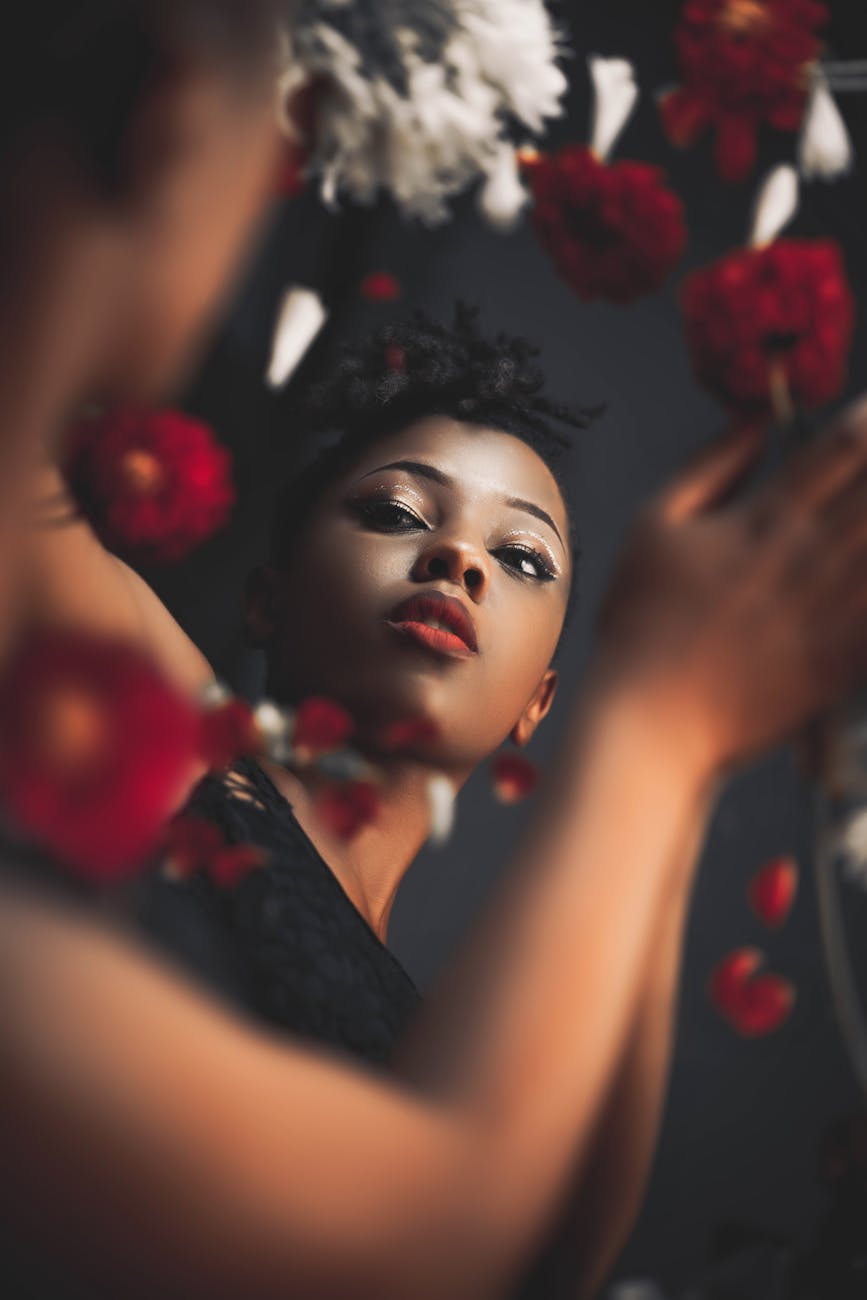
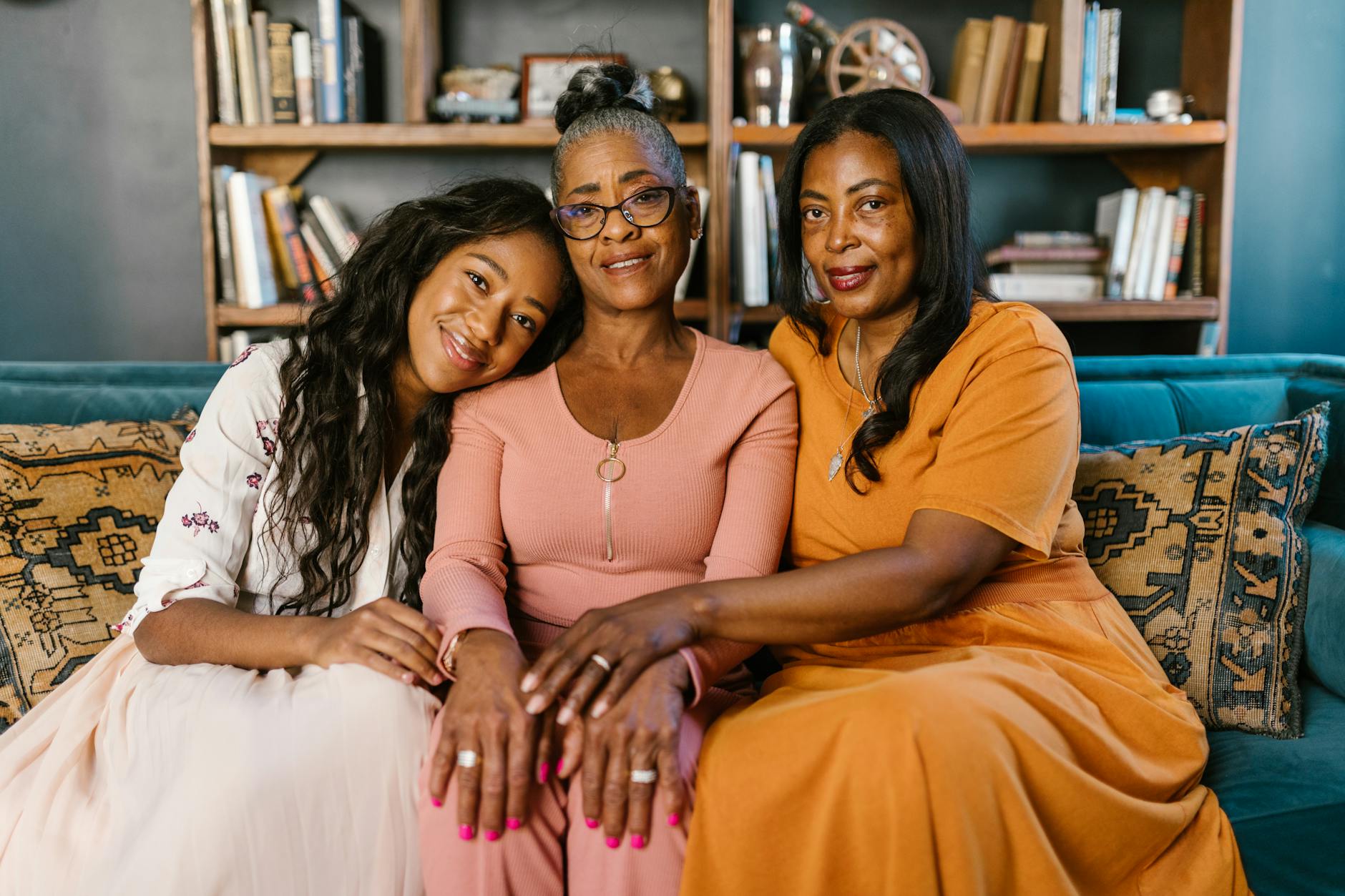




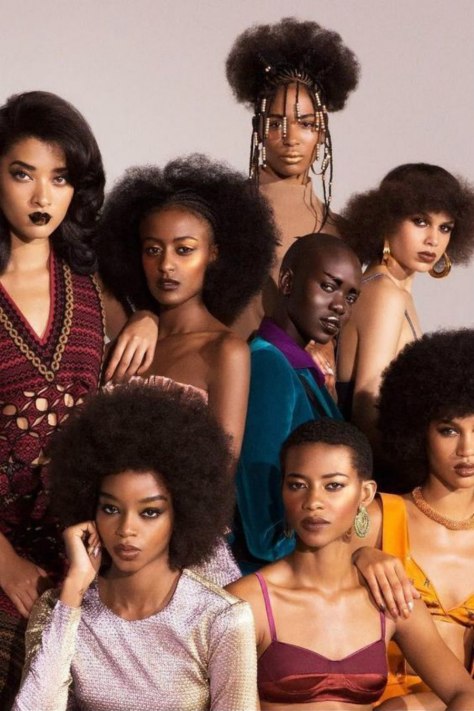
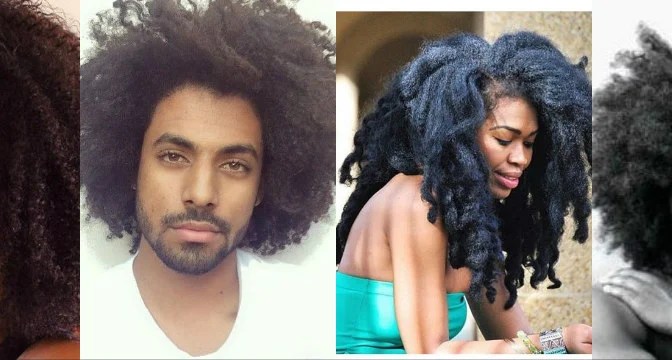
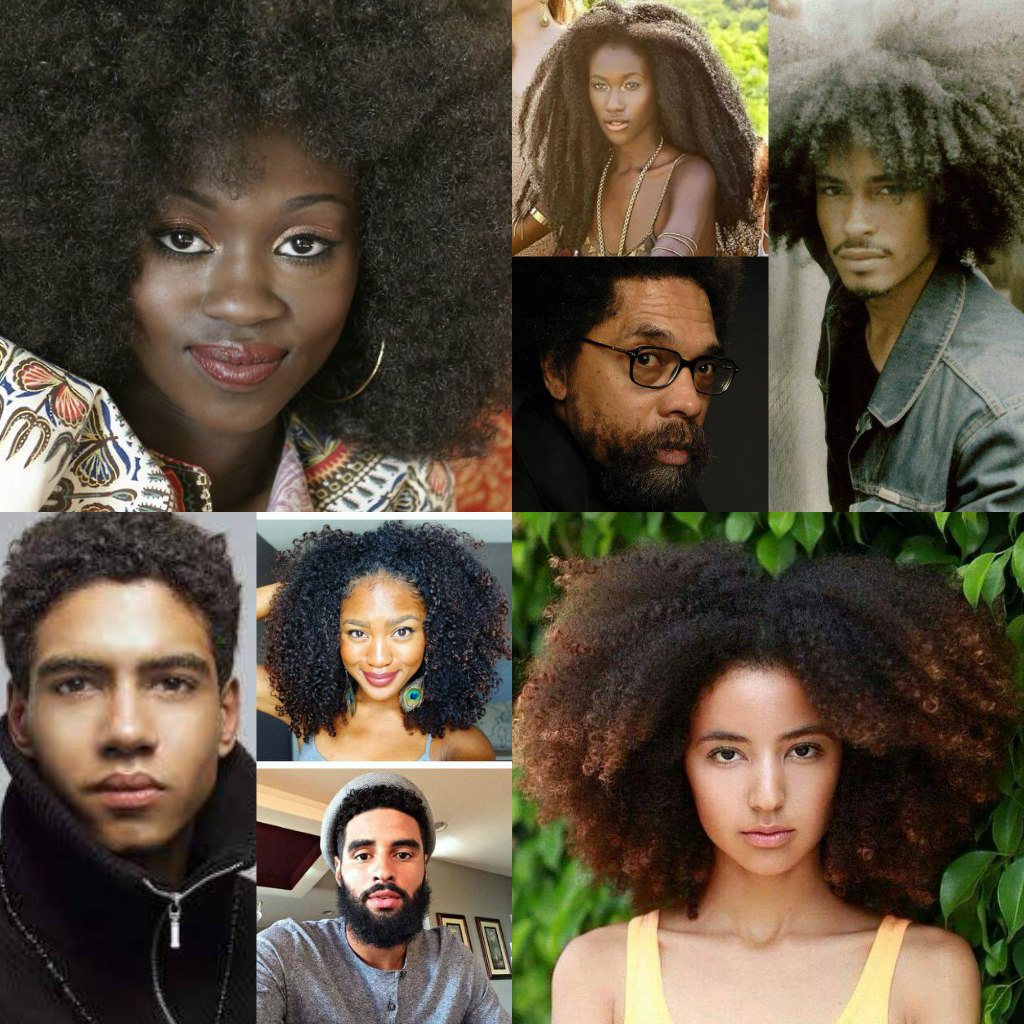
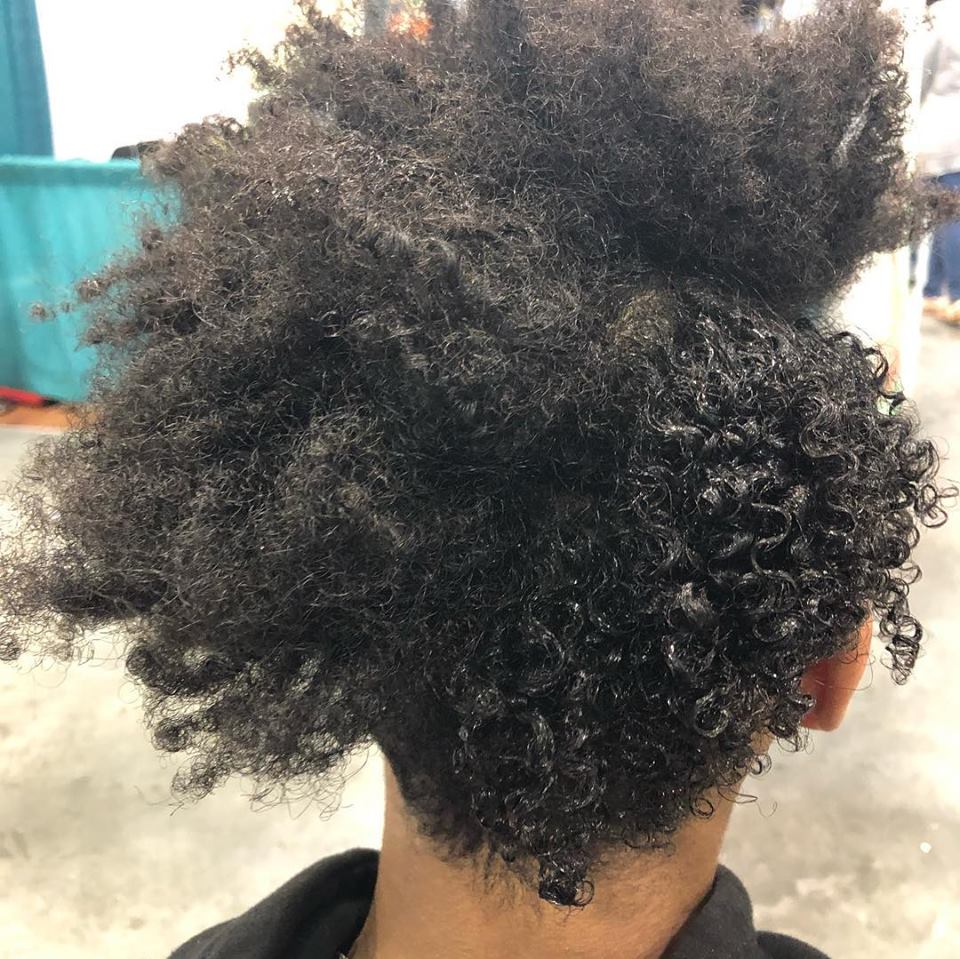
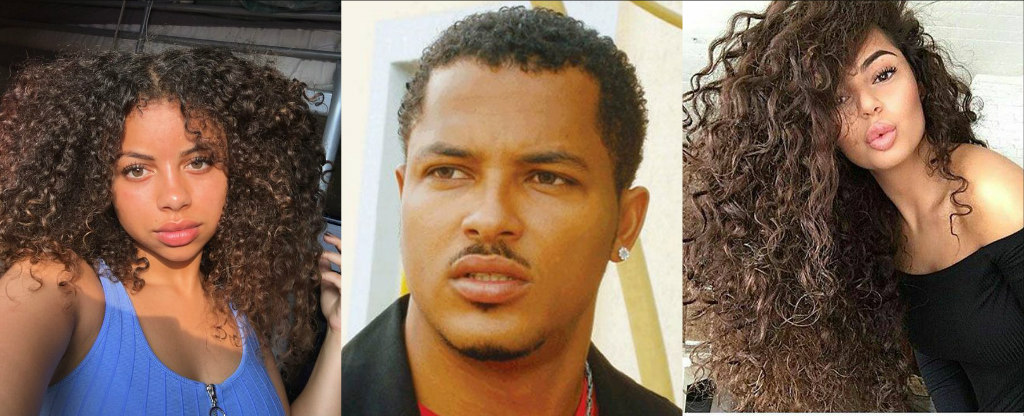
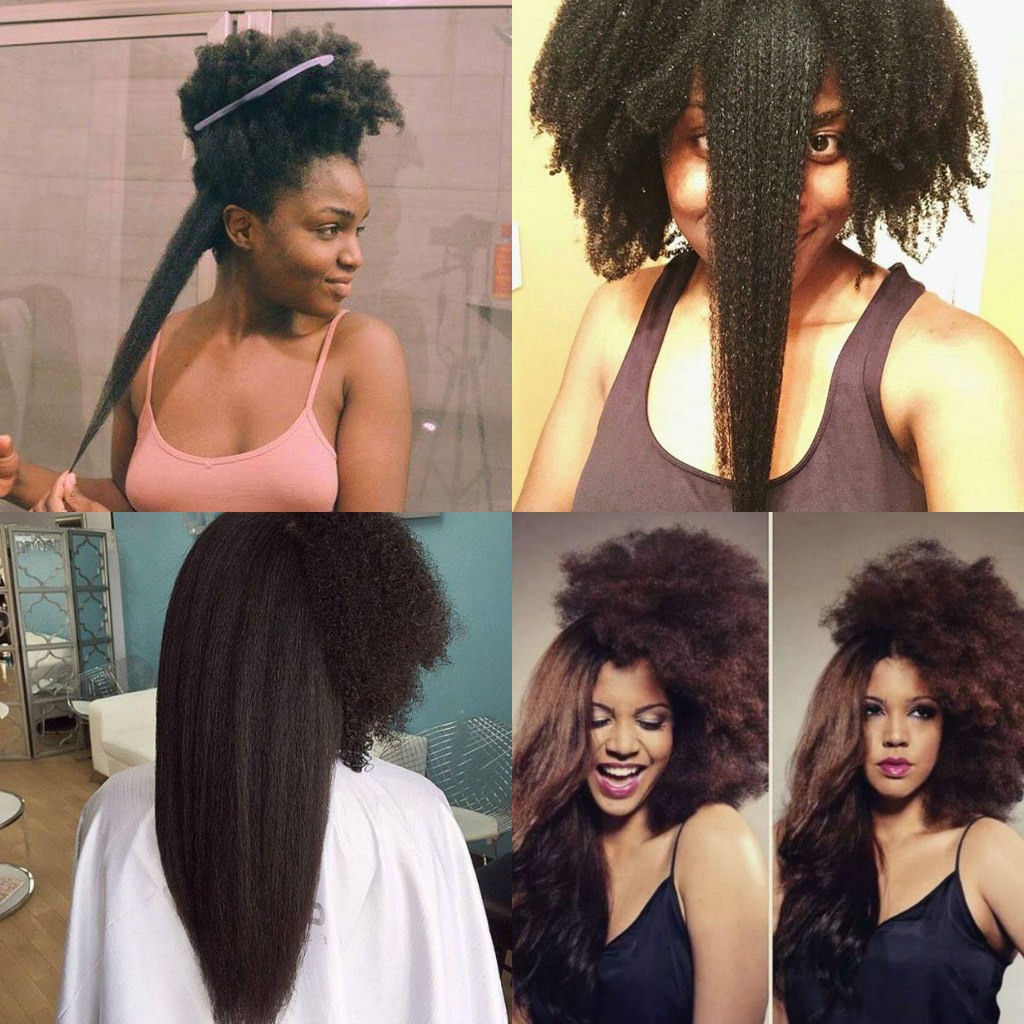
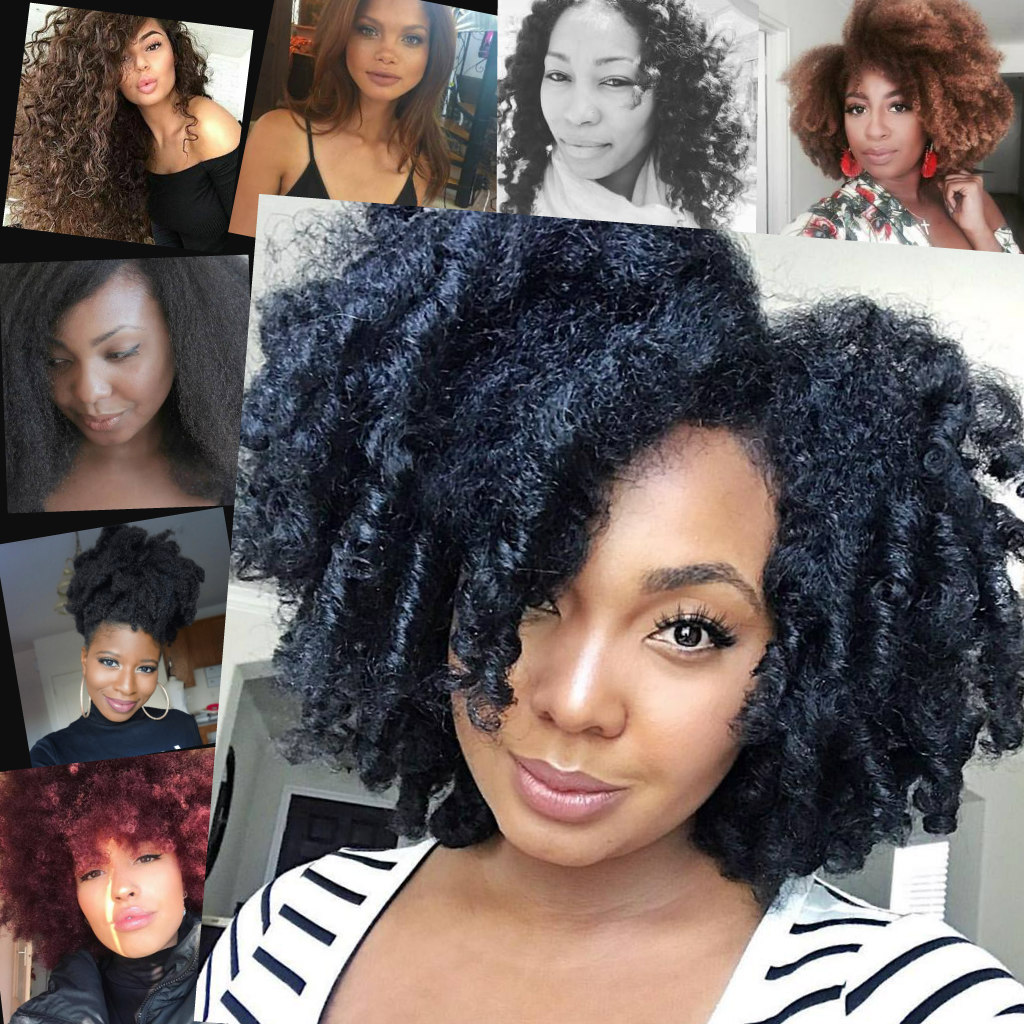
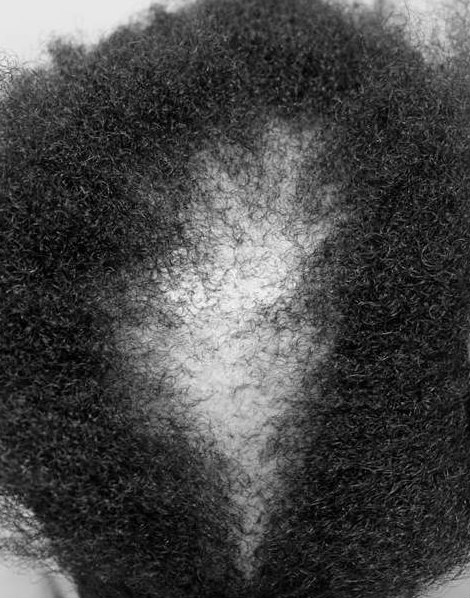
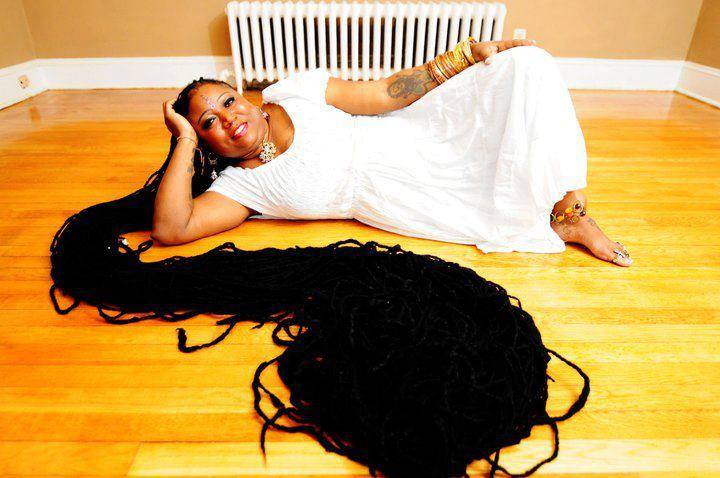
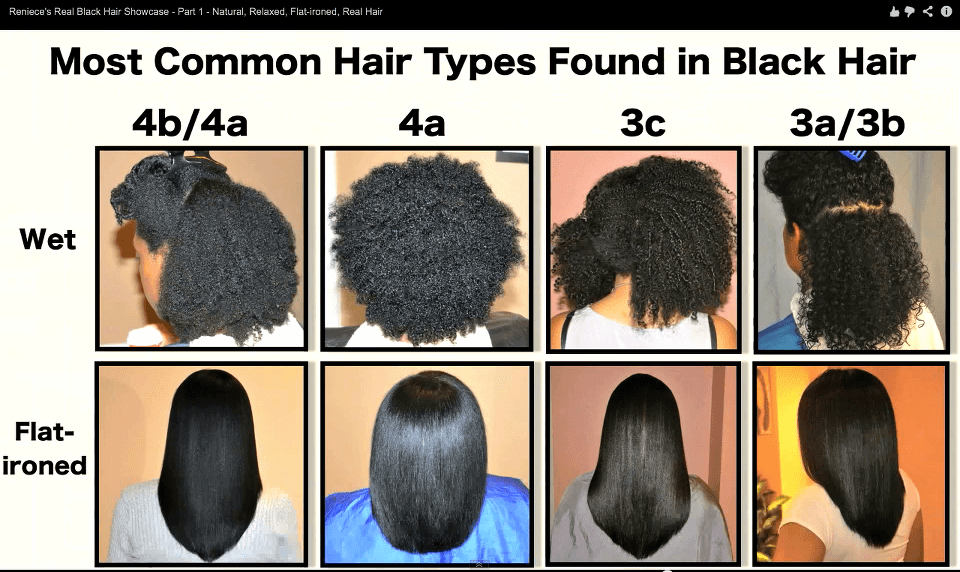

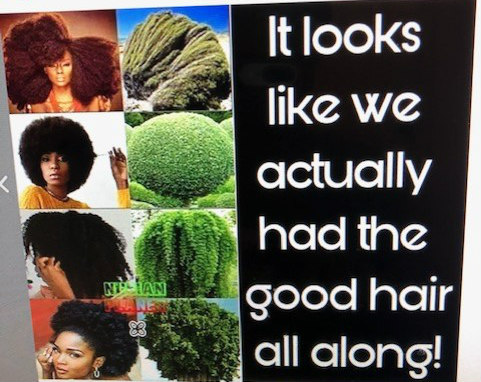
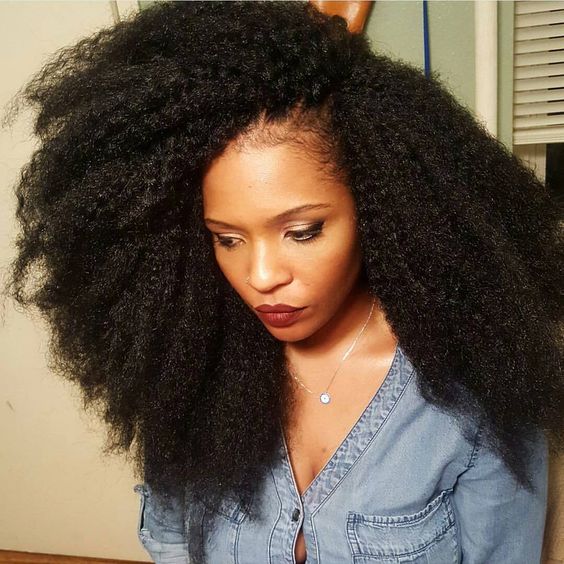
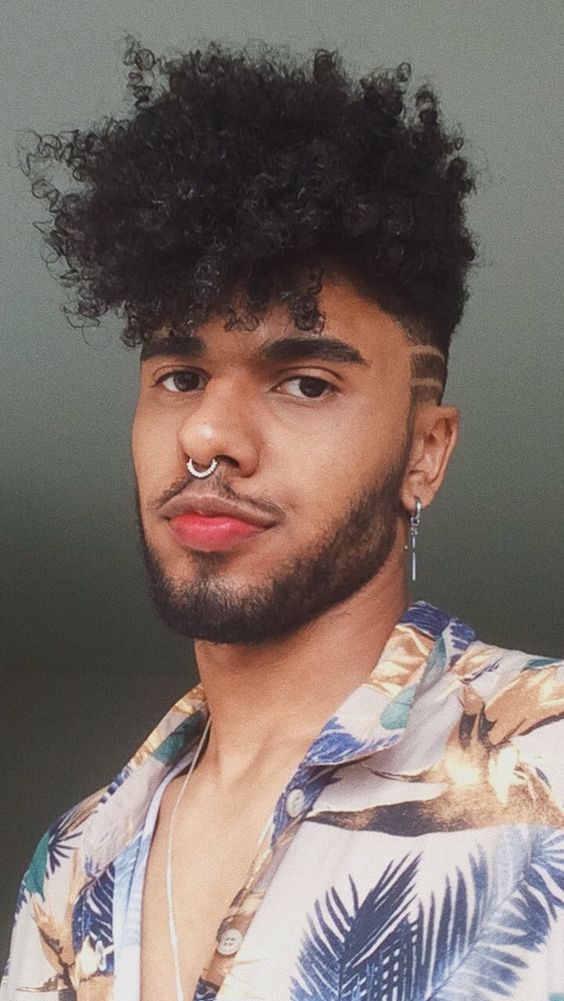
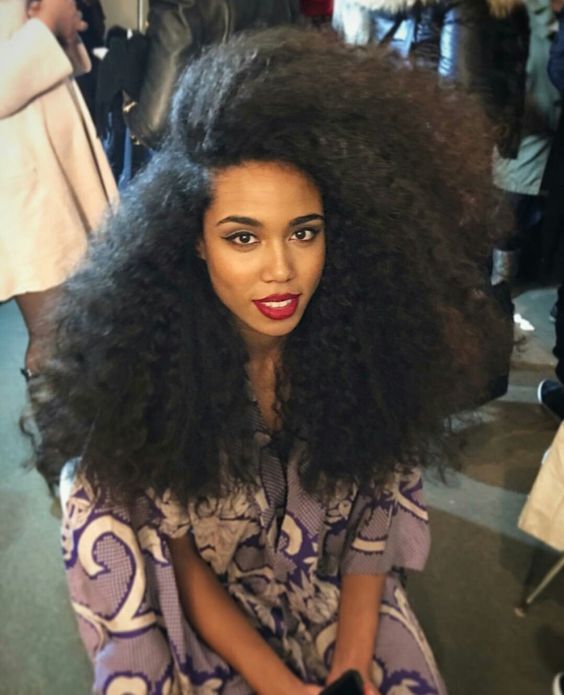
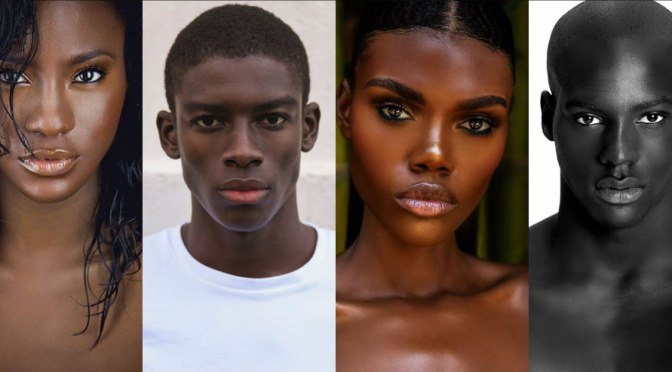
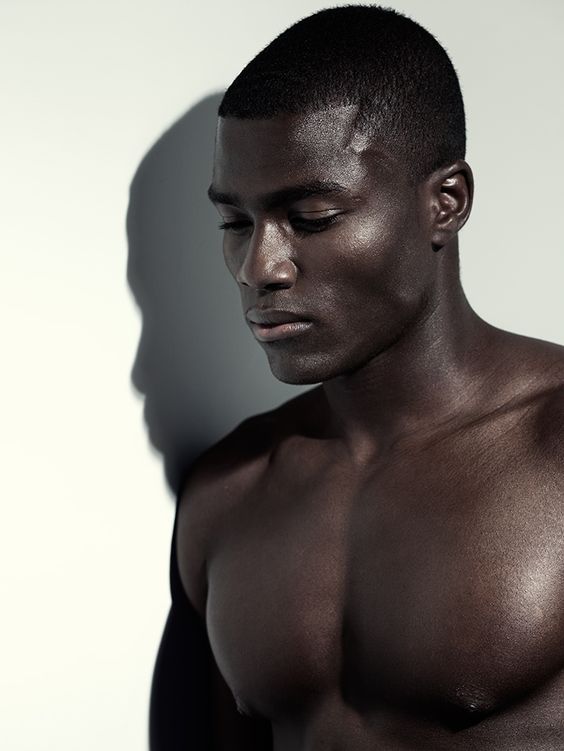
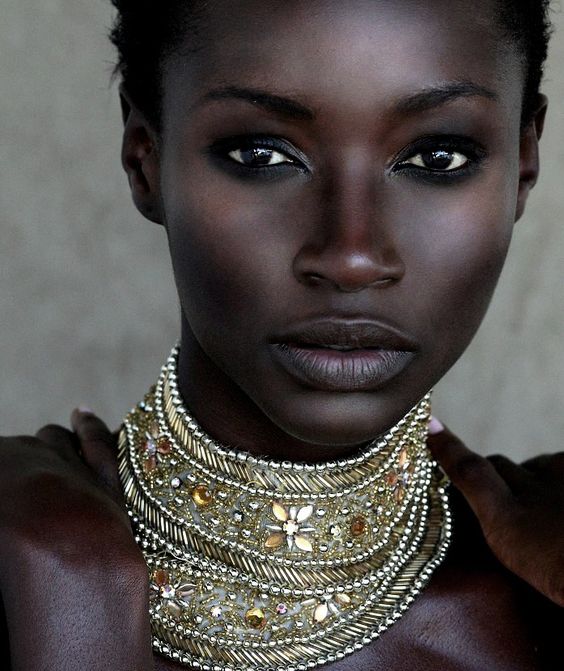
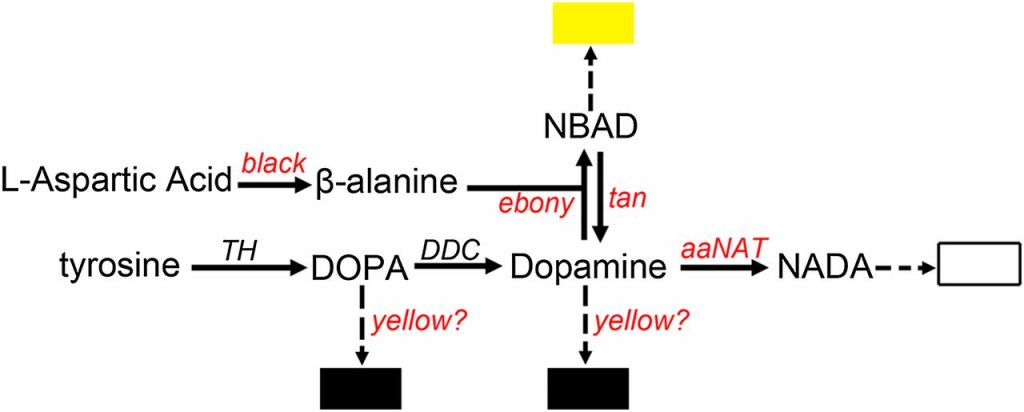
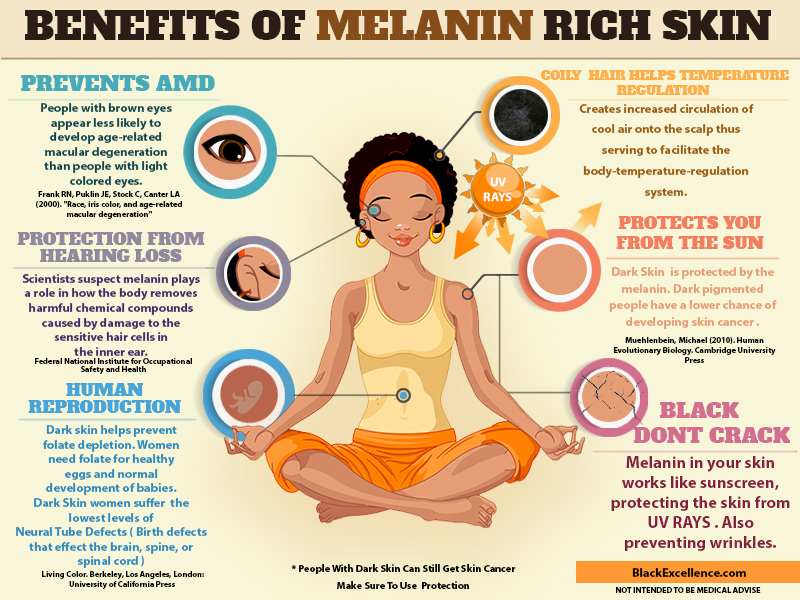
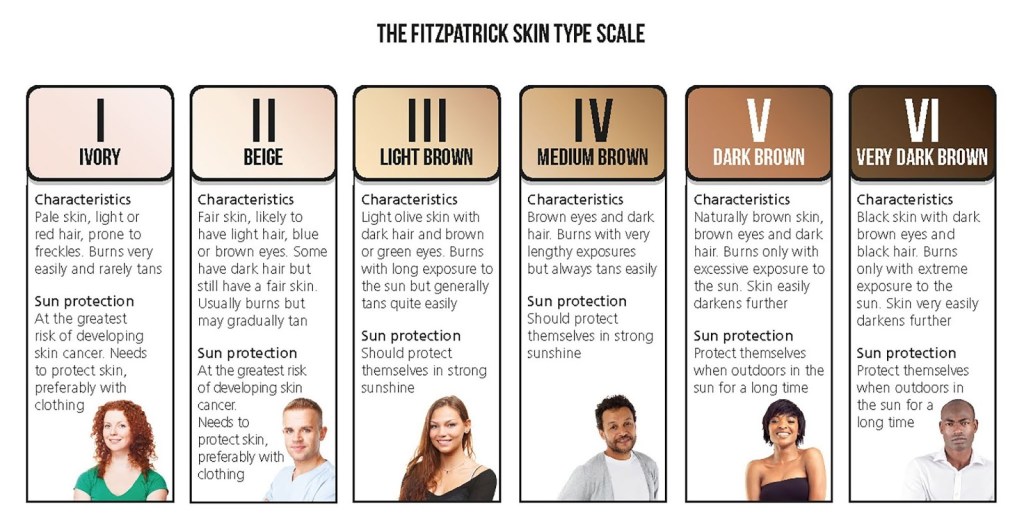
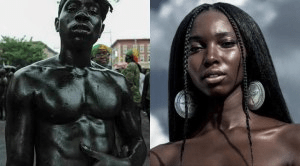
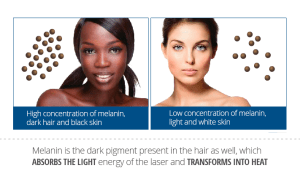

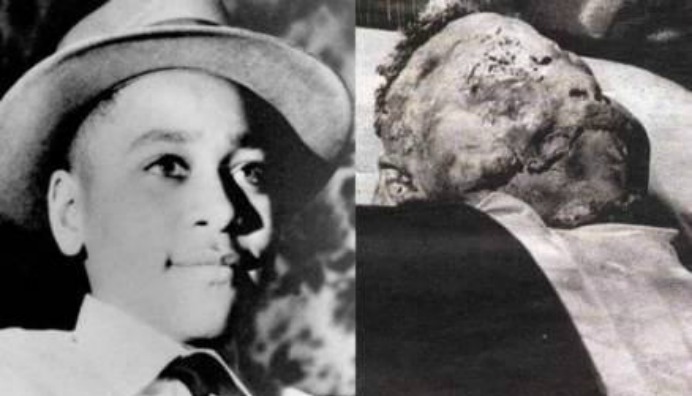
 THE BROWN GIRL DILEMMA