Category Archives: the brown boy dilemma

Eugenics – History, Meaning, and Impact on Black Communities

Eugenics is a social philosophy and movement that seeks to improve the genetic quality of a human population through selective breeding. It emerged in the late 19th century as scientists and social reformers debated how to apply principles of heredity to human societies. Proponents believed that traits such as intelligence, health, and moral character could be enhanced while undesirable traits could be reduced.

The modern concept of eugenics was popularized by Francis Galton, a British scientist and cousin of Charles Darwin, in the 1880s. Galton argued that human intelligence and morality were hereditary and that society should encourage reproduction among people with “desirable” traits and discourage it among those with “undesirable” traits.

The American Eugenics Society (AES) was one of the main organizations promoting eugenics in the United States, and its founders included prominent figures such as Madison Grant, Harry H. Laughlin, Charles Davenport, and others. These eugenics advocates actively pushed for sterilization laws, restrictive marriage policies, and other social measures that disproportionately harmed marginalized communities, particularly those deemed “unfit” by their standards. Alan F. Guttmacher, who later became president of Planned Parenthood, was also deeply involved in the eugenics movement, serving as vice-president of the American Eugenics Society. Other early proponents included Raymond Pearl, a biologist who promoted the application of eugenic principles to public health to improve the so-called “hereditary quality” of populations.

In the United States, eugenics gained traction in the early 20th century. Organizations promoted sterilization laws and marriage restrictions targeting people deemed “unfit.” This included those with mental illness, disabilities, or criminal records. Eugenics became intertwined with public health, social policy, and notions of racial hierarchy.

The eugenics movement reached its extreme in Nazi Germany, where the ideology justified forced sterilizations, euthanasia programs, and the Holocaust. The pseudoscientific principles of eugenics were used to legitimize genocide under the guise of improving the human race.

In the U.S., eugenics was applied through policies that disproportionately affected Black people, Indigenous communities, and other marginalized groups. Forced sterilizations in the South often targeted Black women, limiting reproductive freedom and reinforcing systemic racism. These programs were justified as public health measures but were deeply rooted in racial prejudice.

Eugenics is not just a historical concept; modern debates around genetics, reproductive technologies, and population control carry echoes of eugenic thinking. Some critics argue that policies promoting selective reproduction or targeting certain populations continue to have racial and social implications.

Bill Gates has been associated with modern population and health initiatives that some critics claim have eugenic undertones. Gates’ funding of global vaccination programs and reproductive health initiatives in developing countries has been controversial, with conspiracy theories misrepresenting these efforts as attempts to control population growth.

Despite controversy, Gates and his foundation emphasize voluntary health care, vaccination, and family planning programs to reduce preventable deaths, improve maternal health, and promote economic development. Mainstream public health experts generally reject eugenic interpretations of these programs, framing them as humanitarian efforts.

The term “eugenics” carries negative connotations because of its historical misuse to justify oppression, discrimination, and genocide. It highlights the dangers of applying genetic ideas to social policy without ethical safeguards or respect for human rights.

Historically, eugenics has been used to reinforce white supremacy. In the U.S., laws inspired by eugenic thinking sought to limit reproduction among Black communities, portraying them as genetically “inferior” while promoting reproduction among white populations.

Eugenic ideology often masked economic and social control as scientific progress. By presenting sterilization, restrictive marriage laws, and contraception as scientific measures, governments and organizations could legitimize discriminatory policies.

In the early 20th century, the American Eugenics Society and similar organizations lobbied for sterilization laws that disproportionately targeted Black women in states like North Carolina, Virginia, and Alabama. These programs continued into the 1970s.

The history of eugenics demonstrates how science can be misapplied when combined with prejudice. Policies that appear neutral can have devastating effects on marginalized populations if they are grounded in biased assumptions about genetic worth.

Modern genetics and reproductive technologies present ethical challenges reminiscent of past eugenics programs. Discussions around gene editing, CRISPR, and designer babies raise questions about equity, consent, and the value of human life.

Eugenics also influenced early birth control movements. Figures like Margaret Sanger used eugenic arguments to promote contraception, arguing that controlling reproduction could improve society. Critics highlight that these campaigns often targeted Black and poor communities disproportionately.

Racialized medical experimentation, including the Tuskegee Syphilis Study, can be viewed in the broader context of eugenic thinking. Black Americans were frequently subjected to coercive medical interventions justified by claims of improving population health.

The concept of “population control” has historically been entangled with eugenics. Policies aimed at reducing birth rates among poor or marginalized groups have often mirrored earlier eugenic logic.

What Bill Gates Has Actually Said About Population Control

  1. The Key Quote
    • In a 2010 TED Talk (“Innovating to Zero”), Gates said: “The world today has 6.8 billion people. That’s headed up to about nine billion. Now, if we do a really great job on new vaccines, health care, reproductive health services, we could lower that by, perhaps, 10 or 15 percent.” PolitiFact+1
    • He was not saying he wants to kill people, but that improving health could reduce future population growth by reducing child mortality. AAP+1
  2. What He Means by “Lowering” Population Growth
    • According to him, improved health (via vaccines, healthcare, reproductive health) means fewer children die, and when parents are confident their children will survive, they tend to have smaller families. Snopes+2Yahoo+2
    • This is a common demographic pattern: as child mortality drops, birth rates often decline. PolitiFact+1
  3. Clarifications & Misinterpretations
    • Multiple fact-checkers (e.g., PolitiFact, Africa Check) say that Gates has been misquoted or misrepresented: he’s not advocating for forced population reduction, but explaining a long-term demographic trend. PolitiFact+1
    • AAP FactCheck notes that the viral “population control” clip is taken out of context, and he was talking about future population growth, not reducing the current population by 15%. AAP
    • LeadStories also reports that there is no evidence Gates said he wanted to do population reduction in a malicious or coercive way; rather, his focus is on health programs that may indirectly slow growth. Lead Stories
  4. Why He Brings It Up
    • In his TED Talk, population is one factor in his equation for reducing carbon emissions. He’s making a broader argument: sustainable development involves not just energy, but health and social systems. PolitiFact
    • He has said improving public health is part of his philanthropy goals — not to “shrink humanity,” but to improve quality of life so that demographic transitions naturally occur. Snopes
  5. Historical Comments on “Population Control”
    • In a 1997 interview in George magazine, Gates talked about “population control,” but again in the sense of improving health rather than reducing population by force. Snopes
    • In fact, his foundation has invested heavily in both vaccines and reproductive health services. These efforts reflect a strategy to help people control their fertility voluntarily — not through coercion.

Why Some People Think He Meant Something Else

  • Some conspiracy theories misrepresent his comments as advocating genocide or forced mass sterilizations.
  • These theories often splice together clips (e.g., his TED Talk) to suggest he is admitting to a sinister “depopulation” plan.
  • But credible fact-checkers point out that these are distortions: his statements focus on lowering growth rates, not killing people. FactCheck.org+2Snopes+2

  • Yes, Gates has spoken about “lowering population growth” — but in the context of public health, not killing or coercive methods.
  • His argument is that when more children survive (because of vaccines, healthcare), families choose to have fewer children, which over time stabilizes or slows population growth.
  • Many of the more sinister interpretations (like “populations will be reduced by 15% through vaccines”) misunderstand or misrepresent what he said, according to independent fact-checkers.

Eugenics is a philosophy and social movement that seeks to improve human populations through selective reproduction. While proponents claimed it was a scientific effort to “enhance” society, in practice it disproportionately targeted marginalized groups, especially Black communities. The ideology framed Black bodies as inferior and their reproduction as a social problem, reinforcing systemic racism under the guise of science.

In the United States, eugenics gained popularity in the early 20th century. Policies included forced sterilizations, marriage restrictions, and institutionalization of those labeled “unfit.” Black women were disproportionately targeted, often sterilized without consent, reflecting the racialized hierarchy underpinning these laws. Such acts violated the biblical principle that every human life is made in God’s image (Genesis 1:27) and worthy of dignity and protection.

The American Eugenics Society and state governments used eugenic rhetoric to justify these measures. Black communities were portrayed as genetically inferior, while white populations were encouraged to reproduce freely. This racialized approach echoes the warnings in Proverbs 31:8-9 to defend the rights of the oppressed and speak up for those who cannot protect themselves.

Medical experimentation on Black Americans, such as the Tuskegee Syphilis Study, is another manifestation of eugenics’ racial impact. Black men were denied treatment for syphilis to observe disease progression, illustrating how pseudoscientific reasoning dehumanized Black bodies. Such practices violated the biblical call to justice, compassion, and protection for the vulnerable (Psalm 82:3-4).

The reproductive health movement, including early birth control advocacy, was also intertwined with eugenic ideology. Figures like Margaret Sanger promoted contraception using eugenic reasoning, targeting poor and Black communities under the guise of social reform. Although presented as “empowerment,” these efforts often reinforced control over Black reproduction, echoing systemic oppression rather than offering genuine autonomy.

Eugenics also influenced family planning policies in the mid-20th century. Black women were coerced or pressured into sterilization programs in states such as North Carolina, Virginia, and Alabama. These programs were presented as public health initiatives but were racially discriminatory, reflecting social prejudice and a disregard for human dignity, in direct contradiction to biblical justice (Micah 6:8).

The concept of “population control” has historically carried eugenic undertones. Black communities were often seen as overpopulated or “problematic” in policy discourse, and interventions such as forced sterilization and targeted contraception perpetuated racial inequality. Scripture consistently condemns oppression and injustice (Isaiah 1:17), highlighting the moral failure of these programs.

Modern reproductive and genetic technologies, while potentially beneficial, risk echoing historical patterns if ethical safeguards are ignored. Conversations about gene editing, population health, and family planning must consider racial equity, ensuring that Black communities are not coerced or marginalized in the name of scientific progress.

Bill Gates’ public statements about “reducing population growth” have been controversial, particularly among critics who see echoes of eugenic logic. Gates has clarified that he refers to voluntary health interventions that reduce child mortality, which naturally leads to smaller family sizes, not coercion or extermination. However, the historical context of Black communities experiencing population control measures underscores the need for vigilance and ethical oversight.

Education about the history of eugenics is essential for Black communities. Understanding how policies and medical programs have been used to control Black bodies helps communities make informed decisions about healthcare, reproductive choices, and consent. Proverbs 2:6 reminds us that knowledge and wisdom are key to discernment and protection from harm.

The legacy of eugenics in Black communities extends beyond individual harm. It has shaped public health, social policy, and trust in medical institutions. Generational trauma and skepticism toward healthcare interventions often stem from historical abuses, reinforcing the need for ethical, transparent, and community-centered health initiatives.

Religious and moral frameworks provide guidance for evaluating these issues. The Bible emphasizes the sanctity of life, the equality of all humans, and the responsibility to defend the vulnerable. Oppression, coercion, and discrimination in the name of science violate these principles, making eugenics fundamentally incompatible with Christian ethics (James 2:1-4; Matthew 25:40).

Eugenic rhetoric often framed Black people as a social problem rather than as individuals with inherent worth. This dehumanization facilitated policies that stripped reproductive rights, health autonomy, and basic dignity from Black communities, contradicting God’s command to love our neighbors and protect the weak (Luke 10:27).

Community advocacy and historical reckoning are critical. Recognizing the abuses of eugenics helps Black communities assert reproductive sovereignty, demand accountability from institutions, and resist policies that perpetuate racial inequality. Scripture repeatedly affirms that justice must be pursued and wrongs addressed (Isaiah 58:6-7).

The intersection of race, science, and ethics underscores the importance of consent, transparency, and equity in health and reproductive policies. Eugenics demonstrates how scientific authority can be misused to reinforce social hierarchies, highlighting the ongoing need for vigilance and moral guidance.

Modern population health initiatives must be evaluated critically to prevent unintended echoes of historical eugenics. Policies should prioritize voluntary access, informed consent, and the welfare of all individuals, particularly marginalized communities, aligning with biblical principles of justice and mercy (Micah 6:8; Proverbs 31:8-9).

Public health, when guided by ethics and respect for human dignity, can empower Black communities rather than oppress them. Historical awareness ensures that innovations in medicine, genetics, and reproductive health do not repeat past harms.

Ultimately, understanding eugenics from the Black perspective reveals the deep intersection of race, science, and morality. It challenges us to confront historical injustices, defend human dignity, and ensure that ethical and biblical principles guide all policies affecting reproduction and health.


  • Ethical reflection on eugenics emphasizes the importance of consent, equity, and human dignity. Modern societies must critically evaluate reproductive and genetic technologies to avoid repeating historical injustices.

Public understanding of eugenics is essential to ensure that scientific advancements benefit all humans without discrimination. Education, transparency, and ethical oversight are key to preventing abuses.

In contemporary discourse, references to eugenics serve as warnings about the misuse of science for social engineering. Awareness of its history is vital to recognize and resist modern forms of racial and reproductive oppression.

Eugenics remains a powerful example of how science can be co-opted to justify inequality. Studying its history helps societies navigate the complex intersections of genetics, ethics, and social policy, particularly regarding marginalized populations.


References

  • Wikipedia, “Eugenics” (en.wikipedia.org)
  • Wikipedia, “Francis Galton” (en.wikipedia.org)
  • Stern, A.M. (2005). Eugenic Nation: Faults and Frontiers of Better Breeding in Modern America. University of California Press.
  • Lombardo, P.A. (2011). Three Generations, No Imbeciles: Eugenics, the Supreme Court, and Buck v. Bell. Johns Hopkins University Press.
  • Kevles, D.J. (1995). In the Name of Eugenics: Genetics and the Uses of Human Heredity. Harvard University Press.
  • Planned Parenthood and Eugenics historical overview (plannedparenthood.org)
  • Gates Foundation, Global Health Initiatives (gatesfoundation.org)
  • Roberts, D. (1997). Killing the Black Body: Race, Reproduction, and the Meaning of Liberty. Vintage Books. FactCheck.org, “Video Targets Gates With Old Clip, Misleading Edit” FactCheck.org
  • PolitiFact, “Bill Gates didn’t say he wanted to use vaccines to reduce the population” PolitiFact
  • Snopes, “Bill Gates ‘Admit’ Vaccinations Are Designed So Governments Can ‘Depopulate’ the World?” Snopes
  • Africa Check, “No, Bill Gates is not practising population control through vaccines” Africa Check
  • AAP FactCheck, “Bill Gates vaccination TED Talk hasn’t been ‘scrubbed’” AAP
  • LeadStories, “Fact Check: Bill Gates Did NOT Discuss Population Reduction …” Lead Stories
  • Snopes, “Did Bill Gates Tell George Magazine … Over-Populated Planet …” Snopes
  • Yahoo / Fact‑check, “Missing context on Bill Gates 2010 quote about population sustainability” Yahoo Roberts, D. (1997). Killing the Black Body: Race, Reproduction, and the Meaning of Liberty. Vintage Books.
  • Wikipedia, “Eugenics” (en.wikipedia.org)
  • Stern, A.M. (2005). Eugenic Nation: Faults and Frontiers of Better Breeding in Modern America. University of California Press.
  • Lombardo, P.A. (2011). Three Generations, No Imbeciles: Eugenics, the Supreme Court, and Buck v. Bell. Johns Hopkins University Press.
  • Wikipedia, “Francis Galton” (en.wikipedia.org)
  • Gates Foundation, Global Health Initiatives (gatesfoundation.org)
  • PolitiFact, “Bill Gates Didn’t Say He Wanted to Use Vaccines to Reduce the Population” (politifact.com)
  • Snopes, “Bill Gates ‘Admit’ Vaccinations Are Designed So Governments Can ‘Depopulate’ the World?” (snopes.com) Wikipedia, “Eugenics” (https://en.wikipedia.org/wiki/Eugenics)
  • Wikipedia, “American Eugenics Society” (https://en.wikipedia.org/wiki/American_Eugenics_Society)
  • Wikipedia, “Alan F. Guttmacher” (https://en.wikipedia.org/wiki/Alan_Frank_Guttmacher)
  • Wikipedia, “Raymond Pearl” (https://en.wikipedia.org/wiki/Raymond_Pearl)
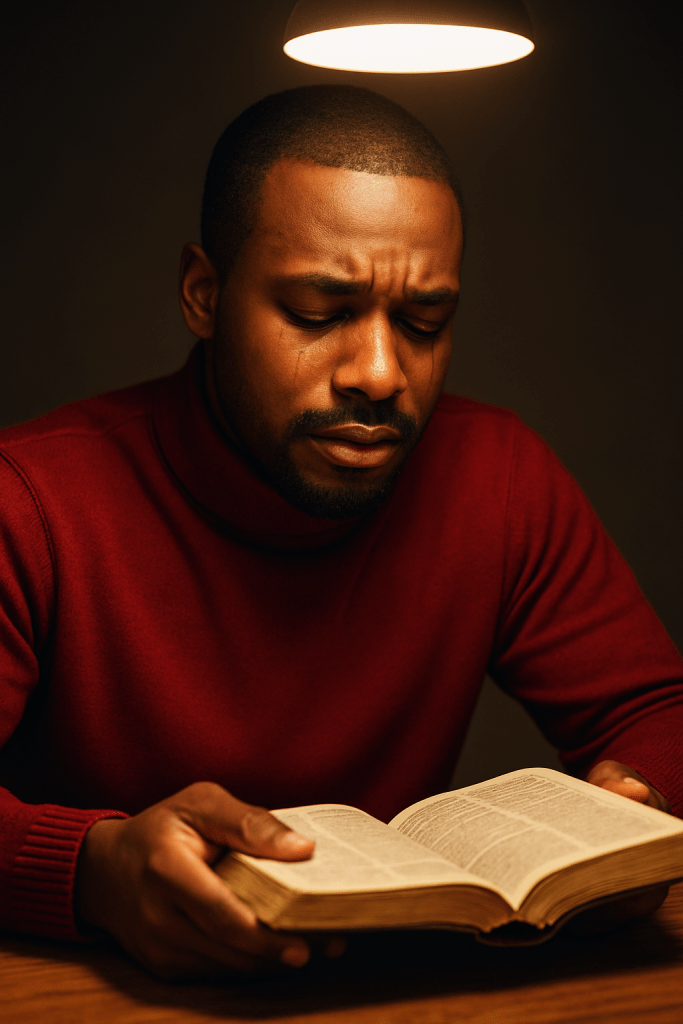
Inside the Manosphere: Masculinity, Trauma, and the Search for Identity

The term manosphere has become a cultural phenomenon—an online constellation of blogs, influencers, podcasts, and forums where men gather to discuss masculinity, identity, relationships, and power. Yet beneath the surface lies a complex psychological, sociological, and spiritual reality that shapes how modern men interpret themselves and the world. The manosphere is not just a digital community; it is a mirror reflecting the anxieties, wounds, and aspirations of men living in a rapidly changing society.

The rise of the manosphere must be understood within the context of shifting gender norms. As traditional roles blur, many men experience a destabilization of identity. For some, this space becomes a refuge—a place to voice concerns without judgment. For others, it becomes a breeding ground for bitterness, resentment, and hyper-individualism. The manosphere is therefore not monolithic; it is a spectrum ranging from healthy male self-improvement to toxic ideologies anchored in misogyny.

Central to the manosphere’s appeal is the hunger for meaning. Many men feel isolated in a world that rarely encourages emotional vulnerability. With rates of male depression, loneliness, and suicide rising, online male communities often claim to fill a void left by absent fathers, fragmented families, or a culture that repeatedly tells men to “man up” rather than to heal. In this sense, the manosphere often functions as an informal form of brotherhood.

However, the manosphere also includes extremist factions that weaponize men’s pain. These groups—such as incels, red pill purists, and certain hyper-nationalistic voices—convert insecurity into ideology. Their narratives often blame women, feminism, or multiculturalism for men’s frustrations, redirecting personal wounds toward collective resentment. These narratives thrive because they offer simple explanations for complex emotional realities.

The manosphere also capitalizes on the modern marketplace of attention. Influencers monetize male insecurity through coaching programs, dating strategies, and lifestyle brands. While some provide legitimate guidance on discipline, fitness, or financial literacy, others exploit men’s vulnerabilities by offering overly simplistic narratives about dominance, submission, and sexual entitlement.

Spiritually, the manosphere reflects a crisis of masculine purpose. Historically, men found identity through covenant relationships, community, and responsibility. Today’s manosphere often promotes a detached masculinity rooted in self-gratification rather than service. In contrast to biblical manhood—which emphasizes love, stewardship, and sacrificial leadership—the manosphere frequently exalts power over humility and conquest over character.

At the same time, not all digital male spaces are destructive. Some men’s groups foster healthy dialogue about accountability, emotional intelligence, mentorship, and healing generational trauma. These spaces acknowledge the reality of male pain without blaming entire genders. They encourage growth, integrity, and brotherhood rooted in compassion rather than competition.

The manosphere’s obsession with dating dynamics reveals deeper issues about relational insecurity. Many voices teach men to view women as adversaries, prizes, or objects to be manipulated. This dehumanizing approach reflects a broader cultural problem: a lack of emotional maturity. Healthy relationships require empathy, communication, and mutual respect—qualities often dismissed in more toxic corners of the manosphere.

The manosphere also intersects with race. Black men, for instance, navigate not only gender expectations but also historical trauma, systemic oppression, and racial stereotypes. As a result, the Black manosphere often includes discussions about legacy, survival, and spiritual identity that differ from mainstream narratives. Yet even within Black communities, the influence of misogynoir can distort relationships by aligning with harmful patriarchal patterns.

In many ways, the manosphere is a symptom of fractured families. Men who grow up without stable male role models often seek identity in digital substitutes. This creates a vacuum where influencers become father figures—guiding millions not through covenant, wisdom, or lived experience, but through charisma and algorithmic popularity.

Economically, many men feel powerless in a world where career stability and financial certainty are no longer guaranteed. The manosphere taps into this anxiety by promising shortcuts to wealth, success, and dominance. Yet these promises often oversimplify the realities of socioeconomic stress.

The manosphere also thrives because society rarely provides safe spaces for male vulnerability. When emotional expression is stigmatized, unresolved trauma festers. Digital communities then become an outlet for suppressed anger. The problem is not that men seek refuge online—it is that many find the wrong voices at the wrong time.

Intellectually, the manosphere promotes a pseudo-scientific worldview that blends evolutionary psychology with selective data. Arguments about “male hierarchy,” “female hypergamy,” or “alpha archetypes” often ignore the nuance and complexity of real human behavior. These narratives appeal because they make relational struggles feel predictable and controllable.

Politically, the manosphere intersects with anti-feminist movements, conservative nationalism, and reactionary ideologies. These movements often exploit men’s grievances to recruit supporters and reinforce polarized worldviews. As a result, the manosphere becomes not only a gendered space but a political tool.

Yet the manosphere’s existence also reveals society’s failure to support men holistically. Schools often lack male mentors. Churches struggle to engage young men effectively. The workforce increasingly rewards skills traditionally associated with collaboration rather than physical labor. Without guidance, many men turn to digital communities for identity formation.

The spiritual danger of the manosphere lies in its distortion of leadership. True leadership is rooted in accountability, humility, and service. Yet manosphere leaders often promote dominance without responsibility, authority without empathy, and influence without moral grounding. This produces men who are emotionally underdeveloped yet psychologically inflated.

Still, the manosphere reveals that men desire structure, meaning, and purpose. When guided by healthy principles, male communities can produce resilience, discipline, and brotherhood. The solution is not to eliminate male spaces but to reform them—to infuse them with wisdom, character, and compassion.

A redeemed version of the manosphere would prioritize healing trauma, improving emotional intelligence, strengthening families, and encouraging men to embrace both strength and tenderness. Rather than targeting women, it would call men to grow into the fullness of their divine and human potential.

Ultimately, the manosphere is a mirror of modern manhood—its wounds, its fears, its hopes, and its confusion. It reveals how desperately men need guidance, fathering, community, and a purpose higher than ego. What men choose to do with this space will determine whether the manosphere becomes a force for healing or a playground for dysfunction.


References

Bailey, J., & Noman, R. (2020). Digital masculinity and online identity formation. Journal of Cyber Psychology, 12(3), 145–162.

Connell, R. W. (2005). Masculinities (2nd ed.). University of California Press.

Ging, D. (2019). Alphas, betas, and incels: The manosphere as a transnational online masculinity ecosystem. Men and Masculinities, 22(4), 638–657.

Kimmel, M. (2017). Angry white men: American masculinity at the end of an era. Nation Books.

Marwick, A., & Lewis, R. (2020). Media manipulation and online radicalization within the manosphere. Internet Studies Review, 8(1), 55–78.

Wilson, S. (2021). Broken boys to hardened men: Male vulnerability in digital subcultures. Journal of Social Psychology, 161(2), 240–256.

Black Men and Broken Systems: Reclaiming Purpose Through Pain

For centuries, Black men have been positioned at the intersection of systemic oppression, cultural misunderstanding, and social vulnerability. Their struggles cannot be viewed in isolation; they are the result of deeply rooted systems that were never built with their flourishing in mind. Yet, in the midst of these structures, Black men continue to pursue purpose, identity, and restoration.

The legacy of slavery established the earliest disruptions to Black male identity. Enslaved men were stripped of autonomy, dignity, and family stability, creating generational wounds that still echo through modern society (Alexander, 2010).

Jim Crow laws further entrenched barriers that limited employment, education, and political participation. Even after these laws were dismantled, their psychological and economic impacts endured, shaping the environments in which many Black men grew up (Du Bois, 1903).

Mass incarceration, often labeled the “New Jim Crow,” disproportionately targets Black men, removing them from communities, families, and careers. This system creates cycles of trauma that are passed on to younger generations (Alexander, 2010).

Educational inequality also plays a major role in the brokenness many Black men navigate. Underfunded schools, biased disciplinary practices, and the school-to-prison pipeline disrupt potential before it has a chance to fully form (Ferguson, 2000).

Economically, Black men face higher unemployment rates, wage discrimination, and limited access to generational wealth. These hardships often lead to feelings of inadequacy, frustration, and loss of purpose (Pager, 2003).

Media portrayals deepen these wounds by depicting Black men as dangerous, irresponsible, or emotionally detached. Such stereotypes influence everything from hiring decisions to policing practices, reinforcing a distorted narrative of Black masculinity (hooks, 2004).

Yet despite these systemic pressures, Black men continue to demonstrate extraordinary resilience. Many find healing in faith, spirituality, and the belief that suffering can birth strength and transformation.

Purpose is often forged in pain, and Black men who confront their challenges with transparency and courage discover a deeper sense of identity. Their resilience becomes not only personal but generational, influencing sons, brothers, and communities.

The role of fatherhood is profoundly important. Even with societal attempts to erase the presence of Black fathers, research shows that involved Black men are among the most engaged and nurturing parental figures in the nation (Cabrera et al., 2018).

Brotherhood and mentorship are also vital. When Black men pour into one another—through conversation, guidance, accountability, and shared experience—they create powerful networks of healing and empowerment.

Therapy and mental health awareness have become essential tools. Breaking the stigma around emotional vulnerability allows Black men to reclaim their humanity and confront trauma with honesty rather than silence (Ward, 2005).

Faith communities also provide grounding spaces where Black men reconnect with identity and divine purpose. Scripture reminds them that suffering can refine rather than destroy, and that purpose is often revealed through endurance.

Creativity is another medium of reclamation. Music, poetry, storytelling, and art allow Black men to express what society often refuses to hear. These forms of expression turn pain into legacy.

Black entrepreneurs and leaders are rewriting narratives by building businesses, influencing culture, and creating opportunities where systems have failed. Their success challenges the myth of inferiority and proves the power of reclaimed purpose.

Communities thrive when Black men heal. Their emotional, spiritual, and economic restoration strengthens families, reduces violence, and reshapes entire neighborhoods.

Healing is not an individual journey; it is communal and generational. When one Black man breaks a cycle, he shifts the trajectory for everyone connected to him.

Reclaiming purpose requires confronting truth—about broken systems, personal trauma, and internalized beliefs. It is difficult work, but transformative work.

In the end, the story of Black men is not defined by the systems that tried to break them. It is defined by their relentless pursuit of dignity, identity, and purpose—even when the world attempts to deny them both. Their resilience is not only a testament to survival but a blueprint for liberation.


References

  • Alexander, M. (2010). The new Jim Crow: Mass incarceration in the age of colorblindness. The New Press.
  • Cabrera, N., Fagan, J., & Farrie, D. (2018). Explaining the father involvement gap: Race, class, and caregiving in the U.S. Journal of Marriage and Family, 80(3), 691–712.
  • Du Bois, W. E. B. (1903). The souls of Black folk. A.C. McClurg.
  • Ferguson, A. A. (2000). Bad boys: Public schools in the making of Black masculinity. University of Michigan Press.
  • hooks, bell. (2004). We real cool: Black men and masculinity. Routledge.
  • Pager, D. (2003). The mark of a criminal record. American Journal of Sociology, 108(5), 937–975.
  • Ward, E. (2005). Keeping it real: A grounded theory study of Black men’s lived experience and mental health. American Journal of Men’s Health, 1(1), 19–29.

The Storms of Life — Blame it on the Rain

Life’s storms are universal—unpredictable seasons that shake foundations, test faith, and reveal character. No one escapes them, and yet they shape each of us in uniquely profound ways. Scripture reminds us, “Man is born unto trouble, as the sparks fly upward” (Job 5:7, KJV). Hardship is not abnormal; it is part of the human experience.

Storms serve as great teachers. They unveil truths about ourselves that calm seasons hide. When everything feels steady, we assume we are strong. But trials expose what is weak, fragile, or built on sand. Jesus warned that only the house built on the rock withstands the rain, floods, and winds (Matthew 7:24–27, KJV).

These storms also humble us. They remind us that life is not controlled by our will alone. Circumstances can shift in a moment—illness strikes, relationships break, finances collapse, grief visits unexpectedly. In these moments, we echo the psalmist: “From the end of the earth will I cry unto thee, when my heart is overwhelmed” (Psalm 61:2, KJV).

Storms create patience. Waiting for breakthrough often takes longer than we desire. Yet Scripture teaches, “Tribulation worketh patience; and patience, experience; and experience, hope” (Romans 5:3–4, KJV). Growth is often slow, but it is steady.

They bring clarity. Storms strip away distractions, revealing what is truly important. Many discover that people they trusted cannot weather storms with them. But God reassures, “I will never leave thee, nor forsake thee” (Hebrews 13:5, KJV). Real priorities rise to the surface when life shakes.

Storms challenge identity. They force us to confront who we are apart from titles, accomplishments, and comfort. The question becomes not “Why me?” but “Who is God shaping me to become?” Scripture reminds us that trials refine: “I have refined thee… I have chosen thee in the furnace of affliction” (Isaiah 48:10, KJV).

Storms test faith. Belief becomes more than words; it becomes endurance. When answers delay, faith must deepen. Peter wrote that our trials purify faith like gold in fire (1 Peter 1:7, KJV). Storms separate shallow belief from surrender.

They increase empathy. People who have suffered tend to love more deeply. Pain creates compassion. Paul said God comforts us so we can comfort others (2 Corinthians 1:4, KJV). Suffering softens the heart when we allow it to.

Storms build resilience. Each time we survive a storm, we gain strength for the next one. David wrote, “It is good for me that I have been afflicted; that I might learn thy statutes” (Psalm 119:71, KJV). Victory teaches us how strong God already made us.

Storms also reveal hidden wounds. Sometimes God allows shaking so buried pain can finally surface. Healing often begins with disruption. Jesus frequently led people into uncomfortable truths before transformation occurred (John 4, KJV).

They expose false foundations. Some relationships, plans, or dreams collapse quickly under pressure because they were weak from the beginning. This is not meant to destroy but to protect. God removes what cannot hold us so He can replace it with what will.

Storms highlight the necessity of community. Even Moses needed Aaron and Hur to hold up his arms (Exodus 17:12, KJV). No one was created to endure alone. Support becomes sacred in seasons of struggle.

Storms teach surrender. When we reach the limits of our strength, control, and understanding, surrender becomes a spiritual release. Jesus Himself prayed, “Not my will, but thine, be done” (Luke 22:42, KJV). Surrender aligns us with divine wisdom.

Storms redirect destiny. Many life-changing purposes emerge from hard seasons. Joseph’s imprisonment positioned him for influence. What was meant for evil became good (Genesis 50:20, KJV). Painful paths often lead to powerful futures.

Storms are temporary. No matter how heavy, they pass. Scripture assures us, “Weeping may endure for a night, but joy cometh in the morning” (Psalm 30:5, KJV). Hope returns. Light breaks. Seasons shift.

Storms produce testimonies. Surviving becomes a story that blesses others. Scripture emphasizes that believers overcome “by the word of their testimony” (Revelation 12:11, KJV). Your storm becomes someone else’s survival guide.

Storms cultivate spiritual maturity. They deepen prayer life, sharpen discernment, and strengthen trust. James wrote, “The trying of your faith worketh patience” (James 1:3, KJV). Growth requires pressure.

Storms reveal hidden strength. God often shows us who we are through what we endure. He tells us, “My strength is made perfect in weakness” (2 Corinthians 12:9, KJV). Storms introduce us to the warrior within.

And finally, storms remind us that God is in control—even when life seems out of control. He speaks to winds and waves (Mark 4:39, KJV). He commands storms to cease. And even when He allows them, He sustains us through every moment. When the storms pass, we realize we didn’t just survive—we transformed.


📚 References

American Psychological Association. (2020). Publication manual of the American Psychological Association (7th ed.). APA.

Frankl, V. E. (2006). Man’s search for meaning. Beacon Press.

Harvey, J. H., & Miller, E. D. (2017). Loss and trauma: General and close relationship perspectives. Journal of Social and Personal Relationships, 24(6), 983–990.

Neff, K. (2011). Self-compassion: The proven power of being kind to yourself. HarperCollins.

Seligman, M. E. (2011). Flourish: A visionary new understanding of happiness and well-being. Free Press.

Taylor, S. E. (2012). Health psychology (8th ed.). McGraw-Hill.

✨ Built to Lead: The Spiritual Anatomy of a Godly Man ✨

A godly man is not merely born—he is shaped, chiseled, tested, and consecrated through a lifelong process of spiritual refinement. Leadership for him is not a title but a calling, a divine architecture woven into his character by God. Scripture affirms, “The steps of a good man are ordered by the Lord” (Psalm 37:23, KJV), revealing that true spiritual manhood is guided rather than self-defined.

The anatomy of a godly man begins with inner order. Before he can influence the world around him, he must first govern the world within. His spiritual discipline—prayer, obedience, and humility—becomes the framework that stabilizes his leadership. He understands that authority without alignment produces chaos.

Central to his design is moral integrity. A godly man lives transparently before God and honorably before people. His character is not situational but consistent, rooted in truth. Proverbs declares, “The integrity of the upright shall guide them” (Proverbs 11:3, KJV). His moral compass is not negotiable.

A godly man also embodies courage, not the absence of fear but the presence of conviction. His strength flows from the assurance that God stands with him. Like Joshua, he is commanded, “Be strong and of a good courage” (Joshua 1:9, KJV), for leadership requires spiritual bravery.

Within him lies a servant’s heart. He recognizes that biblical leadership is inseparable from service. Christ Himself taught, “He that is greatest among you shall be your servant” (Matthew 23:11, KJV). A godly man leads by lifting others, not by elevating himself.

Another essential component is wisdom. Not just intellectual ability, but divine direction. He seeks God’s insight above public opinion. James promises, “If any of you lack wisdom, let him ask of God… and it shall be given him” (James 1:5, KJV). Wisdom is his compass in a world of noise.

His anatomy includes emotional mastery. He feels deeply yet responds righteously. He refuses to let anger, ego, or insecurity govern his behavior. Proverbs warns, “He that hath no rule over his own spirit is like a city that is broken down” (Proverbs 25:28, KJV). Emotional discipline is a mark of his maturity.

The godly man is purpose-driven. He understands that his life is not random; it is intentional. He seeks to fulfill God’s assignment rather than chase worldly validation. Paul wrote, “This one thing I do…” (Philippians 3:13, KJV), revealing singular focus as a leader’s strength.

He is marked by faithfulness—to God, to his responsibilities, and to those entrusted to him. Reliability is his language. In a world of inconsistency, he stands as evidence that honor still exists.

A godly man is also endowed with vision. He sees beyond the natural into what is possible through God. Like Habakkuk, he writes the vision and walks in expectation (Habakkuk 2:2–3, KJV). Vision fuels his leadership and guides his decisions.

His spiritual anatomy includes discipline. He understands that leadership requires structure. Prayer becomes his anchor, study his nourishment, and obedience his strength. Discipline forms the muscles of his spiritual endurance.

A godly man practices accountability. He does not walk alone. He welcomes correction because he knows it prevents destruction. Proverbs teaches, “Iron sharpeneth iron” (Proverbs 27:17, KJV). Growth requires guidance.

He is defined by compassion. Strength is not cruelty; authority is not harshness. His heart remains tender enough to feel and strong enough to help. Compassion fuels his service.

His anatomy includes self-sacrifice. A godly man understands that love costs, leadership costs, and purpose costs. He follows Christ’s model of laying down His life for others (John 15:13, KJV). Sacrifice is not weakness—it is spiritual nobility.

He is a man of righteous authority. He leads his home with gentleness, firmness, and wisdom. He creates safety, structure, and spiritual covering. His presence brings order; his decisions bring stability.

A godly man values legacy. He builds beyond himself, investing in generations to come. His leadership is not temporary but eternal. Proverbs declares, “A good man leaveth an inheritance to his children’s children” (Proverbs 13:22, KJV). Legacy is the echo of his leadership.

The anatomy of a godly man also includes humility. He understands that leadership without humility becomes tyranny. Christ taught that greatness begins at the feet of service. Humility protects him from pride’s deception.

He demonstrates endurance. When adversity rises, he stands. When storms come, he endures. His resilience is spiritual, not fleshly. Paul’s words guide him: “Having done all, to stand” (Ephesians 6:13, KJV). Endurance is proof of spiritual maturity.

A godly man walks in love—the highest of all virtues. Love governs his leadership, purifies his intentions, and shapes his actions. Without love, leadership becomes empty performance. Love makes him safe, strong, and trustworthy.

Ultimately, the spiritual anatomy of a godly man is a divine masterpiece—crafted by the Holy Spirit, strengthened through trials, and refined through obedience. He is built to lead not by the world’s standards but by God’s blueprint. He is both a warrior and a servant, a protector and a nurturer, a visionary and a man of unwavering faith.

A godly man stands as evidence that God still raises leaders who carry heaven’s character on earth. His life becomes a testimony, a covering, and a legacy. He is built to lead because he is built by God.


📚 References

American Psychological Association. (2020). Publication manual of the American Psychological Association (7th ed.). APA.

Cloud, H., & Townsend, J. (2001). Boundaries: When to say yes, how to say no. Zondervan.

Eldredge, J. (2001). Wild at heart: Discovering the secret of a man’s soul. Thomas Nelson.

Evans, T. (2012). Kingdom man: Every man’s destiny, every woman’s dream. Tyndale House.

Keller, T. (2013). Every good endeavor: Connecting your work to God’s work. Dutton.

Lewis, C. S. (1952). Mere Christianity. HarperCollins.

Wilkins, M., & Moreland, J. P. (Eds.). (2010). Jesus in an age of controversy. Zondervan.

Wright, N. T. (2012). After you believe: Why Christian character matters. HarperOne.

The Dilemmas that Black People Face Today #blackpeopleproblems

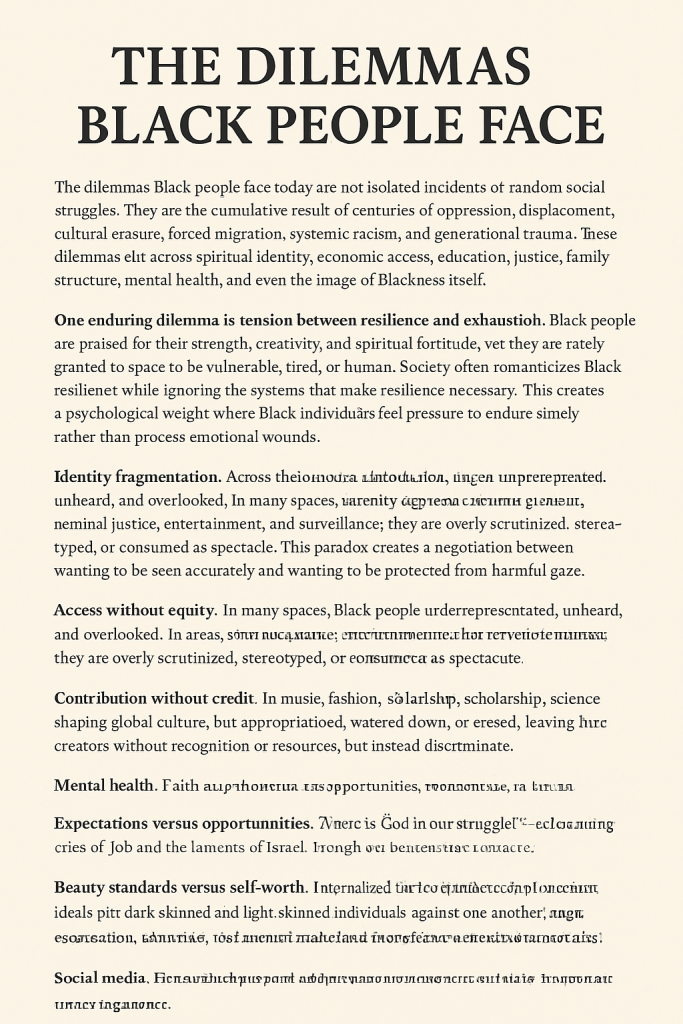
The dilemmas Black people face today are not isolated incidents or random social struggles. They are the cumulative result of centuries of oppression, displacement, cultural erasure, forced migration, systemic racism, and generational trauma. These dilemmas cut across spiritual identity, economic access, education, justice, family structure, mental health, and even the image of Blackness itself. They form a complex landscape that Black people must navigate daily while still fighting to build dignity, community, and hope.

One enduring dilemma is the tension between resilience and exhaustion. Black people are praised for their strength, creativity, and spiritual fortitude, yet they are rarely granted the space to be vulnerable, tired, or human. Society often romanticizes Black resilience while ignoring the systems that make resilience necessary. This creates a psychological weight where Black individuals feel pressure to endure silently rather than process emotional wounds.

Another dilemma lies in the legacy of identity fragmentation. Across the diaspora, Black people wrestle with questions of origin, belonging, and cultural continuity. The transatlantic slave trade severed language, history, names, and lineage—leaving many African Americans searching for spiritual and ancestral clarity. This leads to an internal conflict between who society has labeled them to be and who they truly are in God, history, and heritage.

Black people also face the dilemma of visibility versus hypervisibility. In many spaces, they are underrepresented, unheard, and overlooked. In other areas—such as criminal justice, entertainment, and surveillance—they are overly scrutinized, stereotyped, or consumed as spectacle. This paradox creates a constant negotiation between wanting to be seen accurately and wanting to be protected from harmful gaze.

Economically, the dilemma of access without equity remains a major barrier. While Black people may have access to schools, jobs, loans, and housing on paper, systemic practices—such as redlining, wage gaps, discriminatory hiring, and unequal school funding—undermine true equality. The presence of opportunity does not guarantee fairness, and this gap breeds frustration, fatigue, and generational stagnation.

Culturally, Black people face the dilemma of contribution without credit. From music to fashion, science scholarship, the Black world has shaped global culture. Yet those contributions are often appropriated, watered down, or erased, leaving Black creators without recognition or resources. Even in faith spaces, Black biblical history is minimized despite its foundational importance.

Within families, Black communities often face dilemmas created by historical disruption, including mass incarceration, economic instability, and systemic attacks on the Black home. These pressures can create strain in marriages, parenting, and generational continuity, forcing Black families to build structure while battling forces that aim to dismantle it.

Spiritually, there is a dilemma between faith and suffering. Black people often ask, “Where is God in our struggle?”—echoing the cries of Job and the laments of Israel. Yet faith has also been a source of resistance, identity, and liberation throughout Black history. The struggle lies in reconciling divine purpose with earthly injustice.

Colorism creates another dilemma: beauty standards versus self-worth. Internalized Eurocentric ideals can pit dark-skinned and light-skinned individuals against one another, producing wounds that trace back to slavery’s hierarchy. This dilemma shapes relationships, confidence, employment, desirability, and mental health.

In the area of justice, Black people face the dilemma of legal rights versus lived reality. Though laws promise equality, the outcomes—from traffic stops to sentencing—tell a different story. This dissonance reinforces a mistrust in systems meant to protect but instead discriminate.

Mental health remains a growing dilemma, as Black people contend with trauma, stress, discrimination, financial pressure, and societal expectations, all while lacking equitable access to culturally relevant care. Silence around therapy and emotional vulnerability can hinder healing.

Educationally, Black students face the dilemma of expectations versus opportunities. While excellence is often demanded, support is not always given. This leads to underfunded schools, biased assessments, and unequal advancement.

Social media has introduced new dilemmas—hyperexposure, comparison culture, cyberbullying, and the performative nature of modern identity. Though it allows Black voices to rise, it also magnifies criticism, competition, and unrealistic ideals.

And at the heart of all dilemmas lies a deeper spiritual one: the ongoing struggle for self-definition. Black people are constantly reclaiming a narrative that the world has tried to rewrite. This dilemma fuels movements, art, scholarship, and faith-based awakenings that reconnect Black people to origin, dignity, and divine purpose.

Despite these challenges, Black people continue to rise, resist, create, and believe. The dilemmas are real, but so is the power, brilliance, and spiritual calling placed upon the descendants of survival.


References

Alexander, M. (2010). The new Jim Crow: Mass incarceration in the age of colorblindness. The New Press.
Branch, T. (1988). Parting the waters: America in the King years, 1954–1963. Simon & Schuster.
Du Bois, W. E. B. (1903). The souls of Black folk. A. C. McClurg & Co.
hooks, b. (1995). Killing rage: Ending racism. Henry Holt.
Painter, N. I. (2006). Creating Black Americans: African-American history and its meanings. Oxford University Press.
Wilkerson, I. (2020). Caste: The origins of our discontents. Random House.
Woodson, C. G. (1933). The mis-education of the Negro. Associated Publishers.

Dilemma: Forgiveness

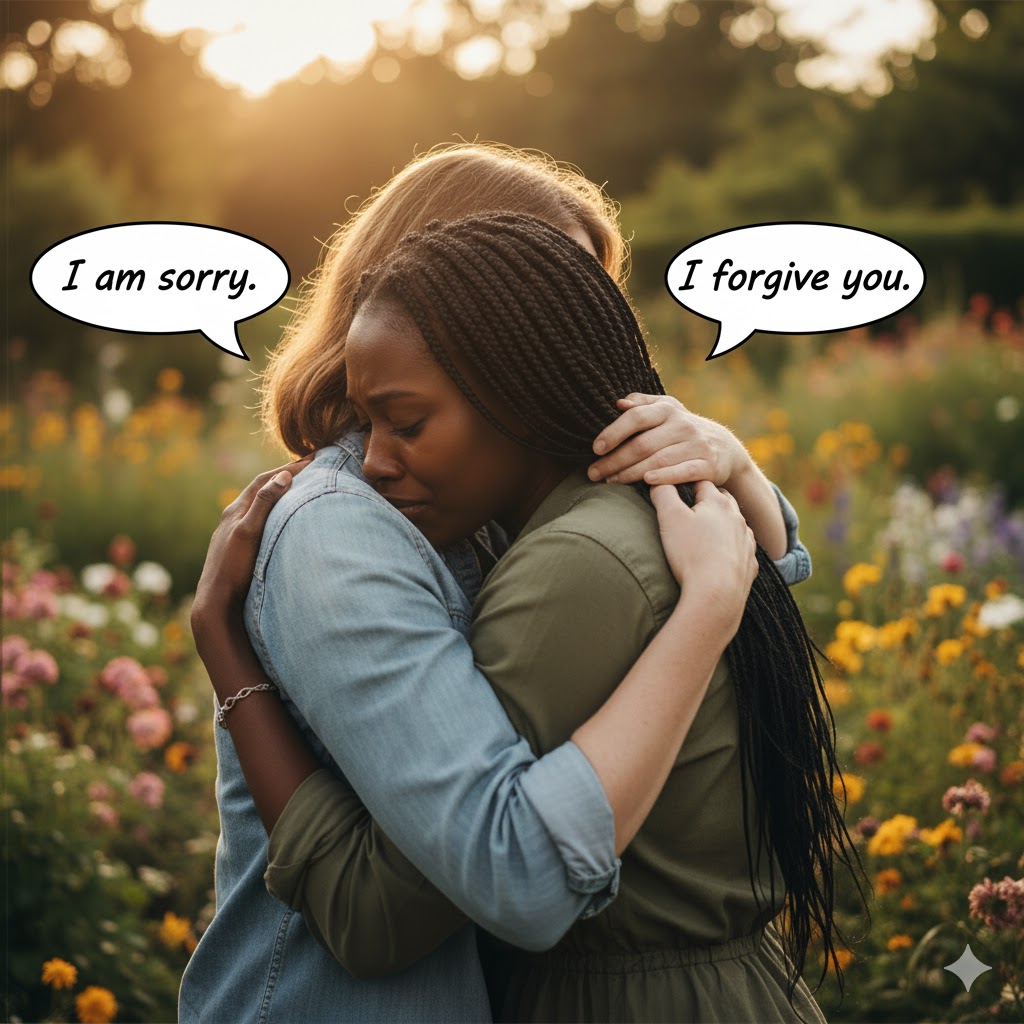
Forgiveness is one of the most challenging spiritual disciplines, especially when the wound runs deep. The dilemma of forgiveness lies in the tension between justice and mercy, memory and healing, pain and release. It is not a simple act; it is a journey—one that requires courage, humility, and divine strength. To forgive is not humanly easy, but it is spiritually necessary.

Forgiveness begins with a decision, not a feeling. The heart may still hurt, the mind may still replay the offense, and the emotions may still tremble—but forgiveness is a choice. God calls us to forgive because He knows that holding on to bitterness damages the soul more than the offense itself. As Christ taught, “Forgive, and ye shall be forgiven” (Luke 6:37, KJV).

The dilemma is especially heavy for Black people, whose historical suffering presents a unique struggle. Enslavement, lynching, segregation, humiliation, and systemic injustice created generational wounds. Yet, despite centuries of cruelty, many Black people embraced forgiveness—not as a sign of weakness, but as a spiritual survival strategy. They forgave to keep their hearts from becoming poisoned by hate.

This forgiveness was not passive. It was a deliberate, moral, and spiritual act rooted in faith, prayer, and endurance. Enslaved ancestors sang spirituals that prayed for deliverance—not revenge. Civil rights leaders preached love in the face of brutality. Millions of unnamed Black mothers and fathers raised their children without teaching them to hate those who oppressed them. Their forgiveness was empowered by God, not by submission.

God’s Word commands forgiveness because it frees the soul. In Matthew 6:14–15, Jesus teaches that our forgiveness from God is tied to our forgiveness toward others. The Bible does not excuse wrongdoing, but it refuses to let wrongdoers imprison our hearts. Forgiveness becomes an act of liberation—a release from emotional bondage.

Forgiveness does not mean forgetting. The human brain does not erase trauma, nor does God ask us to pretend as though harm never occurred. “Forgetting” in Scripture means choosing not to hold something against a person. God says, “Their sin will I remember no more” (Hebrews 8:12, KJV), meaning He chooses not to charge it to our account. We may remember the event, but we release its hold over us.

Forgiving others does not remove accountability. God is a God of mercy and justice. When you forgive, you are not excusing wrongdoing—you are transferring the burden of judgment to God, who sees and repays. This keeps your heart clean while allowing divine justice to unfold. Forgiveness protects you spiritually while God handles the offender.

Forgiveness toward friends requires honesty and boundaries. Friendships can be deeply painful when loyalty is violated, but God still commands reconciliation when possible. Proverbs 17:9 reminds us that “he that covereth a transgression seeketh love.” Forgiving a friend means acknowledging the wound while choosing peace over resentment.

Forgiveness within marriages requires humility and patience. Spouses hurt each other in ways outsiders never see. Yet Scripture teaches that love “beareth all things… endureth all things” (1 Corinthians 13:7, KJV). Forgiveness strengthens marital covenant and reflects the steadfast love of God.

Forgiving family—parents, siblings, and children—can be the hardest of all. Family wounds cut deep because the expectation of love is high. Yet the Bible continually teaches compassion, restoration, and long-suffering within families. Jesus said to forgive “seventy times seven” (Matthew 18:22, KJV), emphasizing perpetual grace.

Forgiving children involves maturity and understanding. Children make mistakes, sometimes causing serious emotional harm without fully understanding the impact. Parents are called to model God’s grace, teaching children through love, correction, and gentle restoration.

Forgiveness is also internal—you must forgive yourself. Many people carry guilt from past actions, regrets, or mistakes. If God extends mercy, you must learn to accept it. Self-forgiveness becomes an act of obedience to God’s grace.

True forgiveness requires honesty about the offense. Minimizing or denying the hurt only delays healing. You must acknowledge the pain, name the wound, and confront the emotions attached to it. God meets you in your truth, not in your denial.

Forgiveness is also a process. Some wounds heal slowly, and God understands that. Forgiveness may need to be repeated daily until the heart aligns with the decision. The process is not a sign of failure but a step toward deliverance.

Spiritually, forgiveness is warfare. The enemy thrives in bitterness, resentment, and division. When you forgive, you close the door to spiritual attack and open the door to peace. Forgiveness reclaims emotional territory surrendered to anger.

Forgiveness brings freedom. It removes the weight from your chest, the knot from your stomach, and the heaviness from your soul. It allows you to breathe again. It does not rewrite the past, but it releases your future.

Forgiveness aligns you with Christ. Jesus forgave His accusers, His executioners, and His betrayers. His example teaches that forgiveness is not optional—it is the calling of every believer. We forgive because He forgave us first.

Below are Ten Steps to Forgiving that reflect both Scripture and psychological wisdom:

  1. Acknowledge the pain honestly.
  2. Pray for strength, wisdom, and clarity.
  3. Make the decision to forgive, even before emotions catch up.
  4. Release the desire for revenge or repayment.
  5. Separate the person from the offense.
  6. Set appropriate boundaries if needed.
  7. Seek counsel, prayer partners, or pastoral support.
  8. Practice empathy—try to understand, not excuse.
  9. Repeat forgiveness daily until peace comes.
  10. Bless, pray for, and release the offender into God’s hands.

You know you have forgiven when the memory no longer holds emotional power over you. You may remember the event, but it loses its sting. Peace replaces pain, compassion replaces anger, and you can think of the person without bitterness or desire for retribution.

The Dilemma of Trust After Forgiveness

Forgiveness is a spiritual command, but trust is earned. The dilemma arises when we forgive but are unsure whether we can rely on the same person again. Forgiveness releases the offender from debt to our hearts, but trust asks for proof that they will not harm us again.

Forgiving someone does not automatically restore intimacy. The Bible teaches us to forgive, yet it also emphasizes wisdom in relationships. “A prudent man foreseeth the evil, and hideth himself” (Proverbs 22:3, KJV). Forgiveness is mercy; trust is discernment.

This dilemma is particularly poignant in communities that have experienced generational betrayal or oppression. Black people, for example, have forgiven systemic injustices and interpersonal harms, yet trust remains fragile because repeated violations have left deep scars.

Trust after forgiveness requires observation. Actions reveal character. As Scripture notes, “By their fruits ye shall know them” (Matthew 7:20, KJV). Forgiveness opens the door to potential reconciliation, but trust waits for consistent demonstration of respect and integrity.

The tension between forgiveness and trust is not a sign of spiritual weakness. Rather, it reflects discernment and self-preservation. God calls us to forgive without bitterness, yet also to walk wisely in the world (Ephesians 5:15–16, KJV).

In families, trust may take time to rebuild. A parent who has been hurt by a child’s rebellion or a spouse who has betrayed a marriage vow can forgive, but trust must grow gradually. Forgiveness releases resentment; trust ensures the covenant is honored moving forward.

Trust is relational, not instantaneous. Forgiveness sets the foundation; trust builds the structure. One cannot demand trust immediately after hurt—it must be earned through repeated reliability, accountability, and humility.

Forgiveness without boundaries can be dangerous. It is vital to establish clear expectations after betrayal. God forgives humanity but also enforces justice. In the same way, human relationships require safeguards to prevent repeated harm.

In communities recovering from historical trauma, trust requires transparency. Black people who forgave white oppressors may still approach interactions with vigilance. Forgiveness can coexist with caution, understanding that the heart cannot be recklessly exposed.

Forgiveness and trust are tested by temptation and circumstance. Just as humans are prone to sin, people may fail again. The biblical model for trust acknowledges imperfection while emphasizing accountability and restoration (Galatians 6:1–2, KJV).

In friendships, trust is rebuilt through honesty and time. A betrayed friend must demonstrate loyalty consistently. Forgiveness restores the relationship to a baseline of peace; trust allows shared vulnerability to flourish once more.

Trust in marriage requires similar diligence. A spouse who has sinned against the marriage covenant must demonstrate repentance, changed behavior, and ongoing commitment. Forgiveness cleanses the heart, while trust reestablishes security.

Trust also grows through communication. Open conversations about pain, expectations, and boundaries reinforce reliability. Forgiveness without dialogue may leave the forgiver vulnerable to repeated betrayal.

Spiritually, trusting after forgiveness mirrors our relationship with God. We forgive others because He forgives us, yet we walk by faith and not by sight (2 Corinthians 5:7, KJV). Our discernment protects the heart while our faith sustains it.

Forgiveness allows emotional release; trust allows measured engagement. We can forgive an offender fully yet remain cautious in entrusting them with our deepest vulnerabilities. This balance reflects maturity and godly wisdom.

Repeated offenses may require recalibration of trust. Forgiveness does not obligate blind confidence. Scripture encourages justice tempered with mercy—ensuring we do not enable harmful behavior (Romans 12:17–19, KJV).

Trust after forgiveness also requires self-reflection. Are we projecting fear from past wounds onto the present? Are we willing to allow growth and restoration? Forgiveness invites us to release resentment; trust invites us to evaluate prudently.

The dilemma highlights the difference between grace and entitlement. Forgiveness is freely given, reflecting God’s mercy. Trust is conditional, reflecting the responsibility of human beings to honor relationships.

True reconciliation is incomplete without both forgiveness and trust. Forgiveness releases the offender, but trust restores the relational dynamic. Both require time, humility, and spiritual guidance to align with God’s will.

Ultimately, the dilemma of trust after forgiveness challenges believers to balance mercy with wisdom. Forgiveness heals the heart; trust safeguards it. Together, they allow relationships to flourish under the guidance of God’s truth.


Forgiveness is not easy, but it is holy. It is the pathway to healing, the doorway to peace, and the evidence of spiritual maturity. Through God’s grace, you can forgive anyone—friends, family, spouses, children, and even entire systems of oppression. Forgiveness does not diminish the truth of harm; it magnifies the truth of God’s power.


KJV Scripture References

  • Matthew 6:14–15
  • Luke 6:37
  • Matthew 18:22
  • Hebrews 8:12
  • 1 Corinthians 13:7
  • Proverbs 17:9 Proverbs 22:3
  • Matthew 7:20
  • Ephesians 5:15–16
  • Galatians 6:1–2
  • 2 Corinthians 5:7
  • Romans 12:17–19

References

Chapman, G. (2010). The five languages of apology: How to experience healing in all your relationships. Northfield.

Tutu, D., & Tutu, M. (2014). The book of forgiving: The fourfold path for healing ourselves and our world. HarperOne.

West, C. (2017). Race matters. Beacon Press.

Woodson, C. G. (2021). The mis-education of the Negro. Dover.

Dilemma: Reparations

“Reparations are not about a handout—they are about restoring justice, repairing wounds, and reconciling with the truth of our shared history.” — Dr. Cornel West

Reparations have long stood at the center of Black America’s moral, historical, and spiritual struggle for justice. They represent not merely financial compensation but a public acknowledgment of the harm inflicted upon millions of African-descended people who endured chattel slavery, racial terrorism, legal segregation, and generational dispossession. Yet despite the magnitude of these injustices, the United States has continually resisted granting African Americans what has been afforded to other groups. This dilemma reflects the nation’s unresolved relationship with truth, accountability, and its own historical narrative.

Reparations remain a contentious issue because they force America to confront its past without euphemism. They require the nation to admit that slavery was not an accidental blemish but a deliberate economic system built on inhumanity. The refusal to offer reparations stems from the denial of responsibility—an unwillingness to accept that the wealth of the nation was constructed through Black suffering. While some argue that time has healed old wounds, generational inequality remains a living consequence that can be traced through the socioeconomic conditions of Black communities today.

Black people deserve reparations because the injustices committed against them were unique in scale, duration, and brutality. Enslaved Africans were legally defined as property, denied humanity, and subjected to violence, rape, forced family separations, and the destruction of cultural identity. Even after emancipation, racist laws such as Black Codes, Jim Crow legislation, redlining, and discriminatory policing reinforced the conditions of inequality. Reparations acknowledge that the effects of slavery did not end in 1865; they echo across generations.

America’s lies to Black people have been vast and intentional. The promise of “forty acres and a mule” never materialized. The idea that freedom would naturally lead to equality proved untrue as the nation constructed new systems of oppression. Meanwhile, myths were created to distort history: that slavery was benevolent, that Black people were inferior, and that racial disparities were due to cultural failings rather than structural inequities. These lies became embedded in school curricula, political rhetoric, and national identity.

Responsibility for this legacy lies not only with the enslavers but also with the federal government, religious institutions, financial corporations, and those who profited from Black labor. Each played a role in perpetuating harm. The U.S. Constitution protected slavery, banks insured enslavers’ “property,” and churches often misused Scripture to justify bondage. Collectively, these institutions built wealth by extracting the life force of an entire people, while simultaneously shaping a narrative that minimized their culpability.

One of the most insidious aspects of American slavery was its misuse of the Bible. Passages were selectively cited to suggest divine approval for slavery, while the liberating themes of the Exodus, justice, and human dignity were ignored. Enslavers weaponized religion to control enslaved people, teaching obedience while forbidding them from reading Scripture in full. Yet Black people found in the Bible—especially the King James Version—promises of deliverance, justice, and divine retribution against oppressors. They recognized that true biblical teaching contradicted the slaveholder’s theology.

The torture inflicted on Black people was systematic and state-sanctioned. Whippings, brandings, mutilation, forced breeding, sexual assault, medical experimentation, and psychological terror were common tools of control. Enslaved children were sold away from their parents; women were violated for profit; men were dehumanized to break their spirit. After slavery, brutality continued through lynching, convict leasing, and racial massacres such as Tulsa in 1921 and Rosewood in 1923. These acts were not isolated incidents but expressions of a national ideology that devalued Black life.

Native Americans also endured genocide, land theft, cultural destruction, and forced assimilation. In some cases, the U.S. government offered financial settlements, land returns, and federal recognition—imperfect but tangible forms of reparative justice. Their experience demonstrates that reparations are not unprecedented; America has the capacity to compensate groups it has harmed. The contrast raises the question: why were African Americans excluded?

The purpose of slavery was economic exploitation and racial domination. The outcome was the creation of a racial caste system where whiteness became associated with power and Blackness with subjugation. The legacy includes wealth disparities, underfunded schools, mass incarceration, health inequalities, and cultural erasure. Generations of Black families have been denied the opportunity to accumulate wealth, resulting in the deep socioeconomic chasm we observe today.

The answer to the dilemma lies in truth-telling, repair, and systemic transformation. Reparations are not merely about money but about addressing the structural conditions that slavery created. They involve formal apologies, financial restitution, educational investments, land returns, business grants, policy reforms, and national remembrance. They require acknowledging the ongoing nature of racial inequality.

Reparations are defined as compensation given to a group for past harms, typically by the government responsible for those harms. They may include monetary payments, community investments, or institutional reforms. Historically, reparations have been provided to Holocaust survivors, Japanese Americans interned during World War II, Native American tribes, and victims of certain state injustices. The absence of reparations for African Americans reveals a contradiction in American values.

Many ethnic groups have received reparations because their suffering was publicly acknowledged as unjust and undeserved. Yet Black suffering was normalized, rationalized, or erased. The failure to grant reparations to Black people is not due to logistical difficulty but to a societal unwillingness to confront racism’s foundational role in American identity. This reluctance is reinforced by political rhetoric that portrays reparations as divisive rather than healing.

Efforts to remove Black history from schools, libraries, and public discourse represent a modern continuation of historical erasure. By censoring slavery, Jim Crow, and systemic racism, America seeks to avoid accountability. This suppression not only distorts national memory but also undermines progress toward justice. When a nation refuses to teach its children the truth, it ensures that oppression will repeat itself in new forms.

The solution begins with acknowledging historical facts without dilution. Reparations commissions should gather documentation, hear testimonies, and formulate actionable plans. Churches and corporations should be required to confess their roles in slavery and contribute to repair. Educational institutions must restore truthful curricula. Policies should address wealth gaps through homeownership grants, student loan forgiveness, and investments in Black-owned businesses and schools.

Spiritually, the Bible affirms reparations. In Exodus, God commands Egypt to compensate the Israelites for their forced labor. In Luke 19:8 (KJV), Zacchaeus pledges to restore fourfold what he has taken unjustly. These passages demonstrate that repentance requires both confession and restitution. Justice is incomplete without repair.

A national program of reparations would not erase the past, but it would create a foundation for healing and reconciliation. It would honor the resilience of Black people whose ancestors endured the unthinkable. It would affirm that America is capable of truth, justice, and transformation.

Reparations are not charity—they are the moral debt owed to a people whose contributions built the nation while their humanity was denied. They represent not only compensation but also dignity restored. For Black America, reparations are not merely a request—they are a rightful claim grounded in history, faith, and justice.

Only through honesty, restitution, and a commitment to systemic change can America move beyond its broken legacy. Reparations are not the end of the story, but they are the beginning of a new chapter where truth prevails over denial and justice triumphs over inequality.

References
Alexander, M. (2012). The new Jim Crow: Mass incarceration in the age of colorblindness. The New Press.
Coates, T.-N. (2014). The case for reparations. The Atlantic.
Du Bois, W. E. B. (1903). The souls of Black folk. A.C. McClurg.
Horne, G. (2018). The apocalypse of settler colonialism. Monthly Review Press.
King James Bible. (1769/2021). King James Version.
West, C. (1993). Race matters. Beacon Press.
Zinn, H. (2005). A people’s history of the United States. Harper Perennial.

Masculine Grace: The Overlooked Beauty of the Black Man.

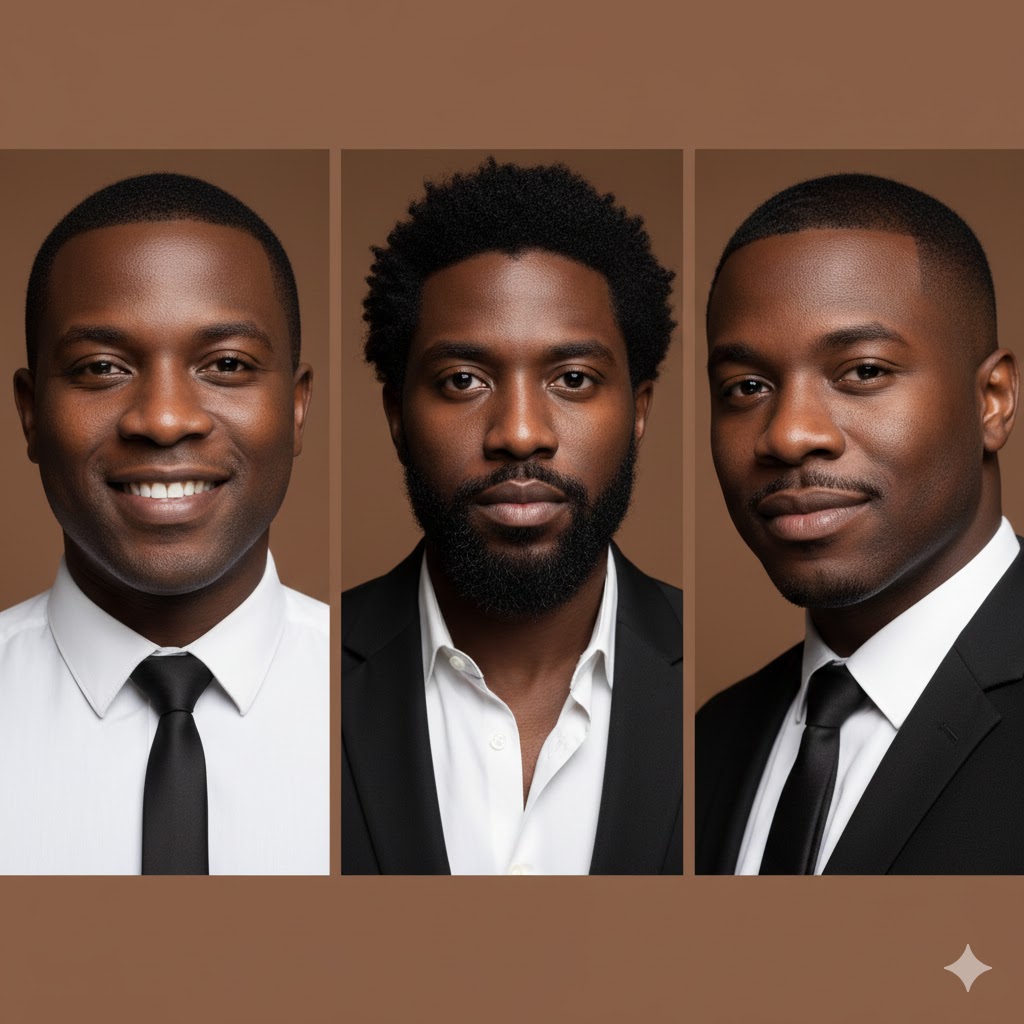
This photograph is the property of its respective owner. No copyright infringement intended.

The image of the Black man has long been distorted through colonial narratives, Eurocentric standards, and centuries of systemic dehumanization. Yet beneath the scars of history lies a quiet and powerful truth: the Black man embodies a form of beauty rarely celebrated—masculine grace. This grace transcends the mere physical, radiating through resilience, wisdom, emotional strength, and spiritual depth. It is the beauty of a being who has survived what was meant to destroy him and yet continues to create, lead, and love.

The world has often feared what it should have revered. From the plantation fields to the modern boardroom, the Black man’s physicality has been both fetishized and criminalized. His body—once deemed property—became a battleground for the projection of others’ fears and desires. But when seen through a lens untainted by bias, the symmetry of his form, the depth of his skin, and the fire of his eyes reflect divine craftsmanship, not danger (hooks, 2004).

To speak of masculine grace is to acknowledge that strength and softness are not opposites but complements. The Black man’s beauty rests in the balance between his power and gentleness—how he can protect without oppressing, lead without dominating, and love without losing himself. This duality challenges the Eurocentric masculine archetype that equates sensitivity with weakness (Majors & Billson, 1992).

Historically, Black men were denied the right to be seen as beautiful because beauty was defined through whiteness. The ideal male form was sculpted in marble—pale, rigid, and devoid of emotion. Yet the Black man’s presence, rich in rhythm and movement, exudes life. His grace is kinetic, a poetry of motion expressed in dance, labor, sport, and art—a beauty that moves rather than poses.

In African traditions, beauty was holistic. It encompassed virtue, spirit, and purpose, not merely appearance. The Yoruba concept of “iwa l’ewa” translates to “character is beauty,” suggesting that true beauty arises from inner moral substance (Abiodun, 2014). This philosophy restores the spiritual context that Western aesthetics stripped away. For the Black man, beauty is not vanity—it is dignity manifested.

Masculine grace can be seen in the tender way a father lifts his child, in the calm leadership of a pastor guiding his congregation, or in the perseverance of a man rebuilding his life after systemic injustice. It is the quiet confidence of knowing that one’s value is not defined by material success but by moral conviction and spiritual alignment (Kimbrough, 1997).

Yet media portrayals continue to undermine this beauty. The camera often captures the Black man as an aggressor, athlete, or entertainer, rarely as a scholar, lover, or thinker. This narrow visual vocabulary limits how society perceives Black masculinity. The absence of representation becomes a form of erasure—an aesthetic violence that teaches the world to see Black men as function rather than form (Dixon & Linz, 2000).

The reclamation of masculine grace, therefore, is an act of resistance. It says to the world: “You will not define my worth through stereotypes.” It also calls upon Black men to rediscover the divine artistry within themselves. To walk with grace is to carry both the weight of history and the light of redemption with balance and pride.

There is a sacred stillness in the Black man who knows his identity in God. His beauty reflects the imago Dei—the image of the Creator (Genesis 1:27). His walk is testimony; his voice, a melody of generations who refused to die in silence. This sacred reflection dismantles the notion that masculinity must be performative or domineering. In divine masculinity, grace and strength coexist.

Grace in the Black man also manifests in his intellectual and creative expressions. From Langston Hughes’s poetry to Chadwick Boseman’s cinematic brilliance, from Barack Obama’s eloquence to Marvin Gaye’s soul, Black men have continually shown that intellect and emotion are not contradictions but harmonies. They redefine what it means to be a man of grace—disciplined, dignified, and deeply human.

One cannot discuss the beauty of the Black man without addressing colorism’s shadow. Lighter tones have long been favored, even among people of African descent, a legacy of colonial conditioning. Yet, the deep hues of the Black man’s skin absorb light differently—reflecting warmth, history, and strength. His melanin is a masterpiece of biology and symbolism: protection and poetry in one (Blay, 2011).

To appreciate masculine grace requires decolonizing the gaze. This means rejecting the Eurocentric standards that measure beauty through whiteness and fragility. Instead, it calls for an aesthetic rooted in authenticity, where dark skin, broad noses, textured hair, and strong physiques are not liabilities but legacies—markers of ancestral power and divine design.

The modern world’s obsession with hypermasculinity has numbed emotional intelligence in men. But the Black man’s grace lies in his capacity to feel deeply—to weep, to heal, to forgive. This emotional courage is perhaps his most overlooked beauty. It takes strength to love after being unloved, to lead after being stripped of leadership, to rebuild after centuries of destruction (Akbar, 1996).

In contemporary culture, movements like “Black Boy Joy” have sought to reclaim this emotional space, celebrating the multifaceted beauty of Black men—laughing, learning, nurturing, and creating. These images disrupt toxic archetypes and reveal a truth long hidden: Black masculinity is not monolithic but mosaic.

The spiritual aspect of masculine grace cannot be overstated. The Black man’s relationship with faith—through prayer, perseverance, and praise—anchors his identity. His beauty radiates most when he walks in divine purpose. As the psalmist wrote, “The steps of a good man are ordered by the Lord” (Psalm 37:23, KJV). This divine choreography gives rhythm to his grace.

Every scar, every wrinkle, every muscle tells a story of endurance. The body of the Black man is a living archive—of battles fought, burdens carried, and victories won. His beauty is not cosmetic but cosmic, stitched with the threads of survival and hope.

In art, literature, and film, there is a growing movement to honor this beauty. Photographers like Kwame Brathwaite and writers like Ta-Nehisi Coates have reframed the Black male body as sacred rather than sinful, majestic rather than menacing. Through their work, masculine grace becomes visible again.

Ultimately, to honor the beauty of the Black man is to restore balance in a world that has long denied him softness. His grace teaches that masculinity is not the absence of vulnerability but the mastery of it. The true measure of a man lies not in his ability to dominate but in his capacity to love, forgive, and uplift.

Masculine grace, then, is both art and theology—a living testament that the Black man, made in the image of the Most High, is not merely beautiful; he is divinely composed. His existence challenges centuries of misrepresentation and stands as proof that beauty, when seen through truth, is revolutionary.


References

Abiodun, R. (2014). Yoruba art and language: Seeking the African in African art. Cambridge University Press.
Akbar, N. (1996). Breaking the chains of psychological slavery. Mind Productions.
Blay, Y. A. (2011). (1)ne Drop: Shifting the lens on race. Black Print Press.
Dixon, T. L., & Linz, D. (2000). Race and the misrepresentation of victimization on local television news. Communication Research, 27(5), 547–573.
hooks, b. (2004). We real cool: Black men and masculinity. Routledge.
Kimbrough, M. (1997). Faith and identity: African-American men in search of self. Orbis Books.
Majors, R., & Billson, J. M. (1992). Cool pose: The dilemmas of Black manhood in America. Simon & Schuster.
The Holy Bible, King James Version. (1611/2017). King James Bible Online. https://www.kingjamesbibleonline.org/

Slave Master’s Name: What’s in a Name?

Photo by Heiner on Pexels.com

The question “What’s in a name?” takes on profound significance when examined through the lens of the African American experience. For enslaved Africans in America, a name was not merely a word of identity—it was a marker of power, ownership, and erasure. During slavery, the forced renaming of African people was a deliberate act of dehumanization designed to sever their connection to their heritage, ancestry, and language. A name once symbolized lineage, culture, and divine meaning; under slavery, it became a brand of bondage and submission to another man’s will.

When Africans were captured and sold into slavery, their original names—often rooted in powerful spiritual, ethnic, or familial significance—were stripped from them. Names like Kwame, Amina, Kofi, and Nia, each carrying meanings of time, birth order, and spiritual identity, were replaced by European Christian or Anglo-Saxon names such as John, Mary, William, and Sarah. This erasure of identity served the purpose of domination. The enslaved person’s name was a psychological reminder of who owned them. It was not merely about convenience; it was about control (Gates, 2014).

Slave masters often assigned their own surnames to enslaved individuals, creating an imposed lineage of ownership rather than kinship. For instance, an enslaved person on the Washington plantation might bear the last name Washington, while another under Thomas Jefferson might carry the name Jefferson. In this way, enslaved people’s identities were legally and socially tied to their oppressors. A name like “Samuel Washington” or “Mary Jefferson” became a haunting symbol of both enslavement and survival—marking one’s oppressor as the source of their new “identity.”

The changing of names also erased tribal and cultural continuity. Africans brought to the Americas came from diverse kingdoms and ethnic groups—Yoruba, Igbo, Akan, Mandinka, Wolof, and many others (Diop, 1974). Their names often reflected ancestral lineage, birth circumstances, or divine connection. When these names were replaced, a spiritual violence occurred. Names like Chukwuemeka (“God has done well”) or Adebayo (“He came in joy”) were replaced with names that carried no connection to ancestry or meaning.

During slavery, it was common for enslaved people to be renamed multiple times—once by slave traders, again by plantation owners, and sometimes even by overseers. For example, Olaudah Equiano, a captured Igbo man, was renamed “Gustavus Vassa” by his enslaver, after a Swedish king. He resisted the name but was beaten until he accepted it (Equiano, 1789). This forced renaming was a common practice meant to break resistance and reinforce subservience.

The act of naming also became a tool of Christianization. Slaveholders and missionaries imposed biblical names as a means of “civilizing” Africans and aligning them with Christian doctrine. Enslaved people were often baptized under names like Joseph, Ruth, David, or Elizabeth—names that symbolized European religious identity rather than African heritage (Raboteau, 1978). This symbolic rebirth under a slave master’s or biblical name was presented as salvation, though it truly represented cultural annihilation.

Following emancipation, many freed people grappled with the question of whether to keep their slave names or rename themselves. Some retained the surnames of their former masters as a way of tracing ancestry or simply because they had no other familial record to return to. Others, like Frederick Douglass—born Frederick Bailey—chose new names to reclaim agency. Douglass selected his surname after reading The Lady of the Lake, symbolizing his rebirth as a free man (Douglass, 1845).

The name “African American” itself is part of this evolving story of identity. Coined in the late 20th century, it was popularized by Jesse Jackson in 1988 as a way to connect Black Americans to their ancestral homeland and assert a dual identity—both African in origin and American in citizenship (Smith, 1992). Before this, the community had been labeled in various ways throughout history: Negro, Colored, Black, and earlier, slave. Each term carried social, political, and psychological weight, reflecting how America perceived its Black population.

In earlier centuries, names like Negro and Colored were formalized through laws and documents, yet they were terms of separation. The word Negro derived from the Spanish and Portuguese for “black,” but in America, it became synonymous with inferiority. Colored was adopted during the post-slavery era to denote distinction without open insult but still implied otherness. By the 1960s, Black became a term of pride, reclaimed during the Civil Rights and Black Power movements to symbolize strength, beauty, and unity (Tate, 2017).

Before these shifts, derogatory labels such as nigger, coon, boy, and mulatto were used to demean and dehumanize. These names were tools of oppression designed to maintain social hierarchy and racial subordination (Kennedy, 2002). Even the term mulatto—referring to mixed ancestry—was rooted in the Spanish word for mule, an animal hybrid, underscoring the contempt with which racial mixing was viewed.

The question of naming also extends to geography and identity formation. Enslaved Africans were taken from various parts of West and Central Africa, yet once in America, they were homogenized under the single racial label “Black.” This racialization eliminated ethnic distinctions that once existed among Akan, Yoruba, or Igbo peoples. Thus, the African diaspora’s names were rewritten by colonial power, creating what Frantz Fanon called a “zone of non-being,” where identity was reduced to servitude (Fanon, 1952).

Even after slavery, names continued to serve as markers of respectability or resistance. During the Reconstruction era and into Jim Crow, many African Americans adopted European names as a survival strategy—hoping to be treated with greater dignity. Later, during the 1960s and 1970s, a wave of cultural renaissance led many to reclaim African or Arabic names like Malcolm X, Assata Shakur, Imani, and Kwame as acts of self-determination and resistance to Eurocentric naming conventions (Karenga, 1967).

Names like Booker T. Washington, Sojourner Truth, and Harriet Tubman represent another powerful layer of renaming and self-definition. Sojourner Truth, born Isabella Baumfree, chose her name after receiving what she described as divine inspiration, reflecting her mission to “travel up and down the land” spreading truth. Tubman, born Araminta Ross, renamed herself after her mother and took her husband’s surname as an act of rebirth and liberation.

The persistence of slave masters’ names among African Americans today—such as Jefferson, Washington, Johnson, and Jackson—remains a haunting legacy of slavery’s reach. These surnames can be found throughout the Black community, yet they often obscure the true ethnic and familial histories that predate captivity. In this way, the very names many African Americans bear are silent monuments to centuries of oppression and survival.

The significance of names also intersects with identity politics and genealogical research. DNA testing and ancestral studies have reignited the search for lost African lineages, offering modern descendants the opportunity to reconnect with their ancestral names and origins. Many African Americans have begun adopting African surnames or reclaiming indigenous ones as acts of spiritual and cultural reclamation.

Thus, the question “What’s in a name?” becomes one of historical and existential weight. A name can be a chain or a key—a symbol of bondage or liberation. Enslaved Africans were stripped of their birthright through renaming, but through resilience, their descendants continue to redefine themselves in defiance of history’s imposed labels.

Today, movements like “Reclaiming Our Names” and cultural renaissances within the African diaspora underscore a truth that transcends centuries: identity cannot be fully erased, only buried and revived. Names like Kemet, Asante, Zulu, Nubia, and Ebo are once again spoken with pride, connecting generations to a pre-slavery legacy that colonialism sought to destroy.

In the end, to understand the story of the African American name is to understand the story of America itself—one of erasure, resistance, and rebirth. The names of slave masters still echo in many Black households, but so too does the unyielding spirit of those who survived. In reclaiming their names, African Americans are not just rewriting history; they are restoring the sacred link between identity and freedom.


References

Diop, C. A. (1974). The African Origin of Civilization: Myth or Reality. Lawrence Hill Books.
Douglass, F. (1845). Narrative of the Life of Frederick Douglass, an American Slave. Boston: Anti-Slavery Office.
Equiano, O. (1789). The Interesting Narrative of the Life of Olaudah Equiano. London.
Fanon, F. (1952). Black Skin, White Masks. Grove Press.
Gates, H. L. Jr. (2014). The African Americans: Many Rivers to Cross. PBS Books.
Karenga, M. (1967). Introduction to Black Studies. University of Sankore Press.
Kennedy, R. (2002). Nigger: The Strange Career of a Troublesome Word. Pantheon.
Raboteau, A. J. (1978). Slave Religion: The “Invisible Institution” in the Antebellum South. Oxford University Press.
Smith, R. C. (1992). Racism and the African American Experience. American Political Science Review, 86(2), 593–606.
Tate, S. A. (2017). Black Women’s Bodies and the Nation: Race, Gender, and Culture. Palgrave Macmillan.