Category Archives: Masculinity

Beauty Series: Men, Masculinity, and the Face Value Fallacy

In modern society, physical attractiveness often carries disproportionate weight in social perception. For men, appearance can influence how they are perceived in both romantic and professional contexts. The “face value fallacy” refers to the assumption that outward appearance reflects inner character, abilities, or worth, a misconception that can mislead both men and women.

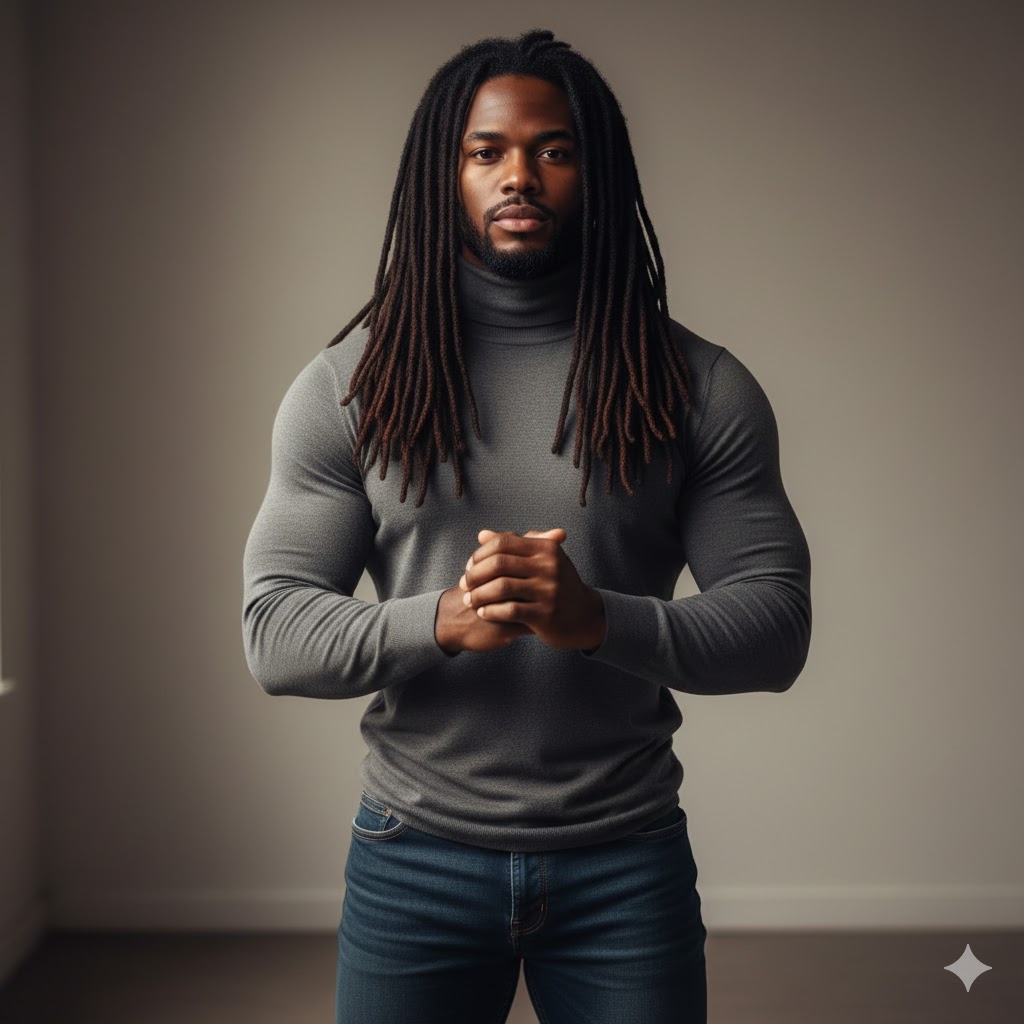
Masculinity is often intertwined with perceptions of physicality. Height, facial structure, muscle tone, and grooming can influence how men are judged socially, romantically, and professionally. Society frequently equates certain physical traits with strength, confidence, or success, creating pressure to conform to idealized standards.

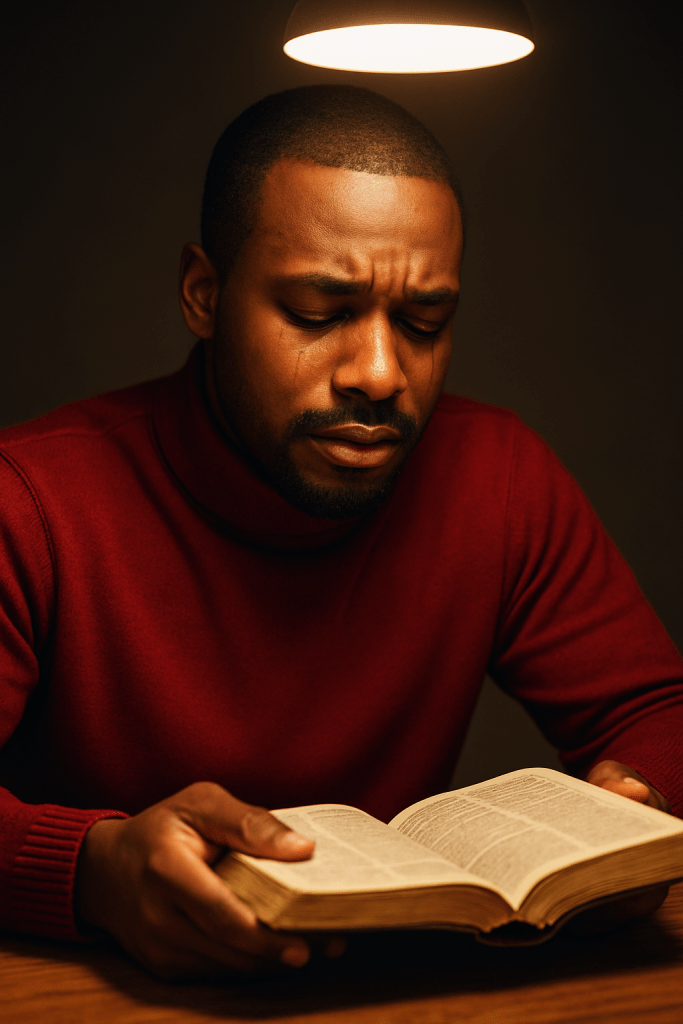
However, the face value fallacy distorts understanding. While appearance may open doors or attract initial attention, it is not indicative of integrity, wisdom, or moral character. A man’s physical appeal does not guarantee faithfulness, responsibility, or emotional intelligence. Proverbs 31:30 reminds us, “Favor is deceitful, and beauty is vain: but a woman that feareth the Lord, she shall be praised.” This principle applies universally—outer attractiveness is transient and not a reliable measure of value.

For Black men, navigating societal standards of masculinity is compounded by cultural pressures and racialized stereotypes. Media, historical prejudice, and community expectations shape perceptions of what it means to be attractive, successful, or powerful. The pressure to embody both physical and social ideals can create internal conflict and influence behavior.

Romantic relationships are particularly impacted by the face value fallacy. Men may prioritize appearance when evaluating potential partners, while women may do the same when assessing men. Overemphasis on looks can obscure important qualities such as faithfulness, kindness, intelligence, and spiritual alignment.

Masculinity is more than appearance; it encompasses responsibility, integrity, and the ability to lead and protect. A godly man demonstrates strength through character, service, and faithfulness, not merely through aesthetics. Ephesians 5:25–28 emphasizes love expressed through action, highlighting the importance of inner virtue over superficial appeal.

The fallacy also affects self-perception. Men may equate their worth with how attractive they are or how favorably they are perceived by women or society. This can foster insecurity, anxiety, or unhealthy competition. True confidence is rooted in competence, character, and alignment with God’s purpose.

Social media amplifies the face value fallacy. Filters, curated images, and public comparison encourage judgment based on looks rather than substance. For men, this environment can distort priorities, fostering preoccupation with external validation instead of spiritual or personal growth.

The face value fallacy impacts decision-making in dating, career, and social interactions. Men who overemphasize appearance may overlook red flags, ignore character flaws, or invest in relationships that lack alignment with God’s principles. Discernment requires looking beyond the surface to evaluate behavior, integrity, and values.

Cultural influences play a role in shaping what is considered masculine and attractive. Historically, certain facial features, skin tone, or body types have been idealized, particularly within Western media. These standards often exclude diverse expressions of masculinity and contribute to pressure to conform.

Men may also experience fetishization, particularly in cross-cultural or interracial contexts. Certain physical traits—muscle, height, facial symmetry—can be objectified, reducing a man to aesthetic qualities rather than recognizing holistic character. This parallels how women are often evaluated primarily on appearance.

Faith provides a corrective lens. A man who prioritizes God’s guidance, integrity, and service embodies true masculinity. Appearance becomes secondary to spiritual alignment, moral responsibility, and relational fidelity. Psalm 37:23–24 underscores that the Lord directs the steps of the righteous, emphasizing guidance over outward perception.

Men who understand the face value fallacy cultivate authenticity. They invest in self-discipline, emotional intelligence, and godly character, ensuring that relationships and social interactions are grounded in substance rather than superficial attraction.

The fallacy also informs mentorship and leadership. Men who rise to positions of influence based solely on appearance or charm risk instability, ethical compromise, or relational discord. True leadership requires wisdom, empathy, and integrity, not merely aesthetic appeal.

Masculinity expressed through service rather than show fosters respect. Protecting, providing, and encouraging others reflects strength rooted in action rather than image. Proverbs 20:7 illustrates this principle: “The just man walketh in his integrity: his children are blessed after him.”

Romantic attraction must balance beauty with virtue. Physical appeal can initiate interest, but faithfulness, encouragement, and spiritual alignment sustain a lasting partnership. Women seeking godly men should look beyond appearance to assess character, values, and consistency.

Education, reflection, and accountability help men navigate pressures of appearance. Mentorship, community guidance, and scripture study reinforce the understanding that true masculinity is holistic, integrating physical, emotional, and spiritual dimensions.

Ultimately, the face value fallacy serves as a cautionary tale: appearances are temporary and often misleading. For men, prioritizing inner character, integrity, and godly principles creates enduring influence, meaningful relationships, and spiritual fulfillment.

Understanding this fallacy also benefits women. Recognizing that physical appearance does not guarantee fidelity, leadership, or moral alignment allows women to make informed choices in partners, fostering healthier relationships and spiritual growth.

Beauty, whether male or female, is a gift, but it should never define worth. Masculinity grounded in integrity, wisdom, and service endures beyond fleeting aesthetic standards. Godly men and women alike are called to evaluate relationships and social interactions through the lens of scripture, ensuring alignment with divine purpose rather than superficial perception.

References

The Holy Bible, King James Version.

Ephesians 5:25–28
Proverbs 31:30
Psalm 37:23–24
Twenge, J. M., & Campbell, W. K. (2009). The Narcissism Epidemic: Living in the Age of Entitlement. Free Press.

Hunter, M. (2007). The persistent problem of colorism: Skin tone, status, and inequality. Sociology Compass, 1(1), 237–254.

Anderson, E. (2012). The Social Dynamics of Black Male Attraction. Oxford University Press.

Psychology Today. (2016). Why physical attractiveness influences behavior.

Lost Sons, Loud Voices: Masculinity Without Covenant in the Digital Age

Lost sons grow up in a world more connected than ever, yet relationally barren. Platforms provide community templates, while life often fails to provide community itself. Scripture speaks to men without a rooted vision: “My people are destroyed for lack of knowledge” (Hos. 4:6, KJV).

The digital age did not create male disorientation, but it amplified it. Grievance found microphones, immaturity found markets, and wound-identity found a home page. “The simple believeth every word” (Prov. 14:15, KJV), and the internet has mastered the discipling of simplicity.

Masculinity without covenant becomes performance without purpose. It boasts of control but lacks calling, command but not mission, influence but not inheritance. “A bastard shall dwell in Ashdod” (Zech. 9:6, KJV), a prophetic metaphor echoed by many scholars referencing fatherless identities displaced from spiritual lineage.

Many lost boys are algorithm-raised, not father-raised. Their rites of passage are viral, not sacred, horizontal, not prophetic; social, not spiritual. God offers the contrast: “I will be a father unto you” (2 Cor. 6:18, KJV).

Digital male movements frequently frame women as rivals, not recipients, obstacles, not co-heirs. Yet scripture orders unity, not hierarchy: “That they all may be one” (John 17:21, KJV).

Covenantal masculinity defined strength through obedience. But modern masculinity defines strength through ego-visibility. God rebukes this posture: “Pride goeth before destruction” (Prov. 16:18, KJV).

The loud male voices online echo confidence without conviction. Their identities are outspoken but not examined. But scripture demands the introspection they avoid: “Examine yourselves, whether ye be in the faith” (2 Cor. 13:5, KJV).

Many boys build masculinity on grievance because grievance feels powerful. Pain becomes political, loneliness becomes polemical, rejection becomes rhetoric. Yet scripture prescribes healing, not amplification: “He healeth the broken in heart, and bindeth up their wounds” (Psa. 147:3, KJV).

Love is dandified as weakness in digital male spaces. Yet biblical masculinity is not fragile toward softness, it fathers through it. “Fathers, provoke not your children to wrath: but bring them up” (Eph. 6:4, KJV).

The manosphere provides discipleship without doctrine, obedience without God, brotherhood without rebuke, and masculinity without cross. But scripture anchors manhood in Christ’s model: “Not as lords over God’s heritage” (1 Pet. 5:3, KJV).

Masculinity without covenant elevates voice and buries responsibility. But scripture centers provision as evidence of faith: “If any provide not for his own… he hath denied the faith” (1 Tim. 5:8, KJV).

Without a covenant, men build kingdoms that collapse under ego rather than a covenant that endures under God. Scripture calls for divine architecture over human ambition: “Except the Lord build the house, they labour in vain that build it” (Psa. 127:1, KJV).

Many men seek validation from followers rather than formation from fathers. They desire influence without instruction. But scripture re-anchors formation: “As iron sharpeneth iron, so a man sharpeneth the countenance of his friend” (Prov. 27:17, KJV).

Yet without older iron, younger iron dulls itself. Peer-sharpening-peer without covenant leads to abrasion, not formation. “They have rejected knowledge, I also will reject thee” (Hos. 4:6, KJV). The rejection is of direction, not of men, but the consequence still settles in identity.

Digital male communities promise masculine resurgence through dominance psychology, economic status, or adversarial identity politics. But scripture places rulership inward first: “He that ruleth his spirit is better than he that taketh a city” (Prov. 16:32, KJV).

The lost sons of the digital age create identity nationalism without covenantal citizenship. Their belonging is ideological, not covenantal, vocal, not obedient, outspoken, not submitted. But the biblical masculine model is radical submission to God. “Submit yourselves therefore unto God” (James 4:7, KJV).

The emotional dilemma of lost sons becomes spiritual dilemma when unresolved boys adopt identities that rival holiness itself. Pain becomes worldview before scripture becomes worldview.

Masculinity that grows without covenant eventually fathers loud movements but not healthy lineage. Its fruit is rhetoric, not restoration. But scripture promises regeneration: “A tree is known by his fruit” (Matt. 12:33, KJV). The internet bears fruit, but not every orchard is holy.

Many boys desire brotherhood but find battalion. They desire identity but find ideology. They desire purpose but find a platform. God offers the inversion: covenant before crowd, spirit before stage, rebuke before rebuild, fathering before fame.

Masculinity without covenant becomes an echo, not a root. It reverberates but does not anchor. Yet God anchors manhood firmly in divine identity formation. “The Lord hath made all things for himself” (Prov. 16:4, KJV).

The greatest dilemma is that men want transformation into unbreakable instead of transformation into new. But scripture centers re-creation, not hardness: “If any man be in Christ, he is a new creature” (2 Cor. 5:17, KJV).

Real manhood is not the absence of wound but the presence of covenant. Healing does not erase masculinity; it legitimizes it through spiritual lineage rather than digital doctrine.

The digital age gives men unlimited microphones, but the covenant gives men unlimited inheritance. True restoration is not a rise in voice but a rise in obedience, nurture, alignment, covenant, and soul shepherding through scripture.


References

American Psychological Association. (2017). Guidelines for Psychological Practice With Boys and Men. APA.

Baumeister, R. F. (1991). Meanings of Life. Guilford Press.

Berger, J. M. (2018). Extremism and grievance communities online: Group identity and psychological belonging. International Centre for Counter-Terrorism, 9(2), 1–25.

Ging, D. (2019). Online masculine communities and the discipling of male grievance ideology. Social Media + Society, 5(2), 1–14.

hooks, b. (2004). The Will to Change: Men, Masculinity, and Love. Washington Square Press.

Kimmel, M. (2013). Angry White Men: American Masculinity at the End of an Era. Nation Books.

Ribeiro, M., Ottoni, R., West, R., Almeida, V., & Meira Jr., W. (2020). The evolution of the manosphere across digital platforms. Proceedings of the International AAAI Conference on Web and Social Media, 14, 196–207.

Van Valkenburgh, S. P. (2021). Neoliberal masculinity and anti-feminist identity movements in the digital era. Men and Masculinities, 24(1), 84–103.

The Holy Bible, King James Version. (1611). Cambridge University Press.

The Male Files: A Study of Black Masculinity.

Black masculinity has long existed at the intersection of history, theology, psychology, and sociopolitical reality. From a biblical standpoint, masculinity is not primarily defined by dominance, wealth, or physical strength, but by spiritual authority, moral responsibility, and covenantal leadership. Scripture presents man as created in the image of God (imago Dei), entrusted with stewardship, protection, and purpose (Genesis 1:26–28). In this framework, masculinity is inherently relational—man is called to lead through service, to love through sacrifice, and to govern through righteousness (Ephesians 5:25; Micah 6:8).

The biblical archetype of manhood is embodied in figures such as Adam, Abraham, Moses, David, and ultimately Christ, whose life redefines power as humility and leadership as servanthood (Mark 10:42–45). Christological masculinity subverts worldly conceptions of patriarchy by centering emotional discipline, spiritual submission, and moral accountability. In this sense, true masculinity is not measured by domination over others but by mastery of self (Proverbs 16:32). For Black men, whose bodies and identities have historically been politicized and criminalized, the biblical model offers a counter-narrative rooted in dignity, divine purpose, and sacred identity.

From a worldly and sociological perspective, Black masculinity has been profoundly shaped by the historical forces of enslavement, colonialism, Jim Crow, mass incarceration, and media stereotyping. Scholars such as W.E.B. Du Bois (1903) and Frantz Fanon (1952) argue that Black male identity in Western societies has been constructed through a lens of hypervisibility and dehumanization, where the Black male body becomes both feared and fetishized. This has produced what Du Bois famously termed “double consciousness”—the psychological conflict of seeing oneself through the eyes of a society that simultaneously denies one’s humanity.

Contemporary studies further reveal that dominant models of masculinity in Western culture—often termed hegemonic masculinity—emphasize emotional suppression, sexual conquest, economic dominance, and physical aggression (Connell, 2005). For many Black men, these norms intersect with systemic barriers such as racial profiling, educational inequality, labor market discrimination, and disproportionate policing. As a result, masculinity becomes a site of psychological tension, where survival often demands performative toughness rather than emotional vulnerability or spiritual development (hooks, 2004).

Media representations exacerbate this crisis by narrowing Black masculinity into a limited set of archetypes: the athlete, the entertainer, the criminal, or the hypersexual figure. These images, while profitable within capitalist frameworks, distort the multidimensional realities of Black male identity and constrain the imagination of what Black men can be and become (Gray, 1995). This cultural scripting has tangible consequences, influencing self-perception, interpersonal relationships, and even mental health outcomes among Black men (APA, 2018).

The tension between the biblical and worldly constructions of masculinity reveals a fundamental philosophical divide. While the world defines masculinity through power, performance, and possession, the biblical worldview defines it through purpose, character, and spiritual alignment. The Black man, situated within both paradigms, often navigates a fractured identity—caught between social expectations and divine calling. Yet within this tension lies the potential for transformation. As theology and critical race scholarship converge, a liberatory vision of Black masculinity emerges—one that is intellectually grounded, spiritually anchored, emotionally whole, and historically conscious.

Ultimately, The Male Files argues that the restoration of Black masculinity requires both spiritual reorientation and structural reform. Biblically, this entails returning to a model of manhood rooted in covenant, accountability, and moral leadership. Sociologically, it requires dismantling the systems that continue to pathologize Black male existence. Black masculinity, when reclaimed through both sacred and scholarly lenses, becomes not a crisis to be managed, but a legacy to be redeemed—an identity not defined by trauma, but by transcendence.


References

American Psychological Association. (2018). Guidelines for psychological practice with boys and men. APA.

Connell, R. W. (2005). Masculinities (2nd ed.). University of California Press.

Du Bois, W. E. B. (1903). The souls of Black folk. A.C. McClurg & Co.

Fanon, F. (1952). Black skin, white masks. Grove Press.

Gray, H. (1995). Watching race: Television and the struggle for Blackness. University of Minnesota Press.

hooks, b. (2004). We real cool: Black men and masculinity. Routledge.

The Holy Bible, King James Version. (1611/2017). Cambridge University Press.

A Study of Modern Masculinity and Digital Culture.

The study of modern masculinity cannot be divorced from the influence of digital culture. Over the past two decades, technology has transformed how men understand themselves, perform gender, and engage with the world. Online platforms, social media, and digital communities create both opportunities for expression and constraints that reinforce traditional and often harmful norms.

Masculinity is socially constructed and historically contingent, varying across culture, time, and context (Connell, 2005). Digital culture adds a new layer of construction, providing spaces where men are simultaneously visible, surveilled, and judged, amplifying the pressure to conform to normative ideals.

Social media platforms, from Instagram to TikTok, act as performative arenas where masculinity is codified. Men curate images of strength, attractiveness, and dominance, seeking social validation through likes, shares, and comments. This performativity fosters a feedback loop in which men internalize algorithmically reinforced norms.

Hypermasculinity is particularly prevalent online. Research demonstrates that digital spaces often valorize aggression, sexual conquest, and emotional stoicism while discouraging vulnerability, empathy, or relational depth (Kimmel, 2013). Such reinforcement intensifies traditional masculine pressures.

Gaming communities provide another site for digital masculine performance. Masculine identities in these spaces are frequently coded around competitiveness, skill, and dominance, while gendered harassment reinforces exclusionary norms. Virtual interaction thus mirrors and magnifies offline hierarchies.

The “manosphere,” a set of online forums focused on male self-identity and grievances, reflects digital masculinity’s contested terrain. While offering community, these spaces often promote anti-feminist ideologies, entitlement, and toxic forms of masculinity, demonstrating the potential for digital culture to exacerbate social problems (Marwick, 2017).

Digital culture also affects emotional expression. While men historically faced pressures to suppress vulnerability, online anonymity provides a paradoxical space where some men articulate feelings, seek support, or challenge gender norms. Yet, such expression is often constrained by peer enforcement of traditional ideals.

Media representation plays a mediating role in digital culture. Men consume content that idealizes certain body types, lifestyles, and behaviors, reinforcing beauty standards and socio-economic aspirational norms. These representations shape identity, self-esteem, and relational expectations.

The commodification of masculinity online is significant. Fitness influencers, lifestyle coaches, and digital celebrities monetize performance of gender norms, creating aspirational models that conflate consumption with manhood. The algorithm rewards performative adherence to dominant ideals rather than authenticity.

Algorithmic bias further shapes masculinity in digital spaces. Studies show that AI-driven recommendation systems often reinforce stereotypical portrayals of men, privileging content aligned with traditional or hegemonic masculinity while marginalizing alternative expressions (Buolamwini & Gebru, 2018).

Digital culture impacts romantic and sexual norms as well. Dating apps commodify masculinity, with men judged according to attractiveness, status, and perceived virility. These platforms both reflect and enforce societal hierarchies of desirability, linking self-worth to algorithmic validation.

Masculinity in digital subcultures demonstrates the tension between community and control. Online groups can provide support and mentorship, yet peer policing often enforces narrow definitions of what constitutes “real manhood,” limiting experimentation or deviation from norms.

Mental health consequences are profound. The pressure to perform masculinity online contributes to stress, anxiety, and depression. Men often feel compelled to project confidence and emotional control, masking internal struggles and reducing the likelihood of seeking support (Levant & Pollack, 1995).

Education and digital literacy offer pathways for intervention. Teaching men to critically engage with online content, recognize algorithmic bias, and understand performative pressures can mitigate harmful impacts while promoting healthier identity formation.

Digital culture also enables activism and resistance. Men can use online platforms to challenge toxic norms, share alternative models of masculinity, and engage in dialogues about vulnerability, caregiving, and social responsibility, demonstrating digital culture’s potential for positive identity work.

The relationship between masculinity and technology is reciprocal. Not only does digital culture shape masculine norms, but men also shape platforms through content creation, engagement, and community-building. Understanding this interaction requires attention to social, economic, and technological structures.

Policy implications are evident. Platform design, algorithmic transparency, and content moderation influence the representation and performance of masculinity. Stakeholders must recognize that digital infrastructures are not neutral but participate in shaping gender norms.

Future research should integrate interdisciplinary perspectives, including sociology, media studies, psychology, and gender studies, to capture the complexity of masculinity in digital culture. Longitudinal studies can illuminate how online engagement influences identity development over time.

Ultimately, modern masculinity is neither fixed nor singular. Digital culture amplifies pressures, presents opportunities for self-definition, and mediates both risk and empowerment. Scholars, policymakers, and community leaders must engage with these dynamics to foster healthier, more inclusive models of manhood.

References

Buolamwini, J., & Gebru, T. (2018). Gender shades: Intersectional accuracy disparities in commercial gender classification. Proceedings of Machine Learning Research, 81, 1–15.

Connell, R. W. (2005). Masculinities (2nd ed.). University of California Press.

Kimmel, M. (2013). Angry white men: American masculinity at the end of an era. Nation Books.

Levant, R. F., & Pollack, W. S. (1995). A new psychology of men. Basic Books.

Marwick, A. (2017). Status update: Celebrity, publicity, and branding in the social media age. Yale University Press.

Noble, S. U. (2018). Algorithms of oppression: How search engines reinforce racism. NYU Press.

Courtenay, W. H. (2000). Constructions of masculinity and their influence on men’s well-being: A theory of gender and health. Social Science & Medicine, 50(10), 1385–1401.

The Brown Boy Dilemma: Healing the Wounds of Colorism and Masculine Invisibility.

Photo by Gallus Valdes on Pexels.com

The struggle of the brown boy is one of silent endurance—an existence shaped by both hypervisibility and erasure. While society often sees him as a symbol of strength, rebellion, or danger, it rarely sees his tenderness, intellect, or emotional depth. His dilemma is not only that he is misunderstood but that he is unseen for who he truly is. The brown boy bears the wounds of colorism and the scars of masculine invisibility, navigating a world that both fears and fetishizes his image while neglecting his humanity.

Colorism has long been a hidden but potent force dividing communities of color. Within the Black diaspora, skin tone has operated as an unspoken hierarchy, privileging lightness and marginalizing deeper hues. This hierarchy, born from colonialism and slavery, continues to affect the lives of brown-skinned boys from childhood. Research shows that darker-skinned children often receive harsher discipline, fewer compliments, and less affirmation than their lighter peers (Ferguson, 2001). These early experiences fracture their self-image, making them question their worth before they can even articulate why.

As the brown boy matures, he learns that his complexion carries social meaning. His skin becomes a canvas upon which others project stereotypes—aggression, defiance, or hypermasculinity. The media reinforces these perceptions, portraying darker-skinned men as criminals or athletes rather than scholars, fathers, or dreamers (Russell, Wilson, & Hall, 1992). Such one-dimensional depictions condition society to fear his presence and dismiss his pain. His masculinity becomes weaponized, while his vulnerability remains unseen.

The concept of masculine invisibility arises when men of color are denied full emotional range. They are told that real men do not cry, feel fear, or express tenderness. For the brown boy, this message becomes even more constraining, as his worth is already questioned through the lens of color. bell hooks (2004) observed that patriarchal society teaches men to equate love with weakness, creating emotional suppression that eventually becomes self-destruction. The brown boy internalizes this falsehood, learning to survive through silence.

Healing begins with truth-telling. To acknowledge colorism’s impact is not to divide but to confront an inherited wound. Colorism is a symptom of white supremacy—a system that devalued melanin to uphold racial hierarchies. Within this system, the brown boy’s very skin becomes a battleground for acceptance. True healing requires him to reject this imposed narrative and reclaim the sacredness of his color as a divine inheritance rather than a social curse. His melanin is not a mark of inferiority but a testament to endurance.

Spiritually, the brown boy’s healing journey mirrors the biblical concept of restoration. Psalm 147:3 (KJV) declares, “He healeth the broken in heart, and bindeth up their wounds.” This verse reflects not only physical healing but also emotional redemption. The brown boy’s restoration begins when he understands that God sees beyond his scars, affirming his worth in a world that questions it. The Lord’s gaze is not tainted by colonial conditioning but filled with divine truth: he is fearfully and wonderfully made (Psalm 139:14).

To be invisible is a form of psychological violence. When society refuses to acknowledge a person’s full humanity, it erases part of their soul. For brown boys, invisibility occurs in classrooms, workplaces, and even families. They are often told to be “strong” while no one asks how they feel. Over time, emotional numbness becomes a coping mechanism. Yet, as Frantz Fanon (1952) argued in Black Skin, White Masks, this suppression creates a fractured identity—a man performing the expectations of others while disconnected from his authentic self.

Healing these wounds requires community validation. Representation matters not just in media but within households, churches, and educational spaces. When brown boys see mentors, fathers, and leaders who reflect their shade, it restores a sense of belonging. Positive role models dismantle the falsehood that darkness equals deficiency. It is through mentorship and cultural affirmation that emotional visibility is restored.

The brown boy must also be allowed to redefine masculinity on his own terms. True manhood is not dominance or aggression but accountability, compassion, and faith. Christ himself modeled this form of masculinity—strong yet gentle, powerful yet humble. In John 11:35, Jesus wept, revealing that divine strength does not fear vulnerability. The brown boy who learns to cry, to feel, and to love freely reclaims the humanity denied to him by both racism and patriarchy.

Education plays a vital role in this transformation. Schools must implement curricula that challenge color bias and affirm diverse beauty standards. Lessons in history, art, and psychology should explore the origins of colorism and its ongoing effects. Such awareness nurtures empathy among students of all backgrounds and helps brown boys develop pride in their identity rather than shame. Knowledge becomes a form of healing.

Media, too, holds responsibility in reshaping narratives. When film and television portray brown men as complex, loving, and multifaceted individuals, they combat centuries of distortion. Actors like Mahershala Ali, Idris Elba, and John David Washington embody this shift—showing that darkness is not something to escape but something to embrace with dignity. Each portrayal becomes a mirror of possibility for boys who rarely see themselves celebrated.

Economically, colorism’s impact persists in hiring and wage disparities. Research reveals that darker-skinned men earn less than their lighter counterparts, even within the same racial group (Hersch, 2006). This inequity fosters frustration and disillusionment, reinforcing feelings of invisibility. Healing in this context means advocating for fairness and equity—structural transformation that mirrors the spiritual work of self-acceptance.

Social healing also requires confronting intra-community prejudice. Families and faith institutions must challenge color-based favoritism that privileges lightness. Whether through jokes, preferences, or compliments, these subtle behaviors perpetuate generational trauma. Restoring unity within the Black community begins with dismantling these internalized hierarchies. The brown boy’s pain cannot be healed in silence—it must be met with empathy and repentance.

The psychological dimension of this healing process involves self-acceptance and vulnerability. Therapy and faith-based counseling can help brown men unpack internalized colorism, shame, and masculine rigidity. Mental health care should affirm cultural identity rather than pathologize it. Healing, in this sense, is both an act of resistance and self-preservation.

Theologically, God’s justice offers the ultimate affirmation. Isaiah 61:3 speaks of giving “beauty for ashes,” a poetic reminder that what the world rejects, God restores. The brown boy’s story is one of resurrection—rising from invisibility into divine visibility. His existence challenges the false standards of beauty and worth that once enslaved his ancestors. In him, the image of God shines forth, dark and radiant.

In reclaiming his identity, the brown boy also liberates others. His healing invites the world to see the divine in melanin, the beauty in resilience, and the truth in vulnerability. He becomes a living sermon of redemption, proving that manhood is not measured by the gaze of others but by the integrity of one’s soul.

The journey toward healing is long but sacred. Each step—self-reflection, forgiveness, community, and faith—draws the brown boy closer to wholeness. His wounds become wisdom, his scars become testimony. As he learns to love himself, he dismantles centuries of lies that equated his skin with sin.

In conclusion, The Brown Boy Dilemma is more than a social critique—it is a spiritual awakening. Healing from colorism and masculine invisibility requires courage, truth, and divine grace. When the brown boy embraces his reflection as holy, he transcends every label imposed upon him. His story becomes a light for all who have been unseen, declaring that in God’s eyes, every shade is sacred and every soul is worthy.


References

Fanon, F. (1952). Black Skin, White Masks. Grove Press.
Ferguson, A. A. (2001). Bad Boys: Public Schools in the Making of Black Masculinity. University of Michigan Press.
Hall, R. E. (1992). Bias among African Americans regarding skin color: Implications for social work practice. Research on Social Work Practice, 2(4), 479–486.
Hersch, J. (2006). Skin tone effects among African Americans: Perceptions and reality. American Economic Review, 96(2), 251–255.
hooks, b. (2004). The Will to Change: Men, Masculinity, and Love. Atria Books.
Hunter, M. (2007). The persistent problem of colorism: Skin tone, status, and inequality. Sociology Compass, 1(1), 237–254.
Russell, K., Wilson, M., & Hall, R. (1992). The Color Complex: The Politics of Skin Color among African Americans. Harcourt Brace Jovanovich.

Echoes of Masculinity: The Psychology and Politics of the Manosphere

The evolving digital landscape has given rise to new subcultures that shape how men understand themselves, their identities, and their place in the world. Among these digital communities, the “manosphere” emerges as one of the most influential—yet controversial—phenomena of the 21st century. It is a constellation of blogs, forums, influencers, and ideological hubs that discuss men’s issues, masculinity, dating, politics, and gender relations. Its echo chambers reveal both the anxieties and aspirations of modern men navigating cultural change.

Psychologically, the manosphere reflects a crisis of identity. Men facing economic uncertainty, shifting gender roles, and declining social structures often seek online spaces where their frustrations are validated. Researchers note that these communities appeal to men who feel culturally displaced or socially invisible (Ging, 2019). Many participants express feelings of betrayal, loneliness, or rejection—emotional wounds that make them susceptible to simplistic or extremist solutions.

The manosphere encompasses diverse factions, from moderate men’s rights advocates to more extreme corners like incels, pick-up artists (PUAs), and hyper-traditional patriarchal groups. Each subculture draws from different grievances, yet all share an intense focus on gender power dynamics. The movement’s psychological pull lies in its promise of clarity: clear rules for masculinity, clear villains for male suffering, and clear communities for belonging.

Politically, the manosphere has evolved into a potent force. Its narratives intersect with broader ideological concerns, including nationalism, anti-feminism, and traditionalism. Papadamou et al. (2020) show that these communities can act as radicalization pipelines, funneling disaffected men toward far-right beliefs. This shift reflects how gender identity becomes not only personal but also political—shaping voting behaviors, policy views, and cultural attitudes.

One of the central themes within the manosphere is the concept of male hierarchy. Alpha, beta, and sigma labels create a simplistic taxonomy that reduces masculinity to dominance or detachment. This worldview rejects vulnerability and compassion, reinforcing rigid notions of what a “real man” should be. Psychologists argue that such ideas deepen male distress by discouraging emotional expression and relational connection (Connell & Messerschmidt, 2005).

Platforms within the manosphere also promote transactional understandings of relationships. PUAs and red-pill ideologues often treat intimacy as a competitive marketplace. Women become opponents rather than partners; dating becomes strategy rather than connection. This mindset distorts emotional development and creates cycles of resentment, especially for young men struggling socially or romantically.

Yet it would be inaccurate to assume the manosphere is exclusively harmful. Some spaces focus on mental health, fatherhood, fitness, financial stability, and personal accountability. These communities emphasize resilience, discipline, and healing—traits essential for masculine well-being. However, even positive messages can be overshadowed by adjacent radical voices, making healthy navigation difficult for vulnerable men.

Relationally, the manosphere amplifies gender polarization. Feminists become enemies, women become predators or obstacles, and the idea of partnership becomes suspect. Scholars like Banet-Weiser (2018) emphasize that this adversarial framing fuels broader cultural conflict, turning personal pain into ideological warfare. What begins as emotional grievance often hardens into political identity.

Spiritually and emotionally, the manosphere reveals profound longing—longing for purpose, stability, respect, and connection. Masculine identity today is fragmented: some men cling to traditional roles; others seek entirely new scripts. Without supportive community structures, men turn to online voices to interpret their struggles. The manosphere fills the vacuum left by mentorship, family breakdown, and societal confusion about manhood.

The political implications are significant. Manosphere narratives increasingly influence elections, public discourse, and lawmaking. The rhetoric around “male disenfranchisement” and “feminist overreach” shapes debates about reproductive rights, social services, education, and criminal justice. Politicians have learned to tap into male resentment as a mobilizing force—fusing gender grievance with populist messaging.

Psychologically, the manosphere also reveals the vulnerabilities in modern masculinity. Depression, suicidality, social isolation, and identity instability are recurring themes among participants. Studies show that men drawn to extremist corners often struggle with belonging, trauma, or developmental disruptions (Baele et al., 2019). The manosphere becomes both an outlet for pain and a source of deeper wounds.

The movement’s echo chambers magnify emotional experiences. Algorithms reward outrage, leading men deeper into ideological certainty and relational disconnection. The resulting worldview is often binary: men vs. women, winners vs. losers, dominant vs. submissive. This cognitive rigidity reduces the rich complexity of human experience to a battlefield of oppositions.

At its core, the manosphere is not simply about gender—it is about power. Power over self, power in relationships, and power within society. Its narratives reveal conflict between the desire for agency and the fear of irrelevance. For many men, the manosphere offers a sense of identity when other pathways—family, faith, community—have weakened or disappeared.

However, healthier models of masculinity do exist. Scholars and therapists increasingly promote relational masculinity, which emphasizes emotional intelligence, accountability, compassion, and mutual respect. This model rejects weakness and cruelty, not masculinity itself. It offers a path for men to grow without dehumanizing others.

The challenge moving forward is addressing the underlying wounds that drive men into harmful manosphere spaces. Solutions include mentorship, mental-health support, community engagement, and positive cultural representations of men. When men heal, their ideologies shift. When men feel valued, they no longer need to seek identity in extremity.

Ultimately, “Echoes of Masculinity” reveals that the manosphere is not merely an online trend—it is a psychological landscape and political engine shaped by fear, desire, trauma, and longing. Understanding it requires compassion as much as critique. The future of masculinity depends not on abandoning manhood but on redefining it with responsibility, truth, and emotional depth. When men are offered healthier scripts, the echo chambers lose their power.

References
Baele, S. J., Brace, L., & Coan, T. G. (2019). From “incels” to “saints”: Transitions in online extremist subcultures. Terrorism and Political Violence.
Banet-Weiser, S. (2018). Empowered: Popular Feminism and Popular Misogyny. Duke University Press.
Connell, R. W., & Messerschmidt, J. (2005). Hegemonic masculinity: Rethinking the concept. Gender & Society, 19(6), 829–859.
Ging, D. (2019). Alphas, betas, and incels: The manosphere landscape. Men and Masculinities, 22(4), 638–657.
Papadamou, K., et al. (2020). A large-scale analysis of extremist platforms and radicalization pathways. Proceedings of the International AAAI Conference on Web and Social Media.

The Wounded Man: Online Masculinity Movements and the Quest for Purpose

The wounded man does not announce himself bleeding—he appears stoic, articulate, and armored in ideology. The suffering of modern men is frequently misread as rebellion when it is really a crisis of belonging, affirmation, and paternal absence. The Bible foreshadowed the cost of shepherdless manhood: “Smite the shepherd, and the sheep shall be scattered” (Zech. 13:7, KJV).

In every generation, men look for language to describe their pain. Today, that language is often supplied by online masculinity movements—digital nations without elders, mentors, or covenantal accountability. Scripture warns when men lead themselves without God: “Every way of a man is right in his own eyes: but the Lord pondereth the hearts” (Prov. 21:2, KJV).

The wounded man is born first from inner rupture. He is shaped by rejection before religion, culture, or politics ever reach him. “The spirit of a man will sustain his infirmity; but a wounded spirit who can bear?” (Prov. 18:14, KJV). This verse reads like a diagnosis of modern male psychology.

Today’s movements promise a reinstallation of masculine strength, yet many boys never received an original spiritual installation at all. The internet becomes a father figure when fathers become absentee statistics. God speaks against leaders who scatter rather than strengthen: “Woe unto the shepherds that do feed themselves!” (Ezek. 34:2, KJV).

Loneliness fuels digital membership. Men find in online spaces the fraternity that reality failed to provide. But scripture explains purpose is not found in numbers of followers, but divine ordering: “The steps of a good man are ordered by the Lord” (Psa. 37:23, KJV).

Many wounded males adopt hyper-dominance rhetoric because pain distrusts softness. Tenderness is interpreted as loss of authority rather than evidence of healing. Yet scripture teaches God draws nearest to brokenness, not bravado: “The Lord is nigh unto them that are of a broken heart” (Psa. 34:18, KJV).

Online masculine rhetoric often hardens men outward instead of transforming them inward. Hardened men build platforms; healed men build families. The Bible defines masculine power through self-rule, not gender rule: “He that ruleth his spirit is better than he that taketh a city” (Prov. 16:32, KJV).

The wounded man is often angry at the wrong villain. He blames women for wounds fathers created, or culture for wounds neglect cultivated. Scripture redirects accountability: “Let each man prove his own work… for every man shall bear his own burden” (Gal. 6:4-5, KJV).

The crisis of purpose is a crisis of vision. Online movements rise when boys become men without prophetic direction. Scripture declares this clearly: “Where there is no vision, the people perish” (Prov. 29:18, KJV).

Many think masculinity was lost because feminism rose. But masculinity fractured because fatherhood fell, community eroded, and spiritual responsibility was abandoned. God instructs men to provide, not posture: “But if any provide not for his own house, he hath denied the faith” (1 Tim. 5:8, KJV).

The wounded man seeks purpose in self-help rhetoric rather than divine help rhetoric. He scrolls mentorship instead of submitting to it. Scripture indicts self-direction without God: “There is a way that seemeth right unto a man, but the end thereof are the ways of death” (Prov. 14:12, KJV).

Many of these communities use scripture selectively to validate hierarchy while ignoring holiness. But scripture calls masculinity to love, sacrifice, protection, and spiritual guidance. “Husbands, love your wives, even as Christ also loved the church, and gave himself for it” (Eph. 5:25, KJV).

The ideology of conquest appeals to men because trauma creates appetite for control. But purpose is not dominion—purpose is obedience. “To obey is better than sacrifice” (1 Sam. 15:22, KJV). That is the verse the manosphere rarely remembers.

The wounded man fears irrelevance more than he fears sin. He fears being average more than he fears disobedience. Yet scripture states, “For all have sinned, and come short of the glory of God” (Rom. 3:23, KJV). God equalizes sin so holiness can individualize purpose.

Many wounded men convert disappointment into doctrine. Their movements disciple pain instead of discipling repentance. Scripture warns about building identity on emotional deception: “The heart is deceitful above all things, and desperately wicked” (Jer. 17:9, KJV).

Viral masculinity movements disciples outrage faster than pastors disciple healing. The wounded boy is celebrated when he becomes rebellious but ignored when he becomes righteous. Yet God rewards spiritual endurance, not perpetual grievance. “If ye endure chastening, God dealeth with you as sons” (Heb. 12:7, KJV).

True sonship requires correction. The manosphere creates brotherhood without rebuke; God creates manhood through rebuke. “Whom the Lord loveth he correcteth” (Prov. 3:12, KJV).

The wounded man does not lack strength—he lacks aim. Misguided power builds loud followings, but misdirected strength builds relational casualties. God defines purpose Himself: “The Lord is my rock… the horn of my salvation” (Psa. 18:2, KJV).

Many boys were wounded into men who no longer trust love, community, or covenant. Disconnection becomes a masculinity badge rather than a trauma symptom. But scripture commands restoration of heart before restoration of manhood. “A new heart also will I give you, and a new spirit will I put within you” (Ezek. 36:26, KJV).

Purpose cannot be crowd-sourced; it must be God-breathed. Influence is temporary; calling is eternal. “For the gifts and calling of God are without repentance” (Rom. 11:29, KJV).

Masculine healing does not mean the absence of struggle—it means the absence of surrender to sin. Scripture assures dominion’s reversal: “Sin shall not have dominion over you” (Rom. 6:14, KJV).

The wounded man seeks societal recognition; the healed man seeks divine alignment. The greatest dilemma is that men are trying to become “unbreakable” while God calls them to become new. “If any man be in Christ, he is a new creature: old things are passed away” (2 Cor. 5:17, KJV).

The quest for purpose ends only when a man stops asking the internet to define him and allows scripture to realign him. Healing masculinity means rescuing boys before they become statistics—and restoring men before they become hardened headlines.


📚 References

American Psychological Association. (2017). Guidelines for Psychological Practice with Boys and Men. APA.

Baumeister, R. F. (1991). Meanings of Life. Guilford Press.

Berger, J. M. (2018). Extremism and grievance communities online: Social identity, group narratives, and radical belonging. International Centre for Counter-Terrorism, 9(2), 1–25.

Ging, D. (2019). Manosphere cultures, male trauma, and the rise of digital masculine identity movements. Social Media + Society, 5(2), 1–14.

hooks, b. (2004). The Will to Change: Men, Masculinity, and Love. Washington Square Press.

Kimmel, M. (2013). Angry White Men: American Masculinity at the End of an Era. Nation Books.

Ribeiro, M., Ottoni, R., West, R., Almeida, V., & Meira Jr., W. (2020). The evolution of grievance masculinity networks across the web. International AAAI Conference on Web and Social Media Proceedings, 14, 196–207.

Schnyder, U., & Cloitre, M. (2015). Evidence-Based Treatments for Trauma-Related Psychological Disorders in Adults. Springer.

Tatum, B. D. (1997). Why Are All the Black Kids Sitting Together in the Cafeteria? Basic Books.

Van Valkenburgh, S. P. (2021). Masculinity and neoliberalism in the manosphere. Men and Masculinities, 24(1), 84–103.

Wilson, J. (2024). The mainstreaming of misogynistic male-grievance ideology online. Feminist Media Studies, 24(2), 259–276.

The Holy Bible, King James Version. (1611). Cambridge University Press.

The Weight He Carries: Masculinity in a World That Misunderstands Men

The modern man stands at a complex crossroads, expected to embody strength while simultaneously navigating an evolving cultural landscape that often misunderstands masculinity. What he carries is not merely personal—it is historical, emotional, and deeply shaped by societal expectations.

From childhood, boys are conditioned to suppress emotion, equating vulnerability with weakness. This early conditioning becomes a lifelong burden, limiting their ability to express pain, fear, or tenderness (Pollack, 1998).

As men grow older, they face contradictory messages about what masculinity should look like: be strong, but not too strong; be sensitive, but not emotional; be a leader, but not dominant. These conflicting expectations create confusion and internal conflict.

The pressure to provide financially is one of the heaviest weights men carry. In a society where worth is often measured by income, many men struggle with feelings of inadequacy when economic pressures rise or jobs are unstable (Mahalik et al., 2003).

Masculinity is frequently misunderstood as aggression or emotional detachment. In reality, these traits are often learned defenses developed to cope with environments that punish softness and reward stoicism (Connell, 2005).

Men also face isolation. While women are culturally encouraged to form supportive friendships, men are pushed toward independence, resulting in fewer emotional outlets and greater loneliness (Way, 2011).

Romantic relationships reveal another layer of struggle. Men are expected to protect and lead, yet are criticized when their leadership is perceived as controlling or outdated. The lack of clarity creates anxiety and self-doubt.

The media contributes to misunderstandings by portraying men as either hyper-masculine warriors or incompetent buffoons. These stereotypes leave little room for complexity or emotional nuance (Katz, 2011).

When men attempt to express their emotional needs, they are often dismissed as dramatic, weak, or incapable. This invalidation discourages emotional honesty and reinforces silence.

Mental health becomes a silent battlefield. Many men suffer from depression, anxiety, and trauma but avoid seeking help due to cultural stigma around therapy and vulnerability (Addis & Mahalik, 2003).

Fatherhood adds both joy and responsibility. Many men desire to be nurturing, present fathers, yet societal narratives often reduce them to mere providers rather than emotional anchors.

Black, brown, and marginalized men face additional challenges. Their masculinity is often criminalized, feared, or politicized, intensifying the misunderstanding and limiting their freedom to express their full humanity (hooks, 2004).

Economic shifts that devalue traditionally male occupations—like manufacturing—leave many men without clear roles, further complicating identity and purpose (Kimmel, 2017).

Spiritually, many men grapple with questions of worth, purpose, and identity. Faith—when embraced—offers grounding, reminding them that masculinity is not defined by culture but by divine intention and character.

Men often internalize the pain of failure more deeply than they admit. Whether they fail in relationships, careers, or personal goals, the shame they feel is compounded by the belief that men are supposed to be strong at all times.

Relationships improve when men feel safe to reveal their authentic selves. When partners, families, and communities embrace male vulnerability, healing becomes possible.

Healthy masculinity is not the absence of strength but the integration of strength with empathy, leadership with humility, and confidence with compassion. It is a balanced expression rather than a rigid mold.

The weight men carry becomes lighter when they are given language for their emotional experiences. Education around masculinity and mental health empowers men to navigate pain rather than suppress it.

Ultimately, masculinity is not broken—society’s understanding of it is. When men are allowed to be whole, emotional, spiritual, and complex beings, they rise into healthier expressions of manhood.

The man who learns to carry his weight with honesty, faith, and self-awareness discovers that he is stronger than he realized—not because he hides pain, but because he transforms it into purpose.


References

  • Addis, M. E., & Mahalik, J. R. (2003). Men, masculinity, and the contexts of help seeking. American Psychologist, 58(1), 5–14.
  • Connell, R. W. (2005). Masculinities (2nd ed.). University of California Press.
  • hooks, bell. (2004). We real cool: Black men and masculinity. Routledge.
  • Katz, J. (2011). The Macho Paradox: Why some men hurt women and how all men can help. Sourcebooks.
  • Kimmel, M. (2017). Angry white men: American masculinity at the end of an era. Nation Books.
  • Mahalik, J. R., Good, G. E., & Englar-Carlson, M. (2003). Masculinity scripts and men’s health. American Journal of Men’s Health, 2(2), 82–92.
  • Pollack, W. (1998). Real boys: Rescuing our sons from the myths of boyhood. Henry Holt.
  • Way, N. (2011). Deep secrets: Boys’ friendships and the crisis of connection. Harvard University Press.

Inside the Manosphere: Masculinity, Trauma, and the Search for Identity

The term manosphere has become a cultural phenomenon—an online constellation of blogs, influencers, podcasts, and forums where men gather to discuss masculinity, identity, relationships, and power. Yet beneath the surface lies a complex psychological, sociological, and spiritual reality that shapes how modern men interpret themselves and the world. The manosphere is not just a digital community; it is a mirror reflecting the anxieties, wounds, and aspirations of men living in a rapidly changing society.

The rise of the manosphere must be understood within the context of shifting gender norms. As traditional roles blur, many men experience a destabilization of identity. For some, this space becomes a refuge—a place to voice concerns without judgment. For others, it becomes a breeding ground for bitterness, resentment, and hyper-individualism. The manosphere is therefore not monolithic; it is a spectrum ranging from healthy male self-improvement to toxic ideologies anchored in misogyny.

Central to the manosphere’s appeal is the hunger for meaning. Many men feel isolated in a world that rarely encourages emotional vulnerability. With rates of male depression, loneliness, and suicide rising, online male communities often claim to fill a void left by absent fathers, fragmented families, or a culture that repeatedly tells men to “man up” rather than to heal. In this sense, the manosphere often functions as an informal form of brotherhood.

However, the manosphere also includes extremist factions that weaponize men’s pain. These groups—such as incels, red pill purists, and certain hyper-nationalistic voices—convert insecurity into ideology. Their narratives often blame women, feminism, or multiculturalism for men’s frustrations, redirecting personal wounds toward collective resentment. These narratives thrive because they offer simple explanations for complex emotional realities.

The manosphere also capitalizes on the modern marketplace of attention. Influencers monetize male insecurity through coaching programs, dating strategies, and lifestyle brands. While some provide legitimate guidance on discipline, fitness, or financial literacy, others exploit men’s vulnerabilities by offering overly simplistic narratives about dominance, submission, and sexual entitlement.

Spiritually, the manosphere reflects a crisis of masculine purpose. Historically, men found identity through covenant relationships, community, and responsibility. Today’s manosphere often promotes a detached masculinity rooted in self-gratification rather than service. In contrast to biblical manhood—which emphasizes love, stewardship, and sacrificial leadership—the manosphere frequently exalts power over humility and conquest over character.

At the same time, not all digital male spaces are destructive. Some men’s groups foster healthy dialogue about accountability, emotional intelligence, mentorship, and healing generational trauma. These spaces acknowledge the reality of male pain without blaming entire genders. They encourage growth, integrity, and brotherhood rooted in compassion rather than competition.

The manosphere’s obsession with dating dynamics reveals deeper issues about relational insecurity. Many voices teach men to view women as adversaries, prizes, or objects to be manipulated. This dehumanizing approach reflects a broader cultural problem: a lack of emotional maturity. Healthy relationships require empathy, communication, and mutual respect—qualities often dismissed in more toxic corners of the manosphere.

The manosphere also intersects with race. Black men, for instance, navigate not only gender expectations but also historical trauma, systemic oppression, and racial stereotypes. As a result, the Black manosphere often includes discussions about legacy, survival, and spiritual identity that differ from mainstream narratives. Yet even within Black communities, the influence of misogynoir can distort relationships by aligning with harmful patriarchal patterns.

In many ways, the manosphere is a symptom of fractured families. Men who grow up without stable male role models often seek identity in digital substitutes. This creates a vacuum where influencers become father figures—guiding millions not through covenant, wisdom, or lived experience, but through charisma and algorithmic popularity.

Economically, many men feel powerless in a world where career stability and financial certainty are no longer guaranteed. The manosphere taps into this anxiety by promising shortcuts to wealth, success, and dominance. Yet these promises often oversimplify the realities of socioeconomic stress.

The manosphere also thrives because society rarely provides safe spaces for male vulnerability. When emotional expression is stigmatized, unresolved trauma festers. Digital communities then become an outlet for suppressed anger. The problem is not that men seek refuge online—it is that many find the wrong voices at the wrong time.

Intellectually, the manosphere promotes a pseudo-scientific worldview that blends evolutionary psychology with selective data. Arguments about “male hierarchy,” “female hypergamy,” or “alpha archetypes” often ignore the nuance and complexity of real human behavior. These narratives appeal because they make relational struggles feel predictable and controllable.

Politically, the manosphere intersects with anti-feminist movements, conservative nationalism, and reactionary ideologies. These movements often exploit men’s grievances to recruit supporters and reinforce polarized worldviews. As a result, the manosphere becomes not only a gendered space but a political tool.

Yet the manosphere’s existence also reveals society’s failure to support men holistically. Schools often lack male mentors. Churches struggle to engage young men effectively. The workforce increasingly rewards skills traditionally associated with collaboration rather than physical labor. Without guidance, many men turn to digital communities for identity formation.

The spiritual danger of the manosphere lies in its distortion of leadership. True leadership is rooted in accountability, humility, and service. Yet manosphere leaders often promote dominance without responsibility, authority without empathy, and influence without moral grounding. This produces men who are emotionally underdeveloped yet psychologically inflated.

Still, the manosphere reveals that men desire structure, meaning, and purpose. When guided by healthy principles, male communities can produce resilience, discipline, and brotherhood. The solution is not to eliminate male spaces but to reform them—to infuse them with wisdom, character, and compassion.

A redeemed version of the manosphere would prioritize healing trauma, improving emotional intelligence, strengthening families, and encouraging men to embrace both strength and tenderness. Rather than targeting women, it would call men to grow into the fullness of their divine and human potential.

Ultimately, the manosphere is a mirror of modern manhood—its wounds, its fears, its hopes, and its confusion. It reveals how desperately men need guidance, fathering, community, and a purpose higher than ego. What men choose to do with this space will determine whether the manosphere becomes a force for healing or a playground for dysfunction.


References

Bailey, J., & Noman, R. (2020). Digital masculinity and online identity formation. Journal of Cyber Psychology, 12(3), 145–162.

Connell, R. W. (2005). Masculinities (2nd ed.). University of California Press.

Ging, D. (2019). Alphas, betas, and incels: The manosphere as a transnational online masculinity ecosystem. Men and Masculinities, 22(4), 638–657.

Kimmel, M. (2017). Angry white men: American masculinity at the end of an era. Nation Books.

Marwick, A., & Lewis, R. (2020). Media manipulation and online radicalization within the manosphere. Internet Studies Review, 8(1), 55–78.

Wilson, S. (2021). Broken boys to hardened men: Male vulnerability in digital subcultures. Journal of Social Psychology, 161(2), 240–256.

Masculine Grace: The Overlooked Beauty of the Black Man.

This photograph is the property of its respective owner. No copyright infringement intended.

The image of the Black man has long been distorted through colonial narratives, Eurocentric standards, and centuries of systemic dehumanization. Yet beneath the scars of history lies a quiet and powerful truth: the Black man embodies a form of beauty rarely celebrated—masculine grace. This grace transcends the mere physical, radiating through resilience, wisdom, emotional strength, and spiritual depth. It is the beauty of a being who has survived what was meant to destroy him and yet continues to create, lead, and love.

The world has often feared what it should have revered. From the plantation fields to the modern boardroom, the Black man’s physicality has been both fetishized and criminalized. His body—once deemed property—became a battleground for the projection of others’ fears and desires. But when seen through a lens untainted by bias, the symmetry of his form, the depth of his skin, and the fire of his eyes reflect divine craftsmanship, not danger (hooks, 2004).

To speak of masculine grace is to acknowledge that strength and softness are not opposites but complements. The Black man’s beauty rests in the balance between his power and gentleness—how he can protect without oppressing, lead without dominating, and love without losing himself. This duality challenges the Eurocentric masculine archetype that equates sensitivity with weakness (Majors & Billson, 1992).

Historically, Black men were denied the right to be seen as beautiful because beauty was defined through whiteness. The ideal male form was sculpted in marble—pale, rigid, and devoid of emotion. Yet the Black man’s presence, rich in rhythm and movement, exudes life. His grace is kinetic, a poetry of motion expressed in dance, labor, sport, and art—a beauty that moves rather than poses.

In African traditions, beauty was holistic. It encompassed virtue, spirit, and purpose, not merely appearance. The Yoruba concept of “iwa l’ewa” translates to “character is beauty,” suggesting that true beauty arises from inner moral substance (Abiodun, 2014). This philosophy restores the spiritual context that Western aesthetics stripped away. For the Black man, beauty is not vanity—it is dignity manifested.

Masculine grace can be seen in the tender way a father lifts his child, in the calm leadership of a pastor guiding his congregation, or in the perseverance of a man rebuilding his life after systemic injustice. It is the quiet confidence of knowing that one’s value is not defined by material success but by moral conviction and spiritual alignment (Kimbrough, 1997).

Yet media portrayals continue to undermine this beauty. The camera often captures the Black man as an aggressor, athlete, or entertainer, rarely as a scholar, lover, or thinker. This narrow visual vocabulary limits how society perceives Black masculinity. The absence of representation becomes a form of erasure—an aesthetic violence that teaches the world to see Black men as function rather than form (Dixon & Linz, 2000).

The reclamation of masculine grace, therefore, is an act of resistance. It says to the world: “You will not define my worth through stereotypes.” It also calls upon Black men to rediscover the divine artistry within themselves. To walk with grace is to carry both the weight of history and the light of redemption with balance and pride.

There is a sacred stillness in the Black man who knows his identity in God. His beauty reflects the imago Dei—the image of the Creator (Genesis 1:27). His walk is testimony; his voice, a melody of generations who refused to die in silence. This sacred reflection dismantles the notion that masculinity must be performative or domineering. In divine masculinity, grace and strength coexist.

Grace in the Black man also manifests in his intellectual and creative expressions. From Langston Hughes’s poetry to Chadwick Boseman’s cinematic brilliance, from Barack Obama’s eloquence to Marvin Gaye’s soul, Black men have continually shown that intellect and emotion are not contradictions but harmonies. They redefine what it means to be a man of grace—disciplined, dignified, and deeply human.

One cannot discuss the beauty of the Black man without addressing colorism’s shadow. Lighter tones have long been favored, even among people of African descent, a legacy of colonial conditioning. Yet, the deep hues of the Black man’s skin absorb light differently—reflecting warmth, history, and strength. His melanin is a masterpiece of biology and symbolism: protection and poetry in one (Blay, 2011).

To appreciate masculine grace requires decolonizing the gaze. This means rejecting the Eurocentric standards that measure beauty through whiteness and fragility. Instead, it calls for an aesthetic rooted in authenticity, where dark skin, broad noses, textured hair, and strong physiques are not liabilities but legacies—markers of ancestral power and divine design.

The modern world’s obsession with hypermasculinity has numbed emotional intelligence in men. But the Black man’s grace lies in his capacity to feel deeply—to weep, to heal, to forgive. This emotional courage is perhaps his most overlooked beauty. It takes strength to love after being unloved, to lead after being stripped of leadership, to rebuild after centuries of destruction (Akbar, 1996).

In contemporary culture, movements like “Black Boy Joy” have sought to reclaim this emotional space, celebrating the multifaceted beauty of Black men—laughing, learning, nurturing, and creating. These images disrupt toxic archetypes and reveal a truth long hidden: Black masculinity is not monolithic but mosaic.

The spiritual aspect of masculine grace cannot be overstated. The Black man’s relationship with faith—through prayer, perseverance, and praise—anchors his identity. His beauty radiates most when he walks in divine purpose. As the psalmist wrote, “The steps of a good man are ordered by the Lord” (Psalm 37:23, KJV). This divine choreography gives rhythm to his grace.

Every scar, every wrinkle, every muscle tells a story of endurance. The body of the Black man is a living archive—of battles fought, burdens carried, and victories won. His beauty is not cosmetic but cosmic, stitched with the threads of survival and hope.

In art, literature, and film, there is a growing movement to honor this beauty. Photographers like Kwame Brathwaite and writers like Ta-Nehisi Coates have reframed the Black male body as sacred rather than sinful, majestic rather than menacing. Through their work, masculine grace becomes visible again.

Ultimately, to honor the beauty of the Black man is to restore balance in a world that has long denied him softness. His grace teaches that masculinity is not the absence of vulnerability but the mastery of it. The true measure of a man lies not in his ability to dominate but in his capacity to love, forgive, and uplift.

Masculine grace, then, is both art and theology—a living testament that the Black man, made in the image of the Most High, is not merely beautiful; he is divinely composed. His existence challenges centuries of misrepresentation and stands as proof that beauty, when seen through truth, is revolutionary.


References

Abiodun, R. (2014). Yoruba art and language: Seeking the African in African art. Cambridge University Press.
Akbar, N. (1996). Breaking the chains of psychological slavery. Mind Productions.
Blay, Y. A. (2011). (1)ne Drop: Shifting the lens on race. Black Print Press.
Dixon, T. L., & Linz, D. (2000). Race and the misrepresentation of victimization on local television news. Communication Research, 27(5), 547–573.
hooks, b. (2004). We real cool: Black men and masculinity. Routledge.
Kimbrough, M. (1997). Faith and identity: African-American men in search of self. Orbis Books.
Majors, R., & Billson, J. M. (1992). Cool pose: The dilemmas of Black manhood in America. Simon & Schuster.
The Holy Bible, King James Version. (1611/2017). King James Bible Online. https://www.kingjamesbibleonline.org/