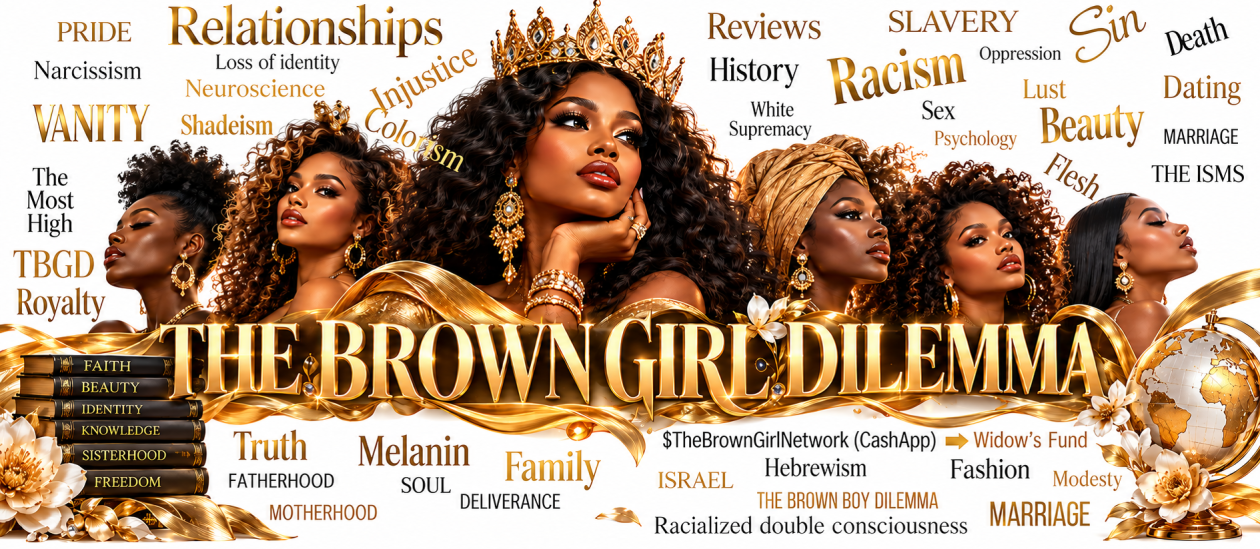
Black men who openly value Black women often speak about them in terms of love, respect, partnership, and recognition of their humanity. Their perspectives are diverse, but several themes come up repeatedly.
“Black women are the backbone of our communities.” They often point to the historical and present-day roles Black women have played as caregivers, educators, organizers, entrepreneurs, artists, and leaders.
“Black women are beautiful in all their diversity.” They may emphasize appreciation for different shades of Blackness, natural hair textures, facial features, body types, and cultural expressions—especially in response to beauty standards that have historically excluded many Black women.
“Black women deserve to be protected and cherished, not just praised for being strong.” Some men recognize that calling Black women “strong” can sometimes become a burden when it means expecting them to endure everything without support.
“A Black woman is a partner, not just a supporter.” Men with a partnership mindset often describe wanting a relationship where both people bring wisdom, encouragement, emotional support, and shared purpose.
“Black women carry history.” Some Black men speak about the resilience of Black women through slavery, segregation, discrimination, and modern social pressures, while also emphasizing that Black women deserve joy, softness, and care—not only admiration for survival.
“Black love is important.” Many men who value Black women talk about the importance of building healthy relationships, families, and communities where Black men and Black women see each other as allies rather than opponents.
At the same time, many thoughtful Black men also say that valuing Black women means seeing them as individuals, not only symbols of strength or culture. A Black woman can be powerful and still need support; independent and still desire partnership; accomplished and still want to be loved.
Some Black men critique certain relationship dynamics, but men who genuinely value Black women usually frame those conversations around mutual growth, not disrespect or stereotypes.
Love and marriage are among the most sacred institutions established by God for the flourishing of humanity. According to Scripture, marriage is not merely a social contract or legal arrangement but a divine covenant designed to reflect God’s faithfulness, love, and commitment. From the beginning, God created man and woman to complement one another, establishing marriage as the foundation of the family and the primary environment for nurturing future generations (Genesis 2:18–24, KJV). A godly marriage is built upon spiritual unity, mutual respect, sacrificial love, and obedience to God’s commandments.
The biblical model of marriage begins with covenant rather than convenience. Modern culture often treats marriage as a temporary agreement based on feelings, personal fulfillment, or changing circumstances. Scripture presents a different perspective. Marriage is a lifelong covenant entered into before God, requiring faithfulness through seasons of joy, hardship, prosperity, and adversity. This covenantal understanding provides stability and security that transcend temporary emotions.
Love, as defined in the Bible, differs significantly from contemporary cultural definitions. Biblical love is not merely romantic attraction or emotional excitement but a deliberate commitment to seek another person’s highest good. The Apostle Paul describes love as patient, kind, humble, forgiving, and enduring. Genuine love rejoices in truth, bears burdens, believes the best, hopes continually, and perseveres through difficulties (1 Corinthians 13:4–8, KJV). Such love reflects God’s own character and serves as the standard for Christian marriage.
Godly husbands are called to love their wives sacrificially, following the example of Christ’s love for the church. Christ willingly gave Himself for His people, demonstrating humility, servant leadership, compassion, and unwavering devotion. Likewise, husbands are instructed to lead with wisdom, protect their families, provide for their households, and honor their wives as fellow heirs of God’s grace rather than exercising domination or selfish authority (Ephesians 5:25–33; 1 Peter 3:7, KJV).
Likewise, wives are encouraged to respect, support, and partner with their husbands in fulfilling God’s purposes for the family. Biblical submission does not imply inferiority but reflects an orderly partnership rooted in mutual love and reverence for God. Scripture consistently teaches the equal value of men and women before God while recognizing distinct responsibilities within the marriage covenant. Healthy biblical submission exists only where sacrificial love and mutual honor are present.
Communication is essential for cultivating a healthy marriage. Couples who practice honesty, gentleness, forgiveness, and active listening strengthen their emotional and spiritual connection. Scripture teaches believers to speak truth in love, avoid corrupt communication, and be slow to anger. These principles reduce conflict while fostering trust and emotional safety within the home (Ephesians 4:25–32; James 1:19, KJV).
Forgiveness remains one of the defining characteristics of successful marriages. Every marriage involves imperfect people who occasionally fail one another. Without forgiveness, resentment gradually hardens the heart and damages intimacy. God calls husbands and wives to forgive as they themselves have been forgiven through Christ. Forgiveness does not ignore wrongdoing but chooses reconciliation whenever genuine repentance and healing are possible.
Prayer serves as one of the strongest foundations of marital unity. Couples who pray together invite God’s wisdom into their relationship and acknowledge their dependence upon Him. Shared prayer strengthens spiritual intimacy, encourages humility, and reminds spouses that they are partners serving a common Lord. Throughout Scripture, believers are encouraged to seek God continually for wisdom, peace, and guidance in every aspect of life.
Faithfulness protects the sanctity of marriage. Both emotional and physical infidelity violate the covenant established before God. Jesus expanded the understanding of adultery by teaching that sinful lust begins within the heart, emphasizing that marital purity extends beyond outward behavior to inward attitudes and desires (Matthew 5:27–28, KJV). Faithfulness requires intentional boundaries, integrity, and accountability.
Godly marriages flourish when husbands and wives practice humility rather than pride. Pride often produces selfishness, defensiveness, and conflict, while humility encourages repentance, compromise, and reconciliation. Scripture repeatedly teaches that God gives grace to the humble but resists the proud. A humble spouse seeks not merely to win arguments but to preserve unity and honor God through loving conduct.
Marriage also provides an important environment for raising children according to biblical principles. Parents are entrusted with teaching God’s commandments, modeling righteous living, and cultivating wisdom within the home. Children benefit greatly from observing healthy examples of love, forgiveness, discipline, consistency, and faithfulness demonstrated daily by their parents.
Financial stewardship contributes significantly to marital stability. Many marriages experience tension because of poor communication regarding finances, debt, spending habits, or differing priorities. Biblical stewardship encourages diligence, generosity, contentment, honest labor, and wise planning. Couples who pursue financial unity often reduce unnecessary conflict while strengthening trust and shared purpose.
Sexual intimacy is presented in Scripture as a beautiful gift reserved for marriage. Within the covenant relationship, physical intimacy expresses love, exclusivity, trust, and mutual self-giving. God’s design protects emotional well-being, family stability, and spiritual integrity. The Bible consistently teaches that sexual purity before and within marriage honors both God and one’s spouse.
Mutual encouragement strengthens marriages during seasons of difficulty. Life inevitably brings illness, financial hardship, grief, disappointment, and unexpected challenges. Godly spouses encourage one another through words of hope, practical service, patience, and unwavering commitment. Their partnership becomes a testimony of God’s sustaining grace amid life’s trials.
The local church plays an important role in supporting healthy marriages. Sound biblical teaching, pastoral counseling, discipleship, accountability, and fellowship with mature believers provide encouragement for couples navigating the complexities of married life. Christian community reminds husbands and wives that they are not intended to bear life’s burdens in isolation.
Marriage also reflects the relationship between Christ and His church, making it one of Scripture’s most profound theological symbols. Just as Christ remains faithful to His redeemed people despite their imperfections, spouses are called to demonstrate enduring love, grace, and covenant loyalty. Their marriage becomes a living witness to God’s redemptive love before the world.
Preparing for marriage is just as important as sustaining it. Spiritual maturity, emotional health, financial responsibility, personal integrity, and shared faith provide a strong foundation before entering the covenant. Wise preparation reduces unnecessary conflict and equips couples to establish healthy expectations grounded in biblical truth rather than unrealistic cultural ideals.
A successful marriage requires continual growth. Couples should never assume that love remains healthy without intentional investment. Time together, meaningful conversation, shared worship, regular expressions of affection, and consistent acts of service help nurture intimacy throughout every stage of life. Healthy marriages mature because both spouses remain committed to learning, growing, and serving one another.
Modern society often promotes individualism above covenant commitment, encouraging people to prioritize personal happiness over sacrificial love. Scripture challenges this mindset by teaching that true fulfillment comes through serving God and loving others faithfully. Godly marriages thrive when both husband and wife seek first the Kingdom of God rather than their own self-interest.
Ultimately, love and marriage find their highest purpose in glorifying God. A Christ-centered marriage demonstrates forgiveness, patience, humility, faithfulness, compassion, and enduring commitment in a world often characterized by instability and broken relationships. As husbands and wives submit themselves to God’s Word and rely upon His grace, their marriage becomes a testimony of His covenant love, blessing future generations and reflecting His eternal purposes for humanity.
If this work has informed or inspired you, please consider supporting it so we can continue researching, writing, and sharing these stories.
Marriage is one of the oldest institutions established by God and is presented in Scripture as a sacred covenant rather than merely a legal contract or social arrangement. According to the Bible, marriage originated in the Garden of Eden when God created Adam and Eve and declared that “a man shall leave his father and his mother, and shall cleave unto his wife: and they shall be one flesh” (Genesis 2:24, KJV). This foundational passage reveals that marriage was designed by God to unite one man and one woman in a lifelong covenant characterized by love, faithfulness, companionship, and mutual commitment. Unlike cultural definitions that change over time, the biblical definition of marriage is rooted in God’s unchanging character and divine purpose.
The Bible teaches that marriage reflects God’s covenant relationship with His people. Throughout the Old Testament, God frequently described His relationship with Israel as that of a faithful husband to His covenant people (Isaiah 54:5; Hosea 2:19–20). In the New Testament, marriage becomes a profound illustration of Christ’s sacrificial love for the Church. The apostle Paul explains that husbands are to love their wives just as Christ loved the Church and gave Himself for her (Ephesians 5:25–33). Consequently, biblical marriage is intended to display God’s love, faithfulness, mercy, and redemption to the world.
A biblical marriage is founded upon covenant rather than convenience. Modern culture often treats marriage as a contract that can be dissolved whenever satisfaction declines, but Scripture presents covenant as a solemn promise before God. Malachi 2:14 describes marriage as “the wife of thy covenant,” emphasizing that husband and wife enter into a sacred commitment witnessed by God Himself. This covenant requires perseverance through both joy and hardship, recognizing that lasting love is strengthened through faithfulness rather than sustained merely by emotion.
Love within biblical marriage is defined not by changing feelings but by godly character. First Corinthians 13:4–8 describes love as patient, kind, humble, forgiving, truthful, and enduring. Biblical love seeks the good of one’s spouse above selfish desires. Jesus taught that the greatest expression of love is sacrificial service (John 15:13), and this principle extends into marriage. Husbands and wives are called to demonstrate grace, forgiveness, compassion, and steadfast devotion throughout every season of life.
Mutual respect is another essential component of biblical marriage. Ephesians 5 teaches husbands to love their wives sacrificially while wives are instructed to respect their husbands. These responsibilities are complementary rather than competitive. Scripture consistently portrays husband and wife as equal in value before God while fulfilling distinct responsibilities within the family. Healthy biblical leadership never involves domination or abuse but reflects humility, service, wisdom, and accountability before God.
Communication plays a vital role in maintaining a godly marriage. Proverbs repeatedly emphasizes the power of wise speech, gentle answers, and truthful communication (Proverbs 15:1; Proverbs 18:21). James likewise encourages believers to be “swift to hear, slow to speak, slow to wrath” (James 1:19). Biblical couples are called to resolve conflict through honesty, forgiveness, patience, and prayer rather than allowing bitterness or resentment to grow.
Faith forms the spiritual foundation of biblical marriage. Ecclesiastes 4:12 teaches that “a threefold cord is not quickly broken,” often understood as husband, wife, and God united together. Couples who worship together, study Scripture together, and pray together cultivate spiritual intimacy alongside emotional and physical intimacy. Christ remains the center of a healthy marriage, providing wisdom, strength, and guidance during life’s challenges.
Marriage also establishes the primary environment for raising children according to God’s instruction. Deuteronomy 6:6–7 commands parents to diligently teach God’s commandments to their children throughout daily life. The home becomes the first place where children learn faith, integrity, compassion, discipline, and obedience. While not every marriage includes children, Scripture consistently presents the family as an important setting for spiritual formation across generations.
Forgiveness is indispensable within biblical marriage because every husband and wife are imperfect people redeemed by God’s grace. Colossians 3:13 instructs believers to forgive one another as Christ forgave them. Genuine forgiveness does not ignore wrongdoing but seeks reconciliation whenever repentance and restoration are possible. A marriage marked by grace reflects the gospel itself, reminding both spouses that they continually depend upon God’s mercy.
Sexual intimacy is presented in Scripture as a holy gift reserved for marriage. Hebrews 13:4 declares that “Marriage is honourable in all, and the bed undefiled.” Within marriage, sexual intimacy strengthens emotional, spiritual, and physical unity between husband and wife. Scripture condemns adultery and sexual immorality because such behaviors violate the covenant established by God and damage trust within the marriage relationship.
The Bible also teaches that marriage requires continual growth in holiness. Rather than existing merely for personal happiness, marriage serves as a context in which God shapes the character of both spouses. Through shared experiences, challenges, forgiveness, sacrifice, and service, husbands and wives mature spiritually. As each spouse becomes more like Christ, the marriage itself becomes healthier and more reflective of God’s design.
Biblical marriage calls couples to steward their finances, time, and resources wisely. Proverbs commends diligence, generosity, and wise planning, while Jesus teaches faithful stewardship of everything entrusted by God (Luke 16:10). Financial unity, honest communication, contentment, and shared goals strengthen marital stability and reduce unnecessary conflict arising from poor stewardship or misplaced priorities.
Prayer remains one of the most powerful practices within a biblical marriage. Couples who consistently seek God’s wisdom acknowledge that human strength alone cannot sustain lifelong covenant faithfulness. Philippians 4:6–7 encourages believers to bring every concern before God through prayer. Whether facing illness, financial difficulty, parenting challenges, or seasons of joy, prayer continually reorients the marriage toward God’s presence and purposes.
Ultimately, biblical marriage points beyond itself to God’s eternal kingdom. Revelation concludes with the imagery of the marriage supper of the Lamb, celebrating Christ’s everlasting union with His redeemed people (Revelation 19:7–9). Earthly marriage therefore serves as both a blessing for this life and a living illustration of the greater relationship between Christ and His Church. Every faithful Christian marriage bears witness to God’s covenant love, redemption, and hope.
In a world where definitions of marriage continue to evolve, Scripture provides a timeless foundation grounded in God’s wisdom. A biblical marriage is characterized by covenant commitment, sacrificial love, mutual respect, forgiveness, holiness, faithful stewardship, and unwavering devotion to Christ. While no marriage is perfect, those who continually seek God’s guidance and submit their lives to His Word can build relationships that honor Him and bless future generations. Biblical marriage is ultimately not about achieving perfection but about faithfully reflecting God’s love through a lifelong covenant lived in obedience to His truth.
References
The Holy Bible, King James Version. (1769/2017). Cambridge University Press. (Original work published 1611).
Cloud, H., & Townsend, J. (2015). Boundaries in marriage. Zondervan.
Keller, T., & Keller, K. (2011). The meaning of marriage: Facing the complexities of commitment with the wisdom of God. Dutton.
Piper, J. (2009). This momentary marriage: A parable of permanence. Crossway.
Tripp, P. D. (2010). What did you expect? Redeeming the realities of marriage. Crossway.
Love is often portrayed as a powerful emotion that sweeps two people off their feet, but lasting relationships are built on something deeper than emotion alone. Feelings naturally rise and fall with the seasons of life, yet genuine commitment remains anchored in intentional choices. Healthy couples understand that love is not merely something they feel—it is something they practice every day. A successful relationship is less about finding the perfect person and more about becoming the kind of person who contributes to peace, trust, and stability.
Communication serves as the heartbeat of every thriving relationship. Couples who openly express their thoughts, fears, hopes, and expectations create an atmosphere where emotional intimacy can flourish. Honest conversations prevent misunderstandings from becoming permanent divisions. Listening with empathy is just as important as speaking with honesty. When both partners feel heard and understood, conflicts become opportunities for growth rather than reasons for separation.
Trust is earned through consistency rather than promises alone. Every kept commitment, every truthful conversation, and every act of reliability strengthens the foundation upon which a relationship stands. Broken trust is difficult to rebuild because it affects one’s sense of security. Therefore, couples should guard trust carefully, recognizing that integrity in both large and small matters shapes the health of their union.
Respect is the language of mature love. Even during disagreements, respectful couples refuse to attack one another’s character. They may challenge ideas or behaviors, but they preserve each other’s dignity. Respect means valuing another person’s opinions, recognizing their individuality, and appreciating the unique qualities they bring into the relationship.
Forgiveness is essential because no relationship exists without imperfection. Every couple will experience disappointment, misunderstandings, and moments of failure. Forgiveness does not excuse harmful behavior, nor does it ignore accountability. Instead, it allows healing to replace bitterness while creating room for personal growth and reconciliation when appropriate.
Patience allows love to mature through life’s inevitable challenges. Careers change, finances fluctuate, health concerns emerge, and unexpected hardships arise. Couples who endure together understand that temporary difficulties do not necessarily define the future of their relationship. Patience provides the emotional stability needed to weather storms without making impulsive decisions.
Quality time remains one of the greatest investments couples can make. Modern life competes relentlessly for attention through work obligations, technology, and endless distractions. Intentionally setting aside uninterrupted time for meaningful conversation, shared experiences, and simple companionship strengthens emotional bonds. Love grows where attention is consistently given.
Gratitude transforms ordinary relationships into extraordinary partnerships. Expressing appreciation for everyday acts of kindness prevents familiarity from becoming entitlement. A simple “thank you” acknowledges effort and reminds each partner that their contributions are valued rather than expected.
Healthy boundaries protect both individuals and the relationship itself. Boundaries establish respect for personal space, friendships, family relationships, finances, and emotional well-being. They are not barriers that create distance but guidelines that preserve mutual trust and security.
Conflict is not evidence that a relationship is failing. Rather, it reveals differences that require understanding and resolution. Successful couples learn how to disagree without becoming enemies. They focus on solving the problem instead of defeating one another. Their goal is not winning an argument but preserving the relationship.
Shared values often provide greater long-term stability than temporary attraction. Physical chemistry may initiate a relationship, but common principles regarding family, faith, finances, honesty, and life goals help sustain it through changing circumstances. Couples who align on foundational values often navigate life’s complexities with greater unity.
Encouragement strengthens emotional resilience. Partners should become each other’s greatest supporters rather than harshest critics. Celebrating accomplishments, offering comfort during disappointments, and believing in each other’s potential cultivates confidence and emotional security.
Humility allows couples to apologize sincerely and receive correction without defensiveness. Pride often prolongs conflict, while humility invites reconciliation. Saying “I was wrong” may be difficult, but it often becomes the first step toward restoring peace.
Emotional intimacy develops through vulnerability. Trusting another person with one’s fears, dreams, disappointments, and insecurities creates a bond that superficial attraction cannot replace. Vulnerability requires courage because it involves the possibility of rejection, yet it also opens the door to profound connection.
Laughter should never be underestimated. Shared humor relieves stress, strengthens friendship, and reminds couples that joy belongs alongside responsibility. Many lasting relationships are sustained by countless ordinary moments filled with smiles rather than dramatic romantic gestures.
Growth should remain a lifelong commitment. People change over time, and healthy couples choose to grow together rather than apart. They encourage education, personal development, emotional maturity, and spiritual growth while adapting to new seasons of life with mutual support.
Financial transparency contributes significantly to relational stability. Honest discussions regarding spending habits, debt, savings, and long-term goals reduce unnecessary conflict. Money itself rarely destroys relationships; secrecy, dishonesty, and incompatible financial priorities often do.
Affection communicates love in tangible ways. Whether expressed through kind words, thoughtful actions, gentle touch, or acts of service, consistent affection reminds each partner that they remain cherished. Small daily expressions of care frequently have greater lasting impact than occasional extravagant displays.
Every enduring relationship is ultimately built upon friendship. Romantic attraction may begin the journey, but friendship sustains it through decades of shared experiences. Friends enjoy each other’s company, celebrate successes together, and remain present during life’s hardships. Couples who nurture friendship often discover that romance naturally deepens over time.
Love is not sustained by perfection but by intentionality. It grows through honesty, respect, forgiveness, patience, and unwavering commitment to one another’s well-being. The strongest couples recognize that every day presents another opportunity to choose kindness over criticism, understanding over assumption, and unity over division. In doing so, they build not merely a relationship that survives but one that flourishes across the years.
If this work has informed or inspired you, please consider supporting it so we can continue researching, writing, and sharing these stories.
Black love is both ancient and contemporary. It has roots that stretch deep into Africa, where kings and queens cultivated partnerships that were spiritual, strategic, and sacred. Yet, it is also fragile, constantly tested by systemic oppression, colorism, and societal narratives that attempt to undermine it. To restore Black love is to honor both its roots and its potential to bloom like roses in the present.
The roots of Black love begin with history. In precolonial Africa, marriages were often alliances that strengthened communities and preserved legacies. Leaders like Queen Amanirenas of Kush and King Shaka Zulu exemplified unions that were both intimate and politically potent (Bradbury, 1998). These relationships were grounded in mutual respect, shared vision, and cultural pride.
Enslavement in the Americas disrupted these roots. Families were torn apart, and marriage was often denied or devalued. Love had to survive in secret, through coded rituals, clandestine promises, and spiritual resilience (King, 2011). Despite these fractures, Black people preserved the memory of sacred partnership, which today forms the foundation for restoration.
The roses represent healing and beauty. Roses grow where care, patience, and protection are present. Similarly, modern Black love flourishes when couples intentionally nurture their relationships, communicate effectively, and prioritize each other’s growth. Romantic gestures, mutual encouragement, and shared spiritual practices cultivate these blooms.
Psychologically, restoration requires confronting trauma. Intergenerational trauma from slavery, systemic racism, and societal marginalization affects attachment styles and relational trust (Yehuda et al., 2016). Black couples who work through these patterns can break cycles of mistrust, anger, and fear, allowing love to thrive.
Faith plays a central role in restoring Black love. Scripture emphasizes covenant over convenience. Ephesians 5:25–33 instructs husbands to love their wives as Christ loved the church, and wives to respect their husbands. This mutual responsibility mirrors the partnerships of African royalty and sets a spiritual framework for sustainable love. ✝️🤎
Restoration also requires confronting colorism and intra-community prejudice. Beauty hierarchies and preferential treatment based on skin tone often create divides. To restore Black love, couples must embrace each other fully—dark, light, or in-between—recognizing that melanin is sacred, not a measure of worth (Hunter, 2007).
Cultural affirmation is vital. Music, literature, and art have long celebrated Black love, yet mainstream narratives often overshadow these stories. Films like Love Jones, The Wedding Party, and Black Love on OWN showcase relationships that honor intimacy, fidelity, and joy, helping to repair cultural memory and inspire hope. 🎶🌹
Representation also extends to families. Children who witness their parents in healthy, loving relationships internalize models of trust, respect, and partnership. Sons learn to honor and protect, daughters learn to expect respect and commitment. These lessons propagate restoration across generations.
Forgiveness is a key aspect of these roses. Couples face betrayal, miscommunication, and external pressures. Matthew 18:21–22 reminds us that forgiveness is not optional but essential. It allows love to grow, rather than shrivel under resentment.
Communication is the sunlight that nurtures the garden. Black couples must learn to speak honestly, listen actively, and confront conflict constructively. Therapy, mentorship, and community support are practical tools that protect the relationship from decay (Conger et al., 2010).
Economic partnership is equally crucial. Generational wealth, financial literacy, and joint investments strengthen love’s foundation. When Black couples build together, they honor their ancestors’ legacy of resilience and ensure that future generations inherit stability alongside love. 💼👑
The spiritual dimension cannot be overlooked. Couples who pray together, read Scripture together, and worship together invite God to tend their garden. Ecclesiastes 4:12 affirms that a threefold cord is not easily broken; when God is included, the roots deepen, and the roses flourish.
Restoration is also social. Communities that celebrate Black love through mentorship, weddings, and cultural acknowledgment reinforce the value of these unions. Shared stories, testimonies, and communal support help prevent isolation and promote continuity.
Ultimately, Roots and Roses is a metaphor for both remembrance and hope. The roots honor the struggles, wisdom, and legacies of the past, while the roses celebrate love that thrives in the present. Black love restored is resilient, beautiful, and sacred. It is a living testament to the endurance of God’s design and the triumph of faith, culture, and commitment.
Bradbury, R. (1998). The Nubian queens: Ancient African women and power. Oxford University Press.
Conger, R. D., Conger, K. J., & Martin, M. J. (2010). Socioeconomic status, family processes, and individual development. Journal of Marriage and Family, 72(3), 685–704.
Hunter, M. (2007). The persistent problem of colorism: Skin tone, status, and inequality. Sociology Compass, 1(1), 237–254.
King, W. (2011). Stolen childhood: Slave youth in nineteenth-century America. Indiana University Press.
Yehuda, R., Daskalakis, N. P., Lehrner, A., et al. (2016). Influences of maternal and paternal PTSD on epigenetic regulation of the glucocorticoid receptor gene in Holocaust survivor offspring. American Journal of Psychiatry, 173(8), 856–864.
Rediscovering Covenant, Commitment, and Love Beyond Desire
Love is one of humanity’s greatest gifts and one of its deepest dilemmas. Throughout history, people have searched for love, companionship, and belonging, yet many have struggled to understand what love truly requires. In a culture that often portrays love as a temporary emotion or a pursuit of personal satisfaction, the deeper meaning of love can become lost. True love is not merely a feeling—it is a commitment, a responsibility, and a choice to honor another person with patience, sacrifice, and integrity.
The modern world often separates love from commitment, creating confusion about relationships and marriage. Many messages in society encourage immediate gratification while minimizing the importance of patience, self-control, and preparation. The love dilemma emerges when people desire the benefits of deep connection without embracing the responsibilities that make love endure. Genuine love requires more than attraction; it requires character.
Biblically, love is presented as something sacred. The Scriptures describe love as patient, kind, humble, and enduring. The words of 1 Corinthians 13 challenge society’s often shallow understanding of romance by emphasizing that love is demonstrated through actions, not merely emotions. Love is not selfish, arrogant, or easily abandoned when difficulties arise.
A major part of this dilemma is the relationship between love and purity. Many faith traditions teach that sexual intimacy is designed for the covenant of marriage, where two individuals make a lifelong commitment before God and one another. The principle of waiting until marriage is not meant to diminish love but to honor the emotional, spiritual, and relational significance of intimacy.
Sex before marriage is often presented in popular culture as an expectation of romantic relationships. However, the biblical perspective views the body as valuable and intimacy as powerful. Scriptures such as Hebrews 13:4 emphasize honoring marriage and maintaining purity. From this viewpoint, waiting is an expression of discipline, respect, and intentional love.
Choosing purity in a culture centered on instant gratification requires strength of character. Waiting requires individuals to develop emotional maturity, communication skills, and spiritual discipline. A relationship built on patience allows two people to discover each other’s values, dreams, and character before physical intimacy becomes part of the relationship.
Love is not only about finding the right person; it is also about becoming the right person. A healthy marriage requires two individuals who are willing to grow, forgive, communicate, and serve one another. Personal development, spiritual growth, and emotional healing are important foundations for a lasting relationship.
The love dilemma also involves understanding the difference between attraction and commitment. Attraction may begin a relationship, but it cannot sustain one. Physical beauty, chemistry, and excitement may draw two people together, but character, trust, and shared values determine whether love can survive challenges.
Marriage represents a covenant rather than simply a contract. A contract is based on conditions, but a covenant is based on faithfulness. In biblical thought, marriage reflects loyalty, sacrifice, and devotion. It is a promise to remain committed through seasons of happiness, difficulty, growth, and change.
Many people today carry emotional wounds from relationships that lacked commitment, honesty, or respect. The love dilemma includes the consequences of treating relationships casually. Healing requires recognizing that a person’s worth is not determined by past experiences but by their inherent value and purpose.
Love also requires wisdom. Proverbs teaches the importance of seeking understanding and making wise decisions. Choosing a spouse is one of life’s most significant decisions because marriage affects not only two individuals but also future generations, families, and communities.
A relationship centered on God places love within a larger purpose. Faith provides a foundation for forgiveness, humility, and perseverance. When two people seek spiritual growth together, they build a relationship based on something deeper than temporary emotions.
The love dilemma is also connected to the importance of honoring women and men as valuable creations. True love does not use another person for personal satisfaction. It protects, respects, encourages, and recognizes the dignity of the other person.
Biblical love challenges both men and women to pursue righteousness and responsibility. Men are called to love sacrificially, as described in Ephesians 5:25, while women are called to wisdom, strength, and virtue. Healthy relationships require mutual honor, respect, and commitment.
Waiting until marriage can create an opportunity to build a stronger emotional foundation. Couples who focus on friendship, communication, shared beliefs, and character development may enter marriage with a deeper understanding of one another beyond physical attraction.
The love dilemma asks an important question: Are people seeking love itself, or only seeking what love provides? True love gives rather than takes. It requires sacrifice, commitment, and a willingness to place another person’s well-being alongside one’s own.
In a world where relationships are often influenced by social media, entertainment, and changing cultural values, returning to timeless principles can provide stability. Love is not measured by how quickly a relationship progresses but by how faithfully it endures.
The beauty of covenant love is that it reflects something greater than human emotion. It represents faithfulness, compassion, and the desire to build something lasting. Marriage becomes a partnership where two people encourage one another and create a legacy.
The ultimate solution to the love dilemma is understanding that love is both a gift and a responsibility. It requires wisdom before marriage, faithfulness within marriage, and humility throughout life. Love reaches its highest expression when it is guided by purpose, respect, and commitment.
The world may continue to redefine love, but timeless principles remain powerful. Love is more than desire; it is devotion. More than attraction; it is commitment. More than a moment; it is a promise. The love dilemma is solved when people rediscover that true love is patient, honorable, and built upon a foundation strong enough to last.
If this work has informed or inspired you, please consider supporting it so we can continue researching, writing, and sharing these stories.
In a world where relationships are often shaped by instant gratification, quick decisions, and temporary emotions, the virtues of patience, honor, and purpose have become increasingly valuable. Many people desire meaningful love but struggle with the discipline required to build a lasting relationship. Biblical courtship invites individuals to slow down, seek wisdom, and recognize that love is not merely a feeling to experience but a responsibility to cultivate. True relationships are strengthened when two people learn to wait, honor one another, and pursue a shared purpose under God’s guidance.
Patience is one of the greatest foundations of a healthy relationship. Modern culture often encourages people to rush emotional connections, make immediate commitments, or abandon relationships when challenges appear. However, Scripture teaches that patience is a fruit of the Spirit (Galatians 5:22–23, KJV). In relationships, patience allows individuals to understand one another deeply, observe character over time, and develop trust before entering a lifelong covenant. A patient heart recognizes that meaningful love cannot be built through pressure but through growth, wisdom, and faith.
Patience also protects individuals from confusing attraction with compatibility. Physical chemistry can create excitement, but time reveals values, maturity, integrity, and character. A person may say beautiful words during the beginning stages of romance, but consistent actions reveal the truth of the heart. Proverbs 20:11 teaches that even a child is known by his actions, reminding believers that character is demonstrated through behavior. Taking time to know someone allows wisdom to guide emotions.
Honor is another essential principle in godly relationships. To honor someone means recognizing their value as a person created in the image of God. Honor rejects manipulation, selfishness, disrespect, and using another person for personal desires. Instead, it embraces kindness, honesty, protection, and consideration. Philippians 2:3–4 encourages believers to value others above themselves and to look not only to their own interests but also to the interests of others.
In courtship, honor is demonstrated through intentional behavior. A man honors a woman by being truthful about his intentions, respecting her boundaries, and treating her with dignity. A woman honors a man by respecting his character, encouraging his growth, and communicating with honesty and grace. Honor creates an environment where both individuals feel valued rather than controlled. A relationship built on honor reflects the love and humility of Christ.
Purpose transforms a relationship from simple companionship into a meaningful partnership. Many relationships fail because individuals seek someone to complete them rather than someone with whom they can fulfill God’s purpose. A healthy relationship is not about two incomplete people searching for happiness through each other; it is about two individuals who are growing spiritually and seeking whether they can serve God together. Ecclesiastes 4:9–12 teaches that two are better than one because they can support and strengthen each other.
Purpose also requires intentional conversations about the future. Couples should discuss faith, family, finances, values, responsibilities, and expectations before entering marriage. Avoiding these conversations may create temporary peace, but honesty creates lasting strength. A relationship with purpose does not fear difficult discussions because it understands that truth provides a stronger foundation than assumptions or unrealistic expectations.
Sexual purity is also connected to patience, honor, and purpose. Biblical teachings emphasize that sexual intimacy belongs within the covenant of marriage (Hebrews 13:4, KJV). Waiting until marriage is not about denying love but about honoring God’s design and protecting the emotional and spiritual connection between two people. When a couple practices self-control, they demonstrate that their relationship is built upon more than physical desire. They learn to value communication, friendship, faith, and commitment as the deeper foundations of love.
The example of biblical relationships demonstrates these principles. Ruth and Boaz displayed patience, honor, and purpose as their relationship developed through faithfulness and integrity. Boaz did not take advantage of Ruth’s vulnerability, and Ruth’s character spoke louder than outward appearance. Their relationship unfolded according to God’s timing and ultimately became part of a greater purpose in biblical history. Their story reminds believers that honorable love is not rushed or selfish; it is guided by righteousness.
Rediscovering patience, honor, and purpose allows individuals to return to a vision of love that is deeper than modern culture often presents. A strong relationship is not built only on romance, but on wisdom, sacrifice, faithfulness, and commitment. When two people seek God, respect one another, and approach love with intentionality, they create a foundation capable of lasting through life’s challenges. Biblical courtship teaches that the greatest relationships are not simply found—they are faithfully built.
If this work has informed or inspired you, please consider supporting it so we can continue researching, writing, and sharing these stories.
Cloud, H., & Townsend, J. (2015). Boundaries in Dating. Zondervan.
Gottman, J. M., & Silver, N. (2015). The Seven Principles for Making Marriage Work. Harmony Books.
Stanley, S. M., Rhoades, G. K., & Markman, H. J. (2006). Sliding versus deciding: Inertia and the premarital cohabitation effect. Family Relations, 55(4), 499–509.
The Holy Bible, King James Version. (1769/Authorized Version). Cambridge University Press.
Tripp, P. D. (2018). What Did You Expect? Redeeming the Realities of Marriage. Crossway.
Love is one of the most powerful experiences of the human heart. Many people desire a relationship that will stand the test of time, but lasting love requires more than emotion and attraction. A strong relationship is built through commitment, patience, trust, sacrifice, and the daily decision to value one another.
The secret to lasting love begins with understanding that love is a choice. Feelings may change throughout life, but true love remains anchored in dedication and faithfulness. Couples who endure are not those who never experience challenges; they are those who choose to face challenges together.
Communication is one of the greatest foundations of a healthy relationship. Couples who learn to speak honestly, listen with compassion, and express their needs respectfully create an environment where love can continue to grow. Silence, resentment, and unspoken expectations can weaken even strong relationships.
Trust is another essential secret of lasting love. Without trust, relationships become filled with fear, insecurity, and doubt. Trust is developed through honesty, consistency, transparency, and keeping the promises made to one another.
Respect allows love to flourish. A person cannot truly love someone while constantly diminishing their feelings, thoughts, or value. Healthy couples recognize that their partner is a person with dreams, emotions, strengths, and weaknesses worthy of honor.
True love requires sacrifice. A lasting relationship cannot be built on selfishness or the belief that one person’s needs always come first. Love involves serving one another, making compromises, and considering the well-being of the person beside you.
The Bible provides a powerful description of love in First Corinthians 13: “Charity suffereth long, and is kind” (1 Corinthians 13:4, KJV). This passage reveals that love requires patience, kindness, humility, and endurance. Biblical love is not based only on romance but on character.
Forgiveness is another important secret of lasting relationships. No person is perfect, and every couple will experience moments of disappointment or misunderstanding. Forgiveness does not ignore wrongdoing, but it creates the opportunity for healing, growth, and restoration.
Friendship is often the foundation beneath romantic love. Couples who genuinely enjoy each other’s presence build a deeper connection that goes beyond physical attraction. Shared laughter, meaningful conversations, and companionship strengthen the bond between two people.
A lasting love also requires intentional effort. Relationships cannot thrive through neglect. Just as a garden requires attention and care, love requires time, affection, appreciation, and continuous investment.
Faith can provide strength and direction for couples who share spiritual values. Ecclesiastes 4:12 (KJV) teaches that “a threefold cord is not quickly broken,” reminding believers of the strength found when God is included in the foundation of a relationship.
Healthy couples also understand the importance of growing together. Life changes people, and successful relationships allow both individuals to mature while continuing to support each other’s goals, dreams, and personal development.
The strongest relationships are not defined by the absence of problems but by the ability to overcome them together. Challenges can either divide couples or strengthen them when approached with unity, humility, and love.
A lasting love is built through countless small decisions: choosing kindness over anger, patience over frustration, loyalty over temptation, and commitment over convenience. These daily choices create the foundation for a relationship that can endure.
Ultimately, the secret of lasting love is recognizing that love is more than a feeling—it is a covenant of the heart. A love built on trust, faith, respect, forgiveness, and commitment can become a source of joy, strength, and inspiration for a lifetime.
If this work has informed or inspired you, please consider supporting it so we can continue researching, writing, and sharing these stories.
Love is one of the greatest gifts given to humanity. It is more than attraction, romance, or the excitement of a new relationship. True love is a journey of two individuals choosing to grow together, support one another, and build something meaningful that can withstand the challenges of life.
The beauty of a relationship is found not in perfection, but in the willingness of two people to learn, forgive, and mature together. Every couple has differences, struggles, and moments of misunderstanding. However, love becomes stronger when both individuals choose patience, humility, and commitment.
A healthy relationship is built on a foundation of respect. Love cannot thrive where there is constant dishonor, manipulation, or selfishness. True partners recognize each other’s value and seek to create an environment where both people feel appreciated, heard, and supported.
Growing together in love requires communication. Many relationships struggle not because love is absent, but because people fail to express their needs, concerns, and emotions honestly. Open and compassionate communication allows couples to understand each other on a deeper level.
The strongest couples understand that love is not only expressed through words but through actions. Small acts of kindness, thoughtfulness, and consideration often create the foundation of a lasting bond. Love is demonstrated through daily choices to care for one another.
Biblically, love is described as patient and kind. First Corinthians 13:4–7 (KJV) teaches that love does not seek its own way, is not easily provoked, and rejoices in truth. This description reveals that genuine love requires character, discipline, and selflessness.
A relationship centered on love recognizes that both individuals are still growing. No person enters a relationship completely finished or without flaws. The beauty of love is that two people can encourage each other toward becoming better versions of themselves.
Trust is another essential element of lasting love. Without trust, a relationship becomes filled with fear and insecurity. Trust is built through honesty, consistency, loyalty, and the confidence that each person will honor the commitment they have made.
True love also requires forgiveness. Every couple will experience mistakes and disappointments. Holding onto resentment can create emotional distance, but forgiveness allows healing and restoration when both people are willing to grow.
A strong relationship is not measured only by the good moments. It is revealed during seasons of difficulty. Couples who stand together during challenges often discover the depth of their commitment and the strength of their partnership.
The beauty of love is found when two people become a source of encouragement for one another. A loving partner does not compete with the person they love; they celebrate their growth, dreams, talents, and accomplishments.
Marriage and committed relationships require teamwork. Building a life together involves shared responsibilities, shared goals, and the willingness to make sacrifices for the good of the relationship.
The Bible teaches that “two are better than one” because they can support and strengthen each other (Ecclesiastes 4:9–10, KJV). A loving partnership creates companionship, encouragement, and strength through life’s journey.
Romance is beautiful, but lasting love requires more than feelings. Feelings can change with circumstances, but commitment provides stability. Couples who build their relationship on loyalty and shared values create a love that can endure.
Growing together also means allowing each person to maintain their individuality. Healthy love does not erase identity; it encourages each person to flourish while creating unity together.
The beauty of a relationship is found in the friendship between two people. Couples who genuinely enjoy one another’s company often build deeper connections because their relationship is based on companionship as well as romance.
Love requires intentional effort. Just as a garden must be cared for to grow, relationships must be nurtured through time, attention, affection, and understanding. Neglect can weaken even the strongest beginnings.
A beautiful relationship is not defined by outward appearances or what others see. It is defined by the private moments of kindness, loyalty, laughter, prayer, and support shared between two people.
True love creates a legacy. Couples who love with patience and commitment can influence their families, communities, and future generations by demonstrating what respect, faithfulness, and partnership look like.
Ultimately, the beauty of “us” is found in the journey. Love is not simply about finding the right person; it is about becoming the right partner. Two hearts growing together in love can create a bond that reflects grace, strength, and purpose.
If this work has informed or inspired you, please consider supporting it so we can continue researching, writing, and sharing these stories.