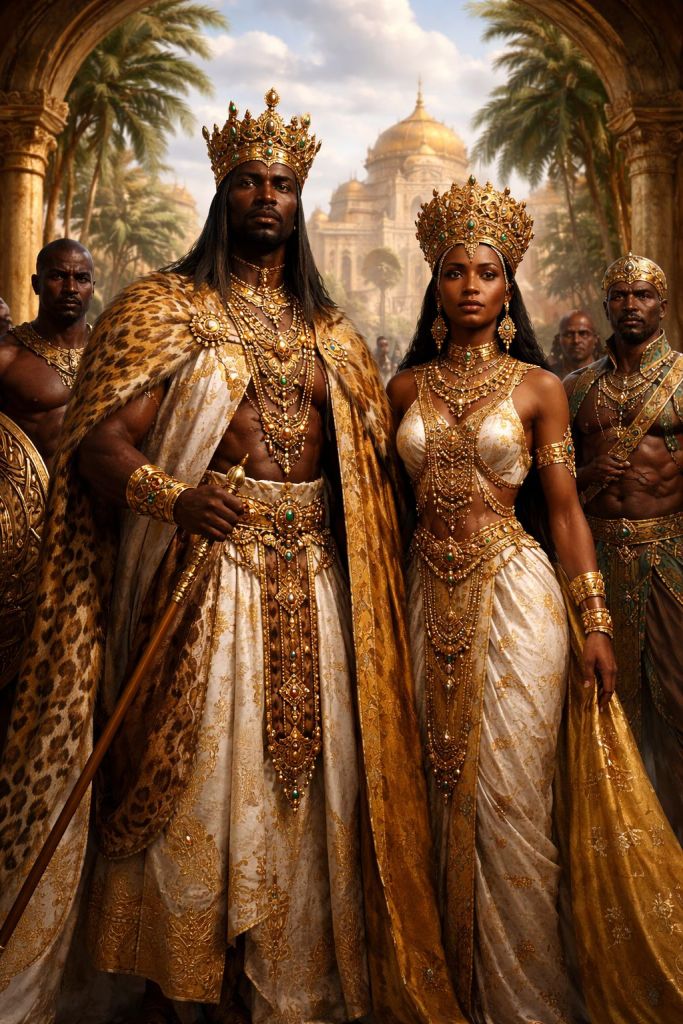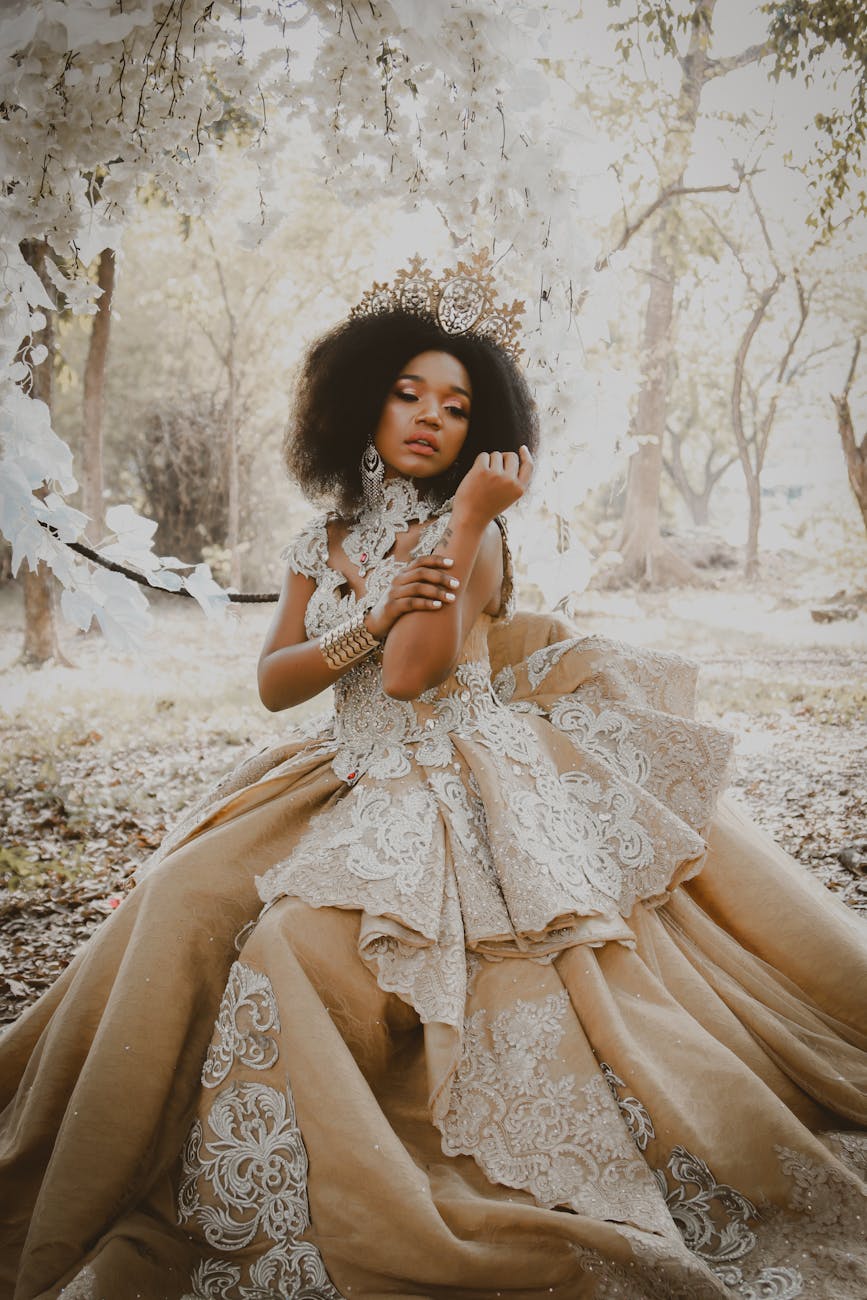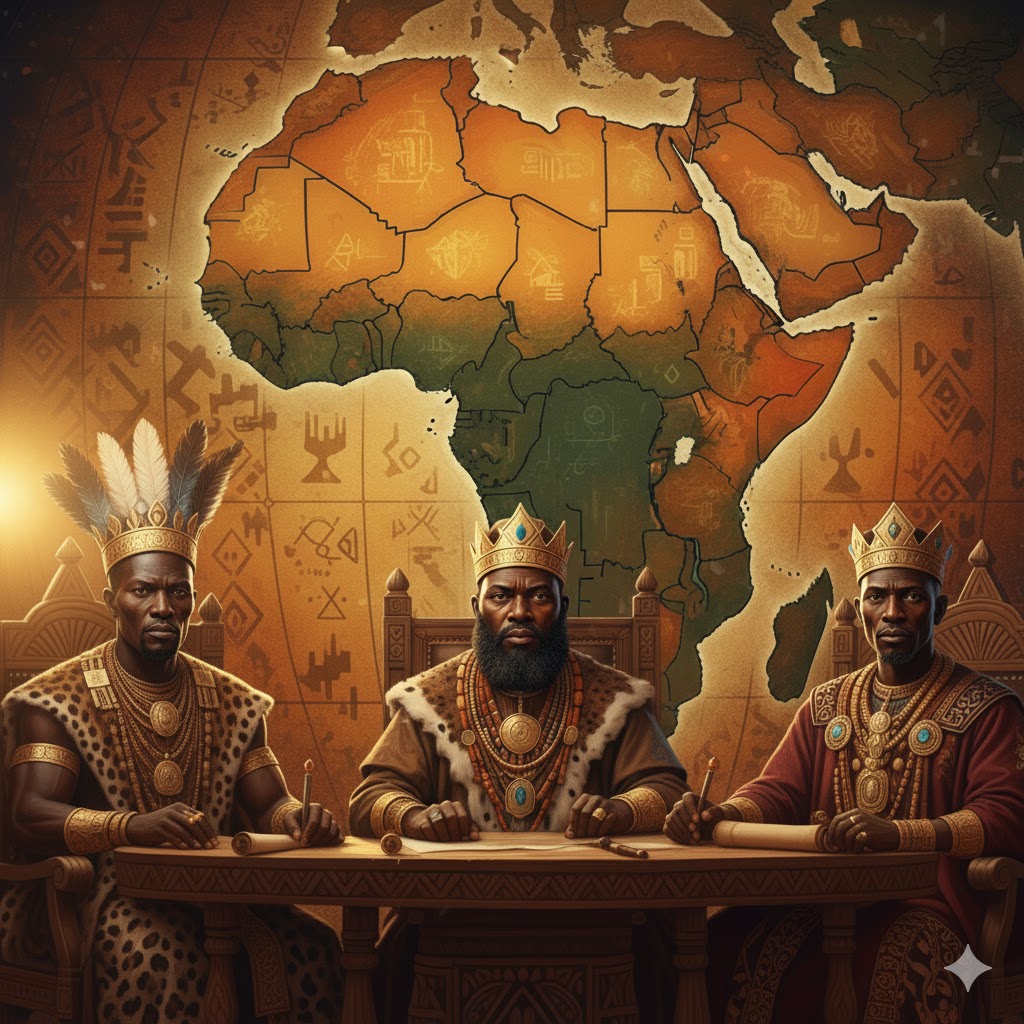
Category Archives: Kings/Royalty/Queens

Black Royalty Series: Prince Seeiso

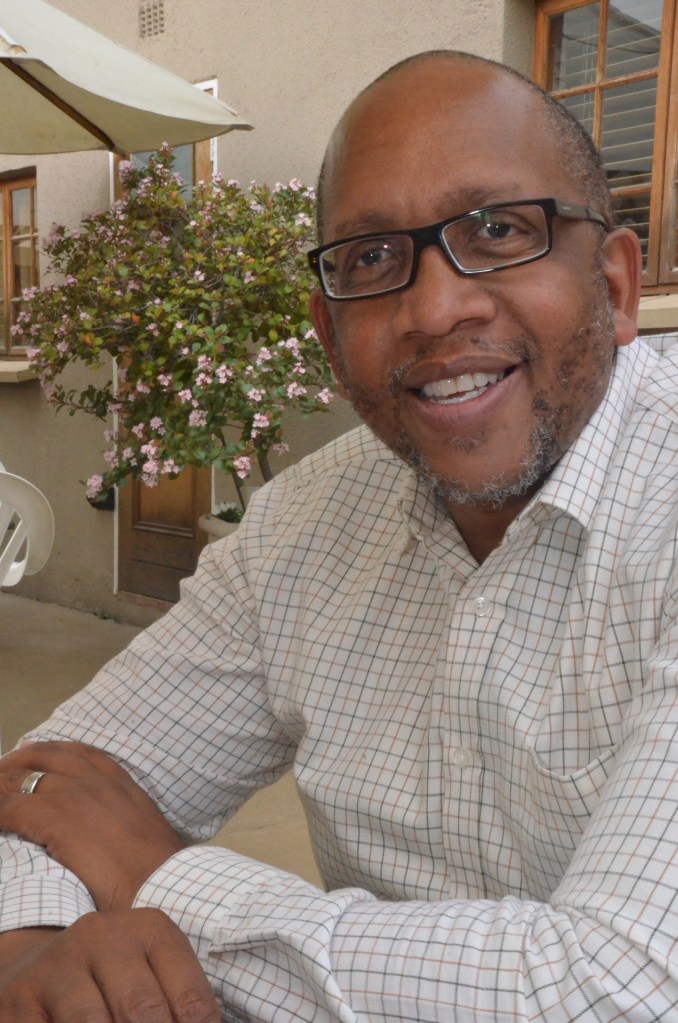
Prince Seeiso is a prominent African royal, humanitarian, and social impact leader from the Kingdom of Lesotho. He is best known internationally for his work in child welfare, education, and sustainable development, and for being a co-founder of one of Africa’s most influential philanthropic organizations focused on vulnerable children.

Prince Seeiso was born in 1980 into the royal family of Lesotho. He is the younger brother of King Letsie III, the current monarch of Lesotho, making him a senior prince within one of Africa’s few remaining traditional kingdoms. Lesotho itself is a small, landlocked nation completely surrounded by South Africa, known for its strong cultural identity and constitutional monarchy.

He received his early education in Lesotho before studying abroad in the United Kingdom. Like many modern African royals, Prince Seeiso was educated within both African and Western systems, giving him a global outlook while remaining deeply rooted in Basotho culture and tradition.

Prince Seeiso is best known as the co-founder of Sentebale, a major charitable organization he established in 2006 with Prince Harry, Duke of Sussex. The organization was created in memory of their mothers—Princess Diana and Queen Mamohato Bereng Seeiso—and focuses on supporting children affected by HIV/AIDS, poverty, and inequality in southern Africa.

Sentebale has become one of the most respected child-focused charities in Africa, operating primarily in Lesotho and Botswana. The organization provides healthcare, psychological support, leadership training, and educational programs for orphaned and marginalized youth.

In African royal tradition, Prince Seeiso holds the title of Principal Chief of Matsieng, one of the most important chieftaincies in Lesotho. This role gives him both cultural authority and political influence, as chiefs play a significant role in governance, land stewardship, and community leadership.

Unlike many ceremonial royals, Prince Seeiso is actively involved in grassroots development. He frequently visits rural villages, schools, and healthcare centers, advocating for youth empowerment, mental health awareness, and social justice within African communities.

He is particularly passionate about African leadership and self-determination. Prince Seeiso often speaks about the need for African solutions to African problems, emphasizing dignity, cultural pride, and sustainable systems over dependency on foreign aid.

Internationally, he represents a new generation of African royalty—one that blends traditional authority with modern activism. Rather than living solely in luxury or symbolic status, he uses his royal position as a platform for policy influence, philanthropy, and social reform.

Prince Seeiso is also a strong advocate for mental health, especially among African men and young people. He has publicly discussed the psychological toll of poverty, trauma, and historical inequality, calling for culturally grounded healing practices.

His work places him among a growing class of global Black leaders who challenge stereotypes about African royalty being disconnected from real social struggles. Instead, he embodies a model of servant leadership rooted in community uplift.

Culturally, Prince Seeiso represents continuity between pre-colonial African governance systems and modern constitutional leadership. Chiefs in Lesotho are not symbolic—they are mediators between people and state, tradition and law.

He is married and has children, though he keeps much of his family life private in accordance with Basotho royal customs, which prioritize dignity and collective identity over celebrity exposure.

Prince Seeiso’s global recognition increased through his association with Prince Harry, but within Africa, he is respected independently as a national figure and humanitarian leader in his own right.

His life reflects a broader truth often ignored in Western narratives: Africa still has living royal bloodlines, traditional governance systems, and indigenous leadership structures that predate European monarchies by centuries.

Prince Seeiso stands today as a modern example of a Black African prince making real impact in the world—not through conquest or inherited wealth alone, but through service, advocacy, and the restoration of human dignity.

In a global system still shaped by colonial hierarchies, Prince Seeiso represents the reclamation of African nobility as moral leadership, not just historical symbolism.

references

References

Royal Household of Lesotho. (n.d.). His Royal Highness Prince Seeiso. Government of Lesotho. Retrieved from https://www.gov.ls/royal-family

Sentebale. (2023). About Us: Our Founders. Sentebale. Retrieved from https://www.sentebale.org/about-us

BBC News. (2016). Prince Harry and Prince Seeiso: A Royal Partnership for Africa. BBC. Retrieved from https://www.bbc.com/news/uk-37711383

Mokoena, T. (2018). African Royals in the 21st Century: Leadership and Philanthropy. Johannesburg: South African Historical Press.

Peters, J. (2020). Modern African Monarchies: Tradition and Transformation. Cambridge University Press.

Harris, M. (2019). The Rise of Royal Humanitarianism in Southern Africa. African Affairs, 118(473), 112–131.

Black History: Queen Charlotte of Mecklenburg-Strelitz – The First Black Queen of England.

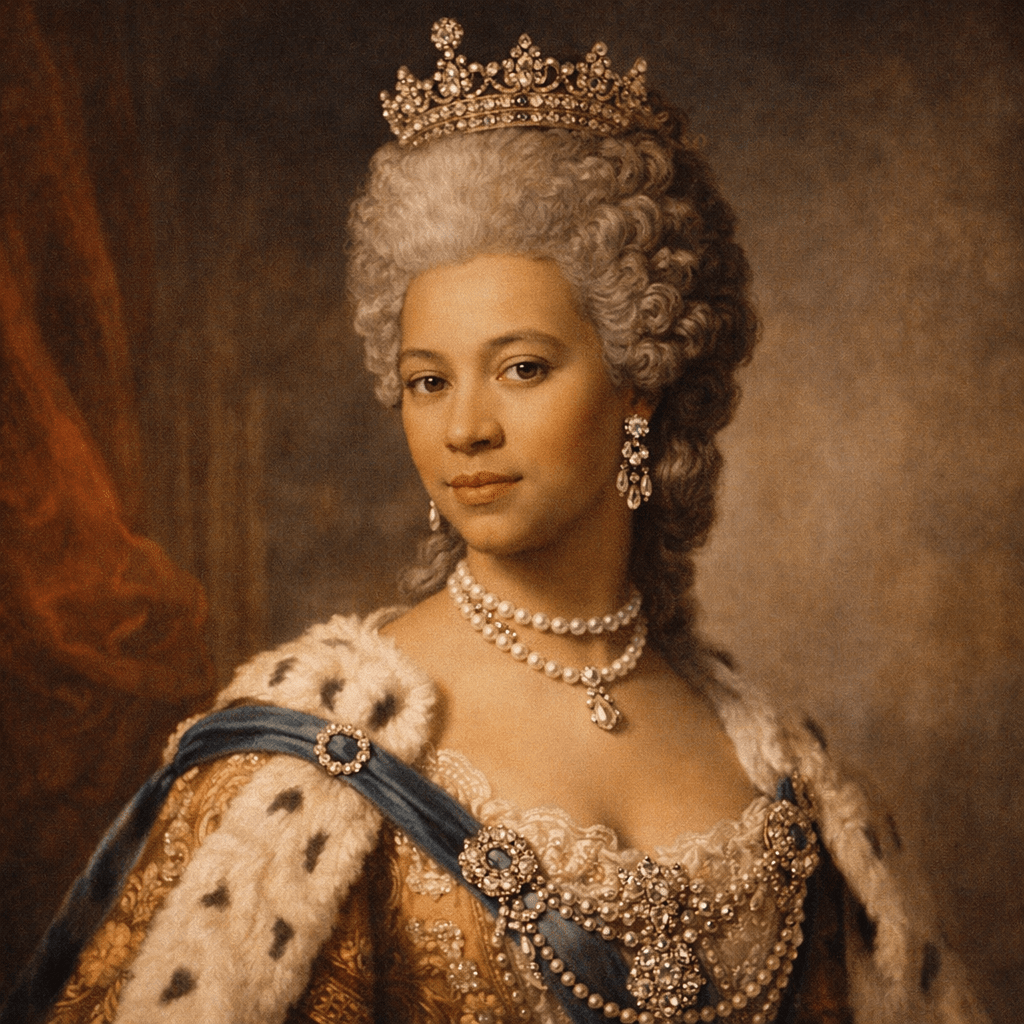
Queen Charlotte of Mecklenburg-Strelitz remains one of the most fascinating and contested figures in European royal history, particularly within discussions of Black presence in premodern Europe. While often portrayed in traditional British narratives as a conventional white European queen, growing historical scholarship and portrait analysis suggest that Charlotte may have been Britain’s first biracial monarch, with documented African ancestry embedded within her royal lineage.

Queen Charlotte of Mecklenburg-Strelitz was born in 1744 in the German duchy of Mecklenburg-Strelitz, a small but politically significant principality within the Holy Roman Empire. She married King George III of Great Britain in 1761 at the age of seventeen and immediately became Queen Consort of Great Britain and Ireland, later also Queen of Hanover.

Charlotte was the daughter of Duke Charles Louis Frederick of Mecklenburg-Strelitz and Princess Elisabeth Albertine of Saxe-Hildburghausen. Her family belonged to the minor German nobility, but through intermarriage with Iberian royal houses, her bloodline extended into Portuguese and Moorish ancestry. It is this lineage that forms the basis of arguments for her African heritage.

The strongest historical claim regarding Charlotte’s African ancestry comes from her descent from Margarita de Castro y Sousa, a noblewoman of the Portuguese royal court. Margarita herself was a descendant of King Afonso III of Portugal and Madragana, a Moorish woman described in historical documents as having African features and Muslim heritage. Through this line, Queen Charlotte inherited traceable African ancestry approximately fifteen generations back.

Portuguese royal records and genealogical studies show that Madragana was referred to as a “Moor” — a term used in medieval Europe for North African and sub-Saharan Africans, especially Muslims of African descent. This makes Charlotte genetically biracial by historical definition, even if diluted through centuries of intermarriage.

What makes Queen Charlotte particularly unique is not only her lineage, but how she was visually represented. Several contemporary portraits painted during her lifetime depict her with visibly African facial features: a broad nose, full lips, darker complexion, and tightly curled hair. Artists such as Allan Ramsay and Sir Thomas Lawrence painted Charlotte in ways that differed significantly from the idealized European beauty standards of the time.

Allan Ramsay, a known abolitionist, intentionally emphasized Charlotte’s African traits in his royal portraits. This was a political act, as Ramsay believed art could challenge white supremacist ideologies by showing Black presence in elite European spaces. His portraits stand in contrast to later revisions that whitened her appearance.

British society during the 18th century was deeply racialized, yet paradoxically fascinated by Blackness. While enslaved Africans existed in England, the presence of a biracial queen was never publicly acknowledged or celebrated. Instead, her African ancestry was quietly ignored, softened, or erased in official royal discourse.

Queen Charlotte herself never publicly claimed African identity, which would have been politically impossible in a monarchy built on white European supremacy. Her legitimacy depended on assimilation, not racial visibility. Thus, her Black ancestry existed as an unspoken truth hidden within aristocratic genealogy.

Despite this silence, many contemporaries commented on her appearance. Some British courtiers privately referred to her as having a “mulatto face,” while foreign diplomats described her features as “unusual for a German princess.” These coded racial descriptions reveal that her difference was noticed, even if never openly discussed.

Charlotte gave birth to fifteen children, making her the matriarch of modern European royal bloodlines. Through her descendants, African ancestry entered nearly every royal house in Europe, including the current British monarchy. This fact alone radically challenges the myth of racial purity in European royalty.

Her influence extended beyond race into culture, education, and abolitionist politics. She was a patron of Black composers, supported the education of poor children, and advocated for anti-slavery reforms through private influence on King George III.

Queen Charlotte’s story disrupts the dominant narrative that Black history exists only in Africa or the Americas. Her existence proves that Africans and their descendants have always been embedded in European power structures, even at the highest levels of monarchy.

Modern historians increasingly recognize Charlotte as a symbol of erased Black presence in European history. Her whitening in textbooks and portraits reflects a broader pattern of historical revisionism designed to maintain white exclusivity in narratives of power.

The popular television series Bridgerton did not invent the idea of a Black Queen Charlotte — it revived a truth long buried by racial politics. While dramatized, the concept is grounded in legitimate historical research.

Queen Charlotte stands today as a powerful reminder that Black history is not marginal, peripheral, or modern. It is ancient, royal, and deeply woven into the foundations of Western civilization itself.


References

Adams, G. (2019). The Queen’s Hidden Heritage: African Ancestry in the British Royal Family. Journal of Black Studies, 50(3), 234–251.

Ramsay, A. (1762–1780). Royal Portraits of Queen Charlotte. Royal Collection Trust.

Oliveira, M. (2008). Moorish Lineages in the Portuguese Royal House. Lisbon Historical Review.

Fryer, P. (1984). Staying Power: The History of Black People in Britain. Pluto Press.

Jeffries, S. (2018). “Was Queen Charlotte Black? The Real History Behind Bridgerton.” The Guardian.

BBC History. (2020). Queen Charlotte: Britain’s First Black Queen? British Broadcasting Corporation.

Royal Collection Trust. (2021). Queen Charlotte of Mecklenburg-Strelitz: Portraits and Legacy.

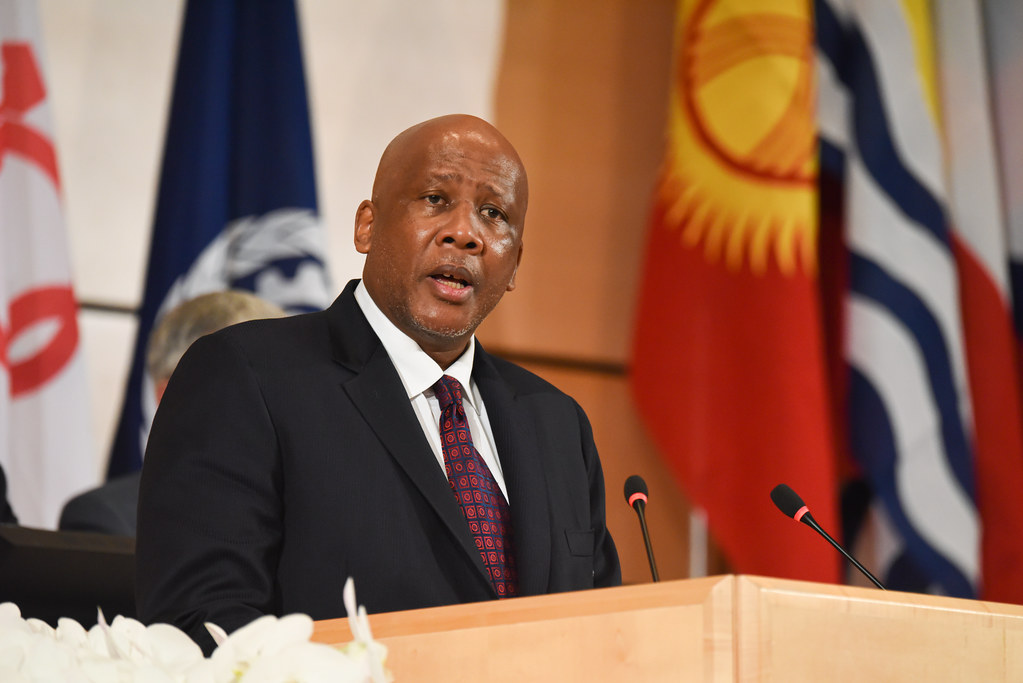
Black Royalty Series: King Letsie III of Lesotho – Monarch, Diplomat, and National Figure

This photograph is the property of its respective owner. No copyright infringement intended.

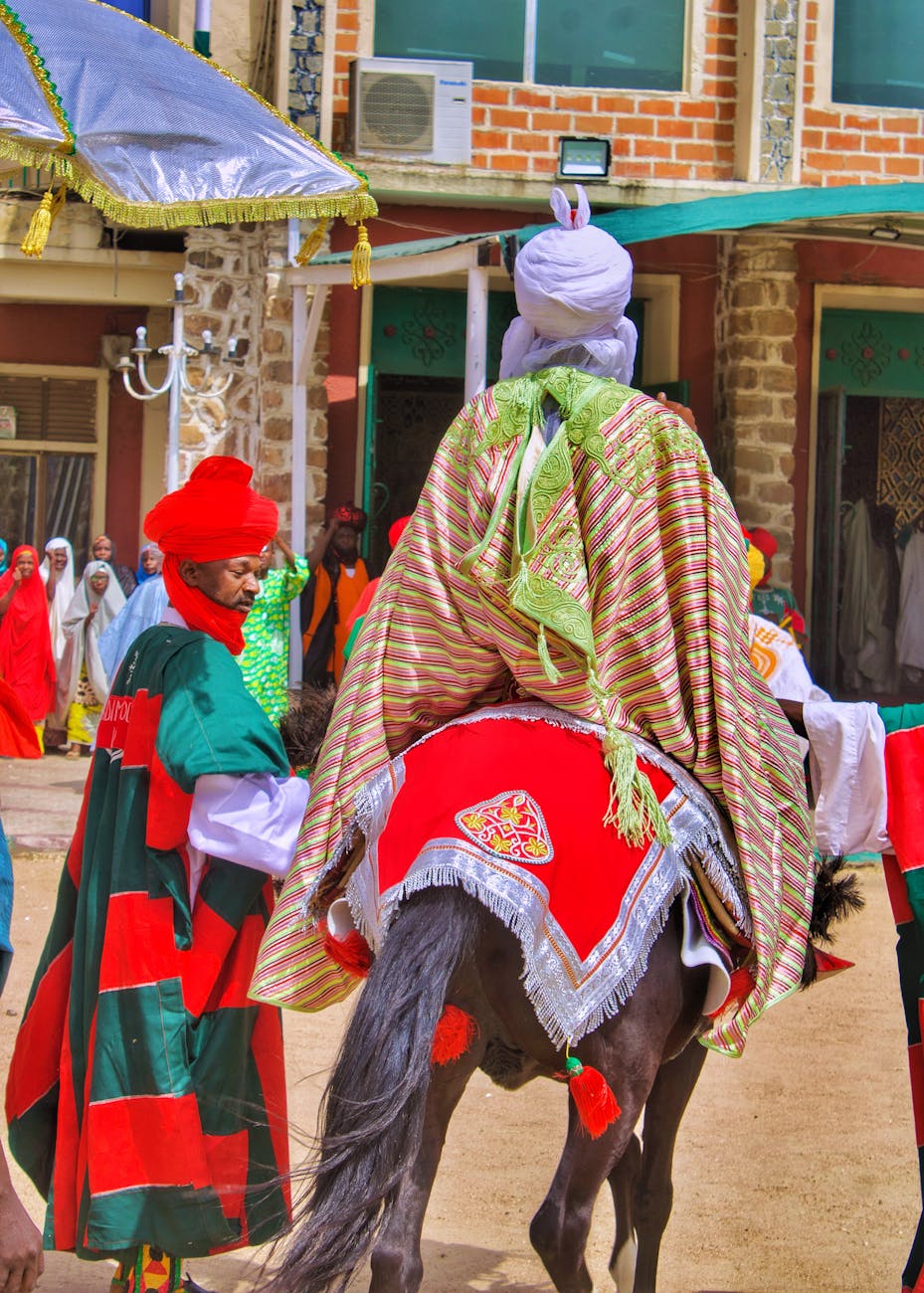
King Letsie III is the current monarch of the Kingdom of Lesotho, a small, landlocked nation completely surrounded by South Africa. Born on July 17, 1963, as David Mohato Bereng Seeiso, he became a central figure in Lesotho’s constitutional monarchy, balancing ceremonial duties with political influence and international diplomacy.

Lesotho, historically known as Basutoland under colonial rule, gained independence from Britain in 1966. The nation is largely mountainous, with a population that maintains strong cultural traditions centered around the Basotho ethnic group. The monarchy in Lesotho plays a symbolic and unifying role, representing national identity while functioning within the framework of a constitutional democracy.

King Letsie III is the eldest son of King Moshoeshoe II and Queen ‘Mamohato Bereng Seeiso. His father, Moshoeshoe II, was a founding figure of Lesotho’s monarchy and a symbol of continuity during periods of political instability. King Letsie received his education in Lesotho, South Africa, and the United Kingdom, including legal and political studies that prepared him for both ceremonial and practical leadership roles.

He first ascended the throne on November 12, 1990, after King Moshoeshoe II was exiled amid political conflict. Letsie’s early reign coincided with a period of tension between the monarchy and elected governments, reflecting Lesotho’s struggle to balance traditional authority with democratic institutions. His father was later reinstated in 1995, after which Letsie abdicated, only to resume kingship following his father’s death in 1996.

As King, Letsie III serves primarily as a ceremonial head of state but also wields influence through moral authority and as a symbol of unity for the Basotho people. He participates in state functions, diplomatic engagements, and national ceremonies, promoting cultural heritage and national cohesion.

King Letsie III has been involved in various initiatives aimed at development and social welfare in Lesotho. He is particularly committed to public health, education, and HIV/AIDS awareness, aligning with organizations such as Sentebale, co-founded by his brother, Prince Seeiso, and Prince Harry, to support children affected by HIV/AIDS in southern Africa.

His monarchy emphasizes the integration of traditional leadership into modern governance. Lesotho’s chiefs and royal family members play a mediating role between communities and the state, supporting conflict resolution, land management, and cultural preservation. King Letsie is central to these efforts, leveraging his authority to stabilize governance and foster national dialogue.

The king is married to Queen ‘Masenate Mohato Seeiso, and together they have children, including Prince Lerotholi, who is in line for the throne. His family life remains largely private but is respected as a model of royal duty and cultural stewardship within Lesotho.

Internationally, King Letsie has cultivated diplomatic relationships with neighboring South Africa and other global partners. He participates in Commonwealth events, African Union engagements, and international forums where Lesotho’s development challenges and opportunities are highlighted.

This photograph is the property of its respective owner. No copyright infringement intended.

King Letsie III has received several honors and awards recognizing his service and leadership. These include appointments within the Orders of Lesotho, Commonwealth honors, and recognition for his contributions to HIV/AIDS advocacy and humanitarian initiatives across southern Africa.

Under his reign, Lesotho has maintained relative political stability compared to earlier decades marked by coups, civil unrest, and tensions between military and civilian governments. The king’s presence as a symbolic authority has often contributed to negotiation and conflict mediation, reinforcing social cohesion.

He actively promotes Lesotho’s culture and heritage, from traditional Basotho dress to local customs, music, and festivals. By elevating cultural identity, King Letsie strengthens national pride and counters cultural erasure in the region dominated by South Africa.

King Letsie III also serves as a patron for environmental initiatives and sustainable development in Lesotho, emphasizing protection of the highland ecosystem, water resources, and agriculture. His advocacy supports both ecological preservation and local livelihoods in rural communities.

His leadership is characterized by a blend of ceremonial duty, cultural representation, and modern engagement, highlighting the evolving role of African monarchs in the 21st century. King Letsie III represents continuity, diplomacy, and moral authority for Lesotho while fostering the international visibility of his nation.


References

Royal Household of Lesotho. (n.d.). His Majesty King Letsie III. Government of Lesotho. Retrieved from https://www.gov.ls/royal-family

BBC News. (2016). King Letsie III: Lesotho’s Constitutional Monarch. BBC. Retrieved from https://www.bbc.com/news/world-africa-37391177

Sentebale. (2023). Prince Seeiso and the Royal Family of Lesotho. Sentebale. Retrieved from https://www.sentebale.org

Peters, J. (2020). Modern African Monarchies: Tradition and Transformation. Cambridge University Press.

Mokoena, T. (2018). African Royals in the 21st Century: Leadership and Philanthropy. Johannesburg: South African Historical Press.

Harris, M. (2019). Royal Leadership in Southern Africa: Authority, Culture, and Social Impact. African Affairs, 118(473), 112–131.
How to Meet a Prince: The Modern Woman’s Guide to Love, Position, and Purpose.

In a world shaped by fairytales, romance films, and social media fantasies, many women quietly ask the same timeless question: How can I meet a prince? The image of a crown, a palace, and a grand love story still captures the imagination. Yet beneath the fantasy lies a deeper truth — meeting a “prince” in the real world is less about chance encounters and more about position, proximity, and preparation.

The modern prince does not always wear a crown. More often, he wears responsibility, discipline, leadership, and purpose. He is a man of character, emotional intelligence, spiritual grounding, and vision. Royalty today is defined not by bloodline, but by how a man builds his life and treats others.

Before searching outward, a woman must first redefine what she is truly seeking. A prince is not simply a wealthy man or a handsome man. He is a man who leads with integrity, protects with strength, provides with wisdom, and loves with intention. Such men are rare, not because they do not exist, but because they are usually focused on building, not browsing.

This brings us to the first practical reality: you meet high-caliber men in high-caliber environments. Exceptional men are rarely found in random spaces or casual settings. They are most often encountered in intentional environments — professional conferences, academic circles, entrepreneurial networks, cultural events, wellness spaces, and purpose-driven communities. For women rooted in faith, strong churches, leadership ministries, and spiritual retreats remain some of the most powerful places to encounter men of depth and moral clarity.

Where you go determines who you meet.
Environment shapes destiny.

However, location alone is not enough. The more important question is not where the prince is? But rather, who is the woman he would choose?

High-level men are drawn to women who carry peace, emotional maturity, discipline, and grace. They seek beautiful women, yes — but also grounded, self-aware, and purposeful. They are attracted to femininity that is soft yet strong, nurturing yet discerning. Not women who chase attention, but women who know how to receive love without begging for it.

This is where fantasy often collapses. Many women are taught to seek a prince, but few are taught how to become a queen.

Esther: The Blueprint for Preparation

The story of Esther gives one of the most powerful spiritual metaphors for this principle. Before Esther ever stood before King Ahasuerus, she underwent twelve months of preparation — six months with oil of myrrh and six months with sweet fragrances and purification (Esther 2:12, KJV).

She did not rush into the king’s presence.
She did not demand access.
She did not rely on beauty alone.

She was refined. Processed. Anointed. Prepared.

And it was only after preparation that she was granted favor.

This is not just a romantic lesson — it is a spiritual one.

In the same way, Esther could not approach an earthly king without purification, we cannot casually approach the Most High without preparation of the heart, mind, and spirit. Scripture repeatedly teaches that God is holy, and those who seek Him must come with reverence, humility, and a transformed heart.

Just as Esther prepared her body and character before meeting the king, believers are called to prepare their souls before approaching God through repentance, prayer, fasting, discipline, and the renewing of the mind.

Esther’s preparation mirrors spiritual preparation:
She purified herself → We cleanse our hearts.
She was anointed → We seek the anointing of the Spirit.
She was instructed → We seek wisdom through Scripture.
She waited → We learn patience and submission to divine timing.

Esther teaches us that access requires alignment.

You do not rush into royalty.
You prepare for it.

And this applies not only to love — but to destiny, purpose, and divine intimacy.

Ruth and Boaz: The Blueprint for Divine Positioning

The story of Ruth and Boaz offers another profound blueprint for divine alignment in love. Ruth did not pursue Boaz with desperation or seduction; she pursued purpose, loyalty, and obedience to God. As a widowed foreign woman, she committed herself to Naomi, worked diligently in the fields, and remained humble in her circumstances.

It was through her labor and faithfulness that Boaz noticed her character before her beauty. Scripture describes Boaz as a “mighty man of wealth” (Ruth 2:1, KJV), yet what drew him to Ruth was her virtue, not her availability.

Their union teaches that kingdom relationships are not formed through chasing, but through faithfulness, service, and divine positioning. Ruth met Boaz not while searching for a husband, but while building a life of purpose — and God aligned her with a man who covered, honored, and redeemed her.

Social Positioning and Divine Alignment

High-level relationships are rarely built through pursuit. They are built through alignment. Socially, most meaningful connections happen through networks — mutual friends, professional circles, mentors, community leaders, and trusted introductions. Royal love stories are not usually random. They are relational, strategic, and organic.

Your circle determines your options.
Your standards determine your outcomes.

From a biblical perspective, this pattern is consistent. Rebekah was found while serving. Ruth was found while working on purpose. Esther was found after preparation and refinement. The Proverbs 31 woman was already established in character, wisdom, and discipline. None of these women was chasing men. They were positioned by God while becoming.

“He that findeth a wife findeth a good thing…” — Proverbs 18:22 (KJV)

The man finds.
The woman prepares.

This principle shifts everything. A woman does not hunt a prince. She cultivates herself into a queen — spiritually, emotionally, intellectually, and physically. She refines her boundaries, her environment, her habits, and her inner world. She becomes selective, not desperate. Peaceful, not performative. Grounded, not anxious.

And something remarkable happens when this shift occurs: royal men begin to recognize royal women.

Not because of crowns.
But because of the presence.
Energy.
Standards.
Self-respect.
And spiritual alignment.

The Real Secret Behind Meeting a Prince

The true secret behind meeting a prince is not luck, beauty, or manifestation rituals. It is positioning, preparation, and proximity. It is upgrading your environment, elevating your standards, nurturing your purpose, and aligning your life with peace and intention.

Here are 10 steps to preparing for a king — emotionally, spiritually, mentally, and practically ( real-life “king energy” meaning a high-value, God-centered man):

  1. Strengthen your relationship with God first
    A true king is led by God, not ego. If you want a Godly man, you must be a Godly woman. Develop prayer, fasting, scripture reading, and spiritual discipline (Matthew 6:33).
  2. Heal your past wounds
    Kings don’t want to compete with your trauma. Heal from heartbreak, abandonment, or daddy issues so you don’t project pain onto a healthy man.
  3. Cultivate inner beauty and character
    A king looks for peace, not chaos. Work on patience, kindness, humility, emotional intelligence, and self-control (Proverbs 31:30).
  4. Refine your femininity
    Femininity is not weakness—it’s grace, softness, wisdom, and emotional strength. Learn how to communicate gently, receive love, and inspire rather than dominate.
  5. Develop self-respect and boundaries
    No fornication, no entertaining bare minimum men, no accepting inconsistency. A queen does not beg—she discerns.
  6. Educate yourself and grow intellectually
    Kings enjoy stimulating conversations. Read, study, build skills, understand finances, culture, and the world.
  7. Become physically healthy and well-groomed
    Not perfection—discipline. Take care of your body, style yourself with elegance, hygiene, fitness, and confidence.
  8. Learn how to be a peaceful partner
    Not argumentative, not combative. Learn conflict resolution, emotional regulation, and how to be a safe place.
  9. Develop your purpose and calling
    A king wants a woman with vision, not dependency. Have goals, a mission, and a life before him.
  10. Prepare to serve, not just be served
    Royal relationships are about partnership. Learn nurturing, hospitality, loyalty, and how to pour into a man who pours into you.

“She openeth her mouth with wisdom; and in her tongue is the law of kindness.” — Proverbs 31:26 (KJV)

In short:
You don’t attract a prince by chasing one — you attract him by becoming a queen. 👑

Fairytales are not built on magic.
They are built on becoming.

And the moment a woman truly becomes a queen in mindset, lifestyle, and spirit, she no longer needs to search for a prince.

Just like Esther, she is prepared for favor.
Just like Ruth, she is positioned for redemption.

And favor always finds the prepared. 👑

.
He will recognize her. 👑

The Kingdoms of This World

The phrase “the kingdoms of this world” evokes both a theological and historical imagination, referring not only to political empires but to systems of power, culture, and identity that shape human civilization. In biblical literature, kingdoms are not merely geographic territories; they are moral, spiritual, and ideological orders that reflect humanity’s relationship to God, authority, and justice. Within this framework, Black kingdoms—both biblical and African—occupy a significant but often marginalized place in world history and sacred narrative.

The Bible presents Africa and African-descended peoples as foundational to early civilization. From the genealogies in Genesis to the empires that shaped the ancient Near East, Black kingdoms appear repeatedly as centers of power, wisdom, and divine interaction. Yet Eurocentric interpretations have historically minimized or obscured these realities, reframing biblical history through a Western racial lens.

One of the earliest Black kingdoms mentioned in the Bible is Cush, identified with Nubia and ancient Sudan. In Genesis 10, Cush is named as the son of Ham and the father of Nimrod, described as the first mighty ruler on earth. Cush is associated with military strength, wealth, and early state formation, positioning Africa at the very origin of post-Flood civilization.

Ethiopia, often synonymous with Cush in biblical texts, appears frequently in the Old Testament as a respected and powerful nation. Psalm 68:31 famously declares, “Ethiopia shall soon stretch out her hands unto God,” symbolizing divine recognition and spiritual significance. Ethiopia was not portrayed as peripheral but as a kingdom with diplomatic relations, armies, and religious authority.

Another major Black biblical kingdom is Egypt, arguably the most influential ancient civilization in human history. Egypt dominates the biblical narrative from Genesis through Exodus, serving as both refuge and oppressor. Abraham sojourned in Egypt, Joseph ruled in Egypt, and Moses was educated in the royal court of Egypt. Egypt is depicted as technologically advanced, philosophically complex, and politically dominant.

The Exodus story itself situates Egypt as the archetype of imperial power. Pharaoh represents not merely a political ruler but a symbolic embodiment of worldly authority opposing divine liberation. Yet Egypt’s greatness is never denied; it is portrayed as the supreme empire of its time, ruling through knowledge, architecture, engineering, and spiritual institutions.

Another significant biblical kingdom is Sheba, commonly associated with regions of Ethiopia, Yemen, and the Horn of Africa. The Queen of Sheba’s visit to King Solomon demonstrates Africa’s role as a source of wealth, wisdom, and international diplomacy. She is described as arriving with gold, spices, and intellectual curiosity, challenging and affirming Solomon’s wisdom.

Sheba’s appearance disrupts Western assumptions about ancient power. The Queen is not subordinate but sovereign, not exotic but intellectual, not marginal but central to the global political network of the ancient world. Her kingdom represents Africa as an epistemic authority, a producer of knowledge and culture.

Libya, known in biblical texts as Put, is another African kingdom involved in ancient warfare and alliances. Put appears in the prophetic books as a military power aligned with Egypt, indicating Africa’s geopolitical influence in the ancient Mediterranean world. These kingdoms were not isolated but deeply integrated into global history.

Beyond the Bible, African history reveals vast civilizations that rivaled and surpassed European empires in wealth, organization, and intellectual development. One of the most famous is the Mali Empire, which flourished in West Africa between the 13th and 16th centuries. Mali controlled trans-Saharan trade routes and became one of the richest empires in human history.

Mansa Musa, the most renowned ruler of Mali, is widely considered the wealthiest individual who ever lived. His pilgrimage to Mecca in 1324 reshaped global economies, distributing so much gold that it caused inflation across North Africa and the Middle East. Mali was not only wealthy but intellectually dominant, with universities in Timbuktu that rivaled medieval European institutions.

The Mali Empire also functioned as a center of Islamic scholarship, law, astronomy, and medicine. Libraries housed thousands of manuscripts, and scholars from across the Islamic world traveled to study there. This directly contradicts colonial narratives that portray Africa as intellectually barren before European contact.

Another major African kingdom was Great Zimbabwe, which flourished between the 11th and 15th centuries in Southern Africa. Its massive stone architecture, complex urban planning, and extensive trade networks demonstrate advanced engineering and political organization. European colonizers initially refused to believe Africans built it, attributing it falsely to Phoenicians or Arabs.

Great Zimbabwe controlled trade routes linking Africa to China, Persia, and India, exporting gold, ivory, and copper. Its very existence undermines the myth that Africa lacked civilization, revealing instead a long tradition of architectural mastery and global economic participation.

These African kingdoms parallel biblical themes of rise and fall. Like Egypt, Cush, and Sheba, Mali and Zimbabwe illustrate how kingdoms operate within divine cycles of power, wealth, justice, and decline. Scripture repeatedly teaches that no empire is permanent and that human authority is ultimately limited.

In the New Testament, Jesus declares, “My kingdom is not of this world,” distinguishing divine sovereignty from worldly empires. Yet Revelation speaks of “the kingdoms of this world” becoming the kingdoms of God, implying that all political systems are subject to spiritual judgment and transformation.

This theological framework invites a reinterpretation of Black history. Black kingdoms were not accidents of geography but expressions of divine order within human civilization. Their suppression through slavery and colonialism represents not natural decline but violent interruption of historical trajectories.

Colonialism functioned as a global reconfiguration of kingdoms, replacing African and Indigenous sovereignty with European imperial systems. These new “kingdoms of this world” restructured knowledge, race, labor, and power, redefining humanity itself through hierarchies of domination.

The erasure of Black kingdoms from mainstream history is therefore epistemological, not accidental. It reflects what scholars call “colonial knowledge production,” where history is written to legitimize conquest. Reclaiming Black kingdoms becomes an act of intellectual and spiritual restoration.

The Bible itself offers a counter-narrative. It consistently situates Africa within sacred history, not as an afterthought but as a foundational space of civilization, prophecy, and divine interaction. Black kingdoms are not footnotes; they are pillars.

Ultimately, “the kingdoms of this world” reveal that power is cyclical, meaning is political, and history is contested. Black kingdoms—biblical and African—demonstrate that Africa has always been central to global civilization, not marginal to it.

To study these kingdoms is not merely to recover lost history but to challenge the philosophical foundations of modernity itself. Black kingdoms remind the world that civilization did not begin in Europe, and that the future of humanity cannot be understood without Africa at its center.


References

Bible. (2011). King James Version. Hendrickson Publishers.

Diop, C. A. (1974). The African origin of civilization: Myth or reality. Lawrence Hill Books.

Fanon, F. (1967). Black skin, white masks. Grove Press.

Gordon, L. R. (2008). An introduction to Africana philosophy. Cambridge University Press.

Ki-Zerbo, J. (1997). General history of Africa, Vol. I: Methodology and African prehistory. UNESCO.

Levtzion, N., & Hopkins, J. F. P. (2000). Corpus of early Arabic sources for West African history. Markus Wiener.

Mudimbe, V. Y. (1988). The invention of Africa: Gnosis, philosophy, and the order of knowledge. Indiana University Press.

Shillington, K. (2018). History of Africa (4th ed.). Palgrave Macmillan.

Toby Green, T. (2019). A fistful of shells: West Africa from the rise of the slave trade to the age of revolution. University of Chicago Press.

Wynter, S. (2003). Unsettling the coloniality of being/power/truth/freedom. The New Centennial Review, 3(3), 257–337.

Biblical History: 👑 Queen Makeda (The Queen of Sheba)

Photo by John Ray Ebora on Pexels.com

👑 Wisdom, Beauty, and Global Influence 👑

Queen Makeda, famously known as the Queen of Sheba, is celebrated as one of the most iconic figures in both biblical and Ethiopian history. Her story reflects an extraordinary combination of beauty, intelligence, and diplomacy, setting the standard for melanated female leadership. The King James Version recounts: “And when the queen of Sheba heard of the fame of Solomon, she came to prove him with hard questions at Jerusalem, with a very great train, and camels that bare spices, and very much gold, and precious stones” (1 Kings 10:1–2, KJV). This narrative highlights her initiative, intellect, and regal presence.

Makeda’s journey to Jerusalem was a deliberate test of Solomon’s wisdom. She arrived not merely as a traveler but as an intellectual equal seeking knowledge and insight. Her ability to pose profound questions reflects a sophisticated understanding of governance, diplomacy, and theology. In doing so, she embodies the ideal that leadership is rooted in both mind and character.

Biblical accounts emphasize her discernment and spiritual awareness. Upon witnessing Solomon’s wisdom, she “praised the Lord with all her heart” (1 Kings 10:7, KJV), demonstrating that recognition of true wisdom extends beyond human intellect to divine insight. Makeda’s reverence for knowledge and God’s guidance aligns her story with Proverbs 3:13 (KJV): “Happy is the man that findeth wisdom, and the man that getteth understanding.”

Makeda’s wealth and strategic presentation of gifts — spices, gold, and precious stones — reflect her political acumen. These offerings were not mere tokens; they were symbolic of her nation’s prosperity and her ability to negotiate alliances. Proverbs 31:16 (KJV) similarly highlights foresight and resourcefulness: “She considereth a field, and buyeth it: with the fruit of her hands she planteth a vineyard.” Makeda’s diplomacy demonstrates that intellectual beauty complements material and strategic intelligence.

Psychologically, Makeda exemplifies the archetype of a melanated queen whose confidence derives from competence, presence, and poise. Leadership studies suggest that individuals who combine charisma with cognitive skill are often more persuasive and effective in negotiations (Bass & Riggio, 2006). Makeda’s story illustrates this principle: her influence extended beyond physical beauty to mental acuity and strategic thinking.

Culturally, Ethiopian traditions elevate Makeda’s legacy as a mother of kings. According to tradition, she bore King Solomon’s son, Menelik I, founder of the Solomonic dynasty. This lineage symbolizes a fusion of divine favor, royal authority, and melanated excellence. Her story continues to inspire pride in African heritage and affirm the historical significance of Black queenship.

Comparisons with other African queens reinforce her archetype. Queen Nzinga of Angola, like Makeda, combined beauty with exceptional military and diplomatic skill, resisting colonization and preserving her people’s autonomy. Similarly, Hatshepsut of Egypt balanced aesthetic elegance with political authority, ruling successfully as a pharaoh. These comparisons show that Makeda’s integration of intellect, beauty, and leadership is a recurring theme in African history.

Makeda’s beauty is consistently noted alongside her intellect. Biblical and historical texts emphasize her regal appearance, but her acclaim arose from her wisdom and discernment as much as from her looks. 1 Kings 10:10 (KJV) reports the lavish gifts she gave Solomon: “And she gave the king an hundred and twenty talents of gold, and of spices very great store, and precious stones: there came no more such abundance of spices as these which the queen of Sheba gave to king Solomon.” These gestures indicate her aesthetic refinement, strategic vision, and wealth.

From a psychological perspective, Makeda’s story demonstrates the principle of “integrated leadership,” in which beauty, charisma, and intellect reinforce one another. Leadership psychology argues that such integration enhances influence, credibility, and cross-cultural diplomacy. Makeda’s engagement with Solomon illustrates how aesthetics and intellect can operate synergistically to achieve diplomatic and spiritual outcomes.

Her global cultural impact is significant. Makeda has been celebrated in Ethiopian art, literature, and music for centuries. She inspired medieval European tales and modern novels, symbolizing a powerful, intelligent Black woman who navigates international relations with skill. Contemporary discussions of female leadership and melanated beauty often invoke her story as a reference point.

Makeda’s spiritual significance is also profound. Her recognition of Solomon’s God reflects alignment with divine wisdom and ethical governance. Proverbs 31:25 (KJV) states, “Strength and honour are her clothing; and she shall rejoice in time to come.” Her story exemplifies this scripture, demonstrating that true queenship intertwines moral integrity with worldly power.

Her legacy extends into symbolism and pedagogy. She is taught in Ethiopian schools and celebrated during cultural festivals, reinforcing the value of intellect, diplomacy, and beauty for young melanated women. By embodying a model where wisdom and aesthetics coexist, she challenges modern narratives that separate beauty from intelligence.

Makeda’s story also intersects with gender studies, illustrating the capacities of women to wield influence in patriarchal societies. Her ability to negotiate, question, and impress Solomon shows that melanated women historically exercised agency and power in both public and private spheres, often shaping dynastic and political trajectories.

In conclusion, Queen Makeda’s life reflects a timeless combination of wisdom, beauty, and leadership. Her diplomatic visit to King Solomon, the gifts she presented, and the lineage she established all reinforce her status as a paradigmatic melanated queen. She serves as a historical and spiritual model for intelligence, strategic thinking, and regal poise, leaving a legacy that continues to inspire leaders, scholars, and admirers of melanated beauty worldwide.


References

  • Bass, B. M., & Riggio, R. E. (2006). Transformational leadership. Psychology Press.
  • Hamilton, V. P. (1990). The Book of Kings: Commentary. Eerdmans.
  • Leslau, W. (1979). Ethiopian historical records and the Queen of Sheba. University of California Press.
  • The Holy Bible, King James Version.
  • Wasyliw, P. (2007). Queens and queenship in African history. African Studies Review, 50(2), 65–90.

African Kings’ Aesthetic Legacy — Shaka Zulu, Mansa Musa, and the Menelik Lineage.

Across the tapestry of African history, the aesthetic and regal expressions of its kings reveal a profound cultural sophistication. Far more than adornment, African royal aesthetics embodied spiritual authority, political power, divine lineage, and communal identity. This legacy—rooted in ancestral dignity, biblical heritage, and sociopolitical strategy—remains etched in the memory of the African diaspora, shaping contemporary visions of beauty, pride, and leadership.

Shaka Zulu, the legendary king of the Zulu Kingdom, is often remembered for military revolution, but his visual presence was equally symbolic. His regalia—leopard skins, feathered headpieces, and the formidable iklwa spear—embodied authority and spiritual connection to ancestral power. In Zulu culture, leopard skin signified rulership and sacred status, marking Shaka as chosen by both lineage and divine purpose.

Shaka’s aesthetic choices were not mere performance. Royal attire served as psychological warfare, instilling fear in enemies and reverence among followers. His bare-chested stature, adorned in animal skins and traditional ornaments, portrayed strength, discipline, and a warrior-king archetype. This image continues to inspire modern African aesthetics rooted in courage, masculinity, and ethnic honor.

While Shaka’s visual legacy radiates martial might, Mansa Musa’s majesty reflects wealth, scholarship, and spiritual devotion. Known as the wealthiest ruler in recorded history, the emperor of Mali broadcast divine prosperity through gold-embroidered robes, luxurious fabrics, and grand caravans laden with gold during his pilgrimage to Mecca. His aesthetic was sanctified opulence—material abundance presented as a testament to divine favor.

Mansa Musa’s attire and gifts symbolized more than personal wealth; they expressed Mali’s intellectual and religious elevation. His support for Islamic scholarship and architectural development, including the famed Sankore University, reveals a king whose regal splendor mirrored cultural enlightenment. To look upon Musa was to witness the glory of a spiritually anchored kingdom infused with educational prestige.

A great king is often measured not only by wealth or war but by their ability to uplift their nation’s beauty and identity. In both Shaka and Mansa Musa’s reigns, attire communicated a message: African sovereignty was majestic, cultured, and God-ordained. Their legacy resists colonial narratives that sought to reduce African kingdoms to primitiveness.

The Menelik lineage—tracing origins to King Solomon and the Queen of Sheba—offers another dimension to African royal aesthetics: biblical legitimacy. Ethiopian emperors, believed to descend from Menelik I, carried themselves with divine authority. Crowns adorned with crosses, ceremonial robes, lion symbolism, and sacred scepters proclaimed their connection to the Lion of Judah.

This lineage grounded royal aesthetics in scripture, blending Hebraic tradition with African identity. Ethiopian kings and queens, from Menelik to Haile Selassie, wore garments that mirrored priesthood and ancient Israelite tradition—silk robes, jeweled crowns, and embroidered crosses. Their appearance declared covenant heritage and sacred kingship.

The Solomonic tradition did not merely borrow from biblical imagery; it asserted Africa’s centrality in salvation history. Through attire, ritual, and royal posture, Ethiopia preserved a visual theology: that God’s chosen lineage flowed through African bloodlines. Such aesthetics challenged Western religious narratives by rooting biblical heritage in the Black experience.

Across African kingdoms, beauty was political. Regalia conveyed legitimacy, commanded unity, and inspired resistance. It affirmed African dignity against centuries of distortion and erasure. The royal aesthetic stood as evidence that African civilization produced rulers equal to, and often surpassing, those of Europe and Asia.

Moreover, African royal aesthetics fused spirituality and statehood. Kings were more than rulers—they were shepherds, protectors, and spiritual intercessors. Whether through animal symbolism, gold ornamentation, or embroidered sacred garments, regalia reminded subjects that rulership was divine stewardship. Visual splendor communicated sacred responsibility.

Today, the aesthetic legacy of African kings influences modern fashion, leadership imagery, and cultural pride. From contemporary artists drawing inspiration from royal attire to global celebrations of African textiles, jewelry, and hairstyles, the regal memory still reigns. It informs movements reclaiming African identity from colonial distortion.

In the diaspora, this legacy also sustains psychological empowerment. Images of African kings counterbalance narratives of enslavement and inferiority. They offer icons of nobility, strength, and divine selection—foundations for renewed cultural confidence. Aesthetic tradition becomes a tool for spiritual and social restoration.

Biblically, kingship and beauty intertwine with divine covenant. The scriptures declare: “I have said, Ye are gods; and all of you are children of the most High” (Psalm 82:6, KJV). African kings embodied this truth, wearing majesty not for vanity but for sacred duty. Their appearance testified to the divine imprint upon Black identity.

Thus, the aesthetic legacies of Shaka Zulu, Mansa Musa, and the Menelik line are not relics—they are living testimonies. They call today’s generation to reclaim dignity, honor, and spiritual royalty. Through wardrobe, posture, and cultural pride, the descendants of these kingdoms continue to rise, embodying a beauty forged in history and blessed by God.

Below the surface of gold, feathers, hides, and crowns lies a fundamental truth: African kings dressed as heirs of divine promise. Their aesthetic legacy remains a spiritual inheritance—an invitation to walk in royal identity, remembering that Black majesty is not a myth but a recorded, sacred reality.


References
Boahen, A. A. (2011). African perspectives on colonialism. Diasporic Press.
Davidson, B. (1998). A history of West Africa. Longman.
Isaac, S. (2020). Ethiopia and the lineage of Solomon: An African biblical heritage. Hebraic Studies Journal, 12(3), 45–62.
Knight, I. (2015). Zulu rising: The epic story of iSandlwana and Rorke’s Drift. Macmillan.
Levtzion, N., & Hopkins, J. F. P. (Eds.). (2000). Corpus of early Arabic sources for West African history. Markus Wiener.
Trimingham, J. S. (2018). Islam in West Africa. Oxford African Texts.

African Queens and Leaders: Lessons in Power and Grace.

Photo by Joni Musi on Pexels.com

The history of Africa is marked not only by kingdoms and empires but also by the powerful women who shaped them. Too often, Western narratives have marginalized or erased the contributions of African queens and women leaders. Yet, when examined closely, history reveals women whose legacies were characterized by power, wisdom, resilience, and grace. These women were not only political figures but also spiritual leaders, military strategists, and symbols of cultural pride. Their stories continue to inspire contemporary discussions on leadership, womanhood, and dignity.

Queen Makeda of Sheba: A Model of Wisdom

Queen Makeda, known as the Queen of Sheba, is remembered both in the Bible (1 Kings 10, KJV) and Ethiopian tradition as a woman of intellect and grace. Her journey to Jerusalem to test King Solomon’s wisdom symbolizes the pursuit of knowledge and the recognition of divine order. Her legacy teaches that power is not only about wealth and authority but also about intellectual curiosity, diplomacy, and humility before God’s wisdom.

Queen Amina of Zazzau: The Warrior Queen

Queen Amina of the Hausa city-state of Zazzau (modern-day Nigeria) ruled in the 16th century and is celebrated as a fearless warrior and strategist. She expanded her kingdom through military campaigns and fortified cities with walls that remain cultural landmarks today. Amina’s reign demonstrates that African queens did not only govern from palaces but also led from the battlefield. Her life reflects courage, discipline, and the ability to balance strength with visionary leadership.

Queen Nzinga of Ndongo and Matamba: Diplomacy and Resistance

In Angola, Queen Nzinga (1583–1663) remains one of the most revered African leaders. Known for her sharp diplomacy and fierce resistance against Portuguese colonization, she negotiated treaties, waged wars, and protected her people from enslavement. Nzinga’s ability to adapt—whether through alliances, military strategy, or political cunning—reflects grace under pressure. She exemplifies how women in leadership can combine resilience with wisdom to preserve sovereignty and dignity.

Cleopatra VII: Political Genius and Cultural Symbol

Though often remembered through the lens of Roman accounts, Cleopatra VII of Egypt (69–30 BCE) was a formidable leader who safeguarded her throne in turbulent times. Fluent in multiple languages and skilled in politics, she strategically aligned Egypt with Rome while maintaining Egyptian traditions. Despite historical attempts to reduce her legacy to beauty and seduction, Cleopatra represents the intellect, grace, and political acumen that African queens embodied.

Queen Nandi of the Zulu: The Power of Motherhood

Nandi, mother of the legendary Zulu king Shaka, is celebrated for her resilience and maternal leadership in early 19th-century South Africa. Facing stigma as a single mother, she endured hardship but raised one of the greatest military leaders in African history. Nandi’s story highlights the often-overlooked role of women in shaping dynasties not just through rulership, but also through nurturing, guidance, and cultural influence.

Biblical Lessons on Women of Power

The Bible also affirms the place of women in leadership and grace. Figures such as Deborah, the prophetess and judge of Israel (Judges 4–5, KJV), remind us that God raises women to lead with wisdom and strength. These parallels between African queens and biblical heroines demonstrate that female leadership is divinely ordained, blending power with spiritual responsibility.

Lessons for Today’s Leaders

From Queen Amina’s boldness to Nzinga’s diplomacy and Nandi’s maternal strength, these women reveal that leadership is multidimensional. They balanced authority with compassion, strength with wisdom, and power with grace. For modern women—particularly women of African descent—these queens serve as reminders that leadership can be fierce yet nurturing, powerful yet graceful. Their stories dismantle stereotypes of leadership as masculine, instead offering models of feminine strength that remain timeless.


References

  • Davidson, B. (1991). African kingdoms. Time-Life Books.
  • Falola, T., & Jennings, C. (2003). Sources and methods in African history: Spoken, written, unearthed. University of Rochester Press.
  • KJV Bible: 1 Kings 10 (Queen of Sheba); Judges 4–5 (Deborah).
  • Miller, J. (1975). Queen Nzinga: History, myth, and memory in Angola. Journal of African History, 16(3), 389–416.
  • Nwando, A. (2011). Becoming an African queen: Power and dynastic politics in precolonial Africa. Cambridge University Press.

The Lost Kings and Queens: Reclaiming African Royal Lineage in the Diaspora.

“A people without the knowledge of their past history, origin, and culture is like a tree without roots.” — Marcus Garvey


Photo by Daggash Farhan on Pexels.com

African history is rich with kingdoms, dynasties, and monarchies that predate many Western empires. Yet much of this history has been obscured, diminished, or erased due to the transatlantic slave trade, colonization, and the cultural manipulation of dominant powers. The “lost kings and queens” of Africa represent not only individuals but entire lineages of leadership, wisdom, and cultural stewardship. These rulers were custodians of knowledge, justice, and spiritual guidance, linking African peoples to God’s covenant and the biblical narrative of the twelve tribes of Israel. Reclaiming this royal lineage is a task of historical restoration, genealogical tracing, and spiritual awakening for the African diaspora.


Historical Context and Lost Lineages

The height of African civilization between 1000 BCE and 1600 CE produced kingdoms renowned for governance, culture, and wealth. Among these were the Kingdoms of Kush, Axum, Mali, Songhai, Benin, and Great Zimbabwe. Monarchs like Mansa Musa of Mali (14th century) and Queen Amanirenas of Kush exemplify the sophistication and authority of African royalty. The loss of these royal lineages was accelerated by European colonial conquest, internal warfare, and the forced displacement of Africans during the slave trade. These events fractured communities and obscured connections to ancestral leadership, creating a cultural amnesia that continues to affect African descendants globally.


Biblical Connections: The Kingdom of God and the 12 Tribes

The Bible provides a spiritual framework for understanding African royalty. The twelve tribes of Israel, as described in Genesis and the historical books of the KJV Bible, were originally led by patriarchs who exemplified godly leadership, wisdom, and covenantal responsibility. Scholars argue that Africans, particularly through the lineage of Cush and Ham (Genesis 10:6–8, KJV), share a spiritual and genealogical connection to these tribes. The “fall from grace” described in scripture—through disobedience, idolatry, and exile—mirrors the historical subjugation of African kingdoms, where colonial and imperial forces usurped authority and disrupted the governance and culture of African peoples.


The Original Black Royalty

Original African royalty was both political and spiritual. Kings and queens were custodians of law, morality, and religious practice. Pharaohs of Kemet, the monarchs of Kush, and the emperors of Axum exercised centralized authority while upholding societal and spiritual order. These leaders were often scholars, priests, and strategists, ensuring the prosperity and continuity of their people. Their legacy is reflected in architecture, oral traditions, and historical texts, but centuries of suppression have obscured their stories. Today, the remnants of these lineages are visible in royal families in Ethiopia, Morocco, and Nigeria, as well as through the cultural traditions that survived the diaspora.


The African Royal Diaspora

The African royal diaspora refers to descendants of African nobility and leadership displaced through slavery and colonialism. These “lost kings and queens” include both documented heirs and those whose genealogical ties were erased by systemic oppression. The diaspora’s disconnection from ancestral authority contributed to the cultural, social, and psychological challenges faced by African descendants. Reclaiming this royal identity involves education, genealogical research, and cultural restoration. Understanding one’s heritage is crucial for restoring dignity and spiritual continuity.


Reclaiming Royal Lineage

Reclamation of African royal lineage involves multiple strategies:

  1. Genealogical Research: Tracing family histories through oral tradition, DNA analysis (including Y-chromosome haplogroups like E1B1A), and archival records.
  2. Cultural Revival: Reviving languages, rituals, and governance practices that honor ancestral traditions.
  3. Education and Scholarship: Promoting African-centered curricula and research that document the accomplishments of African royalty and leadership.
  4. Spiritual Reconnection: Integrating biblical principles and ancestral teachings to restore the moral and spiritual authority once exercised by African monarchs.

Modern-Day Examples of African Royalty

Several modern African monarchs and traditional leaders continue to embody the legacy of African kingship:

  • King Mohammed VI of Morocco maintains the Alaouite dynasty, a lineage dating back to the 17th century.
  • Emperor of Ethiopia, Haile Selassie I (recently deceased) symbolized the Solomonic dynasty, tracing descent from King Solomon and the Queen of Sheba.
  • Oba of Benin, Ewuare II preserves the heritage of the Benin Kingdom and cultural traditions of governance and spirituality.
    These figures exemplify continuity, resilience, and the living presence of African royalty.

Evidence and Sources

Historical, archaeological, and genealogical evidence supports the existence and continuity of African royalty. Primary sources include inscriptions, royal decrees, architecture, oral histories, and lineage records maintained by traditional authorities. Scholarly works such as Ivan Van Sertima’s They Came Before Columbus and Cheikh Anta Diop’s The African Origin of Civilization provide detailed analysis of African monarchies and their contributions to global civilization. Combined with biblical texts (KJV) referencing Cush, Ham, and the covenantal tribes, these sources form a robust foundation for understanding African royal lineage.


Conclusion

The lost kings and queens of Africa represent a lineage of governance, spirituality, and cultural mastery that has been obscured by slavery, colonization, and systemic oppression. Reclaiming this heritage requires historical scholarship, genealogical research, cultural restoration, and spiritual reconnection. For the African diaspora, rediscovering royal ancestry is not merely an academic exercise—it is an act of identity reclamation, empowerment, and continuity with God’s covenantal people as described in the scriptures. As Marcus Garvey reminds us, knowledge of one’s roots is essential for strength, purpose, and collective destiny. By restoring awareness of African kings and queens, we reclaim a narrative of dignity, wisdom, and divine legacy that has endured despite centuries of erasure.


References

  • Diop, C. A. (1974). The African Origin of Civilization: Myth or Reality. Chicago Review Press.
  • Franklin, J. H., & Moss, A. A. (2000). From Slavery to Freedom: A History of African Americans (8th ed.). McGraw-Hill.
  • Van Sertima, I. (1976). They Came Before Columbus: The African Presence in Ancient America. Random House.
  • Garvey, M. (1920). Philosophy and Opinions of Marcus Garvey. Universal Negro Improvement Association.
  • The Holy Bible, King James Version.
  • Egharevba, J. U. (1968). A Short History of Benin. Ibadan University Press.
  • Shillington, K. (2005). History of Africa (2nd ed.). Palgrave Macmillan.

“Queen Nefertiti: Black Beauty, Power, and the Politics of Aesthetic Legacy”


Introduction

In the annals of ancient history, few names conjure images of beauty and regality like Queen Nefertiti. Revered as the wife of Pharaoh Akhenaten and a powerful co-regent of Egypt’s 18th Dynasty, Nefertiti’s legacy endures not only through her political and religious influence but through the iconic limestone bust that has become a global symbol of feminine perfection. From Hitler’s obsession with her image to the racial politics surrounding her physical depiction, Nefertiti’s story is deeply intertwined with power, race, and Western fascination with Black beauty. This essay explores her biography, the cultural impact of her visage, and the lasting influence she had on her kingdom—and beyond.


Etymology and Identity: “The Beautiful One Has Come”

The name Nefertiti means “the beautiful one has come”, derived from the Egyptian Nefer (beauty) and iti (has come). Her name alone attests to the reverence she commanded in her time, not just for her appearance but for the spiritual and political harmony she represented in the court of Akhenaten (Tyldesley, 1998).


Biography: Life, Royalty, and Rule

Nefertiti lived during the 14th century BCE, flourishing in the period of the New Kingdom, specifically Egypt’s 18th Dynasty. While her origins are debated, many scholars believe she may have been of noble Egyptian or possibly Mitanni (Syrian) descent. She married Pharaoh Akhenaten, a revolutionary ruler who broke from traditional polytheism to promote the monotheistic worship of Aten, the sun disk.

Together, Nefertiti and Akhenaten ruled from Amarna, the new capital city built to honor Aten. Nefertiti was not a mere consort—reliefs depict her wearing the blue crown of pharaohs, smiting enemies and engaging in diplomacy, suggesting her co-regency and immense influence. The couple had six daughters and likely no sons, though some speculate she may have ruled under another name—possibly Neferneferuaten—after Akhenaten’s death (Reeves, 2004).


Nefertiti’s Kingdom and Influence

Nefertiti’s reign coincided with one of Egypt’s most radical transformations: the shift to monotheism under the Atenist revolution. As queen, she supported her husband in eliminating the powerful priesthood of Amun and redirecting worship to Aten. This act undermined centuries of religious tradition and centralized power in the royal family, particularly the queen. Nefertiti was not only a religious figure but likely also a diplomatic and military leader, overseeing a time of relative peace and artistic flourishing (Robins, 1993).


The Bust of Nefertiti: Beauty and Eurocentric Alterations

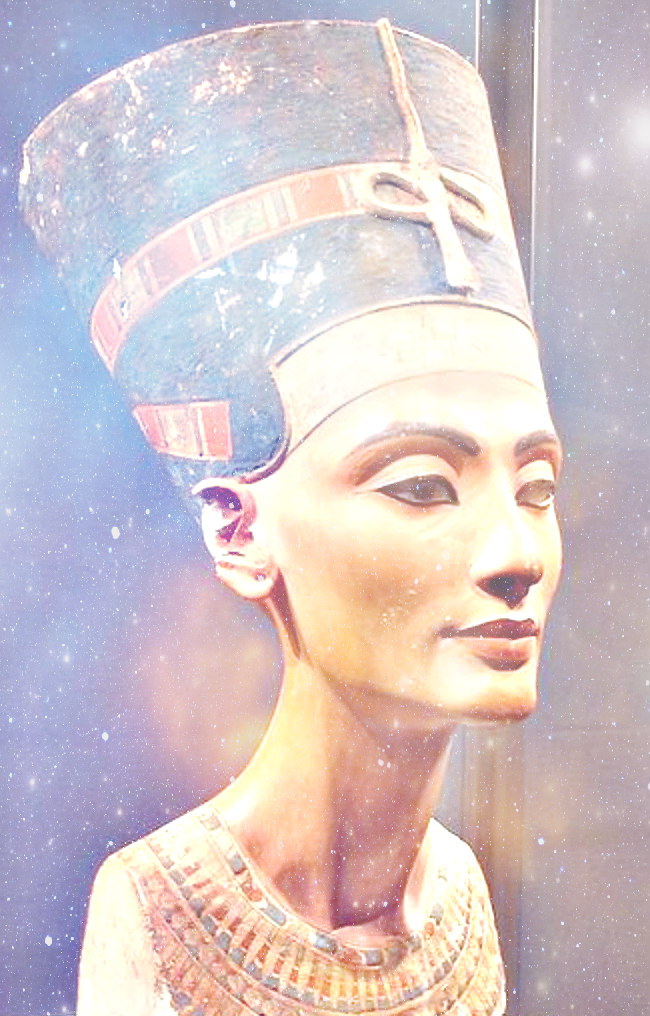
Discovered in 1912 by German archaeologist Ludwig Borchardt at Tell el-Amarna, the limestone and stucco bust of Nefertiti became one of the most iconic symbols of ancient beauty. It currently resides at the Neues Museum in Berlin.

The bust features high cheekbones, almond-shaped eyes, a straight nose, and full lips. Many scholars and Afrocentrists argue that the original features may have been altered to reflect Eurocentric ideals of beauty, especially during its restoration. The bust was never meant for public display—it was likely a sculptor’s model—and Borchardt’s notes suggest a desire to emphasize symmetry and refinement (Fisher, 2010). A CT scan conducted in the 2000s revealed an inner limestone layer with a wider nose and more defined cheekbones, indicating that the outer stucco layer softened African features, potentially aligning with white supremacist aesthetic ideals.


Beauty and Symbolism: “A Perfect 10”

Nefertiti has often been described as “a perfect 10” in terms of beauty. Her symmetrical face became the gold standard in facial harmony studies. German Egyptologist Ludwig Borchardt reportedly wrote upon seeing the bust:

“Description is useless; must be seen.”

Others have likened her to goddesses and mythic beauties. Art historian Bettany Hughes once said:

“Nefertiti is the Mona Lisa of the ancient world—enigmatic, powerful, and timeless.”

Her beauty is not merely physical; it carries with it symbolic power—Black, feminine, and royal.


Comparison to Cleopatra and Helen of Troy

While Cleopatra VII was known for her intellect and political savvy, her beauty was often exaggerated or politicized by Roman propaganda. Nefertiti, in contrast, is immortalized in stone as the embodiment of grace. Cleopatra’s coinage shows her with a hooked nose and sharp features—far from the Elizabeth Taylor depiction. Meanwhile, Helen of Troy, possibly mythical, is credited as the “face that launched a thousand ships.” Yet unlike Nefertiti, Helen’s image is tied more to war and male desire than sovereignty and artistry.

Nefertiti’s beauty represents command, serenity, and sacred divinity—not merely lust or scandal.


Hitler and the Politics of Possession

Adolf Hitler had a fascination with art, antiquity, and Aryan superiority. When Egypt demanded the return of the Nefertiti bust, Hitler refused, calling it “a treasure of German culture” and expressing a desire to place it at the center of his grand museum in Linz. Hitler reportedly called the bust:

“The most precious possession of the German people.”

Despite his racist ideology, Hitler paradoxically admired the beauty of a woman likely of African descent—highlighting the hypocrisy of white supremacy, which often appropriates and deifies Black beauty while simultaneously denigrating Black people.

As for his views on Black people, Hitler’s regime classified them as racially inferior, and Afro-Germans were sterilized, persecuted, and excluded from society. His praise of Nefertiti’s image was rooted in aesthetic objectification, not respect for African heritage.


Fascination with Black Beauty and Modern Parallels

The enduring appeal of Nefertiti reflects a global fascination with Black women’s beauty, often filtered through white-controlled lenses. Today, figures like Naomi Campbell, Beyoncé, and Lupita Nyong’o inherit the symbolic space that Nefertiti occupied—Black women celebrated yet scrutinized, desired yet dehumanized.

Modern beauty trends—like the BBL (Brazilian Butt Lift)—further commodify features that were once mocked in Black women: full lips, wide hips, and curvaceous figures. Nefertiti’s bust can be viewed as a historical anchor in this legacy, where Black beauty is imitated but rarely honored.


Conclusion

Queen Nefertiti was more than a face; she was a visionary queen, religious reformer, and symbol of African dignity. Her beauty, while immortalized in art, also became a battleground for colonial appropriation, racial politics, and gender dynamics. From ancient Amarna to 20th-century Nazi Germany to modern pop culture, her image has been used, misused, and revered—but always powerful.

Her legacy calls us to reclaim Black beauty, authority, and history from the margins and return them to the center of global consciousness—where Nefertiti, truly, belongs.


References

  • Fisher, M. (2010). What Lies Beneath Nefertiti’s Beauty: The Politics of Restoration. Journal of Egyptian Antiquity, 47(2), 91–109.
  • Robins, G. (1993). Women in Ancient Egypt. Harvard University Press.
  • Reeves, N. (2004). Akhenaten: Egypt’s False Prophet. Thames & Hudson.
  • Tyldesley, J. (1998). Nefertiti: Egypt’s Sun Queen. Viking Press.
  • Hughes, B. (2009). The Hem of His Garment: Gender and Power in Ancient Egypt. BBC History.
  • Berman, P. (1992). The Rise of the Modern Fascist Art Movement. Historical Journal of Fascism, 34(1), 23–47.