Category Archives: dating

The Dating Series: Modern Dating vs. Courting.

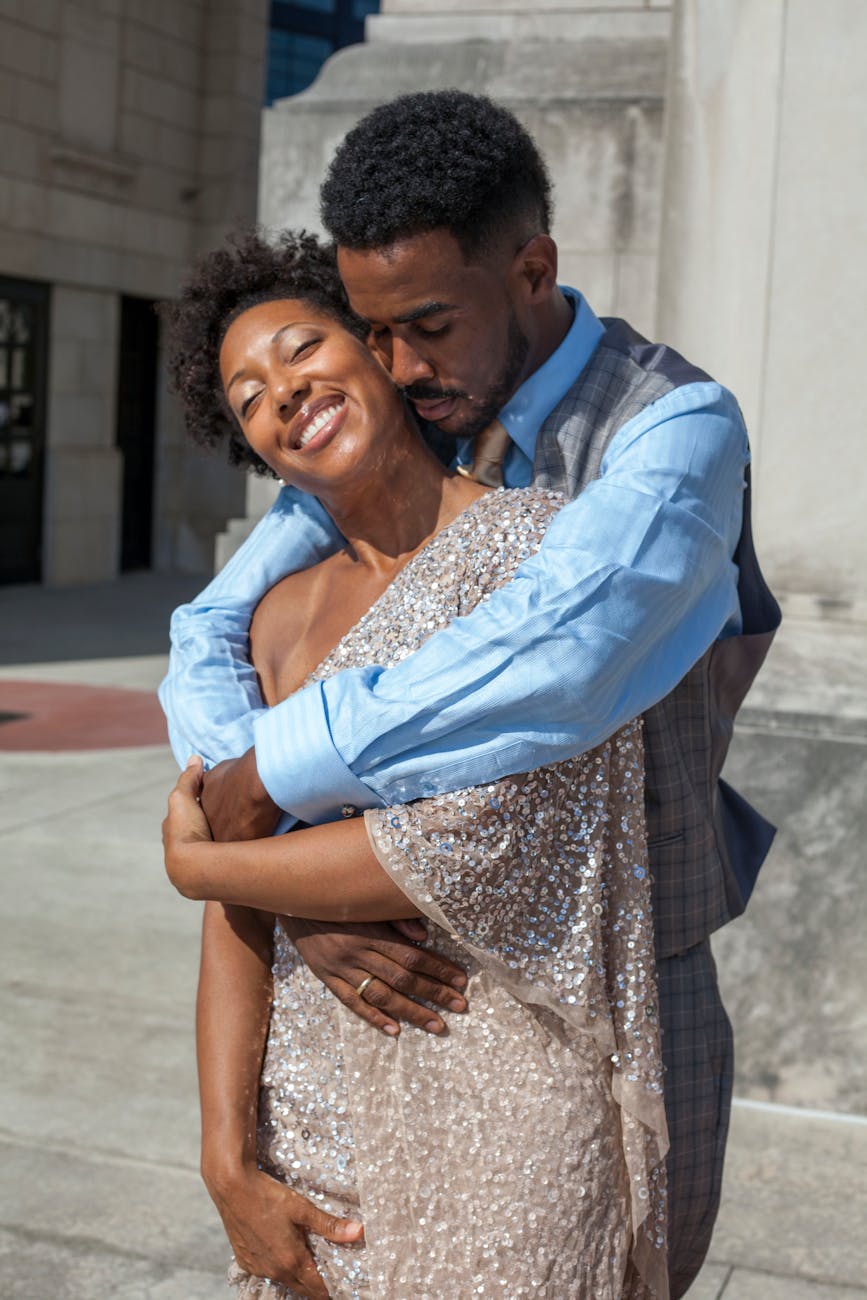
Photo by Gustavo Fring on Pexels.com

The Lost Art of Courtship
In today’s culture, modern dating has replaced the sacred process once known as courtship—a spiritual, intentional, and biblically guided journey toward marriage. Courting emphasized honor, patience, and divine timing, whereas modern dating often focuses on personal pleasure, instant gratification, and sexual chemistry. The Bible says, “He that findeth a wife findeth a good thing, and obtaineth favour of the Lord” (Proverbs 18:22, KJV). Yet, in an era dominated by lust and self-indulgence, the concept of finding a wife has been replaced by finding a “good time.”

The Biblical Foundation of Relationships
From the beginning, God designed relationships with purpose and sanctity. In Genesis 2:24 (KJV), it is written, “Therefore shall a man leave his father and his mother, and shall cleave unto his wife: and they shall be one flesh.” This scripture establishes marriage—not casual encounters—as the divine union approved by God. The process of becoming one flesh was never meant to occur outside of covenant.

Historical Roots of Courtship
Before the rise of modern dating, courtship was the traditional method for choosing a life partner. It was family-oriented, chaperoned, and spiritually supervised. Courtship allowed a man to demonstrate his intentions and moral integrity, proving he could provide and lead a household. The woman’s virtue was protected, and the goal was marriage, not experimentation.

The Role of Parental Guidance in Courtship
In biblical and historical contexts, family involvement was essential. Parents and elders acted as counselors, ensuring the relationship aligned with spiritual principles. This reflected Proverbs 11:14 (KJV): “Where no counsel is, the people fall: but in the multitude of counsellors there is safety.” Such oversight kept emotional and physical boundaries intact.

The Rise of Modern Dating
The concept of “dating” as we know it emerged in the early 20th century with the rise of urbanization and individual freedom. Instead of pursuing marriage, people began pursuing personal experiences. By the mid-1900s, dating was less about long-term commitment and more about social status and pleasure.

The Baby Boomer Era and Romance
During the Baby Boomer generation (1946–1964), dating still retained traces of courtship. Many couples met in church, school, or community events. While some pre-marital encounters existed, societal norms largely favored chastity before marriage. The family unit remained central, and men were expected to pursue and protect women with respect.

Generation X and the Birth of Casual Dating
Generation X (1965–1980) saw a cultural shift due to the sexual revolution of the 1960s and 1970s. The notion of “free love” encouraged physical intimacy without emotional or marital commitment. This was the beginning of the normalization of fornication, contradicting the biblical command: “Flee fornication. Every sin that a man doeth is without the body; but he that committeth fornication sinneth against his own body” (1 Corinthians 6:18, KJV).

Millennials and Hookup Culture
For Millennials, technology transformed dating into a digital marketplace. Apps like Tinder and Bumble made casual sex more accessible than genuine love. The culture of “hooking up” became synonymous with modern dating, removing God from the process entirely.

Generation Z and Gender Confusion
Generation Z (born after 1997) is growing up in a time of blurred gender roles and declining marriage rates. Biblical masculinity and femininity are under attack. Men are no longer taught to pursue women with godly intention, and women are often encouraged to chase careers or fleeting validation rather than covenant relationships.

The Spiritual Consequences of Modern Dating
Modern dating, detached from divine principles, leads to broken hearts, soul ties, and emotional emptiness. The Bible warns that “the wages of sin is death” (Romans 6:23, KJV)—not just physical death, but spiritual death, separation from God’s purpose in relationships.

Casual Sex and the Death of Intimacy
Casual sex reduces sacred union to a temporary thrill. It breeds lust, not love; addiction, not affection. Unlike covenant intimacy within marriage, it leaves both individuals spiritually fragmented. Hebrews 13:4 (KJV) reminds us: “Marriage is honourable in all, and the bed undefiled: but whoremongers and adulterers God will judge.”

Fornication: The Silent Destroyer
Fornication has become normalized, yet it erodes moral foundations. It robs individuals of purity and dulls the conscience to sin. This defilement extends beyond the body—it corrupts the soul, affecting one’s ability to connect deeply and faithfully later in marriage.

Lust: The Counterfeit of Love
Lust masquerades as love but seeks self-gratification, not mutual edification. James 1:14–15 (KJV) declares: “But every man is tempted, when he is drawn away of his own lust, and enticed. Then when lust hath conceived, it bringeth forth sin.” Lust is the devil’s perversion of God’s design for holy intimacy.

The Man’s Role in Courtship
Biblically, the man is the pursuer. He demonstrates leadership, discipline, and spiritual maturity in pursuit of a wife. Courtship allows a man to show his readiness for covenant. Just as Jacob labored seven years for Rachel (Genesis 29:20), a true man of God proves his love through patience and commitment.

The Woman’s Role in Courtship
A godly woman maintains her virtue and discernment, waiting on the man who honors God’s process. Proverbs 31:10 (KJV) asks, “Who can find a virtuous woman? for her price is far above rubies.” She does not chase or seduce; she attracts through righteousness, wisdom, and grace.

Example of Courting in Scripture
The story of Ruth and Boaz offers a perfect example of biblical courtship. Ruth was hardworking, loyal, and virtuous; Boaz was honorable and patient. Their connection grew through respect and righteousness. Boaz’s pursuit led to marriage, not fornication—a divine model for believers today.

The Importance of Purity
Purity is not old-fashioned; it is protection. God designed sexual boundaries to safeguard the heart and soul. 1 Thessalonians 4:3 (KJV) declares, “For this is the will of God, even your sanctification, that ye should abstain from fornication.” Waiting until marriage is a declaration of faith and obedience.

Emotional Soul Ties and Spiritual Damage
Each sexual encounter creates a soul tie—an invisible bond that connects one spirit to another. When these ties are formed outside marriage, they bring confusion, guilt, and spiritual oppression. Breaking these bonds requires repentance and restoration through Christ.

The Deception of “Compatibility”
Modern dating often revolves around “compatibility tests” or physical attraction rather than spiritual alignment. Yet Amos 3:3 (KJV) asks, “Can two walk together, except they be agreed?” True agreement comes from shared faith, not shared hobbies.

Why People Are Far from the Bible Today
People have drifted from the Bible because society glorifies pleasure over purity. The acronym “BIBLE”—Basic Instructions Before Leaving Earth—is no longer seen as relevant. Yet, this divine manual remains the blueprint for successful relationships and eternal life.

The Social Media Effect
Social media has made comparisons and temptations more accessible than ever. Many now idolize unrealistic portrayals of love while rejecting God’s timing. Romans 12:2 (KJV) warns, “Be not conformed to this world: but be ye transformed by the renewing of your mind.”

Entertainment and the Sexual Agenda
Movies, music, and media normalize lust and fornication. The enemy uses culture to desensitize the conscience, making sin seem harmless and holy living appear outdated. But holiness remains God’s standard, not an option.

Reclaiming Biblical Courtship
To restore godly relationships, believers must return to biblical principles—accountability, prayer, chastity, and purpose-driven pursuit. Courtship should glorify God, not self. Every step must be guided by prayer and spiritual counsel.

Waiting on God’s Timing
Patience is the true test of faith. Isaiah 40:31 (KJV) promises, “But they that wait upon the Lord shall renew their strength.” Waiting for the right spouse aligns one’s heart with God’s perfect timing, ensuring blessings rather than burdens.

The Consequences of Impatience
Rushing into relationships often leads to heartbreak and sin. Many seek to satisfy loneliness instead of allowing God to refine them. Impatience breeds compromise, while patience breeds covenant.

Healing from Past Sexual Sin
Through repentance, forgiveness, and sanctification, one can be made new. Psalm 51:10 (KJV) prays, “Create in me a clean heart, O God; and renew a right spirit within me.” Christ offers redemption for those willing to turn from fornication and embrace purity.

Accountability and Community
Surrounding oneself with godly mentors and church community helps maintain purity. Ecclesiastes 4:9–10 (KJV) says, “Two are better than one… For if they fall, the one will lift up his fellow.” Biblical community strengthens righteous living.

Marriage as Covenant, Not Contract
Marriage is not a social arrangement—it’s a covenant before God. Ephesians 5:25 (KJV) instructs, “Husbands, love your wives, even as Christ also loved the church.” This sacred bond reflects divine love, sacrifice, and unity.

Restoring Honor in Relationships
Honoring God in relationships means setting boundaries, seeking holiness, and respecting His design. Men and women must rediscover reverence for marriage as the highest form of love between humans.

Returning to God’s Blueprint
The evolution from courtship to modern dating reveals humanity’s drift from divine truth. To restore love’s true purpose, society must reject lust, embrace purity, and pursue relationships that honor God. As 1 Corinthians 13:4–7 reminds us, “Charity suffereth long, and is kind… seeketh not her own.” True love waits, worships, and walks in obedience.


References (KJV Bible)
Genesis 2:24
Proverbs 11:14
Proverbs 18:22
Proverbs 31:10
Amos 3:3
1 Corinthians 6:18; 13:4–7
Romans 6:23; 12:2
1 Thessalonians 4:3
Hebrews 13:4
Isaiah 40:31
Ephesians 5:25
Psalm 51:10
James 1:14–15
Ecclesiastes 4:9–10


Dating Red Flags and Green Lights: Navigating Relationships with Discernment.

Photo by Polina Tankilevitch on Pexels.com

Entering a dating relationship requires discernment, wisdom, and spiritual insight. Relationships can be avenues for blessing or for heartache, depending on the character of the individuals involved. Understanding red flags and green lights helps protect the heart while aligning with God’s will. “Trust in the Lord with all thine heart; and lean not unto thine own understanding. In all thy ways acknowledge him, and he shall direct thy paths” (Proverbs 3:5–6, KJV).

A primary red flag is deceitfulness. When a partner frequently lies, withholds truth, or manipulates reality, it indicates a lack of integrity. “Lying lips are abomination to the Lord: but they that deal truly are his delight” (Proverbs 12:22, KJV). Dishonesty in dating erodes trust and lays a foundation for future pain.

Controlling behavior is another red flag. A person who seeks to dominate or manipulate the decisions, time, or emotions of their partner demonstrates an unhealthy desire for power. “But let your communication be, Yea, yea; Nay, nay: for whatsoever is more than these cometh of evil” (Matthew 5:37, KJV). Control signals insecurity and potential abuse.

Disrespect toward boundaries, whether emotional, physical, or spiritual, is a serious warning. A partner who dismisses your limits or pressures you into compromise is undermining the respect and autonomy essential for a healthy relationship. “Abstain from all appearance of evil” (1 Thessalonians 5:22, KJV). Boundaries safeguard your dignity and spiritual integrity.

Red flags also include a lack of accountability. Someone unwilling to accept responsibility for mistakes or sins demonstrates immaturity and a lack of spiritual growth. “The way of the slothful man is as an hedge of thorns: but the path of the righteous is made plain” (Proverbs 15:19, KJV). Accountability reflects character, humility, and the capacity for growth.

Excessive jealousy or possessiveness signals insecurity and can become emotionally oppressive. Healthy love seeks freedom and trust rather than confinement and fear. “Love is patient, love is kind, it envieth not; it vaunteth not itself, is not puffed up” (1 Corinthians 13:4, KJV). Love rooted in jealousy is controlling rather than liberating.

A partner who consistently prioritizes self over others demonstrates selfishness. Generosity of spirit, consideration, and empathy are indicators of emotional maturity. “Let nothing be done through strife or vainglory; but in lowliness of mind let each esteem other better than themselves” (Philippians 2:3, KJV). Self-centeredness predicts relational conflict and emotional neglect.

Red flags may also appear as a pattern of broken relationships. Frequent, unresolved conflicts or repeated failures to maintain healthy connections can indicate unresolved issues. “A prudent man foreseeth the evil, and hideth himself; but the simple pass on, and are punished” (Proverbs 22:3, KJV). Patterns often repeat, making discernment critical.

Disrespect toward family, friends, or authority is another warning. How a person treats those around them reflects their character and priorities. “He that despiseth his neighbour sinneth: but he that hath mercy on the poor, happy is he” (Proverbs 14:21, KJV). Kindness and respect are fundamental green lights.

Addiction or dependency, whether to substances, pornography, or unhealthy habits, complicates relationships and can be destructive. “Be not deceived: evil communications corrupt good manners” (1 Corinthians 15:33, KJV). While compassion is biblical, consistent destructive patterns indicate a relationship may not be sustainable.

Green lights, in contrast, include honesty and transparency. A partner who communicates openly about thoughts, feelings, and intentions cultivates trust. “Where no counsel is, the people fall: but in the multitude of counsellors there is safety” (Proverbs 11:14, KJV). Transparency reflects integrity and spiritual maturity.

Mutual respect is a key green light. Respect for boundaries, opinions, and individuality fosters security and a healthy environment for emotional growth. “Let nothing be done through strife or vainglory; but in lowliness of mind let each esteem other better than themselves” (Philippians 2:3, KJV). Respect ensures equality and honor in the relationship.

Shared spiritual values are another green light. A partner who prioritizes God, prayer, and Scripture is likely to encourage growth in faith. “Be ye not unequally yoked together with unbelievers: for what fellowship hath righteousness with unrighteousness?” (2 Corinthians 6:14, KJV). Spiritual alignment strengthens relational purpose and direction.

Emotional intelligence and empathy signal a green light. The ability to understand feelings, respond with compassion, and navigate conflict calmly demonstrates maturity. “A soft answer turneth away wrath: but grievous words stir up anger” (Proverbs 15:1, KJV). Emotional awareness promotes harmony and mutual understanding.

Consistency in actions and words is crucial. A partner who reliably demonstrates care, kindness, and integrity reflects trustworthiness. “A faithful man shall abound with blessings” (Proverbs 28:20, KJV). Reliability signals a solid foundation for long-term partnership.

Generosity of spirit, both materially and emotionally, is a positive sign. A partner willing to share, support, and invest in the relationship demonstrates love and stability. “Every man according as he purposeth in his heart, so let him give; not grudgingly, or of necessity: for God loveth a cheerful giver” (2 Corinthians 9:7, KJV). Generosity indicates alignment with God’s principles of stewardship and care.

A green light also appears when a partner honors family and community. Their respect for others and their positive relationships reflect character and a value system that prioritizes integrity. “He that walketh uprightly walketh surely: but he that perverteth his ways shall be known” (Proverbs 10:9, KJV). Observing relational patterns in other areas is an important indicator.

Mutual encouragement and support are hallmarks of healthy dating. Partners who uplift one another spiritually, emotionally, and personally create a safe environment for growth. “Exhort one another daily, while it is called To day; lest any of you be hardened through the deceitfulness of sin” (Hebrews 3:13, KJV). Encouragement strengthens bonds and fosters accountability.

Green lights also include humility and teachability. A partner willing to learn, grow, and admit mistakes aligns with biblical principles. “A wise man will hear, and will increase learning; and a man of understanding shall attain unto wise counsels” (Proverbs 1:5, KJV). Humility ensures conflict resolution and spiritual alignment.

Lastly, patience and long-term vision are positive signs. A partner who values waiting on God, avoids impulsive decisions, and prioritizes God’s timing demonstrates wisdom. “But they that wait upon the Lord shall renew their strength” (Isaiah 40:31, KJV). Patience reflects maturity and a heart aligned with God’s will.

50 Dating Red Flags and Green Lights with KJV References

Red Flags (Warning Signs):

  • Dishonesty / Lying“Lying lips are abomination to the Lord: but they that deal truly are his delight” (Proverbs 12:22)
  • Manipulation“But let your communication be, Yea, yea; Nay, nay: for whatsoever is more than these cometh of evil” (Matthew 5:37)
  • Controlling behavior“Abstain from all appearance of evil” (1 Thessalonians 5:22)
  • Disrespecting boundaries“Keep thy heart with all diligence; for out of it are the issues of life” (Proverbs 4:23)
  • Lack of accountability“The way of the slothful man is as an hedge of thorns: but the path of the righteous is made plain” (Proverbs 15:19)
  • Excessive jealousy“Love is not jealous” (1 Corinthians 13:4)
  • Selfishness / self-centeredness“Let nothing be done through strife or vainglory; but in lowliness of mind let each esteem other better than themselves” (Philippians 2:3)
  • Pattern of broken relationships“A prudent man foreseeth the evil, and hideth himself; but the simple pass on, and are punished” (Proverbs 22:3)
  • Disrespect toward family and elders“He that despiseth his neighbour sinneth: but he that hath mercy on the poor, happy is he” (Proverbs 14:21)
  • Addiction or dependency“Be not deceived: evil communications corrupt good manners” (1 Corinthians 15:33)
  • Excessive anger or uncontrolled temper“A soft answer turneth away wrath: but grievous words stir up anger” (Proverbs 15:1)
  • Lack of spiritual interest“Be ye not unequally yoked together with unbelievers” (2 Corinthians 6:14)
  • Impulsiveness / lack of patience“But let patience have her perfect work, that ye may be perfect and entire, wanting nothing” (James 1:4)
  • Criticism or tearing down others“He that withholdeth corn, the people shall curse him: but blessing shall be upon the head of him that selleth it” (Proverbs 11:26)
  • Frequent dishonesty about intentions“The Lord is far from the wicked: but he heareth the prayer of the righteous” (Proverbs 15:29)
  • Disrespecting your friends or peers“He that despiseth his neighbour sinneth” (Proverbs 14:21)
  • Blame-shifting / refusing responsibility“The way of a fool is right in his own eyes: but he that hearkeneth unto counsel is wise” (Proverbs 12:15)
  • Lack of empathy“Rejoice with them that do rejoice, and weep with them that weep” (Romans 12:15)
  • Secretive or evasive behavior“He that covereth his sins shall not prosper: but whoso confesseth and forsaketh them shall have mercy” (Proverbs 28:13)
  • Excessive criticism of your family or faith“Honour thy father and thy mother” (Exodus 20:12)
  • Disregard for commitments“Let your yea be yea; and your nay, nay; lest ye fall into condemnation” (James 5:12)
  • Quick to anger / reactive hostility“A wrathful man stirreth up strife: but he that is slow to anger appeaseth strife” (Proverbs 15:18)
  • Lack of emotional maturity“But speaking the truth in love, may grow up into him in all things” (Ephesians 4:15)
  • Excessive neediness / dependence“A prudent man seeth the evil, and hideth himself” (Proverbs 22:3)
  • Substance abuse / destructive habits“Be not drunk with wine, wherein is excess; but be filled with the Spirit” (Ephesians 5:18)
  • Irresponsibility with money“The wicked borroweth, and payeth not again: but the righteous sheweth mercy, and giveth” (Psalm 37:21)
  • Frequent dishonesty with friends or peers“Lying lips are abomination to the Lord” (Proverbs 12:22)
  • Disrespect toward God’s commands“If ye love me, keep my commandments” (John 14:15)
  • Disregard for personal health or well-being“Or know ye not that your body is the temple of the Holy Ghost” (1 Corinthians 6:19)

Green Lights (Positive Indicators):

  • Honesty and transparency“Where no counsel is, the people fall: but in the multitude of counsellors there is safety” (Proverbs 11:14)
  • Mutual respect“Let nothing be done through strife or vainglory; but in lowliness of mind let each esteem other better than themselves” (Philippians 2:3)
  • Shared spiritual values“Be ye not unequally yoked together with unbelievers” (2 Corinthians 6:14)
  • Empathy / emotional intelligence“Rejoice with them that do rejoice, and weep with them that weep” (Romans 12:15)
  • Consistency in words and actions“A faithful man shall abound with blessings” (Proverbs 28:20)
  • Generosity and selflessness“Every man according as he purposeth in his heart, so let him give; not grudgingly, or of necessity: for God loveth a cheerful giver” (2 Corinthians 9:7)
  • Honoring family and community“He that walketh uprightly walketh surely: but he that perverteth his ways shall be known” (Proverbs 10:9)
  • Encouragement and support“Exhort one another daily, while it is called To day; lest any of you be hardened through the deceitfulness of sin” (Hebrews 3:13)
  • Humility and teachability“A wise man will hear, and will increase learning; and a man of understanding shall attain unto wise counsels” (Proverbs 1:5)
  • Patience and long-term vision“But they that wait upon the Lord shall renew their strength” (Isaiah 40:31)
  • Faithfulness to commitments“Let your yea be yea; and your nay, nay; lest ye fall into condemnation” (James 5:12)
  • Forgiveness and grace“Forbearing one another, and forgiving one another” (Colossians 3:13)
  • Spiritual encouragement“And let us consider one another to provoke unto love and to good works” (Hebrews 10:24)
  • Responsibility and accountability“A faithful man shall abound with blessings” (Proverbs 28:20)
  • Respect for personal boundaries“Abstain from all appearance of evil” (1 Thessalonians 5:22)
  • Generational respect and honor“Honour thy father and thy mother” (Exodus 20:12)
  • Transparency in finances and lifestyle“The integrity of the upright shall guide them” (Proverbs 11:3)
  • Kindness in speech“A soft answer turneth away wrath” (Proverbs 15:1)
  • Faithful prayer and devotion“Pray without ceasing” (1 Thessalonians 5:17)
  • Balanced independence“Go to the ant, thou sluggard; consider her ways, and be wise” (Proverbs 6:6)

In conclusion, identifying red flags and green lights in dating requires spiritual discernment, wisdom, and attention to character. “The fear of the Lord is the beginning of wisdom” (Proverbs 9:10, KJV). By observing honesty, respect, spiritual alignment, empathy, and integrity, individuals can navigate relationships with clarity, protect their hearts, and pursue love that honors God.

Boy Meets Girl Series: Dating in the 21st Century

Photo by Polina Tankilevitch on Pexels.com

Meeting Someone in Today’s World

In the 21st century, people meet through a variety of channels: social events, mutual friends, educational or work settings, and increasingly, online dating platforms. Psychology identifies social environments, shared interests, and physical proximity as key predictors for initial attraction (Finkel et al., 2012). The Bible encourages relationships formed in the context of righteousness and community: “Be ye not unequally yoked together with unbelievers: for what fellowship hath righteousness with unrighteousness?” (2 Corinthians 6:14, KJV). Meeting someone in godly environments, such as church or faith-based social gatherings, increases the likelihood of shared values and compatibility.

Types of Dating and Success Rates

Modern dating includes casual dating, serious relationships, and online dating. Psychological research suggests that online dating has mixed success rates, with many connections ending due to misrepresentation or unrealistic expectations (Rosenfeld & Thomas, 2012). Face-to-face interactions often allow better evaluation of character and compatibility. Other forms of dating, such as group activities or mentorship-based introductions, foster safer and more meaningful connections.

Online Dating: Pitfalls and Precautions

While online dating can expand one’s pool of potential partners, it carries notable risks. Catfishing, deception, and short-term motivations are common. Success depends on discernment and clear communication. Psychologically, individuals can overemphasize physical attraction or profile presentation, ignoring red flags or mismatched values. Proverbs 4:23 warns, “Keep thy heart with all diligence; for out of it are the issues of life” (KJV), emphasizing vigilance in evaluating intentions.

Attracting Someone in Person

Attractiveness is not only physical but also rooted in character, confidence, and social intelligence. Body language, active listening, humility, and kindness are consistently linked with positive social perception (Riggio, 2010). Biblically, inner beauty is paramount: “Whose adorning let it not be that outward adorning of plaiting the hair, and of wearing of gold, or of putting on of apparel; But let it be the hidden man of the heart, in that which is not corruptible, even the ornament of a meek and quiet spirit, which is in the sight of God of great price” (1 Peter 3:3-4, KJV).

Biblical Outlook on Dating and Purity

Scripture calls believers to abstinence and sexual purity. Fleeing fornication protects both physical and emotional well-being: “Flee fornication. Every sin that a man doeth is without the body; but he that committeth fornication sinneth against his own body” (1 Corinthians 6:18, KJV). Dating with the goal of marriage and godly companionship aligns with these principles, emphasizing respect, accountability, and covenantal intent.

Warning Signs of a Bad Person and Testing Motives

Identifying character early in dating is critical. Warning signs include dishonesty, manipulation, disrespect, selfishness, and disregard for spiritual or moral values. Testing motives can involve observing consistency, accountability to family or church, and responses to challenges or disagreements. Proverbs 22:1 states, “A good name is rather to be chosen than great riches, and loving favour rather than silver and gold” (KJV). Evaluating character over superficial traits is essential.

Expectations: Good and Bad People

Not everyone in dating is compatible or trustworthy. Psychologically, individuals bring their past experiences, attachment styles, and emotional intelligence to relationships. Biblically, believers are encouraged to discern wisely, pray for guidance, and seek counsel from mentors or spiritual leaders (Proverbs 15:22, KJV). Recognizing both positive and negative traits allows individuals to make informed, prudent decisions and avoid destructive relationships.

Dating Checklist: Navigating Relationships Wisely

1. Where to Meet People

  • In Public, Faith-based events, or community gatherings (2 Corinthians 6:14, KJV).
  • Educational or work settings with shared values.
  • Social or hobby groups that align with personal interests.
  • Caution: Online dating is possible but requires discernment (Rosenfeld & Thomas, 2012).

2. Testing Motives

  • Observe consistency: Are words and actions aligned over time?
  • Accountability: Do they respect family, mentors, or spiritual authority?
  • Conflict response: How do they handle disagreements or stress?
  • Transparency: Are they honest about past relationships and intentions?
  • Motivation: Do they value a God-centered relationship or self-gratification?

3. Warning Signs of a Bad Partner

  • Dishonesty or frequent exaggeration.
  • Disrespect for your boundaries or values.
  • Self-centeredness or lack of empathy.
  • Pressuring for physical intimacy or ignoring your convictions (1 Corinthians 6:18, KJV).
  • Negative influence on your spiritual or emotional growth.

4. Attracting Someone God’s Way

  • Focus on inner beauty: kindness, humility, patience, and faith (1 Peter 3:3-4, KJV).
  • Practice confidence, good communication, and active listening.
  • Engage in meaningful activities and community service—shared purpose attracts like-minded people.

5. Dating Boundaries and Purity

  • Abstain from premarital sex and sexualized behavior (1 Corinthians 6:18, KJV).
  • Protect emotional and spiritual intimacy until readiness for marriage.
  • Avoid excessive physical or emotional dependency.

6. Evaluating Compatibility

  • Shared values: faith, family orientation, life goals.
  • Communication styles: can you resolve conflicts and understand each other?
  • Emotional intelligence: empathy, patience, and resilience.
  • Spiritual alignment: do you encourage each other’s walk with God?

7. Expectations in a Relationship

  • Not every connection will lead to marriage; be prepared to walk away from mismatches.
  • Focus on growth, discernment, and mutual respect.
  • Trust God’s guidance and seek counsel when uncertain (Proverbs 15:22, KJV).

8. Red Flags Checklist

  • Pushes boundaries or pressures physical intimacy.
  • Shows manipulation or controlling behavior.
  • Lack of accountability or transparency.
  • Repeated patterns of dishonesty or irresponsibility.

9. Positive Indicators

  • Consistency and honesty in words and actions.
  • Respect for boundaries and faith.
  • Shared spiritual vision and life goals.
  • Encouragement, support, and emotional stability.

Conclusion

Dating in the 21st century presents both opportunities and challenges. Balancing psychological insight with biblical wisdom helps navigate relationships responsibly. Meeting people in godly environments, pursuing purity, evaluating character, and seeking divine guidance ensures that dating aligns with long-term spiritual and emotional health. By understanding motives, testing character, and prioritizing inner beauty and godly compatibility, individuals increase the likelihood of forming healthy, lasting relationships.


References

Biblical References (KJV)

  • 2 Corinthians 6:14
  • Proverbs 4:23
  • 1 Peter 3:3-4
  • 1 Corinthians 6:18
  • Proverbs 22:1
  • Proverbs 15:22

Psychology and Sociology References
Finkel, E. J., Eastwick, P. W., Karney, B. R., Reis, H. T., & Sprecher, S. (2012). Online dating: A critical analysis from the perspective of psychological science. Psychological Science in the Public Interest, 13(1), 3–66.

Rosenfeld, M. J., & Thomas, R. J. (2012). Searching for a mate: The rise of the Internet as a social intermediary. American Sociological Review, 77(4), 523–547.

Riggio, R. E. (2010). Introduction to communication: Behavioral and social science perspectives. Routledge.

The Impact of Fatherlessness on Dating

Photo by Barbara Olsen on Pexels.com

Fatherlessness, or the absence of a father figure in a child’s life, has profound implications on emotional development, relationships, and social functioning. For many women, growing up without a consistent paternal presence can shape perceptions of men, trust, and romantic attachment. This phenomenon has been studied extensively in psychology, sociology, and family studies, highlighting the lasting effects on dating patterns and partner selection.

Research shows that fatherless daughters often experience difficulties in establishing secure romantic attachments. Attachment theory suggests that early interactions with caregivers form templates for future relationships. When a father is absent, a daughter may struggle with trust, intimacy, or fear of abandonment in dating (Amato, 2000). This can manifest as either avoidance of emotional closeness or overcompensation in seeking male validation.

Psychologically, fatherlessness can lead to low self-esteem and heightened sensitivity to rejection. Women who grow up without a father figure may internalize feelings of inadequacy or self-doubt, influencing their expectations and tolerance in romantic relationships. This may result in a pattern of selecting partners who are emotionally unavailable, unreliable, or even abusive (Johnson et al., 2017).

Navigating Dating as a Daughter of an Absent Father: Practical Strategies

  1. Recognize the Influence of Father Absence
    Understanding how fatherlessness has shaped your expectations, self-esteem, and relational patterns is the first step. Awareness allows you to identify potential blind spots in dating, such as over-reliance on male validation or fear of abandonment. Journaling or reflecting with a mentor can help clarify these patterns.
  2. Build Self-Worth Independently
    Develop a strong sense of self that is not dependent on male attention. Engage in personal growth, pursue goals, and celebrate accomplishments. Proverbs 31:30 (KJV) reminds us, “Favor is deceitful, and beauty is vain: but a woman that feareth the Lord, she shall be praised.”
  3. Seek Healthy Role Models
    Look to mentors, aunts, older friends, or community leaders who exemplify healthy relationships. Observing positive interactions provides a template for what to expect in a partner and how to navigate dating respectfully and confidently.
  4. Establish Boundaries Early
    Set clear emotional, physical, and relational boundaries with potential partners. Knowing your limits and expectations prevents repeating patterns of dysfunction or tolerating disrespectful behavior.
  5. Identify Red Flags
    Be vigilant about behaviors that signal unreliability, lack of emotional availability, or controlling tendencies. Trust your intuition and past experiences to guide you in recognizing unhealthy dynamics before becoming deeply involved.
  6. Practice Open Communication
    Develop skills to express needs, desires, and concerns clearly. Effective communication fosters transparency and ensures that both partners understand each other’s expectations and values.
  7. Focus on Emotional Intelligence
    Invest in understanding your emotions and those of your partner. Emotional intelligence allows you to navigate conflicts, recognize manipulative behaviors, and maintain a balanced perspective in the relationship.
  8. Engage in Counseling or Support Groups
    Therapy or structured support groups can help address lingering insecurities or trust issues stemming from father absence. Professional guidance equips you with tools to build confidence and resilience in romantic relationships.
  9. Lean on Faith and Spiritual Guidance
    Faith can be a source of clarity and protection. Prayer, scripture study, and spiritual mentorship provide guidance for choosing a partner wisely and trusting God’s timing and plan.
  10. Prioritize Compatibility and Character
    Focus on partners who share your values, demonstrate integrity, and exhibit respect. Compatibility in goals, communication styles, and faith is more predictive of long-term relationship success than superficial traits.

By implementing these strategies, daughters of absent fathers can approach dating with confidence, awareness, and discernment. Understanding the impact of father absence while actively cultivating personal growth and relational skills empowers women to make choices that lead to healthier, fulfilling partnerships.

Social learning also plays a significant role. Daughters often model relational behaviors observed in their household. Without a healthy paternal example, some women may struggle to identify positive male traits or distinguish between supportive and harmful behaviors. This can affect decision-making in dating, including how quickly one commits or the types of men deemed “acceptable” partners.

Fatherlessness may also influence the perception of masculinity. Women who lack a father figure may unconsciously seek men who exhibit strength, protection, or authority to fill the void. However, without a reference for healthy male behavior, these expectations can be unrealistic, leading to conflict or dissatisfaction in relationships (Hofferth, 2003).

Cultural and socioeconomic factors further compound these effects. Communities with high rates of father absence often face additional stressors, such as economic instability, exposure to violence, or limited access to mentorship. These conditions can exacerbate challenges in forming healthy romantic attachments and increase vulnerability to unhealthy dating dynamics.

Faith-based perspectives offer another lens for understanding and addressing these challenges. Biblical principles, such as Proverbs 22:6 (KJV), emphasize the importance of proper upbringing and guidance. Spiritual teachings encourage daughters to seek Godly wisdom in partner selection and to develop self-worth independent of paternal validation, mitigating some negative effects of fatherlessness.

Resilience and self-awareness are key solutions. Women can benefit from counseling, mentorship, and education about healthy relationships. Recognizing patterns shaped by father absence allows for conscious decision-making in dating, setting boundaries, and identifying partners who reflect respect, commitment, and emotional availability.

Communication skills and emotional literacy also help daughters of absent fathers navigate romantic relationships successfully. Learning to articulate needs, manage expectations, and recognize red flags reduces the risk of repeating negative relational patterns. Therapy or support groups focused on fatherless daughters provide structured guidance for these skills.

Ultimately, while fatherlessness can impact dating behavior and relationship choices, awareness, personal growth, and support networks can empower women to cultivate healthy, fulfilling romantic relationships. Addressing these underlying psychological and social dynamics allows daughters of absent fathers to break cycles of relational insecurity and build connections based on trust, mutual respect, and shared values.


References

  • Amato, P. R. (2000). The consequences of divorce for adults and children. Journal of Marriage and Family, 62(4), 1269–1287.
  • Hofferth, S. L. (2003). Race/ethnic differences in father involvement in two-parent families: Culture, context, or economy? Journal of Family Issues, 24(2), 185–216.
  • Johnson, S., Galambos, N., & Krahn, H. (2017). The impact of father absence on daughters’ romantic relationships: A longitudinal study. Journal of Family Psychology, 31(3), 345–356.
  • Lamb, M. E. (2010). The role of the father in child development (5th ed.). Hoboken, NJ: Wiley.
  • Collins, P. H. (2000). Black Feminist Thought: Knowledge, Consciousness, and the Politics of Empowerment. Routledge.

Girl Talk Series: How to know if a Man wants to marry you.

Photo by Tammy Mosley on Pexels.com

Marriage is a sacred covenant designed by God, yet discernment is needed to know whether a man’s intentions are genuine. Many women ask how to recognize if a man truly desires to build a life-long union, or if his actions reveal otherwise. The answer requires examining not just words but consistent patterns of behavior, viewed through both biblical wisdom and psychological insight.


Signs He Wants to Marry You

  1. Provider Mentality
    A man who desires marriage will show signs of being a provider. He invests his resources—time, money, and energy—into building stability for a future family. Scripture teaches that a husband should provide: “But if any provide not for his own, and specially for those of his own house, he hath denied the faith, and is worse than an infidel” (1 Timothy 5:8, KJV). Psychology also affirms that men committed to long-term bonds often demonstrate investment behaviors, such as planning financially and making sacrifices (Stanley, Rhoades, & Markman, 2006).
  2. Generous with Time and Attention
    True commitment is measured by consistency. A man who wants marriage will not only spend money but will also give his time generously, even when inconvenient. Ephesians 5:25 (KJV) instructs: “Husbands, love your wives, even as Christ also loved the church, and gave himself for it.” Sacrificial love is reflected in showing up, listening attentively, and prioritizing the relationship.
  3. Future-Oriented Conversations
    A man serious about marriage will talk openly about the future: where to live, career plans, family values, and children. Psychologists note that future talk is a reliable predictor of long-term intentions because it reveals commitment scripts (Surra & Hughes, 1997). For example, a man saying, “When we buy a house…” or “When we raise our children…” signals long-range thinking, not temporary companionship.
  4. Involvement in Family and Community
    When a man wants marriage, he seeks integration with a woman’s family and community. He introduces her to his loved ones and desires mutual approval. In biblical times, marriage was not only between two individuals but between families (Genesis 24 shows Abraham ensuring Isaac’s marriage aligned with family covenant). A man who hides his partner or resists community involvement likely does not intend to marry.

What Are Not the Signs?

  1. Empty Words Without Action
    A man may say he wants marriage but fails to show evidence. Psychology calls this inconsistency between verbal commitment and behavioral investment. James 2:17 (KJV) reminds us that faith without works is dead; likewise, promises without action reveal empty intent.
  2. Generosity with Money but Not Time
    Some men may spend lavishly but withhold their presence. This signals performance rather than commitment. A true future husband balances resources and emotional presence.
  3. Avoidance of Long-Term Planning
    If a man changes the subject when marriage or family comes up, or insists on “just seeing where things go,” it suggests he does not see marriage as a priority.
  4. Secretive or Isolating Behavior
    A man who never introduces you to family, avoids accountability, or keeps you separate from his daily life is not preparing for marriage. The Bible says: “He that walketh uprightly walketh surely: but he that perverteth his ways shall be known” (Proverbs 10:9, KJV). Secrecy is not the foundation of covenant.

Example of True vs. False Signs

  • True Sign: A man works two jobs, saves for a home, and includes his fiancée in budgeting decisions. His actions show long-term stability.
  • False Sign: A man buys expensive gifts but avoids talking about shared finances, children, or spiritual life. His gestures flatter, but they do not root the relationship in reality.

Checklist: Signs a Man Wants to Marry You

True Signs (He’s Serious About Marriage)

  • 📖 Provider mentality – Invests in stability, works hard, manages money responsibly (1 Timothy 5:8).
  • Gives consistent time & attention – Shows up, listens, sacrifices convenience (Ephesians 5:25).
  • 🏡 Future-oriented talk – Discusses marriage, home, children, long-term plans.
  • 👨‍👩‍👧 Family & community involvement – Introduces you to loved ones, seeks approval and integration (Genesis 24).
  • 🤝 Consistency between words & actions – Promises backed by proof (James 2:17).
  • 📅 Planning mindset – Works toward shared goals and stability.

False Signs (He’s Not Serious)

  • Empty promises – Says he wants marriage but avoids action.
  • Generous with money, stingy with time – Buys gifts but withholds presence.
  • Avoids long-term planning – Refuses to discuss future or children.
  • Secretive lifestyle – Doesn’t introduce you to family, keeps you hidden (Proverbs 10:9).
  • Inconsistent behavior – Hot and cold interest depending on convenience.

Quick Biblical Reminder

  • A true husband provides (1 Timothy 5:8), sacrifices (Ephesians 5:25), and builds with wisdom (Proverbs 24:3).
  • A false husband flatters with gifts but lacks the fruit of commitment (Matthew 7:16 – “Ye shall know them by their fruits”).

Conclusion

Knowing if a man wants to marry you requires looking beyond flattering words and occasional gifts. True signs include provider instincts, consistency of time and attention, future-oriented conversations, and openness with family and community. False signs include avoidance of responsibility, secrecy, or generosity without substance. Scripture and psychology both affirm that love is not mere emotion but investment, sacrifice, and action. As Proverbs 24:3 (KJV) teaches: “Through wisdom is an house builded; and by understanding it is established.” A man who truly seeks marriage will show wisdom, responsibility, and commitment to building a lasting covenant.


References

  • Stanley, S. M., Rhoades, G. K., & Markman, H. J. (2006). Sliding vs. deciding: Inertia and the premarital cohabitation effect. Family Relations, 55(4), 499–509.
  • Surra, C. A., & Hughes, D. K. (1997). Commitment processes in accounts of the development of premarital relationships. Journal of Marriage and the Family, 59(1), 5–21.
  • The Holy Bible, King James Version.

Signs of Online Dating Scams

Photo by Artem Podrez on Pexels.com

In today’s digital age, online dating has opened new opportunities for connection but also increased the risk of deception. Online dating scams occur when individuals pretend to seek love or friendship while actually aiming to exploit others financially or emotionally. These scams often prey on trust, loneliness, and the desire for companionship, making it essential to recognize their warning signs.

One major sign of an online dating scam is excessive flattery and rushed intimacy. Scammers often shower targets with compliments and declarations of love early in the interaction. This tactic, known in psychology as love bombing, is designed to lower defenses and create emotional dependency (Hernandez, 2019). The Bible warns against smooth words and false promises: “For they that are such serve not our Lord Jesus Christ, but their own belly; and by good words and fair speeches deceive the hearts of the simple” (Romans 16:18, KJV).

Another red flag is avoidance of in-person meetings or video calls. Scammers typically make excuses for why they cannot meet face-to-face, citing work, distance, or emergencies. Psychologically, this taps into cognitive dissonance—the victim continues to believe the scammer’s story because they have already invested emotionally. Scripture reminds believers to test what is true: “Beloved, believe not every spirit, but try the spirits whether they are of God” (1 John 4:1, KJV). In the same way, one must test the authenticity of online relationships.

Financial requests are perhaps the clearest sign of a scam. These may come in the form of sudden medical emergencies, travel expenses, or investments. Research shows that scammers use emotional manipulation to override logical thinking, often inducing guilt or urgency (Button et al., 2014). The Bible gives wisdom in Proverbs 14:15 (KJV): “The simple believeth every word: but the prudent man looketh well to his going.” Prudence requires caution, especially with money matters.

Another psychological sign is isolation tactics. Scammers often discourage their targets from confiding in friends or family about the relationship, fearing outside voices will expose their lies. This mirrors abusive relationship patterns where isolation strengthens control. The Bible cautions against secrecy and deception, affirming instead: “He that walketh uprightly walketh surely: but he that perverteth his ways shall be known” (Proverbs 10:9, KJV).

Victims of online dating scams often experience deep emotional harm, shame, and financial loss. Psychologists note that scammers exploit attachment needs and create illusions of future togetherness to maintain control (Rege, 2009). Recovery requires not only financial awareness but also emotional healing, supported by community and faith. Believers are encouraged to lean on God for discernment and restoration: “If any of you lack wisdom, let him ask of God, that giveth to all men liberally” (James 1:5, KJV).

🛑 Checklist: Signs of Online Dating Scams

1. Too Much, Too Fast

  • They declare love or deep affection very quickly.
  • They overwhelm you with compliments and promises.
  • Psychology: “Love bombing” creates emotional dependency.
  • Bible: “For they that are such… by good words and fair speeches deceive the hearts of the simple.” (Romans 16:18, KJV)

2. Avoids Face-to-Face Proof

  • They refuse video calls, send old or stolen photos, or make excuses not to meet.
  • Psychology: This fuels cognitive dissonance—you trust them despite missing evidence.
  • Bible: “Beloved, believe not every spirit, but try the spirits whether they are of God.” (1 John 4:1, KJV)

3. Financial Requests

  • They ask for money for “emergencies,” travel, business, or medical needs.
  • They often create urgency (“I need it now!”).
  • Psychology: Exploits guilt and compassion.
  • Bible: “The simple believeth every word: but the prudent man looketh well to his going.” (Proverbs 14:15, KJV)

4. Isolation from Family & Friends

  • They tell you to keep your relationship a secret.
  • They discourage you from asking others’ opinions.
  • Psychology: A common manipulation tactic to prevent exposure.
  • Bible: “He that walketh uprightly walketh surely: but he that perverteth his ways shall be known.” (Proverbs 10:9, KJV)

5. Inconsistent Stories

  • Their background doesn’t add up (job, family, travel, etc.).
  • They may avoid direct answers or change details often.
  • Psychology: Lying under pressure reveals deception.
  • Bible: “Lying lips are abomination to the Lord: but they that deal truly are his delight.” (Proverbs 12:22, KJV)

6. Too Good to Be True

  • They appear “perfect”—handsome/beautiful, successful, but “just can’t find love.”
  • Psychology: Scammers create ideal personas to trap victims.
  • Bible: “Satan himself is transformed into an angel of light.” (2 Corinthians 11:14, KJV)

Practical Step: If you notice 2 or more of these signs, pause the relationship, verify their identity, and seek counsel from trusted friends, family, or your faith community before moving forward.

In conclusion, online dating scams thrive on emotional manipulation, secrecy, and exploitation. The signs include rushed intimacy, avoidance of real contact, financial requests, and isolation tactics. Both psychology and scripture emphasize discernment, prudence, and testing of motives. By applying biblical wisdom and psychological awareness, individuals can protect themselves from deception and pursue relationships grounded in truth and sincerity.


References

  • Button, M., Nicholls, C. M., Kerr, J., & Owen, R. (2014). Online frauds: Learning from victims why they fall for scams. Journal of Criminology, 2014, 1–10.
  • Hernandez, E. (2019). Love bombing: The psychology of manipulation in relationships. Journal of Social Psychology, 159(6), 768–782.
  • Rege, A. (2009). What’s love got to do with it? Exploring online dating scams and identity fraud. International Journal of Cyber Criminology, 3(2), 494–512.
  • The Holy Bible, King James Version.

Navigating Dating as a Dark-Skinned Woman.

Photo by Kindel Media on Pexels.com

Dating as a dark-skinned woman in contemporary society presents unique challenges shaped by historical, social, and psychological factors. Colorism, the preferential treatment of lighter-skinned individuals within the same racial group, continues to influence perceptions of attractiveness, desirability, and romantic opportunity. These dynamics impact the dating experiences of dark-skinned women, often requiring heightened resilience, self-awareness, and faith-based grounding.

Historically, colorism in the Black community originates from slavery and colonialism, where lighter-skinned individuals—often the children of white slave owners—received preferential treatment, education, and access to resources (Hunter, 2007). This social hierarchy extended into notions of beauty and desirability, privileging lighter skin and marginalizing darker complexions. As a result, dark-skinned women often face societal pressures that devalue their natural beauty and influence romantic opportunities.

In contemporary dating, media representations continue to reinforce colorist ideals. Dark-skinned women are frequently underrepresented in romantic lead roles and advertising campaigns, while lighter-skinned women are celebrated as the standard of beauty (Keith & Herring, 1991). This persistent disparity can influence male preferences in dating, where unconscious biases favor lighter skin. Dark-skinned women may experience fewer opportunities for romantic attention or may face fetishization, both of which can affect self-esteem and emotional well-being.

Psychologically, navigating dating as a dark-skinned woman requires developing strong self-worth and resilience. Exposure to rejection or societal bias can lead to internalized colorism, self-doubt, or feelings of invisibility (Bryant, 2013). Strategies to counteract these effects include affirming one’s value through personal reflection, cultivating supportive social networks, and prioritizing relationships that honor character and integrity over superficial attributes.

Social media and dating apps further complicate the experience, as algorithmic and societal biases often favor lighter-skinned individuals (Hunter, 2002). The curated nature of online profiles can exacerbate feelings of inadequacy or marginalization. Dark-skinned women may need to develop intentional strategies, such as limiting app usage, setting boundaries, and focusing on meaningful engagement rather than validation through likes or matches.

Faith and spirituality can serve as essential tools for navigating these challenges. The Bible emphasizes the intrinsic worth of all individuals regardless of outward appearance. “But the Lord said unto Samuel, Look not on his countenance, or on the height of his stature; because I have refused him: for the Lord seeth not as man seeth; for man looketh on the outward appearance, but the Lord looketh on the heart” (1 Samuel 16:7, KJV). Anchoring self-worth in spiritual identity can provide resilience against external biases in the dating world.

Understanding male psychology in dating contexts is also important. Studies suggest that men often internalize societal beauty standards, which may include colorist preferences (Monk, 2014). Awareness of these biases allows dark-skinned women to navigate relationships with clarity, identifying partners who appreciate them holistically and rejecting those influenced solely by superficial factors.

Practical strategies include cultivating personal confidence, developing a strong sense of identity, and maintaining standards aligned with one’s values. Emphasizing qualities such as faith, intelligence, kindness, and emotional stability over external validation creates a foundation for healthier, more fulfilling relationships. Engaging in communities and support networks that celebrate dark-skinned beauty also reinforces positive self-perception.

Dating Toolkit for Dark-Skinned Women: Confidence, Boundaries, and Faith

1. Ground Your Self-Worth in Faith

  • Remember that your value comes from God, not external validation.
  • “The Lord seeth not as man seeth; for man looketh on the outward appearance, but the Lord looketh on the heart” (1 Samuel 16:7, KJV).
  • Daily affirmations: “I am fearfully and wonderfully made” (Psalm 139:14).

2. Embrace Your Natural Beauty

  • Celebrate your skin tone, hair texture, and natural features.
  • Follow and engage with communities that uplift dark-skinned beauty (#MelaninMagic, #BlackGirlMagic).
  • Avoid comparing yourself to lighter-skinned beauty standards on social media.

3. Identify Red Flags Early

  • Superficial interest focused only on appearance or skin tone.
  • Disrespect for boundaries or emotional manipulation.
  • Rushing intimacy or inconsistent communication.

4. Prioritize Character Over Looks

  • Ask questions about values, faith, family, and life goals.
  • Observe actions, not just words or online charm.
  • Look for consistency and emotional intelligence.

5. Set Clear Boundaries

  • Decide what behavior is acceptable in both online and offline dating.
  • Limit time on dating apps to prevent emotional fatigue.
  • Protect personal information until trust is established.

6. Build Confidence and Emotional Resilience

  • Practice self-care: exercise, hobbies, and social connections.
  • Journal thoughts and feelings to process rejection or bias.
  • Celebrate small wins: meaningful conversations, setting boundaries, or staying authentic.

7. Be Mindful of Colorism

  • Recognize societal and internalized biases.
  • Avoid internalizing rejection as a reflection of your value.
  • Seek partners who celebrate your authentic self, not just skin tone.

8. Cultivate Support Networks

  • Surround yourself with family, friends, and mentors who affirm your worth.
  • Engage in communities that celebrate dark-skinned beauty and achievement.
  • Share experiences and advice with peers to strengthen resilience.

9. Maintain Perspective on Dating Apps

  • Use them as tools, not measures of self-worth.
  • Focus on meaningful connections rather than swiping endlessly for validation.
  • Take breaks when overwhelmed by online comparisons or rejection.

10. Pray and Seek Divine Guidance

  • Pray for discernment in evaluating potential partners.
  • Meditate on scriptures about love, patience, and wisdom before engaging in dating.
  • Trust that God will guide you to a partner who values your heart and character.

Mentorship and representation are critical. Seeing successful dark-skinned women in media, leadership, and professional spheres provides aspirational models and counters narratives of marginalization. Public figures such as Lupita Nyong’o, Viola Davis, and Janelle Monáe exemplify beauty, success, and authenticity, empowering dark-skinned women in their romantic and personal journeys.

In conclusion, dating as a dark-skinned woman requires navigating the compounded effects of colorism, media bias, and societal preferences. By cultivating resilience, affirming intrinsic worth, setting standards aligned with values, and grounding identity in faith, dark-skinned women can pursue meaningful romantic relationships while embracing their authentic selves. Understanding these dynamics empowers women to reject superficial judgments and prioritize partners who value character, faith, and integrity above all.


References

  • Bryant, C. (2013). The Impact of Colorism on African American Women’s Self-Perceptions. Journal of Black Studies, 44(7), 775–790.
  • Hunter, M. (2002). If you’re light you’re alright: Light skin color as social capital for women of color. Gender & Society, 16(2), 175–193.
  • Hunter, M. (2007). The persistent problem of colorism: Skin tone, status, and inequality. Sociology Compass, 1(1), 237–254.
  • Keith, V. M., & Herring, C. (1991). Skin tone and stratification in the Black community. American Journal of Sociology, 97(3), 760–778.
  • Monk, E. P. (2014). Skin tone stratification among Black Americans, 2001–2003. Social Forces, 92(4), 1313–1337.
  • The Holy Bible, King James Version.

Dating in the Digital Age: Social Media, Apps, and Pressure.

Photo by Tochukwu Ekeh on Pexels.com

The landscape of modern dating has been dramatically reshaped by technology, particularly social media and dating apps. While these platforms provide unprecedented access to potential partners, they also introduce new pressures, expectations, and psychological challenges. For Black women navigating this digital terrain, the intersection of race, beauty standards, and social perception adds additional layers of complexity to dating and relationship-building.

Social media platforms such as Instagram, TikTok, and Facebook function as public stages where attractiveness, social status, and desirability are constantly evaluated. Users curate idealized versions of themselves through carefully selected photos, filters, and content. This environment creates pressure to conform to socially approved beauty standards and to appear perpetually attractive and engaging. The curated nature of these profiles can lead to unrealistic expectations, social comparison, and a heightened focus on physical appearance rather than character or compatibility (Valkenburg & Peter, 2009).

Dating apps such as Tinder, Bumble, and Hinge promise convenience and a broader dating pool but often reinforce shallow or appearance-based judgments. The swipe-based interface encourages rapid assessment of potential partners based primarily on photos, while algorithms may perpetuate biases, including racial preferences or skin-tone bias (Toma et al., 2008). For Black women, this means navigating a dating environment where colorism and Eurocentric beauty ideals may influence who engages with them and who ignores them, affecting self-esteem and perceived desirability.

Digital Dating Toolkit: Navigating Social Media and Apps with Confidence

1. Ground Yourself in Self-Worth

  • Remember that your value is rooted in your character, faith, and God-given identity, not in likes, matches, or comments.
  • “Charm is deceitful, and beauty is vain: but a woman that feareth the Lord, she shall be praised” (Proverbs 31:30, KJV).
  • Practice daily affirmations: “I am fearfully and wonderfully made” (Psalm 139:14).

2. Set Clear Boundaries

  • Decide in advance what behaviors are acceptable and what is not (e.g., respect for your time, communication style, language).
  • Avoid engaging with individuals who pressure you into sharing personal information too quickly.
  • Limit the time spent scrolling or swiping to avoid decision fatigue and emotional drain.

3. Identify Red Flags

  • Excessive focus on appearance over personality, faith, or values.
  • Rushing intimacy or pressuring you to meet offline too soon.
  • Lack of respect for boundaries or consistent inconsistency in communication.
  • Evidence of past infidelity, controlling behavior, or narcissistic tendencies.

4. Evaluate Character, Not Just Photos

  • Use apps as a tool, but prioritize conversations that reveal values, emotional intelligence, and life goals.
  • Ask questions about faith, family, career, and ethics to assess compatibility.
  • Avoid assuming that digital charm equates to sincerity.

5. Protect Emotional Health

  • Take breaks from apps when feeling drained or discouraged.
  • Avoid comparing your profile, looks, or desirability to others online.
  • Seek therapy or support groups if feelings of rejection, low self-esteem, or anxiety arise.

6. Navigate Colorism and Bias Awareness

  • Be aware that racial and skin-tone biases may influence interactions online.
  • Celebrate your natural beauty, skin tone, and authentic self through hashtags or communities like #BlackGirlMagic and #MelaninMagic.
  • Avoid internalizing negative feedback or lack of engagement based on appearance.

7. Prioritize Safety

  • Keep personal information private until trust is established.
  • Meet in public spaces if you decide to meet someone offline.
  • Inform a trusted friend or family member of your plans.

8. Faith-Based Practices

  • Pray for discernment in evaluating potential partners: “Trust in the Lord with all thine heart; and lean not unto thine own understanding” (Proverbs 3:5, KJV).
  • Meditate on scriptures about love, patience, and wisdom before engaging in dating.
  • Seek guidance from a faith community or mentor when unsure about a relationship.

9. Celebrate Wins and Self-Care

  • Acknowledge small victories: meaningful conversations, consistent boundaries, and self-respect.
  • Engage in self-care routines that reinforce confidence: exercise, grooming, journaling, and pursuing passions.
  • Remember: being single while maintaining standards is a strength, not a weakness.

10. Keep Perspective

  • Dating apps are a tool, not a measure of worth.
  • Focus on long-term compatibility rather than instant validation.
  • Trust that the right partner will value your character, faith, and authenticity.

The psychological pressures of digital dating are significant. Constant exposure to profiles and potential matches can create decision fatigue, where the abundance of choice makes commitment more difficult. Additionally, the instant nature of communication encourages rapid emotional investment and can exacerbate rejection sensitivity. For Black women, who already contend with societal biases, these pressures may intensify feelings of inadequacy or invisibility (Finkel et al., 2012).

Social media also amplifies the fear of missing out (FOMO), as individuals witness curated portrayals of others’ relationships, vacations, and successes. These comparisons can lead to anxiety, self-doubt, and impatience in the pursuit of a partner. The need to present a polished, “dateable” persona online may conflict with authentic self-expression, creating cognitive dissonance and emotional stress.

Moreover, digital platforms can foster superficiality in partner selection. Research suggests that users prioritize appearance and performative qualities over deeper compatibility factors such as values, faith, or emotional intelligence (Ward, 2016). For women seeking long-term, meaningful partnerships, this dynamic can result in frustration, repeated short-term relationships, and difficulty discerning sincere intentions.

The Bible provides guidance that counters these modern pressures. “Charm is deceitful, and beauty is vain: but a woman that feareth the Lord, she shall be praised” (Proverbs 31:30, KJV). This verse emphasizes that enduring value comes from character and spiritual integrity, not physical appearance or online popularity. For women navigating the digital dating landscape, grounding self-worth in faith rather than external validation is essential.

Strategies to mitigate the pressures of digital dating include setting clear personal boundaries, limiting time spent on apps, and focusing on values-based criteria for evaluating potential partners. Mindful social media consumption, self-affirmation practices, and prioritizing offline connections can reduce the anxiety associated with online dating. Psychological research also supports the importance of self-compassion and resilience in managing rejection and perceived inadequacy (Neff, 2003).

It is also critical for Black women to recognize how systemic biases may influence digital interactions. Awareness of colorism, racial fetishization, and gendered stereotypes empowers women to navigate the online dating world without internalizing harmful messages. Communities and movements that celebrate Black beauty, such as #MelaninMagic and #BlackGirlMagic, provide affirmation and counteract societal pressures.

In conclusion, dating in the digital age presents both opportunities and challenges. While social media and dating apps expand access to potential partners, they also amplify pressures related to appearance, social validation, and racial bias. By grounding self-worth in character and faith, establishing boundaries, and cultivating self-awareness, Black women can navigate these platforms with confidence, resilience, and intentionality. The integration of psychological insight and biblical guidance provides a framework for pursuing meaningful, authentic relationships in an era dominated by digital perception.


References

  • Finkel, E. J., Eastwick, P. W., Karney, B. R., Reis, H. T., & Sprecher, S. (2012). Online dating: A critical analysis from the perspective of psychological science. Psychological Science in the Public Interest, 13(1), 3–66.
  • Hunter, M. (2002). If you’re light you’re alright: Light skin color as social capital for women of color. Gender & Society, 16(2), 175–193.
  • Neff, K. D. (2003). Self-compassion: An alternative conceptualization of a healthy attitude toward oneself. Self and Identity, 2(2), 85–101.
  • Toma, C. L., Hancock, J. T., & Ellison, N. B. (2008). Separating fact from fiction: An examination of deceptive self-presentation in online dating profiles. Personality and Social Psychology Bulletin, 34(8), 1023–1036.
  • Valkenburg, P. M., & Peter, J. (2009). Social consequences of the internet for adolescents: A decade of research. Current Directions in Psychological Science, 18(1), 1–5.
  • Ward, J. (2016). Swiping, liking, and connecting: Understanding the psychology of online dating. Current Opinion in Psychology, 9, 30–35.
  • The Holy Bible, King James Version.

Love, Loyalty, and Loneliness: The Dating Dilemmas of Black Women.

Photo by Meshack Emmanuel Kazanshyi on Pexels.com

The dating landscape for Black women has long been marked by complexities that reflect broader historical, cultural, and psychological realities. As they seek love, loyalty, and companionship, many find themselves navigating challenges shaped by systemic racism, gendered expectations, and the scarcity of men who meet traditional standards of commitment and provision. This has created a paradox where Black women, despite their educational, professional, and personal achievements, are often left facing the painful reality of loneliness or unfulfilling relationships.

One of the central dilemmas lies in the decreasing pool of “quality men.” Black men are disproportionately impacted by mass incarceration, unemployment, and systemic inequities that limit their socioeconomic mobility (Alexander, 2012). These realities drastically narrow the dating pool for Black women who desire stable, faithful, and responsible partners. As a result, many women confront the painful question of whether to compromise standards or risk prolonged singleness. In psychology, this contributes to chronic stress, lower relationship satisfaction, and a phenomenon termed “relationship scarcity” (Banks, 2011).

Another dimension is the increasing trend of Black men dating outside their race. While interracial love is not inherently negative, it becomes a source of tension when Black women—who are already culturally devalued—perceive themselves as less desirable partners. Studies show that Black women are among the least “swiped right” demographic on dating apps, revealing deep biases about beauty and desirability (Feliciano et al., 2009). The internalization of these biases leads some women to question their worth, even though Eurocentric standards of beauty fail to recognize the unique aesthetics of African heritage.

Compounding this issue are men who adopt exploitative approaches to dating. Many women encounter men who want only sexual access, with no intention of offering commitment or provision. The normalization of casual hookups has created a culture where women are asked, “What are you bringing to the table?”—a reductionist framing that treats relationships like business transactions rather than covenants of love. Instead of being honored as partners, Black women are often tested, judged, and dismissed based on narrow and materialistic criteria, further devaluing their femininity and humanity.

Additionally, the rise of “down low” culture, where men conceal same-sex relationships while engaging heterosexual partnerships, poses health and trust concerns. This hidden dynamic not only endangers Black women physically but also emotionally, as the betrayal of intimacy undermines trust. Alongside this, the prevalence of men lacking masculine responsibility—those unwilling to provide, protect, or commit—forces many Black women into roles of leadership and provision within relationships. This role reversal often leaves women drained, resentful, and longing for men who embody true biblical masculinity.

From a biblical perspective, the standards for how men should treat women are clear. Scripture emphasizes provision, love, and honor. Ephesians 5:25 (KJV) declares: “Husbands, love your wives, even as Christ also loved the church, and gave himself for it.” This verse establishes sacrificial love as the foundation of manhood. Likewise, 1 Timothy 5:8 (KJV) affirms that a man must provide: “But if any provide not for his own, and specially for those of his own house, he hath denied the faith, and is worse than an infidel.” These scriptures refute the cultural acceptance of men behaving like boys and underscore the divine mandate for men to be protectors and providers.

The dilemmas Black women face are also shaped by psychological dynamics in Black men. Centuries of racial emasculation, economic deprivation, and systemic disenfranchisement have left many men struggling with identity, motivation, and self-worth (Majors & Billson, 1992). This “cool pose” culture, where masculinity is performed through superficial bravado rather than authentic responsibility, often replaces genuine leadership with ego-driven behaviors. The consequence is a generational cycle where men fail to embody biblical husbandhood, leaving women disillusioned with romantic prospects.

Many Black women also struggle with the cultural stigma of spinsterhood. Remaining single past a certain age is often viewed negatively, yet for many, singleness is not by choice but by circumstance. While faith offers reassurance, the longing for companionship remains real. Proverbs 18:22 (KJV) states, “Whoso findeth a wife findeth a good thing, and obtaineth favour of the Lord.” This highlights the value of women in God’s design and emphasizes that men, not women, are to pursue and cherish this covenant. Yet in modern culture, pursuit is frequently replaced by games, inconsistencies, or fear of commitment.

Despite these challenges, there are still pathways for Black women to find quality men. Churches, professional networks, community organizations, and faith-based events can provide healthier contexts for meeting like-minded individuals compared to the superficial environment of dating apps. Furthermore, developing discernment through prayer and self-awareness is essential. Psalm 37:4 (KJV) encourages believers to “Delight thyself also in the Lord: and he shall give thee the desires of thine heart.” In this, women are reminded that God honors their desires for love and companionship when those desires are aligned with His will.

In conclusion, the dating dilemmas of Black women reflect deep intersections of systemic inequities, cultural stereotypes, and gendered expectations. From navigating scarcity of quality men to confronting betrayal, loneliness, and transactional relationship culture, Black women face unique challenges that demand both societal and spiritual attention. The Bible provides a timeless framework, affirming that men should love, provide, and protect, while women should be cherished, not devalued. The path to healing lies in reclaiming biblical order, challenging cultural stereotypes, and fostering environments where authentic, God-centered love can flourish.


References

  • Alexander, M. (2012). The new Jim Crow: Mass incarceration in the age of colorblindness. The New Press.
  • Banks, R. R. (2011). Is marriage for white people? How the African American marriage decline affects everyone. Penguin Press.
  • Feliciano, C., Robnett, B., & Komaie, G. (2009). Gendered racial exclusion among white internet daters. Social Science Research, 38(1), 39–54.
  • Majors, R., & Billson, J. M. (1992). Cool pose: The dilemmas of Black manhood in America. Simon & Schuster.

⚠️The Dangers of Online Dating in 2025⚠️

Risks, Psychology, and Alternatives

Photo by Tony Schnagl on Pexels.com

“Be sober, be vigilant; because your adversary the devil, as a roaring lion, walketh about, seeking whom he may devour” (1 Peter 5:8, KJV).

Online dating has rapidly transformed the way men and women seek companionship, but beneath its convenience lies a complex set of dangers. Platforms such as Plenty of Fish (POF), Tinder, and Bumble have normalized meeting strangers through digital profiles, yet many of these encounters come with risks ranging from deception to violence. Scholars and law enforcement alike caution that the digital age has introduced a new realm of vulnerability, particularly when romance intersects with technology.

Effects of Online Dating on Men and Women

  • Men: increased casual mindset, performance pressure, risk of rejection burnout, objectification of women.
  • Women: exposure to harassment, higher risk of violence, increased distrust, emotional exhaustion from deception.

A chilling example underscores this reality: in 2016, Ingrid Lyne, a Seattle nurse, was brutally murdered by a man she met on Plenty of Fish (POF). Her case is not isolated. In 2022, a Nebraska woman named Sydney Loofe was lured and killed after meeting her attacker on Tinder. These tragedies illustrate the darker possibilities of online dating, where anonymity can shield predators. According to the Pew Research Center (2023), while one in three U.S. adults have used a dating site, many report harassment, scams, or worse.

The impact of online dating on relationships in 2025 is multifaceted. On one hand, dating apps expand options; on the other, they decrease long-term success rates. Research shows that marriages initiated online are slightly less stable compared to traditional meetings (Cacioppo et al., 2013). The “paradox of choice” emerges, where too many options overwhelm decision-making and lead to dissatisfaction (Schwartz, 2004). Consequently, some individuals now prefer the safety of chatting online without ever meeting, reflecting heightened fears, distrust, and comfort in digital detachment.

Online Dating vs. Biblical Wisdom

AspectPros of Online DatingCons of Online DatingBiblical Wisdom / Guidance
Access to PartnersExpands the dating pool; connects people across distances.Overwhelming choices (paradox of choice), leading to indecision and dissatisfaction.“Whoso findeth a wife findeth a good thing, and obtaineth favour of the LORD” (Proverbs 18:22, KJV). Godly patience is better than endless options.
ConvenienceEasy communication, instant messaging, flexible scheduling.Promotes superficiality; swiping culture reduces people to appearances.“Man looketh on the outward appearance, but the LORD looketh on the heart” (1 Samuel 16:7, KJV). True connection goes beyond looks.
Compatibility FiltersApps like eHarmony/Christian Mingle allow faith-based or value-based matching.Many lie about age, income, or intentions; risk of deception.“Lying lips are abomination to the LORD” (Proverbs 12:22, KJV). Honesty is foundational for marriage.
Emotional ExperienceSome users find love, companionship, and marriage online.Exposure to harassment, catfishing, stalking, and potential violence.“Be sober, be vigilant… the devil… seeketh whom he may devour” (1 Peter 5:8, KJV). Spiritual discernment and caution are necessary.
Psychological ImpactCan help introverts or shy individuals express themselves.Addiction to swiping, rejection burnout, feelings of being disposable.“All things are lawful… but I will not be brought under the power of any” (1 Corinthians 6:12, KJV). Don’t let apps control your mind or emotions.
SafetyPotential for meeting trustworthy, sincere partners.Lack of accountability—danger of meeting predators, scammers, or mentally ill individuals.“In the multitude of counsellors there is safety” (Proverbs 11:14, KJV). Meeting through community and accountability reduces risks.
Relationship OutcomesSome marriages succeed from online dating (12–15%).Research shows slightly higher divorce risk compared to traditional meetings.“What therefore God hath joined together, let not man put asunder” (Matthew 19:6, KJV). Focus on God’s design, not quick outcomes.
AlternativesOnline dating as a tool for busy lifestyles.Can replace genuine human interaction and courtship traditions.“Be ye not unequally yoked together with unbelievers” (2 Corinthians 6:14, KJV). Fellowship and community remain the safest places to meet a spouse.

Psychologically, online dating fosters addictive swiping behavior, similar to gambling reinforcement cycles (Alter, 2017). The “swipe culture” reduces human beings to consumable profiles—one left swipe discards, one right swipe objectifies. This gamification affects real-life interactions by promoting superficial judgments and diminishing patience for deeper, slower connections. People conditioned to instant gratification in dating apps may struggle to maintain healthy relationships that require endurance and compromise.

The dangers are further heightened by exposure to individuals with mental illnesses, including stalkers, manipulators, or even serial offenders. A 2020 BBC investigation revealed that hundreds of crimes, including rapes and murders, were linked to online dating apps globally. Catfishing—pretending to be someone else online to deceive—remains prevalent, leaving many victims emotionally devastated or financially scammed. Psychology indicates that deception flourishes in anonymous settings because of the “online disinhibition effect” (Suler, 2004).

Nevertheless, online dating is not without its pros and cons. Pros: access to a wide dating pool, convenience, ability to filter preferences, and potential for marriage success (studies suggest around 12–15% of U.S. marriages began online). Cons: exposure to liars and predators, addictive swiping behavior, emotional burnout, catfishing, and higher odds of short-term hookups rather than long-term commitments. For Christians, the Bible emphasizes discernment, patience, and godly standards in relationships (2 Corinthians 6:14; Hebrews 13:4).

As of 2025, the top dating apps include Tinder (dominant in casual dating), Bumble (female-driven approach), Hinge (marketed for long-term connections), Plenty of Fish (free, but riskier), and eHarmony/Christian Mingle (faith-based, with higher reported marriage success rates). However, studies note that marriages formed through apps like eHarmony have slightly higher longevity compared to Tinder-based relationships (Cacioppo et al., 2013). Despite the numbers, critics argue that apps encourage a “disposable culture” of relationships.

The alternatives to online dating are timeless: meeting through church, community service, professional networking, or mutual friends. Such contexts provide social accountability, which reduces the risk of deception. They also encourage patience and allow observation of character over time, aligning with biblical values: “Whoso findeth a wife findeth a good thing, and obtaineth favour of the LORD” (Proverbs 18:22, KJV). Ultimately, dating apps can serve as tools, but they must be approached with discernment, boundaries, and prayerful consideration.

In conclusion, online dating reflects both modern convenience and modern peril. While it offers accessibility, it also introduces risks of violence, deception, and superficiality. Catfishing, swiping culture, and encounters with mentally unstable individuals remind us that digital shortcuts in relationships often carry hidden costs. Psychology explains the addictive patterns, while Scripture calls men and women back to wisdom, patience, and faithfulness in love. Online dating, therefore, is neither wholly good nor wholly bad—it is a tool that must be used with discernment, vigilance, and reliance on godly principles.

References

  • Alter, A. (2017). Irresistible: The rise of addictive technology and the business of keeping us hooked. Penguin Press.
  • Cacioppo, J. T., Cacioppo, S., Gonzaga, G. C., Ogburn, E. L., & VanderWeele, T. J. (2013). Marital satisfaction and break-ups differ across on-line and off-line meeting venues. Proceedings of the National Academy of Sciences, 110(25), 10135–10140.
  • Pew Research Center. (2023). The virtues and downsides of online dating. Pew Research.
  • Schwartz, B. (2004). The paradox of choice: Why more is less. HarperCollins.
  • Suler, J. (2004). The online disinhibition effect. CyberPsychology & Behavior, 7(3), 321–326.
  • The Holy Bible, King James Version.