Category Archives: Brown Skin

The Skin Equation: Value, Beauty, and Bias. #thebrownpeopledilemma

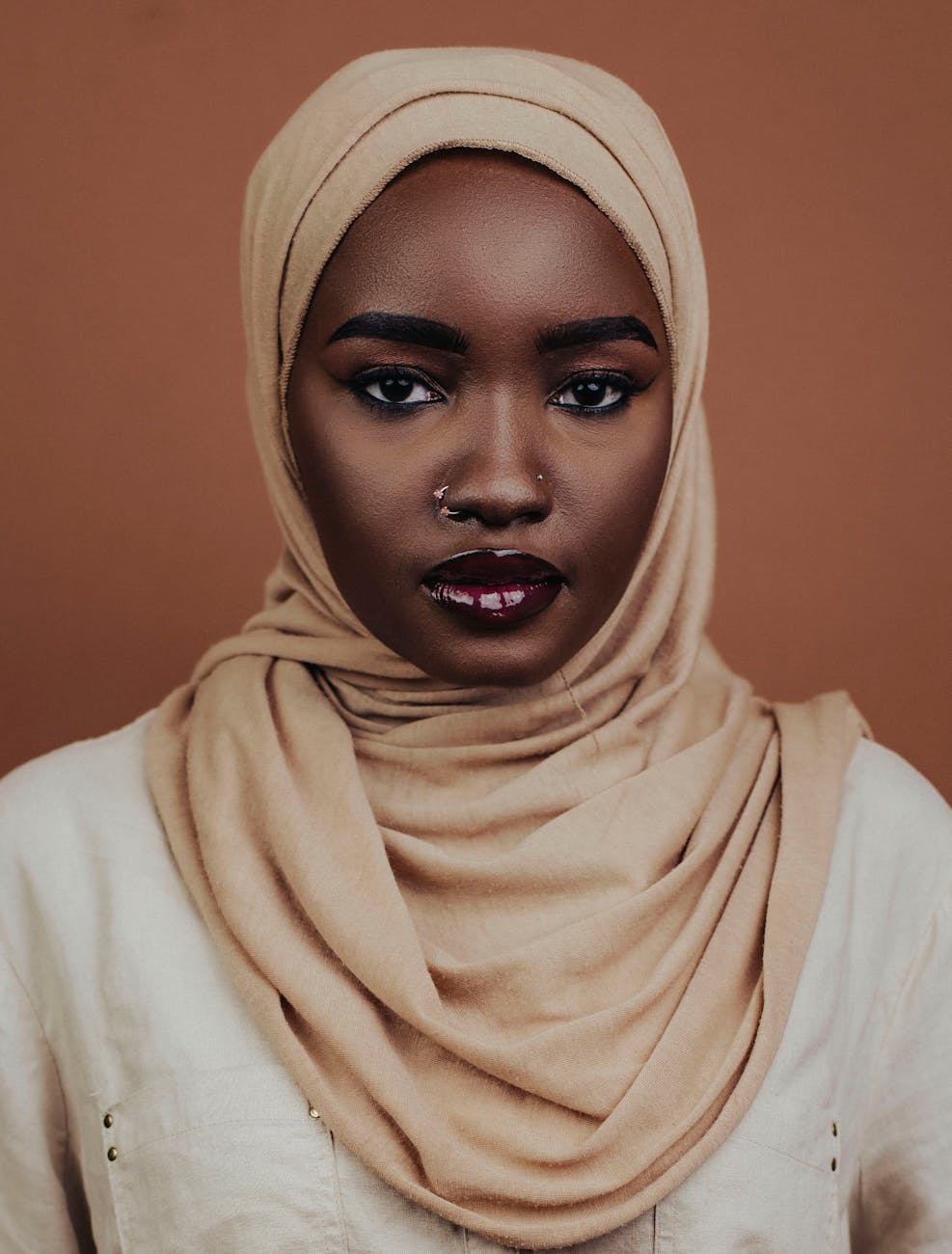
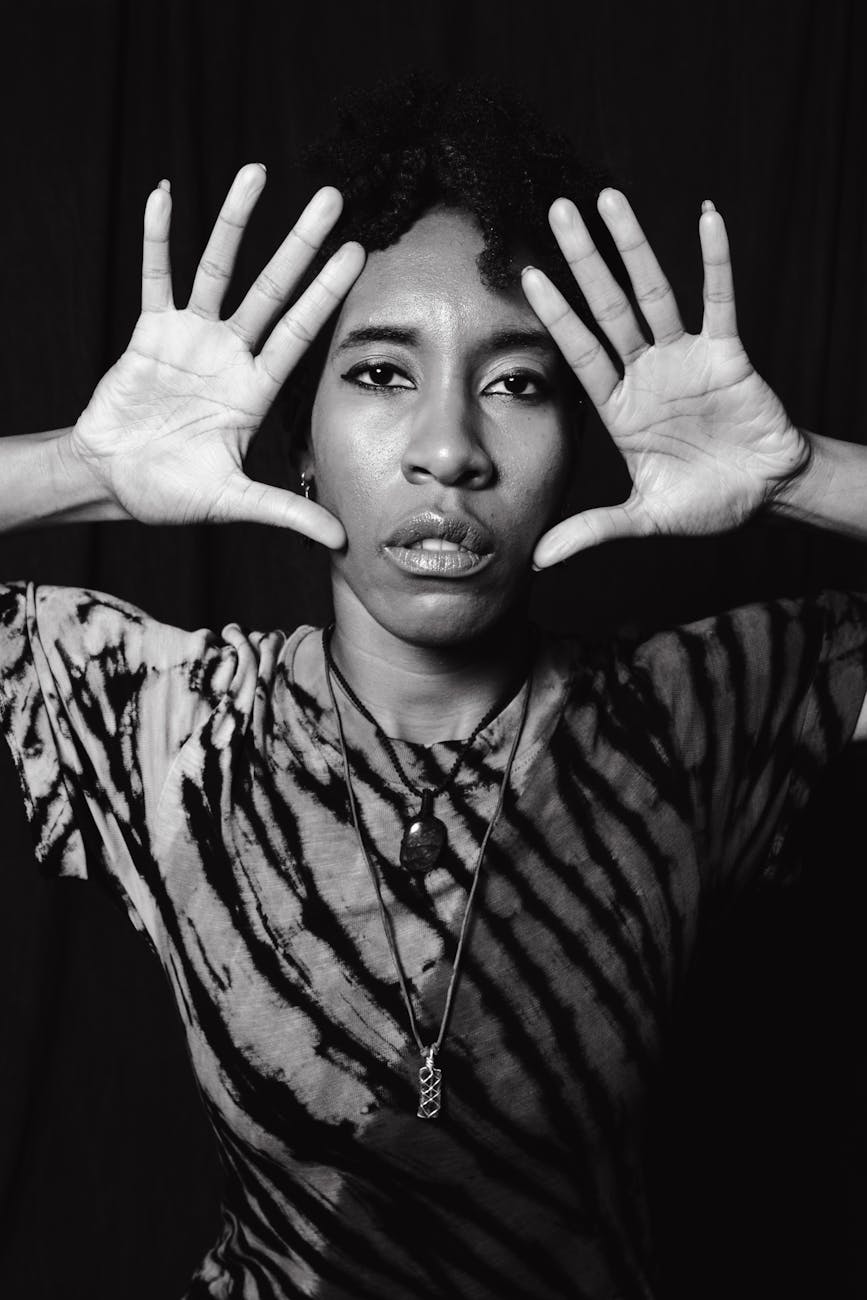
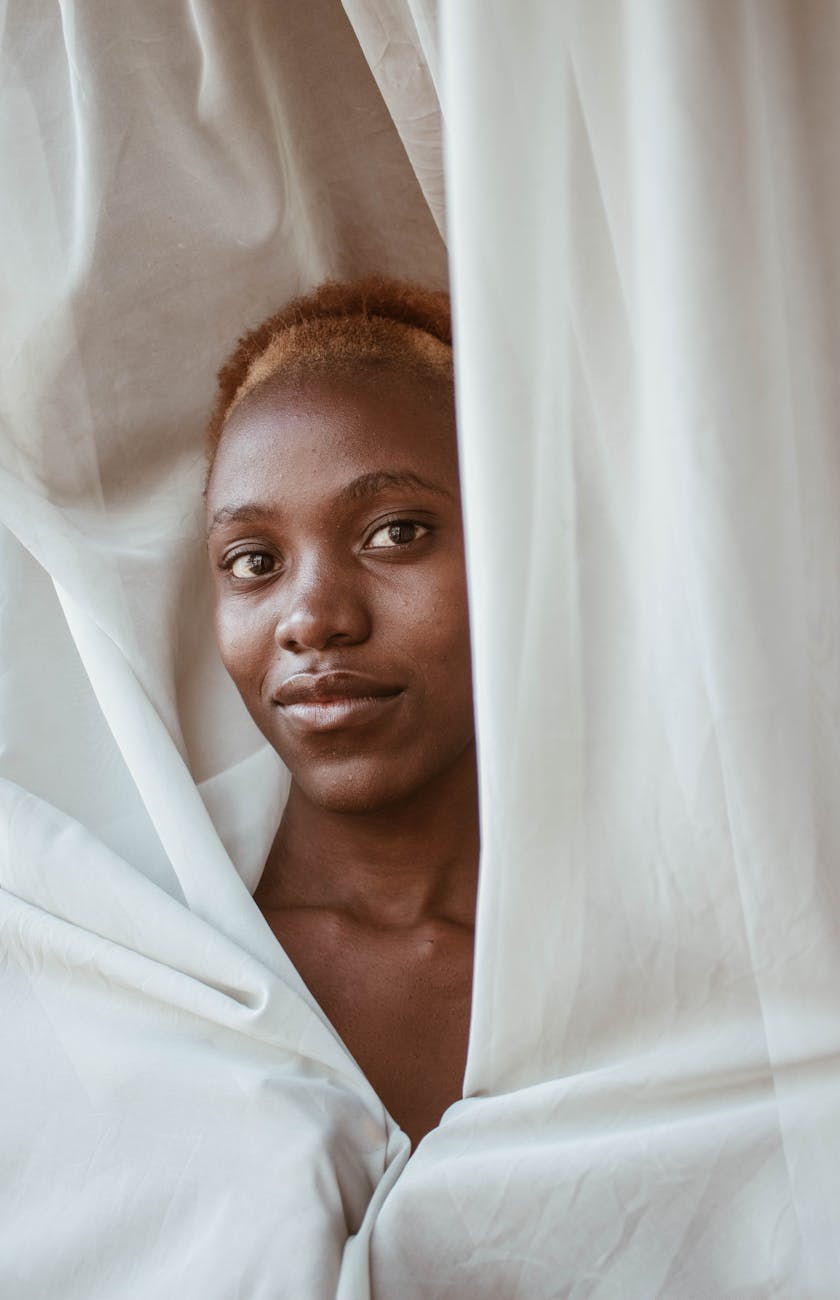
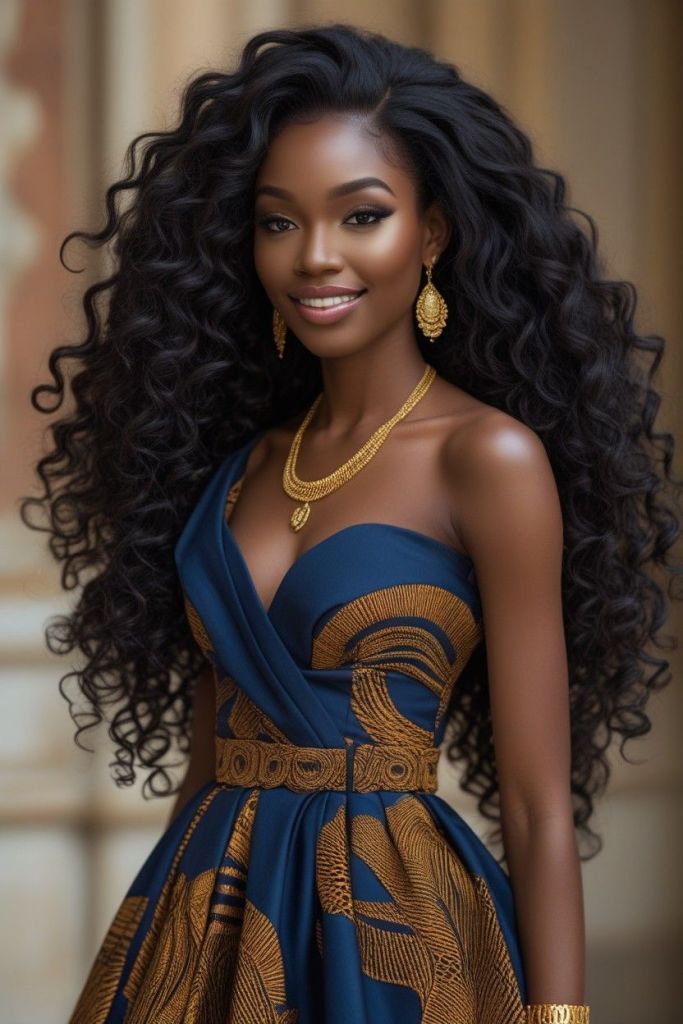
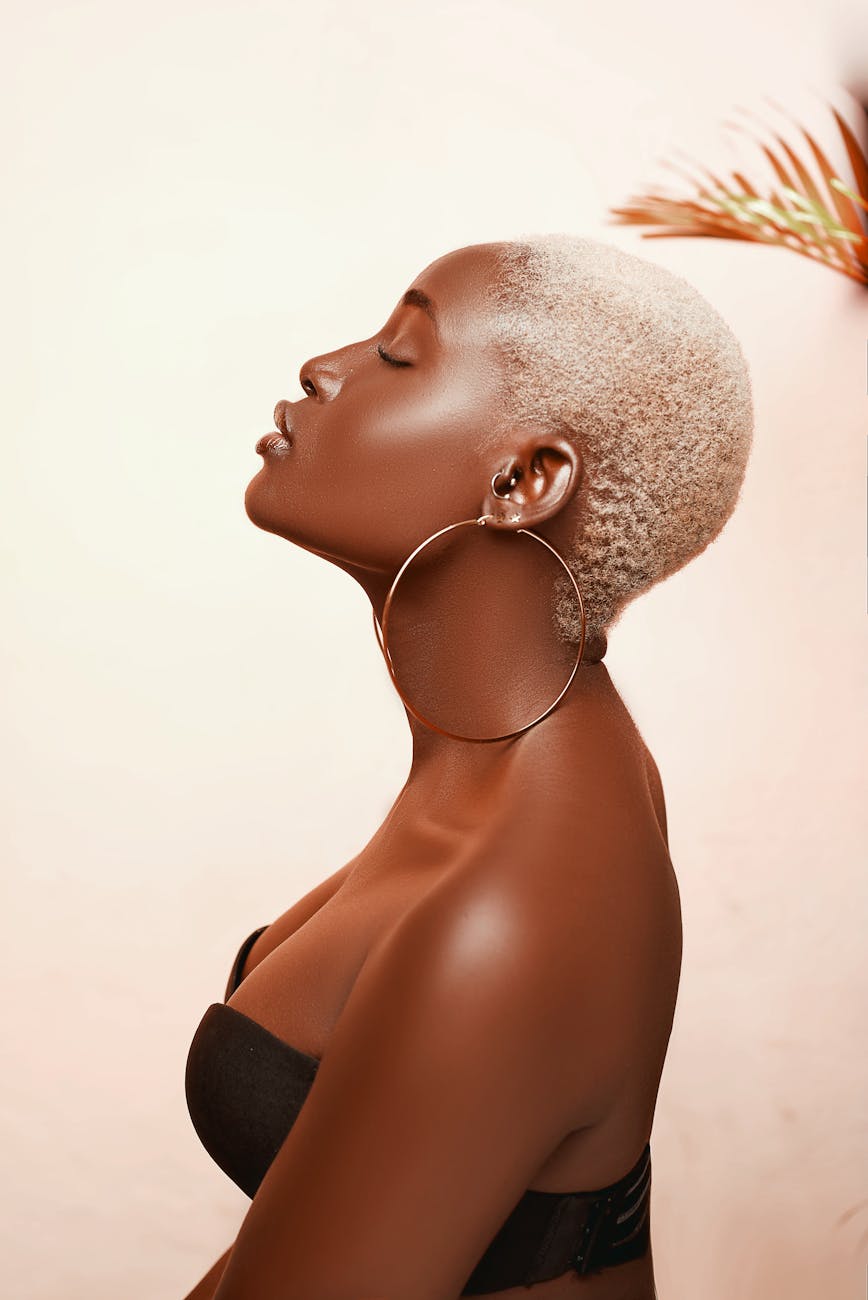
Photo by Bolaji Balogun on Pexels.com

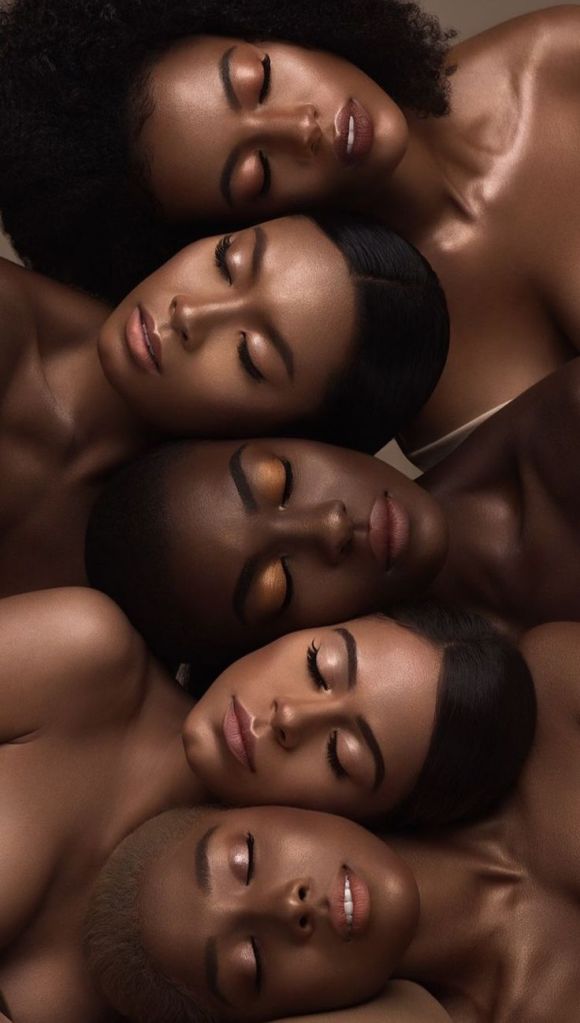
The politics of skin color remains one of the most enduring social hierarchies across the world. Within the spectrum of human diversity, the color of one’s skin has historically functioned as a social equation — determining beauty, value, and belonging. This “skin equation” reflects not only aesthetic preferences but also deep-rooted power dynamics forged through colonialism, slavery, and systemic racism. In modern times, it continues to shape how people of color, particularly within the African diaspora, perceive themselves and others.

Skin tone has become a social currency, an unspoken determinant of privilege and opportunity. In post-slavery societies, lighter skin was often associated with freedom, education, and proximity to whiteness — while darker skin became stigmatized as a visual marker of servitude and inferiority (Hunter, 2007). This hierarchy birthed what is now known as colorism, a phenomenon that exists both within and outside of racial boundaries, influencing social mobility, media representation, and romantic desirability.

Beauty standards, largely shaped by Eurocentric ideals, perpetuate the marginalization of darker complexions. Historically, the Western world’s definition of beauty has been tethered to lightness — straight hair, thin noses, and pale skin. These features were systemically glorified in art, advertising, and cinema, creating a global aesthetic code that devalued African features. As a result, many individuals internalized color-based bias, linking lighter skin with attractiveness and success.

This internalized bias, as theorized by Frantz Fanon in Black Skin, White Masks (1952), results in psychological fragmentation. The colonized subject learns to desire the oppressor’s image, wearing a metaphorical “white mask” in pursuit of acceptance. Fanon’s analysis highlights that colorism is not merely an aesthetic issue but a form of psychological violence, teaching the oppressed to despise their reflection.

In the Americas, color hierarchies were institutionalized through systems like the “one-drop rule” and the “mulatto caste,” where mixed-race individuals were placed above darker-skinned Africans. This practice reinforced racial purity ideologies and divided the Black community along pigment lines. Even after emancipation, these divisions persisted — visible in employment discrimination, political leadership, and media representation (Russell, Wilson, & Hall, 1992).

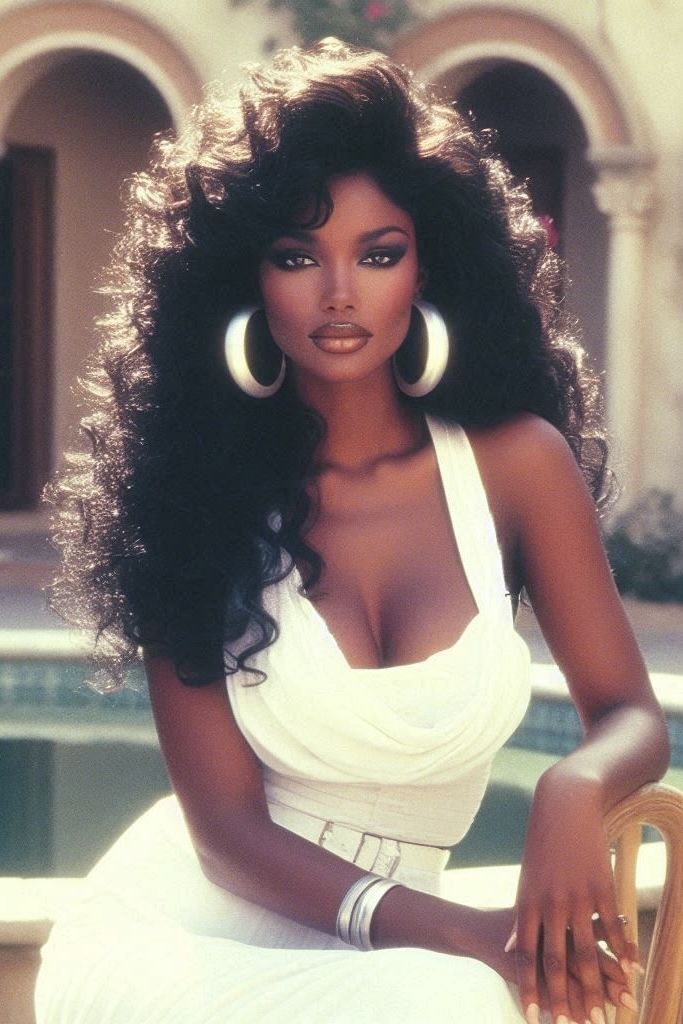
The entertainment industry further amplifies the bias of the skin equation. Light-skinned actors and models are often cast as romantic leads or beauty icons, while darker-skinned individuals are relegated to roles of servitude or aggression. This pattern, sometimes called “color-coded casting,” communicates to audiences that lightness equates to worthiness and desirability. It becomes a subconscious pedagogy — teaching viewers which shades deserve empathy and admiration.

However, the rise of digital media has sparked a counter-narrative. Movements like #MelaninMagic and #BlackGirlMagic have redefined beauty through the celebration of dark skin tones. Social media platforms have allowed creators to subvert Eurocentric imagery by showcasing diverse complexions in their natural splendor. This reclamation of aesthetic autonomy represents a cultural resistance — an act of rewriting the visual narrative of beauty.

The “skin equation” also extends to economics. In numerous studies, lighter-skinned individuals have been shown to earn higher wages, receive shorter prison sentences, and be perceived as more intelligent or trustworthy than their darker-skinned peers (Maddox & Gray, 2002). These disparities indicate that colorism functions as an economic bias as much as a cultural one.

In the realm of dating and marriage, skin tone continues to influence desirability politics. Research shows that lighter skin correlates with perceptions of femininity and gentleness in women, and with professionalism and status in men. These notions, deeply entrenched in colonial logic, sustain social hierarchies even within intra-racial relationships.

Globally, skin lightening remains a billion-dollar industry, particularly in regions like Africa, Asia, and the Caribbean. The marketing of bleaching products often implies that success, romance, and prestige are achievable through lightness. Such campaigns perpetuate a colonial beauty mindset — convincing the consumer that transformation toward whiteness equals empowerment, when in truth it is an extension of self-erasure (Glenn, 2008).

Colorism’s impact on identity development is particularly harmful among children and adolescents. Studies reveal that darker-skinned children often face more bullying and internalized shame, resulting in lower self-esteem (Wilder, 2010). This early conditioning establishes a lifelong struggle between self-acceptance and societal rejection, producing adults who must heal from inherited bias.

Religious and spiritual imagery has also played a role in reinforcing skin hierarchies. The portrayal of divine figures as white — from angels to Christ — encoded whiteness as holiness and blackness as sinfulness. This theological distortion produced what some scholars call “pigment theology,” where color became synonymous with morality (Cone, 1970). Such images continue to shape subconscious associations of purity and impurity.

In African and Caribbean contexts, the colonial past lingers in linguistic and cultural symbols that favor lightness — phrases like “fair and lovely” or “bright and clean” carry subtle biases. In these societies, color becomes both a marker of postcolonial trauma and an indicator of social aspiration. The residue of empire thus lives on in the language of beauty and respectability.

Despite these systemic issues, the reclamation of dark skin as divine and regal has gained momentum in recent decades. Artists, theologians, and activists have sought to reframe Blackness as sacred — connecting it to African spirituality, biblical lineage, and ancestral royalty. This reimagining restores balance to the skin equation by asserting that melanin is not a curse but a crown.

From a psychological perspective, the deconstruction of colorism requires reprogramming collective self-image. Healing involves education, representation, and the dismantling of media-driven hierarchies. When people of all shades see themselves reflected positively in culture, they begin to rewrite the equation of value and beauty from within.

Sociologically, the persistence of colorism reveals how racism mutates over time. As overt racial segregation wanes, colorism operates subtly — maintaining inequality through aesthetics rather than legislation. This covert discrimination is harder to detect but equally destructive to communal unity.

Educational reform also plays a role in dismantling the skin equation. Curriculums that include African civilizations, Black inventors, and darker-skinned beauty icons broaden the definition of excellence. When children learn to associate dark skin with intelligence, creativity, and leadership, they internalize empowerment rather than shame.

The media’s future lies in the intentional elevation of diverse skin tones — in fashion campaigns, film casting, and advertising. Representation must move beyond tokenism toward genuine inclusivity, celebrating the full range of human hues. Only through visual equity can we begin to repair centuries of aesthetic injustice.

Ultimately, the “skin equation” reflects a collective moral test. It challenges societies to confront the hidden mathematics of bias that equate whiteness with worth and darkness with deficiency. The dismantling of this formula is both a spiritual and cultural act — requiring truth, love, and liberation. When we learn to see beauty not as a spectrum of shade but as a manifestation of soul, the equation balances at last.


References

Cone, J. H. (1970). A Black theology of liberation. Orbis Books.

Fanon, F. (1952). Black skin, white masks. Grove Press.

Glenn, E. N. (2008). Yearning for lightness: Transnational circuits in the marketing and consumption of skin lighteners. Gender & Society, 22(3), 281–302.

Hunter, M. (2007). The persistent problem of colorism: Skin tone, status, and inequality. Sociology Compass, 1(1), 237–254.

Maddox, K. B., & Gray, S. A. (2002). Cognitive representations of Black Americans: Reexploring the role of skin tone. Personality and Social Psychology Bulletin, 28(2), 250–259.

Russell, K., Wilson, M., & Hall, R. (1992). The color complex: The politics of skin color among African Americans. Anchor Books.
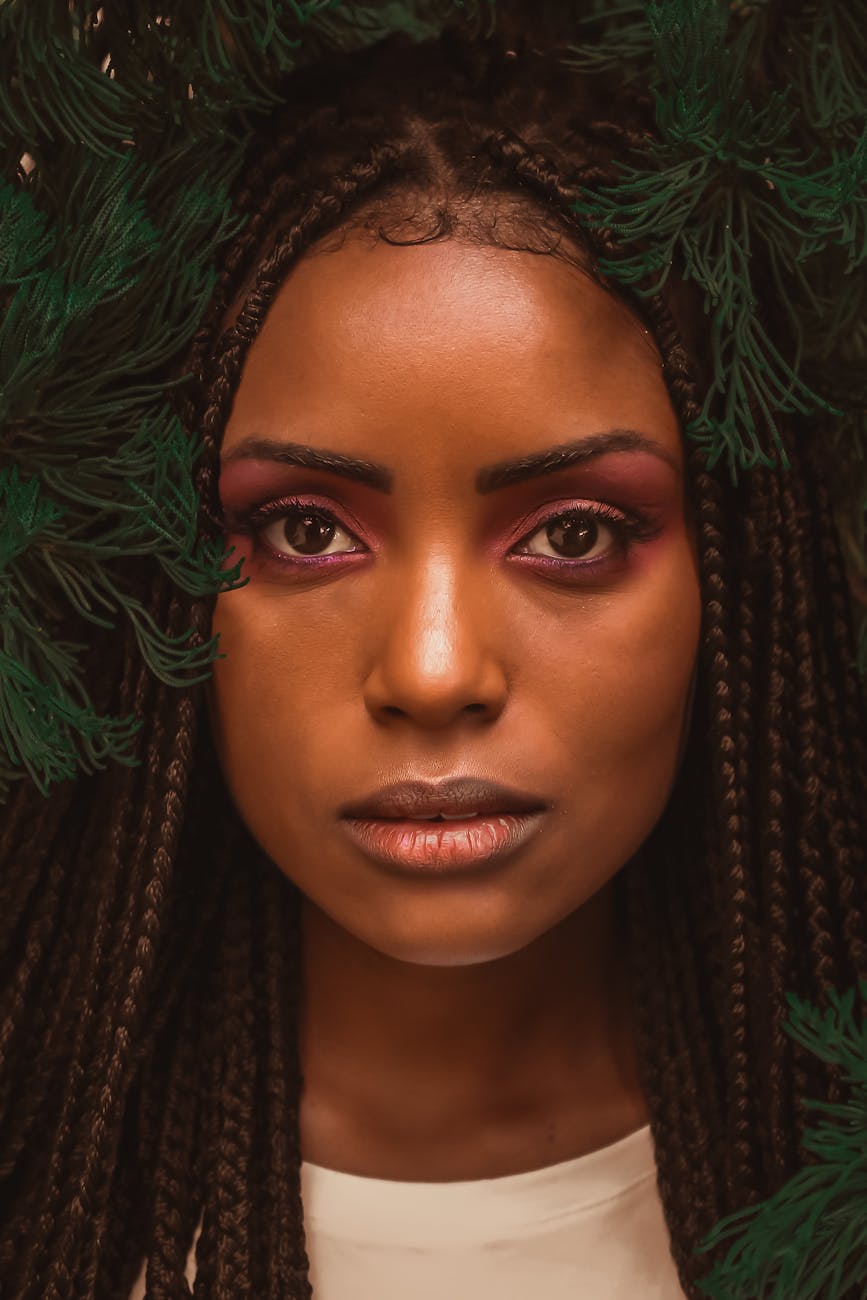
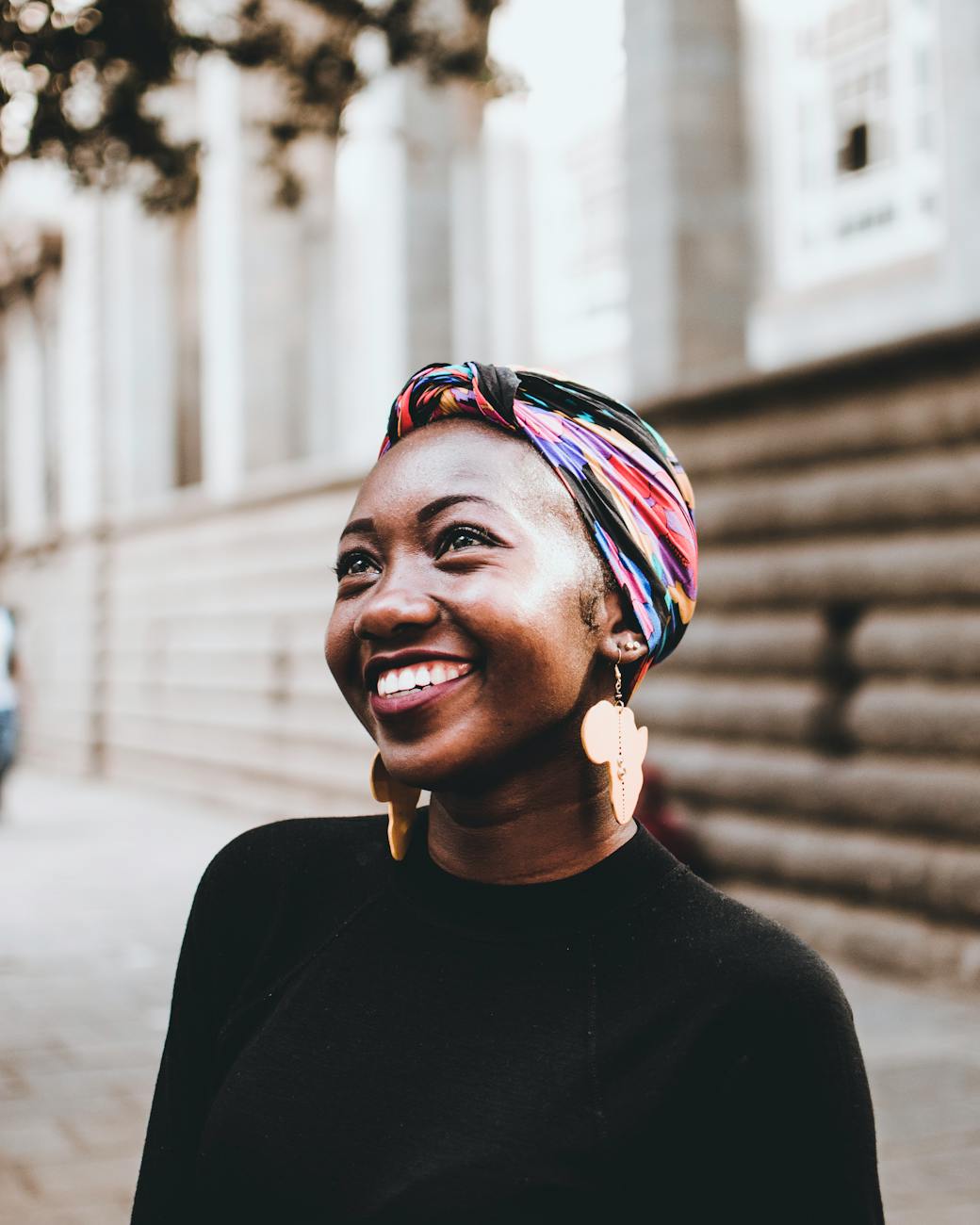
The Brown Girl Dilemma Anthology

Essays on Identity, Faith, and Resilience

Photo by Matheus Henrin on Pexels.com

Introduction: Naming the Dilemma

The story of the brown girl has too often been told by others—distorted by colonial narratives, diminished by Eurocentric beauty standards, and overshadowed by the structures of white supremacy. To be a brown girl is to exist at the crossroads of invisibility and hyper-visibility, of longing and defiance, of burden and brilliance. Yet, it is also to carry within one’s skin, history, and faith an unshakable strength.

This anthology, The Brown Girl Dilemma, weaves together eight reflections that explore the psychological, theological, and cultural experiences of brown girls. Each essay unpacks a layer of her reality: her struggles, her triumphs, her beauty, her biases, her faith, and her crown. Together, they paint a portrait of resilience and hope, testifying that the brown girl’s story is not merely one of survival but of victory.


Beyond the Mirror: Unpacking the Brown Girl Dilemma

Photo by Mwabonje Ringa on Pexels.com

The mirror often reflects not only one’s face but also the stories society has told about it. For brown girls, the mirror has been a site of battle. From childhood, they have been fed images that elevate whiteness as the pinnacle of beauty while positioning melanin as a flaw (Hunter, 2007). Yet beyond the mirror lies the truth: the brown girl is not a mistake but a masterpiece, fearfully and wonderfully made (Psalm 139:14, KJV). Her dilemma, therefore, is not inherent in her skin but imposed by cultural lies. The work of unpacking begins when she refuses to internalize the distortion, reclaiming the mirror as a site of affirmation rather than shame.


Beauty, Bias, and the Brown Girl Battle

Photo by Megwara Favour on Pexels.com

Beauty is not neutral. It is shaped by bias, wielded as a weapon, and coded into systems that privilege certain shades over others. Colorism—bias within communities of color that favors lighter skin tones—continues to affect employment, marriage prospects, and social mobility (Monk, 2014). The brown girl’s battle is not against her reflection but against these structures of exclusion. Yet resilience emerges when she embraces her natural beauty as sacred. Like the Shulamite woman of Song of Solomon, she can boldly declare: “I am black, but comely” (Song of Solomon 1:5, KJV). Her beauty becomes both resistance and revolution.


Sacred Shades: A Theological Look at the Brown Girl Dilemma

Photo by Ivan Samkov on Pexels.com

Scripture affirms the diversity of creation: “And God saw everything that he had made, and, behold, it was very good” (Genesis 1:31, KJV). Her melanin is no accident—it is sacred. Yet theology has been misused, with distorted readings of texts like the “curse of Ham” weaponized to justify slavery and racism (Goldenberg, 2003). A theological re-examination reveals that the brown girl is not cursed but chosen, not marginalized but mighty. Her shades are not blemishes but blessings, woven intentionally into the divine tapestry.


Brown Skin, Heavy Crown: The Weight of Representation

Photo by John Ray Ebora on Pexels.com

Representation is both privilege and burden. The brown girl often carries the pressure of being “the first,” “the only,” or “the token” in schools, workplaces, and media. Research on “tokenism” highlights the psychological toll of being isolated in professional settings (Kanter, 1977). Her crown is heavy because she is asked to stand not just for herself but for her entire community. Yet within this weight lies an opportunity: her very presence disrupts narratives of exclusion. Like Queen Esther, she steps into spaces of power “for such a time as this” (Esther 4:14, KJV), bearing her crown with dignity even when it feels crushing.


Invisible Yet Hyper-Visible: The Brown Girl Paradox

Photo by Jonatan Galvis on Pexels.com

The brown girl’s life is marked by paradox. In many contexts, she is invisible—overlooked in promotions, underrepresented in media, and silenced in public discourse (Collins, 2000). Yet in others, she is hyper-visible—her body fetishized, her features policed, her presence scrutinized. This double-bind echoes W.E.B. Du Bois’ (1903/1994) notion of “double consciousness.” Psychology confirms the strain of such contradictions (Harris-Perry, 2011), but it also testifies to the adaptability born from them. The brown girl learns to navigate invisibility and visibility with wisdom, asserting her presence in spaces that once denied her.


The Skin They Can’t Ignore: Brown Girls in a World of Whiteness

Photo by Bave Pictures on Pexels.com

Despite centuries of erasure, the brown girl’s skin refuses to disappear. From the runways of fashion to the classrooms of academia, from pulpits to parliaments, brown girls are reshaping global narratives (Craig, 2021). Their melanin is a marker of survival, a testimony to ancestors who endured and resisted. The world of whiteness may attempt to silence them, but their skin speaks—a language of resilience, beauty, and truth.


From Colorism to Confidence: Redefining the Brown Girl Dilemma

Photo by Andrea Piacquadio on Pexels.com

The journey from colorism to confidence is neither linear nor easy, but it is necessary. Healing begins when the brown girl rejects society’s scales of worth and embraces her own. Confidence does not erase the pain of exclusion, but it transforms it into power. With each affirmation, each step of self-love, she dismantles the very dilemma that once sought to define her. Psychology shows that affirming racial identity correlates with higher self-esteem and resilience (Sellers et al., 1998). The narrative shifts: she is no longer trapped in the binary of lighter versus darker but liberated in the fullness of her identity.


Shades of Struggle, Shades of Strength: The Brown Girl Experience

Photo by Lucas Pezeta on Pexels.com

The brown girl experience is a tapestry woven with both pain and power. Struggles with racism, sexism, and colorism are undeniable, but so is the strength cultivated through them. History remembers the voices of brown women who transformed struggle into legacy—Sojourner Truth, Audre Lorde, Maya Angelou, and countless unnamed others. Their resilience becomes inheritance, passed down to new generations of brown girls who rise stronger than those before them. Their lives declare that struggle and strength are not opposites but companions.


Conclusion: Rewriting the Dilemma

Photo by Darksight Image on Pexels.com

The brown girl dilemma is not an unsolvable riddle—it is a story in the process of being rewritten. Each essay in this anthology testifies to a different dimension of her truth: beauty, bias, theology, representation, paradox, visibility, confidence, and resilience. Together, they reveal that the dilemma was never truly hers but society’s.

The final word belongs to the brown girl herself. She is more than the reflection in the mirror, more than the burden of bias, more than the paradox of presence. She is sacred, crowned, resilient, and radiant. She is a daughter of the Most High, created in His image, carrying both the weight of her history and the brilliance of her destiny. And in her story, we find not only the struggle of brown girls but the strength of all humanity.


References

Collins, P. H. (2000). Black feminist thought: Knowledge, consciousness, and the politics of empowerment. Routledge.

Craig, M. L. (2021). Ain’t I a beauty queen?: Black women, beauty, and the politics of race. Oxford University Press.

Du Bois, W. E. B. (1994). The souls of Black folk. Dover Publications. (Original work published 1903)

Goldenberg, D. M. (2003). The curse of Ham: Race and slavery in early Judaism, Christianity, and Islam. Princeton University Press.

Harris-Perry, M. V. (2011). Sister citizen: Shame, stereotypes, and Black women in America. Yale University Press.

Hunter, M. (2007). The persistent problem of colorism: Skin tone, status, and inequality. Sociology Compass, 1(1), 237–254. https://doi.org/10.1111/j.1751-9020.2007.00006.x

Kanter, R. M. (1977). Men and women of the corporation. Basic Books.

Monk, E. P. (2014). Skin tone stratification among Black Americans, 2001–2003. Social Forces, 92(4), 1313–1337. https://doi.org/10.1093/sf/sou007

Sellers, R. M., Caldwell, C. H., Schmeelk-Cone, K. H., & Zimmerman, M. A. (1998). Racial identity, racial discrimination, perceived stress, and psychological well-being among African American young adults. Journal of Health and Social Behavior, 39(3), 302–314. https://doi.org/10.2307/2676348

The Holy Bible, King James Version.

Skin Deep Secrets: Confessions of a Brown Woman.

This photograph is the property of its respective owner. No copyright infringement intended.

In a world where skin tone often determines social acceptance, professional opportunity, and even perceived beauty, the “brown woman” stands at the crossroads of identity and judgment. Her complexion is both her armor and her battlefield, a silent storyteller of ancestral roots, resilience, and rejection. Yet beneath the surface lies a profound narrative of self-discovery — the confessions of a woman learning to love the skin she’s been taught to hide.

Colorism, a byproduct of colonialism and slavery, remains an insidious force in modern society. While racism distinguishes between races, colorism divides within them, privileging lighter complexions and marginalizing darker tones. The brown woman, often caught between societal ideals and her true self, is forced to reconcile with internalized hierarchies of shade and desirability.

In beauty culture, brown skin is often commodified — praised when exoticized yet criticized when authentic. The media portrays it as “sun-kissed,” “mocha,” or “golden,” terms that sanitize Blackness and dilute cultural identity. The brown woman’s skin becomes a marketing strategy rather than a manifestation of divine creation. Her image is reshaped not to celebrate her but to fit neatly into Eurocentric standards of beauty.

Growing up, many brown girls are told to “stay out of the sun” or “use this cream to lighten your skin.” These comments, passed down through generations, become psychological chains. They create a self-image dependent on proximity to whiteness. What begins as casual advice becomes an internalized inferiority complex, teaching young women to see themselves as “almost enough,” but never fully beautiful.

For many, this painful legacy begins at home. Families unconsciously perpetuate colorism through praise and criticism rooted in shade. “You’re pretty for a dark girl,” a common backhanded compliment, suggests that beauty is exceptional when found in darker tones. Such words wound deeply, shaping how brown women view themselves and others.

The entertainment industry reinforces these wounds. Light-skinned actresses and models often receive more roles, endorsements, and visibility. Meanwhile, brown women are relegated to the margins, portrayed as side characters, helpers, or symbols of struggle rather than elegance. The camera’s gaze has long been biased, framing beauty through a colonial lens.

In music videos, advertisements, and fashion campaigns, the ideal woman often resembles a hybrid — ethnically ambiguous yet close enough to whiteness to be universally marketable. This aesthetic erases brown women who reflect the majority of the global population, especially within the African diaspora, South Asia, and Latin America.

But amidst these systemic structures, the brown woman has begun reclaiming her power. Social media has become both her platform and her protest. Movements like #MelaninMagic and #BrownSkinGirl have amplified voices once silenced. Through self-photography, digital storytelling, and community building, women of color are redefining the narrative.

Still, empowerment comes with complexity. Online validation can be double-edged, reinforcing beauty hierarchies based on features, filters, and follower counts. The brown woman must navigate between self-love and digital performance, questioning whether the praise she receives is genuine or conditional.

Behind every confident selfie lies years of unlearning. It takes courage to stand before the mirror and see beauty rather than burden. It takes faith to reject billion-dollar industries built on bleaching creams and color-correcting foundations. To love brown skin is a political act — a rebellion against centuries of imposed shame.

The confessions of a brown woman are not only about pain; they are about survival. They are stories whispered in dressing rooms, sung in poetry, and written in journals — testaments to endurance and grace. Each confession is a declaration that says, “I am enough as I am.”

Brown women often discover that their beauty lies not in comparison but in contrast. Their tones mirror the earth, the cocoa bean, the sun at dusk — elements of nature itself. They are the shades of continuity, the living tapestry of humanity.

Education plays a crucial role in dismantling colorism. Teaching children about historical oppression, media literacy, and representation cultivates self-acceptance. When young brown girls see women like Lupita Nyong’o, Viola Davis, or Mindy Kaling celebrated for their achievements, it reshapes the standard of beauty for future generations.

Faith also anchors this transformation. Many brown women turn to spirituality to heal internalized wounds. Biblical affirmations such as “I am fearfully and wonderfully made” (Psalm 139:14, KJV) remind them that divine creation does not discriminate by shade. Their melanin is sacred, not shameful.

The global beauty market is slowly shifting. Brands are beginning to expand shade ranges and highlight diverse models, though often for profit rather than principle. True progress will come when darker skin is normalized, not exoticized — when representation reflects authenticity, not tokenism.

Yet the struggle continues. The brown woman’s journey toward self-acceptance is not linear but layered — a process of peeling back colonial residue to uncover divine identity. She learns that her worth cannot be defined by tone, trends, or validation, but by truth.

Her confession ends not in bitterness but in rebirth. She realizes that her melanin holds memory of sun, soil, ancestors, and God’s artistry. The very skin she once prayed to lighten now glows with confidence and consciousness.

The brown woman, once silenced, now speaks boldly. Her skin tells stories of resilience, rebellion, and revelation. She is no longer asking for recognition — she commands it. Her beauty is not skin-deep; it is soul-deep.

References

Ali, S. (2021). Colorism: The social and psychological impact of shadeism. Oxford University Press.
Hunter, M. (2017). Race, gender, and the politics of skin tone. Routledge.
Nyong’o, L. (2014). Lupita Nyong’o’s speech on beauty and self-acceptance. Essence Magazine.
Russell, K., Wilson, M., & Hall, R. (2013). The color complex: The politics of skin color among African Americans (2nd ed.). Anchor Books.
Walker, A. (1983). In search of our mothers’ gardens: Womanist prose. Harcourt.
Wilder, J. (2015). Color stories: Black women and colorism in the 21st century. Praeger.

Complexion Confessions: Secrets Beneath the Surface of Skin.

Photo by Gabriel Santos on Pexels.com

Beneath the surface of skin lies a history written in hue—a silent testimony to survival, beauty, and bondage. Complexion has always been more than a biological trait; it is a social code, a passport or a prison depending on the eyes that behold it. In the Black experience, the color of one’s skin has shaped destiny, determining how the world perceives and how one learns to perceive oneself. What lies beneath the surface of skin is not merely pigment—it is memory, trauma, and transcendence woven together in the tapestry of human identity.

The story of complexion begins not in the mirror but in the marketplace. During slavery, skin tone was commodified; lighter skin often brought proximity to the master’s house, while darker skin bore the sun’s scars from the field. The hierarchy of hue became a social order within the Black community itself, planting seeds of internalized bias that still sprout centuries later. What was once a system of oppression became an inherited language of preference, silently dictating beauty, worth, and desirability.

Colorism, a term coined by Alice Walker (1983), remains the unspoken offspring of racism—a form of discrimination within one’s own race. It masquerades as personal taste, yet it echoes centuries of colonial propaganda that idolized whiteness and demonized darkness. These hierarchies not only fractured collective unity but distorted the perception of God’s image within melanin-rich bodies. The complexion became not just a covering but a contested terrain of identity, spirituality, and social survival.

The “paper bag test,” once used by fraternities, sororities, and Black churches, was an open wound disguised as tradition. It revealed how deeply internalized self-rejection had taken root. Acceptance depended on passing for something closer to white. In those subtle rituals of exclusion, Blackness was fragmented, and community bonds were tested against the standards of the oppressor. This legacy still lingers in entertainment, media, and even dating preferences, proving that the colonization of complexion did not end with emancipation.

In the beauty industry, skin tone remains currency. Advertising and social media perpetuate an illusion that lighter equals lovelier, fairer equals favored. The billion-dollar skin-lightening market thrives on this insecurity, particularly in nations with colonial pasts—Africa, the Caribbean, and South Asia. The secret beneath the surface of skin is that capitalism has learned to profit from the psychological residue of oppression. When beauty is filtered through Eurocentric ideals, complexion becomes both a battlefield and a brand.

However, the skin tells a deeper story than beauty alone—it is a shield, a sensor, a record. In every freckle, scar, and undertone lies the imprint of ancestry. Melanin is not a mistake; it is a masterpiece of divine design. It protects against ultraviolet radiation, adapts to geography, and symbolizes survival. Science confirms what the scriptures declared long ago: humanity was formed from the dust of the earth—rich, brown, and sacred (Genesis 2:7, KJV). The soil of Eden shares its color with the sons and daughters of Africa.

Yet for many, the skin has become a source of spiritual warfare. To love one’s complexion in a world that has despised it requires faith and resistance. The psychological toll of colorism manifests in subtle ways: self-doubt, relational tensions, and media-driven inferiority complexes. Beneath the surface lies the quiet ache of those who were told they were too dark to be beautiful or too light to be authentic. The war between shades has left emotional scars deeper than any visible blemish.

Within Black communities, complexion often intersects with privilege. Studies reveal that lighter-skinned individuals are statistically more likely to receive leniency in court, higher wages, and greater visibility in media (Hunter, 2007). This phenomenon—sometimes called “the light-skin advantage”—is not accidental; it is the residue of colonial favor embedded into modern systems. Beneath the surface of skin is a sociological script that continues to play out even when the world pretends not to see.

Artists, activists, and scholars have long sought to unmask these silent hierarchies. Poets like Audre Lorde and Toni Morrison wrote about color as both inheritance and weapon. Lorde’s call for self-definition and Morrison’s portrayal of Pecola Breedlove in The Bluest Eye expose how racialized beauty standards fracture the psyche. Their works serve as confessions—truth-telling about how skin becomes both a site of oppression and revelation.

But amid these confessions lies transformation. The reclamation of melanin as divine, regal, and powerful challenges centuries of degradation. Social media movements like #MelaninMagic and #BlackGirlMagic celebrate the radiance once ridiculed. Photographers, fashion designers, and theologians are redefining the narrative—revealing that the secret beneath the surface is not shame but sacredness. Each shade carries its own rhythm, its own reflection of creation’s spectrum.

The spiritual dimension of complexion invites a reawakening. When one realizes that melanin absorbs light, one sees a metaphor for resilience—the ability to take in the harshness of the world and still shine. The body itself testifies of divine intention. Psalms 139:14 reminds, “I will praise thee; for I am fearfully and wonderfully made.” To internalize this truth is to confess that beauty is not dictated by pigment but by purpose.

Education and cultural awareness are essential to dismantling color hierarchies. Schools, media, and churches must address how the legacy of slavery and colonialism still informs standards of attractiveness and identity. When children learn that beauty is broad, deep, and diverse, they begin to unlearn centuries of bias. Healing begins when history is acknowledged, not erased.

The media bears responsibility in this transformation. Representation matters not as tokenism but as restoration. When darker-skinned women like Lupita Nyong’o, Viola Davis, and Danai Gurira are celebrated for their authenticity, it disrupts the monopoly of Eurocentric ideals. These images are not mere aesthetics—they are acts of revolution. The screen becomes a sanctuary where melanin is no longer muted but magnified.

Yet, the healing process must reach beyond visibility. It must touch the heart. True liberation occurs when individuals reconcile with their reflection. The confession beneath the surface is not simply about skin—it is about self-love resurrected after centuries of rejection. To stand unapologetically in one’s own hue is a form of spiritual warfare, a declaration of identity against the powers of conformity.

The church, too, must engage in this dialogue. Historically complicit in color hierarchies through depictions of a white Christ, the church now faces the opportunity for correction. A theology of melanin—a recognition that the Creator delights in diversity—can reframe the faith experience. Revelation 1:15 describes Christ’s feet as “like unto fine brass, as if they burned in a furnace,” affirming a complexion that mirrors the people of the sun.

In relationships, complexion still shapes perceptions of attraction and status. Media perpetuates the idea that certain shades are more desirable, influencing dating preferences and marriage patterns. Yet, when love is purified of prejudice, it reflects divine order. The confession beneath the surface is that healing must also happen between us—between brothers and sisters divided by shades of the same ancestry.

Psychologists argue that overcoming colorism requires self-awareness and community re-education. Therapy, literature, and art all serve as tools of restoration. When individuals confront their biases, they begin to dismantle the system from within. Healing is a collective act; it requires truth-telling, forgiveness, and courage.

The “confessions” of complexion are, ultimately, sacred testimonies. They are the whispers of generations who survived despite being misjudged by their melanin. Each story, each face, carries ancestral wisdom. When we peel back the layers of bias and shame, we uncover something eternal—a reminder that beneath the surface of skin lies the spirit, unbreakable and divine.

The secret beneath the surface of skin, then, is not pain but power. It is the revelation that every shade of brown, bronze, and black carries the fingerprint of the Creator. To love one’s complexion is to honor God’s artistry, to recognize that beauty is not found in imitation but in embodiment. The true confession of complexion is this: we are more than the surface—we are the story, the soil, and the light.


References

Hunter, M. (2007). The persistent problem of colorism: Skin tone, status, and inequality. Sociology Compass, 1(1), 237–254. https://doi.org/10.1111/j.1751-9020.2007.00006.x

Lorde, A. (1984). Sister outsider: Essays and speeches. Crossing Press.

Morrison, T. (1970). The bluest eye. Holt, Rinehart, and Winston.

Walker, A. (1983). In search of our mothers’ gardens: Womanist prose. Harcourt Brace Jovanovich.

Wilkerson, I. (2020). Caste: The origins of our discontents. Random House.

Wyatt, J. (2022). Colorism in the Black community: Historical trauma and the path to healing. Journal of Black Studies, 53(2), 175–194. https://doi.org/10.1177/00219347211051844

The Brown Standard

The Brown Standard of beauty is a celebration of melanin-rich aesthetics, cultural heritage, and racial pride. It challenges Eurocentric beauty ideals by centering features historically marginalized yet deeply valued within Black and brown communities. From the warmth of light sun-kissed skin to the richness of deep chocolate tones, from big expressive eyes to small delicate ones, from broad noses to narrow bridges, and from full lips to more subtle contours, the Brown Standard honors the diversity of features shaped by ancestry, environment, and lineage. Hair textures—curly, coily, wooly, and naturally sun-kissed fros—are celebrated as both aesthetic markers and cultural symbols. This standard recognizes beauty not merely as symmetry or proportion but as an embodiment of heritage, identity, and lived experience.

Historically, African civilizations revered features now central to the Brown Standard. Sculptures, carvings, and paintings depict broad noses, full lips, and textured hair as signs of dignity, strength, and nobility. Beauty was intertwined with status, spirituality, and communal values rather than arbitrary or externally imposed standards. As Asante (2003) emphasizes, African societies understood aesthetics as a reflection of balance, harmony, and moral character.

Colorism, however, complicates the Brown Standard. Hunter (2007) observes that lighter skin tones have historically received greater social recognition and privilege, even within communities of color. The Brown Standard emerges as both a reclamation and a counter-narrative: it affirms that beauty exists across the spectrum of melanin-rich skin and that features long devalued by colonial and Eurocentric influence are inherently beautiful.

Socially, the Brown Standard functions as a form of aesthetic capital (Bourdieu, 1986). Individuals embodying these traits often gain visibility, credibility, and social deference within their communities. Big eyes, full lips, and textured hair can signal health, vitality, and cultural alignment. Yet, the standard is not prescriptive; it celebrates diversity and the individuality of melanin-rich features rather than enforcing conformity to a single template.

Psychologically, embracing the Brown Standard enhances self-esteem and cultural pride. Dion, Berscheid, and Walster (1972) demonstrate that perceptions of attractiveness influence assumptions about intelligence, kindness, and capability. In communities honoring the Brown Standard, individuals experience affirmation of their worth, resisting the internalized bias imposed by Eurocentric ideals.

Hair remains one of the most visible markers of the Brown Standard. Natural curls, coils, and fros are celebrated as symbols of authenticity, heritage, and resistance to assimilation. The reclamation of natural hair in recent decades represents both a personal and collective assertion of identity, challenging discriminatory practices in professional, educational, and social contexts (Rhode, 2010).

Facial features such as big eyes and full lips carry expressive power, conveying emotion, vitality, and presence. Broad noses and high cheekbones reflect ancestral lineage and are markers of cultural pride. Each feature contributes to a holistic aesthetic that communicates identity, resilience, and historical continuity.

The Brown Standard also acknowledges the interplay of skin tone and environmental influence. Sun-kissed tones, freckles, and variations in melanin distribution are celebrated as markers of natural beauty rather than flaws. This inclusivity fosters recognition of the wide range of expressions within melanin-rich populations.

Colorism continues to influence access to social and economic opportunities. Hamermesh (2011) notes that lighter-skinned individuals often receive favorable treatment, higher wages, and greater social mobility. The Brown Standard, by affirming the beauty of darker tones, challenges systemic bias and encourages broader societal recognition of diverse aesthetics.

Media representation plays a pivotal role in shaping the Brown Standard. For decades, Eurocentric models dominated television, film, and advertising. However, contemporary Black and brown media increasingly feature melanin-rich beauty in its varied forms, highlighting curly hair, full lips, and diverse skin tones. Representation affirms identity, validates aesthetic preference, and reshapes cultural perceptions.

The spiritual dimension of beauty within the Brown Standard cannot be overlooked. Biblical teachings emphasize that true worth lies in character, integrity, and divine favor rather than external appearance (1 Samuel 16:7). Yet, celebrating the beauty inherent in melanin-rich features aligns with a recognition of God’s creativity and the sacredness of His diverse creation.

Education and cultural discourse are essential to sustaining the Brown Standard. Schools, media, and community institutions can teach the history of Black aesthetics, the social consequences of colorism, and the value of melanin-rich features. Knowledge of ancestral beauty practices reinforces cultural pride and counters internalized bias.

The Brown Standard also intersects with gender. Women, in particular, face societal pressure to conform to Eurocentric ideals, yet embracing features aligned with the Brown Standard fosters empowerment and self-affirmation. Men similarly navigate expectations around masculinity and attractiveness, and recognition of ancestral features enhances confidence and social authority.

Psychologically, the affirmation of the Brown Standard combats feelings of invisibility or inadequacy. When communities celebrate features like sun-kissed fros, curly hair, and full lips, individuals internalize a sense of worth that resists systemic prejudice. This recognition contributes to mental health, social cohesion, and identity formation.

Culturally, the Brown Standard affirms continuity with African and diasporic heritage. Hairstyles, skin tones, and facial features function as living markers of lineage, connecting contemporary individuals to historical identity and ancestral pride. It celebrates the multiplicity of Black and brown beauty without imposing rigid conformity.

Colorism and the fetishization of lighter skin within global contexts reveal the ongoing struggle for equitable recognition. The Brown Standard challenges these hierarchies by emphasizing the legitimacy, attractiveness, and dignity of darker tones. It asserts that all expressions of melanin-rich beauty are valid, desirable, and worthy of visibility.

The Brown Standard also engages with intersectional identity. Skin tone, hair texture, facial features, and body shape intersect with culture, socioeconomic status, and historical context to influence how individuals are perceived. Recognition of this complexity ensures that the Brown Standard honors diversity rather than enforcing a narrow ideal.

Media, fashion, and beauty industries are beginning to reflect the Brown Standard more faithfully. Campaigns featuring a wide spectrum of skin tones, natural hair textures, and facial features expand societal understanding of beauty, affirming that aesthetics rooted in ancestry and melanin are compelling and desirable.

Ultimately, the Brown Standard is not merely a set of physical prerequisites but a holistic framework of cultural pride, identity, and self-affirmation. It celebrates the wide spectrum of melanin-rich skin, curly and wooly hair, big and small eyes, broad and narrow noses, and full or subtle lips. It is a standard grounded in ancestry, history, and lived experience, challenging Eurocentric hierarchies while elevating the dignity and visibility of Black and brown bodies.

In conclusion, the Brown Standard represents the intersection of history, culture, and aesthetics. It affirms the beauty inherent in diversity, the power of melanin-rich features, and the importance of honoring ancestral lineage. By embracing this standard, individuals and communities reclaim identity, resist colorism, and celebrate the unique and radiant expressions of Black and brown beauty.


References

Anderson, T. L., Grunert, C., Katz, A., & Lovascio, S. (2010). Aesthetic capital: A research review on beauty perks and penalties. Sociology Compass, 4(8), 564–575. https://doi.org/10.1111/j.1751-9020.2010.00312.x

Asante, M. K. (2003). The history of Africa: The quest for eternal harmony. Routledge.

Bourdieu, P. (1986). The forms of capital. In J. Richardson (Ed.), Handbook of theory and research for the sociology of education (pp. 241–258). Greenwood Press.

Dion, K., Berscheid, E., & Walster, E. (1972). What is beautiful is good. Journal of Personality and Social Psychology, 24(3), 285–290.

Eagly, A. H., Ashmore, R. D., Makhijani, M. G., & Longo, L. C. (1991). What is beautiful is good, but… A meta-analytic review. Psychological Bulletin, 110(1), 109–128.

Feingold, A. (1992). Good-looking people are not what we think. Psychological Bulletin, 111(2), 304–341.

Hunter, M. (2007). The persistent problem of colorism: Skin tone, status, and inequality. Sociology Compass, 1(1), 237–254. https://doi.org/10.1111/j.1751-9020.2007.00006.x

Langlois, J. H., et al. (2000). Maxims or myths of beauty? Psychological Bulletin, 126(3), 390–423.

Rhode, D. L. (2010). The beauty bias: The injustice of appearance in life and law. Oxford University Press.

Wilson, T. D. (2002). Strangers to ourselves: Discovering the adaptive unconscious. Harvard University Press.

Gafney, W. (2017). Womanist midrash: A reintroduction to the women of the Torah and the Throne. Westminster John Knox Press.

Shades of Power: Celebrating the Beauty of Brown Skin. #Shadesofglory

This photograph is the property of its respective owner.

Brown skin has long been a symbol of resilience, beauty, and cultural heritage. Across the African diaspora, it embodies a spectrum of history, identity, and pride, reflecting both ancestral lineage and lived experiences. From deep mahogany to honey tones, brown skin carries with it a narrative of survival, creativity, and empowerment. Its beauty is not merely aesthetic; it is political, cultural, and psychological—a declaration of self-worth in a world that has often devalued it.

The Science and Psychology of Melanin

Melanin, the pigment responsible for brown skin, offers more than visual appeal. Scientifically, it provides protection against ultraviolet rays, reducing risks of certain skin cancers while preserving youthful skin. Psychologically, research shows that people with higher melanin levels may experience a unique sense of identity formation, pride, and cultural belonging (Hunter, 2007). Yet, this very characteristic has been historically targeted through colorism, slavery, and systemic oppression, positioning brown skin at the intersection of beauty and societal prejudice.

Historical Reverence and Cultural Representation

Globally, brown skin has inspired admiration and reverence. In ancient African civilizations such as Nubia and Mali, darker skin was celebrated as a symbol of divine ancestry and nobility (Diop, 1974). Today, figures like Naomi Campbell, Adut Akech, and Morris Chestnut exemplify the global recognition of melanated beauty, blending talent, poise, and representation. Across art, literature, and media, brown skin has become both a canvas and a statement—asserting the legitimacy of Black excellence and aesthetic power.

Shades and Diversity

Brown skin is not monolithic. The spectrum includes deep espresso, warm caramel, golden bronze, and light almond tones. Each shade reflects complex genetic histories, from Sub-Saharan Africa to the Caribbean and Latin America. This diversity is a reminder of the richness within Black communities and challenges narrow standards of beauty that have historically marginalized darker tones. Embracing these variations strengthens cultural identity and encourages a more inclusive understanding of beauty.

The Biblical Perspective

Scripturally, beauty is celebrated in the context of God’s creation. The Bible emphasizes the intrinsic value of human beings, often referencing the beauty of skin and complexion as part of divine craftsmanship (Song of Solomon 1:5 KJV: “I am black, but comely, O ye daughters of Jerusalem”). Such affirmations counter societal devaluation, reminding communities of the inherent dignity and power embedded in melanin-rich skin.

Colorism and Societal Challenges

Despite its beauty, brown skin faces societal bias and systemic discrimination. Colorism, rooted in colonialism and slavery, perpetuates hierarchies within communities and cultures. Darker shades are often unjustly associated with negative stereotypes, affecting self-esteem, opportunities, and social perception. Addressing these challenges requires education, representation, and the celebration of all shades as inherently valuable.

Empowerment Through Representation

Representation matters. The rise of Black influencers, entrepreneurs, and creatives has shifted narratives around brown skin. By showcasing the diversity of melanated beauty in fashion, media, and leadership, these figures challenge entrenched biases and inspire younger generations. They redefine beauty not as a narrow, Eurocentric standard but as an expansive, inclusive celebration of identity.

The Spectrum of Power: Celebrating the Shades of Brown Skin

Brown skin comes in a stunning variety of hues, each with its own story, beauty, and cultural significance. By exploring these shades, we celebrate both the science of melanin and the lived experiences of those who wear it with pride.

1. Deep Espresso
Deep espresso skin embodies richness and resilience. It often carries historical significance, reflecting ancestry rooted in Sub-Saharan Africa.
Notable Figures: Lupita Nyong’o, Viola Davis, Idris Elba
Why it’s powerful: Deep tones challenge societal biases, offering a bold declaration of beauty that defies Eurocentric standards.

2. Rich Chocolate
Warm and velvety, chocolate tones are both elegant and versatile, often celebrated in media and fashion.
Notable Figures: Naomi Campbell, Morris Chestnut, Gabrielle Union
Why it’s powerful: These shades are often associated with sophistication and strength, embodying a balance of natural beauty and global recognition.

3. Caramel Glow
Caramel skin carries a golden warmth that radiates vibrancy and energy. Its luminous undertones are often highlighted in photography and fashion.
Notable Figures: Beyoncé, Zendaya, Kerry Washington
Why it’s powerful: Caramel skin bridges communities across the diaspora, symbolizing adaptability, visibility, and modern beauty.

4. Honey Bronze
Honey bronze represents a lighter, sun-kissed hue that glows with health and vitality. It reflects diversity within Black communities and mixed heritage.
Notable Figures: Rihanna, Janelle Monáe, Adut Akech
Why it’s powerful: This shade exemplifies versatility and creativity, highlighting the wide spectrum of melanin-rich skin tones.

5. Almond Radiance
Soft almond tones are subtle yet captivating, often perceived as delicate but deeply rooted in cultural pride.
Notable Figures: Tracee Ellis Ross, Lupita Tsimba, Issa Rae
Why it’s powerful: Almond skin celebrates understated beauty and reminds us that every tone deserves recognition and admiration.

Why Celebrating All Shades Matters

Every shade of brown tells a story of ancestry, survival, and empowerment. In a world that often favors lighter skin, showcasing the full spectrum combats colorism and affirms self-worth. It reminds communities that melanin is a crown, not a limitation.

Science and Spirituality

Melanin provides physical protection, while brown skin embodies spiritual and cultural significance. Biblically, dark and brown skin has been celebrated as comely and honorable (Song of Solomon 1:5 KJV). By embracing these hues, people of the diaspora reclaim pride, confidence, and legacy.

Conclusion

“Shades of Power” is more than a celebration—it is a reclamation. Brown skin embodies resilience, legacy, and excellence. Its diverse hues reflect history, science, and culture, affirming that beauty transcends societal limitations. By embracing, representing, and celebrating the richness of brown skin, communities empower themselves and reshape the world’s understanding of aesthetic, cultural, and spiritual worth. From deep espresso to almond radiance, brown skin is more than a shade—it’s a statement. Each tone is a testament to heritage, resilience, and beauty. Celebrating the spectrum empowers individuals, strengthens communities, and reshapes the global narrative about Black excellence and aesthetics..


References

  • Diop, C. A. (1974). The African Origin of Civilization: Myth or Reality. Chicago: Lawrence Hill Books.
  • Hunter, M. (2007). The Persistent Problem of Colorism: Skin Tone, Status, and Inequality. Sociology Compass, 1(1), 237–254.
  • The Holy Bible, King James Version. (1611). Song of Solomon 1:5.

Brown and Bold: Owning Your Look, Your Voice, Your Power.

Photo by RDNE Stock project on Pexels.com

Being brown is more than a skin tone—it is a statement, a legacy, and a form of power. In a world where Eurocentric beauty standards dominate media and culture, claiming one’s brown skin, voice, and presence is an act of courage and self-determination. To be brown and bold is to assert identity unapologetically, embracing heritage, individuality, and influence in every facet of life.

Owning Your Look

Your appearance is a canvas that tells your story. Brown skin, in its many shades, reflects ancestry, resilience, and beauty. From deep cocoa to light caramel, each tone carries its own narrative, influenced by genetics, culture, and history. Embracing your natural look—including skin tone, hair texture, and style—is an act of self-love and defiance against societal pressures that seek to standardize beauty. Celebrities like Lupita Nyong’o, Tracee Ellis Ross, and Adut Akech exemplify how embracing natural beauty can shift perceptions globally. By owning your look, you claim authority over how the world sees you and how you see yourself.

Owning Your Voice

Boldness is not only visual—it is verbal. Speaking your truth, sharing your ideas, and asserting your perspective are vital components of personal power. Historically, Black and brown voices have been silenced or undervalued. Yet, modern movements, social media platforms, and cultural spaces offer opportunities to reclaim narrative authority. Writers, activists, and leaders like Chimamanda Ngozi Adichie, Ava DuVernay, and Issa Rae demonstrate that a confident voice—articulated with clarity and conviction—can inspire change, representation, and empowerment. Owning your voice means refusing to shrink, to apologize, or to be invisible.

Owning Your Power

Power is cultivated when look and voice align with self-awareness and purpose. It is the confidence to navigate spaces that were historically unwelcoming, to excel in careers, relationships, and creative pursuits. Brown individuals often carry the weight of societal bias, yet choosing boldness transforms that weight into strength. Power is expressed through education, entrepreneurship, artistry, advocacy, and leadership. It is the recognition that your identity is an asset, not a limitation.

Brown and Bold Manifesto: Owning Your Look, Your Voice, Your Power

1. Own Your Look
Affirmation: “My skin, my hair, my style are my crown. I honor my heritage and radiate confidence.”

Action Steps:

  • Stand before a mirror daily and affirm the beauty of your skin tone.
  • Experiment with hairstyles, fashion, or makeup that makes you feel authentic.
  • Document your style journey in photos or journaling to celebrate growth.

2. Own Your Voice
Affirmation: “My words matter. I speak with clarity, courage, and conviction.”

Action Steps:

  • Practice speaking your ideas aloud, even in small, private spaces.
  • Share your thoughts through writing, social media, or creative outlets.
  • Join communities or groups that uplift and amplify brown voices.

3. Own Your Power
Affirmation: “I am a force of resilience, creativity, and influence. My power is undeniable.”

Action Steps:

  • Set personal goals in career, education, or artistry and take daily steps toward them.
  • Celebrate achievements—big or small—without minimizing your accomplishments.
  • Engage in mentorship or community projects that allow you to uplift others.

4. Cultivate Confidence
Affirmation: “I embrace every shade of me. Confidence flows from acceptance and pride.”

Action Steps:

  • Identify moments of self-doubt and counter them with empowering affirmations.
  • Limit exposure to media or environments that diminish your self-worth.
  • Surround yourself with people who celebrate your identity.

5. Celebrate Heritage and Legacy
Affirmation: “I honor the stories of those who came before me. Their resilience is my foundation.”

Action Steps:

  • Learn about your ancestry and cultural heritage.
  • Share stories of empowerment from your community or family.
  • Use rituals, art, or reflection to honor the legacy of brown excellence.

6. Daily Boldness Practice
Affirmation: “Each day, I choose to be unapologetically me.”

Action Steps:

  • Take one small bold action every day: a statement outfit, a confident opinion, or a new endeavor.
  • Journal reflections on how these actions make you feel empowered.
  • Recognize that boldness is a muscle—strength grows with daily practice.

Psychology of Boldness and Confidence

Psychological research shows that self-affirmation, representation, and cultural pride enhance confidence and resilience (Hunter, 2007). When brown individuals see themselves reflected in positions of influence and media, it validates their worth and encourages bold self-expression. Boldness is thus both an internal practice and a social statement—building confidence while challenging external bias.

Cultural and Spiritual Dimensions

Culturally, brownness is a celebration of lineage, ancestry, and shared history. Spiritually, it is affirmed as beautiful and worthy (Song of Solomon 1:5 KJV). Embracing skin, voice, and power is not vanity—it is reclamation. It is honoring the legacy of those who endured oppression, yet persevered, leaving a foundation upon which boldness can thrive today.

Conclusion

To be brown and bold is to live authentically, unapologetically, and courageously. It is to honor your look, amplify your voice, and wield your power. Every choice—to speak, to create, to lead—is a testament to resilience and self-determination. Brownness is not merely a shade; it is a force, a legacy, and a declaration: we see ourselves, we value ourselves, and we shape the world boldly. The Brown and Bold Manifesto is a daily roadmap to self-empowerment. By intentionally embracing your look, voice, and power, you cultivate confidence, resilience, and pride. Boldness is not about perfection—it’s about authenticity, self-love, and the courage to inhabit your full identity unapologetically.


References

  • Hunter, M. (2007). The Persistent Problem of Colorism: Skin Tone, Status, and Inequality. Sociology Compass, 1(1), 237–254.
  • The Holy Bible, King James Version. (1611). Song of Solomon 1:5.

Complexion and Confidence: How Colorism Shapes Self-Worth.

Photo by Breston Kenya on Pexels.com

Colorism, the preferential treatment of lighter skin over darker skin within the same racial or ethnic group, remains a pervasive issue affecting self-esteem, identity, and social opportunity. Unlike racism, which is based on perceived differences between racial groups, colorism operates within communities, creating hierarchies that privilege lighter-skinned individuals while marginalizing darker-skinned members. The psychological and social consequences of this bias are profound, influencing how individuals perceive themselves and are perceived by society.

Historically, colorism can be traced to colonialism, slavery, and European imperialism. Lighter skin was associated with proximity to power, education, and social mobility, while darker skin was devalued (Hunter, 2007). These hierarchies became deeply embedded in social structures, media representations, and cultural narratives. Over generations, colorist beliefs were internalized, leading to preferences, biases, and insecurities that persist today. For Black women, these dynamics often manifest in beauty standards that favor lighter complexions, straighter hair, and European facial features, creating pressure to conform or alter natural traits.

Psychologically, colorism can significantly impact self-worth and confidence. Social comparison theory explains that repeated exposure to preferential treatment or societal praise of lighter skin can lead individuals to internalize negative perceptions of their own appearance (Festinger, 1954). Darker-skinned women may experience anxiety, diminished self-esteem, and body dissatisfaction, while lighter-skinned peers may receive amplified affirmation, social validation, and access to opportunities. These disparities reinforce both interpersonal and internalized hierarchies, affecting mental health, career progression, and social interactions.

Media plays a crucial role in perpetuating colorism. Television, film, and advertising have historically favored light-skinned actors and models, creating a narrow template for beauty that marginalizes darker complexions (Hunter, 2007). Even within Black communities, advertisements, magazines, and celebrity culture often elevate lighter-skinned women as ideals, producing aspirational standards that shape self-perception. Social media magnifies these effects, as likes, shares, and comments often reinforce biases based on skin tone, further influencing confidence and identity formation.

Conversely, representation and empowerment initiatives challenge colorism and its effects. Campaigns celebrating dark-skinned beauty, such as Lupita Nyong’o’s public advocacy and the #UnfairAndLovely movement, highlight the value and radiance of diverse skin tones. Exposure to media and role models who embrace darker complexions fosters positive self-concept, resilience, and pride in one’s natural appearance. This cultural shift demonstrates that confidence and self-worth are nurtured not only by external validation but by visibility, representation, and cultural affirmation.

Spiritual and ethical perspectives offer additional grounding in navigating colorism. Proverbs 31:30 (KJV) reminds believers, “Favour is deceitful, and beauty is vain: but a woman that feareth the LORD, she shall be praised.” True self-worth transcends societal standards of lightness or darkness, finding affirmation in faith, character, and alignment with divine purpose. Recognizing the spiritual dimension of value allows individuals to resist the limiting and often harmful metrics of colorist bias.

In conclusion, colorism profoundly shapes self-perception, confidence, and social opportunity. Its historical roots, reinforced by media and cultural narratives, create hierarchies that privilege lighter skin while marginalizing darker complexions. However, visibility, representation, and spiritual grounding provide tools for resistance, fostering confidence and affirming self-worth. Ultimately, reclaiming pride in one’s natural complexion and rejecting internalized bias empowers individuals to define beauty, success, and value on their own terms.


References

Festinger, L. (1954). A theory of social comparison processes. Human Relations, 7(2), 117–140.

Hunter, M. (2007). The persistent problem of colorism: Skin tone, status, and inequality. Sociology Compass, 1(1), 237–254.

Byrd, A. D., & Tharps, L. L. (2014). Hair Story: Untangling the Roots of Black Hair in America. New York, NY: St. Martin’s Press.

Rhodes, G. (2006). The evolutionary psychology of facial beauty. Annual Review of Psychology, 57, 199–226.

The Rebirth of Brown: From Marginalized to Magnificent.

This photo is the property of its respective owners. No copyright infringement intended.

Throughout history, the concept of beauty has been manipulated, racialized, and hierarchized, leaving brown-skinned women in a liminal space between admiration and exclusion. The “rebirth of brown” signifies a profound cultural awakening—an emergence from centuries of internalized inferiority toward unapologetic self-celebration. This renaissance is not just aesthetic; it is spiritual, intellectual, and political. It represents the reclamation of a divine identity once diminished by colonial narratives and white supremacist beauty standards.

Colorism, the preferential treatment of lighter skin tones within communities of color, is one of the most insidious remnants of slavery and colonial rule. For generations, brown and dark-skinned women have been marginalized in favor of those with Eurocentric features. This marginalization extended into media, religion, and economics, shaping how entire populations viewed themselves (Hunter, 2007). Yet today, there is a growing movement of resistance, one that elevates the brown complexion as a symbol of resilience, heritage, and power.

The rebirth of brown begins with unlearning. For centuries, Black and brown girls were taught to see their features as flaws. They were told their skin was “too dark,” their hair “too coarse,” and their lips “too full.” Such language was not mere critique—it was psychological warfare designed to sever people of African descent from their sense of divine creation. The process of rebirth, therefore, is an act of healing—a spiritual resurrection of self-worth that challenges centuries of lies.

Representation has played a pivotal role in this transformation. When actresses like Lupita Nyong’o and Viola Davis graced magazine covers and red carpets, they did more than represent diversity; they shattered barriers that had long confined Black beauty to narrow ideals. Their success redefined global perceptions of elegance, creating space for brown girls worldwide to see themselves as inherently valuable.

The spiritual aspect of this rebirth cannot be ignored. In the Bible, the Song of Solomon declares, “I am black, but comely” (Song of Solomon 1:5, KJV). This verse has long been misinterpreted, yet in its true form, it celebrates melanin-rich beauty as divine. The reclamation of this scriptural affirmation reconnects brown women to their God-given identity—one that is not defined by colonial impositions but by divine design.

Historically, systems of oppression weaponized beauty as a means of control. During slavery and segregation, lighter skin often meant better treatment, education, or social mobility (Russell, Wilson, & Hall, 1992). This created divisions within the Black community that persist today. However, the rebirth movement dismantles this internalized oppression, asserting that beauty cannot be ranked or quantified—it is a reflection of culture, ancestry, and divine creativity.

The global reach of colorism—from Africa to Asia to Latin America—reveals how deeply colonial beauty ideals have been ingrained. Yet across the diaspora, brown women are reclaiming their narratives through art, film, fashion, and scholarship. Social media campaigns like #MelaninMagic and #UnfairAndLovely highlight this revolution of self-acceptance and solidarity. These movements remind the world that brown is not a compromise—it is completeness.

Education and visibility are key to sustaining this transformation. When school curriculums include diverse histories and celebrate African civilizations such as Kush, Nubia, and Mali, young brown students learn to associate their skin tone with greatness, not shame. The rebirth of brown, therefore, begins in the mind and blossoms through awareness and pride.

Media portrayal also plays a major role. For decades, films and advertisements favored fair-skinned women as love interests or symbols of sophistication. The “brown girl” was often cast as the friend, the sidekick, or the struggle narrative. Today, this trend is shifting. Black-owned media outlets and independent creators are producing content that centers brown-skinned women as protagonists—complex, desirable, and multidimensional.

The psychological effects of colorism run deep. Studies show that skin tone can influence self-esteem, social mobility, and even mental health (Hall, 2010). Overcoming this requires intentional affirmations of worth and systemic change in industries that profit from insecurity. The beauty industry, for example, must diversify its marketing and stop equating fairness with flawlessness.

Fashion has also become a battlefield of representation. Designers now celebrate brown hues as luxury tones, naming them “mocha,” “espresso,” and “caramel.” While this may seem commercial, it subtly repositions brownness as aspirational. The same tones once mocked are now coveted—a cultural reversal that illustrates the power of visibility.

Yet, this rebirth is not without tension. Some accuse movements of “melanin pride” of reversing discrimination or fostering exclusion. However, self-love among the historically oppressed is not supremacy—it is survival. As theologian Howard Thurman (1949) emphasized, affirming one’s dignity in a dehumanizing world is an act of divine resistance.

The economic implications of this renaissance are equally significant. Black-owned beauty and fashion brands—such as Fenty Beauty and The Lip Bar—have revolutionized inclusivity, proving that authenticity and diversity are profitable. The rebirth of brown extends beyond empowerment; it is also about reclaiming financial power in industries that once excluded us.

In literature, authors like Toni Morrison and Alice Walker have long chronicled the pain and power of brown womanhood. Their works remind readers that the journey toward self-acceptance is both personal and political. Morrison’s The Bluest Eye remains a haunting portrayal of how colorism can destroy the psyche, yet its continued relevance shows how necessary rebirth remains.

Religious imagery has also shifted. The traditional portrayal of a white Jesus, for instance, contributed to subconscious color bias in spiritual spaces. Reclaiming Afrocentric biblical imagery aligns theology with truth, reinforcing the sacredness of brownness. When faith affirms melanin, healing becomes holistic.

Social activism continues to be a driving force. Brown women at the forefront of movements like #BlackLivesMatter and #SayHerName demonstrate that visibility is not vanity—it is liberation. Their courage transforms pain into purpose, proving that brown women are not passive victims but powerful change-makers.

Healing generational trauma requires both community and consciousness. Support groups, cultural programs, and mentorship initiatives create safe spaces for brown girls to discuss self-image and identity without judgment. Collective affirmation rebuilds what centuries of oppression tried to destroy.

The rebirth of brown is not merely about complexion—it symbolizes the resurrection of truth. It is about remembering that brown women carry the DNA of queens, warriors, and scholars. Their existence defies erasure and reclaims glory. This awakening represents the intersection of beauty, history, and divine purpose.

In the future, the rebirth of brown will inspire a new cultural standard—one rooted in authenticity and pride. The next generation of brown girls will grow up seeing reflections of themselves in every field, from politics to entertainment, knowing they are magnificent by design.

From marginalized to magnificent, the brown woman’s story is one of redemption. She is no longer the shadow, but the light—radiant, regal, and reborn.


References

  • Hall, R. E. (2010). An Historical Analysis of Skin Color Discrimination in America: Victimism in the Color Complex. Springer.
  • Hunter, M. (2007). The Persistent Problem of Colorism: Skin Tone, Status, and Inequality. Sociology Compass, 1(1), 237–254.
  • Russell, K., Wilson, M., & Hall, R. (1992). The Color Complex: The Politics of Skin Color Among African Americans. Anchor Books.

  • Thurman, H. (1949). Jesus and the Disinherited. Beacon Press.
  • The Holy Bible, King James Version (KJV).

She Is Shulamite in Brown: Loved, Not Compared.

The Shulamite is a central figure in the Song of Solomon (Song of Songs) in the King James Version of the Bible, celebrated for her beauty, sensuality, and beloved status. She represents the ideal of feminine virtue, desire, and intimacy, yet her character is often misunderstood or misappropriated. She is a Black or brown-skinned woman in the biblical narrative, often interpreted as a representation of a woman fully embraced in her own skin, proud of her heritage, and cherished for her intrinsic worth (Song of Solomon 1:5–6, KJV).

The Shulamite’s brownness is highlighted in the text: “I am black, but comely, O ye daughters of Jerusalem” (Song of Solomon 1:5, KJV). This acknowledgment of her dark skin is not a limitation but a declaration of beauty and dignity. She stands as a model for self-acceptance, unapologetic in her appearance, and fully loved for who she is. Her character challenges societies that equate fairness with favor, asserting that worth is inherent, not comparative.

The Shulamite lived in Shulam (or Shunem), a region in ancient Israel, giving her the name “Shulamite.” She embodies the ideal beloved woman, both physically appealing and morally grounded, whose beauty is holistic—spiritual, emotional, and physical. Her brownness, celebrated in scripture, is integral to her identity and her desirability.

Biblically, the Shulamite’s love story is with King Solomon, the wisest man of Israel, though she is not defined solely by this relationship. The text emphasizes mutual love, respect, and admiration. Unlike many narratives where women are objects of comparison, the Shulamite is loved uniquely, for herself, not measured against other women (Song of Solomon 2:16, KJV).

Her narrative teaches that beauty is multifaceted. While society often emphasizes physical appearance alone, the Shulamite’s appeal encompasses confidence, poise, character, and spirituality. Her brown skin is a source of pride, not shame, highlighting a biblical affirmation of melanin-rich beauty.

The Shulamite is also a symbol of agency and voice. She speaks openly about desire, fear, and longing. She is not passive but actively expresses love and commands attention through both words and presence. This autonomy challenges the reduction of women to mere physicality or comparison.

In Black and brown communities today, the Shulamite serves as a powerful archetype. She represents self-love, resisting societal hierarchies that favor lighter skin. Her example validates darker skin tones, encouraging pride, confidence, and recognition of divine favor despite external prejudice.

The Shulamite’s brownness is frequently misinterpreted by Eurocentric translations or artwork, which often depict her with lighter skin. Recognizing her true skin tone restores cultural and spiritual integrity, affirming that God delights in her appearance as He created it.

Her story also emphasizes relational equality. Solomon’s love for her is personal, tender, and unwavering. He values her character alongside her appearance, demonstrating that true affection is holistic and not conditional upon conformity to societal beauty standards.

In the Song of Solomon, she is contrasted with others only to highlight her uniqueness, not to diminish her worth. The text teaches that comparison is unnecessary when one is fully embraced and valued by God and by those who truly love them (Song of Solomon 1:8–10, KJV).

The Shulamite’s wisdom extends beyond romance. She navigates societal pressures and male attention with discernment. She balances desire with dignity, modeling how women can assert themselves in relationships while maintaining self-respect.

Her narrative also underscores the divine intention behind diverse beauty. Scripture repeatedly affirms that God is no respecter of persons (Acts 10:34, KJV). The Shulamite’s brown skin and unique traits are celebrated, not subordinated, demonstrating that true beauty is in God’s creation, not human comparison.

The Shulamite inspires contemporary discussions around colorism. She embodies resistance to the idea that darker-skinned women must conform to Eurocentric ideals to be desirable, proving that divine approval and human admiration are independent of societal bias.

Spiritually, the Shulamite reflects the intimacy between God and His people. Her self-assuredness and acceptance mirror the believer’s call to embrace God’s design fully, including one’s physical attributes. Her narrative is an invitation to celebrate God’s image in diverse forms.

Her brown skin is a source of identity, pride, and relational power. By acknowledging her melanin, she asserts that value is intrinsic, not assigned by external standards. This principle challenges centuries of social prejudice favoring lighter tones.

The Shulamite’s love is mutual and affirming. She is not defined by comparison to other women but by the depth of connection with her beloved, exemplifying the principle that worth is relationally and spiritually grounded rather than competitively measured.

Her voice, confidence, and presence teach that women should speak, act, and love without seeking validation through societal benchmarks. Her beauty is self-contained and self-affirmed, a model for self-love and divine recognition.

In literary and theological studies, the Shulamite is increasingly understood as a symbol of marginalized beauty and voice. Scholars highlight her role in demonstrating that God honors diversity, contrasts human standards, and delights in those whom society may overlook.

The Shulamite remains a powerful icon for women of color, especially Black and brown women. She affirms that their beauty, dignity, and worth are not contingent upon comparison, but are fully loved by God and those who embrace true affection.

Her legacy is timeless: to be Shulamite in brown is to embody confidence, dignity, and divine love. She teaches that self-worth is intrinsic, beauty is multifaceted, and comparison is unnecessary when one is fully embraced and valued.


References

The Holy Bible, King James Version. (1611). Song of Solomon 1:5–6, 2:16, 1:8–10.

West, M. L. (2007). The Songs of Solomon: A study of poetic love and symbolism. Oxford University Press.

Alter, R. (2010). The Art of Biblical Poetry. Basic Books.

Knight, F. (1995). Song of Songs: A Black woman’s reflection. Journal of Biblical Literature, 114(2), 215–230.

Hobbs, J. (2018). Melanin and the Bible: Reclaiming brown and Black beauty in scripture. Faith & Culture Review, 12(1), 45–62.

Hunter, M. (2007). The persistent problem of colorism: Skin tone, status, and inequality. Sociology Compass, 1(1), 237–254.