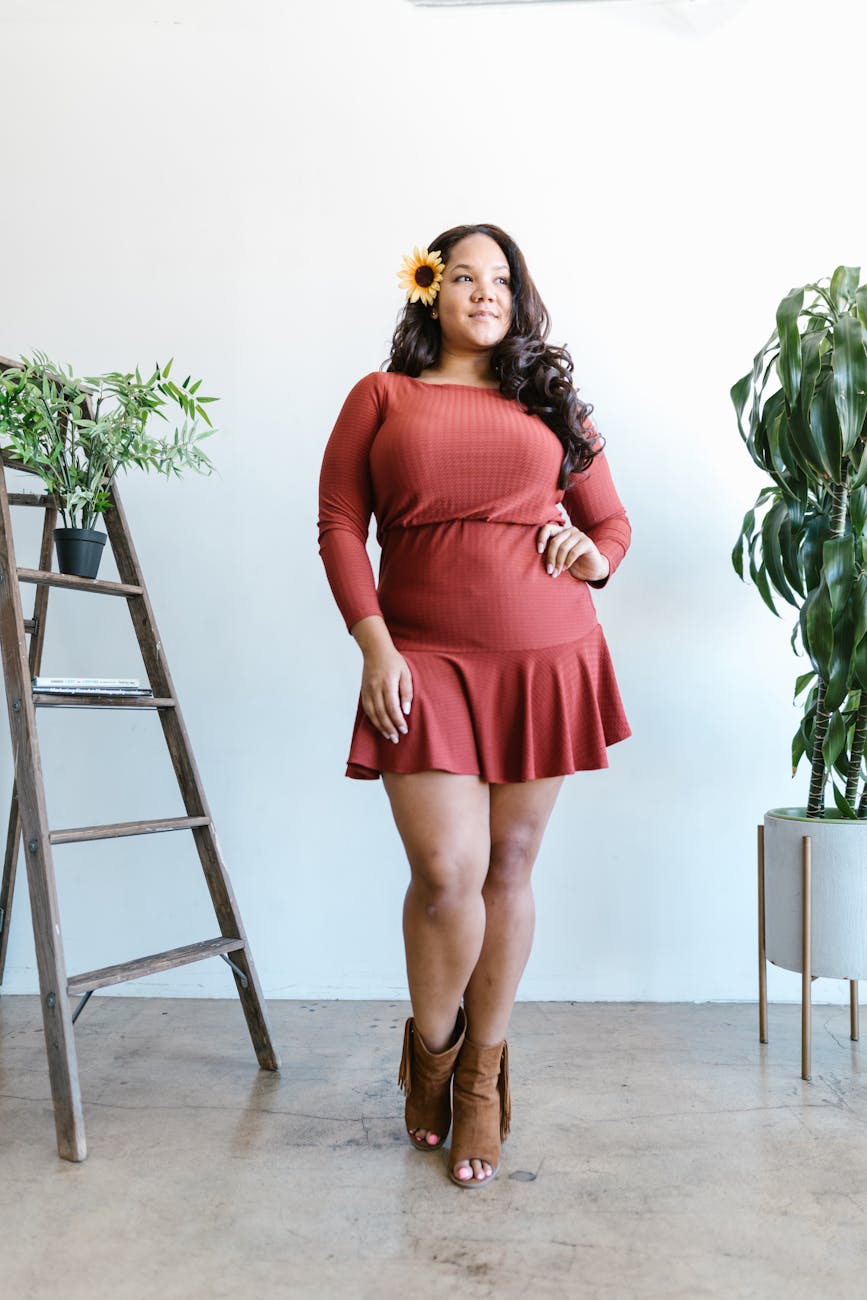
Category Archives: black female aesthetics

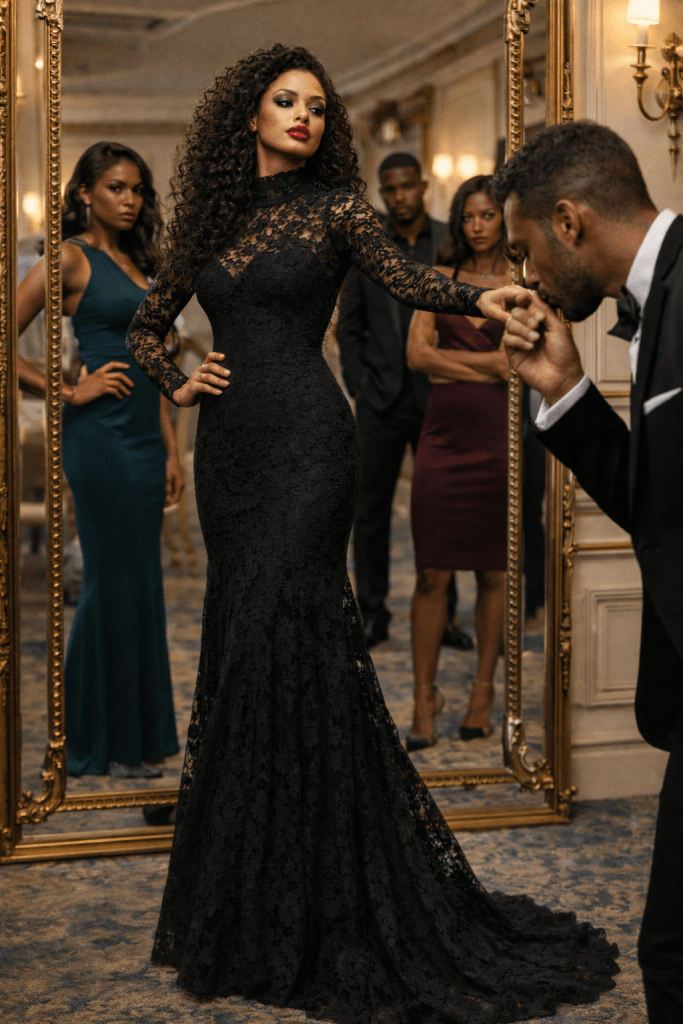
It is Okay to be “The Most Beautiful Woman in the Room” but are you making everyone else sick with it? Beverly says….

Beauty has always carried social power. From ancient civilizations to modern digital culture, physical attractiveness has functioned as a form of symbolic capital—something that grants attention, access, and influence. To be the most beautiful woman in the room is not inherently wrong; in fact, it can be a gift. The problem arises not from beauty itself, but from how it is performed, weaponized, or used to dominate social space.

Psychological research consistently shows that attractive individuals receive preferential treatment in hiring, education, and social relationships—a phenomenon known as the “halo effect.” Beauty is often unconsciously equated with intelligence, kindness, and competence. This distortion creates a power imbalance before a single word is spoken.

When a woman becomes aware of this power, she faces a choice: will she carry her beauty with humility, or with entitlement? Arrogance emerges when beauty shifts from being a trait to being an identity—when self-worth becomes entirely anchored in how one is seen rather than who one is.

Arrogance with beauty often manifests subtly. It appears in body language, tone, dismissiveness, constant comparison, or the need to dominate attention. It is not loud narcissism alone; it is a quiet assumption of superiority that others can feel immediately.

For other women in the room, this dynamic can generate insecurity, competition, and emotional fatigue. Social comparison theory explains that people evaluate themselves relative to others, especially in appearance-based environments. When one woman positions herself as the standard, others are forced into a hierarchy they never consented to.

Jealousy is not always petty—it is often psychological pain produced by unequal social valuation. When beauty is flaunted rather than shared, it can create a climate of silent hostility, where women feel diminished simply by proximity.

Men, meanwhile, respond differently. Beauty can trigger sexualization, fantasy, and projection. Research in evolutionary psychology suggests that physical attractiveness activates reward circuits in the brain similar to drugs or gambling. Lustful attention is not neutral; it changes social energy in a room.

When a woman consciously or unconsciously cultivates male desire as validation, she may enjoy attention without realizing its ripple effects. Conversations shift. Boundaries blur. Other women become invisible. Men become performative. The social space becomes eroticized rather than communal.

Over time, this environment becomes emotionally toxic. People do not feel seen; they feel measured. The most beautiful woman becomes the emotional sun around which everyone else must orbit.

This is where beauty becomes harmful—not because it exists, but because it consumes relational space. It monopolizes attention, distorts dynamics, and subtly communicates: “I matter more than you.”

The irony is that true beauty is expansive, not extractive. It makes others feel comfortable, uplifted, and safe. Arrogant beauty makes others feel smaller, anxious, or invisible.

Narcissism research shows that individuals who rely heavily on external validation often lack stable self-esteem. The need to be admired becomes addictive. Beauty becomes a performance that must be maintained at all costs—through comparison, competition, and dominance.

This is why some beautiful people leave others feeling drained. They are not just attractive; they are emotionally demanding. They require constant affirmation, attention, and deference.

Social environments thrive on reciprocity. When one person absorbs all the light, others are forced into shadow. Over time, resentment replaces admiration.

Even the beautiful woman herself becomes trapped. Her value becomes conditional. Aging, weight change, or shifting attention threatens her identity. What once felt like power becomes fragility.

The most dangerous illusion is believing that beauty makes one better than others. Attractiveness is not virtue. It is not wisdom. It is not moral superiority. It is a biological lottery shaped by genetics, culture, and social bias.

Humility is what redeems beauty. A woman who knows she is beautiful but does not need to prove it becomes magnetic without harm. She does not compete; she collaborates. She does not dominate; she invites.

Beauty with humility creates safety. It allows other women to exist without fear of comparison. It allows men to engage without objectification. It restores balance to the social field.

The real question is not “Am I the most beautiful woman in the room?” but “How do people feel when I enter the room?” Do they feel tense or at ease? Smaller or affirmed? Observed or welcomed?

It is okay to be beautiful. It is not okay to make others sick with it. Beauty should be a gift to the room, not a threat to it. When beauty becomes a mirror instead of a spotlight—reflecting humanity rather than demanding worship—it finally becomes what it was always meant to be: connection, not control.


References

Buss, D. M. (2019). Evolutionary psychology: The new science of the mind (6th ed.). Routledge.

Cash, T. F., & Smolak, L. (2011). Body image: A handbook of science, practice, and prevention (2nd ed.). Guilford Press.

Festinger, L. (1954). A theory of social comparison processes. Human Relations, 7(2), 117–140.

Hamermesh, D. S. (2011). Beauty pays: Why attractive people are more successful. Princeton University Press.

Langlois, J. H., et al. (2000). Maxims or myths of beauty? A meta-analytic and theoretical review. Psychological Bulletin, 126(3), 390–423.

Twenge, J. M., & Campbell, W. K. (2009). The narcissism epidemic: Living in the age of entitlement. Free Press.

Tate, S. A. (2009). Black beauty: Aesthetics, stylization, politics. Ashgate.

Vohs, K. D., et al. (2014). Objectification and self-objectification. Current Directions in Psychological Science, 23(6), 416–420.
Aesthetics, Access, and Anti-Blackness

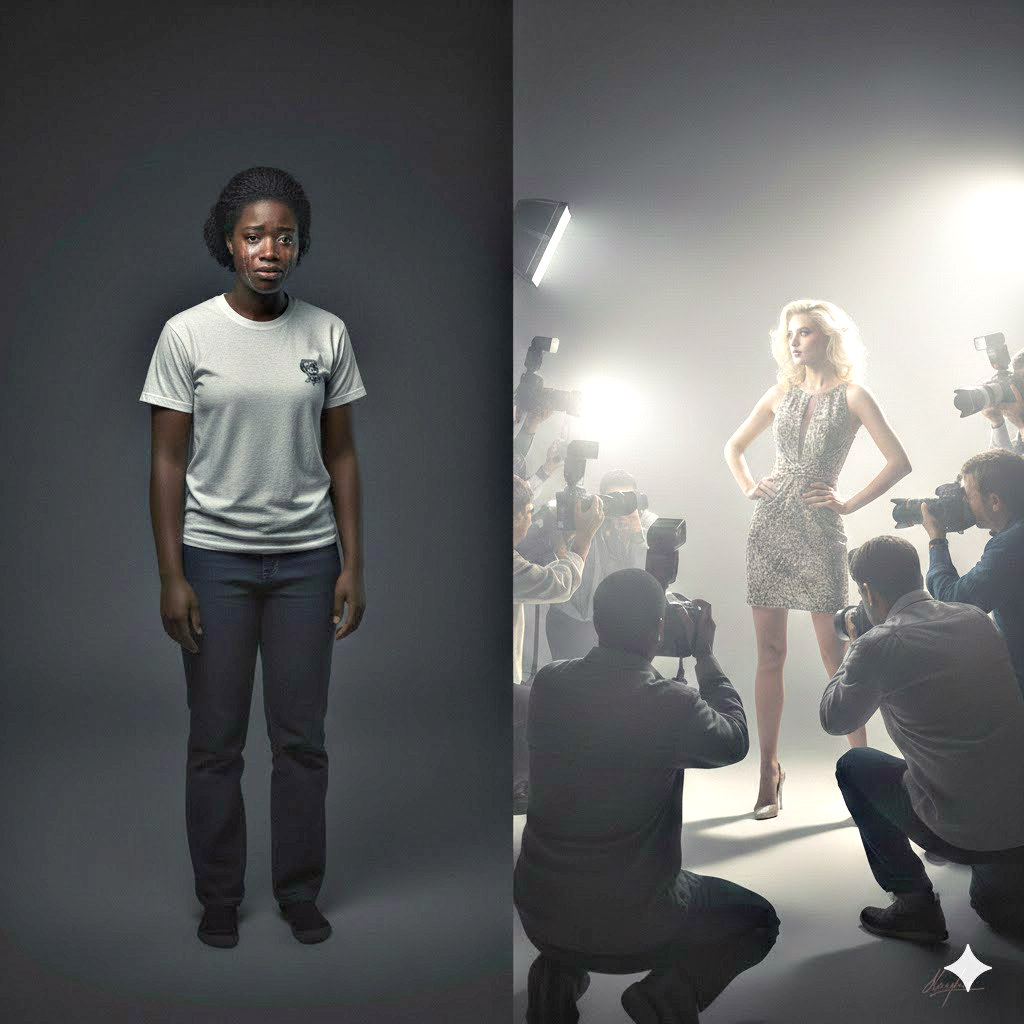
Aesthetics have never been neutral. From art and architecture to beauty standards and branding, what a society deems “beautiful” often reflects who holds power. In the Western world, aesthetic norms were constructed alongside colonialism, elevating Eurocentric features while devaluing African phenotypes, cultures, and expressions. This hierarchy of beauty became a quiet but powerful mechanism of anti-Blackness.

Anti-Black aesthetics operate by rendering Blackness undesirable, excessive, or threatening. Dark skin, broad noses, full lips, coily hair, and African body types were historically caricatured and pathologized. These representations did not arise organically; they were crafted to justify enslavement, segregation, and social exclusion.

Colonial visual culture played a central role in this process. European art and early scientific illustrations depicted Africans as primitive or animalistic, contrasting sharply with idealized white bodies portrayed as rational and refined. These images circulated widely, shaping public perception and reinforcing racial hierarchies.

Access became the material consequence of aesthetic hierarchy. Beauty standards dictated who could enter certain spaces, industries, and opportunities. From employment and housing to education and media visibility, proximity to whiteness often determined access to social mobility.

The beauty industry institutionalized this bias. For decades, cosmetic products, hair care lines, and advertising excluded darker skin tones and natural hair textures. Black consumers were forced to assimilate or self-alter in order to be seen as professional or acceptable.

Colorism emerged as a byproduct of anti-Black aesthetics. Within Black communities themselves, lighter skin and looser curls were rewarded, while darker skin was stigmatized. This internalized hierarchy reflects the psychological residue of colonial domination.

Media representation continues to shape aesthetic access. Black characters are often relegated to stereotypes, while darker-skinned women and men are underrepresented in leading or romantic roles. Visibility becomes conditional upon conformity to palatable forms of Blackness.

Fashion and luxury spaces also function as aesthetic gatekeepers. Black bodies are celebrated as inspiration yet policed as consumers. Cultural appropriation allows Black style to be commodified while Black people themselves face exclusion from elite spaces.

Educational institutions reinforce aesthetic norms through Eurocentric curricula that privilege Western art, philosophy, and standards of excellence. African aesthetics are often treated as supplemental or folkloric rather than foundational.

In the workplace, aesthetics dictate professionalism. Natural Black hair has been labeled unkempt, braids deemed unprofessional, and dark skin subtly associated with incompetence. These judgments translate into hiring bias, wage gaps, and limited advancement.

The criminalization of Black aesthetics further exposes anti-Blackness. Hoodies, sagging pants, and Afros have been used to justify surveillance, harassment, and lethal force. Black style becomes evidence of threat rather than expression.

Social media has intensified aesthetic policing while offering new avenues of resistance. Algorithms often favor Eurocentric beauty, yet digital platforms also allow Black creators to reclaim narrative control and redefine beauty on their own terms.

Historically, Black resistance has always included aesthetic rebellion. From African textiles and hairstyles to the Black Arts Movement, aesthetic expression has functioned as cultural preservation and political defiance.

Access to health and wellness is also shaped by aesthetics. Studies show that darker-skinned individuals receive less attentive medical care, as pain tolerance and credibility are racially biased. Appearance influences who is believed and who is neglected.

Aesthetics intersect with capitalism by determining market value. Black beauty generates billions in revenue, yet ownership and profit remain largely outside Black communities. Extraction persists even in celebration.

The psychological toll of aesthetic exclusion is profound. Anti-Black beauty standards contribute to low self-esteem, body dysmorphia, and identity fragmentation, particularly among Black youth.

Policy interventions such as the CROWN Act reveal how deeply aesthetics are tied to civil rights. Laws protecting natural hair underscore that beauty norms are not merely cultural preferences but mechanisms of discrimination.

Challenging anti-Black aesthetics requires structural change, not just representation. It demands redistribution of access, ownership, and authority over cultural production.

Reclaiming Black aesthetics is an act of liberation. When Black people define beauty on their own terms, they disrupt systems that profit from their erasure while consuming their culture.

Ultimately, aesthetics are about power—who is seen, who is valued, and who belongs. Until Blackness is no longer a barrier to beauty, access, and dignity, anti-Blackness will remain embedded in the visual and social fabric of society.


References

Bourdieu, P. (1984). Distinction: A social critique of the judgement of taste. Harvard University Press.

Collins, P. H. (2000). Black feminist thought: Knowledge, consciousness, and the politics of empowerment. Routledge.

Craig, M. L. (2002). Ain’t I a beauty queen? Black women, beauty, and the politics of race. Oxford University Press.

Fanon, F. (1952/2008). Black skin, white masks. Grove Press.

Hunter, M. (2007). The persistent problem of colorism. Sociology Compass, 1(1), 237–254.

Tate, S. A. (2015). Skin bleaching in black Atlantic zones. Palgrave Macmillan.

Wilkerson, I. (2020). Caste: The origins of our discontents. Random House.

The Global Allure: What Makes Black Women Beautiful? #blackbeauty

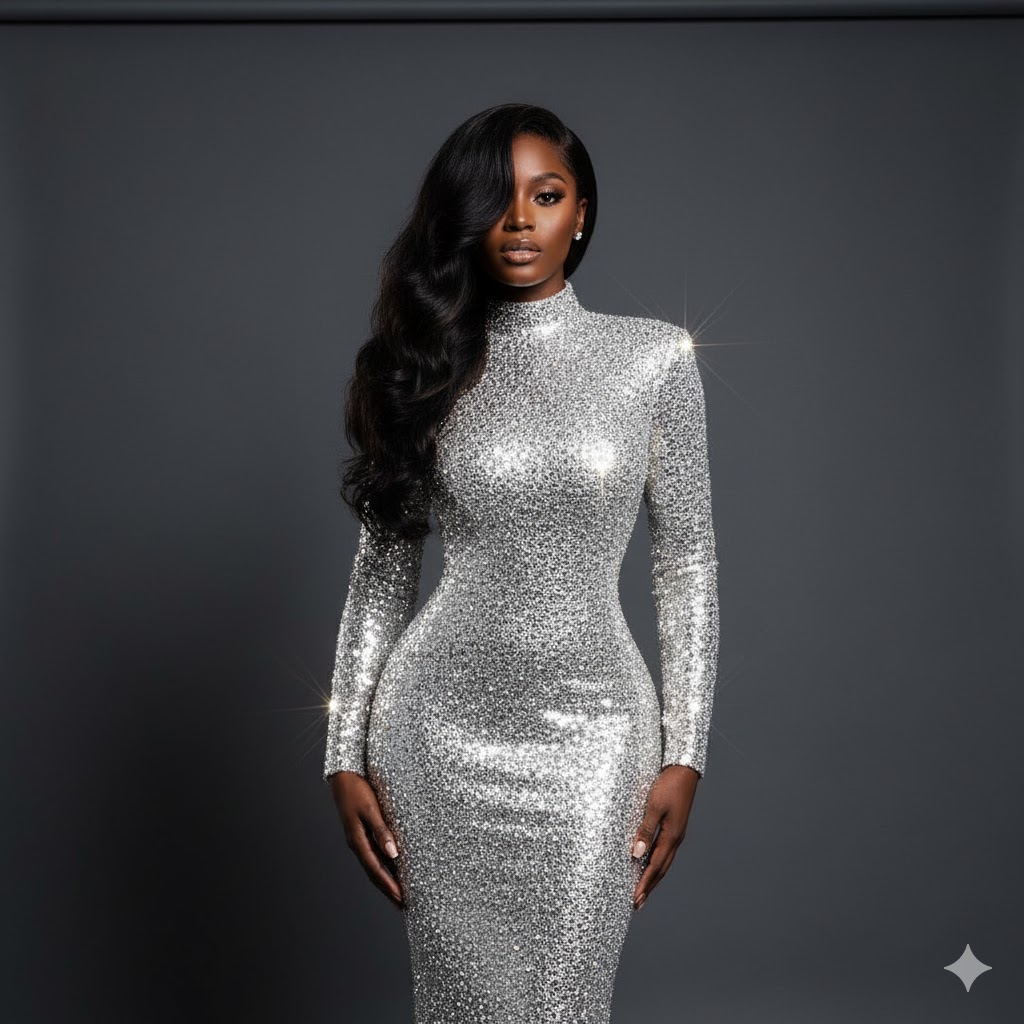
Beauty is often described as both universal and culturally specific, yet when it comes to Black women, their beauty holds a transcendent quality that blends strength, heritage, and physical distinctiveness. Across history and continents, the attributes of Black women’s appearance have not only been celebrated within their own communities but also mimicked and admired around the world. From their radiant skin tones to their sculpted bone structures and captivating eyes, Black women embody an aesthetic that challenges and redefines global standards of beauty.

One of the most celebrated attributes of Black women is their skin tone. Ranging from deep ebony to warm café au lait, their melanin-rich complexions are often associated with vitality, health, and timeless youthfulness (Russell, Wilson, & Hall, 2013). In fact, many cosmetic brands now attempt to market products that replicate the “glow” of melanin. Another defining feature is the diversity of facial structures—high cheekbones, expressive almond-shaped eyes, and full lips—which create a sense of balance and harmony that aligns with principles of facial symmetry often linked to attractiveness (Little et al., 2011).

Globally, women of other races have long sought to mimic elements of Black women’s physicality. In the West, the pursuit of full lips has become one of the most obvious examples, with lip fillers and cosmetic procedures inspired by the natural beauty of Black women. Additionally, curvaceous body types—once marginalized—are now celebrated, with emphasis on rounded hips, narrow waists, and toned figures, reflecting the global fascination with Black women’s natural silhouettes (Patton, 2006). Hairstyles, too, have been widely imitated, with braids, twists, and natural textures moving from cultural tradition to global fashion trends.

Around the world, the admiration often focuses on both face and body, though in different contexts. Western beauty markets tend to idolize Black women’s curves, while fashion and modeling industries highlight their striking facial features and versatility in style. This dual admiration underscores the holistic nature of Black beauty—embodying both power and delicacy, sensuality and elegance.

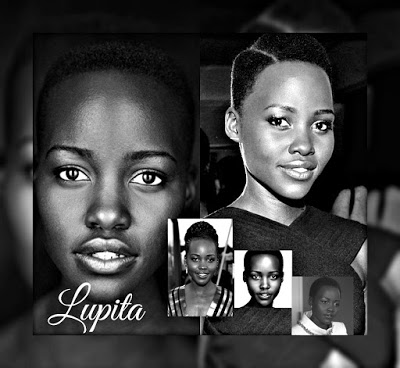
Hollywood has offered a stage where the beauty of Black women has shone in diverse ways. Consider Lupita Nyong’o, whose deep, luminous skin and regal bone structure epitomize classic African beauty; her features challenge Eurocentric ideals while affirming natural radiance. Kenya Moore, celebrated for her pageant-winning beauty, combines high cheekbones with a radiant smile that exudes confidence and allure. Halle Berry, often hailed as one of the most beautiful women in the world, blends striking hazel eyes, a delicate nose, and flawless symmetry, making her a symbol of crossover appeal.

Nia Long embodies girl-next-door charm with soulful eyes and a glowing complexion, while Gabrielle Union is admired for her timeless smile and smooth, youthful skin that seems untouched by time. Vanessa L. Williams, the first Black Miss America, captivated audiences with her green-blue eyes and luminous skin, offering a rare blend of features that challenged stereotypical norms of beauty. Salli Richardson dazzles with her elegant bone structure and silky complexion, while Stacey Dash became a 90s icon with her doll-like features and expressive eyes.

Completing this constellation of Hollywood beauty are Sanaa Lathan, with her soft yet commanding features and effortlessly natural look, and Sandra Justice, a model and actress whose statuesque frame and bold facial features reflect both strength and sophistication. Together, these women demonstrate the range of Black beauty, from delicate to striking, natural to glamorous, affirming that there is no single definition—only a celebration of diversity.

Ultimately, the beauty of Black women lies not only in their physical appearance but in the way their features embody history, resilience, and cultural pride. Their influence is seen in the global beauty industry, fashion runways, and popular culture, where elements of Black aesthetics are both imitated and celebrated. As the world continues to expand its definitions of beauty, Black women remain at the forefront—timeless, trendsetting, and undeniably powerful.


References

Little, A. C., Jones, B. C., & DeBruine, L. M. (2011). Facial attractiveness: Evolutionary based research. Philosophical Transactions of the Royal Society B: Biological Sciences, 366(1571), 1638–1659.

Patton, T. O. (2006). Hey girl, am I more than my hair?: African American women and their struggles with beauty, body image, and hair. NWSA Journal, 18(2), 24–51.

Russell, K., Wilson, M., & Hall, R. (2013). The Color Complex: The Politics of Skin Color in a New Millennium. Anchor.

Eurocentric Beauty Standards VS Black Beauty Standards: The Brown Girl Dilemma

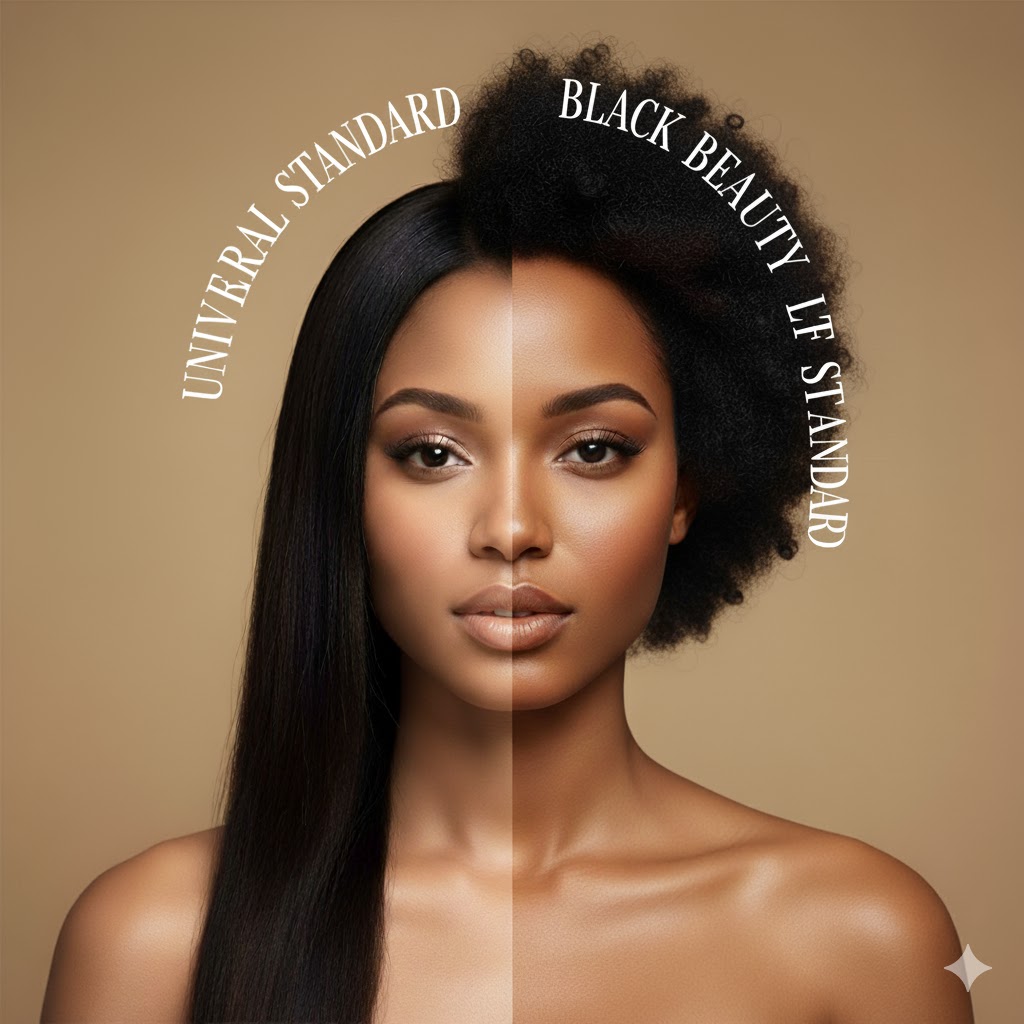
Eurocentric beauty standards have shaped global perceptions of attractiveness for centuries, creating a hierarchy that places whiteness at the top and all other features beneath it. For Black women—especially Brown-skinned and dark-skinned women—this hierarchy produces a dilemma that is both personal and generational. It affects identity, self-esteem, desirability, and even spiritual understanding of self-worth. This essay explores the history and psychology behind Eurocentric ideals—straight hair, light skin, narrow features, blue eyes—and contrasts them with the richness, diversity, and inherent value of Black beauty.

The Origins of Eurocentric Beauty Hierarchy

Eurocentric standards were born from colonialism, slavery, and racial pseudoscience. European colonizers declared their own features—pale skin, straight or wavy hair, slim noses, and light eyes—as “civilized,” “pure,” and “superior.” These traits became the global benchmark, not because they were inherently beautiful, but because they were associated with power, wealth, and dominance. Whiteness became the symbol of privilege.

Slavery and Color Hierarchies

During the transatlantic slave trade, enslaved Africans with lighter skin—often the product of sexual violence—were given preferential treatment. They worked in the house, wore better clothing, and at times received literacy or skilled labor training. This created the “house slave vs. field slave” hierarchy, embedding colorism deep into Black communities. Light skin became associated with safety, access, and acceptance—survival benefits. These dynamics later morphed into social preferences that still influence dating, media, and institutional biases today.

The Psychological Impact of Whiteness as the Default

Psychologists describe Eurocentric beauty standards as a “dominant cultural schema” (hooks, 1992). When one group controls media, education, and social narratives, their features become normalized as the ideal. This creates aesthetic assimilation pressure—the subconscious push to emulate the dominant group to gain approval, opportunity, and perceived worth.

The Brown Girl Dilemma

For Brown-skinned and dark-skinned girls, the psychological conflict is acute. They are often raised to love themselves spiritually, yet conditioned socially to see their features as less desirable. This creates cognitive dissonance:

  • “Why don’t I look like the women celebrated on TV?”
  • “Why is lighter skin described as beautiful, classy, or desirable?”
  • “Why do I feel too dark or too ‘ethnic’?”
    This tension affects self-esteem, dating prospects, opportunities, and even how young girls see their own reflection.

Hair: A Battleground for Identity

Straight hair has long been praised because it aligns closest to Eurocentric ideals. During Jim Crow and segregation, straightened or pressed hair was viewed as a means to “fit in” and reduce racial discrimination. The psychological message?
Natural coils = unprofessional, wild, unkempt
Straight hair = polished, acceptable, beautiful
This created internalized anti-Blackness, where girls learned that their natural features needed altering to be worthy.

Light Eyes and Light Skin as Social Capital

Blue or light eyes and pale skin carried symbolic power because they aligned with whiteness. The lighter a Black woman appeared, the closer she seemed to whiteness—and the more approval she gained from dominant society. Studies show that lighter-skinned Black women historically received better job opportunities, social mobility, and media representation (Hunter, 2007).
This ingrained the belief that beauty equals proximity to whiteness.

Media Reinforcement

For decades, magazines, movies, and fashion campaigns prioritized white women and lighter-skinned Black women. Black girls grew up with very few images that reflected their features, resulting in what some psychologists call identity starvation. Without representation, children struggle to form healthy self-esteem because they cannot see themselves as beautiful.

Colonial Psychology: The Beauty of the Conquered vs. the Conqueror

Colonialism taught the world that the conqueror’s traits were superior. European missionaries, scientists, and artists depicted African features as “primitive” or “animalistic.” Pseudoscientific works like those by Carl Linnaeus and Johann Blumenbach ranked races by beauty, placing Europeans at the top and Africans at the bottom. This scientific racism became the foundation for beauty discrimination.

Internalized Colorism in Black Communities

Over time, these external hierarchies became internal practices:

  • Favoring lighter-skinned women in family praise
  • Associating dark skin with aggression or masculinity
  • Assuming lighter skin equals innocence or refinement
    This internalization is generational trauma passed down from slavery.

Beauty as a Form of Resistance

The natural hair movement, melanin pride culture, and the resurgence of African aesthetics are forms of rebellion against Eurocentric standards. Black women have reclaimed what was once degraded—afros, braids, dark skin, wide noses, full lips—and declared them beautiful.

The Rise of Black Beauty Consciousness

Black beauty is diverse, rich, and multidimensional. Full lips, melanated skin, textured hair, and Afrocentric features are globally admired today—not because beauty standards changed by chance, but because Black women demanded visibility. “Black girl magic” is not a trend—it is a declaration of self-worth.

The Brown Girl’s Healing Journey

Healing from beauty-based trauma requires unlearning internalized biases. It means teaching young girls that their worth is not tied to proximity to whiteness. It means uplifting dark-skinned beauty publicly and consistently. It means dismantling old scripts tied to slavery’s residue.

Biblical Reflection

In Scripture, beauty is never defined by skin tone or European features. Instead, God calls His people beautiful, chosen, and precious.
“I will praise thee; for I am fearfully and wonderfully made” (Psalm 139:14, KJV).
Black women must reclaim this truth as identity—not as aspiration.

Reframing the Standard

Beauty standards are not neutral—they are political. They reflect power structures. To uplift Black beauty, society must redefine beauty in a way that centers inclusivity, diversity, and historical truth.

Colorism in Dating and Relationships

Studies show that lighter-skinned Black women are more likely to be preferred in dating apps and social settings because of centuries-old conditioning (Wilder, 2015). This creates insecurity among Brown girls who feel overshadowed. The imbalance is not personal—it is systemic.

Economic Value of Eurocentric Features

Mainstream industries profit from insecurity:

  • Skin-lightening creams
  • Straightening treatments
  • Colored contact lenses
    These industries make billions by selling whiteness as a product. The psychology: create insecurity → sell the solution.

Breaking the Cycle

Educators, parents, churches, and media creators must consciously highlight Afrocentric beauty. Brown girls need consistent affirmation—visual and verbal.

Honoring the Brown-Skinned Woman

Brown and dark-skinned beauty is unique, powerful, and breathtaking. The richness of melanin, the depth of brown skin tones, the strength of textured hair—all represent spiritual, genetic, and ancestral beauty.

The Future of Beauty

The beauty world is shifting, but the work is ongoing. True transformation requires dismantling the psychological chains inherited from colonialism and slavery. Brown girls deserve to grow up knowing they are enough as they are.

Conclusion

Eurocentric beauty standards are artificial constructs rooted in historical oppression, not truth. Black beauty—rich, diverse, and divine—stands in opposition to centuries of enforced inferiority. The Brown Girl Dilemma can be healed through representation, affirmation, education, and spiritual grounding. Black women must continue rewriting the narrative, reclaiming the beauty that was always theirs.


References

  • hooks, bell. Black Looks: Race and Representation. South End Press, 1992.
  • Hunter, M. (2007). “The Persistent Problem of Colorism.” Sociology Compass.
  • Wilder, J. (2015). Color Stories: Black Women and Colorism in the 21st Century.
  • Russell, K., Wilson, M., & Hall, R. (2013). The Color Complex: The Politics of Skin Color in a New Millennium.
  • Tate, S. (2009). Black Beauty: Aesthetics, Stylization, Politics.
  • Psalm 139:14 (KJV).

The Aesthetic Era

The Aesthetic Era represents a cultural shift where beauty, style, and visual presence have become central to personal identity. In this digital age, people curate their appearance with intention, crafting images that express personality, mood, and lifestyle. Beauty is no longer passive—it is a language spoken through color, texture, fashion, and design. This era celebrates innovation and individuality, making outer presentation an art form.

Social media platforms have amplified the importance of visuals. With every photo, reel, or story, individuals participate in a global exchange of aesthetics. This visibility has created new standards and new freedoms. For many, it has become a space to redefine what beauty looks like and to expand representation for people who have been historically excluded. The Aesthetic Era is not simply about looks—it is about being seen.

Fashion has become one of the leading drivers of modern aesthetics. Instead of rigid rules, style now exists on a spectrum of expression. Trends shift quickly, born from streetwear, influencers, and global culture. In this era, fashion encourages experimentation—mixing luxury with thrift finds, bold colors with neutrals, vintage with futuristic. Personal style is now a form of storytelling.

Skin and beauty care also dominate the aesthetic landscape. Wellness culture promotes glowing skin, self-care routines, and intentional grooming. The desire to look refreshed and radiant reflects a deeper desire for inner balance and mental well-being. Outer beauty has become intertwined with emotional health, reminding us that how we present ourselves often mirrors how we care for ourselves.

Technology has also shaped the Aesthetic Era. Filters, editing tools, and AI-powered enhancements create idealized versions of beauty. While these tools offer creative freedom, they also raise questions about authenticity. Many people feel pressure to meet digital standards that are often unattainable in real life. The tension between the real and the edited is one of the defining challenges of this era.

Despite the pressure, modern beauty is more inclusive than ever. Dark skin, natural hair, fuller features, diverse body shapes, and cultural aesthetics are gaining visibility. The global push for diversity in beauty campaigns has softened the rigid standards of the past. The Aesthetic Era celebrates people who look like themselves—unique, textured, and culturally rooted.

Minimalism has emerged as a major aesthetic trend. Clean lines, soft tones, and simplicity reflect a desire for calm in an overstimulated world. Many embrace minimal beauty routines, neutral palettes, and understated style as a form of emotional clarity. This minimalist aesthetic teaches that beauty doesn’t require excess—it requires intention.

In contrast, maximalism has also made a strong comeback. Bold prints, vibrant colors, layered textures, and expressive makeup appeal to those who find joy in visual abundance. This aesthetic rejects the idea of playing small, embracing color and creativity as sources of empowerment. In the Aesthetic Era, both minimalists and maximalists have room to shine.

The influence of psychology is undeniable. The way people present themselves affects how they are perceived and how they feel internally. Outer beauty boosts confidence, shapes self-perception, and influences mood. When someone feels aesthetically aligned with their identity, they walk with greater assurance. Beauty becomes a psychological anchor.

The Aesthetic Era also encourages personal branding. Individuals use color palettes, makeup styles, hair choices, and fashion to create a recognizable look. This branding is no longer limited to celebrities or influencers but is embraced by everyday people who want their appearance to reflect their values and lifestyle. Visual identity has become part of personal empowerment.

As beauty evolves, so does the concept of femininity. Modern femininity is fluid, diverse, and self-defined. Whether bold or subtle, glamorous or minimalist, women are reclaiming their right to shape their own image. The Aesthetic Era supports this freedom, allowing femininity to exist authentically without apology.

However, this era also brings pressure. Constant comparison, online judgment, and the pursuit of perfection can harm self-esteem. The same platforms that celebrate beauty can heighten insecurity. Many people struggle to balance self-expression with self-acceptance. The Aesthetic Era challenges us to enjoy beauty without losing ourselves in it.

There is a growing movement toward natural beauty. People are embracing their real skin, textured hair, freckles, and unique features. This shift supports authenticity and helps break the illusion that perfection is the standard. Natural beauty celebrates humanity in its raw and honest form.

Cultural aesthetics are also shaping this era. From Afrocentric prints to East Asian skincare trends, beauty has become global. This cross-cultural exchange enriches style, pushes innovation, and expands appreciation for diverse traditions. The world is borrowing, blending, and celebrating beauty collectively.

Men, too, are embracing aesthetics. Grooming, skincare, fashion, and self-care have become normalized for men in ways that break old stereotypes. The Aesthetic Era is not gender-limited—it is universal, inviting everyone to participate in visual identity and self-expression.

The rise of sustainable beauty reflects a shift toward responsibility. Eco-friendly products, ethical brands, and conscious consumption are influencing choices. Beauty is no longer just about looking good—it is about aligning actions with values. Sustainability has become part of the aesthetic philosophy.

In this era, outer beauty is both visual and emotional. It represents how people show up in the world, how they choose to be perceived, and how they express their inner selves. Beauty becomes a bridge between identity and visibility, between the internal and external world.

The Aesthetic Era encourages creativity. Every outfit, makeup look, hairstyle, and photograph becomes an opportunity to create art. This artistic freedom empowers individuals to reinvent themselves whenever they choose, without needing permission from society.

But above all, this era teaches that beauty is personal. There is no universal formula, no single ideal, and no wrong aesthetic. The modern world makes space for soft beauty, bold beauty, natural beauty, artistic beauty, cultural beauty, and everything in between.

Ultimately, the Aesthetic Era invites us to see beauty as a form of liberation. It is a celebration of self, a declaration of identity, and a testimony of confidence. Outer beauty, when embraced with balance and authenticity, becomes a powerful expression of who we are and who we are becoming.

And in embracing this era, we honor the truth that beauty is not merely something we wear—it is something we create. It is our invitation to the world to see us, understand us, and appreciate the art we carry on the outside.

References

Anderson, B. (2020). The beauty bias in the digital age. Routledge.

Cash, T. F. (2017). Cognitive-behavioral perspectives on body image. Guilford Press.

Chae, J. (2014). “Am I a better mother than you?” Media and the social comparison of idealized images of motherhood. Journal of Media Psychology, 26(4), 155–162.

Clay, D., Vignoles, V. L., & Dittmar, H. (2005). Body image and self-esteem among adolescent girls. Journal of Research on Adolescence, 15(4), 451–477.

Dittmar, H. (2008). Consumer culture, identity and well-being: The search for the “good life” and the “body perfect.” Psychology Press.

Fardouly, J., Diedrichs, P. C., Vartanian, L. R., & Halliwell, E. (2015). Social comparisons on social media: The impact of Facebook on young women’s body image concerns and mood. Body Image, 13, 38–45.

Fredrickson, B. L., & Roberts, T. (1997). Objectification theory: Toward understanding women’s lived experiences and mental health risks. Psychology of Women Quarterly, 21(2), 173–206.

Haferkamp, N., & Krämer, N. C. (2011). Social comparison on Facebook: A review. Computers in Human Behavior, 27(1), 251–257.

Jones, M. (2021). Minimalism and identity: The psychology of simplicity. Oxford University Press.

Karan, K., & Yang, K. C. C. (2022). Influencers and the rise of curated identity. Journal of Digital Culture, 6(2), 112–129.

Khamis, S., Ang, L., & Welling, R. (2017). Self-branding and the influencer economy. Media International Australia, 165(1), 66–76.

Liu, J. (2023). Aesthetics and the self: Modern beauty culture in a globalized world. University of California Press.

Mahmood, S. (2020). Cross-cultural aesthetics in contemporary fashion. International Journal of Fashion Studies, 7(1), 54–72.

Perloff, R. M. (2014). Social media use and body image disturbances: The role of internalization and social comparison. Sex Roles, 71(11–12), 363–377.

Tiggemann, M., & Slater, A. (2013). NetGirls: The Internet, Facebook, and body image concern in adolescent girls. International Journal of Eating Disorders, 46(6), 630–633.

Tufekci, Z. (2017). Twitter and tear gas: The power and fragility of networked protest. Yale University Press.

Ward, J. (2021). The new beauty culture: Identity and aesthetics in the digital age. Harvard University Press.

Winn, M. (2020). Aesthetic minimalism and emotional well-being. Journal of Humanistic Psychology, 60(3), 367–383.

Yoon, H. (2022). Cultural hybridity and global beauty trends. Journal of Aesthetic Studies, 10(2), 44–59.

Zhao, S. (2015). The selfie phenomenon: Visual communication and identity performance. International Journal of Communication, 9, 1733–1741.

The Radiance Within: Understanding the Essence of True Beauty

Beauty has long been discussed, defined, redefined, and marketed, but its truest form can never be reduced to external features alone. “The Radiance Within” speaks to the inner light—the character, spirit, and emotional depth—that transcends physical appearance. While society often prioritizes surface-level aesthetics, inner beauty continues to shape how we connect, how we influence others, and how we see ourselves. True radiance is not a matter of bone structure, complexion, or perfect symmetry, but a reflection of one’s heart, values, and presence.

Inner beauty is rooted in authenticity. When individuals live truthfully—embracing their strengths, flaws, and growth—they emit a kind of confidence that cannot be artificially reproduced. Authentic people are grounded, and this grounding allows their presence to feel peaceful, trustworthy, and magnetic. In contrast, performative beauty is fragile because it depends on constant validation. Inner radiance thrives independently of public approval.

Character is a major component of true beauty. Traits such as integrity, compassion, patience, and humility create a spiritual glow that outer beauty cannot match. Someone who consistently treats others with respect builds a reputation that lasts beyond first impressions. Their beauty is experienced—not merely seen. In a world obsessed with image, character-based beauty remains timeless.

Another dimension of inner radiance is emotional intelligence. Individuals who understand their own emotions—and respond thoughtfully to the emotions of others—possess a maturity that adds depth to their presence. Their ability to empathize, resolve conflict, and communicate with clarity enhances both personal and professional relationships. Emotional intelligence transforms beauty from something decorative into something deeply functional.

Inner beauty also manifests through kindness. Acts of kindness can uplift others in a way that leaves a lasting impact. People rarely remember the outfits or hairstyles we wear, but they never forget how we made them feel. When kindness becomes habitual, it shapes reputation, relationships, and one’s overall aura. It becomes the face of one’s humanity.

Spiritual grounding is another essential part of inner radiance. Whether through faith, meditation, or personal reflection, individuals who nurture their spirits often carry a calming presence. Their beauty is not chaotic or performative—it is steady. Spiritual beauty reveals itself in wisdom, discernment, and the ability to endure challenges with grace.

Purpose is also connected to beauty. People who walk in their purpose exhibit passion, clarity, and drive. Their sense of direction becomes magnetic. When someone is aligned with their calling, others can sense it. Purpose adds life to the eyes, conviction to speech, and meaning to every step taken. This is a beauty that grows richer with time.

Confidence rooted in self-worth—not ego—also enhances inner radiance. When individuals understand their value, they no longer rely on external validation. They become self-assured without being arrogant. This quiet confidence is compelling because it invites admiration without demanding it.

Resilience contributes greatly to inner beauty. Those who have endured hardship and grown stronger from it carry a depth that cannot be imitated. Their beauty becomes a testimony—an inner light forged through endurance, healing, and wisdom. Resilience adds honor and dignity to one’s presence.

Compassion and service also elevate inner beauty. People who use their gifts to uplift others radiate a beauty that is both generous and healing. Service transforms beauty into a legacy. Through kindness, mentorship, and encouragement, individuals plant seeds of goodness that continue long after they are gone.

Humility is another attribute that enriches inner radiance. Humble individuals do not think less of themselves; they think of themselves less often. They elevate others and contribute positively to their environments without seeking praise. Humility makes beauty approachable rather than intimidating.

Gratitude enhances inner beauty by shifting perspective. People who practice gratitude experience life with appreciation rather than entitlement. This attitude produces joy, contentment, and emotional balance, all of which radiate outward. Gratitude-based beauty is warm, steady, and enduring.

Inner beauty also manifests in the ability to love deeply and genuinely. Love—expressed through patience, loyalty, thoughtfulness, and understanding—is one of the most powerful forms of radiance. When someone loves well, their presence becomes healing, comforting, and inspiring.

Wisdom enriches beauty by adding depth and discernment. Wise individuals bring clarity to chaos and insight to confusion. Their perspective becomes valuable, and their words carry weight. Wisdom beautifies the mind and soul, creating a radiance that draws others inward.

Creativity is another expression of inner beauty. Creative individuals bring color, imagination, and innovation into the world. Their ideas inspire others and contribute to art, culture, and transformation. Creativity reveals inner radiance through expression and originality.

Emotional vulnerability also adds to beauty. Vulnerable individuals are not weak—they are brave. They allow themselves to feel, to heal, and to be seen authentically. Vulnerability creates intimate connections and teaches others that imperfection is a part of the human experience.

Self-love is foundational to inner radiance. When individuals treat themselves with dignity and compassion, they develop healthier relationships and stronger emotional boundaries. Self-love beautifies the spirit by creating internal harmony. It teaches us that we are worthy of love, respect, and peace.

Growth and teachability make beauty dynamic rather than static. Individuals willing to learn, evolve, and confront their flaws demonstrate a rare form of beauty rooted in humility and courage. Growth ensures that inner radiance continues to expand.

Peacefulness is another dimension of inner beauty. Those who maintain emotional and spiritual peace despite external chaos bring calmness wherever they go. Their presence feels safe, steady, and refreshing. Peace is beauty at rest.

Ultimately, “The Radiance Within” teaches that beauty is not something we chase—it is something we cultivate. External beauty may open doors, but inner beauty builds legacies. It influences generations, strengthens communities, and transforms lives. True beauty does not fade, wrinkle, or age; it expands, deepens, and shines brighter with time.


References

Brown, B. (2012). Daring greatly: How the courage to be vulnerable transforms the way we live, love, parent, and lead. Gotham Books.

Goleman, D. (2006). Emotional intelligence. Bantam.

Hooks, B. (2000). All about love: New visions. William Morrow.

Seligman, M. E. P. (2011). Flourish: A visionary new understanding of happiness and well-being. Free Press.

Thurman, H. (1998). Meditations of the heart. Beacon Press.

Van Tongeren, D. R., & Showalter Van Tongeren, S. A. (2020). The courage to suffer: A new clinical framework for life’s greatest crises. Templeton Press.

Pretty Privilege Series: The Dark History of Being Light-Skinned.

Photo by Jordy Toscano on Pexels.com

The concept of “pretty privilege” is often tied to Eurocentric beauty standards, where lighter skin is unconsciously, and sometimes consciously, elevated above darker complexions. In the Black community, this privilege traces back to the historical context of colonization and slavery. Being light-skinned often meant proximity to whiteness, and by extension, to power, resources, and favor. This historical backdrop created a social hierarchy that continues to influence Black experiences and perceptions of beauty today (Hunter, 2007).

During the transatlantic slave trade, many light-skinned children were the offspring of enslaved African women and their European masters. These children were frequently given preferential treatment—sometimes educated, occasionally freed, and often placed in domestic roles rather than forced into field labor (Williams, 1987). This division sowed discord between darker and lighter enslaved Africans, setting the stage for intraracial tension that persists to this day.

The privileges of lighter skin became institutionalized during slavery and Reconstruction. Light-skinned Black people often formed elite social clubs, fraternities, and sororities that were closed to darker-skinned individuals. These groups developed a “paper bag test,” which only allowed members whose skin was lighter than a brown paper bag (Russell, Wilson, & Hall, 2013). This practice not only excluded darker-skinned individuals but also perpetuated an internalized belief that lighter meant better.

In the early 20th century, colorism influenced career opportunities for Black entertainers. Many early Black actors and actresses in Hollywood were light-skinned because they were considered more “palatable” to white audiences. Actresses like Lena Horne openly discussed how Hollywood would cast her as an exotic beauty but deny roles to darker-skinned women who were equally talented (Horne, 1965). This further reinforced the idea that lighter skin was a ticket to visibility and success.

Music history reflects a similar pattern. Jazz clubs in the Harlem Renaissance often hired “high yellow” performers, favoring those who had more European features. Billie Holiday and other artists faced discrimination based on skin tone, shaping the narrative of who could be considered beautiful and worthy of fame. This stratification reinforced a hierarchy even within the cultural spaces designed to uplift African Americans (Neal, 2013).

Psychologically, light-skinned privilege has been a double-edged sword. While it offered access to education, jobs, and status in certain contexts, it also came with suspicion and accusations of betrayal from within the Black community. Lighter-skinned individuals were sometimes perceived as “not Black enough,” straddling the line between two worlds but never fully accepted in either (Hall, 1992).

Post-slavery, light-skinned individuals often became the leaders of the Black elite. This phenomenon can be seen in the development of HBCUs, where early presidents and administrators were disproportionately lighter-skinned. This was not simply coincidence—it reflected the biases of the time, as lighter-skinned leaders were seen as more acceptable to white donors and society at large (Brown, 2005).

The dark history of being light-skinned also intersects with colorism in romantic relationships. Studies show that lighter-skinned women are often perceived as more attractive, desirable, and “marriageable” (Wilder, 2010). This dynamic has led to social tensions, with darker-skinned women sometimes excluded from spaces of desirability and intimacy.

Black men have historically been pressured, subtly or overtly, to choose lighter-skinned partners as a way to “improve the race”—a concept rooted in both colonialism and eugenics. This phrase reflected a misguided belief that lighter offspring would face fewer barriers in a racist society, inadvertently perpetuating the cycle of color preference (Maddox & Gray, 2002).

The media plays a critical role in continuing the privilege of light skin. Magazine covers, music videos, and advertisements have overwhelmingly featured light-skinned Black women as the standard of beauty. Today, celebrities like Beyoncé, Zendaya, and Meghan Markle are frequently celebrated as representations of “Black excellence,” but their acceptance often comes in part because their lighter complexions are perceived as more universal or “marketable.” In contrast, actresses like Lupita Nyong’o and Viola Davis have had to fight for recognition, proving that darker-skinned women can embody beauty and sophistication.

Biblically, this issue can be framed as a distortion of God’s creation. Scripture reminds believers that all people are “fearfully and wonderfully made” (Psalm 139:14, KJV). Elevating one skin tone over another disrupts the divine equality intended by the Creator. Such preferences echo James 2:9, which warns that showing partiality is sin. Colorism thus becomes not only a social issue but also a moral and spiritual one.

Despite its privileges, being light-skinned has also meant being fetishized. Light-skinned women, in particular, have been hypersexualized, seen as exotic, and used as a bridge between Blackness and whiteness in the American imagination. This exoticism places a burden on light-skinned women to constantly validate their Black identity while resisting objectification (Bryant, 2017).

The “tragic mulatto” stereotype, popularized in literature and film, portrays light-skinned individuals as doomed to suffer because of their mixed heritage. This trope further complicates the psychology of being light-skinned, suggesting that privilege comes at the cost of belonging and peace (Bogle, 2016).

Economic data reveals that lighter-skinned Black individuals still earn more on average than darker-skinned peers, even when education and experience are held constant (Goldsmith, Hamilton, & Darity, 2006). This statistic highlights that light-skinned privilege remains an active force in contemporary society, not just a relic of the past.

Nevertheless, the “privilege” is not without its psychological price. Many light-skinned individuals express guilt over benefits they did not ask for but still receive. This creates an internal struggle, where identity becomes fraught with questions of authenticity and complicity (Monk, 2014).

Conversations about pretty privilege must also address skin bleaching, a dangerous practice that underscores the global preference for lighter skin. In Africa, celebrities like Dencia have been criticized for promoting skin-lightening creams, while artists like Burna Boy have openly condemned the practice, calling for pride in natural melanin. This shows the tension between profit and empowerment (Charles, 2003).

Today, the natural hair movement and campaigns like #MelaninPoppin and #BlackGirlMagic have sought to reclaim and celebrate darker skin tones, challenging centuries-old hierarchies. Lupita Nyong’o’s children’s book Sulwe is an example of using art to teach young girls that dark skin is beautiful and worthy of love (Tate, 2016).

Education is key to deconstructing these hierarchies. When Black history is taught in its fullness—including the painful legacies of colorism—communities can begin to heal. Documentaries like Dark Girls and Light Girls have opened dialogue around these issues, allowing space for honesty and empathy.

Ultimately, the dark history of being light-skinned calls for a return to valuing all Blackness equally. Healing will require repentance for internalized biases and an intentional effort to dismantle the false hierarchies that have divided the community for centuries. Only then can pretty privilege lose its power and allow for true equity and solidarity among all shades of Blackness.


References

  • Bogle, D. (2016). Toms, Coons, Mulattoes, Mammies, and Bucks: An Interpretive History of Blacks in American Films. Bloomsbury.
  • Brown, N. (2005). The Brown Paper Bag Test: The History of Colorism in America. Routledge.
  • Bryant, C. (2017). Fetishization and Identity: Mixed Race Women in Popular Culture. Journal of Black Studies, 48(3), 215–229.
  • Charles, C. (2003). Skin Bleaching, Self-Hate, and Black Identity in Jamaica. Journal of Black Studies, 33(6), 711–728.
  • Goldsmith, A., Hamilton, D., & Darity, W. (2006). Shades of Discrimination: Skin Tone and Wages. American Economic Review, 96(2), 242–245.
  • Hall, R. E. (1992). Bias Among African Americans Regarding Skin Color: Implications for Social Work Practice. Research on Social Work Practice, 2(4), 479–486.
  • Hill, M. (2002). Skin Color and the Perception of Attractiveness Among African Americans. Social Psychology Quarterly, 65(1), 77–91.
  • Horne, L. (1965). In Person: Lena Horne. Stein and Day.
  • Hunter, M. (2007). The Persistent Problem of Colorism: Skin Tone, Status, and Inequality. Sociology Compass, 1(1), 237–254.
  • Maddox, K., & Gray, S. (2002). Cognitive Representations of Black Americans: Reexploring the Role of Skin Tone. Personality and Social Psychology Bulletin, 28(2), 250–259.
  • Monk, E. P. (2014). Skin Tone Stratification among Black Americans, 2001–2003. Social Forces, 92(4), 1313–1337.
  • Neal, M. A. (2013). What the Music Said: Black Popular Music and Black Public Culture. Routledge.
  • Russell, K., Wilson, M., & Hall, R. (2013). The Color Complex: The Politics of Skin Color Among African Americans. Anchor Books.
  • Tate, S. (2016). Black Beauty: Aesthetics, Stylization, Politics. Routledge.
  • Wilder, J. (2010). Revisiting “Color Names and Color Notions”: A Contemporary Examination of the Language and Attitudes of Skin Color among Young Black Women. Journal of Black Studies, 41(1), 184–206.
  • Williams, E. (1987). Capitalism and Slavery. UNC Press.

Curves, Coils, and Culture: Redefining Black Female Aesthetics.

Photo by RDNE Stock project on Pexels.com

The beauty of Black women has historically been contested, critiqued, and commodified through the lens of Eurocentric standards. Features such as full lips, natural hair textures, and curvaceous bodies have often been marginalized, while lighter skin, straighter hair, and slender bodies were celebrated. This has created a complex cultural tension where Black women must navigate self-perception, societal validation, and internalized bias. Redefining Black female aesthetics involves reclaiming cultural pride, challenging narrow standards, and celebrating the diversity inherent in African-descended bodies.

Curves and body shape have long been markers of both cultural identity and contested beauty ideals. Anthropological research shows that in many African societies, curvaceous bodies were historically associated with fertility, strength, and social desirability (Gravlee, 2009). In contrast, Westernized media often valorized thinness, creating a dissonance for Black women who were expected to conform to ideals that excluded natural forms. Recognizing the cultural significance of curves restores aesthetic legitimacy to bodies that have been devalued by colonial and media narratives.

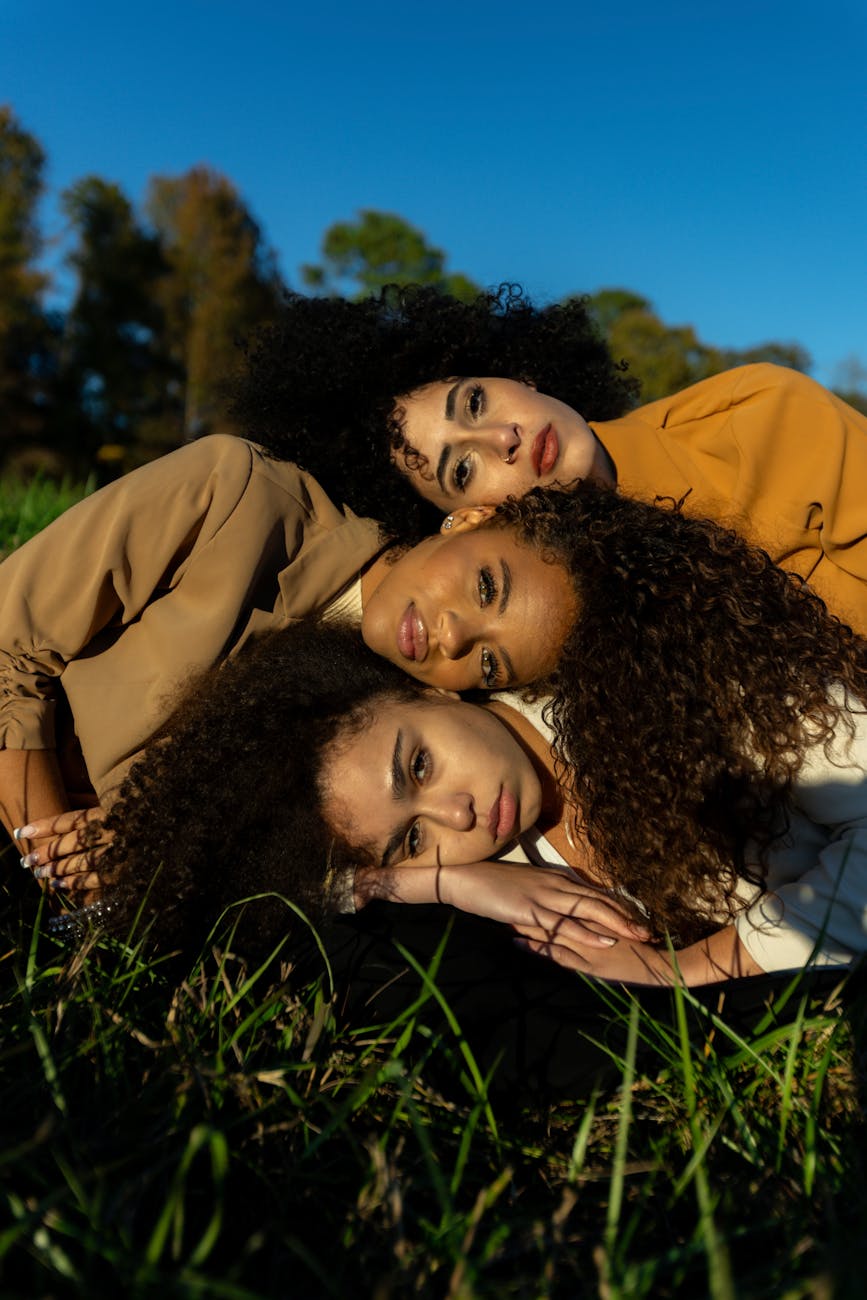
Hair texture, or “coils,” has similarly been politicized. Natural Black hair—whether tightly coiled, kinky, or wavy—has historically been stigmatized in professional, educational, and social contexts (Byrd & Tharps, 2014). Recent movements such as #NaturalHair and #BlackGirlMagic have reframed natural hair as a symbol of cultural pride, personal identity, and resilience. Embracing natural textures not only challenges Eurocentric beauty standards but also asserts agency over self-expression and self-acceptance.

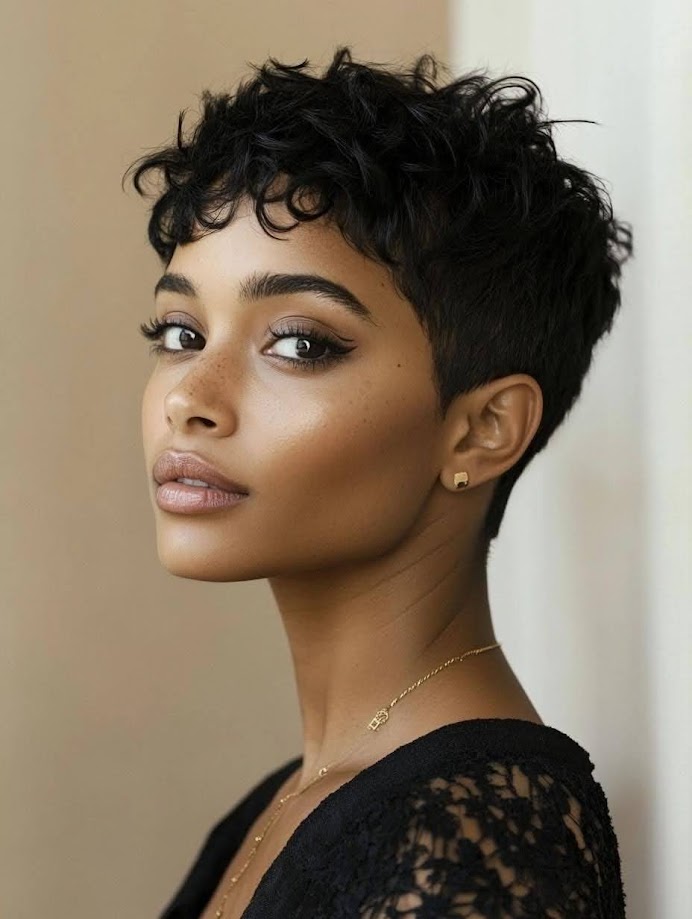
Facial features also play a significant role in redefining aesthetics. Full lips, broad noses, and high cheekbones are often celebrated within African-descended communities for their unique beauty, yet historically devalued by mainstream culture. By centering these features in media representation, campaigns, and artistic expression, Black women reclaim visual narratives that affirm their inherent beauty (Hunter, 2007). These traits, coupled with the natural diversity of eye shapes and skin tones, create a holistic framework for appreciating Black female aesthetics beyond reductive stereotypes.

Psychologically, embracing curves, coils, and distinct features strengthens self-esteem and identity formation. Social comparison theory explains that repeated exposure to media portraying a narrow standard of beauty can lower self-worth (Festinger, 1954). Conversely, visibility of diverse Black beauty—through celebrities, social media influencers, and community representation—promotes positive self-concept, resilience, and empowerment. Testimonials from public figures like Lupita Nyong’o, Tracee Ellis Ross, and Janelle Monáe highlight the transformative power of celebrating authentic features in shaping confidence and cultural pride.

Spiritual insight further enriches this conversation. Proverbs 31:30 (KJV) emphasizes, “Favour is deceitful, and beauty is vain: but a woman that feareth the LORD, she shall be praised.” While aesthetics hold social and psychological significance, ultimate value is anchored in character, faith, and virtue. Redefining Black female beauty involves harmonizing cultural pride with spiritual grounding, recognizing that divine design surpasses societal metrics of attractiveness.

In conclusion, the aesthetics of Black women—curves, coils, and unique facial features—represent both cultural heritage and individual empowerment. Challenging Eurocentric norms, reclaiming natural textures and body forms, and celebrating authentic features allow Black women to define beauty on their own terms. This redefinition intersects psychology, culture, and spirituality, providing a holistic framework that affirms identity, fosters confidence, and celebrates the divine artistry inherent in every woman of African descent.


References

Byrd, A. D., & Tharps, L. L. (2014). Hair Story: Untangling the Roots of Black Hair in America. New York, NY: St. Martin’s Press.

Festinger, L. (1954). A theory of social comparison processes. Human Relations, 7(2), 117–140.

Gravlee, C. C. (2009). How race becomes biology: Embodiment of social inequality. American Journal of Physical Anthropology, 139(1), 47–57.

Hunter, M. (2007). The persistent problem of colorism: Skin tone, status, and inequality. Sociology Compass, 1(1), 237–254.