Category Archives: Beauty

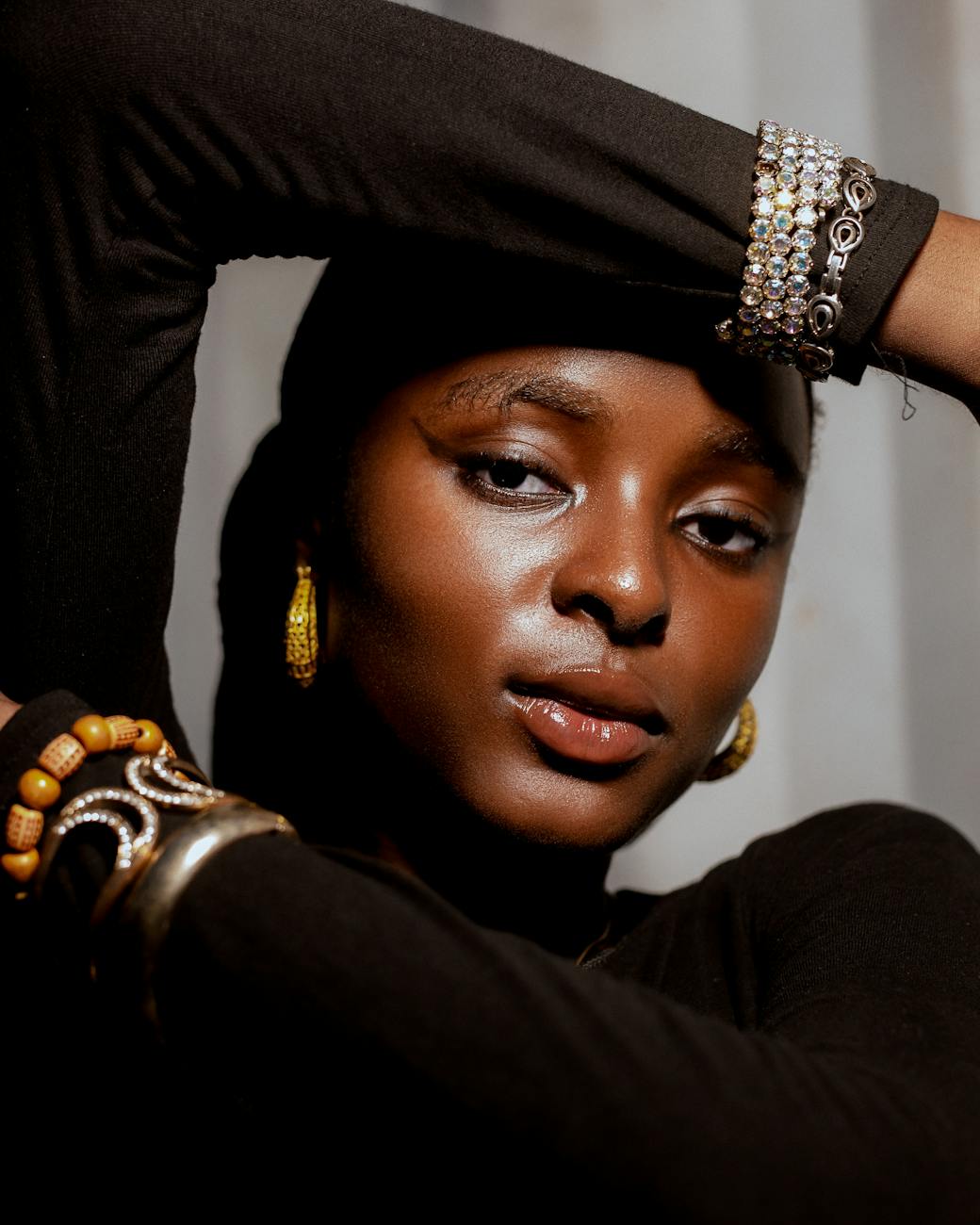
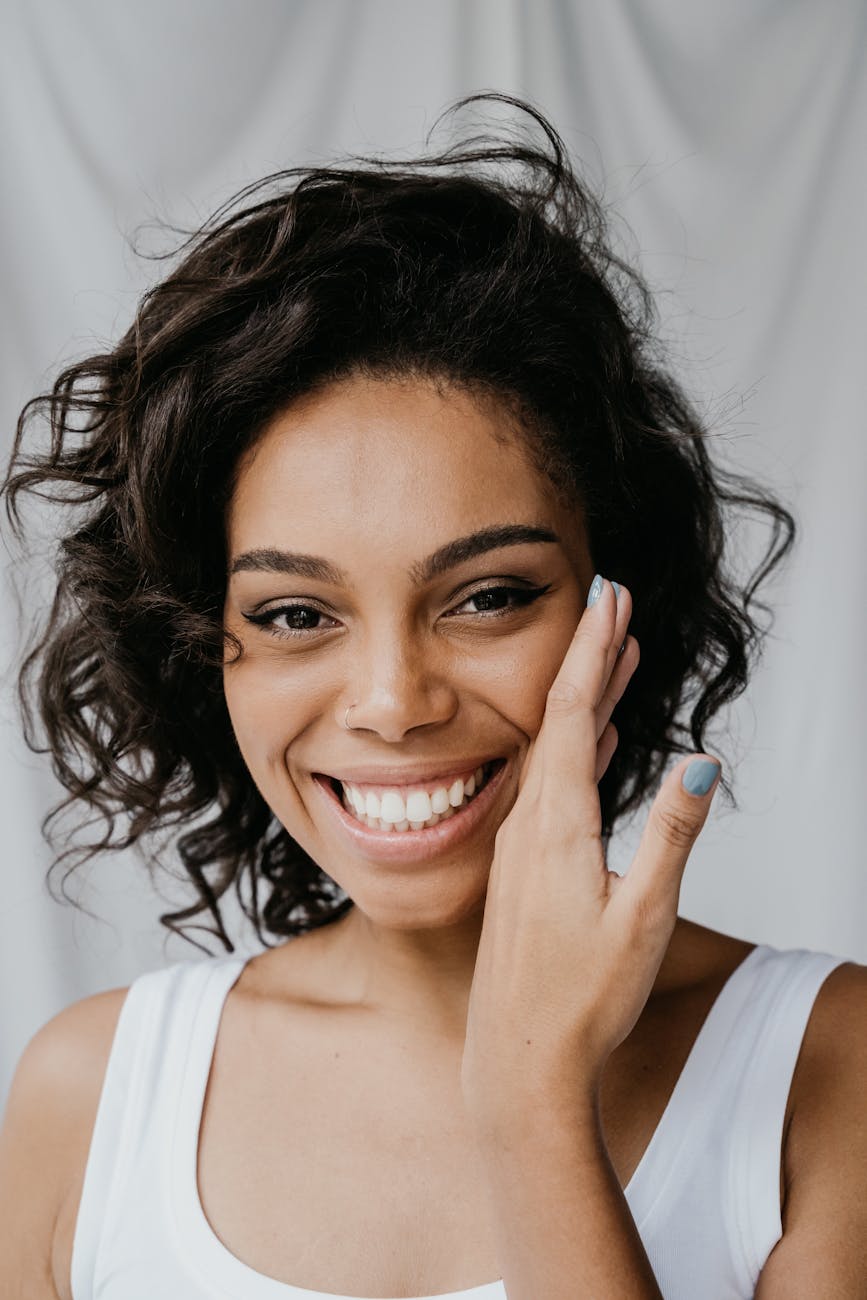
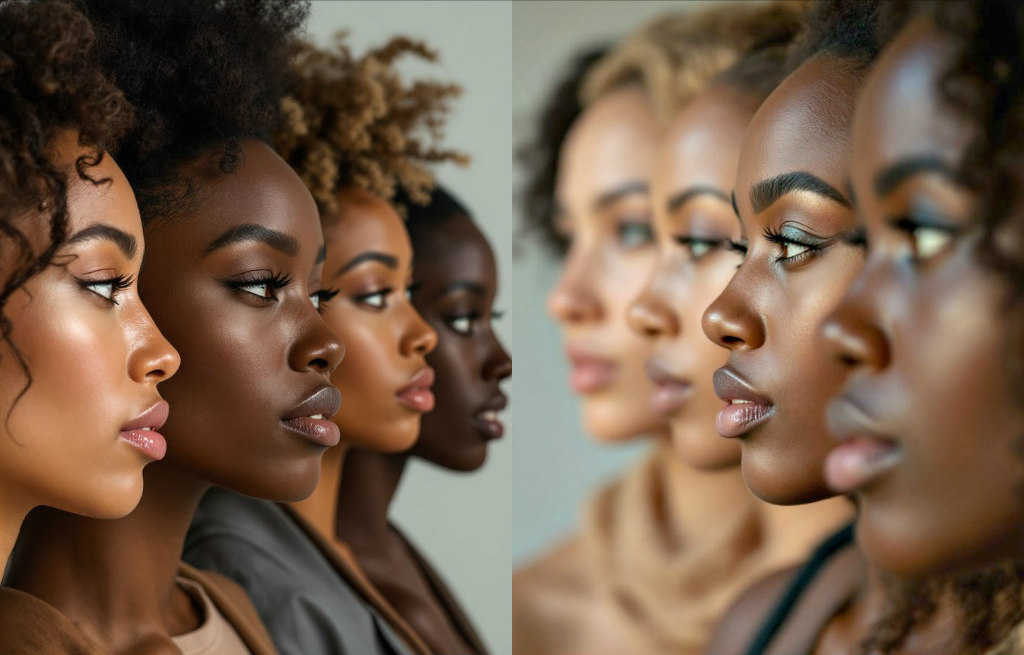
Beauty: Is it your Skin Color or your Facial Features that make you beautiful?

These photographs are the property of their respective owners. No copyright infringement intended.

I was oblivious to skin color. People always told me I was beautiful, and I always believed it was my features and not my light café-au-lait skin tone. Growing up, beauty seemed more about the symmetry of one’s face, the way one’s eyes aligned, or how one’s smile illuminated a room. But as I matured and began to understand the social and psychological layers of race and aesthetics, I realized that the question of beauty—particularly for people of African descent—was neither simple nor purely biological. It was a complex interplay between genetics, societal conditioning, colonization, and personal perception.
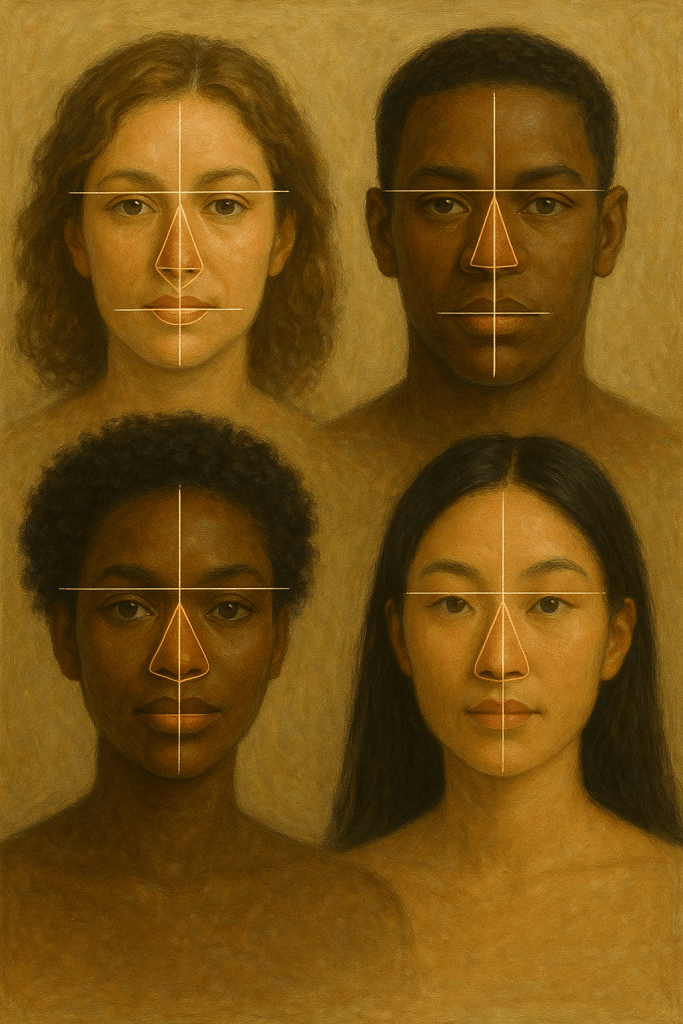
The science of beauty has long sought to define attractiveness through objective measurements. The Marquardt facial mask, developed by Dr. Stephen Marquardt, is one such tool that uses the golden ratio (phi, approximately 1.618) to map ideal facial proportions (Marquardt, 2002). This mathematical construct suggests that beauty lies in balance and symmetry. Yet, while symmetry contributes to perceived attractiveness across cultures (Rhodes, 2006), it cannot fully explain why certain faces—like Halle Berry’s or Idris Elba’s—transcend mathematical formulas to captivate the world.

Genetically, facial features are an orchestra of inherited traits determined by the complex interactions of multiple genes (Jones & Little, 2012). Skin tone, lip shape, and eye spacing are phenotypic expressions influenced by ancestral environments. For instance, fuller lips and broader noses evolved as adaptive features in warmer climates, aiding in temperature regulation (Jablonski & Chaplin, 2000). Yet colonialism rebranded these traits as “undesirable,” constructing Eurocentric beauty standards that favored narrow noses, thin lips, and lighter skin.

This colonial gaze reshaped entire generations’ perception of beauty. During and after slavery, the closer one’s appearance aligned with European features, the more “beautiful” or “acceptable” one was considered. This false hierarchy of aesthetics—rooted in power and racial politics—continues to shape modern beauty ideals, especially in the global media (Hunter, 2005). Thus, many women and men of color wrestle with a dual consciousness: one that recognizes their innate beauty while subconsciously measuring it against Western standards.

When we look at Halle Berry, we see a blend of symmetry, balance, and soft femininity that aligns with global ideals of beauty. Yet what makes her distinct is her expressive eyes, proportionate bone structure, and emotive presence—traits that transcend complexion. Lupita Nyong’o, in contrast, represents a radical reclamation of deep-toned beauty. Her skin radiates with depth and grace, and her high cheekbones and luminous eyes challenge Eurocentric molds, celebrating the richness of African features as equally divine.

Vanessa L. Williams’s beauty carries a classical appeal—a combination of facial symmetry, expressive eyes, and harmony of proportions. Her presence in the entertainment industry during the 1980s broke barriers, representing both elegance and controversy in a time when America still struggled to accept a Black woman crowned “Miss America.” Her beauty was seen through both admiration and prejudice—a reflection of how colorism complicates acceptance even within communities of color.

Among men, Shemar Moore’s charm lies in his smooth facial symmetry, strong jawline, and warm, approachable smile—qualities that align with scientific definitions of attractiveness. Yet, Idris Elba’s beauty feels more elemental. His deep-set eyes, strong features, and commanding presence convey power, charisma, and confidence. His allure, like Lupita’s, resists Eurocentricity; it draws instead on ancestral strength and authenticity.

But what about those whose features don’t fit the “mask”? Beauty in the human experience is not only mathematical but also psychological and cultural. Studies show that individuals are more likely to find faces from their own ethnic group more attractive due to familiarity and cultural exposure (Little et al., 2011). Thus, what one finds beautiful often depends on one’s cultural conditioning, not universal law.

Beauty is, therefore, both objective and subjective. Science can measure facial harmony, but culture shapes what harmony looks like. Western beauty often celebrates sharpness—defined cheekbones, narrow noses—while African aesthetics celebrate fullness, balance, and expression. These differing ideals are not hierarchies but reflections of varied cultural philosophies about life and identity.

The psychological phenomenon of “beauty bias” reinforces societal privilege for those deemed more attractive. This bias influences job prospects, relationships, and self-esteem (Langlois et al., 2000). For people of color, beauty bias intersects with colorism, leading to internalized hierarchies where lighter skin and Eurocentric features are unconsciously prioritized. This is why even those confident in their looks may still feel their beauty questioned by social norms.

Colonization didn’t only enslave bodies—it colonized aesthetics. From missionary schools to Hollywood casting rooms, the European ideal of beauty became synonymous with civilization, purity, and desirability. African features, once revered within indigenous societies as markers of lineage and strength, were ridiculed and suppressed. The result was centuries of aesthetic erasure that many are only now beginning to reverse.

The return to natural hair, deeper skin tones in media, and diverse representation mark a cultural renaissance. This redefinition of beauty reconnects the diaspora to its authentic self. It celebrates faces like Lupita’s not as exceptions but as exemplars of divine variation. It honors dark skin not as “different” but as glorious.

Still, one must ask: if beauty is in the eye of the beholder, who is holding the mirror? Media corporations, advertisers, and colonial institutions have long acted as the beholders, dictating taste and value. But the shift toward self-definition—especially among Black creators, photographers, and scholars—marks a new chapter in aesthetic sovereignty.

Scientifically, certain features—clear skin, bilateral symmetry, facial averageness—are universally preferred because they signal health and genetic fitness (Perrett et al., 1999). However, features like high cheekbones, full lips, or wide noses can be just as aesthetically pleasing when embraced through a culturally affirming lens. The issue is not the feature itself but the framework through which it’s judged.

In psychological terms, humans are drawn to faces that mirror their identity. This “familiarity principle” (Zajonc, 1968) explains why beauty can never be entirely objective. It is influenced by cultural memory and social environment. Thus, the perception of beauty among African-descended peoples carries historical trauma—beauty has been both weaponized and denied.

Genetics, then, provides the blueprint, but society writes the interpretation. One person’s admiration of Halle Berry’s elegance or Lupita’s radiance is not merely about structure—it’s about what those faces symbolize. They represent visibility, validation, and the defiance of centuries of aesthetic marginalization.

To be beautiful in a colonized world is to exist in resistance. Each melanated face, each natural curl, each unapologetic feature, is an act of restoration—reclaiming what history attempted to distort. Beauty, in this sense, becomes a form of protest and prophecy, not vanity.

When I reflect on my own journey, I realize that what I believed to be “just my features” was shaped by more than DNA—it was shaped by social constructs, ancestral memories, and cultural expectations. My beauty was never just mine; it was inherited from generations who carried grace through oppression and dignity through erasure.

So, is it your skin color or your features that make you beautiful? The answer is both—and neither. True beauty transcends the surface. It lives in the harmony of authenticity, confidence, and self-recognition. It is not measured by the golden ratio but by the light you emit when you embrace who you truly are.


References
Hunter, M. L. (2005). Race, gender, and the politics of skin tone. Routledge.
Jablonski, N. G., & Chaplin, G. (2000). The evolution of human skin coloration. Journal of Human Evolution, 39(1), 57–106.
Jones, B. C., & Little, A. C. (2012). The role of facial attractiveness in mate choice. Trends in Cognitive Sciences, 16(1), 33–38.
Langlois, J. H., et al. (2000). Maxims or myths of beauty? A meta-analytic and theoretical review. Psychological Bulletin, 126(3), 390–423.
Little, A. C., Jones, B. C., & DeBruine, L. M. (2011). Facial attractiveness: Evolutionary based research. Philosophical Transactions of the Royal Society B, 366(1571), 1638–1659.
Marquardt, S. (2002). The golden ratio: The beauty mask and the science of human aesthetics. Marquardt Beauty Analysis.
Perrett, D. I., et al. (1999). Symmetry and human facial attractiveness. Evolution and Human Behavior, 20(5), 295–307.
Rhodes, G. (2006). The evolutionary psychology of facial beauty. Annual Review of Psychology, 57, 199–226.
Zajonc, R. B. (1968). Attitudinal effects of mere exposure. Journal of Personality and Social Psychology, 9(2p2), 1–27.
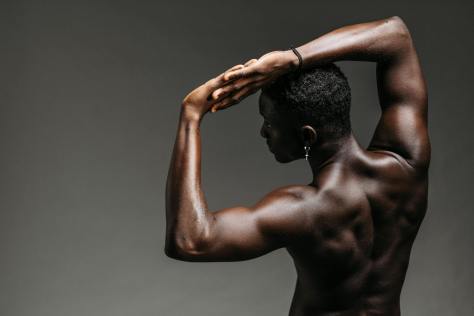
The Art of the Male Form: Power, Presence, and Perception.

Photo by ROCKETMANN TEAM on Pexels.com

The human male form has long been a subject of fascination in art, science, and culture, reflecting not only physicality but also social hierarchies, cultural ideals, and psychological projections. Across centuries, the representation of the male body has evolved, embodying changing conceptions of masculinity, strength, and beauty. From classical sculptures of Greece and Rome to contemporary photography and film, the male form has been interpreted as a canvas of power and presence.

Historically, the Greek ideal celebrated the male body as a perfect balance of symmetry, proportion, and athleticism. Sculptures such as Polykleitos’ Doryphoros exemplified mathematical precision, with the canon of proportions establishing standards for physical perfection that would influence Western art for millennia. This idealized vision of masculinity combined both aesthetic beauty and moral virtue, suggesting that bodily perfection mirrored inner excellence.

The Renaissance reintroduced classical principles while emphasizing dynamic motion and individual expression. Artists such as Michelangelo in David portrayed not only physical strength but also psychological tension and heroic presence. The male form became an emblem of intellectual and spiritual power, reflecting a holistic understanding of human potential. Renaissance art thus bridged the external and internal, situating the male body as both a physical marvel and a symbolic vessel of identity.

In non-Western contexts, the male form has been depicted through varied cultural lenses. In African art, the male figure often embodies communal roles, leadership, and spiritual vitality rather than purely aesthetic ideals. Carvings, masks, and statues depict muscularity and posture as markers of social and ceremonial significance. Similarly, in East Asian traditions, male figures have symbolized wisdom, martial skill, and filial duty, emphasizing presence over purely sculptural beauty.

Contemporary representations of the male body have expanded to encompass a spectrum of forms, challenging classical notions of beauty and strength. Media, fashion, and advertising frequently spotlight muscular, lean physiques, reinforcing cultural ideals tied to health, athleticism, and desirability. These portrayals, however, often obscure the diversity of natural male forms, creating pressures that intersect with gender norms and body image concerns.

The perception of male strength and virility is deeply intertwined with visual cues. Broad shoulders, defined musculature, and upright posture convey dominance and confidence, signaling both physical capability and social authority. Yet these traits are culturally mediated; in some societies, intellectual presence, sartorial elegance, or artistic skill may supersede raw physicality as markers of masculine power.

Psychologically, the male form operates as a site of projection for both men and women. Men may internalize societal ideals as standards for self-worth, while women may perceive these traits through lenses of attraction, protection, or social status. The interaction of biology, culture, and psychology produces a complex matrix in which physicality, behavior, and charisma intersect.

Artistic depiction often emphasizes narrative alongside form. Paintings, photographs, and sculptures do not merely replicate anatomy but evoke story, emotion, and character. The male form thus becomes a storytelling tool, capable of conveying vulnerability, aggression, heroism, or intimacy depending on context. Such portrayals can redefine social perceptions of masculinity beyond mere physical prowess.

The study of anatomy underpins much of the artistic representation of the male body. Knowledge of skeletal structure, muscle distribution, and movement enables artists to render the body convincingly and expressively. Anatomical studies by Leonardo da Vinci and modern biomechanics research illustrate how understanding physiology enhances both aesthetic and functional interpretation of form.

In cinema and performance, the male body functions as a medium of narrative embodiment. Action films, dance, and theater utilize posture, gesture, and musculature to communicate character, intent, and emotion. Actors’ physical training is integral to credibility, reinforcing cultural associations between physical form and personal agency.

Clothing and adornment further influence perception. Tailored suits, armor, traditional garments, or casual attire interact with the body’s contours to project authority, elegance, or approachability. Fashion, therefore, becomes a form of embodied rhetoric, shaping how presence is interpreted socially and aesthetically.

The intersection of race and the male form reveals additional layers of perception. Societal biases often exaggerate or stereotype certain physiques, influencing both admiration and marginalization. Scholarly research highlights how media representation of Black, Asian, and Indigenous men can reinforce prejudicial narratives while simultaneously offering opportunities for celebration and redefinition of power.

Athleticism, historically celebrated in art and society, continues to reinforce ideals of the male form. Sports icons, Olympians, and bodybuilders exemplify disciplined cultivation of the body, symbolizing perseverance, control, and societal admiration. These figures operate at the nexus of corporeal excellence and symbolic authority.

The sexualization of the male form has also evolved, reflecting shifting cultural mores. Where once nudity implied heroism, divinity, or philosophical ideal, contemporary eroticized representations carry complex implications regarding consent, objectification, and agency. The male body thus navigates multiple discourses simultaneously: aesthetic, athletic, sexual, and symbolic.

Media proliferation intensifies scrutiny of the male form. Social platforms, advertising, and global cinema perpetuate standards of muscularity, height, and symmetry, creating feedback loops that influence self-perception and social judgment. These pressures can foster both aspiration and anxiety, highlighting the psychosocial dimensions of bodily representation.

Philosophically, the male form invites reflection on mortality, temporality, and embodiment. Aging, injury, and transformation challenge ideals of constancy and perfection, offering opportunities for more nuanced understandings of masculinity. Imperfection, once marginalized in classical aesthetics, now contributes to narratives of resilience, authenticity, and wisdom.

Cross-disciplinary studies, incorporating anthropology, psychology, and art history, illuminate the interplay between biology and culture in shaping perceptions of the male form. Evolutionary theory, for example, considers sexual selection, strength signaling, and social hierarchy as factors influencing both appearance and societal valuation. Cultural studies, in turn, examine media representation, ritual, and mythology as determinants of perception.

Digital technology and virtual spaces are redefining the male form in contemporary imagination. CGI, motion capture, and social media avatars allow manipulation of physique, posture, and expression beyond natural limits, raising questions about authenticity, aspiration, and identity. Such developments extend the discourse of perception into immersive and interactive arenas.

Ultimately, the art of the male form transcends mere anatomy. It is a dialogue among power, presence, and perception, reflecting the interdependence of physicality, culture, and cognition. The male body is both observed and experienced, a site of aesthetic contemplation, social negotiation, and personal embodiment.

Contemporary discourse urges inclusivity, diversity, and critical reflection, challenging narrow definitions of strength and beauty. Recognizing variation, vulnerability, and agency broadens appreciation of the male form beyond traditional paradigms. In this light, art, science, and lived experience converge to create a dynamic understanding of masculinity as both human and culturally mediated.

In conclusion, the male form remains a compelling locus of study and representation. Its power lies not solely in muscle or height but in the interplay of physicality, presence, and perception, shaped by history, culture, and psychology. From the classical canon to modern media, the male body continues to articulate ideals, challenge assumptions, and inspire contemplation, affirming its enduring significance in human imagination and social life.

References

Frontiers in Psychology. (2023). Body image dissatisfaction in men: Causes and consequences. https://www.frontiersin.org/journals/psychology/articles/10.3389/fpsyg.2023.1116686/full

Metropolitan Museum of Art. (n.d.). Anatomy in the Renaissance. https://www.metmuseum.org/essays/anatomy-in-the-renaissance

PubMed. (2002). Impact of media images on male body image. https://pubmed.ncbi.nlm.nih.gov/11920996/

Smarthistory. (n.d.). Polykleitos, Doryphoros (Spear Bearer). https://smarthistory.org/polykleitos-doryphoros-spear-bearer/

Smarthistory. (n.d.). Depictions of the human figure and animals in African art. https://smarthistory.org/depictions-of-the-human-figure-and-animals/

Italian Renaissance. (n.d.). Michelangelo’s David: Analysis and history. https://www.italianrenaissance.org/michelangelos-david/

Science Museum, UK. (n.d.). Anatomy, art, and science. https://www.sciencemuseum.org.uk/objects-and-stories/medicine/anatomy-art-and-science

The Boar. (2020, June). Male bodies in film: Representations of masculinity. https://theboar.org/2020/06/male-bodies-film/

Vogue Business. (2021). Sizing is stopping consumers from shopping: Here’s what brands need to know. https://www.voguebusiness.com/story/fashion/sizing-is-stopping-consumers-from-shopping-heres-what-brands-need-to-know

The Times. (n.d.). Unhealthy skinny models: Fashion week report. https://www.thetimes.co.uk/article/vogue-report-unhealthy-skinny-models-fashion-week-jj3qwhf9w

Smithsonian Asian Art Museum. (n.d.). Facing East: Portraits from Asia. https://asia.si.edu/whats-on/exhibitions/facing-east-portraits-from-asia/

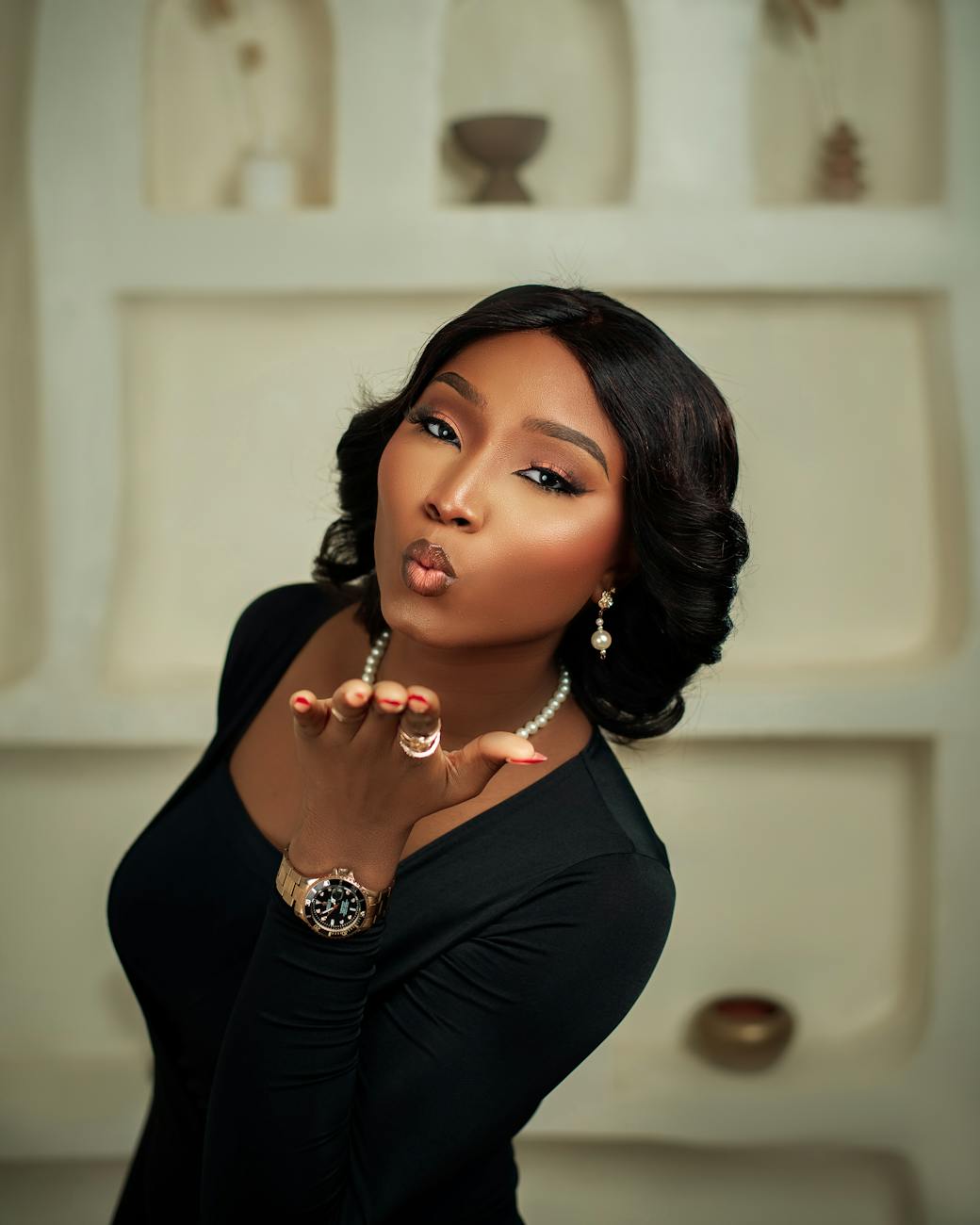
Modern Trailblazers: Redefining Beauty Standards.

Photo by BULE on Pexels.com

In the modern age, beauty has become a site of both revolution and reclamation. Historically bound by Eurocentric ideals that prioritized whiteness, thinness, and symmetry, today’s beauty landscape has been reshaped by a diverse chorus of voices refusing to conform. Black women, Indigenous creators, trans icons, and differently-abled influencers have emerged as cultural architects, redefining what it means to be beautiful through self-expression and authenticity. The revolution is not merely aesthetic—it is psychological, cultural, and political.

The 21st century has witnessed a radical shift from representation to ownership. Where earlier generations sought inclusion within existing frameworks, modern trailblazers are creating entirely new paradigms. Platforms like TikTok and Instagram have decentralized beauty hierarchies, giving rise to grassroots visibility. Figures such as Lupita Nyong’o, Adut Akech, and Alek Wek stand as embodiments of natural beauty, resilience, and unapologetic African identity. Their presence challenges the historical erasure of darker skin tones from mainstream beauty campaigns.

The reclamation of melanin-rich beauty is not accidental—it is intentional resistance. For centuries, colonialism and media imperialism conflated whiteness with virtue and civilization. Today, the celebration of dark skin tones represents a healing of generational trauma. It affirms that beauty, once defined externally, now belongs to those who were denied it. Through art, photography, and film, a new narrative has emerged—one that celebrates skin not as shade but as legacy.

Moreover, modern beauty trailblazers recognize that authenticity transcends aesthetics. The global push for natural hair representation is a powerful illustration of this. Movements such as #BlackGirlMagic and #TeamNatural have become sociocultural phenomena. They have not only redefined beauty for women of African descent but also established political solidarity rooted in self-acceptance. Natural hair, in this context, is both crown and protest.

The expansion of beauty definitions extends beyond race. Individuals like Winnie Harlow, who embraces her vitiligo. In doing so, they remind the world that beauty is not an exclusionary category; it is a human experience.

At the heart of this transformation lies the concept of visibility. Representation is more than a visual act; it is a psychological affirmation that one belongs. When young people see themselves mirrored in campaigns and media, it restores confidence eroded by centuries of misrepresentation. As philosopher Frantz Fanon noted, “To be seen is to exist.” Today’s beauty trailblazers embody that visibility as liberation.

Beauty influencers have become cultural philosophers of their own era. Through social media, voices such as Jackie Aina and Nyma Tang dissect colorism, cultural appropriation, and tokenism with academic precision and personal vulnerability. Their work bridges activism and aesthetics, dismantling beauty myths from within the very industries that once excluded them.

Inclusivity, however, is not merely about representation—it is about equity. Modern trailblazers are now entering corporate spaces, launching their own brands, and reshaping production norms. Rihanna’s Fenty Beauty revolutionized the cosmetics industry by introducing 40+ foundation shades, a simple yet profound act that exposed the systemic neglect of darker skin tones. Fenty became more than a brand; it became a blueprint for inclusion.

Similarly, Pat McGrath, often hailed as the most influential makeup artist in the world, has used her platform to merge high fashion and multiculturalism. Her artistry reveals that beauty, when liberated from narrow archetypes, becomes art itself. She continues to mentor and open doors for the next generation of global creatives who understand that diversity is not a trend—it is the truth.

The global South is now asserting its own aesthetic sovereignty. African, Caribbean, and Latinx designers are fusing traditional artistry with modern expression. Runways in Lagos, Accra, and São Paulo now rival those of Paris and Milan, redefining fashion geography. These movements signal that the future of beauty will be multipolar and multicultural.

At the intersection of technology and beauty lies another shift: digital self-representation. Filters, AI, and virtual influencers raise critical ethical questions. While these tools can democratize creativity, they also risk reinforcing unrealistic standards. Modern trailblazers navigate this paradox by promoting digital transparency and self-awareness amidst algorithmic distortion.

Beauty is also being redefined through academia and science. Genetic diversity is now understood as the true foundation of human beauty. Traits once deemed “undesirable” are increasingly recognized as markers of resilience and adaptation. The blending of cultures and lineages has produced what anthropologists call “aesthetic hybridity,” an evolution that mirrors humanity’s interconnectedness.

In this sense, modern beauty trailblazers are not anomalies—they are evolutionary symbols. They represent a species reclaiming its visual and spiritual wholeness after centuries of fragmentation. Beauty, once a weapon of division, is becoming a language of unity.

Yet, the work remains unfinished. Systems of patriarchy, racism, and capitalism continue to exploit beauty for profit. Thus, redefinition must be coupled with reformation. True progress means dismantling not only exclusionary ideals but also the economic structures that sustain them.

Education plays a central role in this transformation. By teaching young people media literacy, critical thinking, and self-love, society equips them to resist harmful comparisons and internalized inferiority. Beauty education, when rooted in empowerment, can become a form of social justice.

As this evolution continues, one truth becomes evident: beauty is not something to be achieved—it is something to be remembered. It is the echo of divine design, the harmony of individuality and purpose. The modern trailblazers of beauty are not inventing something new; they are restoring something ancient—authenticity.

Ultimately, the redefinition of beauty is a return to self. It is a collective mirror where every face, every shade, and every form finds reflection. The modern trailblazers remind us that beauty is power, and power, when wielded with love, transforms not only the image but the world itself.


References

Aina, J. (2020). The new face of beauty activism: Representation in the digital age. Journal of Media Studies, 14(3), 45–58.

Fanon, F. (1952). Black skin, white masks. Grove Press.

hooks, b. (1992). Black looks: Race and representation. South End Press.

McGrath, P. (2019). Artistry and identity in global fashion. Vogue Archives Journal, 27(2), 112–129.

Nyong’o, L. (2014). Dark beauty and the global imagination. Cultural Identity Review, 8(1), 9–18.

Rihanna. (2017). Fenty Beauty: The revolution of inclusion. LVMH Archives.

Tang, N. (2022). Colorism and cosmetic culture in the 21st century. Beauty and Society Quarterly, 11(2), 56–73.

Wek, A. (2015). My story: From refugee to runway. HarperCollins.

Zollman, K., & Thakur, M. (2020). Decolonizing aesthetics: The global beauty renaissance. Journal of Cultural Studies, 19(4), 203–221.


    Post-Slavery Beauty: The Evolution of the Brown Woman’s Image.

    Photo by Fotoboy on Pexels.com

    The legacy of slavery in the Americas left an indelible mark not only on the socio-economic status of Black people but also on the perception of beauty within Black communities. For the brown-skinned woman, this history produced a complex interplay of identity, aesthetics, and social hierarchies that continues to influence modern conceptions of attractiveness, desirability, and self-worth. The post-slavery era, spanning Reconstruction, the Jim Crow period, and the civil rights movement, marked a profound shift in how brown women were represented and how they navigated the legacy of European beauty standards imposed during enslavement.

    Historical Context and Color Hierarchies

    During slavery, enslaved women were often valued primarily for labor or reproductive potential, yet even within these oppressive systems, colorism emerged as a potent force. Lighter-skinned women, often the offspring of European men and enslaved African women, were afforded relative privileges, such as domestic work instead of field labor, access to education, or social proximity to white families. This intra-community stratification created early foundations for a hierarchy of beauty based on skin tone and European features (Hunter, 2007).

    The Post-Emancipation Image

    After emancipation, brown women began asserting new forms of identity and beauty, yet they were constrained by persistent Eurocentric ideals in media, fashion, and literature. Images in magazines, film, and advertisements rarely celebrated the natural features of brown-skinned women. Instead, the cultural imagination valorized whiteness, straight hair, lighter eyes, and delicate features, leaving brown women in a liminal space of desirability—a spectrum neither fully embraced by white standards nor entirely centered within Black communities (Russell, 2012).

    Colorism and Social Mobility

    Post-slavery America saw colorism intensify as a social determinant. Brown women were often perceived as more “marketable” in professional and social arenas due to their proximity to whiteness, creating a duality of privilege and pressure. The “paper bag test,” prevalent in Black social institutions, reinforced the preference for lighter skin within African American society itself (Thompson, 2009). Consequently, beauty became both a site of opportunity and of internalized oppression, shaping the brown woman’s self-perception and her social navigation strategies.

    Media Representations and the Entertainment Industry

    The 20th century brought more public visibility to brown women, particularly in film, television, and music. Stars such as Dorothy Dandridge, Lena Horne, and later Vanessa Williams and Halle Berry, exemplified a brown beauty that was palatable to mainstream audiences. These women negotiated a delicate balance: embracing their Black identity while often conforming to Eurocentric standards of hair, makeup, and body shape (Coleman, 2014). The entertainment industry, though providing representation, also cemented narrow ideals of brown beauty—slender noses, smooth skin, and straightened hair—further complicating the evolution of self-image among brown women.

    The Brown Woman and Resistance

    Despite systemic pressures, brown women resisted marginalization by reclaiming their aesthetics. From the Harlem Renaissance to contemporary movements such as natural hair advocacy and the celebration of melanin-rich beauty, brown women have asserted agency over their representation. Artistic, literary, and political spaces became platforms to challenge stereotypes, celebrate diversity within the spectrum of brown skin, and redefine standards of beauty on their own terms (Banks, 2000).

    Intersectionality and Modern Implications

    Modern scholarship on the brown woman’s image underscores the intersectionality of race, gender, and class. Brown women continue to navigate a world that valorizes whiteness and lightness, yet the increasing visibility of diverse Black aesthetics in social media, fashion, and film challenges historical hierarchies. Movements such as #MelaninMagic and campaigns highlighting dark-skinned models broaden the public imagination of beauty and invite brown women to embrace the totality of their heritage and features (Patton, 2010).

    Conclusion

    The post-slavery evolution of the brown woman’s image reflects a narrative of resilience, adaptation, and reclamation. From the imposed hierarchies of slavery and colorism to the contemporary celebration of melanin and Afrocentric aesthetics, brown women have negotiated identity and beauty in ways that resist historical oppression while asserting pride and individuality. The journey of the brown woman is not merely about surviving imposed standards but transforming them—creating a legacy of empowerment and redefining what beauty means within and beyond the Black community.

    References

    • Banks, I. (2000). Hair Matters: Beauty, Power, and Black Women’s Consciousness. New York: NYU Press.
    • Coleman, R. (2014). Fashioning Blackness: Clothing, Race, and Identity in American Culture. Routledge.
    • Hunter, M. (2007). The persistent problem of colorism: Skin tone, status, and inequality. Sociology Compass, 1(1), 237–254.
    • Patton, T. O. (2010). Beauty and Black Identity: African American Women’s Experiences and Aesthetics. Praeger.
    • Russell, K. (2012). Color Me Beautiful: African American Women and the Politics of Skin Color. University of North Carolina Press.
    • Thompson, M. (2009). Shades of Privilege: The Social Construction of Color and Identity in Black America. University of Illinois Press.

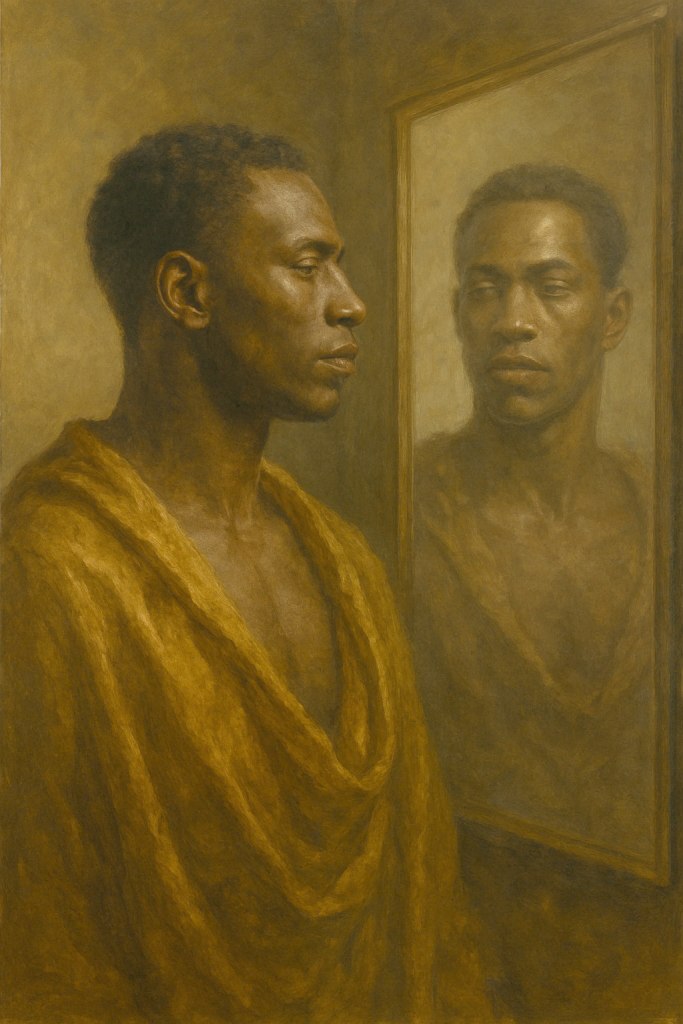
    The Beauty of Strength: Black Masculinity in the Mirror of History.

    The story of Black masculinity is one of both suffering and sublimity—of men whose beauty has been distorted by oppression yet refined by endurance. From the chains of slavery to the boardrooms of modern society, the image of the Black man has continually evolved, reflecting a history of resistance, resilience, and redemption. The beauty of his strength lies not in brute force but in the spiritual, intellectual, and emotional fortitude that has allowed him to survive centuries of dehumanization.

    To understand Black masculinity, one must look into the mirror of history, where reflection becomes revelation. The first distortion appeared under colonialism, when European powers constructed false hierarchies of humanity. The Black man was cast as savage, incapable of reason or refinement, his physical strength seen as both his value and his curse (Fanon, 1952). Yet beneath these imposed identities existed a sacred masculinity shaped by ancient African civilizations—nations that valued wisdom, artistry, and spirituality as measures of true manhood.

    In precolonial Africa, masculinity was integrative, not dominating. Kings, warriors, and priests carried the dual duty of protection and provision with humility before the divine. Empires like Mali and Kush celebrated male beauty as divine order, where strength was married to grace, and leadership to love. Such conceptions were violently disrupted by the slave trade, which turned the Black male body into an economic commodity rather than a sacred vessel (Gomez, 1998).

    The transatlantic slave trade fractured identity and redefined manhood under bondage. The Black man’s physical strength was exploited for labor, while his emotional expression was suppressed to prevent rebellion. In these conditions, strength became survival. Yet even in the most brutal systems, enslaved men found ways to redefine masculinity—through song, brotherhood, and faith. Their resilience was a spiritual act of resistance, preserving fragments of humanity within an inhumane world (Franklin & Moss, 2000).

    The Reconstruction era offered a fleeting glimpse of restored dignity. Freed Black men sought to build families, own land, and educate themselves, embodying the beauty of responsibility and renewal. But white supremacist backlash sought to reimpose dominance, inventing myths like the “Black brute” stereotype to criminalize strength and reassert racial hierarchy (Alexander, 2010). Even today, this narrative persists through media caricatures that equate Black masculinity with danger rather than discipline.

    Yet throughout history, the Black man’s image has also been self-reclaimed. The Harlem Renaissance redefined masculine beauty through art, intellect, and poise. Figures like Langston Hughes, Duke Ellington, and Alain Locke offered new models of manhood that combined confidence with creativity. Their aesthetic grace challenged America’s obsession with fear-based masculinity, celebrating a balance of strength and sensitivity (Huggins, 2007).

    The Civil Rights Movement further revealed the moral beauty of Black masculinity. Men like Martin Luther King Jr. and Malcolm X embodied courage rooted in conviction, using moral authority as a weapon stronger than any sword. Their leadership showed that real power flows not from domination but from disciplined love—a love that demands justice. Their public images, often demonized, actually reflected divine fortitude in human form.

    In this mirror of history, one also sees the emotional cost of constant resilience. The Black man has often been denied the right to be vulnerable, to express pain without judgment. Society’s expectation of hypermasculinity has become both armor and prison. Yet, when he allows his authentic emotions to emerge, his humanity shines. This emotional transparency reclaims beauty from the battlefield of survival.

    The modern Black man stands at a crossroads—torn between ancestral wisdom and contemporary pressure. While Western society continues to commodify and caricature his body, he is learning to define himself anew: as lover, father, thinker, and spiritual being. The rise of movements like “Black Men Heal” and “Brotherhood Circles” mark a cultural shift toward holistic manhood rooted in wellness and self-awareness (Akbar, 1996).

    Physical beauty has always been central to the mythologizing of Black masculinity. From the statuesque athletes to the stoic revolutionaries, his physique evokes awe and envy. Yet, to reduce him to mere muscle is to miss the poetry in his posture—the story written in his skin. His form carries ancestral memory; his eyes hold a depth forged by generations of endurance. His beauty is not performance but persistence.

    In the arts, new visual and literary movements seek to restore balance to the image of the Black man. Photographers like Gordon Parks and painters like Kehinde Wiley reimagine him with royal dignity—no longer subject but sovereign. These representations undo centuries of degradation and invite viewers to see what history tried to conceal: that the Black man is both warrior and work of art.

    Spiritually, the Black man’s strength is mirrored in his faith journey. From the spirituals of the fields to the sermons of the pulpit, he has drawn divine power from affliction. His relationship with God has always been intimate, rooted in the belief that suffering births purpose. As scripture declares, “My strength is made perfect in weakness” (2 Corinthians 12:9, KJV). His beauty lies in this paradox—the capacity to endure without hardening his heart.

    The legacy of fatherhood also reveals the beauty of strength. Despite systemic attempts to dismantle the Black family, many men have restored their lineage through love and guidance. Their nurturing presence redefines masculinity not as dominance but stewardship. To lead a household with patience and principle is one of the highest forms of strength.

    The psychological struggle of the Black man cannot be separated from his social context. The trauma of racial profiling, economic exclusion, and intergenerational pain continues to shape self-image. Yet, healing begins when he sees himself not through the lens of oppression but reflection—when he recognizes his worth as created, not constructed. Therapy, faith, and community serve as mirrors that restore the vision blurred by history’s distortion.

    Education and artistry have always been liberating forces for the Black man. The intellectual elegance of W. E. B. Du Bois, the musical mastery of Miles Davis, and the poetic boldness of Tupac Shakur represent beauty expressed through brilliance. Knowledge and creativity become new forms of strength—unseen but transformative.

    Black masculinity today exists in many forms: the activist, the artist, the scholar, the father, the dreamer. Each expression expands the definition of beauty and strength. No longer confined to Eurocentric ideals or media stereotypes, these men reflect a truth as old as Africa itself—that strength is not oppression, but the ability to stand with grace under fire.

    When the Black man looks in the mirror of history, he sees scars—but he also sees survival. He sees the reflection of kings, prophets, laborers, and poets. He sees divine design where others saw degradation. The mirror becomes a portal of remembrance, not regret.

    The beauty of strength in Black masculinity, therefore, is both ancient and evolving. It is found in the quiet moments as much as in the heroic ones. It is not just a reflection of what was, but a prophecy of what will be: the restoration of dignity, the reconciliation of power and peace. In that reflection, the Black man finally beholds himself—not as the world has seen him, but as God has made him.


    References (APA 7th Edition)

    Akbar, N. (1996). Breaking the chains of psychological slavery. Mind Productions.
    Alexander, M. (2010). The new Jim Crow: Mass incarceration in the age of colorblindness. The New Press.
    Fanon, F. (1952). Black skin, white masks. Grove Press.
    Franklin, J. H., & Moss, A. A. (2000). From slavery to freedom: A history of African Americans. McGraw-Hill.
    Gomez, M. A. (1998). Exchanging our country marks: The transformation of African identities in the colonial and antebellum South. University of North Carolina Press.
    Huggins, N. I. (2007). Harlem Renaissance. Oxford University Press.
    The Holy Bible, King James Version. (1611/2017). King James Bible Online. https://www.kingjamesbibleonline.org/

    The Illusion of Beauty: When Aesthetics Overshadows Authenticity.

    Photo by Anna Tarazevich on Pexels.com

    Beauty, once seen as an emblem of divine order and natural harmony, has increasingly become a cultural illusion—a projection shaped by capitalism, social hierarchies, and the psychological pursuit of validation. In modern society, the notion of beauty has been commercialized and standardized, evolving from an expression of individuality into a form of currency that dictates value and belonging. This illusion operates within a framework where aesthetics overshadow authenticity, leading to a crisis of self-perception that affects both personal identity and collective consciousness.

    The power of beauty lies in its ability to shape reality. Historically, philosophers like Plato associated beauty with truth and moral goodness, suggesting that what is beautiful must also be virtuous (Plato, Phaedrus). Yet, contemporary consumer culture has subverted this ideal, commodifying beauty as an external achievement rather than an internal virtue. Social media platforms and advertising industries perpetuate this distortion, using digitally altered images and algorithmic preferences to define what is desirable. The result is a global aesthetic homogenization that erases cultural diversity and authenticity.

    Psychologically, the pursuit of beauty has become intertwined with self-worth. Studies have shown that individuals who perceive themselves as less attractive often experience lower self-esteem and increased social anxiety (Cash, 2004). This correlation reveals how beauty, though seemingly superficial, deeply influences mental health. The illusion of beauty thrives in this psychological vulnerability, offering temporary validation through appearance while undermining genuine self-acceptance and individuality.

    For women and men alike, the pressure to conform to beauty standards creates a double bind. On one hand, conformity offers social rewards—admiration, attention, and perceived success. On the other, it reinforces systemic oppression, particularly for marginalized groups whose natural features deviate from Eurocentric ideals. Scholars such as hooks (1992) argue that this aesthetic hierarchy is an extension of colonialism, where whiteness becomes the dominant visual narrative of beauty. Thus, the illusion of beauty is not merely personal but political.

    This dynamic is especially pronounced in the Black community, where colorism and texturism have long been tools of division. The privileging of lighter skin and European features within beauty culture has caused internalized self-rejection and a cycle of identity distortion (Russell, Wilson, & Hall, 1992). As a result, authenticity becomes a radical act of resistance. Embracing natural hair, melanin-rich skin, and ancestral features challenges the illusion and reclaims beauty as truth, not imitation.

    From a sociological standpoint, the illusion of beauty is reinforced by capitalist structures that profit from insecurity. The global beauty industry, valued at over $500 billion, thrives on the perpetuation of dissatisfaction (Nash, 2019). Through constant marketing, it conditions consumers to believe that beauty is achievable only through products, surgeries, and external transformation. Authenticity, therefore, becomes unmarketable—a threat to industries built on self-doubt.

    Philosopher Jean Baudrillard (1994) conceptualized this phenomenon as a form of hyperreality—a state in which representations replace reality. In this context, beauty ceases to reflect natural aesthetics and becomes a simulation. The “ideal” face and body are not real but digitally engineered composites, giving rise to a world where imitation precedes existence. As a result, individuals chase an unattainable ideal, losing connection with their authentic selves.

    This detachment manifests not only in physical appearance but in emotional and relational authenticity. People begin to curate their personalities as meticulously as their faces, crafting identities for digital consumption. Authentic human connection diminishes as appearance becomes the primary metric of worth. The illusion of beauty, therefore, erodes both the individual psyche and the social fabric, replacing empathy with envy and presence with performance.

    The obsession with aesthetics also influences professional and social mobility. Studies reveal that attractiveness can affect hiring decisions, salary levels, and even judicial outcomes (Langlois et al., 2000). This “beauty premium” reinforces inequality, privileging those who fit normative standards while marginalizing others. When beauty dictates opportunity, authenticity becomes a liability—punished rather than praised.

    In art and media, the illusion of beauty has silenced diversity of expression. Models, actors, and influencers who conform to dominant beauty norms are celebrated, while those who embody natural variation are often tokenized or excluded. This selective visibility perpetuates the myth that beauty is exclusive rather than inclusive, fostering a culture of sameness rather than individuality.

    The spiritual dimension of this illusion is equally significant. In many faith traditions, including Christianity, beauty was once understood as an emanation of divine truth—“the beauty of holiness” (Psalm 96:9, KJV). Yet, when aesthetics replace spiritual substance, beauty becomes idolatrous. The worship of external form over inner character reflects a moral inversion where appearance outweighs virtue. This pseudo-spirituality mirrors narcissism, as individuals elevate the self-image above the soul.

    Psychologically, this illusion breeds perfectionism and self-objectification. Narcissistic culture thrives on appearance, encouraging people to view themselves and others as commodities. According to psychologist Malkin (2015), narcissism in modern society often emerges from insecurity rather than grandiosity—individuals seek beauty as a means to mask inadequacy. The result is emotional fragility hidden beneath polished surfaces.

    For many, breaking free from the illusion requires an intentional process of deconstruction—unlearning false ideals and reestablishing a sense of inner truth. This process often involves self-compassion, therapy, and cultural reeducation. It challenges individuals to ask: What does it mean to be beautiful beyond what can be seen?

    Educational and media reform play essential roles in restoring authenticity. When schools and cultural institutions promote diverse representations of beauty, they expand the collective imagination. Visibility of all skin tones, body types, and cultural aesthetics restores the link between authenticity and worth. Representation becomes not just symbolic but healing.

    The illusion of beauty can also be resisted through art and storytelling. Artists and writers who portray beauty in its raw, unfiltered forms remind society of the power of imperfection. Authentic beauty carries emotional resonance because it reflects truth, not fabrication. This approach humanizes rather than idolizes.

    Moreover, authenticity aligns with psychological well-being. Research shows that individuals who live authentically experience greater self-esteem and lower anxiety (Kernis & Goldman, 2006). By rejecting the illusion, they reclaim agency over self-definition and relationships. Authenticity becomes a psychological safeguard against the emptiness of performance-based identity.

    Communities that cultivate authenticity also experience greater social cohesion. When people value character, creativity, and spirit over aesthetics, collective relationships strengthen. The illusion of beauty isolates; authenticity connects. This distinction has profound implications for how societies build empathy, belonging, and peace.

    Ultimately, beauty should not be destroyed but redeemed. The challenge is not to reject aesthetics but to restore their connection to truth. When beauty serves authenticity, it becomes an instrument of healing rather than deception. It reflects the inner light that transcends surface form—a light that cannot be bought, filtered, or faked.

    To dismantle the illusion of beauty is to liberate the human spirit. It invites individuals and societies to rediscover the sacred in the real—to find grace not in perfection but in presence. Only then can beauty regain its original purpose: to reveal, not to conceal, the truth of who we are.


    References

    Baudrillard, J. (1994). Simulacra and Simulation. University of Michigan Press.
    Cash, T. F. (2004). Body Image: Past, Present, and Future. Body Image, 1(1), 1–5.
    hooks, b. (1992). Black Looks: Race and Representation. South End Press.
    Kernis, M. H., & Goldman, B. M. (2006). A Multicomponent Conceptualization of Authenticity: Theory and Research. Advances in Experimental Social Psychology, 38, 283–357.
    Langlois, J. H., et al. (2000). Maxims or Myths of Beauty? A Meta-Analytic and Theoretical Review. Psychological Bulletin, 126(3), 390–423.
    Malkin, C. (2015). Rethinking Narcissism: The Secret to Recognizing and Coping with Narcissists. HarperCollins.
    Nash, J. C. (2019). Black Feminism Reimagined: After Intersectionality. Duke University Press.
    Plato. (370 BCE). Phaedrus. In The Dialogues of Plato.
    Russell, K., Wilson, M., & Hall, R. E. (1992). The Color Complex: The Politics of Skin Color Among African Americans. Anchor Books.

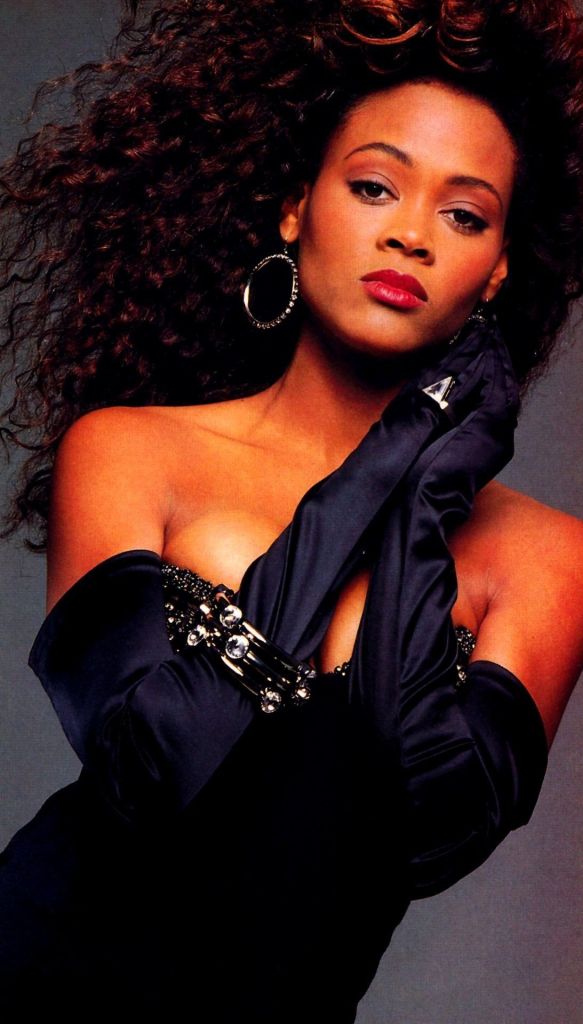
    The “It Girl” Series: Robin Givens

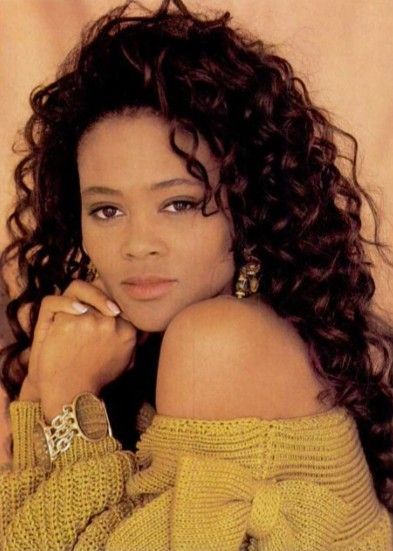
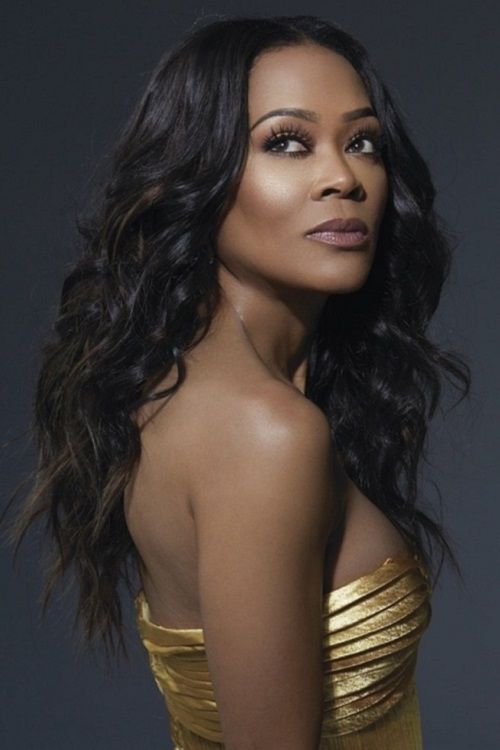
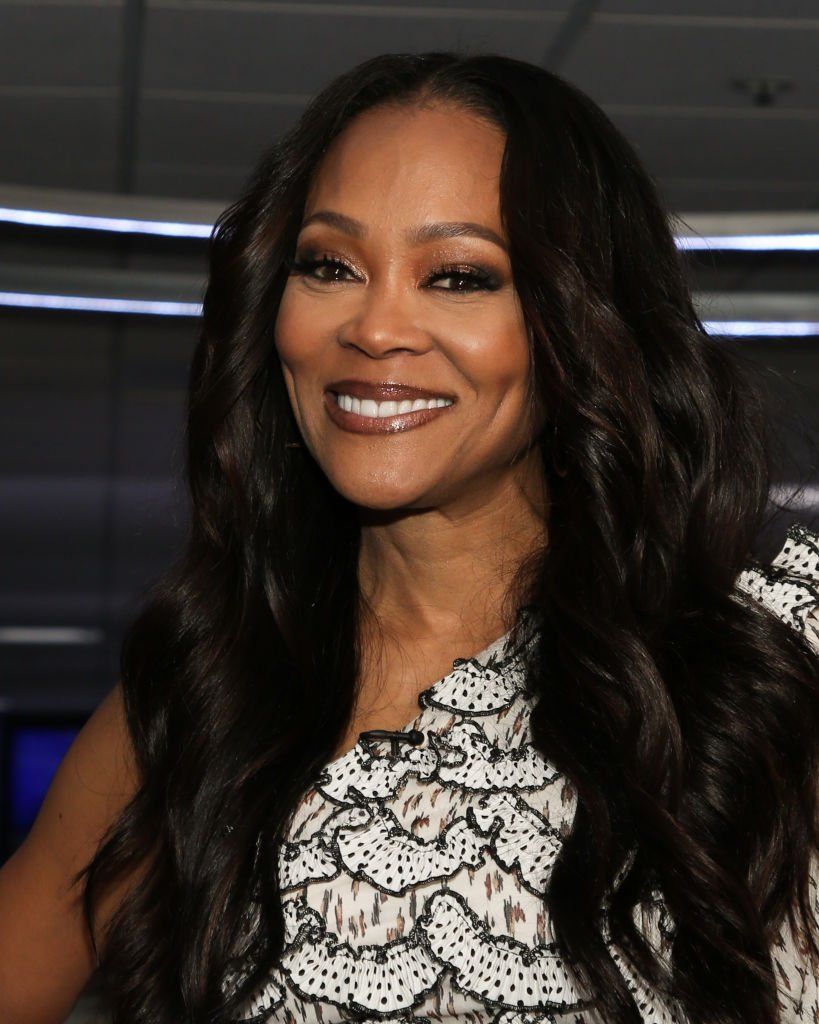
    With luminous skin, sculpted cheekbones, and an unmistakable blend of elegance and intellect, Robin Givens emerged in the late twentieth century as one of Hollywood’s most captivating actresses—an “It Girl” whose beauty, confidence, and talent commanded attention both on screen and in popular culture.

    This photograph is the property of its respective owner.

    Robin Givens was born on November 27, 1964, in New York City, to Ruth Roper Givens and Reuben Givens. Her parents divorced when she was young, and she was raised primarily by her mother alongside her sister, Stephanie, in the suburban communities of Mount Vernon and New Rochelle, New York. Ruth Roper Givens, a nurse and educator, strongly encouraged academic achievement and artistic exploration in her daughters. From an early age, Robin demonstrated intellectual curiosity and creative ability, balancing academic excellence with a growing interest in performance. Her mother enrolled her in acting classes at the American Academy of Dramatic Arts when she was only ten years old, planting the seeds for a future career in entertainment.

    This photograph is the property of its respective owner.

    Givens’s beauty was immediately noticeable even in her youth. She possessed a petite, refined frame, radiant complexion, and sharply defined cheekbones that photographers and casting directors found striking. During her teenage years, she began working as a model, appearing in popular fashion and youth magazines such as Seventeen and Mademoiselle. Modeling introduced her to the entertainment industry and helped her develop the poised public persona that would later become central to her career. Her look embodied a distinctive mixture of sophistication and youthful charm, making her a natural fit for the fashion and television worlds of the 1980s.

    Despite her growing presence in entertainment, Givens was also an exceptionally serious student. Demonstrating remarkable academic ability, she enrolled at Sarah Lawrence College at only fifteen years old, one of the youngest students in the institution’s history. At Sarah Lawrence, she pursued pre-medical studies while continuing to audition for acting roles. She graduated in 1984 at the age of nineteen, an accomplishment that reflected both her intellectual discipline and ambition. For a period, she expressed interest in becoming a doctor and even spoke publicly about attending Harvard Medical School; however, records later confirmed that she did not enroll in the program. Nevertheless, her education at Sarah Lawrence distinguished her among many young actresses in Hollywood.

    Givens’s entrance into television came through small guest appearances on several popular shows during the mid-1980s. One of her early roles was a guest spot on The Cosby Show, where the legendary comedian Bill Cosby reportedly encouraged her to pursue acting professionally. That encouragement proved significant, as it helped solidify her decision to fully commit to an acting career rather than medical school. Shortly afterward, she began receiving additional television roles, gradually establishing herself within the industry.

    Her breakthrough arrived in 1986 when she was cast in the ABC sitcom Head of the Class. On the show, she portrayed Darlene Merriman, an intelligent and confident student attending a program for gifted high schoolers. The series ran from 1986 to 1991, and Givens appeared throughout its entire run. Her character’s sharp wit, stylish demeanor, and self-assured personality resonated with audiences, making her one of the most recognizable young actresses on television at the time. The role also demonstrated her natural comedic timing and helped establish her reputation as both glamorous and intellectually sophisticated.

    While television made her famous, Givens soon expanded into film. One of her most memorable roles came in the 1991 crime drama A Rage in Harlem, in which she portrayed the seductive and mysterious Imabelle opposite Forest Whitaker. Her performance displayed a different dimension of her talent, blending beauty with dramatic intensity. The following year, she appeared in the romantic comedy Boomerang alongside Eddie Murphy, a film that became a cultural touchstone of early 1990s Black Hollywood. Even in supporting roles, Givens’s screen presence stood out, reinforcing her reputation as a striking and charismatic performer.

    During the early 1990s, she also appeared in films such as Blankman and continued working in television movies and series. Beyond screen acting, Givens demonstrated versatility as a stage performer. In 2006, she appeared on Broadway in the musical Chicago, portraying the iconic character Roxie Hart. Theater critics praised her for successfully transitioning from television and film to live performance, further proving her range as an actress.

    This photograph is the property of its respective owner.

    Although acting remained her primary profession, Givens maintained connections to the fashion world throughout her career. Her early modeling work for magazines such as Seventeen and Mademoiselle introduced her to a wide audience, and her elegant appearance made her a frequent subject of fashion editorials and publicity photography. In 1994, she posed for Playboy, an experience she later described as a personal decision to reclaim her narrative after years of intense tabloid scrutiny. Her beauty and public presence were widely recognized when Empire magazine ranked her among its “100 Sexiest Stars in Film History” in 1995.

    Givens’s personal life often attracted as much attention as her professional work. In 1987, she met the world-famous heavyweight boxing champion, Mike Tyson. The pair married on February 7, 1988, creating one of the most widely publicized celebrity unions of the era. Unfortunately, the relationship deteriorated quickly and became the subject of intense media coverage. Givens later described experiences of domestic abuse during the marriage, and the couple divorced on February 14, 1989, after only a year together. The highly public nature of the relationship placed Givens at the center of media controversy, shaping public perception of her for years afterward.

    Later in her life, she married tennis instructor Svetozar Marinković in 1997, although the marriage ended in divorce the following year. Givens is the mother of two sons, Michael “Buddy” Givens and William Givens Jensen. She has spoken openly about the importance of motherhood and how raising her children helped ground her amid the pressures of Hollywood.

    Over the years, various rumors circulated regarding her dating life, including stories connecting her romantically with Brad Pitt. While pop culture gossip occasionally referenced an alleged relationship, reliable biographical sources do not confirm a documented romantic partnership between the two actors. As with many high-profile celebrities, speculation about her personal life often exceeded verified information.

    Although she has not accumulated a large number of major acting awards, Givens has received recognition within the entertainment industry. In 1991, she was honored with the ShoWest Female Star of Tomorrow Award, acknowledging her rising prominence in film. She also received a Black Reel Award nomination for Best Supporting Actress in 2004, highlighting her continued contributions to film and television. Beyond awards, her influence is reflected in the longevity of her career and her visibility across multiple decades of entertainment.

    This photograph is the property of its respective owner.

    Robin Givens is often described as an “It Girl” because she embodied a rare combination of attributes that captured the public imagination. She possessed striking physical beauty, intellectual credibility, and fearless confidence, qualities that distinguished her from many contemporaries. At a time when Black actresses were often confined to limited roles, she projected sophistication, ambition, and glamour on mainstream television. Her visibility on Head of the Class, her appearances in prominent films, and her highly publicized personal life made her one of the most talked-about women in Hollywood during the late 1980s and early 1990s.

    Even decades later, Givens remains a recognizable cultural figure. She has continued acting in television series, directing projects, and mentoring younger performers entering the entertainment industry. Her resilience—navigating fame, controversy, and reinvention—has allowed her career to endure long after many of her contemporaries faded from public view. In this sense, her legacy as an “It Girl” extends beyond beauty or celebrity gossip; it reflects the enduring presence of a woman who combined elegance, intelligence, and determination to leave a lasting mark on American popular culture.


    References

    Biography.com. (2023). Robin Givens biography.
    Empire Magazine. (1995). The 100 Sexiest Stars in Film History.
    IMDb. (2024). Robin Givens filmography and biography.
    NNDB. (2024). Robin Givens profile.
    Rotten Tomatoes. (2024). Robin Givens – actor biography.
    Wikipedia contributors. (2024). Robin Givens. Wikipedia.

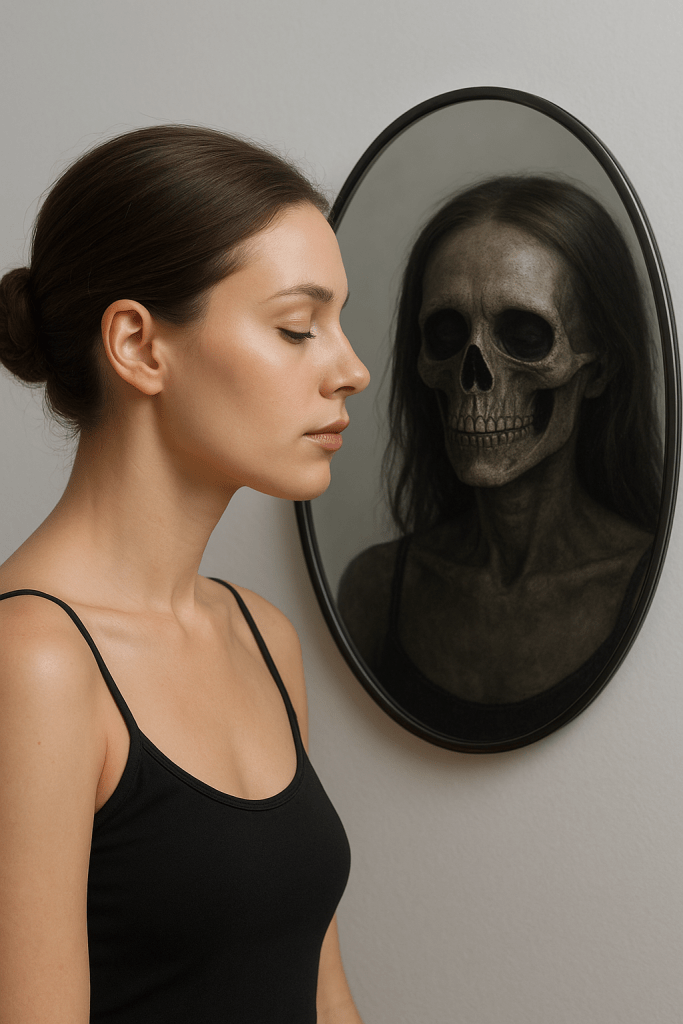
    Beauty Is Only Skin Deep, but Ugliness Is to the Bone.

    The proverb “Beauty is only skin deep, but ugliness is to the bone” is a powerful commentary on the distinction between outward appearance and inward character. It reflects the timeless truth that physical beauty, though alluring, is temporary, while moral corruption or spiritual ugliness reaches far deeper into the essence of a person’s being. Throughout human history, societies have wrestled with this tension between appearance and virtue, often failing to distinguish between them until consequences reveal the truth beneath the surface.

    Physical beauty has always held social and psychological power. In nearly every culture, symmetry, youthfulness, and proportion are associated with attractiveness (Rhodes, 2006). Yet such traits are merely biological signals, not indicators of integrity or wisdom. The tendency to equate beauty with goodness—a phenomenon known as the “halo effect”—creates moral confusion, allowing deceitful individuals to thrive behind pleasant façades (Dion et al., 1972). This blindness has led to personal heartbreak, social injustice, and the rise of superficial value systems.

    The Bible provides numerous examples illustrating that inner character outweighs external beauty. In 1 Samuel 16:7 (KJV), the Lord reminds Samuel that “man looketh on the outward appearance, but the Lord looketh on the heart.” This verse directly challenges humanity’s obsession with looks, urging discernment beyond aesthetics. It is a reminder that physical appeal can distract from spiritual deficiency, while inner beauty rooted in humility and righteousness holds eternal worth.

    “Ugliness to the bone” does not refer to physical unattractiveness but to moral decay. This kind of ugliness is rooted in pride, cruelty, selfishness, and deceit—qualities that corrode the soul and manifest in one’s actions. Proverbs 6:16–19 lists traits that the Lord hates: arrogance, lying, and sowing discord among brethren. These inner deformities scar the spirit in ways that no cosmetic procedure can conceal.

    In contrast, spiritual beauty radiates through kindness, empathy, and love. The Apostle Peter advised women to cultivate “the ornament of a meek and quiet spirit, which is in the sight of God of great price” (1 Peter 3:4, KJV). This principle extends to all believers, teaching that moral excellence beautifies the soul. Inner peace, generosity, and integrity illuminate the countenance more than any physical feature.

    Society’s infatuation with surface beauty perpetuates deception. Celebrities and influencers project carefully curated images that often conceal deep insecurity or moral conflict. Naomi Wolf (1991) argued in The Beauty Myth that the pursuit of beauty has become a modern form of slavery, binding individuals—especially women—to impossible ideals. This pursuit masks internal emptiness and moral fatigue, producing a generation that values appearance over authenticity.

    Psychological research supports this biblical and philosophical view. Studies reveal that excessive concern with appearance correlates with narcissism and low self-esteem (Campbell & Foster, 2007). Those who rely heavily on external validation often struggle with emotional instability and shallow relationships. This reveals how “skin-deep beauty” can lead to internal suffering, as identity becomes detached from spiritual grounding.

    Conversely, people of modest appearance often exhibit profound inner strength and compassion. This paradox demonstrates that suffering and humility refine character in ways that privilege and beauty cannot. The poet Ralph Waldo Emerson once wrote, “Beauty without grace is the hook without the bait.” His metaphor suggests that charm without virtue is a trap, while true grace nourishes the soul.

    The entertainment industry provides countless cautionary tales of those destroyed by their own image. Icons once idolized for their beauty—such as Marilyn Monroe or Elvis Presley—faced tragic downfalls, reminding the world that surface glamour cannot substitute for inner peace. Their stories echo Christ’s question in Matthew 16:26 (KJV): “For what is a man profited, if he shall gain the whole world, and lose his own soul?”

    Social media has amplified the deception of beauty. Platforms like Instagram and TikTok have normalized digital distortion, where filters and enhancements redefine reality. This new form of idolatry reinforces the proverb’s warning—today’s flawless image may hide profound moral or emotional ugliness. The culture of performance erodes authenticity, leading many to forget who they truly are beneath the mask (Tiggemann & Slater, 2014).

    Cultural beauty standards also perpetuate division. In a world that prizes Eurocentric ideals, people of color, especially women, often feel pressured to conform to norms that reject their natural beauty (Hunter, 2007). This internalized oppression damages collective self-worth and perpetuates spiritual “ugliness” in the form of self-hatred and comparison. True beauty begins with self-acceptance rooted in divine design, not societal approval.

    Theologically, “ugliness to the bone” represents sin’s corruption of the human heart. Isaiah 1:6 describes Israel’s rebellion as a body covered in wounds “from the sole of the foot even unto the head.” Sin deforms the soul’s moral structure, making one spiritually grotesque despite physical charm. Repentance and renewal through God’s grace restore true beauty—the beauty of holiness (Psalm 29:2, KJV).

    The lasting beauty of the righteous transcends death itself. Proverbs 10:7 declares, “The memory of the just is blessed.” This suggests that moral beauty leaves a legacy more enduring than physical form. Historical figures like Harriet Tubman and Martin Luther King Jr. may not have been praised for physical allure, yet their courage and compassion illuminate generations. Their “inner beauty” remains immortal.

    Ultimately, beauty and ugliness exist not in the flesh but in the spirit. A beautiful soul can redeem a plain exterior, while a corrupt heart can poison the most exquisite visage. The proverb reminds humanity to look beyond the mirror—to measure worth by virtue, not vanity. When moral excellence becomes the standard of beauty, society reclaims its humanity.

    In conclusion, “Beauty is only skin deep, but ugliness is to the bone” remains a timeless warning against superficial judgment. True beauty emanates from character, faith, and integrity. The body fades, but the soul endures. To cultivate inner virtue is to adorn oneself with eternal grace, reflecting the image of the Creator rather than the illusion of the world.


    References

    Campbell, W. K., & Foster, C. A. (2007). The narcissism epidemic: Living in the age of entitlement. Psychological Inquiry, 18(3), 197–215.
    Dion, K., Berscheid, E., & Walster, E. (1972). What is beautiful is good. Journal of Personality and Social Psychology, 24(3), 285–290.
    Hunter, M. (2007). The persistent problem of colorism: Skin tone, status, and inequality. Sociology Compass, 1(1), 237–254.
    Rhodes, G. (2006). The evolutionary psychology of facial beauty. Annual Review of Psychology, 57, 199–226.
    Tiggemann, M., & Slater, A. (2014). NetGirls: The Internet, Facebook, and body image concern in adolescent girls. International Journal of Eating Disorders, 47(6), 630–643.
    Wolf, N. (1991). The Beauty Myth: How Images of Beauty Are Used Against Women. HarperCollins.

    Beyond Muscles and Masculinity: The Psychology of Male Beauty.

    This photograph is the property of its respective owner. No copyright infringement intended

    Beauty has long been regarded as a feminine domain, while masculinity has been associated with power, dominance, and stoicism. Yet, as societal norms evolve, the concept of male beauty is emerging as a subject worthy of both admiration and analysis. The psychology of male beauty extends beyond the physical—it encompasses identity, confidence, self-worth, and cultural conditioning. To understand male beauty is to examine not only what the eye sees but what the mind perceives and the heart internalizes.

    Historically, male beauty was revered in ancient civilizations. In classical Greece, statues such as the Doryphoros by Polykleitos celebrated the harmony between physical strength and aesthetic symmetry. The male body was seen as a vessel of divine proportion—a reflection of moral and physical perfection. However, in modern Western culture, this balance has shifted. The muscular ideal has overtaken the spiritual and intellectual aspects of beauty, reducing masculinity to performance rather than essence.

    The modern man faces a paradox. He is told to be confident yet humble, strong yet sensitive, rugged yet refined. This psychological tension creates a quiet identity crisis, forcing men to constantly negotiate their worth through external validation. Studies have shown that men increasingly suffer from body image dissatisfaction, influenced by unrealistic media portrayals and fitness culture (Leit, Pope, & Gray, 2001). What was once considered natural masculinity has become a carefully constructed performance.

    Social media has intensified this struggle. Platforms like Instagram promote curated images of muscular men with chiseled abs, perfect lighting, and designer wardrobes. These depictions reinforce narrow ideals of attractiveness, mirroring the same pressures once imposed on women. The male body, once celebrated for strength and functionality, is now commodified as spectacle. This shift reveals that beauty standards are not gender-exclusive—they are societal instruments of control.

    The psychology behind male beauty is deeply tied to perception. Men, like women, internalize beauty expectations through social learning and cultural conditioning. Psychologist Albert Bandura’s theory of observational learning (1977) suggests that individuals model behaviors and self-concepts after what they repeatedly see rewarded or admired. When beauty is equated with muscularity or status, men subconsciously adopt these measures as prerequisites for self-worth.

    However, physical appearance is only one layer of male beauty. True attraction and presence stem from confidence, integrity, and emotional intelligence. Research in evolutionary psychology indicates that while symmetry and strength play roles in attractiveness, traits such as kindness, humor, and authenticity hold equal if not greater weight in long-term relational appeal (Buss, 1989). Thus, male beauty should be understood as both an aesthetic and moral construct—an integration of outer form and inner character.

    The danger of equating beauty solely with physique is that it narrows the definition of manhood. Many men who do not fit the stereotypical ideal—those who are thinner, shorter, or softer in demeanor—are made to feel invisible. This invisibility often leads to psychological distress, including depression and low self-esteem. In this way, patriarchy harms men as much as it controls women, enforcing emotional suppression and unattainable ideals.

    To move beyond muscles, men must redefine masculinity in holistic terms. True masculine beauty is not found in dominance but in discipline, not in stoicism but in spiritual strength. Christ Himself embodied perfect manhood—not through physique or aggression but through humility, compassion, and sacrifice. Isaiah 53:2 (KJV) notes that there was “no beauty that we should desire him,” yet His spiritual beauty redeemed humanity. This suggests that divine beauty transcends the physical—it is rooted in purpose and love.

    The cultural redefinition of male beauty also demands that society make room for diversity. Men of different races, body types, and aesthetics must be affirmed. The Western ideal often glorifies whiteness, angular features, and specific body types, while men of color are either fetishized or ignored. To celebrate the full range of male beauty is to challenge Eurocentric standards and affirm that grace, style, and strength manifest in every hue.

    For Black and brown men, this journey of redefinition carries extra weight. They must navigate not only the pressure to appear strong but also the historical dehumanization that cast their bodies as threatening rather than beautiful. The dark-skinned man’s physique has been both hypersexualized and criminalized, stripping him of vulnerability and complexity. Reclaiming his beauty, therefore, is an act of resistance—a reassertion of his humanity and divine reflection.

    In psychological terms, male beauty involves harmony between the ideal self and the real self. Carl Rogers’ theory of self-congruence explains that mental health flourishes when individuals accept themselves authentically rather than conforming to imposed ideals (Rogers, 1951). When a man embraces his unique appearance—his scars, his aging, his imperfections—he experiences liberation from comparison. Beauty, in this sense, becomes acceptance rather than aspiration.

    This acceptance must also extend to aging. Society celebrates youth as the pinnacle of attractiveness, yet wisdom and maturity carry their own allure. The silver-haired man, marked by time and experience, embodies a different beauty—one defined by endurance and self-assurance. Proverbs 20:29 (KJV) reminds us, “The glory of young men is their strength: and the beauty of old men is the gray head.” Age, therefore, is not decline but refinement.

    The psychological power of self-image also affects behavior and social success. Men who view themselves as attractive often exude more confidence, which in turn influences how others perceive them (Langlois et al., 2000). Yet, this confidence should not be mistaken for arrogance; it is the quiet assurance of a man who understands his worth beyond aesthetics. When inner confidence aligns with external presentation, a man becomes magnetic—not because of perfection, but because of authenticity.

    Faith and spirituality further expand the definition of male beauty. The Psalms describe men of faith as “trees planted by rivers of water” (Psalm 1:3, KJV)—strong, rooted, and fruitful. This metaphor captures the essence of divine masculinity: grounded, life-giving, and steadfast. A man’s beauty is not fleeting like a muscle’s tone but enduring like his moral character and spiritual depth.

    The relationship between beauty and ego must also be examined. In a culture obsessed with self-presentation, beauty can easily become vanity. Yet, there is a fine line between self-care and self-worship. When beauty becomes a means to glorify self rather than serve others, it loses sacredness. True masculine beauty reflects humility—the awareness that one’s gifts are divine, not self-made.

    Emotional vulnerability enhances male beauty. A man unafraid to express love, to admit pain, or to cry demonstrates depth. Society often conditions men to suppress emotion, equating stoicism with strength. Yet, psychological studies affirm that emotional intelligence correlates with relational satisfaction and mental well-being (Salovey & Mayer, 1990). Vulnerability, therefore, is not weakness but wisdom—the courage to be fully human.

    In modern times, the fashion and wellness industries are beginning to embrace this broader narrative. Campaigns that feature men of various sizes, ethnicities, and styles are helping dismantle rigid beauty standards. This inclusivity redefines attractiveness not as conformity to a mold but as confidence in authenticity. Male beauty is no longer the privilege of the few—it is the inheritance of all.

    Beyond muscles and masculinity lies the truth that beauty is energy. It is how a man carries himself, how he treats others, and how he reflects purpose in his walk. His laughter, intellect, empathy, and faith radiate attractiveness more profoundly than any aesthetic standard. In the end, the most beautiful man is one who knows who he is and whom he serves.

    In conclusion, the psychology of male beauty is a journey of self-acceptance, emotional liberation, and spiritual awakening. The truly beautiful man is not enslaved by mirrors or measurements; he is guided by balance and inner peace. When he transcends external validation and embraces authenticity, he redefines what it means to be a man in every sense—body, mind, and soul. Beyond muscles and masculinity, there exists a quiet power: the beauty of a heart aligned with purpose and a spirit anchored in truth.


    References

    Bandura, A. (1977). Social Learning Theory. Prentice Hall.
    Buss, D. M. (1989). Sex differences in human mate preferences: Evolutionary hypotheses tested in 37 cultures. Behavioral and Brain Sciences, 12(1), 1–49.
    Langlois, J. H., et al. (2000). Maxims or myths of beauty? A meta-analytic and theoretical review. Psychological Bulletin, 126(3), 390–423.
    Leit, R. A., Pope, H. G., & Gray, J. J. (2001). Cultural expectations of muscularity in men: The evolution of body image. International Journal of Eating Disorders, 29(4), 442–448.
    Rogers, C. R. (1951). Client-Centered Therapy. Houghton Mifflin.
    Salovey, P., & Mayer, J. D. (1990). Emotional intelligence. Imagination, Cognition and Personality, 9(3), 185–211.*
    Biblical references: Isaiah 53:2 (KJV); Proverbs 20:29 (KJV); Psalm 1:3 (KJV).

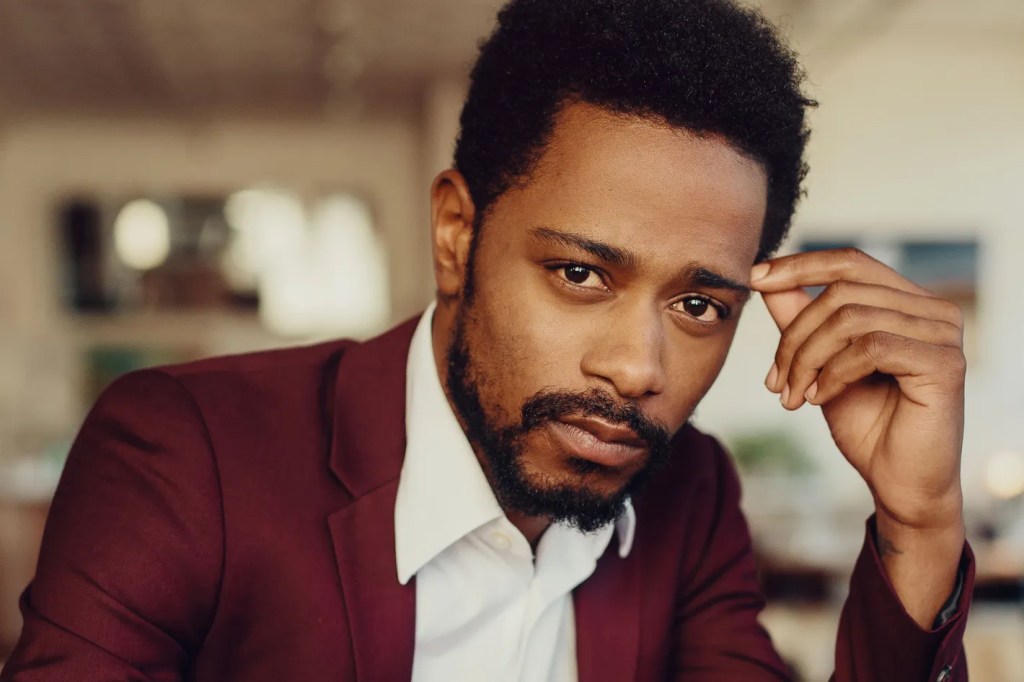
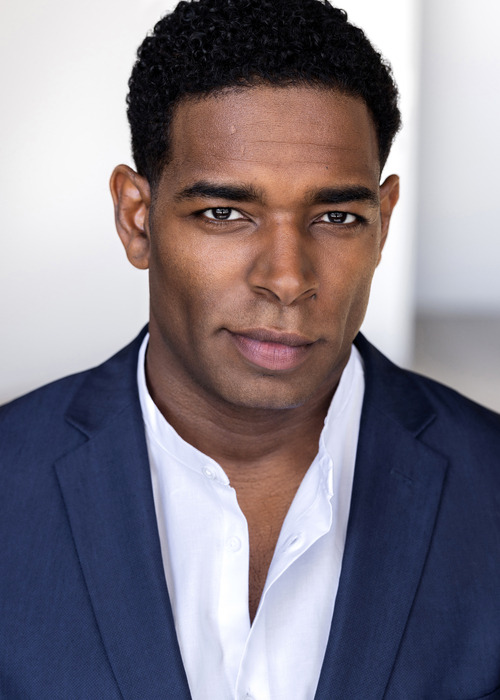
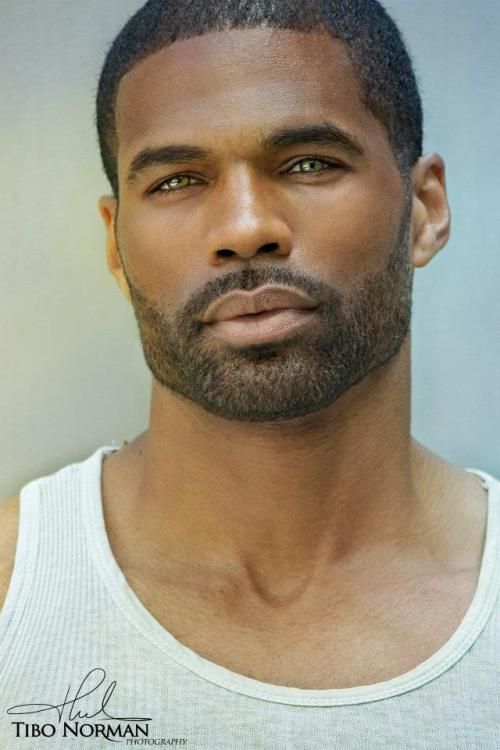
    Masculine Perfection Series: LaKeith Stanfield, Ali Amin Carter & Louis Allen III

    From the moment they enter a room, these three men command attention—LaKeith Stanfield with his piercing, soul-searching eyes that seem to look straight through you; Ali Amin Carter with his refined, boyish good looks that blend innocence and masculine poise; and Louis Allen III with his breathtaking green orbs and sculpted physique that define him as a genetic marvel. Their appearances alone make them unforgettable, but their talent, charisma, and artistic versatility elevate them into the realm of cinematic and modeling excellence.

    LaKeith Stanfield

    “The Enigmatic Soul: A gaze that speaks, a talent that transforms.”

    LaKeith Stanfield stands as one of the most intriguing and enigmatic actors of his generation. Born in California, he began acting in high school before training at the John Casablancas Modeling & Career Center, where he developed the poise and facial precision that now define his screen presence. His breakout came with Short Term 12, which earned him an Independent Spirit Award nomination, and he continued rising with roles in Selma, Get Out, Sorry to Bother You, Knives Out, and Judas and the Black Messiah, for which he received an Academy Award nomination. Among his most captivating roles is his leading performance in The Photograph (2020), where his deep, expressive eyes created a magnetic intensity—particularly in the scene where he gazes at Issa Rae’s character with a mix of longing, vulnerability, and desire. The moment became iconic because Stanfield’s eyes communicate an entire emotional universe, piercing straight into the viewer’s heart just as they pierce Issa Rae’s.

    On the personal front, Stanfield married model Kasmere Trice and together they welcomed a baby in 2023. He is also father to two daughters from previous relationships and describes fatherhood as “something that completely changes” you. His commitment to protecting the privacy of his family and framing the narrative of his own story underscores a grounded side to the actor’s life amid public visibility.

    Ali Amin Carter

    “Attractiveness in Motion: Where quiet masculinity meets undeniable screen presence.”

    This photograph is the property of its respective owner. No copyright infringement intended.

    Ali Amin Carter is a striking talent whose tall, elegant frame and natural good looks positioned him for success in both modeling and acting. Beginning his career on the runway, he eventually transitioned into theatre, earning recognition through the acclaimed stage production Ruined. His screen roles include appearances in Lovecraft Country and The Good Lord Bird, each showcasing his ability to blend emotional depth with quiet masculinity. More recently, Carter starred in the feature film Love Unexpected (2023/24), portraying Chase, a college-playboy figure whose world is challenged by love and transformation. His modeling roots gave him the visual confidence and stature that translate naturally to the screen, and he extended his reach further by starring in a music-video production by the singer Joe, demonstrating a versatility that spans modeling, film, and music.

    Louis Allen III (LA3)

    “The Green-Eyed Hunk: Athletic strength, masculine beauty, and unforgettable allure.”

    Photo Credit: Tibo Norman

    Louis Allen III, known professionally as LA3, emerged from New Jersey as a modeling force defined by his remarkable green eyes, warm brown complexion, and athletic physique honed from his earlier years in minor-league football. His modeling journey began in high school, and he quickly became known for his commanding appearance in editorial spreads and grooming campaigns. Allen’s features made him a favorite for “Eye Candy” showcases and brand ambassador roles, where he represents the fusion of masculine beauty, athletic power, and classic photogenic appeal. Although his acting portfolio is smaller, he continues to expand his influence in fashion, fitness, and men’s grooming culture.

    Together, these three men represent different dimensions of modern Black male beauty—intense, elegant, and powerfully photogenic. Their stories show how physical presence, combined with talent and ambition, opens doors across film, modeling, and public life. Each of them brings a unique energy to the screen or lens: Stanfield with soulful complexity, Carter with polished charm, and Allen with athletic grandeur. They reflect a new era in representation where Black men can embody sensitivity, strength, mystery, and beauty simultaneously. Their careers not only highlight their personal evolution but also expand the cultural imagination of what masculine perfection looks like in the twenty-first century.


    References
    “Ali Amin Carter – Biography,” IMDb.
    “Love Unexpected,” IMDb.
    “LaKeith Stanfield – Personal Life,” Essential Magazine.
    “LaKeith Stanfield – Biography,” Wikipedia.

    IMDb. LaKeith Stanfield – Biography.
    Time Magazine. LaKeith Stanfield: Contemporary Chameleon.
    Empire Magazine. LaKeith Stanfield Profile.
    IMDb. Ali Amin Carter – Biography.
    Essence Magazine. Eye Candy: Louis Allen III.
    Blinging Beauty. The Face of Blinging Beauty’s Manly Man is LA