All posts by The Brown Girl Dilemma

I welcome everyone— women and men of all nationalities—to read, reflect, and gather insight across the many topics about black people explored here. To the Brown girl and the Brown boy who walk into rooms already carrying history, beauty, and burden—this space is for you. You stand at the intersection of visibility and erasure, desirability and disregard, reverence and resistance, often praised, questioned, desired, dismissed, and debated all at once. In a world that studies your skin more than your soul and distorts what God designed with intention, may truth, healing, and divine purpose meet you here. This is a conversation created to name your journey without silencing your truth, to restore what society has tried to redefine, and to remind you that your worth was never the problem—only the world’s inability to honor it.

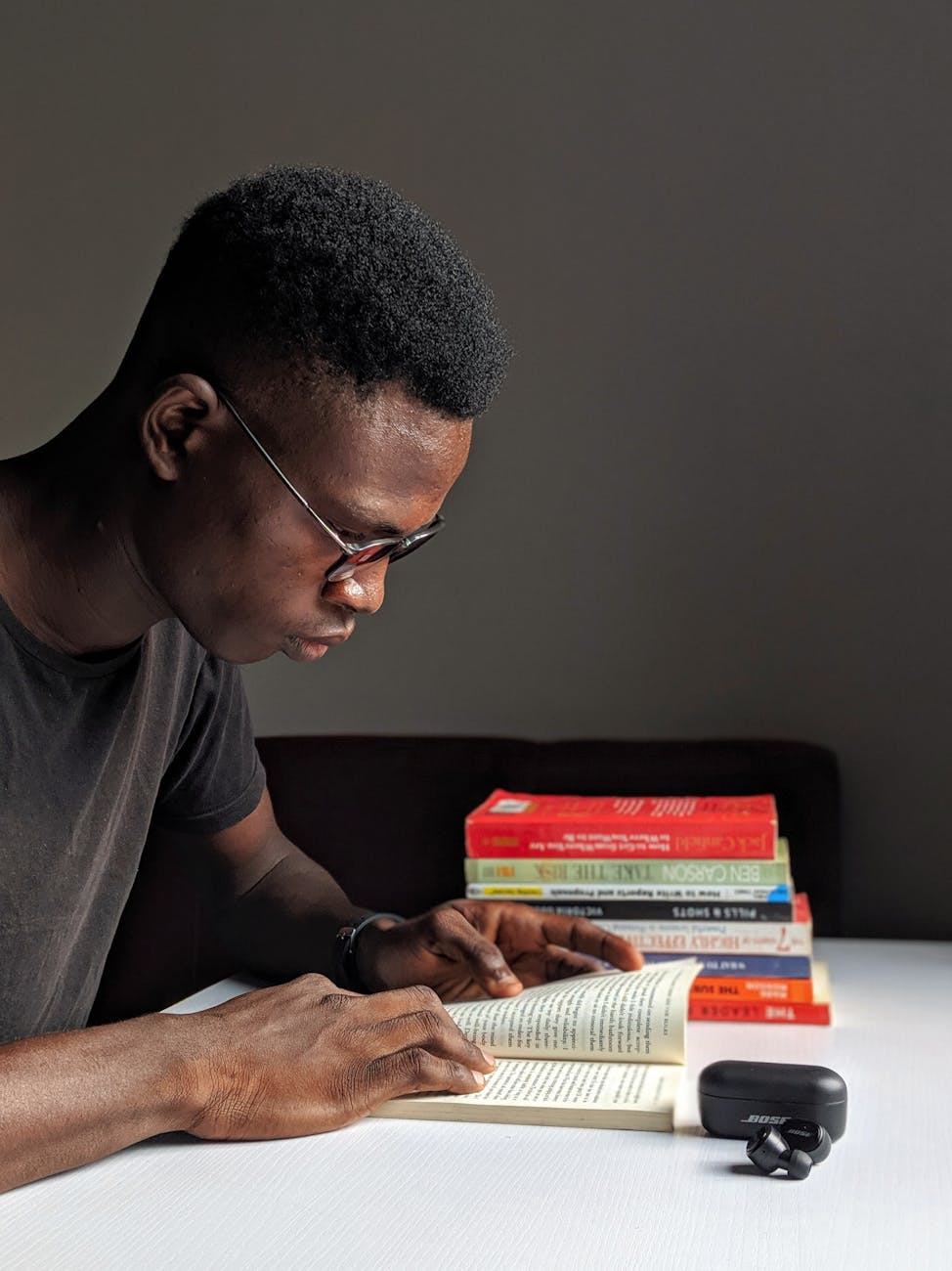
Strong but Silent: The Mental Health Crisis in the Black Community.

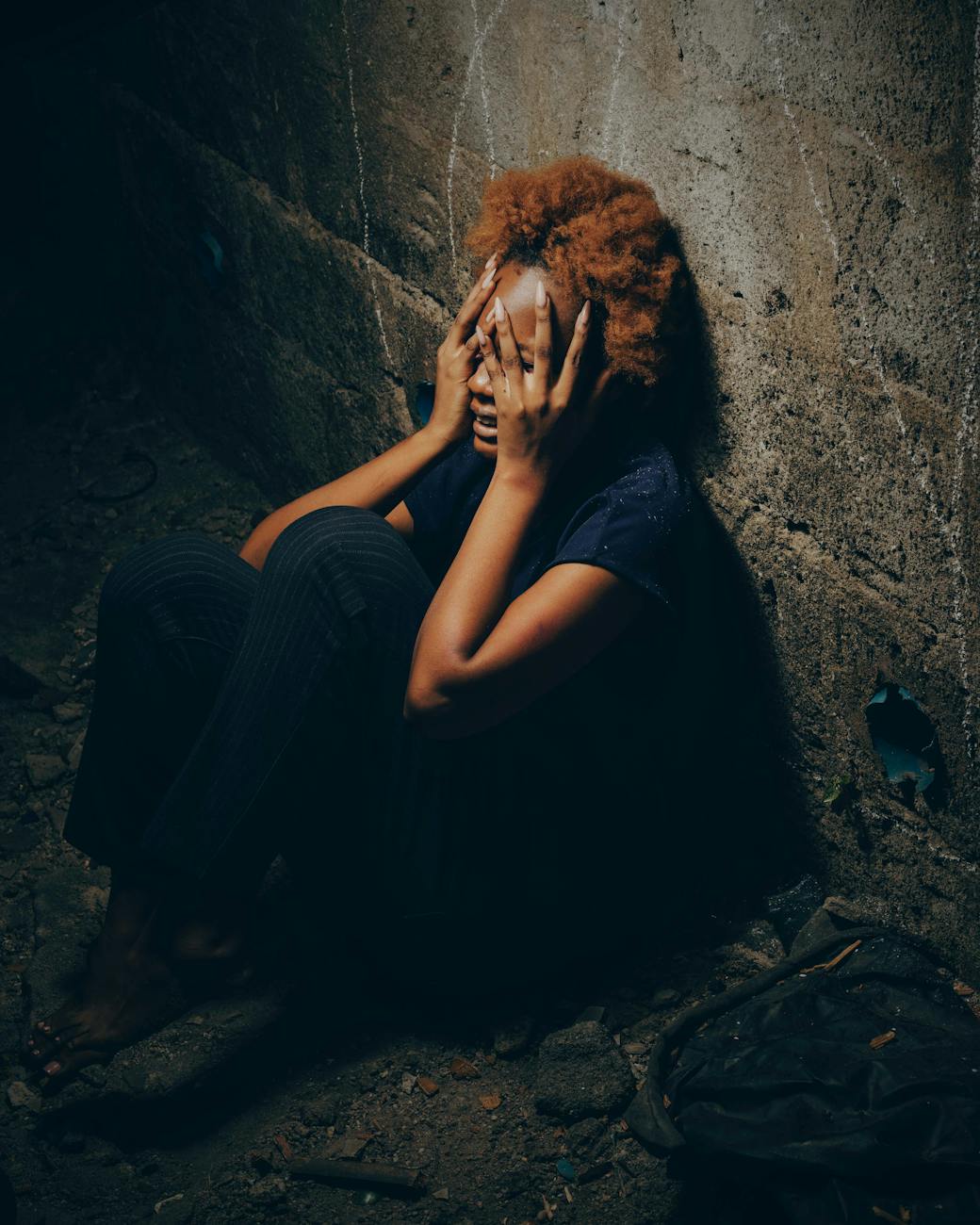
Photo by Kelvin Diri on Pexels.com

Understanding the Mental Health Crisis in the Black Community

The Black community faces a pressing mental health crisis—characterized by elevated rates of psychological distress, limited access to care, and deep-rooted stigma. Black Americans are 20% more likely to experience serious mental health problems compared to the general population, and 30% more likely to report serious psychological distressForge HealthWikipedia. Yet, only 1 in 3 Black adults who need mental health care actually receive it, compared with 1 in 2 White adultsForge HealthNAACPColumbia Psychiatry. Such disparities underline a systemic gap in both awareness and treatment.


Root Causes: Trauma, Racism, and Stigma

Deep psychological wounds stemming from historic trauma, including centuries of slavery and institutional racism, continue to influence mental well-being today. The concept of Post-Traumatic Slave Syndrome (PTSS), proposed by Joy DeGruy Leary, argues that unresolved trauma from slavery—and ongoing discrimination—has been transmitted across generations, manifesting as low self-esteem, internalized anger, and self-limiting beliefsWikipedia.

Compounding this is systemic racism, which produces chronic stress through daily microaggressions, economic marginalization, police violence, and unequal treatment in healthcare—leading to elevated anxiety, PTSD, and depressive disordersVerywell MindTIMEmcleanhospital.orgThe Washington Post. Additionally, stigma in the Black community—rooted in historically denying mental illness in enslaved people (e.g., the pseudoscientific “drapetomania”)—continues to perpetuate silence, shame, and avoidance of mental health carewww.counseling.orgMental Health Americahygieiabh.org.


Psychological and Societal Impacts: A Data-Driven View

  • Suicide Trends: In 2021, suicide ranked as the third leading cause of death among Black youths aged 10–24, with rates rising nearly 37% over two decadesNAACPWikipedia. Alarmingly, Black teenage girls are 60% more likely to attempt suicide compared to their white peersAmerican Addiction Centers.
  • Disproportionate Emergency Care: Black adults visit emergency departments (EDs) for mental health concerns at twice the national average, yet are less likely to be admitted or transferred for psychiatric careNAACP.
  • Professional Representation: Only 2–4% of mental health professionals in the U.S. are Black (e.g., 2% of psychiatrists and 4% of psychologists), creating barriers in cultural understanding and trust between providers and patientsNAACPcrescentwellnessfoundation.orgwww.counseling.org.

Why Mental Health Matters—and Its Hereditability

Mental health isn’t just personal—it’s foundational to individual and community well-being. When unaddressed, mental disorders can erode relationships, limit productivity, and perpetuate cycles of sufferingPsychiatryOnline.

Research also suggests that severe trauma can affect gene expression—intergenerational trauma—through biological mechanisms like epigenetics, influencing the offspring’s vulnerability to depression, anxiety, and PTSDHealthPsychology Today.


Common Mental Illnesses and Treatments in the Black Community

1. Major Depressive Disorder & Anxiety

These are among the most prevalent conditions. Evidence-based treatments include:

  • Psychotherapy (especially culturally responsive models)
  • Medication (e.g., SSRIs)
  • Community-based wellness initiatives (e.g., group therapy, healing studios)PsychiatryOnline

2. PTSD & Trauma-Related Disorders

Often triggered by violence, racism, or historical trauma. Treatment strategies include:

3. Misdiagnosis and Disparities

Black individuals are often misdiagnosed with schizophrenia when presenting anxiety or mood symptoms. Improved diagnostic training and culturally sensitive assessment are crucialReddithygieiabh.org.


Healing Measures and Community Strategies

Institutions and grassroots efforts are creating vital pathways to wellness:

  • NAACP resolutions (2024) call for culturally tailored mental health care, expanded service access, employer accommodations, and promotion of community-level mental hygieneNAACP.
  • Wellness First approach emphasizes centering healing within community contexts—e.g., Albany’s Root3d studio offering yoga and journaling programs designed for people of colorPsychiatryOnline.
  • Professionals like Dr. Joy Harden Bradford have launched platforms such as Therapy for Black Girls, which taps into culturally competent psychotherapy and community discourseWikipedia.
  • Association of Black Psychologists (ABPsi), founded in 1968, champions African-centered psychology and develops culturally aligned frameworks for therapyWikipedia.

Real Stories of Trauma and Resilience

  • Regina King’s son, Ian Alexander Jr., died by suicide in 2022 at age 26 after a private battle with depression. Despite professional help, the struggles were hidden from many. Regina shares that she sometimes reads his journals in a meditation to stay connected with his memoryPeople.com.
  • Tiffany Simelane, Miss Swaziland 2008, took her own life in 2009 amid intense personal and public pressures—highlighting the psychological toll of pageant expectations and isolationWikipedia.

Key Precautions & Recommendations

  1. Normalize mental health conversations in churches, schools, and homes.
  2. Screen early, especially among youth—younger Black Americans face rising suicide riskNAACPWikipedia.
  3. Ask providers about cultural competence before starting therapyColumbia Psychiatry.
  4. Utilize culturally affirming care—online platforms, teletherapy, community healing spaces.
  5. Educate families & faith leaders to foster supportive environments rather than stigma.

Helplines & Web Resources

  • 988 Suicide & Crisis Lifeline – Call or text, 24/7.
  • 988lifeline.org – Online chat supportPeople.comMental Health America.
  • Therapy for Black Girls – Directory and podcast by Dr. Joy Harden BradfordWikipedia.
  • NAACP mental health resource hub – Guidance and policy advocacyNAACP.
  • Association of Black Psychologists (ABPsi) – Culturally grounded practitioner networkWikipedia.

Conclusion

The mental health crisis in the Black community is not a matter of individual weakness—but a collective calling. Anchored in historical trauma, systemic inequity, and stigma, it demands solutions that are culturally attuned, community-centered, and policy-driven. Healing is possible when care is compassionate, accessible, and culturally affirmed. Let’s keep this conversation open, and take action—together.

MALCOLM X vs MARTIN LUTHER KING JR.

✊🏽 Two Prophets, One Struggle for Black Liberation

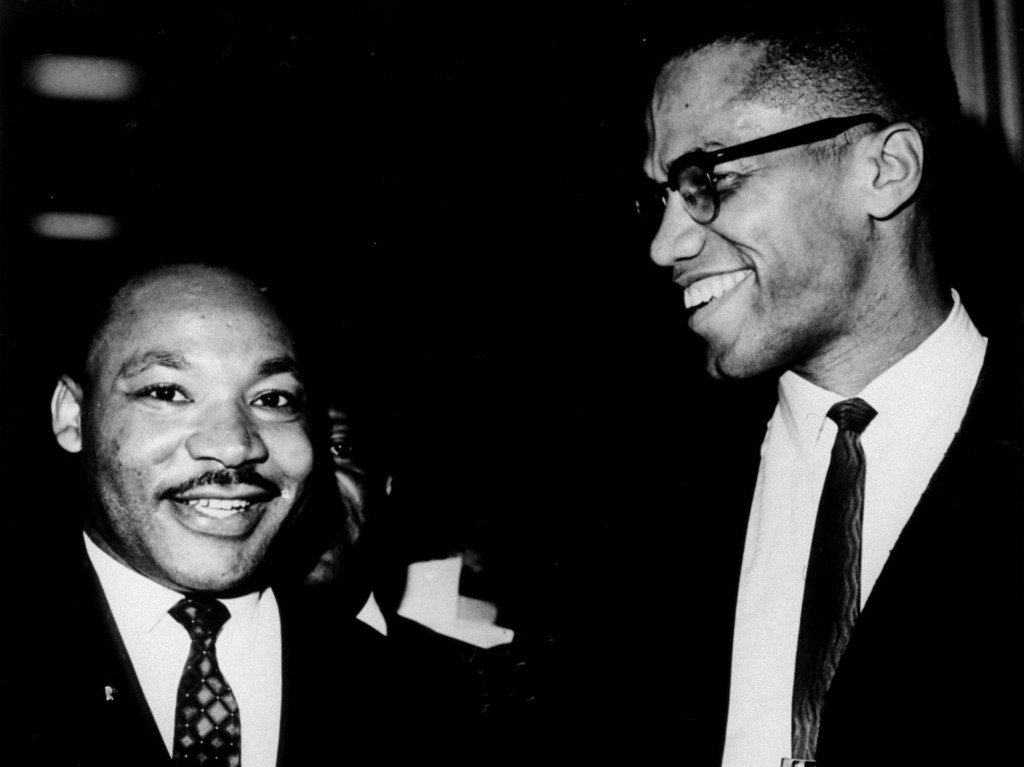
(AP Photo/Henry Griffin)

In the pantheon of American civil rights icons, two names shine with unrelenting brilliance: Malcolm X and Dr. Martin Luther King Jr. Though often cast as ideological opposites—one the militant voice of self-determination, the other the peaceful champion of integration—both men were fearless visionaries who dedicated their lives to the liberation and dignity of African Americans. Despite their differences in theology, rhetoric, and strategy, both stood at the frontline of a nation grappling with racism, injustice, and the unfulfilled promise of democracy.


🕋 Malcolm X: The Firebrand of Black Nationalism

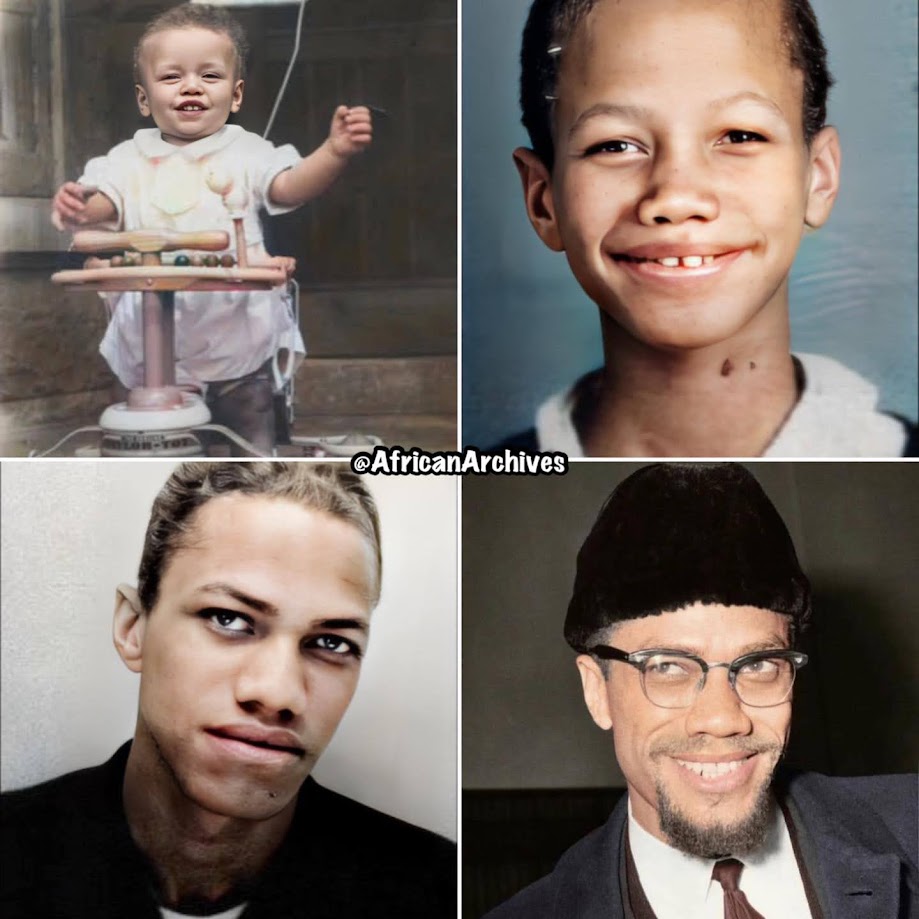
Malcolm X was born Malcolm Little on May 19, 1925, in Omaha, Nebraska. The son of a Baptist preacher and Garveyite activist, Malcolm was introduced early to the power of Black pride. However, after the tragic death of his father and institutionalization of his mother, Malcolm’s youth spiraled into crime and incarceration. While in prison, he encountered the teachings of the Nation of Islam (NOI), a Black nationalist and religious movement led by Elijah Muhammad. Renouncing his surname—“Little”—as a slave name, Malcolm adopted “X” to represent his lost African ancestry.

Through the NOI, Malcolm preached racial pride, economic self-reliance, and Black separation from white society. He famously called for Black liberation “by any means necessary”, advocating self-defense rather than passive resistance. At a time when police brutality and lynchings plagued Black communities, Malcolm X’s unapologetic stance resonated deeply.

Malcolm X’s views were complex and evolving. While he initially condemned interracial relationships, later in life, after breaking with the Nation of Islam and making a pilgrimage to Mecca in 1964, he saw Muslims of all races united in faith. This broadened his worldview and led him to embrace Pan-Africanism and human rights advocacy, softening his stance toward whites.

On Black women, Malcolm once declared:

“The most disrespected person in America is the Black woman. The most unprotected person in America is the Black woman.” (Malcolm X, 1962)

This powerful quote reflected his growing recognition of Black women’s roles in the liberation struggle.

He was married to Betty Shabazz, with whom he had six daughters. Tragically, Malcolm X was assassinated on February 21, 1965, in Harlem’s Audubon Ballroom, just as he was forming the Organization of Afro-American Unity, a non-religious group focused on global Black solidarity.


✝️ Dr. Martin Luther King Jr.: The Apostle of Peace and Justice

Born Michael Luther King Jr. on January 15, 1929, in Atlanta, Georgia, he later changed his name to Martin in honor of the German Protestant reformer. Raised in the heart of the Black church, Martin became a Baptist minister and theologian steeped in the Christian doctrine of love, peace, and redemption.

King earned his doctorate in theology from Boston University and emerged as the leader of the Montgomery Bus Boycott in 1955 after Rosa Parks’ arrest. He founded the Southern Christian Leadership Conference (SCLC) and promoted nonviolent civil disobedience inspired by the teachings of Jesus Christ and Mahatma Gandhi.

He once wrote:

“Darkness cannot drive out darkness; only light can do that. Hate cannot drive out hate; only love can do that.” (King, Strength to Love, 1963)

King’s message appealed to the moral conscience of America. He led monumental events like the March on Washington in 1963, where he delivered his iconic “I Have a Dream” speech.

King was married to Coretta Scott King, and they had four children. While widely revered today, King was labeled a radical in his time. After his death in 1968, newly released FBI files alleged moral failings and adultery, but these accusations remain controversial and heavily debated for their lack of verifiable evidence and the FBI’s notorious attempts to discredit him (Garrow, 1986).


⚖️ Christianity vs. Nation of Islam

The theological differences between the men mirrored the ideological divides of their movements:

  • Christianity, as King practiced, preached forgiveness, integration, and universal brotherhood.
  • The Nation of Islam, as Malcolm embraced in his early years, preached Black supremacy, self-sufficiency, and a theological rejection of white society as inherently evil.

While King saw America as a nation to be redeemed, Malcolm often saw it as irredeemable.


🤝🏿 Did They Respect Each Other?

Though they met only once briefly in 1964, both Malcolm and Martin acknowledged the other’s sincerity and impact. Initially, Malcolm criticized King’s nonviolence as submissive. However, toward the end of his life, Malcolm expressed admiration for King’s commitment and bravery. After Malcolm’s assassination, King said:

“Malcolm X was a brilliant man who had great insight and was an eloquent spokesman for his point of view…I think he had a great ability to analyze the problem.”


👑 What Did They Do for Black People?

  • Malcolm X gave voice to the voiceless, empowering Black people to see themselves as valuable, independent, and sovereign. He introduced terms like “Afro-American” and made “Black is Beautiful” a political statement.
  • Martin Luther King Jr. was instrumental in achieving civil rights legislation, including the Civil Rights Act of 1964 and the Voting Rights Act of 1965, transforming American society through legal and moral change.

🌍 Views on America, Racism, and Africa

  • Malcolm X denounced America’s hypocrisy, calling it a “prison of the oppressed.” After his hajj to Mecca, he embraced a broader global view, saying, “I am not a racist. I am against every form of racism and segregation.”
  • King believed America could live up to its promise if it was held accountable. He said, “I have a dream that one day this nation will rise up and live out the true meaning of its creed.”

Both men viewed Africa as central to Black identity and liberation. Malcolm made alliances with African leaders, while King supported African independence movements.


👶🏾 Wives and Children

  • Malcolm X and Betty Shabazz had six daughters, including the late activist Malikah Shabazz.
  • Martin Luther King Jr. and Coretta Scott King had four children, including Bernice King, a prominent speaker and activist.

🏁 Final Thought: Who Had the Better Message?

This question defies easy answers. Malcolm X gave us the courage to stand tall. Martin Luther King Jr. taught us the power of enduring love. Together, they represented two wings of the same freedom bird. One cried out in righteous anger; the other marched with patient hope. But both demanded that Black people be seen, respected, and free.


📚 References

  • Garrow, D. J. (1986). Bearing the Cross: Martin Luther King, Jr., and the Southern Christian Leadership Conference. William Morrow & Co.
  • Malcolm X & Haley, A. (1965). The Autobiography of Malcolm X. Grove Press.
  • King, M. L. Jr. (1963). Strength to Love. Harper & Row.
  • Marable, M. (2011). Malcolm X: A Life of Reinvention. Viking.
  • Cone, J. H. (1991). Martin & Malcolm & America: A Dream or a Nightmare. Orbis Books.
  • Nation of Islam. (n.d.). Official Website. http://www.noi.org
  • The King Center. (n.d.). Biography of Dr. Martin Luther King Jr. http://www.thekingcenter.org

👑🤎 Reclaiming the Crown 🤎👑

Photo by Arianna Jadu00e9 on Pexels.com

The Evolution of Black Beauty Standards

Beauty has always been more than skin deep—it is a social and political weapon, a cultural compass, and a reflection of power. For centuries, white beauty standards have dominated global narratives, shaping how attractiveness is measured, marketed, and internalized. This dominance was not accidental; it was a strategic result of colonization, slavery, media influence, and Eurocentric propaganda. Understanding the history of white beauty standards is essential to dismantling them, reclaiming our rightful place, and restoring the global recognition of Black beauty as a standard in itself.


The History of White Beauty Standards

White beauty standards emerged in the context of European imperial expansion. During the transatlantic slave trade and colonial periods, physical features such as pale skin, straight hair, narrow noses, and thin lips were elevated as the “ideal” in contrast to African features, which were dehumanized and stigmatized (Craig, 2002). Pseudoscience such as scientific racism and eugenics reinforced these ideals by associating Eurocentric features with intelligence, morality, and civility, while labeling African features as primitive. The Victorian era further cemented whiteness as a marker of social class and purity, with literature, paintings, and later Hollywood films perpetuating the image of the delicate, fair-skinned woman as the ultimate beauty.


Why This History Matters

Knowing this history is critical because beauty standards shape economies, mental health, and identity. Eurocentric ideals have historically limited economic opportunities for Black individuals through discriminatory hiring practices based on hair texture and skin tone (Hunter, 2007). They have influenced self-esteem, especially in children, leading to colorism, self-hate, and harmful practices like skin bleaching and hair straightening (Russell, Wilson, & Hall, 2013). Without an understanding of how these standards were weaponized, efforts to redefine beauty risk becoming superficial trends rather than a deep cultural revolution.


The Resilience and Evolution of Black Beauty

Despite centuries of erasure, Black beauty has survived through cultural pride, artistic expression, and resistance movements. The Harlem Renaissance celebrated dark skin and African aesthetics in the 1920s. The Black Power Movement of the 1960s popularized natural hair as a political statement, encapsulated in the slogan “Black is Beautiful.” Today, the natural hair movement, increased representation in media, and global celebration of melanin-rich skin continue the fight against Eurocentric definitions of beauty (Byrd & Tharps, 2014).

https://as1.ftcdn.net/jpg/01/74/54/64/1000_F_174546417_vxqxs3GKGjFHIDnNpkxrMwh0ceHPMaK8.jpg
This photograph is the property of its respective owner.
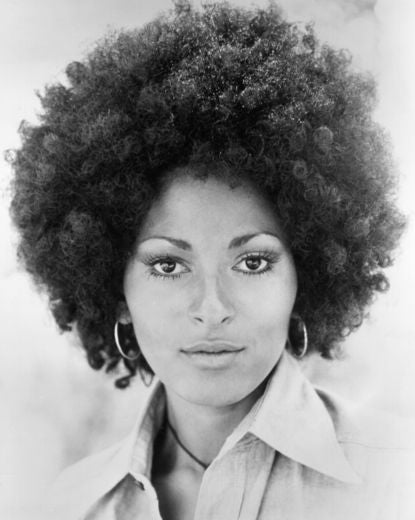
https://www.essence.com/wp-content/uploads/2010/03/images/2010/03/376521-pam_grier.jpg
This photograph is the property of its respective owner.
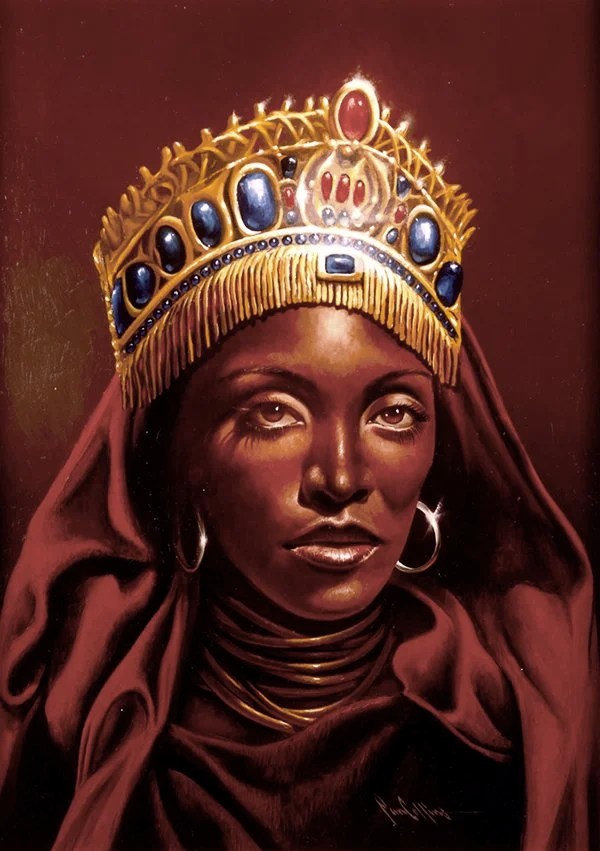
https://the-brown-girl-dilemma.com/wp-content/uploads/2025/08/7d6d7-12bqueen2bof2bsheba2bby2bpaul2bcollins.webp
This photograph/artwork is the property of its respective owner.
https://i.pinimg.com/1200x/ab/62/95/ab62959d7fee3669efd67362c838da82.jpg
This photograph is the property of its respective owner.

Here’s a richly diverse edge image carousel capturing the elegance and allure that embody celebrated Black beauty—portraits evoke radiance, Afrocentric grace, and timeless poise.


The World’s Most Beautiful Black Women in Entertainment.

Contemporary Global Icons:

  • Halle Berry – Arguably the most beautiful woman in the world. A timeless beauty who has mesmerized men since the 1990s, known for her short-cropped hair.
  • Nathalie Emmanuel – Known for her radiant smile and pretty face.
  • Rihanna – Her girlish charm, cafe au lait complexion, and a cosmetic company to boot, she redefines what is considered beautiful.
  • Lupita Nyong’o – Her resplendent skin and captivating natural beauty make her a standout in film.

African Royalty & Beauty Queens:

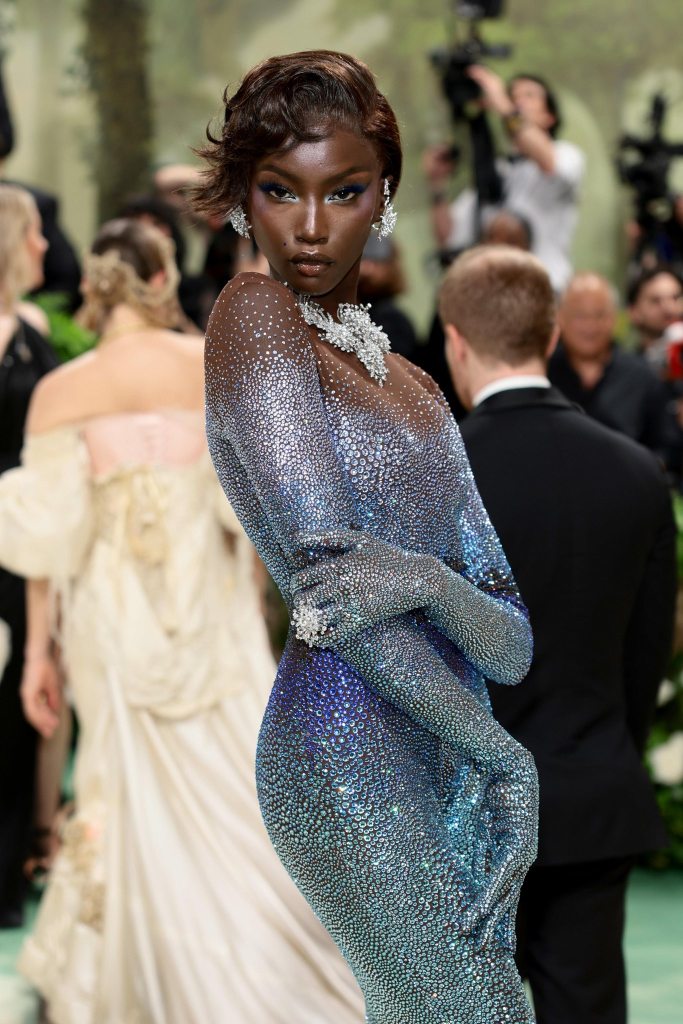
  • Anok Yai – A South Sudanese-born model whose groundbreaking achievements include opening Prada’s runway and advocating against colorism, making her one of fashion’s most influential figures. oceanonlinenews.comBeauty News
  • Zozibini Tunzi – Miss Universe 2019 from South Africa, celebrated for redefining beauty standards and representing African elegance on the global stage. Wikipedia
  • Chidinma Adetshina – Crowned Miss Universe Nigeria and first runner-up at Miss Universe 2024, her beauty and resilience inspire. Beauty News
  • Tshego Gaelae – Mrs. World 2025 winner from South Africa, blending legal expertise with beauty and leadership in her community. Wikipedia
  • Nomzamo Mbatha – South African actress and humanitarian whose radiant presence and advocacy work have made her an international beauty and cultural ambassador. top 10 on 10

Other Admirable Talents:

  • Gabrielle Union – Renowned for her consistency in beauty, charisma, and advocacy for inclusivity. Lifestyle Net Worth
  • Megalyn Echikunwoke – An actress whose elegance and authentic presence make her stand out both on-screen and off. Lifestyle Net Worth
  • Paige Hurd – Young, radiant, and charismatic, this rising star is making her mark through both talent and beauty. Lifestyle Net Worth
  • Jourdan Dunn – A groundbreaking British model recognized for her fierce runway presence and landmark modeling achievements. The Trend Spotter
  • Viola Davis – A beauty rooted in strength, emotion, and integrity, rising to monumental acclaim through soulful performances. The Trend SpotterVanity Fair

What Black Actors Say About Beauty

While direct quotes from Black actors about other Black women may not always circulate widely, the spirit of admiration is evident through actions and commendations:

  • Kenya Moore, former Miss USA, shared with students that her win helped challenge beauty norms, teaching kids the importance of intelligence, confidence, and Black beauty beyond appearance. People.com
  • Though not celebrity quotes, Leslie Jones delivered powerful commentary on Saturday Night Live, using humor to confront painful truths around Black beauty and stereotypes, highlighting the need for recognition and empathy. TIME

Summary Table: A Snapshot of Celebrated Black Beauty

NameNotability
Halle BerryIconic actress and timeless beauty
Nathalie EmmanuelRadiant presence from Game of Thrones
RihannaBeauty-plus-influence through her brands
Keke PalmerYouthful energy and natural charisma
Anok YaiRunway game-changer and inclusivity advocate
Zozibini TunziMiss Universe who redefined beauty standards
Chidinma AdetshinaNigerian queen rising beyond pageantry
Tshego GaelaeMrs. World merging beauty with accomplishment
Nomzamo MbathaActress & humanitarian with global impact
Gabrielle UnionRadiant advocate for representation
Megalyn EchikunwokeElegant and authentic on-screen presence
Paige HurdYouthful rising beauty
Jourdan DunnLegendary British model and industry trailblazer
Viola DavisDepth, beauty, and emotional authenticity

How We Reclaim Our Position as the World’s Beauty Standard

Reclaiming the crown requires three steps: cultural ownership, global visibility, and systemic change.

  1. Cultural Ownership – Embracing African features as desirable, not “different,” and rejecting beauty practices that harm natural attributes.
  2. Global Visibility – Amplifying Black beauty through fashion, film, art, and social media on a worldwide scale, without apology or dilution.
  3. Systemic Change – Fighting for anti-discrimination laws (such as the CROWN Act) that protect natural hair and skin tone diversity in schools and workplaces.

When we redefine beauty for ourselves and project it unapologetically, the world must adjust its gaze.


Conclusion

The reclamation of Black beauty is not a passing aesthetic trend—it is a restoration of historical truth. Before colonialism, African beauty standards shaped much of the ancient world, from Nubian queens to Ethiopian royalty admired for their dark skin, elaborate hairstyles, and regal presence. By understanding the origins of white beauty standards and actively rejecting them, Black people can once again stand at the center of the world’s definition of beauty—not as imitators of an imposed ideal, but as the original blueprint.

References

  • Byrd, A., & Tharps, L. L. (2014). Hair Story: Untangling the Roots of Black Hair in America. St. Martin’s Press.
  • Craig, M. L. (2002). Ain’t I a Beauty Queen? Black Women, Beauty, and the Politics of Race. Oxford University Press.
  • Hunter, M. L. (2007). The Persistent Problem of Colorism: Skin Tone, Status, and Inequality. Sociology Compass, 1(1), 237–254.
  • Russell, K., Wilson, M., & Hall, R. E. (2013). The Color Complex: The Politics of Skin Color in a New Millennium. Anchor Books.

The Ebony Dolls: Anok Yai

This photograph is the property of its respective owner. No copyright infringement intended.

Anok Yai is one of the most striking and influential models of her generation, celebrated for her regal presence, flawless dark skin, and sculptural beauty that has reshaped global fashion standards. She represents a new era in modeling where African features, deep melanin, and unapologetic Blackness are not only accepted but exalted.

Born on December 20, 1997, Anok Yai is of South Sudanese descent and was raised in the United States after her family migrated from Egypt. Her upbringing was deeply rooted in cultural pride and academic excellence, as she initially pursued higher education before entering the fashion world. Modeling was never her original plan, which makes her rise even more remarkable.

Anok was discovered in 2017 after a photo of her attending Howard University’s homecoming went viral on social media. The image, captured by a photographer and shared online, spread rapidly and caught the attention of major modeling agencies. Almost overnight, Anok became a global sensation, proving the power of organic Black beauty and digital visibility.

Shortly after being discovered, Anok signed with Next Management and made history as the second Black woman ever to open a Prada runway show, following Naomi Campbell. This debut instantly placed her among the elite ranks of high fashion and established her as a symbol of progress in an industry long criticized for racial exclusion.

Anok is known for her celestial facial symmetry, radiant ebony complexion, almond-shaped eyes, and statuesque height, which give her a goddess-like appearance both on the runway and in editorial work. Her beauty is often described as futuristic, otherworldly, and divine, embodying a visual language that feels ancestral and modern at the same time.

This photograph is the property of its respective owner. No copyright infringement intended.

Throughout her career, she has walked for and appeared in campaigns for some of the world’s most prestigious fashion houses, including Prada, Dior, Versace, Saint Laurent, Burberry, Fendi, and Givenchy. She has also graced the covers of Vogue, Harper’s Bazaar, and other major fashion publications, becoming a muse for top designers and photographers.

Anok has spoken openly about the challenges she has faced in the modeling industry, including colorism, tokenism, and mental health struggles. She has used her platform to advocate for greater representation, honesty, and protection for young Black models navigating spaces that often lack emotional support and cultural understanding.

Beyond fashion, Anok is admired for her intelligence and activism. She has expressed interest in public service and international development, once stating that she aspired to work with the United Nations before modeling. This intellectual depth adds another layer to her public image, positioning her as more than a face—she is a voice and a symbol.

Anok Yai has received widespread recognition for her impact, including being named Model of the Year by models.com and receiving multiple fashion industry honors. She is consistently ranked among the top models in the world and is considered one of the most important figures in redefining modern beauty. Anok’s impact culminated in her being named Model of the Year at the 2025 Fashion Awards held at London’s Royal Albert Hall, one of the most prestigious honors in fashion today. The accolade acknowledged not only her creative achievements but also her role in shaping the industry’s evolving identity and inclusivity.

Anok qualifies as an Ebony Doll because she embodies the highest expression of melanated Black femininity—royal, luminous, and unapologetically African. Her presence restores visibility to dark-skinned women who were historically marginalized, and her success stands as a testament to the power, elegance, and divine design of African beauty.


References

Anok Yai. Wikipedia. https://en.wikipedia.org/wiki/Anok_Yai

Euronews profile on Anok Yai career and influence.

“Anok Yai Wins Model Of The Year At The Fashion Awards.” FashionABC.org.

AOL lifestyle article on Anok Yai’s British Fashion Council Model of the Year award.

Raandoom profile of Anok Yai’s campaigns and magazine work.

Beyond the Textbooks: The Erased Histories of Black Excellence

“A people without the knowledge of their past history, origin, and culture is like a tree without roots.” — Marcus Garvey


Photo by Oladimeji Ajegbile on Pexels.com

The history of Black excellence is far older, richer, and more complex than the version most people encounter in school curricula. The conventional narratives presented in textbooks are often incomplete, diluted, or intentionally altered to support dominant cultural and political agendas. From ancient African civilizations that pioneered mathematics, medicine, and architecture, to intellectual, artistic, and scientific contributions during and after slavery, much of Black history has been systematically erased or reframed. The erasure is not accidental—it is part of an ongoing strategy by those in power to control the collective memory of oppressed peoples, thereby shaping identity, opportunity, and self-worth.


What Has Been Erased from History

Mainstream history often omits or minimizes Africa’s role as the cradle of civilization. The advanced societies of Kemet (ancient Egypt), Kush, Mali, and Songhai are rarely presented as African achievements in the West, despite evidence of their innovations in astronomy, irrigation, architecture, and governance. Figures like Imhotep, the world’s first recorded multi-genius and physician, are seldom highlighted alongside Greek and Roman thinkers, even though his work predated them by millennia. The erasure extends to the transatlantic slave trade narrative, which is often oversimplified into dates and numbers, glossing over the complex political, spiritual, and cultural identities enslaved Africans brought with them. In modern times, the contributions of Black inventors, such as Garrett Morgan (traffic signal, gas mask) or Granville T. Woods (electrical railway improvements), have been under-credited or misattributed.


How People in Power Erase and Dilute History

Erasure occurs through multiple mechanisms:

  1. Textbook Censorship – School boards and publishers often frame slavery as a “migration” or “labor system” rather than a brutal institution rooted in racial terror.
  2. Selective Storytelling – Historical figures are stripped of their radical politics; for example, Martin Luther King Jr. is remembered primarily for “I Have a Dream” while his critiques of capitalism and militarism are ignored.
  3. Eurocentric Framing – Achievements of African civilizations are either ignored or attributed to outside influences, denying African agency.
  4. Modern Digital Manipulation – Social media algorithms and biased search results bury scholarship that challenges dominant narratives.

This dilution serves the purpose of cultural control. If oppressed groups are denied their true history, they may more easily internalize inferiority and accept their place in a manufactured social order. This aligns with George Orwell’s warning in 1984: “Who controls the past controls the future: who controls the present controls the past.”


Credible Sources to Learn Our History

To reclaim erased histories, credible sources are essential. These include:

  • Primary Sources: Archival documents, oral histories, and African artifacts preserved in institutions like the Schomburg Center for Research in Black Culture.
  • Scholarly Works: Ivan Van Sertima’s They Came Before Columbus, Cheikh Anta Diop’s The African Origin of Civilization, and Chancellor Williams’ The Destruction of Black Civilization.
  • Community Historians: Black churches, grassroots historians, and African cultural organizations often safeguard truths omitted from academic spaces.
  • Credible Textbooks: From Slavery to Freedom by John Hope Franklin, Before the Mayflower by Lerone Bennett Jr., and The Mis-Education of the Negro by Carter G. Woodson.

These sources resist the revisionism found in standard education systems and offer counter-narratives rooted in fact.


Biblical Insight into Historical Erasure

The Bible acknowledges the importance of remembering history and warns against its distortion. Deuteronomy 32:7 (KJV) commands, “Remember the days of old, consider the years of many generations: ask thy father, and he will shew thee; thy elders, and they will tell thee.” This mirrors the African oral tradition of passing down wisdom and identity. Psalm 78:4 (KJV) declares, “We will not hide them from their children, shewing to the generation to come the praises of the Lord, and his strength, and his wonderful works that he hath done.” The suppression of history is therefore not only an academic injustice but also a spiritual violation, cutting people off from divine instruction embedded in their collective story.


How the Past Has Been Watered Down

From the 19th century onward, Western historical scholarship often diminished African agency. Textbooks in the early 20th century described slavery as a “civilizing” process for Africans, ignoring the violence, cultural erasure, and systemic exploitation involved. Even today, school curricula often reduce the Civil Rights Movement to a few key events, ignoring the global anti-colonial solidarity movements it inspired. The erasure of radical Black political thought—such as the Pan-Africanism of Marcus Garvey or the anti-imperialism of Malcolm X—waters down the revolutionary potential of these legacies.


Modern-Day Erasure

In the 21st century, the erasure of Black history continues through legislative bans on “critical race theory,” the removal of books from school libraries, and the underfunding of African American studies programs. The cultural sanitization of slavery—framing it as “shared history” rather than a system of racialized terror—is a political act intended to protect dominant narratives and prevent structural change. Additionally, media often elevates stories of Black struggle over Black achievement, perpetuating a one-dimensional view of the Black experience.


Keeping Our History Alive

To keep our history alive, we must be proactive and communal in preservation:

  1. Intergenerational Storytelling: Families should pass down ancestral narratives without dilution.
  2. Independent Institutions: Support Black-owned publishing houses, museums, and schools that tell the full story.
  3. Curriculum Reform: Advocate for comprehensive African and African American history in public education.
  4. Digital Archives: Create accessible online repositories of oral histories, photographs, and documents.
  5. Spiritual Restoration: Reaffirm the biblical call to remember and honor the legacy of our ancestors as part of our divine inheritance.

Conclusion

The erasure of Black excellence is not simply an omission—it is an intentional act of power designed to weaken identity and unity. But knowledge is a form of liberation. By seeking out credible sources, rejecting diluted narratives, and actively preserving our history, we ensure that future generations stand rooted in truth. Marcus Garvey’s words remind us that without historical consciousness, we are like trees without roots—unable to stand tall or bear fruit. History is not a passive memory; it is a living inheritance, and we must guard it with vigilance, truth, and pride.


References

  • Bennett, L., Jr. (1993). Before the Mayflower: A History of the Negro in America, 1619–1992. Penguin Books.
  • Diop, C. A. (1974). The African Origin of Civilization: Myth or Reality. Chicago Review Press.
  • Franklin, J. H., & Moss, A. A. (2000). From Slavery to Freedom: A History of African Americans (8th ed.). McGraw-Hill.
  • Garvey, M. (1920). Philosophy and Opinions of Marcus Garvey. Universal Negro Improvement Association.
  • Van Sertima, I. (1976). They Came Before Columbus: The African Presence in Ancient America. Random House.
  • Williams, C. (1987). The Destruction of Black Civilization. Third World Press.
  • Woodson, C. G. (1933). The Mis-Education of the Negro. Associated Publishers.
  • The Holy Bible, King James Version.

Dilemma: Post-Traumatic Slave Syndrome

The Lingering Psychology of Oppression.

It is easier to build strong children than to repair broken men.” — Frederick Douglass


Photo by Thirdman on Pexels.com

The African American experience cannot be fully understood without confronting the lingering psychological effects of centuries of slavery, systemic racism, and cultural dislocation. Dr. Joy DeGruy’s concept of Post-Traumatic Slave Syndrome (PTSS) provides a framework for understanding how the horrors of slavery and continued oppression have left lasting scars on the minds, behaviors, and cultural patterns of Black people in America. This psychological condition is not just about personal trauma but a collective, intergenerational inheritance of pain, mistrust, and internalized oppression. Similar to Stockholm Syndrome—where hostages develop psychological alliances with their captors—PTSS involves a learned accommodation to oppression, although its roots are broader, deeper, and sustained over centuries.


Historical Context: How It Happened

The transatlantic slave trade forcibly removed millions of Africans from their homelands, stripping them of names, languages, spiritual systems, and cultural continuity. Enslaved Africans in America endured the brutality of chattel slavery from the early 1600s until the ratification of the Thirteenth Amendment in 1865. This was not merely an economic system—it was an engineered psychological assault designed to break the human spirit. Families were deliberately separated to prevent strong kinship bonds, literacy was forbidden to keep the enslaved in ignorance, and the whip was used to instill fear and compliance. The “seasoning process” of new arrivals—where African cultural identity was systematically dismantled—parallels the mechanisms of psychological control found in Stockholm Syndrome: to survive, the enslaved sometimes had to identify with, appease, or adopt the worldview of the oppressor. However, PTSS is distinct in that it persists across generations, passed down not through a single hostage event, but through centuries of normalized racial subjugation.


Dr. Joy DeGruy’s Theory of Post-Traumatic Slave Syndrome

In her seminal work, Post Traumatic Slave Syndrome: America’s Legacy of Enduring Injury and Healing (2005), Dr. DeGruy defines PTSS as a multigenerational trauma experienced by African Americans resulting from slavery and continued oppression. She identifies three key patterns:

  1. Vacant Esteem – A lack of self-worth stemming from centuries of being devalued.
  2. Marked Propensity for Anger and Violence – Often internalized within the community rather than directed at the source of oppression.
  3. Suspicion and Mistrust – A survival mechanism rooted in historical betrayal by social, political, and economic systems.

Dr. DeGruy explains that these patterns were survival strategies in a hostile world but have become maladaptive in modern contexts. She draws parallels to other historical traumas—such as Holocaust survivors—where trauma is passed down epigenetically and behaviorally. Unlike other groups, however, African Americans have had no generational “breathing room” free from systemic oppression, making recovery far more complex.


The Biblical and Psychological Dimensions of Deliverance

The Bible acknowledges the reality of generational consequences: “The fathers have eaten sour grapes, and the children’s teeth are set on edge” (Jeremiah 31:29, KJV). Yet Scripture also offers a path to renewal. Romans 12:2 (KJV) urges believers to “be transformed by the renewing of your mind,” highlighting the need for cognitive and spiritual reformation. Psychology supports this notion through trauma-informed therapy, cognitive-behavioral interventions, and community-based healing. Deliverance from PTSS requires both internal and systemic work:

  • Acknowledgment of the Wound – Breaking the silence around intergenerational trauma.
  • Cultural Restoration – Reclaiming African heritage, history, and languages to counter cultural erasure.
  • Spiritual Healing – Integrating faith-based support with psychological counseling.
  • Collective Advocacy – Dismantling systemic structures that perpetuate racial inequality.

How Long We Have Carried It and Its Modern Impact

African Americans have carried the weight of PTSS for over 400 years—from the arrival of the first enslaved Africans in 1619 to the present day. Even after emancipation, Jim Crow laws, redlining, mass incarceration, and economic exclusion extended the trauma. Today, PTSS manifests in multiple ways: mistrust of institutions, internalized colorism, higher rates of chronic illness from stress, and fractured family structures. Social scientists have found that trauma alters the brain’s stress response systems, and epigenetic changes—such as altered cortisol regulation—can be passed to descendants (Yehuda et al., 2016). This is why the mindset of survival often overrides the mindset of thriving in many Black communities.


From Knowledge to Transformation

Understanding PTSS is not an excuse for dysfunction—it is a blueprint for healing. By naming the injury, we remove the shame and begin the process of repair. Schools can integrate African American history that highlights resilience rather than just victimhood. Churches can teach liberation theology that speaks to justice and restoration. Families can break cycles of silence by discussing the historical roots of their struggles. As Galatians 5:1 (KJV) proclaims, “Stand fast therefore in the liberty wherewith Christ hath made us free, and be not entangled again with the yoke of bondage.” Deliverance begins when we consciously reject inherited lies about our worth and replace them with truth, unity, and self-determination.

Historical–Psychological Timeline of Post-Traumatic Slave Syndrome

1619–1865: Enslavement and Psychological Conditioning

  • Historical Events: Arrival of the first enslaved Africans in Virginia (1619); the expansion of chattel slavery across the American South.
  • Psychological Impact: Trauma from violent capture, forced transport, and dehumanization. Suppression of emotional expression to avoid punishment. Introduction of survival behaviors such as masking true feelings, mistrust of outsiders, and dependence on the oppressor for basic survival needs.
  • Biblical Parallel: “They that carried us away captive required of us a song” (Psalm 137:3, KJV)—illustrating forced performance under oppression.
  • PTSS Formation: Initial “wiring” of hypervigilance, self-censorship, and generational fear into the collective Black psyche.

1865–1965: Reconstruction, Jim Crow, and Segregation

  • Historical Events: Emancipation (1865), Reconstruction era (1865–1877), rise of Black Codes and Jim Crow laws, racial terror lynchings, economic exclusion (sharecropping, redlining).
  • Psychological Impact: Continued necessity of compliance and emotional control to survive racial violence. Internalization of white superiority narratives. Development of intra-racial colorism, a holdover from slave hierarchies.
  • PTSS Persistence: Adaptive behaviors like code-switching, mistrust of legal systems, and survival-focused parenting styles passed down.
  • Key Quote: W.E.B. Du Bois described “double consciousness” as a “sense of always looking at one’s self through the eyes of others” (1903).

1965–1980s: Civil Rights and Racial Backlash

  • Historical Events: Civil Rights Act (1964), Voting Rights Act (1965), assassinations of major leaders, rise of mass incarceration beginning in the late 1970s.
  • Psychological Impact: Hope for equality met with state resistance. PTSD-like symptoms from racial violence and assassinations of leaders. Disillusionment and political mistrust set in.
  • PTSS Continuation: Generations still inherit stories of brutality, producing guardedness and skepticism about systemic change.
  • Biblical Parallel: “Hope deferred maketh the heart sick” (Proverbs 13:12, KJV)—reflecting the emotional toll of unfulfilled promises of justice.

1990s–2000s: The War on Drugs, Hip-Hop, and Cultural Reflection

  • Historical Events: Intensification of mass incarceration, racial profiling, and discriminatory policing. Rise of hip-hop as cultural expression of resistance and pain.
  • Psychological Impact: Music and art become outlets for suppressed grief and rage. Communities adapt to mass fatherlessness and systemic poverty.
  • PTSS Transmission: Trauma normalized; survival mentality reinforced. Pop culture perpetuates both empowerment and internalized stereotypes.
  • Key Observation: Dr. Joy DeGruy releases Post Traumatic Slave Syndrome (2005), naming and framing the issue as a collective psychological injury.

2010s–Present: Racial Awakening and Continued Trauma

  • Historical Events: Black Lives Matter movement, viral videos of police killings, public discussions of systemic racism, George Floyd protests (2020).
  • Psychological Impact: Collective re-traumatization through constant exposure to racial violence in media. Heightened anxiety, rage, and grief in Black communities.
  • PTSS Modern Form: Generational trauma persists alongside renewed consciousness and activism. New emphasis on mental health in Black spaces.
  • Biblical Parallel: “Deliver the poor and needy: rid them out of the hand of the wicked” (Psalm 82:4, KJV)—mirroring the current demand for justice and liberation.

Key Insight for Healing

PTSS has evolved but never disappeared. The psychology of survival—mistrust, hypervigilance, suppressed emotion—has been passed from generation to generation for over 400 years. Understanding this historical arc gives us the tools to break the cycle through cultural restoration, psychological intervention, and spiritual renewal.

References

  • DeGruy, J. (2005). Post Traumatic Slave Syndrome: America’s Legacy of Enduring Injury and Healing. Uptone Press.
  • Douglass, F. (1845). Narrative of the Life of Frederick Douglass, an American Slave. Anti-Slavery Office.
  • Du Bois, W. E. B. (1903). The Souls of Black Folk. Chicago: A. C. McClurg & Co.
  • Equal Justice Initiative. (2017). Lynching in America: Confronting the Legacy of Racial Terror (3rd ed.). Montgomery, AL: EJI.
  • Franklin, J. H., & Moss, A. A. (2000). From Slavery to Freedom: A History of African Americans (8th ed.). New York: McGraw-Hill.
  • Lerner, G. (1992). Black Women in White America: A Documentary History. Vintage Books.
  • Monk, E. P., Jr. (2014). Skin tone stratification among Black Americans, 2001–2003. Social Forces, 92(4), 1313–1337. https://doi.org/10.1093/sf/sou007
  • Stevenson, H. C. (1994). Validation of the Scale of Racial Socialization for African American Adolescents: Steps toward multidimensionality. Journal of Black Psychology, 20(4), 445–468. https://doi.org/10.1177/00957984940204003
  • Yehuda, R., Daskalakis, N. P., Desarnaud, F., Makotkine, I., Lehrner, A. L., Koch, E., … & Meaney, M. J. (2016). Holocaust exposure induced intergenerational effects on FKBP5 methylation. Biological Psychiatry, 80(5), 372–380. https://doi.org/10.1016/j.biopsych.2015.08.005
  • The Holy Bible, King James Version.

From Kinky to Crown: The Politics and Pride of Black Hair

“Black hair is beautiful, but society has often told us otherwise. It is a statement of identity, resistance, and pride.” — Dr. Ayana Byrd, author of Hair Story

“My hair is my crown, and I wear it with pride. Every curl tells a story.” — Lupita Nyong’o


Photo by TUBARONES PHOTOGRAPHY on Pexels.com

Black hair has long been a symbol of identity, heritage, and culture. The textures range from tightly coiled kinks to soft waves, each reflecting the rich diversity of African ancestry. However, the politics surrounding Black hair are deeply tied to historical and social power structures. Eurocentric standards of beauty have positioned straight hair as the “universal standard,” often marginalizing naturally textured hair. This has created a spectrum of discrimination, from overt workplace bias to subtler societal messaging about what constitutes “good” versus “bad” hair. Understanding the textures, cultural history, and politics of Black hair is essential to fostering pride, resilience, and self-acceptance within the Black community.


The Textures and Cultural Significance

Black hair textures vary widely, commonly classified into four types (1–4), with subcategories (A–C) based on curl tightness and pattern. Type 1 is straight hair, which is rare among people of African descent. Type 2 is wavy, Type 3 is curly, and Type 4 is coily/kinky, characterized by tightly packed curls. Each texture carries cultural significance: in African societies, hairstyles represented social status, tribal affiliation, and spiritual beliefs. The Bible also references hair as a sign of strength and identity; for example, Samson’s hair was a symbol of his God-given strength (Judges 16:17, KJV). These textures have been politicized in modern society, where natural hair has often been stigmatized in favor of straightened, chemically relaxed styles.


The Impact of Media and Societal Standards

Media representations reinforce the notion that straight hair is the universal standard of beauty, creating a pervasive hierarchy of hair textures. “Good hair,” often described as straight or loosely curled, is historically linked to proximity to whiteness, while kinky or coily hair has been labeled “bad” or unprofessional (Byrd & Tharps, 2001). These messages have psychological and emotional impacts, influencing self-esteem, identity formation, and social mobility. Mothers, aware of societal bias, often teach children to view their natural hair as needing taming or improvement, inadvertently perpetuating internalized bias. Celebrities and public figures like Lupita Nyong’o challenge this narrative, celebrating natural hair as a crown of heritage and a statement of self-worth.


Care, Products, and Community Perspectives

Caring for Black hair requires attention to moisture, protective styling, and gentle handling to prevent breakage. Recommended products include shea butter, coconut oil, jojoba oil, and sulfate-free shampoos and conditioners. Popular protective styles include braids, twists, locs, and cornrows. Black men have expressed diverse opinions on Black hair, ranging from appreciation of natural textures to preferences shaped by societal norms. These perspectives highlight the ongoing negotiation of identity, beauty, and social perception within the community. Scholars emphasize that reclaiming pride in natural hair fosters empowerment and combats internalized oppression (Banks, 2016).


Conclusion

Black hair is more than aesthetic; it is a political and cultural statement that reflects history, identity, and resilience. From kinky coils to loose curls, hair embodies a legacy of survival, pride, and spiritual significance. By understanding hair textures, rejecting media-imposed hierarchies, and embracing culturally affirming care practices, the Black community can reclaim the crown of natural beauty. As Lupita Nyong’o asserts, each curl tells a story, and through this recognition, Black hair can be celebrated rather than stigmatized. Embracing the politics and pride of Black hair is a step toward self-love, cultural affirmation, and generational healing.


References

  • Banks, I. (2016). Hair Matters: Beauty, Power, and Black Women’s Consciousness. NYU Press.
  • Byrd, A., & Tharps, L. (2001). Hair Story: Untangling the Roots of Black Hair in America. St. Martin’s Press.
  • Lupita Nyong’o. (2014). Personal Interview: Celebrating Natural Hair. Essence Magazine.
  • Roberts, D. (2010). Shaping Beauty, Shaping Race: African American Women and Hair Politics. Duke University Press.
  • The Holy Bible, King James Version.

Bloodlines and Bondage: The Untold Biblical Genealogy of the Black Diaspora

Photo by nappy on Pexels.com

The genealogy of the Black diaspora is a tapestry woven from millennia of movement, resilience, and divine purpose. For centuries, African people have been misrepresented, with their histories erased or distorted, obscuring their identity as part of the biblical lineage of the “chosen people.” The Hebrew Scriptures, in conjunction with modern genetic research, provide compelling evidence that many Black communities are descendants of the ancient Israelites. This paper traces the genealogy of the Black diaspora, exploring bloodlines, the E1B1A haplogroup, the diaspora’s origins, and the biblical connections to Jerusalem, while contextualizing the historical impact of slavery and migration.


Biblical Genealogy of the Black Chosen People

The Bible records that the descendants of Ham, specifically through Cush (Genesis 10:6–8, KJV), were settled in Africa. These descendants include the ancient kingdoms of Kush, Egypt, and parts of Sub-Saharan Africa, establishing a biblical precedent for African peoples as integral to the lineage of Israel. Deuteronomy 28 details blessings and curses, many of which scholars argue correspond with the historical experiences of the African diaspora. The scriptures provide a genealogical framework that links Africans to the broader story of the Israelites, emphasizing their role in God’s covenantal plan.


The Black Diaspora and Historical Context

The Black diaspora refers to the global dispersion of African peoples through migration, trade, conquest, and slavery. Starting with the transatlantic slave trade, millions of Africans were forcibly removed from their homelands, scattering the descendants of biblical Cush and Ham across the Americas, Europe, and the Caribbean. This diaspora disrupted the natural genealogical continuity, creating a legacy of bondage but also resilience. Historical records, oral traditions, and archaeology show that African civilizations prior to slavery had complex social, political, and religious structures, underscoring the depth of lineage that preceded forced displacement.


Genetics and the E1B1A Haplogroup

Modern genetic studies provide an additional layer of evidence for tracing African genealogies. The E1B1A Y-chromosome haplogroup is prevalent among West and Central African populations and is strongly associated with descendants of the African diaspora. This haplogroup traces paternal lineage and corroborates historical accounts of migrations from Northeast Africa toward the Nile Valley and across the continent. By linking genetics to biblical and historical records, researchers can identify patterns of descent consistent with the movements of Cushite and Hamitic peoples, reinforcing the continuity of Black Israelite lineage.


Tracing the Lineage Back to Jerusalem

Several biblical passages suggest that African peoples had connections to the Holy Land long before slavery. Psalm 87:4 (KJV) notes, “I will make mention of Rahab and Babylon to them that know me,” which scholars interpret as recognizing the inclusion of Cush and other African nations in God’s covenantal history. Historical interactions, including trade, migration, and the establishment of Jewish communities in Africa, provide evidence that Africans had religious and genealogical ties to Jerusalem and the Israelite tradition long before forced dispersal. The Ethiopian eunuch in Acts 8:27–39 further illustrates the integration of Africans into the biblical story of faith and covenant.


Legacy, Continuity, and Resilience

Despite centuries of enslavement, colonization, and cultural erasure, the genealogical and spiritual identity of African peoples as descendants of the biblical Israelites endures. The diaspora’s bloodlines, preserved through genetics and oral tradition, testify to resilience and divine continuity. Recognizing these connections empowers African descendants to reclaim identity, history, and purpose. The Bible consistently underscores the importance of remembering and honoring one’s lineage: “Remember the days of old, consider the years of many generations: ask thy father, and he will shew thee; thy elders, and they will tell thee” (Deuteronomy 32:7, KJV).


Conclusion

The biblical genealogy of the Black diaspora reveals a profound and often overlooked truth: African peoples are deeply intertwined with the history of Israel. From the descendants of Cush and Ham to the modern African diaspora, bloodlines and genetics such as E1B1A corroborate biblical and historical narratives. By tracing these lineages, scholars and communities alike can reclaim their rightful place in history, affirm spiritual identity, and honor the enduring legacy of the chosen people. Understanding the genealogy of the Black diaspora is both an act of scholarship and a restoration of truth.


References

  • De Gruy, J. (2005). Post Traumatic Slave Syndrome: America’s Legacy of Enduring Injury and Healing. Uptone Press.
  • Diop, C. A. (1974). The African Origin of Civilization: Myth or Reality. Chicago Review Press.
  • Franklin, J. H., & Moss, A. A. (2000). From Slavery to Freedom: A History of African Americans (8th ed.). McGraw-Hill.
  • Hammer, M. F., et al. (2001). Hierarchical patterns of global human Y-chromosome diversity. Molecular Biology and Evolution, 18(7), 1189–1203. https://doi.org/10.1093/oxfordjournals.molbev.a003906
  • Van Sertima, I. (1976). They Came Before Columbus: The African Presence in Ancient America. Random House.
  • The Holy Bible, King James Version.

Dilemma: Generational Trauma

Pain as an Inheritance

Photo by Mensah Shot on Pexels.com

Generational trauma is not merely a poetic metaphor—it is a psychological and physiological reality. For Black people, the wounds of the past are not confined to history books; they live within our bodies, our minds, and our cultural memory. The transatlantic slave trade, Jim Crow laws, lynchings, segregation, mass incarceration, and systemic racism have left indelible marks on the collective psyche of African-descended peoples. According to trauma theory, unhealed pain can be transmitted across generations through learned behaviors, family dynamics, and even epigenetic changes that alter stress responses (Yehuda et al., 2016). Dr. Joy DeGruy (2005) calls this Post Traumatic Slave Syndrome, where the legacy of slavery manifests in self-doubt, internalized racism, and fractured community trust. The Bible affirms the reality of inherited struggle, stating, “The fathers have eaten sour grapes, and the children’s teeth are set on edge” (Jeremiah 31:29, KJV), illustrating how the consequences of one generation’s suffering can shape the lives of those yet unborn.

Our ancestors endured unimaginable cruelty—chains cutting into their wrists, the lash of the whip, the ripping apart of families, the erasure of native languages, and the stripping away of names, culture, and heritage. They survived slave ships where human beings were packed like cargo, brutal plantation labor from sunrise to sundown, and laws that declared them three-fifths of a person. These experiences did not vanish when emancipation came; instead, they morphed into racial terror, voter suppression, economic exclusion, and the daily indignities of being treated as “less than.” Such trauma imprinted a deep sense of hypervigilance, mistrust of institutions, and generational patterns of resilience and caution. Maya Angelou once said, “You may not control all the events that happen to you, but you can decide not to be reduced by them.” This speaks to the dual reality of our inheritance: the pain that seeks to bind us and the strength that pushes us to overcome.

Psychologically, generational trauma manifests in patterns of parenting, communication styles, and survival strategies that were essential in hostile environments but may become maladaptive in modern contexts. The legacy of white supremacy perpetuates this cycle by embedding inequality into laws, housing policies, education systems, and media narratives. Microaggressions, racial profiling, wage gaps, and health disparities are not isolated incidents; they are the aftershocks of centuries of oppression. According to the American Psychological Association (2019), chronic exposure to racism creates toxic stress, increasing risks for depression, anxiety, hypertension, and shortened life expectancy among Black Americans. As Exodus 3:7 (KJV) records, “I have surely seen the affliction of my people…and have heard their cry by reason of their taskmasters; for I know their sorrows.” God’s acknowledgment of suffering affirms the depth of our pain while offering hope for deliverance.

The pain we face today—police brutality, mass incarceration, economic inequality, and cultural erasure—is both the shadow of our history and the continuation of an oppressive system. White supremacy’s greatest cruelty is that it not only inflicts harm in the present but also manipulates the past, making it harder for us to heal. Yet healing is possible. Breaking the cycle requires collective acknowledgment, truth-telling, cultural restoration, and both psychological and spiritual liberation. As Galatians 5:1 (KJV) declares, “Stand fast therefore in the liberty wherewith Christ hath made us free, and be not entangled again with the yoke of bondage.” To reject the inheritance of pain is not to forget our ancestors’ suffering, but to honor them by reclaiming our wholeness, our joy, and our future.


References

  • American Psychological Association. (2019). Stress effects on the body. https://www.apa.org
  • DeGruy, J. (2005). Post Traumatic Slave Syndrome: America’s Legacy of Enduring Injury and Healing. Uptone Press.
  • Yehuda, R., et al. (2016). Holocaust exposure induced intergenerational effects on FKBP5 methylation. Biological Psychiatry, 80(5), 372–380.
  • The Holy Bible, King James Version.

Entrepreneurship in the Black Community.

The Hustle and the Heart: Blending definitions, data, real voices, practical insights, and broader purpose.


Photo by Christina Morillo on Pexels.com

What Is Entrepreneurship?

At its core, entrepreneurship is the act of identifying and pursuing opportunities beyond the resources currently controlled. Harvard scholar Howard Stevenson defines it as “the pursuit of opportunity beyond resources controlled,” while Stanford frames it as striking out on an original path to create a business, assuming risk, and standing to reap rewards.Investopedia.

The term itself, “entrepreneur,” comes from the French entreprendre, meaning “to undertake.” Early theorists like Jean-Baptiste Say and later scholars such as Schumpeter emphasized entrepreneurs as pivotal agents of innovation, economic dynamism, and creative disruption.Investopedia


How Does It Affect the Black Community?

Entrepreneurship within the Black community carries profound social and economic significance:

  • Economic Contribution: Black-owned businesses contribute significantly—over 5 million Black entrepreneurs represent around 14.5% of all business owners, generating $207 billion in economic impact and providing 1.3 million jobs.Association for Enterprise Opportunity
  • Recent Growth Trends: From 2017 to 2022, employer businesses owned by Black Americans grew by 56.9%, adding more than 70,000 new employer firms.Brookings
  • Ongoing Underrepresentation: Yet, the share of Black-owned employer firms remains low—just 3.3% compared to a 14.4% share of the population.BrookingsPew Research Center
  • Financial Disparities: Black women lead new ventures, but face revenue gaps—average yearly revenue for Black-owned businesses stands significantly lower than their non-minority counterparts ($58k vs. $170k).WifiTalentsMarketing Scoop
  • Barriers to Capital: Nearly half of Black entrepreneurs cite difficulty accessing funding. Only 1% of Black-owned businesses receive bank loans in their first year, compared to 7% for white-owned firms.Expert BeaconMarketing Scoop

Top Black Entrepreneurs Leading the Way

Here are several prominent names making waves:

  • Kathryn Finney – Founder of Genius Guild, a $20 million venture fund for Black entrepreneurs, and The Doonie Fund, supporting Black women founders.Wikipedia
  • Derrius Quarles – Co-founder of BREAUX Capital (fintech for Black men) and Million Dollar Scholar, helping students secure scholarships. He’s been celebrated by outlets including CNN and recognized with awards like Obama’s Points of Light.Wikipedia
  • Eric Collins – Influential UK investor, author, and host of The Money Maker, dedicated to investing in underrepresented entrepreneurs.Wikipedia

Their work underscores the intersection of entrepreneurship, empowerment, and community impact.


The Science of Money: Financial Foundations for Entrepreneurs

An entrepreneurial journey is tied deeply to financial understanding:

  • Bootstrapping & Human Capital: Entrepreneurs often rely on their own time, ideas, and minimal funds—a strategy aligned with the definition of entrepreneurship that includes starting beyond available resources.Investopedia
  • Capital Access Disparities:

These gaps reflect structural inequities that hinder access to capital and growth.


Tips on Becoming an Entrepreneur

  • Consistency & Mindset: As one aspiring Black entrepreneur shared: “Mindset and consistency. Those two dynamics have affected my trajectory… more often than not… imposter syndrome.”Reddit+1
  • Build Skills: Know your competition, audience, and practice time management and clear short-term goals.Reddit
  • Leverage Alternative Capital: Seek credit unions, community development financial institutions (CDFIs), online lenders, or funds focused on underserved entrepreneurs.BrookingsAfricans in America
  • Join Support Ecosystems: Entrepreneurship centers, community networks, and mentorship platforms provide strategic support and guidance.

How Many Black People Become Entrepreneurs Annually?

  • New Employer Firms: Between 2017 and 2022, over 70,000 new Black-owned employer businesses launched.Brookings
  • Existing Scale: In 2022, there were close to 195,000 majority Black-owned firms, a steep rise from 124,000 in 2017.Pew Research Center

These numbers highlight significant growth—though the overall representation remains comparatively modest.


What Does It Take & What Is the Success Rate?

Becoming a successful entrepreneur requires:

  • Resourcefulness in bootstrapping ventures.
  • Financial savvy with money management and capital strategies.
  • Resilience to overcome systemic hurdles and self-doubt.
  • Vision and leadership, especially when scaling to employer-level businesses.

Data on survival shows challenges:

  • Sole proprietorships, which account for 96% of Black-owned businesses, have high failure rates—22% close within a year, compared to 13% for white counterparts.Brookings

Why Is It Important?

Entrepreneurship in Black communities enriches at multiple levels:

  • Empowerment: It’s a pathway to autonomy, wealth creation, and breaking generational cycles.
  • Representation: Entrepreneurs like Finney, Quarles, and Collins serve as role models and expand perceptions of who can lead.
  • Economic Impact: If business ownership matched population share, Black-owned businesses could add $824 billion and 6.3 million jobs nationwide.Brookings
  • Social Innovation: Many Black founders address community needs—whether through financial inclusion, education access, or cultural platforms.

Voices of Experience

A real-life voice of resilience and reflection from Reddit:

“Even when I’m talking about something I know … I still feel inadequate… imposter syndrome.”
“Racism… people don’t see you as skilled enough—they dismiss you.”Reddit+1

These sentiments echo across many aspiring entrepreneurs, underscoring the emotional and systemic battles faced.


Conclusion

Entrepreneurship for Black communities is about more than business—it blends hustle, heart, vision, and transformation. While growth is undeniable, barriers persist. Success requires financial strategy, foundational resilience, access to capital and networks, and the courage to lean into identity and innovation. As more Black entrepreneurs rise, they widen the path for future generations—creating not only economic value, but lasting cultural and systemic shifts.

*********************References**********************

Entrepreneurial Definitions & Theory

  • Investopedia: Defines entrepreneurship as opportunity pursuit beyond controlled resources and traces its etymological roots to French and early theorists like Say and Schumpeter. USAFacts (embedded via related Investopedia sources)

2. Scale, Growth & Economic Impact of Black Entrepreneurship

  • U.S. Census Annual Business Survey / Pew Research Analysis (2022): About 194,585 majority Black-owned firms (≈3% of U.S. companies), marking a leap from 124,000 in 2017; gross revenues rose 66%, from $127.9 billion to $211.8 billion. These businesses employed ~1.6 million people with $61.2 billion in payroll. Pew Research Center
  • USAFacts (2021): Recorded 161,031 Black-owned businesses employing over 1.4 million, generating $206.1 billion. Growth since 2017 outpaced all U.S. businesses. USAFacts
  • Brookings Institute: From 2017–2022, Black-owned employer-businesses grew by 56.9%—adding 70,000 new firms and $212 billion in revenue; Black entrepreneurs lag behind population parity. Brookings
  • Governing.com: Employer firms owned by Black entrepreneurs rose from 2.2% (2017) to 3.3% (2022), albeit still short of the 14.4% Black population share. Governing
  • EPOP fact sheet (2024): ~5 million Black entrepreneurs in the U.S. (14.5% of all business owners); substantial economic impact including $207 billion in revenue and 1.3 million jobs. EPOP

3. Black Women & Capital Barriers

  • Business Insider & LendingTree: In 2022, Black-owned businesses made up 3.3% of all businesses—a 22% year-over-year increase; 39.1% of Black-owned businesses are women-run (well above the general average), but access to capital remains severely limited. LendingTreeInc.com
  • SBA small business data / SBA infographic (2024): 3.5 million Black-owned businesses in U.S., employing over 1.2 million—reflecting annual employment growth over 7%. Office of Advocacy
  • Wikipedia on Black Women Entrepreneurs: Highlights historical exclusion from capital; 75% of Black women founders cite funding access as a barrier, relying heavily on personal savings or credit. Wikipedia

4. Example Black Entrepreneurs

  • Kathryn Finney: Launched Genius Guild, a $20M+ venture fund targeting scalable Black-led businesses; published Build the Damn Thing (Wall Street Journal bestseller). Wikipedia
  • Derrius Quarles: Co-founder of BREAUX Capital, a fintech platform for Black men focusing on collective investing and financial wellness; recognized on Inc.’s 30 Under 30. Wikipedia

5. Broader Context & Initiatives

  • Time / Erin Horne McKinney: Leading entrepreneurship efforts via HBCUs—founding a center at Howard University to support Black founders amid persistent funding gaps. TIME

6. National Trends & Growth Drivers

  • AP News (2023): Small business applications hit record highs—5.5 million new filings, with Black entrepreneurs accounting for about 6% of new business owners, doubling from pre-pandemic rates. AP News
  • Time Magazine: Noted a 19% surge in Black-owned businesses, outpacing national averages, alongside increases in household wealth among Black Americans. TIME
  • Axios (Indianapolis Focus): Marion County (Indy) saw remarkable gains in new Black business applications and revenue—yet capital access remains a challenge. Axios

Summary Table

TopicSource & Key Insight
Scale & GrowthCensus, Pew, USAFacts, Brookings, Governing, EPOP
Women-led BusinessesLendingTree, SBA data, Wikipedia on Black women entrepreneurs
Entrepreneur ExamplesKathryn Finney, Derrius Quarles
Capital & Institutional SupportTime (HBCU initiatives)
Broader TrendsAP News, Time, Axios (local trends)