Tag Archives: travel

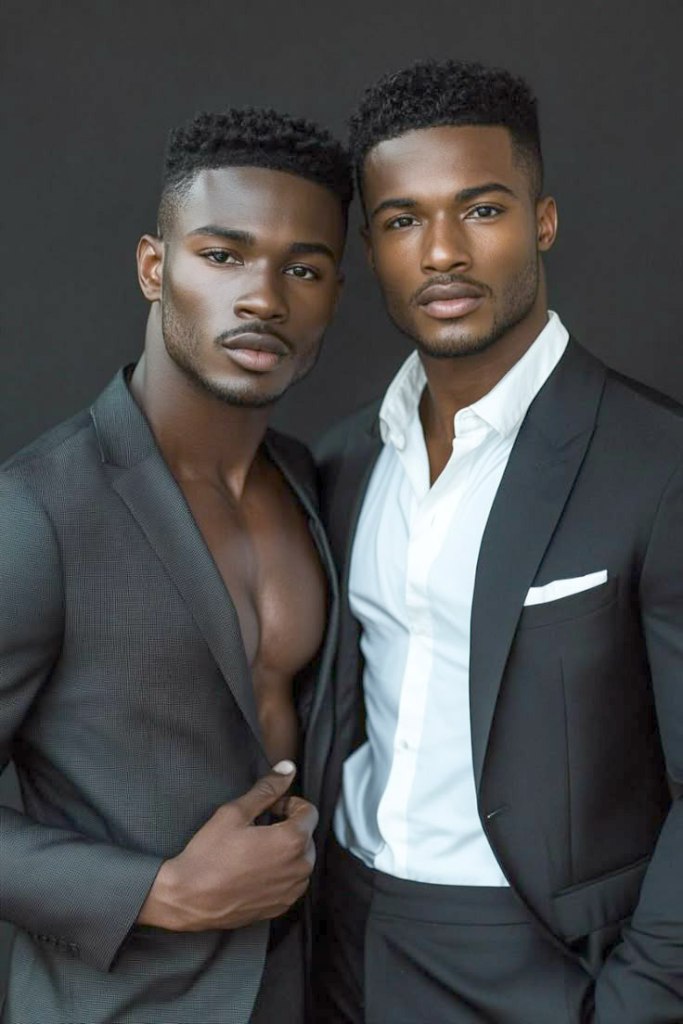
Masculine Grace: The Overlooked Beauty of the Black Man.

This photograph is the property of its respective owner. No copyright infringement intended.

The image of the Black man has long been distorted through colonial narratives, Eurocentric standards, and centuries of systemic dehumanization. Yet beneath the scars of history lies a quiet and powerful truth: the Black man embodies a form of beauty rarely celebrated—masculine grace. This grace transcends the mere physical, radiating through resilience, wisdom, emotional strength, and spiritual depth. It is the beauty of a being who has survived what was meant to destroy him and yet continues to create, lead, and love.

The world has often feared what it should have revered. From the plantation fields to the modern boardroom, the Black man’s physicality has been both fetishized and criminalized. His body—once deemed property—became a battleground for the projection of others’ fears and desires. But when seen through a lens untainted by bias, the symmetry of his form, the depth of his skin, and the fire of his eyes reflect divine craftsmanship, not danger (hooks, 2004).

To speak of masculine grace is to acknowledge that strength and softness are not opposites but complements. The Black man’s beauty rests in the balance between his power and gentleness—how he can protect without oppressing, lead without dominating, and love without losing himself. This duality challenges the Eurocentric masculine archetype that equates sensitivity with weakness (Majors & Billson, 1992).

Historically, Black men were denied the right to be seen as beautiful because beauty was defined through whiteness. The ideal male form was sculpted in marble—pale, rigid, and devoid of emotion. Yet the Black man’s presence, rich in rhythm and movement, exudes life. His grace is kinetic, a poetry of motion expressed in dance, labor, sport, and art—a beauty that moves rather than poses.

In African traditions, beauty was holistic. It encompassed virtue, spirit, and purpose, not merely appearance. The Yoruba concept of “iwa l’ewa” translates to “character is beauty,” suggesting that true beauty arises from inner moral substance (Abiodun, 2014). This philosophy restores the spiritual context that Western aesthetics stripped away. For the Black man, beauty is not vanity—it is dignity manifested.

Masculine grace can be seen in the tender way a father lifts his child, in the calm leadership of a pastor guiding his congregation, or in the perseverance of a man rebuilding his life after systemic injustice. It is the quiet confidence of knowing that one’s value is not defined by material success but by moral conviction and spiritual alignment (Kimbrough, 1997).

Yet media portrayals continue to undermine this beauty. The camera often captures the Black man as an aggressor, athlete, or entertainer, rarely as a scholar, lover, or thinker. This narrow visual vocabulary limits how society perceives Black masculinity. The absence of representation becomes a form of erasure—an aesthetic violence that teaches the world to see Black men as function rather than form (Dixon & Linz, 2000).

The reclamation of masculine grace, therefore, is an act of resistance. It says to the world: “You will not define my worth through stereotypes.” It also calls upon Black men to rediscover the divine artistry within themselves. To walk with grace is to carry both the weight of history and the light of redemption with balance and pride.

There is a sacred stillness in the Black man who knows his identity in God. His beauty reflects the imago Dei—the image of the Creator (Genesis 1:27). His walk is testimony; his voice, a melody of generations who refused to die in silence. This sacred reflection dismantles the notion that masculinity must be performative or domineering. In divine masculinity, grace and strength coexist.

Grace in the Black man also manifests in his intellectual and creative expressions. From Langston Hughes’s poetry to Chadwick Boseman’s cinematic brilliance, from Barack Obama’s eloquence to Marvin Gaye’s soul, Black men have continually shown that intellect and emotion are not contradictions but harmonies. They redefine what it means to be a man of grace—disciplined, dignified, and deeply human.

One cannot discuss the beauty of the Black man without addressing colorism’s shadow. Lighter tones have long been favored, even among people of African descent, a legacy of colonial conditioning. Yet, the deep hues of the Black man’s skin absorb light differently—reflecting warmth, history, and strength. His melanin is a masterpiece of biology and symbolism: protection and poetry in one (Blay, 2011).

To appreciate masculine grace requires decolonizing the gaze. This means rejecting the Eurocentric standards that measure beauty through whiteness and fragility. Instead, it calls for an aesthetic rooted in authenticity, where dark skin, broad noses, textured hair, and strong physiques are not liabilities but legacies—markers of ancestral power and divine design.

The modern world’s obsession with hypermasculinity has numbed emotional intelligence in men. But the Black man’s grace lies in his capacity to feel deeply—to weep, to heal, to forgive. This emotional courage is perhaps his most overlooked beauty. It takes strength to love after being unloved, to lead after being stripped of leadership, to rebuild after centuries of destruction (Akbar, 1996).

In contemporary culture, movements like “Black Boy Joy” have sought to reclaim this emotional space, celebrating the multifaceted beauty of Black men—laughing, learning, nurturing, and creating. These images disrupt toxic archetypes and reveal a truth long hidden: Black masculinity is not monolithic but mosaic.

The spiritual aspect of masculine grace cannot be overstated. The Black man’s relationship with faith—through prayer, perseverance, and praise—anchors his identity. His beauty radiates most when he walks in divine purpose. As the psalmist wrote, “The steps of a good man are ordered by the Lord” (Psalm 37:23, KJV). This divine choreography gives rhythm to his grace.

Every scar, every wrinkle, every muscle tells a story of endurance. The body of the Black man is a living archive—of battles fought, burdens carried, and victories won. His beauty is not cosmetic but cosmic, stitched with the threads of survival and hope.

In art, literature, and film, there is a growing movement to honor this beauty. Photographers like Kwame Brathwaite and writers like Ta-Nehisi Coates have reframed the Black male body as sacred rather than sinful, majestic rather than menacing. Through their work, masculine grace becomes visible again.

Ultimately, to honor the beauty of the Black man is to restore balance in a world that has long denied him softness. His grace teaches that masculinity is not the absence of vulnerability but the mastery of it. The true measure of a man lies not in his ability to dominate but in his capacity to love, forgive, and uplift.

Masculine grace, then, is both art and theology—a living testament that the Black man, made in the image of the Most High, is not merely beautiful; he is divinely composed. His existence challenges centuries of misrepresentation and stands as proof that beauty, when seen through truth, is revolutionary.


References

Abiodun, R. (2014). Yoruba art and language: Seeking the African in African art. Cambridge University Press.
Akbar, N. (1996). Breaking the chains of psychological slavery. Mind Productions.
Blay, Y. A. (2011). (1)ne Drop: Shifting the lens on race. Black Print Press.
Dixon, T. L., & Linz, D. (2000). Race and the misrepresentation of victimization on local television news. Communication Research, 27(5), 547–573.
hooks, b. (2004). We real cool: Black men and masculinity. Routledge.
Kimbrough, M. (1997). Faith and identity: African-American men in search of self. Orbis Books.
Majors, R., & Billson, J. M. (1992). Cool pose: The dilemmas of Black manhood in America. Simon & Schuster.
The Holy Bible, King James Version. (1611/2017). King James Bible Online. https://www.kingjamesbibleonline.org/
The Olmec Civilization: The Mother Culture of Mesoamerica

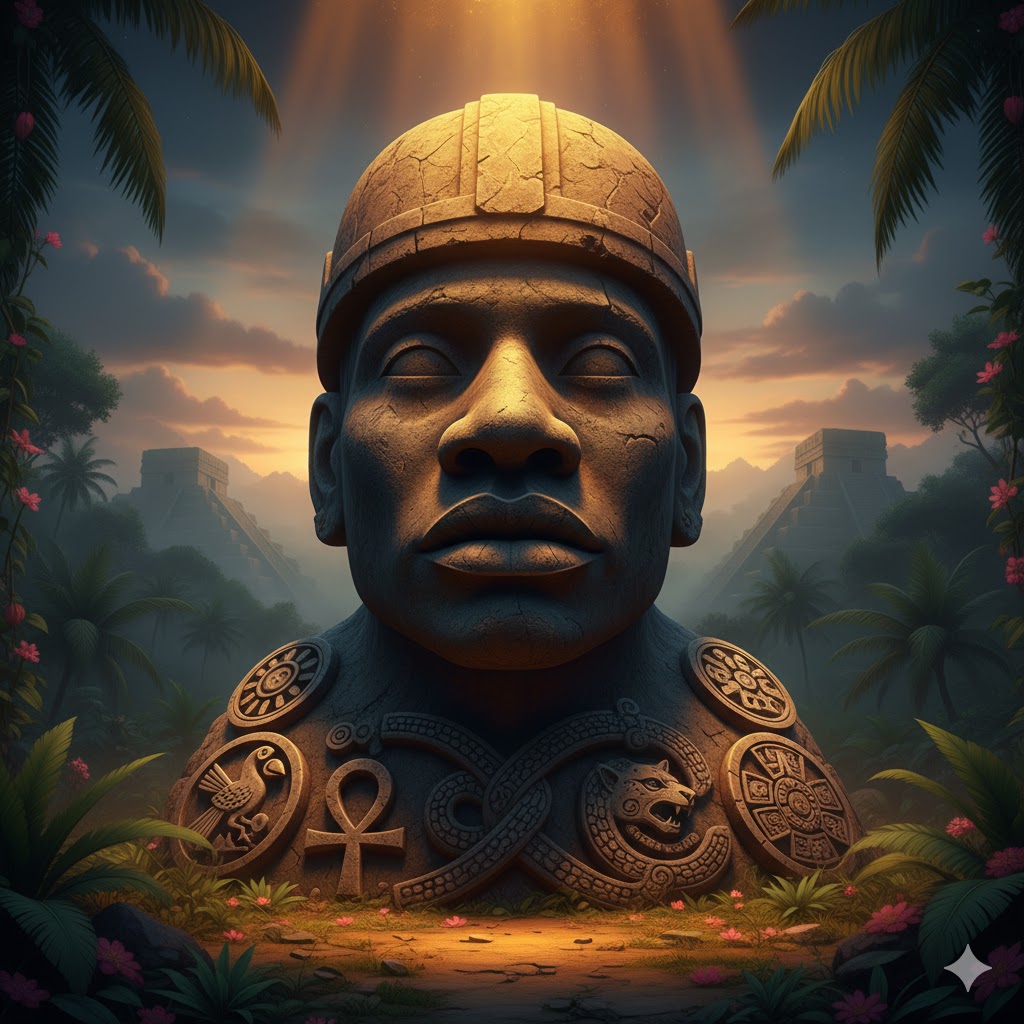
The Olmec civilization, often hailed as the “mother culture” of Mesoamerica, represents one of humanity’s earliest high cultures in the Americas. Flourishing between 1500 BCE and 400 BCE along the Gulf Coast of present-day Veracruz and Tabasco, Mexico, the Olmecs laid the foundation for later civilizations such as the Maya and Aztec. Renowned for their monumental artistry, religious symbolism, and complex social organization, the Olmecs embody the ingenuity, spirituality, and resilience of early American civilization (Diehl, 2004).

The term Olmec, derived from the Nahuatl word Olmeca meaning “rubber people,” refers to both the civilization and the region known for its rubber production (Coe, 2011). The Olmec heartland’s fertile river valleys and humid lowlands allowed for advanced agriculture and sustained population centers like San Lorenzo, La Venta, and Tres Zapotes. The Olmecs cultivated maize, cacao, beans, and squash—crops that later became staples of Mesoamerican culture.


Artistic and Architectural Achievements

The colossal stone heads—some weighing up to 50 tons—remain the most enduring symbols of Olmec artistry. These sculptures, carved from basalt transported over long distances, are believed to represent rulers or ballplayers. Each head bears unique facial features, suggesting individualized portrayals rather than idealized forms (Pool, 2007). The sheer craftsmanship demonstrates centralized governance, skilled artisans, and an aesthetic philosophy linking power to sacred representation.

In addition to colossal heads, the Olmecs mastered jade and greenstone carvings, producing figurines, masks, and ritual objects that reveal their refined sense of symmetry and spiritual symbolism. The preference for greenstone—associated with fertility and life—reflects a worldview in which art, agriculture, and divinity were inseparable.


Religion and Cosmology

Olmec religion revolved around deities representing natural forces—rain, maize, and fertility—and often took zoomorphic forms. The “Were-jaguar” figure, half-human and half-jaguar, is among the most pervasive motifs, symbolizing divine transformation or shamanic power (Reilly, 1995). Temples and pyramidal mounds were often aligned with celestial phenomena, emphasizing the Olmecs’ advanced understanding of astronomy.

Ritual bloodletting, offerings, and early forms of the Mesoamerican ballgame appear to have originated among the Olmecs. These rituals reflected the eternal cycles of life, death, and rebirth—core spiritual beliefs that later civilizations inherited.


Society and Governance

Archaeological and linguistic evidence suggests a hierarchical society led by priest-kings who fused political authority with religious power. Trade networks extended from Central America to the Valley of Mexico, spreading Olmec influence and artistic motifs across vast territories. Obsidian, jade, pottery, and feathers were among the traded materials, fostering economic and cultural exchange (Blomster, 2012).

Proto-writing and calendrical systems—evidenced in the Cascajal Block—suggest that the Olmecs developed one of the earliest written languages in the Americas (Rodríguez & Ortiz, 2006). This linguistic sophistication indicates a society of intellectual and ritual complexity rivaling early civilizations in Africa and Asia.


The African Connection: Theories and Debates

The colossal heads’ distinct features—broad noses, full lips, and strong jawlines—have long sparked debate among historians, archaeologists, and Afrocentric scholars. Proponents of the African connection argue that these sculptures bear striking resemblances to West African physiognomy, particularly to the features common among ancient Nubians and West Africans (Van Sertima, 1976). In his seminal work They Came Before Columbus, Ivan Van Sertima argued that African explorers may have reached the Americas centuries before Columbus, influencing early Mesoamerican culture. He pointed to the Olmec heads’ Negroid features, the presence of botanical similarities (such as the African cotton species Gossypium herbaceum), and shared pyramid-building traditions as potential evidence of pre-Columbian transatlantic contact.

Similarly, Black historian Clyde A. Winters (2013) has proposed that African migrants—possibly of the Mande or Nubian cultures—may have contributed to Olmec civilization’s rise through maritime exploration across Atlantic currents. These Afrocentric theories emphasize the historical agency of ancient African peoples and challenge Eurocentric narratives that minimize Africa’s global impact.

However, mainstream archaeologists interpret the facial features differently. Many argue that the Olmec heads reflect the indigenous physiognomy of the native populations of the Gulf Coast, whose features—broad noses and full lips—are naturally diverse and regionally adapted. Modern DNA studies and cranial analyses have not conclusively linked Olmec remains to African populations, instead situating them within the broader indigenous Mesoamerican genetic spectrum (Pool, 2007; Coe, 2011).

While definitive proof of transatlantic contact before Columbus remains elusive, the discussion itself highlights deeper questions of representation, racial bias, and the politics of archaeology. As Asante (2007) notes, Afrocentric inquiry seeks not to impose African origins on every civilization but to restore African humanity to the global historical narrative from which it has often been erased.


Legacy and Cultural Influence

Regardless of the debate, the Olmec legacy in Mesoamerican civilization is indisputable. Their iconography, ritual practices, and urban planning profoundly shaped later societies such as the Maya and Aztec. The concept of divine kingship, the calendar system, and pyramid architecture all bear traces of Olmec origin.

Culturally, the Olmecs symbolize the dawn of intellectual and spiritual consciousness in the Americas. Their art bridges heaven and earth, the visible and invisible worlds, offering timeless testimony to the human desire for divine connection and order.


Conclusion

The Olmec civilization stands as a foundational pillar in world history—a society of builders, artists, priests, and visionaries who defined Mesoamerican identity for millennia. Whether viewed through the lens of indigenous ingenuity or possible African contact, their story underscores the interconnectedness of human cultures. The colossal heads, staring silently through centuries, remind the world of a people whose beauty, intellect, and craftsmanship transcended their time.

As global discourse continues to evolve, revisiting the Olmec question through both scientific and Afrocentric frameworks enriches—not diminishes—our understanding of ancient history. For in every sculpted face of basalt lies not only a ruler of old but the universal face of humanity—diverse, divine, and eternally creative.


References

  • Asante, M. K. (2007). An Afrocentric Manifesto: Toward an African Renaissance. Polity Press.
  • Blomster, J. P. (2012). The Origins of Olmec Civilization: Theories of Formative Mesoamerican Development. Annual Review of Anthropology, 41(1), 223–239.
  • Coe, M. D. (2011). Mexico: From the Olmecs to the Aztecs (6th ed.). Thames & Hudson.
  • Diehl, R. A. (2004). The Olmecs: America’s First Civilization. Thames & Hudson.
  • Pool, C. A. (2007). Olmec Archaeology and Early Mesoamerica. Cambridge University Press.
  • Reilly, F. K. (1995). Art, Ritual, and Rulership in the Olmec World. Dumbarton Oaks.
  • Rodríguez, M. C., & Ortiz, P. (2006). New Evidence for Early Olmec Writing: The Cascajal Block. Science, 313(5793), 1610–1614.
  • Van Sertima, I. (1976). They Came Before Columbus: The African Presence in Ancient America. Random House.
  • Winters, C. A. (2013). African Empires in Ancient America: The Olmecs, the Mande, and the Transatlantic Legacy. African Diaspora Press.

Echoes of Brown: Truths Untold

Photo by Fortune Comfort on Pexels.com

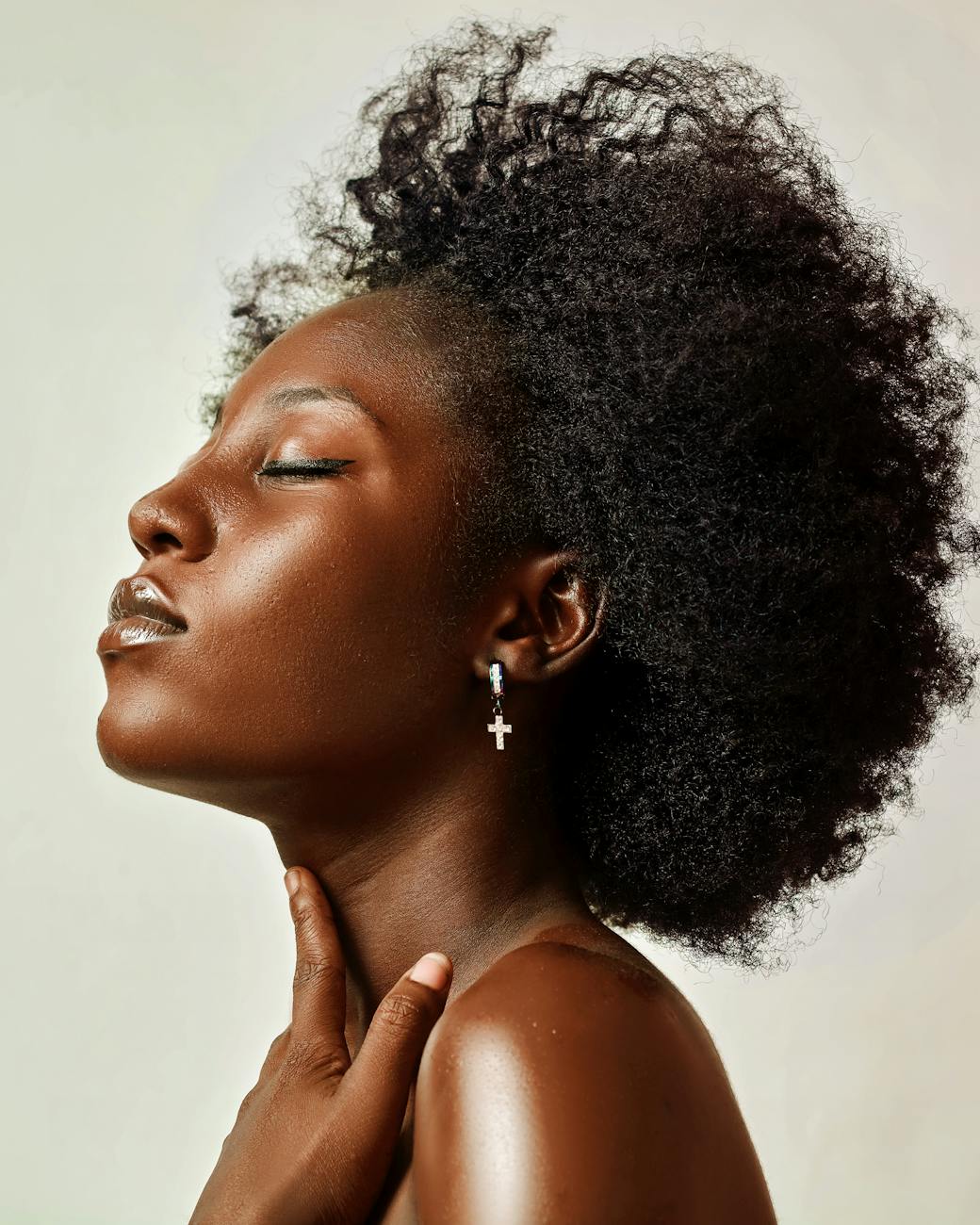
Brown skin carries the history of empires, the memory of chains, and the rhythm of survival. It is a tone that has been both romanticized and ridiculed, embraced and erased. Within its hue lies a story of resilience and rejection, of being seen too much and not enough. To be brown in a world obsessed with polarities—light or dark, good or bad—is to live in the space between admiration and invisibility. It is to echo the voices of ancestors whose worth was often measured by shade rather than soul.

The shade of brown has long been a canvas for projection. In colonial eyes, it was a signifier of “almost,” a liminal identity neither exalted nor despised, but tolerated. This ideology carved its way into modern consciousness, fragmenting self-perception among people of color. The brown individual became both bridge and battleground, carrying the psychological weight of representation while yearning for acceptance without conditions.

Media portrayal reinforces these complexities, often privileging the “safe brown”—the tone that fits diversity’s aesthetic without challenging Eurocentric comfort. Lighter-brown figures are elevated as symbols of progress, while darker tones are shadowed in narratives of struggle or aggression. Such portrayals perpetuate a hierarchy of hue that seeps into social and romantic relationships, employment, and even self-worth.

Colorism, born from colonialism and nurtured by capitalism, is not merely a preference—it is a power structure. It dictates opportunity and desirability in subtle ways. The echoes of “fairness” creams and “brightening” filters reveal an inherited inferiority complex, repackaged as beauty culture. The brown woman, for instance, is told she must lighten to be loved or darken to be “authentic”—a paradoxical performance of identity.

Yet, brown skin tells a truth that transcends bias. It reflects the earth, the sun, and the sacred balance of melanin—a divine calibration that connects all people of African descent to the elements of creation. Its variations are a testament to geography and genetics, from the copper tones of the Sahara to the deep siennas of the Congo. Each shade narrates migration, adaptation, and endurance.

For men, brownness holds another story—one of strength misread as threat, masculinity misinterpreted as menace. The brown man is often trapped in a visual stereotype, seen as protector but seldom protected, desired yet dehumanized. His shade becomes armor and target, beauty and burden all at once.

Social psychology reveals how shade bias impacts self-esteem and group dynamics within Black and Brown communities (Hunter, 2007). Studies show lighter-skinned individuals often receive preferential treatment in employment, education, and dating contexts (Keith & Herring, 1991). This internalized division fractures collective progress, perpetuating a colonial residue that whispers: “lighter is better.”

But the truth untold is that brownness, in all its forms, is not a deficit—it is divine design. It absorbs light, endures heat, and radiates richness. It tells the story of adaptation, survival, and sacred symmetry. In its deepest form, it mirrors the soil that sustains life—the very ground from which humanity rose.

When brown bodies are honored, not compared, healing begins. Art, film, and literature are reclaiming this narrative—elevating figures like Lupita Nyong’o, Viola Davis, and Mahershala Ali, whose presence challenges the false hierarchy of hue. Their beauty is not a rebellion; it is restoration.

In theology, melanin has even been interpreted as a symbol of divine favor—a natural armor against the sun’s intensity, reminding humanity of its Edenic origins (Gibson, 2020). Within this lens, brown skin becomes not merely aesthetic but sacred. It is pigment with purpose.

The echoes of brown extend into language and love. Terms like “caramel,” “mocha,” and “chocolate” have evolved from euphemisms of shame into declarations of pride. But linguistic liberation must be matched by systemic change—policies that confront bias in casting, hiring, and education.

The classroom, too, must echo truth. Children should see their shades reflected in textbooks and heroes. Representation at a young age shapes belonging. When a brown child sees beauty in her reflection, she learns to resist the world’s distortion.

Culturally, the reclamation of brownness is an act of revolution. It demands that the world see beyond hue to humanity. The “brown girl” and “brown boy” narratives circulating on social media are more than hashtags—they are healing spaces where individuals redefine worth and community through affirmation.

Economically, colorism’s influence remains potent in advertising and employment. The global skin-lightening industry, projected to surpass $20 billion by 2030, profits from pain (Statista, 2024). The darker the shade, the more the market suggests correction—a colonial lie turned commercial empire.

Psychologically, internalized shadeism manifests in subtle ways—self-doubt, social comparison, and selective pride. Healing requires both personal and communal reclamation: therapy, storytelling, and faith-based restoration.

Spiritually, the color brown carries symbolic weight across cultures—representing grounding, humility, and balance. In biblical interpretation, it evokes the imagery of dust and clay—the essence of creation itself (Genesis 2:7, KJV). Humanity was molded from earth, not ivory; thus, brown is the color of origin.

As society evolves, the challenge is not to erase color but to embrace its full spectrum. Diversity must go beyond token representation to dismantle structural bias. True equity honors every shade as sacred, not strategic.

Ultimately, the untold truth of brown is that it holds the blueprint of beauty and belonging. Its richness cannot be measured by comparison, for it is the color of history and hope intertwined. The echo of brown is not an apology—it is an anthem.

References

Gibson, T. (2020). The Melanin Mandate: Faith, Science, and the Theology of Skin. Journal of African Biblical Studies, 12(3), 45–58.
Hunter, M. L. (2007). The persistent problem of colorism: Skin tone, status, and inequality. Sociology Compass, 1(1), 237–254.
Keith, V. M., & Herring, C. (1991). Skin tone and stratification in the Black community. American Journal of Sociology, 97(3), 760–778.
Statista. (2024). Global skin lightening products market size from 2020 to 2030. Statista Research Department.

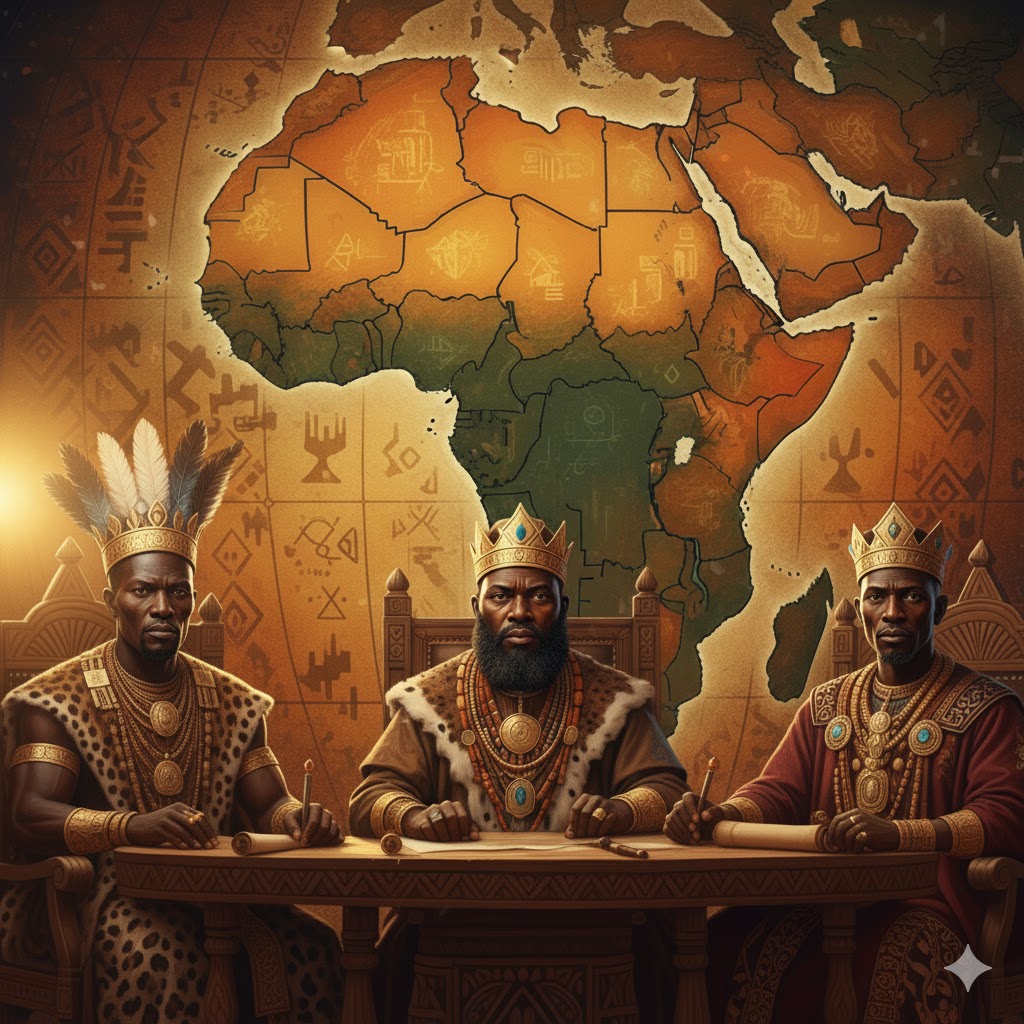
African Kings’ Aesthetic Legacy — Shaka Zulu, Mansa Musa, and the Menelik Lineage.

Across the tapestry of African history, the aesthetic and regal expressions of its kings reveal a profound cultural sophistication. Far more than adornment, African royal aesthetics embodied spiritual authority, political power, divine lineage, and communal identity. This legacy—rooted in ancestral dignity, biblical heritage, and sociopolitical strategy—remains etched in the memory of the African diaspora, shaping contemporary visions of beauty, pride, and leadership.

Shaka Zulu, the legendary king of the Zulu Kingdom, is often remembered for military revolution, but his visual presence was equally symbolic. His regalia—leopard skins, feathered headpieces, and the formidable iklwa spear—embodied authority and spiritual connection to ancestral power. In Zulu culture, leopard skin signified rulership and sacred status, marking Shaka as chosen by both lineage and divine purpose.

Shaka’s aesthetic choices were not mere performance. Royal attire served as psychological warfare, instilling fear in enemies and reverence among followers. His bare-chested stature, adorned in animal skins and traditional ornaments, portrayed strength, discipline, and a warrior-king archetype. This image continues to inspire modern African aesthetics rooted in courage, masculinity, and ethnic honor.

While Shaka’s visual legacy radiates martial might, Mansa Musa’s majesty reflects wealth, scholarship, and spiritual devotion. Known as the wealthiest ruler in recorded history, the emperor of Mali broadcast divine prosperity through gold-embroidered robes, luxurious fabrics, and grand caravans laden with gold during his pilgrimage to Mecca. His aesthetic was sanctified opulence—material abundance presented as a testament to divine favor.

Mansa Musa’s attire and gifts symbolized more than personal wealth; they expressed Mali’s intellectual and religious elevation. His support for Islamic scholarship and architectural development, including the famed Sankore University, reveals a king whose regal splendor mirrored cultural enlightenment. To look upon Musa was to witness the glory of a spiritually anchored kingdom infused with educational prestige.

A great king is often measured not only by wealth or war but by their ability to uplift their nation’s beauty and identity. In both Shaka and Mansa Musa’s reigns, attire communicated a message: African sovereignty was majestic, cultured, and God-ordained. Their legacy resists colonial narratives that sought to reduce African kingdoms to primitiveness.

The Menelik lineage—tracing origins to King Solomon and the Queen of Sheba—offers another dimension to African royal aesthetics: biblical legitimacy. Ethiopian emperors, believed to descend from Menelik I, carried themselves with divine authority. Crowns adorned with crosses, ceremonial robes, lion symbolism, and sacred scepters proclaimed their connection to the Lion of Judah.

This lineage grounded royal aesthetics in scripture, blending Hebraic tradition with African identity. Ethiopian kings and queens, from Menelik to Haile Selassie, wore garments that mirrored priesthood and ancient Israelite tradition—silk robes, jeweled crowns, and embroidered crosses. Their appearance declared covenant heritage and sacred kingship.

The Solomonic tradition did not merely borrow from biblical imagery; it asserted Africa’s centrality in salvation history. Through attire, ritual, and royal posture, Ethiopia preserved a visual theology: that God’s chosen lineage flowed through African bloodlines. Such aesthetics challenged Western religious narratives by rooting biblical heritage in the Black experience.

Across African kingdoms, beauty was political. Regalia conveyed legitimacy, commanded unity, and inspired resistance. It affirmed African dignity against centuries of distortion and erasure. The royal aesthetic stood as evidence that African civilization produced rulers equal to, and often surpassing, those of Europe and Asia.

Moreover, African royal aesthetics fused spirituality and statehood. Kings were more than rulers—they were shepherds, protectors, and spiritual intercessors. Whether through animal symbolism, gold ornamentation, or embroidered sacred garments, regalia reminded subjects that rulership was divine stewardship. Visual splendor communicated sacred responsibility.

Today, the aesthetic legacy of African kings influences modern fashion, leadership imagery, and cultural pride. From contemporary artists drawing inspiration from royal attire to global celebrations of African textiles, jewelry, and hairstyles, the regal memory still reigns. It informs movements reclaiming African identity from colonial distortion.

In the diaspora, this legacy also sustains psychological empowerment. Images of African kings counterbalance narratives of enslavement and inferiority. They offer icons of nobility, strength, and divine selection—foundations for renewed cultural confidence. Aesthetic tradition becomes a tool for spiritual and social restoration.

Biblically, kingship and beauty intertwine with divine covenant. The scriptures declare: “I have said, Ye are gods; and all of you are children of the most High” (Psalm 82:6, KJV). African kings embodied this truth, wearing majesty not for vanity but for sacred duty. Their appearance testified to the divine imprint upon Black identity.

Thus, the aesthetic legacies of Shaka Zulu, Mansa Musa, and the Menelik line are not relics—they are living testimonies. They call today’s generation to reclaim dignity, honor, and spiritual royalty. Through wardrobe, posture, and cultural pride, the descendants of these kingdoms continue to rise, embodying a beauty forged in history and blessed by God.

Below the surface of gold, feathers, hides, and crowns lies a fundamental truth: African kings dressed as heirs of divine promise. Their aesthetic legacy remains a spiritual inheritance—an invitation to walk in royal identity, remembering that Black majesty is not a myth but a recorded, sacred reality.


References
Boahen, A. A. (2011). African perspectives on colonialism. Diasporic Press.
Davidson, B. (1998). A history of West Africa. Longman.
Isaac, S. (2020). Ethiopia and the lineage of Solomon: An African biblical heritage. Hebraic Studies Journal, 12(3), 45–62.
Knight, I. (2015). Zulu rising: The epic story of iSandlwana and Rorke’s Drift. Macmillan.
Levtzion, N., & Hopkins, J. F. P. (Eds.). (2000). Corpus of early Arabic sources for West African history. Markus Wiener.
Trimingham, J. S. (2018). Islam in West Africa. Oxford African Texts.

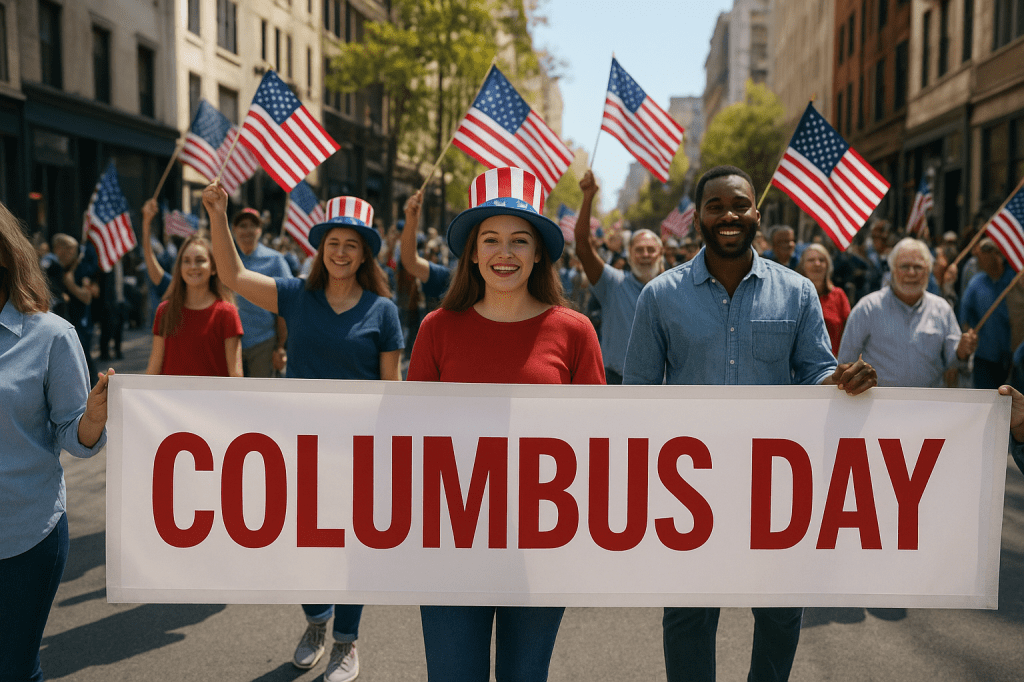
Pagan Holiday Series: The Celebration of Columbus Day – Unmasking the Truth Behind a Controversial Holiday

Columbus Day, celebrated on the second Monday in October in the United States, has long been promoted as a day to honor Christopher Columbus, the Italian explorer credited with “discovering” the Americas in 1492. Yet, beneath this national holiday lies a dark and painful legacy of colonization, genocide, and enslavement. To understand why many now question or reject the celebration of Columbus Day, we must revisit history through the eyes of the oppressed — the Indigenous peoples of the Americas and the enslaved Africans who suffered under European conquest.

Christopher Columbus, born in Genoa around 1451, was an ambitious navigator who sought a western sea route to Asia. Backed by Spain’s monarchs, Ferdinand and Isabella, his 1492 voyage was not a mission of peace or discovery, but one driven by greed, power, and imperial expansion. When Columbus landed in the Caribbean, he mistakenly believed he had reached the East Indies. He called the native people “Indians,” beginning a legacy of misnaming and misunderstanding that persists to this day.

Columbus’s arrival marked the beginning of a brutal system of colonization. The Taíno and Arawak peoples of Hispaniola (modern-day Haiti and the Dominican Republic) were among the first to encounter the Europeans. What followed was devastation. Columbus enslaved the Indigenous people, forced them to mine gold, and imposed cruel punishments on those who resisted. His regime was marked by torture, mutilation, and mass murder, documented even by his contemporaries (Zinn, 1980).

Within a few short decades, the Indigenous population of the Caribbean had been nearly wiped out through violence, disease, and forced labor. Columbus’s legacy was not one of discovery, but of destruction. His expeditions paved the way for centuries of European exploitation across the Americas, leading to the transatlantic slave trade that forcibly brought millions of Africans to the New World. Thus, both Native Americans and Africans suffered under systems of oppression rooted in Columbus’s so-called “discovery.”

Despite this horrific history, Columbus was later glorified as a national hero. The idea of celebrating him gained traction in the late 19th century, particularly among Italian-Americans who viewed him as a symbol of ethnic pride in a time of widespread discrimination. In 1937, President Franklin D. Roosevelt, under pressure from the Knights of Columbus (a Catholic fraternal organization), made Columbus Day a federal holiday. The decision was political, not moral — meant to unite Catholics and immigrants under a banner of patriotism.

However, this government-sanctioned glorification of Columbus ignored the historical atrocities committed under his rule. The myth of Columbus as a brave explorer who brought “civilization” to the New World perpetuated Eurocentric narratives that erased Indigenous voices and justified colonial domination. This narrative served to validate white supremacy, expansionism, and the exploitation of both land and people.

For African Americans, Columbus Day represents a celebration of the very system that enslaved and dehumanized their ancestors. The same European expansion that began with Columbus led directly to the transatlantic slave trade, the Middle Passage, and centuries of racial oppression. In this light, celebrating Columbus Day is akin to celebrating the foundations of systemic racism.

For Native Americans, the day symbolizes genocide and cultural annihilation. Entire civilizations were decimated as European powers claimed their lands, destroyed their spiritual systems, and imposed foreign rule. The diseases brought by European settlers wiped out millions, and survivors were forced into reservations centuries later. Columbus became the emblem of Indigenous suffering — not freedom or progress.

The modern push to replace Columbus Day with Indigenous Peoples’ Day represents a moral reckoning with this painful history. Indigenous activists, scholars, and allies have fought tirelessly to reclaim the narrative, emphasizing survival, resilience, and the truth about colonization. Cities and states across the U.S., including California, Minnesota, and New Mexico, have officially recognized Indigenous Peoples’ Day in place of Columbus Day.

The shift toward Indigenous Peoples’ Day reflects a growing awareness of historical injustice and a rejection of whitewashed history. It honors the first inhabitants of the Americas and acknowledges their enduring contributions to humanity, spirituality, and ecological wisdom. It also calls for repentance and reconciliation for the centuries of violence inflicted by European colonization.

Columbus’s voyages cannot be separated from their consequences — the destruction of Indigenous cultures, the theft of land, and the enslavement of Africans. His story symbolizes the birth of a global system of exploitation that shaped modern capitalism and racial hierarchies. Celebrating him, therefore, is not a tribute to exploration but a denial of historical truth.

Many historians now argue that Columbus should be remembered, not revered. His actions and their aftermath belong in the history books as a warning against the dangers of greed and ethnocentrism, not as a model of heroism. The celebration of Columbus Day perpetuates myths that distort the origins of the Americas and obscure the suffering of millions.

For Black people, the connection to Columbus’s legacy is direct and devastating. The European conquest he initiated laid the groundwork for the dehumanization of Africans, justified through false notions of racial superiority. It began a cycle of exploitation that continues to manifest in systemic inequalities today.

True historical education must include both the achievements and atrocities of the past. To celebrate Columbus without acknowledging the cost of his conquests is to dishonor those who perished because of them. It is to endorse the continued erasure of Black and Indigenous histories in favor of colonial pride.

The time has come for America to replace glorification with truth-telling. Recognizing Indigenous Peoples’ Day is not about erasing history — it is about correcting it. It is about lifting up the stories of those who were silenced and acknowledging that the “discovery” of America came at a horrific human price.

Ultimately, the celebration of Columbus Day reflects who society chooses to honor. Will we continue to idolize an oppressor, or will we honor the resilience of those who survived his legacy? The answer to that question defines not only our understanding of history but our commitment to justice and truth.


References (APA Style):
Zinn, H. (1980). A People’s History of the United States. Harper & Row.
Loewen, J. W. (1995). Lies My Teacher Told Me: Everything Your American History Textbook Got Wrong. The New Press.
Dunbar-Ortiz, R. (2014). An Indigenous Peoples’ History of the United States. Beacon Press.
Sale, K. (1990). The Conquest of Paradise: Christopher Columbus and the Columbian Legacy. Alfred A. Knopf.
Churchill, W. (1997). A Little Matter of Genocide: Holocaust and Denial in the Americas, 1492 to the Present. City Lights.

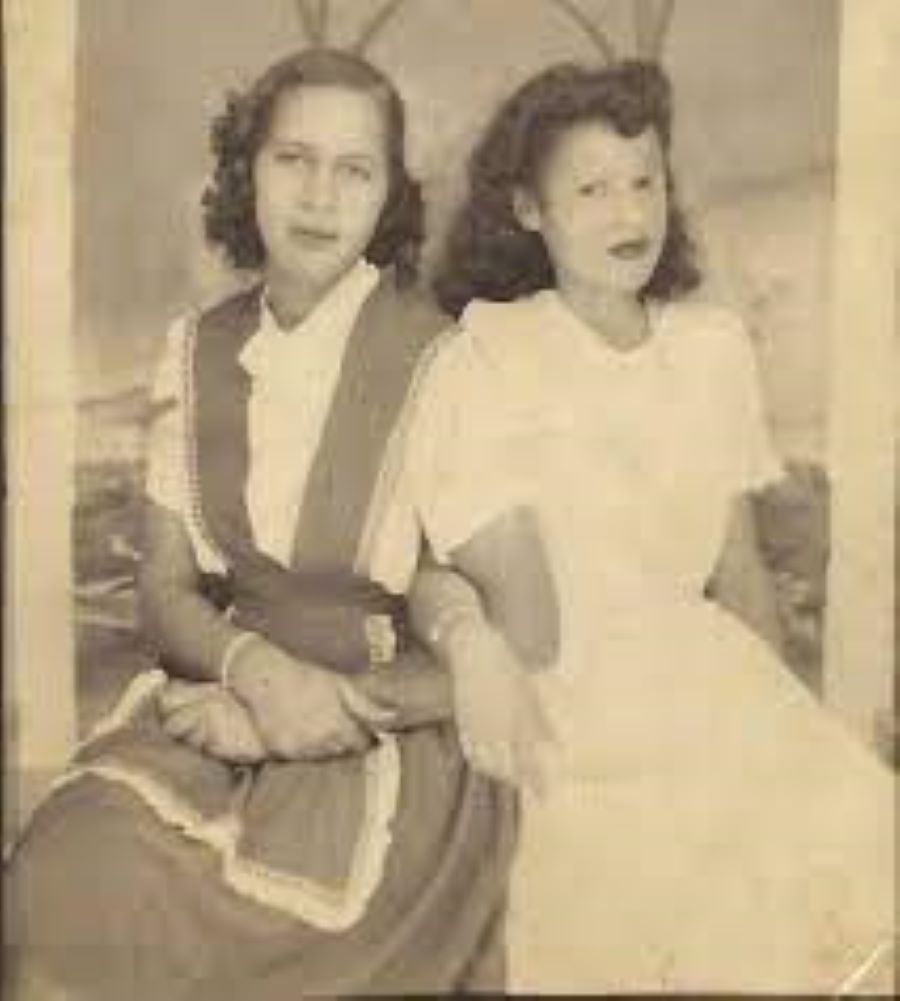
Creoles of Louisiana: History, Identity, and Culture.

This photograph is the property of its respective owners. No infringement intended.

The Creoles of Louisiana are a unique cultural group whose roots go back to the French and Spanish colonial periods of the 18th century. The word “Creole” originally referred to people born in the colonies rather than in Europe, but over time, it came to describe a population of mixed European, African, and Native American ancestry that developed a distinct identity in Louisiana (Domínguez, 1994). The Creole community was shaped by colonial rule, the transatlantic slave trade, and the blending of cultures in the Gulf Coast region.

The racial and cultural mixture of Louisiana Creoles is complex. Many Creoles were of French and Spanish descent, intermarrying with Africans and Native Americans, which created a population with diverse skin tones, languages, and traditions (Hall, 1992). This blending produced a rich cultural heritage that included Catholicism, French or Creole French language, and a strong emphasis on music, cuisine, and family traditions. Creoles of color, in particular, played a unique role in Louisiana society, forming a class that was socially distinct from both enslaved Africans and white European settlers.

The origins of Louisiana Creoles can be traced to the early 1700s, when Louisiana was a French colony. By the mid-18th century, enslaved Africans from West Africa were brought into the colony, contributing not only labor but also culture, language, and traditions. Spanish rule, which lasted from 1763 to 1800, added another layer of influence. After the Louisiana Purchase in 1803, Creoles resisted assimilation into Anglo-American culture and worked to preserve their distinct identity (Hirsch & Logsdon, 1992).

An example of a well-known Creole is the famous writer and folklorist George Washington Cable, who documented Creole life in New Orleans, or more recently, singer Beyoncé Knowles, whose mother, Tina Knowles, is of Louisiana Creole heritage. Creoles can range widely in appearance, from very fair-skinned individuals with European features to darker-skinned individuals with African features, reflecting their mixed ancestry. This diversity in appearance often confounded simplistic racial categories in America’s history (Domínguez, 1994).

Historical Creoles of Louisiana

The historical Creoles of Louisiana were a culturally rich and socially complex community who emerged during the French and Spanish colonial periods in the 18th and 19th centuries. The word “Creole” originally meant “born in the colony” and applied to both Europeans and Africans born in Louisiana rather than in their ancestral homelands (Hall, 1992). Over time, it came to describe a distinctive class of people who were shaped by the blending of French, Spanish, African, and Native American influences.

One prominent group was the Creoles of color (gens de couleur libres), free people of mixed African and European ancestry who occupied a unique social position. They were neither enslaved nor fully accepted into white society, but they developed their own communities with strong traditions in music, art, education, and business (Hirsch & Logsdon, 1992). Many were educated in France, owned property, and even owned businesses or plantations.

Among the most famous historical Creoles was Marie Laveau (1801–1881), the legendary Voodoo priestess of New Orleans. She was a free woman of color who gained great influence in both the Black and white communities of the city. Her legacy blends religion, mysticism, and Creole culture, making her one of the most enduring symbols of Louisiana Creole identity (Long, 2006).

Another notable Creole figure was Homer Plessy (1862–1925), the plaintiff in the landmark Supreme Court case Plessy v. Ferguson (1896). Plessy, a Creole of color, challenged segregation laws by refusing to leave a whites-only train car, leading to the infamous “separate but equal” ruling. His activism reflects the long history of Creoles advocating for civil rights.

Creoles also made major contributions in the arts. Louis Moreau Gottschalk (1829–1869), a world-renowned pianist and composer, was of Creole descent. He brought Louisiana musical traditions to the international stage, blending European classical music with Afro-Caribbean and Creole rhythms (Saffle, 1995).

Visually, historical Creoles varied greatly in appearance. Some had light skin and European features, while others had darker complexions reflecting African ancestry. This diversity often blurred rigid racial categories in America’s history, making Creoles a community that challenged the black-and-white binary system of racial identity (Domínguez, 1994).

Socially, Creoles were also known for their traditions, such as Creole society balls, especially the “quadroon balls,” which introduced mixed-race women into elite circles. These gatherings reflected both the elegance and the racial complexities of Creole society in New Orleans.

By the late 19th and early 20th centuries, Creole identity began to shift due to segregation laws and Americanization after the Louisiana Purchase. Yet, historical Creoles left an enduring mark on Louisiana through music, food, religion, and resistance to cultural erasure. Their legacy is still celebrated today in New Orleans festivals, Creole cuisine, and the preservation of the Creole French language.

A key distinction exists between Creoles and Cajuns in Louisiana. Cajuns are descendants of French-speaking Acadians who were expelled from Canada (Nova Scotia) in the mid-1700s and settled in rural southern Louisiana. They developed their own culture, marked by Catholicism, French dialects, and rural traditions (Ancelet, 1991). In contrast, Creoles were often urban, tied to New Orleans and plantation life, and represented a broader racial and cultural mix. While both groups share French roots, their histories and identities are distinct.

Social life for Creoles in the 18th and 19th centuries included elaborate traditions such as Creole balls, which were formal gatherings that showcased music, fashion, and dance. These events often served as opportunities for members of the Creole community to preserve cultural identity and reinforce social ties. One particularly notable tradition was the “quadroon balls” in New Orleans, where women of mixed African and European ancestry were introduced into society, often leading to complex social arrangements within the racial caste system (Hirsch & Logsdon, 1992).

Creole culture is also deeply tied to music, food, and religion. Catholicism played a central role, influencing festivals such as Mardi Gras, which was celebrated with both sacred and secular dimensions. Creole cuisine, blending French, African, Spanish, and Caribbean flavors, produced iconic dishes like gumbo, jambalaya, and étouffée. Musically, Creoles contributed to jazz, zydeco, and other genres that are now central to Louisiana’s cultural identity.

Today, Louisiana Creoles continue to preserve their heritage while also navigating questions of racial and cultural identity in modern America. Their history of resilience, creativity, and adaptation has made them one of the most distinct cultural groups in the United States. Through language, food, music, and traditions, the Creoles of Louisiana embody the complexity of American history and the richness of cultural fusion.


References

  • Ancelet, B. J. (1991). Cajun Music and Zydeco. University Press of Mississippi.
  • Domínguez, V. R. (1994). White by Definition: Social Classification in Creole Louisiana. Rutgers University Press.
  • Hall, G. M. (1992). Africans in Colonial Louisiana: The Development of Afro-Creole Culture in the Eighteenth Century. LSU Press.
  • Hirsch, A. R., & Logsdon, J. (1992). Creole New Orleans: Race and Americanization. LSU Press.
  • Hirsch, A. R., & Logsdon, J. (1992). Creole New Orleans: Race and Americanization. LSU Press.
  • Long, C. (2006). A New Orleans Voudou Priestess: The Legend and Reality of Marie Laveau. University Press of Florida.
  • Saffle, M. (1995). Louis Moreau Gottschalk: Selected Studies in Nineteenth-Century American Music. Garland Publishing.

The Ebony Dolls: Yvonne Okoro

This photograph is the property of its respective owners. No copyright infringement intended.

In the constellation of African cinema, Yvonne Okoro shines with a rare brilliance that fuses sophistication, intelligence, and undeniable beauty. With her flawless bronze-ebony complexion, luminous almond-shaped eyes, and refined features framed by a radiant smile, she is often admired for her doll-like allure—a blend of African richness and European elegance. Beyond her physical charm, Okoro’s poise, confidence, and versatility have positioned her among the most respected actresses in both Ghana’s Ghallywood and Nigeria’s Nollywood film industries. She is a modern African woman who balances glamour with grit, embodying excellence both on and off the screen.

Born Chinyere Yvonne Okoro on November 25, 1984, in Tamale, Ghana, she comes from a mixed heritage that beautifully reflects the unity of West Africa—her father is Nigerian (from Abia State, Igbo), and her mother is Ghanaian. This cultural blend enriched her worldview and artistic expression, allowing her to connect with audiences across two major entertainment industries. From a young age, Yvonne demonstrated a passion for performance, often participating in school plays and local talent showcases that revealed her natural charisma and expressiveness.

Yvonne Okoro’s educational journey is as impressive as her acting career. She attended Achimota Preparatory School and Lincoln Community School before earning her Bachelor of Arts in English and Linguistics from the University of Ghana, Legon. She later pursued further studies in France at the Université de Nantes, where she deepened her understanding of communication and modern languages—skills that would later enhance her presence in international cinema.

This photograph is the property of its respective owners. No copyright infringement intended.

Her acting debut came with a supporting role in the Ghanaian film Sticking to the Promise (2002). However, her major breakthrough came when she transitioned into Nollywood, starring in Beyoncé: The President’s Daughter (2006) alongside Nadia Buari and Van Vicker. Her beauty, eloquence, and natural on-screen chemistry with her co-stars captured the attention of filmmakers and audiences alike. Soon, she became a fixture in both Ghanaian and Nigerian film productions, a rare feat achieved by only a handful of actresses.

Over the years, Yvonne Okoro has built an impressive filmography, with notable works including The Game (2010), Contract (2012), Single Six (2011), Rebecca (2016), and Ghana Must Go (2016)—a romantic comedy she also produced. Her role in Contract, opposite Hlomla Dandala, earned her the Best Actress Award at the Ghana Movie Awards and an Africa Magic Viewers’ Choice Award (AMVCA) nomination. The film’s critical success established her as one of the leading ladies of African cinema, capable of blending humor, depth, and authenticity with magnetic beauty.

Yvonne Okoro’s contributions extend beyond acting; she is also a film producer and entrepreneur, using her platform to promote quality storytelling in Africa. Her production company, Desamour Company Limited, has produced several films that highlight African culture, love, and social issues. Through this, she has provided opportunities for emerging talents, especially women in film, fostering growth and creativity in the industry.

This photograph is the property of its respective owners. No copyright infringement intended.

Her grace and intelligence have also made her a favorite for brand endorsements, having represented beauty and fashion brands that mirror her elegance. She is frequently listed among the most beautiful and influential actresses in Africa, celebrated for her radiant skin, well-defined features, and polished style that bridges modern glamour and cultural authenticity.

In addition to her professional achievements, Yvonne Okoro’s personal life reflects humility and purpose. Despite her fame, she remains grounded and family-oriented, often crediting her parents for instilling discipline and confidence. Her close relationship with her siblings—particularly her sister, Roseline Okoro, who also ventured into acting—highlights her belief in family unity and shared success.

Throughout her career, Yvonne has earned numerous accolades, including the Best Actress of the Year (2010) at the Ghana Movie Awards, the Achievement Award at the City People Entertainment Awards in Nigeria, and recognition at the Africa International Film Festival (AFRIFF). Her dedication to excellence has made her one of the highest-paid actresses in Ghana and Nollywood, respected for both her beauty and her business acumen.

Ultimately, Yvonne Okoro represents the epitome of modern African femininity—educated, talented, and unapologetically elegant. Her soft-spoken confidence, luminous ebony glow, and striking intellect set her apart as not merely a star, but a symbol of pan-African pride and excellence. As one of the Ebony Dolls of African cinema, she continues to inspire young women to dream beyond boundaries while embracing their heritage and divine beauty.


References

  • Africa Magic. (2023). Yvonne Okoro: The Actress Who Bridges Ghana and Nollywood. MultiChoice Africa.
  • Ghana Web. (2022). Profile of Yvonne Okoro: From Beauty to Brilliance.
  • Pulse Ghana. (2023). Top 10 Highest-Paid Actresses in Ghana and Nigeria.
  • The Guardian Nigeria. (2021). Yvonne Okoro: The Pan-African Face of Modern Cinema.
  • IMDb. (2024). Yvonne Okoro Biography and Filmography.
  • Modern Ghana. (2022). Yvonne Okoro: The Glamorous Ghanaian-Nigerian Star Redefining African Film.

The Art of Etiquette: 30 Essential Rules for Cultured Conduct

Photo by Monstera Production on Pexels.com

Introduction

Etiquette, derived from the French word étiquette meaning “ticket” or “label,” refers to the established code of polite behavior in society. Far beyond superficial manners, proper etiquette demonstrates respect, cultural competence, emotional intelligence, and self-discipline. Whether at the dinner table, in a business meeting, or walking down the street, etiquette shapes how we are perceived and how we influence others. This guide presents 30 timeless rules of etiquette across various social domains to help individuals embody grace, professionalism, and cultural decorum.


I. Dining Etiquette (Table Manners)

  1. Wait to Begin Until Everyone Is Served
    It is proper to wait until everyone has their plate before eating unless the host insists otherwise.
  2. Use Utensils from the Outside In
    Formal place settings are organized by course; start with the outermost utensils and work your way in.
  3. Napkin on the Lap
    As soon as you sit down, place the napkin on your lap. It stays there throughout the meal.
  4. Don’t Reach Across the Table
    Ask politely for items to be passed rather than stretching over others’ plates.
  5. Chew with Your Mouth Closed
    No talking with food in your mouth, no loud chewing, and no slurping.
  6. Excusing Yourself
    Politely say, “Excuse me,” if you must leave the table—never announce personal matters like bathroom use.
  7. Pass Salt and Pepper Together
    Even if someone only asks for one, both are passed together in formal etiquette.
  8. Cut One Bite at a Time
    Only cut the piece of meat you are about to eat, rather than slicing the whole portion at once.
  9. Hold Wine Glass by the Stem
    Holding the bowl of a wine glass warms the wine and leaves smudges.
  10. Tipping Servers
    In the U.S., it’s customary to tip 15–20% of the bill to express gratitude for service.

II. Social and Party Etiquette

  1. RSVP Promptly
    Respond to invitations quickly, even if you cannot attend. It shows consideration for planning.
  2. Bring a Host Gift
    When invited to someone’s home, arrive with a small gift—wine, dessert, or flowers are appropriate.
  3. Introduce Others by Name and Relevance
    Always facilitate social introductions with full names and a helpful context (e.g., “This is my friend Sarah, a graphic designer”).
  4. Don’t Monopolize Conversations
    Practice active listening. Be aware of body language cues that suggest disinterest or exclusion.
  5. Avoid Politics and Controversy in New Company
    Unless you know the group well, steer clear of divisive subjects at social gatherings.

III. Business and Professional Etiquette

  1. Arrive on Time
    Punctuality is a sign of respect. In professional settings, arrive 5–10 minutes early.
  2. Dress Appropriately for the Industry
    Know the dress code—business formal, business casual, or creative casual—and present yourself accordingly.
  3. Use Professional Greetings
    Always say “Good morning,” “Good afternoon,” and greet colleagues by name. A firm handshake and eye contact matter.
  4. Respect Hierarchy and Titles
    Refer to superiors with appropriate titles unless invited to use first names.
  5. Follow Up with a Thank You
    After meetings or interviews, send a follow-up message expressing gratitude and summarizing key takeaways.

IV. Personal Appearance and Dressing Etiquette

  1. Dress Modestly and Neatly
    Cleanliness and grooming are fundamental. Wrinkled, stained, or revealing clothes undermine credibility.
  2. Fragrance Should Be Subtle
    Perfume or cologne should never overpower the room or cause discomfort to others.
  3. Shoes Should Match the Occasion
    Choose footwear that is appropriate—polished dress shoes for business, clean casual shoes for informal outings.
  4. Accessories Should Enhance, Not Distract
    Avoid excessive jewelry or loud fashion statements unless the environment encourages it.
  5. Always Maintain Good Posture
    How you carry yourself speaks before you say a word—stand tall, shoulders back.

V. Gestures, Body Language, and Public Behavior

  1. Don’t Point with Fingers
    It’s considered rude in many cultures. Use an open hand or nod to direct attention.
  2. Keep Personal Space
    Respect the “social distance” bubble—typically 2–3 feet in casual and business settings.
  3. Silence Cell Phones in Public Settings
    Phones should be on silent or vibrate during meetings, meals, or cultural events.
  4. Walking in Public
    Walk on the right side of the path or hallway, keep pace with traffic, and yield to elders or those with mobility needs.
  5. Standing in Public
    Avoid blocking doorways, escalators, or walkways. If you stop to speak, move aside.

Conclusion

Proper etiquette reflects the inner character and social awareness of an individual. It is not a rigid set of outdated rules but a fluid language of respect, poise, and cultural sensitivity. Whether navigating a formal dinner, corporate boardroom, or sidewalk, practicing etiquette affirms dignity—both your own and that of others. As Emily Post once said, “Manners are a sensitive awareness of the feelings of others. If you have that awareness, you have good manners.”


References

  • American Psychological Association. (2023). Etiquette and professionalism. https://www.apa.org
  • Post, P., & Post Senning, D. (2011). Emily Post’s Etiquette, 18th Edition. William Morrow.
  • Forni, P. M. (2002). Choosing Civility: The Twenty-five Rules of Considerate Conduct. St. Martin’s Press.
  • Vanderbilt, T. (2008). Traffic: Why We Drive the Way We Do (and What It Says About Us). Knopf.
  • The Protocol School of Washington. (2024). Etiquette training resources. https://www.psow.edu