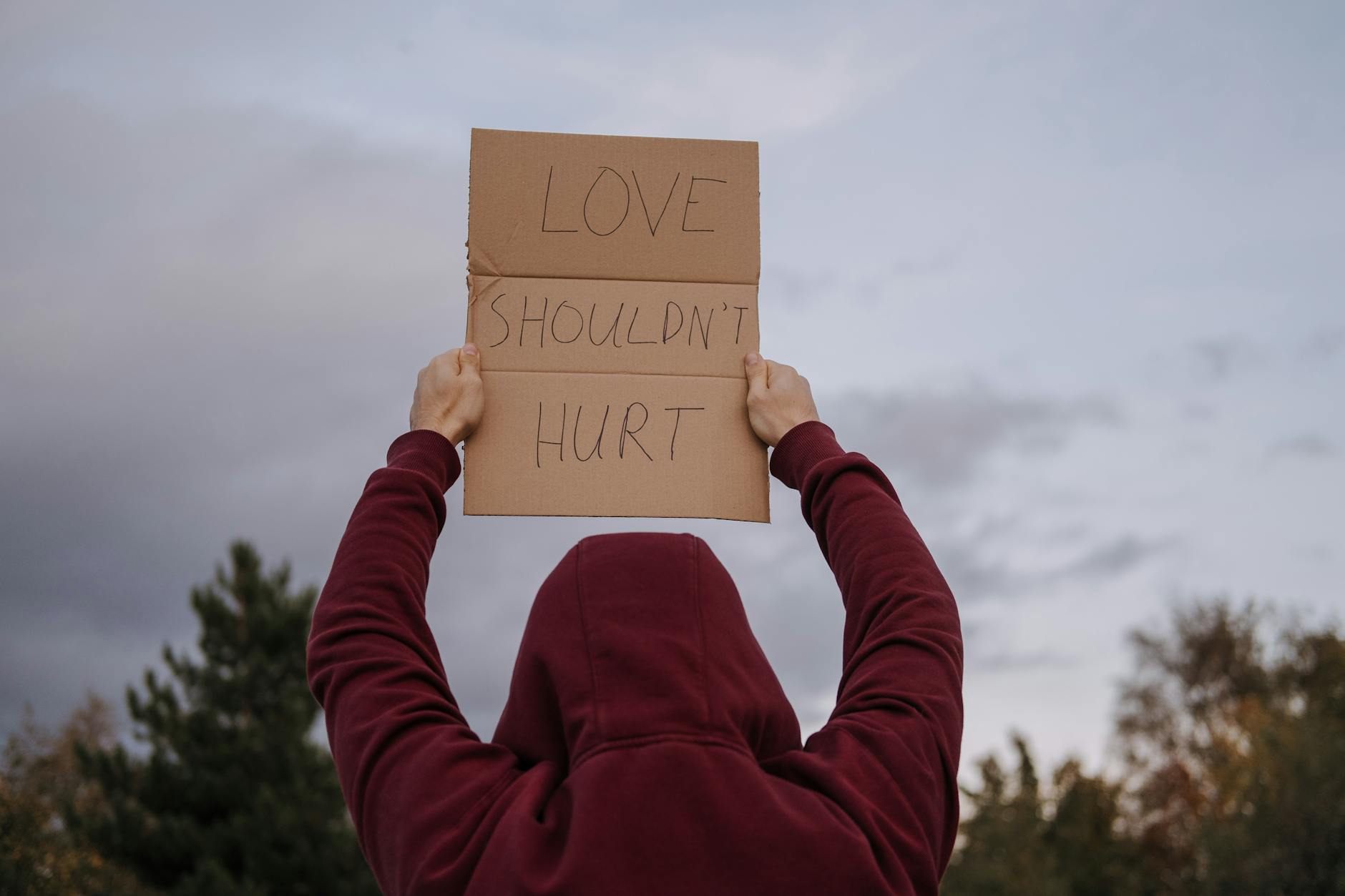
Tag Archives: trauma

Psychology Series: In Relationships, Be Careful Who You Choose.

Relationships don’t just reveal who we love — they reveal who we are still healing.

Many people are not choosing partners.
They are choosing patterns.
They are choosing familiar pain.
They are choosing what feels like home — even if home was unhealthy.

“Until you make the unconscious conscious, it will direct your life and you will call it fate.” – Carl Jung


1. The Baby Girl / Baby Boy: Parental Trauma & the Inner Child

Many adults are still operating from the wounds of the “baby girl” or “baby boy” inside.

  • The daughter who never felt protected looks for protection in a partner.
  • The son who never felt affirmed looks for validation in a woman.
  • The neglected child looks for someone to finally “see” them.

Psychology calls this the inner child — the part of us shaped in early development that still carries unmet needs, fear, and longing.

The Bible speaks to this brokenness:

“When my father and my mother forsake me, then the LORD will take me up.” – Psalm 27:10 (KJV)

When parental wounds go unhealed:

  • You may confuse intensity for love.
  • You may chase approval.
  • You may tolerate disrespect because it feels familiar.
  • You may become emotionally dependent instead of spiritually anchored.

Unhealed trauma says:

  • “Choose someone who feels familiar.”

Healing says:

  • “Choose someone who feels healthy.”

“We don’t see people as they are; we see them as we are.” – Anaïs Nin

If your inner child is wounded, you will attract someone who matches the wound — not the calling.


2. Trauma Within: What You Don’t Heal, You Repeat

Trauma is not only what happened to you.
Trauma is what happened inside you because of what happened.

The KJV reminds us:

“Keep thy heart with all diligence; for out of it are the issues of life.” – Proverbs 4:23

Unresolved trauma shows up as:

  • Fear of abandonment
  • Control issues
  • Jealousy
  • Emotional shutdown
  • People-pleasing
  • Attachment to chaos

Modern psychology confirms that attachment styles (anxious, avoidant, disorganized) are rooted in early relational trauma.

You cannot build a kingdom marriage with a wounded foundation.

“Hurt people hurt people.” – Often attributed to Will Bowen

Trauma bonding feels like:

  • Fast attachment
  • Deep emotional dependency
  • High highs and low lows
  • Confusing passion with peace

But the Bible gives a different standard for love:

“For God is not the author of confusion, but of peace…” – 1 Corinthians 14:33 (KJV)

If it’s constant confusion, instability, and anxiety — it may not be love.
It may be unhealed trauma looking for relief.


3. The Ego Persona: Remove Self, Put God There

Psychology speaks of the ego persona — the mask we wear to survive, impress, or protect ourselves.

  • The “strong independent” mask.
  • The “I don’t need anyone” mask.
  • The “I must always be right” mask.
  • The “fixer” mask.
  • The “savior” mask.

The ego protects wounds but blocks intimacy.

The Bible calls us to die to self:

“He must increase, but I must decrease.” – John 3:30 (KJV)

“Put off… the old man, which is corrupt according to the deceitful lusts.” – Ephesians 4:22 (KJV)

When ego leads:

  • You choose based on pride.
  • You stay to prove a point.
  • You fight to win, not to understand.
  • You attract someone who feeds your image, not your soul.

When God leads:

  • You choose based on peace.
  • You walk away when there is no alignment.
  • You seek healing, not validation.
  • You value character over chemistry.

Choosing Healing Over Trauma

You must decide:
Do I want familiar pain or unfamiliar peace?

Healing looks like:

  • Therapy or counseling
  • Honest self-reflection
  • Forgiving parents (even if they never apologize)
  • Breaking generational patterns
  • Learning secure attachment
  • Seeking God daily

“Be not conformed to this world: but be ye transformed by the renewing of your mind…” – Romans 12:2 (KJV)

Transformation is not automatic.
It is intentional.

When you put God in the place of the wound:

  • You stop expecting a partner to be your savior.
  • You stop demanding from others what only God can give.
  • You stop idolizing relationships.

“Create in me a clean heart, O God; and renew a right spirit within me.” – Psalm 51:10 (KJV)


Final Truth: Be Careful Who You Choose

You don’t just marry a person.
You marry:

  • Their trauma.
  • Their healing level.
  • Their self-awareness.
  • Their relationship with God.
  • Their ego or their surrender.

And they marry yours.

So before you choose someone else,
Choose healing.

Before you ask, “Is this the one?”
ask,
“Am I whole enough to recognize the one?”

Because the right relationship is not two wounded children clinging to each other.

It is two healed adults,
submitted to God,
choosing love from wholeness — not from lack.

References

The Holy Bible, King James Version. (1769/2017). Cambridge University Press. (Original work published 1611).


Bowlby, J. (1969). Attachment and loss: Vol. 1. Attachment. Basic Books.

Foundational work on attachment theory explaining how early parental relationships shape adult relational patterns.

Ainsworth, M. D. S., Blehar, M. C., Waters, E., & Wall, S. (1978). Patterns of attachment: A psychological study of the strange situation. Lawrence Erlbaum.

Identifies secure, anxious, and avoidant attachment styles relevant to adult romantic relationships.

Jung, C. G. (1953). Two essays on analytical psychology (R. F. C. Hull, Trans.). Princeton University Press. (Original work published 1928).

Discusses the ego, persona, and unconscious processes influencing relational behavior.

Freud, S. (1923/1961). The ego and the id (J. Strachey, Trans.). W. W. Norton.

Foundational psychoanalytic work on ego development and internal conflict.

Van der Kolk, B. A. (2014). The body keeps the score: Brain, mind, and body in the healing of trauma. Viking.

Explains how trauma is stored neurologically and physiologically, influencing adult relationships.

Levine, A., & Heller, R. (2010). Attached: The new science of adult attachment and how it can help you find—and keep—love. TarcherPerigee.

Applies attachment theory directly to romantic partnerships.

Bradshaw, J. (1990). Homecoming: Reclaiming and championing your inner child. Bantam Books.

Popular psychological work on the concept of the “inner child” and unresolved childhood wounds.

Bowen, M. (1978). Family therapy in clinical practice. Jason Aronson.

Introduces family systems theory and generational trauma transmission.

American Psychiatric Association. (2013). Diagnostic and statistical manual of mental disorders (5th ed.).

Clinical definitions of trauma-related disorders and attachment disruptions.


Jung, C. G. (1964). Man and his symbols. Doubleday.

“Until you make the unconscious conscious, it will direct your life and you will call it fate.”

Nin, A. (1961). Seduction of the minotaur. Swallow Press.

“We don’t see things as they are, we see them as we are.”

Bowen, M. (Attributed).

“Hurt people hurt people.” (Popular attribution; concept aligned with family systems theory.)

Dilemma: Incest

Photo by Mu00e1rcio Filho on Pexels.com

The Hidden Wounds of Incest: A Biblical, Psychological, and Cultural Examination

Incest—an act of sexual relations between close family members—has existed since ancient times, often cloaked in silence, shame, and generational trauma. The Bible itself does not shy away from exposing such sins, not to glorify them, but to warn against their devastating consequences. From the story of Tamar’s violation by her half-brother Amnon (2 Samuel 13), to the manipulation of Lot by his daughters (Genesis 19:30–38), Scripture records these acts as moral cautionary tales. Incest represents a corruption of familial love and trust, turning what should be protection into predation.

In 2 Samuel 13, Tamar, the daughter of King David, was raped by her half-brother Amnon under the guise of feigned illness. This act of incest shattered Tamar’s dignity and brought a spirit of division into David’s household. Afterward, Amnon’s “love” turned into hatred, illustrating how lust masquerading as affection quickly turns destructive (2 Samuel 13:15). The psychological trauma Tamar endured is reflective of what modern survivors face—shame, identity confusion, and lifelong emotional scars.

Similarly, in Genesis 19, after the destruction of Sodom and Gomorrah, Lot’s daughters, believing all men were gone, intoxicated their father and lay with him to preserve his lineage. Though their motives were rooted in fear and survival, the result was a lineage of conflict through the Moabites and Ammonites. The Bible shows that even when sin seems “rationalized,” its impact ripples through generations.

The law of Moses clearly forbids incest: “None of you shall approach to any that is near of kin to him, to uncover their nakedness: I am the Lord” (Leviticus 18:6, KJV). These laws served both moral and biological purposes, protecting families from genetic deformities and emotional destruction. Violating this boundary is a form of spiritual defilement that corrupts the divine structure of family and intimacy.

Psychologically, incest is one of the most damaging forms of sexual abuse. It creates what clinicians call trauma bonding, where the victim feels both affection and fear toward their abuser. According to the American Psychological Association (APA, 2020), survivors often experience post-traumatic stress disorder (PTSD), dissociation, sexual dysfunction, and self-blame. The confusion between love and abuse distorts their future relationships and trust in authority figures.

The case of R. Kelly, the R&B singer who revealed he was molested by his older sister, demonstrates how cycles of incestuous abuse can manifest in adulthood. Studies suggest that many perpetrators of sexual exploitation were once victims themselves (Lisak & Miller, 2002). Kelly’s later predatory behavior toward young girls can be seen as a tragic example of unhealed trauma turning into a weapon.

Likewise, Mackenzie Phillips, daughter of musician John Phillips of The Mamas & the Papas, publicly disclosed her ten-year incestuous relationship with her father. Her confession shocked the entertainment world but illuminated a dark truth about power, addiction, and denial in families of fame. Phillips described feeling both “trapped and brainwashed,” a psychological state akin to Stockholm Syndrome, where victims internalize the abuser’s control.

Such confessions highlight the need for trauma-informed intervention. According to Judith Herman (1992) in Trauma and Recovery, healing from incest requires breaking secrecy, reclaiming autonomy, and re-establishing safe connections. Silence protects the perpetrator; truth frees the survivor. Tamar’s cry, “And whither shall I cause my shame to go?” (2 Samuel 13:13, KJV), still echoes in the hearts of countless survivors seeking justice and restoration.

Incest destroys the foundation of trust within families. The parent, sibling, or relative—meant to shield the vulnerable—becomes the violator. The victim learns to associate intimacy with pain, affection with danger. Over time, this leads to emotional numbness or hypersexuality as coping mechanisms. Researchers Finkelhor and Browne (1985) identified four key dynamics of child sexual abuse—traumatic sexualization, betrayal, powerlessness, and stigmatization—all of which are intensified in incestuous situations.

Biblically, incest carries spiritual consequences beyond the physical act. When David’s son Amnon raped Tamar, it triggered a chain of revenge, hatred, and death in the royal household. Absalom, Tamar’s full brother, killed Amnon in retaliation, fulfilling the prophetic word that “the sword shall never depart from thy house” (2 Samuel 12:10). Sexual sin within the family invites generational turmoil and emotional dysfunction.

Even in modern times, incest remains a hidden epidemic. The World Health Organization (WHO, 2022) reports that one in five women and one in thirteen men worldwide experience sexual abuse during childhood—often by relatives. Shame, manipulation, and threats silence many victims, making it one of the least reported crimes. Religious and cultural pressures can compound the trauma when communities protect the abuser to avoid scandal.

From a spiritual warfare perspective, incest is a manifestation of demonic influence that targets the sanctity of the family. In the KJV Bible, sexual immorality is often linked to uncleanness and idolatry (1 Corinthians 6:18–20). When sexual sin enters a household, it opens spiritual doors to confusion, depression, and generational bondage. Deliverance requires repentance, confession, and God’s restoring power.

Celebrities and public figures who come forward about incest break the veil of secrecy that enables predators. Their transparency helps dismantle the cultural myth that wealth, beauty, or fame can shield one from abuse. When Mackenzie Phillips spoke, countless survivors found courage to share their own stories, echoing Revelation 12:11: “And they overcame him by the blood of the Lamb, and by the word of their testimony.”

Healing from incest involves rebuilding identity. Survivors must learn that their worth is not defined by what was done to them but by who they are in God. Psalm 147:3 promises, “He healeth the broken in heart, and bindeth up their wounds.” Therapy, prayer, and community support play vital roles in restoring emotional and spiritual wholeness.

The psychological impact extends into adulthood, often manifesting as depression, addiction, and difficulty in forming healthy sexual boundaries. Survivors may fear intimacy, struggle with guilt, or reenact trauma in their relationships. Psychologist Bessel van der Kolk (2014) notes in The Body Keeps the Score that trauma literally reshapes the brain, altering the way individuals process safety, love, and touch.

In the church and community, education and accountability are essential. Clergy and counselors must recognize signs of abuse and respond with compassion, not condemnation. Misinterpreting forgiveness as silence enables continued harm. Jesus said, “It must needs be that offences come; but woe to that man by whom the offence cometh!” (Matthew 18:7, KJV). Justice and mercy are not opposites—they are partners in healing.

The effects of incest are both personal and generational. Just as Lot’s descendants through Moab and Ammon became nations at odds with Israel, unresolved sexual trauma can produce cycles of dysfunction within families. Breaking the cycle requires truth-telling, therapy, spiritual deliverance, and community restoration.

In popular culture, we see a shift toward awareness and advocacy. Documentaries, survivor memoirs, and therapeutic ministries now give voice to the voiceless. What was once hidden in shame is now being confronted under the light of truth. As Ephesians 5:11 instructs, “And have no fellowship with the unfruitful works of darkness, but rather reprove them.”

Ultimately, incest is not merely a physical act but a spiritual and psychological wound that distorts God’s original design for family. It replaces love with control, safety with fear, and holiness with perversion. But healing is possible. Through repentance, therapy, and faith, survivors can rise from the ashes of their pain and reclaim their God-given identity.

Generational Trauma and Incest in the Black Community: Breaking the Cycle

Incest is not only a personal violation but also a social and generational wound, particularly within African American communities where historical trauma, systemic oppression, and cultural silence intersect. The legacy of slavery disrupted family structures, separating children from parents, and normalizing environments where abuse could flourish unnoticed. These historical ruptures set the stage for patterns of sexual abuse, including incest, that can persist across generations.

African American families often contend with the compounded effects of racism, poverty, and mass incarceration, which can exacerbate vulnerabilities to abuse. Research by Hill (2006) suggests that stressors such as parental absence, economic strain, and neighborhood instability increase the risk of intergenerational trauma, including sexual exploitation within families. When combined with cultural taboos around discussing sexuality and abuse, survivors are left isolated and silenced.

In the Bible, generational trauma is a recurring theme. The curse on Canaan after Ham’s transgression (Genesis 9:25) illustrates how the actions of one generation can shape the lives of descendants. Similarly, incestuous acts, like those of Lot’s daughters (Genesis 19), produced long-lasting consequences for their descendants. In African American communities, generational trauma often manifests in cycles of abuse, distrust, and distorted sexual norms.

Historically, the forced separation of enslaved families created environments where sexual abuse, often by those in power, became normalized. Enslaved children were vulnerable to predation by overseers, and familial bonds could be legally and violently disrupted. This normalization of sexual violation has parallels in modern incest cases, as survivors often struggle with internalized shame and confusion about boundaries.

Psychological research emphasizes the concept of intergenerational trauma, where the emotional scars of one generation influence parenting styles, attachment, and family dynamics in the next. According to Danieli (1998), unresolved trauma can be transmitted through behaviors, neglect, and emotional dysregulation, creating environments where incest or sexual abuse can recur.

Incest survivors within Black communities face unique barriers to disclosure. Fear of family shame, distrust of law enforcement, and cultural emphasis on protecting the family’s reputation often prevent victims from seeking help. This silence mirrors Tamar’s plight in 2 Samuel 13, where fear of dishonor constrained her ability to find justice. The shame imposed by community perception can compound the trauma.

Celebrity testimonies, like Mackenzie Phillips or R. Kelly, highlight how abuse can transcend social strata. Within the Black entertainment industry, the pattern is mirrored in cases where family or authority figures exploit young women under the guise of mentorship or protection. These examples underscore that incest is not limited by class, fame, or intellect—it is a societal and familial disease.

The psychological impact on African American incest survivors often includes PTSD, depression, anxiety, and difficulties with trust and intimacy. Bryant-Davis and Ocampo (2005) found that Black women survivors frequently report compounded trauma due to racialized oppression, systemic injustice, and community minimization of abuse. This intersectionality intensifies the effects of incest.

Sexual abuse within families can distort the perception of love and authority. Children learn to associate attachment with violation, leading to hypervigilance or emotional withdrawal. In the Black community, where extended family networks are often relied upon for support, betrayal by a trusted relative can have profound consequences for identity formation and emotional security.

Tamar’s story provides a biblical archetype for understanding these dynamics. Amnon’s abuse was both sexual and emotional, violating familial trust and creating a household torn by vengeance. Similarly, incest in African American families can destabilize relationships, erode trust, and create cycles of retaliation, neglect, or emotional estrangement.

Education and awareness are critical tools in prevention. Programs that teach children about boundaries, consent, and body autonomy are essential. The National Sexual Violence Resource Center (NSVRC, 2021) emphasizes culturally competent education, acknowledging historical trauma and the unique pressures faced by marginalized communities, including Black families.

Therapeutic intervention for survivors is multifaceted. Cognitive-behavioral therapy (CBT), trauma-focused therapy, and spiritually integrated counseling have proven effective in addressing both psychological and spiritual wounds. Psalm 34:18 reminds survivors, “The Lord is nigh unto them that are of a broken heart; and saveth such as be of a contrite spirit.” Healing requires a holistic approach addressing mind, body, and spirit.

Faith-based communities play a crucial role in either perpetuating silence or promoting healing. Clergy must be trained to respond appropriately to disclosures of incest, balancing spiritual guidance with trauma-informed care. Failure to act can reinforce cycles of secrecy and shame, while responsible pastoral intervention can model justice and restoration.

Breaking generational cycles also involves confronting the systemic factors that enable abuse. Poverty, lack of access to mental health care, and community neglect often exacerbate familial dysfunction. Advocates argue for increased funding for mental health services, child protection programs, and survivor-centered initiatives in historically marginalized communities.

Psychologically, survivors must reconstruct boundaries and redefine intimacy. Judith Herman (1992) emphasizes that recovery involves creating safe relational environments, processing trauma narratives, and reclaiming agency. For Black survivors, this may also involve addressing racialized trauma and intergenerational family expectations.

Family systems therapy is often effective in addressing incest, especially when generational patterns exist. By identifying roles, boundaries, and communication patterns, families can disrupt cycles of abuse and model healthier interactions. The goal is not only individual healing but systemic restoration.

Scripturally, God calls for protection of the vulnerable and accountability for transgressors. Ezekiel 22:12–13 condemns the oppression of the helpless and abuse of trust. African American faith communities can draw from these passages to affirm the rights of survivors and reject cultural norms that perpetuate silence.

Cultural acknowledgment of the problem is a first step. Public discourse, survivor advocacy, and media representation help dismantle stigma and normalize reporting. The openness of celebrities, combined with grassroots activism, provides a platform for generational healing and community education.

In conclusion, incest in the Black community is a multifaceted issue rooted in historical, psychological, and familial trauma. Breaking the cycle requires acknowledgment, education, faith-based and therapeutic intervention, and systemic reform. Tamar’s story, alongside modern survivors’ testimonies, serves as both a warning and a guidepost for healing.

Ultimately, restoration is possible. Through therapy, prayer, community support, and spiritual reflection, survivors can reclaim identity, trust, and relational health. Proverbs 22:6 reminds us, “Train up a child in the way he should go: and when he is old, he will not depart from it.” By addressing incest and generational trauma head-on, African American communities can protect future generations and honor God’s design for family.

In closing, the story of Tamar, and countless others like her, calls us to confront incest with both compassion and conviction. Silence is complicity. To protect the next generation, families and faith communities must dismantle secrecy and shame, allowing truth, justice, and divine healing to prevail.


References

  • American Psychological Association. (2020). APA Dictionary of Psychology. APA Publishing.
  • Finkelhor, D., & Browne, A. (1985). The traumatic impact of child sexual abuse: A conceptualization. American Journal of Orthopsychiatry, 55(4), 530–541.
  • Herman, J. L. (1992). Trauma and recovery. Basic Books.
  • Lisak, D., & Miller, P. M. (2002). Repeat rape and multiple offending among undetected rapists. Violence and Victims, 17(1), 73–84.
  • van der Kolk, B. A. (2014). The body keeps the score: Brain, mind, and body in the healing of trauma. Viking.
  • World Health Organization. (2022). Global status report on violence prevention. WHO.
  • The Holy Bible, King James Version (KJV).Bryant-Davis, T., & Ocampo, C. (2005). Racist-incident–based trauma. The Counseling Psychologist, 33(4), 479–500.
  • Danieli, Y. (1998). International handbook of multigenerational legacies of trauma. Springer.
  • Finkelhor, D., & Browne, A. (1985). The traumatic impact of child sexual abuse: A conceptualization. American Journal of Orthopsychiatry, 55(4), 530–541.
  • Hill, R. B. (2006). The strengths of African American families: Twenty-five years later. University Press of America.
  • Judith Herman, 1992. Trauma and Recovery: The Aftermath of Violence—From Domestic Abuse to Political Terror.
  • National Sexual Violence Resource Center (NSVRC). (2021). Child sexual abuse prevention: Cultural considerations.


Healing Generations: Therapy, Mindfulness, and Resilience for Black Women.

Photo by Christina Morillo on Pexels.com

1. Therapy in the Black Community: Overcoming Stigma

Mental health care remains underutilized in the Black community, largely due to historical mistrust, cultural stigma, and systemic barriers. Generational experiences of racism, discrimination, and neglect have contributed to skepticism toward therapeutic institutions. Yet, therapy is a critical tool for healing trauma, managing stress, and promoting emotional resilience.

Stigma often arises from misconceptions that seeking therapy indicates weakness or failure. Many Black families emphasize self-reliance, spiritual coping mechanisms, and familial support, which can discourage professional intervention (Ward et al., 2013). Overcoming these barriers requires education about mental health, normalization of therapy, and community advocacy.

Culturally competent therapists who understand racial dynamics and culturally specific stressors are essential. Practices like narrative therapy, cognitive-behavioral approaches, and faith-integrated counseling have shown effectiveness in addressing the unique experiences of Black clients (Williams et al., 2018).

Faith can also play a supportive role. “Cast thy burden upon the Lord, and he shall sustain thee” (Psalm 55:22, KJV) highlights that spiritual guidance can coexist with professional care, reinforcing holistic healing. Encouraging conversations around mental health within churches, community groups, and families reduces stigma and promotes early intervention.


2. Intergenerational Trauma in Black Families

Intergenerational trauma refers to the transmission of historical and collective trauma from one generation to the next. For Black families, legacies of slavery, segregation, and systemic racism have left enduring psychological, emotional, and social impacts. These traumas often manifest as anxiety, depression, mistrust, and behavioral patterns that affect parenting and family relationships.

Research indicates that trauma responses, coping mechanisms, and stress responses can be learned and internalized by descendants (Danieli, 1998). Recognizing intergenerational trauma allows families to break harmful cycles, foster resilience, and implement healing strategies. Family therapy, storytelling, and cultural affirmation are critical interventions.

Education about history and collective experiences empowers Black families to contextualize emotional struggles without self-blame. “Train up a child in the way he should go: and when he is old, he will not depart from it” (Proverbs 22:6, KJV) underscores the importance of guidance and intentional nurturing across generations.


3. Mindfulness and Meditation for Black Women

Mindfulness and meditation practices provide powerful tools for Black women navigating the intersectional pressures of race, gender, and societal expectations. By fostering awareness, presence, and emotional regulation, these practices can counteract stress, anxiety, and internalized societal bias.

Mindfulness encourages self-compassion and self-acceptance, vital in communities where women are often expected to display resilience and strength despite adversity. Meditation, breathing exercises, and reflective journaling allow Black women to process trauma, release tension, and connect with inner resources.

Culturally relevant mindfulness integrates spiritual grounding, affirmations, and meditation aligned with Black cultural narratives. Scripture can also be incorporated: “Be still, and know that I am God” (Psalm 46:10, KJV) reinforces the spiritual dimension of mindfulness, encouraging trust and calm in God’s presence.

Studies demonstrate that consistent mindfulness practice improves emotional well-being, reduces stress hormones, and enhances focus (Hölzel et al., 2011). For Black women, these practices can serve as both preventive and therapeutic measures, complementing therapy and community support.


Healing and Mental Wellness for Black Women

1. Therapy in the Black Community

  • Purpose: Professional support for emotional, psychological, and trauma-related challenges.
  • Barriers: Historical mistrust, cultural stigma, lack of culturally competent therapists.
  • Strategies: Normalize therapy, combine with faith/spiritual guidance (Psalm 55:22, KJV), promote mental health education.
  • Icons: Couch, therapist, dialogue bubbles.

2. Intergenerational Trauma

  • Definition: Transmission of historical trauma (slavery, segregation, systemic racism) across generations.
  • Effects: Anxiety, depression, behavioral patterns, mistrust in families.
  • Solutions: Family therapy, storytelling, cultural affirmation, intentional parenting (Proverbs 22:6, KJV).
  • Icons: Family tree, broken chain, heart.

3. Mindfulness and Meditation

  • Purpose: Stress reduction, emotional regulation, self-awareness, spiritual grounding.
  • Techniques: Meditation, breathing exercises, journaling, affirmations.
  • Spiritual Component: “Be still, and know that I am God” (Psalm 46:10, KJV).
  • Benefits: Improves focus, emotional well-being, resilience.
  • Icons: Lotus flower, meditation figure, brain.

References

  • Danieli, Y. (1998). International Handbook of Multigenerational Legacies of Trauma. Springer.
  • Hölzel, B. K., Lazar, S. W., Gard, T., Schuman-Olivier, Z., Vago, D. R., & Ott, U. (2011). How does mindfulness meditation work? Frontiers in Psychology, 2, 1–9.
  • Ward, E. C., Wiltshire, J. C., Detry, M. A., & Brown, R. L. (2013). African American men and women’s attitude toward mental illness, perceptions of stigma, and preferred coping behaviors. Nursing Research, 62(3), 185–194.
  • Williams, M. T., Printz, D., & DeLapp, R. C. T. (2018). Providing culturally competent mental health care for Black Americans. Journal of Clinical Psychology, 74(6), 993–1003.
  • The Holy Bible, King James Version.

Healing Our Love: Confronting Trauma in Black Relationships.

Photo by Polina Tankilevitch on Pexels.com

The legacy of slavery, segregation, and systemic oppression has left enduring scars on Black communities, particularly affecting relational dynamics within intimate partnerships. Historical trauma, compounded by ongoing structural inequities, has shaped patterns of trust, attachment, and communication in Black relationships, requiring deliberate examination and healing.

Intergenerational trauma, passed down through family narratives, profoundly influences perceptions of love and intimacy. Children who grow up witnessing or experiencing violence, neglect, or emotional suppression may internalize maladaptive relational scripts that manifest in adulthood (Danieli, 1998). This inheritance complicates the development of secure, emotionally healthy partnerships.

Colorism and Eurocentric beauty standards have also affected relational dynamics. Lighter-skinned individuals have historically been afforded preferential treatment in society, sometimes influencing partner selection, self-esteem, and internalized hierarchies within Black relationships (Hunter, 2005). These biases create additional stressors that must be addressed in the pursuit of authentic connection.

Psychologically, many Black individuals contend with hypervigilance and mistrust shaped by societal oppression. Constant exposure to systemic injustice can induce heightened sensitivity to relational slights, fostering conflict and defensive communication patterns (Williams, 2019). Recognizing these patterns is the first step toward relational repair.

Socioeconomic pressures exacerbate relational strain. Financial instability, limited access to quality education, and disproportionate encounters with the criminal justice system can create stress that directly impacts intimacy and partnership stability (Staples, 2013). Healing relational trauma requires acknowledging these structural realities rather than pathologizing individual behavior.

Historical dislocation, particularly the destruction of the Black family under slavery, continues to echo in modern relational structures. Enslaved Black families were often separated, creating long-term disruptions in attachment, trust, and intergenerational guidance about healthy relationships (Davis, 2006). This context illuminates the structural roots of relational dysfunction.

Attachment theory provides a useful framework for understanding relational trauma in Black communities. Many individuals exhibit insecure attachment styles—anxious, avoidant, or disorganized—stemming from early experiences of instability, neglect, or mistrust (Bowlby, 1988). Addressing these patterns requires intentional therapy, self-reflection, and relational accountability.

Emotional literacy is critical in healing Black relationships. Generational norms often discourage the open expression of vulnerability, particularly among Black men, due to hypermasculinity and societal expectations (Hooks, 2004). Encouraging safe spaces for emotional expression allows partners to develop empathy, intimacy, and authentic connection.

Mental health stigma within Black communities further complicates healing. Reluctance to seek therapy or counseling can perpetuate cycles of unresolved trauma, conflict, and relational dysfunction (Ward & Brown, 2015). Culturally competent therapeutic interventions are essential to dismantle barriers to mental wellness.

Communication patterns in Black relationships are often influenced by trauma responses. Hyperreactivity, withdrawal, or conflict avoidance can impede mutual understanding and trust. Couples must learn to identify triggers, engage in reflective listening, and cultivate conflict resolution strategies that honor both partners’ experiences.

Relational trauma also intersects with gender dynamics. Black women and men navigate societal expectations shaped by intersecting oppressions, including racism, sexism, and classism. These pressures can distort relational power dynamics, influence emotional labor, and affect mutual respect (Collins, 2000). Healing requires equitable negotiation of roles and responsibilities.

Community and cultural support networks play a vital role in relational repair. Extended family, faith-based institutions, and peer mentorship can provide models of healthy relationships, emotional support, and guidance in conflict resolution (Chatters et al., 2008). Integrating these networks enhances resilience and relational stability.

Spirituality often functions as both a coping mechanism and a source of relational guidance. Biblical teachings, ancestral wisdom, and faith traditions encourage forgiveness, empathy, and selflessness, offering a framework for confronting trauma and cultivating enduring love (Johnson, 2012).

Self-awareness is foundational to relational healing. Individuals must confront their own wounds, biases, and internalized oppression before expecting sustainable change within partnerships. Practices such as journaling, therapy, meditation, and mentorship foster clarity and emotional growth.

Healthy boundary-setting is critical. Trauma survivors often struggle with enmeshment or over-accommodation, compromising relational integrity. Establishing and maintaining boundaries reinforces trust, respect, and mutual empowerment in Black relationships (Miller & Stiver, 1997).

Conflict is inevitable, but the response to conflict determines relational resilience. Couples can utilize trauma-informed approaches, including de-escalation techniques, reflective dialogue, and restorative practices, to transform disagreements into opportunities for growth (van der Kolk, 2014).

Forgiveness is a nuanced but essential component of healing. Forgiveness in Black relationships does not imply excusing harmful behavior but rather releasing the hold of trauma to enable relational restoration and personal freedom. It requires accountability, empathy, and conscious reflection.

Intergenerational healing involves disrupting cycles of trauma by modeling healthy relational behaviors for younger generations. By demonstrating vulnerability, respect, and effective communication, Black couples can cultivate relational legacies that prioritize emotional intelligence and mutual care (Bryant-Davis, 2005).

Finally, confronting trauma in Black relationships is both a personal and communal endeavor. Healing requires intentionality, cultural competence, spiritual guidance, and a commitment to dismantling internalized oppression. Through these processes, Black couples can redefine love not as inherited dysfunction but as an empowered, restorative, and transformative force.


References

  • Bowlby, J. (1988). A secure base: Parent-child attachment and healthy human development. Basic Books.
  • Bryant-Davis, T. (2005). Thriving in the wake of trauma: A multicultural guide. Praeger.
  • Chatters, L. M., Taylor, R. J., Woodward, A. T., & Nicklett, E. J. (2008). Social support from church and family members and depressive symptoms among older African Americans. American Journal of Geriatric Psychiatry, 16(8), 635–642.
  • Collins, P. H. (2000). Black feminist thought: Knowledge, consciousness, and the politics of empowerment (2nd ed.). Routledge.
  • Danieli, Y. (1998). International handbook of multigenerational legacies of trauma. Plenum Press.
  • Davis, A. (2006). Women, race & class. Vintage.
  • Hooks, B. (2004). The will to change: Men, masculinity, and love. Washington Square Press.
  • Hunter, M. L. (2005). Race, gender, and the politics of skin tone. Routledge.
  • Johnson, A. (2012). Sacred love: Spirituality and intimate relationships in African American communities. Fortress Press.
  • Miller, J. B., & Stiver, I. P. (1997). The healing connection: How women form relationships in therapy and in life. Beacon Press.
  • Staples, R. (2013). Black male-female relationships: How to create and sustain healthy love. Praeger.
  • van der Kolk, B. (2014). The body keeps the score: Brain, mind, and body in the healing of trauma. Viking.
  • Ward, E., & Brown, R. L. (2015). Mental health stigma and African Americans. Journal of African American Studies, 19(2), 137–152.
  • Williams, M. (2019). Trauma and Black relationships: Understanding emotional dysregulation and trust. Routledge.

Cycles of Exhaustion

Photo by Liza Summer on Pexels.com

Life has a way of circling back to its lessons when we resist their truth. The cycles we experience—emotional, relational, generational, or spiritual—often reemerge to reveal what still requires healing. Scripture reminds us that “as a dog returneth to his vomit, so a fool returneth to his folly” (Proverbs 26:11, KJV). When we repeat destructive behaviors or relationships without transformation, the pattern becomes bondage rather than growth. This is the silent fatigue that many souls carry—exhaustion from walking in circles instead of moving forward.

Exhaustion is not always physical; it is often the soul’s cry for rest. Jesus declared, “Come unto me, all ye that labour and are heavy laden, and I will give you rest” (Matthew 11:28, KJV). Spiritual exhaustion sets in when we confuse activity with purpose, movement with progress, and achievement with peace. The modern world glamorizes hustle and reward, but constant striving outside divine alignment leaves us depleted. We pour from empty vessels, hoping our motion will bring meaning, yet all it brings is burnout.

Cycles can feel deceptively safe because they are familiar. Even pain, when repeated enough times, begins to feel like home. The human brain craves predictability; psychologically, we cling to the known even when it hurts, because uncertainty feels threatening. Yet Scripture warns against this comfort trap: “Be not conformed to this world: but be ye transformed by the renewing of your mind” (Romans 12:2, KJV). Transformation requires leaving the familiar for the unknown.

Every unhealthy cycle has a root—usually tied to unhealed trauma or unaddressed fear. We recreate scenarios to regain control over what once broke us. The trauma loop keeps us replaying the same story, hoping for a different ending. But healing requires surrender, not repetition. In psychological terms, this is called “repetition compulsion.” In biblical terms, it’s wandering in the wilderness—circling the same mountain for forty years instead of entering the promised land (Deuteronomy 1:6).

Endurance and enslavement are not the same. Endurance refines; enslavement drains. Many mistake spiritual fatigue for strength, wearing exhaustion as a badge of perseverance. But when God calls us to rest, continued striving becomes disobedience. Even the Creator modeled rest on the seventh day (Genesis 2:2). True faith trusts that pausing does not mean losing—it means aligning with divine rhythm.

Cycles thrive in silence. When we suppress emotion, we unconsciously sustain the pattern. The act of naming our pain—confession, in biblical terms—begins liberation. “Confess your faults one to another, and pray one for another, that ye may be healed” (James 5:16, KJV). Silence protects cycles; truth breaks them. To heal, we must articulate what hurts, who hurt us, and why we stayed.

Many remain bound because they confuse familiarity with destiny. They assume longevity equals loyalty, even when the relationship, habit, or environment poisons their peace. Scripture reminds us, “Come out from among them, and be ye separate” (2 Corinthians 6:17, KJV). Separation is not rejection—it’s redirection. Growth often requires solitude.

Rest is not laziness; it is holy discipline. In psychological terms, rest resets the nervous system, allowing clarity to replace chaos. In spiritual terms, rest declares trust in divine provision. The Psalmist wrote, “He maketh me to lie down in green pastures: he leadeth me beside the still waters. He restoreth my soul” (Psalm 23:2–3, KJV). Restoration begins when we stop striving and allow stillness to heal us.

Human cycles are man-made loops fueled by fear, pride, and self-reliance. Divine order, however, operates in seasons—seedtime, harvest, rest, renewal (Ecclesiastes 3:1). When we confuse our season, exhaustion follows. We cannot harvest what God has not yet planted, nor force growth where He has commanded stillness.

Spiritual exhaustion often exposes a misalignment between our purpose and our pursuits. When we chase validation instead of calling, everything feels heavy. The cure isn’t to push harder—it’s to yield. “Be still, and know that I am God” (Psalm 46:10, KJV). Stillness restores strength. Surrender renews direction.

Unhealed emotions often perpetuate generational cycles. Pain buried alive resurfaces through behavior, addiction, or self-sabotage. Psychology calls this intergenerational trauma; Scripture calls it “visiting the iniquity of the fathers upon the children unto the third and fourth generation” (Exodus 20:5, KJV). Yet, through awareness and repentance, those cycles can end. “Therefore if any man be in Christ, he is a new creature” (2 Corinthians 5:17, KJV).

Breaking generational patterns requires conscious choice. Someone must say, it ends with me. That statement carries power, but also pain. You may lose relationships, routines, or even versions of yourself that once felt essential. But freedom has a cost—and that cost is comfort.

Fatigue is not failure; it’s feedback. The soul speaks through exhaustion when something no longer aligns with divine intent. “Be not weary in well doing: for in due season we shall reap, if we faint not” (Galatians 6:9, KJV). God does not call us to endless toil, but to purposeful labor followed by holy rest.

Clarity breaks cycles by exposing illusions. Awareness invites agency—the power to choose differently. In psychological growth, awareness precedes change. In spiritual growth, revelation precedes transformation. When you see the pattern clearly, you can finally say, this is not who I am anymore.

Exhaustion often comes from serving outdated purposes. What once fit your season may now hinder your destiny. Like old wineskins, they cannot contain new oil (Matthew 9:17). Outgrowing places or people is not betrayal—it’s evidence of evolution.

Peace is the fruit of release. When you stop trying to prove your worth and start protecting your wellness, you exchange exhaustion for freedom. “Where the Spirit of the Lord is, there is liberty” (2 Corinthians 3:17, KJV). Freedom does not come through fighting harder, but through surrendering deeper.

Faith redefines exhaustion. It teaches that even weariness has meaning. Sometimes divine fatigue is not punishment—it’s preparation. God lets us grow weary in the wilderness so we’ll stop relying on our own strength and rediscover His. “My grace is sufficient for thee: for my strength is made perfect in weakness” (2 Corinthians 12:9, KJV).

Cycles end through surrender. The breaking point becomes the turning point when we trust the Potter to reshape what was cracked (Jeremiah 18:4). Every ending is a doorway to a wiser beginning. The very exhaustion that once enslaved you becomes the teacher that births your freedom.

Exhaustion, then, is not the enemy—it’s the messenger of transformation. It invites us to pause, to pray, to remember that peace is not found in performance but in presence. The moment you choose obedience over overextension, peace over pattern, you step out of the cycle and into divine rest.

References

  • The Holy Bible, King James Version (KJV)
  • van der Kolk, B. (2014). The Body Keeps the Score: Brain, Mind, and Body in the Healing of Trauma. Viking.
  • Herman, J. L. (1992). Trauma and Recovery. Basic Books.
  • Cloud, H., & Townsend, J. (1992). Boundaries: When to Say Yes, How to Say No to Take Control of Your Life. Zondervan.
  • McMinn, M. R. (2011). Psychology, Theology, and Spirituality in Christian Counseling. Tyndale House.

The Rebirth of the Black Man: Healing from Generational Trauma.

The story of the Black man is one of survival, resilience, and divine purpose. From the chains of slavery to the invisible shackles of systemic oppression, the Black man has endured psychological, spiritual, and social warfare. Yet in every generation, there emerges a call to rebirth—to heal from the inherited trauma passed down through centuries. This rebirth is not merely physical but spiritual, emotional, and cultural. It requires the Black man to reclaim his true identity, rediscover his divine masculinity, and restore the legacy of strength that has been systematically stripped away.

Generational trauma among Black men stems from centuries of enslavement, displacement, and dehumanization. The transatlantic slave trade did not just destroy bodies; it fractured families, identities, and cultural memory. Enslaved men were often stripped of their role as protectors and providers, forced to watch their loved ones suffer without the power to intervene. This historical trauma became embedded in the collective consciousness of the Black community, influencing patterns of behavior, emotional detachment, and broken family structures.

In the modern era, this trauma manifests in new forms—mass incarceration, police brutality, economic disparity, and media misrepresentation. These conditions reinforce the false narrative of the Black man as inherently dangerous, irresponsible, or unworthy of love. Healing begins when the Black man recognizes that his worth was never defined by the systems that oppressed him. Instead, his identity must be rooted in divine truth, self-knowledge, and ancestral strength.

Biblically, the process of healing mirrors spiritual rebirth. Romans 12:2 (KJV) declares, “And be not conformed to this world: but be ye transformed by the renewing of your mind.” The renewing of the mind is essential to break the mental chains of generational trauma. The Black man must unlearn the lies told by colonizers and rediscover his God-given identity as a king, priest, and leader. This spiritual renewal is the foundation of liberation.

Healing also requires acknowledging pain. The Black man’s stoicism—while often seen as strength—can sometimes mask deep wounds. Society has conditioned men to suppress emotions, but healing demands vulnerability. Psalm 34:18 (KJV) reminds us, “The Lord is nigh unto them that are of a broken heart; and saveth such as be of a contrite spirit.” To heal, one must first confront the brokenness within, allowing God to mend what generational trauma has fractured.

Community plays a vital role in this rebirth. For centuries, the Black man has been isolated—pitted against his brother in competition rather than unity. The restoration of brotherhood, mentorship, and collective accountability is essential. Proverbs 27:17 (KJV) says, “Iron sharpeneth iron; so a man sharpeneth the countenance of his friend.” Through unity, the Black man can rebuild his foundation, support his family, and pass down a legacy of wisdom rather than pain.

Fatherhood also represents a cornerstone of healing. When a man steps into his divine role as a father, he reverses generational curses. He becomes the protector and spiritual guide that slavery once denied him the right to be. The presence of strong fathers in the home strengthens the next generation, teaching sons discipline, identity, and love—while showing daughters their worth through example.

Economically, the rebirth of the Black man involves financial literacy and ownership. Generational trauma was perpetuated by economic disenfranchisement, yet modern empowerment comes through education, entrepreneurship, and cooperative economics. Proverbs 13:22 (KJV) states, “A good man leaveth an inheritance to his children’s children.” The rebuilding of wealth is not just about money but about reclaiming legacy, land, and sovereignty.

Emotionally, the healing process involves forgiveness—both of self and others. Centuries of oppression have fostered resentment and internalized anger, yet freedom cannot coexist with bitterness. Forgiveness does not mean forgetting history; it means freeing the heart from the weight of vengeance. True kings operate in wisdom and peace, not rage.

Spiritually, the rebirth calls the Black man back to the Most High. Deuteronomy 30:3 (KJV) promises restoration for the children of Israel when they return to God: “Then the Lord thy God will turn thy captivity, and have compassion upon thee.” The Black man’s healing is tied to his reconnection with divine purpose. As he returns to spiritual alignment, he becomes a vessel of generational restoration.

The journey of healing is not linear—it is a continual process of rediscovery. It involves studying history, embracing African and Hebraic roots, and understanding that the suffering of the past was not in vain. Every scar tells a story of survival; every triumph, a testament to divine favor. The rebirth is about transforming pain into power and oppression into opportunity.

The rebirth of the Black man also challenges societal expectations. No longer defined by stereotypes, he emerges as an intellectual, artist, father, and leader. He embraces balance—strength and sensitivity, authority and compassion. His success is not measured by material gain but by spiritual fulfillment and communal impact.

Healing from generational trauma also requires dismantling toxic masculinity. True manhood is not domination but stewardship. It is the ability to lead with love, discipline with wisdom, and protect without pride. The reborn Black man embodies humility, confidence, and spiritual discernment.

Within relationships, healing fosters healthy love. Many Black men were denied examples of nurturing relationships, resulting in mistrust or emotional distance. Through prayer, counseling, and divine guidance, love becomes redemptive rather than destructive. Ephesians 5:25 (KJV) commands, “Husbands, love your wives, even as Christ also loved the church.” This kind of love heals both partners and the family structure as a whole.

The rebirth also restores cultural pride. For too long, the image of the Black man was distorted by colonizers who feared his power. To heal, he must study his lineage—kings, prophets, warriors, and scholars who shaped civilizations. Knowing his history ignites confidence and restores dignity. Knowledge of self is the highest form of liberation.

This movement toward healing transcends individuals; it is collective. The Black community must create safe spaces where men can speak, weep, and grow without judgment. Churches, schools, and organizations must prioritize mental health, mentorship, and fatherhood programs. Healing the Black man heals the nation.

Ultimately, the rebirth of the Black man is divine prophecy unfolding. Isaiah 61:3 (KJV) speaks of those who will be given “beauty for ashes, the oil of joy for mourning, the garment of praise for the spirit of heaviness.” The ashes of slavery, oppression, and trauma are giving birth to a generation of men walking in spiritual authority and purpose.

The rebirth is not merely survival—it is resurrection. It is the return of the divine Black man, conscious of his worth, his lineage, and his Creator. Through faith, unity, and knowledge, he rises again—stronger, wiser, and unbreakable. The chains are broken, and the curse reversed. The rebirth has begun.


References

  • Holy Bible, King James Version
  • DeGruy, J. (2005). Post Traumatic Slave Syndrome: America’s Legacy of Enduring Injury and Healing. Uptone Press.
  • Akbar, N. (1991). Breaking the Chains of Psychological Slavery. Mind Productions.
  • Kambon, K. (1998). African/Black Psychology in the American Context. Nubian Nation Publications.
  • Anderson, C. (2017). PowerNomics: The National Plan to Empower Black America. PowerNomics Corporation of America.
  • hooks, b. (2004). We Real Cool: Black Men and Masculinity. Routledge.

Beyond the Mirror: Unpacking the Brown Girl Dilemma. #thebrowngirldilemma

Photo by Jaycee300s on Pexels.com

The concept of the brown girl dilemma describes the tension of existing in a world that both sees and refuses to see brown-skinned women. It is a paradox of hyper-visibility and invisibility, of being exalted as exotic while simultaneously devalued as undesirable. More than an issue of surface-level aesthetics, it reflects centuries of social engineering, colonial domination, and racialized standards of femininity. To fully understand the brown girl dilemma, one must look beyond the mirror—into history, psychology, spirituality, and cultural representation.

The Mirror as Metaphor

The mirror is not simply an object; it is a metaphor for reflection and self-perception. For the brown-skinned woman, the mirror has too often reflected back distorted images shaped by Eurocentric ideals. What should be a place of affirmation becomes a site of scrutiny and comparison. The dilemma, therefore, is not only about personal insecurities but also about collective histories embedded in glass, culture, and memory.

Colonialism and the Invention of Beauty Hierarchies

The roots of this dilemma stretch deep into colonial encounters where European conquerors created hierarchies of race and beauty. Dark skin became associated with servitude and inferiority, while lighter skin was elevated as closer to civility and divinity (Painter, 2010). This system of thought shaped slavery, caste systems, and beauty industries that persist to this day. The dilemma is thus not self-imposed but historically manufactured.

Slavery and the Double Burden

During slavery in the Americas, brown-skinned women were subjected to a dual exploitation. They were both laborers and objects of sexual control. Enslavers often favored lighter-skinned women, who were frequently products of assault, while darker women endured harsher treatment. This practice seeded colorism within communities of African descent, creating internal hierarchies that still echo (Hunter, 2007). The brown girl dilemma carries this inherited wound.

Colorism as Internalized Oppression

Colorism, the preference for lighter skin over darker tones within the same racial group, continues to mark brown-skinned women. Studies show that lighter skin is often associated with higher earnings, marriageability, and social acceptance, while darker skin is linked with stigma and limited opportunities (Monk, 2014). The brown girl dilemma is therefore not just about external prejudice but also internalized self-division.

Media Representation and Stereotypes

The dilemma intensifies when examining media portrayals. Brown women are either absent, stereotyped, or exoticized. The archetype of the “strong Black woman” often denies vulnerability, while the “sassy brown girl” reduces individuality to caricature. Rarely are brown women portrayed with nuance. When actresses like Viola Davis or Lupita Nyong’o challenge these portrayals, they expand cultural imagination, showing that brown skin is not a limitation but a canvas of depth and brilliance.

The Global Reach of the Dilemma

This dilemma is not unique to African American women. Across the globe, from South Asia to the Caribbean, brown-skinned women confront similar struggles. In India, skin-lightening products remain billion-dollar industries. In the Dominican Republic, Haiti, and Brazil, color hierarchies dictate class and desirability. The brown girl dilemma is therefore a global issue, shaped by centuries of colonialism and reinforced by globalization.

The Psychology of the Mirror

Psychologists argue that beauty standards play a significant role in self-esteem and identity development. For brown girls, the mirror often reflects a struggle between internal truth and external messaging. Research shows that women of color may internalize negative stereotypes, leading to anxiety, depression, or eating disorders (Thompson, 1996). The dilemma, then, is a psychological battle, not merely cultural commentary.

Hyper-Visibility and Invisibility

One of the most painful aspects of the brown girl dilemma is the paradox of being hyper-visible yet unseen. Brown women are often hyper-sexualized in media and fetishized in relationships, yet their humanity, intellect, and individuality are overlooked. This paradox strips them of subjectivity, leaving them caught in the tension between being desired and being dismissed.

The Role of Hair in the Dilemma

Hair becomes another battlefield. Eurocentric ideals often prize straight, silky textures, leading many brown women to alter their natural hair through chemicals or heat. The natural hair movement has sought to reclaim pride in coils, curls, and kinks, asserting that beauty does not need to conform. Yet, the workplace, schools, and even legislation have historically policed Black hair. Thus, the brown girl dilemma extends from skin to scalp, from identity to acceptance.

Spiritual Dimensions of Beauty

Faith offers a powerful alternative to destructive beauty hierarchies. The Bible teaches that true beauty comes from within: “Whose adorning let it not be that outward adorning… but let it be the hidden man of the heart” (1 Peter 3:3–4, KJV). Song of Solomon 1:5 unapologetically declares, “I am black, but comely.” These scriptures affirm the dignity and worth of brown women in ways that challenge societal distortions.

Ancestral Legacy as Healing

Reconnecting with ancestral heritage is another path of healing. For centuries, African societies celebrated melanin-rich skin as divine and powerful. Brown skin was linked to fertility, wisdom, and strength. To reclaim these narratives is to resist colonial lies and honor the legacy of queens, warriors, and mothers who embodied pride long before oppression sought to define them otherwise.

Resilience and Resistance

The brown girl dilemma is not solely a story of struggle; it is also a narrative of resilience. Brown women have continually resisted erasure through art, activism, and scholarship. Writers such as bell hooks and Audre Lorde dissected the intersections of race, gender, and beauty, creating intellectual blueprints for liberation. Their voices demonstrate that naming the dilemma is the first step in dismantling it.

Representation as Revolution

Representation is not trivial; it is revolutionary. When young girls see women who look like them on magazine covers, in films, and in leadership positions, it challenges the internalized hierarchy of shade. Media visibility does not solve all issues, but it creates new frameworks for self-acceptance. Issa Rae’s rise, for example, has offered a celebration of awkward, intelligent, brown-skinned womanhood—shattering monolithic depictions.

Intergenerational Transmission of the Dilemma

The dilemma is also generational. Mothers pass down both pride and pain, shaping how daughters see themselves. Healing requires interrupting cycles of self-deprecation with affirmations of beauty and worth. Teaching brown girls to love their reflection is not vanity—it is survival.

Social Movements and Collective Healing

Movements like #MelaninMagic and #BlackGirlMagic are more than hashtags; they are affirmations of collective worth. They operate as cultural interventions, affirming that brownness is not a liability but a superpower. Social media has become a mirror of its own, where brown women can reclaim narratives, curate beauty on their terms, and create digital sisterhoods.

The Brown Girl Dilemma in Academia and Workplaces

Even in professional spaces, brown women face dilemmas of perception. They are often considered “too aggressive” or “too loud” when advocating for themselves, while lighter-skinned peers may not face the same stereotypes. Professionalism itself has been coded in ways that police Black and brown expression. Thus, the dilemma extends from beauty to competence, from mirror to office.

Beyond Victimhood: Reframing the Narrative

To unpack the brown girl dilemma is to resist framing brown women solely as victims. While acknowledging pain, it is equally essential to celebrate victories. Brown women are innovators, thinkers, artists, and leaders whose contributions to history and culture remain unparalleled. To dwell only on oppression is to diminish the fullness of their humanity.

Toward Liberation and Empowerment

Liberation requires both individual and communal action. Individually, it involves self-love, faith, and reclamation of heritage. Communally, it requires dismantling colorism, expanding representation, and creating structures that honor equity. The brown girl dilemma may have been created by oppression, but it can be undone by empowerment.

Conclusion: Beyond the Mirror

Ultimately, the mirror can no longer be the measure of brown beauty. To look beyond the mirror is to embrace a truth deeper than reflection: that brown skin is sacred, strong, and sufficient. The dilemma may persist, but it need not define. By reclaiming their narrative, brown girls transform the mirror from a place of doubt into a place of affirmation, reflecting the light of resilience, faith, and unyielding beauty.


References

  • Hunter, M. (2007). The persistent problem of colorism: Skin tone, status, and inequality. Sociology Compass, 1(1), 237–254.
  • Monk, E. P. (2014). Skin tone stratification among Black Americans, 2001–2003. Social Forces, 92(4), 1313–1337.
  • Painter, N. I. (2010). The history of White people. W.W. Norton & Company.
  • Thompson, C. (1996). Black women, beauty, and hair as a matter of being. Women’s Studies, 25(6), 667–678.
  • The Holy Bible, King James Version.

Dilemma: Domestic Violence

Photo by Anete Lusina on Pexels.com

My dear friend Jacqueline, who tragically lost her life in 2011 at the hands of her husband, was a remarkable woman—a loving friend, devoted wife, and an exceptional mother. She carried herself with grace, always putting the needs of others before her own, and her warmth and kindness touched everyone who knew her. Behind closed doors, however, she suffered at the hands of a man who abused and controlled her. Her husband repeatedly beat her, and one day he went too far, taking her life. Jacqueline’s story is a stark and heartbreaking reminder that abuse can escalate quickly, and no one should stay in a relationship where fear and violence exist. I share her story to warn women everywhere: pay attention to warning signs, trust your instincts, and seek help immediately. No act of love or loyalty should ever cost you your life.

Domestic violence is a pattern of behavior in which one person seeks to gain power and control over another in an intimate relationship. It can include:

  • Physical abuse: hitting, slapping, choking, or any form of violence.
  • Emotional abuse: humiliation, intimidation, or verbal attacks.
  • Sexual abuse: coercion or assault.
  • Financial abuse: controlling money, preventing independence.
  • Psychological manipulation: gaslighting, threats, or isolation.

Domestic violence is not about anger alone; it is about control and dominance. Many abusers exhibit traits of narcissism, entitlement, or learned behavior from past trauma. Their actions escalate over time, often starting with verbal intimidation, emotional manipulation, and gradually moving to physical abuse.

Prevalence of Domestic Violence

Domestic violence is a pervasive issue affecting individuals worldwide. In the United States, approximately 1 in 3 women and 1 in 4 men have experienced rape, physical violence, or stalking by an intimate partner in their lifetime . Globally, the situation is equally alarming, with an estimated 140 women or girls killed every day by someone in their own family .


Psychology Behind Abusive Behavior

Understanding the psychology of abusers is crucial in addressing domestic violence. Abusers often exhibit behaviors rooted in a desire for control and power over their victims. Factors contributing to abusive behavior include:

  • Past Trauma: Many abusers have experienced abuse or neglect during childhood, which can influence their behavior in adulthood.
  • Cultural Norms: Societal beliefs about traditional gender roles and masculinity can perpetuate abusive behaviors.
  • Personality Disorders: Certain personality traits, such as narcissism or antisocial behavior, may be prevalent among abusers .

It’s important to note that these factors do not excuse abusive behavior but can provide insight into its origins.


How Does Domestic Violence Start?

  • Early warning signs: jealousy, controlling behavior, verbal insults, monitoring, isolation from friends or family.
  • Cycle of abuse: psychologists identify a recurring pattern—tension-building, incident of abuse, reconciliation or “honeymoon” phase, then calm before the cycle repeats.
  • Root causes: abuse can stem from a combination of social conditioning (to assert dominance), learned behaviors from family or culture, and personal psychological issues.

Important: No one “deserves” abuse. Responsibility always lies with the abuser.


Statistics show that leaving is the most dangerous time for victims. Many homicides occur when the victim attempts to leave.

Challenges in Leaving Abusive Relationships

Leaving an abusive relationship is often more complex than it appears. Survivors may face numerous barriers, including:

  • Fear of Retaliation: Abusers may threaten harm to the victim or their loved ones if they attempt to leave.
  • Financial Dependence: Victims may rely on their abuser for financial support, making independence challenging.
  • Emotional Manipulation: Abusers often use tactics like gaslighting or trauma bonding to maintain control over the victim.
  • Lack of Support: Victims may feel isolated or fear not being believed by friends, family, or authoriti

When Family and Law Enforcement Don’t Help

It can feel terrifying if authorities or family fail to act. However, there are options:

  • National Hotlines and Support Services:
    • U.S.: National Domestic Violence Hotline — 1-800-799-SAFE (7233) | Text “START” to 88788
    • International: Locate local domestic violence shelters or NGOs.
  • Safe Houses/Shelters: Many organizations provide emergency housing and resources for victims.
  • Legal Options: Protective orders, restraining orders, and reporting the abuser. In some cases, private legal advocacy services may assist if local police are unresponsive.
  • Community Support: Trusted neighbors, clergy, or friends can create safety plans, check in regularly, and provide escape routes.
  • If you or someone you know is experiencing domestic violence, it’s essential to seek help. In the United States, the National Domestic Violence Hotline provides confidential support 24/7. You can reach them at:
  • Phone: 1-800-799-SAFE (7233)
  • Text: Text “START” to 88788
  • Website: https://www.thehotline.org
  • For those outside the U.S., local shelters, community organizations, and law enforcement agencies can offer assistance.

Practical Steps to Help Yourself or a Friend

  1. Document everything: Keep records of threats, injuries, or abusive texts.
  2. Create a safety plan: Identify a safe place, pack essentials, and have emergency contacts ready.
  3. Reach out to professionals: Hotlines, shelters, and counselors can provide guidance.
  4. Build a support network: Friends, family, and community members can intervene when needed.
  5. Plan for the dangerous moments: If violence escalates, know how to exit safely and call for help immediately.

Safety Guide for Women Facing Domestic Violence

1. Recognize the Warning Signs

Early recognition is critical. Watch for patterns like:

  • Controlling behavior (who you see, where you go, what you wear)
  • Isolation from friends and family
  • Verbal or emotional abuse (insults, humiliation, threats)
  • Escalating anger or violent behavior
  • Financial control

Psychology insight: Abusers often use fear, intimidation, and manipulation to maintain control. Understanding this helps victims realize abuse is about power, not personal fault.


2. Create a Personal Safety Plan

Plan for both immediate danger and long-term escape. Include:

  • Safe locations: Identify a trusted friend’s home, shelter, or public place.
  • Escape route: Know exits in your home, workplace, or neighborhood.
  • Emergency kit: Pack essentials—ID, cash, keys, medication, and important documents.
  • Communication plan: Have a phone ready, consider a hidden or secondary phone. Memorize important numbers.

3. Document Abuse

Keep detailed records to protect yourself legally and emotionally:

  • Photos of injuries
  • Screenshots of abusive texts or messages
  • Written records of incidents (dates, times, witnesses)

This documentation can support legal action or protective orders.


4. Reach Out for Professional Help

  • Hotlines & Shelters:
  • Legal Advocacy: Seek attorneys or nonprofit organizations specializing in domestic violence cases.
  • Counseling & Support Groups: Therapy can provide emotional resilience and help break the trauma bond.

Global Resources: Local women’s shelters, NGOs, and consulates often provide assistance for non-U.S. residents.


5. Build a Trusted Support Network

  • Confide in friends, neighbors, or family you can trust.
  • Ask them to check in regularly or help you escape if necessary.
  • Consider connecting with faith-based organizations or community groups.

6. Know Your Rights

  • Protective Orders: Can legally prevent the abuser from approaching you.
  • Child Custody Considerations: Prioritize safety of children in all decisions.
  • Police Reporting: Even if initial responses are weak, repeated reporting and documentation are crucial.

7. Plan for High-Risk Situations

  • Most danger occurs when victims attempt to leave.
  • Always have an escape plan ready before confronting or leaving the abuser.
  • Keep essential items accessible and consider temporary relocation to a safe shelter.

8. Psychological Preparation

  • Understand that fear, guilt, or shame are natural but do not justify staying.
  • Trauma bonding may make leaving emotionally difficult; counseling can help.
  • Affirm your self-worth daily; you are not to blame for the abuse.

9. Learn from Survivors

  • Francine Hughes (“The Burning Bed”): Escaped years of abuse and became an advocate.
  • Kiranjit Ahluwalia: Survived decades of abuse; her story raised global awareness about domestic violence.

Lesson: Escape is possible, and no one should face abuse alone.


10. If No One Listens

  • Persist with legal and advocacy channels.
  • Reach out to multiple shelters, advocacy groups, or hotlines.
  • Consider media or faith-based organizations to amplify your case safely.

Biblical Encouragement

  • Proverbs 31:25 (KJV) – “Strength and honour are her clothing; and she shall rejoice in time to come.”
  • Psalm 34:18 (KJV) – “The Lord is nigh unto them that are of a broken heart; and saveth such as be of a contrite spirit.”

God values and protects the vulnerable; you are never alone in seeking safety.


How We Can Help Prevent Tragedies

  • Education and awareness: Recognize early signs of abuse.
  • Listen and believe survivors: Never blame the victim.
  • Advocate for accountability: Push for law enforcement and legal systems to respond to domestic violence reports.
  • Support policies and shelters: Funding and awareness campaigns save lives.
  • Be proactive in your community: Encourage neighbors, friends, and colleagues to check in with those who may be isolated.

Inspirational Stories of Survival

Francine Hughes (The Burning Bed):
In 1977, after enduring years of abuse, Francine Hughes set her husband’s bed on fire while he was asleep, resulting in his death. She was acquitted using the “battered woman syndrome” defense, a landmark case in domestic violence law.

Kiranjit Ahluwalia:
An Indian woman who suffered abuse for over a decade. After killing her husband in self-defense, she was initially convicted but later released after a successful appeal highlighted the severity of her abuse.

Jacqueline Davidson:
In 2020, Jacqueline Davidson died during a kayaking trip in Queensland, Australia. Initially ruled an accident, her husband’s subsequent actions and attempts to claim a large life insurance payout led to charges of murder and fraud against him.

Biblical Perspective

Scripture calls for justice and protection for the vulnerable. Proverbs 31:8–9 (KJV) says:
“Open thy mouth for the dumb in the cause of all such as are appointed to destruction. Open thy mouth, judge righteously, and plead the cause of the poor and needy.” From a follower of Christ’s viewpoint, the Bible emphasizes the inherent worth and dignity of every individual. Scriptures such as Proverbs 31:25 highlight the strength and honor of women, while Ephesians 5:25 calls for husbands to love their wives as Christ loves the church. These teachings advocate for mutual respect and love in relationships, condemning any form of abuse.

Conclusion

Domestic violence is a multifaceted issue requiring a comprehensive approach that includes understanding the psychology of abusers, recognizing the challenges victims face, and providing accessible support resources. By fostering awareness and compassion, society can work towards eradicating domestic violence and supporting survivors on their journey to healing and empowerment.

Colorism and the Silent Wounds or Intra-Facial Discrimination.

Photo by Darina Belonogova on Pexels.com

Colorism, a term popularized by Alice Walker in 1983, refers to prejudice or discrimination against individuals with darker skin tones, often by members of their own racial or ethnic group. Unlike racism, which is an intergroup phenomenon, colorism is largely intra-racial and internalized, functioning as a byproduct of colonialism, slavery, and white supremacy. In the Black community, this hierarchy of skin tone—placing light skin above dark—has deep historical roots and persistent modern implications. The silent wounds of colorism often manifest as diminished self-esteem, fractured unity, and internalized oppression.


The Silent Wounds of Intra-Racial Discrimination

The wounds of colorism are “silent” because they are often normalized and rarely addressed openly. Psychologically, they appear as feelings of inadequacy, alienation, and resentment within the Black community. Children are often socialized into believing that lighter skin equates to beauty, intelligence, or higher status. Studies have shown that darker-skinned African Americans face harsher prison sentences, reduced job opportunities, and are less likely to be married than lighter-skinned peers with similar qualifications (Monk, 2014). The consequences are cumulative: lower self-worth, fractured identity, and intergenerational bias.


Historical Roots: The Light vs. Dark Divide

The light-skin/dark-skin divide began during slavery in the Americas, where lighter-skinned enslaved Africans—often the children of white slave owners and enslaved Black women—were sometimes given preferential treatment. They were more likely to work in the house rather than in the fields, receive basic education, or be considered for manumission. This hierarchy persisted into the Jim Crow era, reinforced by social organizations like the “Blue Vein Societies” that excluded darker-skinned Blacks. The ideology of white supremacy made whiteness the ultimate standard of beauty and worth, embedding these beliefs deep within Black cultural consciousness.


Colorism in the Black Community and Entertainment

Today, colorism manifests in how Black people perceive and treat one another. Light-skinned individuals are often assumed to be more attractive, educated, or approachable, while darker-skinned individuals may be stereotyped as aggressive or less refined. This bias is evident in the entertainment, modeling, and sports industries, where lighter-skinned women such as Zendaya, Amandla Stenberg, and Tessa Thompson often receive leading roles, while darker-skinned actresses like Lupita Nyong’o and Viola Davis have had to fight for representation. In music, rappers like Kodak Black have openly stated a preference for lighter-skinned women, reflecting deep-seated biases. Actor Taye Diggs once admitted in an interview that he was attracted to white women due to his upbringing in predominantly white spaces—a statement that sparked discussion about internalized preference and societal conditioning.

Examples of Celebrities by Skin Tone

  • Light-skinned celebrated celebrities: Zendaya, Tessa Thompson, Amandla Stenberg, Drake, Mariah Carey.
  • Dark-skinned celebrated celebrities: Lupita Nyong’o, Viola Davis, Idris Elba, Danai Gurira, Mahershala Ali.

Global and African Context

Colorism is not limited to the African diaspora in the West; it is prevalent in Africa itself. In nations like Nigeria, Ghana, and South Africa, skin-lightening products are widely sold, despite known health risks. The preference for lighter skin is tied to colonial history and reinforced by global media that promotes Eurocentric beauty ideals. Light-skinned women are often considered more “marriageable” or “professional,” while darker-skinned women face social and economic disadvantages.


Social and Economic Impacts

Colorism influences social mobility, dating, marriage prospects, and even income potential. Lighter-skinned Black Americans have been found to earn more, live in wealthier neighborhoods, and receive better educational opportunities than their darker-skinned counterparts (Keith & Herring, 1991). In modeling and advertising, lighter skin tones are disproportionately featured in beauty campaigns, perpetuating the cycle of bias.


Celebrity Commentary on Colorism

Several celebrities have spoken openly about colorism. Lupita Nyong’o has shared how she once prayed to God to lighten her skin, only to later embrace her beauty. Viola Davis has criticized Hollywood for sidelining darker-skinned women in romance and leading roles. Rapper Cardi B has acknowledged that her lighter complexion has given her certain advantages in the music industry compared to darker-skinned peers. These admissions highlight the need for systemic change within media representation.


Solutions and Path to Change

Addressing colorism requires both personal and systemic transformation. On a personal level, Black communities must unlearn internalized racism by affirming the beauty, intelligence, and value of all skin tones. On a systemic level, industries must commit to equal representation and opportunities for darker-skinned individuals. Education, media literacy, and cultural celebration of melanin-rich beauty can dismantle the hierarchy. As Proverbs 31:30 (KJV) reminds us, “Favour is deceitful, and beauty is vain: but a woman that feareth the Lord, she shall be praised.”


Conclusion

Colorism’s silent wounds are a legacy of colonialism and slavery, perpetuated by white supremacy and internalized bias. They impact social, economic, and psychological well-being within the Black community, both in the diaspora and on the African continent. Breaking this cycle demands intentional action, from challenging biased beauty standards to holding media accountable for diverse representation. Until the hierarchy of skin tone is dismantled, true unity in the Black community will remain incomplete.


References

  • Keith, V. M., & Herring, C. (1991). Skin tone and stratification in the Black community. American Journal of Sociology, 97(3), 760–778.
  • Monk, E. P. Jr. (2014). Skin tone stratification among Black Americans, 2001–2003. Social Forces, 92(4), 1313–1337.
  • Walker, A. (1983). In Search of Our Mothers’ Gardens. Harcourt Brace Jovanovich.
  • The Holy Bible, King James Version.

Dilemma:🌹 Navigating Identity — Invisible Yet Indispensable: The Labor of Black Women in Society 🌹

🌹 The Brown Girl🌹

Photo by Ivan Samkov on Pexels.com

The journey of the Black woman is a complex tapestry woven with strands of resilience, faith, pain, and perseverance. Her voice, often muted by systemic oppression, resonates with both the echoes of ancestral struggle and the melody of survival. Despite her indispensable role in the shaping of societies, the Black woman remains caught between visibility and invisibility, celebrated yet silenced, desired yet devalued. This essay examines the layered dilemmas Black women face, focusing on silencing and gaslighting, mental health taboos, and generational trauma, while drawing upon psychology and the King James Bible (KJV) for insight and pathways toward healing.

Black women occupy a paradoxical position in society: they are both invisible and indispensable. Their labor has historically undergirded economies, families, and communities, yet their voices, bodies, and contributions are often dismissed or appropriated. This dilemma—rooted in slavery and perpetuated through systemic inequities—has created a cycle of resilience and exhaustion. Black women are expected to give endlessly while being denied the recognition and care they deserve. As scholar bell hooks (1981) argued, the exploitation of Black women’s labor is foundational to both racism and patriarchy, rendering them crucial yet overlooked participants in social progress.

The Price of Being Heard: Silencing and Gaslighting of Black Women’s Voices

One of the most profound challenges Black women face is the silencing of their voices. Whether in corporate boardrooms, political arenas, or healthcare settings, Black women are often dismissed, interrupted, or told their concerns are exaggerated. The tragic case of Serena Williams—who was ignored by medical staff during childbirth complications—illustrates how even wealthy, high-profile Black women experience silencing. Psychologically, this dismissal results in gaslighting: being made to question one’s reality or truth. Biblically, silencing echoes the injustice condemned in Proverbs 31:8 (KJV): “Open thy mouth for the dumb in the cause of all such as are appointed to destruction.” Scripture affirms that truth-telling is both a moral responsibility and a sacred act, underscoring the need to honor Black women’s testimonies.

Psychology of Silencing

From a psychological standpoint, constant silencing creates cognitive dissonance and internalized self-doubt. Research shows that being unheard increases anxiety and depressive symptoms, while persistent microaggressions erode self-esteem (Sue, 2010). For Black women, the compounded effect of race and gender means their silence is not merely personal but systemic. Overcoming this requires validating their voices, establishing platforms where they are centered, and teaching communities to listen with humility rather than defensiveness.

Solutions for Amplification

To counteract silencing, Black women must be given space in leadership, policy, and media representation. Mentorship programs, advocacy networks, and deliberate inclusion in decision-making structures can elevate voices long ignored. Churches and communities must also challenge patriarchal norms that discourage women from speaking openly. The Apostle Paul’s reminder in Galatians 3:28 (KJV)—“There is neither Jew nor Greek, there is neither bond nor free, there is neither male nor female: for ye are all one in Christ Jesus”—calls for dismantling hierarchies that devalue women’s contributions.

Black Women and Mental Health: Breaking the Taboo of Therapy and Healing

Mental health remains a taboo subject within many Black communities. Generational teachings to “pray it away” or “stay strong” have discouraged women from seeking professional help. The stigma is compounded by historical medical racism, such as the exploitation of Black bodies in the Tuskegee experiments. Psychologically, suppression of emotional struggles manifests as anxiety, depression, and even somatic illnesses like hypertension. Woods-Giscombé (2010) notes that the “Superwoman Schema” forces Black women to conceal vulnerability, worsening mental health outcomes.

Biblical and Psychological Perspective on Healing

The Bible affirms the importance of rest, restoration, and vulnerability. Matthew 11:28 (KJV) declares: “Come unto me, all ye that labour and are heavy laden, and I will give you rest.” This scripture reminds Black women that God does not demand unending strength but invites them into divine rest. Psychologically, therapy provides tools to unpack trauma, process grief, and build resilience. When paired with faith, therapy becomes not a contradiction to spirituality but a complement to healing.

Breaking the Stigma: Examples and Solutions

Examples of progress include the growing movement of Black female therapists, such as Dr. Joy Harden Bradford, founder of Therapy for Black Girls, which normalizes counseling within the community. Support groups, church-based wellness ministries, and culturally competent therapists are helping women dismantle stigma. Overcoming silence around mental health requires both education and representation—seeing women who look like them embrace therapy validates its importance.

Daughters of the Diaspora: Carrying Generational Trauma and Triumph

Black women also bear the dual inheritance of generational trauma and triumph. The legacies of slavery, colonization, and Jim Crow laws passed down unresolved pain—manifesting in patterns of fear, hypervigilance, and mistrust (DeGruy, 2005). At the same time, the triumph of survival, creativity, and spiritual faith continues to shape diasporic identity. For instance, the resilience of mothers and grandmothers who held families together amid oppression reflects triumph woven into trauma. This paradox forms the heart of diasporic womanhood: carrying both burden and brilliance.

Psychology of Intergenerational Trauma

Intergenerational trauma is supported by epigenetic research showing that stress can alter genetic expressions, passing heightened vulnerability to descendants (Yehuda & Lehrner, 2018). For Black women, inherited trauma manifests in hyper-responsibility, guardedness, and sometimes mistrust in relationships. Yet resilience is also passed down, enabling survival and cultural creativity. Psychologists argue that acknowledging both trauma and triumph is critical for holistic healing.

Biblical Understanding of Generational Struggles

The Bible acknowledges generational consequences: “Visiting the iniquity of the fathers upon the children unto the third and fourth generation” (Exodus 20:5, KJV). Yet it also emphasizes redemption: “But the mercy of the Lord is from everlasting to everlasting upon them that fear him” (Psalm 103:17, KJV). For Black women, this means generational pain is real but not final. Faith and intentional healing practices can break cycles of suffering.

Practical Solutions for Diasporic Healing

Healing generational trauma requires storytelling, therapy, and cultural reclamation. Practices such as oral history projects, mother-daughter healing circles, and reconnecting with African heritage provide pathways to empowerment. Community spaces that celebrate Black culture, music, and spirituality affirm the triumph that accompanies trauma. For example, the Gullah traditions in South Carolina preserve ancestral memory, providing cultural pride and connection.

Invisible Yet Indispensable: The Labor of Black Women

Throughout history, Black women have been the backbone of families, churches, and economies. From enslaved women sustaining households to domestic workers of the 20th century, their labor has often been invisible yet essential. Even today, Black women disproportionately fill caregiving roles—nurses, teachers, social workers—while also leading grassroots activism. Their indispensability, however, is rarely matched with recognition or protection. Ecclesiastes 3:13 (KJV) reminds us: “Every man should eat and drink, and enjoy the good of all his labour, it is the gift of God.” This affirms the dignity of labor that must be extended to Black women.

The Psychology of Overwork and Recognition

Psychologically, the invisibility of labor leads to burnout, resentment, and internalized feelings of worthlessness. When contributions are undervalued, women experience the psychological toll of invisibility—feeling unseen despite being overextended. Overcoming this requires systemic recognition of Black women’s work, pay equity, and shared household responsibilities. Within communities, honoring Black women means affirming their contributions without exploiting their endurance.

Toward Healing and Liberation

In overcoming these dilemmas, Black women must reclaim vulnerability, embrace therapy, and center their voices. Society must amplify rather than silence, honor rather than exploit, and protect rather than disregard. As Paul writes in 2 Corinthians 12:9 (KJV): “My grace is sufficient for thee: for my strength is made perfect in weakness.” This verse reframes weakness not as failure but as the gateway to divine empowerment. Solutions lie in a holistic embrace of faith, psychology, and cultural resilience—recognizing that Black women’s survival is not enough; their flourishing is essential for the healing of communities.


References

  • bell hooks. (1981). Ain’t I a woman? Black women and feminism. South End Press.
  • DeGruy, J. (2005). Post Traumatic Slave Syndrome: America’s legacy of enduring injury and healing. Uptone Press.
  • Sue, D. W. (2010). Microaggressions in everyday life: Race, gender, and sexual orientation. Wiley.
  • Woods-Giscombé, C. L. (2010). Superwoman schema: African American women’s views on stress, strength, and health. Qualitative Health Research, 20(5), 668–683.
  • Yehuda, R., & Lehrner, A. (2018). Intergenerational transmission of trauma effects: Putative role of epigenetic mechanisms. World Psychiatry, 17(3), 243–257.