Tag Archives: the brown girl dilemma

Brown Girl VS Brown Boy: The Trials That Both Black Women and Men Share.

Photo by Alexandre Canteiro on Pexels.com

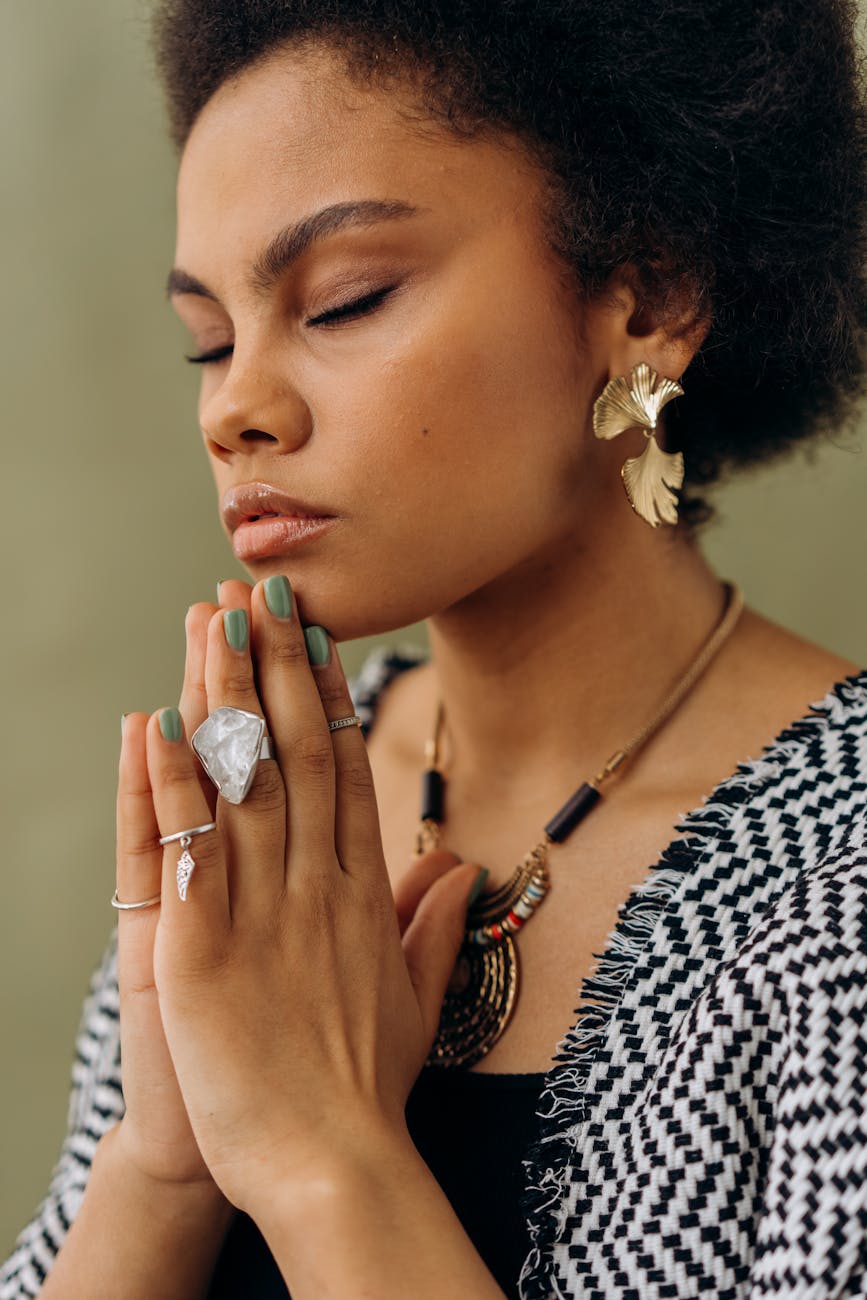
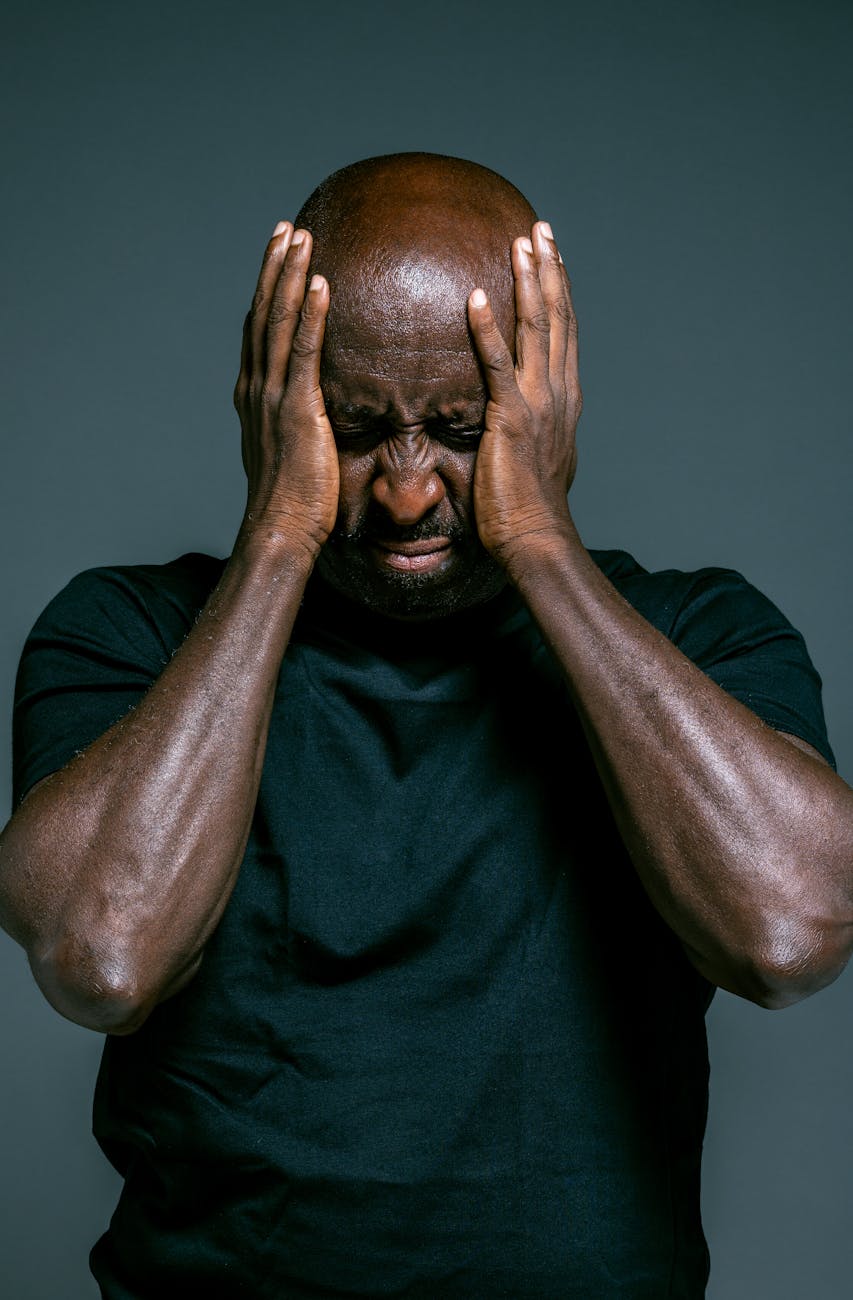
The narrative of the Brown Girl and the Brown Boy is a testimony of shared endurance and resilience across centuries of oppression. While each carries unique burdens shaped by gender, their struggles intertwine within the same framework of racism, systemic inequality, and cultural misrepresentation. The Brown Boy carries the burden of criminalization. From childhood, he is labeled as a threat, his innocence quickly stripped away by the gaze of a society that fears his melanin. He is often over-policed, over-disciplined, and prematurely marked as deviant. This early criminalization sets the stage for a life in which opportunity is constrained, where his existence is seen as something to be managed rather than celebrated. The Brown Girl, in turn, bears the weight of invisibility and hypervisibility at once. Her body is policed, her skin tone scrutinized, and her hair politicized. She is told she must work twice as hard to be seen, yet when she asserts herself, she is cast as angry or difficult. Her womanhood is too often undervalued, her femininity questioned, and her contributions overlooked. Invisibility denies her credit, while hypervisibility subjects her to surveillance.

Historical Roots of Struggle
The struggles of the Brown Girl and Brown Boy are rooted in slavery, where African men and women were simultaneously dehumanized, exploited, and stripped of their personhood. Enslaved men were depicted as dangerous brutes, while enslaved women were hypersexualized or forced into maternal roles without agency. This legacy persists today in stereotypes that continue to shape societal perceptions. The plantation created a blueprint for systemic oppression that both Black men and women still resist.

The Brown Boy is burdened by criminalization. From his youth, society sees him not as a child but as a potential threat. He is over-policed, over-disciplined, and prematurely marked as deviant. This reflects Deuteronomy 28:50 (KJV): “A nation of fierce countenance, which shall not regard the person of the old, nor shew favour to the young.” His innocence is stolen by systemic suspicion, his manhood molded in the shadow of fear.

The Brown Girl’s struggle is invisibility and hypervisibility at once. She is unseen in her brilliance yet overexposed in her body. Her skin, hair, and tone are politicized, making her both target and spectacle. The scriptures foretell this devaluation: “Thy sons and thy daughters shall be given unto another people, and thine eyes shall look, and fail with longing for them all the day long” (Deuteronomy 28:32, KJV). The world covets her beauty but denies her humanity.

Representation and Misrepresentation
Representation has always been a double-edged sword. For the Brown Boy, media often frames him as a criminal or athlete, denying the full spectrum of his humanity. For the Brown Girl, the media either erases her altogether or confines her to caricatures such as the “mammy,” “jezebel,” or “angry Black woman.” Both experience the suffocation of misrepresentation, where society refuses to see them as complex individuals.

Educational Barriers and Discipline
Education becomes a battlefield. Research shows that Black boys are disproportionately suspended and criminalized in classrooms, labeled as “problematic” rather than nurtured (Ferguson, 2000). Black girls, while often excelling academically, face their own policing: their natural hair is deemed “unprofessional,” their assertiveness mistaken for defiance, and their bodies sexualized even in youth. Both genders wrestle with an education system that undermines their potential.

Economic Inequalities
The Brown Boy often confronts systemic barriers to employment and financial stability, including discriminatory hiring practices and wage gaps. Meanwhile, the Brown Girl—despite being the most educated demographic in the U.S.—earns less than both her Black male counterparts and white women. This intersection of racism and sexism is a double bind, yet both find themselves navigating economic structures designed to exploit rather than uplift.

Colorism’s Dividing Line
Colorism deepens the trials of both. Brown Boys may be perceived as more threatening the darker their complexion, while Brown Girls may be considered less desirable. This internalized bias stems from colonial legacies that equated light skin with superiority. Both men and women endure the psychological scars of a hierarchy that measures their worth through proximity to whiteness.

Psychological Weathering
The term “weathering” describes the cumulative effect of systemic oppression on Black bodies, leading to premature aging and health decline (Geronimus, 1992). The Brown Boy often carries the weight of being seen as a target, leading to chronic stress. The Brown Girl shoulders the burden of caretaking, respectability politics, and constant scrutiny. Together, they endure the slow erosion of health by racism’s daily toll.

Police Violence and State Control
For Brown Boys, encounters with police often turn deadly. Mass incarceration and racial profiling remain defining realities. For Brown Girls, vulnerability takes other forms—sexual violence, neglect in medical care, and dismissal in the justice system. Both genders are ensnared in different arms of the same carceral state, one that polices their existence.

Body Politics
The body becomes a site of battle. Black men are hyper-masculinized, their physiques fetishized yet criminalized. Black women’s bodies are policed, objectified, and appropriated—praised when on non-Black women yet ridiculed when naturally theirs. Both genders face dehumanization through the gaze of others.

Faith and Resilience
Despite these struggles, faith traditions have long served as a refuge. From the hush harbors of slavery to today’s Black churches, scripture reminds the Brown Girl and Brown Boy of their worth: “I will praise thee; for I am fearfully and wonderfully made” (Psalm 139:14, KJV). Both draw strength from a spiritual lineage that affirms beauty, dignity, and resilience against a world that denies them.

Love and Partnership
Romantic and communal relationships are also affected by oppression. The stressors of unemployment, incarceration, and societal division often strain bonds between Black men and women. Yet, when the Brown Girl and Brown Boy commit to healing together, their love becomes an act of resistance, a sanctuary in a hostile world.

Cultural Expression
Music, art, and literature serve as outlets of survival. From jazz and hip-hop to spoken word and Afrofuturism, the Brown Girl and Brown Boy reclaim narratives and create new worlds. Through cultural production, they not only resist but also affirm their brilliance.

Generational Trauma
Trauma is not only personal but generational. Children inherit the burdens of systemic oppression, witnessing the struggles of their parents. The Brown Girl and Brown Boy often carry wounds passed down from ancestors who endured slavery, Jim Crow, and structural racism. Healing requires breaking these cycles while honoring ancestral resilience.

The Burden of Exceptionalism
Both genders often feel the pressure to be “twice as good” in order to be deemed worthy. This burden of exceptionalism leaves little room for error or rest. The Brown Boy is expected to defy the odds and avoid stereotypes, while the Brown Girl must embody strength without vulnerability. Both pay the psychological cost of being denied simple humanity.

Resistance in Activism
Black women and men have stood side by side in movements for freedom, from abolition to civil rights to Black Lives Matter. The Brown Girl and Brown Boy recognize that liberation is bound together, for one cannot be free without the other. Their shared activism is a testimony of collective endurance and vision.

Beauty and Affirmation
In a world that tells them otherwise, both must learn to see their beauty. The Brown Girl reclaims her natural hair, dark skin, and full features as symbols of pride. The Brown Boy embraces his strength, his melanin, and his presence as affirmations of worth. Beauty, once defined against them, becomes theirs to define.

Mental Health Struggles
The stigma of mental health persists in Black communities, where seeking therapy is sometimes discouraged. Yet, both men and women battle depression, anxiety, and PTSD from systemic oppression. The Brown Girl and Brown Boy must learn to embrace healing spaces without shame.

Solidarity and Division
Oppression sometimes pits them against each other, but solidarity is essential. The Brown Girl and Brown Boy must recognize that patriarchy and sexism wound as deeply as racism, and healing requires accountability, empathy, and mutual uplift. Their strength lies in unity, not division.

The Role of Media and Social Platforms
In the digital era, social media becomes both a battleground and a platform for empowerment. Hashtags like #BlackGirlMagic and #BlackBoyJoy counter negative narratives. Yet, both also endure online harassment and colorist commentary. The virtual space mirrors the real-world struggle for validation.

Conclusion: Trials, Triumphs, and Togetherness
The story of the Brown Girl and Brown Boy is not a story of defeat but of resilience. Though their trials differ in form, they intersect in meaning. Both endure systemic oppression, cultural erasure, and personal struggles—but both also embody brilliance, creativity, and faith. Their shared journey calls for solidarity, healing, and love. Together, the Brown Girl and Brown Boy prove that resilience runs deep in their skin, their spirit, and their story.


📚 References

  • Ferguson, A. A. (2000). Bad Boys: Public Schools in the Making of Black Masculinity. University of Michigan Press.
  • Geronimus, A. T. (1992). The weathering hypothesis and the health of African-American women and men: Implications for reproductive strategies and policy analysis. Milbank Quarterly, 70(2), 335–365.
  • hooks, b. (1981). Ain’t I a Woman: Black Women and Feminism. South End Press.
  • Du Bois, W. E. B. (1903). The Souls of Black Folk. Chicago: A. C. McClurg & Co.

Between Loyalty and Liberation: Family Ties in the Brown Girl Journey.

Photo by August de Richelieu on Pexels.com

For many Brown girls, family is both a source of strength and a site of struggle. The tension between loyalty to one’s family and the yearning for liberation defines much of the Brown girl’s journey. Loyalty demands respect for elders, preservation of tradition, and protection of family reputation. Liberation, however, calls for self-discovery, freedom from oppressive patterns, and the courage to break generational cycles. This tension, while deeply personal, is also cultural and historical, rooted in centuries of survival strategies passed down in Brown families.

From a psychological perspective, this conflict can be understood through family systems theory, which explains how family dynamics shape individual behavior (Bowen, 1978). A Brown girl raised in a home where obedience is highly valued may internalize guilt when seeking independence, even in healthy forms. She may fear that pursuing her own path—whether in education, relationships, or faith—signals betrayal of her family. Such dynamics often leave her torn between self-sacrifice and self-fulfillment, making the process of individuation more emotionally taxing than for those not burdened with cultural and historical trauma.

Biblically, this struggle is not unfamiliar. Jesus Himself acknowledged the cost of discipleship in relation to family loyalty: “He that loveth father or mother more than me is not worthy of me” (Matthew 10:37, KJV). This verse illustrates that ultimate allegiance belongs to God, not human bonds. Yet the Bible also commands honor for parents (Exodus 20:12). Thus, the Brown girl’s journey reflects a spiritual paradox: to be loyal without being bound, to honor without being hindered, and to love family while still prioritizing her divine calling.

In many Brown families, loyalty is often intertwined with silence. Children are taught to “protect the family” by not disclosing internal struggles, even when facing abuse, dysfunction, or generational cycles of pain. Psychology labels this as enmeshment, where boundaries between individuals are blurred and family identity overshadows personal identity (Minuchin, 1974). While intended to preserve unity, enmeshment stifles growth and can prevent healing. For the Brown girl, liberation means learning to break silence without dishonor—naming pain, seeking help, and choosing transparency as a form of truth-telling.

This struggle is compounded by cultural expectations. Brown daughters are often expected to carry more responsibility, from caring for younger siblings to supporting aging parents. Such roles, while noble, can breed resentment when they eclipse personal aspirations. Many Brown girls internalize the belief that self-care is selfish, a mindset reinforced by intergenerational survival narratives. Yet psychology affirms that self-care is essential for breaking cycles of burnout and dysfunction. Scripture echoes this principle: “Love thy neighbour as thyself” (Mark 12:31, KJV). Self-love is not rebellion but a biblical requirement.

At the same time, loyalty is not without its power. Family ties have historically been a foundation of resilience for Brown communities. Enslaved and oppressed people relied on kinship bonds for survival, protection, and cultural preservation. Grandmothers passing down oral traditions, fathers mentoring sons and daughters, and siblings sharing burdens demonstrate the strength found in loyalty. The challenge, however, lies in ensuring that this loyalty nurtures rather than confines, liberates rather than imprisons.

Breaking free from destructive family patterns does not mean abandoning family. Instead, it means redefining loyalty in a way that honors both heritage and healing. Psychology emphasizes the importance of differentiation—the ability to maintain connection while asserting individuality (Bowen, 1978). Spiritually, liberation is found in Christ, who came “to set at liberty them that are bruised” (Luke 4:18, KJV). For the Brown girl, this liberation is not merely personal but generational, creating new legacies of wholeness.

Ultimately, the Brown girl journey between loyalty and liberation is a sacred balancing act. It requires courage to resist unhealthy cycles while still cherishing family bonds. It demands wisdom to know when silence protects and when it harms. And it calls for faith to believe that loyalty to God first will enable her to walk in true liberation. By holding both loyalty and liberation together, the Brown girl creates a testimony of resilience, honoring her roots while spreading her wings.


References

  • Bowen, M. (1978). Family therapy in clinical practice. Jason Aronson.
  • Minuchin, S. (1974). Families and family therapy. Harvard University Press.
  • The Holy Bible, King James Version.

The Power of Authentic Women Who Love God.

Faith, Influence, and Transformational Leadership

Photo by Mikhail Nilov on Pexels.com

Authentic women who love God wield a unique power that blends spiritual authority, emotional intelligence, and moral integrity. Their authenticity is rooted in a personal relationship with God, guiding their decisions, interactions, and life purpose. Psychology emphasizes that authenticity—living in alignment with one’s values—promotes resilience, self-esteem, and relational effectiveness (Kernis & Goldman, 2006). Biblically, women like Sarah, Ruth, and Deborah exemplify authenticity combined with faith, showing how devotion to God amplifies personal and communal impact.

A defining characteristic of such women is steadfast faith. Their relationship with God provides clarity and stability, even in adversity. Proverbs 31:25 (KJV) says, “Strength and honour are her clothing; and she shall rejoice in time to come.” Faith anchors their identity, giving them courage to act with integrity and confidence. Psychology affirms that spiritual faith fosters resilience, emotional regulation, and purposeful living (Pargament, 1997).

Emotional intelligence and empathy are hallmarks of authentic women who love God. They demonstrate compassion, patience, and understanding in personal and professional relationships. Galatians 5:22–23 (KJV) lists the fruit of the Spirit—love, joy, peace, longsuffering, gentleness, goodness, faith, meekness, temperance—as qualities that guide their behavior. Psychologists note that emotionally intelligent individuals are more effective leaders and cultivate stronger social support networks (Goleman, 1995).

Moral courage and integrity distinguish these women. They speak truth, uphold justice, and make choices consistent with their faith, even when unpopular. Deborah, the judge of Israel (Judges 4–5), demonstrates that women guided by God can lead nations and communities effectively. Psychology shows that individuals who act according to ethical principles experience higher life satisfaction and reduced cognitive dissonance (Batson et al., 1999).

Authentic women who love God also embrace purpose-driven living. Their decisions, careers, and relationships align with divine calling, not merely societal expectations. Romans 12:2 (KJV) emphasizes transformation through renewing the mind, allowing God’s will to guide life choices. Psychology aligns with this, suggesting that purpose and meaning in life predict mental well-being and resilience (Seligman, 2011).

Influence and mentorship are natural extensions of their authenticity. Women who live authentically inspire others by example, provide guidance, and cultivate community. Proverbs 27:17 (KJV) teaches, “Iron sharpeneth iron; so a man sharpeneth the countenance of his friend.” Research confirms that mentorship and positive role modeling amplify social and psychological outcomes for mentees (Bandura, 1997).

The transformational power of authenticity also creates social change. Women guided by faith challenge injustice, support the vulnerable, and cultivate environments of trust and growth. Their lives demonstrate that beauty, influence, and leadership are magnified when rooted in Godly principles and authenticity. Psychology underscores that authentic leaders generate commitment, engagement, and well-being in those they lead (Avolio & Gardner, 2005).

5 Key Qualities of Authentic Women Who Love God

1. Steadfast Faith

  • Scripture: “She shall rejoice in time to come” (Proverbs 31:25, KJV)
  • Practice: Trust God in every situation, especially during trials. Start each day with prayer and affirm God’s promises.

2. Emotional Intelligence and Compassion

  • Scripture: “But the fruit of the Spirit is love, joy, peace, longsuffering, gentleness, goodness, faith” (Galatians 5:22, KJV)
  • Practice: Listen actively to others, show empathy, and respond with patience rather than judgment.

3. Moral Courage and Integrity

  • Scripture: “She openeth her mouth with wisdom; and in her tongue is the law of kindness” (Proverbs 31:26, KJV)
  • Practice: Stand for what is right, speak truth with love, and make choices consistent with Godly principles, even when it is difficult.

4. Purpose-Driven Living

  • Scripture: “Be not conformed to this world: but be ye transformed by the renewing of your mind” (Romans 12:2, KJV)
  • Practice: Align daily actions and goals with God’s calling for your life. Reflect weekly on whether your decisions reflect your higher purpose.

5. Mentorship and Influence

  • Scripture: “Iron sharpeneth iron; so a man sharpeneth the countenance of his friend” (Proverbs 27:17, KJV)
  • Practice: Inspire and guide others through example, encouragement, and teaching. Offer support to younger women or peers in faith.

Encouragement: Authenticity rooted in God strengthens both personal character and community impact. By cultivating faith, compassion, courage, purpose, and mentorship, women can walk in influence, resilience, and divine favor.

In conclusion, authentic women who love God exemplify strength, virtue, and influence that extend beyond themselves. By integrating faith, emotional intelligence, moral courage, and purpose, they inspire communities, transform lives, and fulfill God’s calling. Their power is both spiritual and practical—anchored in Scripture, affirmed by psychology, and manifested through real-world impact. These women remind us that authenticity in alignment with God is a source of enduring strength and societal transformation.


References

  • The Holy Bible, King James Version.
  • Avolio, B. J., & Gardner, W. L. (2005). Authentic leadership development: Getting to the root of positive forms of leadership. The Leadership Quarterly, 16(3), 315–338.
  • Bandura, A. (1997). Self-efficacy: The exercise of control. W.H. Freeman.
  • Batson, C. D., et al. (1999). Prosocial motivation: Is it ever truly altruistic? Advances in Experimental Social Psychology, 31, 1–59.
  • Goleman, D. (1995). Emotional intelligence: Why it can matter more than IQ. Bantam Books.
  • Kernis, M. H., & Goldman, B. M. (2006). A multicomponent conceptualization of authenticity: Theory and research. Advances in Experimental Social Psychology, 38, 283–357.
  • Pargament, K. I. (1997). The psychology of religion and coping. Guilford Press.
  • Seligman, M. E. P. (2011). Flourish: A visionary new understanding of happiness and well-being. Free Press.

The Caste System in India: Social Hierarchy, Skin Color, and Cultural Impact. #Bollywood

Photo by Praveen kumar on Pexels.com

The caste system in India is a rigid social hierarchy that has existed for over 2,000 years. Traditionally, it divides people into four primary varnas—Brahmins (priests), Kshatriyas (warriors), Vaishyas (merchants), and Shudras (laborers)—with a fifth group, Dalits, often marginalized as “untouchables.” Although modern India legally abolished caste discrimination in 1950, social and cultural practices still maintain significant influence, affecting employment, education, marriage, and social interactions (Bayly, 1999).

Impact on Relationships and Marriage

Caste strongly influences marriage in India. Most families prefer arranged marriages within the same caste to preserve social status and family honor. Matchmaking considers lineage, family background, education, and skin color. Darker-skinned women often face bias, as lighter skin is culturally associated with beauty, wealth, and status (Sen, 2017). This colorism affects marital prospects, sometimes limiting opportunities for women from lower castes or darker skin tones.

Bollywood and Skin Color Prejudice

India’s film industry, Bollywood, reflects and reinforces color-based prejudices. Lighter-skinned actors and actresses are often cast in lead roles, while darker-skinned performers are more likely to play supporting roles or stereotyped characters. According to film historians, the ideal Bollywood star often embodies fair skin, light eyes, and a “Westernized” appearance (Gokulsing & Dissanayake, 2013). Actresses like Deepika Padukone and Priyanka Chopra rose to stardom in part due to their lighter skin tones, which align with societal beauty ideals.

Origins and Cultural Prejudice

The caste system is deeply rooted in ancient Hindu texts like the Manusmriti, which codified social roles based on birth. Its enforcement over centuries reinforced discrimination against lower castes and darker-skinned populations. The prejudice is twofold: caste-based discrimination and colorism, which favors fairer skin and marginalizes darker-skinned individuals. This has profound effects on self-esteem, professional opportunity, and social mobility.

Consequences of Dark Skin in India

Dark-skinned individuals often experience social exclusion, lower marriage prospects, and workplace bias. Studies indicate that skin-lightening products are a multi-billion-dollar industry in India, reflecting widespread desire to conform to fair-skinned beauty standards (Sen, 2017). This obsession with light skin perpetuates cycles of discrimination, influencing education, career opportunities, and media representation.

Priyanka Chopra: Beauty, Career, and Commentary

Priyanka Chopra, Miss World 2000, emerged from this complex cultural context. Born in 1982 in Jamshedpur, India, Chopra became a global icon through her beauty, talent, and versatility. She has often spoken about the pressure of beauty standards and colorism in India, advocating for diversity and challenging traditional prejudices. Her light skin, height, and striking features contributed to her rise in Bollywood and Hollywood, illustrating how societal bias toward fair skin affects professional opportunities.

Bollywood and Skin Color Hierarchy

In Bollywood, skin color has long influenced casting, popularity, and career opportunities. Fair or “light” skin is often idealized, while darker skin is associated—wrongly—with lower social status, less beauty, and supporting roles. This hierarchy is rooted in historical caste and colonial influences, where lighter skin was equated with higher social standing, wealth, and attractiveness.

Bollywood Skin Color Hierarchy

TierSkin ToneTypical RolesExamplesBrand Endorsements & Visibility
Tier 1: Top LeadsFair / LightRomantic lead, hero/heroine, glamorous rolesDeepika Padukone, Priyanka Chopra, Aishwarya Rai Bachchan,Hrithik Roshan, Ranveer SinghHigh-profile endorsements (luxury brands, beauty products), magazine covers, global recognition
Tier 2: Semi-Fair / MediumMedium tanSupporting lead, secondary romance, “girl-next-door” rolesAlia Bhatt, Varun DhawanModerate endorsements, some brand visibility, prominent film roles
Tier 3: Dusky / DarkMedium-dark / DuskySupporting roles, “rustic” characters, comedic or villainous partsVidya Balan (early roles), Rani Mukerji (early roles)Limited endorsements, rarely cast as glamorous leads, faces typecasting
Tier 4: Very Dark / Deeply MelanatedDeep brown / very darkMinor roles, stereotypical portrayalsVery few lead examples historicallyMinimal endorsements, often invisible in top films, underrepresented in media

Key Observations

  1. Gender Bias: Women face stricter color-based scrutiny than men, though lighter-skinned men are also preferred for lead romantic roles.
  2. Endorsement Bias: Brands favor lighter-skinned actors to promote beauty products, luxury items, and aspirational lifestyles.
  3. Career Mobility: Darker-skinned actors often must prove exceptional talent or charisma to break into lead roles, highlighting systemic colorism.
  4. Cultural Reinforcement: Bollywood films reinforce societal beauty standards, connecting fairness with desirability, wealth, and power.
  5. Emerging Change: Social media and global exposure are slowly allowing talent to be recognized regardless of skin tone, and stars like Priyanka Chopra are using their platform to challenge colorism.

Historical Context

  • During British colonial rule, lighter skin became associated with proximity to power and privilege.
  • Indian society internalized these ideals, linking beauty and desirability with fairness.
  • Early Bollywood films reflected these societal biases, favoring actors and actresses with lighter complexions for lead roles.

Actor and Actress Examples

  • Fair-skinned leading actresses: Deepika Padukone, Kareena Kapoor, Alia Bhatt, Aishwarya Rai Bachchan. These actresses often get top billing, major brand endorsements, and high-paying roles.
  • Darker-skinned actresses: Despite talent, they are frequently typecast into supporting roles or roles emphasizing “rustic” or “villainous” characters. Examples include Vidya Balan (who has spoken about facing discrimination) and Rani Mukerji early in her career.
  • Male actors: Light skin is also favored, though the bias is more pronounced for women. Actors like Shah Rukh Khan, Hrithik Roshan, and Ranveer Singh are often celebrated for their fairer appearance alongside their acting skills.

Media and Branding

  • Fairness cream advertisements and endorsements perpetuate the bias, promoting light skin as desirable and powerful.
  • Bollywood films frequently pair fair-skinned leads, reinforcing the perception that light skin equals romance, wealth, and success.
  • Actors with darker skin often have to overcome additional barriers, even when talented, due to entrenched societal and industry biases.

Psychological Impact

  • This hierarchy creates colorism, leading to internalized self-esteem issues, obsession with skin-lightening products, and societal pressure for actors and the general population.
  • Frances Cress Welsing’s theories on melanin power and the psychological envy of darker skin can be applied cross-culturally to understand why lighter skin has been commodified and preferred in media industries like Bollywood.

Shifts and Modern Changes

  • Some recent films and campaigns are challenging colorism, promoting diverse skin tones, and redefining beauty standards.
  • Actors like Priyanka Chopra have used their platform to discuss colorism and advocate for broader acceptance of melanated beauty.
  • Social media allows fans to challenge biases and celebrate talent and charisma over complexion.

Conclusion

The caste system in India, combined with entrenched colorism, continues to shape social structures, marriage practices, and media representation. Darker-skinned individuals face prejudice that limits opportunities and reinforces societal hierarchies. Bollywood, while globally influential, often perpetuates these biases by privileging light-skinned actors. Figures like Priyanka Chopra challenge these norms but also reflect how beauty standards tied to skin color and caste still influence success and perception in India. Awareness, legal reforms, and cultural shifts are necessary to dismantle these deeply rooted prejudices.


References

Bayly, S. (1999). Caste, Society and Politics in India from the Eighteenth Century to the Modern Age. Cambridge University Press.

Gokulsing, K. M., & Dissanayake, W. (2013). Routledge Handbook of Indian Cinemas. Routledge.

Sen, C. (2017). Skin Deep: The Persistent Problem of Colorism in India. Journal of South Asian Studies, 40(3), 567-585.

Priyanka Chopra. (n.d.). Biography. Biography.com. https://www.biography.com/actor/priyanka-chopra

How Good Relationships Trigger Growth and Self-Worth.

Biblical Wisdom and Psychological Insight

Photo by Innocent Khumbuza on Pexels.com

Relationships are more than social connections; they are environments that shape growth, identity, and self-worth. The Bible emphasizes the power of relationships in shaping character: “Iron sharpeneth iron; so a man sharpeneth the countenance of his friend” (Proverbs 27:17, KJV). Just as iron sharpens iron, healthy relationships refine individuals, fostering personal development and spiritual strength. Psychology echoes this truth by showing that supportive relationships enhance self-esteem, resilience, and motivation.

One way good relationships foster growth is through encouragement and accountability. The Apostle Paul writes, “Wherefore comfort yourselves together, and edify one another” (1 Thessalonians 5:11, KJV). In positive relationships, encouragement builds confidence, while accountability promotes responsibility. Psychologically, consistent affirmation within relationships strengthens self-concept and reduces negative self-talk, helping individuals pursue goals with boldness.

Good relationships also enhance emotional regulation and mental health. Ecclesiastes 4:9–10 (KJV) declares, “Two are better than one… For if they fall, the one will lift up his fellow.” Supportive bonds offer comfort during times of stress and help individuals process emotions constructively. Research in psychology shows that strong social support networks lower anxiety, depression, and loneliness, thereby building resilience and emotional balance. The act of being cared for affirms one’s value, reinforcing the truth that self-worth is not only intrinsic but also nurtured through loving connections.

Additionally, healthy relationships cultivate purpose and identity. In God’s design, community and companionship are central to human flourishing: “It is not good that the man should be alone” (Genesis 2:18, KJV). Being in relationships where one’s gifts, talents, and presence are valued provides affirmation of identity. Psychology supports this by demonstrating that relational belonging boosts motivation and strengthens intrinsic self-worth, confirming that individuals thrive when they feel accepted and needed.

Quick List: 7 Ways Good Relationships Build Growth and Self-Worth

  1. Encouragement and Accountability
  • 1 Thessalonians 5:11 (KJV): “Edify one another.”
  • Positive relationships affirm goals and keep us accountable, boosting confidence.
  1. Emotional Support
  • Ecclesiastes 4:9–10 (KJV): “If they fall, the one will lift up his fellow.”
  • Supportive bonds reduce stress, anxiety, and depression.
  1. Affirmed Identity
  • Genesis 2:18 (KJV): “It is not good that the man should be alone.”
  • Being valued in relationships strengthens self-concept and belonging.
  1. Wisdom and Spiritual Growth
  • Proverbs 13:20 (KJV): “He that walketh with wise men shall be wise.”
  • Good companions sharpen moral clarity and spiritual maturity.
  1. Resilience in Adversity
  • Proverbs 17:17 (KJV): “A friend loveth at all times.”
  • Relationships provide stability and strength in hard seasons.
  1. Healthy Self-Worth
  • Proverbs 27:17 (KJV): “Iron sharpeneth iron.”
  • Constructive bonds remind us of our value and refine character.
  1. Shared Purpose
  • Amos 3:3 (KJV): “Can two walk together, except they be agreed?”
  • Mutual vision and shared values bring direction and motivation.

Moreover, good relationships help individuals grow spiritually and morally. Proverbs 13:20 (KJV) advises, “He that walketh with wise men shall be wise.” Walking with wise, loving, and godly companions leads to spiritual maturity, moral clarity, and wisdom. Psychologically, the modeling of positive behavior in relationships fosters self-improvement through observational learning, reinforcing the principle that people rise to the level of the relationships they keep.

In conclusion, good relationships are catalysts for growth and self-worth. The Bible illustrates that companionship refines character, provides support, and nurtures spiritual development. Psychology confirms that healthy bonds reduce stress, build confidence, and strengthen identity. To cultivate growth, individuals must seek relationships that sharpen, uplift, and nurture the best within them. As Proverbs 17:17 (KJV) declares, “A friend loveth at all times, and a brother is born for adversity.” Good relationships are, indeed, divine instruments that shape us into stronger, wiser, and more confident individuals.


📚 References

  • The Holy Bible, King James Version.
  • Baumeister, R. F., & Leary, M. R. (1995). The need to belong: Desire for interpersonal attachments as a fundamental human motivation. Psychological Bulletin, 117(3), 497–529.
  • Reis, H. T., & Gable, S. L. (2003). Toward a positive psychology of relationships. American Psychologist, 58(1), 79–89.

Is Divorce Always a Sin?


Photo by Alex Green on Pexels.com

Divorce is the legal and relational dissolution of a marriage covenant between a husband and wife. In Scripture, marriage is presented not merely as a social contract but as a divine covenant ordained by God. Malachi 2:16 declares, “For the LORD, the God of Israel, saith that he hateth putting away” (KJV), showing that divorce grieves the heart of God because it disrupts the sacred bond He established. While civil courts may recognize divorce as final, biblically, marriage is a covenant that reflects God’s faithfulness to His people.

Is Divorce Always a Sin?

Divorce itself is not always labeled as sin in Scripture, but it often results from human sin such as unfaithfulness, neglect, or hardness of heart. Jesus stated, “Moses because of the hardness of your hearts suffered you to put away your wives: but from the beginning it was not so” (Matthew 19:8, KJV). This shows that God’s original design was lifelong union, but divorce was permitted in certain circumstances because of human weakness. Divorce becomes sinful when pursued for selfish or unbiblical reasons, rather than as a response to covenant-breaking sins such as adultery or abandonment.

Picking the Best Mate

To avoid the pain of divorce, Scripture calls believers to carefully discern whom they marry. 2 Corinthians 6:14 warns, “Be ye not unequally yoked together with unbelievers” (KJV), urging Christians to seek spouses who share their faith. Beyond shared belief, wisdom in selecting a spouse includes looking for godly character, integrity, and the fruits of the Spirit. Proverbs 18:22 reminds, “Whoso findeth a wife findeth a good thing, and obtaineth favour of the LORD” (KJV). Choosing the right mate is not about physical attraction or material wealth, but about shared values rooted in God’s Word.

Should You Wait on God?

The decision of whom to marry must be bathed in prayer and patience. Psalm 27:14 instructs, “Wait on the LORD: be of good courage, and he shall strengthen thine heart: wait, I say, on the LORD” (KJV). Waiting on God prevents hasty decisions driven by loneliness or pressure. God’s timing ensures that believers are joined with someone who will help fulfill His divine purposes. By waiting on God, individuals align their marriages with His will rather than their own desires.

Divorce and Remarriage

The New Testament provides clear but difficult teaching on remarriage. Jesus taught, “And I say unto you, Whosoever shall put away his wife, except it be for fornication, and shall marry another, committeth adultery” (Matthew 19:9, KJV). This indicates that remarriage after divorce, unless the divorce was caused by sexual immorality, results in adultery. Paul also reinforces the sanctity of marriage in Romans 7:2-3, stating that a woman is bound to her husband as long as he lives. While culture permits multiple remarriages, Scripture places a high standard on marital fidelity and permanence.

Adultery After Divorce

Adultery is one of the most serious concerns associated with divorce and remarriage. Jesus’ words in Mark 10:11-12 are uncompromising: “Whosoever shall put away his wife, and marry another, committeth adultery against her. And if a woman shall put away her husband, and be married to another, she committeth adultery” (KJV). This reveals that God views marriage vows as binding, and the casual breaking of them leads to sin. Adultery after divorce not only harms individuals but also violates God’s holy standard for marriage.

God’s Grace in Broken Marriages

While the Bible sets high standards, it also reveals God’s grace for those who have fallen short. Jesus met the Samaritan woman at the well, who had five husbands and was living with a man outside of marriage (John 4:17-18). Rather than condemn her, He offered her living water—spiritual renewal and forgiveness. Likewise, those who have suffered through divorce or failed marriages can experience restoration through repentance and faith. God does not abandon His children but calls them into healing and redemption.

Conclusion

Divorce is never part of God’s original design but was allowed because of human sin and hardness of heart. While not always sinful in itself, divorce carries serious consequences, particularly when followed by remarriage outside of biblical grounds. Believers are therefore called to seek God’s will diligently in choosing a mate, to wait on His timing, and to honor the marriage covenant with faithfulness. Yet even in brokenness, God’s grace offers forgiveness and new life. The biblical standard for marriage remains holiness, permanence, and covenant love, reflecting Christ’s union with His Church.


References

Biblical References (KJV)

  • Malachi 2:16. King James Version.
  • Matthew 19:8-9. King James Version.
  • Mark 10:11-12. King James Version.
  • Romans 7:2-3. King James Version.
  • Proverbs 18:22. King James Version.
  • 2 Corinthians 6:14. King James Version.
  • Psalm 27:14. King James Version.
  • John 4:17-18. King James Version.

Secondary Sources
Keller, T. (2011). The Meaning of Marriage: Facing the Complexities of Commitment with the Wisdom of God. Dutton.

Piper, J., & Grudem, W. (2006). Recovering Biblical Manhood and Womanhood. Crossway.

Collins, A. (2018). Biblical Marriage and Gender Roles: A Historical Perspective. Zondervan Academic.


Silenced, Twisted, and Lost: The Biblical Roles of Husbands and Wives.

Photo by nappy on Pexels.com

Marriage, as designed by God, is a sacred covenant between a man and a woman, meant to reflect Christ’s relationship with His Church. The King James Bible presents clear guidance for the roles of husbands and wives—roles that are complementary, balanced, and divinely ordained. Yet in modern society, these roles have been silenced, twisted, and in many cases, lost. Misinterpretation of Scripture, societal pressures, and cultural shifts have obscured God’s design, leaving marriages unstable and families vulnerable.


I. The Role of the Husband

Silenced: The Muting of Biblical Headship

The husband’s role as head of the household is foundational. Paul writes, “For the husband is the head of the wife, even as Christ is the head of the church: and he is the saviour of the body” (Ephesians 5:23, KJV). This leadership is not intended as domination but as sacrificial guidance. Modern narratives often silence this biblical truth, reducing the husband’s role to mere provider or companion, leaving households without spiritual and moral direction.

Twisted: Misuse of Authority

Where Scripture calls husbands to love and serve, some have twisted headship into authoritarianism or neglect. Paul instructs, “Husbands, love your wives, even as Christ also loved the church, and gave himself for it” (Ephesians 5:25, KJV). True leadership mirrors Christ’s sacrificial love, nurturing, and protection. Distorting this role harms wives, children, and the integrity of marriage itself.

Lost: The Absence of Godly Leadership

In many homes today, the husband’s biblical role is lost, resulting in instability and fatherlessness. Malachi warns of covenant unfaithfulness, which often begins with men abandoning their divine assignment: “For the LORD, the God of Israel, saith that he hateth putting away… take heed to your spirit, that ye deal not treacherously” (Malachi 2:16, KJV). Without godly husbands, families struggle to maintain spiritual and relational balance.

Restoration of the Husband’s Role

A biblical husband is:

  • A spiritual leader – guiding his household in righteousness (Joshua 24:15).
  • A sacrificial lover – cherishing his wife (Ephesians 5:28-29).
  • A faithful provider – sustaining his family (1 Timothy 5:8).
  • A protector of covenant – upholding marriage as sacred (Hebrews 13:4).

II. The Role of the Wife

Silenced: The Neglect of Influence

Wives are indispensable to the harmony and spiritual health of the family. Proverbs affirms, “Who can find a virtuous woman? for her price is far above rubies” (Proverbs 31:10, KJV). Yet cultural narratives often silence the wife’s voice, undervaluing her wisdom, counsel, and spiritual influence in the household.

Twisted: Misrepresentation and Pressure

Scripture instructs wives, “Submit yourselves unto your own husbands, as unto the Lord” (Ephesians 5:22, KJV), a mandate frequently misunderstood as oppression. True submission reflects respect, cooperation, and alignment with God’s order, not weakness. Modern distortions either push women toward dominance or silence, both of which contradict God’s design and disrupt marital harmony.

Lost: The Erosion of Biblical Womanhood

Feminism, secular ideologies, and cultural miseducation have led many women to abandon biblical womanhood. Peter exhorts: “Let it be the hidden man of the heart, in that which is not corruptible, even the ornament of a meek and quiet spirit, which is in the sight of God of great price” (1 Peter 3:3-4, KJV). When the role of the wife is lost, families lack spiritual balance, children lack a godly model of femininity, and marriages suffer relational discord.

Restoration of the Wife’s Role

A biblical wife is:

  • A supportive partner – honoring and respecting her husband (Ephesians 5:33).
  • A nurturer of home and family – fostering spiritual, emotional, and moral growth (Titus 2:4-5).
  • A keeper of virtue – embracing modesty, holiness, and integrity (Proverbs 31:30).
  • A spiritual influencer – guiding, praying, and strengthening her household (1 Peter 3:6).

III. Conclusion: A Call to Restoration

The silencing, twisting, and loss of biblical roles for husbands and wives have led to broken marriages, unstable homes, and generational struggles. Restoration requires a return to Scripture, a rejection of cultural distortions, and a recommitment to God’s divine order.

When husbands and wives embrace their God-given roles:

  • Marriages reflect the love and unity of Christ and the Church (Ephesians 5:32).
  • Families experience spiritual, emotional, and relational stability.
  • Children grow with clear examples of godly manhood and womanhood.

God’s design for marriage is perfect, complementary, and life-giving. Rediscovering and embracing these roles restores the sanctity of marriage and the flourishing of families according to His Word.

Biblical References (KJV)

Ephesians 5:22-25, 28-29, 32, 33. King James Version.

Proverbs 31:10, 30. King James Version.

1 Peter 3:3-4, 6. King James Version.

Titus 2:4-5. King James Version.

Malachi 2:16. King James Version.

Joshua 24:15. King James Version.

1 Timothy 5:8. King James Version.

Hebrews 13:4. King James Version.


Suggested Secondary Sources for Scholarly Context

Collins, A. (2018). Biblical Marriage and Gender Roles: A Historical Perspective. Zondervan Academic.

Piper, J., & Grudem, W. (2006). Recovering Biblical Manhood and Womanhood. Crossway.

Keller, T. (2011). The Meaning of Marriage: Facing the Complexities of Commitment with the Wisdom of God. Dutton.

Barclay, W. (2004). The Letters to the Ephesians, Colossians, and Thessalonians. Westminster John Knox Press.

Fitzmyer, J. A. (2008). Romans: A New Translation with Introduction and Commentary. Yale University Press.

Dilemma: Color Bias

Photo by Nicole Berro on Pexels.com

Color bias, often called colorism, is the social preference for lighter skin tones within racial or ethnic groups. Unlike racism, which functions across different races, color bias operates within a community, shaping hierarchies of privilege, beauty, and worthiness according to complexion. Rooted in slavery, colonialism, and Eurocentric ideals, color bias has lasting effects on how people are valued and treated. It creates divisions among those who share the same ancestry, undermining unity and reinforcing oppression from within (Hunter, 2007).

Historically, color bias took root during the transatlantic slave trade and colonial rule. Lighter-skinned enslaved Africans, often born of European masters, were given positions as house servants, while darker-skinned individuals were confined to harsher field labor (Keith & Herring, 1991). This division fostered the perception that lighter skin represented refinement, intelligence, and proximity to whiteness, while darker skin was stigmatized as less desirable. These beliefs were passed through generations, embedding shade hierarchies into social and cultural structures long after the abolition of slavery.

In modern contexts, color bias continues to shape opportunity and representation. Lighter-skinned individuals are often favored in entertainment, media, and professional spaces. Globally, skin-lightening industries thrive, promising upward mobility and beauty to those who conform to lighter ideals (Glenn, 2008). Within families, children with lighter complexions may be praised as “beautiful” or “lucky,” while darker-skinned children face teasing or stigma, creating internalized wounds. Even in casual language, terms like “high yellow” or “redbone” highlight how complexion is tied to perceived social value.

Color bias also significantly impacts relationships, marriage, and family dynamics. Research shows that lighter-skinned women are often perceived as more desirable for marriage, while darker-skinned women face higher levels of rejection, bias, and stereotypes (Hunter, 1998). Men with darker skin may also be labeled as more threatening or less “respectable,” influencing dating choices and family expectations. These biases affect mate selection, with some families encouraging unions with lighter-skinned partners to “improve” the family lineage. Such practices reflect not only internalized racism but also the lingering scars of slavery and colonialism.

The Bible challenges such distortions of human worth. Song of Solomon 1:5 (KJV) declares: “I am black, but comely, O ye daughters of Jerusalem.” This verse affirms the beauty of dark skin, countering cultural stigmas. Furthermore, 1 Samuel 16:7 (KJV) reminds believers that God judges by the heart, not appearance. Favoritism in love, marriage, or family based on complexion stands against the divine standard of equality. Acts 17:26 (KJV) further emphasizes that God “hath made of one blood all nations of men,” revealing that complexion-based hierarchies are human inventions, not divine truths.

Psychologically, color bias is sustained through internalized racism and implicit bias. Internalized racism leads individuals to adopt the belief that lighter features are more attractive or valuable, even when such beliefs harm their own identity (Speight, 2007). Implicit bias operates unconsciously, shaping decisions about who is considered attractive, professional, or marriage-worthy. These biases infiltrate dating preferences, hiring choices, and even parental expectations, perpetuating cycles of inequality. Addressing these issues requires intentional reflection, awareness, and healing.

Ultimately, overcoming color bias demands both spiritual and psychological renewal. Spiritually, believers are called to “be not conformed to this world: but be ye transformed by the renewing of your mind” (Romans 12:2, KJV). Psychologically, education, representation, and open dialogue are necessary to dismantle implicit biases and heal generational wounds. Communities must affirm that every shade of melanin is a reflection of God’s creativity, equally worthy of love, respect, and dignity. By uniting faith and knowledge, families and societies can break the grip of color bias and build relationships rooted in genuine character rather than complexion.


References

  • Glenn, E. N. (2008). Yearning for lightness: Transnational circuits in the marketing and consumption of skin lighteners. Gender & Society, 22(3), 281–302.
  • Hunter, M. (1998). Colorstruck: Skin color stratification in the lives of African American women. Sociological Inquiry, 68(4), 517–535.
  • Hunter, M. (2007). The persistent problem of colorism: Skin tone, status, and inequality. Sociology Compass, 1(1), 237-254.
  • Keith, V. M., & Herring, C. (1991). Skin tone and stratification in the Black community. American Journal of Sociology, 97(3), 760–778.
  • Speight, S. L. (2007). Internalized racism: One more piece of the puzzle. The Counseling Psychologist, 35(1), 126–134.
  • The Holy Bible, King James Version.

Dilemma: Mental Slavery

Understanding, Overcoming, and Renewing the Mind.

Photo by Ketut Subiyanto on Pexels.com

Mental slavery refers to the psychological condition in which individuals internalize beliefs of inferiority, limitation, or subservience imposed by external systems of oppression. Unlike physical slavery, which confines the body, mental slavery confines the mind, influencing behavior, self-worth, and worldview. It perpetuates cycles of disempowerment, even long after the end of legal slavery. Psychologists describe mental slavery as a form of internalized oppression, where the oppressed adopt the value system of the oppressor (Welsing, 1991). Biblically, this is akin to captivity of the mind: “And be not conformed to this world: but be ye transformed by the renewing of your mind, that ye may prove what is that good, and acceptable, and perfect, will of God” (Romans 12:2, KJV).

Origins of Mental Slavery

Mental slavery originated during the transatlantic slave trade, where Africans were forcibly removed from their homelands and subjected to dehumanization, brutality, and cultural erasure. Enslavers imposed narratives of inferiority, instilling in enslaved people the belief that they were subhuman, incapable of self-determination, and dependent on their oppressors. This psychological conditioning was reinforced through generations via systemic oppression, segregation, and institutionalized racism.

Impact on Ancestors

Our ancestors endured extreme physical, emotional, and psychological trauma. They were denied education, cultural expression, family integrity, and autonomy. Beyond physical exploitation, slavery instilled fear, dependency, and internalized inferiority, affecting generational mindset. Even in freedom, descendants inherit remnants of these beliefs, manifesting as self-doubt, colorism, and acceptance of societal hierarchies that devalue Black life.

Psychological Impact Today

Mental slavery continues to affect Black communities through low self-esteem, internalized racism, identity conflicts, and susceptibility to societal conditioning. Psychologists observe that it contributes to cycles of poverty, educational disparities, and social marginalization. The mental burden often results in anxiety, depression, and diminished motivation, creating barriers to realizing full potential (Hunter, 2007).

Understanding Mental Slavery Through the Bible

The KJV Bible provides principles for overcoming mental slavery by emphasizing spiritual freedom and mind renewal. Jesus declared: “If the Son therefore shall make you free, ye shall be free indeed” (John 8:36, KJV). Freedom begins in the mind, aligning thoughts and beliefs with God’s truth rather than the lies imposed by oppression. Scripture repeatedly emphasizes that the mind and heart are central to liberation (Romans 12:2; 2 Corinthians 10:5, KJV).

Renewing the Mind

Renewal of the mind involves rejecting false narratives, embracing God’s Word, and cultivating a spiritual, moral, and intellectual identity rooted in truth. Daily practices include prayer, meditation on Scripture, affirmations, education, and exposure to empowering narratives. “Casting down imaginations, and every high thing that exalteth itself against the knowledge of God, and bringing into captivity every thought to the obedience of Christ” (2 Corinthians 10:5, KJV). Renewal requires discipline, community, and conscious effort.

Overcoming Mental Slavery

Overcoming mental slavery entails both individual and collective strategies:

  • Education: Learning history, culture, and personal heritage restores identity and pride.
  • Therapy & Counseling: Addressing generational trauma and internalized beliefs.
  • Faith & Spiritual Practice: Grounding identity in God’s truth rather than societal lies.
  • Community & Mentorship: Engaging with supportive networks that model empowerment and resilience.

Mental Slavery Healing Guide: Breaking Generational Mind Chains


1. Daily Affirmations and Spiritual Alignment

  • “If the Son therefore shall make you free, ye shall be free indeed” (John 8:36, KJV).
  • “I reject every lie of inferiority and embrace my God-given worth.”
  • “My mind is renewed by God’s Word, not the world’s standards” (Romans 12:2, KJV).

Practice: Repeat affirmations morning and evening, or write them in a journal. Pair with prayer to internalize truth.


2. Scripture Meditation and Mind Renewal

  • Meditate on verses that affirm identity, freedom, and power in Christ:
    • 2 Corinthians 10:5: “Casting down imaginations, and every high thing that exalteth itself against the knowledge of God.”
    • Romans 12:2: Emphasizes transformation through mind renewal.
  • Visualize each thought and belief aligning with God’s truth rather than oppressive narratives.

3. Education and Historical Awareness

  • Study the history of slavery, colonialism, and colorism to understand the roots of mental slavery.
  • Read biographies of Black leaders, scholars, and revolutionaries who resisted oppression.
  • Teaching history accurately restores pride, identity, and resilience.

4. Psychological Tools

  • Journaling: Record experiences of internalized bias and victories over negative thoughts.
  • Cognitive Restructuring: Identify and challenge thoughts of inferiority, replacing them with affirming truths.
  • Therapy or Counseling: Seek professionals trained in racial trauma, intergenerational oppression, and self-esteem issues.

5. Faith-Based Practices

  • Daily prayer for clarity, courage, and mental freedom.
  • Fasting and extended prayer sessions can strengthen spiritual discipline and focus.
  • Attend Bible study groups that emphasize spiritual empowerment and mental renewal.

6. Community and Mentorship

  • Surround yourself with mentors and peers who embody empowerment and pride in Black identity.
  • Participate in community programs that focus on leadership, entrepreneurship, and cultural affirmation.
  • Engage in dialogue about mental slavery to normalize experiences and foster collective healing.

7. Cultural Affirmation and Personal Expression

  • Celebrate natural hair, skin, and features; avoid conforming to Eurocentric standards for approval.
  • Explore cultural arts, music, and literature to strengthen identity and counter societal conditioning.
  • Represent Black beauty, achievement, and intellect publicly to inspire others.

8. Action Steps for Daily Freedom

  1. Begin each day with Scripture, prayer, and affirmations.
  2. Educate yourself on history and cultural identity.
  3. Practice cognitive and emotional strategies to reject internalized oppression.
  4. Engage in faith communities and mentorship programs.
  5. Express identity authentically through personal appearance, creativity, and leadership.

Conclusion

Mental slavery is a profound, generational challenge, rooted in the dehumanization of our ancestors and perpetuated by societal systems. Its psychological impact is pervasive, influencing identity, self-perception, and social outcomes. However, the KJV Bible provides a framework for liberation through the renewal of the mind, spiritual alignment, and embracing God-given worth. By understanding its origins, acknowledging its effects, and actively pursuing mental and spiritual freedom, Black individuals and communities can break the chains of mental slavery and reclaim empowerment, dignity, and purpose.


References

Biblical References (KJV)

  • Romans 12:2
  • 2 Corinthians 10:5
  • John 8:36

Psychology & Sociology References

  • Welsing, F. C. (1991). The Isis Papers: The Keys to the Colors. Third World Press.
  • Hunter, M. L. (2007). The Persistent Problem of Colorism: Skin Tone, Status, and Inequality. Sociology Compass, 1(1), 237–254.
  • Clark, R., & Clark, K. (1947). Racial Identification and Preference in Negro Children. Journal of Negro Education, 16(3), 169–176.

Dilemma: Self-Hatred

The Psychological Legacy of Slavery and Color Bias.

Photo by Shanice McKenzie on Pexels.com

Self-hatred among Black people has deep historical roots, particularly stemming from the trauma of slavery and centuries of systemic oppression. This internalized disdain manifests in attitudes toward one’s skin, hair, and cultural features, and continues to affect Black people today. Psychologists identify self-hatred as a form of internalized oppression, where victims adopt the negative beliefs and stereotypes imposed by dominant groups (Welsing, 1991). Biblically, this contrasts with God’s perspective: “But the Lord said unto Samuel, Look not on his countenance, or on the height of his stature; for the Lord seeth not as man seeth; for man looketh on the outward appearance, but the Lord looketh on the heart” (1 Samuel 16:7, KJV).

Historical Roots: Slavery and Colorism

During slavery, lighter-skinned slaves—often children of European masters—were given preferential treatment, while darker-skinned individuals faced harsher labor and punishment. This created a color hierarchy within enslaved communities, instilling notions of inferiority based on skin tone. Hair texture was also stigmatized, and European beauty ideals were valorized. These historical realities laid the foundation for psychological wounds that persist across generations.

Psychological Effects

Self-hatred manifests as low self-esteem, anxiety, depression, and identity conflict. Psychologists note that internalized racism can result in imposter syndrome, social withdrawal, and preference for Eurocentric features (Hunter, 2007). Black girls and women may feel pressured to straighten hair, lighten skin, or alter features to fit societal ideals. The stress of trying to conform externally often exacerbates internal conflict and mental health challenges.

Contemporary Implications

Today, Black people still face discrimination in employment, education, and media representation. Lookism and lightism—preference for lighter skin and straighter hair—affect hiring decisions, casting in media, and social interactions. Colorism perpetuates inequality even within communities of color, while mainstream media continues to glorify Eurocentric beauty standards. The KJV Bible reminds believers to find value in spiritual and moral integrity rather than external appearance (1 Peter 3:3-4, KJV).

Self-Hatred Healing Guide: Overcoming the Legacy of Slavery and Colorism

1. Daily Affirmations and Spiritual Grounding

  • “I am fearfully and wonderfully made” (Psalm 139:14, KJV).
  • “God sees the heart; my worth is in Him, not in society’s standards” (1 Samuel 16:7, KJV).
  • “My skin, hair, and features are beautiful and reflect God’s design.”

Practice: Repeat affirmations daily, write them in a journal, or post them where you see them regularly.


2. Cultural Pride and Representation

  • Celebrate African, Caribbean, or Black American heritage.
  • Engage with media that showcases Black beauty, culture, and achievements.
  • Support Black-owned businesses, authors, artists, and creators to reinforce cultural pride.

3. Media Literacy

  • Critically evaluate mainstream media for Eurocentric beauty standards.
  • Avoid content that perpetuates negative stereotypes or color bias.
  • Share and promote diverse representation that affirms dark and brown-skinned beauty.

4. Mental Health and Therapy

  • Seek therapy with professionals trained in racial trauma and colorism.
  • Journaling: Write thoughts, experiences, and victories to externalize and process internalized biases.
  • Cognitive restructuring: Challenge negative self-talk and replace it with truth-based affirmations rooted in spirituality and personal value.

5. Faith and Spiritual Practices

  • Pray daily for self-acceptance, healing, and guidance.
  • Meditate on Scriptures emphasizing inner beauty and God’s perspective:
    • 1 Samuel 16:7: God values the heart, not outward appearance.
    • Psalm 139:14: Each person is wonderfully made.
  • Use fasting, worship, and fellowship to strengthen spiritual resilience and emotional health.

6. Practical Beauty and Self-Care

  • Embrace natural hair textures, skin tones, and facial features.
  • Experiment with self-expression through fashion, makeup, and hairstyles that celebrate identity rather than conform to Eurocentric norms.
  • Develop a self-care routine that nurtures mental, physical, and emotional well-being.

7. Community and Mentorship

  • Join groups or networks that celebrate Black identity and provide emotional support.
  • Seek mentorship from Black leaders, activists, and professionals who model confidence and self-love.
  • Share experiences with peers to normalize challenges and reinforce empowerment.

8. Action Steps

  1. Begin each day with affirmations and prayer.
  2. Limit exposure to harmful media messages.
  3. Participate in cultural and community events that celebrate Black heritage.
  4. Engage in therapy, journaling, or spiritual counseling.
  5. Mentor or guide younger Black individuals to foster self-love and cultural pride.

Strategies for Change

  • Cultural Affirmation: Celebrate Black features, hairstyles, and skin tones in media, education, and community spaces.
  • Education: Teach the history of slavery, colorism, and its psychological effects to promote awareness.
  • Therapy and Counseling: Encourage mental health support focused on racial trauma and self-worth.
  • Faith-Based Empowerment: Scripture and spiritual practice can restore confidence and identity in God’s eyes (Psalm 139:14, KJV).

Role of White Society

White society can help dismantle systemic biases by:

  • Confronting and correcting discriminatory policies in workplaces, schools, and media.
  • Promoting diverse representation in leadership and media.
  • Supporting initiatives that celebrate Black culture rather than co-opt or erase it.
  • Recognizing the historical roots of self-hatred and advocating for reparative justice.

References

Biblical References (KJV)

  • 1 Samuel 16:7
  • 1 Peter 3:3-4
  • Psalm 139:14

Psychology & Sociology References

  • Welsing, F. C. (1991). The Isis Papers: The Keys to the Colors. Third World Press.
  • Hunter, M. L. (2007). The Persistent Problem of Colorism: Skin Tone, Status, and Inequality. Sociology Compass, 1(1), 237–254.
  • Clark, R., & Clark, K. (1947). Racial Identification and Preference in Negro Children. Journal of Negro Education, 16(3), 169–176.