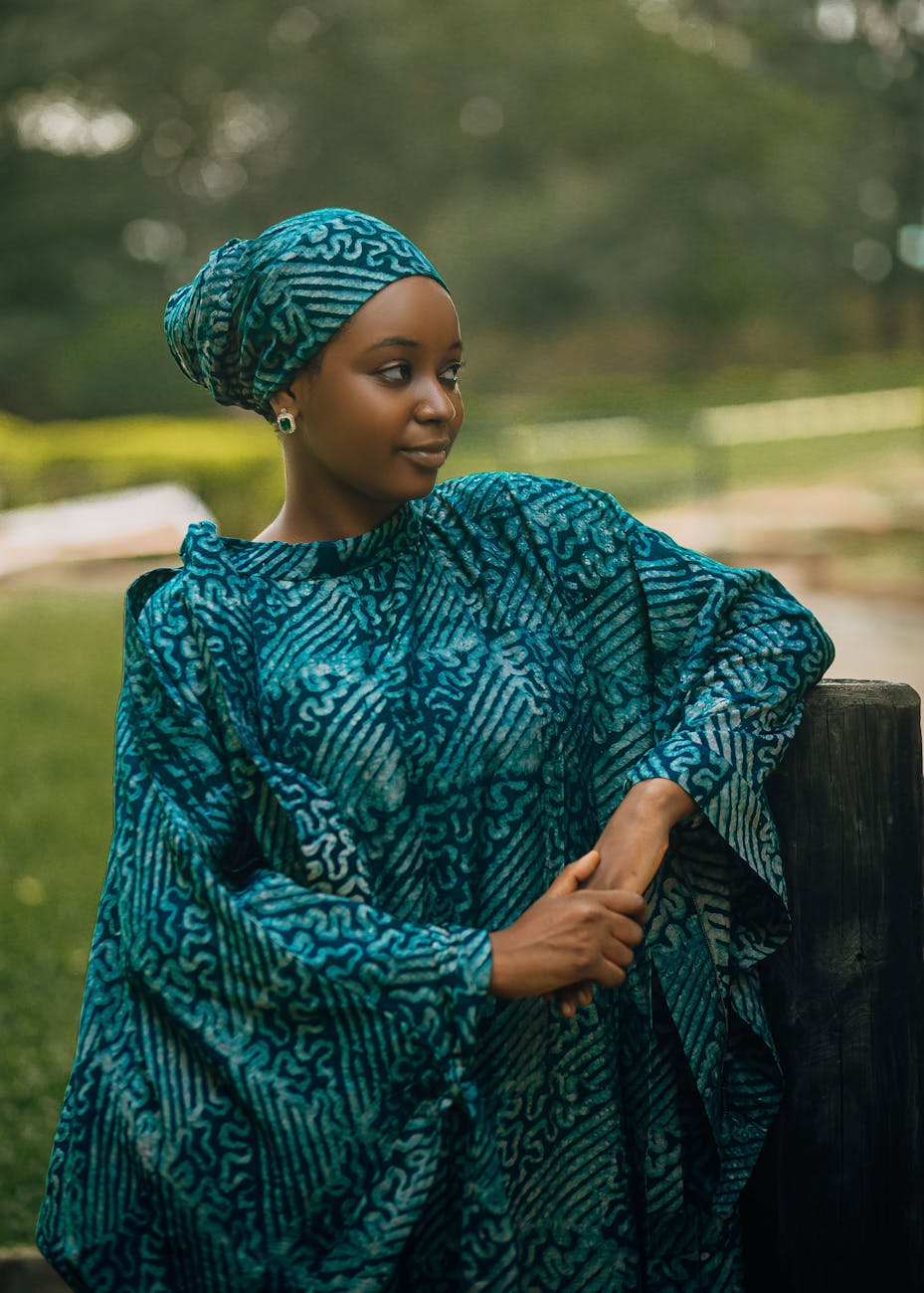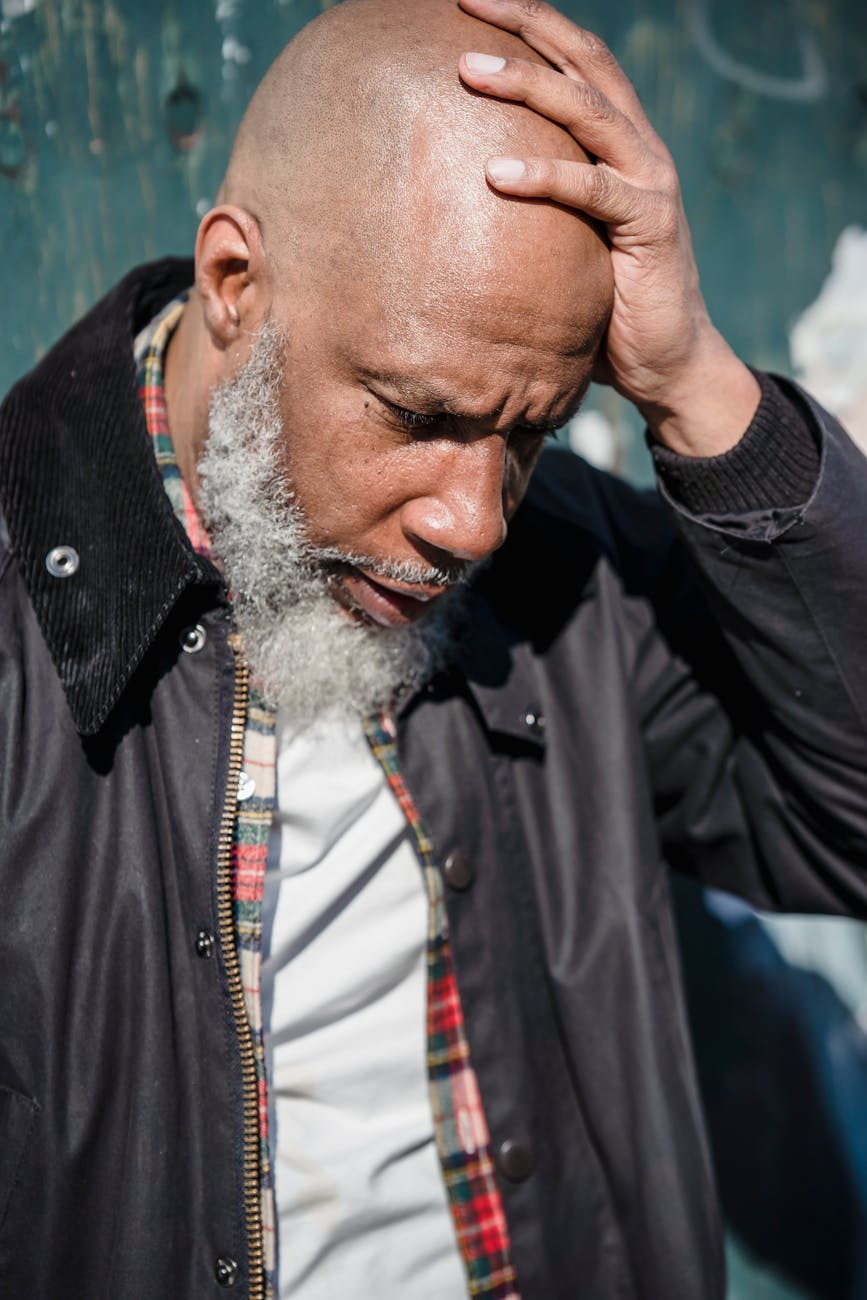
Tag Archives: the brown girl dilemma

🌿 Trust and Believe, Don’t Worry. Trust God 🌿

Photo by Nicola Barts on Pexels.com

Trust and belief are central to the Godly walk, yet they are also some of the hardest virtues to practice in times of trial. The Bible reminds us in Proverbs 3:5–6 (KJV): “Trust in the Lord with all thine heart; and lean not unto thine own understanding. In all thy ways acknowledge him, and he shall direct thy paths.” To trust God means surrendering our worries and fears, believing that He is sovereign and faithful even when life appears uncertain.

Worry, from a psychological standpoint, is the mental rehearsal of potential negative outcomes. It stems from anxiety, fear, and a desire to control the uncontrollable. Jesus addressed this human tendency in Matthew 6:34 (KJV): “Take therefore no thought for the morrow: for the morrow shall take thought for the things of itself.” In other words, worrying drains us of today’s peace without solving tomorrow’s problems.

Trusting God requires faith in His promises and a willingness to release our anxieties into His hands. Psychology supports this idea through the concept of “cognitive reframing,” where we replace anxious thoughts with hopeful or faith-driven ones. Philippians 4:6–7 (KJV) assures us: “Be careful for nothing; but in every thing by prayer and supplication with thanksgiving let your requests be made known unto God. And the peace of God, which passeth all understanding, shall keep your hearts and minds through Christ Jesus.” Prayer, then, becomes both a spiritual and psychological tool to combat worry.

The Bible provides numerous examples of individuals who had to trust God against all odds. Abraham believed God’s promise of a son despite his old age (Genesis 15:6 KJV). His faith was not passive—it required daily trust while waiting for God’s timing. Similarly, Joseph trusted God through betrayal, slavery, and imprisonment, only to see those trials transform into divine positioning for leadership (Genesis 50:20 KJV).

Moses also had to learn trust when facing the Red Sea with Pharaoh’s army behind him. In Exodus 14:13 (KJV), he declared to the fearful Israelites: “Fear ye not, stand still, and see the salvation of the Lord.” His trust in God led to miraculous deliverance, teaching us that faith is not about seeing the way forward but believing the One who leads us.

The New Testament highlights Peter, who trusted Christ enough to step out of the boat and walk on water (Matthew 14:29 KJV). Yet when his focus shifted to the wind and waves, fear overtook him. This illustrates the psychological truth that trust grows when we fix our attention on God’s promises rather than our circumstances.

Another example is the woman with the issue of blood (Mark 5:34 KJV). Her faith in Christ’s power to heal propelled her to act boldly, touching the hem of His garment. Jesus responded, “Daughter, thy faith hath made thee whole.” Her story shows that trust is not passive—it involves action rooted in belief that God is able.

In today’s world, many believers face challenges that mirror these biblical tests of faith. A mother may trust God through her child’s illness, praying daily for healing while doctors work tirelessly. A family facing financial struggles may trust God by budgeting wisely, seeking provision, and leaning on His promises of daily bread (Matthew 6:11 KJV). Someone grieving the loss of a loved one may trust that God’s comfort will sustain them, echoing Psalm 34:18 (KJV): “The Lord is nigh unto them that are of a broken heart.” These examples demonstrate that trusting God is not passive resignation, but active faith in His sustaining power.

The moral lesson is clear: worry is wasted energy, while trust invites peace. Trusting and believing God allows us to live without the crippling weight of anxiety. Just as Abraham, Moses, Peter, and the woman with the issue of blood discovered, God rewards those who place their confidence in Him. Faith transforms fear into courage and worry into worship. When we learn to trust and believe, we discover the steady anchor of God’s unchanging love.


References

  • The Holy Bible, King James Version.
  • Beck, J. S. (2011). Cognitive Behavior Therapy: Basics and Beyond. New York: Guilford Press.
  • Seligman, M. E. P. (2011). Flourish: A Visionary New Understanding of Happiness and Well-being. New York: Free Press.
  • Koenig, H. G. (2012). Religion, spirituality, and health: The research and clinical implications. ISRN Psychiatry, 2012, 278730. https://doi.org/10.5402/2012/278730


🌸 Pretty is as Pretty Does 🌸

Photo by Pixabay on Pexels.com

The phrase “Pretty is as pretty does” carries a timeless truth: outward beauty may attract attention, but it is character, kindness, and integrity that sustain admiration and respect. True beauty is not measured solely by physical features, but by the way a person lives and treats others. Proverbs 31:30 (KJV) declares, “Favour is deceitful, and beauty is vain: but a woman that feareth the Lord, she shall be praised.” This verse reminds us that godly character outweighs fleeting physical charm.

Personality profoundly shapes how beauty is perceived. Psychology suggests that traits such as warmth, empathy, and generosity amplify attractiveness, while arrogance, cruelty, or selfishness diminish it (Little et al., 2011). A stunning face paired with a bitter spirit quickly loses its luster, whereas someone with modest looks but a radiant personality often becomes more attractive over time. Thus, beauty without virtue is incomplete.

The Bible is filled with examples of women whose beauty went beyond their appearance. One such figure is Esther, whose courage and wisdom saved her people (Esther 4:14). While her outward beauty opened doors, it was her inner strength, faith, and humility that changed the course of history. Her life demonstrates that when physical beauty is matched with moral courage, it has the power to transform lives.

Psychologically, being “gorgeous” extends far beyond facial symmetry or body shape. Attractive people often influence social environments, but their lasting impact depends on their character. Research in social psychology shows that people remember kindness and integrity more vividly than appearance (Dion et al., 1972). This aligns with Christ’s teachings in Matthew 5:16 (KJV): “Let your light so shine before men, that they may see your good works, and glorify your Father which is in heaven.”

The best character traits of a pretty woman are compassion, humility, loyalty, and wisdom. As a friend, she is trustworthy and uplifting; as a mother, nurturing and protective; as a sister, supportive and understanding; as a wife, loving and respectful; as an aunt, caring and encouraging. Her beauty is magnified when she enriches the lives of her family and community.

A woman of true beauty exemplifies balance between grace and strength. Her words heal, her actions inspire, and her presence brings peace. Proverbs 31 paints this picture vividly, showing how a virtuous woman provides for her household, honors her husband, and teaches wisdom with kindness. Her beauty is not static—it grows with every selfless deed.

The moral of the pretty woman is that her value lies not in admiration of her outward appearance, but in the legacy of her actions. She reflects God’s image by embodying love, patience, and righteousness. Such beauty is enduring, for it comes from within and glorifies the Creator rather than the self.

Ultimately, “Pretty is as pretty does” reminds us that genuine beauty is not a possession but a practice. It is cultivated daily through godly living, service to others, and a radiant spirit. The truly pretty woman is one whose inner light outshines her outward appearance, leaving an eternal mark on those she touches.


References

  • Dion, K., Berscheid, E., & Walster, E. (1972). What is beautiful is good. Journal of Personality and Social Psychology, 24(3), 285–290.
  • Little, A. C., Burt, D. M., & Perrett, D. I. (2011). What is good is beautiful: Face preference reflects desired personality. Personality and Individual Differences, 50(7), 862–866.
  • The Holy Bible, King James Version.

Melanin and Margins: How Brown Girls Navigate Identity #thebrowngirldilemma

Photo by Ogo Johnson on Pexels.com

To be a brown girl is to live at the intersection of visibility and marginalization. Melanin is both a marker of beauty and a marker of difference—something celebrated in cultural slogans like “Black don’t crack,” yet stigmatized in institutions that uphold Eurocentric standards. The margins become the lived space of brown girls: not fully erased, but rarely centered; present, but often tokenized. Navigating identity within these boundaries requires both resistance and reinvention.

Melanin is not merely pigment; it is history embedded in the body. It carries the legacy of Africa, of ancestors who endured enslavement, colonialism, and displacement. It symbolizes resilience, survival, and cultural inheritance. Yet, within a world dominated by whiteness, melanin has been treated as deficiency rather than dignity. This contradiction defines much of the brown girl dilemma. Identity becomes fractured—formed in pride for one’s roots but tested by social systems that punish proximity to Blackness.

Psychologically, this tension can manifest in identity confusion and internalized colorism. Studies show that young women of color often struggle with self-esteem when their physical features do not align with mainstream ideals (Walker, 1983; Thompson & Keith, 2001). Brown girls are too often told they are “too dark” to be beautiful, or conversely, exotified as “rare” when their features align with fetishized versions of “ethnic beauty.” Such conflicting messages leave them oscillating between invisibility and hyper-visibility, both of which deny the fullness of their humanity.

Yet, brown girls are not passive subjects of this narrative; they actively navigate and redefine it. Identity becomes a form of resistance. From natural hair movements to social media campaigns celebrating melanin, brown girls are reclaiming space in cultures that once excluded them. Digital platforms have become arenas of empowerment, where brown women showcase their beauty, talent, and intellect without waiting for validation from mainstream gatekeepers (Nash, 2019). This reclamation is not just aesthetic—it is political, dismantling centuries of imposed inferiority.

Faith and spirituality also provide a critical foundation in identity navigation. Scriptures like Genesis 1:27 remind brown girls that they are made in the image of God, a truth that affirms dignity beyond social constructs. The declaration of the Shulammite woman in Song of Solomon 1:5—“I am black, but comely”—resonates across centuries as a proclamation of self-acceptance and divine affirmation. In this light, melanin is not a margin but a manifestation of sacred design.

The margins, however, are not only spaces of oppression; they are also spaces of creativity and vision. As bell hooks (1984) reminds us, the margin can be a site of resistance, a place from which the oppressed can critique the center and reimagine new possibilities. Brown girls learn to turn marginalization into mastery—transforming the weight of stereotype into platforms of voice, scholarship, artistry, and activism.

Thus, the brown girl identity is not defined by deficit but by duality: the struggle of navigating marginalization and the strength of transforming it into power. Melanin, once used to exclude, becomes the very marker of pride and resistance. The brown girl dilemma is not an endpoint but a journey—a pilgrimage through bias, beauty, and belief that ultimately leads to the discovery of self.

Brown girls are not only surviving on the margins; they are redrawing the map.


References

  • hooks, b. (1984). Feminist theory: From margin to center. South End Press.
  • Nash, J. C. (2019). Black feminism reimagined: After intersectionality. Duke University Press.
  • Thompson, M. S., & Keith, V. M. (2001). The Blacker the berry: Gender, skin tone, self-esteem, and self-efficacy. Gender & Society, 15(3), 336–357.
  • Walker, A. (1983). In search of our mothers’ gardens: Womanist prose. Harcourt.
  • The Holy Bible, King James Version.

Unapologetic Blackness

This photograph is the property of its respective owners. No copyright infringement intended.

Unapologetic Blackness is the affirmation of Black identity, culture, and dignity without shame, compromise, or the need for validation from dominant cultural narratives. To be unapologetically Black is to embrace one’s heritage, history, and uniqueness with confidence, while resisting the systems of racism, colorism, and assimilation that attempt to diminish or erase Blackness. It is both a cultural and spiritual declaration of self-worth, resilience, and God-given identity.

At its core, unapologetic Blackness is about living authentically as a Black person without shrinking in spaces where whiteness is centered or where stereotypes attempt to dictate how Black people should behave. It means refusing to apologize for natural hair, darker skin tones, African heritage, vernacular, or cultural expression. As Psalm 139:14 (KJV) reminds us, “I will praise thee; for I am fearfully and wonderfully made.” Blackness is not something to erase—it is part of God’s intentional creation.

Living Unapologetically Black
Living this out requires self-love, cultural pride, and resistance to societal pressures of assimilation. It means celebrating natural hairstyles, speaking boldly about injustice, supporting Black-owned businesses, and affirming Black excellence in academics, arts, science, and faith. It is also about spiritual resilience—seeing oneself as part of God’s chosen work in history. Deuteronomy 7:6 (KJV) declares, “For thou art an holy people unto the LORD thy God: the LORD thy God hath chosen thee to be a special people unto himself, above all people that are upon the face of the earth.”

Examples of Unapologetic Blackness
Examples can be found in leaders like Malcolm X and Angela Davis, who resisted systems of oppression; in artists like Nina Simone, who used music as protest; and in everyday Black women and men who choose authenticity in hostile environments. Unapologetic Blackness also appears in cultural movements such as Black Lives Matter, Afrocentric fashion, or natural hair advocacy, all of which assert the beauty and value of Blackness on its own terms.

The Psychology of Black People
Psychologically, Black people have endured centuries of systemic trauma from slavery, segregation, and racism. Yet, they have also demonstrated profound resilience, developing adaptive coping mechanisms through community, faith, music, and storytelling (Akbar, 1984). Being unapologetically Black helps undo the psychological damage of internalized racism by affirming identity rather than hiding it. In psychological terms, it promotes positive racial identity development and strengthens mental health.

Societal and Global Effects
Globally, unapologetic Blackness challenges anti-Blackness that exists across nations. In Latin America, India, and parts of Asia, anti-Blackness manifests in colorism and discrimination against African-descended people. When Black individuals and communities live unapologetically, they shift global consciousness, proving that Blackness is not a deficit but a strength. This creates ripple effects in representation, policy, and social justice movements worldwide.

The Psychological Impact of Being Unapologetically Black
The psychological impact is liberating. Black individuals who embrace their identity often experience higher self-esteem, stronger community bonds, and reduced anxiety related to assimilation pressures. Conversely, denying or suppressing Black identity can cause internal conflict and psychological distress. Romans 12:2 (KJV) reminds believers not to be “conformed to this world” but to be transformed by God’s truth—a principle that aligns with resisting oppressive systems.

Black people are special not only because of cultural richness, creativity, and resilience but also because of their historical and biblical significance. Many scholars connect the African diaspora to biblical Israelite heritage, emphasizing endurance through suffering and deliverance by God’s hand. In addition, the global influence of Black culture—in music, fashion, language, and art—shows the unique contribution of Black people to humanity as a whole.

Conclusion: What It Means to Be Unapologetically Black
To be unapologetically Black means to live in the fullness of one’s God-given identity, refusing to allow racism, colonialism, or assimilation to dictate worth. It is about celebrating melanin, honoring ancestral struggles, embracing cultural roots, and walking boldly in faith. As Galatians 5:1 (KJV) declares, “Stand fast therefore in the liberty wherewith Christ hath made us free, and be not entangled again with the yoke of bondage.” Unapologetic Blackness is freedom—spiritual, psychological, and cultural. It is both a declaration of survival and a proclamation of divine purpose.


References

  • Akbar, N. (1984). Africentric Social Sciences for Human Liberation. Journal of Black Studies.
  • Hunter, M. (2007). The Persistent Problem of Colorism: Skin Tone, Status, and Inequality. Sociology Compass.
  • The Holy Bible, King James Version (KJV).

Confidence Is Contagious: Building Self-Worth as a Brown Girl with Virtual confidence.

Photo by PeopleByOwen on Pexels.com

Confidence is a powerful force that extends beyond individual self-esteem—it radiates and influences those around us. For brown girls, cultivating self-worth is both a personal journey and a social statement. Historical colorism, media bias, and societal beauty standards often create barriers to self-acceptance. Yet, embracing one’s skin tone, hair texture, and cultural identity fosters resilience, pride, and confidence.

Self-worth begins with self-recognition. Acknowledging one’s unique features and accomplishments—regardless of societal approval—lays the foundation for authentic confidence. Daily affirmations, mentorship, and representation of brown excellence in media serve as crucial tools in reinforcing value.

Confidence is also relational. When brown girls model self-assuredness, they inspire peers, younger generations, and communities to embrace their identity. By celebrating natural beauty, cultural heritage, and personal achievements, confidence becomes contagious, creating a ripple effect of empowerment.


Social Media and Cultural Influence

Social media platforms are pivotal in shaping perceptions of beauty, identity, and cultural pride. For brown girls, Instagram, TikTok, and Twitter provide spaces to engage with peers, influencers, and movements that celebrate melanin-rich skin, natural hair, and cultural heritage. Hashtags like #BrownSkinGirl, #MelaninMagic, and #BlackGirlJoy amplify representation, fostering visibility and pride.

Cultural influence on social media extends beyond aesthetics. Influencers who share personal narratives, fashion, and hair tutorials provide models of empowerment and authenticity. These platforms also enable brown girls to challenge stereotypes, critique colorism, and redefine beauty norms. The psychological benefits include increased self-esteem, affirmation of identity, and motivation to express individuality boldly.


Virtual Confidence: Navigating Online Spaces as a Brown Girl

While social media offers empowerment, it also exposes brown girls to colorism, negative comments, and unrealistic beauty standards. Navigating these spaces requires intentional strategies for maintaining confidence:

  1. Curate Your Feed: Follow accounts that celebrate diversity and representation.
  2. Set Boundaries: Limit exposure to harmful comments or comparison-driven content.
  3. Engage Authentically: Share personal style, achievements, and narratives confidently.
  4. Participate in Movements: Join online campaigns like #MelaninPoppin or #BrownGirlJoy to connect with supportive communities.
  5. Affirm Daily: Use self-affirmations that reinforce pride in skin tone, heritage, and accomplishments.

Virtual confidence emerges when brown girls use online spaces to celebrate identity, cultivate pride, and foster connection. By navigating these platforms intentionally, they can turn potential vulnerability into empowerment, inspiring themselves and others.

Virtual Confidence for Brown Girls: A Social Media Toolkit

1. Affirm Your Identity

Daily Affirmation Examples:

  • “My skin is radiant, my heritage is powerful, my confidence is unstoppable.”
  • “I am proud of my features, my voice, and my story.”
    Visual Idea: Create colorful, shareable graphics with brown skin tones and affirmations.

2. Curate Your Feed

Tips:

  • Follow influencers and creators celebrating melanin-rich beauty (#MelaninMagic, #BrownSkinGirl).
  • Engage with content that uplifts your identity and cultural pride.
    Visual Idea: Sample Instagram or TikTok feed mock-up highlighting inclusive accounts.

3. Engage Authentically

Tips:

  • Share your personal style, natural hair, makeup, and cultural expression.
  • Post stories, videos, or reels celebrating achievements or heritage.
    Visual Idea: Side-by-side images of selfies, cultural attire, and creative expressions.

4. Set Boundaries

Tips:

  • Use mute, block, or restrict functions to protect mental health.
  • Limit exposure to comparison-driven or negative content.
    Visual Idea: A “Digital Self-Care Checklist” graphic.

5. Participate in Empowering Movements

Hashtags to Follow or Use:

  • #BrownSkinGirl
  • #MelaninPoppin
  • #BlackGirlJoy
  • #VirtualConfidence
    Visual Idea: A hashtag collage showing diverse users celebrating melanin online.

6. Build Community

Tips:

  • Join virtual groups, forums, or challenges that celebrate brown girls.
  • Comment and interact with peers to share positivity and support.
    Visual Idea: A mini infographic of networked circles showing peer support connections.

7. Celebrate Achievements

Tips:

  • Post accomplishments, milestones, and creative projects.
  • Recognize your growth publicly or privately, digitally or offline.
    Visual Idea: Highlight reel or graphic “Celebrate Your Wins” template.

Virtual spaces can amplify confidence when navigated intentionally. By curating supportive content, engaging authentically, and affirming identity, brown girls can transform online platforms into arenas of empowerment, self-expression, and cultural pride. Confidence online is contagious—what you celebrate in yourself inspires the entire community.

References

  • Hunter, M. (2007). The Persistent Problem of Colorism: Skin Tone, Status, and Inequality. Sociology Compass, 1(1), 237–254.
  • Phinney, J. S. (1990). Ethnic Identity in Adolescents and Adults: Review of Research. Psychological Bulletin, 108(3), 499–514.
  • The Holy Bible, King James Version. (1611). Song of Solomon 1:5.

Girl Talk Series: The Traits of a Virtuous Woman.

Photo by Kaybee Photography on Pexels.com

Listen, ladies, let not our worth be measured by outward appearances, material possessions, or the approval of the world. True value lies in the inward woman, “which is of a meek and quiet spirit, in the sight of God of great price” (1 Peter 3:4, KJV). A virtuous woman is not defined by what she wears, what she owns, or how others see her, but by her character, faith, and devotion to the Most High.

Let us learn to be good mothers, nurturing our children in the ways of the Lord, and loving our husbands with respect, admiration, and submission according to God’s Word (Titus 2:4–5, KJV). God will bring the right man in His timing, so we are called to wait patiently and faithfully. In the meantime, we must “level up” ourselves through prayer, study of the Word, and building a personal relationship with the Most High.

A virtuous woman depicts the epitome of female dignity and godliness. Proverbs 31:10–31 (KJV) gives a timeless example, showing a woman who fears the Lord, works diligently, cares for her family, serves the needy, and walks in wisdom. She is strong yet gentle, industrious yet humble, and above all, her value comes from her devotion to God.

1. She Fears the Lord
The foundation of a virtuous woman is her reverence for God. Proverbs 31:30 (KJV) says, “Favour is deceitful, and beauty is vain: but a woman that feareth the LORD, she shall be praised.” Her decisions, speech, and actions are guided by the Word of God, not by worldly standards or fleeting desires. Fear of the Lord cultivates wisdom, humility, and spiritual discernment.

2. She Is Industrious and Diligent
Proverbs 31:13–17 (KJV) illustrates a woman who works with willing hands, providing for her household and engaging in trade or craft. A virtuous woman is not idle; she recognizes her responsibility to contribute meaningfully to her home and community. Psychology shows that purposeful engagement builds confidence, resilience, and satisfaction—qualities that enhance her character.

3. She Is Compassionate and Charitable
The virtuous woman reaches beyond her family to serve others. Proverbs 31:20 (KJV) says, “She stretcheth out her hand to the poor; yea, she reacheth forth her hands to the needy.” Compassion and generosity reflect the heart of God and draw His favor. Acts of kindness, even small, everyday gestures, cultivate influence and inspire others to righteousness.

4. She Demonstrates Wisdom and Prudence
A virtuous woman is a woman of understanding. Proverbs 31:26 (KJV) says, “She openeth her mouth with wisdom; and in her tongue is the law of kindness.” She knows how to speak life, teach correction gently, and navigate challenges with discernment. Emotional intelligence and wisdom protect her household and foster respect from family and community.

5. She Honors Her Husband
Titus 2:4–5 (KJV) calls women to love their husbands and manage their households with respect. A virtuous woman does not compete with her husband but supports him in God’s design. This respect strengthens marriages, promotes unity, and exemplifies biblical submission—not as weakness, but as godly strength.

6. She Nurtures Her Children
Proverbs 31:28 (KJV) says, “Her children arise up, and call her blessed; her husband also, and he praiseth her.” Raising children in the nurture and admonition of the Lord (Ephesians 6:4, KJV) is a key trait. A virtuous woman teaches faith, morality, and diligence, ensuring the next generation carries the covenant of God forward.

7. She Is Self-Controlled and Meek
1 Peter 3:4 (KJV) describes a meek and quiet spirit as precious in God’s sight. The virtuous woman controls her temper, avoids gossip, and responds to challenges with grace. Self-control fosters peace in the home and demonstrates a heart fully surrendered to God.

8. She Is Courageous and Strong
Proverbs 31:25 (KJV) says, “Strength and honour are her clothing; and she shall rejoice in time to come.” Strength for a virtuous woman is spiritual, emotional, and moral. She faces life’s trials with faith, knowing God equips her for every challenge, and her confidence rests in Him, not in fleeting worldly power.

9. She Maintains Dignity and Beauty Within
Beauty is fleeting, but godly character endures. A virtuous woman radiates dignity, composure, and inner peace (1 Timothy 2:9–10, KJV). Her adornment is her integrity, kindness, and devotion, which attract respect and admiration far beyond superficial appearances.

10. She Waits on God’s Timing
A virtuous woman understands that God orchestrates life’s seasons. Psalm 27:14 (KJV) says, “Wait on the LORD: be of good courage, and he shall strengthen thine heart.” Whether waiting for a husband, a promotion, or spiritual breakthrough, she trusts God’s timing and remains faithful.

11. She Reflects God’s Glory
Ultimately, a virtuous woman mirrors God’s love, mercy, and righteousness. Proverbs 31:31 (KJV) concludes, “Give her of the fruit of her hands; and let her own works praise her in the gates.” Her life honors God, blesses others, and demonstrates that true femininity is inseparable from godliness.

TraitScripture (KJV)Description
1. Fears the Lord1 Peter 3:4; Proverbs 31:30She values God above all and lets Him guide her life.
2. Industrious & DiligentProverbs 31:13–17She works with willing hands to provide and support her household.
3. Compassionate & CharitableProverbs 31:20She reaches out to the poor and needy, showing kindness.
4. Wise & PrudentProverbs 31:26She speaks with wisdom and handles situations with discernment.
5. Honors Her HusbandTitus 2:4–5She respects, loves, and supports her husband in God’s design.
6. Nurtures ChildrenProverbs 31:28; Ephesians 6:4She raises her children in the nurture and admonition of the Lord.
7. Self-Controlled & Meek1 Peter 3:4She maintains a gentle spirit, exercising patience and restraint.
8. Courageous & StrongProverbs 31:25She faces life’s challenges with faith and moral strength.
9. Maintains Inner Dignity & Beauty1 Timothy 2:9–10Her character and integrity shine more than outward appearance.
10. Waits on God’s TimingPsalm 27:14She trusts God’s plan and timing, staying faithful in patience.
11. Reflects God’s GloryProverbs 31:31Her life demonstrates God’s love, mercy, and righteousness.
12. Exemplifies Female VirtueProverbs 31:10–31She embodies dignity, wisdom, strength, and godliness in all she does.

Conclusion
Ladies, strive to be virtuous not for man, but for God. Develop your heart, mind, and spirit, and cultivate character that will withstand trials, elevate your household, and attract a godly husband in God’s timing. By embodying these traits, you become a woman of influence, blessing, and eternal value—precious in the sight of the Most High.

References:

King James Version Bible

Is Divorce Always a Sin?

Photo by Alex Green on Pexels.com

From the beginning, God designed marriage as a holy covenant, not a temporary arrangement. When He brought Adam and Eve together, the union reflected His perfect plan: “Therefore shall a man leave his father and his mother, and shall cleave unto his wife: and they shall be one flesh” (Genesis 2:24, KJV). Marriage is not just a contract between two people but a covenant before God. This is why Scripture declares, “What therefore God hath joined together, let not man put asunder” (Matthew 19:6, KJV). Divorce was never part of the original design, for God intended marriage to be a lifelong bond of love, unity, and faithfulness.

When Jesus was asked about divorce, He pointed back to this original design. The Pharisees questioned Him, saying, “Is it lawful for a man to put away his wife for every cause?” (Matthew 19:3, KJV). Jesus responded by reminding them of God’s creation order: “From the beginning it was not so” (Matthew 19:8, KJV). He explained that Moses allowed divorce because of the hardness of people’s hearts, but this was a concession—not God’s perfect will. Jesus emphasized that whoever divorces and remarries, except for fornication, commits adultery (Matthew 19:9, KJV). His answer shows that while divorce is permitted in certain circumstances, it is never celebrated nor considered God’s best.

Divorce brings real consequences, even when it may be biblically permitted. After divorce, both spouses often struggle with shame, guilt, financial hardship, and loneliness. Some find it difficult to trust again or rebuild their lives. The covenant bond, once broken, leaves scars that are not easily healed. Malachi 2:16 (KJV) says, “For the LORD, the God of Israel, saith that he hateth putting away.” This verse does not mean God hates divorced people; rather, He hates the destruction that divorce causes in lives, families, and communities.

The effects of divorce extend to children as well. Psychology reveals that children of divorce are at greater risk of anxiety, depression, academic struggles, and relational difficulties in adulthood (Amato, 2000). Many children feel torn between parents, blame themselves, or struggle with insecurity. The Bible acknowledges the importance of stable family life, teaching fathers to “provoke not your children to wrath: but bring them up in the nurture and admonition of the Lord” (Ephesians 6:4, KJV). Divorce often disrupts this nurture, creating wounds that only God’s grace can heal.

God’s original design for marriage was rooted in love, companionship, and unity. Eve was formed from Adam’s rib to show equality, closeness, and oneness (Genesis 2:21–22, KJV). Marriage was never meant to be based on lust, selfishness, or temporary convenience but on covenant love that mirrors Christ’s love for the Church (Ephesians 5:25, KJV). When we understand this divine blueprint, we realize why divorce brings such pain—it tears apart what God intended to remain whole.

The covenant of marriage is sacred. A covenant is more than a promise; it is a binding, spiritual agreement sealed before God. Just as God is faithful to His covenant with His people, He desires faithfulness between husband and wife. Breaking this covenant grieves His heart, but He also extends forgiveness and redemption to those who repent. Psalm 34:18 (KJV) reminds us, “The LORD is nigh unto them that are of a broken heart.” Even after divorce, God’s love does not abandon His children.

Jesus explained that Moses permitted divorce because of hardened hearts (Matthew 19:8, KJV). Hardness of heart represents stubbornness, pride, unforgiveness, and rebellion against God’s ways. When hearts become hard, marriages break down, and divorce becomes the tragic outcome. Jesus, however, came to heal hardened hearts, calling His followers to forgiveness, restoration, and reconciliation whenever possible. His correction of Moses’ concession reaffirms God’s perfect plan: marriage is meant to be lifelong, but He acknowledges the brokenness of humanity.

So, is divorce always a sin? Divorce itself is not always sinful when permitted for biblical reasons such as sexual immorality (Matthew 19:9, KJV). However, divorces based on selfish desires or convenience fall outside God’s will and may lead to further sin, such as adultery. The key lies in discerning whether the choice is rooted in obedience to God’s Word or in hardness of heart. God does not abandon those who have experienced divorce; instead, He calls them to healing, repentance, and renewed faith.

In conclusion, God’s original design for marriage is a lifelong covenant of love, unity, and faithfulness. Divorce was allowed because of human sinfulness, but it is not His perfect will. The aftermath of divorce leaves deep scars, especially on children, but God remains near to the brokenhearted. Ultimately, divorce should never be taken lightly, for it is not just a separation of two people but a tearing apart of what God joined together. Yet even in brokenness, His mercy prevails, offering hope, healing, and restoration to those who turn to Him.

Healing Steps After Divorce

Divorce may end a marriage, but it does not end God’s plan for your life. Though the covenant was broken, the Lord is still able to restore, renew, and redeem. Healing after divorce requires intentional steps rooted in faith and wisdom.

1. Seek God’s Presence First
The Bible promises, “The LORD is nigh unto them that are of a broken heart” (Psalm 34:18, KJV). Begin your healing by drawing closer to Him in prayer, fasting, and worship. God becomes your refuge and strength when you feel abandoned. Psychology also shows that spiritual practices such as prayer and meditation reduce stress and promote emotional healing.

2. Allow Yourself to Grieve
Grief is a natural response to loss. Even if divorce was necessary, it still represents the death of a relationship. Ecclesiastes 3:4 (KJV) reminds us there is “a time to weep, and a time to laugh; a time to mourn, and a time to dance.” Counseling, journaling, or support groups can help you process these emotions in healthy ways.

3. Guard Your Identity
Do not allow divorce to define you. You are not a failure; you are still God’s beloved child. Isaiah 43:1 (KJV) declares, “Fear not: for I have redeemed thee, I have called thee by thy name; thou art mine.” Psychologists note that redefining personal identity after divorce helps restore confidence and prevents cycles of shame.

4. Protect the Children
If children are involved, prioritize their stability and well-being. Proverbs 22:6 (KJV) says, “Train up a child in the way he should go.” Reassure them they are loved by both parents and by God. Studies show that children of divorced parents thrive when they feel secure, loved, and shielded from parental conflict.

5. Rebuild with Wisdom
Healing does not mean rushing into another relationship. Take time to rediscover yourself and learn from past mistakes. Proverbs 24:3 (KJV) teaches, “Through wisdom is an house builded; and by understanding it is established.” Counseling, accountability, and prayer partners can help you grow stronger for the future.

6. Embrace Forgiveness
Bitterness keeps the wound open, but forgiveness brings freedom. Ephesians 4:31–32 (KJV) calls us to “let all bitterness… be put away from you… and be ye kind one to another, tenderhearted, forgiving one another, even as God for Christ’s sake hath forgiven you.” Psychology confirms that forgiveness reduces stress, improves health, and fosters emotional well-being.


Encouragement: Divorce may feel like the end, but in Christ, it can become a new beginning. Healing is possible, restoration is available, and God’s love will never fail you.


References

  • The Holy Bible, King James Version.
  • Amato, P. R. (2000). The consequences of divorce for adults and children. Journal of Marriage and Family, 62(4), 1269–1287.

Girl Talk Series: Your “Type” of Man VS Your “Kind” of Man.

Photo by Aj Collins Artistry on Pexels.com

Hello ladies, I know, I know—we’ve all had a list of our desired mate. And if we’re honest, most of those things were superficial, motivated by the flesh. Maybe he had to be tall, fine, and strong; maybe he needed a six-figure salary, a nice car, or the right style. But as many of us have learned, having a “type” doesn’t guarantee a godly husband. My own list eventually shifted—at the very top, I began to value character traits and a man after God’s own heart. I realized I didn’t need just a type; I needed my kind of man. Not a prototype of a bad man, but the covenant-keeper God had chosen for me.

Your type of man is often based on superficial standards—what looks good on paper. He might be handsome, charming, wealthy, or socially impressive, but still lack integrity, self-control, and faith. The Bible reminds us that “man looketh on the outward appearance, but the LORD looketh on the heart” (1 Samuel 16:7, KJV). Too often, women are drawn to a man’s “type” qualities while ignoring red flags, leading to heartache, betrayal, or cycles of toxic relationships. Psychology calls this the “halo effect,” where external traits like attractiveness or wealth cloud our judgment about a person’s true character (Thorndike, 1920).

By contrast, your kind of man is not chosen by worldly measures but by spiritual discernment. A kind of man is a keeper of the covenant of God, one who truly loves the Most High, treats you with respect, and is willing to walk with you into destiny. This is the man who will stand through the test of time, because his foundation is built on the fear of the Lord. Proverbs 19:14 (KJV) says, “House and riches are the inheritance of fathers: and a prudent wife is from the LORD.” If God can give a prudent wife, surely He can also provide a godly husband—a kind of man aligned with His will.

Your type may want to impress you, but your kind will cover you. Your type may look like a dream, but your kind will pray with you in your darkest hour. Your type may bring temporary excitement, but your kind will bring covenant stability. Psychology shows that relationships built on superficial attraction tend to fade when challenges arise, while those founded on shared values and faith tend to endure (Gottman & Silver, 1999). God already designed marriage to reflect His covenant love (Ephesians 5:25, KJV), so your kind of man will mirror Christ by loving sacrificially, faithfully, and consistently.

Ladies, the truth is this: your list should not only include what looks good but what lasts. Do not settle for someone who is simply “fine to the fine fine” but lacks holiness. Instead, desire a man who fears God, for “the fear of the LORD is the beginning of wisdom” (Proverbs 9:10, KJV). A godly man may not always match every superficial desire, but he will exceed them by giving you what money and charm cannot—peace, stability, and covenant love.

So, before you write another checklist, pause and ask: Am I looking for a type or a kind? Am I motivated by flesh or guided by Spirit? The Lord is faithful, and if you seek Him first, He will add all things—including the right man—unto you (Matthew 6:33, KJV). Remember, a type can fade, but your kind of man, the one sent by God, will remain through seasons, trials, and blessings.

Your “Type” vs. Your “Kind” of Man

Instructions: Pray before answering these questions. Be honest with yourself and the Most High, because self-awareness is the first step toward discernment.


1. Heart Check

  • When I think of my “ideal man,” are most of my desires focused on looks, status, and money—or character, faith, and godliness?
  • (Read 1 Samuel 16:7, KJV — “for man looketh on the outward appearance, but the LORD looketh on the heart.”)

2. Relationship History

  • In past relationships, what drew me to the men I chose—was it outward attraction or inward godliness?
  • What were the consequences of choosing based on “type”?

3. The Fruit Test

  • Does the man I am considering display the fruit of the Spirit (Galatians 5:22–23, KJV)?
  • Or does he show traits of selfishness, lust, or dishonesty?

4. The Covenant Question

  • If I married this man, would he help me grow closer to God—or pull me away?
  • Is he capable of being the spiritual head of the household (Ephesians 5:23, KJV)?

5. Personal Alignment

  • Am I being a woman after God’s own heart, preparing myself to attract a kind of man rather than just a type of man?
  • What areas of my life should I surrender to the Most High so I don’t repeat unhealthy patterns?

Final Reflection Prayer:
“Father, search my heart and remove every superficial desire that blinds me. Give me discernment to recognize my kind of man, the one who loves You and will walk in covenant with me. Teach me to wait, to trust, and to honor You in my choices. In Jesus’ name, Amen.”


References

  • The Holy Bible, King James Version.
  • Thorndike, E. L. (1920). A constant error in psychological ratings. Journal of Applied Psychology, 4(1), 25–29.
  • Gottman, J., & Silver, N. (1999). The seven principles for making marriage work. Crown Publishers.

Girl Talk Series: A Microcosm of Relationships That Are Outside of God’s Will for Your Life.

Photo by Luis Quintero on Pexels.com

Ladies, beware of the types of men who can destroy your peace, your faith, and even your destiny. Toxic relationships are not just emotionally draining—they can be spiritually deadly. Pray, pray, and pray again to the Most High about anyone you even consider marrying. In this generation, with the rise of STDs, abuse, and broken covenants, it is dangerous to lean only on feelings or appearances. Our Heavenly Father will reveal the true heart of a man if you seek Him first. Be a woman after His own heart before chasing after any relationship, and in His timing, He will add the right man to your life (Matthew 6:33, KJV).

Relationships hold the power to either elevate or destroy one’s life. When we connect ourselves to the wrong person, we step into a dangerous microcosm that reflects brokenness, sin, and disorder. The Bible warns believers not to be “unequally yoked together with unbelievers” (2 Corinthians 6:14, KJV), for light and darkness cannot walk in harmony. Bad relationships often carry the weight of dysfunction, manipulation, and lust, leading to spiritual decay rather than growth. These unions do not align with God’s perfect will and can prevent us from stepping into our divine purpose.

A bad relationship can be defined as one that hinders your walk with Christ, steals your peace, and causes compromise in your values. Proverbs 13:20 (KJV) states, “He that walketh with wise men shall be wise: but a companion of fools shall be destroyed.” If a connection draws you away from holiness and into sin, it cannot be of God. Such relationships are marked by dishonesty, abuse, infidelity, and an absence of covenant love. These are not simply personality clashes; they are spiritual traps that can drain years of your life and rob you of your joy.

Consider the many types of ungodly men that women may encounter. The toxic man manipulates and controls, often isolating you from friends and family; many women have shared how such men left them feeling worthless and confused. The ungodly man rejects the Word of God, leading you into rebellion; one sister testified that dating a man with no prayer life slowly drew her out of church. The cheater destroys trust, sowing insecurity and heartbreak; psychology confirms that betrayal trauma can lead to anxiety and depression (Freyd, 1996). The man who wants to sleep with you outside of marriage entices you into fornication, though the Bible clearly says, “Flee fornication” (1 Corinthians 6:18, KJV); countless women regret giving their bodies only to be abandoned. The liar builds a false foundation where no true intimacy can exist, leaving women in cycles of disappointment. The lukewarm man professes faith but lacks commitment, echoing Revelation 3:16 (KJV): “Because thou art lukewarm, and neither cold nor hot, I will spue thee out of my mouth.” Each of these men represents a counterfeit partnership that distracts from God’s design for love and marriage.

Bad vs. Godly Men

Type of ManTraits & BehaviorBiblical Reference (KJV)Psychological Insight
Toxic ManManipulative, controlling, emotionally abusive, isolates youProverbs 4:14 – “Enter not into the path of the wicked…”Linked to narcissistic or abusive tendencies; damages self-esteem
Ungodly ManRejects prayer, Word of God, encourages rebellionPsalm 1:1 – “Blessed is the man that walketh not in the counsel of the ungodly…”Promotes spiritual and moral compromise
CheaterUnfaithful, breaks covenant, sows insecurityExodus 20:14 – “Thou shalt not commit adultery.”Betrayal trauma can lead to depression and anxiety (Freyd, 1996)
Fornicator (wants sex outside marriage)Pressures you into sin, disregards purity1 Corinthians 6:18 – “Flee fornication.”Increases risk of regret, broken trust, and unstable attachment
LiarDeceptive, untrustworthy, false promisesProverbs 19:9 – “A false witness shall not be unpunished, and he that speaketh lies shall perish.”Destroys trust, leads to emotional instability
Lukewarm ManClaims faith but lacks commitment, double-mindedRevelation 3:16 – “Because thou art lukewarm… I will spue thee out of my mouth.”Creates confusion, inconsistency, and relational insecurity
Godly ManFaithful, honest, humble, seeks righteousnessProverbs 20:7 – “The just man walketh in his integrity…”Builds secure attachment, trust, and long-term stability
Good Husband MaterialSpirit-led, prays with you, exhibits fruits of the SpiritGalatians 5:22–23 – “The fruit of the Spirit is love, joy, peace, longsuffering, gentleness, goodness, faith, meekness, temperance.”Empathetic, consistent, emotionally mature, supportive
Servant-Hearted ManLeads with humility, serves others, protects youMatthew 20:28 – “The Son of man came not to be ministered unto, but to minister…”Demonstrates prosocial behavior, fosters healthy family dynamics

Psychologically, a good man is one who embodies emotional stability, empathy, responsibility, and integrity. He demonstrates consistency in both words and actions, aligning with traits of secure attachment and healthy masculinity (Bowlby, 1988). Such a man offers emotional safety rather than instability, builds trust instead of fear, and cultivates growth rather than destruction. Psychology affirms what Scripture declares: “A faithful man shall abound with blessings” (Proverbs 28:20, KJV). Women who marry such men often testify that they feel protected, respected, and free to grow into their purpose.

A cursed relationship, on the other hand, is one that brings hardship, strife, and lack instead of joy and peace. These connections are marked by constant turmoil, financial struggles, infidelity, and deep dissatisfaction because they are not blessed by God. When Israel disobeyed, curses followed them (Deuteronomy 28, KJV), showing how disobedience in life and love leads to bondage rather than freedom. A cursed relationship is essentially one born out of sin and sustained by compromise. One woman shared how years of living with a cheating partner drained her emotionally and spiritually, a perfect example of the weight of a cursed union.

Godly relationships, in contrast, are established on truth, covenant, and purity. A godly man fears the Lord, as Proverbs 1:7 (KJV) states, “The fear of the LORD is the beginning of knowledge.” He does not tempt you into sin but pushes you toward holiness. He prays with you, supports your calling, and values you as a daughter of the Most High, not as an object of lust. Women who wait on God often find that these men do not only bring companionship but also strengthen their faith walk.

When looking for a godly man, Scripture gives guidance. He must be sober-minded, faithful, gentle, and not greedy (1 Timothy 3:2–3, KJV). He should demonstrate fruit of the Spirit: love, joy, peace, patience, and self-control (Galatians 5:22–23, KJV). Look for consistency, humility, and a servant’s heart, for even Christ “came not to be ministered unto, but to minister” (Matthew 20:28, KJV). Unlike worldly men, godly men encourage you to honor purity and prepare for covenant marriage.

Choosing God’s will in relationships means avoiding counterfeits and waiting on His timing. Many enter destructive relationships out of loneliness, but patience produces blessings. Isaiah 40:31 (KJV) declares, “But they that wait upon the LORD shall renew their strength.” A woman who waits will not only find a godly husband but also guard her soul from unnecessary heartbreak. Testimonies often reveal that waiting leads to healthier marriages where trust and godliness are the foundation.

Ultimately, relationships outside of God’s will reflect a cycle of pain, sin, and compromise. But when we submit to His Word, we can discern the difference between cursed and blessed unions. The right relationship will not only honor God but also bring fulfillment, protection, and joy, reflecting Christ’s love for His Church (Ephesians 5:25, KJV). In this, believers find that true love is not merely emotional but divine in its foundation.


References

  • The Holy Bible, King James Version.
  • Bowlby, J. (1988). A secure base: Parent-child attachment and healthy human development. Basic Books.
  • Freyd, J. J. (1996). Betrayal trauma: The logic of forgetting childhood abuse. Harvard University Press.

Lessons from Strong Single Black Women

Photo by Dellon Thomas on Pexels.com

Strong single Black women have long served as pillars of resilience, leadership, and community support. They navigate societal pressures, systemic inequities, and personal challenges while maintaining dignity and purpose. Among these, widows occupy a unique space; their experiences of loss and perseverance offer profound lessons in faith, strength, and independence. The Bible provides numerous examples of women who, despite their single status or widowhood, embody courage, wisdom, and steadfastness (Ruth 1:16; Proverbs 31:25 KJV).

One key lesson from strong single Black women is the importance of self-reliance. Widows and single women often bear the dual responsibility of providing for themselves and their families. This fosters resilience and financial literacy. Scripture emphasizes resourcefulness, as seen in the story of the widow of Zarephath, whose faith and prudence ensured survival during famine (1 Kings 17:7-16 KJV). Modern single Black women similarly must cultivate skills in budgeting, career growth, and decision-making.

Strength in Singleness: 10 Lessons for Single and Widowed Black Women

  1. Trust in God’s Timing
    Faith is central to navigating singleness and widowhood. Proverbs 3:5-6 (KJV) reminds us, “Trust in the Lord with all thine heart; and lean not unto thine own understanding. In all thy ways acknowledge him, and he shall direct thy paths.” Trusting God’s plan reduces anxiety about the future and empowers women to make wise decisions.
  2. Embrace Self-Reliance
    Single and widowed women often bear multiple responsibilities. Developing skills in financial management, career growth, and household management fosters independence and confidence. Like the biblical widow of Zarephath (1 Kings 17:7-16 KJV), resourcefulness ensures survival and stability.
  3. Prioritize Emotional Health
    Acknowledging grief, stress, and emotional needs is essential. Therapy, journaling, or support groups can help process emotions. Suppressing feelings under the “strong woman” expectation can lead to burnout and emotional fatigue.
  4. Set Boundaries
    Establishing personal and relational boundaries ensures respect and preserves energy. Proverbs 31:26 (KJV) highlights wisdom and discernment: “She openeth her mouth with wisdom; and in her tongue is the law of kindness.” Boundaries are a form of self-respect.
  5. Invest in Education and Personal Growth
    Continual learning and skill development strengthen confidence, financial independence, and social mobility. Proverbs 4:7 (KJV) reminds us, “Wisdom is the principal thing; therefore get wisdom: and with all thy getting get understanding.”
  6. Engage in Community and Mentorship
    Strong single women often become mentors, leaders, and pillars in their communities. Sharing experiences and guidance fosters a sense of purpose and combats isolation. Galatians 6:2 (KJV) encourages, “Bear ye one another’s burdens, and so fulfil the law of Christ.”
  7. Celebrate Your Achievements
    Take time to acknowledge personal victories, however small. Recognizing accomplishments affirms self-worth and counters societal narratives that devalue single or widowed women.
  8. Cultivate Spiritual and Physical Wellness
    Maintaining spiritual practices, such as prayer and scripture study, along with physical self-care, nurtures resilience. Isaiah 40:31 (KJV) states, “But they that wait upon the Lord shall renew their strength; they shall mount up with wings as eagles…”
  9. Avoid Rushing Relationships
    Single and widowed women should seek partners who respect values, integrity, and faith. Avoiding pressure or settling ensures healthier relationships built on mutual respect and shared goals.
  10. Embrace Authenticity and Joy
    Strength includes being true to oneself, accepting imperfections, and celebrating life’s joys. Authentic living fosters peace, fulfillment, and empowerment, demonstrating that singleness or widowhood is not a deficit but a stage of growth.

By integrating faith, self-care, and purposeful living, single and widowed Black women can navigate life with resilience, joy, and empowerment. These lessons honor the legacy of biblical women while providing practical guidance for modern life.

Faith remains central to the life of the single or widowed Black woman. Trusting in God’s timing and guidance sustains them through challenges. Proverbs 3:5-6 (KJV) encourages reliance on the Lord: “Trust in the Lord with all thine heart; and lean not unto thine own understanding. In all thy ways acknowledge him, and he shall direct thy paths.” Single Black women, like biblical women, exemplify faith-driven perseverance, often turning to prayer, scripture, and community support for direction.

Another lesson is the cultivation of emotional intelligence and self-respect. Single women learn to set healthy boundaries, prioritize personal growth, and avoid compromising their values for social acceptance or romantic relationships. Proverbs 31:26 (KJV) says, “She openeth her mouth with wisdom; and in her tongue is the law of kindness.” Strong single Black women combine wisdom, discernment, and compassion in navigating both personal and professional spaces.

Community engagement is another hallmark. Single and widowed Black women often become mentors, advocates, and leaders within their neighborhoods, churches, and professional networks. By investing in others, they build networks of mutual support, reflecting the biblical principle of serving one another (Galatians 6:2 KJV). Their actions demonstrate that strength is not solely individual but relational and generative.

Resilience in the face of adversity is central to their experience. Widows, in particular, face grief, economic challenges, and societal invisibility. Yet, like biblical widows—such as Naomi—they model perseverance and hope, showing that life after loss can be meaningful and fulfilling (Ruth 4:14-17 KJV). This resilience provides a roadmap for other women navigating trials, emphasizing patience, faith, and strategic action.

Strong single Black women also emphasize education and continuous learning. Pursuing higher education, vocational training, and personal development equips them to navigate systemic barriers and secure financial independence. Proverbs 4:7 (KJV) reminds us, “Wisdom is the principal thing; therefore get wisdom: and with all thy getting get understanding.” Education empowers them to challenge inequities and mentor younger generations.

Lastly, self-care and spiritual wellness are foundational. Maintaining mental, physical, and emotional health enables single and widowed women to sustain their responsibilities while cultivating joy and fulfillment. Isaiah 40:31 (KJV) states, “But they that wait upon the Lord shall renew their strength; they shall mount up with wings as eagles; they shall run, and not be weary; and they shall walk, and not faint.” Integrating self-care with faith ensures long-term resilience and influence.

Strong single Black women, including widows, embody lessons in perseverance, faith, wisdom, and empowerment. Their experiences teach the value of self-reliance, spiritual grounding, community involvement, and continuous growth. By studying and celebrating their journeys, society can better understand the complexities, challenges, and triumphs of single Black women in modern life.


References

  1. Holy Bible, King James Version (KJV).
  2. Collins, P. H. (2000). Black Feminist Thought: Knowledge, Consciousness, and the Politics of Empowerment. Routledge.
  3. Woods-Giscombé, C. L. (2010). “Superwoman Schema: African American Women’s Views on Stress, Strength, and Health.” Qualitative Health Research, 20(5), 668–683.
  4. American Psychological Association. (2017). Stress in America: Coping with Change. APA.
  5. Stack, C. B. (1974). All Our Kin: Strategies for Survival in a Black Community. Harper & Row.
  6. Lincoln, C. E., & Mamiya, L. H. (1990). The Black Church in the African American Experience. Duke University Press.
  7. Thomas, A. J., Witherspoon, K. M., & Speight, S. L. (2019). “Toward a Model of the Strong Black Woman Schema.” Psychology of Women Quarterly, 43(4), 1–17.
  8. Hill, M. S. (2000). “Parenting and Family Processes in Low-Income, African American Families.” Marriage & Family Review, 29(3-4), 247–271.