Tag Archives: the brown girl dilemma

The Dark History of Being Light-Skinned and Dark-Skinned Black Person Around the World.

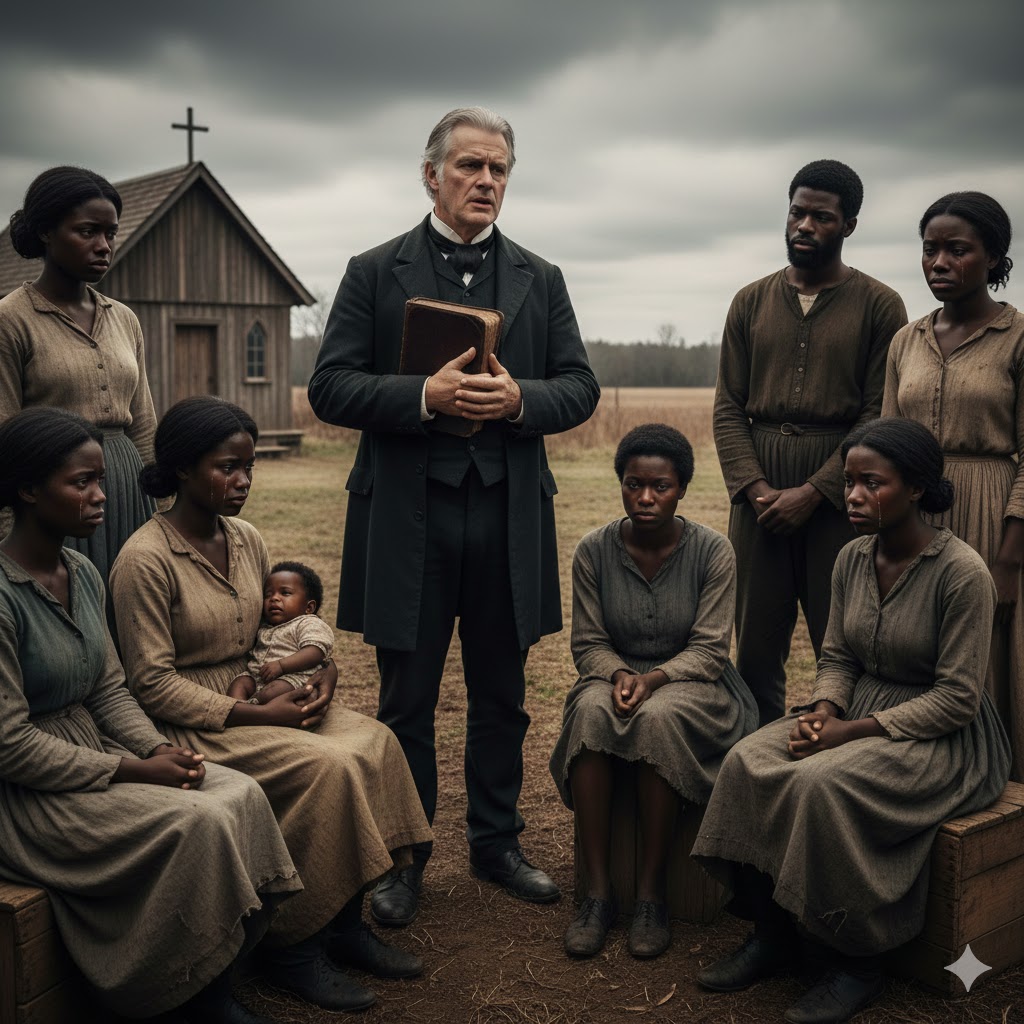
The history of light-skinned Black people in the Atlantic world is inseparable from the violence of slavery, colonialism, and racial domination. Lighter complexions did not emerge as a neutral genetic variation but, in many cases, as the direct result of coercion, sexual violence, and unequal power relations between enslaved African women and European men. To discuss light skin in Black history honestly requires confronting this brutal origin story and the enduring psychological and social consequences that followed.

During chattel slavery, rape was not an aberration but a systemic feature of the institution. Enslaved women had no legal right to consent, and white slaveholders exercised near-absolute power over their bodies. The children born from these assaults often inherited lighter skin, straighter hair textures, or other Eurocentric features, marking their very existence as living evidence of sexual violence and domination.

These mixed-ancestry children were frequently labeled “mulatto,” a term rooted in dehumanization and animalization. The classification was not simply descriptive; it functioned as a legal and social category that helped slave societies manage hierarchy within Blackness. Skin tone became a tool of division, reinforcing white supremacy while fracturing solidarity among the enslaved.

Light-skinned enslaved people were often assigned domestic labor rather than field work. This distinction produced the infamous dichotomy between the “house negro” and the field slave, a hierarchy that was imposed, not chosen. Domestic labor sometimes spared individuals from the harshest physical toil, but it exposed them to constant surveillance, sexual exploitation, and proximity to white power.

Being inside the slaveholder’s home did not equate to safety or privilege in any meaningful sense. House servants were more accessible targets for abuse, especially young girls and women. The home was often the site of repeated assaults, emotional manipulation, and forced compliance masquerading as favor.

Incest further complicates this history. Because slavery followed the legal principle of partus sequitur ventrem, children inherited the status of the enslaved mother regardless of the father’s identity. This meant white men could rape their own enslaved daughters and grandchildren without legal consequence, creating generational cycles of abuse that literally lightened the complexion of the enslaved population over time.

Light-skinned children were sometimes recognized as the biological offspring of white men, yet this recognition rarely translated into protection or freedom. More often, it produced resentment, secrecy, or further exploitation. These children occupied a liminal space—never white, yet treated differently within Black communities because of their appearance.

Colorism did not end with emancipation. After slavery, lighter skin continued to carry social currency within Black communities, a legacy of plantation hierarchies and white aesthetic standards. Access to education, employment, social clubs, and marriage prospects was often influenced by complexion, reinforcing divisions rooted in trauma rather than choice.

The psychological burden placed on light-skinned Black people is rarely discussed with nuance. Many carried the stigma of being perceived as products of rape or favoritism, while simultaneously being resented for “privileges” they neither requested nor controlled. This double bind created identity conflicts that reverberate across generations.

At the same time, darker-skinned Black people bore the brunt of systemic violence and exclusion, creating a false narrative that light skin equaled safety or advantage. This obscured the reality that all Black people, regardless of shade, remained subject to racial terror, disenfranchisement, and economic exploitation.

White supremacy strategically used color hierarchies to weaken collective resistance. By elevating lighter skin as closer to whiteness, slave societies encouraged internalized racism and competition. This divide-and-conquer strategy proved effective, leaving lasting scars in Black social relations long after formal slavery ended.

The myth of the “favored” light-skinned enslaved person ignores the constant precarity of their position. Favor could be revoked at any moment, and proximity to power often meant proximity to punishment. Psychological violence—humiliation, erasure, and forced loyalty—was as real as physical brutality.

In religious and moral discourse, enslaved women were blamed for their own assaults, reinforcing misogynoir and sexual shame. Light-skinned children became symbols onto which communities projected unresolved grief, anger, and confusion about sexual violence that was never acknowledged or healed.

Post-slavery societies institutionalized colorism through laws, media, and social norms. Paper bag tests, “blue vein” societies, and caste-like systems in the Caribbean and Americas continued to privilege lighter skin while stigmatizing darker tones. These practices reflected colonial logic rather than African worldviews.

Light skin thus became a paradoxical inheritance: a marker of survival through violence, yet also a source of alienation. Many light-skinned Black people struggled with belonging, questioned their legitimacy within Blackness, or felt compelled to overperform loyalty to counter suspicions of superiority.

Modern conversations about colorism often flatten this history, framing light skin solely as advantage without acknowledging its traumatic origins. This simplification risks reproducing harm by ignoring how sexual violence, incest, and coercion shaped Black bodies and identities.

Healing requires truth-telling. Acknowledging that many light-skinned Black people exist because of rape does not indict them; it indicts the system that produced them. It reframes colorism as a legacy of white supremacy rather than a natural preference within Black communities.

Reclaiming Black unity demands rejecting plantation hierarchies in all forms. Skin tone must be understood as a consequence of history, not a measure of worth, purity, or authenticity. Both light- and dark-skinned Black people inherit trauma from the same system, expressed differently but rooted in the same violence.

To confront the dark history of being light-skinned is to confront slavery honestly. It requires resisting romanticized narratives of privilege and instead centering the realities of rape, incest, coercion, and psychological harm. Only then can colorism be dismantled at its root.

True liberation lies in dismantling the myths that slavery created about skin, beauty, and value. When Black people collectively reject these imposed hierarchies, they reclaim the dignity that was denied to their ancestors—regardless of shade.

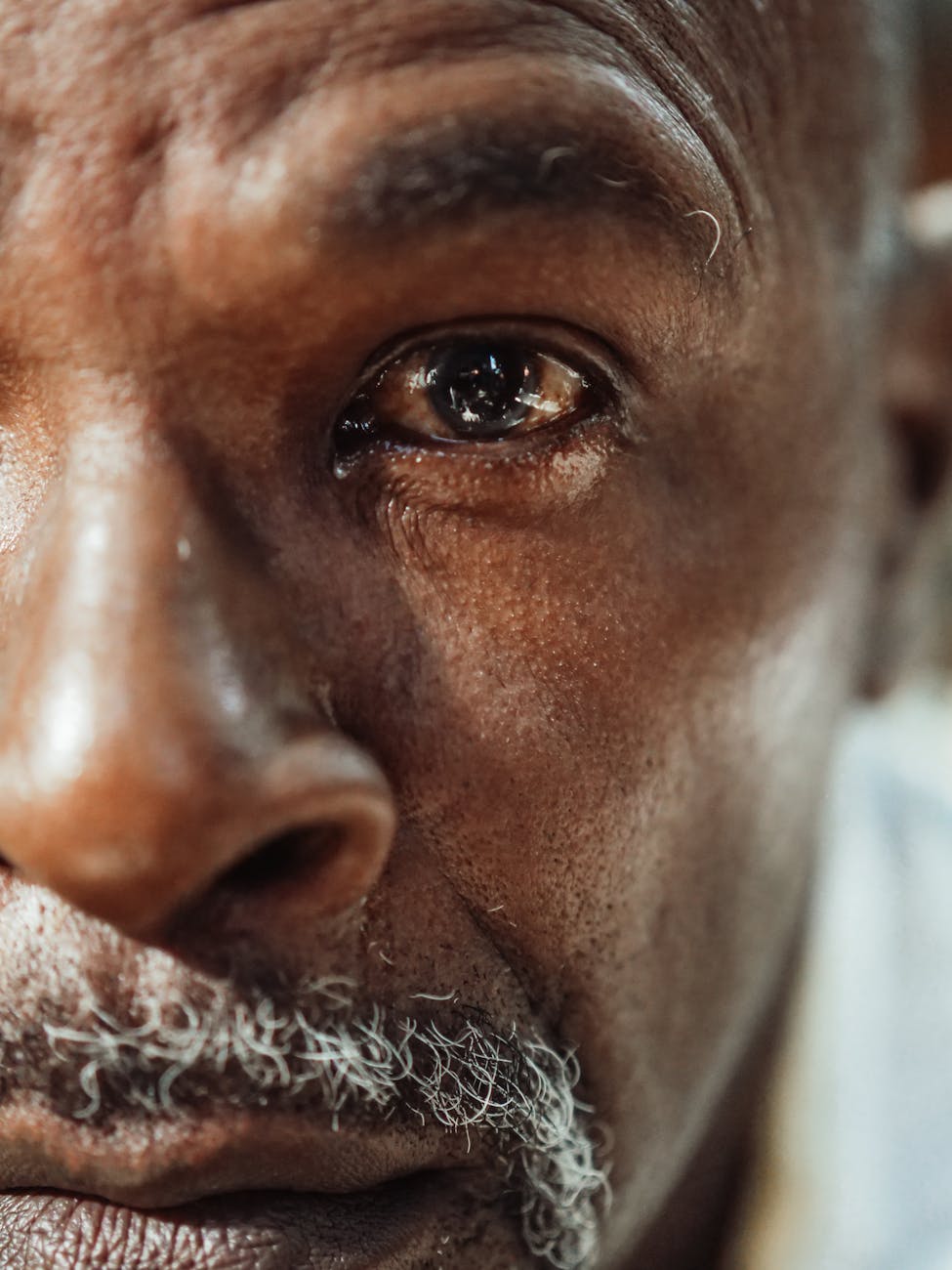
The history of dark-skinned Black people is inseparable from the foundations of global white supremacy and the transatlantic slave system. Darkness of skin was deliberately constructed as a marker of inferiority, danger, and disposability, used to justify enslavement, colonization, and dehumanization on a massive scale. From the earliest encounters between Africa and Europe, dark skin became a visual shorthand for domination.

During chattel slavery, darker skin was closely associated with field labor, brutality, and physical exhaustion. Enslaved Africans with the darkest complexions were often assigned the harshest work under the most violent conditions, reinforcing an imposed hierarchy where darkness equaled expendability. This association was not natural but engineered to align Blackness with suffering.

Slaveholders and overseers frequently treated darker-skinned enslaved people with heightened cruelty. Punishments were more public and severe, intended to terrorize others into submission. Darkness of skin was read as strength and resistance, which paradoxically made dark-skinned bodies targets for extreme violence meant to break both body and spirit.

European racial ideology framed dark skin as evidence of savagery, hypersexuality, and moral inferiority. Pseudoscientific racism used skin color to rank humanity, placing the darkest Africans at the bottom of fabricated racial hierarchies. These ideas were embedded in law, religion, and education, ensuring their persistence beyond slavery.

Dark-skinned women endured a unique intersection of racial and gendered violence. They were depicted as unfeminine, animalistic, and unrapeable, narratives that excused sexual assault while denying their victimhood. Their pain was minimized, and their bodies were exploited without acknowledgment or protection.

Unlike their lighter-skinned counterparts, dark-skinned enslaved women were less likely to be brought into the slaveholder’s home. Instead, they were forced into grueling labor while remaining vulnerable to sexual violence without the contradictory myths of “favor” or proximity to power. Their suffering was both hypervisible and ignored.

After emancipation, the devaluation of dark skin did not disappear. Reconstruction and Jim Crow regimes continued to associate darkness with criminality, poverty, and intellectual inferiority. Dark-skinned Black people were more likely to face harsher sentencing, economic exclusion, and social ostracism.

Within Black communities, colorism took root as an internalized inheritance of slavery. Dark-skinned individuals were often subjected to ridicule, diminished marriage prospects, and limited social mobility. These biases reflected plantation hierarchies rather than African cultural values, yet they became normalized through repetition.

Dark-skinned children frequently absorbed messages that their appearance was something to overcome rather than celebrate. Insults, teasing, and media representation taught them early that beauty, intelligence, and desirability were linked to lighter skin. This psychological conditioning produced long-term effects on self-worth and identity.

In education and employment, studies have shown that darker-skinned Black people often face greater discrimination than lighter-skinned peers. Teachers, employers, and institutions unconsciously reproduce racial hierarchies by associating darkness with incompetence or threat, reinforcing inequality under the guise of neutrality.

The criminal justice system has disproportionately punished dark-skinned Black people, who are more likely to be perceived as dangerous or aggressive. Skin tone bias affects policing, sentencing, and jury decisions, revealing how deeply colorism is embedded in modern systems of control.

Media representations have historically erased or caricatured dark-skinned people. When present, they were cast as villains, servants, or comic relief, rarely afforded complexity or humanity. This absence of dignified representation reinforced societal disdain for dark skin.

Dark-skinned men have often been portrayed as inherently violent or hypermasculine, narratives used to justify surveillance, incarceration, and extrajudicial violence. These stereotypes trace directly back to slavery-era fears of rebellion and resistance.

Despite these conditions, dark-skinned Black people have consistently embodied resilience and leadership. Many of the most vocal resisters, abolitionists, and freedom fighters bore the brunt of racial hatred precisely because their appearance symbolized unapologetic Blackness.

The global preference for lighter skin, seen in bleaching practices and beauty standards, reflects unresolved trauma rather than truth. Dark skin became a site of shame not because it lacked value, but because white supremacy taught the world to fear and reject it.

Healing requires confronting how darkness was weaponized against Black people. It demands rejecting the lie that proximity to whiteness equals humanity and acknowledging that the most violently oppressed bodies were often the darkest.

Reclaiming dark skin as beautiful and sacred is an act of resistance. It challenges centuries of conditioning that equated darkness with evil and lightness with virtue. This reclamation restores dignity stolen by slavery and colonialism.

True racial justice cannot exist without addressing colorism. Ignoring skin tone hierarchies allows slavery’s legacy to persist under new names. Justice requires naming how dark-skinned people have been uniquely targeted and harmed.

The dark history of being dark-skinned is not merely a story of suffering but of survival. Against overwhelming forces designed to erase them, dark-skinned Black people endured, resisted, and shaped the world.

Honoring this history means dismantling the systems that still punish darkness today. Only by confronting the truth of how dark skin was treated can society move toward genuine liberation, healing, and collective Black unity.

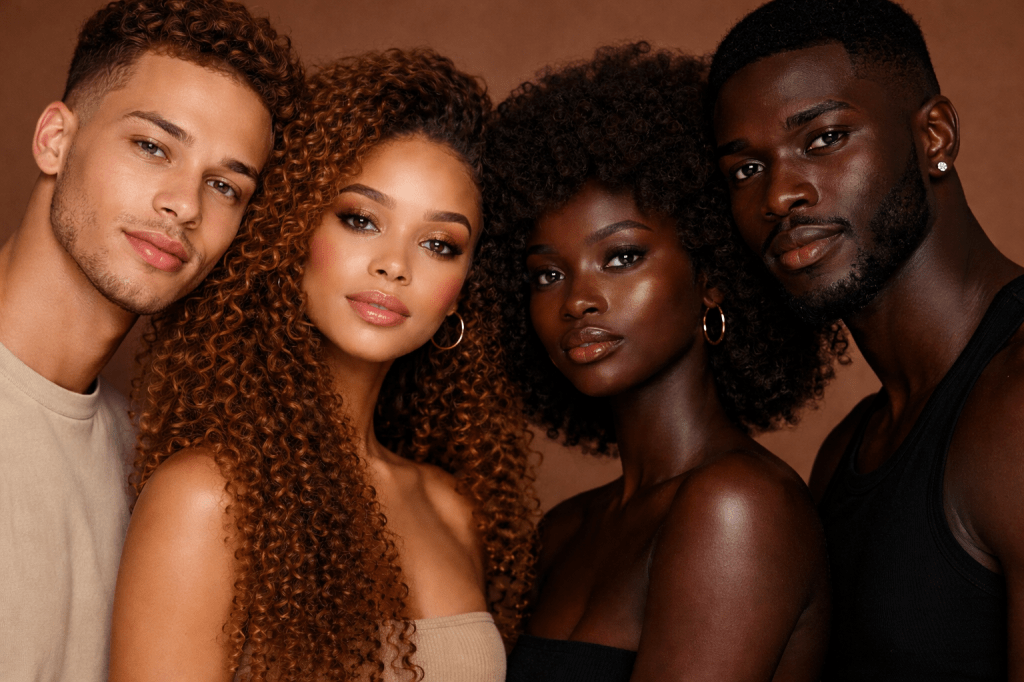
The histories of being light-skinned and dark-skinned are not opposing narratives, but parallel wounds carved by the same violent system. Color hierarchies were never born within Black communities; they were engineered by slavery and colonialism to rank, divide, and control. Whether through the sexual violence that produced lighter complexions or the intensified brutality directed at darker bodies, skin tone became a tool of domination rather than a reflection of worth.

Both histories reveal how white supremacy manipulated Black bodies into symbols—of proximity or distance, favor or punishment—while denying all Black people full humanity. These imposed distinctions fractured families, distorted identity, and seeded internalized bias that continues to echo across generations. The pain attached to skin tone is not accidental; it is historical, intentional, and unresolved.

True healing requires rejecting plantation logic in every form. It demands that Black communities confront colorism honestly, without competition or denial, and recognize it as inherited trauma rather than personal failure. Light skin and dark skin alike carry the memory of survival under oppression, not moral ranking or superiority.

Liberation begins when Black people refuse to measure themselves by standards forged in violence. When the false hierarchy of shade is dismantled, space is created for collective dignity, restoration, and unity. In reclaiming the fullness of Blackness—across every tone—we reject the lies of the past and affirm a future rooted in truth, justice, and wholeness.

References

Berlin, I. (1998). Many thousands gone: The first two centuries of slavery in North America. Harvard University Press.

Davis, A. Y. (1981). Women, race, & class. Random House.

Douglass, F. (1845). Narrative of the life of Frederick Douglass, an American slave. Anti-Slavery Office.

hooks, b. (1992). Black looks: Race and representation. South End Press.

Hunter, M. (2007). The persistent problem of colorism: Skin tone, status, and inequality. Sociology Compass, 1(1), 237–254. https://doi.org/10.1111/j.1751-9020.2007.00006.x

Morgan, J. L. (2004). Laboring women: Reproduction and gender in New World slavery. University of Pennsylvania Press.

Painter, N. I. (2010). The history of white people. W. W. Norton & Company.

Smallwood, S. (2007). Saltwater slavery: A middle passage from Africa to American diaspora. Harvard University Press.

Spillers, H. J. (1987). Mama’s baby, papa’s maybe: An American grammar book. Diacritics, 17(2), 65–81.

Wood, B. (2003). Women’s work, men’s work: The informal slave economies of lowcountry Georgia. University of Georgia Press.
Davis, A. Y. (1981). Women, race, & class. Random House.

Du Bois, W. E. B. (1903). The souls of Black folk. A. C. McClurg & Co.

Fanon, F. (1952). Black skin, white masks. Éditions du Seuil.

Hall, R. E. (1995). The bleaching syndrome: African Americans’ response to cultural domination vis-à-vis skin color. Journal of Black Studies, 26(2), 172–184.

Hunter, M. (2007). The persistent problem of colorism: Skin tone, status, and inequality. Sociology Compass, 1(1), 237–254. https://doi.org/10.1111/j.1751-9020.2007.00006.x

Jordan, W. D. (1968). White over Black: American attitudes toward the Negro, 1550–1812. University of North Carolina Press.

Spillers, H. J. (1987). Mama’s baby, papa’s maybe: An American grammar book. Diacritics, 17(2), 65–81.

Thompson, C. (2009). Black women, beauty, and hair as a matter of being. Women’s Studies, 38(8), 831–856.

Wilson, M., Hugenberg, K., & Rule, N. O. (2017). Racial bias in judgments of physical size and formidability. Psychological Science, 28(8), 1136–1144.

Wood, B. (2003). Women’s work, men’s work: The informal slave economies of lowcountry Georgia. University of Georgia Press.

Beyond Skin Deep: How Society Measures Worth by Appearance.

All photographs are the property of these respective owners. No copyright infringement intended.

Society often equates physical appearance with personal value, creating an environment where beauty, skin tone, and facial features disproportionately influence perceived worth. For Brown girls, this dynamic is intensified by colorism, Eurocentric standards, and media representation that favors lighter skin and Western features. These biases shape how girls are treated socially, academically, and professionally, producing both overt and subtle forms of discrimination that impact self-esteem and life outcomes (Hunter, 2007).

Historically, colonialism and slavery entrenched hierarchies that privileged lighter skin, straight hair, and Eurocentric facial features. These beauty standards were tied to social, economic, and political advantage, establishing a legacy in which lighter-skinned individuals often received preferential treatment. Brown girls inherit these systemic biases, facing the dual burden of navigating societal preference for lightness while seeking to embrace their natural features and cultural identity (Byrd & Tharps, 2014).

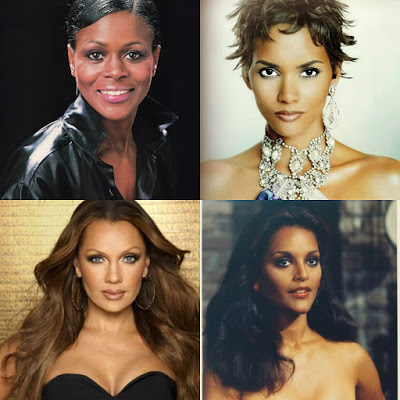
Media perpetuates and magnifies these standards. Television, film, and social media platforms frequently showcase lighter-skinned women as aspirational figures, while darker-skinned women remain underrepresented or stereotyped. Celebrities like Yara Shahidi, Salli Richardson, and Mari Morrow exemplify the privilege of visibility afforded to lighter-skinned women, whereas Lupita Nyong’o, Kenya Moore, and Issa Rae disrupt these patterns by embracing melanin-rich beauty and redefining cultural norms. The contrast illustrates how societal worth is often tied to appearance rather than character, talent, or intellect (Fardouly et al., 2015).

Psychological research underscores the consequences of appearance-based valuation. Social comparison theory reveals that individuals measure themselves against perceived standards, leading to self-esteem fluctuations and internalized bias. For Brown girls, repeated exposure to biased beauty standards can create feelings of inadequacy, imposter syndrome, and diminished confidence. Intentional self-reflection, mentorship, and culturally affirming representation mitigate these effects by fostering a holistic sense of self-worth that transcends appearance (Festinger, 1954).

Economic and social implications of appearance bias are profound. Studies show that lighter-skinned women often enjoy higher employment opportunities, increased social mobility, and broader access to resources. This systemic preference for lighter complexions demonstrates that societal valuation is not merely aesthetic; it is embedded in structures of power and access, reinforcing inequalities for darker-skinned individuals (Hunter, 2007).

Cultural and spiritual affirmation offers a corrective lens. Programs that celebrate African and diasporic heritage, such as community workshops, mentorship initiatives, and storytelling sessions, empower Brown girls to recognize the value of their natural features. Proverbs 31:30 (KJV) reminds, “Favour is deceitful, and beauty is vain: but a woman that feareth the LORD, she shall be praised.” Grounding self-worth in faith and character provides resilience against external judgments and societal pressures, emphasizing that value is inherent, not contingent on appearance.

Practical strategies reinforce this holistic sense of worth. Brown girls can engage in self-care, personal expression, and creative outlets to celebrate their identity, features, and heritage. Media literacy, mentorship, and culturally responsive education equip girls to critically navigate bias while cultivating confidence, talent, and leadership. Together, these approaches shift the focus from surface-level validation to substantive personal growth, achievement, and self-respect.

In conclusion, society’s tendency to measure worth by appearance disproportionately affects Brown girls, perpetuating colorism, bias, and unequal opportunity. Yet through cultural affirmation, mentorship, education, media literacy, and spiritual grounding, girls can cultivate a deep sense of intrinsic value that transcends external standards. By emphasizing character, talent, and authenticity, Brown girls redefine worth beyond skin deep, challenging societal hierarchies and inspiring future generations to embrace their full potential.


References

Banks, J. A. (2015). Cultural diversity and education: Foundations, curriculum, and teaching. Routledge.

Byrd, A. D., & Tharps, L. L. (2014). Hair Story: Untangling the Roots of Black Hair in America. St. Martin’s Press.

Fardouly, J., Diedrichs, P. C., Vartanian, L. R., & Halliwell, E. (2015). Social comparisons on social media: The impact of Facebook on young women’s body image concerns and mood. Body Image, 13, 38–45.

Festinger, L. (1954). A theory of social comparison processes. Human Relations, 7(2), 117–140.

Hunter, M. (2007). The persistent problem of colorism: Skin tone, status, and inequality. Sociology Compass, 1(1), 237–254.

Africa’s Central Role in Biblical Prophecy

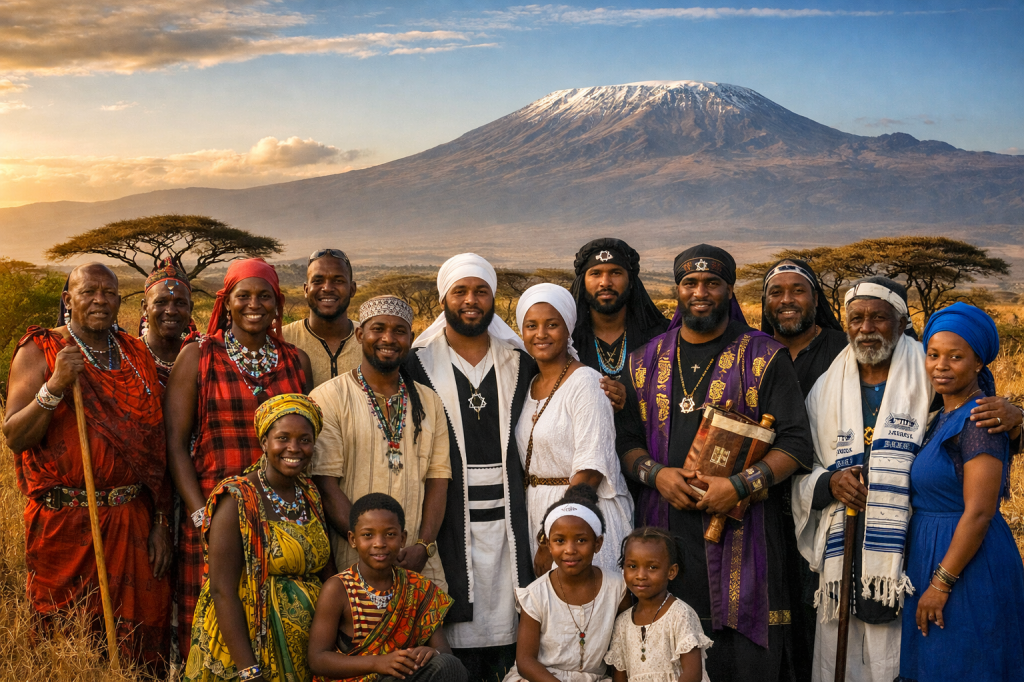
Africa holds a central and indispensable role in biblical prophecy, not as a peripheral landmass, but as a divinely positioned continent woven throughout Scripture from Genesis to Revelation. The Bible consistently presents Africa as a place of refuge, judgment, preservation, and future redemption. When read carefully through a prophetic lens, Africa emerges as a key stage upon which God’s purposes for humanity and Israel unfold.

From the earliest chapters of Genesis, Africa is present in sacred geography. The land associated with Cush, Mizraim, Put, and Ethiopia traces directly to the sons of Ham, whose descendants populated much of the African continent. Genesis records that one of the four rivers flowing from Eden, Gihon, compassed the whole land of Ethiopia, establishing Africa’s presence at the dawn of human history (Genesis 2:13, KJV). This placement signals Africa’s foundational role in God’s original creation narrative.

Africa also serves as a place of divine preservation. Egypt, located in northeast Africa, became the refuge for Joseph and later the entire family of Jacob during famine. God used Africa to sustain the covenant line through which Israel would emerge, demonstrating that African lands were instrumental in preserving the people of promise (Genesis 47:11–12, KJV).

The prophetic significance of Africa intensifies in the Exodus narrative. Egypt stands as both a place of refuge and bondage, illustrating how African territories function in God’s redemptive plan as spaces of testing, judgment, and eventual deliverance. The plagues upon Egypt were not random acts, but prophetic demonstrations of God’s supremacy over nations and false gods (Exodus 12:12, KJV).

Africa’s role extends beyond ancient Israel into messianic prophecy. The Gospel of Matthew records that Jesus Christ was taken into Egypt as a child to escape Herod’s massacre, fulfilling the prophecy, “Out of Egypt have I called my son” (Matthew 2:15, KJV). This moment affirms Africa as a protector of the Messiah and a fulfillment point of prophetic Scripture.

The prophets repeatedly reference African nations in end-time contexts. Isaiah speaks of Ethiopia as a land “shadowing with wings,” sending ambassadors by the sea, indicating geopolitical and prophetic relevance in global affairs (Isaiah 18:1–2, KJV). These passages suggest Africa’s involvement in international movements that precede divine intervention.

Psalm 68 explicitly foretells Africa’s future spiritual awakening, declaring, “Princes shall come out of Egypt; Ethiopia shall soon stretch out her hands unto God” (Psalm 68:31, KJV). This verse is widely understood as a prophetic declaration of Africa’s role in worship, restoration, and alignment with God’s kingdom purposes in the last days.

Africa also appears in prophetic judgments. Ezekiel prophesies against Egypt and its allies, including Cush and Put, demonstrating that African nations are not exempt from divine accountability (Ezekiel 30:4–5, KJV). These judgments align Africa with the broader prophetic pattern of nations being weighed according to righteousness and obedience to God.

The book of Daniel includes Africa in visions of global power shifts. The “king of the north” is said to have authority over “the precious things of Egypt,” along with the Libyans and Ethiopians following at his steps (Daniel 11:43, KJV). This prophecy places African nations within end-time geopolitical alignments.

Africa’s prophetic relevance is also seen in the spread of the gospel. Acts records the conversion of the Ethiopian eunuch, a high official who carried the message of Christ back to Africa, signaling the continent’s early and enduring connection to Christian faith (Acts 8:27–39, KJV). This event foreshadows Africa’s role in global evangelism.

The Bible repeatedly challenges Eurocentric interpretations that marginalize Africa. Scripture itself affirms Africa’s proximity to God’s redemptive acts, revealing that African lands and peoples were never spiritually distant or insignificant within biblical history or prophecy.

Africa’s suffering through colonization, enslavement, and exploitation mirrors biblical patterns of oppression followed by divine reckoning. Just as Egypt was judged for its cruelty toward Israel, Scripture warns that nations will be judged for injustice and bloodshed (Genesis 15:14, KJV). This principle reinforces Africa’s prophetic role as both witness and participant in God’s justice.

The prophetic scriptures also emphasize restoration. Isaiah foretells a time when scattered peoples will be brought back to worship the Lord from distant lands, including Africa (Isaiah 11:11, KJV). This regathering theme resonates strongly with African and diasporic histories.

Africa’s inclusion in prophecy demonstrates God’s global sovereignty. Biblical prophecy does not center exclusively on one region, but reveals a God who governs all nations, including those often overlooked or dismissed by human power structures (Acts 17:26, KJV).

The Book of Revelation depicts all nations and peoples standing before God’s throne, which necessarily includes Africa (Revelation 7:9, KJV). This vision affirms Africa’s presence in the culmination of prophetic history, not as a footnote, but as a redeemed participant in God’s eternal kingdom.

Africa’s prophetic significance also lies in its spiritual resilience. Despite centuries of trauma, African spirituality, worship, and biblical literacy remain deeply rooted, aligning with prophecies of endurance and faith under persecution (Matthew 24:13, KJV).

The repeated biblical mention of African lands underscores that prophecy is inseparable from geography. God acts in real places, among real people, and Africa consistently appears as one of those divinely appointed locations.

Understanding Africa’s role in biblical prophecy challenges distorted narratives that separate faith from Black history. Scripture affirms Africa as central to God’s plan, restoring dignity and biblical identity to African peoples worldwide.

Africa’s place in prophecy ultimately points to hope. The same God who used African lands for preservation, judgment, and refuge promises restoration, worship, and inclusion in His kingdom. This assures that Africa’s story is not marginal, but prophetic.

In the unfolding of biblical prophecy, Africa stands as a witness to God’s faithfulness across generations. From Eden to the Exodus, from the Messiah’s refuge to the final gathering of nations, Africa remains essential to the divine narrative, confirming that God’s promises encompass all lands and all peoples according to His sovereign will.

References

The Holy Bible, King James Version. (1769/2017). Cambridge University Press.

Genesis 2:13 (King James Version).

Genesis 47:11–12 (King James Version).

Exodus 12:12 (King James Version).

Genesis 15:14 (King James Version).

Psalm 68:31 (King James Version).

Isaiah 11:11 (King James Version).

Isaiah 18:1–2 (King James Version).

Ezekiel 30:4–5 (King James Version).

Daniel 11:43 (King James Version).

Matthew 2:15 (King James Version).

Matthew 24:13 (King James Version).

Acts 8:27–39 (King James Version).

Acts 17:26 (King James Version).

Revelation 7:9 (King James Version).

Dilemma: Renewing the Mind

Photo by Na Urchin on Pexels.com

The mind is a battlefield. Every day, thoughts vie for dominance, shaping emotions, decisions, and behaviors. For many, particularly in communities burdened by systemic oppression, trauma, and cultural pressures, renewing the mind is not optional—it is essential for spiritual, emotional, and psychological health. Romans 12:2 instructs, “And be not conformed to this world: but be ye transformed by the renewing of your mind, that ye may prove what is that good, and acceptable, and perfect, will of God.”

Renewing the mind begins with awareness. The first step is recognizing thought patterns that limit, harm, or deceive. Negative self-talk, internalized oppression, and unexamined assumptions often dictate behavior subconsciously. Awareness creates the possibility of intentional transformation.

Cultural conditioning heavily influences the mind. From media representation to educational bias, society transmits messages about worth, beauty, and possibility. For Black individuals, these messages can perpetuate internalized racism, colorism, and inferiority complexes (Hunter, 2007). Renewal requires discerning these external lies from divine truth.

Trauma complicates mental renewal. Historical oppression, family dysfunction, and personal experiences can create deeply embedded cognitive patterns. Therapy, journaling, and prayer are vital tools to unearth these patterns and replace them with healthier perspectives (Van der Kolk, 2014).

Scripture is central to the process. Biblical meditation on God’s Word reshapes thought. Philippians 4:8 exhorts believers to think on “whatsoever things are true, whatsoever things are honest, whatsoever things are just…pure, lovely, of good report.” Filling the mind with truth displaces toxic thinking.

Self-reflection is a spiritual discipline. Daily evaluation of thoughts, motivations, and reactions helps identify areas of conformity to worldly patterns versus alignment with God’s will. This practice cultivates discernment and intentional living.

Mind renewal is also psychological. Cognitive-behavioral strategies, such as challenging distorted thinking and reframing negative beliefs, complement spiritual practices. Science shows that thought patterns can physically reshape neural pathways over time (Siegel, 2012).

Community plays a role. Mentorship, accountability partners, and support groups reinforce positive thinking. Sharing struggles, insights, and victories prevents isolation and encourages consistency in mental transformation.

Renewal requires deliberate replacement. Thoughts rooted in fear, resentment, or envy must be replaced with gratitude, faith, and hope. Practicing affirmations grounded in Scripture empowers the mind to internalize divine perspectives.

Meditation and prayer are essential tools. Quiet reflection allows individuals to discern between worldly pressures and God’s voice. Listening attentively to the Spirit fosters clarity and wisdom, helping the mind align with divine purpose.

Education informs renewal. Understanding psychology, history, and personal ancestry contextualizes challenges and combats internalized lies. Knowledge about the self and the world strengthens resilience against external conditioning.

Forgiveness frees the mind. Holding grudges, shame, or resentment sustains toxic thinking. Colossians 3:13 instructs believers to forgive as God forgave, liberating the mind from bondage and opening space for renewal.

Creative expression aids transformation. Writing, art, music, and movement help externalize internal conflicts, providing perspective and emotional release. This process reinforces new, constructive thought patterns. 🎨🖋️

Consistency is key. Renewing the mind is ongoing, not a one-time act. Daily disciplines—prayer, Scripture, reflection, therapy, and community engagement—maintain the transformation and prevent regression into old patterns.

Ultimately, renewing the mind is liberation. It restores identity, cultivates wisdom, and aligns the believer with God’s design. By intentionally reshaping thought patterns, individuals rise above societal lies, generational trauma, and personal limitations, living fully in purpose and truth.


References

  • Hunter, M. (2007). The persistent problem of colorism: Skin tone, status, and inequality. Sociology Compass, 1(1), 237–254.
  • Siegel, D. J. (2012). The developing mind: How relationships and the brain interact to shape who we are. Guilford Press.
  • Van der Kolk, B. (2014). The body keeps the score: Brain, mind, and body in the healing of trauma. Penguin Books.
  • The Holy Bible, King James Version.

Complexion and Confidence: How Colorism Shapes Self-Worth.

Photo by Breston Kenya on Pexels.com

Colorism, the preferential treatment of lighter skin over darker skin within the same racial or ethnic group, remains a pervasive issue affecting self-esteem, identity, and social opportunity. Unlike racism, which is based on perceived differences between racial groups, colorism operates within communities, creating hierarchies that privilege lighter-skinned individuals while marginalizing darker-skinned members. The psychological and social consequences of this bias are profound, influencing how individuals perceive themselves and are perceived by society.

Historically, colorism can be traced to colonialism, slavery, and European imperialism. Lighter skin was associated with proximity to power, education, and social mobility, while darker skin was devalued (Hunter, 2007). These hierarchies became deeply embedded in social structures, media representations, and cultural narratives. Over generations, colorist beliefs were internalized, leading to preferences, biases, and insecurities that persist today. For Black women, these dynamics often manifest in beauty standards that favor lighter complexions, straighter hair, and European facial features, creating pressure to conform or alter natural traits.

Psychologically, colorism can significantly impact self-worth and confidence. Social comparison theory explains that repeated exposure to preferential treatment or societal praise of lighter skin can lead individuals to internalize negative perceptions of their own appearance (Festinger, 1954). Darker-skinned women may experience anxiety, diminished self-esteem, and body dissatisfaction, while lighter-skinned peers may receive amplified affirmation, social validation, and access to opportunities. These disparities reinforce both interpersonal and internalized hierarchies, affecting mental health, career progression, and social interactions.

Media plays a crucial role in perpetuating colorism. Television, film, and advertising have historically favored light-skinned actors and models, creating a narrow template for beauty that marginalizes darker complexions (Hunter, 2007). Even within Black communities, advertisements, magazines, and celebrity culture often elevate lighter-skinned women as ideals, producing aspirational standards that shape self-perception. Social media magnifies these effects, as likes, shares, and comments often reinforce biases based on skin tone, further influencing confidence and identity formation.

Conversely, representation and empowerment initiatives challenge colorism and its effects. Campaigns celebrating dark-skinned beauty, such as Lupita Nyong’o’s public advocacy and the #UnfairAndLovely movement, highlight the value and radiance of diverse skin tones. Exposure to media and role models who embrace darker complexions fosters positive self-concept, resilience, and pride in one’s natural appearance. This cultural shift demonstrates that confidence and self-worth are nurtured not only by external validation but by visibility, representation, and cultural affirmation.

Spiritual and ethical perspectives offer additional grounding in navigating colorism. Proverbs 31:30 (KJV) reminds believers, “Favour is deceitful, and beauty is vain: but a woman that feareth the LORD, she shall be praised.” True self-worth transcends societal standards of lightness or darkness, finding affirmation in faith, character, and alignment with divine purpose. Recognizing the spiritual dimension of value allows individuals to resist the limiting and often harmful metrics of colorist bias.

In conclusion, colorism profoundly shapes self-perception, confidence, and social opportunity. Its historical roots, reinforced by media and cultural narratives, create hierarchies that privilege lighter skin while marginalizing darker complexions. However, visibility, representation, and spiritual grounding provide tools for resistance, fostering confidence and affirming self-worth. Ultimately, reclaiming pride in one’s natural complexion and rejecting internalized bias empowers individuals to define beauty, success, and value on their own terms.


References

Festinger, L. (1954). A theory of social comparison processes. Human Relations, 7(2), 117–140.

Hunter, M. (2007). The persistent problem of colorism: Skin tone, status, and inequality. Sociology Compass, 1(1), 237–254.

Byrd, A. D., & Tharps, L. L. (2014). Hair Story: Untangling the Roots of Black Hair in America. New York, NY: St. Martin’s Press.

Rhodes, G. (2006). The evolutionary psychology of facial beauty. Annual Review of Psychology, 57, 199–226.

Dilemma: Slavery, Colonialism, and Racial Hierarchy

Slavery and colonialism did not emerge as isolated historical accidents but as deliberate systems engineered to extract labor, land, and life from subordinated peoples. At the center of these systems stood the construction of racial hierarchy, a framework that transformed domination into ideology and violence into normalcy.

The transatlantic slave trade marked a pivotal rupture in human history. Africans were captured, commodified, and transported across oceans under conditions designed to erase personhood. This was not merely economic exploitation; it was an ontological assault on humanity itself.

Colonialism expanded this logic globally. European empires occupied territories across Africa, the Americas, Asia, and the Caribbean, imposing foreign rule while dismantling indigenous governance, economies, and epistemologies. Control of land was accompanied by control of meaning.

Racial hierarchy emerged as the moral justification for these practices. Europeans increasingly defined themselves as fully human, rational, and civilized, while Africans and other colonized peoples were cast as primitive, inferior, or subhuman. This hierarchy was not natural; it was manufactured.

Theological distortion played a central role in legitimizing oppression. Biblical texts were selectively interpreted to sanctify slavery and empire, while passages emphasizing justice, liberation, and divine judgment against oppressors were muted or ignored.

One of the most egregious examples was the misuse of the so-called “Curse of Ham.” Though the Genesis narrative never mentions skin color or Africa as justification for enslavement, European theologians weaponized this passage to racialize bondage and claim divine approval for Black subjugation.

At the same time, enslaved Africans encountered the Bible through contradiction. The same text used to justify their chains also spoke of Exodus, covenant, judgment, and liberation. Enslaved readers discerned truths their oppressors refused to see.

The plantation economy reveals the intimate link between slavery and modern capitalism. Sugar, cotton, tobacco, and rice generated immense wealth for European nations and American colonies, laying the financial foundation of global modernity.

Colonial powers did not merely exploit labor; they extracted knowledge. African technologies, agricultural practices, metallurgy, and governance systems were appropriated, while African peoples were denied authorship of their own civilizations.

Colonial education systems reinforced inferiority by teaching colonized subjects to admire Europe and despise themselves. Language suppression, cultural erasure, and religious coercion produced psychological captivity alongside political domination.

Racial hierarchy was further codified through law. Slave codes, colonial ordinances, and later segregationist policies transformed racial inequality into legal structure, ensuring that injustice persisted beyond individual prejudice.

Even after formal abolition, slavery mutated rather than disappeared. Sharecropping, convict leasing, forced labor camps, and colonial labor systems continued extraction under new names, maintaining racial stratification.

The Bible’s prophetic tradition stands in direct opposition to such systems. Prophets repeatedly condemned societies that enriched themselves through exploitation, warning that injustice invites divine judgment regardless of national power.

Deuteronomy, Isaiah, Amos, and Jeremiah articulate a theology in which God sides with the oppressed and holds nations accountable for how they treat the vulnerable, the captive, and the poor.

Colonial Christianity often severed salvation from justice, emphasizing heaven while tolerating hell on earth. This theological bifurcation enabled believers to pray while profiting from suffering.

Black and African theology rejected this split. Faith became inseparable from survival, resistance, and hope. Worship functioned not as escapism but as protest against a world out of alignment with divine order.

Resistance to slavery and colonialism took multiple forms: revolts, maroon communities, abolitionist movements, pan-Africanism, and decolonization struggles. These movements testified that domination was never fully total.

The twentieth century witnessed formal decolonization, yet political independence did not erase economic dependency. Former colonies inherited borders, debts, and institutions designed for extraction, not flourishing.

Racial hierarchy adapted to new global arrangements. Development discourse replaced overt racism, yet inequality persisted through trade imbalances, resource exploitation, and global financial systems.

Within Western societies, the descendants of the enslaved continued to face exclusion through housing discrimination, educational inequity, mass incarceration, and economic marginalization—echoes of the original hierarchy.

Psychological consequences remain profound. Internalized inferiority, historical amnesia, and fractured identity are among the most enduring legacies of racial domination.

Scripture speaks to these realities not through denial but through remembrance. Biblical faith insists that history matters, that suffering is seen, and that injustice leaves a moral residue demanding response.

Divine justice in the biblical vision is neither rushed nor forgetful. It unfolds across generations, confronting systems rather than merely individuals.

The dilemma of slavery, colonialism, and racial hierarchy therefore confronts both history and theology. It demands honest reckoning rather than selective memory.

Healing requires truth, accountability, and restoration. Justice is not achieved through symbolic gestures alone but through material repair and transformed relationships.

The Bible ultimately refuses the permanence of oppression. Empires rise and fall, but divine justice endures beyond human power.

The continued struggle for racial justice is not a deviation from faith but a fulfillment of its ethical demand. To pursue justice is to align human action with divine intent.

Slavery and colonialism reveal the depths of human cruelty, but they also reveal the resilience of those who survived them. Survival itself stands as testimony against the lie of inferiority.

The racial hierarchy constructed to justify domination is historically contingent and morally bankrupt. It cannot withstand sustained truth.

This dilemma remains unresolved not because justice is absent, but because humanity continues to resist its demands.

Yet Scripture insists that injustice is unsustainable. The arc of history bends not by accident, but by moral weight.

The work of dismantling racial hierarchy is therefore sacred labor—historical, ethical, and spiritual—calling this generation to choose truth over comfort and justice over denial.


References

The Holy Bible, King James Version. (1611/1769).

Cone, J. H. (1997). God of the oppressed. Orbis Books.

Fanon, F. (1963). The wretched of the earth. Grove Press.

Rodney, W. (1972). How Europe underdeveloped Africa. Howard University Press.

Williams, E. (1944). Capitalism and slavery. University of North Carolina Press.

Du Bois, W. E. B. (1903). The souls of Black folk. A. C. McClurg & Co.

Heschel, A. J. (2001). The prophets. Harper Perennial.

Hair Glory: The History of Black Hair

This photograph is the property of its respective owner. No copyright infringement intended.

Black hair has always held profound significance, serving as a marker of identity, spirituality, and cultural heritage. In Africa, long before colonialism and slavery, hair was a crown of glory, symbolizing lineage, social status, and community belonging (Byrd & Tharps, 2014). For Black people, hair has never been merely aesthetic—it carries history, resistance, and sacred meaning.

In pre-colonial African societies, hair was a living language. Intricate braids, cornrows, and twists conveyed age, marital status, tribal affiliation, and even wealth (Banks, 2000). Hairstyling was often a communal ritual, strengthening social bonds and passing down ancestral knowledge from one generation to the next.

Biblical references further elevate the significance of hair. 1 Corinthians 11:15 (KJV) states, “If a woman have long hair, it is a glory to her: for her hair is given her for a covering.” For Black women, this verse resonates as a recognition of God’s gift, linking hair to divine identity and dignity.

The transatlantic slave trade violently disrupted African hair culture. Enslaved Africans were forced to shave their heads upon arrival in the Americas to erase tribal identities and assert control (Roach, 2018). Hair, once a source of pride, was weaponized as a tool of oppression.

During slavery, hair texture and style were stigmatized. Terms like “kinky” or “woolly” carried derogatory weight, while straightened textures were celebrated. This created layers of internalized racism and colorism that persist in the African diaspora (Thompson, 2009).

Despite oppression, Black hair became a form of resistance. Enslaved women braided escape routes into cornrows, transforming hairstyles into literal maps for freedom (Painter, 2006). Hair thus became a silent yet potent tool of survival and ingenuity.

In the post-slavery era, hair care emerged as a site of entrepreneurship and empowerment. Madam C.J. Walker, often cited as America’s first Black female millionaire, revolutionized hair care for Black women, blending beauty with economic independence (Walker, 1910). While some methods promoted straightening, the enterprise symbolized self-determination.

The 1960s and 1970s saw a radical reclamation of natural hair. The Afro emerged not just as a style but as a political statement aligned with the Civil Rights and Black Power movements. Wearing natural hair boldly rejected Eurocentric standards and asserted African heritage (Craig, 2002).

The natural hair movement also underscored self-love and cultural pride. Public figures and artists embraced their textures as a counter-narrative to centuries of discrimination, emphasizing that Black beauty is not defined by whiteness but by heritage and authenticity.

Black men’s hair has historically carried symbolic weight as well. Styles such as dreadlocks connected spiritual identity with biblical Nazarite traditions, as exemplified in Samson’s story (Judges 16:17, KJV). Hairstyle became a reflection of spiritual and cultural consciousness.

Despite progress, Black hair remains a contested space. Discrimination persists in workplaces and schools, with natural hairstyles often deemed “unprofessional.” The CROWN Act, legislated in several U.S. states, combats this hair-based discrimination, affirming that hair is not only cultural but also legal terrain (CROWN Act, 2019).

Social media has amplified cultural reclamation, providing platforms for tutorials, education, and storytelling. Sites like YouTube and TikTok have created virtual salons, where younger generations can learn protective styling, hair care, and embrace natural textures (Banks, 2000).

Culturally, Black hair has influenced music, film, and fashion, from the Afros of the 1970s to contemporary locs and twists. Icons such as Cicely Tyson, Erykah Badu, and Lupita Nyong’o have reshaped societal notions of beauty, making Black hair a visible emblem of pride (Thompson, 2009).

Hair is intertwined with spiritual symbolism. Isaiah 61:3 (KJV) promises beauty for ashes, suggesting that reclaiming one’s hair after oppression is a reflection of God’s restorative power. For many, embracing natural hair is an act of faith and spiritual resilience.

Throughout history, Black hair has navigated multiple pressures: assimilation, Eurocentric beauty standards, and societal prejudice. Yet it has remained a central marker of Black identity, resilience, and artistic expression.

Today, the diversity of Black hair textures and styles—from twists, braids, locs, and afros—represents freedom, creativity, and cultural continuity. Hair care practices have evolved, but the symbolism endures: hair is power, pride, and self-expression.

Black hair also plays a role in community and mentorship. Stylists pass down ancestral techniques, creating spaces where history, skill, and storytelling converge. Hair salons have historically functioned as cultural hubs for connection, resistance, and affirmation (Banks, 2000).

The history of Black hair reflects the broader African diaspora’s struggle and triumph. From forced shaving during slavery to today’s celebration of curls and locs, hair chronicles a journey from erasure to reclamation, from shame to glory.

In essence, Black hair is sacred, political, and cultural. It embodies resilience, identity, spirituality, and creativity. Hair is glory restored, a living testament to survival and divine beauty.


References

  • Banks, I. (2000). Hair matters: Beauty, power, and Black women’s consciousness. NYU Press.
  • Byrd, A., & Tharps, L. (2014). Hair story: Untangling the roots of Black hair in America. St. Martin’s Press.
  • Craig, M. L. (2002). Ain’t I a beauty queen?: Black women, beauty, and the politics of race. Oxford University Press.
  • CROWN Act. (2019). Creating a Respectful and Open World for Natural Hair. California State Legislature.
  • Painter, N. I. (2006). Exodusters: Black migration to Kansas after Reconstruction. Knopf.
  • Roach, M. (2018). Hair and identity in the African diaspora. Journal of Black Studies, 49(5), 435–456.
  • Thompson, C. (2009). Black women, beauty, and hair: How hair matters in identity formation. Women’s Studies Quarterly, 37(3/4), 101–123.
  • Walker, M. C. J. (1910). Secrets of success. Independent Business Publisher.

Girl Talk Series: A Good Man May Still Be the Wrong Man

A good man is often defined by what he does not do. He is not abusive, not immoral, not reckless, and not irresponsible. He may be polite, educated, emotionally pleasant, and socially admired. Yet Scripture teaches that goodness alone is not the standard for covenant. A man can be good in character and still be wrong in assignment.

God’s will for your life is not determined by appearances or resumes. It is revealed through alignment, obedience, and spiritual purpose. Proverbs reminds us that there is a way that seemeth right unto a man, but the end thereof is the way of death. What looks safe, stable, and sensible can still lead you away from God’s intention.

Many men look exceptional on paper. They have jobs, charm, manners, and ambition. They check boxes that society praises, but marriage is not a checklist—it is a calling. Scripture shows that destiny connections are not built on optics but on obedience and divine order.

A man being “good” does not mean he is God’s will for you. Saul was tall, impressive, and admired, yet David was chosen by God. The Lord looks on the heart, not outward qualifications. God’s will prioritizes spiritual compatibility over social approval.

A man who is God’s will must love God before he loves you. This love is not verbal or occasional but demonstrated through submission to God’s authority. A man who truly loves God seeks to obey Him, not negotiate with Him. Without this foundation, love becomes unstable.

Purity is not outdated; it is biblical alignment. A man who keeps himself pure before God demonstrates self-control, reverence, and fear of the Lord. Scripture teaches that the body is the temple of the Holy Ghost. A man who disregards this will often disregard covenant boundaries later.

Many women confuse intention with action. A man may promise marriage, leadership, or provision, but faith without works is dead. A man who consistently speaks without movement is revealing his true posture. Godly men act because obedience produces fruit.

A good man who delays obedience is not ready for the covenant. Marriage is a responsibility, not romance. Scripture warns against slothfulness and double-mindedness. A man who cannot steward discipline in his walk with God will struggle to steward a household.

Not all good men understand covenant. Covenant is not an emotional attachment; it is a spiritual responsibility before God. Malachi speaks of marriage as a covenant, not a contract. Without covenant understanding, commitment becomes conditional.

A man may treat you kindly but still lack spiritual leadership. Kindness without headship leads to confusion. The Bible assigns husbands the role of loving leadership under Christ. If a man resists accountability, he is not prepared to lead.

Being non-abusive does not equal being aligned. The absence of harm is not the presence of purpose. God does not call women to settle for neutrality. He calls them to alignment, peace, and growth in Him.

Some men are good companions but poor coverings. Spiritual covering requires prayer, discipline, and sacrifice. A man unwilling to intercede, correct, or protect spiritually is not operating in biblical manhood.

A man who avoids responsibility often masks it with charm. Scripture warns that smooth words can deceive the heart. Consistency, not charisma, reveals maturity. Godly men are steady, not performative.

Discerning the wrong man requires listening to the Holy Spirit, not silencing Him. Discomfort, delay, and confusion are often signals. God is not the author of confusion but of peace. Peace does not mean perfection, but it does mean alignment.

Many women stay because a man is “almost right.” Almost obedient is still disobedient. Partial surrender is not surrender at all. God does not bless compromise that delays obedience.

A good man may be meant for someone else. This truth requires humility and trust in God’s sovereignty. Not every good person is your person. Release is not rejection; it is redirection.

Waiting on God’s will protects your future. Scripture teaches that those who wait on the Lord renew their strength. Patience is not passive; it is active trust. God honors those who honor His order.

Marriage should draw you closer to God, not further from Him. If a relationship dulls your prayer life, weakens conviction, or causes you to justify sin, it is misaligned. God’s will produces fruit, not confusion.

God cares more about who a man is becoming than how he appears now. Character, obedience, and covenant understanding matter more than potential. Potential without discipline often becomes disappointment.

A good man who is the wrong man can delay your purpose. God’s will is not simply about avoiding bad men, but discerning the right one. Trusting God requires releasing what looks good to receive what is ordained.


References

Proverbs 14:12 – “There is a way which seemeth right unto a man, but the end thereof are the ways of death.”

1 Samuel 16:7 – “For the Lord seeth not as man seeth; for man looketh on the outward appearance, but the Lord looketh on the heart.”

Matthew 6:33 – “But seek ye first the kingdom of God, and his righteousness; and all these things shall be added unto you.”

1 Corinthians 6:19–20 – “What? know ye not that your body is the temple of the Holy Ghost… therefore glorify God in your body.”

James 2:17 – “Even so faith, if it hath not works, is dead, being alone.”

Malachi 2:14 – “The Lord hath been witness between thee and the wife of thy youth… yet is she thy companion, and the wife of thy covenant.”

1 Corinthians 11:3 – “The head of every man is Christ; and the head of the woman is the man.”

1 Corinthians 14:33 – “For God is not the author of confusion, but of peace.”

Isaiah 40:31 – “But they that wait upon the Lord shall renew their strength.”

Romans 8:14 – “For as many as are led by the Spirit of God, they are the sons of God.”

From Colorism to Confidence: Redefining the Brown Girl Dilemma. #TheBrownGirlDilemma

Photo by Sherman Trotz on Pexels.com

The “brown girl dilemma” is rooted in centuries of systemic bias, historical oppression, and cultural preference for lighter skin tones. Colorism—the discrimination based on skin tone within a racial or ethnic group—has shaped the lives of brown-skinned women across the globe. From social exclusion to media misrepresentation, these biases have influenced not only self-perception but opportunities for education, career advancement, and personal relationships. Yet, amidst these challenges, brown girls are reclaiming confidence, redefining beauty standards, and embracing identity in its full spectrum.

Historical Foundations of Colorism

Colorism is not a modern phenomenon. Its roots trace back to slavery, colonization, and hierarchical caste systems. During slavery in the Americas, lighter-skinned enslaved women often received preferential treatment in domestic roles, while darker-skinned women were relegated to field labor (Hunter, 2007). Similarly, European colonization imposed racial hierarchies that prized European features and lighter skin. These historical practices laid the foundation for intergenerational bias that continues to affect brown girls today.

Internalized Bias and Self-Perception

Internalized colorism manifests as a distorted sense of beauty and self-worth. Brown girls often grow up absorbing messages that equate fairness with success, desirability, and intelligence. This internalization leads to self-doubt and a desire to conform to Eurocentric ideals. Psychology research indicates that repeated exposure to biased media and societal standards contributes to low self-esteem and body dissatisfaction among girls of color (Thompson, 1996).

Media Representation and Its Limits

Media has long been complicit in perpetuating colorism. Television, film, and advertising have historically favored lighter-skinned actresses, models, and influencers, relegating darker-skinned women to supporting roles or caricatured stereotypes. While representation of darker-skinned women is increasing, tokenism remains a problem. Brown girls often feel that their presence is conditional upon fitting narrowly defined ideals of beauty and behavior.

Cultural Expectations and Marriage Markets

In many societies, skin tone continues to dictate social and romantic opportunities. In South Asia, India, and Latin America, fairness remains a highly prized attribute in marriage markets, reinforcing a hierarchy that disadvantages darker-skinned women. The perpetuation of these standards teaches brown girls from a young age that their natural complexion may be less valued—a lesson that must be unlearned for confidence to flourish.

Hair, Features, and Policing of Identity

Colorism intersects with other aspects of appearance, including hair texture and facial features. Brown girls often face pressure to straighten hair, contour facial features, or lighten skin to conform to dominant standards. These pressures reinforce the notion that natural features are inadequate, perpetuating cycles of self-alteration and identity policing. Recognizing and rejecting these pressures is a vital step toward confidence.

Psychological Toll of Bias

The brown girl dilemma affects mental health. Studies link colorism to higher levels of anxiety, depression, and social withdrawal in women of color (Monk, 2014). Living under constant scrutiny and comparison erodes confidence, making the path toward self-acceptance challenging. Addressing these effects requires both individual resilience and structural changes in media, education, and workplace representation.

The Role of Faith

Faith provides a foundation for reframing beauty and self-worth. Biblical texts such as Song of Solomon 1:5—“I am black, but comely”—affirm the inherent beauty of darker skin tones. Psalm 139:14 reminds believers that they are “fearfully and wonderfully made.” For brown girls, spiritual affirmation can counter cultural messages of inferiority, offering a source of confidence rooted in divine design rather than societal approval.

Representation as Empowerment

Positive representation plays a critical role in redefining the brown girl dilemma. Figures like Lupita Nyong’o, Viola Davis, and Issa Rae have publicly embraced their melanin-rich skin and natural features. Their visibility challenges entrenched beauty hierarchies, creating spaces where brown girls can see themselves as worthy, beautiful, and powerful. Representation, when authentic, shifts the cultural narrative from scarcity to abundance.

Intersectionality and the Dilemma

The brown girl dilemma cannot be separated from broader systems of oppression. Gender, race, and class intersect with skin tone to compound discrimination. Darker-skinned women often face limited access to education and employment, increased policing, and marginalization within both majority and minority communities. Understanding these intersections allows for holistic approaches to empowerment and confidence-building.

Community and Collective Affirmation

Building confidence requires collective affirmation. Peer groups, mentorship programs, and social networks that celebrate brown skin provide crucial reinforcement against societal bias. Through storytelling, mentorship, and representation, communities can normalize brown beauty and challenge internalized colorism. Collective affirmation transforms confidence from a personal achievement into a shared cultural value.

Education and Conscious Awareness

Education about colorism and its historical roots empowers brown girls to critically analyze societal messages. Awareness fosters resilience, enabling girls to reject harmful comparisons and embrace their unique beauty. Curricula that include diverse histories and cultural contributions help dismantle Eurocentric standards, cultivating a sense of pride and belonging.

Reclaiming Beauty Standards

Redefining the brown girl dilemma involves reclaiming beauty on one’s own terms. By celebrating melanin-rich skin, natural hair, and diverse features, brown girls reject narrow societal definitions. Beauty is reframed as holistic, encompassing strength, intelligence, character, and cultural heritage—not merely conformity to whiteness.

Social Media as a Tool

While social media can perpetuate colorism, it has also become a tool for empowerment. Hashtags like #MelaninPoppin, #BrownSkinGirlMagic, and #BlackGirlJoy create virtual spaces that celebrate brown beauty. These digital movements allow girls to connect, share experiences, and redefine standards collectively, fostering a sense of pride and belonging.

Mentorship and Role Models

Mentorship is essential in building confidence. Brown girls benefit from seeing older women navigate spaces of visibility and authority while embracing their natural features. Role models provide practical guidance, emotional support, and inspiration, showing that brown skin is not a limitation but a source of strength.

Spiritual Practice and Identity Formation

Spiritual practice reinforces confidence by aligning identity with divine purpose. Prayer, meditation, and scriptural study cultivate resilience and self-worth. When brown girls internalize spiritual truths affirming their inherent value, they are better equipped to withstand societal pressures and redefine their place in a world that often marginalizes them.

Breaking Cycles of Internalized Bias

Addressing internalized colorism is crucial. Families and communities play a role in either perpetuating or dismantling bias. Encouraging positive affirmation, rejecting discriminatory comments, and celebrating diverse shades within families ensures that confidence is nurtured across generations. Breaking cycles of internalized bias transforms personal identity and collective culture.

Fashion, Style, and Self-Expression

Fashion and personal style offer brown girls avenues for self-expression and empowerment. Choosing clothing, hairstyles, and beauty routines that reflect personal identity—rather than conforming to narrow societal expectations—becomes a form of resistance. Confidence grows when self-expression is celebrated as a declaration of individuality and pride.

Activism and Advocacy

Empowerment extends beyond personal confidence to advocacy. Brown girls who challenge colorism, engage in media representation campaigns, or educate peers about historical biases embody proactive resistance. Activism transforms confidence into agency, ensuring that the brown girl dilemma is addressed at systemic levels, not just personal ones.

Toward Holistic Confidence

Confidence for brown girls is multifaceted, combining psychological resilience, spiritual grounding, community support, and cultural pride. Holistic approaches ensure that empowerment is sustainable, addressing both internalized messages and external biases. By embracing all aspects of identity, brown girls can thrive authentically.

Conclusion: Redefining the Dilemma

The journey from colorism to confidence is ongoing but achievable. By understanding the historical, psychological, and spiritual dimensions of bias, brown girls can reclaim their narratives and redefine beauty. Representation, mentorship, community affirmation, and spiritual grounding equip them to stand boldly in their melanin-rich skin. The brown girl dilemma is no longer a limitation—it is an opportunity to assert identity, pride, and resilience in a world that once sought to diminish them.


References

  • Collins, P. H. (2000). Black feminist thought: Knowledge, consciousness, and the politics of empowerment. Routledge.
  • Hunter, M. (2007). The persistent problem of colorism: Skin tone, status, and inequality. Sociology Compass, 1(1), 237–254.
  • Monk, E. P. (2014). Skin tone stratification among Black Americans, 2001–2003. Social Forces, 92(4), 1313–1337.
  • Thompson, C. (1996). Black women, beauty, and hair as a matter of being. Women’s Studies, 25(6), 667–678.
  • The Holy Bible, King James Version.

The Isms of Black People: Racism, Colorism, and Beyond.

Photo by Kindel Media on Pexels.com

The history of Black people across the diaspora is marked by survival under systems of oppression, division, and erasure. To understand this history, one must examine the many “isms” that have shaped both external conditions and internal realities. Racism, colorism, classism, sexism, and materialism each stand as forces that distort identity, fracture unity, and reproduce inequality. Yet through these trials, Black people have also demonstrated resilience, faith, and creativity that transcend systemic barriers.

Racism stands at the foundation of oppression against Black people. Rooted in slavery, colonialism, and segregation, racism created a system of economic exploitation and social dehumanization. Enslavement reduced people to property, and post-slavery policies institutionalized inequality through Jim Crow laws, redlining, and mass incarceration. Racism is more than individual prejudice; it is structural, shaping opportunity, wealth, and health. Scripture reminds us of the cruelty of oppression: “They afflict the just, they take a bribe, and they turn aside the poor in the gate from their right” (Amos 5:12, KJV).

Colorism, though a product of racism, operates as a unique internal “ism.” Defined as prejudice or discrimination based on skin shade within the same racial or ethnic group, colorism privileges lightness and stigmatizes darkness. This hierarchy dates back to slavery, when lighter-skinned enslaved people were sometimes granted household work, while darker-skinned people labored in the fields. Today, this legacy persists in beauty standards, employment opportunities, and social perceptions. As Hunter (2007) notes, skin tone continues to influence social mobility within Black communities.

The psychological impact of colorism is profound. Dark-skinned individuals often face diminished self-esteem, while lighter-skinned individuals may struggle with authenticity and belonging. The Bible warns against valuing outward appearance: “For the Lord seeth not as man seeth; for man looketh on the outward appearance, but the Lord looketh on the heart” (1 Samuel 16:7, KJV). True worth is not measured by complexion, but by the character shaped by God.

Classism is another “ism” that plagues Black people. Historically, systemic barriers restricted access to land ownership, wealth accumulation, and higher education. Today, the racial wealth gap continues to mirror these inequalities, with Black households on average holding significantly less wealth than White households (Oliver & Shapiro, 2006). Within Black communities, however, class divisions can also produce elitism, where those who attain success may distance themselves from those still struggling.

This elitism can erode solidarity, creating divisions where unity is most needed. The talented tenth, the Black elite, and the upwardly mobile sometimes face accusations of abandoning their communities. Others are judged as “not doing enough” for collective uplift. These tensions demonstrate how classism operates both externally through systemic exclusion and internally through fractured relationships.

Sexism also shapes the Black experience. Black women, in particular, navigate the intersection of race and gender oppression, often referred to as “double jeopardy.” They face barriers in employment, healthcare, and representation, while simultaneously carrying cultural expectations of strength and endurance. Yet, Black women have been the backbone of movements for freedom, justice, and faith. Proverbs 31 honors such women: “Strength and honour are her clothing; and she shall rejoice in time to come” (Proverbs 31:25, KJV).

Internalized sexism within Black communities can also manifest in the devaluing of women’s voices or the pressure placed upon men to dominate rather than partner. These attitudes reflect both the legacy of patriarchal systems and the scars of slavery that disrupted family structures. Healing requires both men and women reclaiming biblical partnership and honoring the dignity of one another.

Materialism is another challenge—one that often emerges as a response to systemic poverty. In societies where consumerism defines worth, material possessions become a way to prove success and resist historical narratives of lack. Yet, materialism also traps people in cycles of debt and emptiness. Jesus warned, “Take heed, and beware of covetousness: for a man’s life consisteth not in the abundance of the things which he possesseth” (Luke 12:15, KJV).

This pursuit of material validation is compounded by media representations. From music videos to advertisements, Black culture is often associated with displays of wealth, fashion, and consumption. While cultural expression should not be dismissed, it is important to question whether such portrayals empower communities or reinforce destructive values.

Nationalism and ethnocentrism can also be considered part of the “isms” Black people navigate. Movements such as Pan-Africanism have provided pride and unity across the diaspora, but they can sometimes exclude or create tensions among different groups. For example, tensions between continental Africans and African Americans have occasionally emerged due to differing historical experiences. While these divisions are understandable, they must be overcome in the pursuit of global solidarity.

Religious elitism has also impacted Black communities. Denominationalism, doctrinal disputes, and church hierarchies sometimes divide believers rather than unify them. This contradicts Christ’s prayer for unity: “That they all may be one; as thou, Father, art in me, and I in thee” (John 17:21, KJV). Faith must function not as a divider, but as a healer of fractures caused by oppression.

Psychologically, these “isms” contribute to identity struggles, self-hatred, and internalized oppression. Frantz Fanon (1967) argued that colonialism implanted inferiority in the minds of the colonized, creating cycles of self-doubt and division. For Black people, this has meant carrying not only the weight of external racism but also the burden of internalized narratives of inadequacy.

Yet resilience remains central to the Black story. Despite racism, colorism, classism, sexism, and materialism, Black communities have birthed cultural movements, spiritual awakenings, and liberation struggles that inspire the world. From gospel music to civil rights activism, from African spirituality to biblical faith, Black people have consistently transformed oppression into creativity and survival.

Theologically, the “isms” faced by Black people mirror biblical exile and restoration. Just as Israel endured scattering, captivity, and oppression, so too have Black communities faced displacement and systemic bondage. Yet the Bible promises hope: “I will gather you out of all countries, and will bring you into your own land” (Ezekiel 36:24, KJV). For many, this speaks not only to spiritual restoration but to cultural reclamation.

Unity is the ultimate antidote to these “isms.” The divisions imposed by racism, colorism, classism, and other forces cannot be healed without collective solidarity. As Paul wrote, “There is neither Jew nor Greek, there is neither bond nor free, there is neither male nor female: for ye are all one in Christ Jesus” (Galatians 3:28, KJV). Unity does not erase difference, but it transforms difference into strength.

Education is also a key weapon against the “isms.” By teaching history, exposing systemic inequities, and reclaiming cultural heritage, communities can break cycles of ignorance and division. Knowledge allows people to recognize oppression not as personal failure but as structural injustice, while also equipping them to resist and rebuild.

Healing from these “isms” also requires spiritual renewal. Faith provides a framework for forgiveness, restoration, and hope. Prayer, scripture, and community worship serve as antidotes to despair and division, empowering individuals to rise above the weight of systemic oppression.

Ultimately, the “isms” of Black people must be confronted both within and without. Externally, systems of racism and inequality must be dismantled. Internally, the psychological scars of colorism, classism, and sexism must be healed. This dual work requires both social activism and spiritual transformation.

In conclusion, the “isms” of Black people reveal a history of wounds, but also a story of resilience. Each “ism” highlights the complexity of oppression, yet within each struggle lies the possibility of renewal. By grounding identity in faith, reclaiming cultural pride, and pursuing unity, Black people can move beyond the chains of “isms” and embody the freedom promised by God.


📖 References

  • Holy Bible, King James Version.
  • Hunter, M. (2007). The persistent problem of colorism: Skin tone, status, and inequality. Sociology Compass, 1(1), 237–254.
  • Oliver, M. L., & Shapiro, T. M. (2006). Black wealth/white wealth: A new perspective on racial inequality. Taylor & Francis.
  • Fanon, F. (1967). Black skin, white masks. Grove Press.