Tag Archives: the brown girl dilemma

Narcissism Series: Grey Rocking

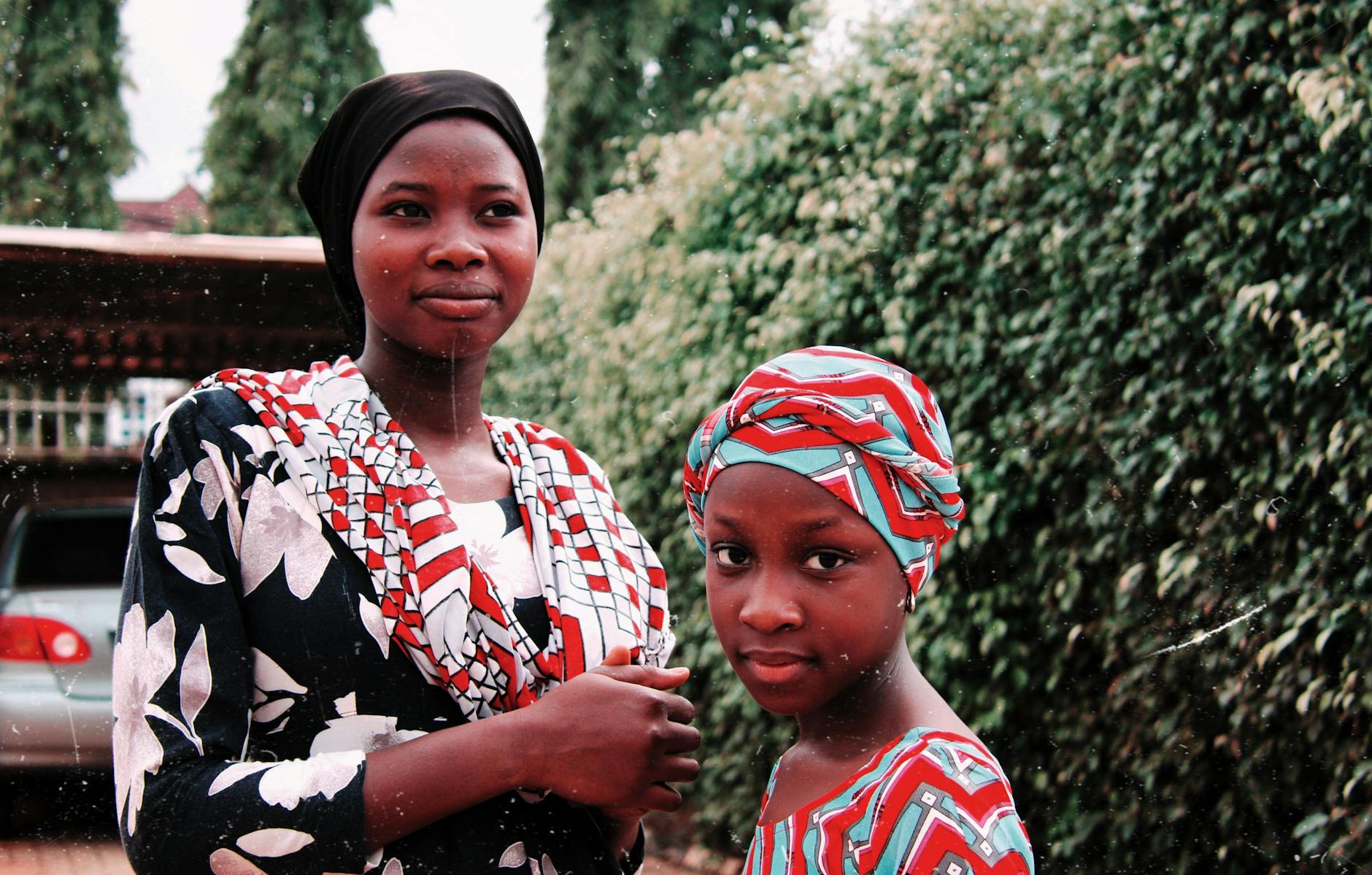
Photo by Ezra Komo on Pexels.com

Grey rocking is a powerful yet quiet strategy used to protect oneself from narcissistic abuse and emotional manipulation. The term comes from the idea of becoming as dull and uninteresting as a grey rock — offering no emotional fuel, no dramatic reactions, and no personal information for the narcissist to exploit. Rather than fighting or chasing the narcissist for validation, grey rocking allows the victim to remain calm, disengaged, and emotionally neutral, starving the narcissist of the “supply” they crave.

Psychologically, narcissists thrive on emotional energy — whether positive or negative. They feed on your reactions, anger, tears, defensiveness, and explanations. Grey rocking removes that emotional supply, leaving them with nothing to escalate. This technique does not mean becoming cruel or disrespectful; rather, it means becoming unresponsive to manipulative tactics.

Biblically, the principle of grey rocking mirrors Proverbs 26:4 (KJV): “Answer not a fool according to his folly, lest thou also be like unto him.” Engaging with a narcissist’s drama often drags you into sin, strife, and emotional exhaustion. Instead, choosing silence, calmness, and restraint can prevent escalating conflict and preserve your peace.

Grey rocking can be as simple as giving short, non-emotional answers. If a narcissist tries to bait you with criticism, insults, or guilt trips, you respond with calm, neutral statements like “Okay,” “I see,” or “Noted.” Over time, they may grow frustrated because they cannot get the emotional reaction they are seeking.

It is important to distinguish grey rocking from the silent treatment. Grey rocking is a self-protective response rooted in wisdom and emotional boundaries. The silent treatment, by contrast, is manipulative, punitive, and controlling. Grey rocking does not seek to punish but to keep yourself from being harmed.

Victims of narcissistic abuse often feel pressure to explain themselves or defend their choices. This usually fuels the narcissist’s power. Grey rocking breaks this cycle by refusing to over-explain. Jesus Himself modeled a form of grey rocking when He remained silent before His accusers (Matthew 27:14, KJV), demonstrating that silence can be a tool of dignity and self-control when words would only be twisted.

Psychologically, grey rocking works because it disrupts the reward system in the narcissist’s brain. When they no longer receive the dopamine hit that comes from provoking you, they may lose interest and seek attention elsewhere. This is not a guarantee that they will stop, but it can dramatically reduce the intensity of their attacks over time.

Grey rocking is especially useful in situations where no-contact is not possible — such as with a co-parent, family member, or workplace superior. It allows you to maintain civility while still safeguarding your emotional health.

Emotionally, grey rocking requires strength and practice. It is not easy to remain calm when a narcissist is hurling accusations or attempting to provoke you. Prayer and grounding techniques can help you stay centered. Isaiah 26:3 (KJV) says, “Thou wilt keep him in perfect peace, whose mind is stayed on thee: because he trusteth in thee.” Keeping your mind focused on God is key to staying emotionally regulated.

Practical steps to grey rock include limiting personal sharing, avoiding unnecessary conflict, maintaining a calm tone of voice, and disengaging quickly from heated conversations. If possible, keep interactions short and focused only on essential matters, especially when dealing with narcissists in professional or co-parenting situations.

Boundaries are crucial when using grey rocking. While you are becoming emotionally neutral, you must still clearly communicate limits when necessary. Calmly stating, “I am not willing to discuss this right now,” and then walking away is an example of setting a boundary without feeding the narcissist’s drama.

One of the risks of grey rocking is that the narcissist may initially escalate their behavior to force a reaction. This is known as an “extinction burst.” Remaining calm during this escalation is critical. If you give in and react, you reinforce their belief that emotional manipulation still works.

Spiritually, grey rocking is about choosing peace over chaos. Romans 12:18 (KJV) instructs, “If it be possible, as much as lieth in you, live peaceably with all men.” This does not mean tolerating abuse but rather refusing to engage in endless conflict that leads to sin.

Grey rocking also protects mental health by reducing the psychological toll of constant manipulation. Victims often report feeling more empowered and less emotionally drained once they begin practicing this technique consistently.

Therapists recommend combining grey rocking with self-care practices such as journaling, prayer, therapy, and supportive friendships. These outlets give you a place to process emotions so you do not suppress them completely, which could be unhealthy over time.

It is also important to use discernment. Grey rocking is not a replacement for taking action in dangerous situations. If you are being physically threatened, financially controlled, or emotionally terrorized, additional protective steps such as seeking legal help or safe housing may be necessary.

Forgiveness is still part of the healing process, even when using grey rocking. Forgiveness releases bitterness but does not require subjecting yourself to further harm. Colossians 3:13 (KJV) reminds us to forgive as Christ forgave us, but we are also called to be wise as serpents and harmless as doves (Matthew 10:16, KJV).

Over time, grey rocking can lead to detachment from the narcissist’s control, allowing you to see their behavior clearly without being swept away by it emotionally. This clarity is liberating and creates space for God to heal your heart and renew your identity.

Ultimately, grey rocking is about choosing dignity over drama. It allows you to step out of the narcissist’s emotional game and stand firmly in your own peace, knowing that your worth does not depend on their approval or attention.


References

  • The Holy Bible, King James Version (KJV): Proverbs 26:4; Matthew 27:14; Isaiah 26:3; Romans 12:18; Colossians 3:13; Matthew 10:16.
  • Gottman, J., & Gottman, J. (1999). The Seven Principles for Making Marriage Work. New York: Three Rivers Press.
  • Linehan, M. M. (2015). DBT Skills Training Manual (2nd ed.). New York: Guilford Press.

The Marriage Series: Baby, It’s Cold Outside.

Marriage is often celebrated for its warmth—romance, companionship, intimacy, and shared dreams—but when trials and tribulations arise, the emotional climate can shift dramatically. What once felt like a safe haven can begin to feel cold, distant, and unfamiliar. In these seasons, couples are forced to confront not only external pressures but the internal fractures that stress exposes.

Coldness in marriage is rarely sudden. It usually develops quietly through unmet expectations, unresolved conflicts, financial strain, emotional neglect, or spiritual disconnection. The warmth fades not because love disappears, but because life’s hardships begin to consume the energy that once nourished intimacy.

When adversity hits, many couples discover that their relationship is being tested in ways they never anticipated. Job loss, illness, infertility, betrayal, grief, and parenting struggles introduce stress that can make even the strongest bonds feel fragile. These trials often reveal whether the marriage was built on surface affection or deep commitment.

External pressures can be just as chilling as internal ones. Family interference, cultural cynicism about marriage, social media comparisons, and societal narratives that normalize divorce can all erode a couple’s resolve. Instead of being supported, many couples feel surrounded by voices that subtly encourage them to quit rather than endure.

Spiritual coldness often accompanies emotional distance. When prayer, shared values, and moral accountability fade, couples may begin to operate as individuals rather than a unified partnership. The absence of spiritual grounding leaves the relationship vulnerable to fear, resentment, and selfish decision-making.

Communication becomes strained in cold seasons. Conversations feel transactional, defensive, or avoidant. What was once playful dialogue becomes silence or conflict, and partners may retreat emotionally to protect themselves from further disappointment.

Yet coldness does not mean death. Winter in marriage can be a season of pruning rather than ending. Just as nature rests before renewal, relational hardship can prepare couples for deeper growth if both partners remain willing to fight for connection.

Resilience in marriage requires intentional effort. Couples who survive cold seasons learn to practice emotional honesty, active listening, and empathy even when it feels unnatural. They choose understanding over accusation and patience over impulsive reactions.

Forgiveness becomes a central theme in surviving marital winter. Without it, bitterness hardens hearts and reinforces emotional distance. Forgiveness does not erase pain, but it prevents pain from becoming identity.

Shared purpose can reignite warmth. When couples realign around common goals—raising children, building a legacy, serving others, or spiritual growth—they shift focus from personal dissatisfaction to collective meaning.

Commitment is most visible when it is least convenient. Love during comfort is easy; love during discomfort is transformative. The cold tests whether marriage is rooted in feelings or covenant.

Intimacy often suffers first, yet it is also one of the most powerful tools for restoration. Emotional vulnerability, physical affection, and verbal affirmation rebuild safety and trust, slowly thawing relational distance.

Counseling and mentorship provide warmth from external sources. Wise counsel offers perspective, accountability, and practical strategies that couples often cannot see on their own when emotionally overwhelmed.

Time plays a crucial role in healing. Not all wounds close quickly, and expecting instant restoration can create further disappointment. Endurance allows space for emotional recalibration and personal growth.

Faith-based marriages often find strength in spiritual disciplines during cold seasons. Prayer, scripture, fasting, and communal worship remind couples that their union is larger than their emotions.

The cold exposes hidden weaknesses but also reveals hidden strengths. Couples often discover resilience, patience, and emotional maturity they never knew they possessed.

Choosing to stay during hardship builds a unique intimacy forged through shared suffering. Surviving trials together creates a depth of connection that comfort alone cannot produce.

Marital winter also confronts individual flaws. Pride, avoidance, insecurity, and unrealistic expectations become visible, offering opportunities for personal transformation.

Restoration rarely looks dramatic; it unfolds quietly through daily acts of kindness, consistency, and humility. Warmth returns gradually, often unnoticed until couples realize they are laughing again.

Not every cold season ends in survival, but those who endure understand that marriage is not about avoiding storms—it is about learning how to shelter together within them.

In the end, the cold does not define the marriage; the response to the cold does. Couples who choose perseverance over escape often emerge stronger, wiser, and more deeply connected than before.

References

Gottman, J. M., & Silver, N. (2015). The seven principles for making marriage work. Harmony Books.

Stanley, S. M., Markman, H. J., & Whitton, S. W. (2010). Fighting for your marriage. Jossey-Bass.

Wilcox, W. B., & Dew, J. (2016). The social and cultural predictors of marital stability. Journal of Family Theory & Review, 8(2), 205–223.

Cloud, H., & Townsend, J. (2002). Boundaries in marriage. Zondervan.

Holy Bible, King James Version. Genesis 2:24; Ecclesiastes 4:9–12; 1 Corinthians 13; Ephesians 5:21–33.

The Female Files: The Truth About Women — No Filter

Photo by Rada Aslanova on Pexels.com

The truth about women is just as complex as the truth about men. Women are often portrayed in extremes: the nurturing mother, the fierce independent career woman, or the hypersexualized temptress. Yet behind these labels lie desires, fears, and insecurities that are rarely discussed openly. Speaking with no filter means acknowledging their humanity and complexity.

One of the biggest truths about women is that they crave affirmation. This does not mean shallow flattery, but recognition of their worth, intelligence, and effort. Psychology shows that positive reinforcement strengthens self-esteem and motivation (Cohen & Wills, 1985). Women who feel unseen often withdraw emotionally, creating distance in relationships.

Sex is another area laden with expectation and pressure. Women navigate a minefield of societal judgments, balancing desire with morality, cultural standards, and personal boundaries. Unlike men, whose sexual validation is often externalized, women internalize sexual messages, affecting self-worth and relational trust. The true woman of God knows that physical intimacy or sex is only for her husband. Fornication is a sin before God.

Fear of abandonment is a deep truth for many women. Studies show that women are more prone to anxious attachment, which drives the need for reassurance and consistency (Mikulincer & Shaver, 2007). This is not weakness; it is the natural human response to relationships that matter.

Insecurity about beauty is pervasive. Society idolizes narrow standards of attractiveness, often elevating light skin, slim bodies, and Eurocentric features. Darker-skinned or middle-hued women feel pressure to conform, while brown-skinned women experience invisibility between these extremes. The shade spectrum creates internal conflict about worth and desirability.

Many women fear rejection in romantic contexts. While men often fear sexual inadequacy, women fear emotional inadequacy. They wonder if they are lovable for who they are, not just for looks, status, or social appeal. This fear shapes dating behavior, sometimes leading to overcompensation or guardedness.

Career and financial insecurity also influence relational dynamics. Women who are ambitious or financially independent often fear being labeled “too much” or intimidating men. The Bible acknowledges women’s competence while calling for balance: Proverbs 31:25 (KJV) declares, “Strength and honour are her clothing; and she shall rejoice in time to come.”

Emotional labor is another truth. Women are often expected to manage not only their emotions but the emotions of partners, family, and colleagues. This constant labor can lead to exhaustion and resentment if unacknowledged, creating tension in personal relationships.

Motherhood amplifies fear and responsibility. Women constantly evaluate their ability to nurture, protect, and guide children. These pressures are compounded for women in challenging environments, where systemic inequalities can make success feel elusive. Fear of inadequacy often shadows every decision.

Women also face fear regarding safety. Societal realities mean that women must navigate potential threats in public spaces, workplaces, and even in intimate relationships. This fear impacts behavior, mobility, and self-expression. It is both a practical concern and a psychological weight.

Spiritual identity is critical for women’s confidence. Proverbs 31:30 (KJV) reminds us, “Favor is deceitful, and beauty is vain: but a woman that feareth the LORD, she shall be praised.” Fear of the Lord anchors women’s value beyond society’s superficial measures. Spiritual grounding provides resilience against external judgments.

Friendship and sisterhood are lifelines. Women who build authentic communities gain emotional validation and accountability. Ecclesiastes 4:9-10 (KJV) highlights this principle: support from others sustains women when life’s burdens become heavy. Loneliness, by contrast, magnifies fears and insecurities.

Romantic relationships amplify both strength and vulnerability. Women often desire love that is consistent, transparent, and affirming. Yet fear of heartbreak, infidelity, and abandonment can make vulnerability difficult. Many women protect themselves emotionally until trust is proven.

Communication is a defining challenge. Women are often accused of “overthinking” or being “too emotional,” but these traits reflect their attentiveness to relational dynamics. Healthy communication requires patience from both partners, allowing women to express their needs without judgment or dismissal.

Sexuality is both a power and a fear for women. Misogynistic messages and objectification teach women that their bodies can be evaluated rather than celebrated. Balancing desire and self-respect requires navigating internal and external pressures simultaneously. Sex is for marriage.

The fear of loneliness is another reality. While men may retreat, women often internalize solitude as failure. This fear drives choices in dating and marriage, sometimes leading to settling or tolerating unhealthy patterns. Awareness and self-affirmation are crucial tools for resisting these pressures.

Self-image intersects with cultural bias. The Media often idolizes unattainable standards, while the shade spectrum marginalizes certain women. Women who are brown-skinned, curvy, or naturally textured may experience invisibility or criticism, reinforcing insecurity. Affirmation within families and communities combats these harmful messages.

Career ambition brings additional conflict. Women may fear being labeled as “cold” or “bossy” while striving for success. Navigating professional spaces often requires balancing assertiveness with societal expectations of femininity. This tension can create internal conflict and relational strain.

Emotional intelligence is both a gift and a burden. Women are socialized to manage emotions effectively, yet this skill often leads to absorbing others’ stress. This dynamic can strain mental health, leaving women feeling responsible for outcomes beyond their control.

Fear of betrayal is prevalent. Women may be cautious in love due to past trauma, infidelity, or observing societal patterns. Guardedness protects but can also inhibit intimacy if not balanced with discernment and faith. Psalm 56:3 (KJV) encourages reliance on God: “What time I am afraid, I will trust in thee.”

Faith remains a cornerstone of resilience. Women draw strength from scripture, prayer, and spiritual community. Grounding identity in God counters societal narratives that diminish worth based on appearance, marital status, or achievement.

Health and aging bring vulnerability. Women face societal pressure to remain youthful, beautiful, and desirable. Aging challenges these constructs, requiring internal validation and spiritual grounding to maintain confidence and purpose.

Women’s fears intersect with relational patterns. They seek partners who are emotionally available, honest, and faithful. Fear arises when men fail to meet these standards, triggering cycles of disappointment, testing, or withdrawal. Discernment becomes essential.

Self-worth is ultimately the key. Women must learn to value themselves independently of external validation. Proverbs 31:26 (KJV) teaches, “She openeth her mouth with wisdom; and in her tongue is the law of kindness.” True confidence flows from knowledge, integrity, and spiritual alignment.

The truth about women, no filter, is that they are multidimensional. They desire love, respect, intimacy, and partnership, while navigating societal pressures and internalized insecurities. Recognizing and honoring these truths fosters healthier relationships and personal growth.

Finally, like men, women thrive in honesty. When fears are acknowledged, insecurities addressed, and identity grounded in God, women can engage in relationships fully and authentically. Strength and vulnerability coexist, creating a foundation for love that is both passionate and enduring.


References

  • Cohen, S., & Wills, T. A. (1985). Stress, social support, and the buffering hypothesis. Psychological Bulletin, 98(2), 310–357.
  • Mahalik, J. R., Burns, S. M., & Syzdek, M. (2007). Masculinity and perceived normative health behaviors as predictors of men’s health behaviors. Social Science & Medicine, 57(8), 1559–1569.
  • Mikulincer, M., & Shaver, P. R. (2007). Attachment in adulthood: Structure, dynamics, and change. Guilford Press.
  • The Holy Bible, King James Version.

The Male Files: The Truth About Men — No Filter.

Photo by Ali Drabo on Pexels.com

The truth about men is not always easy to say, but it is necessary. Men are often painted in extremes—either as stoic protectors who never feel or as reckless pursuers of sex and power. But in reality, men live in a space where strength collides with vulnerability, and where desires often wrestle against fears. No filter means speaking plainly about what men deal with, even if it’s uncomfortable.

Sex is one of the biggest areas where men are misunderstood. For many, sex is not just about physical pleasure—it is deeply tied to identity, validation, and self-worth. Men often measure their value by their ability to attract women, perform sexually, and maintain dominance. This pressure distorts healthy intimacy into performance, creating cycles of insecurity when men fall short.

At the root of this is fear. Many men fear rejection more than they fear failure. Rejection strikes at a man’s sense of masculinity, raising questions about whether he is desirable or enough. Psychology explains this through self-determination theory: humans crave competence, relatedness, and autonomy (Ryan & Deci, 2000). When men feel rejected, competence and relatedness are shattered, leaving insecurity behind.

Men also fear vulnerability. Society trains boys to suppress emotions, equating tears with weakness. As Proverbs 29:25 (KJV) warns, “The fear of man bringeth a snare.” This cultural snare traps men in silence, unable to express pain. In relationships, this silence becomes misinterpreted as indifference, when in reality it is fear of exposure.

Insecurity about provision is another deep truth. Many men are raised to believe their worth rests in financial success. If they cannot provide, they often feel emasculated. Studies show that unemployment or underemployment strongly correlates with depression in men, not just because of economic loss but because of an identity crisis (Wilkinson, 2001).

Sexual performance anxiety also weighs heavily. Men fear being inadequate in bed, as performance has been culturally tied to masculinity. Failure in this area can cause shame, silence, and avoidance. This creates a paradox: men crave sexual intimacy but fear it because it risks exposing their insecurities.

Pornography intensifies these struggles. Men are conditioned to view sex as conquest, comparing themselves to exaggerated performances on screen. This distorts expectations, leaving many dissatisfied with reality and unprepared for real intimacy. Proverbs 6:25 (KJV) warns against lustful illusions: “Lust not after her beauty in thine heart; neither let her take thee with her eyelids.”

Commitment is another area clouded by fear. Many men desire stability but fear losing freedom. This creates tension between wanting a lifelong partner and clinging to independence. Psychology calls this avoidant attachment, where closeness feels threatening because it means potential loss (Mikulincer & Shaver, 2007).

For others, commitment is frightening because it exposes the possibility of failure. Divorce, heartbreak, and betrayal leave scars, teaching men that intimacy is dangerous. Instead of healing, many retreat into casual sex or emotional withdrawal. It feels safer, but it leaves them lonely.

Trust is a battlefield for men. Some carry deep wounds from betrayal—whether from mothers, past lovers, or absent fathers. These betrayals create a reluctance to fully invest in women, out of fear of being hurt again. As a result, many men love halfway, holding back pieces of themselves.

Ego is another powerful force. Men often protect their egos with silence, pride, or anger. To admit fear feels like weakness, so many hide behind bravado. But as the Bible reminds us in 2 Corinthians 12:9 (KJV), “My strength is made perfect in weakness.” True strength for men lies not in hiding fears but in owning them.

Friendship is another misunderstood need. Men crave brotherhood, but modern masculinity often isolates them. Without trusted male friends, they place all emotional needs on women, which strains relationships. Research confirms that men with strong male friendships experience greater mental health and marital satisfaction (Mahalik et al., 2003).

Fatherhood also reveals deep insecurities. Many men wrestle with the fear of becoming the same fathers who wounded them—or of failing their children altogether. This fear pushes some into abandonment, while others overcompensate through over-discipline. The balance is difficult, especially when men themselves were never nurtured.

Spiritually, men wrestle with temptation. The struggle against lust, pride, and greed is ongoing. Paul describes this inner battle in Romans 7:19 (KJV): “For the good that I would I do not: but the evil which I would not, that I do.” Men know right from wrong but often find themselves doing the very things they despise.

Communication is another truth. Men are often labeled as emotionally unavailable, but many simply lack the vocabulary for vulnerability. They were never taught to name feelings beyond anger, so frustration becomes the default. This miscommunication fuels conflict in relationships, leaving women feeling unloved while men feel misunderstood.

Financial insecurity intersects with relational fear. Men fear being loved only for what they provide. This suspicion creates defensiveness, leading them to test women’s loyalty. Unfortunately, this defensive posture can drive away genuine partners, reinforcing their fears.

Another truth is men’s longing for respect. Ephesians 5:33 (KJV) highlights this dynamic: “Let the wife see that she reverence her husband.” Men crave respect as deeply as women crave love. When men feel disrespected, they withdraw, often silently, creating distance in relationships.

Men also struggle with aging. Gray hair, slowing bodies, and decreased strength remind men of mortality. Fear of losing virility leads some to chase younger women or cling to shallow displays of masculinity. Others grow resentful, fearing they are no longer attractive or useful.

Another hidden truth is men’s battle with mental health. Depression in men often manifests as anger, workaholism, or substance abuse. Yet men are less likely to seek help, fearing stigma. This silent suffering devastates relationships, as unaddressed pain spills over into destructive behavior.

Yet, despite these fears and insecurities, men deeply desire love. They may not always show it in words, but most crave companionship, partnership, and legacy. This truth cuts through the myths: men want intimacy, not just sex, but fear often distorts how they pursue it.

The key to healing lies in honesty. Men must learn to admit their weaknesses without shame. Vulnerability opens the door to authentic connection. When men speak plainly about their struggles, they discover they are not alone.

Women, too, play a role in this process. Patience, respect, and encouragement help men lower their defenses. But men must also take responsibility—learning to communicate, seeking therapy when needed, and grounding their worth not in sex or money but in God’s design.

Spiritually, men find strength when they root their identity in Christ. 1 Corinthians 16:13 (KJV) says, “Watch ye, stand fast in the faith, quit you like men, be strong.” This strength is not bravado but courage rooted in faith. True manhood is not about hiding fear but walking through it with integrity.

The truth about men, no filter, is that they are human. They fear, they fail, they hurt, and they love. Behind the masks of pride and performance lies a deep longing to be seen, respected, and loved for who they are. The more men embrace this truth, the more honest and whole their relationships become.


References

  • Mahalik, J. R., Burns, S. M., & Syzdek, M. (2003). Masculinity and perceived normative health behaviors as predictors of men’s health behaviors. Social Science & Medicine, 57(8), 1559–1569.
  • Mikulincer, M., & Shaver, P. R. (2007). Attachment in adulthood: Structure, dynamics, and change. Guilford Press.
  • Ryan, R. M., & Deci, E. L. (2000). Self-determination theory and the facilitation of intrinsic motivation, social development, and well-being. American Psychologist, 55(1), 68–78.
  • Wilkinson, R. (2001). Unemployment and health: A review. Public Health, 115(3), 153–160.
  • The Holy Bible, King James Version.

Brown Girl Blues: “Do You Speak African?” They Say….

Photo by Muhammad-Taha Ibrahim on Pexels.com

The question, “Do you speak African?” lands with an awkward thud — part curiosity, part ignorance, part wound. It reveals not only what others fail to know but also what history has taken from the brown girl who hears it. The question is not neutral; it is a microaggression wrapped in innocence, a symptom of the colonial erasure that fractured language and lineage.

To ask someone if they “speak African” is to mistake a continent for a country, and a civilization for a dialect. Africa, home to over 1,500 languages and countless dialects, cannot be reduced to a single tongue (Eberhard, Simons, & Fennig, 2022). The question exposes how deeply Western education has flattened the African world — a world once rich with linguistic kingdoms, oral histories, and sacred speech.

For the brown girl in America, this question stings differently. It is not just about language; it is about belonging. Her ancestors once spoke languages now lost — tongues silenced by chains and rewritten through slavery. The question reminds her of what she cannot retrieve: the sound of her motherland’s lullabies.

The transatlantic slave trade did not just steal bodies; it stole languages. Enslaved Africans from different regions were deliberately mixed to prevent communication and rebellion (Gomez, 1998). Over time, English became the imposed tongue, and ancestral languages were criminalized. The linguistic death that followed was cultural genocide disguised as civilization.

Thus, when someone asks, “Do you speak African?” the brown girl feels the ache of disconnection. She wants to answer, “I would if they hadn’t beaten it out of my blood.”

Language is identity — it shapes how one thinks, dreams, and remembers. When language dies, memory fractures. For many descendants of the African diaspora, English became both a prison and a canvas — a forced medium turned into a tool of survival. Out of this tension emerged the dialects and rhythms of Black English, Caribbean patois, and Creole, each carrying fragments of forgotten worlds (Rickford, 2016).

Yet the irony persists: the same world that mocks African languages as “primitive” now romanticizes accents and aestheticizes African words for fashion and marketing. This selective celebration strips context, transforming heritage into decoration.

To the brown girl, “Do you speak African?” sounds like an echo of every moment she’s been told she’s too Black for some and not African enough for others. She exists between worlds — Westernized but not white, diasporic but disconnected. Her tongue carries history’s contradictions.

Cultural alienation often follows diaspora children who have been taught to speak the language of their oppressors more fluently than the language of their ancestors. They master English syntax but long for ancestral rhythm — the music in words they’ve never known.

This longing shows up in art, poetry, and music. From Langston Hughes’s blues to Beyoncé’s Black Is King, artists continually reach across oceans to reconnect the severed speech of their lineage. Their art becomes translation — a spiritual form of speaking “African” in a world that forgot how to listen.

The brown girl learns that language is more than vocabulary. It’s gesture, rhythm, call, and response. She speaks African every time she hums a gospel tune in a minor key, every time her laughter fills a room with rhythm, every time her hands punctuate her words like ancestral drums.

Her speech carries the DNA of lost languages — echoes of Yoruba, Igbo, and Wolof wrapped in English phrasing. Her slang, her tone, her cadence — all are living languages of survival. What others call “improper” is actually linguistic memory resisting erasure (Smitherman, 2000).

Still, the weight of that question lingers. It reminds her that ignorance is not harmless. Every careless question keeps history misunderstood. To say “African” as though it were a single language reveals how empire rewrote geography and reduced multiplicity to stereotype.

Western colonial systems erased Africa’s intellectual complexity, painting the continent as uniform and inferior. Missionaries and colonizers banned indigenous languages in schools, promoting European tongues as “civilized” (Ngũgĩ wa Thiong’o, 1986). The result was not just silence but shame.

The brown girl inherits that shame unconsciously — the hesitation to pronounce African names, the anxiety of mispronunciation, the internalized fear of sounding “too foreign.” These linguistic insecurities are the aftershocks of colonization.

But reclamation begins with awareness. Each generation of brown girls learns to unlearn. She begins to study African languages, wear names that carry meaning, and honor accents once mocked. She reclaims sound as identity.

The movement toward linguistic reconnection has become a spiritual revival. Across the diaspora, Black Americans and Afro-Caribbeans are learning Yoruba, Swahili, and Twi — not merely as languages, but as portals to ancestral consciousness (Ani, 1994).

For the brown girl, this journey feels like resurrection. Each new word is a heartbeat returning to the body of her culture. Each phrase feels like homecoming.

Yet she knows that fluency is not the only path to identity. To “speak African” is also to live African — to embody its values of community, rhythm, resilience, and reverence for spirit. It is to carry Africa in one’s breath, one’s laughter, one’s survival.

When others ask, “Do you speak African?” she now answers differently. She says, “Yes, I speak it in the way I live, love, and remember.”

She speaks it in her boldness, in the way she tells truth with rhythm, in the way her words refuse to be small. She speaks it in her dialect — the language that was never fully lost, just remixed through pain and perseverance.

Her lips form English words, but her spirit speaks Africa’s music. She carries within her every language that empire tried to destroy.

Her tongue, once colonized, is now consecrated. Through her, Africa speaks again.

So the next time the question comes — “Do you speak African?” — she will smile softly and say, “I am African, and that is enough.”

For her very existence is a language — a sacred syntax of survival written in melanin, rhythm, and divine memory.


References

Ani, M. (1994). Yurugu: An African-centered critique of European cultural thought and behavior. Africa World Press.

Collins, P. H. (2000). Black feminist thought: Knowledge, consciousness, and the politics of empowerment. Routledge.

Eberhard, D. M., Simons, G. F., & Fennig, C. D. (Eds.). (2022). Ethnologue: Languages of the world (25th ed.). SIL International.

Gomez, M. A. (1998). Exchanging our country marks: The transformation of African identities in the colonial and antebellum South. University of North Carolina Press.

Ngũgĩ wa Thiong’o. (1986). Decolonising the mind: The politics of language in African literature. James Currey.

Rickford, J. R. (2016). African American vernacular English: Features, evolution, educational implications. Blackwell.

Smitherman, G. (2000). Talkin and testifyin: The language of Black America. Wayne State University Press.

Girl Talk Series: Good-Looking Men

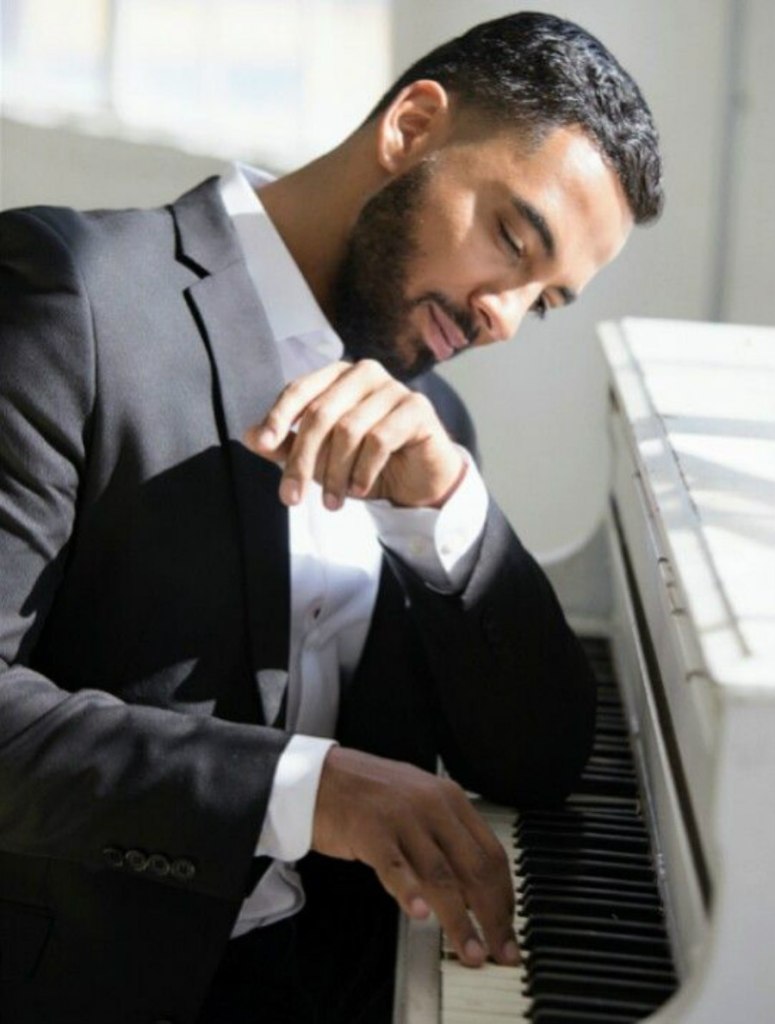
This photograph is the property of its respective owner. No copyright infringement intended.

Beware Ladies! Attraction is powerful. A handsome face, a confident walk, and a smooth voice can make a woman ignore warning signs she would never tolerate in an average-looking man. Society teaches women to trust chemistry, but Scripture teaches women to trust character. Beauty may open the door, but it cannot keep you safe once you are inside.

Many women mistake excitement for compatibility. They feel chosen because a good-looking man noticed them, not realizing that charm is not commitment. Looks can distract from laziness, emotional immaturity, hidden addictions, financial instability, and moral weakness. A man can look like a blessing and still be a lesson.

Pretty boy syndrome is real. Some men have learned that their appearance gives them access without effort. They are pursued instead of pursuing purpose. They are admired instead of held accountable. Over time, this produces men who expect to be served rather than to serve.

The danger is not that a man is attractive, but that attraction becomes the standard. When desire leads, discernment dies. You begin to justify red flags because he is “fine,” overlook disrespect because he is “popular,” and accept the bare minimum because he is “wanted by others.”

God never told women to choose based on visuals. He told them to choose based on the fruit. “Ye shall know them by their fruits” (Matthew 7:16, KJV). A man’s lifestyle reveals his true nature long before his words do.

A woman who chooses only on looks is choosing risk over wisdom. She is gambling her future on genetics instead of godliness. And when beauty fades, she is left with whatever character he actually built.

Good-looking men have always held a certain power in society. From movie stars to social media influencers, attractive men are often admired, pursued, and even excused for behavior that would not be tolerated in others. Beauty creates access, but it does not guarantee character.

In many cultures, women are subtly taught to prioritize physical attraction when choosing a partner. The man must be tall, well-built, stylish, and charming. While attraction is natural, Scripture never presents looks as a reliable foundation for love or marriage.

The Bible consistently warns against judging by outward appearance. “Man looketh on the outward appearance, but the Lord looketh on the heart” (1 Samuel 16:7, KJV). God’s evaluation system is inverted from society’s. What impresses humans rarely impresses heaven.

Pretty boy syndrome describes a man whose entire identity is built around being admired. His value comes from validation, not virtue. He invests more in his image than in his integrity, more in attention than in responsibility.

Many good-looking men are never forced to develop depth. They receive affirmation without accountability. As a result, some grow into emotionally shallow adults who rely on charm instead of communication, and flirting instead of commitment.

Fornication thrives in image-based relationships. When desire is prioritized over discipline, sex becomes entertainment instead of covenant. The body becomes a product, and intimacy is reduced to a transaction.

Sexual thoughts are not neutral. Scripture teaches that lust is not harmless fantasy but internal adultery of the heart. A relationship rooted in lust cannot produce spiritual safety, only emotional instability.

The lazy handsome man is a hidden danger. He looks impressive but lacks ambition, vision, or purpose. He may dress well, but does not work well. He may be admired publicly while privately depending on women financially.

Some attractive men become womanizers, moving from relationship to relationship, feeding off attention like currency. They confuse access with entitlement and affection with ownership.

Sugar baby culture reflects a deeper moral decay. Men using money to access women’s bodies and women using beauty to access men’s wallets both reduce relationships to exchange rates, not sacred bonds.

Using women for money is another form of spiritual poverty. A man who exploits a woman’s resources while offering no leadership, stability, or sacrifice is not a partner; he is a parasite.

A man with no substance eventually becomes exhausting. Beauty fades, but emptiness remains. When a crisis comes, charm cannot provide protection, and attraction cannot provide wisdom.

Godly character, however, produces security. A man who fears God is governed by discipline, accountability, and humility. He does not need constant validation because his identity is rooted in purpose, not popularity.

Biblical masculinity is defined by responsibility, not desirability. A godly man builds, covers, leads, protects, and serves. He does not compete with women, manipulate emotions, or avoid commitment.

The obsession with looks often leads women into relationships that feel exciting but end painfully. The dopamine of attraction wears off, and what remains is the reality of character.

Looks versus money is a false dilemma. Both fade without integrity. A handsome man without discipline becomes a liability. A wealthy man without morals becomes dangerous. Neither beauty nor wealth can replace virtue.

What truly fares better is character. A man who loves God will eventually develop wisdom, stability, and emotional maturity. These qualities age well. They compound over time.

Choosing a man based on godly character does not mean ignoring attraction, but it means refusing to let attraction lead. Desire must follow discernment, not replace it.

A man who honors God honors boundaries. He does not pressure for sex, rush intimacy, or treat purity as unrealistic. He understands that self-control is strength, not repression.

The right man is not the one who looks good on your arm, but the one who looks good in God’s eyes. He may not be the most admired, but he will be the most reliable.

What to look for according to Godly Wisdom

Fear of God
Does he respect God’s authority, or only his own desires?

Character over charisma
How does he treat people when he gains nothing from them?

Emotional maturity
Can he communicate without manipulation, silence, or anger?

Self-control
Does he control his desires, or are they controlling him?

Work ethic and responsibility
Does he build, or does he depend?

Financial discipline
Is he a steward or a spender?

Sexual boundaries
Does he honor purity or pressure intimacy?

Leadership
Does he take initiative or avoid accountability?

Consistency
Is he the same in private as he is in public?

Integrity
Does his word match his actions?

Vision and purpose
Does he know where he is going in life?

Spiritual alignment
Does he strengthen your walk with God or distract from it?

Respect for women
Does he see women as partners or as resources?

Conflict resolution
Can he handle disagreement without control or cruelty?

Teachability
Can he receive correction or does he become defensive?


Final Warning

A good-looking man can attract you.
A godly man can protect you.

Beauty can make you feel chosen.
Character determines whether you are kept.

Never let desire decide what discernment should. The face may impress your eyes, but only the heart can build your future.

In the end, a woman must decide what kind of future she wants. Temporary excitement or lasting peace. Visual pleasure or spiritual safety. A good-looking man may impress the world, but only a godly man can build a home.


References

The Holy Bible, King James Version. (2017). Hendrickson Publishers.

Cloud, H., & Townsend, J. (2009). Boundaries in Dating. Zondervan.

Lewis, C. S. (2001). Mere Christianity. HarperOne.

Nouwen, H. J. M. (1992). The Return of the Prodigal Son. Doubleday.

Willard, D. (1998). The Divine Conspiracy. HarperOne.

Piper, J. (2009). This Momentary Marriage. Crossway.

The Male Files: Looks vs. Personality — The Battle Between Flesh and Spirit.

In the modern world, men are often accused of being shallow, drawn first and foremost to physical appearance rather than personality. While this stereotype carries truth, the reasons behind it run deeper than vanity. Men are visually wired. From a biological standpoint, the male brain responds quickly to physical stimuli; it is a built-in survival mechanism designed for attraction, reproduction, and the continuation of the species. Yet, the spiritual man operates under a higher calling. The tension between what men see and what they value defines much of the internal conflict in today’s dating culture.

Society tells men that beauty equals worth. From music videos to advertisements, the female form has been commodified and marketed as the ultimate prize. A man’s status is often measured by the attractiveness of the woman he can “get.” This cultural conditioning fuels ego rather than intimacy. Many men pursue beauty not because they love it, but because they crave validation. It becomes a trophy to cover insecurity, not a reflection of true connection.

Biblically, however, man was created to discern beyond the surface. Proverbs 31:30 (KJV) reminds us, “Favour is deceitful, and beauty is vain: but a woman that feareth the Lord, she shall be praised.” Godly men are called to see character, not just curves. True beauty, in the eyes of a godly man, is rooted in virtue, kindness, and spiritual alignment—not in Instagram filters or waist-to-hip ratios.

Worldly men, on the other hand, often chase the image of perfection without understanding its emptiness. The “perfect 10” they desire is rarely about companionship—it’s about conquest. The lust of the flesh blinds the spirit, and in trying to fulfill a fantasy, many men lose their purpose. First John 2:16 (KJV) warns, “For all that is in the world, the lust of the flesh, and the lust of the eyes, and the pride of life, is not of the Father.” The worldly man is driven by impulse; the godly man is led by vision.

Interestingly, many men who demand “perfection” from women are themselves far from perfect. They want a fit, flawless partner while neglecting their own health, appearance, and spiritual discipline. This hypocrisy stems from ego insecurity—the desire to possess beauty as a way to elevate one’s own self-esteem. In psychology, this is called compensatory desire—when a person overvalues traits in others to make up for their own perceived inadequacies.

At its root, this obsession is not about women—it’s about male identity. The modern man has been raised in a culture that equates manhood with dominance, sexual access, and external success. When that is stripped away, many men feel powerless. So, they chase beauty to regain control, mistaking admiration for affirmation. But the truth is, external validation can never heal internal wounds.

A godly man, however, views attraction through the lens of purpose. He recognizes that a wife is not a status symbol but a partner in destiny. Genesis 2:18 (KJV) says, “It is not good that the man should be alone; I will make him an help meet for him.” This implies alignment, not aesthetic. God designed women to complement a man’s calling, not to decorate his ego. A woman’s beauty, therefore, should inspire responsibility, not lust.

Men who walk by the flesh often find themselves unsatisfied. No matter how beautiful the woman, the excitement fades if there is no emotional or spiritual connection. Proverbs 27:20 (KJV) declares, “Hell and destruction are never full; so the eyes of man are never satisfied.” This is why even men who “have it all” continue to wander—because their desires are rooted in emptiness, not wholeness.

True masculinity requires discipline. The ability to admire beauty without idolizing it separates a man of faith from a man of flesh. Lust feeds on fantasy; love grows from foundation. A man who cannot govern his eyes will never govern his home. Matthew 6:22 (KJV) says, “The light of the body is the eye.” What a man focuses on determines the direction of his soul.

In truth, many men were never taught what to look for in a wife. They learned from rap videos, social media, and locker room talk instead of from Scripture and wisdom. The world glorifies quantity over quality, teaching men to chase pleasure rather than purpose. But a godly man seeks more. He seeks peace over passion, loyalty over lust, and substance over spectacle.

The “perfect 10” mentality is also a reflection of comparison culture. Men, like women, are influenced by social media’s curated illusions. Scrolling through endless images of beauty creates unrealistic expectations, making average women seem “less than.” Yet these filtered fantasies are not real—they are projections of desire, not demonstrations of character. In chasing illusion, men lose appreciation for authenticity.

From a spiritual perspective, this obsession with physical perfection mirrors idolatry. When a man places more value on appearance than on godly character, he dethrones God as the source of beauty. The Bible teaches that the fear of the Lord is the beginning of wisdom (Proverbs 9:10 KJV). Therefore, discernment—not desire—should guide his heart.

Moreover, the male ego often equates attraction with achievement. To be seen with a beautiful woman boosts a man’s social standing among other men. But such validation is hollow. It creates relationships based on appearance rather than depth. When life’s trials come—and they always do—beauty alone cannot sustain love.

A godly man recognizes that real attraction grows with intimacy, respect, and shared faith. When a woman prays with him, encourages his purpose, and walks in integrity, her beauty multiplies in his eyes. Physical beauty fades, but spiritual beauty endures. First Peter 3:4 (KJV) describes this kind of woman as one with “the ornament of a meek and quiet spirit, which is in the sight of God of great price.”

Worldly men measure worth by what they can see; godly men measure it by what they can build. The worldly man asks, “How does she make me look?” The godly man asks, “How can we glorify God together?” The difference lies in maturity, not masculinity. One pursues pleasure; the other pursues purpose.

When men learn to lead with discernment, they break the cycle of superficial love. They begin to see women not as possessions but as partners. They understand that true attraction begins in the spirit, not the skin. This is the transformation the modern male psyche desperately needs—to evolve from consumerism to covenant.

In the end, the greatest beauty a man can find in a woman is peace. Proverbs 18:22 (KJV) declares, “Whoso findeth a wife findeth a good thing, and obtaineth favour of the Lord.” That “good thing” is not defined by her looks but by her godliness. For beauty catches the eye, but virtue captures the soul.


References

Holy Bible, King James Version. (n.d.). Bible Gateway. https://www.biblegateway.com

Cloud, H., & Townsend, J. (2018). Boundaries in Dating: How Healthy Choices Grow Healthy Relationships. Zondervan.

Eldredge, J. (2001). Wild at Heart: Discovering the Secret of a Man’s Soul. Thomas Nelson.

Lewis, C. S. (1942). The Screwtape Letters. Geoffrey Bles.

Piper, J. (1993). Desiring God: Meditations of a Christian Hedonist. Multnomah Press.

Racism Through Multiple Lenses.

Photo by Andrea Piacquadio on Pexels.com

Historical-Political Lens
Racism, as a historical and political construct, has been deeply tied to the legacy of colonialism and slavery. European colonizers justified the transatlantic slave trade by constructing a racial hierarchy that dehumanized African people, reducing them to property while elevating whiteness as a marker of superiority. This ideology became embedded in legal and political systems, shaping institutions from plantation economies to segregation laws. Jim Crow legislation in the United States, apartheid in South Africa, and colonial laws across the Caribbean and Africa exemplify how racism was codified into structures that controlled land, labor, and liberty. The ripple effect of these policies continues to impact education, wealth distribution, and incarceration rates, leaving a deep scar on the Black diaspora.

Psychological-Social Lens
Racism also functions as a psychological weapon, embedding inferiority in the minds of the oppressed while sustaining superiority in the oppressor. Socially, it manifests in stereotypes, microaggressions, and discriminatory practices that mark Blackness as “less than.” The theory of internalized racism explains how marginalized people sometimes adopt negative beliefs about their own group, perpetuating self-doubt and division (Pyke, 2010). Colorism, an internal byproduct of racism, privileges lighter skin tones and stigmatizes darker ones, creating hierarchies within the Black community itself. This psychological warfare produces identity conflicts, where individuals grapple with reconciling pride in their heritage with the societal messages that devalue it.

Faith-Based Lens
From a biblical perspective, racism stands in direct contradiction to God’s creation. Scripture affirms that all people are made in the image of God: “So God created man in his own image… male and female created he them” (Genesis 1:27, KJV). Racism is not only a social evil but a spiritual one, seeking to divide what God has united. For covenant people, racism echoes the warnings of Deuteronomy 28, where disobedience would lead to scattering, oppression, and subjugation under foreign nations. Yet the Bible also provides a vision of hope: “There is neither Jew nor Greek… for ye are all one in Christ Jesus” (Galatians 3:28, KJV). This does not erase cultural or ethnic identity but calls covenant people to rise above the divisions imposed by man and reclaim their God-given dignity.

Contemporary Lens
In today’s world, racism persists in both overt and subtle forms. While laws against segregation and discrimination exist, systemic inequities remain. Policing disparities, environmental racism, and unequal access to healthcare and education demonstrate how racism evolves with the times. Social media has become a double-edged sword: on one hand, it exposes racist incidents and provides platforms for movements like Black Lives Matter; on the other, it amplifies racist rhetoric and misinformation. Capitalism, too, has commodified Black culture, profiting from music, fashion, and language while often excluding Black creators from ownership and wealth. Racism adapts to modern contexts, proving it is not a relic of the past but a present-day reality that demands vigilance.

Restorative Lens
Healing from racism requires both collective and personal restoration. On a societal level, it involves dismantling oppressive systems and addressing the structural inequalities that perpetuate racial disparities. On a personal and communal level, it demands confronting internalized racism, affirming Black identity, and fostering pride in heritage. Spiritually, healing is rooted in reconciliation with God’s design, remembering that oppression was never His intent. Unity must be cultivated within the Black community, bridging divisions of color, class, and status. As Scripture declares, “How good and how pleasant it is for brethren to dwell together in unity!” (Psalm 133:1, KJV). True restoration involves reclaiming history, reshaping narratives, and building a future where dignity is no longer denied but celebrated.


📖 References

  • Holy Bible, King James Version.
  • Pyke, K. D. (2010). What is internalized racial oppression and why don’t we study it? Sociological Perspectives, 53(4), 551–572.

Genetics of a People: Deuteronomy 28 and the Diaspora.

Photo by Innocent Khumbuza on Pexels.com

The story of a people is written not only in sacred texts and historical records, but also in the very code of their DNA. For descendants of the African diaspora, the intersection of Scripture and science reveals a profound truth: identity cannot be erased, no matter the depth of dispersion or oppression. Deuteronomy 28, one of the most sobering chapters of the Hebrew Scriptures, outlines blessings for obedience and curses for disobedience. Many have drawn parallels between its prophetic warnings and the lived experiences of Africans scattered through the transatlantic slave trade.

The Bible declares, “And the LORD shall scatter thee among all people, from the one end of the earth even unto the other” (Deuteronomy 28:64, KJV). Historically, this scattering is vividly mirrored in the forced displacement of millions of Africans from West and Central Africa to the Americas, Europe, and beyond. Genetic studies confirm these origins: Y-DNA haplogroup E1b1a (E-M2) and mtDNA lineages such as L2 and L3 are dominant among African Americans and Afro-Caribbean populations, directly tying them to regions historically involved in the slave trade (Salas et al., 2002; Tishkoff et al., 2009).

What is striking is how prophecy, history, and genetics intersect. Deuteronomy 28:68 warns of a return to Egypt “with ships,” a verse many connect with the Middle Passage. Ships became the vessels of bondage, scattering families and bloodlines across continents. Yet even in this rupture, the genetic markers remain unbroken—silent witnesses of survival. Each haplogroup is a testimony that no empire, chain, or auction block could erase God’s covenantal design.

The diaspora, then, is not simply a tragic result of history; it is a prophetic unfolding. Genetics confirms dispersion, but Scripture provides meaning. In the double helix of DNA, one sees both the curse of scattering and the promise of eventual regathering. As Isaiah declares, “He shall set up an ensign for the nations, and shall assemble the outcasts of Israel” (Isaiah 11:12, KJV). The science of ancestry maps the scattering; the Word of God points toward the gathering.


📖 References

  • Holy Bible, King James Version.
  • Salas, A., Richards, M., De la Fe, T., Lareu, M. V., Sobrino, B., Sánchez-Diz, P., … & Carracedo, Á. (2002). The making of the African mtDNA landscape. American Journal of Human Genetics, 71(5), 1082–1111.
  • Tishkoff, S. A., Reed, F. A., Friedlaender, F. R., Ehret, C., Ranciaro, A., Froment, A., … & Williams, S. M. (2009). The genetic structure and history of Africans and African Americans. Science, 324(5930), 1035–1044.

Crowns Shorn: Black Hair, Wealth, Tribal Identity, and the Economics of Enslavement in Africa and the Atlantic World

Black hair has long functioned as a cultural archive in Africa, encoding information about lineage, spirituality, marital status, age, occupation, and wealth. Across the continent, hair was never merely aesthetic; it was social language. Intricate braiding, sculptural coiffures, and the use of oils, beads, shells, gold thread, and cowries communicated rank and prosperity, situating the individual within a complex web of kinship and economy.

In many West and Central African societies, the care and styling of hair signified time, labor, and communal investment. Hairstyles that took hours or days to complete demonstrated access to leisure, skilled labor, and social networks—markers of wealth in precolonial economies where time itself was a resource. Hair thus operated as visible capital, reflecting one’s position within agrarian, mercantile, or royal systems.

Among the Yoruba, hair (irun) was closely associated with ori, the spiritual head believed to house destiny. Elaborate hairstyles accompanied rites of passage and royal ceremonies, underscoring hair’s sacred dimension. To damage or desecrate the hair was to threaten both social standing and spiritual integrity, a concept widely shared across African cosmologies.

In Wolof, Mandé, Akan, and Fulani cultures, hairstyles distinguished nobility from commoners and free people from the enslaved. Certain styles were restricted to royal households or warrior classes, while others marked griots, healers, or married women. Hair was a regulated symbol, reinforcing social order and economic hierarchy without written law.

Wealth in Africa was not only material but relational. Hairstyles often incorporated trade goods—beads from trans-Saharan routes, gold dust from Akan fields, or indigo-dyed threads—linking hair to continental and global commerce. These adornments made the head a site of economic display and interregional exchange.

Gendered meanings of hair further reflected socioeconomic status. Women’s hair often communicated fertility, marital eligibility, and household stability, while men’s hair could signify age-grade, military readiness, or priestly calling. In both cases, hair connected the body to productive and reproductive labor essential to wealth creation.

The violent rupture of the transatlantic slave trade deliberately targeted these meanings. Upon capture, African men, women, and children were often forcibly shaved. This act was not incidental hygiene; it was a calculated assault on identity, dignity, and memory. Shaving erased tribal markers, spiritual protections, and visible signs of status, rendering captives symbolically “blank.”

European slave traders justified head-shaving as a means to control lice and disease, yet the practice also facilitated commodification. Stripped of recognizable cultural signifiers, enslaved Africans were transformed into fungible labor units. The removal of hair assisted in breaking communal bonds and accelerating psychological disorientation.

On the auction block, shaved heads standardized bodies for sale. Without hairstyles to indicate nobility, skill, or ethnic origin, buyers assessed Africans primarily by age, musculature, and perceived productivity. The economics of slavery demanded depersonalization, and hair—once a ledger of social wealth—became an obstacle to profit.

The plantation regime extended this logic. Enslaved Africans were denied time, tools, and autonomy to care for their hair according to tradition. Scarcity of oils, combs, and communal grooming spaces disrupted cultural continuity. Over time, coerced neglect was weaponized as evidence of supposed African inferiority.

Colonial ideologies later pathologized African hair textures, labeling them “woolly” or “unkempt” in contrast to European norms. These racial hierarchies mapped aesthetics onto economics, positioning straight hair as “professional” and kinky hair as “primitive,” a legacy that persisted into post-emancipation labor markets.

After emancipation, hair became a site of survival. Many Black people altered or concealed natural hair to access employment and safety within white-dominated economies. Straightening practices, while often framed as assimilation, were pragmatic responses to structural exclusion rooted in slavery’s visual economy.

Despite this, African-descended communities preserved hair knowledge through oral tradition and innovation. Braiding patterns carried maps, kinship codes, and resistance strategies during enslavement, while post-slavery styles became acts of reclamation. Hair quietly remembered what history tried to erase.

In the twentieth century, Pan-Africanism and Black liberation movements explicitly reclaimed natural hair as political economy. Afros and locs rejected Eurocentric beauty standards and asserted continuity with African heritage, reframing hair as cultural wealth rather than liability.

Contemporary Africa and the diaspora continue to negotiate hair within global capitalism. The multibillion-dollar hair industry—often dominated by non-Black ownership—extracts value from Black bodies while stigmatizing natural textures. This paradox mirrors earlier patterns of exploitation, albeit in modern form.

Yet natural hair movements challenge this imbalance by re-centering African aesthetics as assets. Locally sourced shea butter, palm oil, and traditional grooming practices reconnect hair to indigenous economies and ecological knowledge, echoing precolonial systems of value.

Hair discrimination laws emerging in the United States and elsewhere acknowledge that hair-based bias is a civil rights issue, not mere preference. These policies implicitly recognize that hair has always been tied to access, labor, and economic mobility—just as it was during slavery.

Understanding the history of Black hair reveals slavery as not only a system of forced labor but of cultural theft. The shaving of African heads was an opening move in a broader project to sever people from their wealth—material, spiritual, and social.

To study Black hair is to study African political economy, cosmology, and resistance. It is a reminder that what grows from the head once carried nations, and that reclaiming it is an act of historical repair.

Today, as African and diasporic communities reassert control over their hair, they also reclaim narratives of wealth and worth long denied. In this sense, Black hair remains what it has always been: a crown, once shorn, now rising again.


References

Byrd, A. D., & Tharps, L. L. (2014). Hair story: Untangling the roots of Black hair in America. St. Martin’s Press.

Gomez, M. A. (1998). Exchanging our country marks: The transformation of African identities in the colonial and antebellum South. University of North Carolina Press.

Herskovits, M. J. (1958). The myth of the Negro past. Beacon Press.

Lovejoy, P. E. (2012). Transformations in slavery: A history of slavery in Africa (3rd ed.). Cambridge University Press. https://doi.org/10.1017/CBO9781139030116

Patton, T. O. (2006). Hey girl, am I more than my hair?: African American women and their struggles with beauty, body image, and hair. NWSA Journal, 18(2), 24–51. https://doi.org/10.2979/NWS.2006.18.2.24

Raboteau, A. J. (2004). Slave religion: The “invisible institution” in the antebellum South. Oxford University Press.

Sieber, R., & Herreman, F. (Eds.). (2000). Hair in African art and culture. Museum for African Art / Prestel.

Thornton, J. (1998). Africa and Africans in the making of the Atlantic world, 1400–1800 (2nd ed.). Cambridge University Press. https://doi.org/10.1017/CBO9780511583749