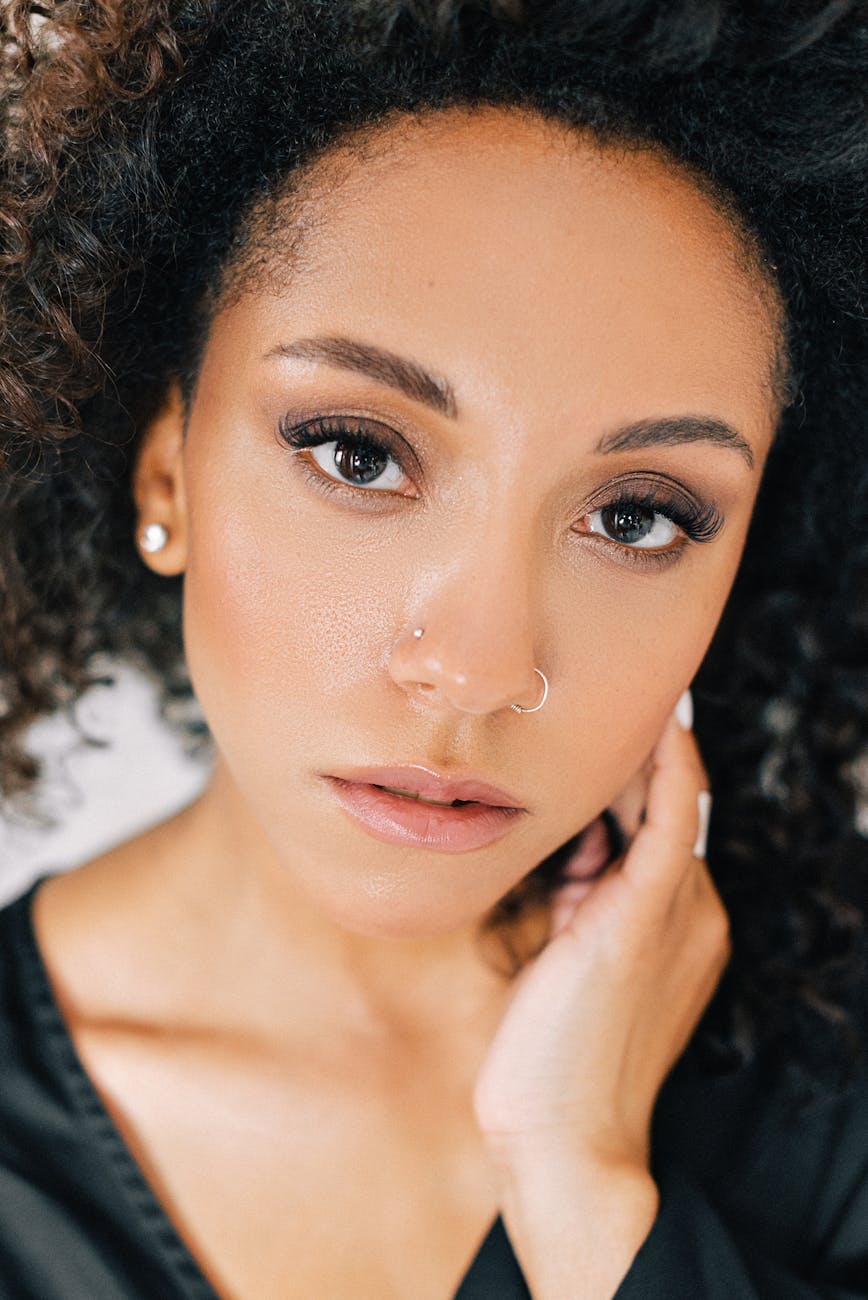
Tag Archives: skin-care

A Shade Too Much: Surviving Prejudice on Both Sides #thebrowngirldilemma

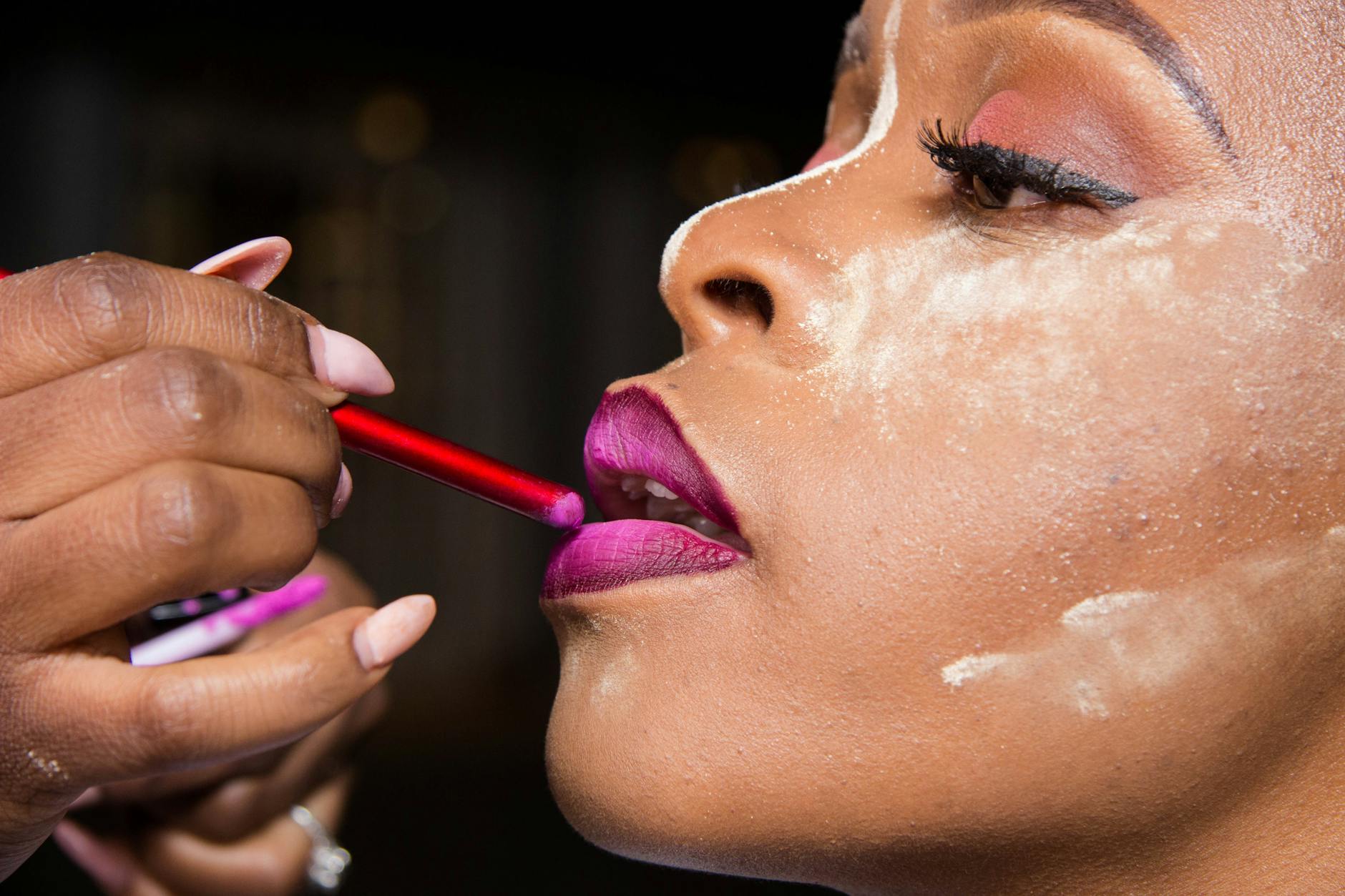
Photo by Mikhail Nilov on Pexels.com

To be “a shade too much” is to live in a world where skin becomes a battleground. It is to experience prejudice from both sides—discrimination from the larger society for being Black and rejection from one’s own community for not fitting an unspoken standard of acceptability. This is the painful duality of existing in a society obsessed with measuring worth by skin tone.

Colorism, the preference for lighter skin over darker skin within communities of color, has its roots in slavery and colonialism. Enslaved Africans with lighter complexions were sometimes given privileges, such as working in the house rather than the fields, which created a hierarchy that persists today (Hunter, 2007). This has left many dark-skinned individuals feeling stigmatized, while lighter-skinned people are accused of being privileged, “not Black enough,” or disconnected from the struggles of the Black experience.

For a brown-skinned or light-skinned woman, this can mean enduring a lifetime of suspicion, jealousy, or accusations of arrogance. Darker-skinned women often endure microaggressions that suggest they are less feminine or attractive (Hill, 2002). Lighter-skinned women, on the other hand, are sometimes ostracized, accused of thinking they are “better” or of benefiting from color-based favoritism. Both wounds are real, and both are deep.

The pain intensifies when the rejection comes from one’s own community. Internalized racism manifests as horizontal hostility, where oppressed people turn their pain inward and against each other rather than at the system that created the hierarchy in the first place (hooks, 1992). This creates an environment where those who are already targeted by racism must also navigate intra-community competition for validation.

Psychologically, this constant negotiation of identity can lead to identity confusion and lower self-esteem. Research has found that intraracial discrimination can have similar mental health effects as external racism, contributing to anxiety, depressive symptoms, and social withdrawal (Keith et al., 2017). It can also create a hyperawareness of one’s appearance—skin tone, hair texture, and features—making self-acceptance an ongoing battle.

Men are not exempt from this dilemma. Light-skinned men may be stereotyped as weak or “soft,” while dark-skinned men are stereotyped as threatening or aggressive (Monk, 2015). These biases affect dating dynamics, employment opportunities, and how Black men are perceived by law enforcement and media. Thus, “a shade too much” becomes not just a personal issue but a sociopolitical one with life-altering consequences.

The church should have been a refuge, but historically, colorism found its way even into pews and pulpits. During slavery, some congregations separated worshippers by complexion, privileging mixed-race members over darker-skinned members (Cone, 1997). Healing must therefore include a theological reclamation: affirming that all shades are equally made in the image of God (Genesis 1:27) and equally loved by Him.

Surviving prejudice on both sides requires a strong sense of identity. This means decoupling self-worth from shade hierarchies and rejecting the false dichotomy of “too light” versus “too dark.” It means affirming, “I am enough,” whether one is honey, caramel, chocolate, or mahogany. As Psalm 139:14 reminds us, we are “fearfully and wonderfully made.”

Community healing is crucial. Honest conversations about colorism must take place in families, schools, and churches. Mothers and fathers must be careful with the language they use around children, resisting the temptation to praise or shame one shade over another. Representation matters—children must see beautiful, intelligent, successful people across the entire spectrum of Blackness.

Media also plays a role. Dark-skinned women must be cast as heroines, CEOs, and romantic leads. Light-skinned women must be portrayed without always being reduced to exotic love interests or “pretty but empty” stereotypes. Stories must reflect the complexity of Black life beyond color-based tropes.

Spiritually, healing comes from seeing oneself as God sees us. God does not measure beauty by shade but by heart (1 Samuel 16:7). The gospel dismantles hierarchies of worth and declares every person equally valuable. In Christ, there is no “less Black” or “too Black”—there is only beloved humanity.

Surviving prejudice on both sides also requires empathy. Dark-skinned women must understand the privilege lighter-skinned women may carry, while lighter-skinned women must understand the pain and systemic disadvantage darker-skinned women often endure. Solidarity grows when both acknowledge the wound yet refuse to deepen it.

To be “a shade too much” is to reclaim one’s power and refuse to shrink for the comfort of others. It is to stand proudly, saying, “My shade is not too much—it is exactly what God intended.” In this way, survival becomes victory, and the struggle becomes a testimony.

When we heal, we break the cycle for the next generation. Children grow up free to love their skin and each other. The burden of proving one’s worth fades, replaced by collective pride. Then we will no longer ask, “Am I too light?” or “Am I too dark?” Instead, we will declare together: We are enough.


References

  • Cone, J. H. (1997). God of the oppressed. Orbis Books.
  • Hill, M. (2002). Skin color and the perception of attractiveness among African Americans: Does gender make a difference? Social Psychology Quarterly, 65(1), 77–91.
  • hooks, b. (1992). Black looks: Race and representation. South End Press.
  • Hunter, M. (2007). The persistent problem of colorism: Skin tone, status, and inequality. Sociology Compass, 1(1), 237–254.
  • Keith, V. M., Lincoln, K. D., Taylor, R. J., & Jackson, J. S. (2017). Discrimination, racial identity, and psychological well-being among African Americans. Cultural Diversity and Ethnic Minority Psychology, 23(2), 165–175.
  • Monk, E. P. (2015). The cost of color: Skin color, discrimination, and health among African-Americans. American Journal of Sociology, 121(2), 396–444.
The Glow Up

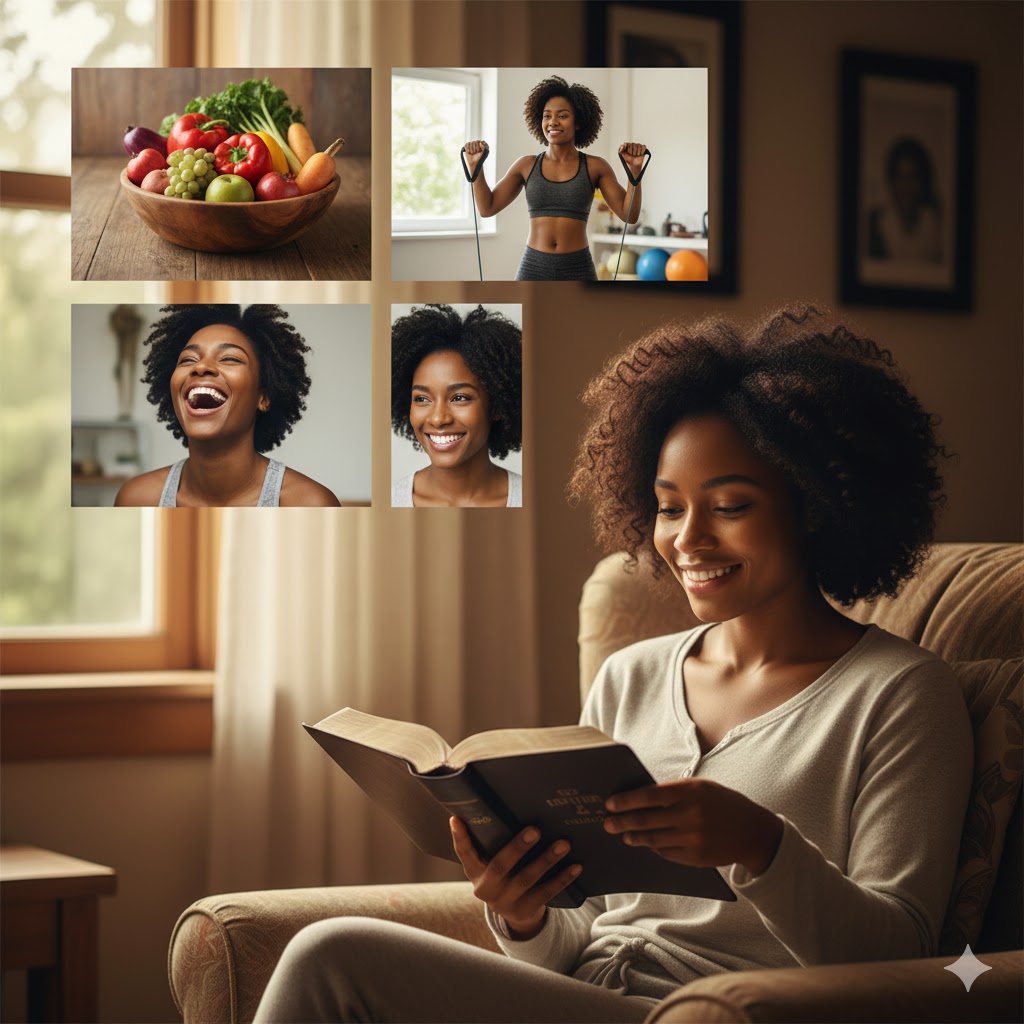
A “glow up” is more than a change in appearance—it is a holistic transformation of mind, body, style, and spirit. It represents intentional growth, self-discovery, and refinement. While society often equates glowing up with external beauty, the most profound transformations begin internally. True glow-ups combine emotional maturity, spiritual grounding, physical wellness, and stylistic expression, creating an authentic radiance that shines from within.

At the heart of a glow-up is self-awareness. Understanding who you are, your values, and your goals provides clarity for how to present yourself to the world. Self-awareness informs choices about personal style, grooming, wellness routines, and even relationships. Without it, attempts to “upgrade” are superficial and temporary. Psychology shows that reflective self-awareness improves decision-making, resilience, and emotional regulation (Brown, 2012).

A spiritual foundation amplifies a glow-up. Many find that confidence, peace, and purpose are rooted in a relationship with God. Scripture teaches, “But the fruit of the Spirit is love, joy, peace, longsuffering, gentleness, goodness, faith” (Galatians 5:22, KJV). Spiritual growth brings clarity, patience, and balance, which naturally enhance beauty, poise, and overall presence.

Physical health is another pillar. Glow-ups are reflected in skin, hair, posture, and energy. Proper nutrition, hydration, exercise, and rest not only improve physical appearance but also elevate mental and emotional well-being. Studies show that self-care routines increase confidence and life satisfaction (Snyder et al., 2012). The body becomes a visible testament to care and discipline.

Skin care is central to modern glow-ups. Healthy skin communicates vitality, youthfulness, and self-respect. A consistent skincare regimen tailored to one’s skin type reflects discipline and investment in oneself. Beyond aesthetics, skin care routines encourage mindfulness and self-love.

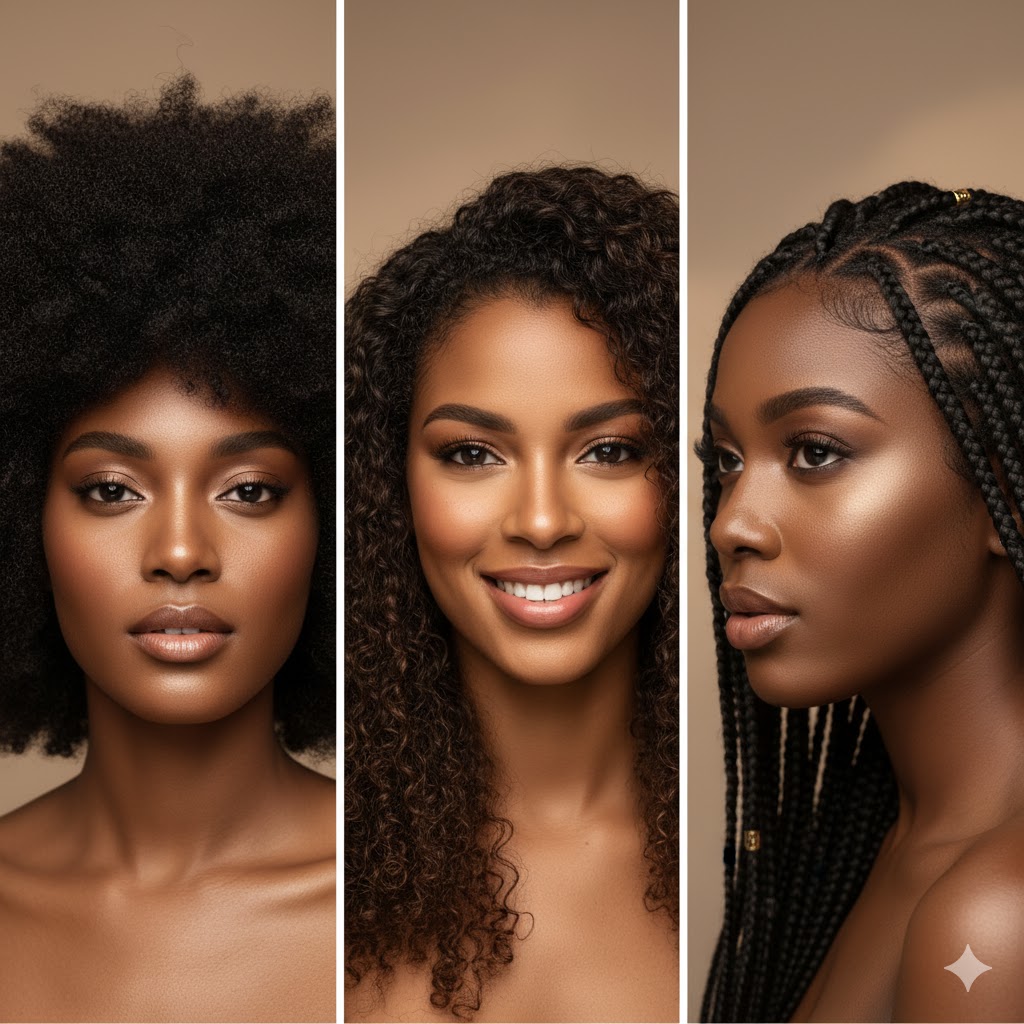
Hair care also contributes to transformation. Hair is often a key aspect of identity, especially for Black women whose natural hair textures are culturally significant. Styling, protection, and regular maintenance create confidence and visibility. Hair becomes both a fashion statement and a symbol of heritage and pride.

Style and wardrobe transformation is another visible component. Fashion-forward choices, tailored fits, and curated color palettes reflect personal identity and creativity. Minimalist, bold, or trend-conscious aesthetics can all be part of a glow-up, provided they align with the individual’s values and self-expression. The wardrobe becomes a canvas for intentional communication.

Confidence is the glue that unites inner and outer transformation. Psychology research emphasizes that posture, eye contact, and body language impact how others perceive us and how we perceive ourselves (Carney et al., 2010). A confident person carries a glow that transcends material changes. Confidence rooted in competence and self-respect produces authentic magnetism.

A glow-up also involves emotional intelligence. The ability to regulate emotions, communicate effectively, and form healthy relationships adds depth to outer beauty. Emotional maturity enables graceful navigation of challenges and enhances interactions, which further contributes to a radiant presence.

Mindset plays a crucial role. Individuals who embrace growth, resilience, and gratitude often experience deeper glow-ups. A positive mindset fosters persistence through setbacks, encourages self-improvement, and nurtures humility alongside ambition. Joy, patience, and gratitude enhance radiance more than cosmetics alone ever could.

Goal setting is an actionable aspect of glow-ups. Intentional planning for personal, professional, and spiritual growth ensures consistent progress. Small, deliberate steps—like learning a new skill, adopting healthier habits, or refining a wardrobe—compound over time, leading to transformative results.

Glow-ups are not purely external. Inner beauty, character, and integrity matter greatly. Scripture instructs, “Whose adorning let it not be that outward adorning of plaiting the hair, and of wearing of gold, or of putting on of apparel; But let it be the hidden man of the heart” (1 Peter 3:3–4, KJV). Inner refinement complements outward aesthetics, creating holistic radiance.

Social influence and mentorship can accelerate transformation. Surrounding oneself with supportive, inspiring, and like-minded individuals encourages growth. Peer influence, when positive, reinforces discipline, style choices, and spiritual or emotional development.

Self-expression through creativity also contributes. Art, music, writing, and other forms of personal expression allow individuals to explore identity, values, and emotions. Creativity not only enhances mental well-being but also communicates personality, enhancing one’s public presence.

Balance is essential in a glow-up. Overemphasis on appearance without internal growth leads to superficiality. Conversely, focusing solely on character without attending to health, style, and presentation may limit opportunities and visibility. A well-rounded glow-up harmonizes inner and outer cultivation.

Resilience strengthens the glow-up journey. Setbacks, failures, and criticism are inevitable, but perseverance deepens transformation. Learning from challenges and adjusting strategies ensures sustainable improvement in personal, spiritual, and aesthetic domains.

Reflection is a key practice. Periodically evaluating progress helps refine goals, adjust strategies, and celebrate achievements. Journaling, meditation, and spiritual practices encourage continuous self-assessment and growth.

Gratitude enhances the glow-up experience. Appreciating one’s journey, accomplishments, and blessings reinforces confidence, humility, and joy. Gratitude nurtures a positive internal state that radiates externally, enriching all aspects of personal transformation.

Finally, a glow-up is ongoing. It is not a single event but a continual process of refinement, learning, and self-expression. Each season of life provides new opportunities for growth, whether in character, style, spiritual depth, or personal achievements. The glow evolves as the individual evolves, reflecting intentional living.

Ultimately, the glow-up reflects harmony between the internal and external, the spiritual and physical, and the timeless and contemporary. A woman who invests in herself, honors her body, nurtures her spirit, and expresses her creativity becomes a living testament to transformation and empowerment.


References

Brown, B. (2012). Daring greatly: How the courage to be vulnerable transforms the way we live, love, parent, and lead. Gotham Books.

Carney, D. R., Cuddy, A. J. C., & Yap, A. J. (2010). Power posing: Brief nonverbal displays affect neuroendocrine levels and risk tolerance. Psychological Science, 21(10), 1363–1368.

Galatians 5:22, KJV. Holy Bible, King James Version. (2017). Thomas Nelson. (Original work published 1611)

Snyder, C. R., Lopez, S. J., & Pedrotti, J. T. (2012). Positive psychology: The scientific and practical explorations of human strengths (3rd ed.). SAGE Publications.

1 Peter 3:3–4, KJV. Holy Bible, King James Version. (2017). Thomas Nelson. (Original work published 1611)

Acts 16:25, KJV. Holy Bible, King James Version. (2017). Thomas Nelson. (Original work published 1611)

Csikszentmihalyi, M. (1990). Flow: The psychology of optimal experience. Harper & Row.

Fredrickson, B. L. (2001). The role of positive emotions in positive psychology: The broaden-and-build theory of positive emotions. American Psychologist, 56(3), 218–226.

Davis, K., & Shuster, S. (2019). The science of glow: How lifestyle and mindset influence appearance. Routledge.

Watts, R. (2014). Joy as a theological category: An exploration of joy in Christian life. Journal of Christian Studies, 12(1), 45–62.

Silent Inferiority: How Colorism Breeds Self-Doubt in Brown Girls

Colorism is one of the most quiet yet devastating forces shaping the self-worth of countless Brown and dark-skinned Black girls. It is a wound carried in silence, often inherited before a child even understands language. This system of shade-based hierarchy teaches girls that the deeper their melanin, the more they must fight to be seen, valued, or affirmed. The pain is subtle, but its impact echoes across generations.

From early childhood, many Brown girls absorb social cues that their beauty is conditional. Compliments often drift toward lighter-skinned peers while darker-skinned children hear words coded with pity or backhanded surprise. In playgrounds and classrooms, they learn that beauty is not simply a matter of opinion—it is a currency, unevenly distributed.

These lessons deepen as girls enter adolescence, a stage already marked by insecurity. In these years, beauty becomes entwined with belonging. But for Brown girls, their melanin can become a barrier to social acceptance. They witness the attention others receive—affection, praise, desirability—and begin to question their own worthiness. The silence around their beauty becomes a form of erasure.

Media amplifies these insecurities. Television, film, music videos, and social media frequently showcase lighter complexions as the standard of attractiveness, softness, innocence, or feminine ideal. When representation exists for darker-skinned women, it is too often caricatured, masculinized, or overshadowed by stereotypes. Brown girls internalize these images long before they can verbalize their impact.

Family environments, although meant to nurture, can sometimes reinforce these hierarchies. Casual comments about staying out of the sun, praising lighter relatives, or dismissing darker features as burdens plant seeds of self-doubt. The children who hear these remarks learn to associate their complexion with inadequacy rather than inheritance.

School environments can also intensify the pressure. Peer groups form around beauty trends shaped by mainstream standards, leaving Brown girls to navigate subtle exclusions. When crushes favor lighter companions or boys make teasing remarks about dark skin, the message is clear: some girls are deemed desirable, while others must work harder to be noticed.

Romantic dynamics further complicate the issue. Many Brown girls grow up hearing men boldly declare their preference for “light-skinned women,” often in ways that degrade darker women. These declarations become cultural scripts, encouraging girls to believe that their skin tone reduces their chances for love, admiration, or partnership.

Over time, colorism creates a psychological split within many Brown girls. Outwardly they grow strong, talented, and intelligent. Inwardly they wrestle with a sense of invisibility—feeling unseen, muted, or overshadowed. The emotional labor required to appear confident despite this silent burden can be exhausting.

Social media, while offering community, can also intensify comparison. Filters, trends, and curated beauty aesthetics favor lighter tones and Eurocentric features. Brown girls scrolling through these platforms may find themselves caught between admiration and envy, trying to reconcile their natural beauty with digitally constructed ideals.

In some cultural spaces, lighter skin is linked to opportunity. Whether in entertainment, corporate settings, or social circles, the unspoken assumption persists that lightness equates to professionalism, softness, or superiority. Brown girls learn to question whether their achievements will be recognized or overshadowed by biases beyond their control.

Colorism also impacts self-expression. Some Brown girls hesitate to wear bright colors, bold makeup, or certain hairstyles out of fear of drawing negative attention. They are taught that their beauty requires restraint, while lighter peers are granted freedom to experiment without judgment.

Friendships can become complicated terrain. Brown girls may notice that lighter friends receive favoritism, invitations, or visibility that they do not. While the affection is real, the inequity can create quiet resentment or feelings of inadequacy that are hard to articulate.

In some cases, Brown girls may feel pressure to overachieve academically or professionally to compensate for perceived deficits in beauty or social privilege. Their value becomes tied to performance rather than inherent worth. This perfectionism, though applauded, can mask internal wounds.

Colorism also infiltrates spirituality and identity. Girls raised in faith-based environments may struggle to reconcile divine love with a world that subtly devalues their physical presence. They question why God made them dark if society treats their melanin as an obstacle.

Despite the pain colorism causes, Brown girls possess remarkable resilience. Many develop a deep inner strength, self-awareness, and empathy forged through adversity. They learn to name the systems that harmed them and begin the process of reclaiming their image.

Representation is slowly improving, with more dark-skinned women in media, business, pageantry, and leadership. These images matter. When Brown girls see women who look like them celebrated for their excellence, beauty, and brilliance, a new narrative begins to form—one where their skin becomes a crown, not a curse.

Community healing is essential. Open conversations within families, churches, and social groups can dismantle generational biases. When adults acknowledge past harm and intentionally uplift Brown girls, cycles of insecurity begin to break. Healing starts with honesty.

Self-love, though often spoken as a cliché, becomes revolutionary for Brown girls. Learning to admire their complexion, their features, their heritage, and their presence is an act of defiance against systems built to diminish them. When they embrace their reflection, they reclaim their power.

Sisterhood plays a critical role in restoring confidence. When Brown girls affirm one another—celebrating beauty, talent, uniqueness, and strength—they create safe spaces where melanin is honored, not diminished. These connections reinforce identity and belonging.

Ultimately, colorism breeds self-doubt by convincing Brown girls that they are inferior. But as awareness grows and communities challenge these biases, a new truth emerges: Brown girls are radiant, deserving, worthy, and powerful. Their beauty is not muted—it is magnificent. And when they step into that truth, the silence breaks and confidence rises where insecurity once lived.

References

Bailey, T. (2021). The psychological impact of colorism on Black girls and women. Journal of Black Studies, 52(4), 335–352.

Bryant, M. (2013). Shades of difference: Why skin color matters. Stanford University Press.

Crenshaw, K. (1991). Mapping the margins: Intersectionality, identity politics, and violence against women of color. Stanford Law Review, 43(6), 1241–1299.

Hall, R. E. (2017). The melanin millennium: Skin color as the real global issue. Springer.

Hunter, M. (2007). The persistent problem of colorism: Skin tone, status, and inequality. Sociology Compass, 1(1), 237–254.

Maxwell, M. (2020). Colorism in media and popular culture: The borders of beauty. Routledge.

Monk, E. P. (2015). The cost of color: Skin color, discrimination, and health among African Americans. American Journal of Sociology, 121(2), 396–444.
Russell, K., Wilson, M., & Hall, R. (2000). The color complex: The politics of skin color among African Americans (Revised ed.). Anchor Books.

Thompson, C. (2009). Black beauty: Aesthetics, stylization, politics. Duke University Press.

Walker, A. (1982). If the present looks like the past, what does the future look like? In Search of Our Mothers’ Gardens. Harcourt, Brace, Jovanovich.

Wilder, J., & Cain, C. (2011). Teaching and learning color consciousness in Black families: Exploring family processes and women’s experiences with colorism. Journal of Family Issues, 32(5), 577–604.

Wilder, J., & Perry, S. (2020). Shades of Blackness: The effects of skin tone in the workplace. Sociology of Race and Ethnicity, 6(2), 182–197.

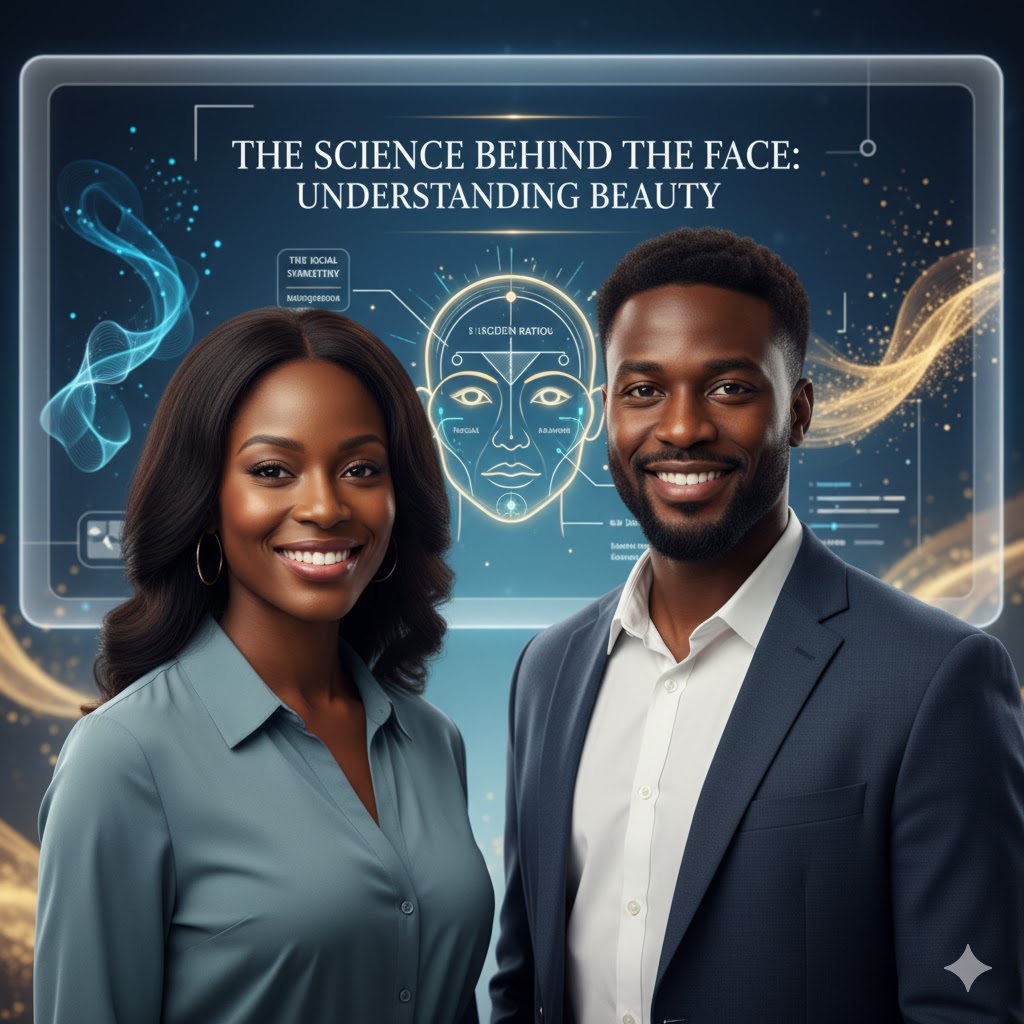
The Science Behind the Face: Understanding Beauty

Human fascination with beauty is universal, transcending cultures and centuries. The human face, as the most expressive and recognizable feature, has been the subject of both scientific study and artistic admiration. While societal standards influence perceptions of attractiveness, research in psychology, anatomy, and genetics reveals measurable factors that shape our judgments of beauty. Faith reminds us, however, that every face reflects God’s divine design.

1. Symmetry and Attraction

Facial symmetry is one of the most robust predictors of perceived attractiveness. Symmetrical faces are often rated as healthier, more balanced, and more appealing. Evolutionary psychology suggests that symmetry signals genetic fitness and developmental stability (Rhodes, 2006).

2. The Golden Ratio

The “golden ratio” (Phi, approximately 1.618) defines proportional relationships considered aesthetically pleasing. Applied to facial features, the distance between the eyes, the width of the nose, and the placement of the lips often reflect this ratio. Cultures unconsciously prefer faces that approximate these proportions.

3. Skin Tone and Texture

Even, clear skin signals health and youth, which are universally attractive traits. Cultural perceptions of skin tone are shaped by historical and social factors, often resulting in colorism. While lighter or more uniform skin may be preferred in some societies, all skin tones reflect the divine image of God (Psalm 139:14).

4. Hormonal Influences

Facial features often reflect hormonal markers of fertility and vitality. High cheekbones, a defined jawline, and full lips may indicate estrogen levels in women, while strong jawlines and brow ridges suggest testosterone in men. These cues are subconsciously interpreted as indicators of reproductive health.

5. Age and Youthfulness

Youthful features—smooth skin, full lips, and bright eyes—are often rated as more attractive. Research suggests this preference is linked to evolutionary drives, but spiritually, youthfulness is not the only measure of beauty. Wisdom and grace, as cultivated over time, reflect God’s design.

6. Facial Expression and Microexpressions

Beauty extends beyond physical features. Emotional expression, such as smiling or engaging eyes, enhances attractiveness. Microexpressions convey kindness, warmth, and empathy, making a face appear more appealing. Faith affirms that inner beauty radiates outward (1 Peter 3:3-4).

7. Cultural Influences

Beauty standards vary widely across cultures and epochs. Media and fashion often amplify narrow ideals, frequently favoring Eurocentric features. However, cultural diversity demonstrates that beauty is multifaceted, and global studies highlight varying preferences in facial features and expressions.

8. Colorism and Social Bias

Skin tone preferences can influence social outcomes, including dating, employment, and representation in media. Colorism, a form of bias privileging lighter skin within the same ethnic group, perpetuates inequality. Scientific understanding can help dismantle these prejudices while affirming the divine worth of all skin tones.

9. Facial Proportions and Cognitive Perception

The human brain evaluates faces holistically, integrating symmetry, proportion, and feature spacing. Neuroscience shows that certain facial ratios trigger reward pathways in the brain, creating a sense of visual pleasure.

10. Genetics and Heredity

Genetic inheritance plays a significant role in facial structure and features. Traits such as eye shape, nose width, and cheekbone prominence are influenced by ancestry. Recognizing this highlights the diversity of beauty and its roots in God’s creation.

11. The Role of Health Indicators

Perceived beauty often correlates with visible health markers: skin clarity, hair quality, and eye brightness. These indicators are evolutionarily significant but also remind us that self-care reflects stewardship of God’s gift of the body.

12. Symmetry vs. Individuality

While symmetry is appealing, perfectly symmetrical faces are rare. Unique features—freckles, dimples, and small asymmetries—often contribute to perceived attractiveness, demonstrating that God’s creativity celebrates individuality.

13. Psychological Effects of Beauty

Physical attractiveness influences social perception, confidence, and interpersonal outcomes. People often associate beauty with positive traits such as intelligence and kindness, though these assumptions are not always accurate. Awareness of these biases allows for more equitable social interactions.

14. Media, Technology, and Altered Perceptions

Social media, photography, and filters can distort beauty standards, creating unrealistic expectations. While science studies human perception, faith reminds us that true beauty is not defined by comparison but by alignment with God’s image.

15. Inner Beauty and Spirituality

Psychological research confirms that inner qualities—kindness, empathy, and integrity—significantly enhance perceived attractiveness. Scripture emphasizes that God values the heart over outward appearance (1 Samuel 16:7).

16. Cross-Cultural Variation

Studies across continents show differing preferences for features such as nose width, eye shape, and lip fullness. These variations underscore that beauty is not absolute but interpreted through cultural, social, and psychological lenses.

17. Beauty Across the Lifespan

While youth is often idealized, beauty in maturity reflects wisdom, experience, and grace. Aging gracefully embodies a different form of aesthetic appeal, aligned with spiritual depth.

18. Overcoming Bias Through Awareness

Understanding the science of beauty empowers individuals to challenge stereotypes, reduce lookism, and appreciate diversity. Faith-based perspectives reinforce that all people are made in God’s image, deserving honor and respect.

19. Integrating Science and Faith

Scientific insights explain perception, symmetry, and preference, but faith affirms intrinsic value. Beauty is not merely external; it integrates moral character, spiritual integrity, and divine design.

20. Conclusion

The science behind the face reveals measurable aspects of beauty: symmetry, proportion, skin quality, and expression. Yet, true beauty transcends these factors, rooted in the divine blueprint and reflected in the soul. Recognizing both the scientific and spiritual dimensions of beauty allows us to appreciate God’s creation fully. Every face—unique, fearfully, and wonderfully made—is a testament to His glory (Psalm 139:14).


References

  • Hunter, M. L. (2007). The persistent problem of colorism: Skin tone, status, and inequality. Sociology Compass, 1(1), 237–254. https://doi.org/10.1111/j.1751-9020.2007.00006.x
  • Rhodes, G. (2006). The evolutionary psychology of facial beauty. Annual Review of Psychology, 57(1), 199–226. https://doi.org/10.1146/annurev.psych.57.102904.190208
  • Russell-Cole, K., Wilson, M., & Hall, R. E. (2013). The color complex: The politics of skin color among African Americans. Anchor Books.
  • Psalm 139:14 (KJV).
  • 1 Peter 3:3-4 (KJV).
  • 1 Samuel 16:7 (KJV).

The Shade Spectrum

Photo by Bave Pictures on Pexels.com

The shade spectrum represents one of the most delicate and divisive realities within Black identity. From the earliest days of colonialism and slavery, skin tone became more than a biological trait—it became a marker of privilege, beauty, and perceived worth. Today, those hierarchies remain deeply embedded in culture, psychology, and social interaction. Understanding the shade spectrum requires examining not just its history but also its present effects and the biblical truth that dismantles it.

The transatlantic slave trade laid the foundation for shade divisions. Light-skinned enslaved people were often given preferential treatment, such as domestic work, while darker-skinned individuals endured harsher field labor (Hunter, 2007). These divisions created long-lasting hierarchies within the Black community, pitting skin tones against one another in a manufactured contest for worth.

Light skin came to symbolize proximity to whiteness, an idea deeply ingrained in Eurocentric beauty standards. Social psychology notes that this proximity often translated into economic and social advantages, from better marriage prospects to higher rates of employment (Keith & Herring, 1991). Within the shade spectrum, lightness was rewarded, reinforcing generational divisions.

Dark skin, conversely, was vilified under colonial ideologies. It was associated with savagery, hypersexuality, and labor, becoming a site of stigma and shame. Yet, over time, darker complexions have also become symbols of strength, pride, and authenticity, particularly during cultural movements like Black Power in the 1960s and the current “melanin magic” renaissance.

Brown skin occupies a complex middle ground within the shade spectrum. Women like Nia Long, Gabrielle Union, Regina King, and Sanaa Lathan embody this hue, which often goes uncelebrated. While not outright despised, middle hues are frequently overlooked, representing an “in-between” that lacks the societal benefits of lightness or the cultural symbolism of darkness.

Psychologically, the shade spectrum functions as a system of social stratification. Research in colorism shows that individuals with lighter skin often report higher self-esteem and greater access to resources, while darker-skinned individuals face more discrimination (Hill, 2002). Brown-skinned individuals fall somewhere in between, experiencing subtle invisibility and marginalization.

The concept of “passing” further complicates the shade spectrum. Historically, light-skinned individuals could sometimes cross into white society, benefiting from privileges denied to darker-skinned peers. This practice reinforced the perception that lightness was synonymous with safety and success, embedding generational trauma into the community.

Media has consistently reflected and reinforced these hierarchies. From Lena Horne in the 1940s to Halle Berry in the 1990s, light-skinned women were elevated as beauty icons. Dark-skinned women like Lupita Nyong’o and Viola Davis have only recently gained widespread recognition. Brown-skinned women, while present, often remain categorized as “relatable” rather than ideal.

Spike Lee’s School Daze dramatized these tensions, contrasting the “Wannabes” (light-skinned) with the “Jigaboos” (dark-skinned). Yet the film also revealed the absence of middle hues, showing how the shade spectrum often erases women who live between these extremes.

Biblical truth directly challenges the shade spectrum. Genesis 1:27 (KJV) declares that all humanity is made in God’s image, leaving no room for hierarchies based on complexion. Song of Solomon 1:5 (KJV) boldly affirms dark beauty: “I am black, but comely.” These scriptures dismantle the false narratives that tie worth to skin tone.

The psychology of belonging highlights the damage caused by shade hierarchies. Social identity theory (Tajfel & Turner, 1986) suggests that group belonging shapes self-worth. When shade divisions fracture community, individuals struggle with identity, often internalizing inferiority based on where they fall within the spectrum.

For many brown-skinned women, adolescence becomes a battleground. Not deemed “light enough” or “dark enough,” they often internalize invisibility. These experiences can lead to anxiety, depression, and confusion about self-worth. The middle hue’s challenge reveals the cruel subtlety of colorism.

Romantic relationships also reflect the shade spectrum. Studies show that lighter-skinned women are often preferred as partners, symbolizing prestige, while darker-skinned women encounter stereotypes of strength or difficulty (Maddox & Gray, 2002). Brown-skinned women often become “safe choices,” valued for balance rather than passion.

Yet, each part of the spectrum carries resilience. Light-skinned women must navigate assumptions of privilege or inauthenticity. Dark-skinned women turn stigma into power through pride movements. Brown-skinned women create identity through balance and perseverance. Each shade holds a unique story of survival and resistance.

Theologically, the shade spectrum can be viewed as a distortion of divine creation. God’s design of melanin reflects artistry and variation, not hierarchy. Acts 17:26 (KJV) reminds us that God “hath made of one blood all nations of men.” Division based on shade is a man-made system that directly opposes divine unity.

Healing begins when the community rejects these hierarchies. Psychological research suggests that collective affirmation, media representation, and open dialogue about colorism are essential for dismantling generational biases (Monk, 2014). Acknowledging the spectrum without ranking it is the first step toward healing.

Representation matters deeply. When actresses like Regina King or Lupita Nyong’o are celebrated not just for their talent but for their beauty, the spectrum shifts. Affirmation at every shade disrupts the old hierarchies and plants seeds of pride across the spectrum.

Intergenerational healing also requires deliberate teaching. Parents and mentors must affirm children of every shade, reinforcing that no complexion is more worthy than another. This breaks cycles of bias that often begin in family structures.

Spirituality offers a higher lens. Psalm 139:14 (KJV) declares: “I will praise thee; for I am fearfully and wonderfully made.” This truth dismantles the spectrum’s hierarchy, affirming that all shades reflect God’s wonder. Healing comes from grounding identity in God, not in societal categories.

Colorism is not only a gendered issue but also affects men. Dark-skinned men are often stereotyped as threatening, while lighter-skinned men may be perceived as less masculine. Brown-skinned men, like their female counterparts, often occupy a liminal, overlooked position.

Music has also addressed the shade spectrum. From India.Arie’s anthem Brown Skin to Beyoncé’s celebration of “brown-skinned girls,” artists have used their platforms to affirm beauty across the spectrum. These cultural shifts remind society that music and art can heal the wounds of division.

Despite progress, the shade spectrum persists. Workplace studies reveal that lighter-skinned individuals continue to earn more and are more likely to be promoted than darker-skinned peers (Hersch, 2006). Colorism is not just a personal struggle but a systemic injustice embedded in structures of power.

Educational systems also reflect the spectrum. Teachers may unconsciously favor lighter-skinned students, leading to disparities in discipline and academic encouragement (Ferguson, 2001). These biases perpetuate long-term inequalities, showing how colorism shapes opportunity.

Yet, the shade spectrum can also be reframed as a source of collective beauty. Rather than functioning as a hierarchy, the spectrum represents the richness of Black identity—light, brown, and dark together form a radiant tapestry. Healing requires shifting from competition to celebration.

Community initiatives, like shade-inclusive campaigns in fashion and beauty industries, represent tangible steps forward. By displaying models across the full spectrum, these industries challenge Eurocentric standards and affirm every shade as worthy of admiration.

The shade spectrum also demands a theological response within churches. Too often, Westernized Christianity absorbed colorist ideas, perpetuating silence or complicity. A biblical reclaiming of melanin as divine artistry restores dignity and affirms unity.

Ultimately, the shade spectrum reveals the destructive power of division but also the potential for healing. When light, brown, and dark are each honored, the community reflects the wholeness God intended. The spectrum becomes not a hierarchy but a rainbow of resilience.

In the end, the shade spectrum is not about superiority or inferiority but about the richness of human diversity. Black skin, in all its hues, is a testimony of survival, beauty, and divine creation. When society finally sees this truth, the spectrum will no longer divide but unite.


References

  • Ferguson, A. A. (2001). Bad boys: Public schools in the making of Black masculinity. University of Michigan Press.
  • Hersch, J. (2006). Skin tone effects among African Americans: Perceptions and reality. American Economic Review, 96(2), 251–255.
  • Hill, M. E. (2002). Skin color and the perception of attractiveness among African Americans: Does gender make a difference? Social Psychology Quarterly, 65(1), 77–91.
  • Hunter, M. (2007). The persistent problem of colorism: Skin tone, status, and inequality. Sociology Compass, 1(1), 237–254.
  • Keith, V. M., & Herring, C. (1991). Skin tone and stratification in the Black community. American Journal of Sociology, 97(3), 760–778.
  • Maddox, K. B., & Gray, S. A. (2002). Cognitive representations of Black Americans: Re-exploring the role of skin tone. Personality and Social Psychology Bulletin, 28(2), 250–259.
  • Monk, E. P. (2014). Skin tone stratification among Black Americans, 2001–2003. Social Forces, 92(4), 1313–1337.
  • Tajfel, H., & Turner, J. (1986). The social identity theory of intergroup behavior. In S. Worchel & L. W. Austin (Eds.), Psychology of intergroup relations (pp. 7–24). Nelson-Hall.
  • The Holy Bible, King James Version.

The Science of Glow: Melanin, Skin Health, and Beauty.

Photo by Darksight Image on Pexels.com

Golden Glow

Emerging from the depths, a shimmer in the light,
Brown skin gleams with stories, both ancient and bright.
Each droplet a testament, each curve a song,
In the tapestry of heritage, we all belong. Rich as earth, deep as night,
A tapestry of ancestral light.
Golden hues in sun’s embrace,
A legacy etched upon the face.
Strength and beauty intertwined,
In every shade, a story is defined.

Glow is often used in popular culture to describe radiant, healthy skin, but behind the aesthetic appeal lies a biological marvel: melanin. Understanding how melanin functions, its impact on skin health, and its role in beauty offers both scientific insight and cultural affirmation for individuals with melanin-rich skin.

Dr. Frances Cress Welsing’s work, The Isis Papers: The Keys to the Colors, delves into the concept of the “Golden Fleece” as a metaphor for the genetic potential and beauty inherent in Black individuals.. In her writings, she emphasizes the unique and powerful attributes of Black skin, often highlighting its radiance and resilience. ResearchGate+3PBS+3Wikipedia+3

The “Golden Fleece” metaphorically represents the richness and depth of Black identity and heritage. It’s a poetic way to acknowledge the inherent beauty and strength that radiates from within, much like the glow that can be seen when light reflects off skin after emerging from water.

Melanin: Nature’s Protective Pigment

Melanin is a natural pigment responsible for skin, hair, and eye color. It is produced by specialized cells called melanocytes, which convert the amino acid tyrosine into pigment through a process called melanogenesis. Melanin serves a crucial biological function: it protects the skin from ultraviolet (UV) radiation, reducing the risk of DNA damage, premature aging, and certain types of skin cancer.

The Link Between Melanin and Skin Health

Individuals with higher melanin content have natural photoprotection, which contributes to healthier skin over time. Melanin acts as a natural sunscreen, absorbing UV rays and preventing excessive sun damage. However, proper skin care remains essential: hydration, nourishment, and protection from environmental stressors enhance the natural glow, while avoiding harsh chemicals and overexposure to sun preserves skin integrity.

Melanin and Aesthetic Glow

A radiant complexion is often associated with high melanin content because melanin-rich skin can reflect light in a warm, luminous manner. This natural radiance is enhanced by proper hydration, nutrition, and self-care practices. Beyond aesthetics, the glow symbolizes resilience and heritage, linking biological function to cultural identity.

What is Melanin?

  • Definition: Natural pigment responsible for skin, hair, and eye color.
  • Function: Protects skin from harmful UV rays and reduces DNA damage.
  • Visual Idea: Diagram showing melanocytes producing melanin in the skin layers.

2. Melanin and Natural Radiance

  • Glow Factor: Reflects light in warm, luminous tones.
  • Significance: Radiance signals health, vitality, and resilience.
  • Visual Idea: Gradient spectrum of melanin-rich skin glowing under soft light.

3. Skin Health Tips for a Natural Glow

  • Hydration: Drink water to maintain cellular function.
  • Nutrition: Eat foods rich in antioxidants, vitamins C & E, and healthy fats.
  • Sun Protection: Use sunscreen to prevent hyperpigmentation and UV damage.
  • Gentle Care: Avoid harsh chemicals; embrace natural products.
  • Visual Idea: Icons representing water, fruits/veggies, sunscreen, and skincare bottles.

4. Cultural and Psychological Power

  • Heritage: Melanin-rich skin represents ancestral pride and identity.
  • Confidence: Embracing natural glow strengthens self-esteem and counters colorism.
  • Visual Idea: Illustration of diverse brown-skinned women celebrating their glow with affirmations.

5. Daily Affirmations for Your Glow

  • “My melanin is my shield and my shine.”
  • “My glow reflects my heritage, health, and beauty.”
  • “I embrace and celebrate my natural radiance every day.”
  • Visual Idea: Typography-based banners layered over gradient brown tones.

Cultural and Psychological Significance

Melanin has been historically undervalued due to Eurocentric beauty standards and colorism. Embracing melanin-rich skin as beautiful and healthy fosters self-esteem, pride, and identity affirmation (Hunter, 2007). When communities celebrate melanin, glow becomes both a physical and psychological marker of confidence, resilience, and empowerment.

Practical Tips for Enhancing Your Natural Glow

  1. Hydration: Water consumption supports cellular function and skin vitality.
  2. Nutrition: Diets rich in antioxidants, vitamins C and E, and healthy fats promote skin radiance.
  3. Sun Protection: Even melanin-rich skin benefits from sunscreen to prevent hyperpigmentation and UV damage.
  4. Gentle Skin Care: Avoid harsh exfoliants and chemical treatments that disrupt natural skin balance.
  5. Affirmation and Confidence: Embrace your natural glow as a reflection of heritage, health, and beauty.

Conclusion

Glow is more than surface-level radiance—it is the intersection of biology, health, and cultural identity. Melanin not only protects the skin but also enhances its aesthetic appeal, symbolizing resilience, heritage, and self-pride. By understanding and caring for melanin-rich skin, individuals can cultivate a natural glow that is both scientifically supported and culturally empowering. Glow is both science and culture. By understanding melanin’s protective role, practicing healthy skincare, and embracing natural beauty, your glow becomes a declaration of confidence, heritage, and empowerment.


References

  • Hunter, M. (2007). The Persistent Problem of Colorism: Skin Tone, Status, and Inequality. Sociology Compass, 1(1), 237–254.
  • Brenner, M., & Hearing, V. J. (2008). The protective role of melanin against UV damage in human skin. Photochemistry and Photobiology, 84(3), 539–549.
  • The Holy Bible, King James Version. (1611). Song of Solomon 1:5.

“Black Don’t Crack”: The Science Behind Melanated Skin.

Photo by KATRIN BOLOVTSOVA on Pexels.com

The popular phrase “Black Don’t Crack” is more than just a cultural expression; it is a reflection of biological science, genetics, and lived experience. The phrase highlights how people of African descent, with higher levels of melanin, often appear younger than their chronological age. While the statement is rooted in cultural pride, dermatological research confirms that melanated skin is more resistant to the visible effects of aging due to its structural composition and protective properties.

Melanin, the pigment that determines skin color, is a powerful natural protector. Darker skin tones contain higher amounts of eumelanin, which shields the skin against ultraviolet (UV) radiation, reducing the likelihood of premature wrinkles, sunspots, and photoaging (Palmer & Oppenheimer, 2019). Studies have shown that darker skin tones have a natural sun protection factor (SPF) estimated between 13 and 15, compared to lighter skin which has an SPF of 3 or less (Taylor, 2002). This biological advantage helps delay visible signs of aging, keeping skin firm and radiant for longer periods.

In addition to UV protection, melanated skin has structural benefits. Research indicates that Black skin tends to have a denser dermis, with more compact collagen fibers and greater elasticity (Halder & Bridgeman-Shah, 1995). Collagen breakdown is one of the primary causes of wrinkles and sagging, yet in darker skin, this process occurs at a slower rate. Combined with natural oil production that maintains skin hydration, these factors contribute to the smooth and youthful appearance often seen in Black individuals.

Cultural narratives about beauty are reinforced by celebrities whose appearances defy time. Angela Bassett, at nearly 65, is celebrated for her glowing, youthful complexion, often appearing decades younger. Similarly, actors like Morris Chestnut and Halle Berry continue to embody ageless elegance, their skin reflecting both genetics and disciplined skincare routines. Pharrell Williams, often cited as a celebrity who appears almost untouched by time, demonstrates the profound impact of melanin’s protective qualities, paired with healthy lifestyle choices. Even supermodel Naomi Campbell, in her fifties, continues to maintain the same radiance and elasticity as she did at the height of her modeling career.

Psychologically, the phrase “Black Don’t Crack” also acts as an affirmation, countering centuries of Eurocentric beauty standards that often marginalized Black features. By celebrating the resilience and beauty of melanated skin, the phrase empowers communities to embrace their natural attributes while acknowledging the unique biological advantages they hold. It not only speaks to science but also to the cultural pride and resistance embedded in Black identity.

Yet, it is important to recognize that “Black Don’t Crack” is not a guarantee. Lifestyle choices, diet, hydration, stress management, and skincare practices all play a crucial role in preserving youthfulness. While melanin provides natural protection, it does not eliminate the risks of sun damage or skin cancer, making sunscreen and self-care important across all skin tones (Kundu & Patterson, 2013).

In conclusion, the phrase “Black Don’t Crack” embodies both cultural truth and scientific fact. Melanated skin, with its higher levels of melanin, stronger collagen structures, and natural oil balance, is biologically designed to age more gracefully. Celebrities such as Angela Bassett, Naomi Campbell, and Pharrell Williams exemplify the synergy between genetics and lifestyle in sustaining youthful appearances. What began as a cultural saying has now been validated by dermatological science: the richness of Black skin is both a gift of nature and a source of cultural pride.


References

  • Halder, R. M., & Bridgeman-Shah, S. (1995). Skin cancer in African Americans. Cancer, 75(S2), 667-673.
  • Kundu, R. V., & Patterson, S. (2013). Dermatologic conditions in skin of color: Part I. Special considerations for common skin disorders. American Family Physician, 87(12), 850–856.
  • Palmer, J. S., & Oppenheimer, S. B. (2019). The biology of melanin. Journal of Dermatological Science, 96(2), 75-83.
  • Taylor, S. C. (2002). Skin of color: Biology, structure, function, and implications for dermatologic disease. Journal of the American Academy of Dermatology, 46(2 Suppl Understanding), S41–S62.

Influencers Who Redefine Black Beauty

In an era dominated by social media, influencers have emerged as powerful agents shaping beauty standards, representation, and cultural narratives. For Black women, who have historically faced underrepresentation and colorist biases in mainstream media, influencers play a critical role in redefining beauty by celebrating diversity, melanin-rich skin tones, natural hair textures, and authentic self-expression. These digital leaders challenge Eurocentric ideals and cultivate a sense of pride, confidence, and empowerment among their audiences.

Historically, beauty standards in Western media have marginalized Black women, often equating light skin, straight hair, and European features with desirability and success. Dark-skinned women with natural hair textures were frequently excluded from modeling, advertising, and entertainment opportunities (Hunter, 2007). The rise of social media has provided platforms for influencers to bypass traditional gatekeepers and present authentic representations of Black beauty to a global audience.

Influencers such as Jackie Aina, Nyma Tang, and Patrice Williams have leveraged platforms like Instagram, YouTube, and TikTok to advocate for inclusive beauty. Jackie Aina, for instance, highlights the lack of foundation shades for dark-skinned women and collaborates with brands to ensure products serve diverse skin tones. Nyma Tang’s #TheDarkestShadeChallenge brought attention to the exclusion of deep shades in cosmetic lines, fostering industry-wide change and highlighting the power of social media activism.

These influencers do more than promote products; they challenge entrenched narratives. They share personal stories, address colorism, and provide tutorials that celebrate natural hair, protective styling, and makeup techniques tailored to darker skin. Their platforms serve as educational spaces where followers learn self-care, self-expression, and confidence-building strategies grounded in authenticity rather than conformity.

Top Influencers Redefining Black Beauty

1. Jackie Aina

  • Platform: YouTube, Instagram
  • Contribution: Advocates for inclusive makeup shades; collaborates with brands to expand dark-skinned options.
  • Impact: Increased industry awareness; millions of followers inspired to embrace their melanin.

2. Nyma Tang

  • Platform: YouTube, Instagram
  • Contribution: #TheDarkestShadeChallenge highlighting exclusion of deep foundation shades.
  • Impact: Prompted brands to expand shade ranges; educated audiences on colorism in beauty.

3. Patrice Williams

  • Platform: Instagram, Twitter
  • Contribution: Celebrates natural hair textures and dark-skinned beauty; creates content affirming self-confidence.
  • Impact: Reinforces pride in authentic Black beauty; provides tutorials and inspiration.

4. Nabela Noor

  • Platform: TikTok, Instagram
  • Contribution: Promotes self-love and inclusivity in makeup and fashion.
  • Impact: Encourages body positivity and cultural pride for women of all skin tones.

5. Nyomi Smart

  • Platform: Instagram, YouTube
  • Contribution: Beauty influencer focusing on skincare and makeup for deeper skin tones.
  • Impact: Challenges beauty stereotypes; advocates for representation in media and brands.

Key Themes Highlighted by Influencers

  • Celebration of melanin-rich skin and natural hair.
  • Awareness of colorism and media biases.
  • Advocacy for inclusive beauty products.
  • Promotion of self-love, confidence, and authenticity.
  • Education about historical and cultural context of Black beauty.

Visual Design Notes

  • Color Palette: Rich browns, golds, and warm tones to reflect melanin-rich skin.
  • Icons: Hair, lipstick, makeup brushes, and Instagram/YouTube logos.
  • Layout: 5 influencer profiles with photos or icons, brief description, and impact summary.
  • Header Quote: “Fearfully and wonderfully made” – Psalm 139:14 (KJV).

The psychology behind influencer impact is significant. Seeing relatable role models who reflect one’s own skin tone and features can enhance self-esteem, reduce internalized colorism, and foster positive body image (Tiggemann & Slater, 2014). For Black women, representation matters; influencers who embrace their natural features provide validation that has long been denied by mainstream media.

In addition to individual influencers, movements like #MelaninMagic and #BlackGirlMagic celebrate dark-skinned beauty collectively, encouraging followers to embrace their melanin and reject societal pressures to conform to Eurocentric standards. These campaigns also emphasize community support, cultural pride, and resilience, reinforcing positive identity formation.

Social media influencers also engage with brands to promote inclusivity in product development. Their advocacy ensures that makeup, skincare, and haircare products cater to diverse skin tones and hair textures, fostering systemic change in industries that have historically marginalized Black consumers. This intersection of activism and entrepreneurship demonstrates that redefining beauty is both cultural and commercial.

Biblically, embracing one’s natural beauty aligns with principles of self-respect and honoring the body God has given. “I will praise thee; for I am fearfully and wonderfully made: marvellous are thy works; and that my soul knoweth right well” (Psalm 139:14, KJV). Recognizing and celebrating one’s God-given features counters societal pressure to conform to externally imposed beauty standards.

Furthermore, influencers encourage critical thinking about media consumption. By highlighting Photoshop, filters, and unrealistic standards, they teach followers to question idealized images and focus on holistic self-worth rather than superficial perfection. This advocacy combines digital literacy, cultural pride, and personal empowerment, demonstrating the multifaceted role of Black beauty influencers in contemporary society.

In conclusion, influencers who redefine Black beauty are transforming how society perceives melanin-rich skin, natural hair, and diverse facial features. Through representation, activism, and education, they challenge Eurocentric norms, promote self-confidence, and create inclusive spaces for Black women to celebrate their authentic selves. By leveraging social media platforms, these influencers empower audiences to embrace their uniqueness, reject harmful stereotypes, and redefine beauty on their own terms.


References

  • Hunter, M. (2007). The persistent problem of colorism: Skin tone, status, and inequality. Sociology Compass, 1(1), 237–254.
  • Tiggemann, M., & Slater, A. (2014). NetGirls: The Internet, Facebook, and body image concern in adolescent girls. International Journal of Eating Disorders, 47(6), 630–643.
  • The Holy Bible, King James Version.
  • Thompson, C. (2019). Black Hair: Art, Style, and Culture. Bloomsbury Academic.

Ancient Beauty Secrets: Anti-Aging and Timeless Practices for Skin and Health.

Photo by Boat Ntswaneng on Pexels.com

Throughout history, beauty has been closely tied to health, wellness, and natural remedies. Ancient civilizations cultivated rituals that not only enhanced appearance but also preserved vitality. From the milk baths of Cleopatra to the turmeric masks of India, these practices reveal the ingenuity of traditional medicine and the importance of nature in self-care. Many of these secrets have endured for thousands of years, demonstrating that the foundation of beauty often lies in holistic wellness.

🌿 DIY Ancient-Inspired Facial Mask (Best for Glow and Detox)

Ingredients:

  • 1 tablespoon raw honey (antibacterial, moisturizing)
  • 1 teaspoon turmeric powder (anti-inflammatory, brightening)
  • 2 tablespoons plain yogurt (exfoliating, lactic acid)
  • A few drops of olive oil (hydration)

Instructions: Mix all ingredients into a paste, apply evenly to face, leave for 15–20 minutes, rinse with lukewarm water.


🌱 Best Herbs and Remedies for Skin Health

  • Turmeric – anti-inflammatory, brightens skin.
  • Aloe Vera – soothes burns, hydrates.
  • Neem – antibacterial, clears acne.
  • Rose Water – toner, reduces redness.
  • Green Tea – antioxidant, fights aging.
  • Chamomile – calms sensitive skin.
  • Shea Butter – deep moisturizer, skin barrier repair.

The ancient Egyptians were pioneers in skincare. Cleopatra, the last queen of Egypt, was renowned for bathing in milk infused with honey, a treatment rich in lactic acid, which gently exfoliates and softens the skin (James, 2015). Egyptians also used olive oil for hydration and aloe vera for healing burns and blemishes. In Africa, particularly West Africa, shea butter was prized for moisturizing and protecting the skin against harsh climates, a tradition still widely practiced today (Agyare et al., 2016). Similarly, in ancient China, women used rice water rinses for the skin and hair, enhancing brightness and strengthening hair strands (Zhang, 2013).

Anti-Aging Tips: Herbal, Nutritional, and Skincare Strategies for Youthful Skin

Aging is a natural process, but modern science and traditional herbal wisdom provide tools to slow visible signs of skin aging. Aging skin is characterized by the breakdown of collagen and elastin, loss of hydration, fine lines, wrinkles, hyperpigmentation, and reduced cell turnover. Strategies for maintaining youthful skin involve topical treatments, dietary habits, lifestyle choices, and herbal interventions.

1. Herbal & Natural Anti-Aging Remedies

  • Green Tea (Camellia sinensis): Rich in polyphenols, green tea reduces oxidative stress, improves elasticity, and protects against UV damage (Weber et al., 2018).
  • Turmeric (Curcuma longa): Contains curcumin, an anti-inflammatory and antioxidant compound that can help prevent collagen degradation and pigmentation (Huang et al., 2019).
  • Aloe Vera: Promotes hydration, reduces inflammation, and stimulates collagen production (Choi et al., 2009).
  • Rosehip Oil: High in vitamin C and essential fatty acids; supports skin regeneration and reduces fine lines.
  • Licorice Root: Brightens skin and reduces hyperpigmentation due to its glabridin content.
  • Gotu Kola (Centella asiatica): Stimulates collagen synthesis and enhances skin elasticity.

2. Topical Anti-Aging Skincare

  • Retinoids (Retinol, Retin-A/Tretinoin): Stimulate collagen production, increase cell turnover, and reduce fine lines (Mukherjee et al., 2006). Retinol is milder and suitable for over-the-counter use; tretinoin is prescription-strength.
  • Antioxidants: Vitamin C, E, and coenzyme Q10 neutralize free radicals, protect skin from environmental damage, and improve firmness (Pullar et al., 2017).
  • Hyaluronic Acid: Hydrates and plumps skin, reducing the appearance of fine lines.
  • Sunscreen (Broad Spectrum SPF 30+): Daily UV protection is critical to prevent photoaging.

3. Nutrition for Youthful Skin

  • Antioxidant-rich foods: Berries, leafy greens, nuts, and seeds combat oxidative stress.
  • Healthy fats: Omega-3 fatty acids from salmon, flaxseed, and walnuts maintain skin barrier integrity and hydration.
  • Hydration: Adequate water intake ensures proper skin moisture and elasticity.
  • Protein: Collagen synthesis depends on amino acids from lean meats, eggs, and legumes.
  • Limit sugar and processed foods: Advanced glycation end products (AGEs) from high sugar diets damage collagen and elastin (Vlassara & Uribarri, 2014).

4. Lifestyle and Physical Practices

  • Regular facial exercises (“face yoga”): Strengthen facial muscles, improve circulation, and promote firmness.
  • Ice facials: Constrict capillaries, reduce puffiness, and stimulate collagen production.
  • Stress management: Chronic stress accelerates skin aging; meditation, yoga, and deep breathing help maintain youthfulness.
  • Sleep: Adequate sleep enables repair and regeneration of skin cells.
  • Avoid smoking and excessive alcohol: Both accelerate collagen breakdown and oxidative damage.

In India, the Ayurvedic tradition developed powerful remedies still used in modern wellness. Turmeric facials, often mixed with yogurt or honey, provided anti-inflammatory and antibacterial benefits, giving the skin a natural glow (Mukherjee et al., 2011). Steam facials infused with herbs were also common, opening pores and detoxifying the skin. Ancient Greeks and Romans emphasized nutrition for beauty, encouraging the consumption of fresh fruits, vegetables, and abundant water, while also practicing olive oil massages to promote circulation and skin elasticity (Liversidge, 2017).

Culture / RegionBeauty Practice / SecretKey Ingredients / ToolsPurpose / Benefits
Ancient EgyptMilk bathsMilk, honeyGentle exfoliation, softening skin, hydration
Olive oil massageOlive oilMoisturization, improved circulation
Aloe vera applicationAloe veraHealing burns, soothing skin
West AfricaShea butter applicationShea butterDeep moisturization, skin barrier protection
Black soap cleansingPlant ash, palm oilDetoxifies, gentle exfoliation
India (Ayurveda)Turmeric facial maskTurmeric, yogurt, honeyBrightening, anti-inflammatory, antibacterial
Herbal steam facialsNeem, tulsi, chamomileOpens pores, detoxifies, soothes skin
Ancient ChinaRice water rinseRice waterBrightens skin, strengthens hair
Green tea masksGreen tea, honeyAntioxidant, anti-aging, soothes skin
Greece & RomeOlive oil massagesOlive oilHydration, circulation, elasticity
Wine or honey masksRed wine, honeyAntioxidant, softening skin
Middle EastRose water tonerRose waterSoothes irritation, balances pH
Sandalwood pasteSandalwood, milk or waterCooling, anti-inflammatory
JapanGeisha skincare ritualCamellia oil, rice branHydration, brightening, anti-aging
Indigenous AmericasCornmeal scrubCornmeal, honeyExfoliation, skin softening
Herbal infusionsCalendula, chamomileSoothing, healing minor skin issues

Insights from the Chart:

  • Hydration & moisturization were universally emphasized (milk, honey, shea butter, oils).
  • Exfoliation & brightening came from natural acids or abrasives (milk, rice water, cornmeal).
  • Healing & anti-inflammatory herbs were central in most traditions (turmeric, aloe, neem, chamomile).
  • Ritual & consistency mattered; daily or weekly treatments were part of lifestyle, not just cosmetic.

Other global practices further highlight the universality of natural skincare. Japanese geishas employed green tea extracts for their antioxidant properties. Indigenous peoples of the Americas used cornmeal scrubs for exfoliation, while Middle Eastern traditions included rose water to soothe and tone the skin. Across cultures, beauty was intertwined with rituals of self-preservation and respect for the natural environment. These ancient practices underscore the fact that wellness and beauty are inseparable, rooted in mindful living and harmony with nature.

An overview of the skincare routines and beauty secrets of three renowned celebrities: Salma Hayek, Halle Berry, and Lupita Nyong’o. Each of these stars has shared insights into their beauty regimens, highlighting both luxurious and accessible products, as well as natural approaches to skincare.


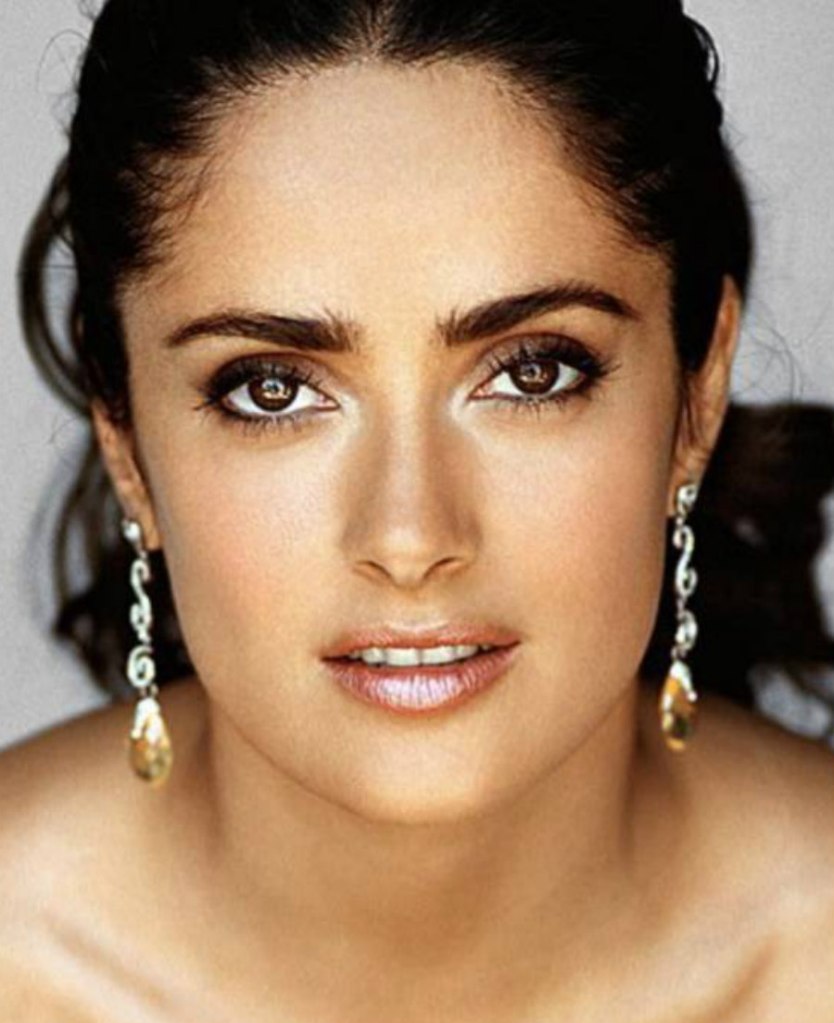
🌟 Salma Hayek

This photograph is the property of its respective owners. No infringement intended.

Salma Hayek emphasizes a flexible skincare routine that adapts to her skin’s needs. She often starts her day with rose water, a practice inspired by her grandmother’s use of aloe vera and papaya in homemade creams. Hayek incorporates high-end products like Augustinus Bader’s Rich Cream and Forest Essentials’ Advanced Eternal Youth Formula Anti-Aging Night Cream into her regimen. She also swears by Patchology Rejuvenating Eye Gels, which she finds both effective and affordable. Her approach combines luxury with simplicity, focusing on hydration and nourishment. ByrdieGood Housekeeping+1Page Six+1


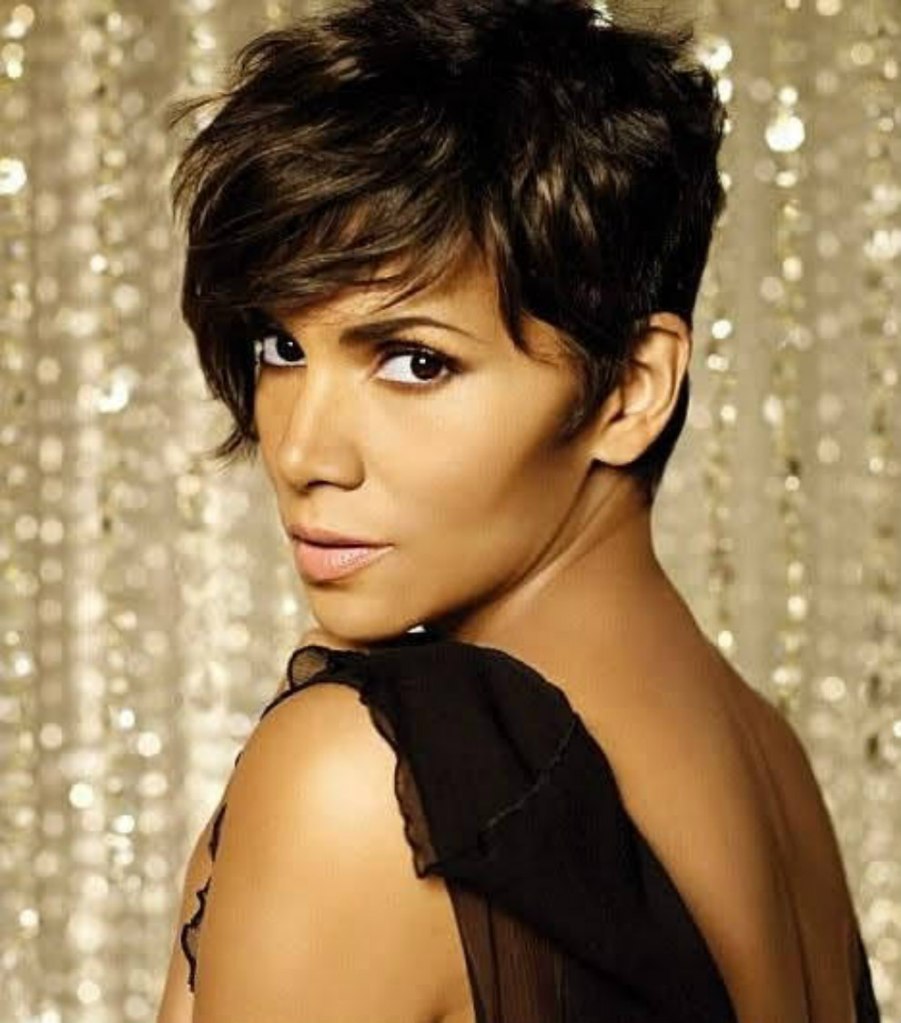
🌟 Halle Berry

This photograph is the property of its respective owners. No infringement intended.

Halle Berry maintains a consistent skincare routine that includes cleansing, exfoliating, masking, and moisturizing. She uses products like the Olga Lorencin Lactic Acid Hydrating Serum and the Knesko Gold Repair Collagen Face Mask. Berry also incorporates facial massage tools, such as the Flawless Cleanse Hydro-Vibrating Facial Cleanser, to enhance her skincare regimen. Her routine reflects a commitment to maintaining youthful skin through consistent care and the use of high-quality products. eCosmeticsOlga Lorencin Skincare+3The Sun+3Entertainment Tonight+3PreventionEntertainment Tonight


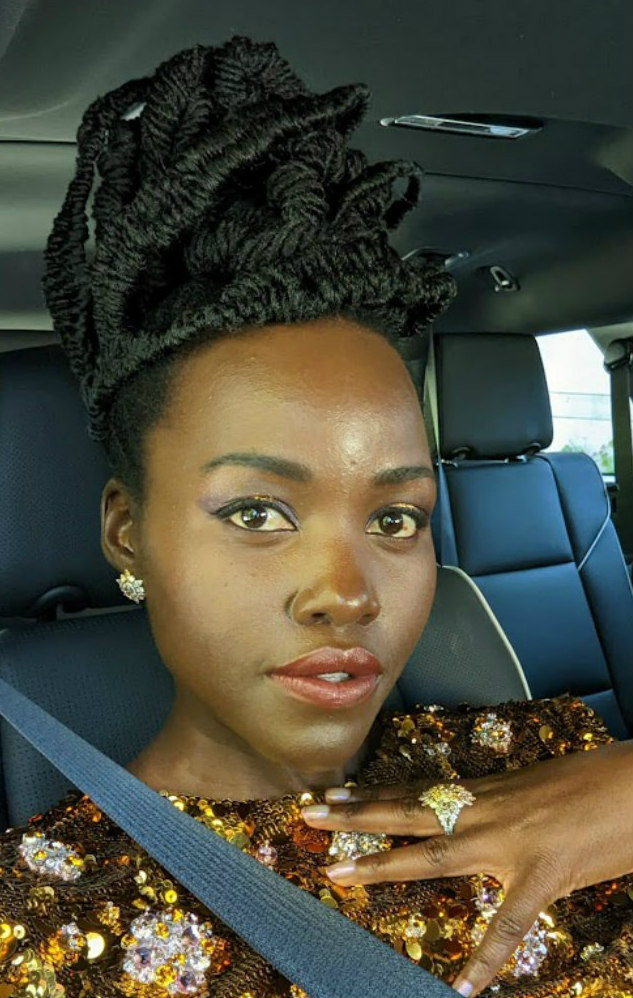
🌟 Lupita Nyong’o

This photograph is the property of its respective owners. No infringement intended.

Lupita Nyong’o is renowned for her radiant complexion and commitment to natural beauty. Her skincare routine emphasizes simplicity, hydration, and the use of natural oils. She often incorporates products like Honest Beauty’s Hydrogel Cream, which contains jojoba, squalane, and hyaluronic acid, to achieve a plump, dewy glow. Additionally, she utilizes avocado oil and Hawaiian kukui oil for moisturizing and makeup removal, appreciating their effectiveness and versatility. Allure+3Vanity Fair+3bombshellbybleu.com+3InStyle+1Momtastic+1


Summary:

  • Salma Hayek: Combines luxurious products with natural ingredients, focusing on hydration and nourishment.
  • Halle Berry: Maintains a consistent skincare routine with high-quality products and tools for youthful skin.
  • Lupita Nyong’o: values the healing properties of calendula ointment, which she carries during travels to address skin issues like burns and scars. This natural remedy reflects her preference for clean beauty products.
CelebritySkincare Products / ToolsNatural Ingredients / RemediesRoutine Highlights / Rituals
Lupita Nyong’oHonest Beauty Hydrogel Cream, calendula ointmentAvocado oil, Hawaiian kukui oil, calendulaEmphasizes hydration, dewy glow; uses natural oils for moisturizing and makeup removal; carries healing ointments while traveling; consistent cleansing, toning, and moisturizing; stress management through meditation & exercise
Salma HayekAugustinus Bader Rich Cream, Forest Essentials Advanced Eternal Youth Night Cream, Patchology Rejuvenating Eye GelsRose water, aloe vera, papaya (inspired by grandmother)Focuses on hydration and nourishment; combines luxury with simple remedies; under-eye gels for puffiness and rejuvenation; flexible routine based on skin needs
Halle BerryOlga Lorencin Lactic Acid Hydrating Serum, Knesko Gold Repair Collagen Face Mask, Flawless Cleanse Hydro-Vibrating Facial CleanserNoted use of masks with natural extractsMaintains youthful skin through consistent cleansing, exfoliation, masking, and moisturizing; incorporates facial massage tools; committed to high-quality products and structured regimen

Key Takeaways:

  1. Hydration is a core focus for all three celebrities—whether through creams, oils, or serums.
  2. Natural ingredients (like rose water, avocado oil, aloe vera, kukui oil) are incorporated alongside high-end products.
  3. Consistency and ritual matter: cleansing, moisturizing, masking, and stress management are prioritized.
  4. Luxury products are often combined with simple, natural remedies for maximum effect.

Each of these celebrities showcases a unique approach to skincare, blending luxury, consistency, and natural ingredients to maintain their radiant complexions.

Layer antioxidants in the morning and retinoids at night for maximal effect.

Combine herbal masks (turmeric, aloe, rosehip) with gentle exfoliation once or twice weekly.

Incorporate adaptogenic herbs like ashwagandha and holy basil to combat stress-related aging.

Modern science has validated many of these traditions. For example, ice facials constrict blood vessels, reduce puffiness, and stimulate circulation, leaving the skin firmer and refreshed. Facial exercises, sometimes called “face yoga,” strengthen underlying muscles, promoting firmness and slowing the appearance of wrinkles. Combined with herbal remedies and nutrient-rich diets, these timeless methods reveal that ancient beauty was less about vanity and more about cultivating balance, resilience, and natural radiance.

📚 References

  • Agyare, C., Boakye, Y. D., Bekoe, E. O., Hensel, A., Dapaah, S. O., & Appiah, T. (2016). African medicinal plants with skin healing properties. Journal of Ethnopharmacology, 177, 85–100.
  • James, T. G. H. (2015). The British Museum Concise Introduction to Ancient Egypt. Thames & Hudson.
  • Liversidge, J. (2017). Everyday Life in the Roman Empire. Routledge.
  • Mukherjee, P. K., Maity, N., Nema, N. K., & Sarkar, B. K. (2011). Bioactive compounds from natural resources against skin aging. Phytomedicine, 19(1), 64–73.
  • Zhang, X. (2013). Beauty Secrets of Ancient China. Beijing Press.

Choi, S., Chung, M. H., & Lee, H. (2009). Effects of Aloe Vera on skin collagen and hydration. Journal of Ethnopharmacology, 124(1), 104–108.

Huang, W., et al. (2019). Curcumin and skin health: A review. Phytotherapy Research, 33(2), 351–366.

Mukherjee, S., Date, A., Patravale, V., Korting, H. C., Roeder, A., & Weindl, G. (2006). Retinoids in the treatment of skin aging: An overview. Indian Journal of Dermatology, 51(4), 255–261.

Pullar, J., Carr, A., & Vissers, M. (2017). The roles of vitamin C in skin health. Nutrients, 9(8), 866.

Vlassara, H., & Uribarri, J. (2014). Advanced glycation end products (AGEs) and skin aging. Journal of Cosmetic Dermatology, 13(4), 288–292.

Weber, C., et al. (2018). Green tea polyphenols and skin protection. Dermato-Endocrinology, 10(1), e1465713.

ET Online. (n.d.). Halle Berry’s skincare routine is the ultimate at-home facial. Retrieved from https://www.etonline.com/halle-berrys-skincare-routine-is-the-ultimate-at-home-facial-shop-the-stars-favorite-beauty