Tag Archives: Self-Worth

Artificial Allure: How Cosmetic Capitalism Redefines Self-Worth.

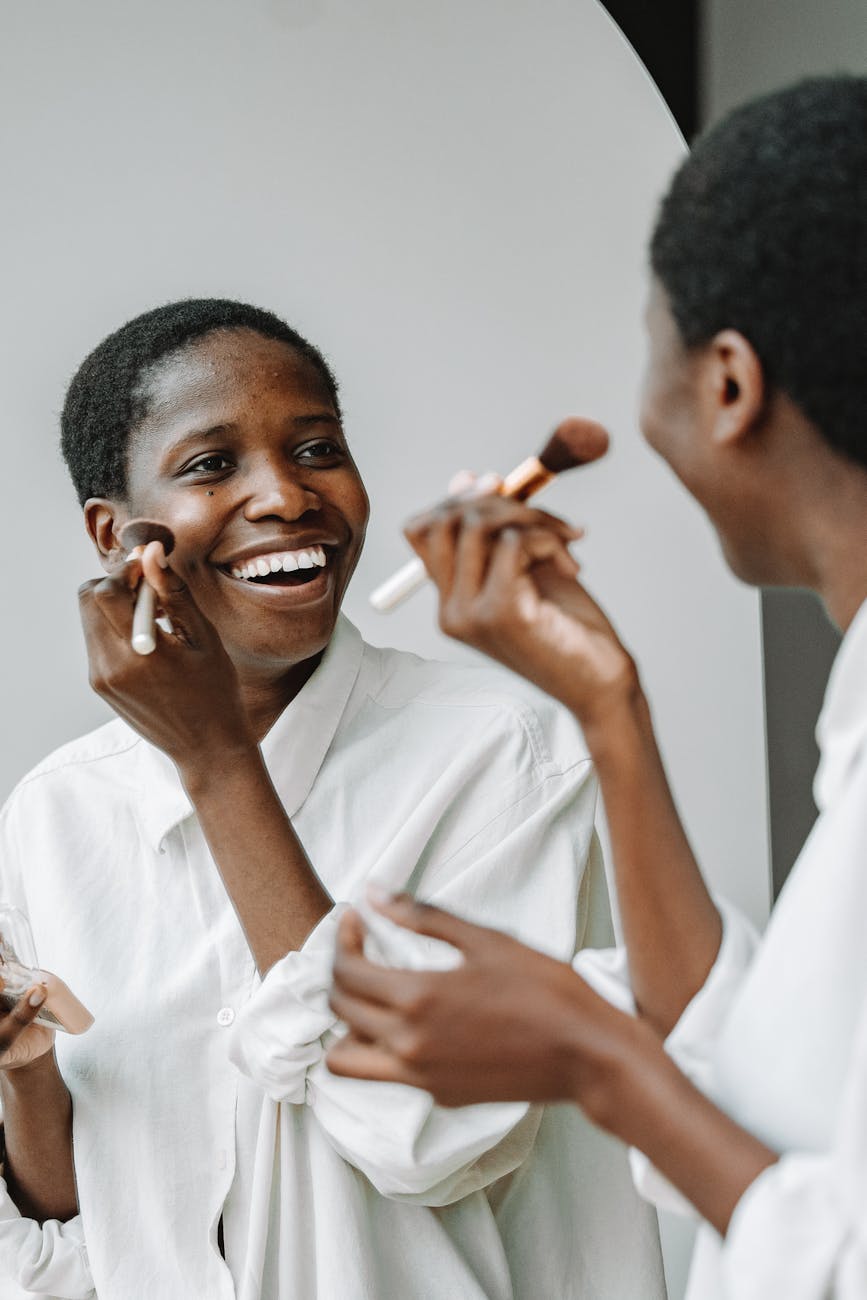
Photo by ROMAN ODINTSOV on Pexels.com

In the modern age, beauty has become an economy, a global enterprise built upon desire, insecurity, and illusion. What was once a natural attribute or divine gift has been rebranded into a commodity, carefully marketed and endlessly consumed. The rise of cosmetic capitalism—the fusion of aesthetic obsession and capitalist profit—has transformed self-worth into a purchasable product. Under its glossy surface lies a troubling truth: the more individuals strive for “perfection,” the further they drift from authenticity.

Cosmetic capitalism thrives on the manipulation of perception. It capitalizes on the human longing to be seen, valued, and loved, while subtly redefining beauty as something always just out of reach. Advertising industries employ psychological tactics to manufacture dissatisfaction, convincing consumers that flaws are problems only money can solve. As Naomi Wolf (1991) argues in The Beauty Myth, this perpetual cycle of insecurity sustains the economic engine of modern capitalism—especially at the expense of women’s peace and identity.

The proliferation of cosmetic procedures, filters, and beauty products reflects not empowerment but enslavement to constructed ideals. The body becomes a billboard for consumer aspiration, and the face a canvas for capitalist fantasy. From plastic surgery to skincare regimens costing thousands, the marketplace preys on human vulnerability. What was once a mirror of individuality has become a mask of conformity, polished and profitable.

Social media has accelerated this commodification of self-image. Platforms like Instagram, TikTok, and Snapchat offer digital mirrors that reflect filtered realities rather than authentic identities. The algorithm rewards those who adhere most closely to the aesthetic of perfection—symmetry, smoothness, and sexual appeal—creating an economy of validation driven by likes and shares. In this sense, self-worth is no longer self-defined; it is crowdsourced, monetized, and algorithmically managed.

The cosmetic industry’s power lies not merely in products, but in narratives. It sells more than lipstick or foundation—it sells belonging. Through subtle messaging, it implies that confidence, success, and even love can be bought in a bottle. This seductive illusion keeps billions of consumers tethered to beauty routines that promise transformation while ensuring perpetual dependence. The capitalist beauty system thus mirrors the spiritual condition of idolatry: worshiping the creation rather than the Creator.

Historically, beauty was rooted in nature and divine reflection. Ancient African civilizations viewed adornment as spiritual expression—a way to honor the gods or celebrate life’s passages. Today’s beauty culture, however, has severed this sacred link. It no longer celebrates identity; it commodifies it. The sacred has become synthetic. Skin lightening, cosmetic surgery, and digital alteration have replaced the natural artistry of self with manufactured sameness, particularly targeting communities of color with Eurocentric ideals.

Colorism and racial capitalism intersect deeply with cosmetic culture. The global skin-lightening industry, valued in the billions, preys on the psychological remnants of colonialism. Lighter skin remains marketed as “premium,” reinforcing hierarchies that stem from slavery and segregation. This systemic conditioning perpetuates a cycle of shame, where darker-skinned individuals internalize inferiority and seek salvation through consumption. As Yaba Blay (2017) notes, the market exploits not just vanity but centuries of racial trauma.

Black women, in particular, stand at the crossroads of beauty and exploitation. Once demonized for their natural features, they are now imitated and appropriated by the same systems that marginalize them. Fuller lips, curvier bodies, and natural hairstyles—once mocked—are now commodified as exotic trends when worn by others. This irony underscores the hypocrisy of cosmetic capitalism: it steals the aesthetics of Blackness while erasing the people behind them.

Men, too, are increasingly drawn into this cosmetic economy. The rise of “manscaping,” muscle-enhancing supplements, and grooming products reveals how capitalism evolves to exploit all demographics. The same insecurity once marketed exclusively to women now fuels a male beauty industry worth billions. Toxic masculinity and body dysmorphia merge under the pressure to maintain a chiseled, curated image of strength and desirability.

The psychological consequences of cosmetic capitalism are profound. Studies link excessive beauty consumption with increased anxiety, depression, and body dysmorphic disorder. The endless pursuit of flawlessness leaves individuals perpetually dissatisfied, unable to accept themselves as they are. In spiritual terms, this is the corruption of self-image—the very “mirror of God” distorted by man’s marketing. When identity is mediated by brands, authenticity becomes an act of rebellion.

Biblically, this crisis reflects a deeper spiritual decay. Scripture warns against the vanity of outward appearances: “Whose adorning let it not be that outward adorning… but let it be the hidden man of the heart” (1 Peter 3:3–4, KJV). Cosmetic capitalism inverts this truth, teaching that worth is earned through purchase, not character. It replaces grace with glamour, humility with hype. The result is a generation that confuses external beauty for inner value, and branding for being.

Theologically, beauty is meant to reveal God’s handiwork, not man’s manipulation. Every feature—whether symmetrical or not—is intentional, carrying divine fingerprint. When one alters themselves to meet worldly standards, they unconsciously declare that God’s design is insufficient. Cosmetic capitalism, therefore, functions as both economic and spiritual colonization—it profits from convincing creation that it needs re-creation.

Resistance to this system requires both awareness and faith. To reject cosmetic capitalism is not to reject adornment, but to reclaim it as self-expression rather than self-erasure. It means celebrating the authenticity of one’s God-given form while refusing to participate in industries that profit from insecurity. This spiritual resistance mirrors Christ’s call to live “in the world, but not of the world” (John 17:14–16, KJV).

Artists, scholars, and activists within the African diaspora are at the forefront of this reclamation. From natural hair movements to melanin-positive campaigns, the cultural shift toward authenticity reflects both political defiance and spiritual awakening. These movements remind the world that beauty, when stripped of capitalist influence, becomes liberation—a mirror of divine creativity rather than corporate design.

Yet, the allure of artificial beauty persists because it offers the illusion of control. In a world of chaos and uncertainty, cosmetic enhancement promises mastery over at least one aspect of life: the body. This illusion, however, exacts a cost. It traps the soul in an endless loop of dissatisfaction, where every “fix” exposes a new flaw. The pursuit of perfection becomes a pilgrimage to nowhere.

The challenge for modern believers and thinkers alike is to restore beauty to its rightful context: as a reflection of inner truth. True beauty radiates from wholeness, not from highlighter. It is found in empathy, resilience, and divine alignment. It does not fade with age or depend on filters; it deepens with wisdom. In this sense, beauty is not bought—it is revealed.

In the end, cosmetic capitalism cannot deliver what it promises because it feeds on emptiness. Its survival depends on perpetual insecurity. Liberation begins the moment one recognizes that self-worth is not a commodity but a covenant. Each person is fearfully and wonderfully made (Psalm 139:14, KJV)—a masterpiece that needs no retouching.

To reclaim beauty is to reclaim freedom. When we turn away from the altar of artificial allure and look instead into the mirror of divine truth, we rediscover our reflection as it was meant to be: whole, sacred, and radiant with the image of God.


References

Blay, Y. (2017). Pretty. Period.: The politics of being Black and beautiful. Blackprint Press.
Fanon, F. (1952). Black skin, white masks. Grove Press.
hooks, b. (1992). Black looks: Race and representation. South End Press.
Mills, C. W. (1997). The racial contract. Cornell University Press.
Nyong’o, L. (2014). Lupita Nyong’o’s speech on beauty and self-love [Video]. Essence Black Women in Hollywood.
Tate, S. (2016). Black beauty: Aesthetics, stylization, politics. Routledge.
Thomas, C. (2019). God, image, and identity: Reclaiming beauty from a biblical lens. Faith & Reason Press.
Walker, A. (1983). In search of our mothers’ gardens: Womanist prose. Harcourt Brace Jovanovich.
Wilkerson, I. (2020). Caste: The origins of our discontents. Random House.
Wolf, N. (1991). The beauty myth: How images of beauty are used against women. HarperCollins.
Wynter, S. (2003). Unsettling the coloniality of being/power/truth/freedom. The New Centennial Review, 3(3), 257–337.
West, C. (1993). Race matters. Beacon Press.
Davis, A. Y. (1981). Women, race, & class. Random House.
Johnson, K. (2021). Beauty in resistance: Black aesthetics and cultural power. Duke University Press.
Mercer, K. (1994). Welcome to the jungle: New positions in Black cultural studies. Routledge.
The Holy Bible, King James Version. (1611). Thomas Nelson.

Complexion and Confidence: How Colorism Shapes Self-Worth.

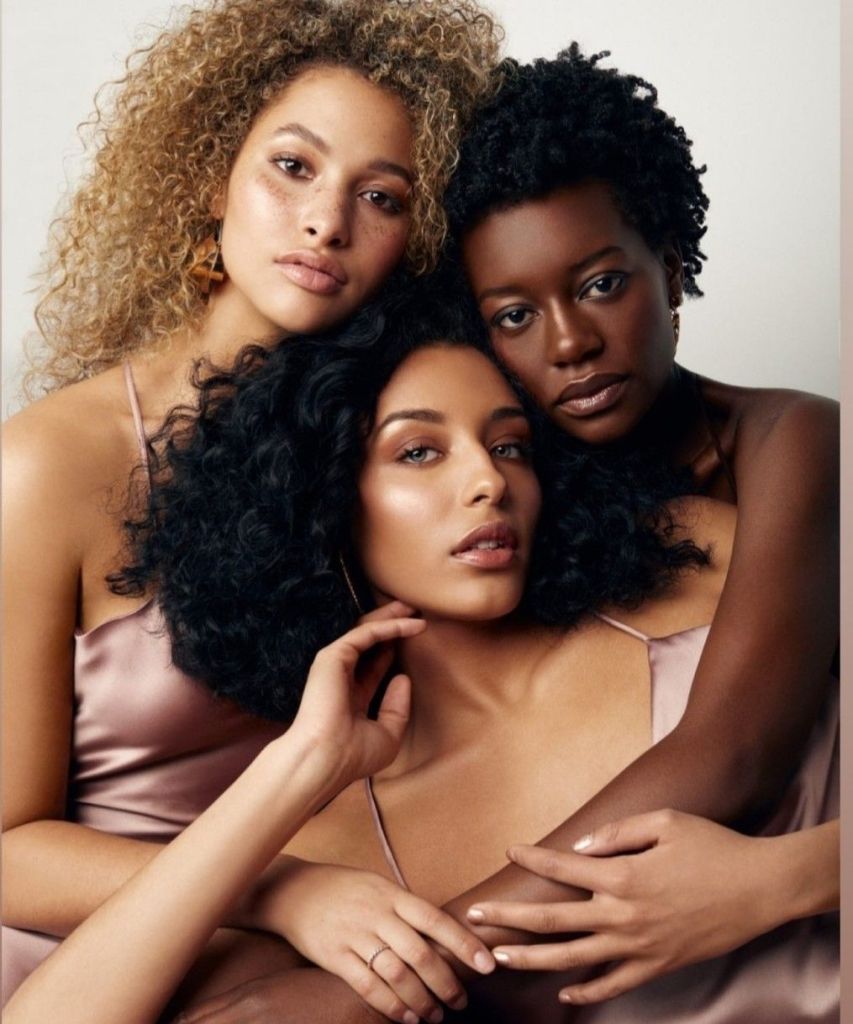
Photo by Breston Kenya on Pexels.com

Colorism, the preferential treatment of lighter skin over darker skin within the same racial or ethnic group, remains a pervasive issue affecting self-esteem, identity, and social opportunity. Unlike racism, which is based on perceived differences between racial groups, colorism operates within communities, creating hierarchies that privilege lighter-skinned individuals while marginalizing darker-skinned members. The psychological and social consequences of this bias are profound, influencing how individuals perceive themselves and are perceived by society.

Historically, colorism can be traced to colonialism, slavery, and European imperialism. Lighter skin was associated with proximity to power, education, and social mobility, while darker skin was devalued (Hunter, 2007). These hierarchies became deeply embedded in social structures, media representations, and cultural narratives. Over generations, colorist beliefs were internalized, leading to preferences, biases, and insecurities that persist today. For Black women, these dynamics often manifest in beauty standards that favor lighter complexions, straighter hair, and European facial features, creating pressure to conform or alter natural traits.

Psychologically, colorism can significantly impact self-worth and confidence. Social comparison theory explains that repeated exposure to preferential treatment or societal praise of lighter skin can lead individuals to internalize negative perceptions of their own appearance (Festinger, 1954). Darker-skinned women may experience anxiety, diminished self-esteem, and body dissatisfaction, while lighter-skinned peers may receive amplified affirmation, social validation, and access to opportunities. These disparities reinforce both interpersonal and internalized hierarchies, affecting mental health, career progression, and social interactions.

Media plays a crucial role in perpetuating colorism. Television, film, and advertising have historically favored light-skinned actors and models, creating a narrow template for beauty that marginalizes darker complexions (Hunter, 2007). Even within Black communities, advertisements, magazines, and celebrity culture often elevate lighter-skinned women as ideals, producing aspirational standards that shape self-perception. Social media magnifies these effects, as likes, shares, and comments often reinforce biases based on skin tone, further influencing confidence and identity formation.

Conversely, representation and empowerment initiatives challenge colorism and its effects. Campaigns celebrating dark-skinned beauty, such as Lupita Nyong’o’s public advocacy and the #UnfairAndLovely movement, highlight the value and radiance of diverse skin tones. Exposure to media and role models who embrace darker complexions fosters positive self-concept, resilience, and pride in one’s natural appearance. This cultural shift demonstrates that confidence and self-worth are nurtured not only by external validation but by visibility, representation, and cultural affirmation.

Spiritual and ethical perspectives offer additional grounding in navigating colorism. Proverbs 31:30 (KJV) reminds believers, “Favour is deceitful, and beauty is vain: but a woman that feareth the LORD, she shall be praised.” True self-worth transcends societal standards of lightness or darkness, finding affirmation in faith, character, and alignment with divine purpose. Recognizing the spiritual dimension of value allows individuals to resist the limiting and often harmful metrics of colorist bias.

In conclusion, colorism profoundly shapes self-perception, confidence, and social opportunity. Its historical roots, reinforced by media and cultural narratives, create hierarchies that privilege lighter skin while marginalizing darker complexions. However, visibility, representation, and spiritual grounding provide tools for resistance, fostering confidence and affirming self-worth. Ultimately, reclaiming pride in one’s natural complexion and rejecting internalized bias empowers individuals to define beauty, success, and value on their own terms.


References

Festinger, L. (1954). A theory of social comparison processes. Human Relations, 7(2), 117–140.

Hunter, M. (2007). The persistent problem of colorism: Skin tone, status, and inequality. Sociology Compass, 1(1), 237–254.

Byrd, A. D., & Tharps, L. L. (2014). Hair Story: Untangling the Roots of Black Hair in America. New York, NY: St. Martin’s Press.

Rhodes, G. (2006). The evolutionary psychology of facial beauty. Annual Review of Psychology, 57, 199–226.

The Unchosen Shade: Colorism and the Crisis of Self-Worth

This photograph is the property of its respective owner. No copyright infringement intended.

Colorism—prejudice or discrimination based on skin tone within the same racial or ethnic group—is one of the most insidious legacies of colonialism and slavery. Unlike racism, which operates across racial lines, colorism operates within them, fracturing communities from the inside. The dilemma of colorism lies in how it distorts identity and self-worth, privileging lighter skin as beautiful, desirable, and superior while marking darker skin as less valuable or “other.”

The roots of colorism reach deep into history. During slavery, lighter-skinned Black people were often given preferential treatment, working inside plantation houses while darker-skinned people labored in the fields. This racial hierarchy was not accidental—it was engineered to divide and control. The closer one appeared to whiteness, the more “human” they were perceived to be (Hunter, 2007). This system embedded a psychological wound that continues to shape beauty ideals, social mobility, and self-esteem in communities of color.

In the post-slavery era, colorism was perpetuated through social institutions and cultural practices. Exclusive clubs and fraternities in the early 20th century used the infamous “paper bag test” to determine admission: if one’s skin was darker than a brown paper bag, they were denied entry. These acts codified self-rejection, turning proximity to whiteness into a false badge of honor (Russell, Wilson, & Hall, 1992).

Colorism’s effects are particularly damaging among women. Dark-skinned women often face compounded discrimination—both racism and colorism—resulting in fewer opportunities in entertainment, employment, and even dating. Media and beauty industries have historically promoted Eurocentric ideals: straight hair, narrow noses, and fair skin. As a result, darker-skinned women have often been portrayed as aggressive, unattractive, or less feminine compared to their lighter counterparts (Hill, 2002).

The crisis of self-worth begins early. Studies have shown that even young children associate lighter skin with beauty and intelligence. The infamous “doll test,” conducted by psychologists Kenneth and Mamie Clark in the 1940s, revealed that Black children preferred white dolls over Black ones, describing them as “good” and “pretty” (Clark & Clark, 1947). This heartbreaking evidence demonstrated how internalized racism and colorism warp self-perception from childhood.

For men, colorism manifests differently but no less destructively. Light-skinned men are often viewed as more approachable or “safe,” while dark-skinned men are stereotyped as intimidating or dangerous. These perceptions influence job prospects, policing, and romantic desirability. The darker the skin, the more one becomes the object of fear or fetishization rather than acceptance (Hunter, 2005).

Hollywood and global media have long reinforced this bias. From the early days of cinema to modern advertising, lighter skin has been synonymous with success and desirability. Black actresses like Lupita Nyong’o and Viola Davis have spoken openly about the struggle to be recognized as beautiful in an industry that has long celebrated lighter tones. Their success represents not just personal triumph but cultural healing—a redefining of beauty that honors the fullness of Blackness.

Colonialism globalized colorism. Across Africa, Asia, and the Caribbean, lighter skin is still marketed as an advantage. Skin-whitening creams, a billion-dollar industry, prey upon insecurities cultivated by centuries of Eurocentric dominance. In countries like India and Nigeria, “fairness” is often advertised as a prerequisite for marriage, employment, and respect. The colonial message persists: to ascend, one must become less of oneself (Glenn, 2008).

Colorism also thrives in the digital age. Filters, editing apps, and social media trends subtly lighten complexions, reinforcing subconscious biases. The aesthetic algorithms of beauty—crafted largely by Western designers—often favor lighter features, excluding darker skin tones from digital visibility and validation. The new colonizer is not a person, but a pixel.

Spiritually, colorism distorts divine identity. When people internalize inferiority based on skin tone, they reject the image of God within themselves. In biblical context, melanin—the pigment that gives darker skin its color—can be seen as a divine design, a testament to strength, protection, and resilience. As Psalm 139:14 declares, “I am fearfully and wonderfully made.” This verse challenges every ideology that devalues dark skin.

The psychological impact of colorism can lead to anxiety, depression, and chronic insecurity. For many, the quest to be “lighter” becomes a quest for acceptance. But this pursuit only deepens self-alienation, as it demands rejecting the very heritage and beauty that define one’s identity. Healing begins when individuals and communities confront the internalized lies that whiteness equals worth.

Education and representation are key to dismantling colorism. Schools must teach not only about racism but also about the hierarchy of shade that perpetuates inequality. Media must elevate diverse representations of Blackness, from deep ebony to golden brown, as equally beautiful. Each shade tells a story of resilience and identity that deserves visibility and validation.

Colorism also fractures solidarity. When internal prejudice divides the oppressed, the struggle for liberation weakens. True unity within the Black diaspora—and across communities of color—requires acknowledging and addressing this inherited bias. Liberation must include the healing of the mind as well as the body.

Artists, activists, and scholars are reclaiming the narrative. Campaigns like “Dark Is Beautiful” and “Melanin Magic” have redefined global conversations about shade and self-love. Poets, filmmakers, and painters now celebrate the hues once despised, restoring dignity to complexions that history sought to erase. The rise of figures like model Duckie Thot, actress Lupita Nyong’o, and activist Rashida Strober signals a cultural reckoning.

Social healing also demands accountability from within. Families must stop perpetuating colorist language—phrases like “don’t get too dark” or “you’re pretty for a dark-skinned girl.” Churches and communities must replace shame with celebration. Healing begins when love replaces comparison and appreciation replaces envy.

The crisis of self-worth cannot be healed by cosmetics but by consciousness. True beauty emerges when identity aligns with purpose. Dark skin, radiant under the sun, carries the memory of continents and the story of survival. To reject it is to reject ancestry. To embrace it is to reclaim sovereignty.

Colorism’s undoing requires cultural courage—to confront painful truths and to teach new generations that worth is not measured by shade but by soul. As Toni Morrison wrote, “The function of freedom is to free someone else.” In this light, freedom begins when we learn to see beauty where the world taught us to see blemish.

Ultimately, “The Unchosen Shade” is not a curse but a crown. It represents endurance through centuries of erasure, beauty unbought and unaltered. The unchosen shade is chosen by God—crafted in divine melanin, unafraid of the sun, and unapologetically radiant. When we learn to love the unchosen shade, we begin the work of restoring not just self-worth, but collective wholeness.


References

Clark, K., & Clark, M. (1947). Racial Identification and Preference in Negro Children. Journal of Negro Education, 19(3), 341–350.
Glenn, E. N. (2008). Yearning for Lightness: Transnational Circuits in the Marketing and Consumption of Skin Lighteners. Gender & Society, 22(3), 281–302.
Hill, M. E. (2002). Skin Color and the Perception of Attractiveness Among African Americans: Does Gender Make a Difference? Social Psychology Quarterly, 65(1), 77–91.
Hunter, M. (2005). Race, Gender, and the Politics of Skin Tone. Routledge.
Hunter, M. (2007). The Persistent Problem of Colorism: Skin Tone, Status, and Inequality. Sociology Compass, 1(1), 237–254.
Russell, K., Wilson, M., & Hall, R. E. (1992). The Color Complex: The Politics of Skin Color Among African Americans. Harcourt Brace Jovanovich.

How Good Relationships Trigger Growth and Self-Worth.

Biblical Wisdom and Psychological Insight

Photo by Innocent Khumbuza on Pexels.com

Relationships are more than social connections; they are environments that shape growth, identity, and self-worth. The Bible emphasizes the power of relationships in shaping character: “Iron sharpeneth iron; so a man sharpeneth the countenance of his friend” (Proverbs 27:17, KJV). Just as iron sharpens iron, healthy relationships refine individuals, fostering personal development and spiritual strength. Psychology echoes this truth by showing that supportive relationships enhance self-esteem, resilience, and motivation.

One way good relationships foster growth is through encouragement and accountability. The Apostle Paul writes, “Wherefore comfort yourselves together, and edify one another” (1 Thessalonians 5:11, KJV). In positive relationships, encouragement builds confidence, while accountability promotes responsibility. Psychologically, consistent affirmation within relationships strengthens self-concept and reduces negative self-talk, helping individuals pursue goals with boldness.

Good relationships also enhance emotional regulation and mental health. Ecclesiastes 4:9–10 (KJV) declares, “Two are better than one… For if they fall, the one will lift up his fellow.” Supportive bonds offer comfort during times of stress and help individuals process emotions constructively. Research in psychology shows that strong social support networks lower anxiety, depression, and loneliness, thereby building resilience and emotional balance. The act of being cared for affirms one’s value, reinforcing the truth that self-worth is not only intrinsic but also nurtured through loving connections.

Additionally, healthy relationships cultivate purpose and identity. In God’s design, community and companionship are central to human flourishing: “It is not good that the man should be alone” (Genesis 2:18, KJV). Being in relationships where one’s gifts, talents, and presence are valued provides affirmation of identity. Psychology supports this by demonstrating that relational belonging boosts motivation and strengthens intrinsic self-worth, confirming that individuals thrive when they feel accepted and needed.

Quick List: 7 Ways Good Relationships Build Growth and Self-Worth

  1. Encouragement and Accountability
  • 1 Thessalonians 5:11 (KJV): “Edify one another.”
  • Positive relationships affirm goals and keep us accountable, boosting confidence.
  1. Emotional Support
  • Ecclesiastes 4:9–10 (KJV): “If they fall, the one will lift up his fellow.”
  • Supportive bonds reduce stress, anxiety, and depression.
  1. Affirmed Identity
  • Genesis 2:18 (KJV): “It is not good that the man should be alone.”
  • Being valued in relationships strengthens self-concept and belonging.
  1. Wisdom and Spiritual Growth
  • Proverbs 13:20 (KJV): “He that walketh with wise men shall be wise.”
  • Good companions sharpen moral clarity and spiritual maturity.
  1. Resilience in Adversity
  • Proverbs 17:17 (KJV): “A friend loveth at all times.”
  • Relationships provide stability and strength in hard seasons.
  1. Healthy Self-Worth
  • Proverbs 27:17 (KJV): “Iron sharpeneth iron.”
  • Constructive bonds remind us of our value and refine character.
  1. Shared Purpose
  • Amos 3:3 (KJV): “Can two walk together, except they be agreed?”
  • Mutual vision and shared values bring direction and motivation.

Moreover, good relationships help individuals grow spiritually and morally. Proverbs 13:20 (KJV) advises, “He that walketh with wise men shall be wise.” Walking with wise, loving, and godly companions leads to spiritual maturity, moral clarity, and wisdom. Psychologically, the modeling of positive behavior in relationships fosters self-improvement through observational learning, reinforcing the principle that people rise to the level of the relationships they keep.

In conclusion, good relationships are catalysts for growth and self-worth. The Bible illustrates that companionship refines character, provides support, and nurtures spiritual development. Psychology confirms that healthy bonds reduce stress, build confidence, and strengthen identity. To cultivate growth, individuals must seek relationships that sharpen, uplift, and nurture the best within them. As Proverbs 17:17 (KJV) declares, “A friend loveth at all times, and a brother is born for adversity.” Good relationships are, indeed, divine instruments that shape us into stronger, wiser, and more confident individuals.


📚 References

  • The Holy Bible, King James Version.
  • Baumeister, R. F., & Leary, M. R. (1995). The need to belong: Desire for interpersonal attachments as a fundamental human motivation. Psychological Bulletin, 117(3), 497–529.
  • Reis, H. T., & Gable, S. L. (2003). Toward a positive psychology of relationships. American Psychologist, 58(1), 79–89.