
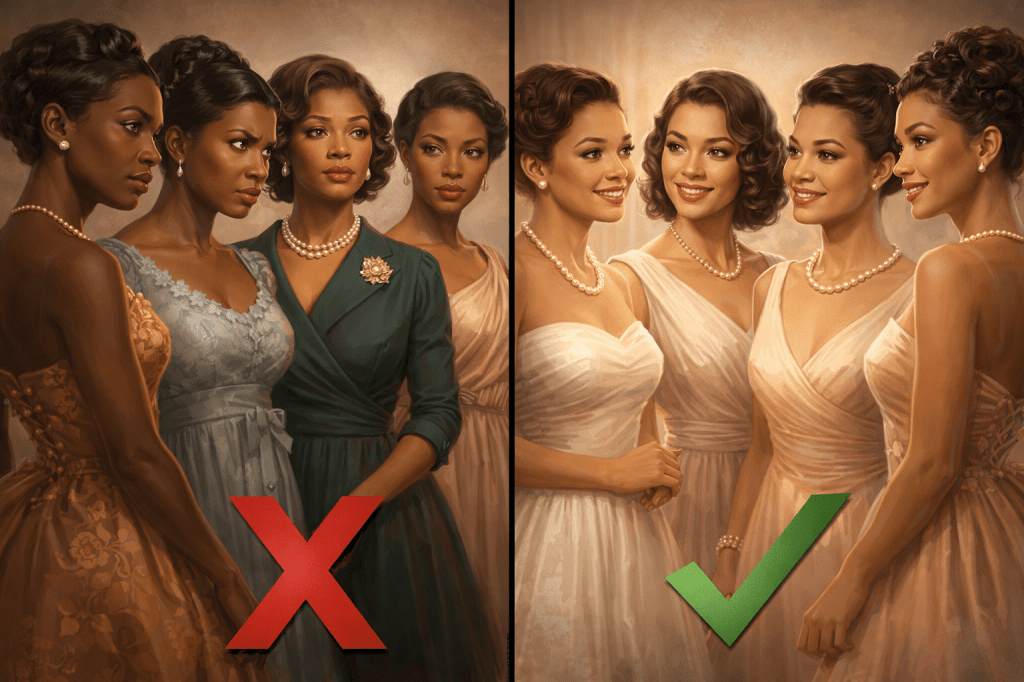
Lightism, often referred to as colorism, is a deeply embedded social hierarchy within the Black community that privileges lighter skin tones over darker ones. While racism operates externally, colorism functions internally, shaping perceptions of beauty, worth, and social mobility. This phenomenon is not accidental but is rooted in historical systems of oppression that date back to slavery and colonialism.
The origins of lightism can be traced to the institution of slavery in the United States, where lighter-skinned enslaved individuals—often the mixed-race children of enslaved Black women and white slave owners—were sometimes given preferential treatment. They were more likely to work in the house rather than the fields, creating a visible hierarchy tied to proximity to whiteness. This early distinction laid the groundwork for enduring social divisions within the Black community.
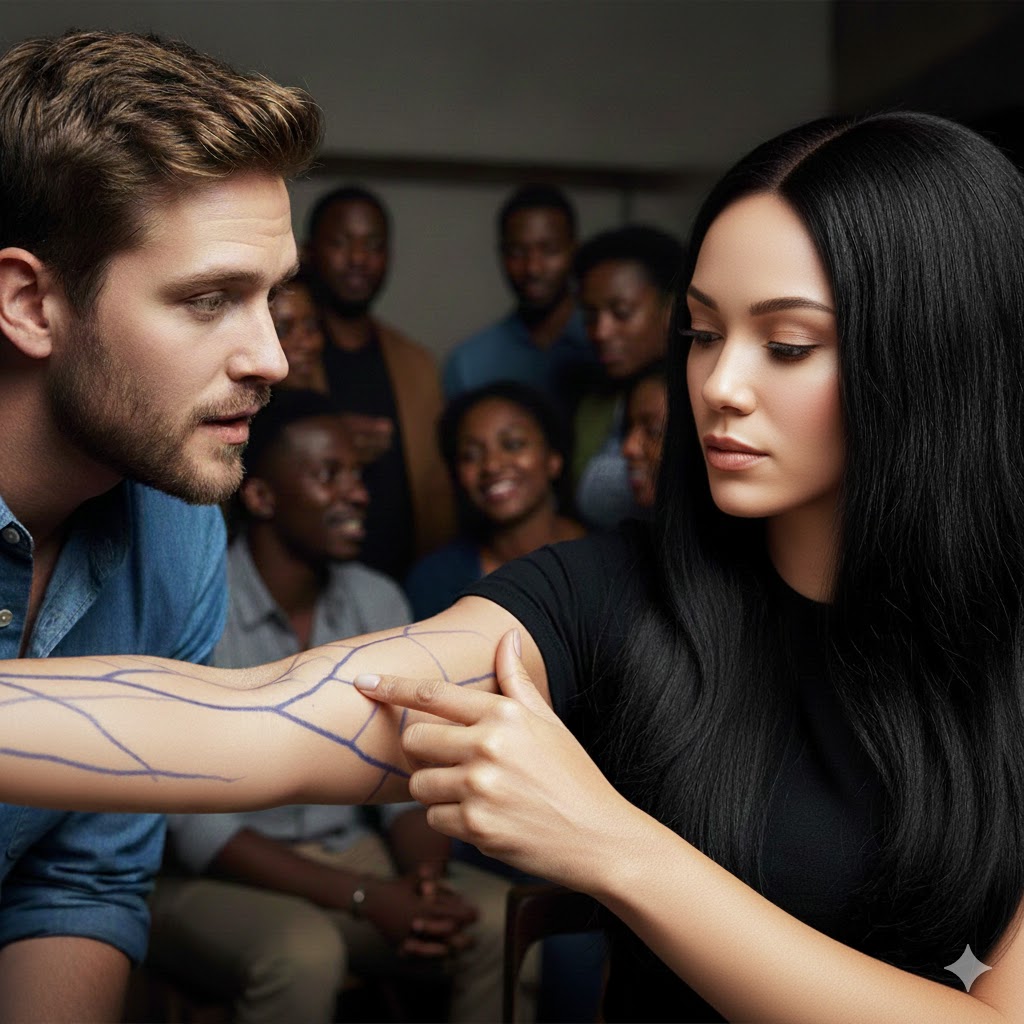
During the post-slavery era, these divisions were reinforced through social institutions such as the “paper bag test,” which informally determined access to certain social clubs, churches, and educational opportunities. Individuals whose skin tone was lighter than a brown paper bag were often granted entry, while darker-skinned individuals were excluded. This practice institutionalized color-based discrimination within Black spaces themselves.
Lightism has also been perpetuated through media representation, where lighter-skinned Black individuals are more frequently depicted as desirable, successful, or socially acceptable. Film, television, and advertising industries have historically favored Eurocentric features, reinforcing the notion that beauty is aligned with proximity to whiteness. This has had lasting psychological effects on both light- and dark-skinned individuals.
Scholars such as Alice Walker have been instrumental in bringing attention to colorism. Walker is credited with popularizing the term “colorism,” defining it as prejudicial or preferential treatment of same-race people based solely on their skin color. Her work illuminated how internalized racism manifests within marginalized communities.
Psychologically, lightism can contribute to issues of self-esteem, identity conflict, and internalized inferiority among darker-skinned individuals. Studies have shown that darker-skinned Black women, in particular, often face compounded discrimination based on both race and skin tone, affecting their opportunities in employment, relationships, and media visibility.
Conversely, lighter-skinned individuals may experience unearned privilege within the community, though this privilege is often complicated by questions of identity and authenticity. This dynamic creates tension and division, as individuals navigate a system that simultaneously elevates and scrutinizes them.
The politics of lightism extend into economic outcomes as well. Research indicates that lighter-skinned individuals, on average, earn higher incomes and receive more educational and professional opportunities than their darker-skinned counterparts. These disparities mirror broader systemic inequalities while also reflecting intra-community biases.
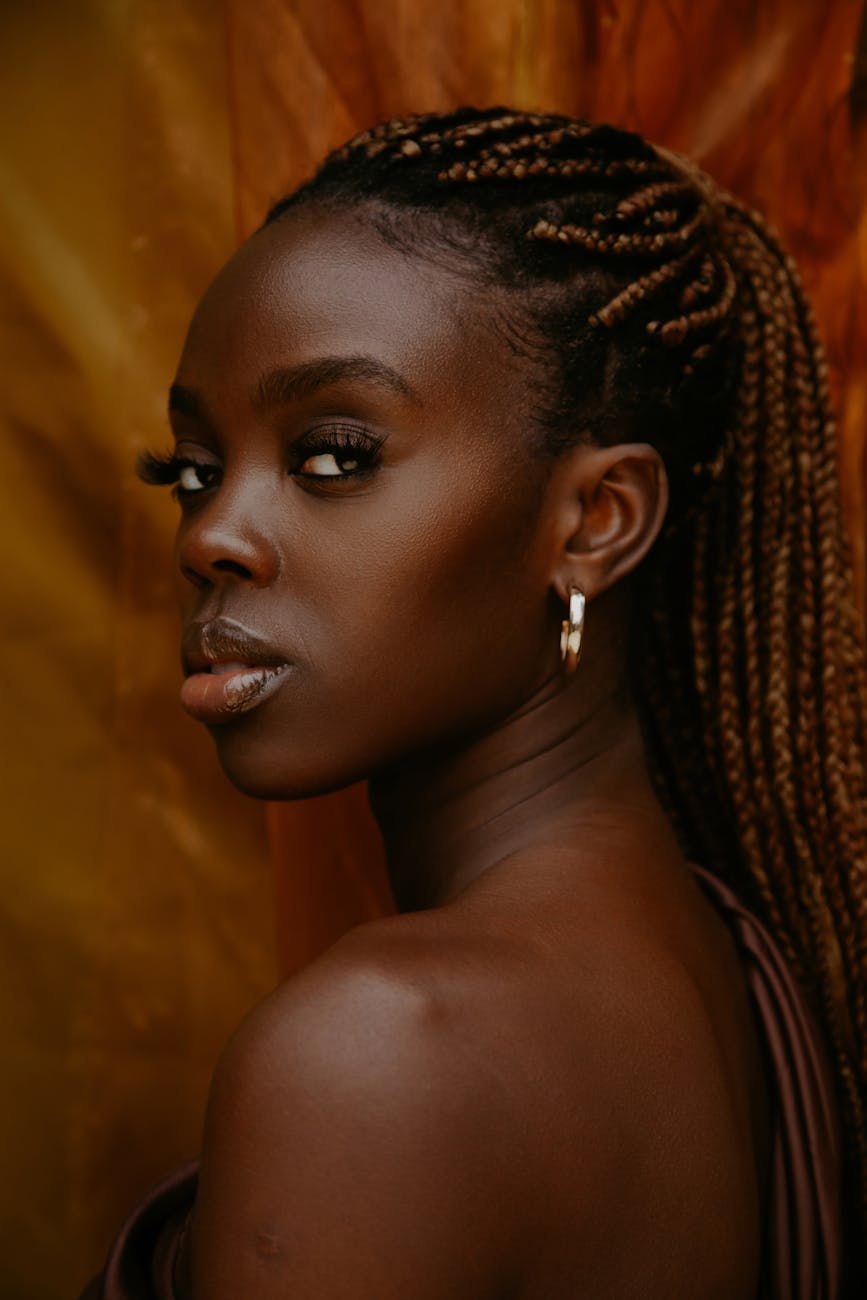
In the realm of beauty and fashion, lightism has historically dictated standards that marginalize darker skin tones. From foundation shades to magazine covers, the underrepresentation of dark-skinned beauty has reinforced narrow definitions of attractiveness. However, recent movements have begun to challenge these norms, advocating for greater inclusivity.
Social media has played a dual role in the conversation around lightism. On one hand, it has amplified harmful stereotypes and colorist rhetoric; on the other, it has provided a platform for dark-skinned voices to reclaim narratives of beauty and empowerment. Hashtags and digital activism have become tools for resistance and awareness.
The legacy of colonialism also plays a significant role in shaping global perceptions of skin color. In many parts of the world, lighter skin is associated with wealth, education, and modernity, while darker skin is unfairly linked to poverty and labor. These associations are remnants of colonial power structures that continue to influence contemporary societies.
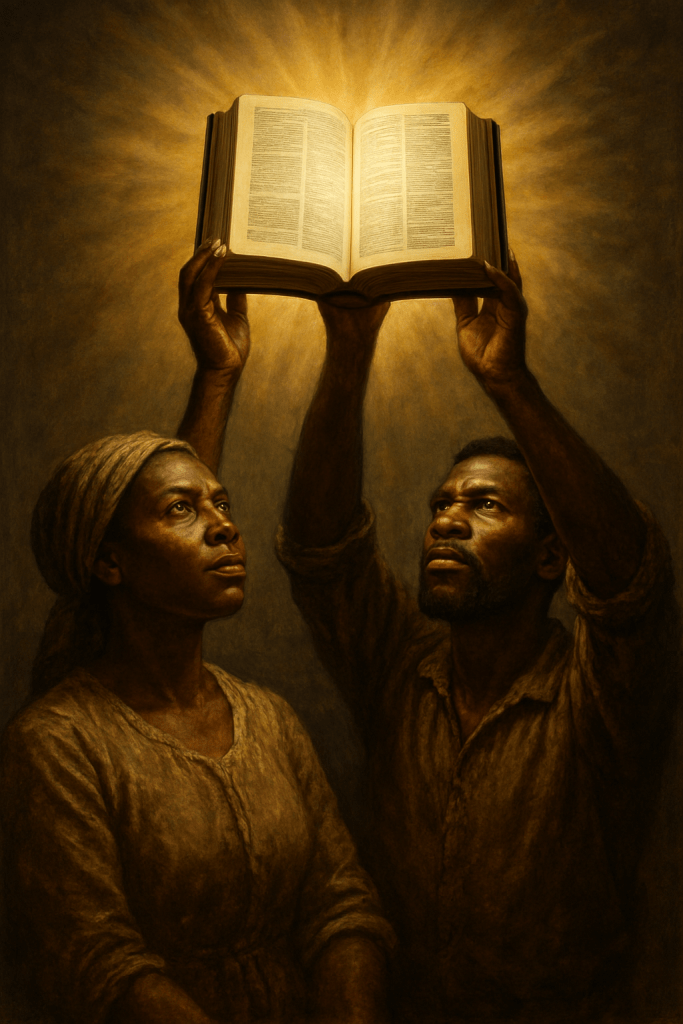
Religious and cultural narratives have sometimes been misinterpreted to justify color hierarchies, further entrenching lightism within communities. These interpretations often distort historical and biblical contexts, contributing to harmful ideologies that equate lightness with purity and darkness with inferiority.
Education is a critical tool in dismantling lightism. By teaching accurate histories of slavery, colonialism, and racial formation, individuals can better understand the origins of color-based bias. Awareness fosters critical thinking and challenges internalized beliefs that perpetuate division.
Representation matters deeply in shifting perceptions. The increased visibility of dark-skinned actors, models, and public figures has begun to redefine beauty standards and challenge longstanding biases. This cultural shift is essential in promoting equity and self-acceptance.
Community dialogue is equally important. Open conversations about colorism allow individuals to share experiences, confront biases, and build solidarity. These discussions can be uncomfortable but are necessary for collective healing and growth.
The intersection of gender and colorism reveals that Black women are disproportionately affected by lightism. Beauty standards, dating preferences, and professional opportunities often place darker-skinned women at a disadvantage, highlighting the need for intersectional analysis.
Resistance to lightism can be seen in movements that celebrate melanin-rich skin and African features. Campaigns, art, and literature have emerged to affirm the beauty and value of darker skin, countering centuries of negative messaging.
Ultimately, the politics of lightism are about power—who holds it, who is denied it, and how it is maintained. Challenging this system requires both individual introspection and collective action to dismantle deeply ingrained biases.
The journey toward equity within the Black community involves recognizing and addressing the harm caused by colorism. It calls for a redefinition of beauty, value, and identity that is not based on proximity to whiteness but rooted in authenticity and diversity.
By confronting lightism, the Black community can move toward greater unity and empowerment, honoring the full spectrum of its beauty and strength. This work is not only social but deeply psychological and cultural, requiring sustained commitment across generations.
References
Hunter, M. (2007). The persistent problem of colorism: Skin tone, status, and inequality. Sociology Compass, 1(1), 237–254. https://doi.org/10.1111/j.1751-9020.2007.00006.x
Keith, V. M., & Herring, C. (1991). Skin tone and stratification in the Black community. American Journal of Sociology, 97(3), 760–778.
Walker, A. (1983). In Search of Our Mothers’ Gardens: Womanist Prose. Harcourt Brace Jovanovich.
Wilder, J. (2015). Color Stories: Black Women and Colorism in the 21st Century. Temple University Press.


 THE BROWN GIRL DILEMMA