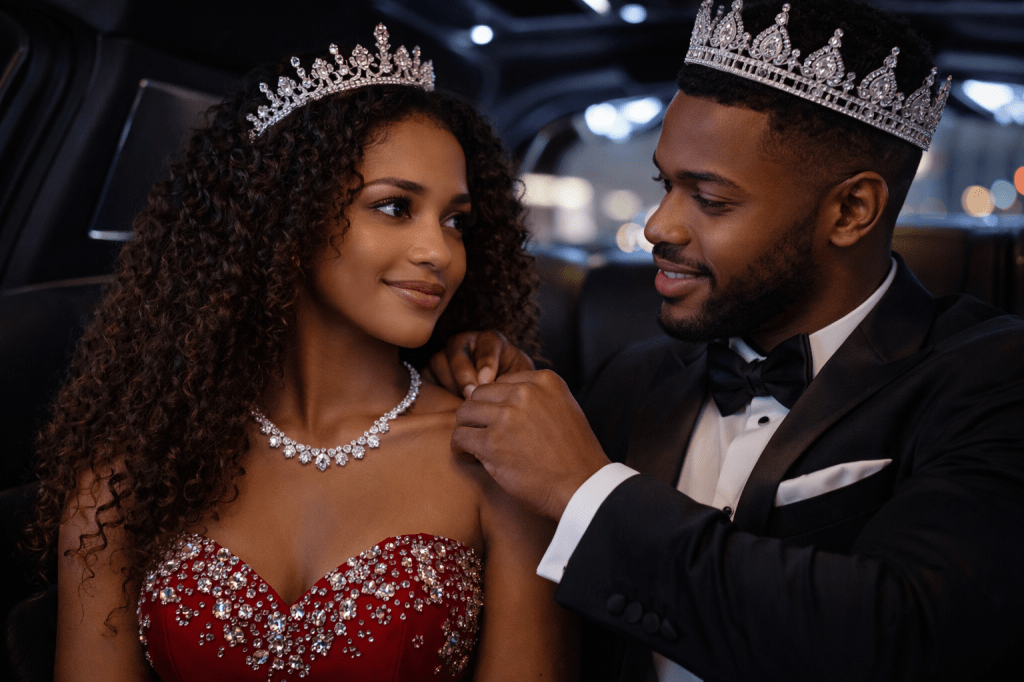
Tag Archives: Relationships

The Dating Playbook for Women Who Know Their Worth.

Knowing one’s worth is the foundation of healthy dating. A woman who understands her value does not enter relationships seeking validation but discernment. She recognizes that companionship is a complement to her life, not a remedy for emptiness. This awareness reshapes how she dates, what she tolerates, and whom she allows access to her heart.

A woman who knows her worth begins with self-respect. She honors her boundaries, her time, and her emotional energy. Dating is not about proving desirability but about evaluating alignment. Scripture affirms that her body and life carry sacred value, not to be treated casually or without honor.

Intentionality is central to wise dating. Rather than drifting into connections, a woman of worth dates with clarity of purpose. She understands that God is not the author of confusion, and therefore she seeks relationships marked by clarity, consistency, and reverence for righteousness.

Discernment is more powerful than attraction. While chemistry may spark interest, character sustains connection. A discerning woman allows time to reveal truth, remembering that desire without discipline often leads to regret. “He that ruleth his spirit is better than he that taketh a city” (Proverbs 16:32, KJV).

Boundaries are not walls but safeguards. A woman who knows her worth establishes emotional, physical, and spiritual limits early. These boundaries protect her purity and peace. “Abstain from all appearance of evil” (1 Thessalonians 5:22, KJV) becomes a guiding principle, not a burden.

Self-worth reshapes how temptation is viewed. A woman grounded in her values does not flirt with compromise. She understands that fornication carries spiritual, emotional, and relational consequences. “Flee fornication. Every sin that a man doeth is without the body; but he that committeth fornication sinneth against his own body” (1 Corinthians 6:18, KJV).

Emotional availability must be earned, not freely given. A wise woman does not rush intimacy or mistake attention for commitment. She remembers that her body is sacred. “Know ye not that your body is the temple of the Holy Ghost which is in you… ye are not your own” (1 Corinthians 6:19, KJV).

Faith shapes her dating posture. A woman who knows her worth understands that purity is not punishment but protection. “For this is the will of God, even your sanctification, that ye should abstain from fornication” (1 Thessalonians 4:3, KJV). Her obedience flows from reverence, not fear.

Consistency becomes her measure of sincerity. A man who honors God will also honor her boundaries. Pressure, impatience, or manipulation are immediately recognized as red flags. A woman of worth knows that anyone who truly values her will not ask her to violate her convictions.

Dating wisely requires emotional responsibility. A woman who knows her worth does not attempt to heal or rescue potential partners. She understands that she cannot sacrifice her purity or peace to prove loyalty. Love that demands disobedience to God is not love at all.

Patience is an act of strength. A woman who waits does not lack options; she exercises wisdom. “Better is the end of a thing than the beginning thereof: and the patient in spirit is better than the proud in spirit” (Ecclesiastes 7:8, KJV). Waiting refines discernment.

Respect is non-negotiable. A woman of worth does not tolerate sexual pressure disguised as affection. She understands that honor precedes intimacy. “Marriage is honourable in all, and the bed undefiled: but whoremongers and adulterers God will judge” (Hebrews 13:4, KJV).

Modern dating culture often mocks purity, presenting restraint as outdated. A woman who knows her worth resists this narrative. She understands that holiness is timeless and that guarding her body guards her future. She does not confuse freedom with recklessness.

Clarity brings peace. A woman grounded in truth asks direct questions and communicates expectations early. She does not fear honesty because she values righteousness more than attention. Light exposes intention, and she welcomes that exposure.

Healing is essential to maintaining purity. A woman who knows her worth addresses past wounds so they do not lead her into compromise. She understands that unhealed pain often seeks comfort in unhealthy intimacy. Healing restores discernment.

Confidence in purity is quiet and steady. It does not argue, explain, or beg for understanding. A woman of worth stands firm, knowing obedience to God outweighs momentary pleasure. “Thy word have I hid in mine heart, that I might not sin against thee” (Psalm 119:11, KJV).

Sexual boundaries reflect spiritual maturity. A woman who honors her body honors God. She understands that intimacy creates bonds that should be reserved for a covenant. Purity preserves emotional clarity and spiritual authority.

A woman who knows her worth pays attention to how relationships affect her spirit. Confusion, guilt, and anxiety are signals to step back. Peace, safety, and alignment with God’s Word signal wisdom. Her conscience becomes her compass.

Dating is not about proving desirability but protecting destiny. A woman who knows her worth understands that obedience today safeguards joy tomorrow. She refuses to exchange long-term purpose for short-term pleasure.

The dating playbook for women who know their worth is rooted in holiness, discernment, and self-respect. It chooses obedience over impulse and purpose over pressure. Such a woman understands that remaining pure is not about deprivation, but about preparation—for a love that honors God and honors her.


References

The Holy Bible, King James Version. (1611/2017). Cambridge University Press.

1 Corinthians 6:18–19, KJV
1 Thessalonians 4:3, KJV
Hebrews 13:4, KJV
Psalm 119:11, KJV
Proverbs 16:32, KJV
Ecclesiastes 7:8, KJV

Cloud, H., & Townsend, J. (1992). Boundaries. Zondervan.

Stanley, S. M., Rhoades, G. K., & Markman, H. J. (2006). Sliding Versus Deciding. Family Relations, 55(4), 499–509.


Girl Talk Series: The Male Files – The Secrets You Need to Know.

Understanding Male Emotions and Communication Styles

This artwork is the property of its respective owner. No copyright infringement intended.

Men often experience and express emotions differently than women, not because they feel less, but because of socialization, cultural expectations, and biological factors. From a young age, many boys are taught to “toughen up,” suppress tears, or hide vulnerability. This can lead to a gap in emotional expression that women sometimes interpret as indifference or detachment.

Psychologically, men often process feelings internally before verbalizing them. Research in gender studies shows that men may exhibit emotions through actions rather than words — fixing things, giving gifts, or providing support instead of verbal affirmation. Understanding this is key: their silence does not always mean a lack of feeling.

Communication styles also differ. Men often favor solution-focused communication, seeking to solve problems rather than share feelings in detail. Women, by contrast, often communicate to process emotions and seek empathy. Misunderstandings arise when men interpret questions as requests for advice and women interpret silence as disinterest.

Body language is a significant part of male communication. Posture, gestures, and tone often reveal more than words. A man who avoids eye contact might be struggling internally, while someone who withdraws physically may need space to process emotions. Observing actions alongside words provides a fuller picture of what he feels.

Cultural factors can compound these patterns. In many Black communities, historical and social pressures encourage men to project strength and stoicism. Scripture reminds men to lead with integrity and strength, yet also with sensitivity: “Be strong and of a good courage, fear not, nor be afraid of them: for the Lord thy God, he it is that doth go with thee” (Deuteronomy 31:6, KJV). Strength does not preclude emotional expression.

Emotional literacy is crucial for men. Teaching men to identify, name, and express their emotions can prevent destructive patterns like anger outbursts, withdrawal, or unhealthy coping mechanisms such as substance use. Proverbs 15:1 (KJV) highlights the power of gentle communication: “A soft answer turneth away wrath: but grievous words stir up anger.”

Practical Tips for Understanding Men’s Emotions:

  • Observe actions alongside words
  • Ask open-ended questions gently
  • Avoid judgment or criticism
  • Create safe spaces for vulnerability
  • Encourage emotional literacy and self-expression
  • Recognize cultural and social pressures influencing behavior
  • Integrate faith-based encouragement for holistic growth

Trust plays a major role in emotional openness. Many men do not share their feelings until they feel safe and respected. Women seeking emotional connection should foster environments of trust, patience, and non-judgment, encouraging honest dialogue.

Listening without immediate correction or advice is another key strategy. Men often need to articulate feelings without being problem-solved immediately. Reflective statements like “I hear you” or “I understand” validate their emotions and open deeper communication channels.

Men may also experience pressure around masculinity and societal expectations, which influences emotional expression. Addressing toxic masculinity and promoting vulnerability as a strength allows men to connect authentically. 1 Peter 3:8 (KJV) emphasizes unity and compassion: “Finally, be ye all of one mind, having compassion one of another.”

A Biblical Perspective

Men often experience and express emotions differently than women. This is not because they feel less deeply, but because God created men with unique emotional wiring and societal pressures often teach them to suppress vulnerability. From a young age, men are frequently taught to “be strong,” avoid crying, or hide sensitivity — behaviors that can hinder emotional connection.

The Bible acknowledges the emotional depth of men. King David, for example, openly expressed grief, fear, and joy. In Psalm 6:6 (KJV), he says, “I am weary with my groaning; all the night make I my bed to swim; I water my couch with my tears.” This demonstrates that men are capable of deep emotional expression, and tears are not a weakness but a form of release.

God designed men to lead their families with both strength and compassion. Ephesians 5:25 (KJV) instructs, “Husbands, love your wives, even as Christ also loved the church, and gave himself for it.” Emotional awareness is essential for this sacrificial love, because understanding feelings — their own and their spouse’s — enables men to lead with sensitivity and wisdom.

Men often communicate through actions more than words. Proverbs 20:11 (KJV) says, “Even a child is known by his doings, whether his work be pure, and whether it be right.” This principle applies to men of all ages: actions reflect emotional reality, even when verbal expression is limited. Fixing problems, providing support, or offering protection are often expressions of care.

Biblical masculinity balances strength and vulnerability. Deuteronomy 31:6 (KJV) reminds men, “Be strong and of a good courage, fear not, nor be afraid of them: for the LORD thy God, he it is that doth go with thee; he will not fail thee, nor forsake thee.” Strength is commanded, but God’s presence invites men to lean on Him — emotionally, spiritually, and relationally.

Communication differences are often shaped by culture. Men may be solution-focused, while women often process emotions verbally. Understanding this distinction prevents misinterpretation. Proverbs 15:1 (KJV) teaches, “A soft answer turneth away wrath: but grievous words stir up anger.” Gentle, patient communication helps men feel safe in expressing their hearts.

Trust is critical. Many men struggle to share emotions because of fear of judgment or appearing weak. Proverbs 3:5-6 (KJV) reminds believers, “Trust in the LORD with all thine heart; and lean not unto thine own understanding. In all thy ways acknowledge him, and he shall direct thy paths.” Men can be encouraged to trust God and, by extension, the safe spaces God places around them to express emotions.

The Bible models healthy emotional expression. Jesus wept at Lazarus’ tomb (John 11:35, KJV) and expressed anger in the temple (Matthew 21:12-13, KJV). Both demonstrate that emotional expression, even strong emotions, is appropriate when aligned with righteousness and truth.

Men’s emotional struggles may also stem from societal pressure to perform masculinity without fault. Addressing toxic expectations through mentorship and biblical teaching is key. 1 Peter 3:8 (KJV) teaches, “Finally, be ye all of one mind, having compassion one of another, love as brethren, be pitiful, be courteous.” Compassion and empathy are markers of spiritual and emotional maturity.

Encouraging men to cultivate emotional literacy — naming, expressing, and processing feelings — aligns with biblical principles of self-awareness and integrity. James 1:19 (KJV) instructs, “Wherefore, my beloved brethren, let every man be swift to hear, slow to speak, slow to wrath.” Listening and reflection are essential for healthy communication.

Practical strategies for understanding male emotions include: observing actions, creating safe spaces for dialogue, encouraging journaling, prayer, or mentorship, and modeling vulnerability. Ecclesiastes 4:9-10 (KJV) reminds us, “Two are better than one; because they have a good reward for their labour. For if they fall, the one will lift up his fellow.” Supportive relationships strengthen emotional expression.

Men’s emotional growth is not just for their own benefit — it strengthens families and communities. Proverbs 20:7 (KJV) says, “The just man walketh in his integrity: his children are blessed after him.” Emotionally aware men model integrity, teach healthy relationships, and break cycles of emotional suppression.

Healing from past emotional trauma, including generational trauma, is also essential. Counseling, prayer, and mentorship can help men process grief, shame, and suppressed emotions. Psalm 34:18 (KJV) reassures, “The LORD is nigh unto them that are of a broken heart; and saveth such as be of a contrite spirit.”

Men are capable of balancing strength with sensitivity when guided by God’s Word and empowered through faith. Colossians 3:12-13 (KJV) exhorts, “Put on therefore, as the elect of God, holy and beloved, bowels of mercies, kindness, humbleness of mind, meekness, longsuffering; Forbearing one another, and forgiving one another…” Emotional maturity reflects spiritual growth.

In romantic relationships, understanding male emotions improves intimacy and trust. Women who recognize nonverbal cues, respect need for space, and affirm men’s feelings foster healthier partnerships. Song of Solomon 2:16 (KJV) shows mutual delight and appreciation, affirming emotional connection in love.

Male mentorship programs, brotherhood groups, and faith-based counseling provide men spaces to explore vulnerability without judgment. Titus 2:2,6 (KJV) teaches older men to be sober, reverent, and mentors for younger men, modeling godly emotional behavior.

Emotional intelligence is also critical in leadership. Proverbs 16:32 (KJV) states, “He that is slow to anger is better than the mighty; and he that ruleth his spirit than he that taketh a city.” Men who master emotions lead families, communities, and workplaces with wisdom and stability.

Finally, women can play a supportive role by encouraging prayer, honest dialogue, and reflection. Galatians 6:2 (KJV) reminds us, “Bear ye one another’s burdens, and so fulfil the law of Christ.” Supporting men emotionally fulfills the biblical call to love and mutual care.


Key Takeaways

  • Men express emotions differently — often through actions, silence, or problem-solving.
  • Emotional literacy, mentorship, and faith-based guidance empower men to process feelings.
  • Scripture affirms that emotional depth, vulnerability, and empathy are marks of godly manhood.
  • Healthy communication strengthens relationships, families, and communities.

Finally, patience is essential. Changing communication patterns takes time, especially when emotions have been repressed for years. Encouraging men to journal, talk to mentors, or seek counseling can support emotional growth and healthier relationships.

References

The Holy Bible, King James Version. (1611). Thomas Nelson.

Clark, K., & Clark, M. (1947). Racial identification and preference in Negro children. Journal of Negro Education, 16(3), 169–175.

Hunter, M. (2007). The persistent problem of colorism: Skin tone, status, and inequality. Sociology Compass, 1(1), 237–254. https://doi.org/10.1111/j.1751-9020.2007.00006.x

Tajfel, H., & Turner, J. C. (1979). An integrative theory of intergroup conflict. In W. G. Austin & S. Worchel (Eds.), The social psychology of intergroup relations (pp. 33–47). Brooks/Cole.

Akbar, N. (1996). Breaking the chains of psychological slavery. Mind Productions.

The Female Files: What Black Women Want Black Men to Know.

Black women are resilient, resourceful, and remarkably tender in a world that often refuses to recognize their humanity. Yet even resilience does not mean invulnerability. The experiences, frustrations, and aspirations of Black women in relationships are often minimized or misunderstood. This article seeks to articulate what Black women wish Black men truly understood—not as criticism, but as an invitation to deeper love, mutual respect, and spiritual alignment.

At the heart of many Black women’s concerns is consistency. Women long for men who are dependable—not only in financial provision but in emotional presence, accountability, and faithfulness. Proverbs 31:11–12 praises a woman whose husband trusts her, revealing that mutual reliance and stability are central to God-honoring partnership. When promises are broken repeatedly, it signals a fracture not just in trust, but in intimacy.

Black women also desire emotional accessibility. Many have been socialized to manage emotions independently, yet they long for men who can engage with vulnerability without fear of judgment. Scripture encourages husbands to dwell with their wives with understanding (1 Peter 3:7, KJV). Emotional connection is not weakness—it is a pathway to spiritual unity. Silence, withdrawal, or defensiveness in men often leaves women navigating relationship challenges alone, creating distance where closeness is meant to flourish.

Communication is essential. Black women want clarity, honesty, and dialogue that reflects shared purpose rather than unilateral decision-making. Miscommunication can escalate tension unnecessarily, but intentional, transparent discussion fosters respect and mutual growth. Ecclesiastes 4:9–10 reminds us that two are better than one because they support, correct, and strengthen one another—a principle that thrives in intentional communication.

Respect remains a cornerstone of partnership. Many Black women encounter men who love but fail to fully respect their autonomy, intellect, or spiritual calling. Galatians 3:28 assures equality in Christ, emphasizing that spiritual parity must translate into relational behavior. True respect validates a woman’s insights, honors her boundaries, and refrains from belittlement, public shaming, or dismissive attitudes.

Black women also want their labor—both visible and invisible—to be acknowledged. From nurturing households to sustaining careers, from prayer and spiritual intercession to emotional caregiving, women often carry multiple burdens. When men fail to recognize these contributions, it can feel as though love is conditional, measured only by select actions or outcomes. Appreciation and affirmation are small gestures that signal acknowledgment of effort and sacrifice.

Boundaries are vital. Women desire relationships where they are allowed to say “no,” set limits, and maintain personal space without fear of retaliation or emotional manipulation. Healthy boundaries foster trust, respect, and intimacy. Colossians 3:19 reminds men not to be harsh, emphasizing the need for discipline in words and actions—a principle that nurtures safety in partnership.

Healing and growth are mutual responsibilities. Black women, like men, carry wounds from childhood, culture, and systemic oppression. They desire men who recognize this reality, offering empathy rather than judgment. Black women value partners who pursue personal development, spiritual growth, and emotional maturity, recognizing that the health of the individual directly impacts the health of the union.

Faith is central. Many Black women want relationships rooted in shared spiritual principles, prayer, and service. Ephesians 5:21–33 frames marriage as a reflection of Christ’s relationship with the church—mutual submission, love, and reverence. Women desire partners who embrace this vision and commit to nurturing the relationship in alignment with divine order.

Finally, Black women want love to feel safe, abundant, and affirming. This means men actively choosing them, defending them, and prioritizing the relationship in thought, speech, and action. It means intimacy that is tender, protection that is wise, and encouragement that is liberating. Black women want men to understand that love is not merely expressed in grand gestures, but in daily acts of reliability, attentiveness, and faithfulness.

Black women are more than companions, caregivers, or co-parents. They are co-creators, spiritual partners, and reflections of God’s image. They carry wisdom, grace, and resilience that should not be taken for granted. By listening, honoring, and walking in mutual understanding, Black men and Black women can build relationships that reflect not only personal fulfillment but divine purpose.

Love between Black men and Black women is sacred and revolutionary. It flourishes when men understand women and women feel seen, heard, and valued. This conversation is not a critique, but a blueprint for relational integrity, spiritual alignment, and mutual restoration.


References

Collins, P. H. (2000). Black feminist thought: Knowledge, consciousness, and the politics of empowerment (2nd ed.). Routledge.

hooks, b. (2000). Feminism is for everybody: Passionate politics. South End Press.

Williams, D. S. (1993). Sisters in the wilderness: The challenge of womanist God-talk. Orbis Books.

Franklin, A. J. (2004). From brotherhood to manhood: How Black men rescue their relationships and dreams from the invisibility syndrome. Wiley.

Majors, R., & Billson, J. M. (1992). Cool pose: The dilemmas of Black manhood in America. Lexington Books.

Gottman, J. M., & Silver, N. (2015). The seven principles for making marriage work. Harmony Books.

The Holy Bible, King James Version. (1769/2017). Cambridge University Press.

Family Values in 2026

Family is the cornerstone of society, providing love, guidance, and structure. For Black families in 2026, preserving family values is both a spiritual and social responsibility. Despite historical oppression, systemic challenges, and cultural shifts, the Bible offers timeless guidance for sustaining strong, God-centered households (Ephesians 6:4).

Parents play an essential role in nurturing children’s spiritual, emotional, and moral development. Fathers are called to lead with integrity, teaching righteousness and providing protection, while mothers guide with wisdom and care. Proverbs 22:6 instructs: “Train up a child in the way he should go: and when he is old, he will not depart from it.” In Black families, intentional teaching combats external cultural influences that can undermine faith and identity.

Marriage is a sacred covenant ordained by God. Genesis 2:24 states: “Therefore shall a man leave his father and his mother, and shall cleave unto his wife: and they shall be one flesh.” In 2026, couples face pressures from media, divorce culture, and economic stress, making faith, communication, and mutual respect crucial for marital stability.

Technology exerts a profound influence on family life. Children are exposed to social media, online messaging, and streaming content that can erode values, self-esteem, and respect for authority. Deuteronomy 6:6-7 emphasizes the importance of teaching God’s Word continually: “And these words, which I command thee this day, shall be in thine heart: And thou shalt teach them diligently unto thy children.”

Economic pressures continue to test families. Job insecurity, debt, and consumerism challenge the ability to provide materially and emotionally. Proverbs 21:20 advises: “There is treasure to be desired and oil in the dwelling of the wise; but a foolish man spendeth it up.” Financial literacy and stewardship are essential for family resilience.

Spiritual leadership within Black households fosters unity and moral grounding. Joshua 24:15 declares: “…as for me and my house, we will serve the LORD.” Regular family prayer, worship, and scripture study build emotional and spiritual resilience against societal pressures.

Discipline remains a vital aspect of raising children. Proverbs 13:24 teaches: “He that spareth his rod hateth his son: but he that loveth him chasteneth him betimes.” Loving correction, when applied fairly and consistently, instills responsibility and respect for authority.

Respect for elders and ancestors strengthens cultural identity. Exodus 20:12 commands: “Honour thy father and thy mother: that thy days may be long upon the land which the LORD thy God giveth thee.” Honoring elders reinforces traditions, wisdom, and family continuity.

Marriage roles, though sometimes challenged by modern culture, are essential for harmony. Ephesians 5:22-25 guides husbands to love sacrificially and wives to respect their husbands, creating a balanced, God-centered household. Black couples can model these principles despite external societal pressures.

Extended family networks—grandparents, aunts, uncles, and cousins—offer support and stability. Psalm 128:3-4 affirms the blessings of family: “Thy wife shall be as a fruitful vine by the sides of thine house: thy children like olive plants round about thy table.” These connections help Black families navigate systemic and social challenges.

Communication is crucial in maintaining strong relationships. James 1:19 instructs: “…let every man be swift to hear, slow to speak, slow to wrath.” Open dialogue prevents misunderstandings, fosters empathy, and strengthens family bonds in a fast-paced, digitally connected world.

Teaching children about sexuality, morality, and faith is increasingly important. 1 Corinthians 6:18 warns: “Flee fornication. Every sin that a man doeth is without the body; but he that committeth fornication sinneth against his own body.” Clear guidance helps children navigate the cultural pressures of media and peer influence.

Conflict resolution is central to family cohesion. Matthew 18:15-17 encourages reconciliation: confront with love, seek restoration, and involve others if necessary. Black families who resolve disputes biblically avoid long-term resentment and maintain unity.

Supporting children’s education—both secular and spiritual—is essential. Proverbs 1:7 declares: “The fear of the LORD is the beginning of knowledge: but fools despise wisdom and instruction.” Families that prioritize education and biblical knowledge equip children for life and leadership.

Work-life balance is a modern challenge. Ecclesiastes 3:1 reminds: “To every thing there is a season, and a time to every purpose under the heaven.” Prioritizing family time over career pressures fosters love, trust, and emotional security.

Community involvement reinforces family values. Galatians 6:2 instructs: “Bear ye one another’s burdens, and so fulfil the law of Christ.” Participation in church, mentorship, and outreach strengthens family bonds and provides support networks.

Single-parent households face unique trials. Yet God’s provision is steadfast. Psalm 68:5 affirms: “A father of the fatherless, and a judge of the widows, is God in his holy habitation.” Faith sustains single parents and guides children toward righteousness.

Financial stewardship is integral to teaching responsibility. Malachi 3:10 says: “Bring ye all the tithes into the storehouse…and prove me now herewith, saith the LORD of hosts.” Budgeting, saving, and giving instill values that transcend material wealth.

Cultural pressures challenge traditional family roles. Romans 12:2 advises: “And be not conformed to this world: but be ye transformed by the renewing of your mind…” Families rooted in scripture resist harmful societal trends and maintain biblical values.

Prayer and worship unify families spiritually. 1 Thessalonians 5:16-18 commands: “Rejoice evermore. Pray without ceasing. In everything give thanks…” Consistent spiritual practice cultivates faith, resilience, and hope.

Ultimately, Black families in 2026 must anchor themselves in God’s Word, love, and mutual respect. Psalm 127:1 affirms: “Except the LORD build the house, they labour in vain that build it.” Families that follow these principles create lasting stability, spiritual legacy, and hope for future generations.


References

  • The Holy Bible, King James Version (KJV)
  • Genesis 2:24
  • Proverbs 1:7; 13:24; 21:20; 22:6
  • Exodus 20:12
  • Joshua 24:15
  • Ephesians 5:22-25; 6:4
  • Psalm 68:5; 127:1; 128:3-4
  • Deuteronomy 6:6-7
  • Matthew 5:21-22; 18:15-17
  • 1 Corinthians 6:18
  • James 1:19
  • Romans 12:2
  • Galatians 6:2
  • Ecclesiastes 3:1
  • 1 Thessalonians 5:16-18
  • Malachi 3:10
  • Luke 10:27

Choosing Us in a Disposable World

In a culture that treats relationships as temporary and people as replaceable, choosing commitment has become a radical act. Modern society encourages convenience over covenant, pleasure over patience, and escape over endurance. To choose “us” in such a world requires intentional resistance to disposability and a return to values rooted in responsibility, loyalty, and love.

The rise of disposable relationships is closely tied to consumer culture. Zygmunt Bauman described modern love as “liquid,” meaning easily entered and easily exited, shaped by a marketplace mindset where people are valued for utility rather than humanity. This framework conditions individuals to discard relationships when discomfort arises rather than work through conflict.

Technology has intensified this disposability. Dating apps, social media, and constant access to alternatives create the illusion that something better is always one swipe away. Research shows that the abundance of choice often decreases satisfaction and increases commitment anxiety, making long-term bonds feel restrictive rather than rewarding.

Choosing “us” demands intentionality. Commitment is not sustained by emotion alone but by shared values, boundaries, and vision. Psychological studies consistently show that couples who establish clear expectations and long-term goals report higher relationship satisfaction and stability.

Disposable culture also normalizes emotional detachment. Ghosting, situationships, and non-committal arrangements allow individuals to avoid accountability while still accessing intimacy. This pattern erodes trust and reinforces fear-based attachment styles, particularly avoidant attachment, which undermines relational security.

Historically, marriage and long-term partnership were understood as social anchors, not merely personal preferences. Sociologists note that stable unions contributed to community continuity, intergenerational support, and collective resilience. As commitment declines, social fragmentation increases.

Choosing “us” requires emotional maturity. It involves staying present during conflict, communicating honestly, and accepting imperfection. Relationship scholars emphasize that conflict itself is not destructive; avoidance is. Couples who repair rather than retreat build deeper intimacy over time.

Faith traditions have long framed love as a covenant rather than a contract. A covenant mindset emphasizes permanence, sacrifice, and mutual responsibility. This stands in stark contrast to modern transactional views of relationships, where value is measured by immediate gratification.

The psychology of attachment further explains the cost of disposability. Secure attachment develops through consistency, reliability, and emotional safety. Disposable dating practices disrupt this process, leaving many adults cycling between longing for intimacy and fearing commitment.

Choosing “us” also means resisting individualism. Western culture often prioritizes personal fulfillment over relational responsibility. While self-growth is important, research indicates that meaningful relationships are one of the strongest predictors of long-term happiness and mental health.

Economic instability has also influenced relationship disposability. Financial pressure, delayed milestones, and career uncertainty contribute to hesitancy around commitment. Yet studies show that couples who face hardship together often develop stronger relational bonds through shared resilience.

Media narratives frequently romanticize exit over endurance. Films and television often portray leaving as empowerment, while staying is framed as settling. These narratives shape expectations and diminish appreciation for the quiet strength of perseverance.

Choosing “us” redefines love as an ongoing decision rather than a fleeting feeling. Commitment becomes an act of will, renewed daily. Relationship experts note that long-lasting couples emphasize dedication over emotional highs, especially during difficult seasons.

Healthy boundaries are essential to sustaining commitment. Choosing one another does not mean tolerating abuse or neglect, but it does mean engaging in repair, growth, and accountability rather than impulsive abandonment.

Community support plays a crucial role in resisting disposability. Couples embedded in supportive social, faith, or familial networks are more likely to endure challenges. Isolation increases vulnerability to relational breakdown.

Choosing “us” also protects future generations. Children raised in stable, committed environments tend to experience better emotional, educational, and relational outcomes. Commitment, therefore, becomes both a personal and social investment.

In a disposable world, patience becomes countercultural. Waiting, working through discomfort, and choosing reconciliation reflect values increasingly rare yet deeply necessary. These practices restore dignity to love.

Commitment cultivates trust, and trust fosters freedom. When individuals feel secure in being chosen, they are more able to grow, take risks, and love without fear of abandonment.

Ultimately, choosing “us” is an act of hope. It affirms that love is not meant to be consumed and discarded, but nurtured and sustained. In a world that teaches people to move on quickly, choosing to stay becomes a profound declaration of value.

Choosing “us” does not deny hardship; it confronts it with resolve. It proclaims that love, when rooted in intention, accountability, and mutual respect, can withstand a culture built on disposability.

References

Bauman, Z. (2003). Liquid love: On the frailty of human bonds. Polity Press.

Finkel, E. J., Eastwick, P. W., Karney, B. R., Reis, H. T., & Sprecher, S. (2012). Online dating: A critical analysis from the perspective of psychological science. Psychological Science in the Public Interest, 13(1), 3–66.

Giddens, A. (1992). The transformation of intimacy: Sexuality, love, and eroticism in modern societies. Stanford University Press.

Gottman, J. M., & Silver, N. (2015). The seven principles for making marriage work. Harmony Books.

Hazan, C., & Shaver, P. R. (1987). Romantic love conceptualized as an attachment process. Journal of Personality and Social Psychology, 52(3), 511–524.

Putnam, R. D. (2000). Bowling alone: The collapse and revival of American community. Simon & Schuster.

Twenge, J. M. (2017). iGen. Atria Books.

AfroLove: Dating in Our Rhythm

Dating is more than a transactional interaction; it is a cultural, emotional, and spiritual practice shaped by heritage, rhythm, and relational values. AfroLove emphasizes the importance of understanding love, attraction, and partnership through the lens of African and diasporic cultural norms while integrating biblical principles of morality, respect, and self-discipline.

Physical attraction is a natural aspect of human relationships. Symmetry, health, and personal grooming are often subconscious indicators of genetic fitness and well-being (Rhodes, 2006). In Afrocentric dating, features such as natural hair, skin tone, and body shape are celebrated and valued, reflecting a rejection of Eurocentric beauty standards and an embrace of cultural identity (Hunter, 2007).

Psychologically, attraction is influenced by both familiarity and similarity. Individuals tend to be drawn to those who share values, cultural practices, and interests, as these similarities facilitate trust, comfort, and relational stability (Byrne, 1971). Music, dance, and cultural rituals further reinforce attraction by creating shared experiences and emotional resonance.

Cultural expression plays a pivotal role in AfroLove. From traditional courtship songs to contemporary Afrobeat and spoken word, rhythm and artistic expression guide relational dynamics, allowing couples to communicate, connect, and understand one another in ways that transcend verbal language. These cultural markers help shape attraction and relational alignment.

Biblically, dating should honor God’s design and timing. Physical attraction and emotional connection are not sinful in themselves, but yielding to sexual activity outside of marriage is discouraged (1 Corinthians 6:18-20, KJV). Proverbs 6:25 (KJV) cautions against lusting after beauty alone: “Lust not after her beauty in thine heart; neither let her take thee with her eyelids.” This encourages intentionality and moral discernment in relationships.

Emotional intelligence is essential in AfroLove. Recognizing one’s own feelings, understanding the emotional cues of a partner, and fostering empathy create strong relational foundations. Respect, communication, and accountability are culturally and biblically endorsed components of healthy dating (Eagly et al., 1991).

The psychology of attraction emphasizes reciprocity, where mutual interest and admiration strengthen relational bonds (Aron et al., 1992). In AfroLove, shared values such as community orientation, familial respect, and spiritual alignment amplify these effects, making compatibility deeper than mere physical or superficial attraction.

Colorism and internalized beauty hierarchies remain challenges within Afro-diasporic communities. Lighter-skinned individuals may receive disproportionate social validation, while darker-skinned individuals may encounter marginalization (Hunter, 2007). AfroLove seeks to celebrate all forms of Black beauty, emphasizing worth, dignity, and divine design.

Music and rhythm play unique roles in shaping relational connection. Dance and communal cultural events create spaces for natural interaction and attraction to emerge organically, reinforcing compatibility and shared cultural understanding. These elements act as both social and psychological catalysts for partnership formation.

In practical terms, AfroLove encourages couples to date with purpose, establishing boundaries that protect emotional and spiritual well-being. Avoiding lustful fixation, premature sexual activity, or superficial valuation of partners ensures that relationships honor both God and cultural integrity (Matthew 5:28, KJV).

Spiritual discernment complements cultural awareness. Prayer, reflection, and mentorship provide guidance in evaluating potential partners beyond aesthetic appeal, fostering relational decisions aligned with moral and spiritual standards.

Psychologically, long-term attraction is more sustained by emotional connection, shared values, and intellectual compatibility than by physical beauty alone (Montoya & Horton, 2004). AfroLove emphasizes holistic evaluation, integrating cultural, emotional, and spiritual dimensions in partner selection.

Community engagement also shapes relational experiences. Participating in family gatherings, cultural events, and spiritual activities allows individuals to observe character, relational skills, and social alignment, reinforcing informed and intentional dating choices.

Digital culture presents both opportunities and challenges in AfroLove. Social media can facilitate connection across distances but can also amplify superficial assessment and appearance-based judgment. Discernment is essential to ensure that attraction is rooted in substance rather than digital facades (Marwick, 2017).

Cultural rituals, such as gift-giving, storytelling, and dance, serve as relational expressions that deepen attachment and provide insight into values, character, and mutual respect. These culturally grounded practices complement spiritual teachings on courtship and relational integrity.

Dating in rhythm also involves patience and emotional regulation. Understanding the importance of timing, personal growth, and relational readiness aligns with biblical instruction to pursue holiness and avoid premature sexual engagement (1 Thessalonians 4:3-5, KJV).

Self-expression, through style, hair, and personality, communicates individuality and cultural identity. Observing how a partner maintains self-respect, presentation, and cultural connection provides insight into relational compatibility without succumbing to superficial judgment.

AfroLove emphasizes joy, mutual respect, and shared cultural pride. Romantic connection is not solely a physical or emotional experience but a celebration of heritage, identity, and community values, allowing attraction to flourish in alignment with spiritual principles.

In conclusion, AfroLove: Dating in Our Rhythm integrates cultural heritage, psychological understanding, and biblical wisdom to guide Black individuals in forming healthy, respectful, and spiritually grounded relationships. True attraction arises from the heart, cultural alignment, and moral discernment, ensuring that love is both authentic and honoring to God.

References

Aron, A., Melinat, E., Aron, E. N., Vallone, R. D., & Bator, R. J. (1992). The experimental generation of interpersonal closeness: A procedure and some preliminary findings. Personality and Social Psychology Bulletin, 23(4), 363–377.

Buss, D. M. (1994). The evolution of desire: Strategies of human mating. Basic Books.

Byrne, D. (1971). The attraction paradigm. Academic Press.

Eagly, A. H., Ashmore, R. D., Makhijani, M. G., & Longo, L. C. (1991). What is beautiful is good, but…: A meta-analytic review of research on the physical attractiveness stereotype. Psychological Bulletin, 110(1), 109–128.

Hunter, M. (2007). The persistent problem of colorism: Skin tone, status, and inequality. Sociology Compass, 1(1), 237–254.

Langlois, J. H., Kalakanis, L., Rubenstein, A. J., Larson, A., Hallam, M., & Smoot, M. (2000). Maxims or myths of beauty? A meta-analytic and theoretical review. Psychological Bulletin, 126(3), 390–423.

Marwick, A. (2017). Status update: Celebrity, publicity, and branding in the social media age. Yale University Press.

Montoya, R. M., & Horton, R. S. (2004). A meta-analytic investigation of the processes underlying the similarity–attraction effect. Journal of Social and Personal Relationships, 21(3), 289–308.

Rhodes, G. (2006). The evolutionary psychology of facial beauty. Annual Review of Psychology, 57, 199–226.

Wolf, N. (1991). The beauty myth: How images of beauty are used against women. HarperCollins.

Holy Bible, King James Version (KJV). Proverbs 6:25; Matthew 5:28; 1 Corinthians 6:18-20; 1 Thessalonians 4:3-5; 1 Samuel 16:7.

Narcissism Series: The Ego-Strutting Narcissist

The ego-strutting narcissist is a figure both celebrated and condemned in modern culture. This personality type thrives on admiration, visibility, and perceived superiority, often mistaking attention for love and dominance for worth. While narcissism exists on a spectrum, the ego-strutting narcissist represents a pronounced expression in which the self becomes a public performance rather than an integrated, grounded identity.

Psychologically, narcissism is rooted in an unstable self-concept. Contrary to the myth of unshakable confidence, the narcissist’s ego is fragile and dependent on constant external validation. The strutting behavior—boasting, grandstanding, and self-promotion—serves as a compensatory strategy to regulate self-esteem and avoid confronting inner inadequacy.

Early psychoanalytic theory framed narcissism as a fixation on the self, while later theorists expanded the concept into developmental and pathological forms. Contemporary psychology distinguishes healthy self-regard from narcissistic traits marked by entitlement, lack of empathy, and interpersonal exploitation. The ego-strutting narcissist exemplifies the latter, transforming everyday interactions into opportunities for self-aggrandizement.

Grandiose narcissism is most closely associated with ego-strutting behavior. It is characterized by arrogance, dominance, and an exaggerated sense of importance. Individuals with these traits often believe rules apply to others but not to themselves, reinforcing a worldview in which superiority is assumed rather than earned.

Modern culture provides fertile ground for ego-strutting narcissism. Capitalist and celebrity-driven systems equate worth with productivity, beauty, wealth, and visibility. In such environments, the performance of confidence is often rewarded more than integrity, blurring the boundary between ambition and pathological self-absorption.

Social media has intensified this phenomenon by monetizing attention. Platforms organized around likes, followers, and engagement metrics incentivize exhibitionism and constant self-display. For the ego-strutting narcissist, identity becomes a carefully curated brand rather than an authentic self.

Interpersonally, the narcissist’s relationships are typically transactional. Others are valued primarily as sources of admiration, validation, or utility. When these needs are not met, the narcissist may respond with withdrawal, devaluation, or rage, exposing the fragility beneath the inflated ego.

A defining feature of ego-strutting narcissism is an empathy deficit. While such individuals may understand emotions intellectually, they struggle to emotionally resonate with others’ experiences. This impairment enables manipulation and emotional harm without guilt, as preserving the grandiose self remains the priority.

In professional and leadership contexts, ego-strutting narcissists can initially appear effective. Their confidence, charisma, and assertiveness may inspire followers. Over time, however, their intolerance of dissent, need for praise, and tendency to appropriate credit often erode trust and destabilize institutions.

Developmentally, narcissistic traits are frequently linked to early relational wounds. Conditional love, inconsistent caregiving, neglect, or excessive praise without emotional attunement can disrupt healthy ego formation. The adult narcissist may thus reenact a lifelong struggle for validation and security.

From a theological perspective, ego-strutting narcissism parallels longstanding warnings against pride. Biblical texts repeatedly caution against self-exaltation, portraying humility as wisdom and pride as a precursor to moral and spiritual collapse.

Scripture frames unchecked pride as a form of idolatry, in which the self replaces God as the ultimate authority. Within this framework, the narcissist’s resistance to correction reflects a deeper spiritual disorder rooted in self-worship rather than accountability.

Aesthetic hierarchies further reinforce narcissistic behavior. Beauty, charisma, and physical dominance often function as social currency. Psychological research on the halo effect demonstrates how perceived attractiveness and confidence can distort judgment, allowing narcissistic traits to be rewarded rather than challenged.

Race, gender, and historical context complicate expressions of narcissism. In marginalized communities, ego-strutting may operate as a defensive response to systemic devaluation. While this context offers an explanation, it does not negate the interpersonal harm caused by narcissistic behavior.

When ego-strutting becomes normalized, collective well-being deteriorates. Communities centered on self-promotion struggle to sustain empathy, cooperation, and shared purpose. Narcissism fractures social bonds by prioritizing image over substance.

Clinically, narcissistic personality disorder is notably resistant to treatment. Many individuals do not seek therapy voluntarily, as doing so requires confronting shame beneath the grandiose facade. Meaningful change demands sustained self-reflection and accountability.

For those in relationship with ego-strutting narcissists, education and boundaries are essential. Understanding narcissistic dynamics helps individuals resist gaslighting, self-blame, and emotional erosion, restoring clarity where manipulation thrives.

Cultural healing requires redefining success beyond dominance and visibility. Psychological and spiritual traditions alike emphasize humility, service, and relational responsibility as foundations for genuine fulfillment rather than fragile self-esteem.

The antidote to ego-strutting narcissism is not self-negation but grounded self-knowledge. Identity rooted in purpose, service, and accountability produces resilience and stability, freeing individuals from the constant need for applause.

Ultimately, the ego-strutting narcissist functions as a mirror reflecting societal values. Their excesses reveal cultures that reward spectacle over substance. Confronting narcissism, both individual and collective, invites a return to humility, depth, and a vision of worth that does not depend on constant admiration.


References

American Psychiatric Association. (2022). Diagnostic and statistical manual of mental disorders (5th ed., text rev.).

Campbell, W. K., & Miller, J. D. (2011). The handbook of narcissism and narcissistic personality disorder. Wiley.

Freud, S. (1914/1957). On narcissism: An introduction. In The standard edition of the complete psychological works of Sigmund Freud (Vol. 14). Hogarth Press.

Kernberg, O. F. (1975). Borderline conditions and pathological narcissism. Jason Aronson.

Kohut, H. (1971). The analysis of the self. International Universities Press.

Twenge, J. M., & Campbell, W. K. (2009). The narcissism epidemic: Living in the age of entitlement. Free Press.

Vazire, S., & Funder, D. C. (2006). Impulsivity and the self-defeating behavior of narcissists. Personality and Social Psychology Review, 10(2), 154–165.

Bible. King James Version. (1611/1769).

Girl Talk Series: The Types of Men you will Encounter in the Dating Process.

Ladies, wisdom calls for discernment, especially when it comes to the men you allow access to your heart, body, and future. The Bible repeatedly warns that relationships shape destiny, character, and spiritual health. Paying attention to the patterns, fruit, and spirit of the man around you is not judgmental—it is biblical self-preservation.

Modern dating, as practiced today, is a relatively new social construct and often lacks biblical structure or accountability. Scripture emphasizes intention, covenant, and purpose rather than emotional experimentation. Without discernment, many women find themselves emotionally depleted by men who were never meant to lead, love, or commit.

Among all the men you may encounter, the rarest is the needle in the haystack—the Godly man. He is uncommon not because God stopped making him, but because discipline, obedience, and integrity are costly. This man embodies godly wisdom not only in his speech but also in his consistent actions.

The Godly man loves as Christ loves the church, sacrificially and responsibly. He understands authority and submission in a biblical sense, meaning he leads with humility and strength, not control. “Husbands, love your wives, even as Christ also loved the church, and gave himself for it” (Ephesians 5:25, KJV).

He is understanding yet firm, compassionate yet principled. His godliness is internal before it is external; his faith is not performative but transformative. Like David, he is a man after God’s own heart, striving daily to align his will with the Most High (1 Samuel 13:14, KJV).

This man is intentional. He does not waste time, emotions, or bodies. He keeps himself for marriage, honors boundaries, and values covenant over convenience. “Marriage is honourable in all, and the bed undefiled” (Hebrews 13:4, KJV).

He is also a provider—financially, spiritually, emotionally, and mentally. Scripture states plainly, “If any provide not for his own… he hath denied the faith” (1 Timothy 5:8, KJV). However, this type of man requires something equally rare: a Godly woman prepared to recognize, respect, and walk alongside him.

The most common man encountered in dating culture today is the narcissist. He is charming, confident, and initially intoxicating. He enters your life with love-bombing, excessive compliments, and intense attention designed to create emotional dependency.

Over time, the narcissist reveals his true nature. He is unfaithful, manipulative, and emotionally abusive. He gaslights, deflects responsibility, and slowly erodes a woman’s confidence while feeding his ego. Scripture warns of men who are “lovers of their own selves” (2 Timothy 3:2, KJV).

Another man many women meet is the wanderer. He is polite, respectful, and seemingly kind, but emotionally unavailable. He enjoys your presence without offering direction, vision, or commitment. Though not overtly harmful, his indecision leads to disappointment.

The wanderer disappears when accountability or depth is required. He lacks clarity about you and about himself. “Where there is no vision, the people perish” (Proverbs 29:18, KJV). A man without vision cannot lead a relationship.

The showboat is another dangerous type. He lies about his status, character, intentions, or accomplishments. You are constantly confused because his words and actions never align. Deception is his default language.

Scripture is clear about such men: “A lying tongue hateth those that are afflicted by it” (Proverbs 26:28, KJV). With the showboat, you never truly know who you are dealing with because authenticity is absent.

The religious man presents himself as spiritually impressive. He quotes Scripture fluently, knows religious language, and appears holy on the surface. Yet his life does not reflect obedience, humility, or transformation.

He has information about God but no intimacy with Him. Christ warned of those who “say, Lord, Lord” yet do not do the will of the Father (Matthew 7:21, KJV). Appearance without fruit is spiritual deception.

The whoremonger or fornicator is openly driven by lust. His conversations are sexual, his focus is your body, and his intentions are carnal. He pressures boundaries and treats intimacy as entertainment rather than a covenant.

Scripture speaks sternly on this behavior, declaring that the fornicator sins against his own body (1 Corinthians 6:18, KJV). A man enslaved to lust cannot offer faithful love or spiritual leadership.

Closely related is the non-provider. He lacks ambition, responsibility, and accountability. He avoids work, neglects family obligations, and prioritizes pleasure over purpose. This man drains rather than builds.

The Bible does not romanticize laziness. “He that is slothful in his work is brother to him that is a great waster” (Proverbs 18:9, KJV). A man unwilling to labor cannot sustain a household or honor a woman.

Discernment requires prayer, not desperation. Women are encouraged to seek God before seeking companionship. “In all thy ways acknowledge him, and he shall direct thy paths” (Proverbs 3:6, KJV). Prayer sharpens perception.

Fasting is also a powerful tool for clarity. Biblically, fasting humbles the soul and heightens spiritual sensitivity. It helps strip away emotional attachment and reveals the truth that feelings may obscure (Isaiah 58:6, KJV).

Pay attention to patterns, not promises. Fruit reveals character over time. “Ye shall know them by their fruits” (Matthew 7:16, KJV). Consistency matters more than charm.

Guard your heart diligently, for relationships influence purpose and peace. “Keep thy heart with all diligence; for out of it are the issues of life” (Proverbs 4:23, KJV). Wisdom protects future joy.

Ultimately, the goal is not simply to avoid bad men, but to become a woman anchored in God, capable of discernment and discipline. When aligned with the Most High, confusion decreases and clarity increases.

The Godly Man (The Needle in the Haystack)

Who he is
He is authentic, consistent, and intentional. His godliness is internal before it is external. His actions align with Scripture, not just his words. He honors boundaries, keeps himself for marriage, leads with humility, and loves as Christ loves the church. He provides, plans, and pursues with clarity and purpose.

How to recognize him
He is patient, not rushed. He is consistent over time. He prays without performing. He shows discipline in finances, sexuality, and speech. His leadership feels safe, not forced.

How to position yourself for him
Become a Godly woman yourself. Develop prayer discipline, obedience, emotional maturity, and self-respect. This man is not attracted to chaos or compromise. Two cannot walk together unless they agree.


The Narcissist (The Most Common)

Who he is
He is self-centered, manipulative, and emotionally dangerous. He love-bombs early, gives excessive compliments, and moves too fast emotionally. Over time, he becomes critical, dismissive, unfaithful, and mentally draining. He gaslights, deflects blame, and lacks accountability.

How to recognize him
He talks mostly about himself. He rushes intimacy. He avoids responsibility. He makes you question your reality. He has a pattern of broken relationships where everyone else is “the problem.”

How to avoid him
Do not be impressed by charm. Watch how he handles correction and disappointment. Set boundaries early and observe his reaction. Narcissists reveal themselves when they cannot control you.


The Wanderer (Nice but Unavailable)

Who he is
He is polite, respectful, and pleasant, but emotionally absent. He enjoys your presence without offering vision, direction, or commitment. He drifts in and out of your life and disappears when depth is required.

How to recognize him
He avoids defining the relationship. He makes no future plans with you. He is inconsistent in communication. He keeps you emotionally close but relationally distant.

How to avoid him
Ask direct questions early. Require clarity. If he avoids commitment, believe him. Do not invest emotionally where there is no vision.


The Showboat (The Liar and Pretender)

Who he is
He exaggerates or lies about who he is, what he has, and what he intends. His words and actions never align. You feel confused more than secure because authenticity is missing.

How to recognize him
His stories change. He avoids transparency. He performs rather than connects. He resists accountability and hates being questioned.

How to avoid him
Slow everything down. Verify consistency over time. Ask questions and observe behavior. Truth does not fear time or scrutiny.


The Religious Man (Form Without Fruit)

Who he is
He knows Scripture but does not live it. He presents as holy but lacks integrity behind closed doors. His faith is performative, not transformative.

How to recognize him
He quotes Scripture but disrespects boundaries. He talks about God but lacks humility, repentance, or discipline. His private life contradicts his public image.

How to avoid him
Watch his fruit, not his vocabulary. Observe how he treats people when no one is watching. True godliness produces consistent character.


The Whoremonger / Fornicator

Who he is
He is ruled by lust. His conversations are sexual, his focus is your body, and his intentions are physical rather than covenantal. He has a reputation for sleeping around and cannot commit.

How to recognize him
He pushes sexual boundaries early. He constantly sexualizes conversations. He pressures you to compromise. He speaks loosely about past partners.

How to avoid him
Establish firm boundaries immediately. Refuse sexual conversation outside of marriage. Lust-driven men remove themselves when denied access.


The Non-Provider (The Lazy Man)

Who he is
He avoids responsibility. He lacks ambition, discipline, and direction. He does not work consistently and neglects leadership in his life and household.

How to recognize him
He has excuses instead of progress. He avoids work. He lacks goals. He expects others to carry his weight.

How to avoid him
Pay attention to his work ethic. Do not confuse potential with effort. A man unwilling to provide cannot sustain a future.


Final Wisdom for Avoidance

Pray before you attach. Fast when emotions cloud judgment. Watch patterns, not promises. Set boundaries early and keep them. Do not ignore red flags for loneliness. Discernment is protection, not fear.

When you are anchored in God, emotionally disciplined, and clear in your standards, the wrong men lose access—and the right man recognizes you without confusion.

God is not the author of chaos or emotional torment. His design for relationships reflects order, love, and truth. Trust Him to reveal what is hidden and remove what is harmful.

The right man will not require you to abandon your convictions, compromise your body, or question your worth. He will complement your walk with God, not compete with it. When you know who you are in Christ, you recognize who does not belong.


References (KJV)

The Holy Bible, King James Version.
1 Samuel 13:14
Proverbs 3:6; Proverbs 4:23; Proverbs 18:9; Proverbs 26:28; Proverbs 29:18
Isaiah 58:6
Matthew 7:16, 21
1 Corinthians 6:18
Ephesians 5:25
1 Timothy 5:8
Hebrews 13:4

Where Two Hearts Agree

Marriage, according to Scripture, is not merely a social contract but a divine agreement between two souls who submit their union to God. Biblical marriage begins long before vows are spoken; it begins with alignment of the heart, mind, and spirit. Where two hearts agree, there is shared purpose, mutual reverence, and obedience to God’s design for love. This agreement is not rooted in emotion alone, but in covenant.

The Bible establishes marriage as sacred from the beginning. In Genesis, God declares, “It is not good that the man should be alone” (Genesis 2:18, KJV). Marriage was created to reflect divine order, companionship, and balance. When two hearts agree, they honor the original intent of marriage as God designed it, not as culture redefines it.

Agreement of the heart requires spiritual unity. Amos 3:3 asks, “Can two walk together, except they be agreed?” Biblical marriage demands agreement not only in values but in faith. When two people walk toward God together, their union becomes stable, purposeful, and protected from confusion.

Purity before marriage is foundational to this agreement. Scripture commands believers to flee fornication, reminding us that sexual sin uniquely harms the body and spirit. “Flee fornication. Every sin that a man doeth is without the body; but he that committeth fornication sinneth against his own body” (1 Corinthians 6:18, KJV). Purity is not restriction; it is preservation.

Keeping oneself pure before marriage honors God and safeguards emotional intimacy. Sexual discipline allows love to mature without being rushed by physical desire. When two hearts agree to wait, they demonstrate self-control, respect, and fear of the Lord, which Scripture identifies as wisdom.

Hebrews 13:4 declares, “Marriage is honourable in all, and the bed undefiled: but whoremongers and adulterers God will judge” (KJV). This verse affirms both the sanctity of marriage and the importance of purity beforehand. A pure foundation leads to an undefiled covenant.

Biblical love is patient and disciplined. First Corinthians 13 teaches that love “seeketh not her own” and “endureth all things” (1 Corinthians 13:5–7, KJV). Waiting until marriage reflects a love that prioritizes obedience over impulse and long-term commitment over temporary pleasure.

Agreement also requires mutual accountability. Ecclesiastes 4:9–10 reminds us that two are stronger together, especially when one falls. In a God-centered relationship, both individuals help one another remain holy, guarded, and focused on righteousness rather than temptation.

The world often glorifies premarital intimacy as proof of love, yet Scripture teaches the opposite. True love is proven through obedience. Jesus said, “If ye love me, keep my commandments” (John 14:15, KJV). Couples who honor purity demonstrate their love for God and for one another.

Purity protects the soul from unnecessary wounds. Sexual intimacy creates spiritual bonds, and when formed outside of covenant, those bonds often lead to confusion, pain, and attachment without security. God’s command is not punishment but protection.

Biblical marriage reflects Christ’s relationship with the Church. Ephesians 5:25 instructs husbands to love their wives as Christ loved the Church and gave Himself for it. Such love is sacrificial, disciplined, and holy. It begins with honor, not indulgence.

When two hearts agree, they resist pressure and temptation together. They understand that waiting is an act of worship. Romans 12:1 calls believers to present their bodies as living sacrifices, holy and acceptable unto God. Purity before marriage is part of that sacrifice.

Agreement also means shared vision. Proverbs 29:18 warns that where there is no vision, the people perish. Couples aligned in God’s purpose understand that marriage is about legacy, not just romance. Purity safeguards that vision.

God blesses obedience. Deuteronomy 28 outlines blessings that follow those who diligently obey the Lord. While often applied broadly, the principle remains: obedience invites favor. Couples who honor God’s order invite peace, trust, and spiritual covering into their future marriage.

Waiting before marriage builds trust. When two hearts agree to honor boundaries, they show reliability and discipline. These traits become essential once marriage begins, especially during trials, conflicts, and seasons of testing.

Biblical purity also teaches patience. Lamentations 3:25 reminds us that the Lord is good to those who wait for Him. Waiting together strengthens faith and deepens emotional connection without compromising spiritual integrity.

Marriage entered into with purity carries less baggage and fewer regrets. Psalm 119:9 asks, “Wherewithal shall a young man cleanse his way? by taking heed thereto according to thy word” (KJV). God’s Word cleanses, guides, and preserves love.

Where two hearts agree, there is peace. Isaiah 32:17 states that the work of righteousness shall be peace, and the effect of righteousness quietness and assurance forever. Purity produces peace rather than anxiety or fear of judgment.

Biblical marriage is not about perfection but submission. When both individuals submit to God first, they can submit to one another in love. This submission begins before marriage through obedience and restraint.

Ultimately, where two hearts agree, God dwells in the midst. Marriage founded on purity, faith, and covenant reflects His glory. Such unions do not merely survive—they testify. They stand as evidence that God’s design for love is still holy, powerful, and worth waiting for.

References (KJV Bible)

Genesis 2:18
Amos 3:3
1 Corinthians 6:18
Hebrews 13:4
1 Corinthians 13:4–7
John 14:15
Ecclesiastes 4:9–10
Ephesians 5:25
Romans 12:1
Proverbs 29:18
Deuteronomy 28
Lamentations 3:25
Psalm 119:9
Isaiah 32:17

Beauty Sins

Beauty, while not inherently sinful, becomes destructive when it is misused, idolized, or weaponized. “Beauty sins” refer to the moral, psychological, and social distortions that arise when physical appearance is elevated above character, humility, and righteousness. These sins are not limited to those considered attractive; they are produced by cultures that reward appearance over integrity and encourage self-worship rather than self-governance.

One of the primary beauty sins is pride. When beauty becomes the foundation of identity, it fosters superiority, entitlement, and disdain for others. Scripture warns that pride precedes destruction, yet beauty-based pride often goes unnoticed because it is socially rewarded rather than corrected.

Another beauty sin is partiality—the way people treat others based on appearance. Favoring the attractive while dismissing or devaluing those deemed unattractive reinforces injustice and cruelty. Psychological research confirms that beauty bias influences hiring, education, and even legal outcomes, creating systemic inequality rooted in aesthetics.

Vanity is closely related to pride. Excessive preoccupation with appearance consumes time, resources, and mental energy, often at the expense of spiritual growth, empathy, and purpose. Vanity turns the mirror into an altar, requiring constant sacrifice to maintain approval.

Idolatry occurs when beauty becomes a source of worth, security, or power. In this state, beauty replaces God, morality, or truth as the ultimate reference point. The fear of losing beauty often leads to anxiety, desperation, and moral compromise.

Plastic surgery, while sometimes medically necessary or personally justified, can become a beauty sin when driven by self-hatred, social pressure, or obsession. Research links excessive cosmetic procedures to body dysmorphic disorder and chronic dissatisfaction, revealing that altering the body rarely heals the soul.

Another beauty sin is manipulation—using appearance to lure men for money, status, or access. When beauty becomes a transactional tool, relationships are reduced to exchange rather than connection. This dynamic dehumanizes both parties and reinforces exploitative gender norms.

Narcissism thrives in beauty-centered cultures. When admiration becomes addictive, individuals may develop grandiose self-importance, lack empathy, and require constant validation. Studies link social media-driven beauty performance to increased narcissistic traits and decreased relational depth.

Objectification is both a sin committed and endured. Treating oneself or others as objects for visual consumption strips people of dignity. Self-objectification, in particular, leads individuals to police their bodies rather than develop their minds, ethics, or gifts.

Deception is another beauty sin. Filters, false presentation, and performative perfection create illusions that distort reality. While presentation is natural, deliberate misrepresentation fosters insecurity and mistrust, particularly in romantic and social relationships.

Envy and comparison flourish where beauty is ranked. Constant measurement against others breeds resentment, competition, and self-loathing. Social comparison theory shows that repeated exposure to idealized images increases depression and dissatisfaction.

Beauty sins also affect how people are treated. Attractive individuals may be excused for harmful behavior, while unattractive individuals are punished more harshly. This moral distortion undermines justice and accountability.

The commodification of beauty turns the body into a product. Likes, followers, brand deals, and sexual capital monetize appearance, encouraging people to market themselves rather than cultivate substance. This economic system profits from insecurity.

Overcoming beauty sins begins with reordering values. Grounding identity in character, faith, intellect, and service weakens beauty’s false authority. Psychological research consistently shows that purpose-driven identity promotes greater well-being than appearance-based self-worth.

Humility is essential. Recognizing beauty as temporary and unearned disrupts pride. Aging, illness, and time reveal the fragility of appearance, reminding individuals that dignity must rest on deeper foundations.

Self-discipline counters vanity. Limiting mirror-checking, social media consumption, and comparison behaviors reduces obsession. Developing skills, knowledge, and spiritual practices shifts focus from display to development.

Integrity in relationships is another remedy. Refusing to use beauty as leverage fosters authentic connection. Relationships rooted in honesty, mutual respect, and shared values endure longer and heal deeper.

Accountability matters. Trusted community, faith leaders, or mental health professionals can help confront unhealthy patterns such as narcissism, cosmetic addiction, or manipulation before they harden into identity.

Compassion dismantles beauty bias. Treating all people with dignity regardless of appearance challenges societal hierarchies and restores moral clarity. This practice humanizes both the giver and the receiver.

Finally, beauty must be properly ordered, not erased. Beauty can be enjoyed without being worshiped, appreciated without being exploited. When beauty becomes expression rather than identity, it loses its power to enslave.

True freedom comes when people are valued for who they are, not how they look. Overcoming beauty sins is not about rejecting beauty, but about reclaiming humanity in a culture that too often confuses appearance with worth.

References

Fredrickson, B. L., & Roberts, T. A. (1997). Objectification theory: Toward understanding women’s lived experiences and mental health risks. Psychology of Women Quarterly, 21(2), 173–206.

Eagly, A. H., Ashmore, R. D., Makhijani, M. G., & Longo, L. C. (1991). What is beautiful is good, but… A meta-analytic review of research on the physical attractiveness stereotype. Psychological Bulletin, 110(1), 109–128.

Calogero, R. M., Tantleff-Dunn, S., & Thompson, J. K. (2011). Self-objectification in women: Causes, consequences, and counteractions. American Psychological Association.

Twenge, J. M., & Campbell, W. K. (2009). The narcissism epidemic: Living in the age of entitlement. Free Press.

American Psychiatric Association. (2013). Diagnostic and statistical manual of mental disorders (5th ed.).

Hunter, M. (2007). The persistent problem of colorism: Skin tone, status, and inequality. Sociology Compass, 1(1), 237–254.