Tag Archives: Relationships

💍💍 Warning: The Types of People You Should Not Marry 💍💍

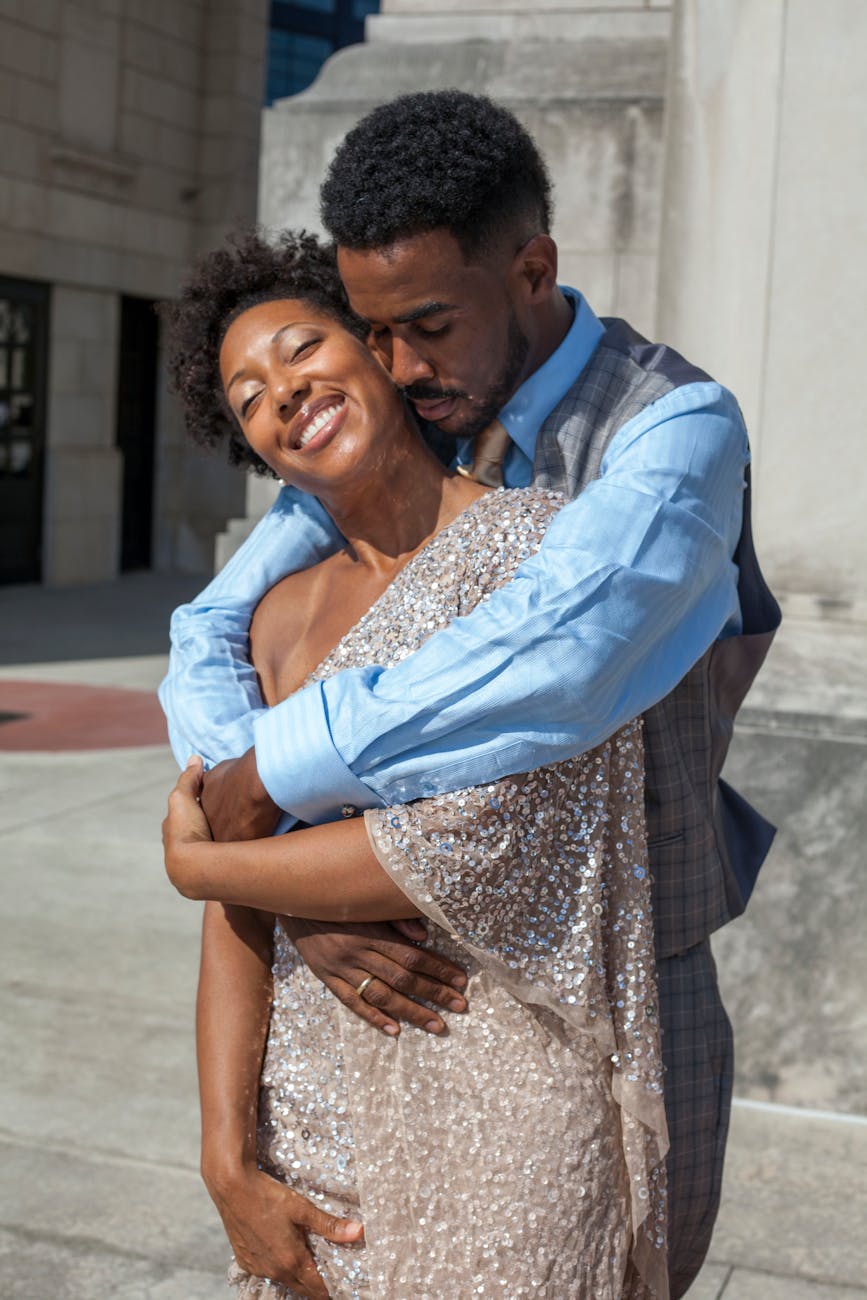
Photo by Jasmine Carter on Pexels.com

Marriage is one of the most serious covenants a believer can enter, and the Word of God warns us to be discerning about who we bind ourselves to in this sacred union. Unlike the shifting trends of culture, biblical marriage is not a temporary arrangement, but a divine covenant designed to reflect Christ’s love for the Church (Ephesians 5:25–27, KJV). When two become one flesh, they are no longer individuals walking separately, but a union meant to endure until death (Genesis 2:24, KJV). For this reason, it is crucial to understand the types of people Scripture and wisdom warn us against marrying.

1. Marrying into Addiction
A spouse bound by addiction—whether drugs, alcohol, gambling, or other destructive habits—cannot fully devote themselves to God or to their partner. Addiction enslaves the body and spirit, clouding judgment and tearing families apart. Proverbs 20:1 (KJV) declares, “Wine is a mocker, strong drink is raging: and whosoever is deceived thereby is not wise.” Psychology also confirms that addiction erodes trust, financial stability, and intimacy in marriage, making it a weight too heavy for a covenant to thrive under.

2. Lover of Self (The Narcissist)
Paul warned in 2 Timothy 3:2 (KJV) that in the last days, men shall be “lovers of their own selves, covetous, boasters, proud, blasphemers.” A narcissistic spouse is consumed with self-worship, lacking the humility and empathy necessary for sacrificial love. Psychology identifies narcissism as destructive to marriage because it produces manipulation, lack of accountability, and emotional abuse. True love is selfless, not self-absorbed (1 Corinthians 13:4–5, KJV).

3. The Prideful Person
Pride is the root of rebellion against God. Proverbs 16:18 (KJV) warns, “Pride goeth before destruction, and an haughty spirit before a fall.” A prideful spouse refuses correction, dismisses godly counsel, and places themselves above God’s will. Such a marriage will be built on shaky ground, for pride leaves no room for the humility and submission that marriage requires (Ephesians 5:21, KJV).

4. The Lustful Person
A person who demands sexual intimacy before marriage reveals a heart not surrendered to God. 1 Corinthians 6:18 (KJV) instructs us to “flee fornication,” for sexual sin is a defilement against our own body. If someone cannot honor God and you in purity before marriage, they will likely dishonor the covenant after marriage as well. Psychology also affirms that couples who rush into sexual intimacy before building emotional and spiritual foundations often face higher divorce rates.

5. The Nonbeliever (Unequally Yoked)
Paul is explicit in 2 Corinthians 6:14 (KJV): “Be ye not unequally yoked together with unbelievers.” Marrying someone who does not share your faith will cause division in values, priorities, and spiritual growth. Marriage is difficult enough with unity, but when one spouse walks in light and the other in darkness, conflict is inevitable. The covenant is designed to walk together toward eternity, not to pull one another apart.

6. The Spiritually Lukewarm (Double-Minded)
Revelation 3:16 (KJV) warns that the lukewarm will be spewed out of God’s mouth. A spiritually stagnant or double-minded person lacks stability, leaving their spouse vulnerable to discouragement and compromise. James 1:8 (KJV) says, “A double minded man is unstable in all his ways.” Marrying such a person means living with inconsistency, spiritual apathy, and lack of growth.

7. Marriage is a Covenant, Not a Game
Marriage was never meant to be trial and error, nor a disposable arrangement. Malachi 2:16 (KJV) declares that God hates divorce. The modern world may treat relationships as temporary, but in God’s eyes, marriage is binding until death. It is a covenant not only between two individuals but before the Lord Himself.

8. Biblical Examples of Marriage
We see the beauty of covenant in Adam and Eve (Genesis 2:23–24), Isaac and Rebekah (Genesis 24), and Ruth and Boaz (Ruth 4). These unions were marked by divine appointment, faith, and mutual devotion. While not all biblical marriages were perfect, the pattern reveals that God orchestrates marriage for His glory, not for fleeting desires.

9. Two Becoming One Flesh
Genesis 2:24 (KJV) declares, “They shall be one flesh.” This one-flesh covenant is spiritual, physical, and emotional. To enter lightly is to risk not only your future but your eternal walk with God. Marriage binds two souls, joining destinies, families, and legacies.

10. The Warning of Marriage
The warning is clear: who you marry will either draw you closer to God or pull you away from Him. Marriage can be a path to eternal truth or a snare leading to destruction. The wrong spouse can lead to misery, infidelity, and even spiritual death. God is not playing with us when He commands us to be discerning.

Green Flags (Qualities of a Godly Spouse)

  • Loves God above all else (Matthew 22:37, KJV)
  • Walks in humility and is teachable (Philippians 2:3, KJV)
  • Practices self-control and purity (1 Thessalonians 4:3–4, KJV)
  • Consistent in prayer, Word, and worship (Joshua 1:8, KJV)
  • Shows fruit of the Spirit: love, joy, peace, patience, kindness (Galatians 5:22–23, KJV)
  • Willing to sacrifice and serve (Ephesians 5:25, KJV)
  • Listens and communicates with honesty and gentleness (Proverbs 15:1, KJV)
  • Values covenant, not convenience (Malachi 2:14, KJV)

Red Flags (Types You Should Not Marry)

  • Addicted to substances or destructive behaviors (Proverbs 23:20–21, KJV)
  • Self-absorbed, arrogant, or narcissistic (2 Timothy 3:2, KJV)
  • Prideful, refuses correction or accountability (Proverbs 16:18, KJV)
  • Pressures you into sexual sin (1 Corinthians 6:18, KJV)
  • Does not believe in Christ or rejects faith (2 Corinthians 6:14, KJV)
  • Spiritually stagnant, lukewarm, or double-minded (James 1:8, KJV)
  • Dishonest or manipulative (Proverbs 12:22, KJV)
  • Treats marriage as a casual contract instead of a covenant (Matthew 19:6, KJV)

Final Thought:
If the person you’re considering for marriage draws you closer to God, strengthens your walk, and exhibits the fruit of the Spirit, that is a green flag. If they pull you into sin, pride, or spiritual compromise, that is a red flag. Choose wisely, for marriage is a covenant that echoes into eternity.

11. Waiting on the Right One
Psalm 27:14 (KJV) urges us, “Wait on the Lord: be of good courage, and he shall strengthen thine heart: wait, I say, on the Lord.” Waiting does not mean idleness; it means preparation. God’s timing is perfect, and His chosen spouse will align with His will. Rushing ahead only leads to regret.

12. Preparing for Marriage Biblically
Preparation involves prayer, fasting, studying God’s Word, and developing the fruit of the Spirit (Galatians 5:22–23, KJV). A godly spouse is drawn to godly character, not superficial charm. Preparing also means financial stewardship, emotional maturity, and spiritual strength.

13. Psychology on Marriage
Psychological research confirms that stable marriages are built on trust, communication, shared values, and emotional regulation. Couples who invest in personal growth before marriage often experience healthier relationships. This aligns with Scripture, which calls believers to be “transformed by the renewing of your mind” (Romans 12:2, KJV).

14. Marriage as Walking Together Eternally
Marriage is a journey toward eternity with God. Amos 3:3 (KJV) asks, “Can two walk together, except they be agreed?” A spouse is not just a partner for this life but one who influences your eternal direction. Marriage should lead both toward Christ, not away from Him.

15. Walking Not Toward Eternal Hell
If marriage joins you with someone unfaithful to God, you risk walking together toward destruction. 1 Corinthians 15:33 (KJV) warns, “Be not deceived: evil communications corrupt good manners.” Choosing wrongly is not just about emotional pain; it is about eternal consequences.

16. God’s Covenant vs. Emotional Change
Unlike fleeting emotions, God’s covenant endures. Love may feel different in seasons, but covenant keeps the union strong. Emotions may waver, but the vow before God is unbreakable. This is why discernment before marriage is essential.

17. Guarding Your Heart in Courtship
Proverbs 4:23 (KJV) declares, “Keep thy heart with all diligence; for out of it are the issues of life.” Courtship must be intentional, prayerful, and chaste. Guarding your heart prevents premature intimacy, emotional entanglement, and regret.

18. The Role of Counsel
Proverbs 11:14 (KJV) says, “In the multitude of counsellors there is safety.” Seeking wise counsel from godly leaders and elders ensures discernment in marriage choices. Psychology also affirms that mentorship and premarital counseling improve marital success rates.

19. The Blessing of Godly Marriage
When aligned with God’s will, marriage becomes a wellspring of joy, companionship, and sanctification. Ecclesiastes 4:9–10 (KJV) declares, “Two are better than one; because they have a good reward for their labour. For if they fall, the one will lift up his fellow.” This blessing cannot be experienced with the wrong partner.

20. Final Warning
Marriage is not a playground for emotions but a holy covenant. Choose wisely, wait faithfully, and prepare diligently. God is not mocked, and entering marriage lightly can lead to ruin. But when two walk together in eternal truth, marriage becomes a reflection of Christ’s everlasting covenant with His people—a bond unbroken by time, trial, or temptation.

📚 References

American Psychological Association. (2020). Publication manual of the American Psychological Association (7th ed.). APA.

American Psychological Association. (n.d.). Addiction. In APA dictionary of psychology. Retrieved from https://dictionary.apa.org/addiction

American Psychological Association. (n.d.). Narcissistic personality disorder. In APA dictionary of psychology. Retrieved from https://dictionary.apa.org/narcissistic-personality-disorder

Balswick, J. O., & Balswick, J. K. (2014). The family: A Christian perspective on the contemporary home (4th ed.). Baker Academic.

Fowers, B. J., & Olson, D. H. (1992). Four types of premarital couples: An empirical typology based on PREPARE. Journal of Family Psychology, 6(1), 10–21. https://doi.org/10.1037/0893-3200.6.1.10

Stanley, S. M., Rhoades, G. K., & Markman, H. J. (2006). Sliding versus deciding: Inertia and the premarital cohabitation effect. Family Relations, 55(4), 499–509. https://doi.org/10.1111/j.1741-3729.2006.00418.x

Waite, L. J., & Gallagher, M. (2000). The case for marriage: Why married people are happier, healthier, and better off financially. Broadway Books.


📖 Biblical References (KJV)

  • Amos 3:3
  • Ecclesiastes 4:9–10
  • Ephesians 5:21–27
  • Galatians 5:22–23
  • Genesis 2:23–24
  • James 1:8
  • Malachi 2:14–16
  • Matthew 19:6
  • Proverbs 4:23; 11:14; 12:22; 15:1; 16:18; 20:1; 23:20–21
  • Psalm 27:14
  • Revelation 3:16
  • Romans 12:2
  • 1 Corinthians 6:18; 13:4–5; 15:33
  • 2 Corinthians 6:14
  • 2 Timothy 3:2
  • 1 Thessalonians 4:3–4

The Impact of Fatherlessness on Dating

Photo by Barbara Olsen on Pexels.com

Fatherlessness, or the absence of a father figure in a child’s life, has profound implications on emotional development, relationships, and social functioning. For many women, growing up without a consistent paternal presence can shape perceptions of men, trust, and romantic attachment. This phenomenon has been studied extensively in psychology, sociology, and family studies, highlighting the lasting effects on dating patterns and partner selection.

Research shows that fatherless daughters often experience difficulties in establishing secure romantic attachments. Attachment theory suggests that early interactions with caregivers form templates for future relationships. When a father is absent, a daughter may struggle with trust, intimacy, or fear of abandonment in dating (Amato, 2000). This can manifest as either avoidance of emotional closeness or overcompensation in seeking male validation.

Psychologically, fatherlessness can lead to low self-esteem and heightened sensitivity to rejection. Women who grow up without a father figure may internalize feelings of inadequacy or self-doubt, influencing their expectations and tolerance in romantic relationships. This may result in a pattern of selecting partners who are emotionally unavailable, unreliable, or even abusive (Johnson et al., 2017).

Navigating Dating as a Daughter of an Absent Father: Practical Strategies

  1. Recognize the Influence of Father Absence
    Understanding how fatherlessness has shaped your expectations, self-esteem, and relational patterns is the first step. Awareness allows you to identify potential blind spots in dating, such as over-reliance on male validation or fear of abandonment. Journaling or reflecting with a mentor can help clarify these patterns.
  2. Build Self-Worth Independently
    Develop a strong sense of self that is not dependent on male attention. Engage in personal growth, pursue goals, and celebrate accomplishments. Proverbs 31:30 (KJV) reminds us, “Favor is deceitful, and beauty is vain: but a woman that feareth the Lord, she shall be praised.”
  3. Seek Healthy Role Models
    Look to mentors, aunts, older friends, or community leaders who exemplify healthy relationships. Observing positive interactions provides a template for what to expect in a partner and how to navigate dating respectfully and confidently.
  4. Establish Boundaries Early
    Set clear emotional, physical, and relational boundaries with potential partners. Knowing your limits and expectations prevents repeating patterns of dysfunction or tolerating disrespectful behavior.
  5. Identify Red Flags
    Be vigilant about behaviors that signal unreliability, lack of emotional availability, or controlling tendencies. Trust your intuition and past experiences to guide you in recognizing unhealthy dynamics before becoming deeply involved.
  6. Practice Open Communication
    Develop skills to express needs, desires, and concerns clearly. Effective communication fosters transparency and ensures that both partners understand each other’s expectations and values.
  7. Focus on Emotional Intelligence
    Invest in understanding your emotions and those of your partner. Emotional intelligence allows you to navigate conflicts, recognize manipulative behaviors, and maintain a balanced perspective in the relationship.
  8. Engage in Counseling or Support Groups
    Therapy or structured support groups can help address lingering insecurities or trust issues stemming from father absence. Professional guidance equips you with tools to build confidence and resilience in romantic relationships.
  9. Lean on Faith and Spiritual Guidance
    Faith can be a source of clarity and protection. Prayer, scripture study, and spiritual mentorship provide guidance for choosing a partner wisely and trusting God’s timing and plan.
  10. Prioritize Compatibility and Character
    Focus on partners who share your values, demonstrate integrity, and exhibit respect. Compatibility in goals, communication styles, and faith is more predictive of long-term relationship success than superficial traits.

By implementing these strategies, daughters of absent fathers can approach dating with confidence, awareness, and discernment. Understanding the impact of father absence while actively cultivating personal growth and relational skills empowers women to make choices that lead to healthier, fulfilling partnerships.

Social learning also plays a significant role. Daughters often model relational behaviors observed in their household. Without a healthy paternal example, some women may struggle to identify positive male traits or distinguish between supportive and harmful behaviors. This can affect decision-making in dating, including how quickly one commits or the types of men deemed “acceptable” partners.

Fatherlessness may also influence the perception of masculinity. Women who lack a father figure may unconsciously seek men who exhibit strength, protection, or authority to fill the void. However, without a reference for healthy male behavior, these expectations can be unrealistic, leading to conflict or dissatisfaction in relationships (Hofferth, 2003).

Cultural and socioeconomic factors further compound these effects. Communities with high rates of father absence often face additional stressors, such as economic instability, exposure to violence, or limited access to mentorship. These conditions can exacerbate challenges in forming healthy romantic attachments and increase vulnerability to unhealthy dating dynamics.

Faith-based perspectives offer another lens for understanding and addressing these challenges. Biblical principles, such as Proverbs 22:6 (KJV), emphasize the importance of proper upbringing and guidance. Spiritual teachings encourage daughters to seek Godly wisdom in partner selection and to develop self-worth independent of paternal validation, mitigating some negative effects of fatherlessness.

Resilience and self-awareness are key solutions. Women can benefit from counseling, mentorship, and education about healthy relationships. Recognizing patterns shaped by father absence allows for conscious decision-making in dating, setting boundaries, and identifying partners who reflect respect, commitment, and emotional availability.

Communication skills and emotional literacy also help daughters of absent fathers navigate romantic relationships successfully. Learning to articulate needs, manage expectations, and recognize red flags reduces the risk of repeating negative relational patterns. Therapy or support groups focused on fatherless daughters provide structured guidance for these skills.

Ultimately, while fatherlessness can impact dating behavior and relationship choices, awareness, personal growth, and support networks can empower women to cultivate healthy, fulfilling romantic relationships. Addressing these underlying psychological and social dynamics allows daughters of absent fathers to break cycles of relational insecurity and build connections based on trust, mutual respect, and shared values.


References

  • Amato, P. R. (2000). The consequences of divorce for adults and children. Journal of Marriage and Family, 62(4), 1269–1287.
  • Hofferth, S. L. (2003). Race/ethnic differences in father involvement in two-parent families: Culture, context, or economy? Journal of Family Issues, 24(2), 185–216.
  • Johnson, S., Galambos, N., & Krahn, H. (2017). The impact of father absence on daughters’ romantic relationships: A longitudinal study. Journal of Family Psychology, 31(3), 345–356.
  • Lamb, M. E. (2010). The role of the father in child development (5th ed.). Hoboken, NJ: Wiley.
  • Collins, P. H. (2000). Black Feminist Thought: Knowledge, Consciousness, and the Politics of Empowerment. Routledge.

Girl Talk Series: How to know if a Man wants to marry you.

Photo by Tammy Mosley on Pexels.com

Marriage is a sacred covenant designed by God, yet discernment is needed to know whether a man’s intentions are genuine. Many women ask how to recognize if a man truly desires to build a life-long union, or if his actions reveal otherwise. The answer requires examining not just words but consistent patterns of behavior, viewed through both biblical wisdom and psychological insight.


Signs He Wants to Marry You

  1. Provider Mentality
    A man who desires marriage will show signs of being a provider. He invests his resources—time, money, and energy—into building stability for a future family. Scripture teaches that a husband should provide: “But if any provide not for his own, and specially for those of his own house, he hath denied the faith, and is worse than an infidel” (1 Timothy 5:8, KJV). Psychology also affirms that men committed to long-term bonds often demonstrate investment behaviors, such as planning financially and making sacrifices (Stanley, Rhoades, & Markman, 2006).
  2. Generous with Time and Attention
    True commitment is measured by consistency. A man who wants marriage will not only spend money but will also give his time generously, even when inconvenient. Ephesians 5:25 (KJV) instructs: “Husbands, love your wives, even as Christ also loved the church, and gave himself for it.” Sacrificial love is reflected in showing up, listening attentively, and prioritizing the relationship.
  3. Future-Oriented Conversations
    A man serious about marriage will talk openly about the future: where to live, career plans, family values, and children. Psychologists note that future talk is a reliable predictor of long-term intentions because it reveals commitment scripts (Surra & Hughes, 1997). For example, a man saying, “When we buy a house…” or “When we raise our children…” signals long-range thinking, not temporary companionship.
  4. Involvement in Family and Community
    When a man wants marriage, he seeks integration with a woman’s family and community. He introduces her to his loved ones and desires mutual approval. In biblical times, marriage was not only between two individuals but between families (Genesis 24 shows Abraham ensuring Isaac’s marriage aligned with family covenant). A man who hides his partner or resists community involvement likely does not intend to marry.

What Are Not the Signs?

  1. Empty Words Without Action
    A man may say he wants marriage but fails to show evidence. Psychology calls this inconsistency between verbal commitment and behavioral investment. James 2:17 (KJV) reminds us that faith without works is dead; likewise, promises without action reveal empty intent.
  2. Generosity with Money but Not Time
    Some men may spend lavishly but withhold their presence. This signals performance rather than commitment. A true future husband balances resources and emotional presence.
  3. Avoidance of Long-Term Planning
    If a man changes the subject when marriage or family comes up, or insists on “just seeing where things go,” it suggests he does not see marriage as a priority.
  4. Secretive or Isolating Behavior
    A man who never introduces you to family, avoids accountability, or keeps you separate from his daily life is not preparing for marriage. The Bible says: “He that walketh uprightly walketh surely: but he that perverteth his ways shall be known” (Proverbs 10:9, KJV). Secrecy is not the foundation of covenant.

Example of True vs. False Signs

  • True Sign: A man works two jobs, saves for a home, and includes his fiancée in budgeting decisions. His actions show long-term stability.
  • False Sign: A man buys expensive gifts but avoids talking about shared finances, children, or spiritual life. His gestures flatter, but they do not root the relationship in reality.

Checklist: Signs a Man Wants to Marry You

True Signs (He’s Serious About Marriage)

  • 📖 Provider mentality – Invests in stability, works hard, manages money responsibly (1 Timothy 5:8).
  • Gives consistent time & attention – Shows up, listens, sacrifices convenience (Ephesians 5:25).
  • 🏡 Future-oriented talk – Discusses marriage, home, children, long-term plans.
  • 👨‍👩‍👧 Family & community involvement – Introduces you to loved ones, seeks approval and integration (Genesis 24).
  • 🤝 Consistency between words & actions – Promises backed by proof (James 2:17).
  • 📅 Planning mindset – Works toward shared goals and stability.

False Signs (He’s Not Serious)

  • Empty promises – Says he wants marriage but avoids action.
  • Generous with money, stingy with time – Buys gifts but withholds presence.
  • Avoids long-term planning – Refuses to discuss future or children.
  • Secretive lifestyle – Doesn’t introduce you to family, keeps you hidden (Proverbs 10:9).
  • Inconsistent behavior – Hot and cold interest depending on convenience.

Quick Biblical Reminder

  • A true husband provides (1 Timothy 5:8), sacrifices (Ephesians 5:25), and builds with wisdom (Proverbs 24:3).
  • A false husband flatters with gifts but lacks the fruit of commitment (Matthew 7:16 – “Ye shall know them by their fruits”).

Conclusion

Knowing if a man wants to marry you requires looking beyond flattering words and occasional gifts. True signs include provider instincts, consistency of time and attention, future-oriented conversations, and openness with family and community. False signs include avoidance of responsibility, secrecy, or generosity without substance. Scripture and psychology both affirm that love is not mere emotion but investment, sacrifice, and action. As Proverbs 24:3 (KJV) teaches: “Through wisdom is an house builded; and by understanding it is established.” A man who truly seeks marriage will show wisdom, responsibility, and commitment to building a lasting covenant.


References

  • Stanley, S. M., Rhoades, G. K., & Markman, H. J. (2006). Sliding vs. deciding: Inertia and the premarital cohabitation effect. Family Relations, 55(4), 499–509.
  • Surra, C. A., & Hughes, D. K. (1997). Commitment processes in accounts of the development of premarital relationships. Journal of Marriage and the Family, 59(1), 5–21.
  • The Holy Bible, King James Version.

When Love Looks Different: Brown Girls and Men’s Standards. #thebrowngirldilemma

Photo by Diovana Pereira on Pexels.com

Love is often defined through cultural scripts, expectations, and standards—standards that rarely emerge in a vacuum. For Brown girls, these standards of love are shaped not only by individual men but also by legacies of racism, sexism, and colorism that have long dictated who is worthy of affection and how love should be expressed. When men’s standards collide with the lived realities of Brown girls, love can look very different—sometimes distorted by bias, sometimes strengthened by resilience.

Historically, the beauty and worth of Black and Brown women have been measured against Eurocentric ideals. Slavery and colonialism positioned lighter skin, straighter hair, and softer features as more “desirable,” leaving darker-skinned women devalued within both White and Black communities. These standards infiltrated love and partnership, creating hierarchies where Brown girls were too often overlooked or asked to compromise their selfhood to fit narrow molds of desirability. Thus, love for them has often come with an unspoken weight: proving they are “enough” in a world that tells them otherwise.

The Bible speaks against such partiality. James 2:9 (KJV) declares, “But if ye have respect to persons, ye commit sin, and are convinced of the law as transgressors.” Men’s standards that elevate some women while diminishing others based on skin tone or appearance reflect a bias that Scripture identifies as sinful. True love, biblically, is not bound by superficial preferences but by covenantal commitment, sacrifice, and respect (1 Corinthians 13:4–7). For Brown girls, this distinction is crucial: love must be measured not by societal validation but by the character and integrity of the one offering it.

Psychologically, the weight of biased standards creates what researchers call “internalized colorism.” Many Brown girls internalize messages that they are less attractive or less marriageable, leading to lower self-esteem and difficulties in relationships (Hunter, 2007). These psychological scars often surface when men, influenced by these same standards, express preference for lighter skin or Eurocentric beauty features. In such cases, Brown girls are not only navigating romantic rejection but also confronting centuries of systemic devaluation packaged as “personal preference.”

Yet, despite these wounds, Brown girls continue to redefine love on their own terms. Many resist the pressure to conform to men’s biased standards, instead embracing natural hair, deep skin tones, and cultural pride. In doing so, they model resilience and challenge the very hierarchies that once excluded them. Psychology affirms that this kind of self-acceptance can strengthen resilience and foster healthier relationships, since individuals with higher self-regard are less likely to settle for unhealthy or one-sided partnerships (Neff, 2011).

At the same time, some men are unlearning inherited biases and embracing broader, healthier definitions of love. They are recognizing that true beauty lies in authenticity, that a partner’s value is not determined by external standards but by inner strength, faith, and shared vision. When men remove the filter of bias, love between Brown girls and men becomes transformative, rooted not in the shadows of prejudice but in mutual respect and care.

For families and communities, the challenge lies in teaching young men and women to reject harmful standards and to build relationships grounded in God’s word rather than cultural distortions. Romans 12:2 (KJV) calls believers to resist conformity to worldly patterns and to be transformed by the renewing of the mind. When applied to love, this means rethinking how attraction, standards, and commitment are shaped—not by superficiality but by the spiritual and psychological health of both partners.

Ultimately, when love looks different for Brown girls, it is not a reflection of their lack but of the brokenness of societal standards. By unmasking the biases that shape men’s standards, embracing God’s vision for love, and practicing psychological resilience, Brown girls can step into relationships that affirm their worth rather than question it. In doing so, they not only heal personal wounds but also dismantle generational lies about who is worthy of love.


References

  • The Holy Bible, King James Version.
  • Hunter, M. (2007). The persistent problem of colorism: Skin tone, status, and inequality. Sociology Compass, 1(1), 237–254.
  • Neff, K. D. (2011). Self-compassion: The proven power of being kind to yourself. HarperCollins.

Black Men, Black Women, and the Silent Wars of Love. #thebrowngirldilemma

Photo by Kalzud83dudcf8ud83cuddfaud83cuddec Michael on Pexels.com

Love between Black men and Black women has always existed within a context of both beauty and battle. The bonds of affection, intimacy, and shared struggle are often tested by external forces—racism, economic inequality, systemic injustice—and internal wounds that have been passed down through generations. What often results are silent wars: unspoken conflicts, misunderstandings, and resentments that simmer beneath the surface of Black love. These struggles are not always visible, but they shape how Black men and women relate to one another in family, community, and society.

Historically, the system of slavery fractured Black families and redefined love under oppression. Enslaved men were stripped of their authority as protectors and providers, while women were forced into roles of survival, often enduring sexual violence at the hands of slaveholders. This history planted seeds of mistrust and imbalance, where love was shadowed by trauma. Even after emancipation, Jim Crow laws, mass incarceration, and economic discrimination continued to challenge Black relationships, creating conditions where survival often outweighed romance.

The Bible acknowledges both the trials of love and the call to unity. “Two are better than one; because they have a good reward for their labour. For if they fall, the one will lift up his fellow” (Ecclesiastes 4:9–10, KJV). God designed relationships as a place of healing and strength. Yet, when systemic oppression and internalized pain intrude, couples may find themselves at odds, not against each other by choice, but against the lingering shadows of history. The silent wars of love emerge when healing is postponed, and unspoken pain replaces honest conversation.

From a psychological perspective, these conflicts often stem from unaddressed trauma and gender expectations. Black men, conditioned by society to suppress vulnerability, may struggle to express affection or emotional needs. Black women, who have historically carried the role of both nurturer and fighter, may feel unsupported or unheard. These tensions can manifest as power struggles, mistrust, or withdrawal in relationships (Wingfield, 2009). When silence replaces dialogue, resentment builds, and what should be a partnership becomes a battlefield without words.

Examples of these silent wars are seen in family structures, where fathers may withdraw due to financial pressure or incarceration, and mothers overcompensate with strength that society praises but secretly drains them. In dating and marriage, silent wars appear as financial disagreements, unmet expectations of loyalty, or struggles over gender roles. At times, these conflicts are not openly acknowledged because of pride, cultural norms, or the fear of reinforcing negative stereotypes about Black love. Yet the silence itself becomes destructive.

Healing these silent wars requires both spiritual and psychological intervention. Biblically, couples are reminded to “submit yourselves one to another in the fear of God” (Ephesians 5:21, KJV). Mutual respect, sacrificial love, and communication are antidotes to division. Psychologists emphasize the importance of vulnerability, emotional literacy, and therapy in helping couples dismantle cycles of trauma (hooks, 2000). When silence is broken by truth and empathy, love is no longer a battlefield but a sanctuary.

Despite the challenges, Black men and women continue to create powerful legacies of love that endure. From the marriages of activists like Coretta Scott King and Martin Luther King Jr. to everyday couples who build families and businesses together, the strength of Black love is undeniable. It resists division, heals wounds, and becomes a model of resilience. Though silent wars exist, they are not the end of the story—they are opportunities for transformation, where honesty, faith, and commitment can restore unity.

Ultimately, the story of Black men and Black women in love is a story of survival and hope. The silent wars may wound, but they also reveal the depth of what is at stake. When love is nurtured with forgiveness, communication, and faith, it becomes a revolutionary act. Against the weight of history and the challenges of the present, Black love remains both a refuge and a rebellion—a declaration that despite the wars, love still wins.


References

  • The Holy Bible, King James Version.
  • hooks, b. (2000). All about love: New visions. HarperCollins.
  • Wingfield, A. H. (2009). Racializing the glass escalator: Reconsidering men’s experiences with women’s work. Gender & Society, 23(1), 5–26.

Between Loyalty and Liberation: Family Ties in the Brown Girl Journey.

Photo by August de Richelieu on Pexels.com

For many Brown girls, family is both a source of strength and a site of struggle. The tension between loyalty to one’s family and the yearning for liberation defines much of the Brown girl’s journey. Loyalty demands respect for elders, preservation of tradition, and protection of family reputation. Liberation, however, calls for self-discovery, freedom from oppressive patterns, and the courage to break generational cycles. This tension, while deeply personal, is also cultural and historical, rooted in centuries of survival strategies passed down in Brown families.

From a psychological perspective, this conflict can be understood through family systems theory, which explains how family dynamics shape individual behavior (Bowen, 1978). A Brown girl raised in a home where obedience is highly valued may internalize guilt when seeking independence, even in healthy forms. She may fear that pursuing her own path—whether in education, relationships, or faith—signals betrayal of her family. Such dynamics often leave her torn between self-sacrifice and self-fulfillment, making the process of individuation more emotionally taxing than for those not burdened with cultural and historical trauma.

Biblically, this struggle is not unfamiliar. Jesus Himself acknowledged the cost of discipleship in relation to family loyalty: “He that loveth father or mother more than me is not worthy of me” (Matthew 10:37, KJV). This verse illustrates that ultimate allegiance belongs to God, not human bonds. Yet the Bible also commands honor for parents (Exodus 20:12). Thus, the Brown girl’s journey reflects a spiritual paradox: to be loyal without being bound, to honor without being hindered, and to love family while still prioritizing her divine calling.

In many Brown families, loyalty is often intertwined with silence. Children are taught to “protect the family” by not disclosing internal struggles, even when facing abuse, dysfunction, or generational cycles of pain. Psychology labels this as enmeshment, where boundaries between individuals are blurred and family identity overshadows personal identity (Minuchin, 1974). While intended to preserve unity, enmeshment stifles growth and can prevent healing. For the Brown girl, liberation means learning to break silence without dishonor—naming pain, seeking help, and choosing transparency as a form of truth-telling.

This struggle is compounded by cultural expectations. Brown daughters are often expected to carry more responsibility, from caring for younger siblings to supporting aging parents. Such roles, while noble, can breed resentment when they eclipse personal aspirations. Many Brown girls internalize the belief that self-care is selfish, a mindset reinforced by intergenerational survival narratives. Yet psychology affirms that self-care is essential for breaking cycles of burnout and dysfunction. Scripture echoes this principle: “Love thy neighbour as thyself” (Mark 12:31, KJV). Self-love is not rebellion but a biblical requirement.

At the same time, loyalty is not without its power. Family ties have historically been a foundation of resilience for Brown communities. Enslaved and oppressed people relied on kinship bonds for survival, protection, and cultural preservation. Grandmothers passing down oral traditions, fathers mentoring sons and daughters, and siblings sharing burdens demonstrate the strength found in loyalty. The challenge, however, lies in ensuring that this loyalty nurtures rather than confines, liberates rather than imprisons.

Breaking free from destructive family patterns does not mean abandoning family. Instead, it means redefining loyalty in a way that honors both heritage and healing. Psychology emphasizes the importance of differentiation—the ability to maintain connection while asserting individuality (Bowen, 1978). Spiritually, liberation is found in Christ, who came “to set at liberty them that are bruised” (Luke 4:18, KJV). For the Brown girl, this liberation is not merely personal but generational, creating new legacies of wholeness.

Ultimately, the Brown girl journey between loyalty and liberation is a sacred balancing act. It requires courage to resist unhealthy cycles while still cherishing family bonds. It demands wisdom to know when silence protects and when it harms. And it calls for faith to believe that loyalty to God first will enable her to walk in true liberation. By holding both loyalty and liberation together, the Brown girl creates a testimony of resilience, honoring her roots while spreading her wings.


References

  • Bowen, M. (1978). Family therapy in clinical practice. Jason Aronson.
  • Minuchin, S. (1974). Families and family therapy. Harvard University Press.
  • The Holy Bible, King James Version.

Signs of Online Dating Scams

Photo by Artem Podrez on Pexels.com

In today’s digital age, online dating has opened new opportunities for connection but also increased the risk of deception. Online dating scams occur when individuals pretend to seek love or friendship while actually aiming to exploit others financially or emotionally. These scams often prey on trust, loneliness, and the desire for companionship, making it essential to recognize their warning signs.

One major sign of an online dating scam is excessive flattery and rushed intimacy. Scammers often shower targets with compliments and declarations of love early in the interaction. This tactic, known in psychology as love bombing, is designed to lower defenses and create emotional dependency (Hernandez, 2019). The Bible warns against smooth words and false promises: “For they that are such serve not our Lord Jesus Christ, but their own belly; and by good words and fair speeches deceive the hearts of the simple” (Romans 16:18, KJV).

Another red flag is avoidance of in-person meetings or video calls. Scammers typically make excuses for why they cannot meet face-to-face, citing work, distance, or emergencies. Psychologically, this taps into cognitive dissonance—the victim continues to believe the scammer’s story because they have already invested emotionally. Scripture reminds believers to test what is true: “Beloved, believe not every spirit, but try the spirits whether they are of God” (1 John 4:1, KJV). In the same way, one must test the authenticity of online relationships.

Financial requests are perhaps the clearest sign of a scam. These may come in the form of sudden medical emergencies, travel expenses, or investments. Research shows that scammers use emotional manipulation to override logical thinking, often inducing guilt or urgency (Button et al., 2014). The Bible gives wisdom in Proverbs 14:15 (KJV): “The simple believeth every word: but the prudent man looketh well to his going.” Prudence requires caution, especially with money matters.

Another psychological sign is isolation tactics. Scammers often discourage their targets from confiding in friends or family about the relationship, fearing outside voices will expose their lies. This mirrors abusive relationship patterns where isolation strengthens control. The Bible cautions against secrecy and deception, affirming instead: “He that walketh uprightly walketh surely: but he that perverteth his ways shall be known” (Proverbs 10:9, KJV).

Victims of online dating scams often experience deep emotional harm, shame, and financial loss. Psychologists note that scammers exploit attachment needs and create illusions of future togetherness to maintain control (Rege, 2009). Recovery requires not only financial awareness but also emotional healing, supported by community and faith. Believers are encouraged to lean on God for discernment and restoration: “If any of you lack wisdom, let him ask of God, that giveth to all men liberally” (James 1:5, KJV).

🛑 Checklist: Signs of Online Dating Scams

1. Too Much, Too Fast

  • They declare love or deep affection very quickly.
  • They overwhelm you with compliments and promises.
  • Psychology: “Love bombing” creates emotional dependency.
  • Bible: “For they that are such… by good words and fair speeches deceive the hearts of the simple.” (Romans 16:18, KJV)

2. Avoids Face-to-Face Proof

  • They refuse video calls, send old or stolen photos, or make excuses not to meet.
  • Psychology: This fuels cognitive dissonance—you trust them despite missing evidence.
  • Bible: “Beloved, believe not every spirit, but try the spirits whether they are of God.” (1 John 4:1, KJV)

3. Financial Requests

  • They ask for money for “emergencies,” travel, business, or medical needs.
  • They often create urgency (“I need it now!”).
  • Psychology: Exploits guilt and compassion.
  • Bible: “The simple believeth every word: but the prudent man looketh well to his going.” (Proverbs 14:15, KJV)

4. Isolation from Family & Friends

  • They tell you to keep your relationship a secret.
  • They discourage you from asking others’ opinions.
  • Psychology: A common manipulation tactic to prevent exposure.
  • Bible: “He that walketh uprightly walketh surely: but he that perverteth his ways shall be known.” (Proverbs 10:9, KJV)

5. Inconsistent Stories

  • Their background doesn’t add up (job, family, travel, etc.).
  • They may avoid direct answers or change details often.
  • Psychology: Lying under pressure reveals deception.
  • Bible: “Lying lips are abomination to the Lord: but they that deal truly are his delight.” (Proverbs 12:22, KJV)

6. Too Good to Be True

  • They appear “perfect”—handsome/beautiful, successful, but “just can’t find love.”
  • Psychology: Scammers create ideal personas to trap victims.
  • Bible: “Satan himself is transformed into an angel of light.” (2 Corinthians 11:14, KJV)

Practical Step: If you notice 2 or more of these signs, pause the relationship, verify their identity, and seek counsel from trusted friends, family, or your faith community before moving forward.

In conclusion, online dating scams thrive on emotional manipulation, secrecy, and exploitation. The signs include rushed intimacy, avoidance of real contact, financial requests, and isolation tactics. Both psychology and scripture emphasize discernment, prudence, and testing of motives. By applying biblical wisdom and psychological awareness, individuals can protect themselves from deception and pursue relationships grounded in truth and sincerity.


References

  • Button, M., Nicholls, C. M., Kerr, J., & Owen, R. (2014). Online frauds: Learning from victims why they fall for scams. Journal of Criminology, 2014, 1–10.
  • Hernandez, E. (2019). Love bombing: The psychology of manipulation in relationships. Journal of Social Psychology, 159(6), 768–782.
  • Rege, A. (2009). What’s love got to do with it? Exploring online dating scams and identity fraud. International Journal of Cyber Criminology, 3(2), 494–512.
  • The Holy Bible, King James Version.

Things You Never Do for a Narcissist

Photo by thorl5 on Pexels.com

Narcissism is one of the most damaging personality traits a person can encounter, both in personal relationships and in spiritual life. Psychology defines narcissism as an inflated sense of self-importance and a deep need for admiration, often accompanied by a lack of empathy (APA, 2013). The Bible, however, warns of the same spirit long before psychology named it: “For men shall be lovers of their own selves, covetous, boasters, proud…” (2 Timothy 3:2, KJV). This essay will explore what narcissism is, the types identified by psychology, biblical parallels, and why boundaries are essential when dealing with narcissistic individuals.


What is Narcissism?

Narcissism originates from the Greek myth of Narcissus, who became so obsessed with his reflection that he wasted away by the water’s edge. Psychologically, this reflects an excessive preoccupation with the self. Spiritually, it represents pride, vanity, and rebellion against humility. The Bible speaks clearly: “God resisteth the proud, but giveth grace unto the humble” (James 4:6, KJV).

Modern psychology considers narcissism to exist on a spectrum, from healthy self-esteem to pathological narcissism. While a measure of self-confidence is necessary for functioning, narcissistic personality disorder (NPD) is destructive, leaving behind broken relationships, emotional abuse, and cycles of manipulation (Campbell & Miller, 2011).


Types of Narcissism

  1. Grandiose (Overt) Narcissism
    • Traits: arrogance, entitlement, exploitation of others, constant demand for admiration.
    • Biblical example: King Nebuchadnezzar, who exalted himself until God humbled him (Daniel 4:30-33).
    • Scripture: “Pride goeth before destruction, and an haughty spirit before a fall” (Proverbs 16:18, KJV).
  2. Vulnerable (Covert) Narcissism
    • Traits: insecurity, hypersensitivity, passive-aggression, resentment when unrecognized.
    • Biblical example: King Saul, whose insecurity about David’s success drove him to jealousy and rage (1 Samuel 18:8-9).
    • Scripture: “Wrath is cruel, and anger is outrageous; but who is able to stand before envy?” (Proverbs 27:4, KJV).
  3. Malignant Narcissism
    • Traits: a combination of narcissism, antisocial behavior, aggression, and paranoia; often destructive without remorse.
    • Biblical example: Herod the Great, who killed even his own family to maintain power (Matthew 2:16).
    • Scripture: “The heart is deceitful above all things, and desperately wicked: who can know it?” (Jeremiah 17:9, KJV).
  4. Communal Narcissism
    • Traits: portraying oneself as moral, spiritual, or selfless for admiration, while lacking genuine humility.
    • Biblical example: The Pharisees, who performed good deeds publicly to be praised rather than to serve God (Matthew 23:5).
    • Scripture: “Woe unto you… for ye are like unto whited sepulchres, which indeed appear beautiful outward, but are within full of dead men’s bones” (Matthew 23:27, KJV).

Things You Never Do for a Narcissist

Dealing with narcissists requires wisdom, boundaries, and discernment. Both psychology and scripture caution against enabling their behavior.

  • Never sacrifice your identity for their approval.
    • Narcissists often erode self-worth. Yet the Bible reminds us: “I will praise thee; for I am fearfully and wonderfully made” (Psalm 139:14, KJV).
  • Never excuse or enable their sin.
    • Justifying manipulation keeps the cycle alive. Proverbs 17:15 says: “He that justifieth the wicked, and he that condemneth the just, even they both are abomination to the Lord.”
  • Never place them above God.
    • Idolatry of people is dangerous, especially when they demand devotion. Exodus 20:3 declares: “Thou shalt have no other gods before me.”
  • Never expect reciprocity.
    • Narcissists give conditionally, always expecting return. Jesus, however, taught sacrificial love: “It is more blessed to give than to receive” (Acts 20:35, KJV).
  • Never remain in bondage to their control.
    • Psychology calls this “narcissistic abuse syndrome,” where victims internalize blame and fear. The Bible affirms liberty: “Stand fast therefore in the liberty wherewith Christ hath made us free” (Galatians 5:1, KJV).

Psychology and Scripture in Agreement

While psychology explains narcissism as a personality disorder rooted in insecurity and developmental wounds, the Bible diagnoses it as pride and rebellion against God. Both perspectives converge on the same truth: unchecked narcissism destroys relationships, exploits the vulnerable, and leads to personal downfall.


Top 10 Things You Never Do for a Narcissist

1. Never Sacrifice Your Identity to Please Them

  • Narcissists will try to reshape you into what benefits them.
  • Scripture: “Be not conformed to this world: but be ye transformed by the renewing of your mind” (Romans 12:2, KJV).
  • Psychology Insight: Maintaining your authentic self is key to resisting narcissistic control.

2. Never Excuse or Justify Their Sinful Behavior

  • They will rationalize manipulation, lying, or arrogance. Don’t become their enabler.
  • Scripture: “He that justifieth the wicked… even they both are abomination to the Lord” (Proverbs 17:15, KJV).
  • Psychology Insight: Excusing abuse creates a cycle of reinforcement and deepens narcissistic traits.

3. Never Expect Empathy or Reciprocity

  • Narcissists struggle to give genuine compassion.
  • Scripture: “The merciful man doeth good to his own soul: but he that is cruel troubleth his own flesh” (Proverbs 11:17, KJV).
  • Psychology Insight: Expecting reciprocity sets you up for disappointment and further emotional harm.

4. Never Place Them Above God

  • Their need for worship can turn into idolatry.
  • Scripture: “Thou shalt have no other gods before me” (Exodus 20:3, KJV).
  • Psychology Insight: Elevating someone unhealthy above your faith and values creates spiritual and emotional bondage.

5. Never Believe Their False Narratives About You

  • Narcissists project their flaws onto others through gaslighting.
  • Scripture: “Ye shall know the truth, and the truth shall make you free” (John 8:32, KJV).
  • Psychology Insight: Recognize projection for what it is—self-defense mechanisms, not truth.

6. Never Stay Silent About Abuse

  • Silence only empowers control.
  • Scripture: “Open thy mouth for the dumb in the cause of all such as are appointed to destruction” (Proverbs 31:8, KJV).
  • Psychology Insight: Speaking up and seeking support are vital steps in breaking free from narcissistic abuse.

7. Never Rely on Them for Validation

  • They withhold affirmation to control your self-worth.
  • Scripture: “I will praise thee; for I am fearfully and wonderfully made” (Psalm 139:14, KJV).
  • Psychology Insight: Build self-esteem through healthy relationships and inner healing, not their approval.

8. Never Think You Can Change Them

  • Many hope love or patience will transform a narcissist.
  • Scripture: “Can the Ethiopian change his skin, or the leopard his spots? then may ye also do good, that are accustomed to do evil” (Jeremiah 13:23, KJV).
  • Psychology Insight: True change requires deep self-awareness and therapy—something narcissists rarely pursue.

9. Never Stay in Constant Conflict

  • Narcissists thrive on drama and control through chaos.
  • Scripture: “It is an honour for a man to cease from strife: but every fool will be meddling” (Proverbs 20:3, KJV).
  • Psychology Insight: Refusing to engage in endless arguments protects your peace and mental health.

10. Never Forget to Guard Your Soul and Boundaries

  • Boundaries are not selfish; they are protective.
  • Scripture: “Keep thy heart with all diligence; for out of it are the issues of life” (Proverbs 4:23, KJV).
  • Psychology Insight: Boundaries prevent exploitation and create space for healing and freedom.

Summary: Both psychology and the Bible agree—narcissists thrive on control, manipulation, and pride. Your job is to safeguard your identity, maintain boundaries, and place God above all human relationships.

Conclusion

To deal with narcissists wisely, one must neither enable nor idolize them. Instead, the believer is called to humility, discernment, and boundary-setting. Psychology provides strategies for self-protection, while the Bible provides the spiritual foundation to resist manipulation. Ultimately, healing comes through recognizing one’s identity in Christ and refusing to be enslaved by the destructive patterns of narcissistic people.


References

  • American Psychiatric Association. (2013). Diagnostic and statistical manual of mental disorders (5th ed.). Washington, DC: Author.
  • Campbell, W. K., & Miller, J. D. (2011). The handbook of narcissism and narcissistic personality disorder: Theoretical approaches, empirical findings, and treatments. Hoboken, NJ: Wiley.
  • Holy Bible, King James Version.

The Psychology of Human Attraction

Understanding Biblical Insight and Psychological Theories

Photo by Dellon Thomas on Pexels.com

Human attraction is one of the most complex dynamics of social life. It extends beyond physical appearance, involving biological, psychological, and spiritual dimensions. The Bible acknowledges attraction as a natural part of human relationships, yet emphasizes that it should be guided by divine principles. “Favour is deceitful, and beauty is vain: but a woman that feareth the LORD, she shall be praised” (Proverbs 31:30, KJV). Psychology, meanwhile, investigates attraction through theories of attachment, evolutionary biology, and social cognition, seeking to explain why people are drawn to one another.

One of the primary drivers of attraction is physical appearance, which has roots in both biology and culture. Evolutionary psychologists argue that features such as facial symmetry, clear skin, and body proportions are often unconsciously associated with health and fertility (Rhodes, 2006). However, Scripture warns that outward beauty alone is insufficient; it is the hidden qualities of character and spirit that sustain meaningful bonds (1 Peter 3:3–4, KJV). This balance between surface appeal and deeper substance reveals how attraction is both instinctive and moral.

Another factor is similarity and shared values. Psychology’s similarity-attraction paradigm suggests people are drawn to those with common beliefs, interests, or cultural backgrounds because these similarities reduce conflict and affirm identity (Byrne, 1971). Biblically, Amos 3:3 (KJV) reinforces this principle: “Can two walk together, except they be agreed?” Attraction rooted in shared values fosters stability, mutual respect, and spiritual harmony, making relationships more resilient.

Emotional connection and attachment styles also shape attraction. According to attachment theory (Bowlby, 1988), individuals with secure attachment styles tend to form healthier bonds, while those with insecure attachments may seek relationships that mirror unresolved childhood experiences. From a spiritual perspective, love should be rooted in selflessness and divine order: “Charity suffereth long, and is kind… seeketh not her own” (1 Corinthians 13:4–5, KJV). Thus, emotional attraction goes beyond chemistry—it is linked to healing, trust, and godly love.

Attraction is further influenced by reciprocity and availability. Psychologists note that people are more likely to be drawn to those who express mutual interest and make themselves emotionally available (Aron et al., 1997). This dynamic reflects biblical principles of mutual honor and affection: “Be kindly affectioned one to another with brotherly love; in honour preferring one another” (Romans 12:10, KJV). Relationships thrive when both parties show intentional care and openness.

7 Key Factors in the Psychology of Human Attraction

With KJV Bible + Psychology Insights

  1. Physical Appearance (First Impressions)
    • Psychology: Symmetry, grooming, and health signal vitality (Rhodes, 2006).
    • 1 Samuel 16:7 (KJV): “Man looketh on the outward appearance, but the LORD looketh on the heart.”
  2. Similarity and Shared Values
    • Psychology: People prefer partners with common beliefs and lifestyles (Byrne, 1971).
    • Amos 3:3 (KJV): “Can two walk together, except they be agreed?”
  3. Emotional Connection
    • Psychology: Attachment theory shows secure bonds build trust (Bowlby, 1988).
    • 1 Corinthians 13:4–5 (KJV): Love is patient, kind, and not self-seeking.
  4. Reciprocity (Mutual Interest)
    • Psychology: We are drawn to those who show interest in us (Aron et al., 1997).
    • Romans 12:10 (KJV): “Be kindly affectioned one to another… in honour preferring one another.”
  5. Proximity and Time Spent Together
    • Psychology: The “mere exposure effect” increases attraction with familiarity.
    • Ruth 2:10–12 (KJV): Ruth’s closeness to Boaz created favor and recognition.
  6. Emotional Availability and Support
    • Psychology: People value partners who provide safety and encouragement.
    • Ecclesiastes 4:9–10 (KJV): Two are better than one, for they lift each other up.
  7. Spiritual and Moral Character
    • Psychology: Inner qualities sustain long-term attraction beyond appearance.
    • Proverbs 31:30 (KJV): “Favour is deceitful, and beauty is vain: but a woman that feareth the LORD, she shall be praised.”

In conclusion, the psychology of human attraction reveals a profound interplay between biology, mind, and spirit. While science emphasizes appearance, similarity, and attachment, Scripture elevates attraction beyond instinct to covenantal love grounded in God’s design. Ultimately, the most enduring form of attraction is not fleeting physical beauty but the spiritual, emotional, and moral bonds that reflect God’s love. As Proverbs reminds us, true attraction rests in the fear of the Lord, which sustains love when surface qualities fade.


📚 References

  • The Holy Bible, King James Version.
  • Aron, A., Aron, E. N., & Smollan, D. (1997). Inclusion of Other in the Self Scale and the structure of interpersonal closeness. Journal of Personality and Social Psychology, 63(4), 596–612.
  • Bowlby, J. (1988). A secure base: Parent-child attachment and healthy human development. Basic Books.
  • Byrne, D. (1971). The Attraction Paradigm. Academic Press.
  • Rhodes, G. (2006). The evolutionary psychology of facial beauty. Annual Review of Psychology, 57, 199–226.

Bridging the Divide: Rebuilding Appreciation Between Black Men and Black Women

Photo by Zexy Zw.com on Pexels.com

The relationship between Black men and Black women is historically complex, shaped by centuries of systemic oppression, cultural evolution, and personal experiences. At its best, it is a partnership rooted in shared struggle, resilience, and cultural pride. At its worst, it is marred by misunderstanding, mistrust, and internalized stereotypes. Addressing this dynamic requires honesty about desires, challenges, and the spiritual foundation of mutual respect.


Do Black Men Feel Appreciated by Black Women—and Vice Versa?

Appreciation is often mutual but not always equally expressed. Many Black men report feeling valued for their strength, protection, and leadership, yet some also express frustration at being misunderstood or overly criticized. Likewise, Black women often feel celebrated for their resilience and beauty, but also burdened by societal expectations to be endlessly strong. According to psychologist Dr. Joy DeGruy (2005), the lingering effects of slavery and Jim Crow created fractured gender dynamics within the Black community, making full appreciation more difficult to maintain.


What Black Men Want from Black Women

Studies suggest that Black men often value loyalty, respect, emotional support, physical attraction, and shared cultural understanding (Pew Research Center, 2019). Many emphasize the need for a partner who believes in their vision and offers encouragement during life’s challenges. Spiritually, Proverbs 31 paints the image of a virtuous woman whose strength, wisdom, and kindness are deeply respected.


What Black Women Want from Black Men

Black women frequently prioritize protection, emotional intimacy, faithfulness, ambition, and the ability to lead with humility. They also value vulnerability—a man willing to communicate and share his inner struggles rather than hiding them. The Song of Solomon illustrates a loving relationship where both partners delight in and honor one another without power struggles or mistrust.


Traits Black Men Look for in a Mate

  1. Kindness and compassion
  2. Physical beauty and attraction
  3. Intelligence and ambition
  4. Faith and shared values
  5. Supportive spirit and respect for his role

These traits are not universal to all Black men but are frequently expressed in surveys and relationship studies.


Problems Between Black Men and Black Women

Historical oppression fostered systemic issues—mass incarceration, economic inequality, and disrupted family structures—that created tension in gender relations. Some Black men may feel disrespected or unappreciated, while some Black women feel unsupported or abandoned. Cultural portrayals often fuel conflict, with music, film, and social media promoting narratives of distrust, promiscuity, and materialism rather than unity and cooperation.


Why Do Some Black People Marry Outside Their Race?

Interracial marriage can stem from genuine attraction, shared interests, or proximity in diverse environments. However, research also points to the influence of colorism and Eurocentric beauty ideals, which may cause some to idealize white partners over Black ones (Hunter, 2007). This preference is not universal, but it reflects the lingering impact of colonialism and media representation.


Do Black Men Prefer White Women?

While a small portion of Black men express a preference for white women, most Black men in the U.S. marry Black women (Pew Research Center, 2017). Media narratives often exaggerate interracial dating trends, which can feed mistrust within the community.


Negative Stereotypes Black People Have Against Each Other

  • Against Black Women: “Angry Black Woman,” “Gold Digger,” “Overly Independent,” “Too Masculine.”
  • Against Black Men: “Absent Father,” “Player/Womanizer,” “Lazy,” “Unemotional,” “Dusty,” “Too Wimpy,” “Lack of Masculinity.”

These stereotypes, rooted in racist propaganda, damage relationships by reinforcing distrust and limiting the ability to see one another as complex, individual human beings.


How Can We Appreciate Each Other More?

  • Active Listening – Hearing each other without defensiveness.
  • Affirmation – Expressing gratitude for contributions and sacrifices.
  • Cultural Pride – Celebrating shared heritage rather than competing.
  • Partnership in Purpose – Building families, businesses, and ministries together.
  • Forgiveness – Releasing past hurts to embrace a better future.

What Does the Bible Say About How We Should Treat Each Other?

Scripture is clear about mutual respect and love:

  • Ephesians 5:25“Husbands, love your wives, even as Christ also loved the church, and gave himself for it.”
  • Proverbs 31:30“Favour is deceitful, and beauty is vain: but a woman that feareth the LORD, she shall be praised.”
  • 1 Peter 3:7“Husbands, dwell with them according to knowledge, giving honour unto the wife.”
  • Matthew 7:12“Therefore all things whatsoever ye would that men should do to you, do ye even so to them.”
  • Ecclesiastes 4:9–10“Two are better than one… For if they fall, the one will lift up his fellow.”

The Bible commands love, honor, and humility between men and women. If these principles guided every relationship, many of today’s relational wounds in the Black community could be healed.


References

DeGruy, J. (2005). Post Traumatic Slave Syndrome: America’s legacy of enduring injury and healing. Uptone Press.
Hunter, M. (2007). The persistent problem of colorism: Skin tone, status, and inequality. Sociology Compass, 1(1), 237–254.
Pew Research Center. (2017). Intermarriage in the U.S. 50 years after Loving v. Virginia. Retrieved from https://www.pewresearch.org
Pew Research Center. (2019). Race in America: Public attitudes toward race relations. Retrieved from https://www.pewresearch.org