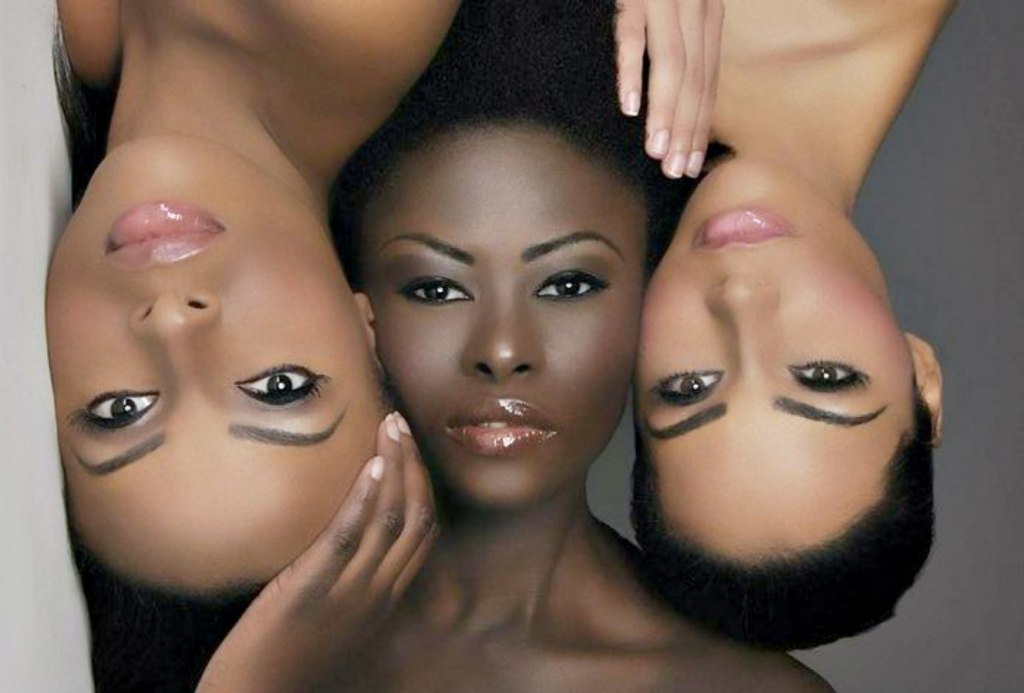
Tag Archives: racism

The Plantation Palette: How Colorism Was Painted Into Our DNA.

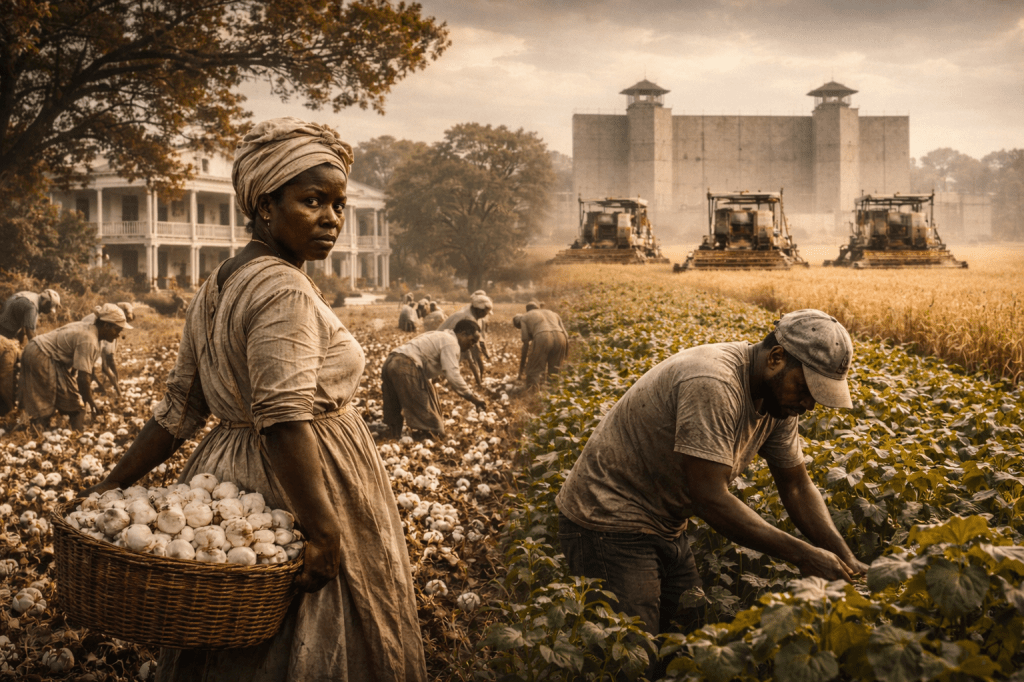
Colorism is not simply a social construct—it is a historical wound written into the subconscious of the African diaspora. It is the shadow of slavery that lingers in how we perceive beauty, worth, and belonging. The plantation, once a site of brutal labor and exploitation, became the first workshop where shades of brown were turned into symbols of hierarchy. Within its cruel order, skin color was not just biology—it became social destiny.

The origins of colorism in the Americas lie in the cruel logic of white supremacy. During slavery, the European masters created a false dichotomy between “house slaves” and “field slaves.” Those with lighter complexions, often the offspring of rape and coercion by white men, were assigned domestic work and treated marginally better. Darker-skinned Africans, whose features reflected their full heritage, were confined to the fields. This system cultivated resentment, insecurity, and self-hatred—ingredients that would harden into generational trauma.

On the plantation, color became code. It signified proximity to whiteness and, therefore, proximity to privilege. The masters engineered this system deliberately, knowing that internal division among the enslaved would ensure control. This was psychological warfare disguised as social order. What began as survival-based favoritism evolved into a culture of comparative value, one that still haunts descendants today.

This plantation palette—the gradation of complexion from light to dark—became the foundation of a pigment hierarchy that endured long after slavery’s abolition. Freedmen’s societies, post-slavery fraternities, and even churches sometimes practiced exclusion based on complexion. The “paper bag test,” requiring one’s skin to be lighter than a brown paper bag, institutionalized colorism within Black spaces. The oppressor’s palette became the people’s poison.

In a cruel twist of history, this bias was internalized. Enslaved and freed Black communities began to mirror the hierarchies imposed upon them. The lighter the skin, the closer one appeared to the master class. The darker the tone, the further one was deemed from beauty, intelligence, and refinement. It was not merely prejudice—it was the plantation’s psychological residue replicated in every generation.

Science and pseudo-genetics in the 19th and 20th centuries gave colorism false legitimacy. Phrenologists and eugenicists claimed that lighter skin signified evolutionary advancement, while darker tones represented savagery. These racist pseudosciences seeped into textbooks, media, and art. Even after slavery, the plantation’s palette painted the world’s perception of Blackness in gradients of acceptance and rejection.

The entertainment industry perpetuated this pigment hierarchy. Early Hollywood refused to cast dark-skinned Black actors in leading roles, preferring “passing” or lighter-toned performers who could fit Eurocentric ideals. In music, Motown executives polished their artists’ images to appeal to white audiences, often selecting those whose skin was “marketable.” The plantation’s palette had evolved from whip to camera, from overseer to director’s chair.

In beauty culture, skin bleaching became a global epidemic. From the Caribbean to Africa to South Asia, the false promise of lighter skin as a ticket to success spread like a virus. Colonialism exported colorism as cultural infection, linking “fairness” to purity and status. Advertisements equating lightness with virtue were not new—they were modern echoes of the plantation’s visual code.

Psychologically, colorism is a form of inherited trauma. Epigenetic studies suggest that stress and oppression can influence gene expression across generations (Yehuda & Bierer, 2009). While color preference itself is cultural, the social stress tied to darker skin—exclusion, discrimination, invisibility—can shape self-perception at a cellular level. Thus, colorism is not merely learned; it is embodied.

The plantation painted identity with a cruel precision: lightness equaled potential, darkness equaled labor. This message infiltrated the bloodstream of the diaspora, turning self-recognition into self-negotiation. Every time a child is told they are “too dark” or “too light,” the plantation speaks again. Its brushstrokes still stain the canvas of our collective consciousness.

However, the story of the plantation palette is also one of resistance. Black communities have long challenged these hierarchies through cultural affirmation. The Harlem Renaissance, the Negritude Movement, and the Black Arts Movement reclaimed the beauty of darkness as divine. Writers like Langston Hughes and Aimé Césaire shattered the myth of inferiority by celebrating melanin as majesty.

Spiritually, the lie of colorism collapses under divine truth. Scripture declares, “I will praise thee; for I am fearfully and wonderfully made” (Psalm 139:14, KJV). The Creator did not craft shades of humanity to rank them, but to reflect His boundless creativity. Melanin is not a mistake—it is a masterpiece. To reclaim our beauty is to reclaim the truth of divine intention.

Sociologically, colorism continues to influence education, employment, and dating patterns. Studies show that lighter-skinned individuals often receive higher income, lighter sentencing, and more favorable treatment in professional and romantic contexts (Hochschild & Weaver, 2007). The plantation may be gone, but its paint still dries unevenly across modern institutions.

Media representation remains a battleground. When dark-skinned women like Lupita Nyong’o, Viola Davis, and Danai Gurira rise to prominence, they challenge centuries of aesthetic bias. Their visibility restores balance to the narrative, reminding the world that beauty does not fade with depth—it deepens. The plantation palette can be repainted when darker hues are centered, celebrated, and seen.

Education is one of the most powerful solvents against colorism. Teaching young people the origins of complexion bias empowers them to unlearn it. When students understand that colorism was manufactured to divide, they begin to heal. Knowledge restores agency; truth restores dignity. The palette can be reclaimed through re-education.

In the realm of relationships, colorism continues to distort love. Preferences shaped by colonial beauty ideals still define desirability in the modern age. Healing requires that both men and women confront these biases honestly—understanding that love conditioned by shade is not love at all, but indoctrination. Liberation begins with reprogramming affection to mirror authenticity.

Culturally, art has always been the great redeemer. Black painters, photographers, and filmmakers are repainting the narrative, giving dark skin the glory it was denied. Through rich tones, shadows, and light, they rewrite the visual language of worth. Every portrait of a dark-skinned figure bathed in golden light is an act of rebellion against the plantation palette.

Economically, industries that profit from color bias must be held accountable. The global skin-lightening market, projected to surpass $12 billion, thrives on the insecurity of colonized beauty ideals (Statista, 2023). Dismantling colorism means dismantling the profit systems built upon it. Freedom is not just emotional—it is financial.

Ultimately, the plantation palette reminds us that identity has been painted, but it can also be repainted. Each generation holds the brush. When we celebrate every shade of brown as sacred, we undo the work of centuries. Our skin becomes testimony, not tragedy. Our reflection becomes revolution.

Colorism was painted into our DNA through trauma, but through truth, it can be washed clean. The time has come to reclaim our palette—to turn shame into pride, division into unity, and pain into art. What was once used to divide us will now define us as divine. We are not products of the plantation; we are the pigments of paradise, unchained and unashamed.

References

  • The Holy Bible, King James Version (Psalm 139:14).
  • Hochschild, J. L., & Weaver, V. (2007). The Skin Color Paradox and the American Racial Order. Social Forces, 86(2), 643–670.
  • Yehuda, R., & Bierer, L. M. (2009). The Relevance of Epigenetics to PTSD: Implications for the DSM-V. Journal of Traumatic Stress, 22(5), 427–434.
  • hooks, b. (1992). Black Looks: Race and Representation. South End Press.
  • Russell, K., Wilson, M., & Hall, R. (1992). The Color Complex: The Politics of Skin Color Among African Americans. Doubleday.
  • Morrison, T. (1992). Playing in the Dark: Whiteness and the Literary Imagination. Vintage.
  • Tate, S. (2009). Black Beauty: Aesthetics, Stylization, Politics. Routledge.
  • Craig, M. L. (2002). Ain’t I a Beauty Queen?: Black Women, Beauty, and the Politics of Race. Oxford University Press.
  • Hall, S. (1997). Representation: Cultural Representations and Signifying Practices. Sage.
  • Davis, A. (1981). Women, Race, & Class. Random House.

Dilemma: Racist Jokes and Not Challenging Them

Racist jokes have long been disguised as “harmless humor,” but they are one of the most insidious tools used to maintain racial hierarchies and normalize prejudice. These jokes may seem trivial to those who tell them, yet they carry deep historical and psychological implications that wound the dignity of Black people and other marginalized groups. The failure to challenge such jokes allows racism to flourish in silence, turning laughter into complicity. Racist humor is not merely a matter of taste—it is a form of cultural violence that reinforces systemic oppression (Sue et al., 2019).

At the core of racist jokes lies the dehumanization of others. By reducing a person or group to a stereotype, humor becomes a weapon rather than a bridge. It permits white individuals to reaffirm superiority under the guise of comedy. When these jokes target Black people, they often draw on centuries-old caricatures born from slavery and Jim Crow imagery—depicting Black individuals as lazy, violent, hypersexual, or unintelligent (Pilgrim, 2012). Such portrayals have shaped how society perceives and mistreats Black lives.

Silence in the face of racist jokes is a form of passive racism. When bystanders laugh or remain quiet, they send a message that prejudice is acceptable or trivial. This silence validates the racist sentiment, giving it space to thrive in social and professional environments. The failure to challenge these remarks reflects what Martin Luther King Jr. described as the “appalling silence of the good people”—the moral inaction that sustains injustice (King, 1963).

Examples of racist jokes are numerous and often recycled across generations. Some of the most common include:

  1. “What do you call a Black pilot? A good example—because you didn’t expect that!”
  2. “Why don’t Black people like country music? Because every time they say ‘yee-haw,’ someone thinks they’re stealing horses.”
  3. “How do you starve a Black man? Hide his food stamps under his work boots.”
  4. “What’s faster than a Black man running with your TV? His mom cashing the check.”
  5. “Why are Black people afraid of chainsaws? Because they start with the sound ‘Run!’”
  6. “What’s the difference between Batman and a Black man? Batman can go to the store without Robin.”
  7. “Why did the Black guy buy a ladder? To get his credit score up.”
  8. “What do you call a Black man in college? A visitor.”
  9. “Why don’t Black people like swimming? They don’t want to wash off their color.”
  10. “What’s the national bird of Black America? The jailbird.”

These examples are painful to read but necessary to expose. Each joke perpetuates a stereotype rooted in anti-Blackness—whether about crime, poverty, education, or worth. They are not mere words; they echo the same ideologies that justified enslavement, segregation, and mass incarceration. Their humor is drawn from the suffering and systemic oppression of Black people.

When racist jokes go unchallenged, they teach observers—especially youth—that racial bias is acceptable. They create cultural permission for future discrimination. What begins as laughter at a “joke” can evolve into bias in hiring decisions, police interactions, or healthcare treatment. Racist humor trains society to see Black pain as entertainment and to dismiss calls for justice as overreactions (Ford & Ferguson, 2004).

Psychologically, racist jokes inflict harm on Black listeners. They reinforce feelings of alienation, shame, and anger. The experience of being mocked or reduced to a stereotype in public settings activates stress responses similar to trauma. Over time, these repeated microaggressions can lead to racial battle fatigue—a state of chronic emotional exhaustion experienced by many Black people navigating white-dominated environments (Smith, 2004).

Sociologically, racist jokes function as bonding rituals among white people. Laughter becomes a shared signal of racial belonging, reinforcing in-group solidarity at the expense of Black humanity. Those who laugh, even uncomfortably, affirm their membership in whiteness. This is why silence is never neutral—it sides with power, not justice. Every unchallenged joke strengthens the invisible architecture of racism in daily life (Billig, 2001).

To overcome this, people must learn to recognize and interrupt racism in real time. The first step is developing moral courage—the ability to speak up even when it feels socially uncomfortable. This can involve simple but firm responses such as: “That’s not funny,” “Why would you say that?”, or “I don’t tolerate racist jokes.” Silence is easy; resistance requires integrity. When someone disrupts the moment, they break the illusion that everyone agrees with the prejudice.

Education also plays a vital role. People must be taught to understand the historical roots of racist humor and how it connects to larger systems of oppression. Anti-racist training, media literacy, and open discussions about bias can dismantle the ignorance that fuels these “jokes.” Understanding that humor has been a tool of white supremacy helps individuals grasp why such comments are never innocent (Hughey & Byrd, 2013).

Accountability must replace passivity. In workplaces, schools, and families, institutions should create clear policies that address discriminatory remarks and jokes. Anti-racism should not be optional—it should be embedded in codes of conduct and enforced through restorative or disciplinary measures. This sends a message that humor is not exempt from ethics.

Healing from the effects of racist humor also requires community solidarity. Black people need spaces where their pain is validated and their identity celebrated. Laughter within Black spaces, however, serves a different function—it becomes an act of resistance and reclamation. When Black comedians address racism, they invert its power by transforming pain into truth-telling and empowerment. The difference lies in who holds the power to define the narrative.

Spiritual and emotional healing are also vital. Scriptures remind believers that “death and life are in the power of the tongue” (Proverbs 18:21, KJV). Racist jokes speak death—death to empathy, to equality, and to the image of God within Black lives. To overcome them, society must relearn the sacred weight of words and choose speech that uplifts rather than degrades.

For white allies, it is essential to examine why silence feels safer than confrontation. Fear of social rejection often outweighs moral responsibility. But true allyship demands discomfort. It means risking relationships to uphold justice and using privilege as a shield for the oppressed rather than a cloak for cowardice.

For Black people, resilience involves not internalizing the lies behind racist humor. These jokes are reflections of ignorance, not truth. Overcoming them means affirming self-worth, reclaiming identity, and surrounding oneself with affirming voices that speak life into Black existence. Education, faith, and cultural pride all serve as antidotes to the poison of ridicule.

On a societal level, challenging racist jokes is a step toward dismantling the normalization of anti-Blackness. When everyday racism becomes unacceptable in private conversations, society takes a measurable step toward equity. The goal is not to police humor but to purify it—to restore its power to unite rather than divide.

In the end, racist jokes are not about laughter but about control. They remind Black people of their supposed “place” in a racial hierarchy that should have been dismantled long ago. To laugh along is to agree; to stay silent is to consent. The only moral option is to challenge it. Every voice raised in truth breaks a link in the chain of systemic racism.

References
Billig, M. (2001). Humor and hatred: The racist jokes of the Ku Klux Klan. Discourse & Society, 12(3), 267–289.
Ford, T. E., & Ferguson, M. A. (2004). Social consequences of disparagement humor: A prejudiced norm theory. Personality and Social Psychology Review, 8(1), 79–94.
Hughey, M. W., & Byrd, W. C. (2013). The souls of white jokes: Whiteness and humor in social media. Ethnic and Racial Studies, 36(10), 1582–1598.
King, M. L. Jr. (1963). Letter from Birmingham Jail.
Pilgrim, D. (2012). The museum of racist memorabilia: The Jim Crow Museum of Racist Imagery. Ferris State University Press.
Smith, W. A. (2004). Black faculty coping with racial battle fatigue: The campus racial climate in a post–civil rights era. New Directions for Teaching and Learning, 2004(98), 27–37.
Sue, D. W., Alsaidi, S., Awad, M. N., Glaeser, E., Calle, C. Z., & Mendez, N. (2019). Disarming racial microaggressions: Microintervention strategies for targets, White allies, and bystanders. American Psychologist, 74(1), 128–142.

Dilemma: The Modern & Slave Plantations

The legacy of slavery continues to shape the modern world in ways that are often overlooked. While chattel slavery in the United States officially ended in 1865, its economic, social, and psychological structures persist in subtle yet profound forms. Modern “plantations” manifest not only as historical sites but also as systemic systems of exploitation that disproportionately impact Black communities.

During the antebellum period, plantations were economic engines built on the labor of enslaved Africans. They relied on dehumanization, control, and violence to maintain productivity, wealth, and social hierarchy. The plantation system created lasting inequities in land ownership, education, and wealth accumulation.

Enslaved individuals were subjected to grueling labor from dawn to dusk, often under extreme conditions in the fields or as domestic workers. Families were torn apart, and basic human rights were denied. The psychological and cultural impact of this trauma has resonated across generations, creating long-lasting challenges in Black communities.

Plantations were also centers of cultural erasure. Enslaved Africans were forbidden from speaking their native languages, practicing their religions, or maintaining cultural traditions. This forced assimilation sought to strip individuals of identity while normalizing the supremacy of white culture.

The “modern plantation” can be understood metaphorically in terms of systemic oppression. Mass incarceration, exploitative labor practices, and economic marginalization of Black Americans are frequently described as contemporary forms of plantation-like control. While the methods differ, the underlying structures of surveillance, discipline, and economic extraction remain.

Historically, plantations relied on racialized hierarchies to maintain control. White supremacy dictated who could own property, access education, or participate in governance. These hierarchies have influenced social and institutional structures into the 21st century, contributing to persistent racial disparities in wealth, health, and political representation.

The psychological effects of plantation life continue to manifest in generational trauma. Studies on epigenetics suggest that stress and trauma experienced by enslaved ancestors may impact the mental and physical health of descendants, contributing to disparities in mental health, chronic illness, and resilience.

Education on plantation history often sanitizes the brutality experienced by enslaved individuals. Museums and historical sites sometimes focus on the architecture, wealth, or “heritage” of plantation owners while minimizing the suffering, resistance, and humanity of the enslaved population. This selective narrative reinforces systemic racism by erasing the lived experiences of Black Americans.

Labor exploitation continues in modern industries. Many low-wage sectors disproportionately employ Black workers under precarious conditions, echoing the economic dependency that existed on plantations. Farm labor, domestic work, and service industries reveal structural patterns reminiscent of historical exploitation.

Slavery and modern oppression are also interconnected through wealth disparities. The descendants of enslaved individuals were denied the ability to accumulate land, start businesses, or inherit wealth for generations. In contrast, many modern corporations and institutions trace their wealth back to slavery, creating intergenerational inequities that persist today.

Plantations were not only economic sites but also spaces of resistance and culture. Enslaved Africans preserved languages, songs, spiritual practices, and social networks, which formed the foundation of Black American culture. This resilience contrasts sharply with the narrative of passive subjugation often presented in history.

Modern parallels are visible in prison labor systems, where predominantly Black populations are employed for minimal wages. Scholars argue that this represents a continuation of the plantation logic: controlled labor extracted under constrained autonomy, producing profit for others while restricting freedom.

Cultural representations of plantations also shape perceptions. Films, literature, and tourism often romanticize plantation life, masking the violence and oppression that defined the institution. This misrepresentation perpetuates myths about the benevolence of slavery and undermines the acknowledgment of Black suffering and agency.

Plantations in the modern imagination can also refer to economic environments where Black workers are overexploited, surveilled, and restricted in mobility. Corporations, supply chains, and gig economies sometimes mirror the control mechanisms of historical plantations through low wages, lack of benefits, and limited upward mobility.

Land ownership remains a critical issue. After emancipation, Black farmers and landowners faced systemic barriers through discriminatory lending practices, violence, and legal maneuvers, preventing them from achieving economic independence. This mirrors the historical denial of land and wealth that characterized the plantation economy.

The plantation metaphor extends to education. Schools in under-resourced Black communities often suffer from overcrowding, poor facilities, and limited access to quality instruction. These conditions reflect structural neglect that echoes the constraints placed on enslaved individuals, shaping long-term outcomes.

Healthcare disparities also reflect plantation legacies. Limited access to medical services, environmental injustices, and systemic bias within healthcare institutions continue to disproportionately affect Black communities, echoing the neglect and exploitation of enslaved populations.

Understanding the link between historical plantations and modern inequalities is critical for policy and social justice. Recognizing systemic patterns enables more effective interventions, targeted support, and reparative measures that address the roots of inequity rather than treating symptoms superficially.

Resistance has always been part of the story. Enslaved Africans organized revolts, preserved cultural practices, and forged communities of resilience. Today, activism, scholarship, and advocacy continue this legacy, challenging modern forms of oppression and advocating for racial equity.

Ultimately, the dilemma of modern plantations reminds society that the end of slavery did not end its effects. The structures, ideologies, and systems established during slavery continue to shape economic, social, and cultural realities for Black Americans. Addressing this requires critical awareness, structural reform, and historical reckoning.


References

Berlin, I. (2003). Generations of Captivity: A History of African-American Slaves. Belknap Press.

Davis, A. Y. (2003). Are Prisons Obsolete? Seven Stories Press.

Kolchin, P. (2003). American Slavery, 1619–1877. Hill and Wang.

Wood, P. H. (1999). Black Majority: Negroes in Colonial South Carolina from 1670 through the Stono Rebellion. W. W. Norton & Company.

Alexander, M. (2010). The New Jim Crow: Mass Incarceration in the Age of Colorblindness. The New Press.

White, D. G. (1999). Ar’n’t I a Woman? Female Slaves in the Plantation South. W. W. Norton & Company.

Finkelman, P. (2009). Slavery and the Founders: Race and Liberty in the Age of Jefferson. M.E. Sharpe.

Gates, H. L., Jr., & Higginbotham, E. B. (2010). African American Lives. Oxford University Press.

PASSING as White

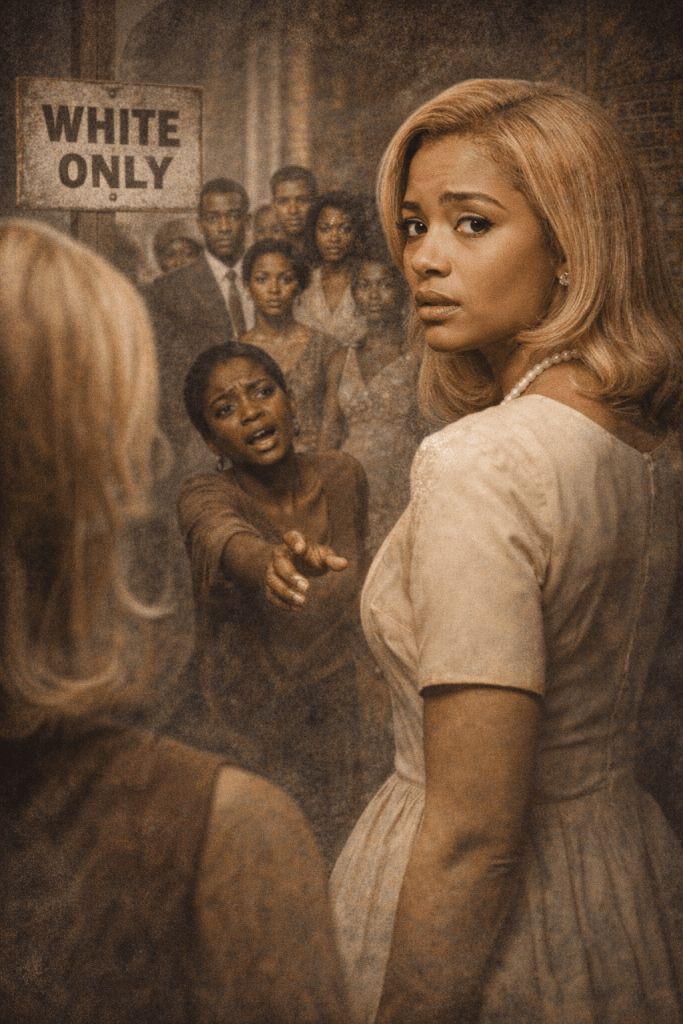
Passing as White is one of the most psychologically complex survival strategies produced by racism in America. It refers to the act of a Black person presenting themselves as white to escape racial oppression, gain social mobility, or avoid discrimination. While often discussed as a historical phenomenon, passing is fundamentally a psychological condition rooted in fear, internalized racism, and the desire for safety in a white supremacist society.

Psychologically, passing is not merely about skin tone or physical appearance; it is about identity suppression. It requires the individual to constantly perform whiteness—altering speech, behavior, social circles, family history, and even emotional expression. The person must erase their Blackness not only from public view, but from their own self-concept to survive the performance.

Looking white becomes a form of social camouflage. Lighter skin, straighter hair, ambiguous features, and European phenotypes allow some Black people to “blend in” within white spaces. However, this blending comes at a profound cost: the continuous denial of one’s ancestry, culture, and lived reality.

Passing emerges from racial terror. In societies where Blackness is punished economically, socially, and physically, passing becomes a method of protection. It is an adaptation to violence. Instead of confronting racism directly, the individual attempts to escape it by exiting Blackness altogether.

This phenomenon was powerfully dramatized in the film Imitation of Life, which tells the story of a light-skinned Black woman who rejects her Black mother to live as white. The film exposes the emotional devastation of passing: the shame, the secrecy, the grief, and the permanent sense of unbelonging.

What happens psychologically when white people discover that someone who has been passing is actually Black is often catastrophic. The individual is typically met with betrayal, hostility, disgust, or expulsion. White acceptance is conditional, and once racial truth is revealed, the person is stripped of the social privileges they had gained.

This moment of “discovery” often triggers identity collapse. The passer is rejected by the white world they tried to assimilate into, while also feeling disconnected from the Black world they abandoned. They become socially homeless—belonging fully to neither group.

Self-hatred is at the core of passing. It is not simply strategic; it is an internalized ideology. The person has absorbed the belief that Blackness is inferior, dangerous, or shameful, and that proximity to whiteness equals safety, value, and humanity.

Passing also produces chronic psychological stress. The individual lives in constant fear of exposure. Every conversation, family detail, photograph, or social interaction becomes a potential threat. This creates a life of hypervigilance, anxiety, and emotional isolation.

One of the most famous real-life examples of passing is Anatole Broyard, a highly respected literary critic and writer who lived as a white man for most of his life. Broyard concealed his Black identity even from his own children and wife, believing that revealing his ancestry would destroy his career and social standing.

After his death, his children discovered the truth, leading to deep emotional consequences. Broyard’s life became a symbol of the tragic cost of passing—success built on erasure, achievement built on denial, and legacy built on silence.

Passing not only distorts how others see one; it also distorts how one experiences love, intimacy, and belonging. Romantic relationships become performances. Friendships become guarded. Family becomes a threat to exposure. The passer must constantly choose between truth and survival.

This creates what psychologists call identity fragmentation. The person splits themselves into parts: the public self and the hidden self. Over time, the hidden self becomes increasingly suppressed, producing depression, dissociation, and internal conflict.

Passing also reinforces white supremacy at a structural level. It validates the idea that whiteness is the ultimate form of social legitimacy, while Blackness is something to escape. Each individual act of passing becomes a silent confirmation of racial hierarchy.

Historically, passing was most common during Jim Crow, when Black people faced segregation, lynching, housing discrimination, and legal exclusion. For some, passing was the only way to access education, employment, or physical safety. It was not always about shame; sometimes it was about survival.

However, survival strategies can become psychological prisons. What begins as protection can evolve into permanent self-rejection. Over time, the person may forget how to exist authentically, even in private.

The modern version of passing still exists, but in more subtle forms. It appears in aesthetic assimilation, name changes, cultural distancing, anti-Black rhetoric, and identity ambiguity. Some people no longer pass racially, but culturally and ideologically.

At its deepest level, passing is a spiritual crisis. It represents a rupture between the self and its origins. The person disconnects from ancestral memory, collective identity, and historical truth in exchange for conditional acceptance.

Many who once passed later experience a psychological awakening. As they age, they begin to feel the emptiness of erasure. They realize that no amount of assimilation can replace the loss of authentic identity. What was gained socially is lost existentially.

Reclaiming Black identity after passing often involves grief. Grief for the years spent hiding, for the relationships built on falsehood, and for the self that was denied. It is not simply a return—it is a reconstruction.

The desire to now “be who you are” represents a form of psychological decolonization. It is the rejection of internalized racism and the re-embrace of ancestral truth. It is a recognition that safety without authenticity is not freedom.

True healing from passing requires confronting the ideology that made it necessary. It requires dismantling the belief that whiteness equals humanity and Blackness equals limitation. Until that belief is destroyed, passing will continue to exist.

Passing as White is not just a historical curiosity. It is a mirror held up to a society that made Black identity something people felt they had to escape in order to live.

The tragedy is not that some people passed.
The tragedy is that a world existed where passing felt necessary.


References

Fanon, F. (1967). Black skin, white masks. Grove Press.

Gates, H. L. Jr. (1996). Thirteen ways of looking at a Black man. Random House.

Hobbs, A. (2014). A chosen exile: A history of racial passing in American life. Harvard University Press.

Larsen, N. (1929). Passing. Alfred A. Knopf.

Rockquemore, K. A., & Brunsma, D. L. (2002). Beyond Black: Biracial identity in America. Rowman & Littlefield.

Smith, S. M. (2006). The performance of race: Passing and the aesthetics of identity. Cultural Critique, 63, 1–27.

Sollors, W. (1997). Neither Black nor white yet both: Thematic explorations of interracial literature. Oxford University Press.

Broyard, B. (2007). One drop: My father’s hidden life—A story of race and family secrets. Little, Brown and Company.

Wilkerson, I. (2020). Caste: The origins of our discontents. Random House.

Du Bois, W. E. B. (1903). The souls of Black folk. A.C. McClurg & Co.

Black History: Black Millionaires They Tried to Erase from History.

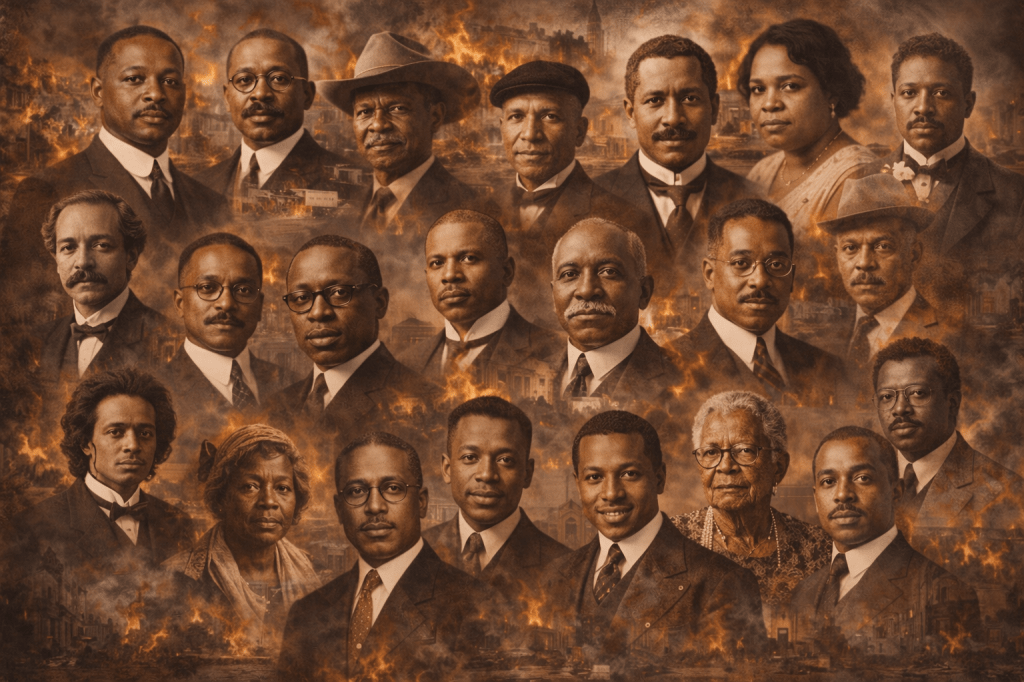
In early 20th‑century America, Black entrepreneurs in segregated communities defied racism by generating unprecedented wealth. These men and women built thriving businesses, owned property, and created entire economic ecosystems — only to have their legacies diminished, erased, or violently destroyed by systemic racism and white supremacist violence.

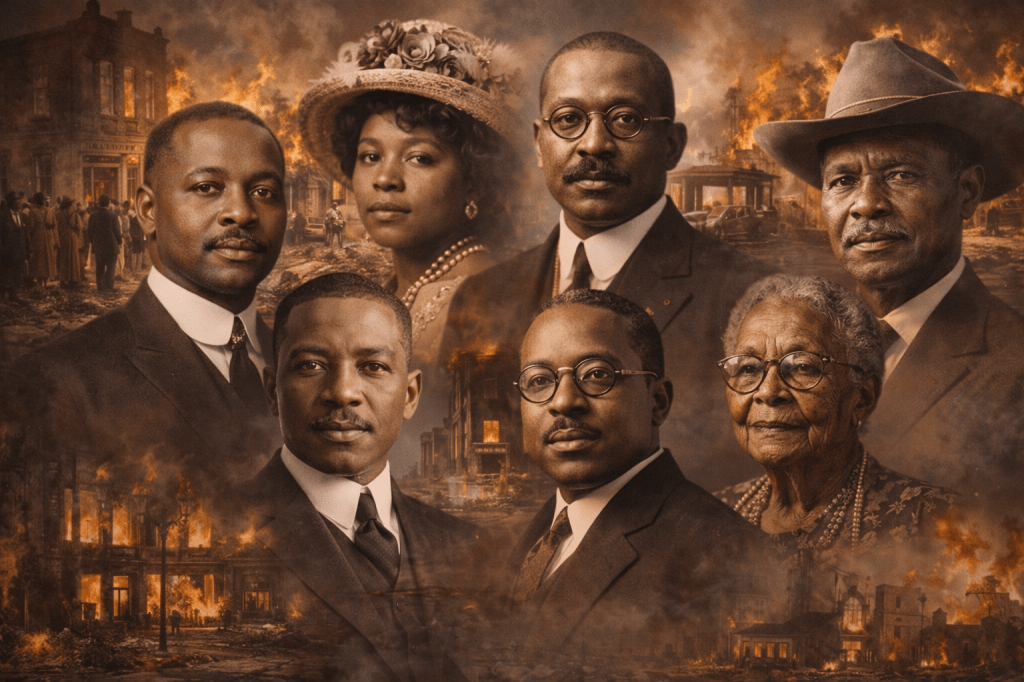
In Tulsa, Oklahoma, the Greenwood district — known as “Black Wall Street” — was one of the most remarkable examples of Black prosperity in American history. Founded by visionary Black businessmen and professionals, Greenwood became a symbol of independence, economic self‑sufficiency, and community resilience.

Among Greenwood’s earliest millionaires was O.W. Gurley, a real‑estate developer and entrepreneur. Born to formerly enslaved parents in Alabama, Gurley moved to Tulsa and purchased land designated for Black ownership. He built hotels, apartment buildings, a grocery store, and sponsored other local businesses, accumulating an estimated net worth that translated into the millions in today’s dollars.

Gurley’s success helped inspire others to invest in Greenwood. J.B. Stradford, another eminent figure, was the son of an emancipated slave who became a lawyer, real‑estate magnate, and hotelier. His crowning achievement was the Stradford Hotel, the largest Black‑owned hotel in the United States at the time. It offered luxury services equal to those in white Tulsa and hosted a thriving social life, attracting wealthy travelers and local elites.

John and Loula Williams were another Black power couple in Greenwood. They owned multiple businesses — including the Dreamland Theatre, a confectionary, and a rooming house — and became among the wealthiest Black residents. Loula was a partner in these ventures, showing how women also played central roles in building Black wealth.

Greenwood was far more than a collection of storefronts: it had its own bank, schools, hospital, newspaper, and even private transportation networks, all built and operated by Black entrepreneurs. The Tulsa Star, founded by A.J. Smitherman, became a prominent voice advocating civil rights, economic empowerment, and community solidarity.

Despite this economic miracle, Greenwood was targeted by white supremacists fearful of Black success. From May 31 to June 1, 1921, a white mob attacked the district in what is now known as the Tulsa Race Massacre, burning businesses, homes, and churches to the ground. Up to 300 Black residents were killed and roughly 1,200 homes destroyed. This coordinated assault erased generational wealth in a matter of hours.

The destruction of Greenwood exemplifies how racial violence was used to prevent Black Americans from maintaining wealth and influence. Millionaires like Gurley and Stradford lost everything; there was no restitution for survivors or descendants for decades. Their stories, once widely known locally, faded from mainstream historical memory.

Beyond Tulsa, there were other Black millionaires whose achievements were overshadowed or forgotten due to systemic racism. Jake Simmons Jr., an oilman from Oklahoma, became one of the most successful Black oil entrepreneurs in the mid‑20th century, partnering with major petroleum companies and opening opportunities in Africa’s energy sector. His rise showcased Black leadership in the global industry, yet his legacy remains underrecognized.

Black businesspeople in areas outside Tulsa also built considerable wealth during Jim Crow. In many segregated towns and cities, Black physicians, lawyers, educators, and merchants created thriving practices serving Black customers, generating stable incomes and propelling local economies. However, many were omitted from national business histories, minimized by the dominant narrative.

Black Millionaires Who Were Erased or Forgotten

  1. O.W. Gurley – Real estate developer and founder of Greenwood, Tulsa (“Black Wall Street”). Built hotels, grocery stores, and a thriving Black community before the Tulsa Race Massacre destroyed his fortune.
  2. J.B. Stradford – Lawyer and entrepreneur; owner of the Stradford Hotel, the largest Black-owned hotel in the U.S. before 1921. Lost property in the Tulsa Race Massacre.
  3. John and Loula Williams – Business power couple in Greenwood, owning multiple enterprises including theaters, confectionaries, and rooming houses.
  4. A.J. Smitherman – Publisher of the Tulsa Star, the influential newspaper in Greenwood that advocated Black economic empowerment and civil rights.
  5. Jake Simmons Jr. – Oklahoma oil tycoon and international businessman; instrumental in opening opportunities in Africa’s oil sector.
  6. Moses Austin – Early 19th-century businessman who invested in land and local enterprises; lesser-known due to records focusing on white counterparts.
  7. Paul Cuffe – African American entrepreneur and shipowner in the late 18th and early 19th centuries; financed Black migration to Sierra Leone and traded globally.
  8. Madam C.J. Walker – First female self-made millionaire in America through haircare and beauty products; her story was overshadowed for decades despite her philanthropy.
  9. Robert Reed Church – Memphis real estate mogul; accumulated wealth through investments and urban development in the post-Civil War South.
  10. Anthony Overton – Entrepreneur and publisher; owned the Overton Hygienic Company and the Chicago Bee newspaper.
  11. Alonzo Herndon – Founder of Atlanta Life Insurance Company; born enslaved and became one of the wealthiest Black men in the U.S.
  12. Norbert Rillieux – Inventor and businessman; revolutionized sugar refining and built wealth that was largely unrecognized in mainstream history.
  13. John H. Johnson – Founder of Johnson Publishing Company (Ebony, Jet); a 20th-century millionaire whose financial influence in media is often underappreciated.
  14. Viola Fletcher – Survivor and symbolic figure of Tulsa’s Greenwood, representing families who had generational wealth destroyed in the massacre.
  15. Samuel Coleridge-Taylor (U.S. connections) – Composer and businessman in music ventures; recognized in Europe but often omitted from U.S. economic history discussions.
  16. Mary Ellen Pleasant – Wealthy Black entrepreneur and philanthropist in San Francisco during the 19th century; aided civil rights causes but was historically obscured.
  17. Madison Jones – Oil and landowner in the early 20th century; wealth erased through discriminatory policies and lack of historical recognition.
  18. John Merrick – Founder of North Carolina Mutual Life Insurance Company; amassed wealth but is often only recognized regionally.
  19. Robert W. Johnson – Entrepreneur in early 1900s Chicago; built wealth in real estate and business before being written out of mainstream histories.
  20. Frederick McGhee – Lawyer and businessman; helped build economic infrastructure for Black communities in Minneapolis but largely forgotten in national narratives.

The erasure of these figures was not accidental. Throughout U.S. history, Black success has been met with legislative discrimination, economic exclusion, violence, and historical suppression. After the massacre, Greenwood’s rebuilt community prospered again for decades — only to be dismantled a second time in the mid‑20th century through “urban renewal” projects and highway construction that obliterated much of the neighborhood.

The consequences of this erasure persist. Without preservation and education about these Black millionaires, their contributions are excluded from textbooks, newspapers, and national consciousness. This has furthered false narratives that Black communities did not achieve economic success prior to the Civil Rights Movement.

Historians and activists today work to recover these stories, ensuring that Gurley, Stradford, the Williamses, Simmons, and many more are acknowledged as pioneers of Black wealth in America. Their legacy demonstrates profound resilience and innovation under adversity.

Black Wall Street’s destruction also disrupted generational wealth transfer; properties and businesses never regained their pre‑1921 value, and families were denied inheritance opportunities that could have sustained future prosperity.

In recent years, Tulsa has taken steps to confront its history. Reparations efforts, educational initiatives, and public memorialization aim to restore recognition for Greenwood’s lost entrepreneurs and honor survivors like Viola Fletcher, who testified about the massacre’s enduring impact.

The story of these Black millionaires is a reminder that racial oppression targeted not only individual lives but collective economic power. Their erasure from history reflects broader social resistance to acknowledging Black achievement.

Engaging with these histories allows for a more accurate understanding of American capitalism, one that includes both Black contributions and the violence used to undermine them.

Recognizing Black millionaires lost to history also challenges contemporary narratives about wealth, race, and opportunity, showing clearly that Black success was possible — and existed — long before today’s conversations about equity and inclusion.

These narratives also inspire modern generations of Black entrepreneurs, emphasizing the importance of legacy, community investment, and perseverance despite systemic barriers.

Understanding the erased histories of Black millionaires is vital not only for historical accuracy but for framing present discussions about wealth inequality, reparations, and racial justice in the United States.


References

National Geographic Society. (n.d.). Before the Tulsa Race Massacre, Black business was booming in Greenwood. National Geographic. https://www.nationalgeographic.com/history/history-magazine/article/before-tulsa-race-massacre-black-business-booming-greenwood

History.com Editors. (n.d.). 9 Entrepreneurs Who Helped Build Tulsa’s “Black Wall Street”. HISTORY. https://www.history.com/articles/black-wall-street-tulsa-visionaries

CNBC. (2020). What Is “Black Wall Street”? History of the community and its massacre. CNBC. https://www.cnbc.com/2020/07/04/what-is-black-wall-street-history-of-the-community-and-its-massacre.html

ABC7 New York. (n.d.). Tulsa Race Massacre: Story behind Black Wall Street destroyed by racist mob. https://abc7ny.com/tulsa-race-massacre-1921-black-wall-street-greenwood/10707747

Wikipedia contributors. (n.d.). Greenwood District, Tulsa. Wikipedia. https://en.wikipedia.org/wiki/Greenwood_District%2C_Tulsa

Wikipedia contributors. (n.d.). Jake Simmons. Wikipedia. https://en.wikipedia.org/wiki/Jake_Simmons

Wikipedia contributors. (n.d.). Viola Fletcher. Wikipedia. https://en.wikipedia.org/wiki/Viola_Fletcher

Dilemma: The Pros and Cons of Being Black in Society.

The experience of being Black in modern society is multifaceted, complex, and deeply influenced by historical, social, and systemic factors. While there are many sources of pride, cultural richness, and resilience within Black communities, these are often juxtaposed with enduring structural inequalities, societal prejudices, and personal dilemmas that affect daily life. Understanding this duality requires both historical context and contemporary analysis.

Historically, the Black experience has been marked by the transatlantic slave trade, colonization, and systemic oppression. These historical realities have shaped social structures, economic opportunities, and cultural perceptions in ways that continue to affect Black individuals today. Deuteronomy 28:43-44 (KJV) warns that disobedience leads to subjugation, which resonates metaphorically in discussions of generational oppression and societal marginalization.

One prominent challenge is systemic racism, which manifests in employment, housing, healthcare, and education. Despite decades of civil rights advancements, Black individuals frequently encounter barriers that limit social mobility. Studies show that Black applicants are less likely to be called for job interviews compared to White applicants with identical resumes (Bertrand & Mullainathan, 2004). Such disparities illustrate that merit alone does not eliminate discrimination.

Another societal challenge is criminal justice bias. Black communities are disproportionately targeted by law enforcement, resulting in higher arrest and incarceration rates. According to the NAACP, Black Americans are incarcerated at more than five times the rate of White Americans. This over-policing contributes to cycles of poverty, familial disruption, and community distrust, creating profound social dilemmas for Black families.

Education represents both a challenge and a source of opportunity. Historically underfunded schools in Black neighborhoods often provide fewer resources, which perpetuates educational inequities. Yet, Black students who overcome these obstacles demonstrate remarkable resilience and achievement, often excelling academically and culturally despite systemic disadvantages. Proverbs 22:6 (KJV) emphasizes the importance of early training and guidance, highlighting the potential power of nurturing and support.

Cultural pride and identity are undeniable pros of being Black. From music and art to fashion and language, Black culture has enriched global society. The spread of hip-hop, Afrobeat, and literature by Black authors showcases creativity and influence that transcends racial boundaries. This cultural visibility fosters empowerment and serves as a reminder of a rich ancestral heritage.

Community solidarity is another significant advantage. Black communities often demonstrate strong family bonds, church networks, and mutual support systems. Churches, historically central to Black life, provide spiritual guidance, social activism, and a sense of belonging. Psalm 133:1 (KJV) celebrates unity, which resonates with the communal cohesion often observed in Black societies.

Yet, colorism within the Black community itself presents internal dilemmas. Preference for lighter skin tones often mirrors societal biases inherited from colonialism and slavery. This internalized prejudice can affect self-esteem, social perception, and personal relationships, creating tension within communities that otherwise share cultural pride.

Representation in media is a double-edged sword. While more Black faces appear in entertainment, sports, and politics, the industry often emphasizes stereotypical roles, beauty standards, and tokenism. While visibility can inspire, it can also impose limiting expectations. The struggle for authentic portrayal remains ongoing, reflecting broader societal dilemmas.

Economic disparities remain a persistent challenge. The racial wealth gap shows that Black households typically hold a fraction of the assets of White households. This gap affects homeownership, business investment, and generational wealth accumulation. Proverbs 21:20 (KJV) highlights the wisdom of prudent resource management, a principle made more challenging under systemic economic disadvantage.

Health disparities compound these challenges. Black communities face higher rates of chronic illnesses, limited access to quality healthcare, and environmental health hazards. COVID-19, for example, disproportionately affected Black populations due to preexisting health inequities and socioeconomic vulnerabilities. These disparities illustrate the tangible consequences of systemic neglect.

Despite these challenges, Black excellence is increasingly recognized globally. Figures in politics, science, business, and the arts exemplify achievement that counters negative stereotypes. Celebrating such accomplishments fosters pride, aspiration, and resilience, reinforcing the potential for success even amid adversity.

Spiritual resilience is another advantage. Many Black individuals find strength and guidance through faith. Biblical teachings, such as Isaiah 40:31 (KJV), provide hope and endurance: “They that wait upon the Lord shall renew their strength.” Faith often serves as a stabilizing force amid societal challenges, offering both solace and motivation.

Black identity often fosters creativity, adaptability, and problem-solving skills. Navigating systemic obstacles requires ingenuity and resourcefulness, traits that are highly valuable in both personal and professional contexts. These adaptive skills can empower individuals to excel even in restrictive environments.

Interpersonal relationships are shaped by societal perceptions. While some Black individuals experience bias or exclusion, strong mentorship, networking, and cultural affinity can counteract isolation. These relationships foster opportunity, guidance, and resilience, highlighting the importance of social capital in overcoming systemic barriers.

Experiences of discrimination often instill a heightened awareness of social justice issues. Black individuals frequently become advocates for equity, education, and reform, contributing to broader societal change. This activist orientation demonstrates both the burden and the empowerment that can arise from lived experience.

However, microaggressions—subtle, often unintentional slights—permeate daily life. These can erode mental health, self-esteem, and overall well-being. Black individuals often must navigate these invisible challenges while maintaining composure, a psychological burden that underscores the complexity of societal interaction.

Cultural legacy provides a profound source of pride. Knowledge of African ancestry, historical resilience, and contributions to civilization empowers Black individuals to claim identity and dignity. Works by historians such as Cheikh Anta Diop and Molefi Kete Asante illuminate the rich heritage often overlooked by mainstream narratives.

The intersectionality of identity adds layers to the dilemma. Gender, sexuality, socioeconomic status, and nationality intersect with race to shape individual experiences. Black women, for instance, navigate compounded biases in both racial and gendered contexts, highlighting the multifaceted nature of oppression and resilience.

Finally, being Black in society is both a challenge and an opportunity. While systemic inequities, bias, and historical trauma present undeniable obstacles, the cultural richness, resilience, and global influence of Black communities demonstrate profound strength. Navigating this duality requires awareness, advocacy, and faith.

In conclusion, the dilemma of being Black in society reflects a tension between oppression and empowerment, struggle and resilience, exclusion and recognition. Understanding both the pros and cons encourages empathy, informed action, and a celebration of Black identity while confronting persistent inequities. As Psalm 34:18 (KJV) reminds, “The Lord is nigh unto them that are of a broken heart,” offering hope and justice amid societal challenges.

References

  • Bertrand, M., & Mullainathan, S. (2004). Are Emily and Greg more employable than Lakisha and Jamal? A field experiment on labor market discrimination. American Economic Review, 94(4), 991–1013.
  • NAACP. (2020). Criminal justice fact sheet.
  • Diop, C. A. (1974). The African origin of civilization: Myth or reality. Lawrence Hill & Company.
  • Asante, M. K. (1991). The Afrocentric idea. Temple University Press.
  • Holy Bible, King James Version.

Black History Month: Trayvon Martin – A Life Stolen, A Nation Awakened.

Trayvon Benjamin Martin was born on February 5, 1995, in Miami, Florida. He was a young African American teenager known by his family and friends as kind-hearted, playful, and full of potential. Trayvon enjoyed sports, especially football and basketball, and aspired to become an aviation mechanic. Like many young Black boys in America, his life reflected both ordinary youthful dreams and the inherited weight of navigating a society shaped by racial stereotypes and systemic inequality.


What Happened to Trayvon Martin

On the evening of February 26, 2012, Trayvon Martin was walking back to his father’s fiancée’s home in Sanford, Florida, after purchasing snacks from a convenience store. He was unarmed, wearing a hoodie, and talking on the phone with a friend. George Zimmerman, a neighborhood watch volunteer, reported Trayvon as “suspicious” to police, followed him despite being advised not to, and ultimately shot and killed him.

Zimmerman claimed self-defense and was later acquitted of all charges in 2013. The verdict sparked national and international outrage, as many saw the case as a reflection of how Black bodies are often criminalized, feared, and devalued within American society.


His Impact on the World

Though his life was tragically cut short at just 17 years old, Trayvon Martin’s death became a historical turning point. His name became a symbol of racial injustice and the dangerous consequences of racial profiling. The case helped ignite the modern civil rights movement known as Black Lives Matter, founded in 2013 by Alicia Garza, Patrisse Cullors, and Opal Tometi in response to Trayvon’s killing and Zimmerman’s acquittal.

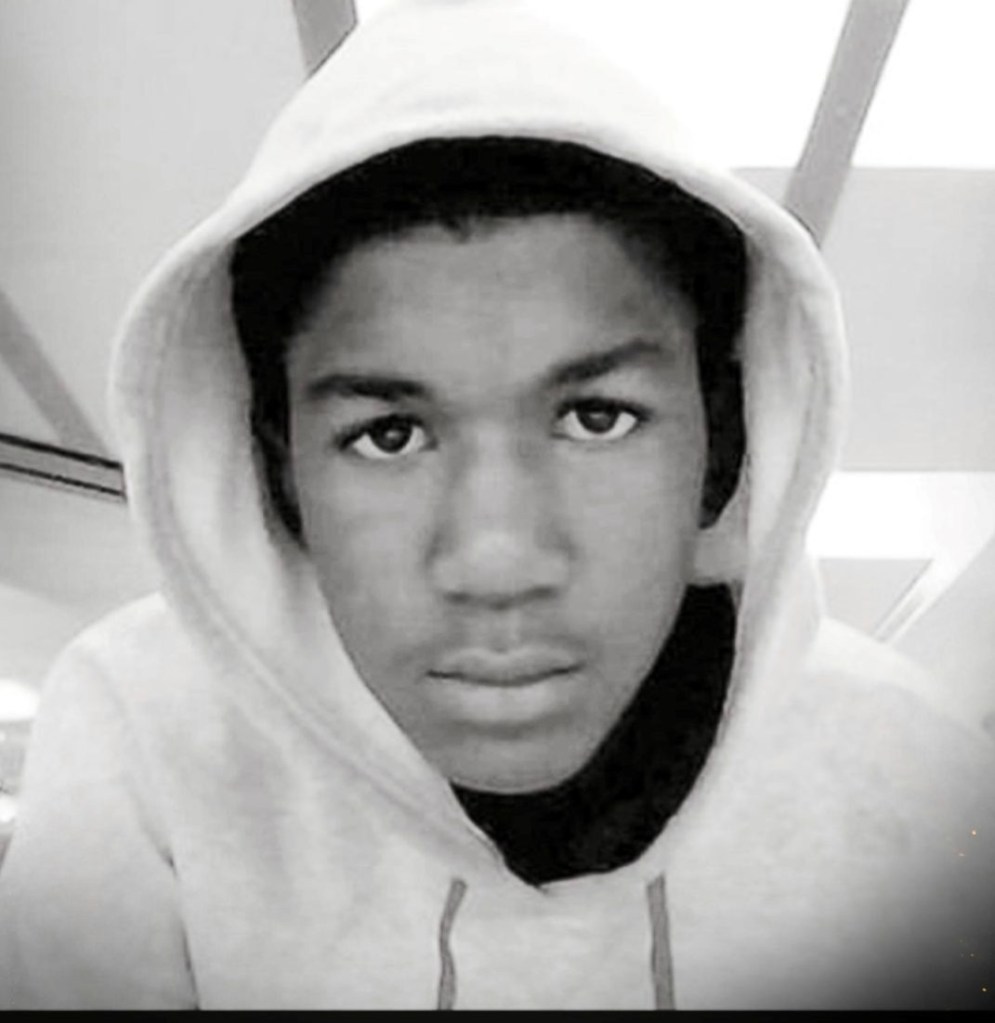
Trayvon’s story forced America to confront uncomfortable truths about race, surveillance, fear, and the unequal application of justice. His hoodie became a global symbol of protest, representing how something as simple as clothing could become a perceived threat when worn by a Black male.


He Would Have Been 31 This Year

In 2026, Trayvon Martin would have been 31 years old. He could have been a husband, a father, a professional, or a leader in his community. Instead, his life exists in collective memory as a reminder of stolen futures and unrealized potential. His age now represents not just time passed, but the depth of loss — a life that never had the chance to fully begin.


Racism in America: A Broader Context

Trayvon Martin’s death cannot be understood in isolation. It exists within a long historical continuum of racial violence in America, from slavery and lynching to mass incarceration and police brutality. Sociologists describe this phenomenon as systemic racism — a structure in which laws, institutions, and cultural narratives disproportionately harm Black people.

The fear that led to Trayvon’s death reflects what scholars call implicit racial bias, where Black males are often subconsciously associated with danger, criminality, and threat. These biases influence everything from policing and surveillance to legal outcomes and media portrayals.

Trayvon’s case exposed how even in the absence of a crime, Black existence itself can be treated as suspicious. His death became a mirror held up to American society, forcing the nation to ask: Who is allowed to be innocent? Who is allowed to be safe? And whose life is presumed valuable?


Legacy

Trayvon Martin’s legacy is not defined by his death, but by the global movement that arose because of it. His name is spoken alongside others — Michael Brown, Tamir Rice, Sandra Bland, Breonna Taylor, George Floyd — as part of a growing historical archive of racial injustice.

Yet Trayvon remains unique: he was not arrested, not resisting, not committing a crime. He was simply walking home.

His life and death continue to educate, mobilize, and challenge the world to build a society where Black children can exist without fear, where justice is not selective, and where no family must bury a child for simply being seen as “out of place.”


References

Alexander, M. (2012). The new Jim Crow: Mass incarceration in the age of colorblindness. The New Press.

Bonilla-Silva, E. (2018). Racism without racists: Color-blind racism and the persistence of racial inequality in America (5th ed.). Rowman & Littlefield.

CBS News. (2013). George Zimmerman acquitted in Trayvon Martin case.

Garza, A. (2014). A herstory of the #BlackLivesMatter movement. The Feminist Wire.

Newman, K. S., & Cohen, A. (2014). Race, place, and building a youth movement: The case of Trayvon Martin. American Sociological Review, 79(3), 449–476.

Pew Research Center. (2016). On views of race and inequality, Blacks and Whites are worlds apart.

U.S. Department of Justice. (2013). Investigation of the Sanford Police Department’s handling of the Trayvon Martin shooting.

From Chains to Challenges: The Black Journey from Slavery to Modern Struggle.

The story of Black people in the Americas is a long arc of suffering, survival, and strength. Slavery was one of the most devastating atrocities in human history, yet it became the soil out of which resilience, culture, and faith blossomed. To understand where we stand today, we must revisit the beginning—how slavery started, how it ended, and what challenges remain in the present day. This narrative is not merely about the past; it is about the enduring struggle for freedom, dignity, and equality.

Black History Timeline: From Slavery to Modern Struggle

  • 1619 – First enslaved Africans arrive in Virginia, marking the beginning of chattel slavery in the English colonies.
  • 1863 – President Abraham Lincoln issues the Emancipation Proclamation, declaring enslaved people in Confederate states free.
  • 1865 – The 13th Amendment is ratified, officially abolishing slavery in the United States.
  • 1868 – The 14th Amendment grants citizenship and equal protection under the law to formerly enslaved people.
  • 1870 – The 15th Amendment grants Black men the right to vote.
  • 1896Plessy v. Ferguson Supreme Court decision establishes “separate but equal,” legalizing racial segregation.
  • 1954Brown v. Board of Education Supreme Court decision declares school segregation unconstitutional.
  • 1964 – The Civil Rights Act is passed, outlawing discrimination based on race, color, religion, sex, or national origin.
  • 1965 – The Voting Rights Act is signed into law, protecting Black Americans’ right to vote.
  • 2008 – Barack Obama is elected the first Black President of the United States.
  • 2013 – The Black Lives Matter movement is founded in response to police violence and systemic racism.
  • 2020 – Global protests erupt after the murder of George Floyd, sparking renewed calls for racial justice worldwide.

The transatlantic slave trade began in the 15th century when European powers discovered the economic potential of African labor for their colonies in the Americas. Enslaved Africans were kidnapped, sold, and shipped under brutal conditions across the Atlantic in what became known as the Middle Passage. Millions perished along the way, their bodies thrown overboard. Those who survived were forced into chattel slavery, treated as property with no rights, and subjected to physical abuse, family separation, and cultural erasure (Smallwood, 2007).

Slavery in the United States was particularly harsh because it was racialized and hereditary. The legal system ensured that children born to enslaved mothers were automatically slaves, cementing generational bondage (Baptist, 2014). Plantations thrived on cotton, sugar, and tobacco, and the wealth of the American South—and much of the North—depended on unpaid African labor. This institution became so entrenched that it divided the nation politically, socially, and economically.

Resistance was always present. Enslaved people rebelled in overt and covert ways, from uprisings like Nat Turner’s rebellion to everyday acts of defiance such as breaking tools, escaping via the Underground Railroad, or maintaining African traditions in music and religion. These acts of resistance preserved Black humanity and spirit even in the face of dehumanization (Berlin, 2003).

The formal end of slavery in the United States came with the Civil War (1861–1865). President Abraham Lincoln’s Emancipation Proclamation in 1863 declared freedom for enslaved people in Confederate states, though true liberation came only with the Union victory and the ratification of the 13th Amendment in 1865. Yet freedom was only partial—many enslavers resisted, and newly freed people faced systemic violence and oppression (Foner, 2014).

Reconstruction (1865–1877) was a critical but short-lived moment of hope. Freedmen’s schools were established, Black men gained the right to vote, and several Black politicians were elected to office. However, white supremacist backlash soon reversed these gains through Black Codes, sharecropping systems, and domestic terrorism by groups such as the Ku Klux Klan. Reconstruction’s collapse ushered in the era of Jim Crow segregation (Litwack, 1998).

Jim Crow laws legally enforced racial segregation, keeping Black Americans in a second-class status for nearly a century. Public spaces, schools, and neighborhoods were divided, with Black people denied equal access to education, housing, and voting rights. Lynchings became a tool of terror, and entire communities were burned to the ground, as in Tulsa’s 1921 massacre (Gates, 2019). Despite this, Black Americans built their own thriving institutions, from HBCUs to churches that became pillars of community life.

The Civil Rights Movement of the 1950s and 1960s was a turning point. Leaders like Martin Luther King Jr., Rosa Parks, and Malcolm X challenged racial injustice through marches, boycotts, and powerful speeches. Landmark victories included the Brown v. Board of Education decision (1954), the Civil Rights Act (1964), and the Voting Rights Act (1965). These legal changes dismantled de jure segregation, though de facto inequalities persisted (Branch, 1988).

Key Figures Who Made a Difference

  • Abraham Lincoln – Issued the Emancipation Proclamation and pushed for the 13th Amendment to abolish slavery.
  • Frederick Douglass – Escaped slave, abolitionist, writer, and orator who advocated for freedom and equality.
  • Harriet Tubman – Led hundreds to freedom through the Underground Railroad, symbolizing courage and liberation.
  • Sojourner Truth – Abolitionist and women’s rights advocate, known for her “Ain’t I a Woman?” speech.
  • W.E.B. Du Bois – Scholar and co-founder of the NAACP, championed civil rights and Pan-African unity.
  • Marcus Garvey – Advocated Black pride, economic independence, and Pan-Africanism.
  • Martin Luther King Jr. – Leader of the Civil Rights Movement, preached nonviolent resistance and racial equality.
  • Malcolm X – Spokesman for Black empowerment and self-defense, encouraged pride in African heritage.
  • Rosa Parks – Sparked the Montgomery Bus Boycott by refusing to give up her seat, inspiring nationwide action.
  • Thurgood Marshall – First Black Supreme Court Justice, fought segregation through legal challenges.
  • Ida B. Wells – Journalist and anti-lynching crusader, raised awareness of racial terror.
  • Barack Obama – First Black President of the United States, symbolizing progress and representation.

After the Civil Rights era, there were significant advances: greater representation in politics, the election of mayors, governors, and, eventually, President Barack Obama. Economic opportunities slowly expanded, but wealth disparities, mass incarceration, and systemic racism remained. The War on Drugs disproportionately targeted Black communities, leading to generations of Black men being imprisoned and families being destabilized (Alexander, 2010).

In today’s world, slavery no longer wears chains but manifests economically and psychologically. Financial bondage can be seen in predatory lending, wage disparities, and a lack of generational wealth. Black households, on average, hold a fraction of the wealth of white households due to historical exclusion from homeownership programs like the GI Bill and redlining practices (Oliver & Shapiro, 2006).

One of the clearest examples of modern-day economic slavery is student debt. Black students are more likely to take on loans for college and graduate with higher debt burdens than their white counterparts, limiting their ability to buy homes, invest, and build wealth (Scott-Clayton & Li, 2016). Education, once seen as a tool of liberation, can trap graduates in decades of repayment, mirroring the cycle of sharecropping debt from the Reconstruction era.

Prison labor is another form of present-day slavery. The 13th Amendment abolished slavery “except as punishment for crime,” allowing prisons to exploit incarcerated individuals for little to no pay. Many major corporations profit from prison labor, making mass incarceration an economic engine that disproportionately affects Black men (Davis, 2003). This system echoes the convict leasing programs of the late 19th century, where newly freed Black men were arrested for minor infractions and leased out to plantations and factories.

Corporate exploitation also plays a role in the new slavery. Many Black communities are targeted by payday lenders, fast-food chains, and predatory retailers who profit from economic desperation. Food deserts—neighborhoods with little access to fresh produce—force residents to rely on unhealthy options, contributing to poor health outcomes and reinforcing a cycle of dependency (Walker et al., 2010).

Employment discrimination continues to be a barrier. Studies have shown that resumes with “Black-sounding” names receive fewer callbacks than those with “white-sounding” names despite identical qualifications (Bertrand & Mullainathan, 2004). This systemic bias reinforces cycles of poverty and limits access to economic mobility.

Education remains a battleground. Predominantly Black schools often receive less funding, leading to fewer resources, overcrowded classrooms, and lower graduation rates. Yet, despite these challenges, Black students continue to excel, breaking barriers in academia, science, and entrepreneurship (Ladson-Billings, 2006).

Cultural slavery persists in the form of media stereotypes that shape perceptions of Black identity. From harmful tropes of the “thug” or “angry Black woman” to colorism within the Black community, these narratives influence hiring decisions, policing, and self-esteem. Representation in media, however, is slowly shifting, with more nuanced and empowering portrayals emerging.

Financial literacy has become a tool of modern liberation. Black entrepreneurs, activists, and educators are teaching about credit, investments, and ownership. Movements like #BuyBlack encourage the circulation of dollars within Black communities to build sustainable economic power (Anderson, 2017).

Social justice movements have reignited the fight against systemic oppression. These movements use technology and social media to expose police brutality, advocate for criminal justice reform, and mobilize global solidarity. The digital age has given new tools to an old struggle for freedom.

Spiritually, many in the Black community turn to faith as a source of endurance. Churches remain hubs for organizing, political activism, and community care. The Black church has historically been a place where the enslaved could sing freedom songs, where civil rights leaders could strategize, and where today’s generation continues to find hope.

Globally, the African diaspora faces similar challenges. In places like Brazil, the Caribbean, and the UK, Afro-descendant communities grapple with racial inequality, police violence, and underrepresentation. The struggle for Black liberation is international, linking us to a global human rights movement.

Despite the challenges, the Black journey is marked by incredible achievements in arts, science, sports, politics, and beyond. The cultural contributions of African Americans—from jazz to hip-hop, from literature to fashion—have transformed the world and redefined what it means to be resilient.

Today, being “enslaved” can also mean mental enslavement: internalized racism, self-hate, and the pursuit of material validation rather than true freedom. Breaking free requires education, healing, and a reorientation toward self-love and community empowerment.

This journey is not only about survival but about thriving. The legacy of slavery can be transformed into a legacy of greatness when knowledge, faith, and economic empowerment are combined. The fight is not over, but the foundation has been laid by those who came before us.


References
Alexander, M. (2010). The new Jim Crow: Mass incarceration in the age of colorblindness. The New Press.
Anderson, C. (2017). PowerNomics: The national plan to empower Black America. PowerNomics Corporation of America.
Baptist, E. (2014). The half has never been told: Slavery and the making of American capitalism. Basic Books.
Berlin, I. (2003). Generations of captivity: A history of African-American slaves. Harvard University Press.
Bertrand, M., & Mullainathan, S. (2004). Are Emily and Greg more employable than Lakisha and Jamal? American Economic Review, 94(4), 991–1013.
Branch, T. (1988). Parting the waters: America in the King years 1954-63. Simon & Schuster.
Davis, A. (2003). Are prisons obsolete? Seven Stories Press.
Foner, E. (2014). Reconstruction: America’s unfinished revolution, 1863-1877. Harper Perennial.
Gates, H. L. (2019). Stony the road: Reconstruction, white supremacy, and the rise of Jim Crow. Penguin Press.
Ladson-Billings, G. (2006). From the achievement gap to the education debt: Understanding achievement in U.S. schools. Educational Researcher, 35(7), 3–12.
Litwack, L. F. (1998). Trouble in mind: Black southerners in the age of Jim Crow. Vintage.
Oliver, M. L., & Shapiro, T. M. (2006). Black wealth/white wealth: A new perspective on racial inequality. Routledge.
Scott-Clayton, J., & Li, J. (2016). Black-white disparity in student loan debt more than triples after graduation. Brookings Institution.
Smallwood, S. (2007). Saltwater slavery: A middle passage from Africa to American diaspora. Harvard University Press.
Walker, R. E., Keane, C. R., & Burke, J. G. (2010). Disparities and access to healthy food in the United States: A review of food deserts literature. Health & Place, 16(5), 876–884.

Is There Wealth in the Black Community?

The question of whether there is wealth in the Black community requires both historical and contemporary analysis. On one hand, there are visible examples of affluent Black individuals—entrepreneurs, entertainers, athletes, professionals, and political leaders—who have accumulated substantial financial resources. On the other hand, aggregate data consistently show that Black Americans, as a group, possess significantly less wealth than their White counterparts. This gap is not merely about income, but about intergenerational wealth, assets, ownership, and long-term financial security.

Wealth is fundamentally different from income. Income refers to money earned through wages or salaries, while wealth includes accumulated assets such as property, investments, businesses, savings, and inheritances. A household may earn a decent income yet remain wealth-poor if it lacks assets and savings. Studies show that even middle-class Black families often have far less wealth than White families with similar incomes, indicating structural rather than individual causes (Oliver & Shapiro, 2006).

Statistically, the racial wealth gap in the United States is stark. According to the Federal Reserve’s Survey of Consumer Finances, the median White household holds nearly ten times the wealth of the median Black household. In 2022, the median net worth of White households was approximately $285,000, compared to about $44,900 for Black households (Federal Reserve, 2023). This means that at the midpoint, a typical Black family has access to less than one-sixth of the financial resources of a typical White family.

Only a small percentage of Black Americans fall into the top wealth brackets. Roughly 10% of Black households hold the majority of Black wealth, mirroring the general pattern of wealth concentration in America, but starting from a far lower baseline (Pew Research Center, 2020). This creates the perception that “some” Black people are doing extremely well while the majority remain economically vulnerable.

Historically, the lack of wealth in the Black community is rooted in slavery and its aftermath. For over 250 years, enslaved Africans were denied wages, property, and legal personhood. After emancipation, formerly enslaved people were promised “40 acres and a mule,” but this never materialized. Instead, land and capital were redistributed back to former slaveholders, not the enslaved (Darity & Mullen, 2020).

The Jim Crow era further prevented Black wealth accumulation through legal segregation, exclusion from labor unions, and denial of access to quality education and housing. One of the most damaging policies was redlining, in which Black neighborhoods were systematically denied mortgages and investment. This meant Black families were locked out of the primary wealth-building tool in America: homeownership (Rothstein, 2017).

Homeownership remains one of the strongest predictors of wealth. Yet Black homeownership rates are still significantly lower than White rates. As of 2023, about 44% of Black households owned homes compared to over 73% of White households (U.S. Census Bureau, 2023). Since homes appreciate over time and can be passed down, this gap compounds across generations.

Education is often promoted as the great equalizer, but even here disparities remain. Black Americans are more likely to carry student loan debt and less likely to receive financial assistance from family. This means that Black graduates often begin their professional lives in debt, while White graduates are more likely to begin with inherited financial support (Hamilton et al., 2015).

Racism in the labor market also plays a role. Numerous studies show that Black job applicants are less likely to receive callbacks than equally qualified White applicants with identical resumes (Bertrand & Mullainathan, 2004). Wage gaps persist even when controlling for education and experience, limiting long-term earning and saving potential.

Additionally, Black entrepreneurs face greater barriers to capital. Black-owned businesses are more likely to be denied loans and receive smaller amounts at higher interest rates. Without access to startup capital, business growth is constrained, reducing one of the key pathways to wealth creation (Fairlie & Robb, 2008).

The idea that “a Black person can only get so far in America” reflects not a lack of talent or effort, but systemic ceilings embedded in institutions. Structural racism functions through policies, markets, and norms that disproportionately advantage White Americans while disadvantaging Black Americans, even without overt racial intent (Bonilla-Silva, 2018).

Another major issue is intergenerational wealth transfer. White families are far more likely to inherit money, property, or businesses. Inheritance accounts for a large portion of wealth inequality. Black families, having been historically excluded from asset ownership, simply have less to pass down (Piketty, 2014).

The lack of institutional “help” for Black people is also tied to political economy. Social programs that once benefited working-class Americans—such as the New Deal and GI Bill—were either explicitly or implicitly designed to exclude Black Americans. This produced a racialized welfare state that subsidized White mobility while limiting Black advancement (Katznelson, 2005).

Despite these realities, there is wealth within the Black community, but it is fragile, concentrated, and constantly threatened by systemic forces. Black wealth exists in professional classes, faith institutions, Black-owned media, real estate investors, and growing entrepreneurial networks. However, it lacks the generational depth and institutional protection found in White wealth.

To change this, structural solutions are required. Individual financial literacy is helpful but insufficient on its own. Policy interventions such as baby bonds, student debt cancellation, housing reparations, fair lending enforcement, and reparations for slavery are increasingly discussed as necessary to close the wealth gap (Darity et al., 2018).

At the individual level, strategies for Black wealth-building include prioritizing asset ownership, investing early, reducing consumer debt, building businesses, purchasing property in appreciating areas, and collective economics through cooperatives and community investment models. While these cannot fix systemic inequality, they can mitigate vulnerability.

Cultural shifts are also important. Consumerism, status spending, and symbolic wealth often replace long-term asset accumulation in marginalized communities. Reorienting values toward ownership, savings, and investment is crucial for sustainable economic empowerment (Hamilton & Darity, 2017).

Ultimately, the racial wealth gap is not a personal failure of Black Americans, but a predictable outcome of historical and institutional exclusion. Wealth in America has always been racialized. The question is not whether Black people work hard enough, but whether the economic system was ever designed to allow them to accumulate and retain wealth at scale.

In conclusion, there is wealth in the Black community, but it is limited, unequal, and structurally constrained. The idea that only 10% “make it” reflects a system that concentrates opportunity at the top while leaving the majority economically precarious. Without structural reform, the racial wealth gap will persist for generations.

True Black economic liberation requires both personal financial strategies and collective political action. Until racism in housing, education, finance, and labor is dismantled, wealth in the Black community will remain the exception rather than the norm.


References

Bertrand, M., & Mullainathan, S. (2004). Are Emily and Greg more employable than Lakisha and Jamal? American Economic Review, 94(4), 991–1013.
https://doi.org/10.1257/0002828042002561

Bonilla-Silva, E. (2018). Racism without racists: Color-blind racism and the persistence of racial inequality in America (5th ed.). Rowman & Littlefield.

Darity, W., Hamilton, D., Paul, M., Aja, A., Price, A., Moore, A., & Chiopris, C. (2018). What we get wrong about closing the racial wealth gap. Samuel DuBois Cook Center on Social Equity.

Darity, W., & Mullen, A. (2020). From here to equality: Reparations for Black Americans in the twenty-first century. University of North Carolina Press.

Fairlie, R. W., & Robb, A. (2008). Race and entrepreneurial success: Black-, Asian-, and White-owned businesses in the United States. MIT Press.

Federal Reserve. (2023). Survey of Consumer Finances. Board of Governors of the Federal Reserve System.

Hamilton, D., & Darity, W. (2017). The political economy of education, financial literacy, and the racial wealth gap. Federal Reserve Bank of St. Louis Review, 99(1), 59–76.

Hamilton, D., Darity, W., Price, A., Sridharan, V., & Tippett, R. (2015). Umbrellas don’t make it rain: Why studying and working hard isn’t enough for Black Americans. New School, Duke University.

Katznelson, I. (2005). When affirmative action was White: An untold history of racial inequality in twentieth-century America. W.W. Norton.

Oliver, M. L., & Shapiro, T. M. (2006). Black wealth/White wealth: A new perspective on racial inequality (2nd ed.). Routledge.

Pew Research Center. (2020). Trends in income and wealth inequality.

Piketty, T. (2014). Capital in the twenty-first century. Harvard University Press.

Rothstein, R. (2017). The color of law: A forgotten history of how our government segregated America. Liveright.

U.S. Census Bureau. (2023). Housing Vacancies and Homeownership (CPS/HVS).

Their Lives Mattered: A Black History Lament.

Their lives mattered not as statistics, not as hashtags, not as passing headlines, but as human beings whose existence was violently interrupted by systems meant to protect. The stories of Trayvon Martin, La’Quan McDonald, Sonya Massey, George Floyd, Breonna Taylor, Eric Garner, Tamir Rice, Freddie Gray, Sandra Bland, Michael Brown, Botham Jean, Philando Castile, Atatiana Jefferson, Stephon Clark, Daunte Wright, and countless others reveal a recurring pattern of racialized state violence, criminalization of Black bodies, and the persistent failure of American justice.

Trayvon Martin was a 17-year-old unarmed Black teenager who was fatally shot in 2012 by George Zimmerman in Sanford, Florida, while walking home from a convenience store. Despite being unarmed and posing no threat, Trayvon was followed, confronted, and killed under the logic of “suspicion.” Zimmerman was acquitted under Florida’s “Stand Your Ground” law, igniting national outrage and becoming a catalyst for the Black Lives Matter movement.

La’Quan McDonald was a 17-year-old Black teenager who was shot 16 times by Chicago police officer Jason Van Dyke in 2014. Dashcam footage later revealed that La’Quan was walking away from police when he was killed, contradicting official police reports. The city suppressed the video for over a year. Van Dyke was eventually convicted of second-degree murder, a rare outcome in police killings.

Sonya Massey, a 36-year-old Black woman, was killed in 2024 by an Illinois sheriff’s deputy after calling 911 for help. While experiencing a mental health crisis, she was shot in her own home. Her death raised renewed concerns about how Black women, especially those in psychological distress, are treated as threats rather than victims in need of care.

George Floyd was a 46-year-old Black man killed in 2020 after Minneapolis police officer Derek Chauvin knelt on his neck for over nine minutes while Floyd was handcuffed and pleading for his life. His death was captured on video and sparked the largest global protests against racial injustice in modern history. Chauvin was later convicted of murder, marking a rare moment of legal accountability.

Breonna Taylor was a 26-year-old Black emergency medical technician who was shot and killed in her Louisville apartment in 2020 when police executed a no-knock warrant while she was asleep. Officers fired over 30 bullets, killing her in her own home. No officer was charged directly for her death, reinforcing public outrage over the lack of accountability.

Eric Garner was a 43-year-old Black man who died in 2014 after being placed in a chokehold by NYPD officer Daniel Pantaleo for allegedly selling loose cigarettes. Garner’s final words, “I can’t breathe,” became a global symbol of police brutality. A grand jury declined to indict the officer, and Pantaleo was only fired years later.

Tamir Rice was a 12-year-old Black child who was shot and killed by Cleveland police in 2014 while playing with a toy gun in a park. Officers arrived and shot him within seconds, without attempting de-escalation. No criminal charges were filed, despite Tamir being a minor posing no imminent threat.

Freddie Gray was a 25-year-old Black man who died in 2015 from a spinal injury sustained while in police custody in Baltimore. He had been arrested and transported in a police van without being properly restrained. His death led to mass protests, but none of the officers involved were ultimately convicted.

Sandra Bland was a 28-year-old Black woman found dead in a Texas jail cell in 2015 after being arrested during a traffic stop. Her death was ruled a suicide, but her treatment, arrest, and the circumstances of her death raised serious questions about racial profiling, police aggression, and custodial negligence.

Michael Brown was an 18-year-old Black teenager shot and killed by police officer Darren Wilson in Ferguson, Missouri, in 2014. Brown was unarmed at the time. His body was left in the street for hours, igniting national protests. A grand jury declined to indict Wilson, fueling global outrage.

Botham Jean was a 26-year-old Black accountant who was shot and killed in his own apartment in 2018 by off-duty Dallas police officer Amber Guyger, who claimed she mistook his home for hers. Guyger was convicted of murder, but her sentence was widely criticized as lenient.

Philando Castile was a 32-year-old Black school cafeteria worker who was shot and killed by police during a traffic stop in Minnesota in 2016. He had calmly informed the officer that he was legally carrying a firearm. His girlfriend livestreamed the aftermath. The officer was acquitted.

Atatiana Jefferson was a 28-year-old Black woman shot and killed by police in 2019 while inside her home in Fort Worth, Texas, after a neighbor requested a wellness check. She was playing video games with her nephew when she was killed. The officer was later convicted of manslaughter.

Stephon Clark was a 22-year-old Black man shot and killed by Sacramento police in 2018 while standing in his grandmother’s backyard. Officers claimed he had a gun; he was holding a cellphone. He was shot 20 times. No officers were charged.

Daunte Wright was a 20-year-old Black man killed in 2021 during a traffic stop in Minnesota when an officer claimed she mistakenly drew her gun instead of her taser. Wright’s death occurred during the trial of Derek Chauvin and reignited national protests. The officer was convicted of manslaughter.

These deaths are not isolated incidents but part of a historical continuum rooted in slavery, Jim Crow, mass incarceration, and racialized policing. The criminal justice system has repeatedly failed to protect Black lives while excusing or minimizing state violence through qualified immunity, grand jury non-indictments, and legal doctrines that prioritize police narratives over Black testimony.

Their lives mattered because they were sons, daughters, parents, workers, students, and dreamers. They mattered because their deaths exposed the moral contradictions of a nation that proclaims liberty while systematically devaluing Black existence. To remember them is not simply an act of mourning, but a political demand for truth, accountability, and structural transformation.

Their names and many others live on not only in memory but in resistance. They have become ancestral witnesses to injustice and sacred symbols in a global struggle for Black dignity. Their blood cries out from the ground, demanding not silence, but justice.


References

Alexander, M. (2012). The New Jim Crow: Mass incarceration in the age of colorblindness. The New Press.

Black Lives Matter. (n.d.). Say Their Names. https://blacklivesmatter.com

Equal Justice Initiative. (2020). Lynching in America: Confronting the legacy of racial terror. https://eji.org

Garner, E. (2014). NYPD case files and DOJ Civil Rights Investigation. U.S. Department of Justice.

Mapping Police Violence. (2023). Police killings database. https://mappingpoliceviolence.org

New York Times. (2014–2024). Police brutality and racial justice reporting.

U.S. Department of Justice. (2020). Investigation into the Minneapolis Police Department.

Washington Post. (2015–2024). Fatal force: Police shootings database. https://www.washingtonpost.com/graphics/investigations/police-shootings-database/

Williams, P. J. (1991). The Alchemy of Race and Rights. Harvard University Press.