Tag Archives: psychology

The Double-Edged Tongue: Flattery, Manipulation, and the Power of Speech

Photo by August de Richelieu on Pexels.com

The tongue is a small member of the body, yet it holds immense power. According to Proverbs 18:21 (KJV), “Death and life are in the power of the tongue: and they that love it shall eat the fruit thereof.” This scripture is not metaphorical poetry—it is a sober warning. Words shape perceptions, open doors, destroy reputations, and alter destinies. In a culture flooded with flattering lips and silver-tongued manipulation, it is critical to examine how language can both edify and entrap.

Flattery: A Hidden Weapon
Flattery is not genuine praise; it is strategic speech designed to disarm, seduce, or deceive. The flatterer speaks to your ego, not your soul. According to Proverbs 29:5 (KJV), “A man that flattereth his neighbour spreadeth a net for his feet.” In other words, flattery is a trap—a carefully constructed snare designed to manipulate. People often use flattering words not out of sincerity, but to extract something: affection, sex, money, influence, or power.

Men may tell women, “You’re the most beautiful woman I’ve ever seen,” or, “No one understands me like you do,” not because they believe it, but because they are working toward a sexual conquest. This kind of verbal manipulation uses charm as bait. On the other hand, some women may use seductive or sweet talk to persuade men into providing money, gifts, or attention. This behavior, often referred to as finessing, is a form of verbal exploitation where emotional triggers are used to gain material advantage.

The Psychology of Talking Too Much
Talking excessively is often a symptom of deeper psychological patterns. It may stem from anxiety, narcissism, or the need for control. According to cognitive behavioral psychology, excessive talking can be a defense mechanism to avoid silence or introspection. Moreover, Proverbs is replete with warnings against this habit: “In the multitude of words there wanteth not sin: but he that refraineth his lips is wise” (Proverbs 10:19, KJV). Those who talk too much often reveal secrets, speak carelessly, or fall into boasting—all of which can lead to ruin.

Verbal Traps and Gaslighting
Speech is not only a tool of communication but of psychological warfare. Manipulators use words to confuse, distort, and dominate. This is seen in gaslighting, a psychological tactic wherein someone deliberately causes another to question their reality. A gaslighter may repeatedly deny events, twist narratives, or say things like, “You’re just being sensitive,” or “That never happened,” to erode a person’s confidence and sense of self. Their goal is to gain control by making their victim dependent on their version of reality.

Verbal traps often begin with charm and end in confusion. A manipulator may gain your trust with praise, only to later weaponize that trust through guilt or coercion. This is especially dangerous in intimate relationships, where emotional investment blinds individuals to deceit. The tongue becomes a tool not of connection, but of conquest.

Speech as a Gateway to Sin
The Scriptures make clear that the tongue is a portal through which sin often enters. James 3:5–6 (KJV) declares: “Even so the tongue is a little member, and boasteth great things… and setteth on fire the course of nature; and it is set on fire of hell.” Words can kindle lust, spread gossip, incite violence, or break covenants. With a few spoken sentences, reputations are tarnished, marriages collapse, and friendships dissolve.

Consider how lies, gossip, and false promises lead to social division and spiritual decay. According to Proverbs 6:16–19, among the seven things the Lord hates are “a lying tongue” and “a false witness that speaketh lies.” When people use their tongues to manipulate, seduce, or deceive, they align themselves with spiritual darkness, regardless of how harmless their speech may seem.

Protecting Ourselves from Flattery and Manipulation
To guard against the trap of flattering lips and manipulative speech, one must develop spiritual and emotional discernment. First, recognize that not all compliments are sincere. Flattery often feels excessive or overly timed. Wise people test words against patterns of behavior. Proverbs 14:15 (KJV) reminds us: “The simple believeth every word: but the prudent man looketh well to his going.”

Second, stay grounded in the truth of Scripture. When you know your identity in Christ, you are less vulnerable to those who seek to exploit your insecurities. People-pleasing and approval addiction are spiritual weaknesses that flattery exploits. But when your value is rooted in God—not in compliments, likes, or gifts—you are not easily swayed.

Third, limit your own tongue. Learn the discipline of silence. When you talk less, you listen more. When you stop revealing every emotion, plan, or vulnerability, you become less susceptible to manipulation. Proverbs 17:27–28 (KJV) says, “He that hath knowledge spareth his words… Even a fool, when he holdeth his peace, is counted wise.”

Conclusion: The Call to Speak Life
Speech is sacred. Our words can heal or harm, free or enslave. The tongue, though small, reveals the condition of the heart. As Matthew 12:37 (KJV) affirms, “For by thy words thou shalt be justified, and by thy words thou shalt be condemned.” Those who use their words to deceive, seduce, or manipulate walk a path of destruction. But those who speak truth, encouragement, and righteousness give life to those around them.

Let us be people whose words reflect the wisdom of God and not the cunning of the serpent. Let us guard our hearts, our tongues, and our ears, so that we are not ensnared by flattery nor guilty of offering it deceptively. In a world full of persuasive voices, may we remain anchored in truth, speaking life—not death.


References (APA Style):

  • American Psychiatric Association. (2013). Diagnostic and Statistical Manual of Mental Disorders (5th ed.).
  • Glouberman, M. (2021). The Psychology of Gaslighting and Manipulative Speech. Psychology Today.
  • Twenge, J. M., & Campbell, W. K. (2009). The Narcissism Epidemic: Living in the Age of Entitlement. Free Press.
  • The Holy Bible, King James Version. Scriptures cited: Proverbs 10:19; Proverbs 18:21; Proverbs 29:5; Proverbs 6:16–19; Proverbs 14:15; James 3:5–6; Matthew 12:37; Proverbs 17:27–28; 2 Timothy 3:2.
  • Lundy, B. (2007). Why Does He Do That? Inside the Minds of Angry and Controlling Men. Berkley Books.

Emotional Intelligence in Relationships: Understanding, Application, and Impact

Photo by Tara Winstead on Pexels.com

Emotional intelligence (EI) is the ability to recognize, understand, manage, and influence one’s own emotions and the emotions of others (Goleman, 1995). In the context of romantic relationships, EI is crucial for maintaining harmony, fostering empathy, and enhancing communication. Relationships are inherently emotional, and the capacity to navigate feelings effectively determines relational satisfaction, conflict resolution, and intimacy. In both secular psychology and biblical guidance, emotional awareness is linked to wisdom, patience, and love (Proverbs 14:29; James 1:19, KJV).

The Necessity of Emotional Intelligence

The need for emotional intelligence in relationships arises from the complexity of human interaction. Emotions can either strengthen bonds or drive conflict. Partners with high EI are better able to regulate anger, manage jealousy, and respond with empathy to distress. Psychologically, EI contributes to secure attachment and relational resilience (Mayer, Caruso, & Salovey, 2004). From a biblical perspective, emotional regulation and empathy align with Christlike love: “Be ye angry, and sin not: let not the sun go down upon your wrath” (Ephesians 4:26, KJV).

Impact of EI on Communication

Emotional intelligence directly shapes communication in relationships. Individuals with high EI are skilled in expressing feelings constructively, listening actively, and decoding nonverbal cues. For example, when a partner expresses disappointment, an emotionally intelligent response may involve validating the feeling rather than defensiveness. This fosters trust, reduces misunderstandings, and encourages vulnerability (Bar-On, 2006). In biblical terms, the counsel to “let every man be swift to hear, slow to speak, slow to wrath” (James 1:19, KJV) underscores the importance of measured, empathetic communication.

Psychology Behind Emotional Intelligence

Psychological research identifies four core components of EI: self-awareness, self-regulation, social awareness, and relationship management (Goleman, 1995). Self-awareness allows recognition of personal emotions; self-regulation permits control over impulsive reactions. Social awareness fosters empathy, and relationship management enables negotiation and collaboration. These capacities are essential in romantic settings where misunderstandings, conflict, and emotional needs constantly arise.

Examples in Romantic Relationships

Practical examples of EI in relationships include: recognizing when a partner needs space during conflict, expressing appreciation verbally or through actions, and apologizing sincerely after mistakes. For instance, if a woman feels undervalued after a disagreement, a man with high EI may validate her feelings and suggest a solution rather than dismissing her concerns. Conversely, a partner lacking EI may respond defensively, escalating tension and emotional distance.

Here’s a companion table summarizing key emotional intelligence traits, their impact in relationships, biblical parallels (KJV), and examples in romance:

EI TraitImpact in RelationshipsBiblical Parallel (KJV)Example in Romance
Self-AwarenessRecognizes personal emotions and triggers“A prudent man foreseeth the evil, and hideth himself; but the simple pass on, and are punished.” (Proverbs 22:3)A partner notices growing frustration and chooses to pause before reacting in anger.
Self-RegulationControls impulsive reactions, promotes patience“He that is slow to wrath is of great understanding…” (Proverbs 14:29)After a disagreement, one partner calmly discusses feelings instead of shouting.
EmpathyUnderstands partner’s feelings, strengthens emotional connection“Rejoice with them that do rejoice, and weep with them that weep.” (Romans 12:15)Listening attentively when a partner shares personal struggles, validating their emotions.
Social AwarenessRecognizes unspoken cues and social dynamics“Let every man be swift to hear, slow to speak, slow to wrath.” (James 1:19)Sensing a partner’s discomfort and adjusting behavior to ease tension.
Relationship ManagementResolves conflicts, builds trust and intimacy“A soft answer turneth away wrath…” (Proverbs 15:1)Mediating disagreements by seeking compromise rather than insisting on winning.
PatienceReduces impulsivity and resentment“With all longsuffering, forbearing one another in love.” (Ephesians 4:2)Waiting calmly for a partner to share feelings instead of demanding immediate answers.
Emotional ResilienceRecovers from setbacks, maintains relational stability“We glory in tribulations also: knowing that tribulation worketh patience.” (Romans 5:3)After a fight, both partners can forgive and rebuild trust.
MindfulnessMaintains presence and attentiveness in interaction“Be careful for nothing; but in every thing by prayer and supplication with thanksgiving let your requests be made known unto God.” (Philippians 4:6)Focusing fully on a date or conversation without distraction from phones or stress.
AdaptabilityAdjusts to changing circumstances and needs“A prudent man foreseeth the evil, and hideth himself; but the simple pass on, and are punished.” (Proverbs 22:3)Modifying plans when a partner is overwhelmed or stressed.
Conflict ResolutionResolves disputes constructively“If it be possible, as much as lieth in you, live peaceably with all men.” (Romans 12:18)Discussing disagreements calmly and collaboratively rather than ignoring or escalating issues.

This table provides a practical roadmap for applying emotional intelligence in romantic relationships, showing how each trait aligns with biblical wisdom and tangible examples.

Traits Related to Emotional Intelligence and Narcissism

Traits related to EI include empathy, patience, adaptability, and emotional resilience. Narcissism, in contrast, is associated with low emotional intelligence, characterized by lack of empathy, impulsivity, and inability to regulate emotions effectively (Twenge & Campbell, 2009). Narcissistic individuals may struggle to maintain intimate relationships because they prioritize self-interest over mutual understanding. Other traits similar to EI include social competence, mindfulness, and interpersonal sensitivity—each enhancing relational harmony and effective communication.

Emotions and Their Effects

Emotions are complex psychological and physiological responses to stimuli that influence thought, behavior, and relationships (Ekman, 1999). In romantic contexts, emotions can inspire affection, connection, and intimacy, but unchecked emotions such as anger, jealousy, or resentment can undermine trust and relational satisfaction. Emotional intelligence enables individuals to harness emotions constructively, promoting understanding, compromise, and relational growth.

Benefits, Downfalls, and Conclusion

The benefits of emotional intelligence in relationships are manifold: enhanced communication, conflict resolution, intimacy, and long-term relational satisfaction. Conversely, low EI can lead to misunderstandings, relational instability, and emotional harm. The Bible emphasizes the cultivation of self-control, patience, and empathy as foundational to loving relationships (Proverbs 15:1; Galatians 5:22–23, KJV). In summary, emotional intelligence is both a psychological skill and a spiritual discipline, enabling partners to navigate complex emotions, communicate effectively, and build enduring, loving relationships.


References

  • Bar-On, R. (2006). The Bar-On model of emotional-social intelligence (ESI). Psicothema, 18, 13–25.
  • Ekman, P. (1999). Basic emotions. In T. Dalgleish & M. Power (Eds.), Handbook of Cognition and Emotion.
  • Goleman, D. (1995). Emotional Intelligence: Why it Can Matter More Than IQ. Bantam Books.
  • Mayer, J. D., Caruso, D. R., & Salovey, P. (2004). Emotional intelligence: Theory, findings, and implications. Psychological Inquiry, 15(3), 197–215.
  • Twenge, J. M., & Campbell, W. K. (2009). The narcissism epidemic: Living in the age of entitlement. Free Press.
  • Holy Bible, King James Version (KJV).

Dilemma: Self Worship

“Thou Shalt Have No Other Gods Before Me”: A Theological and Psychological Critique of Self-Worship in Contemporary Culture

Photo by Ekaterina Astakhova on Pexels.com

Abstract

This dissertation explores the phenomenon of self-worship, a rising form of idolatry in contemporary society, particularly magnified in the realms of celebrity culture, social media, and beauty obsession. Drawing from biblical texts (KJV and the Apocrypha), psychological literature on grandiose narcissism, and sociocultural analysis, this study examines the roots, expressions, and consequences of self-worship. It explores the behavioral traits of individuals who exalt themselves as deities—glorifying their own beauty, status, or public acclaim—and evaluates the psychological mechanisms and societal factors that support this phenomenon. The study aims to confront the spiritual and psychological dangers of inflated self-regard and calls for a return to biblical humility, godly reverence, and authentic self-worth rooted in the Creator rather than creation.


Introduction

In a world increasingly driven by self-promotion, vanity, and external validation, the age-old sin of idolatry has taken a new form—self-worship. While ancient idols were carved from wood or stone, today’s idols are sculpted through filters, fame, and the facade of perfection. Both celebrities and ordinary individuals fall prey to this spiritual distortion, building altars to themselves in their minds, and seeking homage from others. Self-worship, as this paper contends, is not only a theological offense against God but also a psychological and sociological pathology that distorts the human soul and fractures authentic relationships.


The Biblical Condemnation of Self-Worship

The Bible speaks extensively about idolatry, repeatedly warning against exalting anything—including the self—above God. The first commandment in Exodus 20:3 (KJV) states unequivocally: “Thou shalt have no other gods before me.” The commandment includes not only external idols but internal idols—such as pride, vanity, and self-importance. In 2 Timothy 3:2, Paul prophetically writes, “For men shall be lovers of their own selves, covetous, boasters, proud, blasphemers…” This is a direct reference to self-worship and its moral decay.

The Apocrypha echoes this sentiment. In Wisdom of Solomon 14:12, it reads: “For the devising of idols was the beginning of spiritual fornication, and the invention of them the corruption of life.” When the self becomes an idol, spiritual decay follows. Worshipping oneself as a god is not new—it reflects Lucifer’s fall: “I will ascend into heaven, I will exalt my throne above the stars of God…” (Isaiah 14:13-14, KJV). His pride became his destruction, and similarly, self-exaltation today leads to spiritual ruin.


The Psychology of Grandiose Narcissism

In clinical psychology, grandiose narcissism is a subtype of narcissistic personality disorder (NPD) characterized by an inflated sense of self-worth, superiority, and a deep need for admiration. It differs from vulnerable narcissism, which is rooted in insecurity. Grandiose narcissists believe they are uniquely special, destined for greatness, and entitled to constant praise.

Traits of Grandiose Narcissism include:

  • Inflated self-importance and superiority
  • Obsessive focus on physical appearance or success
  • Excessive need for admiration and validation
  • Exploitation of others for personal gain
  • Lack of empathy
  • Arrogance or haughty behavior
  • Belief in personal uniqueness and entitlement

This narcissistic tendency aligns dangerously with the spiritual concept of self-worship. A person who sees themselves as the center of the universe becomes their own god—demanding praise, expecting submission, and rejecting correction.


Beauty, Vanity, and the Venus Archetype

The modern obsession with physical beauty feeds directly into the cult of self-worship. Women in particular are pressured to idolize their own appearance, often comparing themselves to the goddess Venus—symbol of beauty, sensuality, and sexual power. Venus has become a cultural archetype for many women today: admired, envied, and worshipped. Platforms like Instagram and TikTok turn beauty into currency, while women proclaim their desirability through filtered images and curated lifestyles.

Proverbs 31:30 warns: “Favour is deceitful, and beauty is vain: but a woman that feareth the Lord, she shall be praised.” The wisdom here is that beauty is temporary, but character and reverence endure. However, in today’s media-saturated culture, this truth is largely ignored. When self-worth is built on external appearance, it breeds not only insecurity but a false elevation of the self as divine.


The Role of the Media in Promoting Self-Worship

Modern media is the altar upon which self-worship is enshrined. Reality television, influencer culture, celebrity worship, and branding all contribute to the normalization of narcissistic behavior. The media teaches that being seen, praised, and envied is the highest good. Fame becomes salvation. A viral post becomes validation. The line between performance and personhood blurs, and identity becomes a curated image.

Social media, in particular, reinforces narcissistic behaviors by rewarding exhibitionism and self-glorification. Algorithms favor beauty, wealth, and hyper-confidence—traits often found in narcissistic personalities. These platforms serve as digital mirrors where people worship their reflection and demand that others do the same.


Self-Worship in Ordinary Life

While celebrities may seem the most obvious practitioners of self-worship, the behavior is increasingly common among ordinary people. Everyday individuals parade their accomplishments, beauty, and opinions in a desperate bid for recognition. Self-worship often disguises itself as “self-love,” but it becomes sinful when it demands the praise that rightfully belongs to God.

This idolatry manifests in statements like, “I know I’m beautiful because people tell me all the time,” or “I’m a goddess,” which reflect the dangerous shift from healthy self-esteem to exalted self-idolatry. Even subtle behaviors—like constantly posting selfies, fishing for compliments, or belittling others—reflect the undercurrent of a self-worshipping heart.


The Roots of Self-Worship: Is Childhood to Blame?

Childhood development plays a significant role in the formation of narcissistic tendencies. Overindulgent parenting, unearned praise, or early trauma can foster an inflated or fragile sense of self. Children who are told they are “better than everyone” without being taught humility, or those who are neglected and overcompensate through performance, are both at risk. According to Kohut’s theory of narcissism, unmet childhood needs for mirroring and affirmation can result in an adult who demands excessive validation.

Thus, self-worship is often a psychological defense mechanism—masking insecurity and unresolved wounds. It’s not merely vanity; it is a cry for significance answered in the wrong place.


How the Self-Worshipper Treats Others

Those who worship themselves often view others as either tools or threats. Relationships become transactional: others are valuable only if they admire, serve, or elevate the narcissist. Grandiose narcissists lack empathy and often demean those who don’t feed their ego. This results in broken relationships, abuse of power, and a cycle of isolation. The Bible warns in Proverbs 16:18: “Pride goeth before destruction, and an haughty spirit before a fall.”


Why Do People Believe They Are Gods?

The belief that one is a god or divine figure often stems from a mix of cultural, psychological, and spiritual deception. It echoes Satan’s original lie in Genesis 3:5, “Ye shall be as gods.” This temptation continues to plague humanity today. Some believe they are gods due to power, fame, or spiritual delusion. Others, like those in the New Age or occult circles, genuinely believe in self-deification.

Spiritually, this is rebellion against the Creator. Isaiah 2:11 (KJV) warns: “The lofty looks of man shall be humbled, and the haughtiness of men shall be bowed down, and the LORD alone shall be exalted in that day.” Self-worship is ultimately a challenge to God’s sovereignty.


Conclusion: Returning to Reverence

In a world obsessed with self, the antidote is surrender. Humanity was never meant to bear the weight of worship. Only God is worthy. Worshipping the self leads to spiritual blindness, relational dysfunction, and moral collapse. Whether you are a celebrity or a regular person, the call is the same: “Humble yourselves in the sight of the Lord, and he shall lift you up” (James 4:10, KJV). God calls us to die to self, not deify it.

True self-worth is not found in the mirror or the masses but in the One who made us. To be free from self-worship is to walk in humility, love others sincerely, and live for the glory of God—not the applause of man.


References

  • American Psychiatric Association. (2013). Diagnostic and Statistical Manual of Mental Disorders (5th ed.). Washington, DC.
  • Kohut, H. (1971). The Analysis of the Self. New York: International Universities Press.
  • Lasch, C. (1979). The Culture of Narcissism. New York: Norton.
  • Twenge, J. M., & Campbell, W. K. (2009). The Narcissism Epidemic: Living in the Age of Entitlement. Free Press.
  • Bible. King James Version (KJV). Scriptures: Exodus 20:3; Isaiah 14:13–14; Proverbs 31:30; 2 Timothy 3:2; James 4:10; Isaiah 2:11; Genesis 3:5; Proverbs 16:18.
  • Apocrypha. Wisdom of Solomon 14:12. (Available in KJV-based Apocryphal editions.)

Dilemma: Generational Trauma

Pain as an Inheritance

Photo by Mensah Shot on Pexels.com

Generational trauma is not merely a poetic metaphor—it is a psychological and physiological reality. For Black people, the wounds of the past are not confined to history books; they live within our bodies, our minds, and our cultural memory. The transatlantic slave trade, Jim Crow laws, lynchings, segregation, mass incarceration, and systemic racism have left indelible marks on the collective psyche of African-descended peoples. According to trauma theory, unhealed pain can be transmitted across generations through learned behaviors, family dynamics, and even epigenetic changes that alter stress responses (Yehuda et al., 2016). Dr. Joy DeGruy (2005) calls this Post Traumatic Slave Syndrome, where the legacy of slavery manifests in self-doubt, internalized racism, and fractured community trust. The Bible affirms the reality of inherited struggle, stating, “The fathers have eaten sour grapes, and the children’s teeth are set on edge” (Jeremiah 31:29, KJV), illustrating how the consequences of one generation’s suffering can shape the lives of those yet unborn.

Our ancestors endured unimaginable cruelty—chains cutting into their wrists, the lash of the whip, the ripping apart of families, the erasure of native languages, and the stripping away of names, culture, and heritage. They survived slave ships where human beings were packed like cargo, brutal plantation labor from sunrise to sundown, and laws that declared them three-fifths of a person. These experiences did not vanish when emancipation came; instead, they morphed into racial terror, voter suppression, economic exclusion, and the daily indignities of being treated as “less than.” Such trauma imprinted a deep sense of hypervigilance, mistrust of institutions, and generational patterns of resilience and caution. Maya Angelou once said, “You may not control all the events that happen to you, but you can decide not to be reduced by them.” This speaks to the dual reality of our inheritance: the pain that seeks to bind us and the strength that pushes us to overcome.

Psychologically, generational trauma manifests in patterns of parenting, communication styles, and survival strategies that were essential in hostile environments but may become maladaptive in modern contexts. The legacy of white supremacy perpetuates this cycle by embedding inequality into laws, housing policies, education systems, and media narratives. Microaggressions, racial profiling, wage gaps, and health disparities are not isolated incidents; they are the aftershocks of centuries of oppression. According to the American Psychological Association (2019), chronic exposure to racism creates toxic stress, increasing risks for depression, anxiety, hypertension, and shortened life expectancy among Black Americans. As Exodus 3:7 (KJV) records, “I have surely seen the affliction of my people…and have heard their cry by reason of their taskmasters; for I know their sorrows.” God’s acknowledgment of suffering affirms the depth of our pain while offering hope for deliverance.

The pain we face today—police brutality, mass incarceration, economic inequality, and cultural erasure—is both the shadow of our history and the continuation of an oppressive system. White supremacy’s greatest cruelty is that it not only inflicts harm in the present but also manipulates the past, making it harder for us to heal. Yet healing is possible. Breaking the cycle requires collective acknowledgment, truth-telling, cultural restoration, and both psychological and spiritual liberation. As Galatians 5:1 (KJV) declares, “Stand fast therefore in the liberty wherewith Christ hath made us free, and be not entangled again with the yoke of bondage.” To reject the inheritance of pain is not to forget our ancestors’ suffering, but to honor them by reclaiming our wholeness, our joy, and our future.


References

  • American Psychological Association. (2019). Stress effects on the body. https://www.apa.org
  • DeGruy, J. (2005). Post Traumatic Slave Syndrome: America’s Legacy of Enduring Injury and Healing. Uptone Press.
  • Yehuda, R., et al. (2016). Holocaust exposure induced intergenerational effects on FKBP5 methylation. Biological Psychiatry, 80(5), 372–380.
  • The Holy Bible, King James Version.

❤️💓💞💗*LOVE Is….*❤️💓💞💗

A Biblical and Psychological Perspective

Photo by 10 Star on Pexels.com

❤️Love According to the Bible (KJV)❤️

In the King James Version of the Bible, love is presented not merely as a fleeting emotion but as a divine command and a reflection of God’s nature. 1 Corinthians 13:4–8 describes love (charity) as patient, kind, without envy, not proud, not easily provoked, and rejoicing in truth. The Bible asserts that “God is love” (1 John 4:8), indicating that love is both the essence and the expression of His being. Love in Scripture is sacrificial, enduring, and rooted in righteousness—calling believers to love God, themselves, and others (Matthew 22:37–39).

Love According to Psychology

Psychology views love as a complex set of emotions, behaviors, and cognitive processes involving intimacy, passion, and commitment (Sternberg, 1986). It encompasses attachment, care, trust, and empathy. Neuroscientifically, love activates the brain’s reward system, releasing dopamine, oxytocin, and serotonin—chemicals linked to pleasure, bonding, and happiness (Zeki, 2007). While psychology focuses on the human mechanisms of love, Scripture addresses its divine origin and moral responsibility.

The Three Greek Words for Love

  1. Agápē – Selfless, unconditional love; the type God has for humanity (John 3:16).
  2. Phileō – Brotherly or affectionate love; a warm friendship and deep connection (John 15:13).
  3. Éros – Romantic and passionate love; physical attraction and desire (Song of Solomon 1:2).

These distinctions help us understand love’s various expressions and contexts.

How We Show Love

Love is both a feeling and an action word. Biblically, love is demonstrated through kindness, service, forgiveness, generosity, and sacrifice (1 John 3:18). In everyday life, love is expressed through active listening, quality time, physical affection, encouragement, and meeting the needs of others.

10 Signs a Person Loves You (KJV & Practical Life)

  1. Selflessness – They put your needs before their own (Philippians 2:3–4).
  2. Kindness – Their actions are consistently gentle and uplifting (1 Corinthians 13:4).
  3. Patience – They wait and endure without frustration (1 Corinthians 13:4).
  4. Faithfulness – They remain loyal through challenges (Proverbs 17:17).
  5. Honesty – They speak truth in love (Ephesians 4:15).
  6. Forgiveness – They do not hold grudges (Colossians 3:13).
  7. Sacrifice – They are willing to give up something for your well-being (John 15:13).
  8. Encouragement – They lift you up in hard times (1 Thessalonians 5:11).
  9. Protection – They seek to guard your heart and safety (Psalm 91:14).
  10. Consistency – Their love does not change with circumstances (Romans 8:38–39).

The Author of Love

God Himself is the author and source of love. From creation to redemption, His nature demonstrates perfect love toward humanity (Jeremiah 31:3). Love flows from Him, enabling people to truly love others.

Hate vs. Love

Love builds, unites, and gives life; hate destroys, divides, and brings death (1 John 3:14–15). For example, Martin Luther King Jr. once said, “Hate cannot drive out hate; only love can do that.” Love heals wounds that hate deepens.


References

  • Holy Bible, King James Version.
  • Sternberg, R. J. (1986). A triangular theory of love. Psychological Review, 93(2), 119–135.
  • Zeki, S. (2007). The neurobiology of love. FEBS Letters, 581(14), 2575–2579.
  • King, M. L. Jr. (1963). Strength to Love. Harper & Row.

Dilemma: Mental Illness

The Silent Suffering and Mental Illness in the Black Community, Historical Roots, Case Studies, and Paths to Healing

Photo by Ketut Subiyanto on Pexels.com

Mental illness remains one of the most underdiagnosed and undertreated health crises in the Black community. Systemic racism, historical trauma from slavery, socioeconomic inequities, and cultural stigma have compounded the challenges of diagnosis and treatment. This paper examines the prevalence and types of mental illness affecting Black populations, case studies illustrating their manifestations, neuroscience research, biblical perspectives from the King James Version (KJV), and potential pathways to prevention and healing. The analysis further explores Post-Traumatic Slave Syndrome (PTSS), Stockholm Syndrome, and intergenerational trauma as they relate to mental health outcomes.


The mental health crisis within the Black community is often hidden behind layers of cultural stigma, systemic neglect, and historical trauma. According to the National Alliance on Mental Illness (NAMI), approximately 19% of Black adults live with a mental health condition, yet only one-third receive treatment[^1]. The mortality rate for those with untreated severe mental illness is significantly higher than the general population[^2]. This disparity is not merely the result of modern health care inequalities but is rooted in centuries of enslavement, oppression, and racialized violence that have reshaped generational mental health patterns.


Defining Mental Illness

The American Psychiatric Association (APA) defines mental illness as “health conditions involving changes in emotion, thinking, or behavior (or a combination thereof)” which cause distress and impair functioning[^3]. Common types include:

  • Bipolar Disorder
  • Autism Spectrum Disorder (ASD)
  • Borderline Personality Disorder (BPD)
  • Post-Traumatic Stress Disorder (PTSD)
  • Dissociative Identity Disorder (Multiple Personality Disorder)
  • Major Depressive Disorder
  • Schizophrenia
  • Obsessive-Compulsive Disorder (OCD)
  • Psychopathy and Sociopathy
  • Anxiety Disorders

Historical Roots: Why Black People Developed Certain Mental Illnesses

Slavery in America imposed continuous psychological harm: separation of families, sexual violence, physical brutality, and the stripping of cultural identity. This environment produced Post-Traumatic Slave Syndrome (PTSS), a concept by Dr. Joy DeGruy[^4], describing multigenerational trauma and adaptive survival behaviors that persist today. Furthermore, Stockholm Syndrome—a psychological phenomenon where victims develop empathy toward their oppressors—was observed in some enslaved populations who internalized slaveholder values to survive[^5].


Case Studies of Mental Illness in the Black Community

1. Bipolar Disorder

Case Study: An African American man in Detroit experienced alternating manic episodes of hyper-productivity and depressive episodes of immobilization. During an untreated manic state, he committed an armed robbery under delusional beliefs of “helping” his neighborhood. This resulted in imprisonment instead of psychiatric treatment[^6].

2. Autism Spectrum Disorder (ASD)

Case Study: A Black adolescent in Georgia went undiagnosed for years due to teachers misinterpreting his social withdrawal as defiance. His delayed diagnosis deprived him of early intervention that could have improved his academic and social functioning[^7].

3. Borderline Personality Disorder (BPD)

Case Study: A young Black woman with BPD in Chicago engaged in impulsive self-harm and unstable relationships. Her behavior escalated into violence during emotional dysregulation, leading to an assault charge. She later improved through dialectical behavior therapy (DBT)[^8].

4. Post-Traumatic Stress Disorder (PTSD)

Case Study: A Gulf War veteran from the Black community returned with severe PTSD and hypervigilance. The trauma of combat was compounded by racial discrimination in the military, making reintegration into civilian life difficult[^9].

5. Schizophrenia

Case Study: A Black man in Los Angeles suffered from paranoid schizophrenia. Misdiagnosed initially as bipolar disorder, he murdered a stranger he believed was “following orders” from a gang. Correct diagnosis and antipsychotic medication reduced symptoms[^10].

6. Dissociative Identity Disorder (DID)

Case Study: A Black woman who had endured severe childhood abuse developed multiple personalities to compartmentalize traumatic memories. One alter was aggressive and committed a theft offense during dissociation[^11].

7. Psychopathy and Sociopathy

Case Study: A sociopathic male gang leader in New York exhibited callousness and manipulative charm, orchestrating violent crimes without remorse. His behavior aligned with antisocial personality disorder criteria[^12].


Neuroscience and Mental Illness in Black Communities

Neuroscience research reveals that chronic trauma alters brain structure and function. The amygdala, hippocampus, and prefrontal cortex—regions governing fear response, memory, and decision-making—can shrink or become hyperactive in trauma survivors[^13]. Studies on intergenerational trauma show epigenetic changes in stress-response genes among descendants of enslaved Africans[^14].


Solutions: Psychology, Therapy, Medicine, and Faith

Psychological Interventions

Evidence-based approaches include Cognitive Behavioral Therapy (CBT), DBT, Eye Movement Desensitization and Reprocessing (EMDR) for PTSD, and Applied Behavior Analysis (ABA) for autism[^15].

Top Online Therapy Platforms:

  • BetterHelp
  • Talkspace
  • 7 Cups
  • Therapy for Black Girls
  • Open Path Collective

Medical Treatments

Medication such as SSRIs, mood stabilizers, and antipsychotics can reduce symptoms when combined with therapy.

Biblical Solutions (KJV Perspective)

  • Renewing the Mind: “Be not conformed to this world: but be ye transformed by the renewing of your mind” (Romans 12:2).
  • Peace in Anxiety: “Casting all your care upon him; for he careth for you” (1 Peter 5:7).
  • Healing the Brokenhearted: “He healeth the broken in heart, and bindeth up their wounds” (Psalm 147:3).

Faith-based counseling integrates spiritual disciplines, prayer, and scriptural meditation to complement medical and psychological care.


Conclusion

Mental illness in the Black community is a complex interplay of biology, history, culture, and systemic oppression. Addressing it requires not only medical and psychological interventions but also a historical reckoning with the trauma of slavery and racism. Neuroscience underscores the plasticity of the brain, meaning healing is possible, while the Bible offers enduring hope for transformation.

References

American Psychiatric Association. (2022). Diagnostic and statistical manual of mental disorders (5th ed., text rev.). American Psychiatric Publishing.

Boyd-Franklin, N. (2003). Black families in therapy: Understanding the African American experience (2nd ed.). Guilford Press.

Comas-Díaz, L., Hall, G. N., & Neville, H. A. (2019). Racial trauma: Theory, research, and healing: Introduction to the special issue. American Psychologist, 74(1), 1–5.

Cutchin, M. P., & McCray, E. (2021). Post-traumatic stress disorder in African Americans: Historical roots and contemporary implications. Journal of Black Psychology, 47(5), 415–432.

Franklin, A. J., Boyd-Franklin, N., & Kelly, S. (2006). Racism and invisibility: Race-related stress, emotional abuse and psychological trauma for people of color. Journal of Emotional Abuse, 6(2–3), 9–30.

Grier, W. H., & Cobbs, P. M. (1992). Black rage. Basic Books.

Herman, J. L. (2015). Trauma and recovery: The aftermath of violence—from domestic abuse to political terror (Rev. ed.). Basic Books.

National Alliance on Mental Illness. (2023). Mental health facts in African American communities. NAMI.

Neal-Barnett, A., Statom, D., & Stadulis, R. (2010). A pilot study of a culturally relevant intervention for African American women with anxiety disorders. Journal of Anxiety Disorders, 24(2), 246–252.

Pieterse, A. L., Todd, N. R., Neville, H. A., & Carter, R. T. (2012). Perceived racism and mental health among Black American adults: A meta-analytic review. Journal of Counseling Psychology, 59(1), 1–9.

Resmaa, M. (2017). My grandmother’s hands: Racialized trauma and the pathway to mending our hearts and bodies. Central Recovery Press.

Sue, D. W., Capodilupo, C. M., Torino, G. C., Bucceri, J. M., Holder, A., Nadal, K. L., & Esquilin, M. (2007). Racial microaggressions in everyday life: Implications for clinical practice. American Psychologist, 62(4), 271–286.

Tutu, D., & Tutu, M. (2014). The Book of Forgiving: The Fourfold Path for Healing Ourselves and Our World. HarperOne.

Van der Kolk, B. A. (2014). The body keeps the score: Brain, mind, and body in the healing of trauma. Viking.

Watkins, D. C., Allen, J. O., Goodwill, J. R., & Noel, B. (2017). Strengths and weaknesses of the mental health diagnostic system for African American men. International Journal of Men’s Health, 16(1), 1–14.

Williams, D. R., & Mohammed, S. A. (2009). Discrimination and racial disparities in health: Evidence and needed research. Journal of Behavioral Medicine, 32(1), 20–47.

Born Beautiful: The Science, Perception, and Power of Beauty

Photo by Adrienne Andersen on Pexels.com

Beauty has fascinated philosophers, scientists, artists, and theologians for centuries. Across cultures, it is both a subjective experience and an objective set of measurable traits, shaped by biology, culture, and history. The word beauty takes different forms across languages: in German, Schönheit; in Italian, Bellezza; in French, Beauté; and in Hebrew, יֹפִי (Yofi). Although the term varies linguistically, the concept is universally recognized and often linked to status, desirability, and social capital.

From evolutionary theory to biblical scripture, beauty carries implications for survival, reproduction, and morality. For Black individuals, the perception and valuation of beauty are shaped not only by universal human psychology but also by historical systems of racism and Eurocentric standards that privilege whiteness (Hunter, 2011).


Defining Beauty: Science and Subjectivity

Biologically, beauty often aligns with symmetry, sexual dimorphism, skin clarity, and adherence to cultural averages (Rhodes, 2006; Little et al., 2011). Symmetry is thought to signal genetic health, while features near the population average (the “averageness hypothesis”) are often rated as more attractive because they may indicate genetic diversity (Perrett et al., 1999).

Culturally, beauty is not purely universal. Preferences vary by region, era, and ideology. While one society might favor lighter skin or smaller noses, another might value fuller figures or darker skin tones. The aphorism “beauty is in the eye of the beholder” captures the subjectivity, yet research shows consistent cross-cultural agreement on certain features — suggesting that beauty is both subjective and partly objective (Langlois et al., 2000).

Elizabeth Taylor and Lena Horne: A Comparative Analysis of Beauty Across Race and Culture

Beauty, while often described as subjective, is shaped by cultural, historical, and biological influences. Two of the most celebrated women of the 20th century—Elizabeth Taylor and Lena Horne—exemplify distinct yet overlapping paradigms of feminine beauty. While Taylor’s features have been canonized within Eurocentric beauty standards, Horne’s beauty embodied the elegance, poise, and resilience of African-American womanhood during a time when Black women were systematically excluded from mainstream beauty recognition.

Physical Aesthetics and Genetic Markers

Elizabeth Taylor (1932–2011) possessed what many beauty scientists and historians consider near-classical facial proportions, with high cheekbones, a defined jawline, symmetrical features, and an extremely rare genetic trait: violet eyes caused by a unique melanin distribution in the iris. Her bone structure conformed closely to the neoclassical canons of beauty documented in Renaissance art, and her face demonstrated a high degree of symmetry—an attribute frequently linked to perceived attractiveness in evolutionary psychology (Little, Jones, & DeBruine, 2011). Taylor’s skin tone, luminous under Hollywood lighting, also benefited from color contrast theory, making her eyes appear even more striking.

Lena Horne (1917–2010) exhibited a different but equally powerful beauty, shaped by African, Native American, and European ancestry. Her facial structure combined almond-shaped eyes, high cheekbones, and a soft yet defined jawline. Her golden-brown complexion and natural grace challenged the prevailing stereotypes of Black women in mid-20th-century America, where lighter skin often provided more access to mainstream platforms (Hunter, 2007). Yet Horne’s beauty was not just genetic—it was amplified by her regal posture, distinctive smile, and the way she carried herself with understated elegance, which aligned with what psychologists call “aesthetic charisma” (Etcoff, 1999).

Cultural and Media Representation

In Hollywood’s Golden Age, Elizabeth Taylor was groomed for stardom in a system that celebrated and exported white feminine ideals globally. She was cast in romantic leads, her image plastered across magazines, and her beauty positioned as both timeless and universal. Taylor’s roles often reinforced a “classic Western beauty archetype”, allowing her to become a symbol of luxury, glamour, and desirability.

By contrast, Lena Horne faced a segregated entertainment industry that limited the roles available to Black actresses. Even with her extraordinary beauty, she was often typecast as a nightclub singer or exotic beauty, with her speaking roles heavily censored in films shown in the American South. Still, Horne became a trailblazer—one of the first Black women to secure a Hollywood contract—and her beauty took on symbolic meaning, representing Black dignity, resilience, and sophistication during the Civil Rights era.

Psychological and Social Impact of Beauty

Research indicates that beauty can yield tangible advantages—higher earning potential, greater social mobility, and preferential treatment (Hamermesh & Biddle, 1994). Both Taylor and Horne benefited from this to some extent, but within very different racial contexts. Taylor’s beauty translated into major film contracts, media control over her public image, and the freedom to navigate high society without racial barriers. Horne’s beauty, while granting her visibility and influence, was constantly negotiated against the backdrop of racism, where beauty could not shield her from discrimination but could amplify her role as a cultural icon and activist.

Biblical and Philosophical Dimensions of Beauty

From a biblical perspective, beauty is acknowledged as a divine gift yet accompanied by the caution that it is fleeting and secondary to character (Proverbs 31:30, KJV). While Taylor’s beauty was often framed in terms of physical perfection, Horne’s public image intertwined beauty with moral substance, dignity, and perseverance—attributes more aligned with scriptural ideals of beauty that transcend physical form.

Elizabeth Taylor’s beauty represented the pinnacle of mid-century Eurocentric standards—symmetry, rarity, and glamour—while Lena Horne’s beauty redefined the visibility and elegance of Black womanhood in a racially exclusive industry. Both women captivated audiences, but their experiences underscore how race shapes the reception, representation, and social capital of beauty. Taylor’s beauty was universally marketed; Horne’s was both celebrated and politicized, making her an enduring figure in conversations about beauty, representation, and equality.


Beauty and Life Outcomes

Numerous studies have shown that physical attractiveness correlates with higher earnings, more favorable job evaluations, and perceived competence (Hamermesh & Biddle, 1994). Attractive individuals are more likely to be hired, earn higher salaries, and are perceived as more persuasive in leadership roles (Judge et al., 2009).

Marriage outcomes are also affected: physically attractive women are more likely to marry and to marry men with higher socioeconomic status, though beauty does not necessarily guarantee marital stability (Rosenfeld, 2014). For men, handsomeness may boost dating and early relationship opportunities but appears to have a smaller effect on marriage duration compared to women (Udry & Eckland, 1984).


Race and Beauty in a Global Context

In a world where Eurocentric beauty standards dominate global media, white women often receive disproportionate exposure and are perceived as the “default” beauty in Western societies (Craig, 2006). This media bias means that, historically, white actresses such as Angelina Jolie have enjoyed greater international visibility compared to Black actresses like Jayne Kennedy, despite Kennedy’s extraordinary beauty and talent.

Similarly, men like Brad Pitt benefit from globalized ideals of male beauty, while Black male icons like Billy Dee Williams are celebrated but often within more limited cultural frames. The imbalance reflects systemic bias in casting, advertising, and fashion industries.

For Black women, beauty is often filtered through both racialized and gendered stereotypes. The cultural fetishization of certain features (e.g., full lips, curvaceous bodies) has been appropriated and celebrated when exhibited by white women, while historically devalued when associated with Black women (Patton, 2006).


Psychological Factors and Perception

Psychologically, beauty influences first impressions, social status, and interpersonal trust. The “halo effect” describes how people assume that attractive individuals also possess other positive traits, such as intelligence or kindness (Dion et al., 1972). Beauty can boost self-esteem and social mobility, but it may also lead to objectification or jealousy, particularly for women.

For men, attractiveness can yield similar advantages in social and professional settings, though the emphasis in male beauty tends to favor indicators of strength, symmetry, and social dominance rather than youthfulness (Grammer et al., 2003). Comparisons between attractive men and women show that while both benefit from the halo effect, women’s beauty tends to be more heavily sexualized and tied to reproductive-age cues, whereas male beauty is linked more to status and resource acquisition (Puts, 2010).


Biblical Perspective on Beauty

The KJV Bible recognizes beauty but warns against its fleeting nature:

  • Proverbs 31:30 — “Favour is deceitful, and beauty is vain: but a woman that feareth the LORD, she shall be praised.”
  • 1 Peter 3:3-4 — Beauty should not be merely outward adornment but the inner character of a “meek and quiet spirit.”
  • Song of Solomon celebrates beauty poetically, showing that physical attraction has a rightful place in love and marriage.

The biblical approach balances the appreciation of beauty with the reminder that moral character outweighs physical appearance in eternal value.


Beauty Markers in Science and Culture

Beauty markers are features consistently associated with attractiveness across studies:

  • Facial symmetry
  • Clear, even-toned skin
  • Facial averageness
  • Youthful appearance
  • Proportionate facial features (e.g., adherence to the golden ratio)
  • Cultural grooming and adornment practices

In some cultures, markers include skin tone, hair texture, body shape, and even ritual scars or tattoos, showing the cultural plasticity of beauty ideals (Etcoff, 1999).


Beauty: Advantage or Double-Edged Sword?

While beauty can bring social advantages, it is also double-edged. Attractive individuals may face greater scrutiny, unwanted attention, or assumptions about vanity. For Black individuals, beauty may sometimes be exoticized or tokenized, reducing their identity to aesthetics rather than holistic humanity.

Ultimately, science suggests that beauty is neither fully in the beholder’s eye nor fully fixed by biology. It is a dynamic interplay of innate human preferences, cultural conditioning, and personal expression.


References

Craig, M. L. (2006). Race, beauty, and the tangled knot of a guilty pleasure. Feminist Theory, 7(2), 159–177. https://doi.org/10.1177/1464700106064412

Dion, K., Berscheid, E., & Walster, E. (1972). What is beautiful is good. Journal of Personality and Social Psychology, 24(3), 285–290. https://doi.org/10.1037/h0033731

Etcoff, N. (1999). Survival of the prettiest: The science of beauty. Anchor Books.

Grammer, K., Fink, B., Møller, A. P., & Thornhill, R. (2003). Darwinian aesthetics: Sexual selection and the biology of beauty. Biological Reviews, 78(3), 385–407. https://doi.org/10.1017/S1464793102006085

Hamermesh, D. S., & Biddle, J. E. (1994). Beauty and the labor market. American Economic Review, 84(5), 1174–1194.

Hunter, M. (2011). Buying racial capital: Skin-bleaching and cosmetic surgery in a globalized world. The Journal of Pan African Studies, 4(4), 142–164.

Judge, T. A., Hurst, C., & Simon, L. S. (2009). Does it pay to be smart, attractive, or confident? Psychological Science, 20(10), 1225–1233. https://doi.org/10.1111/j.1467-9280.2009.02423.x

Langlois, J. H., et al. (2000). Maxims or myths of beauty? A meta-analytic and theoretical review. Psychological Bulletin, 126(3), 390–423. https://doi.org/10.1037/0033-2909.126.3.390

Little, A. C., Jones, B. C., & DeBruine, L. M. (2011). Facial attractiveness: Evolutionary based research. Philosophical Transactions of the Royal Society B, 366(1571), 1638–1659. https://doi.org/10.1098/rstb.2010.0404

Patton, T. O. (2006). Hey girl, am I more than my hair?: African American women and their struggles with beauty, body image, and hair. NWSA Journal, 18(2), 24–51.

Perrett, D. I., et al. (1999). Symmetry and human facial attractiveness. Evolution and Human Behavior, 20(5), 295–307. https://doi.org/10.1016/S1090-5138(99)00014-8

Puts, D. A. (2010). Beauty and the beast: Mechanisms of sexual selection in humans. Evolution and Human Behavior, 31(3), 157–175. https://doi.org/10.1016/j.evolhumbehav.2010.02.005

Rhodes, G. (2006). The evolutionary psychology of facial beauty. Annual Review of Psychology, 57, 199–226. https://doi.org/10.1146/annurev.psych.57.102904.190208

Rosenfeld, M. J. (2014). Couple longevity in the era of same-sex marriage in the United States. Journal of Marriage and Family, 76(5), 905–918. https://doi.org/10.1111/jomf.12141

Udry, J. R., & Eckland, B. K. (1984). Benefits of being attractive: Differential payoffs for men and women. Psychological Reports, 54(1), 47–56. https://doi.org/10.2466/pr0.1984.54.1.47


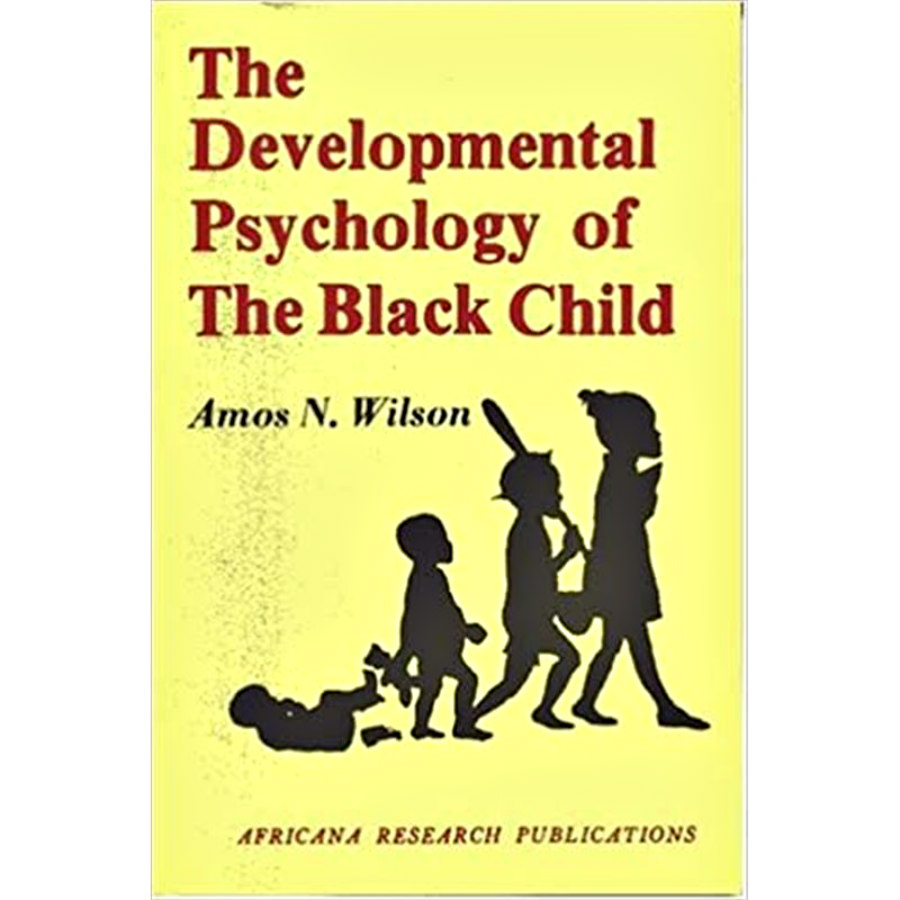
BOOK Review: The Developmental Psychology of the Black Child by Dr. Amos N. Wilson

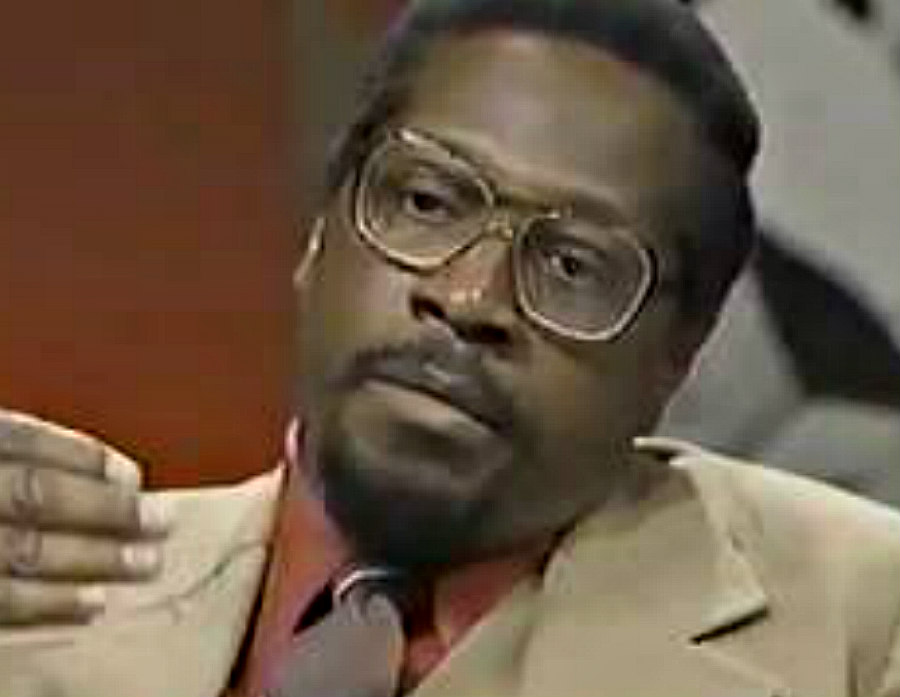
Dr. Amos N. Wilson, one of the most profound and revolutionary minds in Black psychology and education. His work remains foundational for those seeking liberation from white supremacy and insight into the mental development of African-descended people.


🌟🌟🌟🌟🌟 5/5

Dr. Amos N. Wilson: Revolutionary Psychologist and Defender of the Black Mind
Featuring a 5-Star Review of The Developmental Psychology of the Black Child


Who Was Dr. Amos Wilson? Biography and Legacy

Dr. Amos N. Wilson (1941–1995) was a brilliant psychologist, educator, author, and Pan-African scholar whose life work was dedicated to the mental liberation of Black people—especially Black children. Born in Hattiesburg, Mississippi, during the Jim Crow era, Wilson experienced firsthand the devastating effects of racism, segregation, and educational neglect in America.

He earned his undergraduate degree at Morehouse College, one of the most prestigious Historically Black Colleges and Universities (HBCUs), and later received his Ph.D. in clinical psychology. He worked professionally as a psychologist, not a psychiatrist (a psychiatrist is a medical doctor who prescribes medication, whereas psychologists focus more on therapy, behavior, and educational assessments).

Wilson taught at City College of New York, worked in social services, and was a youth advocate in the community. Though he kept much of his personal life private, he was married and had children, whom he referenced as part of his lived experience raising and analyzing Black youth in America.


His Revolutionary Impact on Psychology

Dr. Wilson was one of the leading figures in African-centered psychology, challenging the Eurocentric models that labeled Black children as “deficient,” “disruptive,” or “inferior.” He argued that psychological development cannot be separated from the socioeconomic and political environment in which a child lives.

Wilson criticized the mainstream education system and mental health industry for misdiagnosing and mislabeling Black children, particularly Black boys, with learning disabilities and behavior disorders. His goal was to replace white-dominated models of psychology with Africentric, culturally-grounded frameworks rooted in history, identity, and liberation.


🧠 Five-Star Book Review

Title: The Developmental Psychology of the Black Child
By Dr. Amos N. Wilson
Rating: ⭐⭐⭐⭐⭐ (Essential, Groundbreaking, Liberatory)

This book is an intellectual masterpiece and a foundational text in the field of Black child psychology. Dr. Wilson wrote it to expose the harmful assumptions of traditional child development theories, which were based almost entirely on white children from middle-class environments. He argued that applying these same metrics to Black children—who face systemic racism, cultural marginalization, and poverty—creates a false narrative of inferiority.


Purpose and Discoveries of the Book

Dr. Wilson’s goal was to help educators, psychologists, and parents understand that Black children are different not in deficiency, but in experience and cultural expression. He carefully analyzed:

  • Cognitive development
  • Speech and language acquisition
  • Behavioral traits
  • Academic performance
  • Cultural identity formation

His central discovery was that Black children learn and grow differently, not because of biological inferiority, but due to environmental racism, cultural mismatch in classrooms, and lack of Afrocentric nurturing. The book includes data, case studies, and critiques of standardized testing, intelligence tests, and biased teacher expectations.

“The major problem facing Black children is not low IQ but low expectations and miseducation.”
—Dr. Amos N. Wilson


His Solutions: What Would Make a Difference?

Wilson was not just critical—he was constructive. He outlined practical, Afrocentric solutions to enhance the development of Black children:

  • Culturally relevant curriculum rooted in African history and identity
  • Black-controlled educational institutions
  • Parental involvement with strong cultural pride
  • Black psychologists and teachers trained in Africentric developmental theory
  • Community unity and collective responsibility

He argued that true education should not merely prepare Black children to fit into white society, but to transform and liberate it.


Dr. Wilson’s Views on Racism in America

Wilson taught that racism is not about feelings but systems. He saw white supremacy as a global power structure designed to protect white genetic survival, wealth, and dominance. He often said that Black people’s problems are political and economic in nature and must be solved through organized Black power, not begging for white validation or inclusion.

“Racism is a power relationship… White people are not superior, but they control the institutions of life and death.”
—Dr. Amos Wilson

His explosive voice, piercing intellect, and relentless truth-telling made him feared by white academia and loved by conscious Black communities. He was labeled “radical,” “controversial,” and “divisive,” because he exposed the core of systemic racism and called for Black self-determination.


His Activism and Public Influence

Though not a marcher or politician, Dr. Wilson was a radical intellectual activist. His activism was in the classroom, the lecture hall, and the page. He spoke passionately at Black conferences, on college campuses, and through media outlets like The Black Dot, Gil Noble’s Like It Is, and other grassroots platforms.

His voice—booming, baritone, authoritative, and deeply Black—could shake a room and awaken minds. He challenged both white systems and Black complacency.

“If you don’t understand white supremacy—what it is and how it works—everything else you think you know will only confuse you.”
—A quote often attributed to both Wilson and Neely Fuller Jr., reflecting their shared ideology.


Are Black Children Different from White Children?

Yes—not in intrinsic capability, but in cultural experience, linguistic patterns, and the societal context they are born into. Wilson emphasized:

  • Black children often demonstrate early creativity, rhythm, advanced speech patterns, and kinesthetic learning styles.
  • They are often punished for their brilliance—seen as “hyper,” “loud,” or “defiant”—when in fact they are expressive, inquisitive, and socially advanced.
  • Standardized testing, Eurocentric curricula, and white teacher bias suppress their natural intelligence and creativity.

He argued that white children are socialized into supremacy, while Black children are often miseducated into submission. The solution, Wilson insisted, was not integration but institution-building, cultural restoration, and psychological freedom.


Final Thoughts: A Genius We Must Not Forget

Dr. Amos N. Wilson was a towering intellect, an educator of the soul, and a protector of Black youth. He didn’t just critique the system—he built a blueprint for liberation. His work remains more relevant than ever in an age of continued police violence, educational neglect, and cultural confusion.

He was respected because he was fearless—a man who told the truth when it wasn’t popular. He gave his life to the mind and left behind mental ammunition for Black survival and progress.


References

  • Wilson, A. N. (1978). The Developmental Psychology of the Black Child. Afrikan World Infosystems.
  • Wilson, A. N. (1998). Blueprint for Black Power: A Moral, Political, and Economic Imperative for the Twenty-First Century.
  • Akbar, N. (1991). Visions for Black Men.
  • Kambon, K. (2003). Cultural Misorientation: The Greatest Threat to the Survival of the Black Race in the 21st Century.
  • Asa G. Hilliard III and Wade W. Nobles, colleagues and fellow pioneers in Afrocentric psychology.

Dilemma: Lightism and Shadeism: The Intra-Racial Color Hierarchy and Its Impact on the Black Experience.

Photo by Adefemi Adedoyin on Pexels.com

Lightism and shadeism are two interrelated forms of intra-racial discrimination that privilege lighter skin tones over darker complexions within communities of color, particularly in the African diaspora. While racism is externally imposed by systemic white supremacy, lightism and shadeism are internalized hierarchies that reflect colonial legacies and Eurocentric beauty standards. These ideologies affect not only personal identity and self-worth but also professional advancement, media representation, and spiritual narratives. This essay explores the definitions and consequences of lightism and shadeism, their specific impact on the Black community, Hollywood, and the workforce, as well as the lived experiences of two Black actresses. It further examines the “Brown Girl Dilemma” and draws upon biblical insights, particularly from the King James Version of the Bible, to explain the historical mistreatment of Black people.


Defining Lightism and Shadeism

Lightism refers to the preferential treatment of individuals with lighter skin tones, especially within the same racial or ethnic group. It is a manifestation of colonial ideology, deeply rooted in the systemic privileging of whiteness (Hunter, 2007). Shadeism, a term often used interchangeably with colorism, specifically denotes discrimination based on the darkness or lightness of one’s skin within a racial group. While both terms are often synonymous, “lightism” implies an aspirational tilt toward whiteness, whereas “shadeism” emphasizes the gradient of privilege or marginalization based on skin tone.

These ideologies are not mere aesthetic preferences; they are tools of social stratification that reinforce European standards of beauty, intelligence, and civility, ultimately dividing Black communities internally (Russell, Wilson, & Hall, 1992).


The Impact on the Black Community, Hollywood, and the Workforce

In the Black community, shadeism contributes to a deeply entrenched psychological struggle—light-skinned individuals may experience privilege and acceptance, while dark-skinned individuals often face rejection, hypersexualization, and dehumanization. These dynamics sow seeds of division, low self-esteem, and generational trauma (Wilder, 2010).

In Hollywood, lightism and shadeism are visibly apparent. Lighter-skinned Black actors and actresses have historically received more prominent roles, romantic leads, and endorsement deals. Dark-skinned actors, especially women, are often relegated to stereotypical roles or excluded entirely. The casting of biracial or lighter-complexioned actresses to portray historically dark-skinned figures—such as Nina Simone—demonstrates how this bias distorts cultural memory and representation.

In the workforce, these biases translate to employment discrimination. Research has shown that lighter-skinned African Americans are more likely to be hired, earn higher salaries, and attain leadership positions than their darker-skinned counterparts—even when qualifications are equal (Goldsmith, Hamilton, & Darity, 2007). This disparity stems from the perception that lighter skin aligns more closely with white norms, which are often unconsciously upheld in hiring practices and workplace culture.


Actresses and the Reality of Shadeism

Two actresses who personify the lived reality of shadeism are Viola Davis and Zendaya.

Viola Davis, a dark-skinned, classically trained actress, has spoken openly about how her complexion limited her roles in Hollywood. Despite her immense talent, she was frequently cast in roles that emphasized suffering or servitude. In an interview with The New York Times, Davis remarked: “If I wanted to play the role of a romantic lead or a beautiful woman, I would need to be 10 to 15 shades lighter” (Dargis, 2016). Her Emmy-winning performance in How to Get Away with Murder was groundbreaking not only for its complexity but because it gave a dark-skinned woman a leading role traditionally denied to her.

Zendaya, who identifies as biracial, has acknowledged her privilege as a lighter-skinned Black woman. She once stated, “As a light-skinned Black woman, it’s important that I use my privilege and platform to show you how much beauty there is in the African-American community” (Essence, 2018). While her success is undeniable, Zendaya’s visibility also raises critical questions about how often Hollywood defaults to lighter-skinned actors to represent the full spectrum of Black identity.


The Brown Girl Dilemma

The Brown Girl Dilemma is the psychological and emotional conflict faced by darker-skinned Black women navigating societal and intra-racial rejection. This dilemma often includes feelings of invisibility, self-doubt, and the need to overcompensate for perceived deficits in beauty or femininity. It reflects not only internalized racism but also systemic barriers that silence and marginalize darker-skinned women in media, education, and relationships (Jones, 2000).


Spiritual Dimensions: The Biblical Explanation

From a Hebraic-Israelite perspective, many Black scholars and faith-based researchers argue that the mistreatment of Black people is not only social but spiritual. According to the King James Bible, the curses outlined in Deuteronomy 28—including captivity, degradation, and economic disenfranchisement—are often interpreted as prophetic indicators of the identity and suffering of the true children of Israel.

“The stranger that is within thee shall get up above thee very high; and thou shalt come down very low” (Deuteronomy 28:43, KJV).
“Thy sons and thy daughters shall be given unto another people, and thine eyes shall look, and fail with longing for them all the day long” (Deuteronomy 28:32, KJV).

This theological lens asserts that Black people are experiencing divine chastisement for their ancestors’ disobedience and idolatry. However, this same scripture also promises restoration and healing if obedience to divine law is restored.


Quotes and Testimonies

  • Malcolm X once said, “Who taught you to hate the color of your skin? Who taught you to hate the texture of your hair?”—an indictment of internalized racism and lightism.
  • Lupita Nyong’o, an Oscar-winning actress, stated: “I grew up thinking light skin was more beautiful… until I saw a dark-skinned model who looked like me. Representation matters.” (Black Women in Hollywood, 2014)

How Can the Black Community Overcome Lightism and Shadeism?

  1. Reeducation: Promote historical and cultural education that affirms African aesthetics and dismantles Eurocentric beauty ideals.
  2. Representation: Amplify diverse Black voices in media, literature, and film to normalize and celebrate all shades of Blackness.
  3. Theological Reconnection: Re-examine spiritual identity through a biblical lens that acknowledges both past transgressions and future redemption.
  4. Collective Healing: Foster intergenerational dialogue and healing spaces to address trauma related to colorism.
  5. Policy and Practice: Implement anti-colorism awareness in hiring practices, school curriculums, and workplace diversity training.

Conclusion

Lightism and shadeism remain pervasive and insidious forms of discrimination within the Black community, reinforced by colonialism, capitalism, and cultural amnesia. The experiences of actresses like Viola Davis and Zendaya highlight how these hierarchies operate even among the most visible. By confronting the “Brown Girl Dilemma,” revisiting the biblical roots of oppression, and reclaiming identity through faith, education, and solidarity, Black people can transcend these barriers. True liberation begins when all shades of Blackness are affirmed, valued, and celebrated—spiritually, socially, and systemically.


References

  • Dargis, M. (2016). Viola Davis on How Hollywood Shuts Out Women of Color. The New York Times.
  • Essence. (2018). Zendaya on Using Her Light-Skin Privilege to Speak Up for Her Community.
  • Goldsmith, A. H., Hamilton, D., & Darity Jr., W. (2007). From dark to light: Skin color and wages among African-Americans. Journal of Human Resources, 42(4), 701–738.
  • Hunter, M. (2007). The Persistent Problem of Colorism: Skin Tone, Status, and Inequality. Sociology Compass, 1(1), 237–254.
  • Jones, T. (2000). Shades of Brown: The Law of Skin Color. Duke Law Journal.
  • Russell, K., Wilson, M., & Hall, R. (1992). The Color Complex: The Politics of Skin Color Among African Americans. Anchor.
  • Wilder, J. (2010). Revisiting “Color Names and Color Notions”: A Contemporary Examination of the Language and Attitudes of Skin Color among Young Black Women. Journal of Black Studies, 41(1), 184–206.
  • The Holy Bible, King James Version (KJV), Deuteronomy 28.