Tag Archives: politics

Dilemma: Tokenism

Photo by Mikhail Nilov on Pexels.com

Tokenism is a deceptive social construct that gives the illusion of inclusion while maintaining the core structures of exclusion. It occurs when organizations, media, or institutions make superficial efforts to include individuals from marginalized groups without addressing systemic inequities. Often, these symbolic gestures serve to protect an institution’s image rather than to promote authentic diversity or equality (Kanter, 1977).

The term “tokenism” was popularized by sociologist Rosabeth Moss Kanter in the 1970s to describe the experiences of minority groups—particularly women—in male-dominated professions. Kanter noted that tokens are often treated as representatives of their entire group rather than as individuals. This creates psychological strain and unrealistic expectations for those placed in tokenized roles (Kanter, 1977).

In the corporate world, tokenism manifests through selective hiring or promotion of minorities to demonstrate apparent progressiveness. These symbolic inclusions are often used to deflect criticism about a lack of genuine diversity. Such practices reinforce the idea that inclusion is performative rather than transformational (Wingfield, 2019).

Media representation is another major sphere where tokenism thrives. Black, Indigenous, and People of Color (BIPOC) characters are often written into television and film as secondary figures or stereotypes to appease diversity quotas rather than to enrich narratives. This hollow form of representation sustains racial bias under the guise of visibility (hooks, 1992).

For many people of color, tokenism creates an internal conflict—a dilemma of gratitude versus authenticity. On one hand, they may feel pressured to express appreciation for opportunities in spaces historically denied to them. On the other hand, they struggle with the awareness that their inclusion may not be rooted in merit or equality, but in optics (Thomas, 2020).

Psychologically, tokenism contributes to imposter syndrome and racialized stress. Tokens are hyper-visible due to their difference yet invisible when it comes to decision-making power. This paradox can erode self-esteem and perpetuate feelings of isolation, especially in environments that subtly invalidate their experiences (Pierce, 1974).

In education, tokenism surfaces when institutions highlight a few minority students in promotional materials or diversity panels while ignoring systemic inequities such as racial bias, funding disparities, or lack of representation in leadership. The symbolic celebration of a few does not correct the structural exclusion of many (Harper & Hurtado, 2007).

Within corporate culture, “diversity hires” may become a euphemism for tokenism when institutions recruit marginalized employees without equitable support systems. Without inclusive leadership, mentorship, and pathways for advancement, these hires remain isolated and underutilized (Dobbin & Kalev, 2018).

Tokenism also manifests in politics through the strategic placement of minority candidates to project inclusivity while maintaining the same policy agendas. These acts often aim to win votes or appease critics without granting genuine influence or resources to minority leaders (Gonzalez, 2021).

In the entertainment industry, casting one Black actor or person of color in an otherwise homogeneous production is often marketed as “diverse.” This is particularly prevalent in beauty and fashion campaigns where racial representation is commodified to appear progressive, but the decision-making board remains overwhelmingly white (Banet-Weiser, 2018).

The dilemma deepens when tokens feel obligated to “represent” their entire group. Every success or failure is magnified as a reflection of a collective identity rather than individual performance. This added psychological labor further marginalizes them in spaces where their presence is supposed to symbolize equality (Wingfield & Alston, 2014).

Religious and cultural organizations are not immune to tokenism. In some cases, Black or minority clergy are invited to participate in multicultural events primarily for optics rather than genuine collaboration or shared leadership. Such token gestures distort the meaning of unity and reconciliation (Cone, 1984).

The danger of tokenism lies in its subtlety. Because it mimics diversity, it can pacify calls for justice and delay systemic reform. It functions as a social anesthetic—numbing public consciousness by replacing equity with representation (Ahmed, 2012).

True inclusion requires structural change, not symbolic gestures. This involves redistributing power, addressing implicit bias, and creating accountability measures to ensure marginalized voices influence policy and decision-making. Without these steps, tokenism becomes the default language of modern diversity (Bell, 2020).

Tokenism also intersects with capitalism. Brands often exploit social justice movements to attract consumers, using performative allyship as marketing strategy. The commodification of diversity allows corporations to profit from representation without engaging in ethical transformation (Cottom, 2019).

For individuals experiencing tokenism, resistance begins with awareness. Naming and articulating the experience is a form of empowerment. It allows marginalized people to reclaim agency and challenge performative practices that use their image without valuing their contribution (Sue et al., 2007).

Allyship plays a crucial role in dismantling tokenism. True allies do not merely “invite” diverse individuals to the table—they help rebuild the table to ensure equitable participation. Solidarity must move beyond symbolism into structural advocacy (DiAngelo, 2018).

In academic spaces, tokenism distorts the pursuit of truth. When diversity is treated as a checkbox rather than a core value, intellectual innovation suffers. Authentic inclusion enriches scholarship by expanding perspectives and disrupting monocultural thinking (Stewart, 2017).

The solution to tokenism is not token absence but power redistribution. When institutions cultivate authentic equity, they no longer need symbolic figures to prove their inclusivity—the culture itself becomes inclusive by nature. Representation must evolve from visibility to influence (Crenshaw, 1991).

In the end, the dilemma of tokenism reminds us that progress without power is illusion. Diversity without justice is decoration. Until marginalized voices shape the systems that claim to include them, tokenism will remain a sophisticated disguise for exclusion—an uncomfortable mirror reflecting the unfinished work of equality.


References

Ahmed, S. (2012). On being included: Racism and diversity in institutional life. Duke University Press.

Banet-Weiser, S. (2018). Empowered: Popular feminism and popular misogyny. Duke University Press.

Bell, D. A. (2020). Faces at the bottom of the well: The permanence of racism. Basic Books.

Cone, J. H. (1984). For my people: Black theology and the Black church. Orbis Books.

Cottom, T. M. (2019). Thick: And other essays. The New Press.

Crenshaw, K. (1991). Mapping the margins: Intersectionality, identity politics, and violence against women of color. Stanford Law Review, 43(6), 1241–1299.

DiAngelo, R. (2018). White fragility: Why it’s so hard for White people to talk about racism. Beacon Press.

Dobbin, F., & Kalev, A. (2018). Why diversity programs fail and what works better. Harvard Business Review, 94(7), 52–60.

Gonzalez, J. (2021). Reclaiming representation: Race, politics, and authenticity in modern democracy. Columbia University Press.

Harper, S. R., & Hurtado, S. (2007). Nine themes in campus racial climates and implications for institutional transformation. New Directions for Student Services, 120, 7–24.

hooks, b. (1992). Black looks: Race and representation. South End Press.

Kanter, R. M. (1977). Men and women of the corporation. Basic Books.

Pierce, C. (1974). Psychiatric problems of the Black minority. In G. V. Stone & M. F. Stone (Eds.), Minority mental health (pp. 27–35). Grune & Stratton.

Stewart, D. L. (2017). The language of appeasement. Inside Higher Ed.

Sue, D. W., Capodilupo, C. M., & Holder, A. M. B. (2007). Racial microaggressions in the life experience of Black Americans. Professional Psychology: Research and Practice, 38(4), 329–336.

Thomas, D. A. (2020). Tokenism in corporate spaces: The performance of diversity. Journal of Organizational Change Management, 33(6), 1012–1028.

Wingfield, A. H. (2019). Flatlining: Race, work, and health care in the new economy. University of California Press.

Wingfield, A. H., & Alston, R. J. (2014). Maintaining hierarchies in predominantly White organizations: A theory of racialized tokenism. Sociological Perspectives, 57(4), 658–677.*

Post-Slavery Beauty: The Evolution of the Brown Woman’s Image.

Photo by Fotoboy on Pexels.com

The legacy of slavery in the Americas left an indelible mark not only on the socio-economic status of Black people but also on the perception of beauty within Black communities. For the brown-skinned woman, this history produced a complex interplay of identity, aesthetics, and social hierarchies that continues to influence modern conceptions of attractiveness, desirability, and self-worth. The post-slavery era, spanning Reconstruction, the Jim Crow period, and the civil rights movement, marked a profound shift in how brown women were represented and how they navigated the legacy of European beauty standards imposed during enslavement.

Historical Context and Color Hierarchies

During slavery, enslaved women were often valued primarily for labor or reproductive potential, yet even within these oppressive systems, colorism emerged as a potent force. Lighter-skinned women, often the offspring of European men and enslaved African women, were afforded relative privileges, such as domestic work instead of field labor, access to education, or social proximity to white families. This intra-community stratification created early foundations for a hierarchy of beauty based on skin tone and European features (Hunter, 2007).

The Post-Emancipation Image

After emancipation, brown women began asserting new forms of identity and beauty, yet they were constrained by persistent Eurocentric ideals in media, fashion, and literature. Images in magazines, film, and advertisements rarely celebrated the natural features of brown-skinned women. Instead, the cultural imagination valorized whiteness, straight hair, lighter eyes, and delicate features, leaving brown women in a liminal space of desirability—a spectrum neither fully embraced by white standards nor entirely centered within Black communities (Russell, 2012).

Colorism and Social Mobility

Post-slavery America saw colorism intensify as a social determinant. Brown women were often perceived as more “marketable” in professional and social arenas due to their proximity to whiteness, creating a duality of privilege and pressure. The “paper bag test,” prevalent in Black social institutions, reinforced the preference for lighter skin within African American society itself (Thompson, 2009). Consequently, beauty became both a site of opportunity and of internalized oppression, shaping the brown woman’s self-perception and her social navigation strategies.

Media Representations and the Entertainment Industry

The 20th century brought more public visibility to brown women, particularly in film, television, and music. Stars such as Dorothy Dandridge, Lena Horne, and later Vanessa Williams and Halle Berry, exemplified a brown beauty that was palatable to mainstream audiences. These women negotiated a delicate balance: embracing their Black identity while often conforming to Eurocentric standards of hair, makeup, and body shape (Coleman, 2014). The entertainment industry, though providing representation, also cemented narrow ideals of brown beauty—slender noses, smooth skin, and straightened hair—further complicating the evolution of self-image among brown women.

The Brown Woman and Resistance

Despite systemic pressures, brown women resisted marginalization by reclaiming their aesthetics. From the Harlem Renaissance to contemporary movements such as natural hair advocacy and the celebration of melanin-rich beauty, brown women have asserted agency over their representation. Artistic, literary, and political spaces became platforms to challenge stereotypes, celebrate diversity within the spectrum of brown skin, and redefine standards of beauty on their own terms (Banks, 2000).

Intersectionality and Modern Implications

Modern scholarship on the brown woman’s image underscores the intersectionality of race, gender, and class. Brown women continue to navigate a world that valorizes whiteness and lightness, yet the increasing visibility of diverse Black aesthetics in social media, fashion, and film challenges historical hierarchies. Movements such as #MelaninMagic and campaigns highlighting dark-skinned models broaden the public imagination of beauty and invite brown women to embrace the totality of their heritage and features (Patton, 2010).

Conclusion

The post-slavery evolution of the brown woman’s image reflects a narrative of resilience, adaptation, and reclamation. From the imposed hierarchies of slavery and colorism to the contemporary celebration of melanin and Afrocentric aesthetics, brown women have negotiated identity and beauty in ways that resist historical oppression while asserting pride and individuality. The journey of the brown woman is not merely about surviving imposed standards but transforming them—creating a legacy of empowerment and redefining what beauty means within and beyond the Black community.

References

  • Banks, I. (2000). Hair Matters: Beauty, Power, and Black Women’s Consciousness. New York: NYU Press.
  • Coleman, R. (2014). Fashioning Blackness: Clothing, Race, and Identity in American Culture. Routledge.
  • Hunter, M. (2007). The persistent problem of colorism: Skin tone, status, and inequality. Sociology Compass, 1(1), 237–254.
  • Patton, T. O. (2010). Beauty and Black Identity: African American Women’s Experiences and Aesthetics. Praeger.
  • Russell, K. (2012). Color Me Beautiful: African American Women and the Politics of Skin Color. University of North Carolina Press.
  • Thompson, M. (2009). Shades of Privilege: The Social Construction of Color and Identity in Black America. University of Illinois Press.

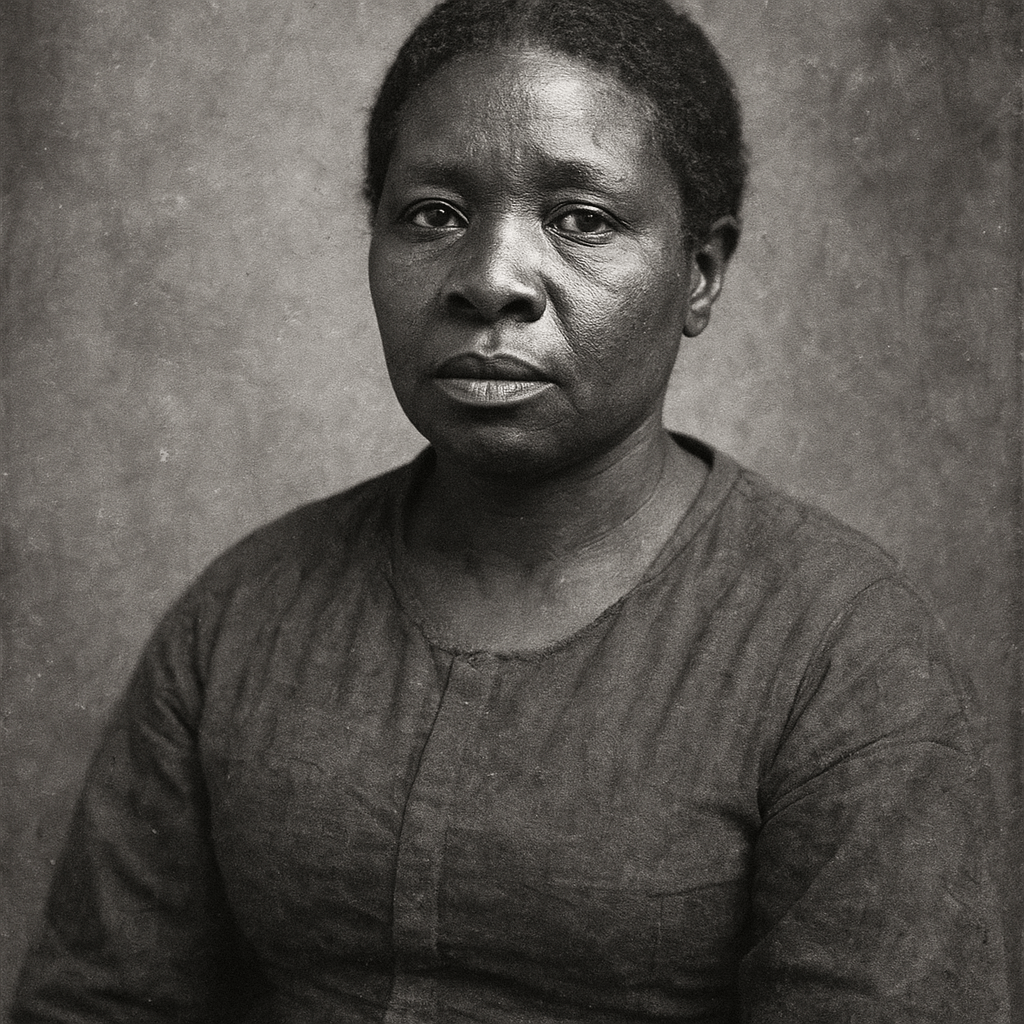
The Slave Files: Anarcha Westcott

The Forgotten Mother of Modern Gynecology

Anarcha Westcott was an enslaved African American woman who became one of the most historically significant yet long-overlooked figures in the history of medicine. Born around 1828 in Alabama, Anarcha was enslaved on a plantation and subjected to one of the most infamous episodes of unethical medical experimentation in the nineteenth century. Her story is deeply intertwined with that of Dr. J. Marion Sims, a physician often referred to as “the father of modern gynecology,” whose surgical breakthroughs came at the cost of the suffering and exploitation of enslaved Black women.

During her teenage years, Anarcha suffered from a vesicovaginal fistula, a devastating childbirth injury that caused incontinence and severe pain. At the time, there were no effective surgical treatments for this condition. Her owner, seeking medical help, sent her to Dr. Sims, who was experimenting with ways to repair the injury. Between 1845 and 1849, Sims performed at least thirty experimental surgeries on Anarcha without anesthesia, as the procedure was extremely painful and invasive (Washington, 2006).

Anarcha was not alone in her ordeal. Sims also experimented on other enslaved women, including Lucy and Betsey. Together, they were forced to endure repeated procedures, often under brutal conditions, while being denied consent and bodily autonomy. Their pain and endurance became the foundation for the advancement of gynecological surgery, yet for more than a century, their names were erased from mainstream medical narratives (Owens & Fett, 2019).

Anarcha’s body became a site of scientific curiosity and racial exploitation. In an era when Black women were viewed as biologically inferior and more tolerant of pain—a racist myth perpetuated to justify medical abuse—Anarcha’s humanity was denied (Hoberman, 2012). Sims justified his actions by claiming that the women consented, but historians have made clear that true consent was impossible within the system of slavery (Gamble, 1997).

After enduring years of painful experimentation, Sims eventually claimed to have perfected the surgical technique for repairing fistulas—an advancement that would transform women’s health worldwide. Once his method succeeded, Sims shifted to performing surgeries on white women, this time using anesthesia. This contrast underscores the racial double standard embedded in nineteenth-century medicine (Washington, 2006).

Little is known about Anarcha’s later life. Historical records indicate that she may have been returned to her owner after Sims deemed his experiments successful. Some accounts suggest that she lived into adulthood and may have later been emancipated, but her ultimate fate remains undocumented (Spettel & White, 2011). The erasure of her life’s details speaks to the broader historical silencing of enslaved Black women whose bodies were exploited in the name of science.

Anarcha’s story resurfaced in the late twentieth and early twenty-first centuries as scholars began to reevaluate the ethical legacy of J. Marion Sims. Feminist and Black historians, such as Harriet A. Washington and Deirdre Cooper Owens, reframed Sims’s “pioneering work” as an example of racial and gendered medical violence rather than mere innovation. Their research has brought Anarcha, Lucy, and Betsey into the light as the true, unacknowledged mothers of modern gynecology.

In recent years, there has been a push to honor Anarcha’s legacy and to confront the medical racism embedded in her story. In 2018, the statue of J. Marion Sims that once stood in Central Park, New York, was removed following public outcry. Activists and historians argued that memorializing Sims without acknowledging his victims perpetuated racial injustice (New York City Public Design Commission, 2018).

In the place of glorifying Sims, memorial projects now seek to center the women who endured his experiments. The Mothers of Gynecology Monument in Montgomery, Alabama, unveiled in 2021, features statues of Anarcha, Lucy, and Betsey. Created by artist Michelle Browder, the monument serves as a visual reclamation of their dignity and humanity. It acknowledges their suffering but also celebrates their resilience and historical significance (Browder, 2021).

Anarcha Westcott’s life represents both a tragedy and a triumph of historical recovery. Her name, once buried under medical myth and racial bias, has become a symbol of resistance against systemic exploitation in medicine. She stands as a testament to the countless unnamed enslaved women whose suffering contributed to medical progress from which they themselves were excluded.

Her legacy compels the medical community to confront its past and to build an ethical framework grounded in consent, respect, and equity. Anarcha’s story also calls for the inclusion of marginalized voices in the telling of medical history, ensuring that the contributions and sacrifices of Black women are never again silenced.

Though Anarcha did not choose her role, her involuntary participation reshaped the landscape of women’s health. Today, her story inspires new generations of Black women in medicine to reclaim agency, visibility, and justice. Anarcha Westcott’s name, once a footnote in Sims’s biography, now rightfully stands as an emblem of both suffering and scientific inheritance—a reminder that progress built on exploitation must be critically examined.

Her rediscovery marks a broader movement within history and medicine toward truth-telling and moral accountability. Anarcha Westcott’s life reveals not only the cruelty of slavery’s medical dimensions but also the enduring strength of the human spirit when subjected to dehumanization. Her pain became the foundation for healing; her silence now speaks volumes in the call for medical justice and remembrance.

In remembering Anarcha, we also acknowledge the humanity of those who were reduced to subjects in the name of progress. Her story embodies both the horror of enslavement and the ongoing struggle to reconcile medicine with morality. She is no longer just a victim of experimentation—she is a historical witness whose endurance reshaped the course of women’s healthcare.

Anarcha Westcott’s history demands not only remembrance but reform. Her life urges medical practitioners and scholars to examine the ethics of research, power, and representation. To honor her is to commit to a medicine that heals rather than exploits, that listens rather than silences, and that restores dignity to those history sought to erase.


References

Browder, M. (2021). The Mothers of Gynecology Monument. Montgomery, AL: More Up Campus.
Gamble, V. N. (1997). Under the shadow of Tuskegee: African Americans and health care. American Journal of Public Health, 87(11), 1773–1778.
Hoberman, J. (2012). Black and blue: The origins and consequences of medical racism. University of California Press.
New York City Public Design Commission. (2018). Statement on the removal of the J. Marion Sims statue. New York, NY.
Owens, D. C., & Fett, S. M. (2019). Black maternal and infant health: Historical legacies of slavery. American Journal of Public Health, 109(10), 1342–1345.
Spettel, S., & White, M. D. (2011). The portrayal of J. Marion Sims’ controversial surgical legacy. Journal of Urology, 185(6), 2424–2427.
Washington, H. A. (2006). Medical apartheid: The dark history of medical experimentation on Black Americans from colonial times to the present. Doubleday.

The Dark History of Having Pretty Privilege as a Light-Skinned Person.

The concept of “pretty privilege” refers to the societal advantages afforded to individuals deemed conventionally attractive. Within communities of color, this privilege is often compounded by colorism—the preferential treatment of lighter-skinned individuals over their darker-skinned counterparts. Historically, light-skinned individuals have navigated a complex landscape where their appearance has afforded them certain privileges, yet also subjected them to unique challenges and scrutiny.

Historical Roots of Colorism

Colorism traces its origins to colonial and slavery-era practices, where lighter-skinned individuals, often of mixed heritage, were granted privileges such as domestic roles or education, while darker-skinned individuals were relegated to labor-intensive tasks. This hierarchy established a precedent for valuing lighter skin within the community. The “brown paper bag test,” a practice where individuals lighter than a brown paper bag were granted entry into social clubs, exemplifies this internalized discrimination. Wikipedia

Cultural Reinforcement Through Media

Media representations have historically favored lighter-skinned individuals, reinforcing the notion that beauty and desirability are linked to lighter skin tones. This portrayal not only marginalizes darker-skinned individuals but also places pressure on light-skinned individuals to conform to these beauty standards. Films, advertisements, and television shows often depict light-skinned characters as more attractive, intelligent, and successful, perpetuating colorist ideals.

The Intersection of Pretty Privilege and Colorism

While light-skinned individuals may experience certain advantages, they are not immune to the complexities of colorism. They may face challenges such as being perceived as less authentically Black or being tokenized in spaces that seek diversity. Furthermore, the internalization of colorist ideals can lead to self-esteem issues and a sense of inadequacy, as individuals navigate the expectations placed upon them due to their appearance.

Example:

Halle Berry and the Intersection of Pretty Privilege and Colorism

Halle Berry’s career trajectory and public image exemplify the complex interplay between beauty standards, colorism, and the concept of “pretty privilege.” As a biracial woman with lighter skin, Berry has often been celebrated for her beauty, yet she has also faced challenges related to her racial identity and the expectations placed upon her.

Beauty and Career Advancement

Berry’s striking appearance has undoubtedly played a role in her ascent within Hollywood. Her success in beauty pageants, including being named Miss Ohio in 1986 and placing as the first runner-up in the Miss USA pageant the same year, highlights the industry’s preference for certain beauty ideals. These accolades likely opened doors for her in modeling and acting, leading to roles in films such as Boomerang (1992) and The Flintstones (1994). Her portrayal of Storm in the X-Men series further cemented her status as a leading actress.

The Impact of Pretty Privilege

While Berry’s beauty has afforded her opportunities, she has also acknowledged the limitations of being valued primarily for her appearance. In a 2024 interview with Marie Claire, Berry described beauty as a “hollow win,” emphasizing that she had no control over her looks and expressing a desire to be recognized for her talents and contributions beyond her physical appearance Marie Claire.

Colorism and Racial Identity

Berry’s biracial heritage has placed her at the intersection of colorism and racial identity. In the entertainment industry, lighter-skinned individuals often receive more favorable treatment, a phenomenon rooted in historical preferences for Eurocentric features. Berry has openly discussed the complexities of her identity, noting that she identifies as Black because that is how she is perceived, despite her mixed-race background Wikipedia.

Public Perception and Criticism

Berry’s experiences reflect broader societal issues related to beauty standards and racial identity. Discussions on platforms like Lipstick Alley have highlighted how her lighter skin may have contributed to her being perceived as more conventionally attractive, raising questions about the role of colorism in shaping public perceptions Lipstick Alley.

Advocacy and Empowerment

Beyond her acting career, Berry has used her platform to advocate for women’s empowerment and challenge societal norms. In 2025, she shared a makeup-free photo in a sheer dress to promote menopause awareness, encouraging women to embrace aging and defy conventional beauty standards InStyle. Her wellness brand, Re-spin, further reflects her commitment to supporting women through various life stages.

Halle Berry’s journey underscores the multifaceted nature of beauty, privilege, and identity. While her appearance has opened doors and afforded her opportunities, she remains a vocal advocate for being recognized for her abilities and character. Her experiences shed light on the complexities faced by individuals navigating the intersections of race, beauty, and societal expectations.

Social Dynamics and Interpersonal Relationships

Within communities of color, light-skinned individuals may experience strained relationships due to perceptions of favoritism or resentment. These dynamics can manifest in both subtle and overt ways, affecting friendships, family bonds, and community cohesion. The pressure to align with certain beauty standards can lead to identity conflicts and a sense of alienation.

Economic Implications

Studies have shown that lighter-skinned individuals often receive higher wages and better job opportunities compared to their darker-skinned counterparts. This economic disparity underscores the tangible benefits associated with lighter skin, highlighting the pervasive nature of colorism in professional settings. However, these advantages can also lead to feelings of guilt or discomfort among light-skinned individuals, who may recognize the inequities present within their communities.

Psychological Effects

The awareness of receiving preferential treatment can lead to cognitive dissonance for light-skinned individuals, as they grapple with the unfairness experienced by darker-skinned peers. This internal conflict can result in stress, anxiety, and a diminished sense of self-worth. Additionally, the constant scrutiny and expectations placed upon them can lead to burnout and emotional fatigue.

Educational Disparities

In educational institutions, light-skinned students often receive more favorable treatment from educators, leading to better academic outcomes. This bias can affect grading, disciplinary actions, and teacher-student relationships, contributing to a cycle where lighter-skinned students are more likely to succeed academically. Conversely, darker-skinned students may face harsher treatment and lower expectations, perpetuating educational inequalities.

Impact on Identity Formation

For light-skinned individuals, especially those of mixed heritage, navigating their identity can be complex. They may struggle with feelings of not fully belonging to either the Black or white communities, leading to identity crises and a lack of cultural grounding. This sense of liminality can affect their self-perception and their relationships with others.

Resistance and Advocacy

Despite the challenges, many light-skinned individuals have used their experiences to advocate for racial equity and challenge colorist norms. By acknowledging their privilege and working to dismantle colorist structures, they contribute to broader efforts aimed at achieving racial justice. Their advocacy highlights the importance of solidarity and collective action in addressing systemic issues.

Conclusion

The history of light-skinned individuals experiencing “pretty privilege” is intertwined with the broader narrative of colorism. While they may benefit from certain societal advantages, these privileges come with their own set of challenges and responsibilities. Understanding the complexities of this dynamic is crucial in the ongoing efforts to combat colorism and promote inclusivity within communities of color.

References

The History of Colorism in India

Photo by Manjeet Singh Yadav on Pexels.com

Colorism, or the preferential treatment of lighter skin over darker skin within the same racial or ethnic group, is deeply entrenched in India’s historical, cultural, and social fabric. While the phenomenon is often discussed in relation to Western racial hierarchies, in India, it has evolved through a unique interplay of caste, colonialism, religion, and media representation. The roots of colorism stretch back thousands of years, but its persistence today reflects a continued legacy of inequality and internalized prejudice.

Historically, colorism in India predates European colonial rule. Ancient Sanskrit texts and Vedic scriptures often associated fairness with purity, beauty, and divinity, while darkness was symbolically linked to impurity or lower social standing. The “varna” system, which literally translates to “color,” was initially used to classify social groups in early Hindu society. The higher castes, particularly the Brahmins, were described as fair-skinned, while the lower castes, including the Shudras and Dalits, were often portrayed as darker, creating an early sociocultural hierarchy based on complexion (Jha, 2020).

The intertwining of skin color and caste identity became a foundational aspect of Indian society. This early form of discrimination did not function identically to modern racism but set the groundwork for valuing lighter skin as a marker of social status and spiritual purity. The ancient texts like the Rigveda describe the Aryans, who were fair-skinned, as defeating the darker-skinned indigenous Dasas or Dasyus, symbolically reinforcing the supremacy of light over dark (Thapar, 2002).

The arrival of foreign rulers further intensified these divisions. During the medieval period, the invasions by Persian, Turkic, and Mughal empires brought with them aesthetic ideals that favored fairer skin. The Mughals, who often had Central Asian ancestry, were depicted in art and literature as possessing lighter complexions, which became associated with nobility, beauty, and power. This aesthetic preference filtered down through society, where fairness became increasingly idealized among both men and women (Natrajan & Greenough, 2012).

However, it was under British colonial rule that colorism took on its modern, racialized form. The British, steeped in their own racist ideologies of white superiority, reinforced the association between fairness and intelligence, civility, and modernity. British administrators and missionaries often portrayed darker-skinned Indians as primitive, lazy, or morally inferior. The colonial administration’s favoring of lighter-skinned Indians for clerical and bureaucratic jobs helped institutionalize color bias (Chatterjee, 2019).

The rise of Western education and the influence of British culture led to widespread internalization of these ideas. Indians began to perceive fairness not just as a physical trait but as a social asset. Being fair-skinned came to signify upward mobility and access to privilege, while darker skin was stigmatized as a sign of backwardness or lower caste origins. Thus, colorism became both a social aspiration and a psychological burden, cutting across caste, region, and religion.

In post-independence India, the ideology of fairness did not fade. Instead, it was reinforced by the burgeoning film industry and consumer capitalism. Bollywood, India’s largest cultural export, played a major role in perpetuating color bias. Leading actors and actresses were overwhelmingly fair-skinned, often from North Indian or lighter-complexioned backgrounds, while darker-skinned actors were relegated to villainous, comic, or servile roles (Parameswaran & Cardoza, 2009).

Advertising and media amplified these stereotypes. Beginning in the 1970s, fairness creams such as Fair & Lovely (now rebranded as Glow & Lovely) became household names. The marketing campaigns explicitly portrayed fair skin as the key to success, marriage, and social acceptance. This commercialization of colorism normalized the pursuit of lighter skin as a sign of beauty and desirability, particularly among women (Hunter, 2011).

Sociologically, colorism in India also intersects with gender. Women face disproportionate pressure to conform to fairness ideals, as marriage markets and beauty standards emphasize lighter skin. Matrimonial advertisements routinely specify “fair bride wanted,” a practice that underscores the deeply ingrained nature of complexion-based discrimination. The notion that a woman’s value is tied to her skin tone reflects a patriarchal and colonial hangover that continues to shape modern Indian identity (Puri, 2016).

The globalized beauty industry further exacerbates this issue. The influence of Western beauty ideals and the rise of social media have intensified the demand for skin-lightening products. In recent years, even men have become targets of this marketing, as fairness is rebranded as a symbol of confidence and masculinity. Despite increased awareness, India remains one of the largest markets for skin-lightening cosmetics (Glenn, 2008).

Colorism also intersects with regional and linguistic identities. Northern Indians, who tend to have lighter complexions, often perceive themselves as more “Aryan,” while southern Indians, who are generally darker, are stigmatized in popular culture and interregional interactions. This has created deep cultural divides, perpetuated through jokes, cinema, and everyday discrimination (Jha, 2020).

In recent years, however, a growing movement challenging colorism has emerged. Activists, scholars, and artists have begun to call out the unfair beauty standards perpetuated by media and advertising. Campaigns such as “Dark Is Beautiful” and “Unfair & Lovely” have gained traction, sparking national conversations about beauty, identity, and colonial legacy (Kumar, 2021).

Social media has become a critical tool in dismantling colorist narratives. Influencers and celebrities are increasingly embracing their natural skin tones, rejecting filters and editing tools that lighten their appearance. These digital movements signify a generational shift in how Indians perceive beauty and self-worth, challenging the psychological scars of colonialism.

Yet, despite this progress, the remnants of colorism remain pervasive in Indian society. Skin tone continues to influence marriage prospects, job opportunities, and even perceptions of intelligence and trustworthiness. The psychological damage of colorism, including low self-esteem and body image issues, particularly among darker-skinned individuals, underscores its continuing impact (Parameswaran & Cardoza, 2009).

Religious imagery also continues to play a subtle role. While Hindu deities like Krishna and Kali are often described as dark-skinned, modern depictions frequently lighten their features. This reinterpretation reflects an unconscious bias that equates divinity with fairness, reinforcing the same colonial-era assumptions that lighter is superior.

Education and representation remain powerful tools for change. The inclusion of darker-skinned actors, models, and public figures in mainstream Indian culture marks a slow but significant shift toward inclusivity. Schools and media platforms that teach the history of colorism can help future generations recognize and reject internalized bias (Natrajan & Greenough, 2012).

Ultimately, the history of colorism in India is a story of how ancient caste ideologies merged with colonial racial hierarchies to produce a deep-seated form of social prejudice. Its persistence reflects the challenges of decolonizing not only institutions but also minds. True liberation requires confronting the psychological remnants of these systems and reimagining beauty, worth, and identity beyond complexion.

The fight against colorism in India is not just about aesthetics—it is about justice, dignity, and equality. As India continues to evolve in a globalized world, confronting its color bias is essential to creating a society that values character over complexion, and humanity over hue.


References (APA Style)

Chatterjee, S. (2019). Colonial Shadows: Skin Color and Class in British India. Oxford University Press.

Glenn, E. N. (2008). Yearning for lightness: Transnational circuits in the marketing and consumption of skin lighteners. Gender & Society, 22(3), 281–302.

Hunter, M. L. (2011). Buying racial capital: Skin-bleaching and cosmetic surgery in a globalized world. The Journal of Pan African Studies, 4(4), 142–164.

Jha, M. (2020). The Colour of Inequality: Understanding Skin Colour Discrimination in India. Penguin Random House.

Kumar, S. (2021). Fairness rebranded: The politics of colorism and beauty in India’s digital age. Asian Journal of Communication, 31(5), 420–437.

Natrajan, B., & Greenough, P. (2012). Against Stigma: Studies in Caste, Race, and Color Discrimination in India. Orient Blackswan.

Parameswaran, R., & Cardoza, K. (2009). Melanin on the margins: Advertising and the cultural politics of fair/light/white beauty in India. Journalism & Communication Monographs, 11(3), 213–274.

Puri, J. (2016). Woman, Body, Desire in Post-Colonial India: Narratives of Gender and Sexuality. Routledge.

Thapar, R. (2002). Early India: From the Origins to AD 1300. University of California Press.

Pretty Privilege Series: The Dark History of Being Dark-Skinned.

Photo by Abenezer Shewaga on Pexels.com

The experience of being dark-skinned carries a unique and often painful history that intersects with colonialism, racism, and internalized colorism. While lighter-skinned individuals historically benefited from proximity to whiteness, dark-skinned individuals often bore the brunt of systemic oppression, both from the outside world and within their own communities (Hunter, 2007). The narrative of dark skin has been shaped by centuries of stereotypes portraying it as undesirable, inferior, or threatening, creating a long-lasting psychological and social wound.

During the transatlantic slave trade, darker-skinned Africans were often subjected to the harshest labor. They were placed in the fields, working from sunrise to sunset, enduring grueling conditions. This division between “field slaves” and “house slaves” not only created social stratification within enslaved populations but also reinforced the idea that dark skin was associated with physical toil and subjugation (Williams, 1987).

Colonial propaganda deepened these associations by depicting dark skin as savage and uncivilized. European colonizers crafted pseudoscientific racial hierarchies in which darker skin was seen as a marker of primitivism. These ideas were spread globally through education, religion, and media, becoming ingrained in colonized societies and influencing beauty ideals for generations (Smedley, 1999).

The psychological toll of this history is profound. Dark-skinned children often face teasing and bullying from a young age, even within their own racial group. Terms like “blick,” “charcoal,” or “tar baby” have historically been used as insults, shaping children’s self-esteem and leading to what researchers call color-based trauma (Wilder, 2010). This trauma can result in internalized self-hate and a lifelong struggle to embrace one’s own beauty.

In the early 20th century, darker-skinned African Americans were excluded from certain social clubs, churches, and sororities that required passing the “paper bag test.” These exclusions further marginalized dark-skinned individuals, denying them access to elite Black spaces and perpetuating class and color divides (Russell, Wilson, & Hall, 2013).

In Hollywood and the entertainment industry, darker-skinned actors and actresses were often given subservient, villainous, or hypersexualized roles. The “mammy,” “brute,” and “jezebel” stereotypes became staples in film, associating dark skin with servitude, aggression, and moral looseness (Bogle, 2016). This limited representation reinforced negative societal perceptions and deprived darker-skinned individuals of complex, heroic portrayals.

Music videos, fashion magazines, and advertising have historically elevated lighter-skinned models while sidelining their darker counterparts. Even in hip-hop culture, where Blackness is celebrated, the phrase “redbone” became synonymous with desirable women, leaving dark-skinned women out of the narrative or objectified as exotic rarities (Neal, 2013).

The economic cost of being dark-skinned is measurable. Research shows that darker-skinned Black men and women often receive lower wages, harsher prison sentences, and fewer job opportunities than lighter-skinned peers with similar qualifications (Goldsmith, Hamilton, & Darity, 2006). This phenomenon, known as colorism wage disparity, shows that discrimination operates on a spectrum, not just a binary of Black and white.

Dark-skinned women in particular face what sociologists call “double discrimination”—experiencing both racism and colorism, and often sexism as well. This triple burden affects dating, hiring, and representation in ways that make their fight for recognition uniquely challenging (Hill, 2002).

Psychologically, the message that “lighter is better” leads some dark-skinned individuals to attempt to lighten their skin using bleaching creams. This dangerous practice is still common in parts of Africa, the Caribbean, and Asia, and is marketed as a way to achieve success and beauty (Charles, 2003). The very existence of a multibillion-dollar skin-lightening industry demonstrates how deep this bias runs.

Biblically, dark skin is not a curse but part of God’s design. Passages like Song of Solomon 1:5 (“I am black, but comely…”) celebrate dark beauty, reminding believers that melanin is not a mark of shame but of divine artistry. Scripture affirms that all are created in God’s image (Genesis 1:27), directly opposing the colonial lie that whiteness equates to godliness.

Dark-skinned men often face criminalization in ways that lighter-skinned men do not. Studies show they are more likely to be perceived as threatening, face higher rates of police brutality, and receive harsher punishments for the same crimes (Monk, 2014). This contributes to overrepresentation in prisons and a cycle of generational trauma.

In romantic relationships, dark-skinned women often face exclusion. Social experiments reveal that dating apps and social spaces show a bias toward lighter-skinned Black women, while darker-skinned women are frequently ranked as the least desirable group (Wilder, 2010). This leads to pain, frustration, and a struggle for self-worth in the context of intimacy and partnership.

Popular culture has slowly begun to challenge these narratives. The rise of actresses like Lupita Nyong’o, Danai Gurira, and Viola Davis has shifted the beauty conversation, showing the world that dark-skinned women can be glamorous, powerful, and leading ladies. Lupita’s Oscar-winning performance and her vocal advocacy for dark-skinned representation have been particularly transformative (Tate, 2016).

The natural hair movement and hashtags like #MelaninPoppin have helped reframe dark skin as a symbol of pride and resilience. Social media has created a platform where dark-skinned influencers and activists can celebrate their beauty without waiting for mainstream approval.

Despite these strides, the work is far from over. Dark-skinned children still report feeling excluded in classrooms, underrepresented in dolls and storybooks, and pressured to aspire to lighter ideals of beauty. Representation in media and education must continue to evolve to normalize and affirm all shades of Blackness.

Healing from the dark history of being dark-skinned requires both systemic and personal change. Communities must confront internalized colorism, reject harmful jokes and language, and uplift dark-skinned individuals in leadership, media, and relationships.

Spiritually, the process of healing calls for a renewal of the mind (Romans 12:2). Believers must learn to see beauty as God sees it—beyond colonial standards and rooted in dignity. Churches can play a role by affirming Black beauty from the pulpit and resisting Eurocentric portrayals of holiness.

Ultimately, the dark history of being dark-skinned is a story of survival and defiance. Despite centuries of marginalization, dark-skinned people have continued to create culture, lead movements, and inspire revolutions. The future demands that we not only acknowledge the pain but also celebrate the power of melanin as part of our collective liberation.


References

  • Bogle, D. (2016). Toms, Coons, Mulattoes, Mammies, and Bucks: An Interpretive History of Blacks in American Films. Bloomsbury.
  • Charles, C. (2003). Skin Bleaching, Self-Hate, and Black Identity in Jamaica. Journal of Black Studies, 33(6), 711–728.
  • Goldsmith, A., Hamilton, D., & Darity, W. (2006). Shades of Discrimination: Skin Tone and Wages. American Economic Review, 96(2), 242–245.
  • Hall, R. E. (1992). Bias Among African Americans Regarding Skin Color: Implications for Social Work Practice. Research on Social Work Practice, 2(4), 479–486.
  • Hill, M. (2002). Skin Color and the Perception of Attractiveness Among African Americans. Social Psychology Quarterly, 65(1), 77–91.
  • Hunter, M. (2007). The Persistent Problem of Colorism: Skin Tone, Status, and Inequality. Sociology Compass, 1(1), 237–254.
  • Monk, E. P. (2014). Skin Tone Stratification among Black Americans, 2001–2003. Social Forces, 92(4), 1313–1337.
  • Neal, M. A. (2013). What the Music Said: Black Popular Music and Black Public Culture. Routledge.
  • Russell, K., Wilson, M., & Hall, R. (2013). The Color Complex: The Politics of Skin Color Among African Americans. Anchor Books.
  • Smedley, A. (1999). Race in North America: Origin and Evolution of a Worldview. Westview Press.
  • Tate, S. (2016). Black Beauty: Aesthetics, Stylization, Politics. Routledge.
  • Wilder, J. (2010). Revisiting “Color Names and Color Notions”: A Contemporary Examination of the Language and Attitudes of Skin Color among Young Black Women. Journal of Black Studies, 41(1), 184–206.
  • Williams, E. (1987). Capitalism and Slavery. UNC Press.

When Melanin Becomes a Measure: The Psychology of Skin Tone.

This photograph is the property of its respective owner. No copyright infringement intended.

Melanin is more than pigment; it is a living testament of ancestry, survival, and culture. In societies shaped by slavery, colonialism, and systemic white supremacy, skin tone has been weaponized as a marker of value, beauty, and social mobility. For Black people, colorism — the preferential treatment of lighter skin over darker skin — is a persistent psychological burden that affects identity, self-esteem, and opportunities. Understanding this phenomenon requires examining its historical roots, psychological mechanisms, and strategies for healing.

During slavery, skin tone was a tool of division. Lighter-skinned enslaved individuals were often assigned domestic work inside the master’s house, while darker-skinned Africans labored in the fields. This hierarchy, dictated by proximity to whiteness, created a lasting psychological imprint of internalized oppression (Hunter, 2007). Being lighter was subtly equated with safety, status, and relative privilege.

Colorism persisted after emancipation. Institutions such as Black fraternities, churches, and social clubs sometimes implemented color-based exclusions, exemplified by the “brown paper bag test.” This internalized hierarchy caused a psychological rift within the Black community, as self-worth became linked to skin tone rather than character or talent.

Research confirms the mental health consequences of colorism. Darker-skinned individuals often report lower self-esteem, depressive symptoms, and higher anxiety compared to lighter-skinned peers (Monk, 2014). Early exposure to color preference, as demonstrated in Clark and Clark’s (1947) famous doll studies, showed that Black children internalized societal biases favoring lighter skin, demonstrating that colorism affects identity from childhood.

Media and popular culture continue to reinforce Eurocentric beauty standards. Lighter-skinned actors, models, and influencers are often celebrated, while darker-skinned individuals are marginalized or stereotyped. The underrepresentation of dark skin in media contributes to a sense of invisibility and inadequacy.

The psychology of colorism also affects interpersonal relationships. Studies have shown that lighter-skinned Black women often receive more favorable treatment in dating, employment, and social networks compared to darker-skinned women, a pattern that mirrors historical social hierarchies (Hunter, 2007). Men too experience bias, though differently, often being hypersexualized or criminalized based on skin tone.

The global skin-lightening industry illustrates how deep this issue runs. Products promising “fairer” skin are marketed as pathways to success, attractiveness, and social acceptance. Many consumers engage in dangerous bleaching practices, risking long-term health issues to conform to beauty norms imposed by colonial histories (Charles, 2011).

Colorism can also foster divisions within families and communities. Lighter-skinned individuals may be unconsciously favored, creating tension and jealousy. Psychological theories suggest that this intra-group discrimination exacerbates feelings of inadequacy among darker-skinned individuals (Hunter, 2007).

On a spiritual level, colorism challenges the understanding of divine design. Psalm 139:14 (KJV) declares, “I will praise thee; for I am fearfully and wonderfully made.” Every shade of melanin reflects intentionality and purpose. Internalizing this truth is crucial to healing identity wounds caused by centuries of bias.

Social identity theory offers insight into these dynamics. People categorize themselves and others into groups, which can lead to in-group favoritism and out-group bias. Within the Black community, lighter skin can create a perceived “in-group” of privilege, leaving darker-skinned members feeling marginalized (Tajfel & Turner, 1979).

Psychologists have identified the phenomenon of “colorism stress,” where individuals experience chronic stress due to color-based discrimination. This stress can manifest as anxiety, depression, or identity confusion, impacting academic performance, professional success, and interpersonal relationships (Monk, 2014).

Addressing colorism requires interventions at multiple levels. Psychologically, therapy and counseling can help individuals unpack internalized bias and reclaim self-worth. Group support programs, mentorship, and discussion circles provide safe spaces to challenge color hierarchies and affirm dark skin as beautiful.

Culturally, representation matters. Media, literature, and fashion should celebrate all shades of Blackness. Highlighting dark-skinned leaders, role models, and celebrities combats stereotypes and reinforces positive identity formation.

Educational interventions are also vital. Teaching children about the history of colorism, its roots in slavery and colonialism, and the value of all skin tones can prevent internalized bias from forming in the first place (Hunter, 2007).

Faith-based communities can play a transformative role. Scriptures that affirm God’s intentional creation (Genesis 1:27, Psalm 139:14, KJV) offer a theological counter-narrative to societal bias. Spiritual teaching and community reinforcement of dignity and worth can buffer the psychological impact of colorism.

Interpersonal strategies are also important. Black men and women can practice solidarity and advocacy within their communities, intentionally uplifting those who are darker-skinned. Proverbs 31:8-9 (KJV) reminds believers to speak up for the oppressed and defend the vulnerable.

Self-affirmation practices have psychological benefits. Encouraging young Black people to celebrate their natural skin tone, hairstyles, and features can mitigate the harmful effects of internalized bias. Social media campaigns that normalize dark skin and challenge Eurocentric beauty norms are proving effective.

Mentorship is key for breaking cycles of self-rejection. Older Black adults who embrace their identity can model confidence for younger generations, teaching pride in melanin and heritage. Titus 2:2,6 (KJV) emphasizes the importance of teaching younger members of the community to be sober, sound-minded, and grounded.

Public policy can help combat structural colorism. Anti-discrimination laws, equitable hiring practices, and inclusive beauty standards in advertising reduce systemic bias, giving all shades of Black individuals equal opportunities in professional and social spheres.

Intersectionality must also be considered. Colorism interacts with gender, class, and geography to shape experiences uniquely. Dark-skinned women often face compounded biases, whereas lighter-skinned men may experience complex privileges and burdens simultaneously.

The psychology of skin tone ultimately intersects with identity, opportunity, and spiritual well-being. Healing requires intentional cultural, psychological, and spiritual work to dismantle centuries-old hierarchies and affirm the worth of all Black people, regardless of shade.

In conclusion, melanin should never be a measure of value. Understanding the psychology of skin tone — its historical roots, mental health impacts, and spiritual implications — is essential for reclaiming identity and dignity. By combining therapy, mentorship, representation, spiritual guidance, and advocacy, the Black community can move toward unity, pride, and healing.


References (APA)

Charles, C. A. D. (2011). Skin bleaching, self-hate, and black identity in Jamaica. Journal of Black Studies, 42(1), 43–61. https://doi.org/10.1177/0021934710386749

Clark, K., & Clark, M. (1947). Racial identification and preference in Negro children. Journal of Negro Education, 16(3), 169–175.

Hunter, M. (2007). The persistent problem of colorism: Skin tone, status, and inequality. Sociology Compass, 1(1), 237–254. https://doi.org/10.1111/j.1751-9020.2007.00006.x

Monk, E. P. (2014). The color of punishment: African Americans, skin tone, and the criminal justice system. Sociological Inquiry, 84(3), 401–430. https://doi.org/10.1111/soin.12053

Tajfel, H., & Turner, J. C. (1979). An integrative theory of intergroup conflict. In W. G. Austin & S. Worchel (Eds.), The social psychology of intergroup relations (pp. 33–47). Brooks/Cole.

The Holy Bible, King James Version. (1611). Thomas Nelson.

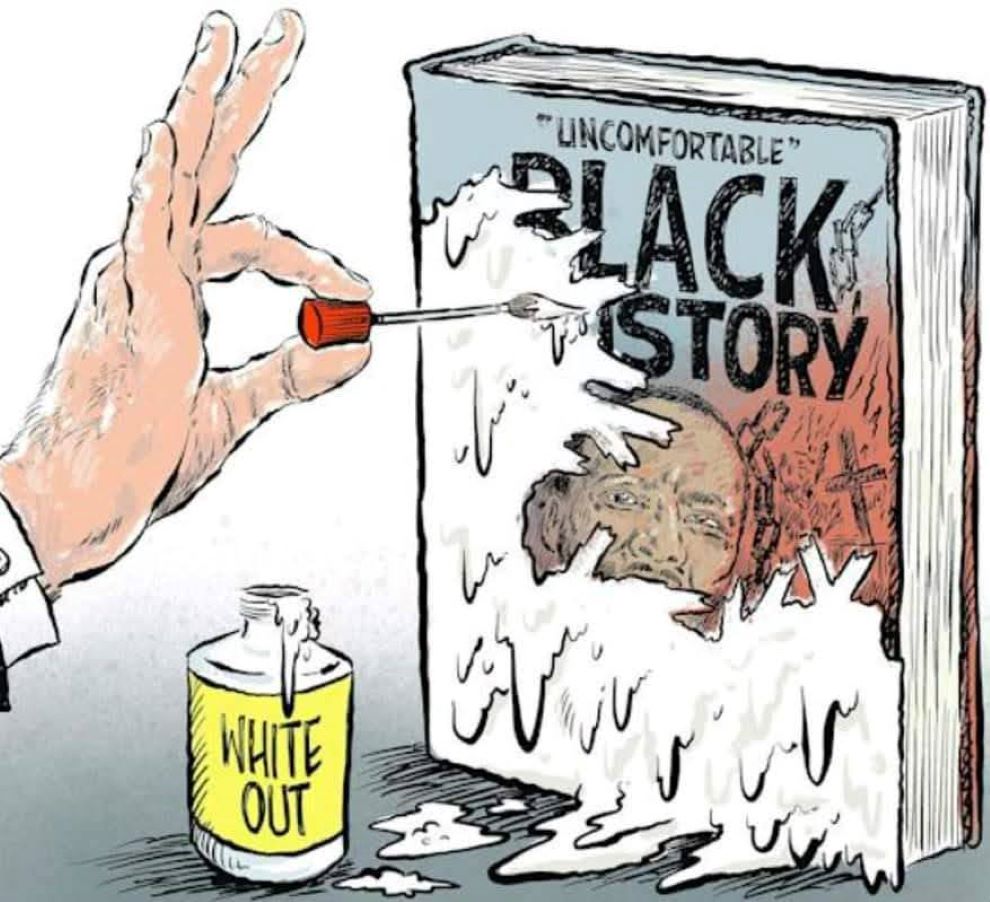
Black History, Has It Been Whitewashed?

This artwork is the property of its respective owner. No copyright infringement intended.

Black history is more than a subject taught in February; it is the story of humanity itself, tracing the contributions, struggles, and triumphs of people of African descent from antiquity to the present. Yet for centuries, much of this history has been systematically erased, misrepresented, or “whitewashed.” Whitewashing refers to the deliberate alteration of historical narratives to favor Eurocentric perspectives, minimizing or excluding Black presence, contributions, and identity. This erasure is not merely academic—it shapes the psychology of Black people and the collective consciousness of society.

Hollywood has played a major role in this process. Biblical movies, for instance, have often depicted Hebrews, Egyptians, and early Christians as European in appearance, despite the geographical and anthropological evidence pointing to their African and Semitic roots. Films like The Ten Commandments (1956) portrayed Pharaoh and Moses as white men, subtly reinforcing the idea that leadership, divinity, and chosenness are synonymous with whiteness. This not only distorts biblical truth but also conditions audiences to associate Blackness with servitude rather than divine purpose.

The Bible itself points to a different narrative. Many key figures—Moses, Joseph, and even Christ—spent time in Africa. Christ was hidden in Egypt as a child (Matthew 2:13-15, KJV), which would not have been a safe hiding place if He were a pale-skinned foreigner who stood out among the population. The Song of Solomon 1:5 (KJV) proclaims, “I am black, but comely,” affirming that dark skin was celebrated in ancient texts. The erasure of this truth diminishes the representation of Black identity in the biblical narrative.

Black history, in its truest sense, includes the kingdoms of Mali, Ghana, and Songhai; the libraries of Timbuktu; the inventions, music, and philosophies of African civilizations. It also includes the Middle Passage, slavery, and systemic oppression that followed. To study Black history is to study resilience, creativity, and faith. It is the acknowledgment of a people who survived one of the greatest crimes in human history and still found ways to bless the nations with culture, innovation, and spiritual depth.

The whitewashing of slavery is one of the most dangerous forms of historical erasure. Some school systems now refer to enslaved people as “workers” or claim that slavery was “beneficial” because it taught Africans “skills.” This revisionist narrative strips away the brutality of chattel slavery—the whippings, the family separations, the psychological warfare. Exodus 1:13-14 (KJV) describes how the Egyptians “made the children of Israel to serve with rigour,” which mirrors the forced labor and oppression endured by Africans in the Americas.

From a psychological standpoint, erasing or minimizing slavery has generational effects. Theories of intergenerational trauma suggest that the pain of slavery has been passed down genetically and emotionally (DeGruy, 2005). When history is hidden, Black communities are denied the opportunity to heal, grieve, and demand justice. It is psychologically disorienting to live in a world that denies the truth of your ancestors’ suffering while expecting you to “move on.”

The question arises: why would white society want to keep slavery hidden? The answer is multifaceted. To confront slavery honestly would require acknowledging that the wealth of nations like the United States, Britain, and France was built on Black suffering. It would also raise moral questions about reparations, justice, and restitution. Psychologically, some white individuals experience “white guilt” and prefer to avoid discomfort by sanitizing history (Spanierman & Cabrera, 2015).

The color of Black people has also been a point of erasure. In many educational and media portrayals, African Americans are depicted as a monolith, ignoring the diversity of skin tones, cultures, and histories. Colorism, which privileges lighter skin, has further complicated the narrative. Media representation often favors light-skinned actors to portray Black historical figures, which subtly communicates that lighter Blackness is more palatable to mainstream audiences.

Social media, while a tool for education, has also perpetuated whitewashing. Algorithms tend to amplify Eurocentric beauty standards and reward creators who fit into those ideals, often sidelining darker-skinned voices. Memes, viral trends, and TikTok dances created by Black users are frequently appropriated by non-Black influencers who gain more recognition and profit, leaving the originators invisible.

Whitewashing in education is particularly concerning. In some states, curriculum reforms have sought to limit or remove discussions of systemic racism and slavery from classrooms. This deprives young students—both Black and white—of a truthful understanding of history. Hosea 4:6 (KJV) warns, “My people are destroyed for lack of knowledge.” When history is withheld, it becomes easier to repeat cycles of oppression.

Psychologically, representation matters because it shapes identity. Social identity theory suggests that people derive part of their self-esteem from the groups to which they belong (Tajfel & Turner, 1986). When Black people see their history erased or distorted, it sends a message that they are insignificant or inferior. This can create internalized racism, self-hate, and low collective esteem.

The whitewashing of Black biblical history also has spiritual consequences. If Black people are taught that they have no place in sacred history, they may view Christianity as a “white man’s religion,” leading to spiritual disillusionment. Yet Acts 8:27-39 recounts the Ethiopian eunuch’s conversion and baptism, showing that Africans were among the first Christians. Reclaiming this narrative restores dignity and belonging.

The Bible takes place in Africa and the Middle East — regions where people historically had darker skin tones. The Hebrews, Egyptians, Ethiopians, and early Christians were not Northern Europeans. Yet, for centuries, European artists, church leaders, and later Hollywood filmmakers deliberately depicted them as white. This was not an accident — it was part of a larger project to make Christianity look “Western” and to align holiness, divinity, and authority with whiteness.

Here are a few key points you might find powerful:

  • Geography matters: The Bible’s events took place in regions like Egypt, Canaan, Babylon, and Jerusalem — all hot, sun-drenched places where people would have been brown-skinned or Black. Even Jesus’ family fled to Egypt (Matthew 2:13–15, KJV), a place where He would not have stood out if He were pale.
  • Biblical descriptions: Song of Solomon 1:5 (KJV) says, “I am black, but comely.” Lamentations 5:10 describes skin “black like an oven” from famine. Jeremiah 8:21 says, “I am black; astonishment hath taken hold on me.” These passages suggest that many biblical people were visibly dark-skinned.
  • Historical evidence: Ancient Israelite art, Egyptian tomb paintings, and archaeological records show people with brown to black skin tones, curly or woolly hair, and features common in African and Afro-Asiatic populations.
  • Whitewashing as control: When Europeans colonized Africa and enslaved Africans, they spread images of a white Jesus and white saints to justify slavery and teach that salvation came through European culture. This psychological tactic convinced many enslaved people that whiteness was divine and blackness was cursed — a lie that still shapes perceptions today.
  • Psychological effects: Seeing only white biblical figures can make Black and Brown believers feel disconnected from Scripture or think that God does not look like them. This is why representation matters — it shapes self-esteem, spiritual confidence, and cultural pride.

Slavery itself was justified using twisted theology, with slaveholders quoting Ephesians 6:5 (“Servants, be obedient to them that are your masters”) out of context, while ignoring the liberating themes of Scripture. This manipulation of the Word was an early form of whitewashing, reframing oppression as divine will rather than sin.

In popular culture, the whitewashing of Black music, dance, and language continues. Jazz, blues, and hip-hop—all birthed in Black communities—have been monetized by corporations while excluding the originators from full benefit. This economic exploitation mirrors historical patterns of taking from Black bodies and minds without acknowledgment.

The erasure of Black heroes is another tactic of whitewashing. Figures like Crispus Attucks, Ida B. Wells, and Garrett Morgan are rarely celebrated alongside Washington or Lincoln, despite their crucial roles in shaping American history. When they are mentioned, their Blackness is often downplayed, making them “race-neutral” heroes rather than distinctly Black ones.

This whitewashing creates a false sense of racial harmony by pretending racism never existed. It allows society to maintain systemic inequities while claiming progress. Proverbs 17:15 (KJV) warns against justifying the wicked, stating, “He that justifieth the wicked, and he that condemneth the just, even they both are abomination to the Lord.” To whitewash history is to justify wickedness and silence the righteous.

Psychologists argue that confronting historical injustice is essential for collective healing. Truth-telling initiatives, such as truth and reconciliation commissions, have been used in countries like South Africa to address systemic oppression. The United States has yet to fully reckon with its history of slavery, which is why racial tensions remain unresolved.

Social media activism has become one of the most powerful tools in combating whitewashing. Hashtags like #BlackLivesMatter and #BlackHistory365 have brought hidden stories to light, challenging mainstream narratives. This democratization of information gives Black people a voice that was long suppressed.

In conclusion, Black history has been whitewashed through media, education, religion, and social systems, but the truth continues to resurface. The erasure of slavery, Black biblical history, and cultural contributions has psychological and spiritual consequences that affect generations. Reclaiming Black history is not just an academic exercise but an act of resistance, healing, and restoration. To know Black history is to know the full story of humanity—and to resist the forces that seek to erase God’s image in Black bodies.


References

  • DeGruy, J. (2005). Post Traumatic Slave Syndrome: America’s Legacy of Enduring Injury and Healing. Joy DeGruy Publications.
  • Spanierman, L. B., & Cabrera, N. L. (2015). The emotions of White racism. Educational Psychologist, 50(3), 187–203.
  • Tajfel, H., & Turner, J. C. (1986). The social identity theory of intergroup behavior. In S. Worchel & W. Austin (Eds.), Psychology of intergroup relations (pp. 7–24). Nelson-Hall.

Key KJV Scriptures: Matthew 2:13-15; Song of Solomon 1:5; Exodus 1:13-14; Hosea 4:6; Acts 8:27-39; Proverbs 17:15; 1 Samuel 16:7; Proverbs 29:25.

THE COLORIST Gaze: Skin Tone Prejudice and the Politics of Proximity to Whiteness.

Photo by cottonbro studio on Pexels.com

Introduction: Who Is a Colorist?

A colorist is an individual who perpetuates or enforces discriminatory practices based on skin tone—favoring lighter skin over darker shades, even within the same racial or ethnic group. This behavior reflects colorism, a form of bias that upholds white or Eurocentric standards of beauty, professionalism, and desirability. While the term “colorism” was first coined by acclaimed African American author Alice Walker in her 1983 collection In Search of Our Mothers’ Gardens, the practice long predates the term—rooted in slavery, colonialism, caste systems, and global white supremacy.

A colorist can be of any race, but most often, colorists are individuals of color who have internalized societal messages that associate lightness with beauty, intelligence, and social mobility. Colorism is not just an interpersonal issue—it reflects deep systemic structures that impact everything from employment to education, marriage, and media representation.


The Race of the Colorist: Internalized Bias Across Cultures

While colorism is often highlighted within the Black community, it is by no means exclusive to it. In fact, some of the most pervasive colorist systems exist in countries like India, the Philippines, Brazil, South Africa, and Dominican Republic—all legacies of colonization and the global exportation of white beauty ideals.

In India, the caste system historically tied fair skin with higher caste status, and today, skin-lightening creams remain a billion-dollar industry. In Latin America, “mejorar la raza” (improve the race) is a common phrase that encourages marrying lighter-skinned partners to produce lighter children—reflecting long-standing colorist ideologies.

Thus, a colorist may be Black, Brown, Asian, or Indigenous—anyone who participates in or benefits from the stratification of people based on skin tone. Often, they have internalized whiteness as the standard and actively judge others who do not conform.


Prejudices and Practices of a Colorist

A colorist upholds several dangerous assumptions:

  • Lighter skin is more attractive, clean, and educated.
  • Darker skin is associated with poverty, aggression, or inferiority.
  • Romantic partners or children are more desirable if they have fair skin.
  • Certain hairstyles or cultural markers are acceptable only if paired with light skin.

These prejudices manifest in hiring practices, school discipline, healthcare disparities, and media exposure. A study by the National Bureau of Economic Research found that light-skinned Black men earn 15% more than their darker-skinned peers, even with identical resumes (Goldsmith, Hamilton, & Darity, 2006). This proves that colorist bias has material, not just emotional, consequences.


Example of a Colorist: The Case of Mathew Knowles

One public example is Mathew Knowles, father and former manager of Beyoncé. In interviews, he admitted that colorism influenced his dating preferences and how the music industry markets artists:

“When it comes to Black women, who are the people who get their music played on pop radio? Mariah Carey, Rihanna, Beyoncé. Do you think that’s an accident?”
—Mathew Knowles (Vulture, 2018)

His comment underscores how light-skinned artists are often elevated in mainstream media while darker-skinned artists with equal or greater talent struggle for visibility and recognition.


Effects of Colorism in Jobs and Daily Life

The impact of colorist thinking is far-reaching:

  • Employment: Lighter-skinned candidates are perceived as more “professional” or “polished,” particularly in customer-facing roles.
  • Legal System: Studies show that darker-skinned individuals receive longer prison sentences than lighter-skinned counterparts for the same crimes (Monk, 2015).
  • Healthcare: Dark-skinned patients are often undertreated for pain or misdiagnosed due to implicit bias.
  • Dating and Marriage: Colorists may seek partners of lighter skin tone as a form of social elevation or to have “fair-skinned” children.
  • Education: Teachers may unconsciously perceive lighter-skinned students as better behaved or more intelligent.

Do Colorists Marry Outside Their Race?

In many cases, yes—colorists may choose to marry outside their race, particularly into groups that offer closer proximity to whiteness, whether through skin tone or phenotype. However, even within the same racial or ethnic community, colorists may strategically pursue partners with lighter complexions in a conscious or unconscious attempt to “upgrade” their lineage. This reflects the internalized colonial logic that lighter is inherently better.


How to Overcome Colorism and the Colorist Mentality

Overcoming colorism—and dismantling the mindset of the colorist—requires both personal and collective transformation:

  1. Education: Learn the historical roots of colorism and its global impact.
  2. Representation: Support diverse portrayals of beauty and excellence across all skin tones.
  3. Affirmation: Celebrate melanin-rich skin and reject Eurocentric beauty standards.
  4. Policy Change: Enact workplace protections and anti-discrimination laws that address hair and appearance bias.
  5. Healing: Address the psychological trauma caused by years of shaming and invisibility.

As Dr. Yaba Blay writes:

“Colorism is not about preference; it’s about power. When your preference is shaped by systems of domination, it’s not just personal—it’s political.”


Conclusion

A colorist is not merely someone with a personal preference for lighter skin; they are a product and perpetrator of a global system that devalues Blackness and glorifies whiteness. From the beauty aisle to the boardroom, colorism shapes lives, relationships, and opportunities. But this system is neither natural nor irreversible. Through education, accountability, and a redefinition of beauty and worth, it is possible to unlearn colorist thinking and affirm the richness and dignity of all shades. To dismantle the colorist gaze is to reclaim not only the spectrum of Black and Brown beauty—but the humanity long denied to those furthest from the colonial ideal.


References

Blay, Y. (2021). One Drop: Shifting the Lens on Race. Beacon Press.
Goldsmith, A. H., Hamilton, D., & Darity, W. (2006). Shades of discrimination: Skin tone and wages. American Economic Review, 96(2), 242–245.
Monk, E. P., Jr. (2015). The cost of color: Skin color, discrimination, and health among African-Americans. American Journal of Sociology, 121(2), 396–444.
Walker, A. (1983). In Search of Our Mothers’ Gardens: Womanist Prose. Harcourt Brace Jovanovich.
Vulture. (2018). Mathew Knowles Talks Colorism in the Music Industry. https://www.vulture.com/2018/01/mathew-knowles-on-colorism-and-beyonce.html

Satanic Occupations: The Battle Between Corruption and Redemption.

Photo by Yan Krukau on Pexels.com

The term “satanic occupations” refers to fields of work that can be corrupted and used as instruments of evil when motivated by greed, deception, pride, or exploitation. These occupations are not inherently evil but can be twisted to advance the works of darkness. The enemy seeks to “steal, and to kill, and to destroy” (John 10:10, KJV), which includes corrupting systems, careers, and institutions. Psychology supports this idea by showing that human behavior is shaped by incentives, power structures, and cultural influences that can promote either justice or harm.

The entertainment industry—including acting, singing, and social media—has tremendous influence over culture. This field becomes “satanic” when it glorifies lust, pride, and rebellion against God, leading people to idolatry and sin. Many artists use their platforms to promote violence, sexual immorality, and self-worship. “Love not the world, neither the things that are in the world” (1 John 2:15-16, KJV). Psychologically, constant exposure to such content normalizes destructive behaviors and can lead to desensitization. However, entertainment can inspire hope, tell stories of redemption, and spread truth when used to glorify God.

Science and technology can be powerful tools for human progress but are often idolized as replacements for God. When people elevate human knowledge above divine wisdom, they fall into intellectual pride. Romans 1:22 warns, “Professing themselves to be wise, they became fools” (KJV). Technology can be used to create weapons of mass destruction, exploit personal data, or distract entire generations. Psychologically, this creates a false sense of control. Yet science and technology can glorify God when used for healing, stewardship of creation, and improving quality of life.

Banking and finance often become corrupted by greed and exploitation. The love of money is called “the root of all evil” (1 Timothy 6:10, KJV). Materialism leads to anxiety, selfishness, and social inequality. However, money is morally neutral and can be a force for good when used to support missions, feed the hungry, build hospitals, and educate the next generation. Wise stewardship honors God: “Honour the Lord with thy substance” (Proverbs 3:9, KJV).

Politics shapes laws and morality at the national level. It becomes satanic when leaders use deception, oppression, and ambition to control people. “Woe unto them that decree unrighteous decrees” (Isaiah 10:1, KJV). Psychology shows that power can corrupt, leading to moral disengagement. Still, politics can uphold justice, protect the vulnerable, and advance righteousness. Biblical examples such as Joseph, Daniel, and Esther show that God uses leaders to bring deliverance and restoration.

The legal profession—including judges and lawyers—can uphold truth or perpetuate lies and corruption. Bribes, false witnesses, and unjust rulings pervert justice: “Ye shall do no unrighteousness in judgment… but in righteousness shalt thou judge thy neighbour” (Leviticus 19:15, KJV). When guided by integrity, legal professionals defend the innocent and free the oppressed, reflecting God’s character as a just judge.

Education is another area that can be either liberating or destructive. It becomes satanic when schools teach godless ideologies, promote moral relativism, or erase the truth about creation and history. “My people are destroyed for lack of knowledge” (Hosea 4:6, KJV) shows how ignorance can enslave a generation. However, education can also empower minds, teach virtue, and pass on wisdom. Christian educators and scholars can positively influence culture by teaching the truth and forming disciples of Christ.

Medicine and healthcare can also become corrupted when profit outweighs compassion, or when procedures violate the sanctity of life. Abortion, unethical experiments, and exploitation of the sick reveal how this noble field can be twisted. Yet Christ Himself was a healer, and medicine is one of the most direct ways to reflect His compassion, relieving suffering and saving lives. “Bear ye one another’s burdens, and so fulfil the law of Christ” (Galatians 6:2, KJV).

The military and law enforcement are sometimes seen as instruments of oppression or violence. Indeed, when armies are used for unjust wars or police abuse power, they serve Satan’s destructive agenda. But when used rightly, they protect the innocent and restrain evil. Romans 13:4 calls governing authorities “the minister of God, a revenger to execute wrath upon him that doeth evil.” Psychology shows that disciplined military culture can instill courage, duty, and teamwork that serve society.

Fashion and beauty industries can promote vanity, lust, and unrealistic standards that enslave people’s identities to appearance. Proverbs 31:30 warns, “Favour is deceitful, and beauty is vain: but a woman that feareth the Lord, she shall be praised.” But fashion can also be used to express creativity, dignity, and modesty, reflecting God’s artistry and order.

Business and entrepreneurship can be exploited for greed, exploitation, and unethical labor practices. Psychologically, unchecked ambition can lead to narcissism and moral compromise. Yet business done with integrity creates jobs, strengthens families, and funds kingdom work. Proverbs 11:1 teaches that “A false balance is an abomination to the LORD: but a just weight is his delight.” Ethical entrepreneurship can model stewardship and justice.

Sports, like other occupations, are neither inherently good nor evil but can become a battleground for the heart. When used to glorify self, they foster pride and idolatry. However, when used to glorify God, they can inspire nations and serve as an example of discipline and perseverance. “Be not overcome by evil, but overcome evil with good” (Romans 12:21, KJV).

Satanic Occupations: The Battle Between Corruption and Redemption

Occupation / SphereHow It Can Be Evil (Satanic Influence)How It Can Be Good (Godly Use)Scriptures (KJV)Psychological Insight
Entertainment (Acting, Singing, Social Media)Glorifies lust, rebellion, self-worship, violence, and idolatry; normalizes sin.Inspires hope, tells redemptive stories, spreads truth, uplifts and educates.1 John 2:15-16 – “Love not the world…”
Philippians 4:8 – “Think on these things.”
Constant exposure shapes values; can desensitize to sin or motivate positive change.
Science & TechnologyIntellectual pride, replacing God, unethical experiments, distraction from spiritual life.Advances medicine, improves quality of life, glorifies God’s wisdom in creation.Romans 1:22 – “Professing themselves to be wise…”
Psalm 19:1 – “The heavens declare the glory of God.”
Knowledge without morality can lead to arrogance; aligned with ethics, it becomes life-giving.
Banking & FinanceGreed, hoarding wealth, economic oppression, exploitation of the poor.Funds missions, education, healthcare, and community development.1 Timothy 6:10 – “The love of money is the root of all evil.”
Proverbs 3:9 – “Honour the Lord with thy substance.”
Materialism raises anxiety; generosity increases joy and social trust.
Politics & GovernmentCorruption, unrighteous laws, abuse of power, oppression of citizens.Protects the vulnerable, promotes justice and national restoration.Isaiah 10:1 – “Woe unto them that decree unrighteous decrees.”
Romans 13:1 – “The powers that be are ordained of God.”
Power can corrupt; servant leadership builds societal trust.
Legal Profession (Judges & Lawyers)Bribery, lies, defending injustice, perverting judgment.Defends the innocent, frees the oppressed, upholds righteousness.Leviticus 19:15 – “In righteousness shalt thou judge…”
Proverbs 17:15 – “He that justifieth the wicked… is abomination.”
Law shapes morality; relativism leads to justifying wrongdoing.
EducationPromotes godless ideologies, moral relativism, and historical revisionism.Empowers minds, teaches wisdom, preserves truth, disciples future generations.Hosea 4:6 – “My people are destroyed for lack of knowledge.”
Proverbs 4:7 – “Wisdom is the principal thing.”
Education shapes worldview; miseducation can enslave, while truth liberates.
Medicine & HealthcareProfit over compassion, abortion, unethical practices, exploitation of the sick.Healing, compassion, saving lives, reflecting Christ’s ministry.Galatians 6:2 – “Bear ye one another’s burdens…”
Matthew 9:35 – Jesus “healing every sickness.”
Altruistic care improves mental health for patients and caregivers alike.
Military & Law EnforcementUnjust wars, abuse of authority, oppression of civilians.Protects the innocent, restrains evil, maintains order.Romans 13:4 – “He is the minister of God, a revenger to execute wrath…”
Psalm 82:3 – “Defend the poor and fatherless.”
Discipline fosters courage and duty; unchecked aggression breeds trauma and abuse.
Fashion & Beauty IndustryPromotes vanity, lust, unrealistic standards, and identity obsession.Encourages creativity, dignity, modesty, and self-respect.Proverbs 31:30 – “Beauty is vain: but a woman that feareth the LORD…”
1 Timothy 2:9 – “Adorn themselves in modest apparel.”
Media-driven beauty ideals harm self-esteem; modesty and authenticity promote well-being.
Business & EntrepreneurshipExploitation, greed, unethical labor, dishonest profit-seeking.Creates jobs, supports families, funds community growth, models stewardship.Proverbs 11:1 – “A false balance is abomination…”
Colossians 3:23 – “Do it heartily, as to the Lord.”
Ethical business improves society; unchecked ambition leads to narcissism and exploitation.

Ultimately, none of these occupations is inherently evil. The danger lies in the motives of the heart. “Whether therefore ye eat, or drink, or whatsoever ye do, do all to the glory of God” (1 Corinthians 10:31, KJV). Psychology affirms that meaningful work aligns with moral and spiritual purpose, not merely power or profit. These spheres are spiritual battlegrounds where believers are called to bring light, integrity, and truth. “Be not overcome of evil, but overcome evil with good” (Romans 12:21, KJV).


References

  • Holy Bible, King James Version.
  • American Psychological Association. (2023). The psychology of power and corruption. APA.
  • Twenge, J. M., & Campbell, W. K. (2018). The narcissism epidemic: Living in the age of entitlement. Atria Books.
  • Keller, T. (2013). Every Good Endeavor: Connecting Your Work to God’s Work. Dutton.
  • Barna Group. (2022). Faith and culture: How entertainment and media shape worldview. Barna Research.
  • Wright, N. T. (2010). After You Believe: Why Christian Character Matters. HarperOne.