Tag Archives: photography

Color-Coated Casting in the Entertainment and Fashion Industries.

Color-coated casting—commonly understood as colorism within media industries—remains one of the most insidious and underexamined forms of discrimination affecting Black entertainers. It operates not through outright exclusion alone, but through selective inclusion, where lighter skin is consistently privileged over darker skin within the same racial group. This hierarchy shapes who is seen, who is celebrated, and ultimately, who is remembered.

The origins of colorism in entertainment can be traced to the historical aftermath of slavery and colonialism, where proximity to whiteness was associated with privilege, safety, and access. During early American theater and film, Black representation was either absent or distorted through caricature. As Black actors slowly entered the industry, lighter-skinned individuals were often chosen because they aligned more closely with Eurocentric ideals of beauty and acceptability.

By the Golden Age of Hollywood, these biases had become institutionalized. Studios, largely controlled by white executives, curated an image of Blackness that was palatable to white audiences. This meant casting individuals who visually softened racial difference—lighter skin, looser curls, and more “ambiguous” features—while excluding darker-skinned actors from leading roles.

Color-coated casting has had a profound impact on the fashion industry, where models of darker skin tones have historically been underrepresented or relegated to niche categories such as “ethnic” or “urban.” Runways, magazine covers, and high-profile campaigns have favored lighter-skinned or biracial models, who are perceived as more commercially viable or “relatable” to global audiences. This preference not only limits opportunities for darker-skinned models but also reinforces narrow beauty standards that equate desirability with proximity to whiteness. Even when darker-skinned models are featured, they are often styled, photographed, or digitally lightened to align with these Eurocentric aesthetics, sending the implicit message that darker tones are less acceptable. Iconic Black models such as Naomi Campbell and Alek Wek have challenged these norms, yet the industry continues to grapple with systemic bias, showing that talent alone is not enough to overcome deeply entrenched colorism. This practice affects not only careers but also the perception of beauty in society at large, shaping cultural ideals and influencing consumer preferences.

The practice persists today under the guise of “marketability.” Industry decision-makers often argue that lighter-skinned actors have broader appeal, particularly in international markets. This economic justification masks a deeper issue: the continued prioritization of whiteness as the universal standard.

The experiences of Lupita Nyong’o powerfully illustrate this reality. Before her rise to global acclaim, she has spoken openly about being told she was “too dark” for television. Even after winning an Academy Award, she encountered a narrow range of roles, many of which were rooted in historical trauma rather than contemporary complexity.

Similarly, Halle Berry, despite becoming the first Black woman to win the Academy Award for Best Actress, has acknowledged the persistent lack of substantial roles for Black women. Her success did not dismantle the system; rather, it exposed how rare such breakthroughs are.

Actresses like Viola Davis have also addressed colorism directly, noting that darker-skinned women must often work twice as hard for half the recognition. Davis has spoken about how her appearance influenced the types of roles she was offered, often being cast in characters defined by struggle rather than desirability.

In contrast, lighter-skinned or racially ambiguous actresses such as Zendaya and Zoë Saldana have frequently been positioned as the “face” of diversity. While their success is valid, it also reflects the industry’s preference for representations of Blackness that align more closely with Eurocentric aesthetics.

Colorism extends beyond film into the fashion industry, where beauty standards are even more rigid. Darker-skinned models have historically been underrepresented on runways, in advertising campaigns, and on magazine covers. When they are included, they are often styled in ways that exoticize rather than normalize their beauty.

There have also been documented cases where the skin tones of Black celebrities, including Beyoncé, were digitally altered in post-production to appear lighter. This practice reinforces harmful messages about which shades of Blackness are considered acceptable or aspirational.

For Black men, colorism manifests differently but remains equally impactful. Darker-skinned male actors are often typecast into roles that emphasize physicality, aggression, or hardship, while lighter-skinned men are more likely to be portrayed as romantic leads or emotionally complex characters.

Actors such as Idris Elba have broken through some of these barriers, yet even his career reflects a pattern where recognition often comes with roles that emphasize strength and intensity rather than vulnerability or softness.

In sports, the effects of colorism are visible in media representation and endorsement deals. Lighter-skinned athletes are frequently marketed as more relatable or marketable, while darker-skinned athletes are reduced to their physical abilities. This dynamic perpetuates stereotypes that extend far beyond the playing field.

The responsibility for color-coated casting lies in multiple layers of power. Studio executives, casting directors, fashion editors, and brand managers all contribute to maintaining these standards. However, these decisions are also influenced by broader societal biases that have been conditioned over centuries.

Media ownership plays a critical role. When decision-making power is concentrated among individuals who benefit from existing hierarchies, there is little incentive to challenge them. This lack of diversity behind the scenes directly impacts the diversity seen on screen and on runways.

Audience conditioning is another factor. Generations of viewers have been exposed to narrow representations of beauty, leading to internalized preferences that reinforce industry practices. This creates a feedback loop where demand and supply continuously validate one another.

Importantly, colorism is not solely imposed from outside the Black community. It can also be perpetuated internally, as historical conditioning has influenced perceptions of beauty and worth within the community itself. This internalization complicates efforts to dismantle the system.

Despite these challenges, resistance has emerged. Movements advocating for darker-skinned representation have gained momentum, and more creators are intentionally casting actors who reflect the full spectrum of Black identity.

Actresses, models, and public figures are increasingly using their platforms to challenge beauty norms and demand equitable treatment. Their voices have sparked critical conversations about inclusion, authenticity, and representation.

However, progress remains uneven. While there are more opportunities than in previous decades, systemic change has been slow, and colorism continues to shape casting decisions in subtle yet significant ways.

Ultimately, color-coated casting is not just about who gets hired—it is about whose stories are told, whose beauty is validated, and whose humanity is fully recognized. Until the industry confronts its biases at both structural and cultural levels, true equity will remain out of reach.

References (APA Style)

Berry, H. (2002). Academy Award acceptance speech and subsequent interviews on representation.

Davis, V. (2016). Emmy acceptance speech and interviews on race and colorism in Hollywood.

Hunter, M. (2007). The persistent problem of colorism: Skin tone, status, and inequality. Sociology Compass, 1(1), 237–254.

Nyong’o, L. (2014). Speech at Essence Black Women in Hollywood Luncheon.

Norwood, K. J. (2015). Color matters: Skin tone bias and the myth of a postracial America. Routledge.

Thompson, M. S., & Keith, V. M. (2001). The blacker the berry: Gender, skin tone, self-esteem, and self-efficacy. Gender & Society, 15(3), 336–357.

Wilder, J. (2015). Color stories: Black women and colorism in the 21st century. Temple University Press.
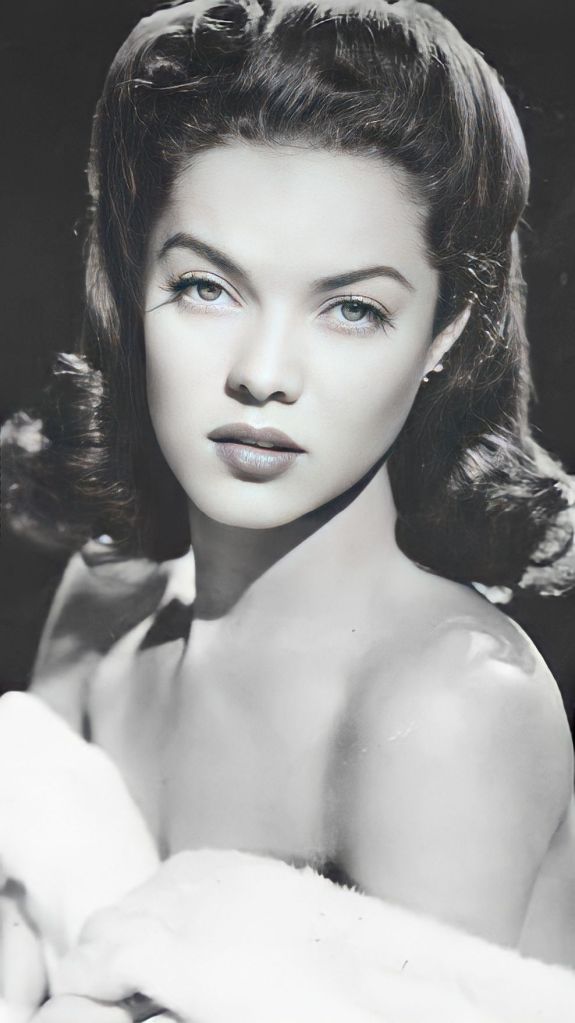

Passing Series: Dona Drake

This photograph is the property of its respective owner. No copyright infringement intended.

Dona Drake occupies a complex and often painful place in Hollywood history as a woman of color who was forced to “pass” as white and Latina to survive within a racially segregated film industry. Born Eunice Westmoreland in the early twentieth century, Drake’s career reveals the psychological and structural pressures placed on racially ambiguous performers in an era when Black identity was treated as a professional death sentence. Her story is not merely one of personal reinvention, but of institutional coercion, cultural erasure, and racial deception demanded by Hollywood itself.

Drake was born in 1914 to African American parents, despite later studio narratives claiming she was of Spanish or Latin descent. Her father, Amos Westmoreland, was a Black vaudeville performer, and her mother was also African American. This factual lineage directly contradicts the racial mythology constructed around her public persona, illustrating how studios deliberately rewrote her identity to make her palatable to white audiences.

In the 1930s and 1940s, Hollywood operated under a rigid racial caste system shaped by Jim Crow ideology, the Production Code, and deeply entrenched white supremacy. Black actresses were almost exclusively limited to roles as maids, mammies, or comic relief, for a light-skinned woman like Drake, passing offered a pathway into lead roles, romance, and upward mobility that would otherwise be inaccessible.

Drake first entered Hollywood under the name “Dona Drake” in the early 1940s, a carefully crafted identity that obscured her African American origins. Studios promoted her as “Mexican,” “Spanish,” or “Latin American,” depending on the role, allowing her to be cast in exoticized but non-Black parts. This racial ambiguity functioned as a form of commercial camouflage, enabling her to navigate a racist system while concealing her true heritage.

Her most notable film appearances during this period included roles in Road to Morocco (1942) and The Falcon in San Francisco (1945), where she was marketed as a glamorous “foreign” woman rather than a Black American. These roles would have been impossible had her racial background been publicly known, revealing how Hollywood’s casting practices were fundamentally racialized and exclusionary.

Drake’s passing was not merely professional but psychological. To maintain her career, she had to continuously deny her family, ancestry, and community. This form of racial performance required constant vigilance, as discovery could mean immediate blacklisting. Passing thus became a survival strategy rooted in fear rather than freedom.

This photograph is the property of its respective owner. No copyright infringement intended.

In 1941, Drake also performed under the name “Rita Rio” during her singing and nightclub career, another identity layer that distanced her from Blackness and aligned her with Latin exoticism. These shifting names reflect how racial identity in Hollywood was not self-defined but corporate-controlled, reshaped to fit market demands.

Hollywood actively taught Drake how to lie about herself. Studio publicists constructed false biographies, altered her speech patterns, and discouraged any association with Black spaces or people. This training in racial deception was not unique to Drake but part of a broader system in which light-skinned performers were coached to “perform whiteness” as a professional skill.

The reason Drake wanted to be perceived as white or non-Black was rooted in the brutal reality of racial economics. Black actresses earned less, had fewer roles, and were denied romantic narratives. Passing offered access to dignity, complexity, and visibility in a world that refused to humanize Black women on screen.

However, Drake’s success was fragile. As racial scrutiny increased and Hollywood’s gossip culture intensified, questions about her background followed her throughout her career. The constant pressure of concealment reportedly took an emotional toll, contributing to personal struggles and career instability later in life.

Drake’s downfall reflects the psychological cost of racial erasure. Passing requires not only external performance but internal fragmentation, where one must suppress authentic identity to maintain social survival. Scholars often describe this as a form of racial dissociation or identity splitting.

Her story also exposes the hypocrisy of Hollywood’s racial politics. While studios claimed to celebrate diversity through “ethnic” characters, they simultaneously excluded real Black identity, preferring racial fantasy over racial truth. Drake’s Latin persona was acceptable precisely because it was not Black.

From a sociological perspective, Drake represents what W.E.B. Du Bois called “double consciousness,” the internal conflict of seeing oneself through the eyes of a society that devalues your true identity. Her life illustrates how racial passing is not individual deception but structural coercion embedded in white supremacy.

Drake never publicly reclaimed her Black identity during her lifetime, which reflects how deeply the fear of racial exposure had been internalized. Even in death, her racial background remained contested, showing how thoroughly her original identity had been overwritten by Hollywood myth.

Dona Drake’s legacy forces us to confront uncomfortable truths about representation, race, and survival. She was not simply pretending to be white; she was responding rationally to a system that punished Blackness and rewarded proximity to whiteness. Her life stands as a historical case study in racial capitalism and identity trauma.

Ultimately, Drake’s passing reveals that Hollywood did not merely reflect racism; it engineered it. By forcing performers like her to erase themselves, the industry taught generations that Black identity was something to escape rather than embrace. Her story is not about individual shame, but about institutional violence against Black existence itself.


References

Bogle, D. (2016). Toms, coons, mulattoes, mammies, and bucks: An interpretive history of Blacks in American films (5th ed.). Bloomsbury.

Du Bois, W. E. B. (2007). The souls of Black folk. Oxford University Press. (Original work published 1903)

Gaines, J. M. (2017). Fire and desire: Mixed-race movies in the silent era. University of Chicago Press.

Hoberman, J. (2018). Hollywood and the color line. Film Quarterly, 71(3), 12–19.

Smith, S. (2019). Passing and performance: Racial ambiguity in classical Hollywood. Journal of American Culture, 42(2), 145–158.

The Vanity Trap: When Outer Beauty Hides Inner Emptiness.

Photo by Gustavo Almeida on Pexels.com

In contemporary society, the pursuit of physical beauty has become a dominant cultural preoccupation. Yet, behind the allure of aesthetic perfection lies a pervasive emptiness, as individuals often equate outward appearance with personal worth, neglecting the cultivation of inner life.

Vanity, defined as excessive pride in or concern with one’s appearance, can function as both a protective and performative mechanism. Individuals may invest in beauty to gain social approval, masking insecurity, trauma, or unmet emotional needs (Cash & Pruzinsky, 2002).

Media perpetuates the myth that beauty equals success, happiness, and moral virtue. From advertising to social media, the constant display of idealized bodies encourages the internalization of unrealistic standards, fostering dissatisfaction and superficial self-evaluation (Tiggemann & Slater, 2014).

Psychologically, this focus on appearance can contribute to body dysmorphic disorders, low self-esteem, and anxiety. When self-worth is tethered to external validation, individuals may experience perpetual inadequacy, regardless of how closely they meet cultural beauty norms (Grogan, 2016).

The vanity trap is particularly pronounced in cultures that equate youthfulness and symmetry with moral or social value. Such frameworks obscure the importance of character, wisdom, and relational depth, leading to a distorted sense of identity (Etcoff, 1999).

Historically, beauty has been leveraged as a form of social capital. Women and men with “desirable” features were often granted privileges, while those who diverged from these norms faced marginalization. This reinforces the notion that beauty is not only aesthetic but also transactional (Wolf, 1991).

Social comparison intensifies the vanity trap. In environments saturated with images of curated perfection, individuals measure themselves against often unattainable ideals, reinforcing feelings of inadequacy and fostering envy (Fardouly et al., 2015).

The psychological effects of vanity extend to relationships. When outward appearance becomes the primary measure of worth, individuals may struggle with intimacy, emotional vulnerability, and authentic connection, as relational bonds are predicated on superficial criteria (Fredrickson & Roberts, 1997).

Beauty obsession can also distract from personal growth. Time, energy, and resources invested in achieving aesthetic ideals may eclipse pursuits of intellectual, spiritual, and emotional development, leaving a hollow sense of accomplishment (Cash & Pruzinsky, 2002).

The cultural reinforcement of vanity intersects with gendered expectations. Women historically bear disproportionate pressure to maintain appearance, while men increasingly face expectations to cultivate physical fitness and style. Both groups risk internalizing external validation as self-definition (Grogan, 2016).

Social media magnifies these pressures. Platforms that prioritize visual content encourage performative beauty, where likes, comments, and followers become proxies for self-worth, often obscuring authentic personal identity (Fardouly et al., 2015).

Vanity can serve as a coping mechanism for deeper emotional wounds. Individuals may pursue perfection in appearance to compensate for rejection, neglect, or trauma, using beauty as a shield to avoid confronting inner pain (Cash & Pruzinsky, 2002).

Religious and spiritual traditions emphasize the primacy of inner virtue over external appearance. Scriptures, such as 1 Samuel 16:7, highlight that God values the condition of the heart, not outward appearances, challenging societal obsessions with beauty. This perspective offers a pathway to reconcile identity with moral and spiritual integrity.

Therapeutic interventions can address the inner emptiness associated with vanity. Cognitive-behavioral therapy, mindfulness, and narrative therapy help individuals disentangle self-worth from appearance, fostering internal validation and emotional resilience (Cash & Pruzinsky, 2002).

Community and relational contexts are crucial. Mentorship, authentic friendships, and supportive family structures provide mirrors for self-worth based on character and action, rather than appearance, reducing the compulsion toward superficial validation (Ward & Brown, 2015).

Art and creative expression can redirect focus from appearance to inner life. Through writing, painting, music, and performance, individuals can explore identity, emotions, and purpose, cultivating fulfillment that transcends external aesthetics (Etcoff, 1999).

The vanity trap is cyclical, often reinforced across generations. Children observing parental preoccupation with appearance may internalize similar values, perpetuating an endless pursuit of external approval at the expense of emotional and spiritual depth (Danieli, 1998).

Cultural critique highlights the intersection of consumerism and vanity. Beauty industries capitalize on insecurities, creating demand for products and services that promise perfection but rarely deliver lasting satisfaction, commodifying self-esteem (Wolf, 1991).

Reclaiming self-worth requires deliberate introspection. Recognizing the limits of beauty, embracing imperfection, and investing in internal growth can counter the emptiness produced by vanity. True confidence stems from alignment of values, purpose, and character with lived experience.

Ultimately, confronting the vanity trap entails a paradigm shift: valuing inner beauty, moral integrity, emotional depth, and relational authenticity over transient physical ideals. This reorientation fosters holistic well-being, resilient self-esteem, and meaningful human connection.


References

  • Cash, T. F., & Pruzinsky, T. (2002). Body image: A handbook of theory, research, and clinical practice. Guilford Press.
  • Danieli, Y. (1998). International handbook of multigenerational legacies of trauma. Plenum Press.
  • Etcoff, N. (1999). Survival of the prettiest: The science of beauty. Doubleday.
  • Fardouly, J., Diedrichs, P. C., Vartanian, L. R., & Halliwell, E. (2015). Social comparisons on social media: The impact of Facebook on young women’s body image concerns and mood. Body Image, 13, 38–45.
  • Fredrickson, B. L., & Roberts, T.-A. (1997). Objectification theory: Toward understanding women’s lived experiences and mental health risks. Psychology of Women Quarterly, 21(2), 173–206.
  • Grogan, S. (2016). Body image: Understanding body dissatisfaction in men, women, and children. Routledge.
  • Tiggemann, M., & Slater, A. (2014). NetGirls: The Internet, Facebook, and body image concern in adolescent girls. International Journal of Eating Disorders, 47(6), 630–643.
  • Ward, E., & Brown, R. L. (2015). Mental health stigma and African Americans. Journal of African American Studies, 19(2), 137–152.
  • Wolf, N. (1991). The beauty myth: How images of beauty are used against women. HarperCollins.

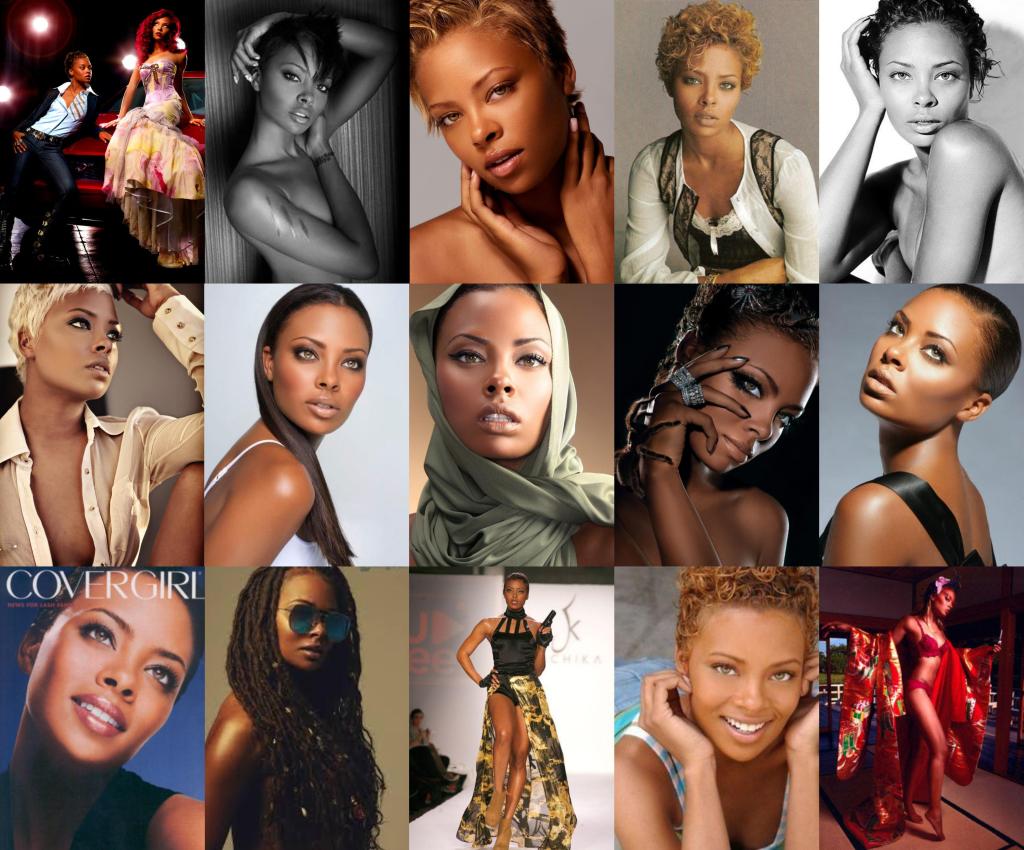
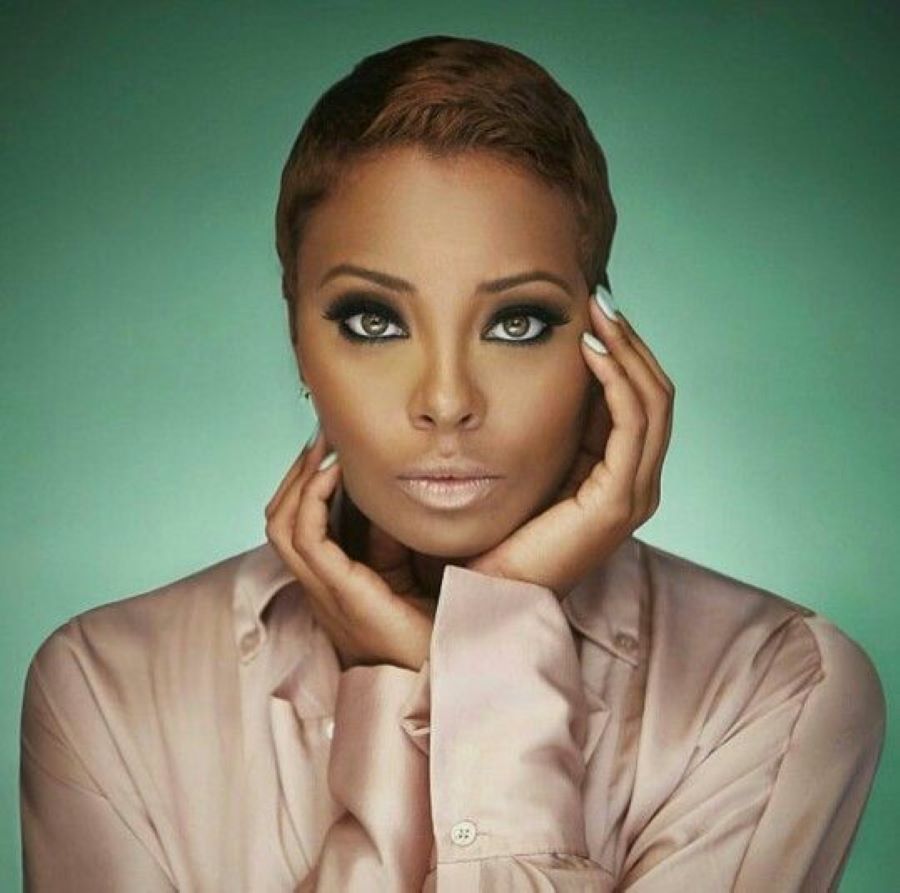
The Ebony Dolls: Eva Marcille

This photograph is the property of its respective owner. No copyright infringement intended.

She entered the world like a masterpiece brushed in melanin—a canvas of luminous light ebony-toned skin, warmed with golden undertones that seemed to glow without permission. Her eyes, a mesmerizing hazel-green ocean rimmed with amber, framed by elongated lashes, and her face sculpted in elegant symmetry, carried a porcelain-like softness yet striking angularity that photographers would later call exotic, rare, unforgettable. She was not just beautiful, but possessed an aesthetic harmony where Africa, Europe, and possibility met in one gaze.

Eva Marcille Pigford was born on October 30, 1984, in Los Angeles, California, to Evan Pigford and Michelle Pigford (IMDB, 2024). She identifies as African American and Puerto Rican, with additional European ancestry, making her widely recognized as multiracial/biracial or “mixed, though she embraces her Black identity as dominant in representation and cultural affiliation (Marcille in BET, 2022). She grew up in South Central Los Angeles, later attending Clark Atlanta University, where she studied broadcast journalism before entering the modeling world (Essence, 2020).

Her journey into Hollywood began on one of the most-watched runways on television—America’s Next Top Model (ANTM). In 2004, Eva auditioned for the third cycle of ANTM, impressing judges with her high-fashion potential, bone structure, presence, and magnetic eyes. She won the competition at age 19, securing a CoverGirl cosmetics contract and becoming the first winner with significantly darker skin and exotic features to take the mainstream commercial modeling crown (Banks et al., 2004; Tyra Show Archives).

This photograph is the property of its respective owner. No copyright infringement intended.

Following ANTM, she quickly transitioned into major print and commercial modeling campaigns. She signed with Ford Models, one of the most prestigious agencies globally (Models.com, 2010). Her early post-show momentum included high-profile spreads in Elle, Essence, King Magazine, GQ, and Cosmopolitan, elevating her beyond reality TV into fashion-editorial legitimacy (IMDB, 2024; Elle Archives, 2005).

Marcille became a campaign face for major brands. Her CoverGirl contract was followed by modeling partnerships and appearances in ad work for Samsung, Apple Bottoms, DKNY, Avon, and Macy’s commercials (Advertising Archives via Commercial Database; IMDB, 2024). She also became the face of shea-butter beauty and urban fashion aesthetics through co-signs with Apple Bottoms and beauty editorials celebrating deeper melanin-VS-Eurocentric glam balance (Essence, 2020).

She accumulated numerous accolades during her modeling years. In 2006, she received the Young Hollywood Award for Female Superstar of Tomorrow, marking her crossover potential beyond modeling into scripted media (Young Hollywood Awards, 2006). Her career trajectory would later include multiple NAACP media appearances and beauty acknowledgments for diversifying beauty representation for young Black and multiracial women (NAACP Image Awards Nominations Database).

Eva soon pursued acting, initially through guest television roles before securing recurring characters. Early appearances included roles on Smallville (2005), Everybody Hates Chris (2007), and House of Payne (2008), which helped transition her from model to actress in the early 2000s Hollywood pipeline (IMDB, 2024).

This photograph is the property of its respective owner. No copyright infringement intended.

She later earned significant screen attention in film, appearing in Crossover (2006), followed by roles in I Think I Love My Wife (2007) alongside comedian Chris Rock, and other Black-ensemble screen projects that positioned her as a staple face of the modern ebony Hollywood class (IMDB, 2024).

Her most culturally impactful work in scripted television came decades later. In 2021, she joined the cast of Tyler Perry’s drama-soap powerhouse All the Queen’s Men, portraying Madam’s rival, Marilyn “Ms. Noelle” Deville, a glamorous yet cunning boss-woman role that aligned her beauty with narrative authority, seduction, and psychological complexity (Perry, 2021). This role cemented her presence in the urban neo-noir glam queen archetype (IMDB, 2024).

Her career also expands into hosting, reality television, and brand ambassadorship. In 2018, she joined The Real Housewives of Atlanta (RHOA), increasing her cultural relevance in Black pop-culture media. She leveraged that visibility into business, advocacy, and television commentary (Bravo, 2018).

Her personal life became part of her public narrative. Eva is a mother to three children:

  • Marley Rae McCall (born 2014) with singer Kevin McCall,
  • Michael Todd Sterling Jr. (born 2018),
  • and Maverick Leonard Sterling (born 2019) with her ex-husband, attorney Michael Sterling (Sterling & Marcille in People, 2023).

She married Michael Sterling in 2018 in a star-studded Atlanta ceremony, widely praised for elegance, intimacy, and cultural grandeur (People, 2023). In 2023, she filed for divorce, citing irreconcilable differences, but has publicly maintained a co-parenting-forward family focus (People, 2023).

So what makes her an Ebony Doll archetype? The phrase “Ebony Doll” symbolizes more than skin tone—it represents exotic facial symmetry, soft-spoken glam power, and editorial beauty rooted in Black aesthetics but universal in appeal (Hunter, 2005; Hall, 1997). Eva embodies this through her deep-melanin foundation, mixed-heritage features, commercial runway legitimacy, and Hollywood endurance. But deeper still, an ideal Ebony Doll must influence beauty psychology—she did. Eva helped normalize hazel-green eyes on dark melanin, short-hairstyle femininity in Black fashion media, and soft yet dominant screen presence (Hooks, 1992; Hunter, 2005).

This photograph is the property of its respective owner. No copyright infringement intended.

Her features align with cross-cultural beauty science. Studies on beauty perception highlight the high impact of eye color contrast against deep skin, facial symmetry, upper-cheekbone prominence, oval face sculpting, and universal aesthetic ambiguity (“ethnically mixed facial harmonics”) being perceived as exotically attractive (Rhodes, 2006; Little, Jones, & DeBruine, 2011). This matches Eva’s visual profile and explains her path to fashion-campaign success and sustained camera appeal.

Thus, she is an Ebony Doll ideal not simply because she is beautiful, but because she is representative, aspirational, adaptable, culturally resonant, fashion-validated, screen-anchored, and psychologically unforgettable.


References

Bravo. (2018). The Real Housewives of Atlanta cast archives.

Banks, T., et al. (2004). America’s Next Top Model, Cycle 3 production and judging transcripts. UPN Archives.

Bet. (2022). Interview commentary on multiracial identity, ethnicity, and cultural affiliation archives.

Essence. (2020). Eva Marcille career editorial and modeling retrospective.

Hall, S. (1997). Representation: Cultural representations and signifying practices. Sage.

Hooks, B. (1992). Black looks: Race and representation. South End Press.

Hunter, M. (2005). Race, gender, and the politics of skin tone. Routledge.

IMDB. (2024). Eva Marcille professional filmography and career database archives.

Jones, B. C., DeBruine, L. M., & Little, A. C. (2011). Facial contrast and attractiveness. Psychological Science, 22(1), 57–62.

Marcille, E., Sterling, M. (2023). Marriage and co-parenting public statements. People Magazine Archives.

Perry, T. (2021). All the Queen’s Men production and casting archives.

Rhodes, G. (2006). The evolutionary psychology of facial beauty. Annual Review of Psychology, 57, 199–226.

Echoes of Brown: Truths Untold

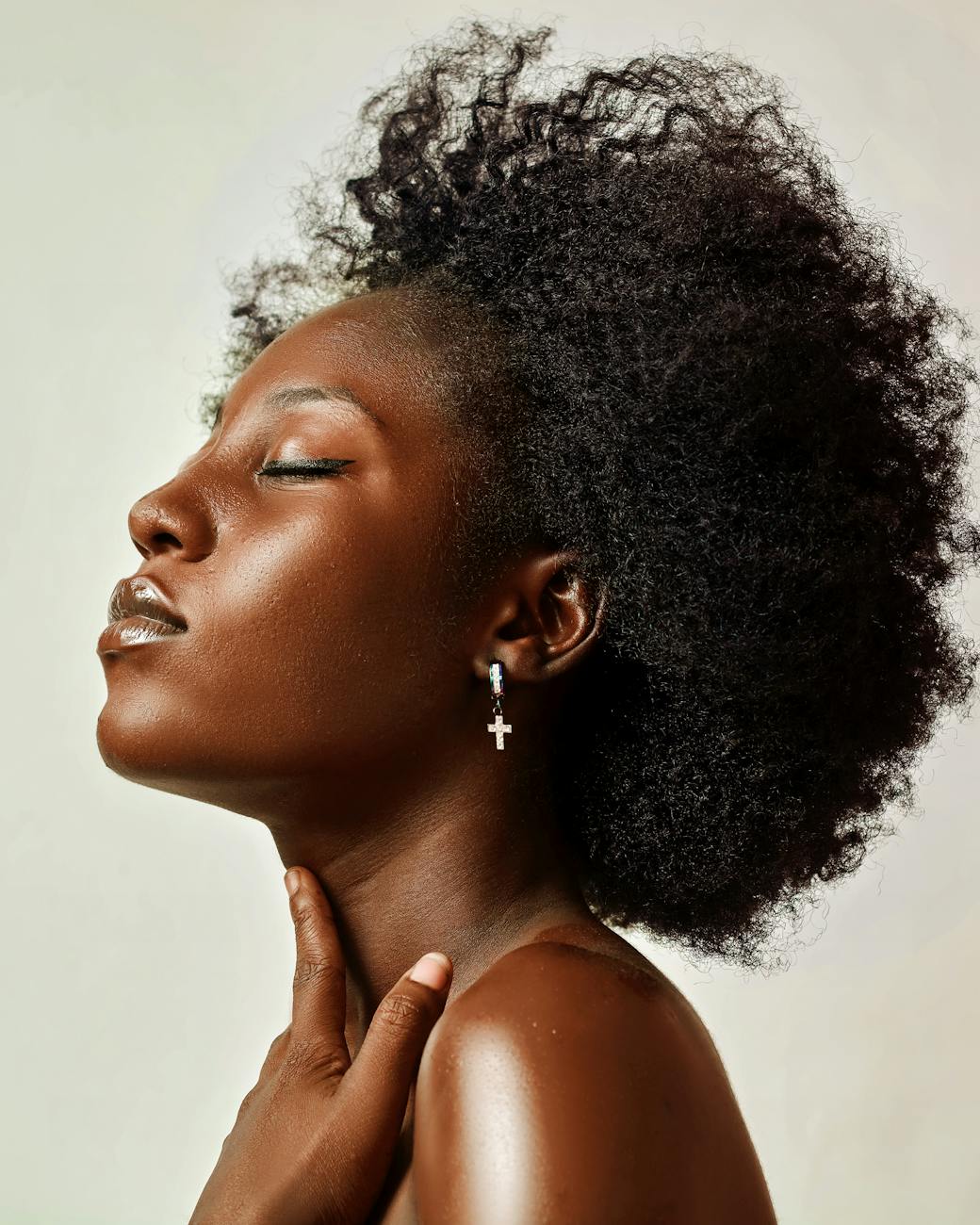
Photo by Fortune Comfort on Pexels.com

Brown skin carries the history of empires, the memory of chains, and the rhythm of survival. It is a tone that has been both romanticized and ridiculed, embraced and erased. Within its hue lies a story of resilience and rejection, of being seen too much and not enough. To be brown in a world obsessed with polarities—light or dark, good or bad—is to live in the space between admiration and invisibility. It is to echo the voices of ancestors whose worth was often measured by shade rather than soul.

The shade of brown has long been a canvas for projection. In colonial eyes, it was a signifier of “almost,” a liminal identity neither exalted nor despised, but tolerated. This ideology carved its way into modern consciousness, fragmenting self-perception among people of color. The brown individual became both bridge and battleground, carrying the psychological weight of representation while yearning for acceptance without conditions.

Media portrayal reinforces these complexities, often privileging the “safe brown”—the tone that fits diversity’s aesthetic without challenging Eurocentric comfort. Lighter-brown figures are elevated as symbols of progress, while darker tones are shadowed in narratives of struggle or aggression. Such portrayals perpetuate a hierarchy of hue that seeps into social and romantic relationships, employment, and even self-worth.

Colorism, born from colonialism and nurtured by capitalism, is not merely a preference—it is a power structure. It dictates opportunity and desirability in subtle ways. The echoes of “fairness” creams and “brightening” filters reveal an inherited inferiority complex, repackaged as beauty culture. The brown woman, for instance, is told she must lighten to be loved or darken to be “authentic”—a paradoxical performance of identity.

Yet, brown skin tells a truth that transcends bias. It reflects the earth, the sun, and the sacred balance of melanin—a divine calibration that connects all people of African descent to the elements of creation. Its variations are a testament to geography and genetics, from the copper tones of the Sahara to the deep siennas of the Congo. Each shade narrates migration, adaptation, and endurance.

For men, brownness holds another story—one of strength misread as threat, masculinity misinterpreted as menace. The brown man is often trapped in a visual stereotype, seen as protector but seldom protected, desired yet dehumanized. His shade becomes armor and target, beauty and burden all at once.

Social psychology reveals how shade bias impacts self-esteem and group dynamics within Black and Brown communities (Hunter, 2007). Studies show lighter-skinned individuals often receive preferential treatment in employment, education, and dating contexts (Keith & Herring, 1991). This internalized division fractures collective progress, perpetuating a colonial residue that whispers: “lighter is better.”

But the truth untold is that brownness, in all its forms, is not a deficit—it is divine design. It absorbs light, endures heat, and radiates richness. It tells the story of adaptation, survival, and sacred symmetry. In its deepest form, it mirrors the soil that sustains life—the very ground from which humanity rose.

When brown bodies are honored, not compared, healing begins. Art, film, and literature are reclaiming this narrative—elevating figures like Lupita Nyong’o, Viola Davis, and Mahershala Ali, whose presence challenges the false hierarchy of hue. Their beauty is not a rebellion; it is restoration.

In theology, melanin has even been interpreted as a symbol of divine favor—a natural armor against the sun’s intensity, reminding humanity of its Edenic origins (Gibson, 2020). Within this lens, brown skin becomes not merely aesthetic but sacred. It is pigment with purpose.

The echoes of brown extend into language and love. Terms like “caramel,” “mocha,” and “chocolate” have evolved from euphemisms of shame into declarations of pride. But linguistic liberation must be matched by systemic change—policies that confront bias in casting, hiring, and education.

The classroom, too, must echo truth. Children should see their shades reflected in textbooks and heroes. Representation at a young age shapes belonging. When a brown child sees beauty in her reflection, she learns to resist the world’s distortion.

Culturally, the reclamation of brownness is an act of revolution. It demands that the world see beyond hue to humanity. The “brown girl” and “brown boy” narratives circulating on social media are more than hashtags—they are healing spaces where individuals redefine worth and community through affirmation.

Economically, colorism’s influence remains potent in advertising and employment. The global skin-lightening industry, projected to surpass $20 billion by 2030, profits from pain (Statista, 2024). The darker the shade, the more the market suggests correction—a colonial lie turned commercial empire.

Psychologically, internalized shadeism manifests in subtle ways—self-doubt, social comparison, and selective pride. Healing requires both personal and communal reclamation: therapy, storytelling, and faith-based restoration.

Spiritually, the color brown carries symbolic weight across cultures—representing grounding, humility, and balance. In biblical interpretation, it evokes the imagery of dust and clay—the essence of creation itself (Genesis 2:7, KJV). Humanity was molded from earth, not ivory; thus, brown is the color of origin.

As society evolves, the challenge is not to erase color but to embrace its full spectrum. Diversity must go beyond token representation to dismantle structural bias. True equity honors every shade as sacred, not strategic.

Ultimately, the untold truth of brown is that it holds the blueprint of beauty and belonging. Its richness cannot be measured by comparison, for it is the color of history and hope intertwined. The echo of brown is not an apology—it is an anthem.

References

Gibson, T. (2020). The Melanin Mandate: Faith, Science, and the Theology of Skin. Journal of African Biblical Studies, 12(3), 45–58.
Hunter, M. L. (2007). The persistent problem of colorism: Skin tone, status, and inequality. Sociology Compass, 1(1), 237–254.
Keith, V. M., & Herring, C. (1991). Skin tone and stratification in the Black community. American Journal of Sociology, 97(3), 760–778.
Statista. (2024). Global skin lightening products market size from 2020 to 2030. Statista Research Department.