Tag Archives: news

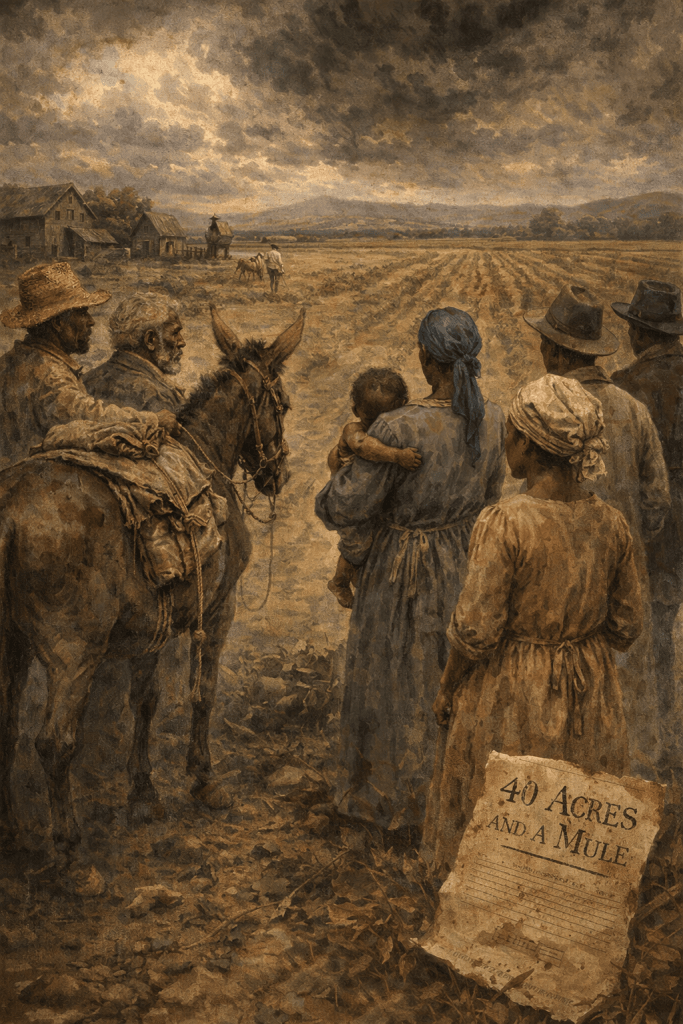
40 Acres and a Mule: The Promise That Was Never Kept.

The phrase “40 acres and a mule” has become one of the most powerful symbols of broken promises in American history, rooted in the aftermath of the American Civil War. It represents an unfulfilled commitment to provide formerly enslaved Black Americans with land and the means to sustain themselves economically.

The origin of this promise can be traced to January 1865, when Union General William Tecumseh Sherman issued Special Field Orders No. 15. This order set aside approximately 400,000 acres of confiscated Confederate land along the southeastern coast for settlement by freed Black families.

Under Sherman’s directive, each family was to receive up to 40 acres of land. Later, some were also given access to surplus army mules, leading to the enduring phrase “40 acres and a mule.” This initiative was seen as a foundational step toward economic independence.

The policy was implemented in areas of South Carolina, Georgia, and Florida, where thousands of formerly enslaved people began to establish communities. For many, this land represented not just property, but dignity, autonomy, and the fruit of generations of unpaid labor.

The idea of land redistribution was supported by leaders such as Thaddeus Stevens, who argued that true freedom required economic justice. Without land, formerly enslaved people would remain dependent on their former oppressors.

However, this promise was short-lived. Following the assassination of Abraham Lincoln in April 1865, his successor, Andrew Johnson, reversed many Reconstruction policies.

President Johnson issued proclamations that returned confiscated land to former Confederate landowners. As a result, thousands of Black families who had begun to build lives on this land were forcibly removed.

This reversal effectively nullified the promise of “40 acres and a mule.” Land that had been distributed to freedmen was taken back, often violently, leaving families dispossessed and vulnerable.

The failure to provide land had profound consequences. Without access to property, many Black Americans were pushed into sharecropping—a system that closely resembled slavery in its economic exploitation.

Sharecropping trapped families in cycles of debt and poverty. Landowners controlled the terms, often charging exorbitant fees for tools, seeds, and housing, ensuring that laborers remained financially dependent.

The denial of land ownership also prevented the accumulation of generational wealth. While white Americans were able to pass down land and assets, Black families were systematically excluded from these opportunities.

The concept of reparations is deeply tied to this history. Advocates argue that the promise of land was a form of restitution for centuries of slavery, and its revocation constitutes a debt still owed.

The economic disparity created by this broken promise is evident today. Scholars frequently link the racial wealth gap to the lack of land redistribution during Reconstruction.

The federal government’s failure to uphold its commitment undermined trust and reinforced systemic inequality. It demonstrated that legal freedom without economic support was insufficient.

In the 20th and 21st centuries, the call for reparations has gained renewed attention. Proposals include financial compensation, land grants, and institutional investments in Black communities.

Legislative efforts such as H.R. 40—named in reference to the original promise—seek to study and develop reparations proposals. The bill symbolizes a continued demand for accountability and justice.

Critics of reparations often argue against revisiting the past, but proponents emphasize that the effects of slavery and Reconstruction policies are still present in modern society.

The story of “40 acres and a mule” is not just historical—it is a living legacy that shapes economic realities today. It highlights the intersection of race, policy, and wealth in America.

Understanding this history is essential for addressing contemporary inequalities. It reveals how systemic decisions made over a century ago continue to impact generations.

The promise of land represented more than compensation—it was an opportunity for true independence. Its denial ensured that freedom would remain incomplete for millions.

Ultimately, “40 acres and a mule” stands as a reminder that justice delayed is justice denied. It calls for a reckoning with the past and a commitment to building a more equitable future.

References

Foner, E. (1988). Reconstruction: America’s Unfinished Revolution, 1863–1877. Harper & Row.

Gates, H. L. (2013). Life Upon These Shores: Looking at African American History, 1513–2008. Knopf.

Oubre, C. (1978). Forty Acres and a Mule: The Freedmen’s Bureau and Black Land Ownership. Louisiana State University Press.

Painter, N. I. (2007). Creating Black Americans: African-American History and Its Meanings, 1619 to the Present. Oxford University Press.

Williamson, J. (1995). After Slavery: The Negro in South Carolina During Reconstruction, 1861–1877. University of North Carolina Press.

Color-Coated Casting in the Entertainment and Fashion Industries.

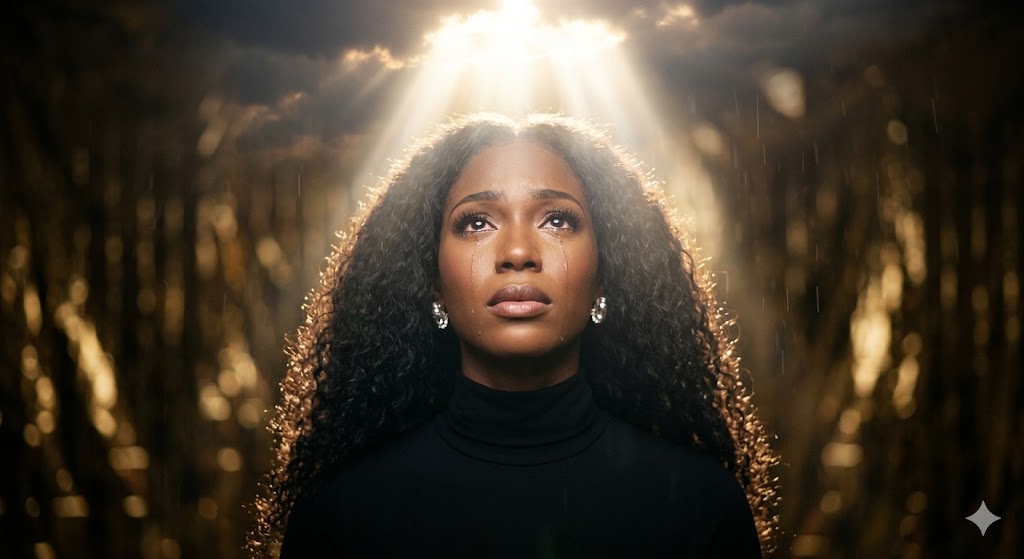
Color-coated casting—commonly understood as colorism within media industries—remains one of the most insidious and underexamined forms of discrimination affecting Black entertainers. It operates not through outright exclusion alone, but through selective inclusion, where lighter skin is consistently privileged over darker skin within the same racial group. This hierarchy shapes who is seen, who is celebrated, and ultimately, who is remembered.

The origins of colorism in entertainment can be traced to the historical aftermath of slavery and colonialism, where proximity to whiteness was associated with privilege, safety, and access. During early American theater and film, Black representation was either absent or distorted through caricature. As Black actors slowly entered the industry, lighter-skinned individuals were often chosen because they aligned more closely with Eurocentric ideals of beauty and acceptability.

By the Golden Age of Hollywood, these biases had become institutionalized. Studios, largely controlled by white executives, curated an image of Blackness that was palatable to white audiences. This meant casting individuals who visually softened racial difference—lighter skin, looser curls, and more “ambiguous” features—while excluding darker-skinned actors from leading roles.

Color-coated casting has had a profound impact on the fashion industry, where models of darker skin tones have historically been underrepresented or relegated to niche categories such as “ethnic” or “urban.” Runways, magazine covers, and high-profile campaigns have favored lighter-skinned or biracial models, who are perceived as more commercially viable or “relatable” to global audiences. This preference not only limits opportunities for darker-skinned models but also reinforces narrow beauty standards that equate desirability with proximity to whiteness. Even when darker-skinned models are featured, they are often styled, photographed, or digitally lightened to align with these Eurocentric aesthetics, sending the implicit message that darker tones are less acceptable. Iconic Black models such as Naomi Campbell and Alek Wek have challenged these norms, yet the industry continues to grapple with systemic bias, showing that talent alone is not enough to overcome deeply entrenched colorism. This practice affects not only careers but also the perception of beauty in society at large, shaping cultural ideals and influencing consumer preferences.

The practice persists today under the guise of “marketability.” Industry decision-makers often argue that lighter-skinned actors have broader appeal, particularly in international markets. This economic justification masks a deeper issue: the continued prioritization of whiteness as the universal standard.

The experiences of Lupita Nyong’o powerfully illustrate this reality. Before her rise to global acclaim, she has spoken openly about being told she was “too dark” for television. Even after winning an Academy Award, she encountered a narrow range of roles, many of which were rooted in historical trauma rather than contemporary complexity.

Similarly, Halle Berry, despite becoming the first Black woman to win the Academy Award for Best Actress, has acknowledged the persistent lack of substantial roles for Black women. Her success did not dismantle the system; rather, it exposed how rare such breakthroughs are.

Actresses like Viola Davis have also addressed colorism directly, noting that darker-skinned women must often work twice as hard for half the recognition. Davis has spoken about how her appearance influenced the types of roles she was offered, often being cast in characters defined by struggle rather than desirability.

In contrast, lighter-skinned or racially ambiguous actresses such as Zendaya and Zoë Saldana have frequently been positioned as the “face” of diversity. While their success is valid, it also reflects the industry’s preference for representations of Blackness that align more closely with Eurocentric aesthetics.

Colorism extends beyond film into the fashion industry, where beauty standards are even more rigid. Darker-skinned models have historically been underrepresented on runways, in advertising campaigns, and on magazine covers. When they are included, they are often styled in ways that exoticize rather than normalize their beauty.

There have also been documented cases where the skin tones of Black celebrities, including Beyoncé, were digitally altered in post-production to appear lighter. This practice reinforces harmful messages about which shades of Blackness are considered acceptable or aspirational.

For Black men, colorism manifests differently but remains equally impactful. Darker-skinned male actors are often typecast into roles that emphasize physicality, aggression, or hardship, while lighter-skinned men are more likely to be portrayed as romantic leads or emotionally complex characters.

Actors such as Idris Elba have broken through some of these barriers, yet even his career reflects a pattern where recognition often comes with roles that emphasize strength and intensity rather than vulnerability or softness.

In sports, the effects of colorism are visible in media representation and endorsement deals. Lighter-skinned athletes are frequently marketed as more relatable or marketable, while darker-skinned athletes are reduced to their physical abilities. This dynamic perpetuates stereotypes that extend far beyond the playing field.

The responsibility for color-coated casting lies in multiple layers of power. Studio executives, casting directors, fashion editors, and brand managers all contribute to maintaining these standards. However, these decisions are also influenced by broader societal biases that have been conditioned over centuries.

Media ownership plays a critical role. When decision-making power is concentrated among individuals who benefit from existing hierarchies, there is little incentive to challenge them. This lack of diversity behind the scenes directly impacts the diversity seen on screen and on runways.

Audience conditioning is another factor. Generations of viewers have been exposed to narrow representations of beauty, leading to internalized preferences that reinforce industry practices. This creates a feedback loop where demand and supply continuously validate one another.

Importantly, colorism is not solely imposed from outside the Black community. It can also be perpetuated internally, as historical conditioning has influenced perceptions of beauty and worth within the community itself. This internalization complicates efforts to dismantle the system.

Despite these challenges, resistance has emerged. Movements advocating for darker-skinned representation have gained momentum, and more creators are intentionally casting actors who reflect the full spectrum of Black identity.

Actresses, models, and public figures are increasingly using their platforms to challenge beauty norms and demand equitable treatment. Their voices have sparked critical conversations about inclusion, authenticity, and representation.

However, progress remains uneven. While there are more opportunities than in previous decades, systemic change has been slow, and colorism continues to shape casting decisions in subtle yet significant ways.

Ultimately, color-coated casting is not just about who gets hired—it is about whose stories are told, whose beauty is validated, and whose humanity is fully recognized. Until the industry confronts its biases at both structural and cultural levels, true equity will remain out of reach.

References (APA Style)

Berry, H. (2002). Academy Award acceptance speech and subsequent interviews on representation.

Davis, V. (2016). Emmy acceptance speech and interviews on race and colorism in Hollywood.

Hunter, M. (2007). The persistent problem of colorism: Skin tone, status, and inequality. Sociology Compass, 1(1), 237–254.

Nyong’o, L. (2014). Speech at Essence Black Women in Hollywood Luncheon.

Norwood, K. J. (2015). Color matters: Skin tone bias and the myth of a postracial America. Routledge.

Thompson, M. S., & Keith, V. M. (2001). The blacker the berry: Gender, skin tone, self-esteem, and self-efficacy. Gender & Society, 15(3), 336–357.

Wilder, J. (2015). Color stories: Black women and colorism in the 21st century. Temple University Press.

Strength and Struggle: Examining the Social Pressures Placed on Black Women.

Black women in the United States occupy a unique social position shaped by the intersection of race, gender, and historical inequality. Their experiences are influenced by centuries of systemic discrimination, cultural expectations, and social pressures that affect economic opportunities, health outcomes, and societal perceptions. Understanding the realities facing Black women requires examining the historical and structural forces that shape their daily lives.

One of the most significant frameworks used to analyze these experiences is intersectionality, a concept introduced by legal scholar Kimberlé Crenshaw. Intersectionality explains how different forms of discrimination—particularly racism and sexism—interact simultaneously. For Black women, this means facing social barriers that cannot be fully explained by race alone or gender alone but by the combination of both.

Historically, Black women have endured unique forms of labor exploitation and social marginalization. During slavery in the United States, Black women were forced to perform both agricultural labor and domestic work while also being subjected to sexual exploitation. These conditions created enduring stereotypes that portrayed Black women as either excessively strong or morally deviant.

These stereotypes evolved into several harmful archetypes that continue to influence public perception. The “mammy,” “jezebel,” and “angry Black woman” stereotypes emerged from historical narratives that sought to justify inequality and control. These caricatures have persisted in popular culture, shaping how Black women are viewed in workplaces, media, and social institutions.

Economic inequality represents another major pressure affecting Black women. Despite high levels of labor participation, Black women frequently encounter wage disparities compared with white men, white women, and sometimes Black men. Data from the U.S. Bureau of Labor Statistics consistently demonstrates a persistent racial and gender wage gap.

The consequences of wage inequality extend beyond individual income. Lower earnings reduce opportunities for homeownership, savings, and wealth accumulation. Over time, these disparities contribute to the broader racial wealth gap observed across American society.

Education has been an area where Black women have demonstrated remarkable progress. In recent decades, Black women have become one of the fastest-growing groups earning college and advanced degrees. Despite these achievements, barriers to leadership roles and executive positions remain prevalent in many industries.

Healthcare disparities also represent a critical concern. Studies conducted by the Centers for Disease Control and Prevention show that Black women face significantly higher maternal mortality rates than women from other racial groups. These disparities have been linked to unequal access to healthcare, implicit bias among medical providers, and systemic inequalities in the healthcare system.

Mental health pressures are also significant. Many Black women report experiencing high levels of stress related to workplace discrimination, financial responsibilities, and caregiving obligations. Yet cultural expectations often encourage them to appear emotionally resilient regardless of the circumstances.

This expectation is commonly referred to as the “Strong Black Woman” trope. While resilience is often celebrated, scholars argue that the expectation of constant strength can discourage Black women from seeking emotional support or mental health care when needed.

Black feminist scholars have played a central role in analyzing these dynamics. Intellectual leaders such as Patricia Hill Collins and bell hooks have written extensively about the ways Black women resist oppression while simultaneously navigating complex social expectations.

Media representation also shapes how Black women are perceived. Historically, film and television often depicted Black women through narrow stereotypes. Although representation has improved, scholars continue to debate whether contemporary portrayals adequately reflect the diversity and complexity of Black womanhood.

Another significant pressure involves beauty standards and colorism. Western beauty ideals have historically favored lighter skin tones and European features, often marginalizing darker-skinned women. Colorism can influence opportunities in employment, media representation, and social relationships.

Black women are also deeply involved in community leadership and social activism. Throughout American history, they have organized movements advocating for civil rights, gender equality, and social justice. Their leadership has often been underrecognized despite its profound impact.

Figures such as Harriet Tubman, Ida B. Wells, and Shirley Chisholm exemplify the tradition of Black female leadership in American history. Their contributions helped reshape political and social landscapes.

Family and community responsibilities also create unique pressures. Black women frequently play central roles in caregiving, household leadership, and community support networks. These responsibilities often exist alongside professional obligations, creating additional demands on time and emotional energy.

Religious and spiritual institutions have historically provided important support systems. Churches and faith-based organizations have served as spaces where Black women could find community, leadership opportunities, and emotional resilience.

Despite these pressures, Black women have demonstrated extraordinary cultural influence. Their contributions to literature, music, fashion, and art have profoundly shaped American culture and global artistic expression.

Scholars emphasize that understanding the experiences of Black women requires recognizing both the challenges they face and the strength they demonstrate. Their resilience reflects not only personal determination but also collective strategies developed within communities to resist inequality.

Addressing the social pressures facing Black women requires policy reforms that promote economic equity, healthcare access, educational opportunity, and fair representation in leadership positions.

Ultimately, examining the experiences of Black women reveals broader truths about inequality within American society. By acknowledging these realities and addressing systemic barriers, society can move toward a more inclusive and equitable future.


References

Collins, P. H. (2000). Black feminist thought: Knowledge, consciousness, and the politics of empowerment. Routledge.

Crenshaw, K. (1989). Demarginalizing the intersection of race and sex. University of Chicago Legal Forum.

hooks, b. (1981). Ain’t I a woman: Black women and feminism. South End Press.

Jones, C. P. (2000). Levels of racism: A theoretical framework and a gardener’s tale. American Journal of Public Health.

Centers for Disease Control and Prevention. (2023). Racial and ethnic disparities in maternal health.

U.S. Bureau of Labor Statistics. (2023). Labor force statistics by race and gender.

The Weight of Two Worlds: Racism, Sexism, and the Burden Carried by Black Women.

Black women in the United States have historically navigated a complex social landscape shaped by the intersecting forces of racism and sexism. These overlapping systems of inequality have produced a unique set of challenges that influence the economic, social, and psychological realities of Black womanhood. Scholars across sociology, gender studies, and African American studies emphasize that the experiences of Black women cannot be fully understood through the lens of race alone or gender alone, but through the interaction of both.

One of the most influential frameworks for understanding this dynamic is intersectionality, a term developed by legal scholar Kimberlé Crenshaw. Intersectionality describes how different systems of oppression overlap and compound one another. For Black women, discrimination may occur simultaneously along racial and gender lines, creating experiences that differ significantly from those faced by Black men or white women.

Historically, Black women have faced social stereotypes that shape how they are perceived and treated within American society. Images such as the “mammy,” the “jezebel,” and the “angry Black woman” have long circulated within media and cultural narratives. These stereotypes not only distort public perceptions but also influence workplace dynamics, healthcare interactions, and broader social relationships.

The historical roots of these stereotypes can be traced back to the era of slavery in the United States. During slavery, Black women were often forced into labor roles while simultaneously being subjected to sexual exploitation and dehumanization. These experiences contributed to long-standing myths about Black women’s strength, sexuality, and emotional resilience that persist in modern society.

Economic inequality represents another significant challenge. Black women participate in the labor force at high rates, yet they often encounter wage disparities and occupational segregation. According to data from the U.S. Bureau of Labor Statistics, Black women on average earn less than white men, white women, and in many cases Black men, highlighting the intersection of racial and gender pay gaps.

These economic disparities have broader implications for household wealth and financial stability. Because income inequality accumulates over time, Black women frequently face greater barriers to building generational wealth through homeownership, investment, and retirement savings.

In the realm of healthcare, Black women experience notable disparities in medical outcomes. Studies from the Centers for Disease Control and Prevention indicate that Black women face significantly higher rates of maternal mortality compared with women from other racial groups in the United States. Researchers attribute these disparities to factors including unequal healthcare access, systemic bias within medical institutions, and chronic stress associated with discrimination.

Mental health is also shaped by these pressures. Many scholars discuss the cultural expectation that Black women must embody resilience and emotional strength, often referred to as the “Strong Black Woman” archetype. While strength is widely celebrated, this expectation can discourage individuals from expressing vulnerability or seeking mental health support.

Black feminist scholars have long examined these social pressures. Thinkers such as Patricia Hill Collins and bell hooks have explored how Black women develop intellectual traditions and cultural strategies to resist systems of domination while affirming their identities and experiences.

Education represents both a challenge and a space of remarkable achievement for Black women. In recent decades, Black women have become one of the fastest-growing groups earning college and graduate degrees in the United States. Despite these accomplishments, barriers to leadership positions and career advancement remain present in many professional fields.

Media representation plays a powerful role in shaping public perception. Historically, film and television have portrayed Black women through narrow character types. While representation has improved in recent decades, scholars continue to argue that media portrayals influence broader social attitudes and expectations.

Another dimension of inequality involves the criminal justice system. Black women are disproportionately affected by policing, incarceration, and legal inequities compared with women of other racial groups. These patterns reflect broader systemic disparities within the justice system.

Housing inequality also affects many Black women and their families. Historical policies such as housing discrimination and segregation contributed to patterns of residential inequality that continue to shape access to resources such as schools, healthcare facilities, and employment opportunities.

Despite these structural barriers, Black women have historically served as leaders in social justice movements. Figures such as Harriet Tubman, Ida B. Wells, and Fannie Lou Hamer played transformative roles in abolitionism, anti-lynching campaigns, and the civil rights movement.

In politics, Black women have continued to break barriers and influence national conversations about equity and representation. Their leadership has expanded discussions around voting rights, criminal justice reform, healthcare access, and economic opportunity.

Culturally, Black women have shaped American music, literature, art, and fashion. Their contributions have influenced global culture while also serving as forms of creative resistance and self-expression.

Community networks and faith institutions have also historically provided support systems for Black women navigating systemic challenges. Churches, civic organizations, and grassroots movements have played central roles in fostering solidarity and empowerment.

Scholars emphasize that understanding the experiences of Black women requires acknowledging both struggle and resilience. While structural inequalities persist, Black women have continuously demonstrated leadership, creativity, and perseverance in confronting social barriers.

Addressing the challenges facing Black women requires systemic change. Policies aimed at reducing wage inequality, improving healthcare access, strengthening educational opportunity, and addressing discrimination are essential components of achieving social equity.

Ultimately, the experiences of Black women illustrate the broader consequences of intersecting forms of inequality within society. Recognizing and addressing these complexities is crucial for building a more just and inclusive future.


References

Collins, P. H. (2000). Black feminist thought: Knowledge, consciousness, and the politics of empowerment. Routledge.

Crenshaw, K. (1989). Demarginalizing the intersection of race and sex. University of Chicago Legal Forum.

hooks, b. (1981). Ain’t I a woman: Black women and feminism. South End Press.

Jones, C. P. (2000). Levels of racism: A theoretical framework. American Journal of Public Health.

Centers for Disease Control and Prevention. (2023). Maternal health disparities in the United States.

U.S. Bureau of Labor Statistics. (2023). Labor force statistics by race and gender.

Dilemma: Redlining

The Architecture of Racial Segregation in American Housing

Redlining refers to a discriminatory practice in which financial institutions, lenders, insurers, and government agencies systematically denied or limited access to loans, mortgages, and other financial services to residents of certain neighborhoods based on race or ethnicity. The practice disproportionately targeted Black communities and other minority populations, reinforcing residential segregation and economic inequality across the United States. Redlining became one of the most enduring structural mechanisms used to maintain racial hierarchy in housing, wealth accumulation, and urban development.

The term “redlining” originated from the literal red lines drawn on government-sponsored maps to designate neighborhoods considered risky for mortgage lending. These maps were produced by the Home Owners’ Loan Corporation during the 1930s as part of federal housing initiatives implemented during the Great Depression. Neighborhoods with large Black populations were almost automatically labeled hazardous for investment, regardless of the income or stability of the residents who lived there.

Redlining emerged during the era of sweeping federal housing reform under the Franklin D. Roosevelt administration. In 1933, the U.S. government created the Home Owners’ Loan Corporation to refinance mortgages and prevent mass foreclosures. However, the agency developed color-coded maps to guide lending decisions. Areas marked in green were considered the best investments, while areas marked in red—often where Black Americans lived—were deemed undesirable.

These classifications were further reinforced by policies associated with the Federal Housing Administration (FHA), which was established in 1934. The FHA promoted homeownership through federally insured mortgages but refused to insure loans in neighborhoods with Black residents. This meant that white families could more easily obtain mortgages and build wealth through homeownership, while Black families were largely excluded from these opportunities.

Redlining was not merely an economic practice but a social system that institutionalized racial segregation. Mortgage lenders, real estate brokers, and city planners used these maps to guide investment decisions. Even middle-class Black neighborhoods with stable property values were marked as hazardous. As a result, banks refused to provide loans to Black homeowners seeking to buy, repair, or refinance their properties.

White homeowners and real estate developers frequently benefited from redlining policies. Suburban developments constructed after World War II often included racially restrictive covenants that explicitly prohibited the sale of homes to Black buyers. Developments such as Levittown became symbols of postwar suburban prosperity for white families while simultaneously excluding Black Americans from homeownership opportunities.

Because Black families were prevented from accessing traditional mortgage financing, many were forced into exploitative housing arrangements such as contract buying. Under these arrangements, buyers paid inflated prices for homes but did not gain ownership until the entire payment was completed. Missing even a single payment could result in eviction and loss of all previously paid funds, leaving many Black families financially devastated.

Redlining also restricted Black access to suburban neighborhoods, forcing many African Americans to remain concentrated in urban centers. Cities like Chicago, Detroit, and Baltimore became emblematic of racially segregated housing patterns produced by redlining policies. These patterns shaped the demographic landscape of American cities for generations.

One of the most devastating effects of redlining was its impact on generational wealth. Homeownership is one of the primary mechanisms through which American families accumulate wealth. By denying Black families access to mortgage credit, redlining prevented them from building home equity that could be passed down to future generations.

Redlining also affected neighborhood infrastructure and public services. Communities labeled as hazardous received fewer public investments, including reduced funding for schools, parks, and transportation. Businesses were less likely to open in these areas because banks refused to provide commercial loans, leading to economic stagnation in many Black neighborhoods.

Educational inequality also emerged as a secondary consequence of redlining. Because public school funding in the United States is often tied to local property taxes, neighborhoods with declining property values—often those affected by redlining—experienced underfunded schools. This created a cycle of disadvantage that affected educational attainment among Black children.

Health disparities also correlate with historically redlined neighborhoods. Researchers have found that communities once marked as hazardous often experience higher rates of environmental pollution, limited access to healthcare facilities, and increased prevalence of chronic illnesses such as asthma and hypertension.

Although redlining was formally outlawed with the passage of the Fair Housing Act of 1968, its legacy remains deeply embedded in the American housing system. The law prohibited discrimination in housing based on race, color, religion, or national origin, yet the structural inequalities created by decades of redlining have proven difficult to dismantle.

Modern forms of housing discrimination continue to resemble redlining practices. Some lenders engage in “reverse redlining,” targeting minority communities with predatory loans and subprime mortgages. These financial products often carry higher interest rates and fees, increasing the risk of foreclosure.

Urban scholars have noted that historically redlined neighborhoods still exhibit lower property values compared to areas that were graded favorably in the 1930s. This demonstrates how past policies continue to influence contemporary economic outcomes and spatial inequality.

Redlining also shaped patterns of urban disinvestment that contributed to the decline of many American inner cities during the mid-twentieth century. As white families moved to suburbs with government-backed mortgages, tax bases in urban Black communities declined, limiting municipal resources for infrastructure and public services.

Many historians and sociologists argue that redlining represents one of the clearest examples of structural racism in American policy. Unlike individual acts of prejudice, redlining was embedded within federal institutions, banking systems, and real estate practices, making it a systemic barrier to economic equality.

In recent years, scholars and policymakers have called for reparative housing policies to address the enduring legacy of redlining. Proposals include expanded access to homeownership programs, targeted investments in historically marginalized neighborhoods, and reforms to lending practices to promote equitable access to credit.

Understanding redlining is essential for comprehending the racial wealth gap in the United States. While individual success stories exist, structural barriers created by discriminatory policies significantly shaped economic outcomes for generations of Black Americans.

Ultimately, redlining reveals how government policy, financial institutions, and social attitudes combined to produce lasting racial inequality. Its legacy continues to influence patterns of housing segregation, economic mobility, and urban development in modern American society.


References

Aaronson, D., Hartley, D., & Mazumder, B. (2017). The effects of the 1930s HOLC “redlining” maps. Federal Reserve Bank of Chicago.

Jackson, K. T. (1985). Crabgrass frontier: The suburbanization of the United States. Oxford University Press.

Massey, D. S., & Denton, N. A. (1993). American apartheid: Segregation and the making of the underclass. Harvard University Press.

Rothstein, R. (2017). The color of law: A forgotten history of how our government segregated America. Liveright Publishing.

Satter, B. (2009). Family properties: Race, real estate, and the exploitation of Black urban America. Metropolitan Books.

U.S. Department of Housing and Urban Development. (2023). History of housing discrimination and redlining in America. HUD Archives.

Urban Renewal and the Hidden Architecture of Displacement: From “Negro Removal” to Modern Segregation.

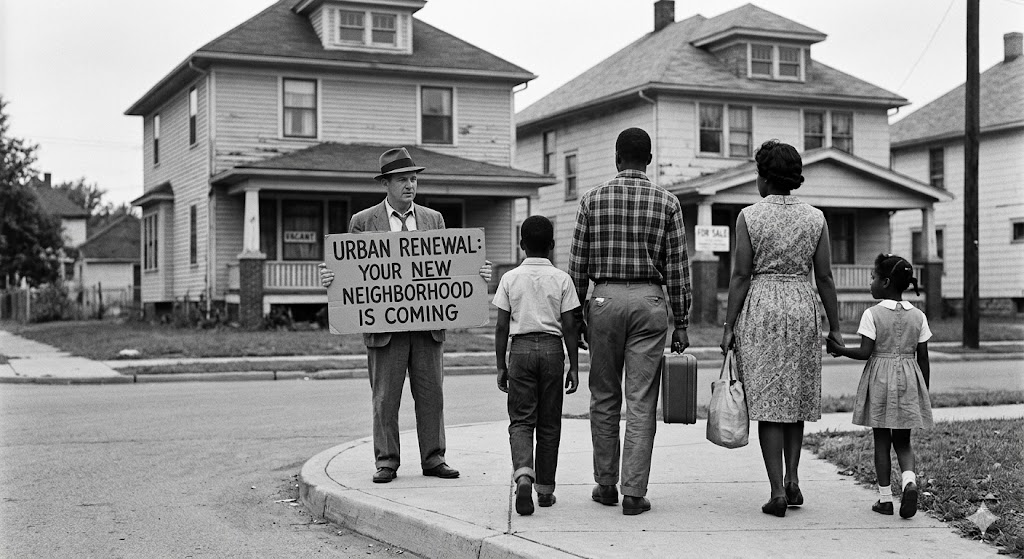
Urban renewal was a federal policy initiative in the United States during the mid-twentieth century that aimed to modernize cities by removing what officials labeled “blighted” neighborhoods and replacing them with new infrastructure, commercial developments, and highways. While the program was publicly framed as a strategy for economic progress and modernization, it disproportionately targeted Black communities. Critics, civil rights leaders, and historians began referring to the program as “Negro Removal” because of the widespread displacement of Black residents and the destruction of thriving Black neighborhoods.

Urban renewal programs were largely facilitated through the Housing Act of 1949, which provided federal funding to cities to acquire and redevelop urban land. Local governments were given authority to identify neighborhoods deemed deteriorated and to clear those areas for redevelopment projects. In practice, many of the communities targeted for demolition were predominantly Black neighborhoods with long-established social, cultural, and economic networks.

Cities such as Detroit, Atlanta, New Orleans, and St. Louis experienced significant displacement under urban renewal initiatives. Entire districts were demolished to make way for highways, sports arenas, government buildings, and private development projects. Although officials often promised that displaced residents would receive improved housing opportunities, many families were forced into overcrowded and segregated neighborhoods with limited economic resources.

One of the most famous examples of urban renewal’s destructive impact occurred in the Black community of Black Bottom neighborhood. Once a vibrant cultural and economic hub, Black Bottom was home to businesses, churches, jazz clubs, and thousands of residents. In the 1950s and 1960s, much of the neighborhood was demolished to construct freeways and urban development projects, displacing large numbers of Black families.

Urban renewal often worked in tandem with another discriminatory housing practice known as blockbusting. Blockbusting was a tactic used by real estate agents who deliberately spread fear among white homeowners by warning them that Black families were moving into their neighborhoods. Realtors suggested that property values would rapidly decline once Black residents arrived, encouraging white homeowners to sell their homes quickly—often at below-market prices.

After purchasing these homes cheaply, speculators resold them to Black families at significantly inflated prices. This practice accelerated racial turnover in neighborhoods while generating enormous profits for real estate investors. The racial panic associated with blockbusting contributed to widespread “white flight,” the migration of white residents from urban areas to suburban communities.

White flight dramatically reshaped the demographic structure of American cities. As white families moved to suburbs, they often gained access to federally backed mortgages and improved public services. Meanwhile, Black residents left behind in urban areas experienced declining tax bases, underfunded schools, and limited economic investment.

Highway construction played a major role in the displacement of Black communities during the twentieth century. Federal infrastructure programs, particularly those associated with the Federal-Aid Highway Act of 1956, funded the construction of interstate highways that frequently cut through minority neighborhoods. Planners often chose these locations because they were politically easier to acquire and faced less organized resistance.

The construction of highways destroyed thousands of homes, businesses, and community institutions within Black neighborhoods. These infrastructure projects divided communities physically and socially, making it more difficult for residents to maintain economic and cultural networks.

In cities such as Miami, Los Angeles, and Nashville, major highways were built directly through historically Black districts. These projects disrupted thriving commercial corridors and displaced thousands of residents who often received inadequate compensation for their lost property.

The consequences of these policies extended far beyond housing displacement. The destruction of Black neighborhoods also dismantled locally owned businesses, professional networks, and cultural institutions that had sustained Black economic independence.

School district zoning also reinforced segregation patterns created by housing discrimination and urban renewal. Because public school boundaries are often determined by residential neighborhoods, segregated housing patterns translated directly into segregated educational systems.

School district zoning inequality meant that children living in historically Black neighborhoods were often assigned to underfunded schools with fewer educational resources. Meanwhile, suburban districts—often populated primarily by white families—benefited from higher property tax revenues and stronger funding structures.

These educational disparities created long-term consequences for social mobility. Students attending underfunded schools frequently faced larger class sizes, fewer advanced academic programs, and limited access to college preparatory resources.

Another system that reinforced racial control following the abolition of slavery was convict leasing. Convict leasing emerged in the late nineteenth century when Southern states began leasing incarcerated individuals to private businesses for labor.

Under this system, prisoners—many of whom were Black men—were forced to work in mines, farms, railroads, and industrial operations. Historians often describe convict leasing as a form of re-enslavement because prisoners were subjected to harsh labor conditions without pay.

The convict leasing system disproportionately targeted Black men through discriminatory policing and legal practices. Minor offenses such as vagrancy or loitering were frequently used to arrest Black individuals, who were then sentenced to forced labor under leasing agreements.

Unlike traditional slavery, convict leasing allowed states to profit from incarcerated labor while avoiding the responsibility of maintaining prisoners’ welfare. Private companies that leased prisoners often subjected them to brutal conditions, leading to high rates of injury and death.

Although convict leasing formally declined in the early twentieth century, many scholars argue that elements of this system persist through modern prison labor practices and mass incarceration patterns.

The combined effects of urban renewal, blockbusting, highway construction, school zoning inequality, and convict leasing reveal how multiple systems worked together to reinforce racial inequality in American society. These policies were not isolated incidents but interconnected mechanisms that shaped housing patterns, economic opportunities, and educational access.

Understanding these historical practices helps explain the persistence of racial disparities in wealth, housing, and education today. The destruction of Black neighborhoods and the exclusion of Black families from economic opportunities contributed to the racial wealth gap that continues to exist in the United States.

Today, scholars and policymakers increasingly examine these policies as examples of structural racism embedded within public institutions. By studying these historical patterns, researchers hope to develop strategies that promote more equitable housing, education, and economic systems.

Ultimately, the history of urban renewal and related practices demonstrates how policies intended to modernize cities often produced lasting harm for marginalized communities. The legacy of these decisions continues to influence the social and economic landscape of American cities today.


References

Alexander, M. (2012). The new Jim Crow: Mass incarceration in the age of colorblindness. New York: The New Press.

Foner, E. (1988). Reconstruction: America’s unfinished revolution, 1863–1877. New York: Harper & Row.

Hirsch, A. R. (1983). Making the second ghetto: Race and housing in Chicago 1940–1960. Chicago: University of Chicago Press.

Jackson, K. T. (1985). Crabgrass frontier: The suburbanization of the United States. Oxford University Press.

Rothstein, R. (2017). The color of law: A forgotten history of how our government segregated America. Liveright Publishing.

Sugrue, T. J. (2014). The origins of the urban crisis: Race and inequality in postwar Detroit. Princeton University Press.

Blackmon, D. A. (2008). Slavery by another name: The re-enslavement of Black Americans from the Civil War to World War II. Anchor Books.

U.S. Department of Housing and Urban Development. (2023). History of housing discrimination and segregation in the United States.

Wilson, W. J. (2012). The truly disadvantaged: The inner city, the underclass, and public policy. University of Chicago Press.

Contract Selling – The Hidden Housing Exploitation of Black America

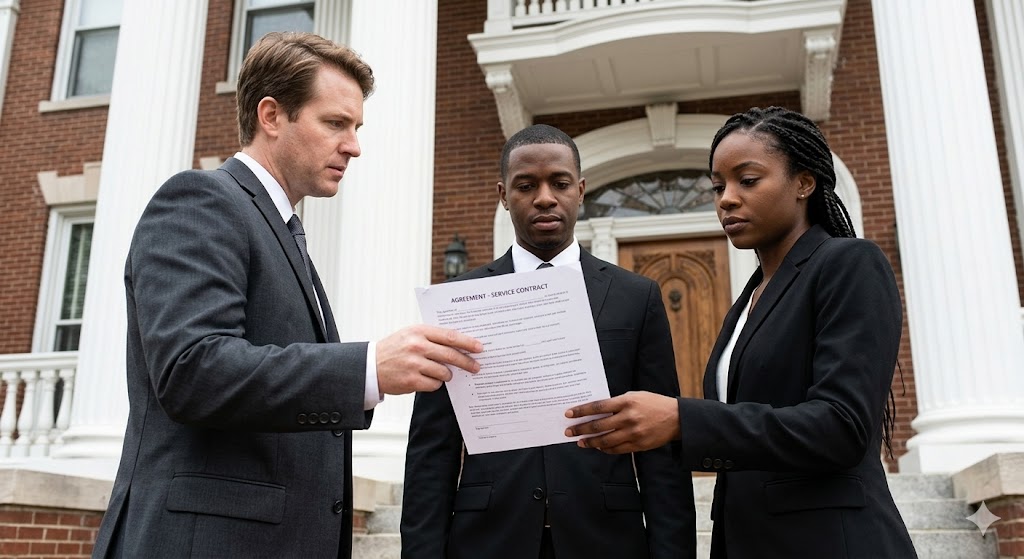
Contract selling was a predatory housing practice that targeted Black families who were excluded from traditional mortgage financing due to redlining and racial discrimination. Because banks refused to lend to Black homebuyers in many neighborhoods, African Americans were forced to purchase homes through private contracts rather than legitimate mortgages. These contracts allowed sellers to exploit Black buyers by charging inflated prices and denying them legal protections normally associated with homeownership.

This practice became widespread in cities such as Chicago, Detroit, Cleveland, and Philadelphia during the mid-twentieth century. In these urban centers, real estate investors realized that the housing restrictions imposed by redlining created a desperate market among Black families seeking stable housing. Investors capitalized on this demand by purchasing homes cheaply and reselling them to Black buyers at drastically inflated prices through installment contracts.

Unlike a traditional mortgage, contract buyers did not receive the title to the home until the full purchase price was paid. This meant that even after years of payments, the buyer technically did not own the property. If a payment was missed—even once—the seller could cancel the contract, evict the family, and keep all previous payments.

Because of these terms, contract selling created a cycle of economic exploitation. Black families paid far more for homes than their white counterparts while receiving fewer legal protections. In many cases, homes were sold for two or three times their actual market value.

The practice was closely connected to the discriminatory lending policies enforced by institutions such as the Federal Housing Administration and the Home Owners’ Loan Corporation. These agencies systematically refused to insure mortgages in Black neighborhoods, forcing African Americans into informal and often predatory housing arrangements.

White real estate speculators played a central role in this system. Many investors purchased homes in white neighborhoods after white residents fled due to racial panic—a process known as blockbusting. Once these properties were acquired cheaply, they were sold to Black families through exploitative contracts.

In cities like Chicago, historians estimate that thousands of Black families were trapped in these contracts between the 1950s and 1970s. Entire neighborhoods became sites of financial extraction where Black residents paid excessive housing costs without building equity.

One of the most tragic aspects of contract selling was the illusion of homeownership it created. Families believed they were purchasing homes and investing in their futures, yet the legal structure of the contracts ensured that wealth accumulation remained extremely difficult.

These practices also resulted in housing instability. Because contract sellers remained the legal owners, they were not obligated to maintain the properties. Repairs and maintenance were usually the responsibility of the buyer, even though the buyer did not yet legally own the home.

The economic consequences were severe. Families often spent decades paying off contracts only to lose the property if financial hardship occurred. When this happened, sellers could resell the same home repeatedly to new buyers, profiting multiple times from the same property.

The system eventually sparked organized resistance. In the late 1960s, activists in Chicago formed the Contract Buyers League, a grassroots organization that fought against predatory housing contracts. Members demanded fair prices, mortgage conversions, and legal protections.

The movement gained national attention and forced some lenders to renegotiate contracts with Black homeowners. Although not all families received justice, the activism exposed the hidden exploitation occurring within the housing market.

Contract selling also played a major role in widening the racial wealth gap in the United States. Because Black families paid inflated housing prices without building equity, they were unable to accumulate wealth in the same way white homeowners did through traditional mortgages.

Scholars argue that the wealth lost through these exploitative contracts amounts to billions of dollars in modern value. This represents generational wealth that could have been passed down through property ownership.

The system also reinforced residential segregation. Since Black families were limited to certain neighborhoods and forced into exploitative housing arrangements, economic mobility was severely restricted.

Even after the passage of the Fair Housing Act in 1968, the economic damage caused by decades of contract selling continued to affect Black communities. Many neighborhoods continue to experience lower property values and higher rates of housing instability.

Today, historians view contract selling as one of the clearest examples of how discriminatory housing policies created structural barriers to Black wealth accumulation. It demonstrates how racism within financial institutions extended beyond overt segregation into more subtle and hidden economic practices.

Understanding this history is essential for recognizing how housing inequality developed in the United States. The legacy of contract selling continues to shape the economic landscape of many Black communities.

Ultimately, contract selling represents a painful chapter in American housing history—one in which the dream of homeownership was manipulated and weaponized against those who had already been excluded from the mainstream financial system.


References

Coates, T.-N. (2014). The case for reparations. The Atlantic. https://www.theatlantic.com

Hirsch, A. R. (1983). Making the second ghetto: Race and housing in Chicago 1940–1960. Chicago: University of Chicago Press.

Jackson, K. T. (1985). Crabgrass frontier: The suburbanization of the United States. New York: Oxford University Press.

Rothstein, R. (2017). The color of law: A forgotten history of how our government segregated America. New York: Liveright Publishing.

Satter, B. (2009). Family properties: Race, real estate, and the exploitation of Black urban America. New York: Metropolitan Books.

Taylor, K.-Y. (2019). Race for profit: How banks and the real estate industry undermined Black homeownership. Chapel Hill: University of North Carolina Press.

U.S. Department of Housing and Urban Development. (2023). History of housing discrimination and redlining in America. Washington, DC: HUD Office of Policy Development and Research.

Mapping Inequality Project. (2023). Redlining in New Deal America. University of Richmond Digital Scholarship Lab.

Passing Series: The Secret History of Howard University.

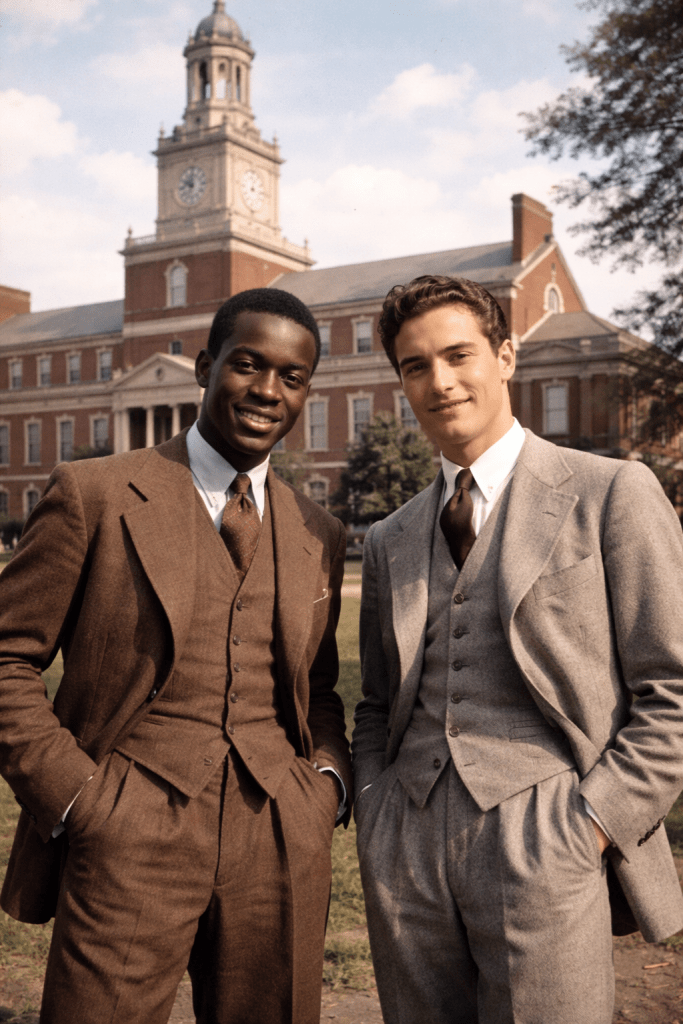
Founded in 1867 in Washington, D.C., Howard University emerged in the immediate aftermath of the American Civil War as one of the most important institutions dedicated to educating formerly enslaved African Americans. Established with the support of the Freedmen’s Bureau and named after Union General Oliver Otis Howard, the university was created to provide intellectual opportunity for newly emancipated Black citizens who had long been denied access to formal education under slavery.

The early mission of Howard University was expansive and ambitious. It was not simply a school but a symbol of racial uplift and reconstruction. The institution admitted students regardless of race or gender—an unusually progressive policy for the nineteenth century. In its earliest years, Howard enrolled formerly enslaved individuals, free Black people, and a small number of white students who believed in the cause of Reconstruction and education for all.

Within this diverse student body, a visible presence emerged that reflected one of the most complicated legacies of American slavery: mixed-race students. Many students at Howard in the late nineteenth century were individuals historically described by society as “mulatto,” meaning people of mixed African and European ancestry. Their existence was tied directly to the violent social realities of slavery, during which enslaved Black women were frequently subjected to sexual exploitation by slaveholders and other white men.

The legacy of these unions produced generations of mixed-race individuals whose appearance sometimes reflected European ancestry in ways that complicated America’s rigid racial categories. At Howard University, this reality was visible among students whose skin tones, hair textures, and facial features ranged across the full spectrum of the African diaspora. Some students appeared unmistakably African, while others possessed features that could allow them to move within white society unnoticed.

During the late nineteenth and early twentieth centuries, racial classification in the United States was governed by the ideology that later became known as the “one-drop rule.” Under this social doctrine, any individual with even a trace of African ancestry was legally considered Black. This legal and cultural definition meant that individuals who looked white could still be classified as Black if their ancestry was known.

The phrase “legally Black” thus emerged as a defining element of American racial identity. It referred to individuals who, under law or social recognition, were categorized as Black regardless of their physical appearance. This concept was reinforced through segregation laws, marriage restrictions, and social customs designed to maintain a rigid racial hierarchy that privileged whiteness.

For some light-skinned African Americans during the late nineteenth and early twentieth centuries, the ability to visually pass as white created a complicated social dilemma. Passing—meaning living as a white person despite Black ancestry—offered access to opportunities otherwise denied under segregation. Employment, housing, safety, and social mobility were often significantly easier to obtain for those perceived as white.

Howard University became a unique intellectual space where these realities were openly discussed among students and faculty. While the institution celebrated Black identity and advancement, it also housed students who could, if they chose, disappear into white society. This tension between racial pride and social survival reflected the broader contradictions of American racial life.

One story frequently discussed in early twentieth-century accounts involves a Howard student reportedly named Johnson, who attended the university during the early 1900s. Johnson’s appearance was so light that he could easily move within white spaces without suspicion. His classmates were aware of this ability, and his presence highlighted the paradox of racial identity during the Jim Crow era.

Johnson’s situation was not unique. Many students at Howard and other historically Black colleges possessed complex family histories shaped by generations of interracial ancestry. Some came from communities where mixed heritage was common, particularly in regions where slavery had produced significant populations of people of blended African and European descent.

In the early twentieth century, the ability to look white carried tangible advantages. Doors in employment, education, and housing frequently opened more readily to individuals whose appearance aligned with white norms. In a segregated society, whiteness functioned as a form of social capital, determining access to resources and protection from discrimination.

However, the decision to pass for white often came with profound psychological and emotional consequences. Individuals who crossed the color line frequently had to sever ties with family members and communities who were legally and socially classified as Black. The act of passing, therefore, required a form of identity erasure to maintain the illusion of whiteness.

Within Howard University, debates about identity, race, and loyalty sometimes surfaced among students. For many, the institution represented a sanctuary where Black intellect, culture, and leadership could flourish. To leave that community and enter white society as an impostor could be viewed as a betrayal of collective struggle.

At the same time, the pressures of racism were immense. The early twentieth century was a period marked by strict segregation laws, racial violence, and limited economic opportunity for African Americans. For some individuals who could visually blend into white society, passing appeared to offer a path toward security and upward mobility.

The broader history of mixed-race people in America cannot be separated from the institution of slavery. Throughout the eighteenth and nineteenth centuries, large populations of people of mixed African and European ancestry emerged across the South and in urban centers. Their existence challenged rigid racial categories while simultaneously reinforcing the hierarchy that privileged whiteness.

Institutions like Howard University became intellectual centers where these histories were examined and debated. Scholars and students explored the complex genealogies that connected African Americans to multiple continents, multiple cultures, and multiple historical experiences.

In this environment, Howard cultivated a new generation of Black thinkers who would later challenge racial inequality across the United States. The university produced influential scholars, lawyers, doctors, and activists who shaped the twentieth-century struggle for civil rights and social justice.

The presence of mixed-race students within Howard also contributed to broader discussions about colorism—the preferential treatment often given to lighter-skinned individuals within both white and Black communities. These conversations forced students to confront how slavery had embedded racial hierarchy not only in law but also in social perception.

Looking white during the Jim Crow era, therefore, carried both privilege and peril. While lighter skin sometimes opened doors, it could also create suspicion, isolation, and internal conflict about belonging. Identity became a negotiation between appearance, ancestry, and community loyalty.

Ultimately, the story of passing and mixed heritage at Howard University reflects the larger contradictions of American racial history. The institution stood as a beacon of Black advancement while simultaneously revealing how fluid and socially constructed racial categories could be.

Today, Howard University remains one of the most prestigious historically Black universities in the United States. Its early history—shaped by Reconstruction, slavery’s legacy, and complex racial identities—offers a powerful lens through which to understand the enduring impact of race, color, and identity in American society.


References

Andrews, W. L. (2019). The Oxford handbook of African American citizenship, 1865–present. Oxford University Press.

Foner, E. (1988). Reconstruction: America’s unfinished revolution, 1863–1877. Harper & Row.

Graham, H. D. (1990). The civil rights era: Origins and development of national policy, 1960–1972. Oxford University Press.

Hobbs, A. (2014). A chosen exile: A history of racial passing in American life. Harvard University Press.

Logan, R. W. (1980). Howard University: The first hundred years, 1867–1967. New York University Press.

Nash, G. B. (1999). Forbidden love: The hidden history of mixed-race America. Henry Holt.

Painter, N. I. (2010). The history of white people. W. W. Norton.

Williams, H. A. (2005). Self-taught: African American education in slavery and freedom. University of North Carolina Press.

Black History: The History of Jazz, Soul, and Blues Music.

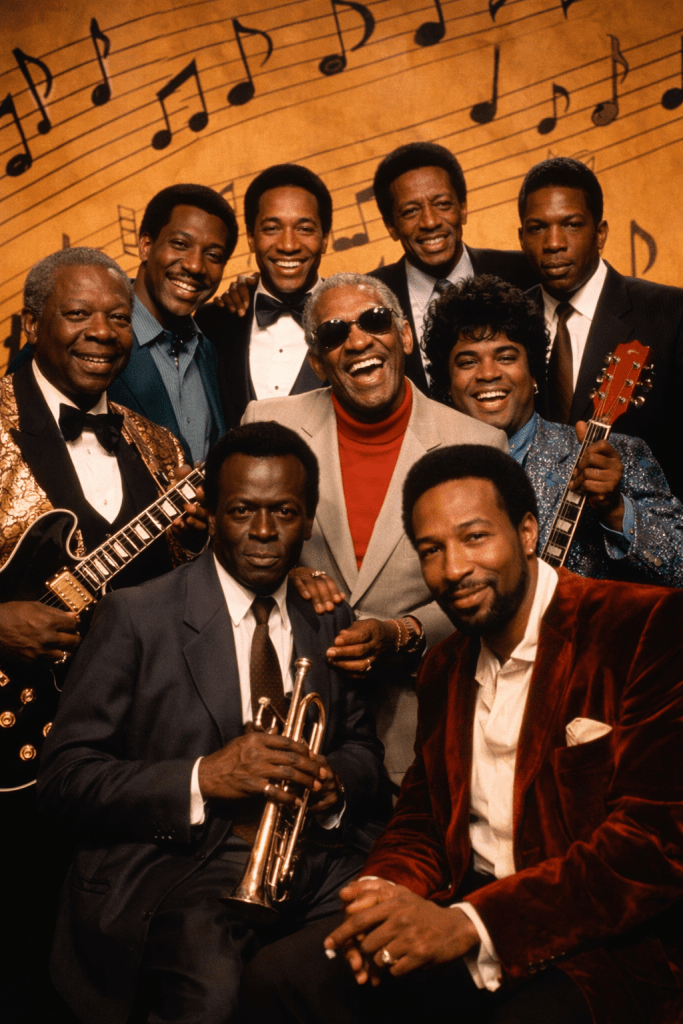
African American music is one of the richest contributions to global culture, shaping the soundscape of the modern world. Jazz, soul, and blues are not merely genres—they are historical chronicles of struggle, triumph, and creative ingenuity. Each arose from the African American experience, reflecting emotions, storytelling, and cultural resilience in the face of oppression. These genres have influenced each other profoundly, giving birth to rhythm and blues (R&B) and ultimately shaping popular music across the 20th and 21st centuries.

Blues music, often called the foundation of modern Black music, emerged in the late 19th and early 20th centuries in the Deep South. Rooted in African spirituals, work songs, and field hollers, the blues expressed the pain, resilience, and hope of formerly enslaved people. Instruments such as the guitar, piano, and harmonica became staples of the genre. Pioneering artists like Bessie Smith and Robert Johnson defined early blues, using emotive vocal techniques and twelve-bar structures that would influence generations.

Jazz, born in New Orleans around the early 1900s, blended African rhythms, European harmonics, and improvisational techniques. It was first popularized in brothels, dance halls, and clubs, creating a distinct urban culture. Iconic artists like Louis Armstrong, Duke Ellington, and Ella Fitzgerald transformed jazz into both a popular entertainment form and an artistic statement. Jazz’s improvisational nature, complex harmonies, and syncopated rhythms made it a revolutionary form of musical expression.

Soul music emerged in the 1950s and 1960s as an extension of gospel and rhythm and blues traditions. Soul fused emotional gospel singing with secular themes, creating music that was both spiritually powerful and deeply relatable. Artists like Otis Redding, Aretha Franklin, and Sam Cooke became voices of a generation, merging personal expression with social commentary during the Civil Rights era. Soul music emphasized vocal intensity, call-and-response patterns, and lyrical storytelling that spoke to everyday struggles and joys.

Rhythm and blues, commonly known as R&B, developed in the 1940s as a hybrid of jazz, blues, and gospel. This genre introduced strong backbeats, danceable rhythms, and smooth vocal harmonies that would later influence rock and pop music. Artists such as Jeffrey Osborne helped popularize R&B in the late 1970s and 1980s, building on the traditions established by earlier performers like Ray Charles and Ruth Brown. R&B bridged the gap between blues, jazz, and contemporary soul, making African American music accessible to mainstream audiences while retaining its cultural essence.

All three genres—blues, jazz, and soul—share common threads. They are deeply rooted in African musical traditions, emphasizing improvisation, rhythm, and emotional storytelling. They reflect the collective African American experience, using music as a tool to narrate personal and communal struggles. The interplay of call-and-response, improvisation, and emotional intensity creates a continuum that links early field songs to modern R&B and hip-hop.

The historical impact of these genres is monumental. Jazz broke racial barriers in performance spaces and recording studios, giving African American musicians international acclaim. Blues provided a raw emotional outlet during eras of severe oppression and economic hardship. Soul became a voice of empowerment during the Civil Rights movement, connecting music with social change and identity. Together, they laid the foundation for future musical innovation across all genres.

Notable jazz artists include Charlie Parker, Miles Davis, Thelonious Monk, and John Coltrane. Their improvisational brilliance, technical mastery, and innovative approaches to melody and harmony defined jazz as an art form and influenced countless musicians across genres.

Blues innovators include Muddy Waters, B.B. King, and Etta James. These artists refined the twelve-bar blues, expressive vocal phrasing, and guitar techniques that remain central to modern music.

Soul music pioneers like Marvin Gaye, Curtis Mayfield, and Gladys Knight showcased the intersection of spiritual intensity and secular themes, bridging church traditions with contemporary musical expression. Their work also informed the development of funk and disco.

R&B evolved further with artists such as Luther Vandross, Teddy Pendergrass, and Jeffrey Osborne, who infused modern production techniques while retaining emotional depth and vocal virtuosity. Their success in the 1970s and 1980s solidified R&B as a mainstream genre with mass appeal.

The interconnections between these genres are undeniable. Jazz improvisation influenced soul phrasing. Blues chord structures informed R&B songwriting. Gospel-inspired call-and-response techniques permeated all three styles. These shared elements demonstrate the continuity of African American musical innovation across decades.

Each genre also shaped dance, fashion, and social culture. From jazz clubs in New York and Chicago to soul concerts and R&B television performances, music became a catalyst for social gatherings, identity expression, and community solidarity. Television programs like Soul Train highlighted this evolution by showcasing Black artistry to national audiences.

Jazz

  • Louis Armstrong – Trumpeter, singer, and bandleader; a pioneer of solo improvisation.
  • Duke Ellington – Composer and bandleader known for sophisticated orchestration.
  • Charlie Parker – Bebop innovator and saxophone virtuoso.
  • Miles Davis – Revolutionary in cool jazz, modal jazz, and fusion.
  • John Coltrane – Innovator in improvisation and modal jazz.
  • Thelonious Monk – Composer known for unique harmonic and rhythmic style.
  • Ella Fitzgerald – “First Lady of Song,” famous for scat singing and vocal improvisation.

Blues

  • B.B. King – Guitar legend and emotive vocalist.
  • Muddy Waters – Father of modern Chicago blues.
  • Robert Johnson – Delta blues pioneer whose guitar work inspired rock and blues.
  • Etta James – Soulful voice blending blues, R&B, and jazz.
  • Bessie Smith – Empress of the Blues, iconic early 20th-century vocalist.

Soul

  • Otis Redding – Iconic voice of Southern soul and heartfelt ballads.
  • Aretha Franklin – “Queen of Soul,” blending gospel with R&B.
  • Sam Cooke – Smooth vocals and socially conscious lyrics.
  • Marvin Gaye – Social commentary and romantic themes in Motown soul.
  • Curtis Mayfield – Political soul and funk pioneer.
  • Gladys Knight – Powerful voice and emotive performances.

Rhythm & Blues (R&B)

  • Jeffrey Osborne – 1980s R&B crooner with hits like On the Wings of Love.
  • Luther Vandross – Smooth vocals, ballads, and love songs.
  • Teddy Pendergrass – Soulful, romantic style that bridged soul and R&B.
  • Ray Charles – Fused gospel, jazz, blues, and R&B, innovating soul music.
  • Ruth Brown – Early R&B pioneer, sometimes called “Miss Rhythm.”

Technological advancements, including radio, recording studios, and later television, helped spread jazz, blues, and soul to broader audiences. The migration of African Americans to northern urban centers during the Great Migration brought regional musical styles into contact, facilitating fusion and innovation.

The legacy of these genres continues today. Contemporary R&B, neo-soul, jazz fusion, and blues-rock all trace their roots to the pioneering artists of the 20th century. Musicians still draw inspiration from the improvisational freedom, emotional depth, and rhythmic complexity of early jazz, blues, and soul.

In summary, jazz, soul, and blues reflect the historical and cultural journey of African Americans. They document pain, resilience, love, and joy. The emergence of R&B and contemporary music owes a debt to these foundations, as seen in the works of artists like Jeffrey Osborne and Otis Redding. Together, they embody a musical continuum that celebrates creativity, identity, and the enduring power of Black culture.


References

Gioia, T. (2011). The History of Jazz (2nd ed.). Oxford University Press.

Ward, B., & Burns, K. (2000). Jazz: A History of America’s Music. Knopf.

Evans, D. (2010). Blues: The Basics. Routledge.

George, N. (1988). The Death of Rhythm and Blues. Pantheon Books.

Werner, C. (2006). A Change is Gonna Come: Music, Race, and the Soul of America. University of Michigan Press.

Smithsonian National Museum of African American History and Culture. (n.d.). Jazz, Blues, and Soul Collections.

AllMusic. (n.d.). Artist biographies for Jeffrey Osborne, Otis Redding, Louis Armstrong, and other key figures.

Rental Assistance: A Step-by-Step Guide for Families Struggling to Pay Rent in the United States.

If you are struggling to pay rent, please know this first: you are not alone. Millions of Americans face housing insecurity each year due to job loss, medical emergencies, inflation, unexpected bills, or family transitions. Temporary hardship does not define your worth or your future. There are structured systems, nonprofit agencies, and federal programs designed specifically to help you stay housed. The key is knowing where to look and acting quickly. Pray first.

Housing instability affects renters across every state, from large cities to rural towns. Rising rental costs combined with stagnant wages have placed pressure on working families, seniors on fixed incomes, veterans, and single parents. Fortunately, federal, state, and local resources exist to prevent eviction and utility shutoffs.

The first place to begin is communication. Step one is to immediately notify your landlord or property manager in writing if you anticipate being late. Many landlords are willing to arrange payment plans when contacted early. Avoid silence; proactive communication protects you legally and relationally.

Step two is to contact the U.S. Department of Housing and Urban Development (HUD). HUD oversees public housing authorities (PHAs) in all 50 states. These local agencies administer Housing Choice Vouchers (Section 8), public housing, and emergency referrals. You can locate your state and local housing authority at HUD’s official website or by calling 1-800-569-4287.

Step three is to dial 211, a nationwide referral service operated in partnership with the United Way. By calling 2-1-1, you can receive real-time information about rental assistance programs in your specific county, including churches, nonprofits, and emergency funds.

Step four is to apply for Emergency Rental Assistance (ERA) programs administered at the state or county level. Though federal pandemic-era funding has shifted, many states continue to operate rental stabilization funds through state housing finance agencies or departments of community affairs.

Step five involves utility assistance. If you are behind on electricity, gas, or heating, apply for help through the Low Income Home Energy Assistance Program (LIHEAP), funded by the U.S. Department of Health and Human Services. LIHEAP operates in every state and helps prevent disconnection of essential services.

Step six is to contact nonprofit charities that provide direct financial aid. The Salvation Army, Catholic Charities USA, and local faith-based ministries often provide one-time rental or utility grants. Availability varies by location, so early application is important.

Step seven is to seek legal protection if eviction proceedings have started. Many states have Legal Aid organizations funded by the Legal Services Corporation. These attorneys provide free eviction defense and tenant rights counseling to qualifying households.

Step eight is to explore state-specific housing agencies. Every state has a housing finance authority (HFA) that administers rental programs. Examples include the Texas Department of Housing and Community Affairs, California Department of Housing and Community Development, New York State Homes and Community Renewal, Florida Housing Finance Corporation, and similar agencies in all 50 states. Searching “[Your State] Housing Finance Authority rental assistance” will connect you directly to the proper office.

Step nine is to apply for Supplemental Nutrition Assistance Program (SNAP) benefits through your state’s human services department. While SNAP does not pay rent, it reduces grocery costs, freeing income for housing. This program is administered federally by the U.S. Department of Agriculture.

Step ten is to build a stabilization plan. If hardship is ongoing, ask about workforce development programs, unemployment insurance through your state labor department, or short-term disability benefits if illness is involved. Housing counselors approved by HUD can help you create a structured financial recovery plan.

For those in immediate crisis, many counties operate eviction diversion programs designed to mediate between landlords and tenants before court removal occurs. These programs often combine rental grants with legal guidance and mediation services.

Veterans may contact the U.S. Department of Veterans Affairs Supportive Services for Veteran Families (SSVF) program, which provides targeted housing stabilization grants. Survivors of domestic violence can seek emergency relocation assistance through local shelters and the National Domestic Violence Hotline.

Seniors and disabled individuals may qualify for specialized rental subsidies through public housing authorities. Additionally, individuals receiving Social Security Disability Insurance (SSDI) should inquire about supportive housing programs in their region.

It is important to gather required documents early: identification, lease agreement, proof of income loss, past-due notices, and utility bills. Having documents ready speeds up approval processes.

Timing matters. Many programs operate on limited funding cycles. Applications are often processed on a first-come, first-served basis. Do not delay because of embarrassment or fear; assistance exists to prevent homelessness.

If your application is denied, ask for written clarification and appeal if possible. Some programs have reconsideration procedures, and another local agency may still provide help.

Church communities, neighborhood coalitions, and community action agencies remain vital pillars in housing support. These organizations often know about smaller, localized grants not widely advertised online.

Above all, remember that financial hardship can happen to anyone. Seeking assistance is not failure; it is a responsible action to protect yourself and your family. Stability can be rebuilt step by step.

Housing is foundational to dignity, employment stability, education continuity for children, and mental health. By reaching out to federal agencies, state housing authorities, nonprofit networks, and legal services, you create multiple pathways toward relief.

What To Do If You’re Struggling to Pay Rent

  1. Pray and stand on God’s promises.
    Begin with faith. Pray and declare that God will supply all your needs according to His riches in glory (Philippians 4:19). Ask for wisdom, favor, and open doors. Peace of mind is powerful when facing financial stress.
  2. Contact your landlord immediately.
    Do not wait. Explain your situation in writing and request a payment plan or extension. Many landlords prefer communication over eviction.
  3. Call 211 for local assistance.
    Dial 2-1-1 to connect with rental assistance programs, churches, and emergency funds in your area.
  4. Contact your local housing authority.
    Reach out to your local Public Housing Authority through the U.S. Department of Housing and Urban Development (HUD) to ask about rental assistance, vouchers, or emergency programs.
  5. Apply for emergency rental assistance programs.
    Check your state’s housing finance agency website for current rental relief or eviction prevention programs.
  6. Seek help with utilities.
    Apply for energy assistance through the Low Income Home Energy Assistance Program (LIHEAP) to prevent electricity or gas shutoff.
  7. Contact nonprofit organizations.
    Organizations like The Salvation Army and Catholic Charities USA often provide one-time emergency rental or utility grants.
  8. Apply for food assistance.
    Reducing grocery expenses through SNAP can free up money for rent. SNAP is administered by the U.S. Department of Agriculture.
  9. Seek legal aid if facing eviction.
    Contact a Legal Aid office funded by the Legal Services Corporation for free tenant rights advice.
  10. Create a stabilization plan.
    Review your budget, cut non-essential expenses, explore temporary work, apply for unemployment if eligible, and speak with a HUD-approved housing counselor about long-term solutions.

Do not give up. Make the calls. Submit the applications. Ask questions. There is help in every state, and with persistence and advocacy, many families successfully secure the assistance they need to remain housed and restore financial balance.


References

Legal Services Corporation. (2024). Find Legal Aid. https://www.lsc.gov

Low Income Home Energy Assistance Program (LIHEAP). (2024). Program Overview. U.S. Department of Health and Human Services.

U.S. Department of Agriculture. (2024). Supplemental Nutrition Assistance Program (SNAP).

U.S. Department of Housing and Urban Development. (2024). Rental Assistance Programs.

United Way. (2024). 211 Resource Directory.