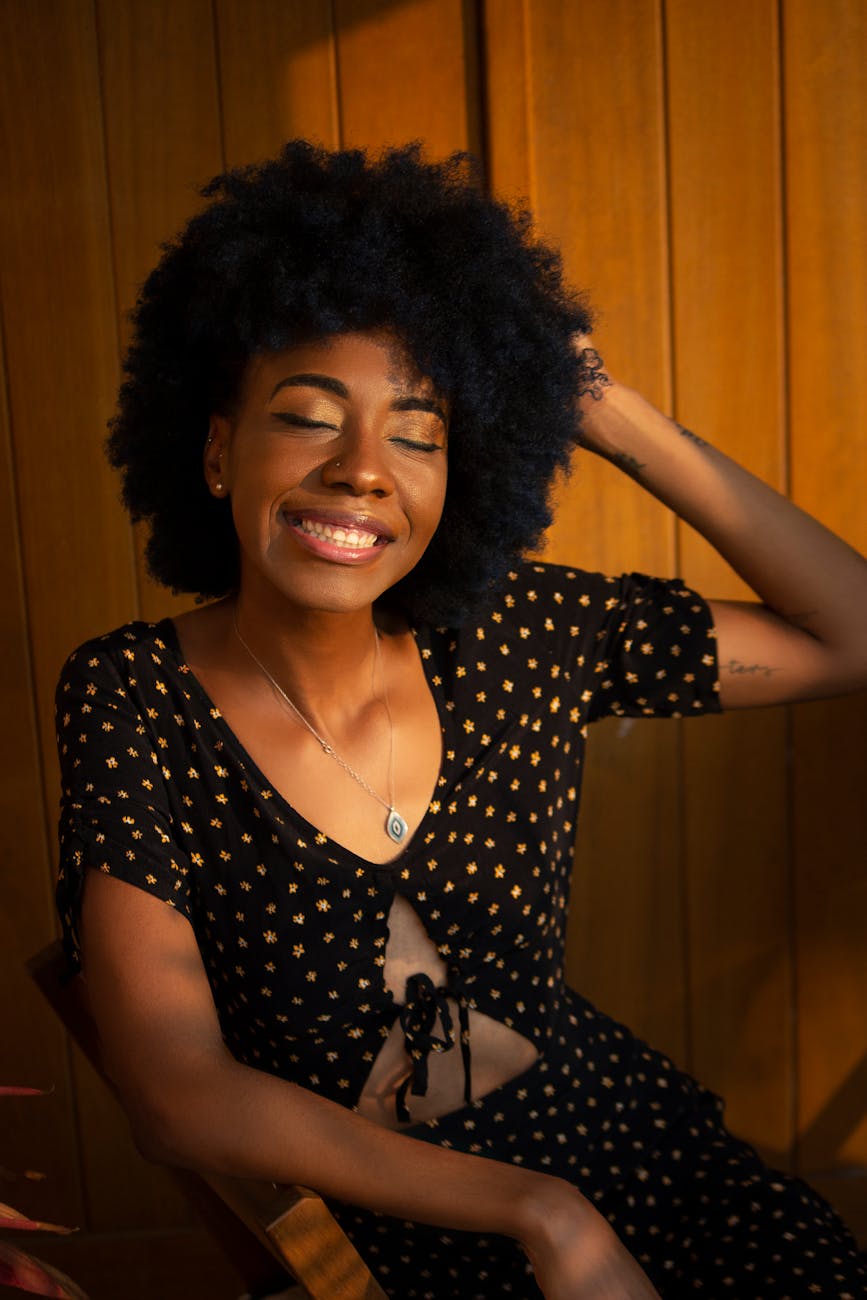
Tag Archives: nappy

Dilemma: Black Hair Discrimination

The Politics of Policing Black Identity

Angela Davis

“I had been looking at pictures of women who were free, and they were wearing their hair the way it grows out of their heads.”
(Davis, A. Y., Women, Race & Class, 1981)

Chimamanda Ngozi Adichie

“Hair is political. Hair is personal. Hair is identity.”
(Adichie, C. N., Americanah, 2013)

Bell Hooks

“Straightening our hair is one of the many ways we try to erase the reality of our Blackness.”
(Hooks, b., Black Looks: Race and Representation, 1992)

Lupita Nyong’o

“What I learned is that when the world tells you you’re not enough, you don’t have to believe it.”
(Nyong’o, L., Sulwe, 2019)

“Black hair is not a trend, a problem, or a phase—it is a living archive of survival, resistance, and ancestral memory.”

Black hair discrimination remains one of the most visible and normalized forms of racial bias in modern society. From classrooms to corporate offices, Black hair is disproportionately scrutinized, regulated, and punished under the guise of “professionalism,” “neatness,” or “dress code policies.” These standards are not neutral; they are rooted in Eurocentric ideals that define straight, loose, and non-textured hair as the default measure of beauty and respectability. As a result, Black people are often forced to alter their natural hair to gain acceptance, employment, or basic dignity.

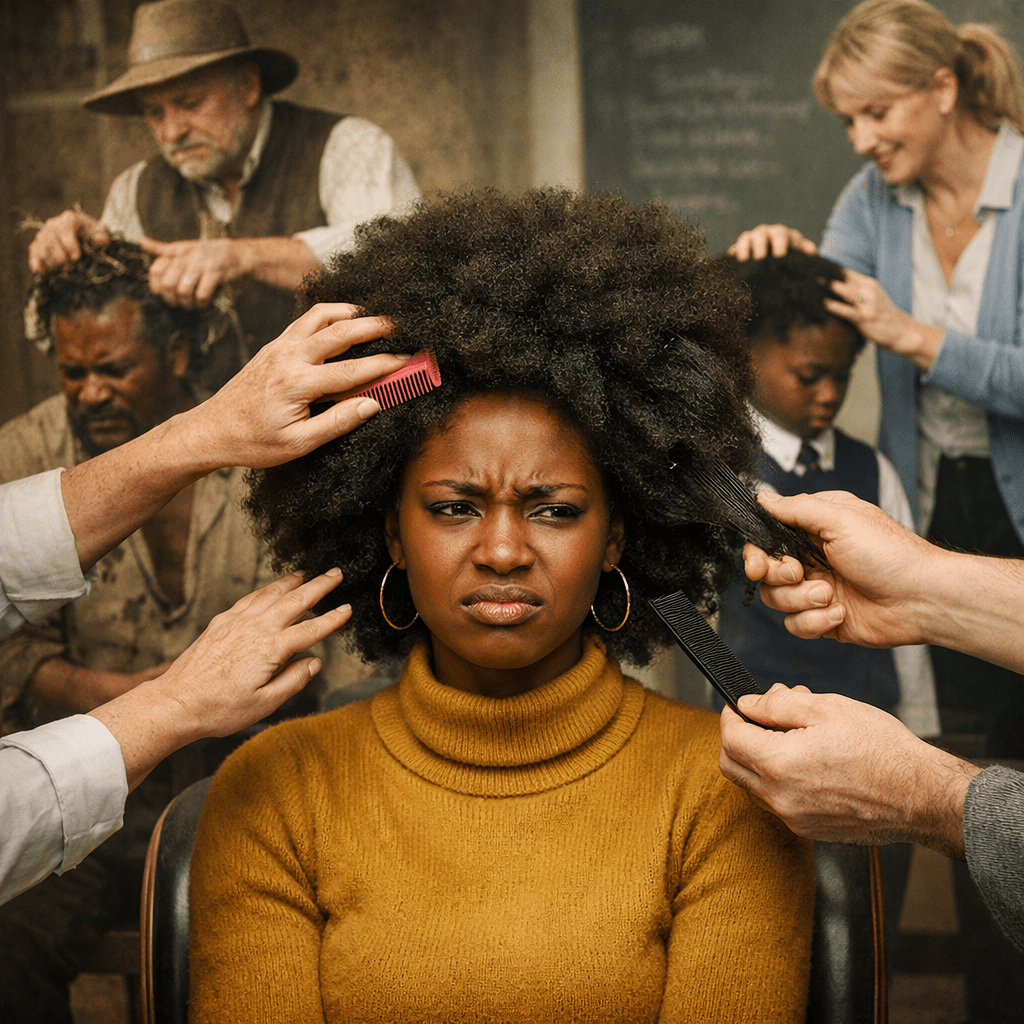
In schools, Black children are suspended, sent home, or humiliated for wearing braids, locs, Afros, twists, or even natural curls. These disciplinary practices communicate a dangerous message: that Black identity itself is disruptive and unacceptable. When a child’s natural hair becomes grounds for punishment, the educational system participates in psychological harm that can shape self-esteem and identity formation for life. The classroom becomes not a place of learning, but a site of racial conditioning.

In the workplace, similar patterns persist. Black professionals are routinely told their hair is “unprofessional,” “distracting,” or “unkept,” even when it is clean, styled, and culturally appropriate. This forces many to chemically straighten their hair, wear wigs, or suppress their natural texture in order to be perceived as competent. Such pressures reveal how deeply white norms are embedded in institutional culture, where assimilation is often required for survival.

The hatred toward Black hair did not originate in modern offices or schools—it was cultivated during slavery. Enslaved Africans were stripped of their cultural grooming practices and taught to associate straight hair with proximity to whiteness and social advantage. Field laborers, who often had tightly coiled hair, were deemed inferior, while those with looser textures were privileged within the plantation hierarchy. Hair became a racial marker used to rank human worth.

This legacy did not disappear after emancipation. It evolved into colorism and texture discrimination, where straighter hair is still associated with beauty, intelligence, and professionalism, while kinky or coiled hair is labeled “nappy,” “bad,” or “ugly.” These terms, passed down through generations, reflect internalized racism—a psychological inheritance from white supremacy that continues to shape how Black people see themselves.

One of the most painful aspects of Black hair discrimination is that it is often reinforced within Black families themselves. Many Black parents, conditioned by their own experiences of rejection and survival, teach their children that their natural hair is something to be fixed, relaxed, or hidden. Phrases like “your hair is too nappy” or “you need a perm” are not harmless—they transmit shame and self-rejection at the most formative stages of identity.

This internalization is not accidental; it is a direct result of systemic oppression. When society consistently rewards whiteness and penalizes Blackness, marginalized communities may adopt those standards as coping mechanisms. However, survival strategies should not become permanent ideologies. Black parents must wake up to the reality that teaching children to hate their natural features only perpetuates the same system that devalues them.

White supremacy plays a central role in Black hair discrimination because it establishes whiteness as the universal standard of normality. Under this system, anything outside of European phenotypes is constructed as deviant, exotic, or inferior. Hair texture becomes political, not because Black people made it so, but because racism made Black bodies sites of control.

The concept of “professionalism” itself is racially coded. There is no scientific or moral basis for associating straight hair with competence or intelligence. These associations are cultural myths that developed within colonial and capitalist systems that centered white identity as the model citizen. Black hair challenges these myths simply by existing in its natural state.

Black hair has also been criminalized. From police stops to courtroom bias, Afro-textured hair has been associated with deviance and threat. Studies show that Black people with natural hairstyles are more likely to be perceived as aggressive, untrustworthy, or less intelligent, even when all other factors are controlled. This demonstrates how aesthetic bias becomes a mechanism of social exclusion.

The rise of movements like the Natural Hair Movement and the passing of the CROWN Act represent resistance against these injustices. These efforts aim to legally protect individuals from discrimination based on hair texture and style. However, legal reform alone cannot dismantle deeply ingrained psychological and cultural beliefs. Laws can change policies, but they cannot instantly heal internalized self-hatred.

True liberation requires a cultural shift in how Black beauty is defined and taught. Black hair must be reframed not as a problem to manage, but as a sacred inheritance—genetically rich, biologically diverse, and historically powerful. The same coils once mocked were used to map escape routes during slavery, braid seeds for survival, and encode communal identity.

Education plays a crucial role in this transformation. Schools must incorporate Black history and African aesthetics into curricula, not as side notes, but as central narratives. When children learn that their features have historical meaning and cultural value, they are less likely to internalize racist hierarchies imposed by society.

Media representation is equally important. For decades, Black beauty was only celebrated when it approximated whiteness—light skin, straight hair, narrow features. Today, although representation has expanded, Eurocentric beauty standards still dominate advertising, film, and fashion industries. The normalization of natural Black hair must move beyond trends and become structural.

The policing of Black hair is ultimately about control. It is about who gets to define beauty, respectability, and humanity. When institutions regulate how Black people wear their hair, they are not managing aesthetics—they are managing identity. Hair becomes a battlefield where cultural memory confronts colonial ideology.

Psychologically, hair discrimination contributes to identity fragmentation. Black individuals are often forced to perform different versions of themselves depending on context—natural at home, altered at work, cautious in public. This constant self-monitoring produces emotional fatigue and reinforces the idea that authenticity is unsafe.

Black parents, educators, and leaders have a responsibility to disrupt this cycle. Teaching children that their hair is “good” exactly as it grows is not a trivial affirmation—it is a radical act of resistance. It challenges centuries of propaganda designed to disconnect Black people from their bodies and ancestry.

Healing from hair discrimination requires both structural and spiritual work. Structurally, institutions must dismantle biased policies. Spiritually and psychologically, Black communities must unlearn the lie that proximity to whiteness equals worth. The reclamation of Black hair is inseparable from the reclamation of Black identity.

Black hair is not unprofessional, unclean, or undesirable. It is African. It is genetic. It is historical. It is political because oppression made it so. And until society confronts the racial logic behind its beauty standards, Black hair will continue to be policed—not because it is wrong, but because it refuses to conform to a system built on white supremacy.

Ultimately, the hatred of Black hair reflects a deeper hatred of Black existence. To love Black hair fully is to reject the entire hierarchy that ranks human value by proximity to Europe. In that sense, every Afro worn freely, every loc grown proudly, and every child taught to love their coils is an act of cultural revolution.


References

Banks, I. (2000). Hair matters: Beauty, power, and Black women’s consciousness. New York, NY: New York University Press.

Byrd, A. D., & Tharps, L. L. (2014). Hair story: Untangling the roots of Black hair in America. New York, NY: St. Martin’s Press.

Collins, P. H. (2004). Black sexual politics: African Americans, gender, and the new racism. New York, NY: Routledge.

Crenshaw, K. (1991). Mapping the margins: Intersectionality, identity politics, and violence against women of color. Stanford Law Review, 43(6), 1241–1299.

Johnson, T. R., & Bankhead, T. (2014). Hair it is: Examining the experiences of Black women with natural hair. Open Journal of Social Sciences, 2(1), 86–100.

Rooks, N. (1996). Hair raising: Beauty, culture, and African American women. New Brunswick, NJ: Rutgers University Press.

Rosette, A. S., & Dumas, T. L. (2007). The hair dilemma: Conformity versus authenticity. Journal of Applied Psychology, 92(6), 1601–1616.

Tate, S. A. (2009). Black beauty: Aesthetics, stylization, politics. Farnham, UK: Ashgate.

The CROWN Act. (2019). Creating a Respectful and Open World for Natural Hair. U.S. legislation on hair discrimination.
Black Women and Hair Activism: From Nappy Roots to #BlackGirlMagic

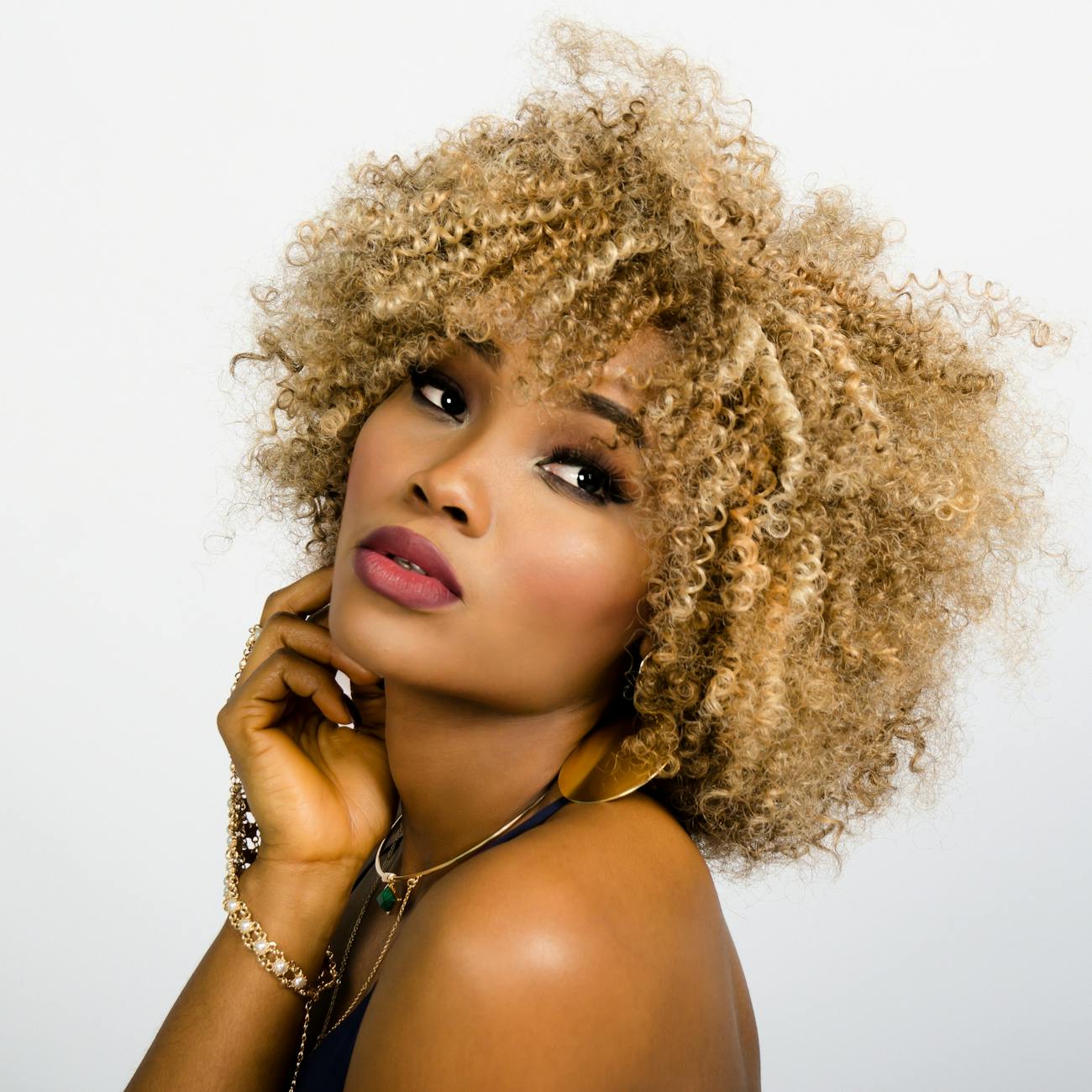
Photo by Pixabay on Pexels.com

Hair has always been a central marker of identity, culture, and resistance for Black women. From the era of slavery, where enslaved women were forced to conform to Eurocentric beauty standards, to the modern-day #BlackGirlMagic movement, hair has served as both a site of oppression and empowerment. Hair activism represents a form of social and political engagement, challenging systemic discrimination while affirming Black women’s cultural identity.

Historical Context: Slavery and Eurocentric Standards

During slavery in the Americas, Black women were often compelled to alter their natural hair to fit European ideals of beauty, sometimes being shaved or chemically straightened (Byrd & Tharps, 2014). These practices symbolized a broader attempt to erase African identity and enforce subservience, embedding the politics of hair into social hierarchies.

The Civil Rights Era and Nappy Roots

The 1960s and 1970s saw a rise in natural hair as a political statement. The Afro became a symbol of pride, resistance, and Black identity, captured in the phrase “Black is beautiful.” Movements like Nappy Roots (both the cultural reference and musical group) emphasized embracing natural hair, celebrating Black aesthetics, and challenging societal norms.

Workplace and Legal Activism

Despite cultural shifts, Black women continue to face discrimination for natural hairstyles in professional and educational settings. Legal efforts, such as the CROWN Act (Creating a Respectful and Open World for Natural Hair) in the U.S., address hair-based discrimination and underscore the ongoing struggle for equity (Tharps, 2019). Hair activism thus extends beyond aesthetics—it’s about civil rights and self-determination.

The Rise of #BlackGirlMagic

In the 2010s, movements like #BlackGirlMagic and natural hair communities online created global spaces celebrating Black women’s hair, beauty, and accomplishments. Social media platforms have enabled activism, awareness, and community-building, empowering women to reclaim agency over their hair and identity.

Hair as Resistance and Empowerment

Hair activism encompasses education, advocacy, and personal empowerment. For Black women, embracing natural hair is not just an aesthetic choice but a political act, affirming self-worth and resisting systemic bias. It communicates pride, autonomy, and a refusal to conform to oppressive standards.

Psychology and Identity

Research indicates that hair significantly impacts self-esteem and identity formation among Black women (Banks, 2000). Wearing natural hairstyles or participating in hair activism is linked to higher self-confidence, stronger cultural identity, and resistance to internalized oppression.

Conclusion

From Nappy Roots to #BlackGirlMagic, Black hair activism reflects a dynamic intersection of culture, politics, and identity. By embracing natural hair and challenging societal norms, Black women assert autonomy, demand respect, and celebrate their heritage, transforming a personal expression into a collective movement for empowerment.


References

  • Banks, I. (2000). Hair matters: Beauty, power, and Black women’s consciousness. New York: NYU Press.
  • Byrd, A., & Tharps, L. (2014). Hair Story: Untangling the Roots of Black Hair in America. St. Martin’s Press.
  • Tharps, L. L. (2019). The CROWN Act: Natural Hair, Discrimination, and Social Change. Harvard Journal of African American Public Policy, 1(1), 45–60.
  • Robinson, T. (2018). Social media and Black hair activism: #BlackGirlMagic and the politics of identity. Journal of Black Studies, 49(7), 657–676.
  • Tate, S. A. (2007). Hair and the politics of Black women’s identity. Cultural Studies, 21(5), 641–655.

Hair, Politics, and Respectability: The Crown We Never Asked For

Hair has never been “just hair” for Black people. In societies shaped by colonialism and racism, Black hair—especially its natural textures—has been politicized, stigmatized, and controlled. The title Hair, Politics, and Respectability: The Crown We Never Asked For captures this tension: while hair is a natural inheritance, it has become a symbol of identity, resistance, and discrimination. From biblical reflections to modern psychology, the struggle over Black hair reveals both the resilience of a people and the weight of systemic oppression.


Hair and Politics: Why Texture Became a Battleground

During slavery, Black hair was ridiculed as “woolly,” “unkempt,” or “inferior” compared to European textures. Enslaved women were often forced to cover their hair with scarves, stripping them of cultural expression. In the twentieth century, straightening became associated with “respectability,” as Eurocentric beauty standards were used to determine professionalism, employability, and social acceptance (Byrd & Tharps, 2014). Hair became political because it signified whether one conformed to dominant norms or resisted them.

Even today, workplace and school policies ban natural styles such as locs, afros, and braids, framing them as “unprofessional.” This reveals how deeply Eurocentric aesthetics are embedded in institutional power structures. Black hair is not bad—it is the perception of it, shaped by systemic racism, that weaponizes it against Black people.


Media Examples of Hair Discrimination

  • Gabrielle Union (2019): The actress revealed that she was criticized on America’s Got Talent for her hairstyles being “too Black” for mainstream audiences.
  • Zendaya (2015): At the Oscars, a TV host insulted her locs, suggesting they made her smell like “weed or patchouli oil,” perpetuating stereotypes about natural Black hair.
  • Ayanna Pressley (2020): The U.S. Congresswoman openly discussed the politics of her hair after revealing her alopecia, highlighting the burden Black women face regarding appearance.
  • Students Nationwide: Numerous cases have emerged of Black children suspended or excluded from schools for wearing natural hairstyles—demonstrating how hair policing begins in childhood.

These examples show that hair is treated not as personal expression but as a battleground of social acceptance.


Why Is Black Hair Considered “Bad”?

  1. Colonial Legacies: European colonizers ranked African features as inferior to justify slavery and subjugation. Hair texture became part of this false hierarchy.
  2. Respectability Politics: Within Black communities, straightened hair was sometimes encouraged as a survival strategy, signaling assimilation to reduce discrimination.
  3. Media Reinforcement: Advertisements and entertainment long centered straight hair as the default “beautiful,” erasing the diversity of Black textures.
  4. Psychological Control: By stigmatizing natural hair, systems of power sought to strip Black people of cultural pride and self-love.

Psychological Dimensions of Hair Politics

Hair discrimination carries profound psychological effects. Research shows that Black women who feel pressure to conform to Eurocentric hairstyles report higher stress levels, body image struggles, and identity conflict (Robinson, 2011). Natural hair movements—such as the resurgence of afros in the 1970s and the current embrace of locs, twists, and braids—function as acts of resistance and self-acceptance. For Black children, representation is vital: being punished for natural hair fosters shame and internalized racism, while affirmation builds resilience and pride.


Biblical Reflections on Hair and Identity

The Bible addresses hair as both symbolic and spiritual.

  • Glory and Crown: “But if a woman have long hair, it is a glory to her: for her hair is given her for a covering” (1 Corinthians 11:15, KJV). Here, Paul acknowledges hair as a natural crown of dignity.
  • Consecration: In Numbers 6:5, Nazirites such as Samson were commanded not to cut their hair as a sign of holiness and covenant with God. This shows that hair was more than appearance—it was identity and consecration.
  • Diversity in Creation: Scripture affirms that humanity is “fearfully and wonderfully made” (Psalm 139:14). Black hair textures, in all their variety, are part of God’s intentional design, not a flaw.

These biblical insights reject the notion that natural hair is “bad.” Instead, hair is a crown—sometimes even a sacred symbol of identity and strength.


Toward Liberation: Reclaiming the Crown

To break free from the burden of hair politics, society must dismantle Eurocentric beauty hierarchies and embrace inclusivity. Policies such as the CROWN Act (Creating a Respectful and Open World for Natural Hair) in the U.S. represent legal recognition of this struggle. On a personal and cultural level, embracing natural hair affirms resilience: a refusal to bow to imposed norms. For Black women and men, reclaiming their hair is reclaiming their God-given identity, their psychological well-being, and their cultural pride.


Conclusion

Hair, Politics, and Respectability: The Crown We Never Asked For underscores that Black hair has been politicized against its wearers, weaponized as a marker of inferiority. Yet, both psychology and scripture affirm that Black hair is beautiful, intentional, and sacred. It is not a flaw to be corrected but a crown to be celebrated. In embracing their natural hair, Black people reject imposed shame and walk boldly in resilience, dignity, and divine purpose.


References

  • Byrd, A., & Tharps, L. L. (2014). Hair story: Untangling the roots of Black hair in America. St. Martin’s Press.
  • Robinson, C. (2011). Hair as race: Why “good hair” may be bad for Black females. Howard Journal of Communications, 22(4), 358–376.
  • The Holy Bible, King James Version.

From Kinky to Crown: The Politics and Pride of Black Hair

“Black hair is beautiful, but society has often told us otherwise. It is a statement of identity, resistance, and pride.” — Dr. Ayana Byrd, author of Hair Story

“My hair is my crown, and I wear it with pride. Every curl tells a story.” — Lupita Nyong’o


Photo by TUBARONES PHOTOGRAPHY on Pexels.com

Black hair has long been a symbol of identity, heritage, and culture. The textures range from tightly coiled kinks to soft waves, each reflecting the rich diversity of African ancestry. However, the politics surrounding Black hair are deeply tied to historical and social power structures. Eurocentric standards of beauty have positioned straight hair as the “universal standard,” often marginalizing naturally textured hair. This has created a spectrum of discrimination, from overt workplace bias to subtler societal messaging about what constitutes “good” versus “bad” hair. Understanding the textures, cultural history, and politics of Black hair is essential to fostering pride, resilience, and self-acceptance within the Black community.


The Textures and Cultural Significance

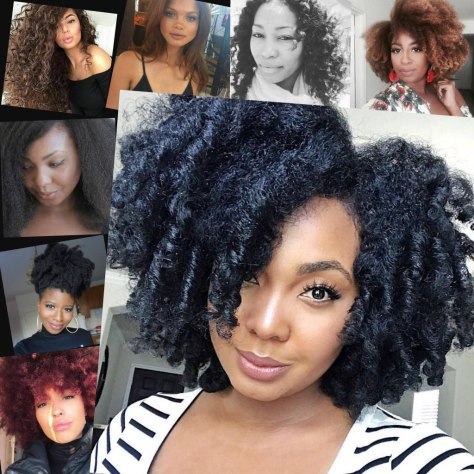
Black hair textures vary widely, commonly classified into four types (1–4), with subcategories (A–C) based on curl tightness and pattern. Type 1 is straight hair, which is rare among people of African descent. Type 2 is wavy, Type 3 is curly, and Type 4 is coily/kinky, characterized by tightly packed curls. Each texture carries cultural significance: in African societies, hairstyles represented social status, tribal affiliation, and spiritual beliefs. The Bible also references hair as a sign of strength and identity; for example, Samson’s hair was a symbol of his God-given strength (Judges 16:17, KJV). These textures have been politicized in modern society, where natural hair has often been stigmatized in favor of straightened, chemically relaxed styles.


The Impact of Media and Societal Standards

Media representations reinforce the notion that straight hair is the universal standard of beauty, creating a pervasive hierarchy of hair textures. “Good hair,” often described as straight or loosely curled, is historically linked to proximity to whiteness, while kinky or coily hair has been labeled “bad” or unprofessional (Byrd & Tharps, 2001). These messages have psychological and emotional impacts, influencing self-esteem, identity formation, and social mobility. Mothers, aware of societal bias, often teach children to view their natural hair as needing taming or improvement, inadvertently perpetuating internalized bias. Celebrities and public figures like Lupita Nyong’o challenge this narrative, celebrating natural hair as a crown of heritage and a statement of self-worth.


Care, Products, and Community Perspectives

Caring for Black hair requires attention to moisture, protective styling, and gentle handling to prevent breakage. Recommended products include shea butter, coconut oil, jojoba oil, and sulfate-free shampoos and conditioners. Popular protective styles include braids, twists, locs, and cornrows. Black men have expressed diverse opinions on Black hair, ranging from appreciation of natural textures to preferences shaped by societal norms. These perspectives highlight the ongoing negotiation of identity, beauty, and social perception within the community. Scholars emphasize that reclaiming pride in natural hair fosters empowerment and combats internalized oppression (Banks, 2016).


Conclusion

Black hair is more than aesthetic; it is a political and cultural statement that reflects history, identity, and resilience. From kinky coils to loose curls, hair embodies a legacy of survival, pride, and spiritual significance. By understanding hair textures, rejecting media-imposed hierarchies, and embracing culturally affirming care practices, the Black community can reclaim the crown of natural beauty. As Lupita Nyong’o asserts, each curl tells a story, and through this recognition, Black hair can be celebrated rather than stigmatized. Embracing the politics and pride of Black hair is a step toward self-love, cultural affirmation, and generational healing.


References

  • Banks, I. (2016). Hair Matters: Beauty, Power, and Black Women’s Consciousness. NYU Press.
  • Byrd, A., & Tharps, L. (2001). Hair Story: Untangling the Roots of Black Hair in America. St. Martin’s Press.
  • Lupita Nyong’o. (2014). Personal Interview: Celebrating Natural Hair. Essence Magazine.
  • Roberts, D. (2010). Shaping Beauty, Shaping Race: African American Women and Hair Politics. Duke University Press.
  • The Holy Bible, King James Version.

TEXTURISM and Hairism: The Politics of Black Hair, Beauty Hierarchies, and Racial Identity

These photographs are the property of their respective owners.

Hair is more than an aesthetic expression; it is an emblem of identity, culture, power, and resistance. In racialized societies, however, the natural hair textures of African-descended peoples have long been devalued and stigmatized. One of the most insidious manifestations of this stigma is texturism—a form of discrimination based on hair texture that prioritizes looser, straighter, or more “manageable” hair over tightly coiled, kinkier hair. Closely linked to hairism, which broadly encompasses prejudice based on hair type and style, texturism reflects internalized racism and the lingering colonial legacies that shape beauty standards globally. This essay explores the roots, meanings, and consequences of texturism and hairism, tracing their origins through enslavement, Eurocentric aesthetics, and media representation, while also examining pathways toward hair acceptance and reclamation.


Defining Texturism and Hairism

Texturism is the preferential treatment of individuals with loosely curled or straight hair textures over those with tightly coiled or kinky hair. The term was coined by natural hair advocate Chassity Jones in the early 2010s, though the concept existed long before. Hairism, a broader term, refers to discrimination based on hair—whether through texture, length, or perceived neatness. Both terms expose a hierarchy that privileges proximity to Eurocentric beauty ideals, reflecting deeply entrenched social and racial structures.

Historically, hairism and texturism are legacies of colonialism and slavery. Enslaved Africans in the Americas were mocked and punished for their hair, which was seen as wild, untamed, or inferior to the smooth, straight hair of Europeans. Over time, this bias became internalized within Black communities, creating harmful classifications like “good hair” (straight or loosely curled) and “bad hair” (kinky or tightly coiled). These distinctions perpetuated social divisions, reinforcing white supremacist ideologies under the guise of grooming and professionalism.


Hair Texture Types and Their Racial Associations

Hair texture is commonly categorized using the Andre Walker Hair Typing System, developed by Oprah Winfrey’s stylist in the 1990s. It breaks down hair types into four major categories:

  • Type 1: Straight hair (most commonly found among East Asians and Europeans).
  • Type 2: Wavy hair
    • 2A-2C: Light waves to coarse, frizzy waves (found in some Latinx, Middle Eastern, and European populations).
  • Type 3: Curly hair
    • 3A-3C: Loose, springy curls to tight corkscrews (common among mixed-race individuals and some Black and Latinx people).
  • Type 4: Coily or kinky hair
    • 4A-4C: Soft, tight coils to densely packed Z-shaped kinks (predominantly found in people of African descent).

Type 4 hair, particularly 4B and 4C, is often mislabeled as “nappy,” “unkempt,” or “unprofessional,” despite its remarkable versatility and strength. This classification system, while useful in describing curl patterns, has also unintentionally contributed to a hierarchy in which looser curls are perceived as more attractive and acceptable than tighter coils.


“Good Hair” vs. “Bad Hair”: Origins and Impact

The phrase “good hair” emerged during the antebellum era in the United States, when lighter-skinned enslaved people with straighter hair—often the children of white slave owners—were granted preferential treatment. “Good hair” was hair that mimicked the European aesthetic: straight, smooth, and easily tamed. Conversely, “bad hair” referred to the coarser, kinkier textures of African people, which were labeled undesirable.

The legacy of these terms endures today. Black children still experience discrimination in schools for wearing their natural hair. Black professionals are pressured to straighten their hair or wear wigs and weaves to conform to Eurocentric corporate standards. The CROWN Act (Creating a Respectful and Open World for Natural Hair), first passed in California in 2019, had to be introduced precisely because hair-based discrimination remains legal in many parts of the U.S.

“I had to learn that my hair is not the problem—the world’s refusal to see my beauty is.”
—Lupita Nyong’o

“Our hair is political, spiritual, historical, and beautiful. It tells the story of who we are.”
—Dr. Yaba Blay

These quotes reflect a growing cultural movement toward reclaiming natural hair and affirming Black identity on its own terms, rather than through the gaze of whiteness.


The Origins of the Term “Nappy”

The term “nappy” is believed to have originated during slavery, used derogatorily to describe the tightly coiled hair of Africans, likening it to the coarse texture of cotton or the naps in sheep’s wool. Its use was designed to dehumanize and shame enslaved Africans, stripping their hair—and by extension, their identity—of any value or beauty. While some have sought to reclaim “nappy” as a term of empowerment, its historical weight continues to stir deep emotions and debate within Black communities.

Kinky Hair / Tightly Coiled Hair

Kinky or coily hair refers to hair textures that form tight curls or zig-zag patterns, often classified as Type 4. This hair type is rich in cultural and genetic heritage, yet is frequently misunderstood. Contrary to myths of unmanageability, kinky hair is incredibly versatile and can be styled in braids, locs, afros, twists, and bantu knots. However, due to its tendency to shrink and its fragility, it requires specific care and moisture retention.

Why is this hair type stigmatized? The answer lies in colonial aesthetics: beauty standards were built around whiteness. Kinky hair was demonized as evidence of racial inferiority and disorder—ideas perpetuated by pseudo-scientific racism. As a result, even within Black communities, looser curls or silkier textures have been idealized, creating a painful hierarchy of desirability.


Why Do Some Black People Struggle to Love Their Hair?

Centuries of anti-Blackness have conditioned many Black individuals to see their natural hair as burdensome or ugly. The media, education, and even family dynamics have reinforced these messages. Hair relaxers, hot combs, and weaves became tools of survival—ways to assimilate and escape ridicule. These practices, while empowering for some, also reflect a historical pressure to conform.

This struggle is not due to self-hate in isolation but to systemic programming. As author Chimamanda Ngozi Adichie once said:

“The problem with stereotypes is not that they are untrue, but that they are incomplete. They make one story become the only story.”

The dominant story about Black hair has been one of shame. It is time to replace that narrative with one of pride, knowledge, and celebration.


Toward Hair Liberation: Learning to Appreciate All Hair

Appreciating all hair types begins with education, representation, and liberation from Eurocentric norms. Schools and workplaces must eliminate discriminatory policies and embrace cultural diversity. Media outlets should highlight a broader spectrum of beauty. Families must unlearn generational biases and uplift natural beauty from early childhood.

Hair appreciation means understanding that no one texture is inherently better than another. Each type has unique needs, characteristics, and histories. Straight hair is not superior—just different. Looser curls are not more professional—just more familiar to a colonized eye.

When we affirm all hair textures, we affirm the humanity, dignity, and worth of all people.


Conclusion

Texturism and hairism are not simply issues of personal preference—they are extensions of colonial legacies, white supremacy, and internalized racism. They operate through language, beauty standards, school policies, and job opportunities, creating tiers of acceptance based on proximity to whiteness. But within this struggle lies opportunity: to reclaim, redefine, and rejoice in the beauty of all textures. Black hair is not “bad hair”; it is cultural memory made visible, it is resistance in every coil, it is ancestral glory written in strands. The journey to dismantle texturism begins not with hair products, but with truth—and with a collective commitment to healing.


References

Blay, Y. (2021). One Drop: Shifting the Lens on Race. Beacon Press.

Byrd, A. D., & Tharps, L. L. (2014). Hair Story: Untangling the Roots of Black Hair in America (Revised Edition). St. Martin’s Press.

Craig, M. L. (2002). Ain’t I a Beauty Queen? Black Women, Beauty, and the Politics of Race. Oxford University Press.

Hunter, M. (2011). Buying racial capital: Skin-bleaching and cosmetic surgery in a globalized world. The Journal of Pan African Studies, 4(4), 142–164.

Opie, T. (2019). The CROWN Act and the fight against hair discrimination. Harvard Business Review. Retrieved from https://hbr.org

Tate, S. A. (2007). Black beauty: Shade, hair and anti-racist aesthetics. Ethnic and Racial Studies, 30(2), 300–319. https://doi.org/10.1080/01419870601143927