Tag Archives: mental-health

Narcissism Series: Biblical Perspectives on Narcissistic Abuse.

Narcissistic abuse is a form of psychological, emotional, spiritual, and sometimes physical harm rooted in pride, control, manipulation, and a lack of empathy. From a biblical perspective, narcissism reflects the fallen nature of humanity after sin entered the world, distorting God’s design for love, humility, and relational covenant. Scripture repeatedly warns against self-exaltation and domination over others, identifying these traits as contrary to the character of God.

Biblical Perspectives on Narcissistic Abuse:
A Theological and Psychological Analysis of Power, Pride, and Trauma

Narcissistic abuse is a complex and pervasive form of psychological and relational harm characterized by manipulation, domination, emotional exploitation, and a profound lack of empathy. While contemporary psychology has increasingly examined narcissistic personality traits and abusive dynamics, theological engagement with narcissistic abuse remains underdeveloped in academic literature. This article explores narcissistic abuse through a biblical lens, integrating Scripture with modern psychological research. It argues that narcissistic abuse is fundamentally rooted in pride, deception, and power misuse—patterns consistently condemned in biblical texts. By examining biblical theology alongside trauma psychology, this study affirms that abuse is a moral violation rather than a relational misunderstanding and that Scripture provides a framework for justice, boundaries, healing, and restoration for survivors.

Keywords: narcissistic abuse, theology, trauma psychology, pride, spiritual abuse, biblical ethics


Narcissistic abuse represents a pattern of sustained interpersonal harm rather than isolated conflict. It is marked by gaslighting, coercive control, emotional invalidation, entitlement, and identity erosion (Stark, 2007; Herman, 2015). Victims often experience long-term psychological trauma, including complex post-traumatic stress disorder, depression, anxiety, and diminished self-concept (Courtois & Ford, 2013).

Biblical theology has historically addressed oppression, pride, and misuse of power, yet modern applications to narcissistic abuse are often obscured by misinterpretations of submission, forgiveness, and suffering. This article contends that Scripture not only acknowledges abusive dynamics but actively condemns them, while offering survivors a framework for discernment, protection, and healing.


Defining Narcissistic Abuse in Psychological Literature

Narcissistic abuse is most commonly associated with individuals exhibiting traits of narcissistic personality disorder or subclinical narcissism, including grandiosity, lack of empathy, entitlement, and exploitative behavior (American Psychiatric Association, 2022). Abuse manifests through cycles of idealization, devaluation, and discard, reinforcing trauma bonds and dependency (Carnes, 2019).

Psychological research emphasizes that narcissistic abuse is relationally asymmetrical. The abuser seeks dominance and validation, while the victim is systematically destabilized through emotional manipulation (Linehan, 2018). This imbalance parallels biblical warnings against oppressive power structures.


Pride as the Biblical Root of Narcissistic Abuse

Scripture consistently identifies pride as a foundational sin. Proverbs declares that pride precedes destruction, establishing a moral link between self-exaltation and relational harm (Proverbs 16:18, KJV). Narcissistic abuse reflects this pattern, as the abuser elevates self at the expense of others.

Augustinian theology frames pride as disordered love—loving self above God and neighbor (Augustine, trans. 1998). This theological understanding aligns with psychological models that describe narcissism as a deficit in relational empathy and mutuality (Kernberg, 2016).


Deception, Gaslighting, and the Theology of Truth

Gaslighting—the systematic distortion of reality to undermine a victim’s perception—is a core feature of narcissistic abuse (Sweet, 2019). Biblically, deception is not morally neutral. Jesus identifies Satan as the “father of lies” (John 8:44, KJV), establishing deception as antithetical to God’s nature.

Scripture emphasizes truth as liberative rather than oppressive (John 8:32). The confusion experienced by abuse survivors reflects spiritual dissonance rather than personal weakness, reinforcing the biblical mandate for clarity and truth-telling.


Narcissistic Abuse and Spiritual Exploitation

Spiritual abuse occurs when religious authority or Scripture is weaponized to control or silence victims (Oakley & Humphreys, 2019). Narcissistic abusers often misuse biblical language—submission, forgiveness, endurance—to justify harmful behavior.

Jesus explicitly condemned religious leaders who exploited others while seeking admiration (Matthew 23). This condemnation reveals that spiritualized narcissism is not righteousness but hypocrisy, and it carries heightened moral accountability.


Power, Control, and Coercive Dynamics

Psychological literature identifies coercive control as a defining feature of abuse, involving isolation, surveillance, and domination (Stark, 2007). Scripture likewise condemns those who “lord over” others rather than serve them (Matthew 20:25–26).

Biblical leadership is framed as sacrificial and protective, not authoritarian. Narcissistic control violates this ethic by prioritizing self-preservation over communal well-being.


Marriage, Family, and Covenant Violation

Within marital contexts, narcissistic abuse is often misinterpreted as relational conflict or poor communication. Biblically, however, covenant relationships are governed by self-giving love (Ephesians 5:25). Abuse constitutes covenant violation rather than marital imperfection.

Psychological research confirms that prolonged emotional abuse erodes attachment security and identity formation (Bowlby, 1988; Van der Kolk, 2014). Scripture affirms that marriage was never intended as a site of terror or domination.


The Bible’s Defense of the Oppressed

Throughout Scripture, God identifies Himself as a defender of the oppressed (Psalm 72:4). This theological stance affirms that victims of narcissistic abuse are not spiritually deficient but morally wronged.

The prophetic tradition consistently condemns leaders who exploit the vulnerable (Ezekiel 34). These texts align with trauma-informed ethics that prioritize victim safety and accountability over image preservation.


Forgiveness, Repentance, and Accountability

Forgiveness is frequently misapplied in abusive contexts. Biblically, forgiveness does not eliminate the requirement for repentance (Luke 17:3). Psychological research supports this distinction, noting that premature reconciliation increases harm and retraumatization (Herman, 2015).

Scripture upholds justice alongside mercy, reinforcing that boundaries are compatible with righteousness.


Trauma, Identity Erosion, and Biblical Restoration

Narcissistic abuse dismantles identity through chronic invalidation and blame-shifting (Courtois & Ford, 2013). Survivors often internalize false narratives imposed by the abuser.

Biblical anthropology counters this erosion by affirming intrinsic worth rooted in divine image-bearing (Genesis 1:27). Renewal of the mind (Romans 12:2) parallels cognitive restructuring in trauma recovery.


Boundaries as a Biblical and Psychological Necessity

Boundaries are essential for trauma recovery (Cloud & Townsend, 2017). Jesus modeled boundary-setting by withdrawing from hostile environments and refusing manipulation (John 2:24).

Contrary to popular belief, biblical love does not require unlimited access or endurance of harm. Boundaries protect dignity and prevent further injustice.


Community, Witness, and Healing

Isolation intensifies abuse, while community mitigates trauma (Herman, 2015). Scripture emphasizes communal responsibility to protect the vulnerable rather than side with charismatic abusers.

The church’s ethical mandate includes discernment, advocacy, and truth-telling, not neutrality in the face of harm.


Hope, Justice, and Eschatological Assurance

Scripture offers hope not through denial of suffering but through divine justice. God promises judgment for unrepentant oppressors and restoration for the wounded (Isaiah 61).

Psychological healing is often gradual, yet biblical eschatology assures survivors that abuse does not have the final word.


Narcissistic abuse represents a convergence of psychological pathology and moral failure. Biblical theology provides a robust framework for identifying abuse, rejecting spiritualized harm, and affirming survivor dignity. When integrated with trauma psychology, Scripture offers clarity, validation, and hope—declaring that oppression is sin, truth is healing, and God stands with the oppressed.


The Bible teaches that love is the foundation of all righteous relationships. First Corinthians describes love as patient, kind, humble, and not self-seeking. Narcissistic abuse directly violates this standard, as it thrives on self-centeredness, entitlement, and the exploitation of others for personal validation or control. Where biblical love seeks mutual edification, narcissistic abuse seeks superiority.

At the heart of narcissistic abuse is pride, which Scripture identifies as a chief sin. Proverbs declares that pride precedes destruction, emphasizing that unchecked self-exaltation leads to relational and moral collapse. Narcissistic individuals often elevate themselves as infallible, demanding admiration while refusing accountability, mirroring the arrogance condemned throughout Scripture.

The Bible also addresses manipulation and deceit, hallmarks of narcissistic abuse. Jesus rebuked religious leaders who burdened others while exalting themselves, calling them hypocrites who loved public admiration more than righteousness. This spiritual narcissism reveals how abuse can hide behind religiosity, using Scripture not to heal but to control.

Narcissistic abuse frequently involves gaslighting, where truth is distorted to confuse and destabilize the victim. Scripture identifies Satan as the father of lies, linking deception to spiritual warfare rather than godly authority. God, by contrast, is a God of truth and clarity, never confusion or coercion.

The Psalms provide insight into the experience of those harmed by oppressive and deceitful individuals. David often cried out against those who spoke flattering words while harboring malice in their hearts. These passages affirm that God sees hidden abuse and validates the pain of the oppressed.

Biblical wisdom literature warns against associating closely with angry, violent, or prideful individuals. Proverbs advises believers to avoid those given to wrath or arrogance, acknowledging that such relationships bring harm. This counsel affirms that separation from abusive individuals can be an act of wisdom rather than rebellion.

Jesus’ teachings on leadership sharply contrast with narcissistic domination. He taught that true authority is demonstrated through servanthood, not control. Narcissistic abuse, which demands submission without care, directly opposes Christ’s model of humility and sacrificial love.

In marriage and family contexts, narcissistic abuse distorts God’s design for covenantal partnership. Scripture commands husbands to love their wives as Christ loved the church, giving Himself rather than exploiting. Abuse violates this command, revealing that domination is not biblical headship but sin.

The Bible consistently defends the vulnerable. God identifies Himself as a refuge for the oppressed, the brokenhearted, and those crushed in spirit. This divine posture affirms that victims of narcissistic abuse are not weak but are seen, valued, and protected by God.

Narcissistic abuse often involves isolation, cutting victims off from community and support. Scripture emphasizes the importance of godly counsel and fellowship, warning that isolation makes one vulnerable to deception. God’s design for community serves as a safeguard against abusive control.

Forgiveness is often weaponized by abusers to silence victims. Biblically, forgiveness does not mean reconciliation without repentance. Jesus taught that repentance precedes restoration, affirming that accountability is necessary for relational healing.

The Bible draws a clear distinction between humility and false humility. Narcissistic individuals may feign repentance to regain control, yet Scripture warns against those who honor God with their lips while their hearts are far from Him. Discernment is essential in identifying genuine fruit.

Spiritual abuse is a particularly damaging form of narcissistic abuse. When Scripture is twisted to justify control or silence suffering, it mirrors the temptation of Christ, where Satan misused Scripture for manipulation. God’s Word is meant to liberate, not enslave.

The prophetic books frequently condemn oppressive leaders who devour God’s people. Ezekiel describes shepherds who feed themselves instead of the flock, a powerful metaphor for narcissistic leadership. God promises judgment against such figures and restoration for the wounded.

Jesus consistently centered the dignity of the marginalized. He rebuked those who exploited others under the guise of righteousness, showing compassion to those dismissed by society. This affirms God’s heart for survivors of abuse, especially those disbelieved or blamed.

Healing from narcissistic abuse is portrayed in Scripture as a process of restoration. God binds up wounds, renews the mind, and restores identity. Survivors are reminded that their worth is rooted in being made in God’s image, not in the distorted narratives imposed by abusers.

The renewal of the mind, as taught by Paul, is essential for recovery. Narcissistic abuse damages self-perception, often leading to shame and self-doubt. Scripture counters these lies with truth, affirming that believers are chosen, loved, and valued by God.

Boundaries are biblically supported, though often misunderstood. Jesus Himself withdrew from harmful crowds and refused to entrust Himself to those with impure motives. This demonstrates that protecting one’s well-being is not unspiritual but wise.

The Bible also addresses justice. God is not indifferent to abuse, and Scripture assures that wrongdoing will be judged. This truth provides comfort to victims who may never receive accountability in this life, reminding them that God sees all.

Prayer plays a crucial role in healing and discernment. The Psalms model honest lament, giving language to pain without spiritual denial. God invites the wounded to pour out their hearts, promising peace beyond understanding.

Community support is emphasized throughout Scripture. Healing often occurs in the presence of safe, godly relationships that reflect God’s love. The church is called to protect the vulnerable, not side with power or charisma.

Jesus’ resurrection power symbolizes hope after devastation. Survivors of narcissistic abuse may feel emotionally deadened, yet Scripture proclaims that God brings life from death and beauty from ashes. Restoration is possible.

The Bible warns believers not to confuse suffering with sanctification. Enduring abuse is not a spiritual virtue. God refines His people through trials, but abuse inflicted by others is never portrayed as God’s will.

Deliverance in Scripture often involves separation from oppressors. Israel’s exodus from Egypt demonstrates that God’s salvation includes escape from tyranny, not perpetual endurance of it. Freedom is a recurring biblical theme.

God’s justice is paired with mercy, yet mercy does not negate truth. Narcissistic abusers who refuse repentance place themselves outside relational trust. Scripture prioritizes truth, safety, and righteousness.

The Holy Spirit is described as a Comforter and Guide into truth. For survivors, the Spirit brings clarity after confusion and affirms reality after gaslighting. This divine guidance is essential in reclaiming one’s voice.

Biblical identity counters the dehumanization caused by abuse. Believers are called God’s workmanship, created with intention and value. Narcissistic abuse attempts to erase identity, but God restores it.

Hope in Scripture is not denial of pain but confidence in God’s faithfulness. Survivors are reminded that their suffering is not the end of their story. God redeems brokenness for His glory and their good.

Ultimately, the biblical response to narcissistic abuse centers on truth, justice, compassion, and restoration. God stands firmly against pride, oppression, and deceit, while offering refuge, healing, and renewal to those harmed. Scripture affirms that abuse is sin, survivors are not to blame, and God is near to the brokenhearted.


References

American Psychiatric Association. (2022). DSM-5-TR: Diagnostic and statistical manual of mental disorders (5th ed., text rev.). APA Publishing.

Cloud, H., & Townsend, J. (2017). Boundaries: When to say yes, how to say no to take control of your life. Zondervan.

McGee, R. S. (2015). The search for significance. Thomas Nelson.

Payson, M. (2019). When narcissism comes to church. InterVarsity Press.

The Holy Bible, King James Version. (1769/2017). Cambridge University Press.

Vaknin, S. (2015). Malignant self-love: Narcissism revisited. Narcissus Publications.

Walker, L. E. (2016). The battered woman syndrome (4th ed.). Springer Publishing.

Wright, N. T. (2010). After you believe: Why Christian character matters. HarperOne.

Augustine. (1998). The city of God (H. Bettenson, Trans.). Penguin Classics. (Original work published c. 426)

Bowlby, J. (1988). A secure base: Parent-child attachment and healthy human development. Basic Books.

Carnes, P. (2019). The betrayal bond: Breaking free of exploitive relationships (2nd ed.). Health Communications.

Cloud, H., & Townsend, J. (2017). Boundaries. Zondervan.

Courtois, C. A., & Ford, J. D. (2013). Treatment of complex trauma. Guilford Press.

Herman, J. L. (2015). Trauma and recovery (2nd ed.). Basic Books.

Kernberg, O. F. (2016). Narcissistic personality disorder. American Psychiatric Publishing.

Oakley, L., & Humphreys, J. (2019). Escaping the maze of spiritual abuse. SPCK.

Stark, E. (2007). Coercive control. Oxford University Press.

Sweet, P. L. (2019). The sociology of gaslighting. American Sociological Review, 84(5), 851–875.

The Holy Bible, King James Version. (1769/2017). Cambridge University Press.

Van der Kolk, B. (2014). The body keeps the score. Viking.

Psychology Series: Love is a Choice

Love is often misunderstood as merely an emotion that fluctuates with circumstances, moods, or attraction. While feelings of affection and passion can be transient, true love—biblical love and psychologically mature love—is a conscious decision to act in the best interest of another, regardless of changing emotions. Understanding love as a choice empowers individuals to cultivate lasting relationships grounded in commitment, respect, and moral integrity.

From a psychological perspective, love involves both affective and behavioral components. Sternberg’s triangular theory of love distinguishes intimacy, passion, and commitment, highlighting that commitment—the choice to remain steadfast—is essential for enduring relationships (Sternberg, 1986). Without intentionality, affection alone cannot sustain a partnership through challenges or conflicts.

The Bible reinforces the notion that love is a deliberate choice, not merely a feeling. In 1 Corinthians 13:4-7 (KJV), the apostle Paul writes, “Charity suffereth long, and is kind; charity envieth not; charity vaunteth not itself, is not puffed up… Beareth all things, believeth all things, hopeth all things, endureth all things.” This passage illustrates love as a consistent action, marked by patience, humility, and perseverance.

Choosing to love requires discipline and self-control. Galatians 5:22-23 (KJV) presents the fruits of the Spirit, including love, as qualities cultivated intentionally through spiritual practice. Psychologically, the development of self-regulation, empathy, and perspective-taking strengthens one’s capacity to love consistently, even when emotions fluctuate.

Love as choice is evident in marital and familial contexts. Ephesians 5:25 (KJV) instructs, “Husbands, love your wives, even as Christ also loved the church, and gave himself for it.” The comparison to Christ’s sacrificial love emphasizes intentional action, suggesting that commitment supersedes transient emotional states.

Many people mistake romantic attraction for love, yet attraction is primarily emotional and often temporary. Psychologically, infatuation can be intense but fleeting, driven by novelty, physical chemistry, and idealization of the other person (Fisher, 2004). Choosing love requires seeing beyond these temporary feelings to embrace the whole person.

Love involves intentional prioritization of another’s well-being. Philippians 2:3-4 (KJV) encourages, “Let nothing be done through strife or vainglory; but in lowliness of mind let each esteem other better than themselves. Look not every man on his own things, but every man also on the things of others.” This outward-focused perspective underscores that love is expressed through deliberate acts of care and consideration.

Forgiveness is a core component of choosing love. Colossians 3:13 (KJV) instructs, “Forbearing one another, and forgiving one another, if any man have a quarrel against any: even as Christ forgave you, so also do ye.” Psychologically, forgiveness involves cognitive and emotional regulation, demonstrating that love is enacted through conscious decisions rather than purely emotional responses.

Commitment to love also requires navigating challenges and adversity. James 1:12 (KJV) notes, “Blessed is the man that endureth temptation: for when he is tried, he shall receive the crown of life.” Love exercised in difficulty reflects the choice to uphold relational integrity even when feelings waver.

Understanding love as a choice helps prevent disillusionment in relationships. Partners who rely solely on emotions may misinterpret temporary dissatisfaction as failure, whereas recognizing love as a deliberate commitment enables resilience and constructive problem-solving.

Cognitive-behavioral psychology supports the practice of intentional love. Actions such as expressing gratitude, active listening, and performing kind gestures reinforce affectionate bonds, demonstrating that love can be strengthened through deliberate behaviors rather than left to chance (Baumeister & Leary, 1995).

Love as choice also protects against impulsive relational decisions. Proverbs 3:5-6 (KJV) advises, “Trust in the LORD with all thine heart; and lean not unto thine own understanding. In all thy ways acknowledge him, and he shall direct thy paths.” Seeking divine guidance in love reflects intentionality, ensuring decisions align with higher principles rather than fleeting desires.

Romantic love, parental love, and friendship all require the same principle: consistent commitment. 1 John 3:18 (KJV) states, “My little children, let us not love in word, neither in tongue; but in deed and in truth.” Love expressed through action, not merely feeling, sustains and nurtures relationships across time.

Choosing to love does not eliminate emotions but channels them constructively. Psychologists note that affective experiences fluctuate, but intentional love ensures that actions remain consistent, preventing relational instability caused by emotional volatility (Hendrick & Hendrick, 2000).

Sacrificial love is perhaps the ultimate expression of choice. John 15:13 (KJV) affirms, “Greater love hath no man than this, that a man lay down his life for his friends.” Acts of selflessness, whether literal or symbolic, exemplify love enacted through decision rather than momentary feeling.

Psychological studies on relationship satisfaction indicate that couples who consciously prioritize commitment, empathy, and supportive behavior report higher long-term satisfaction than those who rely solely on passion or attraction (Gottman, 1999). This research validates the biblical and practical understanding of love as a choice.

Daily acts of love, such as encouragement, patience, and attentiveness, reinforce relational bonds. Proverbs 16:24 (KJV) observes, “Pleasant words are as an honeycomb, sweet to the soul, and health to the bones.” Intentional communication strengthens emotional connection and demonstrates the conscious practice of love.

Choosing love also entails setting boundaries and honoring oneself while honoring others. Healthy relational love requires balance between self-care and altruism, ensuring that love is sustainable and authentic. Psychologically, this prevents codependency and emotional burnout.

The transformative power of choosing love extends beyond individual relationships. Acts of intentional love create ripples of kindness, compassion, and community cohesion. Matthew 5:16 (KJV) instructs, “Let your light so shine before men, that they may see your good works, and glorify your Father which is in heaven.” Love chosen and enacted reflects divine purpose in the world.

Finally, understanding love as a choice elevates it from fleeting emotion to enduring covenant. Colossians 3:14 (KJV) concludes, “And above all these things put on charity, which is the bond of perfectness.” Love consistently becomes the adhesive of relationships, the foundation of families, and a reflection of God’s eternal faithfulness.


References

1 Corinthians 13:4-7, KJV.
Galatians 5:22-23, KJV.
Ephesians 5:25, KJV.
Philippians 2:3-4, KJV.
Colossians 3:13, KJV.
James 1:12, KJV.
Proverbs 3:5-6, KJV.
1 John 3:18, KJV.
John 15:13, KJV.
Proverbs 16:24, KJV.
Colossians 3:14, KJV.
Sternberg, R. J. (1986). A triangular theory of love. Psychological Review, 93(2), 119–135.
Fisher, H. (2004). Why We Love: The Nature and Chemistry of Romantic Love. New York: Henry Holt.
Baumeister, R. F., & Leary, M. R. (1995). The need to belong: Desire for interpersonal attachments as a fundamental human motivation. Psychological Bulletin, 117(3), 497–529.
Hendrick, S. S., & Hendrick, C. (2000). Love. Sage Publications.
Gottman, J. (1999). The Seven Principles for Making Marriage Work. New York: Three Rivers Press.

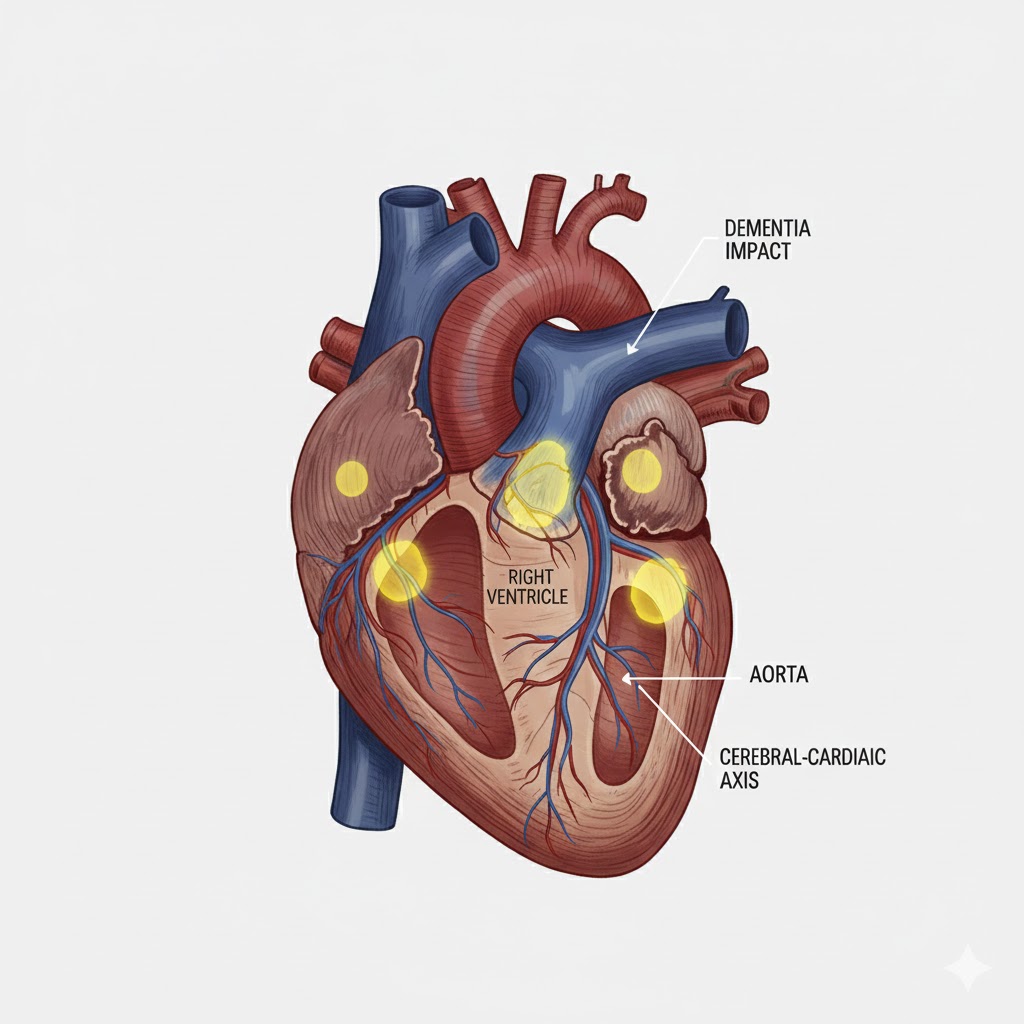
Dementria: Understanding Dementria, Alzheimer’s Disease, and the Pathways to Brain Healing.

Dementia is a broad clinical term used to describe a decline in cognitive functioning severe enough to interfere with daily life. It is not a single disease but a syndrome composed of multiple symptoms affecting memory, reasoning, communication, and behavior. In everyday conversation, the word is often used interchangeably with Alzheimer’s disease, but medically, they are not identical. Dementia is the overall category; Alzheimer’s is the most common cause within that category.

Dementia develops when brain cells are damaged and can no longer communicate effectively with one another. The areas affected influence how a person thinks, behaves, and remembers. For many families, the slow and steady unraveling of memory is one of the most painful aspects of this condition, as loved ones shift into altered versions of themselves.

Alzheimer’s disease is a progressive neurodegenerative disorder and accounts for approximately 60–80% of dementia cases. In Alzheimer’s, abnormal protein deposits—beta-amyloid plaques and tau tangles—build up around and inside brain cells. Over time, these deposits disrupt neural pathways, eventually causing cell death and significant brain shrinkage.

The brain involvement in Alzheimer’s is both structural and functional. The hippocampus, responsible for forming new memories, is often one of the first regions affected. As the disease progresses, the damage spreads into the cerebral cortex, influencing language, reasoning, sensory processing, and the ability to perform daily tasks. This widespread degeneration is why symptoms intensify over time.

Healthy Foods for Brain Support

Leafy Green Vegetables

  • Spinach
  • Kale
  • Collard greens
  • Swiss chard
  • Arugula
    Rich in folate, vitamin K, lutein, and antioxidants—linked to slower cognitive decline.

Berries

  • Blueberries
  • Strawberries
  • Blackberries
  • Raspberries
    Contain anthocyanins that help fight memory decline and protect neurons from oxidative stress.

Fatty Fish

  • Salmon
  • Sardines
  • Mackerel
  • Trout
    High in omega-3 fatty acids (DHA + EPA), essential for brain cell structure and communication.

Nuts & Seeds

  • Walnuts
  • Almonds
  • Brazil nuts
  • Flaxseeds
  • Chia seeds
    Contain healthy fats, vitamin E, selenium, and antioxidants—important for memory and nerve function.

Healthy Oils

  • Extra virgin olive oil
  • Avocado oil
  • Flaxseed oil
    Mediterranean-style oils reduce inflammation and support vascular brain health.

Cruciferous Vegetables

  • Broccoli
  • Cabbage
  • Brussels sprouts
  • Cauliflower
    contains sulforaphane, which helps detoxify the brain and reduce inflammation.

Whole Grains

  • Oats
  • Quinoa
  • Brown rice
  • Whole wheat
    Provide steady energy for the brain through slow-release glucose.

Beans & Legumes

  • Black beans
  • Lentils
  • Chickpeas
  • Kidney beans
    High in fiber, B vitamins, and steady glucose for brain energy.

Dark Chocolate (70% or higher)

Contains flavonoids that improve circulation and cognitive performance.

Turmeric-Infused Foods

  • Turmeric tea
  • Turmeric in soup or rice
    Contains curcumin, which crosses the blood-brain barrier and reduces plaque and inflammation.

Herbs & Natural Supplements that Support Brain Function

Turmeric (Curcumin)

Powerful anti-inflammatory; supports memory and may reduce buildup of amyloid plaques.

Ginkgo Biloba

Improves blood flow to the brain and supports memory; used in many dementia studies.

Ginseng (Panax ginseng)

Supports mental clarity, energy, and cognitive performance.

Ashwagandha

Reduces stress hormones (cortisol) that damage memory; may support neuron regeneration.

Sage

Contains compounds that enhance memory and acetylcholine levels.

Gotu Kola

Traditionally used to improve memory, mental clarity, and circulation.

Lion’s Mane Mushroom

Supports nerve growth factor (NGF), potentially helping neurons regenerate.

Bacopa Monnieri

Ayurvedic herb known to improve memory formation and recall.

Rosemary

Improves circulation and antioxidant protection; aroma alone enhances memory.


Brain-Protective Fruits

  • Oranges (vitamin C)
  • Grapes (resveratrol)
  • Pomegranates (antioxidants)
  • Avocados (healthy fats for brain cells)

Brain-Healthy Spices

  • Cinnamon (balances blood sugar)
  • Ginger (boosts circulation)
  • Black pepper (helps absorb turmeric)
  • Cloves (high antioxidants)

Foods That Support Gut Health (the gut–brain connection)

  • Greek yogurt
  • Kimchi
  • Sauerkraut
  • Kefir
  • Kombucha
    A healthy microbiome supports emotional stability, memory, and inflammation reduction.

Brain-Supportive Drinks

  • Green tea (L-theanine + antioxidants)
  • Matcha
  • Turmeric latte
  • Blueberry smoothie
  • Fresh vegetable juices

The progression of dementia generally follows several recognizable stages, though the speed varies from person to person. Early-stage symptoms may include difficulty finding words, mild forgetfulness, or trouble managing finances. In the middle stages, confusion deepens, personality changes may appear, and daily activities become harder. In advanced stages, individuals may lose the ability to speak, walk, or swallow, requiring full-time care.

Understanding what causes dementia remains a major area of research, but several factors are consistently linked. Age is the strongest risk factor, though dementia is not a normal part of aging. Genetics play a role as well, especially in early-onset cases. Cardiovascular health, chronic inflammation, head injuries, and lifestyle habits also contribute significantly to overall risk.

At the biological level, dementia emerges from the breakdown of synapses—the connections between neurons. When neurons can no longer communicate effectively, the cognitive functions they once performed begin to fail. This loss is gradual, but cumulative, eventually affecting entire networks within the brain.

Treatments for dementia do not cure the condition, but they can slow symptoms, improve quality of life, and support cognitive functioning. Medications such as cholinesterase inhibitors and memantine work by regulating neurotransmitters involved in memory and learning. While the benefits are modest, they can help maintain independence for a longer period.

Another leg of treatment involves behavioral and environmental interventions. Structured routines, memory aids, music therapy, and safe living environments reduce stress and support mental functioning. These interventions are often just as important as medication, especially as symptoms progress.

Cognitive stimulation therapy is an evidence-based approach that involves engaging the mind through carefully designed activities. These may include puzzles, discussions, or memory exercises that help strengthen neural pathways. The brain retains some capacity for adaptation—known as neuroplasticity—throughout life.

Physical activity is another essential component of treatment. Exercise supports blood flow to the brain, reduces inflammation, and promotes the release of neuroprotective chemicals. Walking, strength training, and balance exercises benefit both cognitive and physical health.

Social engagement plays a vital role in slowing the progression of dementia. Isolation can accelerate cognitive decline, while meaningful interactions—whether with family, friends, or community—stimulate emotional and intellectual centers of the brain.

Dietary approaches have gained attention for their ability to support brain health, though no food can cure dementia. The Mediterranean diet and the MIND diet emphasize fruits, vegetables, whole grains, nuts, olive oil, and lean proteins. These eating patterns reduce inflammation and support cardiovascular health, which in turn protects the brain.

Specific foods linked to better brain function include leafy greens, berries, fatty fish rich in omega-3s, nuts, turmeric, and foods high in antioxidants. These nutrients help guard against oxidative stress, a contributor to cellular damage in dementia.

Managing chronic diseases is another leg of treatment. Conditions like diabetes, hypertension, and high cholesterol significantly increase dementia risk. Controlling them through medication and lifestyle can help slow cognitive decline.

Sleep is a crucial but often overlooked factor. Poor sleep contributes to the buildup of beta-amyloid in the brain. Establishing healthy sleep routines supports memory consolidation, emotional regulation, and overall brain function.

Mental health also intersects with dementia risk. Depression, chronic stress, and anxiety can impair memory and weaken neural circuits. Therapy, mindfulness, and stress-reduction practices create a healthier internal environment for the brain.

Genetics influence dementia risk, but they do not determine destiny. Even individuals with family histories can lower their risk through lifestyle, nutrition, and consistent brain engagement. The interplay between genes and environment is powerful and dynamic.

Environmental toxins may contribute to dementia development. Exposure to pollutants, heavy metals, or harmful chemicals has been linked to higher cognitive decline. Clean air, safe water, and toxin-free environments support long-term brain health.

Head injuries, especially repeated concussions, raise the risk of dementia later in life. Wearing helmets, preventing falls, and prioritizing physical safety protect the brain’s structure and function.

Understanding the emotional impact of dementia is central to comprehensive care. Families often experience grief long before physical loss because dementia changes relationships. Compassionate communication helps loved ones maintain dignity and connection.

As dementia progresses, individuals may struggle with identity and autonomy. Person-centered care focuses on their remaining strengths, preferences, and memories, reinforcing their inherent worth.

Spiritual and cultural practices can provide grounding and comfort. Many families draw upon prayer, scripture, storytelling, and ancestral traditions to strengthen resilience during the journey.

Caregiver support is essential. Those who care for loved ones with dementia face emotional, physical, and financial stress. Support groups, respite care, and practical assistance create healthier caregiving environments.

Legal and financial planning should be addressed early. Decisions about guardianship, power of attorney, and healthcare preferences help ensure dignity and clarity as the disease advances.

As research evolves, new therapies and early detection tools offer hope. Biomarker testing, brain imaging, and genetic analysis allow earlier diagnosis, opening doors for more effective interventions.

Innovations in technology also support patients and families. Devices that track location, automatic reminders, and home sensors increase safety and independence. Assistive technologies can bridge the gap between cognitive decline and functional needs.

Community resources—such as adult day programs, memory cafés, and educational workshops—offer essential support. These networks help reduce stigma and provide opportunities for meaningful engagement.

Education plays a powerful role in breaking misconceptions. Understanding dementia encourages empathy and reduces fear, allowing society to build supportive environments for those living with cognitive decline.

The future of dementia care depends on a holistic approach that values medical science, lifestyle strategies, emotional support, and community involvement. No single intervention is sufficient; rather, progress arises from integrating multiple pathways to brain health.

Dementia reshapes lives, but it does not erase humanity. Individuals living with cognitive decline still experience love, joy, connection, and purpose. Recognizing this truth helps families hold onto moments of grace.

At its core, dementia is a reminder of the fragility of the brain—and the resilience of the human spirit. While memory may fade, dignity, compassion, and care must remain unwavering.

Hope persists in the advancements of research, the devotion of caregivers, and the daily courage of those facing cognitive decline. Each effort contributes to a future where prevention, early intervention, and compassionate understanding are universal.

Until then, brain health remains a lifelong commitment—an ongoing practice that blends science, lifestyle, and care. Strengthening the mind is an investment in clarity, vitality, and quality of life across the lifespan.


References

Alzheimer’s Association. (2024). 2024 Alzheimer’s disease facts and figures. Alzheimer’s & Dementia, 20(3), 1–70.

Livingston, G., Huntley, J., Sommerlad, A., Ames, D., Ballard, C., Banerjee, S., … Mukadam, N. (2020). Dementia prevention, intervention, and care: 2020 report of the Lancet Commission. The Lancet, 396(10248), 413–446.

Morris, M. C., Tangney, C. C., Wang, Y., Sacks, F. M., Barnes, L. L., Bennett, D. A., & Aggarwal, N. T. (2015). MIND diet slows cognitive decline with aging. Alzheimer’s & Dementia, 11(9), 1015–1022.

National Institute on Aging. (2023). Alzheimer’s disease and related dementias: Research and facts. U.S. Department of Health & Human Services.

Smith, E. E., & Johnson, K. A. (2022). Brain aging, cognitive decline, and neurodegenerative disease. The New England Journal of Medicine, 387(7), 613–622.

Just Leave: Exodus from Babylon to the Holy Scriptures

Just leave. That’s the command our spirits whisper when the world grows too loud, too heavy, and too hostile for our survival. But even that command requires clarity, because no man can touch us when we choose truth over bondage, identity over illusion, and liberation over fear. Yet we often respond with the question, “Leave and go where?” It is a valid question, a necessary question, but it is the wrong first question. Before we ask where, we must ask what we are leaving behind.

Leave the mythology. The mythology that insists your worth is measured by proximity to whiteness, by respectability, by silence, or by a palatable softness that does not disturb the empire. Leave the mythology that you must shrink to survive, that your power is dangerous, that your heritage is a burden instead of a blessing.

Leave the lie that you are three-fifths human. That wicked arithmetic still circulates in institutions, in policies, in economic systems, and in subtle social cues that undervalue your intellect, your labor, and your life. Leave the lie that your blood is inherently rebellious, your mind inherently inferior, or your dreams too large for the box they try to confine you in.

Leave the shame they taught you about your hair. The shame that made you hide your curls, your coils, your kinks. Leave the shame they taught you about your skin—its richness, its radiance, its history written in melanin and memory. Leave the shame they placed on your body, treating it as a commodity, a spectacle, or a threat instead of a temple.

Leave the history they curated for you. The watered-down version that sanitizes oppression and glorifies the oppressor. Leave the edited pages, the missing chapters, the erased kingdoms, the silenced voices. Leave the lies that tell you your people began in chains instead of civilizations.

Leave the doctrine that suffering is noble. Especially the doctrine that teaches patience as a virtue only when your suffering benefits those in power. Leave the sermons that glorify endurance when liberation is possible, necessary, and divine.

Leave the celebrity pastors who preach prosperity while their people drown. Leave those who sell visions of wealth without demanding justice, who offer emotional sugar but no spiritual nourishment, who build kingdoms for themselves instead of communities for their people.

Leave the political parties that arrive every four years with promises as temporary as campaign posters. Leave the illusion of loyalty to institutions that invest in your vote but not your well-being. Leave the cycles of hope and disappointment that steal generations of possibility.

Leave the schools that teach your children to dislike their reflection. The schools that discipline their curiosity, punish their brilliance, and withhold their history. Leave the educators who mistake cultural difference for deficiency and who lower expectations instead of raising understanding.

Leave the media that shapes your imagination into narrow roles. The media that scripts you as a sidekick, victim, or clown instead of a leader, builder, and originator. Leave the narratives that deny you complexity, nuance, and humanity.

Leave the debt cycles that suffocate your future. The predatory systems disguised as opportunity, the loans that become chains, the credit traps that mimic freedom but deliver bondage. Leave the financial mythology that praises hustle but hides exploitation.

Leave every system that extracts your labor but denies your dignity. Systems that benefit from your creativity, resilience, and intellect while rewarding you with crumbs. Leave the corporate cultures that want your ideas but not your leadership.

Leave the trauma industries that profit from your pain. The news cycles that sensationalize Black suffering, the social platforms that amplify outrage but not solutions, the institutions that study your wounds but ignore their origins.

Leave the relationships that drain your energy. The people who demand emotional labor without reciprocity, who expect your loyalty without offering love, who take your light but panic when you shine too brightly.

Leave the internal oppressor you inherited. The voice that tells you to dim your brilliance, to fear your own greatness, to distrust your intuition. Leave the self-doubt planted by centuries of psychological warfare.

Leave the silence. The silence that protects those who harm you and imprisons those who carry the truth. Leave the silence that keeps wounds unhealed, stories untold, and futures unbuilt.

Leave the smallness you did not choose. The smallness projected onto you by systems, people, and histories that could not comprehend your magnitude. Leave the places that cannot hold the weight of your calling.

Leave the fear that you must choose between survival and authenticity. Liberation does not ask you to abandon yourself; it invites you to return to yourself. Leave the assumption that freedom is elsewhere—it is first within.

Leave the question “Leave and go where?” behind long enough to ask the deeper question: “Leave what?” Because the departure begins long before the destination is revealed. Leaving is a mental exodus, a spiritual shedding, a reclamation of identity that precedes any physical move.

Just leave—leave the lies, the limitations, the labels. Leave until you rediscover the truth: that you are untouchable, unbreakable, immeasurable, and destined for more than survival. Leave until you walk fully into the power that was always yours.

References
Alexander, M. (2010). The new Jim Crow: Mass incarceration in the age of colorblindness. The New Press.
hooks, b. (1994). Teaching to transgress: Education as the practice of freedom. Routledge.
Kendi, I. X. (2019). How to be an antiracist. One World.
Taylor, K.-Y. (2016). From #BlackLivesMatter to Black liberation. Haymarket Books.
West, C. (1993). Race matters. Beacon Press.

Baby , I’m Scared of You 💜

Learning to trust someone with your heart is one of the most courageous actions a person can take. Fear of intimacy often develops from past experiences that taught you that loving deeply is dangerous and being vulnerable invites disappointment. Yet the longing for companionship persists, inviting you to face the fears that keep love at a distance. Overcoming this begins with acknowledging your fear rather than masking it with pride or emotional withdrawal.

People carry invisible wounds from childhood, past relationships, and social conditioning. These wounds shape how they interpret a partner’s intentions. Fear can distort reality, making safe people seem unsafe and genuine affection appear suspicious. Healing requires learning the difference between spiritual intuition and emotional fear—intuition protects you; fear reminds you of your past. Strengthening discernment allows the heart to feel without panicking.

Trust becomes possible when you first trust yourself. Self-trust means believing you can handle disappointment, recognize red flags, and still remain whole. When you honor your boundaries and know your worth, you become less afraid of being abandoned or betrayed. Instead of clinging to the wrong person out of fear, you become comfortable walking away when something threatens your peace.

Red flags usually appear early, though many ignore them out of loneliness or desire. Someone who lies about small things will eventually lie about important things. A partner who gaslights, manipulates, or mocks your feelings is signaling emotional danger. Inconsistency, emotional unavailability, disrespect of boundaries, entitlement, silent treatment, or love bombing are also signs of an unhealthy connection.

The wrong partner does not merely break your heart—they disturb your spirit. Your peace becomes fragile, your self-esteem slowly erodes, and your emotional stability weakens. When your intuition repeatedly warns you through anxiety, confusion, or spiritual tension, it is essential to pay attention. Love should not leave you drained or spiritually oppressed.

Healing requires releasing old stories about yourself. Many people fear love because they expect to be hurt the same way they were before. But healthy relationships cannot grow in soil filled with old trauma. Forgiveness—of yourself and others—creates emotional space for new experiences. Forgiveness does not excuse wrongdoing; it simply frees your heart from being ruled by pain.

Healthy love requires vulnerability. Letting someone in does not mean abandoning your boundaries; it means trusting someone enough to allow connection to grow naturally. Vulnerability is not an instant process—it unfolds through honest communication, consistency, and emotional safety. A partner who is patient with your fears is showing you that love can exist without pressure.

Pay attention to how someone handles conflict. A partner who refuses accountability, deflects blame, or shuts down emotionally is signaling relational immaturity. Maturity looks like apology, empathy, and the willingness to repair emotional ruptures. Trust grows not because a person is flawless but because they are responsible enough to honor the relationship.

Healing is also internal. Your confidence, emotional intelligence, and spiritual grounding shape how you love and who you choose. When you increase self-love, you stop choosing emotionally unhealthy partners. You no longer fear losing someone bad for you, because you know they are not aligned with your destiny.

Fear of love shows up differently in men and women, but the root is often the same—wounds that were never healed. Men often fear failing someone. Women often fear being hurt by someone. Both end up protecting their hearts in ways that limit intimacy. Healing requires understanding not only yourself, but the opposite gender’s emotional reality.

Many men grew up being taught to suppress vulnerability, so trusting a woman feels risky. Showing emotion has long been associated with weakness, so opening up often requires deep courage. A man may fear being judged, misunderstood, or emasculated. He worries that if he reveals his softness, it will be used against him. For a man, love is a battlefield between wanting closeness and fearing exposure.

Women, on the other hand, often fear emotional danger. Many have experienced betrayal, inconsistency, or abandonment. Their fear is rooted in being misled by someone who appeared loving but lacked character. A woman’s heart becomes cautious not because she cannot love, but because she has loved deeply and been wounded profoundly. Her fear is losing herself while trying to love someone who does not love her well.

The warning signs of the wrong man often include emotional inconsistency, lack of accountability, possessiveness disguised as passion, manipulation, love bombing, or refusal to mature. A man who avoids responsibility, dismisses your feelings, or misuses your nurturing spirit is showing you he is not ready for a healthy relationship. His charm may be strong, but his character will reveal itself in time.

The warning signs of the wrong woman often include emotional volatility, entitlement, insecurity disguised as dependency, manipulation through withdrawal, or using affection as leverage. A woman who only values what a man provides but not who he is will drain him emotionally. Her beauty may attract him, but her lack of emotional stability will exhaust him.

A good man is consistent, protective, accountable, emotionally self-aware, and spiritually grounded. He communicates openly, stands on his word, and respects the emotional and physical boundaries of the woman he loves. He does not weaponize her vulnerability.

A good woman is nurturing, emotionally mature, supportive, honest, and secure within herself. She brings peace, not chaos. She communicates her needs with clarity and respects the emotional process of the man she loves. She does not punish him for opening up.

Trust becomes easier when both partners understand each other’s fears. A man needs safety for his vulnerability. A woman needs safety for her heart. When both feel protected, intimacy blossoms naturally.

Healing also involves accepting the truth about past choices. Many men stay with women who drain them because they feel obligated to “fix” her. Many women stay with men who hurt them because they hope he will “change.” Growth begins when you stop confusing potential with character.

The right relationship requires two healed or healing individuals—people who choose peace over drama, honesty over ego, and accountability over excuses. Love grows when both partners take responsibility for their emotional patterns and strive toward wholeness.

Trusting again means you must allow yourself to be known. Men must learn that vulnerability is strength, not weakness. Women must learn that discernment is wisdom, not fear. Both must learn to love with boundaries but without bitterness.

Love thrives where emotional safety is mutual. When trust is earned slowly, consistently, and respectfully, the fear begins to fade. The right man will protect her spirit. The right woman will protect his heart. Together, fear transforms into partnership.

You deserve a love that grows you, strengthens you, and honors the best parts of you. Fear will not stop you once you understand that the right person will never benefit from your pain—they will help you heal from it.

The right person brings clarity, not chaos. Their presence brings calm, not confusion. Their actions match their words. They respect your boundaries, support your growth, and protect your heart. When love is right, it feels like partnership—not survival.

Overcoming the fear of love is a journey. It involves prayer, introspection, therapy, and daily courage. Healing is not linear, but every step forward counts. Your heart is not fragile—it is resilient. And when the right person arrives, they will not punish you for your fears; they will help you feel safe enough to let them go.

You deserve a love that restores you, not one that destroys you. In time, trust becomes easier, peace grows stronger, and fear loses its power. Love will find you when you are ready—not when you are perfect.


REFERENCES

Bartholomew, K., & Horowitz, L. M. (1991). Attachment styles among young adults: A test of a four-category model. Journal of Personality and Social Psychology, 61(2), 226–244.

Brown, B. (2012). Daring greatly: How the courage to be vulnerable transforms the way we live, love, parent, and lead. Gotham Books.

Cloud, H., & Townsend, J. (2017). Boundaries in dating: How healthy choices grow healthy relationships. Zondervan.

Johnson, S. M. (2019). Hold me tight: Seven conversations for a lifetime of love. Little, Brown Spark.

Tatum, B. D. (2017). Why are all the Black kids sitting together in the cafeteria? Basic Books.

Healing Generations: Therapy, Mindfulness, and Resilience for Black Women.

Photo by Christina Morillo on Pexels.com

1. Therapy in the Black Community: Overcoming Stigma

Mental health care remains underutilized in the Black community, largely due to historical mistrust, cultural stigma, and systemic barriers. Generational experiences of racism, discrimination, and neglect have contributed to skepticism toward therapeutic institutions. Yet, therapy is a critical tool for healing trauma, managing stress, and promoting emotional resilience.

Stigma often arises from misconceptions that seeking therapy indicates weakness or failure. Many Black families emphasize self-reliance, spiritual coping mechanisms, and familial support, which can discourage professional intervention (Ward et al., 2013). Overcoming these barriers requires education about mental health, normalization of therapy, and community advocacy.

Culturally competent therapists who understand racial dynamics and culturally specific stressors are essential. Practices like narrative therapy, cognitive-behavioral approaches, and faith-integrated counseling have shown effectiveness in addressing the unique experiences of Black clients (Williams et al., 2018).

Faith can also play a supportive role. “Cast thy burden upon the Lord, and he shall sustain thee” (Psalm 55:22, KJV) highlights that spiritual guidance can coexist with professional care, reinforcing holistic healing. Encouraging conversations around mental health within churches, community groups, and families reduces stigma and promotes early intervention.


2. Intergenerational Trauma in Black Families

Intergenerational trauma refers to the transmission of historical and collective trauma from one generation to the next. For Black families, legacies of slavery, segregation, and systemic racism have left enduring psychological, emotional, and social impacts. These traumas often manifest as anxiety, depression, mistrust, and behavioral patterns that affect parenting and family relationships.

Research indicates that trauma responses, coping mechanisms, and stress responses can be learned and internalized by descendants (Danieli, 1998). Recognizing intergenerational trauma allows families to break harmful cycles, foster resilience, and implement healing strategies. Family therapy, storytelling, and cultural affirmation are critical interventions.

Education about history and collective experiences empowers Black families to contextualize emotional struggles without self-blame. “Train up a child in the way he should go: and when he is old, he will not depart from it” (Proverbs 22:6, KJV) underscores the importance of guidance and intentional nurturing across generations.


3. Mindfulness and Meditation for Black Women

Mindfulness and meditation practices provide powerful tools for Black women navigating the intersectional pressures of race, gender, and societal expectations. By fostering awareness, presence, and emotional regulation, these practices can counteract stress, anxiety, and internalized societal bias.

Mindfulness encourages self-compassion and self-acceptance, vital in communities where women are often expected to display resilience and strength despite adversity. Meditation, breathing exercises, and reflective journaling allow Black women to process trauma, release tension, and connect with inner resources.

Culturally relevant mindfulness integrates spiritual grounding, affirmations, and meditation aligned with Black cultural narratives. Scripture can also be incorporated: “Be still, and know that I am God” (Psalm 46:10, KJV) reinforces the spiritual dimension of mindfulness, encouraging trust and calm in God’s presence.

Studies demonstrate that consistent mindfulness practice improves emotional well-being, reduces stress hormones, and enhances focus (Hölzel et al., 2011). For Black women, these practices can serve as both preventive and therapeutic measures, complementing therapy and community support.


Healing and Mental Wellness for Black Women

1. Therapy in the Black Community

  • Purpose: Professional support for emotional, psychological, and trauma-related challenges.
  • Barriers: Historical mistrust, cultural stigma, lack of culturally competent therapists.
  • Strategies: Normalize therapy, combine with faith/spiritual guidance (Psalm 55:22, KJV), promote mental health education.
  • Icons: Couch, therapist, dialogue bubbles.

2. Intergenerational Trauma

  • Definition: Transmission of historical trauma (slavery, segregation, systemic racism) across generations.
  • Effects: Anxiety, depression, behavioral patterns, mistrust in families.
  • Solutions: Family therapy, storytelling, cultural affirmation, intentional parenting (Proverbs 22:6, KJV).
  • Icons: Family tree, broken chain, heart.

3. Mindfulness and Meditation

  • Purpose: Stress reduction, emotional regulation, self-awareness, spiritual grounding.
  • Techniques: Meditation, breathing exercises, journaling, affirmations.
  • Spiritual Component: “Be still, and know that I am God” (Psalm 46:10, KJV).
  • Benefits: Improves focus, emotional well-being, resilience.
  • Icons: Lotus flower, meditation figure, brain.

References

  • Danieli, Y. (1998). International Handbook of Multigenerational Legacies of Trauma. Springer.
  • Hölzel, B. K., Lazar, S. W., Gard, T., Schuman-Olivier, Z., Vago, D. R., & Ott, U. (2011). How does mindfulness meditation work? Frontiers in Psychology, 2, 1–9.
  • Ward, E. C., Wiltshire, J. C., Detry, M. A., & Brown, R. L. (2013). African American men and women’s attitude toward mental illness, perceptions of stigma, and preferred coping behaviors. Nursing Research, 62(3), 185–194.
  • Williams, M. T., Printz, D., & DeLapp, R. C. T. (2018). Providing culturally competent mental health care for Black Americans. Journal of Clinical Psychology, 74(6), 993–1003.
  • The Holy Bible, King James Version.

Balancing Career, Family, and Self-Care

Photo by Anna Shvets on Pexels.com

In modern society, Black women often navigate multiple roles simultaneously—professional, familial, and personal—while managing expectations shaped by race, gender, and culture. Balancing career, family, and self-care is not merely a matter of time management but involves intentional planning, boundary-setting, and prioritization to sustain health, well-being, and personal fulfillment.

Career demands frequently compete with family responsibilities. Black women are often expected to excel professionally while maintaining households, providing emotional support, and fulfilling caregiving roles. Research shows that this “double burden” contributes to higher stress levels, burnout, and decreased overall well-being if self-care is neglected (Lewis & Neville, 2015).

Family responsibilities encompass childcare, eldercare, and domestic management. Cultural expectations within Black communities often emphasize strong familial bonds and multigenerational support, which, while enriching, can place additional demands on women. Effective balancing requires delegation, open communication with family members, and the setting of realistic expectations.

Self-care is a critical yet frequently overlooked component of sustaining this balance. Practices may include regular physical exercise, mental health care, mindfulness, hobbies, and spiritual growth. For Black women, self-care is also a form of resistance against societal pressures to be perpetually strong and self-sacrificing (Greene, 2019).

Balancing Career, Family, and Self-Care for Black Women

1. Career Strategies

  • Prioritize tasks and set realistic goals.
  • Seek mentorship and professional support networks.
  • Negotiate flexible work hours or remote options.
  • Icons: Briefcase, checklist, calendar.

2. Family Responsibilities

  • Delegate household tasks when possible.
  • Communicate openly with family members.
  • Set boundaries to prevent overcommitment.
  • Icons: Family tree, home, heart.

3. Self-Care Practices

  • Physical: Exercise, nutrition, rest.
  • Mental: Therapy, journaling, mindfulness.
  • Spiritual: Prayer, meditation, scripture reflection (Proverbs 31:15, KJV).
  • Icons: Lotus flower, yoga figure, Bible.

4. Time Management

  • Use planners or digital calendars.
  • Schedule dedicated personal time.
  • Break tasks into manageable segments.
  • Icons: Clock, calendar, alarm.

5. Boundary-Setting

  • Learn to say “no” without guilt.
  • Limit exposure to toxic environments.
  • Protect energy and prioritize well-being.
  • Icons: Shield, stop sign, lock.

6. Community & Support

  • Join support groups or online communities.
  • Connect with friends, family, or colleagues who uplift.
  • Share experiences and strategies for balance.
  • Icons: People icons, chat bubbles, network nodes.

Time management strategies, such as creating structured routines, prioritizing tasks, and scheduling personal time, are essential. Using tools like planners, digital calendars, and task lists can help manage competing responsibilities while ensuring space for rest and rejuvenation.

Boundary-setting is equally crucial. Learning to say “no” to overcommitment, limiting exposure to toxic work or social environments, and advocating for equitable distribution of household responsibilities supports both mental and physical health. Boundaries protect energy and reinforce the importance of self-care as non-negotiable.

Career flexibility, such as negotiating remote work, flexible hours, or professional support systems, enables Black women to meet family obligations while pursuing career growth. Mentorship and networking can also provide guidance and support, reducing isolation and promoting sustainable success.

Spiritual grounding and reflective practices enhance resilience. Prayer, meditation, and alignment with personal values offer emotional replenishment and guidance, reinforcing the interconnectedness of personal well-being, family harmony, and professional fulfillment. “She riseth also while it is yet night, and giveth meat to her household, and a portion to her maidens” (Proverbs 31:15, KJV) exemplifies the integration of care for self and others.

Technology can support balance through organizational apps, virtual support communities, and online wellness resources. However, mindful use is critical to avoid digital fatigue, ensuring technology aids rather than exacerbates stress.

In conclusion, balancing career, family, and self-care requires intentionality, resilience, and strategic planning. By setting boundaries, prioritizing self-care, fostering supportive networks, and integrating spiritual and personal practices, Black women can achieve sustainable fulfillment across all life domains. Recognizing that self-care is essential, not indulgent, empowers women to thrive professionally, personally, and spiritually.


References

  • Greene, L. (2019). Self-Care and Resistance: Black Women’s Well-Being in a Demanding World. Routledge.
  • Lewis, J. A., & Neville, H. A. (2015). Construction and initial validation of the Gendered Racial Microaggressions Scale for Black women. Journal of Counseling Psychology, 62(2), 289–302.
  • The Holy Bible, King James Version.

Healing Our Love: Confronting Trauma in Black Relationships.

Photo by Polina Tankilevitch on Pexels.com

The legacy of slavery, segregation, and systemic oppression has left enduring scars on Black communities, particularly affecting relational dynamics within intimate partnerships. Historical trauma, compounded by ongoing structural inequities, has shaped patterns of trust, attachment, and communication in Black relationships, requiring deliberate examination and healing.

Intergenerational trauma, passed down through family narratives, profoundly influences perceptions of love and intimacy. Children who grow up witnessing or experiencing violence, neglect, or emotional suppression may internalize maladaptive relational scripts that manifest in adulthood (Danieli, 1998). This inheritance complicates the development of secure, emotionally healthy partnerships.

Colorism and Eurocentric beauty standards have also affected relational dynamics. Lighter-skinned individuals have historically been afforded preferential treatment in society, sometimes influencing partner selection, self-esteem, and internalized hierarchies within Black relationships (Hunter, 2005). These biases create additional stressors that must be addressed in the pursuit of authentic connection.

Psychologically, many Black individuals contend with hypervigilance and mistrust shaped by societal oppression. Constant exposure to systemic injustice can induce heightened sensitivity to relational slights, fostering conflict and defensive communication patterns (Williams, 2019). Recognizing these patterns is the first step toward relational repair.

Socioeconomic pressures exacerbate relational strain. Financial instability, limited access to quality education, and disproportionate encounters with the criminal justice system can create stress that directly impacts intimacy and partnership stability (Staples, 2013). Healing relational trauma requires acknowledging these structural realities rather than pathologizing individual behavior.

Historical dislocation, particularly the destruction of the Black family under slavery, continues to echo in modern relational structures. Enslaved Black families were often separated, creating long-term disruptions in attachment, trust, and intergenerational guidance about healthy relationships (Davis, 2006). This context illuminates the structural roots of relational dysfunction.

Attachment theory provides a useful framework for understanding relational trauma in Black communities. Many individuals exhibit insecure attachment styles—anxious, avoidant, or disorganized—stemming from early experiences of instability, neglect, or mistrust (Bowlby, 1988). Addressing these patterns requires intentional therapy, self-reflection, and relational accountability.

Emotional literacy is critical in healing Black relationships. Generational norms often discourage the open expression of vulnerability, particularly among Black men, due to hypermasculinity and societal expectations (Hooks, 2004). Encouraging safe spaces for emotional expression allows partners to develop empathy, intimacy, and authentic connection.

Mental health stigma within Black communities further complicates healing. Reluctance to seek therapy or counseling can perpetuate cycles of unresolved trauma, conflict, and relational dysfunction (Ward & Brown, 2015). Culturally competent therapeutic interventions are essential to dismantle barriers to mental wellness.

Communication patterns in Black relationships are often influenced by trauma responses. Hyperreactivity, withdrawal, or conflict avoidance can impede mutual understanding and trust. Couples must learn to identify triggers, engage in reflective listening, and cultivate conflict resolution strategies that honor both partners’ experiences.

Relational trauma also intersects with gender dynamics. Black women and men navigate societal expectations shaped by intersecting oppressions, including racism, sexism, and classism. These pressures can distort relational power dynamics, influence emotional labor, and affect mutual respect (Collins, 2000). Healing requires equitable negotiation of roles and responsibilities.

Community and cultural support networks play a vital role in relational repair. Extended family, faith-based institutions, and peer mentorship can provide models of healthy relationships, emotional support, and guidance in conflict resolution (Chatters et al., 2008). Integrating these networks enhances resilience and relational stability.

Spirituality often functions as both a coping mechanism and a source of relational guidance. Biblical teachings, ancestral wisdom, and faith traditions encourage forgiveness, empathy, and selflessness, offering a framework for confronting trauma and cultivating enduring love (Johnson, 2012).

Self-awareness is foundational to relational healing. Individuals must confront their own wounds, biases, and internalized oppression before expecting sustainable change within partnerships. Practices such as journaling, therapy, meditation, and mentorship foster clarity and emotional growth.

Healthy boundary-setting is critical. Trauma survivors often struggle with enmeshment or over-accommodation, compromising relational integrity. Establishing and maintaining boundaries reinforces trust, respect, and mutual empowerment in Black relationships (Miller & Stiver, 1997).

Conflict is inevitable, but the response to conflict determines relational resilience. Couples can utilize trauma-informed approaches, including de-escalation techniques, reflective dialogue, and restorative practices, to transform disagreements into opportunities for growth (van der Kolk, 2014).

Forgiveness is a nuanced but essential component of healing. Forgiveness in Black relationships does not imply excusing harmful behavior but rather releasing the hold of trauma to enable relational restoration and personal freedom. It requires accountability, empathy, and conscious reflection.

Intergenerational healing involves disrupting cycles of trauma by modeling healthy relational behaviors for younger generations. By demonstrating vulnerability, respect, and effective communication, Black couples can cultivate relational legacies that prioritize emotional intelligence and mutual care (Bryant-Davis, 2005).

Finally, confronting trauma in Black relationships is both a personal and communal endeavor. Healing requires intentionality, cultural competence, spiritual guidance, and a commitment to dismantling internalized oppression. Through these processes, Black couples can redefine love not as inherited dysfunction but as an empowered, restorative, and transformative force.


References

  • Bowlby, J. (1988). A secure base: Parent-child attachment and healthy human development. Basic Books.
  • Bryant-Davis, T. (2005). Thriving in the wake of trauma: A multicultural guide. Praeger.
  • Chatters, L. M., Taylor, R. J., Woodward, A. T., & Nicklett, E. J. (2008). Social support from church and family members and depressive symptoms among older African Americans. American Journal of Geriatric Psychiatry, 16(8), 635–642.
  • Collins, P. H. (2000). Black feminist thought: Knowledge, consciousness, and the politics of empowerment (2nd ed.). Routledge.
  • Danieli, Y. (1998). International handbook of multigenerational legacies of trauma. Plenum Press.
  • Davis, A. (2006). Women, race & class. Vintage.
  • Hooks, B. (2004). The will to change: Men, masculinity, and love. Washington Square Press.
  • Hunter, M. L. (2005). Race, gender, and the politics of skin tone. Routledge.
  • Johnson, A. (2012). Sacred love: Spirituality and intimate relationships in African American communities. Fortress Press.
  • Miller, J. B., & Stiver, I. P. (1997). The healing connection: How women form relationships in therapy and in life. Beacon Press.
  • Staples, R. (2013). Black male-female relationships: How to create and sustain healthy love. Praeger.
  • van der Kolk, B. (2014). The body keeps the score: Brain, mind, and body in the healing of trauma. Viking.
  • Ward, E., & Brown, R. L. (2015). Mental health stigma and African Americans. Journal of African American Studies, 19(2), 137–152.
  • Williams, M. (2019). Trauma and Black relationships: Understanding emotional dysregulation and trust. Routledge.

Psychology Series: West African Psychology – Tradition, Identity, and Spiritual Consciousness

West African psychology represents an intricate synthesis of ancestral wisdom, communal identity, and spiritual consciousness. Unlike Western psychology, which centers on individualism and cognitive analysis, West African psychology is relational, holistic, and rooted in spirituality. It explores not only the human mind but the collective spirit that binds the community together. This essay examines the philosophical foundations, cultural paradigms, and contemporary applications of psychological thought within the West African context.

Long before the formal discipline of psychology emerged in Europe, African civilizations practiced advanced forms of psychological inquiry through philosophy, oral tradition, and spiritual systems. Ancient centers of learning such as Timbuktu, Ife, and Kumasi trained scholars in moral behavior, emotional balance, and communal ethics. African psychology was not divorced from spirituality but saw the psyche (ori, kra, chi) as a divine essence connected to both ancestors and the Creator.

In West African societies, the individual is never isolated from the group. The psychological self is defined through relationships with family, ancestors, and the spirit world. The Yoruba term Ori (inner head or spiritual consciousness) illustrates this beautifully: it is both destiny and divine intelligence guiding one’s path. The Akan concept of Sunsum and Kra parallels this, viewing the soul as the link between the human and divine.

Oral literature—proverbs, folktales, and songs—serves as the vehicle of West African psychology. Proverbs function as moral diagnostics, addressing behavioral correction, emotional intelligence, and cognitive awareness. A proverb such as the Akan saying, “Wisdom is like a baobab tree; no one individual can embrace it,” reflects collective problem-solving and humility, core psychological values in traditional African societies (Gyekye, 1997).

The griot, or traditional storyteller, functions as historian, counselor, and psychologist. By preserving genealogies and moral histories, the griot reinforces identity and belonging—two pillars of mental health in African thought. Elders act as interpreters of social behavior and mediators of conflict, employing narrative therapy long before Western models of psychoanalysis emerged.

West African psychology holds that the ancestors continue to influence the living. This belief shapes an understanding of generational trauma and healing that predates contemporary Western psychology. Ceremonies such as libations or ancestral veneration serve therapeutic purposes, reconnecting individuals with their lineage, thus restoring balance to the mind and soul (Mbiti, 1969).

Rituals in West African societies—such as initiation, drumming, and dance—function as methods of psychological transformation. These activities are designed to harmonize the spiritual, emotional, and physical aspects of the individual. The psychological emphasis lies not on pathology but on restoring harmony between the person, community, and cosmos.

The Yoruba and Igbo philosophical systems provide profound theories of consciousness. The Yoruba Ori-Inu (inner head) aligns with self-awareness and purpose, while the Igbo Chi signifies one’s personal spirit and destiny. These models parallel modern psychological ideas of self-concept and existential meaning but integrate divine intentionality, reflecting a sacred understanding of consciousness.

Though the term Ubuntu originates in Southern Africa, its underlying principle—“I am because we are”—resonates throughout West Africa. Communal interdependence defines identity formation, moral development, and emotional regulation. In contrast to Western individualism, African psychology sees personal well-being as inseparable from community well-being (Nwoye, 2015).

Gender identity in West African psychology is guided by roles within the family and community rather than purely biological distinctions. Women often hold spiritual and emotional authority as nurturers and healers, while men serve as protectors and moral exemplars. Psychological maturity is tied to fulfilling these social roles with integrity, balance, and humility.

Music and rhythm play a crucial role in the regulation of emotion and social bonding. Drumming is not merely artistic but therapeutic—a language of the unconscious. Psychologists studying African traditions note that rhythmic entrainment (synchronized movement) lowers stress and enhances group cohesion, illustrating an indigenous model of group therapy.

The transatlantic slave trade severed ancestral and spiritual connections, leading to psychological dislocation among African descendants. This trauma continues to echo in diasporic communities as collective grief and identity fragmentation. Healing this wound requires a return to African-centered psychological frameworks that restore memory and connection to heritage (Akbar, 1984).

Afrocentric psychologists such as Na’im Akbar and Wade Nobles have emphasized the importance of African consciousness in mental health. They argue that the disconnection from African cosmology has produced spiritual amnesia. Reclaiming African identity restores balance, purpose, and wholeness—key components of psychological healing for African-descended peoples worldwide.

Today, West African psychologists integrate indigenous practices with Western methodologies. In Ghana and Nigeria, traditional healers often work alongside clinical professionals to treat mental illness. This hybrid approach recognizes that emotional distress cannot be separated from spiritual imbalance, an insight often overlooked in Western psychiatry.

Colonial education systems disrupted indigenous epistemologies, promoting cognitive models alien to African spirituality. West African psychology calls for decolonized education that validates African knowledge systems. Restoring indigenous philosophy in schools promotes not only intellectual freedom but psychological liberation (Hountondji, 1997).

Islam, Christianity, and traditional belief systems coexist across West Africa, shaping the spiritual psyche. Prayer, fasting, and communal worship offer cognitive and emotional structure. Even among Christians and Muslims, ancestral values of respect, community, and reverence for life remain embedded in daily psychology.

Urban migration and globalization have introduced new psychological challenges: alienation, unemployment, and cultural dislocation. Yet, traditional coping mechanisms—family networks, spirituality, and storytelling—remain powerful buffers against stress. Modern African psychology continues to adapt these age-old resources to contemporary social contexts.

African-centered therapy emphasizes identity restoration, spiritual alignment, and community reconnection. Therapists working within this framework prioritize cultural affirmation and spiritual guidance over purely clinical methods. Healing becomes a collective process rather than an individual one (Nobles, 2013).

West African psychology offers the world a model of balance—mind, body, and spirit unified in purpose. It challenges the reductionism of Western science by affirming the sacredness of human consciousness. Its wisdom calls for a redefinition of psychology not as a discipline of the mind alone but as the science of soul and society.

West African psychology is not a relic of the past but a living framework of resilience, harmony, and divine connection. It invites humanity to remember that healing begins with remembering who we are. The ancestral mind of West Africa continues to speak—through its proverbs, music, and spirituality—reminding the world that the psyche is sacred and the soul communal.

Remember God is Guide!


References

Akbar, N. (1984). Chains and images of psychological slavery. Mind Productions.
Diop, C. A. (1974). The African origin of civilization: Myth or reality. Lawrence Hill Books.
Gyekye, K. (1997). Tradition and modernity: Philosophical reflections on the African experience. Oxford University Press.
Hountondji, P. J. (1997). Endogenous knowledge: Research trails. African Books Collective.
Mbiti, J. S. (1969). African religions and philosophy. Heinemann.
Nobles, W. W. (2013). African psychology: Toward its reclamation, revitalization, and advancement. Institute for the Advanced Study of Black Family Life and Culture.
Nwoye, A. (2015). What is African psychology the psychology of? Theory & Psychology, 25(1), 96–116.
Sarpong, P. (2002). People differ: An approach to cultural anthropology. Sub-Saharan Publishers.
Wiredu, K. (2004). African philosophy: An introduction. Routledge.

Islands of Men: Loneliness, Leadership, and the Digital Search for Brotherhood

Modern men are increasingly becoming islands—connected by technology yet disconnected emotionally, spiritually, and socially. The phrase “Islands of Men” captures a deep truth about masculine loneliness in the digital era, and how many men turn to online spaces in search of brotherhood, guidance, and identity. As society shifts and family structures fracture, these digital shores become places where men seek belonging, meaning, and leadership.

Loneliness among men has reached historic levels. Studies show that contemporary men report fewer friendships, fewer intimate bonds, and less emotional support than previous generations. The cultural expectation that men remain stoic and self-sufficient often prevents them from forming meaningful connections. As a result, many men drift through adulthood without a consistent community.

The digital world becomes a substitute for real-life brotherhood. Forums, livestreams, and manosphere communities provide men a place to voice their frustrations, their fears, and their longing for guidance. While some of these spaces can promote emotional honesty, many others reinforce isolation by encouraging competition, cynicism, or ideological extremism.

Leadership is central to the male search for belonging. Historically, men derived identity from mentorship, apprenticeship, and communal rites of passage. Today, these traditional forms have eroded. Without stable mentors, many men turn to online personalities for direction. This shift has profound implications, as influencers often prioritize entertainment and monetization over genuine leadership.

The loneliness men experience is not just social—it is also spiritual. Scripture teaches that “it is not good that the man should be alone” (Genesis 2:18), highlighting both relational and communal design. Yet modern men often carry silent burdens with no spiritual accountability. For many, the search for brotherhood becomes a search for identity in a world that offers conflicting messages about masculinity.

Digital brotherhood can mimic the structure of community but often lacks its substance. Men bond over shared frustrations—about relationships, society, or the economy—yet remain emotionally isolated. They find connection without intimacy, conversation without healing. This paradox deepens their loneliness rather than alleviating it.

Men seek guidance on how to lead, but leadership without character becomes dangerous. Many online spaces teach leadership as dominance rather than service. True leadership requires humility, accountability, and emotional awareness—traits that digital communities often undervalue.

The crisis of male loneliness is tied to the absence of father figures and mentors. Generational wounds perpetuate cycles of emotional detachment. Without strong relational models, many men learn to suppress vulnerability. Digital communities often reinforce this suppression instead of addressing it.

In real-life communities, men once learned leadership by observing fathers, uncles, pastors, and elders. Now, the most influential male voices come from screens instead of households. This shift disconnects leadership from lived experience and turns masculinity into performance rather than practice.

Economically, men face pressures that amplify their sense of isolation. Job instability, financial insecurity, and societal expectations can make men feel inadequate. Digital brotherhood often reinforces survivalist mindsets instead of nurturing hope and collaboration.

Emotionally, men carry unspoken trauma. Many have never been given permission to grieve, to fear, or to doubt openly. Without emotional outlets, these feelings turn into frustration or apathy. Digital spaces allow anonymity, but anonymity rarely fosters genuine healing.

Relationships intensify men’s loneliness. Romantic rejection, marital stress, or divorce can leave men more isolated than women due to weaker social support systems. Instead of seeking counsel, many retreat into digital echo chambers that validate bitterness rather than growth.

Men long for legacy, yet legacy requires community. A man cannot build generational impact alone. He needs brotherhood, elders, younger men to mentor, and a purpose greater than his own survival. Digital isolation undermines this pursuit by convincing men that independence is strength.

Spiritually, men need accountability that digital communities cannot provide. Growth requires people who know one’s struggles, habits, and flaws—not anonymous usernames. Biblical brotherhood involves correction, compassion, and shared purpose. This cannot be replicated through algorithms.

Men also seek belonging through achievements—career success, wealth, physical strength—but these do not replace brotherhood. Achievements impress others but do not heal loneliness. Brotherhood offers what success cannot: connection, validation, and shared mission.

The search for brotherhood online is ultimately a search for meaning. Men yearn for battles worth fighting, relationships worth maintaining, and identities grounded in more than external validation. The manosphere often promises quick answers, but meaning requires depth, discipline, and authentic community.

A healthier form of digital brotherhood is possible—one based on emotional literacy, mentorship, accountability, and spiritual grounding. Some communities encourage men to heal their trauma, develop resilience, and walk in integrity. These spaces model a better masculinity rooted not in dominance but in character.

Real brotherhood must eventually move beyond screens. Men need in-person connection—shared meals, honest conversations, activities, and spiritual support. Brotherhood flourishes when men stand shoulder-to-shoulder with those they trust, not when they scroll through curated identities.

Ultimately, the islands of men can become bridges if men rediscover what it means to build community. Leadership grows in connection, not isolation. Loneliness fades when men learn to be vulnerable, supportive, and accountable. And the digital search for brotherhood can become a pathway to real-life transformation when guided by truth, wisdom, and love.


References

Brooks, D. (2020). The crisis of male loneliness in modern society. Journal of Social Psychology, 162(4), 415–428.

Connell, R. W. (2005). Masculinities (2nd ed.). University of California Press.

Ging, D. (2019). Alphas, betas, and incels: The manosphere as a transnational online masculinity ecosystem. Men and Masculinities, 22(4), 638–657.

Mahalik, J. R., & Rochlen, A. (2019). Men, loneliness, and digital communities: A psychological exploration. American Journal of Men’s Health, 13(1), 1–12.

Way, N. (2011). Deep secrets: Boys’ friendships and the crisis of connection. Harvard University Press.

Wilcox, W. B., & Kline, K. (2021). Father absence, male identity, and digital belonging. Journal of Family Studies, 27(3), 345–361.