
Tag Archives: marriage

The Dating Playbook: Situationship Survival Guide.

Navigating modern dating can often feel like walking a tightrope, especially when it comes to situationships—relationships that are undefined, casual, and often emotionally complicated. Unlike committed partnerships, situationships leave room for uncertainty and ambiguity, making the need for clear personal boundaries crucial.

In today’s culture, sexual intimacy is often treated as a casual milestone rather than a sacred act. The Bible, however, frames sexual purity as a spiritual discipline, warning against fornication and promoting holiness (1 Corinthians 6:18, KJV: “Flee fornication. Every sin that a man doeth is without the body; but he that committeth fornication sinneth against his own body”). Understanding these principles is foundational for surviving and thriving in situationships.

Situationships often thrive on emotional attachment without the clarity of commitment. This dynamic can lead to confusion, heartache, and compromised moral decisions. The key to maintaining integrity in such relationships is a firm understanding of one’s values and spiritual convictions.

Boundaries are essential. Physical, emotional, and spiritual limits must be clearly defined and communicated. For believers, abstaining from sexual activity until marriage is not only a moral choice but also a protective measure against the potential harm that arises from casual sexual relationships (Hebrews 13:4, KJV: “Marriage is honourable in all, and the bed undefiled: but whoremongers and adulterers God will judge”).

Emotional vulnerability can be both a blessing and a danger. While it fosters connection, it can also bind people to relationships that are not mutually committed. Situationships often exploit this vulnerability, leading individuals to compromise their values in pursuit of affection or validation.

Clarity of intention is critical. Entering a situationship without understanding one’s boundaries or desired outcome increases the likelihood of heartache. Christians are called to act with discernment, ensuring that actions align with faith and values (Proverbs 4:23, KJV: “Keep thy heart with all diligence; for out of it are the issues of life”).

Communication is the backbone of any healthy interaction. Discussing expectations, boundaries, and emotional limits prevents misunderstandings and fosters mutual respect. In situationships where assumptions are common, open dialogue is essential to maintaining personal integrity.

Peer pressure and cultural messaging often encourage sexual activity as a proof of love or attraction. However, the Bible emphasizes self-control and patience as virtues, reminding believers that God’s timing supersedes human desire (Galatians 5:22-23, KJV: “But the fruit of the Spirit is love, joy, peace, longsuffering, gentleness, goodness, faith, meekness, temperance: against such there is no law”).

Fornication carries not only spiritual consequences but also emotional and physical ramifications. Situationships can blur moral lines, making it easier to rationalize sexual activity outside of marriage. Recognizing the long-term consequences is essential for maintaining personal and spiritual health.

Social media and modern dating apps exacerbate the risk of crossing boundaries. They create an environment where instant gratification is normalized, challenging the discipline required to uphold biblical principles of purity. Being selective about exposure and engagement can help maintain focus on long-term goals rather than fleeting pleasure.

Accountability partners—trusted friends, mentors, or spiritual leaders—can provide guidance and encouragement. They help individuals stay aligned with their values, offering counsel when emotional or physical temptation arises. Proverbs 27:17 (KJV: “Iron sharpeneth iron; so a man sharpeneth the countenance of his friend”) underscores the importance of supportive relationships in spiritual growth.

Understanding the difference between attraction and commitment is vital. Situationships often equate physical closeness with emotional attachment, yet true commitment involves shared intentions, mutual respect, and long-term investment. Distinguishing between these concepts prevents unnecessary heartache.

Faith-based reflection encourages individuals to evaluate relationships in light of God’s purpose. Prayer, meditation on Scripture, and spiritual discernment provide clarity, helping believers resist temptation and prioritize holiness over fleeting desire (James 4:7, KJV: “Submit yourselves therefore to God. Resist the devil, and he will flee from you”).

Boundaries around communication are equally important. Texting, social media messaging, and private interactions should reflect one’s values and avoid situations that could lead to compromise. This requires mindfulness, self-discipline, and proactive decision-making.

Avoiding cohabitation is another key principle. Living together outside of marriage can normalize sexual activity and erode personal and spiritual boundaries. The Bible advocates for abstaining from sexual immorality as a testament to faith and self-respect (1 Thessalonians 4:3-4, KJV: “For this is the will of God, even your sanctification, that ye should abstain from fornication: That every one of you should know how to possess his vessel in sanctification and honour”).

Red flags in situationships include inconsistent behavior, avoidance of commitment, and pressure to compromise values. Recognizing these warning signs early allows individuals to disengage before emotional or spiritual harm occurs. Discernment is a biblical principle essential for making wise choices in relationships (Proverbs 14:15, KJV: “The simple believeth every word: but the prudent man looketh well to his going”).

Setting long-term goals for relationships provides perspective. Situationships may offer temporary pleasure, but focusing on marriage and meaningful partnership ensures alignment with biblical teachings and personal integrity. Waiting for the right person, rather than settling for temporary fulfillment, is an act of faith and discipline.

Self-respect is non-negotiable. Respecting one’s body, emotions, and spiritual well-being reinforces boundaries and helps maintain purity. Recognizing that sexual activity outside of marriage undermines self-worth allows believers to uphold God’s design for intimacy.

Learning to say “no” is empowering. It protects personal boundaries and communicates that values are non-negotiable. While societal pressure may encourage compromise, the discipline to uphold purity is both spiritually and emotionally liberating.

Situationship Survival Guide: 10 Ways to Protect Your Heart

1. Define Your Boundaries Early
🛡️ Know what you will and will not accept in a relationship.
Biblical principle: Proverbs 4:23 – “Keep thy heart with all diligence; for out of it are the issues of life.”

2. Know Your Purpose for Dating
🎯 Ensure dating is intentional, with marriage or long-term commitment in mind.
Biblical principle: Genesis 2:24 – “Therefore shall a man leave his father and his mother, and shall cleave unto his wife…”

3. Avoid Physical Intimacy Before Commitment
🚫 Protect your body and heart; save intimacy for a committed, marital relationship.
Biblical principle: 1 Corinthians 6:18 – “Flee fornication…”

4. Limit Alone Time
👥 Situationships often grow in private. Prioritize group or public interactions until commitment is clear.

5. Recognize Red Flags Early
⚠️ Watch for inconsistency, avoidance of labels, and lack of future planning.
Biblical principle: Matthew 7:16 – “Ye shall know them by their fruits.”

6. Maintain Your Independence
💪 Keep your hobbies, friendships, finances, and personal growth intact.
Biblical principle: Proverbs 31:25 – “Strength and honour are her clothing…”

7. Avoid Over-Investing Emotionally
💔 Protect your heart; don’t fully commit emotionally to someone unclear about their intentions.

8. Communicate Clearly and Honestly
🗣️ State your intentions and expectations. If evasive or non-committal, step back.
Biblical principle: Ephesians 4:15 – “Speaking the truth in love…”

9. Surround Yourself With Accountability
👥 Talk to trusted friends, mentors, or spiritual advisors for perspective and guidance.

10. Pray for Discernment
🙏 Seek God’s guidance to recognize who is genuinely for you and who is a distraction.
Biblical principle: James 1:5 – “If any of you lack wisdom, let him ask of God…”

Finally, understanding that waiting is a form of strength reframes patience as a virtue rather than deprivation. Embracing abstinence before marriage cultivates respect, honor, and spiritual integrity, ensuring that relationships are rooted in God’s design rather than fleeting desire.

Navigating a situationship without compromising faith or values requires discipline, discernment, and a commitment to God’s principles. By establishing boundaries, seeking accountability, and maintaining sexual purity, individuals can survive and even thrive while waiting for a covenantal relationship grounded in love, respect, and spiritual alignment.

Biblical References (KJV)

  1. 1 Corinthians 6:18–20 – On fleeing fornication and honoring God with the body.
  2. Hebrews 13:4 – Marriage is honorable; the marriage bed undefiled.
  3. Proverbs 4:23 – Guarding the heart, which influences actions and relationships.
  4. Song of Solomon 2:7, 3:5 – Biblical counsel on purity and restraint.
  5. 1 Thessalonians 4:3–5 – God’s will regarding sanctification and sexual purity.
  6. Ephesians 5:3–5 – Warning against fornication and covetousness.
  7. Genesis 2:24 – Foundation of marriage and leaving parents to join in union.

Theological / Christian Dating References
8. Chapman, G. (2015). The 5 Love Languages: Singles Edition. Northfield Publishing.
9. Lewis, C. S. (2014). Mere Christianity. HarperOne. (Guidance on morality and relational integrity)
10. Dobson, J. (2004). Love for a Lifetime: Building a Marriage That Will Go the Distance. Tyndale House Publishers.
11. Eggerichs, E. (2004). Love & Respect: The Love She Most Desires; The Respect He Desperately Needs. Thomas Nelson.


Sociology / Psychology References
12. Sprecher, S., & Regan, P. (2002). Liking some things (in some people) more than others: The role of similarity in romantic attraction. Journal of Social and Personal Relationships, 19(5), 707–721.
13. Arnett, J. J. (2015). Emerging adulthood: The winding road from the late teens through the twenties. Oxford University Press. (Insights on dating trends and “situationships”)
14. Finkel, E. J., Hui, C. M., Carswell, K. L., & Larson, G. M. (2014). The suffocation of marriage: Climbing Mount Maslow without enough oxygen. Psychological Inquiry, 25(1), 1–41.
15. Muise, A., & Impett, E. A. (2016). Prioritizing the relationship or the self: How attachment anxiety shapes sexual motives. Archives of Sexual Behavior, 45(4), 815–828.


Cultural / Practical References
16. Smith, C., & Denton, M. L. (2005). Soul Searching: The Religious and Spiritual Lives of American Teenagers. Oxford University Press.
17. Jackson, B. (2018). Black Love Matters: Relationships, Dating, and Identity. New York: Routledge.
18. Sanders, T. (2013). Contemporary Dating Culture and the Rise of Situationships. Journal of Family Studies, 19(2), 123–137.

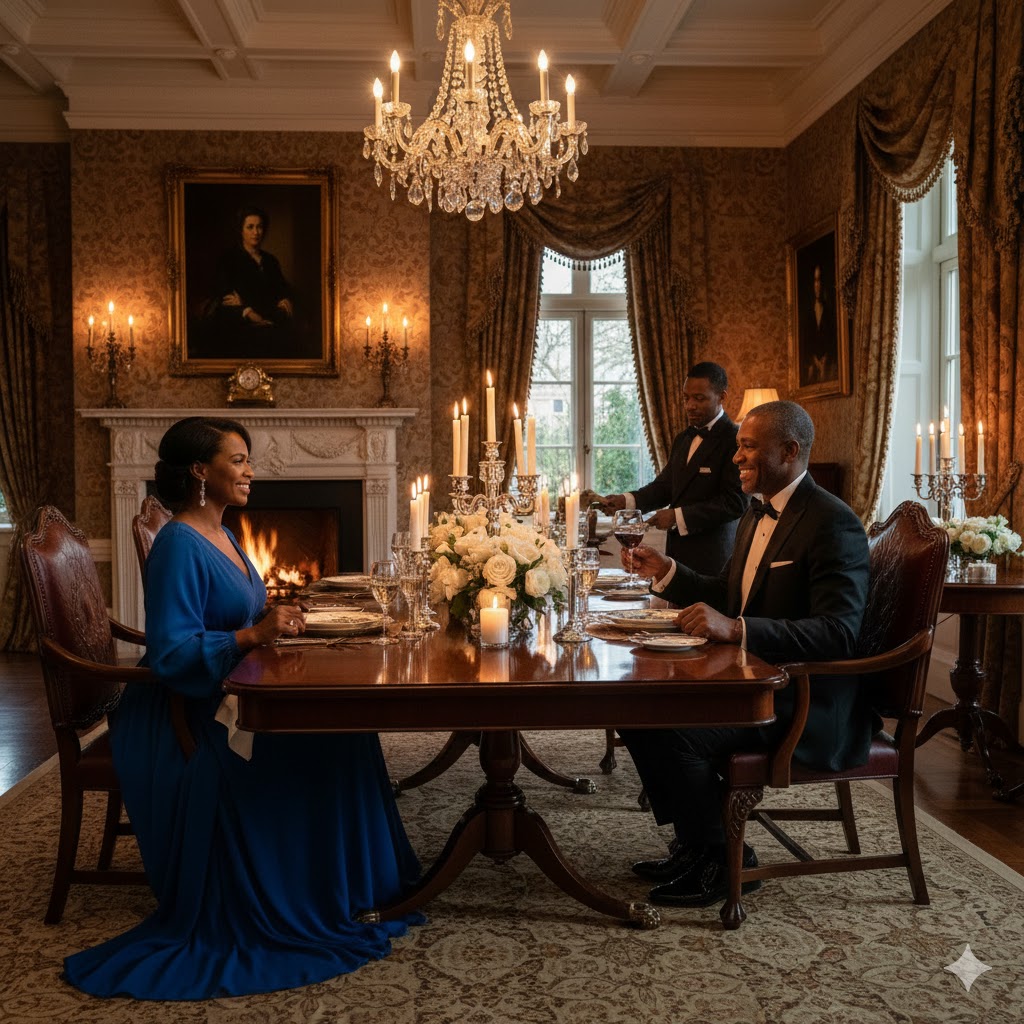
The Marriage Series: What God Joined Together – Marriage Beyond Romance

Marriage, according to Scripture, is not a human invention rooted in emotion but a divine institution established by God Himself. Romance may initiate attraction, but covenant sustains union. Jesus made this distinction clear when He declared, “What therefore God hath joined together, let not man put asunder” (Matthew 19:6, KJV). Marriage, in its biblical form, transcends feeling and rests on divine order, responsibility, and purpose.

From the beginning, marriage was designed as a structural foundation for humanity. In Genesis, God did not merely introduce companionship; He established alignment, function, and continuity. “It is not good that the man should be alone; I will make him an help meet for him” (Genesis 2:18, KJV). This union was purposeful, not performative—created to steward creation, produce legacy, and reflect divine harmony.

Modern culture often reduces marriage to romance, compatibility, and personal fulfillment. While affection is a gift, Scripture never presents emotion as the glue of marriage. Feelings fluctuate, but covenant endures. Biblical marriage is rooted in vow, sacrifice, and obedience to God rather than constant emotional satisfaction.

The Hebrew concept of covenant (berith) implies permanence sealed by accountability to God. Unlike contracts, which can be broken when terms are unmet, covenants bind participants even when circumstances change. Malachi emphasizes this sacred responsibility, stating that God is a witness to the marriage covenant (Malachi 2:14, KJV). This divine witnessing elevates marriage beyond private agreement into a sacred obligation.

Marriage also functions as a spiritual discipline. It exposes selfishness, refines character, and demands humility. Ephesians instructs husbands to love their wives “even as Christ also loved the church, and gave himself for it” (Ephesians 5:25, KJV). This model frames love not as consumption, but as sacrifice—a call largely absent from modern romantic narratives.

For wives, Scripture speaks not of inferiority but of order and wisdom within unity. Submission in the biblical sense is not subjugation, but alignment under God’s structure (Ephesians 5:22–24, KJV). When removed from its theological context, submission is often mischaracterized, yet biblically it reflects trust in divine design, not human dominance.

Marriage is also generational in purpose. It is the primary environment in which children are formed, values are transmitted, and identity is nurtured. Scripture repeatedly links covenant faithfulness in marriage to the stability of future generations (Deuteronomy 6:6–7, KJV). When marriage collapses, societies fracture.

Romance-centered marriages often fail under pressure because emotion was never meant to carry covenant weight. Proverbs warns against building life on unstable foundations, reminding that wisdom—not passion—establishes a house (Proverbs 24:3, KJV). Emotional attraction may ignite love, but wisdom sustains it.

God’s joining in marriage also implies divine authority over the union. When marriage is redefined apart from God, it loses its spiritual covering. Jesus’ words in Matthew 19 were a rebuke to a culture that treated marriage as disposable. The same rebuke applies today, where convenience often overrides commitment.

Marriage reflects Christ and the Church, making it theological as well as relational. Paul calls this union a “great mystery” (Ephesians 5:32, KJV), indicating that marriage is a living metaphor of redemption, forgiveness, and perseverance. To trivialize marriage is to distort this spiritual image.

Historically, the disruption of marriage—especially in Black communities—has been both intentional and traumatic. Enslavement, economic marginalization, and mass incarceration undermined covenant stability. Understanding marriage beyond romance is essential for restoration, as healing requires reclaiming covenant consciousness rather than romantic idealism (Wilkerson, 2020).

Psychologically, covenant-based marriages demonstrate greater resilience. Research shows that commitment rooted in shared values and spiritual meaning predicts longevity more than emotional intensity alone (Gottman & Silver, 2015). Scripture anticipated this truth long before modern psychology named it.

Marriage also demands repentance and forgiveness. No union survives without grace. Colossians commands believers to forgive as Christ forgave, directly applying spiritual discipline to relational endurance (Colossians 3:13, KJV). Romance avoids conflict; covenant confronts it with humility.

When God joins a marriage, He joins purpose, not just people. Two individuals become stewards of a shared calling. Amos asks, “Can two walk together, except they be agreed?” (Amos 3:3, KJV). Agreement here refers not to sameness, but to unified direction under God.

To reclaim marriage beyond romance is to return it to its rightful place—as sacred, demanding, refining, and life-giving. It is not sustained by constant happiness, but by faithfulness. In a culture intoxicated by feeling, biblical marriage stands as a countercultural witness to endurance, order, and divine intention.

Ultimately, marriage joined by God is not preserved by human strength alone. It requires submission to God, reverence for the covenant, and obedience beyond emotion. Where romance fades, covenant speaks. And where God joins, no cultural trend has authority to separate.


References

The Holy Bible, King James Version. (1611). Various passages.

Gottman, J. M., & Silver, N. (2015). The seven principles for making marriage work. Harmony Books.

Wilkerson, I. (2020). Caste: The origins of our discontents. Random House.

Keller, T., & Keller, K. (2011). The meaning of marriage: Facing the complexities of commitment with the wisdom of God. Dutton.

Wright, N. T. (2004). After you believe: Why Christian character matters. HarperOne.

The Marriage Series: Can we Talk?

In every enduring relationship, especially within the covenant of biblical marriage, communication stands as one of the greatest expressions of love. When two people speak openly, listen deeply, and share honestly, they build a foundation that storms cannot destroy. The Scriptures affirm that “a threefold cord is not quickly broken” (Ecclesiastes 4:12, KJV), and communication is one of the strands woven into that sacred cord.

Healthy communication begins with a willingness to be transparent. Marriage was never designed for masks, silence, or emotional withdrawal. Adam and Eve were “naked and not ashamed” (Genesis 2:25, KJV), symbolizing emotional openness and vulnerability. When couples talk honestly, they strip away fear and allow intimacy to flourish.

Trust is the oxygen of communication. Without trust, words become weapons or walls. Proverbs 31 describes the virtuous wife by saying, “the heart of her husband doth safely trust in her” (Proverbs 31:11, KJV). Likewise, a God-fearing husband earns trust by acting with integrity, consistency, and love. Trust grows stronger when both partners are safe places for each other.

Respect is another pillar of healthy dialogue. The Bible commands husbands to dwell with their wives “according to knowledge” (1 Peter 3:7, KJV), meaning with understanding, honor, and patience. Respectful communication avoids sarcasm, belittling words, and assumptions. It listens before reacting and seeks to understand before seeking to be understood.

Love—biblical, selfless love—is the voice of God within marriage. Paul reminds us that “charity…seeketh not her own…is not easily provoked…rejoiceth in the truth” (1 Corinthians 13:4–6, KJV). Communicating in love means speaking truth without cruelty, correcting without condemning, and disagreeing without disrespect.

Healthy marriages thrive when couples intentionally create space for conversation. This means setting aside time to talk without distraction, whether daily check-ins or weekly heart-to-heart sessions. These moments build emotional intimacy and allow couples to realign expectations, share gratitude, and resolve tensions before they grow.

Listening is just as holy as speaking. James teaches, “Let every man be swift to hear, slow to speak, slow to wrath” (James 1:19, KJV). A listening spouse hears not only the words but the emotions behind them. A listening spouse resists defensiveness and responds with grace. Listening is a ministry of presence.

Honesty must be handled gently. Truth without compassion becomes harshness, while compassion without truth becomes compromise. Ephesians 4:15 encourages believers to speak “the truth in love,” which should be the posture of every married couple. Honesty should heal, not harm.

Forgiveness is essential for communication to thrive. Couples who talk openly will eventually bump into misunderstandings or mistakes. Jesus teaches that forgiveness is not optional (Matthew 18:21–22, KJV). In marriage, forgiveness restores conversation and prevents resentment from choking intimacy.

Communication also requires humility. Pride is the enemy of connection, but humility invites grace. Philippians 2:3 teaches, “Let nothing be done through strife or vainglory; but in lowliness of mind let each esteem other better than themselves.” Humility softens tone, shifts perspective, and opens doors that pride keeps shut.

Being trustworthy means being dependable with words, emotions, and commitments. When couples keep promises, show up consistently, and honor boundaries, they reinforce the security needed for open dialogue. Trustworthiness is proven over time through actions, not simply declared with speech.

In a biblical marriage, communication should include prayer. When couples pray together, they speak not only to one another but also to God. Prayer invites divine wisdom, unity, and peace. Matthew 18:19 affirms the power of agreement: “If two of you shall agree on earth… it shall be done.” Couples who talk to God together learn to talk to each other with more grace.

Healthy communication honors emotional needs. Some partners need reassurance; others need organization; some need affection; others need clarity. Understanding these differences prevents unnecessary conflict. Husbands and wives can study each other the way they study Scripture—with intention and reverence.

Setting boundaries for conflict is another key. Couples can agree not to shout, insult, walk away, or bring up unrelated past issues. Ephesians 4:26 warns, “Let not the sun go down upon your wrath,” reminding us that peace is a daily pursuit.

A strong marriage requires accountability. Couples must lovingly hold each other to spiritual, emotional, and relational standards. Accountability is not control but partnership. “Iron sharpeneth iron” (Proverbs 27:17, KJV), and marriage is one of God’s refining tools.

Communication thrives when couples celebrate each other. Appreciation strengthens bonds and encourages positive behavior. Compliments, gratitude, and verbal affection create emotional security. Proverbs 16:24 reminds us that “pleasant words are as an honeycomb.”

Honest communication may require difficult conversations—about finances, family, expectations, boundaries, or disappointment. These conversations should not be avoided, for avoidance breeds fear. Instead, couples should approach difficult topics with prayer, patience, and love.

Couples must guard their marriage from outside influences that corrupt communication. Gossipers, negative friends, meddling relatives, and social media comparisons can poison perspective. The Bible warns, “Be not deceived: evil communications corrupt good manners” (1 Corinthians 15:33, KJV). Protecting the marriage circle is protecting communication.

Healthy relationships require consistent emotional check-ins. Asking simple questions like “How are we doing?” keeps problems from festering. These conversations can be gentle assessments of connection, trust, and emotional well-being.

Ultimately, communication in marriage reflects the couple’s relationship with God. When spouses honor God with their words, they honor each other. When they let the Holy Spirit guide their speech, they speak life. Proverbs 18:21 declares, “Death and life are in the power of the tongue.” In marriage, words can either build a sanctuary or create a battlefield.

At its core, biblical communication is an act of love, service, and covenant faithfulness. When couples commit to honesty, humility, trustworthiness, and grace-filled dialogue, they create a marriage that reflects the heart of God—one rooted in truth, strengthened by forgiveness, and flourishing in love.

References
Holy Bible, King James Version.
Ecclesiastes 4:12; Genesis 2:25; Proverbs 31:11; 1 Peter 3:7; 1 Corinthians 13:4–6; James 1:19; Ephesians 4:15, 4:26; Matthew 18:19, 18:21–22; Philippians 2:3; Proverbs 27:17; Proverbs 16:24; 1 Corinthians 15:33; Proverbs 18:21.

The Marriage Series: Togetherness

Marriage is a divine institution established by God to reflect His covenant of love and faithfulness. It is more than a social contract; it is a spiritual union designed to cultivate intimacy, trust, and lifelong companionship. Togetherness in marriage is built upon a foundation of mutual commitment, respect, and shared purpose.

God’s design for marriage is clear in Genesis 2:24 (KJV): “Therefore shall a man leave his father and his mother, and shall cleave unto his wife: and they shall be one flesh.” Cleaving signifies total devotion, unity of purpose, and the willingness to prioritize one another above all else. True togetherness requires emotional, spiritual, and physical alignment.

Faithfulness is the cornerstone of a strong marital bond. Proverbs 5:18-19 (KJV) encourages delight in one’s spouse: “Let thy fountain be blessed: and rejoice with the wife of thy youth. Let her be as the loving hind and pleasant roe; let her breasts satisfy thee at all times; and be thou ravished always with her love.” Fidelity nurtures trust and allows intimacy to flourish.

Sexual purity before marriage is a critical element in building a lasting foundation. Hebrews 13:4 (KJV) reminds, “Marriage is honourable in all, and the bed undefiled: but whoremongers and adulterers God will judge.” Waiting to engage in sexual intimacy until marriage strengthens emotional bonds and aligns the couple with God’s design, ensuring a sacred and unifying experience.

The vow “let no man put asunder” echoes Jesus’ teaching in Matthew 19:6 (KJV): “Wherefore they are no more twain, but one flesh. What therefore God hath joined together, let not man put asunder.” Togetherness requires the couple to resist external pressures, conflict, and temptation that seek to divide the union.

Guarding one’s spouse is both an act of love and spiritual responsibility. 1 Corinthians 7:3-4 (KJV) instructs, “Let the husband render unto the wife due benevolence: and likewise also the wife unto the husband. The wife hath not power of her own body, but the husband: and likewise also the husband hath not power of his own body, but the wife.” Protecting the physical, emotional, and spiritual well-being of one another fosters safety and trust.

Mutual respect forms the heart of togetherness. Ephesians 5:33 (KJV) exhorts, “Nevertheless let every one of you in particular so love his wife even as himself; and the wife see that she reverence her husband.” When both partners honor one another’s dignity, the marriage becomes a reflection of Christ’s love for the Church.

Communication is a vital tool in maintaining unity. James 1:19 (KJV) teaches, “Wherefore, my beloved brethren, let every man be swift to hear, slow to speak, slow to wrath.” Open, honest, and patient communication strengthens emotional intimacy and prevents misunderstandings from eroding the bond.

Shared spiritual growth anchors the marriage in God’s truth. Couples who pray together, study the Word, and worship together cultivate alignment of purpose and vision. Amos 3:3 (KJV) asks, “Can two walk together, except they be agreed?” Agreement in spiritual priorities ensures resilience in times of trial.

Patience is essential for togetherness, especially during seasons of conflict or growth. Colossians 3:13 (KJV) instructs, “Forbearing one another, and forgiving one another, if any man have a quarrel against any: even as Christ forgave you, so also do ye.” Marriage requires grace, understanding, and willingness to forgive to maintain unity.

Financial stewardship is another aspect of marital togetherness. Couples who plan, budget, and work toward shared goals strengthen trust and reduce tension. Proverbs 21:20 (KJV) notes, “There is treasure to be desired and oil in the dwelling of the wise; but a foolish man spendeth it up.” Joint responsibility in finances reflects cooperation and foresight.

Physical affection and emotional presence deepen marital connection. Song of Solomon 2:16 (KJV) expresses romantic devotion: “My beloved is mine, and I am his: he feedeth among the lilies.” Regular expressions of love, encouragement, and intimacy reinforce the bond of togetherness.

Equality in decision-making and mutual support fosters a sense of partnership. Ecclesiastes 4:9-10 (KJV) highlights, “Two are better than one; because they have a good reward for their labour. For if they fall, the one will lift up his fellow.” Marriage thrives when both partners share responsibilities and celebrate successes together.

Conflict resolution grounded in humility preserves togetherness. Matthew 18:15-17 (KJV) provides guidance on reconciliation and addressing grievances directly. Couples who approach disagreements with a desire for resolution rather than victory maintain trust and unity.

Celebration of milestones strengthens the sense of partnership. Whether through anniversaries, achievements, or personal growth, acknowledging each other’s contributions fosters gratitude and shared joy. Philippians 1:3 (KJV) states, “I thank my God upon every remembrance of you.” Gratitude nurtures emotional intimacy.

Commitment to one another in sickness and in health reflects steadfast togetherness. 1 Corinthians 13:7 (KJV) affirms, “Love endureth all things, believeth all things, hopeth all things, endureth all things.” Enduring challenges together reinforces the depth and resilience of marital love.

Shared vision and goal-setting align life paths. Couples who discuss dreams, family planning, and personal aspirations ensure that the marriage is dynamic, forward-looking, and collaborative. Amos 3:3 (KJV) reinforces walking together in agreement, highlighting the importance of alignment in purpose.

Encouragement and affirmation of one another’s strengths enhance self-esteem and relational satisfaction. Proverbs 31:28 (KJV) celebrates a faithful wife: “Her children arise up, and call her blessed; her husband also, and he praiseth her.” Mutual encouragement fosters togetherness and nurtures individual growth.

Spiritual protection of the marriage ensures that togetherness is preserved against external threats. Ephesians 6:10-11 (KJV) calls believers to “Put on the whole armour of God, that ye may be able to stand against the wiles of the devil.” A spiritually fortified marriage withstands temptations, trials, and societal pressures.

Togetherness requires ongoing effort, intentionality, and prioritization. Ecclesiastes 9:9 (KJV) reminds, “Live joyfully with the wife whom thou lovest all the days of the life of thy vanity…” Actively investing in the relationship daily ensures longevity, satisfaction, and a reflective witness of God’s love.

Finally, marriage is a testimony to God’s covenantal love. Malachi 2:14 (KJV) declares, “Yet ye say, Wherefore? Because the LORD hath been witness between thee and the wife of thy youth…” Togetherness is a reflection of divine faithfulness, showing the world the power of love, commitment, and unity as ordained by God.


References

Genesis 2:24, KJV.
Matthew 19:6, KJV.
Proverbs 5:18-19, KJV.
Hebrews 13:4, KJV.
1 Corinthians 7:3-4, KJV.
Ephesians 5:33, KJV.
James 1:19, KJV.
Amos 3:3, KJV.
Colossians 3:13, KJV.
Proverbs 21:20, KJV.
Song of Solomon 2:16, KJV.
Ecclesiastes 4:9-10, KJV.
1 Corinthians 13:7, KJV.
Proverbs 31:28, KJV.
Ephesians 6:10-11, KJV.
Ecclesiastes 9:9, KJV.
Malachi 2:14, KJV.
Guerrero, L. K., & Floyd, K. (2006). Nonverbal communication in close relationships. Mahwah, NJ: Lawrence Erlbaum.
Chapman, G. (2015). The 5 Love Languages: The Secret to Love That Lasts. Chicago: Northfield Publishing.

Psychology Series: Love is a Choice

Love is often misunderstood as merely an emotion that fluctuates with circumstances, moods, or attraction. While feelings of affection and passion can be transient, true love—biblical love and psychologically mature love—is a conscious decision to act in the best interest of another, regardless of changing emotions. Understanding love as a choice empowers individuals to cultivate lasting relationships grounded in commitment, respect, and moral integrity.

From a psychological perspective, love involves both affective and behavioral components. Sternberg’s triangular theory of love distinguishes intimacy, passion, and commitment, highlighting that commitment—the choice to remain steadfast—is essential for enduring relationships (Sternberg, 1986). Without intentionality, affection alone cannot sustain a partnership through challenges or conflicts.

The Bible reinforces the notion that love is a deliberate choice, not merely a feeling. In 1 Corinthians 13:4-7 (KJV), the apostle Paul writes, “Charity suffereth long, and is kind; charity envieth not; charity vaunteth not itself, is not puffed up… Beareth all things, believeth all things, hopeth all things, endureth all things.” This passage illustrates love as a consistent action, marked by patience, humility, and perseverance.

Choosing to love requires discipline and self-control. Galatians 5:22-23 (KJV) presents the fruits of the Spirit, including love, as qualities cultivated intentionally through spiritual practice. Psychologically, the development of self-regulation, empathy, and perspective-taking strengthens one’s capacity to love consistently, even when emotions fluctuate.

Love as choice is evident in marital and familial contexts. Ephesians 5:25 (KJV) instructs, “Husbands, love your wives, even as Christ also loved the church, and gave himself for it.” The comparison to Christ’s sacrificial love emphasizes intentional action, suggesting that commitment supersedes transient emotional states.

Many people mistake romantic attraction for love, yet attraction is primarily emotional and often temporary. Psychologically, infatuation can be intense but fleeting, driven by novelty, physical chemistry, and idealization of the other person (Fisher, 2004). Choosing love requires seeing beyond these temporary feelings to embrace the whole person.

Love involves intentional prioritization of another’s well-being. Philippians 2:3-4 (KJV) encourages, “Let nothing be done through strife or vainglory; but in lowliness of mind let each esteem other better than themselves. Look not every man on his own things, but every man also on the things of others.” This outward-focused perspective underscores that love is expressed through deliberate acts of care and consideration.

Forgiveness is a core component of choosing love. Colossians 3:13 (KJV) instructs, “Forbearing one another, and forgiving one another, if any man have a quarrel against any: even as Christ forgave you, so also do ye.” Psychologically, forgiveness involves cognitive and emotional regulation, demonstrating that love is enacted through conscious decisions rather than purely emotional responses.

Commitment to love also requires navigating challenges and adversity. James 1:12 (KJV) notes, “Blessed is the man that endureth temptation: for when he is tried, he shall receive the crown of life.” Love exercised in difficulty reflects the choice to uphold relational integrity even when feelings waver.

Understanding love as a choice helps prevent disillusionment in relationships. Partners who rely solely on emotions may misinterpret temporary dissatisfaction as failure, whereas recognizing love as a deliberate commitment enables resilience and constructive problem-solving.

Cognitive-behavioral psychology supports the practice of intentional love. Actions such as expressing gratitude, active listening, and performing kind gestures reinforce affectionate bonds, demonstrating that love can be strengthened through deliberate behaviors rather than left to chance (Baumeister & Leary, 1995).

Love as choice also protects against impulsive relational decisions. Proverbs 3:5-6 (KJV) advises, “Trust in the LORD with all thine heart; and lean not unto thine own understanding. In all thy ways acknowledge him, and he shall direct thy paths.” Seeking divine guidance in love reflects intentionality, ensuring decisions align with higher principles rather than fleeting desires.

Romantic love, parental love, and friendship all require the same principle: consistent commitment. 1 John 3:18 (KJV) states, “My little children, let us not love in word, neither in tongue; but in deed and in truth.” Love expressed through action, not merely feeling, sustains and nurtures relationships across time.

Choosing to love does not eliminate emotions but channels them constructively. Psychologists note that affective experiences fluctuate, but intentional love ensures that actions remain consistent, preventing relational instability caused by emotional volatility (Hendrick & Hendrick, 2000).

Sacrificial love is perhaps the ultimate expression of choice. John 15:13 (KJV) affirms, “Greater love hath no man than this, that a man lay down his life for his friends.” Acts of selflessness, whether literal or symbolic, exemplify love enacted through decision rather than momentary feeling.

Psychological studies on relationship satisfaction indicate that couples who consciously prioritize commitment, empathy, and supportive behavior report higher long-term satisfaction than those who rely solely on passion or attraction (Gottman, 1999). This research validates the biblical and practical understanding of love as a choice.

Daily acts of love, such as encouragement, patience, and attentiveness, reinforce relational bonds. Proverbs 16:24 (KJV) observes, “Pleasant words are as an honeycomb, sweet to the soul, and health to the bones.” Intentional communication strengthens emotional connection and demonstrates the conscious practice of love.

Choosing love also entails setting boundaries and honoring oneself while honoring others. Healthy relational love requires balance between self-care and altruism, ensuring that love is sustainable and authentic. Psychologically, this prevents codependency and emotional burnout.

The transformative power of choosing love extends beyond individual relationships. Acts of intentional love create ripples of kindness, compassion, and community cohesion. Matthew 5:16 (KJV) instructs, “Let your light so shine before men, that they may see your good works, and glorify your Father which is in heaven.” Love chosen and enacted reflects divine purpose in the world.

Finally, understanding love as a choice elevates it from fleeting emotion to enduring covenant. Colossians 3:14 (KJV) concludes, “And above all these things put on charity, which is the bond of perfectness.” Love consistently becomes the adhesive of relationships, the foundation of families, and a reflection of God’s eternal faithfulness.


References

1 Corinthians 13:4-7, KJV.
Galatians 5:22-23, KJV.
Ephesians 5:25, KJV.
Philippians 2:3-4, KJV.
Colossians 3:13, KJV.
James 1:12, KJV.
Proverbs 3:5-6, KJV.
1 John 3:18, KJV.
John 15:13, KJV.
Proverbs 16:24, KJV.
Colossians 3:14, KJV.
Sternberg, R. J. (1986). A triangular theory of love. Psychological Review, 93(2), 119–135.
Fisher, H. (2004). Why We Love: The Nature and Chemistry of Romantic Love. New York: Henry Holt.
Baumeister, R. F., & Leary, M. R. (1995). The need to belong: Desire for interpersonal attachments as a fundamental human motivation. Psychological Bulletin, 117(3), 497–529.
Hendrick, S. S., & Hendrick, C. (2000). Love. Sage Publications.
Gottman, J. (1999). The Seven Principles for Making Marriage Work. New York: Three Rivers Press.

❤️ Are You in His Heart?❤️

This photograph is the property of its respective owner. No copyright infringement intended.

Every woman deserves to be loved with intention, clarity, and sincerity. Yet too many remain unsure, asking silently, “Am I in his heart—or just in his phone?” This question isn’t rooted in insecurity; it’s rooted in discernment. God created women with intuition, spiritual sensitivity, and emotional depth. When something feels off, it usually is. And when something is real, peace confirms it.

To know whether you are in a man’s heart, you must first understand what the heart truly is. In Scripture, the heart isn’t just emotions—it is the center of thought, decision, character, and purpose. Proverbs 4:23 declares, “Keep thy heart with all diligence; for out of it are the issues of life.” If a man places you in that sacred place, he places you in his future, his priorities, and his inner world.

Love is not a feeling alone; love is a behavior. It is shown through consistency, protection, sacrifice, and truth. Feelings can shift with circumstances, but love abides. 1 Corinthians 13 teaches that love is patient, kind, honest, and enduring. If his “love” is unpredictable, unstable, or self-serving, it is attraction—not commitment.

You are in his heart when your well-being matters to him. He cares about how you feel, how you sleep, what worries you, and what brings you joy. You are not an afterthought—you are an emotional priority. He includes you in decisions, values your perspective, and considers how his actions impact your peace.

But perhaps one of the greatest signs that you are in his heart is this: he is willing to wait until marriage to have sex. A man’s discipline reveals his devotion. When a man truly loves you, he protects your body, your dignity, and your relationship with God. He does not pressure you into intimacy; he stewards you with reverence. Hebrews 13:4 reminds us that the marriage bed is honorable, but sex outside of marriage brings consequences.

Waiting requires maturity, self-control, and respect. A man who waits is a man who envisions you as his wife—not his temporary pleasure. He values covenant more than convenience. He chooses holiness over hormones. He understands that time reveals truth and that rushing intimacy only clouds judgment. But waiting builds clarity, strengthens trust, and honors God.

When a man is willing to wait, he shows that he sees you as a treasure, not a tool. He wants a foundation strong enough to support a future—not a relationship built on lust. Lust takes; love protects. Lust consumes; love preserves. Lust rushes; love endures. His ability to wait reveals the depth of his character and the sincerity of his intentions.

You are in his heart when he protects your purity—not just his own image. He sets boundaries, not temptations. He leads the relationship spiritually, not carnally. He encourages prayer, not pressure. He wants a relationship that God can bless, not one that guilt constantly follows.

Another sign is emotional availability. A man who truly loves you lets you into his internal world. He opens up about struggles, dreams, fears, and goals. He trusts you with his truth and doesn’t hide behind emotional walls. Vulnerability is a pathway to intimacy—deeper than physical connection.

You will also know you are in his heart by the atmosphere he brings. Real love brings peace, not anxiety. A man who loves you will never keep you confused about where you stand with him. He communicates clearly, consistently, and intentionally. Confusion is not the fruit of love; confusion is the fruit of mixed motives.

Being in his heart means he honors your purpose. He does not distract you from your calling or belittle your growth. Instead, he supports your dreams, prays for your elevation, and celebrates who you are spiritually, mentally, and emotionally. He sees you as a partner, not competition.

You are in his heart when he protects your name. He doesn’t speak against you behind your back. He doesn’t entertain disrespect. He covers you with integrity. A man who loves you will guard your reputation as though it were his own.

You will know you’re in his heart when he makes room for you in his life. Not just in his free time, but in his priorities, his future plans, and his daily choices. If you’re always on standby, you’re not in his heart—you’re in his convenience.

He shows you you’re in his heart by choosing you consistently. Not sometimes. Not when he’s bored. Not when he wants attention. But daily—intentionally, willingly, and lovingly. Real love doesn’t disappear when things get difficult; it becomes stronger.

A man who truly carries you in his heart will also correct himself for you. He will grow, adjust, communicate, and evolve because he values the relationship more than his pride. Love makes a man humble and teachable.

Spiritual alignment is another sign. If he prays for you, prays with you, and seeks God concerning you, he is investing in the relationship at the deepest level. Any love not rooted in God will eventually break under pressure. But love rooted in Christ will endure.

Finally, understand this truth: a man’s heart always leans toward what he wants to keep. If he sees you as a wife, his love will be honorable, intentional, and pure. If he sees you as temporary, his actions will reveal it through inconsistency, avoidance, and compromise.

You deserve the kind of love that reflects God’s heart—stable, patient, protective, and pure. When you are in a man’s heart, he will love you like Christ loved the church—with sacrifice, honor, and commitment. And when that love is genuine, you won’t have to ask if you’re in his heart—his life will show it.


KJV Scripture References

  • Proverbs 4:23
  • 1 Corinthians 13:4–7
  • Hebrews 13:4
  • Matthew 7:16
  • Ephesians 5:25
  • 1 John 3:18
  • Song of Solomon 8:7
  • Proverbs 18:22

How Colorism Influences Attraction and Marriage Patterns.

Photo by cottonbro studio on Pexels.com

Colorism, the system of discrimination that privileges lighter skin tones over darker ones within the same racial or ethnic group, has deep and lasting effects on personal relationships, particularly in the realms of attraction and marriage. Rooted in slavery, colonialism, and Eurocentric beauty ideals, colorism continues to shape how individuals perceive desirability, compatibility, and social status in romantic relationships. These biases not only affect who people date and marry but also reinforce systemic inequities across generations.

Historically, the origins of colorism in America can be traced back to slavery, when lighter-skinned enslaved people—often the offspring of white slave owners and Black women—were given preferential treatment, including less physically demanding work and occasional access to education (Hunter, 2007). This distinction laid the foundation for associating lighter skin with privilege, desirability, and higher social standing. These values, rooted in white supremacy, carried over into post-slavery society and became embedded in ideas of beauty and mate selection.

Attraction, often seen as a deeply personal and subjective experience, is not immune to these social hierarchies. Numerous studies have shown that lighter-skinned individuals are frequently perceived as more attractive, feminine, or masculine in socially acceptable ways (Hill, 2002). In media and popular culture, lighter-skinned Black women are often cast in roles of love interests or wives, while darker-skinned women are more likely to be portrayed as aggressive, hypersexual, or undesirable. These portrayals reinforce biases that influence dating preferences across racial and cultural lines.

For men, colorism influences partner selection by shaping perceptions of status and desirability. Men who select lighter-skinned partners may be viewed as having achieved higher social standing, as these choices align with Eurocentric standards of beauty and social capital (Monk, 2014). Conversely, women with darker skin tones often report being overlooked, rejected, or fetishized in the dating market, facing unique struggles in establishing romantic relationships that validate their worth.

The Influence of Skin Tone on Attraction and Marriage Patterns

Section 1: Dating Preferences by Skin Tone

Skin TonePerceived AttractivenessDating Market OpportunitiesNotes
LightHighMore options, higher social mobilityOften favored in media and social circles (Hunter, 2002)
MediumModerateModerate optionsMay face mixed perceptions in social and professional settings
DarkLower (due to societal bias)Fewer options, often fetishized or overlookedPsychological effects include lower self-esteem, feelings of invisibility (Keith & Herring, 1991)

Section 2: Marriage Patterns by Skin Tone

Skin ToneLikelihood to MarrySpouse Socioeconomic StatusNotes
LightHigherOften higher SES partners“Marriage market capital” based on social perceptions (Goldsmith et al., 2007)
MediumModerateMixed SES partnersVaries by social circle and geographic location
DarkLowerOften lower SES partnersColorism influences social and economic outcomes; may experience delayed marriage or less partner choice

Section 3: Psychological & Spiritual Impacts

  • Dark-skinned women: Increased risk of low self-esteem, body image dissatisfaction, internalized colorism, and rejection in dating.
  • Light-skinned women: Higher social capital but may experience imposter syndrome or pressure to maintain image.
  • Spiritual perspective: KJV Bible emphasizes God looks at the heart, not outward appearance (1 Samuel 16:7).
  • Community impact: Need for affirmations, media representation, and celebration of all skin tones (#MelaninMagic, #BlackGirlMagic).

Section 4: Key Takeaways

  • Colorism is a systemic influence shaping dating and marriage patterns.
  • Light skin often provides social advantages, while dark skin faces bias even in elite or professional circles.
  • Internalized biases affect self-esteem, relationships, and life choices.
  • Spiritual and community affirmation are essential tools to counteract colorism.

Marriage patterns reflect the cumulative impact of these biases. Studies have found that lighter-skinned women are more likely to marry, and they tend to marry partners with higher socioeconomic status compared to their darker-skinned counterparts (Goldsmith, Hamilton, & Darity, 2007). These trends suggest that skin tone operates as a form of “marriage market capital,” where lighter-skinned individuals are afforded more opportunities for upward mobility through marriage. For darker-skinned individuals, limited marriage prospects can exacerbate social and economic inequality.

Colorism also affects interracial marriages. Black women with lighter skin tones are statistically more likely to marry outside their race compared to darker-skinned Black women, in part because lighter skin is perceived as more aligned with mainstream beauty ideals (Hunter, 2002). This trend reflects how racialized beauty hierarchies shape romantic choices not only within the Black community but also in broader society.

Case Study 1: Beyoncé and Jay-Z

Beyoncé, often cited as one of the most powerful and admired Black women in the world, is light-skinned with a caramel complexion. Her marriage to Jay-Z, who himself comes from a slightly lighter-skinned African American background, reflects a dynamic where skin tone and status intersect. While their union is also grounded in shared values and artistic collaboration, some scholars note that lighter skin and societal beauty standards likely amplified Beyoncé’s social capital, increasing her visibility, desirability, and access to elite circles (Hunter, 2007).

Case Study 2: Lupita Nyong’o and Relationships

Lupita Nyong’o, a darker-skinned actress who gained international acclaim for her role in 12 Years a Slave, has spoken about facing colorism within Hollywood and dating circles. Her experience highlights how darker-skinned Black women often encounter fetishization or erasure in romantic contexts. Despite her global recognition, societal biases still shape the perception of desirability, illustrating that colorism is not limited to casual dating but extends into perceptions of high-status partners.

Case Study 3: Michael B. Jordan and Dating Preferences

Actor Michael B. Jordan, who is lighter-skinned compared to some of his peers, has often been paired romantically with women in Hollywood who are either lighter-skinned or mixed-race. Media narratives around these pairings frequently emphasize their beauty and perceived “marketability,” underscoring how skin tone remains a silent influencer in high-profile relationships. Such pairings demonstrate colorism’s subtle but persistent influence on attraction even among successful Black individuals.

Psychologically, these patterns create damaging effects on self-esteem and self-worth. Dark-skinned women often internalize rejection as a reflection of their inherent value, leading to feelings of invisibility, unworthiness, or bitterness toward the dating process. Conversely, lighter-skinned women may grapple with imposter syndrome, questioning whether their desirability is based on genuine love or simply their proximity to whiteness. Both experiences reflect the way colorism undermines authentic human connection in relationships.

Spiritually, colorism directly contradicts biblical teachings on love and marriage. Scripture emphasizes that love is not based on outward appearances but on the heart and character: “But the Lord said unto Samuel, Look not on his countenance, or on the height of his stature; because I have refused him: for the Lord seeth not as man seeth; for man looketh on the outward appearance, but the Lord looketh on the heart” (1 Samuel 16:7, KJV). Likewise, Proverbs 31 highlights the value of a virtuous woman over fleeting physical attributes. These verses affirm that God’s standard for attraction and marriage is rooted in righteousness and inner beauty, not skin tone or social status.

To break free from colorism’s hold on attraction and marriage patterns, both individuals and communities must confront their internalized biases. Media must continue diversifying portrayals of love and beauty, ensuring that darker-skinned individuals are celebrated as desirable, worthy partners. Within Black communities, fostering affirmations that embrace the full spectrum of melanin can help dismantle generational hierarchies. Spiritually, returning to God’s standard of love and marriage can provide healing, as couples root their unions not in skin tone but in faith, commitment, and character.

In conclusion, colorism continues to shape attraction and marriage patterns in profound ways, reinforcing inequities and damaging self-perceptions. By acknowledging these influences, embracing self-worth, and prioritizing character and faith, individuals can create relationships that reflect true love, equality, and divine worth.


References

  • Goldsmith, A. H., Hamilton, D., & Darity, W. (2007). From dark to light: Skin color and wages among African-Americans. Journal of Human Resources, 42(4), 701–738.
  • Hill, M. E. (2002). Skin color and the perception of attractiveness among African Americans: Does gender make a difference? Social Psychology Quarterly, 65(1), 77–91.
  • Hunter, M. (2002). If you’re light you’re alright: Light skin color as social capital for women of color. Gender & Society, 16(2), 175–193.
  • Hunter, M. (2007). The persistent problem of colorism: Skin tone, status, and inequality. Sociology Compass, 1(1), 237–254.
  • Monk, E. P. (2014). Skin tone stratification among Black Americans, 2001–2003. Social Forces, 92(4), 1313–1337.
  • The Holy Bible, King James Version.

He Fell in Love with Brown

He saw her across the crowded room, and the world seemed to slow. The rich, earthy tones of her brown skin radiated warmth that no light fixture could replicate. Her presence was magnetic, a quiet gravity that drew him closer without a word. The psalmist once wrote, “The LORD is my light and my salvation; whom shall I fear?” (Psalm 27:1, KJV). In her, he found a light all his own, unyielding and holy.

Every gesture she made, every smile she offered, felt intentional yet effortless. He marveled at the subtle strength she carried, the kind often overlooked by the world. Scripture tells us that beauty is more than skin deep: “Favor is deceitful, and beauty is vain: but a woman that feareth the LORD, she shall be praised” (Proverbs 31:30, KJV). Her beauty was undeniable, yet her spirit captivated him even more.

He was drawn to the way her laughter filled the space around her, a melody of joy that felt like sacred music. Each note seemed to whisper truths that words could not contain. In her, he sensed a divinely crafted soul, reflecting the Creator’s intricate handiwork. “I praise thee; for I am fearfully and wonderfully made: marvelous are thy works” (Psalm 139:14, KJV). Her very being reminded him of God’s craftsmanship.

There was a quiet dignity in her posture, a confidence that needed no validation from anyone else. He admired the resilience in her eyes, the silent testament to battles fought and survived. As Ecclesiastes 3:11 says, “He hath made every thing beautiful in his time: also he hath set the world in their heart, so that no man can find out the work that God maketh from the beginning to the end” (KJV). She was beautiful, timeless, and perfectly placed.

He remembered the first time she spoke to him. Her voice, rich and warm, resonated with a sincerity that cut through superficial distractions. There was an authenticity in her tone that mirrored the wisdom of Proverbs: “She openeth her mouth with wisdom; and in her tongue is the law of kindness” (Proverbs 31:26, KJV). He felt as though he were listening to truth itself.

Every encounter with her revealed layers of complexity and depth, a world within her that he longed to explore. Her mind was sharp, her thoughts deliberate, yet she carried them with grace. Like Deborah of old, she seemed to be both judge and nurturer, embodying the duality of strength and tenderness (Judges 4:4-5, KJV).

He fell in love with the rhythm of her walk, the sway that spoke of quiet pride and unshakable self-respect. She moved through the world like a queen in exile returning to her throne. It reminded him of the proverb, “The king’s heart is in the hand of the LORD, as the rivers of water: he turneth it whithersoever he will” (Proverbs 21:1, KJV). Her presence had altered the course of his heart in ways beyond his comprehension.

Even her silence spoke volumes. In moments where words failed, he found himself drawn to the poetry of her quietude. “Be still, and know that I am God” (Psalm 46:10, KJV) became a mantra for him, as he discovered in her the beauty of patience and the art of reflection.

He admired her devotion, the way she lived with purpose and integrity. Her faith was evident not just in her words but in her actions. As James 2:17 reminds us, “Even so faith, if it hath not works, is dead, being alone” (KJV). She lived what she believed, and that authenticity stirred him profoundly.

He fell in love with the history she carried in her brown skin, the legacy of ancestors who had survived, thrived, and loved despite a world that sought to erase them. Her existence was a testament to endurance, echoing the promise, “I will bring the blind by a way that they knew not; I will lead them in paths that they have not known” (Isaiah 42:16, KJV). She was a living miracle.

He loved her laughter, her tears, her courage in the face of doubt. Her emotions were not weaknesses but expressions of a heart attuned to life’s depth. “A merry heart doeth good like a medicine: but a broken spirit drieth the bones” (Proverbs 17:22, KJV). He saw in her both medicine and balm, strength and vulnerability intertwined.

He fell in love with the subtle details others often overlooked: the curl of her hair, the glint in her eyes, the cadence of her speech. Each detail was a revelation, a reminder that beauty often resides in what the casual observer misses.

He admired her capacity to forgive, to love despite pain, to hold grace even when wronged. It reminded him of the teachings of Christ, “But I say unto you, Love your enemies, bless them that curse you, do good to them that hate you, and pray for them which despitefully use you, and persecute you” (Matthew 5:44, KJV). Her love was a reflection of divine love, patient and enduring.

In loving her, he found himself aspiring to become better, to rise to the level of integrity and strength she embodied. Her influence was transformative, a living testimony to the scripture, “Iron sharpeneth iron; so a man sharpeneth the countenance of his friend” (Proverbs 27:17, KJV). She refined him, piece by piece.

Finally, he understood that his love was not just for her outward beauty but for her essence—the spirit, the history, the joy, and the faith she carried. In loving her, he found God’s hand at work in his own heart, shaping him, teaching him, drawing him into a higher purpose. “And now abideth faith, hope, charity, these three; but the greatest of these is charity” (1 Corinthians 13:13, KJV). His love for Brown was rooted in something eternal.

He fell in love with Brown, not as one falls for mere appearances, but as one recognizes a sacred work of art, a soul set apart. Her brown skin was the vessel, her spirit the masterpiece, and in loving her, he glimpsed eternity itself.

Loved in Brown

To be loved in Brown is to exist inside a psychology where identity is not earned through proximity but is bestowed through divine and relational election (Cross, 1991).

Brown skin carries a biological testimony of adaptation and protection, yet it also carries a psychological battleground where meaning is often contested before it is understood (Jablonski, 2012).

Historically, complexion classification systems have manufactured emotional hierarchies that assign value by shade, fragmenting self-concept among melanated people (Hunter, 2007).

The psychological scars of colorist cognition mirror intragroup trauma more intimate than racism alone, because colorism harms inside the family, the community, and the internal self-schema (Byrd & Tharps, 2014).

Yet Scripture declares that love originates in God, who anoints individuals not by appearance but by divine choice, meaning brownness never disqualified the beloved (1 Samuel 16:7, KJV).

Humanity’s origin begins in dust animated by divine breath, grounding creation in earth-tones rather than colorless ideals (Genesis 2:7, KJV).

God declared His created image-bearer “very good” before societal gaze formed its hierarchies (Genesis 1:31, KJV).

Attachment psychology later confirmed what Scripture modeled: identity becomes securely integrated when love is stable, yielding confidence rather than shame (Bowlby, 1969/1982; 1 John 4:18, KJV).

Song of Solomon offers a divine aesthetic interruption, recording that brown skin—darkened by exposure—is still considered lovely, chosen, and adored (Song of Solomon 1:5–6, KJV).

Representation research affirms that visibility of brown beauty reconstructs internalized belonging (Tynes et al., 2019).

This aligns spiritually with God calling His chosen even when others call them common (John 15:16, KJV).

Outgrowing the old self requires identity renewal. Scripture commands cognitive renovation, not shade alteration, emphasizing a change of person, not pigment (Romans 12:2, KJV).

To be loved in Brown requires replacing old internal narratives with divine speech, because death and life are governed first by the tongue, then by the heart that believes it (Proverbs 18:21, KJV).

Paul models identity egress by counting former identities as loss so the higher self in Christ could emerge (Philippians 3:7–8, KJV).

The greatest transformations in Scripture occur in hidden, formative margins—browning seasons of isolation, processing, and divine appointment (Genesis 41, KJV; Masten, 2014).

Love becomes healing when it is covenantal, not comparative; Scripture defines love as divine origin rather than emotional consumerism (1 John 4:7–8, KJV).

The theology of love refuses colorist opposition, affirming that love is sparked by God, sustained by God, and defined as God Himself (1 John 4:8, KJV).

To be loved in Brown is not to be loved despite color, but loved in it, as ink holds no shame for the page it colors.

Brownness becomes a crown when loved rightly, not weaponized socially (Ruth 1:16–17, KJV).

Thus, Loved in Brown stands as a divine psychological correction—God-chosen, spiritually secure, communally resilient, visually brilliant, and eternally authored (Genesis 1:31; Philippians 1:6, KJV).


References

Bowlby, J. (1982). Attachment and Loss: Vol. 1. Attachment (2nd ed.). Basic Books. (Original work published 1969).

Byrd, A. D., & Tharps, L. L. (2014). Hair Story: Untangling the Roots of Black Hair in America. St. Martin’s Press.

Cross, W. E. (1991). Shades of Black: Diversity in African American Identity. Temple University Press.

Hunter, M. (2007). The persistent problem of colorism: Skin tone, status, and inequality. Sociology Compass, 1(1), 237–254.

Jablonski, N. G. (2012). Living Color: The Biological and Social Meaning of Skin Color. University of California Press.

Tynes, B. M., Stewart, A. M., & Hamilton, M. W. (2019). Race-related traumatic events online and mental health among adolescents. Developmental Psychology, 55(4), 737–751.

The Holy Bible, King James Version (Authorized 1611/1769). Genesis 1:31; 2:7; 1 Samuel 16:7; Song of Solomon 1:5–6; Proverbs 18:21; Philippians 3:7–8; Philippians 1:6; John 15:16; John 15:16; 1 John 4:7–8; 1 John 4:18; 1 John 4:18.

The Narrative of Love

Love is the most timeless story ever told, written in hearts and echoed across generations. It is a narrative that transcends culture, time, and circumstance, shaping human experience with its power to heal, transform, and inspire. Scripture reminds us, “Charity suffereth long, and is kind; charity envieth not; charity vaunteth not itself, is not puffed up” (1 Corinthians 13:4, KJV). This sets the tone for understanding love as a deliberate, enduring narrative rather than a fleeting emotion.

At the beginning of love’s narrative, attraction often plays the leading role. Physical allure, charm, and chemistry draw individuals together, igniting the spark that sets the story in motion. Infatuation may masquerade as love in these early chapters, but the true narrative requires depth beyond superficial fascination.

As the story unfolds, love reveals itself through knowledge and understanding. To truly love is to know another person’s soul, to embrace their flaws, fears, and dreams. Proverbs 31:30 reminds us, “Favor is deceitful, and beauty is vain: but a woman that feareth the LORD, she shall be praised” (KJV). True love honors the person beyond outward appearances.

Conflict and challenge often serve as pivotal plot points in the narrative of love. Relationships encounter trials, disagreements, and misunderstandings. Love’s endurance is tested, echoing the biblical principle: “Love suffereth long” (1 Corinthians 13:4, KJV). The ability to remain committed during adversity defines the depth of the story.

Communication is the dialogue that sustains love’s narrative. Honest, respectful, and vulnerable exchanges allow hearts to connect and understand one another. Infatuation, by contrast, often avoids true dialogue, focusing instead on validation and fantasy.

Acts of service and sacrifice add richness to love’s story. Genuine love seeks the good of the other, prioritizing their well-being even at personal cost. John 15:13 declares, “Greater love hath no man than this, that a man lay down his life for his friends” (KJV). Such actions turn mere affection into a lasting testament of devotion.

Intimacy in love is not only physical but also emotional, intellectual, and spiritual. Sharing fears, hopes, and vulnerabilities weaves the threads that hold the narrative together. Love grows stronger when both partners reveal and receive trust, forming a bond that withstands the tests of time.

Love’s narrative also involves patience and forgiveness. No story unfolds without moments of error or disappointment. To forgive and to endure is to write chapters of grace, following the guidance: “Be ye kind one to another, tenderhearted, forgiving one another” (Ephesians 4:32, KJV).

The narrative of love is characterized by consistency and stability. True love does not fluctuate with moods or circumstances; it is steadfast, reliable, and comforting. “Love suffereth long, and is kind; love envieth not” (1 Corinthians 13:4, KJV) emphasizes the unwavering nature of genuine affection.

Time allows love’s story to deepen. Infatuation fades when novelty diminishes, but love grows richer through shared experiences, memories, and mutual support. Like a finely written book, it gains meaning with each chapter lived together.

A sense of mutual growth defines love. Partners inspire each other to be better versions of themselves, fostering personal, spiritual, and emotional development. “Iron sharpeneth iron; so a man sharpeneth the countenance of his friend” (Proverbs 27:17, KJV). Love is a transformative force within the narrative of life.

Love’s narrative often includes moments of joy and celebration. Laughter, shared victories, and simple pleasures punctuate the story, reminding us that love is not only enduring but also exuberant. These moments create cherished memories that define the relationship.

Conversely, the narrative of love acknowledges sorrow and loss. Painful experiences, such as betrayal, death, or separation, are chapters that test the resilience of love. Endurance through suffering strengthens the bond, as Romans 5:3-4 teaches, “We glory in tribulations also: knowing that tribulation worketh patience; And patience, experience; and experience, hope” (KJV).

Spiritual alignment enhances the narrative of love. Partners who share values, faith, and purpose build a foundation that transcends fleeting desires. Ephesians 5:25 instructs, “Husbands, love your wives, even as Christ also loved the church” (KJV), illustrating love as a sacred, enduring commitment.

Acts of recognition and appreciation are key chapters in love’s story. Celebrating the other’s accomplishments, acknowledging their struggles, and expressing gratitude strengthen the emotional bond. Infatuation often neglects this depth, focusing instead on self-interest.

Love’s narrative is enriched by shared dreams and future planning. The vision of a shared life, family, or purpose provides direction and meaning, anchoring the relationship in something greater than immediate emotion.

Romantic gestures, whether grand or simple, embellish love’s story. Thoughtful surprises, letters, and small acts of care reinforce the message that love is active, not passive. These actions add texture and color to the narrative.

True love fosters security and trust. In its presence, individuals feel safe to express their authentic selves, free from fear or judgment. “Love rejoiceth not in iniquity, but rejoiceth in the truth” (1 Corinthians 13:6, KJV). Trust is the backbone of the narrative, allowing the story to unfold with integrity.

The narrative of love concludes not in an ending but in continuity. Real love is cyclical and evolving, adapting to seasons of life while remaining anchored in commitment, grace, and mutual respect. It is a story written day by day, choice by choice, heart by heart.

Ultimately, love is both a personal and divine narrative. It reflects God’s design, teaches lessons of patience, kindness, and sacrifice, and transforms individuals. “And now abideth faith, hope, charity, these three; but the greatest of these is charity” (1 Corinthians 13:13, KJV). The narrative of love is eternal, written in the hearts of all who embrace it.


References

  1. Holy Bible, King James Version. (1611). 1 Corinthians 13:4–7, 13.
  2. Holy Bible, King James Version. (1611). John 15:13.
  3. Holy Bible, King James Version. (1611). Proverbs 27:17.
  4. Holy Bible, King James Version. (1611). Ephesians 4:32, 5:25.
  5. Holy Bible, King James Version. (1611). Romans 5:3–4.
  6. Hatfield, E., & Rapson, R. L. (1993). Love, sex, and intimacy: Their psychology, biology, and history. New York: HarperCollins.
  7. Sternberg, R. J. (1986). A triangular theory of love. Psychological Review, 93(2), 119–135. https://doi.org/10.1037/0033-295X.93.2.119
  8. Fisher, H. (2004). Why we love: The nature and chemistry of romantic love. New York: Henry Holt and Company.
  9. Aron, A., & Aron, E. N. (1997). Self-expansion motivation and including other in the self. In S. Duck (Ed.), Handbook of personal relationships: Theory, research and interventions (pp. 251–270). Chichester, UK: Wiley.
  10. Collins, N. L., & Feeney, B. C. (2000). A safe haven: An attachment theory perspective on support seeking and caregiving in intimate relationships. Journal of Personality and Social Psychology, 78(6), 1053–1073. https://doi.org/10.1037/0022-3514.78.6.1053