Tag Archives: marriage

Is Divorce Always a Sin?


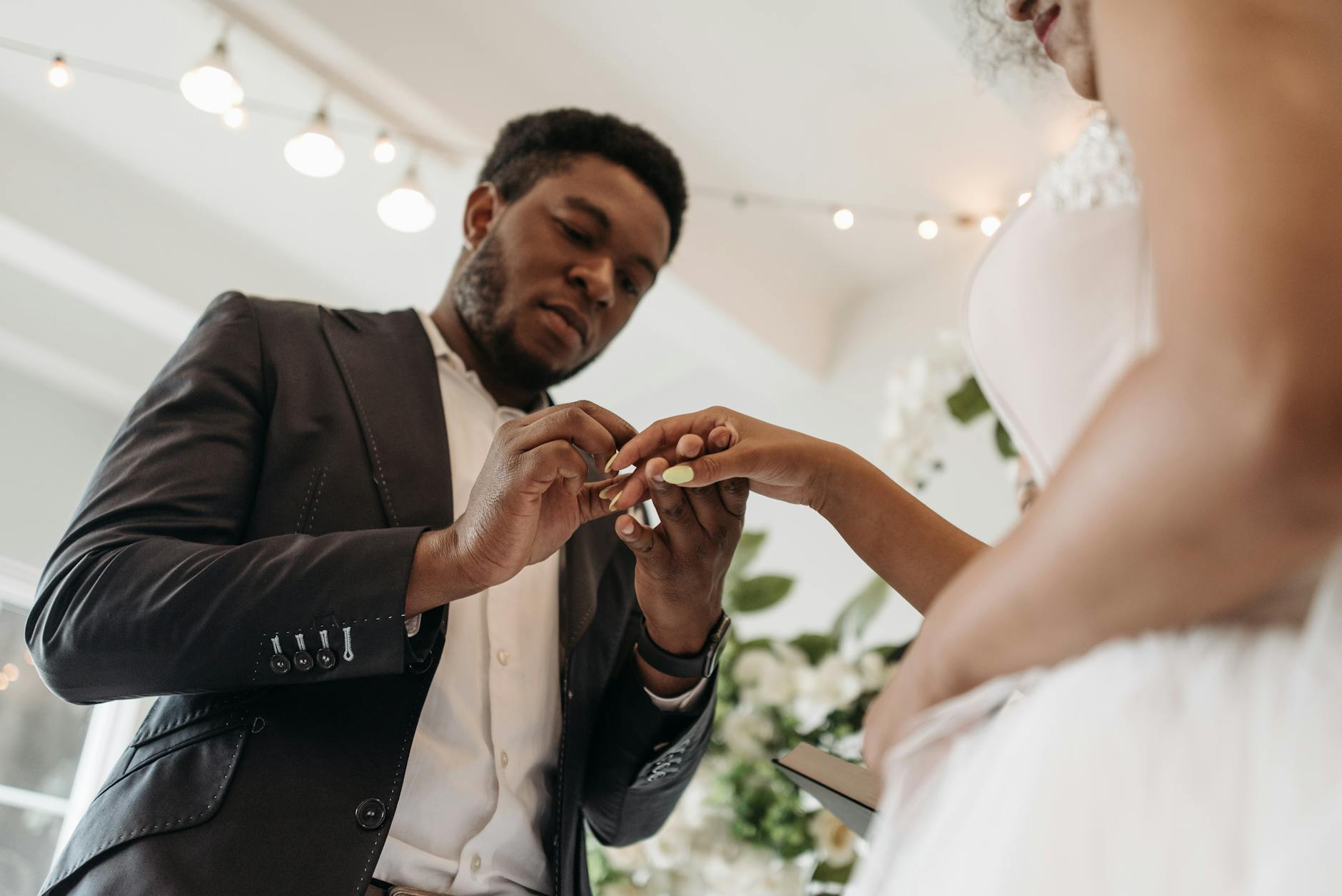
Photo by Alex Green on Pexels.com

Divorce is the legal and relational dissolution of a marriage covenant between a husband and wife. In Scripture, marriage is presented not merely as a social contract but as a divine covenant ordained by God. Malachi 2:16 declares, “For the LORD, the God of Israel, saith that he hateth putting away” (KJV), showing that divorce grieves the heart of God because it disrupts the sacred bond He established. While civil courts may recognize divorce as final, biblically, marriage is a covenant that reflects God’s faithfulness to His people.

Is Divorce Always a Sin?

Divorce itself is not always labeled as sin in Scripture, but it often results from human sin such as unfaithfulness, neglect, or hardness of heart. Jesus stated, “Moses because of the hardness of your hearts suffered you to put away your wives: but from the beginning it was not so” (Matthew 19:8, KJV). This shows that God’s original design was lifelong union, but divorce was permitted in certain circumstances because of human weakness. Divorce becomes sinful when pursued for selfish or unbiblical reasons, rather than as a response to covenant-breaking sins such as adultery or abandonment.

Picking the Best Mate

To avoid the pain of divorce, Scripture calls believers to carefully discern whom they marry. 2 Corinthians 6:14 warns, “Be ye not unequally yoked together with unbelievers” (KJV), urging Christians to seek spouses who share their faith. Beyond shared belief, wisdom in selecting a spouse includes looking for godly character, integrity, and the fruits of the Spirit. Proverbs 18:22 reminds, “Whoso findeth a wife findeth a good thing, and obtaineth favour of the LORD” (KJV). Choosing the right mate is not about physical attraction or material wealth, but about shared values rooted in God’s Word.

Should You Wait on God?

The decision of whom to marry must be bathed in prayer and patience. Psalm 27:14 instructs, “Wait on the LORD: be of good courage, and he shall strengthen thine heart: wait, I say, on the LORD” (KJV). Waiting on God prevents hasty decisions driven by loneliness or pressure. God’s timing ensures that believers are joined with someone who will help fulfill His divine purposes. By waiting on God, individuals align their marriages with His will rather than their own desires.

Divorce and Remarriage

The New Testament provides clear but difficult teaching on remarriage. Jesus taught, “And I say unto you, Whosoever shall put away his wife, except it be for fornication, and shall marry another, committeth adultery” (Matthew 19:9, KJV). This indicates that remarriage after divorce, unless the divorce was caused by sexual immorality, results in adultery. Paul also reinforces the sanctity of marriage in Romans 7:2-3, stating that a woman is bound to her husband as long as he lives. While culture permits multiple remarriages, Scripture places a high standard on marital fidelity and permanence.

Adultery After Divorce

Adultery is one of the most serious concerns associated with divorce and remarriage. Jesus’ words in Mark 10:11-12 are uncompromising: “Whosoever shall put away his wife, and marry another, committeth adultery against her. And if a woman shall put away her husband, and be married to another, she committeth adultery” (KJV). This reveals that God views marriage vows as binding, and the casual breaking of them leads to sin. Adultery after divorce not only harms individuals but also violates God’s holy standard for marriage.

God’s Grace in Broken Marriages

While the Bible sets high standards, it also reveals God’s grace for those who have fallen short. Jesus met the Samaritan woman at the well, who had five husbands and was living with a man outside of marriage (John 4:17-18). Rather than condemn her, He offered her living water—spiritual renewal and forgiveness. Likewise, those who have suffered through divorce or failed marriages can experience restoration through repentance and faith. God does not abandon His children but calls them into healing and redemption.

Conclusion

Divorce is never part of God’s original design but was allowed because of human sin and hardness of heart. While not always sinful in itself, divorce carries serious consequences, particularly when followed by remarriage outside of biblical grounds. Believers are therefore called to seek God’s will diligently in choosing a mate, to wait on His timing, and to honor the marriage covenant with faithfulness. Yet even in brokenness, God’s grace offers forgiveness and new life. The biblical standard for marriage remains holiness, permanence, and covenant love, reflecting Christ’s union with His Church.


References

Biblical References (KJV)

  • Malachi 2:16. King James Version.
  • Matthew 19:8-9. King James Version.
  • Mark 10:11-12. King James Version.
  • Romans 7:2-3. King James Version.
  • Proverbs 18:22. King James Version.
  • 2 Corinthians 6:14. King James Version.
  • Psalm 27:14. King James Version.
  • John 4:17-18. King James Version.

Secondary Sources
Keller, T. (2011). The Meaning of Marriage: Facing the Complexities of Commitment with the Wisdom of God. Dutton.

Piper, J., & Grudem, W. (2006). Recovering Biblical Manhood and Womanhood. Crossway.

Collins, A. (2018). Biblical Marriage and Gender Roles: A Historical Perspective. Zondervan Academic.


Silenced, Twisted, and Lost: The Biblical Roles of Husbands and Wives.

Photo by nappy on Pexels.com

Marriage, as designed by God, is a sacred covenant between a man and a woman, meant to reflect Christ’s relationship with His Church. The King James Bible presents clear guidance for the roles of husbands and wives—roles that are complementary, balanced, and divinely ordained. Yet in modern society, these roles have been silenced, twisted, and in many cases, lost. Misinterpretation of Scripture, societal pressures, and cultural shifts have obscured God’s design, leaving marriages unstable and families vulnerable.


I. The Role of the Husband

Silenced: The Muting of Biblical Headship

The husband’s role as head of the household is foundational. Paul writes, “For the husband is the head of the wife, even as Christ is the head of the church: and he is the saviour of the body” (Ephesians 5:23, KJV). This leadership is not intended as domination but as sacrificial guidance. Modern narratives often silence this biblical truth, reducing the husband’s role to mere provider or companion, leaving households without spiritual and moral direction.

Twisted: Misuse of Authority

Where Scripture calls husbands to love and serve, some have twisted headship into authoritarianism or neglect. Paul instructs, “Husbands, love your wives, even as Christ also loved the church, and gave himself for it” (Ephesians 5:25, KJV). True leadership mirrors Christ’s sacrificial love, nurturing, and protection. Distorting this role harms wives, children, and the integrity of marriage itself.

Lost: The Absence of Godly Leadership

In many homes today, the husband’s biblical role is lost, resulting in instability and fatherlessness. Malachi warns of covenant unfaithfulness, which often begins with men abandoning their divine assignment: “For the LORD, the God of Israel, saith that he hateth putting away… take heed to your spirit, that ye deal not treacherously” (Malachi 2:16, KJV). Without godly husbands, families struggle to maintain spiritual and relational balance.

Restoration of the Husband’s Role

A biblical husband is:

  • A spiritual leader – guiding his household in righteousness (Joshua 24:15).
  • A sacrificial lover – cherishing his wife (Ephesians 5:28-29).
  • A faithful provider – sustaining his family (1 Timothy 5:8).
  • A protector of covenant – upholding marriage as sacred (Hebrews 13:4).

II. The Role of the Wife

Silenced: The Neglect of Influence

Wives are indispensable to the harmony and spiritual health of the family. Proverbs affirms, “Who can find a virtuous woman? for her price is far above rubies” (Proverbs 31:10, KJV). Yet cultural narratives often silence the wife’s voice, undervaluing her wisdom, counsel, and spiritual influence in the household.

Twisted: Misrepresentation and Pressure

Scripture instructs wives, “Submit yourselves unto your own husbands, as unto the Lord” (Ephesians 5:22, KJV), a mandate frequently misunderstood as oppression. True submission reflects respect, cooperation, and alignment with God’s order, not weakness. Modern distortions either push women toward dominance or silence, both of which contradict God’s design and disrupt marital harmony.

Lost: The Erosion of Biblical Womanhood

Feminism, secular ideologies, and cultural miseducation have led many women to abandon biblical womanhood. Peter exhorts: “Let it be the hidden man of the heart, in that which is not corruptible, even the ornament of a meek and quiet spirit, which is in the sight of God of great price” (1 Peter 3:3-4, KJV). When the role of the wife is lost, families lack spiritual balance, children lack a godly model of femininity, and marriages suffer relational discord.

Restoration of the Wife’s Role

A biblical wife is:

  • A supportive partner – honoring and respecting her husband (Ephesians 5:33).
  • A nurturer of home and family – fostering spiritual, emotional, and moral growth (Titus 2:4-5).
  • A keeper of virtue – embracing modesty, holiness, and integrity (Proverbs 31:30).
  • A spiritual influencer – guiding, praying, and strengthening her household (1 Peter 3:6).

III. Conclusion: A Call to Restoration

The silencing, twisting, and loss of biblical roles for husbands and wives have led to broken marriages, unstable homes, and generational struggles. Restoration requires a return to Scripture, a rejection of cultural distortions, and a recommitment to God’s divine order.

When husbands and wives embrace their God-given roles:

  • Marriages reflect the love and unity of Christ and the Church (Ephesians 5:32).
  • Families experience spiritual, emotional, and relational stability.
  • Children grow with clear examples of godly manhood and womanhood.

God’s design for marriage is perfect, complementary, and life-giving. Rediscovering and embracing these roles restores the sanctity of marriage and the flourishing of families according to His Word.

Biblical References (KJV)

Ephesians 5:22-25, 28-29, 32, 33. King James Version.

Proverbs 31:10, 30. King James Version.

1 Peter 3:3-4, 6. King James Version.

Titus 2:4-5. King James Version.

Malachi 2:16. King James Version.

Joshua 24:15. King James Version.

1 Timothy 5:8. King James Version.

Hebrews 13:4. King James Version.


Suggested Secondary Sources for Scholarly Context

Collins, A. (2018). Biblical Marriage and Gender Roles: A Historical Perspective. Zondervan Academic.

Piper, J., & Grudem, W. (2006). Recovering Biblical Manhood and Womanhood. Crossway.

Keller, T. (2011). The Meaning of Marriage: Facing the Complexities of Commitment with the Wisdom of God. Dutton.

Barclay, W. (2004). The Letters to the Ephesians, Colossians, and Thessalonians. Westminster John Knox Press.

Fitzmyer, J. A. (2008). Romans: A New Translation with Introduction and Commentary. Yale University Press.

Bridging the Divide: Rebuilding Appreciation Between Black Men and Black Women

Photo by Zexy Zw.com on Pexels.com

The relationship between Black men and Black women is historically complex, shaped by centuries of systemic oppression, cultural evolution, and personal experiences. At its best, it is a partnership rooted in shared struggle, resilience, and cultural pride. At its worst, it is marred by misunderstanding, mistrust, and internalized stereotypes. Addressing this dynamic requires honesty about desires, challenges, and the spiritual foundation of mutual respect.


Do Black Men Feel Appreciated by Black Women—and Vice Versa?

Appreciation is often mutual but not always equally expressed. Many Black men report feeling valued for their strength, protection, and leadership, yet some also express frustration at being misunderstood or overly criticized. Likewise, Black women often feel celebrated for their resilience and beauty, but also burdened by societal expectations to be endlessly strong. According to psychologist Dr. Joy DeGruy (2005), the lingering effects of slavery and Jim Crow created fractured gender dynamics within the Black community, making full appreciation more difficult to maintain.


What Black Men Want from Black Women

Studies suggest that Black men often value loyalty, respect, emotional support, physical attraction, and shared cultural understanding (Pew Research Center, 2019). Many emphasize the need for a partner who believes in their vision and offers encouragement during life’s challenges. Spiritually, Proverbs 31 paints the image of a virtuous woman whose strength, wisdom, and kindness are deeply respected.


What Black Women Want from Black Men

Black women frequently prioritize protection, emotional intimacy, faithfulness, ambition, and the ability to lead with humility. They also value vulnerability—a man willing to communicate and share his inner struggles rather than hiding them. The Song of Solomon illustrates a loving relationship where both partners delight in and honor one another without power struggles or mistrust.


Traits Black Men Look for in a Mate

  1. Kindness and compassion
  2. Physical beauty and attraction
  3. Intelligence and ambition
  4. Faith and shared values
  5. Supportive spirit and respect for his role

These traits are not universal to all Black men but are frequently expressed in surveys and relationship studies.


Problems Between Black Men and Black Women

Historical oppression fostered systemic issues—mass incarceration, economic inequality, and disrupted family structures—that created tension in gender relations. Some Black men may feel disrespected or unappreciated, while some Black women feel unsupported or abandoned. Cultural portrayals often fuel conflict, with music, film, and social media promoting narratives of distrust, promiscuity, and materialism rather than unity and cooperation.


Why Do Some Black People Marry Outside Their Race?

Interracial marriage can stem from genuine attraction, shared interests, or proximity in diverse environments. However, research also points to the influence of colorism and Eurocentric beauty ideals, which may cause some to idealize white partners over Black ones (Hunter, 2007). This preference is not universal, but it reflects the lingering impact of colonialism and media representation.


Do Black Men Prefer White Women?

While a small portion of Black men express a preference for white women, most Black men in the U.S. marry Black women (Pew Research Center, 2017). Media narratives often exaggerate interracial dating trends, which can feed mistrust within the community.


Negative Stereotypes Black People Have Against Each Other

  • Against Black Women: “Angry Black Woman,” “Gold Digger,” “Overly Independent,” “Too Masculine.”
  • Against Black Men: “Absent Father,” “Player/Womanizer,” “Lazy,” “Unemotional,” “Dusty,” “Too Wimpy,” “Lack of Masculinity.”

These stereotypes, rooted in racist propaganda, damage relationships by reinforcing distrust and limiting the ability to see one another as complex, individual human beings.


How Can We Appreciate Each Other More?

  • Active Listening – Hearing each other without defensiveness.
  • Affirmation – Expressing gratitude for contributions and sacrifices.
  • Cultural Pride – Celebrating shared heritage rather than competing.
  • Partnership in Purpose – Building families, businesses, and ministries together.
  • Forgiveness – Releasing past hurts to embrace a better future.

What Does the Bible Say About How We Should Treat Each Other?

Scripture is clear about mutual respect and love:

  • Ephesians 5:25“Husbands, love your wives, even as Christ also loved the church, and gave himself for it.”
  • Proverbs 31:30“Favour is deceitful, and beauty is vain: but a woman that feareth the LORD, she shall be praised.”
  • 1 Peter 3:7“Husbands, dwell with them according to knowledge, giving honour unto the wife.”
  • Matthew 7:12“Therefore all things whatsoever ye would that men should do to you, do ye even so to them.”
  • Ecclesiastes 4:9–10“Two are better than one… For if they fall, the one will lift up his fellow.”

The Bible commands love, honor, and humility between men and women. If these principles guided every relationship, many of today’s relational wounds in the Black community could be healed.


References

DeGruy, J. (2005). Post Traumatic Slave Syndrome: America’s legacy of enduring injury and healing. Uptone Press.
Hunter, M. (2007). The persistent problem of colorism: Skin tone, status, and inequality. Sociology Compass, 1(1), 237–254.
Pew Research Center. (2017). Intermarriage in the U.S. 50 years after Loving v. Virginia. Retrieved from https://www.pewresearch.org
Pew Research Center. (2019). Race in America: Public attitudes toward race relations. Retrieved from https://www.pewresearch.org

Dear Black Man 💖

Photo by Luis Araujo on Pexels.com

💖 My Beloved Black Man, 💖

I want you to feel, deep in your soul, just how cherished and celebrated you are. You are a man of strength and wisdom, a provider whose love is steady and unwavering, a leader whose footsteps guide those around you. I see the weight you carry, the battles you’ve faced, and the countless sacrifices you’ve made—not for yourself, but for those you love. Through it all, you remain a man after God’s own heart, holding fast to faith, integrity, and purpose, even when the world has tried to break you. Your resilience inspires, your courage uplifts, and your love nourishes the hearts of all who are blessed to know you.

Through every trial, every sleepless night, and every storm, you have been here—not just physically, but with your heart fully present. You protect, provide, and love in ways that words cannot capture, leaving a legacy of strength, honor, and devotion. Never doubt the power of your influence, the beauty of your character, or the depth of your worth. You are celebrated, appreciated, and loved beyond measure. Keep standing tall, keep walking in faith, and know that your journey, your triumphs, and your very essence are treasured.

💖 With all my love and admiration, a Black woman 💖

Red Flags in Relationships: Recognizing Emotional Manipulation, Healing After Betrayal, and Building Healthy Boundaries.

Photo by Vera Arsic on Pexels.com

Relationships are designed to provide love, support, and partnership. Yet not all relationships are healthy, and many people ignore warning signs until significant damage is done. Recognizing emotional manipulation, recovering from betrayal, and learning to set boundaries are essential skills for building lasting, God-centered relationships. This article outlines red flags, provides psychological and biblical insights, and offers practical tips for discernment and healing.


1. Understanding Emotional Manipulation

Emotional manipulation occurs when one partner uses guilt, gaslighting, or control to gain power. Psychology defines this as a form of coercive control that erodes self-esteem and autonomy (Simon, 2010). The Bible warns against deceitful hearts: “The heart is deceitful above all things, and desperately wicked” (Jeremiah 17:9, KJV).


2. Common Red Flags of Emotional Manipulation

  • Excessive jealousy or possessiveness
  • Guilt-tripping when you set boundaries
  • Minimizing your feelings (“You’re overreacting”)
  • Gaslighting—making you doubt your memory or perception
  • Isolating you from family and friends
  • Using the silent treatment as punishment
  • Constantly shifting blame

3. Questions for Reflection on Red Flags

  • Do I feel smaller or weaker when I’m with this person?
  • Am I constantly apologizing though I did nothing wrong?
  • Does this person respect my “no”?
  • Am I free to express my faith, opinions, and goals without ridicule?

🚩 50 Red Flags in Relationships

Emotional Manipulation

  1. Constant guilt-tripping
  2. Gaslighting (making you doubt your reality)
  3. Silent treatment as punishment
  4. Excessive jealousy
  5. Love-bombing (over-the-top affection, then withdrawal)
  6. Controlling who you see or where you go
  7. Minimizing your feelings (“You’re too sensitive”)
  8. Shifting blame onto you
  9. Withholding affection to get their way
  10. Making everything about them

Lack of Respect

  1. Dismissing your opinions or ideas
  2. Interrupting or talking over you
  3. Mocking your beliefs or faith
  4. Publicly embarrassing you
  5. Ignoring your boundaries
  6. Refusing to apologize
  7. Using past mistakes against you
  8. Acting superior or condescending
  9. Treating you like property, not a partner
  10. Disregarding your need for personal time

Betrayal & Trust Issues

  1. Hiding their phone or social media activity
  2. Flirting with others in your presence
  3. Secretive about finances
  4. History of cheating (unrepented)
  5. Lying about small things often
  6. Double standards (“I can, but you can’t”)
  7. Emotional intimacy with others while neglecting you
  8. Refusal to commit
  9. Keeping important life details from you
  10. Prioritizing others over you consistently

Control & Power Imbalances

  1. Making you ask permission for basic decisions
  2. Dictating how you should dress or speak
  3. Criticizing your career or education choices
  4. Using money to control you
  5. Monitoring your whereabouts excessively
  6. Expecting you to sacrifice but never doing so themselves
  7. Using scripture or religion to manipulate you
  8. Refusing to let you grow independently
  9. Gaslighting about spiritual callings or convictions
  10. Expecting blind obedience instead of mutual respect

Emotional Neglect & Abuse

  1. Never celebrating your successes
  2. Dismissing your emotional pain
  3. Explosive anger or unpredictable moods
  4. Making jokes at your expense
  5. Refusing to communicate openly
  6. Never taking responsibility for mistakes
  7. Making you feel unworthy or undeserving of love
  8. Always taking but never giving
  9. Creating fear of abandonment as control
  10. Discouraging your relationship with God

Reflection Questions

  • Do I feel safe expressing myself in this relationship?
  • Do I feel closer to God because of this relationship, or further away?
  • Am I losing my identity in order to please this person?
  • Do I consistently feel valued and respected?

📖 Biblical Insight:
“Can two walk together, except they be agreed?” (Amos 3:3, KJV)
“Love worketh no ill to his neighbour: therefore love is the fulfilling of the law.” (Romans 13:10, KJV)


4. The Psychology of Manipulation

Manipulators thrive on control and often target empathetic individuals. According to attachment theory, those with insecure attachments may be more vulnerable to toxic dynamics (Mikulincer & Shaver, 2007). Recognizing manipulation is the first step toward reclaiming emotional health.


5. The Biblical Warning Against Toxicity

Proverbs 14:7 teaches: “Go from the presence of a foolish man, when thou perceivest not in him the lips of knowledge.” God calls His people to walk in truth and not to remain entangled in webs of deceit.


6. Betrayal and Its Psychological Impact

Betrayal, such as infidelity, leaves deep wounds. Psychologically, betrayal trauma can result in anxiety, depression, and distrust of future partners. Spiritually, betrayal contradicts God’s covenant model of faithfulness in marriage (Hebrews 13:4).


7. Healing After Cheating: First Steps

  • Allow yourself to grieve without shame.
  • Seek counseling or trusted support.
  • Avoid rushing decisions about reconciliation or separation.
  • Pray for clarity and healing.

Psalm 34:18 reminds us: “The Lord is nigh unto them that are of a broken heart.”


8. Questions for Healing

  • Am I blaming myself for someone else’s choice to betray me?
  • Do I still believe I am worthy of love?
  • What boundaries must I set to protect my heart going forward?

9. Psychology of Recovery

Studies show that intentional self-care, therapy, and building social support networks are crucial in emotional recovery (Freyd, 1996). Self-compassion, not self-condemnation, is key.


10. Forgiveness and Discernment

Forgiveness is commanded (Matthew 6:14–15), but forgiveness does not mean foolish trust. Discernment and wisdom are required to determine if a relationship can be rebuilt.


11. Building Healthy Boundaries

Boundaries are not walls but protective guidelines that preserve emotional, spiritual, and physical well-being. Saying “no” is a biblical principle of stewardship over one’s life and body (1 Corinthians 6:19–20).


12. Examples of Healthy Boundaries in Love

  • Respecting personal space and time
  • Clear expectations around communication
  • Financial transparency
  • Spiritual agreement and freedom to worship God
  • Honesty in emotional sharing

13. Questions to Evaluate Boundaries

  • Does this person respect when I say no?
  • Do I feel guilty when prioritizing self-care?
  • Am I able to worship and serve God freely in this relationship?

14. God as the Guide in Relationships

Psalm 37:23 declares: “The steps of a good man are ordered by the Lord.” Relationships flourish when God is at the center. Seeking His wisdom through prayer and Scripture ensures that compromise never leads to self-destruction.


15. Conclusion: Love Rooted in Worth and Wisdom

Recognizing red flags, healing after betrayal, and setting boundaries are all acts of honoring one’s God-given worth. Psychology equips us with tools to understand emotional dynamics, while Scripture provides the ultimate guide. In choosing God as our compass, we learn that true love is not manipulation, betrayal, or abuse—but mutual respect, faith, and covenantal devotion.


References

  • Freyd, J. J. (1996). Betrayal trauma: The logic of forgetting childhood abuse. Harvard University Press.
  • Mikulincer, M., & Shaver, P. R. (2007). Attachment in adulthood: Structure, dynamics, and change. Guilford Press.
  • Simon, G. K. (2010). In sheep’s clothing: Understanding and dealing with manipulative people. Parkhurst Brothers.

Girl Talk Series: What to look for in a Man.

This photograph is the property of its respective owner. No infringement intended.

A heart that seeks the Lord each day,
In prayer and truth, he walks His way.
A husband strong, yet gentle, kind,
With faith and love forever aligned.

Ladies, let me speak to you plainly: it is indeed the man who will find you, as the Bible says, “Whoso findeth a wife findeth a good thing, and obtaineth favour of the Lord” (Proverbs 18:22, KJV). We are not meant to chase men; if a man truly desires you as his wife, he will pursue you. Many men have shared that they know whether a woman is “wife material” the first time they speak with her. It is not simply beauty that keeps a man—it is Godly character, integrity, and the attributes of a true wife.

I do not prefer the term “boyfriend,” which feels high schoolish. In mature, faith-based relationships, we often progress from acquaintance or friendship toward marriage, intentional and purposeful. The question then becomes: what do we look for in a man? What traits indicate he is a suitable, Godly partner for life?


Essential Traits to Look for in a Godly Man

  1. Godliness / Spiritual Leadership
    • A man who fears the Lord and prioritizes his relationship with God is essential. He should lead spiritually, praying, studying the Word, and making decisions aligned with biblical principles (Ephesians 5:25–26).
    • Psychology: Research shows that shared spiritual values in couples correlate with higher marital satisfaction and emotional compatibility (Mahoney et al., 2001).
  2. Provider and Responsible
    • He demonstrates responsibility, ambition, and the ability to provide—not necessarily wealth, but stability and diligence. This includes financial stewardship, career commitment, and protecting the household.
    • Psychology: Men who are perceived as reliable and capable tend to inspire trust and security in partners, fostering relational attachment (Buss, 1989).
  3. Emotional Maturity
    • A mature man manages emotions effectively, communicates well, and does not resort to anger or manipulation. He practices empathy, listens, and respects boundaries.
    • Psychology: Emotional intelligence (EQ) in men predicts relationship satisfaction, conflict resolution, and long-term attachment stability (Brackett et al., 2006).
  4. Integrity and Honesty
    • Truthfulness in speech and action is non-negotiable. A man who demonstrates integrity builds trust and models moral character.
    • Psychology: Integrity is correlated with relational trust, reducing uncertainty and enhancing commitment (Rotter, 1980).
  5. Respect for Women
    • He honors women, treats them as equals, and values their input. Respect is demonstrated in both private and public settings.
    • Psychology: Perceived respect from a partner increases satisfaction, self-esteem, and relational stability (Impett et al., 2008).
  6. Supportive and Encouraging
    • A Godly man uplifts his partner, supports her personal goals, and celebrates her accomplishments. He does not belittle or compete unnecessarily.
    • Psychology: Supportive behavior in partners enhances well-being and fosters secure attachment (Feeney & Collins, 2015).
  7. Self-Control and Discipline
    • He exhibits self-discipline in habits, finances, and sexuality, demonstrating respect for boundaries and long-term goals.
    • Psychology: Self-regulation predicts relational satisfaction and reduces impulsive behaviors that can harm trust (Vohs & Baumeister, 2011).
  8. Humility and Servant-Heartedness
    • A man who is humble, willing to serve, and puts others before himself mirrors Christ’s example. Pride and arrogance are red flags.
    • Scripture: “Let nothing be done through strife or vainglory; but in lowliness of mind let each esteem other better than themselves” (Philippians 2:3, KJV).
  9. Sense of Humor and Joy
    • While serious traits are important, a man who can bring joy, laugh at life, and lighten burdens is invaluable. Joy sustains relationships through challenges.
  10. Commitment and Faithfulness
    • A man who is loyal, keeps promises, and is intentional about the relationship shows readiness for marriage. Infidelity is a leading cause of relational distress; faithfulness is non-negotiable.
    • Psychology: Commitment is a core predictor of marital satisfaction and longevity (Stanley et al., 2006).

Godly Fear and Reverence

  • A man who fears the Lord honors God above all else, submitting his life to His guidance (Proverbs 9:10; Psalm 111:10).
  • Trait in practice: He prays, reads the Word, and aligns his decisions with God’s will. Other traits listed below:

1. Spiritual & Moral Foundation

  • A man who fears God, has integrity, and strives to live by biblical and ethical principles (Proverbs 31:10; Ephesians 5:25).

2. Emotional Intelligence

  • Someone who listens well, communicates clearly, and doesn’t shut down in hard times. Emotional maturity is key to long-lasting love.

3. Leadership & Stability

  • Not just financially, but also in vision, decision-making, and the ability to guide a family with wisdom and patience.

4. Respect & Partnership

  • A man who honors your voice, values your input, and treats you as a partner, not a possession.

5. Consistency & Reliability

  • Words and actions align. You never have to guess where you stand with him.

6. Protective & Supportive Nature

  • He makes you feel safe—emotionally, spiritually, and physically—while also pushing you to grow and achieve your best.

7. Shared Purpose & Values

  • A man whose mission in life aligns with yours, so you’re rowing in the same direction rather than fighting against the tide.

👉 A good way to frame it is: “Does this man bring me closer to peace, closer to God, and closer to becoming the best version of myself?”

Conclusion

Women, your worth is in God, not in the approval of men. Seek a man who mirrors Christlike character, demonstrates integrity, and values partnership. Do not settle for charm or physical appearance alone; the foundation of a lasting, God-honoring relationship is built on spiritual alignment, emotional maturity, and shared values. When these traits are present, love is strengthened, and marriage thrives.

SEX: The Truth About ADULTERY.

Photo by Alex Green on Pexels.com

Adultery is sexual intercourse between a married person and someone who is not their spouse. Biblically, it is considered a serious sin because it violates the covenant of marriage, which God established as a sacred union between a husband and wife. The King James Bible explicitly condemns adultery:

  • Exodus 20:14 (KJV): “Thou shalt not commit adultery.”
  • Hebrews 13:4 (KJV): “Marriage is honourable in all, and the bed undefiled: but whoremongers and adulterers God will judge.”

Adultery is not just a physical act; it also encompasses lustful thoughts. Jesus expanded the definition in the New Testament:

  • Matthew 5:27–28 (KJV): “Ye have heard that it was said by them of old time, Thou shalt not commit adultery: But I say unto you, That whosoever looketh on a woman to lust after her hath committed adultery with her already in his heart.”

In addition to being a moral violation, adultery is a spiritual offense, betraying God’s covenant design for marriage and reflecting a heart that is divided from Him. Psychologically, adultery often stems from unmet emotional needs, dissatisfaction, or lust, and it can lead to guilt, shame, and broken relationships.

In short, adultery is both a physical and spiritual betrayal of the sacred marital covenant, harmful to the individuals involved, their families, and their communities.

Adultery has been one of humanity’s most persistent sins since the beginning of time. Defined as sexual relations between a married person and someone other than their spouse, adultery represents a breach of covenant and a deep betrayal of trust. In the King James Bible, adultery is explicitly condemned as one of the Ten Commandments: “Thou shalt not commit adultery” (Exodus 20:14, KJV). It is not merely a moral misstep, but a sin against God, one’s spouse, and one’s own soul. The Bible repeatedly warns that adultery leads to destruction, shame, and separation from God (Proverbs 6:32, KJV).

Hebrews 13:4 → bed undefiled.

Matthew 5:28 → lusting is adultery in the heart.

1 Corinthians 7:2–5 → spouses must not withhold intimacy.

The psychology behind adultery reveals both the frailty and the complexity of human desire. Research suggests that people who engage in adultery often do so out of dissatisfaction, thrill-seeking, or emotional neglect (Drigotas et al., 1999). For some, it is rooted in deep-seated narcissism and lack of impulse control, while for others, loneliness and unmet emotional needs become gateways to infidelity. Yet psychology aligns with Scripture in acknowledging that adultery rarely brings satisfaction; instead, it creates guilt, broken families, and long-lasting trauma.

In addition to physical adultery, the Bible warns of spiritual adultery—the act of forsaking God by worshiping idols or prioritizing worldly desires over divine devotion. James 4:4 (KJV) declares, “Ye adulterers and adulteresses, know ye not that the friendship of the world is enmity with God?” Spiritual adultery occurs when believers give their hearts to pride, wealth, lust, or false gods, thereby betraying the covenant relationship with the Almighty. Just as marital adultery wounds the spouse, spiritual adultery grieves the heart of God.

The root of both physical and spiritual adultery is lust. Jesus Christ elevated the standard of purity by teaching that adultery begins not with the physical act but with the intention of the heart: “But I say unto you, That whosoever looketh on a woman to lust after her hath committed adultery with her already in his heart” (Matthew 5:28, KJV). Lust is the point of no return; for once desire takes root in the imagination, it is only a matter of time before it manifests in action. Psychologists affirm this truth, noting that repeated fantasies and pornography use often escalate into real-life behaviors, breaking down self-control (Carnes, 2001).

1. The Spouse

Adultery devastates trust between husband and wife. The betrayed spouse often suffers from emotional trauma, anxiety, depression, and feelings of inadequacy. Psychologists describe this as betrayal trauma, where the person you most depend on for safety becomes the source of pain. Spiritually, it breaks the covenant of marriage, which was designed to reflect Christ’s faithful love for the Church (Ephesians 5:25–32, KJV).


2. The Children

Children are often the silent victims of adultery. They may internalize feelings of insecurity, abandonment, or anger, and many struggle with trust in their own future relationships. Studies in family psychology show that kids from homes fractured by adultery face increased risk of behavioral problems, academic decline, and emotional instability. From a biblical lens, parents are called to raise children “in the nurture and admonition of the Lord” (Ephesians 6:4, KJV), and adultery undermines that foundation.


3. The Extended Family

When adultery leads to divorce or brokenness, extended family members — parents, in-laws, and siblings — also suffer. Relationships between families can become strained, grandchildren may be caught in custody battles, and what was meant to be a legacy of unity is replaced with division.


4. The Community

Proverbs 6:32–33 (KJV) warns:
“But whoso committeth adultery with a woman lacketh understanding: he that doeth it destroyeth his own soul. A wound and dishonour shall he get; and his reproach shall not be wiped away.”
Adultery carries a social stigma that damages reputation, careers, ministries, and even friendships. Communities lose respect for leaders, and scandals weaken the moral fabric of society.


5. The Church

In the body of Christ, adultery brings scandal, division, and weakened witness. Paul addresses this in 1 Corinthians 5, rebuking the church for tolerating sexual immorality. Spiritual adultery (idolatry) also draws people away from God, weakening the community’s devotion.


6. The Cheater Themselves

Finally, adultery destroys the one who commits it. Guilt, shame, and spiritual separation from God often follow. The Bible says adultery is a sin “against his own body” (1 Corinthians 6:18, KJV). Psychologists note that cheaters often wrestle with cognitive dissonance, living with guilt while trying to justify their actions — which can spiral into further secrecy and self-destruction.


In short: Adultery is not a private sin. It destroys marriages, wounds children, breaks families, scandalizes communities, and sears the soul of the one who commits it. This is why Scripture warns so urgently against it — because its reach extends far beyond the act itself.

What causes a man to cheat? Common reasons include dissatisfaction with physical intimacy, craving novelty, or ego-driven desires for validation. For women, infidelity often arises from emotional neglect, unmet relational needs, or the longing for affection and attention (Glass & Wright, 1985). Yet both cases reflect the same spiritual problem: discontentment and lustful hearts that turn away from God’s design for fidelity. The Bible warns that adultery ensnares the soul, leaving individuals “taken with the cords of his sins” (Proverbs 5:22, KJV).

Sexual immorality in Scripture encompasses all sexual acts outside the covenant of marriage, including fornication, adultery, homosexuality, and prostitution. The Apostle Paul exhorts believers to “flee fornication” (1 Corinthians 6:18, KJV) and warns that “neither fornicators, nor adulterers…shall inherit the kingdom of God” (1 Corinthians 6:9–10, KJV). Likewise, Hebrews 13:4 (KJV) states: “Marriage is honourable in all, and the bed undefiled: but whoremongers and adulterers God will judge.” Thus, sex is to be kept within marriage, pure and undefiled, reflecting God’s covenant design.

The marital union is sacred, designed to mirror the relationship between Christ and His bride, the Church. Husbands are called to love their wives as Christ loved the Church, with sacrificial devotion, while wives are to respect and honor their husbands (Ephesians 5:25, 33, KJV). Paul further instructs couples: “Let the husband render unto the wife due benevolence: and likewise also the wife unto the husband… Defraud ye not one the other… that Satan tempt you not for your incontinency” (1 Corinthians 7:3–5, KJV). In other words, intimacy must not be withheld, for sexual union strengthens marriage and guards against temptation.

Pornography has become one of the greatest gateways to adultery in the modern age. Jesus warned that lustful gazes are already adultery in the heart (Matthew 5:28, KJV). Pornography feeds and normalizes lust by creating false expectations of sex, reducing intimacy to performance, and objectifying the human body. Over time, this erodes marital satisfaction and increases the likelihood of unfaithfulness. Research confirms that pornography consumption is strongly associated with higher rates of marital infidelity and decreased intimacy (Manning, 2006). Pornography perverts God’s design for sex, turning covenantal love into selfish indulgence.

One of the most visible consequences of adultery and sexual immorality is the spread of sexually transmitted diseases (STDs). The Bible affirms the principle of reaping what one sows: “For whatsoever a man soweth, that shall he also reap” (Galatians 6:7, KJV). Sexual sin often produces tangible physical consequences. Studies confirm that extramarital affairs significantly increase the risk of contracting STDs such as HIV/AIDS, syphilis, and gonorrhea (Laumann et al., 1994). Such consequences not only harm the unfaithful person but also betray the innocent spouse who may contract an illness through no fault of their own.

Thus, adultery harms not only spiritually and emotionally but biologically as well. Paul’s warning that fornication is “against his own body” (1 Corinthians 6:18, KJV) finds modern confirmation in the health effects of STDs. What was spoken in Scripture as spiritual truth centuries ago is now observable in medical science—sexual sin carries destructive consequences for the body, mind, and spirit.

Healing from adultery requires confession, repentance, and restoration. The first step is acknowledging the sin before God and one’s spouse, followed by seeking forgiveness (1 John 1:9, KJV). Psychology underscores the importance of honest communication, counseling, and rebuilding trust through consistent actions over time. Spiritual healing involves prayer, fasting, accountability, and renewing one’s covenant with God. Just as Christ redeems the unfaithful, a repentant adulterer can be restored if both partners commit to forgiveness and reconciliation.

Preventing adultery requires proactive safeguards. The Bible calls believers to guard their hearts (Proverbs 4:23, KJV), avoid tempting situations, and cultivate marital intimacy. Practically, this means maintaining open communication with one’s spouse, setting boundaries with the opposite sex, and investing in emotional and spiritual growth. For men and women alike, contentment in Christ is the foundation of fidelity. By focusing on God, strengthening the marital bond, and rejecting lustful thoughts, one can resist the enemy’s snares.

Ultimately, the solution to adultery is found in fleeing temptation and pursuing holiness. Joseph’s example in Genesis 39:12 (KJV), where he fled from Potiphar’s wife, remains a timeless model. Believers are commanded to avoid even the appearance of evil and to “make not provision for the flesh, to fulfil the lusts thereof” (Romans 13:14, KJV). By treasuring marriage as sacred, honoring one’s spouse, and walking in the Spirit, followers of Christ can overcome the lure of adultery. The truth about adultery is clear: it destroys lives, dishonors God, and endangers the soul. Yet through Christ, forgiveness and restoration are possible, offering hope to the broken and strength to the faithful.

Practical Steps to Avoid Adultery and Remain Faithful

  • Guard your heart and mind (Proverbs 4:23, KJV). Be careful with what you watch, read, and dwell on in thought. Lust begins in the imagination.
  • Flee temptation quickly (Genesis 39:12, KJV). Like Joseph, remove yourself from compromising situations before sin takes root.
  • Nurture your marriage daily. Invest in emotional, spiritual, and physical intimacy with your spouse to reduce vulnerability to outside temptation.
  • Maintain clear boundaries. Avoid private or overly intimate interactions with members of the opposite sex who are not your spouse.
  • Practice transparency. Be honest with your spouse about struggles, temptations, and your daily interactions. Accountability builds trust.
  • Prioritize spiritual disciplines. Regular prayer, fasting, and Scripture meditation strengthen resistance against lustful desires.
  • Seek godly accountability. Trusted mentors, church elders, or accountability partners can help keep you aligned with biblical values.
  • Be content in Christ. Remember that ultimate satisfaction is found not in people but in God (Philippians 4:11–13, KJV).
  • Focus on your covenant. View marriage as sacred, reflecting Christ’s love for the Church (Ephesians 5:25–32, KJV).
  • Renew your mind daily. Replace lustful thoughts with godly ones (Philippians 4:8, KJV) to keep your heart aligned with purity.

References

  • The Holy Bible, King James Version.
  • Carnes, P. (2001). Out of the Shadows: Understanding Sexual Addiction. Hazelden Publishing.
  • Drigotas, S. M., Safstrom, C. A., & Gentilia, T. (1999). An investment model prediction of dating infidelity. Journal of Personality and Social Psychology, 77(3), 509–524.
  • Glass, S. P., & Wright, T. L. (1985). Sex differences in type of extramarital involvement and marital dissatisfaction. Sex Roles, 12(9–10), 1101–1120.

Laumann, E. O., Gagnon, J. H., Michael, R. T., & Michaels, S. (1994). The Social Organization of Sexuality: Sexual Practices in the United States. University of Chicago Press.

Manning, J. (2006). The impact of internet pornography on marriage and intimacy. Journal of Contemporary Family Therapy, 28(4), 485–503.


Love, Loyalty, and Loneliness: The Dating Dilemmas of Black Women.

Photo by Meshack Emmanuel Kazanshyi on Pexels.com

The dating landscape for Black women has long been marked by complexities that reflect broader historical, cultural, and psychological realities. As they seek love, loyalty, and companionship, many find themselves navigating challenges shaped by systemic racism, gendered expectations, and the scarcity of men who meet traditional standards of commitment and provision. This has created a paradox where Black women, despite their educational, professional, and personal achievements, are often left facing the painful reality of loneliness or unfulfilling relationships.

One of the central dilemmas lies in the decreasing pool of “quality men.” Black men are disproportionately impacted by mass incarceration, unemployment, and systemic inequities that limit their socioeconomic mobility (Alexander, 2012). These realities drastically narrow the dating pool for Black women who desire stable, faithful, and responsible partners. As a result, many women confront the painful question of whether to compromise standards or risk prolonged singleness. In psychology, this contributes to chronic stress, lower relationship satisfaction, and a phenomenon termed “relationship scarcity” (Banks, 2011).

Another dimension is the increasing trend of Black men dating outside their race. While interracial love is not inherently negative, it becomes a source of tension when Black women—who are already culturally devalued—perceive themselves as less desirable partners. Studies show that Black women are among the least “swiped right” demographic on dating apps, revealing deep biases about beauty and desirability (Feliciano et al., 2009). The internalization of these biases leads some women to question their worth, even though Eurocentric standards of beauty fail to recognize the unique aesthetics of African heritage.

Compounding this issue are men who adopt exploitative approaches to dating. Many women encounter men who want only sexual access, with no intention of offering commitment or provision. The normalization of casual hookups has created a culture where women are asked, “What are you bringing to the table?”—a reductionist framing that treats relationships like business transactions rather than covenants of love. Instead of being honored as partners, Black women are often tested, judged, and dismissed based on narrow and materialistic criteria, further devaluing their femininity and humanity.

Additionally, the rise of “down low” culture, where men conceal same-sex relationships while engaging heterosexual partnerships, poses health and trust concerns. This hidden dynamic not only endangers Black women physically but also emotionally, as the betrayal of intimacy undermines trust. Alongside this, the prevalence of men lacking masculine responsibility—those unwilling to provide, protect, or commit—forces many Black women into roles of leadership and provision within relationships. This role reversal often leaves women drained, resentful, and longing for men who embody true biblical masculinity.

From a biblical perspective, the standards for how men should treat women are clear. Scripture emphasizes provision, love, and honor. Ephesians 5:25 (KJV) declares: “Husbands, love your wives, even as Christ also loved the church, and gave himself for it.” This verse establishes sacrificial love as the foundation of manhood. Likewise, 1 Timothy 5:8 (KJV) affirms that a man must provide: “But if any provide not for his own, and specially for those of his own house, he hath denied the faith, and is worse than an infidel.” These scriptures refute the cultural acceptance of men behaving like boys and underscore the divine mandate for men to be protectors and providers.

The dilemmas Black women face are also shaped by psychological dynamics in Black men. Centuries of racial emasculation, economic deprivation, and systemic disenfranchisement have left many men struggling with identity, motivation, and self-worth (Majors & Billson, 1992). This “cool pose” culture, where masculinity is performed through superficial bravado rather than authentic responsibility, often replaces genuine leadership with ego-driven behaviors. The consequence is a generational cycle where men fail to embody biblical husbandhood, leaving women disillusioned with romantic prospects.

Many Black women also struggle with the cultural stigma of spinsterhood. Remaining single past a certain age is often viewed negatively, yet for many, singleness is not by choice but by circumstance. While faith offers reassurance, the longing for companionship remains real. Proverbs 18:22 (KJV) states, “Whoso findeth a wife findeth a good thing, and obtaineth favour of the Lord.” This highlights the value of women in God’s design and emphasizes that men, not women, are to pursue and cherish this covenant. Yet in modern culture, pursuit is frequently replaced by games, inconsistencies, or fear of commitment.

Despite these challenges, there are still pathways for Black women to find quality men. Churches, professional networks, community organizations, and faith-based events can provide healthier contexts for meeting like-minded individuals compared to the superficial environment of dating apps. Furthermore, developing discernment through prayer and self-awareness is essential. Psalm 37:4 (KJV) encourages believers to “Delight thyself also in the Lord: and he shall give thee the desires of thine heart.” In this, women are reminded that God honors their desires for love and companionship when those desires are aligned with His will.

In conclusion, the dating dilemmas of Black women reflect deep intersections of systemic inequities, cultural stereotypes, and gendered expectations. From navigating scarcity of quality men to confronting betrayal, loneliness, and transactional relationship culture, Black women face unique challenges that demand both societal and spiritual attention. The Bible provides a timeless framework, affirming that men should love, provide, and protect, while women should be cherished, not devalued. The path to healing lies in reclaiming biblical order, challenging cultural stereotypes, and fostering environments where authentic, God-centered love can flourish.


References

  • Alexander, M. (2012). The new Jim Crow: Mass incarceration in the age of colorblindness. The New Press.
  • Banks, R. R. (2011). Is marriage for white people? How the African American marriage decline affects everyone. Penguin Press.
  • Feliciano, C., Robnett, B., & Komaie, G. (2009). Gendered racial exclusion among white internet daters. Social Science Research, 38(1), 39–54.
  • Majors, R., & Billson, J. M. (1992). Cool pose: The dilemmas of Black manhood in America. Simon & Schuster.

Girl Talk Series: 💍❤️💍How to Know If A Man is Your Husband. 💍❤️💍

Photo by Pavel Danilyuk on Pexels.com

💍❤️💍

Ladies, let me speak to your heart for a moment. Too often, we as women are told to wait until the ring is on our finger to know if a man is serious, but the truth is, you can see whether a man has the heart of a husband long before the wedding day. A real husband doesn’t just show up at the altar—he reveals himself in the way he treats you, the way he honors God, and the way he carries himself in love, patience, and responsibility. If you pay attention, you’ll notice the difference between a man who only wants your body and a man who wants your future. I want to help you discern that difference so you don’t waste time on counterfeit love when God has called you to covenant love.

💍❤️💍 Discerning Covenant Love: Biblical and Psychological Signs That a Man Is Truly a Husband Before the Wedding 💍❤️💍

The search for a life partner is one of the most important journeys a woman can undertake. In today’s world of shallow relationships, performative affection, and counterfeit love, women must learn how to discern a man’s true intentions. The truth is, a man does not become a husband on the wedding day; he demonstrates the heart of a husband long before vows are exchanged. Scripture reminds us, “Whoso findeth a wife findeth a good thing, and obtaineth favour of the LORD” (Proverbs 18:22, KJV). Psychology also supports this principle: love is not merely an emotional feeling but a pattern of consistent behaviors, sacrifice, and long-term investment (Sternberg, 1986).

This article will guide women in identifying the qualities of a man who is a husband at heart—biblically, psychologically, and practically—while also exposing counterfeit traits of men who disguise lust or selfish ambition as love.


A Husband Is Known Before the Wedding

A genuine husband is not revealed by rings or ceremonies but by his character, actions, and devotion.

1. He Loves With Sacrifice, Not Lust

A man who is truly a husband does not pursue a woman merely for physical pleasure. He demonstrates self-control and values her purity, echoing Paul’s teaching: “Husbands, love your wives, even as Christ also loved the church, and gave himself for it” (Ephesians 5:25, KJV). This kind of love is sacrificial, patient, and nurturing.

2. He Provides and Protects

One of the clearest marks of a husband is his willingness to provide stability. Even before marriage, he shows generosity with his time, money, and efforts. In psychology, this aligns with attachment theory, where secure partners naturally give support and consistency (Mikulincer & Shaver, 2016).

3. He Honors and Respects You

Respect is a cornerstone of biblical manhood. A man with a husband’s heart honors a woman’s dignity and does not belittle, insult, or manipulate. Peter instructs, “Likewise, ye husbands, dwell with them according to knowledge, giving honour unto the wife, as unto the weaker vessel, and as being heirs together of the grace of life” (1 Peter 3:7, KJV).

4. He Is Emotionally Available

Emotionally unavailable men are not ready for marriage. A true husband learns his partner’s needs, listens deeply, and builds trust. Modern psychology defines this as empathic attunement, where a man can sense, validate, and respond to his partner’s emotions (Gottman & Silver, 1999).

5. He Demonstrates Commitment Early

A counterfeit man keeps a woman in confusion, offering words but not actions. A genuine husband makes his intentions clear from the beginning. He “locks it down” with exclusivity, declaring his desire for covenant without ambiguity.


Other Traits of a True Husband Before the Wedding

  • Consistency: He does what he says and keeps promises.
  • Visionary Leadership: He has direction for his life and includes you in it.
  • Humility: He is correctable, not prideful or controlling.
  • Prayer and Godliness: He seeks God and desires a spiritual foundation.
  • Selflessness: He prioritizes your well-being over his temporary desires.
  • Honest Communication: He tells the truth even when it costs him.
  • Protective Boundaries: He shields you from harm, rather than exposing you to it.

The Counterfeit: Signs He Is Not a Husband But a Deceiver

The Bible warns of men who appear godly but deny the power of true love. Paul cautions against those who are “lovers of pleasures more than lovers of God” (2 Timothy 3:4, KJV). Common red flags include:

  • He speaks of love but shows no consistent action.
  • He pressures you sexually outside of covenant.
  • He avoids conversations about the future.
  • He isolates you from family or community.
  • He borrows or exploits finances instead of giving.
  • He uses manipulation, guilt, or control to keep you bound.

Biblical Women and the Men Who Pursued Them

Scripture provides examples of men who showed husband qualities:

  • Boaz (Ruth 2–4): A man of provision, honor, and protection.
  • Isaac (Genesis 24): Patiently waited and prayed, receiving Rebekah with love.
  • Jacob (Genesis 29): Worked 14 years for Rachel, demonstrating commitment.

These examples show that true husbands are marked by sacrifice, honor, patience, and covenant love, not selfish ambition.


Conclusion: Learning to Discern Covenant Love

A husband before the wedding is revealed by his heart, his habits, and his honor toward God and women. Women must use both spiritual discernment and psychological awareness to separate genuine covenant love from counterfeit desire.

Instead of chasing empty promises, focus on observing consistency, sacrifice, and godliness. A true husband will show you long before he marries you that his love is not for your body alone but for your soul, your spirit, and your future together.

As Proverbs 31:10 reminds us: “Who can find a virtuous woman? for her price is far above rubies.” A man who is truly a husband knows your worth—and treats you accordingly.


📚 References

  • Gottman, J., & Silver, N. (1999). The Seven Principles for Making Marriage Work. Crown.
  • Mikulincer, M., & Shaver, P. R. (2016). Attachment in Adulthood: Structure, Dynamics, and Change. Guilford Press.
  • Sternberg, R. J. (1986). A triangular theory of love. Psychological Review, 93(2), 119–135.
  • The Holy Bible, King James Version.

Girl Talk Series: 💍Courting Vs Dating❤️

Photo by Mika Photogenius on Pexels.com

Understanding God’s Design for Relationships

💍❤️💍

Ladies, let’s talk honestly. In today’s world, “dating” has become the norm—casual dinners, flirty texts, and oftentimes intimacy without commitment. But if we’re being real, dating often leaves women feeling used, broken, and confused because it lacks the depth of God’s design. Courting, on the other hand, is intentional. It is the path that leads to covenant, to marriage, to something holy and lasting. The difference is not just cultural—it’s biblical.

What Is Dating?

Dating, as we know it today, is largely a modern invention of Western society. It emphasizes emotional pleasure, physical attraction, and companionship without necessarily requiring long-term commitment. Psychology even warns that casual dating can create cycles of attachment and detachment, leading to emotional fatigue and insecurity (Eastwick et al., 2019). From a biblical perspective, dating as it is practiced today often encourages fornication (sexual intimacy outside of marriage), which Scripture condemns:

  • “Flee fornication. Every sin that a man doeth is without the body; but he that committeth fornication sinneth against his own body.” (1 Corinthians 6:18, KJV)
  • “Marriage is honourable in all, and the bed undefiled: but whoremongers and adulterers God will judge.” (Hebrews 13:4, KJV)

Dating thrives on the superficial—looks, charm, and temporary excitement. It does not demand accountability, family involvement, or covenantal responsibility.

What Is Courting?

Courting is entirely different. It is not about passing time; it is about preparing for marriage. Courting requires intentionality, where both a man and woman seek to know each other with the goal of covenant. This aligns with the biblical principle that a man who desires a wife should seek her honorably:

  • “Whoso findeth a wife findeth a good thing, and obtaineth favour of the Lord.” (Proverbs 18:22, KJV)
  • “Husbands, love your wives, even as Christ also loved the church, and gave himself for it.” (Ephesians 5:25, KJV)

In biblical times, courting often involved families, community, and spiritual accountability. The man demonstrated his ability to provide, protect, and lead. He didn’t just say “I love you”; he showed his intentions through consistent actions, sacrificial love, and a readiness to commit.

📊 Courting vs. Dating (Comparison Chart)

AspectCourtingDating
PurposeIntentional with the goal of marriage.Often recreational, no long-term goal.
FoundationBuilt on biblical principles, family involvement, and spiritual compatibility.Built on attraction, feelings, and social experimentation.
CommitmentExclusive, preparing for covenant marriage.Non-committal, can involve multiple partners.
Physical BoundariesEncourages purity, waiting until marriage for intimacy.Often involves casual intimacy or premarital sex.
GuidanceInvolves parents, mentors, and spiritual covering.Independent, peer-influenced, little accountability.
FocusCharacter, values, and long-term responsibility.Looks, popularity, and short-term pleasure.
Biblical View“He that findeth a wife findeth a good thing, and obtaineth favour of the LORD.” (Proverbs 18:22, KJV)“Flee fornication. Every sin that a man doeth is without the body; but he that committeth fornication sinneth against his own body.” (1 Corinthians 6:18, KJV)

Key Differences Between Courting and Dating

  • Purpose: Dating often seeks fun or companionship; courting seeks marriage.
  • Boundaries: Dating may blur sexual boundaries; courting honors purity (1 Thessalonians 4:3-4, KJV).
  • Accountability: Dating is private and hidden; courting welcomes community and family oversight.
  • Duration: Dating can be indefinite; courting is purposeful and moves toward a clear decision.

Why Courting Matters

Psychologically, women thrive when relationships are secure, consistent, and stable. Courting provides emotional safety and direction, reducing anxiety about “where things are going.” Spiritually, it aligns with God’s order—protecting your heart, body, and spirit until the covenant of marriage.


In conclusion, sis, know this: A man who is serious about you will not keep you wandering in confusion. If he is courting you, he will make his intentions clear. Dating leaves you chasing hope, but courting gives you peace because it is grounded in God’s order.