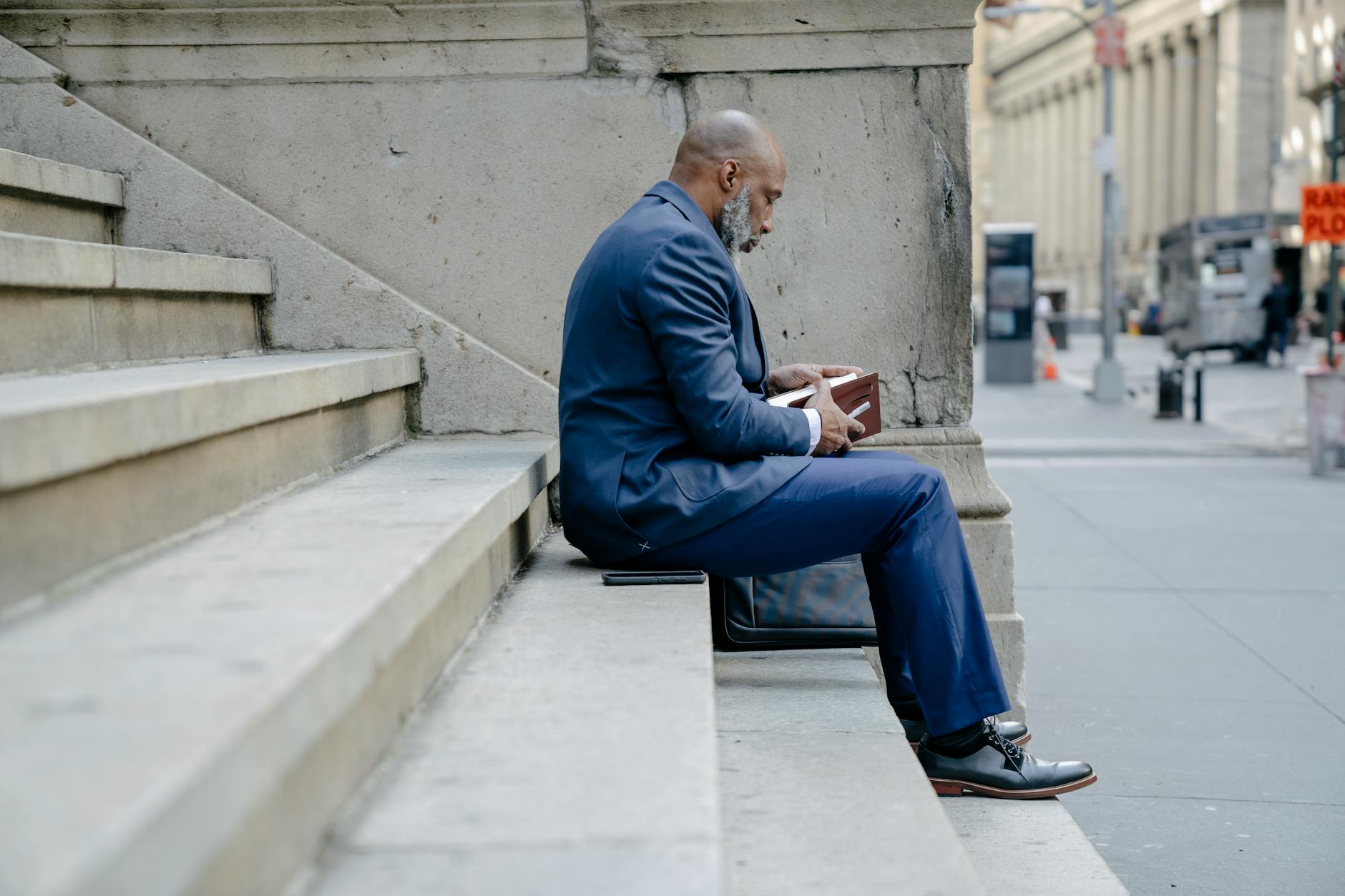
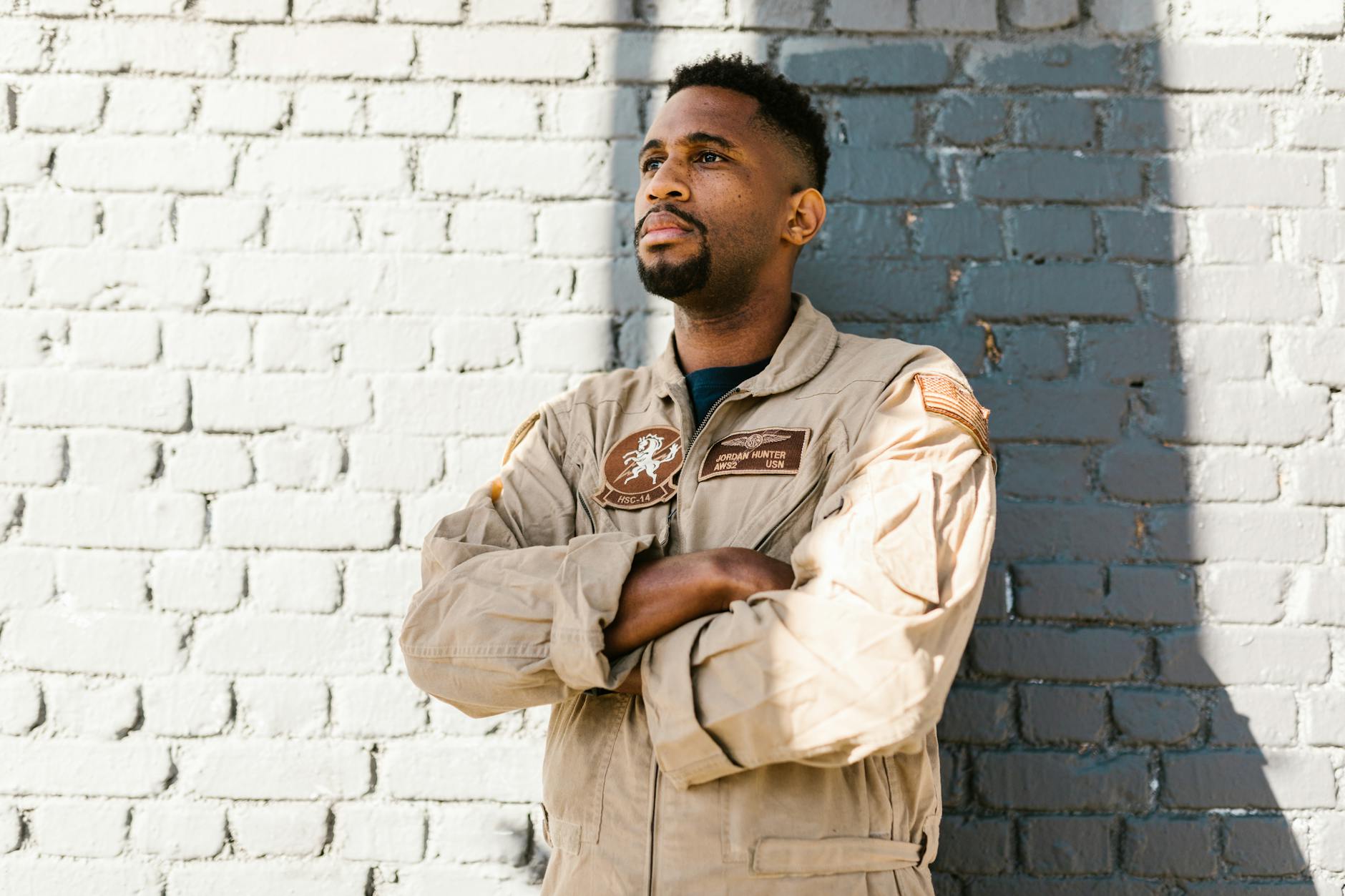
This photograph is the property of its respective owner.
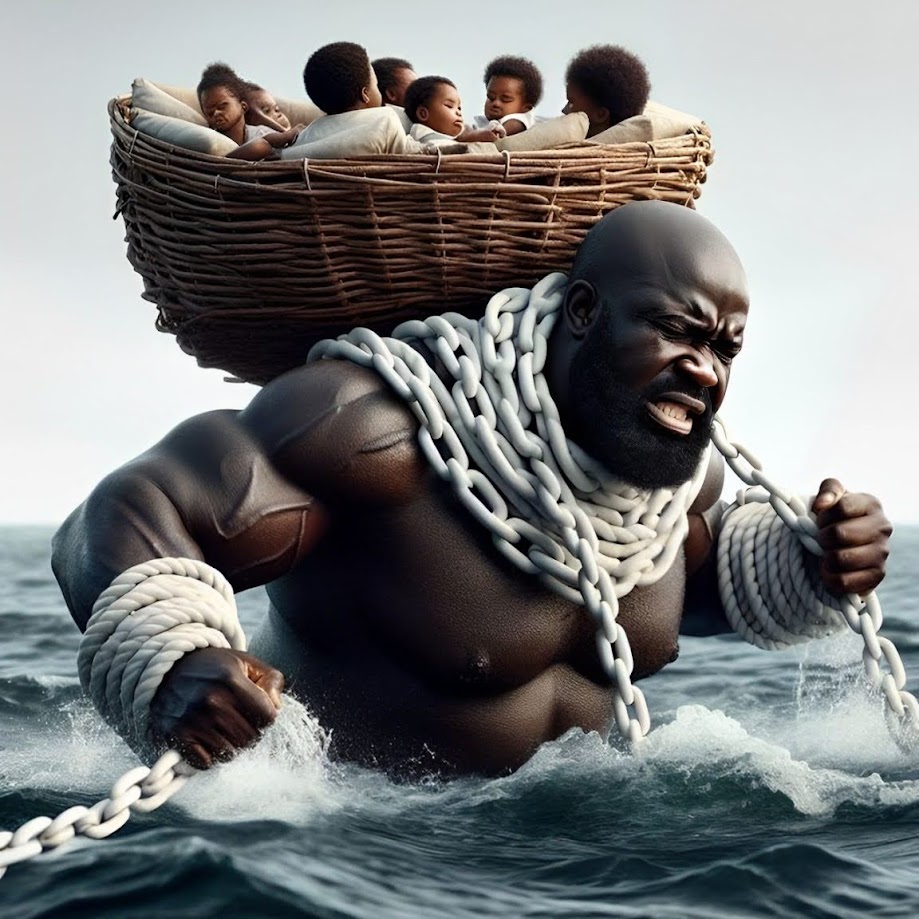
The strength of a Black man is not measured solely in physical ability, wealth, or social influence. True strength encompasses character, resilience, spiritual grounding, emotional intelligence, and responsibility. It is forged through trials, adversity, and a deliberate commitment to purpose.
Historically, Black men have endured systemic oppression, slavery, and societal devaluation. Yet, strength is reflected in their endurance, leadership, and preservation of culture. From African kings like Mansa Musa to civil rights leaders such as Martin Luther King Jr., Black men have demonstrated resilience, wisdom, and vision that transcend generations.
Biblical strength is both moral and spiritual. In 1 Corinthians 16:13 (KJV), Paul exhorts, “Watch ye, stand fast in the faith, quit you like men, be strong.” Here, strength is equated with faithfulness, courage in adversity, and steadfastness in moral convictions.
Emotional strength is critical. A strong Black man processes emotions constructively, maintains integrity, and leads with compassion. Proverbs 20:7 (KJV) emphasizes, “The just man walketh in his integrity: his children are blessed after him.” Legacy, therefore, is part of strength.
Responsibility defines a strong man. Providing for family, protecting community, and honoring God are essential expressions of manhood. Strength without responsibility is incomplete and unsustainable.
Spiritual grounding anchors strength. Prayer, scripture, and devotion provide clarity, perseverance, and wisdom. Psalm 1:3 (KJV) compares a righteous man to a tree planted by rivers of water, symbolizing growth, fruitfulness, and enduring impact.
Resilience is forged through adversity. Black men navigate systemic pressures, stereotypes, and societal challenges, yet resilience transforms hardship into growth, echoing James 1:2-4 (KJV), which teaches that trials develop perseverance and mature character.
Cultural strength strengthens identity. Awareness of African heritage and ancestral achievements provides a foundation of pride and purpose, enhancing personal and communal strength.
Mentorship and leadership reflect true strength. Proverbs 27:17 (KJV) says, “Iron sharpeneth iron; so a man sharpeneth the countenance of his friend.” A strong man uplifts others, multiplies influence, and builds lasting impact through guidance and support.
Relational strength is equally important. Loving and nurturing family, friends, and partners demonstrates balance, emotional intelligence, and integrity. Ephesians 5:25 (KJV) highlights sacrificial love as the model for godly men.
Financial and intellectual strength are tools, not goals. Knowledge, strategic thinking, and financial literacy empower men to protect, provide, and lead effectively (Proverbs 22:7, KJV).
Physical strength matters only when disciplined and guided by wisdom. Aggression without moral grounding undermines true strength. Physical ability should serve purpose, protection, and community well-being.
Legacy is the ultimate measure of strength. A Black man’s influence on family, community, and culture reflects his character, faith, and resilience. Strength ensures future generations inherit wisdom, courage, and integrity.
Understanding identity is vital. Men grounded in history, faith, and self-awareness navigate life confidently, resisting societal narratives that seek to diminish their value. Knowledge of self and purpose fosters unshakeable strength.
Moral courage distinguishes true strength. Standing firm in conviction despite opposition, fear, or marginalization reflects biblical examples such as Daniel in the lion’s den.
Forgiveness and emotional mastery demonstrate strength. Matthew 5:44 (KJV) teaches, “But I say unto you, Love your enemies, bless them that curse you.” Restraint, patience, and understanding are marks of mature strength.
Ultimately, the strength of a Black man is an offering—to God, family, and community. It is a holistic cultivation of character, faith, resilience, and wisdom, impacting generations and fulfilling divine purpose.
Fake Strength vs True Strength
Fake Strength
True Strength
Physical power without discipline
Moral, emotional, and spiritual power guided by integrity
Wealth used for self-gratification
Financial acumen used to provide, protect, and empower others
Dominance or aggression over others
Leadership through service, mentorship, and compassion
Pride without purpose
Humility rooted in faith and responsibility
Ignoring emotional growth
Emotional intelligence, self-awareness, and vulnerability
Short-term gains and image
Long-term legacy and generational impact
Influence based on fear or intimidation
Influence based on respect, wisdom, and example
Avoiding challenges
Resilience and perseverance through trials
Isolation from community
Building relationships, mentorship, and communal uplift
Neglecting faith or purpose
Spiritual grounding and alignment with God’s calling
References
Holy Bible, King James Version. (1611). Thomas Nelson.
Guthrie, D. (1994). The NIV application commentary: Proverbs. Grand Rapids, MI: Zondervan.
Wright, C. J. H. (2002). Old Testament ethics for the people of God. Downers Grove, IL: InterVarsity Press.
Aune, D. E. (2013). Reconsidering the role of men in the Bible: Biblical theology for contemporary men. New York, NY: Continuum.
Harrison, J. (2020). Black masculinity, resilience, and leadership in historical perspective. Chicago, IL: University of Chicago Press.
Manhood, in its truest sense, is more than physical maturity—it is the cultivation of character, purpose, and ethical responsibility. Modern societal pressures, cultural shifts, and historical misrepresentations have fragmented traditional concepts of manhood, necessitating a conscious effort to rebuild its foundation. The Male Files examines how men can reconstruct a blueprint for responsible, empowered, and principled masculinity.
Historically, rites of passage marked the transition from boyhood to manhood. In many cultures, these ceremonies emphasized accountability, community contribution, and personal integrity. They served as a framework for teaching values, skills, and ethical responsibility, creating a clear blueprint for adulthood (Imam, 2015).
Spiritual grounding is central to the foundation of manhood. Faith or a principled moral compass provides men with guidance, resilience, and ethical clarity. Biblical examples such as King David illustrate the importance of aligning leadership, decision-making, and personal conduct with spiritual convictions (1 Samuel 16:7, KJV).
Education and knowledge are integral to rebuilding manhood. Intellectual development equips men to navigate life with discernment, problem-solving abilities, and critical thinking. Learning also empowers men to mentor others, contribute meaningfully to society, and resist destructive cultural narratives.
Emotional intelligence is essential in constructing a new blueprint. Men must cultivate self-awareness, empathy, and relational skills. Developing the ability to manage emotions, communicate effectively, and form healthy relationships differentiates responsible manhood from mere physical maturity.
Economic responsibility forms a critical component of the foundation. Financial literacy, resource management, and intergenerational planning reflect a man’s commitment to sustaining himself, his family, and his community. A rebuilt blueprint emphasizes strategic stewardship over impulsive or self-centered behavior (Graves, 2013).
Accountability is non-negotiable in ethical manhood. Owning decisions, accepting consequences, and learning from mistakes are hallmarks of integrity. Men who practice accountability cultivate trust, respect, and leadership credibility in both personal and professional spheres.
Mentorship is a cornerstone of the blueprint. Experienced men passing on wisdom, ethical standards, and practical skills foster continuity and resilience within communities. Mentorship transforms individual development into a generational legacy of responsible manhood.
Physical health and well-being support the reconstruction of manhood. Strength, endurance, and vitality allow men to fulfill roles as protectors, providers, and leaders. However, true health encompasses mental, emotional, and spiritual dimensions, creating holistic capacity for action.
Resilience in adversity shapes the character of modern manhood. Life inevitably presents challenges—economic hardship, societal marginalization, or personal loss. Men who cultivate resilience respond with perseverance, courage, and strategic problem-solving rather than impulsive reactions or avoidance.
Leadership within family structures is foundational. Fathers and elder men establish environments of guidance, protection, and ethical modeling. Their influence ensures that children develop a clear understanding of responsibility, integrity, and relational dynamics within a stable family framework.
Cultural narratives influence the reconstruction of manhood. Media, literature, and societal discourse often portray men narrowly, emphasizing aggression, dominance, or material success. Rebuilding the blueprint involves redefining masculinity to prioritize emotional literacy, ethical leadership, and service.
Faithful engagement in community work reinforces the new model. Acts of service, mentorship programs, and civic participation demonstrate that manhood extends beyond self-interest. Community-oriented behavior underscores accountability, empathy, and social responsibility.
Spiritual resilience undergirds ethical decision-making. Men anchored in principles or faith are better equipped to navigate societal pressures that encourage dishonesty, exploitation, or moral compromise. Integrity becomes both a compass and a foundation for enduring manhood.
Self-reflection is essential in maintaining and improving the blueprint. Regular evaluation of character, behavior, and goals allows men to identify areas for growth, correct misalignments, and strengthen ethical and emotional capacities.
Interpersonal relationships are a reflection of rebuilt manhood. Respectful engagement, honest communication, and empathetic support enhance friendships, romantic partnerships, and professional connections, demonstrating consistency in principle and action.
Economic empowerment complements the broader blueprint. Financial literacy, entrepreneurship, and ethical wealth-building create independence and reinforce personal and familial stability, demonstrating responsible stewardship and foresight.
Education on historical and social influences equips men to resist destructive patterns. Awareness of systemic oppression, cultural expectations, and inherited biases allows men to make informed choices, breaking cycles of neglect, aggression, or underachievement.
Artistic and cultural expression can reinforce identity, purpose, and self-respect. Engaging with music, literature, or visual arts enables men to process experiences, express values, and cultivate pride in heritage while affirming individuality within societal structures.
Ultimately, rebuilding the foundation of manhood requires holistic integration of faith, intellect, emotional intelligence, accountability, and service. Men who consciously reconstruct their blueprint embody leadership, responsibility, and ethical purpose, setting a model for future generations.
In conclusion, The Male Files presents manhood as a deliberate, ongoing project. By embracing responsibility, cultivating resilience, and modeling principled behavior, men can redefine masculinity in a modern context, fostering communities, families, and societies grounded in integrity, strength, and purposeful action.
References
Graves, J. (2013). Black men in America: Health, family, and social policy. Routledge.
Hunter, M. (2005). Race, gender, and the development of African American masculinity. In M. Hunter & J. Davis (Eds.), African American family life: Ecological and cultural diversity (pp. 45–62). Sage Publications.
Imam, A. (2015). African rites of passage: Cultural significance and social impact. African Studies Review, 58(2), 89–107. https://doi.org/10.1017/asr.2015.21
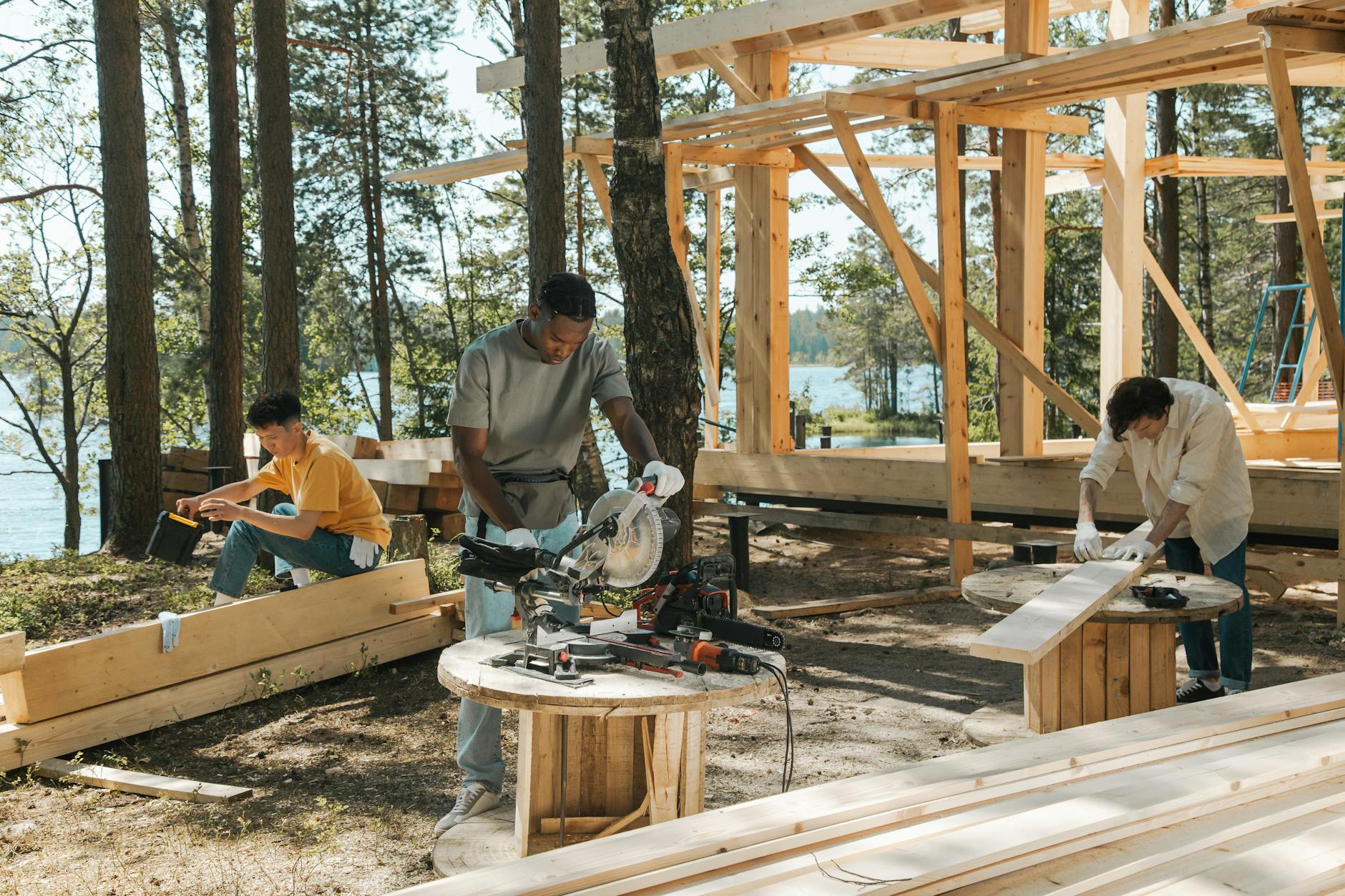
Manhood is more than a biological milestone; it is a journey of responsibility, character, and purposeful action. Transitioning from boyhood to manhood requires cultivating moral integrity, emotional intelligence, and the ability to contribute positively to family, community, and society. The measure of a man lies not in privilege or strength, but in accountability and leadership.
Historically, societies have defined manhood through rites of passage, labor, and civic contribution. In many African cultures, coming-of-age ceremonies marked the shift from boyhood to manhood, emphasizing courage, wisdom, and communal responsibility (Imam, 2015). These traditions underscored that manhood entails service and stewardship.
Faith plays a critical role in shaping responsible manhood. Biblical teachings encourage men to exemplify virtues such as integrity, diligence, and protection of the vulnerable. Proverbs 20:7 asserts, “The just man walketh in his integrity: his children are blessed after him” (KJV). Spiritual grounding equips men to make decisions rooted in principle rather than impulse.
Education and knowledge are foundational to manhood. A responsible man seeks to cultivate wisdom and skill, not only for personal advancement but for the betterment of his community. Learning equips men to lead effectively, mentor youth, and participate in society with discernment.
Emotional maturity is a cornerstone of responsibility. Boys often navigate socialization that discourages vulnerability, yet a man must develop the capacity for empathy, reflection, and self-regulation. Emotional intelligence enables men to manage relationships, resolve conflict, and provide guidance within families and communities.
Economic responsibility is an integral aspect of manhood. Men are often expected to provide for themselves and their dependents, building financial stability and intergenerational wealth. Responsible stewardship of resources demonstrates reliability and ensures that one’s household and community are supported (Graves, 2013).
Mentorship and legacy building are key duties of a man. By teaching younger generations, men transfer wisdom, skills, and ethical frameworks. Mentorship is not merely advice-giving; it involves modeling accountability, perseverance, and principled action, shaping future leaders.
Community engagement reflects a man’s broader responsibility. Acts of service, civic involvement, and advocacy demonstrate that manhood is relational and societal, not merely individual. Men who contribute to the welfare of their communities embody leadership through action rather than authority alone.
Resilience in adversity distinguishes boys from men. Life presents inevitable trials, and a responsible man responds with courage, integrity, and problem-solving. Facing challenges rather than avoiding them cultivates strength of character and earns respect across social and familial spheres.
Spiritual and moral leadership within the family is another crucial responsibility. Fathers and elder men guide children and young adults through modeling, instruction, and protection. The stability of families often reflects the integrity and commitment of male leaders.
Cultural narratives and media representations influence perceptions of manhood. Responsible manhood challenges stereotypes of aggression, irresponsibility, and dominance, offering alternative models based on character, ethical leadership, and service. Representation of positive masculinity reshapes expectations for boys growing into men.
Accountability and self-discipline are defining markers of maturity. A man must take ownership of actions, accept consequences, and strive to align behavior with ethical and spiritual principles. These traits foster trust, respect, and social cohesion, distinguishing boys from men.
Health and well-being are also responsibilities of manhood. Physical, mental, and emotional health enable men to fulfill familial and societal roles effectively. Neglect of well-being undermines capacity to lead, mentor, and contribute meaningfully.
Spiritual resilience supports ethical decision-making. Men grounded in faith or moral principle are better equipped to resist societal pressures that encourage dishonesty, exploitation, or neglect of duty. Integrity becomes both armor and compass in navigating the complexities of adulthood.
In conclusion, the journey from boyhood to manhood is defined by responsibility, accountability, and service. Men who embrace their roles as builders of families, communities, and legacies demonstrate that true masculinity is rooted in principle, character, and purposeful action. The transformation from boy to builder requires dedication, resilience, and unwavering commitment to ethical and spiritual growth.
References
Graves, J. (2013). Black men in America: Health, family, and social policy. Routledge.
Hunter, M. (2005). Race, gender, and the development of African American masculinity. In M. Hunter & J. Davis (Eds.), African American family life: Ecological and cultural diversity (pp. 45–62). Sage Publications.
Imam, A. (2015). African rites of passage: Cultural significance and social impact. African Studies Review, 58(2), 89–107. https://doi.org/10.1017/asr.2015.21
Understanding Male Emotions and Communication Styles
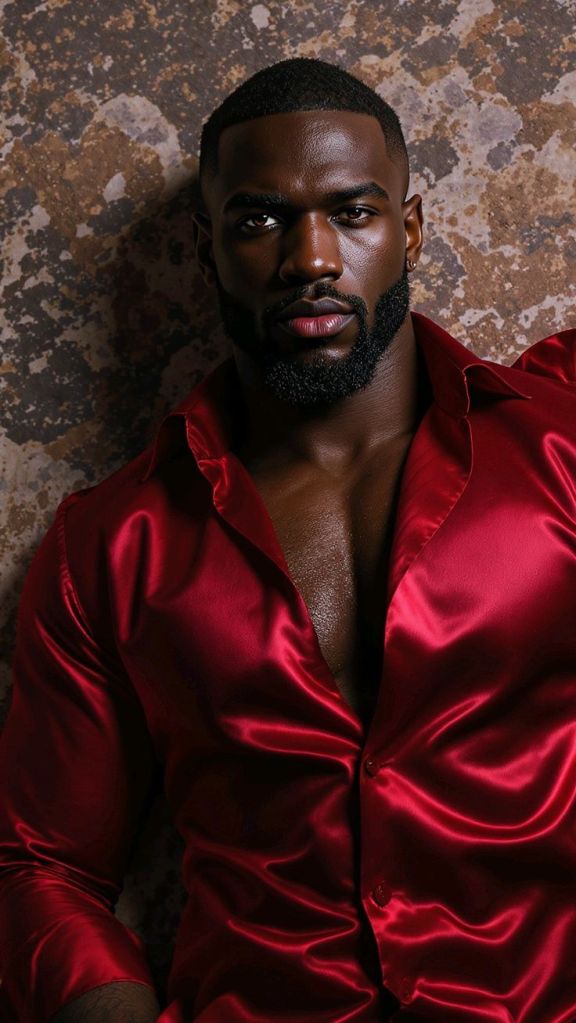
This artwork is the property of its respective owner. No copyright infringement intended.
Men often experience and express emotions differently than women, not because they feel less, but because of socialization, cultural expectations, and biological factors. From a young age, many boys are taught to “toughen up,” suppress tears, or hide vulnerability. This can lead to a gap in emotional expression that women sometimes interpret as indifference or detachment.
Psychologically, men often process feelings internally before verbalizing them. Research in gender studies shows that men may exhibit emotions through actions rather than words — fixing things, giving gifts, or providing support instead of verbal affirmation. Understanding this is key: their silence does not always mean a lack of feeling.
Communication styles also differ. Men often favor solution-focused communication, seeking to solve problems rather than share feelings in detail. Women, by contrast, often communicate to process emotions and seek empathy. Misunderstandings arise when men interpret questions as requests for advice and women interpret silence as disinterest.
Body language is a significant part of male communication. Posture, gestures, and tone often reveal more than words. A man who avoids eye contact might be struggling internally, while someone who withdraws physically may need space to process emotions. Observing actions alongside words provides a fuller picture of what he feels.
Cultural factors can compound these patterns. In many Black communities, historical and social pressures encourage men to project strength and stoicism. Scripture reminds men to lead with integrity and strength, yet also with sensitivity: “Be strong and of a good courage, fear not, nor be afraid of them: for the Lord thy God, he it is that doth go with thee” (Deuteronomy 31:6, KJV). Strength does not preclude emotional expression.
Emotional literacy is crucial for men. Teaching men to identify, name, and express their emotions can prevent destructive patterns like anger outbursts, withdrawal, or unhealthy coping mechanisms such as substance use. Proverbs 15:1 (KJV) highlights the power of gentle communication: “A soft answer turneth away wrath: but grievous words stir up anger.”
Practical Tips for Understanding Men’s Emotions:
Observe actions alongside words
Ask open-ended questions gently
Avoid judgment or criticism
Create safe spaces for vulnerability
Encourage emotional literacy and self-expression
Recognize cultural and social pressures influencing behavior
Integrate faith-based encouragement for holistic growth
Trust plays a major role in emotional openness. Many men do not share their feelings until they feel safe and respected. Women seeking emotional connection should foster environments of trust, patience, and non-judgment, encouraging honest dialogue.
Listening without immediate correction or advice is another key strategy. Men often need to articulate feelings without being problem-solved immediately. Reflective statements like “I hear you” or “I understand” validate their emotions and open deeper communication channels.
Men may also experience pressure around masculinity and societal expectations, which influences emotional expression. Addressing toxic masculinity and promoting vulnerability as a strength allows men to connect authentically. 1 Peter 3:8 (KJV) emphasizes unity and compassion: “Finally, be ye all of one mind, having compassion one of another.”
A Biblical Perspective
Men often experience and express emotions differently than women. This is not because they feel less deeply, but because God created men with unique emotional wiring and societal pressures often teach them to suppress vulnerability. From a young age, men are frequently taught to “be strong,” avoid crying, or hide sensitivity — behaviors that can hinder emotional connection.
The Bible acknowledges the emotional depth of men. King David, for example, openly expressed grief, fear, and joy. In Psalm 6:6 (KJV), he says, “I am weary with my groaning; all the night make I my bed to swim; I water my couch with my tears.” This demonstrates that men are capable of deep emotional expression, and tears are not a weakness but a form of release.
God designed men to lead their families with both strength and compassion. Ephesians 5:25 (KJV) instructs, “Husbands, love your wives, even as Christ also loved the church, and gave himself for it.” Emotional awareness is essential for this sacrificial love, because understanding feelings — their own and their spouse’s — enables men to lead with sensitivity and wisdom.
Men often communicate through actions more than words. Proverbs 20:11 (KJV) says, “Even a child is known by his doings, whether his work be pure, and whether it be right.” This principle applies to men of all ages: actions reflect emotional reality, even when verbal expression is limited. Fixing problems, providing support, or offering protection are often expressions of care.
Biblical masculinity balances strength and vulnerability. Deuteronomy 31:6 (KJV) reminds men, “Be strong and of a good courage, fear not, nor be afraid of them: for the LORD thy God, he it is that doth go with thee; he will not fail thee, nor forsake thee.” Strength is commanded, but God’s presence invites men to lean on Him — emotionally, spiritually, and relationally.
Communication differences are often shaped by culture. Men may be solution-focused, while women often process emotions verbally. Understanding this distinction prevents misinterpretation. Proverbs 15:1 (KJV) teaches, “A soft answer turneth away wrath: but grievous words stir up anger.” Gentle, patient communication helps men feel safe in expressing their hearts.
Trust is critical. Many men struggle to share emotions because of fear of judgment or appearing weak. Proverbs 3:5-6 (KJV) reminds believers, “Trust in the LORD with all thine heart; and lean not unto thine own understanding. In all thy ways acknowledge him, and he shall direct thy paths.” Men can be encouraged to trust God and, by extension, the safe spaces God places around them to express emotions.
The Bible models healthy emotional expression. Jesus wept at Lazarus’ tomb (John 11:35, KJV) and expressed anger in the temple (Matthew 21:12-13, KJV). Both demonstrate that emotional expression, even strong emotions, is appropriate when aligned with righteousness and truth.
Men’s emotional struggles may also stem from societal pressure to perform masculinity without fault. Addressing toxic expectations through mentorship and biblical teaching is key. 1 Peter 3:8 (KJV) teaches, “Finally, be ye all of one mind, having compassion one of another, love as brethren, be pitiful, be courteous.” Compassion and empathy are markers of spiritual and emotional maturity.
Encouraging men to cultivate emotional literacy — naming, expressing, and processing feelings — aligns with biblical principles of self-awareness and integrity. James 1:19 (KJV) instructs, “Wherefore, my beloved brethren, let every man be swift to hear, slow to speak, slow to wrath.” Listening and reflection are essential for healthy communication.
Practical strategies for understanding male emotions include: observing actions, creating safe spaces for dialogue, encouraging journaling, prayer, or mentorship, and modeling vulnerability. Ecclesiastes 4:9-10 (KJV) reminds us, “Two are better than one; because they have a good reward for their labour. For if they fall, the one will lift up his fellow.” Supportive relationships strengthen emotional expression.
Men’s emotional growth is not just for their own benefit — it strengthens families and communities. Proverbs 20:7 (KJV) says, “The just man walketh in his integrity: his children are blessed after him.” Emotionally aware men model integrity, teach healthy relationships, and break cycles of emotional suppression.
Healing from past emotional trauma, including generational trauma, is also essential. Counseling, prayer, and mentorship can help men process grief, shame, and suppressed emotions. Psalm 34:18 (KJV) reassures, “The LORD is nigh unto them that are of a broken heart; and saveth such as be of a contrite spirit.”
Men are capable of balancing strength with sensitivity when guided by God’s Word and empowered through faith. Colossians 3:12-13 (KJV) exhorts, “Put on therefore, as the elect of God, holy and beloved, bowels of mercies, kindness, humbleness of mind, meekness, longsuffering; Forbearing one another, and forgiving one another…” Emotional maturity reflects spiritual growth.
In romantic relationships, understanding male emotions improves intimacy and trust. Women who recognize nonverbal cues, respect need for space, and affirm men’s feelings foster healthier partnerships. Song of Solomon 2:16 (KJV) shows mutual delight and appreciation, affirming emotional connection in love.
Male mentorship programs, brotherhood groups, and faith-based counseling provide men spaces to explore vulnerability without judgment. Titus 2:2,6 (KJV) teaches older men to be sober, reverent, and mentors for younger men, modeling godly emotional behavior.
Emotional intelligence is also critical in leadership. Proverbs 16:32 (KJV) states, “He that is slow to anger is better than the mighty; and he that ruleth his spirit than he that taketh a city.” Men who master emotions lead families, communities, and workplaces with wisdom and stability.
Finally, women can play a supportive role by encouraging prayer, honest dialogue, and reflection. Galatians 6:2 (KJV) reminds us, “Bear ye one another’s burdens, and so fulfil the law of Christ.” Supporting men emotionally fulfills the biblical call to love and mutual care.
Key Takeaways
Men express emotions differently — often through actions, silence, or problem-solving.
Emotional literacy, mentorship, and faith-based guidance empower men to process feelings.
Scripture affirms that emotional depth, vulnerability, and empathy are marks of godly manhood.
Healthy communication strengthens relationships, families, and communities.
Finally, patience is essential. Changing communication patterns takes time, especially when emotions have been repressed for years. Encouraging men to journal, talk to mentors, or seek counseling can support emotional growth and healthier relationships.
References
The Holy Bible, King James Version. (1611). Thomas Nelson.
Clark, K., & Clark, M. (1947). Racial identification and preference in Negro children. Journal of Negro Education, 16(3), 169–175.
Tajfel, H., & Turner, J. C. (1979). An integrative theory of intergroup conflict. In W. G. Austin & S. Worchel (Eds.), The social psychology of intergroup relations (pp. 33–47). Brooks/Cole.
Akbar, N. (1996). Breaking the chains of psychological slavery. Mind Productions.
The male body, according to biblical theology, is not merely a biological structure but a visible expression of purpose, order, and responsibility. God’s design for the male form reflects strength governed by righteousness, power restrained by wisdom, and authority tempered by humility. In Scripture, physical strength is never separated from moral obligation.
From the beginning, God formed man with intention. Adam was created to cultivate, protect, and steward (Genesis 2:15, KJV). His physical design corresponded with his calling. Strength was not for domination, but for service. The male body was shaped to labor, defend, and build within God’s created order.
Biblical masculinity emphasizes functional strength rather than ornamental beauty. While Scripture acknowledges attractiveness, it consistently elevates character over appearance. True male beauty is measured by obedience, discipline, and faithfulness rather than aesthetic appeal alone.
The Psalms frequently associate strength with righteousness. “The Lord is my strength and my shield” (Psalm 28:7, KJV) frames strength as something derived from God rather than self-exaltation. The male form becomes beautiful when it reflects dependence on divine authority rather than personal pride.
In Proverbs, strength without wisdom is portrayed as dangerous. “He that is slow to anger is better than the mighty; and he that ruleth his spirit than he that taketh a city” (Proverbs 16:32, KJV). The most admirable strength is self-governed strength, where power is mastered rather than unleashed recklessly.
The male physique in Scripture is often connected to protection. Men are repeatedly called to guard households, communities, and faith. This protective role gives meaning to physical strength, transforming it from aggression into responsibility.
The New Testament deepens this framework. Christ, the ultimate model of manhood, embodied strength through sacrifice. His power was revealed not through domination, but through endurance, restraint, and submission to the Father’s will. The male form finds its highest expression when aligned with Christ-like character.
Paul instructs men to love sacrificially, especially within marriage. “Husbands, love your wives, even as Christ also loved the church, and gave himself for it” (Ephesians 5:25, KJV). Strength becomes beautiful when it is willing to give rather than take.
Cultural distortions often redefine male beauty as aggression, sexual conquest, or physical intimidation. Scripture rejects this model. Biblical strength is measured by faithfulness, integrity, and the ability to stand firm without cruelty or excess.
Psychological research supports this biblical framing. Studies show that men who integrate strength with emotional regulation and moral clarity experience healthier relationships and greater psychological well-being than those who rely on dominance-based identity.
The male body also reflects discipline. Athleticism, labor, and endurance are praised in Scripture when exercised with self-control. Paul compares spiritual life to physical training, acknowledging the value of bodily discipline while placing greater emphasis on godliness (1 Timothy 4:8, KJV).
Righteous strength also includes restraint in sexuality. The male form is powerful, yet Scripture calls men to govern desire rather than be ruled by it. Self-control is repeatedly listed as evidence of spiritual maturity.
The beauty of the male form is further revealed through leadership. Biblical leadership is not coercive but accountable. Men are instructed to lead as servants, understanding that authority is stewardship, not entitlement.
Historically, societies that honored righteous masculinity valued strength paired with honor. Modern culture often divorces strength from virtue, producing confusion, violence, and identity crisis among men. Scripture offers a corrective framework.
The male body ages, weakens, and changes, yet righteousness preserves dignity. Scripture teaches that strength rooted solely in physical capacity fades, but strength anchored in character endures.
The prophet Micah summarizes masculine virtue succinctly: to do justly, love mercy, and walk humbly with God. These qualities redefine strength as moral clarity rather than physical force.
True masculine beauty is therefore functional, moral, and purposeful. It is a strength that builds rather than destroys, protects rather than exploits, and leads without arrogance.
When men understand their bodies as instruments of service rather than symbols of ego, they reclaim dignity. The male form becomes a testimony rather than a spectacle.
Righteous strength also benefits the community. Families, churches, and societies flourish when men embody disciplined power rather than unchecked dominance. Strength ordered by righteousness produces stability.
The beauty of the male form ultimately points beyond itself. It reflects the Creator’s intent that power exists to uphold life, justice, and truth. When strength is aligned with righteousness, it becomes a visible expression of divine order.
In God’s design, the male form is not merely strong—it is accountable. Its beauty is revealed not in how much it can conquer, but in how faithfully it can serve under God’s authority.
References
The Holy Bible, King James Version. Genesis 2:15 Psalm 28:7 Proverbs 16:32 Ephesians 5:25 1 Timothy 4:8 Micah 6:8
Connell, R. W. (2005). Masculinities (2nd ed.). University of California Press.
Levant, R. F., & Richmond, K. (2016). The gender role strain paradigm and masculinity ideologies. Psychology of Men & Masculinity, 17(2), 111–119.
Peterson, C., & Seligman, M. E. P. (2004). Character strengths and virtues. Oxford University Press.
The evolving digital landscape has given rise to new subcultures that shape how men understand themselves, their identities, and their place in the world. Among these digital communities, the “manosphere” emerges as one of the most influential—yet controversial—phenomena of the 21st century. It is a constellation of blogs, forums, influencers, and ideological hubs that discuss men’s issues, masculinity, dating, politics, and gender relations. Its echo chambers reveal both the anxieties and aspirations of modern men navigating cultural change.
Psychologically, the manosphere reflects a crisis of identity. Men facing economic uncertainty, shifting gender roles, and declining social structures often seek online spaces where their frustrations are validated. Researchers note that these communities appeal to men who feel culturally displaced or socially invisible (Ging, 2019). Many participants express feelings of betrayal, loneliness, or rejection—emotional wounds that make them susceptible to simplistic or extremist solutions.
The manosphere encompasses diverse factions, from moderate men’s rights advocates to more extreme corners like incels, pick-up artists (PUAs), and hyper-traditional patriarchal groups. Each subculture draws from different grievances, yet all share an intense focus on gender power dynamics. The movement’s psychological pull lies in its promise of clarity: clear rules for masculinity, clear villains for male suffering, and clear communities for belonging.
Politically, the manosphere has evolved into a potent force. Its narratives intersect with broader ideological concerns, including nationalism, anti-feminism, and traditionalism. Papadamou et al. (2020) show that these communities can act as radicalization pipelines, funneling disaffected men toward far-right beliefs. This shift reflects how gender identity becomes not only personal but also political—shaping voting behaviors, policy views, and cultural attitudes.
One of the central themes within the manosphere is the concept of male hierarchy. Alpha, beta, and sigma labels create a simplistic taxonomy that reduces masculinity to dominance or detachment. This worldview rejects vulnerability and compassion, reinforcing rigid notions of what a “real man” should be. Psychologists argue that such ideas deepen male distress by discouraging emotional expression and relational connection (Connell & Messerschmidt, 2005).
Platforms within the manosphere also promote transactional understandings of relationships. PUAs and red-pill ideologues often treat intimacy as a competitive marketplace. Women become opponents rather than partners; dating becomes strategy rather than connection. This mindset distorts emotional development and creates cycles of resentment, especially for young men struggling socially or romantically.
Yet it would be inaccurate to assume the manosphere is exclusively harmful. Some spaces focus on mental health, fatherhood, fitness, financial stability, and personal accountability. These communities emphasize resilience, discipline, and healing—traits essential for masculine well-being. However, even positive messages can be overshadowed by adjacent radical voices, making healthy navigation difficult for vulnerable men.
Relationally, the manosphere amplifies gender polarization. Feminists become enemies, women become predators or obstacles, and the idea of partnership becomes suspect. Scholars like Banet-Weiser (2018) emphasize that this adversarial framing fuels broader cultural conflict, turning personal pain into ideological warfare. What begins as emotional grievance often hardens into political identity.
Spiritually and emotionally, the manosphere reveals profound longing—longing for purpose, stability, respect, and connection. Masculine identity today is fragmented: some men cling to traditional roles; others seek entirely new scripts. Without supportive community structures, men turn to online voices to interpret their struggles. The manosphere fills the vacuum left by mentorship, family breakdown, and societal confusion about manhood.
The political implications are significant. Manosphere narratives increasingly influence elections, public discourse, and lawmaking. The rhetoric around “male disenfranchisement” and “feminist overreach” shapes debates about reproductive rights, social services, education, and criminal justice. Politicians have learned to tap into male resentment as a mobilizing force—fusing gender grievance with populist messaging.
Psychologically, the manosphere also reveals the vulnerabilities in modern masculinity. Depression, suicidality, social isolation, and identity instability are recurring themes among participants. Studies show that men drawn to extremist corners often struggle with belonging, trauma, or developmental disruptions (Baele et al., 2019). The manosphere becomes both an outlet for pain and a source of deeper wounds.
The movement’s echo chambers magnify emotional experiences. Algorithms reward outrage, leading men deeper into ideological certainty and relational disconnection. The resulting worldview is often binary: men vs. women, winners vs. losers, dominant vs. submissive. This cognitive rigidity reduces the rich complexity of human experience to a battlefield of oppositions.
At its core, the manosphere is not simply about gender—it is about power. Power over self, power in relationships, and power within society. Its narratives reveal conflict between the desire for agency and the fear of irrelevance. For many men, the manosphere offers a sense of identity when other pathways—family, faith, community—have weakened or disappeared.
However, healthier models of masculinity do exist. Scholars and therapists increasingly promote relational masculinity, which emphasizes emotional intelligence, accountability, compassion, and mutual respect. This model rejects weakness and cruelty, not masculinity itself. It offers a path for men to grow without dehumanizing others.
The challenge moving forward is addressing the underlying wounds that drive men into harmful manosphere spaces. Solutions include mentorship, mental-health support, community engagement, and positive cultural representations of men. When men heal, their ideologies shift. When men feel valued, they no longer need to seek identity in extremity.
Ultimately, “Echoes of Masculinity” reveals that the manosphere is not merely an online trend—it is a psychological landscape and political engine shaped by fear, desire, trauma, and longing. Understanding it requires compassion as much as critique. The future of masculinity depends not on abandoning manhood but on redefining it with responsibility, truth, and emotional depth. When men are offered healthier scripts, the echo chambers lose their power.
References Baele, S. J., Brace, L., & Coan, T. G. (2019). From “incels” to “saints”: Transitions in online extremist subcultures. Terrorism and Political Violence. Banet-Weiser, S. (2018). Empowered: Popular Feminism and Popular Misogyny. Duke University Press. Connell, R. W., & Messerschmidt, J. (2005). Hegemonic masculinity: Rethinking the concept. Gender & Society, 19(6), 829–859. Ging, D. (2019). Alphas, betas, and incels: The manosphere landscape. Men and Masculinities, 22(4), 638–657. Papadamou, K., et al. (2020). A large-scale analysis of extremist platforms and radicalization pathways. Proceedings of the International AAAI Conference on Web and Social Media.
Men of valor are defined not by their wealth, status, or physical prowess, but by their steadfastness in character, clarity of purpose, and commitment to living in alignment with moral and spiritual principles. Valor in this sense transcends traditional notions of heroism; it is a holistic expression of integrity, courage, and self-mastery. Such men inspire their families, communities, and nations by embodying a model of leadership grounded in faith, focus, and freedom.
Faith is the cornerstone of valor. Men who cultivate faith, whether spiritual or moral, anchor themselves in principles that guide decisions and sustain resilience during adversity. Biblical figures like Joshua demonstrate that courage rooted in faith yields victory beyond human capability. Joshua 1:9 declares, “Be strong and of a good courage; be not afraid, neither be thou dismayed: for the Lord thy God is with thee whithersoever thou goest” (KJV). This verse underscores that true valor flows from trust in divine guidance.
Focus complements faith by channeling energy and intention toward purposeful goals. Men of valor resist distractions, peer pressure, and the allure of fleeting pleasures. They cultivate discipline in thought, speech, and action, recognizing that achievement is not measured solely by external success but by consistency in living with integrity. Focused men understand that their daily choices define their legacy.
Freedom, the third pillar, is both internal and external. Internally, it represents liberation from destructive habits, fears, and mental bondage. Externally, it reflects the ability to lead without being enslaved to societal pressures, toxic relationships, or materialism. A free man makes decisions aligned with truth, justice, and compassion rather than mere convenience or conformity.
Historically, men of valor have shaped societies through principled leadership. Figures like Frederick Douglass and Nelson Mandela exemplify the intersection of faith, focus, and freedom. They navigated immense adversity yet remained committed to justice and moral clarity. Their lives teach that valor is not about the absence of struggle but the triumph over it.
In family life, men of valor serve as pillars of stability and guidance. They model emotional intelligence, accountability, and spiritual discipline. Their presence fosters confidence, security, and ambition in their children. Fathers who are faithful, focused, and free cultivate homes where respect, love, and personal growth flourish.
Mentorship is another hallmark of men of valor. By guiding younger men through personal, professional, and spiritual challenges, they create generational impact. Mentorship demonstrates that valor is not self-contained; it multiplies when shared. Through teaching and example, these men leave legacies far beyond their individual lifetimes.
Faithful men resist societal temptations that compromise character. In a culture often obsessed with instant gratification and moral compromise, adherence to principles requires courage. They prioritize long-term integrity over short-term gain, understanding that true success is rooted in ethical consistency rather than fleeting acclaim.
Focus enables men to navigate complexity with clarity. In professional spheres, focused men cultivate strategic thinking, emotional regulation, and perseverance. Their ability to align action with purpose enhances productivity, strengthens relationships, and inspires trust among peers and subordinates. Focus transforms potential into realized achievement.
Freedom is realized through self-discipline. Men of valor resist impulses that enslave, such as addiction, anger, and fear. They embrace accountability structures—through faith communities, mentorship, or personal reflection—to maintain autonomy over choices. Freedom is not the absence of boundaries but the mastery of oneself within them.
Emotionally, men of valor cultivate resilience. Life inevitably brings trials, but those anchored in faith, focus, and freedom approach challenges with composure and discernment. Emotional resilience allows them to respond to adversity constructively, offering guidance and hope to others rather than succumbing to despair or impulsive reaction.
Spiritually, valor manifests as service to others. True freedom is expressed not in selfish indulgence but in the capacity to uplift communities, defend justice, and protect the vulnerable. Men of valor embody servant leadership, understanding that strength is most potent when wielded for the benefit of others.
In relationships, these men demonstrate consistency, honesty, and respect. Their faith anchors commitment, their focus ensures attentiveness, and their freedom allows authentic connection. Romantic partnerships, friendships, and family bonds thrive when men prioritize integrity and accountability over ego or control.
Culturally, men of valor challenge stereotypes of masculinity defined by aggression or dominance. They offer alternative models rooted in humility, intelligence, and empathy. By redefining manhood, they provide a roadmap for younger generations to aspire toward virtue rather than performative toughness.
Psychologically, men of valor are self-aware. They recognize personal limitations and biases and engage in continuous self-improvement. Self-reflection is a key tool for aligning actions with values, ensuring that behavior reflects principles rather than impulse. This internal vigilance distinguishes valor from superficial strength.
Economically, focused men of valor contribute responsibly to their families and communities. They manage resources wisely, invest in generational wealth, and avoid destructive cycles of debt or overconsumption. Financial integrity complements moral and spiritual integrity, reinforcing holistic strength.
Historically, valorous men have often been catalysts for social reform. By integrating faith, focus, and freedom, they confront injustice with wisdom rather than violence, demonstrating that courage can be principled, strategic, and transformative. Leaders such as Booker T. Washington and Martin Luther King Jr. illustrate this multidimensional model.
Education and mentorship foster valor in future generations. Institutions that emphasize character formation alongside knowledge equip young men to navigate life’s complexities with integrity. Moral education cultivates the habits of faithfulness, focus, and freedom before societal pressures impose destructive narratives.
Ultimately, men of valor embody a balance between strength and humility, action and reflection, independence and service. Their lives reflect an ongoing commitment to principled living, showing that true manhood is measured not by accolades but by fidelity to character, purpose, and conscience.
In conclusion, faith, focus, and freedom are not abstract ideals—they are practical tools for transformation. Men who internalize and express these qualities catalyze ripples of influence that strengthen families, uplift communities, and inspire generations. Valor is attainable not through force or fear, but through consistent, principled living.
References
Cokley, K. (2015). The myth of Black anti-intellectualism: A true psychology of African American students. Praeger.
Connell, R. W. (2005). Masculinities (2nd ed.). University of California Press.
Franklin, J. H., & Moss, A. A. (2000). From slavery to freedom: A history of African Americans (8th ed.). McGraw-Hill.
hooks, b. (2004). The will to change: Men, masculinity, and love. Washington Square Press.
King, M. L. Jr. (1963). Strength to love. Harper & Row.
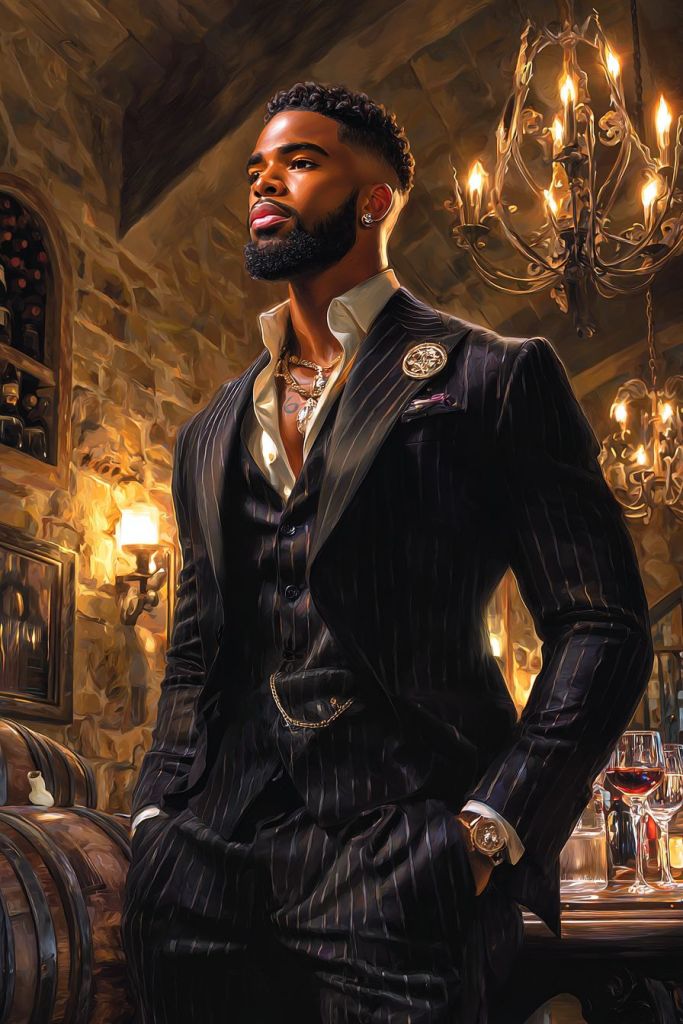
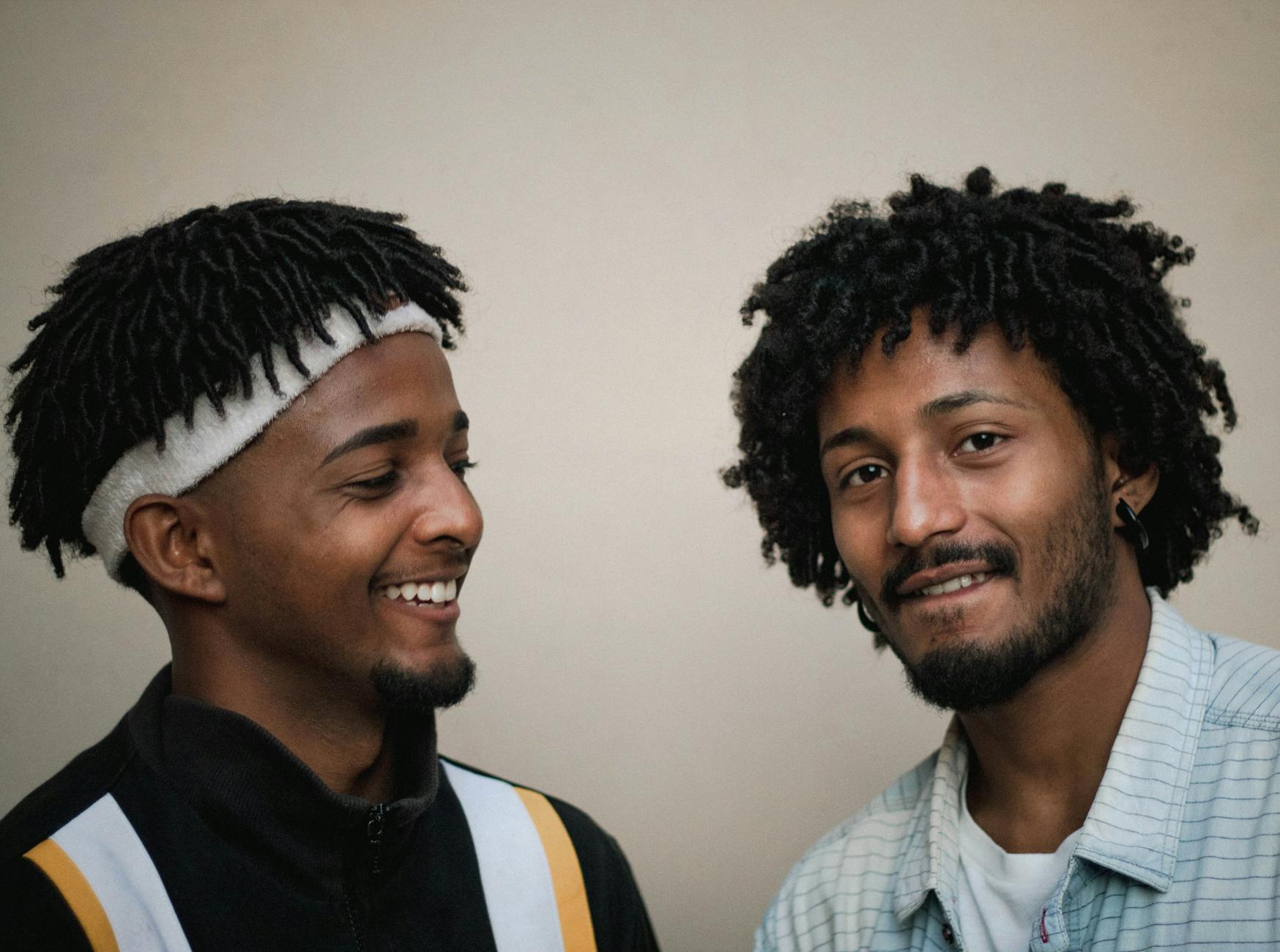
This photograph is the property of its respective owner. No copyright infringement intended.
In today’s evolving society, the concept of male beauty is undergoing a profound transformation. The traditional standards that once confined masculinity to stoicism, strength, and physical dominance are now being challenged by broader, more inclusive interpretations. The aesthetics of manhood are no longer limited to muscle and might—they now encompass vulnerability, intellect, emotional expression, and cultural authenticity.
Historically, male beauty was measured through physical power and ruggedness. In ancient Greece and Rome, statues of warriors and athletes represented the ideal male form—strong, symmetrical, and disciplined. The male body symbolized order and control, reflecting societal values of dominance and reason. However, these classical ideals excluded diverse expressions of masculinity, especially those from non-Western cultures that viewed beauty through community, spirit, and moral integrity (Bordo, 1999).
In African traditions, beauty in men has long been associated with wisdom, dignity, and spiritual strength. Among the Yoruba, for instance, the concept of iwa pele (good character) was considered more beautiful than mere physical appearance. Similarly, in ancient Kemet (Egypt), male beauty was symbolized by balance—between the body, mind, and soul. These ancestral philosophies remind us that beauty is not just seen; it is lived, embodied, and spiritually aligned (Asante, 2000).
The modern era, shaped by colonialism and Western media, disrupted these holistic views. Eurocentric standards elevated certain physical traits—light skin, straight hair, narrow noses—as superior, marginalizing men of African descent and redefining attractiveness through whiteness. The media portrayed Black men as hypermasculine or dangerous, stripping them of softness and sensitivity. This distortion created a false binary between strength and beauty (hooks, 2004).
Today, a cultural rebirth is reclaiming the aesthetics of Black manhood. The modern Black man is redefining beauty through authenticity—embracing his natural hair, his melanin, his heritage, and his emotions. Public figures like Idris Elba, Regé-Jean Page, and Chadwick Boseman have become global icons not merely because of their looks but because they embody elegance, confidence, and grace grounded in cultural pride.
Fashion has also become a vehicle for redefining masculinity. Once considered effeminate, self-expression through style now represents power and individuality. From tailored suits to traditional African attire, men are reclaiming the right to adorn themselves without judgment. The black corduroy suit, for instance—timeless, textured, and dignified—evokes a man grounded in intellect and self-respect, exuding quiet power rather than overt aggression.
Social media has democratized beauty, allowing diverse images of manhood to flourish. Influencers, models, and thinkers challenge the old norms by presenting vulnerability as strength and intellect as attraction. The male gaze is no longer just about how men look at women—it’s about how men perceive themselves. Self-love and self-definition are becoming acts of resistance against a society that once denied men the right to feel (Gill, 2008).
The aesthetics of manhood also intersect with mental health. For centuries, men were taught to hide pain and equate emotion with weakness. Today, redefining beauty includes emotional transparency—the courage to cry, to heal, to grow. This shift honors the humanity of men, not just their physicality. It teaches that inner peace radiates outward as a form of beauty.
In the world of art and photography, representations of male beauty are expanding. Portraits of Black men in fine suits, natural light, or ancestral settings highlight a sacred duality: strength intertwined with serenity. These images humanize the Black male body, reclaiming it from stereotypes of violence and hypersexualization. Beauty becomes political—a declaration of worth and wholeness.
Moreover, the redefinition of male beauty challenges capitalism’s grip on self-image. The beauty industry, long targeted toward women, now markets grooming, skincare, and fashion to men. While this opens new expressions, it also risks commodifying masculinity. The true aesthetics of manhood should arise from authenticity, not consumerism.
Education and media literacy are crucial in shaping new ideals. Young boys must be taught that their value extends beyond appearance or aggression. They must learn that empathy, faith, and integrity are beautiful traits. The aesthetics of manhood, when rooted in moral excellence, contribute to healthier relationships and stronger communities.
Faith and spirituality play an essential role as well. The biblical model of manhood—courage balanced with compassion—reminds us that beauty is divine when aligned with purpose. Scriptures like Proverbs 20:29 (“The glory of young men is their strength: and the beauty of old men is the gray head”) affirm that beauty evolves with age, wisdom, and moral refinement.
Culturally, we are witnessing a renaissance of manhood through art, film, and literature. Black filmmakers and writers depict complex male characters who cry, love, and lead with purpose. From the dignity of T’Challa in Black Panther to the introspection of Colman Domingo’s roles, beauty is reimagined as multifaceted and deeply human.
The aesthetics of manhood are also shifting across gender and sexuality lines. Men who defy conventional masculinity—whether through fashion, identity, or expression—expand the conversation. Their courage dismantles toxic ideals and allows a richer, more inclusive understanding of male beauty to emerge (Connell, 2005).
Intergenerational dialogue is vital in this redefinition. Elders must teach young men that beauty is not vanity but virtue. Meanwhile, younger generations must model new versions of manhood that blend tradition with transformation. Together, they can create a balanced vision where manhood is not confined by fear or dominance but liberated through authenticity.
The dilemma remains: society still pressures men to conform to outdated ideals of toughness. Yet, a new paradigm is rising—one that celebrates quiet strength, cultural pride, and spiritual wholeness. The true aesthetics of manhood are not found in perfection but in purpose, not in control but in connection.
Ultimately, redefining male beauty is about healing. It is about freeing men from centuries of repression and allowing them to see themselves as reflections of divine artistry. Every wrinkle, scar, and gray hair tells a story of endurance. Every expression of gentleness and courage reveals the image of God within.
The world is learning that beauty and masculinity are not opposites—they are allies in the making of a complete man. As this understanding deepens, society will no longer fear men who are beautiful in spirit, intellect, and soul. The aesthetics of manhood, then, become a universal call to redefine what it means to be human.
References
Asante, M. K. (2000). The African Philosophy of African Culture: Toward a Theory of Communication. Routledge. Bordo, S. (1999). The Male Body: A New Look at Men in Public and in Private. Farrar, Straus and Giroux. Connell, R. W. (2005). Masculinities (2nd ed.). University of California Press. Gill, R. (2008). Empowerment/Sexism: Figuring Female Sexual Agency in Contemporary Advertising.Feminism & Psychology, 18(1), 35–60. hooks, b. (2004). We Real Cool: Black Men and Masculinity. Routledge.
The war for Black manhood is not fought solely in streets, prisons, courtrooms, or schools—it is waged in the soul, the psyche, and the spiritual realm. From slavery’s plantations to modern digital plantations of propaganda, the Black man has endured relentless attacks against his identity, dignity, and divine purpose. This struggle is not merely social, political, or economic; it is spiritual warfare targeting the very essence of who God created him to be.
The biblical foundation of Black manhood is rooted in creation. Man was formed first, charged with leadership, responsibility, and stewardship (Genesis 2:7, 15). Yet the same adversary who sought to destroy Adam’s authority continues to target the sons of Africa today. To diminish the Black man is to weaken the family, fracture the community, and disrupt divine order. Satan’s assault on Black men is strategic warfare, designed to sever the image of God reflected in them.
The transatlantic slave trade was not just a historical event—it was a spiritual attack meant to strip Black men of identity, masculinity, and kingship. Enslaved men were separated from wives, children, culture, and language, systematically humiliated to destroy their sense of authority. This trauma reverberates through generations, echoing the curses described in Deuteronomy 28, where the chosen would suffer captivity, family division, and oppression. Slavery targeted the Black man’s crown before it ever touched his chains.
White supremacy sought to redefine Black manhood from divinely appointed leader to threat, beast, or commodity. During Jim Crow, the Black man’s dignity was so feared that false accusations and violence were used to maintain domination. To oppress a man, one must first demonize him. Propaganda turned the Black man from imago Dei into public enemy, justifying violence and control. These lies became law, media narrative, and belief.
Modern systems continue the war through mass incarceration, economic disenfranchisement, and educational inequity. Policies like the War on Drugs disproportionately targeted Black men, creating cycles of fatherlessness and poverty. The judicial system frequently punishes Black masculinity more than crime. When a man is caged, a community is crippled. One cannot separate the prison crisis from the spiritual agenda to dismantle Black manhood.
But the battlefield is not just external. Many Black men wrestle with internalized oppression, identity confusion, and emotional scars. Centuries of emasculation, exploitation, and systemic barriers weigh heavy. Depression, anxiety, and trauma are often masked behind stoicism, anger, or silence. The world permits everyone to be vulnerable except the Black man. Yet Christ calls all to cast burdens upon Him (1 Peter 5:7). Healing begins where honesty begins.
Media has become a weapon as well. Where once the Black man was criminalized, now he is hyper-sexualized, feminized, or portrayed as irresponsible and violent. Hollywood, music, and social platforms often glorify dysfunction while diminishing images of honorable, God-fearing Black men. A war of images is a war of identities. If he does not control his narrative, someone else will.
The family remains the primary target. A man who leads his home with faith, discipline, and love becomes a fortress against societal chaos. But if he is removed, the gates fall. Fatherhood is divine assignment (Ephesians 6:4). When fatherhood is weakened, so is the nation. Systems knew this—so they removed him from the home economically, psychologically, or physically. Yet God calls Black men back to priesthood, protection, and provision.
The war also seeks to distort masculinity. Strength is labeled aggression, authority is called toxicity, and biblical leadership is framed as oppression. But true masculinity is not tyranny—it is sacrificial love modeled by Christ. Headship is not domination—it is service, responsibility, and covering (Ephesians 5:23-25). The world wants the Black man soft, silent, or sinful; God wants him righteous, wise, and unshakable.
Spiritually, the enemy fears the Black man’s awakening to his identity as chosen, royal, and called by God. When Black men understand their scriptural heritage, ancestral power, and divine calling, they become unstoppable. Knowledge of self aligned with knowledge of God is liberation. That is why Christ is the cornerstone of restoration. Only God can rebuild what oppression tried to break.
Education, wealth building, and empowerment are weapons of victory. Yet without spiritual foundation, success becomes fragile. True transformation requires renewing the mind (Romans 12:2). Black men must return to wisdom, discipline, and purpose, rejecting distractions that weaken leadership—lust, pride, idleness, addiction, and rebellion against God’s order.
Brotherhood is also essential. Iron sharpens iron (Proverbs 27:17). Men need mentors, elders, and brothers who pray together, build together, hold one another accountable, and refuse to abandon each other. Isolation makes a man vulnerable; unity makes him powerful. Community is armor.
Marriage and family are battlegrounds of restoration. A righteous man loving a righteous woman, raising children in truth, becomes a warrior for generational change. The enemy knows this—so he attacks relationships, fuels lust over love, and fosters division between Black men and Black women. But God calls them back into covenant, unity, and honor (Ecclesiastes 4:9-12).
Purpose is the cure to wandering. When a man knows his calling, he walks differently. Black men are called to build, protect, teach, lead, and worship. Destiny demands discipline. A king cannot live like a slave to sin. God calls Black men to rise in integrity, prayer, strategy, and service.
Healing requires truth, therapy, prayer, and brotherhood. Trauma must be acknowledged, not buried. The past must be confronted, not escaped. God restores broken identities and heals father wounds. The Holy Spirit rebuilds confidence, clarity, and courage.
The future requires generational vision. Each Black man must ask: What legacy will I leave? What son will I raise? What world will I help shape? Legacy is leadership stretched across time. To win the war, he must build beyond himself.
Above all, the Black man must return to God. His strength is not in muscles, money, or status—but in righteousness, wisdom, and obedience. “The righteous are bold as a lion” (Proverbs 28:1). His true identity is not defined by oppression but ordained by heaven.
The war for Black manhood is fierce, but victory is promised. God has not abandoned His sons; He calls them to rise as kings, priests, and warriors of purpose. When Black men reclaim faith, identity, and leadership, families heal, communities rise, and nations shift. The battle is great—but so is the calling. The world fears the restored Black man because a restored Black man restores a people.
This is not the fall of Black manhood—it is the awakening.
The concept of manhood has long been a subject of philosophical, theological, and sociocultural exploration. In every civilization, men have been seen as bearers of strength, leadership, and wisdom. Yet, the true essence of manhood extends far beyond physical power or dominance—it is a divine harmony between inner glory and outer grace. This balance, rooted in spiritual integrity, moral courage, and emotional intelligence, reflects the full radiance of what it means to be a man created in the image of God (Genesis 1:27, KJV).
The inner glory of manhood begins with the soul’s alignment to divine purpose. A man’s strength is first spiritual, derived not from material possessions or societal approval but from his relationship with his Creator. Proverbs 20:7 (KJV) declares, “The just man walketh in his integrity: his children are blessed after him.” This passage captures how righteousness and virtue illuminate a man’s life, allowing his inner light to guide others. True manhood therefore begins with the cultivation of moral discipline and faith.
Grace, on the other hand, adorns this inner glory with humility and gentleness. In a world that often equates masculinity with aggression, the gracious man stands apart—his demeanor balanced with empathy and self-control. As Ephesians 4:2 advises, “With all lowliness and meekness, with longsuffering, forbearing one another in love,” grace becomes not weakness but refined strength. Outer grace reflects a man’s spiritual maturity, showing that power, when guided by love, becomes sacred.
The biblical model of manhood presents figures who embody this radiance. King David’s courage and repentance, Joseph’s integrity in adversity, and Christ’s sacrificial love each reveal dimensions of masculine glory. These men were not flawless, yet their willingness to confront their weaknesses and seek divine correction magnified their greatness. Their inner struggles produced outer brilliance—proof that manhood is a spiritual evolution, not a static identity.
In society today, however, masculinity is often distorted by hyper-individualism and materialism. Many men measure their worth through status, wealth, or appearance, rather than through character. This cultural shift has led to emotional detachment and identity crises among men, who feel pressured to perform rather than to be. Modern psychology identifies this as “toxic masculinity,” a behavioral pattern rooted in repression and domination rather than authentic self-expression (Connell, 2005).
Restoring the radiance of manhood thus requires spiritual renewal. When a man learns to reconcile his strength with vulnerability, he begins to reflect divine balance. Vulnerability allows empathy, creativity, and connection—attributes essential to emotional and relational well-being. As Christ wept and yet led nations to salvation, so too must men learn that expressing emotion is not a betrayal of manhood but a testament to humanity.
Manhood’s outer grace is also expressed through physical bearing and presence. The body itself, designed by divine wisdom, is a vessel of beauty and dignity. In art and scripture, the male form often symbolizes strength under control—power refined by discipline. The psalmist affirms this divine craftsmanship: “I will praise thee; for I am fearfully and wonderfully made” (Psalm 139:14, KJV). Physical grace, when aligned with spiritual purpose, becomes an outward manifestation of inner harmony.
Furthermore, the radiant man honors his responsibilities—to his family, his community, and his nation. Leadership is not about dominance but service. Christ’s model of servant leadership in John 13:14–15—washing His disciples’ feet—redefines authority as humility in action. A man’s greatness is not measured by how many serve him but by how many he serves with compassion and justice.
Historically, men of great virtue have understood this principle. From African kings who ruled with moral order to civil rights leaders who fought for justice through nonviolence, true masculine power has always been intertwined with purpose. Men like Dr. Martin Luther King Jr. embodied the dual essence of strength and grace—fearless in conviction yet tender in compassion. His life was an example of spiritual radiance channeled through righteous leadership.
In the realm of aesthetics, manhood’s grace has often been misunderstood. The celebration of male beauty is frequently reduced to superficiality, neglecting the soul beneath the surface. Yet, outer beauty, when expressed through dignity, posture, and poise, mirrors the divine order of creation. Just as the sun’s light reveals the earth’s splendor, so a man’s countenance can reveal the brightness of his spirit.
The radiance of manhood also involves intellectual depth. A wise man cultivates knowledge not to dominate others but to enlighten himself and uplift his community. Proverbs 4:7 teaches, “Wisdom is the principal thing; therefore get wisdom: and with all thy getting get understanding.” Knowledge without humility leads to arrogance, but wisdom with grace births discernment—the ability to lead with empathy and vision.
In relationships, radiant men are protectors, not possessors. They nurture love through emotional safety and mutual respect. The Apostle Paul wrote, “Husbands, love your wives, even as Christ also loved the church, and gave himself for it” (Ephesians 5:25, KJV). This sacrificial love demonstrates that authentic manhood thrives on giving, not taking; on cherishing, not controlling.
A man’s inner glory also shines brightest in adversity. Trials refine the soul like fire purifies gold. Each challenge endured with faith and humility strengthens his character. James 1:12 reminds, “Blessed is the man that endureth temptation: for when he is tried, he shall receive the crown of life.” Resilience, therefore, is a radiant virtue—the ability to rise, learn, and grow even through suffering.
Community plays a vital role in shaping manhood. Brotherhood, mentorship, and accountability nurture spiritual maturity. In Proverbs 27:17, it is written, “Iron sharpeneth iron; so a man sharpeneth the countenance of his friend.” Through fellowship, men learn compassion, wisdom, and purpose. The radiant man uplifts other men, creating a legacy of empowerment rather than competition.
In the modern era, the crisis of identity among men calls for a return to sacred principles. Masculinity must be redefined not by domination or stoicism but by balance—spirit and body, intellect and emotion, strength and tenderness. This integration restores divine order within the male soul and, consequently, within society.
Art, literature, and theology all affirm that beauty and power coexist within manhood. Whether in Michelangelo’s David or in the poetic psalms of David himself, we see how form and faith intertwine. Both express the eternal truth that the body is a temple and the soul its light. To behold a man walking in integrity and grace is to witness divine art in motion.
The radiance of manhood, then, is a call to restoration—a return to God’s original design where men embody holiness in every dimension. When a man honors his Creator, he honors his being; when he loves others selflessly, his light expands beyond himself. Such men transform families, nations, and generations.
Ultimately, manhood’s radiance is not self-derived but divinely bestowed. It is the reflection of God’s image through human form and spirit. Every act of kindness, every word of truth, every display of courage is a beam of that heavenly light shining through the vessel of man.
The world today yearns for men who live with inner glory and outer grace—men whose presence heals, whose strength uplifts, and whose humility inspires. These are the radiant men, the bearers of divine brilliance, who walk not by sight but by faith, illuminating the world with the glory of God’s love.
References
Connell, R. W. (2005). Masculinities (2nd ed.). University of California Press.
Holy Bible, King James Version. (2017). Cambridge University Press.
King, M. L. Jr. (1963). Strength to love. Harper & Row.
Lewis, C. S. (1943). The abolition of man. Oxford University Press.
Wilcox, W. B., & Kline, K. (2019). Gender and the soul: A sociological and theological exploration of masculinity and virtue. Oxford University Press.
Wright, N. T. (2012). After you believe: Why Christian character matters. HarperOne.
Where faith, history, and truth illuminate the Black experience.




 THE BROWN GIRL DILEMMA