Tag Archives: life

Just Leave: Exodus from Babylon to the Holy Scriptures

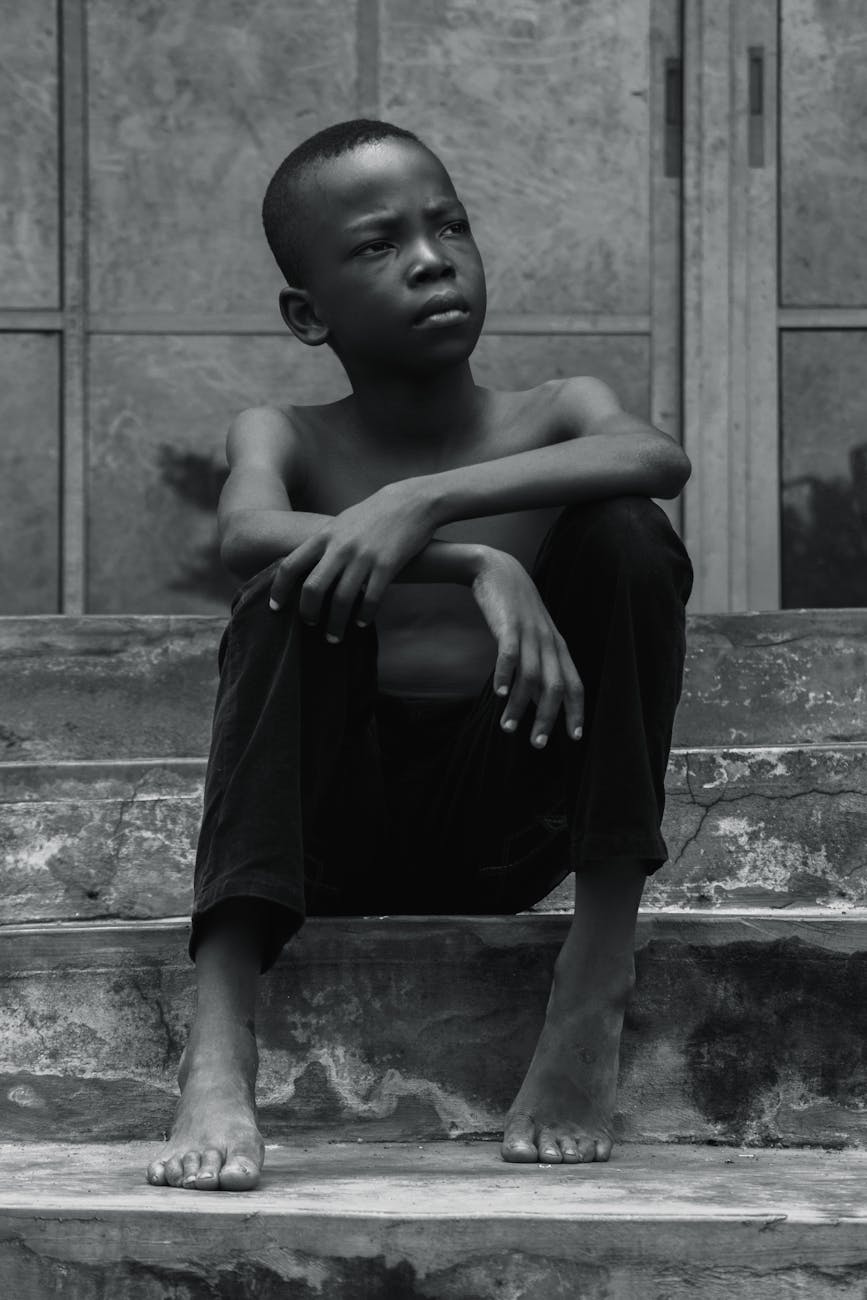
Just leave. That’s the command our spirits whisper when the world grows too loud, too heavy, and too hostile for our survival. But even that command requires clarity, because no man can touch us when we choose truth over bondage, identity over illusion, and liberation over fear. Yet we often respond with the question, “Leave and go where?” It is a valid question, a necessary question, but it is the wrong first question. Before we ask where, we must ask what we are leaving behind.

Leave the mythology. The mythology that insists your worth is measured by proximity to whiteness, by respectability, by silence, or by a palatable softness that does not disturb the empire. Leave the mythology that you must shrink to survive, that your power is dangerous, that your heritage is a burden instead of a blessing.

Leave the lie that you are three-fifths human. That wicked arithmetic still circulates in institutions, in policies, in economic systems, and in subtle social cues that undervalue your intellect, your labor, and your life. Leave the lie that your blood is inherently rebellious, your mind inherently inferior, or your dreams too large for the box they try to confine you in.

Leave the shame they taught you about your hair. The shame that made you hide your curls, your coils, your kinks. Leave the shame they taught you about your skin—its richness, its radiance, its history written in melanin and memory. Leave the shame they placed on your body, treating it as a commodity, a spectacle, or a threat instead of a temple.

Leave the history they curated for you. The watered-down version that sanitizes oppression and glorifies the oppressor. Leave the edited pages, the missing chapters, the erased kingdoms, the silenced voices. Leave the lies that tell you your people began in chains instead of civilizations.

Leave the doctrine that suffering is noble. Especially the doctrine that teaches patience as a virtue only when your suffering benefits those in power. Leave the sermons that glorify endurance when liberation is possible, necessary, and divine.

Leave the celebrity pastors who preach prosperity while their people drown. Leave those who sell visions of wealth without demanding justice, who offer emotional sugar but no spiritual nourishment, who build kingdoms for themselves instead of communities for their people.

Leave the political parties that arrive every four years with promises as temporary as campaign posters. Leave the illusion of loyalty to institutions that invest in your vote but not your well-being. Leave the cycles of hope and disappointment that steal generations of possibility.

Leave the schools that teach your children to dislike their reflection. The schools that discipline their curiosity, punish their brilliance, and withhold their history. Leave the educators who mistake cultural difference for deficiency and who lower expectations instead of raising understanding.

Leave the media that shapes your imagination into narrow roles. The media that scripts you as a sidekick, victim, or clown instead of a leader, builder, and originator. Leave the narratives that deny you complexity, nuance, and humanity.

Leave the debt cycles that suffocate your future. The predatory systems disguised as opportunity, the loans that become chains, the credit traps that mimic freedom but deliver bondage. Leave the financial mythology that praises hustle but hides exploitation.

Leave every system that extracts your labor but denies your dignity. Systems that benefit from your creativity, resilience, and intellect while rewarding you with crumbs. Leave the corporate cultures that want your ideas but not your leadership.

Leave the trauma industries that profit from your pain. The news cycles that sensationalize Black suffering, the social platforms that amplify outrage but not solutions, the institutions that study your wounds but ignore their origins.

Leave the relationships that drain your energy. The people who demand emotional labor without reciprocity, who expect your loyalty without offering love, who take your light but panic when you shine too brightly.

Leave the internal oppressor you inherited. The voice that tells you to dim your brilliance, to fear your own greatness, to distrust your intuition. Leave the self-doubt planted by centuries of psychological warfare.

Leave the silence. The silence that protects those who harm you and imprisons those who carry the truth. Leave the silence that keeps wounds unhealed, stories untold, and futures unbuilt.

Leave the smallness you did not choose. The smallness projected onto you by systems, people, and histories that could not comprehend your magnitude. Leave the places that cannot hold the weight of your calling.

Leave the fear that you must choose between survival and authenticity. Liberation does not ask you to abandon yourself; it invites you to return to yourself. Leave the assumption that freedom is elsewhere—it is first within.

Leave the question “Leave and go where?” behind long enough to ask the deeper question: “Leave what?” Because the departure begins long before the destination is revealed. Leaving is a mental exodus, a spiritual shedding, a reclamation of identity that precedes any physical move.

Just leave—leave the lies, the limitations, the labels. Leave until you rediscover the truth: that you are untouchable, unbreakable, immeasurable, and destined for more than survival. Leave until you walk fully into the power that was always yours.

References
Alexander, M. (2010). The new Jim Crow: Mass incarceration in the age of colorblindness. The New Press.
hooks, b. (1994). Teaching to transgress: Education as the practice of freedom. Routledge.
Kendi, I. X. (2019). How to be an antiracist. One World.
Taylor, K.-Y. (2016). From #BlackLivesMatter to Black liberation. Haymarket Books.
West, C. (1993). Race matters. Beacon Press.

Girl Talk Series: SISTERHOOD

Hello My Sisters,

We have got to stick together. In a world that often tries to divide us, discourage us, or turn us against one another, it is more important than ever that we choose unity, love, and spiritual strength. We must lift one another up—not with empty words, but with genuine encouragement, compassion, and a commitment to see each other thrive. We must be happy for one another’s growth, celebrate each other’s victories, and stand firm together through trials and storms. A true sisterhood does not fold under pressure; it grows stronger, wiser, and more rooted in purpose.

As daughters of the Most High, we should encourage each other in Christ, reminding one another of God’s promises, praying for each other daily, and holding each other accountable with grace. Our bond is not just emotional—it is spiritual. We are connected by faith, by testimony, and by the calling God has placed on each of our lives. When one sister falls, another helps her rise. When one sister rejoices, we all rejoice. When one sister struggles, we gather around her to support, uplift, and intercede.

My sisters, let us build a sisterhood that breathes love, cultivates healing, rejects jealousy, and reflects the heart of God. Let us stand together as a living example of Christlike unity, walking in purpose, growing in grace, and shining with a strength that only true sisterhood can produce. Together, we are powerful. Together, we are unbreakable. Together, we rise.

Sisterhood is one of the most sacred bonds a woman can experience, a connection rooted not merely in shared experiences but in shared spirit, shared struggle, and shared purpose. True sisterhood extends beyond biological ties; it is a covenant of support, love, accountability, and spiritual growth. Scripture affirms the power of godly relationships, teaching that “a friend loveth at all times, and a brother is born for adversity” (Proverbs 17:17, KJV). This profound truth highlights that sisterhood is not accidental—it is ordained, refined, and strengthened through life’s challenges.

Sisterhood involves bearing one another’s burdens, as Paul instructs: “Bear ye one another’s burdens, and so fulfil the law of Christ” (Galatians 6:2, KJV). In psychological terms, emotional support bonds women by increasing oxytocin, the hormone associated with trust and bonding. When women share their pain, fears, victories, and testimonies, they create a spiritual and psychological safety net that promotes resilience. This kind of deep connection not only uplifts the spirit but protects mental health.

However, the beauty of sisterhood is often tested by the darker emotions of envy and jealousy. Psychology identifies envy as a painful awareness of another’s advantage, often leading to comparison, resentment, and self-doubt. Jealousy, on the other hand, is rooted in fear—fear of losing attention, affection, or position. The Bible warns against these destructive forces, instructing, “Let us not be desirous of vain glory, provoking one another, envying one another” (Galatians 5:26, KJV). When envy enters a sisterhood, it poisons trust, distorts perception, and replaces harmony with competition.

One of the most devastating betrayals within sisterhood is sleeping with a friend’s husband or boyfriend. This violation not only fractures trust but wounds the soul. Scripture is clear: “Thou shalt not commit adultery” (Exodus 20:14, KJV). Psychological research shows that relational betrayal causes trauma similar to physical injury, shattering the betrayed person’s sense of safety. A sister who honors God will protect her friend’s home, her heart, and her covenant—even when temptation or opportunity arises. True sisterhood safeguards marriages and relationships, not destroys them.

Sisterhood also requires celebration rather than competition. Women flourish when they cheer for one another’s victories instead of comparing them to their own. “Rejoice with them that do rejoice” (Romans 12:15, KJV) is not simply a suggestion; it is a spiritual discipline. Celebrating another sister’s achievements—her marriage, her career, her beauty, her spiritual growth—builds unity and reinforces self-worth. Psychologists note that mutual celebration increases social cohesion and reduces depressive symptoms, proving that joy truly multiplies when shared.

A godly sisterhood encourages spiritual accountability and growth. Sisters in Christ should remind one another of God’s promises, pray together, and gently correct one another when needed. Proverbs declares, “Iron sharpeneth iron; so a man sharpeneth the countenance of his friend” (Proverbs 27:17, KJV). A true sister does not tolerate sin that leads to destruction; she lovingly guides her friend back toward righteousness. This is not judgment—it is protection.

Sisters must keep one another close to God, especially during seasons of weakness. Isolation is dangerous, both spiritually and psychologically, for it makes the heart vulnerable to lies, temptation, and despair. The Bible affirms, “Two are better than one… for if they fall, the one will lift up his fellow” (Ecclesiastes 4:9–10, KJV). Deep sisterhood offers encouragement when faith feels shaky, providing prayer, companionship, and reminders of God’s unfailing love.

Toxic sisterhood, however, must be rejected. Toxic friendships thrive on gossip, manipulation, competition, and emotional instability. These relationships drain rather than strengthen. Paul warns, “Be not deceived: evil communications corrupt good manners” (1 Corinthians 15:33, KJV). Psychology similarly emphasizes that unhealthy friendships increase anxiety, depression, and self-doubt. A sisterhood rooted in Christ requires boundaries, honesty, and emotional maturity—not chaos.

Forgiveness is another vital element. Sisterhood will inevitably face misunderstandings, hurt feelings, or unmet expectations. Yet Christ commands, “Forgive, and ye shall be forgiven” (Luke 6:37, KJV). Forgiveness does not excuse harmful behavior, but it releases bitterness, allowing healing to flow. Psychologically, forgiveness reduces stress, improves emotional well-being, and restores relational stability. Healing is holy work.

Sisters should also hold space for one another’s tears. Emotional expression is therapeutic, and many women find strength in vulnerability. The Bible teaches us to “weep with them that weep” (Romans 12:15, KJV). To sit with a sister in sorrow is to reflect God’s compassion. No judgment. No criticism. Just presence.

A strong sisterhood creates a protective circle where secrets are safe, hearts are honored, and trust is foundational. Trust is essential to psychological security and spiritual connection. Without trust, intimacy cannot grow. Sisters must guard each other’s names and stories, resisting the temptation to gossip or expose private struggles.

Sisterhood also includes accountability in relationships with men. A godly sister warns her friend when she is settling for less than what God desires or when she is drifting into unhealthy romantic patterns. This kind of honesty is love in action. “Faithful are the wounds of a friend” (Proverbs 27:6, KJV). A sister who speaks truth may hurt feelings temporarily, but she protects her friend’s destiny.

Encouragement is a daily responsibility within sisterhood. Words have power—spiritual, emotional, and psychological. Sisters should speak life over one another, reminding each other of God’s promises and unique gifts. “Death and life are in the power of the tongue” (Proverbs 18:21, KJV). Positive affirmation increases self-esteem, motivation, and emotional strength.

Sisterhood also requires humility. Pride destroys relationships, while humility nurtures peace. Scripture commands, “Let nothing be done through strife or vainglory; but in lowliness of mind let each esteem other better than themselves” (Philippians 2:3, KJV). A humble sister knows when to apologize, when to listen, and when to step back.

One of the greatest blessings of sisterhood is having someone who is “closer than a brother” (Proverbs 18:24, KJV). These rare bonds provide lifelong companionship through marriage, motherhood, grief, career changes, and spiritual seasons. They stand as reminders that God never intended us to walk alone.

Sisterhood also teaches patience. Every woman has seasons where she is messy, hurting, confused, or vulnerable. A true sister embraces the whole journey—not just the polished parts. This patience mirrors God’s long-suffering love toward us.

Shared purpose strengthens sisterhood even further. When women unite in prayer, service, ministry, or community work, their collaboration becomes a powerful force. “Where two or three are gathered together in my name, there am I in the midst of them” (Matthew 18:20, KJV). Together, sisters can accomplish what none could do alone.

Sisters celebrate each other’s evolution. Growth should be honored, not feared. When one woman becomes healthier, stronger, more successful, or more spiritual, the entire sisterhood benefits. Healing is contagious. Elevation is inspiring.

Sisterhood also requires emotional maturity. Not every feeling must be spoken, not every offense must be magnified, and not every misunderstanding must escalate. Self-regulation—a core principle in psychology—preserves peace. A wise sister knows how to communicate without attacking, listen without judging, and love without conditions.

Prayer is the glue of godly sisterhood. Sisters who pray together invite the Holy Spirit into their relationship. Prayer softens hearts, heals wounds, restores unity, and invites divine guidance. It is the most powerful expression of love a sister can offer.

Ultimately, sisterhood is a ministry. It is a reflection of Christlike love, rooted in compassion, loyalty, truth, and mutual growth. When women align with God’s design for sisterhood, they become warriors for one another—protectors, encouragers, intercessors, and spiritual companions.

In the end, sisterhood is a sacred calling. It requires integrity, commitment, and heart. But when honored properly, it becomes one of God’s greatest gifts—a bond that nurtures the soul, strengthens the spirit, and endures through every storm. And in this sacred unity, women reflect the love of Christ, shining together with grace, purpose, and divine strength.


References

Beck, J. (2011). Cognitive behavior therapy: Basics and beyond. Guilford Press.
Bible. King James Version.
Felmlee, D., & Faris, R. (2016). Toxic friendships: The effect of relational aggression on adolescent mental health. Social Psychology Quarterly, 79(3), 243–262.
Goleman, D. (2006). Social intelligence: The new science of human relationships. Bantam Books.
Leary, M. R. (2012). The curse of the self: Self-awareness, egotism, and the quality of human life. Oxford University Press.
Tannen, D. (1990). You just don’t understand: Women and men in conversation. HarperCollins.
Toussaint, L., Worthington, E. L., & Williams, D. R. (2020). Forgiveness and mental health: A review. Journal of Behavioral Medicine, 43(3), 427–440.

Islands of Men: Loneliness, Leadership, and the Digital Search for Brotherhood

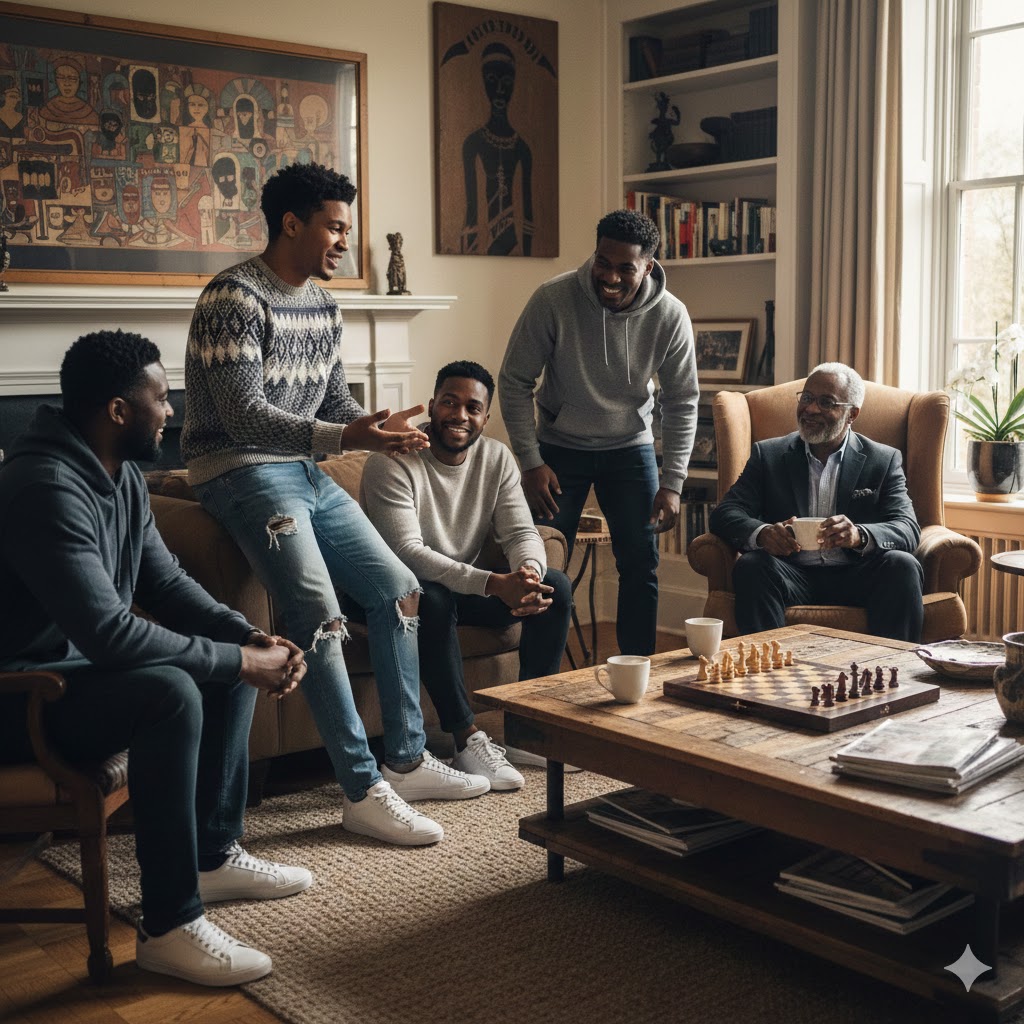
Modern men are increasingly becoming islands—connected by technology yet disconnected emotionally, spiritually, and socially. The phrase “Islands of Men” captures a deep truth about masculine loneliness in the digital era, and how many men turn to online spaces in search of brotherhood, guidance, and identity. As society shifts and family structures fracture, these digital shores become places where men seek belonging, meaning, and leadership.

Loneliness among men has reached historic levels. Studies show that contemporary men report fewer friendships, fewer intimate bonds, and less emotional support than previous generations. The cultural expectation that men remain stoic and self-sufficient often prevents them from forming meaningful connections. As a result, many men drift through adulthood without a consistent community.

The digital world becomes a substitute for real-life brotherhood. Forums, livestreams, and manosphere communities provide men a place to voice their frustrations, their fears, and their longing for guidance. While some of these spaces can promote emotional honesty, many others reinforce isolation by encouraging competition, cynicism, or ideological extremism.

Leadership is central to the male search for belonging. Historically, men derived identity from mentorship, apprenticeship, and communal rites of passage. Today, these traditional forms have eroded. Without stable mentors, many men turn to online personalities for direction. This shift has profound implications, as influencers often prioritize entertainment and monetization over genuine leadership.

The loneliness men experience is not just social—it is also spiritual. Scripture teaches that “it is not good that the man should be alone” (Genesis 2:18), highlighting both relational and communal design. Yet modern men often carry silent burdens with no spiritual accountability. For many, the search for brotherhood becomes a search for identity in a world that offers conflicting messages about masculinity.

Digital brotherhood can mimic the structure of community but often lacks its substance. Men bond over shared frustrations—about relationships, society, or the economy—yet remain emotionally isolated. They find connection without intimacy, conversation without healing. This paradox deepens their loneliness rather than alleviating it.

Men seek guidance on how to lead, but leadership without character becomes dangerous. Many online spaces teach leadership as dominance rather than service. True leadership requires humility, accountability, and emotional awareness—traits that digital communities often undervalue.

The crisis of male loneliness is tied to the absence of father figures and mentors. Generational wounds perpetuate cycles of emotional detachment. Without strong relational models, many men learn to suppress vulnerability. Digital communities often reinforce this suppression instead of addressing it.

In real-life communities, men once learned leadership by observing fathers, uncles, pastors, and elders. Now, the most influential male voices come from screens instead of households. This shift disconnects leadership from lived experience and turns masculinity into performance rather than practice.

Economically, men face pressures that amplify their sense of isolation. Job instability, financial insecurity, and societal expectations can make men feel inadequate. Digital brotherhood often reinforces survivalist mindsets instead of nurturing hope and collaboration.

Emotionally, men carry unspoken trauma. Many have never been given permission to grieve, to fear, or to doubt openly. Without emotional outlets, these feelings turn into frustration or apathy. Digital spaces allow anonymity, but anonymity rarely fosters genuine healing.

Relationships intensify men’s loneliness. Romantic rejection, marital stress, or divorce can leave men more isolated than women due to weaker social support systems. Instead of seeking counsel, many retreat into digital echo chambers that validate bitterness rather than growth.

Men long for legacy, yet legacy requires community. A man cannot build generational impact alone. He needs brotherhood, elders, younger men to mentor, and a purpose greater than his own survival. Digital isolation undermines this pursuit by convincing men that independence is strength.

Spiritually, men need accountability that digital communities cannot provide. Growth requires people who know one’s struggles, habits, and flaws—not anonymous usernames. Biblical brotherhood involves correction, compassion, and shared purpose. This cannot be replicated through algorithms.

Men also seek belonging through achievements—career success, wealth, physical strength—but these do not replace brotherhood. Achievements impress others but do not heal loneliness. Brotherhood offers what success cannot: connection, validation, and shared mission.

The search for brotherhood online is ultimately a search for meaning. Men yearn for battles worth fighting, relationships worth maintaining, and identities grounded in more than external validation. The manosphere often promises quick answers, but meaning requires depth, discipline, and authentic community.

A healthier form of digital brotherhood is possible—one based on emotional literacy, mentorship, accountability, and spiritual grounding. Some communities encourage men to heal their trauma, develop resilience, and walk in integrity. These spaces model a better masculinity rooted not in dominance but in character.

Real brotherhood must eventually move beyond screens. Men need in-person connection—shared meals, honest conversations, activities, and spiritual support. Brotherhood flourishes when men stand shoulder-to-shoulder with those they trust, not when they scroll through curated identities.

Ultimately, the islands of men can become bridges if men rediscover what it means to build community. Leadership grows in connection, not isolation. Loneliness fades when men learn to be vulnerable, supportive, and accountable. And the digital search for brotherhood can become a pathway to real-life transformation when guided by truth, wisdom, and love.


References

Brooks, D. (2020). The crisis of male loneliness in modern society. Journal of Social Psychology, 162(4), 415–428.

Connell, R. W. (2005). Masculinities (2nd ed.). University of California Press.

Ging, D. (2019). Alphas, betas, and incels: The manosphere as a transnational online masculinity ecosystem. Men and Masculinities, 22(4), 638–657.

Mahalik, J. R., & Rochlen, A. (2019). Men, loneliness, and digital communities: A psychological exploration. American Journal of Men’s Health, 13(1), 1–12.

Way, N. (2011). Deep secrets: Boys’ friendships and the crisis of connection. Harvard University Press.

Wilcox, W. B., & Kline, K. (2021). Father absence, male identity, and digital belonging. Journal of Family Studies, 27(3), 345–361.

The Power of Pretty & Ugly

Beauty and perceived unattractiveness carry profound psychological, social, and cultural weight. Society often equates “pretty” with influence, privilege, and opportunity, while “ugly” is associated with invisibility, rejection, or undervaluation. Yet the power inherent in both concepts is more complex than surface appearances. True understanding of attractiveness requires examining self-perception, societal expectations, and spiritual truths.

Being “pretty” often opens doors. Research shows that physically attractive individuals are perceived as more competent, sociable, and persuasive—a phenomenon known as the “halo effect” (Dion, Berscheid, & Walster, 1972). Pretty faces and polished appearances can yield advantages in personal relationships, careers, and social networks. Confidence and self-esteem often accompany beauty when nurtured properly, further amplifying influence.

Yet beauty also comes with burdens. Societal fixation on appearance can create pressure, anxiety, and comparison. Being “pretty” does not guarantee happiness or moral virtue. Those who are aesthetically admired may face jealousy, unrealistic expectations, or superficial relationships. In this way, pretty individuals can experience limitations despite the social privileges beauty provides.

“Ugly,” or being perceived as unattractive, carries its own power. It fosters resilience, creativity, and depth of character. Individuals judged as less conventionally attractive often develop skills, intelligence, and interpersonal sensitivity that compensate for societal bias. Ugly, in this context, becomes a crucible for inner strength and authentic self-expression.

Self-perception mediates the power of appearance. Confidence, poise, and self-acceptance can elevate someone beyond conventional standards of beauty. A person deemed “ugly” who carries themselves with dignity may inspire, lead, and captivate others more than someone labeled “pretty” who lacks authenticity. True power is often rooted in inner qualities rather than outer appearance.

Beauty and spirituality intersect profoundly. Scripture teaches that external appearance is transient and that the condition of the heart carries eternal significance: “But the Lord said unto Samuel, Look not on his countenance, or on the height of his stature; because I have refused him: for the Lord seeth not as man seeth; for man looketh on the outward appearance, but the Lord looketh on the heart” (1 Samuel 16:7, KJV). God’s perspective elevates the unseen qualities above fleeting beauty.

Society’s obsession with pretty versus ugly shapes identity. Media, advertising, and social networks amplify standards that are often unattainable or culturally narrow. Young people, especially, internalize these ideals, impacting self-esteem, mental health, and interpersonal dynamics. Awareness of this influence is critical for developing self-worth independent of external validation.

Psychology provides insights into how perceptions of attractiveness affect behavior. Attractive individuals often experience more social opportunities, while those deemed less attractive may encounter discrimination. However, studies also show that confidence, charisma, and competence frequently outweigh physical appearance in long-term influence and relationship success (Langlois et al., 2000).

The power of “ugly” is also social. It challenges norms, creates opportunities for originality, and encourages authenticity. Those who embrace their unique looks often cultivate boldness, resilience, and creativity, carving spaces for leadership and influence where conformity fails. Embracing perceived imperfections can be revolutionary in societies that overvalue appearance.

Pretty and ugly both carry relational implications. Pretty individuals may experience envy, competition, or objectification, while those considered unattractive may develop deeper empathy, listening skills, and emotional intelligence. These qualities can foster authentic connections, mentorship, and impactful influence.

Self-expression mediates the power of appearance. Clothing, hairstyle, posture, and demeanor allow individuals to amplify strengths or challenge stereotypes. A person deemed conventionally unattractive may appear striking when style, confidence, and attitude align. Conversely, a pretty person may lose impact if the presentation lacks authenticity or purpose.

Culture shapes the definitions of pretty and ugly. Standards of beauty vary across geography, history, and subcultures. What is considered attractive in one era may be dismissed in another. Awareness of this relativity encourages humility and creativity, allowing individuals to define beauty on their own terms rather than bowing to narrow societal ideals.

Spirituality reframes the conversation. Emphasizing virtues such as kindness, humility, generosity, and faith shifts focus from surface appearance to enduring impact. Inner beauty produces lasting influence, while outer beauty without character is transient. Proverbs 31 exemplifies this balance: “Favor is deceitful, and beauty is vain: but a woman that feareth the LORD, she shall be praised” (Proverbs 31:30, KJV).

Psychological research supports the value of cultivating internal attributes. Emotional intelligence, resilience, and self-efficacy often predict long-term life satisfaction and social influence more than physical attractiveness (Goleman, 1995). Inner growth allows both “pretty” and “ugly” individuals to maximize personal and professional potential.

Pretty and ugly both possess narrative power. Stories of transformation, resilience, and authenticity inspire communities. Individuals who challenge assumptions about beauty redefine influence, demonstrating that perception can be leveraged to inspire, teach, or lead. Appearance becomes a starting point rather than a determinant.

The power of pretty and ugly extends to communication. Confidence, tone, and presence communicate authority and credibility beyond appearance. Charisma, style, and verbal skill enhance social capital, allowing individuals to assert influence regardless of conventional beauty standards.

Social media magnifies both the power and pitfalls of pretty and ugly. Filters, editing, and algorithmic emphasis on appearance intensify beauty standards while also offering platforms for unique, unconventional aesthetics to thrive. Navigating this landscape requires self-awareness, discernment, and resilience.

Personal choice determines how one wields the power of appearance. Pretty and ugly alike can cultivate humility, empathy, and generosity to positively impact others. How one carries their appearance—through character, behavior, and service—ultimately defines influence more than physical attributes alone.

Finally, the ultimate power is found in aligning identity with purpose and values. Outer beauty may open doors, while inner beauty sustains influence. Embracing self-knowledge, spirituality, and authenticity allows all individuals to convert societal perceptions—whether pretty or ugly—into tools for personal empowerment, leadership, and lasting impact.


References

Dion, K., Berscheid, E., & Walster, E. (1972). What is beautiful is good. Journal of Personality and Social Psychology, 24(3), 285–290.

Goleman, D. (1995). Emotional intelligence: Why it can matter more than IQ. Bantam Books.

Langlois, J. H., Kalakanis, L., Rubenstein, A. J., Larson, A., Hallam, M., & Smoot, M. (2000). Maxims or myths of beauty? A meta-analytic and theoretical review. Psychological Bulletin, 126(3), 390–423.

1 Samuel 16:7, KJV. Holy Bible, King James Version. (2017). Thomas Nelson. (Original work published 1611)

Proverbs 31:30, KJV. Holy Bible, King James Version. (2017). Thomas Nelson. (Original work published 1611)

Fredrickson, B. L., & Roberts, T. (1997). Objectification theory: Toward understanding women’s lived experiences and mental health risks. Psychology of Women Quarterly, 21(2), 173–206.

Csikszentmihalyi, M. (1990). Flow: The psychology of optimal experience. Harper & Row.

💛When a Woman Loves a Man 💛

When a woman loves a man 💛, her affection becomes a sanctuary—soft enough to comfort yet strong enough to sustain. This love is not casual or fleeting; it is intentional, wholehearted, and deeply rooted in care.

A woman’s love carries depth. She does not merely admire; she invests emotionally, spiritually, and mentally. Her presence evolves into both a haven and a guiding force for the man she cherishes.

When a woman loves a man 💛, she sees beyond flaws. She recognizes his humanity and still believes in his potential. Her love encourages him to grow while assuring him that he is enough.

This love is protective—not possessive, but nurturing. She guards his heart, his dreams, and his peace with quiet diligence, praying for his strength and covering him with loyalty.

A woman in love listens deeply. She pays attention not just to words but to silence, body language, and emotions unspoken. Her intuition becomes a compass, guiding her understanding of his inner world.

Her love is encouragement. She affirms his identity and celebrates his achievements. Even when he doubts himself, she holds space for his greatness until he can see it too.

When she loves a man 💛, she honors him publicly and privately. Respect becomes one of her primary love languages, and she expresses it through tone, actions, and the way she speaks of him to others.

Her love cultivates emotional safety. The man who receives her devotion finds a place where he can be vulnerable without fear of judgment or dismissal.

A woman’s love is patient. She does not rush his process of healing or growth. Instead, she stands beside him with grace, trusting that time and intention will yield transformation.

Spiritually, her love can be intercessory. She prays for him, over him, and with him, believing that divine alignment strengthens the bond they share.

When a woman loves a man 💛, she builds with him. She envisions a future where their partnership thrives, and she contributes to that vision with her effort, wisdom, and presence.

Her love is expressed through sacrifice—small and large. She gives freely, whether in time, energy, or compassion, because her heart is anchored in commitment.

This love softens her, but it also strengthens her. Loving deeply challenges her to mature emotionally and spiritually, shaping her into a more grounded and giving version of herself.

A woman’s love brings stability. Her consistency becomes a pillar, offering the man reassurance that he is not walking through life alone.

When she loves a man 💛, she embraces his flaws without enabling harmful patterns. Her love holds him accountable because she desires his wholeness, not just his affection.

Her presence becomes healing. She brings calm to his storms, clarity to his confusion, and joy to his long days. Her love has the power to renew him.

This love is reciprocal at its healthiest. She blossoms most beautifully when her love is honored, cherished, and protected by the man who receives it.

A woman’s love is expressive—through words, touch, service, or devotion. Her heart communicates in ways that go beyond language, reflecting sincerity and depth.

When a woman loves a man 💛, she becomes a partner, a confidante, and a friend. Her loyalty anchors their relationship, fostering unity that endures challenges and celebrates triumphs.

Ultimately, a woman’s love is a gift—rare, powerful, and transformative. When nurtured, it elevates both the woman and the man, creating a bond built on trust, honor, and sacred connection. 💛


References

  • Bell, H. (2012). The nature of romantic attachment in adult relationships. Journal of Social Psychology, 148(3), 325–340.
  • hooks, bell. (2000). All about love: New visions. William Morrow.
  • Johnson, S. (2008). Hold me tight: Seven conversations for a lifetime of love. Little, Brown Spark.
  • Markman, H., Stanley, S., & Blumberg, S. (2010). Fighting for your marriage. Jossey-Bass.
  • Myers, D. (2014). Psychology of love and emotional intimacy. Oxford University Press.
  • Wilkinson, R. (2019). Emotional trust and partnership development. Journal of Marriage & Family Studies, 52(4), 412–429.

The Male Files: Things Men Say That Hurt Women Without Realizing.

Women carry words deeply. While men often focus on intention, women absorb tone, emotion, and delivery. The female heart is designed with sensitivity, intuition, and emotional intelligence—qualities that allow her to nurture, connect, and love with fullness. But because of that same sensitivity, certain phrases strike her spirit harder than men realize. What he thinks is small may echo in her long after the conversation ends.

1 Peter 3:7 – “Husbands, dwell with them according to knowledge, giving honour unto the wife…”
Ephesians 4:29 – “Let no corrupt communication proceed out of your mouth…”
Colossians 3:19 – “Husbands, love your wives, and be not bitter against them.”
Proverbs 15:4 – “A wholesome tongue is a tree of life…”
James 1:19 – “Let every man be swift to hear, slow to speak, slow to wrath.”

When a man says, “Calm down,” he may mean to diffuse the situation, but she hears dismissal. This phrase makes her feel dramatic, irrational, or overly emotional. Instead of feeling understood, she feels silenced. Women want their emotions seen, not minimized.

Saying “You’re overreacting” wounds her deeply. It labels her feelings as invalid or exaggerated. Even if her emotions seem strong, they are real to her. She feels alone when her emotional reality is denied.

When a man tells her, “You’re too sensitive,” she hears that her femininity is a flaw. Sensitivity is part of her design—her ability to feel, discern, and connect. Calling her “too sensitive” communicates that her heart is a burden instead of a treasure.

Statements like “You’re imagining things” or “That didn’t happen” can make her doubt her intuition, which is one of her strongest God-given gifts. Women remember tone, details, and emotional patterns. Gaslighting, even unintentionally, erodes her trust in her own perception.

Saying “I don’t have time for this” makes her feel unimportant. A woman interprets time and attention as love. When he refuses to engage, she feels like she is competing with his stress, distractions, or interests.

The phrase “Do what you want” may sound like freedom, but she hears emotional abandonment. Instead of leadership or partnership, it signals that he has stepped back from caring about the outcome.

When a man says, “You’re lucky I’m with you,” even jokingly, it leaves a deep scar. It communicates that she is not desirable, not enough, or not worthy. A woman’s confidence in the relationship begins to crumble under such words.

Telling her, “My ex never did that,” or comparing her to another woman is emotionally devastating. Comparison breaks trust and makes her feel inadequate in her own skin. A woman wants to be cherished uniquely, not measured against someone else.

Saying “You act just like your mother” cuts her deeply, especially if used negatively. Women value their identity; attacking it through family comparison feels disrespectful and demeaning.

When a man tells her, “You’re doing too much,” it diminishes her effort. Women often express love through detail, care, and thoroughness. Undermining her investment makes her feel taken for granted.

The phrase “You’re not the same anymore” frightens her emotionally. Women need reassurance that growth, aging, and change are still seen as beautiful. This statement makes her feel like she is losing value in his eyes.

Saying “I didn’t ask you to do that” invalidates her sacrifices. Women often go beyond what is asked because they love deeply. When their efforts are brushed off, they feel unseen and unappreciated.

When he says “Get over it,” she hears that her feelings are inconvenient. Healing takes time, and women need emotional presence, not impatience.

The phrase “You’re acting crazy” is especially painful. It pathologizes her emotions and attacks her dignity. Women want to feel safe expressing themselves without being labeled unstable.

Telling her, “That’s why I don’t tell you things,” shuts the door of communication. She hears that she is unworthy of honesty or vulnerability. It builds insecurity and fear in her spirit.

When a man responds with silence—stonewalling—she feels rejected. Women need connection. Silence feels like abandonment and creates emotional distance.

Saying “You’re too much” wounds her at her core because women often fear being “too emotional, too needy, or too expressive.” This reinforces the fear that she must shrink to be loved.

The phrase “I don’t care” can crush her, even if he meant it casually. Women tie care to commitment. If he doesn’t care, she feels unprotected.

And when a man weaponizes love by saying, “I don’t know if I want this anymore,” it destabilizes her entire emotional foundation. Women build relationships on security, consistency, and devotion. Empty threats cause emotional trauma and insecurity.

Ultimately, women bloom under love, tenderness, reassurance, and emotional presence. When a man speaks with gentleness, compassion, and respect, he nurtures her heart and strengthens the bond between them. Words can heal or wound. A wise man uses them to love.


References (KJV Bible)

Proverbs 18:21 – “Death and life are in the power of the tongue.”
Proverbs 31:26 – “She openeth her mouth with wisdom; and in her tongue is the law of kindness.”
1 Peter 3:7 – “Husbands, dwell with them according to knowledge, giving honour unto the wife…”
Ephesians 4:29 – “Let no corrupt communication proceed out of your mouth…”
Colossians 3:19 – “Husbands, love your wives, and be not bitter against them.”
Proverbs 15:4 – “A wholesome tongue is a tree of life…”
James 1:19 – “Let every man be swift to hear, slow to speak, slow to wrath.”

Bridging the Gap: Black Men, Black Women, and the Future of Us.

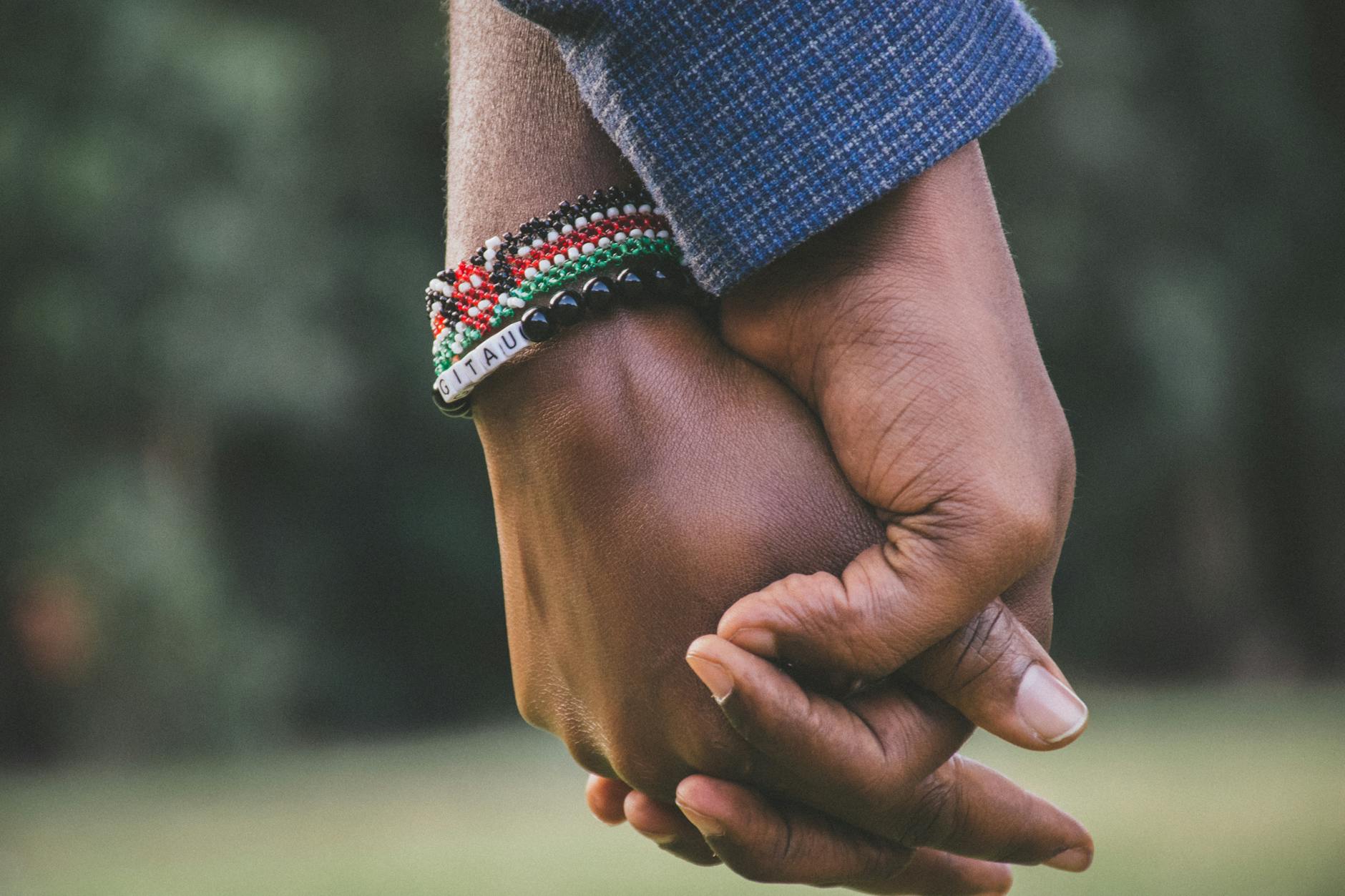
Photo by Git Stephen Gitau on Pexels.com

There was a time when the bond between Black men and Black women was sacred—a spiritual connection born of shared struggle and mutual survival. That love endured whips, chains, and systems designed to destroy it. Yet in the 21st century, something has shifted. The gap between Black men and Black women has widened—not only in relationships but in trust, understanding, and unity. To bridge this divide, we must return to the essence of who we are: divine reflections of one another, created not to compete, but to complete.

The fractures we see today are not natural; they are historical. During slavery, families were torn apart, and gender roles were deliberately distorted. Enslaved men were stripped of authority, while women were forced to become protectors in a world without protection. These traumas did not vanish with emancipation—they evolved. The seeds of mistrust planted in those centuries still bear fruit in modern relationships. Healing begins when we acknowledge that this division was orchestrated, not ordained.

In the aftermath of oppression, both Black men and women learned survival differently. Men often internalized stoicism, strength, and pride as their armor. Women carried resilience, independence, and emotional labor as theirs. These traits, though admirable, can clash when survival becomes competition. The challenge is to transform survival into synergy—learning to stand together instead of standing apart.

Media narratives have deepened this divide. The strong Black woman is portrayed as unyielding, and the Black man as either absent or inadequate. These depictions erode intimacy and reinforce stereotypes that pit us against one another. Bridging the gap requires dismantling these lies and telling our own stories—stories of love, leadership, and partnership that reflect truth rather than trauma.

Spiritually, we must remember that the first covenant between man and woman came from God, not society. “And the LORD God said, It is not good that the man should be alone; I will make him an help meet for him” (Genesis 2:18, KJV). The divine blueprint was never adversarial—it was complementary. Black men and women must return to this sacred design, understanding that our differences are not weapons but gifts meant to balance creation.

Economically, division weakens us. A fractured household means fractured wealth, fractured legacy, and fractured community. When Black men and women unite in financial vision and discipline, they rebuild the foundations of prosperity that systemic inequality has long denied. Love is not only emotional—it is also economic warfare against generational poverty.

Psychologically, bridging the gap requires healing from internalized wounds. Black men must confront the pain of emasculation, abandonment, and unmet emotional needs. Black women must release the burden of over-functioning and reclaim the freedom to be soft without fear of exploitation. Healing is not a gendered task—it is a collective responsibility.

Communication is the bridge between understanding and unity. Too often, we speak at each other instead of to each other. Thriving Black love demands emotional literacy—the courage to express needs without shame and to listen without judgment. In this space, honesty becomes healing, and empathy becomes power.

Forgiveness must also take center stage. Centuries of division cannot be undone without mercy. Black women must forgive the wounds inflicted by absent fathers and broken promises. Black men must forgive the mistrust born from survivalism and pain. Only then can love flow freely without the chains of resentment.

Faith provides the framework for rebuilding. When God is at the center, love becomes covenant, not chaos. Ephesians 5:25 reminds, “Husbands, love your wives, even as Christ also loved the church.” And Proverbs 31:11 declares, “The heart of her husband doth safely trust in her.” In this divine order, mutual honor replaces competition. It is through obedience to God’s design that reconciliation begins.

Bridging the gap also requires re-education. The next generation must see love modeled, not just preached. They must witness men leading with humility and women submitting with strength—not out of control, but out of covenant. When our children grow up seeing harmony instead of hostility, they inherit the vision of unity we once lost.

Community accountability plays a crucial role. Our music, media, and conversations must reflect restoration rather than rivalry. The glorification of hyper-individualism and toxic independence has bred division. We must celebrate interdependence—the power of “we” over “me.” True progress is collective.

Historically, movements like the Civil Rights era thrived because of unity between Black men and women. Coretta Scott King, Fannie Lou Hamer, Malcolm X, and Martin Luther King Jr. modeled what partnership looked like under pressure. Their shared mission produced progress because love was not merely romantic—it was revolutionary.

Culturally, we must redefine beauty and masculinity within our context. The world teaches Black women to idolize Eurocentric standards and Black men to suppress emotion. Bridging the gap requires affirming each other as divine reflections of God’s image—where dark skin, natural hair, and Black strength are celebrated, not criticized.

Emotionally, thriving relationships demand patience. We must unlearn the urgency of temporary pleasure and relearn the endurance of covenant love. It takes time to rebuild trust that centuries have broken. But every conversation, every act of kindness, every prayer whispered together is a stone laid in the bridge toward wholeness.

Socially, we must also protect our unions from the systems that profit from our disunity. Mass incarceration, poverty, and gender warfare are tools of control. When we love intentionally, we disrupt those systems. Every healthy Black relationship becomes a protest against oppression and a prophecy of restoration.

Theologically, our reconciliation mirrors God’s redemptive love. Just as Christ reconciled humanity to Himself through grace, so must we reconcile to one another through humility. Love is not about dominance—it is about divine reflection. The Black man and woman together reveal the full spectrum of God’s creative power.

Ultimately, bridging the gap is not about returning to the past—it is about building a future. It is about transforming our pain into purpose, our competition into cooperation, and our division into destiny. It is the work of generations, but it begins with two people who choose to try again.

The future of us depends on our ability to love beyond our wounds. When the Black man sees the Black woman not as his adversary but as his ally, and when the Black woman sees the Black man not as her threat but as her protector, the restoration of Eden begins anew. The gap narrows, the bridge forms, and together—we rise.

References

  • The Holy Bible, King James Version (Genesis 2:18; Ephesians 5:25; Proverbs 31:11).
  • hooks, b. (2004). We Real Cool: Black Men and Masculinity. Routledge.
  • Baldwin, J. (1962). The Fire Next Time. Dial Press.
  • Akbar, N. (1996). Know Thyself. Mind Productions.
  • Hill Collins, P. (2000). Black Feminist Thought. Routledge.
  • Boyd-Franklin, N. (2003). Black Families in Therapy. Guilford Press.
  • West, C. (1993). Race Matters. Beacon Press.
  • Davis, A. (1981). Women, Race, & Class. Random House.

The Cost of Being Beautiful: Exploitation, Validation, and Visibility.

This photograph is the property of its respective owner. No copyright infringement intended.

Beauty has long been a currency in human society—admired, desired, and exploited. For women, especially women of color, beauty has functioned both as power and prison. The cost of being beautiful extends beyond vanity; it is the psychological, emotional, and even spiritual toll exacted by a world that defines worth through appearance. Beauty becomes both an asset and a liability, offering validation but demanding visibility on terms not of one’s own making.

From childhood, individuals—particularly girls—are taught that beauty opens doors. Compliments, attention, and social privileges reinforce a belief that attractiveness equates to value. Yet, this same system exploits that very beauty, commodifying it through media, marketing, and male desire. The pursuit of beauty thus becomes a performance sustained by approval, not authenticity (Wolf, 1991).

In modern culture, beauty is no longer natural—it is manufactured. Billions are spent annually on cosmetics, plastic surgery, and digital enhancement. Social media platforms like Instagram and TikTok amplify this obsession, turning faces and bodies into brands. The line between identity and image blurs, leaving many women trapped between their true selves and the perfected versions projected online (Gill, 2007).

Beauty’s validation often comes through the male gaze. Women are socialized to see themselves as objects of desire rather than subjects of their own narratives. This gaze not only dictates standards but defines visibility—who is seen, who is desirable, and who is invisible. To be beautiful is to be watched; to be watched is to be controlled (Mulvey, 1975).

For Black women, beauty carries a distinct complexity. Eurocentric standards historically excluded them from being perceived as beautiful, relegating them to stereotypes of strength or hypersexuality. The struggle for validation becomes an act of resistance—a reclaiming of aesthetics, identity, and self-worth against centuries of misrepresentation (Hooks, 1992).

The beauty industry profits from insecurity. Advertisements subtly tell women they are never enough—never young enough, thin enough, light enough. This manufactured dissatisfaction fuels perpetual consumption. Beauty, in capitalist culture, is not about empowerment but about profit, built upon cycles of comparison and competition (Bordo, 2003).

Exploitation hides beneath the surface of glamour. Models, influencers, and entertainers often face objectification disguised as opportunity. Their visibility is contingent upon maintaining desirability, which can breed anxiety, eating disorders, and burnout. The emotional labor of beauty—the pressure to be flawless at all times—is invisible yet exhausting.

In the realm of Hollywood and fashion, women of color face the dual burden of representation and tokenism. Their inclusion often serves as aesthetic diversity rather than genuine equity. The “exotic” label objectifies rather than honors their heritage, turning cultural identity into spectacle (Craig, 2002).

Historically, beauty has also been weaponized as social currency. During slavery and segregation, lighter-skinned Black women were often favored in domestic work or entertainment, reinforcing colorism within the community. Beauty became not only personal but political—a marker of proximity to whiteness and privilege (Hunter, 2005).

Psychologically, the constant pursuit of beauty erodes self-esteem. When identity becomes contingent on appearance, the individual lives under the tyranny of external validation. This fragile self-worth can fracture when youth fades or trends shift, revealing the emptiness behind conditional love and approval.

Religiously and spiritually, beauty holds deeper implications. Scripture reminds us that “favor is deceitful, and beauty is vain” (Proverbs 31:30, KJV). True beauty, in divine terms, is moral and internal, not material. Yet society reverses this order, idolizing outward appearance and neglecting inner substance—a form of modern idolatry masked as self-care.

The commodification of beauty also intersects with racial capitalism. Global markets exploit African, Asian, and Latin American women’s bodies through skin-lightening products, hair extensions, and Eurocentric fashion ideals. What is marketed as “choice” often conceals economic coercion and cultural colonization (Glenn, 2008).

Visibility, while often framed as empowerment, carries its own cost. Women in the public eye face surveillance and criticism that erode privacy and authenticity. The more visible a woman becomes, the less control she has over how she is seen. Visibility thus becomes exposure—a light that illuminates and burns simultaneously.

In relationships, beauty can distort power dynamics. Attractive women may receive attention but not respect; love offered for appearance rather than character is shallow and fleeting. Men conditioned by visual culture may desire beauty but fear its autonomy, leading to control, jealousy, or emotional abuse (Fredrickson & Roberts, 1997).

The digital age amplifies these dynamics. Filters, edits, and algorithms dictate what is beautiful, rewarding conformity and punishing difference. The result is a homogenized global aesthetic where individuality is lost. Even empowerment movements risk becoming commodified slogans that sell beauty under the guise of “self-love.”

Yet, beauty is not inherently evil—it is divine when redefined. When women reclaim beauty as expression rather than validation, it transforms from exploitation to empowerment. True beauty becomes a mirror of spirit, creativity, and cultural identity. It ceases to be about approval and becomes an act of liberation.

Cultural redefinition requires dismantling Eurocentric beauty norms and celebrating diversity of complexion, texture, and form. Movements such as “Black Girl Magic” and natural hair advocacy challenge oppressive aesthetics, restoring pride to what was once marginalized. Beauty, reimagined through cultural authenticity, becomes resistance and restoration.

The cost of being beautiful can only be paid back through truth—by acknowledging the pain behind the polish. Women must reclaim the narrative of beauty, detaching it from consumption and control. Beauty must once again serve humanity, not hierarchy.

Ultimately, beauty’s truest form lies in freedom: the freedom to exist beyond the gaze, to define oneself without permission, and to embody a worth that no mirror can measure. When beauty ceases to be a burden and becomes a birthright, visibility transforms into vision—and validation becomes self-love.


References

Bordo, S. (2003). Unbearable weight: Feminism, Western culture, and the body. University of California Press.

Craig, M. L. (2002). Ain’t I a beauty queen? Black women, beauty, and the politics of race. Oxford University Press.

Fredrickson, B. L., & Roberts, T.-A. (1997). Objectification theory: Toward understanding women’s lived experiences and mental health risks. Psychology of Women Quarterly, 21(2), 173–206.

Gill, R. (2007). Gender and the media. Polity Press.

Glenn, E. N. (2008). Yearning for lightness: Transnational circuits in the marketing and consumption of skin lighteners. Gender & Society, 22(3), 281–302.

Hooks, B. (1992). Black looks: Race and representation. South End Press.

Hunter, M. (2005). Race, gender, and the politics of skin tone. Routledge.

Mulvey, L. (1975). Visual pleasure and narrative cinema. Screen, 16(3), 6–18.

Wolf, N. (1991). The beauty myth: How images of beauty are used against women. HarperCollins.

What is the Value of your Life?

Photo by Daniel Tijesuni on Pexels.com

Life is one of the most precious gifts God has given us. It is a divine opportunity to live in purpose, serve others, and glorify Him. The Bible reminds us that our days are limited and should not be taken lightly: “So teach us to number our days, that we may apply our hearts unto wisdom” (Psalm 90:12, KJV). Understanding the brevity of life encourages us to live intentionally, valuing every moment, relationship, and decision.

The value of life is not measured in wealth, status, or possessions, but in the quality of our relationships, faith, and the impact we make on others. Psychology emphasizes that meaning and purpose are critical to mental well-being. Viktor Frankl, a Holocaust survivor and psychiatrist, noted that finding meaning in life is the key to resilience and fulfillment. When we recognize that life is fleeting, we are motivated to pursue things that truly matter rather than fleeting pleasures.

Life and death are inextricably linked. Death is certain for every human, yet the Bible assures us that eternal life is available through Christ: “For God so loved the world, that he gave his only begotten Son, that whosoever believeth in him should not perish, but have everlasting life” (John 3:16, KJV). The awareness of mortality should not lead to despair but to appreciation, gratitude, and intentional living. Every day is a chance to reflect God’s love and purpose.

The brevity of life is likened to the wind or a passing shadow. James 4:14 (KJV) states: “For what is your life? It is even a vapor, that appeareth for a little time, and then vanisheth away.” Psychology supports the idea that awareness of mortality — called “mortality salience” — can lead people to focus on meaningful goals, prioritize loved ones, and reduce trivial conflicts. Recognizing that our time is short compels us to live fully and wisely.

Our actions and choices give life its value. Living with integrity, kindness, and diligence amplifies our impact on the world. Proverbs 3:5-6 (KJV) encourages: “Trust in the LORD with all thine heart; and lean not unto thine own understanding. In all thy ways acknowledge him, and he shall direct thy paths.” When we align our lives with God’s wisdom, we find direction, peace, and purpose. Life becomes more than survival — it becomes stewardship of a sacred gift.

Psychologically, humans are driven by a desire for significance. Research shows that people who cultivate purpose, strong relationships, and contribution to others experience higher levels of happiness and lower rates of anxiety and depression (Ryff & Singer, 2008). Every act of love, service, and faith enriches our lives and leaves a legacy beyond our years.

Even in trials, the value of life is evident. Romans 8:28 (KJV) says: “And we know that all things work together for good to them that love God, to them who are the called according to his purpose.” Life’s difficulties can teach resilience, deepen faith, and foster empathy. Understanding the sacredness of life encourages gratitude for health, opportunity, and the simple joys that are often overlooked.

Finally, the value of your life is immeasurable because it is a gift from God. Every heartbeat, breath, and moment carries purpose. Life is fleeting, yes, like the wind, but it is also sacred, precious, and filled with potential. Take each day to love, serve, grow, and honor God — for in doing so, your life achieves eternal significance. “Precious in the sight of the LORD is the death of his saints” (Psalm 116:15, KJV).


📋 Encouragement & Reflection

  • Life is short — cherish your relationships and time with loved ones.
  • Invest in meaningful work, acts of kindness, and service.
  • Align your life with God’s purpose through prayer, scripture, and obedience.
  • Be mindful of mortality — it can sharpen focus and appreciation.
  • Your life has eternal value, not because of achievements, but because God made you.

📚 References

Biblical (KJV):

  • Psalm 90:12; John 3:16; James 4:14; Proverbs 3:5-6; Romans 8:28; Psalm 116:15

Psychology & Scholarly:

  • Frankl, V. E. (2006). Man’s Search for Meaning. Beacon Press.
  • Ryff, C. D., & Singer, B. (2008). Know thyself and become what you are: A eudaimonic approach to psychological well-being. Journal of Happiness Studies, 9(1), 13–39.
  • Greenberg, J., Pyszczynski, T., & Solomon, S. (1986). The causes and consequences of a need for self-esteem: A terror management theory. In R. F. Baumeister (Ed.), Public Self and Private Self. Springer.

Social Media and Black Women’s Self-Esteem.

Photo by Ketut Subiyanto on Pexels.com

In the twenty-first century, social media has become one of the most powerful cultural forces shaping identity, perception, and self-worth. For Black women, the relationship with social media is both empowering and challenging. While these platforms have created spaces for representation, celebration, and resistance against Eurocentric beauty standards, they also perpetuate unrealistic ideals and cycles of comparison that affect self-esteem. Understanding this dual impact requires exploring psychological, cultural, and sociological dimensions.

Historically, Black women have been marginalized in mainstream media, often stereotyped or underrepresented. Social media disrupted this dynamic by giving them the agency to create and share their own narratives. Hashtags like #BlackGirlMagic, #MelaninPoppin, and #NaturalHairMovement emerged as affirmations of beauty and worth, allowing Black women to reclaim space that had long excluded them. This visibility has significantly contributed to increased confidence and cultural pride, affirming identities that were once dismissed (Trudy, 2018).

At the same time, the benefits of representation are complicated by the pressure of comparison. Social media operates on visibility, likes, and shares, often rewarding curated versions of life and beauty. Black women are not immune to these pressures; in fact, they may face intensified scrutiny because of colorism, body type expectations, and hair politics. Studies have shown that exposure to idealized images on social media can increase body dissatisfaction and lower self-esteem, particularly when women compare themselves to influencers or celebrities who align with Eurocentric or narrow beauty ideals (Perloff, 2014).

Colorism is another dimension magnified by social media. While platforms highlight darker-skinned beauty more than before, algorithms, beauty filters, and brand partnerships often privilege lighter skin tones, perpetuating hierarchies within the Black community itself. For darker-skinned Black women, constant exposure to these dynamics can reinforce harmful messages about desirability and worth, creating psychological strain (Hunter, 2007).

Yet, social media has also become a site of resistance. Many Black women use these platforms to challenge stereotypes, build businesses, and create communities centered on authenticity and empowerment. Influencers such as Jackie Aina in the beauty industry, or authors and activists who amplify wellness, have carved out spaces where self-love and confidence are prioritized. This re-centering of Black women’s narratives demonstrates how digital platforms can both wound and heal, depending on how they are used and engaged.

The role of faith and spirituality also intersects with Black women’s online experiences. Scripture such as Psalm 139:14, “I will praise thee; for I am fearfully and wonderfully made” (KJV), is often invoked in digital affirmations to counteract the weight of comparison. This spiritual grounding provides a framework for resilience, reminding Black women that self-worth transcends algorithms and external validation.

From a psychological perspective, the concept of “social comparison theory” explains much of this tension. Festinger’s (1954) theory argues that individuals determine their worth based on comparison with others. For Black women navigating social media, upward comparisons—especially with Eurocentric standards—can harm self-esteem, while lateral comparisons with affirming and relatable peers can foster confidence and solidarity.

In conclusion, social media plays a paradoxical role in shaping the self-esteem of Black women. It has provided tools of empowerment, affirmations of beauty, and platforms for visibility that were previously denied. Yet, it also reproduces harmful cycles of comparison, colorism, and body surveillance that weigh heavily on psychological well-being. The challenge, then, is not only in how Black women use social media but also in how these platforms evolve to reflect diversity authentically. For many, balancing digital engagement with affirmations rooted in culture, community, and faith is key to cultivating self-esteem in a world where “likes” often determine perceived value.


References

  • Festinger, L. (1954). A theory of social comparison processes. Human Relations, 7(2), 117–140.
  • Hunter, M. (2007). The persistent problem of colorism: Skin tone, status, and inequality. Sociology Compass, 1(1), 237–254.
  • Perloff, R. M. (2014). Social media effects on young women’s body image concerns: Theoretical perspectives and an agenda for research. Sex Roles, 71(11-12), 363–377.
  • Trudy. (2018). #BlackGirlMagic: The digital politics of Black womanhood. Feminist Media Studies, 18(5), 895–910.