Tag Archives: jesus

The Devil’s Influence

The Devil, known by many names including Satan, Lucifer, Beelzebub, the Evil One, and the Prince of Darkness, is described in the Scriptures as the ultimate adversary of God and man. His existence is attested in numerous passages throughout the Bible, revealing a being whose pride and ambition led to rebellion against the Almighty (Isaiah 14:12-15; Ezekiel 28:12-17).

Originally created as an angel of light, Lucifer was exalted in beauty and perfection. Ezekiel 28:12-15 describes him as the “anointed cherub that covereth,” perfect in his ways from the day he was created until iniquity was found in him. His brilliance and divine position gave him influence and admiration among the heavenly hosts.

The Devil’s sin began with pride. His heart was lifted up because of his beauty, and he corrupted his wisdom through vanity. This pride culminated in the desire to exalt himself above God: “I will ascend above the heights of the clouds; I will be like the most High” (Isaiah 14:14). His ambition to dominate and replace God initiated his fall.

The Devil’s rebellion demonstrates the destructive power of conceit and arrogance. His pride became a pattern that continues to influence humanity. Those who prioritize self-elevation over God’s glory mirror the attitude of Lucifer in subtle ways today, seeking honor, power, and recognition for themselves rather than serving God.

Satan’s betrayal of God was absolute. Once a divine creation, he twisted his original purpose, which was to glorify and serve God, into opposition. Revelation 12:9 calls him “that old serpent, called the Devil, and Satan, which deceiveth the whole world,” showing his intent to lead others into rebellion against the Creator.

The Devil’s influence is evident in the human propensity for sin. He exploits the lust of the eyes, the lust of the flesh, and the pride of life, which are the hallmarks of worldly temptation (1 John 2:16). By appealing to these desires, he draws people away from God and toward destruction.

The temptation of Adam and Eve in the Garden of Eden exemplifies the Devil’s methods. Using deception and subtlety, he persuaded them to doubt God’s word and pursue their own desires (Genesis 3:1-6). Through this act, sin entered the world, demonstrating how the Devil manipulates humanity by appealing to ambition, curiosity, and self-interest.

Scripture also portrays the Devil as a dragon with seven heads and ten horns (Revelation 12:3). This imagery reflects both his authority in the spiritual realm and his intent to establish dominion over the earth. He is a formidable adversary, organized and strategic in opposing God’s kingdom.

The Devil is described as the “prince of the power of the air” (Ephesians 2:2), emphasizing his control over worldly influence and the spiritual atmosphere in which humanity operates. Through lies, manipulation, and corruption, he exerts pressure on society to conform to his false principles.

Satan’s beauty and former glory in heaven demonstrate the danger of pride. While once radiant, he became the embodiment of rebellion and deceit. His example warns against the dangers of self-exaltation and arrogance, reminding humanity that unchecked pride leads to downfall.

The Devil established a false kingdom on earth through idolatry, false religions, materialism, and worldly ambition. By appealing to human desires and corrupting hearts, he creates structures and systems that oppose God’s intended order (2 Corinthians 4:4).

Names like Beelzebub, meaning “lord of the flies,” signify his association with corruption, decay, and spiritual filth. These titles highlight not only his identity but also his method: to defile, distract, and dominate the minds of men.

Satan’s deceit is subtle. He often masquerades as an “angel of light” (2 Corinthians 11:14), presenting temptation in attractive forms. His influence can appear beneficial, appealing, or harmless, yet ultimately leads to destruction for those who follow his path.

The Devil thrives on deception. He corrupts truth, instills doubt, and manipulates perception. His goal is to turn hearts away from God, promoting selfishness, moral compromise, and spiritual blindness. In modern society, this is evident in the glorification of pride, vanity, and worldly success over godly living.

Satan’s rebellion underscores the consequences of ambition unchecked by humility. He desired elevation above God’s throne and was cast down from heaven along with other angels who followed him (Revelation 12:4). His fall serves as a permanent reminder of the dangers of disobedience and arrogance.

Through human history, the Devil continues to assert influence. Wars, injustice, corruption, and oppression often bear his mark, as he seeks to dominate nations and individuals alike. Spiritual vigilance and discernment are essential to resist his schemes (1 Peter 5:8).

The Devil’s interaction with mankind reveals a calculated strategy: he entices through sin, convinces through lies, and enslaves through deception. Those who are unaware of his tactics may unwittingly follow his path, perpetuating cycles of destruction and immorality.

Despite his power, Satan is limited. God’s sovereignty remains supreme, and Scripture assures believers of victory through faith, prayer, and obedience (James 4:7). Recognizing the Devil’s methods allows Christians to resist his influence effectively.

Satan’s pride and beauty before his fall also serve as a warning to the faithful: external excellence or talent is meaningless without humility and devotion to God. The allure of worldly admiration can lead to spiritual ruin if it supersedes reverence for the Creator.

Ultimately, the Devil exemplifies the lust of the eyes, the lust of the flesh, and the pride of life. By studying his tactics, believers can understand the nature of temptation and guard against spiritual deception, cultivating lives of godliness, humility, and resistance to sin (1 John 3:8).

In conclusion, the Devil remains the ultimate adversary, a fallen angel whose beauty, pride, and ambition brought ruin upon himself and influenced humanity. His example serves both as a cautionary tale and a guide to recognizing and resisting evil, reminding the faithful of the importance of obedience, humility, and allegiance to God’s kingdom.

References (KJV):

  • Genesis 3:1-6
  • Isaiah 14:12-15
  • Ezekiel 28:12-17
  • Revelation 12:3-4, 9
  • Ephesians 2:2
  • 2 Corinthians 4:4; 11:14
  • 1 John 2:16; 3:8
  • James 4:7
  • 1 Peter 5:8

Kingdom Love: Raising Black Kings and Queens Together 👑🤎

Photo by August de Richelieu on Pexels.com

Raising children in the Black community is a sacred responsibility, one that shapes not only individuals but also the legacy of generations. Kingdom Love emphasizes the importance of nurturing Black boys and girls as future kings and queens—instilling values of faith, integrity, and resilience.

The foundation of kingdom love begins in the home. Ephesians 6:4 (KJV) instructs, “And ye fathers, provoke not your children to wrath: but bring them up in the nurture and admonition of the Lord.” Both parents, or guardians, play a crucial role in teaching obedience, love, and wisdom while fostering emotional security.

Spiritual grounding is essential. Teaching children about God’s love, purpose, and divine design cultivates identity and self-worth. Proverbs 22:6 reminds us that training a child in the way he should go ensures that when he is older, he will not depart from it. Faith is the compass that guides young kings and queens.

Black history provides role models. From Mansa Musa of Mali to Queen Amanirenas of Kush, historical figures demonstrate intelligence, courage, and leadership. Exposing children to these examples cultivates pride, ambition, and cultural affirmation (Bradbury, 1998; Levtzion, 2000).

Education and literacy are tools of empowerment. Parents who prioritize learning equip children to navigate systemic barriers, build generational wealth, and claim spaces of influence in society. Knowledge is a weapon against oppression.

Emotional intelligence is equally vital. Teaching children to manage feelings, communicate effectively, and resolve conflict fosters relational maturity. Emotional awareness prevents cycles of anger, low self-esteem, and relational dysfunction that often plague communities affected by trauma.

Discipline must be balanced with love. Firm guidance combined with nurturing support teaches responsibility while affirming worth. Discipline without love can provoke resentment, while love without boundaries can foster entitlement or insecurity.

Community plays a supportive role. Mentorship programs, faith-based organizations, and peer networks provide guidance, accountability, and encouragement. Children thrive when they see multiple examples of success, integrity, and relational health.

Cultural identity strengthens self-esteem. Celebrating African traditions, music, art, and ancestry instills pride and resilience. Understanding one’s roots reinforces the dignity of Blackness and prepares children to navigate a world that often devalues them. 🌍🎶

Marriage and partnership model kingdom love. Children who witness healthy, faith-centered unions learn about respect, fidelity, and cooperation. Couples who navigate life together provide a blueprint for relational stability and Godly partnership.

Economic literacy is a form of kingdom love. Teaching children to manage money, save, invest, and plan for the future equips them for independence and leadership, reducing susceptibility to systemic traps like debt and financial instability. 💼💰

Encouraging ambition and purpose empowers children. Every Black boy and girl deserves to envision themselves as a leader, innovator, or creator. Supporting dreams and celebrating achievements builds confidence and perseverance.

Faithful parenting includes prayer and spiritual mentorship. Praying over children, reading scripture together, and teaching moral discernment create a spiritual foundation that guides decisions, relationships, and character.

Forgiveness and grace are crucial. Children will make mistakes; guiding them with patience and teaching repentance mirrors God’s mercy. This instills humility, responsibility, and resilience.

Ultimately, Kingdom Love is a holistic approach to parenting that combines faith, culture, education, and emotional intelligence. Raising Black kings and queens together ensures a legacy of strength, wisdom, and divine purpose. Families rooted in God’s principles cultivate leaders, heal generational wounds, and celebrate the majesty of Black identity. 👑🤎


References

  • Bradbury, R. (1998). The Nubian queens: Ancient African women and power. Oxford University Press.
  • Levtzion, N. (2000). Ancient Ghana and Mali. Africana Publishing.
  • Proverbs 22:6, King James Version.
  • Ephesians 6:4, King James Version.
  • The Holy Bible, King James Version.

Holding Hands With Hope

Dating, when anchored in faith, becomes an act of hope rather than anxiety. It is the quiet belief that God is intentional, that encounters are not random, and that love—when surrendered to Him—unfolds according to divine order. Holding hands with hope means trusting that the Most High is not absent from the process, but actively guiding it.

Hope in dating is not naïveté; it is discernment rooted in trust. Scripture reminds us that “the steps of a good man are ordered by the LORD” (Psalm 37:23, KJV). Each connection is weighed not by emotion alone, but by whether it aligns with God’s purpose and peace.

Many ask, Is this destiny or distraction? Destiny is never rushed. God’s best does not require compromise, secrecy, or pressure. What He ordains unfolds with clarity, patience, and confirmation, often repeated through prayer, counsel, and consistency.

Holding hands with hope means believing that God’s best is worth waiting for. In a culture that promotes instant gratification, biblical hope resists urgency. “He that believeth shall not make haste” (Isaiah 28:16, KJV). Waiting becomes worship when obedience is chosen over impulse.

Purity is central to hopeful dating. Staying pure is not about denial, but protection. Scripture commands believers to “flee fornication” (1 Corinthians 6:18, KJV) because sexual intimacy is covenantal, not recreational. God safeguards the soul by setting boundaries for the body.

Hope-filled dating understands that love grows best in holiness. Physical restraint preserves emotional clarity and spiritual sensitivity. When lust is subdued, discernment sharpens, allowing character—not chemistry—to lead.

Putting God first transforms expectations. Rather than asking, Do they complete me? the faithful ask, Do we glorify God together? “Seek ye first the kingdom of God” (Matthew 6:33, KJV) reorders desire and aligns attraction with assignment.

Destiny relationships are marked by peace, not confusion. God is not the author of chaos (1 Corinthians 14:33, KJV). If a connection produces anxiety, secrecy, or compromise, hope calls for pause—not pursuit.

Hope also guards the heart without hardening it. Dating after disappointment can tempt one toward cynicism, yet Scripture exhorts, “Keep thy heart with all diligence” (Proverbs 4:23, KJV)—not close it, but steward it wisely.

Community confirmation strengthens hopeful discernment. God often affirms His will through trusted counsel. “In the multitude of counsellors there is safety” (Proverbs 11:14, KJV). Isolation breeds deception; accountability nurtures clarity.

Prayer is the language of hope. Inviting God into dating conversations, decisions, and desires transforms romance into reverence. What is prayed over is less likely to be mishandled.

Staying pure also preserves peace if a relationship ends. Obedience eliminates regret rooted in compromise. Hope rests in the assurance that God redeems time and honors faithfulness (1 Samuel 2:30, KJV).

Hopeful dating acknowledges that timing matters as much as compatibility. Even the right person at the wrong time can become a burden. Trusting God’s timing prevents premature attachment and unnecessary pain.

Holding hands with hope means believing that God’s best does not require self-betrayal. Love that demands you abandon convictions is not destiny—it is distraction dressed as desire.

Ultimately, hope is not in the person—it is in God. People are imperfect; God is faithful. When hope rests in Him, dating becomes a journey of trust rather than fear.

Holding hands with hope is choosing faith over frenzy, purity over pressure, and destiny over desire. It is believing that the Most High writes the greatest love stories—and that obedience keeps you in the pages of His best.


References

The Holy Bible, King James Version. (1769/2017).

Cloud, H., & Townsend, J. (1992). Boundaries in dating. Zondervan.

Piper, J. (2009). This momentary marriage. Crossway.

Wheat, E. (2003). How to save your marriage before it starts. Zondervan.

Stanley, A. (2011). The principle of the path. Zondervan.

The Virtuous Woman Code

Photo by Fotoboy on Pexels.com

The virtuous woman is a reflection of God’s glory and wisdom. She embodies strength, grace, and unwavering faith, serving as a beacon to her family and community. Proverbs 31:30 declares, “Favor is deceitful, and beauty is vain: but a woman that feareth the Lord, she shall be praised.” Her worth is measured not by fleeting appearances but by her devotion to God.

A virtuous woman is a woman of faith. Her life is anchored in trust and obedience to God’s Word. She prays consistently, seeking His guidance in all matters, knowing that her strength comes from Him. Philippians 4:6 exhorts, “Be careful for nothing; but in every thing by prayer and supplication with thanksgiving let your requests be made known unto God.”

She is a woman of integrity. Her actions align with her words, and her character remains steadfast under pressure. Proverbs 11:3 affirms, “The integrity of the upright shall guide them: but the perverseness of transgressors shall destroy them.” Integrity allows her to lead by example, inspiring trust and respect.

A virtuous woman is diligent in her responsibilities. She manages her household, nurtures her family, and contributes to her community with wisdom and skill. Proverbs 31:27 highlights, “She looketh well to the ways of her household, and eateth not the bread of idleness.” Her diligence reflects her commitment to God’s order and purpose.

Humility defines her demeanor. She does not seek acclaim but honors God through service and modesty. James 4:10 reminds, “Humble yourselves in the sight of the Lord, and he shall lift you up.” Humility cultivates wisdom, patience, and relational harmony.

A virtuous woman is compassionate. She extends mercy and kindness to those in need, embodying Christ’s love. Micah 6:8 instructs, “He hath shewed thee, O man, what is good; and what doth the Lord require of thee, but to do justly, and to love mercy, and to walk humbly with thy God?” Compassion strengthens her community and her testimony.

She exercises self-control, governing her emotions and desires with wisdom. Proverbs 25:28 warns, “He that hath no rule over his own spirit is like a city that is broken down, and without walls.” Through self-discipline, she maintains peace and integrity in her personal and family life.

A virtuous woman is wise in counsel. She listens, discerns, and offers guidance rooted in Scripture. Proverbs 31:26 teaches, “She openeth her mouth with wisdom; and in her tongue is the law of kindness.” Her counsel uplifts, corrects, and instructs with love.

She values education and growth, seeking knowledge that strengthens her mind and spirit. Proverbs 4:7 encourages, “Wisdom is the principal thing; therefore get wisdom: and with all thy getting get understanding.” Her pursuit of understanding equips her for leadership and influence.

Faithfulness marks her relationships. She honors her commitments and fosters trust in her marriage, family, and friendships. Luke 16:10 states, “He that is faithful in that which is least is faithful also in much.” Her loyalty reflects her reverence for God and His covenant principles.

A virtuous woman is a steward of her resources. She manages finances and possessions responsibly, ensuring provision for her family and generosity toward others. Proverbs 31:16 reveals, “She considereth a field, and buyeth it: with the fruit of her hands she planteth a vineyard.” Stewardship demonstrates wisdom and foresight.

She exemplifies courage, facing life’s challenges with faith and resilience. Joshua 1:9 encourages, “Be strong and of a good courage; be not afraid, neither be thou dismayed: for the Lord thy God is with thee whithersoever thou goest.” Courage strengthens her spirit and inspires those around her.

Patience is her companion. She understands that God’s timing is perfect and that growth comes through trials. Romans 5:3-4 teaches, “…tribulation worketh patience; And patience, experience; and experience, hope.” Patience enables her to persevere and remain steadfast in faith.

She cultivates purity of heart and mind. Philippians 4:8 instructs, “Whatsoever things are true, whatsoever things are honest, whatsoever things are just, whatsoever things are pure, whatsoever things are lovely…think on these things.” Her thoughts and actions honor God and protect her influence.

A virtuous woman nurtures spiritual growth in others. She mentors younger women, teaches her children, and encourages her peers in righteousness. Titus 2:3-5 instructs older women to guide the young, reflecting a legacy of godly mentorship.

She is confident in her God-given identity. She does not compare herself to others but embraces her unique gifts and purpose. Proverbs 31:25 affirms, “Strength and honour are her clothing; and she shall rejoice in time to come.” Confidence grounded in God produces joy and stability.

Her speech is uplifting, avoiding gossip and negativity. Proverbs 31:26 emphasizes, “She openeth her mouth with wisdom; and in her tongue is the law of kindness.” Words of encouragement and truth build up her household and community.

A virtuous woman is faithful in worship. She prioritizes communion with God through prayer, study, and obedience. Psalm 122:1 declares, “I was glad when they said unto me, Let us go into the house of the Lord.” Worship shapes her character and aligns her heart with God’s will.

She demonstrates perseverance in adversity, trusting God to sustain her through trials. James 1:12 assures, “Blessed is the man that endureth temptation: for when he is tried, he shall receive the crown of life, which the Lord hath promised to them that love him.” Her steadfastness models faith under pressure.

Ultimately, the virtuous woman’s life is a testimony of God’s wisdom, grace, and guidance. Proverbs 31:30 summarizes, “Favor is deceitful, and beauty is vain: but a woman that feareth the Lord, she shall be praised.” Her legacy is eternal, shaped by devotion, integrity, and love.

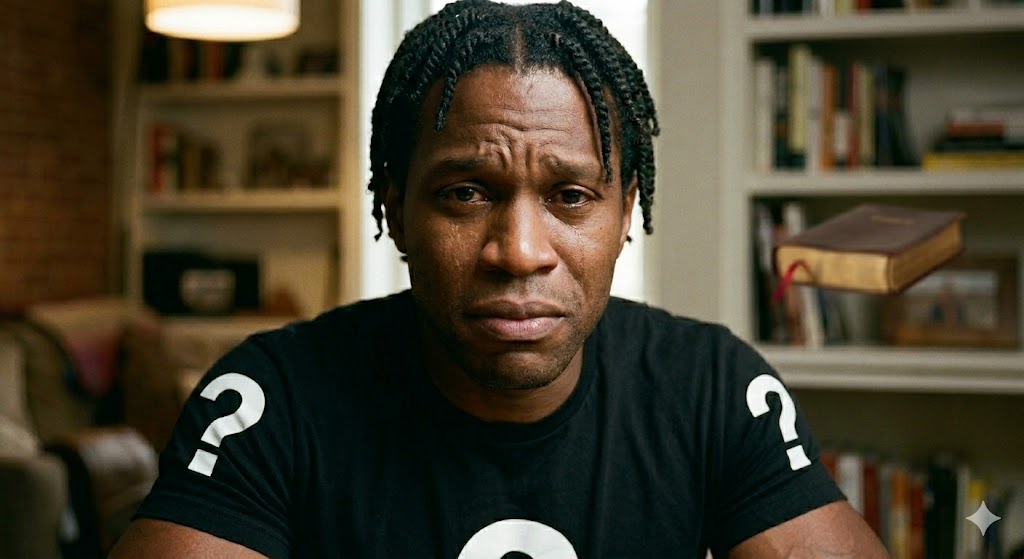
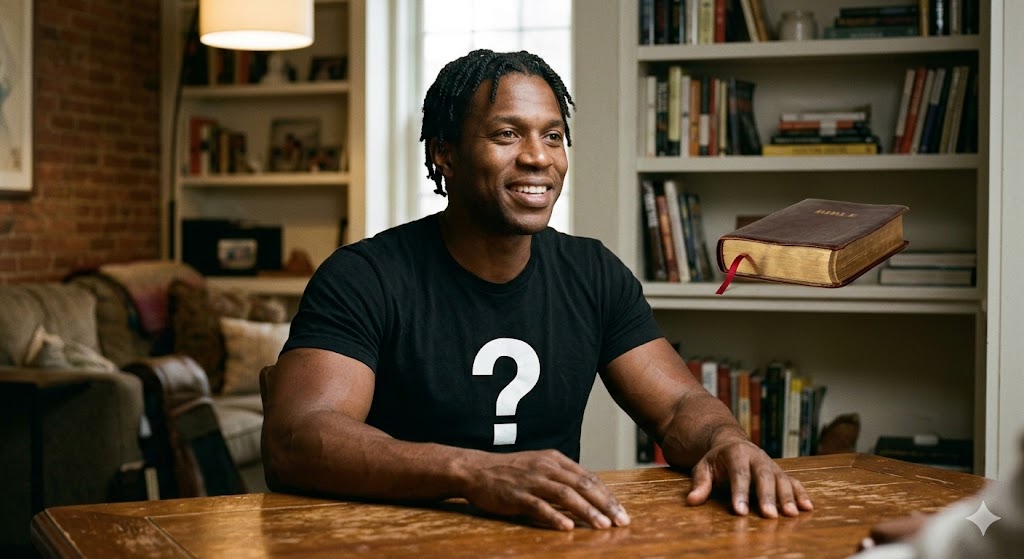
What Do You Do When the “?” Is Taped to Your Chest in Your Life?

The answer read below…..

Life often presents moments of uncertainty so heavy that it feels like a literal question mark has been taped to your chest. You may have prayed fervently, sought guidance, and begged God for clarity about your purpose, relationships, career, or calling, yet the silence seems deafening. This season of ambiguity can test faith, patience, and resilience. How should a believer respond when the answers are not immediately clear, when you have asked God with sincerity and humility, and yet, hear nothing in return?

The first principle is patience. Waiting on God is not passive; it is an active stance of trust, faith, and preparedness. Psalm 27:14 (KJV) exhorts, “Wait on the Lord: be of good courage, and he shall strengthen thine heart: wait, I say, on the Lord.” Waiting involves maintaining spiritual discipline, continuing to pray, worship, and live according to God’s principles even when clarity seems distant.

Prayer is foundational, but it must be consistent and intentional. Philippians 4:6–7 (KJV) advises, “Be careful for nothing; but in every thing by prayer and supplication with thanksgiving let your requests be made known unto God. And the peace of God, which passeth all understanding, shall keep your hearts and minds through Christ Jesus.” Continual prayer with thanksgiving, even in silence, establishes a rhythm of dependence and aligns your heart with divine timing.

Silence from God does not signify abandonment. Isaiah 30:18 (KJV) reminds us, “And therefore will the Lord wait, that he may be gracious unto you, and therefore will he be exalted, that he may have mercy upon you: for the Lord is a God of judgment: blessed are all they that wait for him.” His timing is perfect, and periods of waiting often refine character, deepen faith, and clarify motives.

When seeking answers, humility is crucial. Ask God for guidance with expectation, not arrogance. James 4:6 (KJV) states, “But he giveth more grace. Wherefore he saith, God resisteth the proud, but giveth grace unto the humble.” The posture of a humble heart opens one to receive direction while preventing frustration or pride from clouding judgment.

Pay attention to peace. The Bible teaches that peace is a guide to discernment. Colossians 3:15 (KJV) instructs, “And let the peace of God rule in your hearts, to the which also ye are called in one body; and be ye thankful.” When faced with a “?” in life, notice the paths that bring peace, the choices that ease the tension in your spirit. Peace becomes a compass when words, visions, or immediate clarity are absent.

Daily discipline in prayer, meditation, and scripture reading strengthens discernment. Romans 12:2 (KJV) exhorts believers, “And be not conformed to this world: but be ye transformed by the renewing of your mind, that ye may prove what is that good, and acceptable, and perfect, will of God.” Transformation occurs in these quiet, consistent practices, allowing God to shape understanding over time.

Faith often grows most during seasons of unanswered questions. Hebrews 11:1 (KJV) defines faith as “the substance of things hoped for, the evidence of things not seen.” Trusting in God’s guidance before receiving clarity strengthens reliance on Him rather than on one’s own understanding. Proverbs 3:5–6 (KJV) further emphasizes, “Trust in the Lord with all thine heart; and lean not unto thine own understanding. In all thy ways acknowledge him, and he shall direct thy paths.”

While waiting, it is essential to examine the heart’s posture. Are prayers motivated by desperation, self-interest, or genuine desire for God’s will? Psalm 37:4 (KJV) assures, “Delight thyself also in the Lord: and he shall give thee the desires of thine heart.” True alignment with God’s desires produces clarity and contentment while awaiting external confirmation.

The psychological dimension of waiting is also significant. Research on uncertainty demonstrates that prolonged ambiguity increases stress and can lead to anxiety or impulsive decisions (Carleton, 2016). Maintaining routines, mindfulness, and prayerful reflection helps manage this tension and prevents hasty actions that may contradict God’s plan.

Discernment often requires active listening. Beyond spoken prayer, pay attention to subtle confirmations—peace, recurring themes in scripture, wise counsel, or gentle nudges from the Spirit. These may be overlooked if one expects overt signs or dramatic visions. Proverbs 20:27 (KJV) notes, “The spirit of man is the candle of the Lord, searching all the inward parts of the belly.” Inner awareness is a channel for divine guidance.

Community plays a role in interpreting life’s “?” moments. Seek counsel from spiritually mature, trusted individuals. Proverbs 11:14 (KJV) teaches, “Where no counsel is, the people fall: but in the multitude of counsellors there is safety.” Honest dialogue with mentors or peers can illuminate paths previously unseen while maintaining accountability and humility.

Actions matter as much as reflection. While waiting, engage in productive, purposeful activities aligned with your values and God’s principles. Micah 6:8 (KJV) reminds, “He hath shewed thee, O man, what is good; and what doth the Lord require of thee, but to do justly, and to love mercy, and to walk humbly with thy God?” Consistent action cultivates readiness for opportunities when clarity arrives.

Resisting impatience is critical. Luke 21:19 (KJV) counsels, “In your patience possess ye your souls.” Impatience can prompt compromise, poor decision-making, or settling for alternatives that undermine long-term purpose. Waiting, while difficult, is an act of obedience and trust.

Acknowledging emotions is healthy. Feelings of frustration, fear, or confusion are natural. Express these honestly in prayer without demanding immediate answers. Psalm 62:8 (KJV) encourages, “Trust in him at all times; ye people, pour out your heart before him: God is a refuge for us.” Vulnerable, honest prayer does not weaken faith; it deepens it.

Testing assumptions is essential. Sometimes, the absence of answers signals the need for growth, preparation, or discernment. James 1:3 (KJV) notes, “Knowing this, that the trying of your faith worketh patience.” Life’s questions often require inner transformation before external solutions are revealed.

Spiritual journaling can aid clarity. Recording prayers, insights, and experiences allows reflection over time, highlighting patterns or guidance previously unnoticed. It aligns with Habakkuk 2:2 (KJV): “Write the vision, and make it plain upon tables, that he may run that readeth it.” Writing encourages focused reflection and retention of God’s subtle responses.

Faithful consistency nurtures trust in the unseen. Galatians 6:9 (KJV) states, “And let us not be weary in well doing: for in due season we shall reap, if we faint not.” Continuing to act with integrity, kindness, and obedience positions the believer to recognize God’s direction when it appears.

Ultimately, the answer may come as a gentle whisper of intuition, a sense of peace, or an unexpected opportunity. Isaiah 30:21 (KJV) affirms, “And thine ears shall hear a word behind thee, saying, This is the way, walk ye in it, when ye turn to the right hand, and when ye turn to the left.” Peace is often the clearest sign that a path aligns with God’s will.

In conclusion, when the “?” is taped to your chest, your response is guided by prayer, humility, patience, and attentiveness to peace. Seek guidance without arrogance, maintain daily communion with God, and act in alignment with His principles. Trust that clarity will come in due season. Waiting is not inactivity; it is preparation, refinement, and cultivation of discernment until God’s direction becomes unmistakable.


References

Carleton, R. N. (2016). Fear of the unknown: One fear to rule them all? Journal of Anxiety Disorders, 41, 5–21.

Goleman, D. (1995). Emotional intelligence. Bantam Books.

Bible. (1769/2017). King James Version. (Original work published 1611).

Psalm 27:14; 37:4, 37:7, 62:8; Proverbs 3:5–6; 11:14; 20:27; 29:18; Isaiah 30:21; Micah 6:8; Hebrews 11:1; Philippians 4:6–7; Colossians 3:15; Romans 12:2; James 1:3, 4:6; Luke 21:19; Galatians 6:9; 1 Thessalonians 5:17; Ephesians 4:32.

Wisdom Alert! Anger is a Trap!

Anger is a powerful emotion that can feel justified in moments of injustice, betrayal, or personal offense. Yet unchecked, it becomes a snare that enslaves the mind, poisons the spirit, and damages relationships. The scripture warns repeatedly against anger, highlighting its potential to mislead and destroy. Proverbs 14:29 (KJV) states, “He that is slow to wrath is of great understanding: but he that is hasty of spirit exalteth folly.” Wisdom requires patience and discernment rather than immediate retaliation.

Psychology supports this ancient warning. Research shows that chronic anger increases the risk of cardiovascular disease, hypertension, and impaired immune function (Chida & Steptoe, 2009). Beyond physical health, anger affects cognitive clarity, decision-making, and social connections. The mind under anger narrows, focusing on perceived threats rather than long-term solutions.

The Bible situates anger within moral and spiritual frameworks. Ephesians 4:26 (KJV) advises, “Be ye angry, and sin not: let not the sun go down upon your wrath.” This passage acknowledges that anger is a natural response but cautions against allowing it to produce sin. Unchecked anger often leads to actions or words that violate ethical principles, creating regret and relational rupture.

Psychological studies similarly distinguish between constructive and destructive anger. Constructive anger motivates problem-solving and boundary-setting, while destructive anger produces aggression, resentment, and impulsive behaviors (Deffenbacher, 2011). Awareness of this distinction is crucial in navigating emotional responses healthily.

Anger often arises from perceived disrespect or violation of expectations. Cognitive-behavioral psychology highlights that our interpretation of events—not just the events themselves—triggers emotional responses (Beck, 2011). Misinterpretation or magnification of perceived slights can intensify anger unnecessarily. Controlling interpretation is as important as controlling reaction.

Righteous anger, as modeled in scripture, is distinguished by purpose and restraint. Jesus expressed anger in the temple when confronting injustice, yet it was measured and directed at sin, not personal vendettas (Matthew 21:12–13, KJV). Observing boundaries, restraint, and clarity ensures that anger serves justice rather than ego.

Holding onto anger allows it to fester. Ephesians 4:31 (KJV) instructs, “Let all bitterness, and wrath, and anger, and clamor, and evil speaking, be put away from you, with all malice.” Chronic resentment corrodes the soul, creating psychological rigidity and preventing reconciliation. Forgiveness is a proactive antidote, freeing both parties from the cycle of reactivity.

From a psychological standpoint, rumination is a dangerous companion of anger. Persistent focus on grievances strengthens neural pathways associated with stress and hostility, making future anger responses easier to trigger (Nolen-Hoeksema, 2000). Mindfulness, journaling, or structured reflection can break this pattern, promoting emotional regulation.

Anger also impedes effective communication. When emotionally charged, individuals are more likely to misinterpret intentions, exaggerate offenses, and escalate conflicts (Gottman & Levenson, 1992). A measured approach allows for dialogue, reconciliation, and problem-solving rather than destruction.

Spiritual disciplines complement psychological strategies. Prayer, meditation on scripture, and seeking godly counsel redirect focus from self-centered indignation to constructive action. Psalm 37:8 (KJV) admonishes, “Cease from anger, and forsake wrath: fret not thyself in any wise to do evil.” Patience, rooted in faith, fosters emotional and moral clarity.

Anger often masks deeper emotions such as fear, hurt, or insecurity. Recognizing these underlying feelings allows one to address core issues rather than lashing out at surface provocations. Psychological interventions like emotion-focused therapy emphasize understanding and validating these hidden layers to prevent misdirected anger (Greenberg, 2010).

Forgiveness does not require forgetting, nor does it mean condoning wrong behavior. Rather, it releases personal bondage to anger. Colossians 3:13 (KJV) reminds, “Forbearing one another, and forgiving one another, if any man have a quarrel against any: even as Christ forgave you, so also do ye.” Forgiveness preserves mental and spiritual health.

Self-control is an essential skill in managing anger. Proverbs 16:32 (KJV) observes, “He that is slow to anger is better than the mighty; and he that ruleth his spirit than he that taketh a city.” Strength lies not in forceful retaliation but in restraint, discernment, and wisdom. The ability to rule the spirit is a form of power often overlooked.

Cognitive-behavioral techniques, such as reframing negative thoughts, can be effective in transforming anger into constructive energy (Beck, 2011). Reinterpreting provocations as opportunities for growth or as reflections of others’ limitations reduces emotional reactivity, fostering resilience.

Anger can also be contagious. Social psychology indicates that exposure to angry individuals increases one’s own anger, reinforcing cycles of hostility (Barsade, 2002). Avoiding toxic environments and engaging in calm, supportive relationships protects emotional balance and promotes positive influence.

The dangers of suppressed anger should not be ignored. Bottled anger manifests physically through tension, anxiety, and psychosomatic symptoms. Psychologists recommend safe outlets such as physical exercise, creative expression, or structured reflection to prevent internal harm while maintaining ethical conduct.

Developing empathy counters anger’s destructive tendencies. Understanding the perspectives and struggles of others reduces automatic blame and promotes compassion. Romans 12:17–21 (KJV) encourages believers not to repay evil with evil but to overcome evil with good, integrating moral wisdom with emotional regulation.

Prayer and spiritual reflection provide perspective beyond personal grievances. By seeking divine guidance, individuals can respond to provocation with discernment rather than reactive emotion. James 1:19 (KJV) counsels, “Let every man be swift to hear, slow to speak, slow to wrath,” emphasizing measured response over impulsive reaction.

The cumulative effect of uncontrolled anger is relational, emotional, and spiritual degradation. Friendships, marriages, workplaces, and communities suffer when reactive hostility prevails. Conversely, managing anger with wisdom, patience, and self-discipline fosters trust, respect, and long-term harmony.

Ultimately, wisdom teaches that anger itself is not the problem—it is the mismanagement of anger that ensnares. By combining scriptural principles with psychological insights, individuals can recognize triggers, regulate emotions, and act with discernment. Anger, when understood and controlled, becomes a signal for reflection, not destruction.

Anger is a trap—but awareness, self-control, forgiveness, and patience provide the keys to freedom. The Bible and psychology converge on this truth: mastery over the spirit, calm in adversity, and measured action preserve life, health, and relationships. Wise individuals choose restraint over reaction, understanding over impulse, and love over wrath.


References

Barsade, S. G. (2002). The ripple effect: Emotional contagion and its influence on group behavior. Administrative Science Quarterly, 47(4), 644–675.

Beck, J. S. (2011). Cognitive behavior therapy: Basics and beyond (2nd ed.). Guilford Press.

Chida, Y., & Steptoe, A. (2009). The association of anger and hostility with future coronary heart disease: A meta-analytic review of prospective evidence. Journal of the American College of Cardiology, 53(11), 936–946.

Deffenbacher, J. L. (2011). Cognitive-behavioral conceptualization and treatment of anger. Cognitive and Behavioral Practice, 18(1), 88–97.

Gottman, J. M., & Levenson, R. W. (1992). Marital processes predictive of later dissolution: Behavior, physiology, and health. Journal of Personality and Social Psychology, 63(2), 221–233.

Greenberg, L. S. (2010). Emotion-focused therapy: Theory and practice. American Psychological Association.

Nolen-Hoeksema, S. (2000). The role of rumination in depressive disorders and mixed anxiety/depressive symptoms. Journal of Abnormal Psychology, 109(3), 504–511.

Bible. (1769/2017). King James Version. (Original work published 1611).

The Brown Girl Playbook: “Study to Shew Thyself Approved” — A KJV Blueprint for Faith, Discipline, and Divine Purpose

The Brown Girl Playbook is more than a devotional reflection; it is a disciplined manifesto rooted in sacred text and lived experience. Anchored in 2 Timothy 2:15 (KJV), this blueprint calls the brown-skinned daughter of the diaspora to intellectual rigor, spiritual maturity, and divine alignment. In a world that often measures her worth by aesthetics, performance, or proximity to power, scripture redirects her gaze upward—toward God’s approval rather than human applause.

The apostle Paul’s exhortation to Timothy, preserved in the Bible, declares: “Study to shew thyself approved unto God, a workman that needeth not to be ashamed, rightly dividing the word of truth.” This passage is not passive encouragement; it is an imperative. The Greek term spoudazo implies diligence, zeal, and intentional effort. For the brown girl navigating intersecting systems of race, gender, and class, diligence becomes both spiritual obedience and social resistance.

To “study” in this context transcends academic accumulation. It is the cultivation of discernment. It is the refusal to internalize narratives shaped by colonialism, patriarchy, and colorism. Study becomes liberation. As Black feminist scholars have long argued, knowledge production is power, particularly for marginalized women (Collins, 2000). Thus, to study is to reclaim agency over theology, identity, and destiny.

The phrase “shew thyself approved” suggests presentation. Approval is not granted by trend cycles or social media validation but by divine scrutiny. The Brown Girl Playbook challenges its reader to consider: Who is the ultimate audience of your life? In an era of curated identities, the scripture centers authenticity before God rather than performance before society.

“A workman that needeth not to be ashamed” evokes labor. Faith is work. Character is work. Healing generational trauma is work. The brown girl is often expected to labor silently—emotionally, professionally, spiritually—without acknowledgment. Yet Paul reframes labor as sacred craftsmanship. Her work, when grounded in truth, becomes an offering rather than exploitation.

The instruction to “rightly divide the word of truth” speaks to hermeneutics. Historically, biblical texts have been weaponized against Black bodies and women’s autonomy. To rightly divide is to interpret responsibly. It demands historical context, linguistic precision, and spiritual humility. It rejects both blind literalism and reckless distortion. The Brown Girl Playbook insists that theological literacy is a form of self-defense.

Faith without discipline dissolves into sentimentality. Discipline without faith becomes legalism. This blueprint holds both in tension. Spiritual practices—prayer, fasting, study, reflection—are not rituals of restriction but rhythms of alignment. They train the mind and subdue the ego, fostering resilience amid societal pressures.

For the brown girl in academic spaces, professional arenas, or creative industries, excellence becomes witness. Not perfectionism born of trauma, but excellence born of devotion. When she studies, prepares, and refines her craft, she reflects divine order. Discipline becomes a spiritual aesthetic—structured, intentional, luminous.

The Playbook also confronts internalized shame. Many brown girls inherit narratives of inadequacy tied to skin tone, hair texture, or socioeconomic origin. Yet scripture dismantles shame through divine approval. If God approves the diligent seeker, then inferiority loses authority. Spiritual identity reorients psychological self-concept.

Divine purpose is not discovered through comparison but consecration. The Brown Girl Playbook invites solitude for clarity. Study produces revelation; revelation produces direction. In silence, she hears vocation more clearly than in the noise of competition. Purpose unfolds not as spectacle but as stewardship.

Moreover, this blueprint affirms community. While study is personal, approval is not isolation. Brown girls thrive in networks of mentorship, sisterhood, and intergenerational wisdom. The disciplined woman does not hoard knowledge; she multiplies it. She becomes both student and teacher, embodying legacy.

In confronting systemic injustice, disciplined faith becomes prophetic. To study scripture deeply is to encounter themes of liberation, justice, and covenant. The same text that calls for diligence also calls for righteousness. Therefore, the Brown Girl Playbook integrates spirituality with social consciousness, refusing to divorce devotion from justice.

This blueprint also reclaims femininity as intellectual. The stereotype that beauty and brilliance cannot coexist collapses under disciplined study. The brown girl may adorn herself, excel academically, and cultivate spiritual authority simultaneously. Faith refines identity rather than restricting it.

Ultimately, “Study to shew thyself approved” is an invitation to sacred ambition. It does not encourage striving for worldly dominance but for eternal alignment. Approval before God reorders priorities, tempers ego, and stabilizes identity. It offers peace that applause cannot sustain.

The Brown Girl Playbook, then, is a covenantal commitment—to study with zeal, to live without shame, and to pursue divine purpose with disciplined faith. In doing so, the brown girl does not merely survive cultural currents; she transcends them. She becomes a workman approved, rightly dividing truth, and walking boldly in destiny.


References

Collins, P. H. (2000). Black feminist thought: Knowledge, consciousness, and the politics of empowerment (2nd ed.). Routledge.

Bible. (1769/2017). King James Version. (Original work published 1611).

Shadows of Survival: Cultural and Historical Angles of Poverty.

Photo by Timur Weber on Pexels.com

Poverty is not merely an economic condition—it is a historical inheritance and a cultural construct woven into the fabric of human civilization. Across time, the experience of poverty has been defined and redefined by systems of power, colonization, race, and class. To understand poverty in its fullest form, one must trace its origins not only through material deprivation but also through the narratives that have justified and perpetuated inequality across centuries.

Historically, poverty has always been linked to social hierarchy. In ancient societies, such as Egypt, Greece, and Rome, class divisions were considered natural and divinely ordained. The wealthy and ruling elites viewed the poor as necessary laborers to sustain their prosperity. Poverty was moralized, seen as either the result of divine punishment or personal failure. This moral framing laid the foundation for later ideologies that blamed the poor for their condition rather than recognizing structural injustice.

The transatlantic slave trade and European colonization marked one of the most defining periods in the global history of poverty. Colonized peoples were stripped not only of resources but of cultural wealth, languages, and social systems that sustained communal prosperity. Colonial powers imposed foreign economic structures that redirected wealth to Europe, leaving indigenous and African nations impoverished. The plantation economies, driven by slave labor, created a wealth gap so vast that its echoes still define global inequality today (Rodney, 1972).

Poverty among African-descended populations in the Americas cannot be understood apart from the legacy of slavery. Enslaved Africans built the economic foundation of Western wealth through cotton, sugar, and tobacco, yet were denied ownership, education, and dignity. After emancipation, systemic poverty was maintained through sharecropping, Jim Crow laws, and exclusion from property and credit. This structural design ensured that Black Americans remained economically dependent and socially constrained, creating generational poverty that persists in many communities (Massey & Denton, 1993).

Colonialism also reshaped the global map of poverty. In Africa, Asia, and Latin America, European empires extracted natural and human resources while imposing artificial borders that fractured indigenous governance. The introduction of cash economies replaced traditional systems of trade and reciprocity. Poverty thus became not an accident but an intentional outcome of colonial policy—a mechanism to maintain global control and cheap labor (Nkrumah, 1965).

The Industrial Revolution transformed the nature of poverty in Europe and America. While it generated immense wealth for the few, it created a working class that lived in squalid conditions. Urban poverty, marked by overcrowded housing, child labor, and pollution, became the visible cost of progress. Karl Marx’s critique of capitalism highlighted this disparity, arguing that the concentration of wealth in the hands of the bourgeoisie required the perpetual impoverishment of the proletariat (Marx & Engels, 1848).

Culturally, poverty has often been stigmatized through language, art, and religion. In Western Christian traditions, wealth was sometimes equated with divine favor, while poverty symbolized moral failure. Yet paradoxically, scripture also honored the poor, as seen in Christ’s teaching that “Blessed are the poor in spirit” (Matthew 5:3, KJV). This tension between compassion and condemnation reflects how societies have oscillated between viewing the poor as victims to be pitied and as burdens to be managed.

In African and indigenous worldviews, however, poverty was historically understood differently. Wealth was not individual accumulation but communal well-being. Before colonization, many African societies practiced economic systems based on reciprocity, where wealth circulated to ensure collective survival. The concept of Ubuntu—“I am because we are”—challenged the isolation and greed that define modern capitalism. Thus, colonial disruption did more than drain resources; it dismantled spiritual and cultural frameworks of shared prosperity.

During the 20th century, poverty became a central theme in liberation movements across the world. Figures like Martin Luther King Jr., Kwame Nkrumah, and Nelson Mandela recognized that racial and political freedom without economic justice was incomplete. King (1968) declared that “the curse of poverty has no justification in our age,” emphasizing that poverty is man-made and can be eradicated through restructuring values and systems.

The cultural psychology of poverty reveals deep internal effects. When generations are taught to see their struggles as inevitable or self-inflicted, they internalize inferiority. This “poverty of spirit,” as Paulo Freire (1970) described, leads to fatalism—the belief that one’s circumstances cannot change. Education, in this context, becomes not only a tool of empowerment but a form of psychological liberation.

In America, poverty intersects with race, geography, and gender. Black and Indigenous communities continue to experience disproportionately high poverty rates due to structural inequalities in education, housing, and employment. Women, particularly single mothers, face “the feminization of poverty,” where systemic sexism and wage disparity keep them in economic precarity (Pearce, 1978). These patterns reveal that poverty is not random but patterned along lines of social exclusion.

Media and culture play critical roles in shaping public perception of poverty. Hollywood often portrays the poor as either criminal, lazy, or helpless—rarely as intelligent, dignified, or resilient. Such imagery reinforces stereotypes that justify economic inequality. By contrast, cultural expressions in music, poetry, and art—particularly within the African diaspora—have served as acts of resistance, celebrating survival amid scarcity.

Hip-hop, gospel, and blues emerged as cultural responses to poverty. These art forms transformed pain into creativity, turning oppression into expression. They remind the world that even within impoverished conditions, there exists cultural richness, ingenuity, and hope. Poverty may restrict material access, but it cannot extinguish the human spirit.

The psychological consequences of poverty extend beyond financial stress. Chronic exposure to deprivation creates a state of hyper-vigilance and emotional exhaustion. Studies show that children raised in poverty experience higher rates of anxiety, trauma, and reduced cognitive development due to limited resources and environmental stressors (Evans, 2004). Poverty, therefore, is both an external and internal crisis—a condition of the mind as much as of the wallet.

Culturally, poverty shapes identity through shame and resilience. In communities that valorize wealth and consumption, being poor becomes a stigma. Yet within oppressed populations, shared struggle often builds solidarity. This paradox—of pain and pride coexisting—defines much of the cultural experience of poverty in Black and brown communities.

Historically, the myth of meritocracy has perpetuated the moralization of poverty. Capitalist societies glorify the self-made individual, suggesting that hard work alone ensures success. This narrative obscures the systemic barriers that prevent equal opportunity. It erases historical trauma—such as redlining, mass incarceration, and wage theft—that sustain economic inequity across generations.

Globally, poverty today reflects the aftershocks of colonization and globalization. Nations once stripped of their resources now struggle under debt, inflation, and environmental exploitation by the same powers that once enslaved them. The World Bank and International Monetary Fund, though framed as benevolent institutions, have often imposed austerity measures that deepen inequality in developing nations (Escobar, 1995).

Culturally, the poor have become both invisible and hyper-visible. They are displayed in charity campaigns yet excluded from policy decisions. Their stories are told by others, not by themselves. The cultural voice of poverty, when reclaimed, demands not pity but justice. It reminds societies that poverty is not simply the absence of money but the absence of fairness.

To address poverty requires cultural transformation as much as economic reform. It requires redefining wealth as collective well-being rather than individual success. Education must teach empathy, history, and critical consciousness. Policy must address not only income but dignity, ensuring access to housing, healthcare, and meaningful work.

Faith traditions, particularly in African and diasporic contexts, often frame poverty as a test of endurance and faith. Yet modern theology increasingly views justice as divine work—arguing that ending poverty honors the Creator’s design for equity and community. Thus, spirituality becomes not an escape from poverty but a moral engine for its eradication.

Culturally, healing from poverty’s trauma involves storytelling—restoring lost narratives of abundance, resilience, and ancestral strength. When people remember who they are and where they come from, they begin to dismantle the lies that poverty told them about their worth.

Ultimately, the historical and cultural dimensions of poverty reveal it to be not a flaw in individuals but in systems. To fight poverty is to confront history itself—to heal from the wounds of slavery, colonization, and capitalism. In that healing lies the restoration of dignity, the renewal of community, and the reawakening of humanity’s shared responsibility for one another.

References

Escobar, A. (1995). Encountering development: The making and unmaking of the Third World. Princeton University Press.

Evans, G. W. (2004). The environment of childhood poverty. American Psychologist, 59(2), 77–92.

Freire, P. (1970). Pedagogy of the oppressed. Continuum.

King, M. L., Jr. (1968). Where do we go from here: Chaos or community? Beacon Press.

Massey, D. S., & Denton, N. A. (1993). American apartheid: Segregation and the making of the underclass. Harvard University Press.

Marx, K., & Engels, F. (1848). The Communist Manifesto. Penguin Classics.

Nkrumah, K. (1965). Neo-colonialism: The last stage of imperialism. Thomas Nelson & Sons.

Pearce, D. M. (1978). The feminization of poverty: Women, work, and welfare. Urban and Social Change Review, 11(1–2), 28–36.

Rodney, W. (1972). How Europe underdeveloped Africa. Bogle-L’Ouverture Publications.

Dilemma: External Righteousness VS Internal Righteousness

External righteousness refers to visible religious behavior—what people can see, measure, and often praise. It includes practices such as church attendance, public prayer, fasting, modest dress, and moral language. These actions are not inherently wrong; in fact, Scripture encourages godly behavior. However, the dilemma arises when righteousness becomes performative rather than transformative, focused more on appearance than on authentic spiritual change.

Internal righteousness, by contrast, speaks to the condition of the heart. It concerns motives, intentions, desires, and the inner posture of the soul toward God. This form of righteousness is invisible to human eyes but fully known to God. Internal righteousness is not about impressing others but about genuine repentance, humility, and obedience that flows from love rather than fear or social pressure.

Jesus directly addressed this tension in His rebukes of the Pharisees. They were meticulous in observing religious laws, yet their hearts were far from God. In Matthew 23:27 (KJV), Jesus compared them to “whited sepulchres,” beautiful on the outside but full of corruption within. This metaphor captures the essence of external righteousness: polished behavior masking internal decay.

The danger of external righteousness lies in self-deception. When individuals equate holiness with religious performance, they may believe they are spiritually healthy while remaining inwardly unchanged. This creates a false sense of security, where salvation is assumed based on actions rather than genuine faith and transformation.

Internal righteousness begins with repentance. Repentance is not merely apologizing for sin but a deep turning of the heart toward God. Psalm 51:10 (KJV) reflects this internal posture: “Create in me a clean heart, O God; and renew a right spirit within me.” The focus is not on outward correction alone, but on inner renewal.

One of the central theological tensions in Christianity is between justification and sanctification. Justification is the act of being declared righteous before God through faith, while sanctification is the ongoing process of being made righteous in character. External righteousness often skips sanctification and imitates holiness without spiritual substance.

The prophet Samuel articulated this principle when he told Saul, “The Lord looketh on the heart” (1 Samuel 16:7, KJV). God does not evaluate righteousness by surface behavior, status, or reputation. Divine judgment is rooted in the inner life, not public image.

External righteousness is also closely linked to religious pride. When righteousness is visible, it becomes comparable. People begin to measure themselves against others, producing spiritual arrogance. Luke 18:11–12 (KJV) shows the Pharisee boasting in prayer about his fasting and tithing, while the tax collector humbly sought mercy. Jesus affirmed the one with internal righteousness, not the one with external performance.

Internal righteousness produces fruit rather than performance. According to Galatians 5:22–23 (KJV), the fruit of the Spirit includes love, patience, gentleness, and self-control. These are not behaviors that can be easily staged; they emerge from a transformed heart and sustained relationship with God.

A major issue with external righteousness is that it often relies on fear—fear of judgment, fear of rejection, fear of hell. Internal righteousness, however, flows from love. As 1 John 4:18 (KJV) teaches, “Perfect love casteth out fear.” Obedience becomes relational rather than transactional.

Jesus emphasized internal righteousness in the Sermon on the Mount. He redefined sin not only as outward acts but as inward thoughts and intentions. Lust was equated with adultery, and hatred with murder (Matthew 5, KJV). This teaching dismantled the idea that righteousness is merely behavioral compliance.

External righteousness can exist without faith, but internal righteousness cannot. People may follow moral codes for social approval, cultural identity, or personal discipline. Yet without faith, these acts lack spiritual power. Hebrews 11:6 (KJV) states plainly that without faith it is impossible to please God.

Theologically, internal righteousness is rooted in regeneration—the spiritual rebirth described in John 3:3 (KJV). Jesus told Nicodemus that one must be “born again” to see the kingdom of God. This new birth is not behavioral reform but spiritual transformation from within.

Paul’s writings consistently emphasize internal righteousness. In Romans 7, he describes the struggle between outward law and inward sin, concluding that true deliverance comes through Christ, not through the law. The law can expose sin, but only the Spirit can change the heart.

External righteousness often leads to spiritual exhaustion. Maintaining a religious image requires constant effort, control, and self-monitoring. Internal righteousness, however, produces rest. Matthew 11:28 (KJV) invites believers to find rest in Christ, not in religious striving.

Another danger of external righteousness is hypocrisy. When inner desires contradict outer behavior, individuals live double lives. This creates cognitive dissonance and emotional fragmentation. Jesus condemned hypocrisy more than any other sin because it distorts truth and misrepresents God.

Internal righteousness produces integrity, meaning alignment between belief, desire, and action. Integrity does not mean perfection but sincerity. It reflects a heart that genuinely seeks God even while struggling with weakness. Proverbs 4:23 (KJV) affirms this by urging believers to guard the heart, for it shapes all of life.

Spiritually, external righteousness aligns with legalism, while internal righteousness aligns with grace. Legalism focuses on rule-keeping as a means of acceptance. Grace focuses on transformation as a response to acceptance. Ephesians 2:8–9 (KJV) makes clear that salvation is by grace, not by works.

Internal righteousness also reshapes identity. Instead of seeing oneself as “a good person trying to behave,” the believer becomes “a new creation in Christ” (2 Corinthians 5:17, KJV). Righteousness becomes a state of being, not a checklist of actions.

Psychologically, external righteousness is often driven by social validation, while internal righteousness is driven by spiritual conviction. One seeks applause; the other seeks alignment with God. This distinction explains why some people abandon faith when no one is watching—they were living for observers, not for God.

Ultimately, the dilemma between external and internal righteousness is the difference between religion and relationship. Religion emphasizes systems, rituals, and appearances. Relationship emphasizes intimacy, surrender, and transformation. God desires obedience, but He desires the heart first.

True righteousness is not what people see, but what God sees. External righteousness may impress crowds, but internal righteousness transforms lives. According to Jeremiah 17:10 (KJV), God searches the heart and tests the mind, rendering judgment not by performance but by truth within. The real question, therefore, is not how righteous we look—but how righteous we are when no one is watching.


References

Holy Bible (King James Version). (2017). Thomas Nelson.

Bonhoeffer, D. (1995). The cost of discipleship. Touchstone.

Grudem, W. (1994). Systematic theology: An introduction to biblical doctrine. Zondervan.

Piper, J. (2007). What Jesus demands from the world. Crossway.

Tozer, A. W. (1961). The knowledge of the holy. HarperCollins.

Wright, N. T. (2010). After you believe: Why Christian character matters. HarperOne.

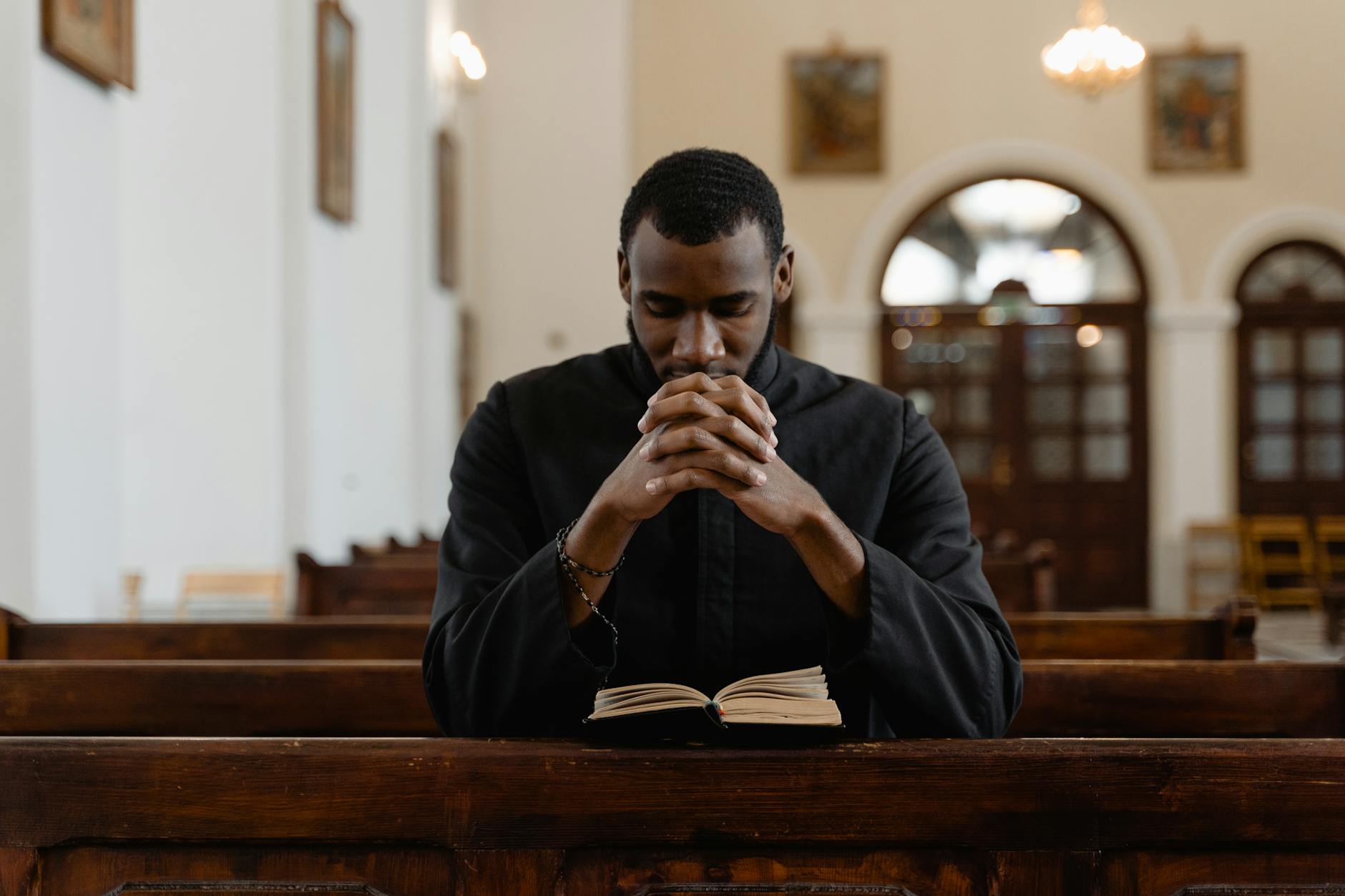
Men Who Pray: Reclaiming Spiritual Authority Through Faith.

Photo by MART PRODUCTION on Pexels.com

Prayer is a defining act that connects men to divine guidance, moral clarity, and spiritual authority. In a world where traditional masculine power is often measured by wealth, status, or physical prowess, prayer offers a transformative avenue for men to reclaim authentic authority rooted in humility, obedience, and purpose. Men Who Pray explores how spiritual disciplines restore leadership, integrity, and influence.

Historically, men in scripture exemplified spiritual authority through prayer. Figures such as Moses, David, and Solomon demonstrated that true leadership depends on communion with God rather than solely on human wisdom or strength (1 Samuel 12:23; 2 Chronicles 1:7–12, KJV). Prayer was both a tool and a testimony of divine empowerment.

Modern society often marginalizes men’s spiritual development. Cultural narratives emphasize independence and emotional stoicism, discouraging men from seeking divine counsel. This neglect undermines their ability to lead ethically in family, community, and professional spheres. Prayer serves as a corrective to these distortions, restoring alignment with God’s will.

Prayer cultivates humility, a hallmark of spiritual authority. Recognizing dependence on God fosters self-awareness and accountability. Men who pray acknowledge that ultimate power is God-given, not self-invented, allowing them to exercise influence responsibly and justly (Proverbs 3:5–6, KJV).

Intercessory prayer is a mechanism for communal leadership. Men who pray on behalf of families, communities, and nations demonstrate stewardship, empathy, and moral courage. Their spiritual advocacy nurtures social cohesion and inspires trust, reflecting the biblical mandate to shepherd and protect (James 5:16).

Consistent prayer shapes character and integrity. Daily spiritual discipline reinforces patience, self-control, and discernment. Men who commit to regular prayer internalize values that guide decisions, manage conflict, and uphold justice, strengthening both personal and societal moral frameworks.

Spiritual authority through prayer transcends hierarchical power. Unlike worldly dominance, divine authority is relational, ethical, and enduring. Men who cultivate this authority gain influence through respect, wisdom, and service, echoing the biblical principle that “the greatest among you shall be your servant” (Matthew 23:11, KJV).

Prayer combats moral and emotional vulnerability. Life’s pressures—temptation, stress, and adversity—challenge men’s integrity. Prayer provides guidance, fortification, and clarity, enabling men to navigate these trials without succumbing to destructive behaviors or compromised ethics (Psalm 5:11–12, KJV).

Mentorship and modeling are amplified through prayer. Men who prioritize spiritual practice serve as role models for younger generations, demonstrating that true strength emerges from faithfulness and obedience rather than aggression or coercion. This transmission of spiritual discipline preserves cultural and moral continuity.

Faith-driven leadership strengthens families. Fathers who pray cultivate homes grounded in moral clarity, spiritual resilience, and mutual respect. Children witness that authority is inseparable from accountability, compassion, and devotion, fostering well-rounded spiritual development (Ephesians 6:4, KJV).

Prayer also reinforces community engagement. Men who pray for societal welfare demonstrate active stewardship and ethical responsibility. This outward focus bridges personal spirituality with social action, reinforcing the biblical principle of love for neighbor and advocacy for justice (Micah 6:8, KJV).

The discipline of prayer enhances discernment. Through reflection and spiritual attunement, men learn to identify truth, avoid deception, and make decisions aligned with divine wisdom. This discernment underpins ethical leadership and strengthens relational trust.

Spiritual authority challenges destructive cultural norms of masculinity. Men who embrace prayer redefine strength, modeling courage, vulnerability, and ethical stewardship as complementary rather than opposing forces. This redefinition fosters healthier communities and family structures.

Prayer provides resilience against societal oppression. For men facing systemic injustice or marginalization, spiritual practice serves as a source of inner strength and hope. Biblical examples, such as Daniel and Joseph, demonstrate how prayer sustains moral integrity amidst adversity (Daniel 6:10, KJV).

Education on the power of prayer is essential. Teaching young men to integrate spiritual practice with daily life equips them to navigate modern challenges with integrity, purpose, and leadership grounded in faith rather than social approval or material gain.

Mental and emotional health benefit from prayer. Regular spiritual reflection fosters peace, emotional regulation, and clarity, countering stress, anger, or despair. Men who pray cultivate resilience, enabling them to lead without succumbing to personal turmoil (Philippians 4:6–7, KJV).

Corporate prayer—engaging with others in faith communities—strengthens relational bonds and collective purpose. Men who participate model collaboration, humility, and mutual support, reinforcing the social dimensions of spiritual authority.

Prayer aligns men with God’s covenant promises. Acknowledging divine guidance affirms identity, purpose, and destiny, anchoring men in a moral and spiritual framework that transcends temporal challenges (Jeremiah 29:11, KJV).

Consistency in prayer transforms character over time. Spiritual authority is not instantaneous but cultivated through persistent devotion, reflection, and obedience. Men who commit to this discipline demonstrate reliability, ethical fortitude, and lasting influence.

In conclusion, Men Who Pray illustrates that spiritual authority is reclaimed not through dominance, aggression, or societal expectation, but through prayer, humility, and faithful alignment with God. Men who embrace this path become builders of ethical families, communities, and legacies, embodying strength intertwined with spiritual wisdom and divine purpose.


References

The Holy Bible, King James Version. (n.d.). 1 Samuel 12:23; 2 Chronicles 1:7–12; Proverbs 3:5–6; James 5:16; Matthew 23:11; Psalm 5:11–12; Ephesians 6:4; Micah 6:8; Daniel 6:10; Philippians 4:6–7; Jeremiah 29:11. King James Bible Online. https://www.kingjamesbibleonline.org

Ferguson, R. A. (2019). The spiritual lives of African American men: Faith, family, and resilience. Routledge.

Pruett, K. (2017). Faithful fathers: The role of prayer and spirituality in fatherhood. Journal of Men’s Studies, 25(3), 310–326. https://doi.org/10.1177/1060826517720998

Watson, N. (2015). Masculinity and spirituality: Redefining strength through faith. Palgrave Macmillan.