Tag Archives: jesus

Second-Hand Objects to never bring into your home. (spiritual)

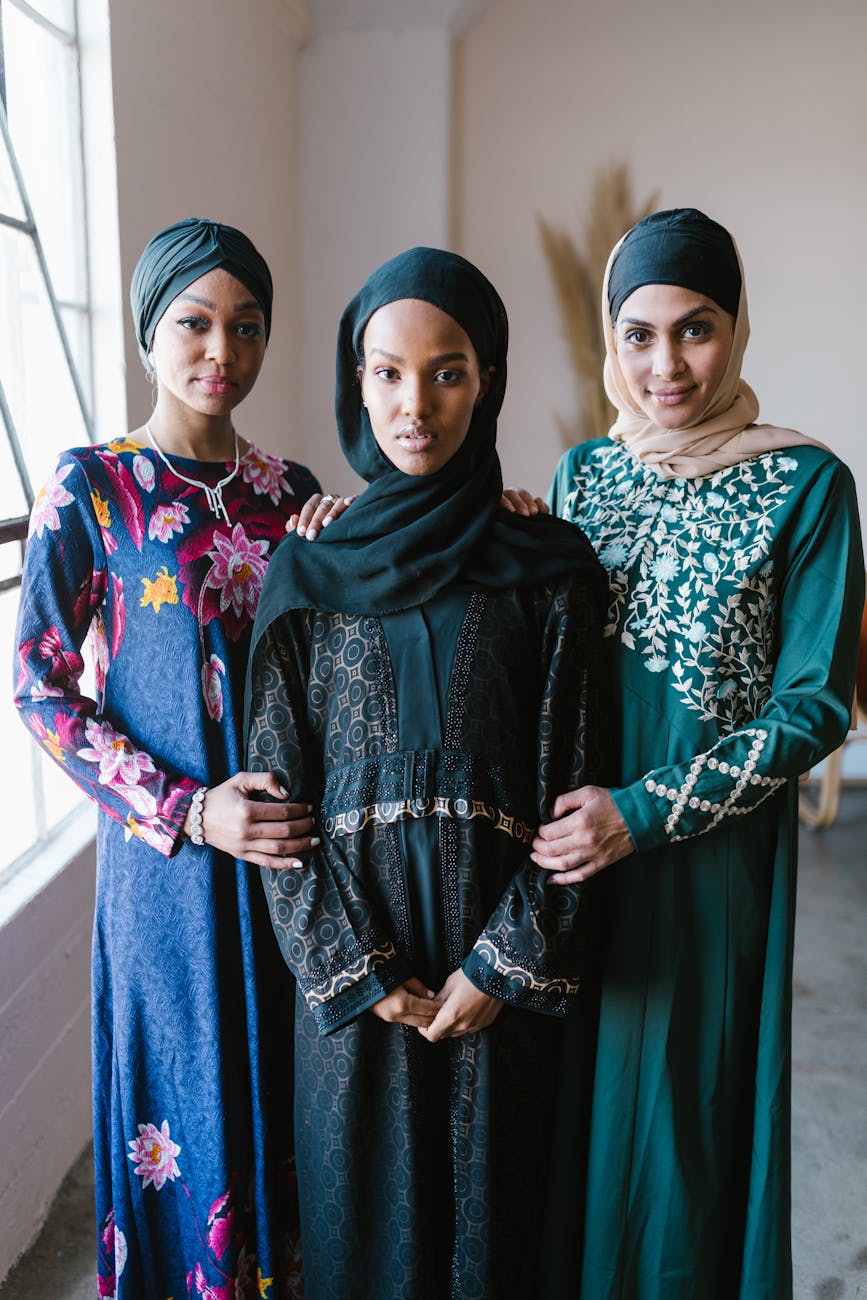
Photo by Elina Sazonova on Pexels.com

Our homes are meant to be places of peace, rest, and safety — both physically and spiritually. However, the Bible warns against bringing cursed or spiritually defiled items into our homes. Deuteronomy 7:26 (KJV) says, “Neither shalt thou bring an abomination into thine house, lest thou be a cursed thing like it: but thou shalt utterly detest it, and thou shalt utterly abhor it; for it is a cursed thing.” This verse highlights a timeless principle: certain objects can carry negative spiritual influences, and if we bring them into our homes, they can affect the atmosphere and our mental well-being.

One of the most common examples is dolls and figurines. Many cultures use dolls, idols, or figurines in rituals, and they can be spiritually charged objects. Even if purchased innocently, they may have been dedicated to other gods or used in occult practices. From a psychological perspective, dolls and figurines can trigger fear or discomfort in children due to the “uncanny valley” effect — where human-like figures evoke unease. Spiritually, believers are warned against idols in 1 John 5:21 (KJV): “Little children, keep yourselves from idols.”

Second-hand furniture and mirrors can also carry a spiritual weight. Items from estate sales, thrift stores, or antique shops may come with emotional residue or even spiritual attachments from their previous owners. Psychology refers to this as “object contagion” — the belief that objects retain the essence of those who owned them (Nemeroff & Rozin, 1994). Spiritually, we are told to cleanse and dedicate everything we own to the Lord (Joshua 24:15, KJV). Anointing furniture and praying over new items can restore peace in the home.

Jewelry, clothing, and accessories are other items that can carry a spiritual charge. Some jewelry is engraved with occult symbols or has been used in ungodly rituals. Clothing from second-hand shops may have been worn during traumatic events, witchcraft practices, or simply by those with heavy spiritual burdens. The Bible warns in Isaiah 52:11 (KJV): “Depart ye, depart ye, go ye out from thence, touch no unclean thing; go ye out of the midst of her; be ye clean.” Praying over clothing before wearing it can cleanse it from unseen attachments.

Many people also bring crystals, stones, books, statues, figurines, scrolls, or spiritual trinkets into their homes because they look beautiful or promise “good energy.” However, crystals are frequently used in New Age and occult practices to channel spiritual power apart from God. Deuteronomy 18:10-12 (KJV) forbids divination, enchantments, and consulting with familiar spirits. Followers of Christ are to rely on the Holy Spirit for guidance, not objects believed to carry magical power.

Old toys and masks are sometimes overlooked but can be spiritually dangerous. Masks often represent spirits, ancestors, or deities in various cultures, and bringing them into the home can invite the same spiritual presence they were created to honor. Toys can also be spiritually contaminated if they are themed after witchcraft, sorcery, or violent, demonic characters. Proverbs 4:23 (KJV) says, “Keep thy heart with all diligence; for out of it are the issues of life.” The same diligence should apply to what we allow children to play with.

Even gifts from people can carry spiritual burdens. If the giver has negative intentions, envy, or has cursed the item, it can affect your household. Spiritually sensitive people often feel a heaviness or unrest when such gifts are present. 1 Thessalonians 5:21-22 (KJV) advises: “Prove all things; hold fast that which is good. Abstain from all appearance of evil.” It is wise to pray over every gift and even discard it if you sense spiritual oppression.

Prayer is essential when bringing anything new or second-hand into the home. 1 Timothy 4:4-5 (KJV) reminds us: “For every creature of God is good, and nothing to be refused, if it be received with thanksgiving: For it is sanctified by the word of God and prayer.” Praying over objects breaks any curse, dedicates them to God, and invites His presence into your home. Doing so not only protects the spiritual atmosphere but also brings psychological peace, reducing anxiety and creating a home that truly feels like a refuge.


📋 List of Objects to Be Cautious About

  • Dolls, figurines, and statues
  • Second-hand furniture (beds, chairs, dressers)
  • Mirrors (especially antique or ornate ones)
  • Jewelry (rings, necklaces with unknown symbols)
  • Crystals, stones, or spiritual trinkets
  • Old toys or toys depicting witchcraft/demonic characters
  • Cultural or ritual masks
  • Second-hand clothing and accessories
  • Scrolls, occult books, or ritual objects
  • Gifts from people with questionable motives

🙏 Cleansing Prayer Guide for Your Home & Objects

🕊️ Step 1: Prepare Spiritually

Before you begin, invite the Holy Spirit to guide you. Spend a moment in worship or read scripture aloud to set the spiritual tone.

  • Scripture: “But thou art holy, O thou that inhabitest the praises of Israel.” (Psalm 22:3, KJV)

✝️ Step 2: Cover your Home

Ask for covering over your home, family, and possessions through Christ.

  • Prayer:

“Heavenly Father, I ask you to cover and cleanse our home and every object in this house. Sanctify this space. I declare that no weapon formed against me shall prosper (Isaiah 54:17).”


🛢️ Step 3: Anoint with Oil

Use olive oil (or any pure oil) and dedicate it to God in prayer, then touch it to doors, windows, furniture, and objects.

  • Scripture: “And thou shalt take the anointing oil, and anoint the tabernacle, and all that is therein, and shalt hallow it, and all the vessels thereof: and it shall be holy.” (Exodus 40:9, KJV)

🗑️ Step 4: Remove Defiled Objects

If the Holy Spirit convicts you of any object that carries darkness or oppression, remove it from your home.

  • Scripture: “Neither shalt thou bring an abomination into thine house, lest thou be a cursed thing like it.” (Deuteronomy 7:26, KJV)
  • Practical Tip: Discard, destroy, or donate objects — but pray first that any curse is broken before disposal.

🔥 Step 5: Renounce Spiritual Attachments

Break any ties that these objects may have had to the enemy.

  • Prayer:

“In the name of Jesus, I renounce every spirit or curse connected to this object. I break every legal right of the enemy to operate in my home. I command every unclean spirit to leave now.”


📖 Step 6: Dedicate Your Home

Speak blessings over your house and possessions.

  • Scripture: “As for me and my house, we will serve the Lord.” (Joshua 24:15, KJV)
  • Prayer:

“Lord, I dedicate this home to You. May it be a place of peace, prayer, and Your presence. Let Your angels encamp round about this house and protect all who dwell here (Psalm 34:7).”


🌿 Step 7: Invite God’s Presence

Read scripture aloud and worship, filling the atmosphere with God’s Word.

  • Scripture: “Submit yourselves therefore to God. Resist the devil, and he will flee from you.” (James 4:7, KJV)
  • Play worship music or read Psalms to cleanse the spiritual environment.

Step 8: Maintain Spiritual Vigilance

Continue to pray over new items before they enter your home and stay spiritually alert.

  • Scripture: “Watch ye and pray, lest ye enter into temptation.” (Mark 14:38, KJV)

📋 Psychological & Spiritual Insights

  • Object Contagion: Studies show people subconsciously feel objects carry the essence of their previous owners, which can affect emotions and sense of safety (Nemeroff & Rozin, 1994).
  • Ritual Cleansing Effects: Research indicates that ritual actions (like cleansing, blessing) reduce anxiety and promote psychological well-being by providing a sense of control and renewal (Hobson et al., 2017).
  • Prayer & Mental Health: Prayer and spiritual practices lower stress, improve emotional stability, and enhance a sense of safety (Koenig, 2012).

📚 References

Biblical References (KJV):

  • Deuteronomy 7:26; Exodus 40:9; Joshua 24:15; Psalm 22:3; Psalm 34:7; Isaiah 54:17; 1 John 5:21; 1 Thessalonians 5:21-22; 1 Timothy 4:4-5; James 4:7

Psychological & Scholarly Sources:

  • Nemeroff, C., & Rozin, P. (1994). The contagion concept in adult thinking in the United States: Transmission of germs and of interpersonal attitudes. Ethos, 22(2), 158–186.
  • Hobson, N. M., Schroeder, J., Risen, J. L., Xygalatas, D., & Inzlicht, M. (2017). The psychology of rituals: An integrative review and process-based framework. Personality and Social Psychology Review, 22(3), 260–284. https://doi.org/10.1177/1088868317734944
  • Koenig, H. G. (2012). Religion, spirituality, and health: The research and clinical implications. ISRN Psychiatry, 2012, 278730. https://doi.org/10.5402/2012/278730

What a Woman Brings to the Table: 5 Things a Woman Adds to a Man.

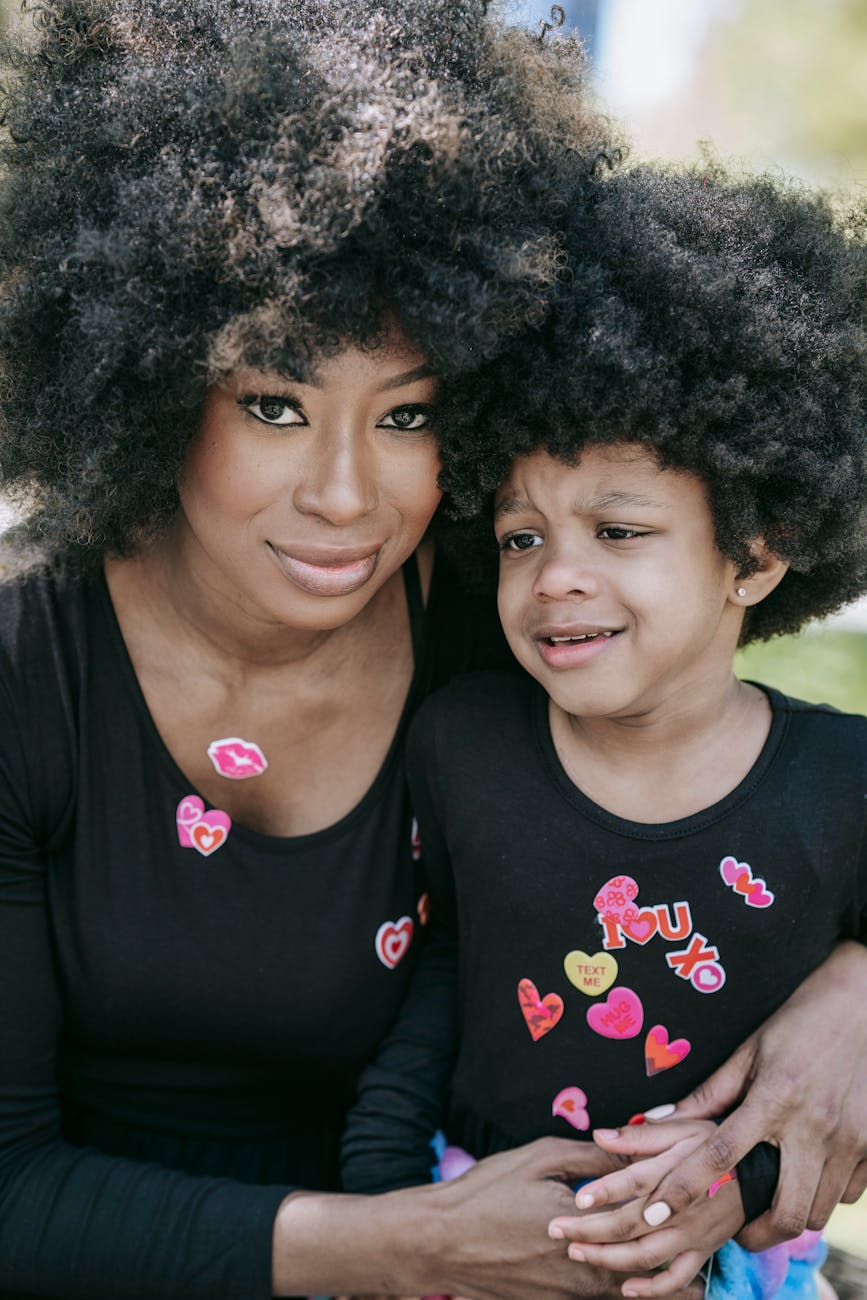
Photo by Ogo Johnson on Pexels.com

When discussing what a woman brings to the table, the conversation often drifts toward material possessions, finances, or career success. Yet, from a biblical and psychological perspective, what a woman contributes goes far beyond money or status. Scripture reminds us that “whoso findeth a wife findeth a good thing, and obtaineth favour of the Lord” (Proverbs 18:22, KJV). A woman’s value lies not merely in what she owns but in the spiritual, emotional, and moral enrichment she provides for her husband. A godly woman brings with her the favor of God, which positions the man under divine blessing and guidance. Her presence becomes a spiritual covering, reminding him that his household is not built by chance but by divine purpose.

A woman also elevates a man’s reputation. The Bible says, “Her husband is known in the gates, when he sitteth among the elders of the land” (Proverbs 31:23, KJV). This verse highlights how a woman’s character and influence raise a man’s standing in the community. Consider Coretta Scott King, who preserved and amplified Dr. Martin Luther King Jr.’s legacy through her own dignified activism and grace. Her presence not only supported his mission during his lifetime but ensured his name remained honorable after his passing. In a similar way, a virtuous woman today ensures that her husband’s name is respected and honored through her conduct.

Furthermore, a woman is the embodiment of quality virtue. The virtuous woman of Proverbs 31 is described as being “far above rubies” (Proverbs 31:10, KJV). She contributes wisdom, grace, and strength, which act as stabilizing forces in a man’s life. Priscilla Shirer, a modern-day Bible teacher and speaker, exemplifies this by being a voice of encouragement to her husband and family while ministering to thousands worldwide. Her ability to teach Scripture and walk in integrity uplifts her household and inspires others. A woman like this sharpens her man’s character, encouraging him to walk in righteousness.

A godly woman is also the main player of dignity within the relationship. Proverbs 31:25 declares, “Strength and honour are her clothing.” Dignity sets the tone for the marriage, influencing how the man treats his wife and how the home functions. Women like Michelle Obama embody this dignity by representing their husbands with class and wisdom, inspiring respect not only for themselves but for their entire families. When a man sees his wife walking in dignity, it calls him to walk in honor as well, reminding him of his worth and responsibility.

One of the most profound things a woman brings to the table is the ability to raise a man’s legacy. She is a builder of generations, shaping children and nurturing future leaders. Psalm 127:3 tells us, “Lo, children are an heritage of the Lord: and the fruit of the womb is his reward.” Women such as Sarah Jakes Roberts illustrate this principle well, mentoring young women while raising children who carry forward faith-based values. A godly woman multiplies a man’s influence through her ability to pass on faith, wisdom, and cultural heritage to the next generation.

In addition, a woman is called to be her husband’s safe place—his resting zone and comfort. Genesis 2:18 says, “It is not good that the man should be alone; I will make him an help meet for him.” This helpmate role is one of partnership, not subservience. In a world that demands so much of men, a woman’s presence offers emotional safety and reassurance that he is loved not just for his performance but for who he truly is. This is the type of quiet strength we see in Ruth, who stood by Boaz, and in modern examples of wives who hold their husbands steady through seasons of trial.

When a man asks, “What do you bring to the table?” it is often a question born of insecurity, past hurt, or a desire for clarity in choosing a life partner. Some men ask this to measure a woman’s material worth, but a spiritually mature man asks this to discern her character, values, and ability to walk with him toward their shared purpose. The question should not be used to belittle women but to spark mutual reflection on what both partners are contributing to build a healthy and godly union.

Ultimately, what a woman should bring to the table is herself—whole, healed, and aligned with God’s purpose. She should bring faith, wisdom, dignity, nurture, and peace. When she does, she empowers the man to walk boldly in his calling and reflects the image of the church as the bride of Christ. Together, they display the beauty of God’s design for marriage, where two become one (Genesis 2:24), complementing each other’s strengths and weaknesses, and building a legacy that honors God.

References

  • Proverbs 18:22 (KJV)
  • Proverbs 31:10, 23, 25 (KJV)
  • Proverbs 27:17 (KJV)
  • Psalm 127:3 (KJV)
  • Genesis 2:18, 24 (KJV)

Understanding the Mother Wound.

Photo by Barbara Olsen on Pexels.com

The “mother wound” is a term used in psychology to describe the emotional pain, unmet needs, and lasting effects that come from a strained or harmful relationship with one’s mother. This wound can form when a mother is absent, overly critical, emotionally unavailable, abusive, or unable to give nurturing love. It leaves a deep imprint on a child’s developing identity and often affects adulthood relationships, self-esteem, and the way one sees God. In many ways, the mother wound is the pain of not receiving the warmth, affirmation, and safety that children need from the woman who gave them life.

Psychologists note that children naturally bond with their mothers as their first source of safety and comfort. When that bond is disrupted, children may grow up feeling rejected, unworthy, or unlovable. This can lead to perfectionism, people-pleasing, or difficulty trusting others later in life. Some may struggle with anger, resentment, or fear of abandonment. The mother wound is not always the result of malicious intent—sometimes mothers simply repeat the patterns they learned from their own mothers. Yet the pain remains very real and can show up in adulthood as anxiety, depression, or an empty longing for approval.

The Bible acknowledges the power of a mother’s role and the pain that comes when it is lacking. Proverbs 31 celebrates a mother who nurtures and instructs, saying, “Her children arise up, and call her blessed” (Proverbs 31:28, KJV). Conversely, passages like Isaiah 49:15 remind us that even if a mother forgets her child, the Lord will not forget: “Can a woman forget her sucking child, that she should not have compassion on the son of her womb? yea, they may forget, yet will I not forget thee.” This scripture comforts those who feel abandoned, showing that God Himself steps in to mother and nurture His children when earthly mothers fail.

Psychologically, the mother wound often results in inner conflict. Adults may crave closeness with their mothers but also feel deep hurt or resentment toward them. This ambivalence can create guilt, shame, or anger. Therapists encourage people to recognize and name these feelings rather than suppress them. Suppression often leads to bitterness, which Scripture warns against: “Looking diligently lest any man fail of the grace of God; lest any root of bitterness springing up trouble you, and thereby many be defiled” (Hebrews 12:15, KJV). Healing requires courage to face the truth of what was lost or damaged.

Part of the solution is learning to re-parent yourself through God’s love. Psalm 27:10 declares, “When my father and my mother forsake me, then the Lord will take me up.” This verse is a promise that God Himself will provide the nurturing and affirmation you missed. Through prayer, meditation on God’s Word, and fellowship with healthy believers, you can learn to receive love in a secure way and build a new foundation of identity rooted in Christ.

Forgiveness is also a key step toward healing. Forgiveness does not excuse harmful behavior, but it frees you from carrying the weight of resentment. Jesus teaches, “For if ye forgive men their trespasses, your heavenly Father will also forgive you” (Matthew 6:14, KJV). Forgiving a mother who wounded you can be one of the most difficult acts of obedience, yet it can bring incredible peace and break generational cycles of pain.

Counseling or support groups can be helpful in processing the mother wound. Christian therapy combines psychological insight with biblical truth to address patterns of codependency, perfectionism, and unhealthy attachment styles. Journaling, prayer, and honest conversations with trusted mentors can also allow you to express your grief safely and invite God’s healing presence into those places of pain.

Ultimately, the solution to the mother wound is to let God rewrite your story. The Lord can transform sorrow into strength and teach you how to relate to others with healthier boundaries and deeper compassion. The process may be slow, but His promise is sure: “He healeth the broken in heart, and bindeth up their wounds” (Psalm 147:3, KJV). As you walk this journey, you will discover that your identity is not limited by what you lacked as a child. In Christ, you are whole, beloved, and capable of building a new legacy of love for future generations.

References

Biblical References (KJV):

  • Proverbs 31:28 – “Her children arise up, and call her blessed; her husband also, and he praiseth her.”
  • Isaiah 49:15 – “Can a woman forget her sucking child, that she should not have compassion on the son of her womb? yea, they may forget, yet will I not forget thee.”
  • Hebrews 12:15 – “Looking diligently lest any man fail of the grace of God; lest any root of bitterness springing up trouble you, and thereby many be defiled.”
  • Psalm 27:10 – “When my father and my mother forsake me, then the Lord will take me up.”
  • Matthew 6:14 – “For if ye forgive men their trespasses, your heavenly Father will also forgive you.”
  • Psalm 147:3 – “He healeth the broken in heart, and bindeth up their wounds.”

Psychological & Scholarly References:

  • Woodman, B. (2015). The Mother Wound: Understanding and Healing the Impact of Unavailable Mothers. Psychology Today.
  • Willson, J., & Toman, C. (2021). Intergenerational trauma and the “mother wound”: Exploring the psychological effects of maternal emotional unavailability. Journal of Family Therapy, 43(3), 356–373.
  • Bowlby, J. (1988). A Secure Base: Parent-Child Attachment and Healthy Human Development. Basic Books.
  • Neff, K. D. (2011). Self-Compassion: The Proven Power of Being Kind to Yourself. William Morrow.
  • Cloud, H., & Townsend, J. (1992). Boundaries: When to Say Yes, How to Say No to Take Control of Your Life. Zondervan.

Girl Talk Series: The Types of Clothing a Godly Woman Should Never Wear.

A Call to Modesty

Photo by Monstera Production on Pexels.com

Ladies, I write to you with love and sincerity: are you offering your body as a living sacrifice to the Lord, or are we causing men to stumble into lust because of what we wear? (Romans 12:1, KJV). As you stand in front of your closet each morning, ask yourself: Would this garment be pleasing to the Most High? Would it glorify Him, or would it stir temptation in another’s heart? Does it honor the temple of the Holy Spirit (1 Corinthians 6:19-20) or make it harder for others to see Christ in me? When we dress, we preach a sermon without speaking a word—does your appearance proclaim holiness, or does it mirror the fashion of the world (1 John 2:15-16)?

The Call to Modesty

Photo by RDNE Stock project on Pexels.com


True modesty is not about shame but about reverence—choosing to dress in a way that reflects humility, dignity, and respect for the body God has given you. Paul exhorts women to “adorn themselves in modest apparel, with shamefacedness and sobriety” (1 Timothy 2:9-10, KJV). Modesty is an act of worship. When we cover ourselves appropriately, we declare, my worth is not in my curves or my skin, but in Christ who redeemed me.

What Not to Wear

  • Leggings worn as pants without a long tunic or dress covering hips/thighs
  • Short shorts or micro-miniskirts that expose thighs or buttocks
  • Deep plunging necklines or tops that expose cleavage
  • See-through tops or failing to wear proper undergarments
  • No bra / visible nipples through clothing
  • Revealing swimsuits or bikinis (especially thongs or high-cut suits)
  • Skin-tight jeans or dresses that outline every curve
  • Backless or strapless tops worn in public settings
  • Crop tops showing midriff
  • Extremely high slits in skirts or dresses

Instead, choose clothing that covers your body respectfully, is not form-fitting to the point of outlining every curve, and reflects purity and dignity.

The Psychology of Seduction
Psychologists have long studied how visual stimuli affect the male brain. Men are generally more visually stimulated than women, and revealing clothing can activate the brain’s reward centers linked to sexual arousal (Geary, 2021). When we wear plunging necklines, overly tight jeans, or leggings that leave little to the imagination, we unknowingly participate in what researchers call “sexual signaling”—subconscious cues that draw sexual attention. While we cannot control someone else’s sin, we are called not to place stumbling blocks before others (Romans 14:13).

Fashion vs. Holiness
Culture pushes women toward extremes—bikinis, crop tops, micro-shorts, and skin-tight dresses—under the banner of empowerment. But Scripture warns, “Be not conformed to this world: but be ye transformed by the renewing of your mind” (Romans 12:2, KJV). Following trends blindly can desensitize us to holiness. God’s daughters are set apart, called to shine as lights (Matthew 5:14-16), not blend into a culture obsessed with sexual display.

The Influence of Social Media
Platforms like Instagram and TikTok have normalized provocative clothing and sensual posing, feeding comparison and vanity. Studies show that constant exposure to sexualized images increases body-objectification and can fuel discontent (APA, 2018). As godly women, we must resist the urge to display ourselves for likes and views, remembering that “favor is deceitful, and beauty is vain: but a woman that feareth the Lord, she shall be praised” (Proverbs 31:30, KJV).

The Heart Behind the Wardrobe
Modesty begins in the heart. A woman can wear a long skirt and still seek ungodly attention if her heart desires lustful validation. Likewise, a woman who loves Christ will aim to dress in a way that draws attention to her character and good works (1 Peter 3:3-4). Ask yourself: Am I seeking to attract godly admiration or worldly attention? The Holy Spirit convicts us to choose clothing that exalts Christ over the flesh.

Protecting the Brothers
Some argue, “Men should just control themselves,” and while this is true, we are also called to help—not hinder—them. Jesus warns, “Whosoever shall offend one of these little ones which believe in me, it were better for him that a millstone were hanged about his neck” (Matthew 18:6, KJV). Dressing modestly is an act of love, helping our brothers fight temptation and pursue purity.

Honoring the Temple
Our bodies are temples of the Holy Spirit. When we wear clothing that is see-through, skin-tight, or designed to reveal every curve, we profane what is holy (1 Corinthians 3:16-17). Modesty is not about hiding beauty but stewarding it—displaying beauty with discretion, as Proverbs 11:22 says, “As a jewel of gold in a swine’s snout, so is a fair woman which is without discretion.”

The Beauty of Modesty
Modesty is liberating, not restricting. It frees us from the pressure of competing with the world’s standards and anchors us in God’s definition of beauty—quiet strength, dignity, and virtue. When we clothe ourselves with modesty, we become living testimonies, reflecting Christ’s light in a dark world (Philippians 2:15).


Clothing That Does Not Honor God

Avoid wearing leggings as pants without a longer tunic or dress to cover the hips and thighs. Refrain from short shorts or micro-skirts that expose the thighs and buttocks. Say no to deep plunging necklines or tops that display cleavage. Do not wear see-through blouses or go without proper undergarments where your shape and nipples are visible. Steer clear of revealing swimsuits, bikinis, and thong-style swimwear. Leave behind the skin-tight jeans or body-hugging dresses that show every curve. Avoid backless or strapless tops that draw unnecessary attention, crop tops that expose the midriff, and skirts or dresses with extremely high slits.

Instead, choose clothing that drapes gracefully, covers respectfully, and points the glory back to God rather than to your flesh.

Key References

  • Bible (KJV): 1 Timothy 2:9-10, 1 Corinthians 6:19-20, Proverbs 31:30, 1 Peter 3:3-4, Romans 12:1-2, Matthew 5:14-16
  • Psychological Studies:
    • Geary, D. C. (2021). Male, Female: The Evolution of Human Sex Differences (4th ed.). American Psychological Association.
    • American Psychological Association (2018). Report of the APA Task Force on the Sexualization of Girls.
  • Cultural Analysis: APA research on sexualized media and objectification shows strong links between revealing dress, increased sexual attention, and reduced perception of women’s competence.

Your Story Matters: The Power of Testimony in Transforming Lives.

Photo by Tima Miroshnichenko on Pexels.com

Every person carries a unique story — a tapestry of pain, triumph, lessons, and redemption — that is not only valuable but necessary for the healing and encouragement of others. In both psychology and Scripture, the power of storytelling is recognized as a tool for connection, empathy, and transformation. When we share our stories, we offer proof that adversity can be overcome, that growth is possible, and that God is faithful. The Bible reminds us, “And they overcame him by the blood of the Lamb, and by the word of their testimony” (Revelation 12:11, KJV). This verse highlights that personal testimony is not merely a narrative; it is a weapon of victory that defeats fear, shame, and the enemy’s lies.

From a psychological standpoint, sharing one’s personal narrative has measurable benefits for mental health. Narrative therapy, a widely recognized counseling approach, encourages individuals to re-author their lives by framing their experiences in ways that highlight resilience and agency (White & Epston, 1990). Telling one’s story helps process trauma, make meaning out of suffering, and reduce feelings of isolation. Research shows that when people share testimonies of overcoming challenges, listeners often experience increased hope and motivation (Adler et al., 2016). This underscores that storytelling not only heals the speaker but inspires the hearer.

The Bible is full of testimonies that were recorded to instruct, comfort, and strengthen future generations. Joseph’s story of betrayal, slavery, and eventual elevation to power (Genesis 37–50) demonstrates how one person’s journey can preserve a nation. The Apostle Paul frequently shared his conversion experience — from persecutor to preacher — to validate the transformative power of Christ (Acts 22:1–21). These biblical examples show that God intends our personal journeys to be a blessing to others, not just private experiences.

Sharing our stories also dismantles shame. Many people hide their struggles out of fear of judgment, yet James 5:16 commands, “Confess your faults one to another, and pray one for another, that ye may be healed.” Vulnerability in testimony allows others to see that they are not alone in their pain and invites communal healing. Psychology supports this, showing that shame loses power when it is spoken and met with empathy (Brown, 2015).

Moreover, sharing testimonies is an act of stewardship. The experiences we endure are not random; they are lessons entrusted to us so that we may serve others. Second Corinthians 1:3–4 reminds us that God “comforteth us in all our tribulation, that we may be able to comfort them which are in any trouble.” When we withhold our stories, we withhold the comfort someone else might desperately need.

Real-life testimonies illustrate this principle powerfully. Survivors of addiction who speak openly about recovery often encourage others to seek treatment. Individuals who share stories of grief, loss, or illness offer hope to those walking through similar valleys. Churches frequently use testimony time as a means of edification, allowing members to witness the faithfulness of God in action.

Finally, sharing your story affirms your own worth and significance. Many people struggle with feelings of insignificance or invisibility, but telling one’s story is an act of reclaiming identity. Psalm 139:14 declares, “I will praise thee; for I am fearfully and wonderfully made.” Your life, with all its complexity, is a masterpiece that reflects God’s glory. To remain silent is to hide that masterpiece under a bushel (Matthew 5:15).

In conclusion, our stories are not accidents; they are instruments for change. Whether in a counseling session, small group, pulpit, or conversation over coffee, our testimonies have the power to heal, inspire, and transform lives. Sharing them honors God, strengthens others, and reminds us of our own resilience and importance. Your story matters — and someone else’s breakthrough may depend on your willingness to tell it.


References

  • Adler, J. M., Lodi-Smith, J., Philippe, F. L., & Houle, I. (2016). The incremental validity of narrative identity in predicting well-being: A review of the field and recommendations for the future. Personality and Social Psychology Review, 20(2), 142–175.
  • Brown, B. (2015). Daring Greatly: How the Courage to Be Vulnerable Transforms the Way We Live, Love, Parent, and Lead. Gotham Books.
  • White, M., & Epston, D. (1990). Narrative Means to Therapeutic Ends. Norton & Company.
  • The Holy Bible, King James Version. (1769/2023). Thomas Nelson. (Revelation 12:11; James 5:16; 2 Corinthians 1:3–4; Psalm 139:14; Matthew 5:15).

Girl Talk Series: Your “Type” of Man VS Your “Kind” of Man.

Photo by Aj Collins Artistry on Pexels.com

Hello ladies, I know, I know—we’ve all had a list of our desired mate. And if we’re honest, most of those things were superficial, motivated by the flesh. Maybe he had to be tall, fine, and strong; maybe he needed a six-figure salary, a nice car, or the right style. But as many of us have learned, having a “type” doesn’t guarantee a godly husband. My own list eventually shifted—at the very top, I began to value character traits and a man after God’s own heart. I realized I didn’t need just a type; I needed my kind of man. Not a prototype of a bad man, but the covenant-keeper God had chosen for me.

Your type of man is often based on superficial standards—what looks good on paper. He might be handsome, charming, wealthy, or socially impressive, but still lack integrity, self-control, and faith. The Bible reminds us that “man looketh on the outward appearance, but the LORD looketh on the heart” (1 Samuel 16:7, KJV). Too often, women are drawn to a man’s “type” qualities while ignoring red flags, leading to heartache, betrayal, or cycles of toxic relationships. Psychology calls this the “halo effect,” where external traits like attractiveness or wealth cloud our judgment about a person’s true character (Thorndike, 1920).

By contrast, your kind of man is not chosen by worldly measures but by spiritual discernment. A kind of man is a keeper of the covenant of God, one who truly loves the Most High, treats you with respect, and is willing to walk with you into destiny. This is the man who will stand through the test of time, because his foundation is built on the fear of the Lord. Proverbs 19:14 (KJV) says, “House and riches are the inheritance of fathers: and a prudent wife is from the LORD.” If God can give a prudent wife, surely He can also provide a godly husband—a kind of man aligned with His will.

Your type may want to impress you, but your kind will cover you. Your type may look like a dream, but your kind will pray with you in your darkest hour. Your type may bring temporary excitement, but your kind will bring covenant stability. Psychology shows that relationships built on superficial attraction tend to fade when challenges arise, while those founded on shared values and faith tend to endure (Gottman & Silver, 1999). God already designed marriage to reflect His covenant love (Ephesians 5:25, KJV), so your kind of man will mirror Christ by loving sacrificially, faithfully, and consistently.

Ladies, the truth is this: your list should not only include what looks good but what lasts. Do not settle for someone who is simply “fine to the fine fine” but lacks holiness. Instead, desire a man who fears God, for “the fear of the LORD is the beginning of wisdom” (Proverbs 9:10, KJV). A godly man may not always match every superficial desire, but he will exceed them by giving you what money and charm cannot—peace, stability, and covenant love.

So, before you write another checklist, pause and ask: Am I looking for a type or a kind? Am I motivated by flesh or guided by Spirit? The Lord is faithful, and if you seek Him first, He will add all things—including the right man—unto you (Matthew 6:33, KJV). Remember, a type can fade, but your kind of man, the one sent by God, will remain through seasons, trials, and blessings.

Your “Type” vs. Your “Kind” of Man

Instructions: Pray before answering these questions. Be honest with yourself and the Most High, because self-awareness is the first step toward discernment.


1. Heart Check

  • When I think of my “ideal man,” are most of my desires focused on looks, status, and money—or character, faith, and godliness?
  • (Read 1 Samuel 16:7, KJV — “for man looketh on the outward appearance, but the LORD looketh on the heart.”)

2. Relationship History

  • In past relationships, what drew me to the men I chose—was it outward attraction or inward godliness?
  • What were the consequences of choosing based on “type”?

3. The Fruit Test

  • Does the man I am considering display the fruit of the Spirit (Galatians 5:22–23, KJV)?
  • Or does he show traits of selfishness, lust, or dishonesty?

4. The Covenant Question

  • If I married this man, would he help me grow closer to God—or pull me away?
  • Is he capable of being the spiritual head of the household (Ephesians 5:23, KJV)?

5. Personal Alignment

  • Am I being a woman after God’s own heart, preparing myself to attract a kind of man rather than just a type of man?
  • What areas of my life should I surrender to the Most High so I don’t repeat unhealthy patterns?

Final Reflection Prayer:
“Father, search my heart and remove every superficial desire that blinds me. Give me discernment to recognize my kind of man, the one who loves You and will walk in covenant with me. Teach me to wait, to trust, and to honor You in my choices. In Jesus’ name, Amen.”


References

  • The Holy Bible, King James Version.
  • Thorndike, E. L. (1920). A constant error in psychological ratings. Journal of Applied Psychology, 4(1), 25–29.
  • Gottman, J., & Silver, N. (1999). The seven principles for making marriage work. Crown Publishers.

Girl Talk Series: A Microcosm of Relationships That Are Outside of God’s Will for Your Life.

Photo by Luis Quintero on Pexels.com

Ladies, beware of the types of men who can destroy your peace, your faith, and even your destiny. Toxic relationships are not just emotionally draining—they can be spiritually deadly. Pray, pray, and pray again to the Most High about anyone you even consider marrying. In this generation, with the rise of STDs, abuse, and broken covenants, it is dangerous to lean only on feelings or appearances. Our Heavenly Father will reveal the true heart of a man if you seek Him first. Be a woman after His own heart before chasing after any relationship, and in His timing, He will add the right man to your life (Matthew 6:33, KJV).

Relationships hold the power to either elevate or destroy one’s life. When we connect ourselves to the wrong person, we step into a dangerous microcosm that reflects brokenness, sin, and disorder. The Bible warns believers not to be “unequally yoked together with unbelievers” (2 Corinthians 6:14, KJV), for light and darkness cannot walk in harmony. Bad relationships often carry the weight of dysfunction, manipulation, and lust, leading to spiritual decay rather than growth. These unions do not align with God’s perfect will and can prevent us from stepping into our divine purpose.

A bad relationship can be defined as one that hinders your walk with Christ, steals your peace, and causes compromise in your values. Proverbs 13:20 (KJV) states, “He that walketh with wise men shall be wise: but a companion of fools shall be destroyed.” If a connection draws you away from holiness and into sin, it cannot be of God. Such relationships are marked by dishonesty, abuse, infidelity, and an absence of covenant love. These are not simply personality clashes; they are spiritual traps that can drain years of your life and rob you of your joy.

Consider the many types of ungodly men that women may encounter. The toxic man manipulates and controls, often isolating you from friends and family; many women have shared how such men left them feeling worthless and confused. The ungodly man rejects the Word of God, leading you into rebellion; one sister testified that dating a man with no prayer life slowly drew her out of church. The cheater destroys trust, sowing insecurity and heartbreak; psychology confirms that betrayal trauma can lead to anxiety and depression (Freyd, 1996). The man who wants to sleep with you outside of marriage entices you into fornication, though the Bible clearly says, “Flee fornication” (1 Corinthians 6:18, KJV); countless women regret giving their bodies only to be abandoned. The liar builds a false foundation where no true intimacy can exist, leaving women in cycles of disappointment. The lukewarm man professes faith but lacks commitment, echoing Revelation 3:16 (KJV): “Because thou art lukewarm, and neither cold nor hot, I will spue thee out of my mouth.” Each of these men represents a counterfeit partnership that distracts from God’s design for love and marriage.

Bad vs. Godly Men

Type of ManTraits & BehaviorBiblical Reference (KJV)Psychological Insight
Toxic ManManipulative, controlling, emotionally abusive, isolates youProverbs 4:14 – “Enter not into the path of the wicked…”Linked to narcissistic or abusive tendencies; damages self-esteem
Ungodly ManRejects prayer, Word of God, encourages rebellionPsalm 1:1 – “Blessed is the man that walketh not in the counsel of the ungodly…”Promotes spiritual and moral compromise
CheaterUnfaithful, breaks covenant, sows insecurityExodus 20:14 – “Thou shalt not commit adultery.”Betrayal trauma can lead to depression and anxiety (Freyd, 1996)
Fornicator (wants sex outside marriage)Pressures you into sin, disregards purity1 Corinthians 6:18 – “Flee fornication.”Increases risk of regret, broken trust, and unstable attachment
LiarDeceptive, untrustworthy, false promisesProverbs 19:9 – “A false witness shall not be unpunished, and he that speaketh lies shall perish.”Destroys trust, leads to emotional instability
Lukewarm ManClaims faith but lacks commitment, double-mindedRevelation 3:16 – “Because thou art lukewarm… I will spue thee out of my mouth.”Creates confusion, inconsistency, and relational insecurity
Godly ManFaithful, honest, humble, seeks righteousnessProverbs 20:7 – “The just man walketh in his integrity…”Builds secure attachment, trust, and long-term stability
Good Husband MaterialSpirit-led, prays with you, exhibits fruits of the SpiritGalatians 5:22–23 – “The fruit of the Spirit is love, joy, peace, longsuffering, gentleness, goodness, faith, meekness, temperance.”Empathetic, consistent, emotionally mature, supportive
Servant-Hearted ManLeads with humility, serves others, protects youMatthew 20:28 – “The Son of man came not to be ministered unto, but to minister…”Demonstrates prosocial behavior, fosters healthy family dynamics

Psychologically, a good man is one who embodies emotional stability, empathy, responsibility, and integrity. He demonstrates consistency in both words and actions, aligning with traits of secure attachment and healthy masculinity (Bowlby, 1988). Such a man offers emotional safety rather than instability, builds trust instead of fear, and cultivates growth rather than destruction. Psychology affirms what Scripture declares: “A faithful man shall abound with blessings” (Proverbs 28:20, KJV). Women who marry such men often testify that they feel protected, respected, and free to grow into their purpose.

A cursed relationship, on the other hand, is one that brings hardship, strife, and lack instead of joy and peace. These connections are marked by constant turmoil, financial struggles, infidelity, and deep dissatisfaction because they are not blessed by God. When Israel disobeyed, curses followed them (Deuteronomy 28, KJV), showing how disobedience in life and love leads to bondage rather than freedom. A cursed relationship is essentially one born out of sin and sustained by compromise. One woman shared how years of living with a cheating partner drained her emotionally and spiritually, a perfect example of the weight of a cursed union.

Godly relationships, in contrast, are established on truth, covenant, and purity. A godly man fears the Lord, as Proverbs 1:7 (KJV) states, “The fear of the LORD is the beginning of knowledge.” He does not tempt you into sin but pushes you toward holiness. He prays with you, supports your calling, and values you as a daughter of the Most High, not as an object of lust. Women who wait on God often find that these men do not only bring companionship but also strengthen their faith walk.

When looking for a godly man, Scripture gives guidance. He must be sober-minded, faithful, gentle, and not greedy (1 Timothy 3:2–3, KJV). He should demonstrate fruit of the Spirit: love, joy, peace, patience, and self-control (Galatians 5:22–23, KJV). Look for consistency, humility, and a servant’s heart, for even Christ “came not to be ministered unto, but to minister” (Matthew 20:28, KJV). Unlike worldly men, godly men encourage you to honor purity and prepare for covenant marriage.

Choosing God’s will in relationships means avoiding counterfeits and waiting on His timing. Many enter destructive relationships out of loneliness, but patience produces blessings. Isaiah 40:31 (KJV) declares, “But they that wait upon the LORD shall renew their strength.” A woman who waits will not only find a godly husband but also guard her soul from unnecessary heartbreak. Testimonies often reveal that waiting leads to healthier marriages where trust and godliness are the foundation.

Ultimately, relationships outside of God’s will reflect a cycle of pain, sin, and compromise. But when we submit to His Word, we can discern the difference between cursed and blessed unions. The right relationship will not only honor God but also bring fulfillment, protection, and joy, reflecting Christ’s love for His Church (Ephesians 5:25, KJV). In this, believers find that true love is not merely emotional but divine in its foundation.


References

  • The Holy Bible, King James Version.
  • Bowlby, J. (1988). A secure base: Parent-child attachment and healthy human development. Basic Books.
  • Freyd, J. J. (1996). Betrayal trauma: The logic of forgetting childhood abuse. Harvard University Press.

Refiner’s Gold: How We Go Through It 🔥

Photo by Franklin on Pexels.com

Gold is one of the most valuable metals on earth, but in its raw form, it is filled with impurities. Before it shines with brilliance, it must pass through the fire. The Bible often uses gold as a symbol of faith and purity, reminding us that trials are the refining fires that prepare us for God’s glory.

Malachi 3:3 (KJV) declares, “And he shall sit as a refiner and purifier of silver: and he shall purify the sons of Levi, and purge them as gold and silver, that they may offer unto the Lord an offering in righteousness.” Just as a refiner carefully watches gold in the fire, so God watches us during seasons of testing, ensuring that the heat does not destroy us but removes what is not like Him.

Going through the refiner’s fire means facing trials, disappointments, and challenges that strip away pride, sin, and dependency on worldly things. 1 Peter 1:7 (KJV) says, “That the trial of your faith, being much more precious than of gold that perisheth, though it be tried with fire, might be found unto praise and honour and glory at the appearing of Jesus Christ.” Trials prove the authenticity of our faith.

Job, a man of great suffering, understood this process. He declared in Job 23:10 (KJV), “But he knoweth the way that I take: when he hath tried me, I shall come forth as gold.” The refiner’s fire does not last forever; its purpose is transformation. Job’s endurance through suffering produced a testimony that still strengthens believers today.

The refining process also removes hidden sins and weaknesses. Zechariah 13:9 (KJV) says, “And I will bring the third part through the fire, and will refine them as silver is refined, and will try them as gold is tried: they shall call on my name, and I will hear them.” The fire teaches us dependence on God, humility, and obedience.

🔥 The Refiner’s Fire Process 🔥

1. Purging (Removal of Impurities)

God begins by stripping away sin, pride, and worldly attachments. Just as a refiner melts gold to separate impurities, the Lord allows trials to reveal what must be removed.

  • “And he shall sit as a refiner and purifier of silver: and he shall purify the sons of Levi, and purge them as gold and silver” (Malachi 3:3, KJV).
  • “Lay aside every weight, and the sin which doth so easily beset us” (Hebrews 12:1, KJV).

2. Testing (Faith Tried in Fire)

The heat intensifies to test the genuineness of your faith. This is not to destroy you, but to prove your strength and deepen your trust in God.

  • “That the trial of your faith, being much more precious than of gold that perisheth, though it be tried with fire” (1 Peter 1:7, KJV).
  • “My brethren, count it all joy when ye fall into divers temptations; knowing this, that the trying of your faith worketh patience” (James 1:2-3, KJV).

3. Shaping (Transformation in the Furnace of Affliction)

Trials shape your character, teaching humility, obedience, and dependence on God. This is where transformation happens, molding you into Christ’s image.

  • “Behold, I have refined thee, but not with silver; I have chosen thee in the furnace of affliction” (Isaiah 48:10, KJV).
  • “Tribulation worketh patience; and patience, experience; and experience, hope” (Romans 5:3-4, KJV).

4. Reflecting (Revealing God’s Image in You)

Refined gold shines when it reflects the face of the refiner. Likewise, when the process is complete, your life reflects Christ more clearly.

  • “But he knoweth the way that I take: when he hath tried me, I shall come forth as gold” (Job 23:10, KJV).
  • “But we all… are changed into the same image from glory to glory, even as by the Spirit of the Lord” (2 Corinthians 3:18, KJV).

Summary:

  • Purging – God removes what doesn’t belong.
  • Testing – God proves and strengthens your faith.
  • Shaping – God molds your character.
  • Reflecting – God’s image shines through you.

Isaiah 48:10 (KJV) reminds us, “Behold, I have refined thee, but not with silver; I have chosen thee in the furnace of affliction.” The furnace of affliction is not to destroy us but to build us. Affliction purges us of self-sufficiency and makes us vessels fit for the Master’s use.

Psychologically, trials act much like pressure and fire do in refining gold. Resilience researchers note that adversity, when endured with purpose, develops inner strength, wisdom, and perseverance. This aligns with Romans 5:3-4 (KJV), “Tribulation worketh patience; and patience, experience; and experience, hope.”

Through the refining fire, God produces endurance, character, and hope. Just as raw gold gains value after purification, believers gain spiritual maturity after trials. James 1:12 (KJV) promises, “Blessed is the man that endureth temptation: for when he is tried, he shall receive the crown of life, which the Lord hath promised to them that love him.”

In the end, refined gold reflects the image of the one who purified it. Likewise, when we come through God’s refining process, we reflect more of Christ. 2 Corinthians 3:18 (KJV) tells us, “But we all… are changed into the same image from glory to glory, even as by the Spirit of the Lord.”

The refining is painful, but it is purposeful. It is the Father’s way of preparing us for greater blessings, deeper intimacy with Him, and eternal glory. As pure gold cannot be destroyed by fire, so true faith cannot be destroyed by trials—it only shines brighter.


Takeaway: The Refiner’s fire is not meant to break you, but to make you. When the heat rises, remember: God is watching, the impurities are leaving, and you will come forth as gold.

📖 Biblical References (KJV)

  • Malachi 3:3 — “And he shall sit as a refiner and purifier of silver: and he shall purify the sons of Levi, and purge them as gold and silver, that they may offer unto the Lord an offering in righteousness.”
  • Job 23:10 — “But he knoweth the way that I take: when he hath tried me, I shall come forth as gold.”
  • 1 Peter 1:7 — “That the trial of your faith, being much more precious than of gold that perisheth, though it be tried with fire, might be found unto praise and honour and glory at the appearing of Jesus Christ.”
  • Isaiah 48:10 — “Behold, I have refined thee, but not with silver; I have chosen thee in the furnace of affliction.”
  • Zechariah 13:9 — “And I will bring the third part through the fire, and will refine them as silver is refined, and will try them as gold is tried: they shall call on my name, and I will hear them.”
  • Romans 5:3-4 — “Tribulation worketh patience; and patience, experience; and experience, hope.”
  • James 1:2-3 — “My brethren, count it all joy when ye fall into divers temptations; Knowing this, that the trying of your faith worketh patience.”
  • 2 Corinthians 3:18 — “But we all, with open face beholding as in a glass the glory of the Lord, are changed into the same image from glory to glory, even as by the Spirit of the Lord.”
  • Hebrews 12:1 — “Let us lay aside every weight, and the sin which doth so easily beset us, and let us run with patience the race that is set before us.”

🧠 Psychology & Scholarly References

  • Bonanno, G. A. (2004). Loss, trauma, and human resilience: Have we underestimated the human capacity to thrive after extremely aversive events? American Psychologist, 59(1), 20–28. https://doi.org/10.1037/0003-066X.59.1.20
  • Tedeschi, R. G., & Calhoun, L. G. (2004). Posttraumatic growth: Conceptual foundations and empirical evidence. Psychological Inquiry, 15(1), 1–18.
  • Southwick, S. M., & Charney, D. S. (2012). Resilience: The science of mastering life’s greatest challenges. Cambridge University Press.
  • Park, C. L. (2010). Making sense of the meaning literature: An integrative review of meaning making and its effects on adjustment to stressful life events. Psychological Bulletin, 136(2), 257–301.

Girl Talk Series: 👑 Choosing a King 👑

Photo by Oscar Rockr on Pexels.com

“Listen, ladies: first and foremost, the Word of God says, ‘Whoso findeth a wife findeth a good thing, and obtaineth favour of the Lord’ (Proverbs 18:22, KJV). That means a man is the one who finds you. Your responsibility is not to chase, but to choose wisely—with the guidance of the Most High.”

👑👑👑👑👑👑👑

Choosing a King (man) is one of the most important decisions you will ever make, because the man you join yourself to will not only shape your life but also your legacy. Too many women chase after men, ignoring the warning signs of their intuition, hoping that they can change him later. Yet the Word of God teaches us that it is better to wait on the Lord than to rush into the arms of the wrong man (Psalm 27:14, KJV). Purity, discernment, and patience are your strongest weapons. Never forget: you are the prize, and the right man will recognize your worth without you having to prove it.

👑 The Three Types of Men 👑

Type of ManTraitsPsychologyBiblical Lens (KJV)Result in a Relationship
Pimp / MisogynistLustful, controlling, manipulative, self-centeredNarcissistic, exploitative, uses women as objects“For all that is in the world, the lust of the flesh… is not of the Father” (1 John 2:16)Leaves you drained, broken, and dishonored
Simp / Weak ManPassive, insecure, lacks leadership, easily controlledCodependent, low self-esteem, avoids responsibility“A double minded man is unstable in all his ways” (James 1:8)Forces you to carry the weight he should bear, no covering
King / Godly ManFaithful, provider, protector, purposeful, pursues you with honorEmotionally intelligent, disciplined, secure, servant-leader“Husbands, love your wives, even as Christ also loved the church” (Ephesians 5:25)Brings peace, growth, and godly love — a true partner and covering

Takeaway: Only a King pursues with covenant, not conquest. Only a King provides covering that leads you closer to the Most High.

The Bible makes it clear that a woman should not chase a man but rather allow herself to be found. Proverbs 18:22 (KJV) declares, “Whoso findeth a wife findeth a good thing, and obtaineth favour of the Lord.” A godly man is the one who seeks, pursues, and wins you. He is not intimidated by the pursuit because he sees value in you. A woman lowering her standards to chase a man is settling for crumbs when the Lord desires to give her a banquet.

When considering what kind of man you should choose, remember that not all men are created equal in character. There are three types of men who will cross your path: the misogynist, the simp, and the king. Each reveals his nature through his actions, values, and treatment of women. Psychology teaches us that behavior speaks louder than words, and Scripture reminds us that “by their fruits ye shall know them” (Matthew 7:16, KJV).

The misogynist, or the pimp, is driven by lust, power, and control. He rules with his flesh, using women as objects for his pleasure rather than as partners to honor and cherish. This man thrives on conquest without covenant. He may charm you, but his heart is far from God. Psychology identifies such men as displaying narcissistic or exploitative tendencies—always taking, never giving. Choosing such a man will rob you of peace and dignity.

Then there is the simp, the weak man. This man may appear kind, but he lacks vision, leadership, and the ability to stand firm. He allows others to run over him, including women who use him, because he is desperate for acceptance. Though he is not abusive, he is not capable of being the covering God has called a husband to be (Ephesians 5:23, KJV). A woman yoked to a simp will end up carrying burdens that were meant for the man to shoulder.

Lastly, there is the king—the man after God’s own heart. This man is not perfect, but he seeks to please the Lord in his actions, words, and responsibilities. He is a provider, a protector, and a man who desires a wife, not a girlfriend. He does not want to be chased, because he understands that his role is to pursue. He values queens, not flings. Kings are not superficial; they look for substance, faith, and character. This is the man who will draw you closer to the Most High and love you as Christ loved the Church (Ephesians 5:25, KJV).

🌟 Top Qualities to Look for in a Man 🌟

Biblical Standards (KJV):

  • God-fearing – “The fear of the Lord is the beginning of wisdom” (Proverbs 9:10).
  • Provider – “If any provide not for his own… he hath denied the faith” (1 Timothy 5:8).
  • Protector – “Husbands, love your wives, even as Christ also loved the church” (Ephesians 5:25).
  • Faithful – “A faithful man shall abound with blessings” (Proverbs 28:20).
  • Self-controlled – “He that is slow to anger is better than the mighty” (Proverbs 16:32).
  • Truthful – “Lie not one to another, seeing that ye have put off the old man” (Colossians 3:9).
  • Leader – “For the husband is the head of the wife, even as Christ is the head of the church” (Ephesians 5:23).
  • Righteous in conduct – “By their fruits ye shall know them” (Matthew 7:16).

Psychological Standards:

  • Emotional intelligence – shows empathy, communicates effectively, and manages emotions well.
  • Consistency – reliable in words and actions; not hot and cold.
  • Integrity – honest and trustworthy; keeps commitments.
  • Discipline – able to delay gratification, make wise decisions.
  • Vision and purpose – has goals, direction, and plans for the future.
  • Respectful – honors boundaries, listens, and values your worth.
  • Secure masculinity – not intimidated by your strength, but confident in his role.
  • Supportive – encourages growth spiritually, emotionally, and mentally.

✨ In short: Choose a man after God’s own heart, who not only says he loves you, but proves it through protection, provision, and purpose.

Too often, women confuse attention with intention. Just because a man notices you does not mean he values you. Psychology calls this “confirmation bias”—when you only see what you hope to see, instead of the truth in front of you. Never confuse lust with love. Lust is temporary, but love is eternal, rooted in commitment and sacrifice.

Do not use sex as dating currency. The world teaches that intimacy can buy affection, but Scripture warns that fornication defiles both body and spirit (1 Corinthians 6:18-20, KJV). If a man’s interest depends on your willingness to give your body outside of covenant, he is not the one God has sent. A true king values purity and respects boundaries because he knows your worth.

Style should never outweigh substance. A man may look successful, handsome, and well-dressed, but appearances can deceive. Proverbs 31:30 (KJV) reminds us, “Favour is deceitful, and beauty is vain: but a woman that feareth the Lord, she shall be praised.” The same applies to men: what truly matters is not his style but his character, consistency, and his relationship with God.

The classical man—the faithful man who is husband material—does not want women to chase him. His masculinity is secure; he does not measure his worth by conquests but by covenant. Only pimps desire women to pursue them because they thrive on ego. A king, on the other hand, seeks to conquer not through seduction but through responsibility, love, and sacrifice.

When looking for a man, measure him by what Scripture and psychology affirm. A good man is disciplined, slow to anger, hardworking, and spiritually grounded (Proverbs 16:32; 1 Timothy 5:8, KJV). Psychologists highlight that good men demonstrate emotional intelligence, the ability to regulate emotions, communicate effectively, and show empathy. A man without these qualities may cause more harm than good.

Never ignore your intuition. The Holy Spirit gives discernment, and psychology confirms that gut feelings often stem from subconscious recognition of red flags. If something feels off, it probably is. Do not let loneliness silence the alarms within your spirit.

A godly man is also a provider. This does not mean you cannot work or contribute, but rather that he takes responsibility for the home. 1 Timothy 5:8 (KJV) says, “But if any provide not for his own… he hath denied the faith, and is worse than an infidel.” Provision is not only financial but emotional, spiritual, and physical.

Women must also guard against the temptation to compromise standards. Many women remain with men they know are pimps or simps because they fear being alone. But Scripture teaches that it is better to dwell alone with peace than in a house with strife (Proverbs 21:9, KJV). Waiting for a king requires patience and faith.

The top things you should look for in a man, both biblically and psychologically, include faith, consistency, integrity, discipline, leadership, empathy, and provision. A man with these traits will elevate you, not drain you. He will be your partner, not your project.

Choosing a man is ultimately choosing a covering. Who he is spiritually will directly affect your household, your children, and your destiny. You cannot afford to marry recklessly. Your choice should reflect your worth in God, not your fear of being overlooked.

A woman of God must remember that her value is not in her chase but in her presence. The right man will see your worth without you lowering yourself. He will pursue you with honor, not pressure you with lust. He will lead you closer to Christ, not further into sin.

Therefore, wait patiently for the king God has for you. Trust that the Lord is able to bring the right man in the right season. Until then, keep yourself pure, guard your heart, and never settle for less than God’s best.

Your destiny is too great, your calling too precious, and your soul too valuable to waste on a man who cannot cover, protect, and love you as Christ intended. You deserve a king, not a counterfeit. Let him win you, and never forget—you are the prize.


References

  • The Holy Bible, King James Version (KJV)
  • Gottman, J. M., & Silver, N. (2015). The Seven Principles for Making Marriage Work. Harmony Books.
  • Chapman, G. (2015). The Five Love Languages: The Secret to Love That Lasts. Northfield Publishing.
  • Cloud, H., & Townsend, J. (2017). Boundaries in Dating. Zondervan.
  • Goleman, D. (2006). Emotional Intelligence. Bantam.

💍💍 Warning: The Types of People You Should Not Marry 💍💍

Photo by Jasmine Carter on Pexels.com

Marriage is one of the most serious covenants a believer can enter, and the Word of God warns us to be discerning about who we bind ourselves to in this sacred union. Unlike the shifting trends of culture, biblical marriage is not a temporary arrangement, but a divine covenant designed to reflect Christ’s love for the Church (Ephesians 5:25–27, KJV). When two become one flesh, they are no longer individuals walking separately, but a union meant to endure until death (Genesis 2:24, KJV). For this reason, it is crucial to understand the types of people Scripture and wisdom warn us against marrying.

1. Marrying into Addiction
A spouse bound by addiction—whether drugs, alcohol, gambling, or other destructive habits—cannot fully devote themselves to God or to their partner. Addiction enslaves the body and spirit, clouding judgment and tearing families apart. Proverbs 20:1 (KJV) declares, “Wine is a mocker, strong drink is raging: and whosoever is deceived thereby is not wise.” Psychology also confirms that addiction erodes trust, financial stability, and intimacy in marriage, making it a weight too heavy for a covenant to thrive under.

2. Lover of Self (The Narcissist)
Paul warned in 2 Timothy 3:2 (KJV) that in the last days, men shall be “lovers of their own selves, covetous, boasters, proud, blasphemers.” A narcissistic spouse is consumed with self-worship, lacking the humility and empathy necessary for sacrificial love. Psychology identifies narcissism as destructive to marriage because it produces manipulation, lack of accountability, and emotional abuse. True love is selfless, not self-absorbed (1 Corinthians 13:4–5, KJV).

3. The Prideful Person
Pride is the root of rebellion against God. Proverbs 16:18 (KJV) warns, “Pride goeth before destruction, and an haughty spirit before a fall.” A prideful spouse refuses correction, dismisses godly counsel, and places themselves above God’s will. Such a marriage will be built on shaky ground, for pride leaves no room for the humility and submission that marriage requires (Ephesians 5:21, KJV).

4. The Lustful Person
A person who demands sexual intimacy before marriage reveals a heart not surrendered to God. 1 Corinthians 6:18 (KJV) instructs us to “flee fornication,” for sexual sin is a defilement against our own body. If someone cannot honor God and you in purity before marriage, they will likely dishonor the covenant after marriage as well. Psychology also affirms that couples who rush into sexual intimacy before building emotional and spiritual foundations often face higher divorce rates.

5. The Nonbeliever (Unequally Yoked)
Paul is explicit in 2 Corinthians 6:14 (KJV): “Be ye not unequally yoked together with unbelievers.” Marrying someone who does not share your faith will cause division in values, priorities, and spiritual growth. Marriage is difficult enough with unity, but when one spouse walks in light and the other in darkness, conflict is inevitable. The covenant is designed to walk together toward eternity, not to pull one another apart.

6. The Spiritually Lukewarm (Double-Minded)
Revelation 3:16 (KJV) warns that the lukewarm will be spewed out of God’s mouth. A spiritually stagnant or double-minded person lacks stability, leaving their spouse vulnerable to discouragement and compromise. James 1:8 (KJV) says, “A double minded man is unstable in all his ways.” Marrying such a person means living with inconsistency, spiritual apathy, and lack of growth.

7. Marriage is a Covenant, Not a Game
Marriage was never meant to be trial and error, nor a disposable arrangement. Malachi 2:16 (KJV) declares that God hates divorce. The modern world may treat relationships as temporary, but in God’s eyes, marriage is binding until death. It is a covenant not only between two individuals but before the Lord Himself.

8. Biblical Examples of Marriage
We see the beauty of covenant in Adam and Eve (Genesis 2:23–24), Isaac and Rebekah (Genesis 24), and Ruth and Boaz (Ruth 4). These unions were marked by divine appointment, faith, and mutual devotion. While not all biblical marriages were perfect, the pattern reveals that God orchestrates marriage for His glory, not for fleeting desires.

9. Two Becoming One Flesh
Genesis 2:24 (KJV) declares, “They shall be one flesh.” This one-flesh covenant is spiritual, physical, and emotional. To enter lightly is to risk not only your future but your eternal walk with God. Marriage binds two souls, joining destinies, families, and legacies.

10. The Warning of Marriage
The warning is clear: who you marry will either draw you closer to God or pull you away from Him. Marriage can be a path to eternal truth or a snare leading to destruction. The wrong spouse can lead to misery, infidelity, and even spiritual death. God is not playing with us when He commands us to be discerning.

Green Flags (Qualities of a Godly Spouse)

  • Loves God above all else (Matthew 22:37, KJV)
  • Walks in humility and is teachable (Philippians 2:3, KJV)
  • Practices self-control and purity (1 Thessalonians 4:3–4, KJV)
  • Consistent in prayer, Word, and worship (Joshua 1:8, KJV)
  • Shows fruit of the Spirit: love, joy, peace, patience, kindness (Galatians 5:22–23, KJV)
  • Willing to sacrifice and serve (Ephesians 5:25, KJV)
  • Listens and communicates with honesty and gentleness (Proverbs 15:1, KJV)
  • Values covenant, not convenience (Malachi 2:14, KJV)

Red Flags (Types You Should Not Marry)

  • Addicted to substances or destructive behaviors (Proverbs 23:20–21, KJV)
  • Self-absorbed, arrogant, or narcissistic (2 Timothy 3:2, KJV)
  • Prideful, refuses correction or accountability (Proverbs 16:18, KJV)
  • Pressures you into sexual sin (1 Corinthians 6:18, KJV)
  • Does not believe in Christ or rejects faith (2 Corinthians 6:14, KJV)
  • Spiritually stagnant, lukewarm, or double-minded (James 1:8, KJV)
  • Dishonest or manipulative (Proverbs 12:22, KJV)
  • Treats marriage as a casual contract instead of a covenant (Matthew 19:6, KJV)

Final Thought:
If the person you’re considering for marriage draws you closer to God, strengthens your walk, and exhibits the fruit of the Spirit, that is a green flag. If they pull you into sin, pride, or spiritual compromise, that is a red flag. Choose wisely, for marriage is a covenant that echoes into eternity.

11. Waiting on the Right One
Psalm 27:14 (KJV) urges us, “Wait on the Lord: be of good courage, and he shall strengthen thine heart: wait, I say, on the Lord.” Waiting does not mean idleness; it means preparation. God’s timing is perfect, and His chosen spouse will align with His will. Rushing ahead only leads to regret.

12. Preparing for Marriage Biblically
Preparation involves prayer, fasting, studying God’s Word, and developing the fruit of the Spirit (Galatians 5:22–23, KJV). A godly spouse is drawn to godly character, not superficial charm. Preparing also means financial stewardship, emotional maturity, and spiritual strength.

13. Psychology on Marriage
Psychological research confirms that stable marriages are built on trust, communication, shared values, and emotional regulation. Couples who invest in personal growth before marriage often experience healthier relationships. This aligns with Scripture, which calls believers to be “transformed by the renewing of your mind” (Romans 12:2, KJV).

14. Marriage as Walking Together Eternally
Marriage is a journey toward eternity with God. Amos 3:3 (KJV) asks, “Can two walk together, except they be agreed?” A spouse is not just a partner for this life but one who influences your eternal direction. Marriage should lead both toward Christ, not away from Him.

15. Walking Not Toward Eternal Hell
If marriage joins you with someone unfaithful to God, you risk walking together toward destruction. 1 Corinthians 15:33 (KJV) warns, “Be not deceived: evil communications corrupt good manners.” Choosing wrongly is not just about emotional pain; it is about eternal consequences.

16. God’s Covenant vs. Emotional Change
Unlike fleeting emotions, God’s covenant endures. Love may feel different in seasons, but covenant keeps the union strong. Emotions may waver, but the vow before God is unbreakable. This is why discernment before marriage is essential.

17. Guarding Your Heart in Courtship
Proverbs 4:23 (KJV) declares, “Keep thy heart with all diligence; for out of it are the issues of life.” Courtship must be intentional, prayerful, and chaste. Guarding your heart prevents premature intimacy, emotional entanglement, and regret.

18. The Role of Counsel
Proverbs 11:14 (KJV) says, “In the multitude of counsellors there is safety.” Seeking wise counsel from godly leaders and elders ensures discernment in marriage choices. Psychology also affirms that mentorship and premarital counseling improve marital success rates.

19. The Blessing of Godly Marriage
When aligned with God’s will, marriage becomes a wellspring of joy, companionship, and sanctification. Ecclesiastes 4:9–10 (KJV) declares, “Two are better than one; because they have a good reward for their labour. For if they fall, the one will lift up his fellow.” This blessing cannot be experienced with the wrong partner.

20. Final Warning
Marriage is not a playground for emotions but a holy covenant. Choose wisely, wait faithfully, and prepare diligently. God is not mocked, and entering marriage lightly can lead to ruin. But when two walk together in eternal truth, marriage becomes a reflection of Christ’s everlasting covenant with His people—a bond unbroken by time, trial, or temptation.

📚 References

American Psychological Association. (2020). Publication manual of the American Psychological Association (7th ed.). APA.

American Psychological Association. (n.d.). Addiction. In APA dictionary of psychology. Retrieved from https://dictionary.apa.org/addiction

American Psychological Association. (n.d.). Narcissistic personality disorder. In APA dictionary of psychology. Retrieved from https://dictionary.apa.org/narcissistic-personality-disorder

Balswick, J. O., & Balswick, J. K. (2014). The family: A Christian perspective on the contemporary home (4th ed.). Baker Academic.

Fowers, B. J., & Olson, D. H. (1992). Four types of premarital couples: An empirical typology based on PREPARE. Journal of Family Psychology, 6(1), 10–21. https://doi.org/10.1037/0893-3200.6.1.10

Stanley, S. M., Rhoades, G. K., & Markman, H. J. (2006). Sliding versus deciding: Inertia and the premarital cohabitation effect. Family Relations, 55(4), 499–509. https://doi.org/10.1111/j.1741-3729.2006.00418.x

Waite, L. J., & Gallagher, M. (2000). The case for marriage: Why married people are happier, healthier, and better off financially. Broadway Books.


📖 Biblical References (KJV)

  • Amos 3:3
  • Ecclesiastes 4:9–10
  • Ephesians 5:21–27
  • Galatians 5:22–23
  • Genesis 2:23–24
  • James 1:8
  • Malachi 2:14–16
  • Matthew 19:6
  • Proverbs 4:23; 11:14; 12:22; 15:1; 16:18; 20:1; 23:20–21
  • Psalm 27:14
  • Revelation 3:16
  • Romans 12:2
  • 1 Corinthians 6:18; 13:4–5; 15:33
  • 2 Corinthians 6:14
  • 2 Timothy 3:2
  • 1 Thessalonians 4:3–4