Tag Archives: homosexuality

SEX and the Consecrated Body: Sexual Sin and the Sacredness of Flesh.

The human body was created by God as a vessel of His glory and a temple for His Spirit. Scripture declares, “Know ye not that your body is the temple of the Holy Ghost which is in you… and ye are not your own? For ye are bought with a price: therefore glorify God in your body, and in your spirit, which are God’s” (1 Corinthians 6:19–20, KJV). To consecrate the body means to set it apart for holiness, purity, and reverence before God. When people engage in sexual sin, they profane that which was meant to be sacred. The body is not common clay; it is divine workmanship, and as such, it must be treated with the dignity of consecration.

Sexual Addictions (behavioral/psychological patterns)

These often involve compulsive or unhealthy behaviors related to sex, where the person feels little control despite negative consequences:

  • Pornography addiction – compulsive viewing of explicit material.
  • Masturbation addiction – compulsive self-stimulation beyond healthy moderation.
  • Compulsive promiscuity – seeking out multiple sexual partners to satisfy urges.
  • Sexual fantasy obsession – constant preoccupation with sexual thoughts.
  • Phone sex / cybersex addiction – compulsive engagement in online or phone-based sexual activity.
  • Exhibitionism – compulsive need to expose oneself for arousal.
  • Voyeurism – compulsively watching others without their consent.
  • Fetishism / object-focused addiction – being controlled by specific sexual fetishes.
  • Adultery/affairs driven by compulsion – repeatedly cheating despite emotional or spiritual consequences.
  • Prostitution / transactional sex – compulsive engagement in sex-for-money or exchange dynamics.

Sexual Sins (Biblical / KJV perspective)

The Bible names sexual immorality as sin when it goes against God’s design for marriage, purity, and holiness. Some include:

  • Fornication – sex outside of marriage (1 Corinthians 6:18).
  • Adultery – sex with someone other than one’s spouse (Exodus 20:14).
  • Homosexual acts – condemned in Leviticus 18:22, Romans 1:26–27.
  • Lustful thoughts / looking with lust – Matthew 5:28 says lust is adultery in the heart.
  • Incest – forbidden in Leviticus 18:6–18.
  • Bestiality – condemned in Leviticus 18:23.
  • Prostitution (whoredom / harlotry) – Proverbs 6:26; 1 Corinthians 6:15–16.
  • Orgies / chambering and wantonness – Romans 13:13.
  • Rape / sexual violence – condemned in Deuteronomy 22:25–27.
  • Self-idolatry of the body / sexual pride – Romans 1:24.

Key KJV Scriptures

  • “Flee fornication. Every sin that a man doeth is without the body; but he that committeth fornication sinneth against his own body.” (1 Corinthians 6:18)
  • “Thou shalt not commit adultery.” (Exodus 20:14)
  • “Marriage is honourable in all, and the bed undefiled: but whoremongers and adulterers God will judge.” (Hebrews 13:4)
  • “But I say unto you, That whosoever looketh on a woman to lust after her hath committed adultery with her already in his heart.” (Matthew 5:28)
  • “For this is the will of God, even your sanctification, that ye should abstain from fornication.” (1 Thessalonians 4:3)

⚖️ From a psychological standpoint, sexual addiction is often driven by dopamine reward loops in the brain, where sex or pornography is used as an escape from stress, loneliness, or trauma.

📖 From a biblical standpoint, sexual sins are not only harmful to the body but also to the soul, separating one from God’s holiness.

Fornication remains one of the most pervasive sexual sins, defiling the sanctity of marriage before it is even entered. The Apostle Paul warned, “Flee fornication. Every sin that a man doeth is without the body; but he that committeth fornication sinneth against his own body” (1 Corinthians 6:18, KJV). Fornication involves engaging in sexual activity outside of the covenant of marriage, reducing something holy into something transactional or recreational. Modern culture normalizes fornication under the guise of freedom and self-expression, but the truth remains that it entangles the soul and breaks down the spiritual fabric of holiness.

Adultery is another devastating corruption of consecrated flesh. The seventh commandment is clear: “Thou shalt not commit adultery” (Exodus 20:14, KJV). Adultery not only violates the covenant between husband and wife but also desecrates the sacred covenant between humanity and God. When a spouse betrays the vow of fidelity, trust is shattered, families are divided, and generations often suffer the ripple effects. The sacred body becomes a vessel of betrayal rather than a testimony of God’s covenantal love.

Masturbation, though not explicitly mentioned in the Bible, falls into the broader category of lust and self-idolatry. It often stems from unbridled imagination and indulgence in lustful thoughts, both of which Scripture warns against. Christ said, “But I say unto you, That whosoever looketh on a woman to lust after her hath committed adultery with her already in his heart” (Matthew 5:28, KJV). Masturbation trains the body and mind to crave satisfaction outside God’s design for intimacy within marriage, creating cycles of guilt, shame, and spiritual disconnection.

Bestiality is condemned with strong language in Scripture as one of the abominations of pagan nations. “Neither shalt thou lie with any beast to defile thyself therewith” (Leviticus 18:23, KJV). Such acts strip the human body of its dignity and degrade God’s design for sexuality. The body was created to reflect the image of God, not to be mingled with creatures. This perversion reveals the depths of depravity that humanity can sink into when separated from the sanctifying Spirit of God.

Incest is another perversion that Scripture repeatedly prohibits. The Lord warned Israel, “None of you shall approach to any that is near of kin to him, to uncover their nakedness: I am the Lord” (Leviticus 18:6, KJV). Incest distorts the natural boundaries established by God within families, leading to trauma, confusion, and shame. Families are designed to protect, nurture, and reflect God’s order—not to serve as arenas for forbidden desire. To violate those boundaries is to sin against the very structure of God’s creation.

Homosexual behavior is explicitly condemned in Scripture as contrary to God’s design for sexual intimacy, which He ordained to occur within the covenant of marriage between a man and a woman. Leviticus 18:22 declares, “Thou shalt not lie with mankind, as with womankind: it is abomination” (KJV), and Romans 1:26–27 further describes such acts as “against nature” and a consequence of turning away from God. From a biblical perspective, engaging in homosexual acts is considered sinful because it violates the created order and the sacred purpose of human sexuality, which is intended for procreation, intimacy, and covenantal fidelity. While the Bible calls all people to repentance and offers forgiveness through Christ (1 Corinthians 6:9–11), it maintains that sexual activity outside of God’s ordained boundaries—including homosexual behavior—is disobedience that distorts the sanctity of the body, which is a temple of the Holy Spirit. The call for believers is not to condone sin but to pursue holiness, consecrating their bodies to God and living in alignment with His commandments.

Pornography addiction is a modern plague that enslaves millions. While the Bible does not mention pornography explicitly, it condemns lust, idolatry, and whoredom—patterns that pornography perpetuates. Jesus’ words are piercing: “Whosoever looketh on a woman to lust after her hath committed adultery with her already in his heart” (Matthew 5:28, KJV). Pornography corrupts the imagination, fuels unrealistic expectations, and distorts the sacredness of sex. It replaces genuine intimacy with artificial fantasy, leaving the heart empty and bound in secrecy.

Sexual addiction is broader than pornography, manifesting as an uncontrollable compulsion for sexual encounters, imagery, or stimulation. This enslavement is a form of bondage, robbing individuals of peace and purity. Romans 6:16 reminds us, “Know ye not, that to whom ye yield yourselves servants to obey, his servants ye are to whom ye obey?” (KJV). Sexual addiction enslaves the will to sin, turning the body from a consecrated vessel into a slave of lust. Deliverance is possible, but it requires surrender to God and the renewing power of His Spirit.

Lustful thoughts, though they may appear hidden, are fully visible before God. They are the seeds from which many visible sexual sins grow. James wrote, “But every man is tempted, when he is drawn away of his own lust, and enticed. Then when lust hath conceived, it bringeth forth sin: and sin, when it is finished, bringeth forth death” (James 1:14–15, KJV). To consecrate the body is not only to avoid sinful acts but also to guard the mind and heart against lustful imaginations that corrupt purity.

The consecrated body demands not only abstinence from sinful acts but also intentional dedication to holiness. Romans 12:1 commands believers to present their bodies as “a living sacrifice, holy, acceptable unto God, which is your reasonable service” (KJV). This sacrificial offering requires self-discipline, prayer, and the pursuit of righteousness. Every act of obedience purifies the vessel, making it more fit for the indwelling presence of God.

Fornication may appear pleasurable for a season, but its fruit is bitterness. The consequences include broken relationships, unwanted pregnancies, sexually transmitted diseases, and spiritual distance from God. Hebrews 13:4 declares, “Marriage is honourable in all, and the bed undefiled: but whoremongers and adulterers God will judge” (KJV). Sexual union was meant to be holy within marriage, not trivialized outside of it.

Adultery destroys the sacred covenant of marriage, which is symbolic of Christ’s relationship with the Church. The prophet Malachi records God’s disdain for marital betrayal: “For the Lord, the God of Israel, saith that he hateth putting away” (Malachi 2:16, KJV). To break one’s marital vow through adultery is to misrepresent the covenantal love that God intended marriage to display to the world. The consecrated body cannot thrive in such deception.

Masturbation may appear harmless, but it often becomes a gateway to further sexual sin. It reinforces a habit of self-gratification that prioritizes pleasure over purity. Philippians 4:8 exhorts believers to fix their minds on things that are true, pure, and lovely, not on fantasies that corrupt the imagination. The consecrated body is called to discipline desires rather than indulge them unchecked.

Bestiality is not merely a physical sin; it is a spiritual corruption that severs one’s alignment with the Creator. Such acts reflect the moral decline of nations that rejected God’s laws. Leviticus 20:15 warns, “And if a man lie with a beast, he shall surely be put to death: and ye shall slay the beast” (KJV). This severity underscores the utter abomination of this act before God.

Incest carries multigenerational consequences, leaving scars on both victims and communities. It destroys trust within the family unit, leading to cycles of silence and shame. By prohibiting incest, God established safeguards to preserve the sanctity of family bonds. The consecrated body must honor these divine boundaries, recognizing that God’s laws are given for protection as well as holiness.

Pornography addiction robs the consecrated body of focus and vitality. Instead of being a temple of the Holy Ghost, the body becomes a theater for sinful images. The psalmist prayed, “I will set no wicked thing before mine eyes” (Psalm 101:3, KJV). This resolve to guard the eyes reminds us that consecration involves intentional choices to avoid images that pollute the soul.

Sexual addiction brings despair, shame, and secrecy. Yet Christ offers freedom: “If the Son therefore shall make you free, ye shall be free indeed” (John 8:36, KJV). Addiction is bondage, but consecration restores liberty. Healing requires confession, accountability, and the renewing work of the Holy Spirit, who sanctifies the believer’s body.

Lustful thoughts can be resisted by renewing the mind with God’s Word. Romans 12:2 urges, “Be not conformed to this world: but be ye transformed by the renewing of your mind” (KJV). The consecrated body does not yield to the impulses of lust but instead meditates on Scripture, prayer, and worship. By replacing lustful thoughts with holy ones, believers guard the sacredness of their flesh.

The consecrated body is a witness to the world. In an age where sexual sin is glorified, living in purity is a radical testimony of God’s transforming power. Believers who consecrate their bodies demonstrate that holiness is possible, even in a corrupt society. Their lives shine as lights in darkness, drawing others toward God’s standard of sanctity.

Fornication and adultery are not only sins against one’s body but also sins against God’s holiness. Joseph, when tempted by Potiphar’s wife, declared, “How then can I do this great wickedness, and sin against God?” (Genesis 39:9, KJV). His refusal shows that consecration requires both physical restraint and spiritual conviction. To resist temptation is to honor God with the body.

Masturbation and pornography often isolate individuals, leaving them consumed with guilt and shame. Yet God offers restoration. Psalm 51:10 is the prayer of the penitent: “Create in me a clean heart, O God; and renew a right spirit within me” (KJV). The consecrated body seeks cleansing, knowing that God is faithful to forgive and restore.

Bestiality and incest reveal how far sin can warp human desires. Both sins distort the image of God and bring communities under judgment. When Israel tolerated such abominations, God warned that the land itself would “spue you out also” (Leviticus 18:28, KJV). This shows that sexual sin has not only personal but also communal consequences. The consecrated body resists such corruption to preserve holiness within the community of faith.

Sexual addiction thrives in secrecy, but consecration thrives in accountability. James 5:16 encourages confession: “Confess your faults one to another, and pray one for another, that ye may be healed” (KJV). Healing from sexual sin often requires trusted fellowship and prayer, reminding believers that consecration is not lived out in isolation but in community.

Lustful thoughts can be quenched by walking in the Spirit. Galatians 5:16 declares, “This I say then, Walk in the Spirit, and ye shall not fulfil the lust of the flesh” (KJV). The consecrated body is surrendered daily to the Spirit’s guidance, learning to discipline desires and align them with God’s will. The battle for consecration is won by yielding moment by moment to the Spirit’s power.

The sacredness of flesh lies not in its physicality alone but in its divine purpose. Humanity was created in the image of God (Genesis 1:27, KJV), and to profane the body is to dishonor the Creator. The consecrated body reflects divine beauty and dignity, resisting corruption and striving for holiness.

Sexual sin diminishes the soul, but consecration restores the body to its original glory. Through repentance, renewal, and sanctification, believers reclaim their identity as temples of God. Paul’s exhortation in 1 Thessalonians 4:3 is timeless: “For this is the will of God, even your sanctification, that ye should abstain from fornication” (KJV). Consecration is not merely an option but the will of God for every believer.

Steps to Break Free from Sexual Sin

Recognize and Acknowledge the Sin
The first step is honesty before God. Denial allows sin to remain hidden, but confession brings it to light.
📖 “He that covereth his sins shall not prosper: but whoso confesseth and forsaketh them shall have mercy.” (Proverbs 28:13, KJV)

Repent and Turn Away
Repentance is more than sorrow—it is a deliberate turning away from sin and toward God.
📖 “Repent ye therefore, and be converted, that your sins may be blotted out.” (Acts 3:19, KJV)

Surrender to Christ’s Lordship
We cannot defeat sin in our own strength. Freedom comes through yielding to Jesus Christ as Lord.
📖 “If the Son therefore shall make you free, ye shall be free indeed.” (John 8:36, KJV)

Guard the Mind and Heart
Most sexual sin begins in the imagination. Guarding the eyes and thoughts is essential.
📖 “I will set no wicked thing before mine eyes.” (Psalm 101:3, KJV)
📖 “Keep thy heart with all diligence; for out of it are the issues of life.” (Proverbs 4:23, KJV)

Renew the Mind with Scripture
Replace lustful thoughts with God’s Word, filling the mind with truth and purity.
📖 “And be not conformed to this world: but be ye transformed by the renewing of your mind.” (Romans 12:2, KJV)
📖 “Wherewithal shall a young man cleanse his way? by taking heed thereto according to thy word.” (Psalm 119:9, KJV)

Pray and Fast for Deliverance
Persistent prayer and fasting strengthen the spirit and weaken the flesh.
📖 “Watch and pray, that ye enter not into temptation: the spirit indeed is willing, but the flesh is weak.” (Matthew 26:41, KJV)

Seek Accountability and Fellowship
Isolation keeps sin alive; accountability helps break its power. Trusted believers can provide prayer, encouragement, and correction.
📖 “Confess your faults one to another, and pray one for another, that ye may be healed.” (James 5:16, KJV)

Avoid Triggers and Remove Temptations
Practical steps include avoiding explicit media, cutting off unhealthy relationships, and replacing old habits with righteous ones.
📖 “Make not provision for the flesh, to fulfil the lusts thereof.” (Romans 13:14, KJV)

Walk in the Spirit Daily
Victory over sexual sin requires walking in the Spirit and not feeding the flesh.
📖 “This I say then, Walk in the Spirit, and ye shall not fulfil the lust of the flesh.” (Galatians 5:16, KJV)

Remember Your Identity in Christ
You are not defined by past sin, but by your new identity as a child of God.
📖 “Therefore if any man be in Christ, he is a new creature: old things are passed away; behold, all things are become new.” (2 Corinthians 5:17, KJV)

In conclusion, the consecrated body is a holy vessel, set apart for divine purposes. Fornication, adultery, masturbation, bestiality, incest, pornography, sexual addiction, and lustful thoughts all desecrate the temple of God. Yet Christ offers redemption, cleansing, and renewal. Through prayer, Scripture, accountability, and surrender, believers can live in the sacredness of flesh, glorifying God with their bodies. As Paul declared, “For ye are bought with a price: therefore glorify God in your body, and in your spirit, which are God’s” (1 Corinthians 6:20, KJV).

Biblical References (KJV)

  • Proverbs 28:13 – “He that covereth his sins shall not prosper: but whoso confesseth and forsaketh them shall have mercy.”
  • Acts 3:19 – “Repent ye therefore, and be converted, that your sins may be blotted out.”
  • John 8:36 – “If the Son therefore shall make you free, ye shall be free indeed.”
  • Psalm 101:3 – “I will set no wicked thing before mine eyes.”
  • Proverbs 4:23 – “Keep thy heart with all diligence; for out of it are the issues of life.”
  • Romans 12:2 – “And be not conformed to this world: but be ye transformed by the renewing of your mind.”
  • Psalm 119:9 – “Wherewithal shall a young man cleanse his way? by taking heed thereto according to thy word.”
  • Matthew 26:41 – “Watch and pray, that ye enter not into temptation: the spirit indeed is willing, but the flesh is weak.”
  • James 5:16 – “Confess your faults one to another, and pray one for another, that ye may be healed.”
  • Romans 13:14 – “Make not provision for the flesh, to fulfil the lusts thereof.”
  • Galatians 5:16 – “This I say then, Walk in the Spirit, and ye shall not fulfil the lust of the flesh.”
  • 2 Corinthians 5:17 – “Therefore if any man be in Christ, he is a new creature: old things are passed away; behold, all things are become new.”

Scholarly / Psychological References

  • Carnes, P. (2001). Out of the Shadows: Understanding Sexual Addiction. Center City, MN: Hazelden.
  • Delmonico, D. L., & Carnes, P. (1999). Pornography Addiction: A Treatable Disease. Sexual Addiction & Compulsivity, 6(1), 1–28.
  • Grant, J. E., Potenza, M. N., & Weinstein, A. (2010). Sexual Addiction: Conceptualization, Assessment, and Treatment. Psychiatric Clinics of North America, 33(4), 701–717.
  • Worthington, E. L., Jr., & Scherer, M. (2004). Forgiveness Is an Emotion-Focused Coping Strategy That Can Reduce Health Risks and Promote Health Resilience: Theory, Review, and Hypotheses. Review of General Psychology, 8(3), 213–229.
  • McDowell, J. (2010). Right from Wrong: Biblical Ethics for Modern Life. Nashville, TN: Thomas Nelson.


Dilemma: I DON’T NEED A MAN!?

Photo by Tony Meyers on Pexels.com

The popular phrase “I don’t need a man” echoes through modern culture, often touted as a badge of strength, independence, and self-reliance. While independence has its virtues, the sentiment frequently masks deep cultural wounds, spiritual misalignment, and historical shifts that have led to the breakdown of the biblical model of love, marriage, and mutual support. From the Genesis account of Adam and Eve to the apostolic teachings of Christ and the Church, Scripture consistently affirms that it is not good for man—or woman—to be alone.


I Need a Man: To My Black Brother
By Paper Doll (with love and truth)

I need a man—
Not just any man, but my brother, my king,
A soul forged in the fire of trials,
A lion with purpose,
A priest of his home,
A warrior of the Most High.

I need a man—
Not to complete me, but to stand beside me,
To speak life into dry places,
To cover me in prayer when the night grows cold,
To hold my hand as we walk this narrow road,
Both flawed, but chosen.

I need a man—
Not to dominate, but to lead,
With love as his language and wisdom as his seed.
I need the thunder in your voice to silence fear,
The strength of your arms to draw me near.
I need your presence, your covering, your gaze,
Your commitment, not just your praise.

To my Black brother—
We need you.
Not the world’s version of you,
But the real you:
Head bowed in prayer,
Hands lifted in praise,
Feet firm in faith.

I want you—
Your mind, your spirit, your legacy.
I want your protection, your counsel,
Your vision that sees beyond the storm,
Your heart that beats in rhythm with heaven.

We were never meant to do this alone.
Even Eden knew no joy until Eve had Adam—
Flesh of his flesh, bone of his bone.
I am your rib, and you are my frame.
We are not enemies. We are flame.

I need a man—
One who will stand when others fall,
Who loves hard, forgives deep, and fears God above all.
A man who will teach sons how to be just,
And daughters how to trust.

I need a man—
To laugh with, pray with, build with, grow with,
To cry with, dream with, raise nations with.
To love me like Christ loves His bride—
Not as property, but in power.
Not as servant, but with honor.

To my Black king,
Come home.
We need you.
I need you.
And I will wait—not for perfection,
But for your return to purpose.

Genesis: God’s Blueprint for Companionship

In Genesis 2:18 (KJV), God declared, “It is not good that the man should be alone; I will make him an help meet for him.” This foundational statement affirms that man was never intended to live in isolation. The woman was not an afterthought, but a divine counterpart—a reflection of man’s need for relational, emotional, and spiritual partnership. Eve was taken from Adam’s side—not his head, to rule over him, nor his feet, to be trampled—but from his rib, to walk beside him in purpose and covenant (Genesis 2:21-24).

Marriage, in its purest form, is not just a social contract but a living testament of divine love. Ephesians 5:25 (KJV) declares, “Husbands, love your wives, even as Christ also loved the church, and gave himself for it.” Here, Paul equates the sacrificial love of Christ with the love a man must show his wife—protective, selfless, and enduring. This relationship is not built on domination or servitude but mutual honor and spiritual reflection.


The Dangers of Radical Independence and Isolation

While independence in women has its place—particularly in resilience, wisdom, and strength—it becomes spiritually and emotionally dangerous when it fosters isolation, pride, or rebellion against God’s order. Proverbs 14:12 reminds us, “There is a way which seemeth right unto a man, but the end thereof are the ways of death.” The idea that one does not need a man, often born out of trauma or disappointment, may seem empowering but ultimately undermines the divine need for interdependence.

In Ecclesiastes 4:9-10 (KJV), the Word declares: “Two are better than one… For if they fall, the one will lift up his fellow: but woe to him that is alone when he falleth.” Emotional, spiritual, and physical support is best found in companionship and community. When women believe they can “do it all,” they often face burnout, loneliness, and spiritual disconnection, especially if they are raising children or managing households without godly support.


Lesbianism: A Symptom of Rebellion and Woundedness

The rise of lesbianism in modern society is not just a cultural shift but a spiritual misalignment with God’s design for human relationships. Romans 1:26-27 (KJV) speaks directly to this: “For this cause God gave them up unto vile affections: for even their women did change the natural use into that which is against nature.” While society affirms same-sex unions, Scripture warns of the spiritual consequences of rejecting God’s established order.

In many cases, lesbianism arises from deep wounds—neglect, abuse, betrayal by men, or unresolved trauma. Instead of turning to God for healing, some women turn to one another in an effort to escape the hurt men have caused. Yet, counterfeit love cannot fill the void that only God’s truth can satisfy.


Black Love: A Sacred Partnership in Need of Restoration

In the Black community, centuries of slavery, systemic racism, and generational trauma have torn apart the image of strong, unified Black families. From being sold apart on plantations to the government policies of the 20th century that incentivized fatherless homes, the erosion of the Black family has been strategic. Now more than ever, Black men and women must reject the culture of division and embrace one another in truth, healing, and covenant love.

Ephesians 4:2-3 encourages believers to walk “with all lowliness and meekness, with longsuffering, forbearing one another in love; Endeavouring to keep the unity of the Spirit in the bond of peace.” Black love must not be based on transactional convenience but on godly servanthood and mutual respect.


The Working Woman vs. The Stay-at-Home Mother: Honoring Both Roles

A woman who works outside the home brings financial support, creativity, and independence to the family. Proverbs 31:16 describes the virtuous woman: “She considereth a field, and buyeth it.” However, the same passage also honors her role within the home: “She looketh well to the ways of her household” (v. 27). A stay-at-home mother nurtures, educates, and spiritually molds the next generation—a full-time calling that should not be belittled.

Both paths require balance, grace, and godly alignment, and neither is superior if done in submission to God’s will. The danger lies in comparison, pride, or the belief that motherhood or homemaking is lesser in value.


The Fall of Feminism and the Illusion of Superiority

Modern feminism, while originally rooted in the pursuit of equal rights, has gradually evolved into a movement of superiority, not equality. The second and third waves of feminism especially encouraged women to reject traditional gender roles, marriage, and male leadership, positioning men as inherently oppressive. This ideology has led to division, confusion, and a deep identity crisis in many women.

Isaiah 3:12 (KJV) warns, “As for my people, children are their oppressors, and women rule over them.” The breakdown of order, where men are devalued and women exalt themselves above them, creates societal instability. God’s order is not patriarchal oppression—it is divine harmony.


Conclusion: We Need Each Other

God never intended for men or women to be alone or independent from one another. We were created for covenant—for marriage, family, and divine partnership. Hebrews 13:4 (KJV) declares: “Marriage is honourable in all, and the bed undefiled: but whoremongers and adulterers God will judge.” Marriage mirrors the heart of God, His love for His people, and the unity of the body of Christ.

It is not weakness to need a man—it is wisdom. And for men, it is not weakness to need a woman—it is God’s design. As Black men and women, the healing of our community depends on us choosing love, honor, and unity over pride, pain, and division.


References

  • The Holy Bible, King James Version (KJV)
  • Ephesians 5:25
  • Genesis 2:18-24
  • Ecclesiastes 4:9-10
  • Romans 1:26-27
  • Proverbs 31
  • Isaiah 3:12
  • Hebrews 13:4

Dilemma: Sexual Sins

The Power and Consequence of Sexual Sin: A Biblical and Psychological Study

Photo by Jasmine Carter on Pexels.com

“A man once told me, after seeing me at the opera, ‘The moment you entered the room, I was paralyzed by your presence—your extraordinary beauty captivated me so completely, it was as if time stopped. The delicate way your dress embraced your hourglass form, the elegance of your silhouette, and the radiance in your big bedroom eyes made it impossible to look away. I silently vowed, in that moment, to honor your very footstep.’”

This experience is more than poetic admiration; it is a powerful display of what lust can awaken in the human mind and heart. The emotional and physical reaction of the man may seem romantic, but it is also a spiritual battleground—a war between appreciation and temptation, desire and self-control.


Sexual Sin: A Sacred Design Twisted

Sex was designed by the Most High as a holy covenant act within marriage, a physical and spiritual union between husband and wife. It is more than pleasure—it is worship, connection, and a symbol of divine intimacy.

📖 Hebrews 13:4 (KJV): “Marriage is honourable in all, and the bed undefiled: but whoremongers and adulterers God will judge.”

When misused, this sacred act becomes spiritually unlawful. All sex outside of marriage—whether fornication, adultery, or pornography—is considered sin and invites spiritual bondage.


The Origin and Nature of Sexual Sin

Sexual sin entered the world through the fall of Adam and Eve. Before sin, there was nakedness without shame (Genesis 2:25). Afterward, shame, secrecy, and lust corrupted the purity of sexual connection.

📖 1 Corinthians 6:18 (KJV): “Flee fornication. Every sin that a man doeth is without the body; but he that committeth fornication sinneth against his own body.”


What Is Fornication and Lust?

  • Fornication (Greek: porneia) is any sexual activity outside of marriage (1 Corinthians 6:9).
  • Lust is a desire that goes beyond admiration; it is coveting with the intent to possess, even if only in the mind.

📖 Matthew 5:28 (KJV): “But I say unto you, That whosoever looketh on a woman to lust after her hath committed adultery with her already in his heart.”


Men, Attraction, and the Brain

When a man sees a physically attractive woman, dopamine is released in the brain—a chemical associated with reward and pleasure. This activates areas tied to sexual arousal and fantasy. Without spiritual discipline, these desires can evolve from admiration into sinful lust and even addiction.

📖 Proverbs 6:25: “Lust not after her beauty in thine heart; neither let her take thee with her eyelids.”


Are Women More Prone to Sexual Sin or Addiction?

Sexual sin affects both men and women, but often in different ways:

🔹 Men are more visually stimulated, often falling into pornography, lust, or physical encounters.

🔹 Women, though traditionally thought more emotionally driven, are increasingly exposed to emotional and physical sexual temptations, especially through media, novels, and online platforms.

According to psychological studies:

  • Women today are almost equally vulnerable to pornography and sexual compulsions.
  • Many women report struggles with masturbation, fantasy, and emotional infidelity.

📖 Romans 3:23 (KJV): “For all have sinned, and come short of the glory of God.”

No gender is exempt from temptation. Sin is an equal-opportunity enslaver.


What Is Porn Addiction and Masturbation Spiritually?

🔹 Porn Addiction

  • Trains the brain to crave unrealistic sexual images
  • Leads to desensitization, broken relationships, and spiritual numbness

📖 Ephesians 5:12: “For it is a shame even to speak of those things which are done of them in secret.”

🔹 Masturbation

  • Involves lust and fantasy, often leading to guilt and isolation
  • Spiritually opens a door to demonic influence when fueled by unclean imagery

📖 1 Corinthians 10:8: “Neither let us commit fornication, as some of them committed, and fell in one day three and twenty thousand.”

🧠 Psychologically, this behavior releases high levels of dopamine, creating a cycle of dependency.


Lust: A Gateway to the Spirit Realm

Lust is more than a fleeting emotion. It is a spiritual doorway—a one-way invitation into your soul.

Lust does not remain in the mind. It is a spiritual transaction. When you lust, you give permission for spirits of lust, addiction, and perversion to enter your life. These unclean spirits enslave the mind and body, leading to shame, brokenness, and spiritual death.

📖 James 1:14–15: “Every man is tempted, when he is drawn away of his own lust… then when lust hath conceived, it bringeth forth sin.”


Sex Within Marriage: Divine Worship


Sex in marriage is not only a physical act—it is a form of worship, a spiritual celebration of covenant love. The Most High intended sex to build intimacy, unity, and joy between husband and wife. Outside of marriage, that same act becomes a tool for destruction.

📖 Genesis 2:24: “Therefore shall a man leave his father and his mother, and shall cleave unto his wife: and they shall be one flesh.”


Common Sexual Sins in Scripture

  1. Fornication (1 Corinthians 6:18)
  2. Adultery (Exodus 20:14)
  3. Homosexual acts (Leviticus 18:22)
  4. Incest (Leviticus 18)
  5. Bestiality (Leviticus 18:23)
  6. Lust (Matthew 5:28)
  7. Prostitution (Proverbs 6:26)
  8. Pornography/Fantasy (Implied in Matthew 5:28)

How to Overcome Sexual Lust

🔹 Biblical Methods

  • Flee temptation (2 Timothy 2:22)
  • Renew your mind daily (Romans 12:2)
  • Pray and fast (Matthew 17:21)
  • Confess and repent (1 John 1:9)
  • Walk in the Spirit (Galatians 5:16)

🔹 Mental and Practical Methods

  • Avoid triggers (movies, social media, music)
  • Seek accountability partners or counselors
  • Replace temptation with purpose (exercise, service, worship)
  • Use CBT (Cognitive Behavioral Therapy) to reframe destructive patterns

Conclusion: Choose Holiness Over Compromise

Sexual sin is a powerful force—but it is not more powerful than God’s grace. While the enemy uses lust to destroy, God offers purity, redemption, and strength.

📖 1 Thessalonians 4:3–5 (KJV):
“For this is the will of God, even your sanctification, that ye should abstain from fornication… not in the lust of concupiscence, even as the Gentiles which know not God.”

You are not alone in this fight. Through Christ, you can walk in freedom, holiness, and peace—restoring the sacredness of your body and mind as a vessel of the Most High.


References:

  • The Holy Bible, King James Version (KJV)
  • Struthers, W. (2009). Wired for Intimacy: How Pornography Hijacks the Male Brain
  • Laaser, M. (2004). Healing the Wounds of Sexual Addiction
  • Patrick Carnes (2011). Out of the Shadows: Understanding Sexual Addiction
  • American Psychological Association (2020): “Sexual Behavior and the Brain”

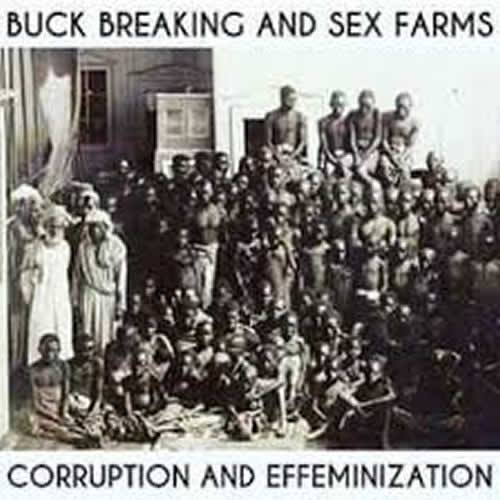
Black History: Buck Breaking/Breaking the Buck and Sex Farms.

This photograph is the property of its respective owner.


Buck-Breaking: A Historical Analysis of Sexual Violence, Power, and Psychological Warfare During American Slavery

“Buck-breaking” was a term associated with one of the most heinous and dehumanizing practices employed during the transatlantic slavery era, particularly in the Caribbean and parts of the American South. This form of sexual violence was a deliberate tool of psychological and social control, weaponized by white slaveholders to emasculate enslaved Black men, traumatize enslaved families, and dismantle any sense of resistance within the Black community.

Definition and Origins

The term buck-breaking refers to the forced sexual violation of enslaved Black men—referred to derogatorily as “bucks” by slaveholders—typically by white male enslavers. Though not widely discussed in mainstream historical texts, references to such acts are found in historical accounts, oral traditions, and emerging scholarship on slavery and sexual violence. The practice is believed to have been most rampant in the Caribbean, particularly in Jamaica and Barbados, but was also used in the American South to suppress rebellion and instill fear (Fanon, 2008; Patterson, 1982).

Purpose of Buck-Breaking

The purpose of buck-breaking was multifaceted. First, it served as a method of breaking the spirit of enslaved Black men who displayed signs of resistance or insubordination. By publicly humiliating them through sexual violence, slave owners sought to destroy their masculinity and assert total dominance. Secondly, it psychologically devastated enslaved women and children who were forced to witness the violation of their husbands, fathers, and sons. The psychological terror inflicted served as a preventive mechanism against organized rebellion (Hine, 1994).

Moreover, by using sexual violence as a spectacle, white enslavers aimed to invert traditional gender roles and strip Black men of agency, pride, and familial authority. This public act of dehumanization sent a clear message: resistance would be met with degradation, not just punishment.

Psychological Impact and Legacy

The psychological impact of such acts cannot be overstated. Enslaved families who witnessed these violations were left traumatized, with long-term implications for self-worth, masculinity, and kinship bonds. As psychiatrist Frantz Fanon (2008) noted in Black Skin, White Masks, the colonial project was not merely about physical domination but also psychological fragmentation—an internalized sense of inferiority reinforced through brutality and humiliation.

In the post-slavery era, the trauma of buck-breaking has been theorized to contribute to various sociocultural dynamics within the African American community, including distrust, the suppression of vulnerability in men, and familial disintegration.

Modern Symbolism and Myths

One controversial claim connects the modern trend of “sagging pants” to buck-breaking, arguing that it originated as a marker of sexual violation during slavery. While this claim is popular in some Afrocentric and activist circles, it is not widely supported by mainstream historical scholarship. Most academic sources trace sagging to 20th-century prison culture, where belts were often confiscated (Alexander, 2010).

Nevertheless, such narratives—true or symbolic—reflect ongoing struggles to interpret and reclaim historical trauma in a modern context.

The Caste System and Sexual Politics of Slavery

Buck-breaking fits within a broader racial caste system that valorized whiteness and weaponized Blackness. Enslaved Black men were commodified based on perceived physical strength and virility, which made their bodies both a source of economic productivity and sexual threat in the eyes of the white supremacist regime. This further justified acts of violence to control, neuter, and dehumanize them. Scholar Saidiya Hartman (1997) has written extensively on how the Black body, particularly during slavery, was the site of spectacular violence and commodified suffering.

The practice was employed as a strategic tool to:

  • Emasculate enslaved men and negate any sense of masculine authority or defiance, thus neutralizing potential rebellion.
  • Instill terror among enslaved communities by forcing families and peers to witness the sexual shame of defiance (Urban Dictionary; Face2Face Africa) Wyatt O’Brian Evans.
  • Reinforce power dynamics, making clear that black bodies were commodities to be abused and controlled.

According to emerging scholarship, “sex farms” were plantations or compound-like areas maintained for the systematic sexual exploitation of enslaved men. Slaveholders allegedly transported enslaved males from plantation to plantation for group sexual assaults, creating a traveling circuit—a grotesque and institutionalized practice (RasTafari TV) rastafari.tv.

The trauma of buck-breaking became a weapon of psychological subjugation. Witnessing a father or brother publicly violated aimed to:

  • Undermine self-worth and family cohesion.
  • Criminalize resistance internally: enslaved men who survived this abuse often left trauma not addressed and seldom spoken of (Jennings & White, via Project MUSE; TalkAfricana) Reddit+13Project MUSE+13TalkAfricana+13.

Scholars argue the degradation of masculinity under slavery contributed to long-term disruptions in identity, familial protective roles, and community cohesion (Jennings et al.; Fanon’s frameworks) Project MUSETalkAfricana.

Slaveholders also operated breeding farms where enslaved women—and sometimes men—were forcibly impregnated to increase the enslaved labor force. While breeding farms chiefly targeted women, male exploitation was part of the broader system of sexual commodification (Wikipedia; Sublette) rastafari.tv+5Wikipedia+5Wikipedia+5.

Due to stigma and silencing, rape of male slaves was rarely documented in legal records. Most evidence appears in slave narratives and case studies—making direct quantification difficult, yet multiple historians affirm these abuses occurred (Project MUSE; TalkAfricana) Wikipedia+15Project MUSE+15TalkAfricana+15.

Deuteronomy 28:68 (KJV)

“And the Lord shall bring thee into Egypt again with ships, by the way whereof I spake unto thee, Thou shalt see it no more again: and there ye shall be sold unto your enemies for bondmen and bondwomen, and no man shall buy you.”

This verse is part of the curses listed in Deuteronomy 28 for Israel’s disobedience, and many in the African American and Hebrew communities interpret it as a prophetic reference to the transatlantic slave trade, including the horrific abuses such as buck-breaking. It reflects divine foresight into the suffering of a people taken into captivity by ships, sold into slavery, and dehumanized.


Lamentations 5:11–13 (KJV)

“They ravished the women in Zion, and the maids in the cities of Judah. Princes are hanged up by their hand: the faces of elders were not honoured. They took the young men to grind, and the children fell under the wood.”

This passage mourns the violent humiliation and abuse of both men and women in the time of Judah’s destruction. The word “ravished” refers to rape and sexual abuse, and “took the young men to grind” is understood by many biblical scholars to imply forced labor and sexual humiliation.


Isaiah 3:9 (KJV)

“The shew of their countenance doth witness against them; and they declare their sin as Sodom, they hide it not. Woe unto their soul! for they have rewarded evil unto themselves.”

While originally a rebuke to the people of Judah, this verse indicts all who, like the men of Sodom, openly commit abominable acts—such as sexual assault or humiliation—and refuse to repent. It reflects God’s judgment against those who violate others.

Conclusion and Theological Reflections

The atrocity of buck-breaking is not merely a historical footnote—it is a wound in the collective memory of the African diaspora. Understanding it is crucial to unpacking the complex intersection of race, sexuality, power, and trauma. For believers, it is also a call to lament, to pursue justice, and to reclaim dignity lost through centuries of dehumanization. Scripture reminds us that every person is made in the image of God (Genesis 1:27), and that the destruction of one’s dignity—especially through acts of sexual violence—is an affront to the Creator Himself. Deliverance from such trauma involves truth-telling, communal healing, and a return to a biblical vision of wholeness, where no one’s humanity is reduced to their body, race, or utility.

References:

Alexander, M. (2010). The New Jim Crow: Mass Incarceration in the Age of Colorblindness. The New Press.

Fanon, F. (2008). Black Skin, White Masks (R. Philcox, Trans.). Grove Press.

Hartman, S. (1997). Scenes of Subjection: Terror, Slavery, and Self-Making in Nineteenth-Century America. Oxford University Press.

Hine, D. C. (1994). Hine Sight: Black Women and the Re-construction of American History. Indiana University Press.

Patterson, O. (1982). Slavery and Social Death: A Comparative Study. Harvard University Press.

Face2Face Africa. (2019). 5 horrifying ways enslaved African men were sexually exploited and abused by their white masters 3CHICSPOLITICO+1Wyatt O’Brian Evans+1.


Jennings, T. A., et al. (2024). Sexual abuse of Black men under American slavery. Project MUSE Journal. Project MUSE


TalkAfricana. (2023, May 30). Buck Breaking: How slave masters used rape to emasculate enslaved African men. TalkAfricana


RasTafari TV. (2024). Sex farms during slavery & the effeminization of Black Men. Wikipedia+13rastafari.tv+13Project MUSE+13