Tag Archives: history

Heritage in Every Hue: Embracing the Legacy of Brown Skin.

Photo by magapls . on Pexels.com

Brown skin carries with it a rich history, cultural significance, and an enduring legacy of resilience. For centuries, women of color have navigated societies that devalue their features and privilege lighter complexions, yet they have also cultivated beauty traditions, artistry, and cultural pride that transcend these limitations. Embracing brown skin is not just an aesthetic choice—it is an act of honoring ancestry, reclaiming identity, and asserting worth in the face of systemic colorism.

The Historical Context of Brown Skin

Colorism, a byproduct of colonialism and slavery, created hierarchies that valued lighter skin while marginalizing darker complexions (Hunter, 2007). These social constructs infiltrated media, employment, and even interpersonal relationships, perpetuating the notion that beauty is synonymous with fairness. Despite these historical pressures, women of brown skin have contributed significantly to art, literature, science, and culture, asserting their presence and redefining societal standards of beauty.

Cultural Pride and Beauty Traditions

Across Africa, the Caribbean, South Asia, and Latin America, brown skin has been celebrated through rituals, adornments, and fashion that reflect heritage and creativity. From intricate hairstyles to vibrant fabrics, jewelry, and skincare practices, these traditions affirm identity and beauty in culturally meaningful ways. Such practices highlight the connection between aesthetics and ancestry, showing that embracing brown skin is simultaneously an act of self-love and cultural preservation.

Representation in Media and Fashion

Modern media plays a critical role in shaping perceptions of beauty. Historically, mainstream platforms prioritized Eurocentric features, marginalizing brown skin in advertising, television, and film. However, today, more Brown women are taking control of narratives through modeling, acting, and digital platforms, challenging stereotypes and increasing representation. Public figures like Lupita Nyong’o, Adut Akech, and Tracee Ellis Ross exemplify the beauty, versatility, and influence of brown skin, inspiring younger generations to embrace their own tones.

The Science of Melanin and Health

Beyond cultural and aesthetic significance, brown skin has biological advantages. Higher melanin content provides natural protection against ultraviolet (UV) radiation, reduces the risk of skin cancer, and contributes to skin elasticity, often resulting in slower aging (Brenner & Hearing, 2008). Understanding the science of melanin not only reinforces appreciation for brown skin but also empowers individuals to care for it in informed and intentional ways.

12 Tips for Brown Girls to Celebrate and Care for Their Skin

  1. Embrace Your Natural Tone – Wear your skin proudly without trying to lighten it. Celebrate the unique shades that make you who you are.
  2. Practice Daily Skincare – Use moisturizers, sunscreens, and gentle cleansers suited for melanin-rich skin to maintain health and glow.
  3. Highlight, Don’t Hide – Use makeup or fashion to enhance your natural features rather than masking your complexion.
  4. Wear Color That Compliments Your Hue – Jewel tones, earth tones, and vibrant colors often enhance brown skin beautifully.
  5. Protect Against UV Damage – Even though melanin provides some protection, always apply sunscreen to prevent hyperpigmentation and premature aging.
  6. Celebrate Hair and Texture – Embrace natural hairstyles, braids, curls, or twists as expressions of cultural pride.
  7. Consume Affirming Media – Follow influencers, celebrities, and content creators who celebrate brown skin and diversity in beauty.
  8. Engage in Skin-Positive Communities – Join groups online or offline that promote self-love and reject colorist standards.
  9. Educate Yourself on Skin Health – Understand the biology of melanin and how to care for it; knowledge empowers self-confidence.
  10. Reject Colorist Products and Messages – Avoid products or media that suggest lighter skin is superior; affirm your natural beauty instead.
  11. Affirm Your Worth Daily – Use positive self-talk and reminders such as: “I am beautiful, I am resilient, I am enough.”
  12. Turn Compliments Into Inspiration – Celebrate others’ beauty while embracing your own; upliftment reinforces self-esteem and community pride.

Psychological Impact of Affirming Brown Skin

Affirming one’s brown skin is crucial for mental health and self-esteem. Social comparison theory explains how constant exposure to lighter-skinned ideals can negatively impact confidence (Festinger, 1954). By celebrating brown skin, women counteract these influences, develop resilience, and cultivate positive identity formation. Affirmation can take many forms, from consuming media that celebrates melanin-rich beauty to participating in online movements like #MelaninMagic or #BrownSkinPoppin.

Reclaiming Beauty as Empowerment

Embracing brown skin is also a form of resistance against colorism and systemic oppression. Each act of self-love—wearing natural hair proudly, rejecting skin-lightening products, or sharing authentic images online—challenges dominant narratives and empowers others. Brown skin becomes not just a physical attribute, but a symbol of cultural pride, historical resilience, and empowerment for future generations.

Conclusion

Heritage in every hue is a celebration of history, identity, and resilience. Brown skin embodies centuries of culture, artistry, and strength, and embracing it affirms both personal and collective legacy. By honoring the beauty of brown skin, women reclaim narratives, challenge colorism, and inspire confidence in themselves and others. In doing so, they ensure that the legacy of brown skin is recognized, celebrated, and preserved for generations to come.


References

  • Brenner, M., & Hearing, V. (2008). The protective role of melanin against UV radiation. Photochemistry and Photobiology, 84(3), 539–549.
  • Festinger, L. (1954). A theory of social comparison processes. Human Relations, 7(2), 117–140.
  • Hunter, M. (2007). The persistent problem of colorism: Skin tone, status, and inequality. Sociology Compass, 1(1), 237–254.

Black Women and Representation in Literature. #BlackWomenAuthors

Photo by Thought Catalog on Pexels.com

Representation matters. The stories we tell and the voices we amplify shape culture, identity, and self-worth. For centuries, literature often marginalized or misrepresented Black women, reducing them to stereotypes or erasing their experiences entirely. Yet, Black women writers and literary characters have fought to reclaim narrative space, offering authentic portrayals that celebrate resilience, intellect, and cultural identity. Their contributions illuminate the power of literature and the profound importance of representation.

During slavery and the post-emancipation era, Black women were frequently depicted through harmful stereotypes, such as the “mammy,” the “jezebel,” or the “tragic mulatto,” which reinforced social hierarchies and dehumanized Black women. Despite systemic erasure, their stories persisted through oral histories, spirituals, and later written works, preserving cultural memory and lived experience. Early literary trailblazers such as Phillis Wheatley, the first published African American poet, and Harriet E. Wilson, the first African American woman to publish a novel, broke barriers in the 18th and 19th centuries. Their works challenged prevailing racial and gender norms, providing insight into the intellect, faith, and resilience of Black women under oppression.

The Harlem Renaissance further elevated Black women’s voices in literature. Zora Neale Hurston, through works like Their Eyes Were Watching God and Mules and Men, celebrated the journey of self-discovery and the richness of Black Southern culture. Nella Larsen, author of Passing and Quicksand, explored the complexities of racial identity, colorism, and societal expectations. These writers foregrounded Black women’s experiences, challenging the silence and stereotypes imposed by mainstream literature.

Contemporary Black women writers continue this tradition with extraordinary impact. Toni Morrison, through novels like The Bluest Eye, Beloved, and Song of Solomon, explored the legacy of slavery, trauma, and cultural memory, portraying Black womanhood with depth and nuance. Alice Walker, in The Color Purple, celebrates female solidarity, spirituality, and self-realization amidst oppression. Audre Lorde and bell hooks interrogated the intersections of race, gender, and class, with works such as Sister Outsider and Ain’t I a Woman? providing insight into feminism, activism, and liberation.

Authors like Chimamanda Ngozi Adichie, with Purple Hibiscus, Americanah, and Half of a Yellow Sun, explore immigration, identity, and cultural displacement, while Roxane Gay, in Bad Feminist and Hunger, addresses trauma, body image, and social critique. Jesmyn Ward’s Salvage the Bones and Sing, Unburied, Sing depict resilience and family in the American South, and Nikki Giovanni’s poetry emphasizes love, community, and empowerment. Science fiction and Afrofuturism have also been reshaped by Black women writers like Octavia E. Butler (Kindred, Parable of the Sower) and Nnedi Okorafor (Binti, Who Fears Death), who explore race, gender, and identity within imaginative worlds. Claudia Rankine’s Citizen: An American Lyric examines contemporary racism and microaggressions, bridging literature and social consciousness. Misty Copeland, while primarily a ballet trailblazer, also contributes to cultural narratives around representation and excellence in artistic literature.

🌟 Trailblazers in Literature: Black Women Who Shaped the Narrative

Phillis Wheatley (1753–1784)Poems on Various Subjects, Religious and Moral
Themes: Faith, intellect, early African American identity, resilience.

Harriet E. Wilson (1825–1900)Our Nig
Themes: Slavery, race, gender, survival in Northern society.

Zora Neale Hurston (1891–1960)Their Eyes Were Watching God, Mules and Men
Themes: Self-discovery, folklore, Southern Black culture, female empowerment.

Nella Larsen (1891–1964)Passing, Quicksand
Themes: Racial identity, colorism, gender, societal expectations.

Toni Morrison (1931–2019)The Bluest Eye, Beloved, Song of Solomon
Themes: Slavery, trauma, Black womanhood, cultural memory.

Alice Walker (b. 1944)The Color Purple
Themes: Oppression, female solidarity, self-realization, spirituality.

Audre Lorde (1934–1992)Sister Outsider, Zami: A New Spelling of My Name
Themes: Intersectionality, feminism, sexuality, activism.

bell hooks (1952–2021)Ain’t I a Woman?, Feminist Theory: From Margin to Center
Themes: Gender, race, love, liberation, cultural critique.

Chimamanda Ngozi Adichie (b. 1977)Purple Hibiscus, Americanah, Half of a Yellow Sun
Themes: Immigration, identity, feminism, cultural displacement.

Roxane Gay (b. 1974)Bad Feminist, Hunger
Themes: Body image, trauma, race, feminism, social critique.

Jesmyn Ward (b. 1977)Salvage the Bones, Sing, Unburied, Sing
Themes: Family, poverty, grief, Southern Black life, resilience.

Nikki Giovanni (b. 1943)Black Feeling, Black Talk, Black Judgment, Love Poems
Themes: Civil rights, love, community, empowerment.

Octavia E. Butler (1947–2006)Kindred, Parable of the Sower
Themes: Science fiction, social justice, race, human morality.

Claudia Rankine (b. 1963)Citizen: An American Lyric
Themes: Racism, microaggressions, identity, social consciousness.

Nnedi Okorafor (b. 1974)Binti, Who Fears Death
Themes: Afrofuturism, African culture, female empowerment, identity.

Literary representation has profound effects on identity and self-perception. Seeing multidimensional Black women as authors and characters empowers readers to value their intellect, creativity, and beauty. Psychological research demonstrates that positive representation strengthens self-efficacy, reduces internalized bias, and fosters a sense of belonging. Literature also provides a platform for exploring the intersection of faith, resilience, and cultural pride. Biblical principles affirm dignity and divine purpose, as Psalm 139:14 reminds us: “I am fearfully and wonderfully made” (KJV), emphasizing that worth is inherent and divinely assigned rather than dictated by societal bias.

Despite the remarkable achievements of Black women writers, challenges persist. Underrepresentation in mainstream publishing, limited critical recognition, and pressures to conform to marketable stereotypes continue to restrict opportunities. Advocacy for inclusive publishing, mentorship, and the celebration of authentic Black women’s voices remains crucial. Organizations such as the National Black Writers Conference and collectives like We Need Diverse Books provide mentorship, visibility, and resources, fostering a community that values authenticity and excellence.

Black women’s representation in literature is essential for cultural understanding, personal empowerment, and social justice. From Phillis Wheatley to Roxane Gay, Zora Neale Hurston to Chimamanda Ngozi Adichie, Black women writers have resisted erasure, reclaimed narratives, and inspired generations through their artistry and insight. Their stories affirm identity, challenge oppression, and celebrate the intellectual, spiritual, and cultural richness of Black womanhood.


References

  • West, C. (1995). Mammy, Jezebel, Sapphire, and Other Stereotypes: Black Women in Literature. Journal of African American Studies, 1(1), 45–60.
  • Tajfel, H., & Turner, J. C. (1986). The social identity theory of intergroup behavior. In S. Worchel & W. G. Austin (Eds.), Psychology of intergroup relations (pp. 7–24). Nelson-Hall.
  • Morrison, T. (1970). The Bluest Eye. Holt, Rinehart & Winston.
  • Hurston, Z. N. (1937). Their Eyes Were Watching God. J. B. Lippincott.
  • Walker, A. (1982). The Color Purple. Harcourt.
  • Adichie, C. N. (2013). Americanah. Knopf.

Dilemma: White Supremacy

Photo by David Henry on Pexels.com

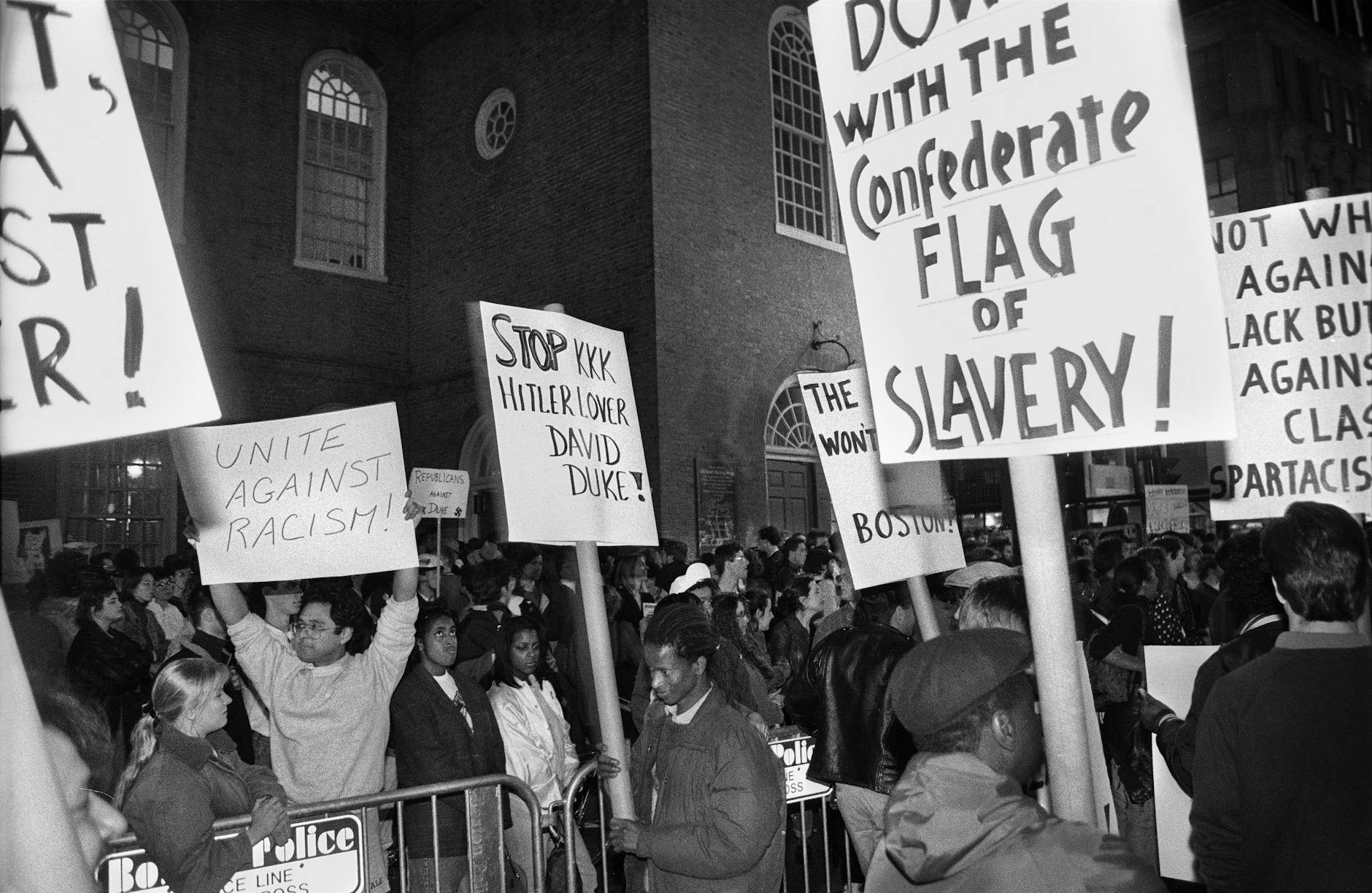
“The white race is the dominant race in America, and the black race is inferior.” — David Duke, former Grand Wizard of the Ku Klux Klan .Southern Poverty Law Center

White supremacy is a deeply ingrained ideology asserting the inherent superiority of white people over all other races. This belief system has been central to the social, political, and economic structures of many societies, particularly in the United States. Its origins can be traced back to the colonial era, where European powers justified the enslavement and subjugation of African peoples through pseudo-scientific and theological rationales.


Historical Origins and the Role of the Ku Klux Klan

The formalization of white supremacy in the United States was significantly influenced by the founding of the Ku Klux Klan (KKK) in 1865. Established by six Confederate veterans in Pulaski, Tennessee, the Klan aimed to restore white dominance in the post-Civil War South through terror and intimidation. The KKK’s activities included lynchings, arson, and other forms of violence directed at Black individuals and their allies.TIMEWikipedia+1

While the Klan was officially disbanded in the 1870s, its ideology persisted and resurfaced in various forms throughout American history, including during the Civil Rights Movement of the 1960s and in contemporary white nationalist groups.


The Premise of White Supremacy

At its core, white supremacy posits that white people are inherently superior to people of all other races and therefore should dominate society. This belief has been perpetuated through various means, including legislation, cultural norms, and institutional practices that privilege white individuals while marginalizing others.

The premise of white supremacy is often supported by distorted interpretations of religious texts and pseudo-scientific theories that dehumanize non-white populations. For instance, the “Curse of Ham” narrative was historically used to justify the enslavement of Black people by misinterpreting biblical passages .The Banner


Manifestations in Contemporary Society

In modern times, white supremacy manifests in various aspects of life, including employment, education, housing, and criminal justice. Black individuals often face systemic barriers such as discriminatory hiring practices, unequal educational opportunities, and over-policing, which hinder their ability to achieve economic stability and social mobility.

Psychologically, the pervasive nature of white supremacy can lead to internalized racism among Black individuals, affecting their self-esteem and mental health. Studies have shown that exposure to racial discrimination is associated with increased stress and adverse health outcomes .American Psychological Association


Biblical Perspectives and Misinterpretations

The Bible does not support the notion of racial superiority. In fact, passages such as Galatians 3:28 emphasize the equality of all people in Christ: “There is neither Jew nor Greek, slave nor free, male nor female, for you are all one in Christ Jesus.” However, throughout history, certain groups have misused scripture to justify racial hierarchies, citing misinterpretations like the “Curse of Ham” to rationalize the enslavement and oppression of Black people .GotQuestions.blogThe Banner


Psychological Impact on Black Americans

The psychological effects of white supremacy on Black Americans are profound and multifaceted. Chronic exposure to racism can lead to mental health issues such as anxiety, depression, and post-traumatic stress disorder (PTSD). Moreover, the constant need to navigate a society that devalues their existence can result in a diminished sense of self-worth and identity .


Global Perspectives on White Supremacy

While white supremacy is most prominently associated with the United States, it is not confined to its borders. Countries like Israel, Myanmar, and South Korea have faced criticism for racial discrimination and human rights violations against minority groups . These global instances highlight the pervasive nature of racial hierarchies and the need for international efforts to combat them.U.S. News & World Report


Steps of White Supremacy

White supremacy operates through several key mechanisms:

  1. Ideological Justification: Promoting beliefs and narratives that dehumanize non-white populations.
  2. Institutionalization: Embedding discriminatory practices within societal institutions such as schools, workplaces, and the legal system.
  3. Cultural Reinforcement: Perpetuating stereotypes and biases through media and cultural representations.
  4. Violence and Intimidation: Employing physical force and threats to maintain dominance and suppress resistance.

Accountability and Responsibility

Responsibility for perpetuating white supremacy lies not only with overt hate groups but also with institutions and individuals who uphold and benefit from systemic racism. This includes policymakers, educators, and media figures who perpetuate or fail to challenge discriminatory practices and narratives.


Personal Narratives and Experiences

Individuals who have experienced white supremacy often recount stories of exclusion, discrimination, and violence. For example, during the Civil Rights Movement, activists like Rosa Parks and Martin Luther King Jr. faced systemic oppression and personal threats as they challenged racial injustices. Their resilience underscores the profound impact of white supremacy on personal lives and the collective struggle for equality.


The Esteem of Whiteness

The elevation of whiteness can be attributed to historical power dynamics where white individuals established and maintained control over resources, institutions, and narratives. This dominance was reinforced through laws, social norms, and economic systems that privileged white people and marginalized others.


Global Impact and Worst Offenders

Globally, white supremacy manifests in various forms, including colonialism, apartheid, and neo-imperialism. Countries with histories of colonial exploitation, such as Belgium in the Congo and the United Kingdom in India, have legacies of racial hierarchies that continue to affect post-colonial societies.


Conclusion

White supremacy is a pervasive ideology with deep historical roots and widespread contemporary implications. Its impact on Black Americans is profound, affecting their psychological well-being, social mobility, and sense of identity. Addressing white supremacy requires a concerted effort to dismantle systemic racism, promote equity, and foster a culture of inclusion and respect for all individuals, regardless of race.

References

  • Southern Poverty Law Center. (n.d.). David Duke. Retrieved from
  • History.com Editors. (2020, June 25). Ku Klux Klan: Origin, Members & Facts. HISTORY. Retrieved from
  • American Psychological Association. (n.d.). Racism and Mental Health. Retrieved from
  • Bible Odyssey. (n.d.). The Legacy of the Bible in Justifying Slavery. Retrieved from
  • Boston Review. (2019, November 14). Toward a Global History of White Supremacy. Retrieved from
  • Southern Poverty Law Center. (2018, August 14). White Shadow: David Duke’s Lasting Influence on American White Supremacy. Retrieved from
  • Wikipedia contributors. (2023, December 24). Ku Klux Klan. In Wikipedia, The Free Encyclopedia. Retrieved from
  • Wikipedia contributors. (2023, December 24). White supremacy. In Wikipedia, The Free Encyclopedia. Retrieved from

School-to-Prison Pipeline: How the System Fails Black Youth Before They Start.

Photo by RDNE Stock project on Pexels.com

Psychologist Amos Wilson once observed, “Until our children are taught how to be Black, they will fail in school, because the schools were not designed to educate them in the first place.” This profound statement captures the structural failure of the American education system to nurture Black children. Instead of affirming identity and fostering opportunity, schools often serve as the first station along a pathway that leads Black youth toward incarceration. This phenomenon, widely known as the school-to-prison pipeline, is not a new development but the product of a long history of systemic inequality and institutional neglect.

Historically, education for African Americans was deliberately restricted. During slavery, teaching the enslaved to read was illegal in many states, as literacy threatened the institution of bondage. Following emancipation, segregated schools under Jim Crow laws ensured that Black children received inferior resources, curricula, and facilities. Though Brown v. Board of Education (1954) legally ended segregation, the persistence of de facto segregation, underfunded schools in Black neighborhoods, and discriminatory practices maintained inequities. This historical backdrop set the stage for the school-to-prison pipeline, where structural racism in education and law enforcement converges.

One of the primary mechanisms of this pipeline is disproportionate discipline. Research shows that Black students are suspended and expelled at much higher rates than their white peers for the same behaviors (Skiba et al., 2011). Zero-tolerance policies, adopted widely in the 1990s, criminalized minor misbehaviors such as tardiness, classroom disruptions, or dress code violations. Instead of counseling and restorative practices, schools resorted to suspensions, expulsions, and referrals to law enforcement. This exclusionary discipline pushes students out of classrooms and into contact with the criminal justice system.

Psychologically, such punitive environments stigmatize Black children early. Labeling theory suggests that when children are repeatedly categorized as “troublemakers,” they internalize these labels, which shapes self-perception and behavior (Becker, 1963). This creates a cycle where Black students, already navigating racial bias, are further burdened with psychological scars from being treated as criminals-in-waiting. The Bible echoes this concern in Ephesians 6:4, warning fathers and authority figures not to provoke children to wrath, but to nurture them. Yet the school system often provokes, rather than nurtures, Black children.

The failure extends beyond discipline to curriculum and pedagogy. Schools frequently erase or marginalize Black history, culture, and contributions. This invisibility diminishes self-worth and alienates Black youth from academic engagement. Amos Wilson argued that education must be rooted in the cultural and psychological needs of Black children; otherwise, it serves as a mechanism of control rather than liberation. Proverbs 22:6 (KJV) instructs, “Train up a child in the way he should go: and when he is old, he will not depart from it.” Yet Black children are too often trained into alienation, criminalization, and failure rather than purpose and possibility.

Socioeconomic inequality compounds the problem. Underfunded schools in predominantly Black neighborhoods lack qualified teachers, extracurricular opportunities, and adequate resources. These structural disadvantages feed directly into the school-to-prison pipeline. Psychologist Urie Bronfenbrenner’s ecological systems theory underscores that a child’s development is deeply influenced by the surrounding environment. When the environment is impoverished and punitive, children’s outcomes are shaped accordingly, not by personal failure but by systemic design.

The courts and law enforcement deepen this cycle. School-based arrests disproportionately affect Black youth, often for nonviolent infractions. Once ensnared in the juvenile justice system, young people face barriers to reentry into schools and future employment, effectively criminalizing childhood. Lamentations 3:27 reminds us, “It is good for a man that he bear the yoke in his youth.” Yet the yoke that many Black children bear is one of systemic injustice, imposed before they even have the chance to reach adulthood.

Ultimately, the school-to-prison pipeline reflects a betrayal of society’s moral and civic responsibility to its children. To dismantle it, reforms must address disciplinary practices, resource allocation, and culturally relevant curricula. Schools must transform from punitive institutions into nurturing environments that uplift Black youth. Both biblical wisdom and psychological research affirm that the flourishing of children depends on systems that nurture identity, support growth, and embody justice. Until such transformation occurs, justice will remain deferred, and the future of Black youth will continue to be unjustly stolen.


References

Alexander, M. (2010). The new Jim Crow: Mass incarceration in the age of colorblindness. The New Press.

Becker, H. S. (1963). Outsiders: Studies in the sociology of deviance. Free Press.

Bronfenbrenner, U. (1979). The ecology of human development: Experiments by nature and design. Harvard University Press.

King James Bible. (1769/2017). The Holy Bible, King James Version. Cambridge University Press. (Original work published 1611).

Skiba, R. J., Horner, R. H., Chung, C. G., Rausch, M. K., May, S. L., & Tobin, T. (2011). Race is not neutral: A national investigation of African American and Latino disproportionality in school discipline. School Psychology Review, 40(1), 85–107.

Wilson, A. (1998). Blueprint for Black power: A moral, political, and economic imperative for the twenty-first century. Afrikan World InfoSystems.

Justice Deferred: The Double Standard in Law Enforcement and the Courts.

Photo by KATRIN BOLOVTSOVA on Pexels.com

The concept of justice is founded on the principle of fairness, impartiality, and equality before the law. Yet in practice, systemic inequalities reveal a troubling double standard within both law enforcement and the judicial system. Marginalized communities, particularly African Americans, often experience harsher policing, unequal access to legal resources, and disproportionate sentencing outcomes. This disparity undermines the legitimacy of the legal system and perpetuates cycles of distrust between citizens and institutions.

Law enforcement practices demonstrate these inequities in striking ways. Research consistently shows that Black and Latino individuals are disproportionately stopped, searched, and subjected to the use of force compared to white individuals (Gelman, Fagan, & Kiss, 2007). The doctrine of “probable cause” is often applied unevenly, with minority communities bearing the brunt of aggressive policing strategies such as stop-and-frisk. This creates a reality where the very institutions sworn to protect all citizens enforce surveillance and control selectively, reinforcing racial hierarchies.

In the courts, the disparities extend into sentencing and trial outcomes. Studies highlight that people of color frequently receive harsher sentences for the same crimes compared to white defendants, especially in drug-related and capital cases (Alexander, 2010). Mandatory minimum sentencing and “three strikes” laws have compounded these effects, disproportionately incarcerating minority men and contributing to mass incarceration in the United States. Such legal frameworks reveal a systemic bias that privileges some groups while criminalizing others, making equality before the law more of an ideal than a reality.

Moreover, socioeconomic status amplifies these disparities. Wealthy defendants can secure private counsel, expert witnesses, and robust defense strategies, while poorer individuals—disproportionately minorities—rely on underfunded public defenders. The result is a two-tiered system of justice where money, rather than truth, often determines outcomes (Stevenson, 2014). This reality reveals that the double standard in the courts is not only racial but also economic, stratifying access to justice by class as well as color.

The consequences of this double standard reverberate beyond individual cases. When communities see repeated patterns of unequal justice, collective mistrust emerges, eroding confidence in the rule of law itself. This distrust contributes to cycles of alienation, where marginalized groups disengage from civic life, perceiving the state as an adversary rather than a protector. In turn, such alienation perpetuates social unrest, reinforcing a cycle of tension between law enforcement and the communities they police.

Addressing this crisis requires systemic reforms rooted in accountability, transparency, and equity. Implicit bias training, sentencing reform, and increased investment in public defense are among the necessary interventions. Yet beyond policy, a cultural shift is required: one that reasserts the fundamental truth that justice cannot exist where double standards prevail. As Scripture cautions in Proverbs 17:15, “He that justifieth the wicked, and he that condemneth the just, even they both are abomination to the Lord.” Both biblical wisdom and contemporary scholarship affirm that justice deferred is indeed justice denied, and only by dismantling these inequities can society move toward true fairness.


References

Alexander, M. (2010). The new Jim Crow: Mass incarceration in the age of colorblindness. The New Press.

Gelman, A., Fagan, J., & Kiss, A. (2007). An analysis of the New York City Police Department’s “stop-and-frisk” policy in the context of claims of racial bias. Journal of the American Statistical Association, 102(479), 813–823. https://doi.org/10.1198/016214506000001040

King James Bible. (1769/2017). The Holy Bible, King James Version. Cambridge University Press. (Original work published 1611).

Stevenson, B. (2014). Just mercy: A story of justice and redemption. Spiegel & Grau.

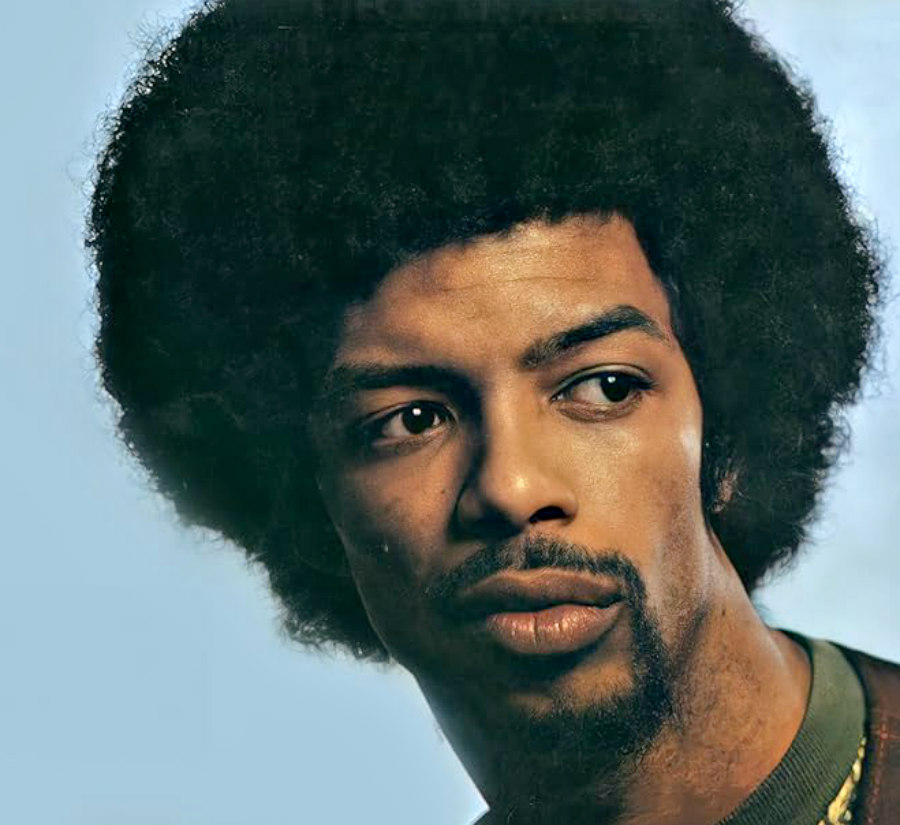
Gil Scott-Heron: The Voice of the Revolution that was Televised 🎤

🎤 The Voice of a Generation…..

Gil Scott-Heron was a poet, musician, novelist, and spoken-word prophet whose powerful lyrics and uncompromising critique of systemic racism made him a towering figure in Black consciousness and American protest culture. Best known for his seminal work “The Revolution Will Not Be Televised,” Scott-Heron used jazz, funk, and poetry to expose the hypocrisy of American democracy and ignite a deeper understanding of Black identity, oppression, and resilience.


🪶 Biography: A Revolutionary Mind

Gilbert Scott-Heron was born on April 1, 1949, in Chicago, Illinois, and raised in Jackson, Tennessee and later The Bronx, New York. His mother, Bobbie Scott, was a librarian and opera singer; his father, Gil Heron, was a Jamaican-born professional soccer player and the first Black man to play for Scotland’s Celtic FC. Scott-Heron was intellectually precocious, winning a full scholarship to the elite Fieldston School in New York and later attending Lincoln University—a historically Black university in Pennsylvania—where he began collaborating with future jazz great Brian Jackson.

He later earned his master’s degree in creative writing from Johns Hopkins University, blending literary talent with political activism and music.


📢 “The Revolution Will Not Be Televised” – A Cultural Detonation

First recorded in 1970, “The Revolution Will Not Be Televised” became an anthem for Black power and radical critique. Delivered in a gritty, urgent tone over a sparse conga beat, the piece warned against passive consumption of media, urging Black Americans to reject corporate distractions and confront real-world oppression.

“The revolution will not be brought to you by Xerox…The revolution will not go better with Coke.”

It rejected commercialism and fake liberalism, shaking the Black community out of political slumber. For many, it was a wake-up call to reclaim agency, identity, and justice—decades before terms like “woke” were popularized. It remains a cornerstone of hip-hop, neo-soul, and conscious rap, influencing artists like Public Enemy, Kendrick Lamar, Common, and Kanye West.


💍 Marriage, Family, and Struggles

Scott-Heron was married to Brenda Sykes, an actress, and had several children, including Gia Scott-Heron, a poet. His personal life, however, was often turbulent. He struggled with drug addiction, particularly crack cocaine, which led to multiple arrests and prison stints.

He died on May 27, 2011, in New York City, reportedly from complications related to HIV/AIDS, as well as pneumonia.


🏆 Awards and Recognition

Despite his commercial limitations, Scott-Heron was widely revered:

  • Grammy Lifetime Achievement Award (posthumously, 2012)
  • BET Honors and various tributes by musical peers
  • Inducted into the Rock and Roll Hall of Fame (2021) under the category of Early Influence

Critics often credit him as the “godfather of rap,” though he personally rejected the label, arguing that his work was rooted more in Blues, Jazz, and Soul-inflected poetry than the structure of hip-hop.


📚 Literary Work: The Vulture (1970)

Gil Scott-Heron was also an accomplished novelist. His debut novel The Vulture was a gripping urban murder mystery that explored themes of race, violence, and identity in Harlem. The story follows the murder of a young Black man and the perspectives of four friends as they try to uncover the truth.

Written when he was just 19, the novel was raw, honest, and infused with street dialect, jazz rhythms, and sociopolitical tension. Scott-Heron wrote it because he saw literature as another weapon to confront societal neglect and expose the real conditions of inner-city youth. The novel was praised for giving voice to disenfranchised Black characters in a way few literary works had done before.


🤍 Reception from White America

Scott-Heron’s message was unapologetically pro-Black and critical of systemic whiteness, so mainstream (largely white) America viewed him with caution, if not outright hostility. However, progressive white intellectuals and musicians appreciated his genius. Over time, as social justice became a broader conversation, even mainstream outlets began to recognize his prophetic insight.


🧠 What He Thought and Said

Scott-Heron was not only a performer but also a philosopher of Black struggle. One of his most quoted lines:

“The first revolution is when you change your mind.”
—Gil Scott-Heron, The Mind of Gil Scott-Heron (1978)

He believed liberation began with mental transformation—a message that deeply influenced Black consciousness movements.


🔥 Legacy and Influence

Scott-Heron’s work laid the foundation for conscious hip-hop, Black Lives Matter rhetoric, and modern spoken word. His uncompromising style still echoes through the works of artists like Nas, Mos Def, Erykah Badu, and Common.

Though he passed away in 2011, Gil Scott-Heron’s prophetic voice still resonates in every protest, every poem, and every performance that dares to tell the truth.


📚 References

Dilemma: Misogynoir

The Unique Discrimination Against Black Women

Photo by Bave Pictures on Pexels.com

Misogynoir—a term coined by Moya Bailey (2010)—captures the specific intersection of racism and sexism that Black women face. Unlike generalized sexism or racism, misogynoir uniquely blends both to create social, cultural, and psychological burdens for Black women. It is manifested in harmful stereotypes that distort their humanity and confine them to demeaning roles. The “angry Black woman” trope frames Black women as hostile, aggressive, and perpetually dissatisfied, disregarding the legitimate roots of their frustration in systemic injustice. The hypersexualized “jezebel” stereotype objectifies Black women, reducing them to their bodies and marking them as sexually available. Meanwhile, the “mammy” archetype portrays Black women as self-sacrificing caretakers, expected to prioritize others’ needs at the expense of their own. These stereotypes have persisted from slavery into the present day, shaping workplace dynamics, media representation, and interpersonal relationships (Collins, 2000).

From a psychological standpoint, these stereotypes function as a form of “stereotype threat” (Steele, 1997), in which awareness of negative perceptions can hinder performance, increase stress, and damage self-concept. Black women often navigate “double consciousness” (Du Bois, 1903), a fractured identity where they see themselves through both their own cultural lens and the distorted gaze of a white, patriarchal society. This duality can lead to anxiety, depression, and diminished self-esteem (Watson-Singleton, 2017). Furthermore, the internalization of misogynoir reinforces cycles of silence, guilt, or perfectionism, where Black women feel compelled to “work twice as hard” to prove their worth. Psychology affirms that such sustained exposure to stress produces physical consequences, often termed “weathering” (Geronimus, 1992), leading to earlier onset of health disparities such as hypertension and heart disease.

The King James Bible reminds us that stereotypes and false witness are contrary to God’s commandments. Proverbs 31:10–31 exalts the virtuous woman, describing her as strong, wise, and industrious—not angry, oversexualized, or expendable. God calls women to be valued as His image-bearers (Genesis 1:27), not diminished by human prejudice. Ephesians 4:29 warns, “Let no corrupt communication proceed out of your mouth, but that which is good to the use of edifying.” Thus, speech and actions rooted in misogynoir are not only socially destructive but also spiritually sinful. The Bible underscores that all slander and demeaning words are falsehoods, and in God’s sight, women are honored creations with divine purpose.

Overcoming misogynoir requires both personal and collective strategies. Spiritually, Black women and communities are called to reclaim identity in God’s truth, remembering that liberation begins with obedience to His commandments and the refusal to internalize lies. As Romans 12:2 reminds, “Be not conformed to this world: but be ye transformed by the renewing of your mind.” Healing begins by rejecting false stereotypes and embracing God’s definition of worth. Psychologically, access to therapy, affirming spaces, and intergenerational support networks counter the damage of stereotype threat and provide avenues for resilience. Collective affirmation of beauty, intelligence, and dignity serves as a cultural shield against internalized oppression.

Socially, dismantling misogynoir means challenging media portrayals, workplace discrimination, and community dynamics that recycle harmful tropes. Black men in particular bear responsibility for rejecting narratives that demean Black women, while allies of all backgrounds must amplify voices that resist sexist-racist imagery. Policy reforms addressing wage gaps, healthcare disparities, and violence against Black women also play a crucial role in reducing the systemic roots of misogynoir. Building unity within the Black community, rooted in love and respect, strengthens collective resistance and ensures that oppressive frameworks are not perpetuated internally.

Ultimately, the dilemma of misogynoir is overcome by centering truth—biblical truth that affirms dignity, psychological truth that validates lived experiences, and social truth that reclaims narrative power. As Michelle Obama (2018) once said, “We need to do a better job of putting ourselves higher on our own ‘to-do list.’” Black women must be honored as full, complex beings, not limited by stereotypes. When society begins to see Black women through the lens of God’s truth and not historical lies, healing, restoration, and justice can emerge for future generations.


📚 References

  • Bailey, M. (2010). They aren’t talking about me… Misogynoir in hip-hop culture.
  • Collins, P. H. (2000). Black feminist thought. Routledge.
  • Du Bois, W. E. B. (1903). The Souls of Black Folk.
  • Geronimus, A. T. (1992). The weathering hypothesis. Ethnicity & Disease, 2(3), 207–221.
  • Steele, C. (1997). A threat in the air: How stereotypes shape intellectual identity. American Psychologist, 52(6), 613–629.
  • Watson-Singleton, N. (2017). Strong Black woman schema and mental health. Journal of Black Psychology, 43(8), 771–789.

Dilemma:🌹 Navigating Identity — Invisible Yet Indispensable: The Labor of Black Women in Society 🌹

🌹 The Brown Girl🌹

Photo by Ivan Samkov on Pexels.com

The journey of the Black woman is a complex tapestry woven with strands of resilience, faith, pain, and perseverance. Her voice, often muted by systemic oppression, resonates with both the echoes of ancestral struggle and the melody of survival. Despite her indispensable role in the shaping of societies, the Black woman remains caught between visibility and invisibility, celebrated yet silenced, desired yet devalued. This essay examines the layered dilemmas Black women face, focusing on silencing and gaslighting, mental health taboos, and generational trauma, while drawing upon psychology and the King James Bible (KJV) for insight and pathways toward healing.

Black women occupy a paradoxical position in society: they are both invisible and indispensable. Their labor has historically undergirded economies, families, and communities, yet their voices, bodies, and contributions are often dismissed or appropriated. This dilemma—rooted in slavery and perpetuated through systemic inequities—has created a cycle of resilience and exhaustion. Black women are expected to give endlessly while being denied the recognition and care they deserve. As scholar bell hooks (1981) argued, the exploitation of Black women’s labor is foundational to both racism and patriarchy, rendering them crucial yet overlooked participants in social progress.

The Price of Being Heard: Silencing and Gaslighting of Black Women’s Voices

One of the most profound challenges Black women face is the silencing of their voices. Whether in corporate boardrooms, political arenas, or healthcare settings, Black women are often dismissed, interrupted, or told their concerns are exaggerated. The tragic case of Serena Williams—who was ignored by medical staff during childbirth complications—illustrates how even wealthy, high-profile Black women experience silencing. Psychologically, this dismissal results in gaslighting: being made to question one’s reality or truth. Biblically, silencing echoes the injustice condemned in Proverbs 31:8 (KJV): “Open thy mouth for the dumb in the cause of all such as are appointed to destruction.” Scripture affirms that truth-telling is both a moral responsibility and a sacred act, underscoring the need to honor Black women’s testimonies.

Psychology of Silencing

From a psychological standpoint, constant silencing creates cognitive dissonance and internalized self-doubt. Research shows that being unheard increases anxiety and depressive symptoms, while persistent microaggressions erode self-esteem (Sue, 2010). For Black women, the compounded effect of race and gender means their silence is not merely personal but systemic. Overcoming this requires validating their voices, establishing platforms where they are centered, and teaching communities to listen with humility rather than defensiveness.

Solutions for Amplification

To counteract silencing, Black women must be given space in leadership, policy, and media representation. Mentorship programs, advocacy networks, and deliberate inclusion in decision-making structures can elevate voices long ignored. Churches and communities must also challenge patriarchal norms that discourage women from speaking openly. The Apostle Paul’s reminder in Galatians 3:28 (KJV)—“There is neither Jew nor Greek, there is neither bond nor free, there is neither male nor female: for ye are all one in Christ Jesus”—calls for dismantling hierarchies that devalue women’s contributions.

Black Women and Mental Health: Breaking the Taboo of Therapy and Healing

Mental health remains a taboo subject within many Black communities. Generational teachings to “pray it away” or “stay strong” have discouraged women from seeking professional help. The stigma is compounded by historical medical racism, such as the exploitation of Black bodies in the Tuskegee experiments. Psychologically, suppression of emotional struggles manifests as anxiety, depression, and even somatic illnesses like hypertension. Woods-Giscombé (2010) notes that the “Superwoman Schema” forces Black women to conceal vulnerability, worsening mental health outcomes.

Biblical and Psychological Perspective on Healing

The Bible affirms the importance of rest, restoration, and vulnerability. Matthew 11:28 (KJV) declares: “Come unto me, all ye that labour and are heavy laden, and I will give you rest.” This scripture reminds Black women that God does not demand unending strength but invites them into divine rest. Psychologically, therapy provides tools to unpack trauma, process grief, and build resilience. When paired with faith, therapy becomes not a contradiction to spirituality but a complement to healing.

Breaking the Stigma: Examples and Solutions

Examples of progress include the growing movement of Black female therapists, such as Dr. Joy Harden Bradford, founder of Therapy for Black Girls, which normalizes counseling within the community. Support groups, church-based wellness ministries, and culturally competent therapists are helping women dismantle stigma. Overcoming silence around mental health requires both education and representation—seeing women who look like them embrace therapy validates its importance.

Daughters of the Diaspora: Carrying Generational Trauma and Triumph

Black women also bear the dual inheritance of generational trauma and triumph. The legacies of slavery, colonization, and Jim Crow laws passed down unresolved pain—manifesting in patterns of fear, hypervigilance, and mistrust (DeGruy, 2005). At the same time, the triumph of survival, creativity, and spiritual faith continues to shape diasporic identity. For instance, the resilience of mothers and grandmothers who held families together amid oppression reflects triumph woven into trauma. This paradox forms the heart of diasporic womanhood: carrying both burden and brilliance.

Psychology of Intergenerational Trauma

Intergenerational trauma is supported by epigenetic research showing that stress can alter genetic expressions, passing heightened vulnerability to descendants (Yehuda & Lehrner, 2018). For Black women, inherited trauma manifests in hyper-responsibility, guardedness, and sometimes mistrust in relationships. Yet resilience is also passed down, enabling survival and cultural creativity. Psychologists argue that acknowledging both trauma and triumph is critical for holistic healing.

Biblical Understanding of Generational Struggles

The Bible acknowledges generational consequences: “Visiting the iniquity of the fathers upon the children unto the third and fourth generation” (Exodus 20:5, KJV). Yet it also emphasizes redemption: “But the mercy of the Lord is from everlasting to everlasting upon them that fear him” (Psalm 103:17, KJV). For Black women, this means generational pain is real but not final. Faith and intentional healing practices can break cycles of suffering.

Practical Solutions for Diasporic Healing

Healing generational trauma requires storytelling, therapy, and cultural reclamation. Practices such as oral history projects, mother-daughter healing circles, and reconnecting with African heritage provide pathways to empowerment. Community spaces that celebrate Black culture, music, and spirituality affirm the triumph that accompanies trauma. For example, the Gullah traditions in South Carolina preserve ancestral memory, providing cultural pride and connection.

Invisible Yet Indispensable: The Labor of Black Women

Throughout history, Black women have been the backbone of families, churches, and economies. From enslaved women sustaining households to domestic workers of the 20th century, their labor has often been invisible yet essential. Even today, Black women disproportionately fill caregiving roles—nurses, teachers, social workers—while also leading grassroots activism. Their indispensability, however, is rarely matched with recognition or protection. Ecclesiastes 3:13 (KJV) reminds us: “Every man should eat and drink, and enjoy the good of all his labour, it is the gift of God.” This affirms the dignity of labor that must be extended to Black women.

The Psychology of Overwork and Recognition

Psychologically, the invisibility of labor leads to burnout, resentment, and internalized feelings of worthlessness. When contributions are undervalued, women experience the psychological toll of invisibility—feeling unseen despite being overextended. Overcoming this requires systemic recognition of Black women’s work, pay equity, and shared household responsibilities. Within communities, honoring Black women means affirming their contributions without exploiting their endurance.

Toward Healing and Liberation

In overcoming these dilemmas, Black women must reclaim vulnerability, embrace therapy, and center their voices. Society must amplify rather than silence, honor rather than exploit, and protect rather than disregard. As Paul writes in 2 Corinthians 12:9 (KJV): “My grace is sufficient for thee: for my strength is made perfect in weakness.” This verse reframes weakness not as failure but as the gateway to divine empowerment. Solutions lie in a holistic embrace of faith, psychology, and cultural resilience—recognizing that Black women’s survival is not enough; their flourishing is essential for the healing of communities.


References

  • bell hooks. (1981). Ain’t I a woman? Black women and feminism. South End Press.
  • DeGruy, J. (2005). Post Traumatic Slave Syndrome: America’s legacy of enduring injury and healing. Uptone Press.
  • Sue, D. W. (2010). Microaggressions in everyday life: Race, gender, and sexual orientation. Wiley.
  • Woods-Giscombé, C. L. (2010). Superwoman schema: African American women’s views on stress, strength, and health. Qualitative Health Research, 20(5), 668–683.
  • Yehuda, R., & Lehrner, A. (2018). Intergenerational transmission of trauma effects: Putative role of epigenetic mechanisms. World Psychiatry, 17(3), 243–257.

The Moors: The Children of the Crescent and Cross.

Photo by Edson Habacuc Rafael on Pexels.com

The Untold Legacy of the Moors in World History.

The Moors were a people of profound cultural, scientific, and political influence whose legacy shaped Europe, North Africa, and beyond. While the term “Moor” historically referred to Muslim inhabitants of the Maghreb (Northwest Africa), Iberian Peninsula, Sicily, and parts of southern Europe during the Middle Ages, their identity and contributions have often been obscured or misrepresented in modern narratives. Many scholars agree that a significant portion of the Moors were of African descent, including Black and Berber populations (Van Sertima, 1991). They were not only warriors and rulers but also scholars, architects, scientists, and traders whose intellectual and cultural gifts transformed European civilization.


I. Origins and Identity

The word “Moor” derives from the Latin Maurus, meaning an inhabitant of Mauretania, a region of ancient North Africa. By the Middle Ages, European Christian writers used “Moor” as a broad term for Muslims of African origin—especially those who came from the Maghreb and crossed into Spain in 711 CE under the leadership of Tariq ibn Ziyad (Fletcher, 1992). Historical evidence, including contemporary accounts, reveals that many of these people had dark skin and African features, confirming their Black African heritage alongside Berber ancestry (Snowden, 1970).


II. Geographic Location

The Moors’ power base stretched across:

  • Northwest Africa: Present-day Morocco, Algeria, Tunisia, Mauritania.
  • Al-Andalus: Muslim-ruled areas of Spain and Portugal from 711 to 1492.
  • Sicily and Southern Italy during parts of the 9th–11th centuries.

From these centers, they controlled vital trade routes linking Africa, Europe, and the Middle East.


III. Contributions to Europe

The Moors’ eight-century presence in Europe—especially in Spain—sparked what some historians call the European Renaissance before the Renaissance. Key contributions included:

  1. Education and Libraries – Córdoba alone had over 70 libraries, with one housing 400,000–600,000 manuscripts at a time when much of Europe was illiterate (Menocal, 2002).
  2. Science and Medicine – Introduced advanced surgical techniques, optics, and pharmacology (Savage-Smith, 1996).
  3. Mathematics – Brought Arabic numerals, algebra (al-jabr), and astronomical instruments like the astrolabe.
  4. Architecture – Built intricate palaces and mosques such as the Alhambra in Granada, blending geometric design with lush gardens and waterworks.
  5. Agriculture – Introduced new crops (rice, citrus fruits, sugarcane) and advanced irrigation systems.
  6. Philosophy – Preserved and translated works of Aristotle, Plato, and other Greek scholars, influencing Christian theologians such as Thomas Aquinas.

IV. Daily Life and Culture

The Moors lived in cosmopolitan cities with paved streets, public baths, markets, and universities. Their society valued literacy, hygiene, and cultural refinement. Women in elite Moorish households could be educated, and the culture encouraged poetry, music, and scholarly debate. The Moors also engaged in international trade, linking African gold and ivory routes to European markets.


V. Were the Moors Bible Believers?

The majority of Moors were Muslim, following Islam after the Arab expansion into North Africa in the 7th century. However, historical records show that Christian and Jewish communities lived under Moorish rule with relative tolerance compared to medieval Christian kingdoms (Fletcher, 1992). While the Moors were not primarily biblical Israelites in faith practice, some modern Afrocentric and Hebraic Israelite scholars argue that among them were remnants of dispersed Israelites who had migrated into North Africa before and after the Roman destruction of Jerusalem in 70 CE (Ben-Jochannan, 1993).


VI. Decline and Fall

The Reconquista—a centuries-long Christian campaign—gradually reduced Moorish territories. In 1492, Granada, the last Moorish stronghold in Spain, fell to Ferdinand and Isabella. This marked the end of Moorish political power in Europe, followed by forced conversions, expulsions, and persecution.


VII. Legacy

The Moors left a transformative legacy in Europe:

  • They catalyzed intellectual revival in the West.
  • They demonstrated advanced urban planning centuries ahead of much of medieval Europe.
  • Their African heritage challenges the narrative that European advancement came without African influence.
    Today, Moorish architecture, scientific texts, and agricultural practices stand as monuments to their ingenuity.

Conclusion

The Moors were not merely conquerors; they were cultural transmitters whose African and Islamic heritage reshaped Europe’s intellectual and material world. Their presence in Spain and beyond proves that African-descended peoples played a central role in shaping global history. As Psalm 24:1 (KJV) reminds us, “The earth is the LORD’s, and the fulness thereof,”—a truth reflected in the Moors’ bridging of continents, cultures, and civilizations.


References

Ben-Jochannan, Y. (1993). African origins of major “Western” religions. Black Classic Press.
Fletcher, R. (1992). Moorish Spain. University of California Press.
Menocal, M. R. (2002). The ornament of the world: How Muslims, Jews, and Christians created a culture of tolerance in medieval Spain. Little, Brown, and Company.
Savage-Smith, E. (1996). Islamic culture and the medical arts. National Library of Medicine.
Snowden, F. M. (1970). Blacks in antiquity: Ethiopians in the Greco-Roman experience. Harvard University Press.
Van Sertima, I. (1991). Golden age of the Moor. Transaction Publishers.

Healing the Wounds of Colorism: Black Women vs. the Beauty Standard

Photo by Gustavo Fring on Pexels.com

Colorism in the Black community cannot be understood without revisiting slavery in the Americas. Enslavers deliberately separated light-skinned and dark-skinned Black people to maintain social hierarchy. Those with lighter skin, often the mixed-race children of enslaved women and white masters, were sometimes placed in domestic work within the “big house,” while darker-skinned enslaved people were relegated to field labor (Hunter, 2007). This hierarchy reinforced the false notion that proximity to whiteness was preferable. This early wound became a generational trauma, setting the stage for how Black women would be divided, compared, and judged long after slavery’s abolition.

The term colorism itself was popularized by Alice Walker in 1983, who defined it as “prejudicial or preferential treatment of same-race people based solely on skin color” (In Search of Our Mothers’ Gardens). While racism placed all Black people at a disadvantage, colorism operated within the community as a painful internalization of Eurocentric ideals. It continues to shape representation in beauty industries, film, and popular culture. At its root, colorism is tied to the current global beauty standard, which overwhelmingly favors fair skin, straight hair, slim facial features, and light eyes — characteristics historically associated with white women (Wilder, 2015).

Dr. Frances Cress Welsing, in The Isis Papers (1991), argued that colorism reflects white supremacy’s psychological strategy of self-preservation. She theorized that whiteness seeks to maintain dominance by promoting its features as superior, while devaluing darker skin and Afrocentric traits. This belief system ensures that Black women, regardless of their natural beauty, are positioned as “other” in the global imagination. Thus, white women have long been upheld as the epitome of beauty in mainstream media — from Marilyn Monroe to modern icons like Scarlett Johansson.

The wounds of colorism for Black women are deep and multilayered. They include internalized shame, family divisions, lowered self-esteem, and unequal treatment in workplaces, schools, and dating markets. The comparison between Black women and the beauty standard can be mapped out clearly:

Black Women’s TraitsEurocentric Beauty Standard
Darker or richly melanated skinFair or light skin
Kinky, coily, or natural hairStraight, silky hair
Full lips and broad nosesThin lips and narrow noses
Curvier body typesSlimmer, less curvaceous figures (though often appropriated later)
Diversity of tones, textures, and featuresHomogenized white ideals

Celebrities across racial lines have commented on this imbalance. For instance, Lupita Nyong’o has spoken openly about her struggles with self-acceptance in a world that glorifies light skin (Nyong’o, 2014). Viola Davis, too, has highlighted how her darker skin limited her Hollywood opportunities. On the other hand, white celebrities such as Adele and even Kim Kardashian have acknowledged the ways Black women’s aesthetics are appropriated without acknowledgment or respect. This dynamic reinforces the reality: Black women are often celebrated when their features are borrowed but devalued when they appear naturally.

While Black women’s phenotypic traits, such as melanin-rich skin, fuller lips, natural hair textures, and curvier body types, have been pathologized, Eurocentric features—light skin, narrow noses, thin lips, and straight hair—have been uplifted as the global beauty standard. Research suggests this dynamic is rooted in the colonial and slaveholding eras, where lighter skin was equated with privilege and proximity to whiteness (Hunter, 2007; Russell, Wilson, & Hall, 2013). The persistence of these standards contributes to psychological distress, self-esteem challenges, and ongoing struggles with identity formation among Black women (Wilder, 2015).

Psychologically, the effects of colorism manifest as internalized racism, body dysmorphia, depression, and self-doubt. Studies in evolutionary psychology suggest that symmetry and certain ratios (e.g., the golden ratio) are universally associated with beauty (Little, Jones, & DeBruine, 2011). However, these scientific standards do not negate cultural bias. Western media elevates one aesthetic as “universal,” ignoring the truth that beauty is also culturally constructed. This erasure pressures Black women to conform or modify themselves — through skin-lightening, straightening hair, or cosmetic surgery — to gain validation in systems not designed for them.

The question remains: how can Black women heal? Healing begins with redefining the standard. Movements like #BlackGirlMagic, natural hair advocacy, and diverse media representation are shifting narratives. The Black community must actively dismantle colorist language, uplift darker-skinned women, and celebrate the full range of Black beauty. Scholars argue that collective affirmation, media literacy, and intergenerational dialogue are keys to undoing centuries of psychological conditioning (Walker, 1983; Wilder, 2015).

Ultimately, the Bible offers a radical counter-narrative to the lies of colorism. Scripture declares: “I will praise thee; for I am fearfully and wonderfully made” (Psalm 139:14, KJV). The Song of Solomon even uplifts dark beauty: “I am black, but comely, O ye daughters of Jerusalem” (Song of Solomon 1:5, KJV). These verses remind Black women that their worth and beauty come not from Eurocentric systems but from the Creator who made them. Healing the wounds of colorism means reclaiming identity, refusing false cages of comparison, and walking boldly in God-given beauty.


References

  • Hunter, M. (2007). The Persistent Problem of Colorism: Skin Tone, Status, and Inequality. Sociology Compass, 1(1), 237-254.
  • Little, A. C., Jones, B. C., & DeBruine, L. M. (2011). Facial attractiveness: Evolutionary based research. Philosophical Transactions of the Royal Society B: Biological Sciences, 366(1571), 1638-1659.
  • Walker, A. (1983). In Search of Our Mothers’ Gardens: Womanist Prose. Harcourt.
  • Wilder, J. (2015). Color Stories: Black Women and Colorism in the 21st Century. Praeger.
  • Welsing, F. C. (1991). The Isis Papers: The Keys to the Colors. C.W. Publishing.
  • Nyong’o, L. (2014). Speech at Essence Black Women in Hollywood Luncheon.