Tag Archives: hebrews

Biblical Insights on Black Womanhood

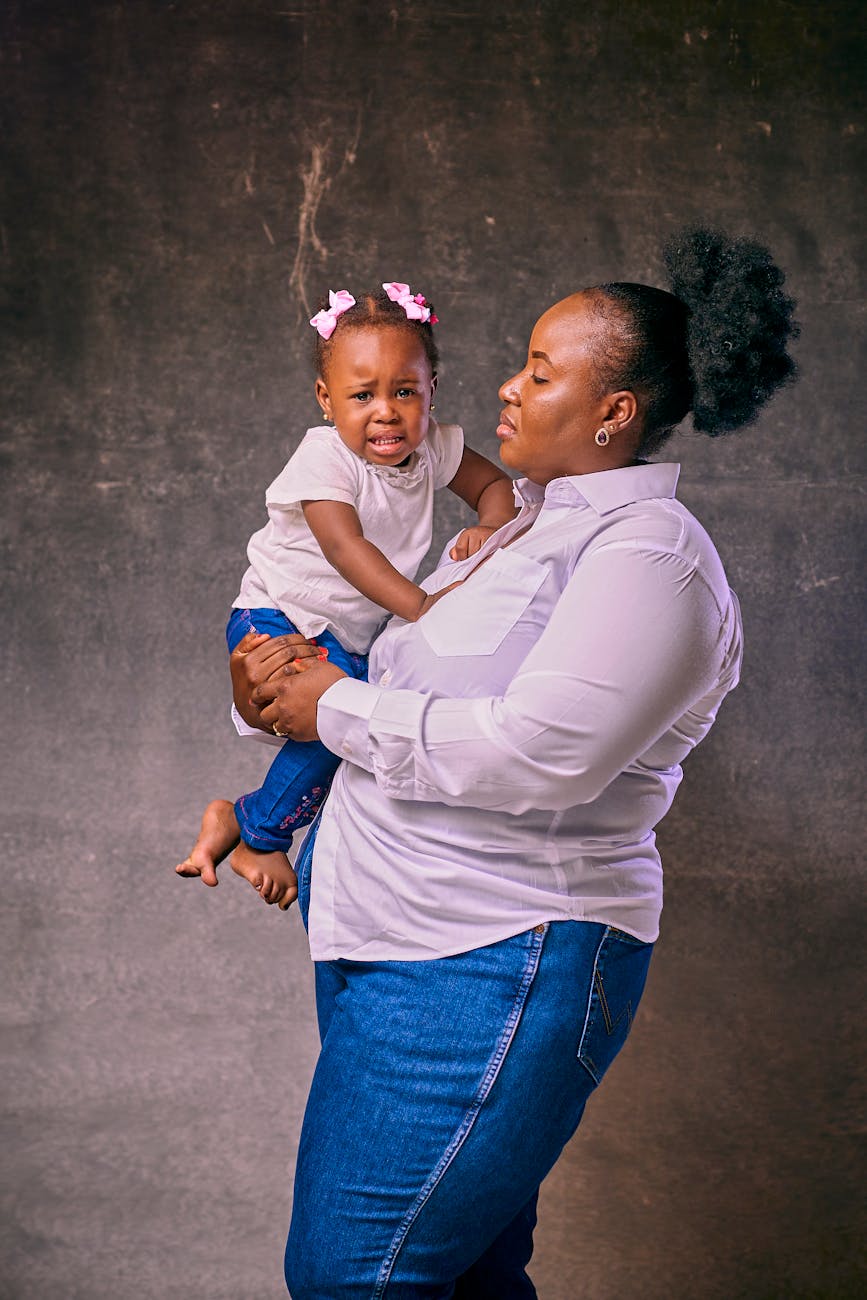
Photo by Victor Ace Geoffrey on Pexels.com

Black womanhood embodies resilience, strength, and spiritual depth. Across generations, Black women have relied on faith as a source of empowerment, guidance, and healing, navigating systemic oppression, personal challenges, and familial responsibilities. The Bible offers timeless wisdom that affirms their value, instills confidence, and provides tools for enduring life’s trials. Understanding these principles illuminates how spirituality can shape identity, foster resilience, and nurture generational healing.

Faith serves as a powerful tool for resilience and empowerment. Black women often face the dual pressures of racial and gendered oppression, economic disparities, and societal expectations. Scripture provides guidance and assurance of God’s sustaining power. Verses such as Isaiah 40:31 (KJV), “But they that wait upon the LORD shall renew their strength; they shall mount up with wings as eagles; they shall run, and not be weary; and they shall walk, and not faint,” illustrate that reliance on God cultivates endurance, courage, and hope. Faith empowers Black women to persevere in the face of adversity while maintaining a sense of dignity and purpose.

Healing generational trauma through spiritual practice is another essential aspect of Black womanhood. Many Black women carry the weight of historical trauma, including the legacy of slavery, segregation, and systemic discrimination. Spiritual disciplines such as prayer, meditation on Scripture, fasting, and worship create a framework for processing pain, restoring inner peace, and breaking cycles of trauma. By anchoring healing in faith, Black women can reclaim narratives of strength and resilience, fostering emotional and psychological restoration for themselves and future generations.

The church and broader community provide crucial support systems, particularly for widows and orphans. Historically, Black churches have served as centers for spiritual guidance, social support, and community advocacy. Women who are widowed or caring for children often rely on communal networks for emotional encouragement, material assistance, and mentorship. The biblical exhortation in James 1:27 (KJV), “Pure religion and undefiled before God and the Father is this, To visit the fatherless and widows in their affliction, and to keep himself unspotted from the world,” highlights the importance of nurturing and supporting vulnerable members of the community, reflecting how faith and collective care intersect.

Faith also profoundly shapes confidence and self-worth. In a society that frequently marginalizes Black women, spiritual affirmation reinforces identity, purpose, and value. Recognizing that they are fearfully and wonderfully made, as affirmed in Psalm 139:14 (KJV), Black women can embrace their uniqueness, talents, and beauty as God-given gifts. Spiritual practices, such as daily reflection and gratitude, cultivate self-awareness and self-respect, allowing women to navigate professional, personal, and social spaces with confidence and integrity.

Overcoming life challenges through spiritual discipline demonstrates the transformative power of faith. Challenges may include career obstacles, relational difficulties, health concerns, or societal pressures. By maintaining consistent prayer, scriptural study, and reliance on God’s guidance, Black women develop resilience, problem-solving skills, and emotional stability. Philippians 4:13 (KJV), “I can do all things through Christ which strengtheneth me,” serves as a guiding principle for approaching difficulties with perseverance, courage, and faith-informed strategy.

🌸 Faith & Empowerment Practices for Black Women

Daily Spiritual Practices

  • Morning Devotion & Prayer: Begin each day with scripture reflection and intentional prayer to set a positive tone.
  • Scripture Meditation: Focus on verses affirming worth, strength, and purpose (e.g., Psalm 139:14; Isaiah 40:31).
  • Gratitude Journaling: Write three things each day you are thankful for, cultivating a mindset of abundance and spiritual awareness.
  • Affirmations in Faith: Speak declarations such as, “I am fearfully and wonderfully made, and God empowers me to overcome challenges.”

Healing Generational Trauma

  • Intergenerational Prayer Circles: Join or create groups that pray for family, ancestors, and future generations.
  • Reflective Journaling: Document personal and family histories, highlighting triumphs and lessons learned.
  • Forgiveness Rituals: Use prayer and meditation to release resentment and trauma inherited through family and community.

Community Engagement

  • Bible Study: Actively engage in Bible study groups, women’s ministries, or outreach programs to foster connection and support.
  • Mentorship & Peer Support: Mentor younger women while also seeking guidance from experienced spiritual and professional mentors.
  • Service to Widows and Orphans: Volunteer or support programs that uplift vulnerable members of the community, following James 1:27 (KJV).

Building Confidence & Self-Worth

  • Reflect on God’s Purpose: Daily remind yourself that your gifts and talents are divinely given.
  • Celebrate Achievements: Record personal victories, both big and small, reinforcing a sense of accomplishment.
  • Faith-Based Goal Setting: Align personal and professional goals with spiritual values to ensure purpose-driven progress.

Overcoming Life Challenges

  • Prayer Before Decisions: Seek guidance through prayer and meditation before making important life choices.
  • Spiritual Accountability Partners: Share struggles and successes with trusted friends or mentors who encourage faith-based growth.
  • Resilience Rituals: Read uplifting scriptures, sing spiritual songs, or engage in contemplative walks to maintain mental and emotional balance.

Key Takeaways

  • Faith is both a personal anchor and a communal resource that strengthens Black women spiritually, emotionally, and socially.
  • Daily spiritual practices cultivate resilience, self-worth, and confidence.
  • Community engagement—through mentorship, church, and service—reinforces healing and generational empowerment.
  • Integrating biblical principles into daily life ensures that challenges are met with strength, purpose, and faith.

In conclusion, biblical insights illuminate the multifaceted strength of Black womanhood. Faith acts as both shield and compass, fostering resilience, empowering healing from generational trauma, and reinforcing confidence and self-worth. Through spiritual discipline and communal support, Black women navigate life’s challenges with grace, wisdom, and purpose. By integrating biblical principles into daily life, they not only overcome adversity but also cultivate legacies of empowerment and spiritual fortitude for future generations.


References

  • Bible (KJV). Isaiah 40:31; James 1:27; Psalm 139:14; Philippians 4:13.
  • hooks, b. (2000). All About Love: New Visions. William Morrow Paperbacks.
  • Boyd-Franklin, N. (2003). Black Families in Therapy: Understanding the African American Experience. Guilford Press.
  • Patterson, O. (1982). Slavery and Social Death: A Comparative Study. Harvard University Press.

Girl Talk Series: What to look for in a Man.

This photograph is the property of its respective owner. No infringement intended.

A heart that seeks the Lord each day,
In prayer and truth, he walks His way.
A husband strong, yet gentle, kind,
With faith and love forever aligned.

Ladies, let me speak to you plainly: it is indeed the man who will find you, as the Bible says, “Whoso findeth a wife findeth a good thing, and obtaineth favour of the Lord” (Proverbs 18:22, KJV). We are not meant to chase men; if a man truly desires you as his wife, he will pursue you. Many men have shared that they know whether a woman is “wife material” the first time they speak with her. It is not simply beauty that keeps a man—it is Godly character, integrity, and the attributes of a true wife.

I do not prefer the term “boyfriend,” which feels high schoolish. In mature, faith-based relationships, we often progress from acquaintance or friendship toward marriage, intentional and purposeful. The question then becomes: what do we look for in a man? What traits indicate he is a suitable, Godly partner for life?


Essential Traits to Look for in a Godly Man

  1. Godliness / Spiritual Leadership
    • A man who fears the Lord and prioritizes his relationship with God is essential. He should lead spiritually, praying, studying the Word, and making decisions aligned with biblical principles (Ephesians 5:25–26).
    • Psychology: Research shows that shared spiritual values in couples correlate with higher marital satisfaction and emotional compatibility (Mahoney et al., 2001).
  2. Provider and Responsible
    • He demonstrates responsibility, ambition, and the ability to provide—not necessarily wealth, but stability and diligence. This includes financial stewardship, career commitment, and protecting the household.
    • Psychology: Men who are perceived as reliable and capable tend to inspire trust and security in partners, fostering relational attachment (Buss, 1989).
  3. Emotional Maturity
    • A mature man manages emotions effectively, communicates well, and does not resort to anger or manipulation. He practices empathy, listens, and respects boundaries.
    • Psychology: Emotional intelligence (EQ) in men predicts relationship satisfaction, conflict resolution, and long-term attachment stability (Brackett et al., 2006).
  4. Integrity and Honesty
    • Truthfulness in speech and action is non-negotiable. A man who demonstrates integrity builds trust and models moral character.
    • Psychology: Integrity is correlated with relational trust, reducing uncertainty and enhancing commitment (Rotter, 1980).
  5. Respect for Women
    • He honors women, treats them as equals, and values their input. Respect is demonstrated in both private and public settings.
    • Psychology: Perceived respect from a partner increases satisfaction, self-esteem, and relational stability (Impett et al., 2008).
  6. Supportive and Encouraging
    • A Godly man uplifts his partner, supports her personal goals, and celebrates her accomplishments. He does not belittle or compete unnecessarily.
    • Psychology: Supportive behavior in partners enhances well-being and fosters secure attachment (Feeney & Collins, 2015).
  7. Self-Control and Discipline
    • He exhibits self-discipline in habits, finances, and sexuality, demonstrating respect for boundaries and long-term goals.
    • Psychology: Self-regulation predicts relational satisfaction and reduces impulsive behaviors that can harm trust (Vohs & Baumeister, 2011).
  8. Humility and Servant-Heartedness
    • A man who is humble, willing to serve, and puts others before himself mirrors Christ’s example. Pride and arrogance are red flags.
    • Scripture: “Let nothing be done through strife or vainglory; but in lowliness of mind let each esteem other better than themselves” (Philippians 2:3, KJV).
  9. Sense of Humor and Joy
    • While serious traits are important, a man who can bring joy, laugh at life, and lighten burdens is invaluable. Joy sustains relationships through challenges.
  10. Commitment and Faithfulness
    • A man who is loyal, keeps promises, and is intentional about the relationship shows readiness for marriage. Infidelity is a leading cause of relational distress; faithfulness is non-negotiable.
    • Psychology: Commitment is a core predictor of marital satisfaction and longevity (Stanley et al., 2006).

Godly Fear and Reverence

  • A man who fears the Lord honors God above all else, submitting his life to His guidance (Proverbs 9:10; Psalm 111:10).
  • Trait in practice: He prays, reads the Word, and aligns his decisions with God’s will. Other traits listed below:

1. Spiritual & Moral Foundation

  • A man who fears God, has integrity, and strives to live by biblical and ethical principles (Proverbs 31:10; Ephesians 5:25).

2. Emotional Intelligence

  • Someone who listens well, communicates clearly, and doesn’t shut down in hard times. Emotional maturity is key to long-lasting love.

3. Leadership & Stability

  • Not just financially, but also in vision, decision-making, and the ability to guide a family with wisdom and patience.

4. Respect & Partnership

  • A man who honors your voice, values your input, and treats you as a partner, not a possession.

5. Consistency & Reliability

  • Words and actions align. You never have to guess where you stand with him.

6. Protective & Supportive Nature

  • He makes you feel safe—emotionally, spiritually, and physically—while also pushing you to grow and achieve your best.

7. Shared Purpose & Values

  • A man whose mission in life aligns with yours, so you’re rowing in the same direction rather than fighting against the tide.

👉 A good way to frame it is: “Does this man bring me closer to peace, closer to God, and closer to becoming the best version of myself?”

Conclusion

Women, your worth is in God, not in the approval of men. Seek a man who mirrors Christlike character, demonstrates integrity, and values partnership. Do not settle for charm or physical appearance alone; the foundation of a lasting, God-honoring relationship is built on spiritual alignment, emotional maturity, and shared values. When these traits are present, love is strengthened, and marriage thrives.

How To Discern Fake People.

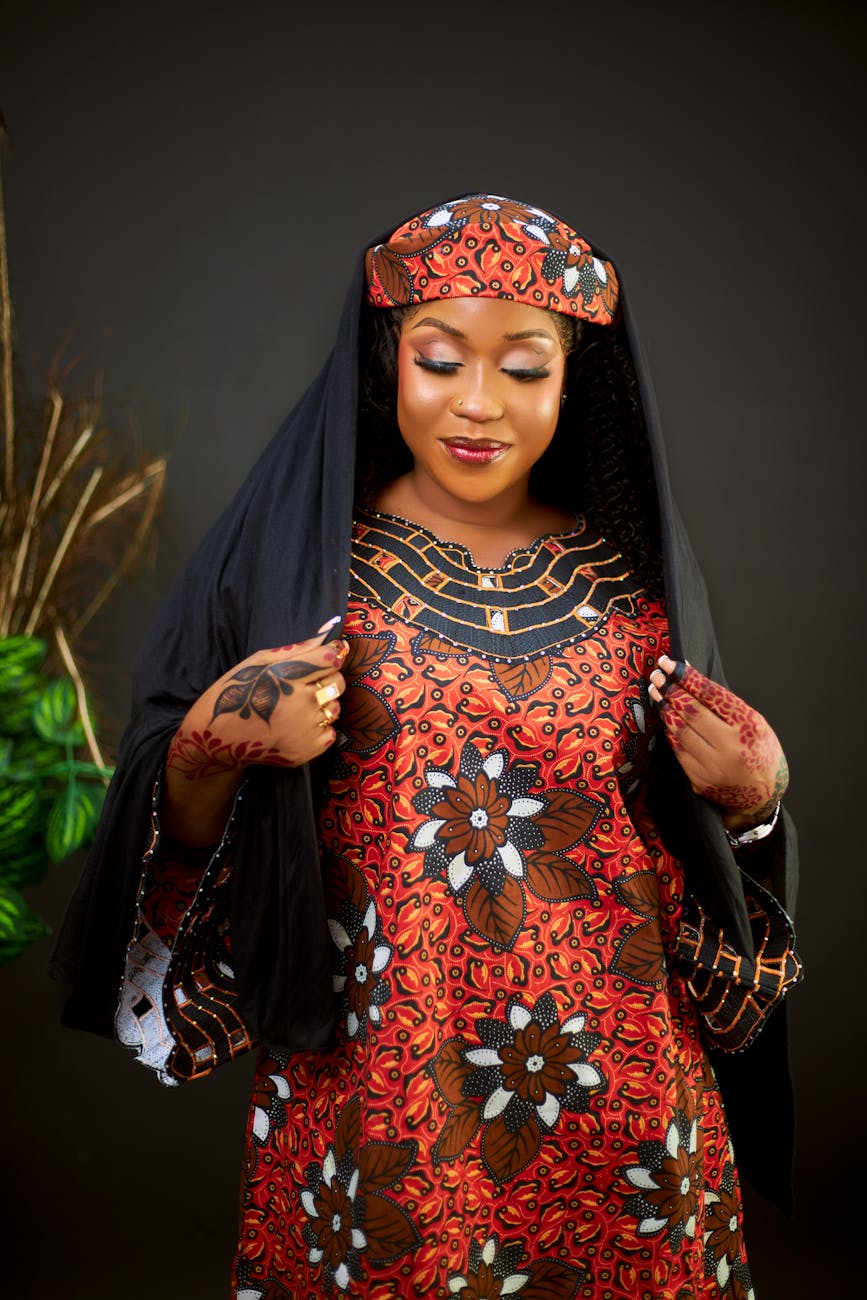
Photo by Leeloo The First on Pexels.com

In today’s world, the ability to discern character is essential. Many individuals project images of sincerity, loyalty, or friendship while harboring ulterior motives. The Bible provides timeless wisdom on identifying those who are deceptive, while psychology offers insights into behaviors that reveal duplicity. Together, these perspectives equip us to guard our hearts, relationships, and decisions from the harm of false people.

The King James Version (KJV) of the Bible warns against the dangers of deceit. Proverbs 26:24-25 declares, “He that hateth dissembleth with his lips, and layeth up deceit within him; When he speaketh fair, believe him not: for there are seven abominations in his heart.” Here, Scripture emphasizes that words of flattery may mask inner corruption. Fake people often use charm to disarm others, but their intentions are destructive. In psychology, this aligns with the study of impression management, where individuals consciously shape others’ perceptions of them for personal gain.

Another biblical marker of insincerity is hypocrisy. Matthew 7:15 warns, “Beware of false prophets, which come to you in sheep’s clothing, but inwardly they are ravening wolves.” This verse underscores the reality of individuals who conceal their harmful nature behind masks of goodness. In psychology, such behaviors are linked to traits of narcissism and Machiavellianism, components of the “Dark Triad,” where deceit and manipulation are tools for control. Fake people may appear caring, but their patterns of exploitation and lack of empathy eventually reveal their true selves.

From a psychological standpoint, duplicity often manifests in inconsistent behavior. Genuine people maintain congruence between words and actions, while fake people contradict themselves depending on who is watching. Cognitive dissonance theory highlights that such inconsistency creates inner tension, which eventually leaks into observable behavior. This is why one may notice subtle discrepancies—such as a smile that does not reach the eyes, or promises repeatedly broken. Proverbs 20:6 echoes this observation: “Most men will proclaim every one his own goodness: but a faithful man who can find?”

Another sign of falseness is exploitation. In relationships, fake individuals may attach themselves to others only when benefits are present. When difficulties arise, they disappear. The Bible warns in Proverbs 19:4, “Wealth maketh many friends; but the poor is separated from his neighbour.” Psychology supports this with the concept of transactional relationships, where interactions are based not on genuine care but on resource exchange. Such friendships dissolve once material or social benefits vanish.

Discernment also involves paying attention to gossip and backbiting. Scripture cautions in Proverbs 16:28, “A froward man soweth strife: and a whisperer separateth chief friends.” Fake people often thrive on sowing discord, using manipulation and half-truths to elevate themselves. Psychologically, this behavior aligns with traits of passive-aggression and projection. They deflect their insecurities onto others, destabilizing relationships to maintain control. Recognizing this pattern allows individuals to avoid unnecessary entanglement in toxic dynamics.

Moreover, discernment requires self-awareness. Fake people often prey on those who lack boundaries or long excessively for validation. In psychology, attachment theory notes that insecurely attached individuals are more likely to tolerate mistreatment for fear of abandonment. Biblically, believers are urged to establish spiritual grounding: “Keep thy heart with all diligence; for out of it are the issues of life” (Proverbs 4:23). When we are secure in God’s love and emotionally mature, we become less susceptible to counterfeit relationships.

Ultimately, the ability to discern fake people is not about suspicion but about wisdom. The Bible exhorts us to “try the spirits whether they are of God” (1 John 4:1). Psychology teaches us to observe patterns of behavior rather than isolated acts. Together, these disciplines encourage vigilance, humility, and reliance on both discernment and evidence. Protecting ourselves from deceit allows us to cultivate authentic relationships grounded in trust, mutual respect, and love.


References

American Psychological Association. (2013). Diagnostic and statistical manual of mental disorders (5th ed.). Arlington, VA: American Psychiatric Publishing.

Festinger, L. (1957). A theory of cognitive dissonance. Stanford University Press.

Furnham, A., Richards, S. C., & Paulhus, D. L. (2013). The Dark Triad of personality: A 10 year review. Social and Personality Psychology Compass, 7(3), 199–216. https://doi.org/10.1111/spc3.12018

King James Bible. (1769/2017). The Holy Bible, King James Version. Cambridge University Press. (Original work published 1611).

Mikulincer, M., & Shaver, P. R. (2016). Attachment in adulthood: Structure, dynamics, and change (2nd ed.). Guilford Press.

Dilemma: Friends or Foes

Faithful Companionship: Biblical, Psychological, and Practical Insights on True Friendship

Photo by Sadiq Hashim on Pexels.com

A friend is more than a casual acquaintance or a social media connection; a true friend is a confidant, ally, and companion whose loyalty endures through seasons of joy and trial. In its purest form, friendship is a relationship marked by mutual trust, selflessness, and emotional intimacy. While many relationships are transactional, a true friend remains steadfast without ulterior motives. Proverbs 17:17 (KJV) declares, “A friend loveth at all times, and a brother is born for adversity.” This enduring love distinguishes genuine friendship from mere association.

Biblical Foundations of Friendship

The King James Version and the Apocrypha offer profound wisdom regarding friendship:

  • Proverbs 18:24 (KJV): “A man that hath friends must shew himself friendly: and there is a friend that sticketh closer than a brother.”
  • Sirach (Ecclesiasticus) 6:14-17 (Apocrypha): “A faithful friend is a strong defence: and he that hath found such an one hath found a treasure… A faithful friend is the medicine of life; and they that fear the Lord shall find him.”
  • John 15:13 (KJV): “Greater love hath no man than this, that a man lay down his life for his friends.”
  • James 4:4 (KJV): “Know ye not that the friendship of the world is enmity with God?”

Scripture emphasizes that friendship is not merely about enjoyment but about covenantal loyalty rooted in righteousness. The warning against being “friends with the world” means avoiding alliances that compromise faith, values, and obedience to God. Worldly friendships often lead to moral compromise, whereas godly friendships build spiritual strength.

Enemies vs. Friends

An enemy actively or passively works against your well-being, whether through deceit, sabotage, or ill will. A friend, by contrast, seeks your good and stands with you in both adversity and triumph. Jesus Himself reminded His followers to “love your enemies” (Matthew 5:44 KJV), but love does not mean inviting harmful people into the place of intimate friendship.

Ten Traits of a True Friend

  1. Loyalty – Stands with you in success and struggle (Proverbs 17:17).
  2. Honesty – Speaks truth even when it’s uncomfortable (Proverbs 27:6).
  3. Reliability – Keeps promises and commitments.
  4. Mutual Respect – Values boundaries and differences.
  5. Selflessness – Acts in your best interest without seeking personal gain.
  6. Supportive Spirit – Encourages growth and faithfulness to God.
  7. Forgiveness – Extends grace when wronged.
  8. Confidentiality – Guards your secrets (Sirach 27:16).
  9. Shared Values – Aligns morally and spiritually.
  10. Consistency – Remains present through changing seasons.

Psychological Insights on Friendship

Psychology underscores the importance of friendship for emotional well-being, resilience, and personal growth. Research shows that true friendships reduce stress, improve self-esteem, and promote longer life spans (Holt-Lunstad et al., 2010). Psychologists note that authentic friendships involve reciprocal empathy—the ability to understand and share in each other’s emotional states—which fosters security and trust (Aron et al., 2005).

However, psychology also warns about toxic friendships, where manipulation, exploitation, or chronic negativity undermine well-being. This mirrors the biblical caution to discern between godly companionship and destructive associations (1 Corinthians 15:33).

Knowing Friend or Foe

To discern whether someone is a friend or foe, examine their fruit (Matthew 7:16). Friends nurture, uplift, and challenge you toward righteousness. Foes drain, discourage, and draw you away from your purpose. This discernment requires prayer, observation, and wisdom.

When Friendship Turns Poison: Recognizing and Removing Toxic Ties

While friendship is intended to be a source of support, encouragement, and mutual growth, not every relationship labeled as “friendship” is beneficial. A toxic friendship is one in which the dynamics consistently harm your mental, emotional, or spiritual well-being. These relationships can drain energy, distort self-worth, and hinder purpose.

Biblical Perspective on Toxic Friendships

Scripture warns about the company we keep. Proverbs 13:20 (KJV) declares: “He that walketh with wise men shall be wise: but a companion of fools shall be destroyed.” This means that the spiritual and moral quality of our companions influences our own path. Toxic friendships are often rooted in envy, deceit, or ungodliness, traits condemned in passages such as 1 Corinthians 15:33 (KJV): “Be not deceived: evil communications corrupt good manners.”

The Apocrypha echoes this caution. Sirach (Ecclesiasticus) 37:1-2 warns: “Every friend saith, I am his friend also: but there is a friend, which is only a friend in name. Is it not a grief unto death, when a companion and friend is turned to an enemy?” The Bible recognizes that some friendships are counterfeit—appearing loyal outwardly while harboring harmful intentions inwardly.

Psychological Understanding of Toxic Friendships

From a psychological standpoint, toxic friendships often exhibit patterns associated with emotional abuse, narcissism, or codependency (Coyne & Thompson, 2011). Common traits include:

  • Chronic negativity – They belittle your achievements or invalidate your feelings.
  • Excessive competition – They feel threatened by your success instead of celebrating it.
  • Manipulation – They guilt-trip, gaslight, or emotionally blackmail you.
  • One-sidedness – The relationship revolves around their needs and crises, with little reciprocity.
  • Boundary violations – They ignore or disrespect your emotional or personal limits.

Research in interpersonal psychology shows that such relationships can increase stress, depression, and even physical illness due to the prolonged activation of the body’s stress response (Umberson & Montez, 2010).

Steps to Handle Toxic Friendships

  1. Discern the Fruit – Matthew 7:16 (KJV) teaches: “Ye shall know them by their fruits.” Evaluate if the relationship produces peace, joy, and mutual support—or strife and confusion.
  2. Set Boundaries – Communicate limits clearly. A healthy friend will respect them; a toxic one will resist.
  3. Limit Access – Proverbs 22:24-25 warns against associating with those who foster anger or harm. Reducing contact can protect your emotional health.
  4. Seek Godly Counsel – Proverbs 11:14 emphasizes the value of wise advice in making difficult relational decisions.
  5. Release Without Bitterness – Ephesians 4:31-32 urges believers to put away malice and forgive, even when separation is necessary.

Enemies vs. Friends

A true friend supports your God-given purpose; an enemy seeks to undermine it. Toxic friends may blur this line because their harmful behavior is masked by occasional kindness. However, biblical discernment calls us to recognize the consistent pattern over isolated acts.

Conclusion
True friendship is a sacred covenant, not a casual convenience. The KJV Bible and the Apocrypha remind us that a faithful friend is “the medicine of life” (Sirach 6:16), yet also warn that some only remain until their benefit is exhausted (Sirach 6:8–9). Psychology echoes this truth, noting that healthy friendships are built on trust, reciprocity, and mutual respect, while toxic alliances erode self-worth and spiritual focus. Scripture teaches that “friendship of the world is enmity with God” (James 4:4), meaning our closest ties must align with righteousness, not worldly compromise. To discern friend from foe, we must measure actions, not just words; observe consistency, not just charm; and guard our hearts against those whose influence corrupts rather than uplifts (1 Corinthians 15:33). Enemies may oppose openly, but false friends betray silently — and such betrayal is more dangerous than declared hostility. In the end, choosing friends wisely is both a spiritual and psychological safeguard, for the people we allow into our inner circle shape the trajectory of our destiny.

References

  • Aron, A., et al. (2005). The self-expansion model of motivation and cognition in close relationships. In M. Mikulincer & G. S. Goodman (Eds.), Dynamics of romantic love. Guilford Press.
  • Holt-Lunstad, J., Smith, T. B., & Layton, J. B. (2010). Social relationships and mortality risk: A meta-analytic review. PLoS Medicine, 7(7), e1000316.
  • The Holy Bible, King James Version.
  • The Apocrypha (Ecclesiasticus/Sirach).

Unspoken Struggles: The Silent Battles of Black Women.

Photo by Kazys Photography on Pexels.com

The narrative of Black women has always been one of resilience, yet beneath this strength lies a series of silent battles that often go unnoticed. From the time of slavery until today, Black women have carried the weight of racial prejudice, gender discrimination, and economic disparity. Their voices, though powerful, are often silenced by the demand to remain strong. As a result, the struggles they endure are not always visible, yet they are deeply embedded in the social, psychological, and spiritual fabric of their lives (Collins, 2000).

Visible Roles vs. Silent Battles of Black Women

Visible Roles (What the World Sees)Silent Battles (What They Endure)
Caregiver and nurturer for familyNeglect of personal needs and self-care
Resilient “Strong Black Woman” figureSuppressed emotions, hidden depression
Professional achiever and breadwinnerWorkplace bias, underpaid and undervalued
Community leader and activistBurnout, exhaustion, lack of recognition
Pillar of faith and spiritualitySilent questioning, struggles with doubt
Embodiment of beauty and styleInternalized pressure to meet Eurocentric beauty standards
Protector of othersVulnerability ignored, need for protection overlooked
Source of cultural pride and strengthStruggle with identity, isolation, and fatigue

One of the most profound struggles is the expectation to embody the archetype of the “Strong Black Woman.” While strength has enabled survival, it has also been a heavy burden. Many women are conditioned to suppress vulnerability and emotional needs, leading to high rates of depression, anxiety, and stress-related illnesses (Woods-Giscombé, 2010). The silent battle, therefore, is not only external but internal—a conflict between societal demands and the natural human need for rest, softness, and care.

Racism and sexism compound these struggles, creating what Kimberlé Crenshaw (1989) defines as “intersectionality.” Black women must constantly navigate a world where their race and gender intersect in ways that expose them to unique disadvantages. For example, in the workplace, they often face being undervalued, overlooked, or tokenized. In social contexts, they are stereotyped as “angry” or “difficult” when they assert themselves. These layered forms of oppression force Black women into silent endurance, as speaking out risks further marginalization.

The silence is also evident in the realm of beauty and identity. The Western beauty standard, rooted in whiteness, has historically excluded the natural features of Black women—dark skin, textured hair, and full bodies. This exclusion fosters feelings of inadequacy and internalized self-doubt. As Frances Cress Welsing argued, the elevation of whiteness in beauty is a reflection of deeper systems of racial dominance (Welsing, 1991). For Black women, the unspoken struggle becomes a daily negotiation between self-acceptance and societal rejection.

Family responsibilities further intensify these battles. Many Black women juggle roles as breadwinners, caretakers, and community pillars, often without adequate support. The silent weight of being “everything to everyone” can leave little room for personal dreams or self-care. Yet Scripture reminds us of the importance of rest and casting burdens on God: “Casting all your care upon him; for he careth for you” (1 Peter 5:7, KJV). This verse emphasizes that Black women need not carry the weight of the world alone.

Faith, however, is often both a coping mechanism and a source of resilience. Many Black women turn to prayer, worship, and church communities for strength and comfort. Still, the church has at times perpetuated the expectation that women must endlessly serve, sacrifice, and remain silent about their pain. Yet, biblical truth offers a counter-narrative: “Come unto me, all ye that labour and are heavy laden, and I will give you rest” (Matthew 11:28, KJV). This scripture dismantles the myth of invulnerability, affirming that rest and vulnerability are divine rights.

Psychologically, the suppression of these silent struggles can lead to “weathering,” a concept describing the cumulative effects of chronic stress on Black women’s health (Geronimus, 1992). Heart disease, hypertension, and mental health disparities often emerge as unspoken consequences of constantly enduring adversity. The lack of safe spaces to share struggles further reinforces silence, making vulnerability both a necessity and a challenge. Breaking this cycle requires intentional cultural, spiritual, and psychological healing.

In conclusion, the silent battles of Black women reveal the need for a collective reimagining of strength. True strength lies not in unending endurance but in the courage to acknowledge pain, embrace softness, and seek support. The Bible affirms that God’s strength is made perfect in weakness (2 Corinthians 12:9, KJV), reminding us that humanity, not superhuman resilience, is the essence of divine design. By breaking the silence, Black women—and the communities that rely on them—can begin to heal, reclaiming dignity and wholeness in the face of centuries of struggle.


References

  • Collins, P. H. (2000). Black feminist thought: Knowledge, consciousness, and the politics of empowerment. Routledge.
  • Crenshaw, K. (1989). Demarginalizing the intersection of race and sex. University of Chicago Legal Forum, 1989(1), 139–167.
  • Geronimus, A. T. (1992). The weathering hypothesis and the health of African-American women and infants. Ethnicity & Disease, 2(3), 207–221.
  • Welsing, F. C. (1991). The Isis papers: The keys to the colors. Third World Press.
  • Woods-Giscombé, C. L. (2010). Superwoman schema: African American women’s views on stress, strength, and health. Qualitative Health Research, 20(5), 668–683.

Stereotypes and Survival: Breaking Free from Mammy, Jezebel, and Sapphire

Photo by Boko Shots on Pexels.com

For centuries, the image of Black women has been shaped less by their lived experiences and more by stereotypes designed to control, marginalize, and dehumanize them. Among the most pervasive are the Mammy, the Jezebel, and the Sapphire archetypes. These caricatures originated in slavery and Jim Crow culture, yet their influence persists in media, relationships, and social institutions. To survive and thrive, Black women have been forced to navigate, resist, and redefine themselves beyond these harmful tropes. The title Stereotypes and Survival: Breaking Free from Mammy, Jezebel, and Sapphire reflects both the historical weight of these labels and the ongoing struggle for liberation.

The Mammy: Caretaker Without Desire

The Mammy stereotype portrays Black women as nurturing, asexual, and devoted to serving white families. Popularized in literature and films like Gone with the Wind, the Mammy is imagined as overweight, dark-skinned, and self-sacrificing—valued only for her labor and loyalty. This image justified the exploitation of enslaved women as caretakers while denying them femininity, desirability, or independence. Even today, Black women in caretaking professions such as nursing or domestic work are often expected to “give more” emotionally and physically without recognition or reward (Collins, 2000). The Mammy myth erases Black women’s right to vulnerability, rest, and self-care. Mammy vs. Servanthood in Scripture: The Mammy stereotype portrays Black women as self-sacrificing caretakers without personal desire, existing only to serve others. The Bible affirms servanthood as a noble quality when it is voluntary and rooted in love (Mark 10:44–45), but it rejects exploitation and dehumanization. Enslavement and forced servitude are condemned as oppression (Exodus 3:7–9). Scripture also teaches that women are not defined solely by labor but by their worth as image-bearers of God (Genesis 1:27). The virtuous woman in Proverbs 31 is hardworking, but she is also a leader, entrepreneur, and respected member of her community—not reduced to servitude.

The Jezebel: Hypersexual Object

In contrast, the Jezebel stereotype casts Black women as sexually insatiable, manipulative, and morally corrupt. During slavery, this myth served to rationalize the sexual assault of enslaved women by white men, framing exploitation as “consensual.” Today, Jezebel imagery survives in media portrayals that sexualize Black women’s bodies disproportionately—whether through music videos, advertising, or reality television. The stereotype undermines Black women’s ability to control their sexual agency, branding them either as promiscuous or as unworthy of protection. This myth also affects legal outcomes, where Black women who are victims of sexual violence are less likely to be believed or granted justice (West, 2004). Jezebel vs. Sexual Purity and Agency: The stereotype of the Jezebel depicts Black women as hypersexualized and immoral. In the Bible, Jezebel is a real historical figure—a Phoenician queen married to King Ahab—who became synonymous with idolatry, manipulation, and immorality (1 Kings 21; 2 Kings 9:30–37). However, to equate her story with all women, especially Black women, is a distortion. Scripture does not label women by stereotype but calls for sexual integrity for both men and women (1 Corinthians 6:18–20). Moreover, women like Ruth and Esther show that God honors women not for sexualized caricatures but for faith, wisdom, and courage. The Bible condemns the exploitation of women’s bodies and instead uplifts their agency and dignity (Song of Solomon 4:7, Proverbs 31:30).

The Sapphire: Angry Black Woman

The Sapphire stereotype, also known as the “Angry Black Woman,” depicts Black women as loud, emasculating, and irrationally angry. Rooted in minstrel shows, Sapphire imagery has been recycled in sitcoms and films, where outspoken Black women are mocked as aggressive and domineering. This caricature discourages Black women from expressing legitimate anger about injustice, as their emotions are dismissed as hostility rather than humanity. It also places an unfair burden on Black women to appear “pleasant” or “non-threatening” in workplaces, relationships, and public spaces, suppressing their voices in order to avoid punishment or isolation. Sapphire vs. Righteous Anger: The Sapphire stereotype depicts Black women as angry, loud, and emasculating. Scripture acknowledges that anger is a real human emotion, but it distinguishes between sinful wrath and righteous anger. Ephesians 4:26 states, “Be ye angry, and sin not: let not the sun go down upon your wrath.” Jesus Himself displayed righteous anger when confronting injustice (John 2:13–16). For Black women, anger at injustice is not sinful—it can be holy when directed toward dismantling oppression. The danger lies not in having a strong voice but in allowing bitterness to consume the soul. The Bible affirms that women can speak truth boldly, like Deborah the judge (Judges 4:4–9) or Mary Magdalene, the first witness of the resurrection (John 20:16–18).

The Survival Strategies

To survive under these stereotypes, Black women have developed strategies of resilience. Many practice code-switching, adjusting speech, tone, and appearance to counteract negative assumptions in professional or social settings. Others have turned to cultural and artistic expression—poetry, music, film—to reclaim their narratives. The rise of movements like #BlackGirlMagic and natural hair campaigns signal a collective resistance, affirming that Black women’s beauty, intellect, and complexity cannot be reduced to harmful archetypes.

Breaking Free: Redefining Representation

Breaking free requires dismantling not only the stereotypes themselves but also the systems that sustain them. Media representation is critical: when Black women are shown as multidimensional—leaders, scholars, mothers, entrepreneurs—the grip of Mammy, Jezebel, and Sapphire weakens. Equally important is education, where curricula must unpack these archetypes as tools of oppression rather than cultural “norms.” Black women’s storytelling, from Audre Lorde to Chimamanda Ngozi Adichie, provides counter-narratives that highlight lived truth over caricature.

Psychological Costs of Stereotyping

Surviving under these stereotypes comes at a psychological cost. Research shows that stereotype threat—fear of confirming a negative stereotype—contributes to stress, anxiety, and identity conflict among Black women (Rosenthal & Lobel, 2011). Constantly navigating how one will be perceived, whether as too angry or too sexual, creates a burden that undermines well-being. Breaking free, therefore, is not only a cultural project but a mental health necessity.

Toward Liberation

Liberation means imagining a world where Black women are no longer filtered through distorted lenses but valued in the fullness of their humanity. It requires structural change in how media, law, and institutions portray and treat Black women. It also demands that Black women themselves—and their communities—continue affirming narratives of resilience, love, and joy. Mammy, Jezebel, and Sapphire may have been imposed as cages, but Black women have long been breaking the locks, redefining survival as thriving.

Conclusion

Stereotypes and Survival: Breaking Free from Mammy, Jezebel, and Sapphire is a call to recognize how these archetypes have shaped history and continue to influence society. Yet, it is also a testament to resilience—the ability of Black women to resist, survive, and ultimately transcend these distorted images. In the face of stereotypes meant to confine them, Black women continue to write new narratives of freedom, power, and truth. The Bible does not endorse Mammy, Jezebel, or Sapphire archetypes. Instead, it reveals that these stereotypes are tools of oppression, rooted in lies. God calls Black women—and all women—to freedom, dignity, and purpose. Breaking free means rejecting labels that demean and embracing the identity God gives: beloved, chosen, and powerful vessels of His truth.

Breaking Free Through Biblical Identity

Each of these stereotypes strips Black women of their God-given identity. The Bible, however, grounds identity not in cultural caricatures but in being children of God.

  • Mammy: You are more than your labor—your worth is intrinsic (Psalm 139:14).
  • Jezebel: You are not defined by lustful labels—your body is a temple of the Holy Spirit (1 Corinthians 6:19).
  • Sapphire: Your voice matters—like Esther, you are called “for such a time as this” (Esther 4:14).

The gospel dismantles these stereotypes by affirming that “there is neither Jew nor Greek, there is neither bond nor free, there is neither male nor female: for ye are all one in Christ Jesus” (Galatians 3:28).


References

  • Collins, P. H. (2000). Black feminist thought: Knowledge, consciousness, and the politics of empowerment. Routledge.
  • Rosenthal, L., & Lobel, M. (2011). Explaining racial disparities in adverse birth outcomes: Unique sources of stress for Black American women. Social Science & Medicine, 72(6), 977–983.
  • West, C. M. (2004). Black women and intimate partner violence: New directions for research. Journal of Interpersonal Violence, 19(12), 1487–1493.

Dilemma: By-Words

The History, Psychology, and Biblical Prophecy of Names Forced Upon Black People

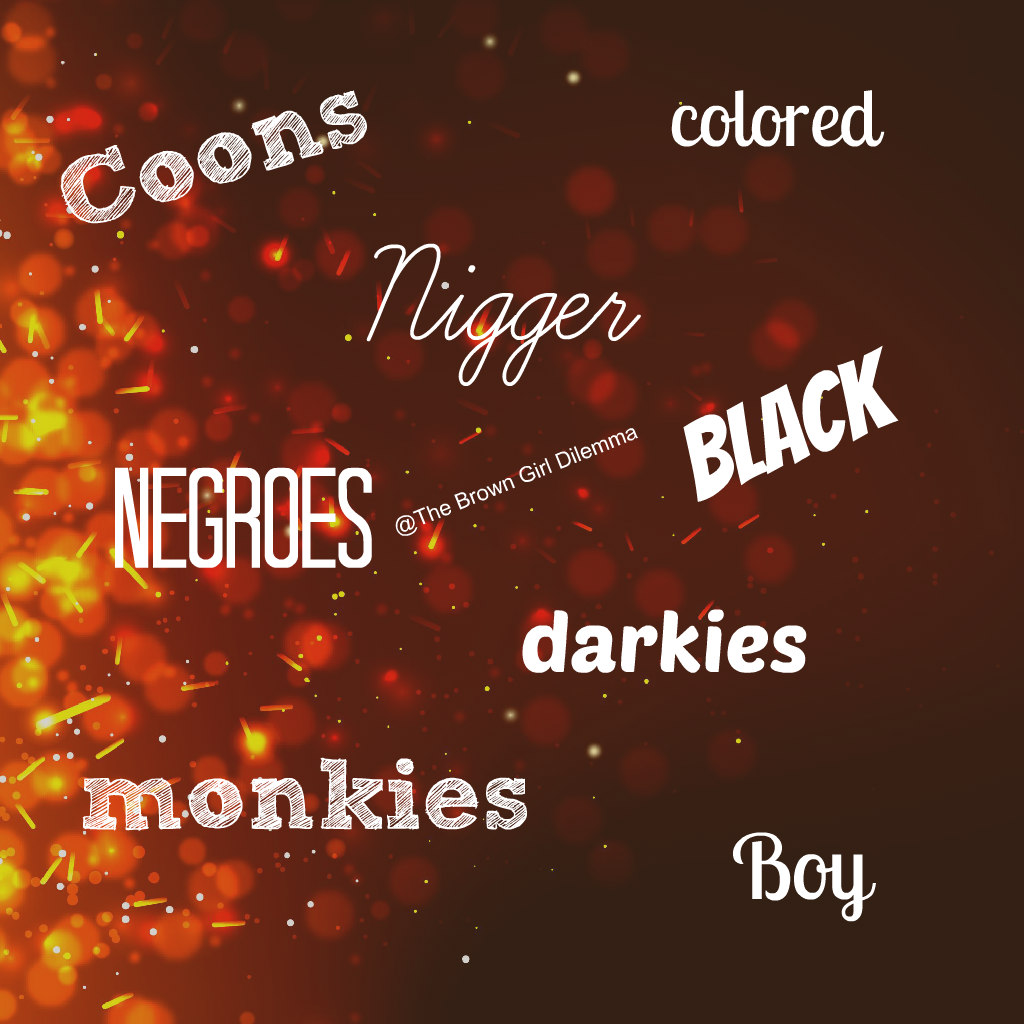
Words carry power. They shape identity, influence perception, and preserve history. Yet words can also wound, distort, and dehumanize. Throughout history, Black people across the diaspora have been branded with derogatory labels—negro, n****, coon, black, colored,* and many more—terms that did not emerge from neutrality but from systems of slavery, colonization, and racial subjugation. The Bible calls these humiliating labels “by-words”—a prophetic sign of oppression and displacement (Deuteronomy 28:37, KJV). To understand the psychology and history of by-words, one must look at the intersection of language, power, slavery, and identity.


What Are By-Words?

The term by-word is defined as a word or phrase used to mock, ridicule, or demean a people or individual. In Scripture, by-words are linked with curses upon nations or peoples who fall under oppression.

  • Deuteronomy 28:37 (KJV): “And thou shalt become an astonishment, a proverb, and a byword, among all nations whither the Lord shall lead thee.”
  • 1 Kings 9:7 (KJV): “Then will I cut off Israel out of the land which I have given them… and Israel shall be a proverb and a byword among all people.”

Biblically, being reduced to a by-word is more than an insult—it signifies loss of sovereignty, dignity, and divine identity.

he Meaning and History of the Word “Nigger”

Origin of the Word

The word nigger is one of the most notorious racial slurs in history. It traces back to the Latin word niger (meaning “black”), which passed into Spanish and Portuguese as negro. When Europeans began enslaving Africans during the transatlantic slave trade (1500s–1800s), the term negro became a racial descriptor.

Over time, particularly in English-speaking countries, negro was corrupted in spelling and pronunciation into n**r—a derogatory term. By the 1700s, it was entrenched in slave societies like the United States as the ultimate label of dehumanization.


Purpose of the Word

The purpose of calling Black people “n****r” was not just insult but domination. It functioned as a psychological weapon in several ways:

  1. Dehumanization:
    • Reduced Black people to something less than human, justifying slavery and racism.
    • Equated Africans with animals, objects, or commodities.
  2. Control and Social Order:
    • Whites used the word to constantly remind enslaved people of their “place” in society.
    • It reinforced racial hierarchy: white = superior, Black = inferior.
  3. Cultural Shaming:
    • Denied African names and identities, replacing them with a word rooted in contempt.
    • Made Blackness itself synonymous with worthlessness or evil.

In short, the word was never neutral. It was created and weaponized to wound, degrade, and keep Black people submissive.


Historical Use in America

  • Slavery Era (1600s–1865): The word was common in plantation speech, laws, and slave advertisements. It was how enslavers referred to Africans as property.
  • Jim Crow (1877–1950s): White people used it as a daily insult to enforce segregation and white supremacy. It became paired with violence—lynching, beatings, and systemic humiliation.
  • Civil Rights Movement (1950s–1970s): The slur was hurled at marchers, students, and leaders fighting for justice. Signs like “Go home n****rs” were common.
  • Modern Era (1980s–Present): The word remains a lightning rod. It is still used by racists as hate speech but also controversially re-appropriated within some Black communities (e.g., in hip-hop, as a term of brotherhood).

How Black People Feel About It

Reactions vary, but the word remains one of the deepest wounds in the Black collective memory:

  1. Pain and Trauma:
    • Many associate it with slavery, Jim Crow, lynching, and racist violence. Hearing it can trigger anger, shame, or grief.
  2. Rage and Resistance:
    • Black leaders like Malcolm X, James Baldwin, and Maya Angelou condemned the word as an instrument of oppression. Baldwin once said: “What you say about somebody else reveals you.”
  3. Division Over Re-appropriation:
    • Some Black people reject the word entirely, seeing it as irredeemable.
    • Others, especially in music and street culture, have attempted to strip it of its power by reclaiming it (e.g., turning it into “n***a” as a casual or friendly address).
    • This re-use, however, is controversial—many feel that no amount of “reclaiming” erases its bloody history.

Biblical & Psychological Perspective

From a biblical standpoint, being called a by-word (Deuteronomy 28:37) is part of a curse—a stripping of honor and identity. Psychologically, constant exposure to the slur can lead to internalized racism: self-doubt, reduced self-worth, and generational trauma.


The word n**r is not just an insult—it is a historical weapon of white supremacy. Born from slavery, cemented during Jim Crow, and still alive today, it carries centuries of blood, pain, and oppression. While some attempt to neutralize it, for most Black people it remains a raw reminder of what their ancestors endured. It is a word heavy with history, one that symbolizes not only racism but also the resilience of a people who refuse to be defined by it.

Timeline: The Evolution of By-Words

1. African Names Before Slavery (Pre-1500s)

Before European colonization, Africans bore names tied to ancestry, geography, spirituality, and meaning: Kwame (born on Saturday, Akan), Makeda (Ethiopian queen), Oluwaseun (God has done this, Yoruba). Names carried memory, culture, and lineage.


2. The Transatlantic Slave Trade (1500s–1800s)

  • Africans kidnapped into slavery were renamed with European surnames (Smith, Johnson, Williams, Brown).
  • By-words such as Negro (from Portuguese/Spanish for “black”) became a racial classification.
  • Slurs like n****,* sambo, and coon emerged on plantations to dehumanize enslaved Africans, comparing them to animals or buffoons.

This was the era of identity erasure: Africans became “property,” marked not by heritage but by by-words.


3. Reconstruction & Jim Crow (1865–1950s)

  • After emancipation, Black people were still denied full humanity. Terms like Negro and Colored became official in laws, schools, and public signs.
  • The Jim Crow system used language to reinforce racial hierarchy: calling Black men “boy” denied manhood, while calling women “mammies” denied femininity.
  • Racist caricatures—coon songs, minstrel shows, Zip Coon, Uncle Tom—spread by-words into mass culture.

By-words became institutionalized, shaping how whites saw Black people and how Black people sometimes internalized those labels.


4. Civil Rights Era (1950s–1970s)

  • The term Negro was challenged, as leaders like Malcolm X urged African Americans to reclaim Black as a badge of pride.
  • The phrase Black is Beautiful emerged as resistance to centuries of being told “black” meant evil or shameful.
  • The name shift to African-American in the late 1980s (championed by Jesse Jackson) reflected a demand for heritage, identity, and cultural recognition.

By-words in this era were confronted with counter-language: affirmations of dignity and identity.


5. Modern Times (1980s–Present)

  • Slurs like n****,* coon, and monkey still circulate, especially online and in extremist circles.
  • The N-word has been re-appropriated in some Black communities as a term of endearment or solidarity—though its use remains deeply divisive.
  • The term Black has been embraced as an ethnic identity marker, while African-American underscores historical and diasporic roots.
  • Psychological studies show that derogatory labeling still impacts self-esteem, racial perception, and systemic bias.

By-words have not disappeared; they have shifted, adapted, and remain central to ongoing struggles over language and identity.


Racism and the Weaponization of By-Words

Racism explains why by-words persisted. These terms justified inequality by painting Black people as inferior, dangerous, or less civilized. By-words reinforced stereotypes in:

  • Law: segregation signs labeled “Colored” vs. “White.”
  • Media: cartoons and films normalized caricatures (Amos ‘n’ Andy, minstrel shows).
  • Society: casual insults reduced Black people to slurs even outside slavery.

By-words were not simply products of ignorance; they were deliberate strategies of domination.


The Psychology of By-Words

From a psychological perspective, by-words operate as verbal shackles.

  1. Identity Erasure: Replacing African names with slave surnames broke ancestral continuity.
  2. Internalized Racism: Constant exposure to insults produced self-doubt and sometimes self-hatred.
  3. Generational Trauma: By-words passed down through history embedded racial inferiority into the subconscious.
  4. Resistance & Reclamation: Language also became a battlefield—turning Black from insult to empowerment, or challenging derogatory names with affirmations.

As psychologist Na’im Akbar (1996) argues, the greatest chains of slavery are not physical but mental—reinforced through language.


Biblical Parallels

The use of by-words against Black people echoes Israel’s fate in exile. Losing names, mocked by nations, and scattered across the earth, they became living fulfillments of Deuteronomy 28. Just as Israel became “a byword among nations,” the descendants of Africa in the diaspora bear the marks of a name-stripping oppression.


Historical Roots of By-Words in Slavery

The transatlantic slave trade, spanning the 16th to 19th centuries, uprooted millions of Africans from their homelands. In the process, enslavers deliberately stripped them of their ethnic names, languages, and tribal lineages. African names like Kwame, Amina, Oluwaseun, Kofi, or Makeda were replaced with European surnames—Smith, Johnson, Williams, Washington—marking forced assimilation into a white supremacist order.

Enslaved Africans were not merely chained physically; they were renamed into invisibility. The imposition of white surnames erased genealogical connections, making it nearly impossible for descendants to trace their ancestral lineage back to their original African nations. This renaming process was a tool of control: to own someone’s name is to own their identity.

At the same time, enslaved Africans became subjects of derogatory by-words. Slave masters, traders, and colonial authorities popularized racial slurs that defined Blackness not by heritage but by supposed inferiority. Terms such as n****,* coon, boy, and Negro reduced a diverse people into a caricature of servitude and subjugation.


The Catalog of By-Words Used Against Black People

Over centuries, Black people have been labeled with words that belittled, animalized, and mocked them:

  • Negro – Derived from the Spanish/Portuguese word for “black,” it became a racial classification imposed by European colonizers.
  • N*** – A perversion of Negro, weaponized as one of the most dehumanizing insults in modern history.
  • Coon – A derogatory word portraying Black people as lazy and buffoonish, rooted in racist minstrel shows of the 19th century.
  • Boy – Used particularly in the Jim Crow South to deny Black men adult dignity and manhood.
  • Colored – Institutionalized through organizations like the NAACP (“National Association for the Advancement of Colored People”), reflecting segregationist terminology.
  • Black – Once synonymous with evil, dirt, or shame in European etymology, rebranded as an identity marker but originally imposed as a contrast to “white purity.”

Each of these terms is a linguistic scar, born of systems that sought to strip away humanity and replace it with inferiority.


Was Racism to Blame?

Yes. The proliferation of by-words was not incidental but systemic, tied directly to racism. By-words allowed dominant groups to control narratives, reinforcing hierarchies of superiority. Racism justified slavery, segregation, colonization, and social exclusion by codifying these by-words into cultural, legal, and political systems.

  • Social Control: Language ensured that Black people were seen not as equals but as perpetual outsiders.
  • Psychological Warfare: By-words internalized shame, often producing generational trauma and fractured self-esteem.
  • Legal Segregation: In the U.S., terms like “colored” and “Negro” were legally inscribed in Jim Crow laws, embedding racism into governance.

The Psychology of By-Words

Psychologists argue that repeated exposure to derogatory labels can produce internalized racism and identity conflict. When a people are constantly described as inferior or less than, the message penetrates deep into the collective psyche.

  • Internalized Oppression: Some Black people began to reject African heritage, aspiring toward whiteness as a form of survival.
  • Group Identity Crisis: By-words created confusion over racial identity—was one “Negro,” “Colored,” “Black,” or “African-American”? This constant renaming fragmented collective identity.
  • Reclamation and Resistance: Over time, Black communities also resisted by re-appropriating terms like “Black” and “N*****” as symbols of empowerment—though still contested.

Biblical Parallels: Israel as a By-Word

The plight of Black people in slavery and colonization parallels biblical Israel’s experience. Just as the Israelites were scattered and mocked with by-words, enslaved Africans endured a loss of name, land, and identity. Deuteronomy 28 not only describes economic curses and enslavement but the stripping away of cultural dignity.

Thus, many Black theologians and scholars interpret the condition of the African diaspora as prophetic: a people renamed, scorned, and marginalized, fulfilling the biblical imagery of becoming “a by-word among nations.”


Conclusion

By-words are more than insults; they are historical markers of oppression. They tell the story of a people kidnapped, enslaved, renamed, and linguistically reshaped to fit the mold of subjugation. From biblical prophecy to the auction blocks of slavery, from Jim Crow to today, the history of by-words reveals how language has been wielded as a weapon against Black identity.

Yet, history also shows resistance. Just as names were stripped, they were reclaimed. Just as by-words mocked, voices rose to redefine them. Understanding the psychology and history of by-words helps restore dignity, while the biblical lens reminds us that identity is ultimately God-given, not man-imposed.

By-words are more than words; they are historical monuments of oppression. They trace a journey from stolen African names to the plantation, from Jim Crow insults to modern re-appropriation. They demonstrate how racism weaponizes language, reshaping identity and memory.

Yet, within that history lies resilience. Every reclaiming of Black as beautiful, every embrace of African names, every refusal to be defined by slurs is a declaration of freedom. In the end, names carry divine weight: not what the oppressor calls us, but what God calls us.


📖 Key Scripture References:

  • Deuteronomy 28:37
  • 1 Kings 9:7
  • Jeremiah 24:9
  • Psalm 44:14

📚 References for Further Reading:

  • Du Bois, W. E. B. (1903). The Souls of Black Folk.
  • Akbar, N. (1996). Breaking the Chains of Psychological Slavery.
  • Davis, A. (1981). Women, Race, and Class.
  • Patterson, O. (1982). Slavery and Social Death.

Kennedy, R. (2002). Nigger: The Strange Career of a Troublesome Word.

Baldwin, J. (1963). The Fire Next Time.

Dilemma: Why can’t women find a good man?💍💍💍

Photo by Git Stephen Gitau on Pexels.com

The Search for a Good Man: Black Women, Marriage, and the Complexities of Modern Love

💍💍💍

“Whoso findeth a wife findeth a good thing, and obtaineth favour of the Lord.”
—Proverbs 18:22 (KJV)

Marriage remains a central social and spiritual institution in human society. For Black women, however, marriage patterns in the United States reveal complex dynamics. According to U.S. Census Bureau data, approximately 26% of Black women are married, compared to 46% of White women (U.S. Census Bureau, 2022). Inversely, about never-married Black women outnumber never-married Black men (47% vs. 36%) (Pew Research Center, 2019). These disparities have spurred scholarly inquiry into why marriage rates among Black women are significantly lower. Biblically, Proverbs 18:22 declares, “Whoso findeth a wife findeth a good thing, and obtaineth favour of the Lord” (KJV), framing marriage as a man’s pursuit of divine favor. Psychologically and socially, the challenge lies in distinguishing between men of character and those who embody destructive traits, and in navigating a dating culture that complicates authentic connections.

The Typologies of Men in Contemporary Relationships

Women searching for suitable partners must navigate a landscape of varied male typologies. The cheater or adulterer undermines covenantal trust, directly contradicting the biblical prohibition: “Thou shalt not commit adultery” (Exodus 20:14, KJV). The fornicator embodies sexual impulsivity without commitment, ignoring Paul’s admonition to “flee fornication” (1 Corinthians 6:18, KJV). The narcissist, often described in psychological literature as possessing inflated self-importance and lack of empathy (American Psychiatric Association, 2013), emotionally manipulates women who seek validation. By contrast, the provider offers material stability but may lack emotional or spiritual leadership. The rare godly man mirrors Ephesians 5:25: “Husbands, love your wives, even as Christ also loved the church, and gave himself for it” (KJV). This typology underscores the biblical model of selfless love and spiritual leadership.

Why Women Struggle to Find a Good Man

The difficulty of finding a good man is rooted in intersecting cultural, psychological, and spiritual factors. First, structural issues such as mass incarceration and economic disparities disproportionately limit the pool of available Black men (Alexander, 2010). Psychologically, many men wrestle with commitment avoidance, stemming from fear of responsibility or unresolved childhood trauma (Levine & Heller, 2010). Spiritually, the erosion of biblical morality normalizes fornication, adultery, and dishonor toward women. Women, in turn, may compromise standards out of loneliness, desperation, or low self-esteem, exposing themselves to unhealthy relationships. Proverbs 31:10 raises the question, “Who can find a virtuous woman? for her price is far above rubies” (KJV)—a reminder that the search for virtue applies to both genders.

The Dangers of Dating Apps and Digital Courtship

The rise of dating apps has introduced new challenges to relational stability. Psychologists describe these platforms as “paradox of choice environments,” where endless swiping fosters superficial attraction and decision fatigue (Finkel et al., 2012). Statistically, while 30% of U.S. adults report using dating apps, only 12% of app users enter long-term marriages or partnerships (Pew Research Center, 2020). For Black women, these platforms often exacerbate racial biases, as studies indicate they are rated less favorably in dating algorithms compared to other racial groups (Robnett & Feliciano, 2011). Biblically, this environment mirrors the warning in 2 Timothy 3:6–7 about being “led away with divers lusts.” Digital dating frequently emphasizes lust-driven choice over spiritual discernment, making it a “cesspool” of temporary encounters rather than covenantal unions.

What is a Good Man?

From a biblical perspective, a “good man” embodies righteousness, faith, and stability. Psalm 37:23 declares, “The steps of a good man are ordered by the Lord” (KJV), implying spiritual alignment and divine guidance. In psychological terms, a good man demonstrates emotional intelligence, empathy, responsibility, and consistent character (Goleman, 1995). He is capable of both providing for and nurturing his partner, balancing strength with gentleness. In marital context, a good husband aligns with Ephesians 5:28: “So ought men to love their wives as their own bodies. He that loveth his wife loveth himself” (KJV). Thus, the definition of a good man transcends financial provision—it requires integrity, emotional maturity, and godliness.

Why Some Black Women Remain Unmarried

Despite their achievements, many Black women struggle to marry due to structural and personal barriers. Sociologists note that Black women are the most educated group of women in the United States, yet higher educational attainment narrows their pool of potential Black male partners (U.S. Department of Education, 2021). Additionally, many women are caught in cycles of unhealthy attachment—dating married men or narcissists—leading to psychological harm. Research shows that women involved in affairs with married men often suffer depression, shame, and prolonged low self-esteem due to secrecy and lack of commitment (Glass & Wright, 1992). Spiritually, such entanglements are destructive: Hebrews 13:4 warns that “whoremongers and adulterers God will judge” (KJV).

Where and How Women Can Position Themselves to Be Found

Proverbs 18:22 underscores that marriage is not about women chasing men but about men, under God’s guidance, finding wives. This principle challenges modern culture where women often pursue men directly. Instead, women should position themselves by cultivating virtue, wisdom, and godliness, much like Ruth did in the fields where Boaz noticed her (Ruth 2). Psychology supports this: individuals with secure attachment styles are more likely to form healthy, lasting marriages (Mikulincer & Shaver, 2016). Thus, women must develop spiritual grounding, self-respect, and patience, trusting that the right man will pursue them in alignment with God’s order.

Hope and Solutions

Though modern dating culture presents obstacles, hope remains. A return to biblical principles of courtship, virtue, and male spiritual leadership provides a framework for healthy marriages. Women can protect themselves by setting boundaries, avoiding desperation, and seeking partners in godly environments—such as churches, community service, and faith-based networks—rather than solely through dating apps. The solution lies not in lowering standards but in elevating expectations to align with God’s design for marriage. In doing so, women increase the likelihood of encountering men who embody godliness, responsibility, and true love. Ultimately, the promise of Jeremiah 29:11 reassures, “For I know the thoughts that I think toward you, saith the Lord, thoughts of peace, and not of evil, to give you an expected end” (KJV).


References

  • Alexander, M. (2010). The new Jim Crow: Mass incarceration in the age of colorblindness. New Press.
  • American Psychiatric Association. (2013). Diagnostic and statistical manual of mental disorders (5th ed.). APA.
  • Finkel, E. J., Eastwick, P. W., Karney, B. R., Reis, H. T., & Sprecher, S. (2012). Online dating: A critical analysis from the perspective of psychological science. Psychological Science in the Public Interest, 13(1), 3–66.
  • Glass, S. P., & Wright, T. L. (1992). Justifications for extramarital relationships: The association between attitudes, behaviors, and gender. Journal of Sex Research, 29(3), 361–387.
  • Goleman, D. (1995). Emotional intelligence. Bantam Books.
  • Levine, A., & Heller, R. (2010). Attached: The new science of adult attachment and how it can help you find—and keep—love. TarcherPerigee.
  • Mikulincer, M., & Shaver, P. R. (2016). Attachment in adulthood: Structure, dynamics, and change. Guilford Press.
  • Pew Research Center. (2019). Marriage and cohabitation in the U.S.
  • Pew Research Center. (2020). The virtues and downsides of online dating.
  • Robnett, B., & Feliciano, C. (2011). Patterns of racial-ethnic exclusion by gender on online dating sites. Social Forces, 89(3), 807–828.
  • U.S. Census Bureau. (2022). Current Population Survey, Annual Social and Economic Supplement.
  • U.S. Department of Education. (2021). Condition of Education.

👄 The Power of the Mouth: Life, Death, and the Discipline of Speech 👄

Photo by Andre Moura on Pexels.com

👄👄👄👄

“Death and life are in the power of the tongue: and they that love it shall eat the fruit thereof” (Proverbs 18:21, KJV).

This timeless biblical truth underscores the immense influence of our words, reminding us that the mouth is not simply a tool for communication but a powerful instrument capable of shaping destinies, forging relationships, and even determining life’s trajectory. In both Scripture and psychology, the spoken word is understood to possess a lasting impact that can heal or harm, build or destroy, bless or curse. Words, once released, cannot be retrieved—they are like arrows loosed from a bow, finding their target whether for good or evil.

From a biblical perspective, the mouth reveals the true state of the heart: “Out of the abundance of the heart the mouth speaketh” (Matthew 12:34, KJV). The late Dr. Myles Munroe often warned that “your mouth is the most dangerous weapon you have,” cautioning that excessive talking dilutes one’s power and influence. Silence, in contrast, is a shield that guards wisdom and preserves authority. As Proverbs 17:28 (KJV) states, “Even a fool, when he holdeth his peace, is counted wise: and he that shutteth his lips is esteemed a man of understanding.” Psychology agrees, recognizing that verbal restraint can prevent impulsive statements that damage relationships, reputations, and self-esteem. The discipline of speech—choosing when to speak and when to remain silent—is a hallmark of emotional intelligence.

📜 Biblical Warnings vs. Psychological Insights on Speech

Biblical Warnings (KJV)Psychological Insights
“Death and life are in the power of the tongue: and they that love it shall eat the fruit thereof.” (Proverbs 18:21)Words can shape beliefs, influence self-esteem, and impact mental health; they can function as either encouragement or emotional harm (Beck, 2011).
“Even a fool, when he holdeth his peace, is counted wise: and he that shutteth his lips is esteemed a man of understanding.” (Proverbs 17:28)Silence is associated with emotional intelligence and impulse control, key to maintaining credibility and avoiding conflict (Goleman, 1995).
“A froward man soweth strife: and a whisperer separateth chief friends.” (Proverbs 16:28)Gossip erodes trust, damages reputations, and can lead to social ostracism; linked to insecurity and social dominance motives (Feinberg et al., 2012).
“Out of the abundance of the heart the mouth speaketh.” (Matthew 12:34)Speech reflects internal attitudes, biases, and emotions; language can reveal personality traits and underlying thought patterns (Pennebaker et al., 2003).
“The tongue is a fire… and it is set on fire of hell.” (James 3:6)Verbal aggression can escalate conflict, provoke retaliation, and cause long-term relational breakdown (Anderson & Bushman, 2002).
“Let thy words be few.” (Ecclesiastes 5:2)Speaking less reduces the risk of miscommunication, enhances active listening, and increases perceived competence (Knapp et al., 2014).

The dangers of careless words can be devastating. For example, a person may make a false accusation against a colleague in a moment of frustration. Even if retracted later, the damage to the colleague’s reputation might linger, influencing workplace dynamics, trust, and career prospects. In psychological terms, such verbal harm can lead to social ostracism, emotional distress, and even depression in the victim. Biblically, this aligns with James 3:6 (KJV): “The tongue is a fire, a world of iniquity… and it is set on fire of hell.” Words, like sparks, can ignite destructive fires that are difficult to extinguish once they spread.

Talking about others—particularly in gossip—has been condemned in both Scripture and moral philosophy. Proverbs 16:28 (KJV) warns, “A froward man soweth strife: and a whisperer separateth chief friends.” Gossip not only undermines trust but corrodes the character of the one who spreads it. In friendships, one careless comment can undo years of loyalty. In organizational or ministry settings, gossip can split communities, tarnish leaders, and quench the Spirit’s work. Psychologists note that gossip often stems from insecurity, envy, or the desire for social power, yet it always comes at the expense of others and ultimately harms the speaker’s integrity.

Because words have wings, as Dr. Munroe put it, “you cannot control where they land.” Once released, they travel beyond the speaker’s reach, taking on lives of their own. This is why wisdom counsels restraint: fewer words mean fewer opportunities for misunderstanding, misrepresentation, and mischief. Ecclesiastes 5:2 (KJV) admonishes, “Be not rash with thy mouth, and let not thine heart be hasty to utter any thing before God: for God is in heaven, and thou upon earth: therefore let thy words be few.” Speaking less not only reduces the risk of harm but preserves the mystery and authority of the speaker—protecting one’s power.

Consider the scenario of a public leader who reacts in anger during a press interview, making derogatory remarks about a fellow official. Those words, captured on camera, are replayed, analyzed, and shared across media. Not only does this damage the leader’s public image, but it may also lead to political fallout, strained alliances, and loss of credibility. The incident illustrates that words, once spoken, cannot be retrieved, and the consequences may outlast the moment of speech. Both Scripture and psychology affirm that mastering the tongue is essential for personal integrity, relational harmony, and spiritual maturity.

In conclusion, the mouth is a divine instrument entrusted to humanity for life-giving purposes. Misused, it becomes a weapon of destruction; disciplined, it becomes a fountain of blessing. As believers, we are called to guard our speech, using it to edify and not to tear down, to heal and not to wound. Silence can be strength, and words can be life—but only when chosen wisely. Remember: once released, words cannot be recalled, and they will bear fruit—whether for life or for death.


If you want, I can also prepare a concise side-by-side chart of “Biblical Warnings About the Mouth” versus “Psychological Insights on Speech” to accompany this paper, so it reads as both academic and devotional. That would make it even more powerful. Would you like me to make that?

📚 References

Anderson, C. A., & Bushman, B. J. (2002). Human aggression. Annual Review of Psychology, 53(1), 27–51. https://doi.org/10.1146/annurev.psych.53.100901.135231

Beck, A. T. (2011). Cognitive therapy of depression. Guilford Press.

Feinberg, M., Willer, R., Stellar, J., & Keltner, D. (2012). The virtues of gossip: Reputational information sharing as prosocial behavior. Journal of Personality and Social Psychology, 102(5), 1015–1030. https://doi.org/10.1037/a0026650

Goleman, D. (1995). Emotional intelligence: Why it can matter more than IQ. Bantam Books.

Knapp, M. L., Vangelisti, A. L., & Caughlin, J. P. (2014). Interpersonal communication and human relationships (7th ed.). Pearson Higher Ed.

Pennebaker, J. W., Mehl, M. R., & Niederhoffer, K. G. (2003). Psychological aspects of natural language use: Our words, our selves. Annual Review of Psychology, 54(1), 547–577. https://doi.org/10.1146/annurev.psych.54.101601.145041

The Lost Kings and Queens: Reclaiming African Royal Lineage in the Diaspora.

“A people without the knowledge of their past history, origin, and culture is like a tree without roots.” — Marcus Garvey


Photo by Daggash Farhan on Pexels.com

African history is rich with kingdoms, dynasties, and monarchies that predate many Western empires. Yet much of this history has been obscured, diminished, or erased due to the transatlantic slave trade, colonization, and the cultural manipulation of dominant powers. The “lost kings and queens” of Africa represent not only individuals but entire lineages of leadership, wisdom, and cultural stewardship. These rulers were custodians of knowledge, justice, and spiritual guidance, linking African peoples to God’s covenant and the biblical narrative of the twelve tribes of Israel. Reclaiming this royal lineage is a task of historical restoration, genealogical tracing, and spiritual awakening for the African diaspora.


Historical Context and Lost Lineages

The height of African civilization between 1000 BCE and 1600 CE produced kingdoms renowned for governance, culture, and wealth. Among these were the Kingdoms of Kush, Axum, Mali, Songhai, Benin, and Great Zimbabwe. Monarchs like Mansa Musa of Mali (14th century) and Queen Amanirenas of Kush exemplify the sophistication and authority of African royalty. The loss of these royal lineages was accelerated by European colonial conquest, internal warfare, and the forced displacement of Africans during the slave trade. These events fractured communities and obscured connections to ancestral leadership, creating a cultural amnesia that continues to affect African descendants globally.


Biblical Connections: The Kingdom of God and the 12 Tribes

The Bible provides a spiritual framework for understanding African royalty. The twelve tribes of Israel, as described in Genesis and the historical books of the KJV Bible, were originally led by patriarchs who exemplified godly leadership, wisdom, and covenantal responsibility. Scholars argue that Africans, particularly through the lineage of Cush and Ham (Genesis 10:6–8, KJV), share a spiritual and genealogical connection to these tribes. The “fall from grace” described in scripture—through disobedience, idolatry, and exile—mirrors the historical subjugation of African kingdoms, where colonial and imperial forces usurped authority and disrupted the governance and culture of African peoples.


The Original Black Royalty

Original African royalty was both political and spiritual. Kings and queens were custodians of law, morality, and religious practice. Pharaohs of Kemet, the monarchs of Kush, and the emperors of Axum exercised centralized authority while upholding societal and spiritual order. These leaders were often scholars, priests, and strategists, ensuring the prosperity and continuity of their people. Their legacy is reflected in architecture, oral traditions, and historical texts, but centuries of suppression have obscured their stories. Today, the remnants of these lineages are visible in royal families in Ethiopia, Morocco, and Nigeria, as well as through the cultural traditions that survived the diaspora.


The African Royal Diaspora

The African royal diaspora refers to descendants of African nobility and leadership displaced through slavery and colonialism. These “lost kings and queens” include both documented heirs and those whose genealogical ties were erased by systemic oppression. The diaspora’s disconnection from ancestral authority contributed to the cultural, social, and psychological challenges faced by African descendants. Reclaiming this royal identity involves education, genealogical research, and cultural restoration. Understanding one’s heritage is crucial for restoring dignity and spiritual continuity.


Reclaiming Royal Lineage

Reclamation of African royal lineage involves multiple strategies:

  1. Genealogical Research: Tracing family histories through oral tradition, DNA analysis (including Y-chromosome haplogroups like E1B1A), and archival records.
  2. Cultural Revival: Reviving languages, rituals, and governance practices that honor ancestral traditions.
  3. Education and Scholarship: Promoting African-centered curricula and research that document the accomplishments of African royalty and leadership.
  4. Spiritual Reconnection: Integrating biblical principles and ancestral teachings to restore the moral and spiritual authority once exercised by African monarchs.

Modern-Day Examples of African Royalty

Several modern African monarchs and traditional leaders continue to embody the legacy of African kingship:

  • King Mohammed VI of Morocco maintains the Alaouite dynasty, a lineage dating back to the 17th century.
  • Emperor of Ethiopia, Haile Selassie I (recently deceased) symbolized the Solomonic dynasty, tracing descent from King Solomon and the Queen of Sheba.
  • Oba of Benin, Ewuare II preserves the heritage of the Benin Kingdom and cultural traditions of governance and spirituality.
    These figures exemplify continuity, resilience, and the living presence of African royalty.

Evidence and Sources

Historical, archaeological, and genealogical evidence supports the existence and continuity of African royalty. Primary sources include inscriptions, royal decrees, architecture, oral histories, and lineage records maintained by traditional authorities. Scholarly works such as Ivan Van Sertima’s They Came Before Columbus and Cheikh Anta Diop’s The African Origin of Civilization provide detailed analysis of African monarchies and their contributions to global civilization. Combined with biblical texts (KJV) referencing Cush, Ham, and the covenantal tribes, these sources form a robust foundation for understanding African royal lineage.


Conclusion

The lost kings and queens of Africa represent a lineage of governance, spirituality, and cultural mastery that has been obscured by slavery, colonization, and systemic oppression. Reclaiming this heritage requires historical scholarship, genealogical research, cultural restoration, and spiritual reconnection. For the African diaspora, rediscovering royal ancestry is not merely an academic exercise—it is an act of identity reclamation, empowerment, and continuity with God’s covenantal people as described in the scriptures. As Marcus Garvey reminds us, knowledge of one’s roots is essential for strength, purpose, and collective destiny. By restoring awareness of African kings and queens, we reclaim a narrative of dignity, wisdom, and divine legacy that has endured despite centuries of erasure.


References

  • Diop, C. A. (1974). The African Origin of Civilization: Myth or Reality. Chicago Review Press.
  • Franklin, J. H., & Moss, A. A. (2000). From Slavery to Freedom: A History of African Americans (8th ed.). McGraw-Hill.
  • Van Sertima, I. (1976). They Came Before Columbus: The African Presence in Ancient America. Random House.
  • Garvey, M. (1920). Philosophy and Opinions of Marcus Garvey. Universal Negro Improvement Association.
  • The Holy Bible, King James Version.
  • Egharevba, J. U. (1968). A Short History of Benin. Ibadan University Press.
  • Shillington, K. (2005). History of Africa (2nd ed.). Palgrave Macmillan.