Tag Archives: health

Heritage in Every Hue: Embracing the Legacy of Brown Skin.

Photo by magapls . on Pexels.com

Brown skin carries with it a rich history, cultural significance, and an enduring legacy of resilience. For centuries, women of color have navigated societies that devalue their features and privilege lighter complexions, yet they have also cultivated beauty traditions, artistry, and cultural pride that transcend these limitations. Embracing brown skin is not just an aesthetic choice—it is an act of honoring ancestry, reclaiming identity, and asserting worth in the face of systemic colorism.

The Historical Context of Brown Skin

Colorism, a byproduct of colonialism and slavery, created hierarchies that valued lighter skin while marginalizing darker complexions (Hunter, 2007). These social constructs infiltrated media, employment, and even interpersonal relationships, perpetuating the notion that beauty is synonymous with fairness. Despite these historical pressures, women of brown skin have contributed significantly to art, literature, science, and culture, asserting their presence and redefining societal standards of beauty.

Cultural Pride and Beauty Traditions

Across Africa, the Caribbean, South Asia, and Latin America, brown skin has been celebrated through rituals, adornments, and fashion that reflect heritage and creativity. From intricate hairstyles to vibrant fabrics, jewelry, and skincare practices, these traditions affirm identity and beauty in culturally meaningful ways. Such practices highlight the connection between aesthetics and ancestry, showing that embracing brown skin is simultaneously an act of self-love and cultural preservation.

Representation in Media and Fashion

Modern media plays a critical role in shaping perceptions of beauty. Historically, mainstream platforms prioritized Eurocentric features, marginalizing brown skin in advertising, television, and film. However, today, more Brown women are taking control of narratives through modeling, acting, and digital platforms, challenging stereotypes and increasing representation. Public figures like Lupita Nyong’o, Adut Akech, and Tracee Ellis Ross exemplify the beauty, versatility, and influence of brown skin, inspiring younger generations to embrace their own tones.

The Science of Melanin and Health

Beyond cultural and aesthetic significance, brown skin has biological advantages. Higher melanin content provides natural protection against ultraviolet (UV) radiation, reduces the risk of skin cancer, and contributes to skin elasticity, often resulting in slower aging (Brenner & Hearing, 2008). Understanding the science of melanin not only reinforces appreciation for brown skin but also empowers individuals to care for it in informed and intentional ways.

12 Tips for Brown Girls to Celebrate and Care for Their Skin

  1. Embrace Your Natural Tone – Wear your skin proudly without trying to lighten it. Celebrate the unique shades that make you who you are.
  2. Practice Daily Skincare – Use moisturizers, sunscreens, and gentle cleansers suited for melanin-rich skin to maintain health and glow.
  3. Highlight, Don’t Hide – Use makeup or fashion to enhance your natural features rather than masking your complexion.
  4. Wear Color That Compliments Your Hue – Jewel tones, earth tones, and vibrant colors often enhance brown skin beautifully.
  5. Protect Against UV Damage – Even though melanin provides some protection, always apply sunscreen to prevent hyperpigmentation and premature aging.
  6. Celebrate Hair and Texture – Embrace natural hairstyles, braids, curls, or twists as expressions of cultural pride.
  7. Consume Affirming Media – Follow influencers, celebrities, and content creators who celebrate brown skin and diversity in beauty.
  8. Engage in Skin-Positive Communities – Join groups online or offline that promote self-love and reject colorist standards.
  9. Educate Yourself on Skin Health – Understand the biology of melanin and how to care for it; knowledge empowers self-confidence.
  10. Reject Colorist Products and Messages – Avoid products or media that suggest lighter skin is superior; affirm your natural beauty instead.
  11. Affirm Your Worth Daily – Use positive self-talk and reminders such as: “I am beautiful, I am resilient, I am enough.”
  12. Turn Compliments Into Inspiration – Celebrate others’ beauty while embracing your own; upliftment reinforces self-esteem and community pride.

Psychological Impact of Affirming Brown Skin

Affirming one’s brown skin is crucial for mental health and self-esteem. Social comparison theory explains how constant exposure to lighter-skinned ideals can negatively impact confidence (Festinger, 1954). By celebrating brown skin, women counteract these influences, develop resilience, and cultivate positive identity formation. Affirmation can take many forms, from consuming media that celebrates melanin-rich beauty to participating in online movements like #MelaninMagic or #BrownSkinPoppin.

Reclaiming Beauty as Empowerment

Embracing brown skin is also a form of resistance against colorism and systemic oppression. Each act of self-love—wearing natural hair proudly, rejecting skin-lightening products, or sharing authentic images online—challenges dominant narratives and empowers others. Brown skin becomes not just a physical attribute, but a symbol of cultural pride, historical resilience, and empowerment for future generations.

Conclusion

Heritage in every hue is a celebration of history, identity, and resilience. Brown skin embodies centuries of culture, artistry, and strength, and embracing it affirms both personal and collective legacy. By honoring the beauty of brown skin, women reclaim narratives, challenge colorism, and inspire confidence in themselves and others. In doing so, they ensure that the legacy of brown skin is recognized, celebrated, and preserved for generations to come.


References

  • Brenner, M., & Hearing, V. (2008). The protective role of melanin against UV radiation. Photochemistry and Photobiology, 84(3), 539–549.
  • Festinger, L. (1954). A theory of social comparison processes. Human Relations, 7(2), 117–140.
  • Hunter, M. (2007). The persistent problem of colorism: Skin tone, status, and inequality. Sociology Compass, 1(1), 237–254.

Social Media and Black Women’s Self-Esteem.

Photo by Ketut Subiyanto on Pexels.com

In the twenty-first century, social media has become one of the most powerful cultural forces shaping identity, perception, and self-worth. For Black women, the relationship with social media is both empowering and challenging. While these platforms have created spaces for representation, celebration, and resistance against Eurocentric beauty standards, they also perpetuate unrealistic ideals and cycles of comparison that affect self-esteem. Understanding this dual impact requires exploring psychological, cultural, and sociological dimensions.

Historically, Black women have been marginalized in mainstream media, often stereotyped or underrepresented. Social media disrupted this dynamic by giving them the agency to create and share their own narratives. Hashtags like #BlackGirlMagic, #MelaninPoppin, and #NaturalHairMovement emerged as affirmations of beauty and worth, allowing Black women to reclaim space that had long excluded them. This visibility has significantly contributed to increased confidence and cultural pride, affirming identities that were once dismissed (Trudy, 2018).

At the same time, the benefits of representation are complicated by the pressure of comparison. Social media operates on visibility, likes, and shares, often rewarding curated versions of life and beauty. Black women are not immune to these pressures; in fact, they may face intensified scrutiny because of colorism, body type expectations, and hair politics. Studies have shown that exposure to idealized images on social media can increase body dissatisfaction and lower self-esteem, particularly when women compare themselves to influencers or celebrities who align with Eurocentric or narrow beauty ideals (Perloff, 2014).

Colorism is another dimension magnified by social media. While platforms highlight darker-skinned beauty more than before, algorithms, beauty filters, and brand partnerships often privilege lighter skin tones, perpetuating hierarchies within the Black community itself. For darker-skinned Black women, constant exposure to these dynamics can reinforce harmful messages about desirability and worth, creating psychological strain (Hunter, 2007).

Yet, social media has also become a site of resistance. Many Black women use these platforms to challenge stereotypes, build businesses, and create communities centered on authenticity and empowerment. Influencers such as Jackie Aina in the beauty industry, or authors and activists who amplify wellness, have carved out spaces where self-love and confidence are prioritized. This re-centering of Black women’s narratives demonstrates how digital platforms can both wound and heal, depending on how they are used and engaged.

The role of faith and spirituality also intersects with Black women’s online experiences. Scripture such as Psalm 139:14, “I will praise thee; for I am fearfully and wonderfully made” (KJV), is often invoked in digital affirmations to counteract the weight of comparison. This spiritual grounding provides a framework for resilience, reminding Black women that self-worth transcends algorithms and external validation.

From a psychological perspective, the concept of “social comparison theory” explains much of this tension. Festinger’s (1954) theory argues that individuals determine their worth based on comparison with others. For Black women navigating social media, upward comparisons—especially with Eurocentric standards—can harm self-esteem, while lateral comparisons with affirming and relatable peers can foster confidence and solidarity.

In conclusion, social media plays a paradoxical role in shaping the self-esteem of Black women. It has provided tools of empowerment, affirmations of beauty, and platforms for visibility that were previously denied. Yet, it also reproduces harmful cycles of comparison, colorism, and body surveillance that weigh heavily on psychological well-being. The challenge, then, is not only in how Black women use social media but also in how these platforms evolve to reflect diversity authentically. For many, balancing digital engagement with affirmations rooted in culture, community, and faith is key to cultivating self-esteem in a world where “likes” often determine perceived value.


References

  • Festinger, L. (1954). A theory of social comparison processes. Human Relations, 7(2), 117–140.
  • Hunter, M. (2007). The persistent problem of colorism: Skin tone, status, and inequality. Sociology Compass, 1(1), 237–254.
  • Perloff, R. M. (2014). Social media effects on young women’s body image concerns: Theoretical perspectives and an agenda for research. Sex Roles, 71(11-12), 363–377.
  • Trudy. (2018). #BlackGirlMagic: The digital politics of Black womanhood. Feminist Media Studies, 18(5), 895–910.

“Black Don’t Crack”: The Science Behind Melanated Skin.

Photo by KATRIN BOLOVTSOVA on Pexels.com

The popular phrase “Black Don’t Crack” is more than just a cultural expression; it is a reflection of biological science, genetics, and lived experience. The phrase highlights how people of African descent, with higher levels of melanin, often appear younger than their chronological age. While the statement is rooted in cultural pride, dermatological research confirms that melanated skin is more resistant to the visible effects of aging due to its structural composition and protective properties.

Melanin, the pigment that determines skin color, is a powerful natural protector. Darker skin tones contain higher amounts of eumelanin, which shields the skin against ultraviolet (UV) radiation, reducing the likelihood of premature wrinkles, sunspots, and photoaging (Palmer & Oppenheimer, 2019). Studies have shown that darker skin tones have a natural sun protection factor (SPF) estimated between 13 and 15, compared to lighter skin which has an SPF of 3 or less (Taylor, 2002). This biological advantage helps delay visible signs of aging, keeping skin firm and radiant for longer periods.

In addition to UV protection, melanated skin has structural benefits. Research indicates that Black skin tends to have a denser dermis, with more compact collagen fibers and greater elasticity (Halder & Bridgeman-Shah, 1995). Collagen breakdown is one of the primary causes of wrinkles and sagging, yet in darker skin, this process occurs at a slower rate. Combined with natural oil production that maintains skin hydration, these factors contribute to the smooth and youthful appearance often seen in Black individuals.

Cultural narratives about beauty are reinforced by celebrities whose appearances defy time. Angela Bassett, at nearly 65, is celebrated for her glowing, youthful complexion, often appearing decades younger. Similarly, actors like Morris Chestnut and Halle Berry continue to embody ageless elegance, their skin reflecting both genetics and disciplined skincare routines. Pharrell Williams, often cited as a celebrity who appears almost untouched by time, demonstrates the profound impact of melanin’s protective qualities, paired with healthy lifestyle choices. Even supermodel Naomi Campbell, in her fifties, continues to maintain the same radiance and elasticity as she did at the height of her modeling career.

Psychologically, the phrase “Black Don’t Crack” also acts as an affirmation, countering centuries of Eurocentric beauty standards that often marginalized Black features. By celebrating the resilience and beauty of melanated skin, the phrase empowers communities to embrace their natural attributes while acknowledging the unique biological advantages they hold. It not only speaks to science but also to the cultural pride and resistance embedded in Black identity.

Yet, it is important to recognize that “Black Don’t Crack” is not a guarantee. Lifestyle choices, diet, hydration, stress management, and skincare practices all play a crucial role in preserving youthfulness. While melanin provides natural protection, it does not eliminate the risks of sun damage or skin cancer, making sunscreen and self-care important across all skin tones (Kundu & Patterson, 2013).

In conclusion, the phrase “Black Don’t Crack” embodies both cultural truth and scientific fact. Melanated skin, with its higher levels of melanin, stronger collagen structures, and natural oil balance, is biologically designed to age more gracefully. Celebrities such as Angela Bassett, Naomi Campbell, and Pharrell Williams exemplify the synergy between genetics and lifestyle in sustaining youthful appearances. What began as a cultural saying has now been validated by dermatological science: the richness of Black skin is both a gift of nature and a source of cultural pride.


References

  • Halder, R. M., & Bridgeman-Shah, S. (1995). Skin cancer in African Americans. Cancer, 75(S2), 667-673.
  • Kundu, R. V., & Patterson, S. (2013). Dermatologic conditions in skin of color: Part I. Special considerations for common skin disorders. American Family Physician, 87(12), 850–856.
  • Palmer, J. S., & Oppenheimer, S. B. (2019). The biology of melanin. Journal of Dermatological Science, 96(2), 75-83.
  • Taylor, S. C. (2002). Skin of color: Biology, structure, function, and implications for dermatologic disease. Journal of the American Academy of Dermatology, 46(2 Suppl Understanding), S41–S62.

Dating in the Digital Age: Social Media, Apps, and Pressure.

Photo by Tochukwu Ekeh on Pexels.com

The landscape of modern dating has been dramatically reshaped by technology, particularly social media and dating apps. While these platforms provide unprecedented access to potential partners, they also introduce new pressures, expectations, and psychological challenges. For Black women navigating this digital terrain, the intersection of race, beauty standards, and social perception adds additional layers of complexity to dating and relationship-building.

Social media platforms such as Instagram, TikTok, and Facebook function as public stages where attractiveness, social status, and desirability are constantly evaluated. Users curate idealized versions of themselves through carefully selected photos, filters, and content. This environment creates pressure to conform to socially approved beauty standards and to appear perpetually attractive and engaging. The curated nature of these profiles can lead to unrealistic expectations, social comparison, and a heightened focus on physical appearance rather than character or compatibility (Valkenburg & Peter, 2009).

Dating apps such as Tinder, Bumble, and Hinge promise convenience and a broader dating pool but often reinforce shallow or appearance-based judgments. The swipe-based interface encourages rapid assessment of potential partners based primarily on photos, while algorithms may perpetuate biases, including racial preferences or skin-tone bias (Toma et al., 2008). For Black women, this means navigating a dating environment where colorism and Eurocentric beauty ideals may influence who engages with them and who ignores them, affecting self-esteem and perceived desirability.

Digital Dating Toolkit: Navigating Social Media and Apps with Confidence

1. Ground Yourself in Self-Worth

  • Remember that your value is rooted in your character, faith, and God-given identity, not in likes, matches, or comments.
  • “Charm is deceitful, and beauty is vain: but a woman that feareth the Lord, she shall be praised” (Proverbs 31:30, KJV).
  • Practice daily affirmations: “I am fearfully and wonderfully made” (Psalm 139:14).

2. Set Clear Boundaries

  • Decide in advance what behaviors are acceptable and what is not (e.g., respect for your time, communication style, language).
  • Avoid engaging with individuals who pressure you into sharing personal information too quickly.
  • Limit the time spent scrolling or swiping to avoid decision fatigue and emotional drain.

3. Identify Red Flags

  • Excessive focus on appearance over personality, faith, or values.
  • Rushing intimacy or pressuring you to meet offline too soon.
  • Lack of respect for boundaries or consistent inconsistency in communication.
  • Evidence of past infidelity, controlling behavior, or narcissistic tendencies.

4. Evaluate Character, Not Just Photos

  • Use apps as a tool, but prioritize conversations that reveal values, emotional intelligence, and life goals.
  • Ask questions about faith, family, career, and ethics to assess compatibility.
  • Avoid assuming that digital charm equates to sincerity.

5. Protect Emotional Health

  • Take breaks from apps when feeling drained or discouraged.
  • Avoid comparing your profile, looks, or desirability to others online.
  • Seek therapy or support groups if feelings of rejection, low self-esteem, or anxiety arise.

6. Navigate Colorism and Bias Awareness

  • Be aware that racial and skin-tone biases may influence interactions online.
  • Celebrate your natural beauty, skin tone, and authentic self through hashtags or communities like #BlackGirlMagic and #MelaninMagic.
  • Avoid internalizing negative feedback or lack of engagement based on appearance.

7. Prioritize Safety

  • Keep personal information private until trust is established.
  • Meet in public spaces if you decide to meet someone offline.
  • Inform a trusted friend or family member of your plans.

8. Faith-Based Practices

  • Pray for discernment in evaluating potential partners: “Trust in the Lord with all thine heart; and lean not unto thine own understanding” (Proverbs 3:5, KJV).
  • Meditate on scriptures about love, patience, and wisdom before engaging in dating.
  • Seek guidance from a faith community or mentor when unsure about a relationship.

9. Celebrate Wins and Self-Care

  • Acknowledge small victories: meaningful conversations, consistent boundaries, and self-respect.
  • Engage in self-care routines that reinforce confidence: exercise, grooming, journaling, and pursuing passions.
  • Remember: being single while maintaining standards is a strength, not a weakness.

10. Keep Perspective

  • Dating apps are a tool, not a measure of worth.
  • Focus on long-term compatibility rather than instant validation.
  • Trust that the right partner will value your character, faith, and authenticity.

The psychological pressures of digital dating are significant. Constant exposure to profiles and potential matches can create decision fatigue, where the abundance of choice makes commitment more difficult. Additionally, the instant nature of communication encourages rapid emotional investment and can exacerbate rejection sensitivity. For Black women, who already contend with societal biases, these pressures may intensify feelings of inadequacy or invisibility (Finkel et al., 2012).

Social media also amplifies the fear of missing out (FOMO), as individuals witness curated portrayals of others’ relationships, vacations, and successes. These comparisons can lead to anxiety, self-doubt, and impatience in the pursuit of a partner. The need to present a polished, “dateable” persona online may conflict with authentic self-expression, creating cognitive dissonance and emotional stress.

Moreover, digital platforms can foster superficiality in partner selection. Research suggests that users prioritize appearance and performative qualities over deeper compatibility factors such as values, faith, or emotional intelligence (Ward, 2016). For women seeking long-term, meaningful partnerships, this dynamic can result in frustration, repeated short-term relationships, and difficulty discerning sincere intentions.

The Bible provides guidance that counters these modern pressures. “Charm is deceitful, and beauty is vain: but a woman that feareth the Lord, she shall be praised” (Proverbs 31:30, KJV). This verse emphasizes that enduring value comes from character and spiritual integrity, not physical appearance or online popularity. For women navigating the digital dating landscape, grounding self-worth in faith rather than external validation is essential.

Strategies to mitigate the pressures of digital dating include setting clear personal boundaries, limiting time spent on apps, and focusing on values-based criteria for evaluating potential partners. Mindful social media consumption, self-affirmation practices, and prioritizing offline connections can reduce the anxiety associated with online dating. Psychological research also supports the importance of self-compassion and resilience in managing rejection and perceived inadequacy (Neff, 2003).

It is also critical for Black women to recognize how systemic biases may influence digital interactions. Awareness of colorism, racial fetishization, and gendered stereotypes empowers women to navigate the online dating world without internalizing harmful messages. Communities and movements that celebrate Black beauty, such as #MelaninMagic and #BlackGirlMagic, provide affirmation and counteract societal pressures.

In conclusion, dating in the digital age presents both opportunities and challenges. While social media and dating apps expand access to potential partners, they also amplify pressures related to appearance, social validation, and racial bias. By grounding self-worth in character and faith, establishing boundaries, and cultivating self-awareness, Black women can navigate these platforms with confidence, resilience, and intentionality. The integration of psychological insight and biblical guidance provides a framework for pursuing meaningful, authentic relationships in an era dominated by digital perception.


References

  • Finkel, E. J., Eastwick, P. W., Karney, B. R., Reis, H. T., & Sprecher, S. (2012). Online dating: A critical analysis from the perspective of psychological science. Psychological Science in the Public Interest, 13(1), 3–66.
  • Hunter, M. (2002). If you’re light you’re alright: Light skin color as social capital for women of color. Gender & Society, 16(2), 175–193.
  • Neff, K. D. (2003). Self-compassion: An alternative conceptualization of a healthy attitude toward oneself. Self and Identity, 2(2), 85–101.
  • Toma, C. L., Hancock, J. T., & Ellison, N. B. (2008). Separating fact from fiction: An examination of deceptive self-presentation in online dating profiles. Personality and Social Psychology Bulletin, 34(8), 1023–1036.
  • Valkenburg, P. M., & Peter, J. (2009). Social consequences of the internet for adolescents: A decade of research. Current Directions in Psychological Science, 18(1), 1–5.
  • Ward, J. (2016). Swiping, liking, and connecting: Understanding the psychology of online dating. Current Opinion in Psychology, 9, 30–35.
  • The Holy Bible, King James Version.

STDS: Sexually Transmitted Diseases

Photo by cottonbro studio on Pexels.com

Sexually Transmitted Diseases (STDs), also known as Sexually Transmitted Infections (STIs), represent a significant public health concern worldwide. These infections are primarily transmitted through sexual contact and can have profound physical, psychological, and social implications. This essay delves into the nature of STDs, their prevalence, transmission methods, associated moral considerations, and the perspectives offered by medical science and biblical teachings.

What Are STDs?

STDs are infections that are commonly spread through sexual contact, encompassing vaginal, anal, and oral sex. They can be caused by bacteria, viruses, or parasites. Some of the most prevalent STDs include:

  • Chlamydia
  • Gonorrhea
  • Syphilis
  • Human Immunodeficiency Virus (HIV)
  • Human Papillomavirus (HPV)
  • Herpes Simplex Virus (HSV)
  • Trichomoniasis
  • Pubic Lice (Crabs)

Each of these infections presents unique symptoms and health risks, ranging from mild discomfort to severe, life-threatening conditions.

HIV (Human Immunodeficiency Virus)

HIV is a virus that attacks the immune system, specifically targeting CD4+ T cells, which are essential for fighting infections. Over time, HIV weakens the body’s ability to fight off diseases and infections. HIV is not immediately deadly; many people can live with the virus for years if they receive proper antiretroviral therapy (ART). With treatment, HIV-positive individuals can manage their condition, maintain a strong immune system, and live a near-normal lifespan.

Key points about HIV:

  • It is contagious and can be transmitted through blood, semen, vaginal fluids, breast milk, and shared needles.
  • Early infection may cause flu-like symptoms or be asymptomatic.
  • Without treatment, HIV gradually destroys the immune system.

AIDS (Acquired Immunodeficiency Syndrome)

AIDS is the most advanced stage of HIV infection, characterized by a severely weakened immune system. When the number of CD4+ T cells falls below a critical level or opportunistic infections and cancers appear, an HIV-positive person is diagnosed with AIDS. At this stage, the body can no longer effectively fight infections, making even minor illnesses life-threatening.

Key points about AIDS:

  • AIDS develops after years of untreated or poorly managed HIV infection.
  • Common complications include opportunistic infections such as tuberculosis, pneumonia, and certain cancers.
  • AIDS is potentially fatal, and without medical intervention, survival is limited.

Which Is More Deadly?

  • HIV alone is generally not immediately deadly if properly treated. Modern medicine, especially antiretroviral therapy, allows many HIV-positive individuals to live long, healthy lives.
  • AIDS is far more deadly, as it represents the stage when the immune system is critically compromised. Death often results from secondary infections or cancers rather than the virus itself.

Summary: HIV is the virus that causes immune system damage, while AIDS is the condition that results when that damage becomes severe. Early diagnosis and treatment of HIV are crucial to prevent progression to AIDS, which is far more life-threatening.

HIV and AIDS are stark reminders of the physical consequences of sexual immorality. HIV, the virus that weakens the immune system, can progress to AIDS, a life-threatening condition marked by severe vulnerability to infections. Both are often transmitted through unprotected sexual activity, multiple partners, fornication, and adultery, highlighting the real dangers of ignoring God’s design for sexual purity. Scripture warns, “Flee fornication: every sin that a man doeth is without the body; but he that committeth fornication sinneth against his own body” (1 Corinthians 6:18, KJV). Engaging in sexual relations outside of marriage not only defiles the body spiritually but also exposes it to devastating diseases. Maintaining abstinence until marriage and honoring the marital covenant are both moral and practical protections, safeguarding physical health, emotional well-being, and spiritual integrity.

Prevalence and State-by-State Rates

The Centers for Disease Control and Prevention (CDC) reports that in 2023, there were over 2.4 million reported cases of STDs in the United States. The rates of these infections vary significantly across different states. For instance, Mississippi, Louisiana, and Alaska have some of the highest reported rates of STDs, with Mississippi leading at approximately 1,300 cases per 100,000 people . Conversely, states like West Virginia and Vermont report some of the lowest rates .

Transmission Methods

STDs are transmitted through various means, primarily during sexual activity. However, some can also be spread through non-sexual routes:

  • Chlamydia, Gonorrhea, and Syphilis: Transmitted through vaginal, anal, or oral sex.
  • HIV: Spread through blood, semen, vaginal fluids, and breast milk; can also be transmitted via shared needles.
  • HPV and Herpes: Spread through skin-to-skin contact, even when sores are not present.
  • Trichomoniasis: Often transmitted through vaginal sex but can also be spread through shared wet towels or clothing.
  • Pubic Lice: Spread through close bodily contact or shared clothing and bedding.

Symptoms and Health Implications

The symptoms of STDs can vary widely. Some individuals may remain asymptomatic, unknowingly transmitting the infection to others. Common symptoms include:

  • Painful urination
  • Unusual discharge from the penis or vagina
  • Sores or bumps in the genital area
  • Itching or irritation
  • Pain during intercourse

If left untreated, STDs can lead to serious health complications such as infertility, chronic pain, and increased susceptibility to other infections, including HIV.

Medical Perspectives on Prevention and Treatment

Medical science emphasizes several strategies to prevent the spread of STDs:

  • Abstinence: The only 100% effective method to prevent STDs.
  • Vaccination: Vaccines are available for certain STDs, including HPV and hepatitis B.
  • Condom Use: Consistent and correct use of condoms can significantly reduce the risk of transmission.
  • Regular Screening: Regular testing for sexually active individuals can help detect infections early.
  • Antibiotic Treatment: Many bacterial STDs, such as chlamydia and gonorrhea, can be cured with antibiotics .

Recent developments include the consideration of doxycycline as a post-exposure prophylactic (PEP) for certain STDs, particularly among high-risk populations .

Moral and Ethical Considerations

From a moral standpoint, the prevalence of STDs raises concerns about sexual behaviors and their consequences. Engaging in sexual activity outside of a committed, monogamous relationship can increase the risk of contracting STDs. The Bible addresses issues of sexual morality, emphasizing the sanctity of marriage and the importance of sexual purity. Scriptures such as Hebrews 13:4 state, “Marriage is honorable in all, and the bed undefiled,” highlighting the value placed on sexual relations within the confines of marriage.

The Role of Psychology in Understanding STD Transmission

Psychological factors play a significant role in the transmission of STDs. Behavioral patterns, such as multiple sexual partners and inconsistent condom use, are linked to higher rates of infection. Additionally, psychological factors like peer pressure, substance abuse, and lack of education can contribute to risky sexual behaviors. Addressing these underlying psychological issues through counseling and education is crucial in preventing the spread of STDs .

The Impact of Premarital Sex and Adultery

Premarital sex and adultery are behaviors that can increase the risk of contracting STDs. Engaging in sexual activity before marriage or outside of a committed relationship often leads to multiple sexual partners, which increases the likelihood of exposure to infections. The Bible cautions against such behaviors, urging individuals to “flee fornication” (1 Corinthians 6:18) and to honor the marriage bed.

Prevention Strategies

Preventing the spread of STDs involves a multifaceted approach:

  • Education: Providing comprehensive sexual education to individuals, especially adolescents, about the risks and prevention of STDs.
  • Access to Healthcare: Ensuring that individuals have access to healthcare services for regular screenings and vaccinations.
  • Promotion of Safe Sexual Practices: Encouraging the use of condoms and other protective measures during sexual activity.
  • Behavioral Interventions: Implementing programs that address the psychological and social factors contributing to risky sexual behaviors .

Conclusion

STDs remain a significant public health issue, with varying prevalence across different states. Understanding the transmission methods, symptoms, and prevention strategies is essential in combating these infections. Both medical science and biblical teachings offer valuable insights into maintaining sexual health and moral integrity. By combining scientific knowledge with ethical considerations, individuals can make informed decisions that promote their well-being and honor their values.

References

Note: The information provided in this essay is based on the latest available data and guidelines as of 2023. For the most current information, please refer to the CDC and other reputable health organizations.

Eternal Bronze: The Science, Spirit, and Psychology of Brown Skin.

This photograph is the property of its respective owner. No copyright infringement intended.

The beauty and resilience of brown skin have been celebrated across centuries and cultures, even as it has also been marginalized and stigmatized under the weight of colonialism and white supremacy. The defining characteristic of this richness is melanin, the natural pigment that gives skin its brown and black hues. Melanin not only provides aesthetic brilliance but also serves as a biological shield, protecting the skin from harmful ultraviolet rays and slowing visible signs of aging. This scientific advantage underlies the well-known saying, “Black don’t crack,” a phrase affirming the ageless quality of melanated skin (Sherrow, 2006).

From a global perspective, various cultures have remarked on the luster and endurance of melanin-rich skin. In African traditions, dark brown skin has long been associated with vitality and spiritual energy. The Sudanese model Adut Akech, for example, has often been described as embodying “the future of beauty” (Vogue, 2019). Similarly, Naomi Campbell, one of the world’s most recognizable supermodels, has consistently shattered Eurocentric barriers while proudly showcasing her deep brown tone on international runways. Male icons such as Morris Chestnut have also carried the global representation of melanated male beauty, admired for the way his brown skin reflects strength and elegance.

Brown skin exists in a wide spectrum of shades—from caramel and honey to chestnut, mahogany, and ebony. Each variation tells a story of genetic heritage, adaptation to climates, and ancestral roots. The psychologists Kenneth and Mamie Clark, whose research included the “doll experiments,” highlighted how societal bias against darker tones led to internalized racism in Black children (Clark & Clark, 1947). Yet, in reversing this stigma, scholars and activists today highlight the aesthetic diversity of brown skin as an emblem of resilience and cultural pride.

The psychology of brown skin is complex. On one hand, melanin-rich individuals often face negative stereotyping, colorism, and systemic discrimination, leading to stress, anxiety, and internalized self-doubt (Russell et al., 1992). On the other hand, movements like “Black is Beautiful” have reclaimed brown skin as a symbol of empowerment and unity. This duality reflects the ongoing struggle between external societal oppression and internal affirmation of self-worth. When society praises Eurocentric beauty, brown skin becomes “the most hated,” not because of its lack, but because of its strength, history, and refusal to conform.

The Bible also affirms the beauty of dark, melanated skin. In the Song of Solomon 1:5 (KJV), the Shulamite woman declares: “I am black, but comely, O ye daughters of Jerusalem.” This scripture has often been used to affirm the dignity and divine beauty of those with darker complexions. Similarly, Jeremiah 13:23 states, “Can the Ethiopian change his skin, or the leopard his spots?” suggesting the unchangeable nature of one’s God-given melanin as both identity and blessing. In this sense, the biblical witness counters the cultural devaluation of darker skin tones by emphasizing their inherent worth.

Science further affirms the benefits of melanin beyond aesthetics. Research shows melanin absorbs and scatters ultraviolet radiation, protecting DNA from damage and reducing the risk of skin cancer (Palmer et al., 2015). This gives brown-skinned individuals a biological advantage in hotter climates, ensuring survival and adaptability across generations. The phrase “Black don’t crack” finds not only cultural but also scientific legitimacy in melanin’s role in maintaining youthful, resilient skin.

Around the world, observers have noted the unique radiance of brown skin. From poets in the Harlem Renaissance to African philosophers like Leopold Senghor, melanated skin has been described as “a mask of light,” reflecting dignity and endurance. Contemporary celebrities and models extend this legacy by asserting their natural hues as high fashion and cultural pride. Brown skin is not a burden but a crown, as seen in figures like Akech, Campbell, and Chestnut, who challenge the world to redefine beauty beyond Eurocentrism.

Ultimately, brown skin embodies both biological blessing and cultural battle. Its glow tells the story of survival, endurance, and divine design, yet its existence has been politicized and stigmatized. The solution lies in dismantling colorism, celebrating melanin’s biological and spiritual significance, and teaching young Black children the truth: their skin is not only beautiful but also powerful. As Amos Wilson (1998) reminded us, “Our self-perceptions must be liberated from alien definitions if we are to be truly free.” Brown skin is not merely pigment—it is history, resilience, and brilliance wrapped in flesh.


References

  • Clark, K. B., & Clark, M. P. (1947). Racial identification and preference in Negro children. Journal of Negro Education, 19(3), 341–350.
  • Palmer, R. A., et al. (2015). Melanin’s role in skin photoprotection. Journal of Photochemistry and Photobiology, 152, 28–39.
  • Russell, K. K., Wilson, M., & Hall, R. (1992). The Color Complex: The Politics of Skin Color among African Americans. Anchor.
  • Sherrow, V. (2006). Encyclopedia of Hair: A Cultural History. Greenwood.
  • The Holy Bible, King James Version. Song of Solomon 1:5; Jeremiah 13:23.
  • Vogue. (2019). “Adut Akech is the future of fashion.” Vogue Magazine.
  • Wilson, A. N. (1998). Blueprint for Black Power. Afrikan World InfoSystems.

Dilemma: Health, Diet, and Nutrition

Nourishment, Health, and Resilience: Addressing Nutritional Inequities and Chronic Disease in the Black Community”

Photo by Mark Stebnicki on Pexels.com

Across the African diaspora, food has been both a source of cultural identity and a silent contributor to disease. In the United States, Black Americans experience disproportionately high rates of chronic illnesses such as type 2 diabetes, heart disease, hypertension, and certain cancers—conditions often influenced by both genetic predispositions and nutritional environments (Centers for Disease Control and Prevention [CDC], 2023). According to the Office of Minority Health (2022), Black adults are 60% more likely than non-Hispanic White adults to be diagnosed with diabetes, and they are nearly twice as likely to die from heart disease before the age of 75. These alarming disparities are rooted in a complex interplay of systemic racism, economic barriers, targeted marketing of unhealthy foods, environmental toxins, and limited access to nutrient-rich diets (Walker et al., 2010).

The health crisis within the Black community is not merely a matter of individual choice—it is a product of history, policy, and science. The legacy of slavery, segregation, and urban food deserts has shaped dietary patterns, often replacing traditional African plant-rich diets with highly processed, chemically laden foods (Ashebir et al., 2022). Compounding these issues are genetic factors such as the prevalence of sickle cell anemia and heightened risk of hypertension, as well as autoimmune conditions like lupus, which affect Black women at disproportionately high rates (Pons-Estel et al., 2010).

Black Americans bear a disproportionate burden of chronic diseases such as type 2 diabetes, hypertension, heart disease, and certain cancers. These disparities stem from a complex interweaving of historical structural inequities, systemic racism, socioeconomic deprivation, and limited access to nutritious foods (Artiga et al., 2024; Shin et al., 2019) KFFarXiv. This essay explores the root causes of these health disparities, dietary approaches that support healing, the promise of medicinal herbs, strategies for cancer prevention, impacts of environmental toxins, the role of genetics, and culturally relevant wellness practices for the Black community.


Structural and Psychosocial Determinants of Health Disparities
The foundations of racial health inequities in the U.S. are deeply rooted in historical policies and medical racism. Black Americans have endured discriminatory medical experimentation, unequal care, and stereotyping that continue to influence health outcomes today (Artiga et al., 2024; Wikipedia, 2025) KFFWikipedia. Discrimination and chronic stress contribute to physiological dysregulation such as inflammation, hypertension, and poor health behaviors, reinforcing disease risks (APA, 2025; Wikipedia, 2025) American Psychological AssociationWikipedia. Additionally, many predominantly Black neighborhoods are food and healthcare deserts—terms more accurately described as “food apartheid” or “medical deserts”—where access to trauma centers, supermarkets, and wholesome food is severely restricted (Wikipedia, 2025) Wikipedia+1. These systemic barriers converge to amplify the prevalence of multimorbidity among African American families (CDC, 2020) CDC.


Nutrition and Dietary Approaches
Access to affordable and nutritious food is critical. Community interventions such as urban gardens, farmers’ markets, and policy-supported nutrition programs show promise in reversing diet-related illnesses like obesity, diabetes, and heart disease (Public Health Reviews, 2016; EatingWell, 2021) BioMed CentralEatingWell.

Dietary Patterns:

  • Whole-food, plant-based diets (including vegetarian and vegan patterns) are associated with reduced risk of cardiovascular disease, improved metabolic profiles, and lower cancer incidence. However, careful planning is necessary to ensure adequate intake of vitamin B12, iron, calcium, and omega-3s.
  • Paleo diets, emphasizing lean meats, fruits, and vegetables while excluding grains and dairy, have demonstrated short-term improvements in weight, blood pressure, and lipids, but may elevate TMAO levels and lack long-term evidence.
  • Raw vegan diets offer enhanced intake of antioxidants and fiber; yet, restrictive meal options and nutrient deficiencies are important considerations.

Medicinal Herbs and Their Functional Benefits
Several culinary herbs and spices offer evidence-based health benefits:

  • Turmeric (Curcumin): Curcumin has been shown to reduce blood pressure, improve arterial compliance, enhance antioxidant status, and improve exercise performance (PMC, 2024) PMC. It also supports insulin sensitivity, beta-cell function, and may help prevent diabetes progression (Healthline, 2024) HealthlineMedical News Today. Its anti-inflammatory and anti-carcinogenic actions may contribute to cardiovascular and brain health (Healthline, 2017) Healthline.
  • Garlic: Epidemiological and clinical studies indicate garlic lowers cholesterol, triglycerides, and may slow cardiovascular disease progression (Hopkins Medicine, 2024; PMC, 2001) Johns Hopkins MedicinePMC.
  • Ginger, Garlic & Turmeric Combined: A 2025 review underscores their synergistic benefits—reducing LDL, raising HDL, exerting antioxidant effects, and improving endothelial function—thereby lowering cardiovascular risk (ResearchGate, 2025) ResearchGate.
  • Other herbs and spices: Everyday staples like cinnamon, cloves, coriander, cumin, bay leaf, berberine, bitter melon, and cayenne are linked to blood sugar regulation, lipid metabolism, insulin efficiency, and neuropathy relief in diabetes management (Diabetes Action, 2025) Diabetes Action Foundation.

Daily incorporation of a broad range of these herbs and spices—such as turmeric, garlic, coriander, cinnamon, ginger, rosemary, oregano, and black pepper—can help reduce reliance on salt/sugar and support long-term metabolic health (Times of India, 2025) The Times of India.


Cancer Prevention and Immune Support
Diets rich in colorful fruits, vegetables, whole grains, and legumes deliver phytochemicals and antioxidants that inhibit cancer development and progression. Curcumin, for example, has demonstrated anti-angiogenic and pro-apoptotic effects in tumor models (Healthline, 2017) Healthline. Herbs like turmeric and garlic also support immune function and reduce inflammation, potentially aiding cancer prevention (Health.com, 2025) Health.


Genetic and Autoimmune Health Considerations
Specific genetic and autoimmune conditions disproportionately affect Black individuals:

  • Sickle Cell Disease (SCD): A hereditary hemoglobinopathy prevalent in African Americans. Nutritional strategies include increased caloric and micronutrient intake (zinc, vitamins A, C, E, folate), hydration, and possibly amino acids to support growth and immune resilience.
  • Rheumatic and Autoimmune Disorders: Lupus and multiple sclerosis present higher severity in Black populations. Anti-inflammatory, antioxidant-rich diets and stress reduction are supportive adjuncts to medical therapy.
  • Genetic Predispositions: Variants like APOL1 heighten the risk of kidney disease, while polymorphisms affecting insulin metabolism and inflammation contribute to diabetes and heart disease risk.

Exercise and Holistic Health
Regular physical activity enhances cardiovascular endurance, insulin sensitivity, and mental well-being. Turmeric’s protective effects during exercise-induced oxidative stress further support recovery and endurance (PMC, 2024) PMC. Home-cooked meals are protective—an American Heart Association study found that consuming two home-prepared meals daily is associated with a 13% lower risk of type 2 diabetes (Time, 2015) TIME.

Black Americans face disproportionately high rates of type 2 diabetes, hypertension, heart disease, and certain cancers—driven by socioeconomic inequities, limited access to nutritious foods, targeted marketing of unhealthy products, environmental exposures, and systemic barriers in healthcare and food systems WikipediaHealthline. Genetic predispositions—such as variants linked to diabetes, hypertension, and kidney disease—further intensify vulnerability in this population WikipediaKidney Medicine. Conditions like sickle cell disease and lupus also present distinct burdens among Black individuals Verywell HealtharXivScienceDirectWikipedia.


1. Causes of Chronic Conditions

  • Type 2 Diabetes: Arises from both lifestyle factors (high-calorie, low-fiber diets; lack of access to healthy foods) and specific genetic variants (e.g., TCF7L2, IGF2, HLA-B) associated with insulin signaling and glucose metabolism Wikipedia.
  • Heart Disease: Despite often having lower cholesterol, Black adults experience higher rates of hypertension and diabetes—major contributors to cardiovascular mortality. Social determinants such as limited healthcare access and environmental stressors add to risk Healthline.
  • Cancer: Diets high in processed and red meats and low in fiber-rich plant foods increase cancer risk. Conversely, plant-based diets are associated with lower rates of colorectal, prostate, and overall cancer incidence WikipediaVerywell Health.
  • Sickle Cell Disease (SCD): A genetic blood disorder predominating in African Americans (~1 in 365 births) due to inheritance of the sickle-cell trait. It leads to anemia, painful crises, and organ damage. Management involves nutrition, hydration, and medical care Verywell HealthWikipedia.
  • Lupus & Autoimmune Diseases: More prevalent in Black women. Disparities are shaped by systemic stress, immune dysregulation, and socioeconomic factors arXivScienceDirect.
  • Other Genetic Factors: APOL1 risk variants significantly raise the likelihood of chronic kidney disease in people of African descent Kidney MedicineAJKD.

2. Dietary Patterns & Their Benefits

A. Plant-Based Diets (Vegetarian/Vegan/Whole-Food)

  • Associated with lower risk of total cancer (~–8%) and vegan diets ~–15% Wikipedia.
  • Linked with reduced cardiovascular disease incidence, lower blood pressure (~4 mmHg), improved cholesterol, and better metabolic markers WikipediaVerywell HealthSAGE Journals.
  • Beneficial for diabetes and weight management; studies show vegan diets improve glycemic control and insulin sensitivity Verywell HealthSAGE Journals.
  • Note: Requires attention to B12, iodine, vitamin D, calcium, iron, zinc, and omega-3 intake Wikipedia.

B. Raw Vegan Diet

  • Yield weight loss, enhanced energy, skin health, digestion, and increased nutrient/fiber/antioxidant intake ResearchGateSciendo.
  • May reduce cancer and cardiovascular risk and promote longevity ResearchGateSciendo.
  • Cautions: Nutrient deficiencies, food safety, social challenges, restrictive nature; cooking can enhance some nutrients and reduce pathogens Verywell HealthStanford Medicine.

C. Paleo Diet

  • Emphasizes fruits, vegetables, nuts, lean meats, eggs, fish; excludes grains, legumes, dairy, and processed foods NCBIMayo Clinic.
  • Short-term trials suggest improvements in weight, blood pressure, cholesterol, and triglycerides Mayo Clinic.
  • Concerns include nutritional balance, cost, lack of long-term evidence, and elevated TMAO levels linked to cardiovascular risk NCBI.

3. Best Herbs & Their Roles

While evidence is evolving, some herbs show promise for metabolic and immune support:

  • Turmeric (Curcumin): Anti-inflammatory, modulates metabolic health.
  • Garlic: Supports cardiovascular health through lipid and blood pressure regulation.
  • Ginger: Enhances digestion, mitigates inflammation.
  • Green Tea (EGCG): Antioxidant, supports weight and metabolic health.

Note: Further rigorous trials are needed, especially in Black populations.


4. Toxicants, Organic Eating & Nutritional Biodiversity

  • Organic Foods: Tend to have higher minerals and vitamin C, and lower nitrates; reduce pesticide exposure ResearchGateSciendo.
  • Nutritional Biodiversity: A varied plant-based diet improves micronutrient intake, gut microbiome diversity, and lowers risk of type 2 diabetes and cardiovascular disease Wikipedia.

5. Lifestyle, Exercise, and Holistic Health

  • Exercise: Improves cardiovascular function, insulin sensitivity, body composition, mood, and reduces systemic inflammation.
  • Organic & Biodiverse Foods: Support reduced toxin load, enhanced antioxidant intake, and improved metabolic resilience.
  • Holistic Guidance: Regular screenings for blood sugar, blood pressure, lipids; stress management; access to healthcare; community food access improvements HealthlineWikipedia.

6. Disease-Specific Nutritional Strategies

  • Sickle Cell Disease: Requires higher calorie and micronutrient intake (zinc, vitamins A, C, E, folate), hydration, and possibly multivitamin/amino acid supplementation (e.g., arginine) to support immune function and growth Verywell Health.
  • Diabetes & Heart Disease: Emphasize fiber-rich foods (whole grains, legumes, fruits, vegetables), lean proteins (plant, fish), healthy fats (nuts, seeds, olive oil), limited processed foods and added sugars HealthlineSAGE JournalsMDPI. Nutrition interventions following ACC/AHA guidelines reduce cardiovascular risk in Black Americans MDPI.

7. Genetic Conditions: IBS, Multiple Sclerosis (MS)

  • IBS: Not strongly tied to race, but gut-healthy diets (rich in fiber, low in FODMAPs when needed, supportive probiotics) can benefit symptoms.
  • Lupus & MS: Autoimmune conditions with higher prevalence or severity in Black individuals. Nutrient-rich diets, anti-inflammatory foods (omega-3 rich, colorful produce), stress reduction, and medical treatment are vital.

Summary: Best Foods for the Human Body

Foundational foods (especially for Black communities vulnerable to metabolic and chronic disease):

  1. Colorful Fruits & Vegetables (berries, leafy greens, cruciferous veggies)
  2. Legumes & Whole Grains (beans, lentils, oats, brown rice, quinoa)
  3. Nuts, Seeds & Healthy Oils (walnuts, flax, chia, olive oil)
  4. Lean Proteins (fish, eggs, poultry, tofu, tempeh)
  5. Herbs & Spices (turmeric, garlic, ginger, green tea)
  6. Hydrating Fluids (water, herbal teas)
  7. Organic, Biodiverse Produce for nutrient density and lower toxins

Final Thoughts

Reducing disease burden in Black communities requires integrating:

  • Culturally relevant, affordable, and diverse nutrition
  • Whole-food, plant-focused diets with appropriate supplementation
  • Support for chronic genetic conditions (e.g., SCD, lupus) via tailored dietary strategies
  • Access to fitness, healthcare, and environmental health
  • Structural efforts addressing food deserts, discrimination, and stress

Conclusion and Recommendations
To improve health outcomes for Black Americans, a multifaceted strategy is essential:

  • Nutrition: Prioritize culturally acceptable, affordable, whole foods; minimize ultra-processed foods. Maximize nutrient density with diverse produce, legumes, lean proteins, healthy fats, and medicinal herbs.
  • Herbs and Spices: Leverage the anti-inflammatory and metabolic benefits of turmeric, garlic, coriander, cinnamon, and similar botanicals.
  • Lifestyle: Encourage regular physical activity, stress management, and community-level interventions such as urban gardens and improved food access programs.
  • Healthcare and Equity: Promote culturally sensitive medical care, improved access to preventive screenings, and structural policy change to dismantle food apartheid and healthcare inequities.

References

  • Artiga, S., Hill, L., & Presiado, M. (2024). How present-day health disparities for Black people are linked to past policies and events. KFF. KFF
  • American Psychological Association. (2025). Fact Sheet: Health Disparities and Stress; Health Disparities Defined. American Psychological Association+1
  • CDC. (2020). Chronic Disease Among African American Families. CDC
  • Hopkins Medicine. (2024). 5 Spices with Healthy Benefits. Johns Hopkins Medicine
  • PMC. (2024). Effects of Turmeric Concentrate on Cardiovascular Risk Factors and … PMC
  • PMC. (2001). Effect of garlic on cardiovascular disorders: a review. PMC
  • ResearchGate. (2025). Exploring the Cardio-Protective Effect of Bioactive Compounds Present in Ginger, Garlic, and Turmeric. ResearchGate
  • Diabetes Action. (2025). Medicinal plants that can help with diabetes. Diabetes Action Foundation
  • Times of India. (2025). 14 Everyday herbs and spices that may help prevent cancer, diabetes, and heart disease. The Times of India
  • Healthline. (2024). Turmeric and Diabetes. HealthlineMedical News Today
  • Healthline, (2017). Top 10 Evidence-Based Health Benefits of Turmeric. Healthline
  • Shin, E. K., Kwon, Y., & Shaban-Nejad, A. (2019). Geo-clustered chronic affinity: pathways from socio-economic disadvantages to health disparities. arXiv. arXiv
  • Wikipedia. (2025). Medical racism in the United States; Psychological impact of discrimination on health; Medical deserts; Food desert; Food justice movement; National Institute on Minority Health and Health Disparities. Wikipedia+5Wikipedia+5Wikipedia+5
  • Public Health Reviews. (2016). Improving the health of African Americans in the USA: an overdue … BioMed Central
  • EatingWell. (2021). Good Food for All. EatingWell
  • Time. (2015). Homemade Meals Lower Risk of Diabetes, Study Says. TIME

Dilemma: Mental Illness

The Silent Suffering and Mental Illness in the Black Community, Historical Roots, Case Studies, and Paths to Healing

Photo by Ketut Subiyanto on Pexels.com

Mental illness remains one of the most underdiagnosed and undertreated health crises in the Black community. Systemic racism, historical trauma from slavery, socioeconomic inequities, and cultural stigma have compounded the challenges of diagnosis and treatment. This paper examines the prevalence and types of mental illness affecting Black populations, case studies illustrating their manifestations, neuroscience research, biblical perspectives from the King James Version (KJV), and potential pathways to prevention and healing. The analysis further explores Post-Traumatic Slave Syndrome (PTSS), Stockholm Syndrome, and intergenerational trauma as they relate to mental health outcomes.


The mental health crisis within the Black community is often hidden behind layers of cultural stigma, systemic neglect, and historical trauma. According to the National Alliance on Mental Illness (NAMI), approximately 19% of Black adults live with a mental health condition, yet only one-third receive treatment[^1]. The mortality rate for those with untreated severe mental illness is significantly higher than the general population[^2]. This disparity is not merely the result of modern health care inequalities but is rooted in centuries of enslavement, oppression, and racialized violence that have reshaped generational mental health patterns.


Defining Mental Illness

The American Psychiatric Association (APA) defines mental illness as “health conditions involving changes in emotion, thinking, or behavior (or a combination thereof)” which cause distress and impair functioning[^3]. Common types include:

  • Bipolar Disorder
  • Autism Spectrum Disorder (ASD)
  • Borderline Personality Disorder (BPD)
  • Post-Traumatic Stress Disorder (PTSD)
  • Dissociative Identity Disorder (Multiple Personality Disorder)
  • Major Depressive Disorder
  • Schizophrenia
  • Obsessive-Compulsive Disorder (OCD)
  • Psychopathy and Sociopathy
  • Anxiety Disorders

Historical Roots: Why Black People Developed Certain Mental Illnesses

Slavery in America imposed continuous psychological harm: separation of families, sexual violence, physical brutality, and the stripping of cultural identity. This environment produced Post-Traumatic Slave Syndrome (PTSS), a concept by Dr. Joy DeGruy[^4], describing multigenerational trauma and adaptive survival behaviors that persist today. Furthermore, Stockholm Syndrome—a psychological phenomenon where victims develop empathy toward their oppressors—was observed in some enslaved populations who internalized slaveholder values to survive[^5].


Case Studies of Mental Illness in the Black Community

1. Bipolar Disorder

Case Study: An African American man in Detroit experienced alternating manic episodes of hyper-productivity and depressive episodes of immobilization. During an untreated manic state, he committed an armed robbery under delusional beliefs of “helping” his neighborhood. This resulted in imprisonment instead of psychiatric treatment[^6].

2. Autism Spectrum Disorder (ASD)

Case Study: A Black adolescent in Georgia went undiagnosed for years due to teachers misinterpreting his social withdrawal as defiance. His delayed diagnosis deprived him of early intervention that could have improved his academic and social functioning[^7].

3. Borderline Personality Disorder (BPD)

Case Study: A young Black woman with BPD in Chicago engaged in impulsive self-harm and unstable relationships. Her behavior escalated into violence during emotional dysregulation, leading to an assault charge. She later improved through dialectical behavior therapy (DBT)[^8].

4. Post-Traumatic Stress Disorder (PTSD)

Case Study: A Gulf War veteran from the Black community returned with severe PTSD and hypervigilance. The trauma of combat was compounded by racial discrimination in the military, making reintegration into civilian life difficult[^9].

5. Schizophrenia

Case Study: A Black man in Los Angeles suffered from paranoid schizophrenia. Misdiagnosed initially as bipolar disorder, he murdered a stranger he believed was “following orders” from a gang. Correct diagnosis and antipsychotic medication reduced symptoms[^10].

6. Dissociative Identity Disorder (DID)

Case Study: A Black woman who had endured severe childhood abuse developed multiple personalities to compartmentalize traumatic memories. One alter was aggressive and committed a theft offense during dissociation[^11].

7. Psychopathy and Sociopathy

Case Study: A sociopathic male gang leader in New York exhibited callousness and manipulative charm, orchestrating violent crimes without remorse. His behavior aligned with antisocial personality disorder criteria[^12].


Neuroscience and Mental Illness in Black Communities

Neuroscience research reveals that chronic trauma alters brain structure and function. The amygdala, hippocampus, and prefrontal cortex—regions governing fear response, memory, and decision-making—can shrink or become hyperactive in trauma survivors[^13]. Studies on intergenerational trauma show epigenetic changes in stress-response genes among descendants of enslaved Africans[^14].


Solutions: Psychology, Therapy, Medicine, and Faith

Psychological Interventions

Evidence-based approaches include Cognitive Behavioral Therapy (CBT), DBT, Eye Movement Desensitization and Reprocessing (EMDR) for PTSD, and Applied Behavior Analysis (ABA) for autism[^15].

Top Online Therapy Platforms:

  • BetterHelp
  • Talkspace
  • 7 Cups
  • Therapy for Black Girls
  • Open Path Collective

Medical Treatments

Medication such as SSRIs, mood stabilizers, and antipsychotics can reduce symptoms when combined with therapy.

Biblical Solutions (KJV Perspective)

  • Renewing the Mind: “Be not conformed to this world: but be ye transformed by the renewing of your mind” (Romans 12:2).
  • Peace in Anxiety: “Casting all your care upon him; for he careth for you” (1 Peter 5:7).
  • Healing the Brokenhearted: “He healeth the broken in heart, and bindeth up their wounds” (Psalm 147:3).

Faith-based counseling integrates spiritual disciplines, prayer, and scriptural meditation to complement medical and psychological care.


Conclusion

Mental illness in the Black community is a complex interplay of biology, history, culture, and systemic oppression. Addressing it requires not only medical and psychological interventions but also a historical reckoning with the trauma of slavery and racism. Neuroscience underscores the plasticity of the brain, meaning healing is possible, while the Bible offers enduring hope for transformation.

References

American Psychiatric Association. (2022). Diagnostic and statistical manual of mental disorders (5th ed., text rev.). American Psychiatric Publishing.

Boyd-Franklin, N. (2003). Black families in therapy: Understanding the African American experience (2nd ed.). Guilford Press.

Comas-Díaz, L., Hall, G. N., & Neville, H. A. (2019). Racial trauma: Theory, research, and healing: Introduction to the special issue. American Psychologist, 74(1), 1–5.

Cutchin, M. P., & McCray, E. (2021). Post-traumatic stress disorder in African Americans: Historical roots and contemporary implications. Journal of Black Psychology, 47(5), 415–432.

Franklin, A. J., Boyd-Franklin, N., & Kelly, S. (2006). Racism and invisibility: Race-related stress, emotional abuse and psychological trauma for people of color. Journal of Emotional Abuse, 6(2–3), 9–30.

Grier, W. H., & Cobbs, P. M. (1992). Black rage. Basic Books.

Herman, J. L. (2015). Trauma and recovery: The aftermath of violence—from domestic abuse to political terror (Rev. ed.). Basic Books.

National Alliance on Mental Illness. (2023). Mental health facts in African American communities. NAMI.

Neal-Barnett, A., Statom, D., & Stadulis, R. (2010). A pilot study of a culturally relevant intervention for African American women with anxiety disorders. Journal of Anxiety Disorders, 24(2), 246–252.

Pieterse, A. L., Todd, N. R., Neville, H. A., & Carter, R. T. (2012). Perceived racism and mental health among Black American adults: A meta-analytic review. Journal of Counseling Psychology, 59(1), 1–9.

Resmaa, M. (2017). My grandmother’s hands: Racialized trauma and the pathway to mending our hearts and bodies. Central Recovery Press.

Sue, D. W., Capodilupo, C. M., Torino, G. C., Bucceri, J. M., Holder, A., Nadal, K. L., & Esquilin, M. (2007). Racial microaggressions in everyday life: Implications for clinical practice. American Psychologist, 62(4), 271–286.

Tutu, D., & Tutu, M. (2014). The Book of Forgiving: The Fourfold Path for Healing Ourselves and Our World. HarperOne.

Van der Kolk, B. A. (2014). The body keeps the score: Brain, mind, and body in the healing of trauma. Viking.

Watkins, D. C., Allen, J. O., Goodwill, J. R., & Noel, B. (2017). Strengths and weaknesses of the mental health diagnostic system for African American men. International Journal of Men’s Health, 16(1), 1–14.

Williams, D. R., & Mohammed, S. A. (2009). Discrimination and racial disparities in health: Evidence and needed research. Journal of Behavioral Medicine, 32(1), 20–47.

Born Beautiful: The Science, Perception, and Power of Beauty

Photo by Adrienne Andersen on Pexels.com

Beauty has fascinated philosophers, scientists, artists, and theologians for centuries. Across cultures, it is both a subjective experience and an objective set of measurable traits, shaped by biology, culture, and history. The word beauty takes different forms across languages: in German, Schönheit; in Italian, Bellezza; in French, Beauté; and in Hebrew, יֹפִי (Yofi). Although the term varies linguistically, the concept is universally recognized and often linked to status, desirability, and social capital.

From evolutionary theory to biblical scripture, beauty carries implications for survival, reproduction, and morality. For Black individuals, the perception and valuation of beauty are shaped not only by universal human psychology but also by historical systems of racism and Eurocentric standards that privilege whiteness (Hunter, 2011).


Defining Beauty: Science and Subjectivity

Biologically, beauty often aligns with symmetry, sexual dimorphism, skin clarity, and adherence to cultural averages (Rhodes, 2006; Little et al., 2011). Symmetry is thought to signal genetic health, while features near the population average (the “averageness hypothesis”) are often rated as more attractive because they may indicate genetic diversity (Perrett et al., 1999).

Culturally, beauty is not purely universal. Preferences vary by region, era, and ideology. While one society might favor lighter skin or smaller noses, another might value fuller figures or darker skin tones. The aphorism “beauty is in the eye of the beholder” captures the subjectivity, yet research shows consistent cross-cultural agreement on certain features — suggesting that beauty is both subjective and partly objective (Langlois et al., 2000).

Elizabeth Taylor and Lena Horne: A Comparative Analysis of Beauty Across Race and Culture

Beauty, while often described as subjective, is shaped by cultural, historical, and biological influences. Two of the most celebrated women of the 20th century—Elizabeth Taylor and Lena Horne—exemplify distinct yet overlapping paradigms of feminine beauty. While Taylor’s features have been canonized within Eurocentric beauty standards, Horne’s beauty embodied the elegance, poise, and resilience of African-American womanhood during a time when Black women were systematically excluded from mainstream beauty recognition.

Physical Aesthetics and Genetic Markers

Elizabeth Taylor (1932–2011) possessed what many beauty scientists and historians consider near-classical facial proportions, with high cheekbones, a defined jawline, symmetrical features, and an extremely rare genetic trait: violet eyes caused by a unique melanin distribution in the iris. Her bone structure conformed closely to the neoclassical canons of beauty documented in Renaissance art, and her face demonstrated a high degree of symmetry—an attribute frequently linked to perceived attractiveness in evolutionary psychology (Little, Jones, & DeBruine, 2011). Taylor’s skin tone, luminous under Hollywood lighting, also benefited from color contrast theory, making her eyes appear even more striking.

Lena Horne (1917–2010) exhibited a different but equally powerful beauty, shaped by African, Native American, and European ancestry. Her facial structure combined almond-shaped eyes, high cheekbones, and a soft yet defined jawline. Her golden-brown complexion and natural grace challenged the prevailing stereotypes of Black women in mid-20th-century America, where lighter skin often provided more access to mainstream platforms (Hunter, 2007). Yet Horne’s beauty was not just genetic—it was amplified by her regal posture, distinctive smile, and the way she carried herself with understated elegance, which aligned with what psychologists call “aesthetic charisma” (Etcoff, 1999).

Cultural and Media Representation

In Hollywood’s Golden Age, Elizabeth Taylor was groomed for stardom in a system that celebrated and exported white feminine ideals globally. She was cast in romantic leads, her image plastered across magazines, and her beauty positioned as both timeless and universal. Taylor’s roles often reinforced a “classic Western beauty archetype”, allowing her to become a symbol of luxury, glamour, and desirability.

By contrast, Lena Horne faced a segregated entertainment industry that limited the roles available to Black actresses. Even with her extraordinary beauty, she was often typecast as a nightclub singer or exotic beauty, with her speaking roles heavily censored in films shown in the American South. Still, Horne became a trailblazer—one of the first Black women to secure a Hollywood contract—and her beauty took on symbolic meaning, representing Black dignity, resilience, and sophistication during the Civil Rights era.

Psychological and Social Impact of Beauty

Research indicates that beauty can yield tangible advantages—higher earning potential, greater social mobility, and preferential treatment (Hamermesh & Biddle, 1994). Both Taylor and Horne benefited from this to some extent, but within very different racial contexts. Taylor’s beauty translated into major film contracts, media control over her public image, and the freedom to navigate high society without racial barriers. Horne’s beauty, while granting her visibility and influence, was constantly negotiated against the backdrop of racism, where beauty could not shield her from discrimination but could amplify her role as a cultural icon and activist.

Biblical and Philosophical Dimensions of Beauty

From a biblical perspective, beauty is acknowledged as a divine gift yet accompanied by the caution that it is fleeting and secondary to character (Proverbs 31:30, KJV). While Taylor’s beauty was often framed in terms of physical perfection, Horne’s public image intertwined beauty with moral substance, dignity, and perseverance—attributes more aligned with scriptural ideals of beauty that transcend physical form.

Elizabeth Taylor’s beauty represented the pinnacle of mid-century Eurocentric standards—symmetry, rarity, and glamour—while Lena Horne’s beauty redefined the visibility and elegance of Black womanhood in a racially exclusive industry. Both women captivated audiences, but their experiences underscore how race shapes the reception, representation, and social capital of beauty. Taylor’s beauty was universally marketed; Horne’s was both celebrated and politicized, making her an enduring figure in conversations about beauty, representation, and equality.


Beauty and Life Outcomes

Numerous studies have shown that physical attractiveness correlates with higher earnings, more favorable job evaluations, and perceived competence (Hamermesh & Biddle, 1994). Attractive individuals are more likely to be hired, earn higher salaries, and are perceived as more persuasive in leadership roles (Judge et al., 2009).

Marriage outcomes are also affected: physically attractive women are more likely to marry and to marry men with higher socioeconomic status, though beauty does not necessarily guarantee marital stability (Rosenfeld, 2014). For men, handsomeness may boost dating and early relationship opportunities but appears to have a smaller effect on marriage duration compared to women (Udry & Eckland, 1984).


Race and Beauty in a Global Context

In a world where Eurocentric beauty standards dominate global media, white women often receive disproportionate exposure and are perceived as the “default” beauty in Western societies (Craig, 2006). This media bias means that, historically, white actresses such as Angelina Jolie have enjoyed greater international visibility compared to Black actresses like Jayne Kennedy, despite Kennedy’s extraordinary beauty and talent.

Similarly, men like Brad Pitt benefit from globalized ideals of male beauty, while Black male icons like Billy Dee Williams are celebrated but often within more limited cultural frames. The imbalance reflects systemic bias in casting, advertising, and fashion industries.

For Black women, beauty is often filtered through both racialized and gendered stereotypes. The cultural fetishization of certain features (e.g., full lips, curvaceous bodies) has been appropriated and celebrated when exhibited by white women, while historically devalued when associated with Black women (Patton, 2006).


Psychological Factors and Perception

Psychologically, beauty influences first impressions, social status, and interpersonal trust. The “halo effect” describes how people assume that attractive individuals also possess other positive traits, such as intelligence or kindness (Dion et al., 1972). Beauty can boost self-esteem and social mobility, but it may also lead to objectification or jealousy, particularly for women.

For men, attractiveness can yield similar advantages in social and professional settings, though the emphasis in male beauty tends to favor indicators of strength, symmetry, and social dominance rather than youthfulness (Grammer et al., 2003). Comparisons between attractive men and women show that while both benefit from the halo effect, women’s beauty tends to be more heavily sexualized and tied to reproductive-age cues, whereas male beauty is linked more to status and resource acquisition (Puts, 2010).


Biblical Perspective on Beauty

The KJV Bible recognizes beauty but warns against its fleeting nature:

  • Proverbs 31:30 — “Favour is deceitful, and beauty is vain: but a woman that feareth the LORD, she shall be praised.”
  • 1 Peter 3:3-4 — Beauty should not be merely outward adornment but the inner character of a “meek and quiet spirit.”
  • Song of Solomon celebrates beauty poetically, showing that physical attraction has a rightful place in love and marriage.

The biblical approach balances the appreciation of beauty with the reminder that moral character outweighs physical appearance in eternal value.


Beauty Markers in Science and Culture

Beauty markers are features consistently associated with attractiveness across studies:

  • Facial symmetry
  • Clear, even-toned skin
  • Facial averageness
  • Youthful appearance
  • Proportionate facial features (e.g., adherence to the golden ratio)
  • Cultural grooming and adornment practices

In some cultures, markers include skin tone, hair texture, body shape, and even ritual scars or tattoos, showing the cultural plasticity of beauty ideals (Etcoff, 1999).


Beauty: Advantage or Double-Edged Sword?

While beauty can bring social advantages, it is also double-edged. Attractive individuals may face greater scrutiny, unwanted attention, or assumptions about vanity. For Black individuals, beauty may sometimes be exoticized or tokenized, reducing their identity to aesthetics rather than holistic humanity.

Ultimately, science suggests that beauty is neither fully in the beholder’s eye nor fully fixed by biology. It is a dynamic interplay of innate human preferences, cultural conditioning, and personal expression.


References

Craig, M. L. (2006). Race, beauty, and the tangled knot of a guilty pleasure. Feminist Theory, 7(2), 159–177. https://doi.org/10.1177/1464700106064412

Dion, K., Berscheid, E., & Walster, E. (1972). What is beautiful is good. Journal of Personality and Social Psychology, 24(3), 285–290. https://doi.org/10.1037/h0033731

Etcoff, N. (1999). Survival of the prettiest: The science of beauty. Anchor Books.

Grammer, K., Fink, B., Møller, A. P., & Thornhill, R. (2003). Darwinian aesthetics: Sexual selection and the biology of beauty. Biological Reviews, 78(3), 385–407. https://doi.org/10.1017/S1464793102006085

Hamermesh, D. S., & Biddle, J. E. (1994). Beauty and the labor market. American Economic Review, 84(5), 1174–1194.

Hunter, M. (2011). Buying racial capital: Skin-bleaching and cosmetic surgery in a globalized world. The Journal of Pan African Studies, 4(4), 142–164.

Judge, T. A., Hurst, C., & Simon, L. S. (2009). Does it pay to be smart, attractive, or confident? Psychological Science, 20(10), 1225–1233. https://doi.org/10.1111/j.1467-9280.2009.02423.x

Langlois, J. H., et al. (2000). Maxims or myths of beauty? A meta-analytic and theoretical review. Psychological Bulletin, 126(3), 390–423. https://doi.org/10.1037/0033-2909.126.3.390

Little, A. C., Jones, B. C., & DeBruine, L. M. (2011). Facial attractiveness: Evolutionary based research. Philosophical Transactions of the Royal Society B, 366(1571), 1638–1659. https://doi.org/10.1098/rstb.2010.0404

Patton, T. O. (2006). Hey girl, am I more than my hair?: African American women and their struggles with beauty, body image, and hair. NWSA Journal, 18(2), 24–51.

Perrett, D. I., et al. (1999). Symmetry and human facial attractiveness. Evolution and Human Behavior, 20(5), 295–307. https://doi.org/10.1016/S1090-5138(99)00014-8

Puts, D. A. (2010). Beauty and the beast: Mechanisms of sexual selection in humans. Evolution and Human Behavior, 31(3), 157–175. https://doi.org/10.1016/j.evolhumbehav.2010.02.005

Rhodes, G. (2006). The evolutionary psychology of facial beauty. Annual Review of Psychology, 57, 199–226. https://doi.org/10.1146/annurev.psych.57.102904.190208

Rosenfeld, M. J. (2014). Couple longevity in the era of same-sex marriage in the United States. Journal of Marriage and Family, 76(5), 905–918. https://doi.org/10.1111/jomf.12141

Udry, J. R., & Eckland, B. K. (1984). Benefits of being attractive: Differential payoffs for men and women. Psychological Reports, 54(1), 47–56. https://doi.org/10.2466/pr0.1984.54.1.47

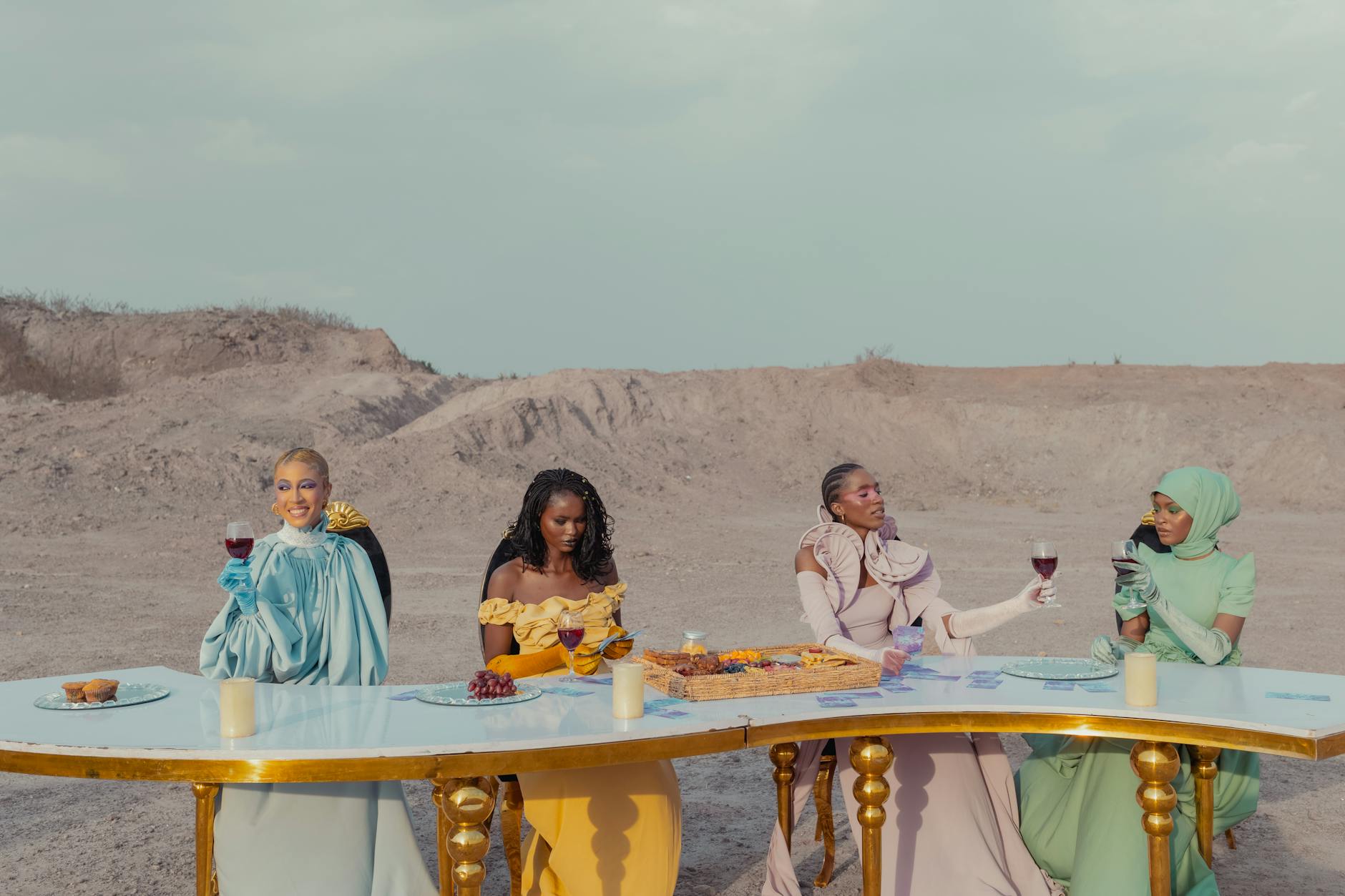
Rewiring the Brain After Trauma: A Neuroscientific, Psychological, and Biblical Analysis of Healing in the Context of Black Historical and Racial Trauma

Photo by David Garrison on Pexels.com

Trauma is a complex psychological and physiological response to overwhelming events, with effects that can be acute, chronic, and intergenerational. For Black individuals in America, trauma often includes the compounded effects of historical slavery, systemic racism, and racial microaggressions. This paper synthesizes neuroscience, clinical psychology, and the King James Version (KJV) of the Bible to outline both the nature of trauma and evidence-based strategies for “rewiring” the brain toward healing. Emphasis is placed on neuroplasticity, trauma-focused psychotherapy, somatic regulation, and culturally grounded community restoration. Scripture provides a moral and spiritual framework for renewal, while neuroscience explains the mechanisms that make transformation possible. The intersection of faith and science suggests that trauma recovery is both an individual and collective endeavor, particularly in the context of racial and historical wounds.

Keywords: trauma, neuroplasticity, racial trauma, historical trauma, rewiring the brain, KJV Bible, healing


Introduction

Trauma is broadly defined as exposure to actual or threatened death, serious injury, or sexual violence, either directly, as a witness, or indirectly through repeated exposure to distressing details (American Psychiatric Association, 2022). Beyond individual experiences, trauma can manifest at a collective level, shaping the identities, health outcomes, and cultural narratives of entire communities. Black Americans, for instance, have endured not only personal traumas but also historical and racial traumas stemming from slavery, segregation, and ongoing systemic inequities (Comas-Díaz et al., 2024).

The concept of “rewiring” the brain after trauma draws on neuroplasticity — the brain’s capacity to reorganize neural pathways in response to experience (Merzenich et al., 2014). Neuroscience demonstrates that trauma alters neural networks, particularly in the amygdala, hippocampus, and prefrontal cortex, but also confirms that targeted interventions can restore balance and foster resilience (van der Kolk, 2014). The KJV Bible echoes this scientific perspective in spiritual terms, urging believers to be “transformed by the renewing of your mind” (Romans 12:2, KJV), suggesting a process of intentional cognitive and moral transformation.


Defining Trauma

Clinical Perspectives

The Diagnostic and Statistical Manual of Mental Disorders (5th ed.; DSM-5-TR) categorizes trauma-related disorders as those involving intrusive memories, avoidance, negative alterations in cognition and mood, and heightened arousal (APA, 2022). Trauma may be:

  1. Single-incident trauma – e.g., accidents, assaults.
  2. Complex/chronic trauma – prolonged abuse or captivity.
  3. Developmental trauma – early-life neglect or attachment disruptions.
  4. Collective/historical trauma – systemic oppression, colonization, genocide.
  5. Racial trauma – experiences of racism, discrimination, and microaggressions.

For Black Americans, racial and historical traumas are particularly salient, compounding stress and shaping neurobiological responses over generations (Sotero, 2006).


Trauma Bonding

Trauma bonding, also called betrayal bonding, occurs when an abused person forms deep emotional attachments to an abuser due to cycles of abuse interspersed with moments of kindness or dependency (Carnes, 1997; Dutton & Painter, 1993). From a neurobiological standpoint, these bonds are reinforced by stress hormones (cortisol, adrenaline) and bonding neurochemicals (oxytocin) released during intense emotional experiences. This can create paradoxical loyalty, making it difficult for victims to disengage without intentional intervention.


The Neuroscience of Rewiring

Neuroplasticity is the scientific foundation for rewiring the brain. Trauma can hyperactivate the amygdala, impair the hippocampus, and weaken prefrontal regulation (Shin & Liberzon, 2010). However, research shows that psychotherapy, mindfulness, and somatic regulation can normalize these neural patterns (Frewen & Lanius, 2015). Brain imaging studies demonstrate that targeted therapeutic interventions can strengthen prefrontal control over the amygdala, improve memory integration in the hippocampus, and reduce hypervigilance (Felmingham et al., 2007).

Intergenerational trauma research further reveals that the biological effects of trauma can be transmitted epigenetically, influencing stress hormone regulation in descendants (Yehuda & Lehrner, 2018). This is particularly relevant for Black communities, where the neurobiological imprint of slavery and systemic racism may persist unless interrupted by healing interventions.


Biblical Perspectives on Mind Renewal

The KJV Bible speaks repeatedly to the renewal of the mind:

  • Romans 12:2 — “Be ye transformed by the renewing of your mind…”
  • Ephesians 4:23 — “Be renewed in the spirit of your mind.”
  • Philippians 4:8 — Encourages focus on truth, justice, purity, and virtue.

These verses parallel the cognitive-behavioral model of restructuring thought patterns. Just as therapy seeks to replace maladaptive beliefs with adaptive ones, Scripture urges a conscious shift in focus and behavior to align with spiritual truth and moral integrity.


Culturally Grounded Healing for Black Communities

For Black Americans, rewiring the brain after trauma often involves addressing both personal and collective wounds. Cultural healing practices may include:

  • Community-based storytelling and historical reclamation.
  • Faith-based rituals and corporate worship.
  • Intergenerational dialogue to break cycles of silence and shame.
  • Art, music, and performance as vehicles of emotional regulation and identity restoration.

These practices align with research showing that social safety, collective identity, and cultural affirmation can reduce trauma symptoms and promote resilience (Gone, 2013).


Evidence-Based Steps for Rewiring After Trauma

  1. Safety and Stabilization — Create predictable routines, secure safe environments, and establish grounding practices (Herman, 1992).
  2. Trauma-Focused Psychotherapy — Engage in TF-CBT, EMDR, or Prolonged Exposure therapy to process traumatic memories (Watts et al., 2013).
  3. Somatic Regulation — Incorporate breathwork, yoga, or sensorimotor psychotherapy to down-regulate the nervous system (van der Kolk, 2014).
  4. Mindfulness and Cognitive Reframing — Use meditation and structured thought-challenging exercises to reshape neural pathways (Tang et al., 2015).
  5. Cultural and Community Restoration — Reconnect with collective narratives and affirm cultural strengths.
  6. Breaking Trauma Bonds — Psychoeducation, boundaries, and gradual disengagement from harmful relationships (Carnes, 1997).
  7. Sustained Practice — Reinforce changes through repetition, ritual, and community accountability.

Conclusion

Healing from trauma requires both scientific precision and moral vision. Neuroplasticity provides the biological mechanism; therapy and somatic regulation offer the tools; and Scripture supplies the moral-spiritual framework for sustained transformation. For Black Americans, whose trauma is often compounded by historical oppression, healing must be both personal and collective, reclaiming identity while rewiring the brain toward resilience and freedom. As the Apostle Paul counsels, the renewing of the mind is both a divine command and a neurobiological possibility.


References

American Psychiatric Association. (2022). Diagnostic and statistical manual of mental disorders (5th ed., text rev.). https://doi.org/10.1176/appi.books.9780890425787

Carnes, P. (1997). The betrayal bond: Breaking free of exploitive relationships. Health Communications.

Comas-Díaz, L., Hall, G. N., Neville, H. A., Rivera, D. P., & Carter, R. T. (2024). Complex racial trauma: Evidence, theory, assessment, and clinical practice. American Psychologist. https://doi.org/10.1037/amp0001225

Dutton, D. G., & Painter, S. L. (1993). Emotional attachments in abusive relationships: A test of traumatic bonding theory. Violence and Victims, 8(2), 105–120. https://doi.org/10.1891/0886-6708.8.2.105

Felmingham, K., Kemp, A., Williams, L., Das, P., Hughes, G., Peduto, A., & Bryant, R. (2007). Changes in anterior cingulate and amygdala after cognitive behavior therapy of posttraumatic stress disorder. Psychological Science, 18(2), 127–129. https://doi.org/10.1111/j.1467-9280.2007.01860.x

Frewen, P. A., & Lanius, R. A. (2015). Healing the traumatized self: Consciousness, neuroscience, treatment. W. W. Norton & Company.

Gone, J. P. (2013). Redressing First Nations historical trauma: Theorizing mechanisms for indigenous culture as mental health treatment. Transcultural Psychiatry, 50(5), 683–706. https://doi.org/10.1177/1363461513487669

Herman, J. L. (1992). Trauma and recovery: The aftermath of violence—from domestic abuse to political terror. Basic Books.

Merzenich, M. M., Van Vleet, T. M., & Nahum, M. (2014). Brain plasticity-based therapeutics. Frontiers in Human Neuroscience, 8, 385. https://doi.org/10.3389/fnhum.2014.00385

Shin, L. M., & Liberzon, I. (2010). The neurocircuitry of fear, stress, and anxiety disorders. Neuropsychopharmacology, 35(1), 169–191. https://doi.org/10.1038/npp.2009.83

Sotero, M. M. (2006). A conceptual model of historical trauma: Implications for public health practice and research. Journal of Health Disparities Research and Practice, 1(1), 93–108.

Tang, Y.-Y., Hölzel, B. K., & Posner, M. I. (2015). The neuroscience of mindfulness meditation. Nature Reviews Neuroscience, 16(4), 213–225. https://doi.org/10.1038/nrn3916

van der Kolk, B. A. (2014). The body keeps the score: Brain, mind, and body in the healing of trauma. Viking.

Watts, B. V., Schnurr, P. P., Mayo, L., Young-Xu, Y., Weeks, W. B., & Friedman, M. J. (2013). Meta-analysis of the efficacy of treatments for posttraumatic stress disorder. Journal of Clinical Psychiatry, 74(6), e541–e550. https://doi.org/10.4088/JCP.12r08225

Yehuda, R., & Lehrner, A. (2018). Intergenerational transmission of trauma effects: Putative role of epigenetic mechanisms. World Psychiatry, 17(3), 243–257. https://doi.org/10.1002/wps.20568