Tag Archives: health

Pretty Privilege Series: The Dark History of Being Light-Skinned.

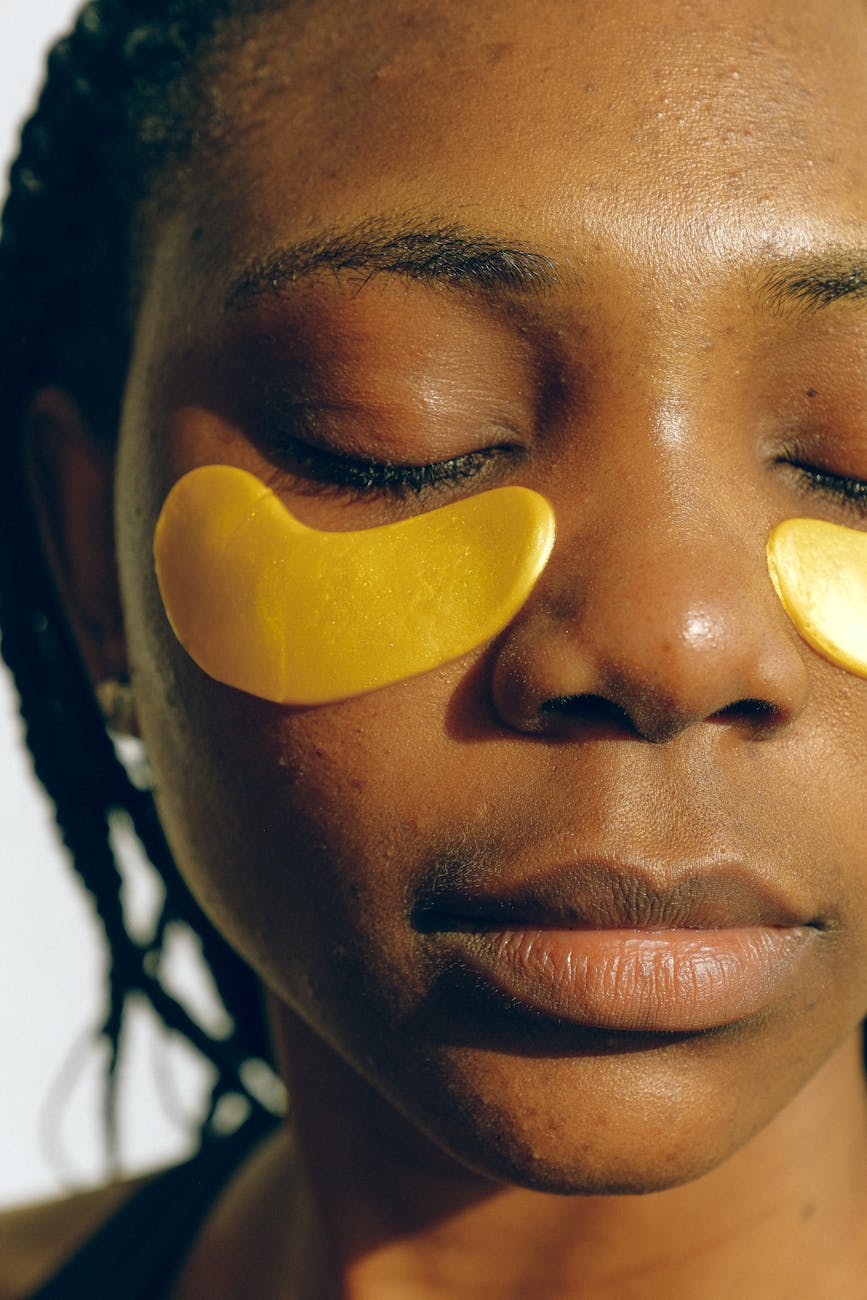
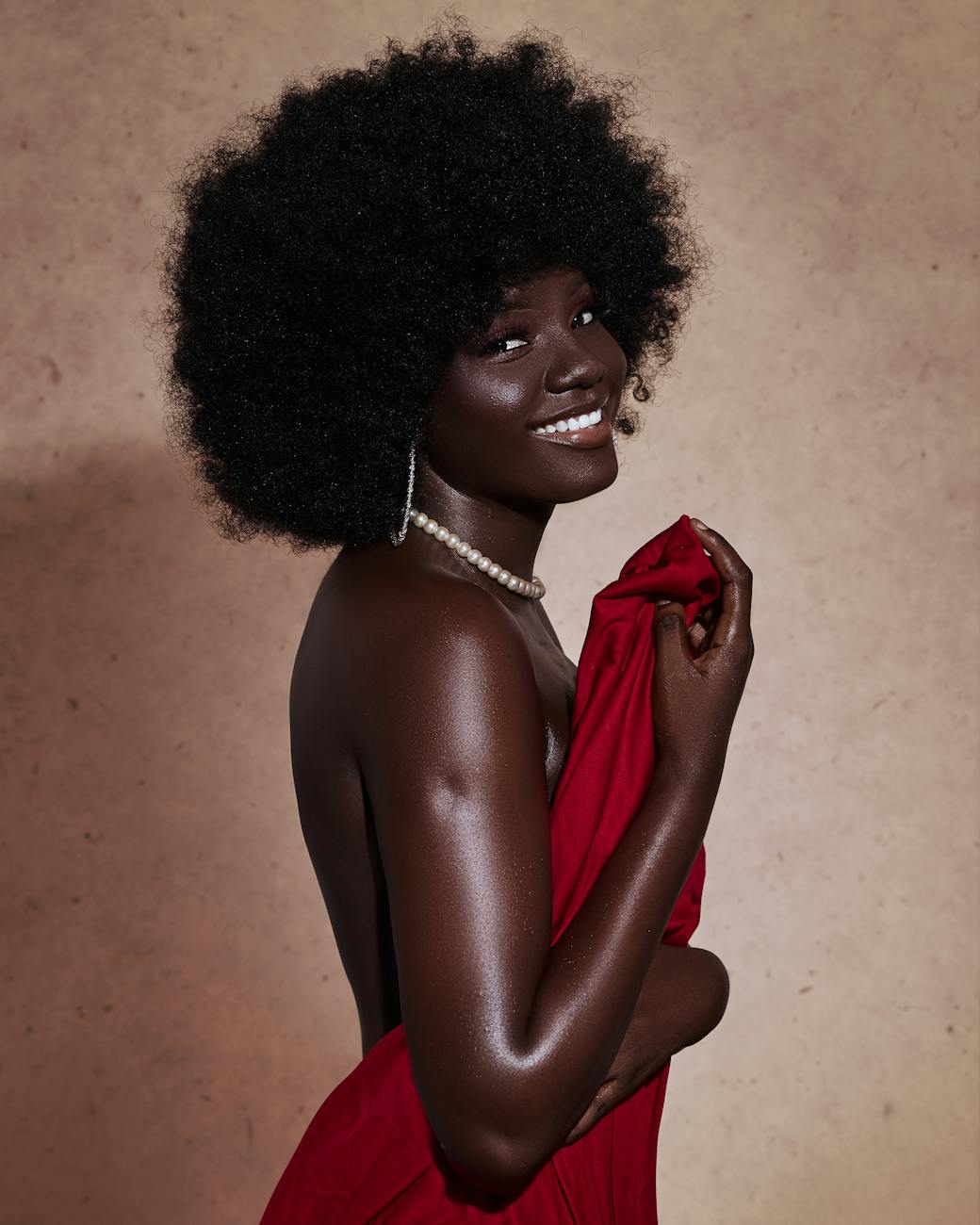
Photo by Jordy Toscano on Pexels.com

The concept of “pretty privilege” is often tied to Eurocentric beauty standards, where lighter skin is unconsciously, and sometimes consciously, elevated above darker complexions. In the Black community, this privilege traces back to the historical context of colonization and slavery. Being light-skinned often meant proximity to whiteness, and by extension, to power, resources, and favor. This historical backdrop created a social hierarchy that continues to influence Black experiences and perceptions of beauty today (Hunter, 2007).

During the transatlantic slave trade, many light-skinned children were the offspring of enslaved African women and their European masters. These children were frequently given preferential treatment—sometimes educated, occasionally freed, and often placed in domestic roles rather than forced into field labor (Williams, 1987). This division sowed discord between darker and lighter enslaved Africans, setting the stage for intraracial tension that persists to this day.

The privileges of lighter skin became institutionalized during slavery and Reconstruction. Light-skinned Black people often formed elite social clubs, fraternities, and sororities that were closed to darker-skinned individuals. These groups developed a “paper bag test,” which only allowed members whose skin was lighter than a brown paper bag (Russell, Wilson, & Hall, 2013). This practice not only excluded darker-skinned individuals but also perpetuated an internalized belief that lighter meant better.

In the early 20th century, colorism influenced career opportunities for Black entertainers. Many early Black actors and actresses in Hollywood were light-skinned because they were considered more “palatable” to white audiences. Actresses like Lena Horne openly discussed how Hollywood would cast her as an exotic beauty but deny roles to darker-skinned women who were equally talented (Horne, 1965). This further reinforced the idea that lighter skin was a ticket to visibility and success.

Music history reflects a similar pattern. Jazz clubs in the Harlem Renaissance often hired “high yellow” performers, favoring those who had more European features. Billie Holiday and other artists faced discrimination based on skin tone, shaping the narrative of who could be considered beautiful and worthy of fame. This stratification reinforced a hierarchy even within the cultural spaces designed to uplift African Americans (Neal, 2013).

Psychologically, light-skinned privilege has been a double-edged sword. While it offered access to education, jobs, and status in certain contexts, it also came with suspicion and accusations of betrayal from within the Black community. Lighter-skinned individuals were sometimes perceived as “not Black enough,” straddling the line between two worlds but never fully accepted in either (Hall, 1992).

Post-slavery, light-skinned individuals often became the leaders of the Black elite. This phenomenon can be seen in the development of HBCUs, where early presidents and administrators were disproportionately lighter-skinned. This was not simply coincidence—it reflected the biases of the time, as lighter-skinned leaders were seen as more acceptable to white donors and society at large (Brown, 2005).

The dark history of being light-skinned also intersects with colorism in romantic relationships. Studies show that lighter-skinned women are often perceived as more attractive, desirable, and “marriageable” (Wilder, 2010). This dynamic has led to social tensions, with darker-skinned women sometimes excluded from spaces of desirability and intimacy.

Black men have historically been pressured, subtly or overtly, to choose lighter-skinned partners as a way to “improve the race”—a concept rooted in both colonialism and eugenics. This phrase reflected a misguided belief that lighter offspring would face fewer barriers in a racist society, inadvertently perpetuating the cycle of color preference (Maddox & Gray, 2002).

The media plays a critical role in continuing the privilege of light skin. Magazine covers, music videos, and advertisements have overwhelmingly featured light-skinned Black women as the standard of beauty. Today, celebrities like Beyoncé, Zendaya, and Meghan Markle are frequently celebrated as representations of “Black excellence,” but their acceptance often comes in part because their lighter complexions are perceived as more universal or “marketable.” In contrast, actresses like Lupita Nyong’o and Viola Davis have had to fight for recognition, proving that darker-skinned women can embody beauty and sophistication.

Biblically, this issue can be framed as a distortion of God’s creation. Scripture reminds believers that all people are “fearfully and wonderfully made” (Psalm 139:14, KJV). Elevating one skin tone over another disrupts the divine equality intended by the Creator. Such preferences echo James 2:9, which warns that showing partiality is sin. Colorism thus becomes not only a social issue but also a moral and spiritual one.

Despite its privileges, being light-skinned has also meant being fetishized. Light-skinned women, in particular, have been hypersexualized, seen as exotic, and used as a bridge between Blackness and whiteness in the American imagination. This exoticism places a burden on light-skinned women to constantly validate their Black identity while resisting objectification (Bryant, 2017).

The “tragic mulatto” stereotype, popularized in literature and film, portrays light-skinned individuals as doomed to suffer because of their mixed heritage. This trope further complicates the psychology of being light-skinned, suggesting that privilege comes at the cost of belonging and peace (Bogle, 2016).

Economic data reveals that lighter-skinned Black individuals still earn more on average than darker-skinned peers, even when education and experience are held constant (Goldsmith, Hamilton, & Darity, 2006). This statistic highlights that light-skinned privilege remains an active force in contemporary society, not just a relic of the past.

Nevertheless, the “privilege” is not without its psychological price. Many light-skinned individuals express guilt over benefits they did not ask for but still receive. This creates an internal struggle, where identity becomes fraught with questions of authenticity and complicity (Monk, 2014).

Conversations about pretty privilege must also address skin bleaching, a dangerous practice that underscores the global preference for lighter skin. In Africa, celebrities like Dencia have been criticized for promoting skin-lightening creams, while artists like Burna Boy have openly condemned the practice, calling for pride in natural melanin. This shows the tension between profit and empowerment (Charles, 2003).

Today, the natural hair movement and campaigns like #MelaninPoppin and #BlackGirlMagic have sought to reclaim and celebrate darker skin tones, challenging centuries-old hierarchies. Lupita Nyong’o’s children’s book Sulwe is an example of using art to teach young girls that dark skin is beautiful and worthy of love (Tate, 2016).

Education is key to deconstructing these hierarchies. When Black history is taught in its fullness—including the painful legacies of colorism—communities can begin to heal. Documentaries like Dark Girls and Light Girls have opened dialogue around these issues, allowing space for honesty and empathy.

Ultimately, the dark history of being light-skinned calls for a return to valuing all Blackness equally. Healing will require repentance for internalized biases and an intentional effort to dismantle the false hierarchies that have divided the community for centuries. Only then can pretty privilege lose its power and allow for true equity and solidarity among all shades of Blackness.


References

  • Bogle, D. (2016). Toms, Coons, Mulattoes, Mammies, and Bucks: An Interpretive History of Blacks in American Films. Bloomsbury.
  • Brown, N. (2005). The Brown Paper Bag Test: The History of Colorism in America. Routledge.
  • Bryant, C. (2017). Fetishization and Identity: Mixed Race Women in Popular Culture. Journal of Black Studies, 48(3), 215–229.
  • Charles, C. (2003). Skin Bleaching, Self-Hate, and Black Identity in Jamaica. Journal of Black Studies, 33(6), 711–728.
  • Goldsmith, A., Hamilton, D., & Darity, W. (2006). Shades of Discrimination: Skin Tone and Wages. American Economic Review, 96(2), 242–245.
  • Hall, R. E. (1992). Bias Among African Americans Regarding Skin Color: Implications for Social Work Practice. Research on Social Work Practice, 2(4), 479–486.
  • Hill, M. (2002). Skin Color and the Perception of Attractiveness Among African Americans. Social Psychology Quarterly, 65(1), 77–91.
  • Horne, L. (1965). In Person: Lena Horne. Stein and Day.
  • Hunter, M. (2007). The Persistent Problem of Colorism: Skin Tone, Status, and Inequality. Sociology Compass, 1(1), 237–254.
  • Maddox, K., & Gray, S. (2002). Cognitive Representations of Black Americans: Reexploring the Role of Skin Tone. Personality and Social Psychology Bulletin, 28(2), 250–259.
  • Monk, E. P. (2014). Skin Tone Stratification among Black Americans, 2001–2003. Social Forces, 92(4), 1313–1337.
  • Neal, M. A. (2013). What the Music Said: Black Popular Music and Black Public Culture. Routledge.
  • Russell, K., Wilson, M., & Hall, R. (2013). The Color Complex: The Politics of Skin Color Among African Americans. Anchor Books.
  • Tate, S. (2016). Black Beauty: Aesthetics, Stylization, Politics. Routledge.
  • Wilder, J. (2010). Revisiting “Color Names and Color Notions”: A Contemporary Examination of the Language and Attitudes of Skin Color among Young Black Women. Journal of Black Studies, 41(1), 184–206.
  • Williams, E. (1987). Capitalism and Slavery. UNC Press.

Actual Signs of Mental Illness.

Photo by MART PRODUCTION on Pexels.com

Mental illness has long been a topic that society either ignores or stigmatizes. The truth is that many behaviors we consider “quirks” or “bad habits” can be symptoms of underlying psychological distress. Scripture teaches that we are body, soul, and spirit (1 Thessalonians 5:23, KJV), and when our mind is disturbed, it affects all three. This essay examines signs of mental illness through both a psychological and biblical lens, helping readers discern when a behavior might be pointing to a deeper issue.

One common sign that may seem minor but carries meaning is chronic nail-biting (onychophagia). Psychologists classify it as a body-focused repetitive behavior, often linked to anxiety or obsessive-compulsive tendencies (Phillips et al., 2014). The person may bite their nails to release tension or self-soothe. The Bible says, “Be careful for nothing; but in every thing by prayer and supplication with thanksgiving let your requests be made known unto God” (Philippians 4:6, KJV). Persistent anxiety that manifests in nail-biting can signal a need for inner peace and reliance on God’s promises.

Another overlooked sign is compulsive lying. While everyone has told a lie at some point, chronic lying can be connected to personality disorders, trauma responses, or a maladaptive coping strategy (American Psychiatric Association [APA], 2022). Psychology notes that pathological lying can be a defense mechanism to avoid shame or rejection. Scripture warns strongly against lying: “Lie not one to another, seeing that ye have put off the old man with his deeds” (Colossians 3:9, KJV). Repeated dishonesty may reveal a deeper struggle with fear, identity, or guilt that needs addressing spiritually and psychologically.

Skin-picking or compulsive picking at sores (dermatillomania) is another behavior often ignored. Psychologists view it as part of the obsessive-compulsive spectrum, often triggered by stress, perfectionism, or unresolved inner turmoil (Phillips et al., 2014). The Bible encourages believers to care for their body as the temple of the Holy Spirit (1 Corinthians 6:19-20, KJV). Persistent self-harm behaviors can be a cry for help and may require professional counseling or deliverance from inner torment.

Even shyness can sometimes reflect an underlying mental or emotional struggle. While being quiet or introverted is not sinful, extreme social anxiety may point to low self-worth or unresolved fear (Beck, 2021). The Bible says, “For God hath not given us the spirit of fear; but of power, and of love, and of a sound mind” (2 Timothy 1:7, KJV). Extreme withdrawal that keeps a person from fellowship, work, or daily living might indicate depression, trauma, or another mental health concern.

Obsessive thoughts—whether about germs, death, or sin—are another warning sign. Psychology calls this obsessive-compulsive disorder (OCD), where intrusive thoughts lead to compulsions (APA, 2022). Spiritually, this can feel like torment. The apostle Paul encourages us to renew our minds and think on things that are true, just, and pure (Philippians 4:8, KJV). When thoughts become an unending loop of fear or guilt, professional help and prayer may be necessary.

Extreme mood swings can also signal a mental health issue such as bipolar disorder, borderline personality disorder, or major depressive disorder (Kroenke et al., 2001). The Bible reminds us that “a merry heart doeth good like a medicine: but a broken spirit drieth the bones” (Proverbs 17:22, KJV). If someone swings between joy and deep despair rapidly, it is a sign to seek emotional and spiritual stability.

Another indicator is constant irritability and anger outbursts. Psychology associates uncontrolled anger with impulse control disorders, PTSD, or unresolved trauma (Beck, 2021). Scripture cautions, “Be ye angry, and sin not: let not the sun go down upon your wrath” (Ephesians 4:26, KJV). Chronic rage can destroy relationships and one’s witness as a believer, revealing an emotional wound that requires healing.

Sleep disturbances—insomnia, nightmares, or sleeping too much—can be early warnings of anxiety, depression, or post-traumatic stress disorder (National Institute of Mental Health [NIMH], 2023). The Bible promises rest: “He giveth his beloved sleep” (Psalm 127:2, KJV). When sleep is consistently disrupted, it often reflects inner unrest, which must be addressed to restore balance.

Loss of interest in daily life is another red flag. Psychologists call this anhedonia, a key symptom of depression (Kroenke et al., 2001). Spiritually, it may feel like hopelessness. The Psalmist cried, “Why art thou cast down, O my soul? and why art thou disquieted within me? hope thou in God” (Psalm 42:11, KJV). If life feels meaningless or empty, it is a signal to seek help.

Substance abuse—whether drugs, alcohol, or prescription misuse—can mask mental health struggles. Psychology shows that addiction often begins as self-medication for pain or trauma (Miller & Rollnick, 2013). The Bible warns against drunkenness (Ephesians 5:18, KJV) and calls believers to sobriety. Addressing the root cause of addiction is key to long-term freedom.

Even compulsive spending or hoarding can be linked to mental health disorders such as mania or obsessive-compulsive personality disorder (APA, 2022). Scripture warns against covetousness (Luke 12:15, KJV) and urges believers to be good stewards. If financial habits are destructive, psychological and biblical counsel can bring correction and healing.

Chronic guilt or shame is also a psychological weight that can spiral into depression or self-harm. The Bible declares that there is no condemnation to those in Christ (Romans 8:1, KJV). Persistent feelings of worthlessness should be addressed both spiritually—through the assurance of forgiveness—and clinically, if they impair daily life.

Finally, withdrawing from fellowship or refusing to be around others is a serious sign. Psychology associates isolation with major depression, PTSD, or social anxiety (NIMH, 2023). The Bible commands, “Not forsaking the assembling of ourselves together” (Hebrews 10:25, KJV). While solitude can be healthy, isolation can become a trap that worsens mental illness.


Practical Steps for Healing

  1. Prayer and Scripture Meditation – Begin with prayer, asking God for peace and clarity (Philippians 4:6-7, KJV). Read verses about comfort, hope, and a sound mind daily to renew your thoughts.
  2. Professional Counseling – Seek a licensed Christian therapist or counselor who integrates biblical principles with evidence-based techniques like cognitive-behavioral therapy (Beck, 2021).
  3. Medical Evaluation – For severe symptoms, visit a doctor or psychiatrist. Some mental illnesses have biological factors that benefit from medical treatment (APA, 2022).
  4. Supportive Community – Join a church small group, Bible study, or mental health support group. Community provides accountability and encouragement (Hebrews 10:25, KJV).
  5. Healthy Lifestyle Choices – Prioritize sleep, exercise, and a balanced diet. Research shows physical health strongly affects mental health (WHO, 2022).
  6. Journaling and Reflection – Write out thoughts and prayers daily. This helps process emotions and identify patterns that need healing.
  7. Deliverance and Spiritual Warfare – For believers, some struggles may be spiritual oppression. Pray for deliverance, seek pastoral support, and rebuke fear and torment in Jesus’ name (James 4:7, KJV).

References

American Psychiatric Association. (2022). Diagnostic and statistical manual of mental disorders (5th ed., text rev.; DSM–5–TR). American Psychiatric Publishing.

Beck, J. S. (2021). Cognitive behavior therapy: Basics and beyond (3rd ed.). Guilford Press.

Kroenke, K., Spitzer, R. L., & Williams, J. B. W. (2001). The PHQ‐9: Validity of a brief depression severity measure. Journal of General Internal Medicine, 16(9), 606–613. https://doi.org/10.1046/j.1525-1497.2001.016009606.x

Miller, W. R., & Rollnick, S. (2013). Motivational interviewing: Helping people change (3rd ed.). Guilford Press.

National Institute of Mental Health. (2023). Mental health information. https://www.nimh.nih.gov/health

Phillips, K. A., Stein, D. J., Feusner, J. D., & Wilhelm, S. (2014). Obsessive-compulsive and related disorders: Clinical and research advances. Dialogues in Clinical Neuroscience, 16(2), 103–119. https://doi.org/10.31887/DCNS.2014.16.2/kphillips

World Health Organization. (2022). Mental health and substance use: Facts and figures. https://www.who.int/health-topics/mental-health

King James Bible. (1769/2023). Authorized King James Version. Cambridge University Press. (Original work published 1611)

Herbal Treatments for Pain

Photo by Miguel u00c1. Padriu00f1u00e1n on Pexels.com

Herbs have been used for centuries to relieve pain naturally, often providing anti-inflammatory, analgesic, and calming effects without the side effects of many synthetic medications. Here’s an overview of some well-known pain-relieving herbs and a closer look at turmeric’s specific role in pain management:


🌿 Herbs for Pain Relief

1. Turmeric (Curcuma longa)
Turmeric is one of the most powerful anti-inflammatory herbs known. Its active compound, curcumin, helps reduce pain by blocking inflammatory pathways in the body. Studies have shown that turmeric can work similarly to NSAIDs (like ibuprofen) but without the same risk of stomach irritation (Daily et al., 2016).

2. Ginger (Zingiber officinale)
Ginger contains gingerols, which have anti-inflammatory and antioxidant properties. It is often used for muscle soreness, menstrual pain, and arthritis-related discomfort.

3. Willow Bark (Salix alba)
Known as “nature’s aspirin,” willow bark contains salicin, which the body converts into salicylic acid — the same compound used to make aspirin. It’s particularly good for headaches, back pain, and osteoarthritis.

4. Devil’s Claw (Harpagophytum procumbens)
Traditionally used in African medicine, devil’s claw is effective for reducing inflammation and pain from arthritis, tendonitis, and lower back pain.

5. Boswellia (Boswellia serrata)
Also called Indian frankincense, boswellia helps block the formation of certain inflammatory molecules. It’s used for osteoarthritis and rheumatoid arthritis pain relief.

6. Valerian Root (Valeriana officinalis)
Though mainly used for sleep, valerian root also has mild muscle relaxant properties, making it helpful for tension headaches and muscle spasms.


🌟 What Turmeric Does for Pain

Turmeric’s pain-relieving power comes mainly from curcumin, its bright yellow polyphenol compound. Curcumin has several mechanisms of action:

  • Anti-Inflammatory Action – Curcumin inhibits NF-κB, a molecule that triggers inflammation. Less inflammation usually means less pain.
  • Antioxidant Support – It neutralizes free radicals that damage tissues and worsen pain.
  • Joint Health – Clinical studies have shown turmeric to reduce stiffness, swelling, and tenderness in people with osteoarthritis and rheumatoid arthritis (Henrotin et al., 2013).
  • Nerve Pain Support – Emerging research suggests curcumin may help with neuropathic pain by supporting nerve repair and reducing inflammation around nerve tissues.

Best Way to Use:

  • Take turmeric with black pepper (piperine) to increase absorption.
  • Can be used in golden milk, teas, or taken as a standardized curcumin supplement (500–2000 mg/day under medical supervision).

🌿 Herbal Remedies for Different Types of Pain

🧠 Headaches & Migraines

  • Willow Bark – Natural aspirin-like pain relief.
  • Feverfew (Tanacetum parthenium) – Known to prevent migraines and reduce severity.
  • Peppermint (Mentha piperita) – Peppermint oil applied to temples can relieve tension headaches.
  • Ginger – Reduces nausea and inflammation often associated with migraines.

🦴 Joint Pain & Arthritis

  • Turmeric (Curcuma longa) – Anti-inflammatory; helps reduce swelling and stiffness.
  • Boswellia (Indian Frankincense) – Blocks inflammatory enzymes, reducing joint damage and pain.
  • Ginger – Decreases pain and improves mobility.
  • Devil’s Claw – Traditionally used for arthritis and tendon pain.

💪 Muscle Pain & Soreness

  • Arnica (Arnica montana) – Topical gel or cream for bruises, sprains, and sore muscles.
  • Valerian Root – Acts as a mild muscle relaxant.
  • Chamomile – Calms muscle tension and helps with stress-related pain.
  • Rosemary – Used topically as an oil to improve circulation and ease muscle stiffness.

🔥 Nerve Pain (Neuropathy, Sciatica)

  • Turmeric/Curcumin – Reduces inflammation and supports nerve healing.
  • St. John’s Wort – Traditionally used for nerve pain and mild nerve damage.
  • Skullcap (Scutellaria lateriflora) – Helps calm nerve-related pain and spasms.
  • Cayenne Pepper (Capsaicin) – Cream applied topically can desensitize nerve pain signals.

🌸 Menstrual Pain & Cramps

  • Ginger – Reduces menstrual pain when taken as tea or capsules.
  • Cinnamon – Has antispasmodic properties and eases uterine contractions.
  • Cramp Bark (Viburnum opulus) – Specifically used to relax the uterus and reduce cramps.
  • Chamomile – Calms muscles and relieves bloating and discomfort.

🩹 Back Pain

  • Willow Bark – Works like aspirin for pain relief.
  • Devil’s Claw – Excellent for chronic lower back pain.
  • Turmeric – Helps reduce inflammation in the spine and surrounding muscles.
  • Ginger Compress – Can be applied topically for soothing warmth and pain relief.

💡 Tips for Best Results

  • Combine Herbs with Lifestyle Support – Stretching, hydration, rest, and anti-inflammatory foods amplify the effects.
  • Consistency Matters – Many herbs work best when taken regularly for a few weeks.
  • Check for Interactions – Some herbs (like St. John’s Wort, willow bark) may interact with medications, so consult a healthcare professional before starting.

📚 References

Daily, J. W., Yang, M., & Park, S. (2016). Efficacy of turmeric extracts and curcumin for alleviating the symptoms of joint arthritis: A systematic review and meta-analysis of randomized clinical trials. Journal of Medicinal Food, 19(8), 717–729. https://doi.org/10.1089/jmf.2016.3705

Henrotin, Y., Priem, F., & Mobasheri, A. (2013). Curcumin: A new paradigm and therapeutic opportunity for the treatment of osteoarthritis: Curcumin for osteoarthritis management. SpringerPlus, 2(1), 56. https://doi.org/10.1186/2193-1801-2-56

Gorji, A., & Khaleghi Ghadiri, M. (2001). History of headache in medieval Persian medicine. The Lancet Neurology, 1(8), 510–515. https://doi.org/10.1016/S1474-4422(02)00215-7

Gruenwald, J., Brendler, T., & Jaenicke, C. (2007). PDR for herbal medicines (4th ed.). Thomson Healthcare.

Ulbricht, C., Basch, E., Cheung, L., Goldberg, H., Hammerness, P., Isaac, R., … & Woods, J. (2011). An evidence-based systematic review of boswellia by the natural standard research collaboration. Journal of Dietary Supplements, 8(1), 45–88. https://doi.org/10.3109/19390211.2011.552068

Shara, M., & Stohs, S. J. (2015). Efficacy and safety of white willow bark (Salix alba) extracts. Phytotherapy Research, 29(8), 1112–1116. https://doi.org/10.1002/ptr.5377

Terry, R., & Ernst, E. (2000). Herbal remedies for osteoarthritis: A systematic review. British Journal of General Practice, 50(455), 493–496.

Ozgoli, G., Goli, M., & Moattar, F. (2009). Comparison of effects of ginger, mefenamic acid, and placebo in patients with primary dysmenorrhea. Journal of Alternative and Complementary Medicine, 15(2), 129–132. https://doi.org/10.1089/acm.2008.0311

Unmasking the Serpents: Toxic Personalities.

Photo by Liza Summer on Pexels.com

Toxic interpersonal patterns are not new; they appear throughout human history and across religious texts. Contemporary psychology provides language and empirical frameworks for identifying and treating such behaviors—ranging from formally diagnosable personality disorders to non-diagnostic but harmful relational styles. At the same time, the King James Version of the Bible and classical commentaries offer moral and pastoral categories for recognizing and responding to persons whose conduct undermines the flourishing of others. This paper examines eight archetypal toxic profiles—the narcissist, the energy vampire, the drama magnet, the controller, the compulsive liar, the green-eyed monster (jealous/envious person), and the deflector—through psychological theory, empirical research, and scriptural illustration.


Psychological Foundations: Personality, Defense, and Social Dynamics

Psychological science locates many toxic patterns within personality structures (e.g., Cluster B disorders), maladaptive defense mechanisms (projection, denial), and interpersonal reinforcement cycles (attention-maintaining behaviors). Narcissistic and histrionic features belong to the Cluster B domain (dramatic, emotional, and erratic), which are associated with interpersonal exploitation, attention seeking, and emotional dysregulation (American Psychiatric Association; clinical overviews). Defense mechanisms such as projection and externalization are central to deflection and blame-shifting behaviors and have been extensively mapped in clinical literature (defense mechanism hierarchies and measurement). Empirical studies into pathological lying, jealousy, and energy-draining interaction styles identify cognitive, neurobiological, and social reinforcement pathways that perpetuate these behaviors (e.g., lying linked to particular neural patterns; jealousy ranging from normative emotions to delusional syndromes). PMC+3NCBI+3NCBI+3


The Narcissist: Grandiosity, Entitlement, and Biblical Pride

In psychological terms, narcissistic personality disorder (NPD) is marked by pervasive grandiosity, need for admiration, and lack of empathy—traits that damage relationships through exploitation and emotional invalidation (DSM-derived descriptions and clinical summaries). Narcissism’s interpersonal cost includes manipulation, gaslighting, and chronic boundary violations (clinical overviews). The KJV repeatedly condemns pride: “Pride goeth before destruction, and an haughty spirit before a fall” (Proverbs 16:18, KJV), and Daniel’s account of Nebuchadnezzar’s humiliation illustrates pride’s narrative consequences (Daniel 4). Nebuchadnezzar’s exalted self-regard and subsequent “fall” serve as a theological counterpoint to clinical descriptions of grandiosity—both highlight the social and spiritual hazards of unchecked pride. NCBI+2American Psychiatric Association+2


The Energy Vampire: Emotional Drain and Boundary Violation

“Emotional vampires” is a colloquial label psychologists and journalists use to describe people who repeatedly drain others’ emotional resources—through chronic complaining, victimhood, or incessant demands—without reciprocal empathy (popular psychology literature and investigative features). Such individuals may not meet criteria for a formal disorder but create persistent dysregulation in close relationships and workplace groups. Clinicians emphasize identification and boundary-setting as primary interventions: regulating exposure, transactional clarity, and redirecting care toward healthier reciprocity. Biblical wisdom counsels prudence in relationships with the wrathful or overly dependent, suggesting limits on intimacy with those who repeatedly harm (e.g., Proverbs warnings). Psychology Today+1


The Drama Magnet (Histrionic Patterns): Attention-Seeking and Social Instability

Drama-seeking aligns with concepts in clinical psychology—most notably histrionic personality features—characterized by exaggerated affect, attention-seeking, and shallow relationships (clinical overviews). Drama magnets maintain social centrality by generating crises, thereby monopolizing communal resources and attention. From a biblical perspective, figures who stirred conflict (e.g., narrative depictions often cited by commentators) are cautioned against; Proverbs (and prophetic literature) condemns sowers of discord and those who “stir” the community for personal gain (Proverbs 6:16–19). Interventions include skills-based therapies that enhance emotion regulation and social cognition while supporting communities to avoid reinforcement cycles that reward dramatizing behavior. NCBI+1


The Controller: Coercion, Power, and Freedom

Controllers operate through coercive control, micromanagement, or manipulative leadership. Psychologically, controlling behavior can reflect authoritarian personality tendencies, insecure attachment, or anxiety-driven attempts to reduce uncertainty by dominating others. Biblically, tyrannical leadership is frequently critiqued; pastoral literature emphasizes servant leadership as the antidote (“Neither as being lords over God’s heritage, but being ensamples to the flock,” 1 Peter 5:3, KJV). Historical biblical instances of oppressive rulers (e.g., Pharaoh’s enslavement of Israel) serve as cautionary templates for communities, underscoring the need to resist or remediate systems that enable domination. Clinically and pastorally, empowering targets of control, instituting institutional checks, and fostering autonomy are primary strategies. Bible Hub+1


The Compulsive Liar: Trust Erosion and Social Confusion

Pathological or compulsive lying entails frequent, often unnecessary deception that damages trust and social coordination. While not a distinct DSM diagnosis, pathological lying is extensively described in clinical research and has been associated with several personality pathologies and particular neurobiological findings in exploratory studies. The biblical record treats falsehood severely: “Lying lips are abomination to the Lord” (Proverbs 12:22, KJV), and narratives like Ananias and Sapphira (Acts 5) illustrate communal and divine consequences attributed to dishonesty. Therapeutic approaches emphasize cognitive-behavioral interventions, accountability structures, and when necessary, separation to protect communities. PMC+1


The Green-Eyed Monster: Jealousy, Envy, and Relational Destruction

Jealousy and envy fall along a spectrum: from normative protective jealousy to obsessive or delusional forms that lead to severe dysfunction. Psychological reviews trace cognitive appraisals, insecurity, and social comparison as core mechanisms driving envy and its behavioral sequelae (sabotage, aggression, rumination). The Bible’s Cain-and-Abel narrative (Genesis 4) is a paradigmatic example of envy escalating to murder; James and Proverbs also warn about strife born of envy. Clinically, addressing jealousy involves improving self-concept, cognitive restructuring of comparison processes, and relational repair when possible. PMC+1


The Deflector: Projection, Denial, and Avoidance of Responsibility

Deflection commonly employs projection—attributing one’s unacceptable impulses or failures to others—to evade accountability. Defense-mechanism research situates projection among primary ego-protective strategies that, when chronically used, impede insight and relational repair. Biblical precedent—Adam’s blaming of Eve (Genesis 3)—has long been read as an archetype of deflection; pastoral counsel emphasizes confession, restoration, and covenantal accountability as pathways to healing. Clinically, interventions that increase self-awareness, empathy training, and structured feedback can reduce the reliance on projection and promote responsibility-taking. PMC+1


Clinical, Pastoral, and Community Responses

An integrated response draws on psychotherapy, pastoral care, and community-level prevention. Key components include:

  1. Assessment and diagnosis: Use validated clinical frameworks when personality disorder criteria might apply, while recognizing many toxic behaviors are subclinical and relational. NCBI+1
  2. Boundary-setting and safety: Teach and model clear boundaries—temporal, emotional, and material—to limit harm from energy vampires, controllers, and compulsive liars.
  3. Therapeutic interventions: Evidence-based therapies (CBT, DBT for emotion regulation, schema therapy for long-standing patterns) target underlying cognitive-affective mechanisms. PMC+1
  4. Pastoral care: Scripturally grounded counsel emphasizes truth-telling, repentance, and restoration when appropriate, while protecting the vulnerable and prescribing separation where abuse persists (e.g., 2 Corinthians 6 and Matthew 10’s counsel to be wise). Bible Hub
  5. Community policies: Workplaces, congregations, and families benefit from accountability structures—clear grievance processes, restorative justice options, and education about personality-based harm.

Signs of Toxic People

  1. Constant Criticism and Belittling
    Toxic individuals often criticize, demean, or belittle others frequently—pointing out faults, downplaying achievements, or making “jokes” that are insulting. This undermines self-esteem and establishes a power imbalance.
    BetterUp+3Psychology Today+3highexistence.com+3
  2. Gaslighting and Manipulation
    They may distort reality, deny events, recount history differently, or make the victim doubt their memory, feelings, or sanity. This serves to maintain control or avoid responsibility.
    Psychology Today+3BetterUp+3highexistence.com+3
  3. Lack of Empathy
    They are often unable or unwilling to understand or care about how their actions affect others. Emotional responses from others are minimized or dismissed.
    highexistence.com+2Psychology Today+2
  4. Boundary Violations
    Repeatedly ignoring established limits—emotional, physical, time, privacy—and pushing you to do things you are uncomfortable with. They may disrespect personal space or push you to give more than you’re willing.
    Oxford CBT+2Psych Central+2
  5. Control and Power Dynamics
    A toxic person often wants things done their way, controls decision-making, micromanages, isolates, or coercively influences relationships. They may impose their will on others in manipulative ways.
    highexistence.com+3Simply Psychology+3Oxford CBT+3
  6. Victim Mentality / Playing the Victim
    They portray themselves as wronged, misunderstood, or suffering, sometimes even manufacturing or exaggerating problems to gain sympathy or absolve responsibility.
    Oxford CBT+2highexistence.com+2
  7. Dishonesty and Lying
    Frequent lying, omitting truth, or twisting facts. They may use deception to avoid accountability, manipulate or gaslight.
    highexistence.com+2BetterUp+2
  8. Inconsistent or Unpredictable Behavior
    Mood swings, one-moment charm then cruelty, or oscillating between affection and coldness. This keeps others off balance and often anxious.
    Simply Psychology+2Psychology Today+2
  9. Walking on Eggshells / Fear of Triggering Them
    You frequently modify your behavior to avoid conflict or upset, feeling like you must anticipate their mood or reactions.
    Simply Psychology+2Psych Central+2
  10. Emotional Drain / You Feel Depleted After Contact
    Spending time or interacting with them leaves you emotionally exhausted, anxious, or worse rather than uplifted or supported.
    Jordan Harbinger+2Psychology Today+2
  11. Neglected Needs / Lack of Reciprocity
    Your needs (emotional, physical, social) are repeatedly overlooked or minimized; the relationship feels one-sided.
    Simply Psychology+2BetterUp+2
  12. Deflection of Responsibility / Blame-Shifting
    They rarely admit fault, often shift blame onto others, make excuses, or reframe their mistakes so others look at them as the wrongdoer.
    BetterUp+2highexistence.com+2
  13. Triangulation or Recruiting Others
    They may involve third parties to validate their version of events, create alliances, pit people against each other, or spread rumors to manipulate perceptions.
    Psychology Today+1
  14. Entitlement / Superiority Attitude
    They believe they deserve special treatment, think rules don’t apply to them, or expect deference from others. They often regard themselves as superior.
    highexistence.com+2WebMD+2
  15. Constant Drama / Creating Conflict
    They may stir up conflict, exaggerate issues, amplify minor incidents, or create crises to maintain attention or control.
    BetterUp+2Psychology Today+2

Conclusion

Toxic personalities manifest through recognizable psychological patterns that clinical science can describe and, to varying degrees, treat. Biblical narratives and wisdom literature provide ethical frames and pastoral insight that enrich psychological understanding—especially regarding human responsibility, repentance, and communal care. Practical responses must be multipronged: rigorous clinical assessment when warranted, robust boundary enforcement to protect well-being, therapeutic work for those who seek change, and pastoral guidance that balances truth and mercy. Ultimately, communities flourish when they combine psychological knowledge with spiritual discernment to unmask destructive patterns and promote restoration where genuine transformation is possible.

References

American Psychiatric Association. (2013/2022). Diagnostic and Statistical Manual of Mental Disorders (DSM-5-TR). (See clinical overviews summarizing NPD and Cluster B features). NCBI+1

  • StatPearls. (2024). Narcissistic Personality Disorder. National Center for Biotechnology Information (NCBI). NCBI
  • StatPearls. (2024). Histrionic Personality Disorder. National Center for Biotechnology Information (NCBI). NCBI
  • Park, H., et al. (2022). Pathological Lying: Theoretical and Empirical Support for a New Diagnosis [Review]. Frontiers/PubMed Central. PMC+1
  • Psychology Today. (2011). The 5 Types of Emotional Vampires. Psychology Today
  • S. Jesus & A. R. Costa. (2024). The Green-Eyed Monster: A Brief Exploration of the Jealousy Spectrum. Journal/PMC. PMC
  • Research reviews on jealousy, envy, and small-group dynamics. (2018). Attack of the green-eyed monster: a review of jealousy and envy in small groups. ResearchGate
  • Defense mechanism reviews and DMRS research. (2021). Hierarchy of Defense Mechanisms. PMC. PMC
  • Bible (King James Version). Proverbs 16:18; Proverbs 12:22; Genesis 4; Daniel 4; Acts 5; 1 Peter 5:3; Proverbs 6:16–19. (KJV citations used in text). (See Matthew Henry commentary for classical theological exposition). Bible Hub+2Bible Hub+2
  • The Guardian. (2024). How to recognise — and escape — an emotional vampire. (journalistic analysis of modern relational dynamics). The Guardian

Self-Care Strategies for Black Women

Photo by Anna Shvets on Pexels.com

Self-care is a vital practice for overall well-being, yet Black women often face unique social, cultural, and systemic stressors that make self-care both essential and challenging. Between navigating racial discrimination, gendered expectations, and community responsibilities, prioritizing one’s mental, emotional, and physical health is a radical act of empowerment (Beauboeuf-Lafontant, 2009).


Unique Challenges for Black Women

Black women frequently encounter intersectional stressors:

  • Racism and Microaggressions: Daily experiences of bias and subtle discrimination impact mental health and resilience (Sue et al., 2007).
  • The Strong Black Woman Schema: Cultural expectation to remain strong, self-sufficient, and emotionally resilient can lead to neglect of personal well-being (Watson & Hunter, 2016).
  • Generational and Community Pressures: Black women often carry familial responsibilities, further increasing stress and burnout.

Core Self-Care Strategies

1. Mental and Emotional Self-Care

  • Therapy and Counseling: Engage with culturally competent professionals to process experiences of stress, trauma, and racialized pressures.
  • Mindfulness and Meditation: Practices such as journaling, prayer, and deep-breathing exercises reduce stress and improve emotional regulation.
  • Setting Boundaries: Learning to say no and protecting personal energy is critical for sustaining well-being.

2. Physical Self-Care

  • Nutrition and Exercise: Balanced diets and regular physical activity strengthen both body and mind.
  • Sleep and Rest: Prioritizing adequate rest supports cognitive and emotional functioning.
  • Skincare and Hair Care: Engaging in grooming rituals promotes self-esteem and self-respect, particularly in navigating Eurocentric beauty pressures.

3. Spiritual Self-Care

  • Faith Practices: Prayer, scripture reading, and church community engagement can provide strength, hope, and purpose (Chatters et al., 2008).
  • Reflection and Gratitude: Regular reflection on blessings and achievements nurtures resilience.

4. Social Self-Care

  • Community and Peer Support: Connecting with supportive friends, family, or affinity groups reduces isolation and builds emotional resilience.
  • Mentorship and Sisterhood: Sharing experiences with other Black women fosters solidarity and empowerment.

5. Professional and Lifestyle Self-Care

  • Work-Life Balance: Manage workloads, advocate for fair treatment, and create boundaries at work.
  • Hobbies and Leisure: Engaging in creative, cultural, or recreational activities provides joy and replenishment.

Self-Care Toolkit for Black Women

1. Mental & Emotional Health

  • Therapy & Counseling: Seek culturally competent therapists to process stress and trauma.
  • Mindfulness & Meditation: Daily journaling, prayer, or deep-breathing exercises.
  • Set Boundaries: Learn to say no; protect your energy.
  • Affirmations: Speak life and encouragement into your day.

2. Physical Health

  • Exercise: Move your body—walk, yoga, dancing, or gym workouts.
  • Nutrition: Prioritize balanced meals and hydration.
  • Sleep: Aim for 7–9 hours nightly.
  • Grooming Rituals: Skincare, hair care, and hygiene practices as self-love acts.

3. Spiritual Health

  • Prayer & Scripture: Daily connection with God for guidance and strength.
  • Faith Community: Engage with supportive church or fellowship groups.
  • Reflection & Gratitude: Record blessings and victories to nurture resilience.

4. Social Health

  • Community Support: Build a circle of friends, family, or mentors.
  • Sisterhood: Join Black women’s networks or support groups.
  • Celebrate Wins Together: Share accomplishments and milestones with trusted allies.

5. Professional & Lifestyle

  • Work-Life Balance: Set boundaries to prevent burnout.
  • Hobbies & Creativity: Engage in arts, crafts, reading, or music for joy.
  • Financial Wellness: Budget, save, and plan for financial independence.
  • Self-Reflection: Regularly evaluate your goals and achievements.

6. Quick Daily Practices

  • Morning prayer or meditation
  • Five-minute gratitude journal
  • Short walk or stretch
  • Compliment or affirm yourself in the mirror
  • One act of kindness for yourself or others

Reminder: Self-care is not selfish—it is essential for sustaining your mental, physical, spiritual, and emotional well-being. It is also a form of empowerment and resistance against systemic pressures that often undervalue Black women’s needs.


Psychological and Cultural Significance

Psychologists emphasize that self-care enhances resilience, reduces stress, and strengthens identity, particularly in populations facing systemic oppression (Watson & Hunter, 2016). For Black women, self-care is an act of resistance against cultural and societal pressures that often undervalue their needs.


Conclusion

Self-care is not selfish—it is a holistic practice of empowerment, resilience, and faith for Black women. By nurturing the mind, body, spirit, and social connections, Black women cultivate the strength to thrive, sustain relationships, and pursue their purpose, even amidst systemic and societal challenges.


References

  • Beauboeuf-Lafontant, T. (2009). Strong and large: The identity politics of Black women’s experiences of strength. Signs: Journal of Women in Culture and Society, 34(2), 309–334.
  • Chatters, L. M., Taylor, R. J., Jackson, J. S., & Lincoln, K. D. (2008). Religious coping among African Americans, Caribbean Blacks and non-Hispanic Whites. Journal of Community Psychology, 36(3), 371–386.
  • Sue, D. W., Capodilupo, C. M., Torino, G. C., Bucceri, J. M., Holder, A. M., Nadal, K. L., & Esquilin, M. (2007). Racial microaggressions in everyday life: Implications for clinical practice. American Psychologist, 62(4), 271–286.
  • Watson, N. N., & Hunter, C. D. (2016). Anxiety and the strong Black woman: A theory of racialized emotional suppression in Black women. Clinical Psychology Review, 49, 106–120.

Genetics of a People: The Science of Ancestry and Haplogroups.

Photo by bareed_shotz on Pexels.com

In the search for identity, few tools have been as revolutionary as the study of genetics. Modern science allows us to trace human migrations, family lineages, and even ancient biblical connections through markers passed down in DNA. Among these markers, haplogroups—clusters of related genetic signatures inherited from a common ancestor—offer profound insights into the origins and journeys of entire peoples.

For those of African descent, haplogroup studies are especially significant. Y-DNA haplogroup E1b1a (E-M2), for instance, is one of the most common paternal lineages among West and Central Africans, regions heavily impacted by the transatlantic slave trade (Underhill et al., 2000). This same lineage is carried today by millions of African Americans, linking them genetically to ancestral homelands. Mitochondrial DNA (mtDNA), inherited maternally, likewise carries the story of women whose resilience sustained generations through migration, captivity, and survival.

What makes these findings powerful is not merely the science, but the resonance they have with Scripture. The Bible often speaks of “seed,” “bloodline,” and “generations” as carriers of both covenant and identity (Genesis 17:7; Deuteronomy 7:9, KJV). In this sense, haplogroups can be viewed as scientific confirmations of heritage and continuity, testifying to the endurance of a people across time and dispersion.

Understanding haplogroups does more than satisfy curiosity—it challenges the narratives of erasure imposed by colonialism and slavery. It allows descendants of the African diaspora to reclaim history not just through oral tradition or written record, but through the very code of their being. Genetics, then, becomes both a science and a witness, affirming that identity is neither lost nor forgotten, but inscribed in every cell.


📖 References

  • Underhill, P. A., Shen, P., Lin, A. A., Jin, L., Passarino, G., Yang, W. H., … & Oefner, P. J. (2000). Y chromosome sequence variation and the history of human populations. Nature Genetics, 26(3), 358–361.
  • Holy Bible, King James Version.

The Golden Ratio of Melanin: The Science of Black Beauty. #thescienceofblackbeauty

Photo by Iyke Ibeh on Pexels.com

Black beauty is a concept far deeper than surface appearance. It is the convergence of science, history, and spirit, revealing how genetics, cultural expression, and aesthetic principles work together to create radiance. To speak of the “golden ratio of melanin” is to acknowledge that Black beauty embodies symmetry, biological adaptation, and cultural meaning. This essay explores the anatomy of Black beauty through genetics, symmetry, cultural aesthetics, and identity, uncovering the scientific and symbolic foundations of its radiance.

Evolutionary Foundations of Black Beauty

The human body is a record of adaptation, and African-descended peoples carry evolutionary traits that reflect millennia of survival in diverse climates. Deeply pigmented skin, rich in eumelanin, developed as protection against ultraviolet radiation, safeguarding folate and reproductive health while allowing adequate vitamin D synthesis (Jablonski & Chaplin, 2010). This evolutionary brilliance demonstrates that beauty is inseparable from function and survival.

The Science of Melanin

Melanin, the pigment responsible for skin, hair, and eye color, holds both biological and symbolic power. Biologically, it provides a shield against UV damage and oxidative stress. Symbolically, it has become a marker of identity and pride, as phrases such as “melanin magic” reclaim the beauty once devalued by colonial systems. The “golden ratio of melanin” metaphorically expresses the balance between biological adaptation and aesthetic radiance embedded in Black bodies.

Facial Symmetry and Aesthetics

Scientific studies show that facial symmetry often influences perceptions of beauty (Little et al., 2011). Yet Black beauty complicates this narrative. While symmetry is biologically associated with health and reproductive fitness, the diversity of African facial structures—from high cheekbones to broad noses—illustrates that beauty cannot be reduced to symmetry alone. The unique harmony of features within African-descended populations reflects both genetic depth and aesthetic variety beyond Eurocentric measures.

Genetics and Diversity

Africa is the most genetically diverse continent, containing the origins of humanity itself (Tishkoff et al., 2009). This genetic variation produces an extraordinary range of phenotypes: skin tones from deep ebony to golden bronze, hair textures from tightly coiled to wavy, and eye colors that include rare shades of amber or green. Such diversity underscores that Black beauty is not singular but multifaceted, shaped by genetic inheritance and expressed across continents and diasporas.

The Psychology of Black Beauty

The psychology of beauty is inseparable from systems of power. For centuries, Eurocentric ideals defined beauty in ways that excluded African features, leading to internalized racism and colorism within Black communities (Hunter, 2007). Yet psychological resilience emerged through cultural movements that reframed beauty. From the “Black is Beautiful” movement to today’s natural hair renaissance, psychology demonstrates that Black beauty is not merely seen but also consciously reclaimed as self-affirmation.

The Cultural Expression of Beauty

Culture shapes how beauty is performed and perceived. Hairstyles, adornment, and fashion within African and diasporic traditions are more than aesthetic—they are carriers of memory, resistance, and identity. Cornrows, locs, and Afro hairstyles, once stigmatized, now stand as global fashion statements while retaining cultural significance (Byrd & Tharps, 2014). Thus, Black beauty is not static but evolves with cultural shifts, asserting both individuality and community.

Historical Erasure and Resistance

Colonialism and slavery systematically devalued Black beauty, portraying African features as inferior while elevating Eurocentric standards. Enslaved Africans were stripped of adornments yet found ways to preserve identity, such as braiding hair with hidden codes for survival. This history demonstrates that beauty was never trivial but a form of cultural survival and resistance against dehumanization.

Representation and Media

Representation in media profoundly influences global perceptions of beauty. For much of history, darker skin and African features were either excluded or caricatured. Yet figures like Cicely Tyson, Naomi Campbell, and Lupita Nyong’o have redefined representation, bringing diverse expressions of Black beauty to global platforms (Craig, 2006). Rihanna’s Fenty Beauty further revolutionized the cosmetics industry by centering inclusivity, making darker shades visible and celebrated in ways previously unseen.

The Aesthetics of Proportion

The “golden ratio,” a mathematical principle often associated with ideal beauty, raises questions about universal aesthetics. While some studies suggest that facial proportions linked to the golden ratio are perceived as attractive, such measures often privilege European features (Pallett et al., 2010). Black beauty challenges and expands this framework, demonstrating that harmony and proportion can be expressed in multiple ways that transcend narrow mathematical formulas.

Identity and Self-Perception

Beauty is inseparable from identity. For Black people, affirming beauty has long been an act of self-definition against imposed inferiority. Identity formation involves embracing melanin, natural features, and cultural aesthetics as sources of pride rather than shame. This reclamation is both personal and collective, as communities cultivate beauty standards that reflect African heritage rather than colonial imposition.

Spiritual Dimensions of Beauty

Scripture affirms that true beauty is rooted in spirit rather than external adornment: “Whose adorning let it not be that outward adorning… but the hidden man of the heart” (1 Peter 3:3–4, KJV). For Black communities, whose external beauty was historically denied, spiritual beauty became a foundation of dignity and resilience. Thus, Black beauty radiates not only through skin and hair but through faith, endurance, and inner strength.

Global Influence of Black Aesthetics

Today, Black aesthetics shape global culture in profound ways. From hip-hop fashion to Afrocentric hairstyles on runways, African-descended styles influence mainstream trends worldwide. Yet appropriation remains a challenge, as Black cultural expression is often commodified without honoring its origins (Patton, 2006). Despite this, the global admiration of Black beauty underscores its undeniable power to shape aesthetics on a universal scale.

Resilience as Radiance

At its core, Black beauty is radiant because it has endured. It has survived slavery, colonialism, and systemic erasure, yet continues to redefine standards on its own terms. This resilience transforms beauty from mere appearance into testimony. Black beauty is not fragile—it is forged in fire, radiant because it resisted dehumanization and emerged with power intact.

Conclusion

The anatomy of Black beauty encompasses genetics, symmetry, and identity, but extends beyond science into culture, psychology, and spirit. It is the golden ratio of melanin: a perfect balance of biological brilliance, cultural resistance, and aesthetic radiance. To study the science of Black beauty is to affirm that it is foundational to humanity, diverse in expression, and sacred in meaning. Black beauty is not just seen—it is lived, survived, and celebrated as resilience made radiant.


References

  • Byrd, A., & Tharps, L. (2014). Hair story: Untangling the roots of Black hair in America. St. Martin’s Press.
  • Craig, M. L. (2006). Race, beauty, and the tangled knot of a guilty pleasure. Feminist Theory, 7(2), 159–177.
  • Hunter, M. (2007). The persistent problem of colorism: Skin tone, status, and inequality. Sociology Compass, 1(1), 237–254.
  • Jablonski, N. G., & Chaplin, G. (2010). Human skin pigmentation as an adaptation to UV radiation. Proceedings of the National Academy of Sciences, 107(Suppl 2), 8962–8968.
  • Little, A. C., Jones, B. C., & DeBruine, L. M. (2011). Facial attractiveness: Evolutionary based research. Philosophical Transactions of the Royal Society B: Biological Sciences, 366(1571), 1638–1659.
  • Pallett, P. M., Link, S., & Lee, K. (2010). New “golden” ratios for facial beauty. Vision Research, 50(2), 149–154.
  • Patton, T. O. (2006). Hey girl, am I more than my hair? African American women and their struggles with beauty, body image, and hair. NWSA Journal, 18(2), 24–51.
  • Robins, A. H. (2009). Biological perspectives on human pigmentation. Cambridge University Press.
  • Tishkoff, S. A., et al. (2009). The genetic structure and history of Africans and African Americans. Science, 324(5930), 1035–1044.

Resilience and Radiance: The Science of Black Beauty. #thescienceofblackbeauty

Photo by jim nyamao on Pexels.com

The beauty of people of African descent has long been both celebrated and contested, occupying a complex intersection of biology, culture, and politics. Black beauty is not simply a matter of outward appearance, but a profound embodiment of resilience, history, and spiritual depth. It reflects evolutionary intelligence, psychological endurance, and cultural resistance. Understanding the “science of Black beauty” requires examining its genetic foundations, the psychology of beauty perception, the historical weight of colonialism and slavery, and the spiritual dimension that has sustained Black people across centuries. In this sense, Black beauty radiates not only from the body, but also from the survival of a people who have redefined beauty against all odds.


Evolutionary and Biological Foundations of Black Beauty

Human variation is shaped by adaptation, and the physical features commonly associated with African ancestry bear witness to millennia of survival in diverse ecological environments. Skin pigmentation is one of the most visible markers. Deeply pigmented skin, rich in eumelanin, developed as an evolutionary shield against ultraviolet (UV) radiation. This adaptation protected folate—essential for reproduction and fetal development—while still permitting sufficient vitamin D synthesis near the equator (Jablonski & Chaplin, 2010). Thus, the very darkness of African skin is not only an aesthetic trait but also a marker of evolutionary fitness and resilience.

Hair texture provides another example of adaptation. Afro-textured hair, with its tightly coiled structure, plays a thermoregulatory role, shielding the scalp from intense sunlight while allowing airflow to cool the head (Robins, 2009). This unique adaptation highlights the functionality and beauty embedded within African biology. Similarly, fuller lips, broader noses, and other phenotypic features often stigmatized under Eurocentric ideals were evolutionary responses to environment and climate, rather than biological deficiencies.

Genetics further demonstrates the diversity within African-descended populations. Africa possesses the greatest genetic variation of any continent, meaning that Black beauty cannot be reduced to a monolith but must be understood as a spectrum of phenotypes, from ebony to bronze skin tones, from tightly coiled to loosely curled hair textures (Tishkoff et al., 2009). This genetic diversity underscores that Black beauty is vast, multifaceted, and scientifically foundational to humanity itself.


The Psychology of Black Beauty and Self-Perception

While biology provides the framework, psychology reveals how beauty is experienced and valued. For centuries, Eurocentric beauty standards have dominated the global imagination, leading to colorism and internalized oppression within Black communities (Hunter, 2007). Skin tone hierarchies, hair texture bias, and the devaluation of African features created psychological scars that persist today.

Psychological studies show that exposure to Eurocentric ideals negatively impacts self-esteem among Black girls and women, often leading to increased anxiety, depression, and identity struggles (Thompson & Keith, 2001). The infamous “doll test” conducted by Kenneth and Mamie Clark in the 1940s revealed that Black children preferred white dolls over Black dolls, associating whiteness with goodness and beauty while internalizing negative views of their own Blackness.

Yet psychology also highlights resilience. The “Black is Beautiful” movement of the 1960s was a revolutionary act of cognitive reframing, challenging dominant standards and affirming Black self-worth (Byrd & Tharps, 2014). Today, the natural hair movement, the rise of melanin pride campaigns, and the increasing visibility of dark-skinned models and actresses reflect an ongoing psychological resistance to internalized colonial narratives. These cultural shifts affirm that Black beauty is not fragile—it is resilient, continuously redefining itself in ways that nurture self-love and communal pride.


Cultural Representation and the Politics of Beauty

Beauty is never neutral; it is political. For centuries, the exclusion of Black women and men from mainstream beauty standards reinforced structures of racial hierarchy. Dark skin was demonized, kinky hair was stigmatized, and African facial features were caricatured or erased from media representation. When Black bodies did appear in art, literature, or film, they were often exoticized, fetishized, or portrayed as subhuman.

This exclusion was not accidental but deeply rooted in colonial projects that sought to dehumanize African people while upholding whiteness as the pinnacle of beauty and civilization (Craig, 2006). In this context, to affirm Black beauty was to resist systemic erasure. Icons such as Nina Simone, Angela Davis, and Cicely Tyson redefined beauty through their unapologetic embrace of natural hair and African aesthetics, disrupting dominant cultural narratives.

In contemporary culture, representation has expanded. Lupita Nyong’o’s global influence as a dark-skinned actress and advocate for young Black girls challenges colorism. Rihanna’s Fenty Beauty brand revolutionized the cosmetics industry by offering foundation shades across the spectrum of skin tones, addressing the long-standing exclusion of darker complexions (Tate, 2009). These shifts reveal that beauty is not just personal—it is structural, reshaping industries and social perceptions.


Spiritual and Historical Dimensions of Black Beauty

Beyond biology and psychology, Black beauty possesses a spiritual and historical dimension. The transatlantic slave trade, colonialism, and systemic racism sought to strip African people of dignity, yet inner beauty and resilience endured. Enslaved women, denied adornments or agency, still braided hair in intricate styles that carried cultural meaning and even mapped escape routes (Byrd & Tharps, 2014). Beauty became an act of survival, a hidden language of strength.

The Bible, too, speaks of beauty in terms deeper than physical appearance. “Whose adorning let it not be that outward adorning of plaiting the hair, and of wearing of gold… but let it be the hidden man of the heart” (1 Peter 3:3–4, KJV). This verse affirms that true beauty is rooted in spirit, dignity, and virtue rather than external adornment. For Black communities, beauty has always transcended surface features—it is found in resilience, faith, and the radiance of survival through centuries of oppression.


Resilience and Radiance in the Modern Era

Today, Black beauty radiates globally, shaping fashion, music, film, and art. Afrocentric hairstyles influence global trends, African skin tones are celebrated on runways, and hip-hop culture redefines aesthetics worldwide. Yet challenges remain: colorism, Eurocentric bias in corporate beauty industries, and the commodification of Black aesthetics without proper respect for Black creators (Patton, 2006).

Nevertheless, Black beauty continues to redefine itself as a site of resistance and radiance. It is a reminder that beauty is not static but evolving, deeply intertwined with survival and identity. In both science and spirit, Black beauty testifies to the resilience of a people who refused to be erased, radiating strength that shines across generations.


Conclusion

The science of Black beauty demonstrates that it is both biological and transcendent. Evolutionary biology reveals its brilliance in adaptation. Psychology uncovers both the wounds of imposed Eurocentric standards and the resilience of self-love movements. Culture illustrates the politics of representation and the revolutionary act of embracing melanin and natural aesthetics. Spiritually, Black beauty is inseparable from dignity, survival, and divine worth.

In this light, Black beauty is not fragile—it is radiant because it endured. It is resilience written into skin, hair, and spirit. It is science fused with history, and history fused with faith. Black beauty is not merely seen; it is survived, celebrated, and sacred.


References

  • Byrd, A., & Tharps, L. (2014). Hair story: Untangling the roots of Black hair in America. St. Martin’s Press.
  • Craig, M. L. (2006). Race, beauty, and the tangled knot of a guilty pleasure. Feminist Theory, 7(2), 159–177.
  • Hunter, M. (2007). The persistent problem of colorism: Skin tone, status, and inequality. Sociology Compass, 1(1), 237–254.
  • Jablonski, N. G., & Chaplin, G. (2010). Human skin pigmentation as an adaptation to UV radiation. Proceedings of the National Academy of Sciences, 107(Suppl 2), 8962–8968.
  • Patton, T. O. (2006). Hey girl, am I more than my hair? African American women and their struggles with beauty, body image, and hair. NWSA Journal, 18(2), 24–51.
  • Robins, A. H. (2009). Biological perspectives on human pigmentation. Cambridge University Press.
  • Tate, S. A. (2009). Black beauty: Aesthetics, stylization, politics. Ashgate.
  • Thompson, M. S., & Keith, V. M. (2001). The Blacker the berry: Gender, skin tone, self-esteem, and self-efficacy. Gender & Society, 15(3), 336–357.
  • Tishkoff, S. A., et al. (2009). The genetic structure and history of Africans and African Americans. Science, 324(5930), 1035–1044.

The Science of Black Beauty: Evolution, Psychology, and Representation.

Photo by Abel Kayode on Pexels.com

Black beauty is a multidimensional construct shaped by biology, cultural history, and sociopolitical forces. Unlike mainstream Eurocentric beauty standards, which often reduce attractiveness to narrow features, Black beauty encompasses genetic diversity, evolutionary resilience, and cultural expression. To understand it requires an interdisciplinary lens—examining the evolutionary science of melanin, the psychological impacts of beauty ideals, and the representation of Black aesthetics in society.

Evolutionary Foundations of Black Beauty

From an evolutionary perspective, darker skin pigmentation is a result of natural selection. Melanin, particularly eumelanin, provides protection against ultraviolet (UV) radiation while preserving folate reserves essential for reproduction (Jablonski & Chaplin, 2010). Features common within populations of African descent, such as fuller lips, broader noses, and tightly coiled hair, are not merely aesthetic traits but adaptive markers designed for survival in hot and variable climates (Robins, 2009). These traits, once stigmatized under colonial rule, reflect a scientific truth: Black beauty is evolutionarily advantageous, biologically diverse, and deeply tied to human survival.

Psychological Dimensions of Black Beauty

Psychology reveals how beauty standards affect identity and self-esteem. Eurocentric ideals historically marginalized Black features, creating internalized biases and what Fanon (1967) described as a “racial epidermal schema.” The preference for lighter skin—colorism—illustrates how systemic racism infiltrates concepts of beauty (Hunter, 2007). Conversely, the natural hair movement and celebration of melanin-rich skin highlight the psychological liberation that comes from embracing authentic Black beauty. Self-acceptance, in this context, becomes both a personal act of healing and a political statement.

Representation and Cultural Visibility

Representation of Black beauty in media has historically oscillated between invisibility and exoticization. Early depictions often reinforced stereotypes, while mainstream fashion and entertainment industries celebrated only a limited spectrum of Black aesthetics (Craig, 2006). Today, however, global icons like Lupita Nyong’o, Viola Davis, and Naomi Campbell expand representation by embodying diverse shades, textures, and body types. Social media platforms also empower everyday voices, allowing new narratives to challenge Eurocentric dominance and redefine beauty on global terms.

Intersection of Science and Culture

The study of Black beauty requires bridging scientific objectivity with cultural subjectivity. Facial symmetry, the golden ratio, and evolutionary psychology offer biological explanations for attractiveness (Little et al., 2011). Yet, beauty is also socially constructed, shaped by history, politics, and resistance. For Black communities, beauty is more than appearance—it is identity, resilience, and cultural pride.

Conclusion

The science of Black beauty cannot be divorced from its history of misrepresentation and resistance. Evolutionary biology highlights its adaptive strength; psychology reveals its role in identity formation; and representation underscores its sociopolitical weight. To honor Black beauty is to affirm both its scientific roots and its cultural power, recognizing it as central to human diversity and dignity.


References

  • Craig, M. L. (2006). Race, beauty, and the tangled knot of a guilty pleasure. Feminist Theory, 7(2), 159–177.
  • Fanon, F. (1967). Black skin, white masks. Grove Press.
  • Hunter, M. (2007). The persistent problem of colorism: Skin tone, status, and inequality. Sociology Compass, 1(1), 237–254.
  • Jablonski, N. G., & Chaplin, G. (2010). Human skin pigmentation as an adaptation to UV radiation. Proceedings of the National Academy of Sciences, 107(Supplement 2), 8962–8968.
  • Little, A. C., Jones, B. C., & DeBruine, L. M. (2011). Facial attractiveness: Evolutionary based research. Philosophical Transactions of the Royal Society B: Biological Sciences, 366(1571), 1638–1659.
  • Robins, A. H. (2009). Biological perspectives on human pigmentation. Cambridge University Press.

The Science of Glow: Melanin, Skin Health, and Beauty.

Photo by Darksight Image on Pexels.com

Golden Glow

Emerging from the depths, a shimmer in the light,
Brown skin gleams with stories, both ancient and bright.
Each droplet a testament, each curve a song,
In the tapestry of heritage, we all belong. Rich as earth, deep as night,
A tapestry of ancestral light.
Golden hues in sun’s embrace,
A legacy etched upon the face.
Strength and beauty intertwined,
In every shade, a story is defined.

Glow is often used in popular culture to describe radiant, healthy skin, but behind the aesthetic appeal lies a biological marvel: melanin. Understanding how melanin functions, its impact on skin health, and its role in beauty offers both scientific insight and cultural affirmation for individuals with melanin-rich skin.

Dr. Frances Cress Welsing’s work, The Isis Papers: The Keys to the Colors, delves into the concept of the “Golden Fleece” as a metaphor for the genetic potential and beauty inherent in Black individuals.. In her writings, she emphasizes the unique and powerful attributes of Black skin, often highlighting its radiance and resilience. ResearchGate+3PBS+3Wikipedia+3

The “Golden Fleece” metaphorically represents the richness and depth of Black identity and heritage. It’s a poetic way to acknowledge the inherent beauty and strength that radiates from within, much like the glow that can be seen when light reflects off skin after emerging from water.

Melanin: Nature’s Protective Pigment

Melanin is a natural pigment responsible for skin, hair, and eye color. It is produced by specialized cells called melanocytes, which convert the amino acid tyrosine into pigment through a process called melanogenesis. Melanin serves a crucial biological function: it protects the skin from ultraviolet (UV) radiation, reducing the risk of DNA damage, premature aging, and certain types of skin cancer.

The Link Between Melanin and Skin Health

Individuals with higher melanin content have natural photoprotection, which contributes to healthier skin over time. Melanin acts as a natural sunscreen, absorbing UV rays and preventing excessive sun damage. However, proper skin care remains essential: hydration, nourishment, and protection from environmental stressors enhance the natural glow, while avoiding harsh chemicals and overexposure to sun preserves skin integrity.

Melanin and Aesthetic Glow

A radiant complexion is often associated with high melanin content because melanin-rich skin can reflect light in a warm, luminous manner. This natural radiance is enhanced by proper hydration, nutrition, and self-care practices. Beyond aesthetics, the glow symbolizes resilience and heritage, linking biological function to cultural identity.

What is Melanin?

  • Definition: Natural pigment responsible for skin, hair, and eye color.
  • Function: Protects skin from harmful UV rays and reduces DNA damage.
  • Visual Idea: Diagram showing melanocytes producing melanin in the skin layers.

2. Melanin and Natural Radiance

  • Glow Factor: Reflects light in warm, luminous tones.
  • Significance: Radiance signals health, vitality, and resilience.
  • Visual Idea: Gradient spectrum of melanin-rich skin glowing under soft light.

3. Skin Health Tips for a Natural Glow

  • Hydration: Drink water to maintain cellular function.
  • Nutrition: Eat foods rich in antioxidants, vitamins C & E, and healthy fats.
  • Sun Protection: Use sunscreen to prevent hyperpigmentation and UV damage.
  • Gentle Care: Avoid harsh chemicals; embrace natural products.
  • Visual Idea: Icons representing water, fruits/veggies, sunscreen, and skincare bottles.

4. Cultural and Psychological Power

  • Heritage: Melanin-rich skin represents ancestral pride and identity.
  • Confidence: Embracing natural glow strengthens self-esteem and counters colorism.
  • Visual Idea: Illustration of diverse brown-skinned women celebrating their glow with affirmations.

5. Daily Affirmations for Your Glow

  • “My melanin is my shield and my shine.”
  • “My glow reflects my heritage, health, and beauty.”
  • “I embrace and celebrate my natural radiance every day.”
  • Visual Idea: Typography-based banners layered over gradient brown tones.

Cultural and Psychological Significance

Melanin has been historically undervalued due to Eurocentric beauty standards and colorism. Embracing melanin-rich skin as beautiful and healthy fosters self-esteem, pride, and identity affirmation (Hunter, 2007). When communities celebrate melanin, glow becomes both a physical and psychological marker of confidence, resilience, and empowerment.

Practical Tips for Enhancing Your Natural Glow

  1. Hydration: Water consumption supports cellular function and skin vitality.
  2. Nutrition: Diets rich in antioxidants, vitamins C and E, and healthy fats promote skin radiance.
  3. Sun Protection: Even melanin-rich skin benefits from sunscreen to prevent hyperpigmentation and UV damage.
  4. Gentle Skin Care: Avoid harsh exfoliants and chemical treatments that disrupt natural skin balance.
  5. Affirmation and Confidence: Embrace your natural glow as a reflection of heritage, health, and beauty.

Conclusion

Glow is more than surface-level radiance—it is the intersection of biology, health, and cultural identity. Melanin not only protects the skin but also enhances its aesthetic appeal, symbolizing resilience, heritage, and self-pride. By understanding and caring for melanin-rich skin, individuals can cultivate a natural glow that is both scientifically supported and culturally empowering. Glow is both science and culture. By understanding melanin’s protective role, practicing healthy skincare, and embracing natural beauty, your glow becomes a declaration of confidence, heritage, and empowerment.


References

  • Hunter, M. (2007). The Persistent Problem of Colorism: Skin Tone, Status, and Inequality. Sociology Compass, 1(1), 237–254.
  • Brenner, M., & Hearing, V. J. (2008). The protective role of melanin against UV damage in human skin. Photochemistry and Photobiology, 84(3), 539–549.
  • The Holy Bible, King James Version. (1611). Song of Solomon 1:5.