Tag Archives: health

Healing Generations: Therapy, Mindfulness, and Resilience for Black Women.

Photo by Christina Morillo on Pexels.com

1. Therapy in the Black Community: Overcoming Stigma

Mental health care remains underutilized in the Black community, largely due to historical mistrust, cultural stigma, and systemic barriers. Generational experiences of racism, discrimination, and neglect have contributed to skepticism toward therapeutic institutions. Yet, therapy is a critical tool for healing trauma, managing stress, and promoting emotional resilience.

Stigma often arises from misconceptions that seeking therapy indicates weakness or failure. Many Black families emphasize self-reliance, spiritual coping mechanisms, and familial support, which can discourage professional intervention (Ward et al., 2013). Overcoming these barriers requires education about mental health, normalization of therapy, and community advocacy.

Culturally competent therapists who understand racial dynamics and culturally specific stressors are essential. Practices like narrative therapy, cognitive-behavioral approaches, and faith-integrated counseling have shown effectiveness in addressing the unique experiences of Black clients (Williams et al., 2018).

Faith can also play a supportive role. “Cast thy burden upon the Lord, and he shall sustain thee” (Psalm 55:22, KJV) highlights that spiritual guidance can coexist with professional care, reinforcing holistic healing. Encouraging conversations around mental health within churches, community groups, and families reduces stigma and promotes early intervention.


2. Intergenerational Trauma in Black Families

Intergenerational trauma refers to the transmission of historical and collective trauma from one generation to the next. For Black families, legacies of slavery, segregation, and systemic racism have left enduring psychological, emotional, and social impacts. These traumas often manifest as anxiety, depression, mistrust, and behavioral patterns that affect parenting and family relationships.

Research indicates that trauma responses, coping mechanisms, and stress responses can be learned and internalized by descendants (Danieli, 1998). Recognizing intergenerational trauma allows families to break harmful cycles, foster resilience, and implement healing strategies. Family therapy, storytelling, and cultural affirmation are critical interventions.

Education about history and collective experiences empowers Black families to contextualize emotional struggles without self-blame. “Train up a child in the way he should go: and when he is old, he will not depart from it” (Proverbs 22:6, KJV) underscores the importance of guidance and intentional nurturing across generations.


3. Mindfulness and Meditation for Black Women

Mindfulness and meditation practices provide powerful tools for Black women navigating the intersectional pressures of race, gender, and societal expectations. By fostering awareness, presence, and emotional regulation, these practices can counteract stress, anxiety, and internalized societal bias.

Mindfulness encourages self-compassion and self-acceptance, vital in communities where women are often expected to display resilience and strength despite adversity. Meditation, breathing exercises, and reflective journaling allow Black women to process trauma, release tension, and connect with inner resources.

Culturally relevant mindfulness integrates spiritual grounding, affirmations, and meditation aligned with Black cultural narratives. Scripture can also be incorporated: “Be still, and know that I am God” (Psalm 46:10, KJV) reinforces the spiritual dimension of mindfulness, encouraging trust and calm in God’s presence.

Studies demonstrate that consistent mindfulness practice improves emotional well-being, reduces stress hormones, and enhances focus (Hölzel et al., 2011). For Black women, these practices can serve as both preventive and therapeutic measures, complementing therapy and community support.


Healing and Mental Wellness for Black Women

1. Therapy in the Black Community

  • Purpose: Professional support for emotional, psychological, and trauma-related challenges.
  • Barriers: Historical mistrust, cultural stigma, lack of culturally competent therapists.
  • Strategies: Normalize therapy, combine with faith/spiritual guidance (Psalm 55:22, KJV), promote mental health education.
  • Icons: Couch, therapist, dialogue bubbles.

2. Intergenerational Trauma

  • Definition: Transmission of historical trauma (slavery, segregation, systemic racism) across generations.
  • Effects: Anxiety, depression, behavioral patterns, mistrust in families.
  • Solutions: Family therapy, storytelling, cultural affirmation, intentional parenting (Proverbs 22:6, KJV).
  • Icons: Family tree, broken chain, heart.

3. Mindfulness and Meditation

  • Purpose: Stress reduction, emotional regulation, self-awareness, spiritual grounding.
  • Techniques: Meditation, breathing exercises, journaling, affirmations.
  • Spiritual Component: “Be still, and know that I am God” (Psalm 46:10, KJV).
  • Benefits: Improves focus, emotional well-being, resilience.
  • Icons: Lotus flower, meditation figure, brain.

References

  • Danieli, Y. (1998). International Handbook of Multigenerational Legacies of Trauma. Springer.
  • Hölzel, B. K., Lazar, S. W., Gard, T., Schuman-Olivier, Z., Vago, D. R., & Ott, U. (2011). How does mindfulness meditation work? Frontiers in Psychology, 2, 1–9.
  • Ward, E. C., Wiltshire, J. C., Detry, M. A., & Brown, R. L. (2013). African American men and women’s attitude toward mental illness, perceptions of stigma, and preferred coping behaviors. Nursing Research, 62(3), 185–194.
  • Williams, M. T., Printz, D., & DeLapp, R. C. T. (2018). Providing culturally competent mental health care for Black Americans. Journal of Clinical Psychology, 74(6), 993–1003.
  • The Holy Bible, King James Version.

Balancing Career, Family, and Self-Care

Photo by Anna Shvets on Pexels.com

In modern society, Black women often navigate multiple roles simultaneously—professional, familial, and personal—while managing expectations shaped by race, gender, and culture. Balancing career, family, and self-care is not merely a matter of time management but involves intentional planning, boundary-setting, and prioritization to sustain health, well-being, and personal fulfillment.

Career demands frequently compete with family responsibilities. Black women are often expected to excel professionally while maintaining households, providing emotional support, and fulfilling caregiving roles. Research shows that this “double burden” contributes to higher stress levels, burnout, and decreased overall well-being if self-care is neglected (Lewis & Neville, 2015).

Family responsibilities encompass childcare, eldercare, and domestic management. Cultural expectations within Black communities often emphasize strong familial bonds and multigenerational support, which, while enriching, can place additional demands on women. Effective balancing requires delegation, open communication with family members, and the setting of realistic expectations.

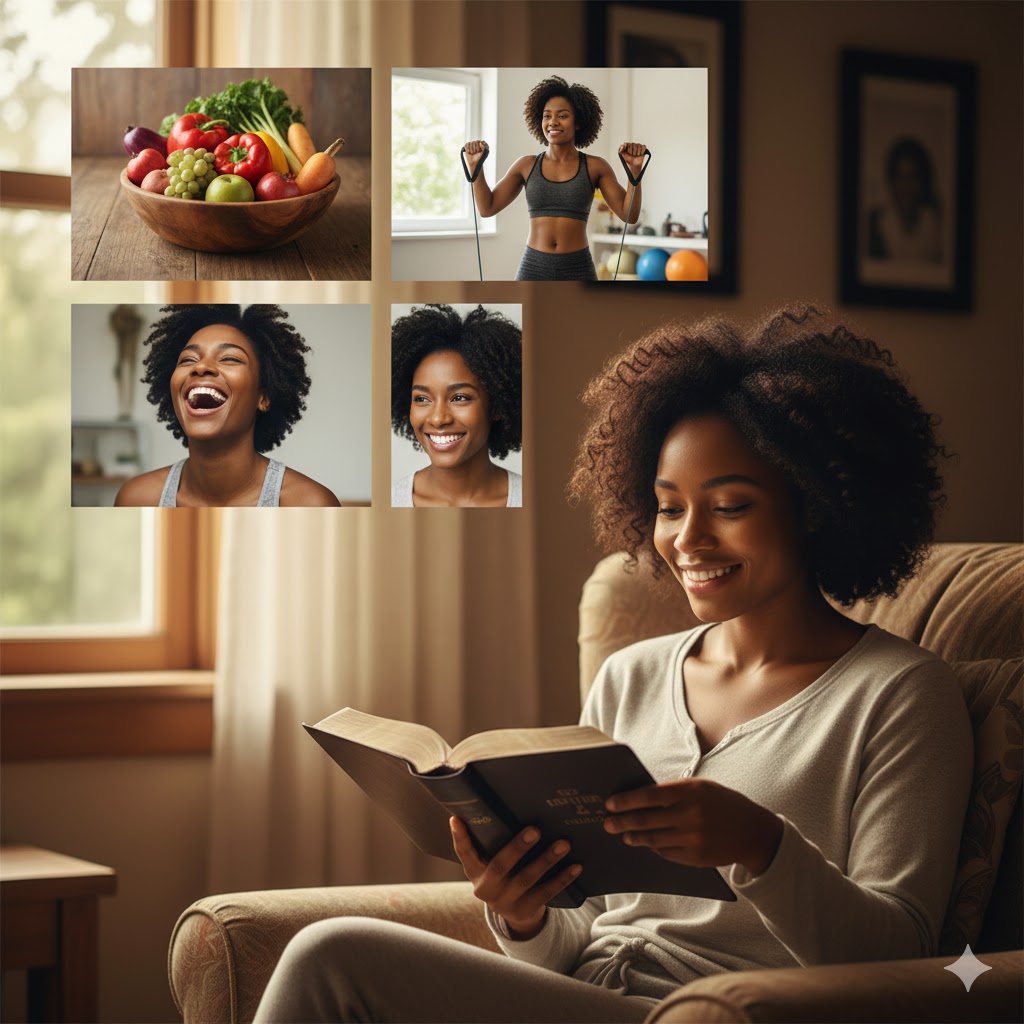
Self-care is a critical yet frequently overlooked component of sustaining this balance. Practices may include regular physical exercise, mental health care, mindfulness, hobbies, and spiritual growth. For Black women, self-care is also a form of resistance against societal pressures to be perpetually strong and self-sacrificing (Greene, 2019).

Balancing Career, Family, and Self-Care for Black Women

1. Career Strategies

  • Prioritize tasks and set realistic goals.
  • Seek mentorship and professional support networks.
  • Negotiate flexible work hours or remote options.
  • Icons: Briefcase, checklist, calendar.

2. Family Responsibilities

  • Delegate household tasks when possible.
  • Communicate openly with family members.
  • Set boundaries to prevent overcommitment.
  • Icons: Family tree, home, heart.

3. Self-Care Practices

  • Physical: Exercise, nutrition, rest.
  • Mental: Therapy, journaling, mindfulness.
  • Spiritual: Prayer, meditation, scripture reflection (Proverbs 31:15, KJV).
  • Icons: Lotus flower, yoga figure, Bible.

4. Time Management

  • Use planners or digital calendars.
  • Schedule dedicated personal time.
  • Break tasks into manageable segments.
  • Icons: Clock, calendar, alarm.

5. Boundary-Setting

  • Learn to say “no” without guilt.
  • Limit exposure to toxic environments.
  • Protect energy and prioritize well-being.
  • Icons: Shield, stop sign, lock.

6. Community & Support

  • Join support groups or online communities.
  • Connect with friends, family, or colleagues who uplift.
  • Share experiences and strategies for balance.
  • Icons: People icons, chat bubbles, network nodes.

Time management strategies, such as creating structured routines, prioritizing tasks, and scheduling personal time, are essential. Using tools like planners, digital calendars, and task lists can help manage competing responsibilities while ensuring space for rest and rejuvenation.

Boundary-setting is equally crucial. Learning to say “no” to overcommitment, limiting exposure to toxic work or social environments, and advocating for equitable distribution of household responsibilities supports both mental and physical health. Boundaries protect energy and reinforce the importance of self-care as non-negotiable.

Career flexibility, such as negotiating remote work, flexible hours, or professional support systems, enables Black women to meet family obligations while pursuing career growth. Mentorship and networking can also provide guidance and support, reducing isolation and promoting sustainable success.

Spiritual grounding and reflective practices enhance resilience. Prayer, meditation, and alignment with personal values offer emotional replenishment and guidance, reinforcing the interconnectedness of personal well-being, family harmony, and professional fulfillment. “She riseth also while it is yet night, and giveth meat to her household, and a portion to her maidens” (Proverbs 31:15, KJV) exemplifies the integration of care for self and others.

Technology can support balance through organizational apps, virtual support communities, and online wellness resources. However, mindful use is critical to avoid digital fatigue, ensuring technology aids rather than exacerbates stress.

In conclusion, balancing career, family, and self-care requires intentionality, resilience, and strategic planning. By setting boundaries, prioritizing self-care, fostering supportive networks, and integrating spiritual and personal practices, Black women can achieve sustainable fulfillment across all life domains. Recognizing that self-care is essential, not indulgent, empowers women to thrive professionally, personally, and spiritually.


References

  • Greene, L. (2019). Self-Care and Resistance: Black Women’s Well-Being in a Demanding World. Routledge.
  • Lewis, J. A., & Neville, H. A. (2015). Construction and initial validation of the Gendered Racial Microaggressions Scale for Black women. Journal of Counseling Psychology, 62(2), 289–302.
  • The Holy Bible, King James Version.

Beauty Is in the Eyes of the Beholder

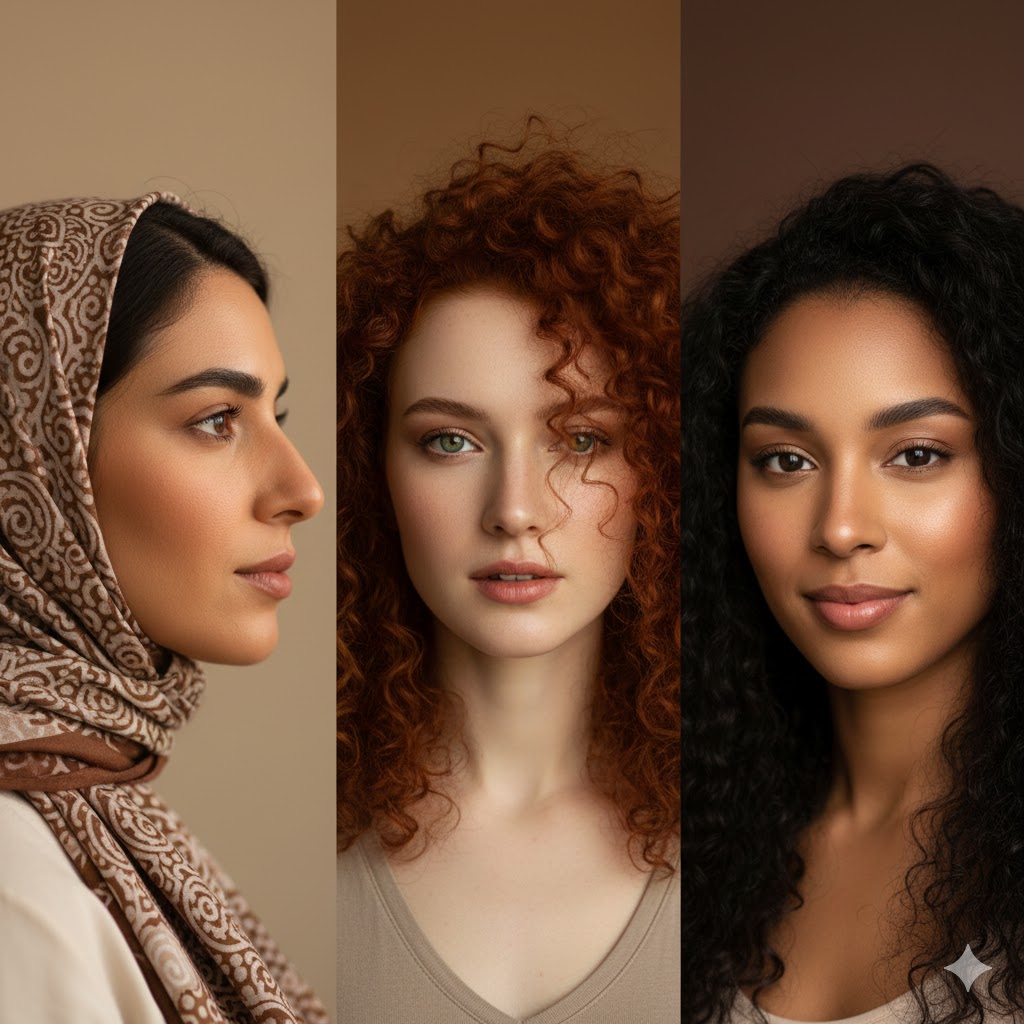
Beauty has fascinated philosophers, scientists, and artists for centuries, yet it remains one of the most complex and debated concepts in human experience. When someone says, “Beauty is in the eyes of the beholder,” they acknowledge that what we find attractive is not universal. Two people can look at the same face—Brad Pitt, Denzel Washington, Aishwarya Rai Bachchan, or Kim Kardashian—and have completely different reactions. Some may see perfection, while others feel no attraction at all. This divergence raises a profound question: how can one object or person produce such opposite interpretations?

Human perception of beauty emerges from the interplay between biology, culture, psychology, and personal experience. While some elements of attractiveness are rooted in genetic preferences for health, symmetry, or fertility, these biological cues do not act alone. They are filtered through upbringing, environment, history, and learned values. Thus, beauty can be both subjective and objective at the same time—anchored in natural instincts yet shaped by social forces.

Beauty becomes subjective because each person’s mind interprets stimuli differently. The brain does not merely record what the eyes see; it interprets, edits, analyzes, and assigns meaning. Experiences from childhood, cultural exposure, family influences, societal ideals, and even personal insecurities shape how we judge attractiveness. Two people standing side-by-side may share the same visual input but generate entirely different emotional responses.

Opposing views arise because people possess individual histories that influence how they categorize beauty. Someone raised in a family that praises lighter skin may grow up prioritizing those features, while another who grows up surrounded by deep-toned beauty may find richness in melanin to be the ultimate ideal. In this sense, environment acts like a lens that shapes the raw genetic instincts built into us.

While some individuals find global icons like Brad Pitt or Aishwarya Rai incredibly attractive, others may not respond emotionally to their features. This does not diminish the beauty of the individual; it highlights the complexity of perception. Attraction depends not only on the features themselves but also on how a person’s brain interprets those features in relation to memories, associations, and internal biases.

Childhood plays a powerful role in shaping what we find attractive. Children absorb subtle messages from parents, television, social media, and peers. They observe which faces receive praise, who is considered desirable, and how beauty is talked about. These early impressions become mental templates—what psychologists call “imprinting”—that influence adult preferences. A child repeatedly exposed to a certain beauty ideal is more likely to absorb that ideal subconsciously.

Genetics contributes to attraction by shaping innate preferences. Humans across cultures tend to favor certain biological cues such as facial symmetry, clear skin, proportional features, and expressions of health. These cues signal good genes, fertility, and survival advantages. For example, symmetry suggests developmental stability, while clear skin signals health. However, genetics does not dictate which specific faces each person finds beautiful; it merely provides a blueprint for general tendencies.

Beauty is subjective because perception relies on neural pathways formed over time. The brain creates shortcuts known as heuristics to interpret attractiveness quickly. These heuristics depend heavily on exposure, conditioning, and familiarity. What one person recognizes as beautiful, another may interpret differently based on the mental filters they’ve developed. In other words, beauty is partly a reflection of the beholder’s inner world.

It is true that everyone who looks at you views you differently. Each observer applies their own criteria, experiences, social conditioning, and emotional states to the image before them. You do not appear the same to all people because people do not possess identical mental frameworks. Every face becomes a personal puzzle that each mind solves in its own way.

Opinions of beauty are formed through a mixture of biological impulses and cognitive associations. The brain’s reward pathway, especially the release of dopamine, influences how strongly we react to certain features. If a particular face or feature activates positive associations—perhaps it resembles a loved one or cultural icon—the viewer experiences attraction. If it triggers negative or unfamiliar associations, attraction diminishes.

Many of our thoughts about beauty originate from early exposure. Family shapes our initial ideals when we are young. Culture adds another layer by reinforcing images, standards, and expectations through media and tradition. Religion and community can shift perceptions by emphasizing modesty, purity, strength, or specific gender roles. These influences blend into a personal algorithm that defines what each person considers beautiful.

The subjectivity of beauty is amplified by social comparison. People learn to categorize faces through repeated exposure, and these categories evolve with societal values. When society celebrates a certain celebrity, body type, hairstyle, or skin tone, our understanding of beauty shifts along with it. Over time, these societal shifts influence how individuals form preferences.

In addition, personal experiences shape perception. A person who associates a specific facial type with a negative memory may feel aversion, even if that facial type is widely considered attractive. Conversely, someone who has positive emotional experiences associated with certain features may find those features beautiful regardless of societal standards.

Cultural diversity plays a tremendous role in shaping beauty standards. What is ideal in one society may be average or even unappealing in another. For example, some cultures prize fuller figures, while others emphasize slimness. Some value high cheekbones, while others prioritize softer features. Beauty does not exist in a vacuum—it is embedded in cultural narratives.

Genetics also influences how we perceive beauty through evolutionary psychology. Humans are drawn to cues that historically increased the likelihood of survival and reproduction. For example, certain facial ratios—like the distance between the eyes and mouth—are universally preferred because they signal youthfulness and health. Yet these universal preferences do not override cultural and personal variation.

Beauty appears subjective because the brain reacts not only to physical features but also to emotional meaning. A face can become more attractive to someone they love, admire, or trust, while it can become less attractive if associated with negative experiences. Attraction is not static; it evolves depending on emotional context.

Our reactions to beauty also stem from cognitive biases. Familiarity bias makes us favor what we already know. Similarity bias makes us find people more attractive if they resemble us or our loved ones. Novelty bias can make unfamiliar beauty thrilling or intimidating, depending on a person’s personality and past experiences.

Beauty can shift over time because the mind is adaptable. As people experience different cultures, travel, relationships, and life changes, their perceptions of beauty expand. What one considered unattractive years earlier may become appealing as they mature or as societal standards evolve.

Psychology suggests that beauty perception is linked to identity. People often gravitate toward beauty that validates their sense of self—culturally, racially, spiritually, or emotionally. Thus, beauty becomes a mirror reflecting not only the object being viewed but also the inner state of the viewer.

Opposing views on beauty are also influenced by environment and exposure. Someone raised in an environment where natural hair, melanated skin, or certain facial features were celebrated will grow up with different ideals than someone surrounded by Eurocentric standards. Beauty is a reflection of cultural conditioning.

Subjectivity in beauty is further shaped by emotional connection. A person may find someone more attractive after learning about their personality, kindness, or intelligence. Conversely, someone physically beautiful may become unattractive if their behavior is cruel. The emotional dimension modifies the visual perception.

Another contributor to beauty’s subjectivity is personal insecurity. People often project their desires, fears, or self-judgments onto their perception of others. A person insecure about their own appearance may judge beauty more harshly, while someone confident or emotionally balanced may find beauty in a wider range of faces.

Opinions about beauty also depend on social trends. Celebrities, influencers, and media continually reshape what is considered desirable. As trends evolve—from voluptuous bodies to slim waists, from tanned skin to porcelain tones—public preferences shift with them. Beauty becomes a moving target.

The neurological basis of attraction reveals that the brain rewards patterns it finds aesthetically pleasing. These patterns may include facial symmetry, proportionality, and the golden ratio. Yet the brain’s reward center can be trained to find new patterns beautiful with enough exposure.

Beauty remains subjective because no two people share identical life experiences. The emotional, genetic, cultural, and psychological ingredients that form a person’s preferences are unique. Thus, beauty varies as widely as personalities, languages, and worldviews.

The idea that everyone sees you differently is grounded in neuroscience. Each person’s brain processes visual stimuli through unique connections formed over the years. Thus, you exist in many forms—thirty people see thirty different versions of you, shaped by their internal narratives.

Ultimately, the subjectivity of beauty emphasizes the diversity of human experience. What one person finds breathtaking, another may overlook. This diversity enriches the human story, preventing beauty from becoming a rigid or uniform standard.

Beauty is both personal and universal. It is rooted in biology but refined by culture, shaped by childhood, altered by experience, and influenced by personality. This interplay ensures that no definition of beauty is final or absolute.

Our thoughts about beauty arise from a combination of instinct and experience. While evolutionary biology gives us a framework, the mind colors perception through memory, emotion, and environment. Therefore, beauty remains one of the most personal judgments a human can make.

In the end, beauty’s subjectivity is what makes it powerful. It reminds us that attraction is not a science to be perfected but a reflection of the beholder’s inner world. Beauty lives in perception, memory, culture, genetics, and soul. It is as varied and precious as the people who define it.

References

Bzdok, D., Langner, R., Schilbach, L., Jakobs, O., Roski, C., Caspers, S., … Eickhoff, S. B. (2011). Neural correlates of emotional valence judgments: A functional MRI meta-analysis. NeuroImage, 54(3), 2233–2244.

Darwin, C. (1871). The descent of man, and selection in relation to sex. London: John Murray.

DeBruine, L. M., & Jones, B. C. (2017). Face preferences. In Encyclopedia of evolutionary psychological science (pp. 1–12). Springer.

Etcoff, N. (1999). Survival of the prettiest: The science of beauty. Anchor Books.

Grammer, K., Fink, B, Møller, A. P., & Thornhill, R. (2003). Darwinian aesthetics: Sexual selection and the biology of beauty. Biological Reviews, 78(3), 385–407.

Jones, B. C., DeBruine, L. M., Little, A. C., & Feinberg, D. R. (2007). Social transmission of face preferences among humans. Proceedings of the Royal Society B, 274(1611), 899–903.

Langlois, J. H., Kalakanis, L., Rubenstein, A. J., Larson, A., Hallam, M., & Smoot, M. (2000). Maxims or myths of beauty? A meta-analytic and theoretical review. Psychological Bulletin, 126(3), 390–423.

Little, A. C., Jones, B. C., & DeBruine, L. M. (2011). Facial attractiveness: evolutionary based research. Philosophical Transactions of the Royal Society B, 366(1571), 1638–1659.

Rhodes, G. (2006). The evolutionary psychology of facial beauty. Annual Review of Psychology, 57, 199–226.

Said, C. P., & Todorov, A. (2011). A statistical model of facial attractiveness. Psychological Science, 22(9), 1183–1190.

Thornhill, R., & Gangestad, S. W. (1999). Facial attractiveness. Trends in Cognitive Sciences, 3(12), 452–460.

Zebrowitz, L. A. (1997). Reading faces: Window to the soul? Westview Press.

Built From Greatness: The Sacred Strength of the Black Man

The Black man has been forged in the crucible of history, tested by oppression, and tempered by resilience. From the chains of slavery to the systemic inequalities of today, he carries a legacy that demands acknowledgment, respect, and honor. His strength is not merely physical—it is spiritual, intellectual, emotional, and cultural.

The Bible speaks to the essence of strength rooted in God. Joshua 1:9 commands, “Be strong and of a good courage; be not afraid, neither be thou dismayed: for the LORD thy God is with thee whithersoever thou goest.” This divine injunction reminds the Black man that true strength originates from faith, courage, and reliance on God’s guidance.

Historically, Black men were systematically dehumanized to undermine their power. During slavery, men were stripped of family authority, denied education, and subjected to brutality. Yet, even in these circumstances, they built networks of resilience, preserved cultural knowledge, and transmitted ancestral wisdom to future generations. This historical perseverance embodies sacred strength.

The psychological fortitude of the Black man is a testament to endurance. Despite societal pressures that often criminalize or marginalize him, he demonstrates an extraordinary capacity to navigate adversity, maintain dignity, and provide for his family. According to Spencer et al. (2016), cultural identity and spirituality are significant protective factors in mental health resilience for Black men.

Family structure is central to the Black man’s sacred strength. Proverbs 20:7 states, “The just man walketh in his integrity: his children are blessed after him.” By modeling integrity, discipline, and faith, Black men create generational legacies of empowerment that defy historical attempts at dismantling the family unit.

Education has long been a battlefield and a sanctuary for the Black man. Despite centuries of exclusion, Black men have pursued learning as a tool of liberation. Figures like W.E.B. Du Bois, Malcolm X, and contemporary scholars illustrate that intellectual strength is inseparable from moral and spiritual purpose.

Physical strength is often celebrated but must be understood alongside emotional and spiritual resilience. 1 Corinthians 16:13 urges, “Watch ye, stand fast in the faith, quit you like men, be strong.” True manhood, as defined biblically, combines courage, faith, and steadfastness in the face of trials.

Cultural expression is a manifestation of sacred strength. Music, literature, fashion, and art have long been vehicles for Black men to assert identity, narrate experiences, and challenge oppression. Through creativity, he reclaims narrative control and celebrates the fullness of his humanity.

Economic empowerment is another pillar of sacred strength. Proverbs 13:11 reminds, “Wealth gotten by vanity shall be diminished: but he that gathereth by labour shall increase.” Black men who build businesses, acquire assets, and create opportunities for community upliftment exemplify stewardship and resilience rooted in faith and wisdom.

Spiritual leadership within the home and community defines the sacred strength of the Black man. As Ephesians 5:23 states, “For the husband is the head of the wife, even as Christ is the head of the church…” Leadership grounded in service, humility, and accountability ensures the holistic growth of his family and community.

Overcoming societal stereotypes requires a continuous demonstration of courage and self-definition. Black men are often misrepresented as violent or absent; yet countless men serve as educators, mentors, ministers, and leaders. Reclaiming narrative power is an act of spiritual warfare.

The sacred strength of the Black man includes emotional intelligence. Proverbs 14:29 says, “He that is slow to wrath is of great understanding: but he that is hasty of spirit exalteth folly.” Emotional regulation, patience, and discernment enable him to navigate systemic pressures while cultivating meaningful relationships.

Resilience is intergenerational. Stories passed down from ancestors who survived slavery, Jim Crow, and modern systemic oppression inform the strategies Black men employ to thrive. This ancestral guidance, combined with faith, forms a moral compass that defines his sacred strength.

Community involvement demonstrates both responsibility and courage. By mentoring youth, engaging in social justice, or fostering civic participation, Black men extend their sacred strength beyond themselves. They model sacrifice, accountability, and hope for the collective.

Health and wellness are often overlooked dimensions of sacred strength. Proverbs 3:7-8 states, “Be not wise in thine own eyes: fear the LORD, and depart from evil. It shall be health to thy navel, and marrow to thy bones.” Prioritizing physical, mental, and spiritual health ensures longevity in purpose and service.

Faith in the face of adversity is paramount. Psalm 18:32 affirms, “It is God that girdeth me with strength, and maketh my way perfect.” The Black man’s ability to persevere against systemic inequities is reinforced by an unwavering reliance on God’s guidance and providence.

Mentorship forms a critical aspect of sacred strength. Older men guiding younger men transmit cultural wisdom, moral guidance, and practical life skills. Proverbs 22:6 emphasizes the value of early instruction: “Train up a child in the way he should go: and when he is old, he will not depart from it.”

Sacred strength also requires vulnerability. Sharing struggles, seeking counsel, and engaging in spiritual reflection are acts of courage that break cycles of toxic masculinity. James 5:16 teaches, “Confess your faults one to another, and pray one for another, that ye may be healed.”

Legacy is the ultimate measure of sacred strength. The lives Black men lead, the families they nurture, the communities they uplift, and the faith they model become living testaments to greatness. Their endurance transforms personal trials into collective triumphs.

Hope remains central. Jeremiah 29:11 declares, “For I know the thoughts that I think toward you, saith the LORD, thoughts of peace, and not of evil, to give you an expected end.” The Black man, rooted in faith, carries hope not just for himself but for generations yet unborn.

In conclusion, the sacred strength of the Black man is multifaceted, encompassing spiritual devotion, cultural preservation, emotional intelligence, and steadfast courage. Built from greatness, he stands as a beacon of resilience, leadership, and hope—a living testament to the enduring power of God’s design and the unbreakable spirit of his people.


References

  • Bible. (1611). King James Version. Cambridge Edition.
  • Spencer, M. B., Swanson, D. P., & Harpalani, V. (2016). The protective role of cultural identity and spirituality in African American boys’ development. Child Development Perspectives, 10(2), 123–128.
  • Du Bois, W. E. B. (1903). The souls of black folk. A. C. McClurg & Co.
  • Malcolm X. (1965). The autobiography of Malcolm X: As told to Alex Haley. Grove Press.
  • Ephesians 5:23, Proverbs 20:7, Proverbs 13:11, Proverbs 14:29, Proverbs 3:7-8, Proverbs 22:6, Psalm 18:32, Joshua 1:9, James 5:16, Jeremiah 29:11.

Islands of Men: Loneliness, Leadership, and the Digital Search for Brotherhood

Modern men are increasingly becoming islands—connected by technology yet disconnected emotionally, spiritually, and socially. The phrase “Islands of Men” captures a deep truth about masculine loneliness in the digital era, and how many men turn to online spaces in search of brotherhood, guidance, and identity. As society shifts and family structures fracture, these digital shores become places where men seek belonging, meaning, and leadership.

Loneliness among men has reached historic levels. Studies show that contemporary men report fewer friendships, fewer intimate bonds, and less emotional support than previous generations. The cultural expectation that men remain stoic and self-sufficient often prevents them from forming meaningful connections. As a result, many men drift through adulthood without a consistent community.

The digital world becomes a substitute for real-life brotherhood. Forums, livestreams, and manosphere communities provide men a place to voice their frustrations, their fears, and their longing for guidance. While some of these spaces can promote emotional honesty, many others reinforce isolation by encouraging competition, cynicism, or ideological extremism.

Leadership is central to the male search for belonging. Historically, men derived identity from mentorship, apprenticeship, and communal rites of passage. Today, these traditional forms have eroded. Without stable mentors, many men turn to online personalities for direction. This shift has profound implications, as influencers often prioritize entertainment and monetization over genuine leadership.

The loneliness men experience is not just social—it is also spiritual. Scripture teaches that “it is not good that the man should be alone” (Genesis 2:18), highlighting both relational and communal design. Yet modern men often carry silent burdens with no spiritual accountability. For many, the search for brotherhood becomes a search for identity in a world that offers conflicting messages about masculinity.

Digital brotherhood can mimic the structure of community but often lacks its substance. Men bond over shared frustrations—about relationships, society, or the economy—yet remain emotionally isolated. They find connection without intimacy, conversation without healing. This paradox deepens their loneliness rather than alleviating it.

Men seek guidance on how to lead, but leadership without character becomes dangerous. Many online spaces teach leadership as dominance rather than service. True leadership requires humility, accountability, and emotional awareness—traits that digital communities often undervalue.

The crisis of male loneliness is tied to the absence of father figures and mentors. Generational wounds perpetuate cycles of emotional detachment. Without strong relational models, many men learn to suppress vulnerability. Digital communities often reinforce this suppression instead of addressing it.

In real-life communities, men once learned leadership by observing fathers, uncles, pastors, and elders. Now, the most influential male voices come from screens instead of households. This shift disconnects leadership from lived experience and turns masculinity into performance rather than practice.

Economically, men face pressures that amplify their sense of isolation. Job instability, financial insecurity, and societal expectations can make men feel inadequate. Digital brotherhood often reinforces survivalist mindsets instead of nurturing hope and collaboration.

Emotionally, men carry unspoken trauma. Many have never been given permission to grieve, to fear, or to doubt openly. Without emotional outlets, these feelings turn into frustration or apathy. Digital spaces allow anonymity, but anonymity rarely fosters genuine healing.

Relationships intensify men’s loneliness. Romantic rejection, marital stress, or divorce can leave men more isolated than women due to weaker social support systems. Instead of seeking counsel, many retreat into digital echo chambers that validate bitterness rather than growth.

Men long for legacy, yet legacy requires community. A man cannot build generational impact alone. He needs brotherhood, elders, younger men to mentor, and a purpose greater than his own survival. Digital isolation undermines this pursuit by convincing men that independence is strength.

Spiritually, men need accountability that digital communities cannot provide. Growth requires people who know one’s struggles, habits, and flaws—not anonymous usernames. Biblical brotherhood involves correction, compassion, and shared purpose. This cannot be replicated through algorithms.

Men also seek belonging through achievements—career success, wealth, physical strength—but these do not replace brotherhood. Achievements impress others but do not heal loneliness. Brotherhood offers what success cannot: connection, validation, and shared mission.

The search for brotherhood online is ultimately a search for meaning. Men yearn for battles worth fighting, relationships worth maintaining, and identities grounded in more than external validation. The manosphere often promises quick answers, but meaning requires depth, discipline, and authentic community.

A healthier form of digital brotherhood is possible—one based on emotional literacy, mentorship, accountability, and spiritual grounding. Some communities encourage men to heal their trauma, develop resilience, and walk in integrity. These spaces model a better masculinity rooted not in dominance but in character.

Real brotherhood must eventually move beyond screens. Men need in-person connection—shared meals, honest conversations, activities, and spiritual support. Brotherhood flourishes when men stand shoulder-to-shoulder with those they trust, not when they scroll through curated identities.

Ultimately, the islands of men can become bridges if men rediscover what it means to build community. Leadership grows in connection, not isolation. Loneliness fades when men learn to be vulnerable, supportive, and accountable. And the digital search for brotherhood can become a pathway to real-life transformation when guided by truth, wisdom, and love.


References

Brooks, D. (2020). The crisis of male loneliness in modern society. Journal of Social Psychology, 162(4), 415–428.

Connell, R. W. (2005). Masculinities (2nd ed.). University of California Press.

Ging, D. (2019). Alphas, betas, and incels: The manosphere as a transnational online masculinity ecosystem. Men and Masculinities, 22(4), 638–657.

Mahalik, J. R., & Rochlen, A. (2019). Men, loneliness, and digital communities: A psychological exploration. American Journal of Men’s Health, 13(1), 1–12.

Way, N. (2011). Deep secrets: Boys’ friendships and the crisis of connection. Harvard University Press.

Wilcox, W. B., & Kline, K. (2021). Father absence, male identity, and digital belonging. Journal of Family Studies, 27(3), 345–361.

Beyond the Mirror: Confronting Society’s Obsession with Beauty

Society has long equated beauty with worth. From magazines to social media, advertising, and entertainment, physical appearance is amplified as a marker of success, desirability, and social acceptance. This fixation creates pressure to conform to often unattainable standards.

Beauty standards are culturally constructed. They vary across regions and eras, yet a consistent theme emerges: idealized symmetry, clear skin, and youthful features dominate the narrative. These ideals are reinforced by media, celebrity culture, and commercial industries (Wolf, 1991).

The psychology of beauty highlights the “halo effect,” where attractive individuals are perceived as more competent, intelligent, and trustworthy. This cognitive bias reinforces the societal obsession with physical appearance (Dion, Berscheid, & Walster, 1972).

Social media has intensified beauty fixation. Platforms like Instagram and TikTok promote curated images, filters, and cosmetic enhancements. Users internalize these images as normative, often comparing themselves unfavorably to digitally enhanced representations (Fardouly et al., 2015).

Advertising and marketing exploit insecurities. Skincare, cosmetics, and fashion industries profit by suggesting that happiness and social success are contingent on appearance. This commercial manipulation deepens the fixation on outward aesthetics (Etcoff, 1999).

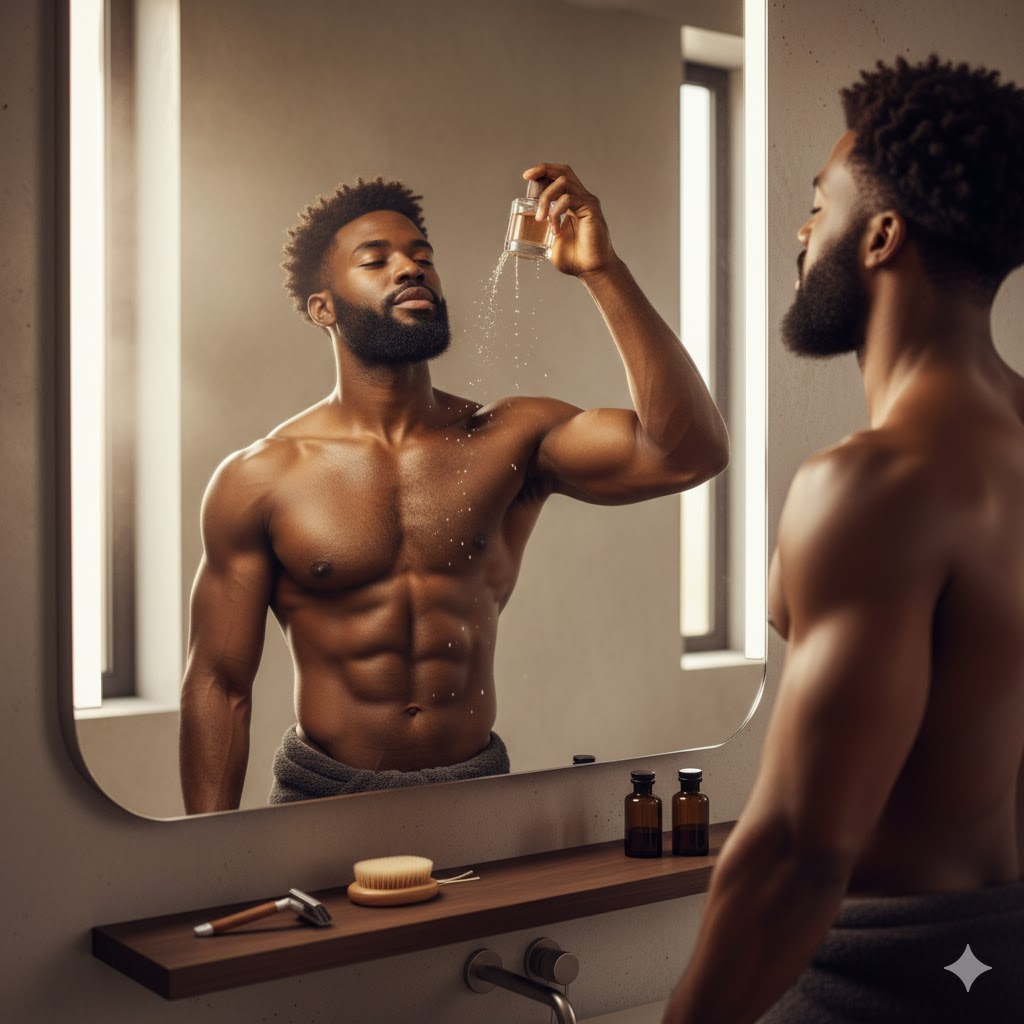
Gender norms exacerbate the pressure. Women are often judged more harshly on appearance, while men are increasingly expected to conform to muscular or chiseled ideals. The result is a pervasive culture of scrutiny across genders (Cash & Pruzinsky, 2002).

Beauty fixation impacts mental health. Anxiety, depression, and low self-esteem correlate with internalization of societal beauty standards. Individuals often experience dissatisfaction with their natural appearance, seeking validation through external approval (Grabe, Ward, & Hyde, 2008).

The cosmetic surgery industry reflects society’s preoccupation with perfection. Millions pursue procedures to align their features with perceived ideals. While transformative for some, it underscores the belief that appearance is paramount to self-worth (Sarwer & Crerand, 2004).

Youthfulness is valorized, leading to ageism. Anti-aging products and cosmetic interventions perpetuate the notion that beauty diminishes with age. Older individuals may feel pressured to maintain a youthful appearance, reflecting society’s conflation of beauty and vitality (Hurd Clarke, 2010).

Colorism reinforces beauty hierarchy. Lighter skin tones are often idealized in media and popular culture, marginalizing darker complexions and perpetuating systemic discrimination within communities (Hunter, 2007).

The fashion industry dictates trends that shape beauty standards. Runway models, influencer endorsements, and magazine covers present a narrow spectrum of body types, creating unrealistic expectations for consumers (Tiggemann & Zaccardo, 2018).

Digital filters and AI-generated images distort perceptions of natural beauty. Augmented realities promote flawless skin, perfect symmetry, and exaggerated features, normalizing unrealistic ideals and complicating self-acceptance (Chae, 2017).

Celebrity culture amplifies the obsession. Public figures serve as aspirational benchmarks, with media coverage emphasizing appearance over achievement. Fans often emulate looks and lifestyle choices, reinforcing a cycle of comparison (Cash et al., 2004).

Beauty fixation intersects with race, gender, and class. Marginalized groups face compounded pressures, navigating ideals not reflective of their natural features or cultural identity (Hunter, 2007). Societal preference for Eurocentric features marginalizes diverse forms of beauty.

Education and media literacy can mitigate harmful effects. Critical awareness of marketing, filters, and digitally altered images helps individuals contextualize beauty messages and resist internalizing unattainable standards (Fardouly et al., 2015).

Empowerment movements challenge conventional beauty norms. Campaigns promoting body positivity, self-love, and diversity redefine standards, emphasizing confidence, health, and authenticity over superficial ideals (Tylka & Wood-Barcalow, 2015).

Psychological research suggests self-compassion buffers the negative impact of beauty pressure. Individuals cultivating acceptance of their natural appearance exhibit higher resilience and self-esteem (Neff, 2003).

Cultural shifts are visible in media representation. Inclusive campaigns, diverse casting, and promotion of natural beauty signal a slow transformation, expanding the definition of attractiveness beyond narrow conventions (Hall & Fields, 2013).

The fixation on beauty also intersects with consumerism. Industries profit from insecurities, from skincare routines to fitness regimens, perpetuating a cycle where self-worth is measured through appearance (Etcoff, 1999).

Ultimately, confronting society’s obsession with beauty requires awareness, education, and cultural reform. By valuing authenticity, diversity, and inner qualities, individuals and communities can move beyond the mirror, embracing a holistic understanding of self-worth (Wolf, 1991).


References

  • Cash, T. F., & Pruzinsky, T. (Eds.). (2002). Body image: A handbook of theory, research, and clinical practice. Guilford Press.
  • Cash, T. F., Melnyk, S. E., & Hrabosky, J. I. (2004). The assessment of body image investment: An extensive revision of the Appearance Schemas Inventory. International Journal of Eating Disorders, 35(3), 305–316.
  • Chae, J. (2017). Virtual makeover: The impact of digitally altered images on self-perception. Cyberpsychology, Behavior, and Social Networking, 20(5), 295–301.
  • Dion, K., Berscheid, E., & Walster, E. (1972). What is beautiful is good. Journal of Personality and Social Psychology, 24(3), 285–290.
  • Etcoff, N. (1999). Survival of the prettiest: The science of beauty. Anchor Books.
  • Fardouly, J., Diedrichs, P. C., Vartanian, L. R., & Halliwell, E. (2015). Social comparisons on social media: The impact of Facebook on young women’s body image concerns and mood. Body Image, 13, 38–45.
  • Grabe, S., Ward, L. M., & Hyde, J. S. (2008). The role of the media in body image concerns among women: A meta-analysis of experimental and correlational studies. Psychological Bulletin, 134(3), 460–476.
  • Hall, R. J., & Fields, B. (2013). Modeling the media’s influence on racial and gendered beauty standards. Sociology Compass, 7(11), 918–931.
  • Hunter, M. L. (2007). The persistent problem of colorism: Skin tone, status, and inequality. Sociology Compass, 1(1), 237–254.
  • Hurd Clarke, L. (2010). Aging and everyday life: The social construction of identity and age. Canadian Journal on Aging, 29(1), 39–49.
  • Neff, K. D. (2003). Self-compassion: An alternative conceptualization of a healthy attitude toward oneself. Self and Identity, 2(2), 85–101.
  • Sarwer, D. B., & Crerand, C. E. (2004). Body image and cosmetic medical treatments. Body Image, 1(1), 99–111.
  • Tiggemann, M., & Zaccardo, M. (2018). “Exercise to be fit, not skinny”: The effect of fitspiration imagery on women’s body image. Body Image, 26, 90–97.
  • Tylka, T. L., & Wood-Barcalow, N. L. (2015). The Body Appreciation Scale-2: Item refinement and psychometric evaluation. Body Image, 12, 53–67.
  • Wolf, N. (1991). The beauty myth: How images of beauty are used against women. HarperCollins.

The Glow Up

A “glow up” is more than a change in appearance—it is a holistic transformation of mind, body, style, and spirit. It represents intentional growth, self-discovery, and refinement. While society often equates glowing up with external beauty, the most profound transformations begin internally. True glow-ups combine emotional maturity, spiritual grounding, physical wellness, and stylistic expression, creating an authentic radiance that shines from within.

At the heart of a glow-up is self-awareness. Understanding who you are, your values, and your goals provides clarity for how to present yourself to the world. Self-awareness informs choices about personal style, grooming, wellness routines, and even relationships. Without it, attempts to “upgrade” are superficial and temporary. Psychology shows that reflective self-awareness improves decision-making, resilience, and emotional regulation (Brown, 2012).

A spiritual foundation amplifies a glow-up. Many find that confidence, peace, and purpose are rooted in a relationship with God. Scripture teaches, “But the fruit of the Spirit is love, joy, peace, longsuffering, gentleness, goodness, faith” (Galatians 5:22, KJV). Spiritual growth brings clarity, patience, and balance, which naturally enhance beauty, poise, and overall presence.

Physical health is another pillar. Glow-ups are reflected in skin, hair, posture, and energy. Proper nutrition, hydration, exercise, and rest not only improve physical appearance but also elevate mental and emotional well-being. Studies show that self-care routines increase confidence and life satisfaction (Snyder et al., 2012). The body becomes a visible testament to care and discipline.

Skin care is central to modern glow-ups. Healthy skin communicates vitality, youthfulness, and self-respect. A consistent skincare regimen tailored to one’s skin type reflects discipline and investment in oneself. Beyond aesthetics, skin care routines encourage mindfulness and self-love.

Hair care also contributes to transformation. Hair is often a key aspect of identity, especially for Black women whose natural hair textures are culturally significant. Styling, protection, and regular maintenance create confidence and visibility. Hair becomes both a fashion statement and a symbol of heritage and pride.

Style and wardrobe transformation is another visible component. Fashion-forward choices, tailored fits, and curated color palettes reflect personal identity and creativity. Minimalist, bold, or trend-conscious aesthetics can all be part of a glow-up, provided they align with the individual’s values and self-expression. The wardrobe becomes a canvas for intentional communication.

Confidence is the glue that unites inner and outer transformation. Psychology research emphasizes that posture, eye contact, and body language impact how others perceive us and how we perceive ourselves (Carney et al., 2010). A confident person carries a glow that transcends material changes. Confidence rooted in competence and self-respect produces authentic magnetism.

A glow-up also involves emotional intelligence. The ability to regulate emotions, communicate effectively, and form healthy relationships adds depth to outer beauty. Emotional maturity enables graceful navigation of challenges and enhances interactions, which further contributes to a radiant presence.

Mindset plays a crucial role. Individuals who embrace growth, resilience, and gratitude often experience deeper glow-ups. A positive mindset fosters persistence through setbacks, encourages self-improvement, and nurtures humility alongside ambition. Joy, patience, and gratitude enhance radiance more than cosmetics alone ever could.

Goal setting is an actionable aspect of glow-ups. Intentional planning for personal, professional, and spiritual growth ensures consistent progress. Small, deliberate steps—like learning a new skill, adopting healthier habits, or refining a wardrobe—compound over time, leading to transformative results.

Glow-ups are not purely external. Inner beauty, character, and integrity matter greatly. Scripture instructs, “Whose adorning let it not be that outward adorning of plaiting the hair, and of wearing of gold, or of putting on of apparel; But let it be the hidden man of the heart” (1 Peter 3:3–4, KJV). Inner refinement complements outward aesthetics, creating holistic radiance.

Social influence and mentorship can accelerate transformation. Surrounding oneself with supportive, inspiring, and like-minded individuals encourages growth. Peer influence, when positive, reinforces discipline, style choices, and spiritual or emotional development.

Self-expression through creativity also contributes. Art, music, writing, and other forms of personal expression allow individuals to explore identity, values, and emotions. Creativity not only enhances mental well-being but also communicates personality, enhancing one’s public presence.

Balance is essential in a glow-up. Overemphasis on appearance without internal growth leads to superficiality. Conversely, focusing solely on character without attending to health, style, and presentation may limit opportunities and visibility. A well-rounded glow-up harmonizes inner and outer cultivation.

Resilience strengthens the glow-up journey. Setbacks, failures, and criticism are inevitable, but perseverance deepens transformation. Learning from challenges and adjusting strategies ensures sustainable improvement in personal, spiritual, and aesthetic domains.

Reflection is a key practice. Periodically evaluating progress helps refine goals, adjust strategies, and celebrate achievements. Journaling, meditation, and spiritual practices encourage continuous self-assessment and growth.

Gratitude enhances the glow-up experience. Appreciating one’s journey, accomplishments, and blessings reinforces confidence, humility, and joy. Gratitude nurtures a positive internal state that radiates externally, enriching all aspects of personal transformation.

Finally, a glow-up is ongoing. It is not a single event but a continual process of refinement, learning, and self-expression. Each season of life provides new opportunities for growth, whether in character, style, spiritual depth, or personal achievements. The glow evolves as the individual evolves, reflecting intentional living.

Ultimately, the glow-up reflects harmony between the internal and external, the spiritual and physical, and the timeless and contemporary. A woman who invests in herself, honors her body, nurtures her spirit, and expresses her creativity becomes a living testament to transformation and empowerment.


References

Brown, B. (2012). Daring greatly: How the courage to be vulnerable transforms the way we live, love, parent, and lead. Gotham Books.

Carney, D. R., Cuddy, A. J. C., & Yap, A. J. (2010). Power posing: Brief nonverbal displays affect neuroendocrine levels and risk tolerance. Psychological Science, 21(10), 1363–1368.

Galatians 5:22, KJV. Holy Bible, King James Version. (2017). Thomas Nelson. (Original work published 1611)

Snyder, C. R., Lopez, S. J., & Pedrotti, J. T. (2012). Positive psychology: The scientific and practical explorations of human strengths (3rd ed.). SAGE Publications.

1 Peter 3:3–4, KJV. Holy Bible, King James Version. (2017). Thomas Nelson. (Original work published 1611)

Acts 16:25, KJV. Holy Bible, King James Version. (2017). Thomas Nelson. (Original work published 1611)

Csikszentmihalyi, M. (1990). Flow: The psychology of optimal experience. Harper & Row.

Fredrickson, B. L. (2001). The role of positive emotions in positive psychology: The broaden-and-build theory of positive emotions. American Psychologist, 56(3), 218–226.

Davis, K., & Shuster, S. (2019). The science of glow: How lifestyle and mindset influence appearance. Routledge.

Watts, R. (2014). Joy as a theological category: An exploration of joy in Christian life. Journal of Christian Studies, 12(1), 45–62.

Psychology Series: Understanding Psychology – The Science of Mind and Behavior

Psychology is the scientific study of the mind and behavior. It seeks to understand how individuals think, feel, and act in various situations, blending science with practical insight into human experience. At its core, psychology explores the mechanisms that shape perception, emotion, cognition, and social interaction.

The roots of psychology date back to ancient civilizations, where philosophers like Plato and Aristotle speculated about the mind, behavior, and human nature. However, modern psychology emerged in the late 19th century with Wilhelm Wundt, who established the first experimental laboratory, emphasizing systematic observation and measurement of mental processes.

Psychology is a diverse field that encompasses multiple subdisciplines. Clinical psychology focuses on diagnosing and treating mental illness, whereas cognitive psychology explores processes like memory, attention, and problem-solving. Developmental psychology studies how people grow and change across the lifespan, and social psychology examines how individuals’ thoughts and behaviors are influenced by others.

One critical area of psychology is behavioral study, pioneered by figures like John B. Watson and B.F. Skinner. Behaviorists emphasize that behavior is learned from the environment through conditioning, reinforcement, and punishment, offering insight into habits, addiction, and learning.

Cognitive psychology, by contrast, emphasizes internal mental processes. Researchers study how people perceive, store, and retrieve information, revealing mechanisms behind memory, decision-making, and problem-solving. Cognitive-behavioral therapy (CBT) applies these insights to help individuals change harmful thought patterns and behaviors.

Biological psychology explores the relationship between the brain, nervous system, and behavior. Neuroscience has uncovered how brain structures, neurotransmitters, and hormones influence mood, cognition, and behavior, deepening our understanding of mental health conditions such as depression, anxiety, and schizophrenia.

Humanistic psychology, led by Carl Rogers and Abraham Maslow, emphasizes individual potential, personal growth, and self-actualization. It promotes the idea that humans have an innate drive to achieve fulfillment, creativity, and purpose, focusing on strengths rather than pathology.

Social psychology examines the effects of social interactions on behavior. It investigates phenomena like conformity, obedience, group dynamics, prejudice, and relationships. Classic studies, including Milgram’s obedience experiment and Asch’s conformity study, illustrate the powerful influence of social contexts on individual actions.

Developmental psychology highlights how cognition, emotion, and behavior evolve from infancy to adulthood. Piaget’s theory of cognitive development and Erikson’s psychosocial stages provide frameworks for understanding learning, moral development, and identity formation across the lifespan.

Psychology also informs education, helping teachers and parents understand learning styles, motivation, and behavioral challenges. Educational psychologists apply cognitive and behavioral principles to enhance classroom environments and improve student outcomes.

In mental health, psychologists use various therapeutic approaches, including talk therapy, CBT, psychoanalysis, and mindfulness-based therapies. These interventions aim to reduce symptoms, improve coping strategies, and foster emotional well-being.

Positive psychology is a modern subfield focusing on strengths, resilience, happiness, and human flourishing. Researchers study factors like gratitude, optimism, and purpose to help individuals live meaningful, fulfilling lives rather than merely treating illness.

Industrial-organizational psychology applies psychological principles to workplaces. It explores employee motivation, leadership, productivity, and organizational culture, helping companies optimize performance and well-being.

Forensic psychology bridges psychology and law, aiding in criminal profiling, jury selection, and understanding criminal behavior. It demonstrates how psychological insight can support justice and legal decision-making.

Cross-cultural psychology examines how culture shapes behavior, cognition, and emotion. By comparing societies, researchers reveal universal human tendencies and culturally specific patterns, emphasizing the interplay between biology, society, and culture.

Personality psychology studies the traits, patterns, and characteristics that define individual differences. The Big Five personality traits—openness, conscientiousness, extraversion, agreeableness, and neuroticism—help predict behavior, relationships, and occupational success.

Emotion psychology explores how feelings influence thought, behavior, and decision-making. Emotions affect social interactions, health, and motivation, highlighting the interconnection between mind and body.

Clinical research demonstrates that early intervention, therapy, and support systems improve mental health outcomes. Psychology emphasizes prevention, resilience-building, and coping strategies to mitigate stress, trauma, and chronic mental health conditions.

Finally, psychology continues to evolve as neuroscience, genetics, artificial intelligence, and technology expand our understanding of human behavior. Its applications extend from mental health treatment to education, workplace productivity, public policy, and personal growth.

Psychology is ultimately the bridge between scientific inquiry and human experience. By understanding the mind and behavior, individuals and communities can promote well-being, empathy, and social harmony, fostering lives of purpose and resilience.


References

  • Myers, D. G. (2020). Psychology (12th ed.). Worth Publishers.
  • Passer, M. W., & Smith, R. E. (2019). Psychology: The Science of Mind and Behaviour (6th ed.). McGraw-Hill Education.
  • American Psychological Association (APA). (2023). About Psychology. https://www.apa.org
  • Carlson, N. R. (2017). Physiology of Behavior (12th ed.). Pearson.
  • Cherry, K. (2023). What Is Psychology?. Verywell Mind. https://www.verywellmind.com/what-is-psychology-2794963

Margaret Sanger: Life, Legacy, and Ethical Reflections.

Margaret Louise Higgins Sanger (1879–1966) is a highly influential but deeply controversial figure in American history. As a nurse, educator, and activist, she is best known for pioneering the birth control movement in the United States. In 1916, she opened what’s recognized as the first U.S. birth control clinic, and she played a key role in founding organizations that later became Planned Parenthood. Her advocacy significantly widened access to contraception for women, especially those in under-resourced communities.

However, Sanger’s legacy is marred by her association with the eugenics movement — a widespread but now-discredited ideology in the early 20th century that sought to improve society by encouraging reproduction among people deemed “fit” and discouraging it among those considered “unfit.” She believed that birth control could curb “over‑fertility” and reduce the number of people she viewed as biologically or socially unfit. Critics argue that these beliefs dehumanized the poor, the disabled, and racial minorities.

One of the most controversial aspects of her work was the so-called “Negro Project”, launched in the late 1930s. Its stated goal was to deliver family-planning services to Black communities in the rural American South. In a 1939 letter to Dr. Clarence Gamble, Sanger wrote, “We do not want word to go out that we want to exterminate the Negro population, and the minister is the man who can straighten out that idea if it ever occurs to any of their more rebellious members.” She proposed recruiting Black ministers — because, she argued, they could engage their communities more effectively than white doctors.

Critics interpret her language as evidence that she saw Black people’s reproduction as problematic or even dangerous. Defenders, on the other hand, argue that she was responding to real mistrust among Black Americans toward white-led medical institutions. According to some historical accounts, Sanger’s strategy was pragmatic: she believed that if Black community leaders were on board, they could help dispel fears that her birth control work was a covert attempt to reduce the Black population.

Her relationship with Martin Luther King Jr. reflects another layer of complexity. In 1966, King received the Margaret Sanger Award from Planned Parenthood, acknowledging his support for family planning. King saw contraception as part of promoting economic justice and improving the well-being of Black families. While some applaud this alignment as a pragmatic partnership to promote social good, others criticize King for not addressing Sanger’s eugenic associations. The relationship highlights the tension between Sanger’s contributions to reproductive autonomy and the problematic aspects of her ideology.

Further complicating her legacy is her connection to white supremacist groups. Sanger once spoke to the women’s auxiliary of the Ku Klux Klan — a fact that alarms many. She also urged the sterilization of people she regarded as “unfit,” language that aligns with the darker edges of the eugenics movement. Her writings and speeches often reflect a belief in “racial betterment” — a concept common among many eugenicists of her day but deeply offensive (and harmful) in hindsight.

Yet, historical documentation also shows she did more than simply disparage: she opened birth control clinics in Harlem and worked with prominent Black leaders like W.E.B. Du Bois and Mary McLeod Bethune. According to Planned Parenthood’s own history, Sanger sought to make contraception accessible for marginalized women — though how she pursued that goal remains suspect to many.

For a follower of Christ or a biblical evaluation of Sanger’s life and work, several ethical concerns arise:

  • The sanctity of human life: From a biblical worldview, every human being bears the image of God (e.g., Genesis 1:27). Ideologies that treat certain lives as “less worthy” or “unfit” clash with that fundamental doctrine.
  • The dignity of the vulnerable: The Bible calls believers to defend and care for the weak and marginalized (see Proverbs 31:8–9). If birth control or eugenics is used to suppress disadvantaged populations rather than truly empower them, it raises serious moral red flags.
  • Repentance and legacy: Scripture shows that people are complex; even those who do great good can do serious harm (and vice versa). Christians should neither whitewash Sanger’s controversies nor dismiss her contributions outright — but they should confront them honestly.

Abortion in Sanger’s era was largely illegal and dangerous. Women who sought to terminate pregnancies often faced life-threatening procedures, performed in unsafe and unregulated conditions. Sanger’s primary focus, however, was not on legalizing abortion but on promoting contraception as a safer and more effective alternative. She viewed birth control as “the better way” to prevent unwanted pregnancies and to reduce the need for back-alley abortions. Contraception, according to Sanger, was simpler, safer, and more humane compared to the dangerous methods of illegal abortion prevalent at the time.

In her 1914 pamphlet Family Limitation, Sanger included some early advice on abortion using quinine, which was risky and primitive, but later editions of the pamphlet removed much of this content. Over time, she became more cautious about abortion, publicly discouraging it while continuing to advocate for preventive methods. She described abortion as “taking life” and consistently urged women to prevent pregnancy rather than resort to termination. According to Planned Parenthood, Sanger did not promote abortion as her main agenda; instead, she focused on contraception as a way to reduce the number of abortions necessary in society.

Sanger “marketed” contraception through education and public advocacy. She wrote pamphlets, including Family Limitation, that provided practical advice on birth control. She framed access to contraception as a women’s rights issue, emphasizing the importance of giving women control over their bodies, families, and futures. Additionally, she highlighted the social and economic consequences of unwanted pregnancies and large families, particularly among poor and immigrant populations, presenting birth control as part of broader social reform.

Her advocacy included civil disobedience: she opened clinics at legal risk and distributed contraceptive literature, even when it was considered “obscene” by contemporary standards. She also aligned birth control with science and public health, emphasizing the role of contraception in medical progress, hygiene, and the well-being of future generations.

From a biblical perspective, the question of abortion raises critical ethical considerations. The Sixth Commandment, commonly translated as “Thou shalt not kill,” is more precisely understood as prohibiting unjust or premeditated murder. In Matthew 5:21–22, Jesus expands this teaching, linking anger, insult, and hatred to the same moral seriousness as murder. The Bible differentiates between types of killing, acknowledging contexts like capital punishment and war in the Old Testament, yet consistently upholds the sanctity and dignity of human life, made in the image of God. Murder, in the biblical sense, is a grave sin and violates this divine image.

Evaluating Sanger from a follower of Christ’s ethical perspective presents a tension. On one hand, her work expanded access to contraception, potentially reducing harm, unwanted pregnancies, and deaths from unsafe abortions. On the other hand, her association with eugenics and her rhetoric about “unfit” populations raise serious moral questions about the value she placed on certain lives. Followers of Christ might ask whether her intentions to reduce suffering were morally justified if her means undermined the dignity of all people. Her legacy challenges us to consider how to remember individuals who have done both good and harm, balancing recognition of positive contributions with honest acknowledgment of flawed beliefs. The biblical prohibition on murder emphasizes that any ideology advocating population control must be carefully scrutinized through the lens of human dignity.


In short, Margaret Sanger was not a hero. Her embrace of eugenics, birth control, abortions,and problematic racial strategies cannot be ignored. Her story is a cautionary tale: powerful social reform can be tainted when it intersects with dehumanizing ideologies.


References

  1. Snopes, “Margaret Sanger Did Not Advocate ‘Exterminating the Negro Population’” Snopes
  2. Time, “What Margaret Sanger Really Said About Eugenics and Race” TIME
  3. ALL.org, “Margaret Sanger” ALL
  4. Politifact, “Founder of Planned Parenthood did not refer to Black women as weeds, was not Ku Klux Klan supporter” PolitiFact
  5. Live Action, “7 shocking quotes by Planned Parenthood’s founder” Live Action
  6. Michael Journal, “Margaret Sanger – The Founder of Planned Parenthood” Michael Journal
  7. U.S. Supreme Court amicus brief / Opposition Claims document, “We do not want word to get out that we want to exterminate the Negro population.” supremecourt.gov
  8. PAPRO Life “Important Points to Remember: Margaret Sanger” factsheet paprolife.org
  9. Congressional hearing document quoting Sanger about fearing Black opposition to extermination claim docs.house.gov
  10. Wikipedia, “Margaret Sanger” (en.wikipedia.org)
  11. Wikipedia, “Family Limitation” (en.wikipedia.org)
  12. Wikipedia, “Negro Project” (en.wikipedia.org)
  13. Planned Parenthood, “Opposition Claims About Margaret Sanger” (plannedparenthood.org)
  14. Feminist Majority Foundation, “The Real Story of Margaret Sanger” (feminist.org)
  15. The Persistent, “Margaret Sanger and Birth Control” (thepersistent.com)
  16. Encyclopedia Britannica, “Margaret Sanger” (britannica.com)
  17. Wikipedia, “Thou shalt not kill” (en.wikipedia.org)

Megalomaniac: Understanding Arrogance and the Rise of Vanity in Modern Society

The term megalomaniac originates from the Greek words megas (great) and mania (madness), describing an individual with an obsessive desire for power, recognition, or superiority. In modern psychology, megalomania is often linked to narcissistic personality traits, where self-importance becomes exaggerated and detached from reality (Millon, 2011).

Arrogance, vanity, and conceit are closely related to megalomania, reflecting a pattern of self-centered behavior. Such traits are evident when individuals prioritize their own image, desires, or status over the well-being of others (Twenge & Campbell, 2009).

People often develop vanity or pride due to both environmental and psychological factors. For example, consistent praise without accountability in childhood can create an inflated sense of self-worth (Kernberg, 2016). This early reinforcement fosters a belief that one is inherently superior.

Social comparison also plays a pivotal role in fostering arrogance. Humans naturally evaluate themselves against others, and when comparison emphasizes status, wealth, or appearance, it can lead to vanity-driven behavior (Festinger, 1954).

Social media platforms amplify narcissistic tendencies. Carefully curated posts, filtered images, and constant validation through likes or comments encourage self-absorption and a focus on external approval (Andreassen et al., 2017).

Megalomania is often fueled by insecurity. Ironically, individuals who appear self-confident may actually harbor deep self-doubt, using arrogance as a shield to protect their fragile self-esteem (Cain, 2012).

Cultural and societal influences further promote self-importance. Modern society frequently rewards individual achievement, wealth accumulation, and physical appearance, reinforcing conceited attitudes and self-centered values (Twenge, 2014).

Religious and moral perspectives caution against pride and arrogance. The Bible, for example, states in Proverbs 16:18 (KJV), “Pride goeth before destruction, and an haughty spirit before a fall,” highlighting the dangers of vanity and self-exaltation.

Arrogance can also emerge from positions of power. Authority may inflate an individual’s sense of entitlement and superiority, a phenomenon documented in both organizational and political psychology (Galinsky et al., 2006).

The megalomaniac personality often seeks admiration and external validation, rather than internal fulfillment. Such individuals frequently manipulate others’ perceptions to maintain their sense of importance.

Social media, celebrity culture, and influencer dynamics exacerbate these tendencies. The pursuit of followers, sponsorships, or viral attention creates an environment where vanity becomes normalized and celebrated (Kross et al., 2013).

Psychologically, narcissism is not purely a moral failing but a maladaptive trait. Studies suggest that certain genetic and developmental factors can predispose individuals to narcissistic behavior (Livesley et al., 2002).

Arrogance manifests in subtle and overt ways: interrupting others, dismissing opposing viewpoints, or exaggerating personal achievements are common behavioral markers of a megalomaniac personality.

The Bible also addresses conceit and arrogance in James 4:6 (KJV): “God resisteth the proud, but giveth grace unto the humble.” This verse reinforces the virtue of humility as a counter to vanity-driven self-importance.

Social environments, including schools and workplaces, can inadvertently encourage narcissism. Reward systems based solely on performance or public recognition may teach individuals to value self-promotion over collective growth (Campbell et al., 2004).

Megalomania can have destructive consequences in relationships. Excessive self-focus undermines empathy, fosters manipulation, and can lead to emotional exploitation of others (Miller et al., 2011).

Addressing arrogance requires self-reflection and accountability. Encouraging humility, gratitude, and service-oriented behaviors can mitigate vanity and promote emotional intelligence (Emmons, 2007).

Religious and philosophical traditions consistently emphasize the importance of humility as a corrective to megalomania. Philippians 2:3 (KJV) instructs: “Let nothing be done through strife or vainglory; but in lowliness of mind let each esteem other better than themselves.”

Modern society’s obsession with self-presentation, fueled by social media and celebrity culture, continues to blur the line between confidence and narcissism. Recognizing these influences is essential to fostering healthier self-perception and interpersonal relationships.

Ultimately, understanding megalomania, arrogance, and vanity is not just a psychological pursuit but a moral and spiritual one. Awareness, humility, and intentional cultivation of empathy offer the most effective antidotes to the pervasive culture of self-importance.


References:

  • Andreassen, C. S., Pallesen, S., & Griffiths, M. D. (2017). The relationship between addictive use of social media, narcissism, and self-esteem: Findings from a large national survey. Addictive Behaviors, 64, 287–293.
  • Cain, N. M. (2012). Narcissism: What it is, and why it matters. Harvard Review of Psychiatry, 20(2), 93–100.
  • Campbell, W. K., Rudich, E. A., & Sedikides, C. (2002). Narcissism, self-esteem, and the positivity of self-views: Two portraits of self-love. Personality and Social Psychology Bulletin, 28(3), 358–368.
  • Emmons, R. A. (2007). Thanks! How the new science of gratitude can make you happier. Houghton Mifflin Harcourt.
  • Festinger, L. (1954). A theory of social comparison processes. Human Relations, 7(2), 117–140.
  • Galinsky, A. D., Gruenfeld, D. H., & Magee, J. C. (2003). From power to action. Journal of Personality and Social Psychology, 85(3), 453–466.
  • Kernberg, O. F. (2016). Narcissistic personality disorder: Diagnostic and clinical features. American Psychiatric Publishing.
  • Kross, E., et al. (2013). Facebook use predicts declines in subjective well-being in young adults. PLOS ONE, 8(8), e69841.
  • Livesley, W. J., Jang, K. L., Jackson, D. N., & Vernon, P. A. (2002). Genetic and environmental contributions to dimensions of personality disorder. American Journal of Psychiatry, 159(12), 2114–2123.
  • Miller, J. D., Dir, A. L., Gentile, B., Wilson, L., Pryor, L. R., & Campbell, W. K. (2011). Searching for a vulnerable dark side: Comparing self-report and informant ratings of narcissism and psychopathy. Personality and Individual Differences, 50(5), 659–664.
  • Millon, T. (2011). Disorders of personality: DSM–IV and beyond. John Wiley & Sons.
  • Twenge, J. M., & Campbell, W. K. (2009). The narcissism epidemic: Living in the age of entitlement. Free Press.