Tag Archives: Godly woman

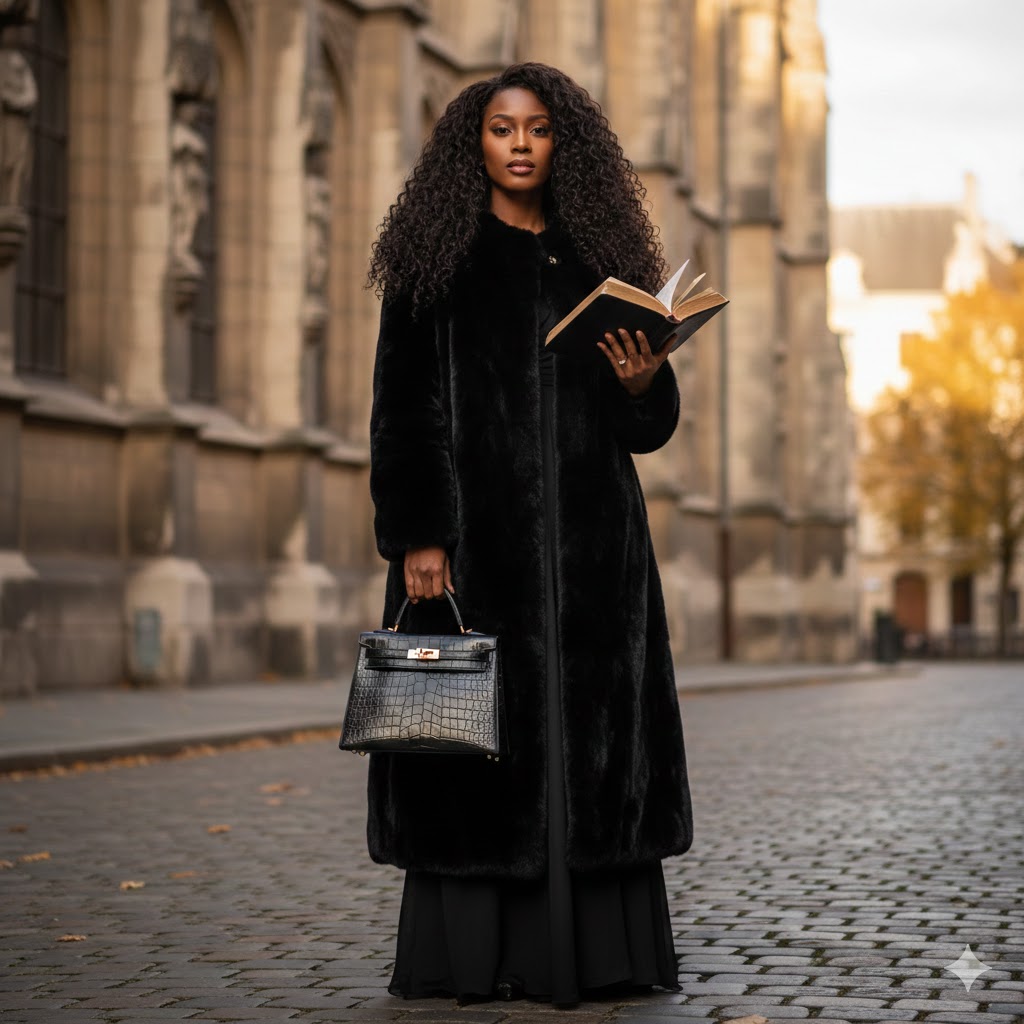
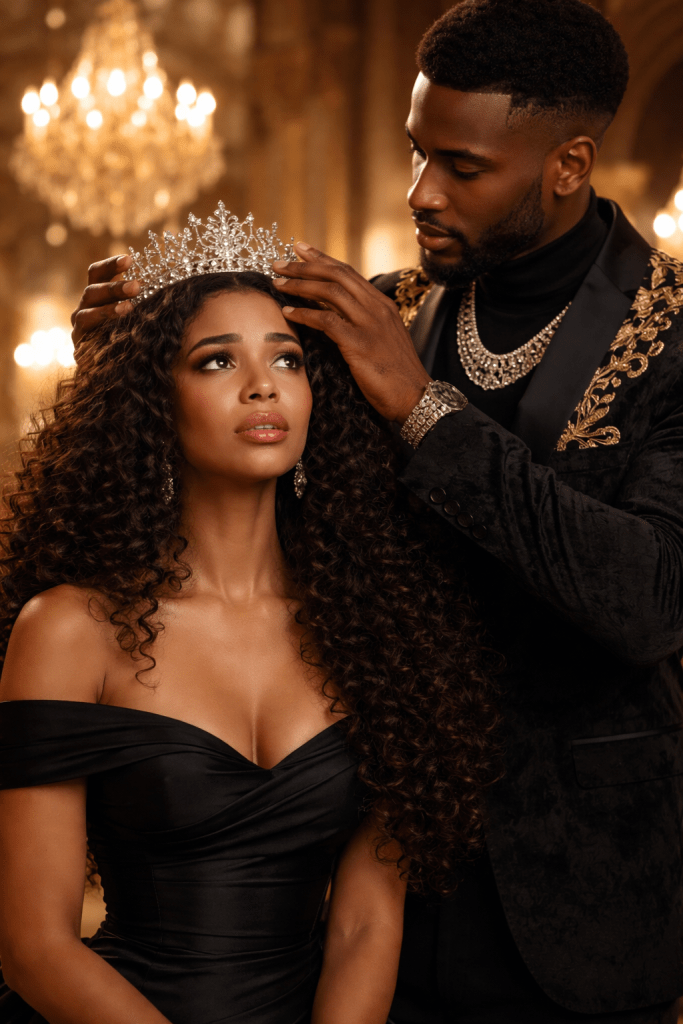
A Queen Worthy of the Crown

A queen worthy of the crown is not merely defined by outward beauty, status, or admiration from others; rather, her true identity is rooted in her relationship with God. Throughout Scripture, the imagery of crowns symbolizes honor, righteousness, and divine reward bestowed upon those who walk faithfully with the Lord. The spiritual crown is not earned through worldly prestige but through obedience, humility, and devotion to God. For the woman who desires to be a queen in God’s kingdom, the journey begins not with a man but with the King of Kings, whose guidance shapes her character and purpose.

The Bible teaches that believers will one day receive crowns as a reward for faithful living. The apostle Paul wrote that a “crown of righteousness” is laid up for those who love the appearing of Christ. This crown represents victory over sin, perseverance in faith, and steadfast commitment to God’s calling. Therefore, the woman who prepares herself spiritually is not merely preparing for earthly recognition but for eternal honor before God.

To be a queen in the kingdom of God requires a mindset that transcends cultural definitions of femininity. Society often encourages women to seek validation through relationships, social status, or physical appearance. However, a queen with God understands that her identity is secured in divine purpose. She sees herself as a daughter of the Most High, carrying dignity, wisdom, and grace in every aspect of her life.

Central to this identity is what may be called the “princess mentality.” This does not imply entitlement or arrogance, but rather a sacred awareness of one’s value before God. A princess mentality encourages a woman to treat herself with honor, protect her purity, and refuse environments that compromise her spiritual integrity. She understands that the way she carries herself reflects the kingdom she represents.

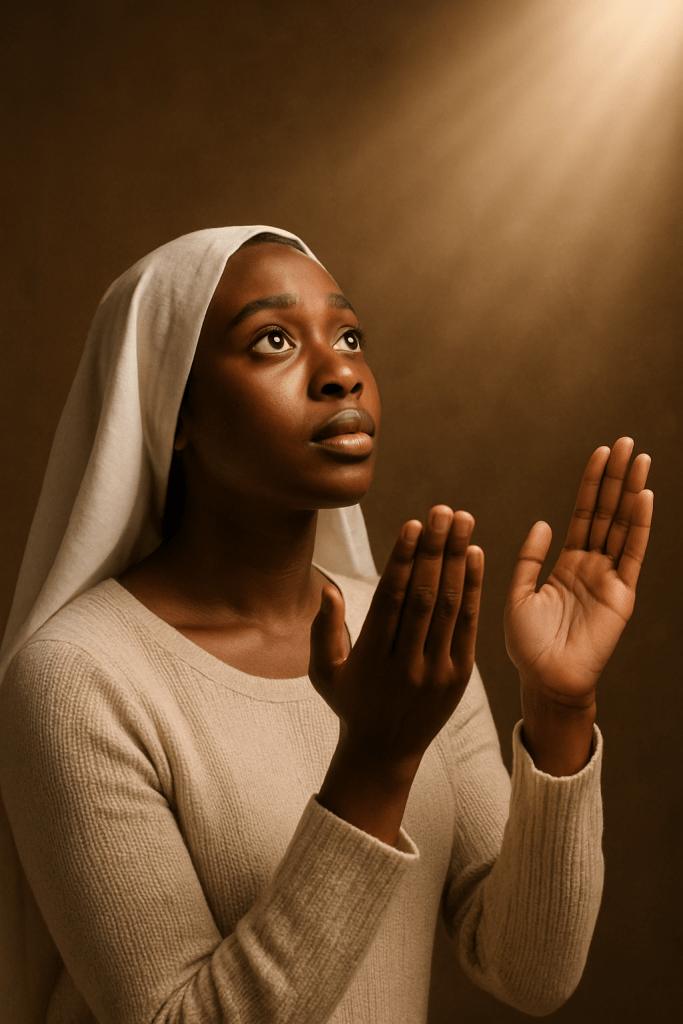
Seeking God daily is foundational to the life of a spiritual queen. Through prayer, meditation on Scripture, and worship, she cultivates intimacy with the Lord. This relationship becomes the source of her wisdom, strength, and peace. Rather than chasing worldly validation, she seeks the approval of God, knowing that divine affirmation surpasses human applause.

Fasting and prayer are also powerful disciplines that shape the heart of a queen. Biblical fasting is not simply abstaining from food but a spiritual practice that humbles the soul and sharpens spiritual sensitivity. Through fasting, a woman learns dependence upon God and gains clarity about her calling, relationships, and future direction.

Walking with God requires consistency and discipline. A queen worthy of the crown understands that spiritual maturity develops over time through obedience. She studies the Word, listens to the guidance of the Holy Spirit, and seeks wisdom from godly mentors. In doing so, she grows in character and becomes a reflection of divine wisdom.

Within God’s kingdom, queenship is closely tied to service and humility. Jesus Himself taught that greatness in the kingdom is measured by the willingness to serve others. A spiritual queen therefore uses her gifts to uplift her family, community, and church. Her influence is not domineering but nurturing, reflecting the compassionate nature of Christ.

Scripture offers a profound portrait of the virtuous woman in Proverbs 31. This woman is industrious, wise, compassionate, and deeply devoted to God. She manages her household with diligence, speaks with wisdom, and is clothed with strength and honor. Her worth is described as being far above rubies, emphasizing the rarity and value of such character.

Purity is another cornerstone of a queen’s spiritual preparation. The Bible encourages believers to honor God with their bodies and maintain holiness in their relationships. A woman committed to God guards her heart, understanding that intimacy is sacred and designed to flourish within the covenant of marriage.

Keeping oneself for marriage reflects both faith and patience. In a culture that often trivializes commitment, the woman who waits demonstrates profound trust in God’s timing. She recognizes that her body and heart are precious gifts, and she chooses to honor God by preserving them for a covenant relationship.

Waiting on God, however, does not mean living passively. During seasons of singleness, the queen continues to grow spiritually, intellectually, and emotionally. She invests in her purpose, builds meaningful relationships, and develops her talents. Her life remains fruitful even while she awaits the partner God may provide.

The Bible often emphasizes that a godly man finds a virtuous woman rather than the other way around. This principle suggests that the woman focuses primarily on becoming who God has called her to be. When the time is right, the godly king will recognize her character, faith, and dignity.

In the meantime, her devotion belongs first to the King of Kings. Christ becomes the center of her life, guiding her decisions and shaping her identity. Through this spiritual union, she experiences fulfillment that transcends romantic relationships.

Commitment to God also protects a woman from unhealthy relationships. When her standards are shaped by Scripture, she learns to discern character rather than charm. She values integrity, faith, and spiritual leadership above superficial attraction.

A queen worthy of the crown cultivates inner beauty. The apostle Peter wrote that the hidden person of the heart, characterized by a gentle and quiet spirit, is precious in the sight of God. Such beauty does not fade with time but grows stronger through faith and maturity.

Humility also defines the character of a spiritual queen. She recognizes that her gifts, beauty, and opportunities come from God’s grace. Rather than boasting, she expresses gratitude and uses her blessings to serve others.

Faith is essential during seasons of waiting and preparation. At times, a woman may feel overlooked or misunderstood, yet faith reminds her that God’s plans unfold according to divine wisdom. The crown prepared for her life will arrive in God’s perfect timing.

Ultimately, the promise of wearing a crown extends beyond earthly relationships. The faithful believer anticipates the eternal crown given by Christ to those who remain steadfast. This spiritual reward symbolizes victory, righteousness, and eternal fellowship with God.

Therefore, a queen worthy of the crown lives with purpose, purity, and devotion. She honors herself as a daughter of God, seeks the Lord through prayer and fasting, walks in wisdom, and patiently waits for God’s direction. Above all, she remains committed to the King of Kings, knowing that true royalty begins with a heart surrendered to God.

References

The Holy Bible, King James Version.
Clinton, J. R. (2012). The Making of a Leader. NavPress.
Foster, R. (2018). Celebration of Discipline: The Path to Spiritual Growth. HarperOne.
Stanley, C. (2010). How to Listen to God. Thomas Nelson.
Willard, D. (2014). The Spirit of the Disciplines. HarperOne.

The Perfect Woman: Does She Really Exist?

The concept of the “perfect woman” has existed across cultures, religions, and historical periods, often shaped by ideals of beauty, virtue, intelligence, emotional depth, and moral purity. In contemporary society, the perfect woman is imagined as beautiful but not vain, independent yet nurturing, ambitious yet submissive, sexually appealing yet modest, spiritually grounded yet modern. These contradictions raise an essential question: Does such a woman truly exist, or is she a social fantasy created by unrealistic expectations?

From a biblical perspective, the idea of perfection is not defined by flawlessness but by spiritual maturity and moral alignment with God. As in the case of men, Scripture does not present human women as perfect beings. Ecclesiastes 7:20 states, “For there is not a just man upon earth, that doeth good, and sinneth not” (KJV). The principle applies universally to humanity, meaning no woman is without fault.

The only being described as truly perfect in Christian theology is God. Jesus Christ embodies perfection in human form, but no woman in Scripture is portrayed as morally flawless. Even the most revered women—Sarah, Rebecca, Rachel, Ruth, Esther, Mary—display human limitations, fear, doubt, and imperfection. Yet they are celebrated not for perfection, but for faith, obedience, courage, and transformation.

Psychologically, the perfect woman often functions as an idealized projection of male desire and cultural fantasy. Carl Jung described such ideals as archetypes—symbolic images rooted in the collective unconscious. The perfect woman becomes a mirror of longing: beauty without aging, nurturing without need, loyalty without complexity, and sexuality without autonomy (Jung, 1969).

In modern media, the perfect woman is heavily shaped by capitalism and patriarchy. Advertising industries construct her body through Eurocentric beauty standards—slim waist, symmetrical face, youthful skin, long hair, and sexual availability. These images are digitally edited, surgically enhanced, and commercially engineered, making the “perfect woman” literally unreal (Wolf, 1991).

Sociologically, women face impossible standards. They are expected to be high-achieving in careers, emotionally intelligent in relationships, physically attractive at all times, sexually desirable but not promiscuous, spiritually pure but not restrictive, and maternally nurturing without losing independence. These demands are structurally contradictory (Connell, 2005).

The Bible presents a very different model of ideal womanhood. Proverbs 31 describes the virtuous woman not as flawless, but as disciplined, industrious, generous, wise, and God-fearing. “Favor is deceitful, and beauty is vain: but a woman that feareth the Lord, she shall be praised” (Proverbs 31:30, KJV). Her value lies in character, not appearance.

Even Mary, the mother of Jesus, was not portrayed as perfect. She expressed fear, confusion, and uncertainty when called by God (Luke 1:34, KJV). Her greatness came from submission, not sinlessness. Scripture honors obedience, not flawlessness.

The myth of the perfect woman is deeply tied to fear. Fear of abandonment. Fear of emotional harm. Fear of instability. The fantasy assumes that if a woman is perfect, she will never disappoint, betray, age, argue, struggle, or change. But this denies the reality of human growth and emotional complexity.

Theologically, expecting perfection from women is a form of misplaced worship. Augustine argued that humans seek divine fulfillment in finite beings, which always results in disappointment. The perfect woman becomes a substitute for God—a relational idol (Augustine, Confessions).

Relationally, the fantasy damages intimacy. When a woman is idealized, she is pressured to perform instead of exist authentically. She becomes a role, not a person. This creates emotional exhaustion, anxiety, and identity fragmentation, especially for women socialized to please.

From a Black feminist theological perspective, the perfect woman narrative is even more complex. Black women are historically denied femininity and forced into roles of hyper-strength, emotional labor, and survival. They are rarely allowed softness, vulnerability, or imperfection (hooks, 2000). The demand to be “perfect” becomes a form of psychological violence.

Biblically, God never demands perfection from women—He demands faithfulness. Micah 6:8 states, “What doth the Lord require of thee, but to do justly, and to love mercy, and to walk humbly with thy God?” (KJV). This applies equally to women and men.

The apostle Paul rejected personal perfection. “Not as though I had already attained, either were already perfect: but I follow after” (Philippians 3:12, KJV). Growth is spiritual movement, not moral completion.

Marriage in Scripture assumes imperfection. Ephesians 5 calls wives to love, respect, and submit in partnership, yet both partners are described as sinful beings in need of grace. The biblical model is covenantal, not idealistic.

The perfect woman myth is reinforced by social media culture. Filters, cosmetic surgery, curated lifestyles, and influencer branding construct unattainable femininity. What is marketed as natural beauty is technologically manufactured.

Theologically, perfection belongs only to the future restored world. Ecclesiastes 7:29 states, “God hath made man upright; but they have sought out many inventions” (KJV). Human beings are fallen, fractured, and incomplete.

What does exist is not the perfect woman, but the whole woman: emotionally self-aware, spiritually grounded, intellectually developing, morally reflective, and relationally honest. She is not flawless—she is integrated.

The biblical woman is defined by growth, not glamour. By discipline, not desirability. By faith, not fantasy. By obedience, not perfection.

The perfect woman, like the perfect man, is ultimately a theological impossibility and a psychological projection. She exists only as an idea, not a person.

In conclusion, the perfect woman does not exist in human form. She exists only as a cultural myth and a symbolic archetype. What exists in reality are women who are imperfect, evolving, wounded, resilient, reflective, and becoming.

The question is not whether the perfect woman exists—but whether society is willing to honor real women without turning them into impossible gods.


References

Augustine. (2001). Confessions (H. Chadwick, Trans.). Oxford University Press. (Original work published c. 397)

Connell, R. W. (2005). Masculinities (2nd ed.). University of California Press.

hooks, b. (2000). Feminism is for everybody: Passionate politics. South End Press.

Jung, C. G. (1969). The archetypes and the collective unconscious (2nd ed.). Princeton University Press.

Wolf, N. (1991). The beauty myth: How images of beauty are used against women. HarperCollins.

The Holy Bible, King James Version. (1611/1769). Cambridge Edition.

Tillich, P. (1957). Dynamics of faith. Harper & Row.

🌸 Grace Over Glamour: Why Godly Character Lasts Longer Than Looks 🌸

Photo by murat esibatir on Pexels.com

In every generation, people have been tempted to chase after glamour—fashion, status, and fleeting admiration. Yet the Word of God reminds us that these things quickly fade. Proverbs 31:30 (KJV) declares: “Favour is deceitful, and beauty is vain: but a woman that feareth the Lord, she shall be praised.” Grace, the quiet strength of godly character, outlasts the glimmer of worldly beauty. While glamour may impress for a moment, it is grace that transforms lives and leaves an eternal legacy.

The psychology of attractiveness helps us understand this distinction. Studies show that while physical beauty may draw initial attention, it is personality traits such as kindness, reliability, and humility that sustain long-term admiration (Zebrowitz & Montepare, 2008). Outward glamour can fade with age or circumstance, but a gracious spirit shines brighter with time. Grace has a spiritual and psychological impact because it cultivates peace, joy, and relational harmony—qualities no amount of makeup or jewelry can provide.

The Bible provides many examples where godly character outweighed outward appearance. Ruth, a Moabite widow, may not have been admired for glamour, but her loyalty, humility, and faith brought her into the lineage of Christ (Ruth 1:16–17 KJV). Similarly, Hannah’s fervent prayers and devotion, not her outward beauty, brought forth the prophet Samuel (1 Samuel 1:27–28 KJV). These women show that God delights in character that glorifies Him rather than glamour that glorifies self.

Even in the New Testament, Peter emphasized that true beauty is inward: “Whose adorning let it not be that outward adorning of plaiting the hair, and of wearing of gold… But let it be the hidden man of the heart… a meek and quiet spirit, which is in the sight of God of great price” (1 Peter 3:3–4 KJV). Peter was not forbidding beauty, but teaching that glamour without godliness is empty. True beauty lies in grace—a spirit aligned with God.

Modern life gives us countless examples of grace outlasting glamour. A grandmother whose wrinkles testify of years of prayer, service, and love often radiates more beauty than any model on a magazine cover. A teacher who uplifts struggling students or a nurse who comforts patients reflects a grace that no designer clothing could replicate. These individuals reveal the eternal truth that grace is not seen in the mirror but experienced through the heart.

Psychologists also affirm that virtues like gratitude, forgiveness, and humility foster long-term well-being and relational satisfaction (Seligman, 2011). People are drawn to those who exhibit these traits, proving that glamour may attract crowds, but grace builds community. Grace speaks through actions, heals through compassion, and strengthens through faith.

Mary, the mother of Jesus, exemplifies this principle. She is never described in Scripture by her outward beauty, but she was called “highly favoured” (Luke 1:28 KJV). Her grace—obedience, humility, and faith—made her one of the most honored women in history. Her life demonstrates that God chooses vessels of grace, not glamour, to carry His greatest purposes.

The moral is clear: glamour fades, but grace remains. Godly character lasts longer than physical charm because it is rooted in eternity. While beauty may impress the eyes, grace touches the soul. To cultivate grace is to align oneself with God’s design for beauty, reflecting His love in every word and deed.

Ultimately, the choice is ours: to chase after glamour that will fade with time, or to walk in grace that grows more radiant with every act of faith. God’s daughters are called to clothe themselves in strength, humility, and love—for these are garments that never go out of style and will be praised in heaven.


References

  • The Holy Bible, King James Version.
  • Zebrowitz, L. A., & Montepare, J. M. (2008). Social psychological face perception: Why appearance matters. Social and Personality Psychology Compass, 2(3), 1497–1517.
  • Seligman, M. E. P. (2011). Flourish: A Visionary New Understanding of Happiness and Well-being. New York: Free Press.
  • Koenig, H. G. (2012). Religion, spirituality, and health: The research and clinical implications. ISRN Psychiatry, 2012, 278730. https://doi.org/10.5402/2012/278730

How to show up in the world as a Godly Woman. #TheBrownGirlDilemma

A godly woman shows up in the world first as one who belongs to God before she belongs to the world. Her identity is rooted in the Creator, not in cultural applause or fleeting validation. The world sees confidence; heaven sees surrender. The woman who is anchored in God walks with an invisible crown of purpose, though her posture remains one of humility.

Keeping oneself until marriage is not antiquated—it’s consecration. Purity is resistance in a world that profits from unguarded souls. The godly woman understands that her body is God’s sanctuary, not society’s playground. She obeys scripture without apology, knowing that obedience adorns her more richly than attention ever could. “Flee also youthful lusts” (2 Timothy 2:22, KJV).

She treats her health as a holy stewardship. Caring for her body is not vanity; it is a responsibility. She nourishes what God formed and guards what God entrusted. Wellness becomes worship when she honors the vessel that houses her spirit. “My people perish for lack of knowledge” (Hosea 4:6, KJV). Knowledge includes understanding what sustains life, strength, and longevity.

A godly woman lives pure not only in body but in intention. Her motives are audited by the Spirit, refined by truth, and disciplined by reverence. She is not driven by ego but guided by conviction. Her life is not loud, but it speaks. “Blessed are the pure in heart” (Matthew 5:8, KJV).

She walks without arrogance or pride because she knows God resists the proud. Pride makes one spiritually unreachable; meekness keeps one teachable. She chooses a low heart rather than a high seat. “God resisteth the proud, but giveth grace unto the humble” (James 4:6, KJV).

Meekness and a quiet spirit do not mean invisibility, but rather controlled power. She speaks when led, not when triggered. She carries strength under restraint, peace under pressure, and dignity without display. “…the ornament of a meek and quiet spirit, which is… of great price” (1 Peter 3:4, KJV).

Her mouth is watched like a gate because words frame reality. She does not weaponize her tongue or speak carelessly into the atmosphere. She knows that holiness includes how she talks, not just how she lives. “Death and life are in the power of the tongue” (Proverbs 18:21, KJV).

A godly woman allows a man to find her instead of chasing what God assigned to locate her. She does not search for a husband out of desperation but prepares for one by alignment. The right man finds her already in God, not lost in the world. “He that findeth a wife findeth a good thing” (Proverbs 18:22, KJV).

She helps those in need not for recognition but because compassion is her reflex. Charity becomes her language and generosity her proof of God’s nature in her. She pours from empathy, not empty platforms. “To do good and to communicate forget not” (Hebrews 13:16, KJV).

Meditation on God’s word keeps her rooted. Scripture is not decoration; it is her compass, her temperament regulator, her wisdom reservoir, her filter for decisions, and her resting place. She breathes the Word like oxygen for the soul. “Meditate therein day and night” (Joshua 1:8, KJV).

She depends on God more than she depends on outcomes. Independence in spirit is not rebellion—it means she is supplied by heaven rather than sustained by the world’s structures. God is her source, not her backup plan. “Trust in the LORD with all thine heart; lean not…” (Proverbs 3:5, KJV).

Her spirit is disciplined to reject pride, competition, gossip, chaos, entitlement, backbiting, and jesting that cheapens holiness. She avoids emotional arrogance as much as verbal pride. A godly woman carries inner order. “Let no corrupt communication proceed…” (Ephesians 4:29, KJV).

Modesty is her uniform, not insecurity. Dressing modestly is rebellion against the oversexualization of women, protest against spiritual distraction, and a declaration that her beauty is not bait. She adorns herself in righteousness, not exhibition. “With shamefacedness and sobriety” (1 Timothy 2:9, KJV).

She measures love by scripture, not sensation. Infatuation speaks to the flesh; godly love speaks to covenant, responsibility, sacrifice, companionship, and destiny synchronization. She does not fall in love—she walks into it with discernment. “Love… rejoiceth not in iniquity” (1 Corinthians 13:6, KJV).

She watches her mouth because holiness includes tone, timing, temper, temperament, truth, and self-control. She speaks wisdom, not wounds. Her words are grace-seasoned, Spirit-approved, and peace-centered. “Let your speech be alway with grace, seasoned with salt” (Colossians 4:6, KJV).

A godly woman is not reactive—she is prayerful. She prays first, speaks second, moves third. Her emotions are not idols, nor her opinions altars. She bows every impulse to God before offering it to the world. “Pray without ceasing” (1 Thessalonians 5:17, KJV).

Meekness is her warfare. Gentleness is her gravitas. Stillness is her confidence. Quiet is her strategy. Peace is her protest. Softness is her defiance. She confounds a world that mistakes silence for weakness. “… inherit the earth” (Matthew 5:5, KJV).

She helps others because God sees service as honor. The hurting, the widow, the orphan, the poor, the overlooked, the struggling, the rejected, the exhausted—she serves them like she serves Christ. Humanity becomes her ministry. “Pure religion… to visit the fatherless and widows…” (James 1:27, KJV).

She keeps herself until marriage because purity preserves purpose, and chastity protects clarity. She knows that sex is covenant language, not self-expression. What she gives in marriage, she does not rent in lust. “Marriage is honourable… bed undefiled” (Hebrews 13:4, KJV).

She cares for her health because strength is needed for assignment, family, ministry, longevity, motherhood, service, stability, and spiritual stamina. The woman who collapses early leaves work unfinished. She protects what God needs. “Run… that ye may obtain” (1 Corinthians 9:24, KJV).

She shows up in the world as evidence of God’s design. She is light without pride, soft without fragility, yielded without captivity, distinct without disdain, chosen without boast, disciplined without dread, pure without performance, modest without burials, confident without ego, kind without currency, calm without cowardice, quiet without voicelessness, prepared without chasing, submitted without erasure, adorned without arrogance, strong without noise, spiritual without theatrics, wise without wounds, and consecrated without apology.


References

The Holy Bible, King James Version. (1611/2017). Cambridge Edition.

McMinn, M. R., & Campbell, C. D. (2007). Integrative psychotherapy: Toward a comprehensive Christian approach. IVP Academic.

Johnson, W. (2015). “Embodied stewardship and spiritual discipline.” Journal of Psychology & Theology, 43(1), 27–36.

The Woman God Built

The woman God built is a masterpiece of divine intention, created to reflect His glory and manifest His purpose on earth. She is a woman of faith, rooted in prayer and devotion, trusting God’s timing and sovereignty. Proverbs 31:25 (KJV) says, “Strength and honour are her clothing; and she shall rejoice in time to come.” Her confidence and joy stem not from worldly recognition, but from her steadfast trust in the Lord.

She loves God with all her heart, soul, and mind, embodying the command of Matthew 22:37 (KJV): “Thou shalt love the Lord thy God with all thy heart, and with all thy soul, and with all thy mind.” Her devotion is evident in her daily choices, her priorities, and the way she cultivates her spiritual life. Prayer, worship, and meditation on the Word are her daily bread, sustaining her in times of challenge and triumph alike.

The woman God built keeps His laws and seeks to live righteously. She understands that obedience is an act of love and reverence. Deuteronomy 5:33 (KJV) teaches, “Ye shall walk in all the ways which the Lord your God hath commanded you, that ye may live, and that it may be well with you…” Her commitment to God’s statutes reflects discipline, wisdom, and a heart aligned with divine will.

She is modest in her appearance and demeanor, valuing purity and self-respect. 1 Timothy 2:9-10 (KJV) instructs, “In like manner also, that women adorn themselves in modest apparel…not with broided hair, or gold, or pearls, or costly array; But (which becometh women professing godliness) with good works.” Modesty is her crown, revealing that her worth is not determined by fashion, popularity, or fleeting trends.

Kindness flows naturally from her character. Proverbs 31:26 (KJV) declares, “She openeth her mouth with wisdom; and in her tongue is the law of kindness.” She speaks with grace, uplifts others, and extends compassion even when it is difficult. Her heart is tender toward those in need, and she actively seeks to bless others through acts of service and encouragement.

Strength is a defining characteristic of the woman God built. She is resilient in the face of trials, steadfast in adversity, and unwavering in her commitments. Joshua 1:9 (KJV) reminds her, “Have not I commanded thee? Be strong and of a good courage; be not afraid, neither be thou dismayed: for the Lord thy God is with thee whithersoever thou goest.” Her strength is both physical and spiritual, anchored in God’s presence.

She is wise, making choices guided by discernment and understanding. Proverbs 3:13-14 (KJV) teaches, “Happy is the man that findeth wisdom, and the man that getteth understanding. For the merchandise of it is better than the merchandise of silver, and the gain thereof than fine gold.” Her decisions honor God and benefit those around her, demonstrating that wisdom is both practical and godly.

Faith fuels her hope. Romans 12:12 (KJV) exhorts, “Rejoicing in hope; patient in tribulation; continuing instant in prayer.” Even in difficult seasons, she trusts God’s promises, knowing that His timing is perfect. Her faith shapes her perspective, enabling her to see opportunity in challenge and blessing in the midst of struggle.

The woman God built is a pillar of her household. Proverbs 31:27 (KJV) affirms, “She looketh well to the ways of her household, and eateth not the bread of idleness.” She manages responsibilities with diligence and care, ensuring that her family is nurtured, guided, and protected. Her home is a reflection of her values, discipline, and love.

She is generous and charitable, giving of her time, resources, and gifts to help others. Proverbs 31:20 (KJV) says, “She stretcheth out her hand to the poor; yea, she reacheth forth her hands to the needy.” Her generosity is not for recognition but stems from a heart attuned to God’s call to love and serve.

Patience defines her interactions with others. Ecclesiastes 7:8 (KJV) reminds us, “Better is the end of a thing than the beginning thereof: and the patient in spirit is better than the proud in spirit.” She responds with calm, understanding, and grace, recognizing that growth—her own and others’—requires time and nurturing.

Her character is unshakeable. Proverbs 31:30 (KJV) teaches, “Favour is deceitful, and beauty is vain: but a woman that feareth the Lord, she shall be praised.” The foundation of her life is God’s fear, guiding her moral compass and shaping her relationships, priorities, and conduct.

She is humble, acknowledging that every gift and talent is from God. James 4:6 (KJV) reminds us, “But he giveth more grace. Wherefore he saith, God resisteth the proud, but giveth grace unto the humble.” Her humility allows her to learn, grow, and uplift others without seeking personal acclaim.

A spirit of joy permeates her life. Nehemiah 8:10 (KJV) says, “The joy of the Lord is your strength.” Even amidst challenges, she finds delight in God’s presence, daily blessings, and the successes of those around her. Her joy is contagious, inspiring and uplifting those in her sphere of influence.

She is a woman of integrity, whose words and actions are consistent and reliable. Proverbs 10:9 (KJV) teaches, “He that walketh uprightly walketh surely: but he that perverteth his ways shall be known.” Her integrity builds trust, respect, and admiration, and she honors God by keeping her commitments faithfully.

She embodies self-discipline, regulating her thoughts, emotions, and actions. 1 Corinthians 9:27 (KJV) emphasizes, “But I keep under my body, and bring it into subjection: lest that by any means, when I have preached to others, I myself should be a castaway.” Discipline enables her to pursue her purpose consistently and live according to God’s standards.

The woman God built is courageous, facing challenges with faith and determination. Deuteronomy 31:6 (KJV) declares, “Be strong and of a good courage, fear not, nor be afraid of them: for the Lord thy God, he it is that doth go with thee; he will not fail thee, nor forsake thee.” Her courage inspires others and demonstrates reliance on God above all.

She is discerning in relationships, valuing those who align with her faith, values, and vision. Proverbs 13:20 (KJV) teaches, “He that walketh with wise men shall be wise: but a companion of fools shall be destroyed.” By surrounding herself with godly influences, she cultivates growth, encouragement, and mutual accountability.

She celebrates others, lifting sisters and peers with encouragement and affirmation. Romans 12:10 (KJV) exhorts, “Be kindly affectioned one to another with brotherly love; in honour preferring one another.” Her support fosters community, unity, and empowerment among women of faith.

Ultimately, the woman God built is a reflection of divine purpose, strength, and beauty. She is a testament to God’s design, blending faith, wisdom, integrity, and love. Proverbs 31:31 (KJV) concludes, “Give her of the fruit of her hands; and let her own works praise her in the gates.” Her life is a living tribute to God’s glory, inspiring generations to walk in obedience, grace, and faith.


References:

  • Holy Bible, King James Version (1611). Proverbs 31:25, 26, 27, 30, 31; Matthew 22:37; Deuteronomy 5:33, 31:6; 1 Timothy 2:9-10; Joshua 1:9; Proverbs 3:13-14; Romans 12:12; Ecclesiastes 7:8; 2 Corinthians 12:9; James 4:6; Nehemiah 8:10; 1 Corinthians 9:27; Proverbs 10:9; Romans 12:10; Titus 2:3-4.

Girl Talk Series: Inner Beauty

Ladies, let’s talk heart to heart. In a world that constantly tells us our worth depends on how we look—our makeup, our clothes, our shape—the Most High reminds us of a deeper truth. Real beauty isn’t about the eyelashes, the designer labels, or the perfect selfie. It’s about the heart. Don’t let your beauty be defined by your outer appearance, because the Most High doesn’t look at what man sees; He looks upon the heart (1 Samuel 16:7, KJV). What truly captivates Him is a spirit of humility, kindness, and faith. When your heart is pure, gentle, and anchored in love for the Most High, that’s when your beauty shines the brightest. True beauty is not in your reflection—it’s in your righteousness.

In a world saturated with vanity and self-promotion, many young women are taught that their worth lies in their appearance. The length of their hair, the contour of their face, or the brand of their clothing often becomes a measure of self-esteem. Yet, the Word of God teaches a higher standard of beauty—one not defined by outer adornment, but by a gentle and meek spirit that pleases the Most High. As 1 Peter 3:3–4 (KJV) reminds us, “Whose adorning let it not be that outward adorning of plaiting the hair, and of wearing of gold, or of putting on of apparel; but let it be the hidden man of the heart.”

True beauty radiates from within, and it cannot be purchased, enhanced, or filtered. It is the quiet confidence that comes from knowing who you are in the Most High. A godly woman understands that charm is deceitful and beauty is vain, but a woman who fears the Lord shall be praised (Proverbs 31:30 KJV). Her glow comes not from highlighter or foundation, but from the light of righteousness that rests upon her countenance.

Modesty in clothing reflects humility in spirit. It does not mean neglecting self-care or beauty—it means dressing in a way that honors God and commands respect. 1 Timothy 2:9–10 (KJV) advises, “In like manner also, that women adorn themselves in modest apparel, with shamefacedness and sobriety… but (which becometh women professing godliness) with good works.” The modest woman knows her worth and does not need to reveal her body to be validated.

When a woman uses her appearance or body to manipulate others, she forfeits her dignity and power. The world may applaud seduction, but the Most High values purity and wisdom. A godly woman walks with grace, not for attention but to glorify her Creator. She understands that her body is a temple of the Holy Spirit, not a billboard for lust (1 Corinthians 6:19–20 KJV).

Kindness is one of the rarest and most captivating forms of beauty. A gentle word, a forgiving heart, and a compassionate touch leave an impression that no physical trait can surpass. The woman who treats others with respect, who uplifts instead of tearing down, embodies the love of Christ. As Proverbs 31:26 (KJV) says, “She openeth her mouth with wisdom; and in her tongue is the law of kindness.”

Meekness, often misunderstood as weakness, is in fact a strength of divine proportion. It takes tremendous power to remain humble, patient, and composed in a world that glorifies arrogance and pride. The Most High delights in the meek, for “the meek shall inherit the earth” (Matthew 5:5 KJV). A woman of meekness carries herself with quiet authority, never needing to shout her worth.

A godly personality reflects the fruit of the Spirit. She is loving, joyful, peaceful, patient, gentle, good, faithful, and self-controlled (Galatians 5:22–23 KJV). These virtues do not come from external grooming but from a heart transformed by obedience and prayer. Her presence brings calm where there is chaos and light where there is darkness.

Being “beautiful” means more than having flawless skin or a perfect smile. It means having a soul that shines with gratitude and love for the Most High. The woman who seeks His face daily finds her reflection in His Word. Her beauty deepens as her relationship with Him grows, and her heart becomes a vessel of His glory.

Many in today’s culture confuse confidence with narcissism. But confidence rooted in vanity is hollow and fragile. A narcissistic spirit thrives on admiration and dominance, while a godly spirit thrives on service and humility. True confidence flows from knowing that one is fearfully and wonderfully made (Psalm 139:14 KJV) and that her identity is secure in God’s love.

Outer beauty fades with time, but character endures forever. The woman who cultivates righteousness and integrity will still shine when her youthful glow is gone. Her laughter, wisdom, and inner peace will make her radiant even in old age. She becomes a living testimony of Proverbs 16:31 (KJV): “The hoary head is a crown of glory, if it be found in the way of righteousness.”

It is not a sin to desire beauty or to take care of one’s appearance, but it becomes dangerous when vanity consumes the soul. The woman who obsesses over perfection forgets that she was already made in divine image. She must learn to look in the mirror and see herself as the Most High does—complete, valuable, and chosen.

When you love God with all your heart, your spirit reflects His presence. That love purifies your motives, softens your speech, and strengthens your actions. Even your eyes will reveal His peace, for “the light of the body is the eye” (Matthew 6:22 KJV). The love of the Most High is the truest beauty any woman can possess.

A beautiful heart forgives, prays, and uplifts others. It does not envy another woman’s looks or achievements. It celebrates sisterhood, recognizing that all women are created uniquely for a divine purpose. A woman of inner beauty knows her value without comparing herself to anyone else.

When a woman carries herself with dignity, she teaches others how to treat her. She does not compromise her morals for attention or approval. Her quiet strength earns respect because it is rooted in righteousness, not rebellion. She knows that the Most High crowns her with honor when she walks in truth.

Inner beauty blossoms in those who spend time in God’s Word. Meditation on Scripture nurtures peace, and prayer cultivates spiritual confidence. Over time, that spiritual discipline transforms the heart, radiating outward through posture, smile, and speech. Her beauty is no longer external—it becomes divine.

A loving personality can disarm even the hardest hearts. When you are gentle and patient with others, you become a reflection of Christ’s love. A woman with inner beauty knows that every word carries power; therefore, she speaks life, not gossip or cruelty. Her words bring healing where others bring harm.

The true mark of beauty is found in how you make others feel. If people leave your presence feeling valued and uplifted, then your beauty has fulfilled its divine purpose. The godly woman uses her influence to inspire, not to intimidate; to comfort, not to compete.

In a society obsessed with appearances, the woman of God stands out because her light comes from within. Her modesty is not repression—it is revelation of her worth. Her faith is her fragrance, her kindness her adornment, and her humility her crown.

True beauty is eternal because it reflects the eternal God. A woman who lives to please Him becomes more beautiful with every act of obedience and love. Her reflection in the mirror becomes less about her features and more about His glory shining through her.

Let every daughter of Zion remember: your worth is not in your clothing, body, or popularity, but in your relationship with the Most High. Walk in modesty, speak with kindness, love without condition, and let your inner light testify of His power. For when you love God first, everything about you—inside and out—becomes beautifully divine.

References
Holy Bible, King James Version. (1611). 1 Peter 3:3–4; Proverbs 31:26, 30; 1 Timothy 2:9–10; Matthew 5:5; Galatians 5:22–23; 1 Corinthians 6:19–20; Psalm 139:14; Proverbs 16:31; Matthew 6:22.

Girl Talk Series: Let the Older Woman Teach the Younger Woman.

A Biblical Mandate for Holiness, Marriage, and Family

Photo by KATRIN BOLOVTSOVA on Pexels.com

Older women, the charge begins with you. You are called by the Most High to lead the younger women with holiness, dignity, and reverence both for your husbands and for God Almighty. Your lives are to be living epistles, examples of faithfulness and godly character, instructing the next generation in the ways of righteousness. Your speech, your conduct, and even your silence should teach them how to love well, how to honor their covenant in marriage, how to walk in purity, and how to live in a way that magnifies the name of the Lord. The apostle Paul declares in Titus 2:3–5 (KJV) that you must be “in behaviour as becometh holiness,” not given to gossip or excess, but “teachers of good things.” The task before you is sacred — to guide the younger women in loving their husbands, raising their children in the fear of the Lord, and establishing homes that glorify Him.

The call for older women to teach younger women is not merely a cultural suggestion but a divine mandate rooted in Scripture. Titus 2:3–5 (KJV) states, “The aged women likewise, that they be in behaviour as becometh holiness, not false accusers, not given to much wine, teachers of good things; That they may teach the young women to be sober, to love their husbands, to love their children, To be discreet, chaste, keepers at home, good, obedient to their own husbands, that the word of God be not blasphemed.” This passage establishes an intergenerational covenant of wisdom, where mature women guide younger women in the art of godly living. Such teaching preserves family order, strengthens marriages, and nurtures communities rooted in faith.

The instruction to “love their husbands” begins with an understanding that love in marriage is not merely emotional but covenantal. Love is demonstrated through patience, respect, submission, and mutual care (Ephesians 5:22–25, KJV). Older women, having walked through seasons of difficulty, are equipped to counsel younger wives on perseverance during trials and to model forgiveness as a daily practice. This form of love reflects the love of Christ for the church, which is selfless and enduring (John 13:34–35, KJV).

Teaching younger women to love their children includes cultivating an atmosphere of nurture, discipline, and spiritual instruction. Proverbs 22:6 (KJV) commands, “Train up a child in the way he should go: and when he is old, he will not depart from it.” Older mothers can mentor younger mothers in balancing correction with compassion, avoiding harshness while maintaining consistent boundaries. They pass down practical wisdom in child-rearing that integrates spiritual guidance with daily life.

The call to sobriety is both literal and figurative. It points to living with a sound mind, exercising self-control, and avoiding extremes. Sobriety is essential in decision-making, in speech, and in emotional responses. Younger women, who may be more prone to impulsivity, benefit from mentorship that encourages spiritual discipline and emotional maturity (1 Peter 5:8, KJV). Older women can testify to the dangers of recklessness and model calmness even under pressure.

The biblical directive to dress modestly is another key area of mentorship. 1 Timothy 2:9–10 (KJV) admonishes women to adorn themselves “in modest apparel, with shamefacedness and sobriety; not with broided hair, or gold, or pearls, or costly array; But (which becometh women professing godliness) with good works.” Modesty does not negate beauty but places emphasis on inward character over outward display. Older women can guide younger women away from vanity and toward presenting themselves with dignity, reflecting holiness in their appearance.

Discretion is a virtue that requires training, as it is tied to wisdom and timing. To be discreet means to know when to speak and when to remain silent, to handle information responsibly, and to walk with humility (Proverbs 11:22, KJV). Younger women benefit from learning discretion, as it preserves marriages, friendships, and reputations. Older women have often learned through experience the dangers of gossip, rash speech, and indiscretion, making their counsel invaluable.

Being “keepers at home” is a command that affirms the value of homemaking and stewardship. This does not diminish a woman’s intelligence or worth but elevates her role as the heart of the household. Proverbs 31 (KJV) presents the virtuous woman as industrious, wise, and diligent in caring for her family. Older women can teach practical skills such as budgeting, meal preparation, and maintaining a peaceful environment, empowering younger women to see the home as a place of ministry.

Chastity, or sexual purity, remains a cornerstone of biblical womanhood. Hebrews 13:4 (KJV) declares, “Marriage is honourable in all, and the bed undefiled: but whoremongers and adulterers God will judge.” Older women help younger women uphold marital faithfulness, resist temptation, and maintain integrity in thought and action. In a culture that promotes promiscuity, mentorship provides accountability and reinforcement of godly values.

Pleasing one’s husband is not an act of servitude but an expression of love and respect. 1 Corinthians 7:3–4 (KJV) reminds couples that they have mutual obligations to one another, including physical intimacy and emotional support. Older women can demystify intimacy for younger wives, teaching them that sexuality in marriage is holy and designed by God for unity and delight (Song of Solomon 4:9–10, KJV).

Loving the Most High is the foundation upon which all other teachings rest. Deuteronomy 6:5 (KJV) commands, “And thou shalt love the LORD thy God with all thine heart, and with all thy soul, and with all thy might.” Without a strong relationship with God, efforts to love husband and children may falter. Older women can mentor younger women in prayer, fasting, Bible study, and worship, ensuring that their spiritual foundation remains firm.

In addition to these qualities, older women can teach the younger to cultivate patience. James 1:4 (KJV) exhorts believers, “But let patience have her perfect work, that ye may be perfect and entire, wanting nothing.” Marriage and motherhood often require waiting—waiting for growth, waiting for change, waiting for God to answer prayers. Mentorship provides encouragement during seasons of waiting.

Humility is another virtue critical to a woman’s spiritual development. 1 Peter 5:5 (KJV) says, “Yea, all of you be subject one to another, and be clothed with humility.” Older women, who have endured seasons of both pride and humiliation, are equipped to model what it means to submit to God’s will and to walk without arrogance. Humility preserves unity in the home and prevents contention.

Faithfulness must also be imparted to the next generation. Proverbs 20:6 (KJV) asks, “Most men will proclaim every one his own goodness: but a faithful man who can find?” Younger women must learn faithfulness not just in marriage but in their commitments, friendships, and service to God. Mentors demonstrate this faithfulness through consistency and reliability.

Hospitality is a trait encouraged in Scripture, and older women can guide younger women in opening their homes for fellowship, prayer meetings, and acts of kindness. Romans 12:13 (KJV) commands, “Distributing to the necessity of saints; given to hospitality.” Hospitality fosters community and creates an atmosphere where younger women can practice generosity and service.

Teaching younger women about stewardship is also vital. Luke 16:10 (KJV) reminds us that “He that is faithful in that which is least is faithful also in much.” Managing time, finances, and resources wisely prevents strife and promotes peace in the home. Older women can share practical insights from their own successes and mistakes.

Prayer is the lifeline of every believer, and younger women must be instructed to develop a vibrant prayer life. Philippians 4:6 (KJV) says, “Be careful for nothing; but in every thing by prayer and supplication with thanksgiving let your requests be made known unto God.” Mentorship in prayer strengthens faith and brings direction during times of confusion.

Older women also play a crucial role in teaching conflict resolution. Matthew 5:9 (KJV) declares, “Blessed are the peacemakers: for they shall be called the children of God.” Learning how to handle disagreements with gentleness and wisdom can preserve marriages and friendships. Seasoned women who have learned from years of relational challenges can impart strategies for reconciliation.

Another key area is teaching the younger to control their speech. Proverbs 18:21 (KJV) warns, “Death and life are in the power of the tongue.” Words can build or destroy, heal or wound. Mentorship trains younger women to use speech for edification and to avoid murmuring, complaining, and tearing others down.

Teaching gratitude is essential for contentment. 1 Thessalonians 5:18 (KJV) commands, “In every thing give thanks: for this is the will of God in Christ Jesus concerning you.” Gratitude transforms attitudes and fosters joy even in difficult seasons. Older women can lead by example, showing how thanksgiving invites God’s presence.

Mentoring younger women in courage is also necessary. Joshua 1:9 (KJV) exhorts believers to “be strong and of a good courage.” Life brings adversity, but courage allows a woman to endure hardships with faith and dignity. Mentors can inspire bravery through their testimonies of overcoming trials.

Another area often overlooked is teaching younger women financial prudence. Proverbs 31:16 (KJV) shows the virtuous woman engaging in wise investment and stewardship. Older women can guide younger ones on avoiding debt, living within their means, and preparing for the future without fear.

Mentorship must also address emotional regulation. Proverbs 16:32 (KJV) states, “He that is slow to anger is better than the mighty.” Older women can teach younger women how to manage anger, sadness, and anxiety through prayer, Scripture, and healthy coping strategies, thus avoiding destructive patterns.

Teaching forgiveness is central to healing and reconciliation. Colossians 3:13 (KJV) urges believers to forgive as Christ forgave. Older women who have practiced forgiveness can model this to younger women, preventing bitterness from taking root and destroying relationships.

Mentoring younger women in evangelism and service ensures that they fulfill the Great Commission (Matthew 28:19–20, KJV). Older women can encourage younger ones to witness through lifestyle and speech, bringing glory to God and expanding His Kingdom.

Finally, older women must teach the younger to endure persecution and remain steadfast in faith. 2 Timothy 3:12 (KJV) says, “Yea, and all that will live godly in Christ Jesus shall suffer persecution.” Encouragement from mature women strengthens younger women to hold fast to their convictions even in a culture hostile to biblical values.

When older women faithfully teach the younger women, entire households are fortified, and the Word of God is honored. This intergenerational mentorship fulfills God’s design for family, strengthens the church, and produces women who reflect Christ in every aspect of their lives.


References

  • The Holy Bible, King James Version (KJV): Titus 2:3–5; Ephesians 5:22–25; John 13:34–35; Proverbs 22:6; 1 Peter 5:8; 1 Timothy 2:9–10; Proverbs 11:22; Proverbs 31; Hebrews 13:4; 1 Corinthians 7:3–4; Song of Solomon 4:9–10; Deuteronomy 6:5; James 1:4; 1 Peter 5:5; Proverbs 20:6; Romans 12:13; Luke 16:10; Philippians 4:6; Matthew 5:9; Proverbs 18:21; 1 Thessalonians 5:18; Joshua 1:9; Proverbs 31:16; Proverbs 16:32; Colossians 3:13; Matthew 28:19–20; 2 Timothy 3:12.

Girl Talk Series: The Traits of a Virtuous Woman.

Photo by Kaybee Photography on Pexels.com

Listen, ladies, let not our worth be measured by outward appearances, material possessions, or the approval of the world. True value lies in the inward woman, “which is of a meek and quiet spirit, in the sight of God of great price” (1 Peter 3:4, KJV). A virtuous woman is not defined by what she wears, what she owns, or how others see her, but by her character, faith, and devotion to the Most High.

Let us learn to be good mothers, nurturing our children in the ways of the Lord, and loving our husbands with respect, admiration, and submission according to God’s Word (Titus 2:4–5, KJV). God will bring the right man in His timing, so we are called to wait patiently and faithfully. In the meantime, we must “level up” ourselves through prayer, study of the Word, and building a personal relationship with the Most High.

A virtuous woman depicts the epitome of female dignity and godliness. Proverbs 31:10–31 (KJV) gives a timeless example, showing a woman who fears the Lord, works diligently, cares for her family, serves the needy, and walks in wisdom. She is strong yet gentle, industrious yet humble, and above all, her value comes from her devotion to God.

1. She Fears the Lord
The foundation of a virtuous woman is her reverence for God. Proverbs 31:30 (KJV) says, “Favour is deceitful, and beauty is vain: but a woman that feareth the LORD, she shall be praised.” Her decisions, speech, and actions are guided by the Word of God, not by worldly standards or fleeting desires. Fear of the Lord cultivates wisdom, humility, and spiritual discernment.

2. She Is Industrious and Diligent
Proverbs 31:13–17 (KJV) illustrates a woman who works with willing hands, providing for her household and engaging in trade or craft. A virtuous woman is not idle; she recognizes her responsibility to contribute meaningfully to her home and community. Psychology shows that purposeful engagement builds confidence, resilience, and satisfaction—qualities that enhance her character.

3. She Is Compassionate and Charitable
The virtuous woman reaches beyond her family to serve others. Proverbs 31:20 (KJV) says, “She stretcheth out her hand to the poor; yea, she reacheth forth her hands to the needy.” Compassion and generosity reflect the heart of God and draw His favor. Acts of kindness, even small, everyday gestures, cultivate influence and inspire others to righteousness.

4. She Demonstrates Wisdom and Prudence
A virtuous woman is a woman of understanding. Proverbs 31:26 (KJV) says, “She openeth her mouth with wisdom; and in her tongue is the law of kindness.” She knows how to speak life, teach correction gently, and navigate challenges with discernment. Emotional intelligence and wisdom protect her household and foster respect from family and community.

5. She Honors Her Husband
Titus 2:4–5 (KJV) calls women to love their husbands and manage their households with respect. A virtuous woman does not compete with her husband but supports him in God’s design. This respect strengthens marriages, promotes unity, and exemplifies biblical submission—not as weakness, but as godly strength.

6. She Nurtures Her Children
Proverbs 31:28 (KJV) says, “Her children arise up, and call her blessed; her husband also, and he praiseth her.” Raising children in the nurture and admonition of the Lord (Ephesians 6:4, KJV) is a key trait. A virtuous woman teaches faith, morality, and diligence, ensuring the next generation carries the covenant of God forward.

7. She Is Self-Controlled and Meek
1 Peter 3:4 (KJV) describes a meek and quiet spirit as precious in God’s sight. The virtuous woman controls her temper, avoids gossip, and responds to challenges with grace. Self-control fosters peace in the home and demonstrates a heart fully surrendered to God.

8. She Is Courageous and Strong
Proverbs 31:25 (KJV) says, “Strength and honour are her clothing; and she shall rejoice in time to come.” Strength for a virtuous woman is spiritual, emotional, and moral. She faces life’s trials with faith, knowing God equips her for every challenge, and her confidence rests in Him, not in fleeting worldly power.

9. She Maintains Dignity and Beauty Within
Beauty is fleeting, but godly character endures. A virtuous woman radiates dignity, composure, and inner peace (1 Timothy 2:9–10, KJV). Her adornment is her integrity, kindness, and devotion, which attract respect and admiration far beyond superficial appearances.

10. She Waits on God’s Timing
A virtuous woman understands that God orchestrates life’s seasons. Psalm 27:14 (KJV) says, “Wait on the LORD: be of good courage, and he shall strengthen thine heart.” Whether waiting for a husband, a promotion, or spiritual breakthrough, she trusts God’s timing and remains faithful.

11. She Reflects God’s Glory
Ultimately, a virtuous woman mirrors God’s love, mercy, and righteousness. Proverbs 31:31 (KJV) concludes, “Give her of the fruit of her hands; and let her own works praise her in the gates.” Her life honors God, blesses others, and demonstrates that true femininity is inseparable from godliness.

TraitScripture (KJV)Description
1. Fears the Lord1 Peter 3:4; Proverbs 31:30She values God above all and lets Him guide her life.
2. Industrious & DiligentProverbs 31:13–17She works with willing hands to provide and support her household.
3. Compassionate & CharitableProverbs 31:20She reaches out to the poor and needy, showing kindness.
4. Wise & PrudentProverbs 31:26She speaks with wisdom and handles situations with discernment.
5. Honors Her HusbandTitus 2:4–5She respects, loves, and supports her husband in God’s design.
6. Nurtures ChildrenProverbs 31:28; Ephesians 6:4She raises her children in the nurture and admonition of the Lord.
7. Self-Controlled & Meek1 Peter 3:4She maintains a gentle spirit, exercising patience and restraint.
8. Courageous & StrongProverbs 31:25She faces life’s challenges with faith and moral strength.
9. Maintains Inner Dignity & Beauty1 Timothy 2:9–10Her character and integrity shine more than outward appearance.
10. Waits on God’s TimingPsalm 27:14She trusts God’s plan and timing, staying faithful in patience.
11. Reflects God’s GloryProverbs 31:31Her life demonstrates God’s love, mercy, and righteousness.
12. Exemplifies Female VirtueProverbs 31:10–31She embodies dignity, wisdom, strength, and godliness in all she does.

Conclusion
Ladies, strive to be virtuous not for man, but for God. Develop your heart, mind, and spirit, and cultivate character that will withstand trials, elevate your household, and attract a godly husband in God’s timing. By embodying these traits, you become a woman of influence, blessing, and eternal value—precious in the sight of the Most High.

References:

King James Version Bible

Girl Talk Series: How to know if a Man wants to marry you.

Photo by Tammy Mosley on Pexels.com

Marriage is a sacred covenant designed by God, yet discernment is needed to know whether a man’s intentions are genuine. Many women ask how to recognize if a man truly desires to build a life-long union, or if his actions reveal otherwise. The answer requires examining not just words but consistent patterns of behavior, viewed through both biblical wisdom and psychological insight.


Signs He Wants to Marry You

  1. Provider Mentality
    A man who desires marriage will show signs of being a provider. He invests his resources—time, money, and energy—into building stability for a future family. Scripture teaches that a husband should provide: “But if any provide not for his own, and specially for those of his own house, he hath denied the faith, and is worse than an infidel” (1 Timothy 5:8, KJV). Psychology also affirms that men committed to long-term bonds often demonstrate investment behaviors, such as planning financially and making sacrifices (Stanley, Rhoades, & Markman, 2006).
  2. Generous with Time and Attention
    True commitment is measured by consistency. A man who wants marriage will not only spend money but will also give his time generously, even when inconvenient. Ephesians 5:25 (KJV) instructs: “Husbands, love your wives, even as Christ also loved the church, and gave himself for it.” Sacrificial love is reflected in showing up, listening attentively, and prioritizing the relationship.
  3. Future-Oriented Conversations
    A man serious about marriage will talk openly about the future: where to live, career plans, family values, and children. Psychologists note that future talk is a reliable predictor of long-term intentions because it reveals commitment scripts (Surra & Hughes, 1997). For example, a man saying, “When we buy a house…” or “When we raise our children…” signals long-range thinking, not temporary companionship.
  4. Involvement in Family and Community
    When a man wants marriage, he seeks integration with a woman’s family and community. He introduces her to his loved ones and desires mutual approval. In biblical times, marriage was not only between two individuals but between families (Genesis 24 shows Abraham ensuring Isaac’s marriage aligned with family covenant). A man who hides his partner or resists community involvement likely does not intend to marry.

What Are Not the Signs?

  1. Empty Words Without Action
    A man may say he wants marriage but fails to show evidence. Psychology calls this inconsistency between verbal commitment and behavioral investment. James 2:17 (KJV) reminds us that faith without works is dead; likewise, promises without action reveal empty intent.
  2. Generosity with Money but Not Time
    Some men may spend lavishly but withhold their presence. This signals performance rather than commitment. A true future husband balances resources and emotional presence.
  3. Avoidance of Long-Term Planning
    If a man changes the subject when marriage or family comes up, or insists on “just seeing where things go,” it suggests he does not see marriage as a priority.
  4. Secretive or Isolating Behavior
    A man who never introduces you to family, avoids accountability, or keeps you separate from his daily life is not preparing for marriage. The Bible says: “He that walketh uprightly walketh surely: but he that perverteth his ways shall be known” (Proverbs 10:9, KJV). Secrecy is not the foundation of covenant.

Example of True vs. False Signs

  • True Sign: A man works two jobs, saves for a home, and includes his fiancée in budgeting decisions. His actions show long-term stability.
  • False Sign: A man buys expensive gifts but avoids talking about shared finances, children, or spiritual life. His gestures flatter, but they do not root the relationship in reality.

Checklist: Signs a Man Wants to Marry You

True Signs (He’s Serious About Marriage)

  • 📖 Provider mentality – Invests in stability, works hard, manages money responsibly (1 Timothy 5:8).
  • Gives consistent time & attention – Shows up, listens, sacrifices convenience (Ephesians 5:25).
  • 🏡 Future-oriented talk – Discusses marriage, home, children, long-term plans.
  • 👨‍👩‍👧 Family & community involvement – Introduces you to loved ones, seeks approval and integration (Genesis 24).
  • 🤝 Consistency between words & actions – Promises backed by proof (James 2:17).
  • 📅 Planning mindset – Works toward shared goals and stability.

False Signs (He’s Not Serious)

  • Empty promises – Says he wants marriage but avoids action.
  • Generous with money, stingy with time – Buys gifts but withholds presence.
  • Avoids long-term planning – Refuses to discuss future or children.
  • Secretive lifestyle – Doesn’t introduce you to family, keeps you hidden (Proverbs 10:9).
  • Inconsistent behavior – Hot and cold interest depending on convenience.

Quick Biblical Reminder

  • A true husband provides (1 Timothy 5:8), sacrifices (Ephesians 5:25), and builds with wisdom (Proverbs 24:3).
  • A false husband flatters with gifts but lacks the fruit of commitment (Matthew 7:16 – “Ye shall know them by their fruits”).

Conclusion

Knowing if a man wants to marry you requires looking beyond flattering words and occasional gifts. True signs include provider instincts, consistency of time and attention, future-oriented conversations, and openness with family and community. False signs include avoidance of responsibility, secrecy, or generosity without substance. Scripture and psychology both affirm that love is not mere emotion but investment, sacrifice, and action. As Proverbs 24:3 (KJV) teaches: “Through wisdom is an house builded; and by understanding it is established.” A man who truly seeks marriage will show wisdom, responsibility, and commitment to building a lasting covenant.


References

  • Stanley, S. M., Rhoades, G. K., & Markman, H. J. (2006). Sliding vs. deciding: Inertia and the premarital cohabitation effect. Family Relations, 55(4), 499–509.
  • Surra, C. A., & Hughes, D. K. (1997). Commitment processes in accounts of the development of premarital relationships. Journal of Marriage and the Family, 59(1), 5–21.
  • The Holy Bible, King James Version.