Tag Archives: gender

Beauty Series: Men, Masculinity, and the Face Value Fallacy

In modern society, physical attractiveness often carries disproportionate weight in social perception. For men, appearance can influence how they are perceived in both romantic and professional contexts. The “face value fallacy” refers to the assumption that outward appearance reflects inner character, abilities, or worth, a misconception that can mislead both men and women.

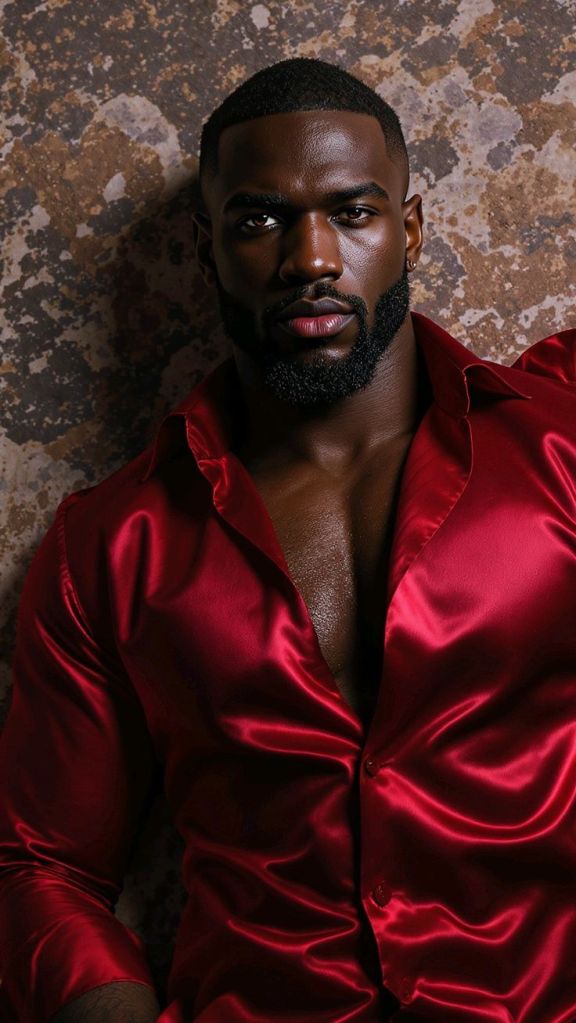
Masculinity is often intertwined with perceptions of physicality. Height, facial structure, muscle tone, and grooming can influence how men are judged socially, romantically, and professionally. Society frequently equates certain physical traits with strength, confidence, or success, creating pressure to conform to idealized standards.

However, the face value fallacy distorts understanding. While appearance may open doors or attract initial attention, it is not indicative of integrity, wisdom, or moral character. A man’s physical appeal does not guarantee faithfulness, responsibility, or emotional intelligence. Proverbs 31:30 reminds us, “Favor is deceitful, and beauty is vain: but a woman that feareth the Lord, she shall be praised.” This principle applies universally—outer attractiveness is transient and not a reliable measure of value.

For Black men, navigating societal standards of masculinity is compounded by cultural pressures and racialized stereotypes. Media, historical prejudice, and community expectations shape perceptions of what it means to be attractive, successful, or powerful. The pressure to embody both physical and social ideals can create internal conflict and influence behavior.

Romantic relationships are particularly impacted by the face value fallacy. Men may prioritize appearance when evaluating potential partners, while women may do the same when assessing men. Overemphasis on looks can obscure important qualities such as faithfulness, kindness, intelligence, and spiritual alignment.

Masculinity is more than appearance; it encompasses responsibility, integrity, and the ability to lead and protect. A godly man demonstrates strength through character, service, and faithfulness, not merely through aesthetics. Ephesians 5:25–28 emphasizes love expressed through action, highlighting the importance of inner virtue over superficial appeal.

The fallacy also affects self-perception. Men may equate their worth with how attractive they are or how favorably they are perceived by women or society. This can foster insecurity, anxiety, or unhealthy competition. True confidence is rooted in competence, character, and alignment with God’s purpose.

Social media amplifies the face value fallacy. Filters, curated images, and public comparison encourage judgment based on looks rather than substance. For men, this environment can distort priorities, fostering preoccupation with external validation instead of spiritual or personal growth.

The face value fallacy impacts decision-making in dating, career, and social interactions. Men who overemphasize appearance may overlook red flags, ignore character flaws, or invest in relationships that lack alignment with God’s principles. Discernment requires looking beyond the surface to evaluate behavior, integrity, and values.

Cultural influences play a role in shaping what is considered masculine and attractive. Historically, certain facial features, skin tone, or body types have been idealized, particularly within Western media. These standards often exclude diverse expressions of masculinity and contribute to pressure to conform.

Men may also experience fetishization, particularly in cross-cultural or interracial contexts. Certain physical traits—muscle, height, facial symmetry—can be objectified, reducing a man to aesthetic qualities rather than recognizing holistic character. This parallels how women are often evaluated primarily on appearance.

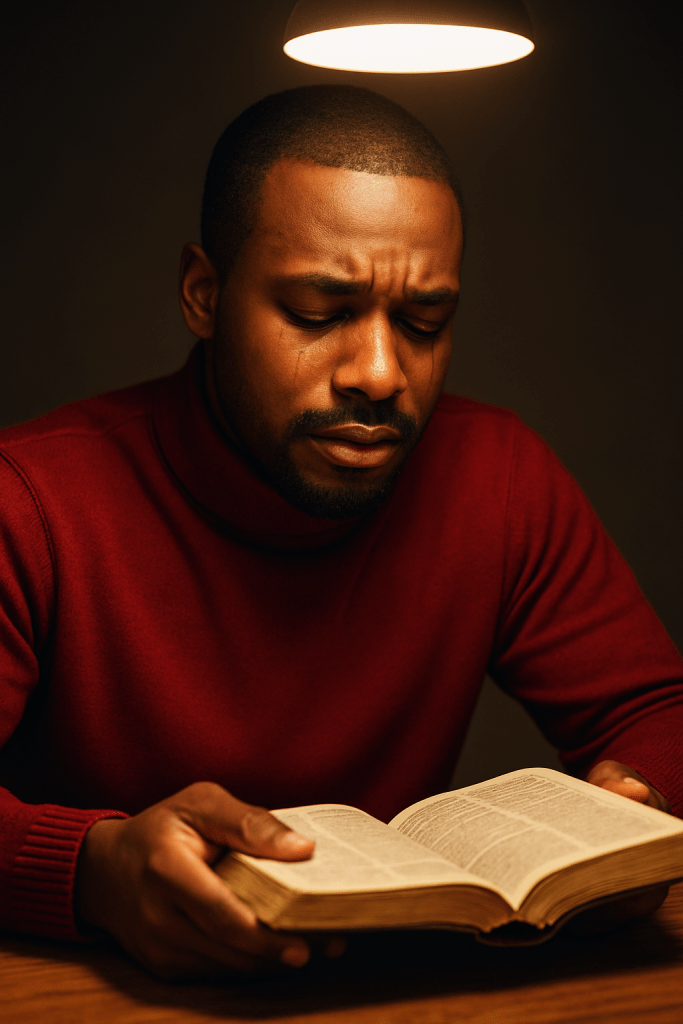
Faith provides a corrective lens. A man who prioritizes God’s guidance, integrity, and service embodies true masculinity. Appearance becomes secondary to spiritual alignment, moral responsibility, and relational fidelity. Psalm 37:23–24 underscores that the Lord directs the steps of the righteous, emphasizing guidance over outward perception.

Men who understand the face value fallacy cultivate authenticity. They invest in self-discipline, emotional intelligence, and godly character, ensuring that relationships and social interactions are grounded in substance rather than superficial attraction.

The fallacy also informs mentorship and leadership. Men who rise to positions of influence based solely on appearance or charm risk instability, ethical compromise, or relational discord. True leadership requires wisdom, empathy, and integrity, not merely aesthetic appeal.

Masculinity expressed through service rather than show fosters respect. Protecting, providing, and encouraging others reflects strength rooted in action rather than image. Proverbs 20:7 illustrates this principle: “The just man walketh in his integrity: his children are blessed after him.”

Romantic attraction must balance beauty with virtue. Physical appeal can initiate interest, but faithfulness, encouragement, and spiritual alignment sustain a lasting partnership. Women seeking godly men should look beyond appearance to assess character, values, and consistency.

Education, reflection, and accountability help men navigate pressures of appearance. Mentorship, community guidance, and scripture study reinforce the understanding that true masculinity is holistic, integrating physical, emotional, and spiritual dimensions.

Ultimately, the face value fallacy serves as a cautionary tale: appearances are temporary and often misleading. For men, prioritizing inner character, integrity, and godly principles creates enduring influence, meaningful relationships, and spiritual fulfillment.

Understanding this fallacy also benefits women. Recognizing that physical appearance does not guarantee fidelity, leadership, or moral alignment allows women to make informed choices in partners, fostering healthier relationships and spiritual growth.

Beauty, whether male or female, is a gift, but it should never define worth. Masculinity grounded in integrity, wisdom, and service endures beyond fleeting aesthetic standards. Godly men and women alike are called to evaluate relationships and social interactions through the lens of scripture, ensuring alignment with divine purpose rather than superficial perception.

References

The Holy Bible, King James Version.

Ephesians 5:25–28
Proverbs 31:30
Psalm 37:23–24
Twenge, J. M., & Campbell, W. K. (2009). The Narcissism Epidemic: Living in the Age of Entitlement. Free Press.

Hunter, M. (2007). The persistent problem of colorism: Skin tone, status, and inequality. Sociology Compass, 1(1), 237–254.

Anderson, E. (2012). The Social Dynamics of Black Male Attraction. Oxford University Press.

Psychology Today. (2016). Why physical attractiveness influences behavior.

The Male Files: The Mind of Modern Man

The modern man exists within a complex psychological landscape shaped by rapid technological change, economic uncertainty, shifting gender norms, and persistent cultural expectations. From a psychological perspective, masculinity is no longer anchored solely in traditional roles such as provider, protector, and patriarch, but is increasingly negotiated through identity performance, emotional labor, and social perception. The mind of modern man is therefore characterized by tension between inherited masculine ideals and emerging models of selfhood that emphasize vulnerability, emotional intelligence, and relational competence (Levant & Pollack, 1995).

Historically, Western masculinity has been constructed through what psychologists term normative male alexithymia—the social conditioning of men to suppress emotional expression and equate vulnerability with weakness (Levant, 2001). This emotional restriction has produced long-term psychological consequences, including elevated rates of depression, anxiety, substance abuse, and suicide among men, particularly within marginalized communities (APA, 2018). For Black men, this psychological burden is compounded by racialized stressors such as discrimination, surveillance, and economic precarity, resulting in what scholars describe as racial battle fatigue (Smith et al., 2007).

Cognitively, modern men are increasingly shaped by digital environments. Social media, pornography, gaming culture, and algorithmic content have restructured male desire, attention, and self-concept. The constant exposure to hyper-idealized bodies, wealth displays, and sexualized imagery fosters comparative identity formation, often leading to body dysmorphia, performance anxiety, and distorted relational expectations (Twenge, 2017). The male psyche becomes fragmented between the authentic self and the curated digital persona—a phenomenon aligned with Goffman’s (1959) theory of social performance.

From a sociological standpoint, masculinity operates as a social script rather than a biological destiny. Connell’s (2005) theory of hegemonic masculinity explains how dominant cultural ideals of manhood—strength, stoicism, dominance, and sexual success—are maintained through institutions such as media, education, and the labor market. Men who fail to meet these ideals often experience identity dissonance, shame, and internalized inadequacy. This psychological strain is intensified in a late-capitalist society where worth is measured by productivity, status, and economic power.

Biblically, however, the mind of man is framed through a radically different epistemology. Scripture teaches that the human mind is shaped not merely by culture, but by spiritual orientation: “Be not conformed to this world: but be ye transformed by the renewing of your mind” (Romans 12:2, KJV). In this view, modern male anxiety is not only psychological but spiritual—rooted in disconnection from divine purpose and moral identity. The biblical man is called to cultivate wisdom, self-control, humility, and emotional discipline rather than ego, domination, or performance (Proverbs 4:23; Galatians 5:22–23).

Christ represents the ultimate cognitive and moral model of masculinity. Unlike the world’s archetype of man as conqueror, Christ embodies man as servant, healer, and sacrificial leader (Mark 10:45). His emotional expressiveness—grief, compassion, vulnerability—challenges modern masculinity’s emotional repression and offers a therapeutic vision of male psychology grounded in spiritual wholeness rather than social performance. Biblically, the healed male mind is not one that dominates others, but one that governs the self (Proverbs 16:32).

In synthesis, The Mind of Modern Man reveals that contemporary masculinity is in a state of psychological and spiritual transition. While the world conditions men to pursue power, validation, and status, both psychology and theology converge in affirming that true mental health arises from identity coherence, emotional integration, moral grounding, and purposeful living. The modern man’s greatest crisis is not the loss of authority, but the loss of meaning. His greatest restoration lies not in external success, but in internal alignment—between mind, soul, and divine intention.


References

American Psychological Association. (2018). Guidelines for psychological practice with boys and men. APA.

Connell, R. W. (2005). Masculinities (2nd ed.). University of California Press.

Goffman, E. (1959). The presentation of self in everyday life. Anchor Books.

Levant, R. F. (2001). Desperately seeking language: Understanding, assessing, and treating normative male alexithymia. Professional Psychology: Research and Practice, 32(2), 190–195. https://doi.org/10.1037/0735-7028.32.2.190

Levant, R. F., & Pollack, W. S. (1995). A new psychology of men. Basic Books.

Smith, W. A., Hung, M., & Franklin, J. D. (2007). Racial battle fatigue and the miseducation of Black men. Journal of Black Studies, 37(4), 551–578. https://doi.org/10.1177/0021934705281811

Twenge, J. M. (2017). iGen: Why today’s super-connected kids are growing up less rebellious, more tolerant, less happy—and completely unprepared for adulthood. Atria Books.

The Holy Bible, King James Version. (1611/2017). Cambridge University Press.

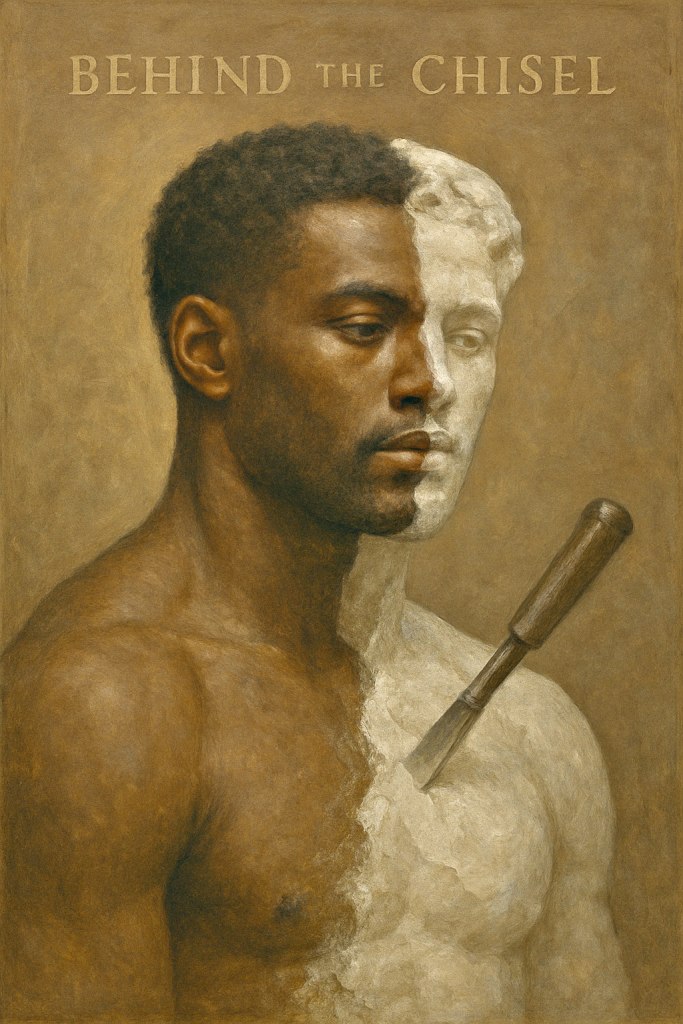
Behind the Chisel: The Vulnerability of the Beautiful Man.

Beauty, when embodied by a man, is both a gift and a burden. It grants social privilege, admiration, and power, yet it also confines him within the rigid expectations of visual perfection. The beautiful man becomes both subject and object, celebrated for his form but often alienated from his soul. In a society that prizes physical allure, his beauty becomes a mask—a chiseled shield hiding the delicate reality of human vulnerability beneath.

Historically, the male form was idealized not merely for attraction but as a symbol of strength, divinity, and order. In classical Greece and Rome, sculptors such as Polykleitos and Praxiteles established proportions that became the gold standard of masculine beauty, where symmetry reflected moral and cosmic harmony. The male nude in marble was not erotic but sacred, representing the balance between spirit and flesh. Yet even in this idealization, beauty was a double-edged sword. The hero’s perfect form was both admired and envied, his body a site of reverence and scrutiny alike.

The Renaissance revived this fascination with masculine perfection. Michelangelo’s David stands as the archetype—a beautiful man poised between youth and destiny. His body radiates strength, but his eyes betray contemplation, even fear. The chisel that shaped his muscles also exposed his soul. David’s tension between beauty and purpose mirrors the existential weight of the beautiful man throughout time: the pressure to embody power while concealing fragility.

In modernity, beauty became democratized yet commodified. With the advent of photography, cinema, and advertising, male beauty entered the realm of mass consumption. Icons like Paul Newman, Sidney Poitier, and Denzel Washington were admired not only for their talent but for their faces—faces that carried racial, social, and moral narratives. The beautiful man became a product of gaze and market, sculpted by expectation rather than stone.

The rise of digital media has intensified this commodification. Social media, with its relentless curation of images, has made beauty a measurable currency. Men are now expected to maintain a “natural perfection,” performing effortless attractiveness through fitness regimens, fashion, and self-branding. Yet behind the filtered glow and crafted angles lies the silent weight of performance anxiety—the fear of losing the audience’s gaze.

Psychologically, this creates a tension between identity and image. As Susan Bordo (1999) notes, men have increasingly internalized the gaze once reserved for women, becoming self-conscious objects of visual consumption. The male body is now a spectacle, and its owner becomes a curator of his own desirability. Beauty thus shifts from being a trait to being a task, an endless project of maintenance and validation.

The burden of male beauty also manifests in emotional suppression. Society rarely permits beautiful men to express vulnerability without undermining their masculine image. Strength, stoicism, and confidence are the expected traits—yet beneath them often lies loneliness. The beautiful man may find himself admired but not known, desired but not loved for his depth. His beauty becomes a barrier to intimacy, a mirror reflecting only surface light.

This paradox is magnified for Black men in particular, whose beauty often carries both hypervisibility and erasure. As scholars like bell hooks (2004) observe, the Black male body is simultaneously fetishized and feared, admired for its physicality yet denied full humanity. When beauty is filtered through racialized lenses, it becomes both a resistance and a burden. The Black beautiful man, then, is not only contending with aesthetics but with history—with centuries of objectification and survival inscribed into his skin.

The entertainment industry further distills this complexity. The camera loves the handsome man, yet it traps him in archetypes—the hero, the lover, the rebel. Hollywood celebrates his face while scripting his silence. Even within this admiration lies exploitation: beauty is marketable only when it conforms to prevailing ideals. As Laura Mulvey (1975) articulated in her theory of the “male gaze,” visual culture conditions viewers to consume bodies, not comprehend souls.

Behind this consumption lies a subtle cruelty: beauty fades. Time, the ultimate sculptor, erodes even the most flawless face. The beautiful man thus lives with an awareness of impermanence, of the day when admiration turns to nostalgia. His identity, if built on physical perfection, risks collapsing when youth departs. To age beautifully, therefore, becomes an act of rebellion—of reclaiming substance over surface.

Yet the vulnerability of beauty is not purely tragic. It invites empathy, forcing us to confront the shared fragility of all human ideals. The beautiful man who acknowledges his imperfections dismantles the myth of invincibility and reveals a more sacred kind of strength—the courage to be seen fully. His cracks become the proof of life, the evidence that marble can breathe.

Cultural critic Alexander Nehamas (2007) argues that beauty is “a promise of happiness,” not its guarantee. For the beautiful man, this promise often proves deceptive. The attention beauty attracts can isolate rather than fulfill, reducing complexity to aesthetics. Yet in that tension lies an opportunity: the chance to transform admiration into introspection, and image into meaning.

Spiritual traditions echo this truth. The Bible reminds humanity that “man looketh on the outward appearance, but the Lord looketh on the heart” (1 Samuel 16:7, KJV). True beauty, then, is not carved into flesh but cultivated in character. When a man understands that his worth transcends his reflection, he begins to live from the inside out—reclaiming the divine balance once symbolized in stone.

In art and life alike, the chisel’s purpose is revelation, not concealment. Every strike that shapes the figure also exposes the form beneath. Likewise, every trial that humbles the beautiful man reveals his essence. Vulnerability becomes the ultimate aesthetic—the invisible beauty of the soul.

This reclamation is vital in a world obsessed with surfaces. To be beautiful and human is to accept both admiration and misunderstanding, to find freedom not in perfection but in authenticity. Beauty ceases to be performance when it becomes truth. The man who dares to be imperfect redefines strength itself.

The modern beautiful man stands, like David, at the threshold between image and destiny. He learns that behind the chisel—the cuts of scrutiny, aging, and expectation—lies the deeper sculpture of spirit. His vulnerability is not his downfall but his masterpiece.

References

Bordo, S. (1999). The male body: A new look at men in public and in private. Farrar, Straus and Giroux.

Gilmore, D. D. (1990). Manhood in the making: Cultural concepts of masculinity. Yale University Press.

hooks, b. (2004). We real cool: Black men and masculinity. Routledge.

Kimmel, M. (2017). Angry white men: American masculinity at the end of an era. Nation Books.

Mulvey, L. (1975). Visual pleasure and narrative cinema. Screen, 16(3), 6–18.

Nehamas, A. (2007). Only a promise of happiness: The place of beauty in a world of art. Princeton University Press.

Intersectionality: Race, Gender, and Identity.

Photo by Polina Tankilevitch on Pexels.com

Intersectionality is a framework for understanding how multiple aspects of identity—such as race, gender, class, and sexuality—intersect to create unique experiences of privilege and oppression. Coined by legal scholar Kimberlé Crenshaw in 1989, intersectionality highlights how social systems and power structures do not affect everyone equally but instead produce layered, complex forms of discrimination, particularly for Black women and other marginalized populations.

Race and gender are two central axes in intersectional analysis. Black women, for example, experience discrimination that is not merely additive (race + gender) but intertwined, producing distinctive challenges that cannot be fully understood by examining either race or gender alone (Crenshaw, 1989). This approach allows for a more nuanced understanding of social inequality, as it acknowledges that identities are interconnected and context-specific.

Identity formation is profoundly shaped by these intersecting factors. A Black woman’s self-perception is influenced by societal messages regarding both race and gender, as well as by cultural heritage, family, and community. These overlapping identities can result in heightened awareness of societal biases, but they also provide resilience, cultural pride, and a multifaceted sense of self (Collins, 2000).

Intersectionality: Understanding Overlapping Identities

Core Concept

  • Intersectionality: How multiple social identities (race, gender, class, sexuality) intersect to create unique experiences of privilege and oppression (Crenshaw, 1989).

Visual Layout

Central Circle: Individual Identity
Surrounding Overlapping Circles:

  1. Race
  2. Gender
  3. Class
  4. Sexuality
  5. Religion/Culture

Overlapping Areas: Show how combinations produce distinct experiences.

  • Race + Gender: Unique discrimination experienced by women of color (“double jeopardy”).
  • Race + Class: Economic disparities and systemic barriers.
  • Gender + Sexuality: Gendered expectations compounded by sexual orientation.
  • All Intersecting: Complex lived realities shaped by multiple layers of identity.

Key Examples

  • Black Women in the Workplace: Face both gendered and racial bias, requiring intersectional policies.
  • Media Representation: Stereotypes often ignore overlapping identities; intersectional visibility fosters empowerment.
  • Health Outcomes: Intersectional stress contributes to mental health disparities.

Strategies for Applying Intersectionality

  • Policy design that considers multiple identity factors.
  • Awareness of biases in personal and professional contexts.
  • Representation and inclusion in media, education, and leadership.
  • Spiritual grounding: “Ye are all one in Christ Jesus” (Galatians 3:28, KJV).

Visual Design Notes

  • Colors: Different shades for each circle to show overlaps.
  • Icons: Workplace, media, health, education symbols around outer circles.
  • Text Highlights: Key phrases like “Privilege,” “Oppression,” “Unique Experiences,” “Empowerment.”

In practical terms, intersectionality reveals why certain policies or social interventions may fail. For instance, workplace diversity initiatives that focus solely on gender may not address the unique challenges faced by women of color, while race-focused programs may overlook gendered experiences. Intersectional analysis thus informs more equitable solutions and highlights the necessity of inclusive policymaking.

Psychologically, intersectionality affects mental health and well-being. Black women often experience compounded stress from navigating both racial and gendered expectations, a phenomenon sometimes referred to as “double jeopardy” (Beal, 1970). Recognizing and addressing these intersecting pressures is critical for developing coping strategies, resilience, and community support systems.

Culturally, intersectionality informs representation in media and public life. Black women are frequently underrepresented or stereotyped, reflecting biases that marginalize their complex identities. Accurate and multidimensional representation fosters empowerment and challenges societal norms, enabling individuals to see themselves as whole and valued.

The Bible provides spiritual guidance relevant to understanding identity and intersectional challenges. “There is neither Jew nor Greek, there is neither bond nor free, there is neither male nor female: for ye are all one in Christ Jesus” (Galatians 3:28, KJV). This verse underscores the inherent worth of individuals beyond social hierarchies and biases, reminding believers that identity in God transcends societal discrimination.

Intersectionality also has implications for activism and social justice. Movements such as Black Lives Matter incorporate intersectional frameworks to address not only race but also gender, sexuality, and class, emphasizing the need for solutions that acknowledge the complexity of lived experiences. Recognizing the interconnectedness of oppressions allows advocates to craft more comprehensive and effective strategies.

Education plays a critical role in applying intersectionality. Scholars, educators, and students must be equipped to recognize overlapping systems of privilege and oppression. Curricula that integrate intersectional perspectives foster critical thinking, empathy, and awareness of social inequities, preparing individuals to navigate diverse social contexts responsibly.

In conclusion, intersectionality provides a vital lens for understanding the complex ways race, gender, and identity intersect to shape experiences of privilege and oppression. By acknowledging the interconnectedness of social categories, individuals, policymakers, and communities can develop more nuanced, equitable approaches to social justice, representation, and personal empowerment. For Black women and other marginalized groups, intersectional awareness fosters resilience, cultural pride, and advocacy for systemic change.


References

  • Beal, F. M. (1970). Double jeopardy: To be Black and female. Meridians, 1(2), 1–10.
  • Collins, P. H. (2000). Black Feminist Thought: Knowledge, Consciousness, and the Politics of Empowerment. Routledge.
  • Crenshaw, K. (1989). Demarginalizing the intersection of race and sex: A Black feminist critique of antidiscrimination doctrine, feminist theory and antiracist politics. University of Chicago Legal Forum, 1989(1), 139–167.
  • The Holy Bible, King James Version.

Inside the Manosphere: Masculinity, Trauma, and the Search for Identity

The term manosphere has become a cultural phenomenon—an online constellation of blogs, influencers, podcasts, and forums where men gather to discuss masculinity, identity, relationships, and power. Yet beneath the surface lies a complex psychological, sociological, and spiritual reality that shapes how modern men interpret themselves and the world. The manosphere is not just a digital community; it is a mirror reflecting the anxieties, wounds, and aspirations of men living in a rapidly changing society.

The rise of the manosphere must be understood within the context of shifting gender norms. As traditional roles blur, many men experience a destabilization of identity. For some, this space becomes a refuge—a place to voice concerns without judgment. For others, it becomes a breeding ground for bitterness, resentment, and hyper-individualism. The manosphere is therefore not monolithic; it is a spectrum ranging from healthy male self-improvement to toxic ideologies anchored in misogyny.

Central to the manosphere’s appeal is the hunger for meaning. Many men feel isolated in a world that rarely encourages emotional vulnerability. With rates of male depression, loneliness, and suicide rising, online male communities often claim to fill a void left by absent fathers, fragmented families, or a culture that repeatedly tells men to “man up” rather than to heal. In this sense, the manosphere often functions as an informal form of brotherhood.

However, the manosphere also includes extremist factions that weaponize men’s pain. These groups—such as incels, red pill purists, and certain hyper-nationalistic voices—convert insecurity into ideology. Their narratives often blame women, feminism, or multiculturalism for men’s frustrations, redirecting personal wounds toward collective resentment. These narratives thrive because they offer simple explanations for complex emotional realities.

The manosphere also capitalizes on the modern marketplace of attention. Influencers monetize male insecurity through coaching programs, dating strategies, and lifestyle brands. While some provide legitimate guidance on discipline, fitness, or financial literacy, others exploit men’s vulnerabilities by offering overly simplistic narratives about dominance, submission, and sexual entitlement.

Spiritually, the manosphere reflects a crisis of masculine purpose. Historically, men found identity through covenant relationships, community, and responsibility. Today’s manosphere often promotes a detached masculinity rooted in self-gratification rather than service. In contrast to biblical manhood—which emphasizes love, stewardship, and sacrificial leadership—the manosphere frequently exalts power over humility and conquest over character.

At the same time, not all digital male spaces are destructive. Some men’s groups foster healthy dialogue about accountability, emotional intelligence, mentorship, and healing generational trauma. These spaces acknowledge the reality of male pain without blaming entire genders. They encourage growth, integrity, and brotherhood rooted in compassion rather than competition.

The manosphere’s obsession with dating dynamics reveals deeper issues about relational insecurity. Many voices teach men to view women as adversaries, prizes, or objects to be manipulated. This dehumanizing approach reflects a broader cultural problem: a lack of emotional maturity. Healthy relationships require empathy, communication, and mutual respect—qualities often dismissed in more toxic corners of the manosphere.

The manosphere also intersects with race. Black men, for instance, navigate not only gender expectations but also historical trauma, systemic oppression, and racial stereotypes. As a result, the Black manosphere often includes discussions about legacy, survival, and spiritual identity that differ from mainstream narratives. Yet even within Black communities, the influence of misogynoir can distort relationships by aligning with harmful patriarchal patterns.

In many ways, the manosphere is a symptom of fractured families. Men who grow up without stable male role models often seek identity in digital substitutes. This creates a vacuum where influencers become father figures—guiding millions not through covenant, wisdom, or lived experience, but through charisma and algorithmic popularity.

Economically, many men feel powerless in a world where career stability and financial certainty are no longer guaranteed. The manosphere taps into this anxiety by promising shortcuts to wealth, success, and dominance. Yet these promises often oversimplify the realities of socioeconomic stress.

The manosphere also thrives because society rarely provides safe spaces for male vulnerability. When emotional expression is stigmatized, unresolved trauma festers. Digital communities then become an outlet for suppressed anger. The problem is not that men seek refuge online—it is that many find the wrong voices at the wrong time.

Intellectually, the manosphere promotes a pseudo-scientific worldview that blends evolutionary psychology with selective data. Arguments about “male hierarchy,” “female hypergamy,” or “alpha archetypes” often ignore the nuance and complexity of real human behavior. These narratives appeal because they make relational struggles feel predictable and controllable.

Politically, the manosphere intersects with anti-feminist movements, conservative nationalism, and reactionary ideologies. These movements often exploit men’s grievances to recruit supporters and reinforce polarized worldviews. As a result, the manosphere becomes not only a gendered space but a political tool.

Yet the manosphere’s existence also reveals society’s failure to support men holistically. Schools often lack male mentors. Churches struggle to engage young men effectively. The workforce increasingly rewards skills traditionally associated with collaboration rather than physical labor. Without guidance, many men turn to digital communities for identity formation.

The spiritual danger of the manosphere lies in its distortion of leadership. True leadership is rooted in accountability, humility, and service. Yet manosphere leaders often promote dominance without responsibility, authority without empathy, and influence without moral grounding. This produces men who are emotionally underdeveloped yet psychologically inflated.

Still, the manosphere reveals that men desire structure, meaning, and purpose. When guided by healthy principles, male communities can produce resilience, discipline, and brotherhood. The solution is not to eliminate male spaces but to reform them—to infuse them with wisdom, character, and compassion.

A redeemed version of the manosphere would prioritize healing trauma, improving emotional intelligence, strengthening families, and encouraging men to embrace both strength and tenderness. Rather than targeting women, it would call men to grow into the fullness of their divine and human potential.

Ultimately, the manosphere is a mirror of modern manhood—its wounds, its fears, its hopes, and its confusion. It reveals how desperately men need guidance, fathering, community, and a purpose higher than ego. What men choose to do with this space will determine whether the manosphere becomes a force for healing or a playground for dysfunction.


References

Bailey, J., & Noman, R. (2020). Digital masculinity and online identity formation. Journal of Cyber Psychology, 12(3), 145–162.

Connell, R. W. (2005). Masculinities (2nd ed.). University of California Press.

Ging, D. (2019). Alphas, betas, and incels: The manosphere as a transnational online masculinity ecosystem. Men and Masculinities, 22(4), 638–657.

Kimmel, M. (2017). Angry white men: American masculinity at the end of an era. Nation Books.

Marwick, A., & Lewis, R. (2020). Media manipulation and online radicalization within the manosphere. Internet Studies Review, 8(1), 55–78.

Wilson, S. (2021). Broken boys to hardened men: Male vulnerability in digital subcultures. Journal of Social Psychology, 161(2), 240–256.

The Aesthetics of Manhood: Redefining Male Beauty in a Changing World

This photograph is the property of its respective owner. No copyright infringement intended.

In today’s evolving society, the concept of male beauty is undergoing a profound transformation. The traditional standards that once confined masculinity to stoicism, strength, and physical dominance are now being challenged by broader, more inclusive interpretations. The aesthetics of manhood are no longer limited to muscle and might—they now encompass vulnerability, intellect, emotional expression, and cultural authenticity.

Historically, male beauty was measured through physical power and ruggedness. In ancient Greece and Rome, statues of warriors and athletes represented the ideal male form—strong, symmetrical, and disciplined. The male body symbolized order and control, reflecting societal values of dominance and reason. However, these classical ideals excluded diverse expressions of masculinity, especially those from non-Western cultures that viewed beauty through community, spirit, and moral integrity (Bordo, 1999).

In African traditions, beauty in men has long been associated with wisdom, dignity, and spiritual strength. Among the Yoruba, for instance, the concept of iwa pele (good character) was considered more beautiful than mere physical appearance. Similarly, in ancient Kemet (Egypt), male beauty was symbolized by balance—between the body, mind, and soul. These ancestral philosophies remind us that beauty is not just seen; it is lived, embodied, and spiritually aligned (Asante, 2000).

The modern era, shaped by colonialism and Western media, disrupted these holistic views. Eurocentric standards elevated certain physical traits—light skin, straight hair, narrow noses—as superior, marginalizing men of African descent and redefining attractiveness through whiteness. The media portrayed Black men as hypermasculine or dangerous, stripping them of softness and sensitivity. This distortion created a false binary between strength and beauty (hooks, 2004).

Today, a cultural rebirth is reclaiming the aesthetics of Black manhood. The modern Black man is redefining beauty through authenticity—embracing his natural hair, his melanin, his heritage, and his emotions. Public figures like Idris Elba, Regé-Jean Page, and Chadwick Boseman have become global icons not merely because of their looks but because they embody elegance, confidence, and grace grounded in cultural pride.

Fashion has also become a vehicle for redefining masculinity. Once considered effeminate, self-expression through style now represents power and individuality. From tailored suits to traditional African attire, men are reclaiming the right to adorn themselves without judgment. The black corduroy suit, for instance—timeless, textured, and dignified—evokes a man grounded in intellect and self-respect, exuding quiet power rather than overt aggression.

Social media has democratized beauty, allowing diverse images of manhood to flourish. Influencers, models, and thinkers challenge the old norms by presenting vulnerability as strength and intellect as attraction. The male gaze is no longer just about how men look at women—it’s about how men perceive themselves. Self-love and self-definition are becoming acts of resistance against a society that once denied men the right to feel (Gill, 2008).

The aesthetics of manhood also intersect with mental health. For centuries, men were taught to hide pain and equate emotion with weakness. Today, redefining beauty includes emotional transparency—the courage to cry, to heal, to grow. This shift honors the humanity of men, not just their physicality. It teaches that inner peace radiates outward as a form of beauty.

In the world of art and photography, representations of male beauty are expanding. Portraits of Black men in fine suits, natural light, or ancestral settings highlight a sacred duality: strength intertwined with serenity. These images humanize the Black male body, reclaiming it from stereotypes of violence and hypersexualization. Beauty becomes political—a declaration of worth and wholeness.

Moreover, the redefinition of male beauty challenges capitalism’s grip on self-image. The beauty industry, long targeted toward women, now markets grooming, skincare, and fashion to men. While this opens new expressions, it also risks commodifying masculinity. The true aesthetics of manhood should arise from authenticity, not consumerism.

Education and media literacy are crucial in shaping new ideals. Young boys must be taught that their value extends beyond appearance or aggression. They must learn that empathy, faith, and integrity are beautiful traits. The aesthetics of manhood, when rooted in moral excellence, contribute to healthier relationships and stronger communities.

Faith and spirituality play an essential role as well. The biblical model of manhood—courage balanced with compassion—reminds us that beauty is divine when aligned with purpose. Scriptures like Proverbs 20:29 (“The glory of young men is their strength: and the beauty of old men is the gray head”) affirm that beauty evolves with age, wisdom, and moral refinement.

Culturally, we are witnessing a renaissance of manhood through art, film, and literature. Black filmmakers and writers depict complex male characters who cry, love, and lead with purpose. From the dignity of T’Challa in Black Panther to the introspection of Colman Domingo’s roles, beauty is reimagined as multifaceted and deeply human.

The aesthetics of manhood are also shifting across gender and sexuality lines. Men who defy conventional masculinity—whether through fashion, identity, or expression—expand the conversation. Their courage dismantles toxic ideals and allows a richer, more inclusive understanding of male beauty to emerge (Connell, 2005).

Intergenerational dialogue is vital in this redefinition. Elders must teach young men that beauty is not vanity but virtue. Meanwhile, younger generations must model new versions of manhood that blend tradition with transformation. Together, they can create a balanced vision where manhood is not confined by fear or dominance but liberated through authenticity.

The dilemma remains: society still pressures men to conform to outdated ideals of toughness. Yet, a new paradigm is rising—one that celebrates quiet strength, cultural pride, and spiritual wholeness. The true aesthetics of manhood are not found in perfection but in purpose, not in control but in connection.

Ultimately, redefining male beauty is about healing. It is about freeing men from centuries of repression and allowing them to see themselves as reflections of divine artistry. Every wrinkle, scar, and gray hair tells a story of endurance. Every expression of gentleness and courage reveals the image of God within.

The world is learning that beauty and masculinity are not opposites—they are allies in the making of a complete man. As this understanding deepens, society will no longer fear men who are beautiful in spirit, intellect, and soul. The aesthetics of manhood, then, become a universal call to redefine what it means to be human.


References

Asante, M. K. (2000). The African Philosophy of African Culture: Toward a Theory of Communication. Routledge.
Bordo, S. (1999). The Male Body: A New Look at Men in Public and in Private. Farrar, Straus and Giroux.
Connell, R. W. (2005). Masculinities (2nd ed.). University of California Press.
Gill, R. (2008). Empowerment/Sexism: Figuring Female Sexual Agency in Contemporary Advertising. Feminism & Psychology, 18(1), 35–60.
hooks, b. (2004). We Real Cool: Black Men and Masculinity. Routledge.

Colorism in the Black Diaspora: Comparing Black Males and Black Females.

Photo by Bave Pictures on Pexels.com

Historical-Political Lens

Colorism in the Black diaspora emerged as a direct consequence of colonialism and slavery. European colonizers and slaveholders favored lighter-skinned individuals, often granting them slightly better treatment, opportunities, or status. This created a hierarchy within Black communities that elevated proximity to whiteness.

For Black women, colorism historically affected beauty, marriage prospects, and social acceptance. Lighter-skinned women were more likely to be considered attractive and were sometimes granted preferential treatment within social and domestic hierarchies.

For Black men, the impact of colorism was less about beauty and more about perceived competence, masculinity, and threat. Lighter-skinned men were occasionally afforded better economic or social opportunities, while darker-skinned men were disproportionately subjected to hard labor, criminalization, and surveillance.

These historical hierarchies persisted into post-slavery eras. Jim Crow laws, discriminatory labor practices, and educational restrictions reinforced color-based disparities for both men and women, embedding systemic inequities across generations.


Psychological-Social Lens

Psychologically, colorism affects self-esteem, identity formation, and social interactions. For Black women, lighter skin often translates into greater social validation, while darker skin may be associated with marginalization, rejection, or internalized stigma (Hunter, 2007).

Black men, by contrast, experience psychological pressure from stereotypes linking dark skin to aggression, criminality, or hypermasculinity. These perceptions influence self-concept, behavior, and relational dynamics. Darker-skinned men may overcompensate with displays of toughness, achievement, or hyper-masculine behavior to counteract bias.

Colorism also shapes intra-community dynamics. Among women, lighter skin is often associated with higher social desirability, romantic attention, and leadership visibility. Among men, lighter skin can confer perceived intelligence, professional credibility, and safety, while darker skin can create social obstacles and relational challenges.

Internalized colorism is common across genders, but the manifestations differ. Women internalize societal beauty standards, affecting body image and desirability, while men internalize expectations around masculinity, competence, and social threat.


Faith-Based Lens

Faith and spirituality provide a counter-narrative to colorism for both Black men and women. Scripture affirms that worth and identity are not defined by skin tone: “So God created man in his own image… male and female created he them” (Genesis 1:27, KJV).

For Black women, faith encourages self-worth beyond beauty and societal judgment, affirming intrinsic dignity. For Black men, faith emphasizes character, integrity, and purpose beyond external stereotypes of skin tone or perceived threat.

Churches historically offered both genders mentorship, support, and social capital. Spiritual communities affirmed resilience and value while fostering cultural pride. Religious teachings highlight unity, love, and equality, offering guidance to counteract internalized biases and societal hierarchies (1 Samuel 16:7, KJV).


Contemporary Lens

Today, colorism manifests differently in media, social spaces, and professional contexts for men and women.

  • Women: Lighter-skinned Black women dominate mainstream beauty representation. Darker-skinned women often face underrepresentation, bias in modeling, media, and advertising, and scrutiny over appearance. Social media amplifies these disparities, where lighter skin may garner more attention, likes, and opportunities.
  • Men: Darker-skinned Black men are often stereotyped in media as threatening or hyper-masculine, while lighter-skinned men are portrayed as professionals, leaders, or romantic leads. Social media reinforces these disparities, influencing self-perception, relational dynamics, and professional opportunities.

Economic consequences are also gendered. For women, lighter skin may influence marriage markets, social desirability, and cultural capital. For men, lighter skin can facilitate employment, promotions, and leadership visibility, while darker skin may exacerbate scrutiny or discrimination.


Restorative Lens

Addressing colorism requires multi-layered strategies for both genders. Education about historical roots helps individuals understand the socially constructed nature of color hierarchies. This awareness reduces internalized bias and fosters critical engagement with societal pressures.

Community-based initiatives are essential. Mentorship, dialogue, and representation can empower Black men and women to resist harmful stereotypes. Celebrating diversity in skin tone within families, neighborhoods, and media strengthens communal identity and psychological resilience.

Faith and spiritual grounding provide restoration. For both men and women, affirming worth in God’s eyes counters societal hierarchies and promotes self-acceptance. Spiritual teachings highlight unity, equality, and service as measures of value beyond appearance.

Policy interventions and systemic reform are also critical. Media representation, equitable employment practices, and leadership inclusion reduce institutionalized color-based bias. Social structures must be reimagined to affirm competence, beauty, and leadership irrespective of skin tone.

Culturally, reclamation of heritage is vital. Afrocentric education, historical awareness, and pride in African features help both men and women resist assimilation pressures and internalized colorism.

Ultimately, while colorism affects Black men and women differently—beauty and desirability for women, competence and threat perception for men—the root causes and consequences are interconnected. Both genders experience psychological, social, and structural impacts, and solutions must address both personal and systemic dimensions.

omainBlack FemalesBlack Males
Historical ImpactLighter-skinned women were often privileged in domestic or social roles; darker-skinned women faced marginalization.Lighter-skinned men occasionally received slightly better labor or social opportunities; darker-skinned men were subjected to harsher labor and criminalization.
Beauty & AppearanceSkin tone heavily tied to perceived attractiveness, social desirability, and marriage prospects.Less emphasis on beauty; skin tone influences perceived masculinity, competence, and threat.
StereotypesDark skin associated with “unattractive,” “less desirable,” or “too ethnic.”Dark skin linked to aggression, hypermasculinity, and criminality; lighter skin associated with intelligence, safety, and professionalism.
Psychological ImpactInternalized colorism affects self-esteem, body image, and social validation.Internalized colorism affects self-concept, behavior, and social positioning; may lead to hypervigilance or overcompensation.
Media RepresentationLighter-skinned women dominate mainstream media, modeling, and advertising; darker-skinned women underrepresented.Darker-skinned men portrayed as threatening or hypermasculine; lighter-skinned men shown as leaders, professionals, or romantic leads.
Economic & Social MobilityLighter-skinned women may have advantages in social capital and visibility; darker-skinned women face bias in beauty industries and social spheres.Lighter-skinned men have better access to employment, promotions, and leadership opportunities; darker-skinned men face workplace bias and social suspicion.
Community DynamicsColorism can cause competition, rivalry, or exclusion based on skin tone.Colorism can influence perceptions of authority, respect, and social acceptance within communities.
Restorative PathwaysCultural affirmation, historical education, media representation, spiritual grounding, and mentorship.Cultural affirmation, historical education, media representation, spiritual grounding, mentorship, and advocacy for systemic reform.

By combining historical awareness, psychological support, spiritual grounding, community affirmation, and systemic change, Black communities can dismantle color-based hierarchies and cultivate environments of equity, dignity, and pride.


📖 References

  • Hunter, M. (2007). The persistent problem of colorism: Skin tone, status, and inequality. Sociology Compass, 1(1), 237–254.
  • Herring, C., Keith, V., & Horton, C. (2004). Skin deep: How race and complexion matter in the “color-blind” era. Politics & Society, 32(1), 111–146.
  • Pyke, K. D. (2010). What is internalized racial oppression and why don’t we study it? Sociological Perspectives, 53(4), 551–572.
  • Holy Bible, King James Version.

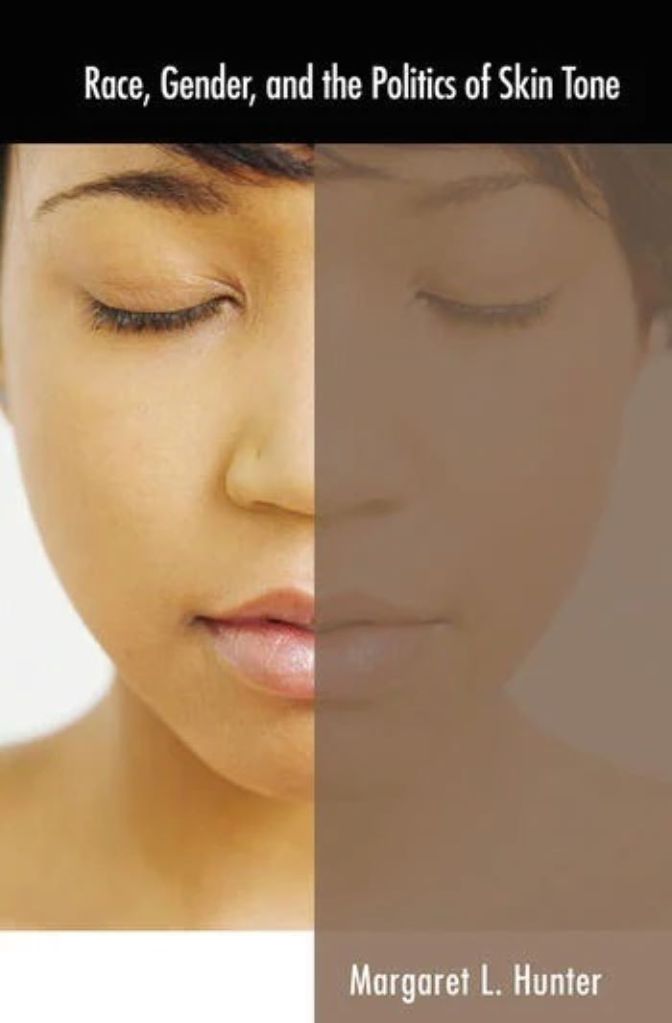
📖Book Review: Race, Gender, and the Politics of Skin Tone by Margaret L. Hunter.

⭐⭐⭐⭐⭐ 5/5 Stars

Race, Gender, and the Politics of Skin Tone

Published in 2005, this book examines how skin tone operates as a system of privilege and discrimination within African American and Mexican American communities. Drawing from in-depth interviews, historical records, and social analysis, Hunter demonstrates how lighter-skinned women often experience greater access to education, employment, and marriage opportunities, while darker-skinned women endure bias, invisibility, and stigmatization. The book situates colorism as both a legacy of colonialism and a persistent barrier to equality in modern society.

Key Points
Hunter highlights several key insights:

  • Historical Foundations: She situates colorism within slavery and colonization, exposing how whiteness and lightness were tied to power.
  • Socioeconomic Disparities: Lighter-skinned women are statistically more likely to access higher-paying jobs, higher levels of education, and “marry up.”
  • Beauty and Body Politics: The text addresses cosmetic pressures, including skin-lightening and surgery to alter facial features, showing how systemic bias reshapes physical identity.
  • Community Paradoxes: Dark-skinned women are often seen as “authentic,” while lighter-skinned women are more widely valued in mainstream society—a painful double standard.

Awards and Reception
Although not listed among mainstream literary award winners, Race, Gender, and the Politics of Skin Tone is regarded as a groundbreaking scholarly text and is widely adopted in college courses on race, gender, sociology, and African American studies. Scholars have praised it for being the first major sociological study to center on colorism across both African American and Mexican American contexts. Its academic influence is measured not in trophies but in citations, class adoptions, and the shaping of future research.

Groundbreaking and Life-Changing Appeal
The book is groundbreaking because it shifts the conversation from race alone to skin tone as an independent and powerful axis of inequality. For readers, it is often life-changing: it validates the lived experiences of women who have faced color-based bias, offering language and evidence where silence once reigned. By connecting personal testimony to systemic inequality, Hunter’s work affirms that the struggles surrounding beauty, identity, and skin tone are not individual failings but social constructions that must be dismantled.

Comparison with Other Works on Colorism
Hunter’s work stands alongside other landmark texts in the study of colorism. For example, Russell, Wilson, and Hall’s The Color Complex (1992, revised 2013) offered one of the earliest explorations of colorism in Black communities, focusing on the psychological effects of shade hierarchies. While The Color Complex is accessible and widely read, Hunter builds on this foundation with a more rigorous sociological methodology and a comparative lens that includes Mexican American experiences. Similarly, Melissa V. Harris-Perry’s Sister Citizen (2011) examines stereotypes and identity struggles of Black women in politics and culture; however, Hunter’s work is narrower in scope, diving deeply into skin tone stratification. Together, these books complement each other—The Color Complex exposing cultural wounds, Race, Gender, and the Politics of Skin Tone providing sociological depth, and Sister Citizen situating those struggles in broader systems of power.

Cultural and Media References
Though exact counts of media and blog citations are difficult to track, Hunter’s book is heavily referenced in academic articles, blogs on colorism, and grassroots discussions about skin tone politics. It frequently appears in bibliographies of colorism studies and has influenced cultural commentary from scholarly circles to online forums. Its resonance lies not only in academia but also in popular conversations about beauty, identity, and racial equity.

Author Bio
Margaret L. Hunter, a distinguished sociologist and professor, is widely recognized for her pioneering scholarship on race, gender, and inequality. Her academic career and cultural analyses have cemented her reputation as one of the leading voices on the study of colorism. As a faculty member at Loyola Marymount University and later at Mills College, Hunter has built her career on amplifying the voices of marginalized communities, specifically African American and Mexican American women.

Conclusion
Hunter’s Race, Gender, and the Politics of Skin Tone stands as one of the most significant works on colorism to date. Compared to The Color Complex and Sister Citizen, it represents the sociological anchor of colorism studies: data-driven, intersectional, and cross-cultural. It offers both a mirror—revealing the painful realities of shade bias—and a compass, pointing toward new ways of affirming beauty and worth beyond oppressive hierarchies. For scholars, activists, and readers seeking understanding, it remains a 5-star, essential text that is as relevant today as when it was first published.


References

Craig, M. L. (2002). Ain’t I a Beauty Queen?: Black Women, Beauty, and the Politics of Race. Oxford University Press.

Glenn, E. N. (2008). Yearning for lightness: Transnational circuits in the marketing and consumption of skin lighteners. Gender & Society, 22(3), 281–302.

Hunter, M. (2005). Race, Gender, and the Politics of Skin Tone. Routledge.

Keith, V. M., & Herring, C. (1991). Skin tone and stratification in the Black community. American Journal of Sociology, 97(3), 760–778.

Russell, K., Wilson, M., & Hall, R. (2013). The Color Complex: The Politics of Skin Color in a New Millennium. Anchor Books.

Harris-Perry, M. V. (2011). Sister Citizen: Shame, Stereotypes, and Black Women in America. Yale University Press.

Love, Loyalty, and Loneliness: The Dating Dilemmas of Black Women.

Photo by Meshack Emmanuel Kazanshyi on Pexels.com

The dating landscape for Black women has long been marked by complexities that reflect broader historical, cultural, and psychological realities. As they seek love, loyalty, and companionship, many find themselves navigating challenges shaped by systemic racism, gendered expectations, and the scarcity of men who meet traditional standards of commitment and provision. This has created a paradox where Black women, despite their educational, professional, and personal achievements, are often left facing the painful reality of loneliness or unfulfilling relationships.

One of the central dilemmas lies in the decreasing pool of “quality men.” Black men are disproportionately impacted by mass incarceration, unemployment, and systemic inequities that limit their socioeconomic mobility (Alexander, 2012). These realities drastically narrow the dating pool for Black women who desire stable, faithful, and responsible partners. As a result, many women confront the painful question of whether to compromise standards or risk prolonged singleness. In psychology, this contributes to chronic stress, lower relationship satisfaction, and a phenomenon termed “relationship scarcity” (Banks, 2011).

Another dimension is the increasing trend of Black men dating outside their race. While interracial love is not inherently negative, it becomes a source of tension when Black women—who are already culturally devalued—perceive themselves as less desirable partners. Studies show that Black women are among the least “swiped right” demographic on dating apps, revealing deep biases about beauty and desirability (Feliciano et al., 2009). The internalization of these biases leads some women to question their worth, even though Eurocentric standards of beauty fail to recognize the unique aesthetics of African heritage.

Compounding this issue are men who adopt exploitative approaches to dating. Many women encounter men who want only sexual access, with no intention of offering commitment or provision. The normalization of casual hookups has created a culture where women are asked, “What are you bringing to the table?”—a reductionist framing that treats relationships like business transactions rather than covenants of love. Instead of being honored as partners, Black women are often tested, judged, and dismissed based on narrow and materialistic criteria, further devaluing their femininity and humanity.

Additionally, the rise of “down low” culture, where men conceal same-sex relationships while engaging heterosexual partnerships, poses health and trust concerns. This hidden dynamic not only endangers Black women physically but also emotionally, as the betrayal of intimacy undermines trust. Alongside this, the prevalence of men lacking masculine responsibility—those unwilling to provide, protect, or commit—forces many Black women into roles of leadership and provision within relationships. This role reversal often leaves women drained, resentful, and longing for men who embody true biblical masculinity.

From a biblical perspective, the standards for how men should treat women are clear. Scripture emphasizes provision, love, and honor. Ephesians 5:25 (KJV) declares: “Husbands, love your wives, even as Christ also loved the church, and gave himself for it.” This verse establishes sacrificial love as the foundation of manhood. Likewise, 1 Timothy 5:8 (KJV) affirms that a man must provide: “But if any provide not for his own, and specially for those of his own house, he hath denied the faith, and is worse than an infidel.” These scriptures refute the cultural acceptance of men behaving like boys and underscore the divine mandate for men to be protectors and providers.

The dilemmas Black women face are also shaped by psychological dynamics in Black men. Centuries of racial emasculation, economic deprivation, and systemic disenfranchisement have left many men struggling with identity, motivation, and self-worth (Majors & Billson, 1992). This “cool pose” culture, where masculinity is performed through superficial bravado rather than authentic responsibility, often replaces genuine leadership with ego-driven behaviors. The consequence is a generational cycle where men fail to embody biblical husbandhood, leaving women disillusioned with romantic prospects.

Many Black women also struggle with the cultural stigma of spinsterhood. Remaining single past a certain age is often viewed negatively, yet for many, singleness is not by choice but by circumstance. While faith offers reassurance, the longing for companionship remains real. Proverbs 18:22 (KJV) states, “Whoso findeth a wife findeth a good thing, and obtaineth favour of the Lord.” This highlights the value of women in God’s design and emphasizes that men, not women, are to pursue and cherish this covenant. Yet in modern culture, pursuit is frequently replaced by games, inconsistencies, or fear of commitment.

Despite these challenges, there are still pathways for Black women to find quality men. Churches, professional networks, community organizations, and faith-based events can provide healthier contexts for meeting like-minded individuals compared to the superficial environment of dating apps. Furthermore, developing discernment through prayer and self-awareness is essential. Psalm 37:4 (KJV) encourages believers to “Delight thyself also in the Lord: and he shall give thee the desires of thine heart.” In this, women are reminded that God honors their desires for love and companionship when those desires are aligned with His will.

In conclusion, the dating dilemmas of Black women reflect deep intersections of systemic inequities, cultural stereotypes, and gendered expectations. From navigating scarcity of quality men to confronting betrayal, loneliness, and transactional relationship culture, Black women face unique challenges that demand both societal and spiritual attention. The Bible provides a timeless framework, affirming that men should love, provide, and protect, while women should be cherished, not devalued. The path to healing lies in reclaiming biblical order, challenging cultural stereotypes, and fostering environments where authentic, God-centered love can flourish.


References

  • Alexander, M. (2012). The new Jim Crow: Mass incarceration in the age of colorblindness. The New Press.
  • Banks, R. R. (2011). Is marriage for white people? How the African American marriage decline affects everyone. Penguin Press.
  • Feliciano, C., Robnett, B., & Komaie, G. (2009). Gendered racial exclusion among white internet daters. Social Science Research, 38(1), 39–54.
  • Majors, R., & Billson, J. M. (1992). Cool pose: The dilemmas of Black manhood in America. Simon & Schuster.