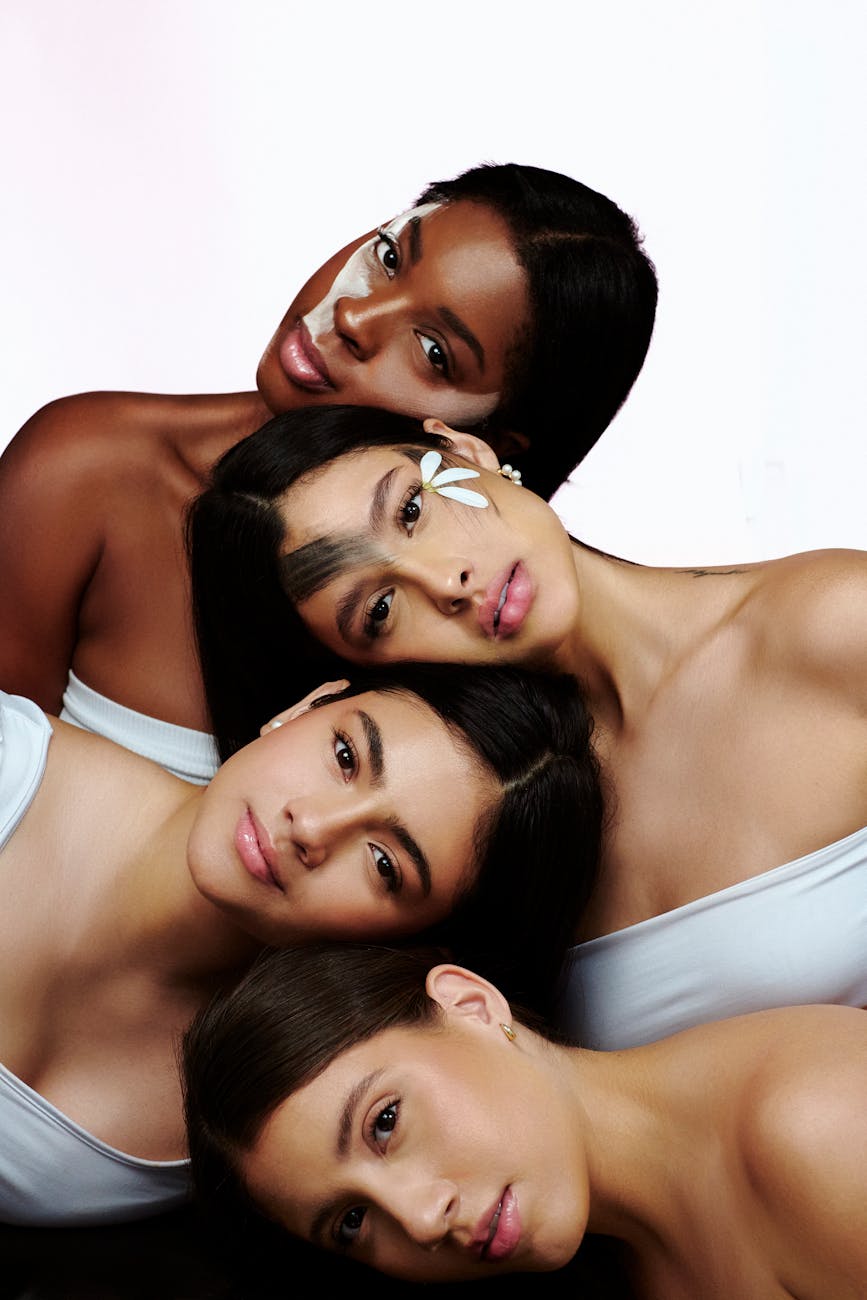
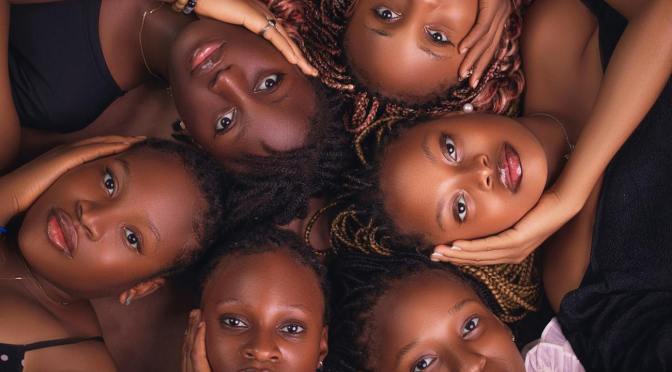
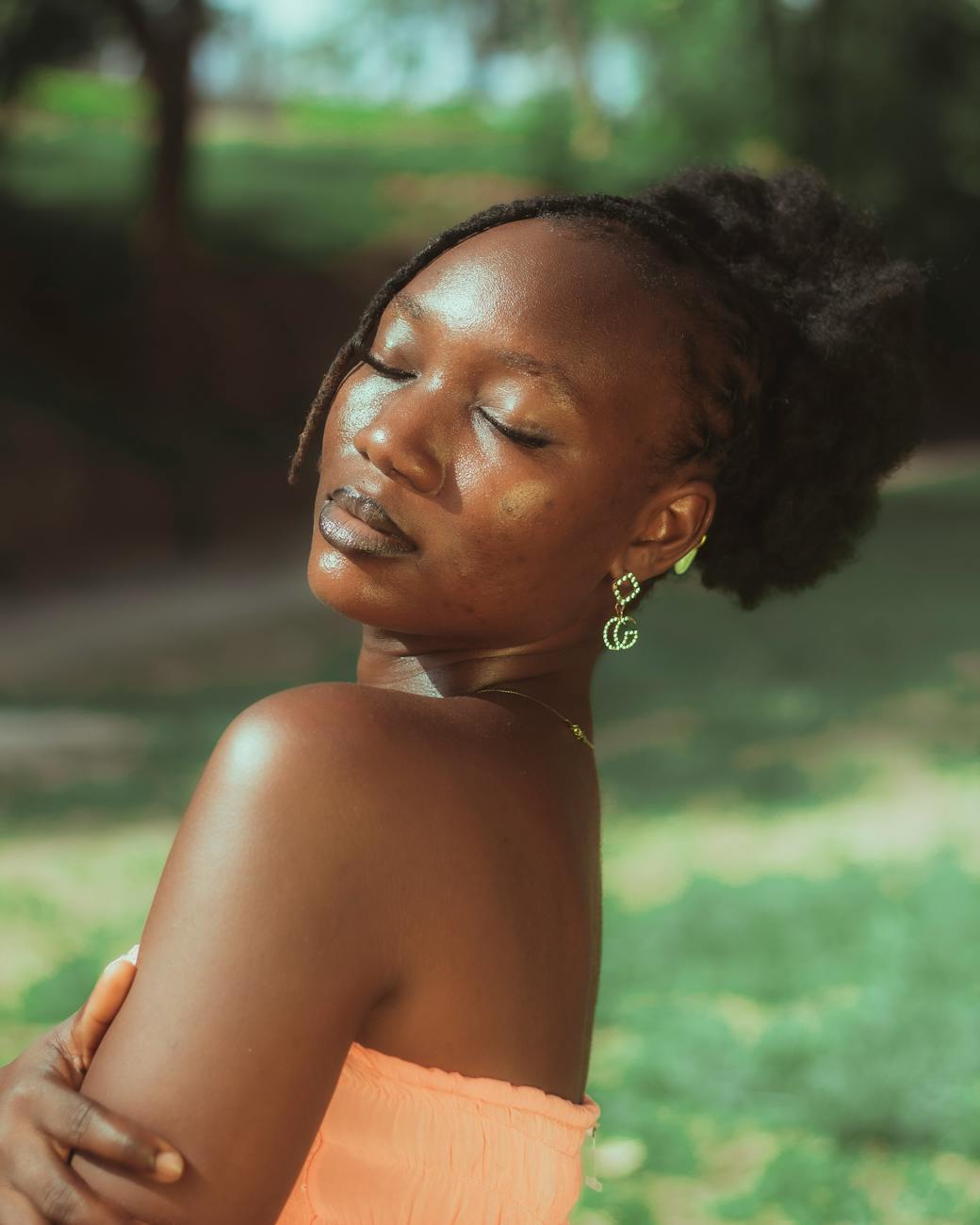
Brown skin carries with it a rich history, cultural significance, and an enduring legacy of resilience. For centuries, women of color have navigated societies that devalue their features and privilege lighter complexions, yet they have also cultivated beauty traditions, artistry, and cultural pride that transcend these limitations. Embracing brown skin is not just an aesthetic choice—it is an act of honoring ancestry, reclaiming identity, and asserting worth in the face of systemic colorism.
The Historical Context of Brown Skin
Colorism, a byproduct of colonialism and slavery, created hierarchies that valued lighter skin while marginalizing darker complexions (Hunter, 2007). These social constructs infiltrated media, employment, and even interpersonal relationships, perpetuating the notion that beauty is synonymous with fairness. Despite these historical pressures, women of brown skin have contributed significantly to art, literature, science, and culture, asserting their presence and redefining societal standards of beauty.
Cultural Pride and Beauty Traditions
Across Africa, the Caribbean, South Asia, and Latin America, brown skin has been celebrated through rituals, adornments, and fashion that reflect heritage and creativity. From intricate hairstyles to vibrant fabrics, jewelry, and skincare practices, these traditions affirm identity and beauty in culturally meaningful ways. Such practices highlight the connection between aesthetics and ancestry, showing that embracing brown skin is simultaneously an act of self-love and cultural preservation.
Representation in Media and Fashion
Modern media plays a critical role in shaping perceptions of beauty. Historically, mainstream platforms prioritized Eurocentric features, marginalizing brown skin in advertising, television, and film. However, today, more Brown women are taking control of narratives through modeling, acting, and digital platforms, challenging stereotypes and increasing representation. Public figures like Lupita Nyong’o, Adut Akech, and Tracee Ellis Ross exemplify the beauty, versatility, and influence of brown skin, inspiring younger generations to embrace their own tones.
The Science of Melanin and Health
Beyond cultural and aesthetic significance, brown skin has biological advantages. Higher melanin content provides natural protection against ultraviolet (UV) radiation, reduces the risk of skin cancer, and contributes to skin elasticity, often resulting in slower aging (Brenner & Hearing, 2008). Understanding the science of melanin not only reinforces appreciation for brown skin but also empowers individuals to care for it in informed and intentional ways.
12 Tips for Brown Girls to Celebrate and Care for Their Skin
Embrace Your Natural Tone – Wear your skin proudly without trying to lighten it. Celebrate the unique shades that make you who you are.
Practice Daily Skincare – Use moisturizers, sunscreens, and gentle cleansers suited for melanin-rich skin to maintain health and glow.
Highlight, Don’t Hide – Use makeup or fashion to enhance your natural features rather than masking your complexion.
Wear Color That Compliments Your Hue – Jewel tones, earth tones, and vibrant colors often enhance brown skin beautifully.
Protect Against UV Damage – Even though melanin provides some protection, always apply sunscreen to prevent hyperpigmentation and premature aging.
Celebrate Hair and Texture – Embrace natural hairstyles, braids, curls, or twists as expressions of cultural pride.
Consume Affirming Media – Follow influencers, celebrities, and content creators who celebrate brown skin and diversity in beauty.
Engage in Skin-Positive Communities – Join groups online or offline that promote self-love and reject colorist standards.
Educate Yourself on Skin Health – Understand the biology of melanin and how to care for it; knowledge empowers self-confidence.
Reject Colorist Products and Messages – Avoid products or media that suggest lighter skin is superior; affirm your natural beauty instead.
Affirm Your Worth Daily – Use positive self-talk and reminders such as: “I am beautiful, I am resilient, I am enough.”
Turn Compliments Into Inspiration – Celebrate others’ beauty while embracing your own; upliftment reinforces self-esteem and community pride.
Psychological Impact of Affirming Brown Skin
Affirming one’s brown skin is crucial for mental health and self-esteem. Social comparison theory explains how constant exposure to lighter-skinned ideals can negatively impact confidence (Festinger, 1954). By celebrating brown skin, women counteract these influences, develop resilience, and cultivate positive identity formation. Affirmation can take many forms, from consuming media that celebrates melanin-rich beauty to participating in online movements like #MelaninMagic or #BrownSkinPoppin.
Reclaiming Beauty as Empowerment
Embracing brown skin is also a form of resistance against colorism and systemic oppression. Each act of self-love—wearing natural hair proudly, rejecting skin-lightening products, or sharing authentic images online—challenges dominant narratives and empowers others. Brown skin becomes not just a physical attribute, but a symbol of cultural pride, historical resilience, and empowerment for future generations.
Conclusion
Heritage in every hue is a celebration of history, identity, and resilience. Brown skin embodies centuries of culture, artistry, and strength, and embracing it affirms both personal and collective legacy. By honoring the beauty of brown skin, women reclaim narratives, challenge colorism, and inspire confidence in themselves and others. In doing so, they ensure that the legacy of brown skin is recognized, celebrated, and preserved for generations to come.
References
Brenner, M., & Hearing, V. (2008). The protective role of melanin against UV radiation. Photochemistry and Photobiology, 84(3), 539–549.
Festinger, L. (1954). A theory of social comparison processes. Human Relations, 7(2), 117–140.
Hunter, M. (2007). The persistent problem of colorism: Skin tone, status, and inequality. Sociology Compass, 1(1), 237–254.
Skin color is more than a biological trait; it is a social, cultural, and historical marker. Among people of African descent, the spectrum of brown skin encompasses a wide array of shades, each carrying unique significance in terms of identity, beauty, and social perception. The differences between dark skin and light skin are often perceived not only visually but also psychologically and socially, shaping how individuals are treated, how they see themselves, and how society values them. To understand shades of brown, one must consider genetics, history, psychology, and cultural representation.
Genetic and Biological Foundations
Human skin color is determined primarily by melanin, the pigment produced by melanocytes. Darker skin contains higher levels of eumelanin, which provides more protection against ultraviolet (UV) radiation. Lighter brown skin contains less eumelanin, resulting in greater sensitivity to UV exposure (Jablonski & Chaplin, 2000). These variations occur naturally across populations due to evolutionary adaptation to geographic and environmental conditions. In African and African-descended populations, this genetic diversity produces a rich spectrum of brown skin—from deep ebony to caramel and honey tones.
Cultural Significance of Skin Tone
Shades of brown have been imbued with cultural meaning throughout history. In many African societies, dark skin is celebrated as a sign of strength, vitality, and connection to ancestry. Conversely, during and after slavery in the Americas, lighter skin was often associated with proximity to whiteness, privilege, and social mobility (Hunter, 2005). This historical privileging of light skin laid the foundation for colorism—the practice of favoring lighter-skinned individuals over darker-skinned ones within communities of color.
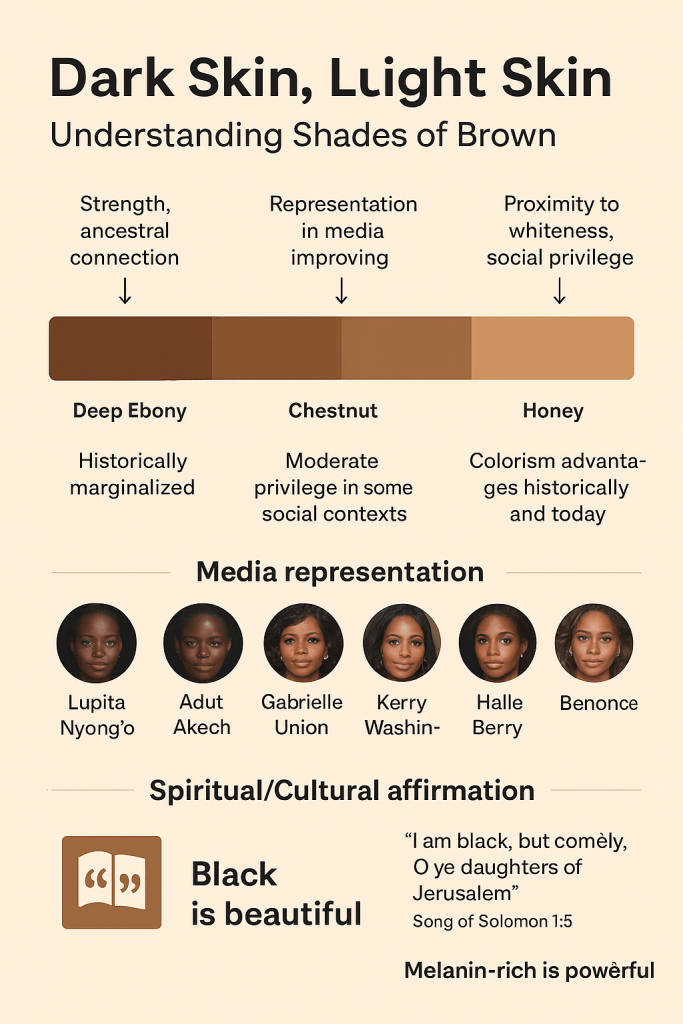
Examples of celebrities/models for each tone:
Dark Brown: Lupita Nyong’o, Adut Akech, Viola Davis.
Medium Brown: Gabrielle Union, Kerry Washington.
Light Brown: Halle Berry, Zendaya, Beyoncé.
Colorism and Social Hierarchy
Colorism is a direct legacy of slavery and colonialism. Enslaved light-skinned Africans often received preferential treatment, while darker-skinned individuals were relegated to harsher labor. These social hierarchies persisted into the 20th century, influencing marriage, employment, and media representation. Research shows that lighter-skinned African Americans often enjoy advantages in education, income, and perceptions of attractiveness, demonstrating the lingering psychological and structural effects of colorism (Hill, 2002).
Psychological Impacts
Skin tone can affect self-esteem, social interactions, and identity formation. Dark-skinned individuals may experience negative stereotypes, including assumptions about aggression, laziness, or undesirability, while light-skinned individuals may face internal and external pressure to conform to Eurocentric beauty standards (Fanon, 2008). These dynamics contribute to a spectrum of internalized perceptions of beauty and self-worth, influencing choices about hair, clothing, and cosmetic practices.
Shades of Brown in Media Representation
Media representation continues to reflect and shape perceptions of brown skin. Historically, lighter-skinned actors and models were prioritized in film, television, and advertising, reinforcing the desirability of proximity to whiteness. Dark-skinned individuals were underrepresented or cast in secondary roles, perpetuating stereotypes (Hunter, 2005). Today, movements such as #MelaninPoppin and #BlackGirlMagic seek to celebrate all shades of brown, providing positive visibility for darker-skinned individuals and challenging entrenched biases.
Celebrities as Icons of Melanin Diversity
Public figures have played a key role in redefining beauty standards across the spectrum of brown skin. Adut Akech, Lupita Nyong’o, and Viola Davis celebrate deep ebony skin, while actresses like Halle Berry and Zendaya represent lighter shades of brown. By showcasing a range of skin tones, these women challenge narrow conceptions of beauty and affirm that Blackness is not monolithic but diverse and vibrant.
The Bible and Affirmation of Dark Skin
Scripture affirms the beauty and worth of dark-skinned individuals. Song of Solomon 1:5 (KJV) states, “I am black, but comely, O ye daughters of Jerusalem,” validating the inherent beauty of darker tones. Such affirmations counteract centuries of imposed inferiority and colorist ideologies, offering spiritual grounding for self-acceptance and pride in one’s natural skin.
The Global Perspective
Shades of brown carry significance beyond African-descended populations in the Americas. Across Latin America, the Caribbean, and Africa, skin tone influences social hierarchy, marriage prospects, and economic opportunities. In India and Southeast Asia, similar dynamics exist, with lighter skin often preferred in media and marriage markets. These global patterns reveal that the social value assigned to skin tone is historically contingent and culturally transmitted rather than biologically inherent.
Skin Tone and Hair Texture
Skin tone often intersects with hair texture in shaping beauty standards. Darker-skinned individuals with tightly coiled hair historically faced compounded biases in professional and social settings. Lighter-skinned individuals with looser curls or straighter hair were more likely to align with Eurocentric aesthetics, reinforcing hierarchies within African-descended communities. Movements celebrating natural hair, such as the CROWN Act in the U.S., have challenged these biases and promoted acceptance of diverse expressions of Black beauty.
Colorism in Family and Relationships
Colorism also manifests in interpersonal relationships. Studies indicate that lighter-skinned individuals may experience preferential treatment in dating, marriage, and family dynamics. In some cases, families internalize societal biases, encouraging lighter-skinned children to pursue social advantages associated with proximity to whiteness. This perpetuates generational cycles of color-based prejudice, highlighting the social power of skin tone beyond personal preference.
Psychological Resilience
Despite systemic pressures, many dark-skinned individuals cultivate resilience and pride. Awareness of historical oppression, cultural affirmation, and spiritual grounding contribute to self-confidence and community solidarity. Social campaigns and media representation increasingly highlight the value and beauty of darker tones, fostering empowerment and collective affirmation.
Intersectionality: Race, Gender, and Skin Tone
Shades of brown are experienced differently depending on gender. Dark-skinned women often face compounded bias, with stereotypes intersecting with sexism, while men encounter expectations tied to hypermasculinity and athleticism. Intersectional analysis shows that skin tone cannot be separated from broader structures of racial and gendered inequality, emphasizing the need for nuanced understanding.
Beauty Standards and Economic Implications
Skin tone affects economic outcomes. Studies reveal that lighter-skinned individuals are often favored in hiring, promotions, and media representation. Cosmetic industries exploit these perceptions, marketing skin-lightening products and hair-straightening treatments as pathways to social and professional success. Understanding shades of brown therefore requires attention to both cultural meaning and material consequences.
Spiritual and Cultural Affirmation
Faith and cultural traditions offer avenues for affirming the beauty of all shades of brown. African proverbs, folklore, and religious texts celebrate melanin-rich skin as a symbol of vitality, heritage, and divine design. These affirmations provide psychological and spiritual reinforcement against societal biases.
Conclusion
Shades of brown are not merely aesthetic; they are markers of identity, history, and social dynamics. Dark skin and light skin among African-descended populations carry complex cultural meanings shaped by slavery, colonization, and media representation. Understanding these shades requires attention to biology, psychology, culture, and spirituality. By affirming the beauty of all tones—from deep ebony to caramel and honey—society can challenge colorism, celebrate diversity, and restore dignity to what has long been marginalized. As Song of Solomon 1:5 reminds us, “I am black, but comely,” all shades of brown are inherently worthy of recognition and celebration.
References
Fanon, F. (2008). Black skin, white masks. Grove Press. (Original work published 1952)
Hill, M. E. (2002). Skin color and the perception of attractiveness among African Americans: Does gender make a difference? Social Psychology Quarterly, 65(1), 77–91.
Hunter, M. (2005). Race, gender, and the politics of skin tone. Routledge.
Jablonski, N. G., & Chaplin, G. (2000). The evolution of human skin coloration. Journal of Human Evolution, 39(1), 57–106.
Misogynoir—a term coined by Moya Bailey (2010)—captures the specific intersection of racism and sexism that Black women face. Unlike generalized sexism or racism, misogynoir uniquely blends both to create social, cultural, and psychological burdens for Black women. It is manifested in harmful stereotypes that distort their humanity and confine them to demeaning roles. The “angry Black woman” trope frames Black women as hostile, aggressive, and perpetually dissatisfied, disregarding the legitimate roots of their frustration in systemic injustice. The hypersexualized “jezebel” stereotype objectifies Black women, reducing them to their bodies and marking them as sexually available. Meanwhile, the “mammy” archetype portrays Black women as self-sacrificing caretakers, expected to prioritize others’ needs at the expense of their own. These stereotypes have persisted from slavery into the present day, shaping workplace dynamics, media representation, and interpersonal relationships (Collins, 2000).
From a psychological standpoint, these stereotypes function as a form of “stereotype threat” (Steele, 1997), in which awareness of negative perceptions can hinder performance, increase stress, and damage self-concept. Black women often navigate “double consciousness” (Du Bois, 1903), a fractured identity where they see themselves through both their own cultural lens and the distorted gaze of a white, patriarchal society. This duality can lead to anxiety, depression, and diminished self-esteem (Watson-Singleton, 2017). Furthermore, the internalization of misogynoir reinforces cycles of silence, guilt, or perfectionism, where Black women feel compelled to “work twice as hard” to prove their worth. Psychology affirms that such sustained exposure to stress produces physical consequences, often termed “weathering” (Geronimus, 1992), leading to earlier onset of health disparities such as hypertension and heart disease.
The King James Bible reminds us that stereotypes and false witness are contrary to God’s commandments. Proverbs 31:10–31 exalts the virtuous woman, describing her as strong, wise, and industrious—not angry, oversexualized, or expendable. God calls women to be valued as His image-bearers (Genesis 1:27), not diminished by human prejudice. Ephesians 4:29 warns, “Let no corrupt communication proceed out of your mouth, but that which is good to the use of edifying.” Thus, speech and actions rooted in misogynoir are not only socially destructive but also spiritually sinful. The Bible underscores that all slander and demeaning words are falsehoods, and in God’s sight, women are honored creations with divine purpose.
Overcoming misogynoir requires both personal and collective strategies. Spiritually, Black women and communities are called to reclaim identity in God’s truth, remembering that liberation begins with obedience to His commandments and the refusal to internalize lies. As Romans 12:2 reminds, “Be not conformed to this world: but be ye transformed by the renewing of your mind.” Healing begins by rejecting false stereotypes and embracing God’s definition of worth. Psychologically, access to therapy, affirming spaces, and intergenerational support networks counter the damage of stereotype threat and provide avenues for resilience. Collective affirmation of beauty, intelligence, and dignity serves as a cultural shield against internalized oppression.
Socially, dismantling misogynoir means challenging media portrayals, workplace discrimination, and community dynamics that recycle harmful tropes. Black men in particular bear responsibility for rejecting narratives that demean Black women, while allies of all backgrounds must amplify voices that resist sexist-racist imagery. Policy reforms addressing wage gaps, healthcare disparities, and violence against Black women also play a crucial role in reducing the systemic roots of misogynoir. Building unity within the Black community, rooted in love and respect, strengthens collective resistance and ensures that oppressive frameworks are not perpetuated internally.
Ultimately, the dilemma of misogynoir is overcome by centering truth—biblical truth that affirms dignity, psychological truth that validates lived experiences, and social truth that reclaims narrative power. As Michelle Obama (2018) once said, “We need to do a better job of putting ourselves higher on our own ‘to-do list.’” Black women must be honored as full, complex beings, not limited by stereotypes. When society begins to see Black women through the lens of God’s truth and not historical lies, healing, restoration, and justice can emerge for future generations.
📚 References
Bailey, M. (2010). They aren’t talking about me… Misogynoir in hip-hop culture.
Collins, P. H. (2000). Black feminist thought. Routledge.
Du Bois, W. E. B. (1903). The Souls of Black Folk.
Geronimus, A. T. (1992). The weathering hypothesis. Ethnicity & Disease, 2(3), 207–221.
Steele, C. (1997). A threat in the air: How stereotypes shape intellectual identity. American Psychologist, 52(6), 613–629.
Watson-Singleton, N. (2017). Strong Black woman schema and mental health. Journal of Black Psychology, 43(8), 771–789.
Black girl, rise, you are the dawn, Your skin is sunlight, rich and strong. With coils that crown like royal thrones, You carry beauty all your own. No measure made by foreign eyes, Can shrink the truth your soul implies. You are the art, the song, the pearl— The blueprint of a brighter world.
For generations, Black women have been subjected to the backhanded compliment: “You’re pretty for a Black girl.” Though cloaked in admiration, these words reveal deep prejudice. From schoolyards to Hollywood casting rooms, Black women have heard variations of this phrase: “You’re cute for a dark-skinned girl,”“You’re attractive, but not like most Black girls,” or “I don’t usually like Black women, but you’re different.” These comments expose a painful truth—society has long devalued Black femininity, suggesting that beauty is an exception rather than the norm within Blackness.
Other Backhanded Compliments Black Women Have Heard
“You’re attractive for a dark-skinned girl.”
“You’re pretty… are you mixed?”
“You’re exotic looking.”
“You’re cute, but not like most Black girls.”
“I don’t usually like Black women, but you’re different.”
“You’re beautiful… for a natural hair girl.”
The History and Motive Behind the Comment
This backhanded compliment has roots in white supremacy and colorism. During slavery, lighter-skinned women were often positioned as “desirable” due to proximity to whiteness, while darker-skinned women were degraded and caricatured (Hunter, 2007). Mainstream media reinforced these ideas through films, magazines, and advertisements that excluded or exoticized Black women (Craig, 2006). The motive behind such statements is to uphold Eurocentric beauty standards—suggesting that Black women can only be beautiful when they resemble white ideals. Thus, “pretty for a Black girl” is not praise; it is an insult wrapped in condescension.
Psychology of the Backhanded Compliment
Psychologically, backhanded compliments operate as microaggressions, subtle forms of racism that undermine self-worth (Sue et al., 2007). They communicate that beauty is unusual among Black women, reinforcing stereotypes and internalized oppression. For the speaker, such comments often serve as a way to elevate themselves within racial hierarchies, consciously or unconsciously. For the recipient, the effect is cumulative, eroding confidence and perpetuating the false idea that Black beauty is inferior or rare.
The Bible and the Black Community’s Response
The Bible offers a powerful counter-narrative to these lies. In Song of Solomon, the Shulamite woman declares, “I am black, but comely, O ye daughters of Jerusalem” (Song of Solomon 1:5, KJV). This affirmation reminds us that Blackness and beauty are not opposites—they coexist by divine design. Within the Black community, responses to such backhanded compliments have ranged from frustration to defiance. Movements celebrating natural hair, melanin, and diverse body types testify to the resilience of Black women reclaiming their beauty.
Racism and the Burden of Beauty
The phrase “pretty for a Black girl” cannot be separated from systemic racism. It reveals how Black women are measured against white standards rather than appreciated within their own cultural aesthetics. Racism constructed a false hierarchy of beauty, portraying Black women as either hypersexual or unattractive (Collins, 2000). This has left Black women carrying a double burden: to resist these stereotypes while affirming their rightful place in the spectrum of human beauty. Changing this narrative requires dismantling racist ideologies in media, education, and daily interactions.
Conclusion: Breaking the Cage of Backhanded Compliments
Affirmations for the Black Girl Crown
I am not “pretty for a Black girl.”
I am pretty, period.
My skin is not a limitation; it is liberation.
My melanin is poetry written by God’s own hand.
My hair is not “too much” — it is a crown of glory.
I am not “different”; I am divine.
I am not an exception; I am the example.
My beauty does not need comparison; it is complete on its own.
I am fearfully and wonderfully made (Psalm 139:14, KJV).
My Blackness is not a burden; it is brilliance.
I am the standard, not the stereotype.
I am the dream and the proof that beauty is infinite.
The burden of these comments has weighed heavily on Black women for generations, but the response has been powerful. From Dorothy Dandridge to Lupita Nyong’o, Black women continue to redefine beauty and challenge racist narratives. To change this, society must confront the racism and colorism behind these words and uplift Black women’s beauty in its full diversity. Silence in the face of these insults only continues the cycle; speaking truth, celebrating diversity, and rooting identity in God’s Word breaks the chains.
References
Collins, P. H. (2000). Black feminist thought: Knowledge, consciousness, and the politics of empowerment. Routledge.
Craig, M. L. (2006). Race, beauty, and the tangled knot of a guilty pleasure. Feminist Theory, 7(2), 159–177.
Hunter, M. (2007). The persistent problem of colorism: Skin tone, status, and inequality. Sociology Compass, 1(1), 237–254.
Sue, D. W., Capodilupo, C. M., Torino, G. C., Bucceri, J. M., Holder, A. M., Nadal, K. L., & Esquilin, M. (2007). Racial microaggressions in everyday life: Implications for clinical practice. American Psychologist, 62(4), 271–286.
Colorism—the preferential treatment of lighter-skinned individuals over those with darker complexions—represents one of the most enduring legacies of colonialism, slavery, and global white supremacy. Unlike racism, which is discrimination across races, colorism functions within racial and ethnic groups, ranking people based on proximity to whiteness. Beauty becomes the battleground where skin tone acts as a form of social currency, shaping opportunities, desirability, and identity. The title Colorism and Beauty Hierarchies: Skin Tone as a Social Currency underscores how complexion functions not merely as aesthetic variation but as a deeply entrenched system of value that structures societies worldwide.
Understanding “Beauty Hierarchies”
A hierarchy implies an order—some features are placed above others, with privilege and prestige awarded to those who align most closely with the dominant ideal. Within communities of African, Latin American, Asian, and South Asian descent, this hierarchy is evident in the differential treatment of light- and dark-skinned individuals. These beauty hierarchies operate silently yet powerfully, dictating access to media representation, romantic desirability, economic mobility, and even political leadership.
The Social Currency of Skin Tone
The concept of “social currency” refers to intangible assets—respect, desirability, access, and visibility—that an individual gains through certain traits. In societies shaped by colonialism, light skin is often equated with refinement, education, and beauty, while darker skin is stigmatized as less desirable, less intelligent, or even “dangerous” (Hunter, 2007). Thus, complexion is not neutral—it functions as a form of symbolic capital that either opens or restricts doors.
Hierarchies of Skin Tone
Light Skin Privilege
Media Representation: Light-skinned women are often cast as the romantic lead or beauty ideal, while dark-skinned women are portrayed as side characters or villains.
Perceived Femininity: Light skin is associated with “delicacy” and “purity,” especially in patriarchal cultures.
Marriage Prospects: Studies show lighter-skinned women are often considered more “marriageable” due to cultural perceptions linking them to higher social status.
Economic Advantage: Lighter-skinned individuals within the same racial group statistically earn more than their darker counterparts (Keith & Herring, 1991).
Global Beauty Market: Billions are spent on skin-lightening creams in Africa, Asia, and the Caribbean, reflecting how light skin is commodified as a marker of beauty and advancement.
Medium/Brown Skin
Conditional Acceptance: Medium-toned individuals may experience partial privilege depending on cultural context. In some communities, they are “acceptable” if their features lean toward Eurocentric ideals (narrow noses, straighter hair).
In-Between Status: They may face pressure to either “pass” as lighter through cosmetic means or defend their proximity to darker identities.
Representation: Often celebrated as “exotic” or “ambiguous” in media, commodified for their perceived versatility.
Dark Skin Marginalization
Stereotyping: Dark-skinned women are often cast as aggressive, hypersexual, or undesirable in media and social narratives (Wilder, 2015).
Romantic Disadvantage: Dark-skinned women report lower rates of being approached for serious relationships, often fetishized rather than appreciated for their full humanity.
Economic Exclusion: Darker-skinned individuals face higher unemployment rates and lower wages, even when qualifications are equal.
Policing and Violence: Dark-skinned individuals are disproportionately criminalized, reflecting the dangerous intersection of colorism and systemic racism.
Psychological Toll: Internalized colorism leads to lower self-esteem, increased anxiety, and generational trauma.
Explaining the Title: “Skin Tone as a Social Currency”
The phrase skin tone as a social currency captures how complexion functions much like wealth—it can be traded, leveraged, and inherited, but it also reflects unequal distribution. Light skin operates as a form of privilege that generates unearned benefits, while dark skin becomes a social “debt” that individuals must constantly negotiate. Unlike financial capital, however, this currency is inscribed onto the body—it cannot be easily discarded or changed. Thus, navigating society means contending with how much “value” one’s skin tone holds within a given cultural and historical context.
Global Contexts of Colorism
Africa & the Caribbean: Legacies of colonialism foster the association of lighter skin with elite status. Skin-lightening remains a booming industry.
South Asia: Bollywood and matrimonial ads explicitly valorize “fair brides,” perpetuating caste and complexion bias.
East Asia: In countries like China and Korea, pale skin is linked with class (indoor labor vs. outdoor labor).
United States: Within Black communities, the “paper bag test” historically excluded darker-skinned individuals from certain schools, jobs, and organizations.
Resistance and Reclamation
Movements such as #MelaninMagic, #BlackGirlMagic, and campaigns like “Dark Is Beautiful” in India have sought to dismantle these hierarchies by affirming the beauty of darker skin tones. Increasing representation of dark-skinned women in media—from Lupita Nyong’o to Viola Davis—signals a cultural shift, though systemic hierarchies remain.
Conclusion
Colorism and Beauty Hierarchies: Skin Tone as a Social Currency speaks to the way complexion is not just surface-level—it is a passport or barrier, a burden or advantage, depending on where one falls in the hierarchy. To dismantle these structures, societies must not only broaden beauty standards but also confront the historical systems that created skin tone hierarchies in the first place. Until then, beauty will continue to function as social currency, unequally distributed along the color line.
References
Hunter, M. (2007). The persistent problem of colorism: Skin tone, status, and inequality. Sociology Compass, 1(1), 237–254.
Keith, V. M., & Herring, C. (1991). Skin tone and stratification in the Black community. American Journal of Sociology, 97(3), 760–778.
Wilder, J. (2015). Color stories: Black women and colorism in the 21st century. Praeger.
Beauty has always been more than appearance; it is a cultural, genetic, and historical narrative that reflects the dynamics of power, resilience, and identity. For Black women, beauty is not only inherited in their features but also shaped by the resistance against imposed ideals. While global beauty standards have often been defined through Eurocentric frameworks, Black women embody a resilient beauty that transcends cultural erasure and genetic marginalization. Their faces, marked by distinct phenotypic traits, carry histories of ancestry, struggle, and triumph.
Genetics and the Foundations of Black Beauty
Black women’s beauty is deeply rooted in genetics. Phenotypic traits such as fuller lips, broader noses, higher melanin levels, and diverse hair textures are the result of evolutionary adaptations to Africa’s climate and geography. Melanin, for example, not only provides skin richness but also serves as a biological shield against UV radiation, signifying health and resilience (Jablonski & Chaplin, 2010). These genetic traits—once denigrated under colonial ideologies—are increasingly celebrated in global beauty industries, though often commodified without acknowledgment of their origins.
Historical Erasure and Eurocentric Standards
From enslavement to the twentieth century, Eurocentric standards of beauty dominated global narratives. Straight hair, narrow noses, and lighter skin tones were positioned as the “ideal,” relegating Black women’s natural features to stereotypes of “savagery” or “unfemininity” (Hooks, 1992). This erasure was psychological as well as cultural, creating generational struggles with self-perception and identity. The global beauty market reinforced this hierarchy, with skin-lightening products, hair relaxers, and cosmetic surgeries marketed heavily to women of African descent.
The Resilience of Representation
Despite these challenges, Black women have redefined beauty on their own terms. Figures such as Naomi Campbell, Lupita Nyong’o, and Alek Wek have challenged the narrow global beauty standard by celebrating features historically deemed undesirable. Wek’s presence in the fashion industry in the 1990s, for instance, disrupted ideals of European symmetry and championed the elegance of dark skin and Sudanese features. Their influence shows that representation matters: it not only validates natural features but also reshapes cultural perceptions of what is beautiful.
The Globalization of Black Beauty
The twenty-first century has seen a gradual shift in how beauty is defined globally. Social media platforms amplify diverse aesthetics, and Black women are at the forefront of these movements. Hashtags such as #BlackGirlMagic and #MelaninPoppin serve as cultural affirmations, celebrating resilience through self-love and visibility. However, this global recognition exists in tension with appropriation. Features such as fuller lips, curvier body shapes, and braided hairstyles—once stigmatized on Black women—are now monetized when worn by non-Black influencers and celebrities, highlighting ongoing inequities.
Psychological Dimensions of Beauty and Identity
The resilience of Black women’s beauty also has a psychological dimension. Studies in racial identity show that positive self-perception among Black women correlates with higher levels of resilience, community engagement, and well-being (Thomas et al., 2008). In resisting harmful stereotypes, embracing natural hair movements, and reclaiming African aesthetics, Black women enact resilience not just in appearance but in spirit. This process becomes both personal and collective: a refusal to be confined by imposed ideals and a reaffirmation of ancestral pride.
Beauty as a Site of Power and Liberation
Beauty, for Black women, is inseparable from power. Wearing natural hairstyles, rejecting skin-lightening practices, or embracing African-inspired fashion becomes an act of resistance. These choices challenge colonial legacies and affirm that beauty is not a universal standard but a cultural expression rooted in history. In this sense, beauty becomes liberation—a way of reclaiming agency and dignity in a world that has historically denied it.
Toward an Inclusive Beauty Standard
The conversation around global beauty standards is slowly shifting from exclusivity to inclusivity. However, true progress requires more than token representation. It demands structural changes within the fashion, film, and cosmetic industries to honor Black women’s contributions and dismantle systemic biases. Only then can the global beauty standard reflect the true diversity of human genetics and cultural expression.
Conclusion
The faces of Black women tell stories of resilience, genetics, and beauty that defy narrow definitions. Their features are not deviations from a standard but reflections of humanity’s diversity and adaptability. In embracing their heritage and reclaiming their beauty, Black women continue to reshape global narratives. Ultimately, their resilience demonstrates that beauty is not imposed—it is lived, embodied, and celebrated across generations.
References
Hooks, B. (1992). Black looks: Race and representation. South End Press.
Jablonski, N. G., & Chaplin, G. (2010). Human skin pigmentation as an adaptation to UV radiation. Proceedings of the National Academy of Sciences, 107(Supplement 2), 8962–8968.
Thomas, A. J., Hacker, J. D., & Hoxha, D. (2008). Gendered racial identity of Black young women. Sex Roles, 59(5-6), 417–428.
The Black is Beautiful movement emerged in the United States during the mid-1960s as a cultural and political affirmation of Black identity, aesthetics, and heritage. While the phrase became widely popularized through the work of the Black Arts Movement and fashion photography, its roots can be traced to the activism of figures such as Kwame Brathwaite and the African Jazz-Art Society & Studios (AJASS) in Harlem. Brathwaite and AJASS launched the Naturally ’62 fashion show in 1962, which celebrated natural hair, darker skin tones, and African-inspired clothing, directly challenging Eurocentric beauty standards (Ford, 2015).
The slogan Black is Beautiful was also closely aligned with the broader Civil Rights and Pan-Africanist movements, reflecting the ideological influence of leaders like Marcus Garvey, whose earlier campaigns emphasized racial pride and self-love. The movement gained visibility in magazines such as Ebony, Jet, and Essence, which featured darker-skinned models and natural hairstyles. Advertising agencies and brands—particularly those serving the African American market—began to incorporate Black beauty ideals into their campaigns. Companies such as Johnson Products (with its Afro Sheen brand) and Soft Sheen made direct use of the slogan and imagery in print and television ads during the 1970s (Taylor, 2016).
The world’s reaction to the movement varied. In the Black community, it fostered a collective sense of dignity and cultural pride, encouraging African Americans to reject skin bleaching, hair straightening, and other practices that reflected internalized racism. Globally, the movement resonated with African liberation struggles, influencing artists and activists in the Caribbean, Africa, and the United Kingdom. Internationally, the concept intersected with anti-colonial sentiment, with publications and cultural festivals abroad adopting similar affirmations of Black beauty and identity (Cummings, 2018).
The Black is Beautiful movement had a profound psychological impact on African Americans. Research in social psychology has shown that positive in-group representation can improve self-esteem and counteract internalized oppression (Cross, 1991). By redefining beauty standards, the movement helped dismantle the harmful association between whiteness and attractiveness, replacing it with an appreciation for African features such as full lips, broad noses, tightly coiled hair, and deep skin tones.
Celebrities played a significant role in popularizing the movement. Figures like Cicely Tyson, Nina Simone, and Kathleen Cleaver wore natural hairstyles and spoke openly about embracing their African heritage. Tyson rejected roles that required her to straighten her hair, stating in interviews that her natural style was a statement of self-respect. Nina Simone famously declared, “You’ve got to learn to leave the table when love’s no longer being served”—a statement tied to the larger ethos of self-worth and pride. In the sports world, Muhammad Ali’s unapologetic proclamation, “I’m Black and I’m proud” echoed the movement’s core message. In music, James Brown’s 1968 hit Say It Loud – I’m Black and I’m Proud became an anthem that galvanized support across generations.
The movement’s era was primarily the 1960s through the 1970s, coinciding with the Civil Rights Movement, the Black Power Movement, and the rise of Black cultural nationalism. Its legacy continues in contemporary movements such as Black Girl Magic and Melanin Poppin’, which similarly celebrate African-descended beauty and identity in the face of ongoing colorism and Eurocentric media dominance.
In sum, the Black is Beautiful movement was not merely a fashion statement but a political and psychological revolution. It empowered generations of African Americans to embrace their identity, reject assimilationist beauty norms, and inspire a global dialogue on race, aesthetics, and cultural pride.
References
Cross, W. E. (1991). Shades of Black: Diversity in African-American identity. Temple University Press.
Cummings, M. J. (2018). We will shoot back: Armed resistance in the Mississippi freedom movement. NYU Press.
Ford, Tanisha C. (2015). Liberated threads: Black women, style, and the global politics of soul. University of North Carolina Press.
Taylor, Ula Y. (2016). The promise of patriarchy: Women and the nation of Islam. University of North Carolina Press.
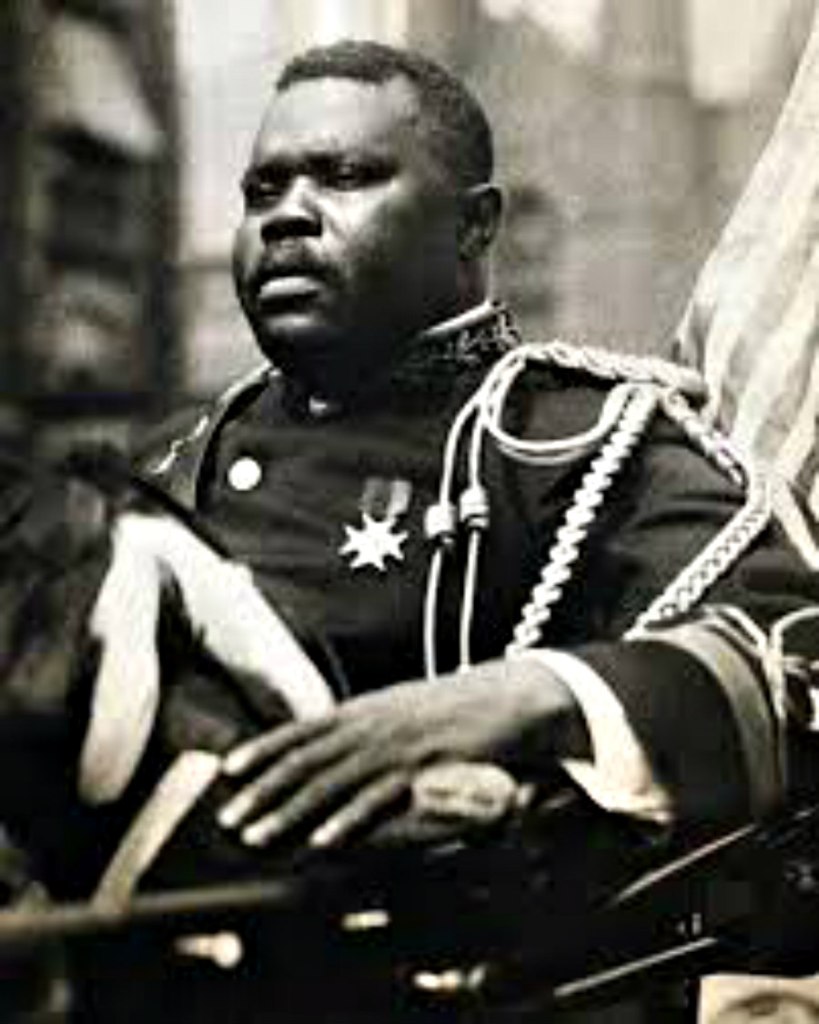
Few figures in the annals of Black history have left as indelible a mark as Marcus Mosiah Garvey. A towering icon of Pan-Africanism, Garvey was a visionary whose mission to uplift, unify, and empower people of African descent reverberates even today. Born on August 17, 1887, in St. Ann’s Bay, Jamaica, Garvey would go on to found the Universal Negro Improvement Association and African Communities League (UNIA-ACL), sparking one of the most significant global movements for Black self-reliance, racial pride, and economic empowerment.
🔥 A Visionary Born to Liberate
Garvey grew up in a modest household in colonial Jamaica, the youngest of eleven children. His father, a stonemason with a vast personal library, inspired Marcus to become a voracious reader and thinker. By age 14, Garvey had become a printer’s apprentice and began observing the economic and racial disparities around him. His travels to Central America, the Caribbean, and Europe would further shape his pan-African ideology as he witnessed the shared oppression of Black people across the globe.
In 1914, he founded the UNIA-ACL in Jamaica, but it was in the United States—specifically Harlem, New York—where the movement flourished. By the early 1920s, Garvey had amassed over six million followers worldwide. His message was simple yet profound: Black people must unite, reclaim their African heritage, and build institutions that reflect their greatness.
🏴 The Black Star Line and Economic Empowerment
Central to Garvey’s mission was the concept of Black economic autonomy. He established the Black Star Line, a shipping company meant to facilitate trade and transport between Africa and the African diaspora. He also launched businesses such as the Negro Factories Corporation to provide jobs and foster financial independence for Black communities.
“A people without the knowledge of their past history, origin and culture is like a tree without roots,” Garvey famously declared, urging African descendants to rediscover their identities and reclaim their destinies.
Garvey’s work was revolutionary. He preached Black pride when doing so was dangerous. He wore regal military uniforms, orchestrated mass parades, and encouraged Black people to see themselves as kings and queens descended from African royalty. His newspaper, The Negro World, served as a platform for Black consciousness and Pan-African politics across the diaspora.
💔 Resistance, Persecution, and Imprisonment
Despite the enormous popularity of his movement, Garvey faced fierce resistance. White institutions and governments viewed his ideology as a direct threat to colonial and capitalist systems. In America, J. Edgar Hoover and the FBI targeted him, eventually convicting Garvey on dubious charges of mail fraud in 1923. He was sentenced to five years in prison and later deported to Jamaica in 1927.
Even within the Black community, Garvey faced criticism, particularly from integrationists like W.E.B. Du Bois, who disagreed with Garvey’s separatist approach. Nevertheless, Garvey never wavered in his conviction that Black people needed their own institutions, economy, and land.
❤️ Family Life and Later Years
In 1919, Garvey married Amy Jacques, a dedicated activist and editor who continued his legacy after his death. Together they had two sons. Amy was instrumental in editing and publishing The Philosophy and Opinions of Marcus Garvey, a text that preserves his speeches and writings for future generations.
Garvey passed away on June 10, 1940, in London, largely forgotten by the mainstream world but revered by millions. Decades later, his legacy would experience a powerful revival. Leaders such as Kwame Nkrumah of Ghana, Malcolm X, and Dr. Martin Luther King Jr. cited Garvey as an inspiration.
🌍 The Legacy of a Liberator
Garvey’s teachings still echo in modern movements like Afrocentrism, Black Lives Matter, and reparations advocacy. The Rastafarian movement, born in Jamaica, regards Garvey as a prophet who foretold the rise of an African messiah. His philosophy of Black self-determination continues to influence Pan-Africanists and Afro-descendant communities across the world.
From his 1921 address, Garvey thundered:
“We are going to emancipate ourselves from mental slavery because whilst others might free the body, none but ourselves can free the mind.” (Garvey, 1983, p. 76)
He was clear in his message: Black people are not inferior, lost, or broken—they are the builders of civilizations.
“Look for me in the whirlwind or the storm, look for me all around you, for with God’s grace, I shall come back with countless millions of Black men and women who have died in America and the West Indies and Africa to aid you in the fight for liberty, freedom and life.” (Garvey, 1983)
🗣️ Words from Those Who Knew Him
Author and activist Amy Jacques Garvey, his wife, wrote:
“Marcus Garvey was a man ahead of his time—visionary, prophetic, relentless. He believed that if Black people knew who they were, they would rise to rule the world.”
🧭 Final Reflections
Garvey’s influence remains undeniable. His ideas laid the foundation for nearly every major Black liberation movement of the 20th and 21st centuries. He did not live to see Africa freed from colonial rule, or African Americans gain civil rights, but his vision made those victories possible. His spirit lives on in every call for justice, every Pan-African flag waved, and every young Black child taught that their heritage is royal.
📚 References
Garvey, M. (1983). Selected Writings and Speeches of Marcus Garvey (B. Martin, Ed.). Dover Publications. Lewis, R. (1987). Marcus Garvey: Anti-Colonial Champion. Africa World Press. Martin, T. (1976). Race First: The Ideological and Organizational Struggles of Marcus Garvey and the Universal Negro Improvement Association. Greenwood Press. Jacques-Garvey, A. (1963). Garvey and Garveyism. Collier Books. Hill, R. A. (1983). The Marcus Garvey and Universal Negro Improvement Association Papers. University of California Press.
The Complexion Divide: A Critical Examination of Colorism, Beauty, and Identity.
Colorism, a term coined by Pulitzer Prize–winning author Alice Walker in 1982, refers to the “prejudicial or preferential treatment of same-race people based solely on their color” (Walker, 1983). Unlike racism, which is structured around differences between racial groups, colorism operates within racial and ethnic communities, privileging lighter skin tones while marginalizing those with darker complexions. It is a form of internalized oppression born from the intersection of white supremacy and colonial ideology.
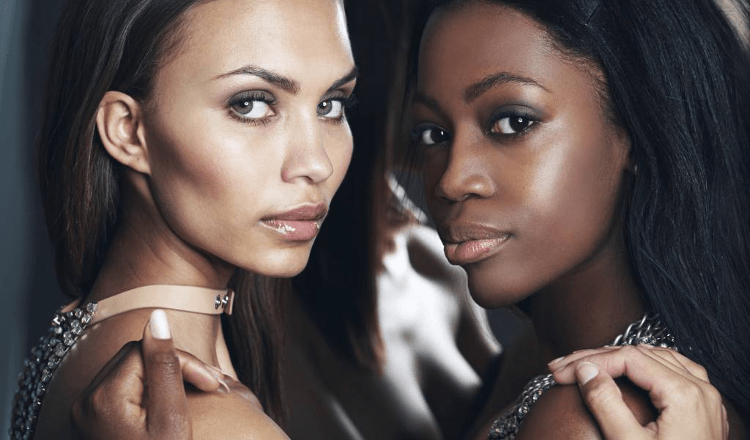
This photograph is the property of its respective owner.
While racism categorizes people by race, colorism creates a hierarchy within that categorization, wherein lighter skin becomes a form of social capital. The effects are deeply psychological, affecting self-worth, community relationships, beauty standards, and life opportunities. It is most deeply felt in communities historically subjected to colonial rule, enslavement, and media misrepresentation—including the Black diaspora.
Colorism privileges individuals with lighter skin, Eurocentric features, and straighter hair textures, often at the expense of darker-skinned individuals, particularly women. It is a global phenomenon—seen in the popularity of skin-lightening creams in Africa and Asia, the media underrepresentation of dark-skinned women, and internalized inferiority within Black and brown communities.
The Beauty Hierarchy and Eurocentric Standards
The universal standard of beauty, reinforced by colonialism, mass media, and white supremacy, promotes a Eurocentric ideal—fair skin, narrow noses, thin lips, and a slim yet curvaceous figure. These characteristics are often seen as aspirational, while Afrocentric features—broad noses, full lips, tightly coiled hair—are marginalized. Scientific racism and eugenics in the 19th and 20th centuries played critical roles in establishing this false standard of human aesthetics (Painter, 2010).
This beauty hierarchy persists today in the form of Hollywood casting, magazine covers, beauty pageants, and advertising, where lighter-skinned Black women (e.g., Beyoncé, Zendaya, Halle Berry, and Yara Shahidi) are more prominently featured than their darker-skinned peers, such as Lupita Nyong’o or Viola Davis—though the latter have also achieved visibility through activism and counter-cultural movements.
Psychological and Biblical Implications
Psychologically, colorism fosters internalized oppression, body dysmorphia, low self-esteem, and even disordered eating. Women and girls not deemed “beautiful” by Eurocentric standards often feel invisible or undesirable. Society trains them, through media propaganda, to seek validation through external approval—what psychologists call externalized locus of control.
Biblically, this phenomenon contradicts the teachings of Scripture, which affirms that “man looks at the outward appearance, but the Lord looks at the heart” (1 Samuel 16:7, NKJV). The Bible consistently emphasizes inner character over physical beauty (Proverbs 31:30). Moreover, the elevation of one group over another due to appearance or social class mirrors the sin of partiality, which Scripture condemns (James 2:1-9).
Beauty and the Racial Caste: From Nazi Aryanism to American Colorism
The Nazi Aryan ideal, rooted in pseudoscientific racial theories, promoted the concept of the Nordic master race. This racial doctrine, advanced by figures like Alfred Rosenberg, claimed that Aryans (Northern Europeans) were biologically and morally superior. Such ideologies influenced not only Germany but also global race and beauty perceptions, legitimizing discrimination against people of color and reinforcing whiteness as the pinnacle of humanity.
These ideologies helped shape a global racial beauty hierarchy, where the following order often dominates:
White (European, Aryan)
East Asian (with fair skin)
South Asian (light-skinned)
Latinx (light mestizo)
Middle Eastern (light Arab)
Black (light-skinned)
Black (dark-skinned)
This hierarchy is evident in fashion industries, marriage markets, and social media algorithms that favor Eurocentric features and lighter complexions.
The Science of Dark Skin and Its Strength
Biologically, melanin—the pigment that gives skin its dark color—offers natural protection against UV radiation and decreases the risk of skin cancer (Jablonski & Chaplin, 2000). Far from being a disadvantage, dark skin is an adaptive advantage in equatorial climates. Despite this, it has been wrongly associated with inferiority, laziness, or criminality—myths perpetuated by colonial narratives and media biases.
In the Black community, colorism fosters division, resentment, and competition. It informs dating preferences, hiring decisions, and self-worth. Lighter-skinned individuals may receive more opportunities, while darker-skinned individuals report higher instances of discrimination—even within their own racial group (Keith & Herring, 1991).
This reality is a byproduct of slavery, where enslaved Africans were divided and assigned labor based on color. Today, this manifests in preferences for lighter-skinned partners, the rejection of natural hair, and increased rates of skin bleaching.
Solutions: Psychological and Spiritual Healing
To overcome colorism and its caste-based roots, several interventions are necessary:
Psychological: Encourage media literacy, affirm diverse representations of beauty, promote healing spaces for racial identity development, and reject comparison culture.
Spiritual: Reconnect with Scripture, which affirms that all are “fearfully and wonderfully made” (Psalm 139:14). Reject the idolatry of beauty and uphold justice and equality.
The Church, educators, and media gatekeepers must challenge false narratives and elevate voices and images that reflect the full spectrum of human dignity.
Colorism and the racial caste system are global cancers rooted in historical oppression and perpetuated through beauty myths and social structures. They distort how people see themselves and others, particularly within communities of color. To rise above the “isms”, we must engage in intentional truth-telling, healing, and cultural reformation that affirms all people—regardless of hue—as made in the image of God.
Historical Origins of Colorism and the Colonial Legacy
Colorism has deep roots in the transatlantic slave trade and European colonization. During American slavery, enslaved Africans were divided by complexion: lighter-skinned individuals—often the result of forced sexual relations between slave owners and enslaved women—were frequently assigned domestic duties in the “Big House,” while darker-skinned individuals labored in the fields under harsher conditions. This division reinforced the idea that proximity to whiteness equated to privilege and desirability.
These divisions sowed seeds of internal conflict, jealousy, and disunity within the Black community—a legacy that remains today. Light skin became associated with intelligence, civility, and beauty, while dark skin was linked to ignorance, brutishness, and unattractiveness. These narratives were not just social—they were weaponized tools of control under the umbrella of white supremacy.
Colorism vs. Racism: A Distinct Yet Interrelated Dynamic
While racism is discrimination based on perceived racial identity—often institutional and systemic—colorism is intra-racial and operates at a more intimate, psychological level. It reflects an acceptance of racial hierarchies within one’s own group, often unknowingly perpetuated by those subjected to racial subjugation themselves.
he concept of a racial caste system reflects a deeply entrenched global hierarchy that privileges certain racial and phenotypic features—especially those associated with whiteness—while marginalizing others. This system, particularly within the realms of beauty and social value, historically elevates the white woman as the apex of aesthetic ideals. Her image—fair skin, narrow features, and light hair—has become the global prototype of beauty, reinforced relentlessly through media, colonial legacies, and socio-political structures.
Defining the Caste System and Its Color-Based Foundations
The caste system, originally associated with South Asia, particularly India, is a rigid social stratification structure that historically defined individuals by their birth status, often linked to ritual purity and occupation. During the collapse of the Mughal Empire and under British colonial rule, caste identities were hardened and institutionalized. The British Raj, from 1860–1920, codified caste divisions through their administration, privileging upper-caste elites with education and jobs while relegating the lower castes to subjugated roles. This stratification aligned with skin tone hierarchies, where lighter skin tones were associated with higher caste status and moral superiority (Deshpande, 2010).
This Indian model of caste-based discrimination found parallels across the globe. During American slavery, enslaved Africans were divided by shade: light-skinned Blacks, often children of slave masters, were assigned more favorable tasks (such as domestic work), while dark-skinned Africans were confined to harsh field labor. This intra-racial division sowed seeds of colorism that persist today (Hunter, 2007).
Colorism privileges individuals with lighter skin, Eurocentric features, and straighter hair textures, often at the expense of darker-skinned individuals, particularly women. It is a global phenomenon—seen in the popularity of skin-lightening creams in Africa and Asia, the media underrepresentation of dark-skinned women, and internalized inferiority within Black and brown communities.
The Beauty Hierarchy and Eurocentric Standards
The universal standard of beauty, reinforced by colonialism, mass media, and white supremacy, promotes a Eurocentric ideal—fair skin, narrow noses, thin lips, and a slim yet curvaceous figure. These characteristics are often seen as aspirational, while Afrocentric features—broad noses, full lips, tightly coiled hair—are marginalized. Scientific racism and eugenics in the 19th and 20th centuries played critical roles in establishing this false standard of human aesthetics (Painter, 2010).
This beauty hierarchy persists today in the form of Hollywood casting, magazine covers, beauty pageants, and advertising, where lighter-skinned Black women (e.g., Beyoncé, Zendaya, Halle Bailey, Yara Shahidi) are more prominently featured than their darker-skinned peers, such as Lupita Nyong’o or Viola Davis—though the latter have also achieved visibility through activism and counter-cultural movements.
Beauty and the Racial Caste: From Nazi Aryanism to American Colorism
The Nazi Aryan ideal, rooted in pseudoscientific racial theories, promoted the concept of the Nordic master race. This racial doctrine, advanced by figures like Alfred Rosenberg, claimed that Aryans (Northern Europeans) were biologically and morally superior. Such ideologies influenced not only Germany but also global race and beauty perceptions, legitimizing discrimination against people of color and reinforcing whiteness as the pinnacle of humanity.
These ideologies helped shape a global racial beauty hierarchy, where the following order often dominates:
White (European, Aryan)
East Asian (with fair skin)
South Asian (light-skinned)
Latinx (light mestizo)
Middle Eastern (light Arab)
Black (light-skinned)
Black (dark-skinned)
This hierarchy is evident in fashion industries, marriage markets, and social media algorithms that favor Eurocentric features and lighter complexions.
The Science of Dark Skin and Its Strength
Biologically, melanin—the pigment that gives skin its dark color—offers natural protection against UV radiation and decreases the risk of skin cancer (Jablonski & Chaplin, 2000). Far from being a disadvantage, dark skin is an adaptive advantage in equatorial climates. Despite this, it has been wrongly associated with inferiority, laziness, or criminality—myths perpetuated by colonial narratives and media biases.
Impact on the Black Community
In the Black community, colorism fosters division, resentment, and competition. It informs dating preferences, hiring decisions, and self-worth. Lighter-skinned individuals may receive more opportunities, while darker-skinned individuals report higher instances of discrimination—even within their own racial group (Keith & Herring, 1991).
This reality is a byproduct of slavery, where enslaved Africans were divided and assigned labor based on color. Today, this manifests in preferences for lighter-skinned partners, the rejection of natural hair, and increased rates of skin bleaching.
Solutions: Psychological and Spiritual Healing
To overcome colorism and its caste-based roots, several interventions are necessary:
Psychological: Encourage media literacy, affirm diverse representations of beauty, promote healing spaces for racial identity development, and reject comparison culture.
Spiritual: Reconnect with Scripture, which affirms that all are “fearfully and wonderfully made” (Psalm 139:14). Reject the idolatry of beauty and uphold justice and equality.
The Church, educators, and media gatekeepers must challenge false narratives and elevate voices and images that reflect the full spectrum of human dignity.
Colorism and the racial caste system are global cancers rooted in historical oppression and perpetuated through beauty myths and social structures. They distort how people see themselves and others, particularly within communities of color. To rise above the “isms”, we must engage in intentional truth-telling, healing, and cultural reformation that affirms all people—regardless of hue—as made in the image of God.
Why Is Light Skin Viewed as More Attractive? The Colonial Beauty Ideal
The elevation of light skin is a product of a Eurocentric beauty paradigm established through colonial education, media, and social norms. Historically, European features—fair skin, straight hair, slender noses, and light eyes—have been projected as the universal standard of beauty. This construct is reinforced in fashion, television, film, and social media, creating a globalized aesthetic ideal.
Black women and girls across the world are pressured to conform to this standard—often resulting in skin lightening, hair straightening, cosmetic surgery, and disordered eating. These are not merely beauty preferences; they are survival strategies in a world where desirability often equates to social and economic access.
The Psychological and Spiritual Toll of Colorism
The psychological damage caused by colorism includes:
Low self-esteem and body image issues
Internalized self-hatred
Disrupted identity formation in youth
Color-based bullying, often beginning in childhood
Discrimination in dating, employment, and education
From a biblical perspective, colorism contradicts the foundational truth that all people are made in the image of God (Genesis 1:27). The Bible affirms diversity in creation, and nowhere does it prescribe skin tone as a standard of righteousness, beauty, or worth. Proverbs 31:30 reminds us:
“Charm is deceitful and beauty is vain, but a woman who fears the Lord is to be praised.”
Media and the “Invisible” Woman: The Silencing of Darker Beauty
The media has long perpetuated the myth that beauty is white, slim, and symmetrical. Women who do not meet this standard—especially dark-skinned Black women—often face erasure. Who sees “the woman that nobody sees”? The one ignored in public, overlooked in dating, absent from billboards? This invisibility is one of the most painful consequences of colorism.
Black Beauty and Global Icons
Despite centuries of marginalization, many Black figures have shattered conventional beauty standards and redefined what it means to be beautiful:
Lupita Nyong’o – Oscar-winning actress and vocal advocate against colorism
Viola Davis – Emmy and Oscar winner, known for her powerful presence and authenticity
Gabrielle Union – Actress and author who has challenged Hollywood’s narrow beauty ideals
Naomi Campbell – One of the first Black supermodels to dominate high fashion
Kelly Rowland – Often overshadowed in her early career, she has embraced and celebrated her dark complexion
Jodie Turner-Smith, Michaela Coel, Danai Gurira, and Teyonah Parris – All represent a bold, proud, and deeply Black beauty that confronts Eurocentric norms
These women are not only physically stunning—they reflect strength, intelligence, and spiritual depth.
The Science Behind Dark Skin: A Gift Misunderstood
Scientifically, melanin—the pigment responsible for darker skin—provides protection against ultraviolet radiation. It reduces the risk of sunburn, skin cancer, and slows the aging process. Far from being a deficiency, dark skin is a biological adaptation of excellence, rooted in the geography and climate of ancestral homelands.
✨ Mark Twain on Dark Skin and Zulu Beauty
In Following the Equator (1897), Mark Twain offers a striking meditation on the appearance of South African Zulu tribesmen:
Twain continues with a vivid contrast of white and dark complexions:
“Nearly all black and brown skins are beautiful, but a beautiful white skin is rare.… The advantage is with the Zulu… he starts with a beautiful complexion, and it will last him through.”Full Text Archive+7TheOriginalBlackWoman+7Learning India+7
These passages reveal Twain’s admiration for deeply melanin-rich skin tones and his critique of pale complexions, which, he argues, require constant artificial maintenance.
📖 Contextual Significance
Twain’s reflections emerge from his global travels, where he observed beauty in cultures often marginalized by Western standards. He contrasted the effortless radiance of dark-skinned individuals with the fragile, impermanent beauty of many white complexions, noting how the latter often appear unhealthy or artificial in contrast to naturally rich melanin hues. Mark Twain Classic LiteratureFull Text ArchiveTheOriginalBlackWoman
🧪 Insights and Implications
Theme
Explanation
Beauty & Hierarchy
Twain challenges Eurocentric beauty ideals by elevating darker skin as naturally durable and aesthetically superior.
Cultural Critique
He implicitly critiques a global beauty infrastructure reliant on cosmetics, bleaching, and artificial enhancements.
Psychological Affirmation
His language affirms the inherent dignity, grace, and resilience of dark-skinned individuals—a rare stance in his era.
Recognize each human as fearfully and wonderfully made (Psalm 139:14)
Dismantle idols of beauty and embrace godly character as the true mark of worth
Celebrate diversity as God’s creative intention, not as a flaw to be corrected
Psychological and Community Solutions:
Media representation: Promote diverse portrayals of Blackness in media and advertising
Education: Teach children the beauty of melanin, natural hair, and African features early
Therapy and support groups: Address color-based trauma in safe, healing environments
Parenting practices: Encourage affirmation in families, especially for dark-skinned children
Conclusion: From Shame to Sovereignty
Colorism is a byproduct of colonial violence and white supremacy that has taken root in the hearts and minds of oppressed peoples. But it is not unbreakable. Through truth, education, and faith, the lies about Blackness—especially dark-skinned Black womanhood—can be uprooted.
The question remains: Is light skin better than dark skin? No. It is a false dichotomy—a deception. Beauty is not found in hue, but in the harmony of soul, spirit, and strength. When we rise above the shade-based lies that divide us, we rediscover the inherent power of being beautifully, unapologetically Black.
REFERENCES:
Deshpande, A. (2010). The Grammar of Caste: Economic Discrimination in Contemporary India. Oxford University Press.
Hunter, M. (2007). The Persistent Problem of Colorism: Skin Tone, Status, and Inequality. Sociology Compass, 1(1), 237–254.
Jablonski, N. G., & Chaplin, G. (2000). The evolution of human skin coloration. Journal of Human Evolution, 39(1), 57–106.
Keith, V. M., & Herring, C. (1991). Skin Tone and Stratification in the Black Community. American Journal of Sociology, 97(3), 760–778.
Walker, A. (1982). In Search of Our Mothers’ Gardens: Womanist Prose.
Hunter, M. (2005). Race, Gender, and the Politics of Skin Tone. Routledge.
Russell, K., Wilson, M., & Hall, R. (1992). The Color Complex: The Politics of Skin Color Among African Americans. Anchor Books.
Thompson, C. (2009). Black Women, Beauty, and Hair as a Matter of Being. Women’s Studies.
The Holy Bible, KJV. Genesis 1:27; Psalm 139:14; Proverbs 31:30.
Twain, M. (1894). Following the Equator: A Journey Around the World.
Pretty privilege refers to the societal advantage given to people who are considered conventionally attractive. Those who benefit from this unspoken bias are often treated more favorably in areas such as employment, dating, customer service, and social interaction, simply because of their appearance.
This form of privilege stems from what psychologists call the “halo effect”—a cognitive bias where we assume that attractive people possess other positive traits like intelligence, kindness, or competence (Dion, Berscheid & Walster, 1972). In essence, beauty becomes a currency that opens doors.
Where Does Pretty Privilege Come From?
The roots of pretty privilege are deeply embedded in Western beauty standards, often tied to Eurocentric features: light skin, thinness, symmetry, straight hair, and youth. These standards have been exported globally through colonialism, media, advertising, and Hollywood.
In many cultures—including communities of color—these ideals have been internalized. As a result, light skin, certain facial features, and body types are often associated with higher status, desirability, and even intelligence, reinforcing colorism and body shaming (Russell et al., 1992; Craig, 2002).
Pretty Privilege in Culture and Work
Workplace: Attractive people tend to earn more money and are perceived as more capable. A study by Hamermesh & Biddle (1994) found that better-looking people earn 5% to 10% more than their average-looking peers. Attractive candidates are more likely to be hired, promoted, and trusted in leadership roles—even when qualifications are equal.
Culture: In media, “pretty” people dominate film, television, and social platforms. The more attractive you are by mainstream standards, the more likely you are to gain followers, brand deals, and admiration. This is especially prominent on platforms like Instagram and TikTok.
Dating: In online dating, attractiveness determines initial contact, and women deemed attractive receive up to 4x more messages than average (Finkel et al., 2012). Men, too, benefit, but to a lesser degree.
Social Treatment: Studies show that attractive people are judged less harshly, receive better customer service, and are more likely to be believed or forgiven (Langlois et al., 2000).
Does Pretty Privilege Apply Equally Across Cultures?
Not exactly. While attractiveness is valued globally, what is considered beautiful differs across cultures. However, colonialism and globalization have caused a dominant Western beauty standard to permeate much of the world, leading to widespread issues like skin bleaching (Africa, Asia, the Caribbean), cosmetic surgery, and eating disorders.
In Black and brown communities, pretty privilege is deeply tied to colorism, texturism (hair bias), and facial feature hierarchies. Lighter-skinned women with Eurocentric features often receive more attention, professional opportunities, and romantic interest—even within their own racial groups.
Is It Better to Be Beautiful or Smart?
This depends on the context:
In the long run, intelligence and competence often lead to more sustainable success.
In the short term, beauty may offer faster access to opportunities—but they may be more superficial.
📊 Statistics: Beauty vs. Intelligence
IQ vs. Income: According to the American Psychological Association, IQ correlates with income (~0.23 correlation), meaning intelligence has a consistent but moderate impact on earnings (Strenze, 2007).
Beauty vs. Income: Hamermesh (2011) found that people rated as attractive earn $230,000 more over a lifetime than unattractive peers.
Job Performance: Intelligence is one of the strongest predictors of job performance across professions (Schmidt & Hunter, 1998), while beauty is more relevant in jobs requiring visibility (e.g., sales, entertainment).
Marriage: Men with higher education are more likely to marry, but for women, appearance still heavily influences marital outcomes (Qian, 2017).
Criticisms and Limitations of Pretty Privilege
It’s unstable: Beauty fades or changes with age, weight, or health.
It reinforces harmful standards: Societies that idolize beauty often marginalize those who are disabled, older, or outside the norm.
It can mask incompetence: Attractive people may be overestimated in roles requiring skill or leadership, leading to flawed decisions.
It often ignores intersectionality: Beauty is racialized, gendered, and classed. A light-skinned woman may benefit from beauty privilege, while a dark-skinned woman may be penalized—even if equally attractive by objective measures.
Can We Change It?
We can’t eliminate pretty privilege overnight, but we can:
Broaden definitions of beauty to be more inclusive across races, body types, ages, and genders.
Value merit and integrity over superficial qualities in hiring and leadership.
Teach media literacy to help young people understand how beauty standards are constructed and weaponized.
Challenge ourselves: Ask whether our preferences in dating, hiring, or friendships are shaped by bias or real connection.
Conclusion
Pretty privilege is real, and it influences everything from careers to courtships. While being beautiful may open doors, intelligence, character, and resilience determine how long you stay in the room. We must recognize the power of both beauty and brains—but work to ensure that value isn’t limited to the surface.
References
Dion, K. K., Berscheid, E., & Walster, E. (1972). “What is beautiful is good.” Journal of Personality and Social Psychology, 24(3), 285–290.
Hamermesh, D. S., & Biddle, J. E. (1994). “Beauty and the Labor Market.” The American Economic Review, 84(5), 1174–1194.
Hamermesh, D. S. (2011). Beauty Pays: Why Attractive People Are More Successful. Princeton University Press.
Langlois, J. H., et al. (2000). “Maxims or Myths of Beauty? A Meta-Analytic and Theoretical Review.” Psychological Bulletin, 126(3), 390–423.
Finkel, E. J., et al. (2012). “Online Dating: A Critical Analysis from the Perspective of Psychological Science.” Psychological Science in the Public Interest, 13(1), 3–66.
Strenze, T. (2007). “Intelligence and socioeconomic success: A meta-analytic review of longitudinal research.” Intelligence, 35(5), 401–426.
Russell, K., Wilson, M., & Hall, R. (1992). The Color Complex. Anchor Books.
Craig, M. L. (2002). Ain’t I a Beauty Queen? Oxford University Press.
Schmidt, F. L., & Hunter, J. E. (1998). “The Validity and Utility of Selection Methods in Personnel Psychology.” Psychological Bulletin, 124(2), 262–274.
Qian, Y. (2017). “Gender Asymmetry in Educational and Income Assortative Marriage.” Journal of Marriage and Family, 79(2), 318–336
Where faith, history, and truth illuminate the Black experience.


 THE BROWN GIRL DILEMMA